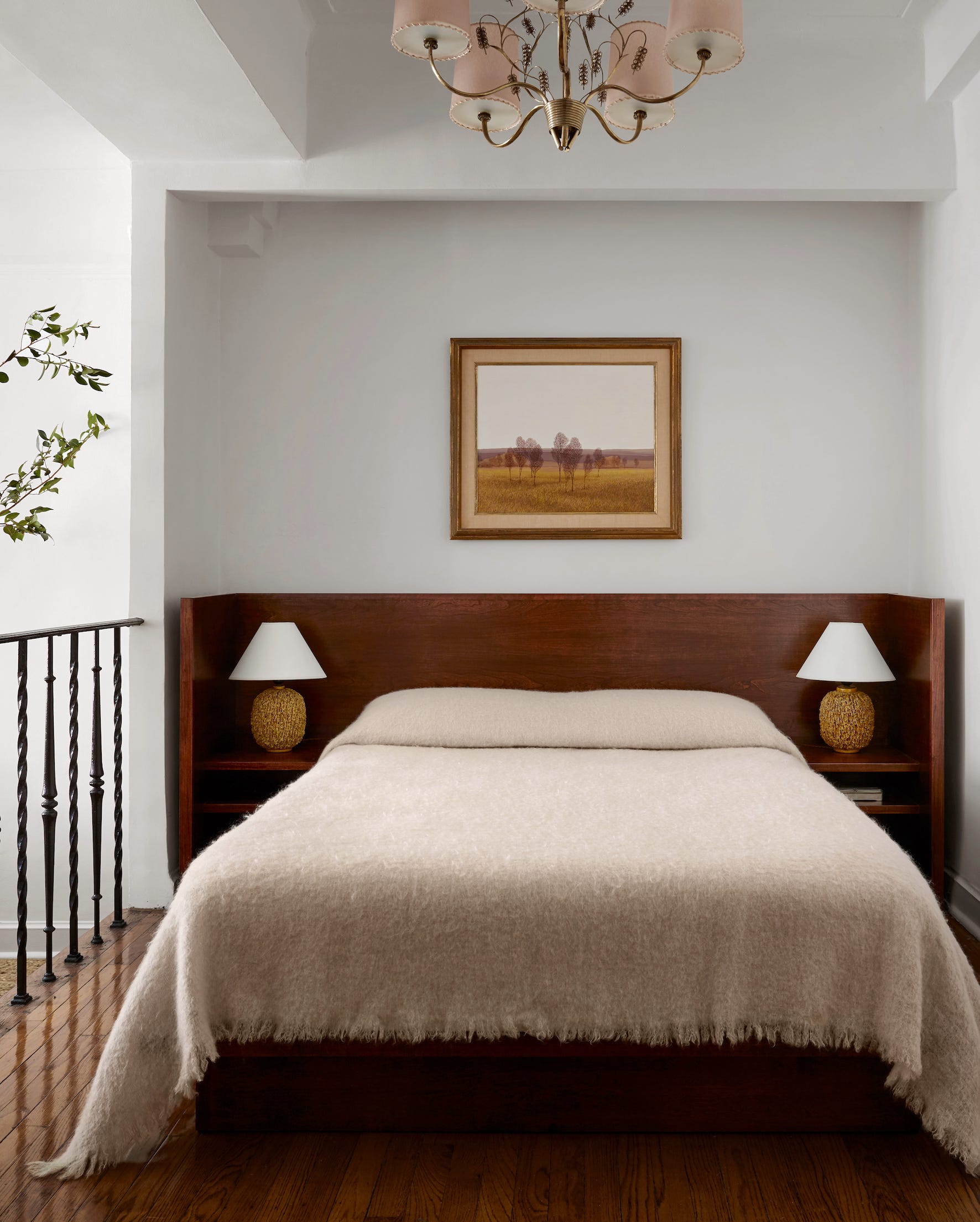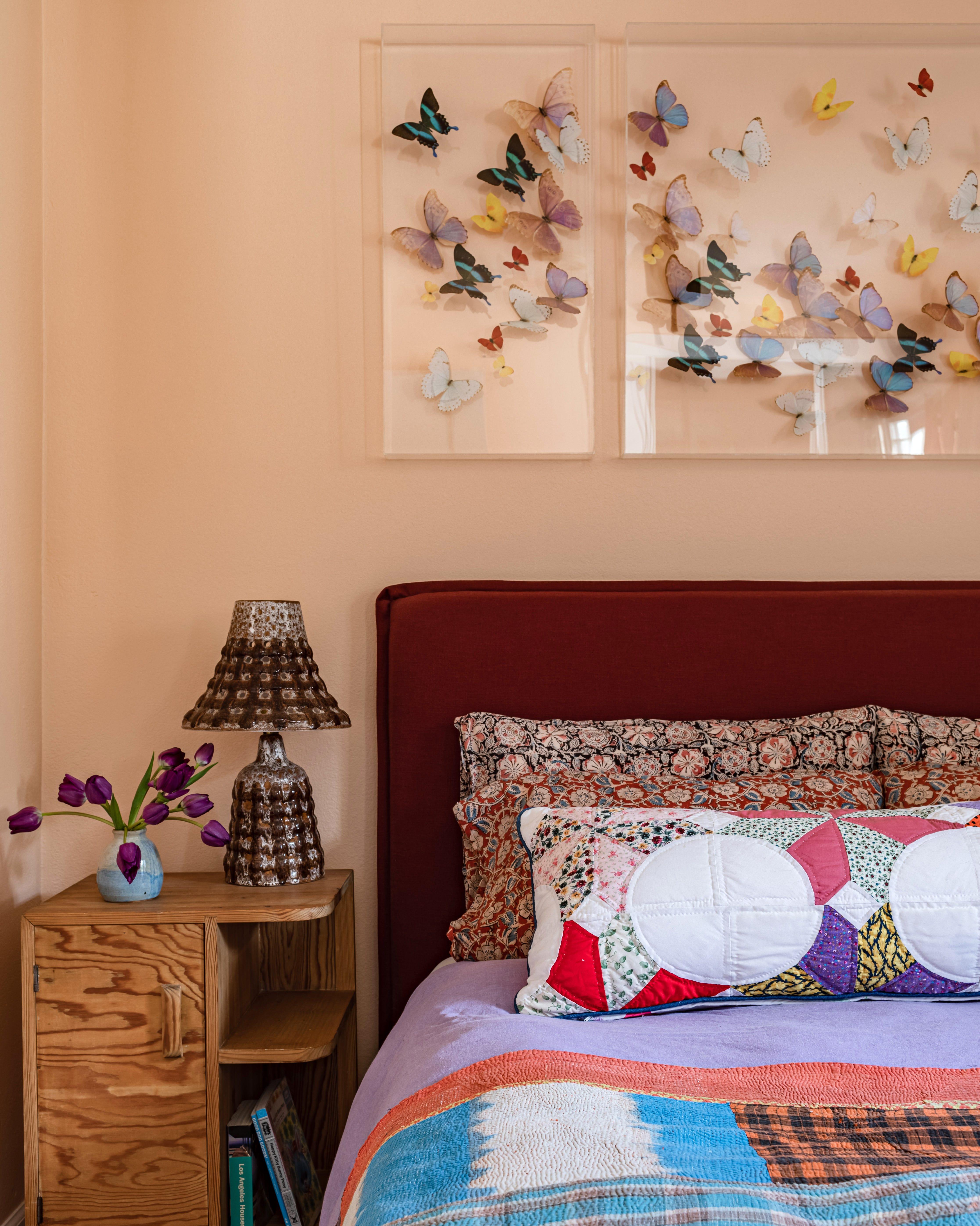
1/8
The evolution of the modern bedroom
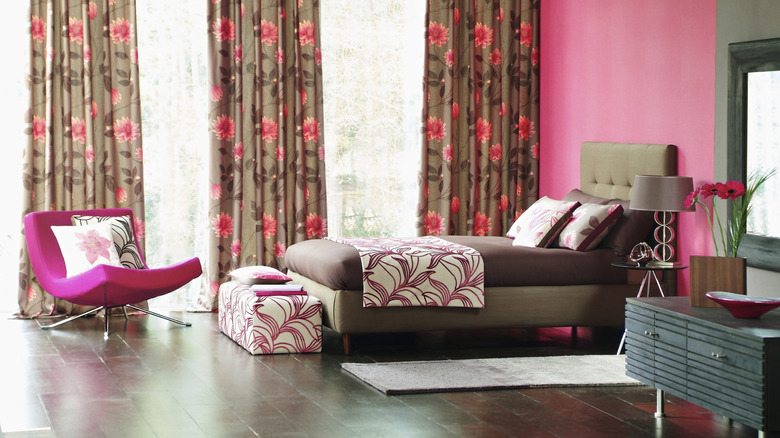
The modern bedroom, a private sanctuary, has a history spanning 77,000 years, beginning with a simple two square meter, 30 cm deep woven reed and rush bed discovered in South Africa. This early sleeping arrangement, large enough for a family and covered in insect-repelling leaves, suggests a comfort level that was, in some ways, superior to later sleeping conditions for many humans.
The most significant transformation occurred in the 17th Century when dedicated bedrooms began to appear in European houses. This shift was a direct result of architectural evolution, as homes started incorporating staircases, landings, and corridors that allowed for a network of private rooms, moving away from the previously public sequences of interconnected spaces. Before this, even royalty relied on bed curtains to achieve any semblance of privacy.
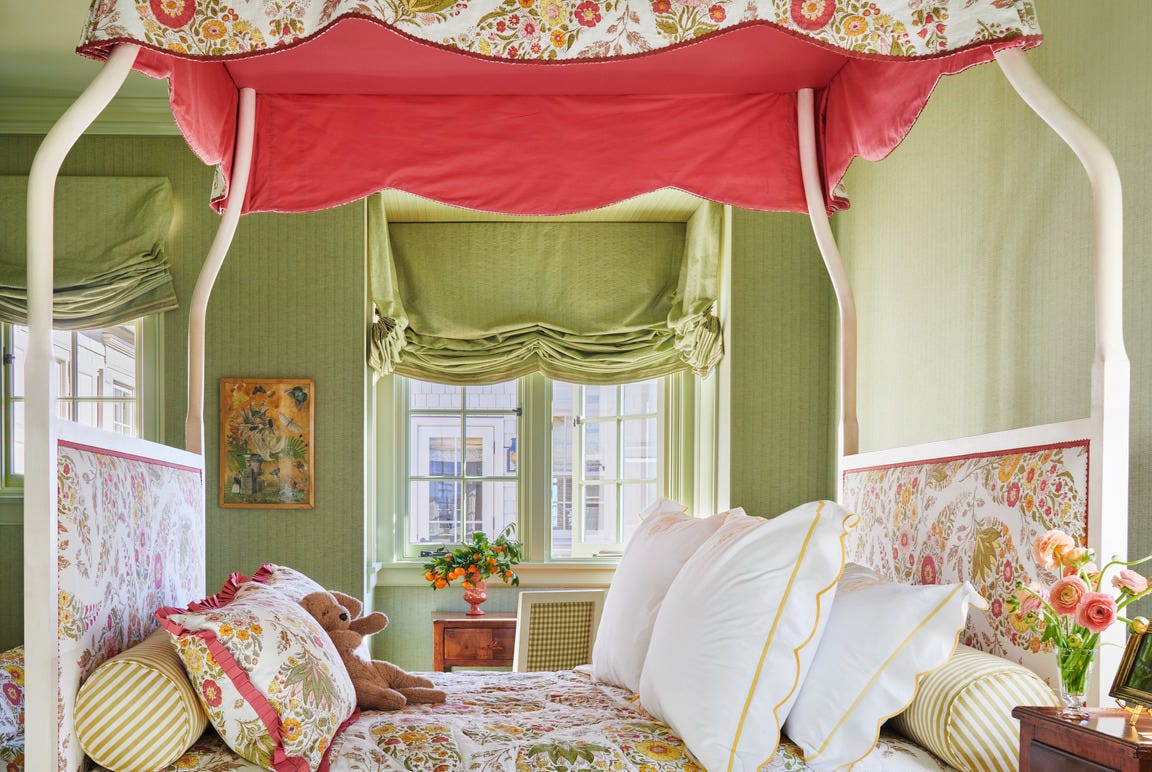
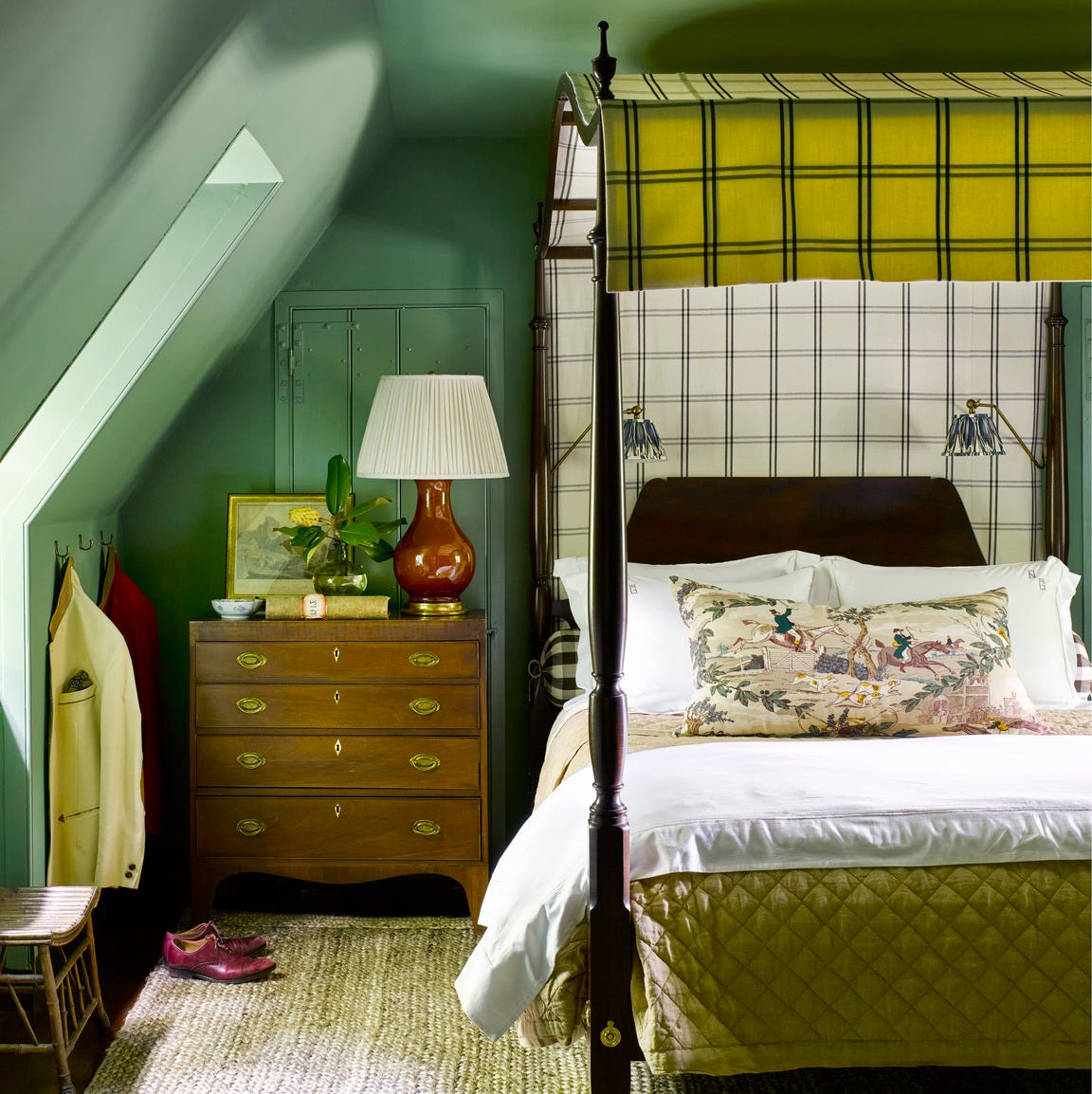
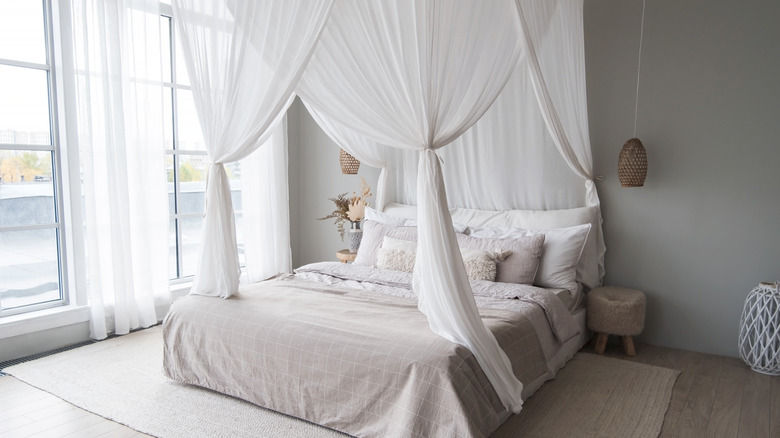
Throughout history, communal sleeping arrangements were common. Ancient Roman atriums often featured small cell-like bedrooms, and many societies, from Buddhist and Christian monks to children in boarding schools and tribal communities, have traditionally slept in shared dormitories. In contrast, the era of grand European houses introduced opulent four-poster beds, a trend that extended to well-off farmhouses and coaching inns. The Great Bed of Ware, a famous 16th-century bed, exemplified this extravagance, being large enough to accommodate eight people and appearing in literary works.
Before the widespread adoption of modern plumbing, bedrooms served multiple functions, often including personal washing and grooming. Traditional Japanese homes offered a versatile approach, using sliding screens and roll-up futons to transform a single space into a bedroom, living room, dining room, or study as needed. This adaptability foreshadows the customizable 'tiny living' spaces prevalent in today's densely populated urban areas.
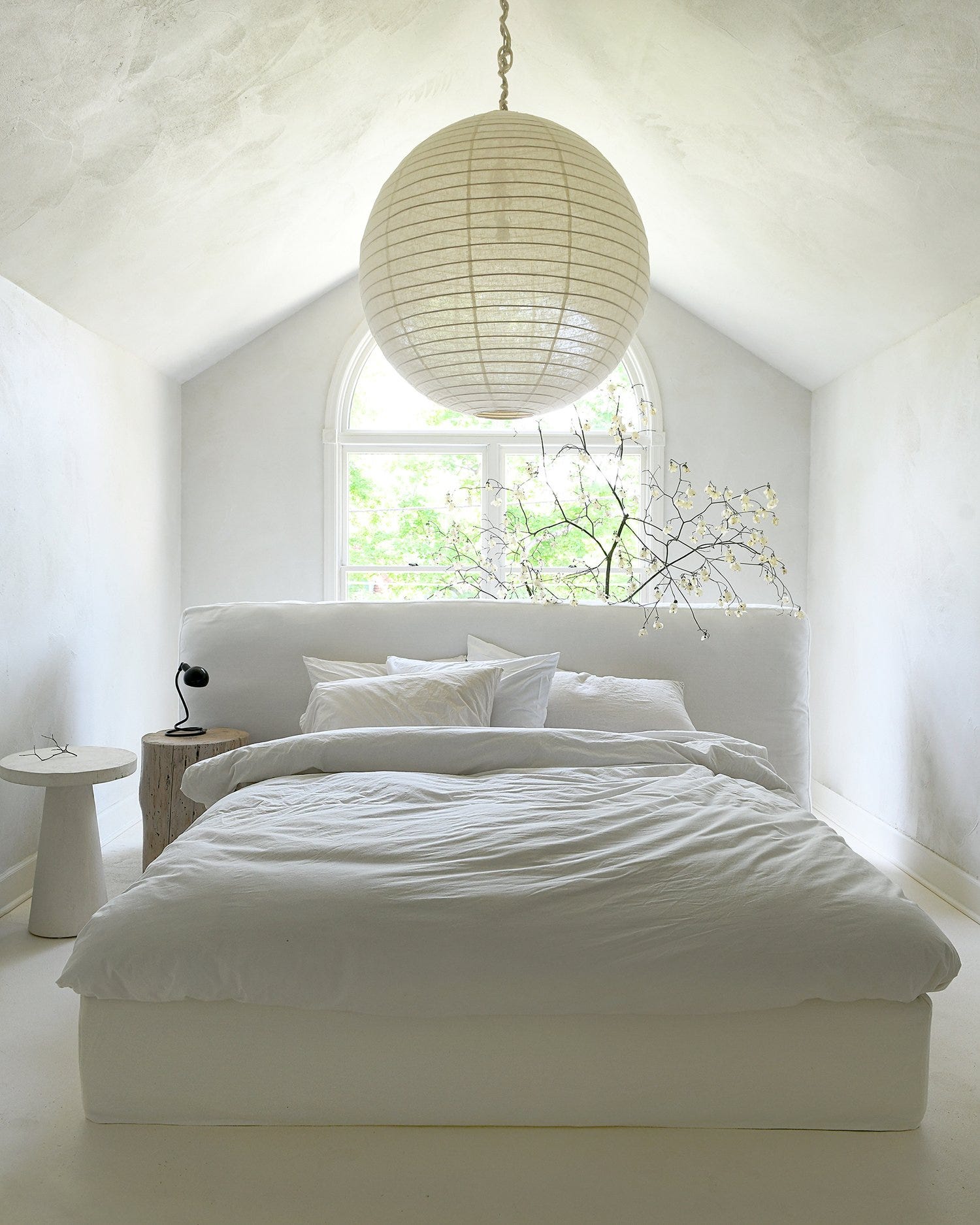
Architects like Le Corbusier in the 20th century championed a minimalist approach to bedrooms, prioritizing light, privacy, and curated views over ornate decorations. The modern era also saw the integration of various gadgets, from the Goblin Teasmade to waterbeds, which briefly gained significant popularity in the US market in the 1980s. These innovations reflect a continuous effort to enhance comfort and convenience in the sleeping environment.
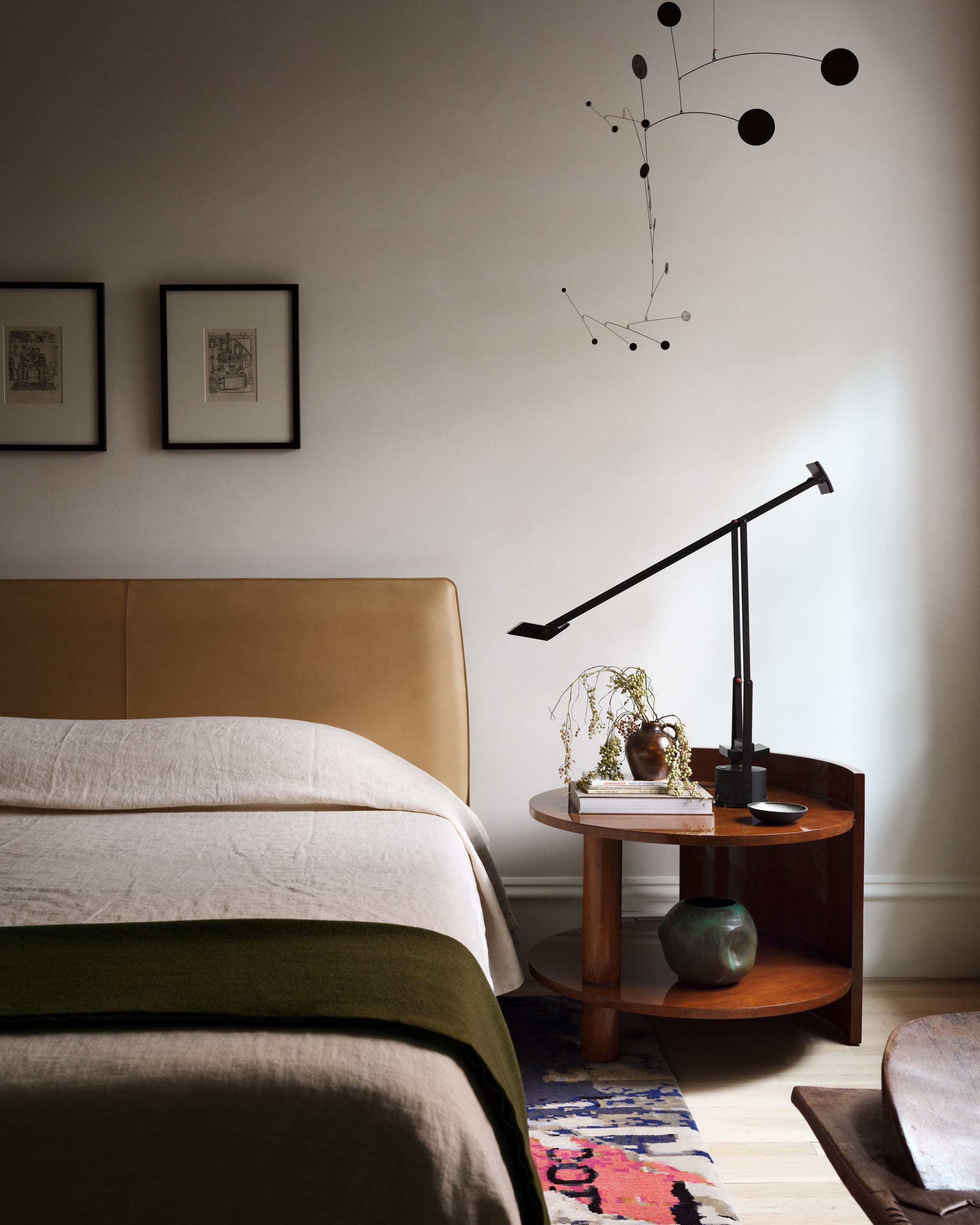
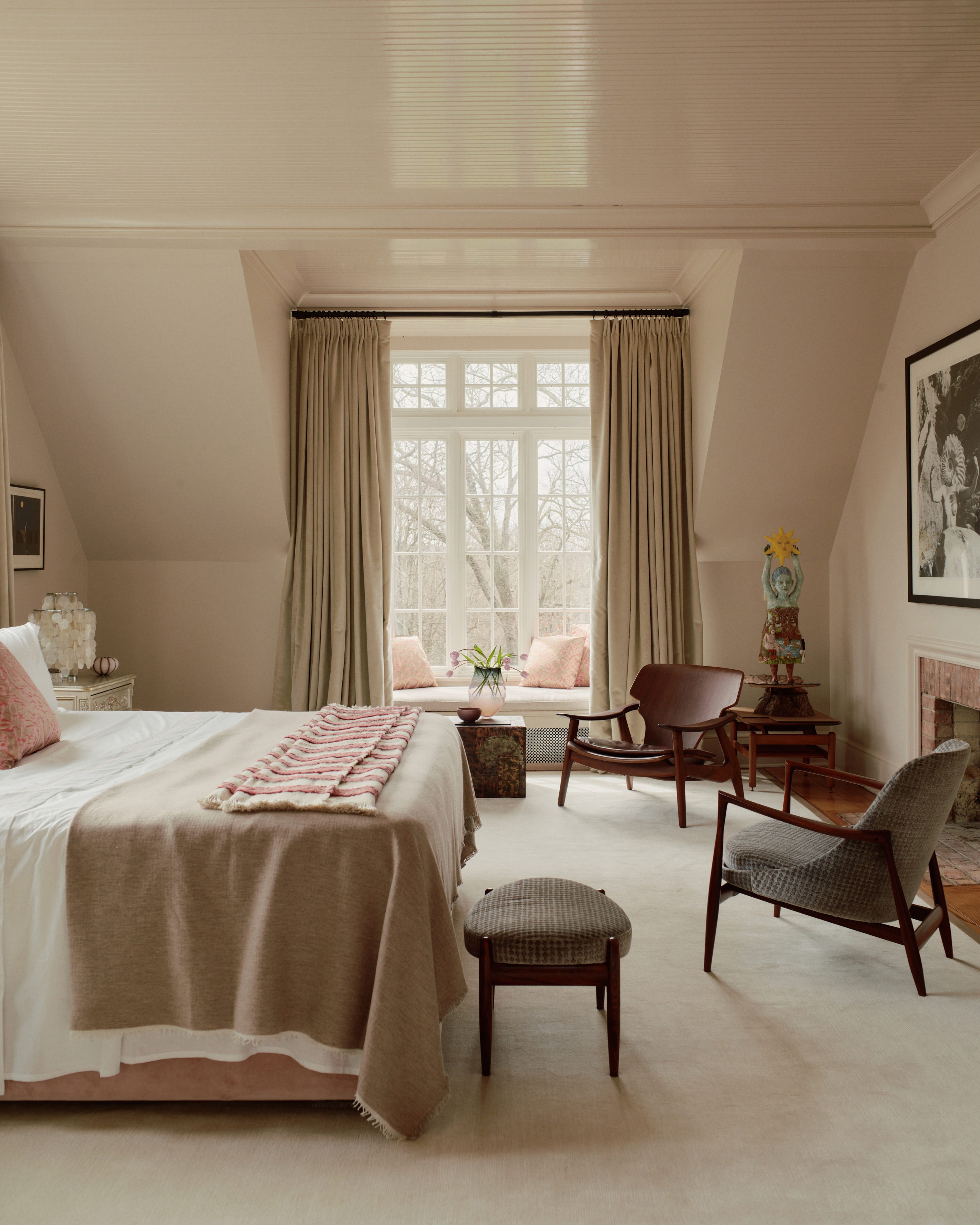
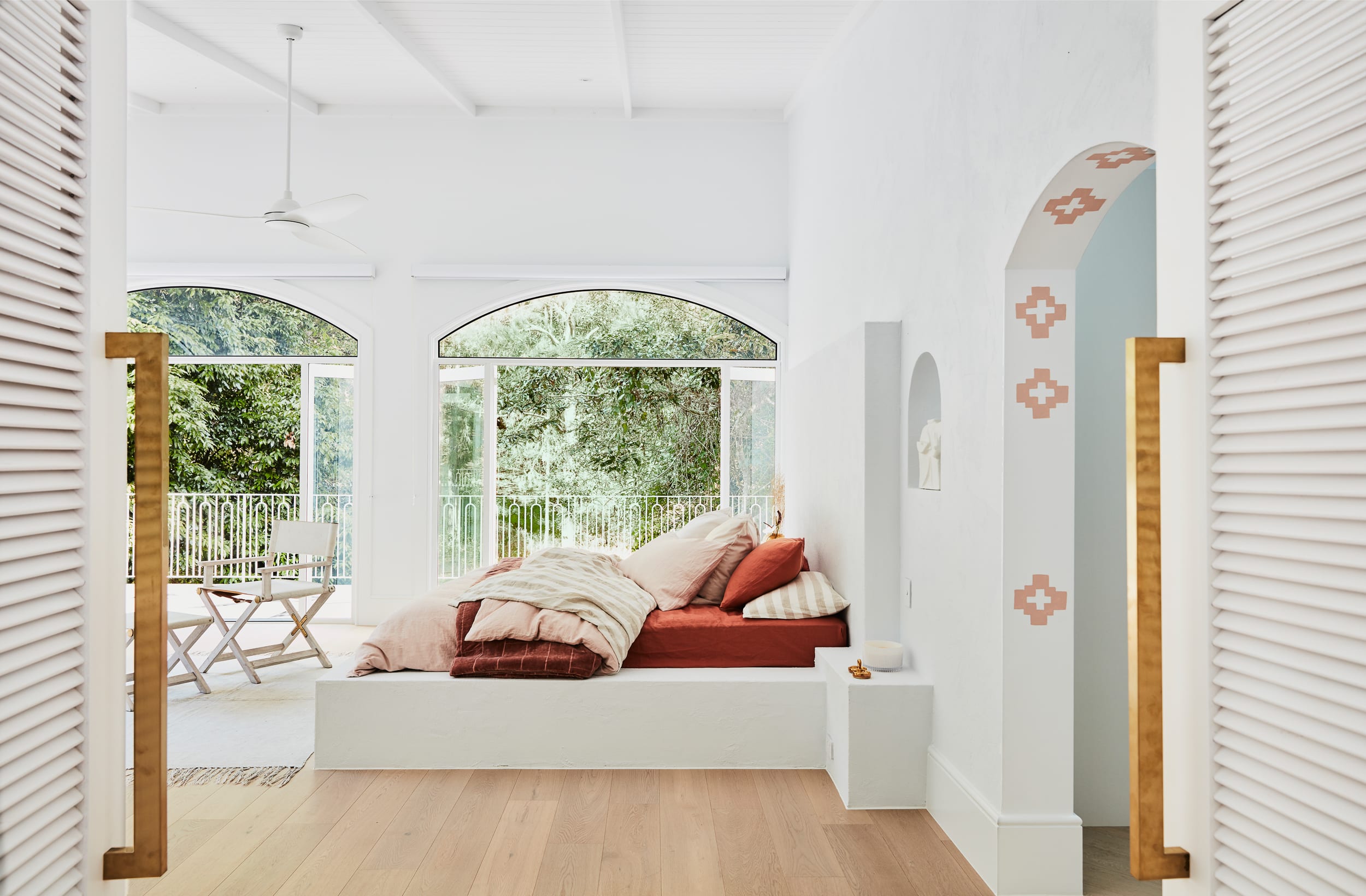
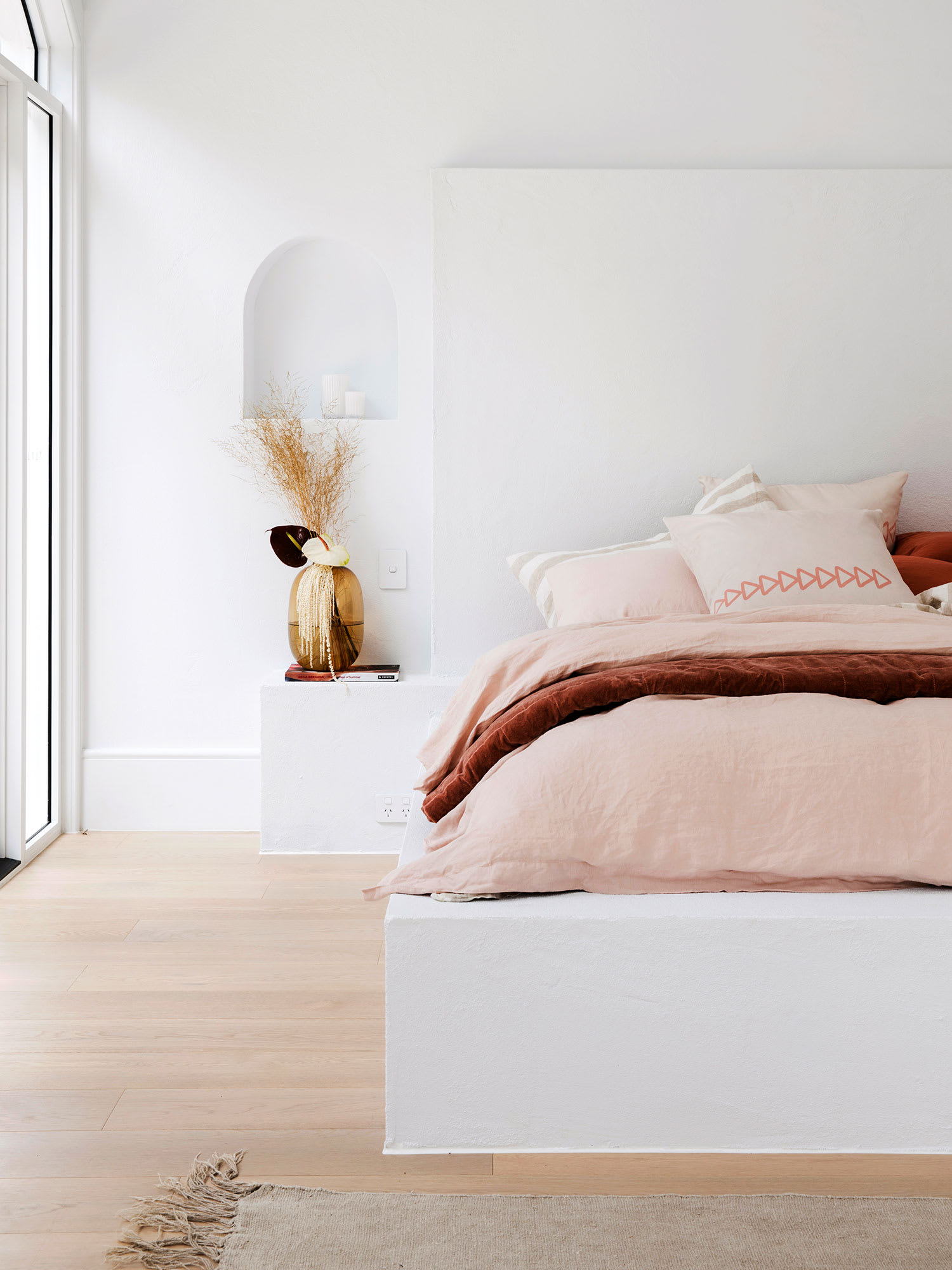
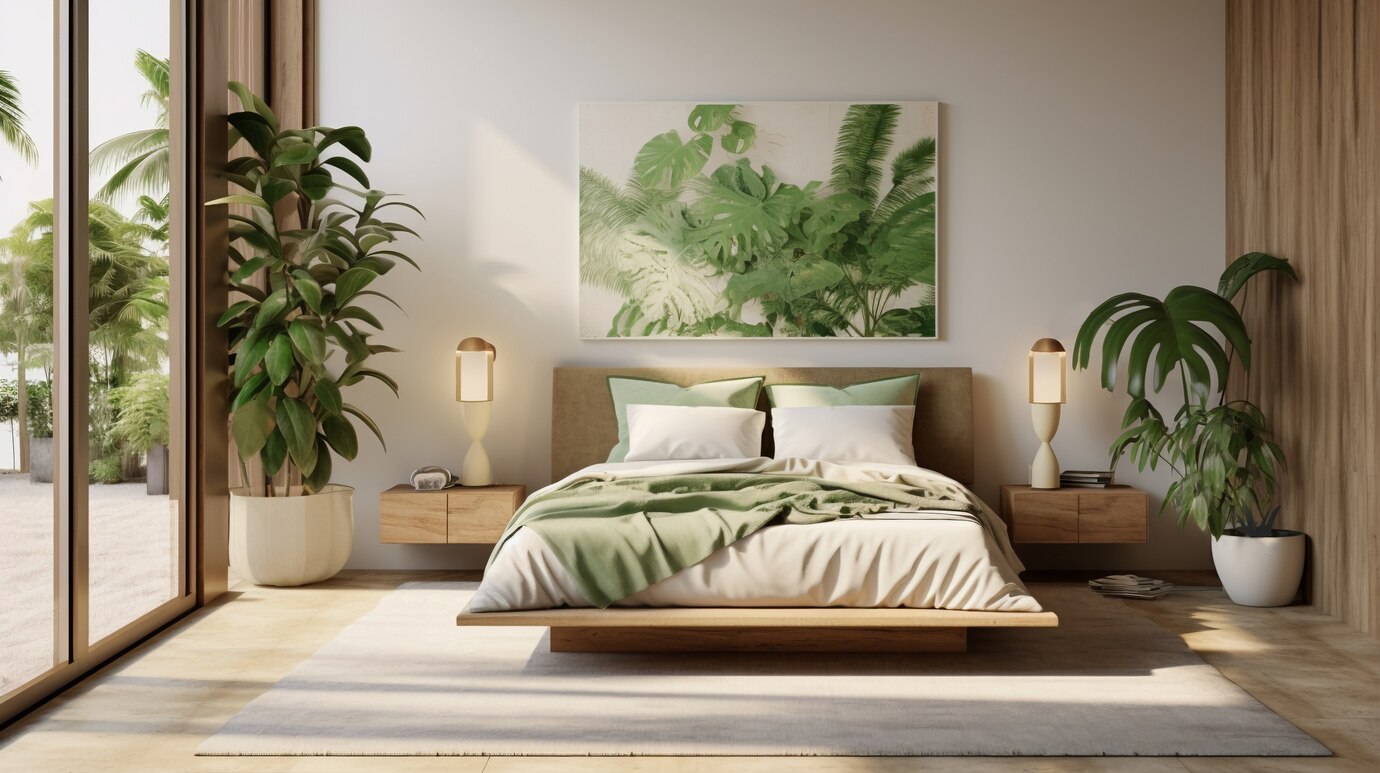
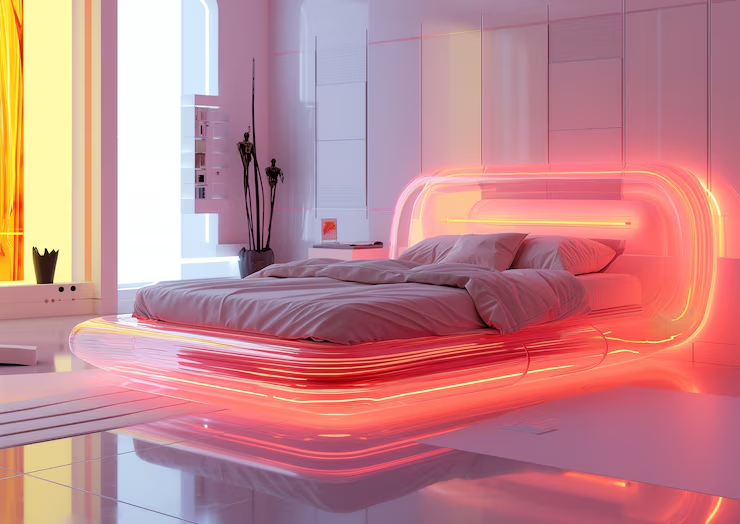
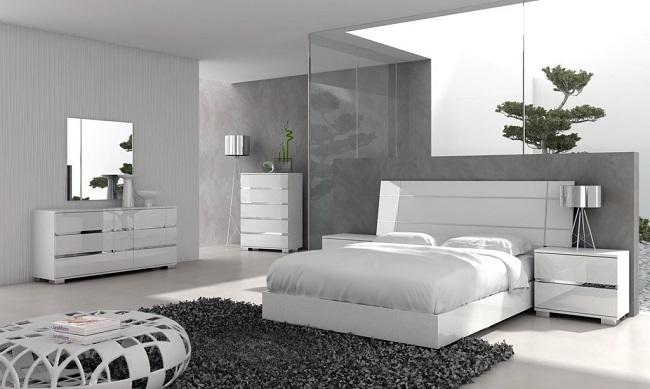
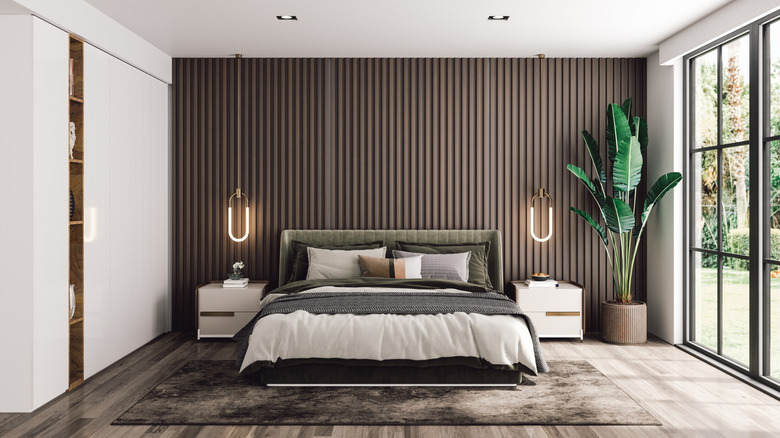
In contemporary Western society, the private bedroom has evolved into a multifunctional hub. It serves as a play area for children, a private retreat for teenagers, an office for remote workers, and often, a luxurious, hotel-suite-like haven equipped with en-suite bathrooms, plush bedding, flat-screen televisions, sophisticated lighting, and digital devices. Future concepts include self-cleaning mattresses, biometric sensors, and holographic entertainment systems.
However, technology presents a dual challenge to sleep patterns. While it has led to more comfortable materials and optimized sleeping environments, the blue light emitted from modern gadgets like smartphones and tablets disrupts circadian rhythms and the release of sleep-regulating hormones, contributing to widespread inefficient sleep. Consequently, the concept of 'sleep hygiene' has become increasingly important, advocating for practices that promote healthy sleep habits. Despite technological advancements, the fundamental human desire for a simple, serene bedroom remains, echoing the tranquility of the ancient bed discovered 77,000 years ago.
#BedroomEvolution #HomeDesignHistory #PrivacyInArchitecture #SleepingArrangements #FurnitureHistory #LeCorbusier #TechnologicalImpactOnSleep #SleepHygiene #ModernLiving #BedroomEvolution #HomeDesignHistory #PrivacyInArchitecture #SleepingArrangements #FurnitureHistory #LeCorbusier #TechnologicalImpactOnSleep #SleepHygiene #ModernLiving
0 comment in total
 No comments yet
You may also like
These 5 Dated Bedroom Trends Are Giving Interior Designers Nightmares in 2026 – Here's Why You Should Avoid Them in Your Sleep Space

23 Modern Bedroom Ideas to Inspire a Makeover

11 genius modern bedroom ideas to transform your space

6 outdated bedroom trends designers urge us to avoid – not doing so can ruin a space

Ideas to update your bedroom

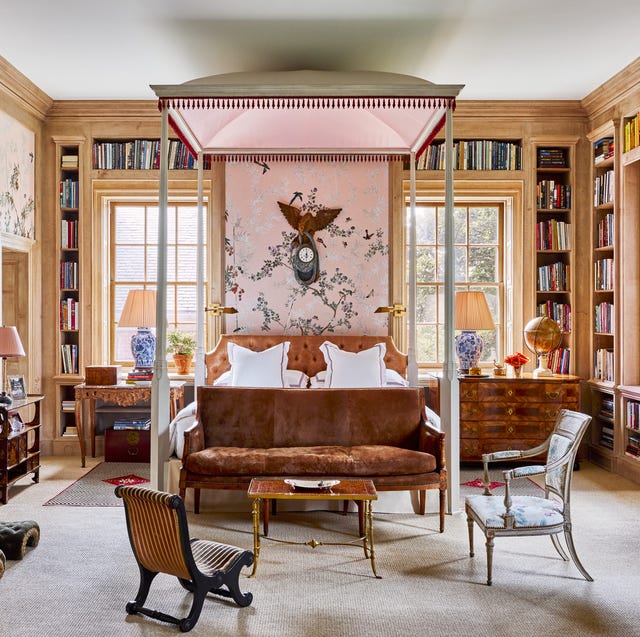
5 Bedroom Trends That Experts Predict Will Be Everywhere in 2024

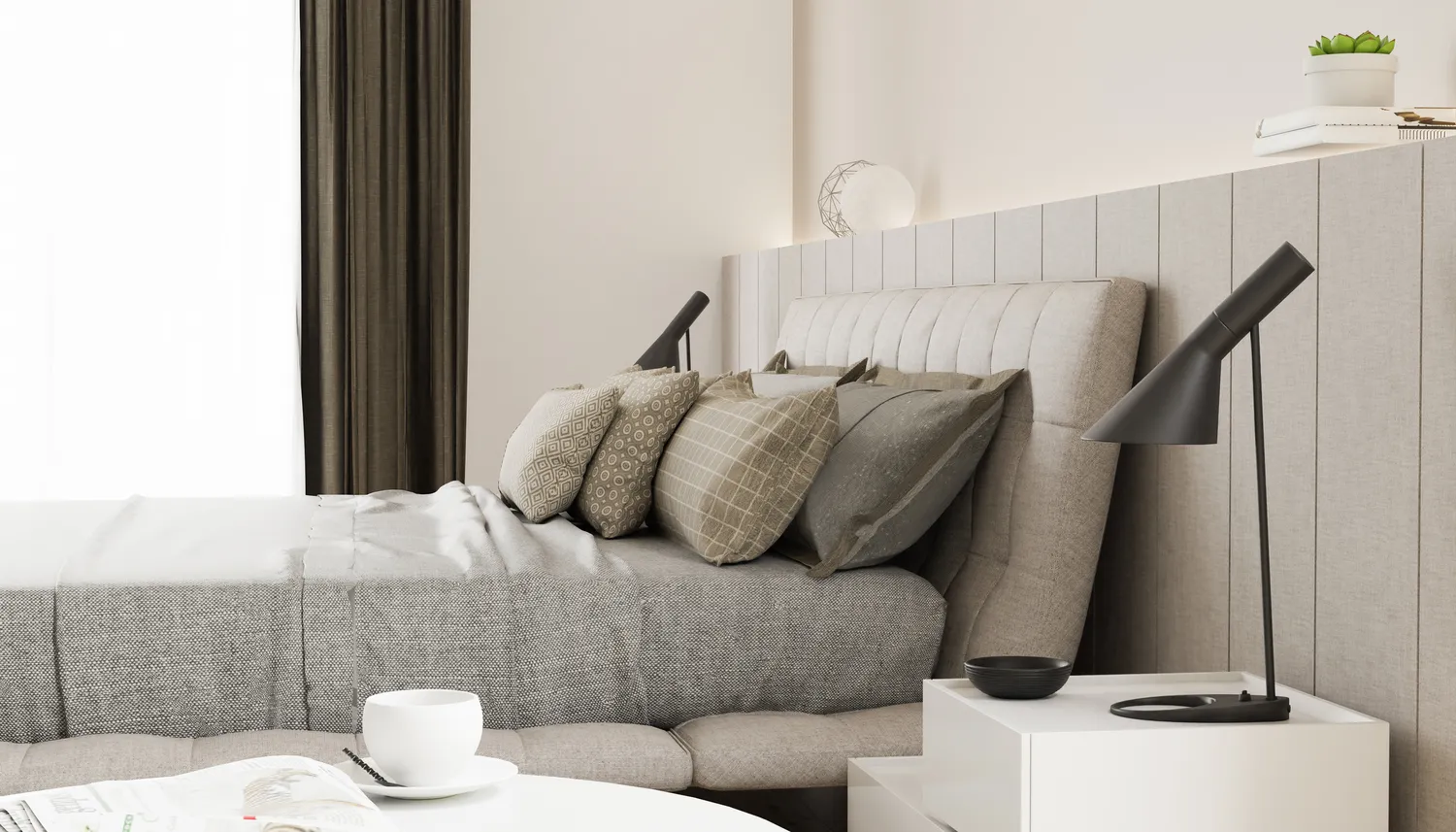
6 Bedroom Trends Designers Say You Won't See Again in 2026

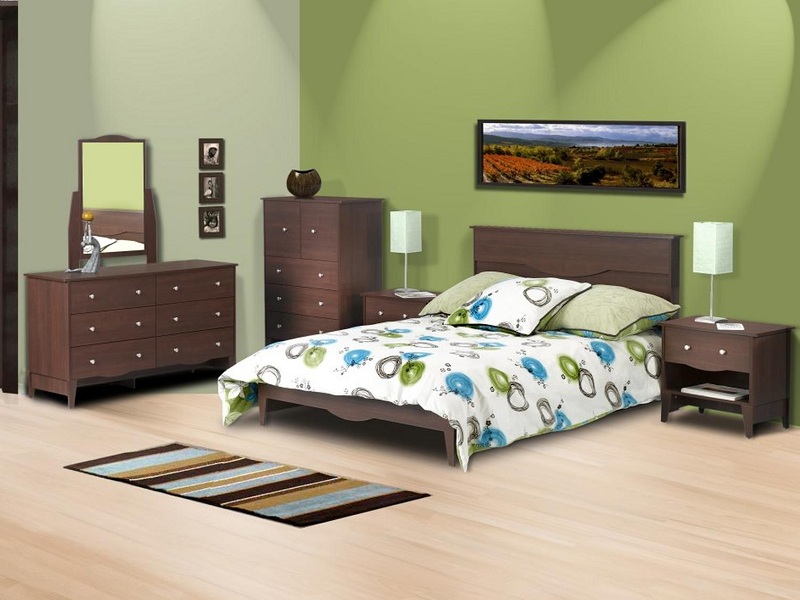
20 Latest Bedroom Furniture Designs With Pictures In 2023
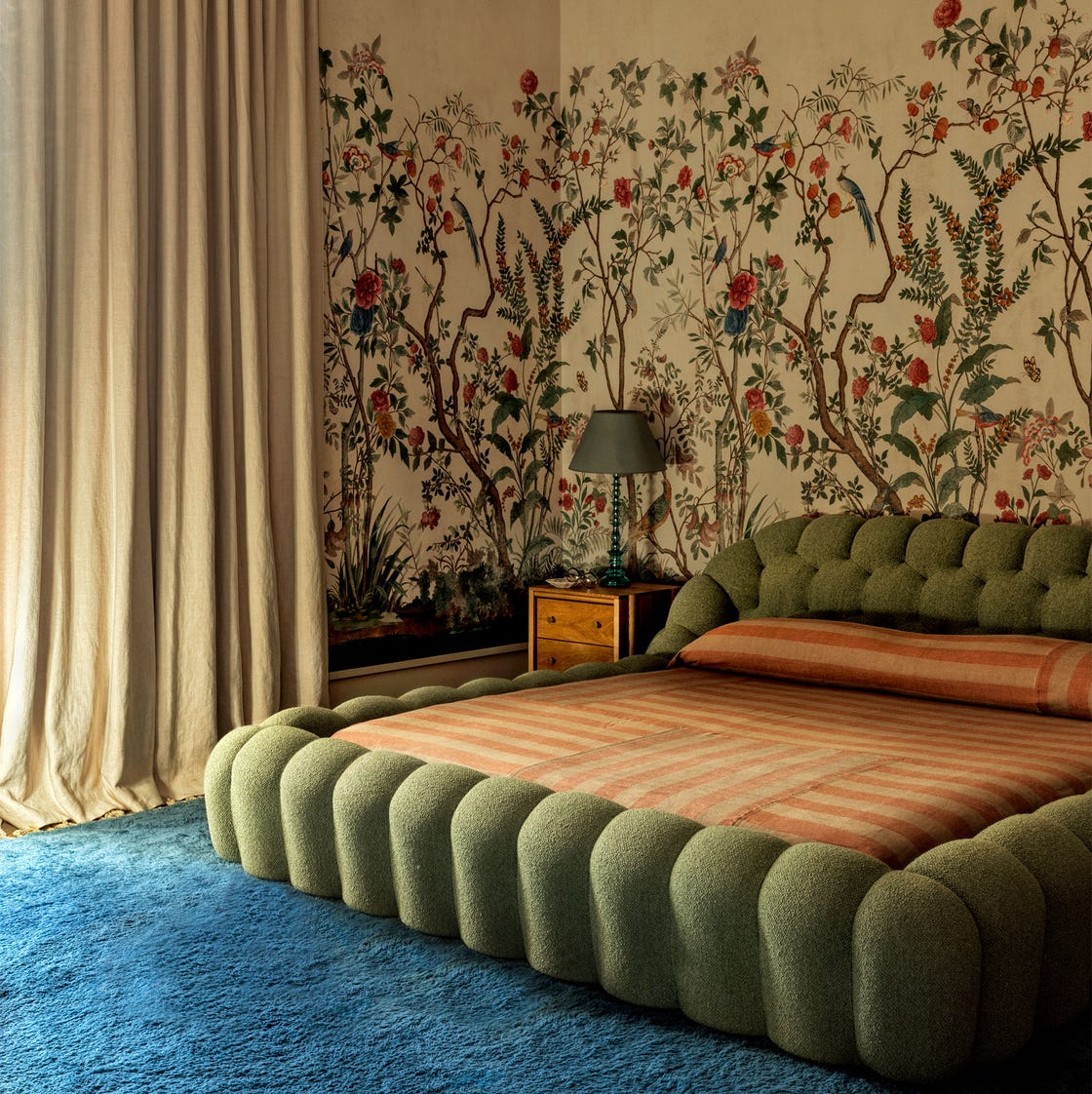
85 Modern Bedrooms You May Never Leave

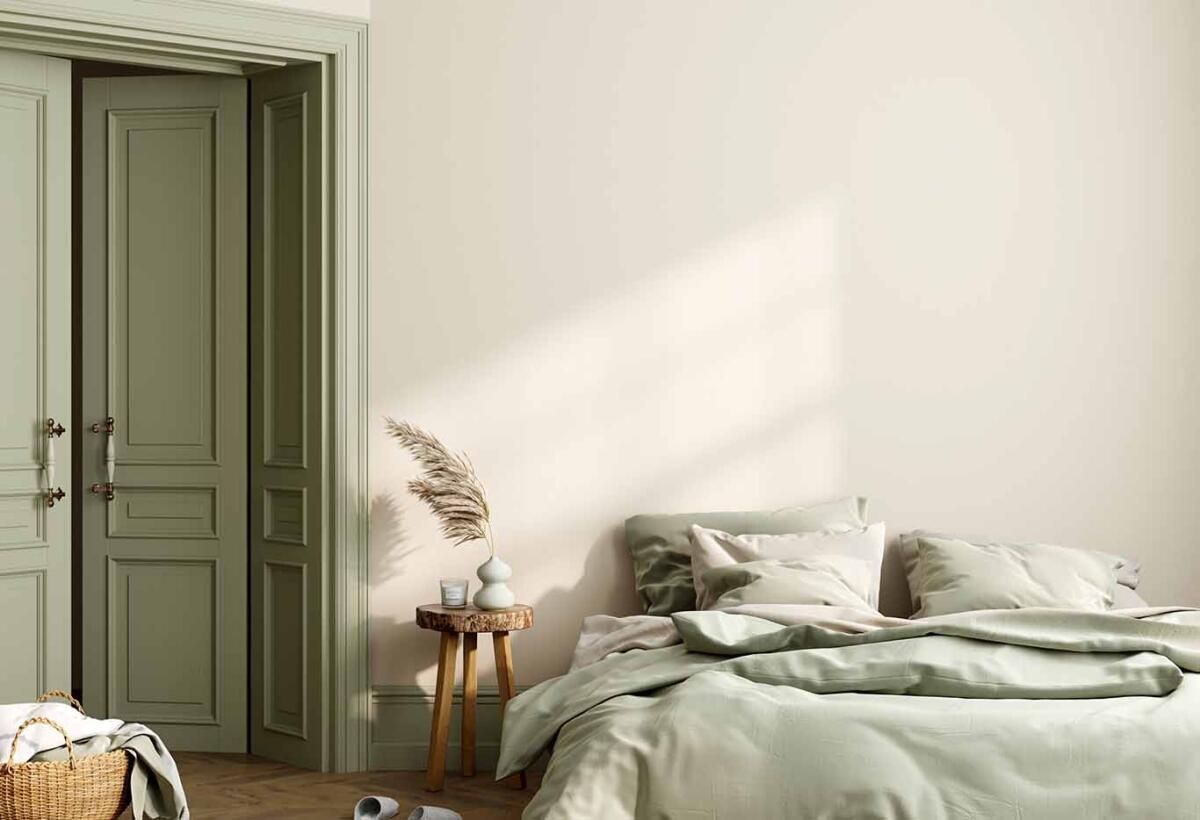
How Bedroom Design Is Evolving for Healthier, Deeper Rest

8 of the Latest Wild Trends in Bedroom Design
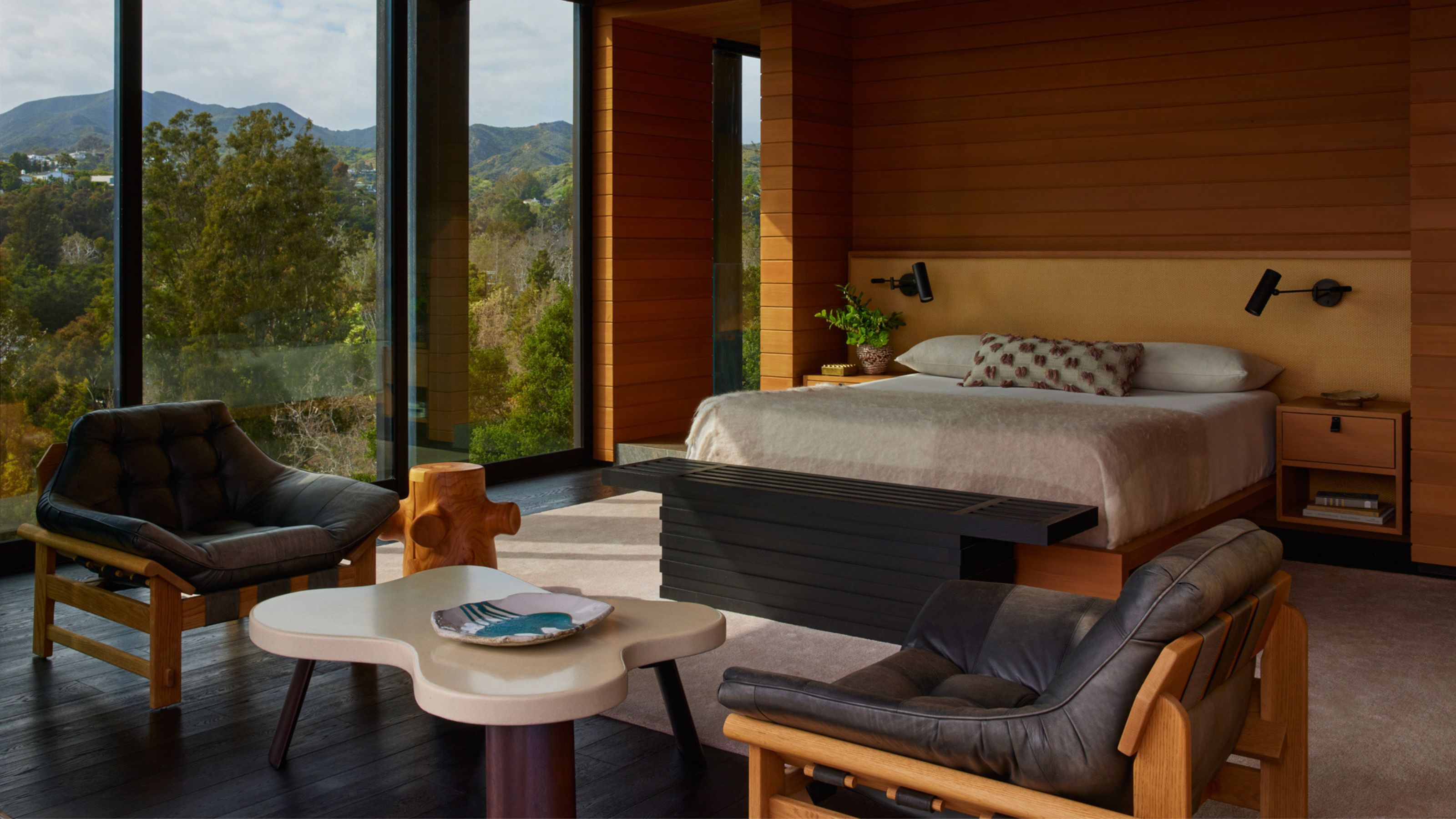
10 Mid-Century Modern Bedroom Ideas That Prove the Look Is Tranquil, Timeless, and Still Totally Relevant for Now

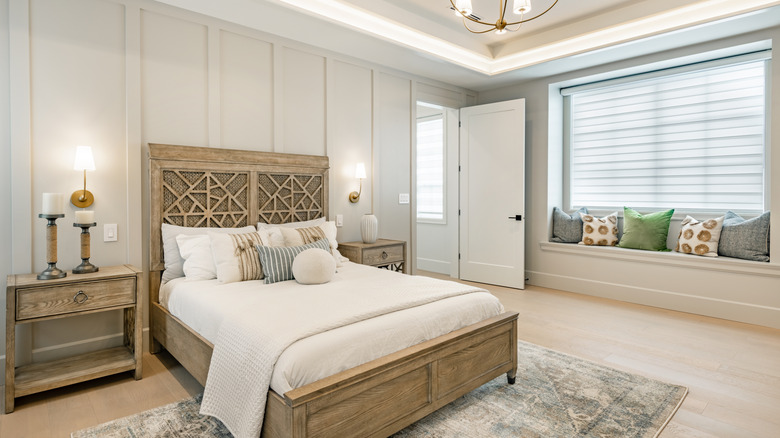
The One Piece Of Bedroom Furniture That Is Making The Room Look Outdated

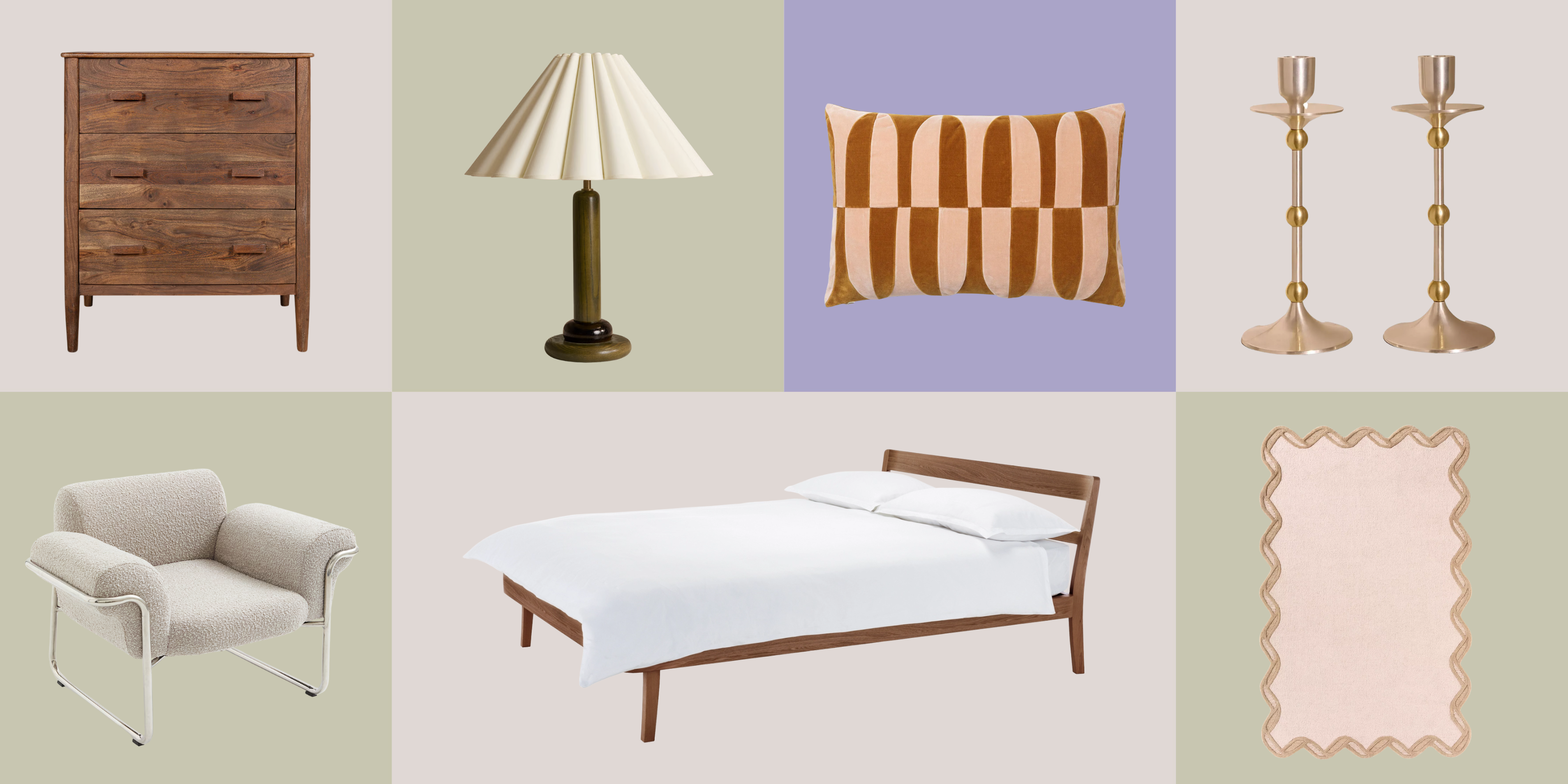
24 Buys That Feel Perfect for a Mid-Century Modern Bedroom, Picked by Our Stylists

20 Modern Bedroom Design Ideas


Must-Try 2025 Trends To Create A Dreamy Bedroom You'll Never Want To Leave
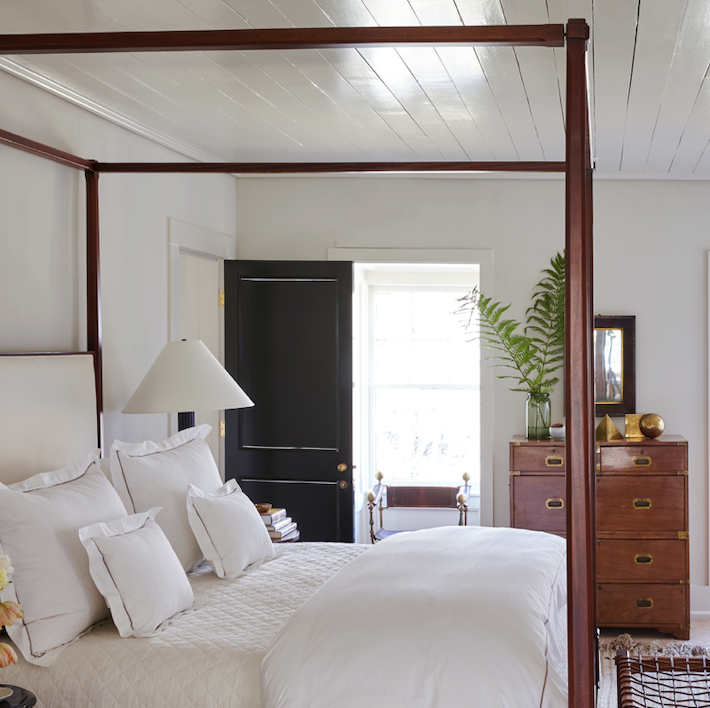
The 7 Bedroom Design Trends Designers Can't Wait to See in 2025
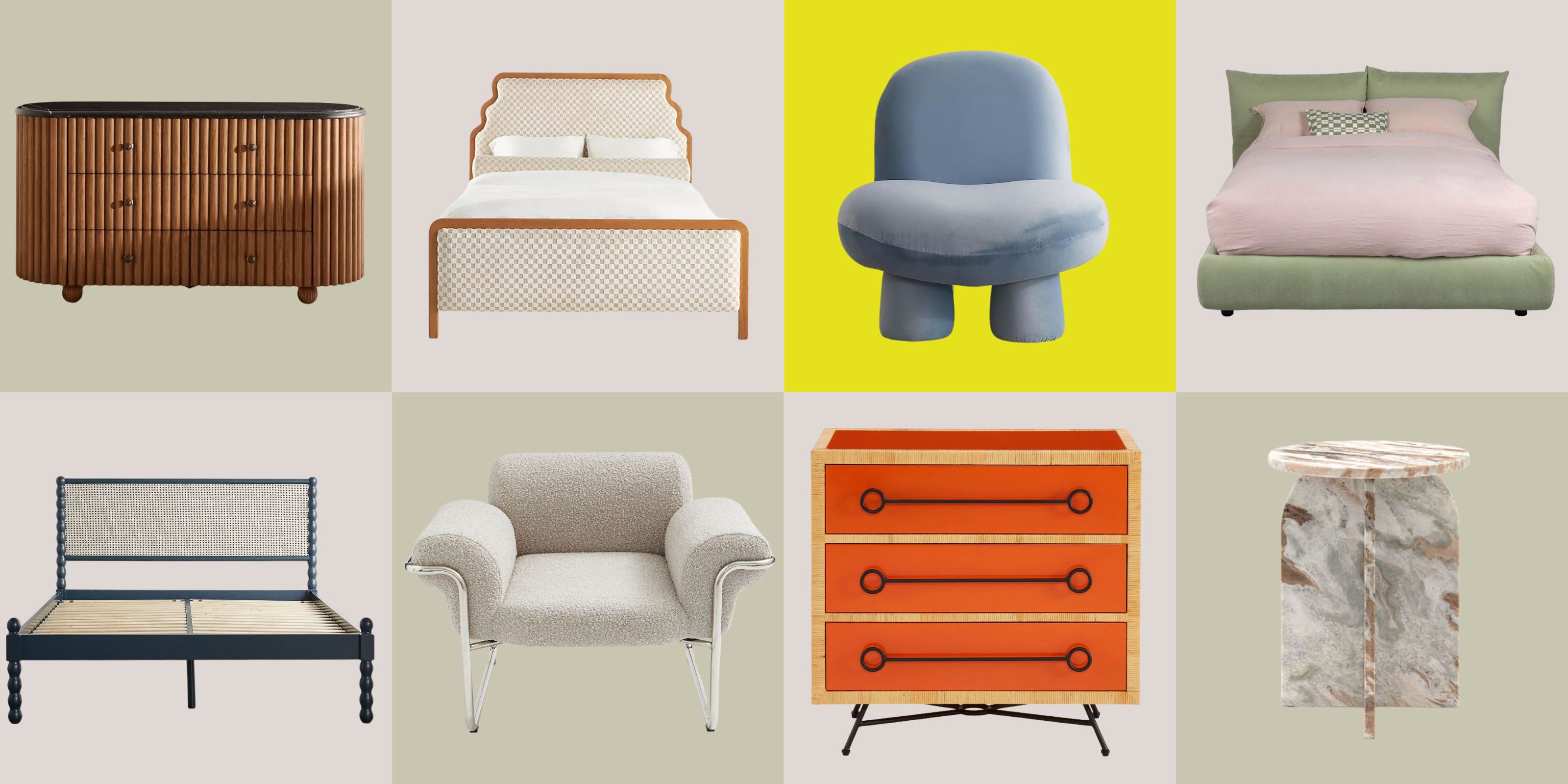
The Best Bedroom Furniture for 2025 Is Anything But Sleepy

5 Luxury Bedroom Trends For 2025: Interior Designer Decodes And Shares Tips On How To Implement
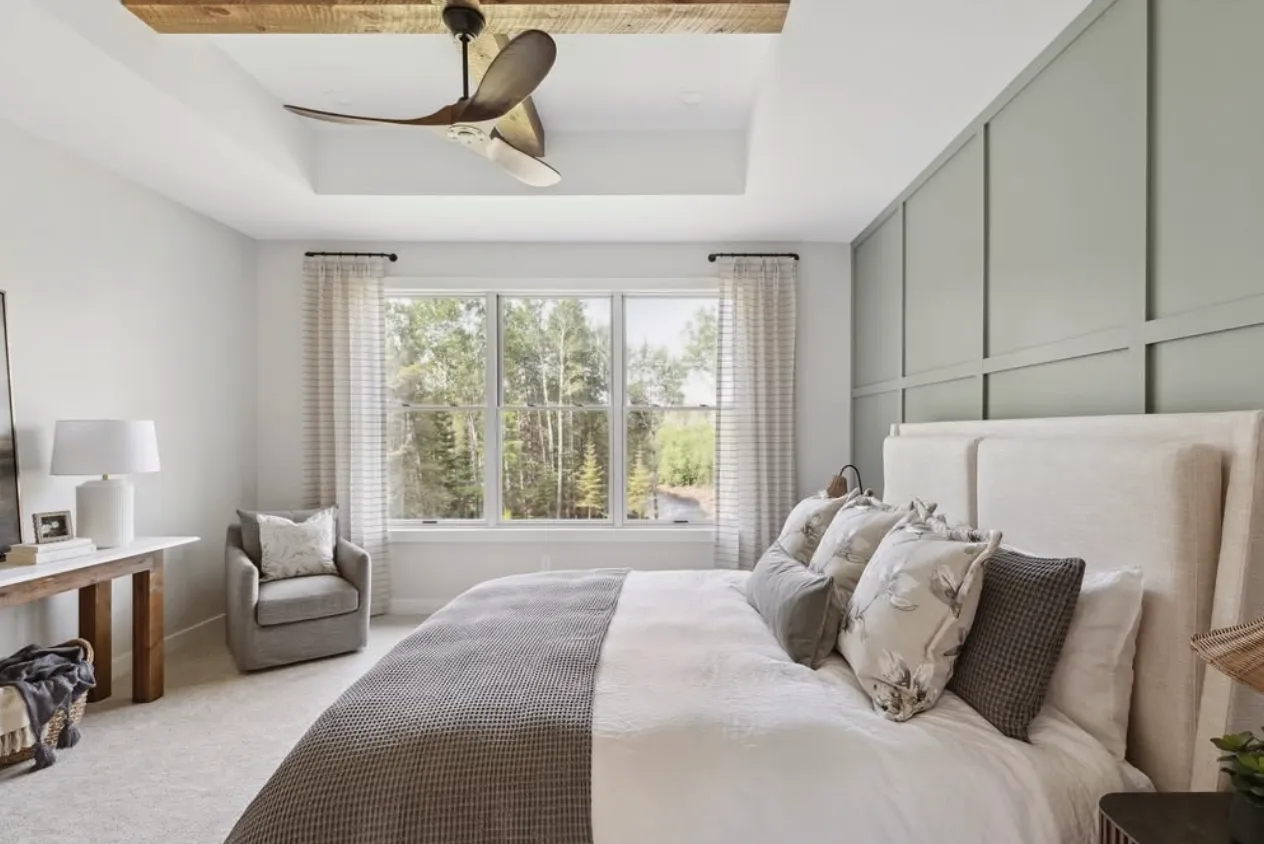
6 Bedroom Trends That Will Be in Every Home in 2026, Designers Say