Here's What You Should Know About Midcentury Modern Style
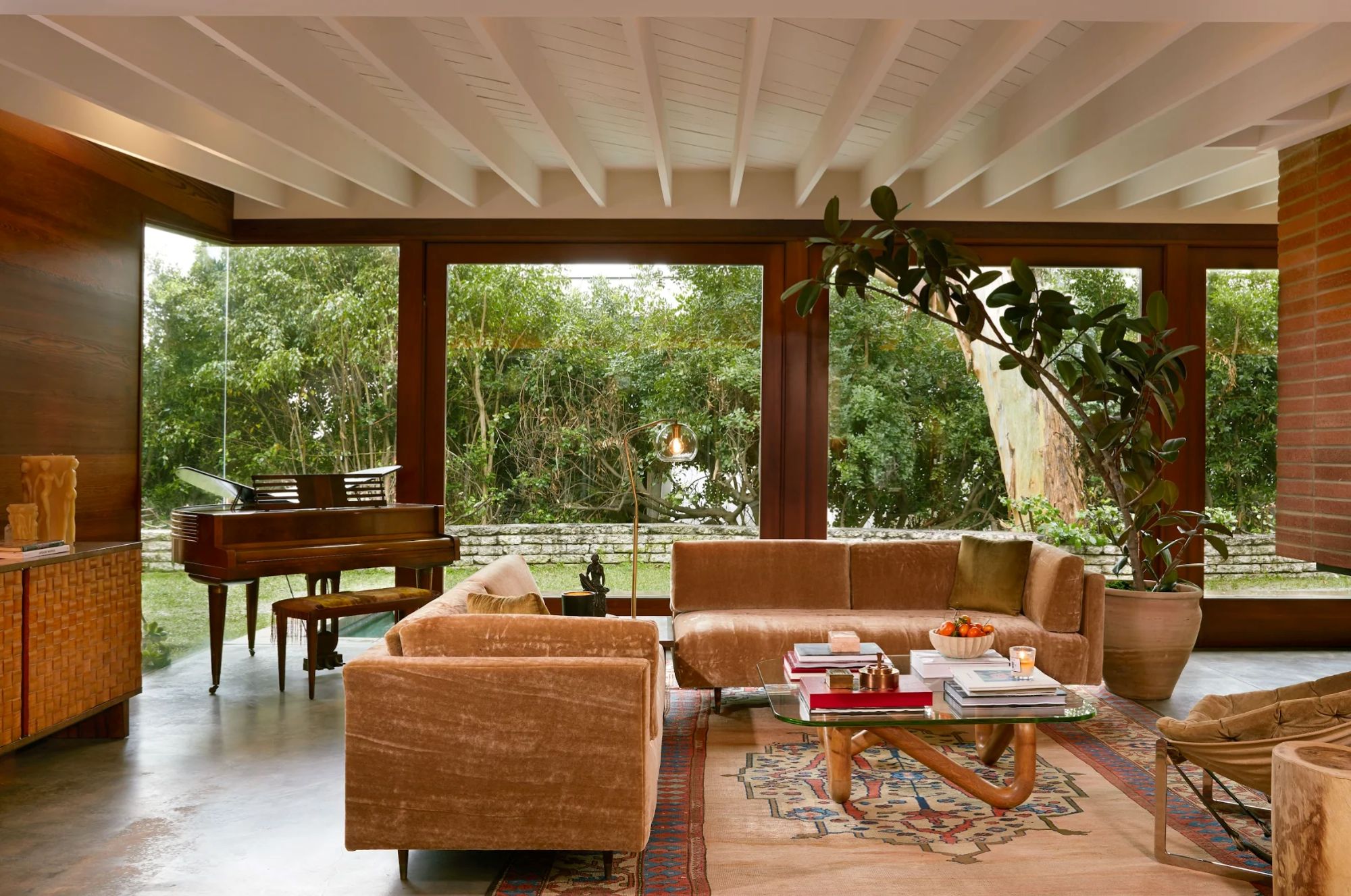
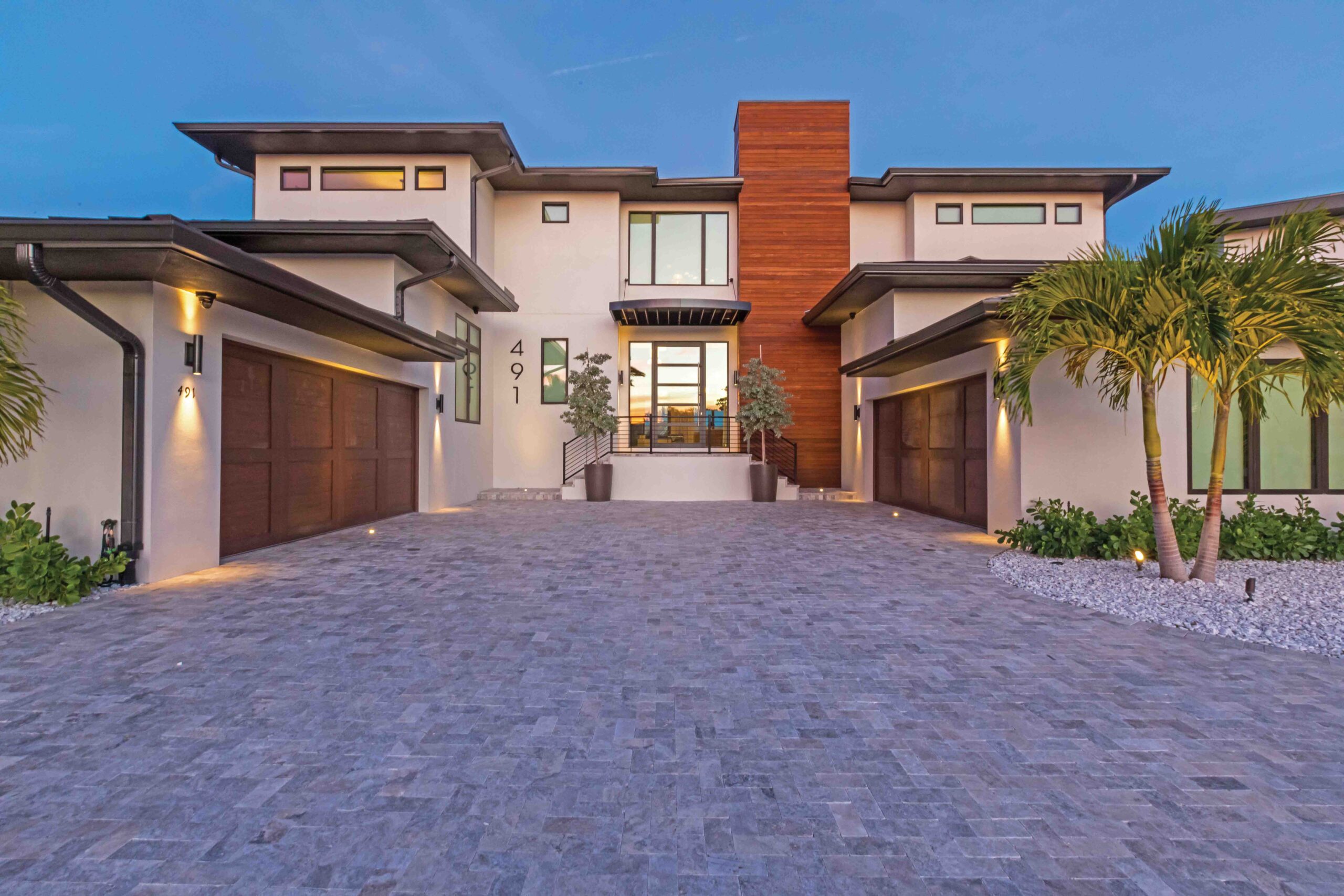
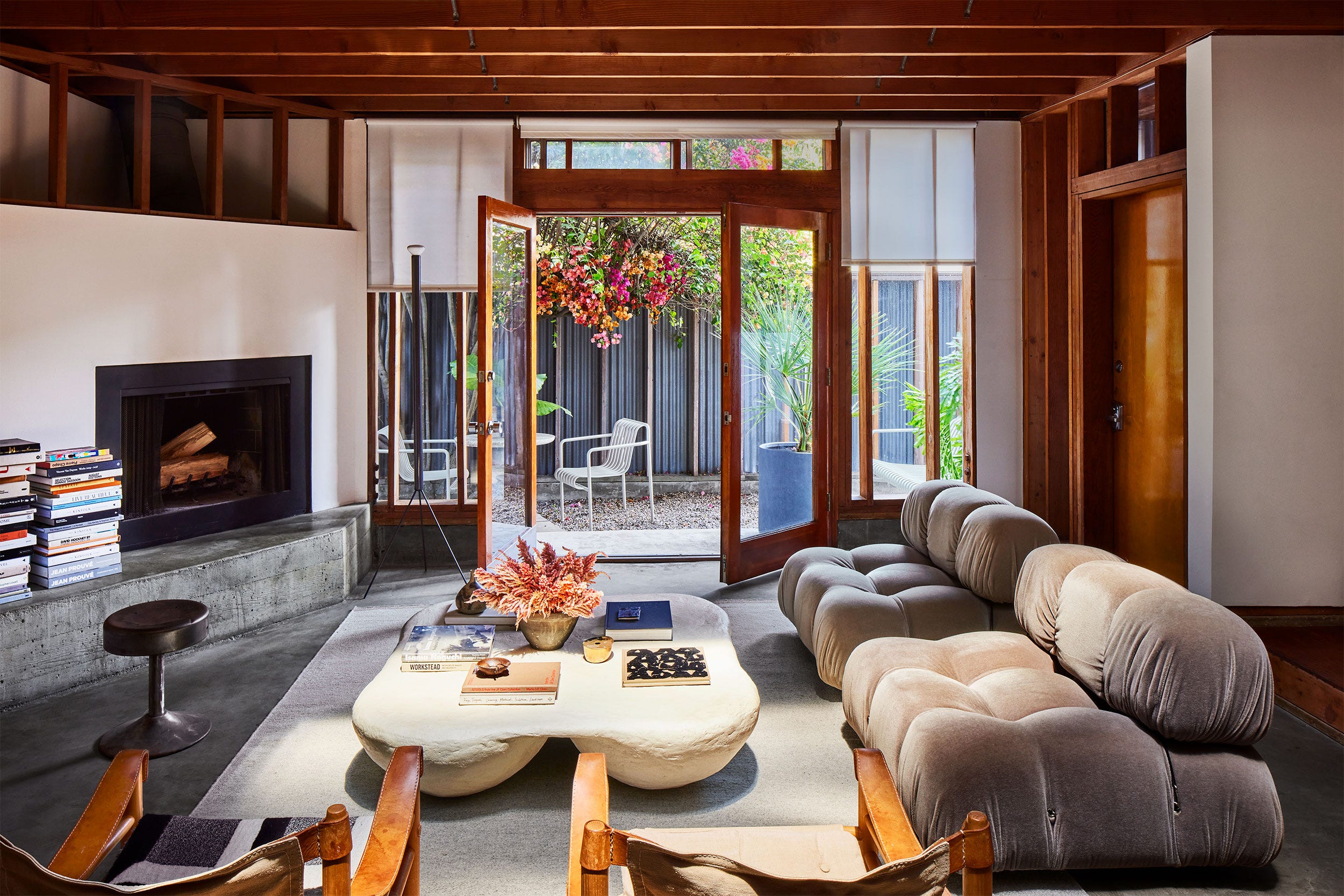
Midcentury modern design, often abbreviated as MCM, emerged in the mid-20th century, specifically between 1945 and 1969, as a response to the post-World War II environment. This design movement aimed to blend the technological advancements and mass production capabilities of the era with a more optimistic vision for the future. Characterized by its emphasis on functionality, clean lines, and simplicity, MCM design represented a significant departure from the ornate and traditional styles that preceded it.
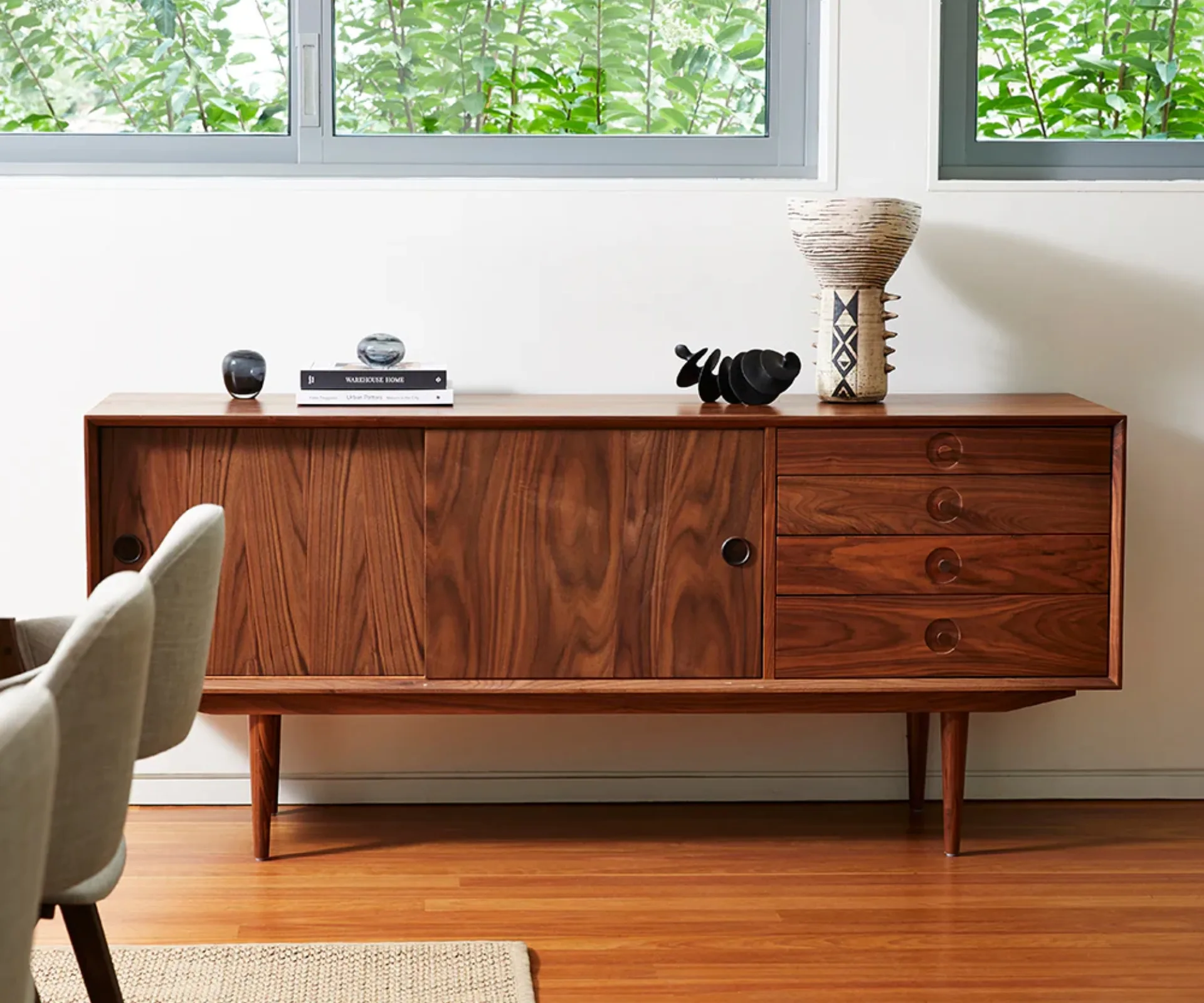
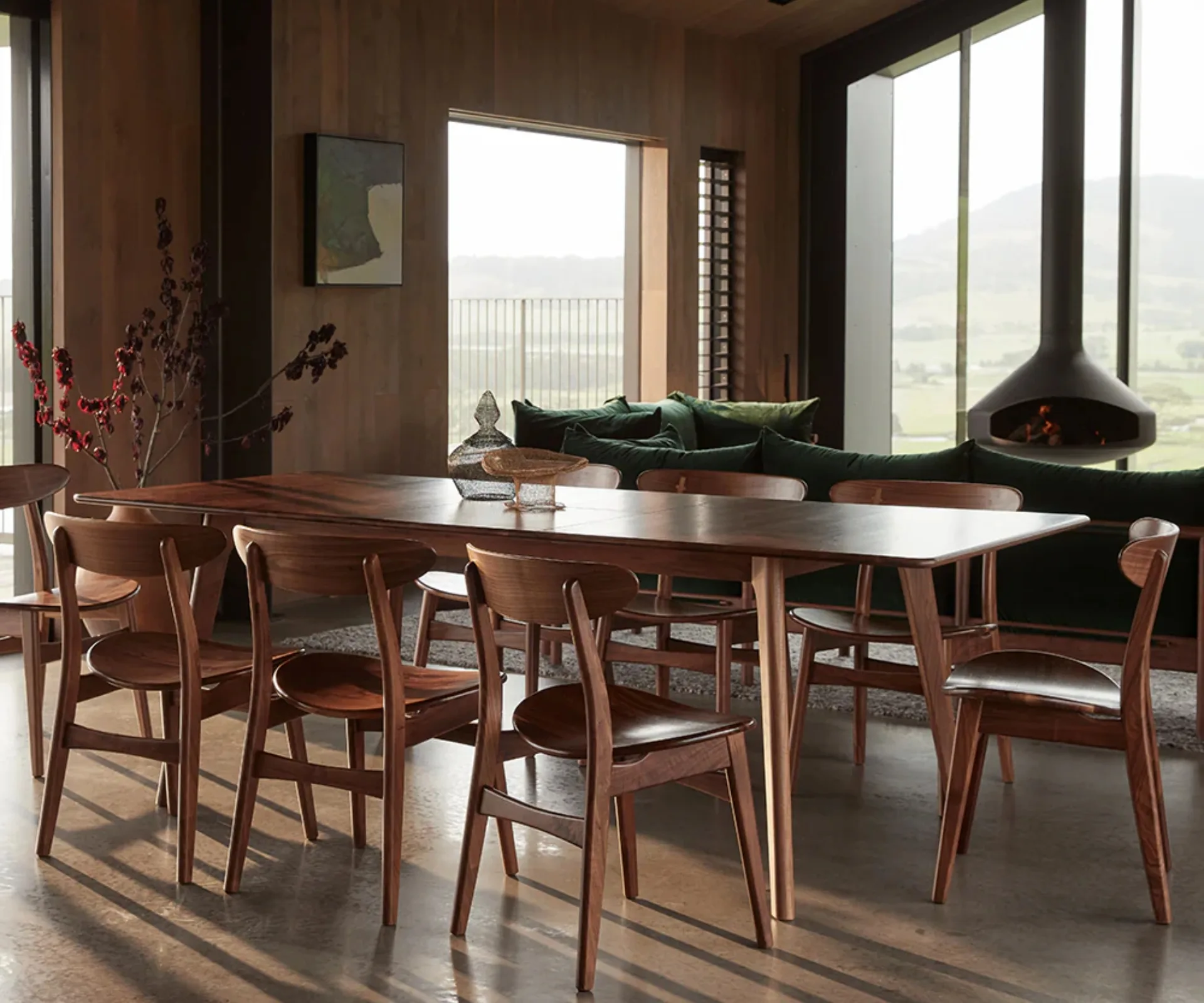
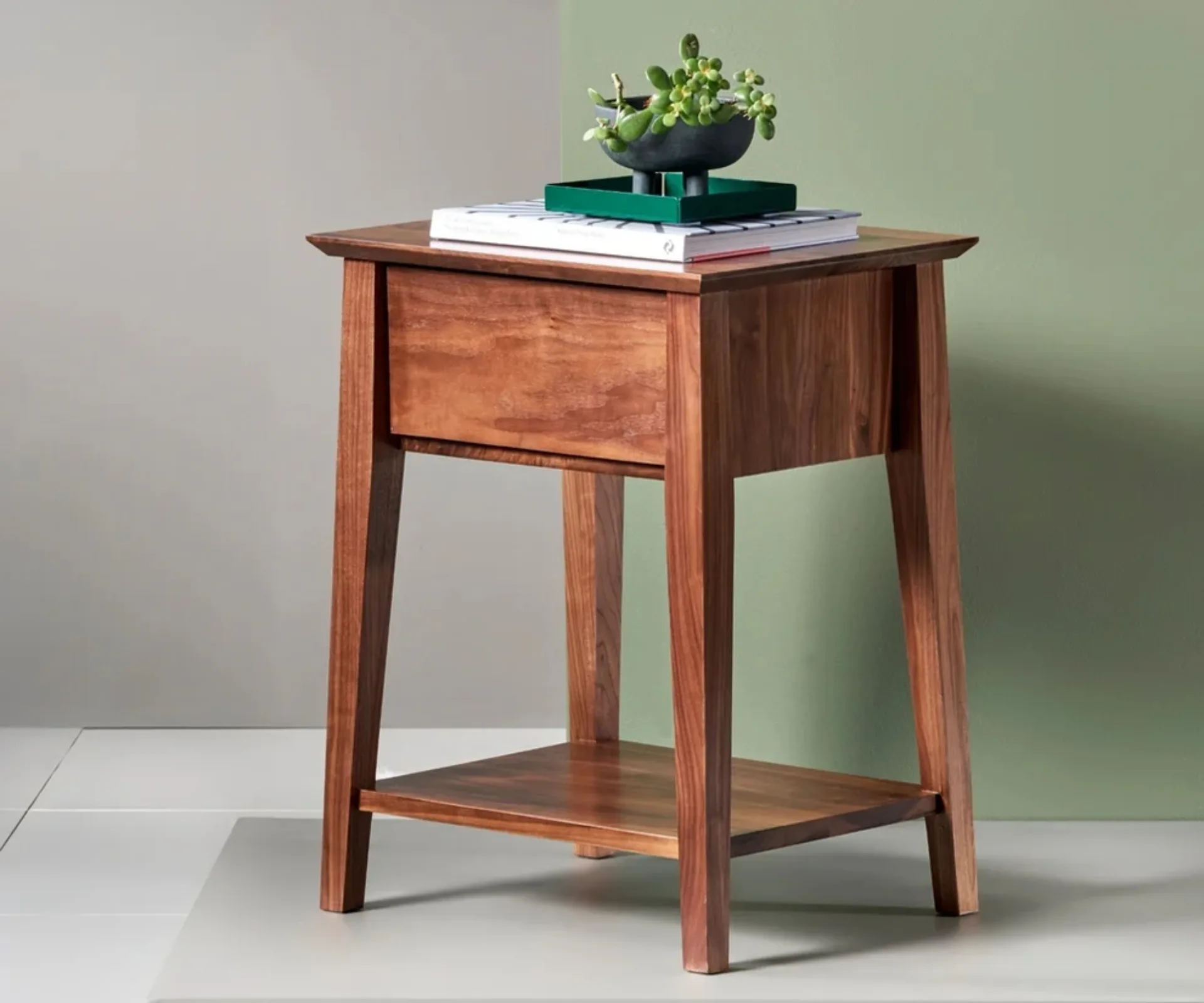


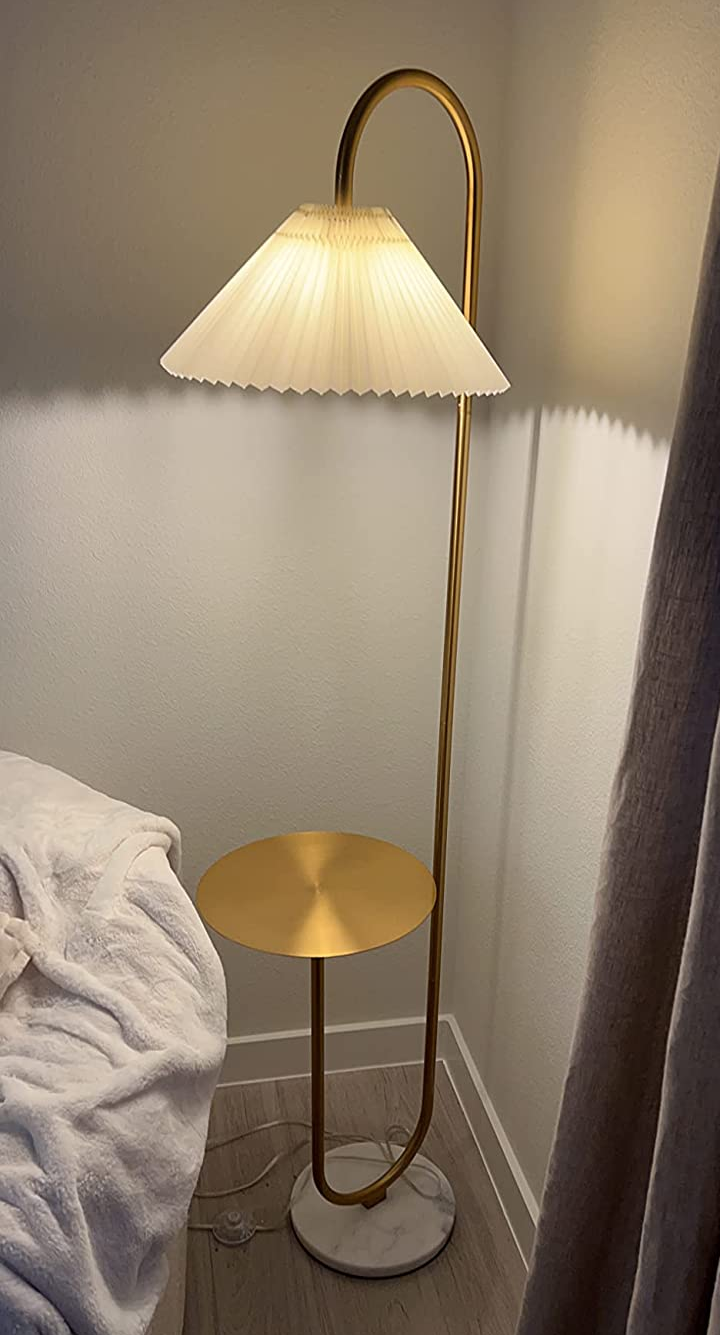
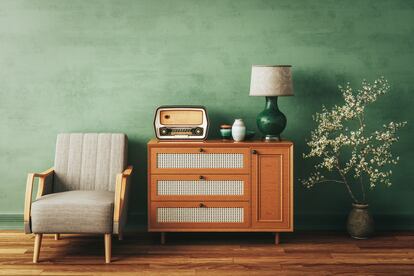
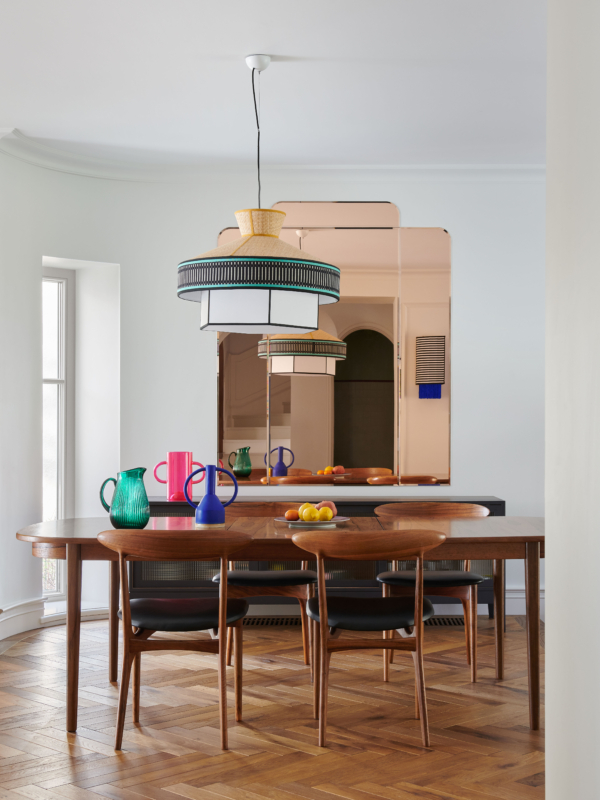
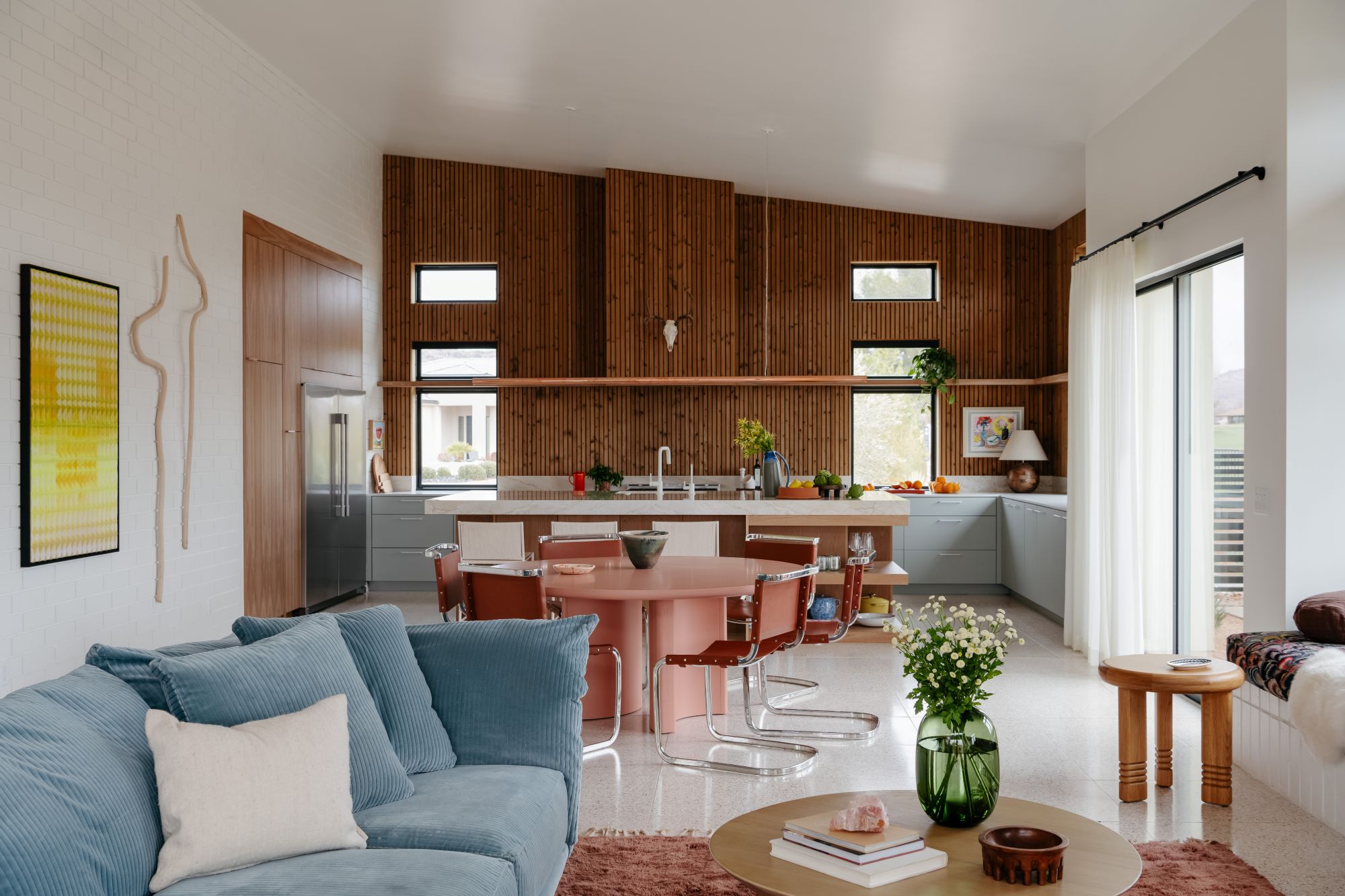
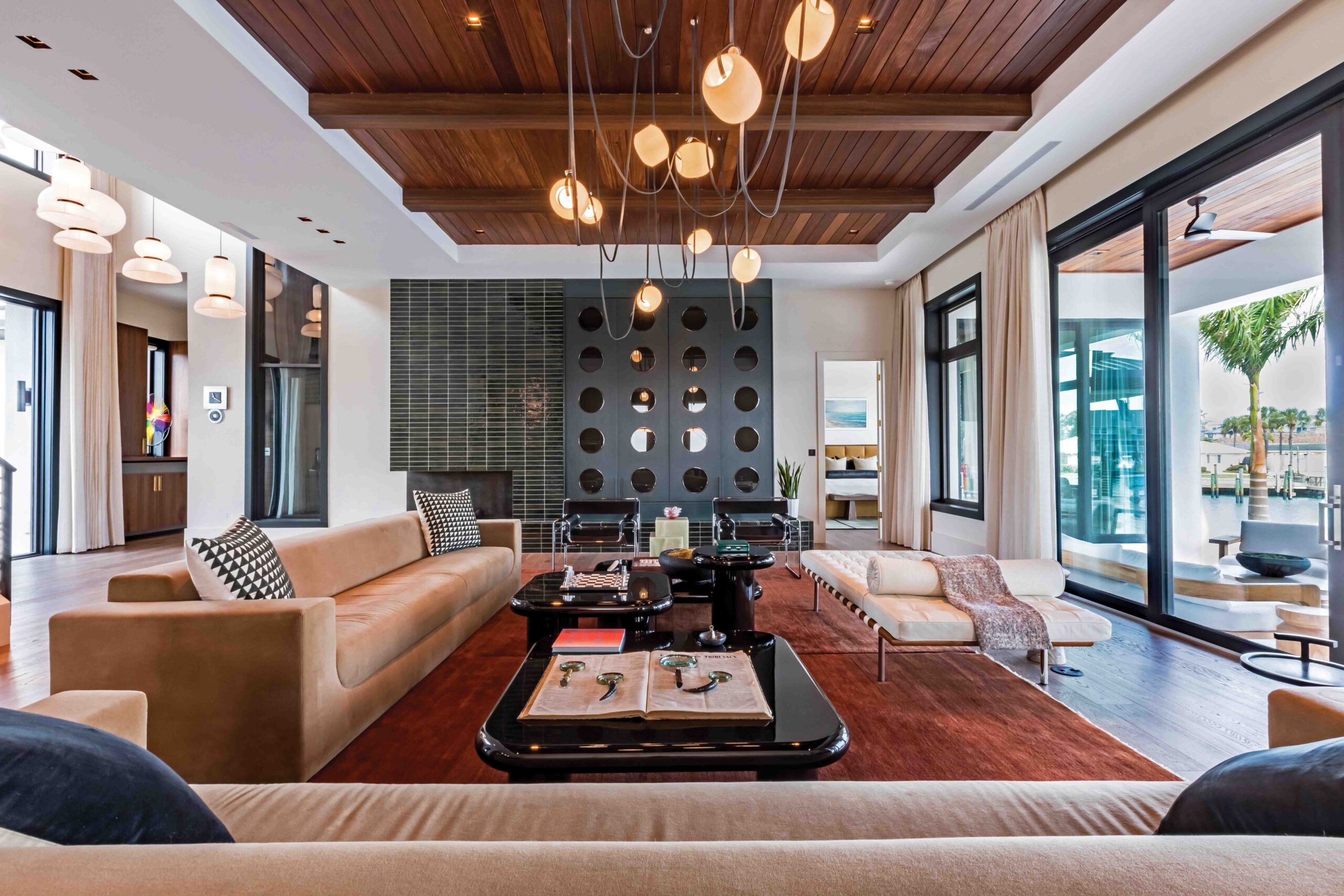

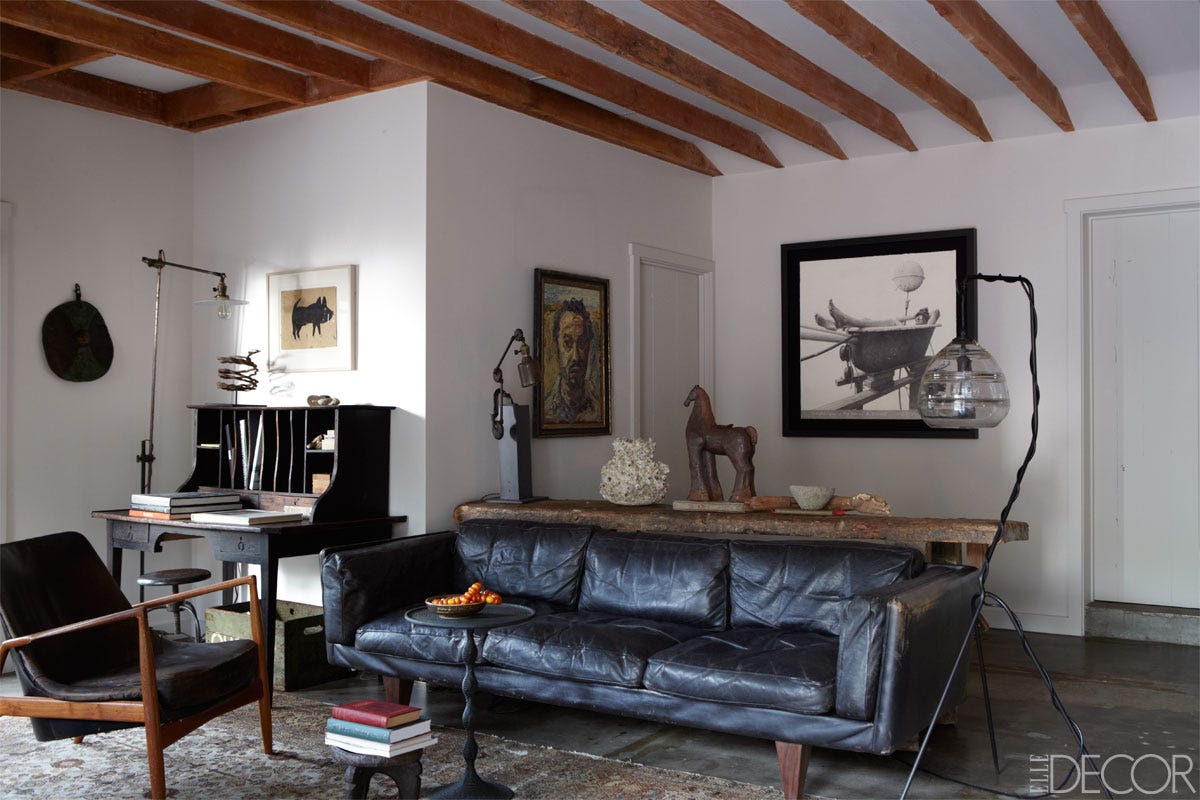
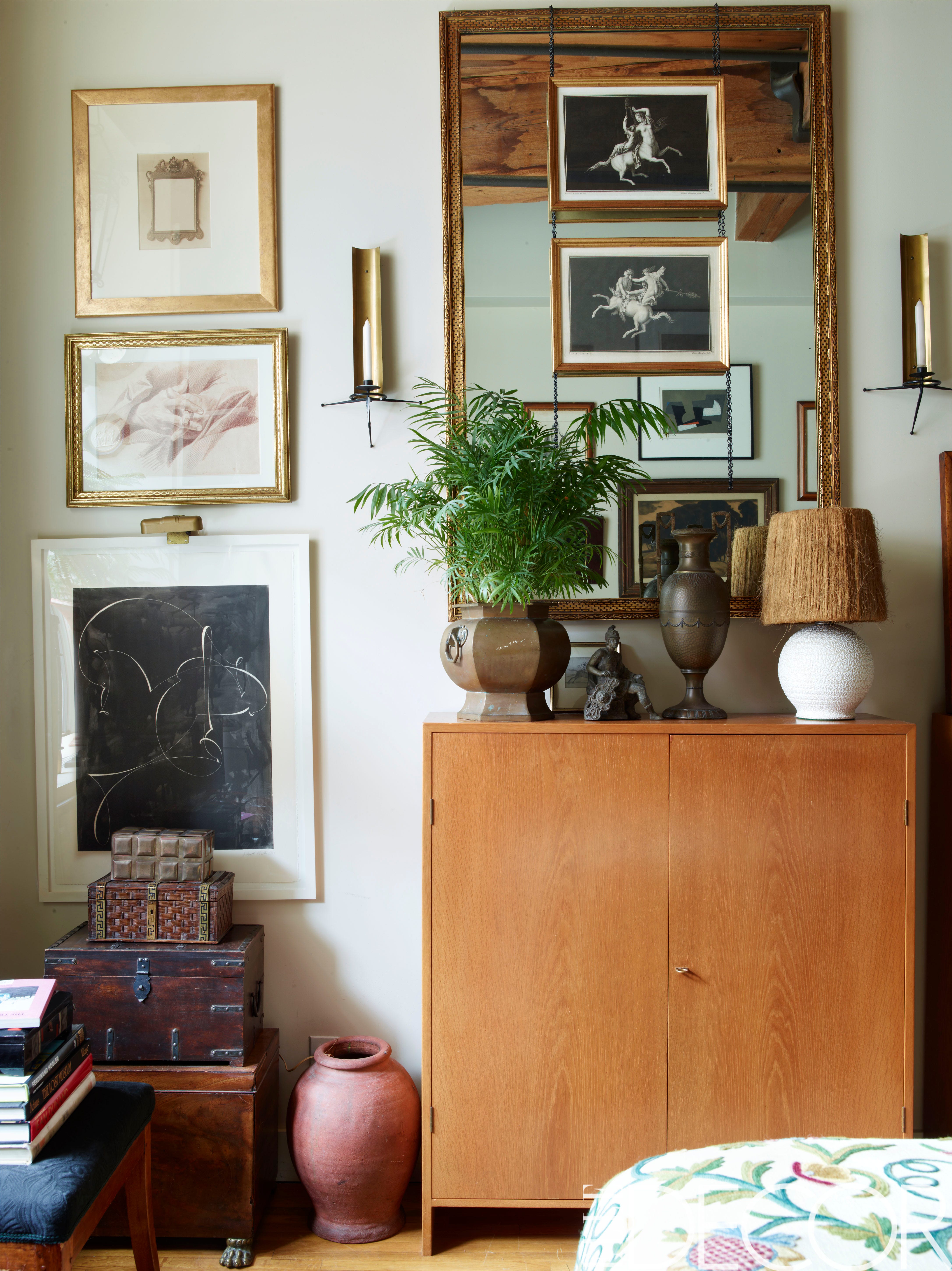
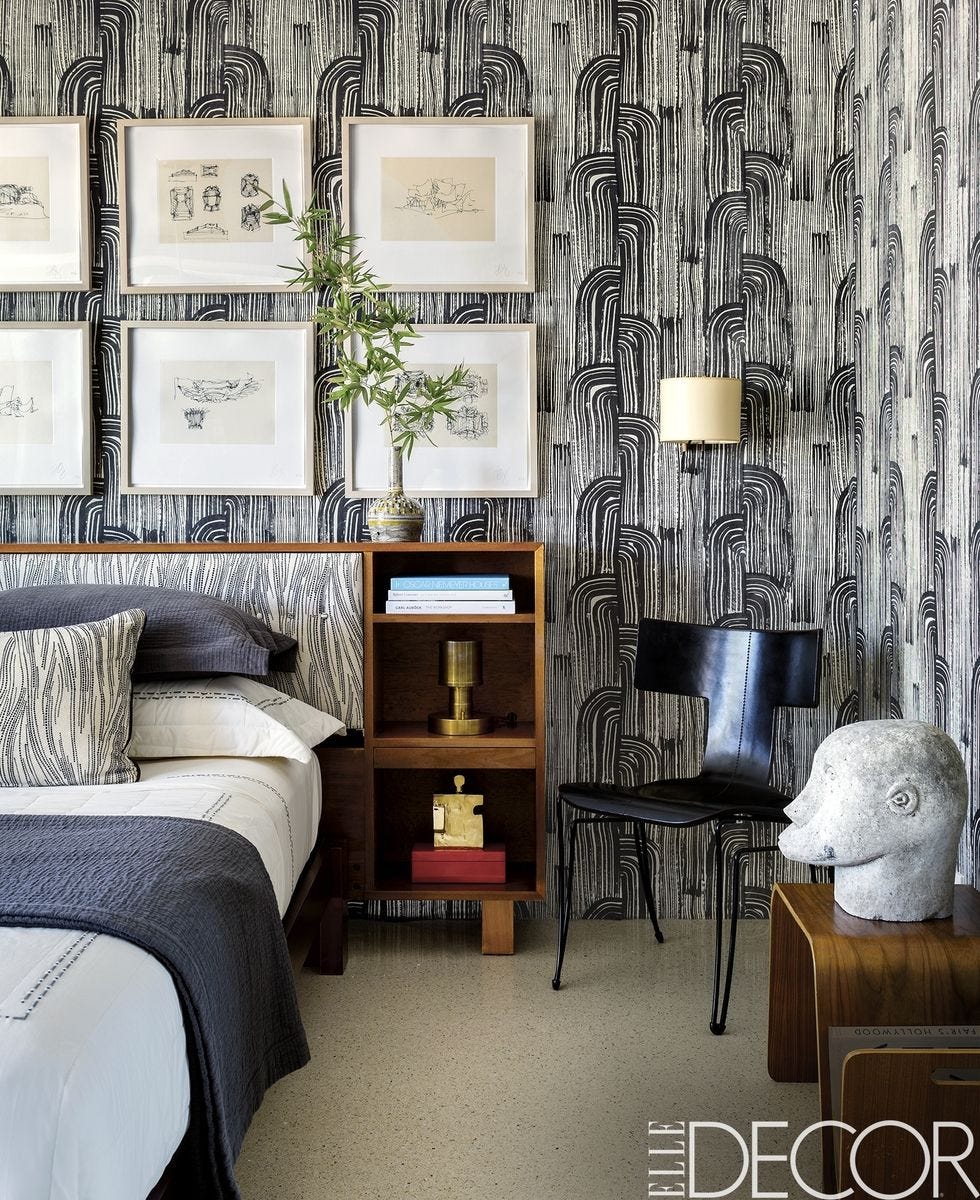
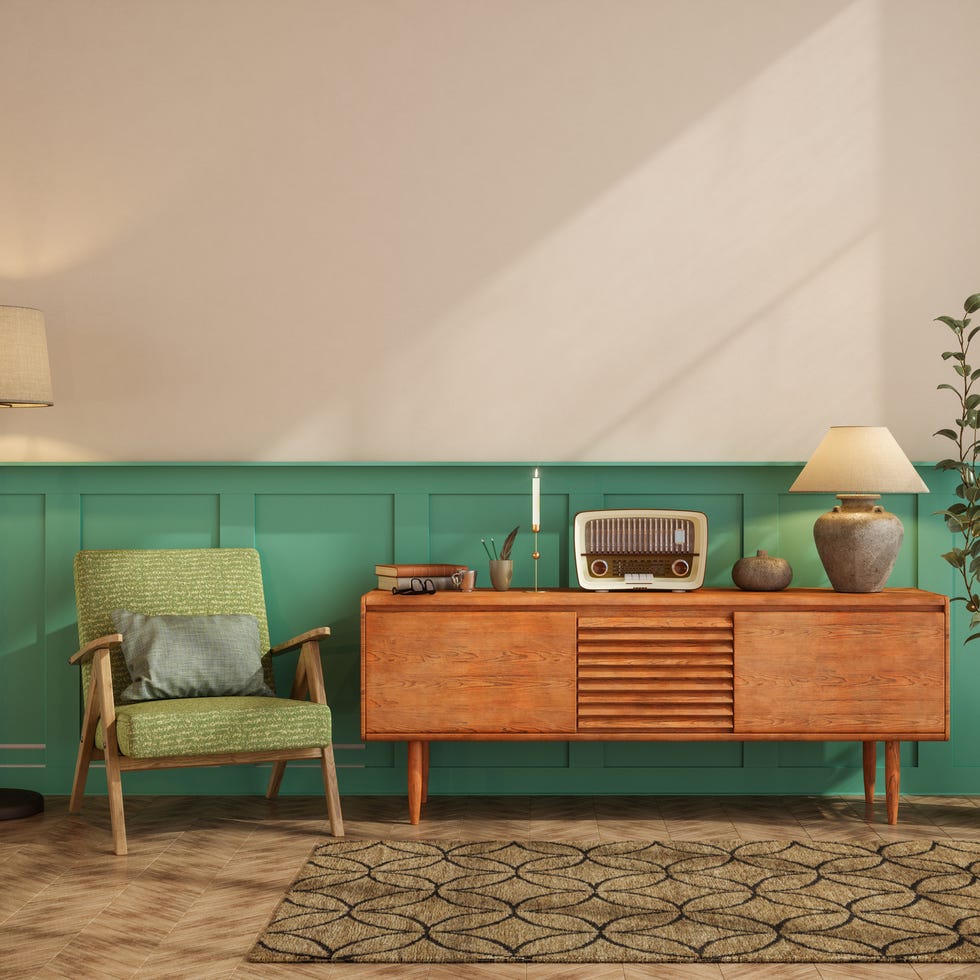
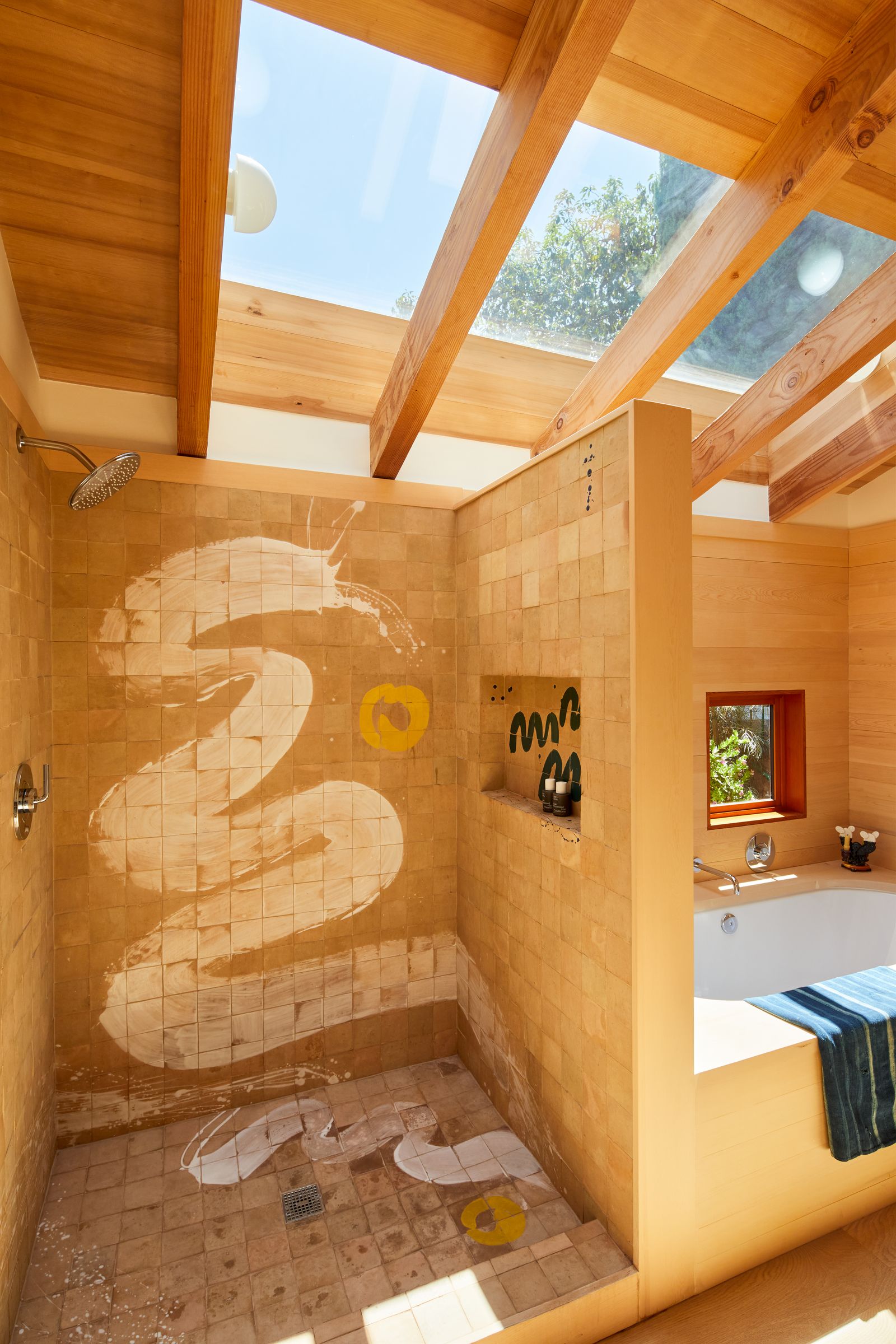
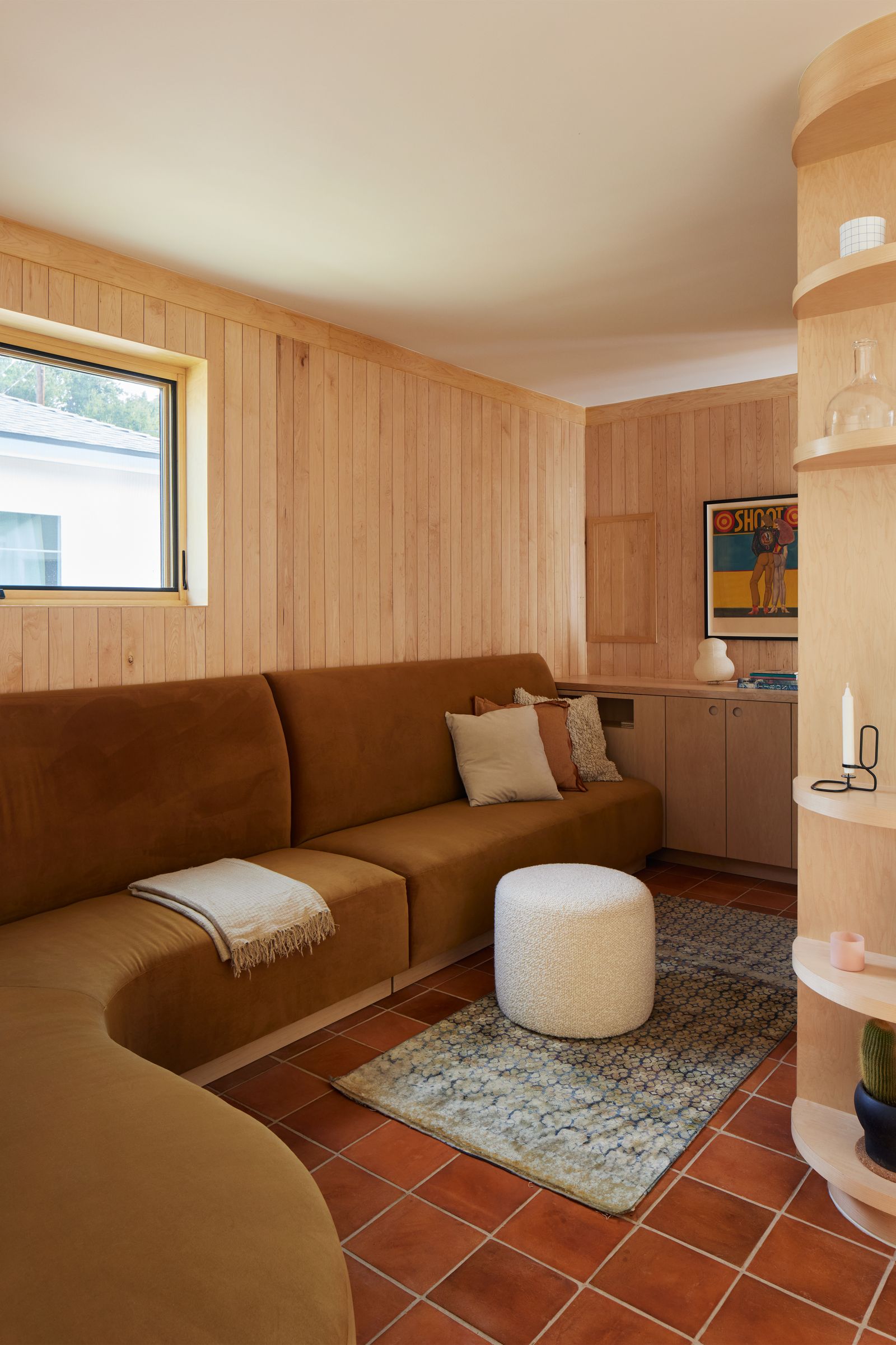
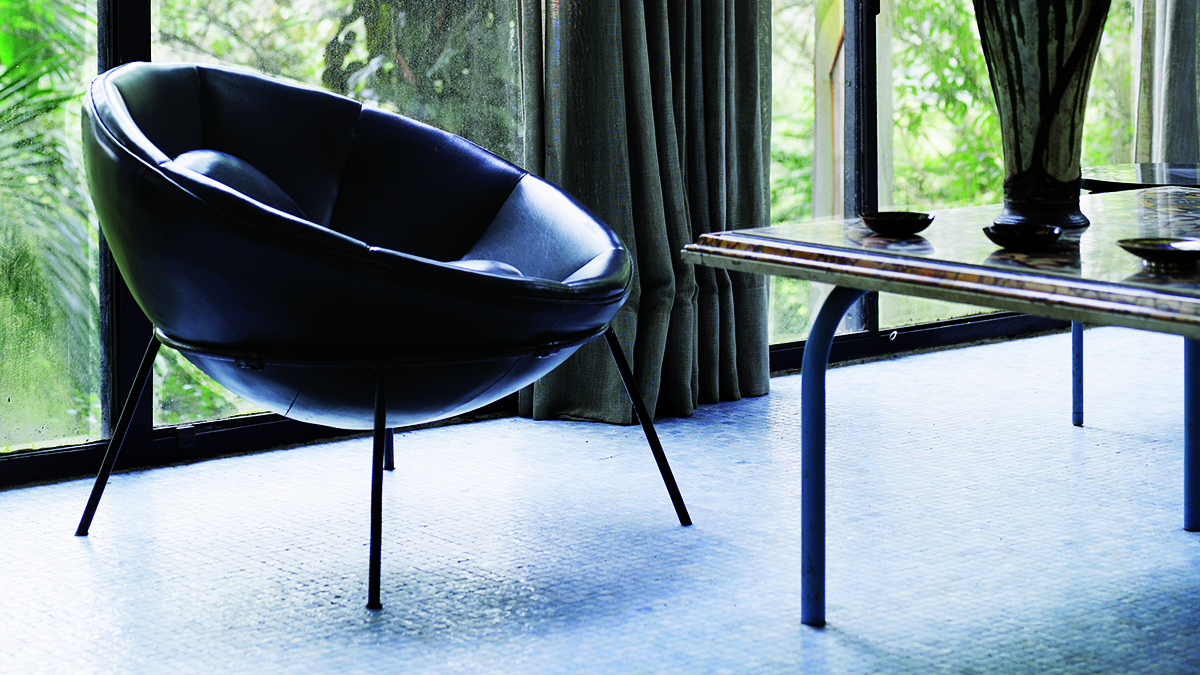
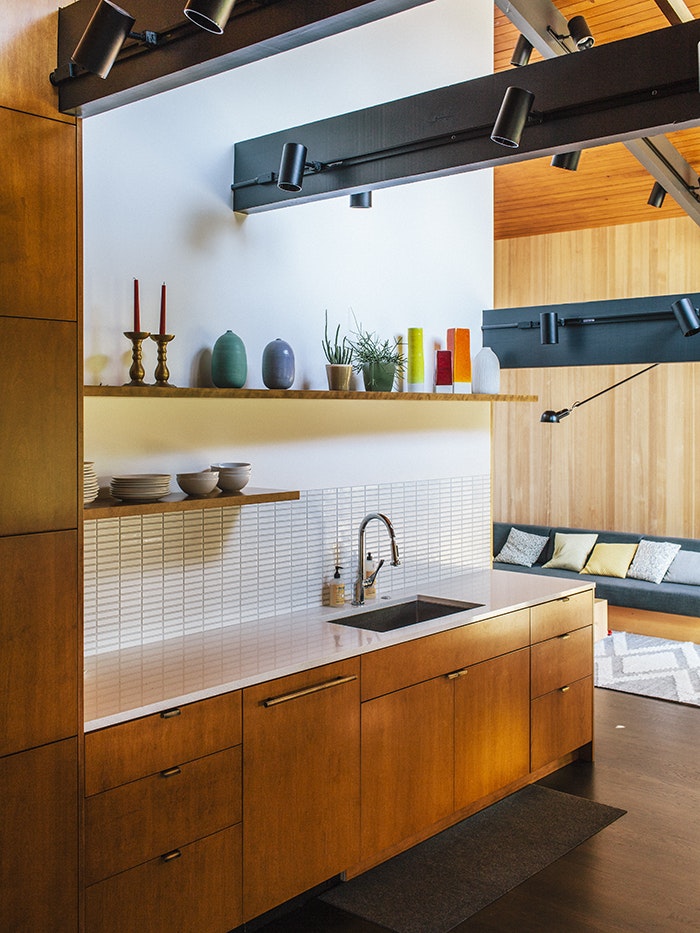
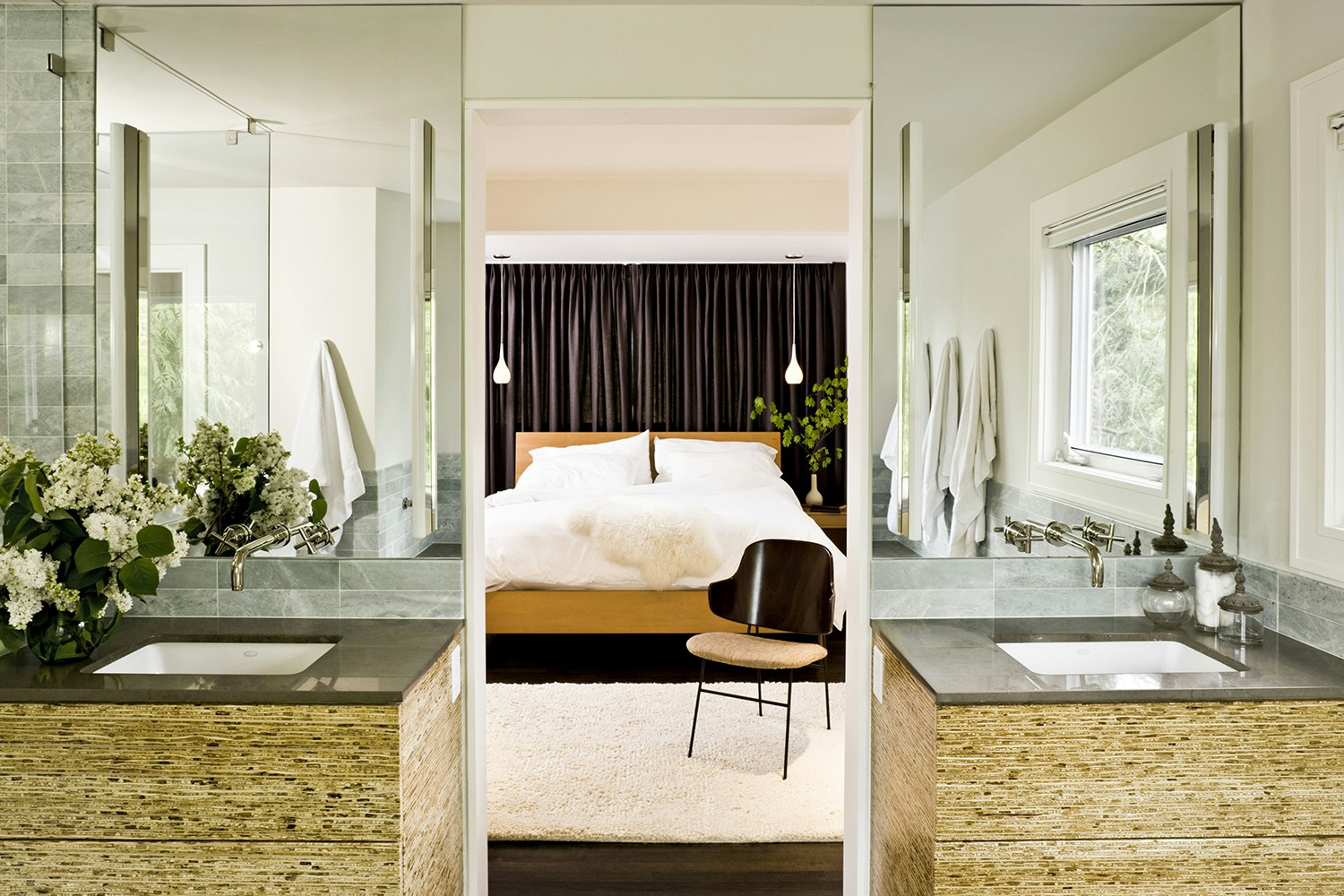
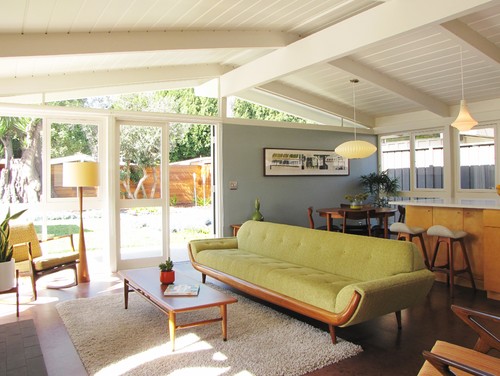
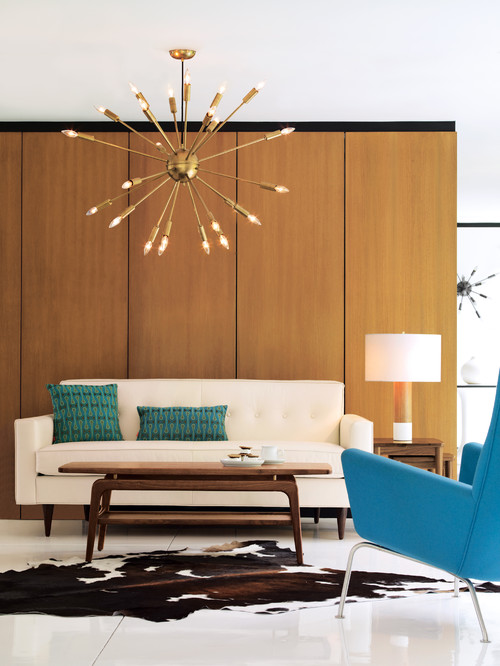
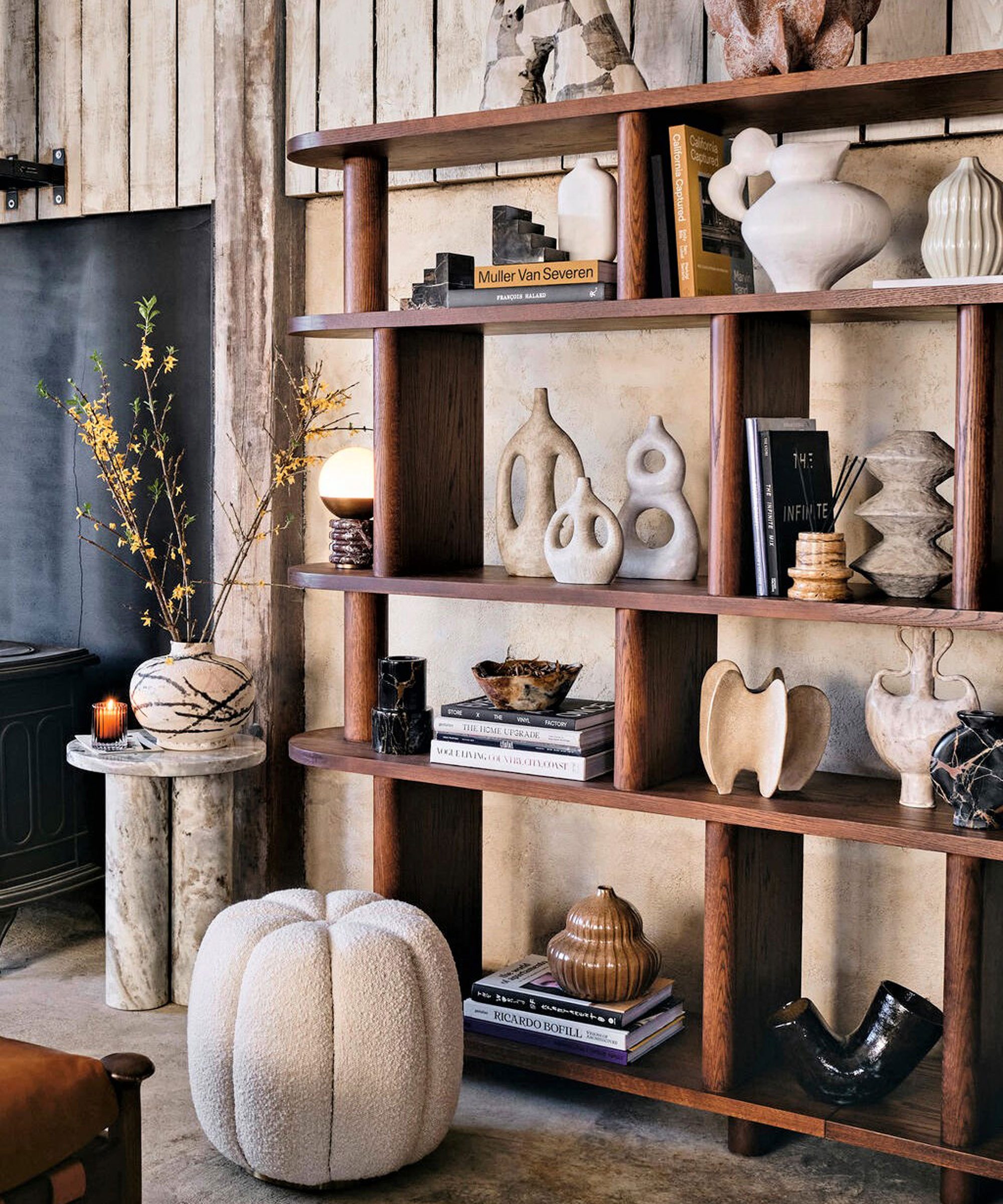
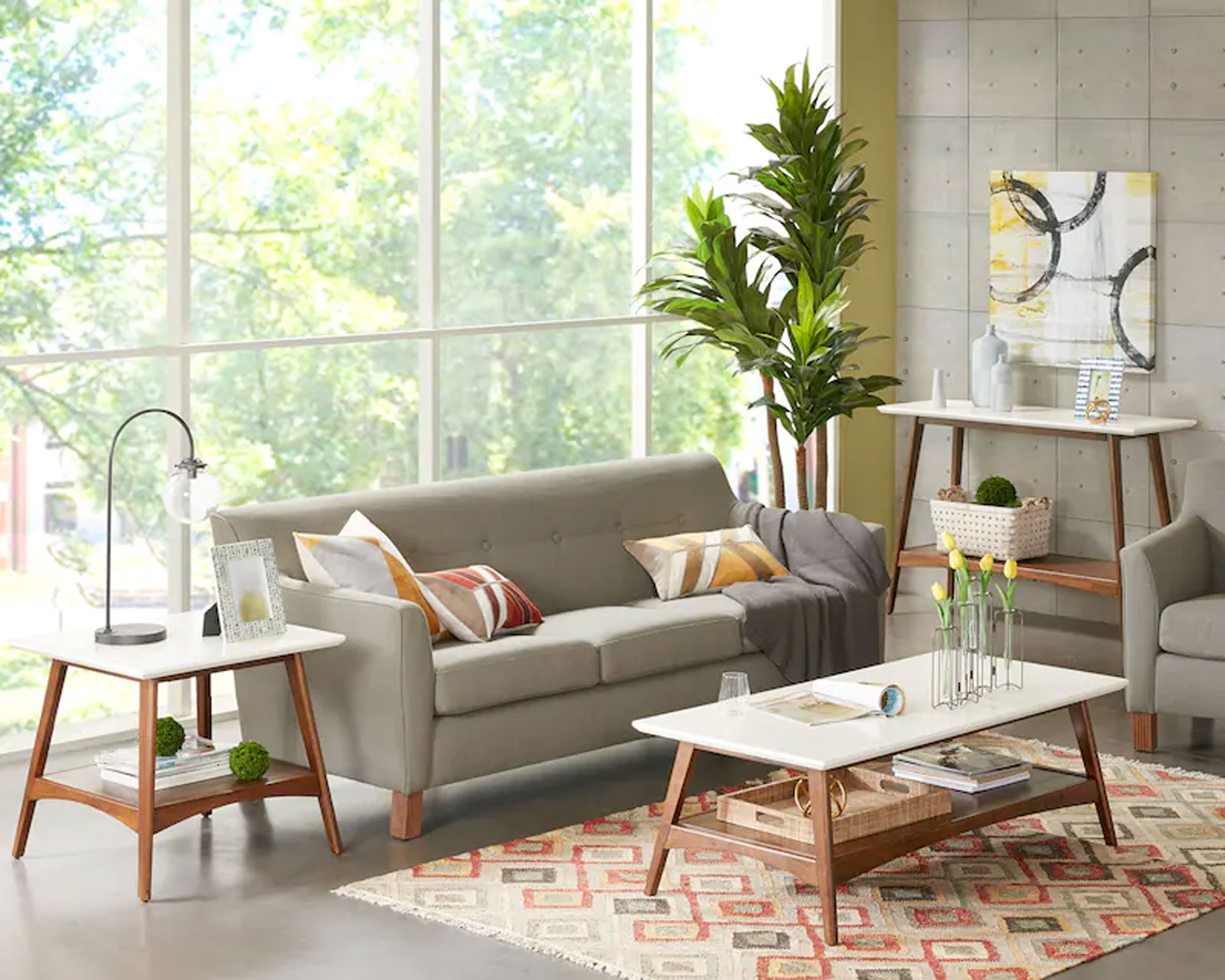
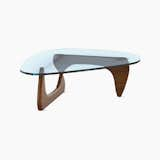
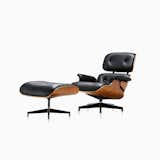
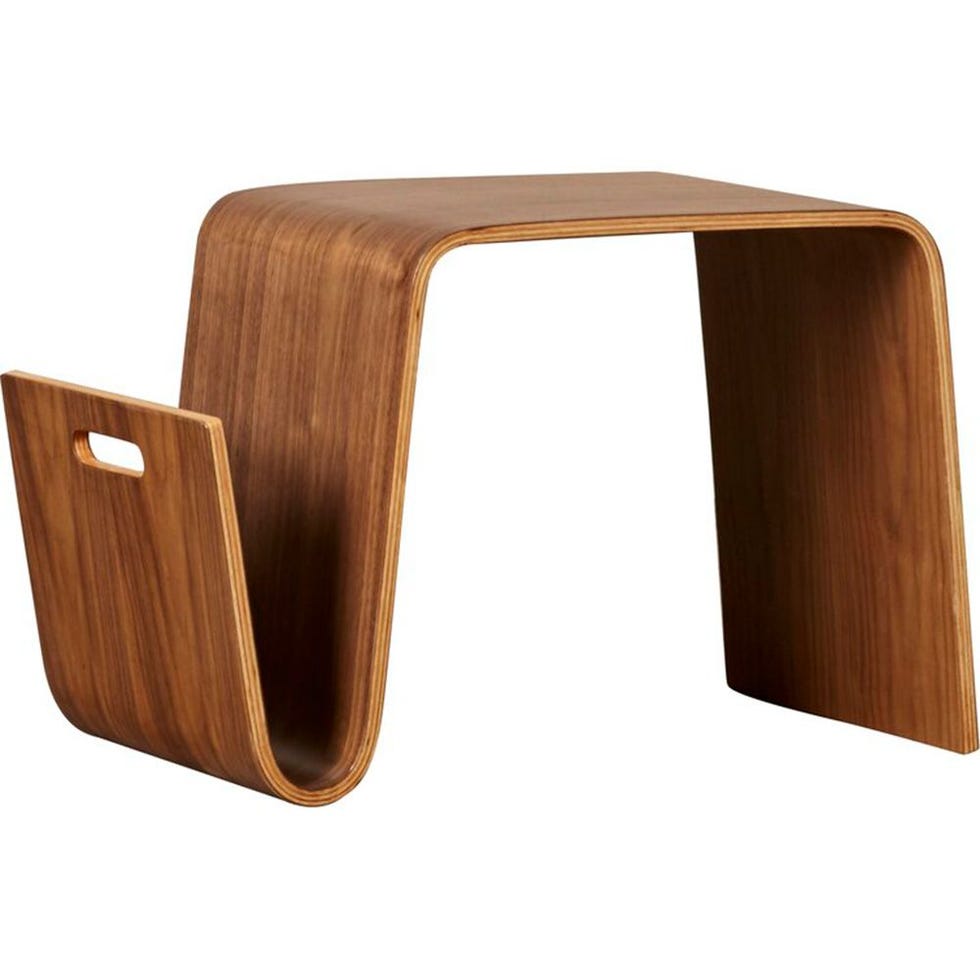
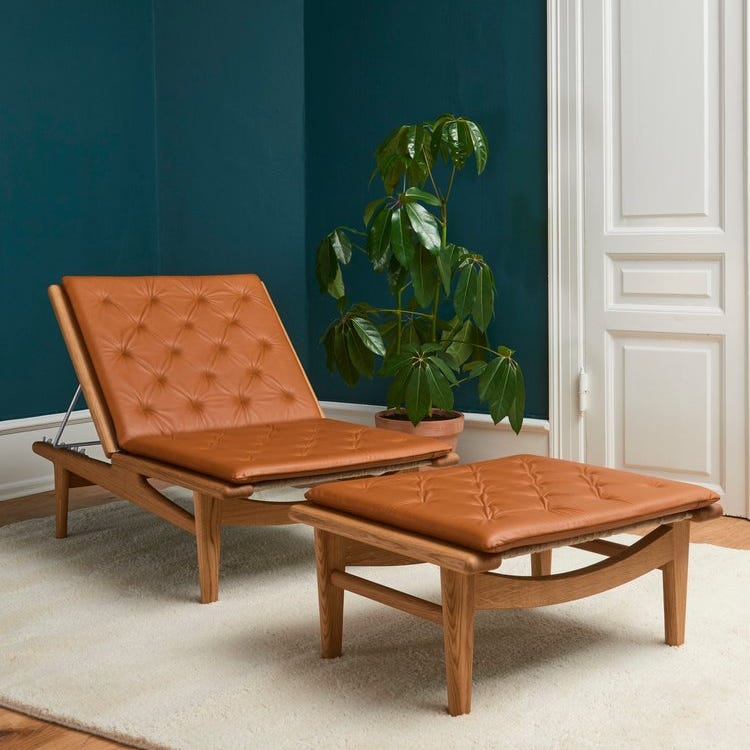
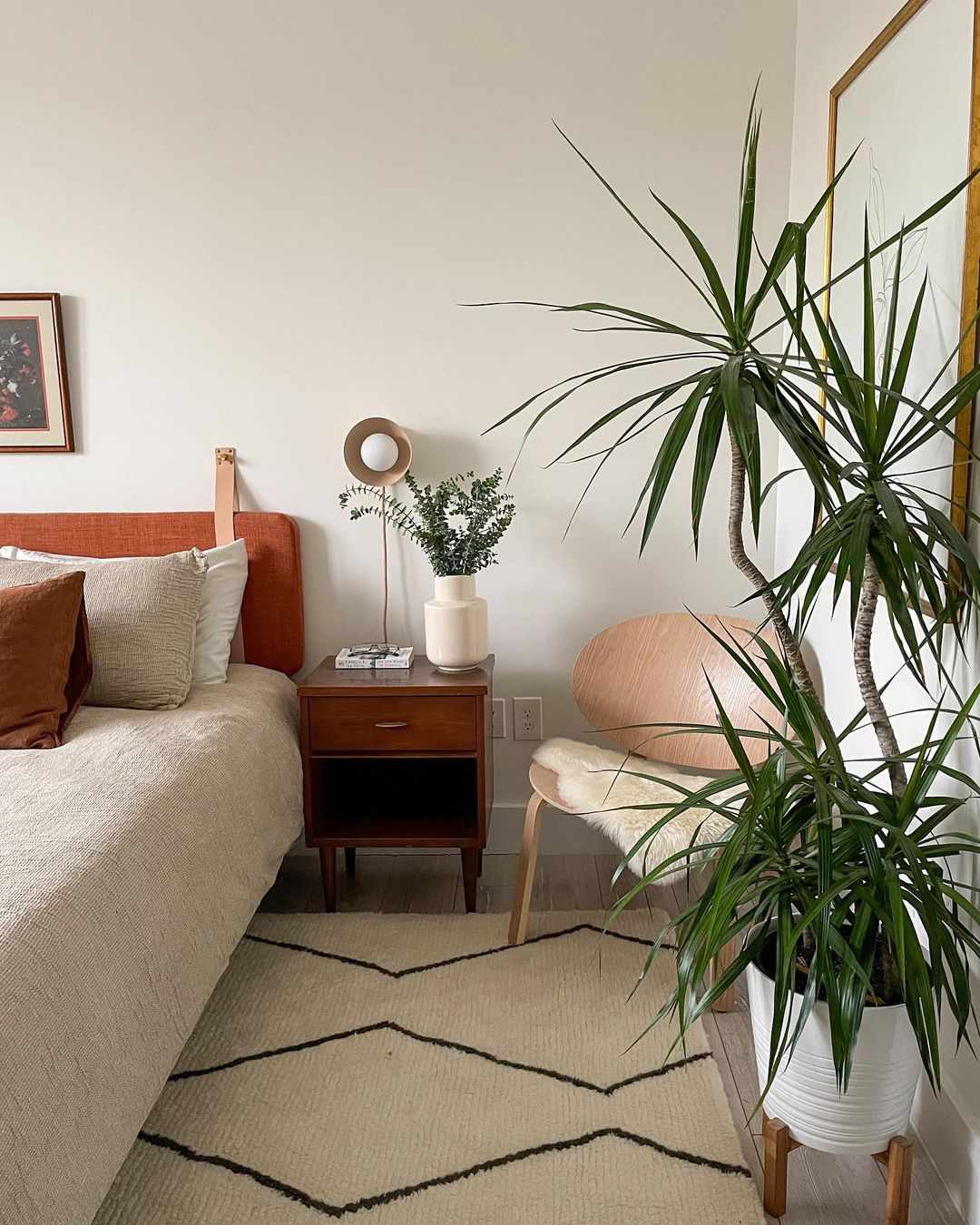
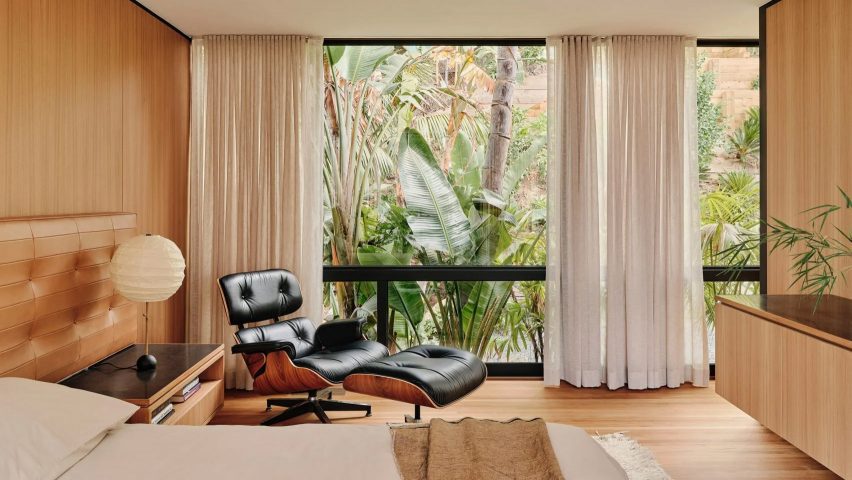
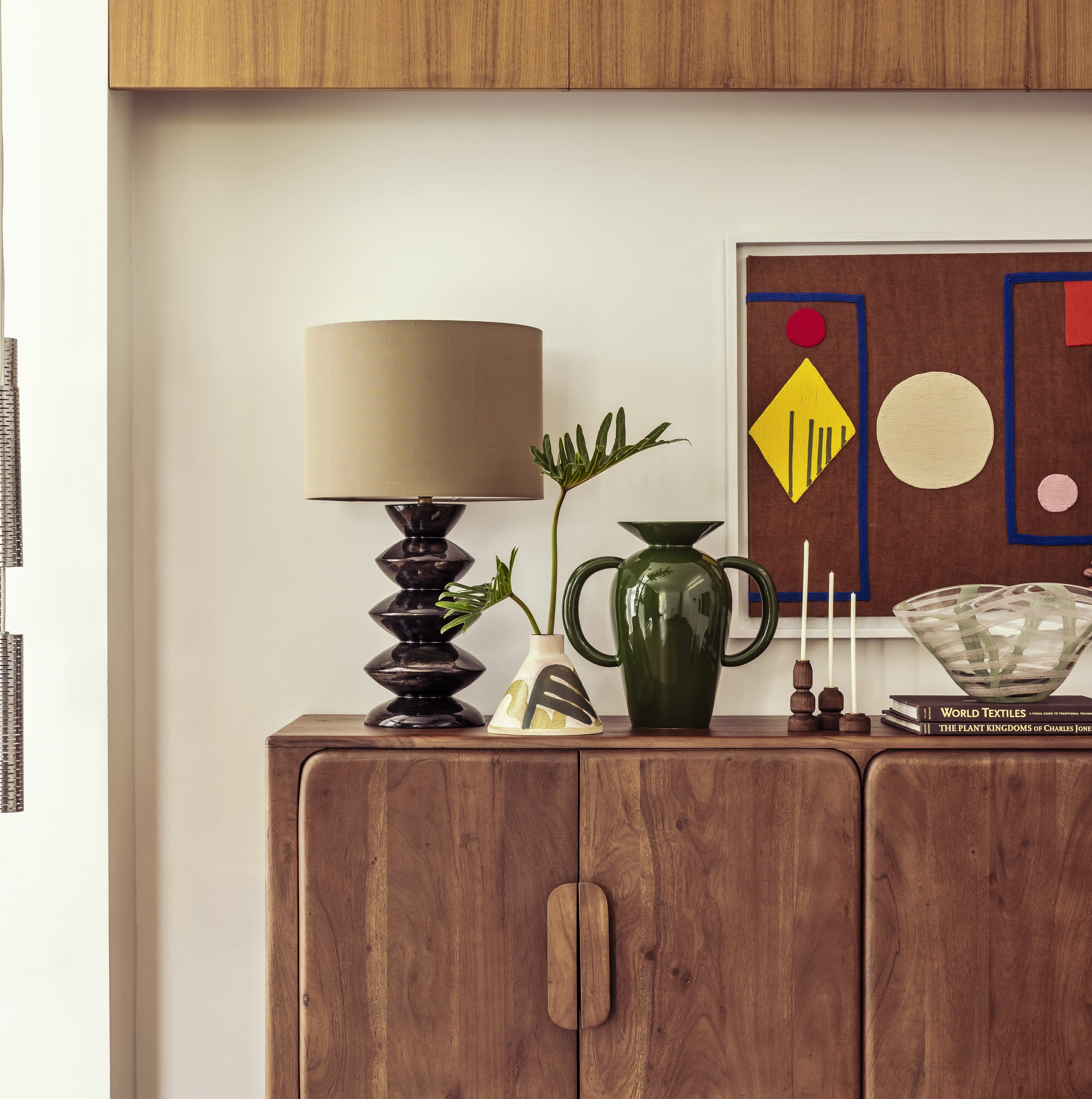
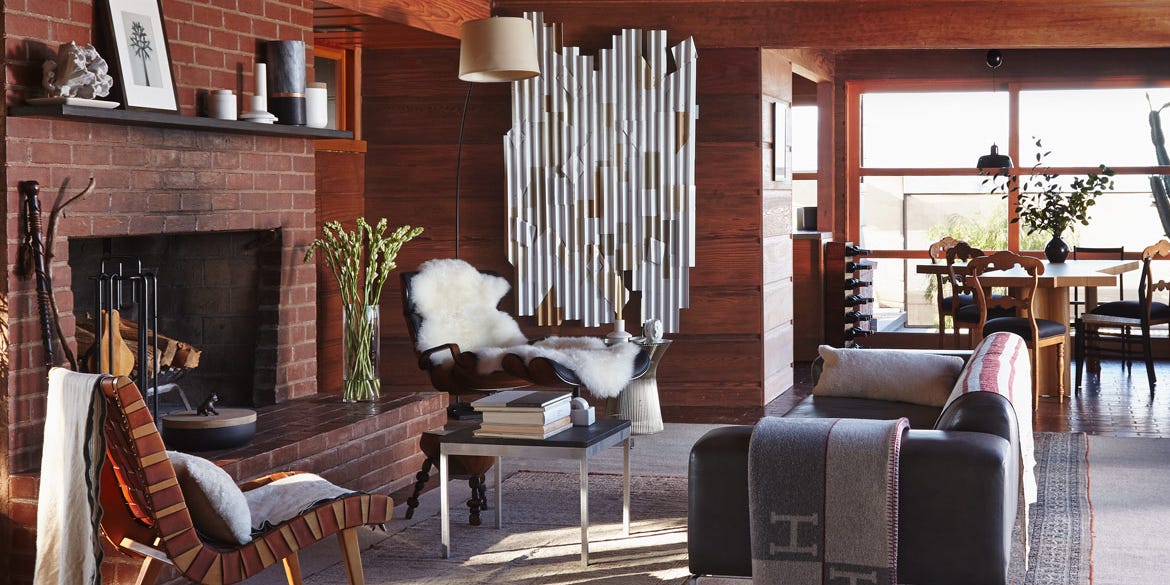
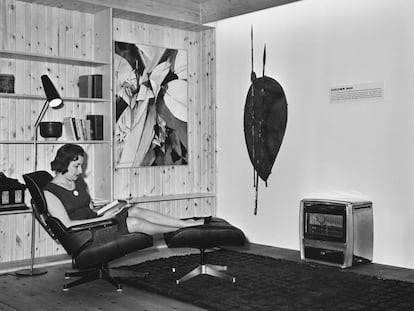
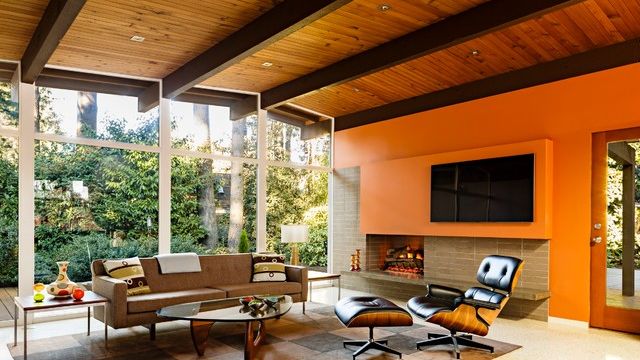
Key characteristics of midcentury modern furniture and decor include a preference for function over excessive ornamentation, with simple geometric lines being a hallmark. Materials such as teak, rosewood, and oak were frequently used for their rich color and durability, especially in case pieces like tables, desks, and storage cabinets. However, the style also incorporated a variety of other materials, including metal, glass, and vinyl, often used in combination to create unique textures and forms. Curved and organic shapes, exemplified by iconic pieces like the Eames chair, were common, contrasting with the angular and clean geometric forms also present in the style.
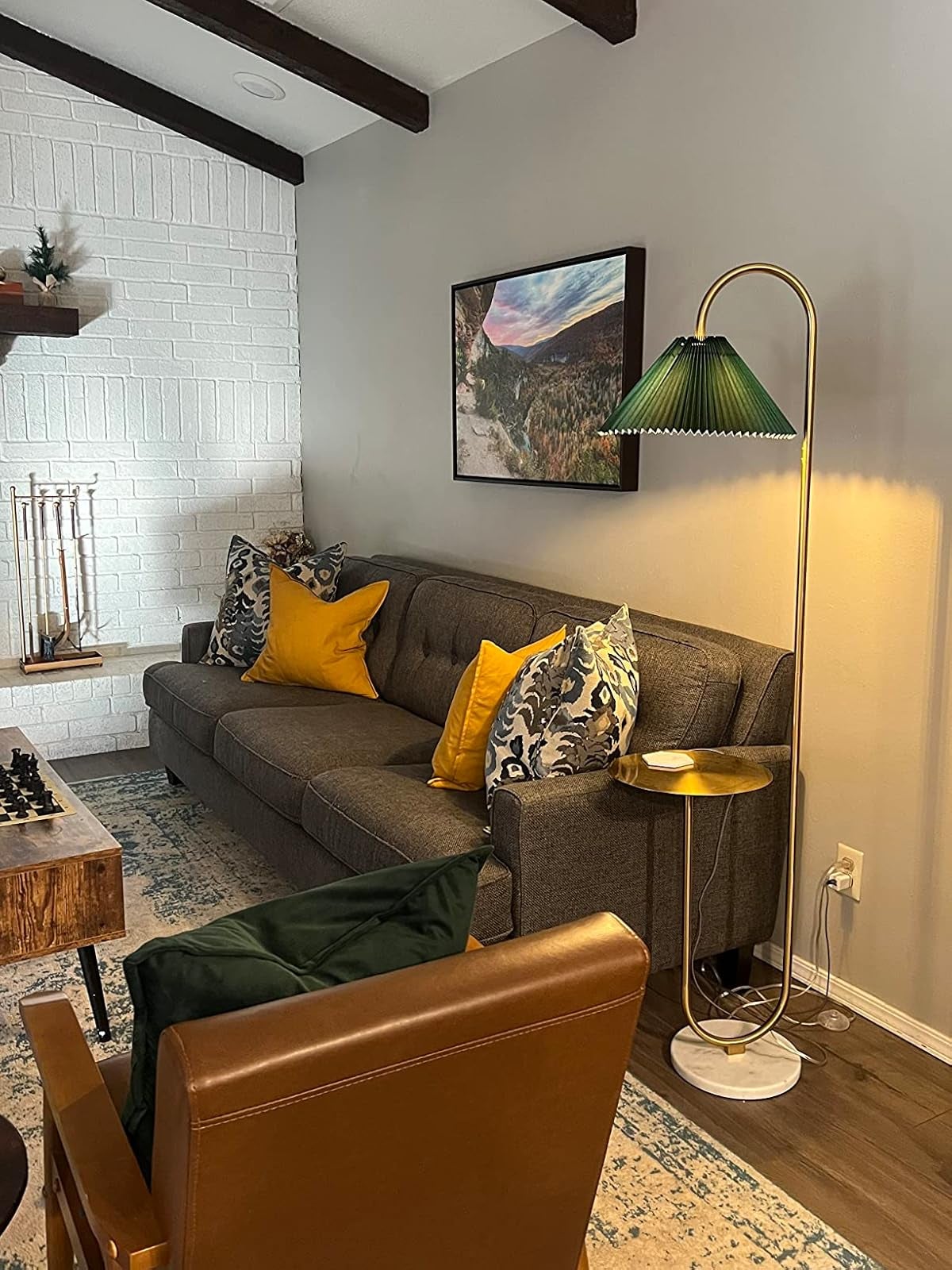
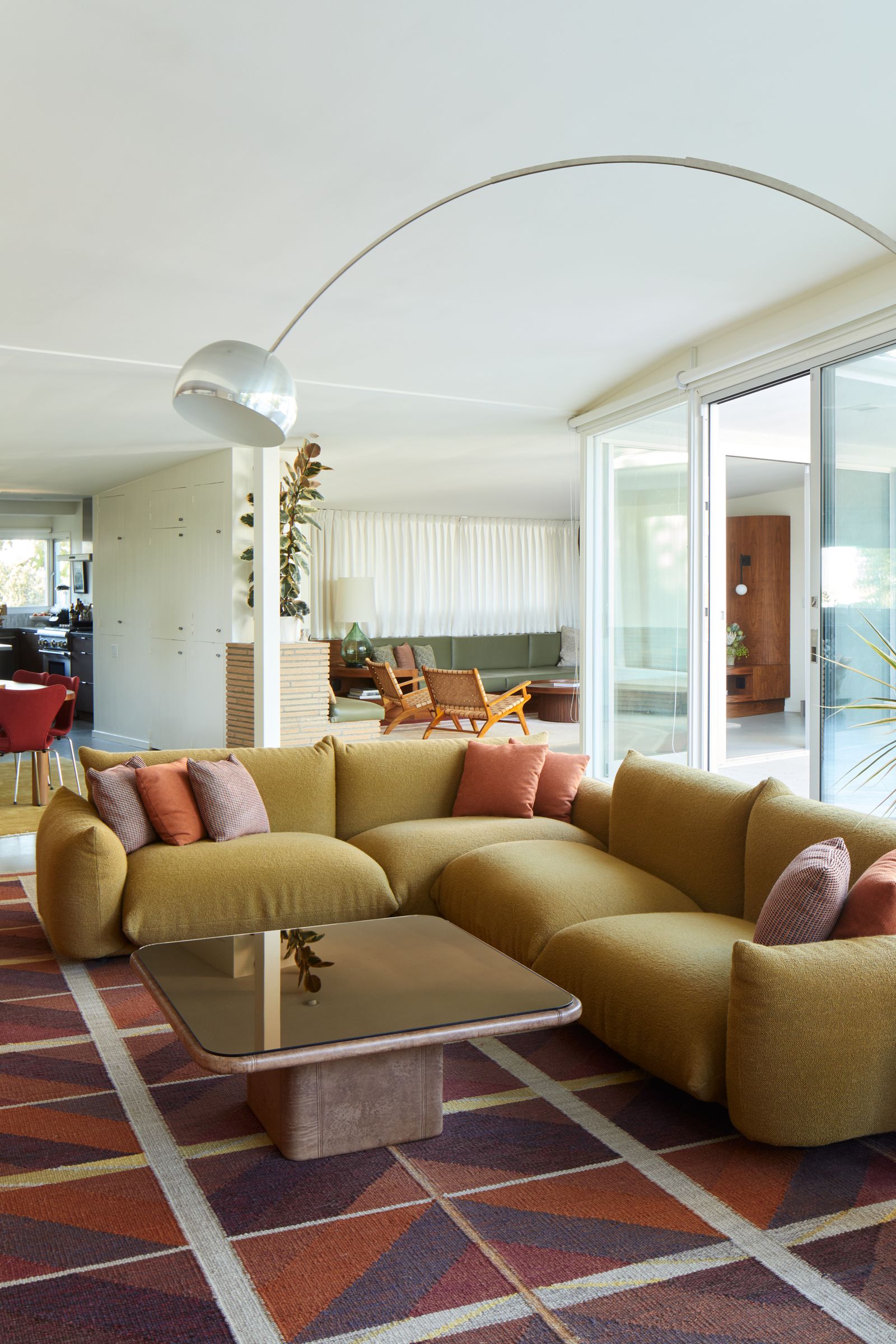
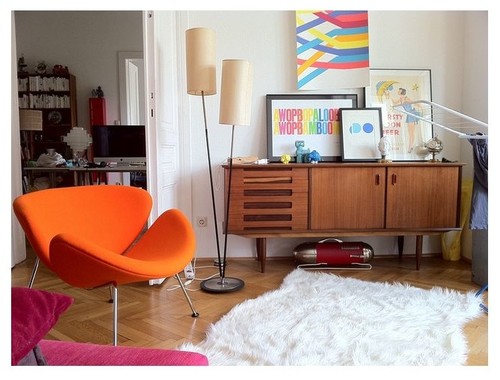
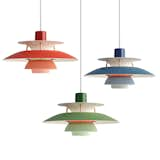
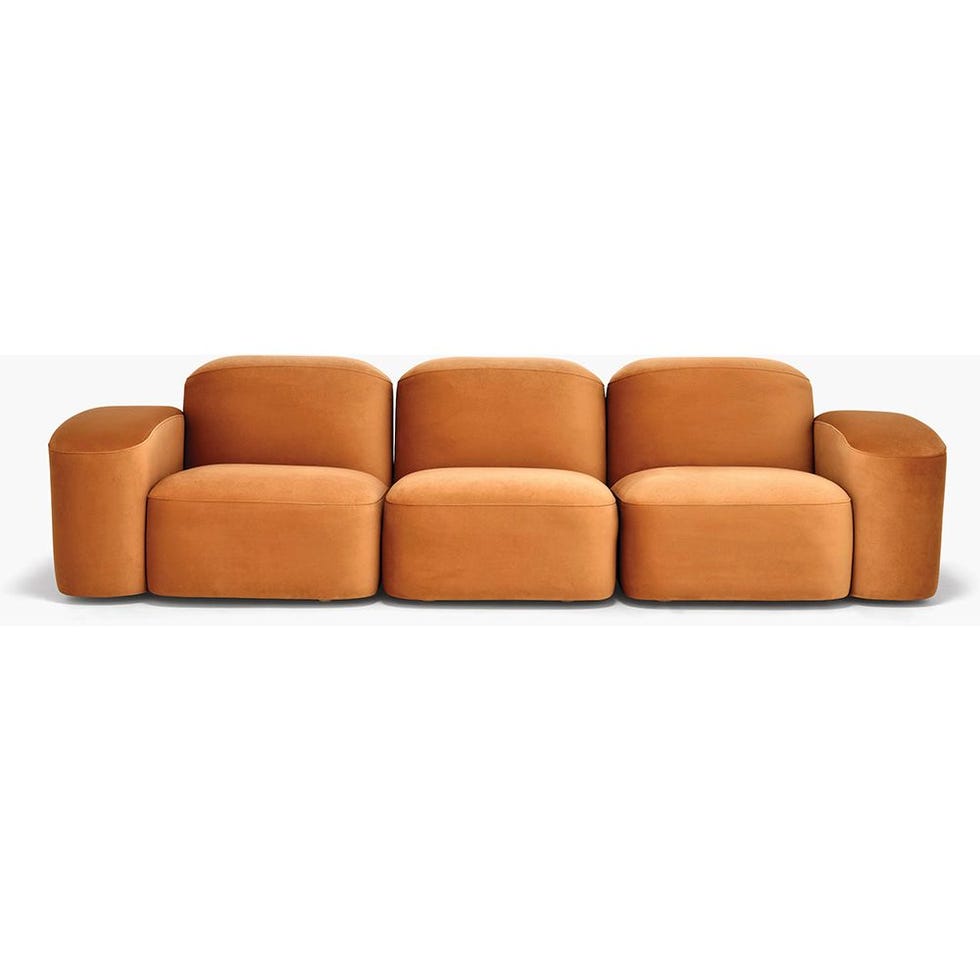
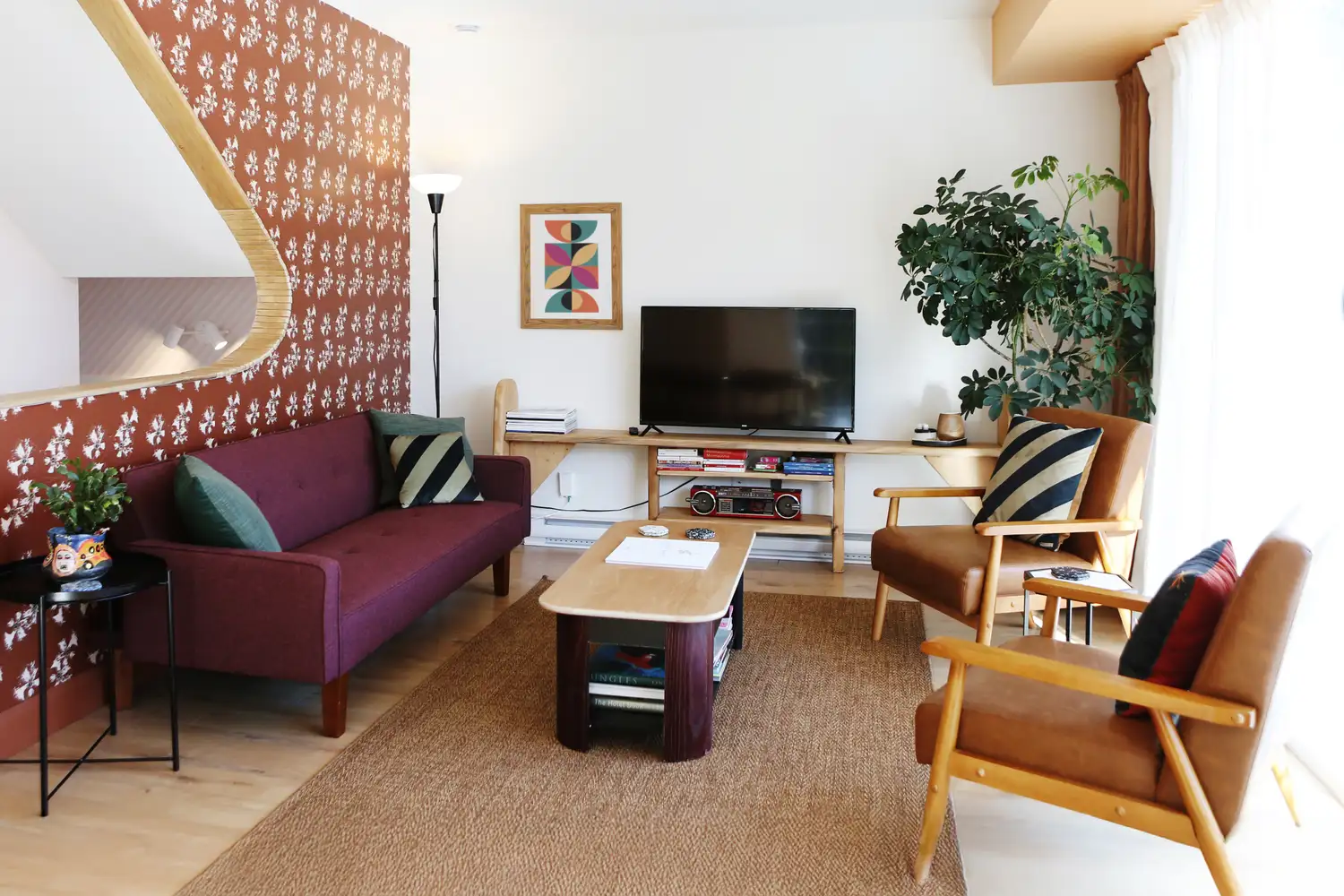
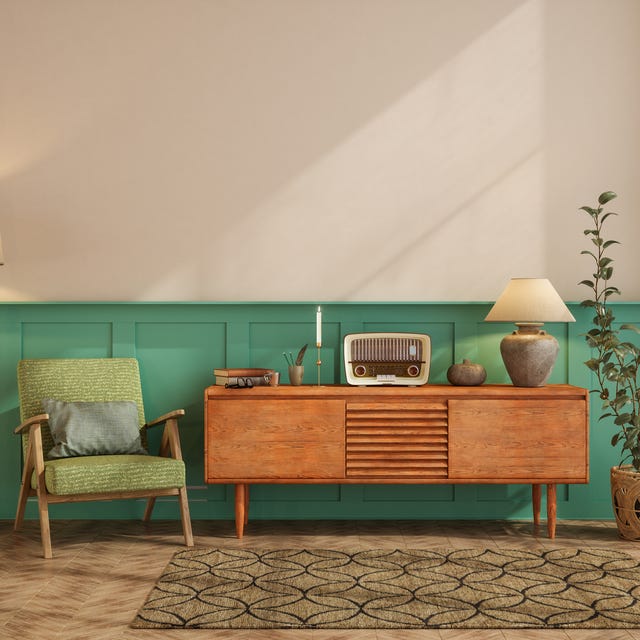
Color played a crucial role in midcentury modern aesthetics, often featuring bold accent colors such as reds, sages, yellows, and blush pinks. These colors were used to make individual pieces stand out or to add vibrant touches to a space. While sharing some elements with broader modern design, MCM is distinctively retro and often more colorful, whereas traditional modern design tends towards a more understated, utilitarian, and industrial look.
Midcentury modern design remains highly popular and relevant today. Its enduring appeal is attributed to its practical and versatile nature. Designers highlight the rise of multipurpose furniture within the MCM ethos, where every piece serves a clear purpose, contrasting with earlier designs that prioritized elaborate aesthetics over utility. This functionality makes MCM adaptable to contemporary living spaces.

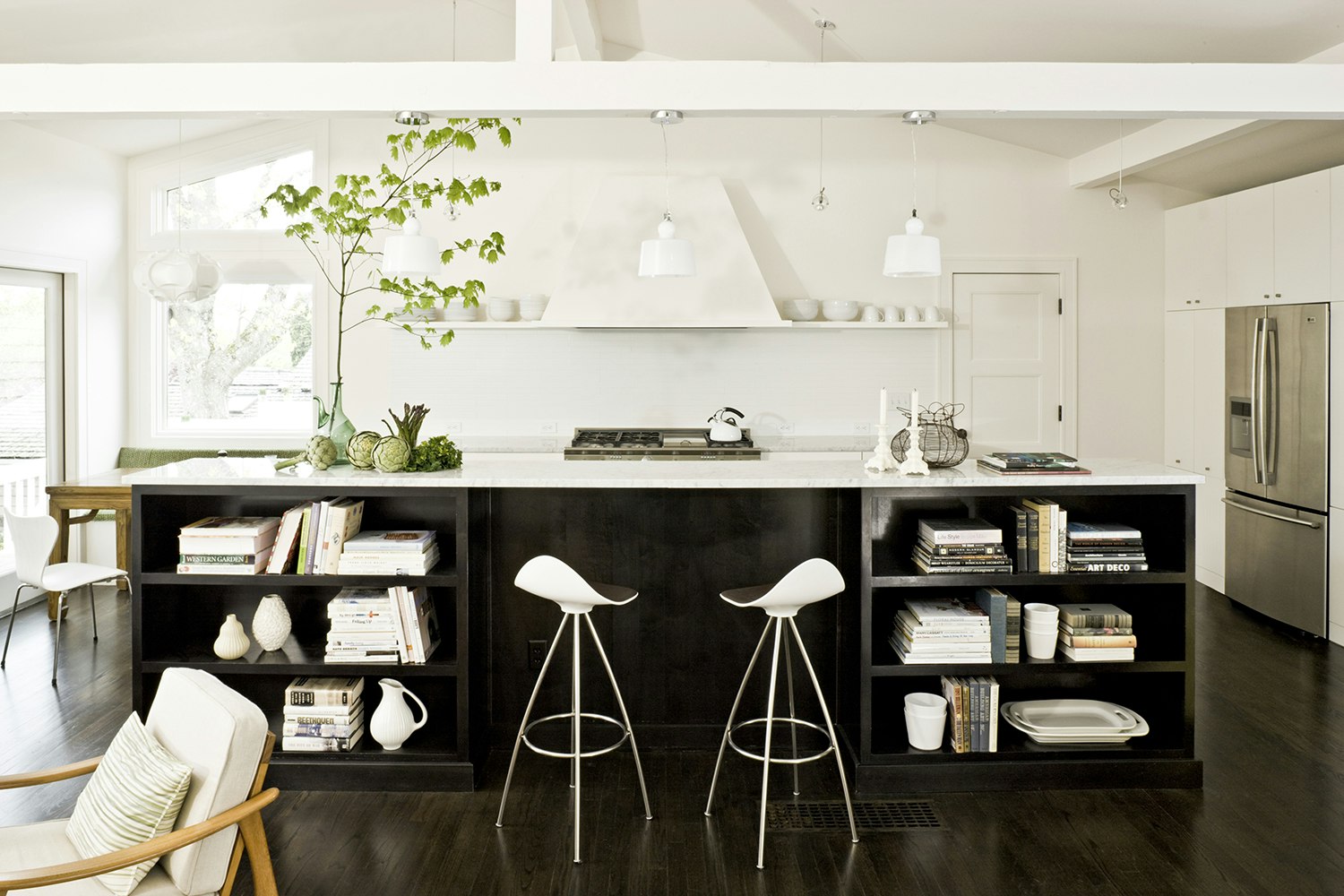
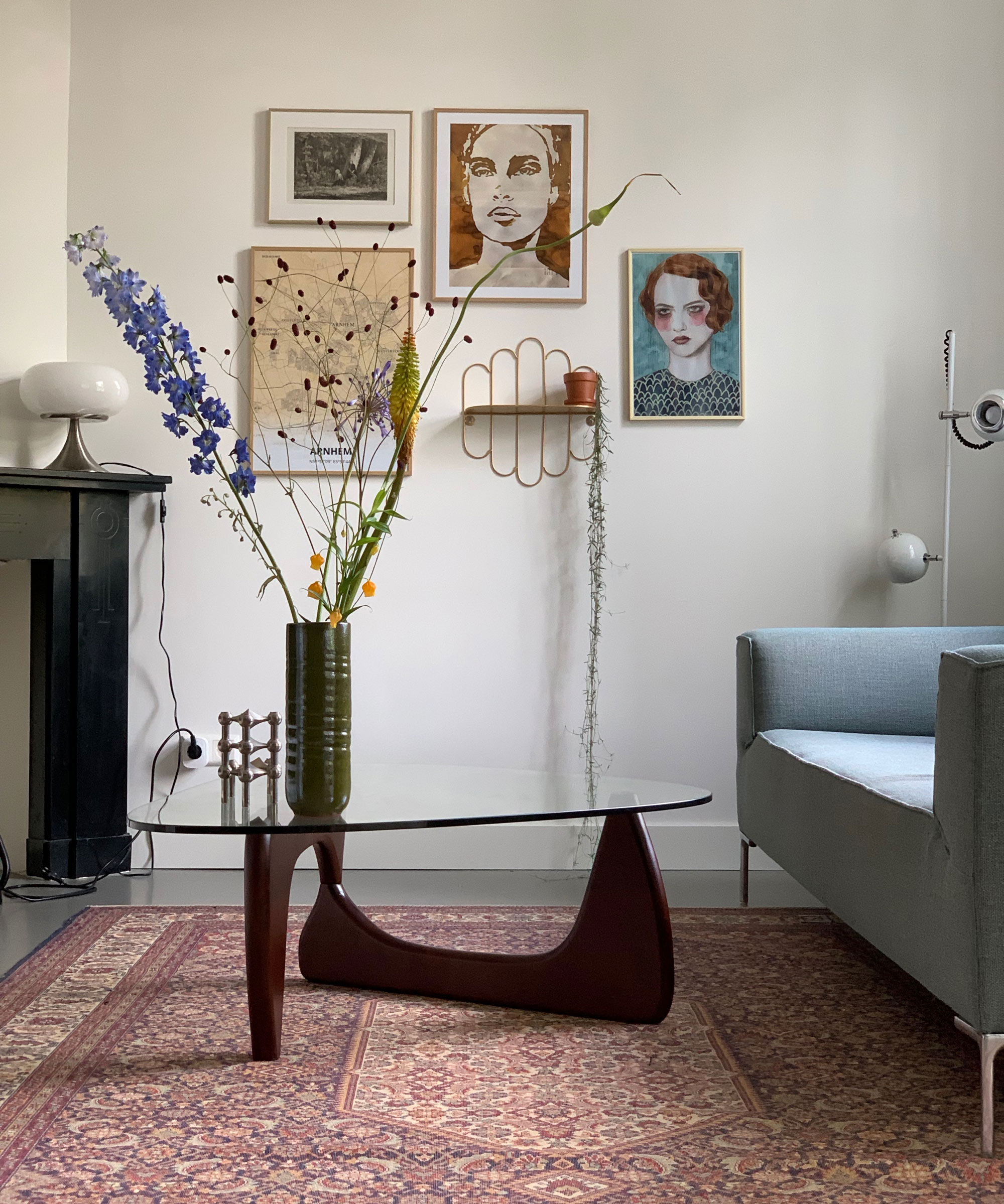
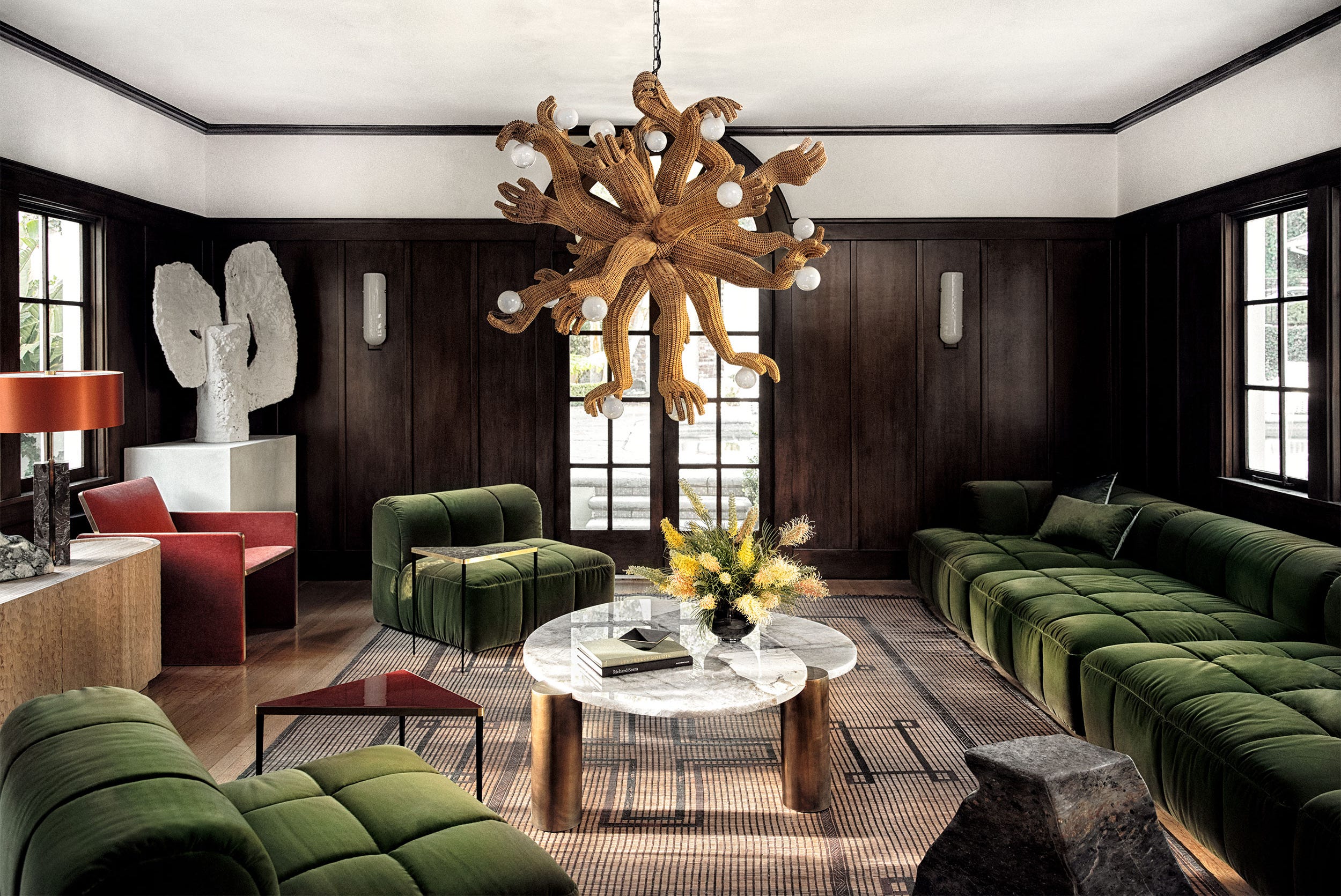
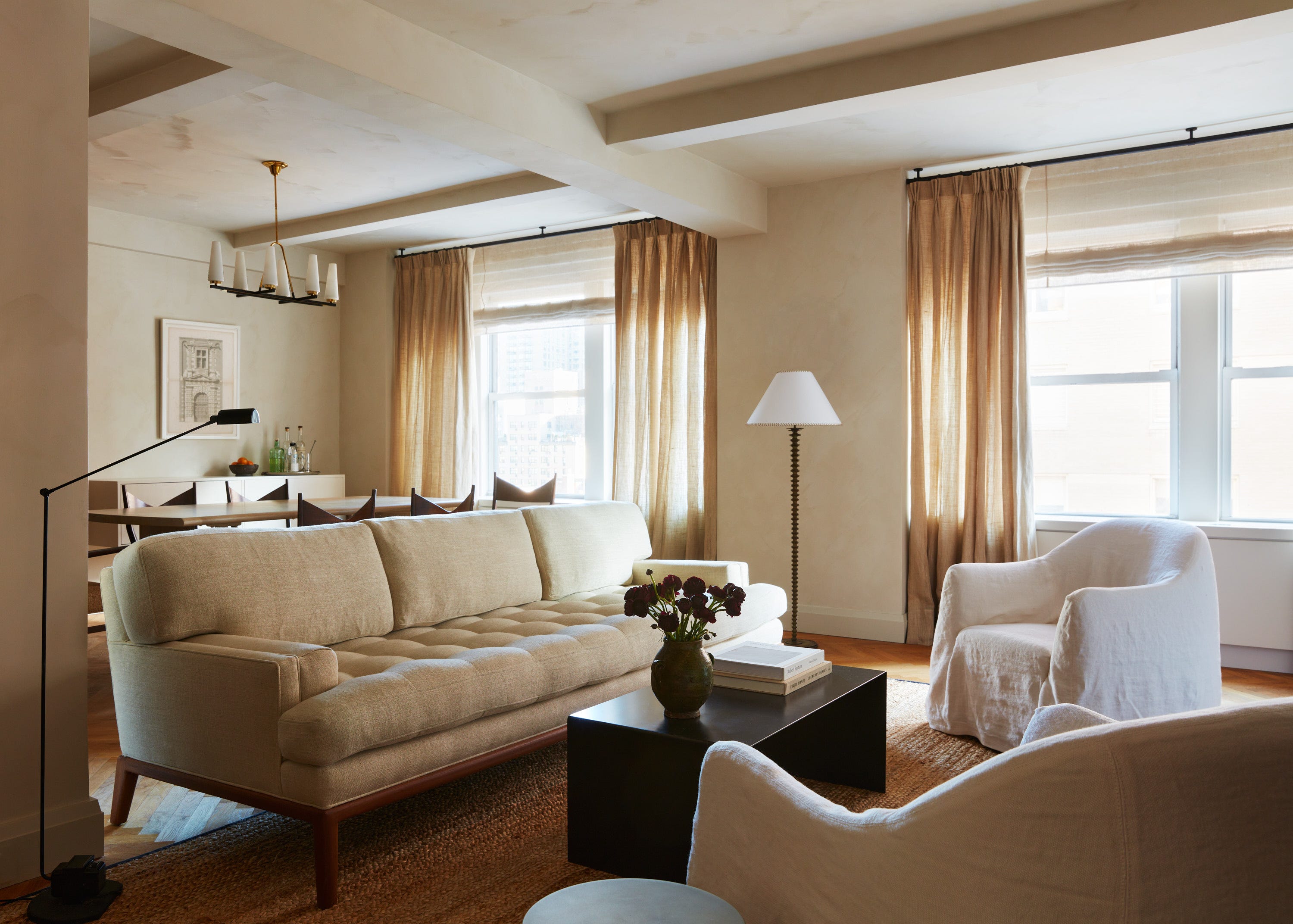
When incorporating midcentury modern style into a home, several design tips are recommended. First, it is important to focus on the wood elements, ensuring that selected wood tones complement each other rather than clashing. Second, it is crucial to acknowledge the size limitations of original midcentury pieces; furniture from that era was not designed for modern household sizes or technological needs, so adjustments may be necessary (e.g., using a credenza as a TV stand). Third, blending MCM pieces with other design styles, such as contemporary, industrial, or transitional, can prevent a room from feeling overly thematic or like a museum. For example, an Eames chair can be effectively juxtaposed with a contemporary rug or an industrial cabinet to create a balanced and updated look. Ensuring the practicality and durability of antique MCM furniture for daily use is also important to maintain the style's core functional principles.
Midcentury modern is closely related to design styles such as Scandinavian, minimalism, and contemporary design due to their shared emphasis on functionality, clean lines, and natural materials. It differs significantly from Art Deco, which, prevalent in the 1920s and 1930s, is characterized by streamlined designs, sinuous or angular silhouettes, and luxurious materials in rich jewel tones, marking a clear distinction from MCM's simpler, organic, and unassuming aesthetic. Influential designers of the midcentury modern movement include Charles and Ray Eames, George Nelson, Isamu Noguchi, Charlotte Perriand, Eero Saarinen, Arne Jacobsen, Mies van der Rohe, Harry Bertoia, Alvar Aalto, and Hans Wegner, whose contributions shaped the iconic look of the era.
#MidcenturyModern #InteriorDesign #HomeDecor #DesignStyles #FurnitureDesign #PostWarDesign #CleanLines #FunctionalDesign #WoodFurniture #MidcenturyModern #InteriorDesign #HomeDecor #DesignStyles #FurnitureDesign #PostWarDesign #CleanLines #FunctionalDesign #WoodFurniture
0 comment in total
 No comments yet
You may also like
How to do mid-century modern style in 5 easy steps

Home Design: Reinvented Midcentury Modern

"I love mid-century modern but it makes me sad"
We Asked Designers If Midcentury Modern Is Out of Style—and Their Answer Might Surprise You
9 Decorating Tips To Master The Mid-Century Modern Look

These 27 Stylish Rooms Do Mid-Century Modern Right
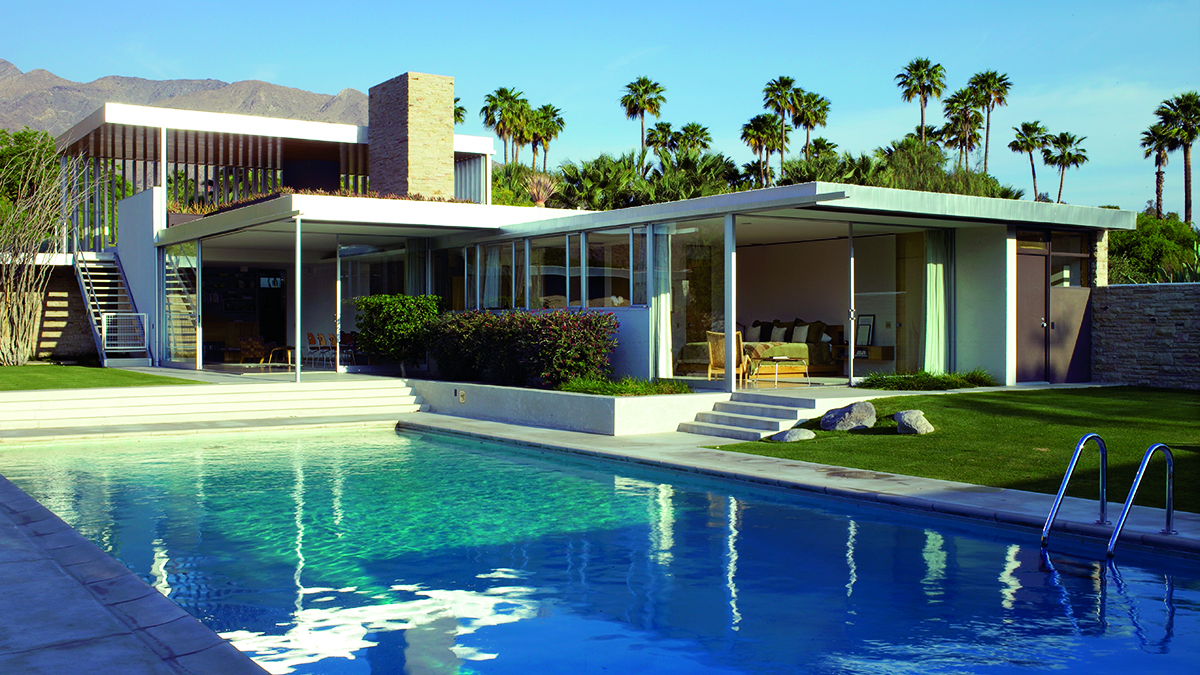
The enduring appeal of Mid-century Modern


10 Classic Midcentury Pieces That Will Never Go Out of Style


41 Home Products To Consider If You Love The Mid-Century Modern Look
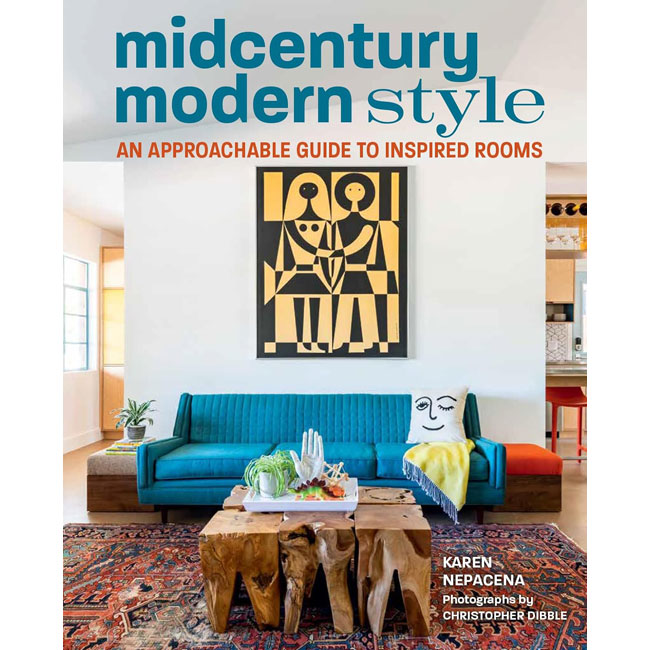
Midcentury Modern Style: An Approachable Guide to Inspired Rooms

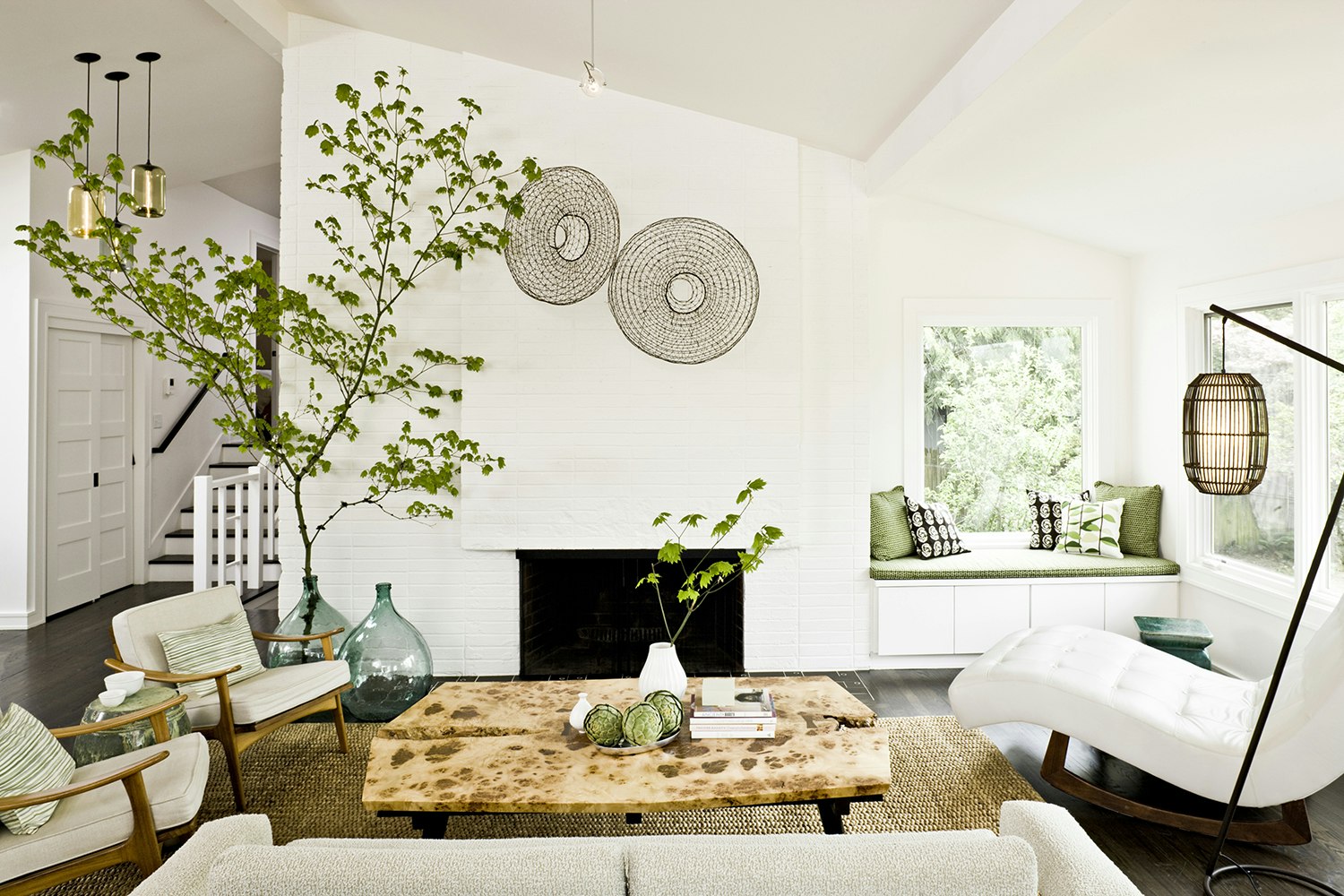
A Designer's Tips For Renovating a Midcentury Modern Interior
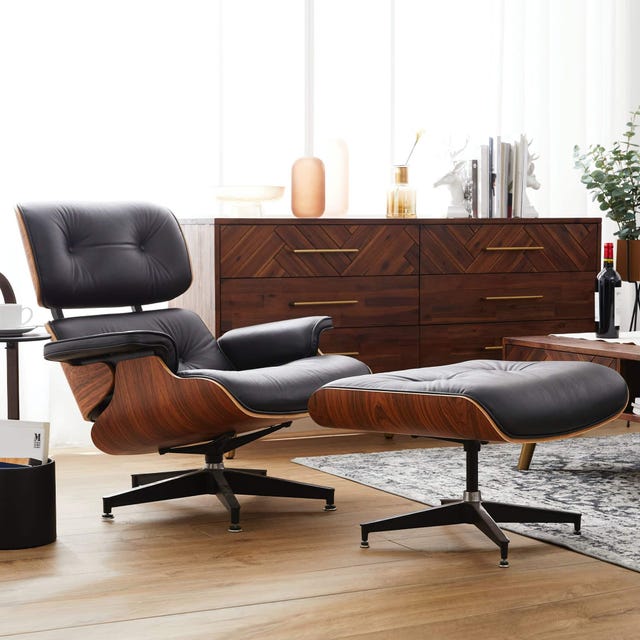
25 Midcentury Modern Furniture Pieces That Will Always Be in Style

Mid-century style: What to know about the décor that you are seeing everywhere

8 "Tacky" Home Trends That Are Tragically Dead to Designers in 2026
Weekend Design: 5 Color Palettes for a Midcentury Modern Look

These Midcentury Modern Living Rooms Put Retro Back on the Map
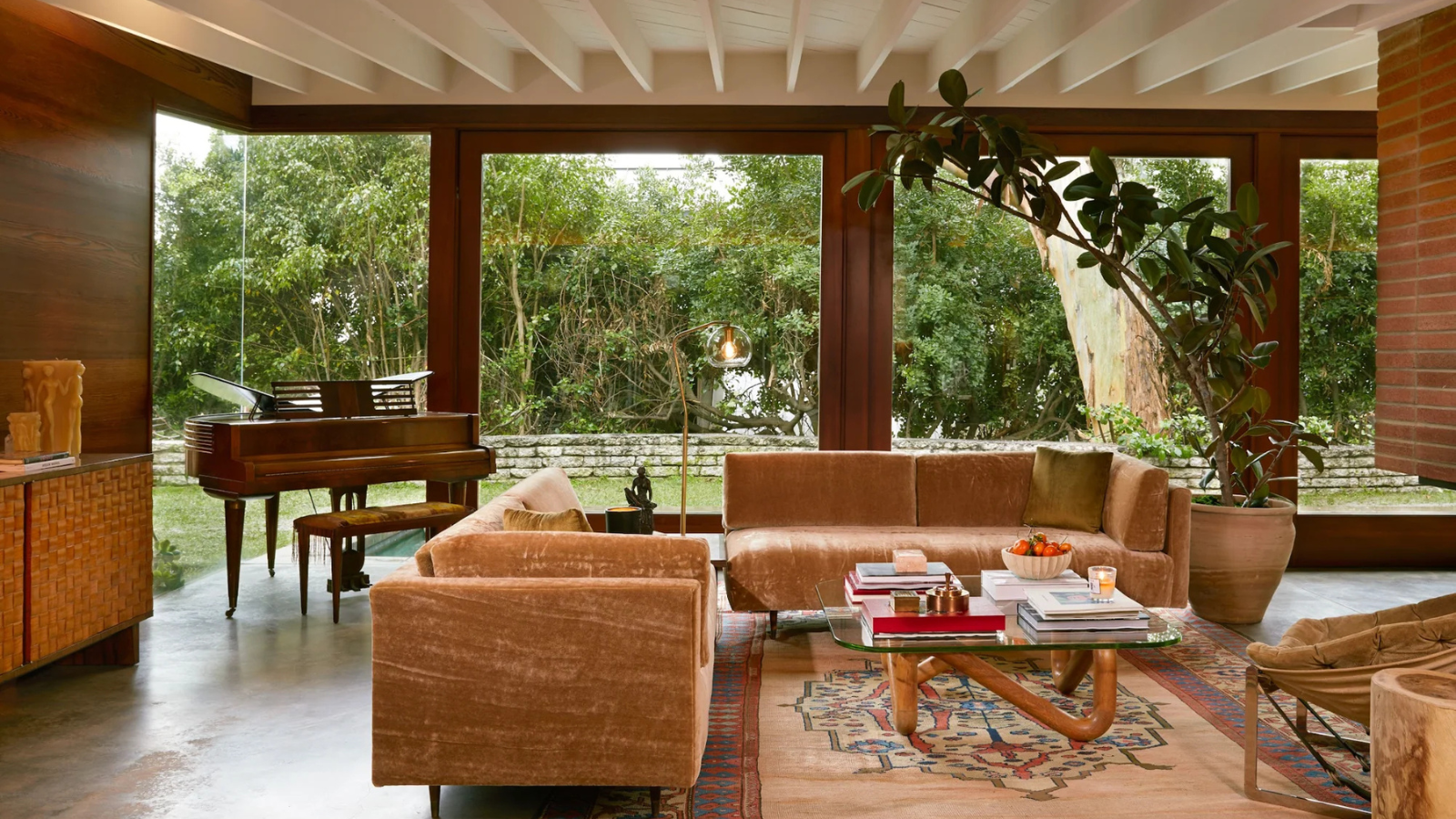
'Good design holds up' – 16 mid-century modern ideas that prove this design style will always be trending

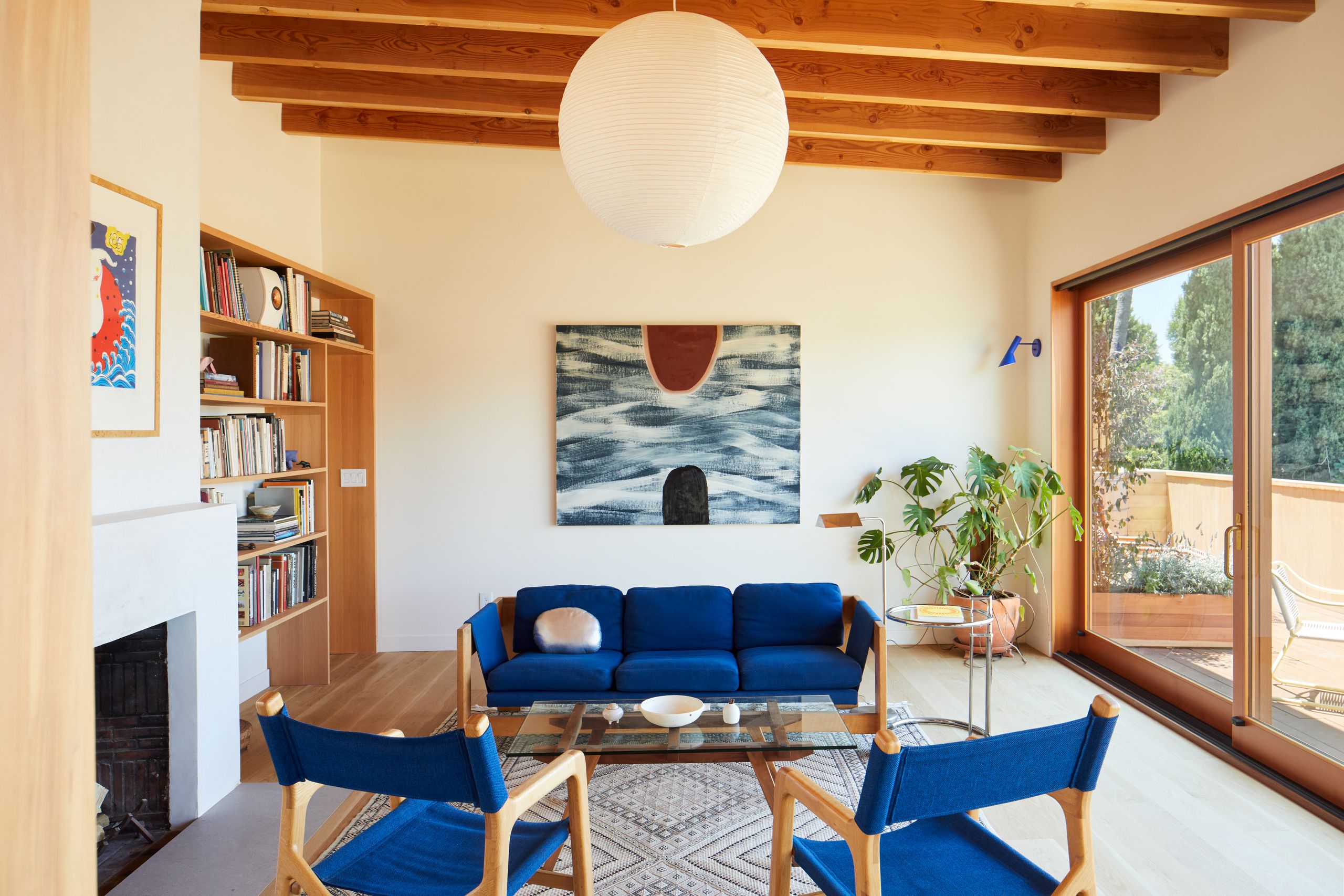
Why Mid-Century Modern Interior Design Continues to Reign Supreme
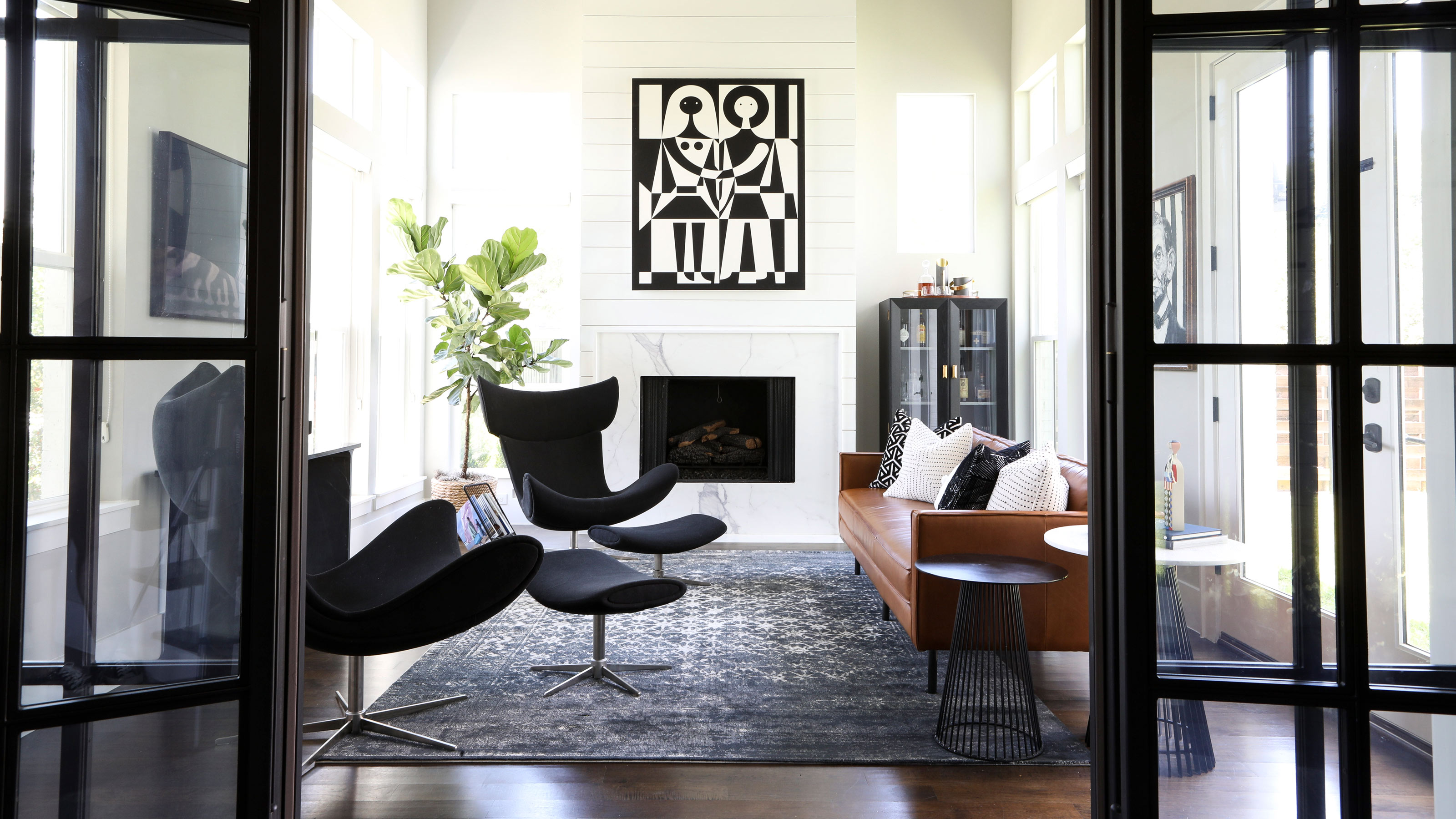
13 mid-century modern living room ideas for a sophisticated room refresh

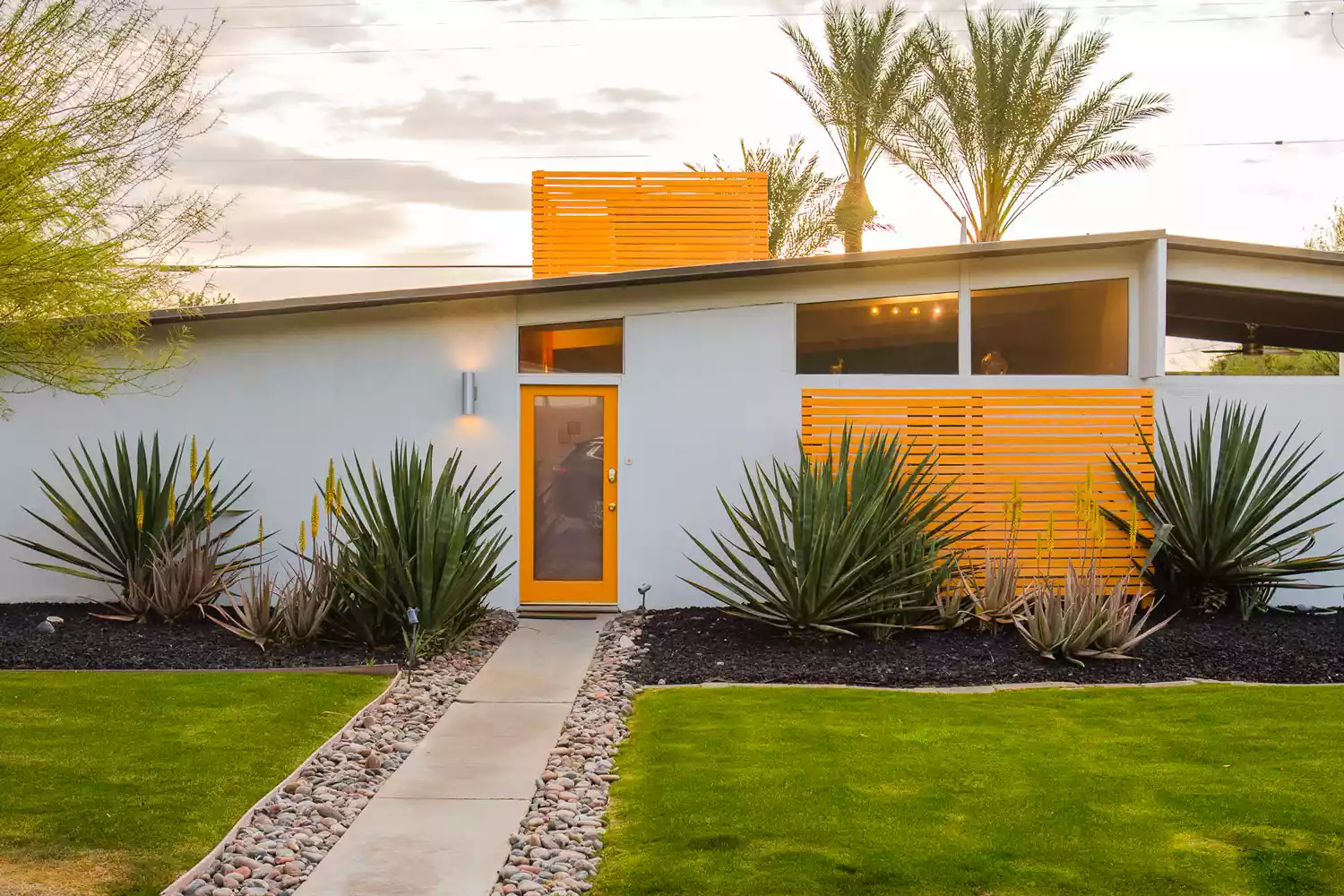
What Is Midcentury Modern Architecture?