1/2
The enduring appeal of Mid-century Modern
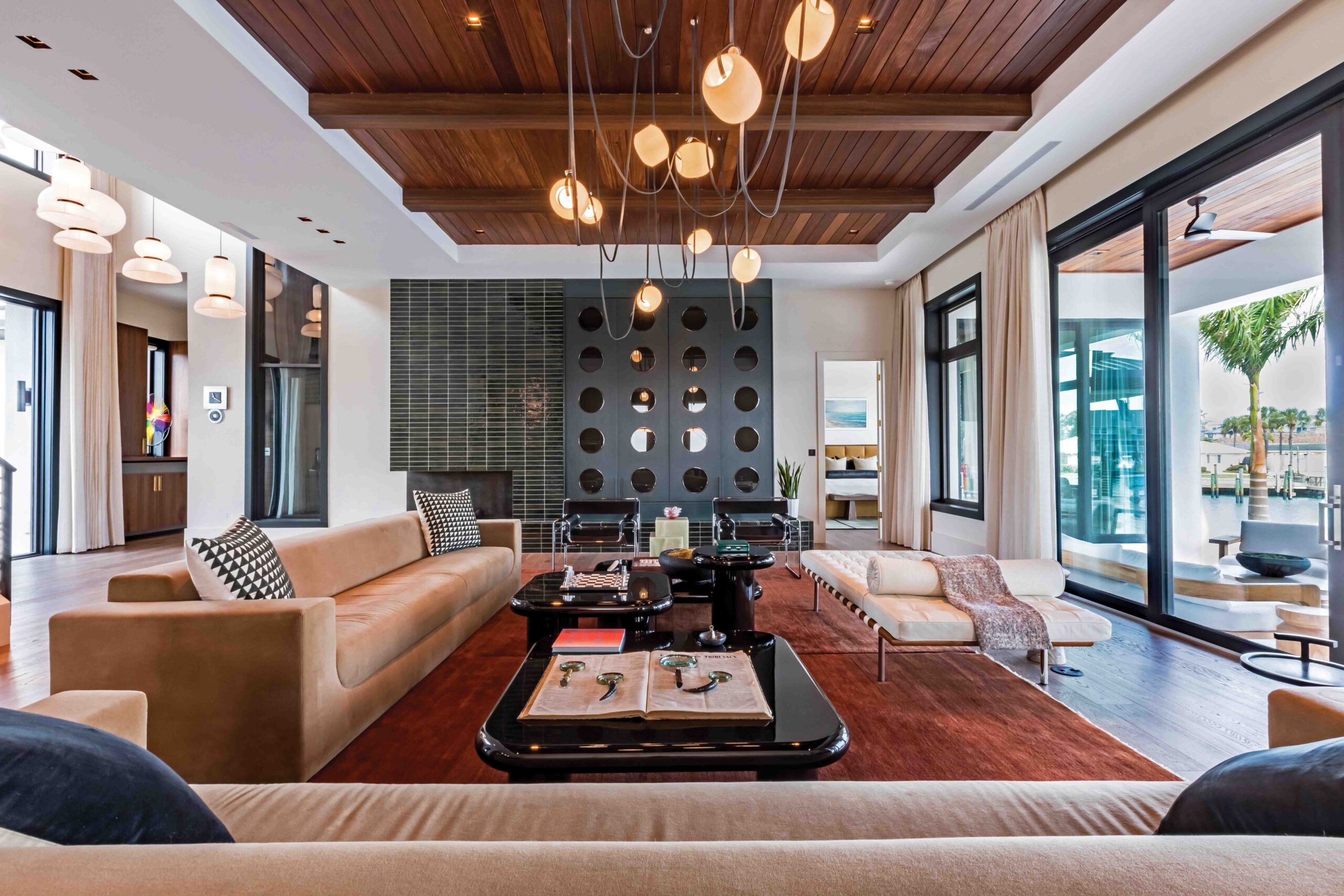
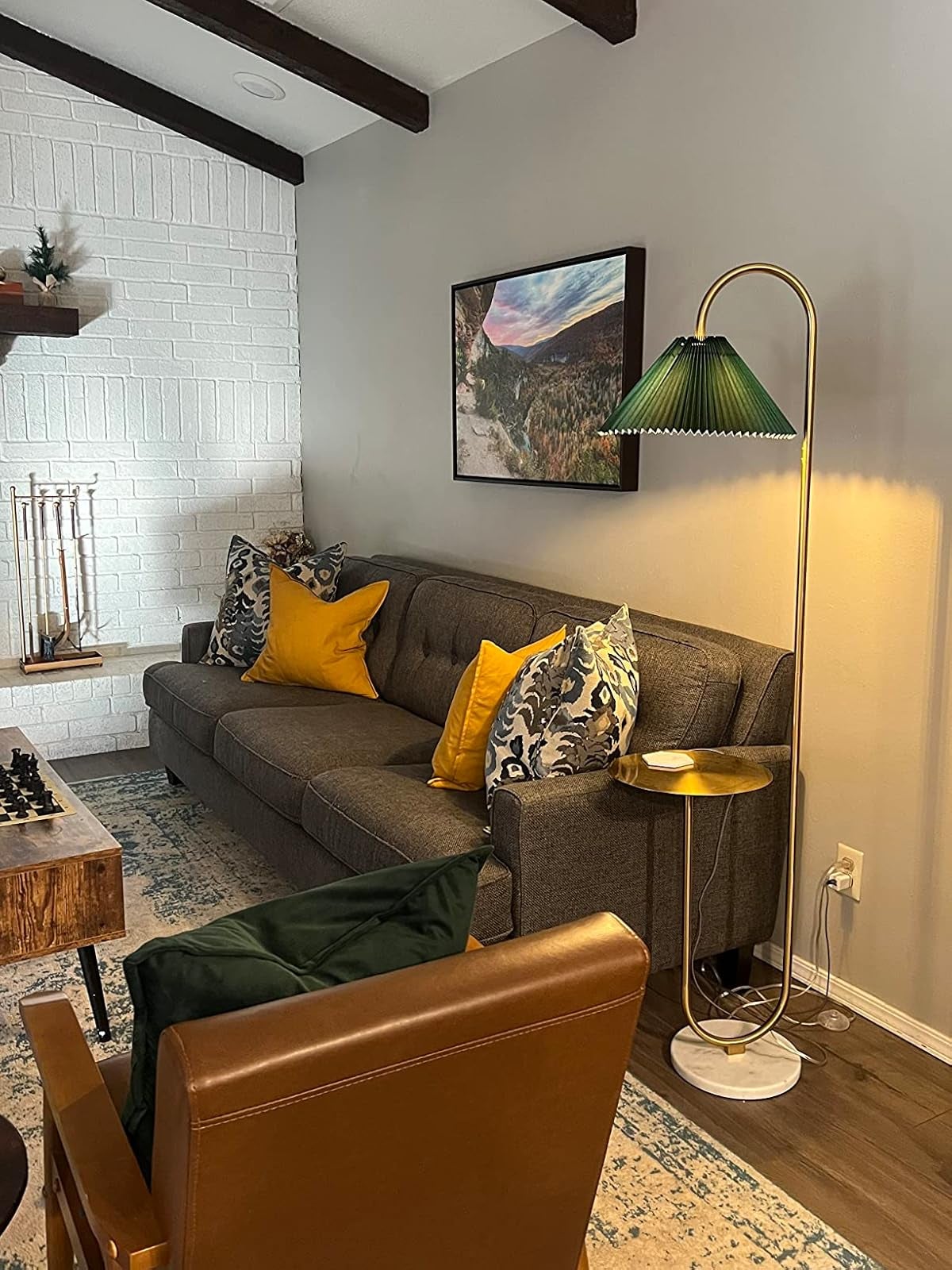
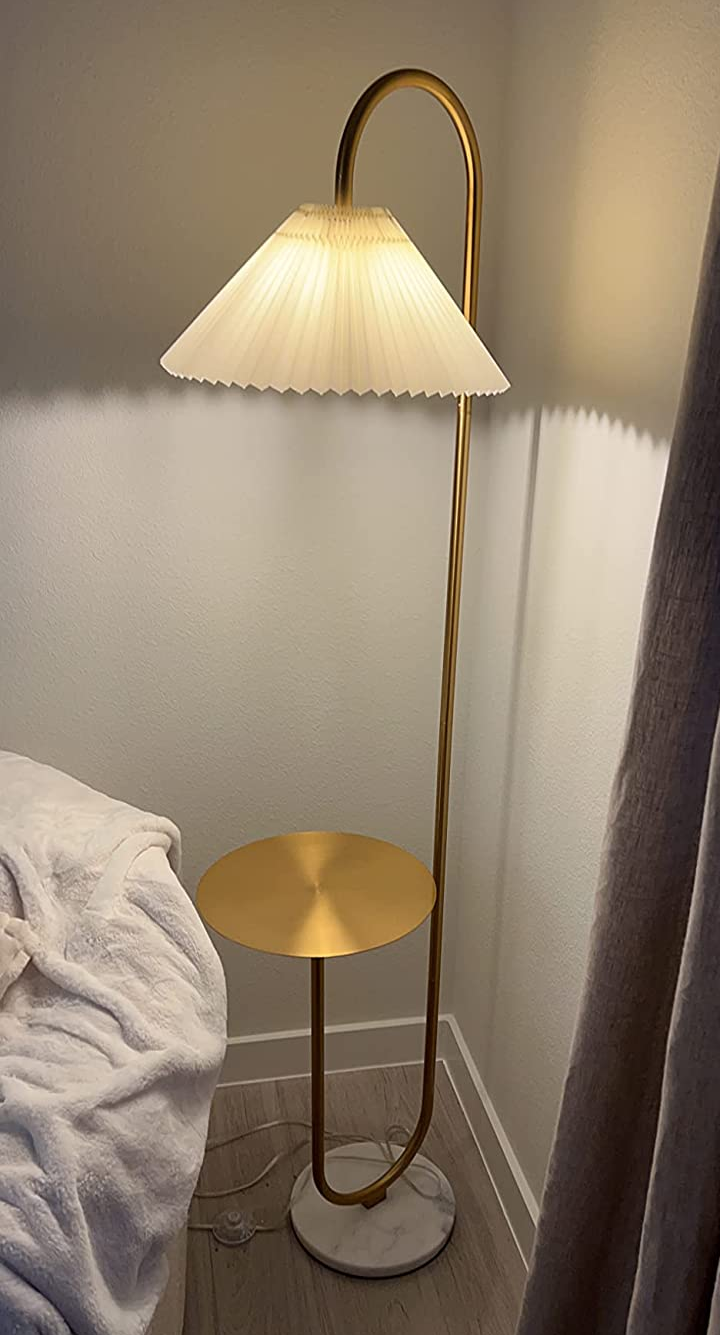
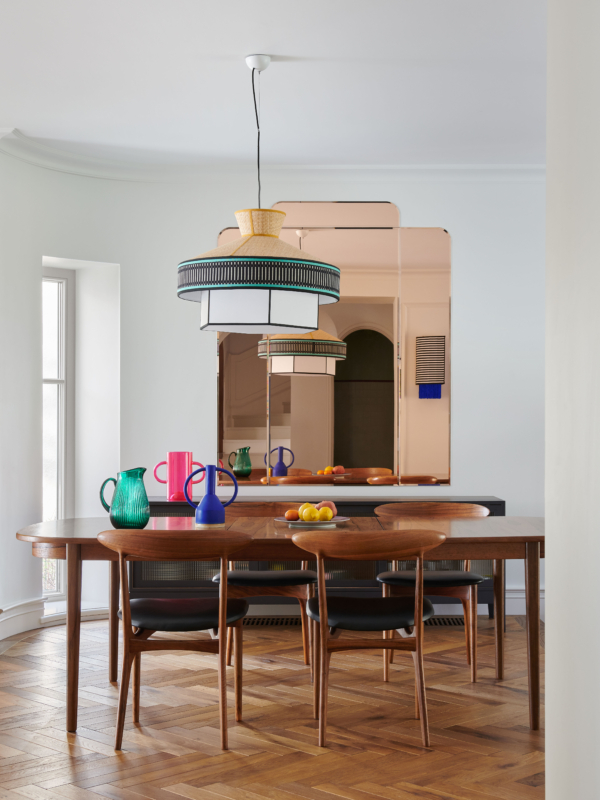



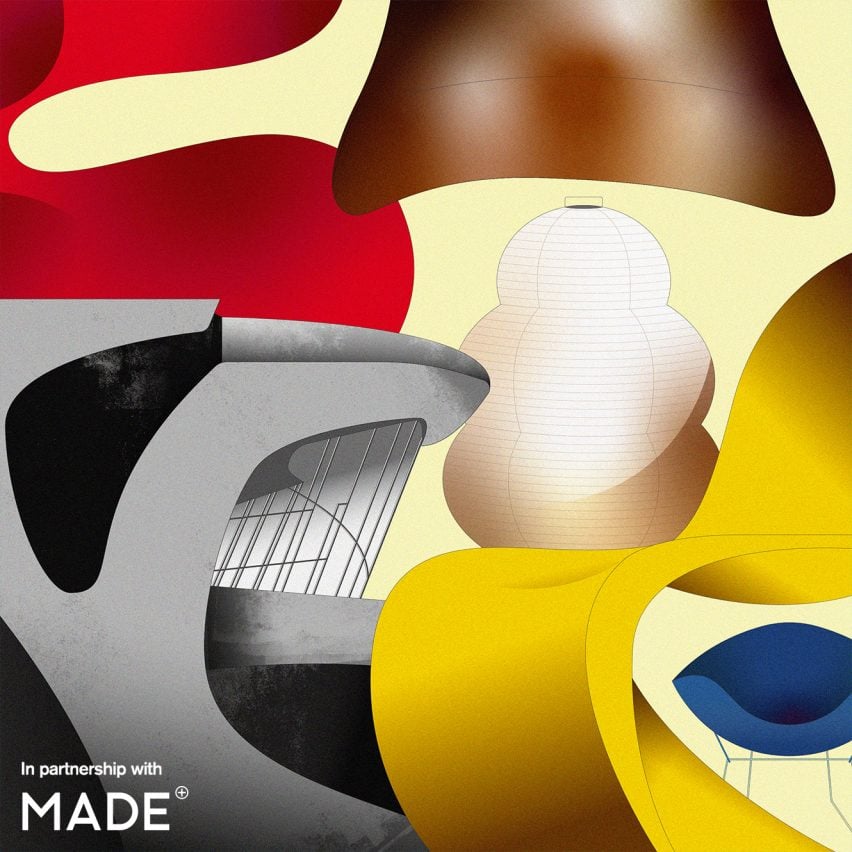
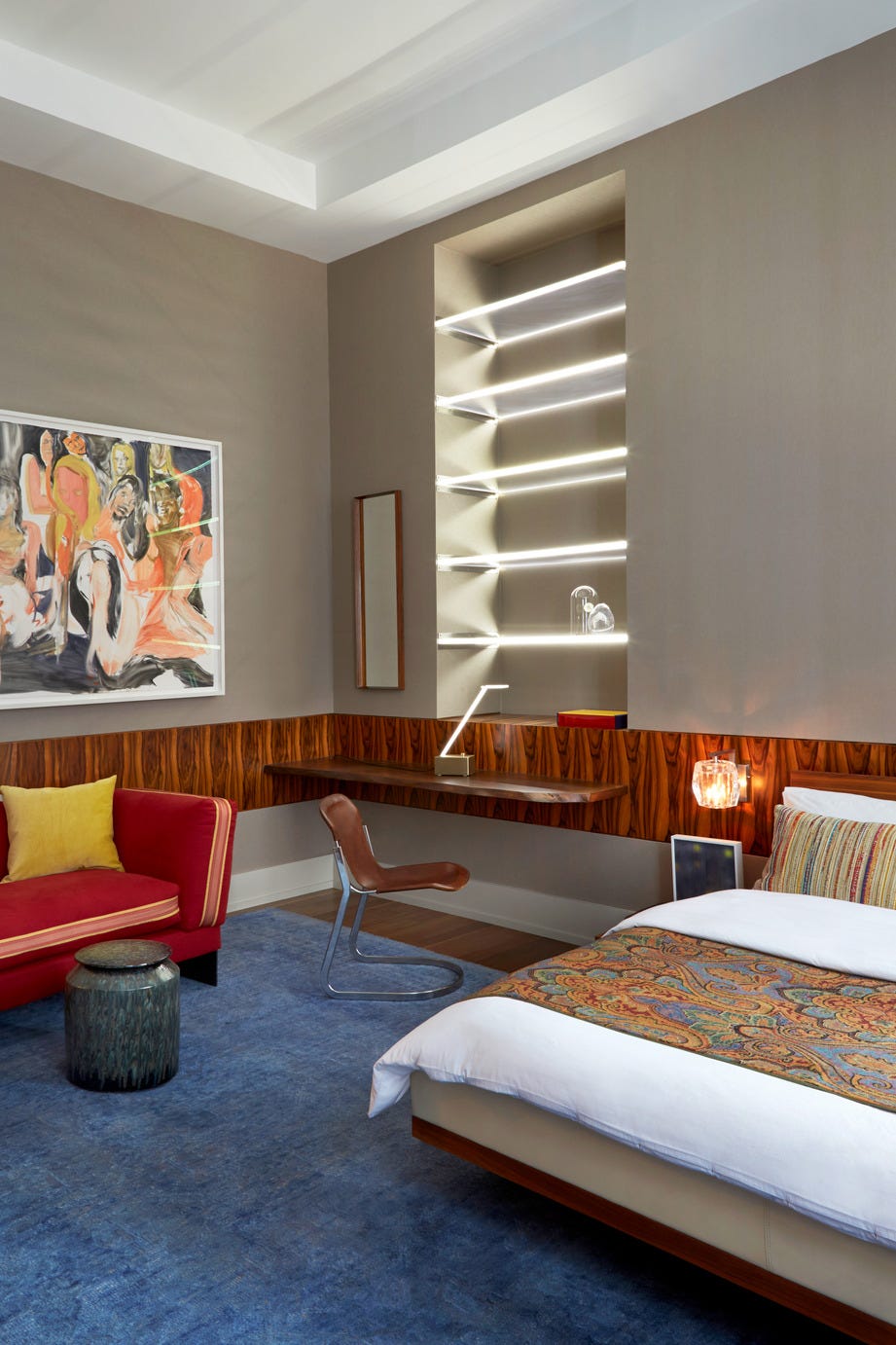
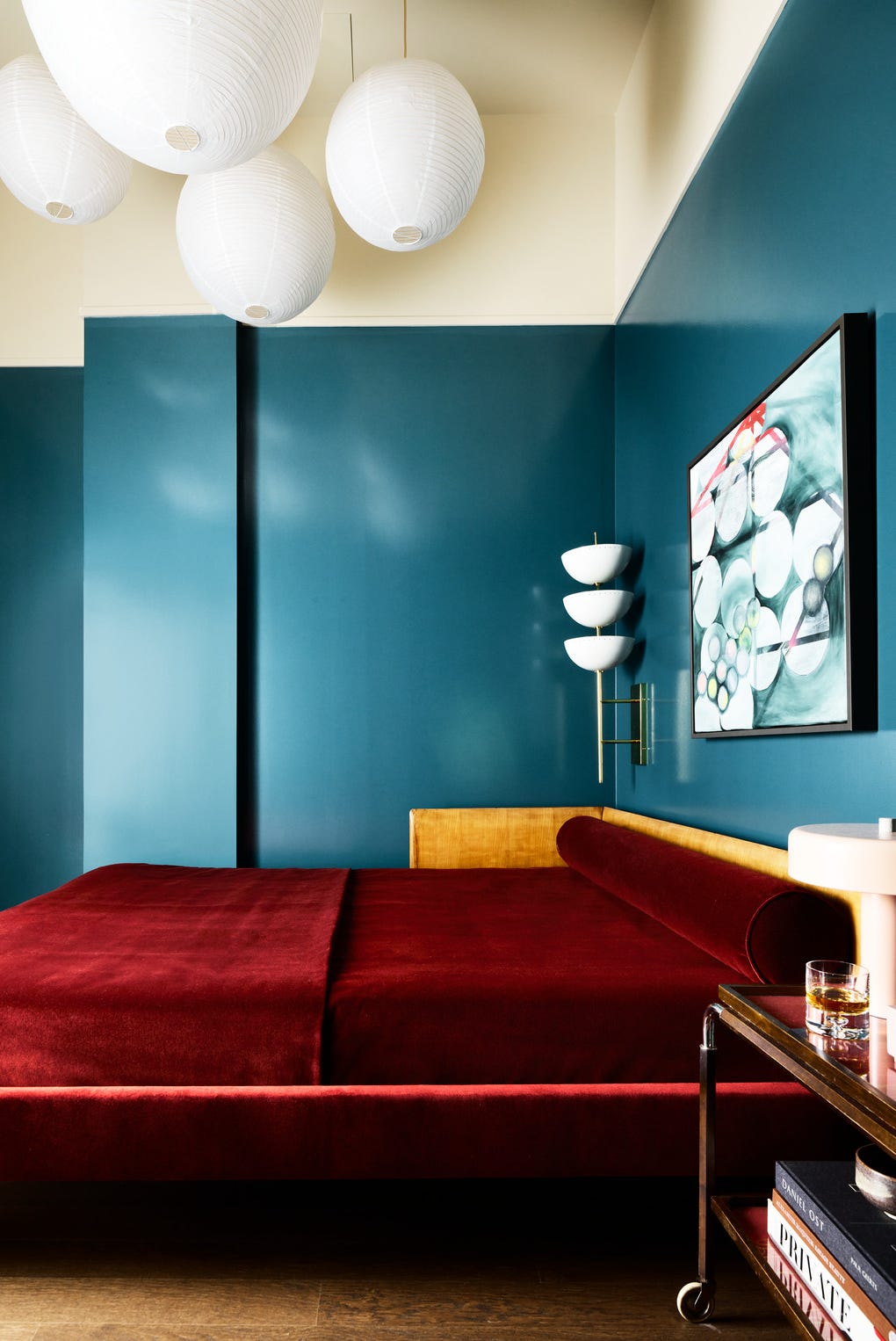
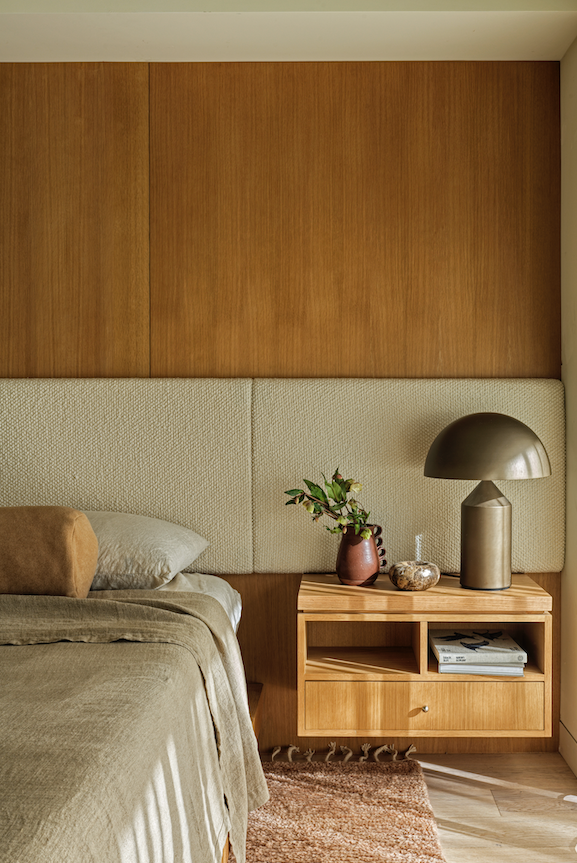
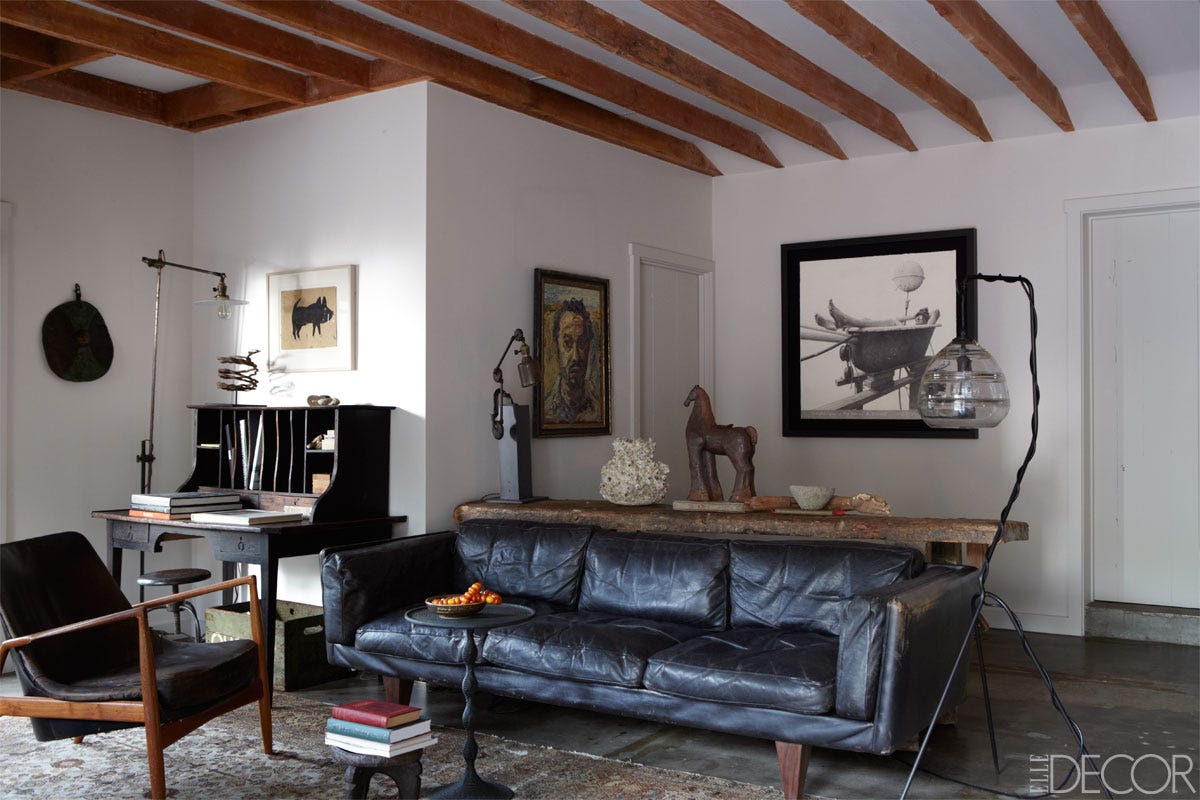
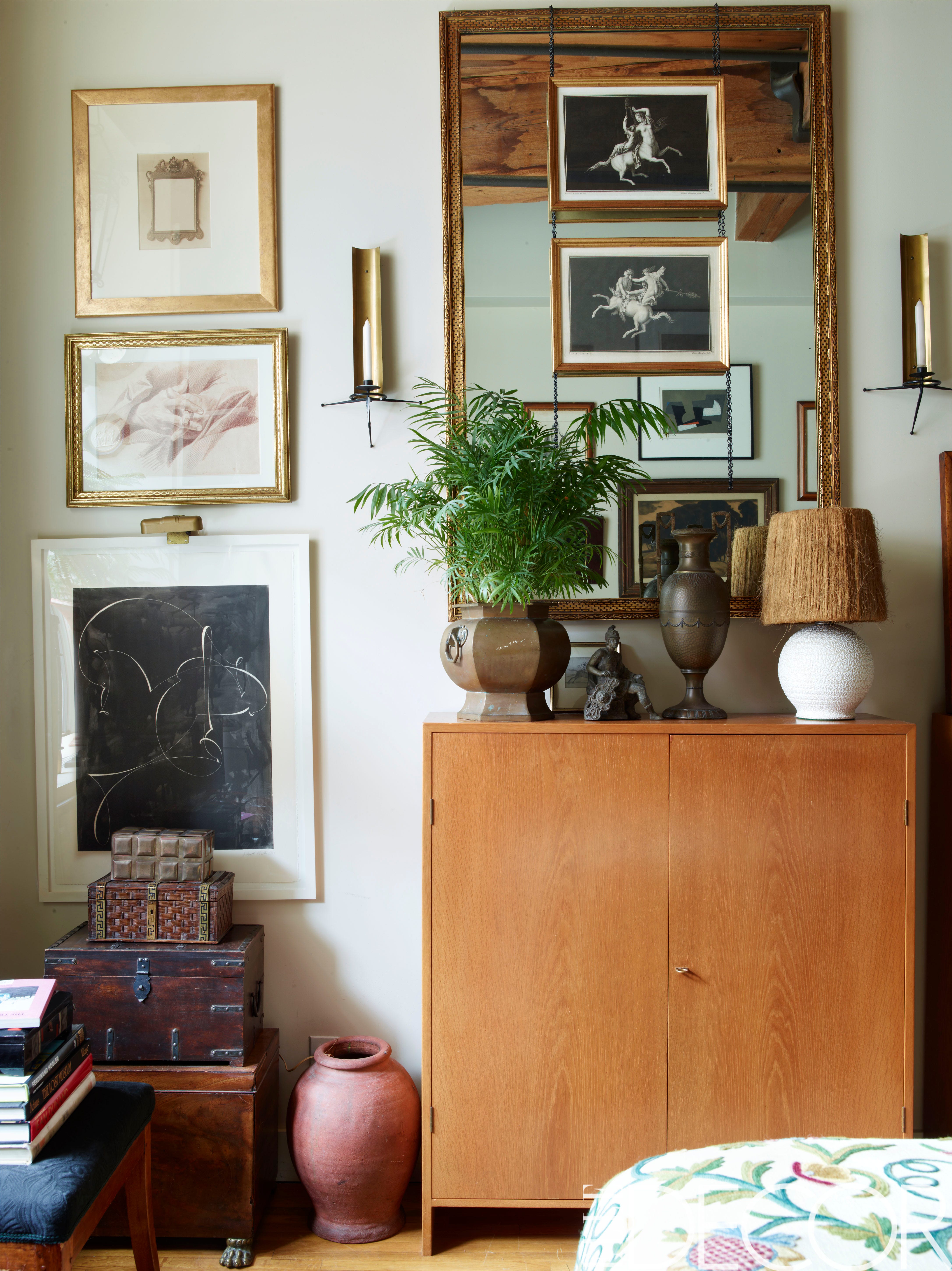
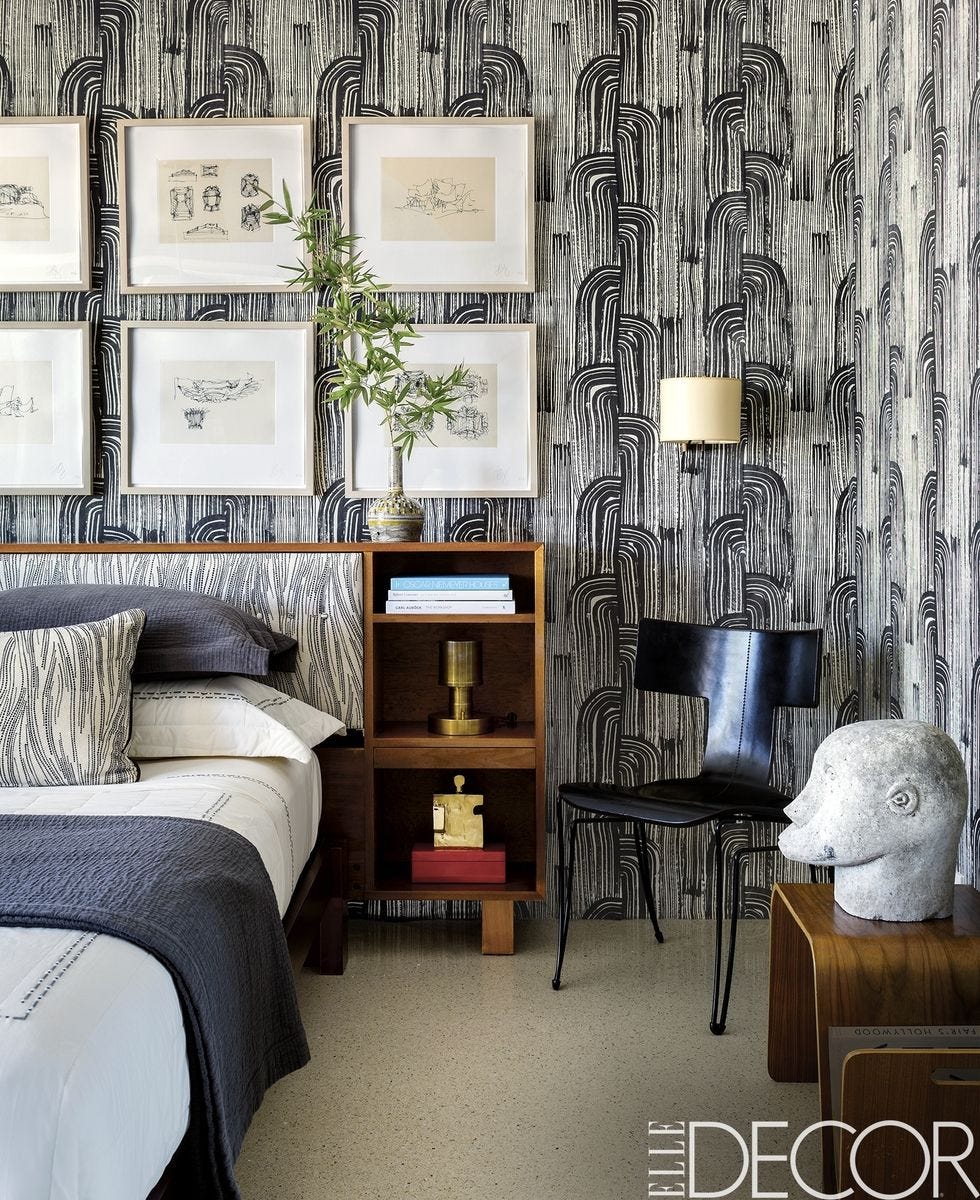
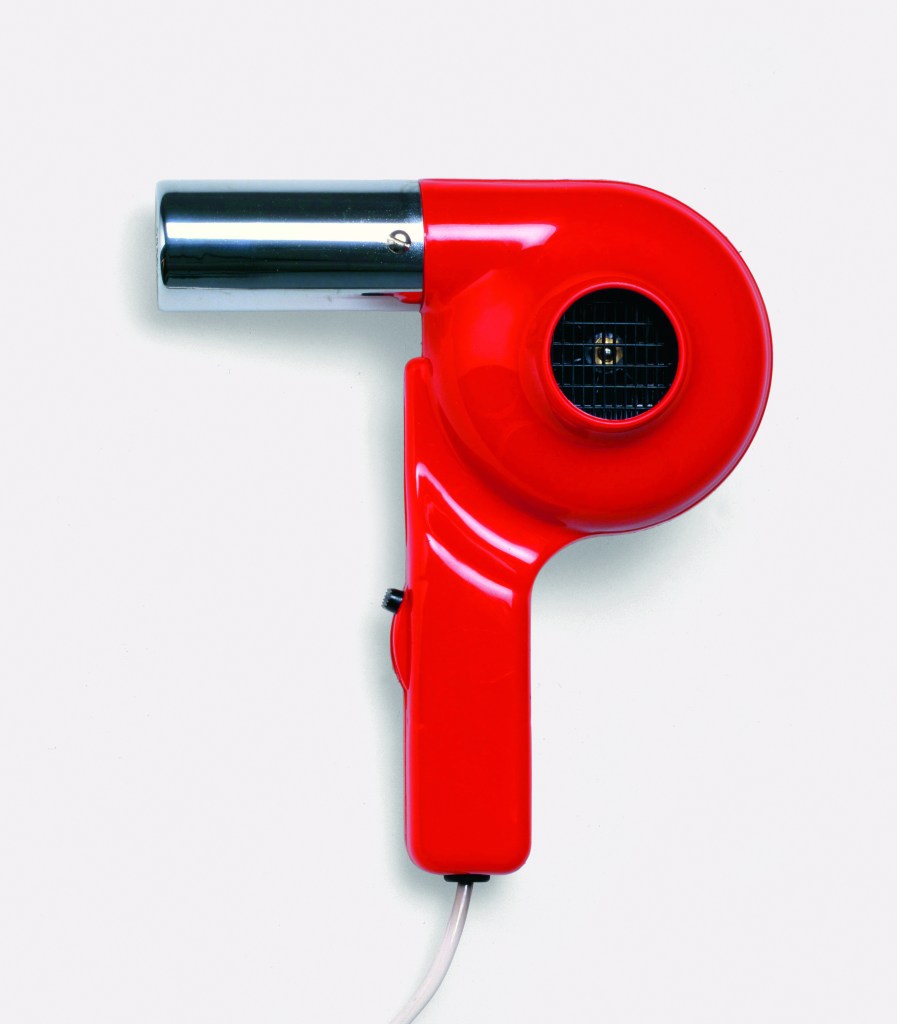
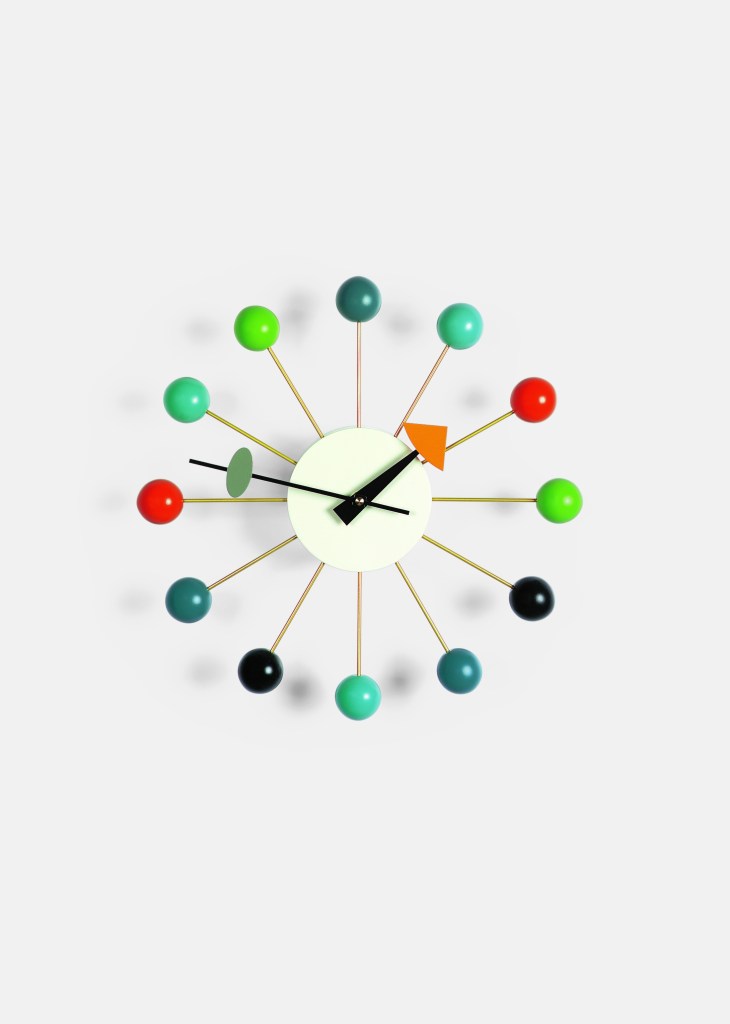
The enduring appeal of Mid-century Modern design, even six decades after its initial emergence, is explored through its prevalence in contemporary interiors, from high street shops to designer hotels. This style, particularly from the 1950s, has experienced a significant resurgence, evidenced by the return of vintage patterns, textiles, ceramics, lighting, and furniture. Younger generations, in particular, perceive the aesthetic as fresh, relevant, and innovative, contributing to its sustained popularity.

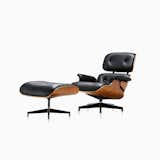
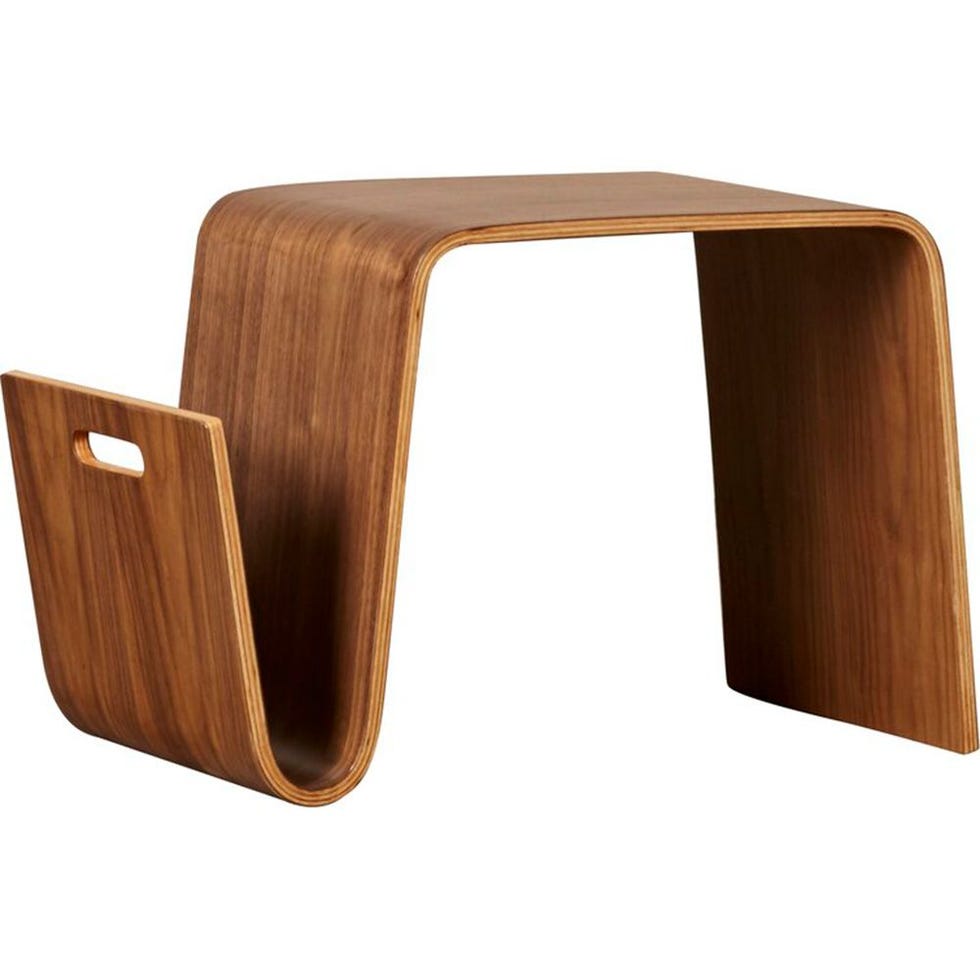
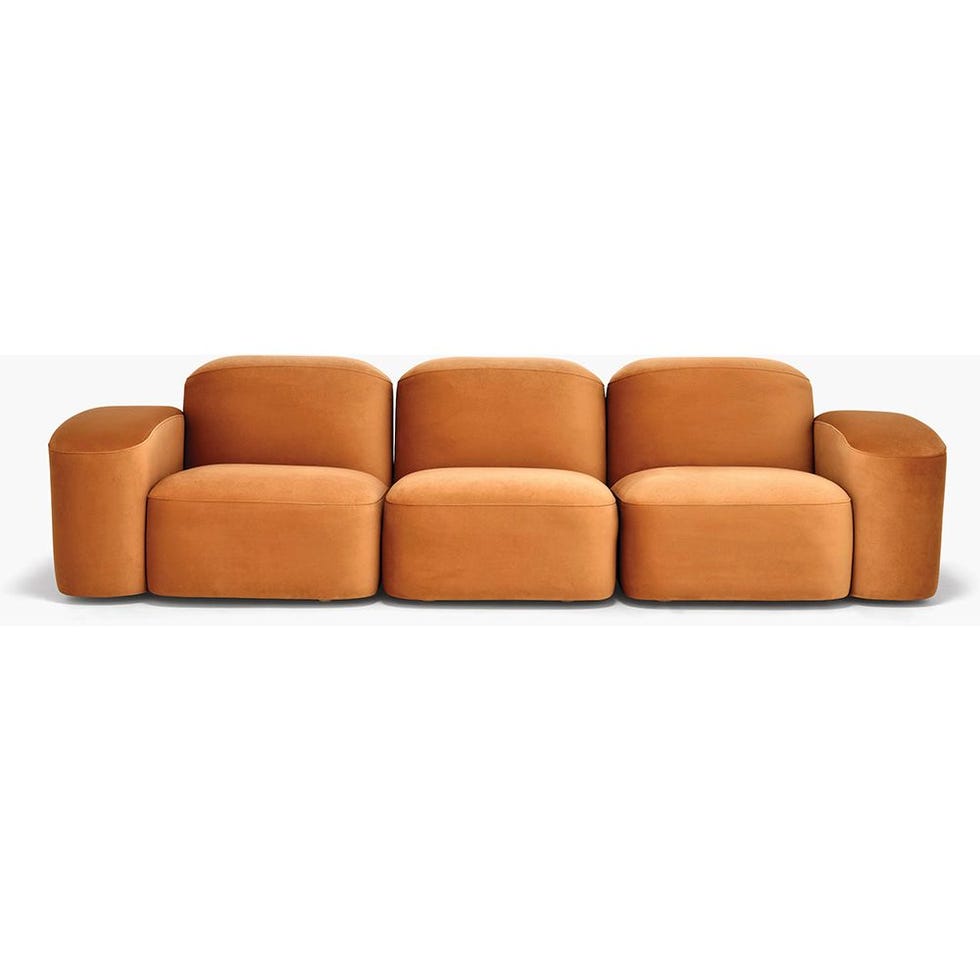
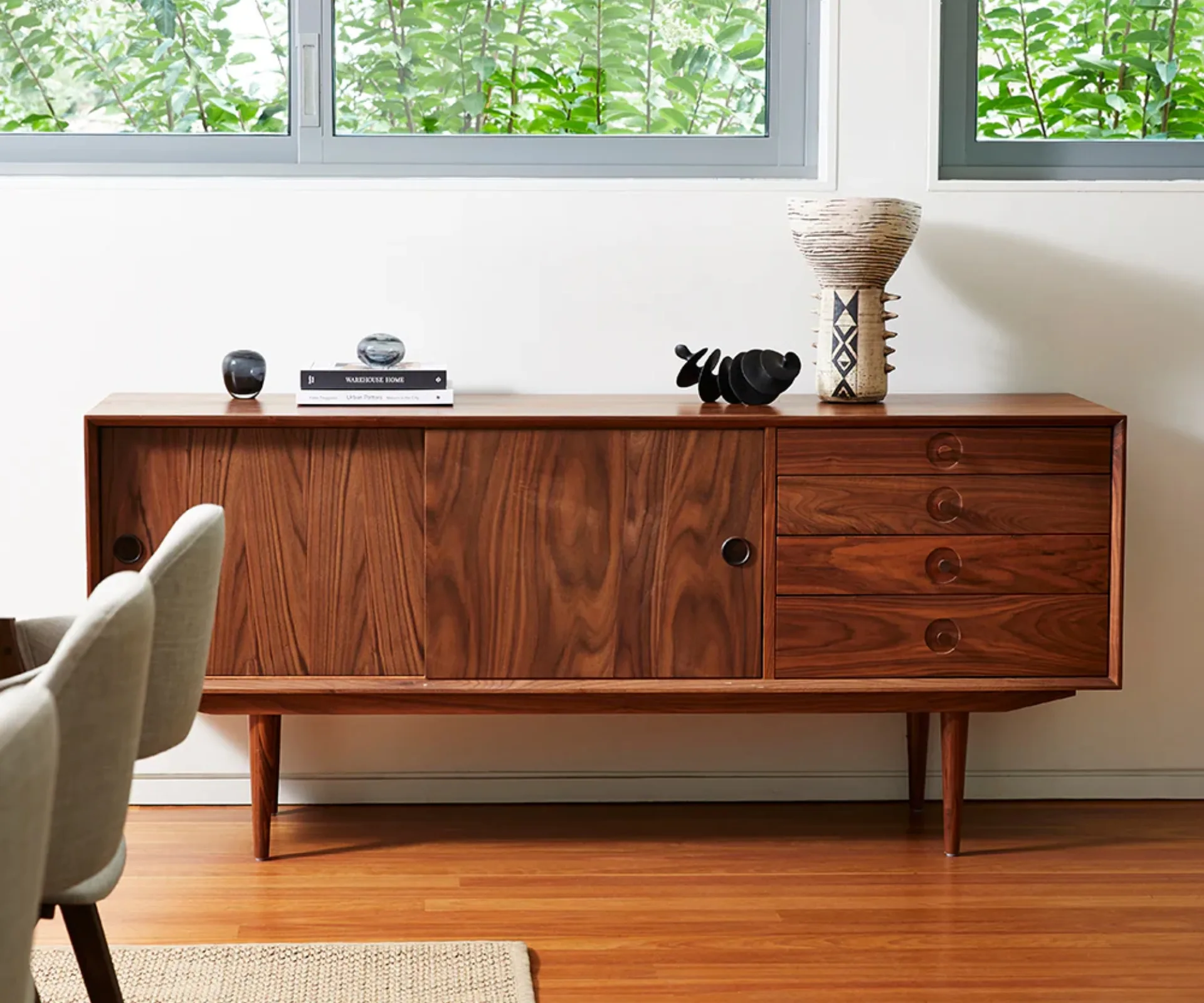
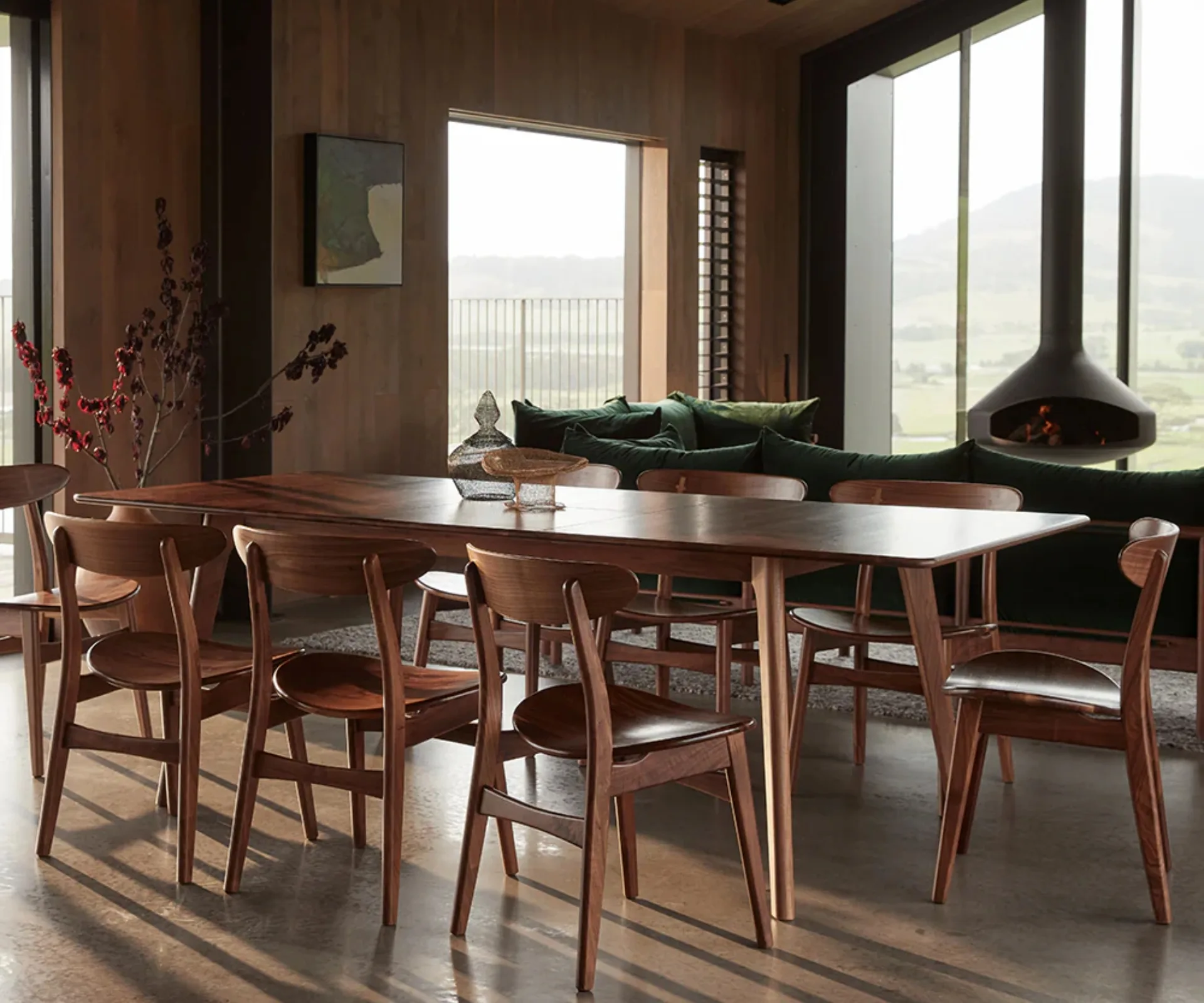
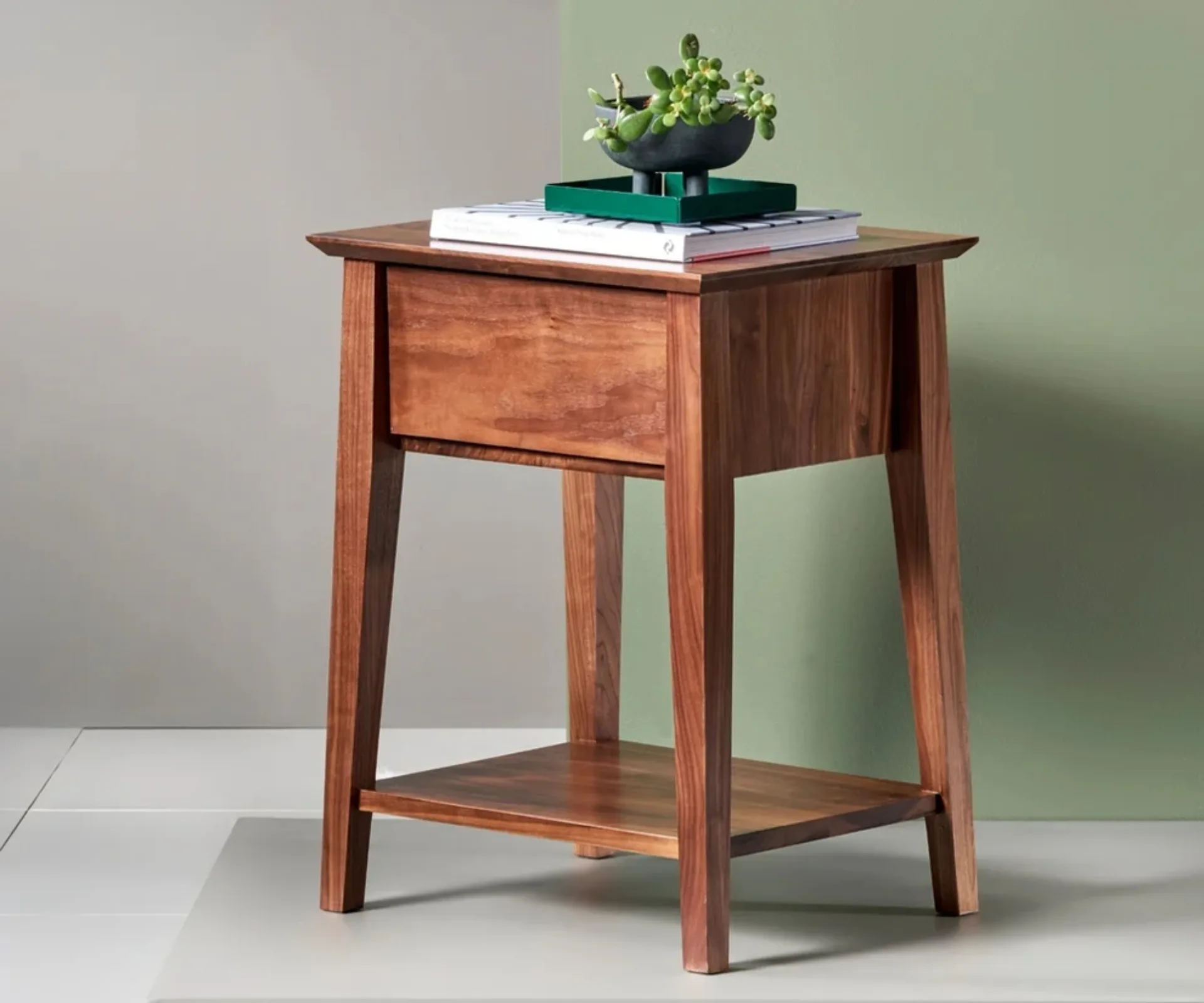
In the furniture industry, the retro look is currently in vogue. Many contemporary collections draw inspiration from Mid-century designs, while established furniture manufacturers are reissuing classic pieces from 1950s and 1960s pioneers like Giò Ponti and Arne Jacobsen. Examples of recently reissued items include Lina Bo Bardi’s Bowl chair (1951), Jacobsen’s Tongue chair (1955), and Robin Day’s 675 chair (1952). Other designs, such as Charles and Ray Eames’ plywood and fiberglass chairs, Eero Saarinen’s Tulip tables and chairs, and Harry Bertoia’s Diamond chair, have consistently remained popular. These designs retain a modern and engaging quality, fitting seamlessly into both new apartments and updated traditional homes.
Beyond mass-produced reissues, original Mid-century furniture and prototypes have become highly sought-after collector's items. Auction houses, such as Wright in Chicago, feature valuable pieces by designers like Jean Prouvé and Carlo Mollino, indicating the significant market value of these historical artifacts.
The persistent appeal of these 60-year-old designs is rooted in several factors. The pioneering designers of the 1950s and 1960s were instrumental in defining modernity and shaping contemporary living. The post-World War II era spurred a desire for new beginnings and a break from austerity, fueling a consumer boom in America and reconstruction efforts in Europe. Manufacturing techniques, previously used for wartime production, were adapted to create a wide array of consumer goods, including furniture. This period saw a collective yearning for a fresh start, especially in home design.
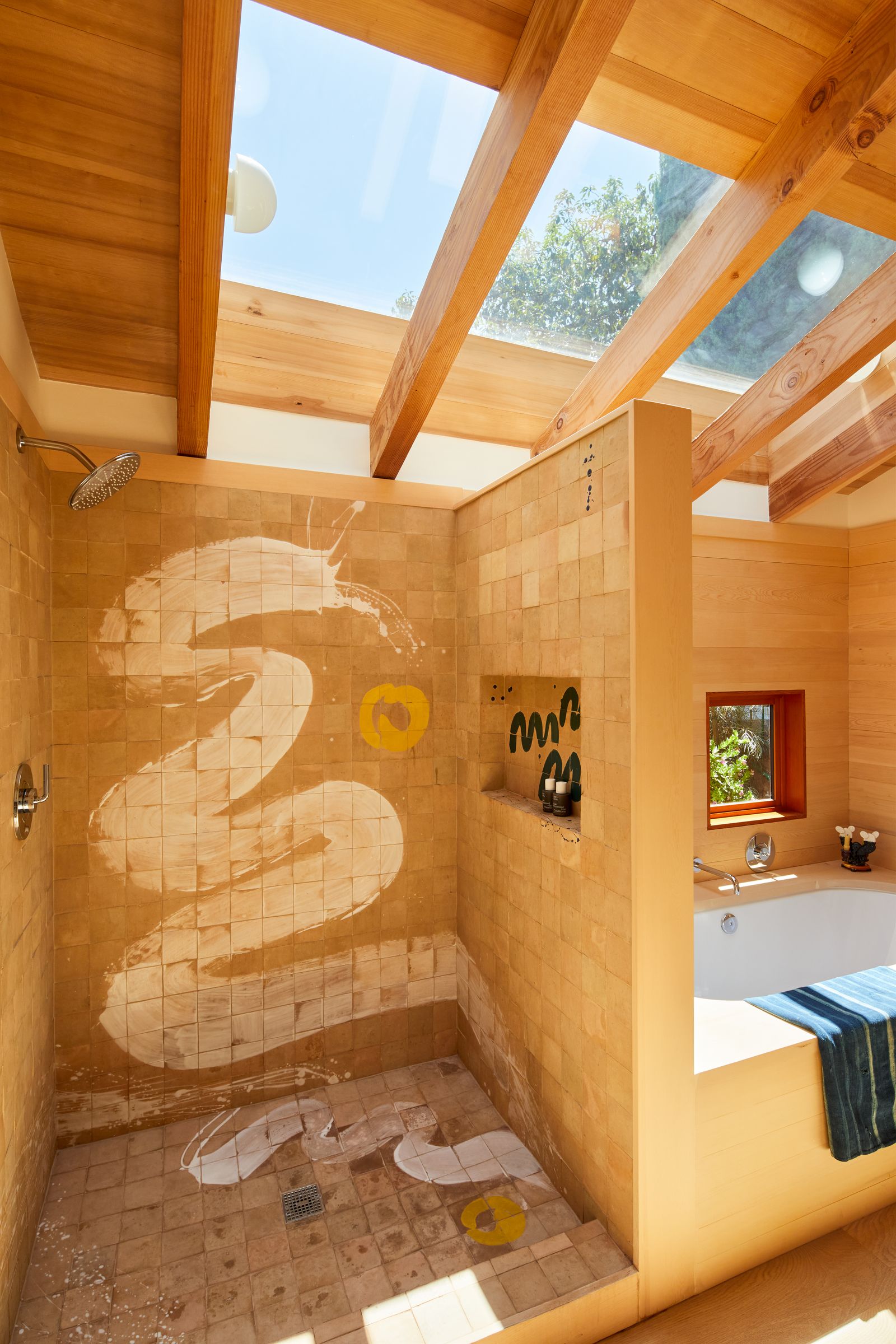
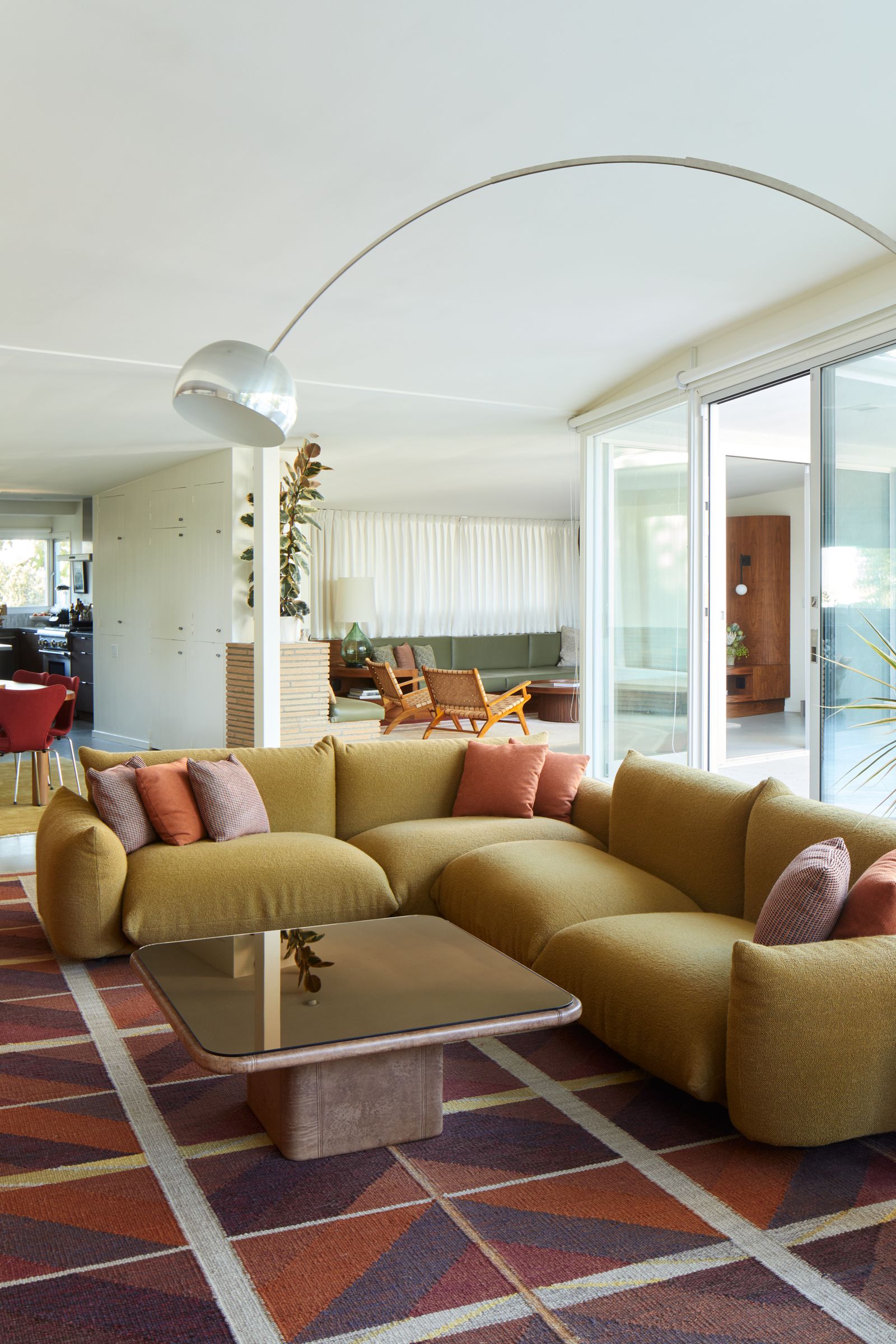
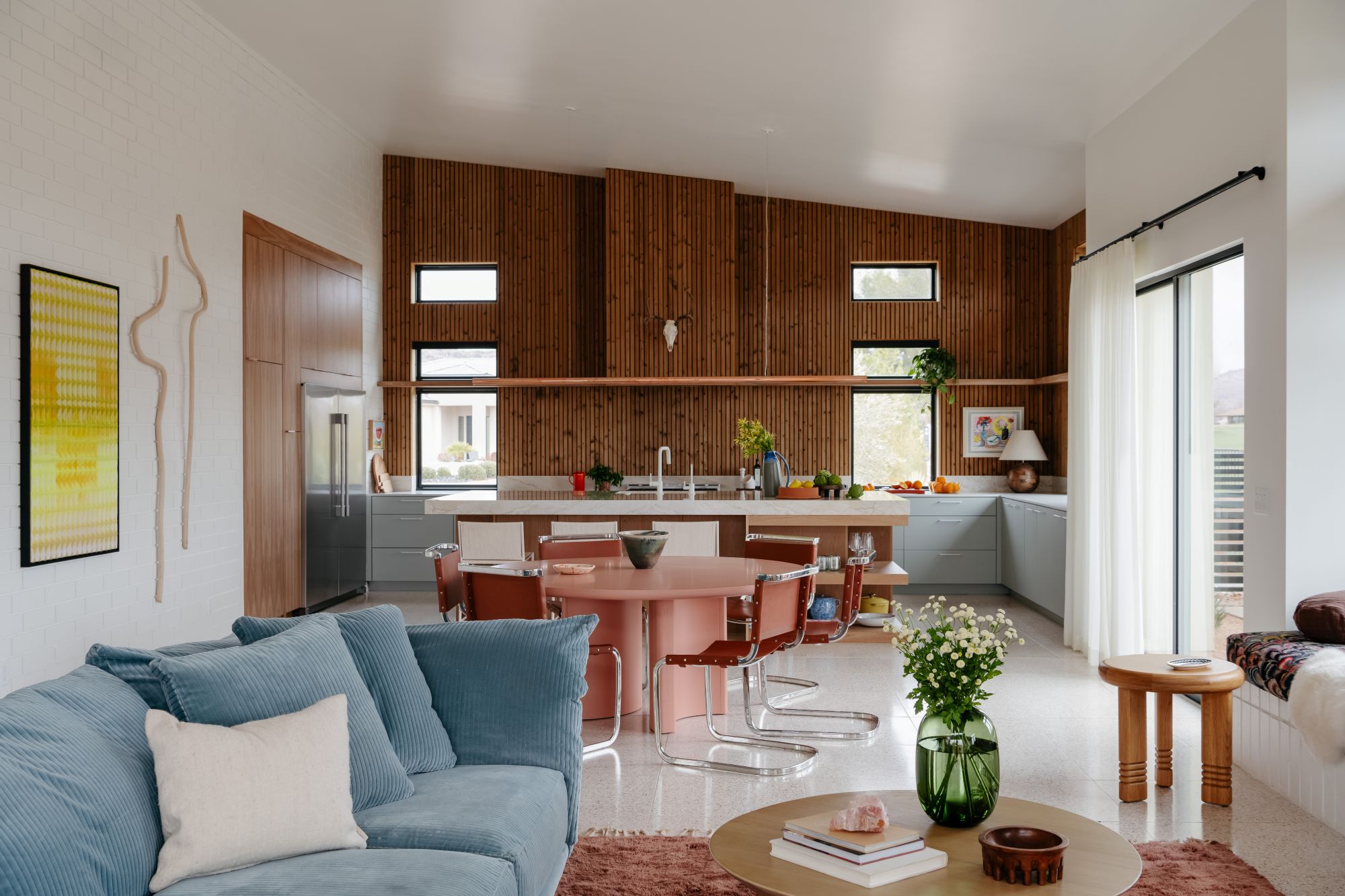
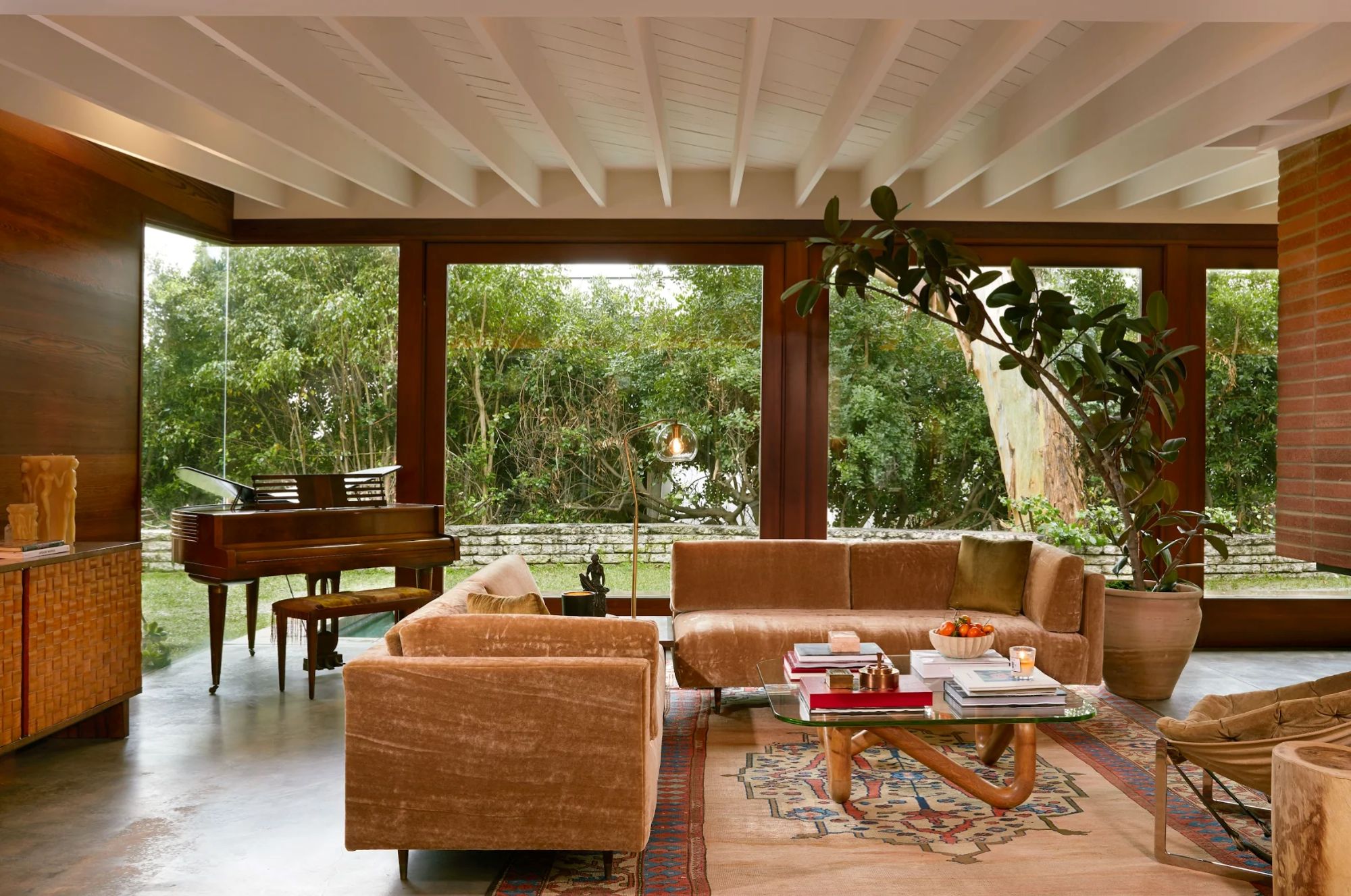
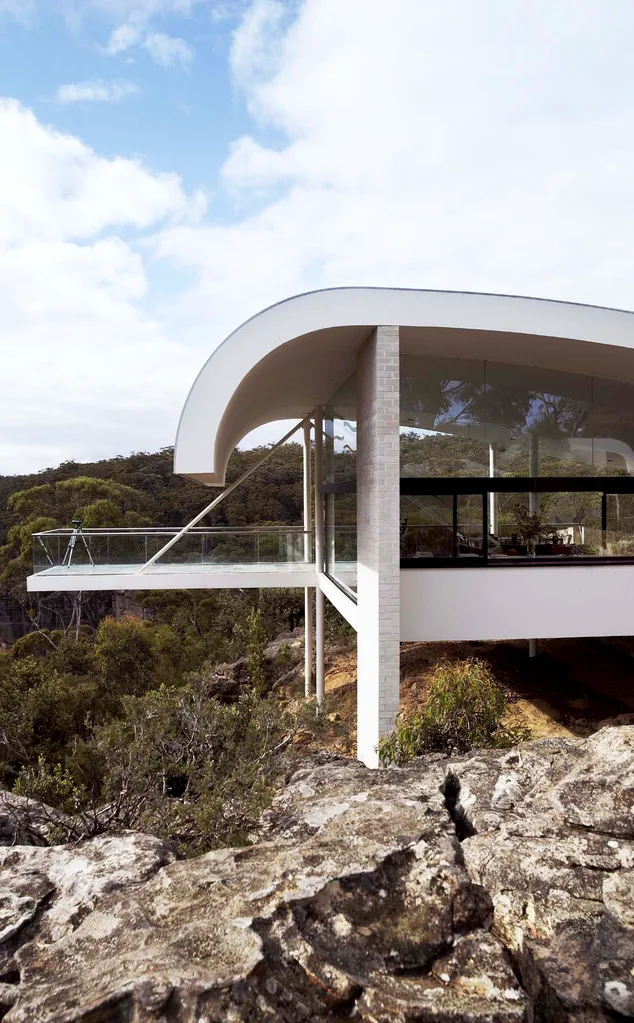
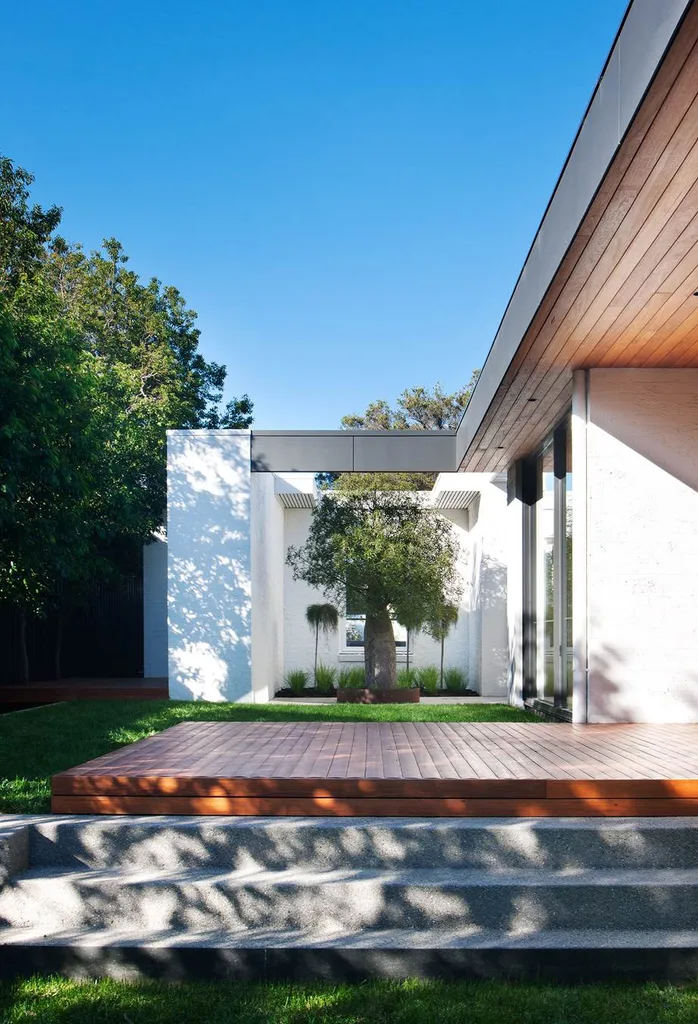
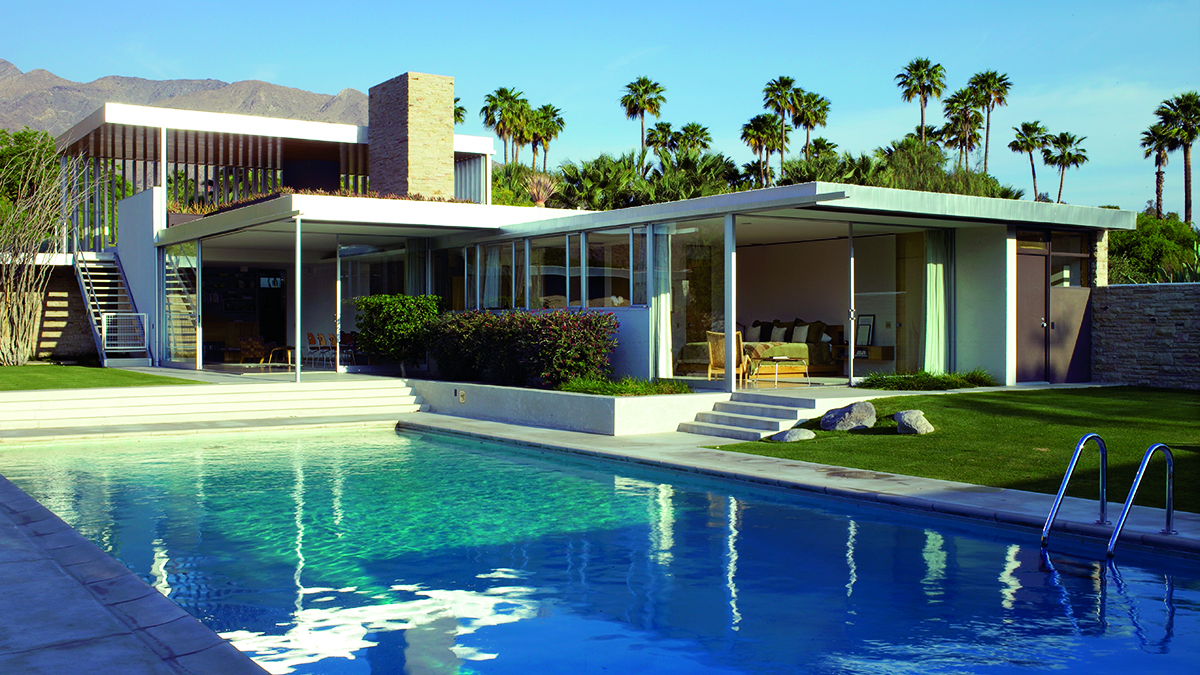
The home underwent a significant transformation during the Mid-century era, particularly in the United States. Modernist architects and designers, including Mies van der Rohe, Richard Neutra, and Craig Ellwood, developed concepts such as open-plan layouts, accessible kitchens, and seamless indoor-outdoor living. While these features are common today, they were radical at the time, challenging traditional, compartmentalized home structures. These new, airy, and light-filled spaces required a new generation of contemporary furniture, products, and appliances.
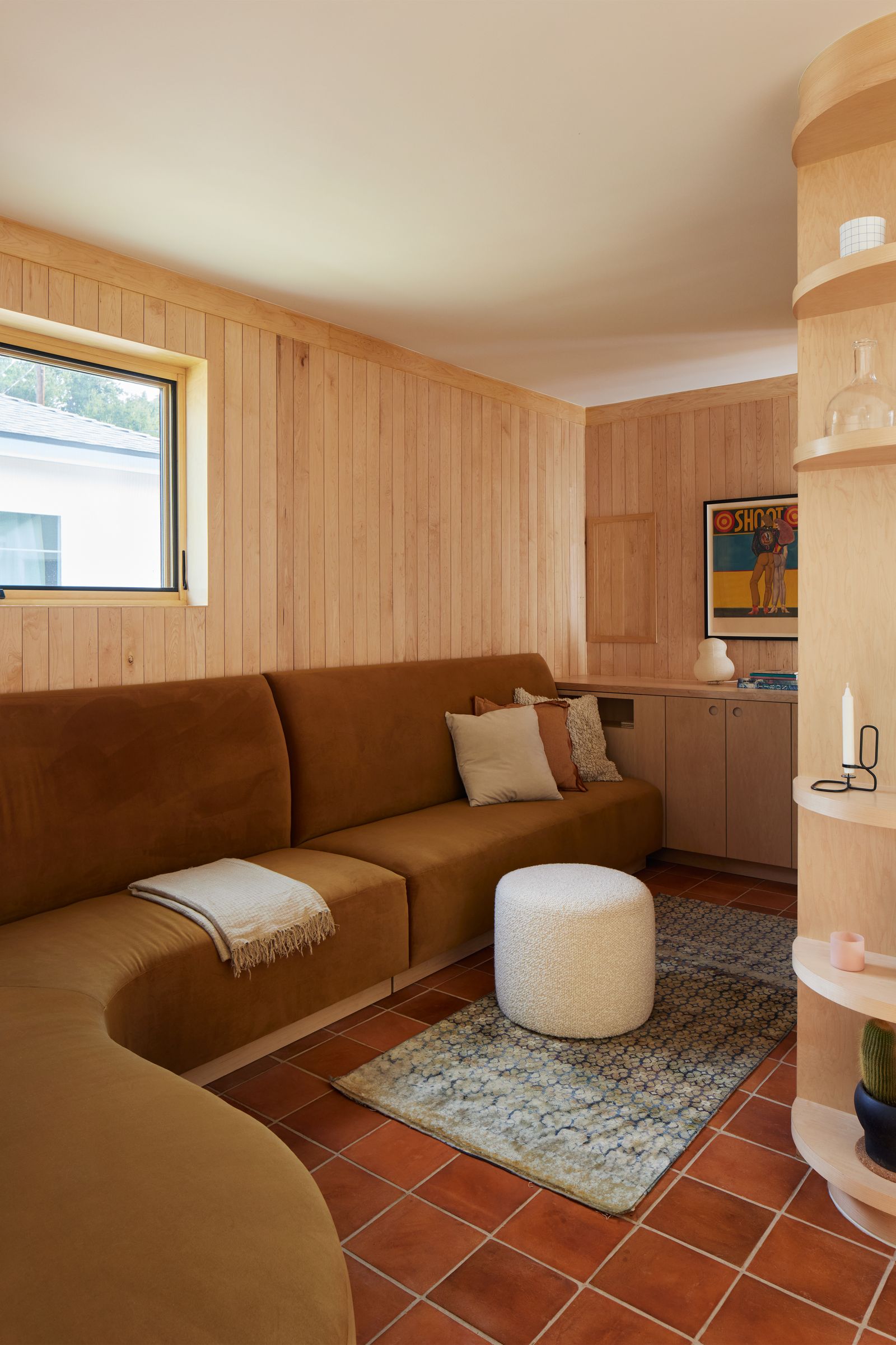
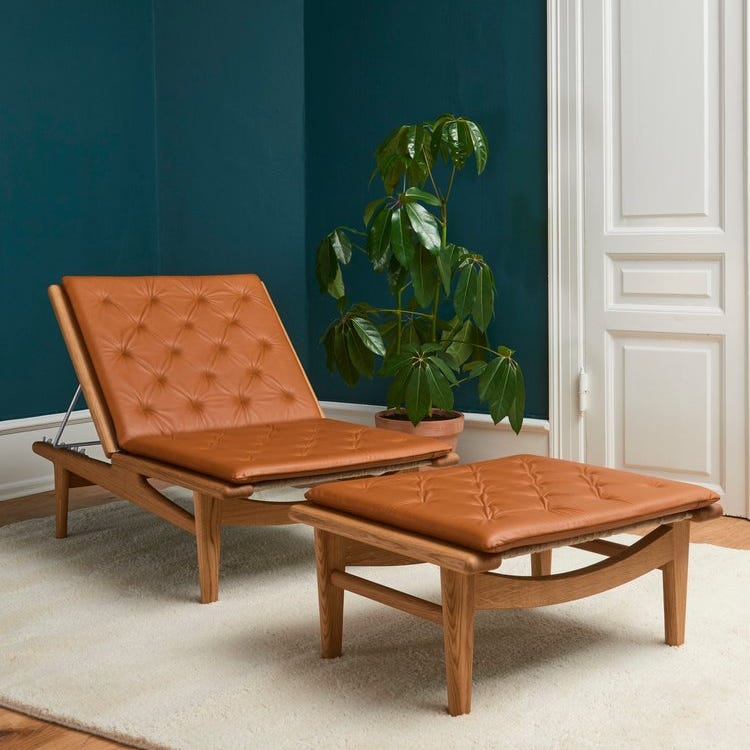
Designers like Charles and Ray Eames utilized wartime advancements in plywood for chairs, while Arne Jacobsen embraced the material in Scandinavia. Other designers, including Poul Kjaerholm, Harry Bertoia, and Warren Platner, innovated with steel. Mid-century furniture often exhibited a crafted, sculptural quality, as many product designers were also artists or architects who created pieces to complement their modern architectural designs. These works blended modernity and innovation with artistry and warmth, resulting in a tactile beauty. Hans Wegner’s timber furniture and Kjaerholm’s steel-framed pieces, often enriched with leather or cane, exemplify this organic quality.
This depth and warmth, combined with a focus on ergonomics, practicality, material appreciation, and craftsmanship, are key to the enduring desirability of these pieces. They are now considered modern classics—fresh, exciting, yet familiar icons that symbolize good taste. The Mid-century period offers a vast range of choices, including reissues and vintage designs from lesser-known but equally talented designers like Børge Mogensen, Bruno Mathsson, and Jacob Kjaer, often at more accessible price points. The strong respect commanded by Mid-century design, serving as an essential reference for architects and designers, continues to captivate buyers and collectors with its breadth and enduring charm.
#MidCenturyModern #DesignClassics #FurnitureDesign #ArchitecturalInnovation #HomeDecor #RetroStyle #PostWarDesign #CollectibleDesign #InteriorDesign #MidCenturyModern #DesignClassics #FurnitureDesign #ArchitecturalInnovation #HomeDecor #RetroStyle #PostWarDesign #CollectibleDesign #InteriorDesign
0 comment in total
 No comments yet
You may also like
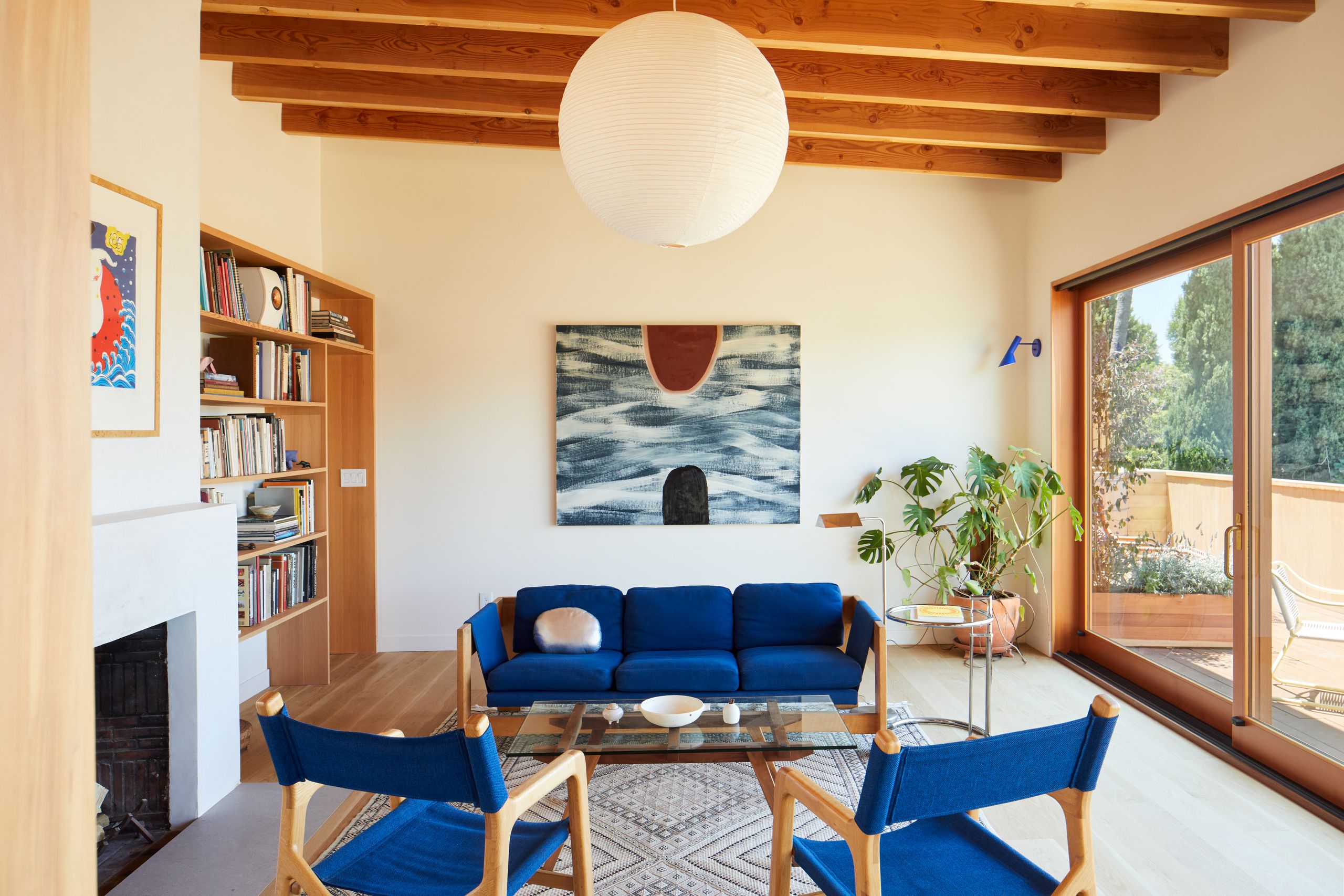
Why Mid-Century Modern Interior Design Continues to Reign Supreme
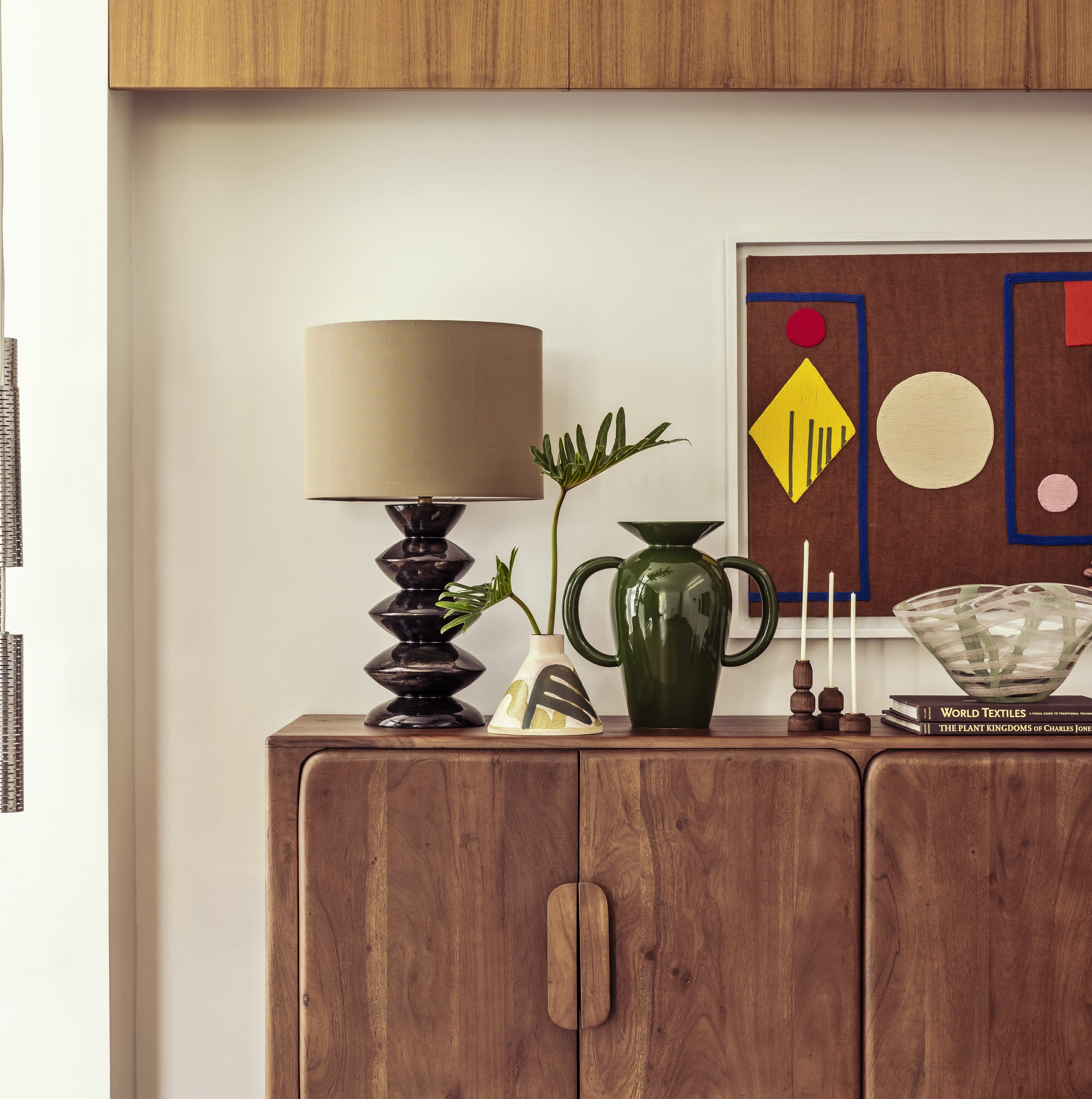
9 Decorating Tips To Master The Mid-Century Modern Look

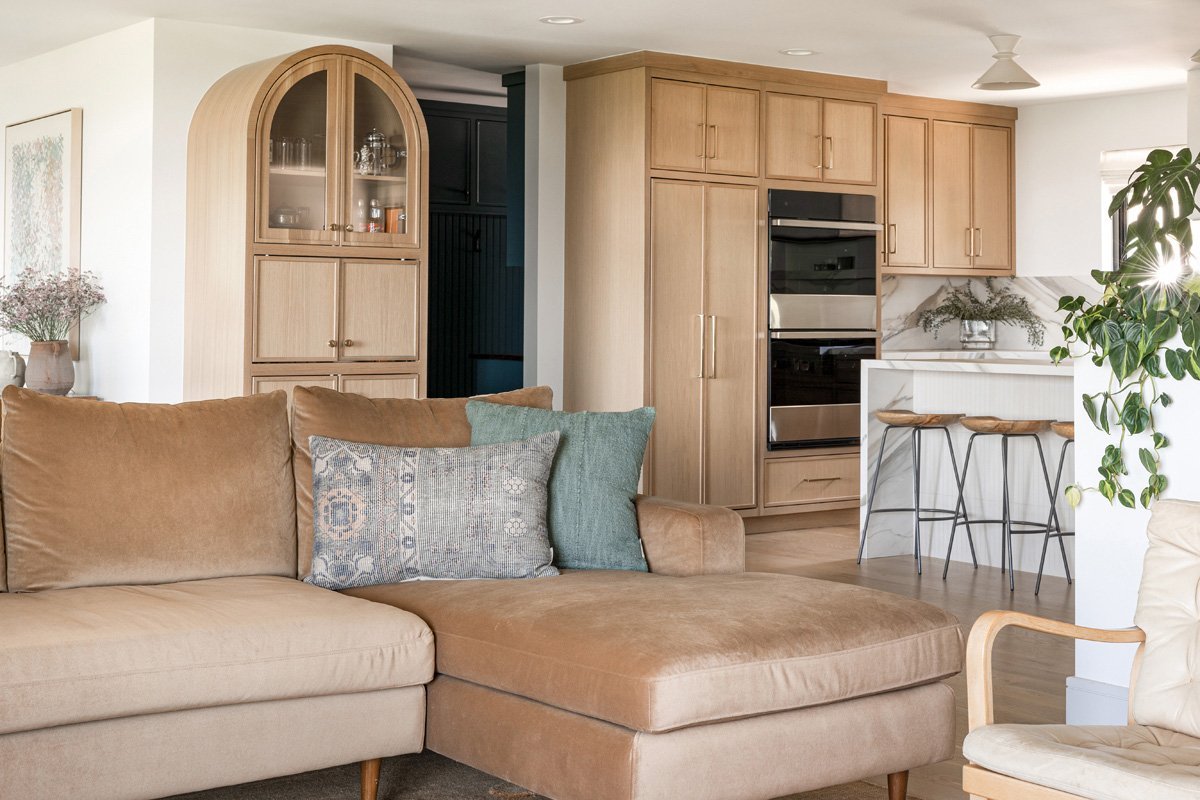
Mid-century Modern Meets Scandinavian

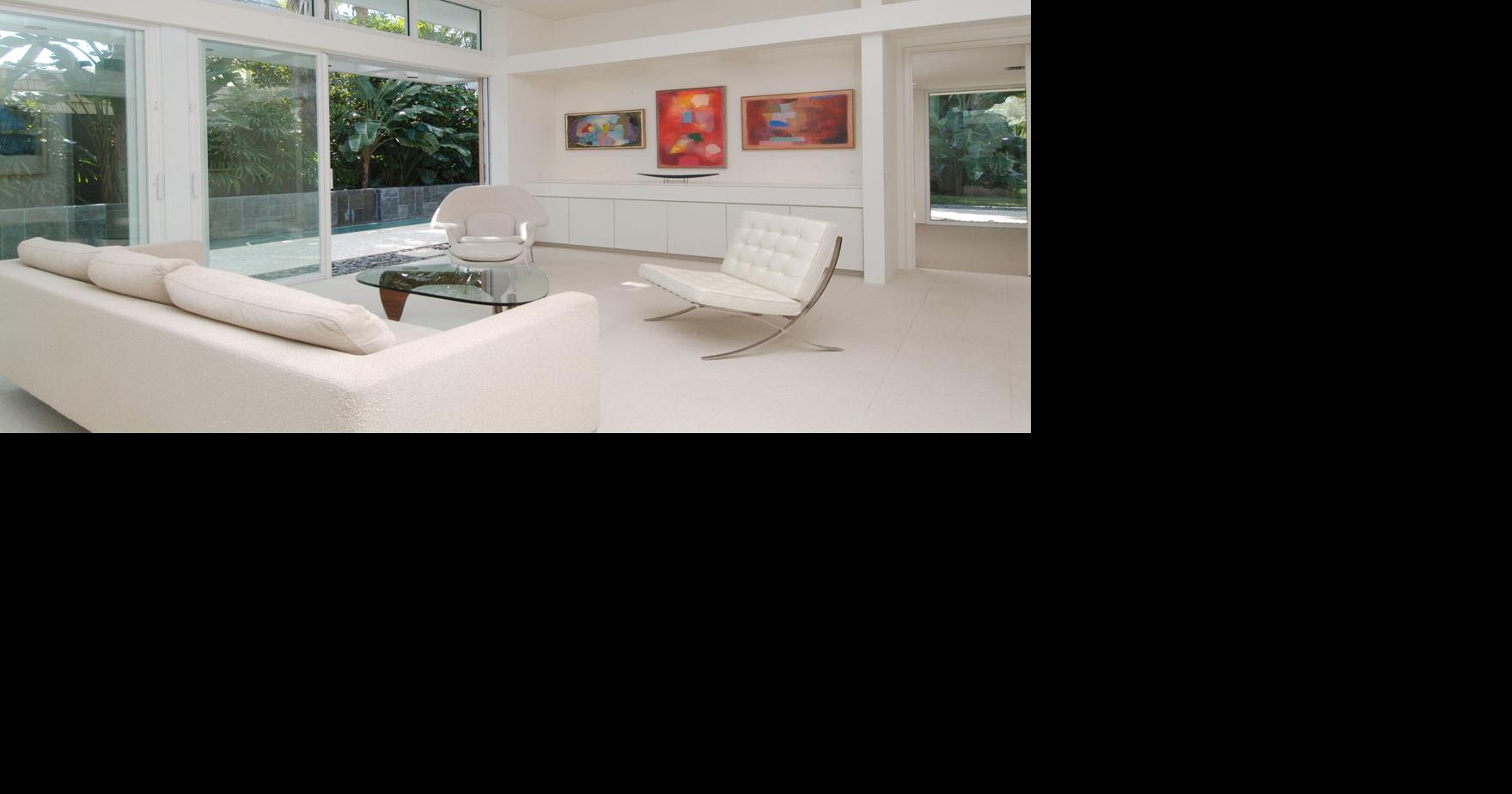
Mid-century modern: what was cool in the '50s is now hot
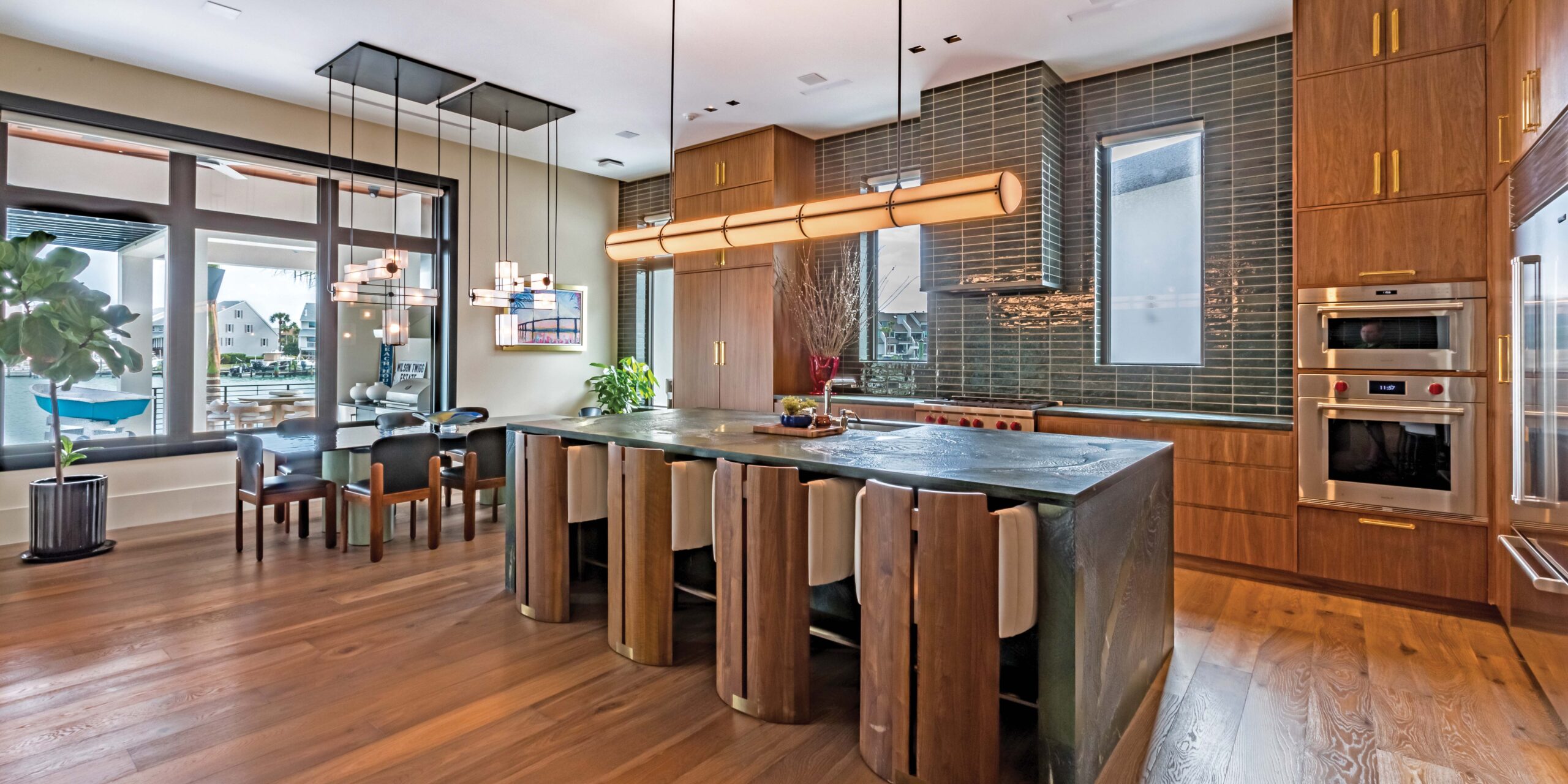
Home Design: Reinvented Midcentury Modern

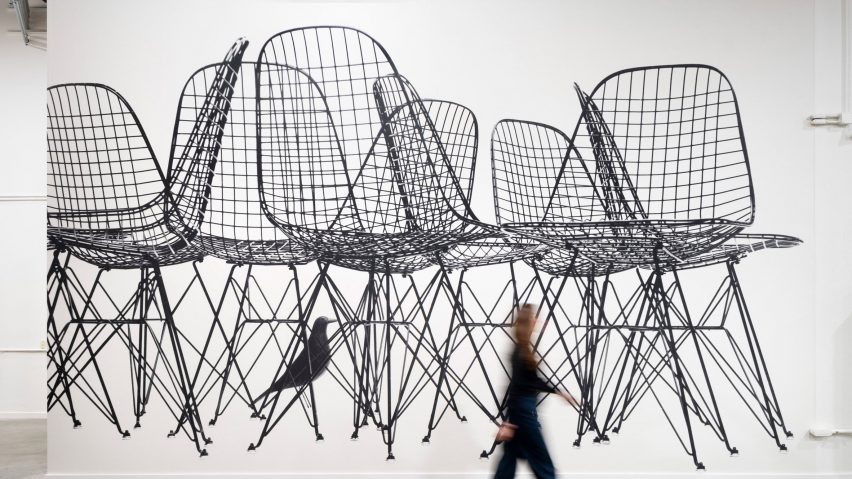
"Mid-century modern is classic, it's never going away" says Cara Greenberg
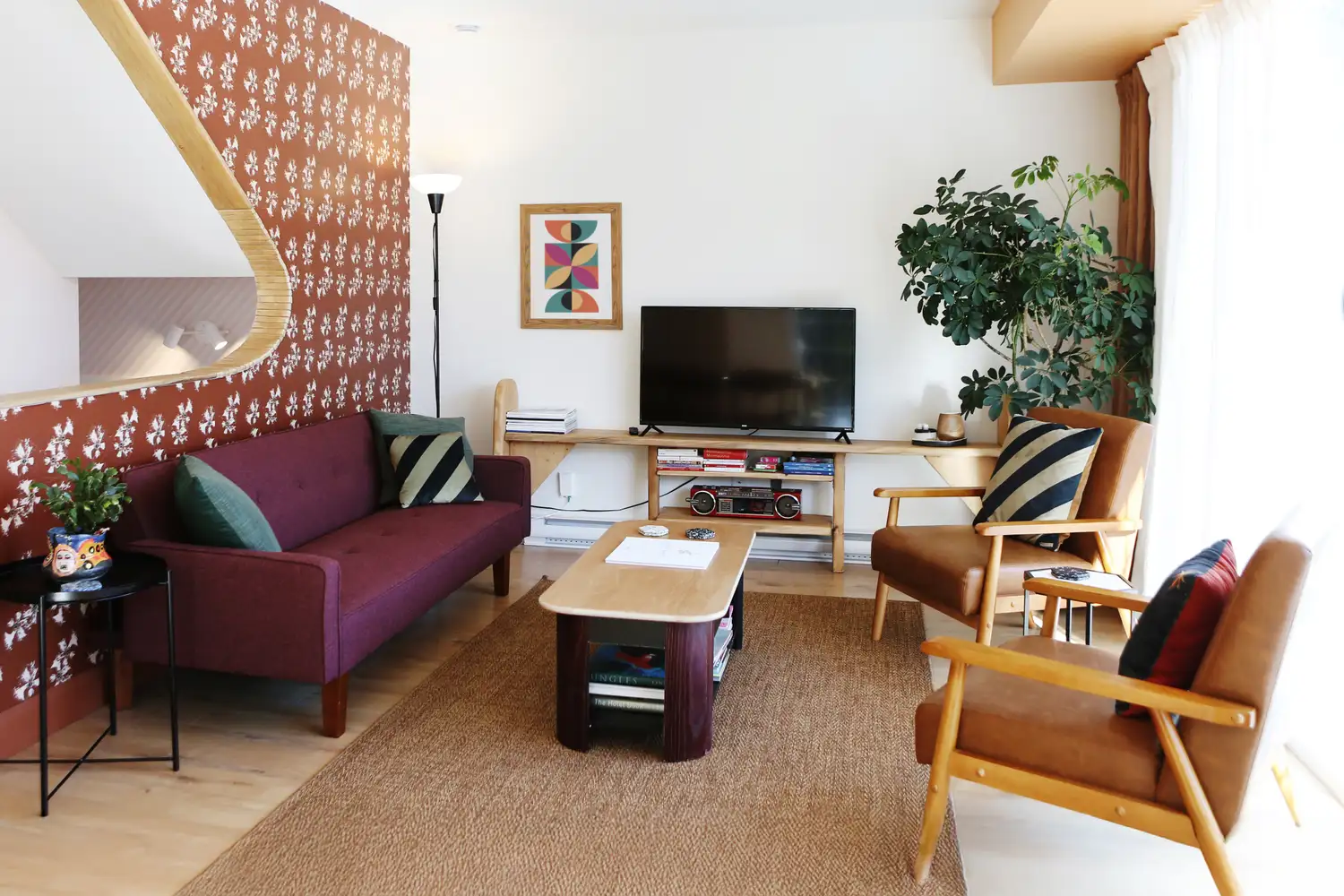
We Asked Designers If Midcentury Modern Is Out of Style—and Their Answer Might Surprise You

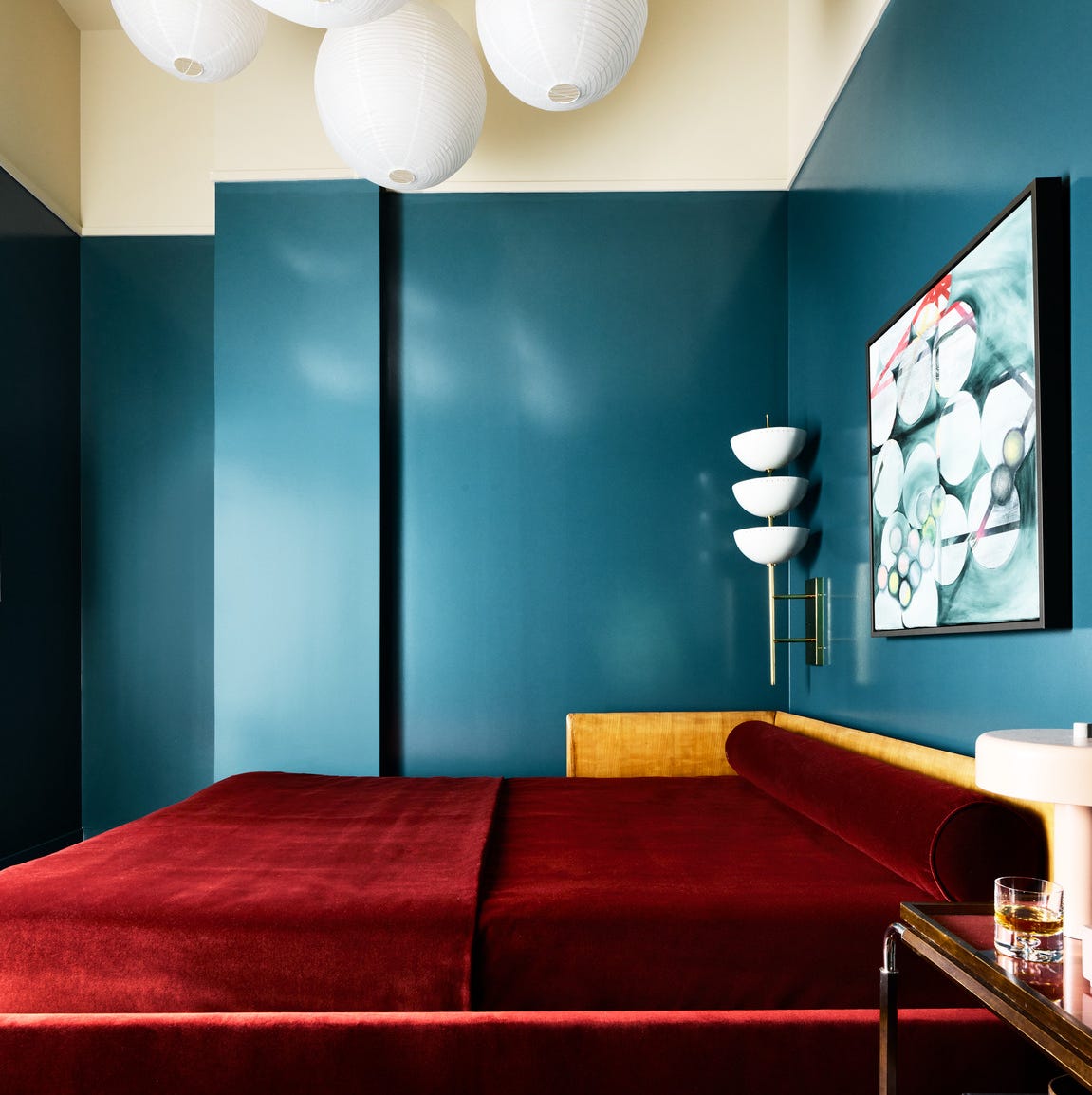
How to Design a Midcentury Modern Bedroom That Feels Current


41 Home Products To Consider If You Love The Mid-Century Modern Look
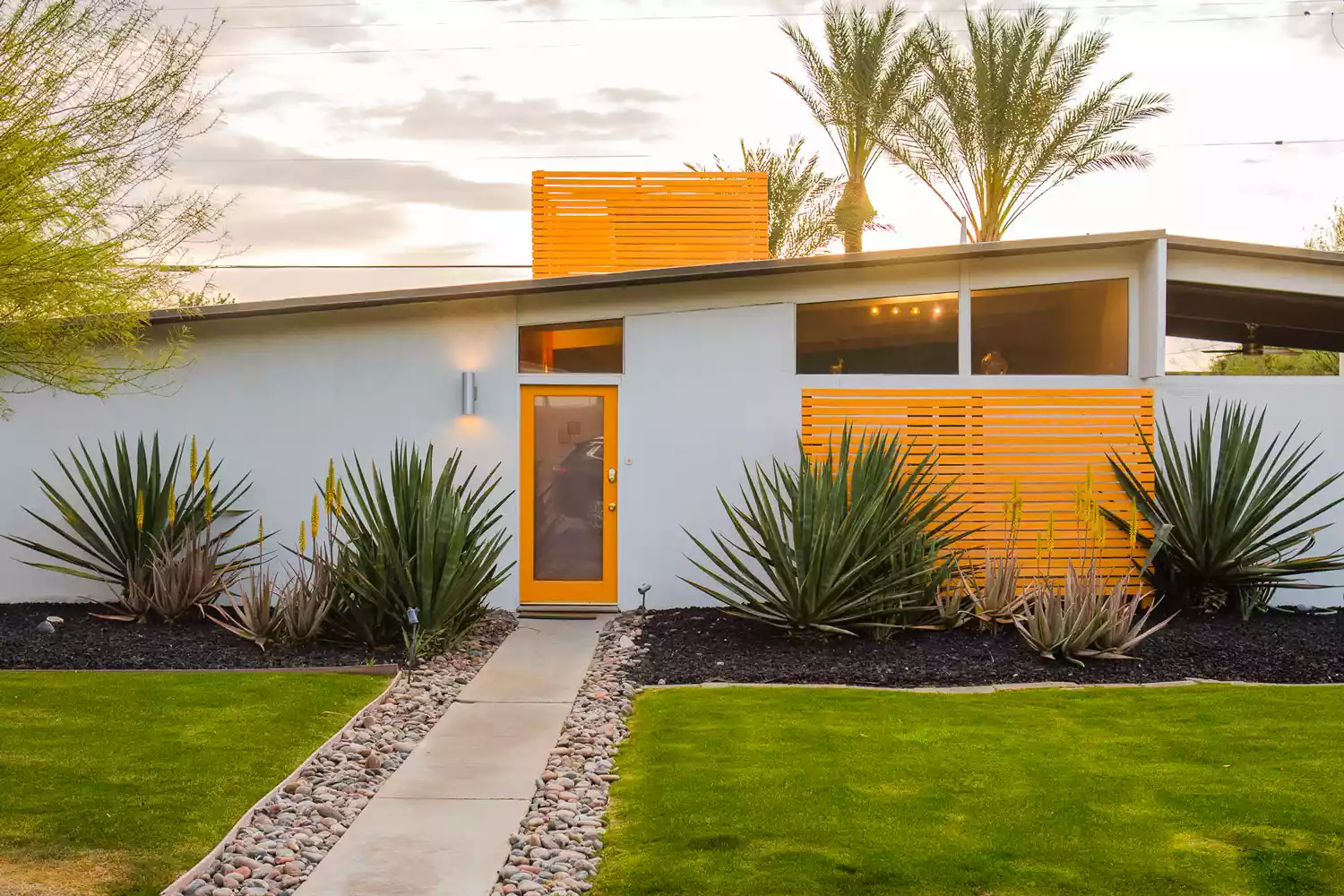
What Is Midcentury Modern Architecture?
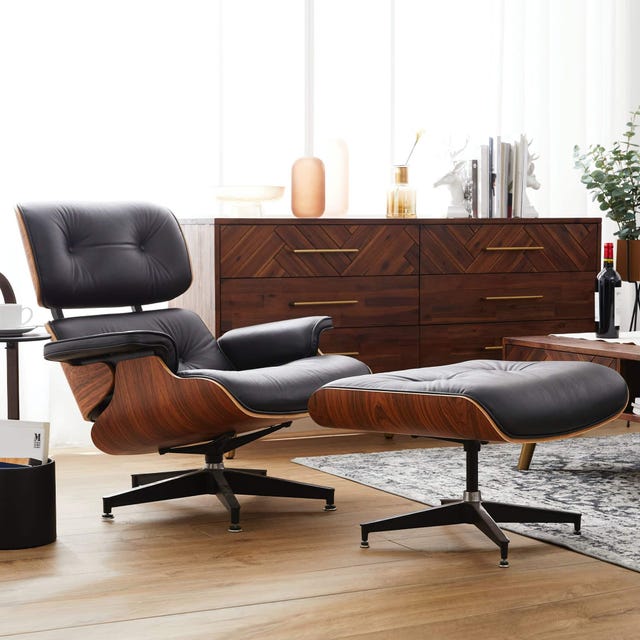
25 Midcentury Modern Furniture Pieces That Will Always Be in Style

These 27 Stylish Rooms Do Mid-Century Modern Right
Here's What You Should Know About Midcentury Modern Style

10 Classic Midcentury Pieces That Will Never Go Out of Style

Why Australians love mid-century Modernism

The Daily Heller: Defining Midcentury Modernism, A–Z

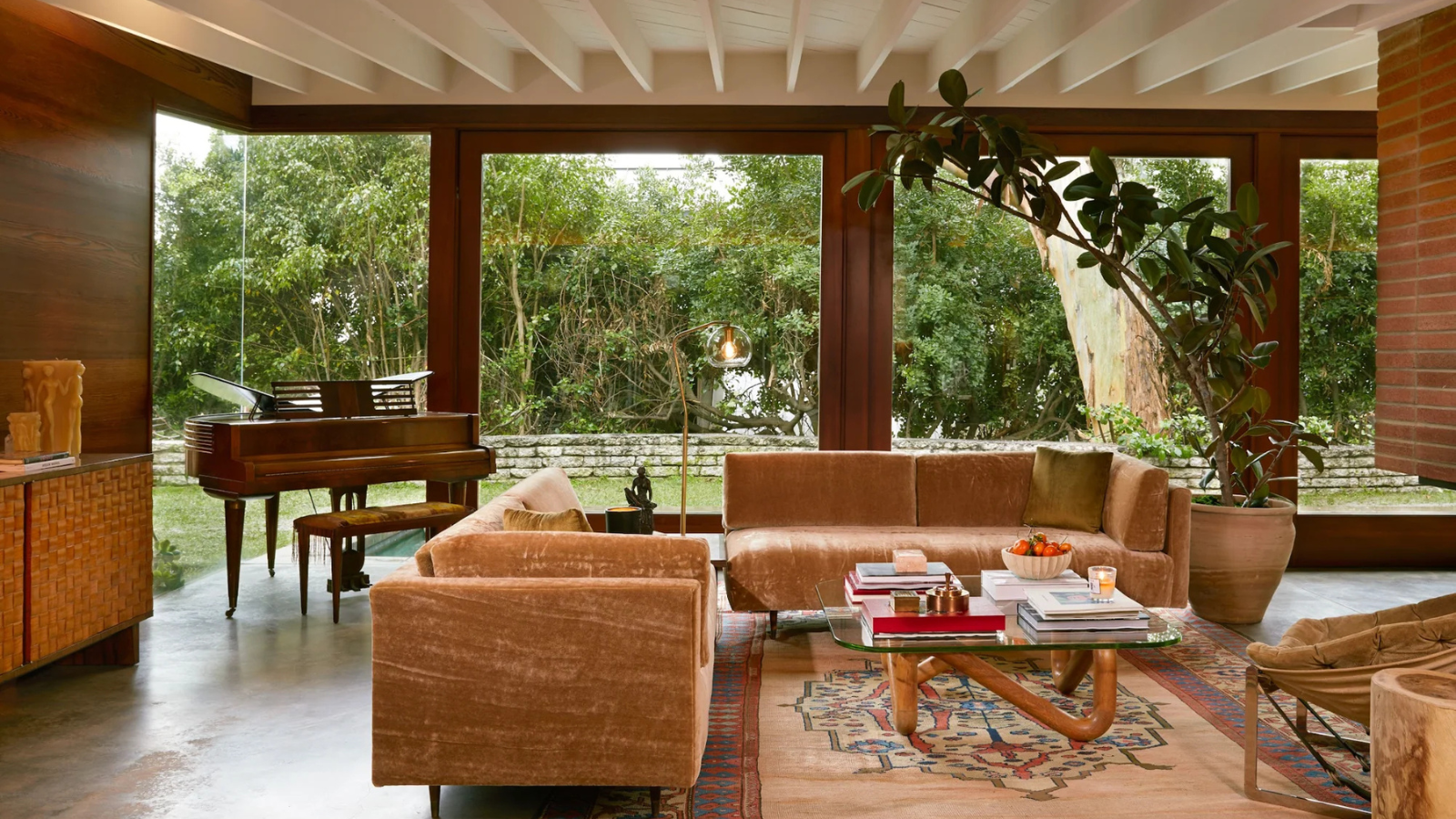
'Good design holds up' – 16 mid-century modern ideas that prove this design style will always be trending

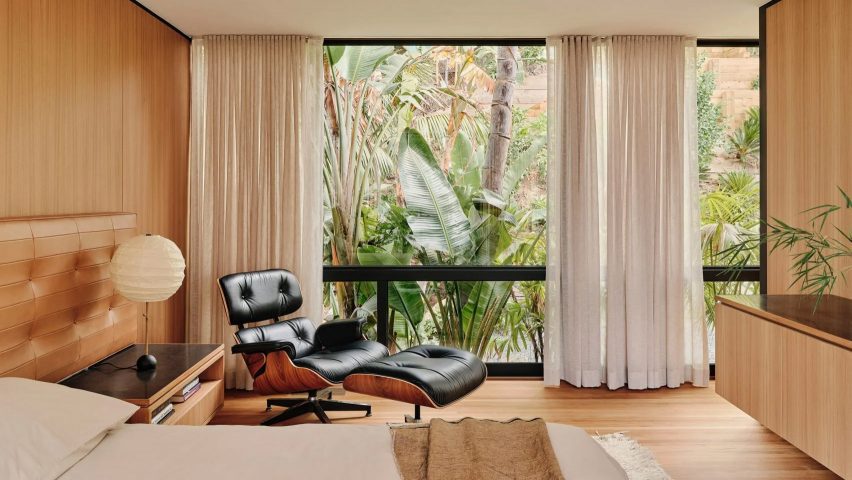
"I love mid-century modern but it makes me sad"
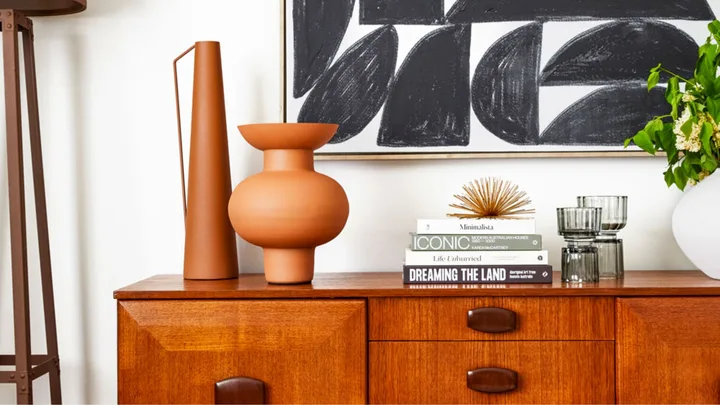
How to do mid-century modern style in 5 easy steps

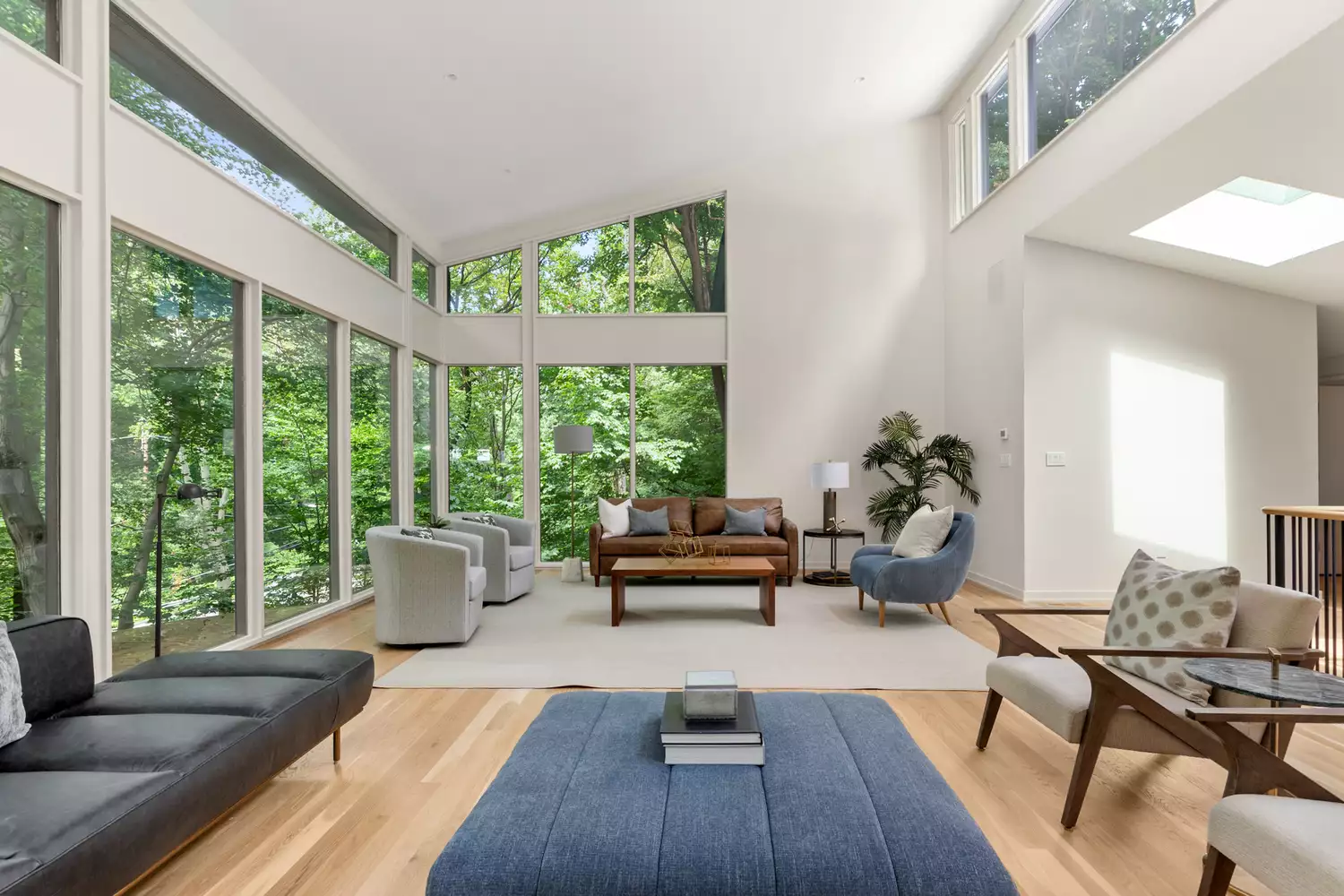
Is Midcentury Modern Decor Finally Out of Style in 2025? What Designers Really Think