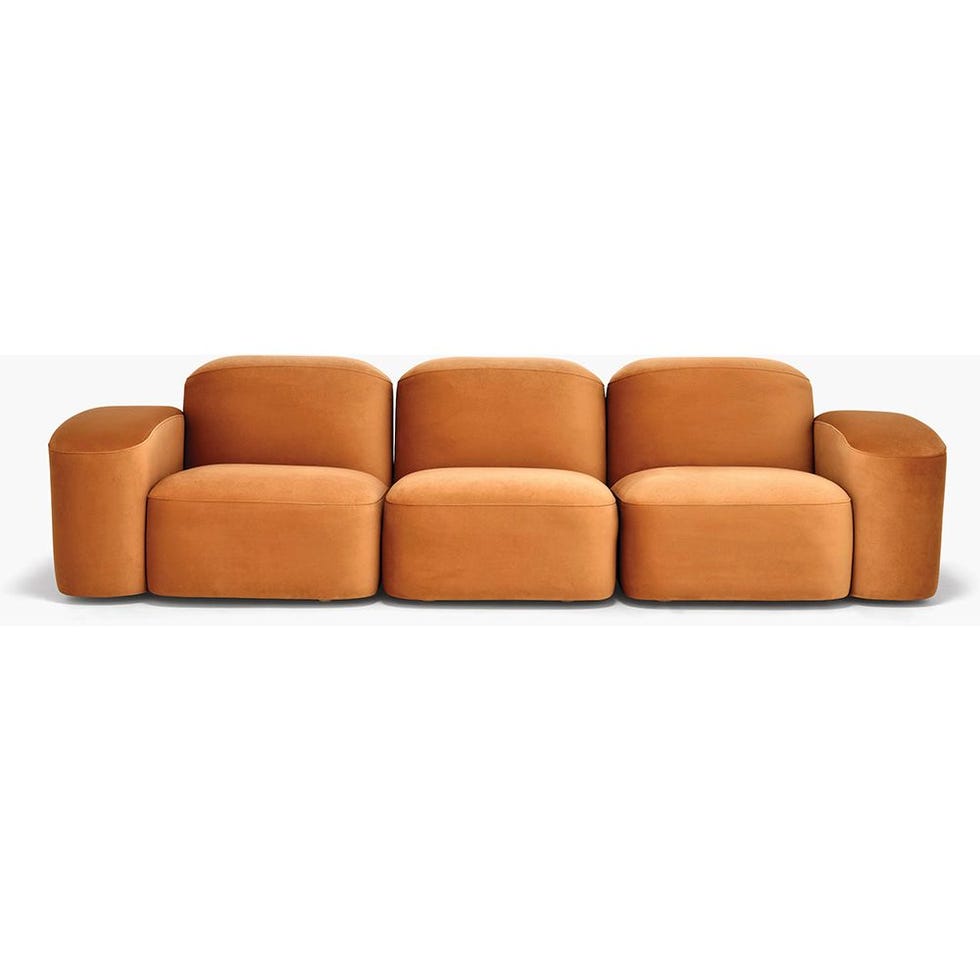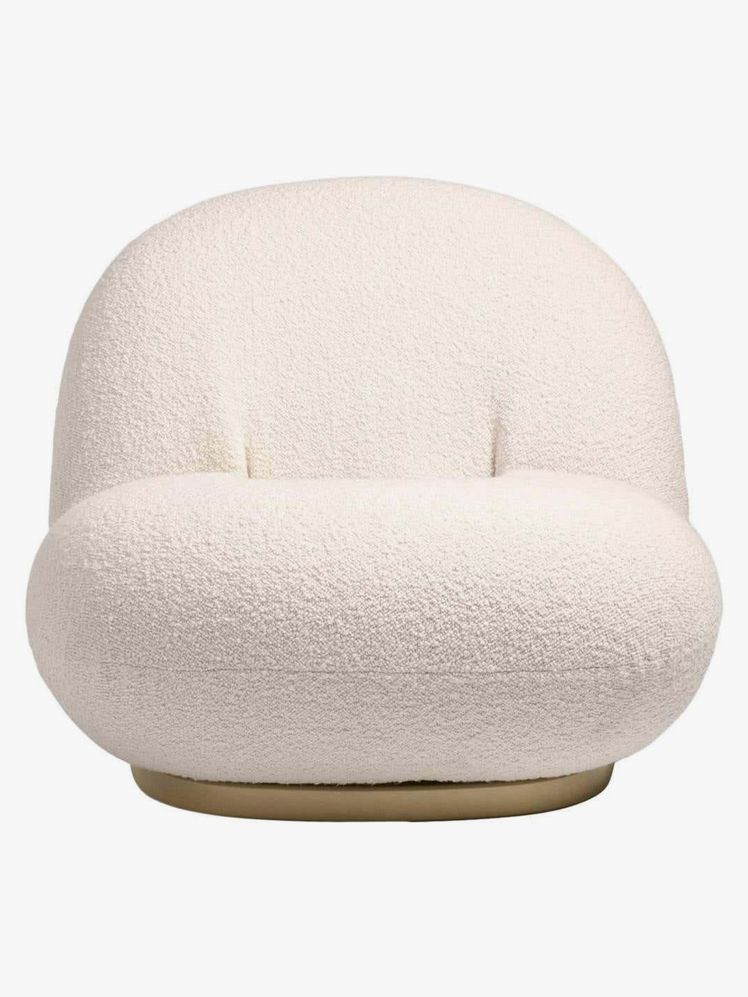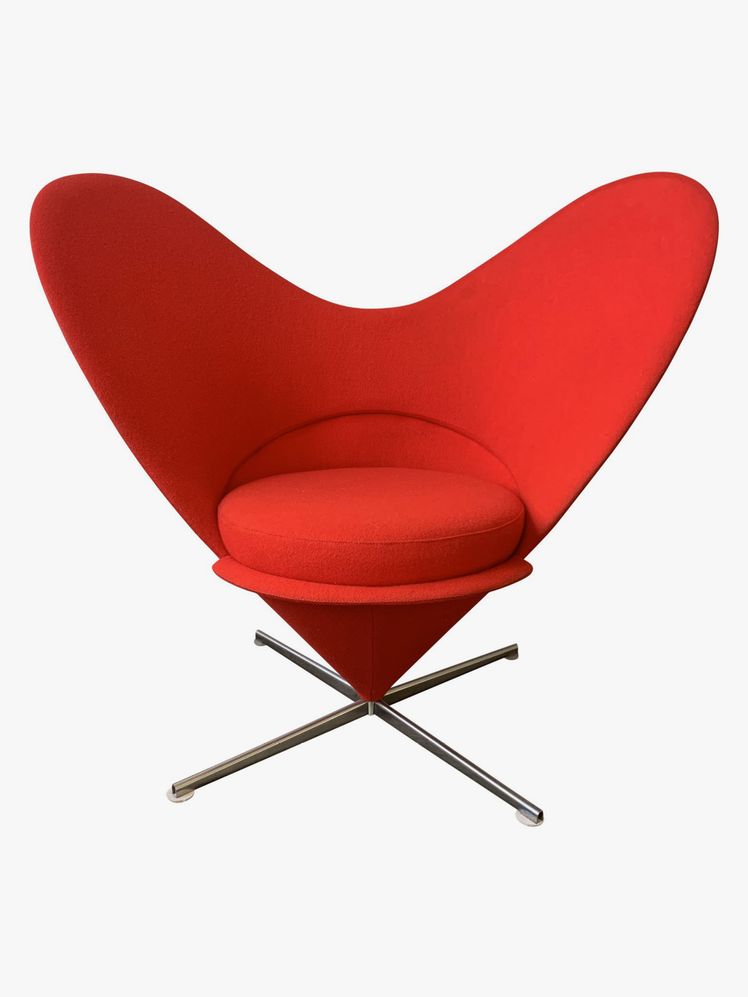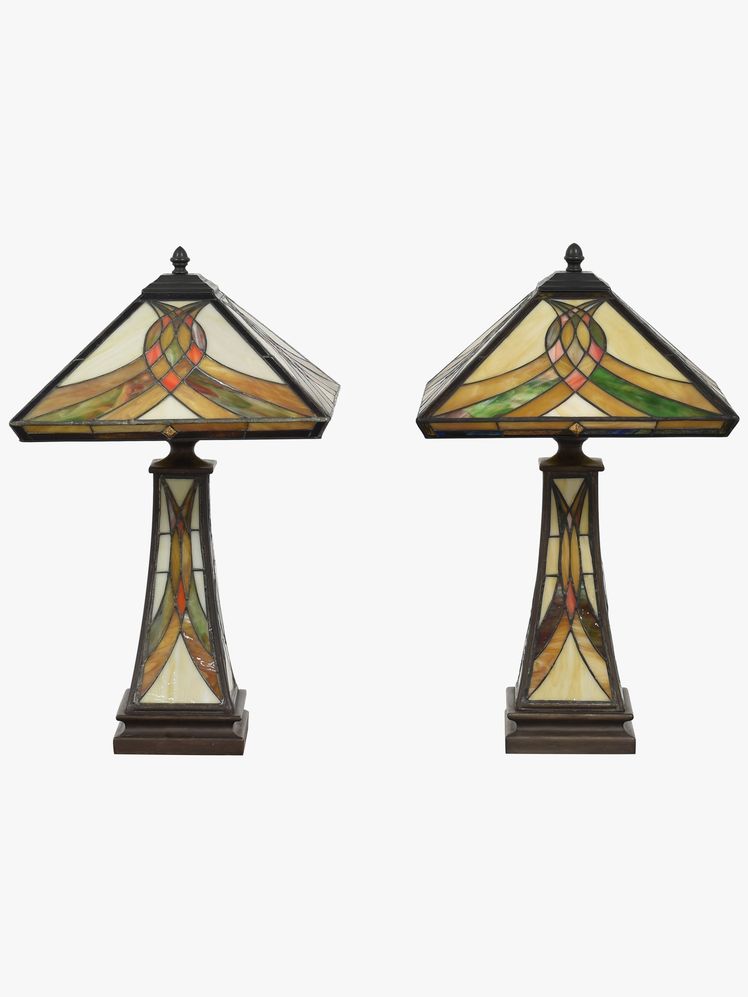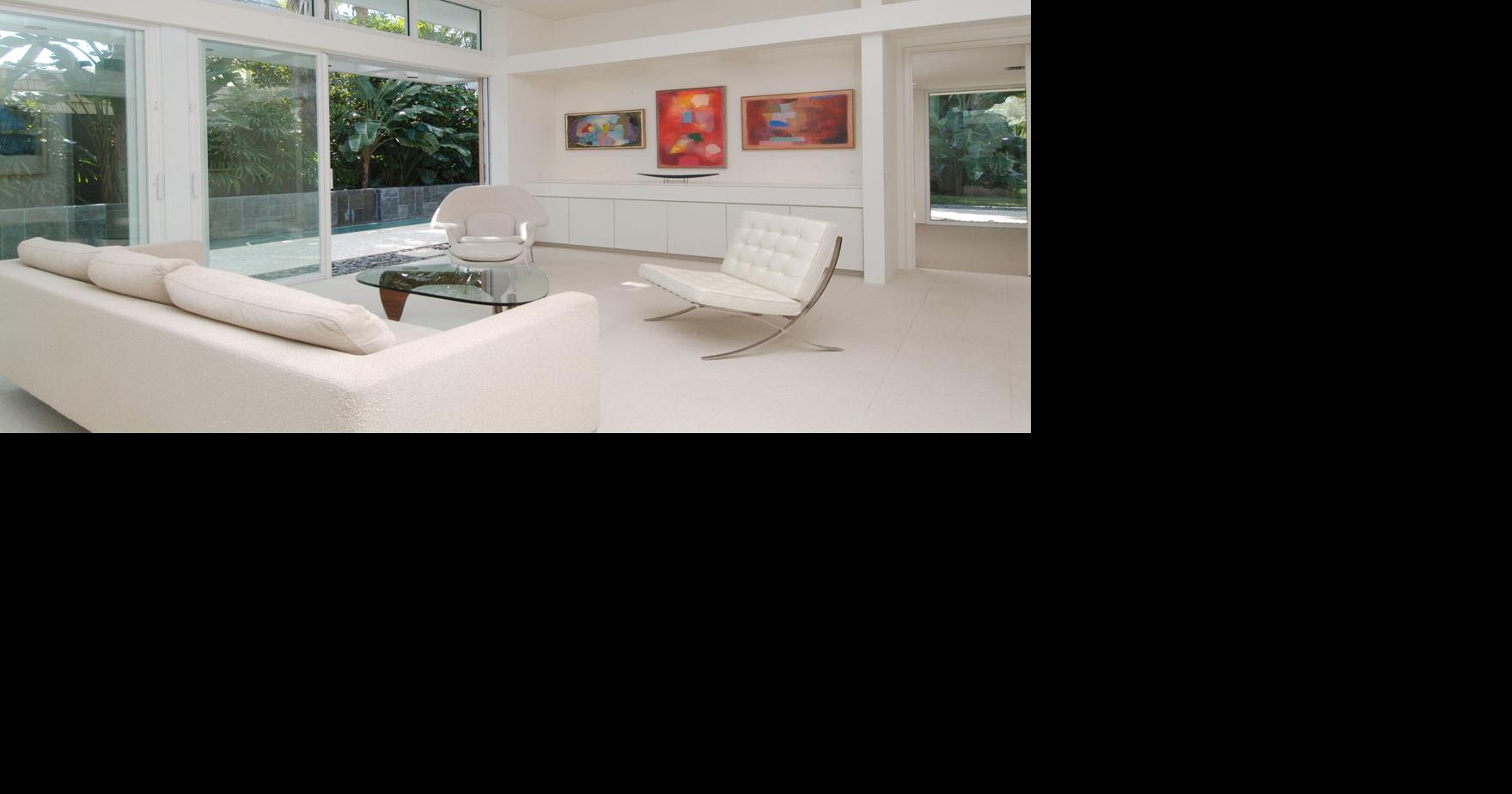
Mid-century modern: what was cool in the '50s is now hot
The author explores the resurgence of mid-century modern design, a style that originated in the 1950s and 1960s and is currently experiencing a significant revival. Initially puzzled by the term "modern" for a decades-old aesthetic, the author seeks clarification from two experts: Los Angeles architect Lawrence Scarpa and interior designer Pam Holladay of Sarasota, Florida. Both experts were scheduled to speak at SarasotaMOD, a four-day conference celebrating this architectural style in Sarasota, a city noted for its impressive inventory of mid-century modern architecture.
Pam Holladay explains that the style was considered "modern" during its inception due to its radical departure from typical suburban homes of the era. She attributes its current popularity to a renewed desire for a simple aesthetic, appealing to individuals seeking a cleaner and simpler lifestyle. She acknowledges that the style is not universally appealing but represents a shift from prevailing design trends. Architect Lawrence Scarpa describes mid-century modernism as addressing fundamental issues in a direct and beautiful way, characterizing it as clean and simple, creating pleasant living spaces.
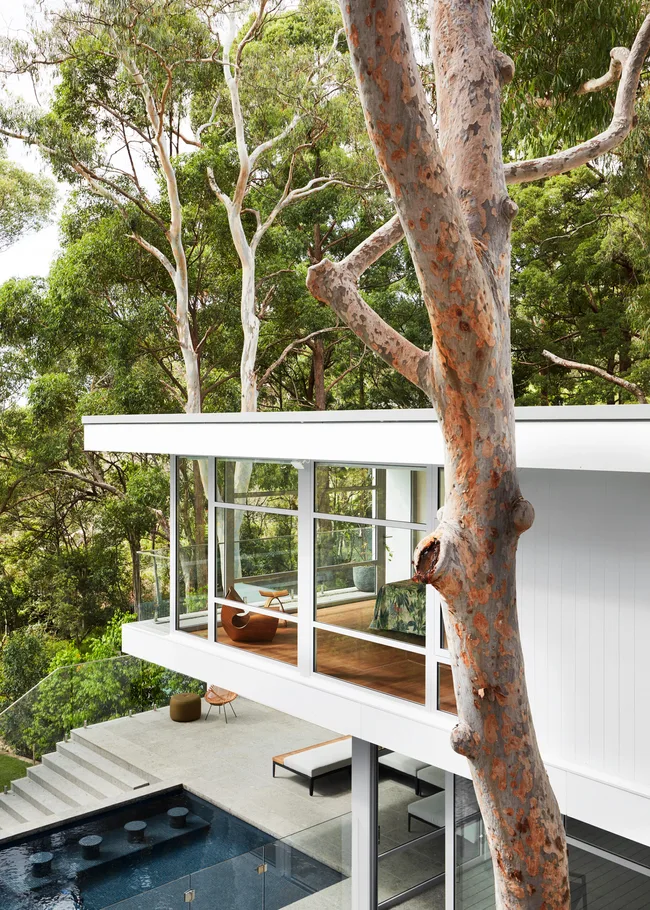
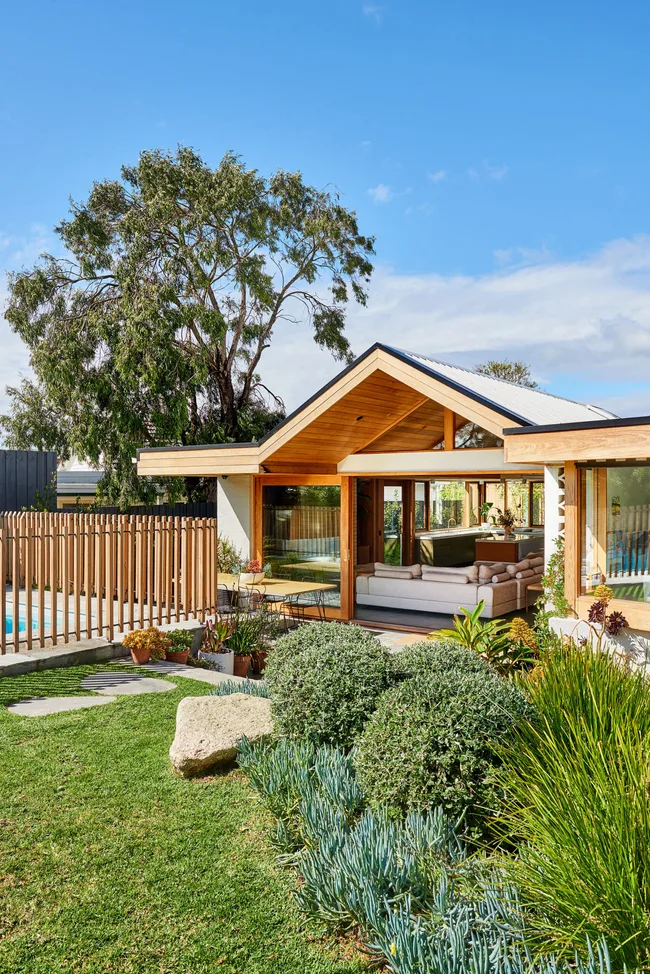
The author initially associates the style with futuristic, almost cartoonish imagery like "The Jetsons," with plastic furniture and space-age elements. However, Scarpa emphasizes the style's core principles, particularly its connection to the outdoors and its embrace of natural light, which was a significant innovation compared to earlier designs with small windows. He highlights the irony that while the movement was initially embraced by radicals, its contemporary admirers are often conservatives who appreciate its historical significance and the inherent "modernity" of preserving these older designs.
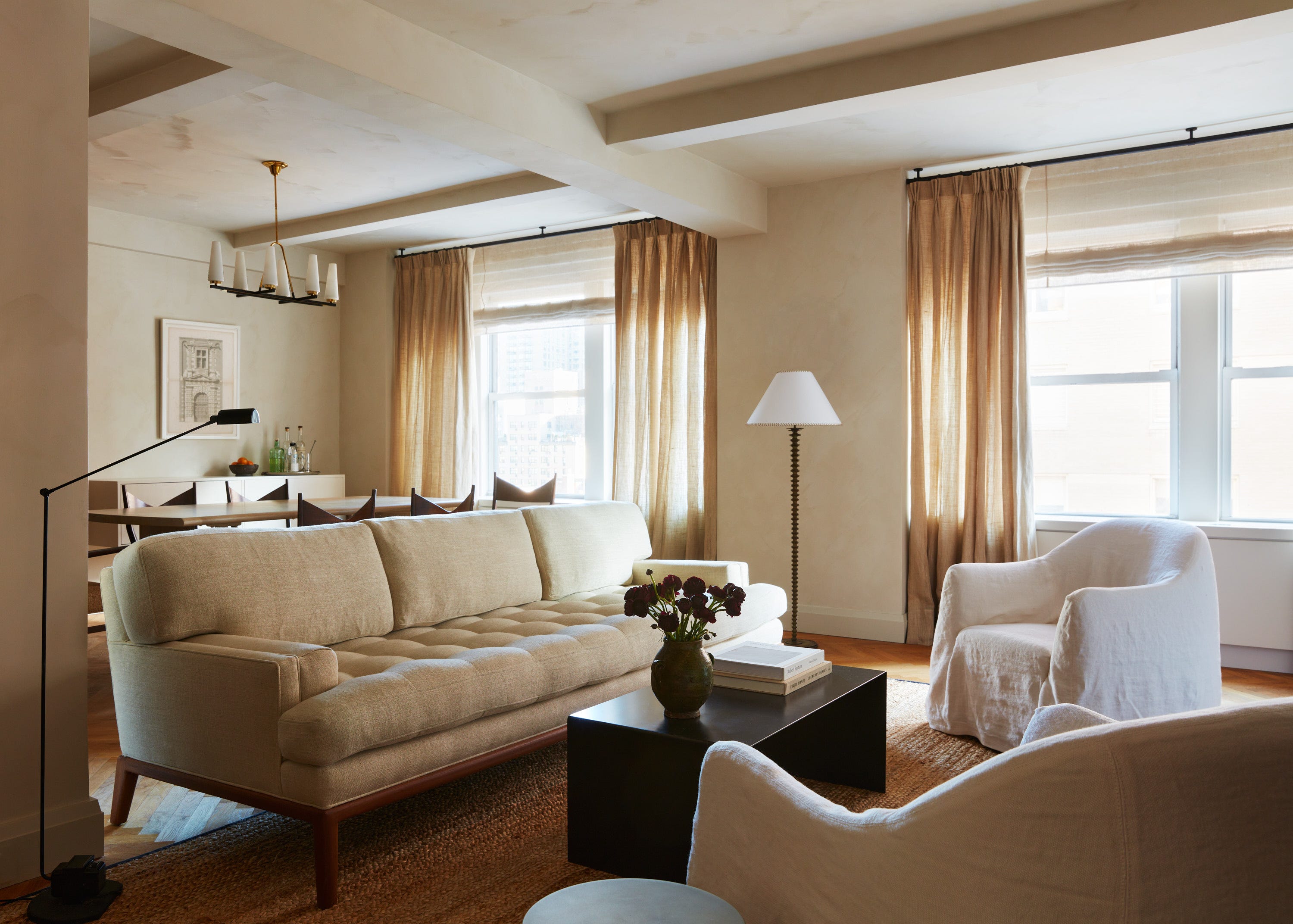
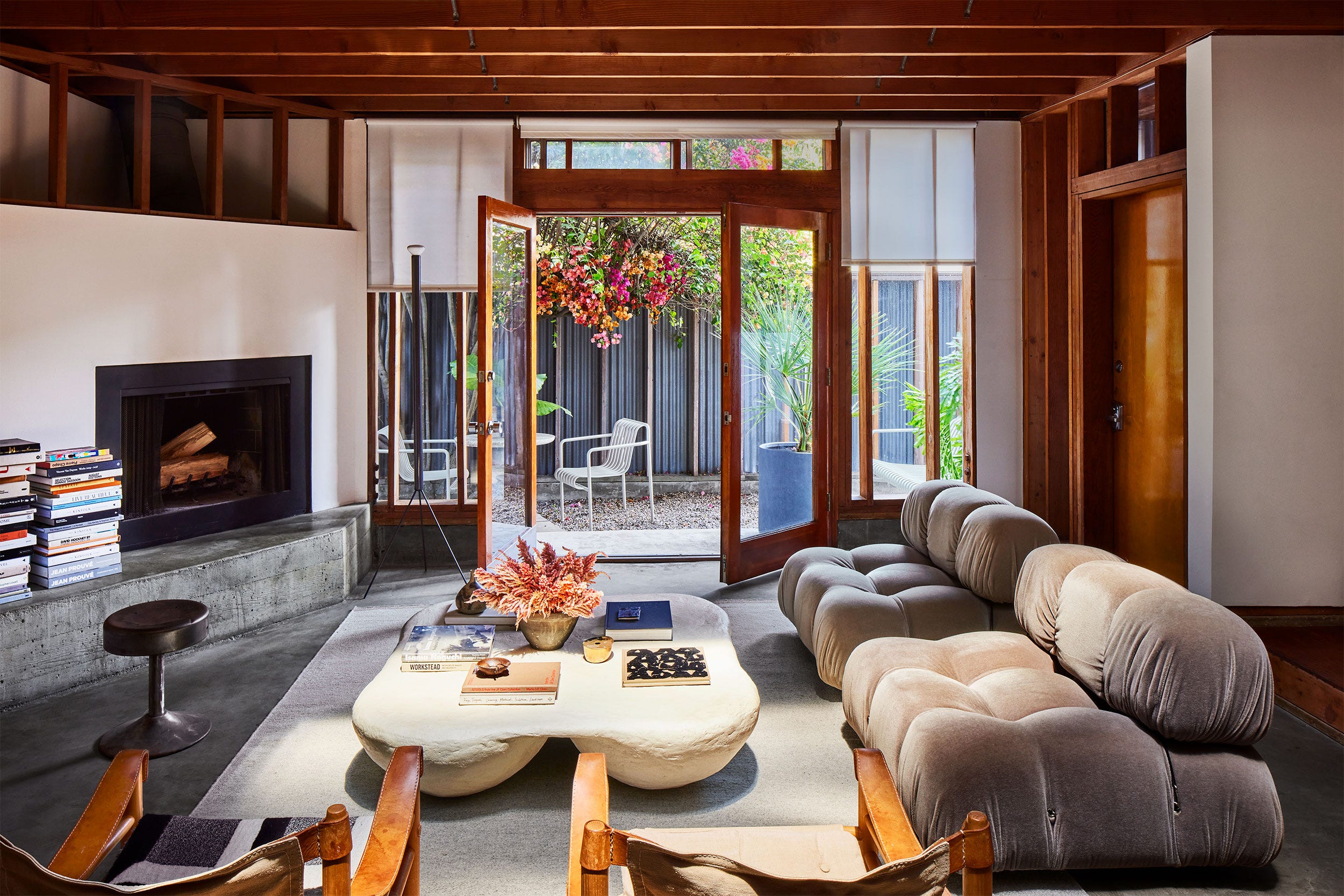
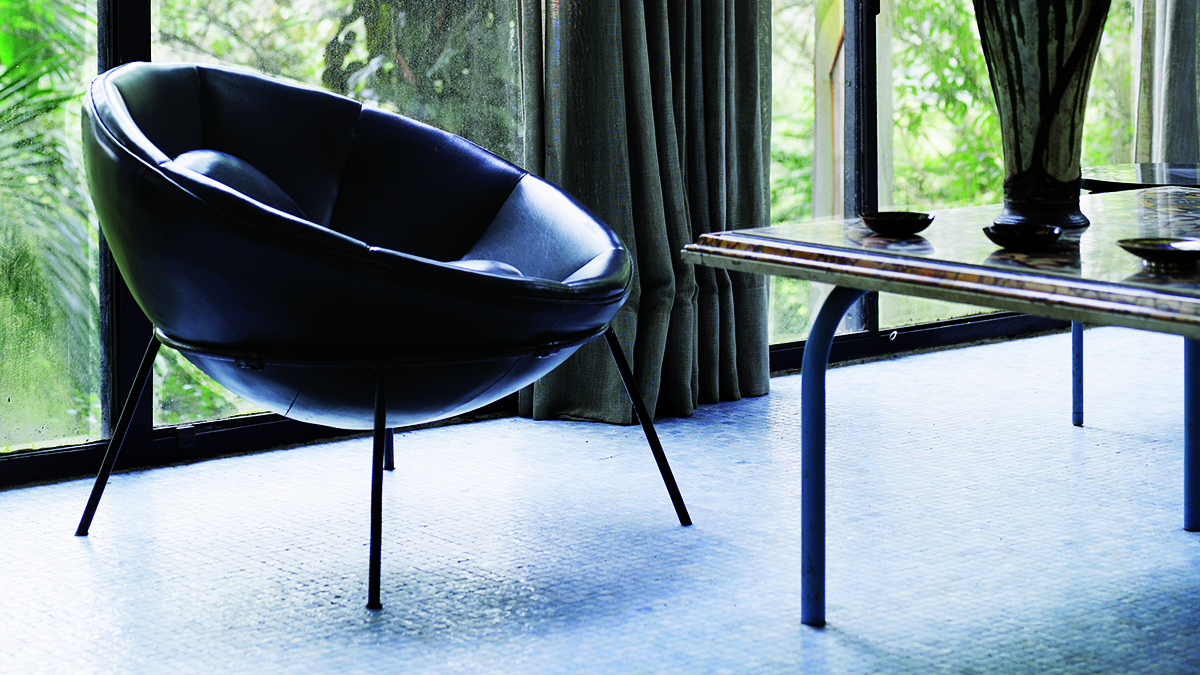
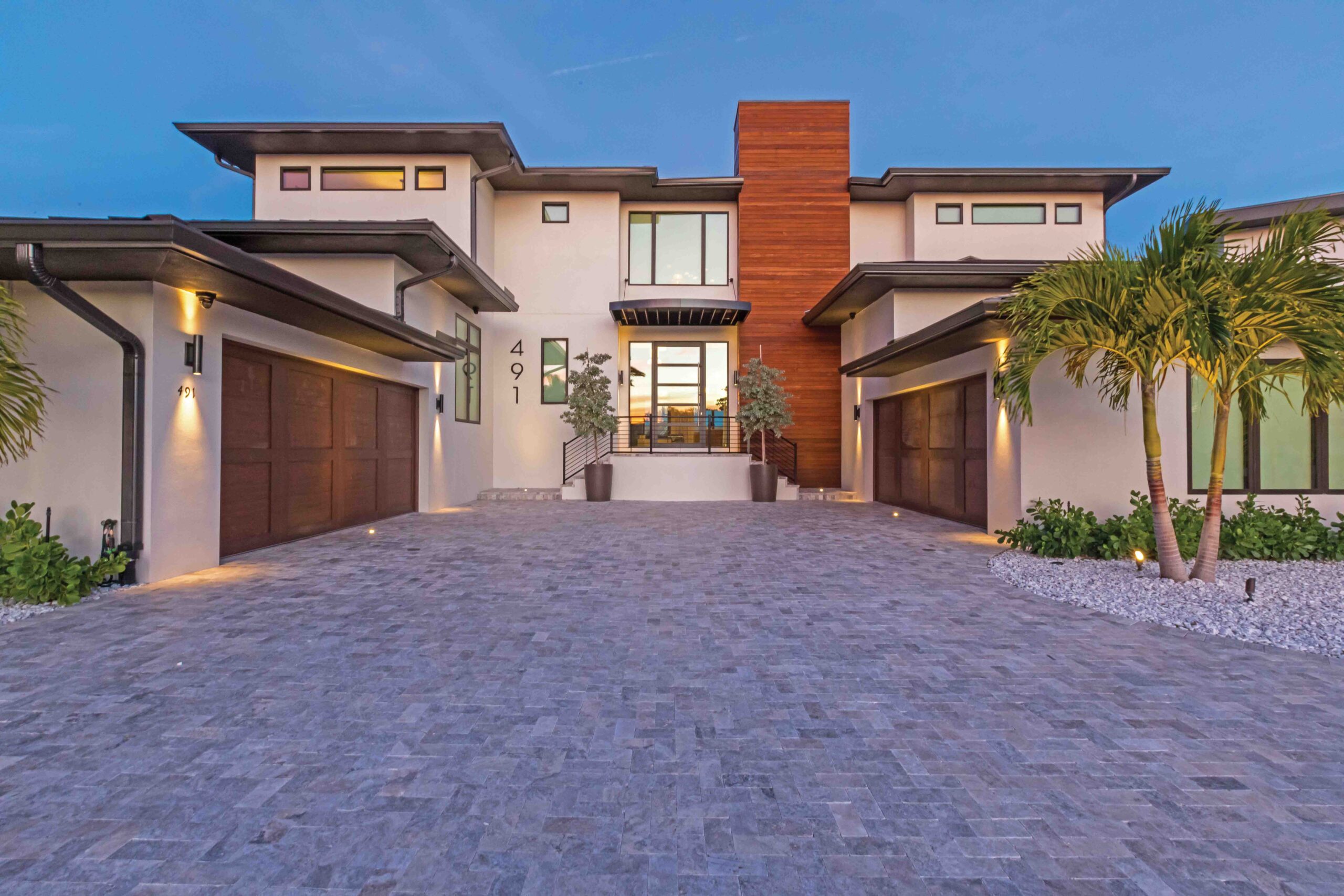
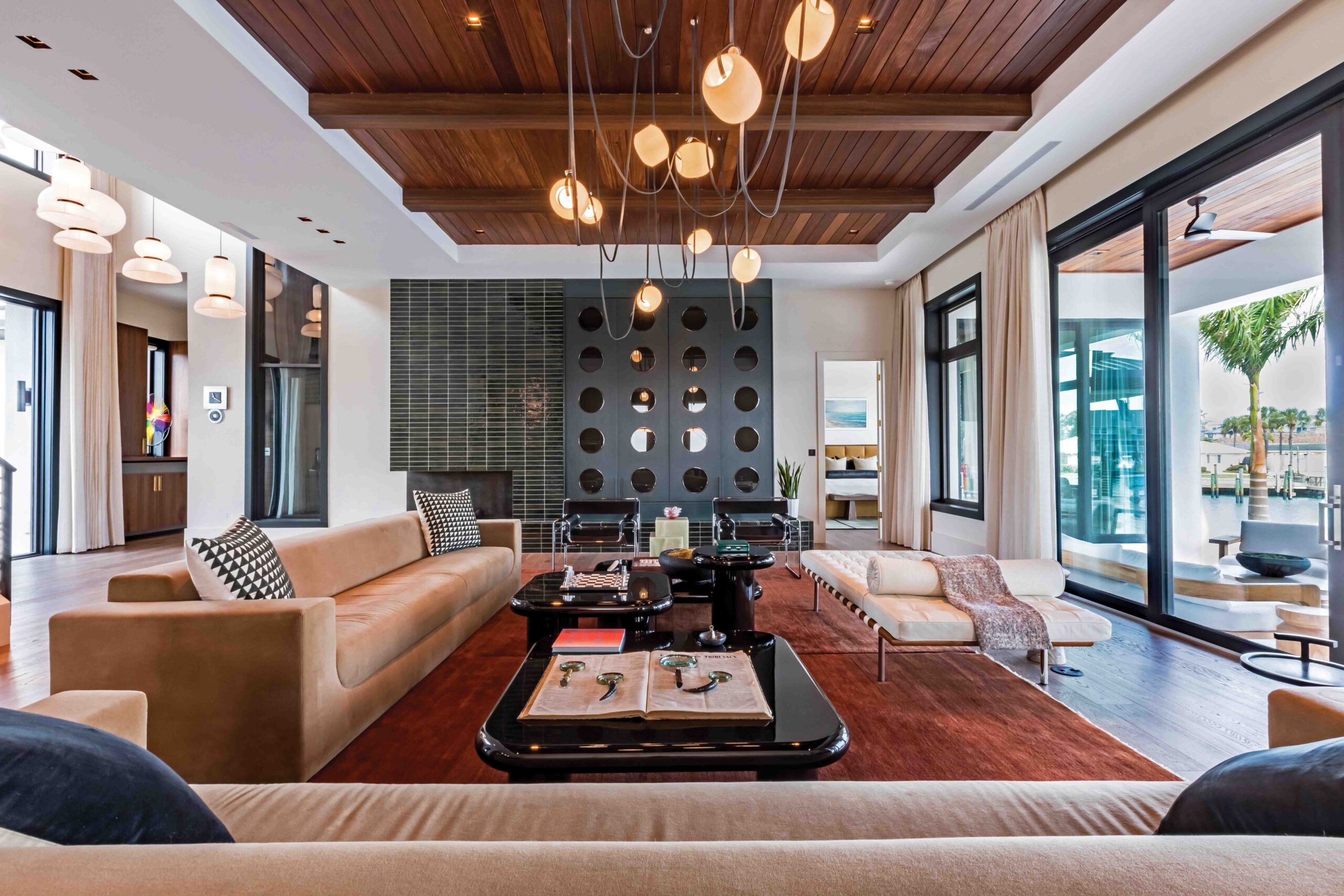

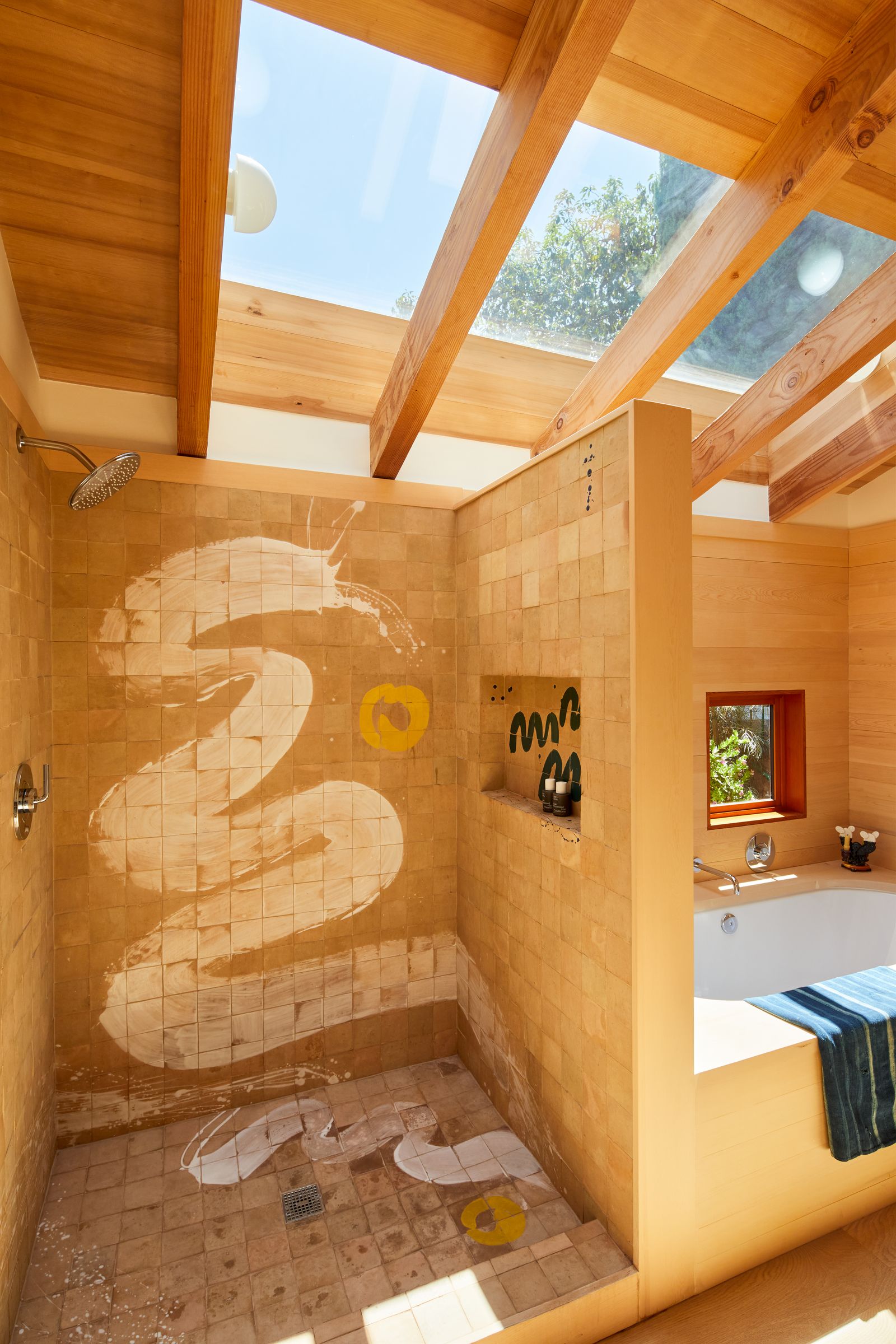
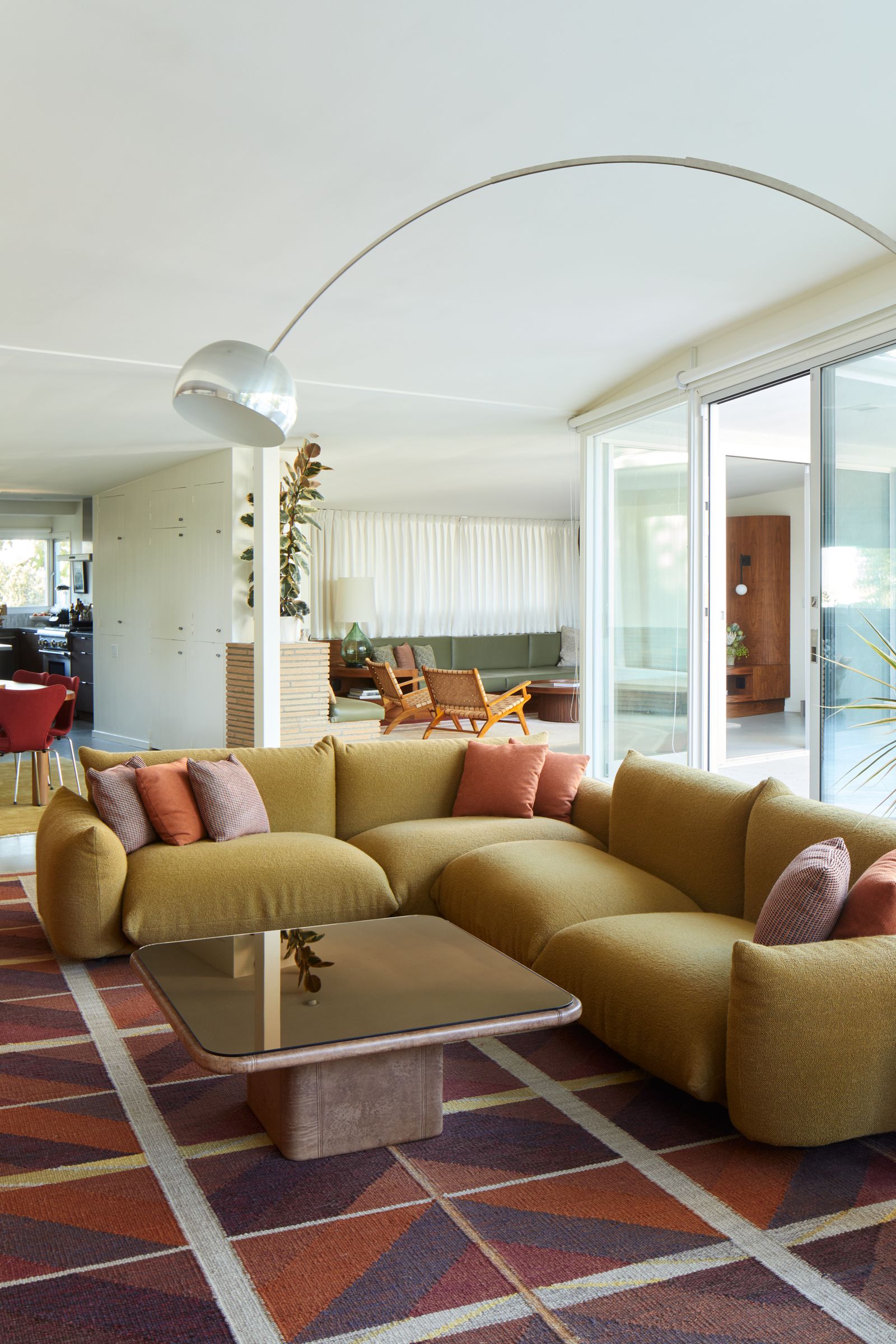
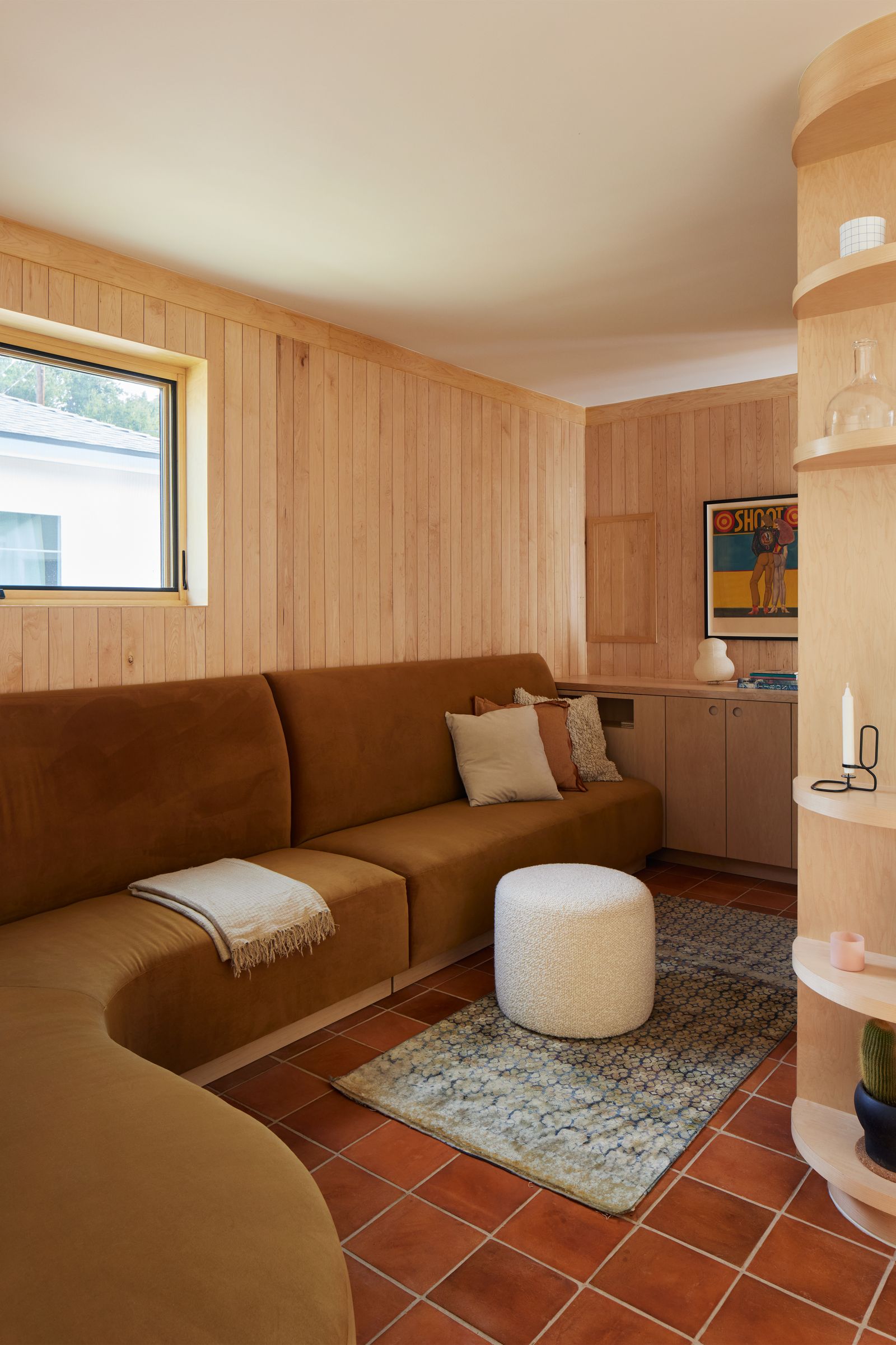
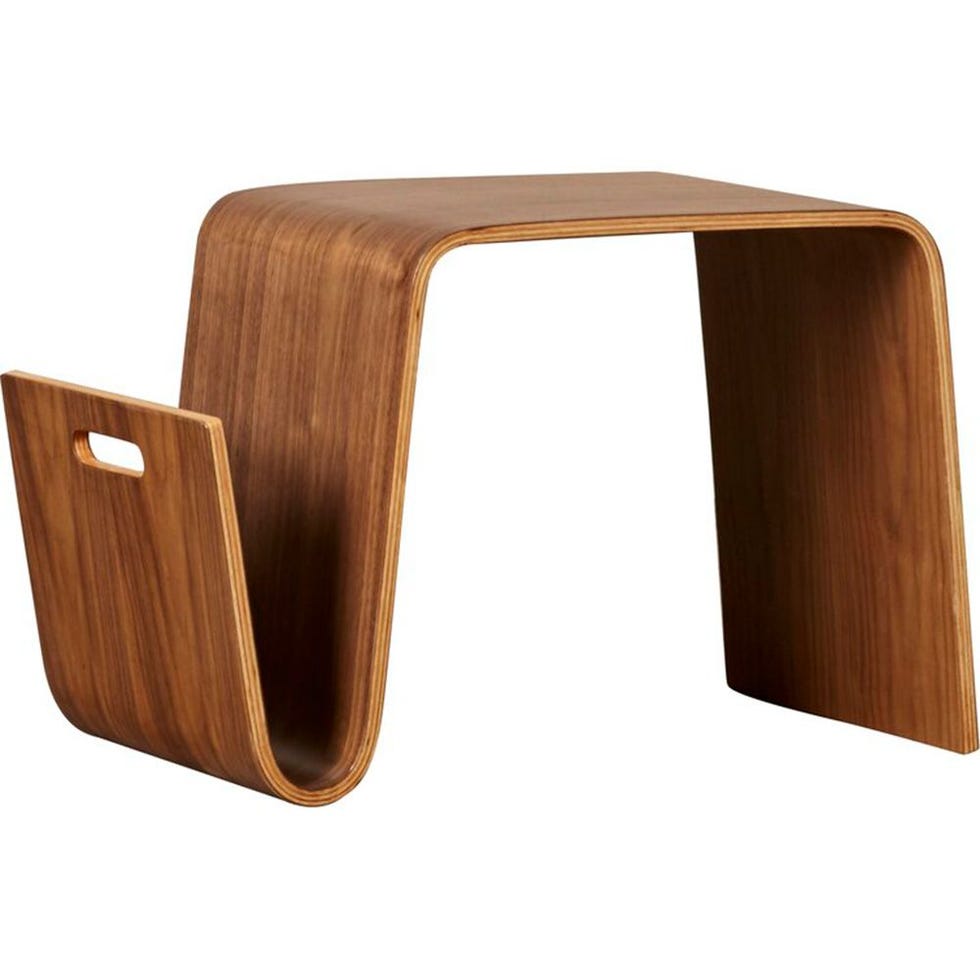
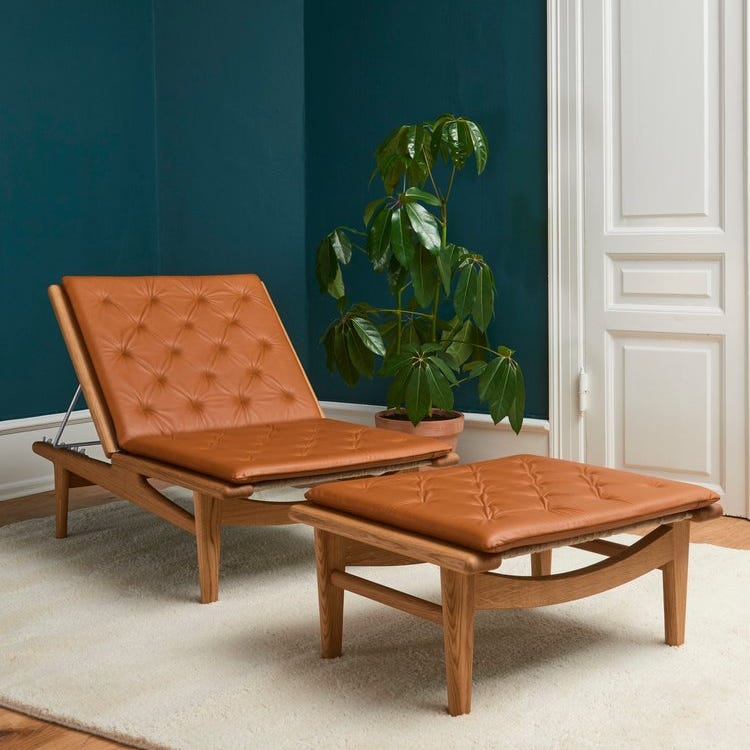
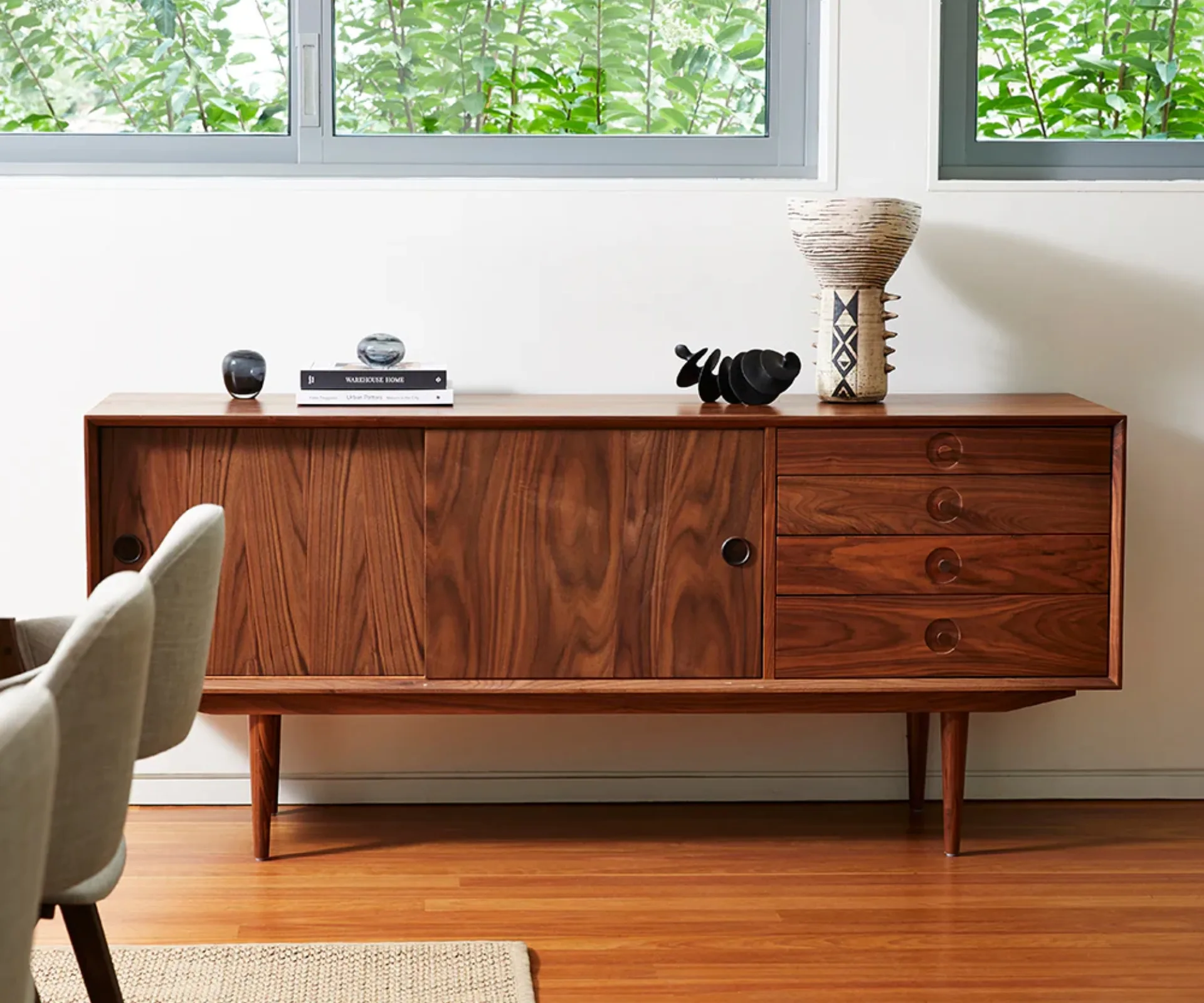
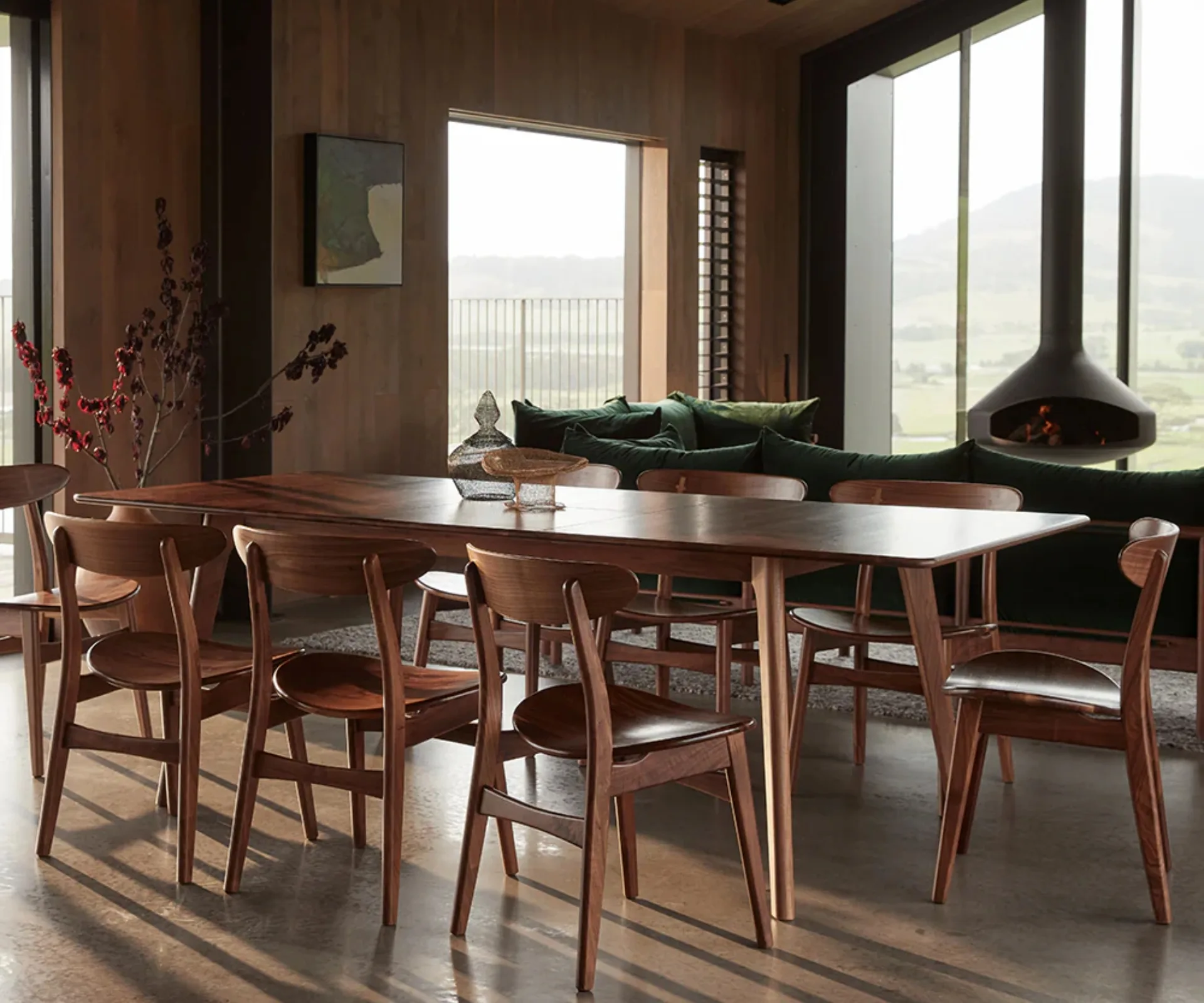
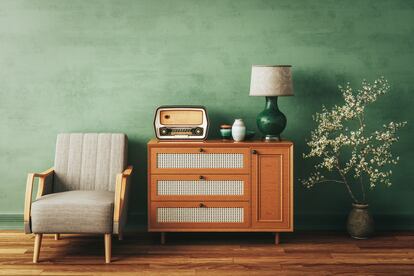
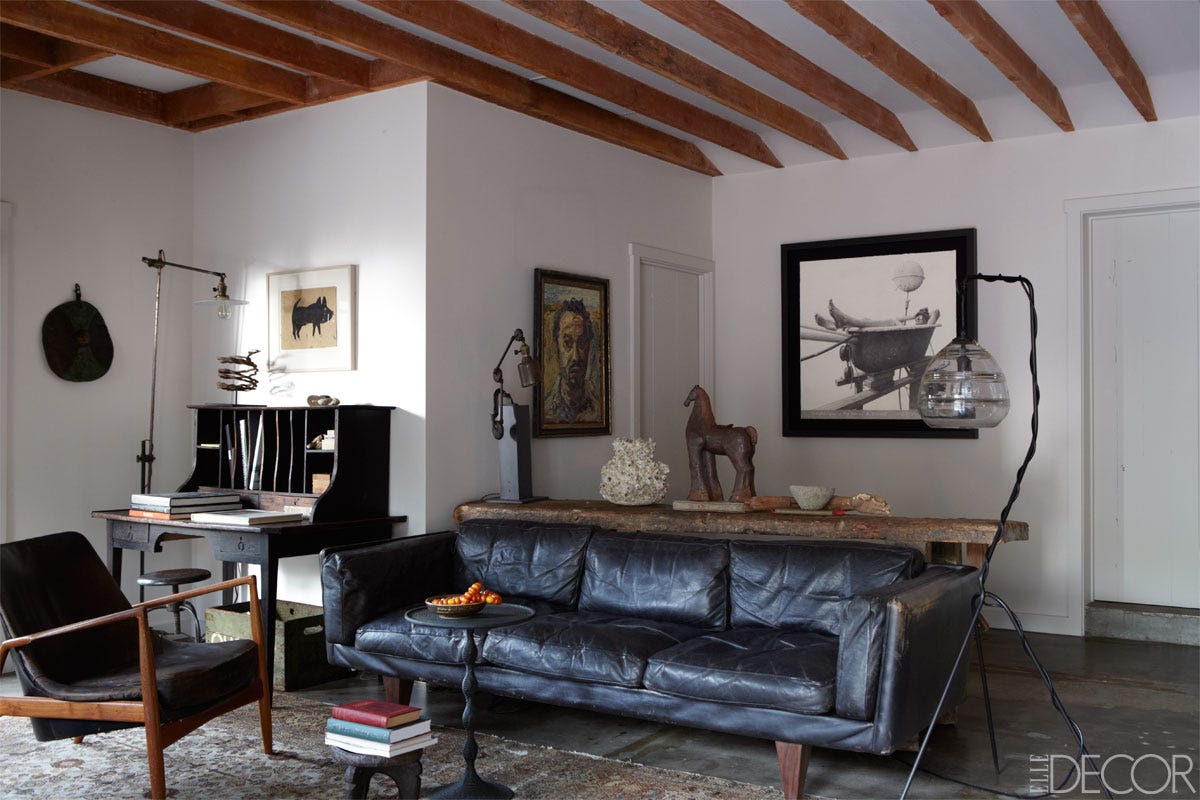
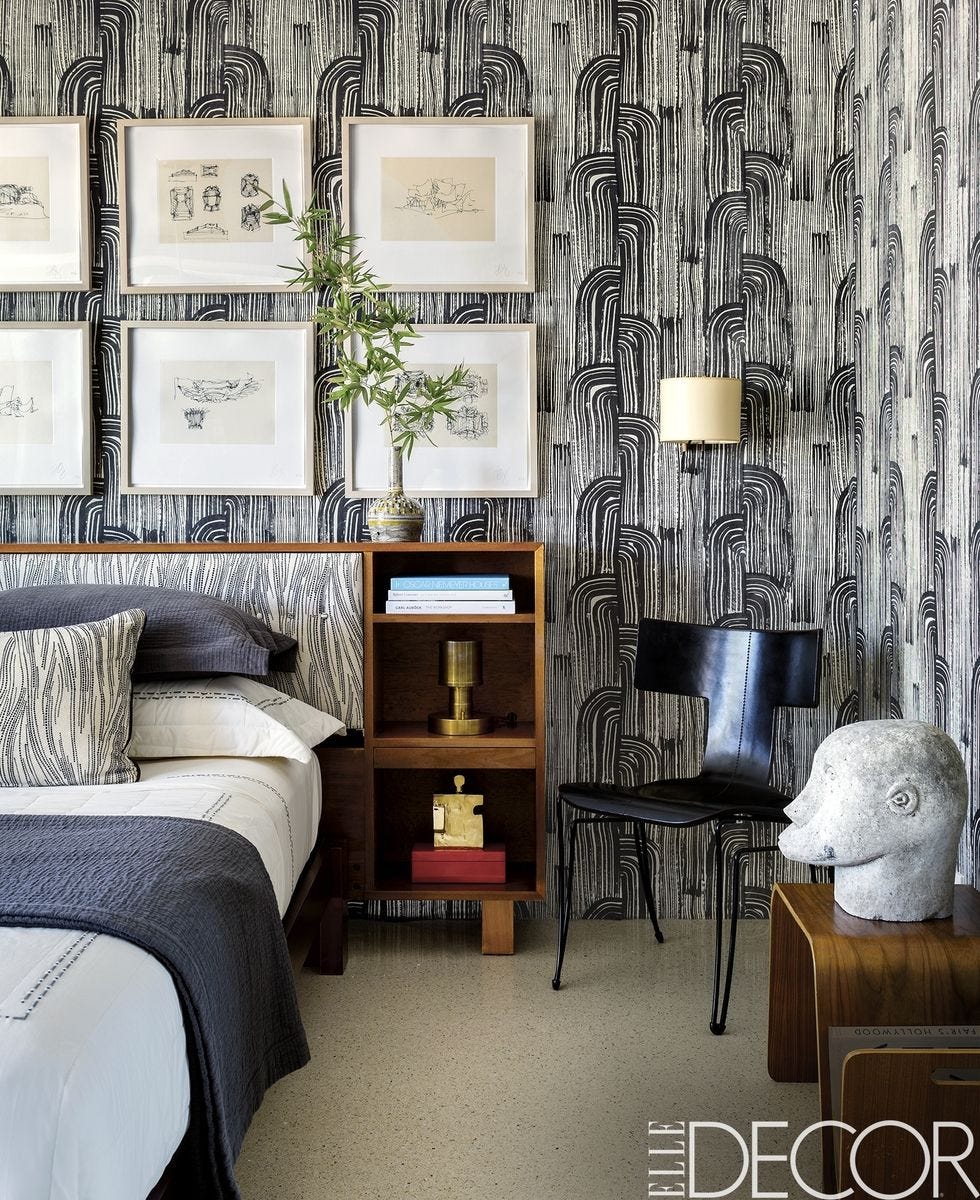
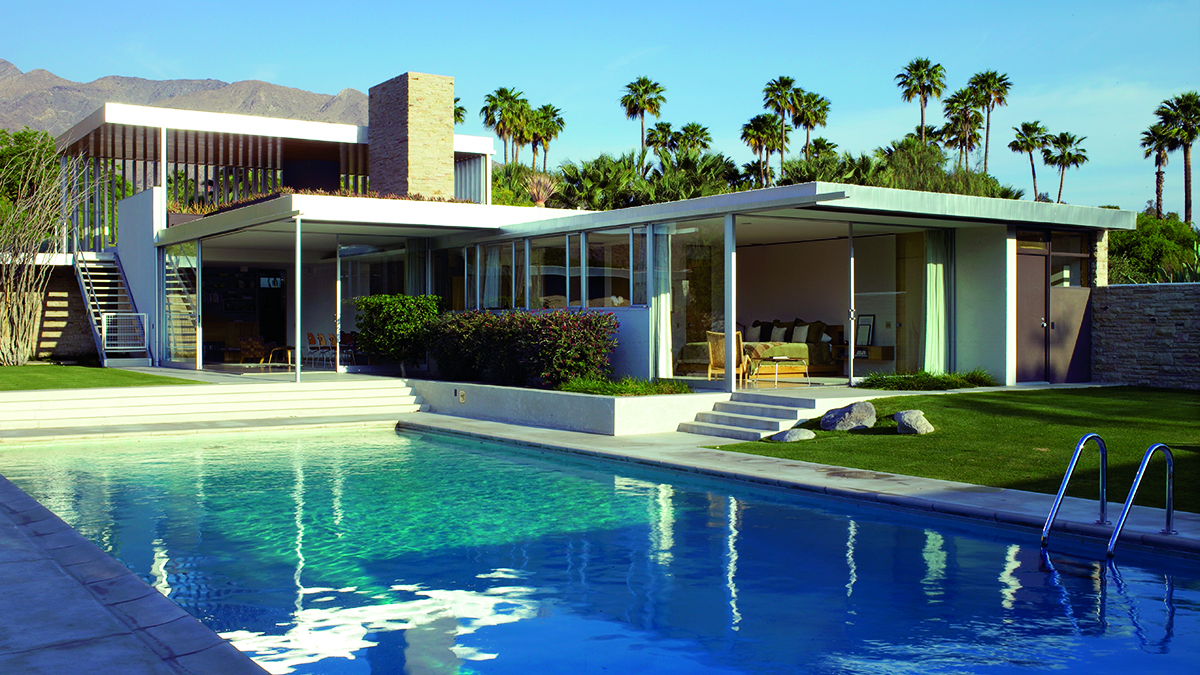
Holladay and Scarpa outline the key characteristics that define mid-century modern architecture and design. These hallmarks include a seamless integration of indoor and outdoor spaces, abundant natural light, a lack of excessive ornamentation (no frills), open floor plans that promote fluidity and spaciousness, and the honest use of materials, where the inherent qualities and textures of wood, stone, and metal are celebrated rather than concealed. The style also emphasizes a lighter aesthetic, moving away from heavy, ornate designs to more airy and uncluttered environments. The article concludes with these defining features, providing a concise overview of the design philosophy.
#MidCenturyModern #HomeDesign #ArchitecturalStyle #InteriorDesign #DesignTrends #SarasotaMOD #LawrenceScarpa #PamHolladay #HomeDecor #MidCenturyModern #HomeDesign #ArchitecturalStyle #InteriorDesign #DesignTrends #SarasotaMOD #LawrenceScarpa #PamHolladay #HomeDecor
0 comment in total
 No comments yet
You may also like

41 Home Products To Consider If You Love The Mid-Century Modern Look
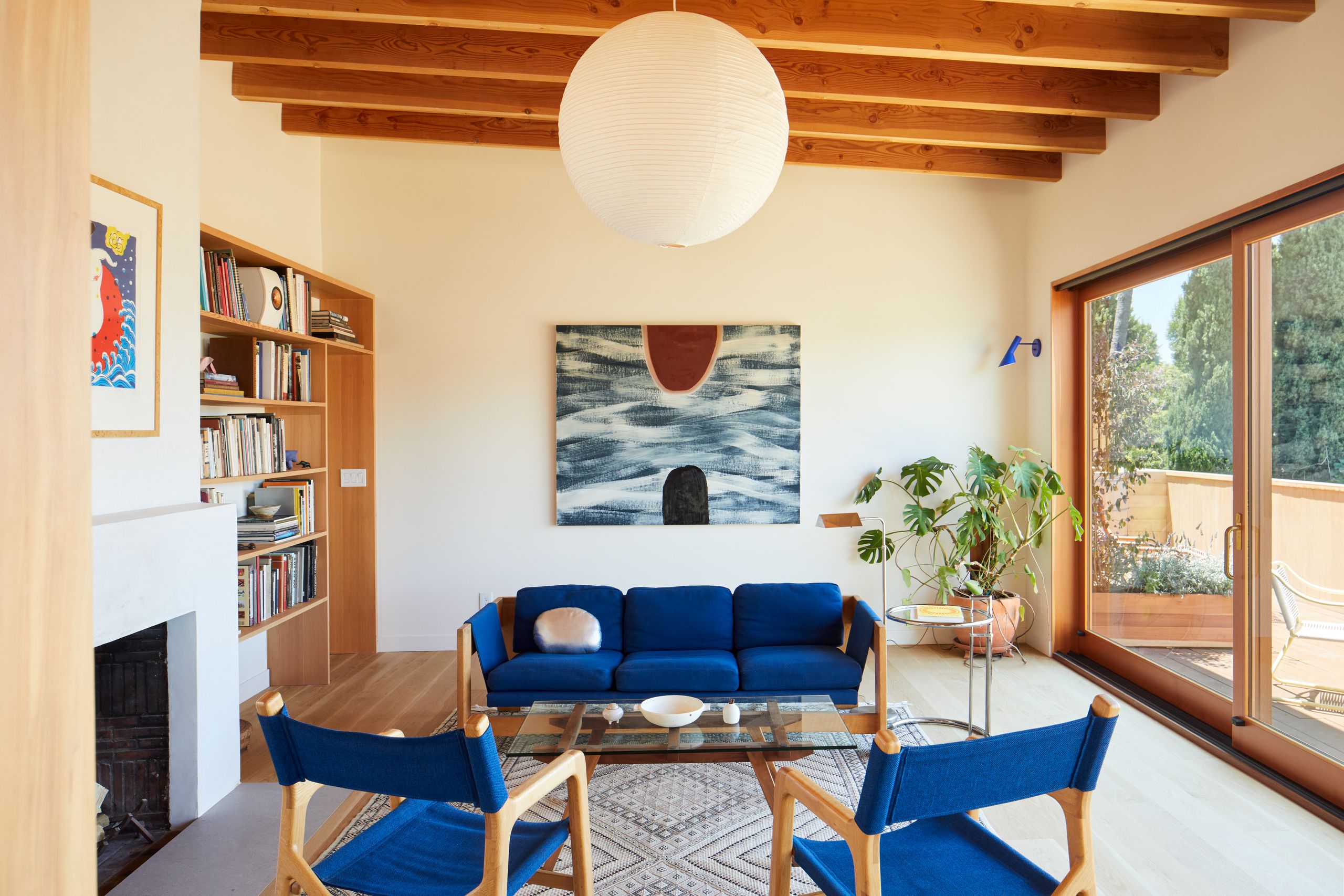
Why Mid-Century Modern Interior Design Continues to Reign Supreme
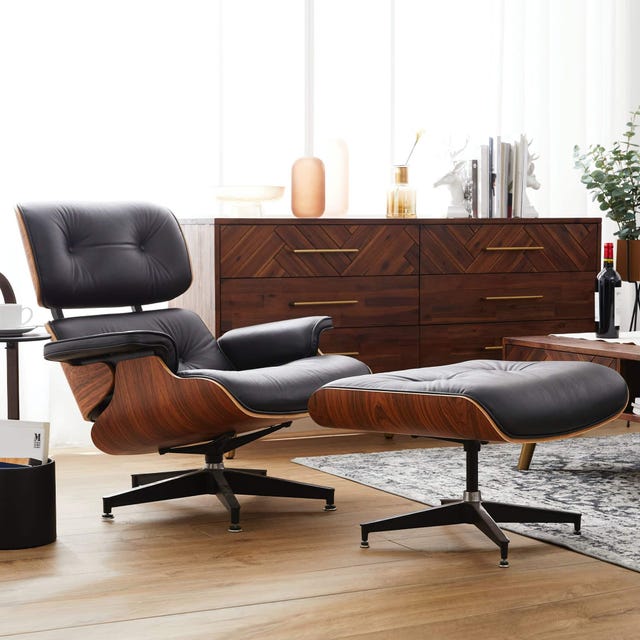
25 Midcentury Modern Furniture Pieces That Will Always Be in Style

Mid-century style: What to know about the décor that you are seeing everywhere

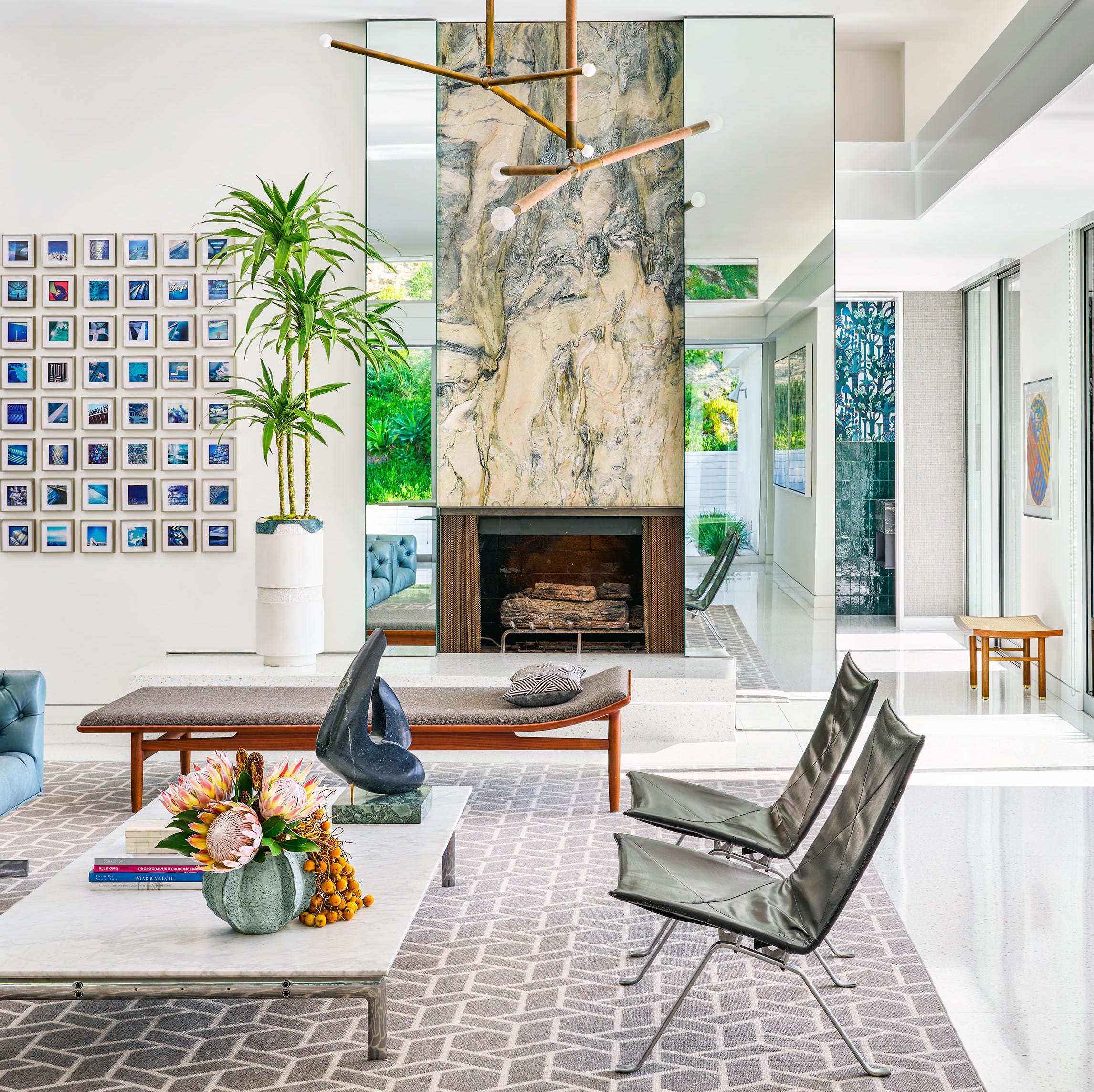
These Midcentury Modern Living Rooms Put Retro Back on the Map

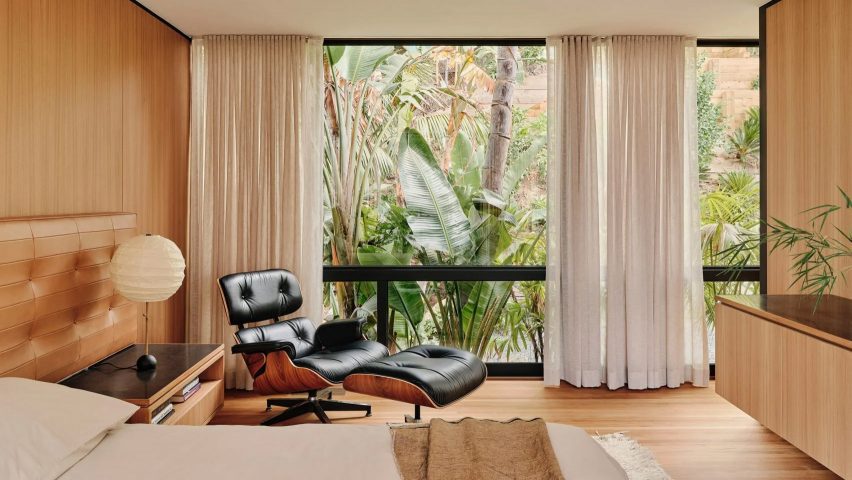
"I love mid-century modern but it makes me sad"
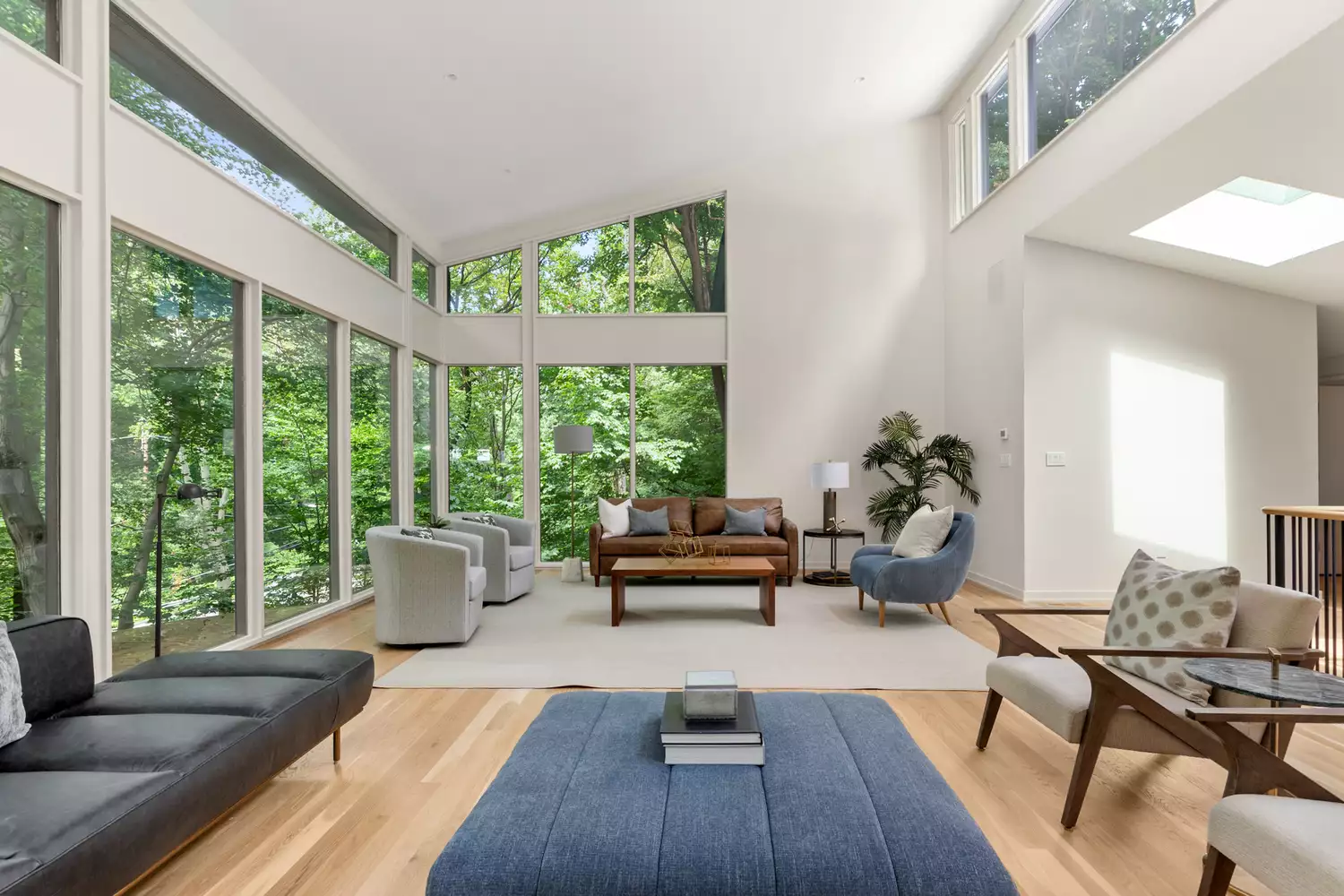
Is Midcentury Modern Decor Finally Out of Style in 2025? What Designers Really Think

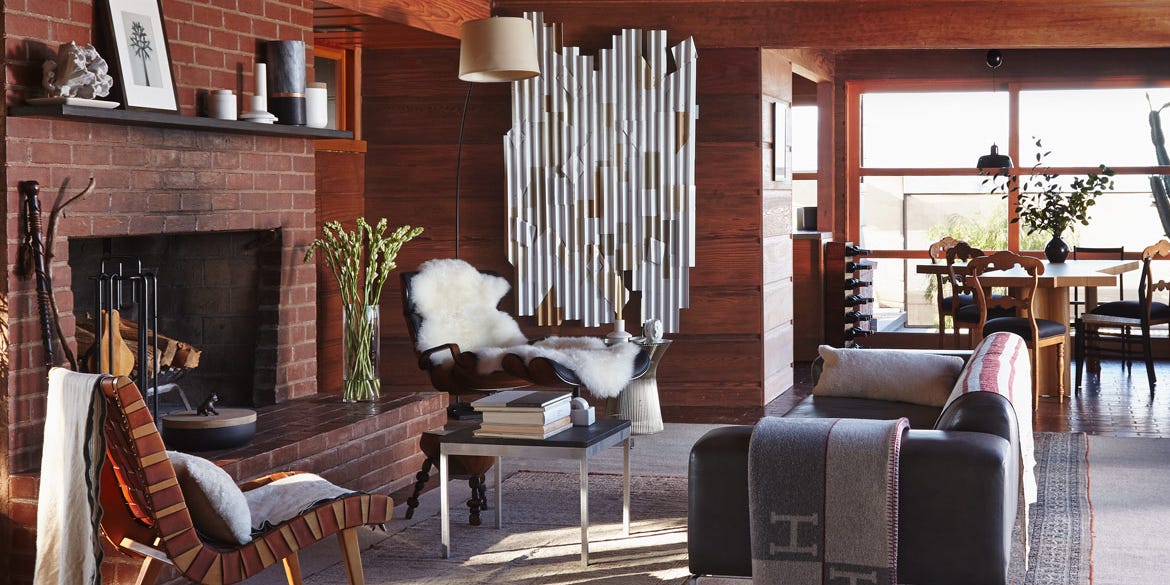
These 27 Stylish Rooms Do Mid-Century Modern Right
"Mid-century modern is classic, it's never going away" says Cara Greenberg
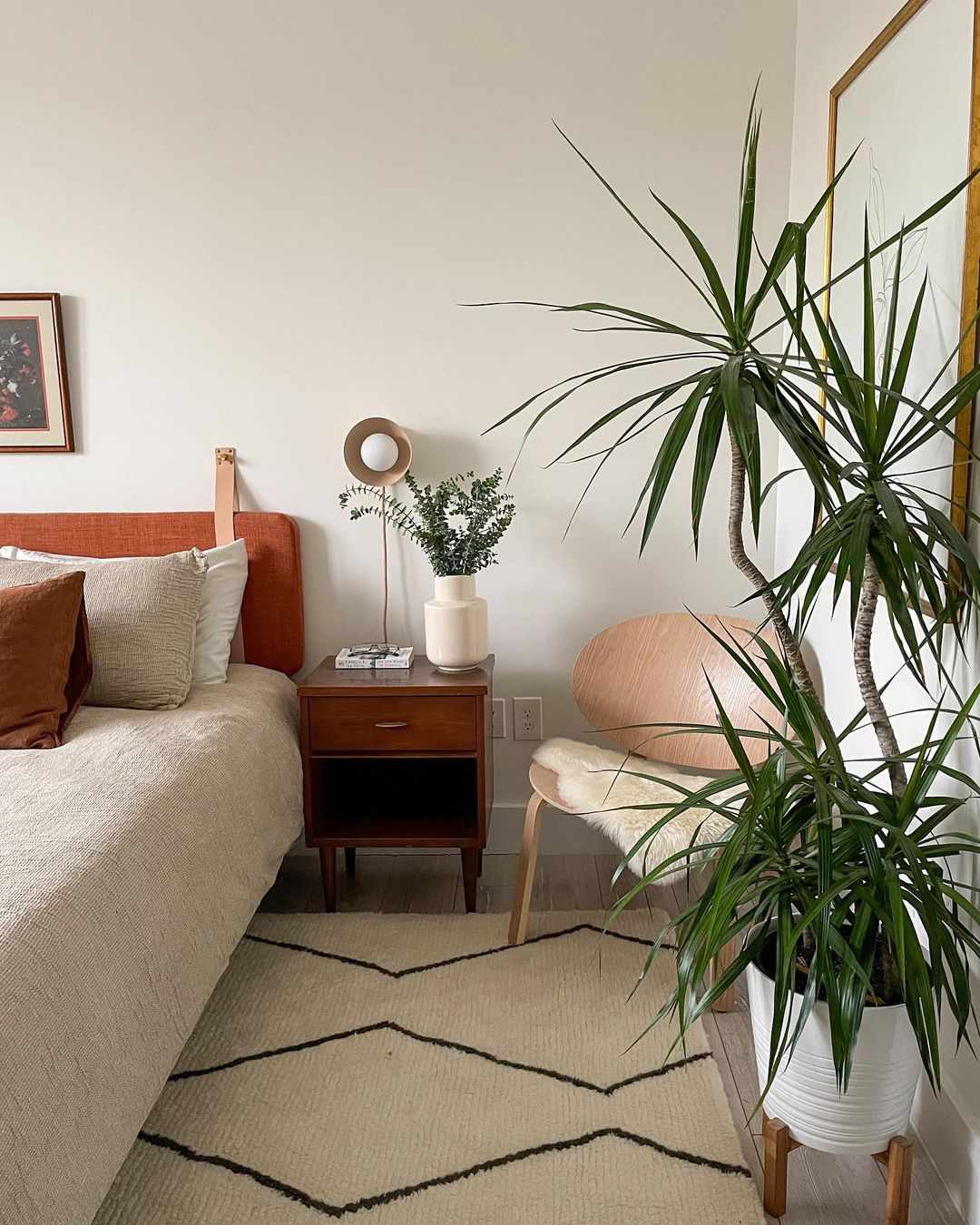
Here's What You Should Know About Midcentury Modern Style
What’s Old Is New Again: Vintage Furniture Is The Hottest Home Decor Trend
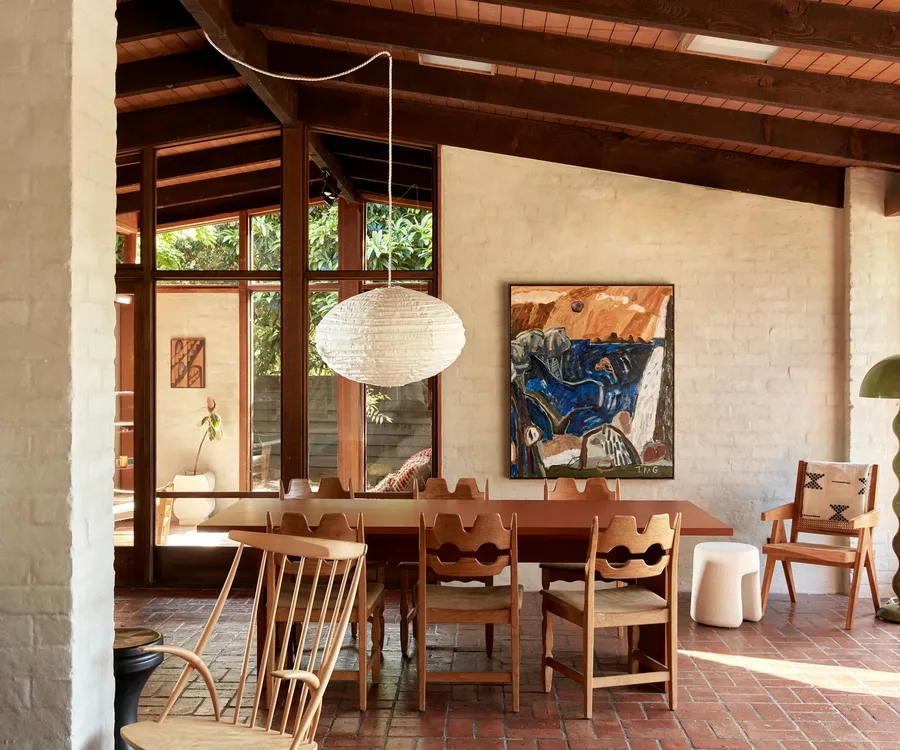
19 magnificent Mid-Century Modern homes across Australia

The enduring appeal of Mid-century Modern

The 1950s Kitchen Trend That Feels Surprisingly Fresh in 2025 — And Not Just in the Kitchen

How to do mid-century modern style in 5 easy steps

The five most impactful chair designs of mid-century modernism
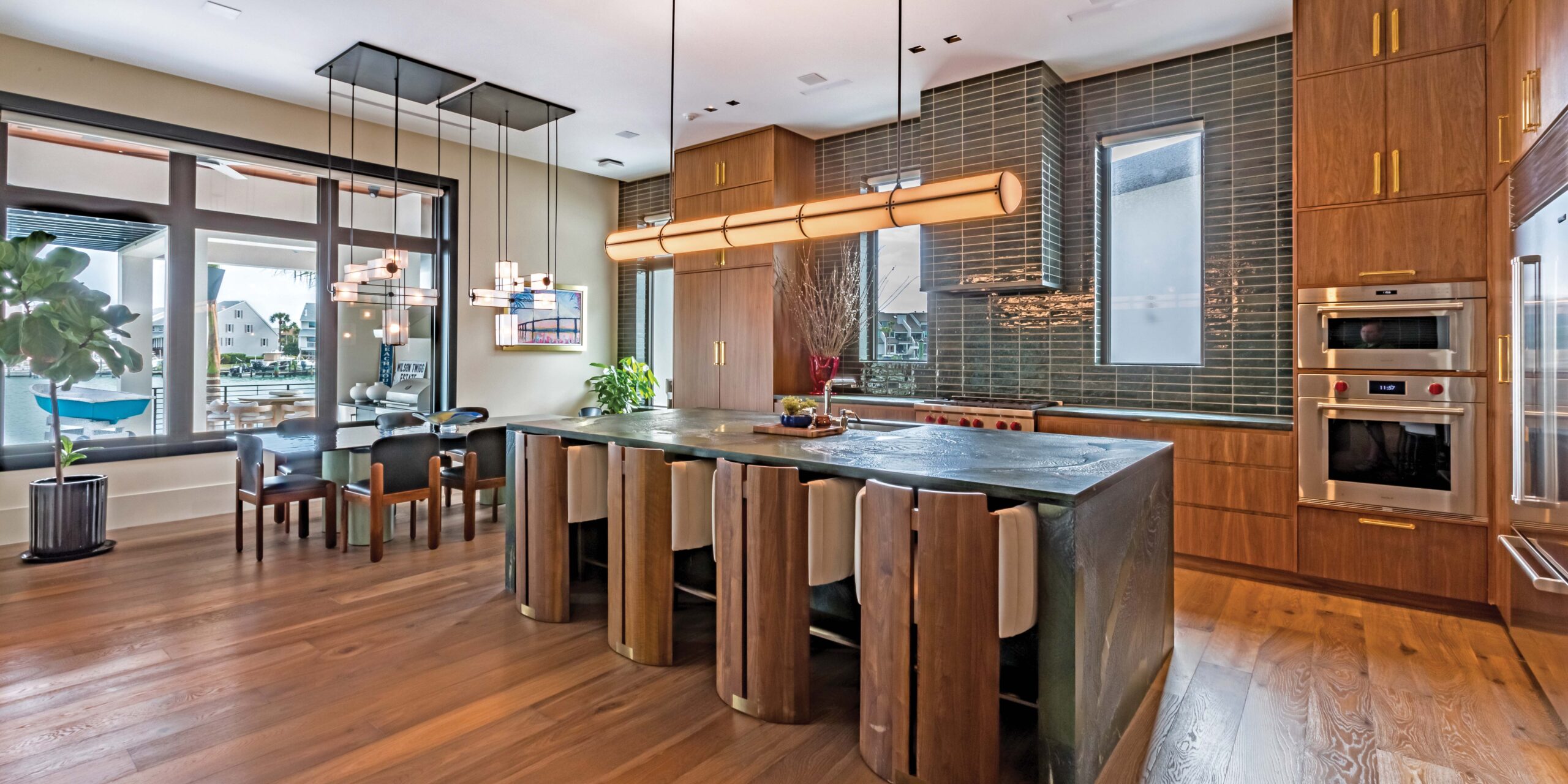
Home Design: Reinvented Midcentury Modern

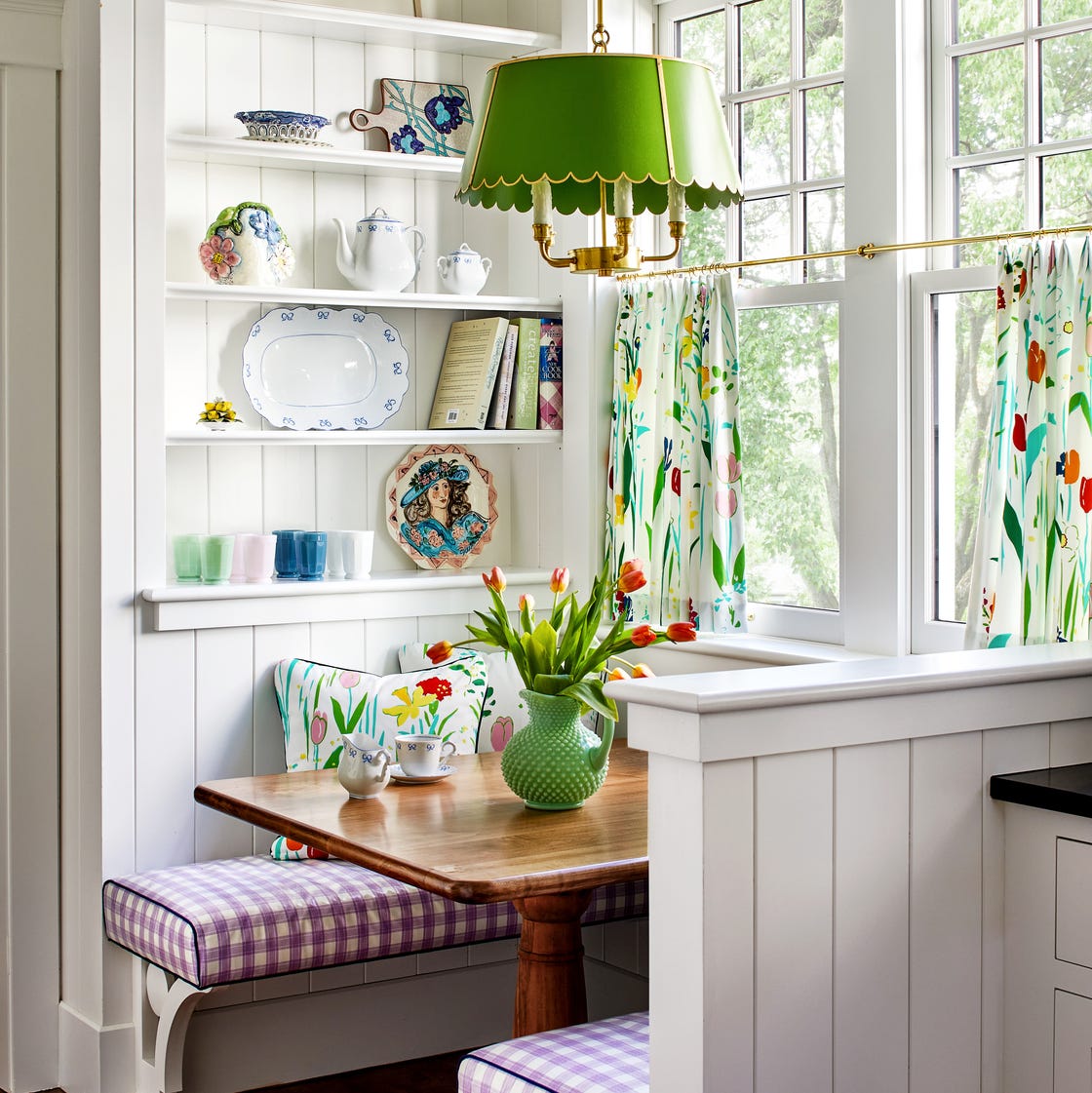
The 1950s Kitchen Trend That Feels Surprisingly Fresh in 2025 — And Not Just in the Kitchen

How to Thrift The 1920s Design Trend Gen Z is Making Cool Again
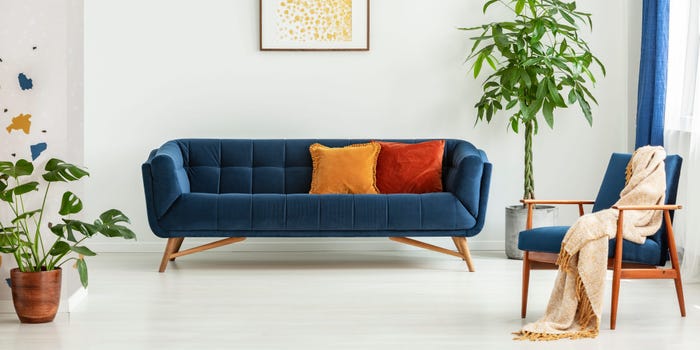
The 6 commandments of mid-century modern design