Is Midcentury Modern Decor Finally Out of Style in 2025? What Designers Really Think
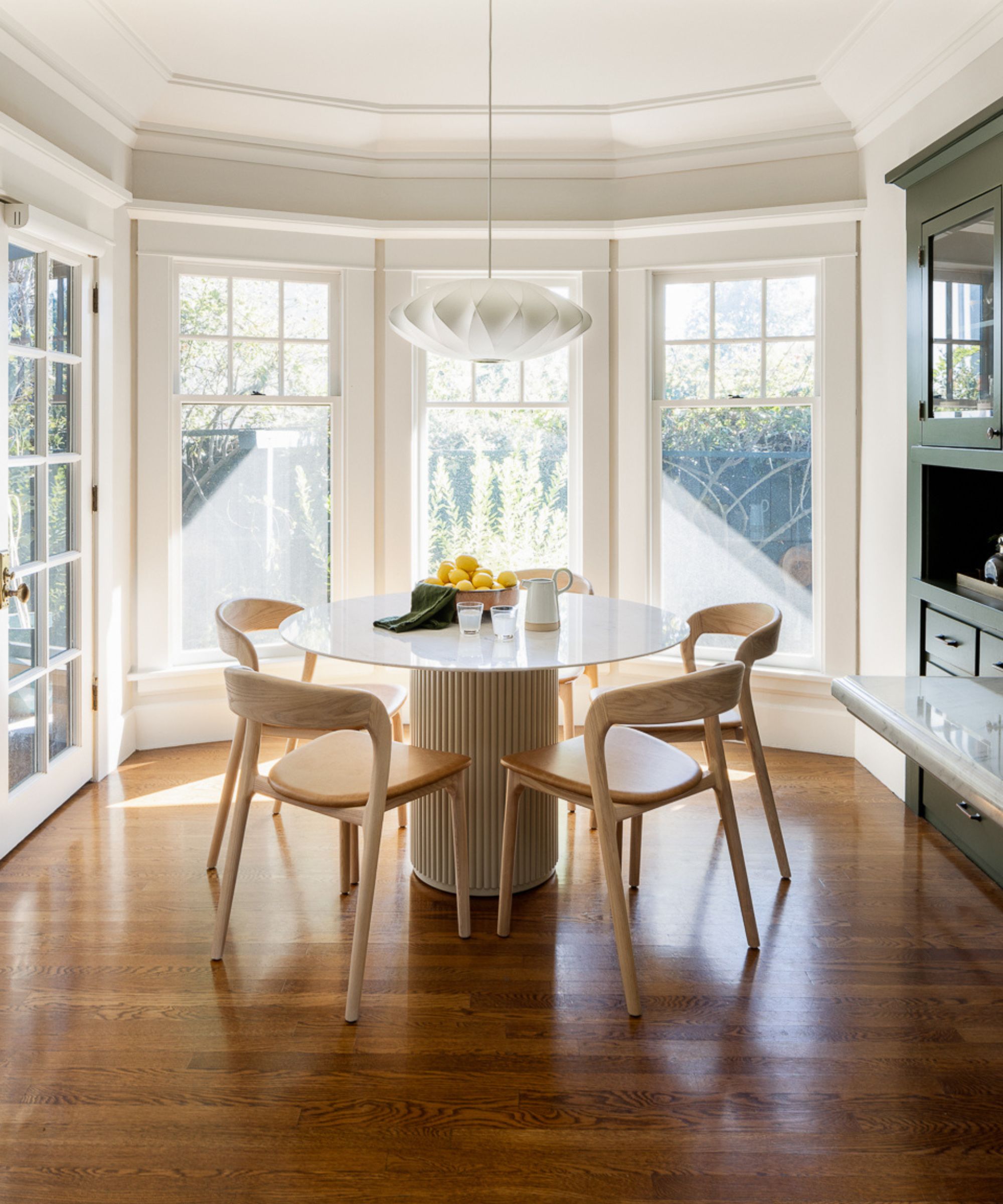
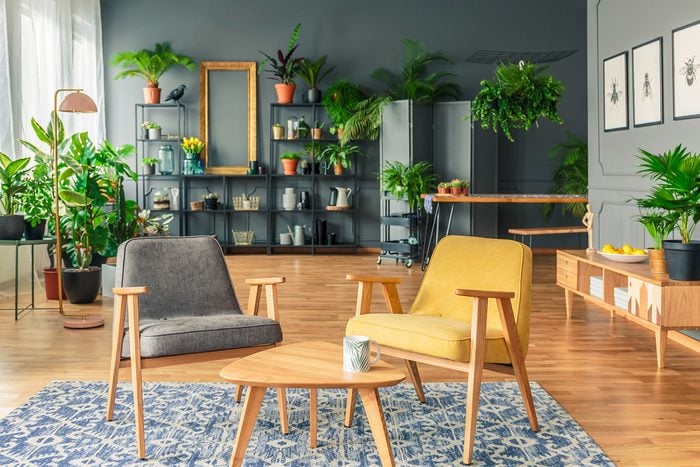
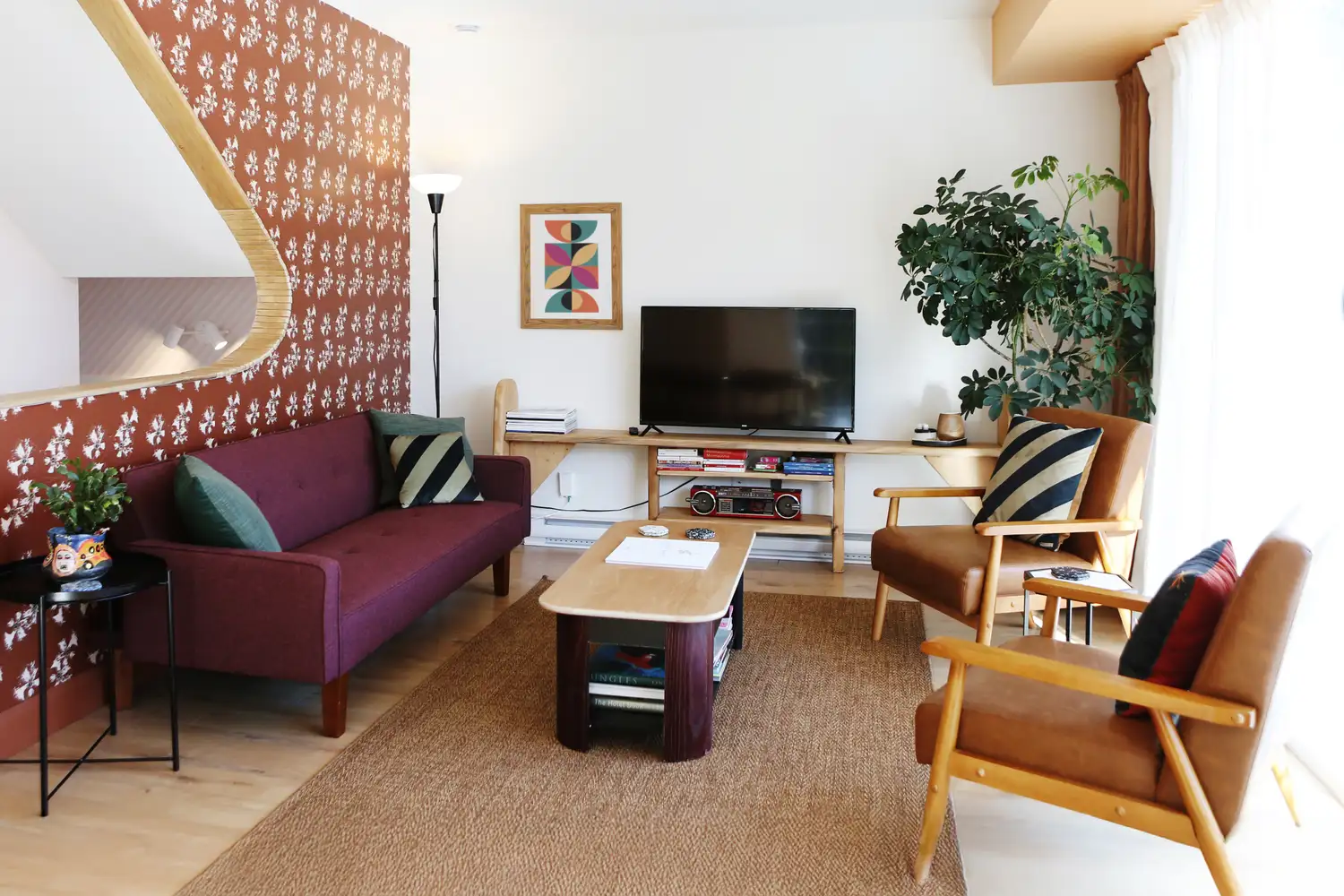
Midcentury modern design, characterized by clean lines, wood tones, tapered furniture legs, and a streamlined aesthetic, continues to hold significant relevance in 2025, according to design and architectural experts. Despite its origins in the mid-20th century, the style is not considered dated but rather evolving. Experts like Amr Samaha, founder of Samaha Studios, Rebecca Ward of Rebecca Ward Design, and Luke Olson, a principal at GTM Architects, shed light on its enduring appeal and future trajectory.
One primary reason for its sustained popularity is the high quality and durability of midcentury modern furniture. Consumers are increasingly drawn to vintage, well-made pieces due to their longevity, which also aligns with a growing interest in sustainability and reducing waste. Younger demographics, in particular, appreciate the ability to create unique living spaces economically by repurposing older items. Furthermore, the often smaller scale of vintage midcentury furniture makes it a practical solution for individuals living in compact urban apartments.
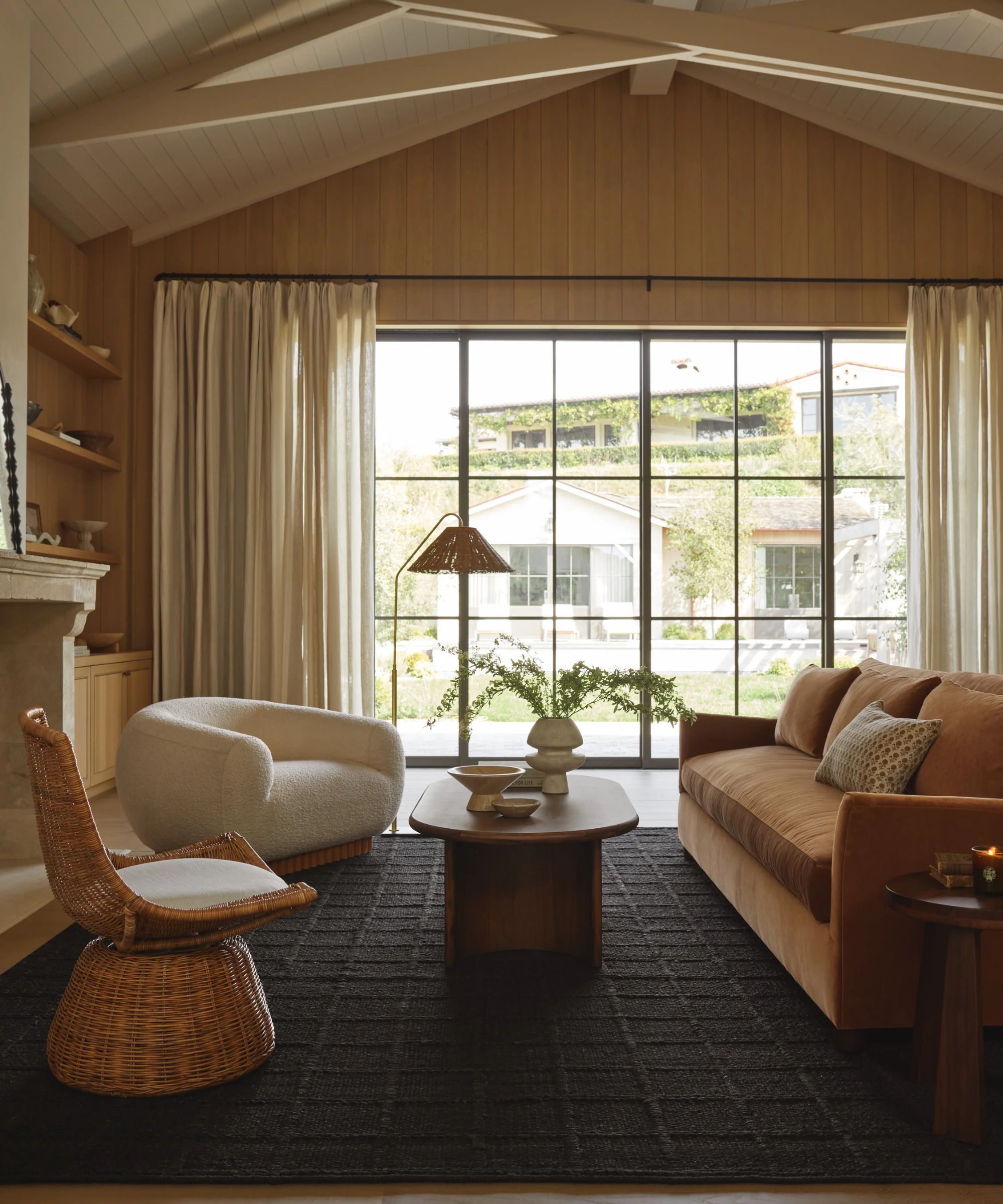
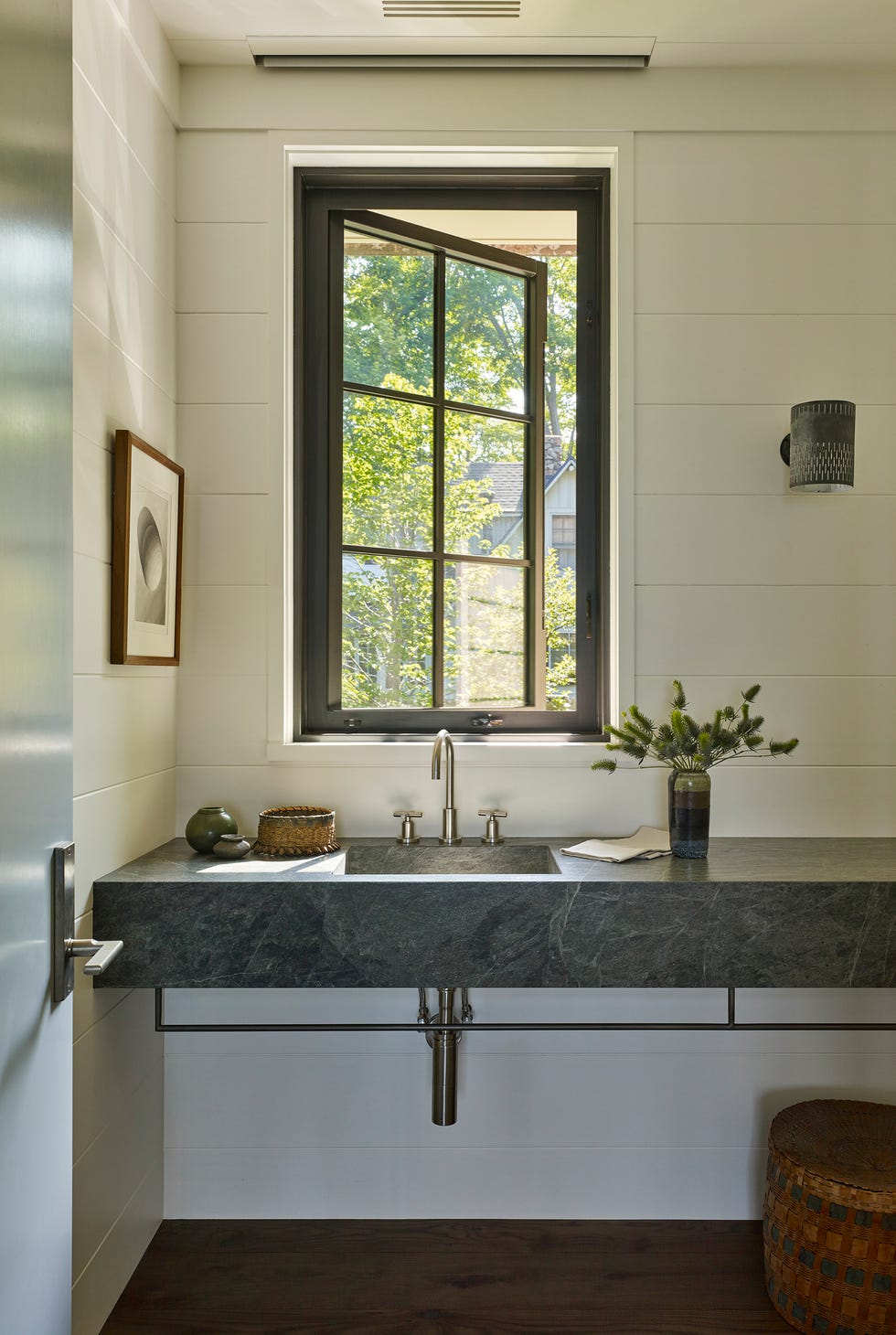
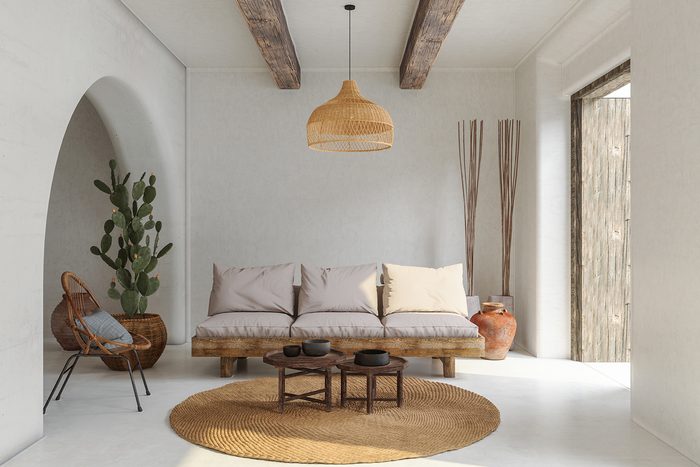
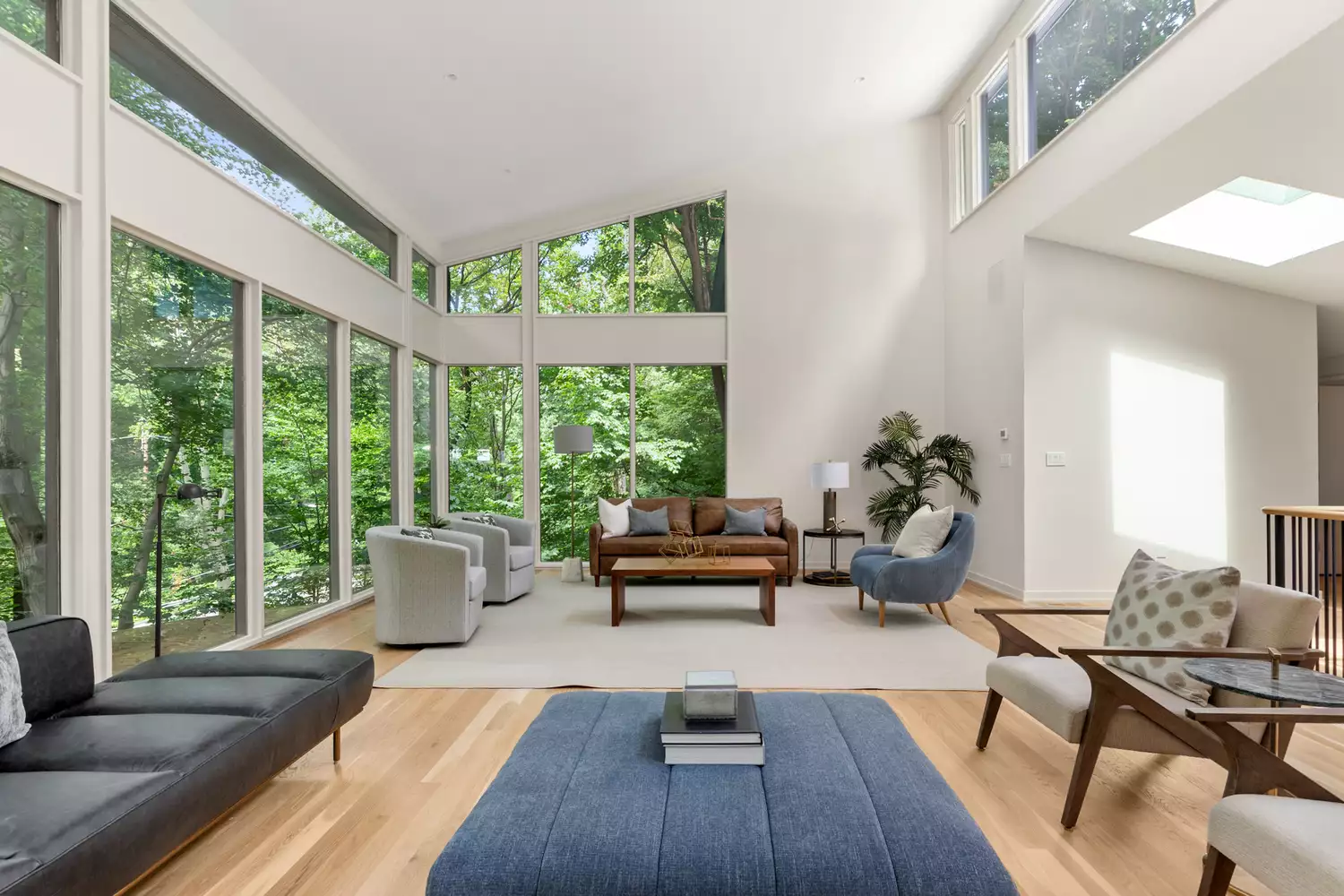
The experts predict a full embrace of midcentury modern aesthetics in 2025, moving beyond subtle nods to the style. This resurgence is partly fueled by the rising popularity of other minimalist and wood-centric design aesthetics such as Scandinavian and Japandi styles. These styles share core principles with midcentury modern, emphasizing high-quality natural materials, craftsmanship, clean forms, and a strong connection to the outdoors through features like large glass expanses. This alignment allows for a more cohesive and holistic approach to integrating interior and exterior spaces.
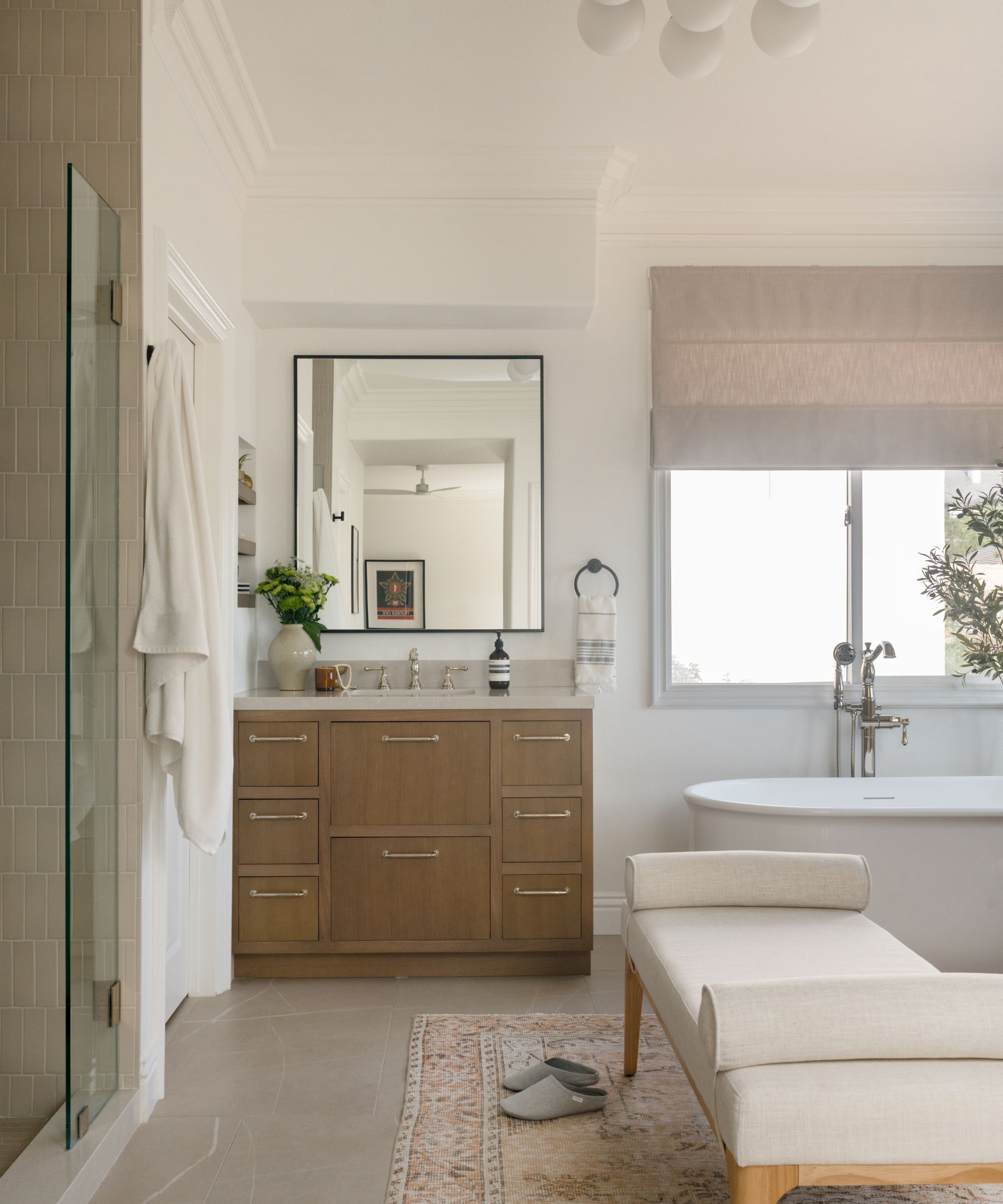
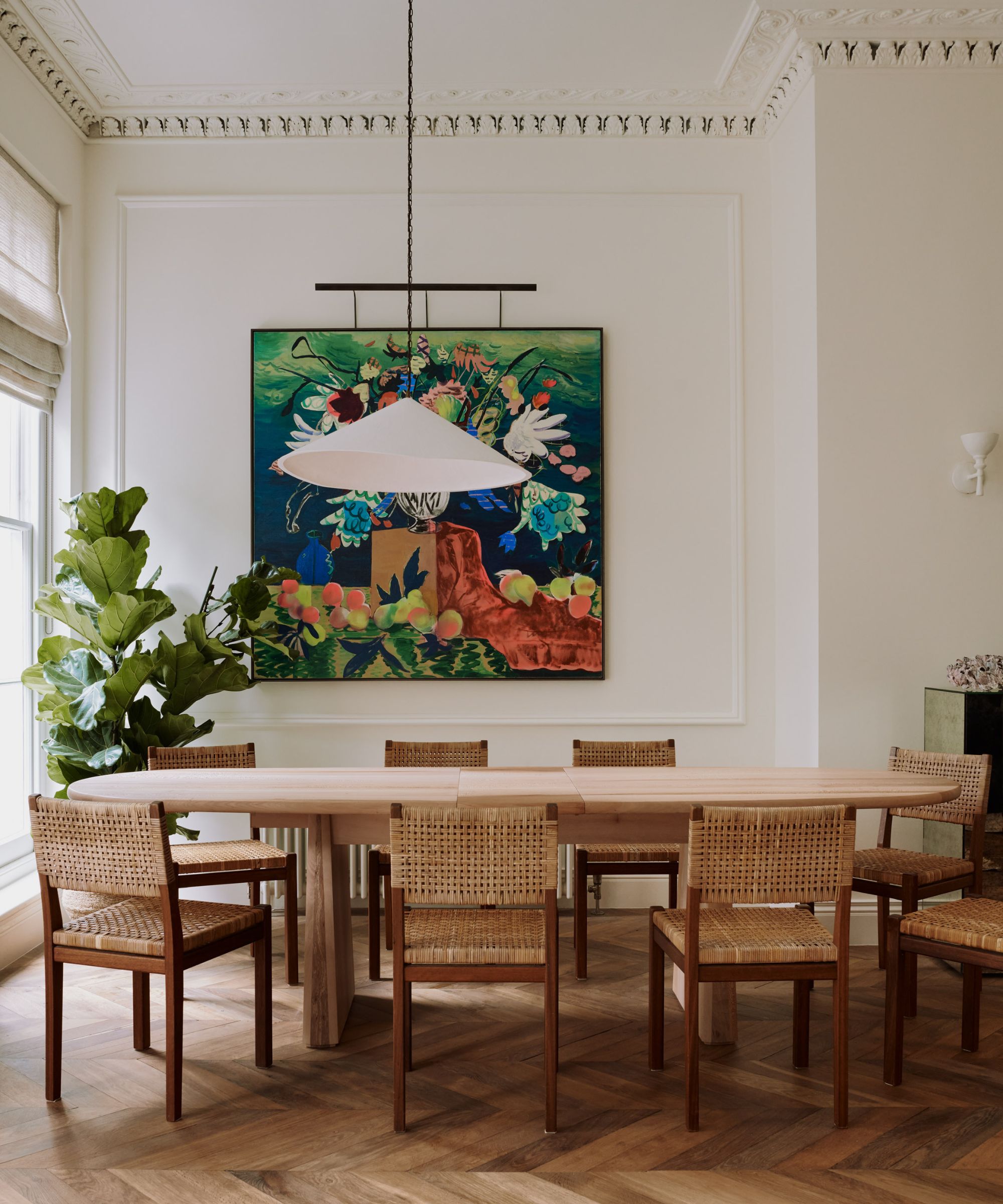
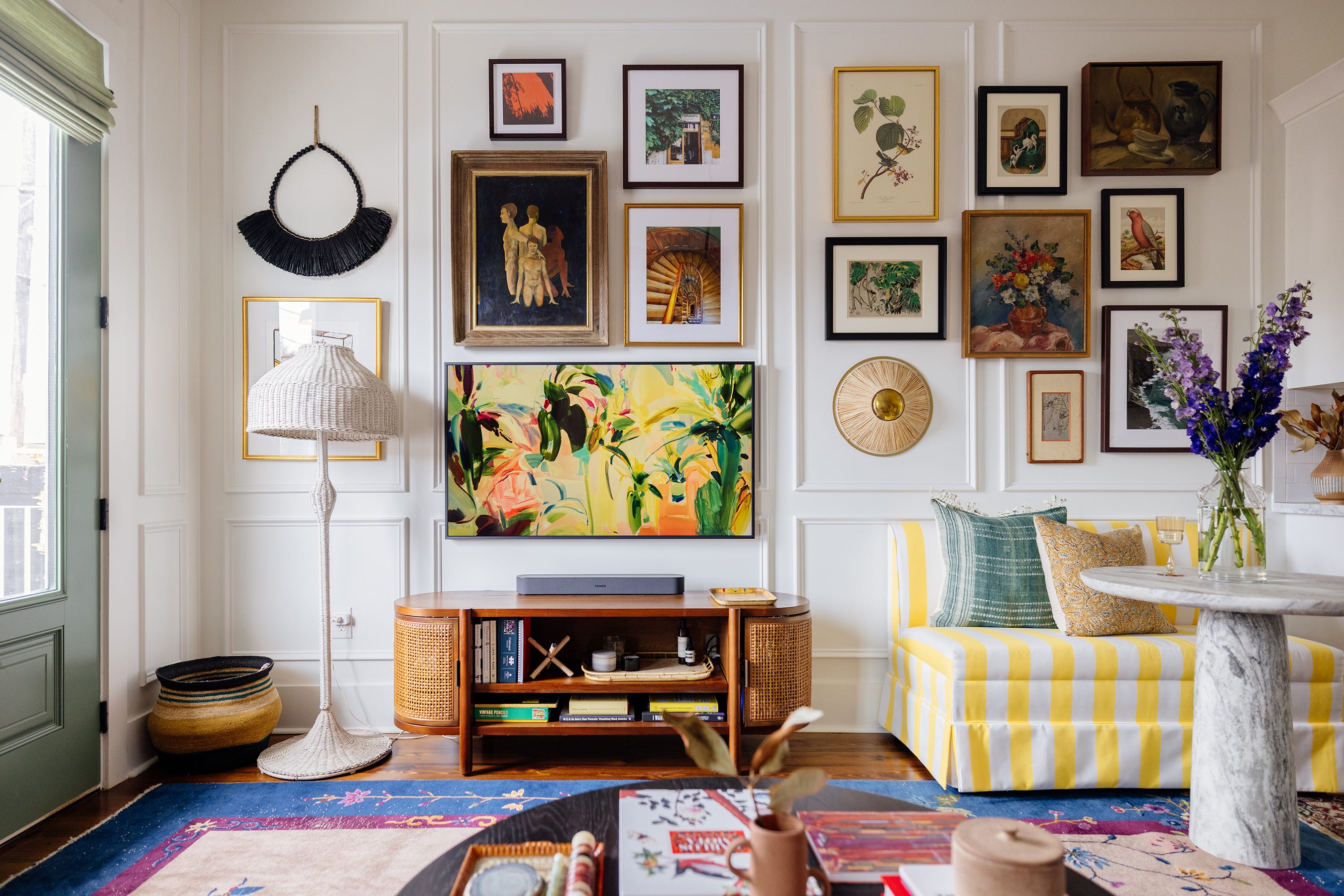
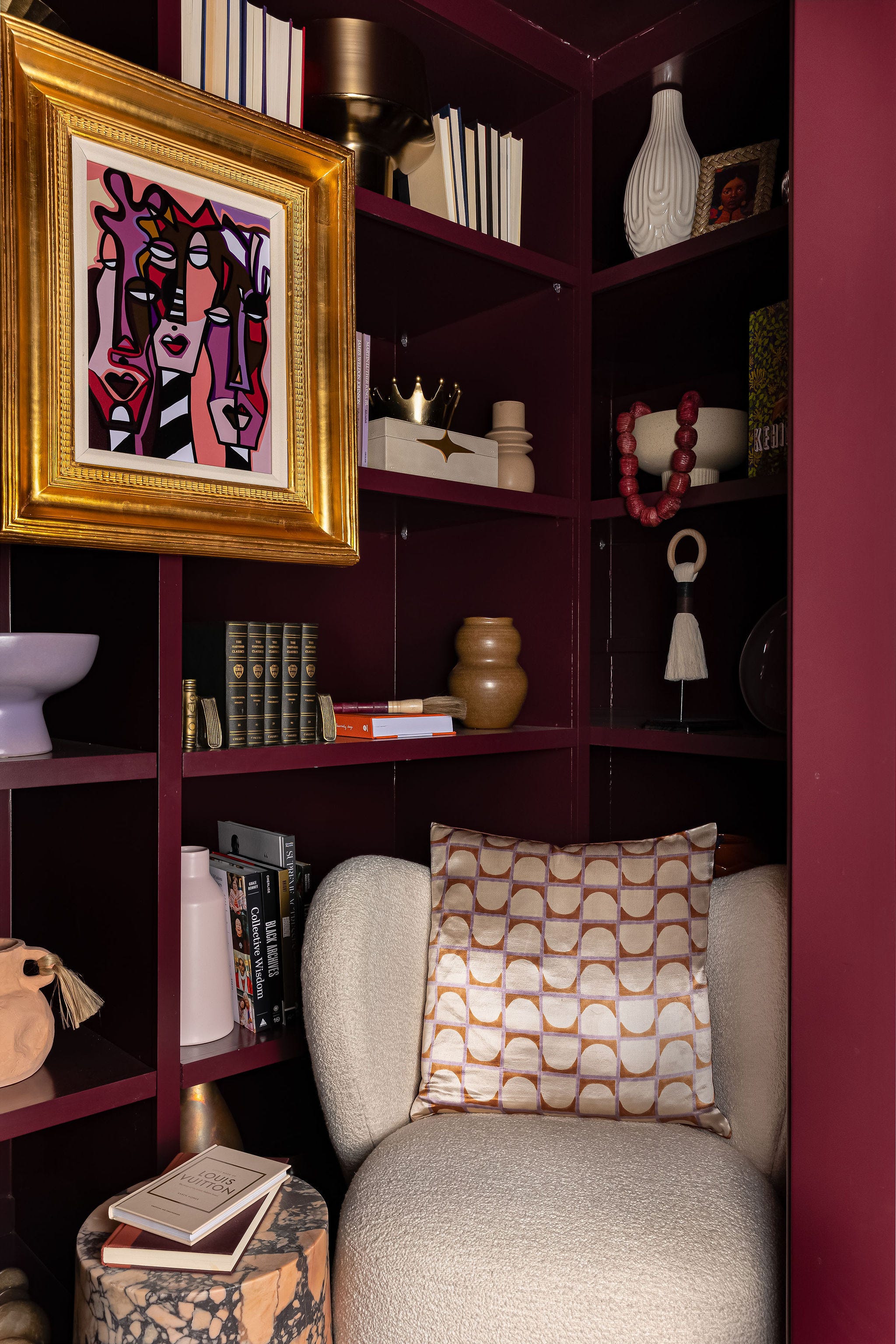
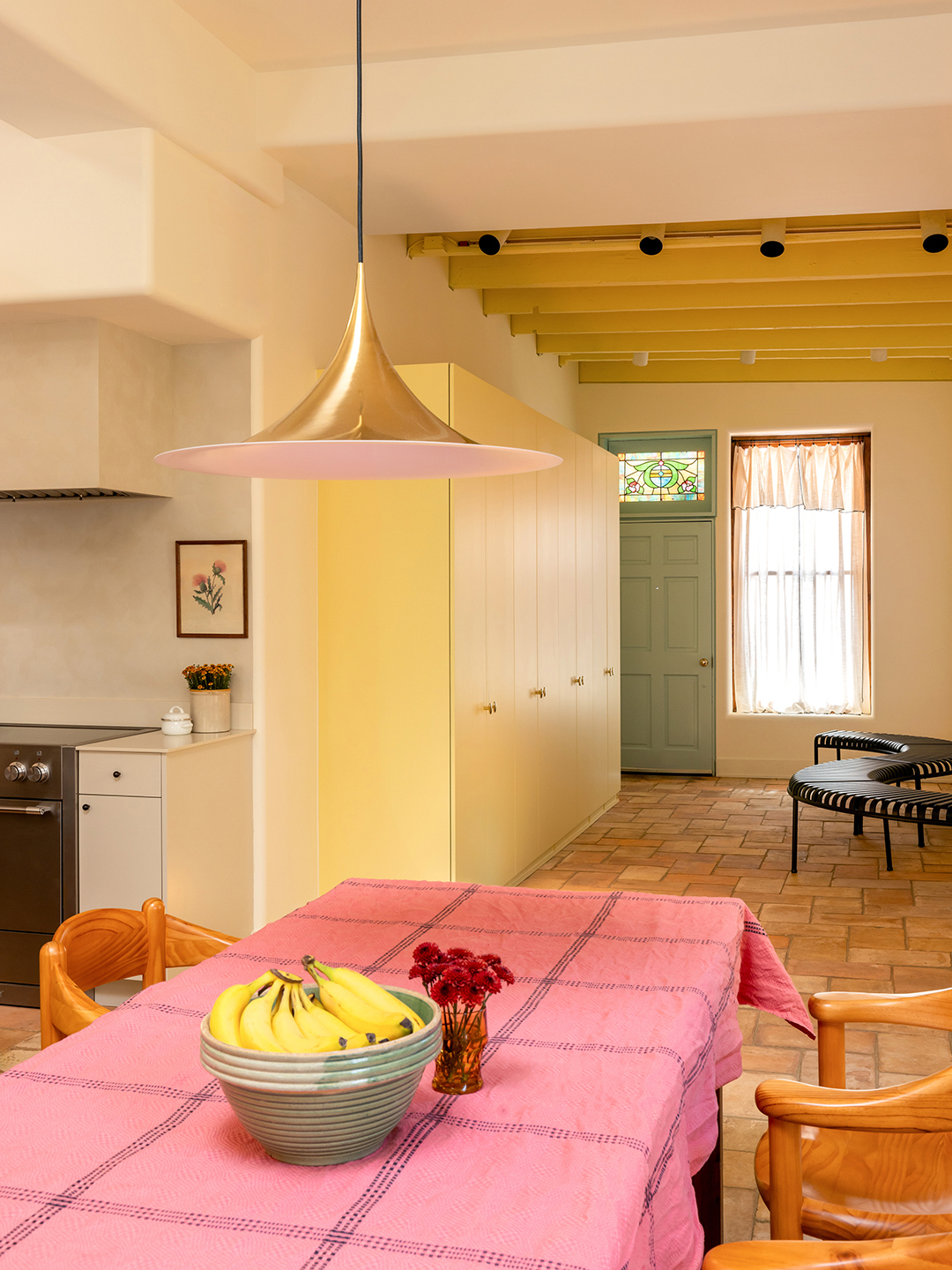
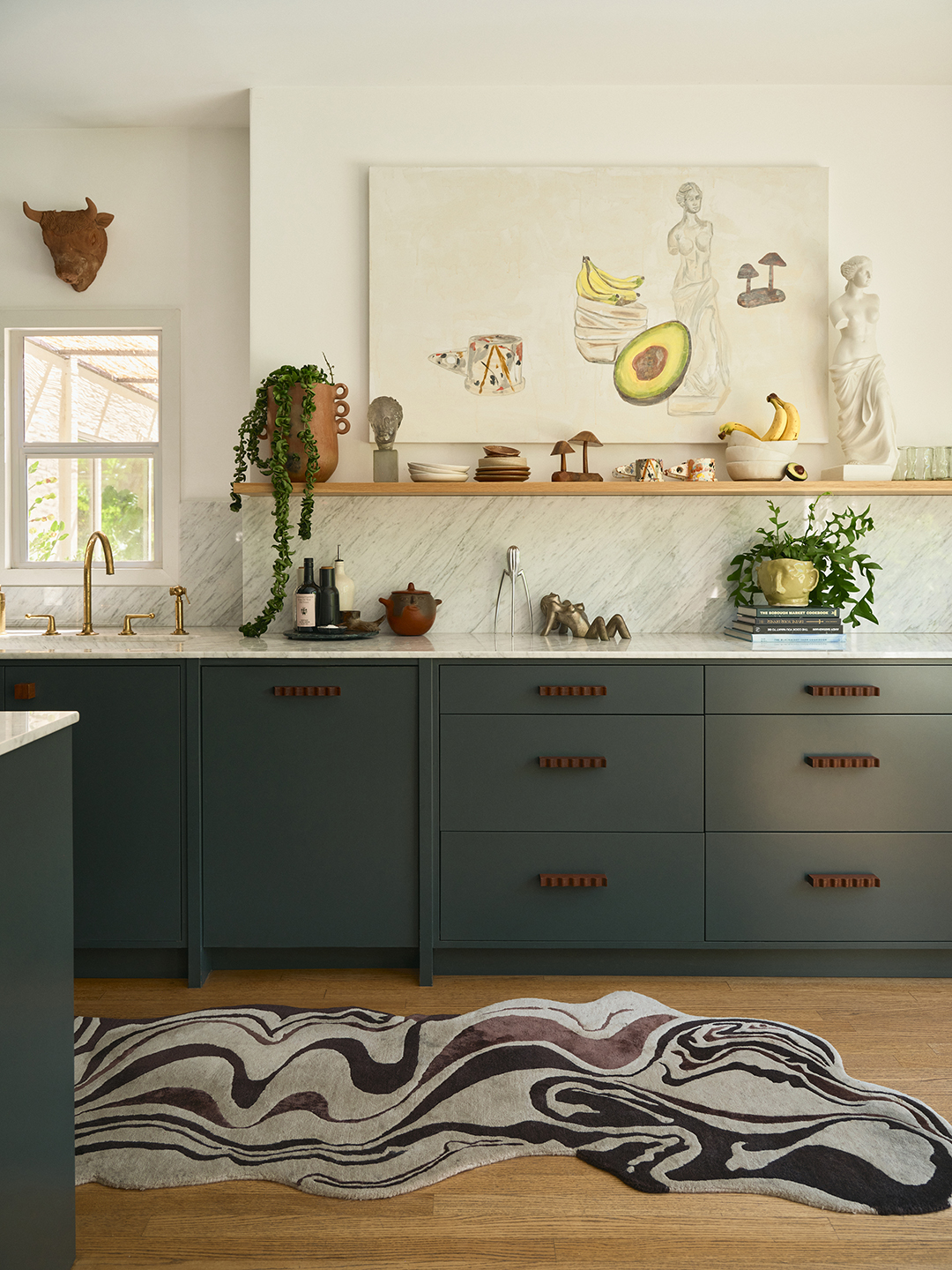
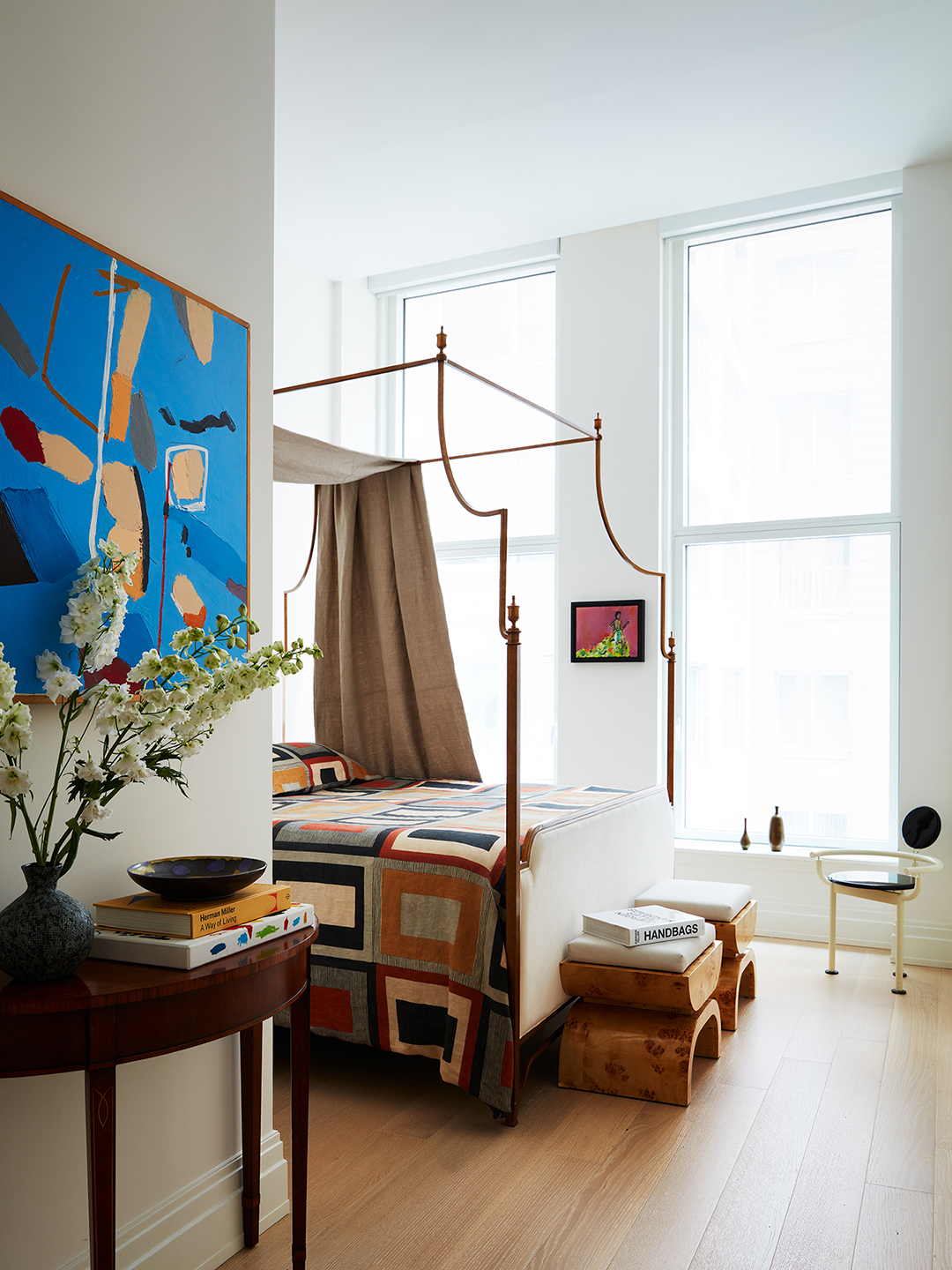
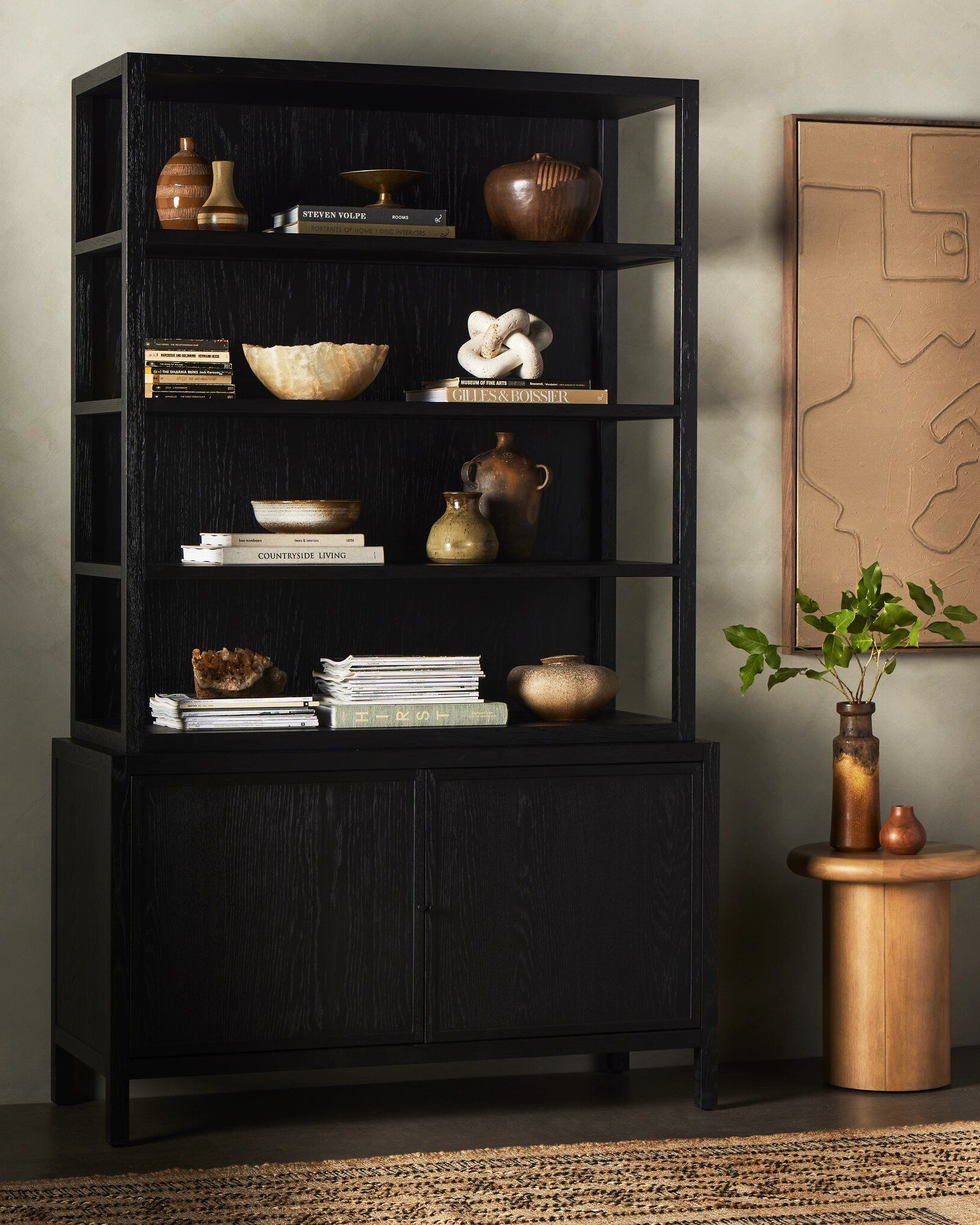
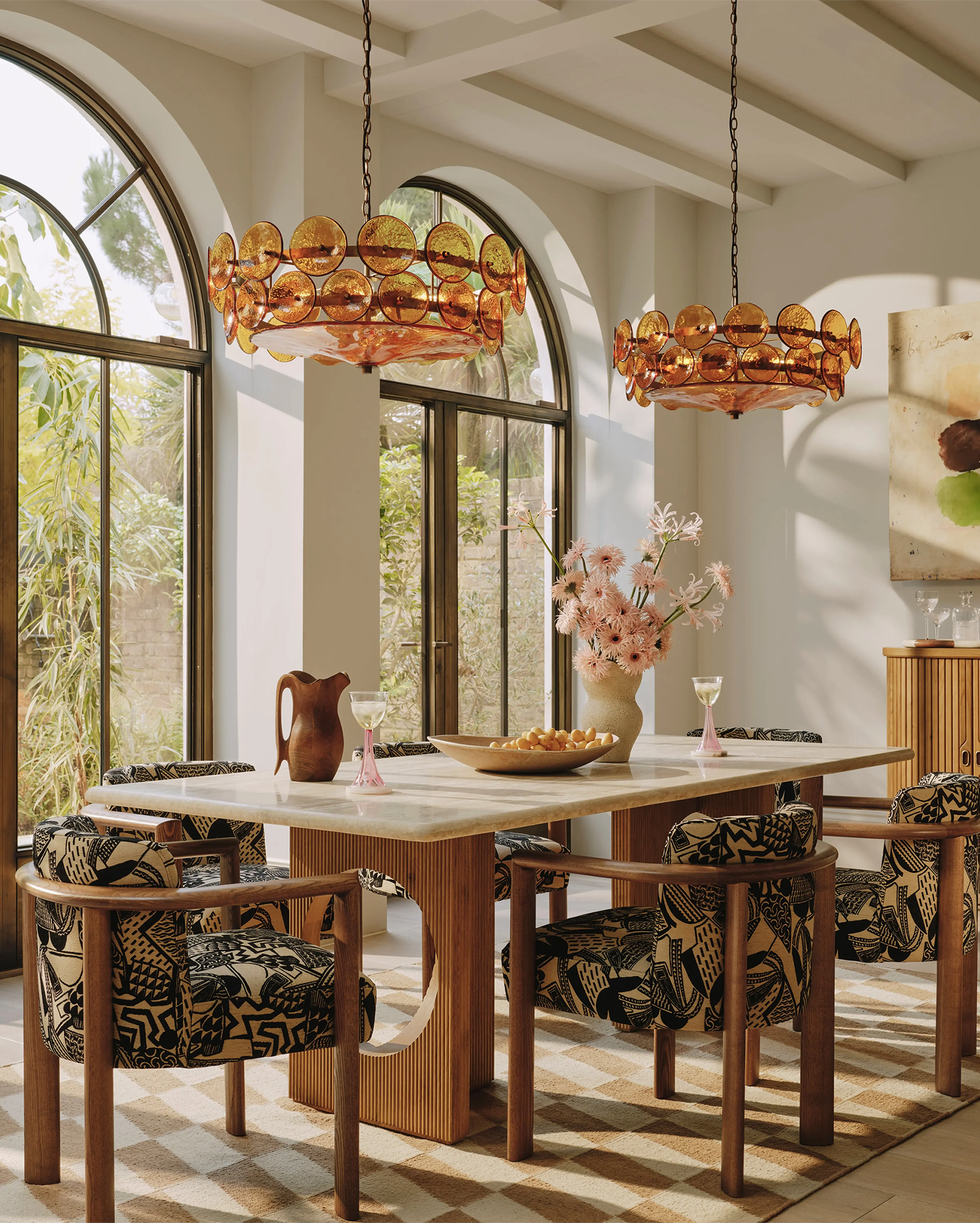
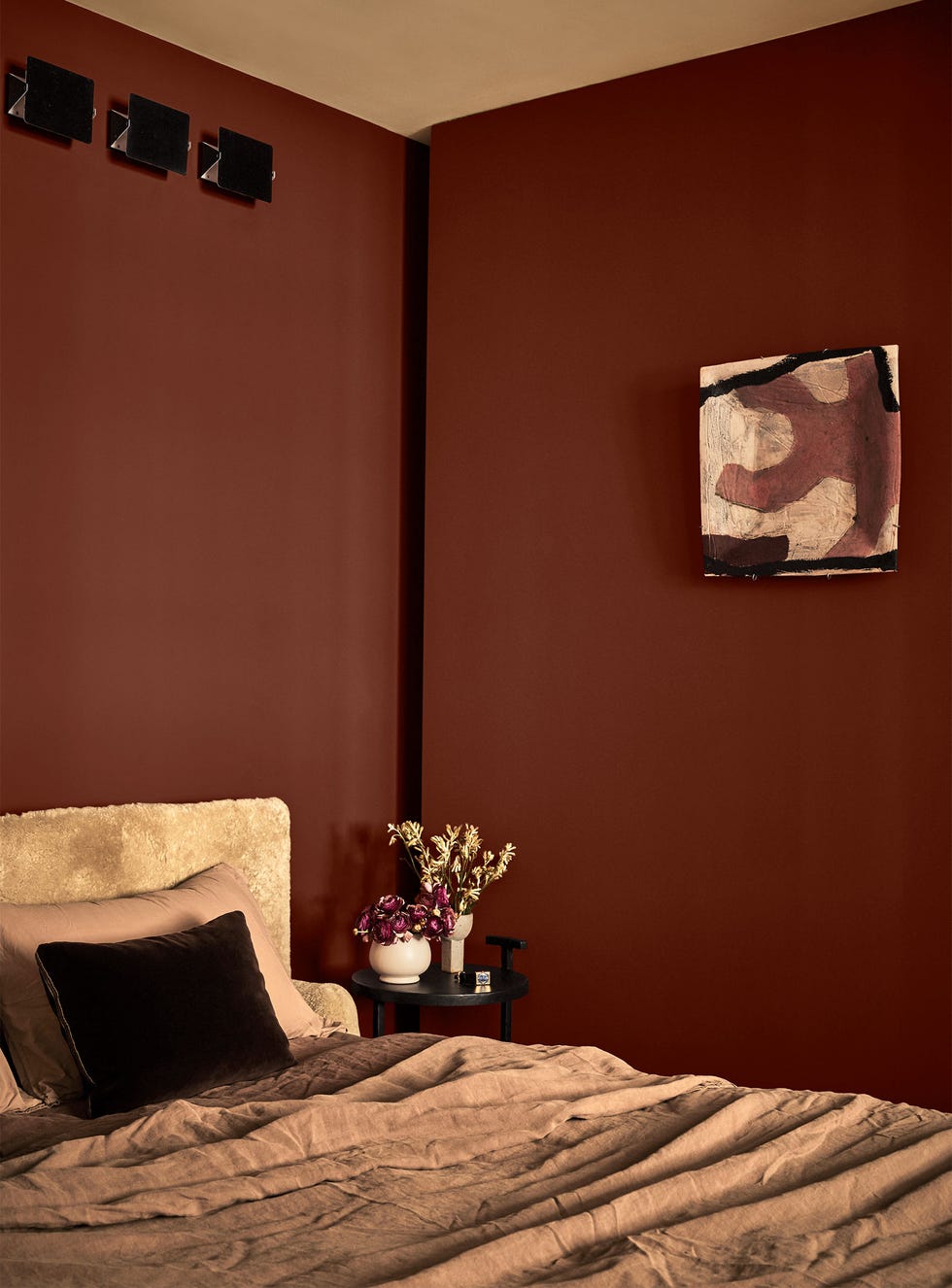
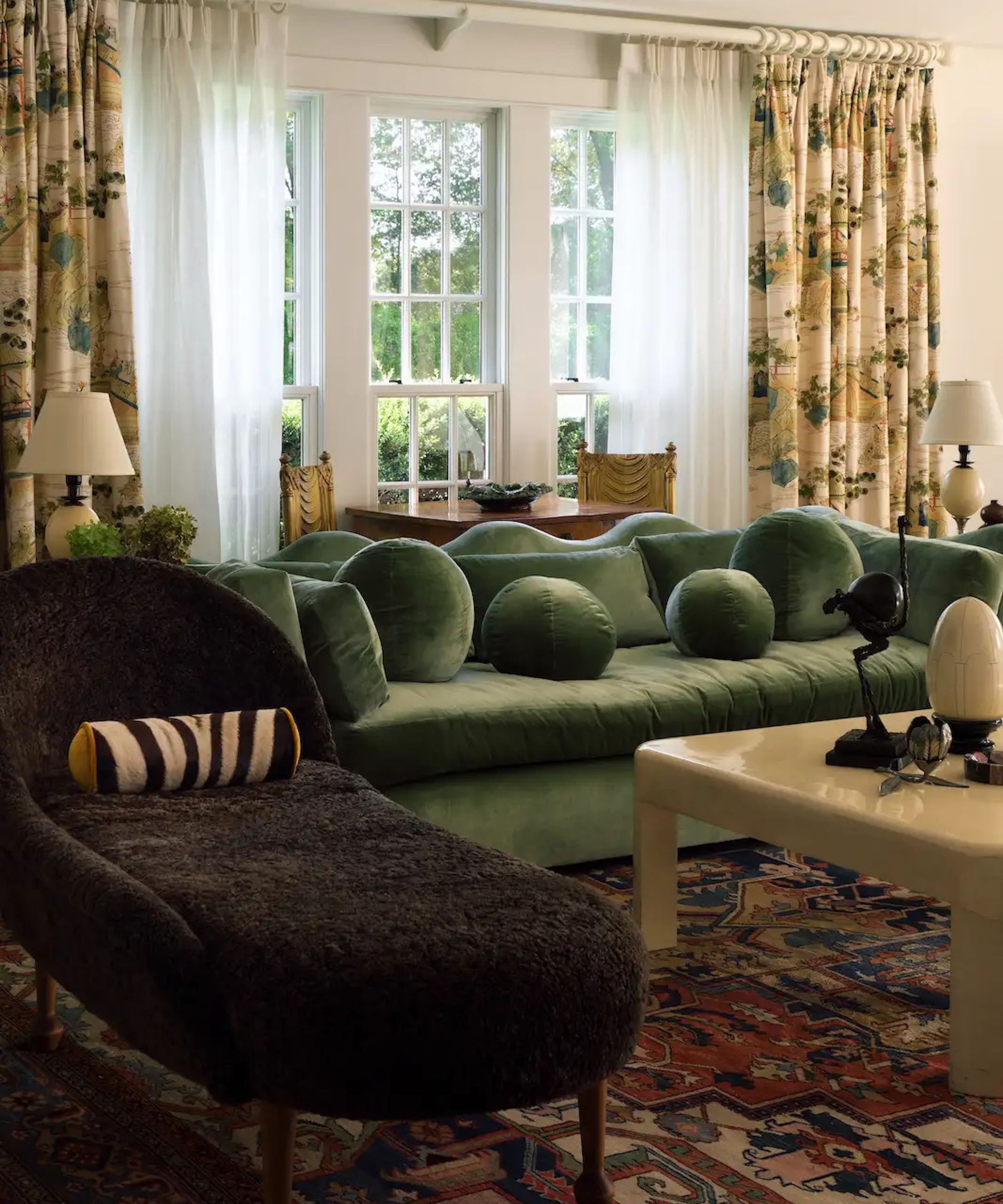
Looking ahead, the midcentury modern style is expected to evolve, adapting to contemporary living. Some designers anticipate a shift towards a more maximalist approach, incorporating richer textures and patterns. The style will also likely integrate current color palettes and materials. Samaha notes a trend towards earthier tones—like terracotta, deep greens, and French white oak—combined with natural materials such as stone and brushed metals to create cozier and more inviting environments. The current iteration of midcentury modern will not stand in isolation but will be mixed with eclectic, vintage, and modern elements. Handcrafted, artisanal pieces will play a significant role, with an increased emphasis on texture through fabrics like linen and velvet, and the reintroduction of nature-inspired and geometric patterns. Additionally, the growing popularity of warm brown tones, particularly in walnut woods characteristic of midcentury modern, is expected to further bolster the style's presence in 2025.
#MidcenturyModern #InteriorDesignTrends #HomeDecor #DesignEvolution #SustainableDesign #VintageFurniture #MinimalistStyle #HomeStyling #ArchitecturalTrends #MidcenturyModern #InteriorDesignTrends #HomeDecor #DesignEvolution #SustainableDesign #VintageFurniture #MinimalistStyle #HomeStyling #ArchitecturalTrends
0 comment in total
 No comments yet
You may also like
Is crown molding out of style? Interior designers discuss this classic feature and decide if it has a place in 2025

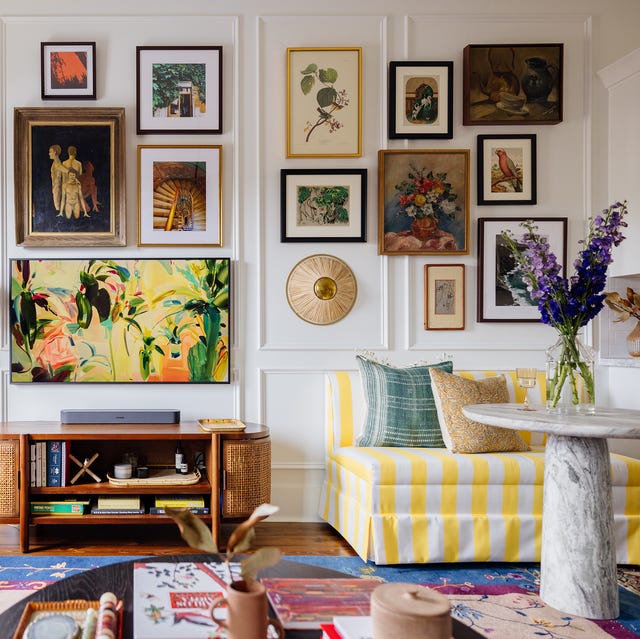
The Pros Have Spoken: These Interior Design Trends Will Define 2025

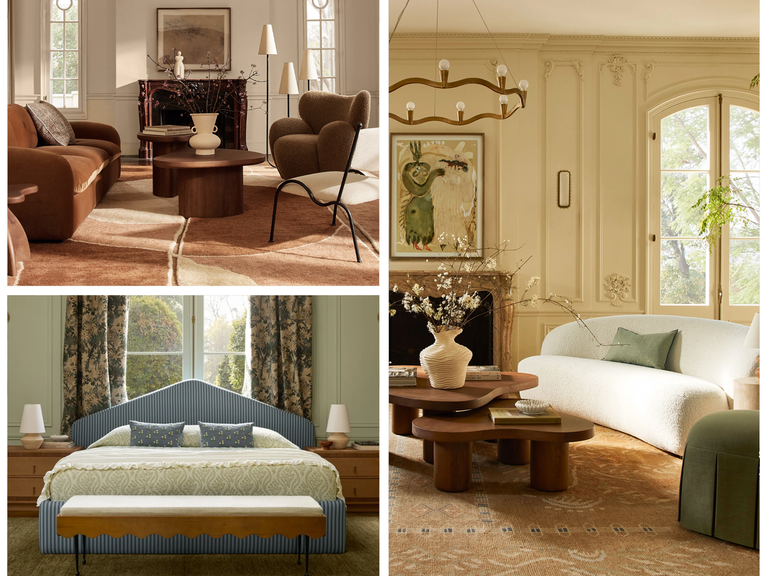
Ready to Redecorate? 2025’s Top Design Trends Just Dropped

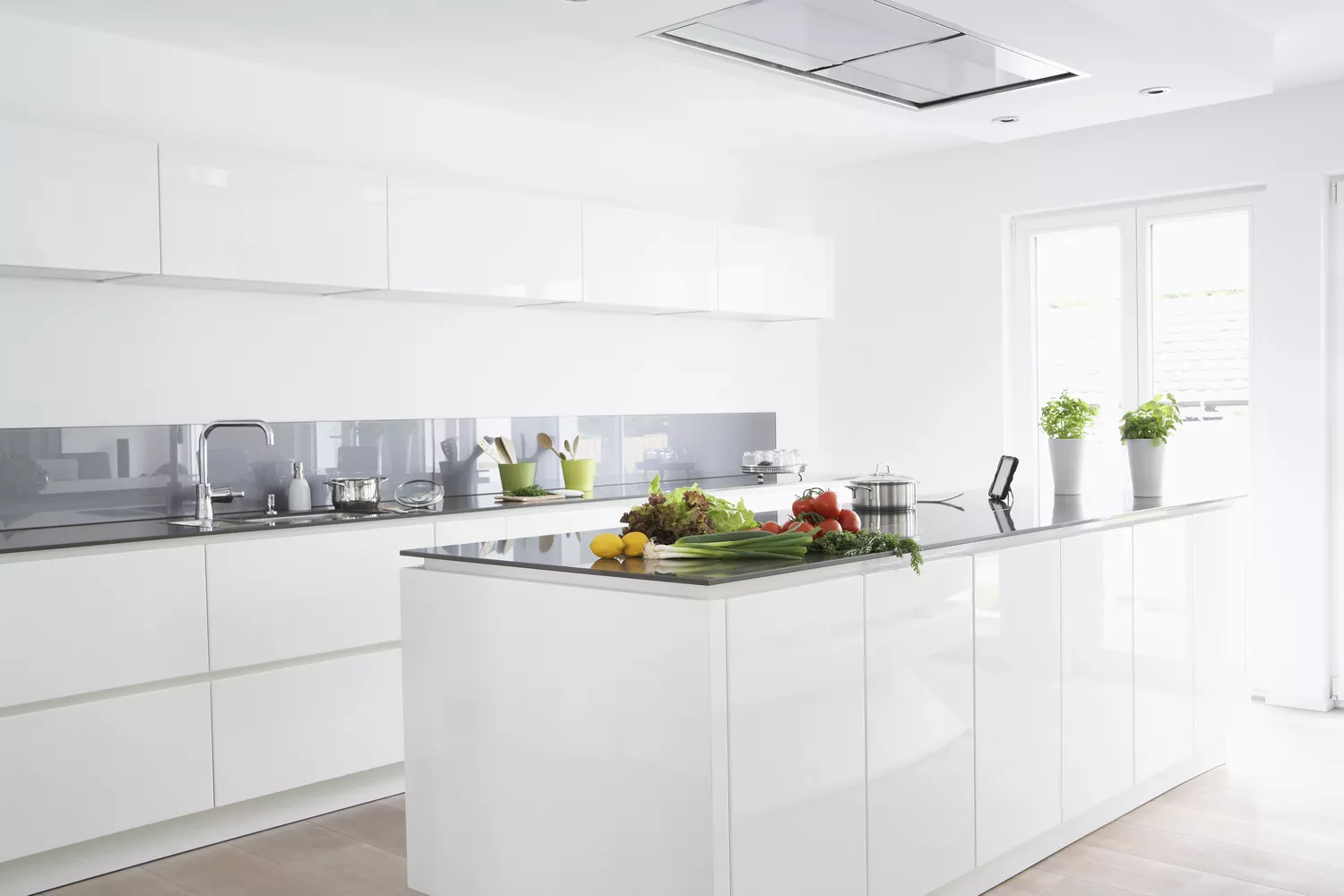
5 Design Trends Interior Designers Can't Wait to Say Goodbye to in 2025
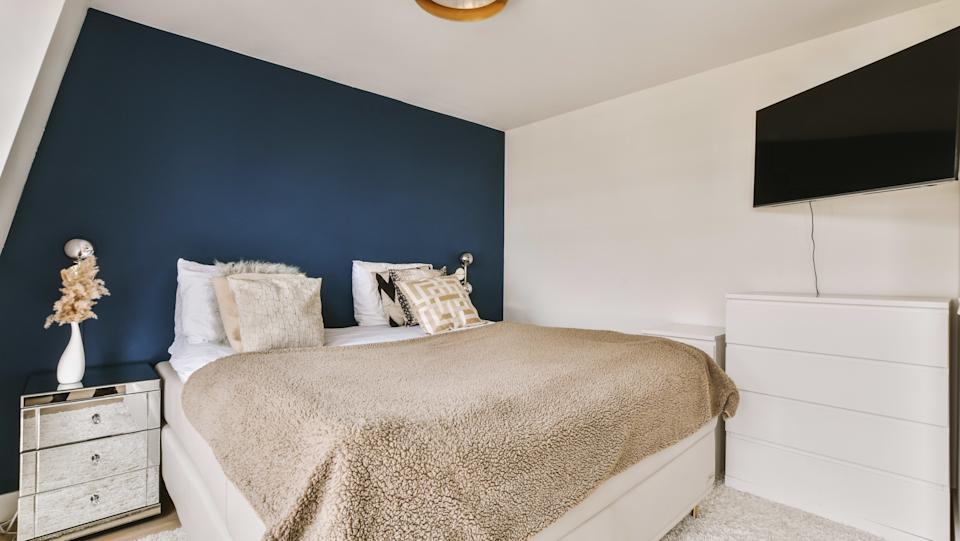
How to decorate in 2025: Skip these tired trends, interior designers say
The Decorating Trends Designers Are Leaving Behind in 2026

7 Vintage Decor Trends Designers Are Loving in 2025

The Vintage Interior Trends Designers Predict Will Define Homes in 2026
Tell Us Which Modern Home Design Trends Will Be Outdated In A Few Years
Designers Say These Trends Will Go Out of Style in 2025—Here Are Some to Try Instead

8 Decorating Trends Designers Wish Would Go Away in 2025

Design Forward: 4 Must-Know Interior Trends for 2025

We Asked Designers If Midcentury Modern Is Out of Style—and Their Answer Might Surprise You
10 Interior Design Trends Going Away In 2025

Is preppy interior design making a comeback in 2025?
Arts and Crafts decor is making a comeback for 2025 – here's how designers are reimagining this iconic vintage style
The decorating trends designers definitely want you to leave behind in 2025 – from fads to faux pas
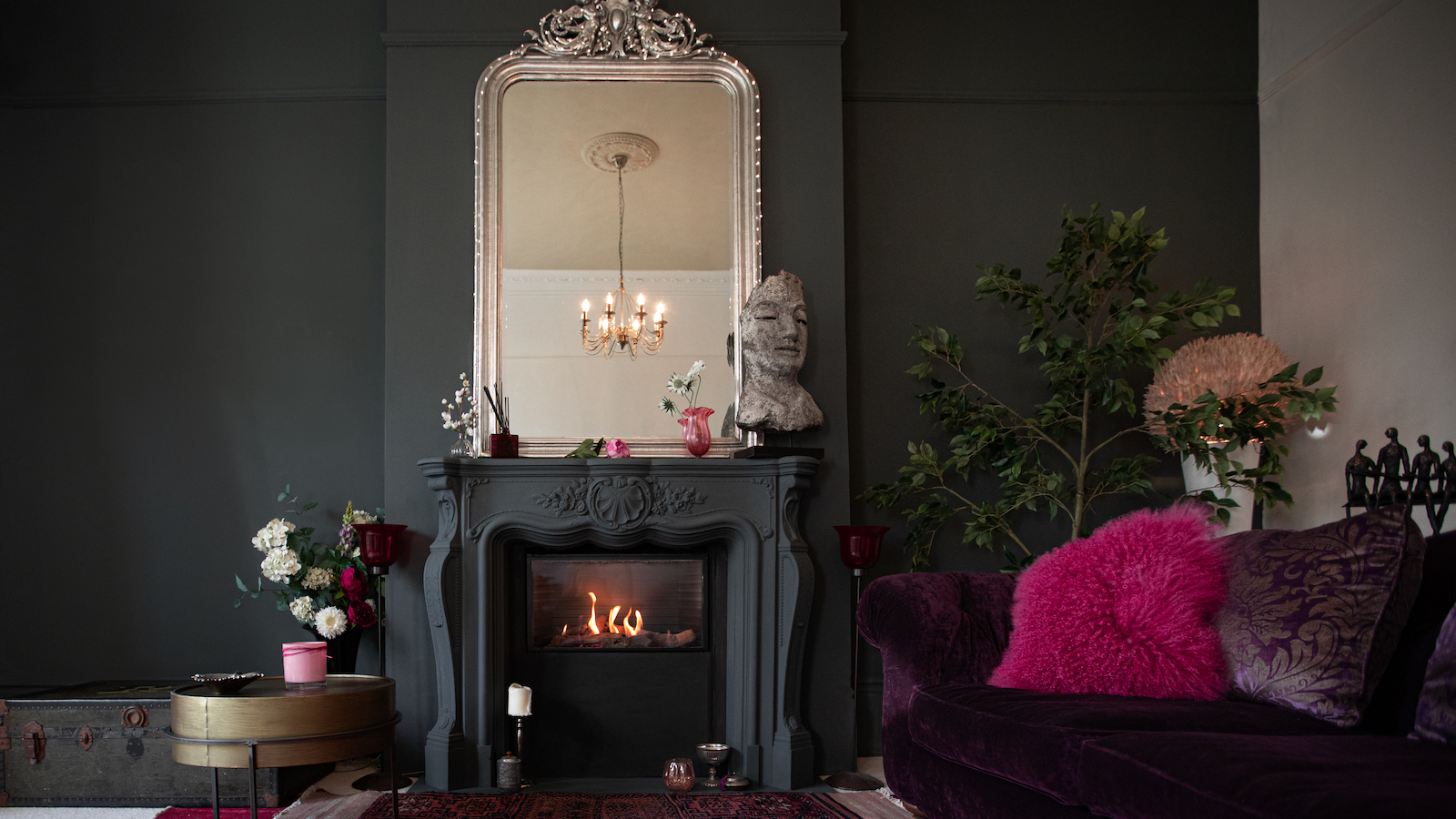
5 outdated home decor trends interior designers want you to kiss goodbye in 2024, and what to do instead

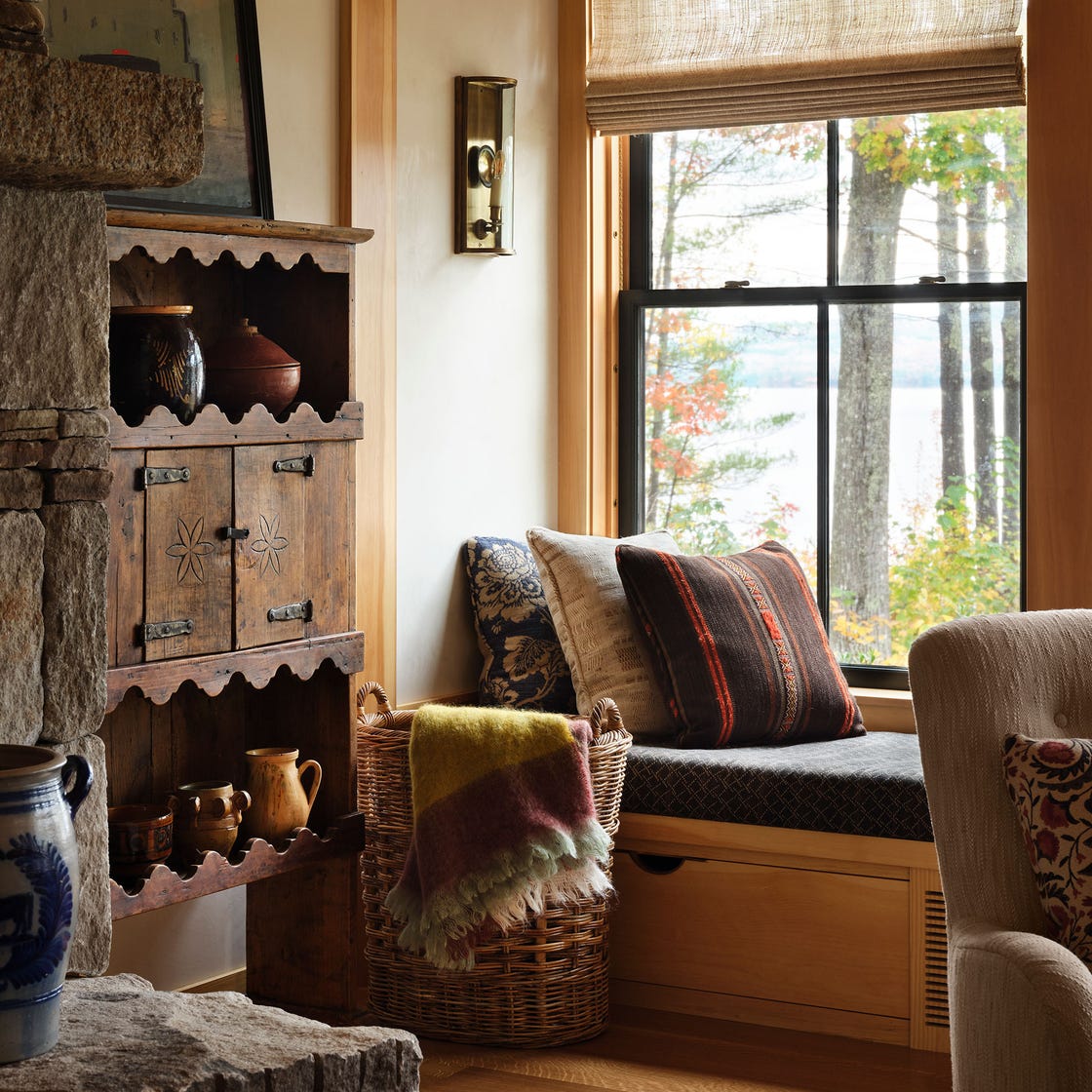
The Interior Design Trends Taking Over Fall 2025, According to Designers

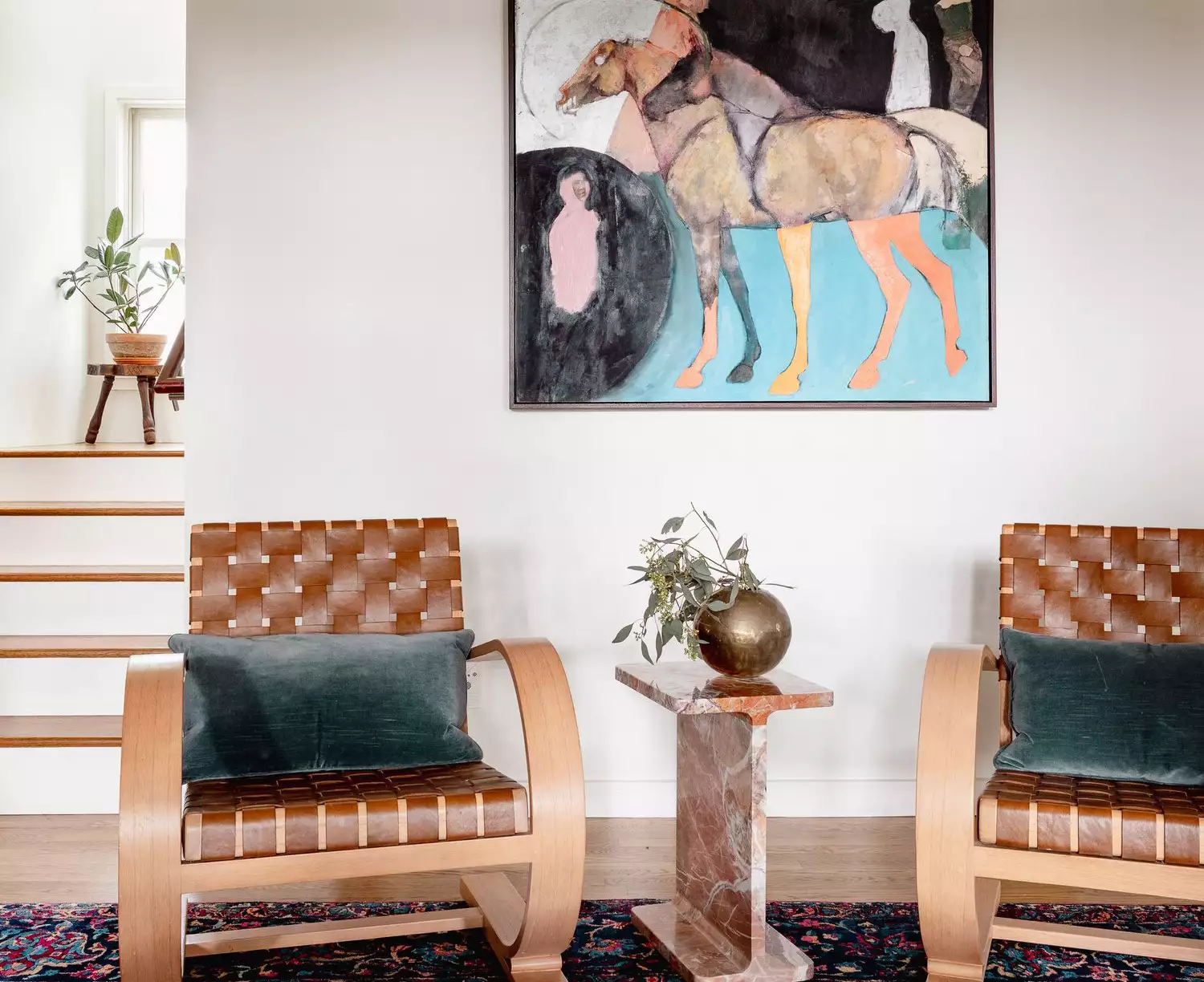
6 Vintage Design Trends That Are Making a Comeback in 2025, According to Designers