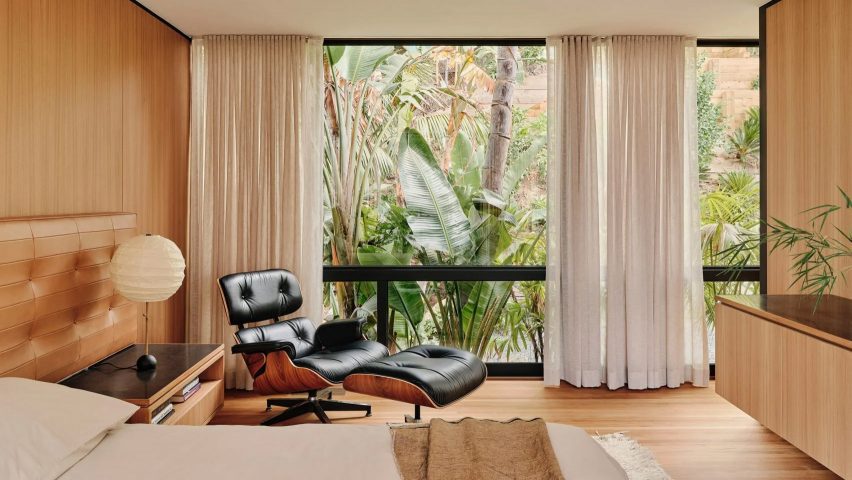
1/4
"I love mid-century modern but it makes me sad"
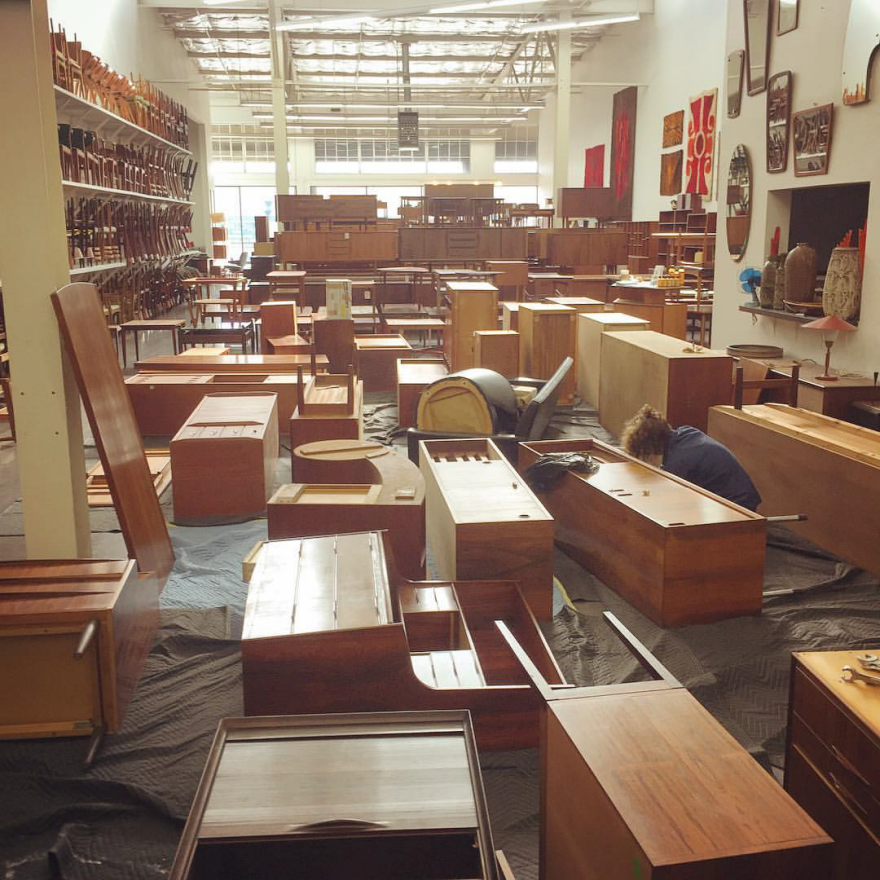
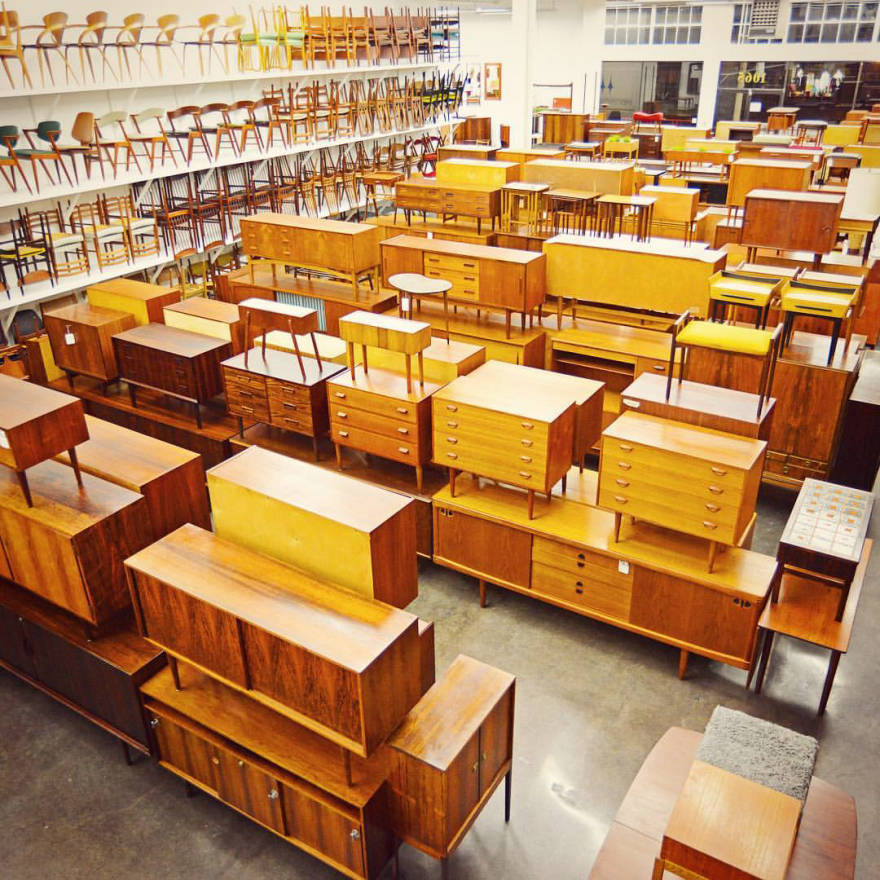
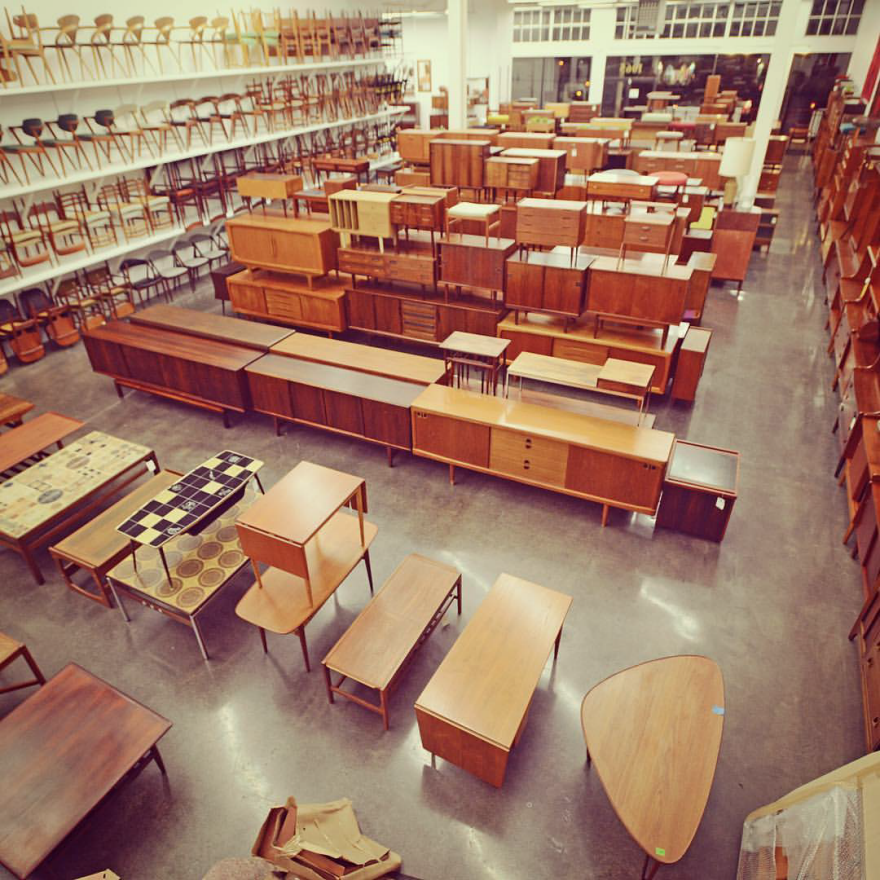
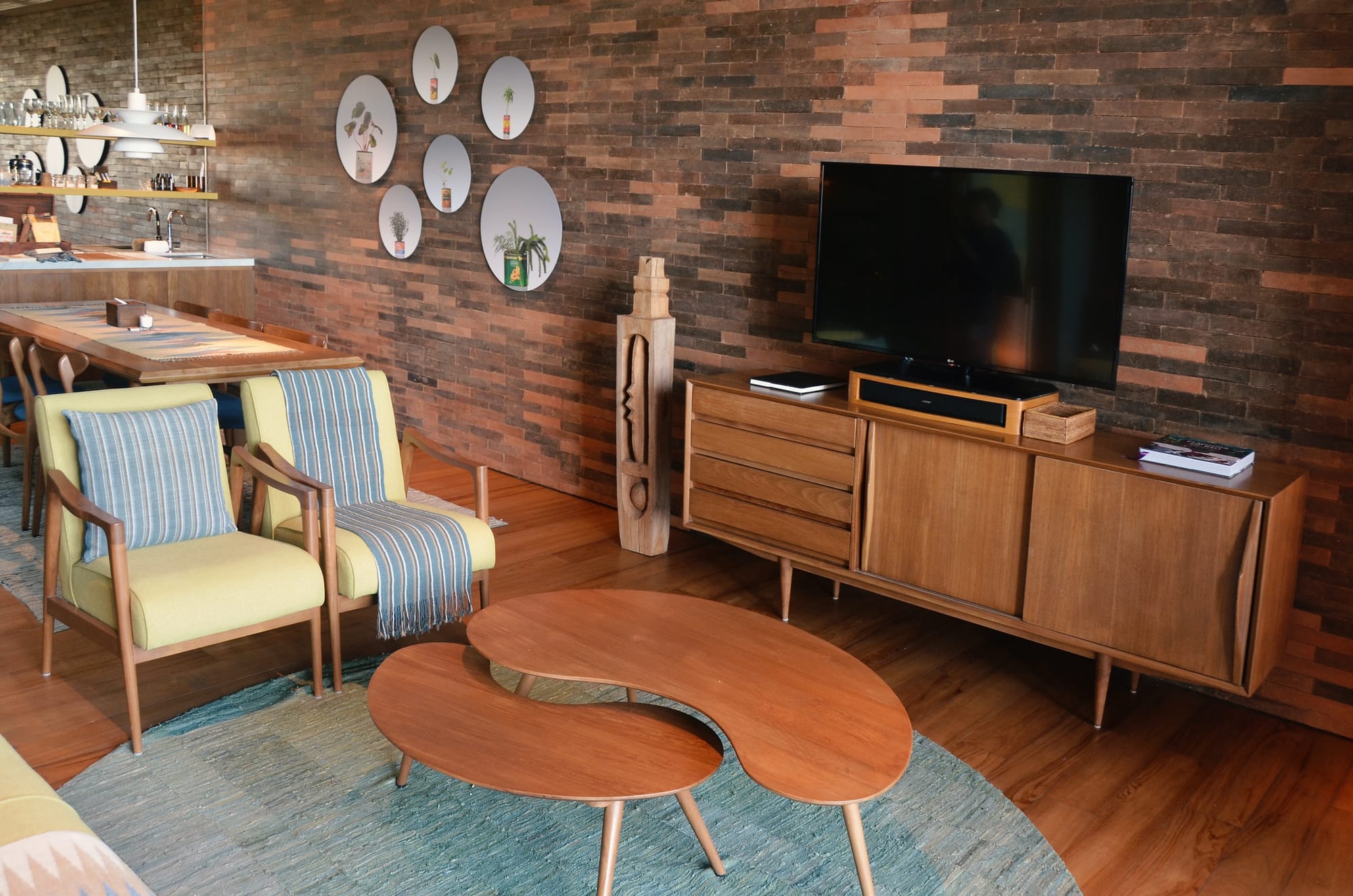
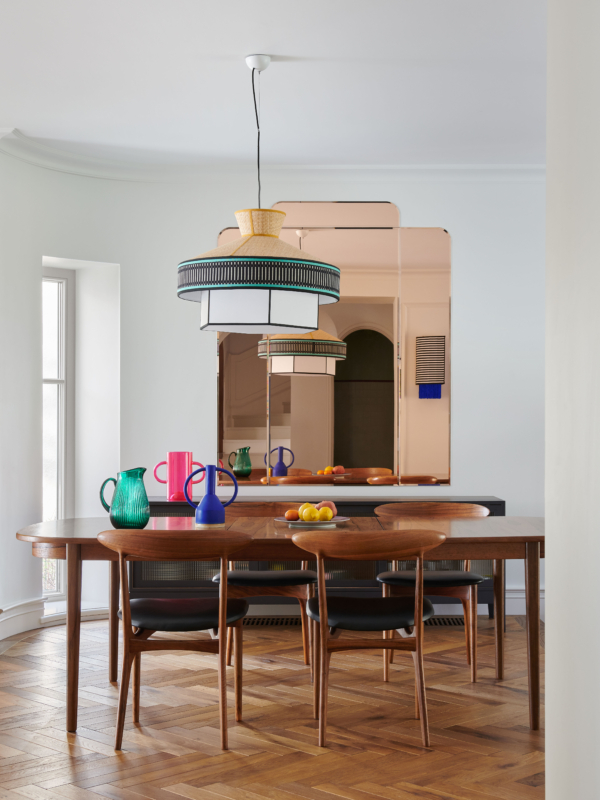
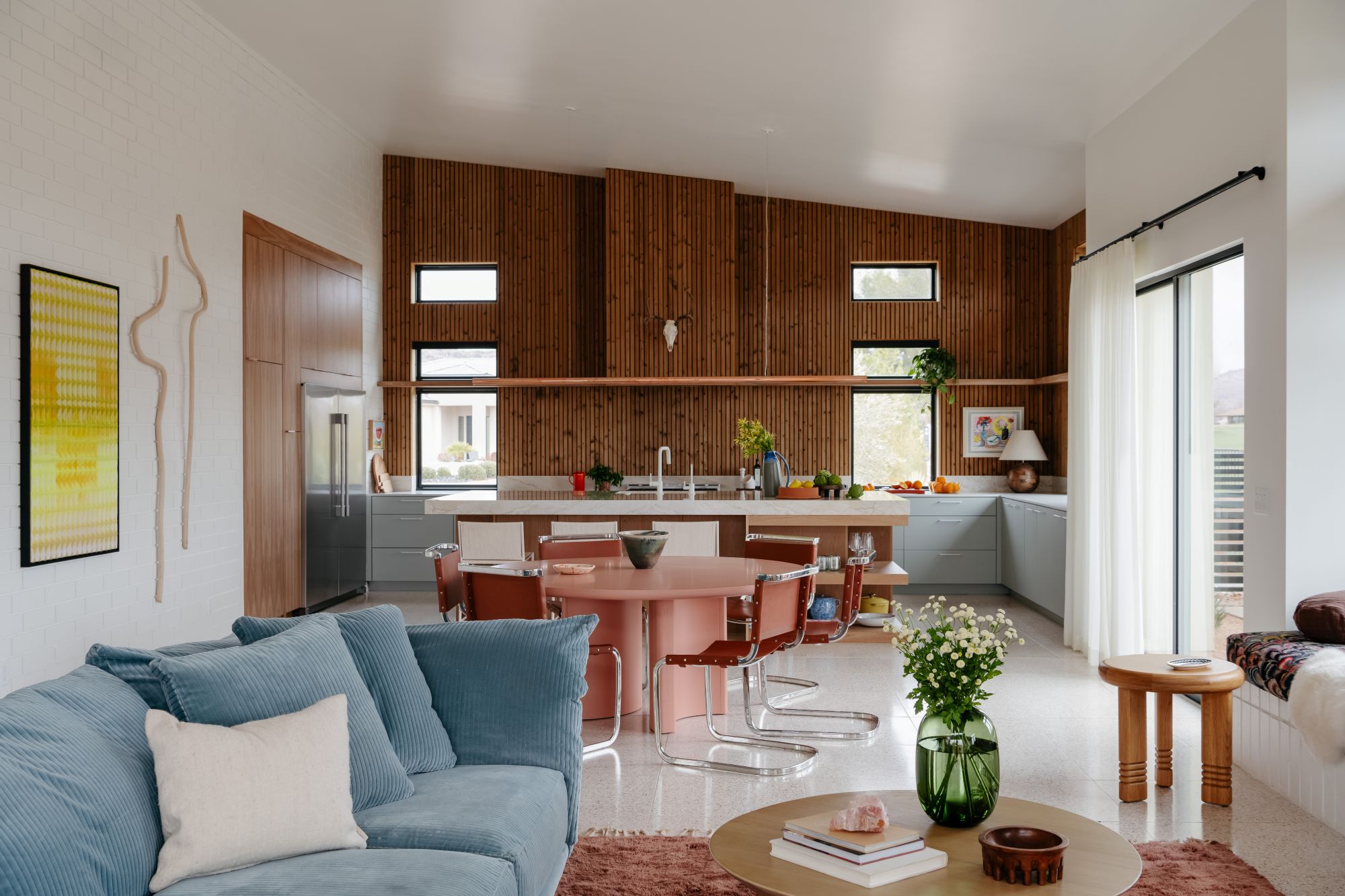
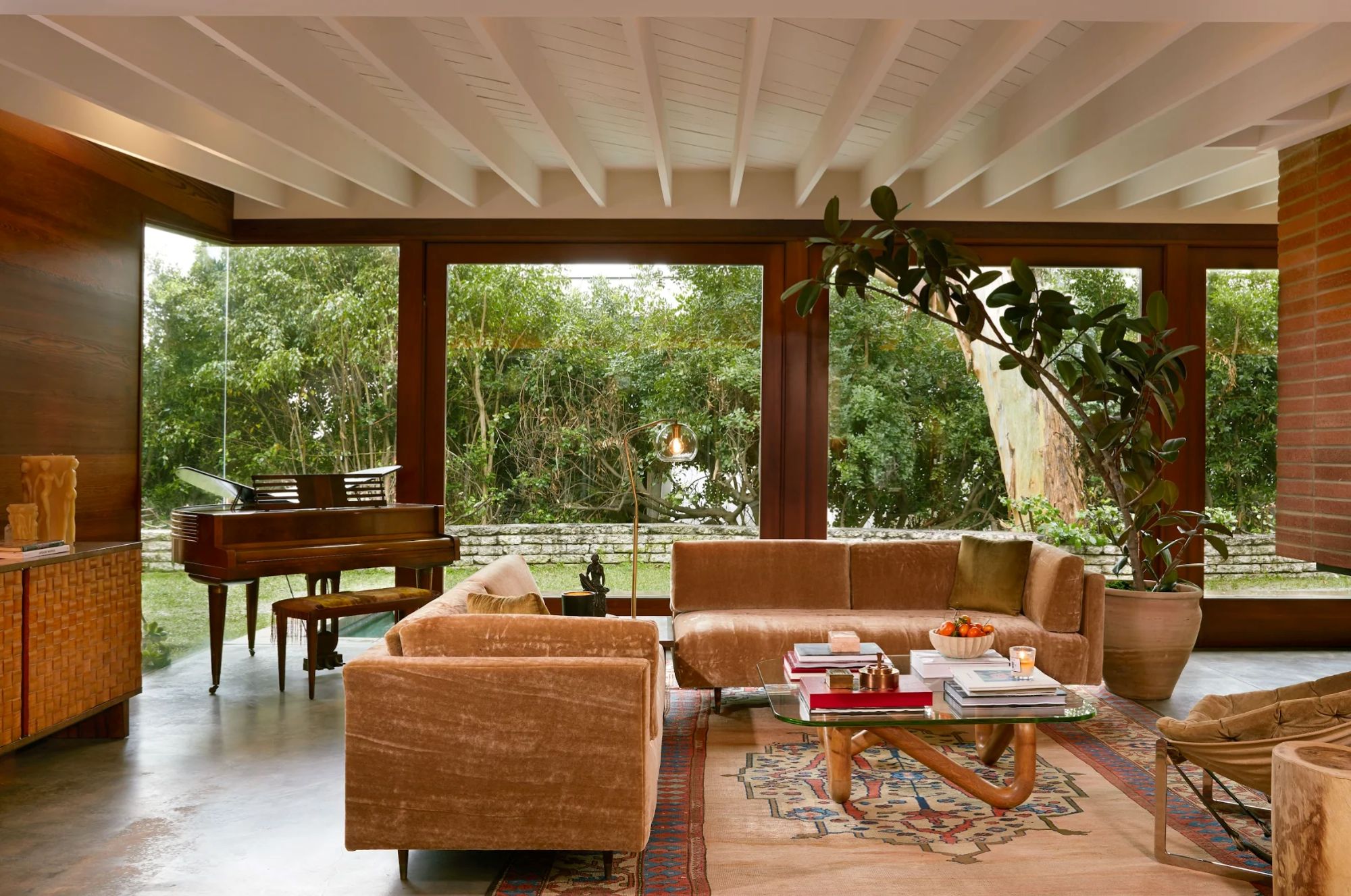
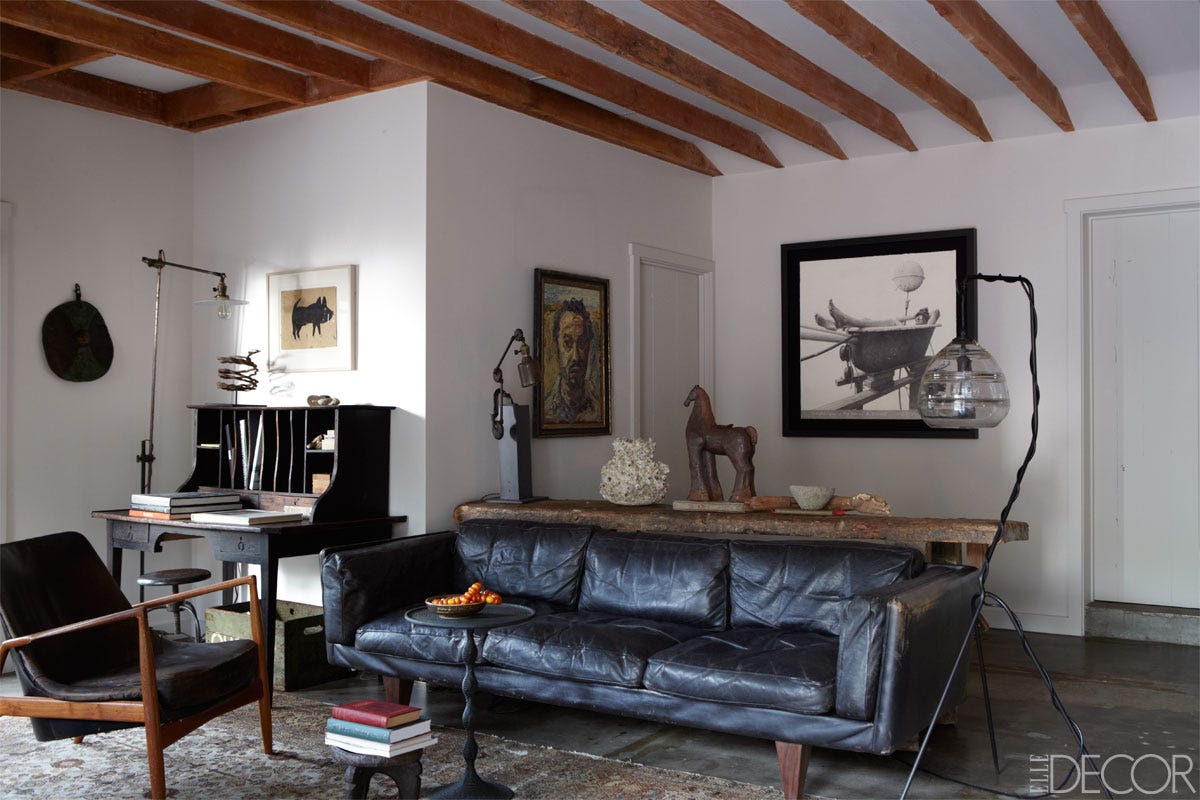
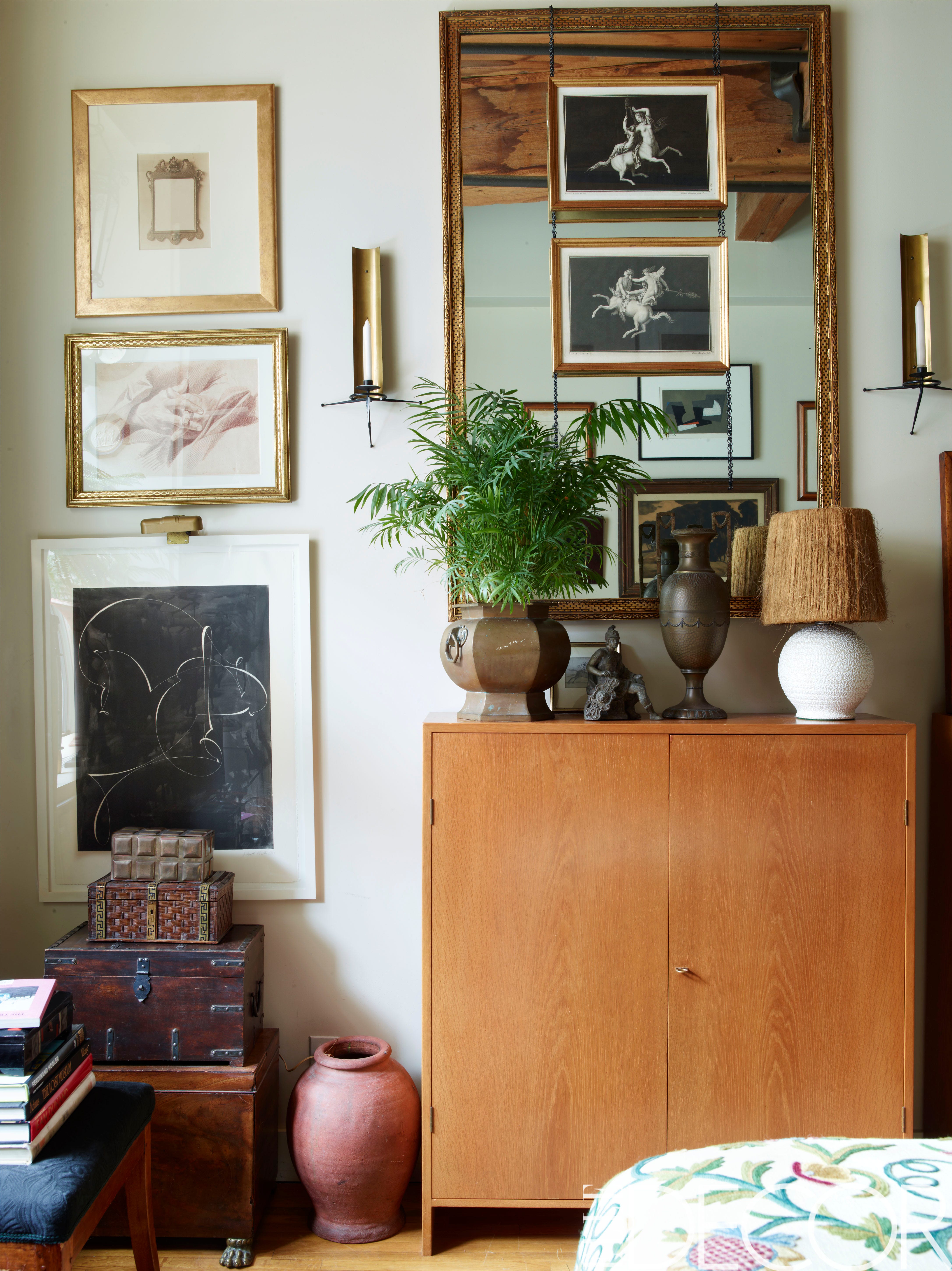
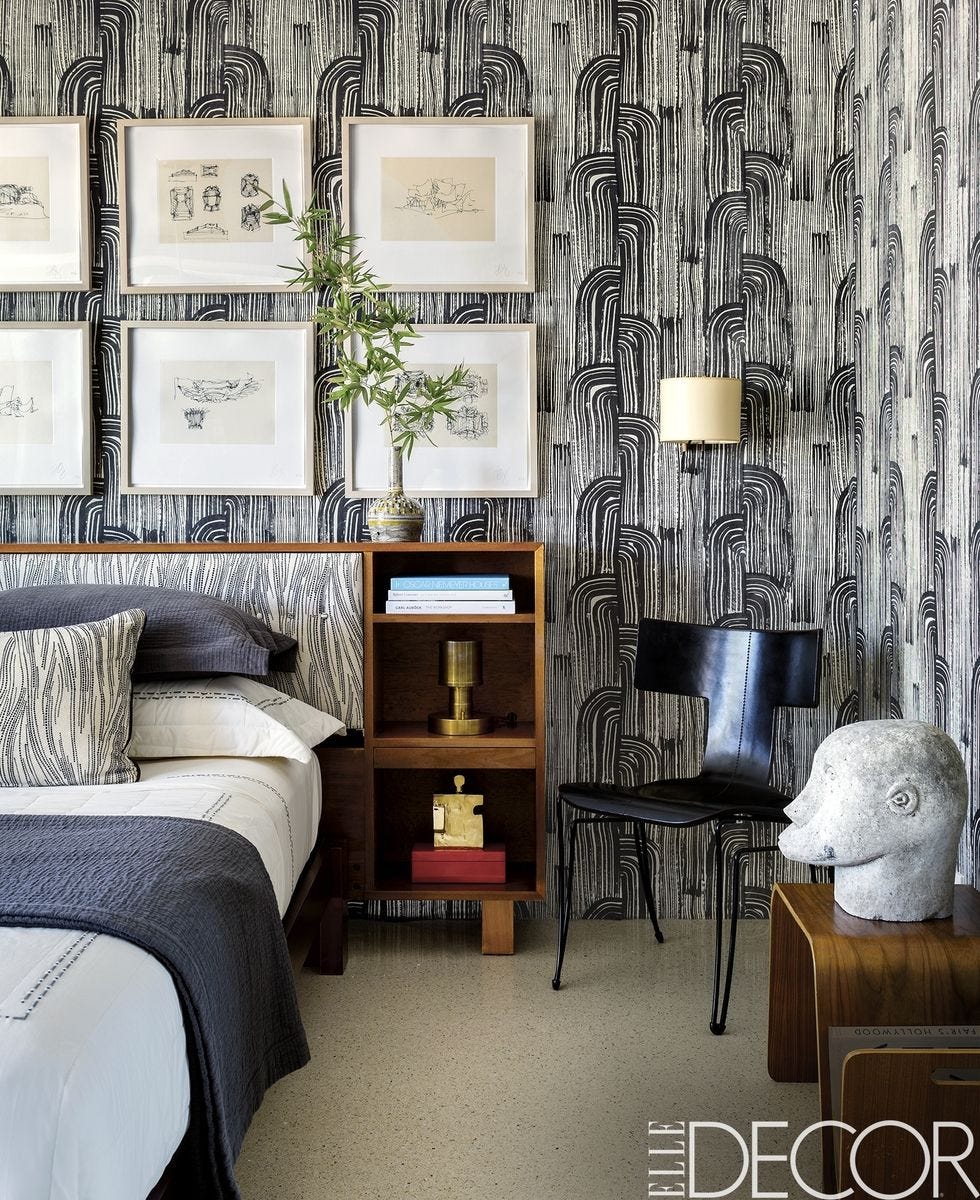
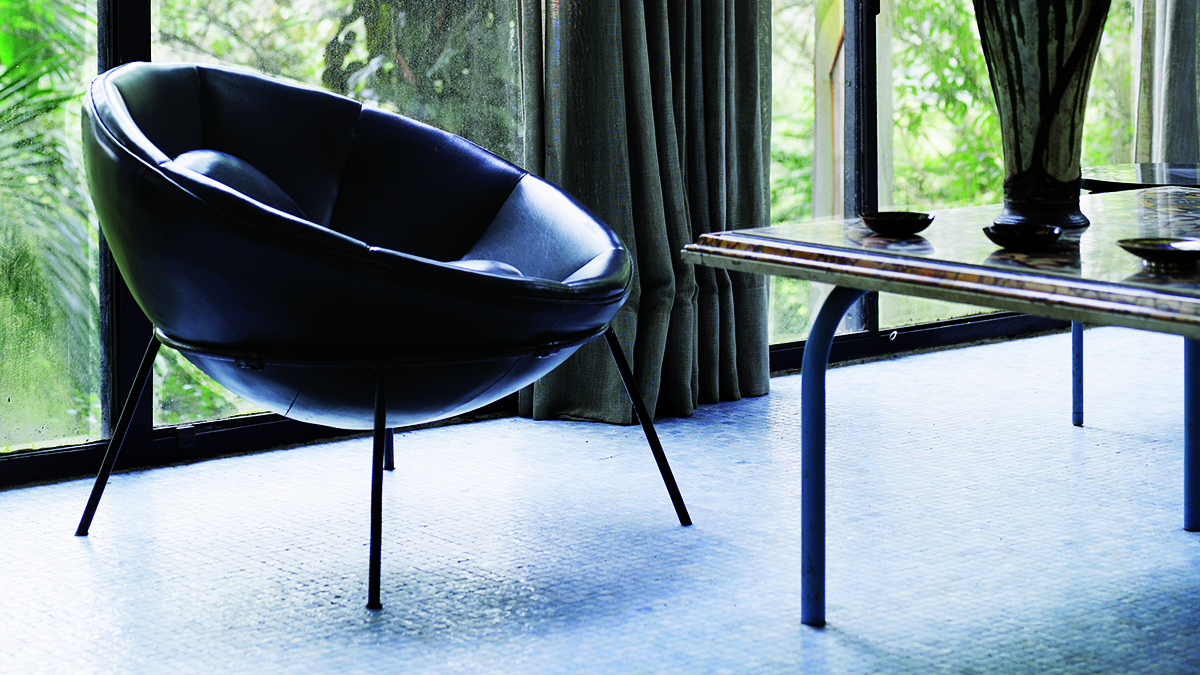
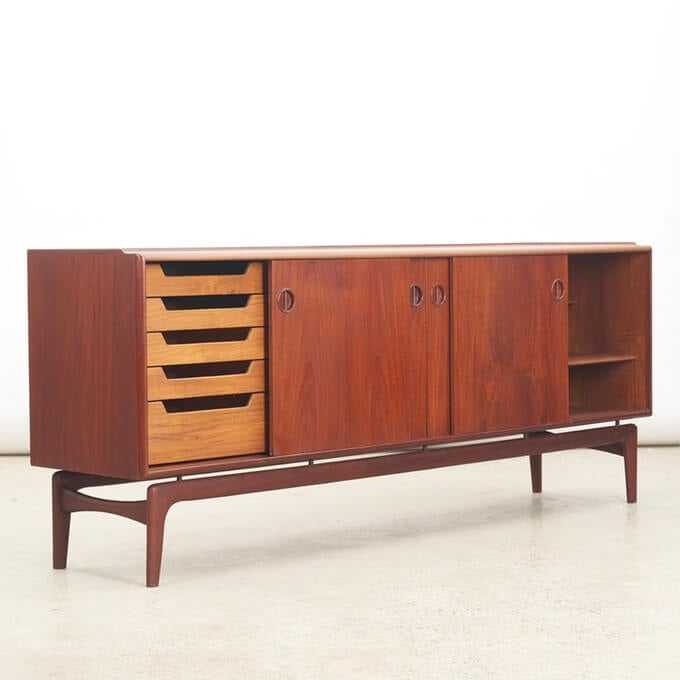
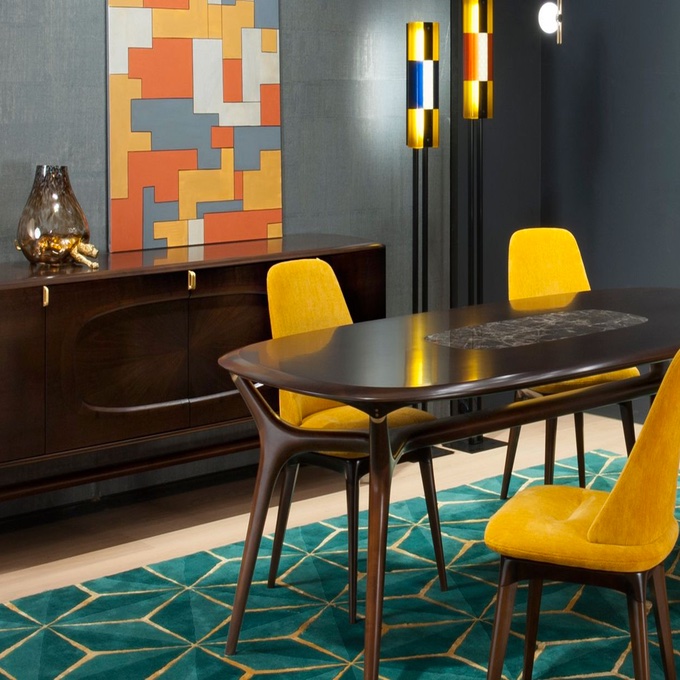
Mid-century modern design, with its inherent beauty and simplicity, is often associated with the post-World War II era's optimism, characterized by a vision of prosperity, peace, and expansive homes. While attractive, this style was deeply intertwined with the societal delusions of that period, and the design industry continues to capitalize on its enduring appeal. In the 1950s, mid-century modern proponents claimed to offer a lifestyle devoid of ostentatious wealth, decorative excess, and historical burdens. However, this progressive ideal often fell short in practice. Before the war, modernist designers aimed to improve urban living standards by creating 'minimum dwellings' with meticulously planned layouts and furnishings. In contrast, many celebrated postwar designers, often hailed as harbingers of a modern, democratic future, pursued lucrative careers primarily serving high-end manufacturers. These manufacturers rarely prioritized affordability or accessibility for a mass consumer market, as doing so would diminish the exclusivity and financial returns associated with their intellectual property. Consequently, class distinctions remained deeply embedded in design's influence, despite rhetoric promoting a classless society.
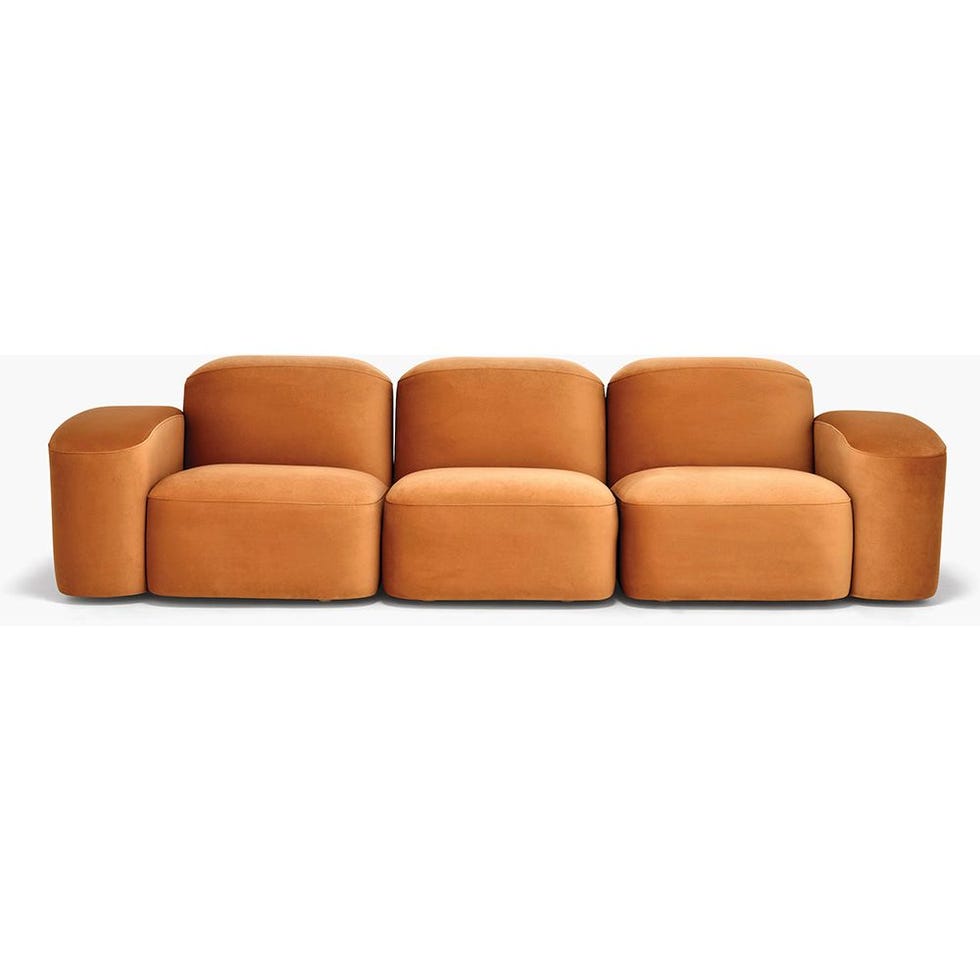
The golden age of mid-century modern design lasted only a couple of decades, partly because it never achieved widespread popularity. Even as incomes rose and aspirational furnishings became somewhat affordable, most consumers gravitated towards products that offered different meanings—nostalgia, craft, ornamentation, community, and warmth. Critics observed that, during Germany's economic miracle, consumers favored heavy 'baroque' furniture, while Americans preferred colonial styles. In Italy, despite the flourishing furniture industry, many manufacturers adhered to an aesthetic that critics, such as Domus editor Ernesto Rogers, derided as 'Cantu Chippendale.' Similarly, in Finland, when the general population could finally afford their country's furniture, the 'Tower' suite, a three-piece sofa-armchair combination in a traditional 'English style' with comfortable upholstery and oak veneer, became an immediate bestseller in 1971. This indicated that imported British television shows exerted more influence on consumer tastes than the modernist design principles championed by the era's design elite.
During the postwar period, a predominantly white, male, and privileged elite solidified its status through government- and industry-backed organizations like Britain's Council of Industrial Design and the Industrial Designers Society of America, which sought to impose universal standards of 'good design.' Over time, even receptive audiences, including many young designers, found this discourse and its outcomes uninspiring. They turned to alternative styles such as Victoriana, pop art, and eventually postmodernism as the 1960s progressed. Some rejected 'design' entirely, seeking meaning in alternative cultures, famously exemplified by the success of the Whole Earth Catalog. This shift suggests that many individuals were seeking richness, diversity, vibrancy, and personal expression in their lives that mid-century modern design failed to provide, especially through their home decor.
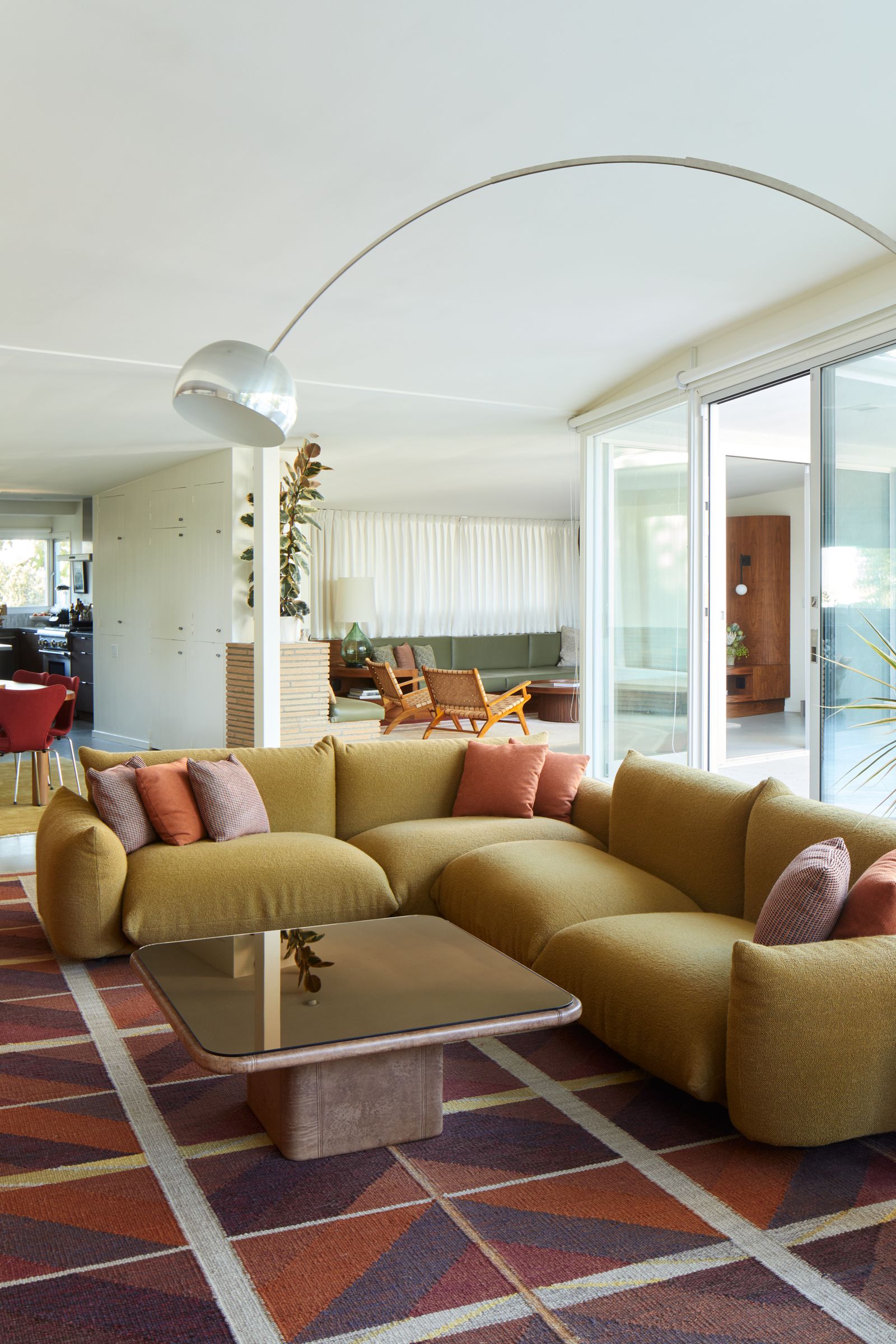
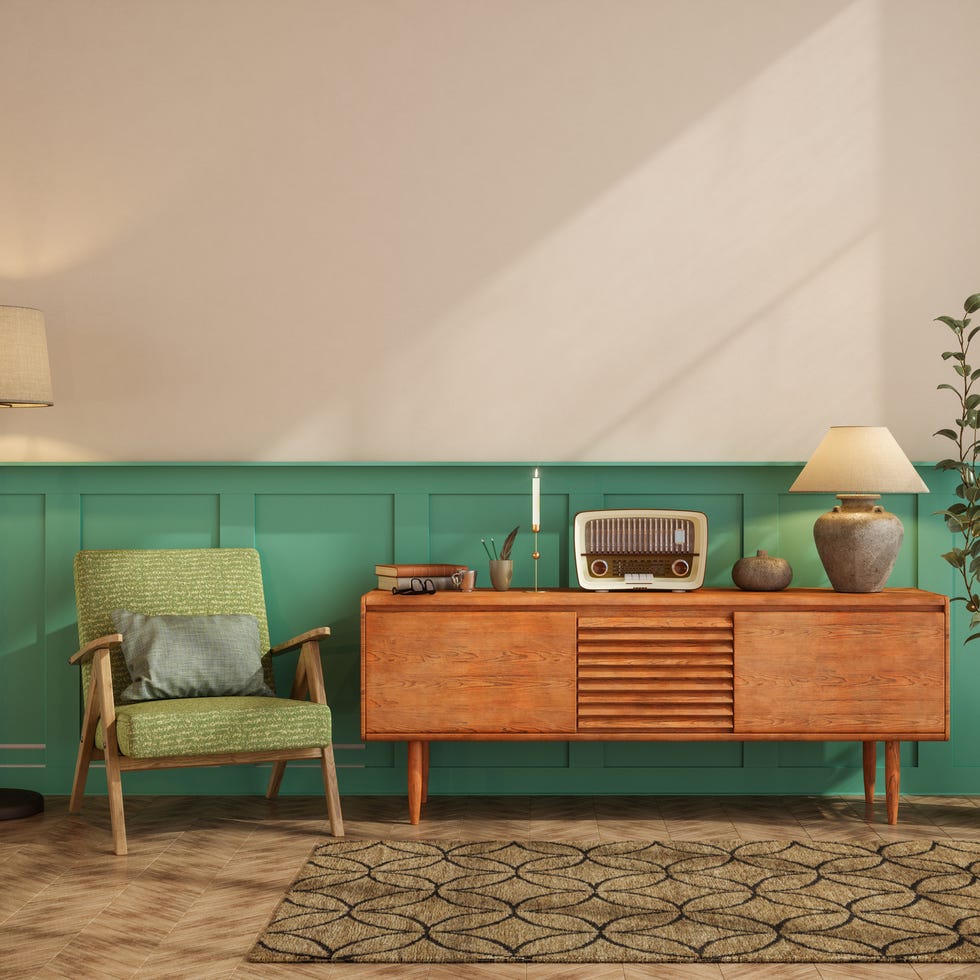
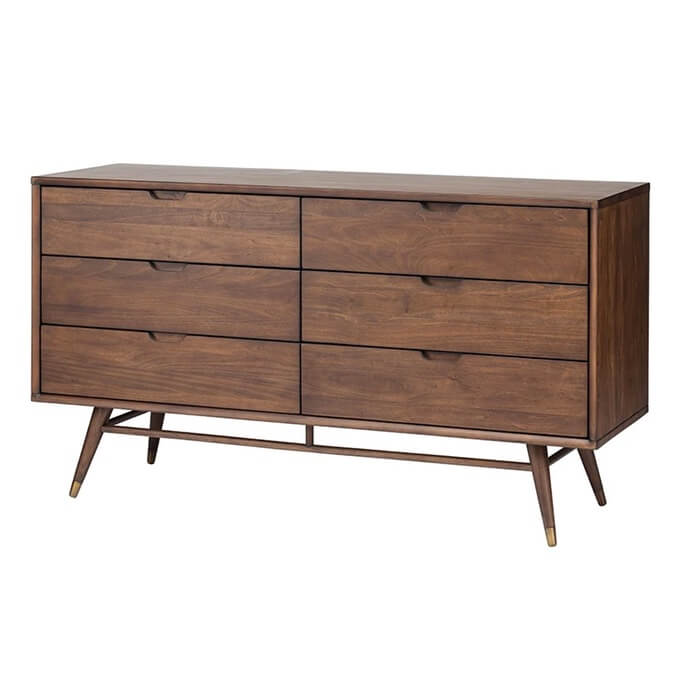
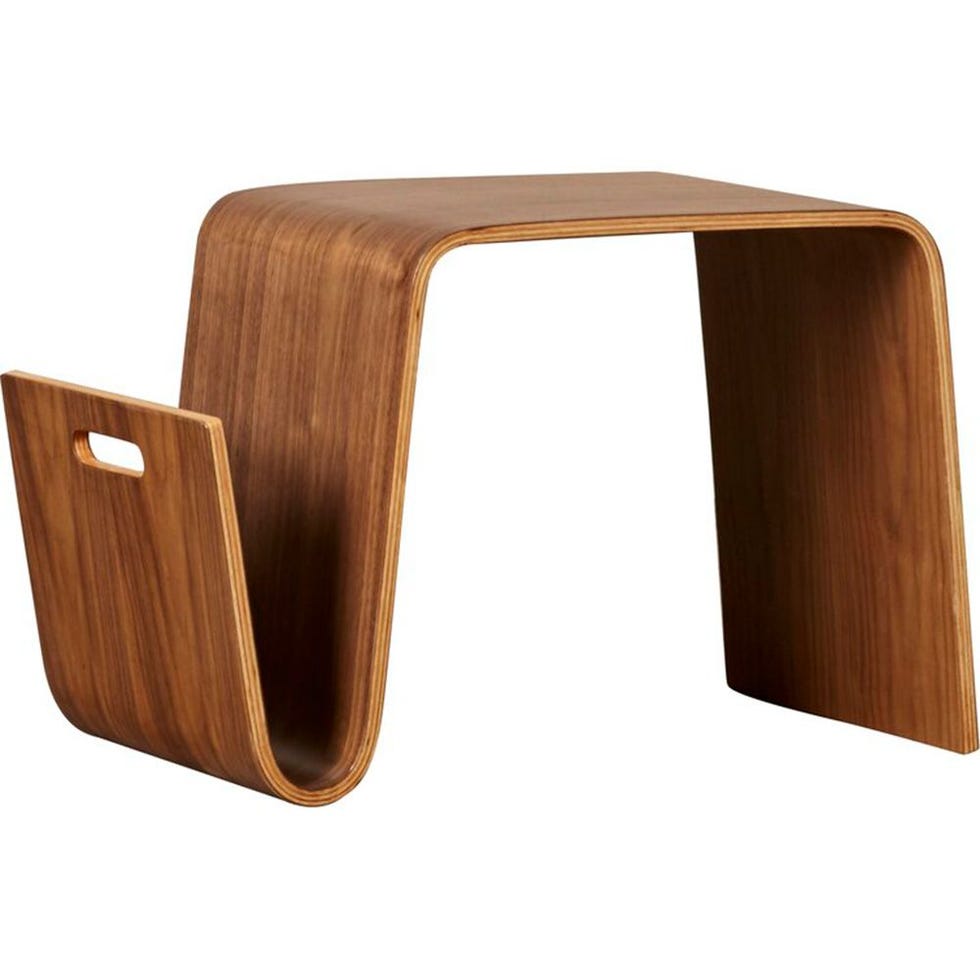
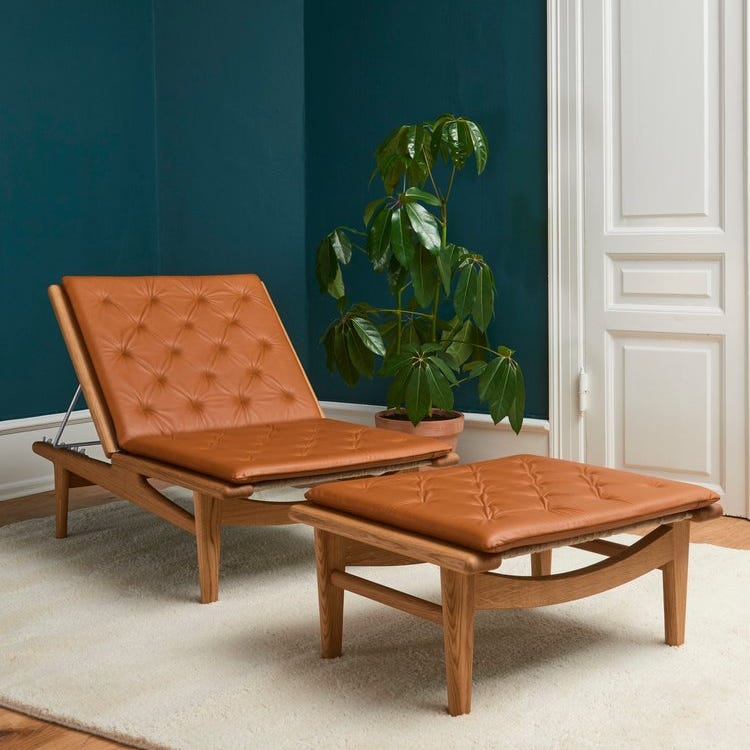
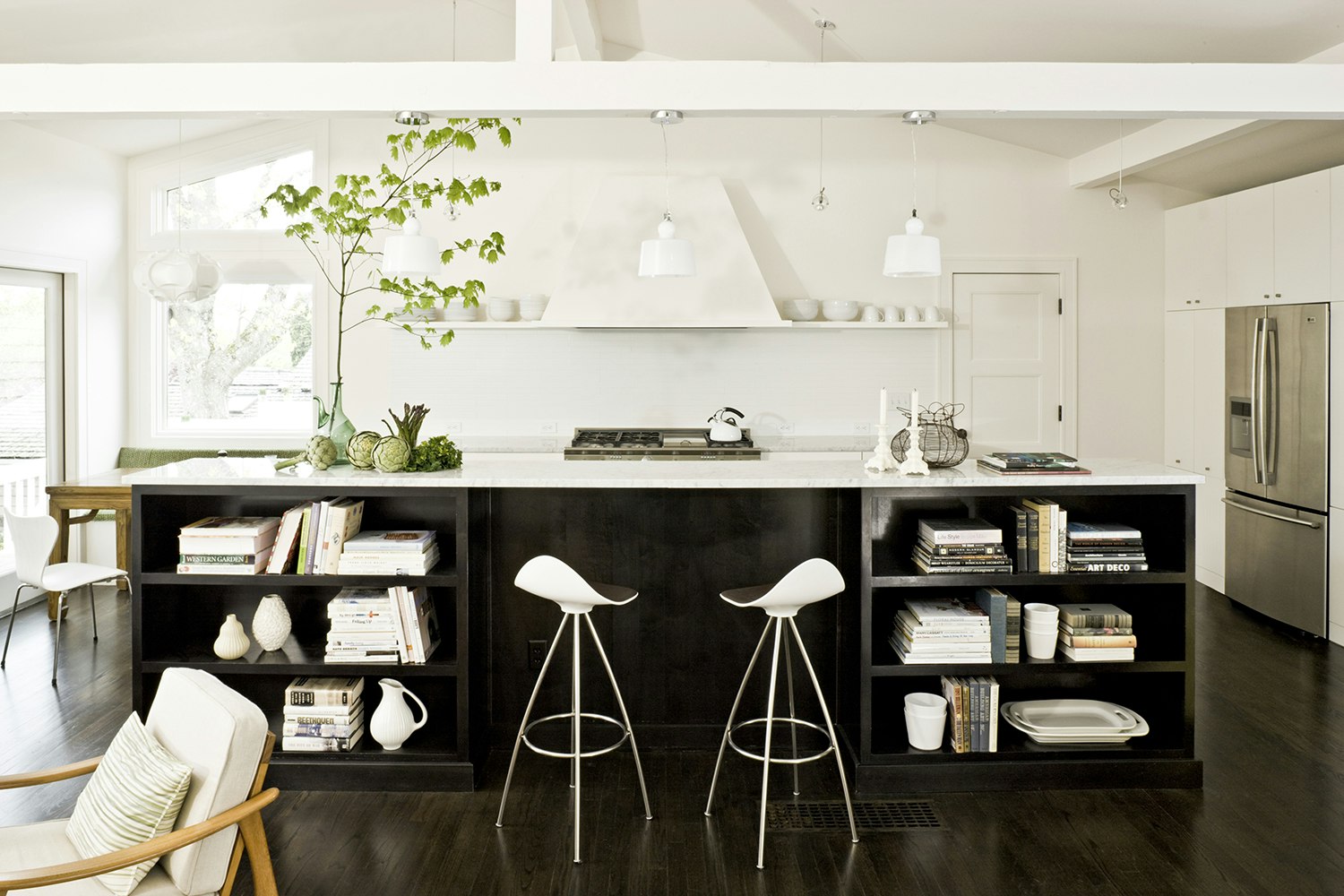
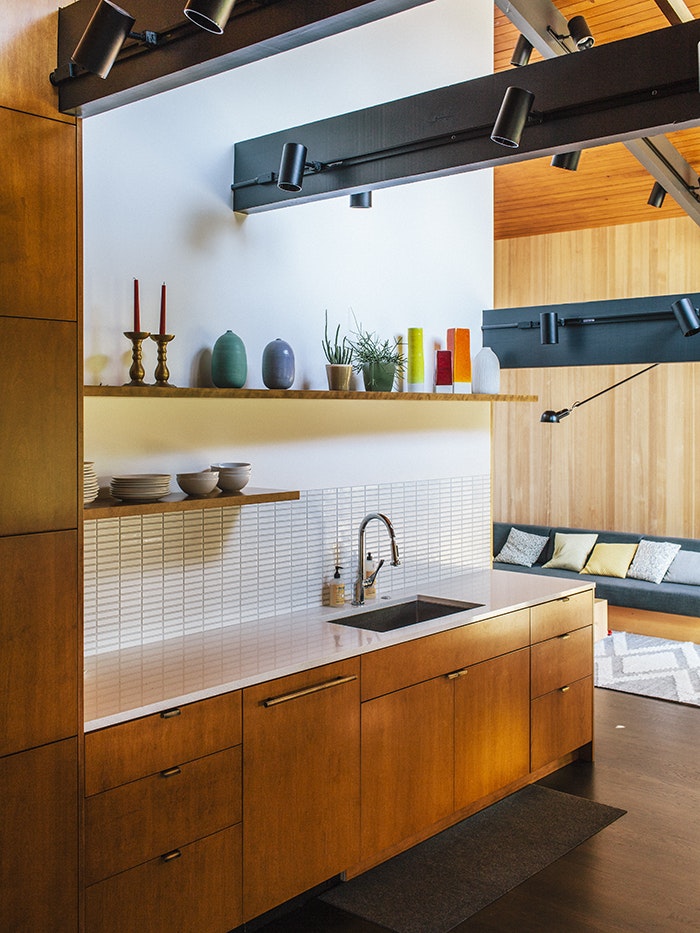
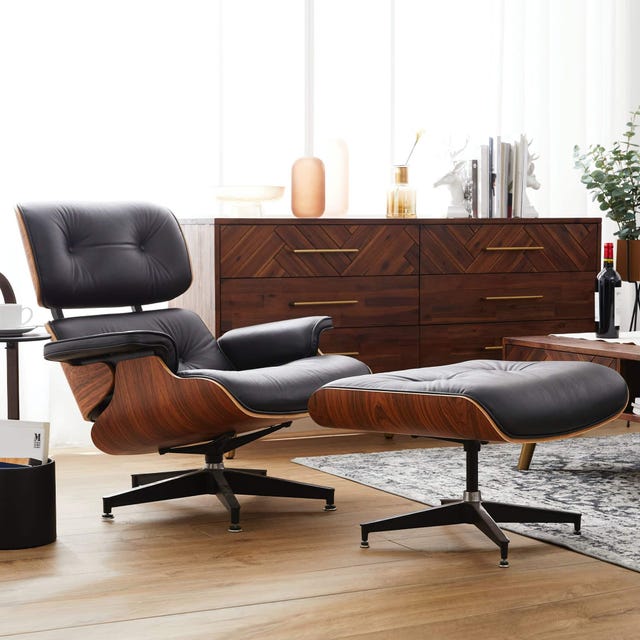
The resurgence of mid-century modern as a default style for contemporary interiors is notable. Like the revivals of Victorian design in the 1960s, Art Deco in the 1980s, and Brutalism in the 2000s, this phenomenon is not unique. However, it is curious that mid-century modern meets contemporary needs more effectively now than it did during its initial heyday. This could be partly practical; as living spaces shrink, the compact and modular nature of faux-mid-century modern furniture is more accommodating than larger, more elaborate pieces. Its lightness and modularity also suit a mobile lifestyle. Less tangible reasons might include the style's perceived clarity, calm, and sense of control, which offer a counterpoint to the complexities of modern life. However, the financial dynamics remain largely unchanged; manufacturers maintain a firm grip on their 'originals,' leaving most consumers to purchase knock-offs or flat-packed imitations. The concept of 'timelessness' and 'durability,' once touted as sustainable aspects of mid-century modern, is now being reevaluated in light of regenerative and circular design principles. These new approaches emphasize age, imperfection, decay, and the transient nature of products, viewing longevity as a potential drawback. Therefore, the repetitive production of Eames loungers and similar designs, alongside outdated notions of 'good design,' risks a backlash similar to the one that previously halted the style's dominance. This backlash stemmed from the perception of the style as sterile, inflexible, and lifeless, qualities that seem cold when juxtaposed with human imperfection and the capacity for joy.
#MidCenturyModern #DesignHistory #InteriorDesign #PostWarDesign #ConsumerCulture #DesignRevival #Sustainability #FurnitureDesign #CulturalInfluence #MidCenturyModern #DesignHistory #InteriorDesign #PostWarDesign #ConsumerCulture #DesignRevival #Sustainability #FurnitureDesign #CulturalInfluence
0 comment in total
 No comments yet
You may also like
Why You Hate Contemporary Architecture

These 27 Stylish Rooms Do Mid-Century Modern Right
Why Mid-Century Modern Interior Design Continues to Reign Supreme
Here's What You Should Know About Midcentury Modern Style

Home Design: Reinvented Midcentury Modern

Why Australians love mid-century Modernism

We Asked Designers If Midcentury Modern Is Out of Style—and Their Answer Might Surprise You
Where to Shop Mid-Century Modern in Toronto

Mid Century Modern Motherlode!

The enduring appeal of Mid-century Modern

These Midcentury Modern Living Rooms Put Retro Back on the Map

25 Midcentury Modern Furniture Pieces That Will Always Be in Style

Why We Can’t Have Mid-Century Modern

"Mid-century modern is classic, it's never going away" says Cara Greenberg

"I Grit My Teeth When I See It": People In Their 60s, 70s, And 80s Are Sharing The Modern Home Trends They Simply Cannot Stand

A Designer's Tips For Renovating a Midcentury Modern Interior

'Good design holds up' – 16 mid-century modern ideas that prove this design style will always be trending

Older Adults Are Sharing The Design Trends They Despise For Very Specific Reasons
8 "Tacky" Home Trends That Are Tragically Dead to Designers in 2026
The death of detail and the takeover of modern architecture