1/6
What Is Limewash Paint: Four Places to Use It in Your Home
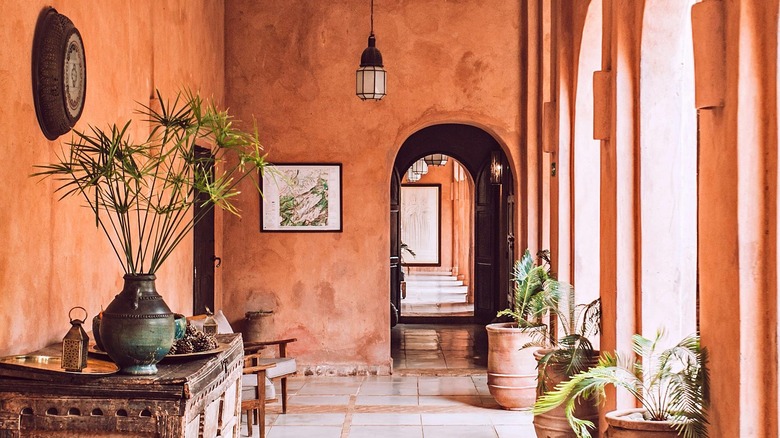
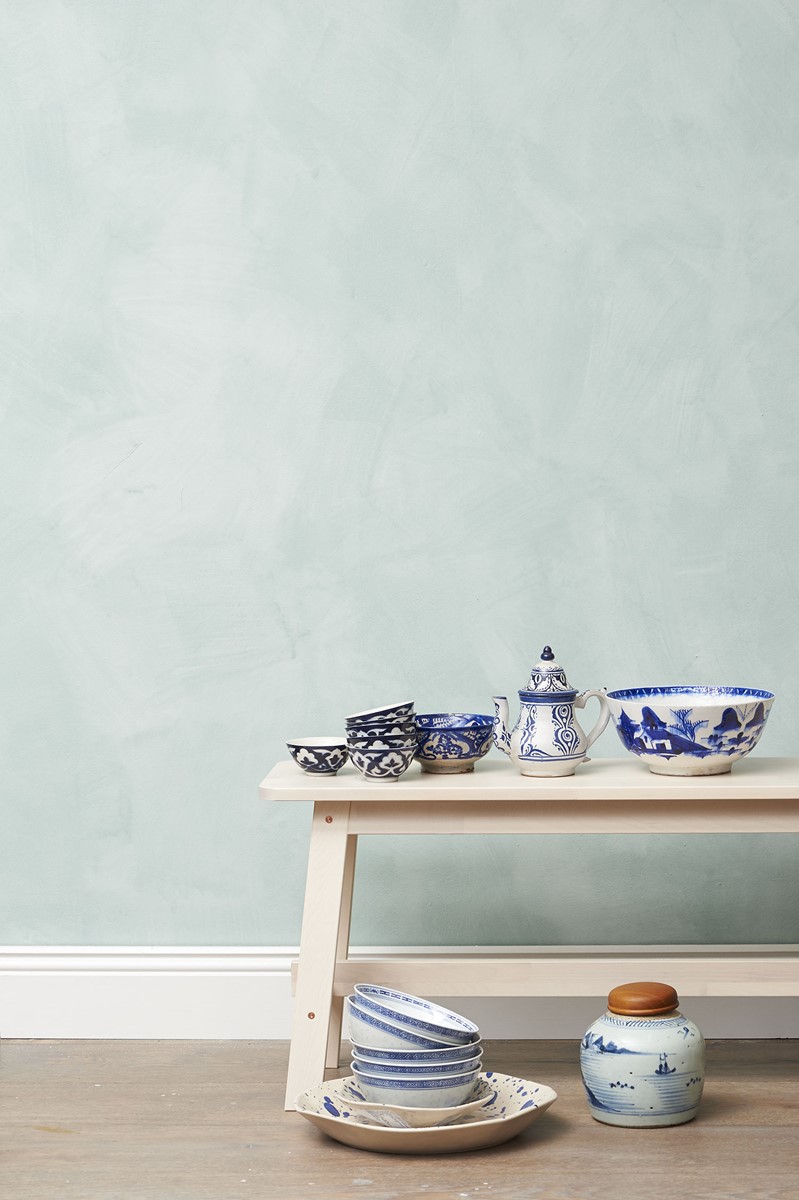
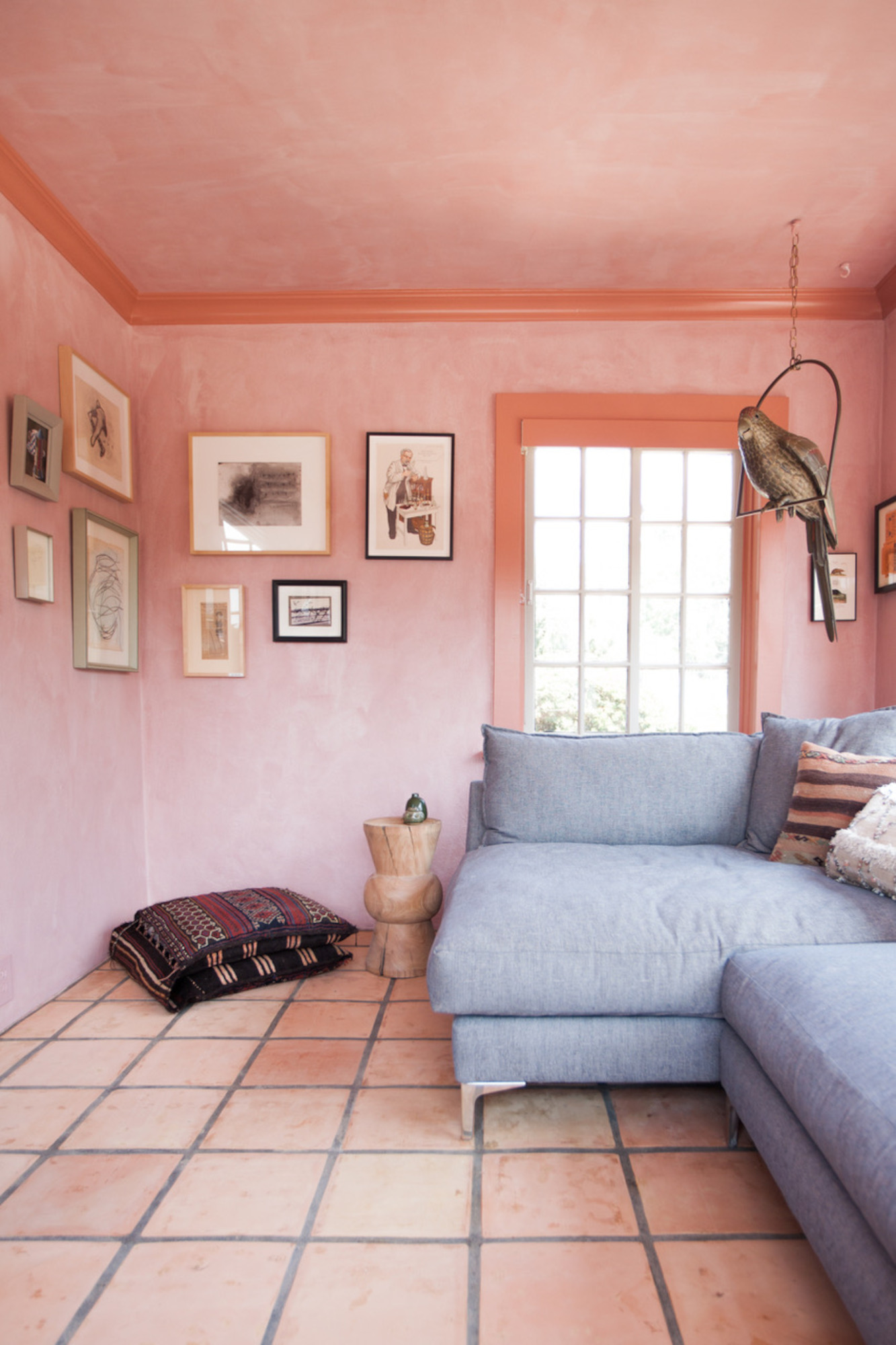
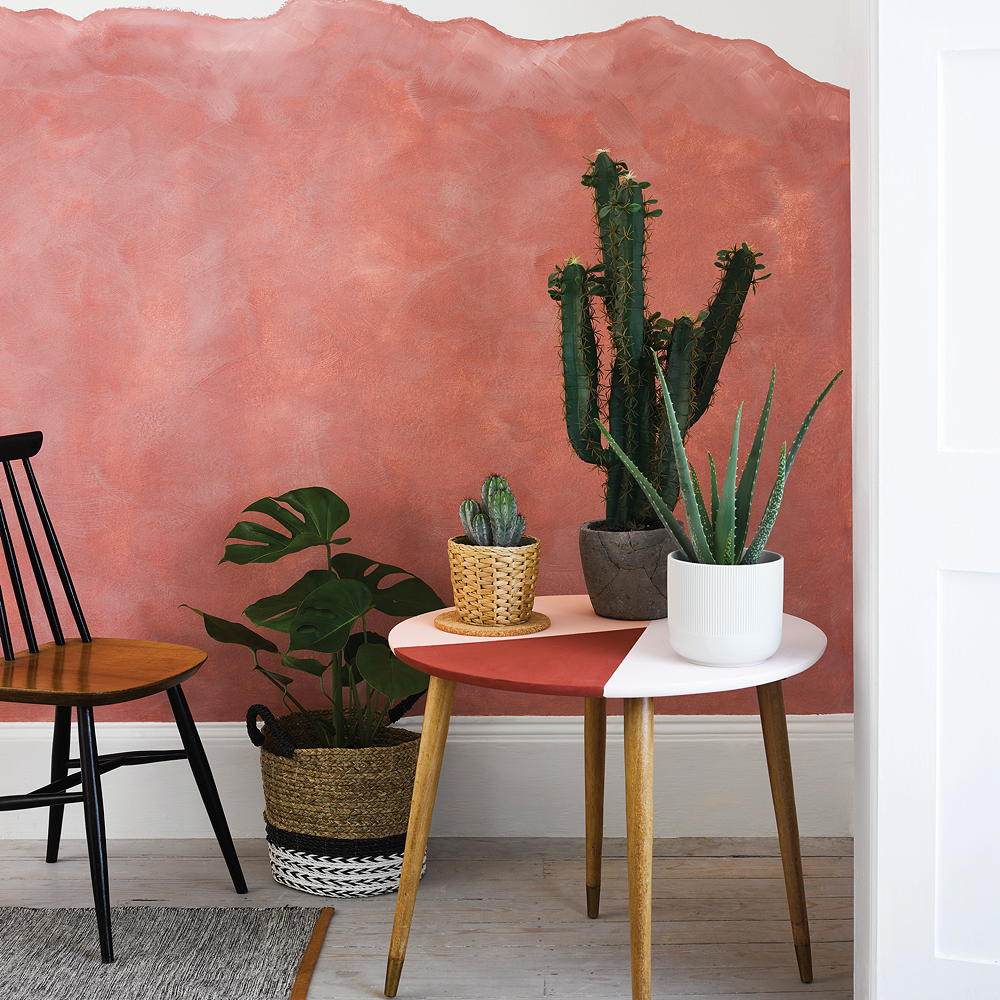
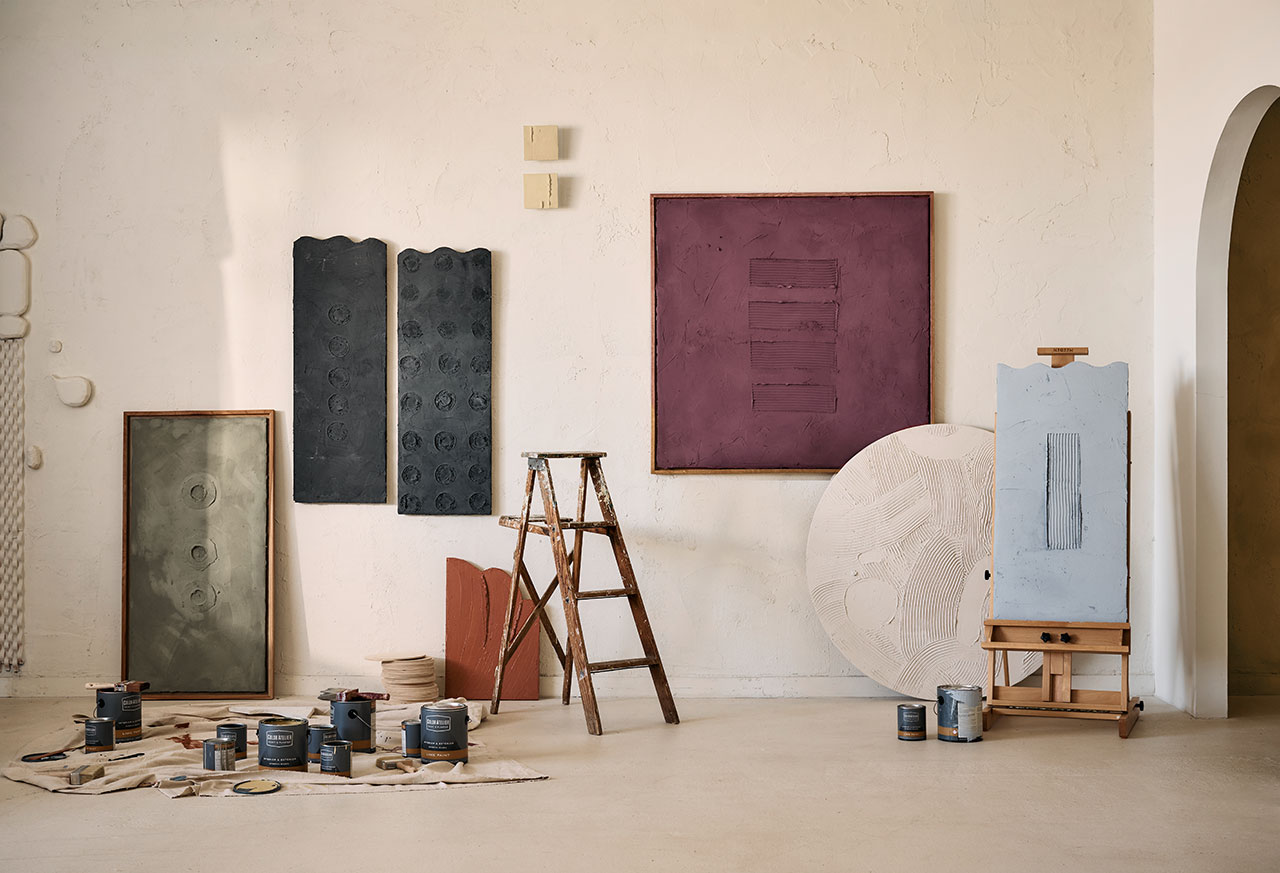
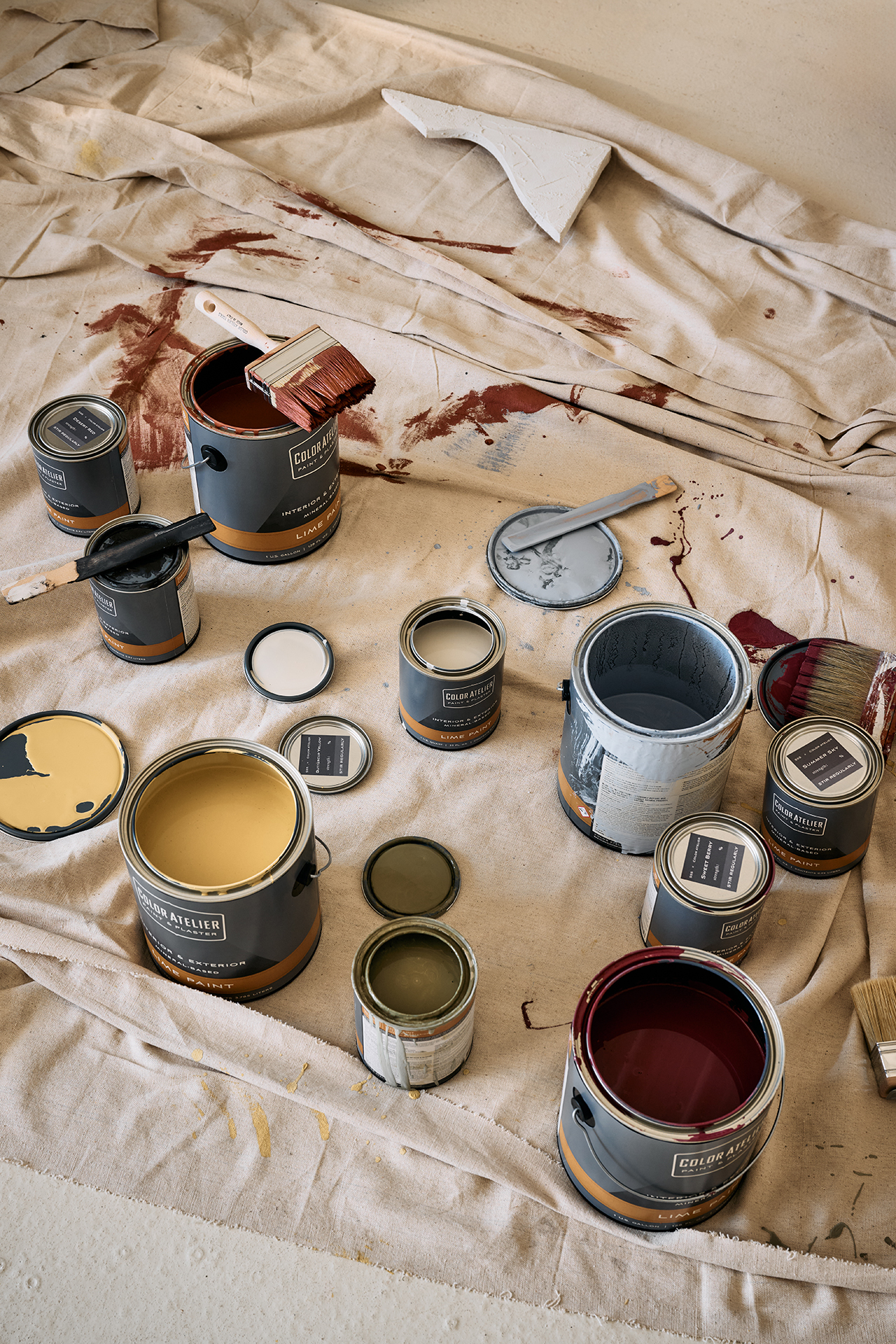
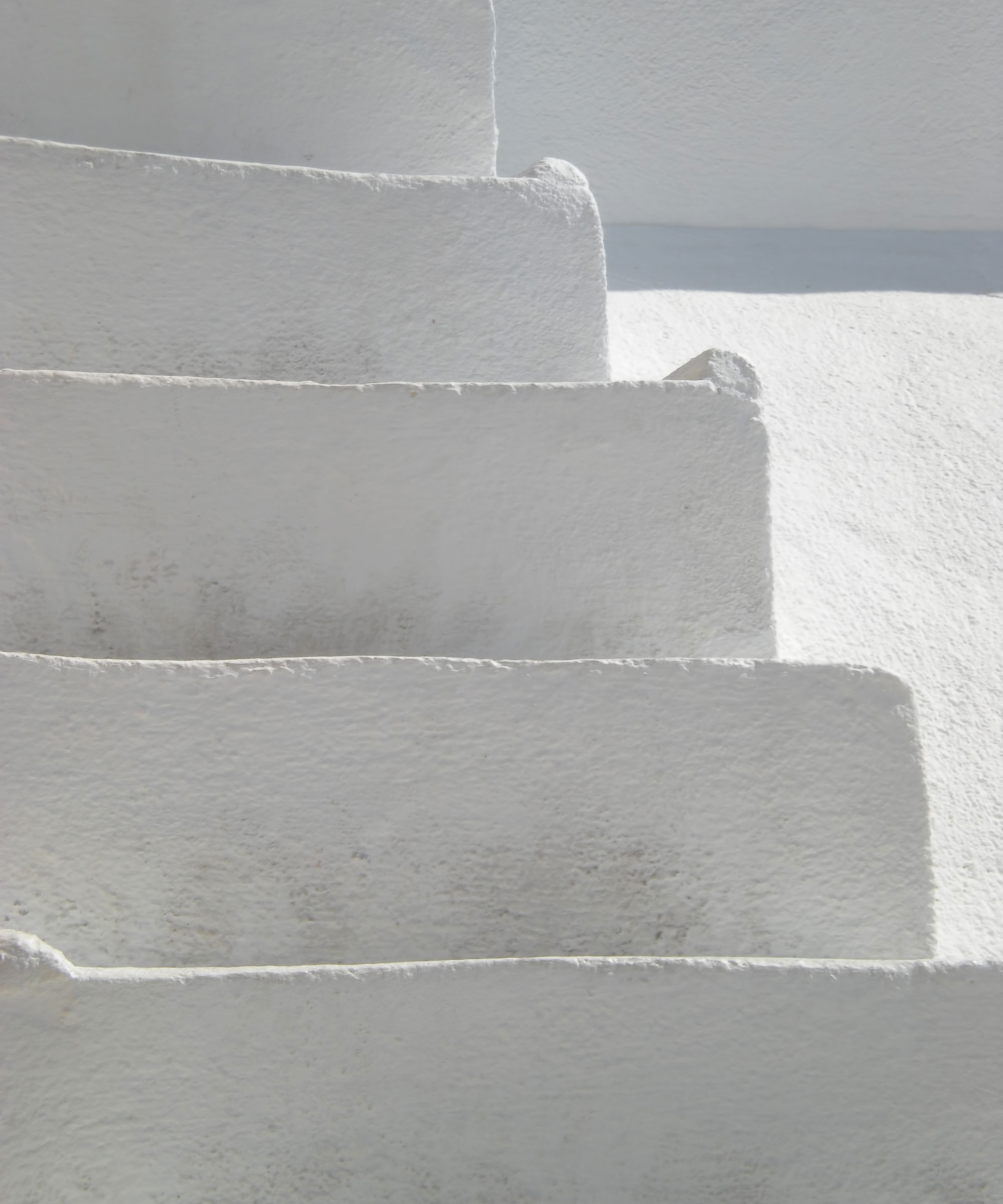
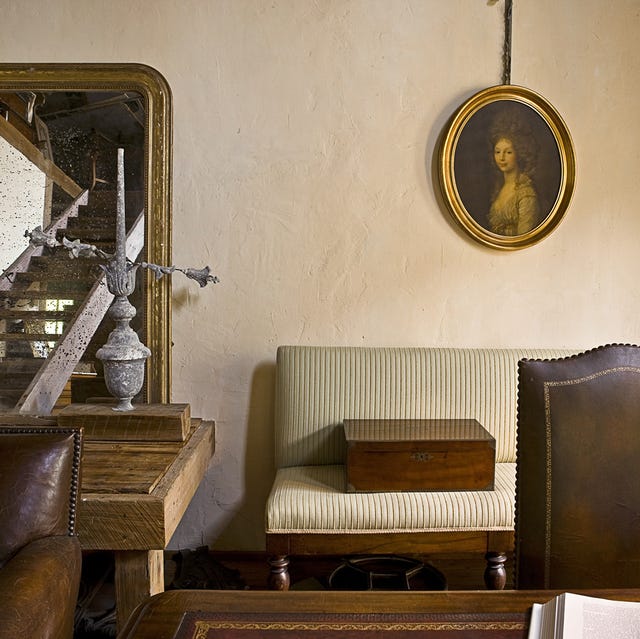
Limewash paint, a textured paint known for its chalky, nuanced finish and old-world aesthetic, is gaining popularity among designers for its transformative qualities. Made from crushed limestone, water, and natural pigments, this paint boasts a rich history, originating from Roman and Mediterranean regions. Beyond its aesthetic appeal, limewash paint offers several natural benefits: it is breathable, nontoxic, eco-friendly, and its high pH level makes it resistant to bacteria and mold. Additionally, it is free of VOCs, ensuring an odorless application.
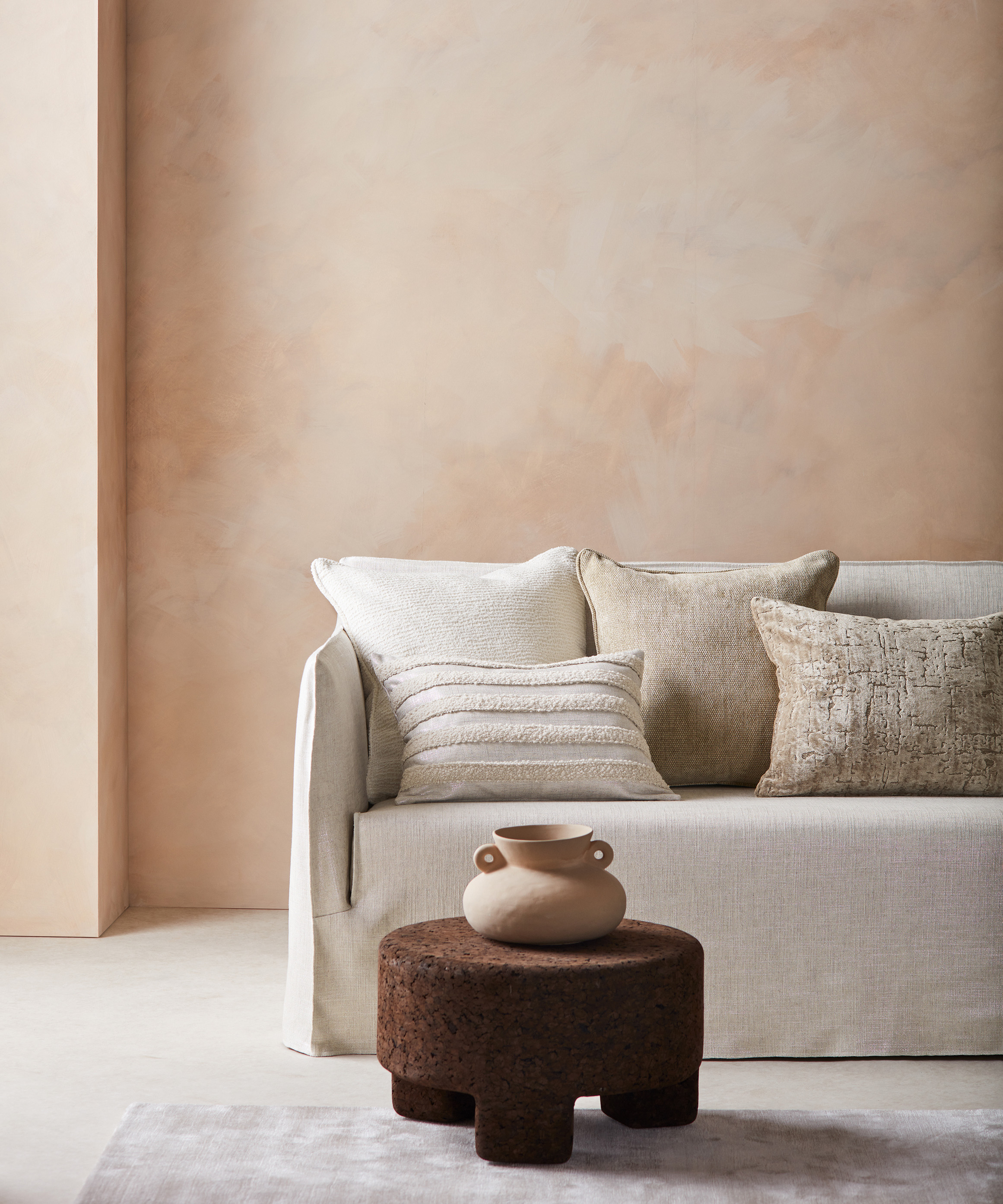
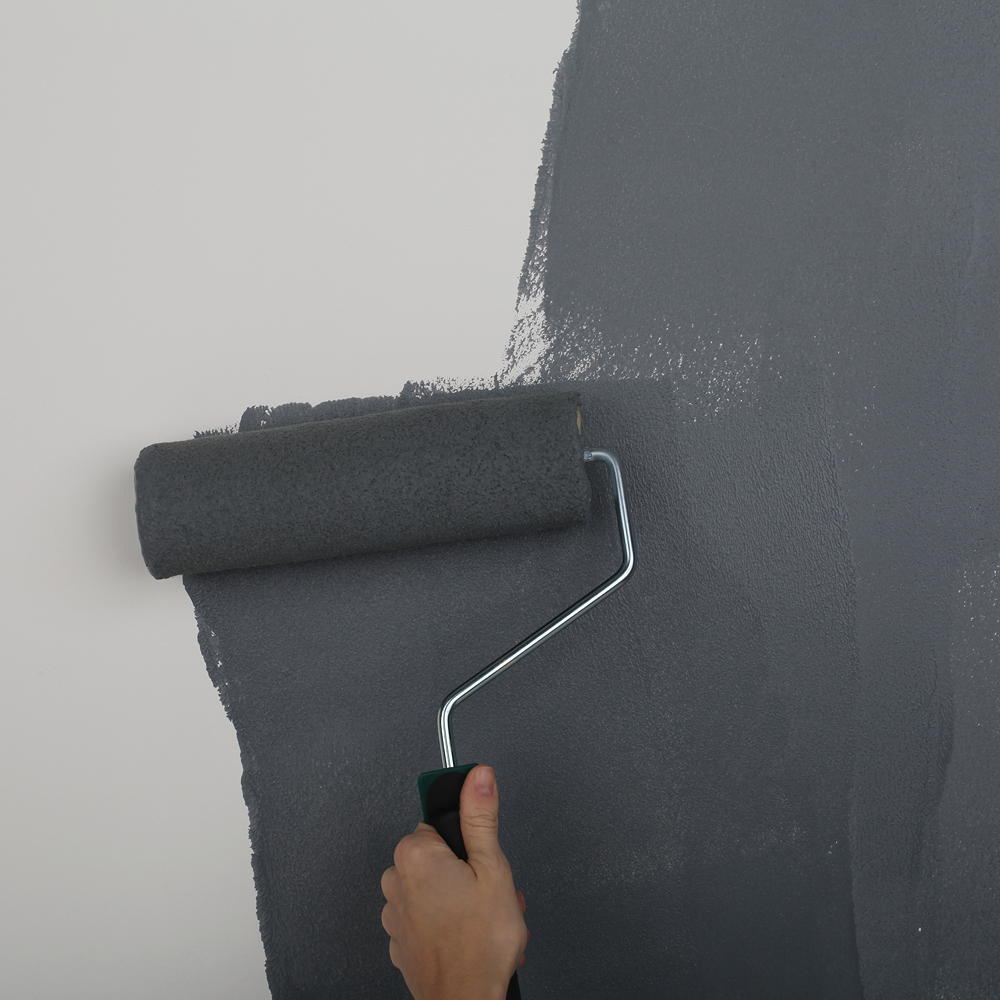
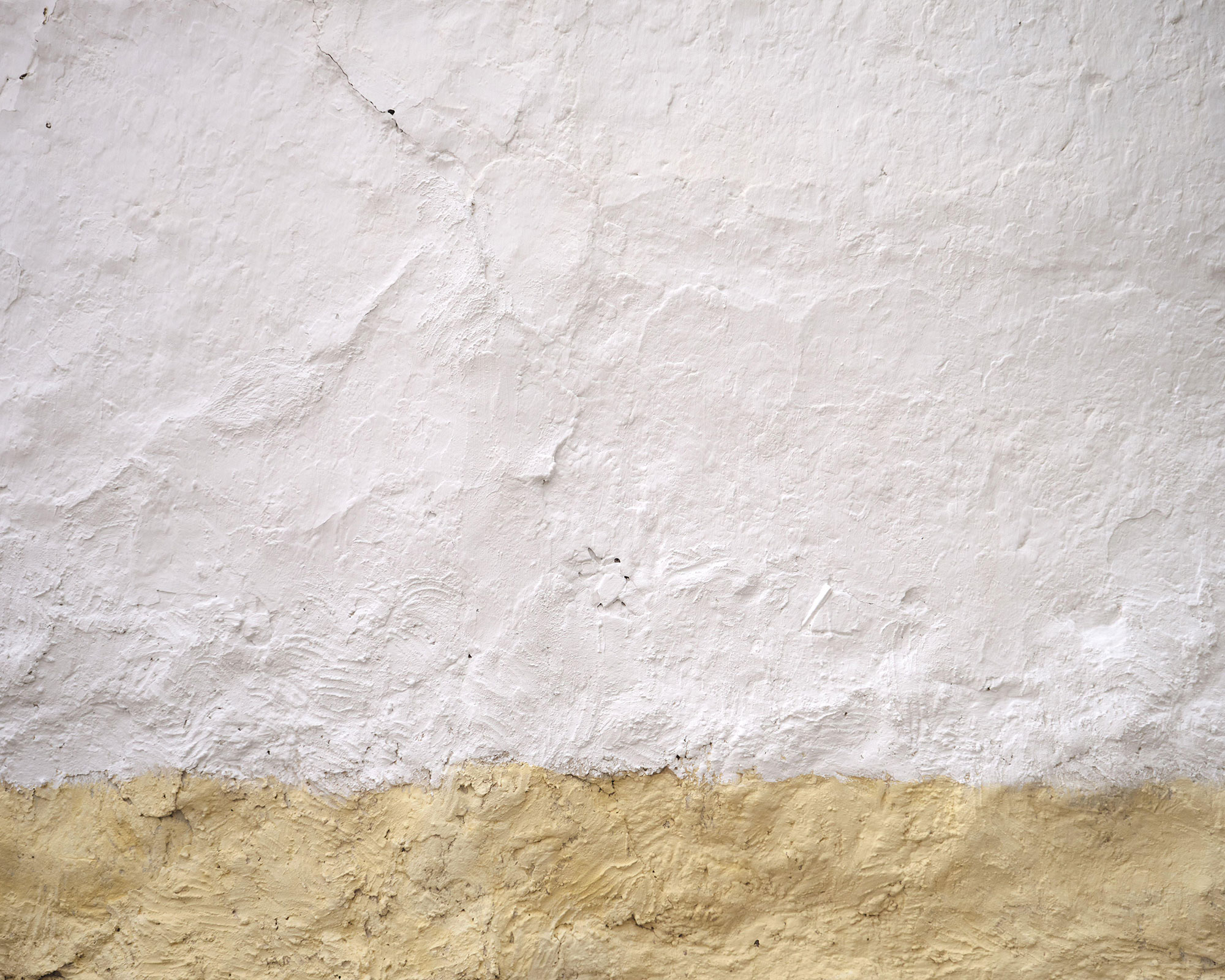
While limewash paint provides a distinctive texture, it differs from other lime-based paints like Venetian plaster, which is thicker and offers a more polished finish. The unique texture of limewash is achieved through specific brush strokes, making application technique crucial. For interior use, preparation with an acrylic-based primer and a coarse, long-haired natural bristle brush, at least six inches wide, is recommended. Designers can choose from horizontal, vertical, or cloud-like stroke patterns. Vertical strokes are often preferred for their consistency with room elements like doors and windows, while cloud-like patterns are created by merging several distinct 'clouds' on the wall. The process involves applying and stretching the paint with heavy strokes initially, then refining the pattern with lighter ones.
Limewash paint is becoming more accessible in the United States, with European manufacturers such as Portola Paints, Pure & Original, and Dominique Architectural Finishes expanding their distribution. While versatile, it is generally advised against using limewash in high-traffic areas prone to wear and tear, such as children's bedrooms or behind sinks, as touch-ups can be challenging to blend seamlessly.
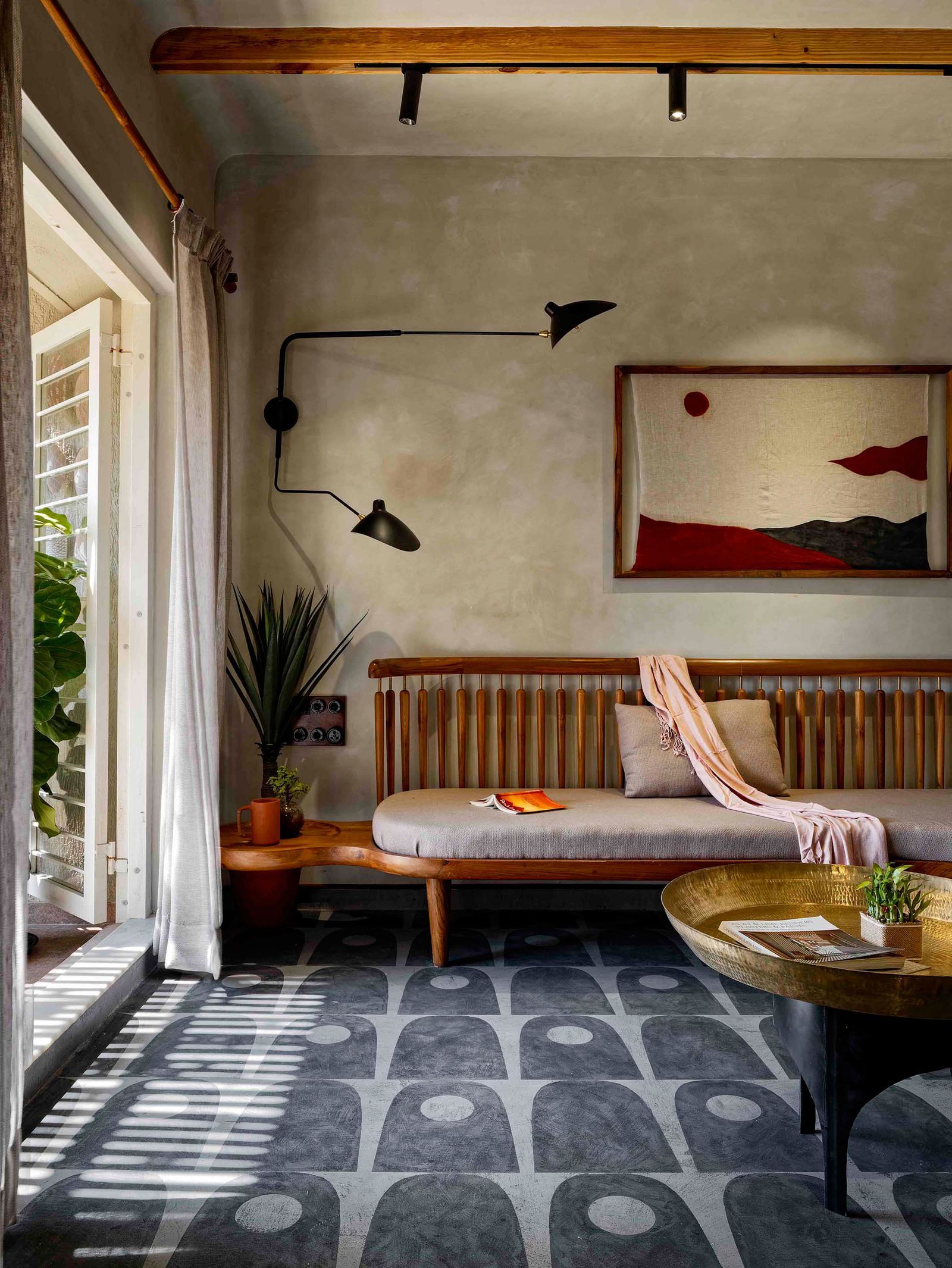
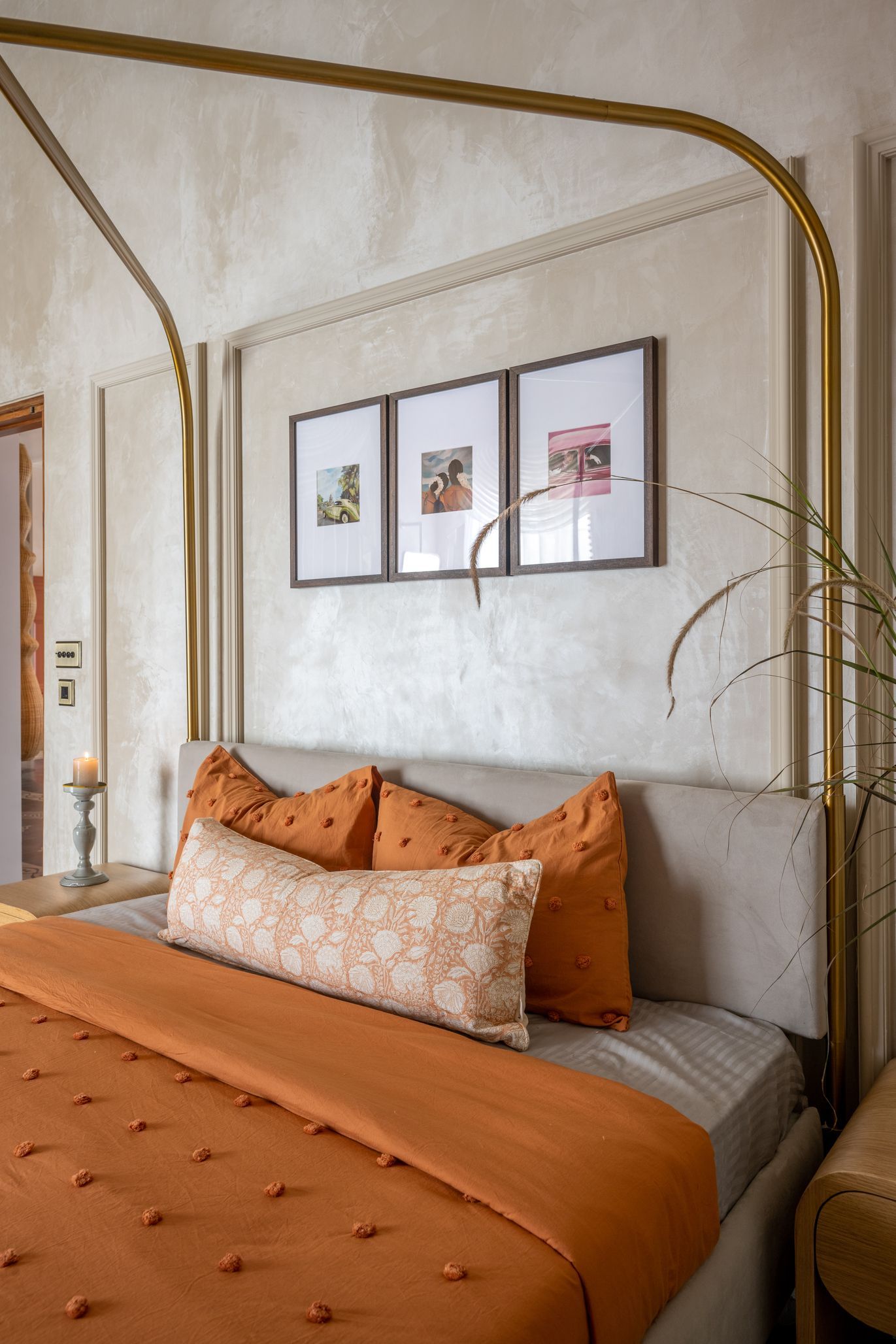
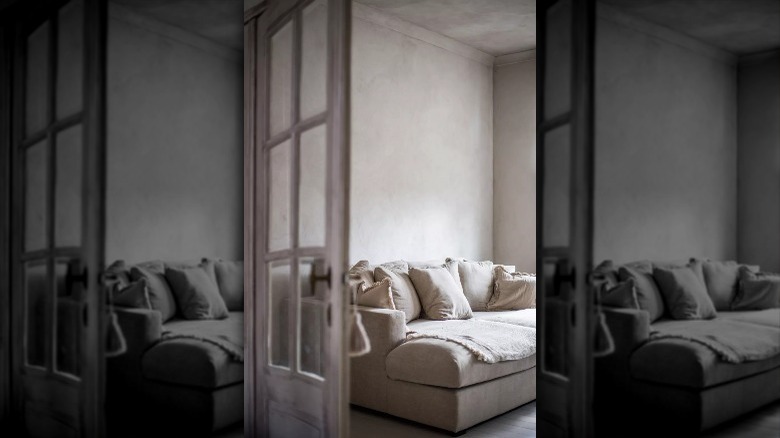
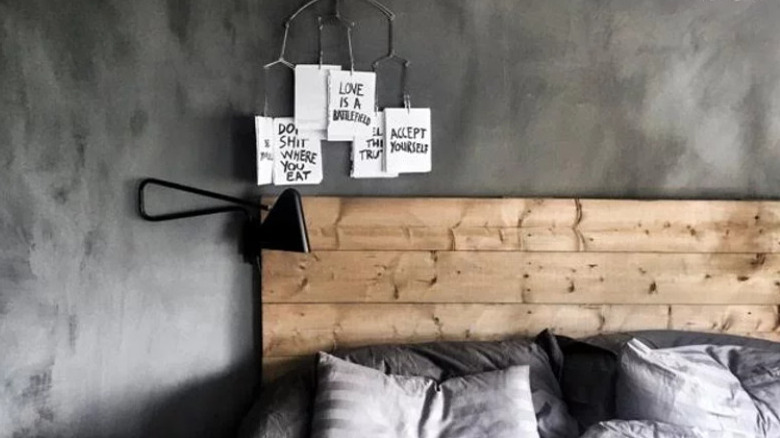
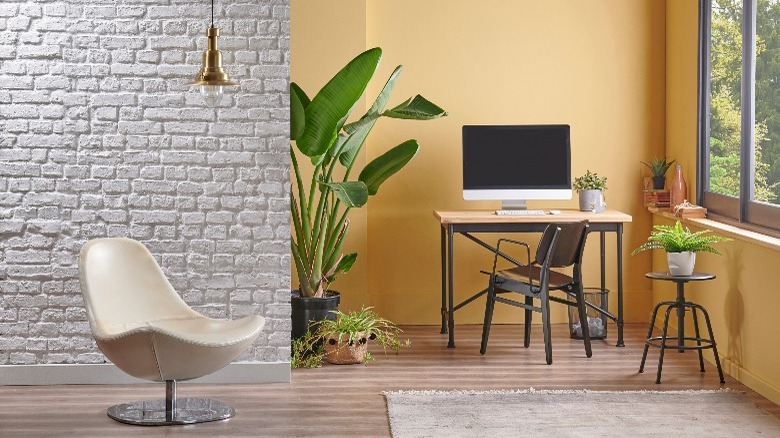
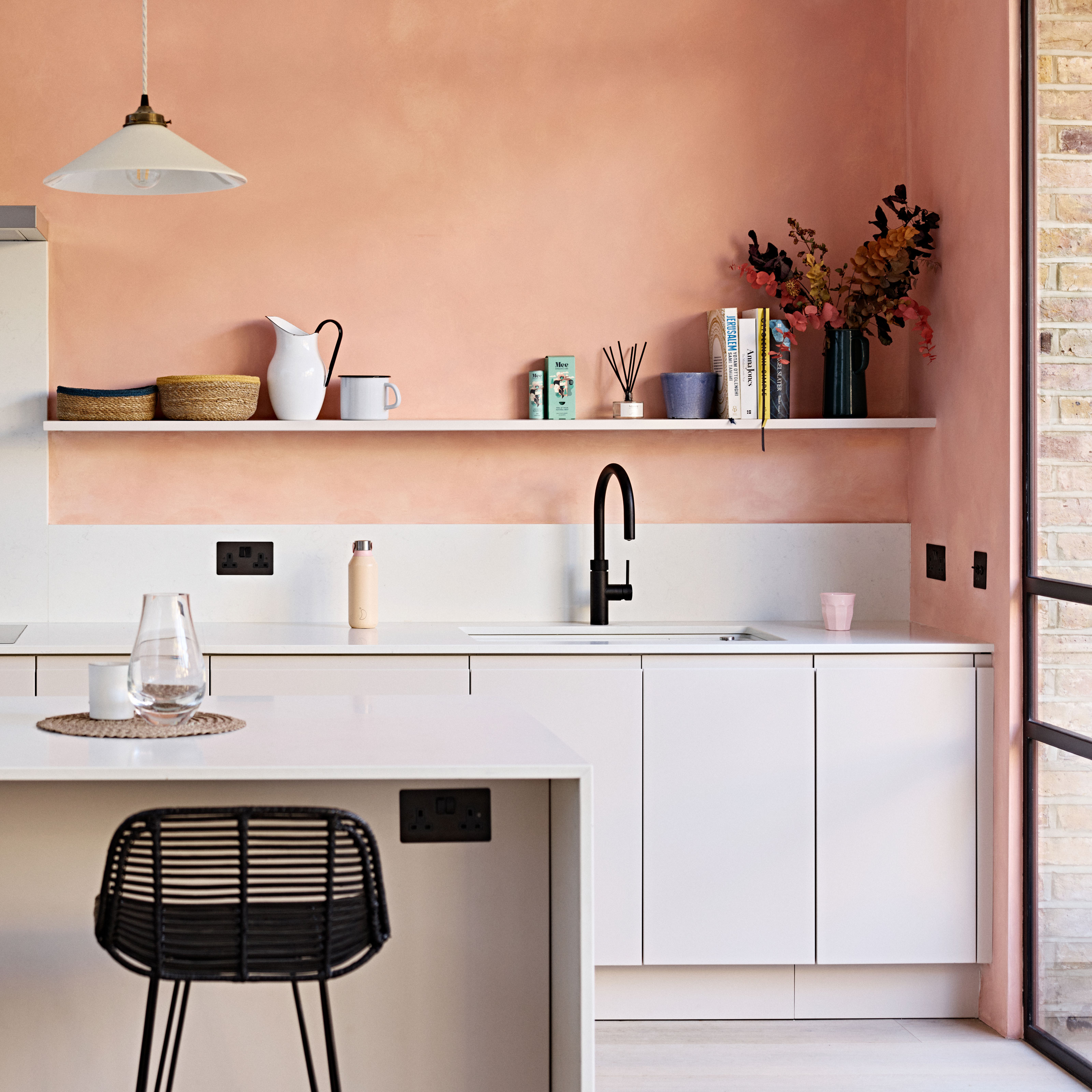
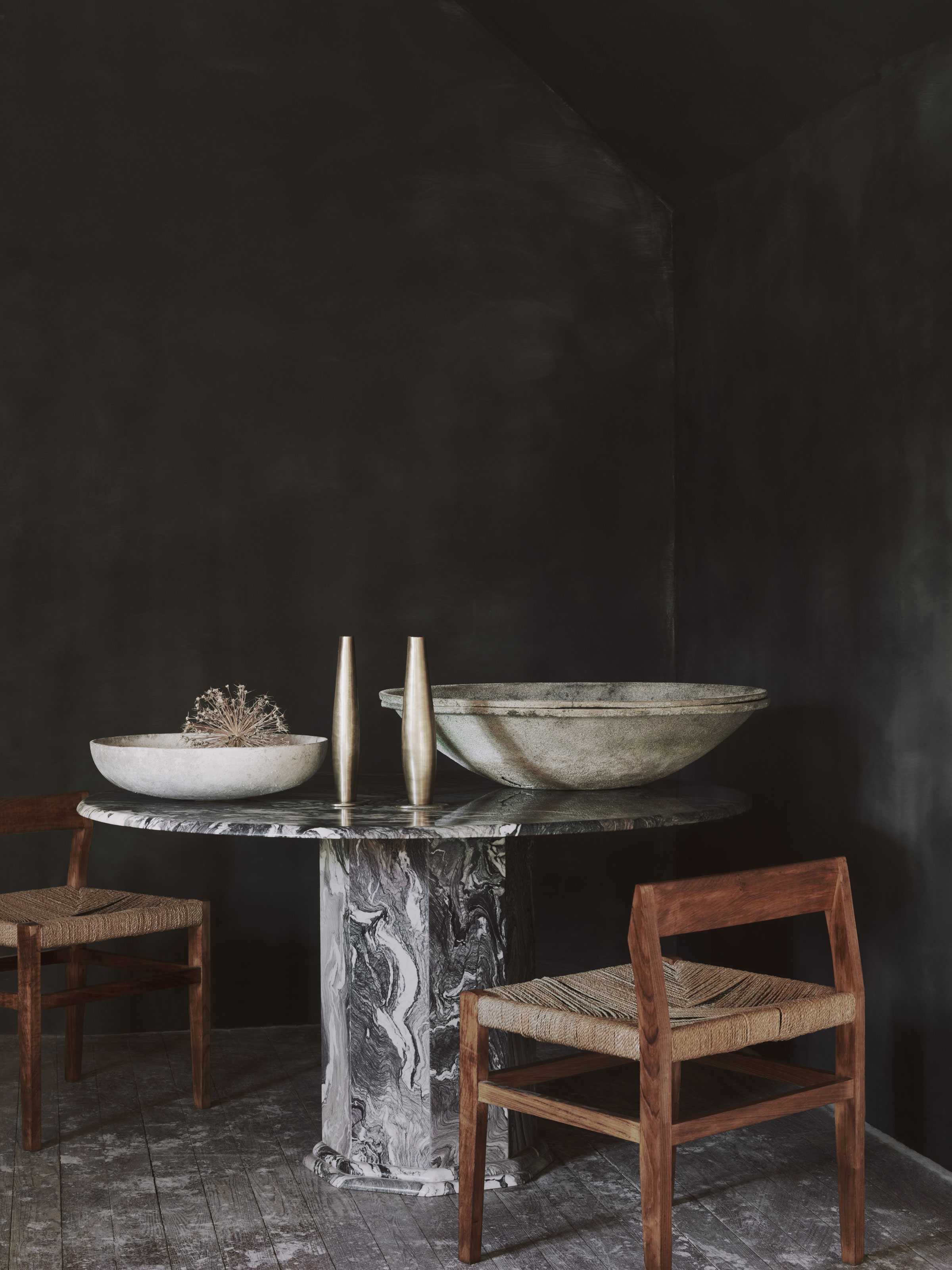
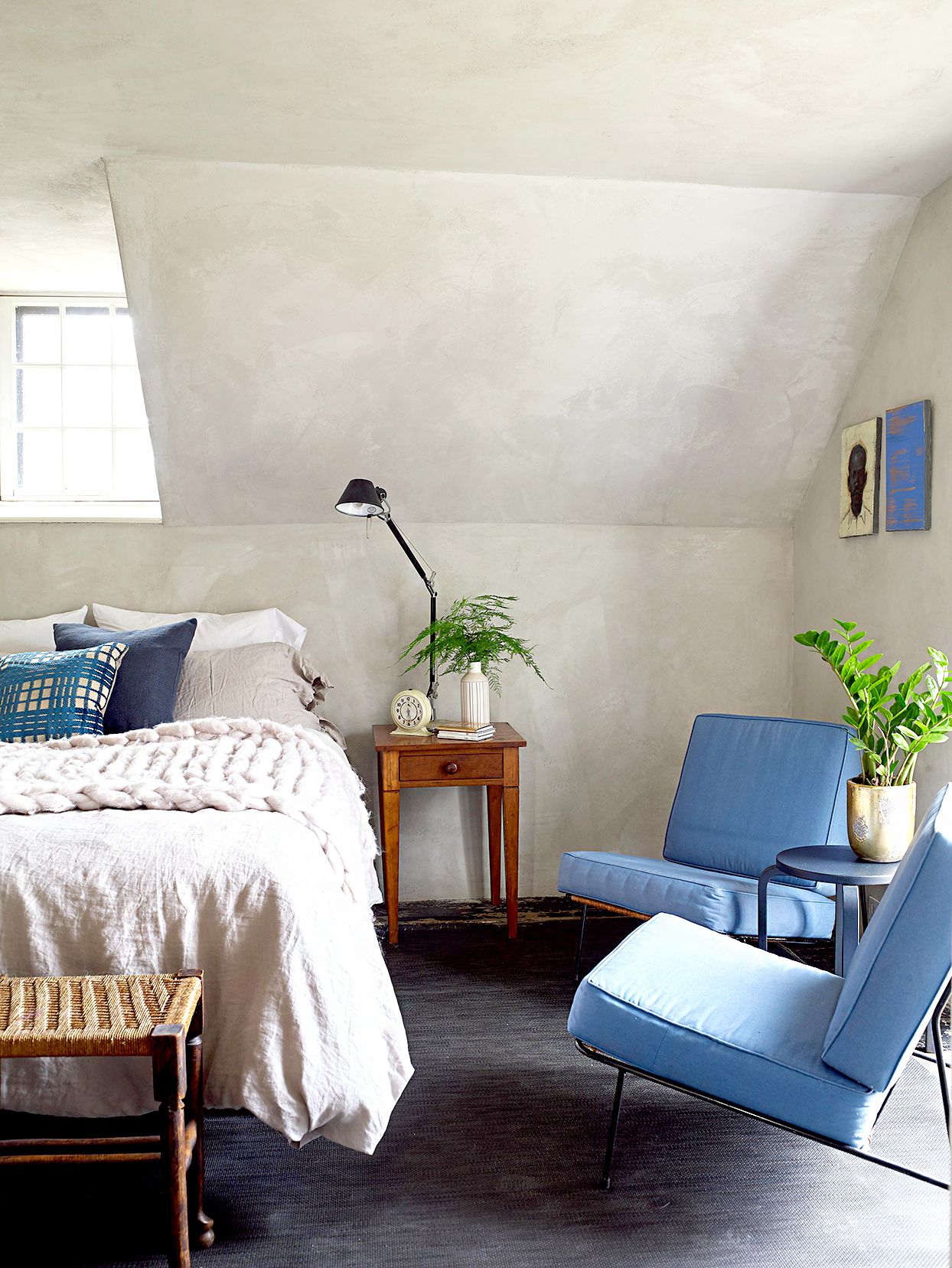
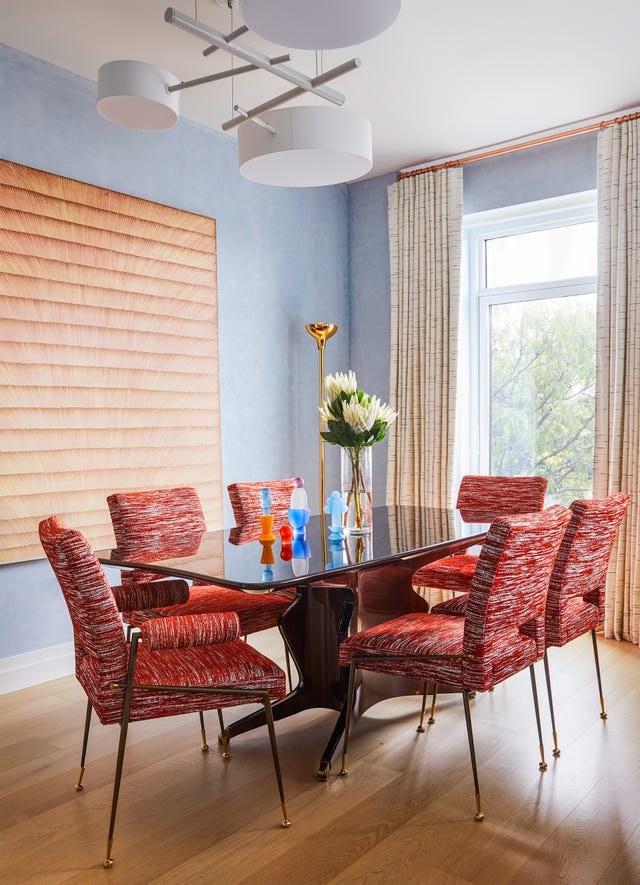
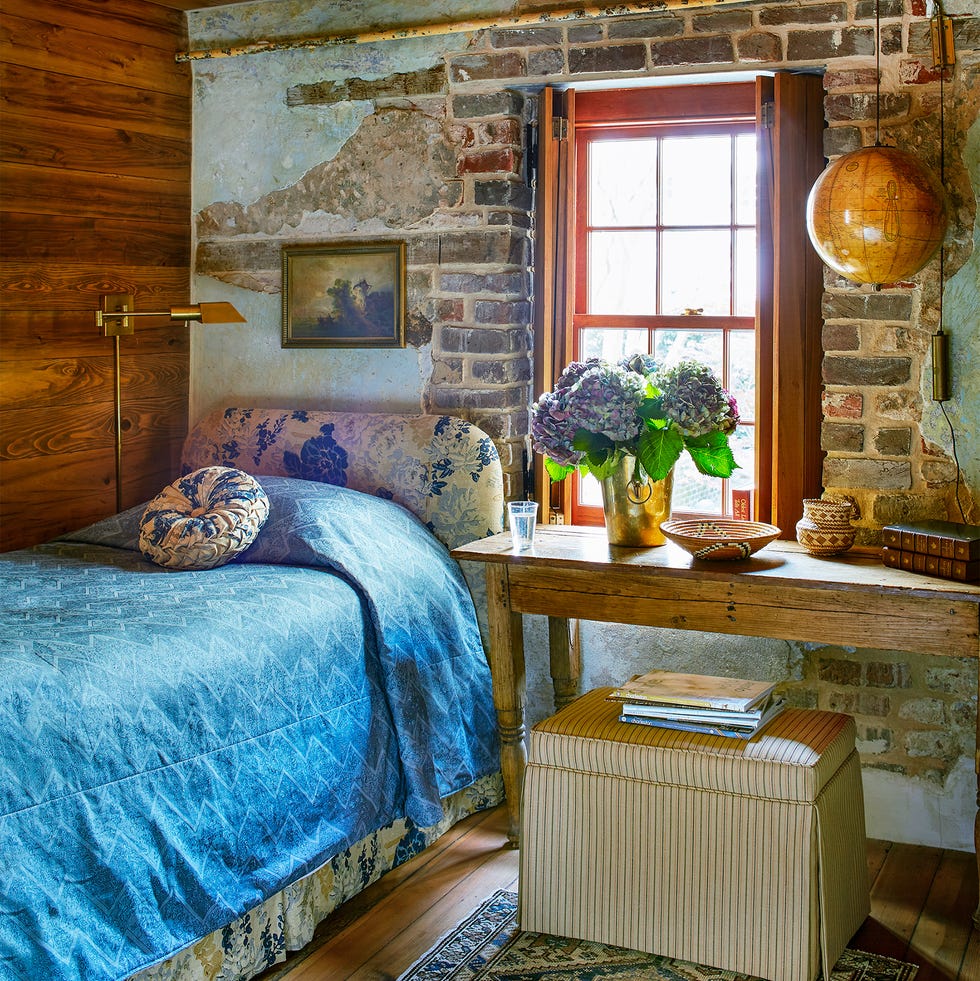
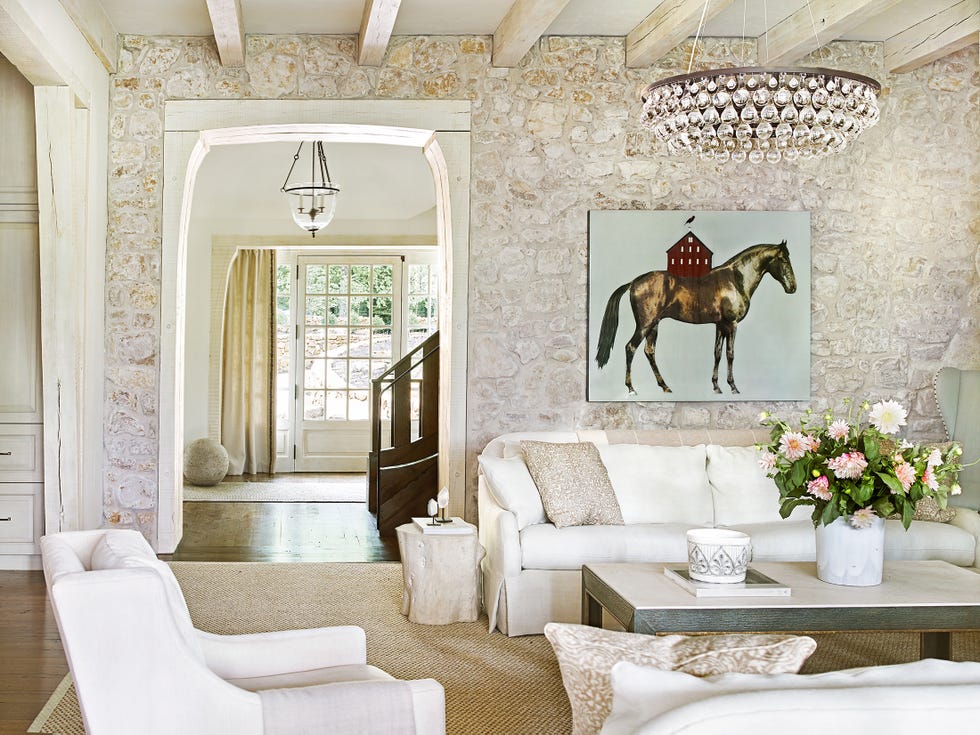
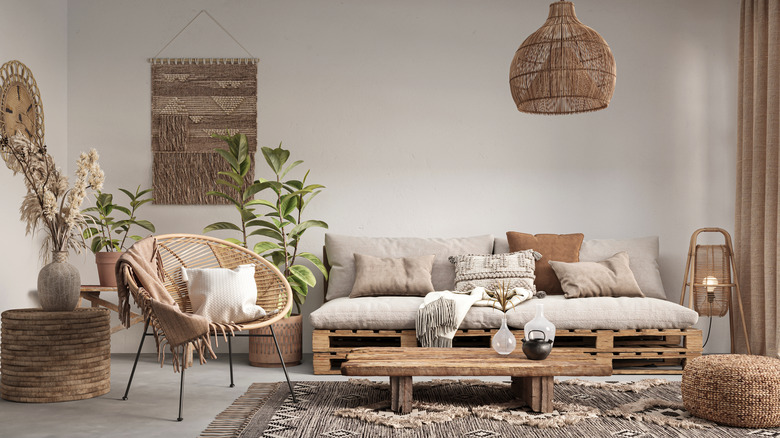
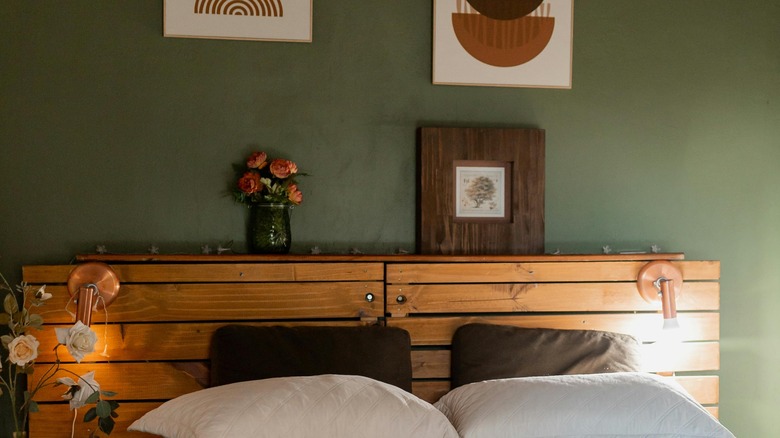
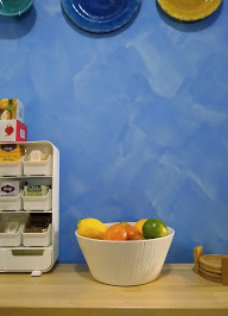
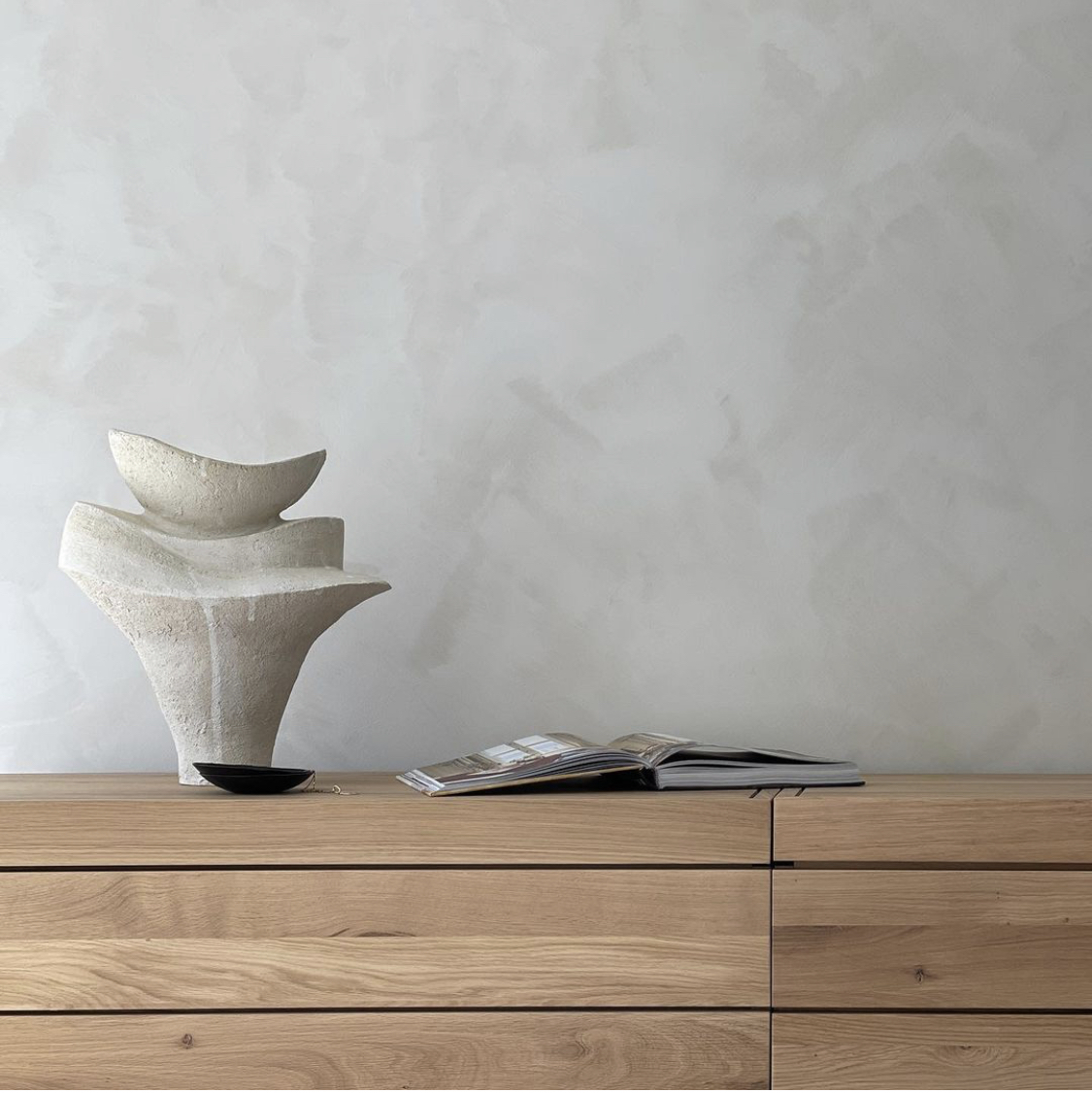
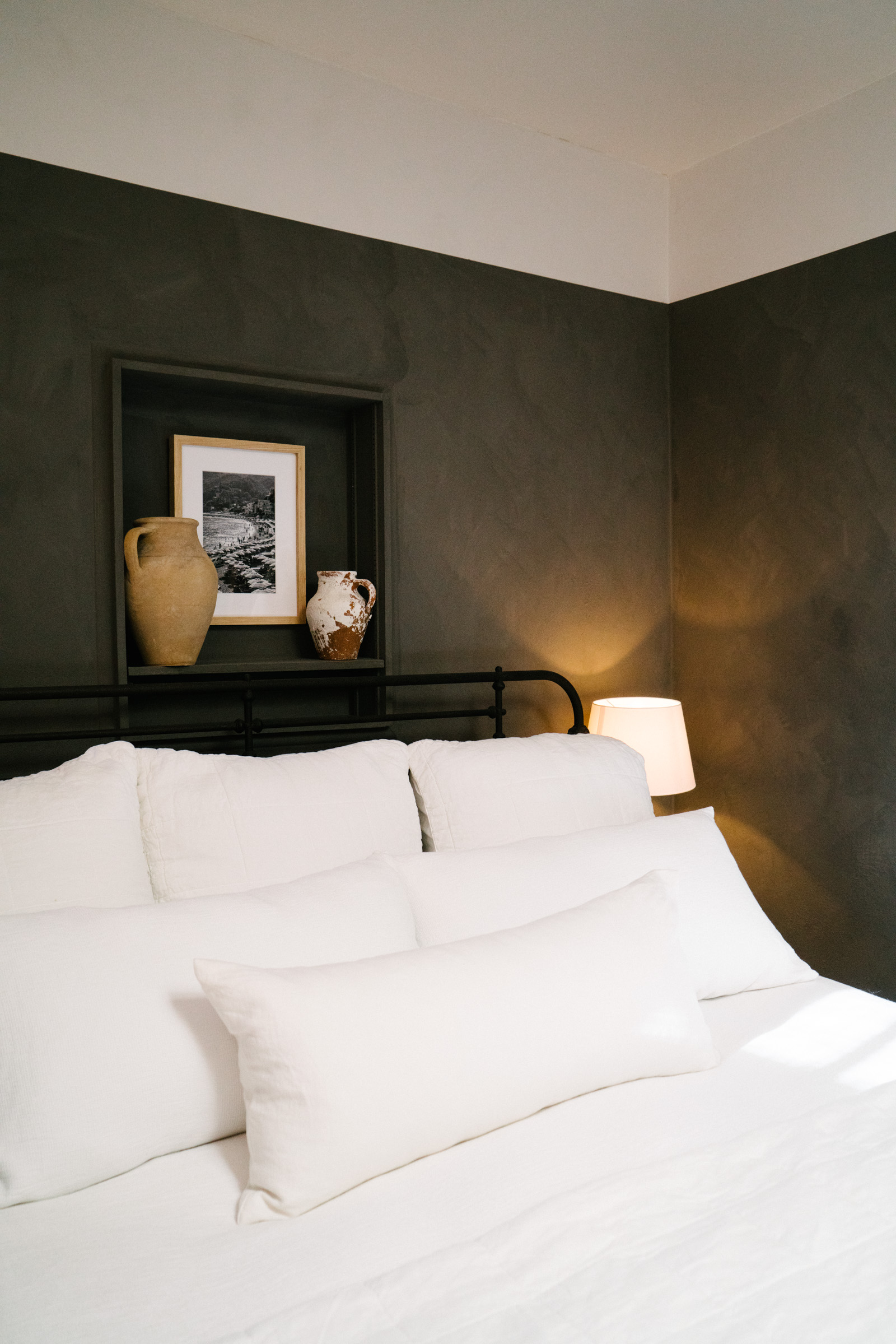
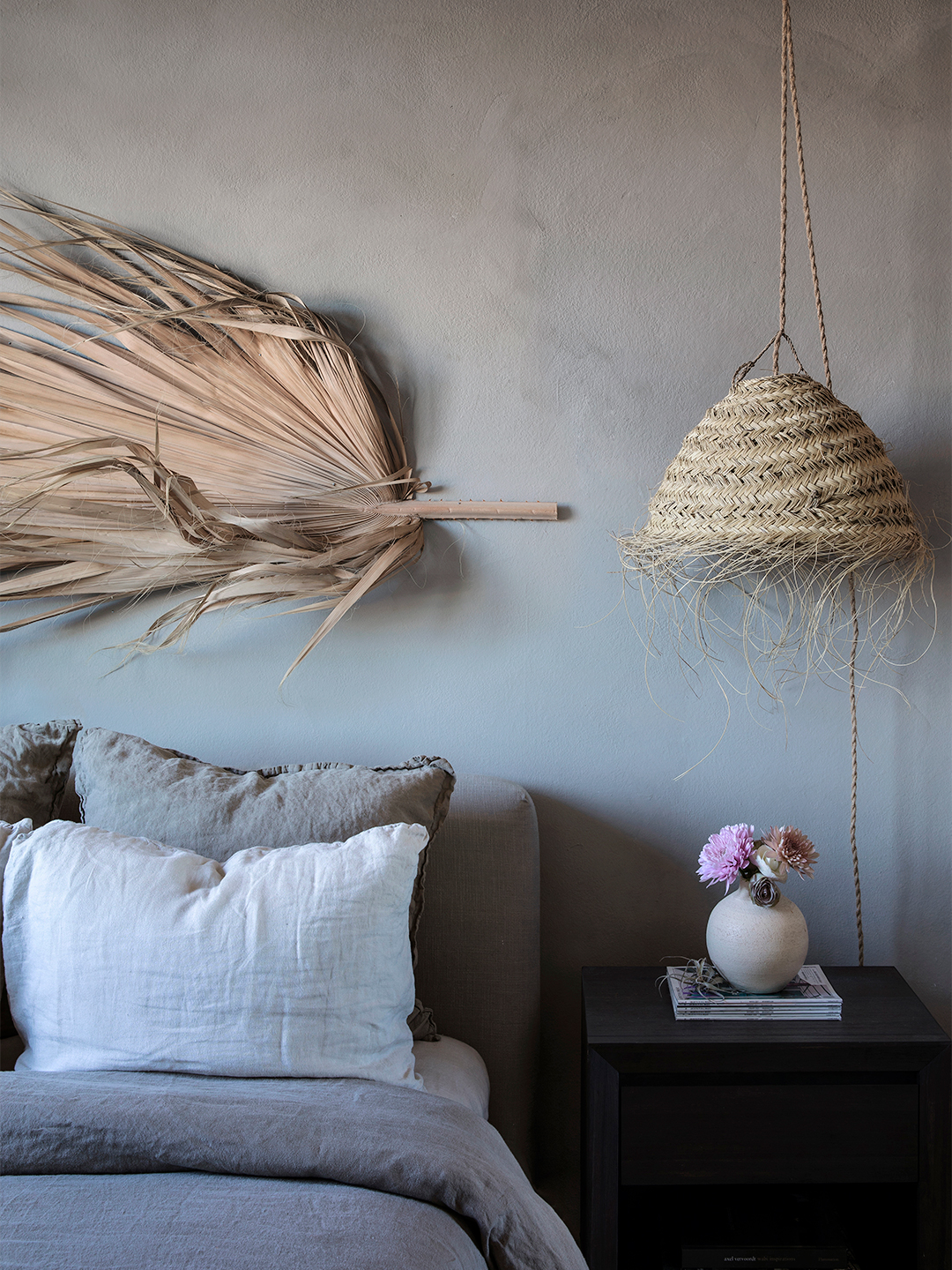
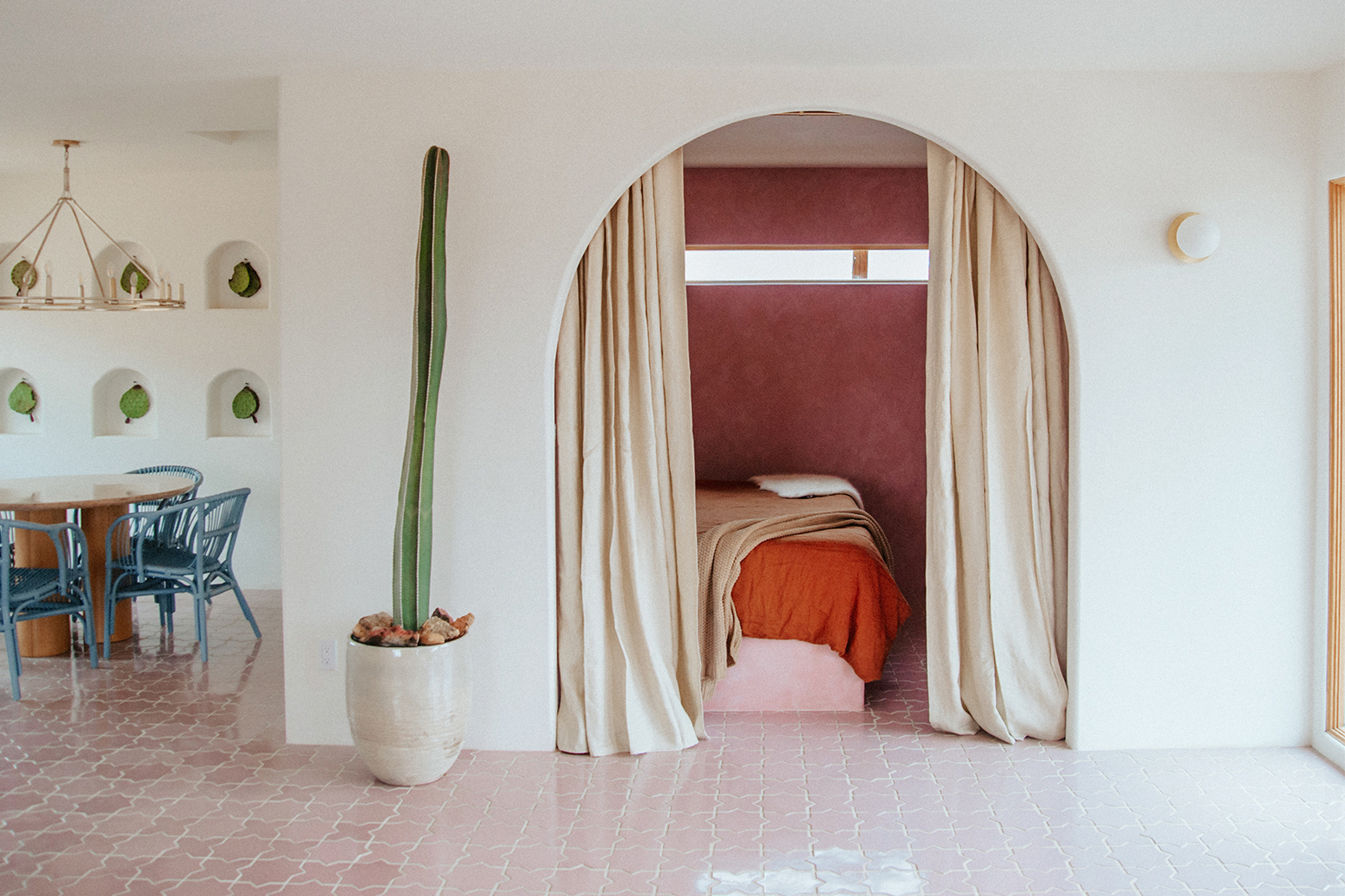
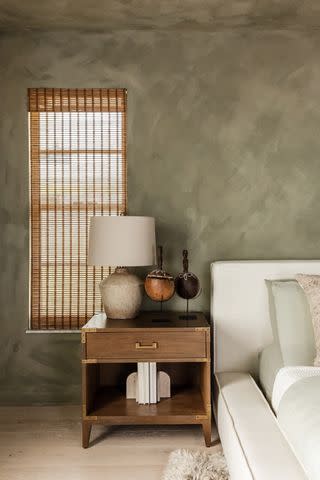
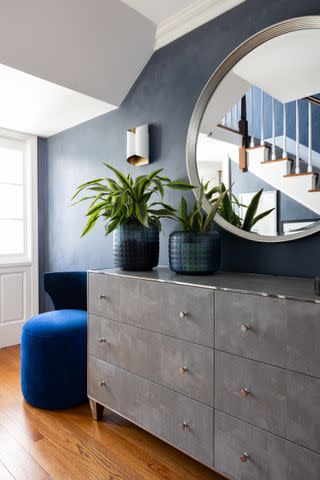
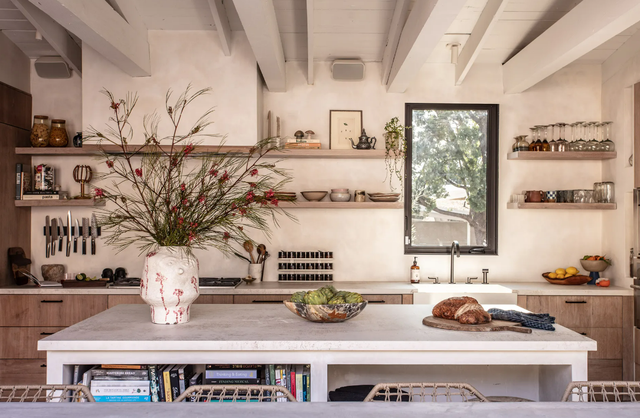
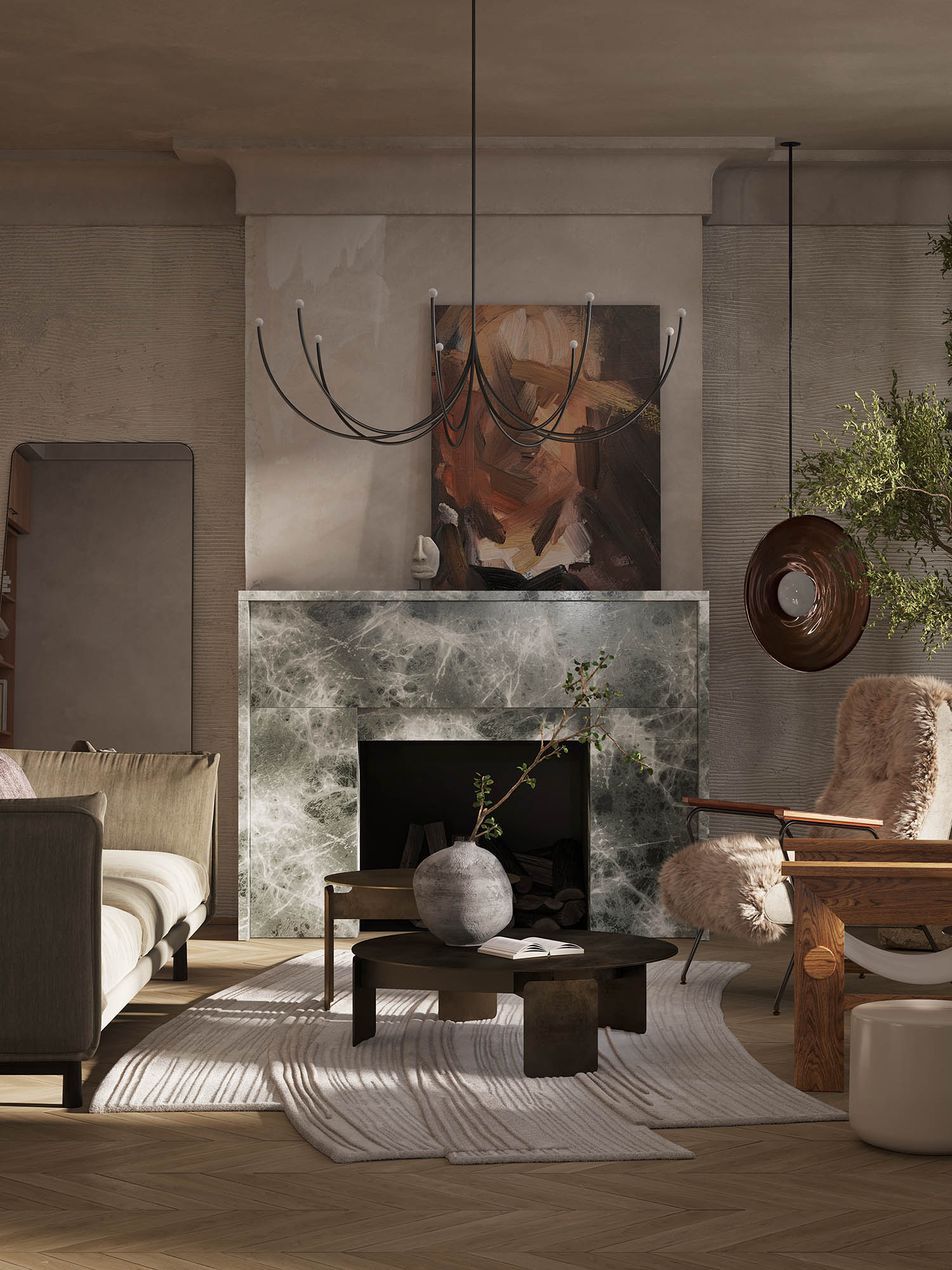
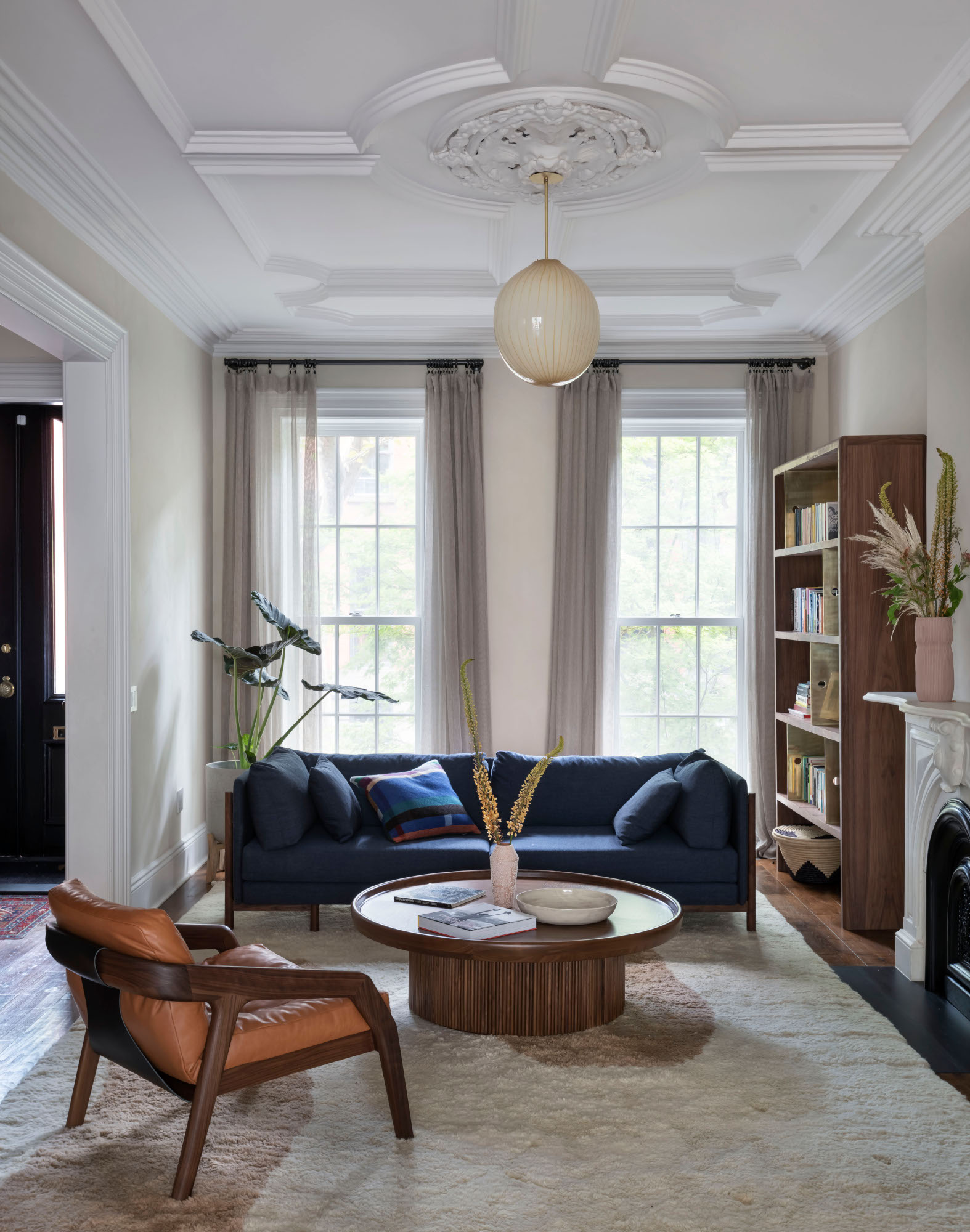
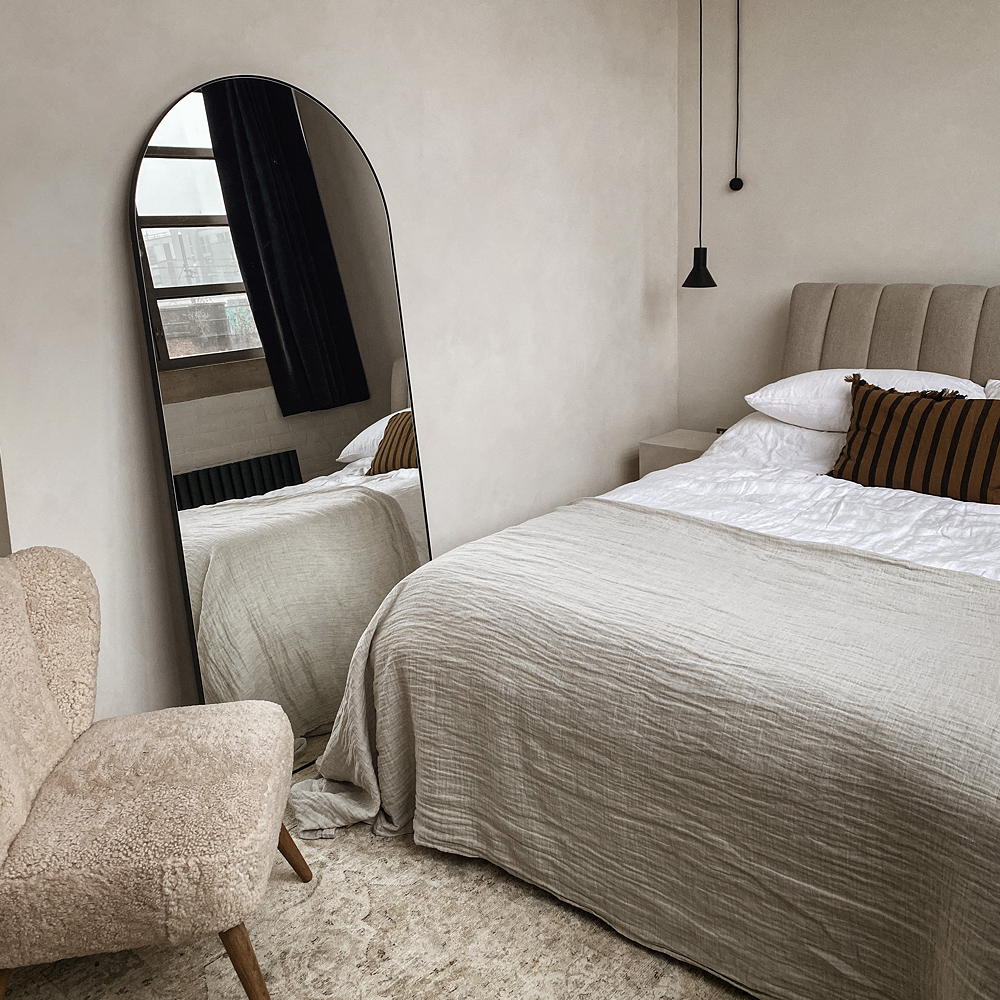
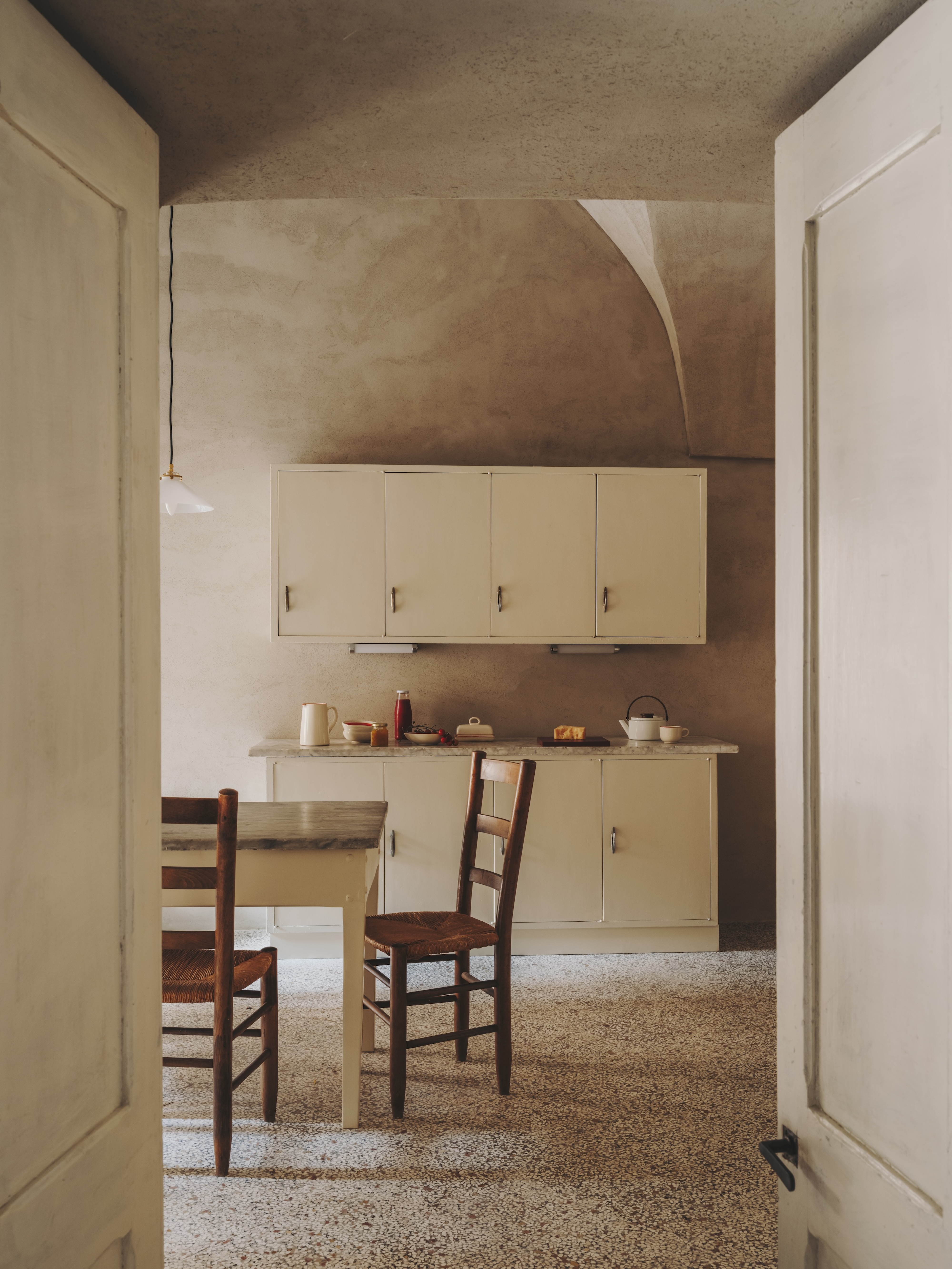
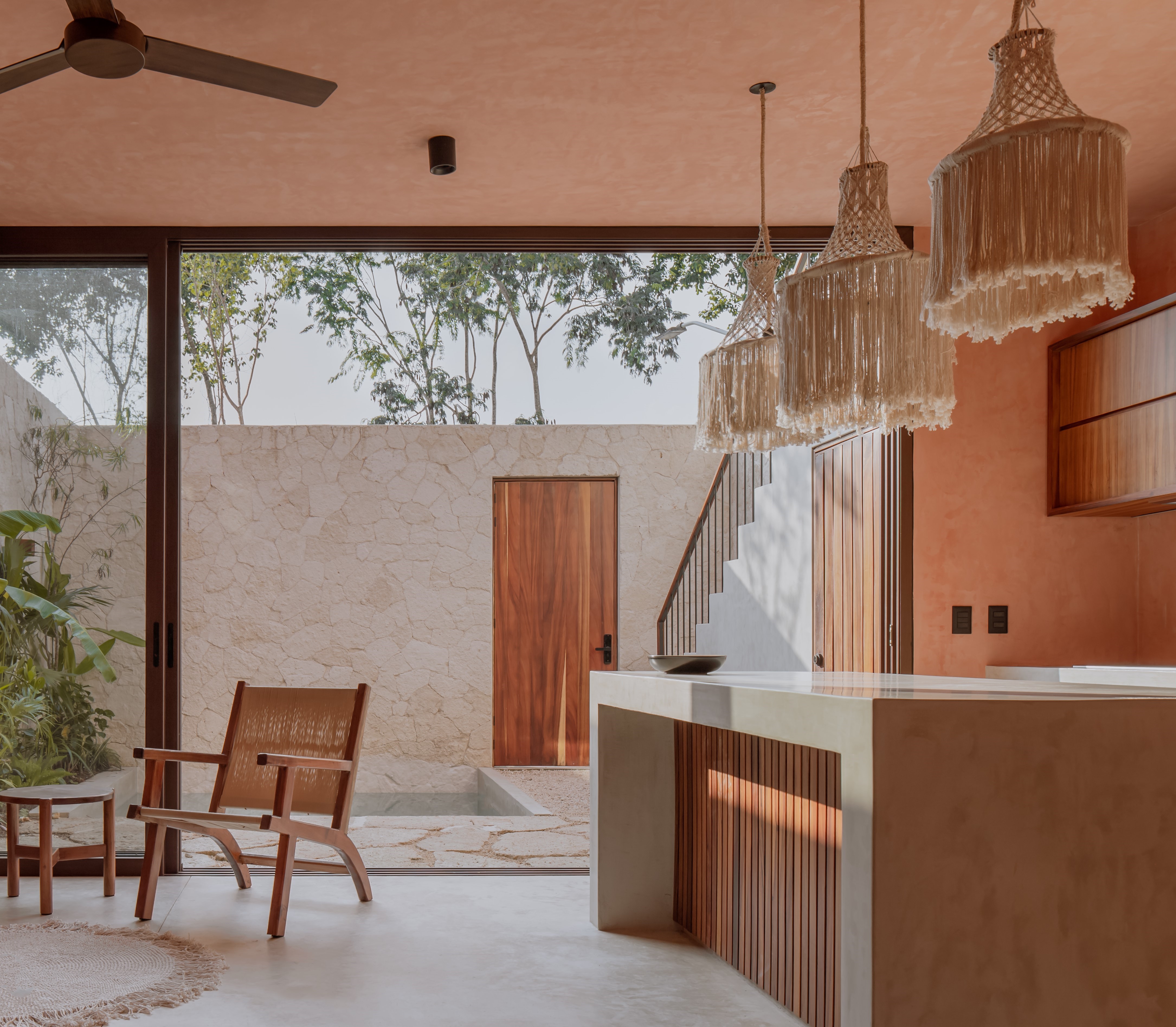
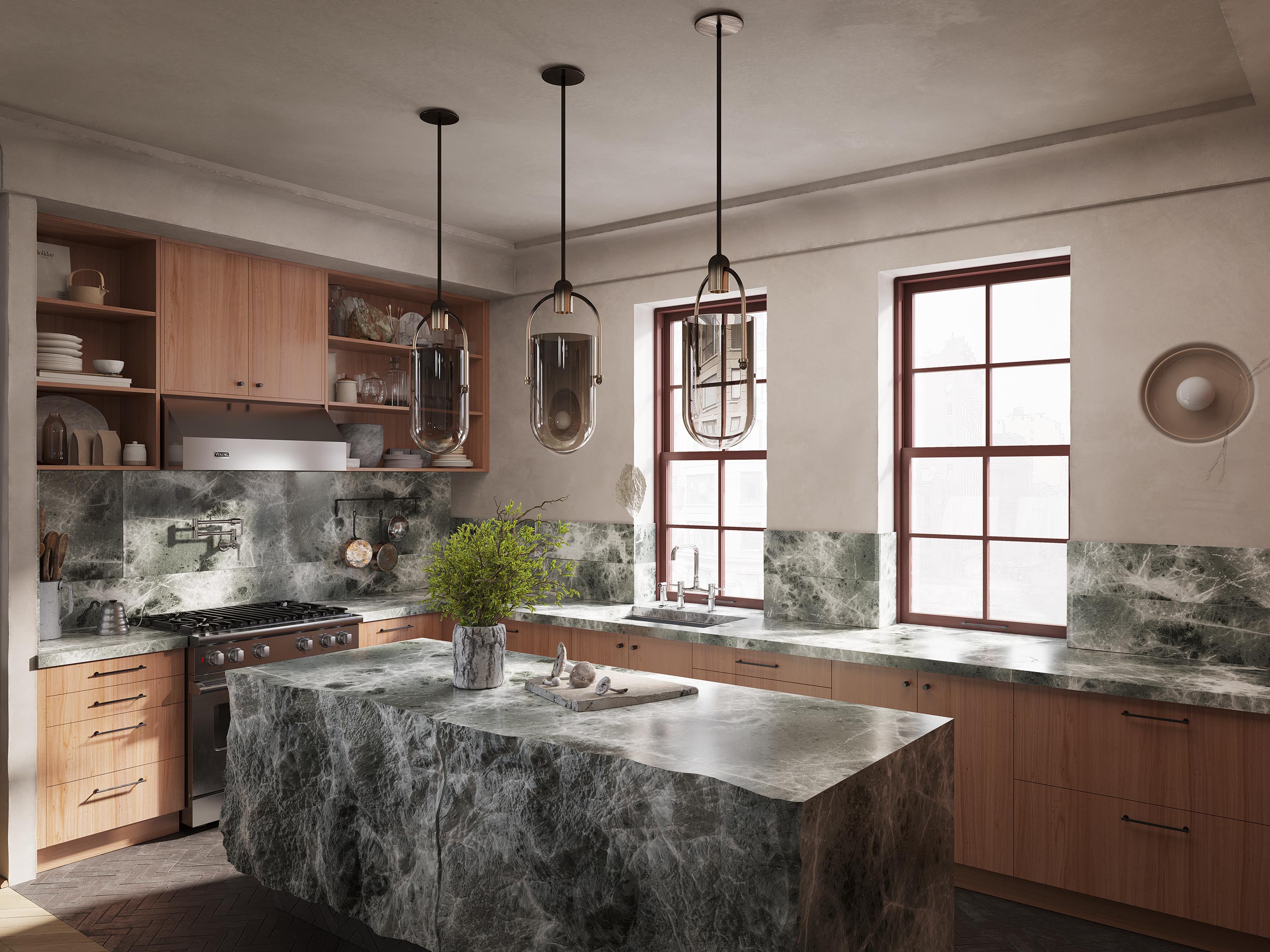
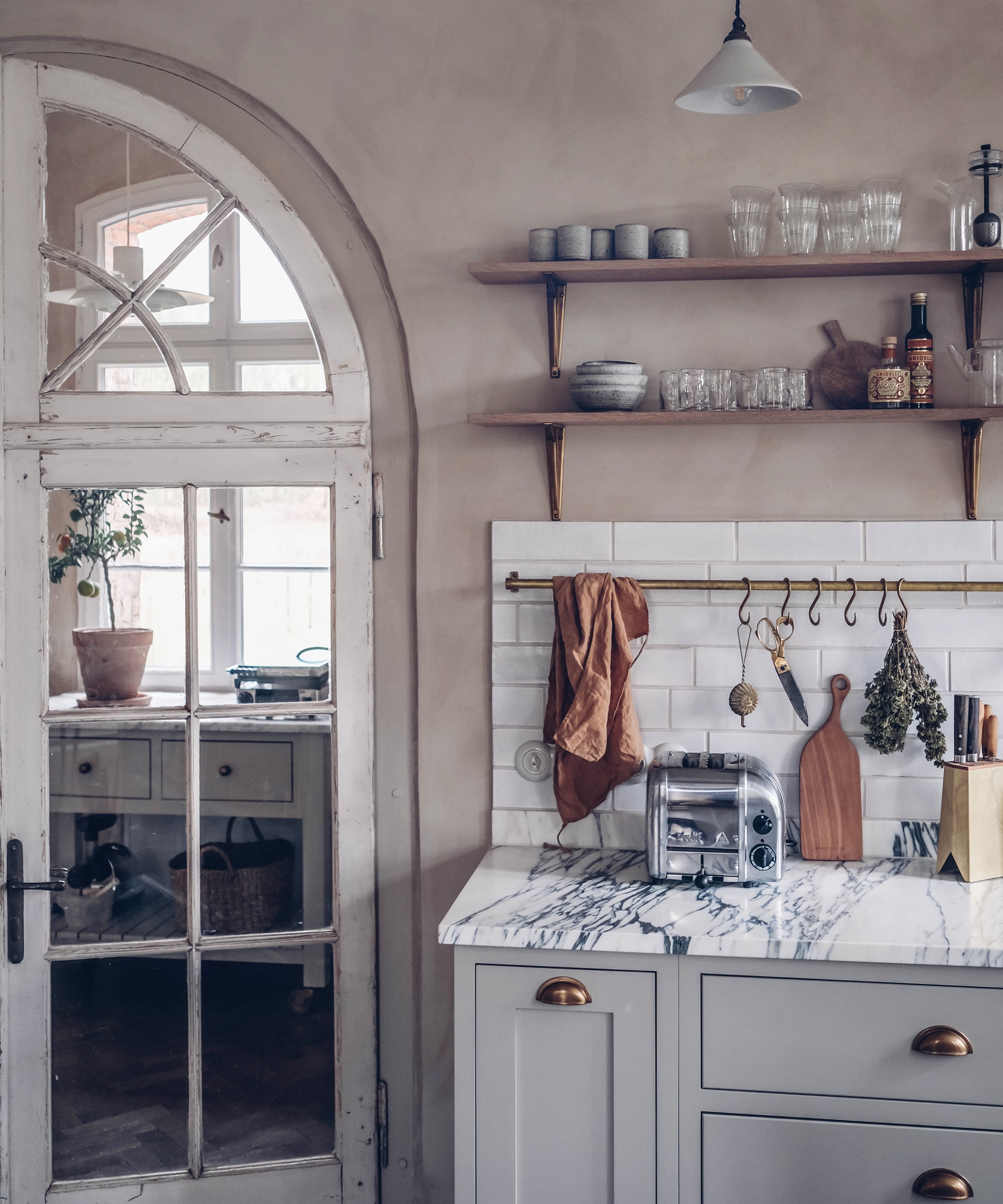
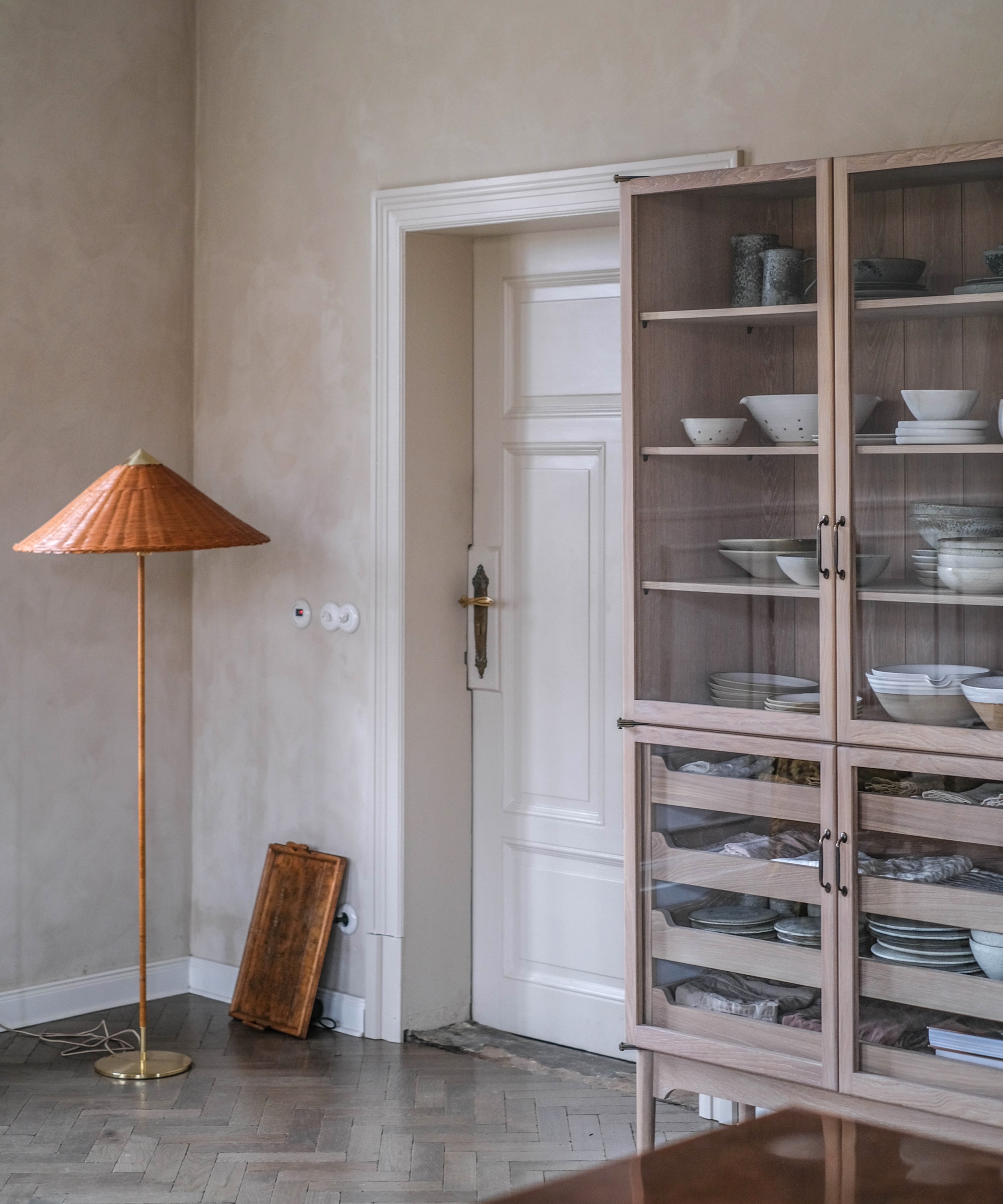
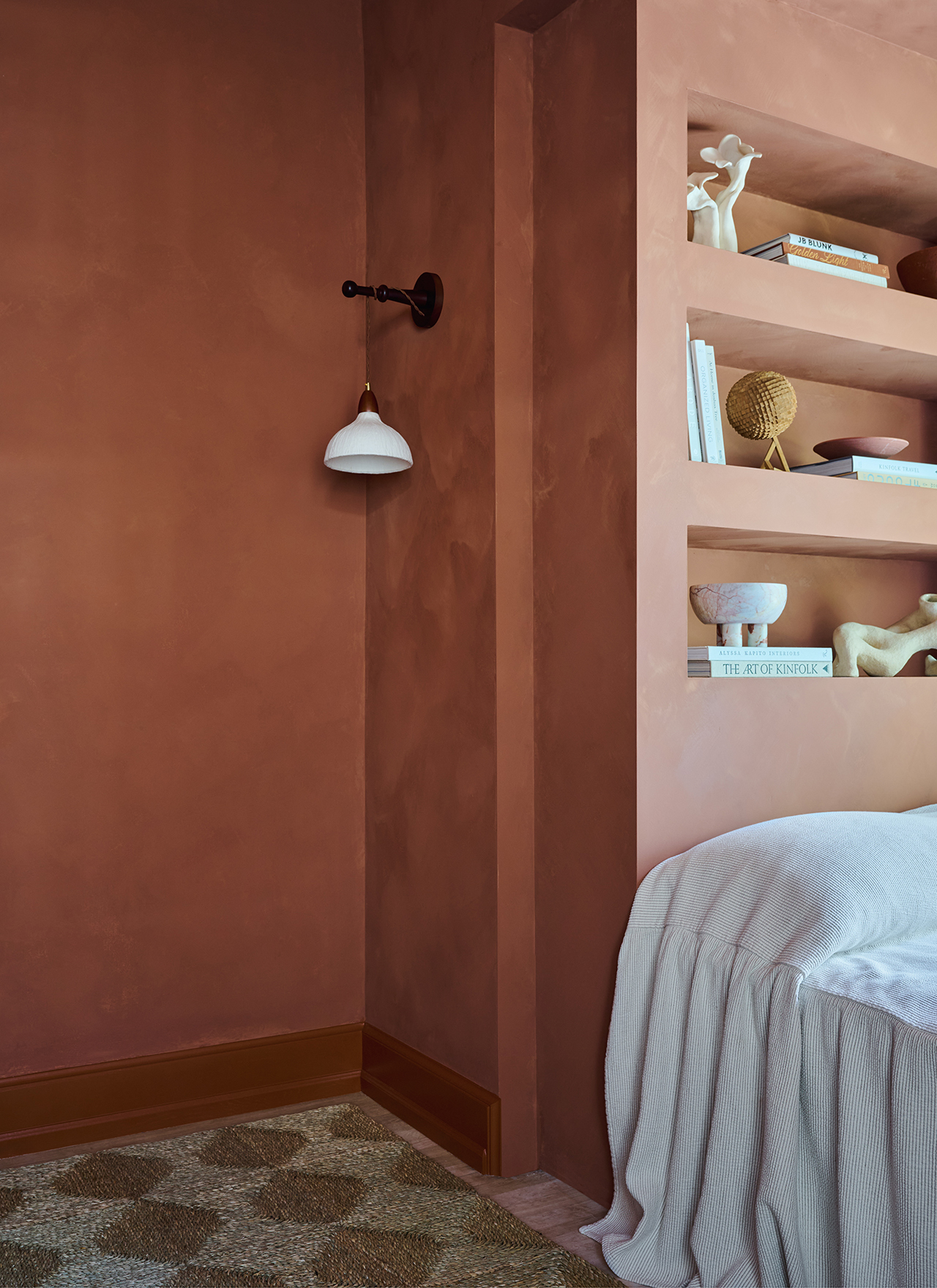
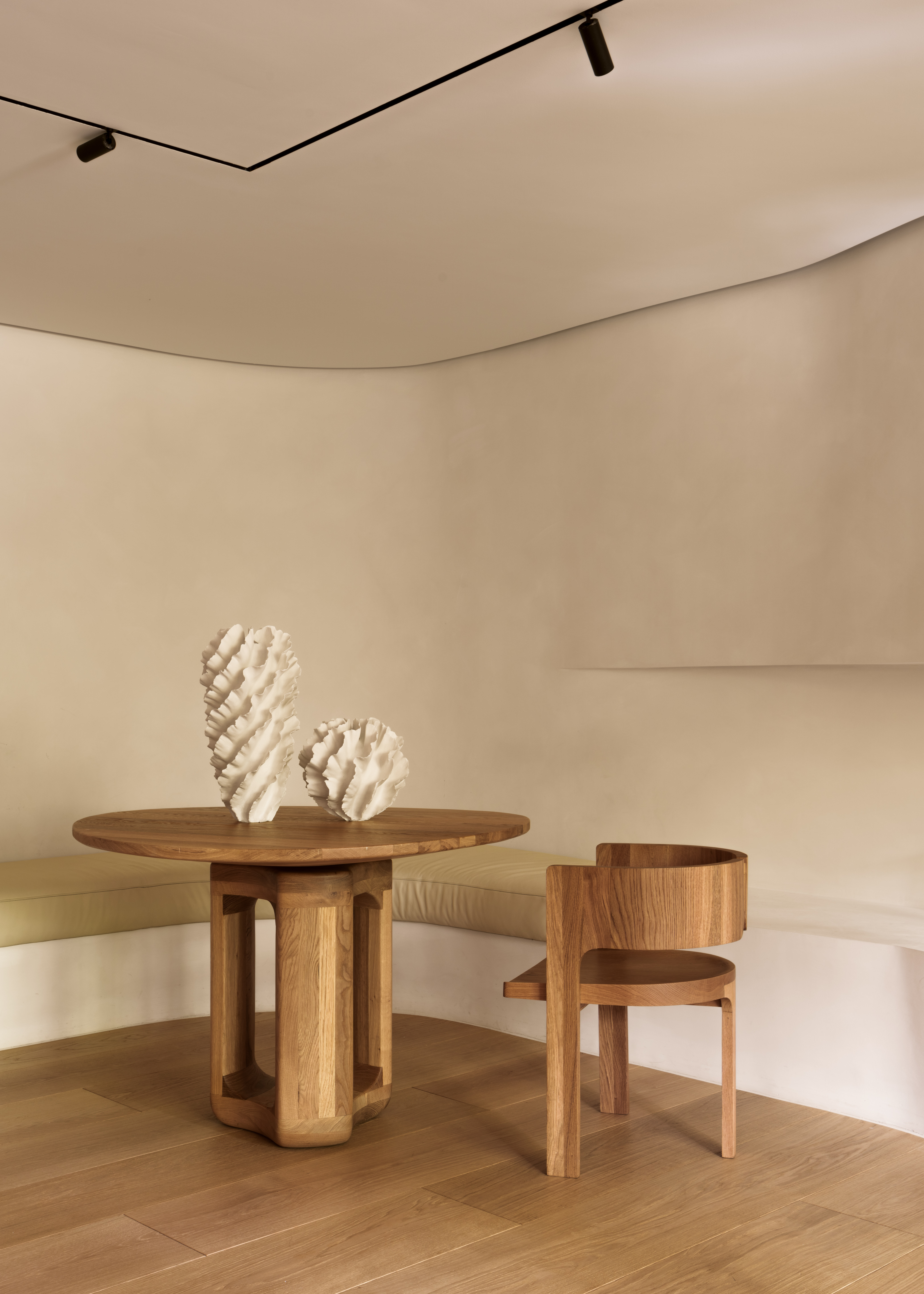
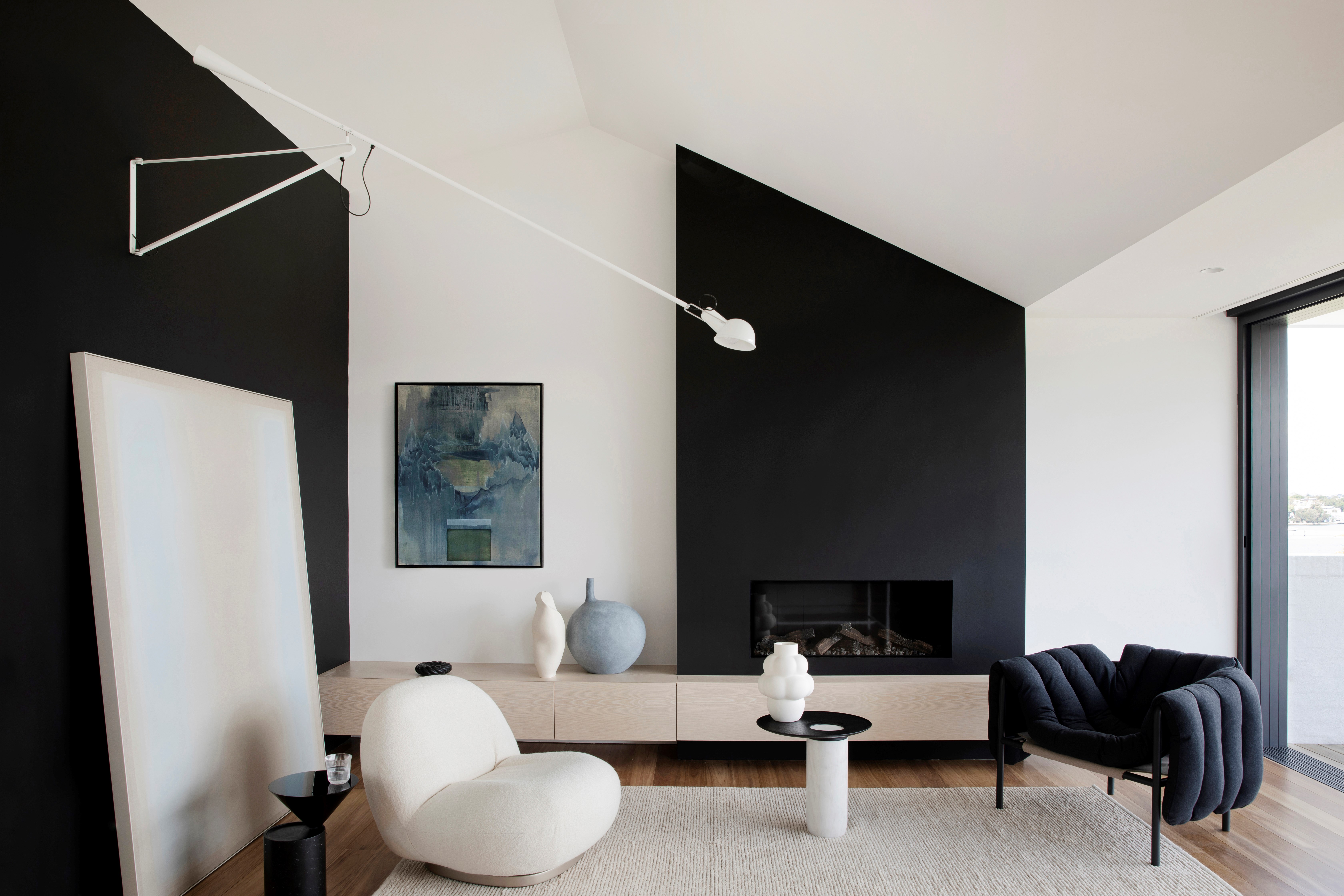
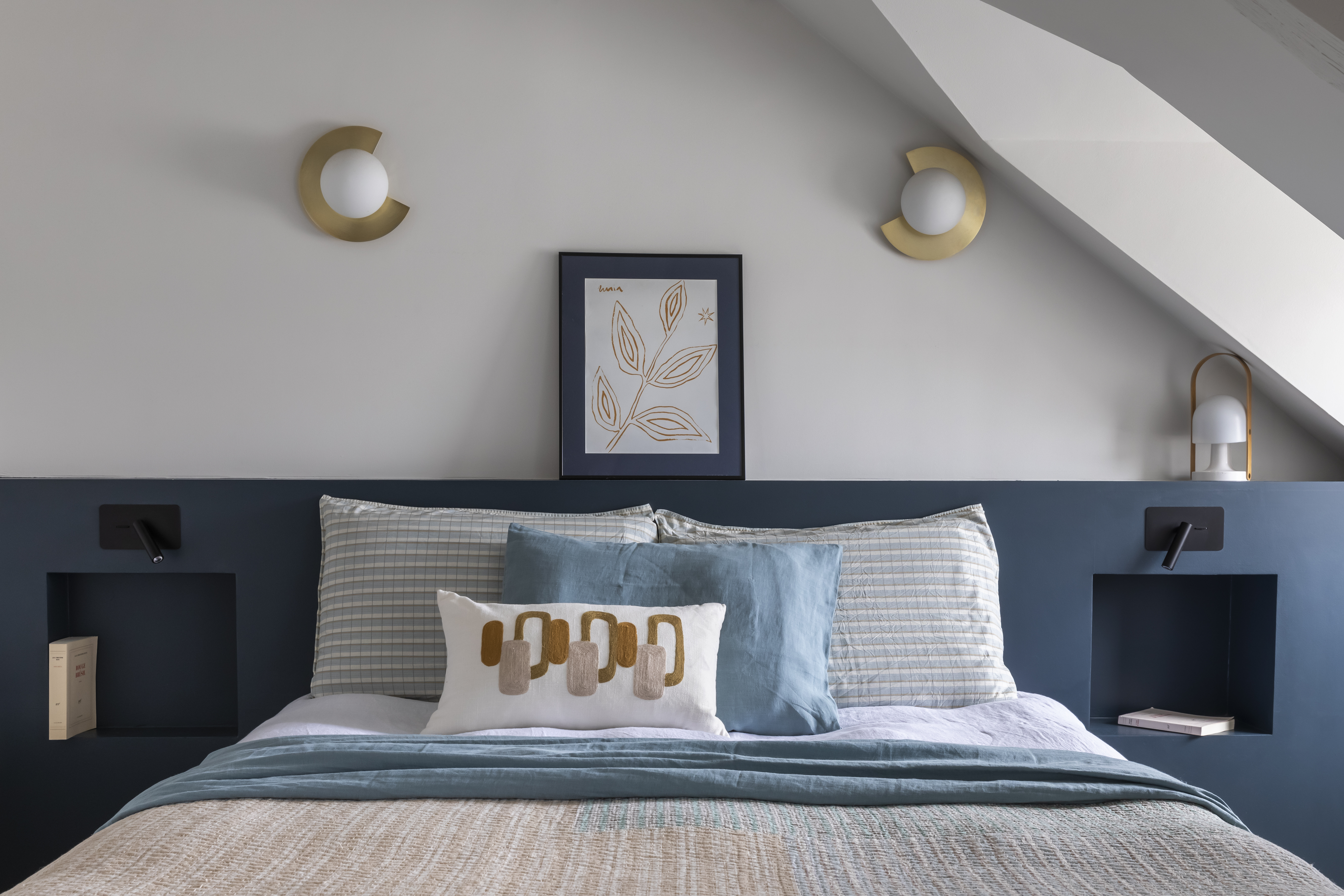
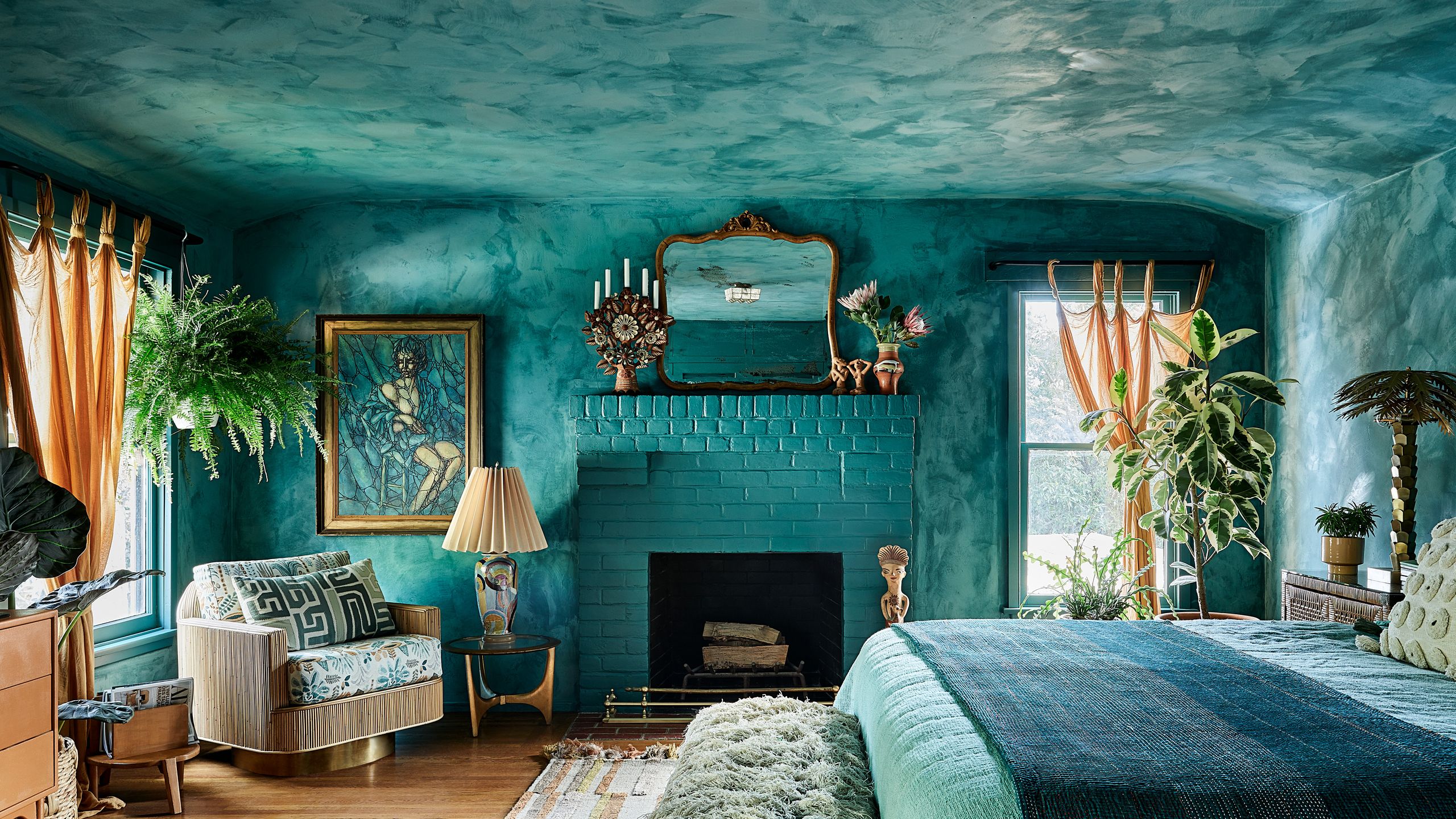
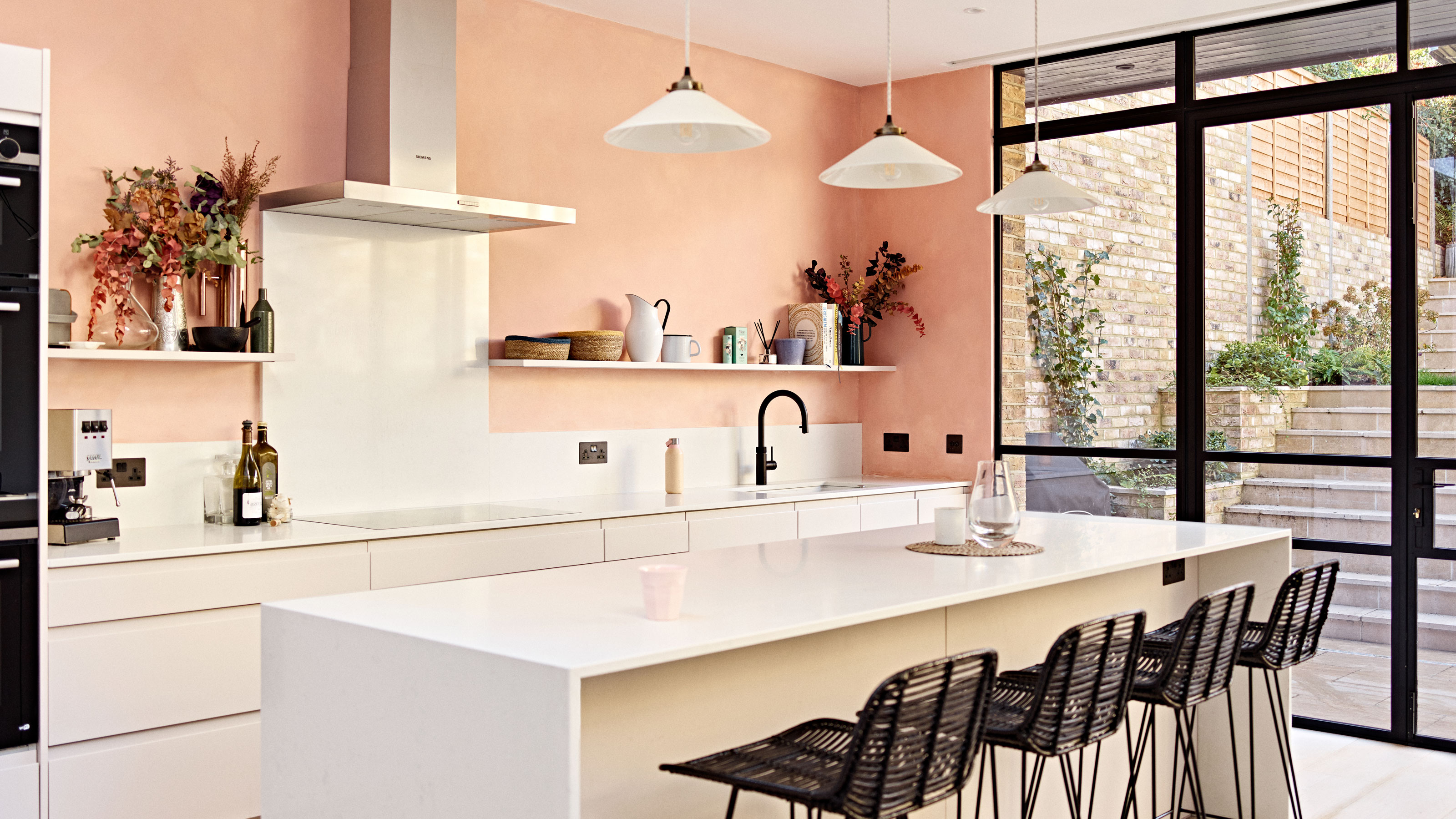
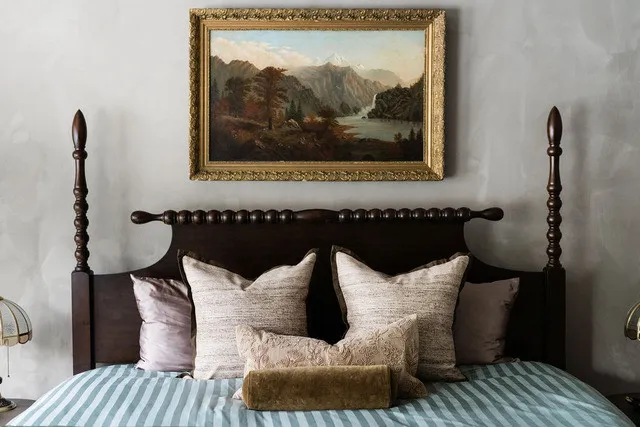
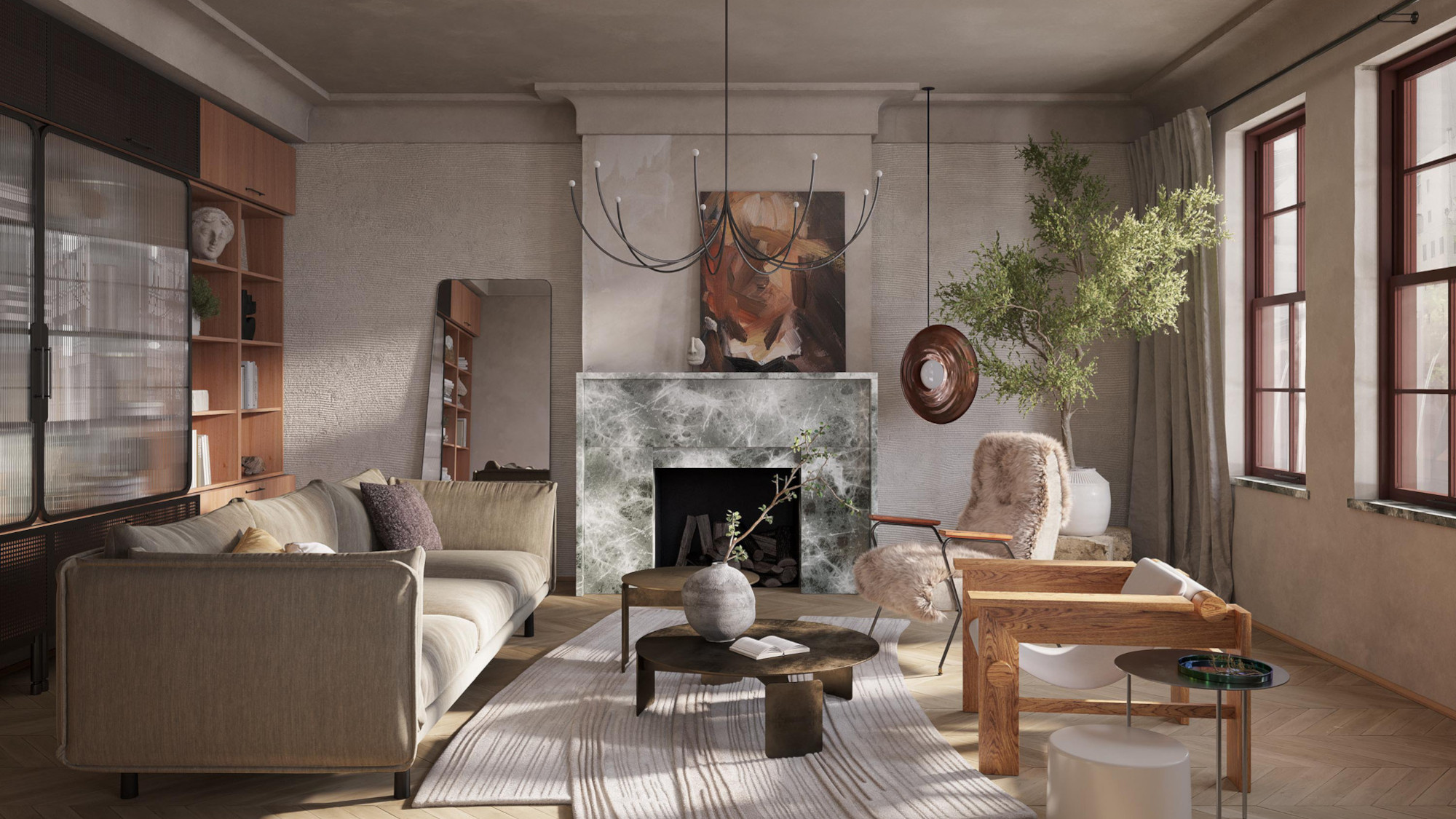
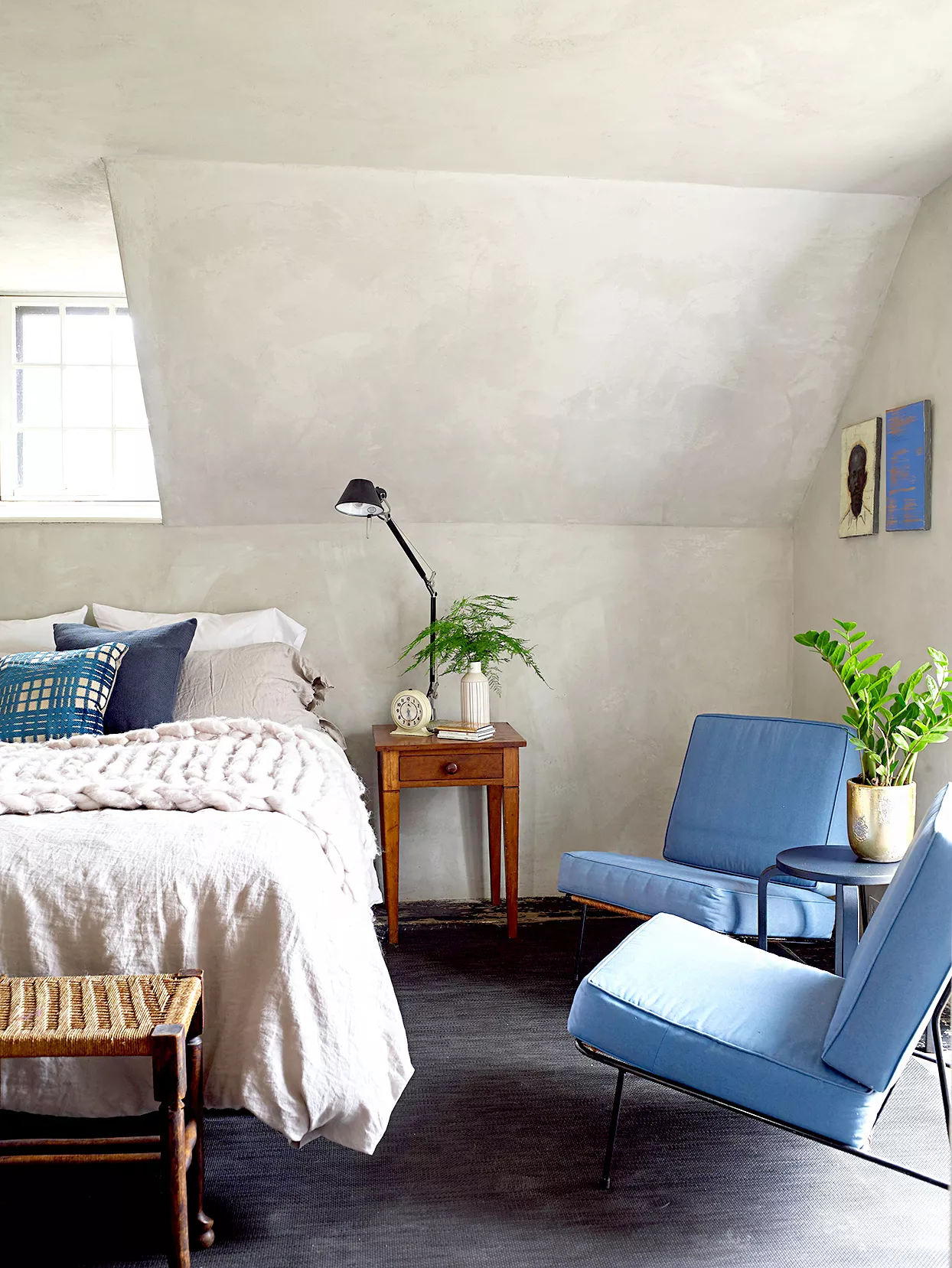
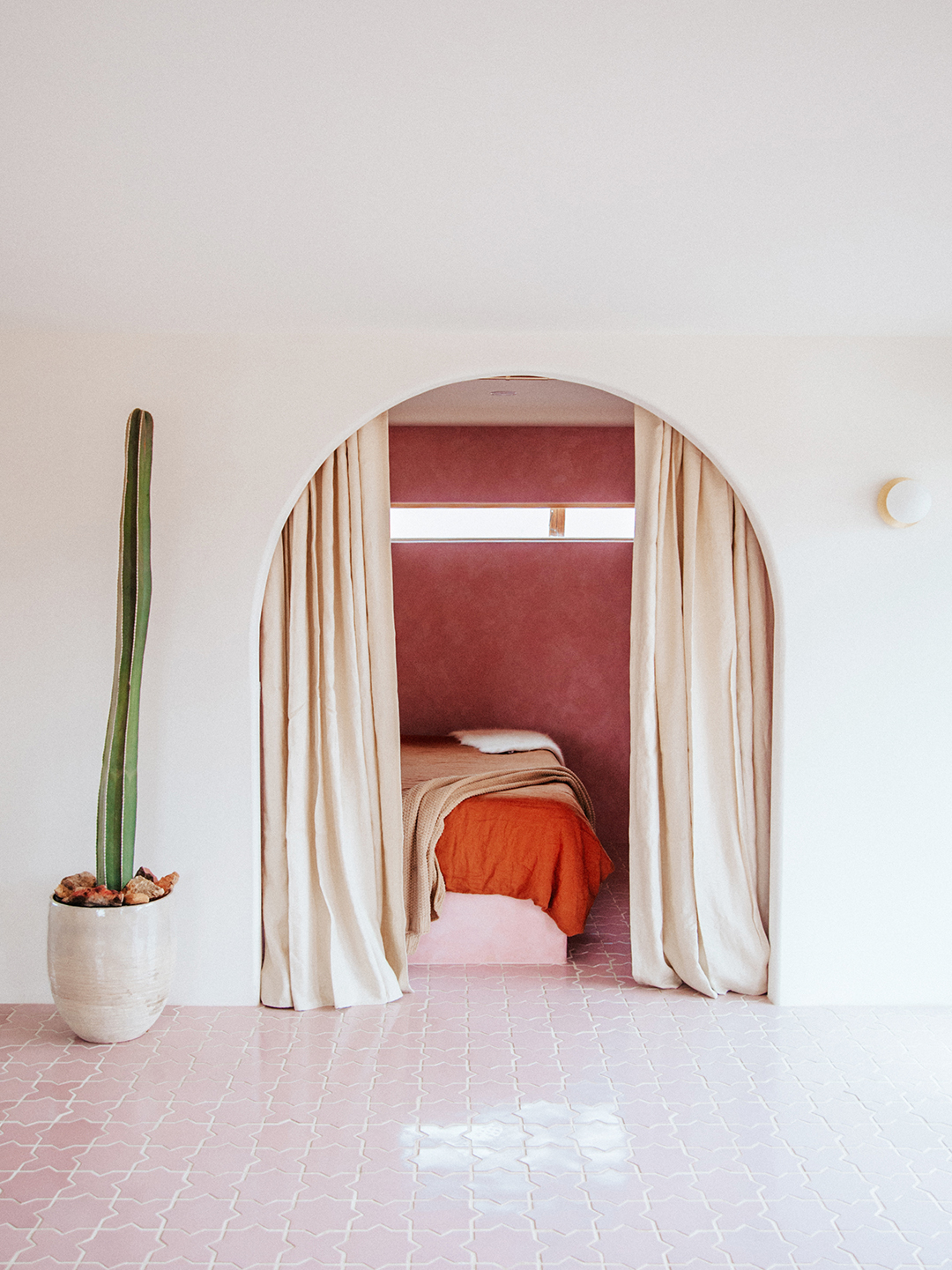
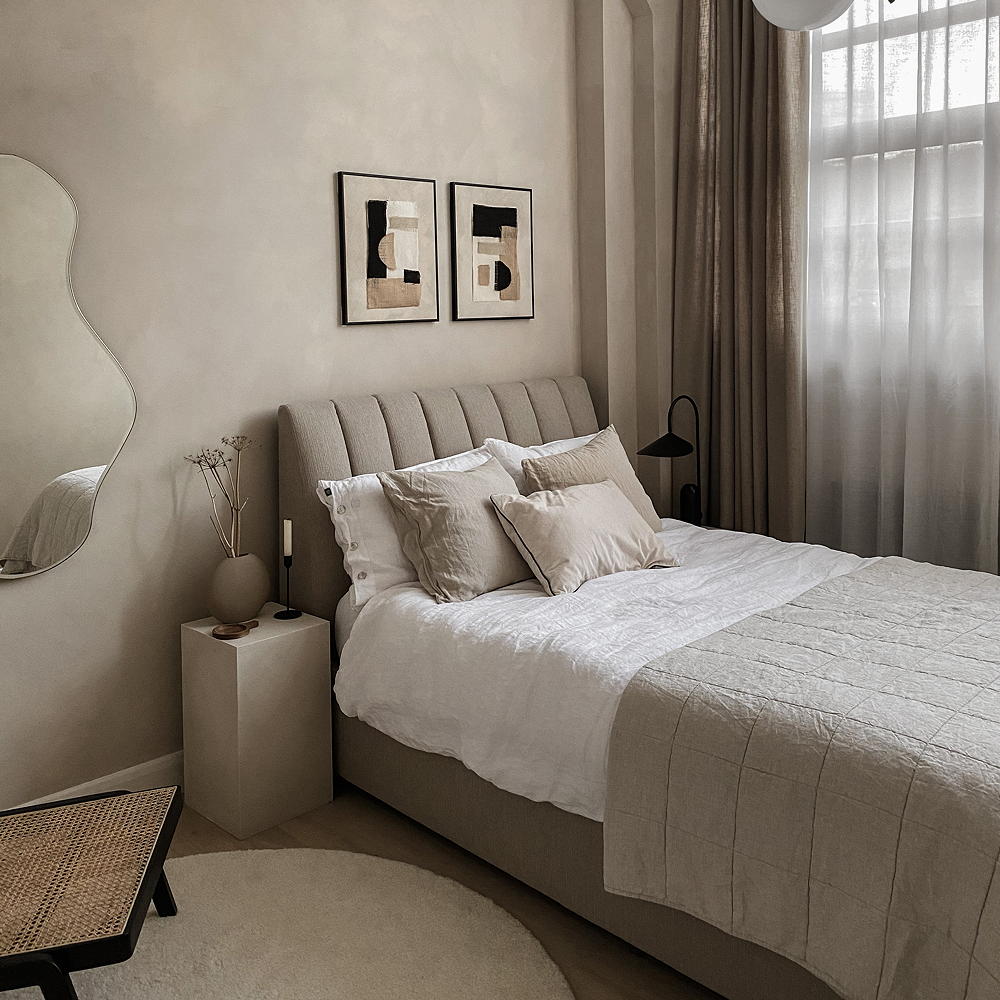
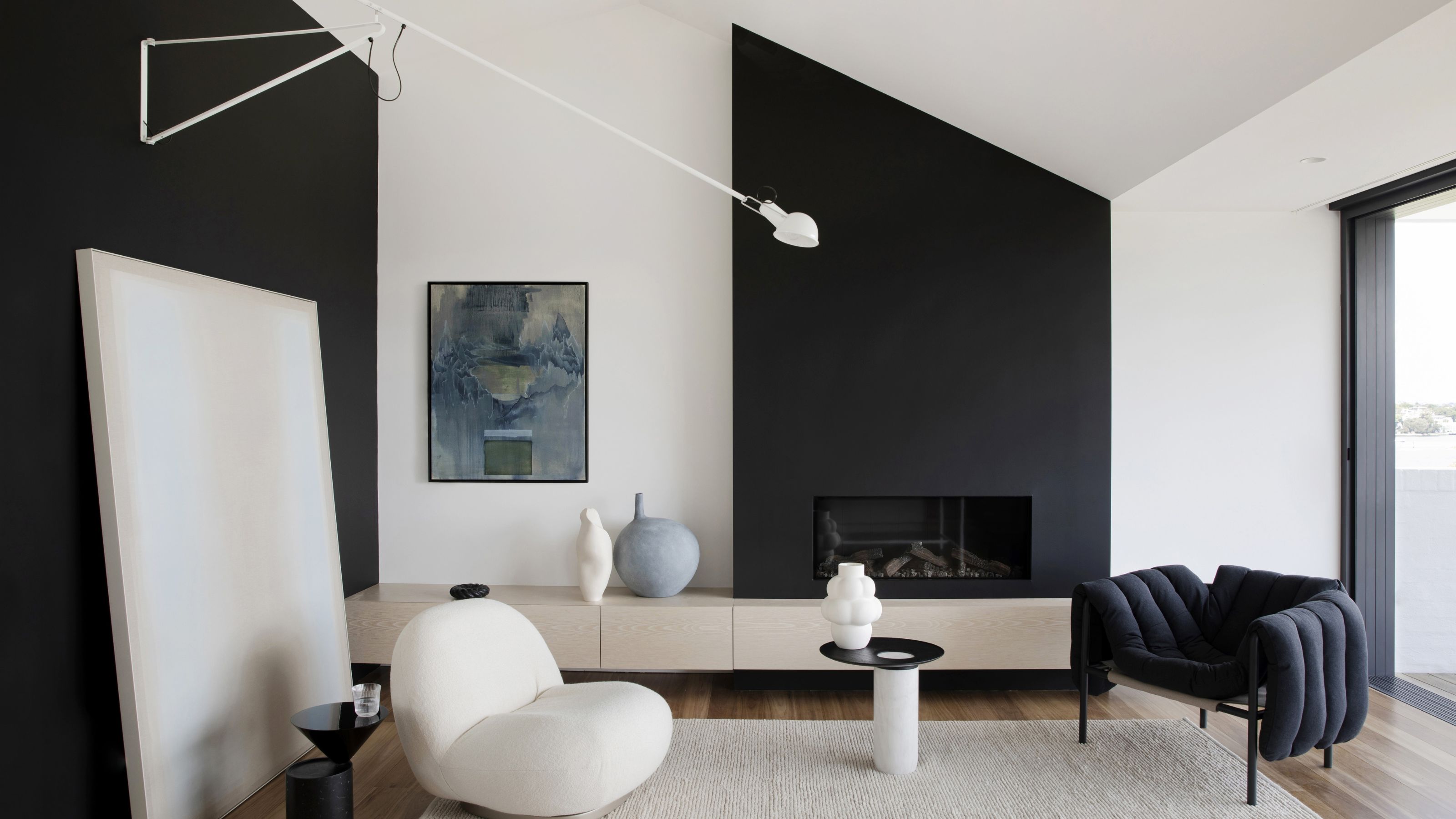
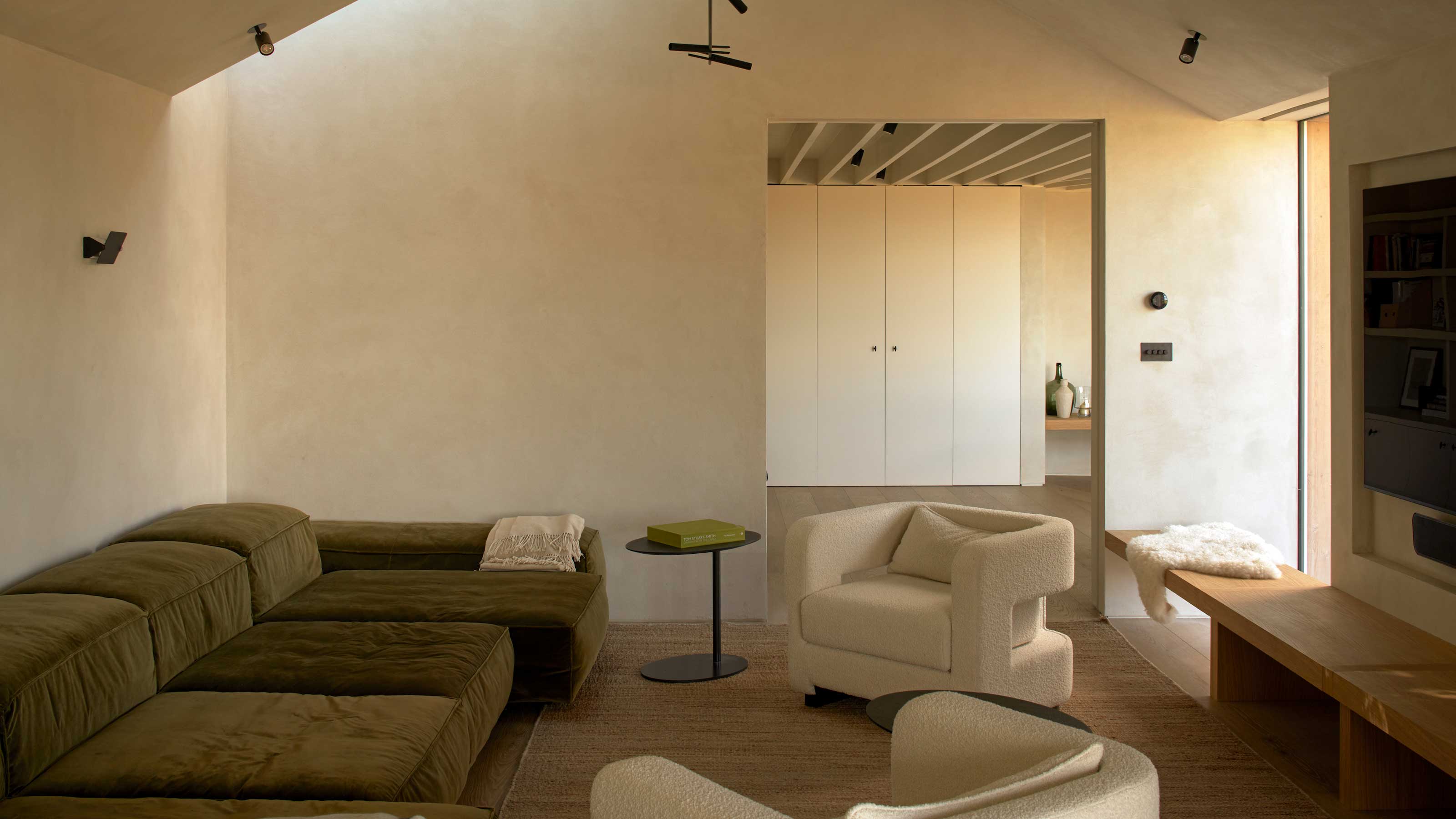
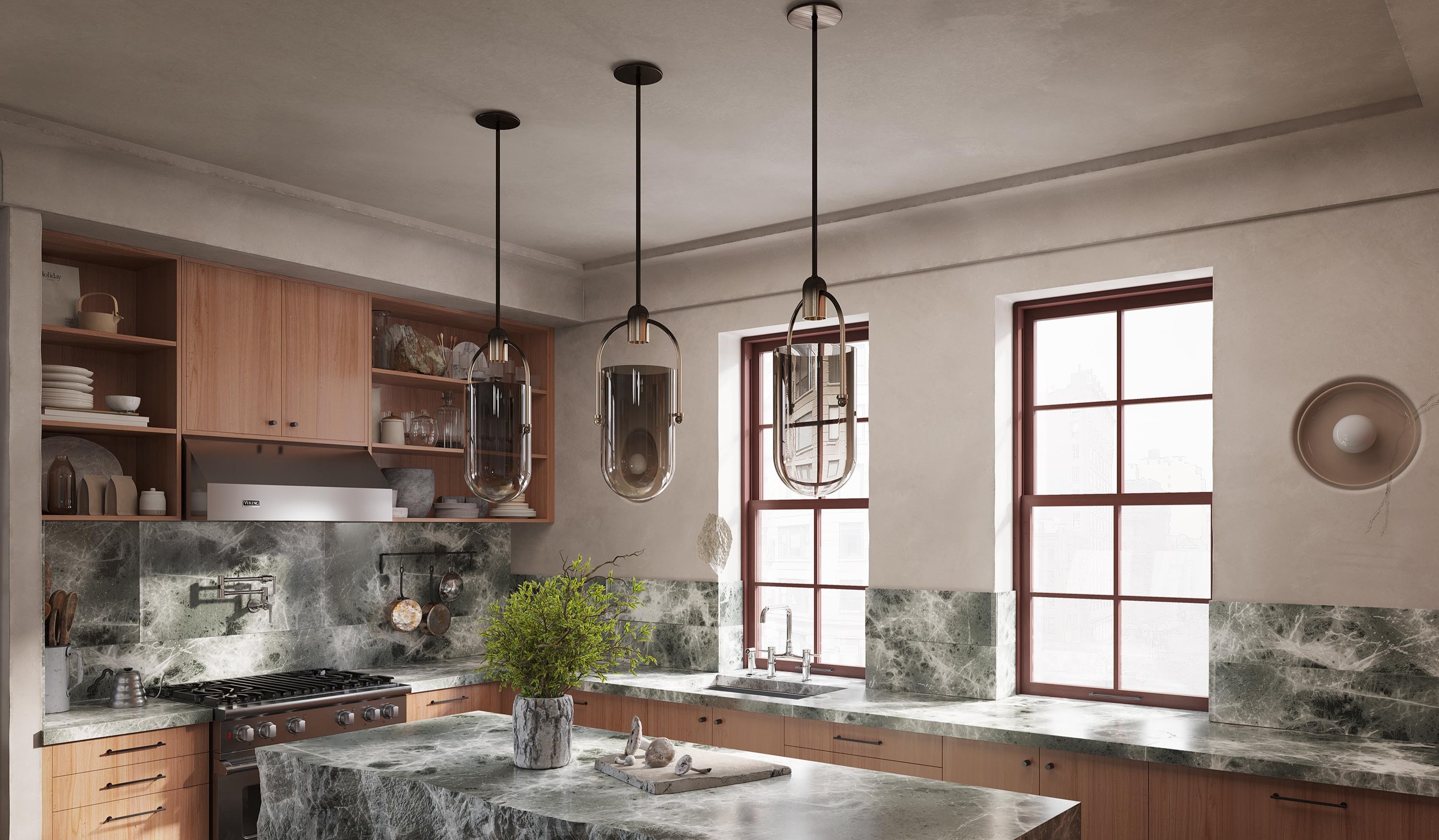
The article highlights four key areas in a home where limewash paint can be effectively utilized. In living rooms, particularly large spaces with tall ceilings, limewash paint can introduce a quiet warmth, countering the potential for a sterile or overly sparse atmosphere. For bedrooms, its chalky, muddled texture, especially when applied to both walls and ceilings, creates a calming, cocoon-like feeling conducive to relaxation. In bathrooms, its application in smaller spaces allows for more dramatic wall choices; using saturated, dark colors with limewash texture can create a moody yet sophisticated effect without feeling flat or heavy. Finally, in kitchens, limewash paint is beneficial due to its odor-removing, carbon dioxide-absorbing, and mold-resistant properties, effectively acting as an air filter. Applying a wax seal over the finish in kitchens helps protect against stains and allows for easy cleaning, making it practical for areas prone to splashes and splatters.
#LimewashPaint #HomeDecor #InteriorDesign #TexturedPaint #EcoFriendly #DIYHome #PaintTechnique #ArchitecturalFinishes #OldWorldCharm #LimewashPaint #HomeDecor #InteriorDesign #TexturedPaint #EcoFriendly #DIYHome #PaintTechnique #ArchitecturalFinishes #OldWorldCharm
0 comment in total
 No comments yet
You may also like
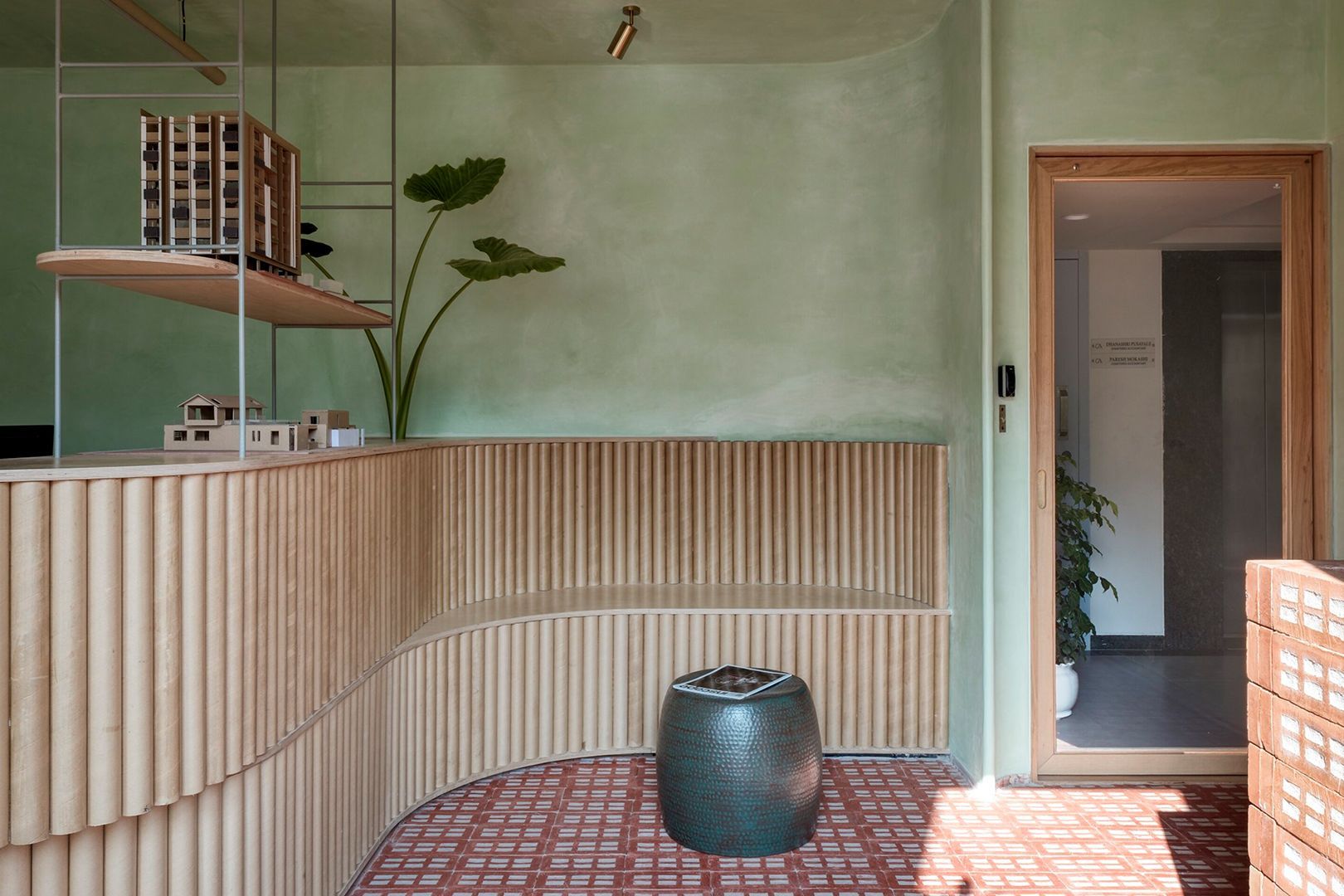
What is limewash paint: Four places to use it in your home

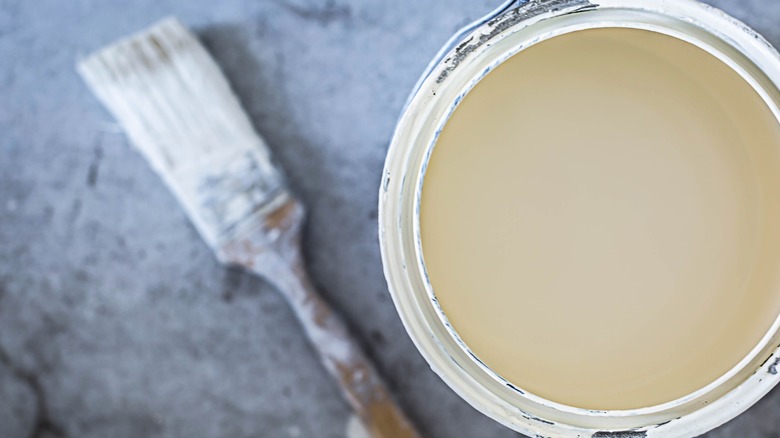
10 Limewash Wall Color Ideas That Add Old-World Elegance To Your Space
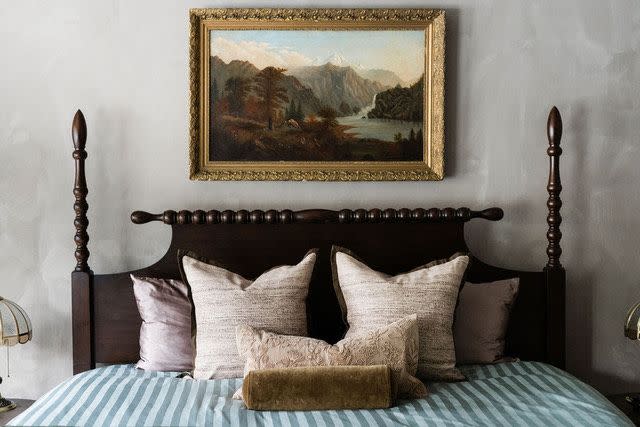
8 Limewash Paint Colors That Will Add Elegance and Style to Your Home
8 Limewash Paint Colors That Will Add Elegance and Style to Your Home

4 Creative Ways To Use Limewash Paint To Transform Your Home

The Allure of Limewash Paint
Rediscover Limewash Paint, the Old-World Finish That's Trending Again

Limewashing trend: why this European paint trend is perfect for your kitchen

Limewash paint ideas – 10 ways to use this trending wall finish to bring texture to your home

8 Limewash Paint Colors for a Beautiful, Timeless Home, According to Interior Designers
10 living rooms with limewash walls that prove that this textural wall finish is the perfect cozy-but-chic finishing touch
Color Atelier Unveils New Limewash Collection With Sarah Sherman Samuel
What Is Limewash Paint? Plus, How to Use It In Your Home

If You Want Your Home to Look Like a Charming Tuscan Villa, Try This

Instagram can't get enough of this new textured paint craze - here's how to get the look
8 Minimalist Paint Ideas That Add Interest to Pared-Back Spaces, But Never Feel Fussy
This Texture-Rich Finish Is Designers' Go-To for Instant Patina

This Simple DIY Limewash Paint Hack Costs Less Than $20 — But the Results Look Way More Expensive
This Kitchen Trend Can Make Your Space Look Like a Charming, Tuscan Retreat — "It's Instantly Warming"
10 ways to use limewash at home: and how to apply it