1/7
The Allure of Limewash Paint
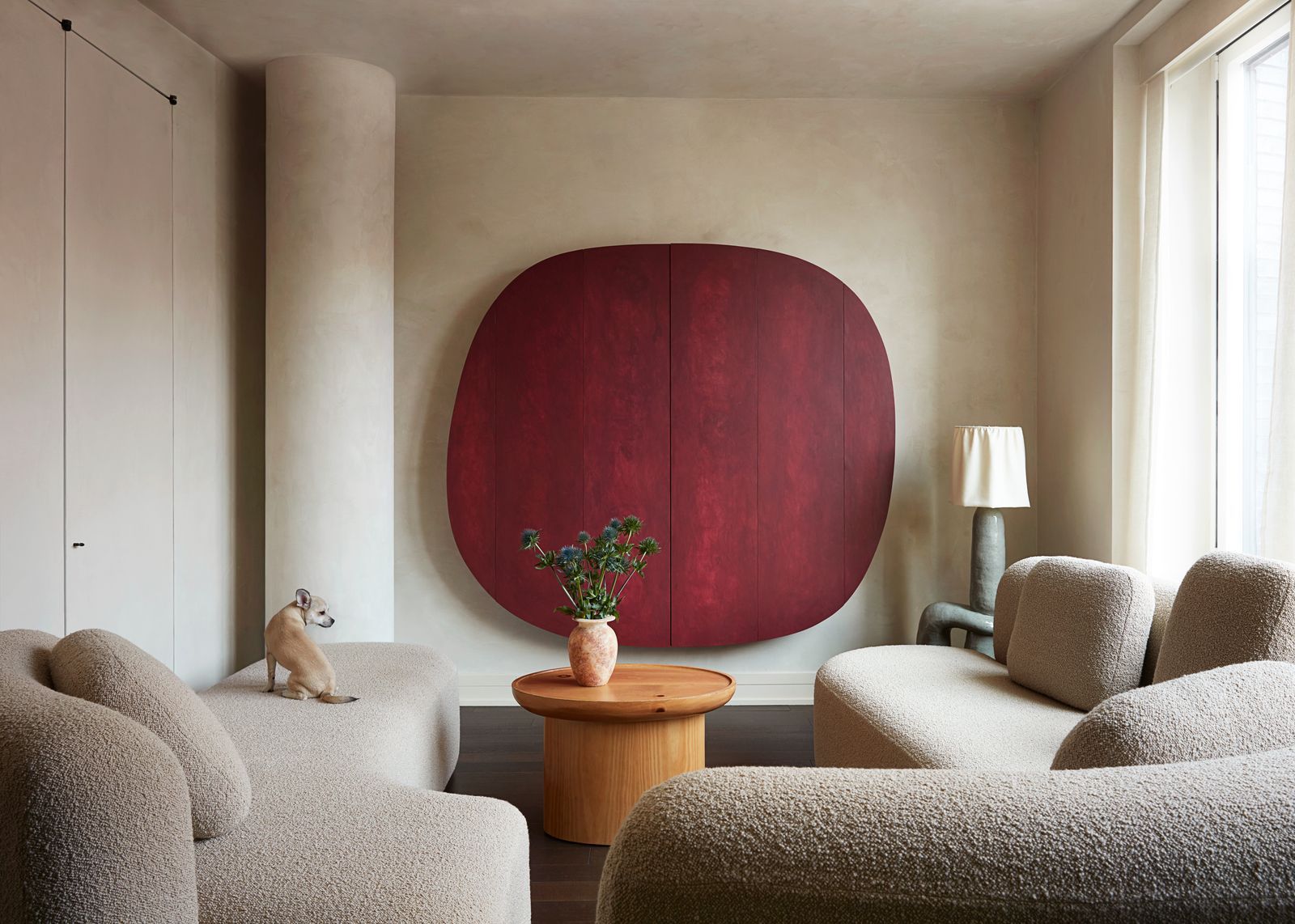
In recent years, home interior trends have increasingly focused on creating cozy and embracing spaces. This shift is evident in the popularity of upholstery fabrics like chunky bouclé and furniture styles such as curved sofas, which evoke a sense of warmth and comfort. Within this trend, limewash paint has re-emerged as a captivating design element, offering an old-world, romantic feel and timeless elegance.
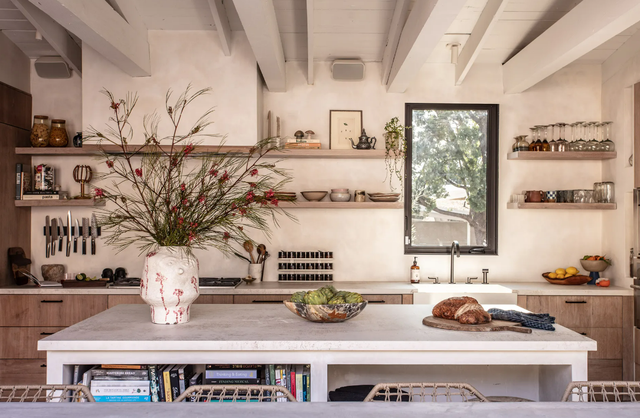
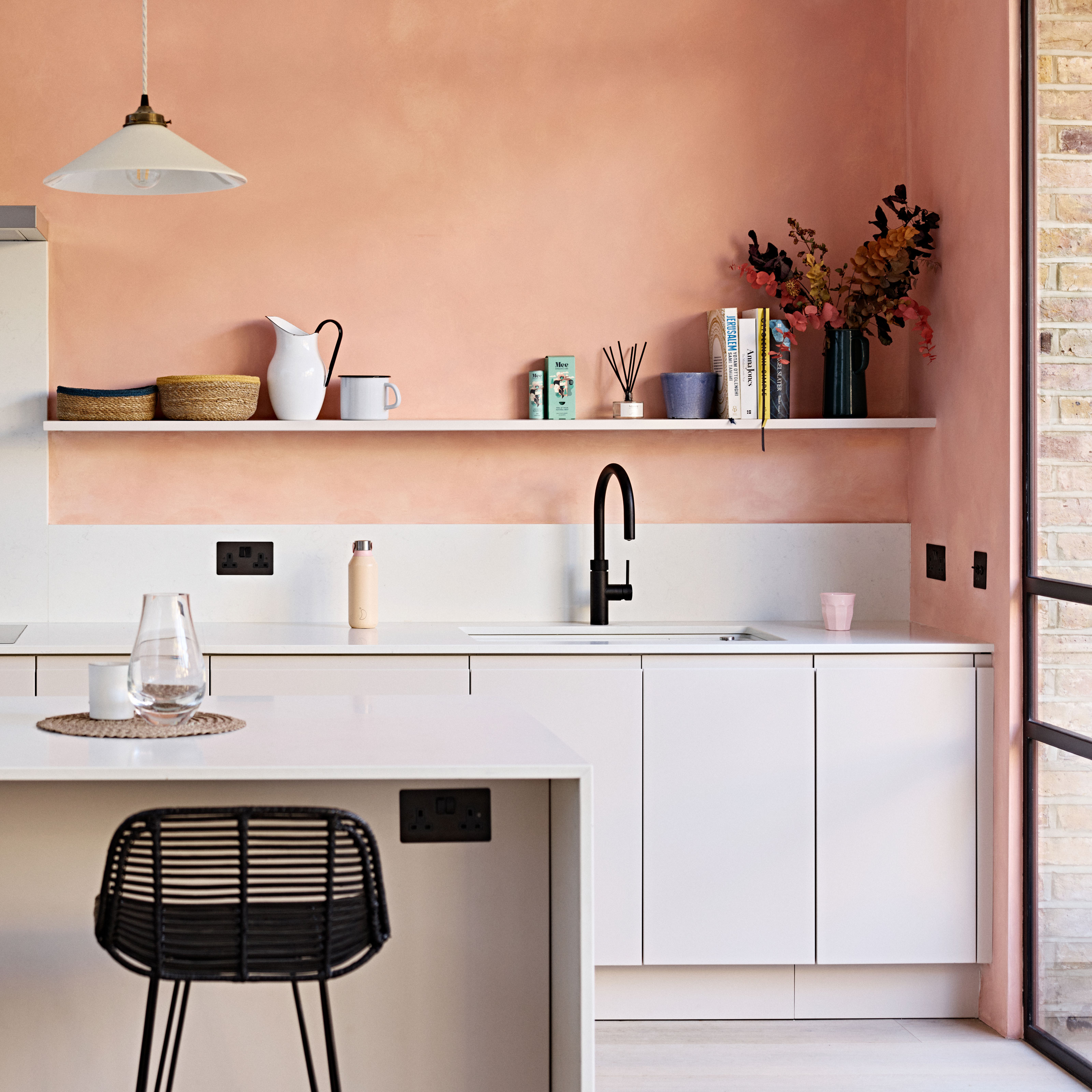
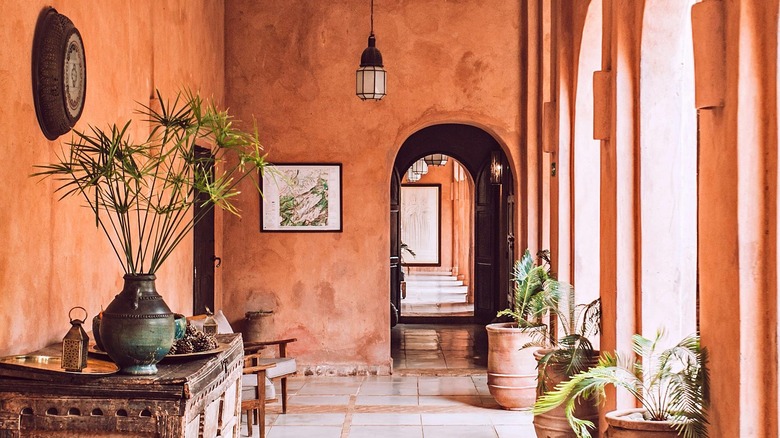
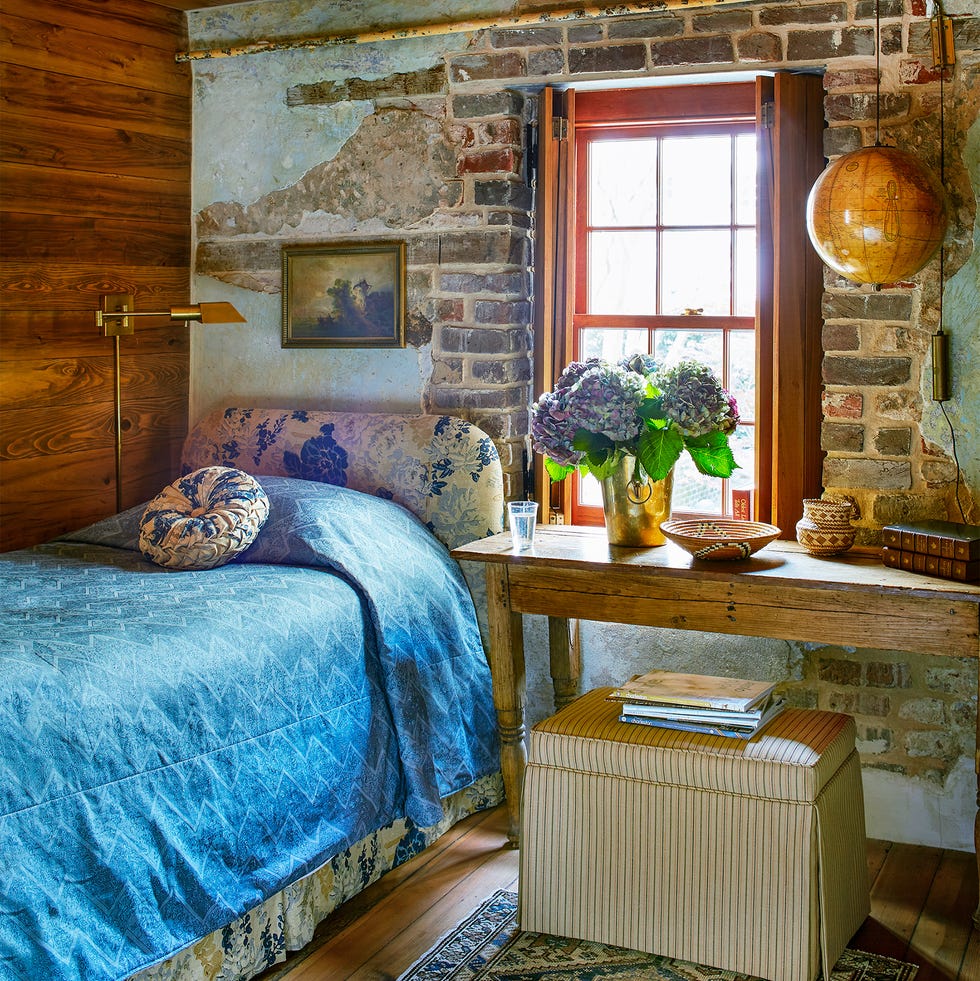
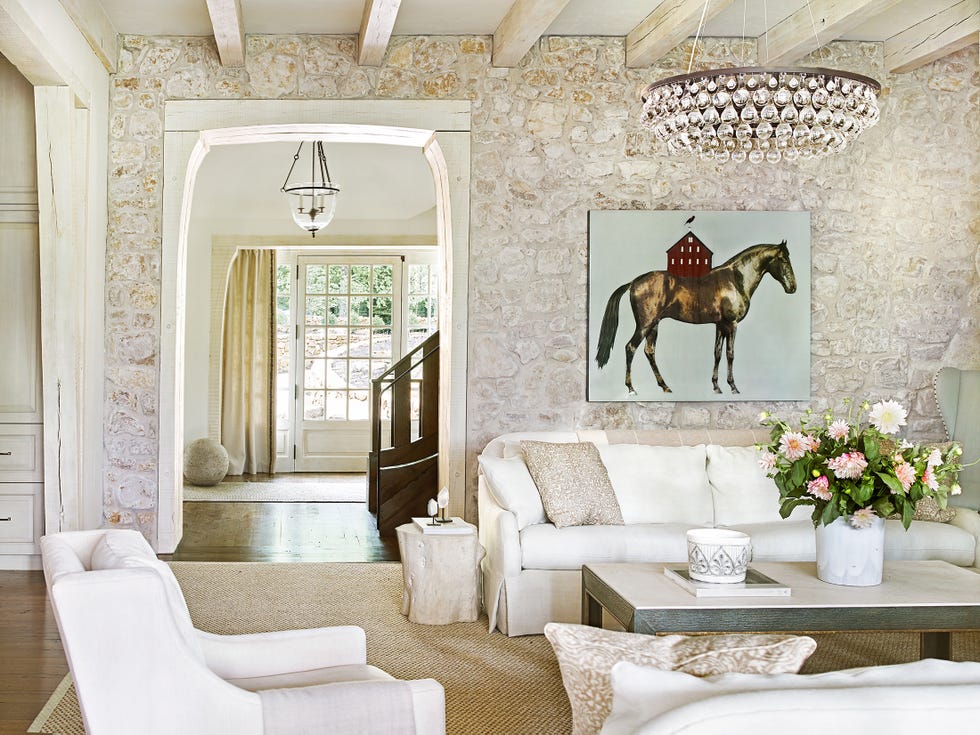
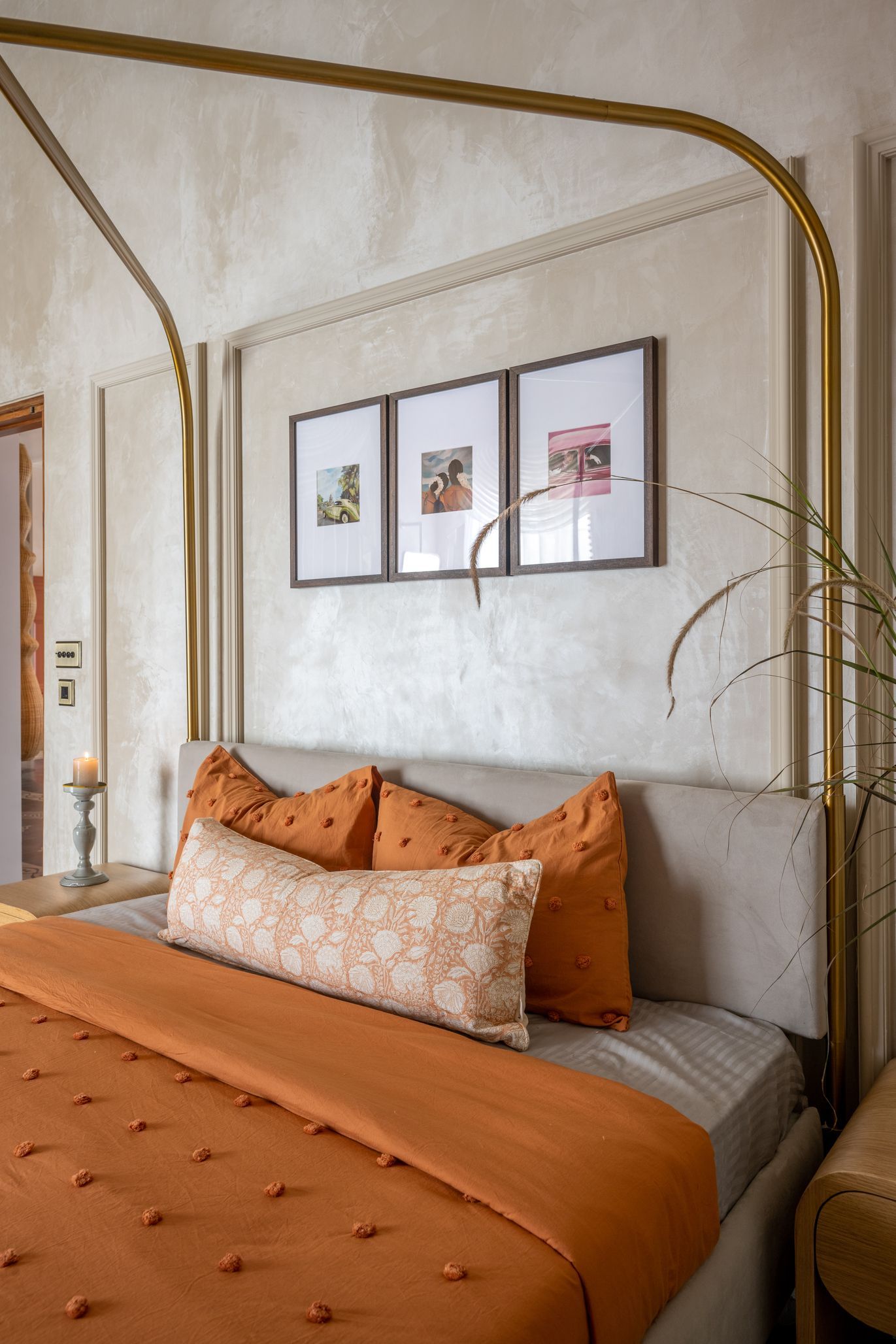
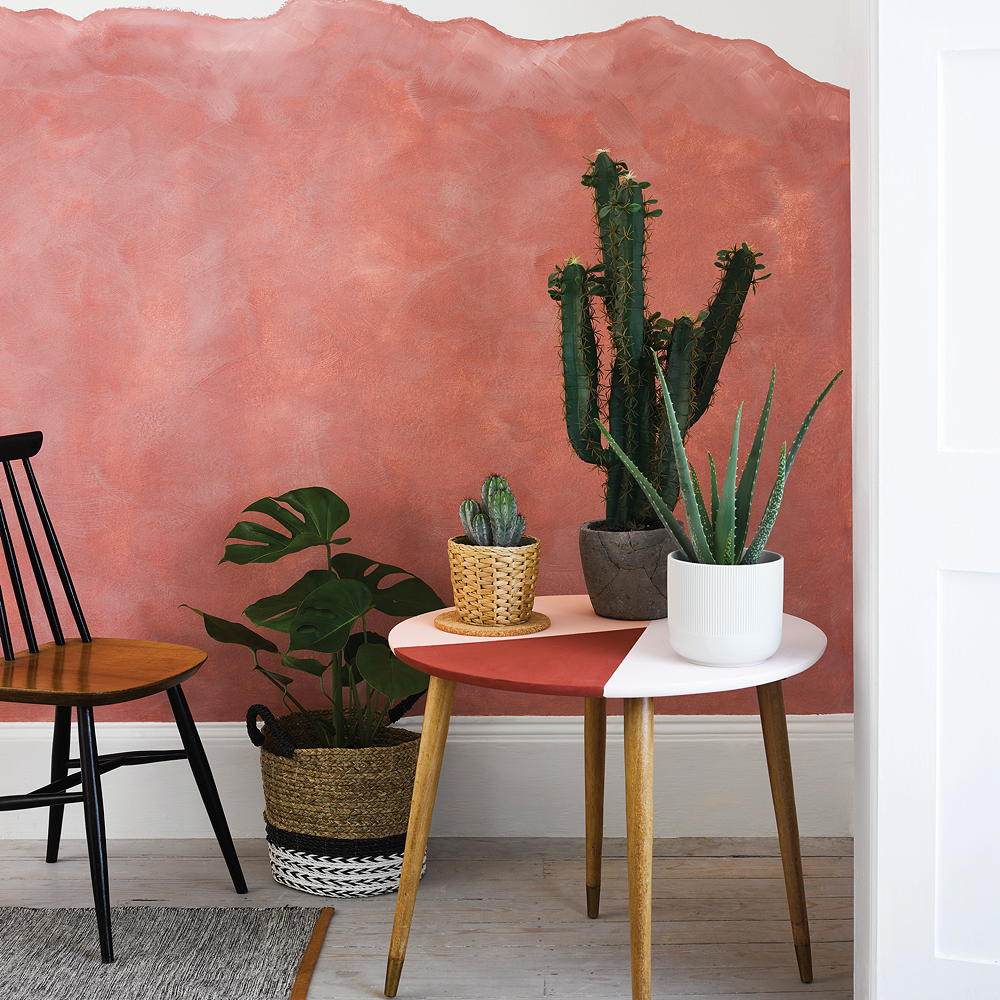
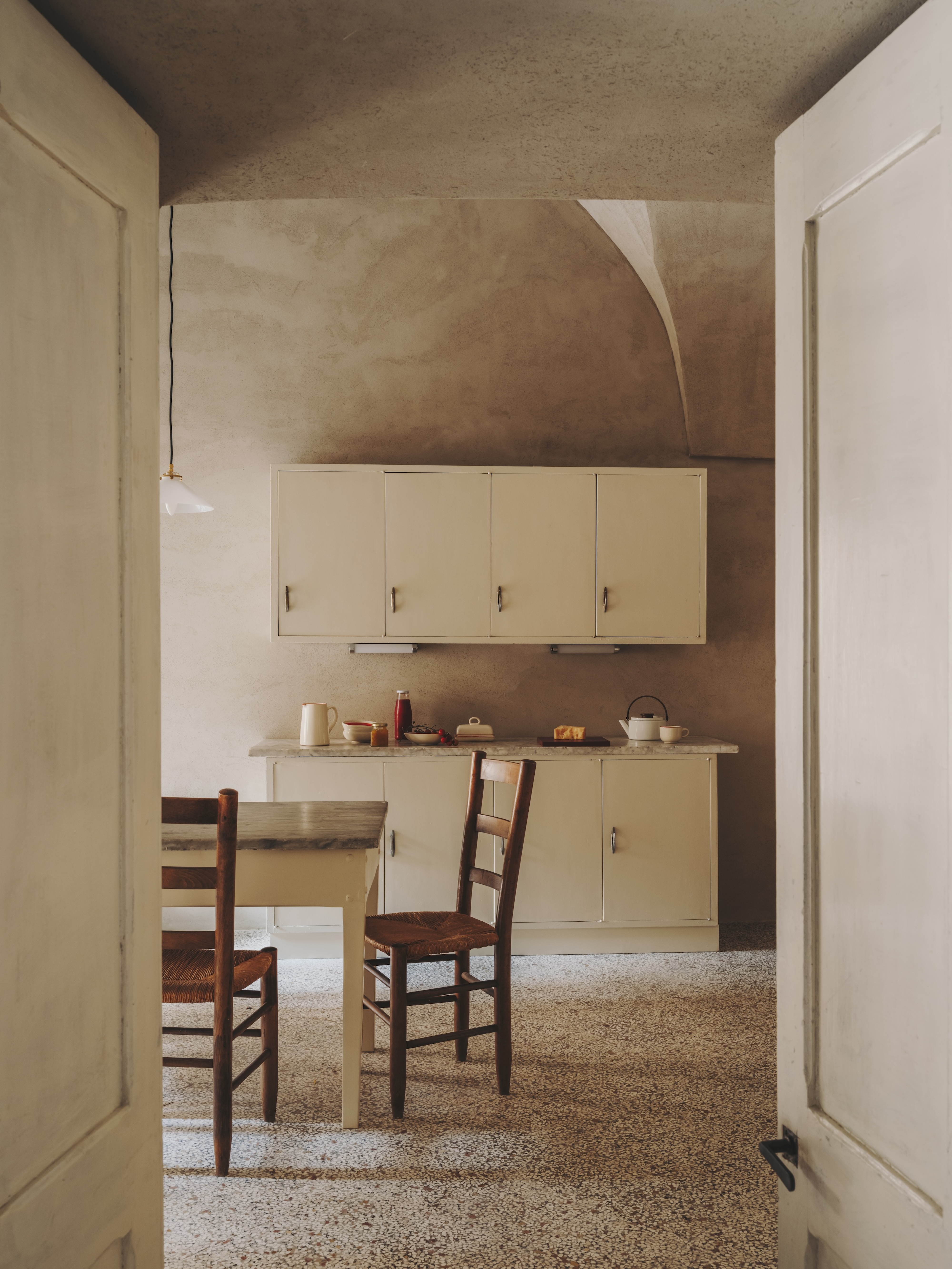
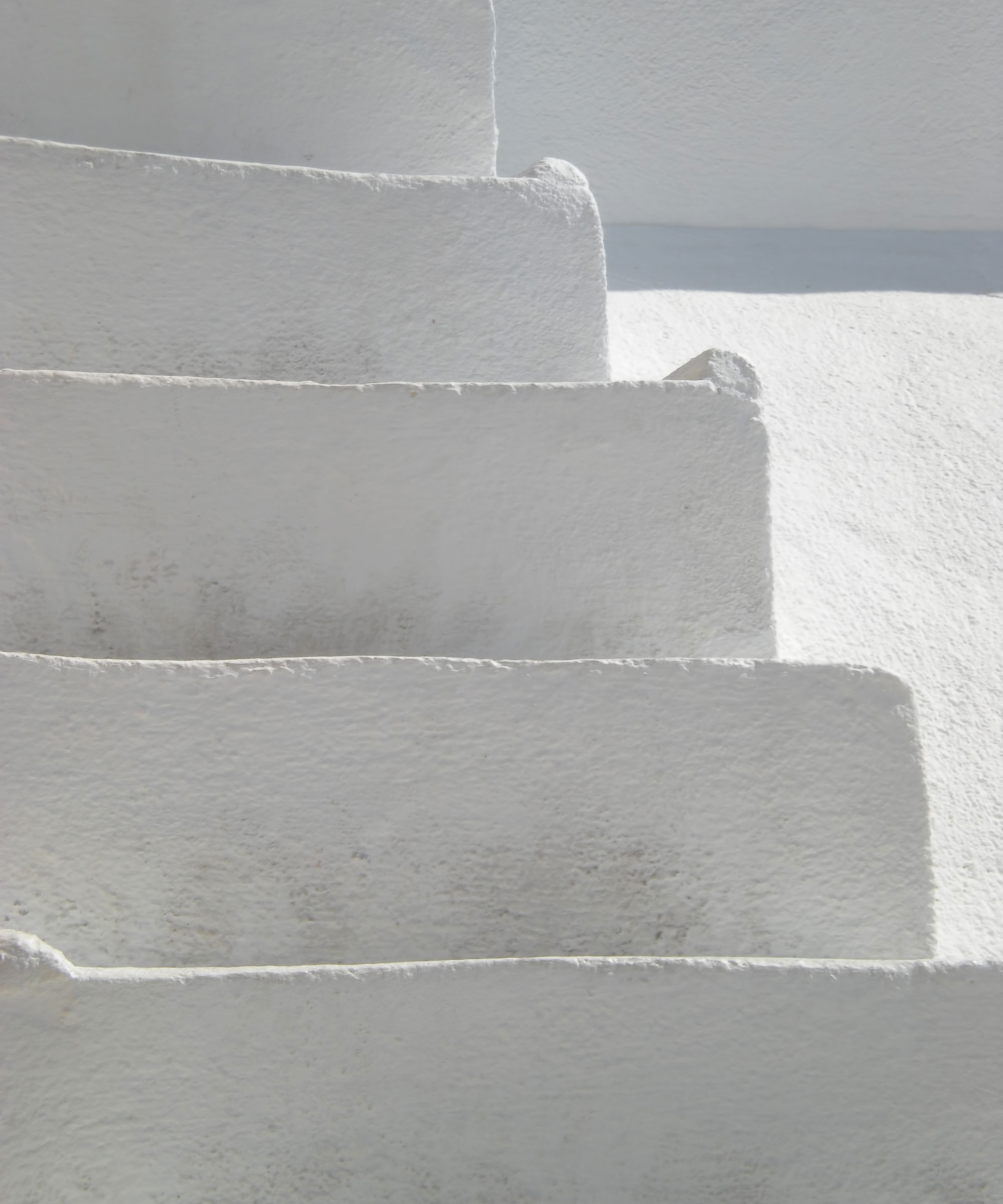
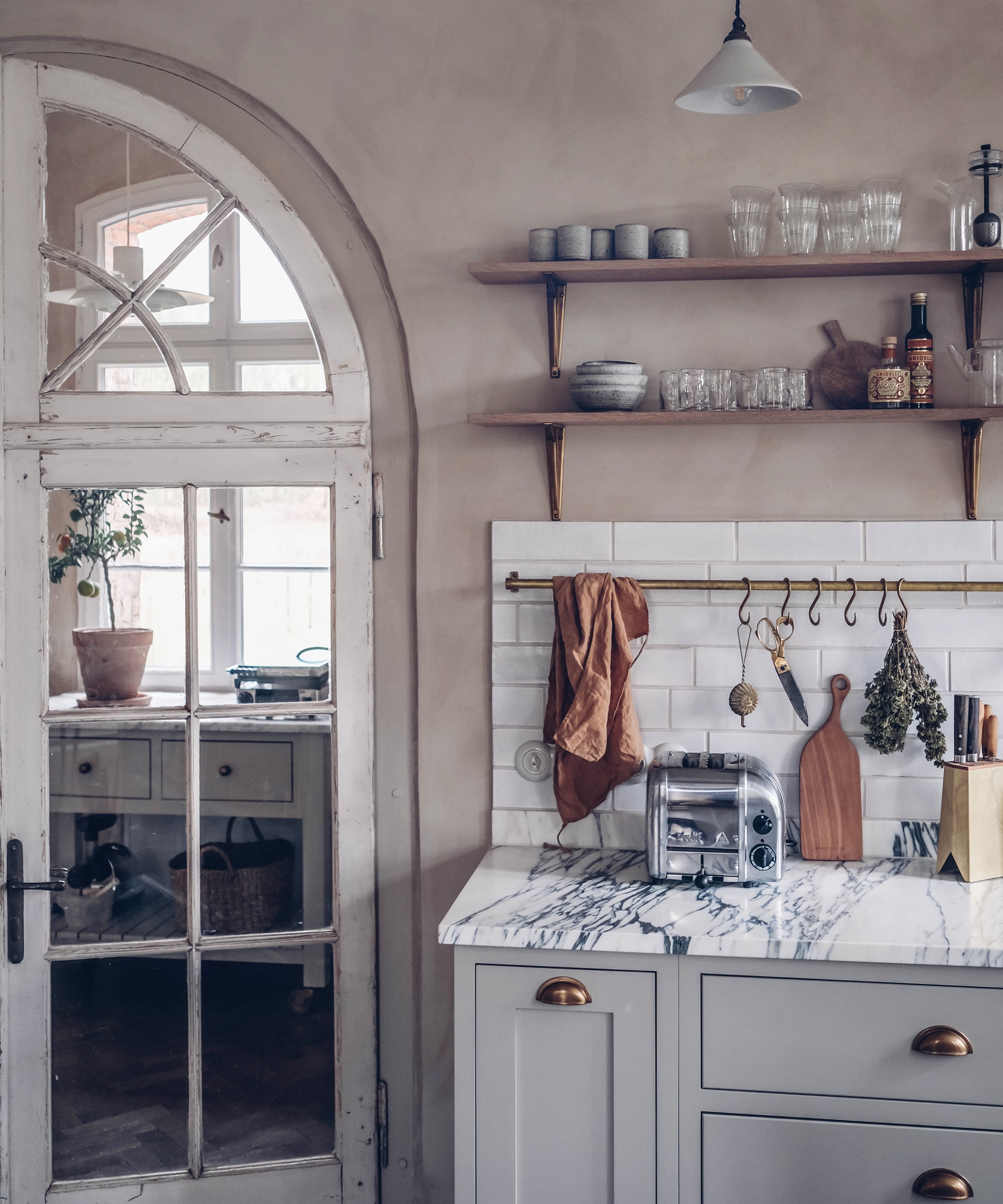
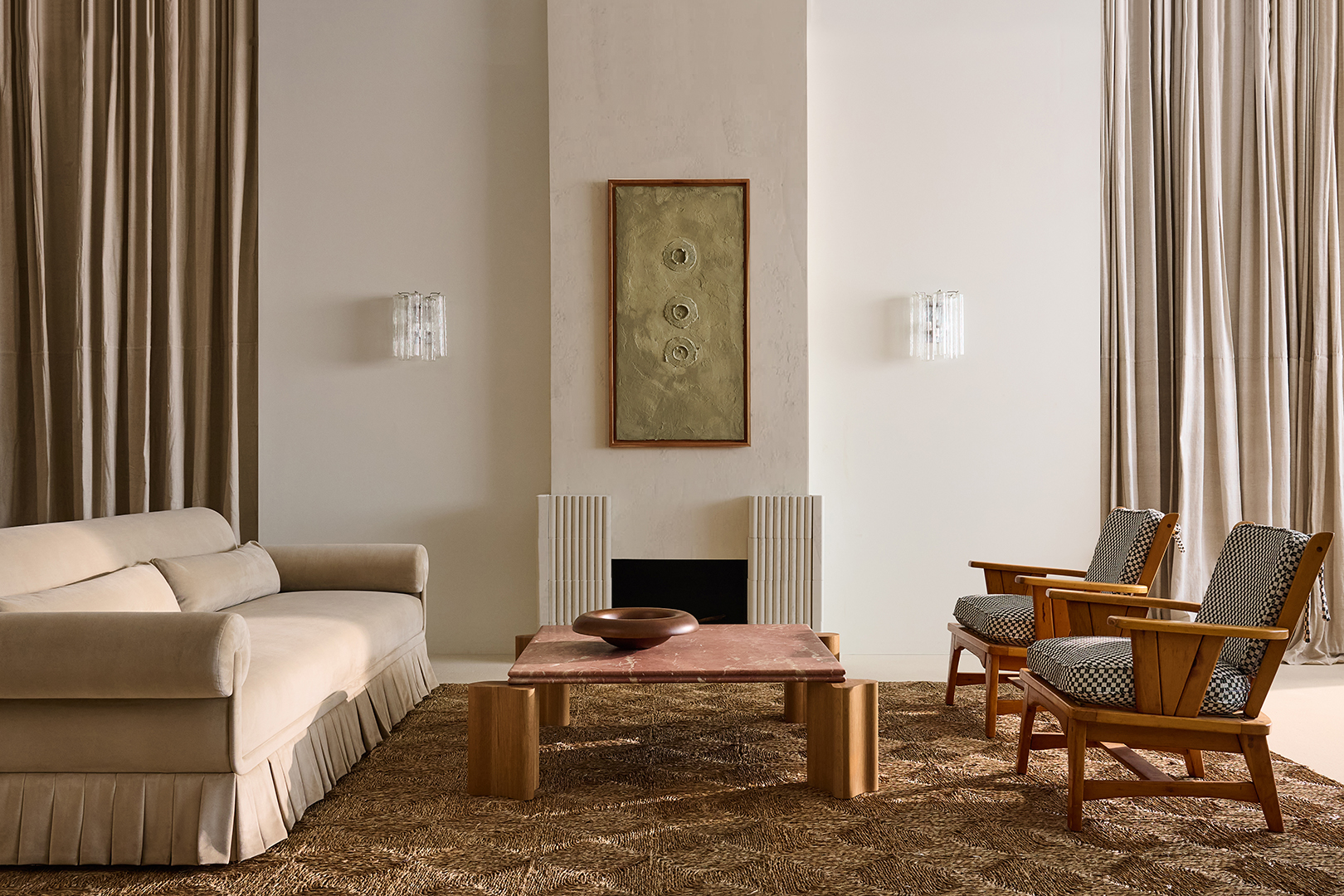
Limewash paint, historically one of the earliest house paints dating back to the Roman Empire, is gaining renewed attention in contemporary design. Its appeal lies in its ability to create a weathered, patinated look, reminiscent of the rustic yet refined interiors found in Italy and the Mediterranean regions. This aesthetic contributes to a sense of history and depth in a living space, moving away from the flat, uniform finishes of conventional paints.
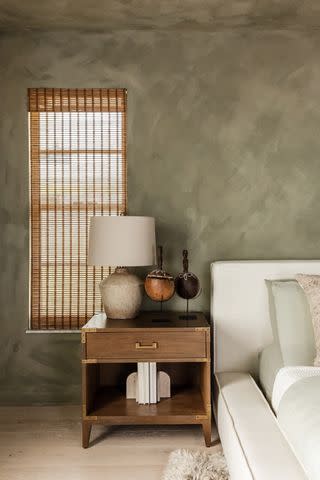
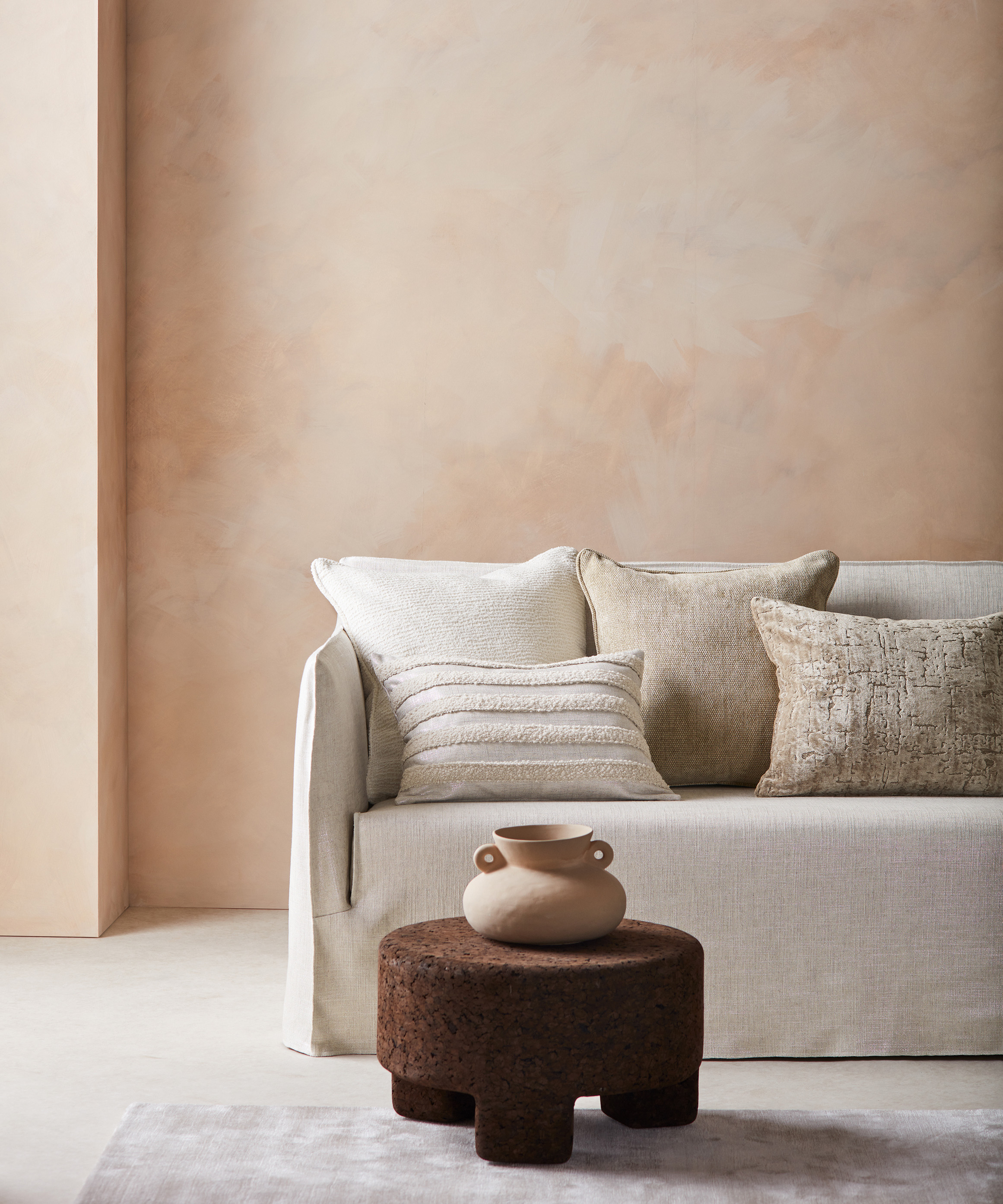
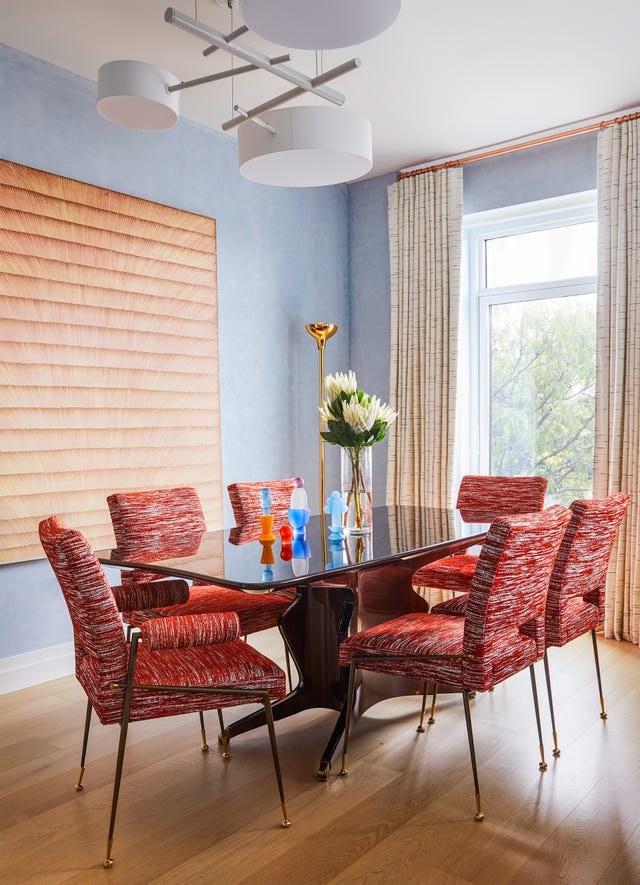
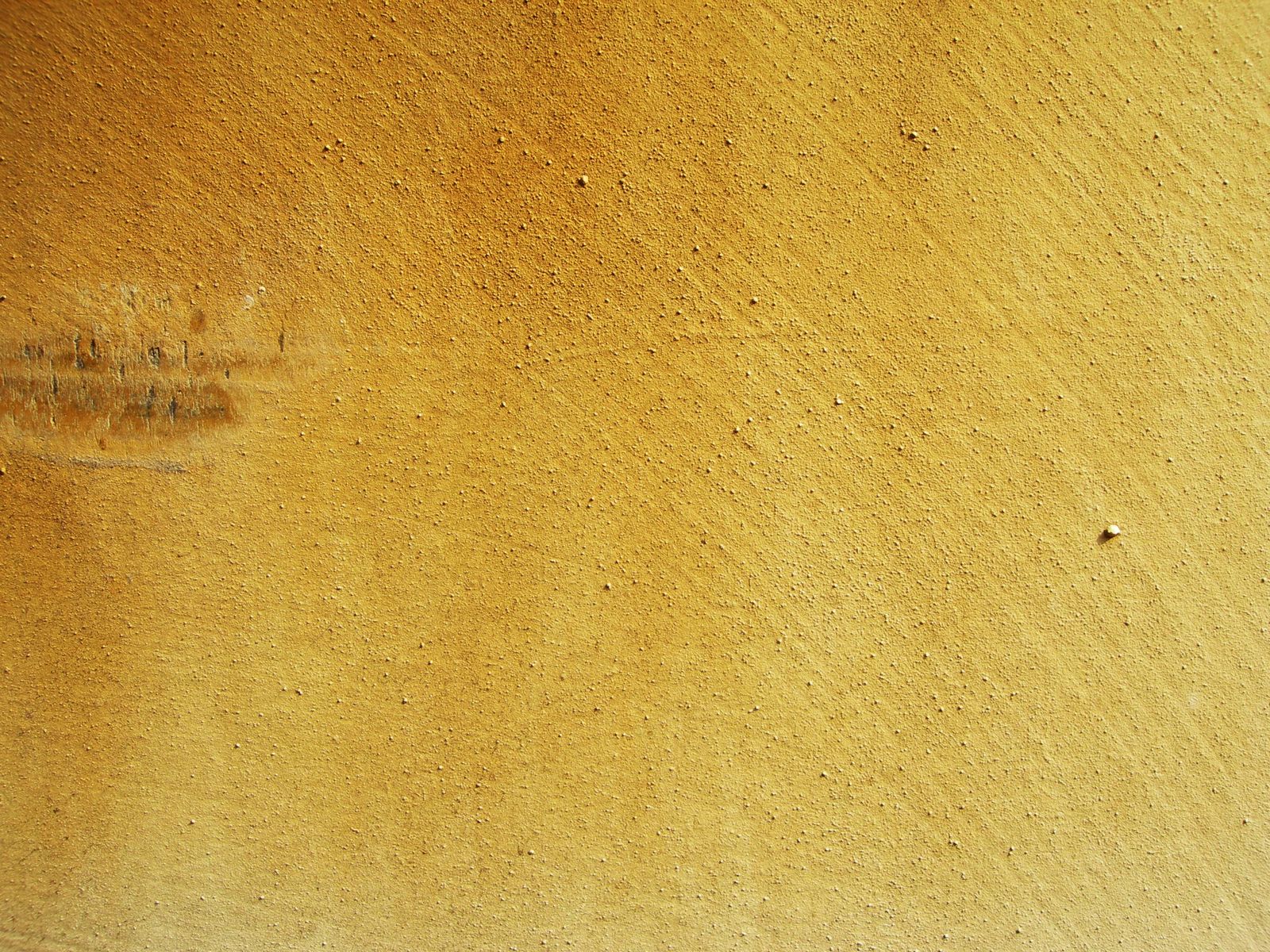
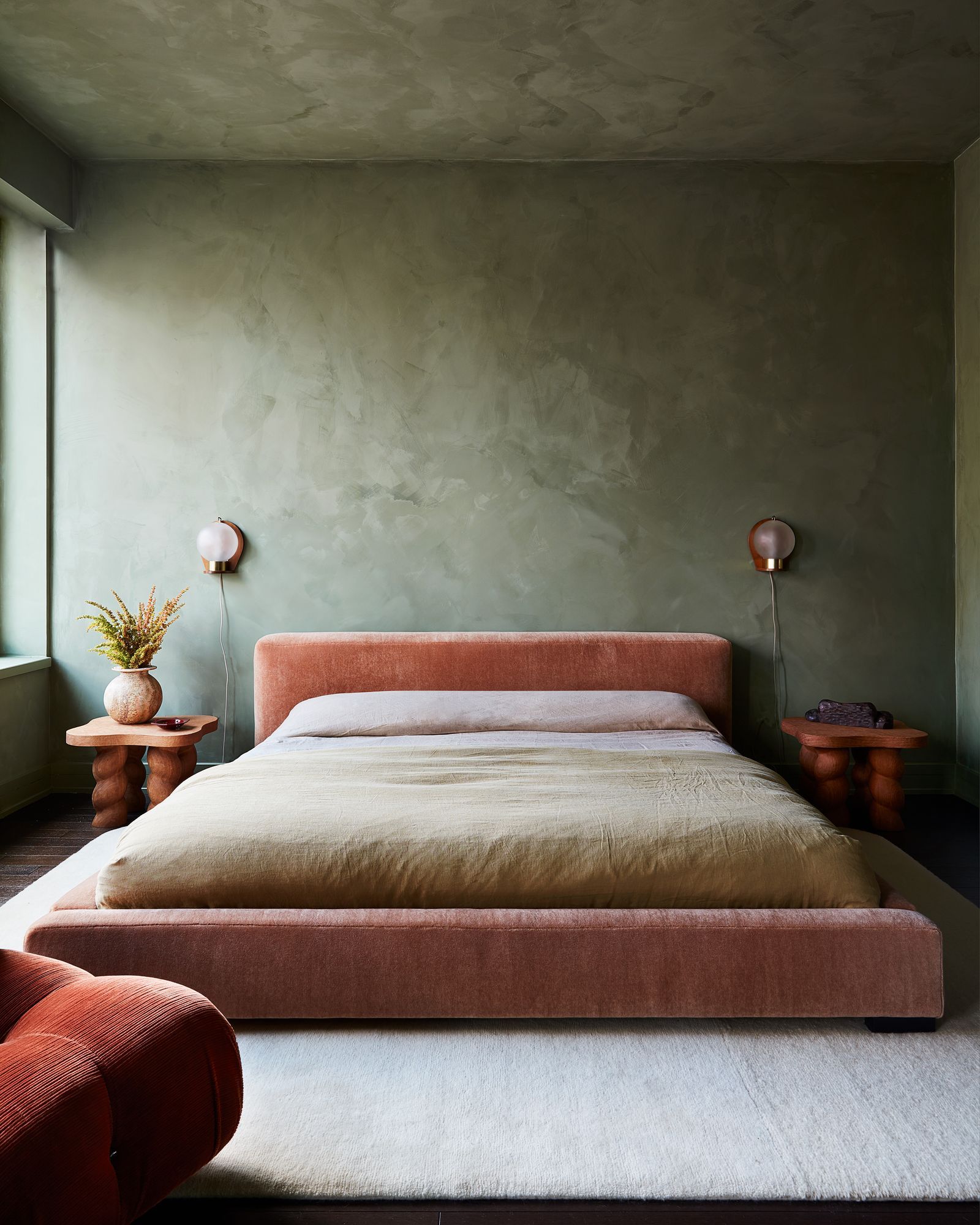
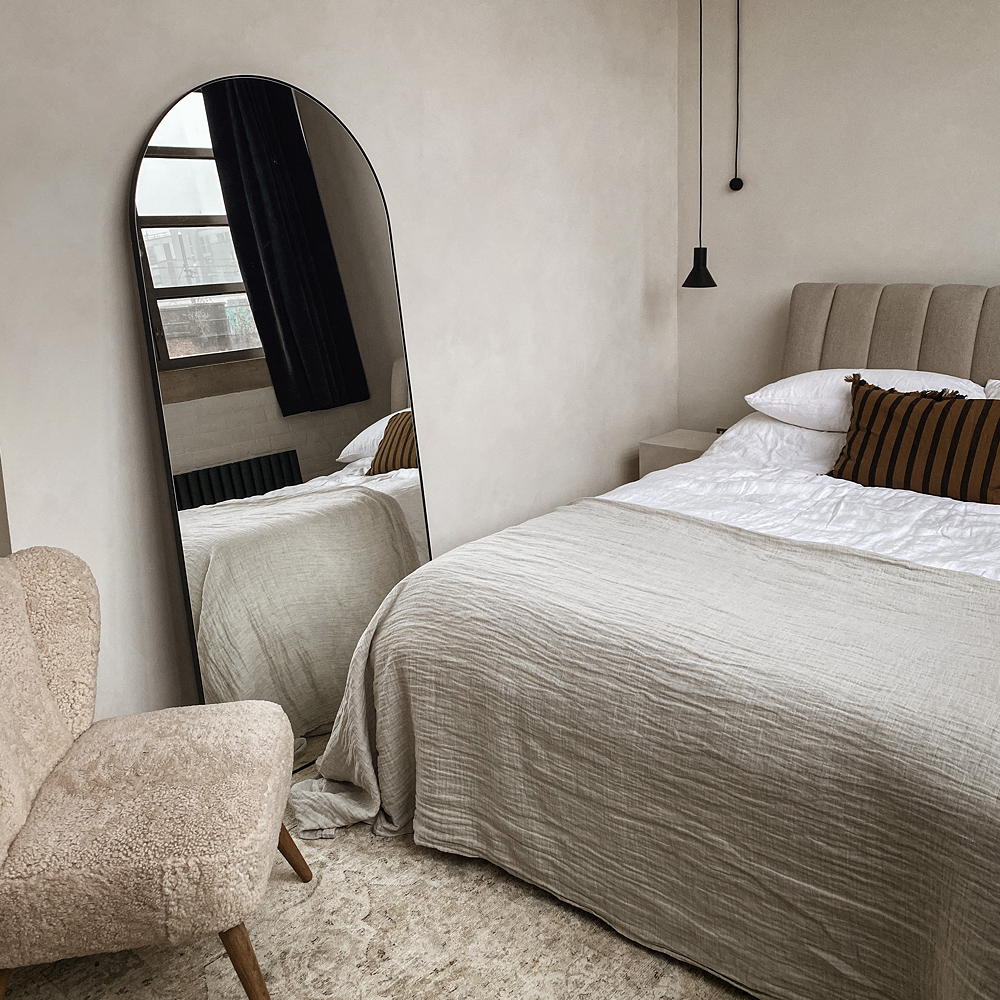
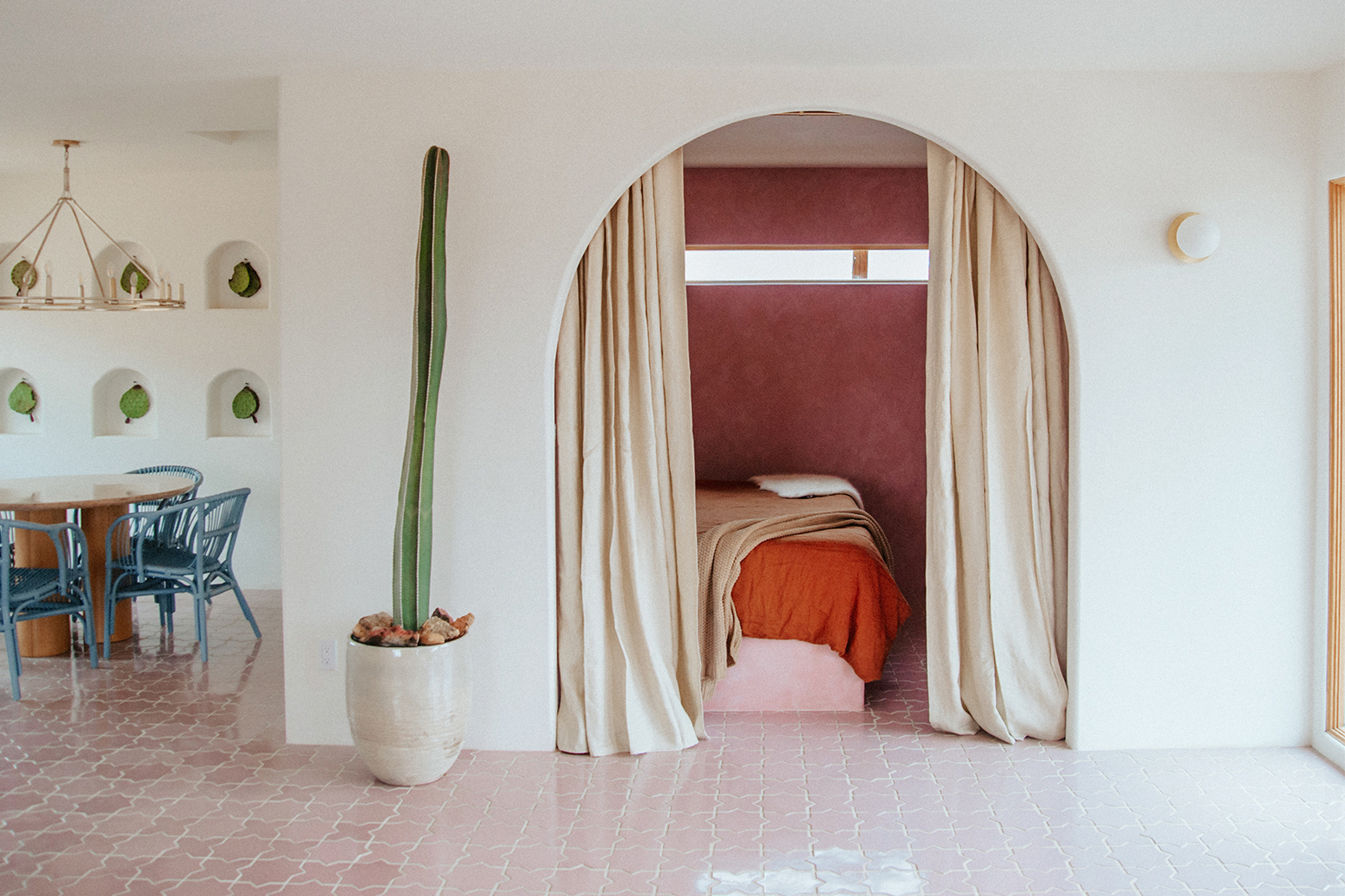
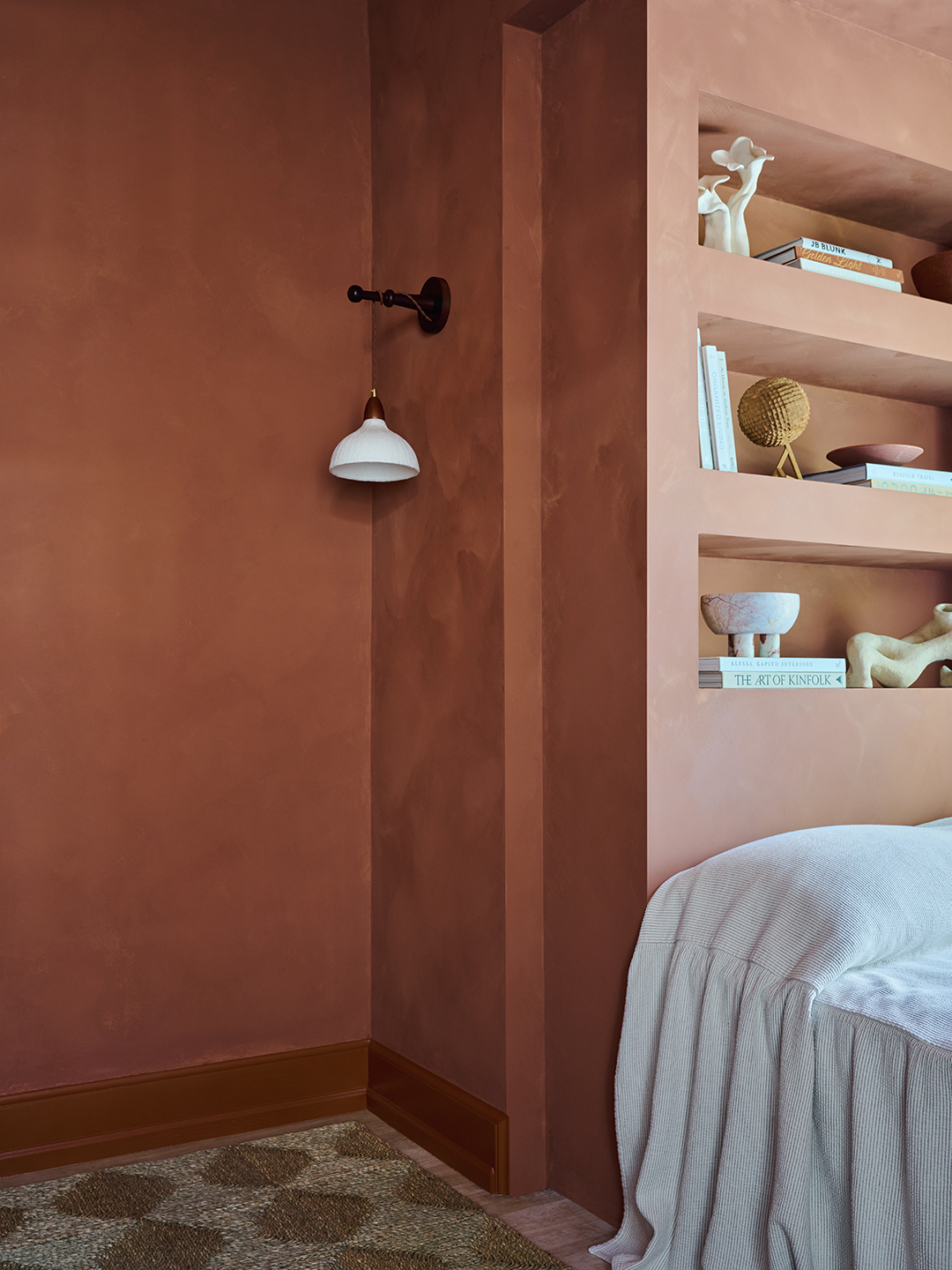
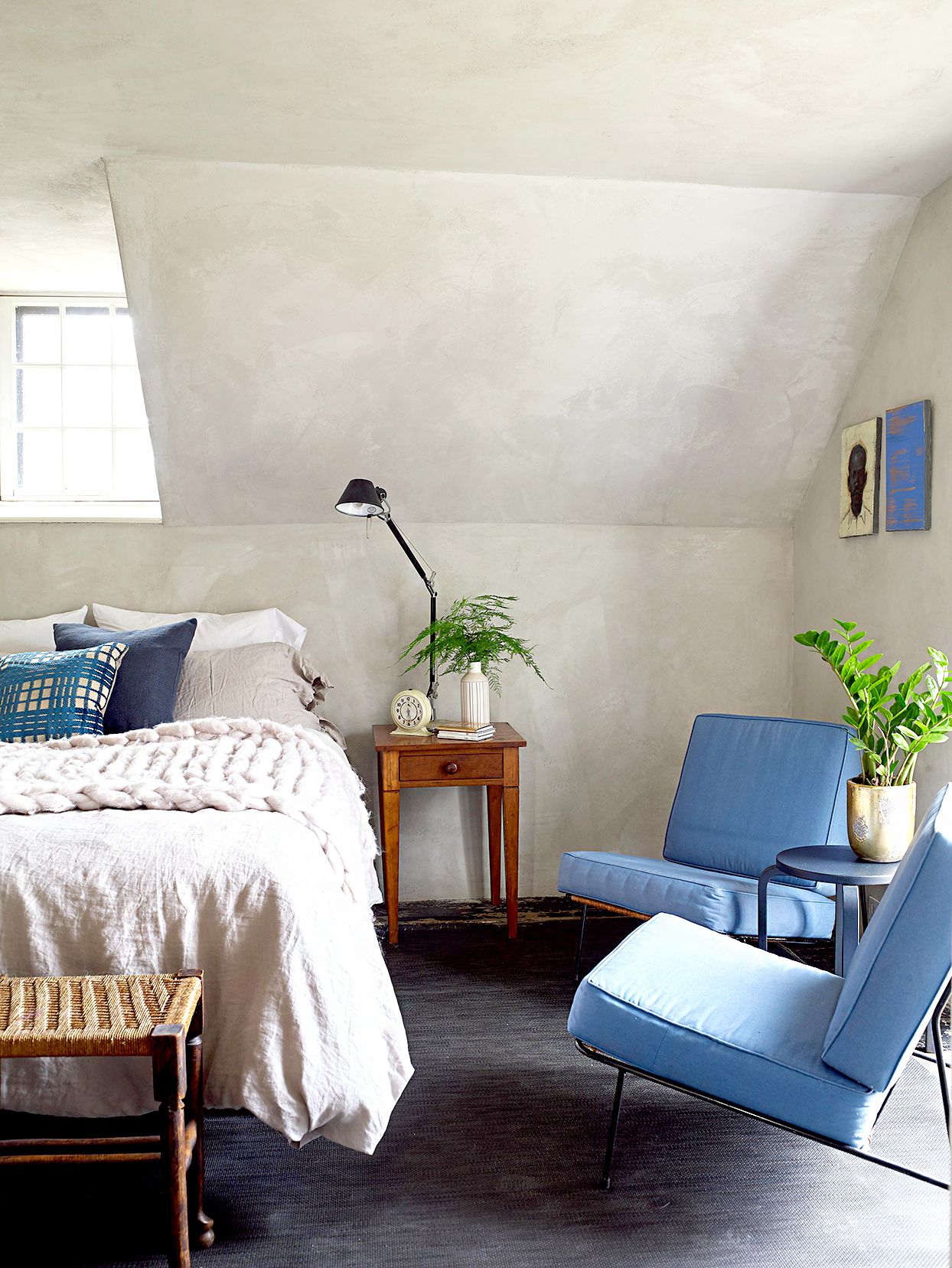
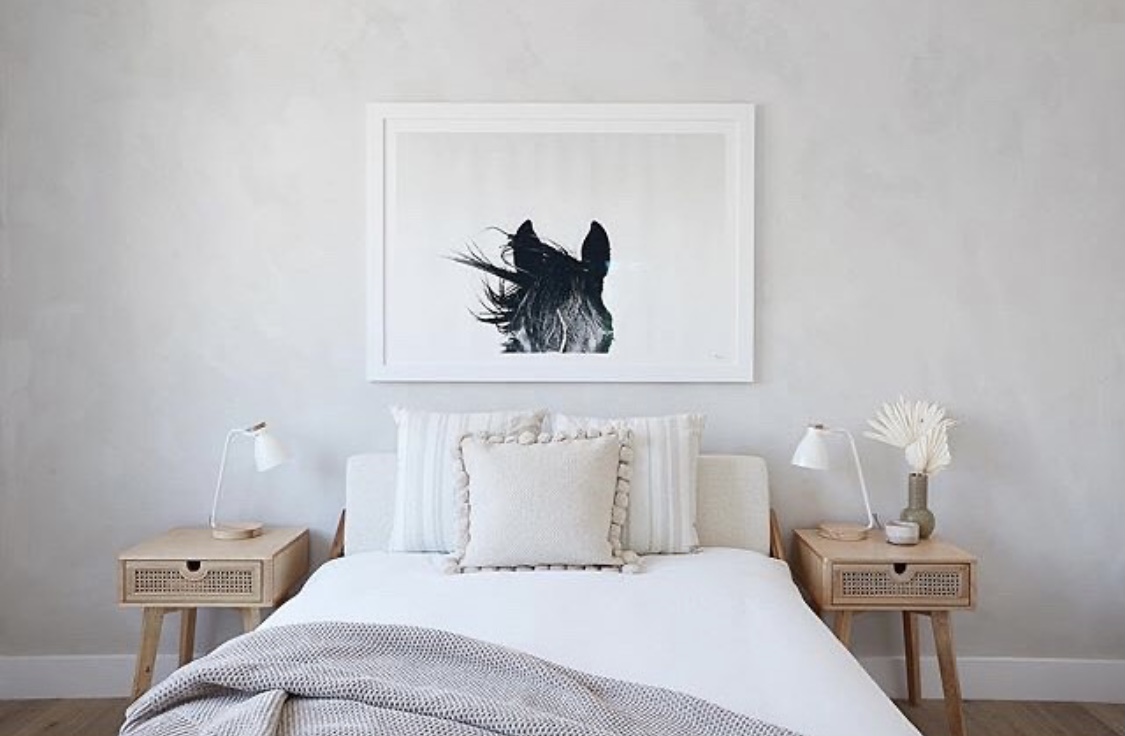
Composed of crushed limestone, water, and natural pigments, limewash paint provides a distinct chalky, mottled texture, often likened to suede. This unique texture imparts a visual softness and calming quality, making it an ideal choice for spaces intended for relaxation, such as bedrooms. Unlike traditional paints that merely sit on the surface, limewash paint is absorbed by porous materials, resulting in a finish that exhibits depth, variation, and luminosity.
Beyond its aesthetic advantages, limewash paint offers several practical benefits. It is a non-toxic option, free from solvents and VOCs (Volatile Organic Compounds), and is reputed to be both hypoallergenic and antimicrobial. These properties make it a healthier choice for indoor environments, contributing to improved air quality. While commonly applied to porous surfaces like stone and brick, limewash can also be used on drywall, provided a mineral-based primer is applied beforehand to ensure proper adhesion and desired effect.
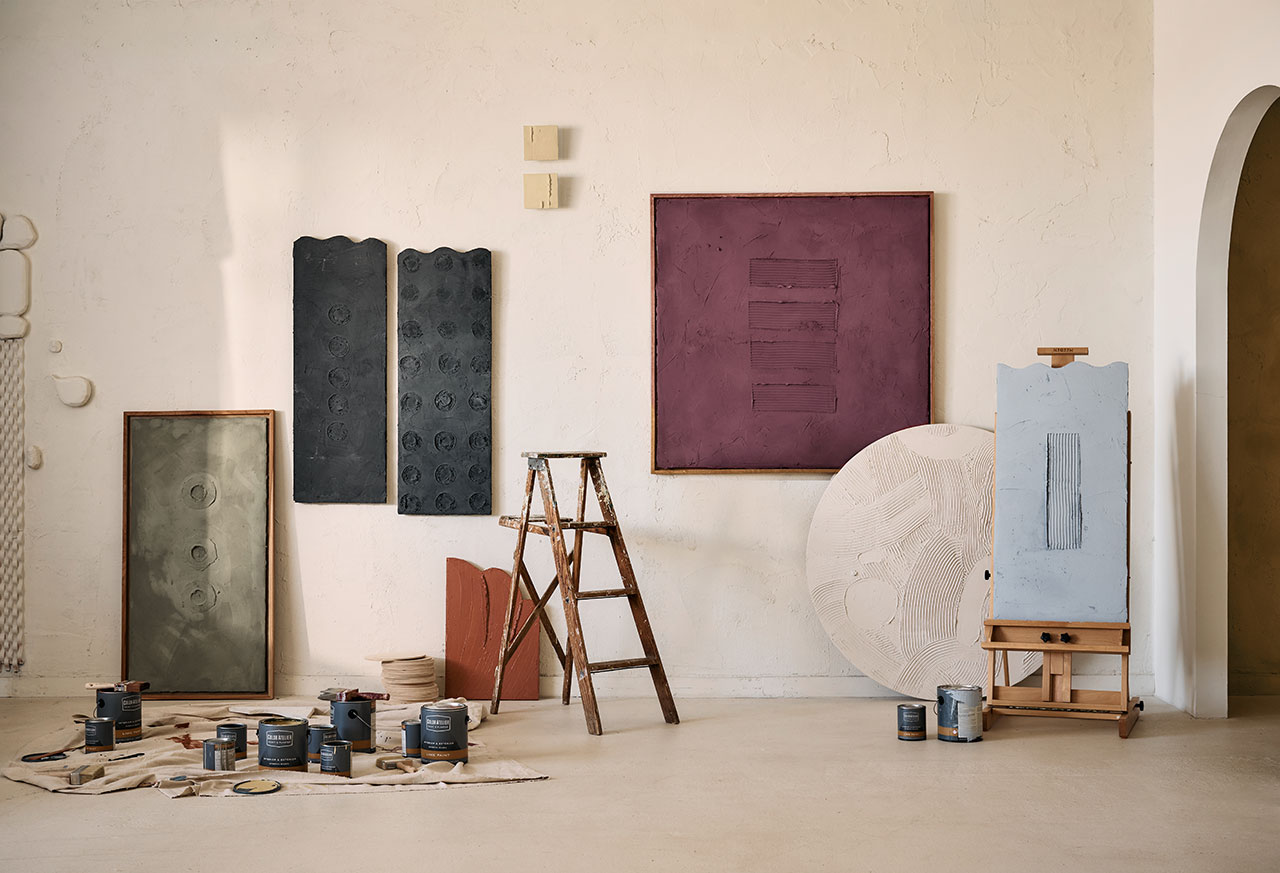
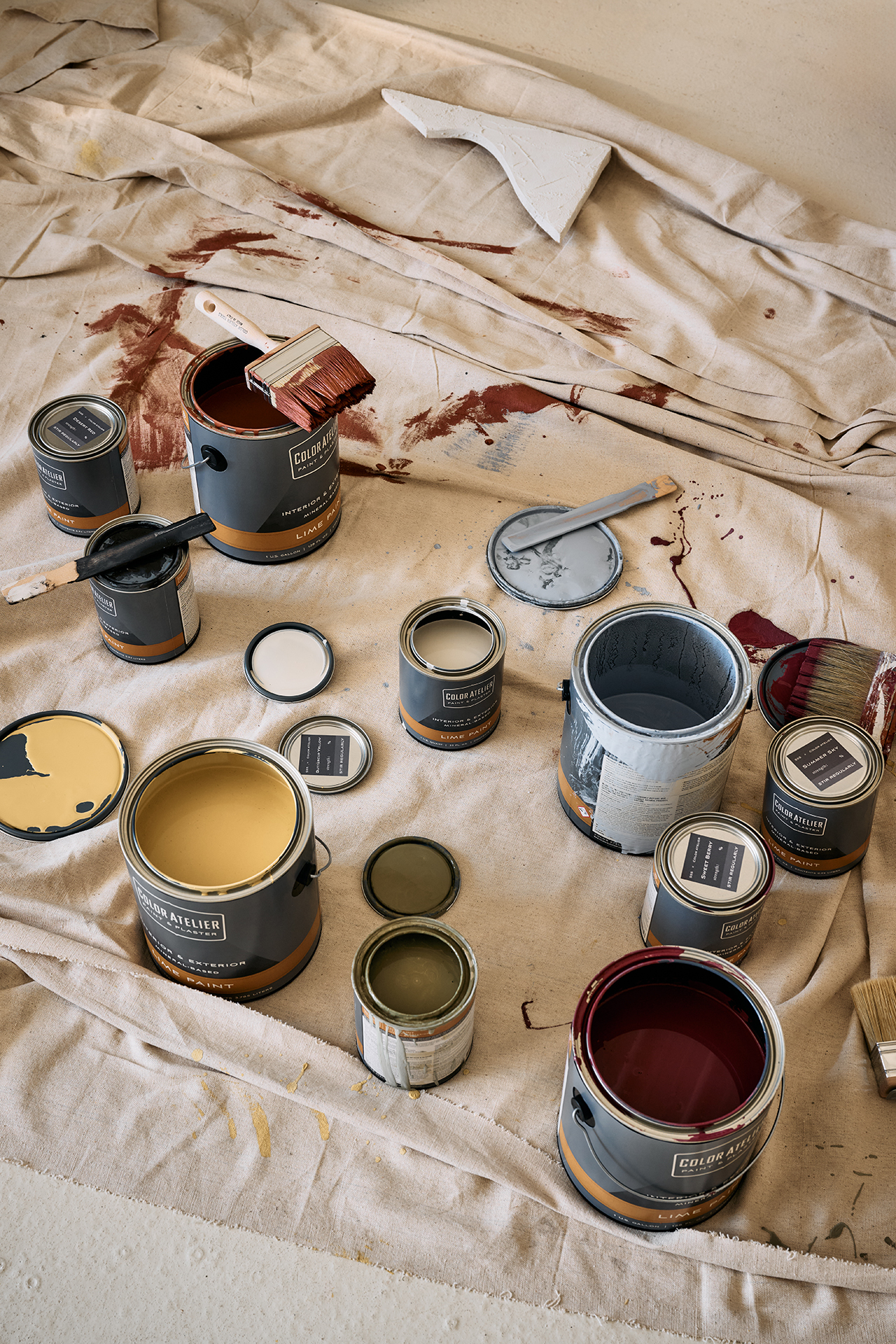
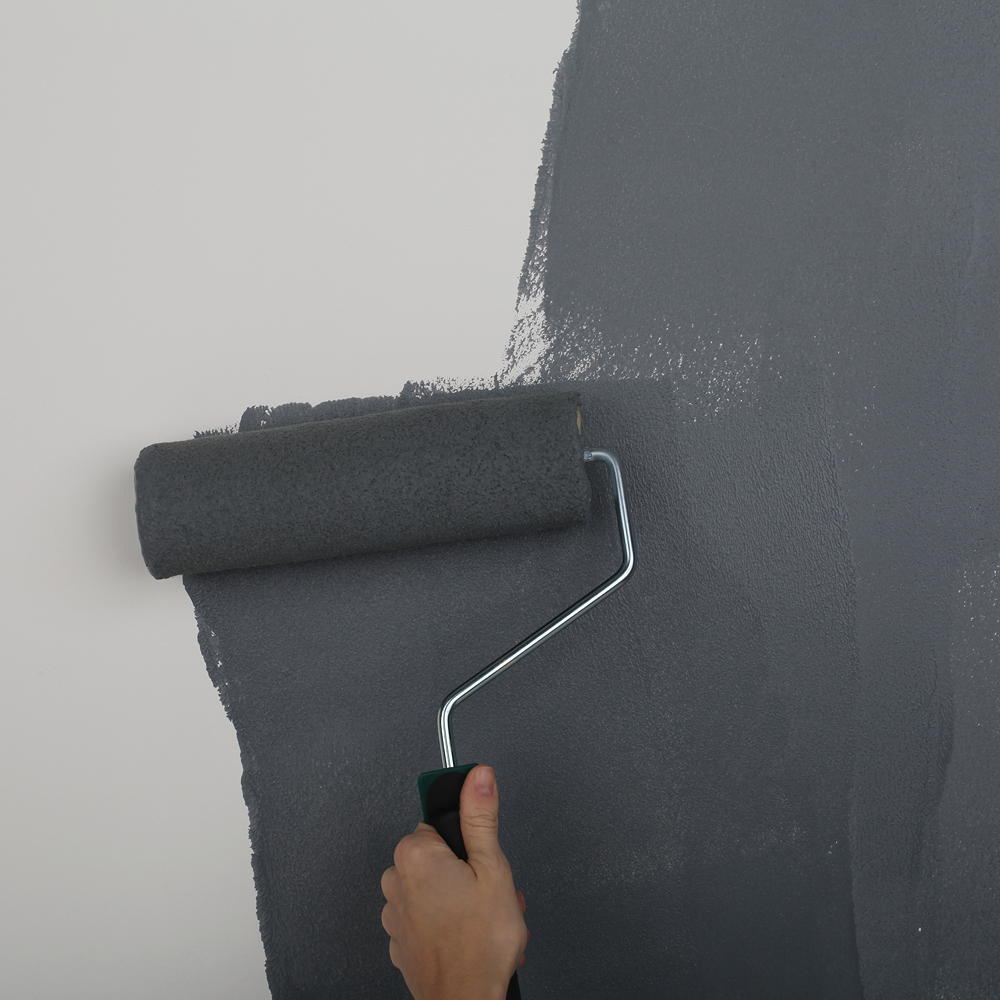
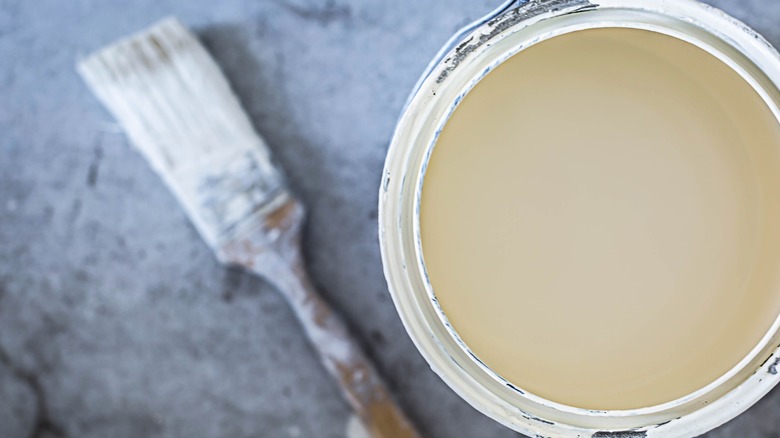
The application process for limewash paint differs significantly from that of conventional paints. It is applied using a long-haired paintbrush, employing feathered strokes in a random, multi-directional pattern, rather than with a roller. Experts, such as the Sydney Harbour Paint Company, recommend two coats for optimal results. Numerous instructional videos are available online, demonstrating the technique, often emphasizing the importance of using a consistent brush size, typically a five-inch brush, throughout the application.
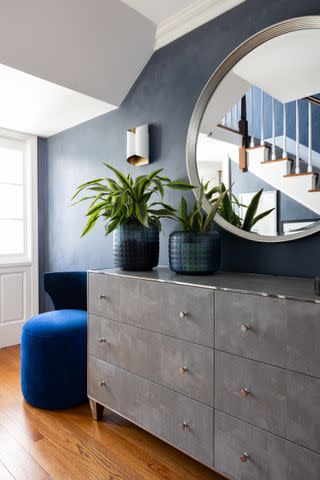
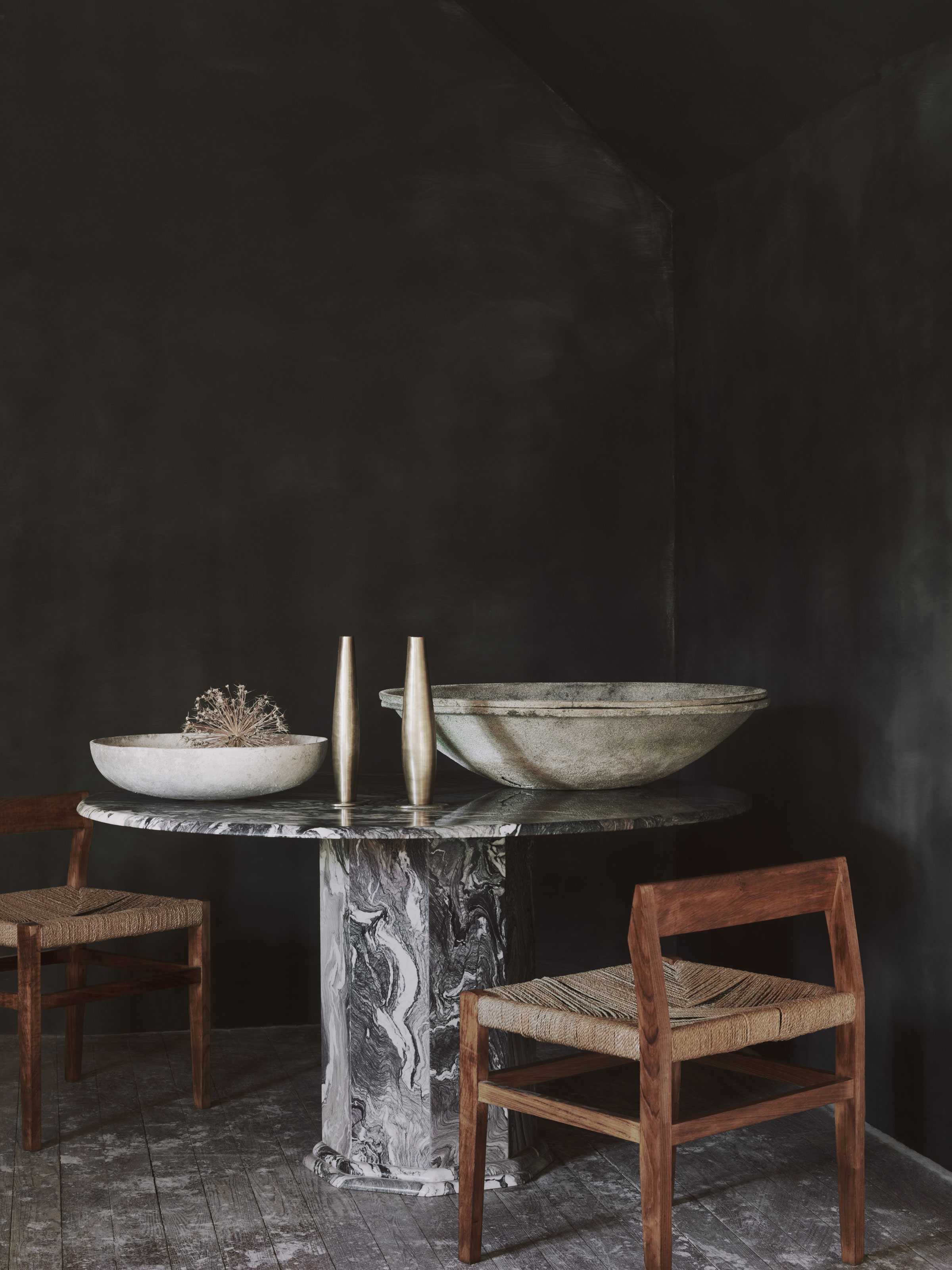
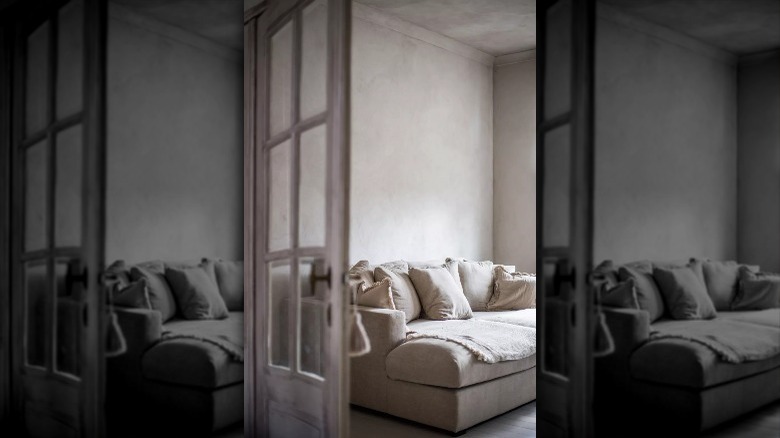
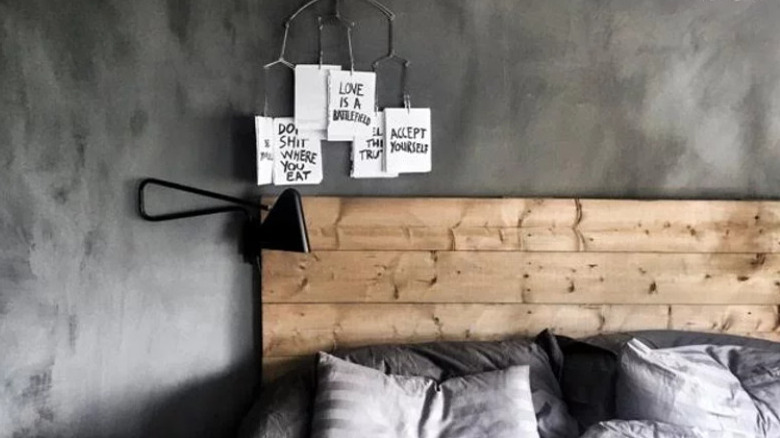
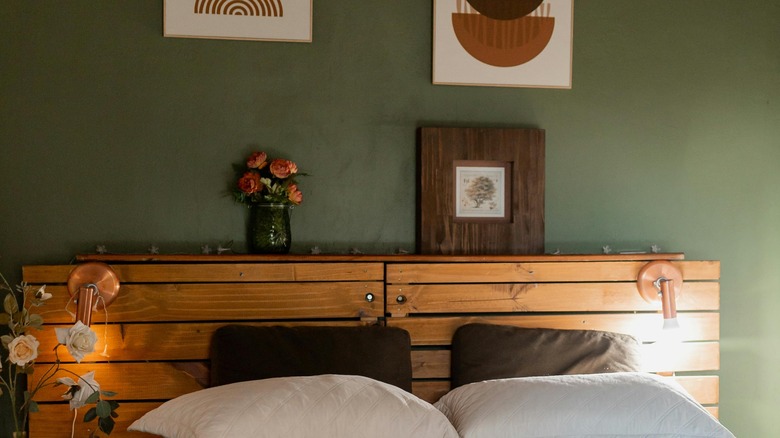
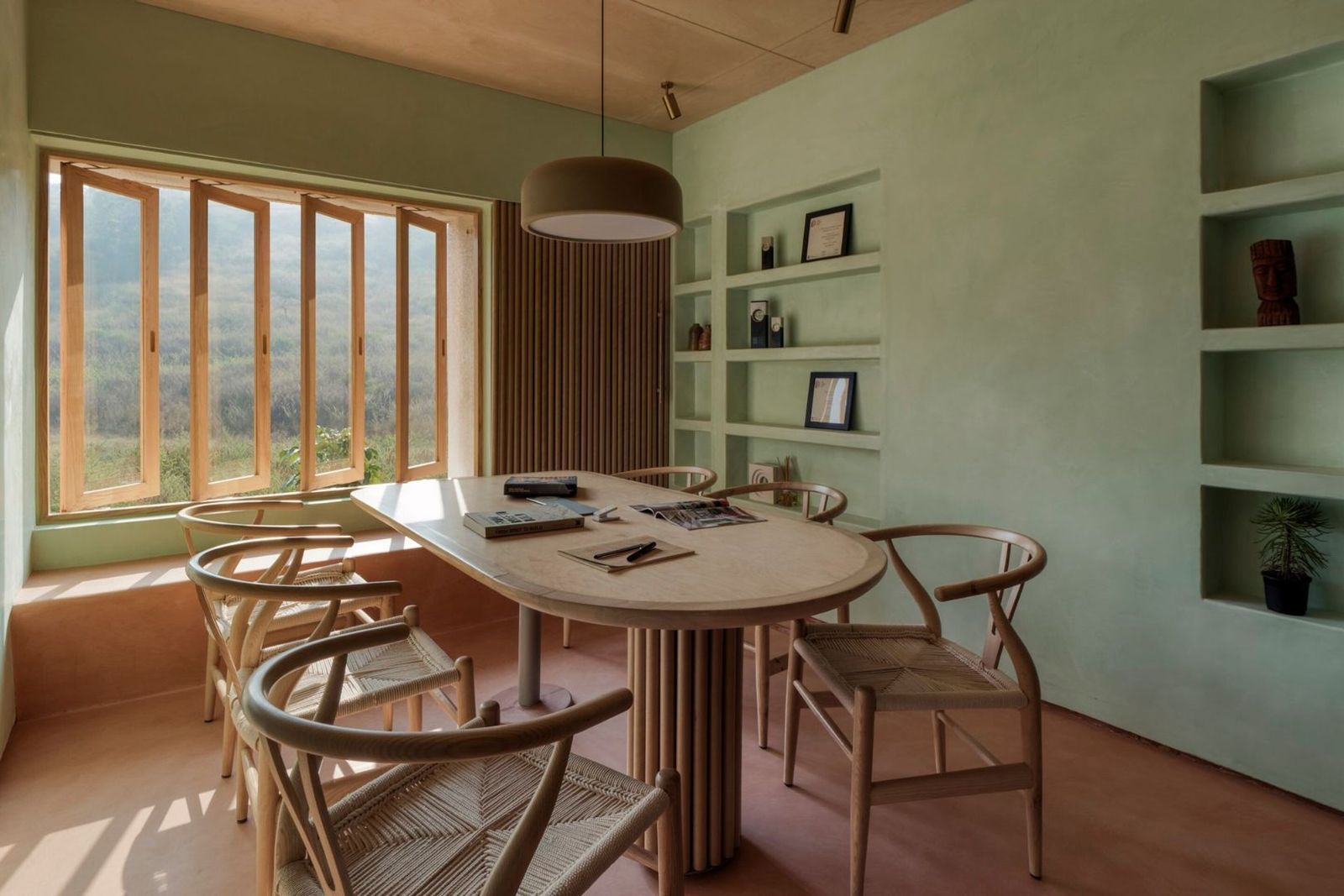
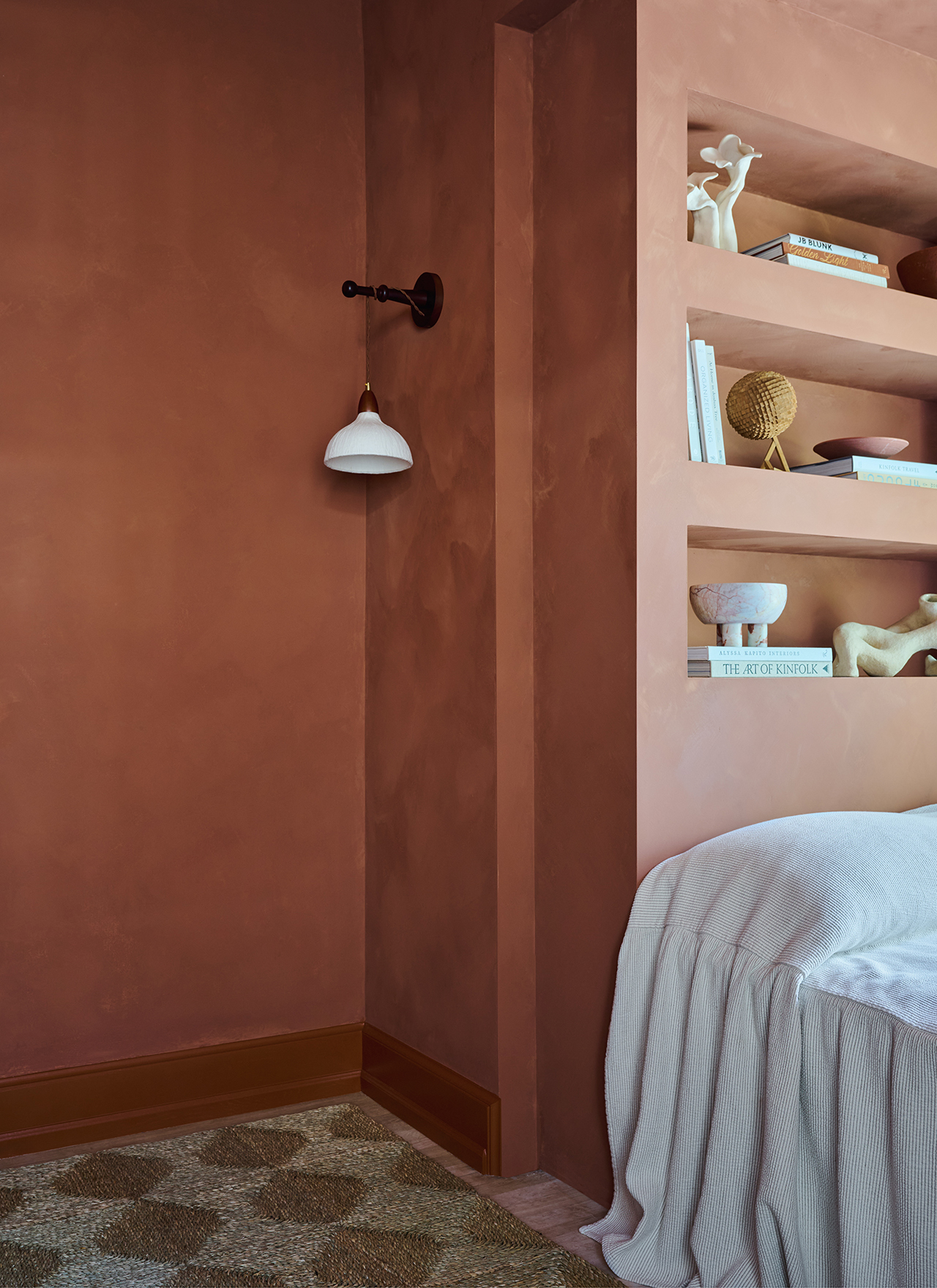
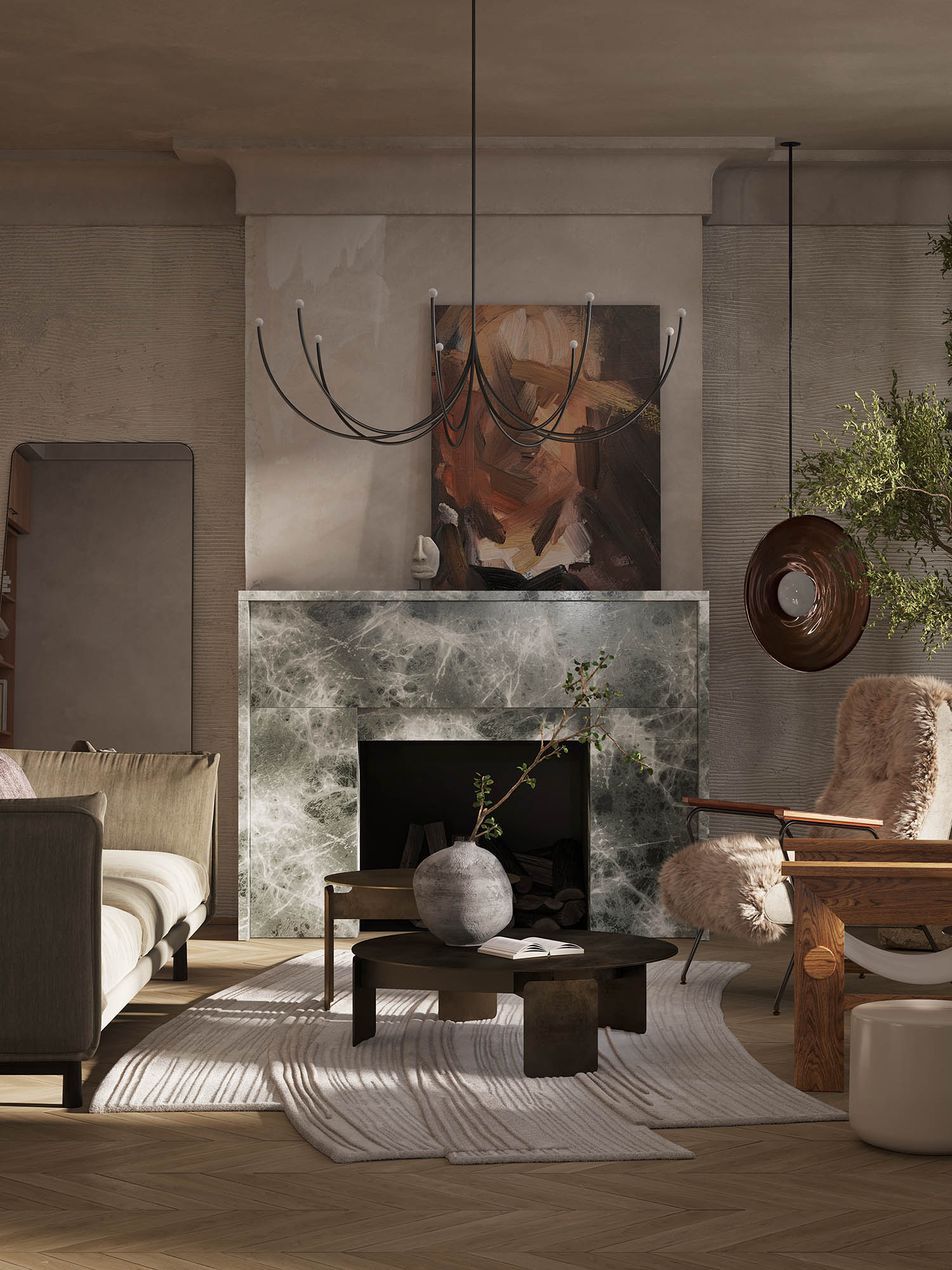
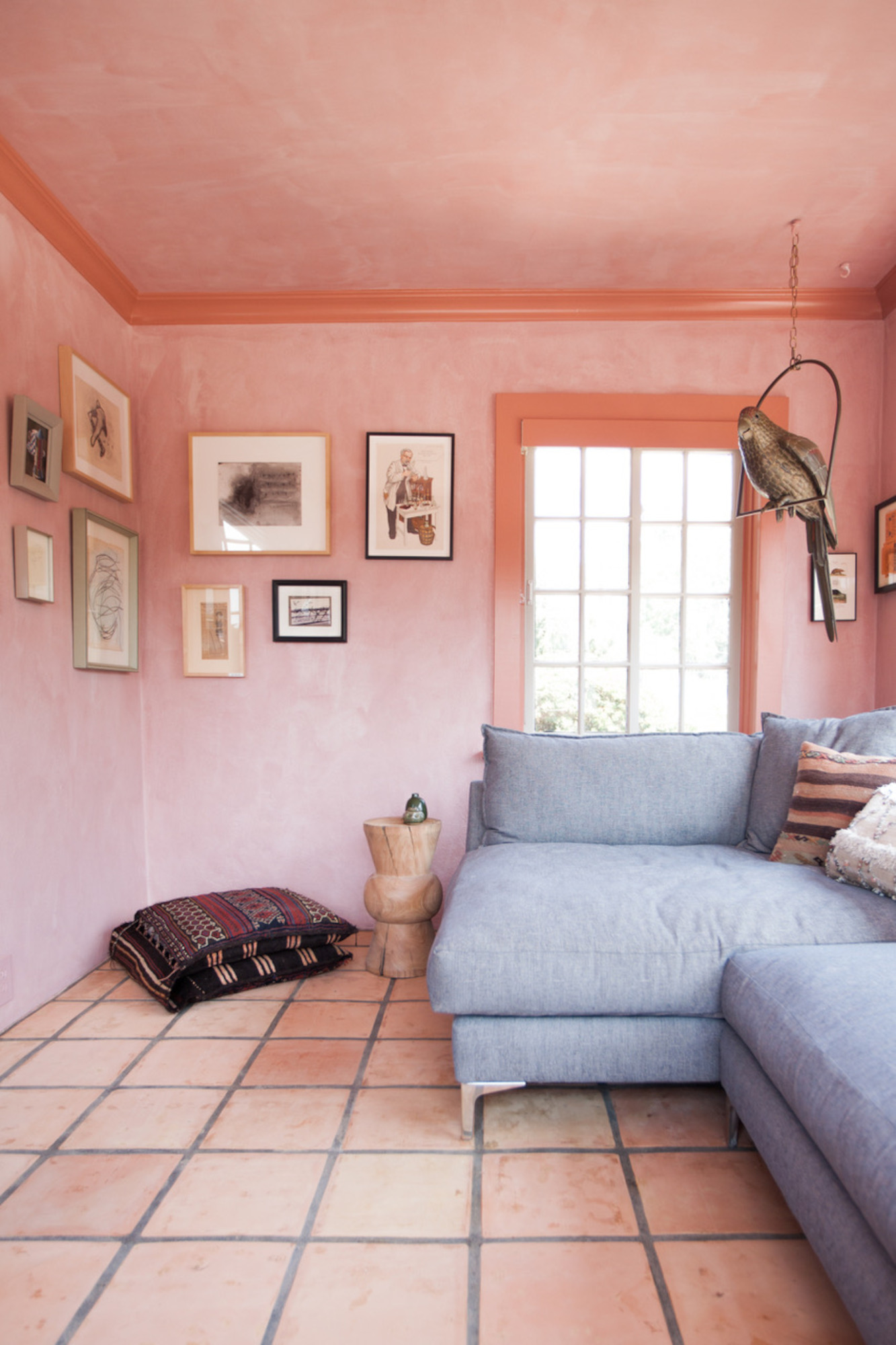
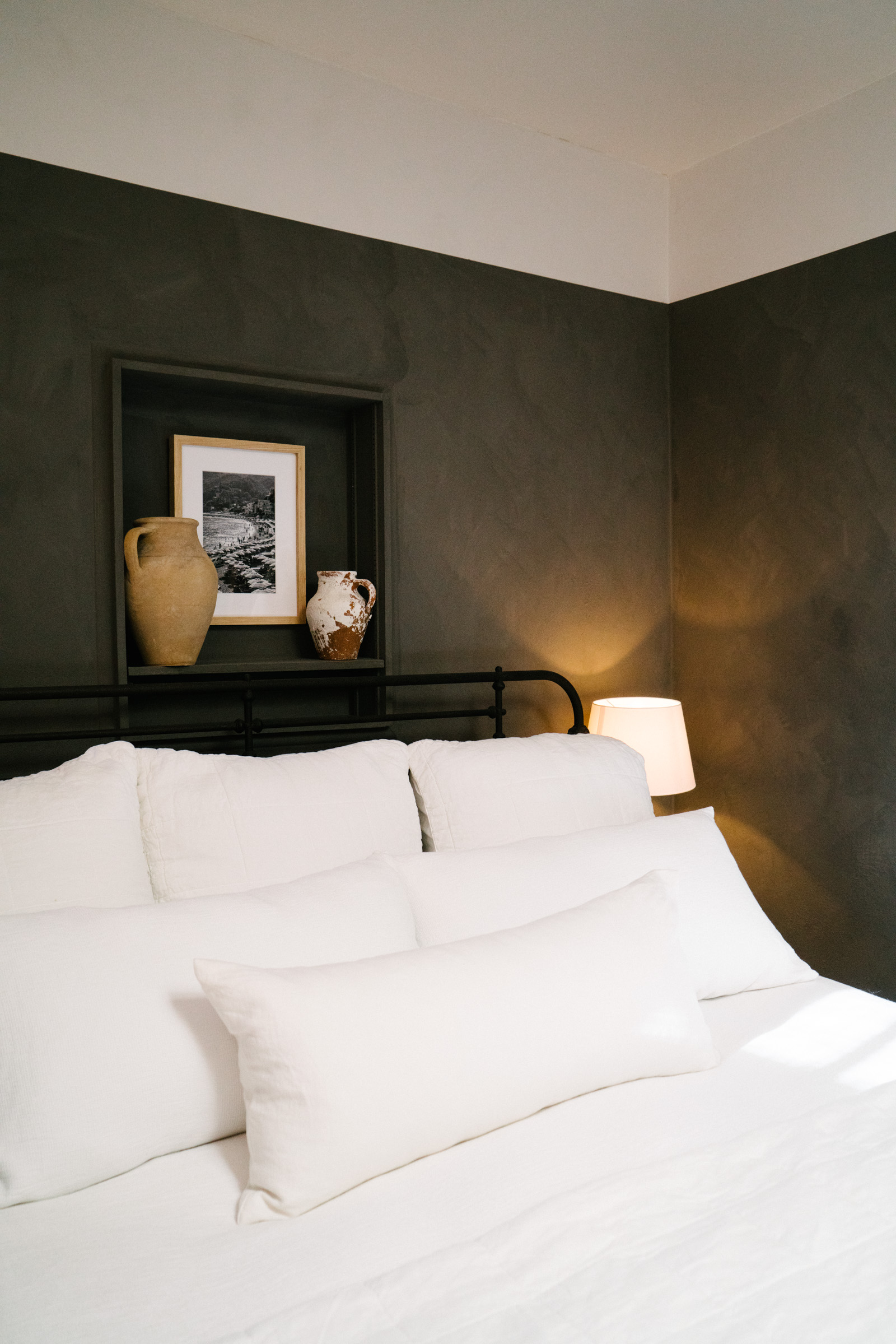
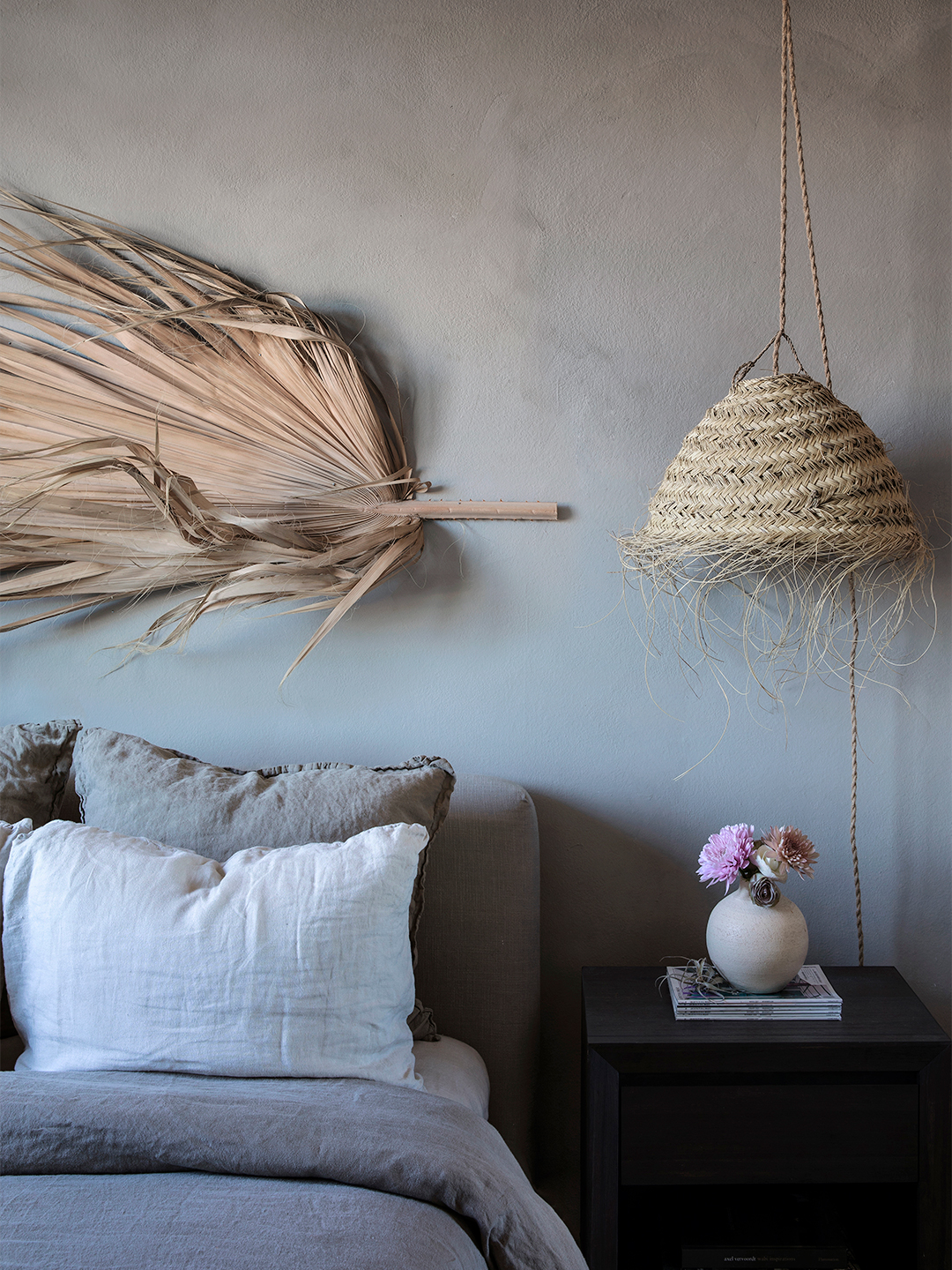
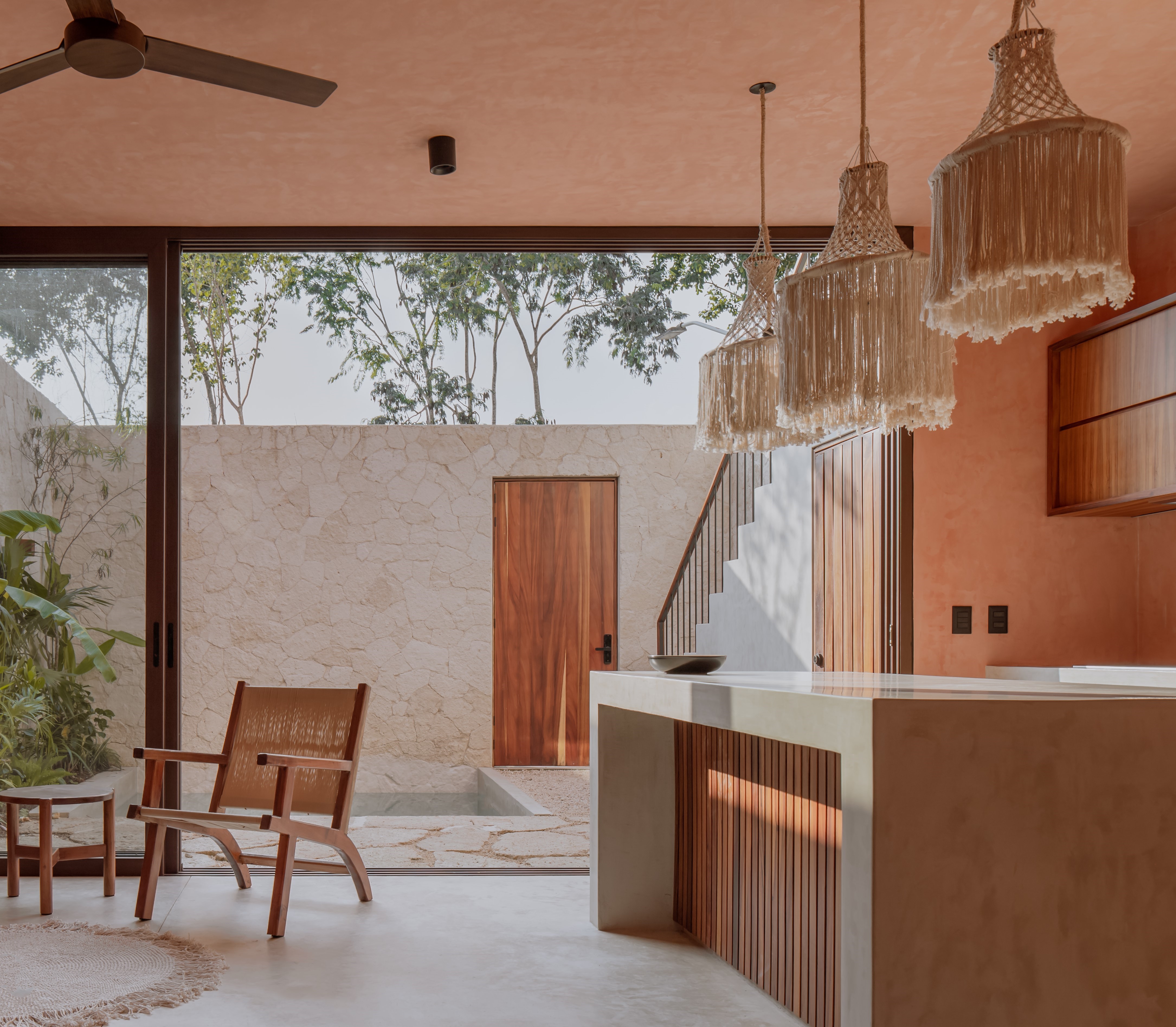
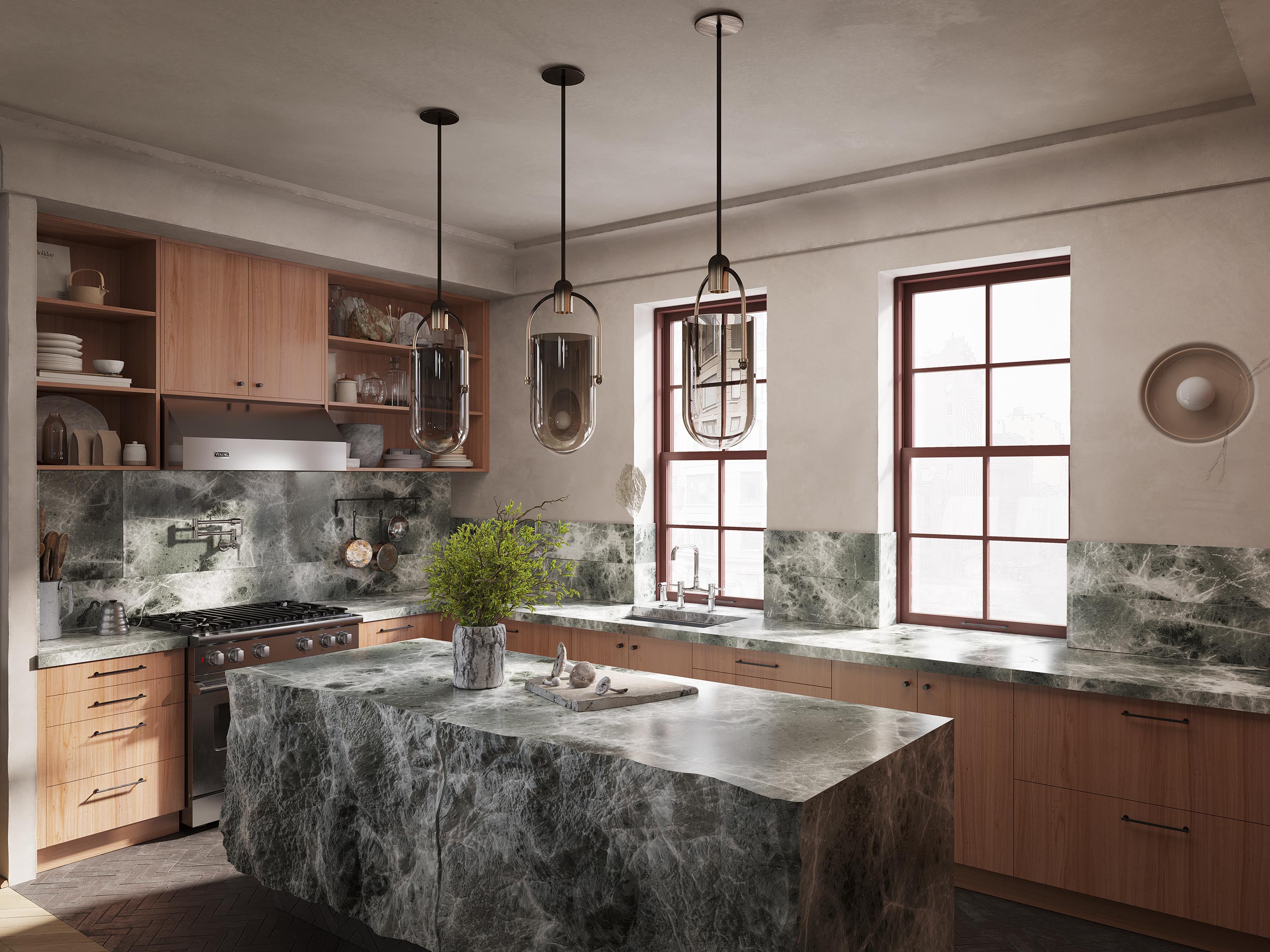
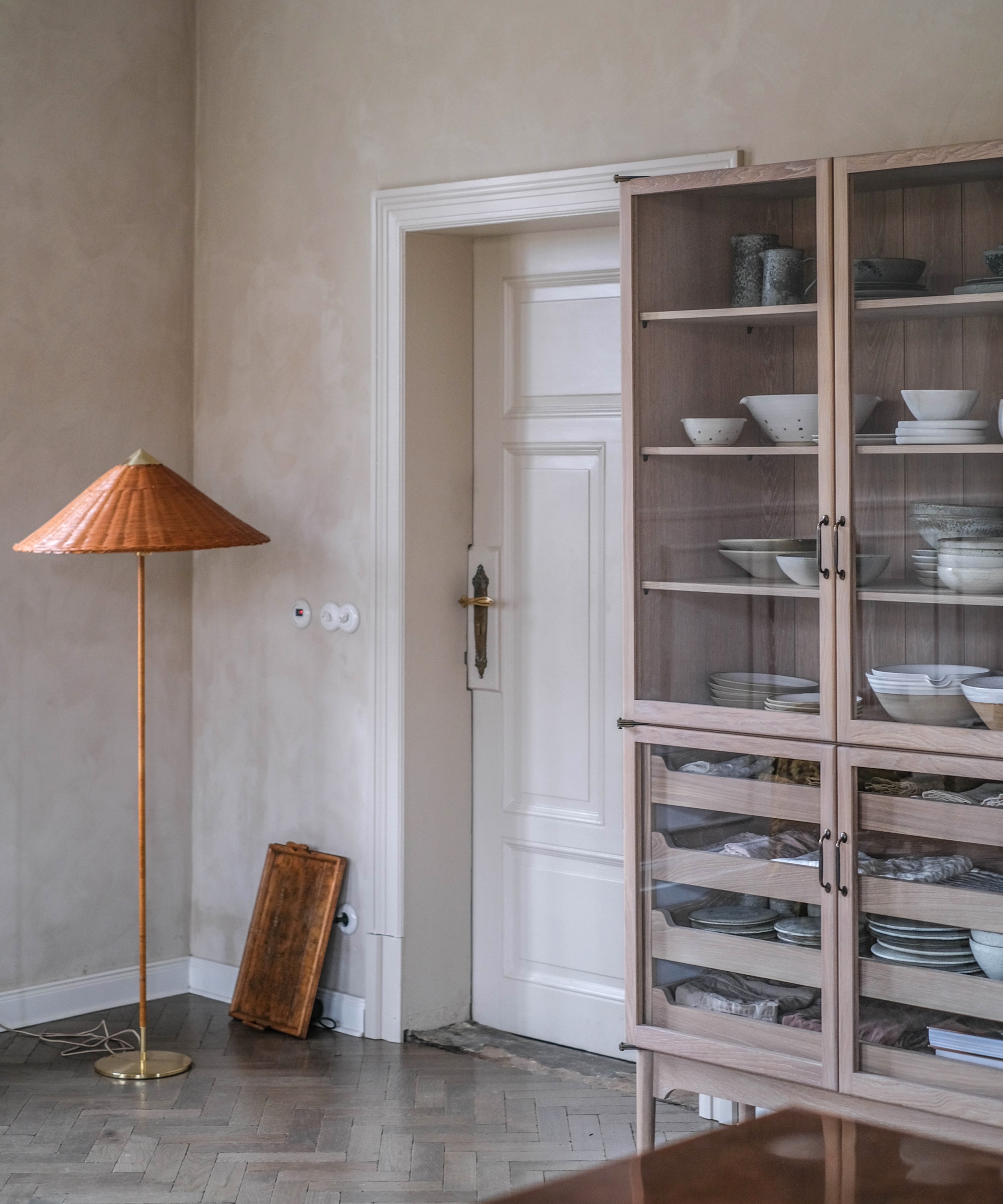
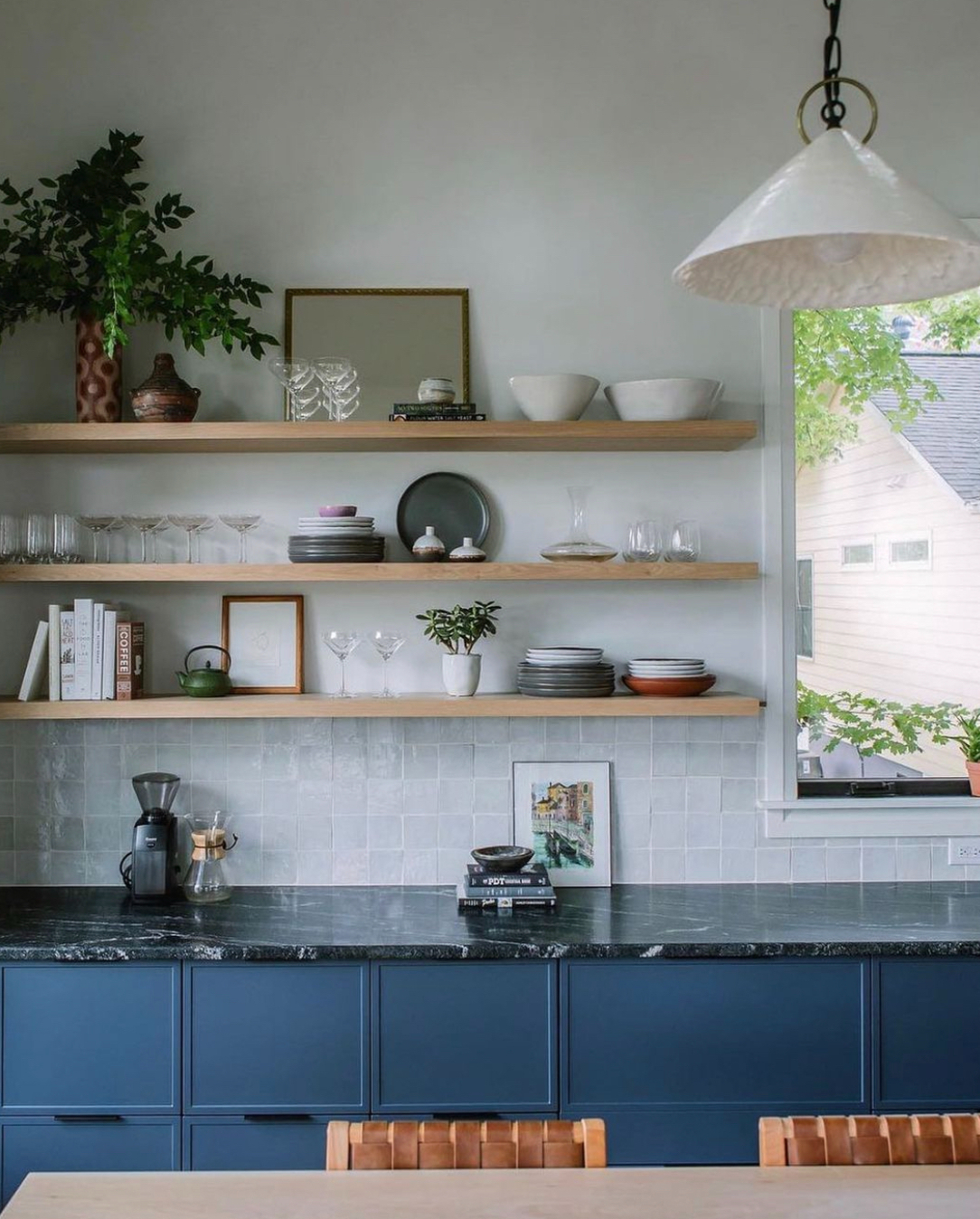
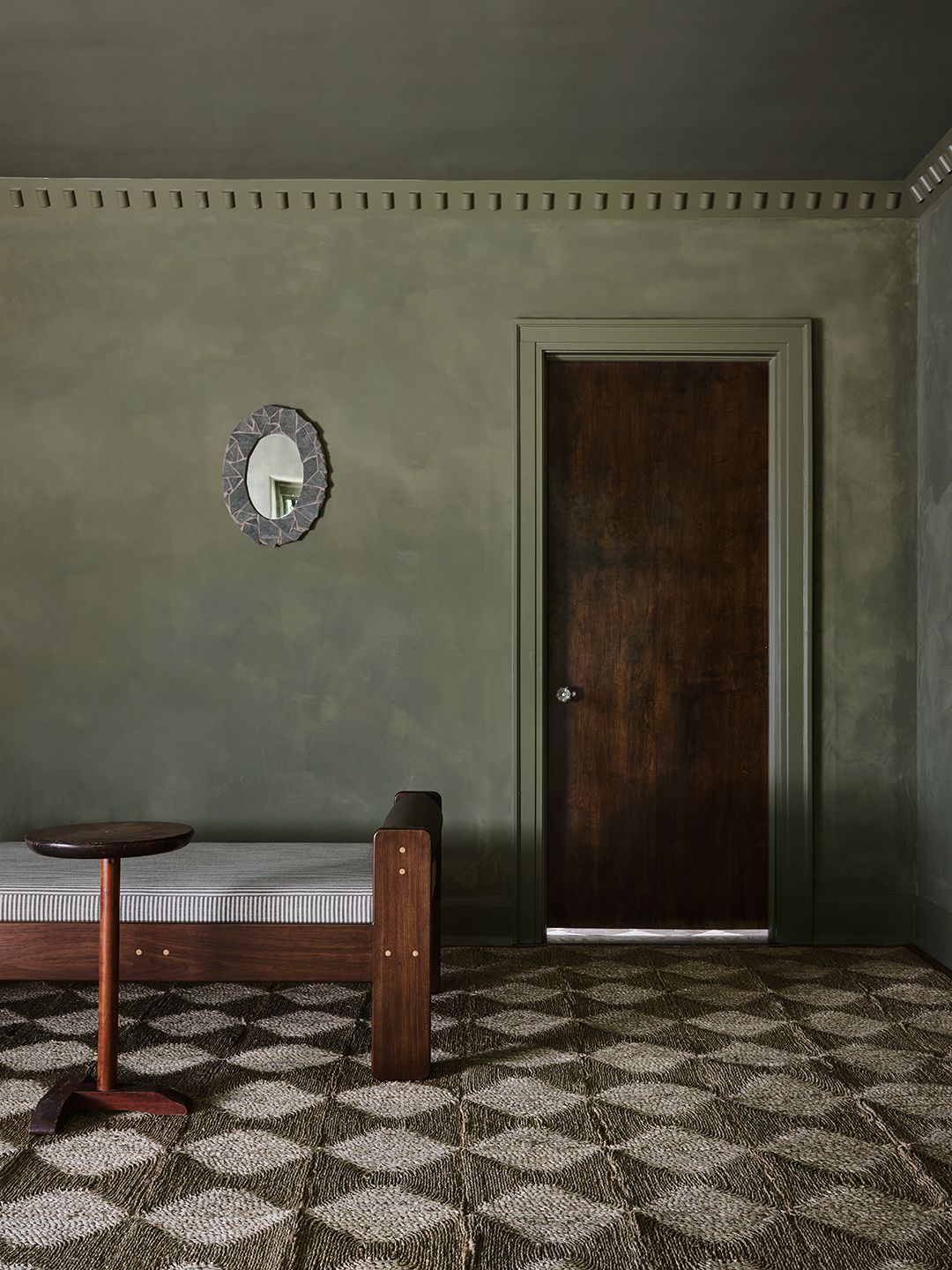
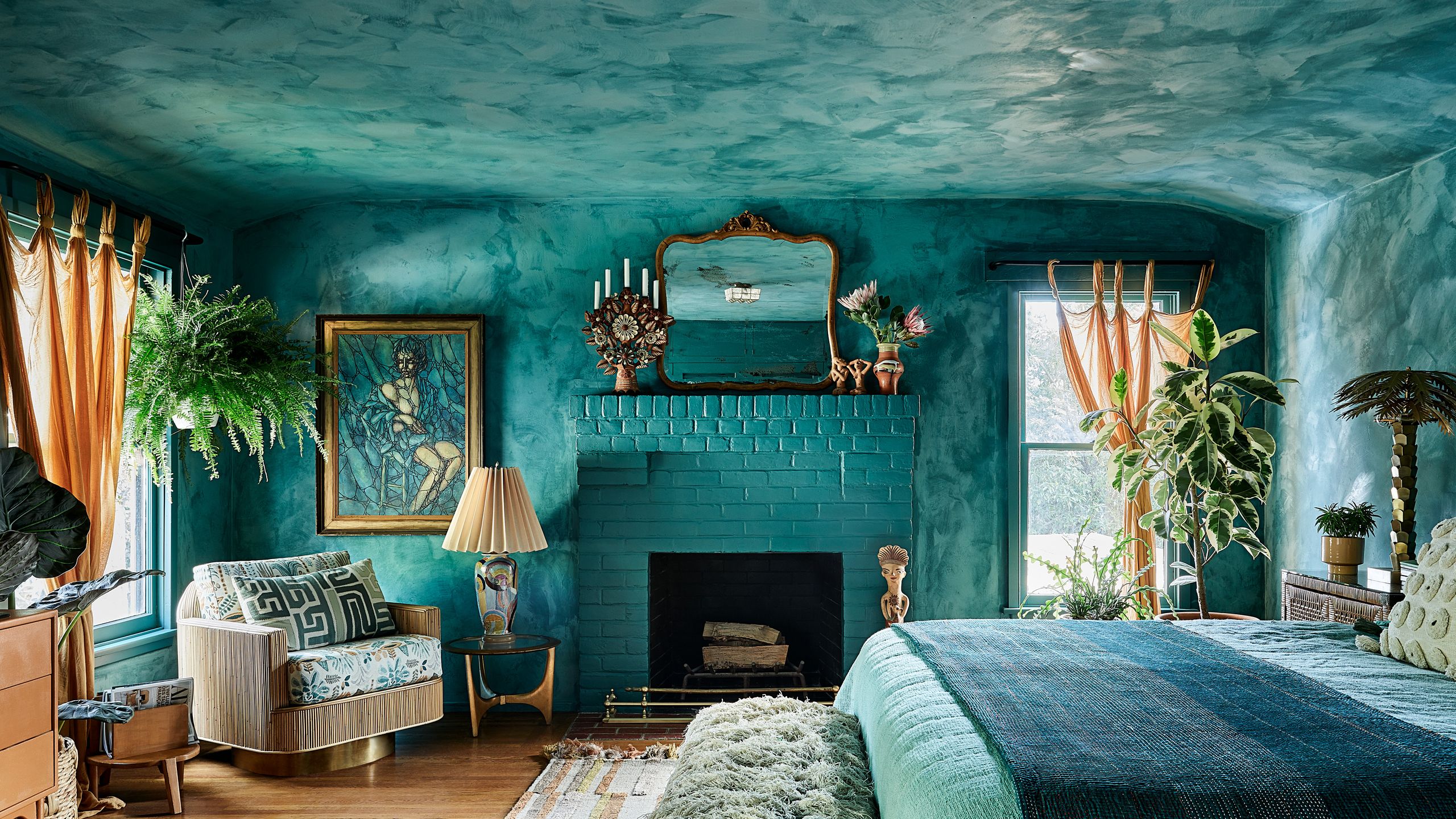
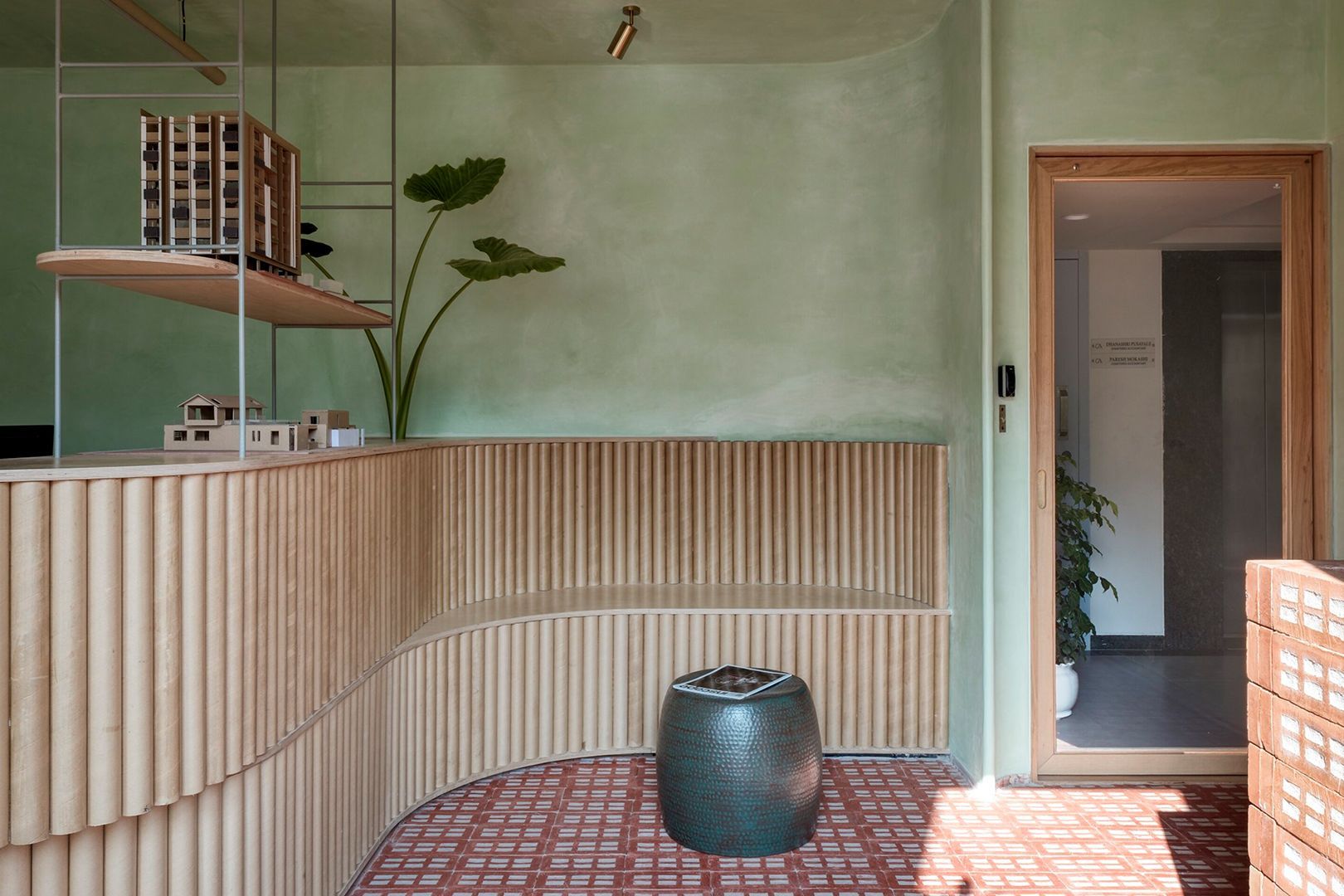
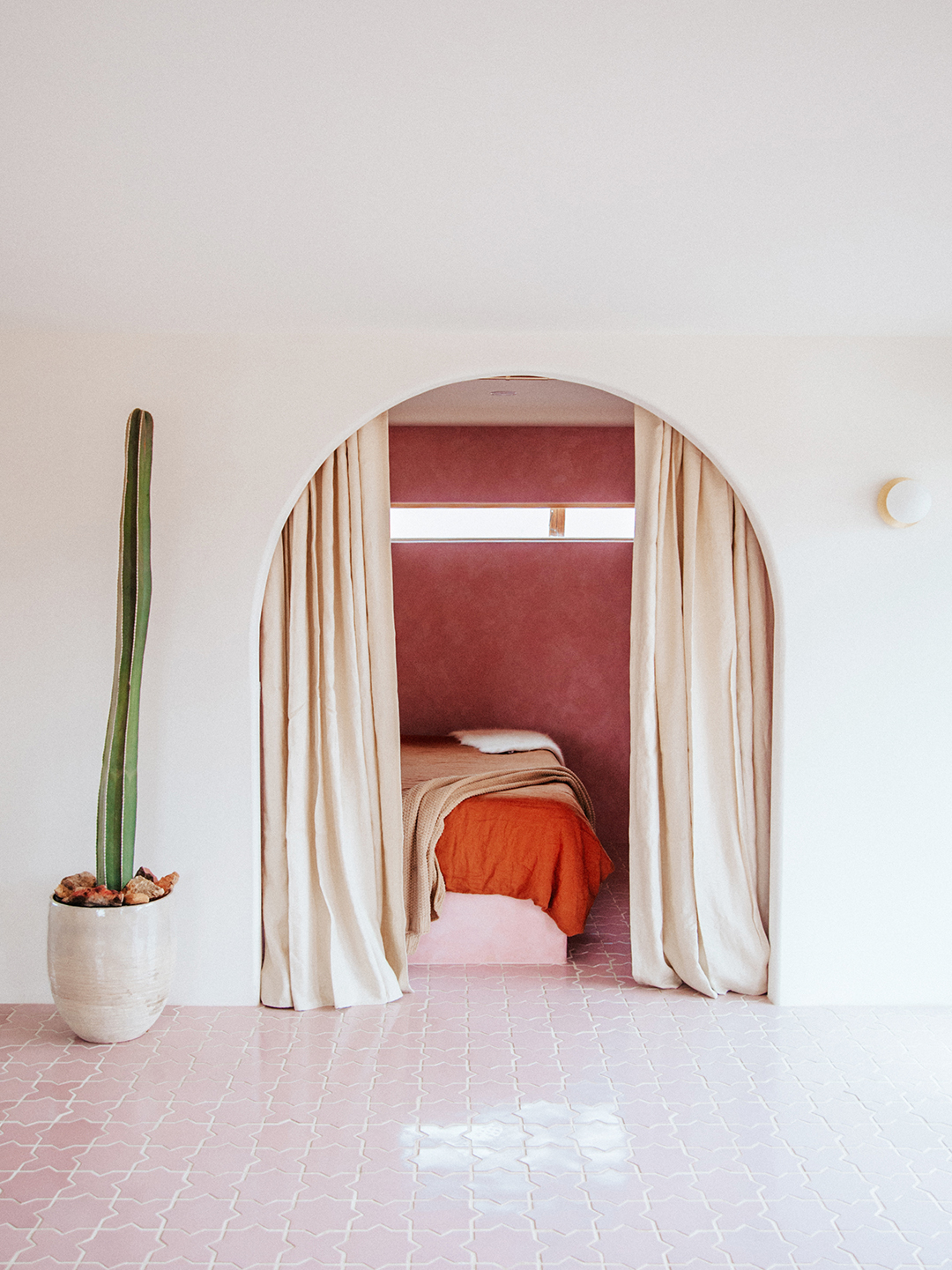
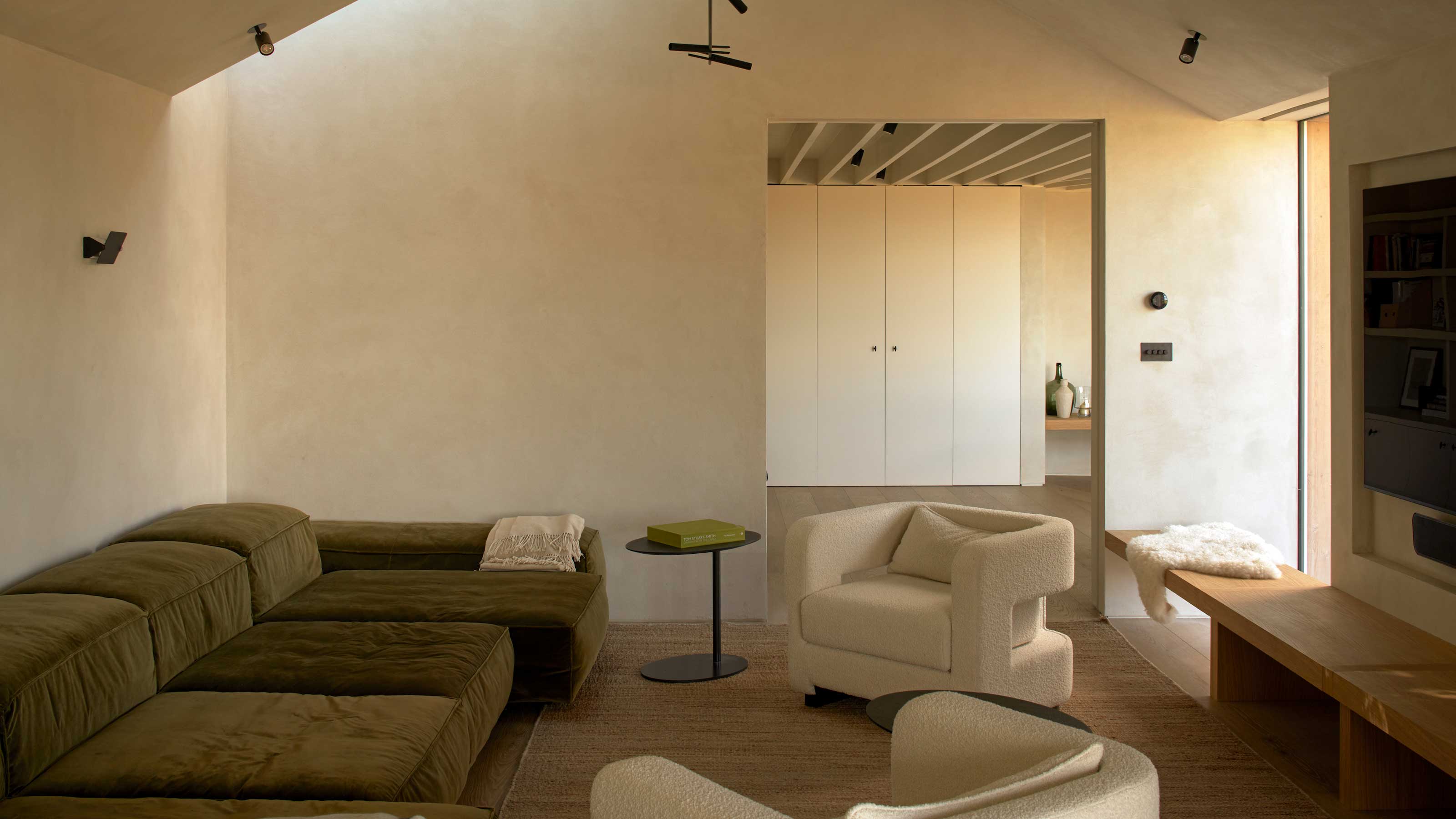
For those aiming to replicate the ambiance of Tuscan villas or Ibiza retreats, selecting neutral hues such as warm taupes and sandy beiges is recommended. These colors complement popular interior design trends like California Casual and Wabi-Sabi, which prioritize natural elements and understated beauty. Alternatively, individuals seeking a more dramatic statement can opt for bold colors like deep charcoals or rich jewel-toned greens and blues. To achieve an immersive, cocoon-like atmosphere, limewash can even be extended to ceilings.
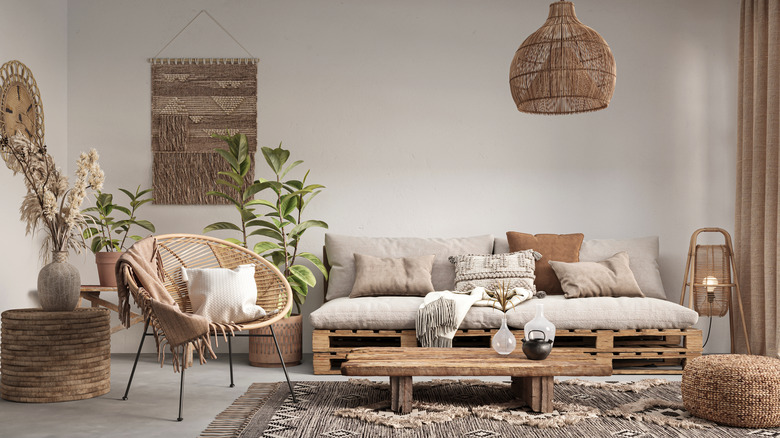
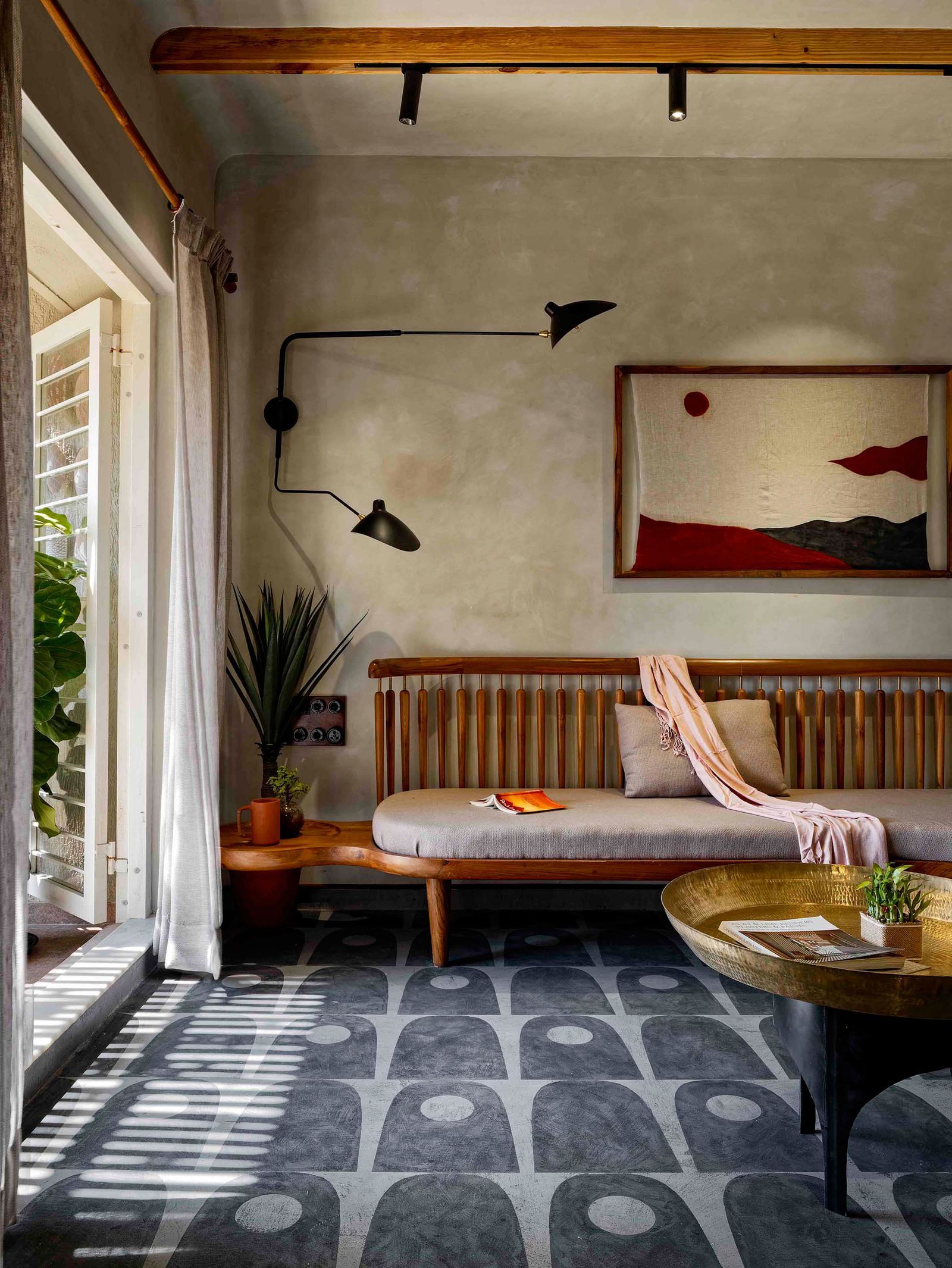
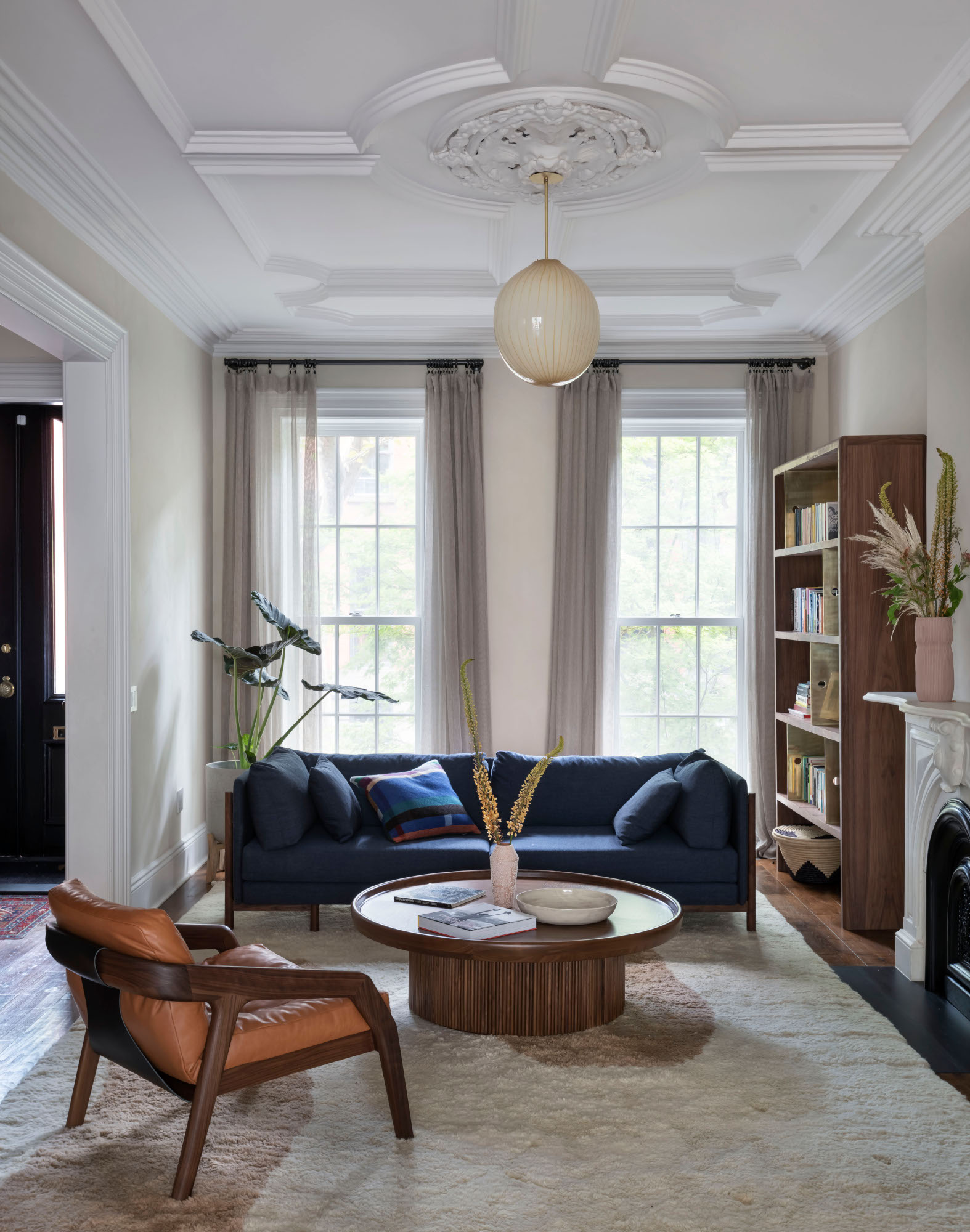
Regardless of the chosen color palette, limewash paint harmonizes beautifully with natural materials such as wood and linen. Incorporating these elements into the decor can complete the desired aesthetic, enhancing the overall organic and serene feel of the space. The versatility and unique characteristics of limewash paint make it a compelling choice for those looking to infuse their homes with a blend of historical charm, tactile texture, and modern tranquility.
#LimewashPaint #HomeInteriors #InteriorDesignTrends #CozySpaces #OldWorldCharm #RomanticElegance #NaturalMaterials #NonToxicPaint #HomeDecoration #LimewashPaint #HomeInteriors #InteriorDesignTrends #CozySpaces #OldWorldCharm #RomanticElegance #NaturalMaterials #NonToxicPaint #HomeDecoration
0 comment in total
 No comments yet
You may also like
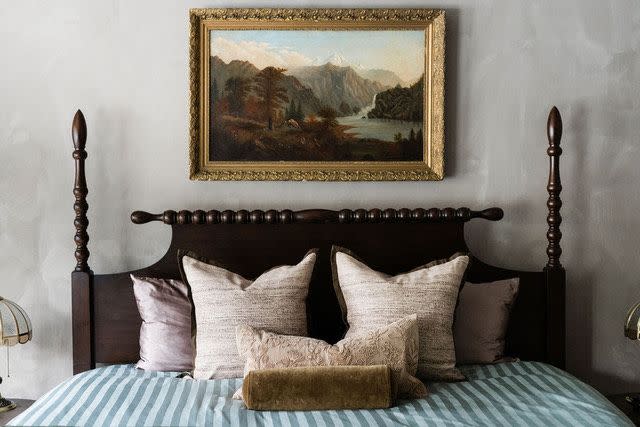
8 Limewash Paint Colors That Will Add Elegance and Style to Your Home
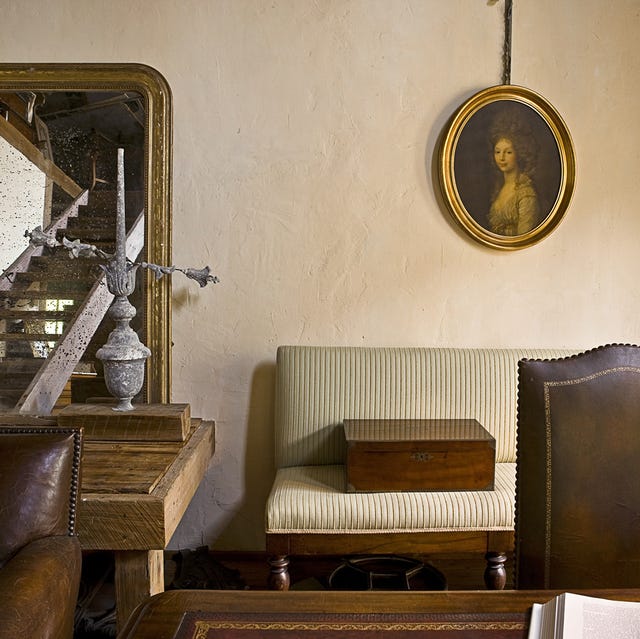
This Texture-Rich Finish Is Designers' Go-To for Instant Patina

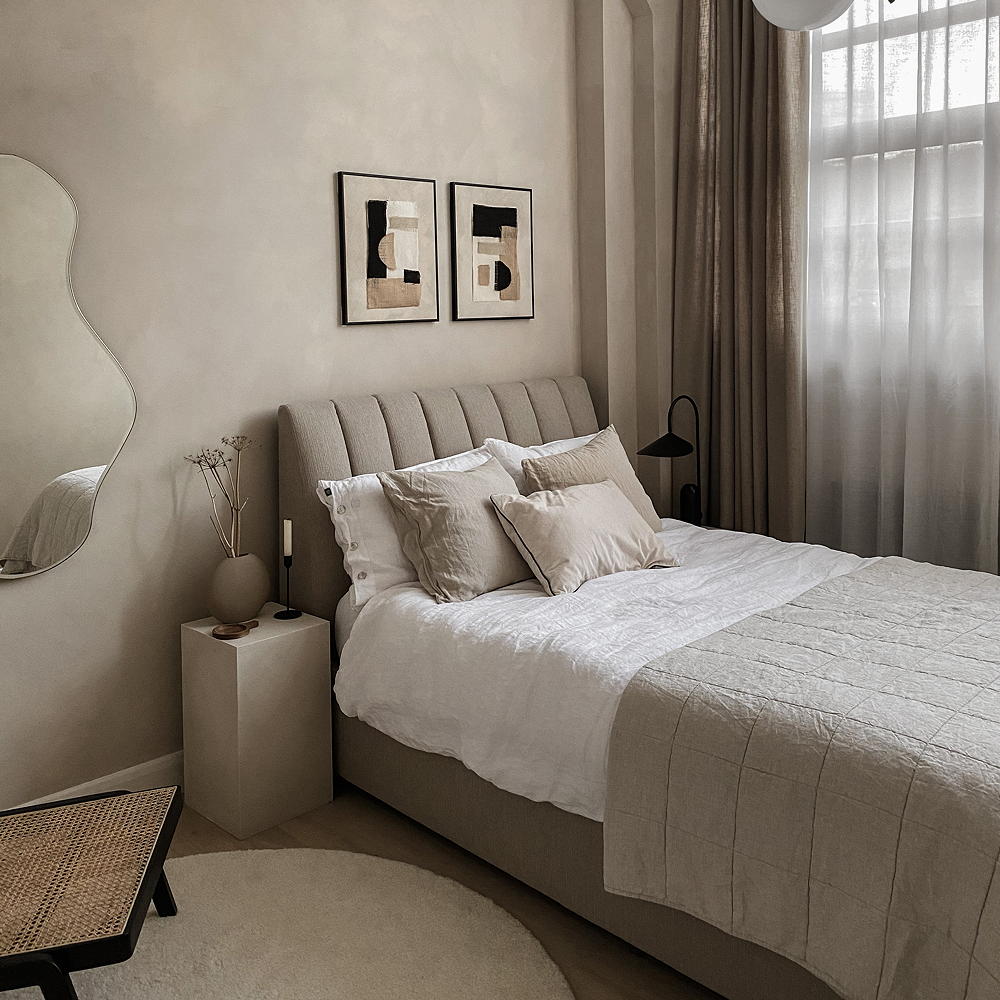
Instagram can't get enough of this new textured paint craze - here's how to get the look
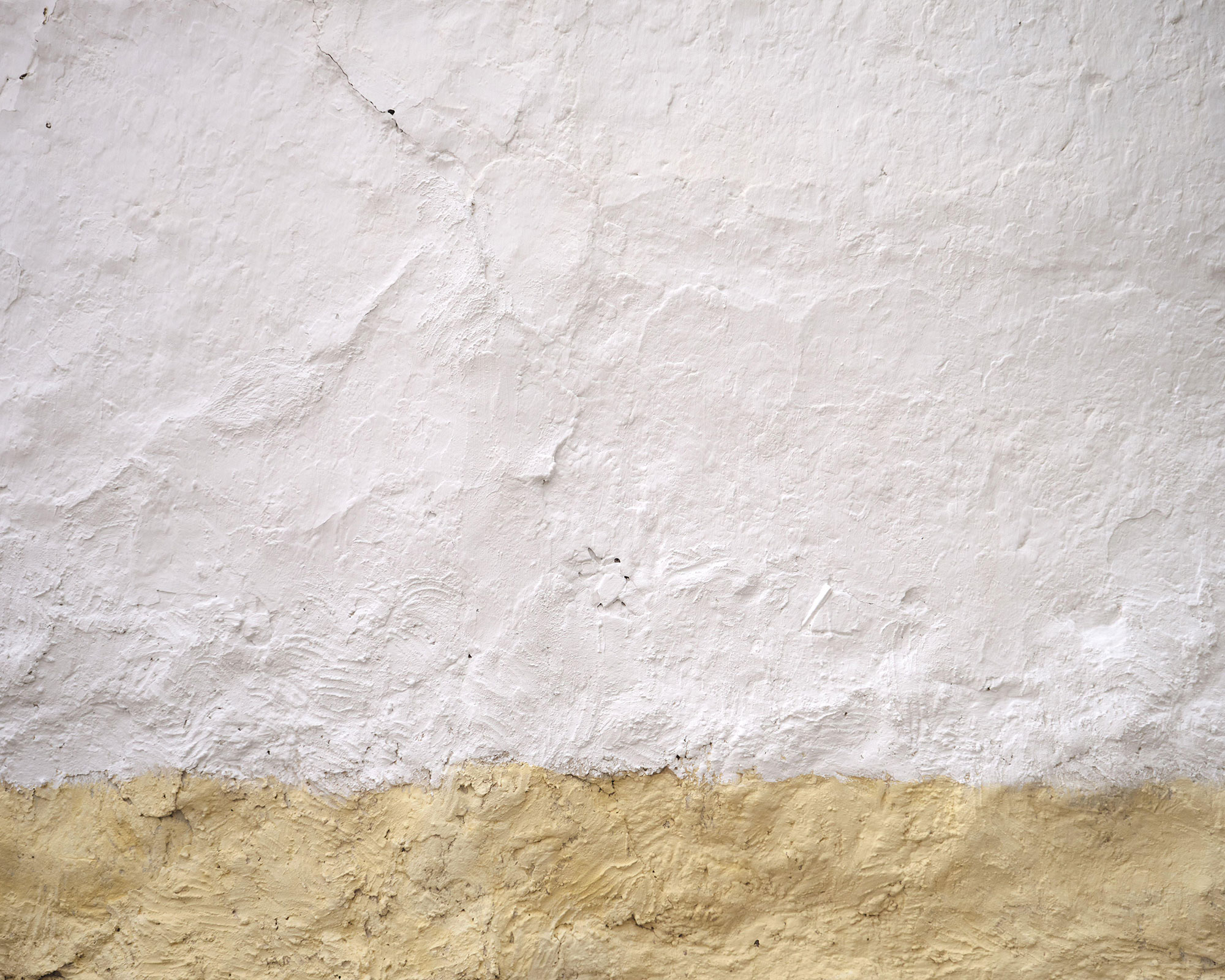
10 ways to use limewash at home: and how to apply it

Limewash paint ideas – 10 ways to use this trending wall finish to bring texture to your home

What Is Limewash Paint: Four Places to Use It in Your Home

Rediscover Limewash Paint, the Old-World Finish That's Trending Again

Limewashing trend: why this European paint trend is perfect for your kitchen
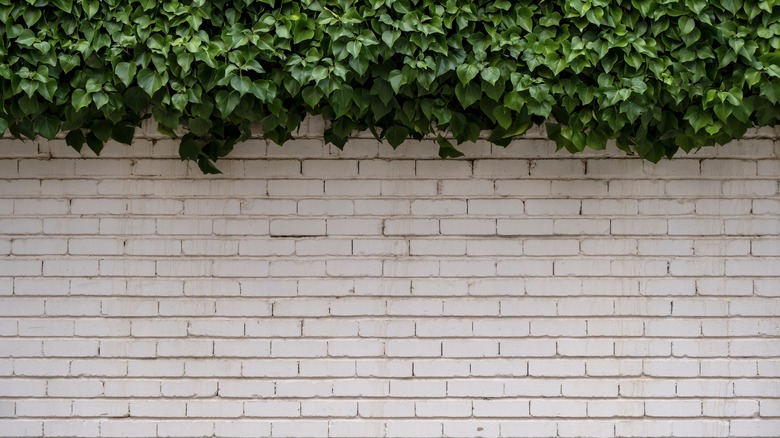
4 Creative Ways To Use Limewash Paint To Transform Your Home

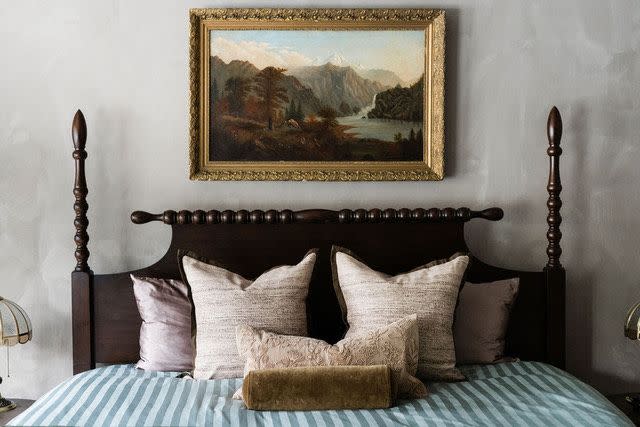
8 Limewash Paint Colors That Will Add Elegance and Style to Your Home

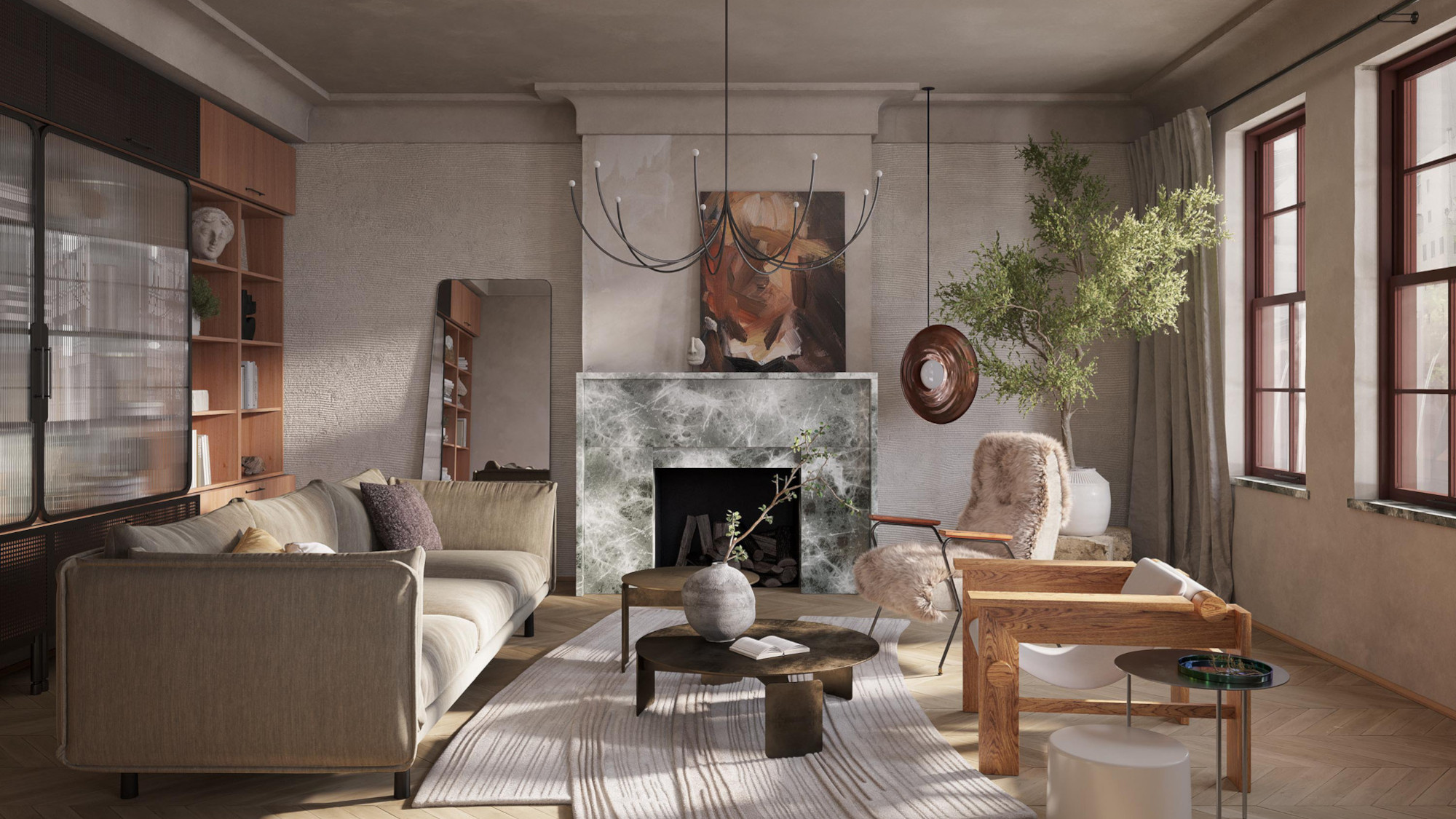
10 living rooms with limewash walls that prove that this textural wall finish is the perfect cozy-but-chic finishing touch

5 Ways Sarah Sherman Samuel Wants You to Use Her New Limewash Paint

8 Limewash Paint Colors for a Beautiful, Timeless Home, According to Interior Designers
What is limewash paint: Four places to use it in your home

If You Want Your Home to Look Like a Charming Tuscan Villa, Try This

This Simple DIY Limewash Paint Hack Costs Less Than $20 — But the Results Look Way More Expensive
10 Limewash Wall Color Ideas That Add Old-World Elegance To Your Space
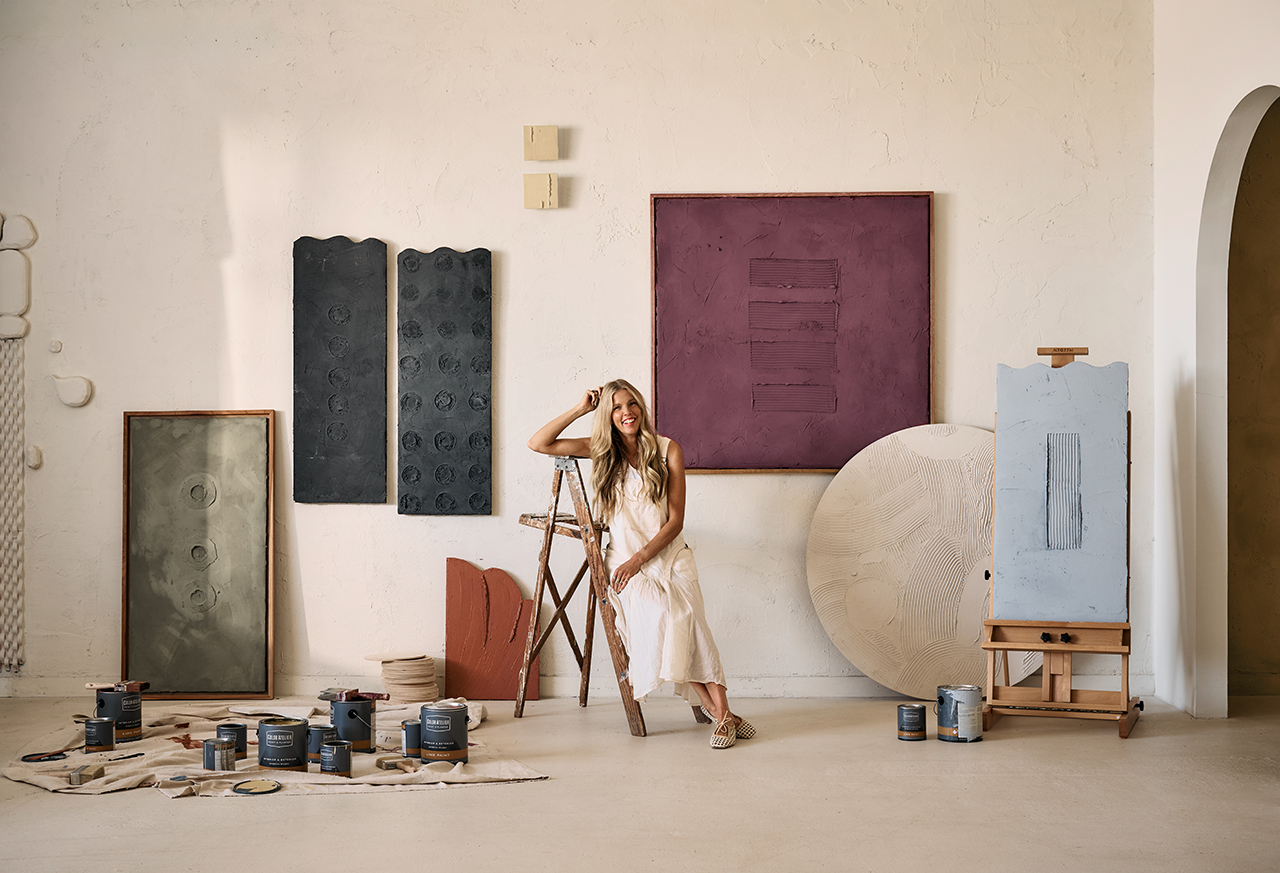
Color Atelier Unveils New Limewash Collection With Sarah Sherman Samuel
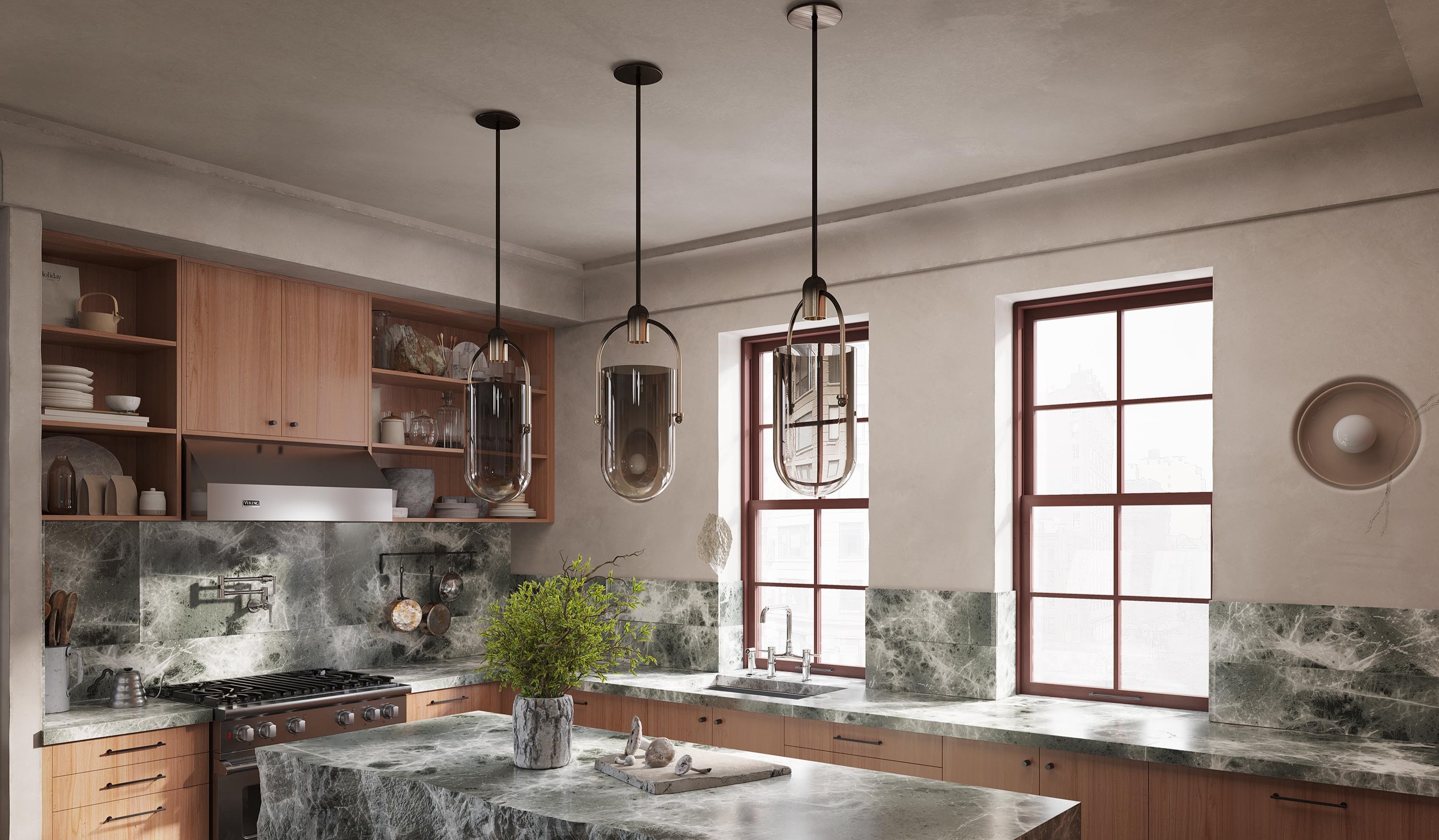
This Kitchen Trend Can Make Your Space Look Like a Charming, Tuscan Retreat — "It's Instantly Warming"
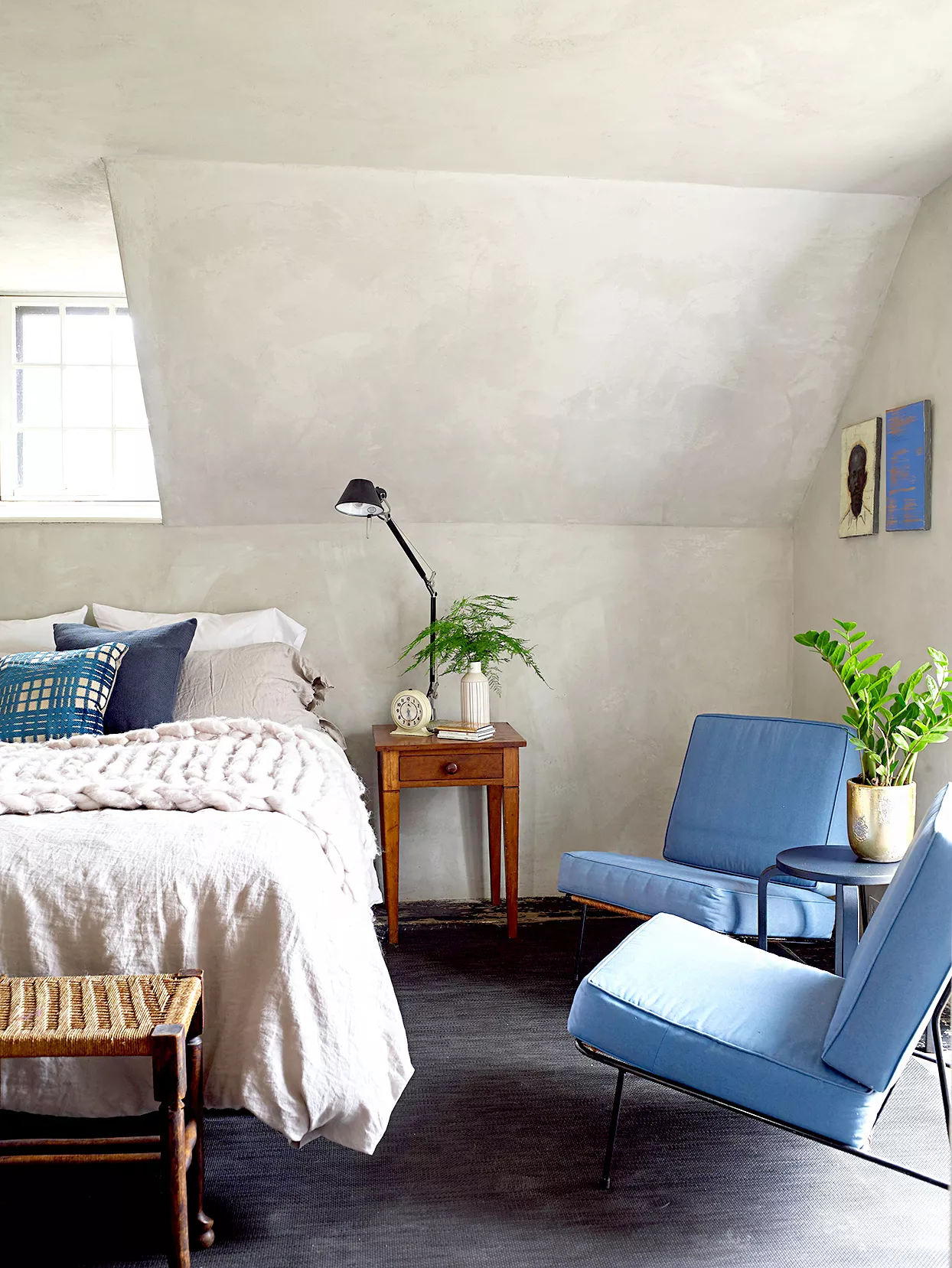
What Is Limewash Paint? Plus, How to Use It In Your Home