1/2
10 ways to use limewash at home: and how to apply it
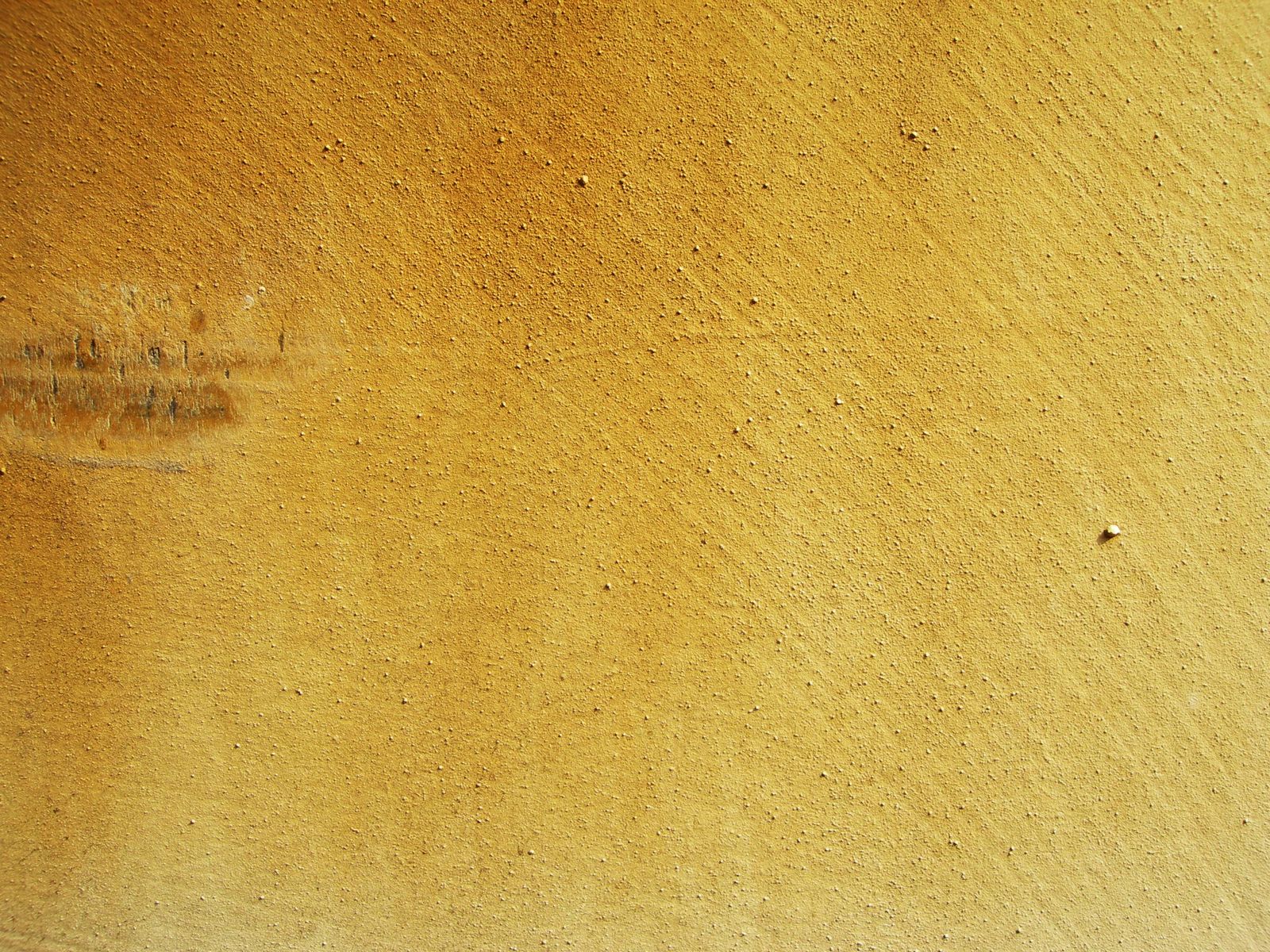
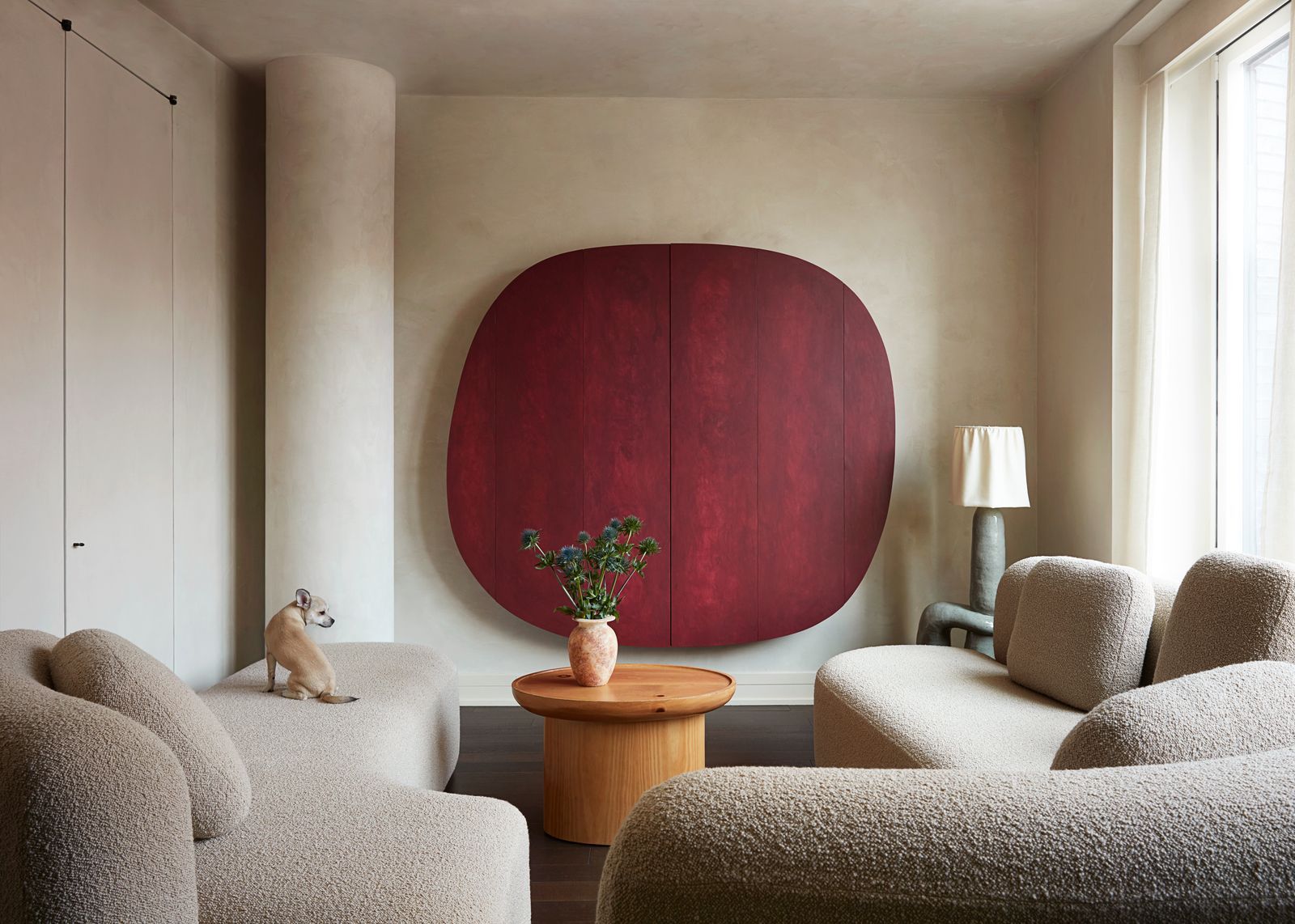
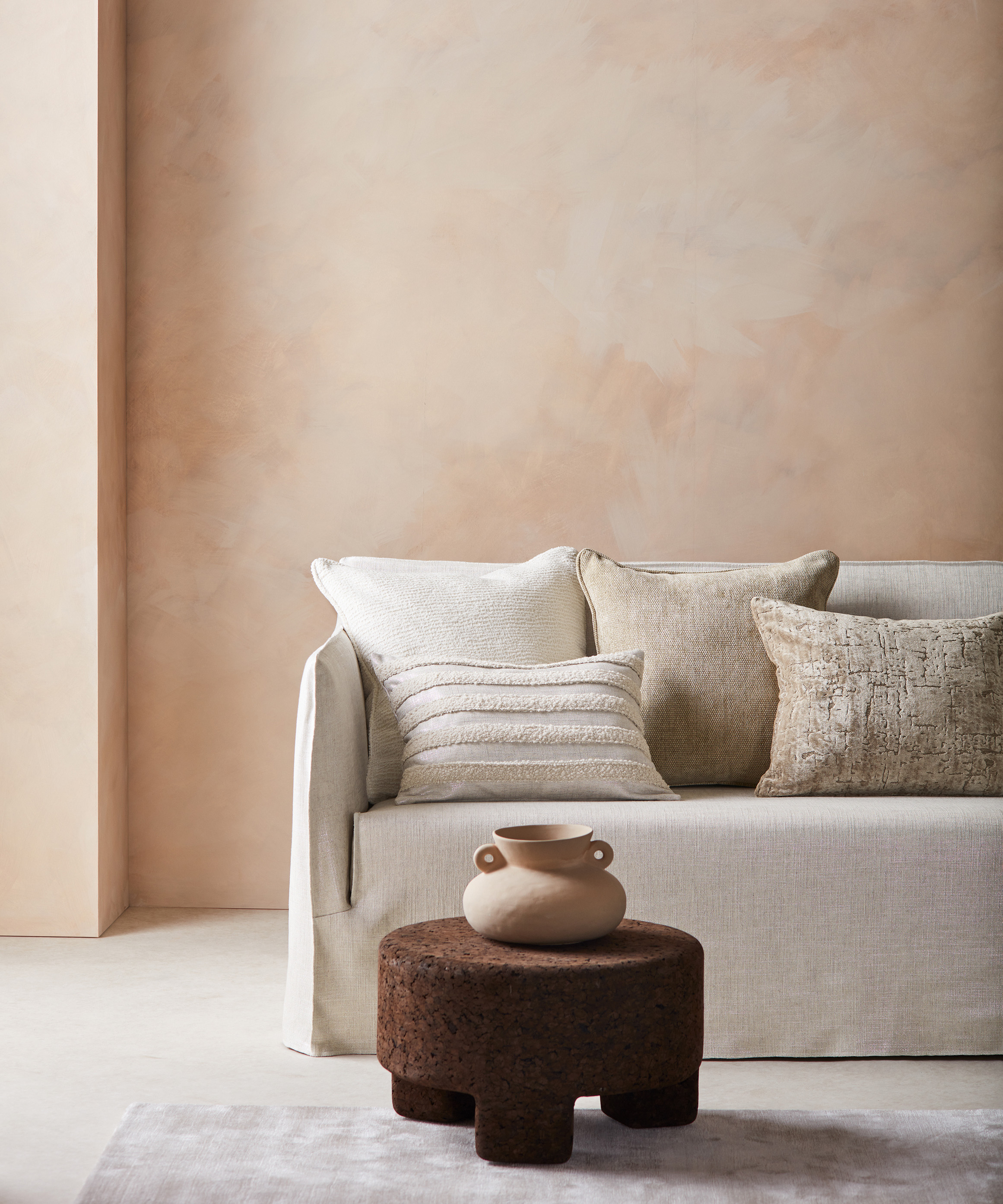
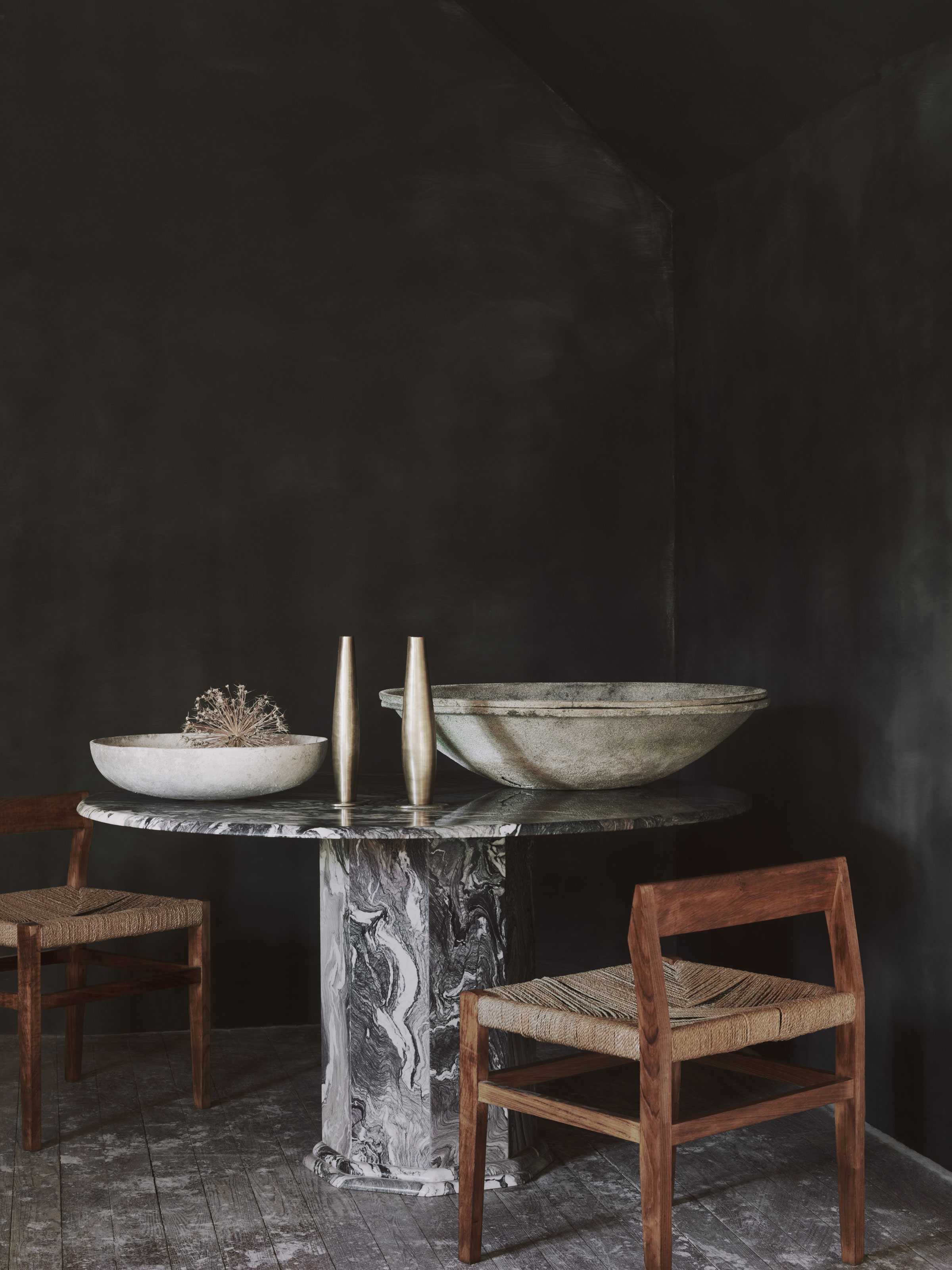
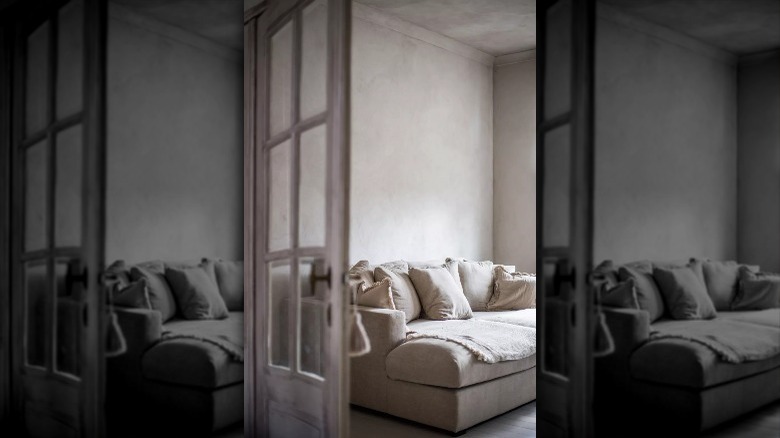
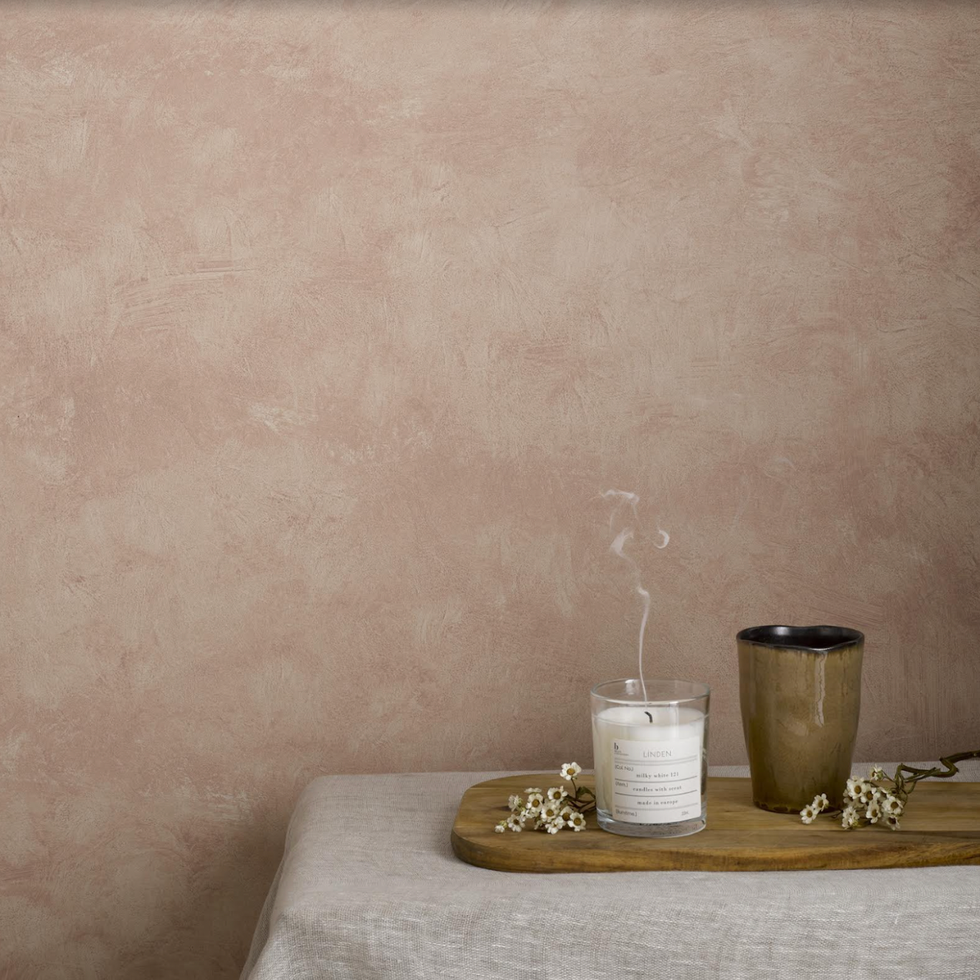
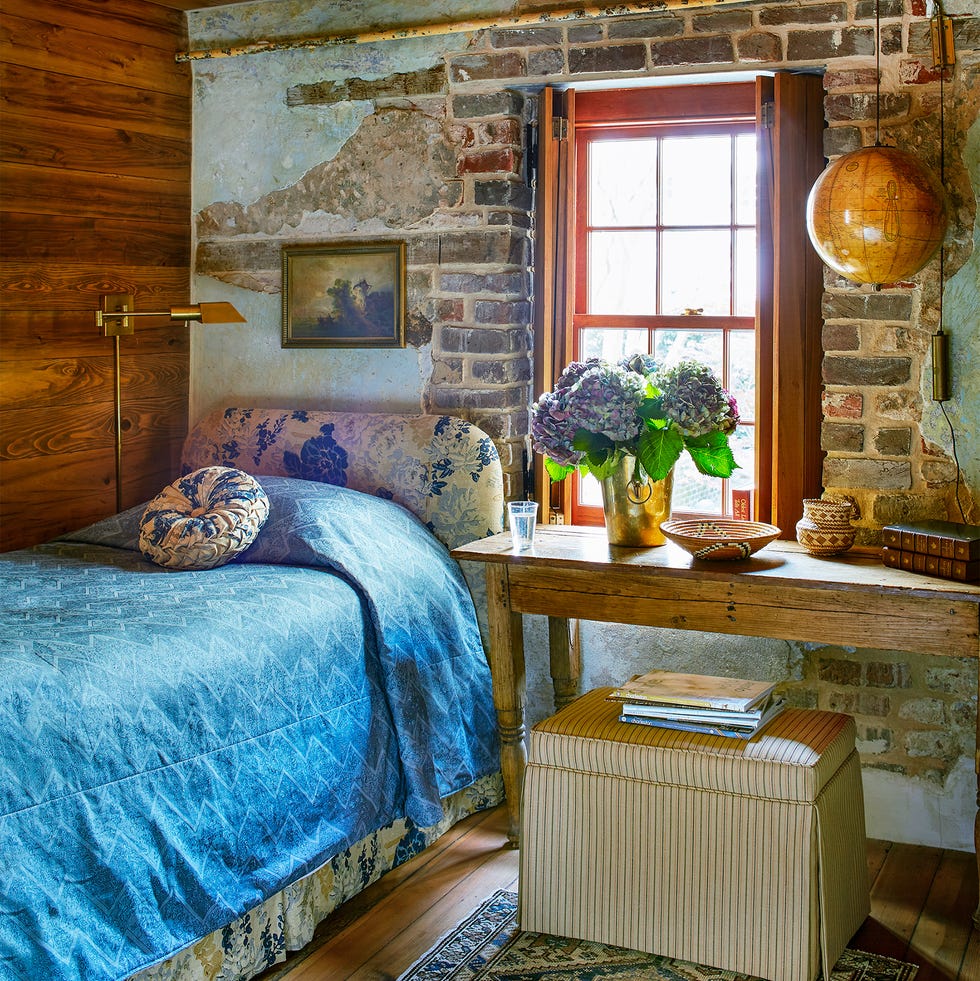
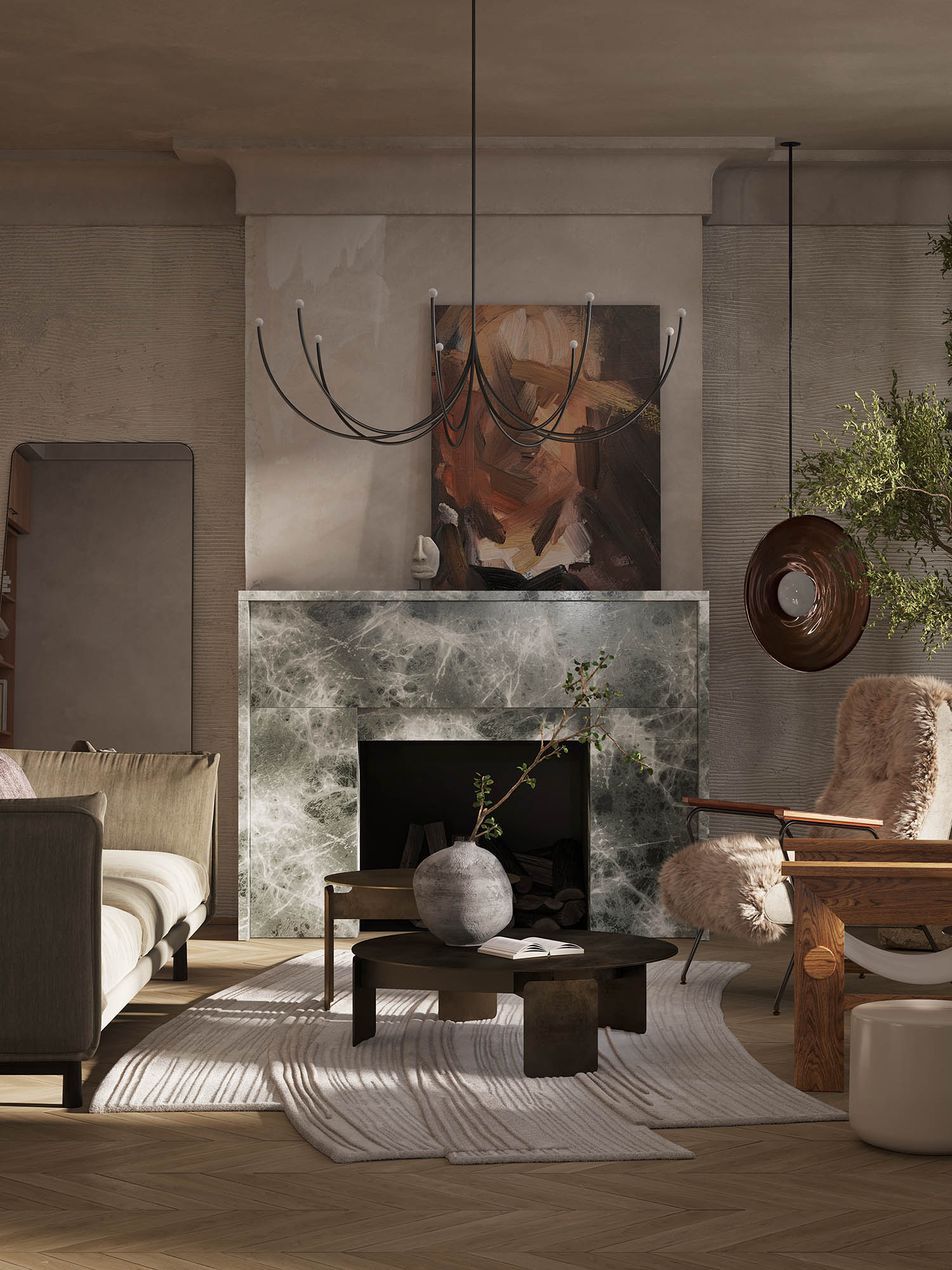
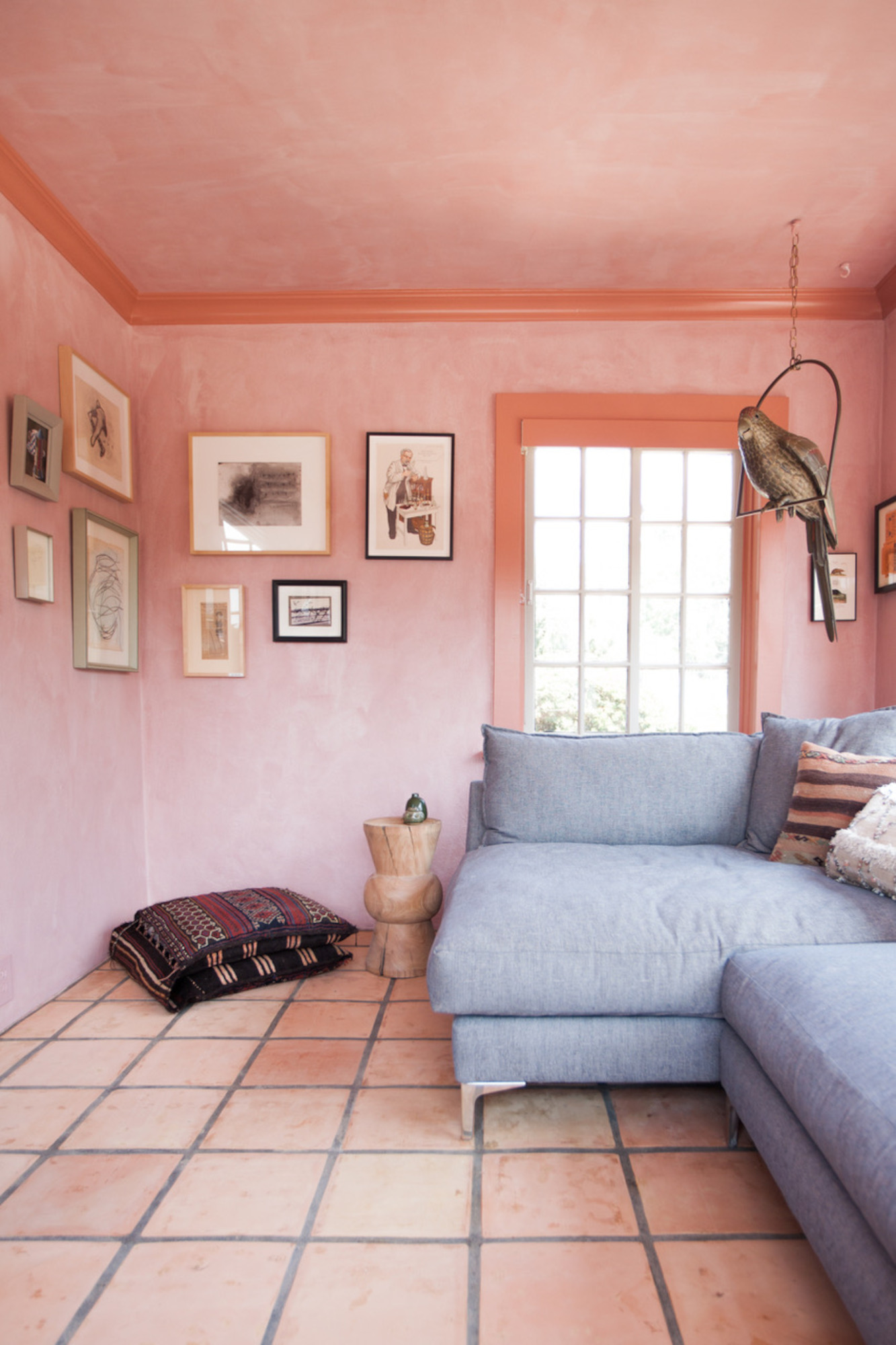
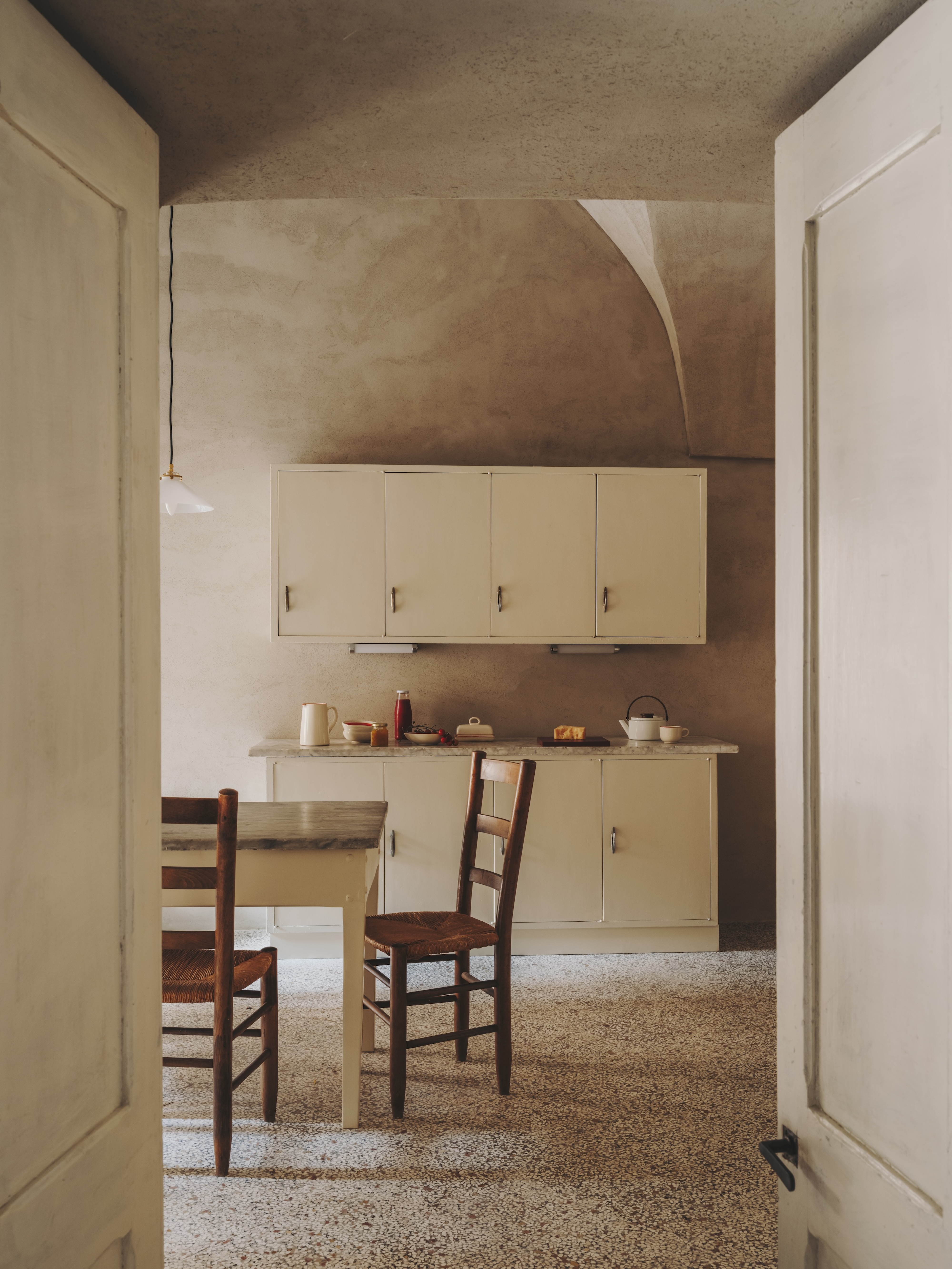
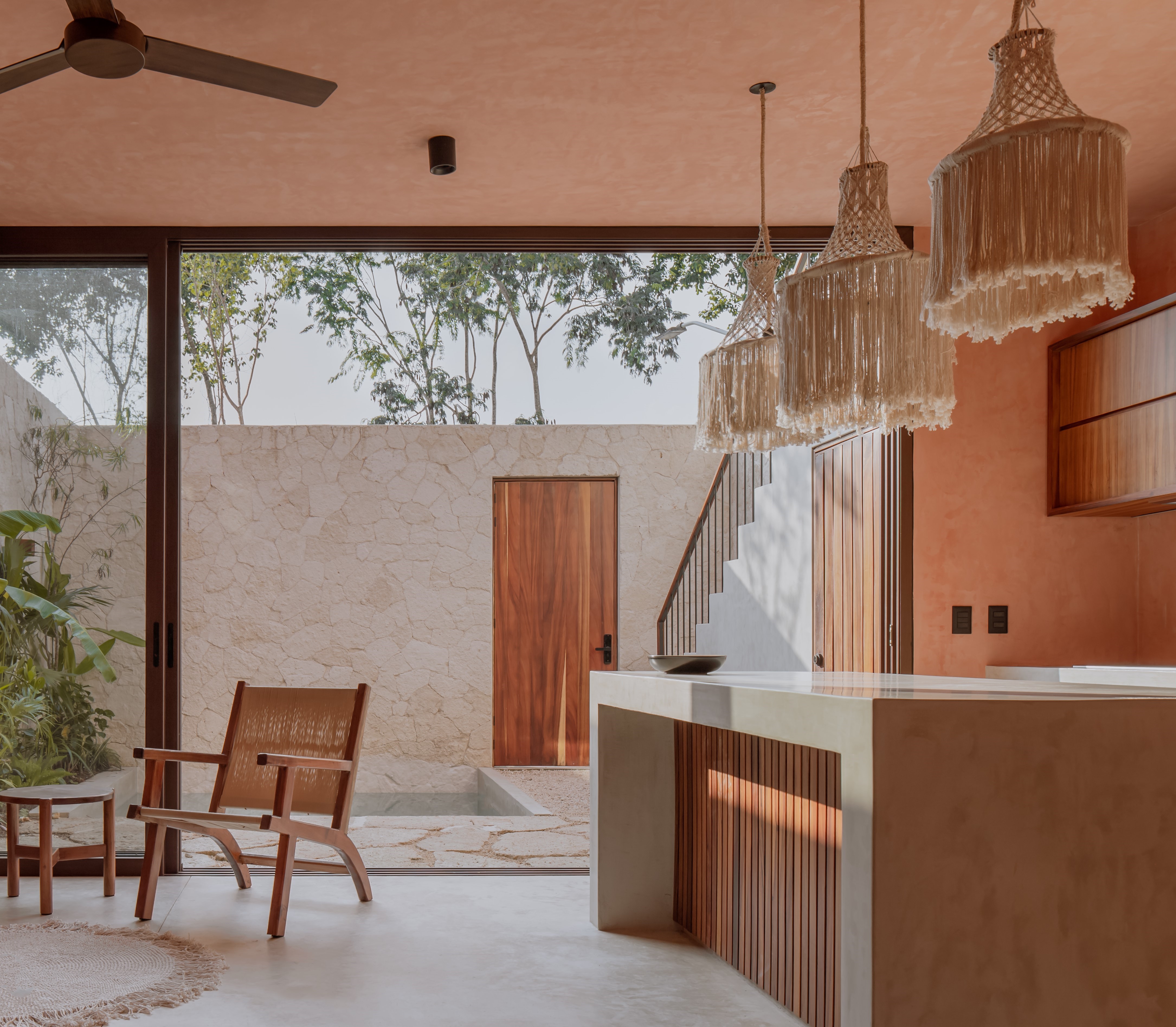
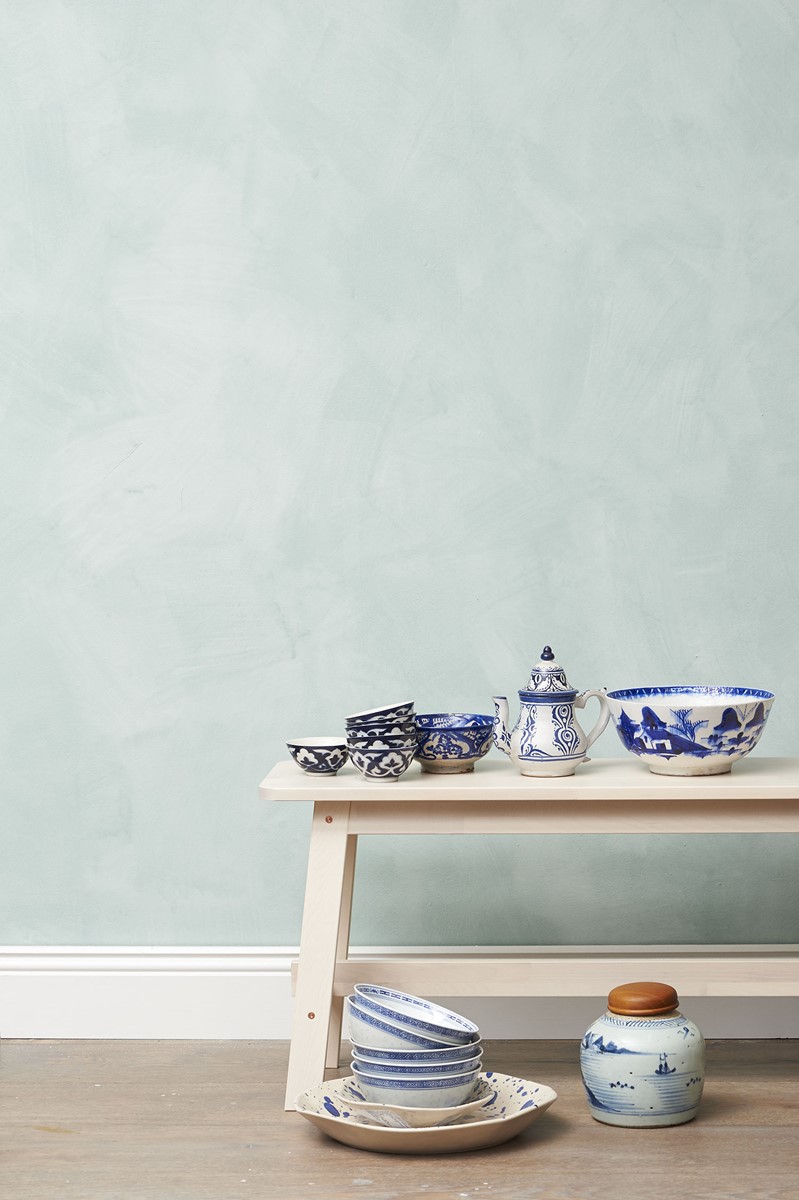
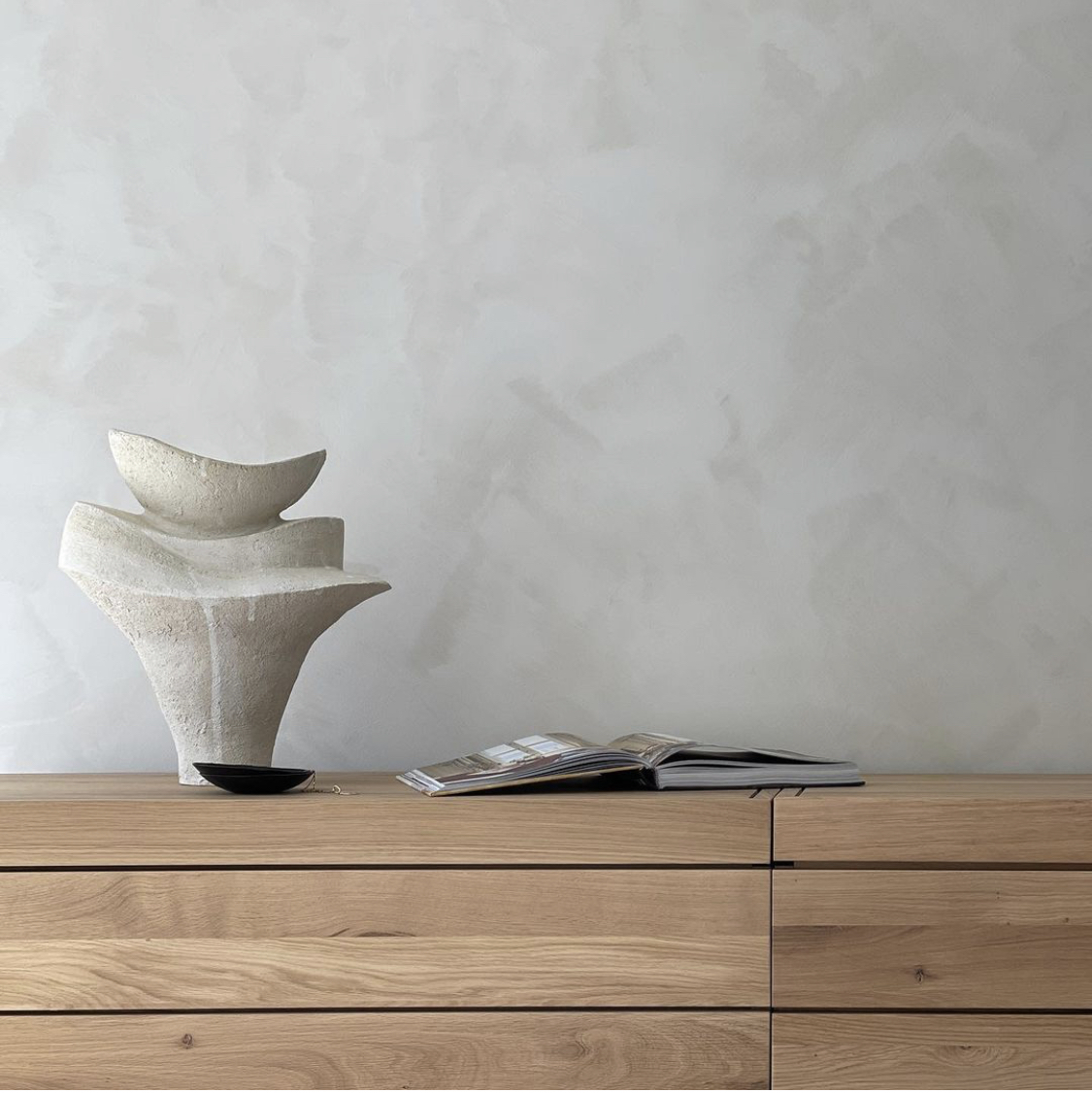
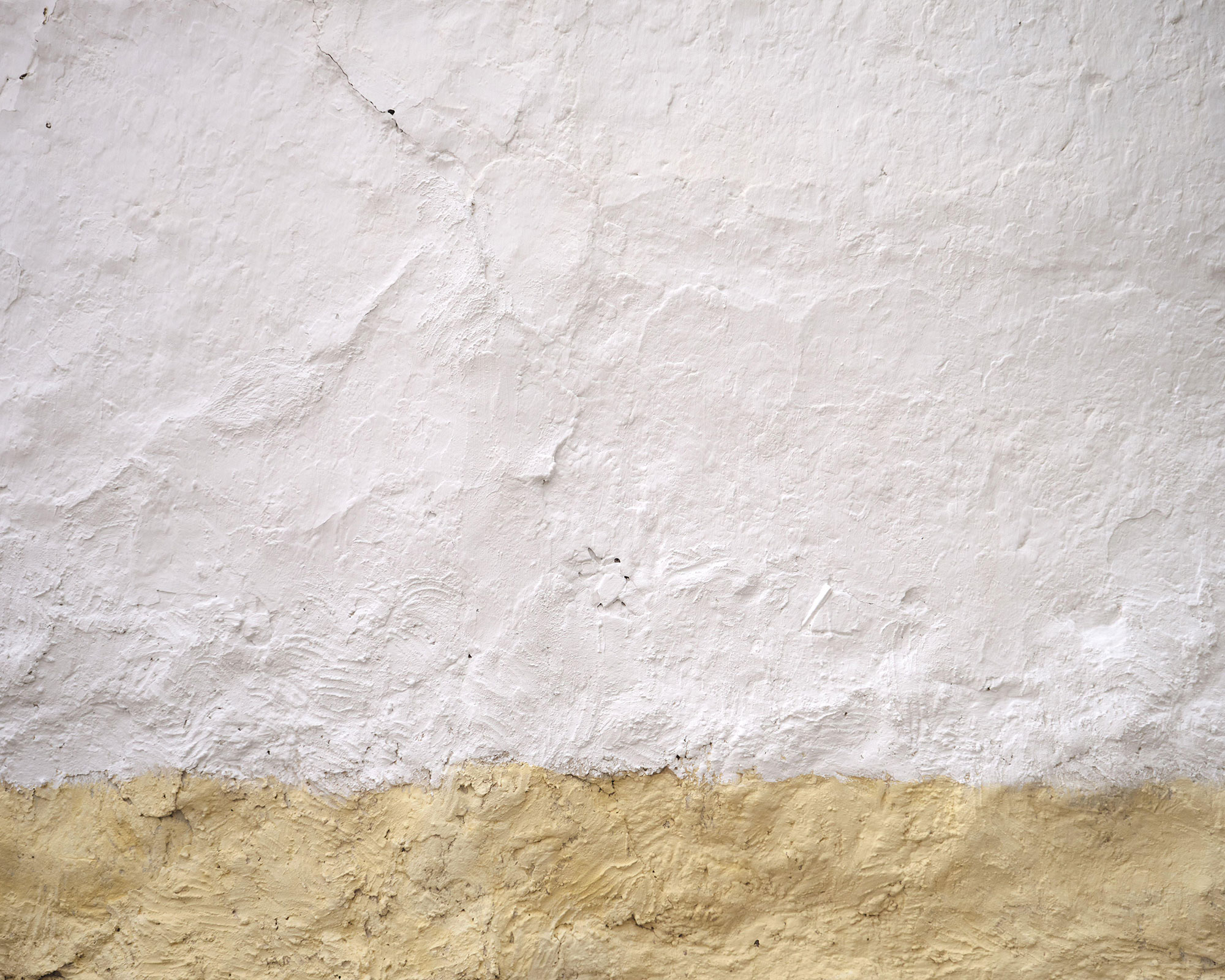
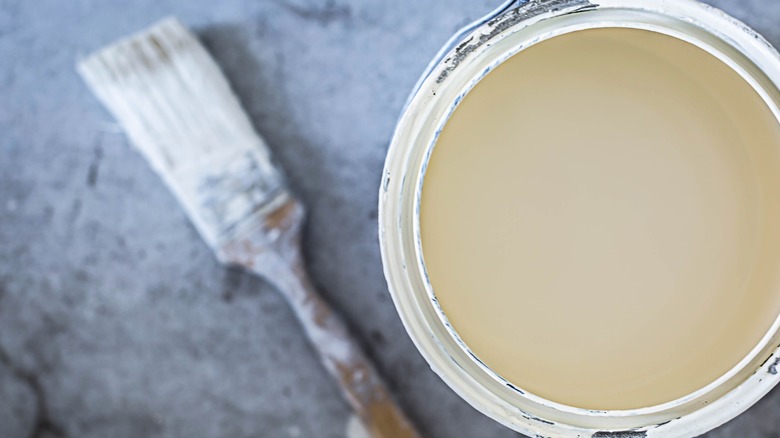
Limewash is a distinctive paint finish known for its natural, rustic effect and historical usage dating back to ancient Egypt. Unlike conventional paints that form a surface layer, limewash penetrates porous materials such as brick, stone, and freshly plastered walls, making it ideal for both indoor and outdoor applications. This characteristic contributes to its unique velvety, mottled appearance, which adds depth and character to interiors, regardless of their modern or traditional style. The primary components of limewash are lime and water, with natural pigments incorporated to provide color. It is typically available as a ready-to-use paint with a matte finish.
One significant advantage of limewash is its breathability, making it particularly suitable for older properties or those prone to dampness. This property allows walls to breathe, preventing moisture buildup, a common issue with non-breathable paints. However, it is crucial to note that limewash should not be applied to non-porous surfaces like cement renders, granite, slate, or hard engineered bricks; these materials require specialist masonry paints. Limewash is also an eco-friendly and hypoallergenic option, making it beneficial for individuals with allergies or asthma. Its composition of traditional lime putty, water, and pigment results in a water-based finish with a very low sheen level, typically less than five percent.
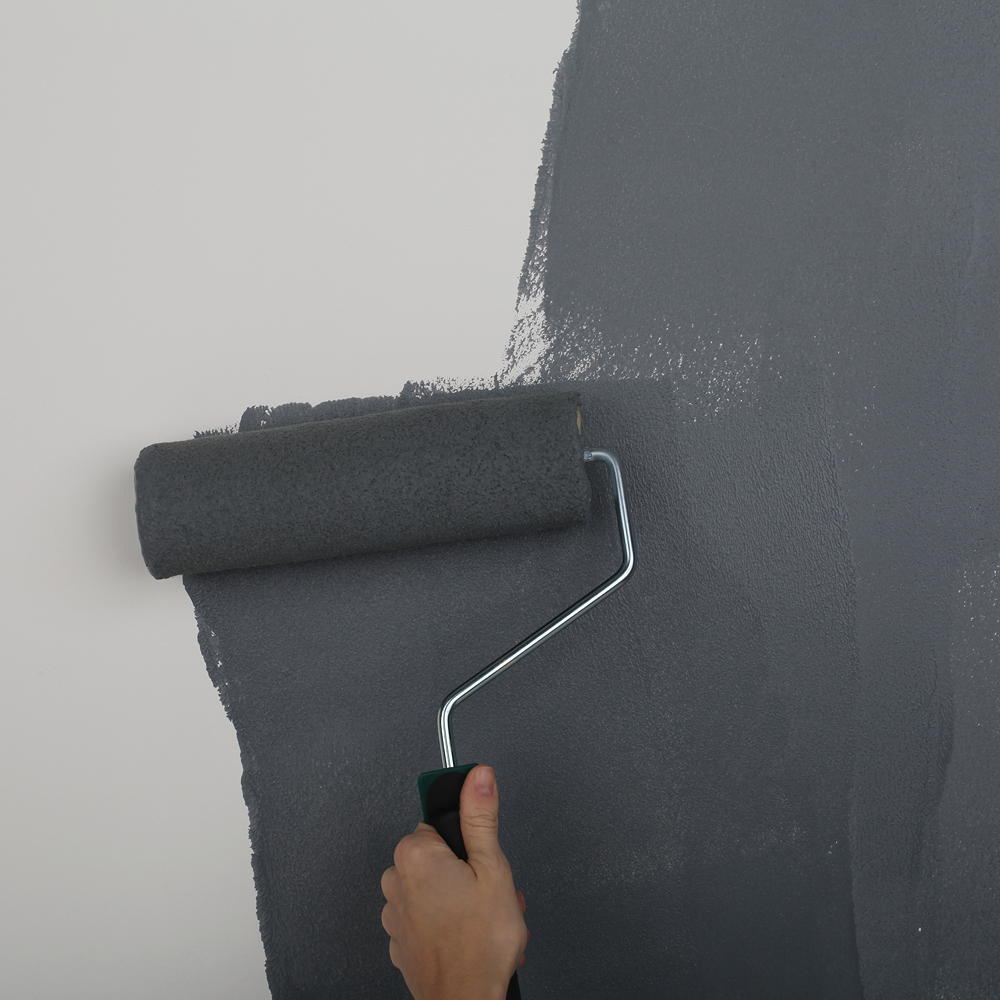
When applying limewash, optimal results are achieved when it dries slowly. Therefore, it is advisable to apply it on a cloudy day, avoiding direct sunlight, which can cause it to dry too quickly and affect its appearance and durability. Dampening the surface about 10 minutes before application can also help slow the drying process. For application, it is recommended to use a flat brush and apply the limewash in several thin coats, stirring the paint before and during use. Rollers or sprayers are not recommended for applying limewash to brick or lime-rendered surfaces to ensure a high-quality, even appearance, with final brush strokes ideally aligned in the same direction.
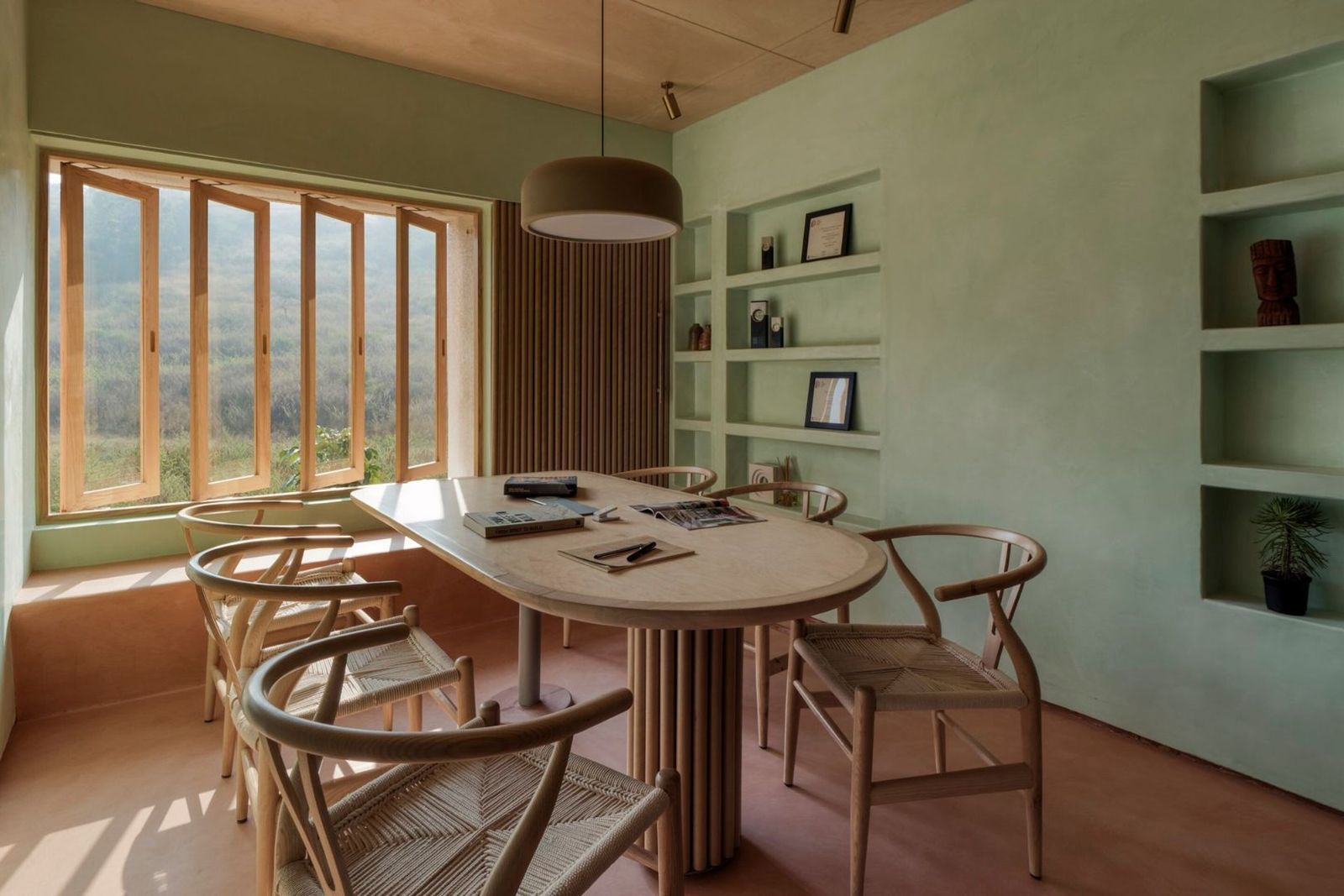
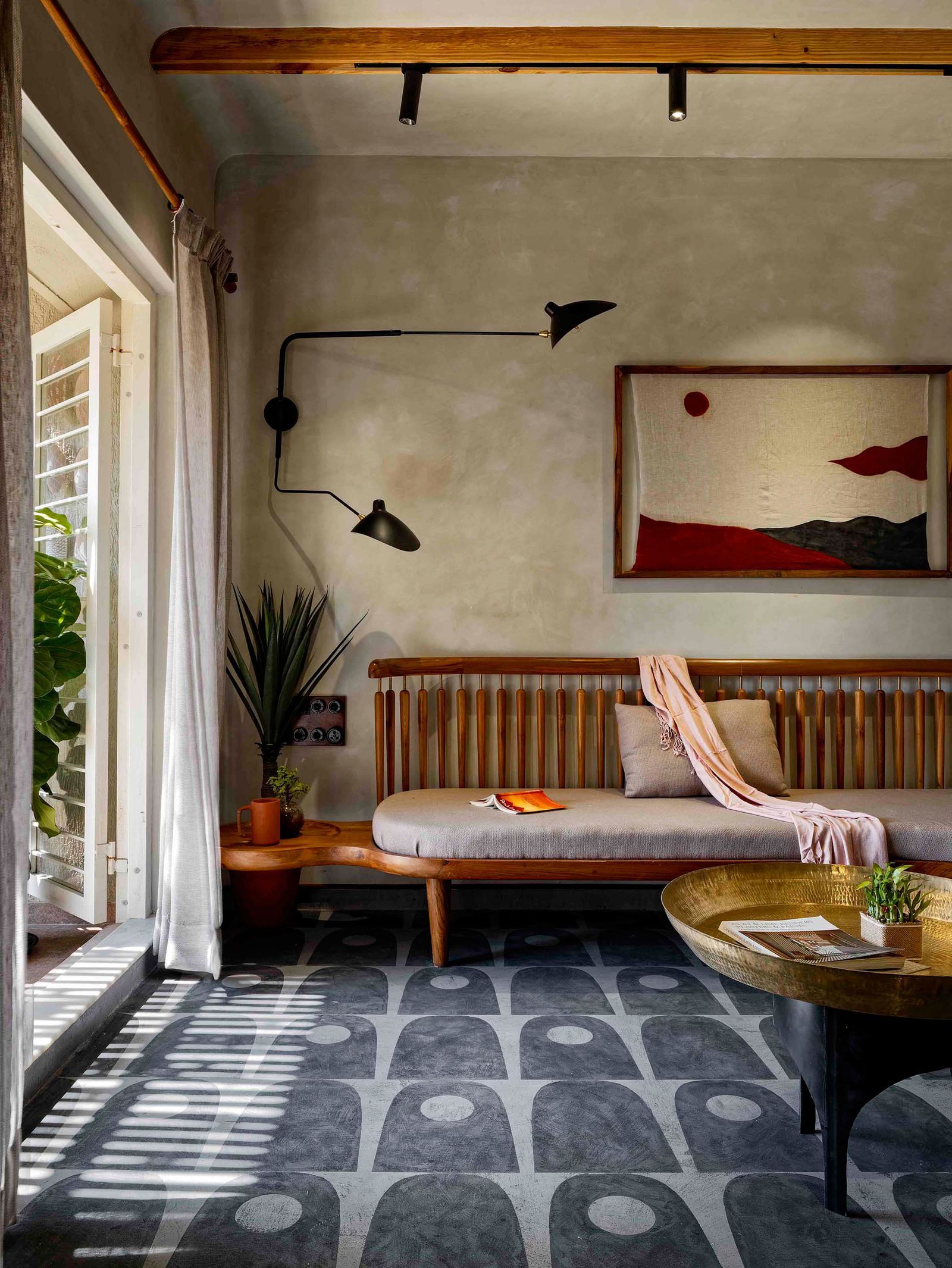
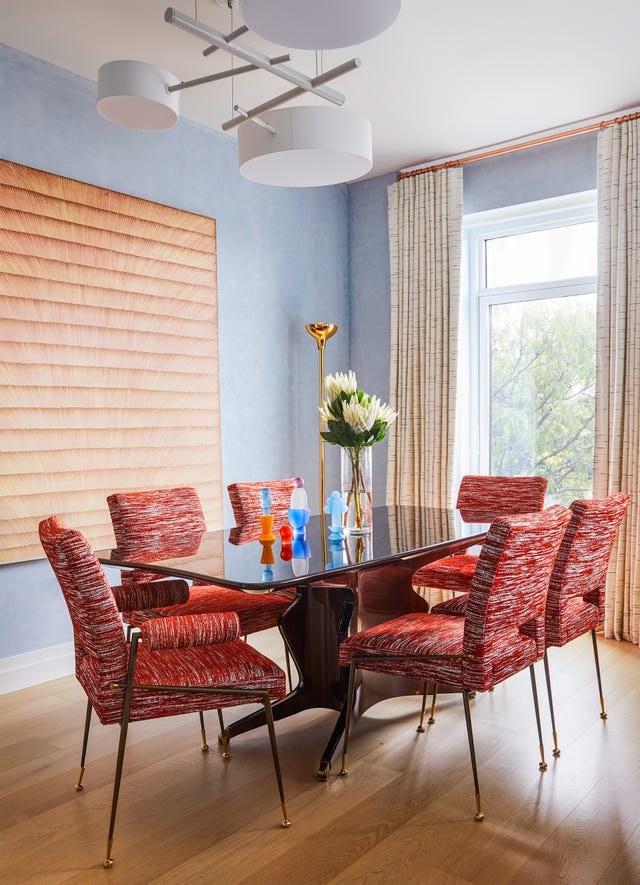
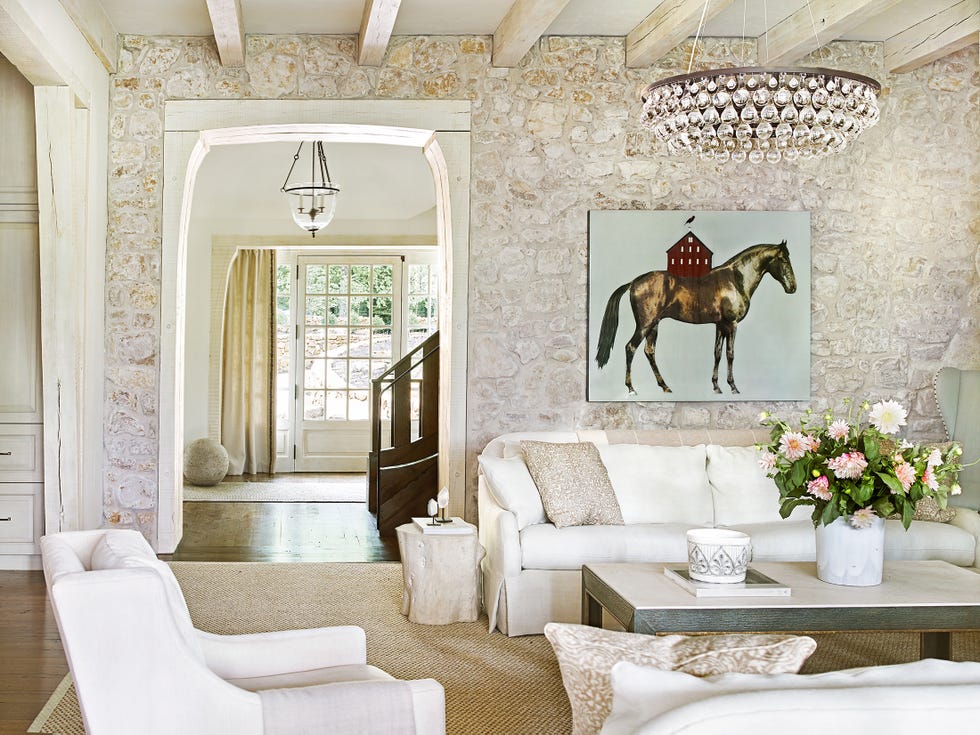
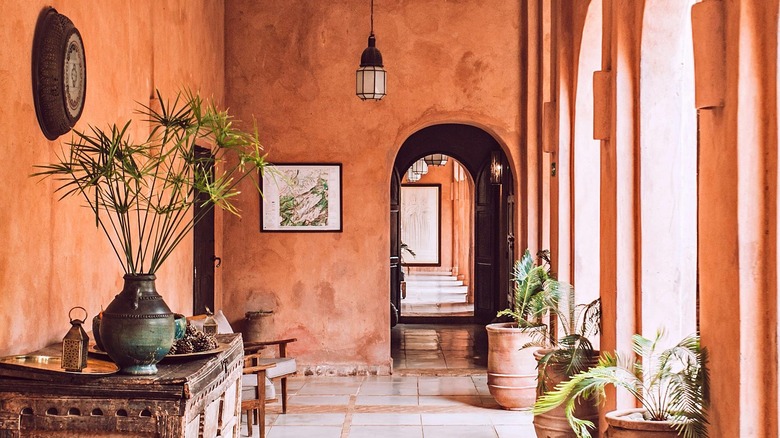
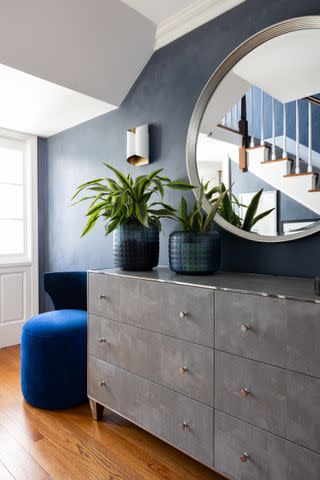
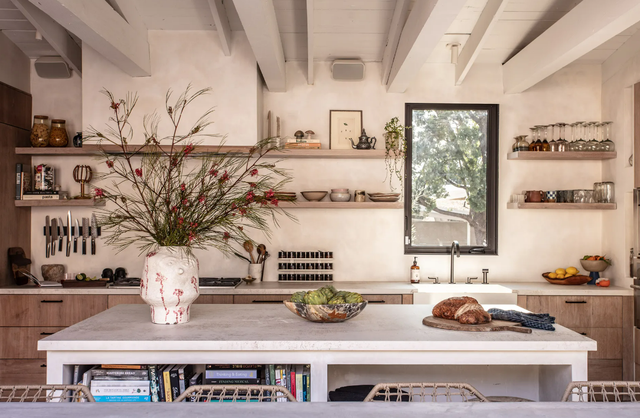
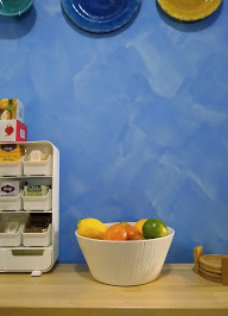
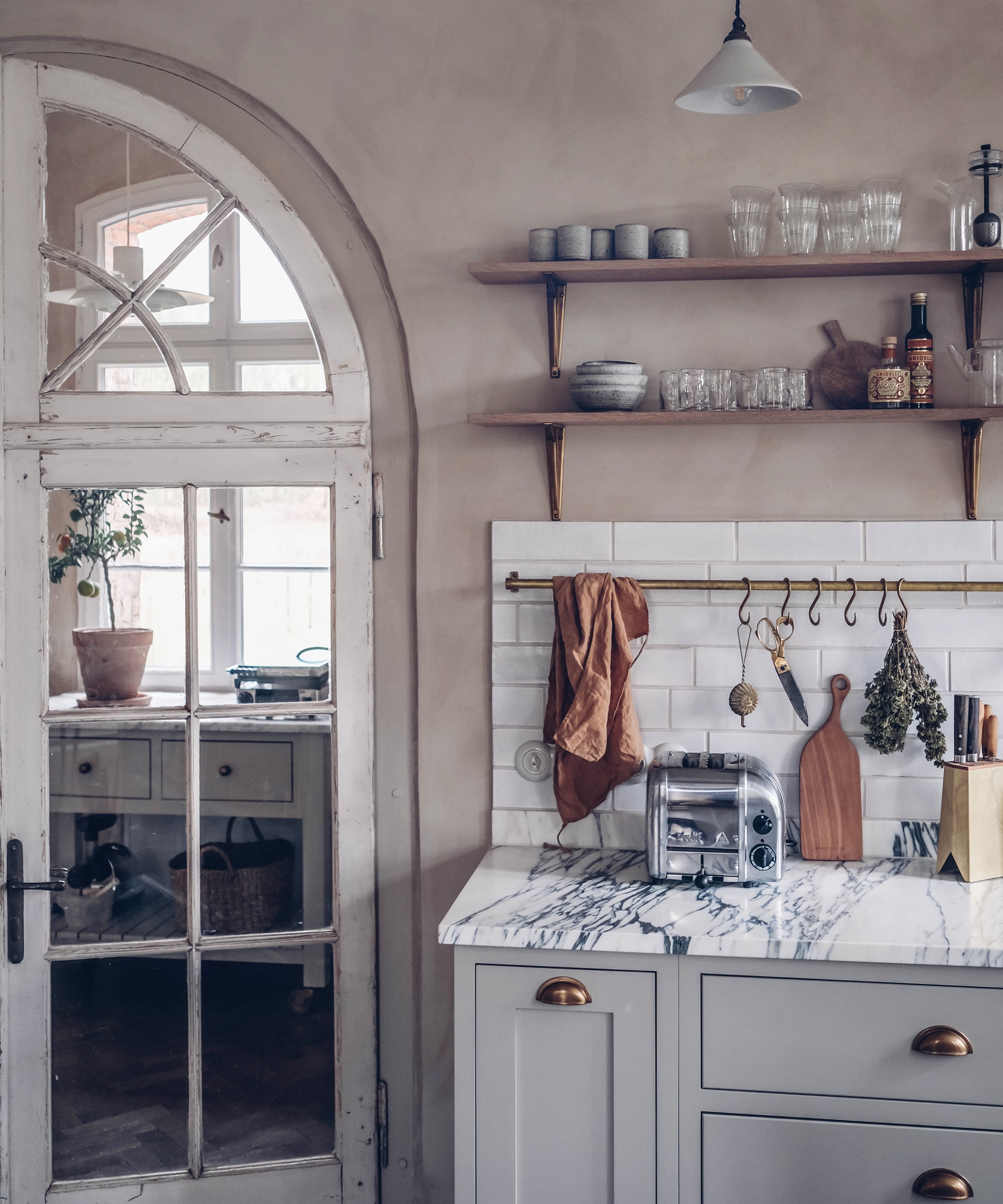
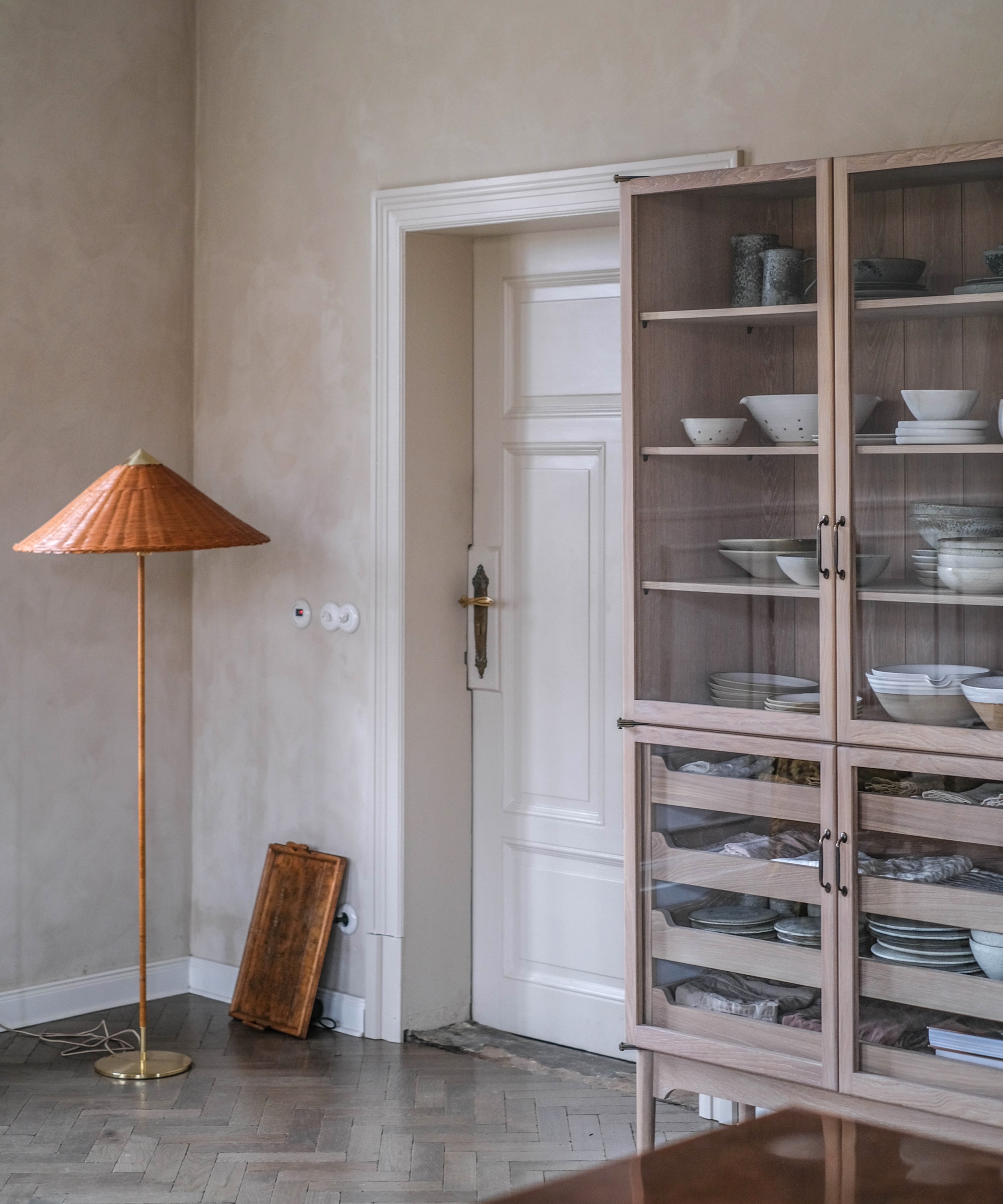
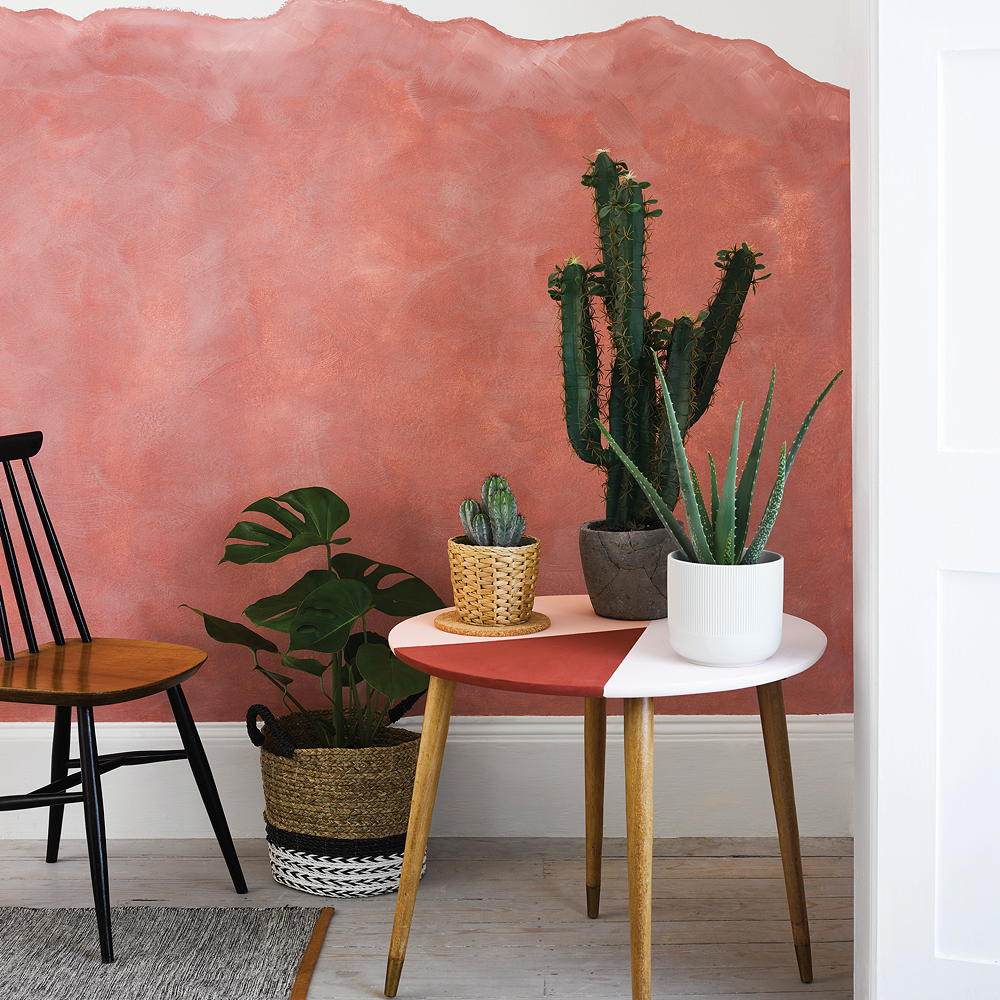
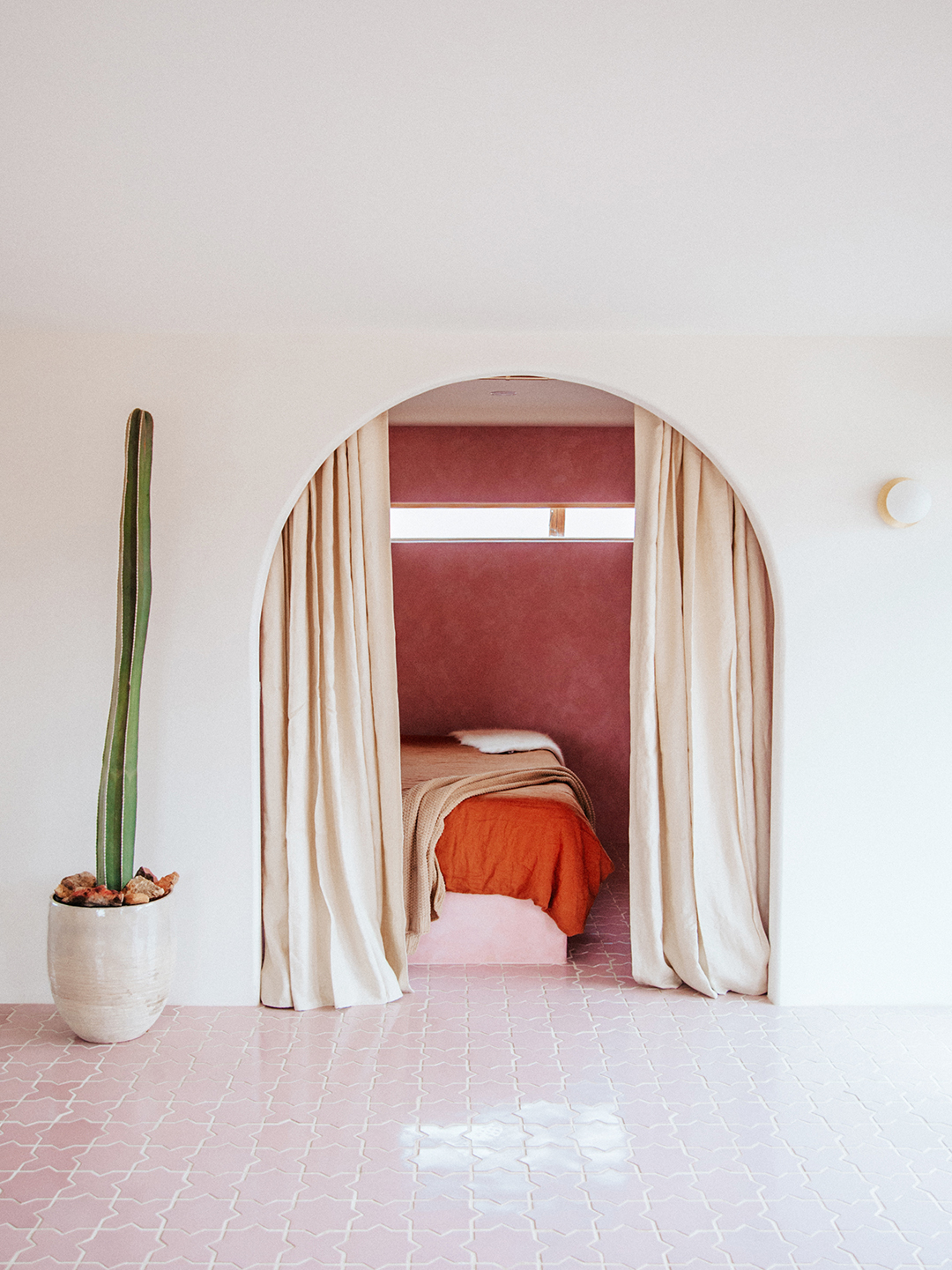
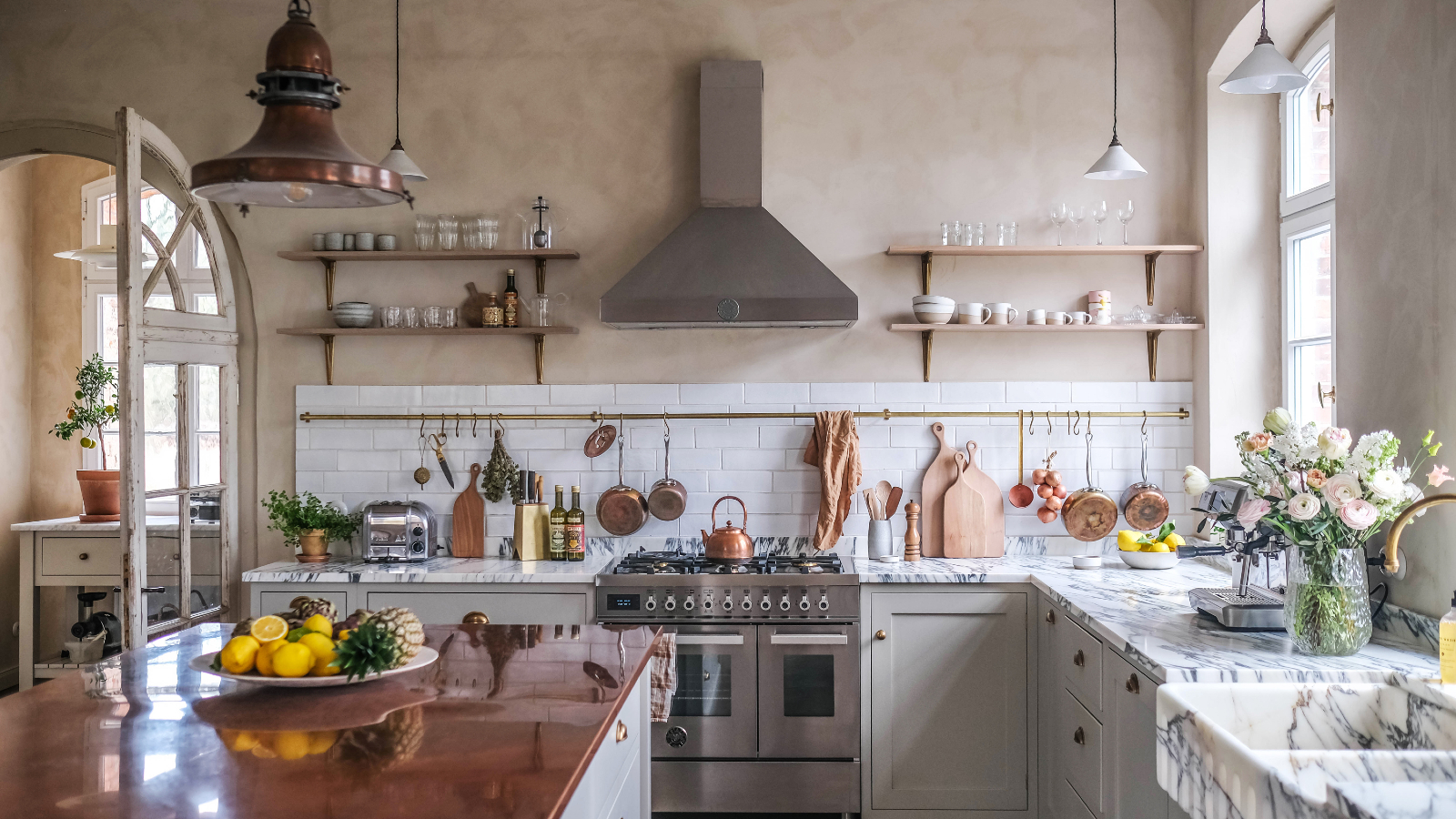
There are numerous ways to incorporate limewash into home decor. It is excellent for refreshing powder rooms and en suite bathrooms due to its inherent mold and mildew resistance, making it suitable for humid environments. Limewash can also enhance the heritage look of plastered interior walls, with its matte finish effectively concealing surface imperfections and adding character to modern homes. Outdoors, it can transform courtyard gardens by painting brickwork in vibrant colors, allowing a unique patina to develop over time. In living spaces, limewash can create a clean, Hamptons-inspired aesthetic, although a primer is necessary for non-porous surfaces.
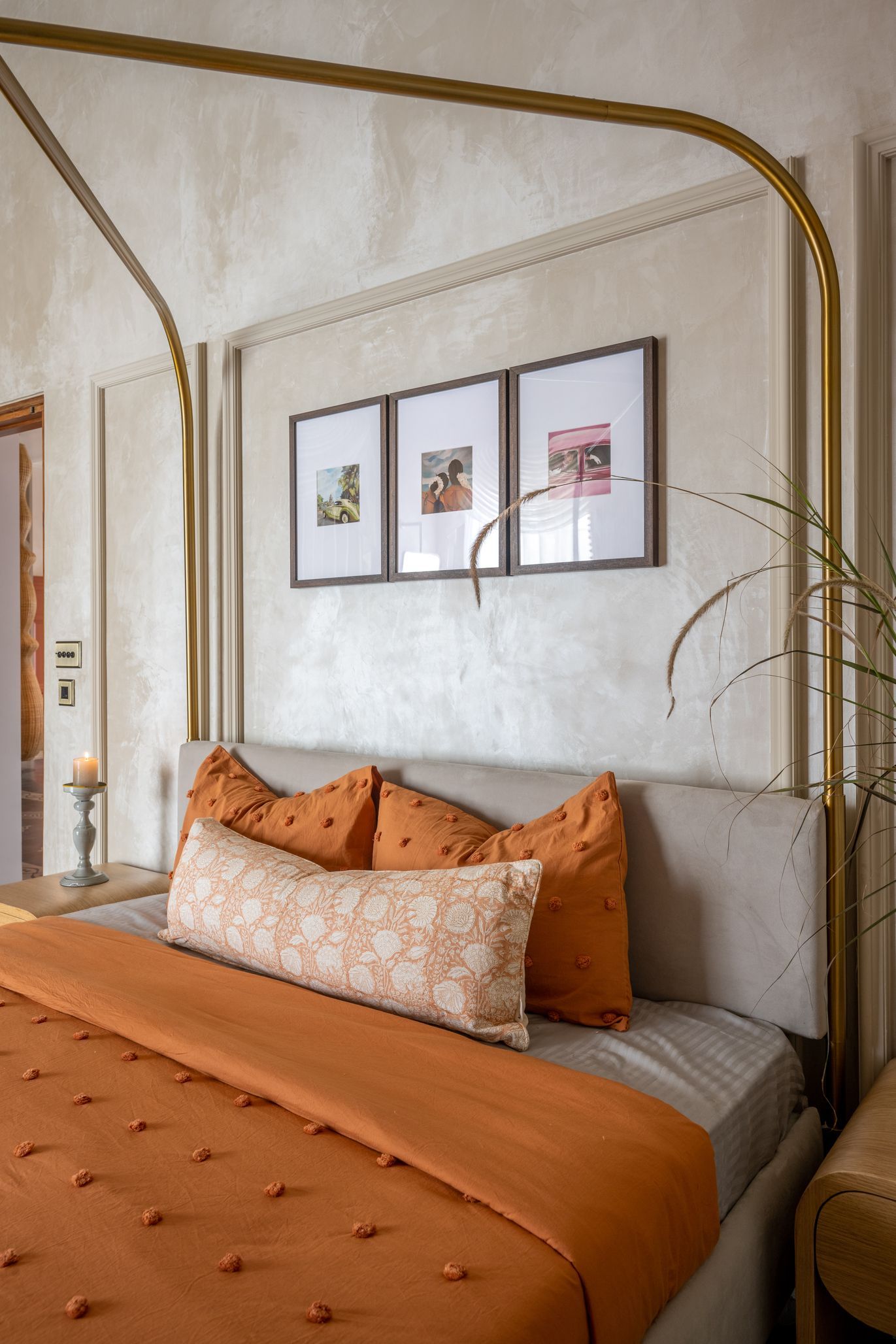
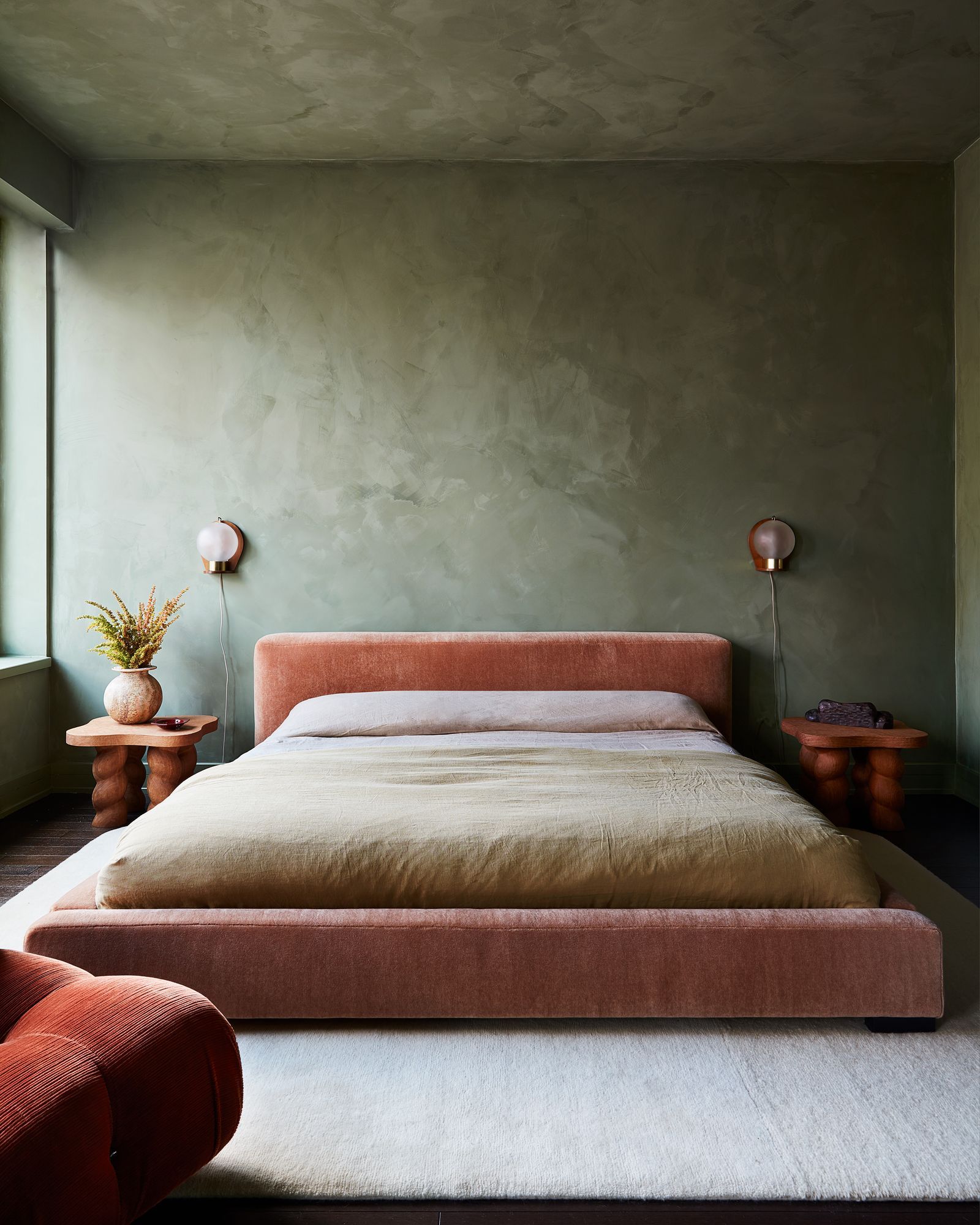
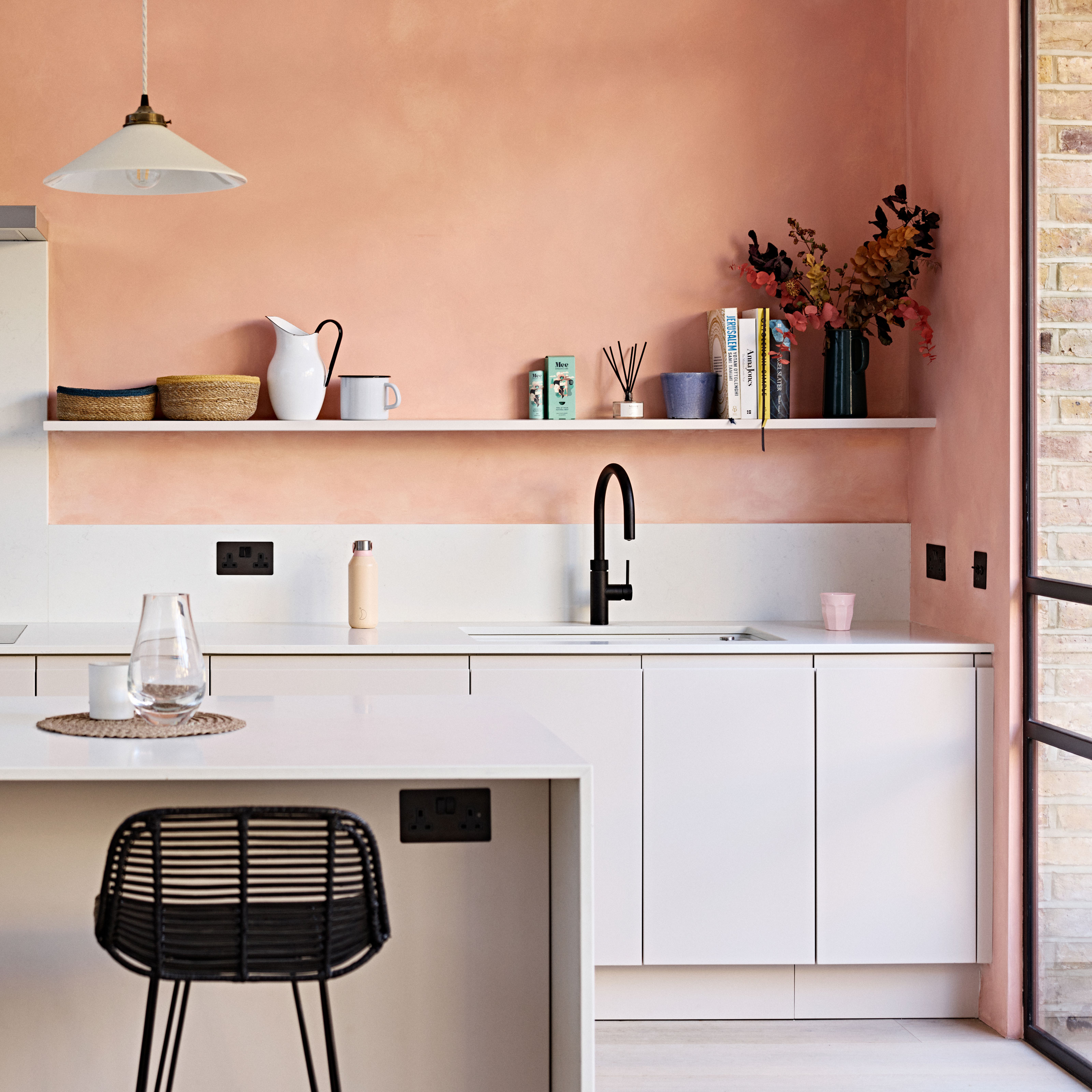
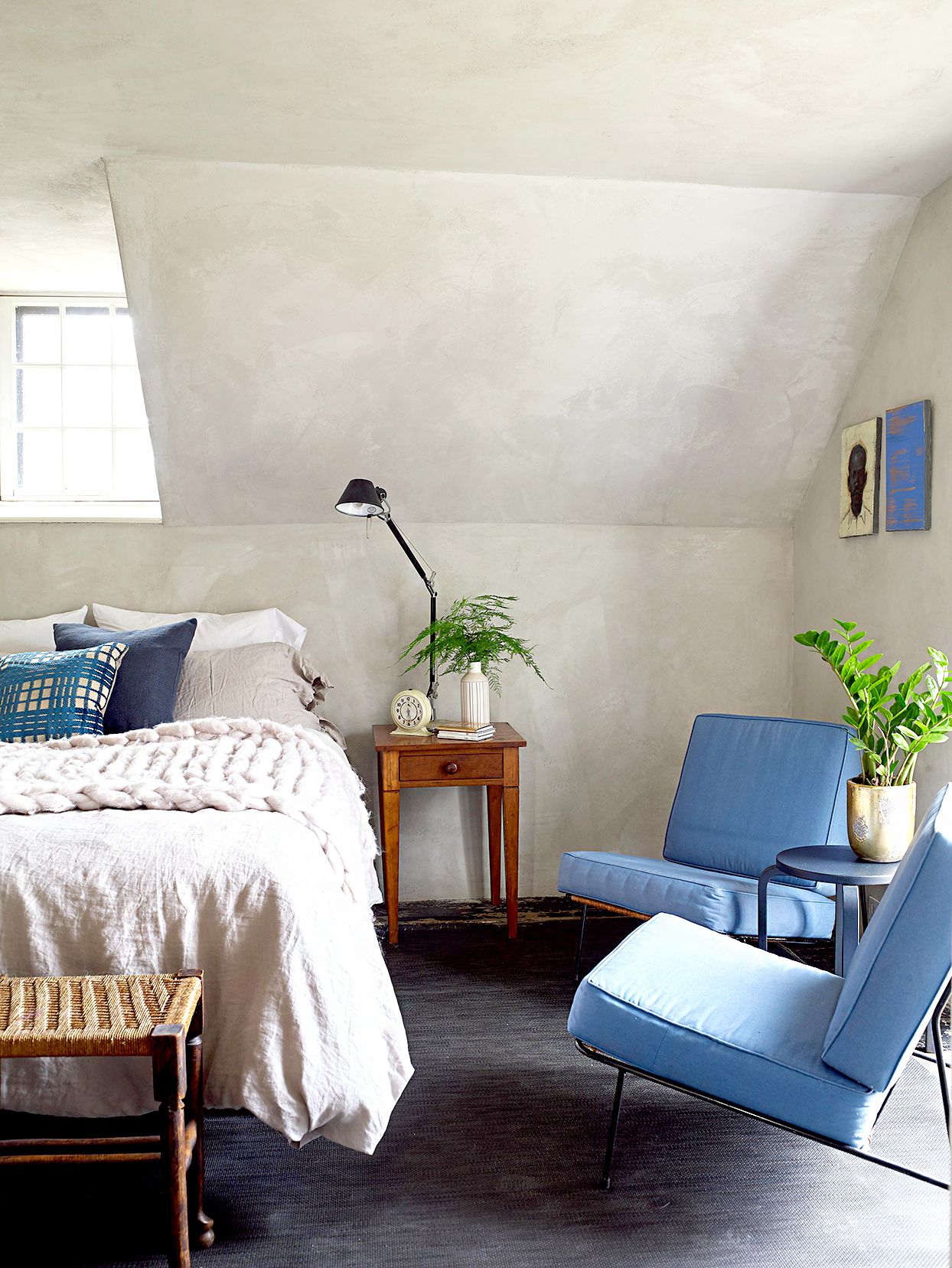
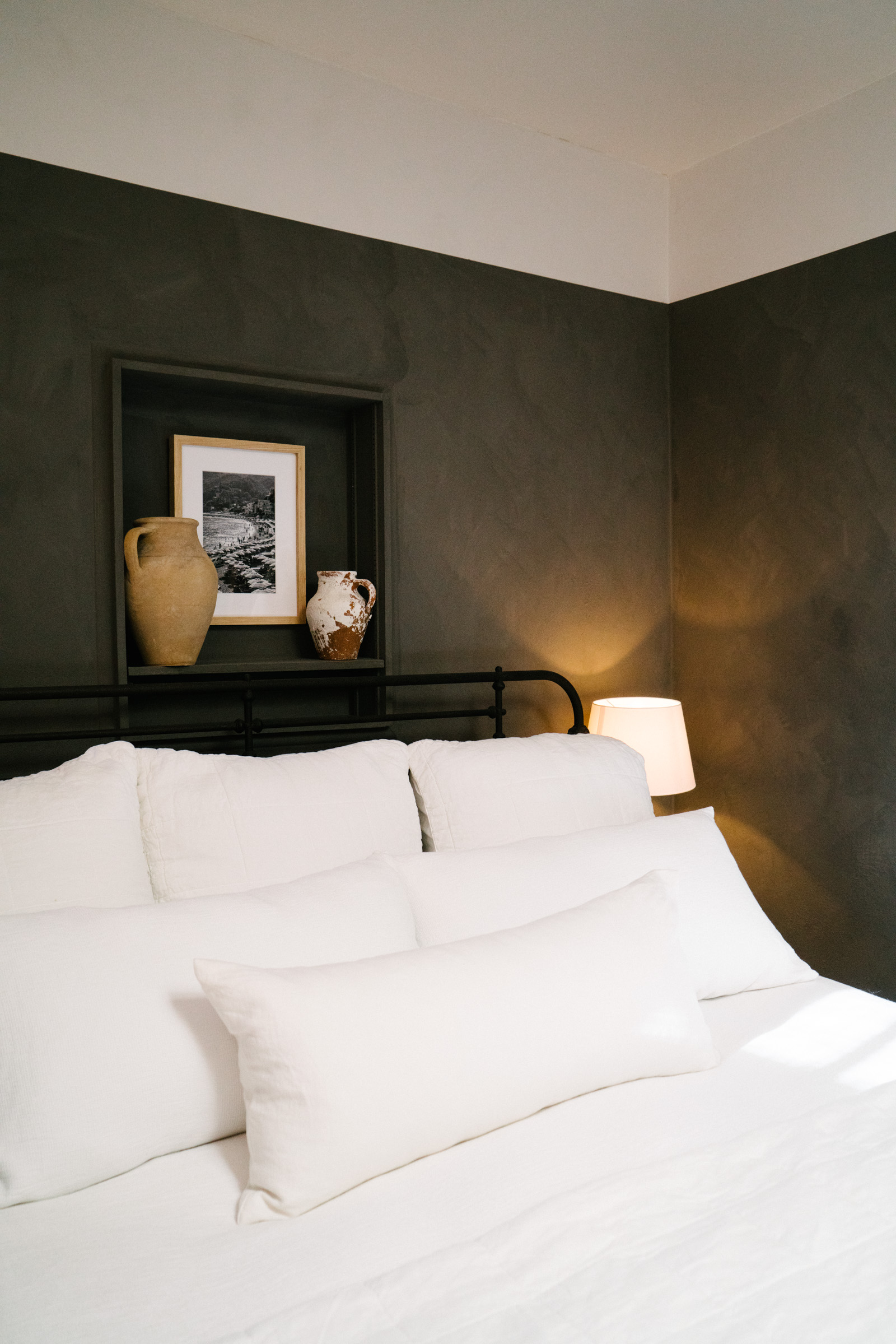
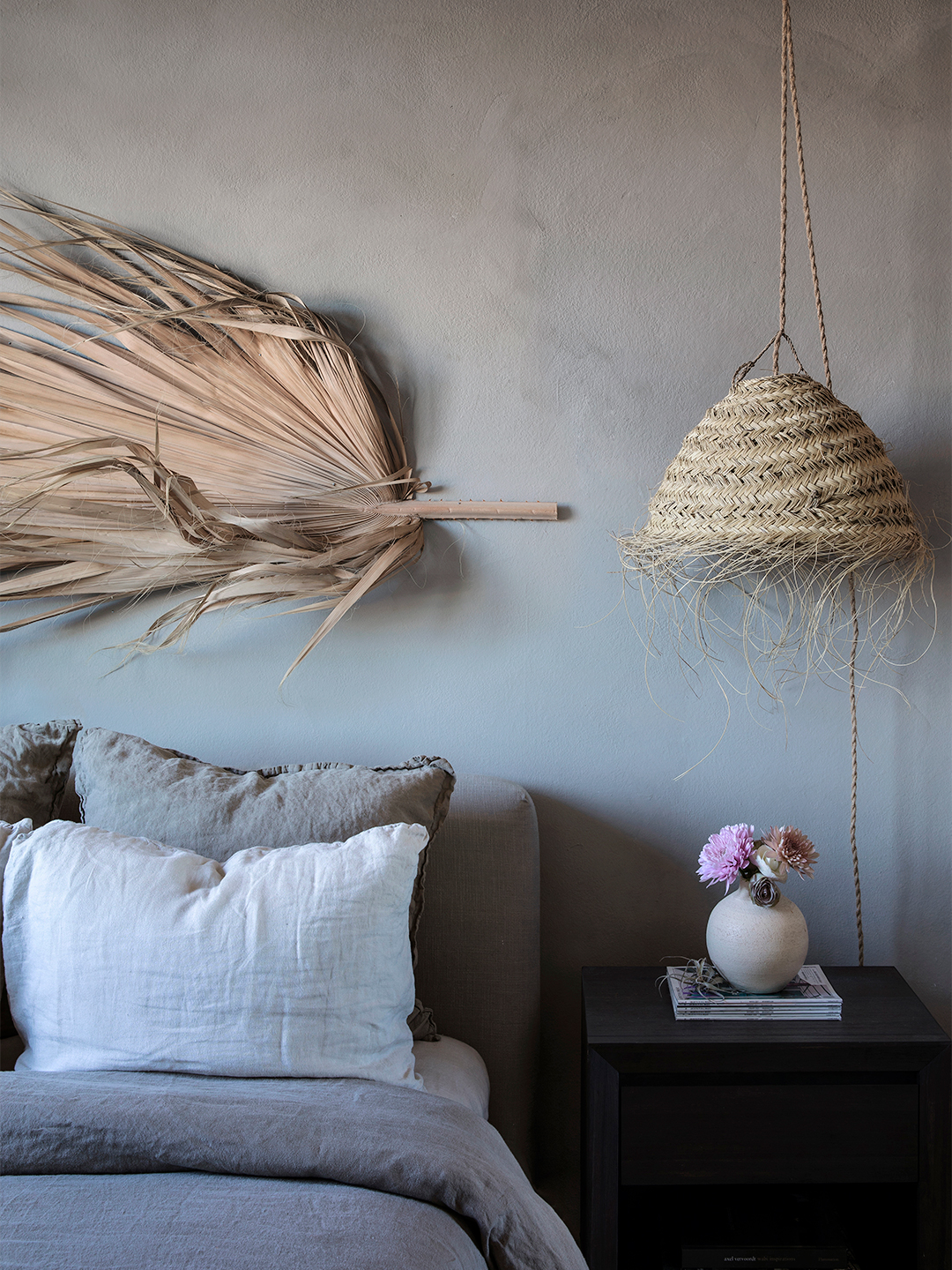
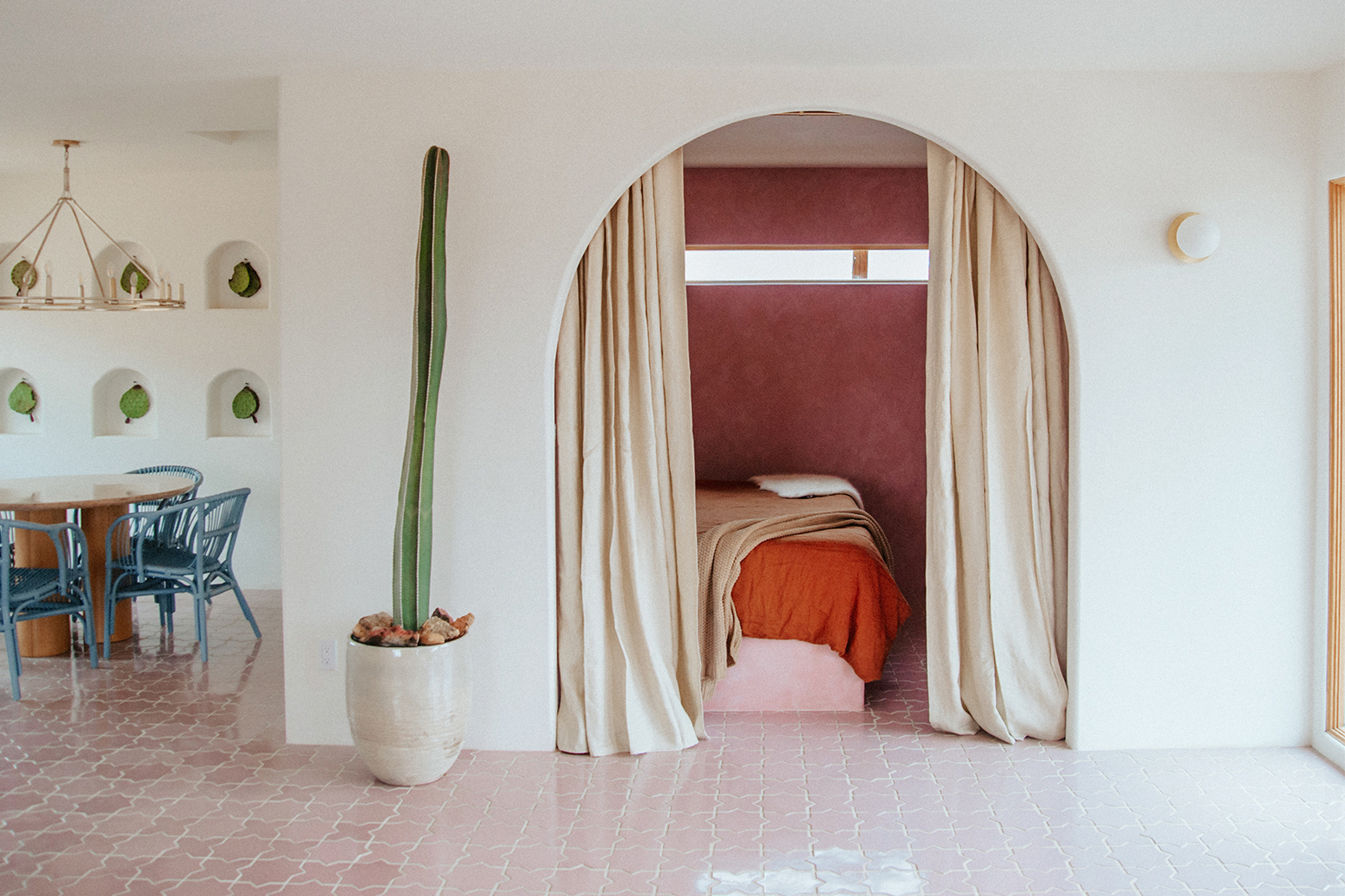
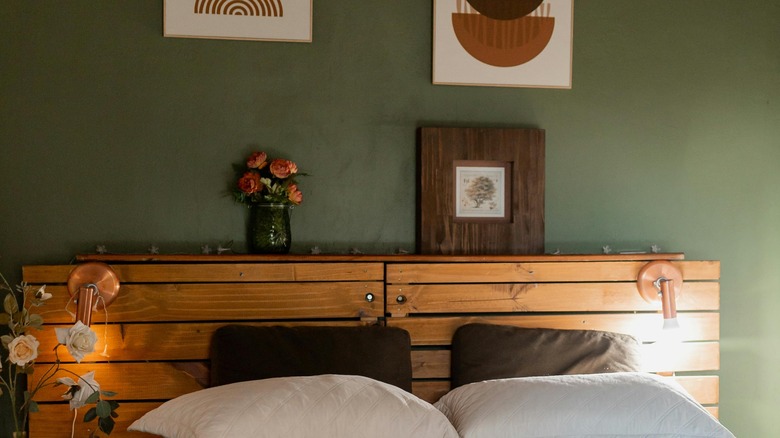
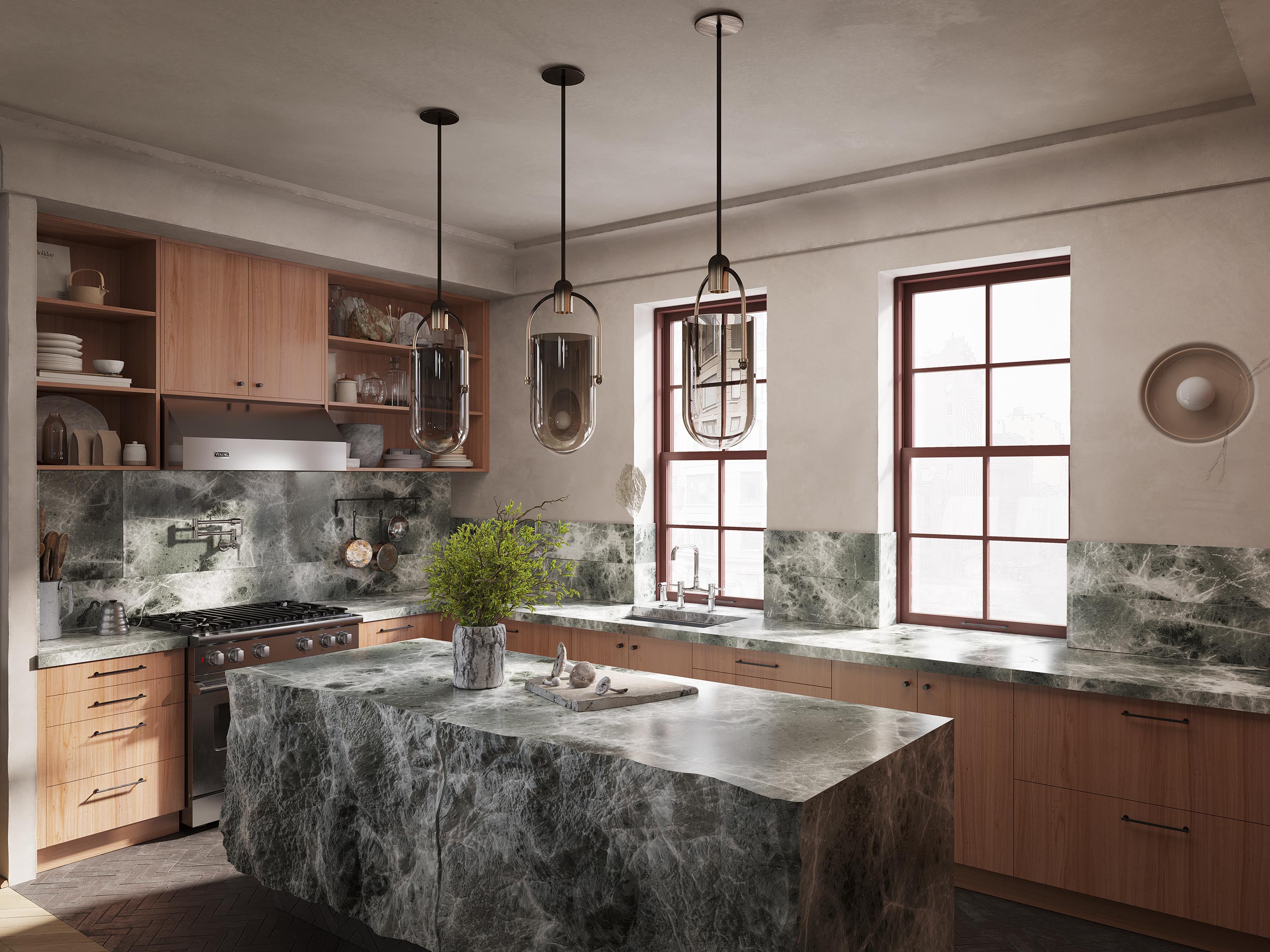
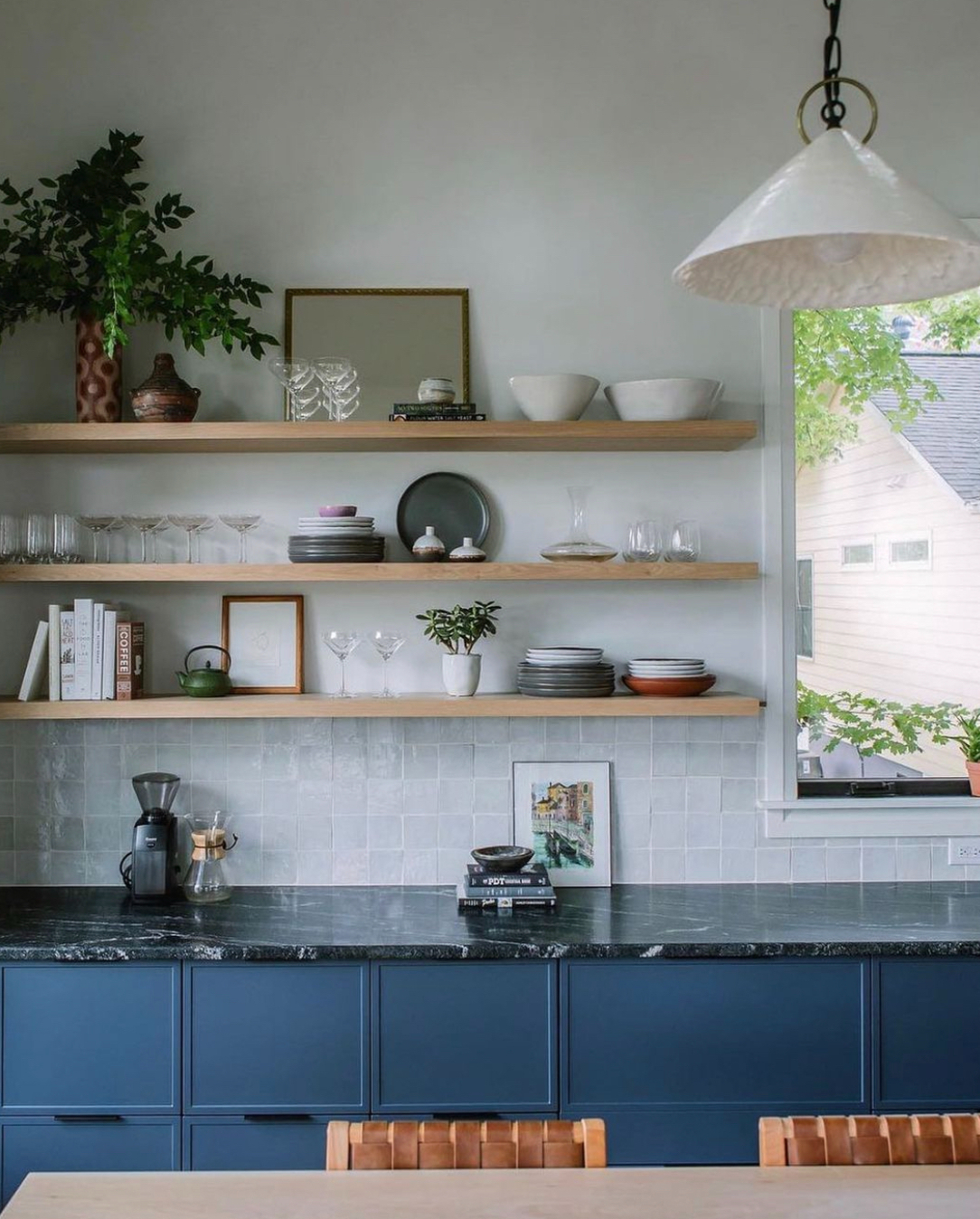
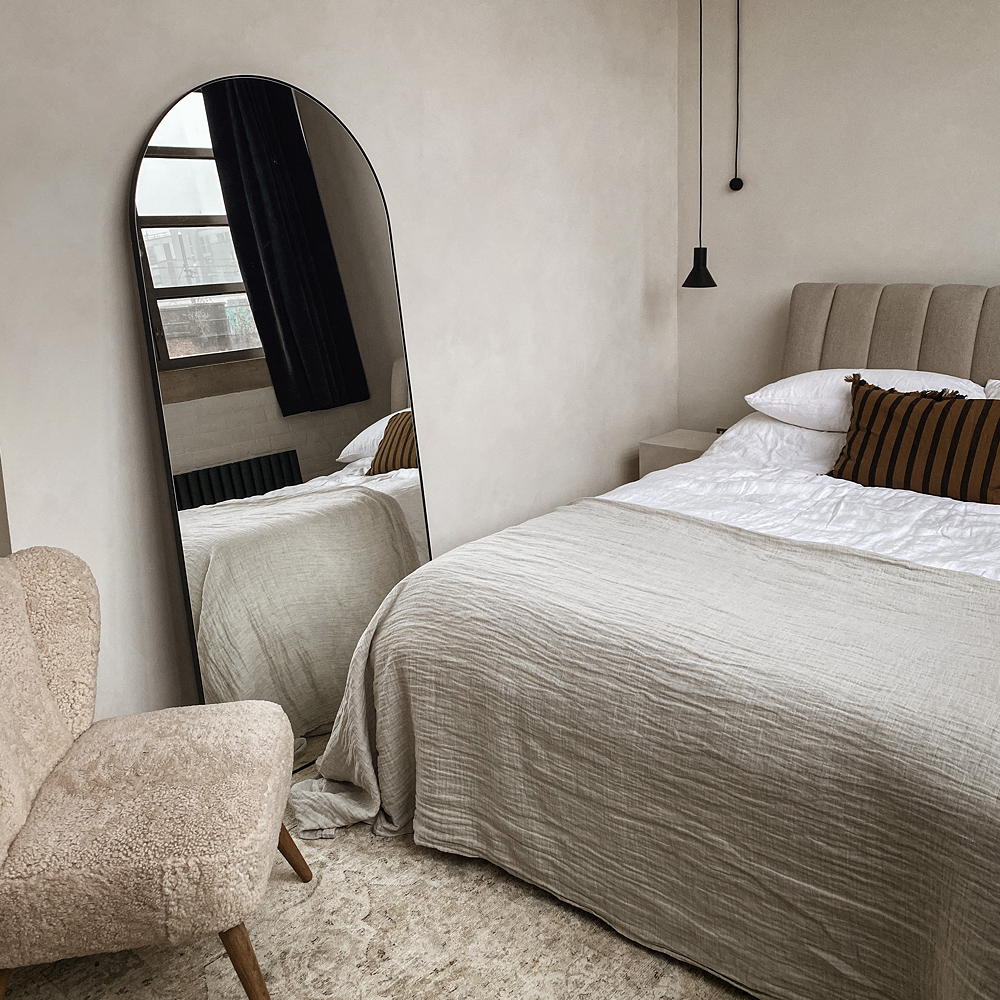
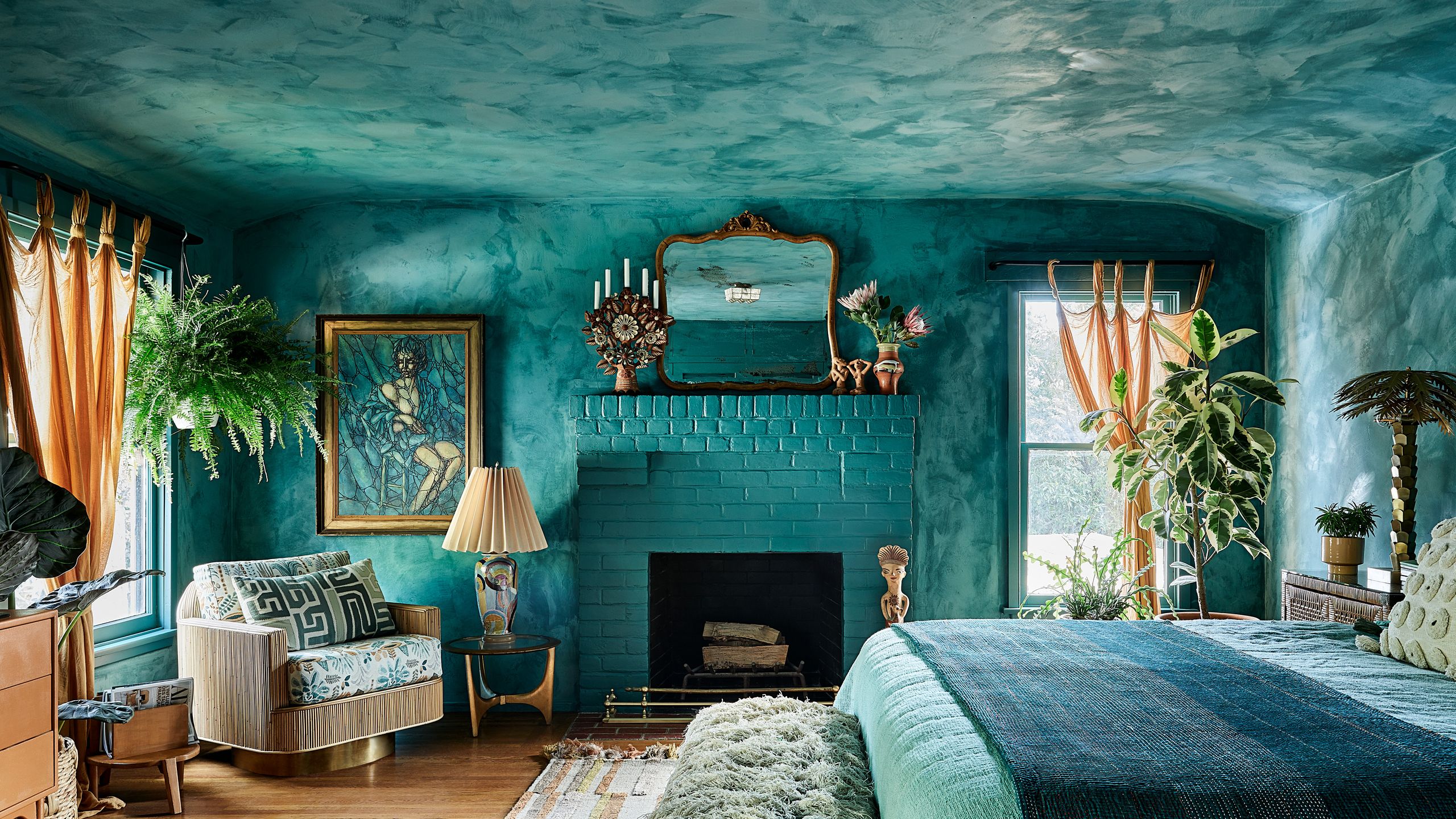
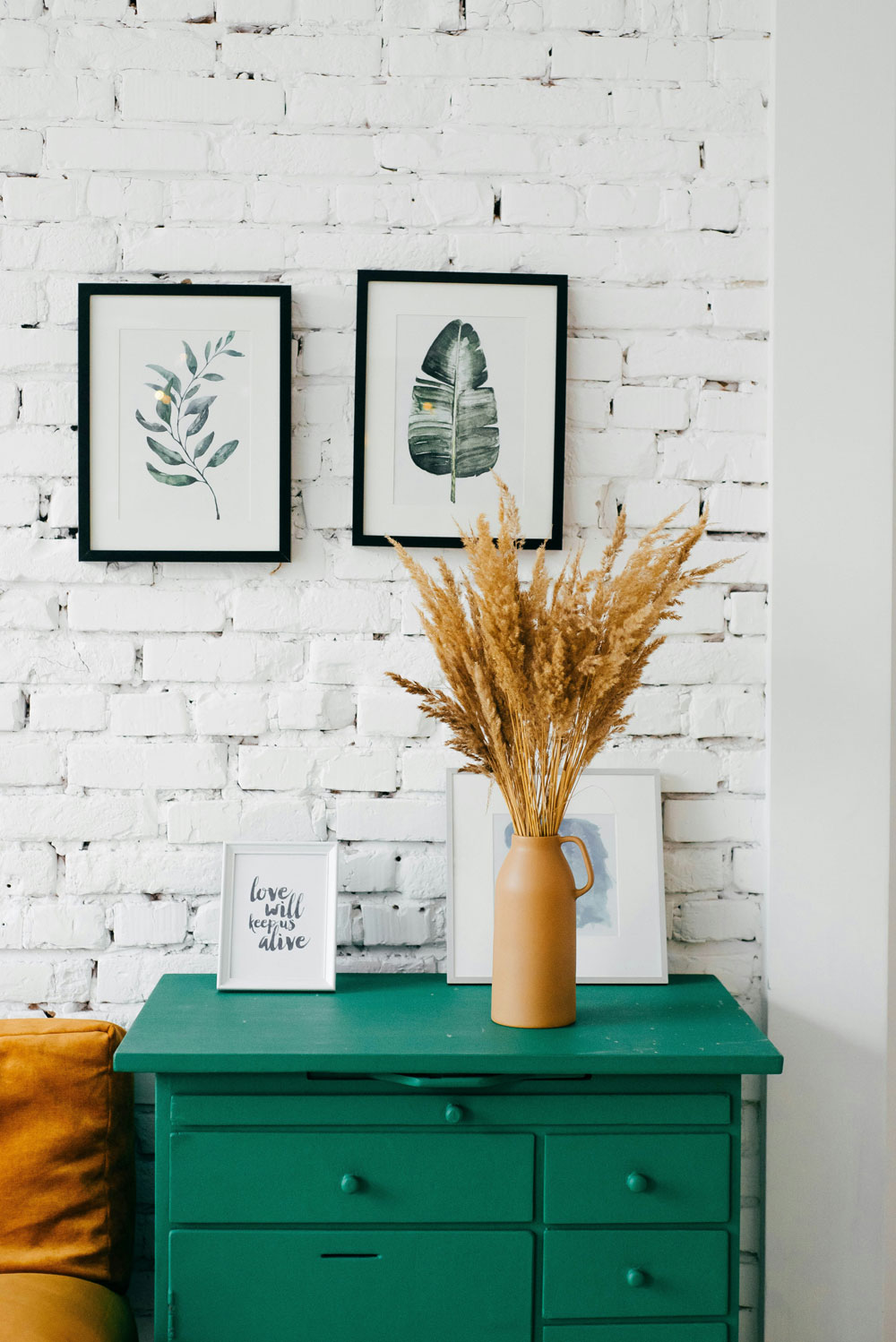
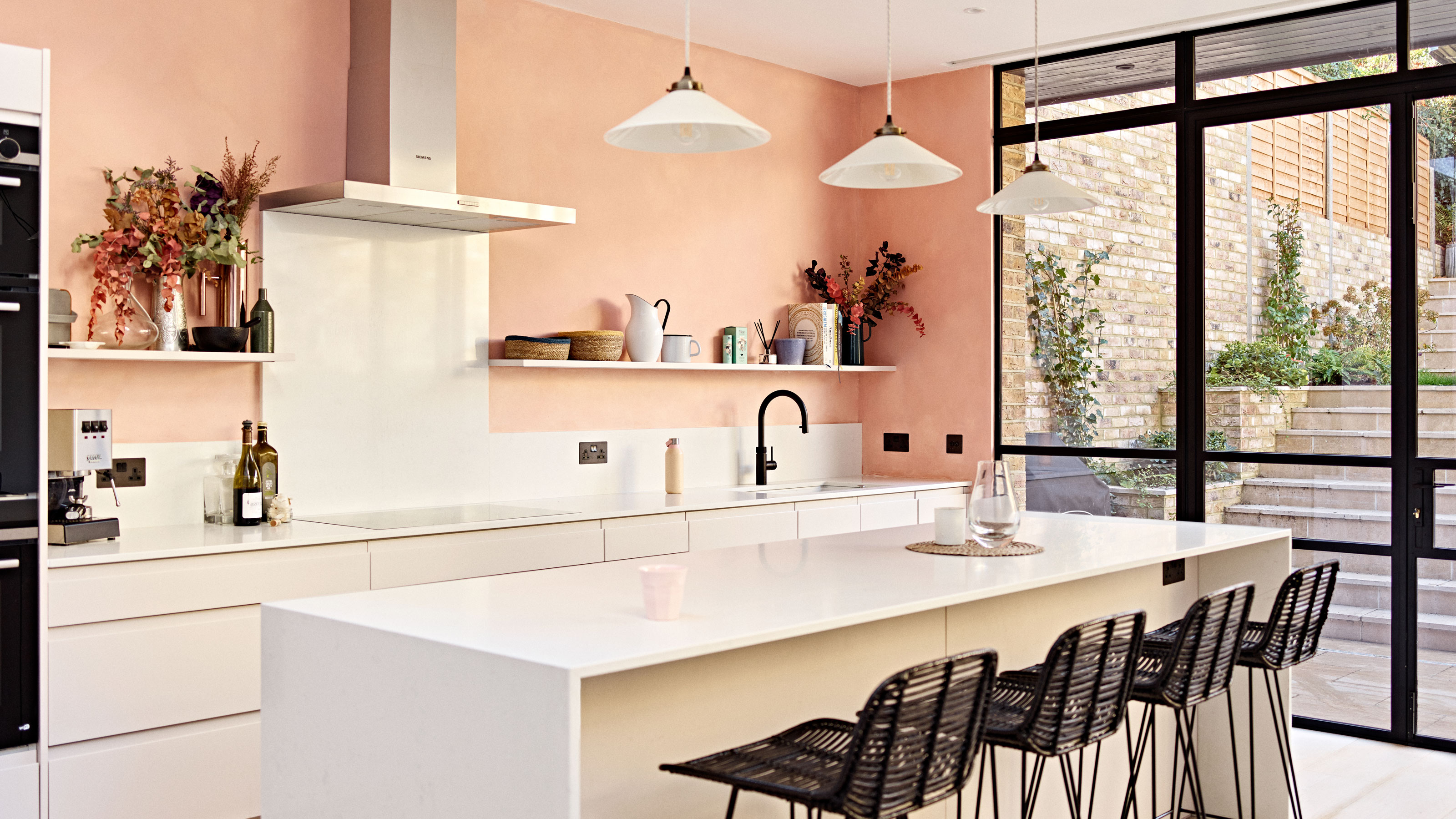
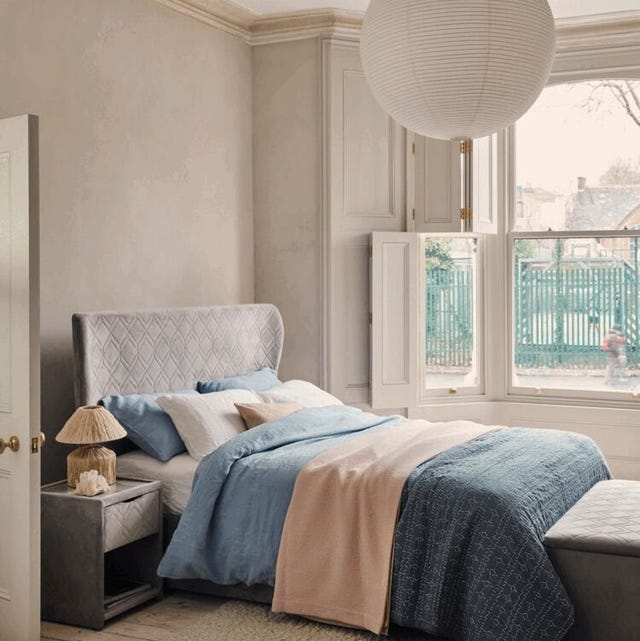
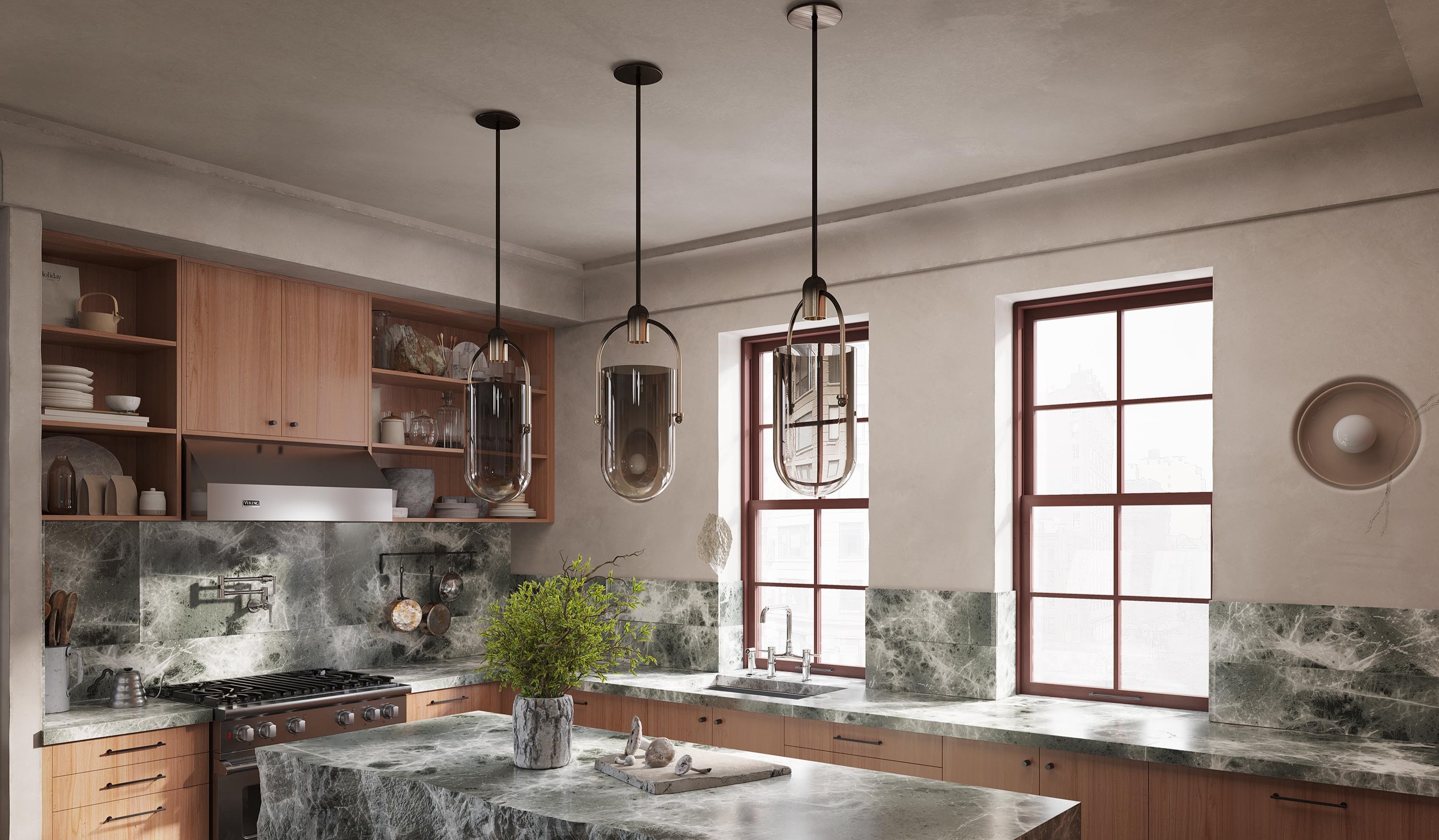
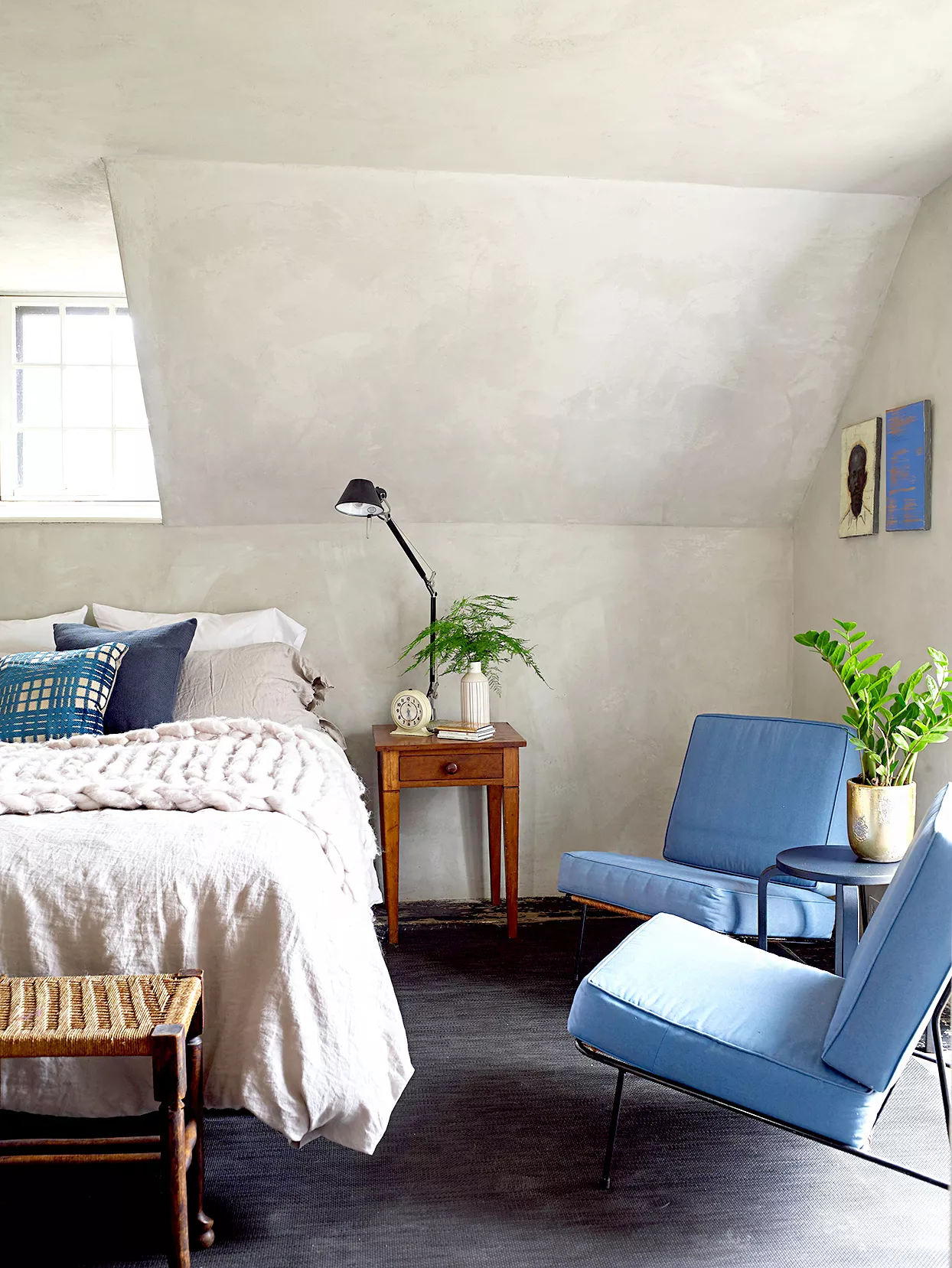
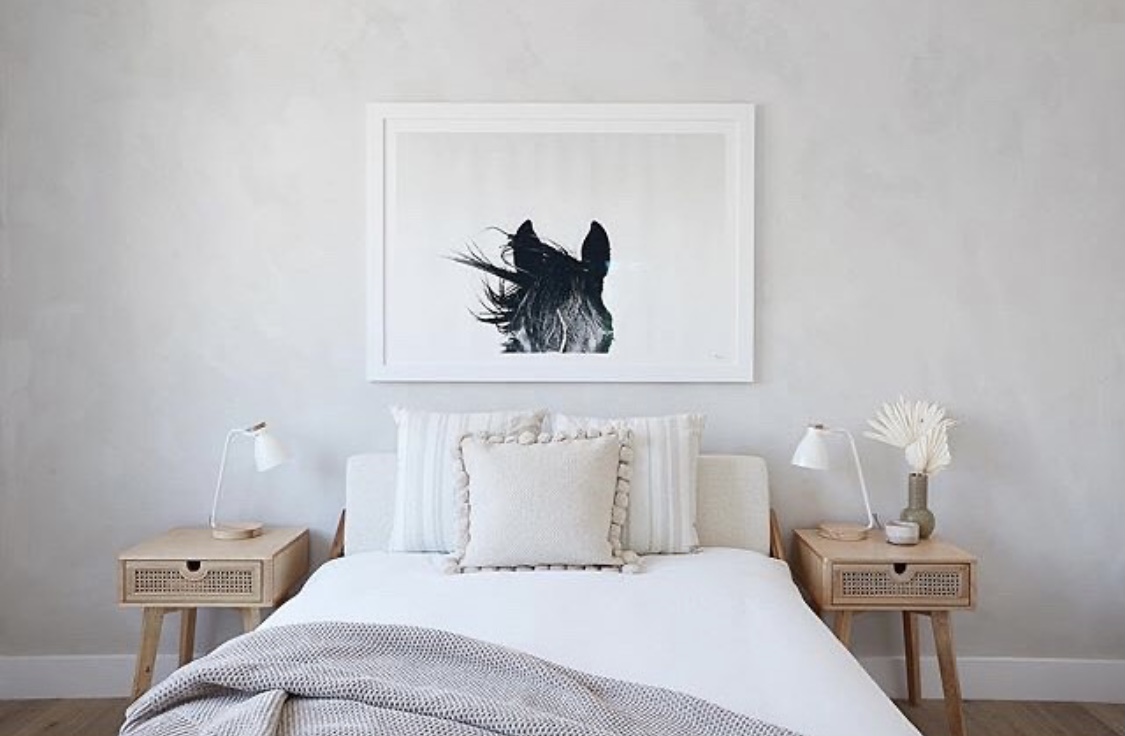
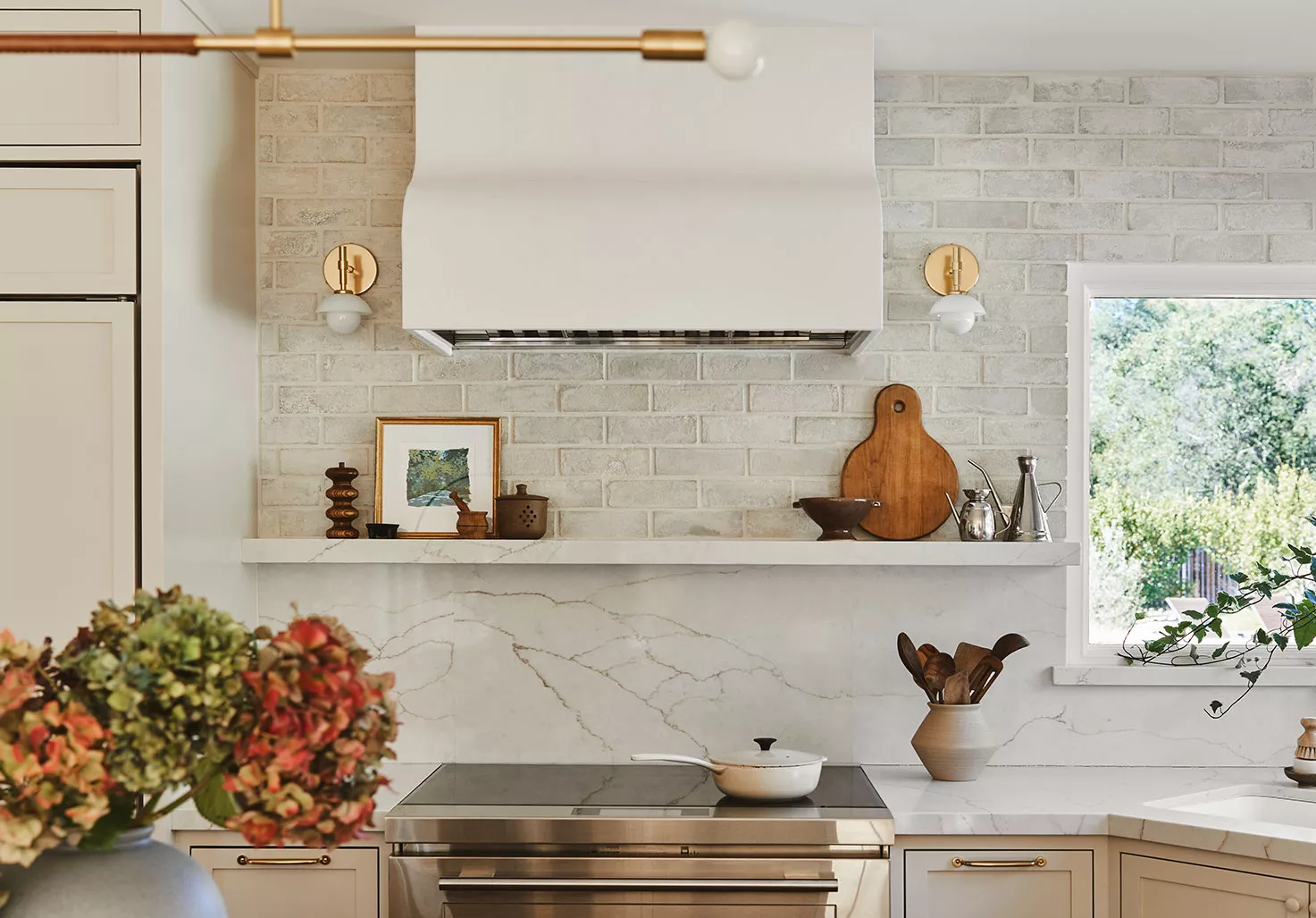
For a raw, urban feel, concrete-colored limewash can be used in kitchens, complementing wood and metallic accents. In bedrooms, its velvety matte tones contribute to a soothing and calming atmosphere conducive to restful sleep. Garden walls can be easily updated with limewash, allowing for seasonal color changes. It is also effective for freshening up home exteriors, giving brick and stone buildings a whitewashed, coastal look. Limewash can revitalize tired front or back doors, boosting curb appeal with a bold color. Additionally, it can be used to upcycle old furniture, providing an eco-friendly method to repurpose items without extensive sanding, unless a distressed look is desired.
#LimewashPaint #InteriorDesign #ExteriorPainting #EcoFriendlyPaint #HomeImprovement #PaintFinishes #BreathablePaint #RusticDecor #HomeDecor #LimewashPaint #InteriorDesign #ExteriorPainting #EcoFriendlyPaint #HomeImprovement #PaintFinishes #BreathablePaint #RusticDecor #HomeDecor
0 comment in total
 No comments yet
You may also like
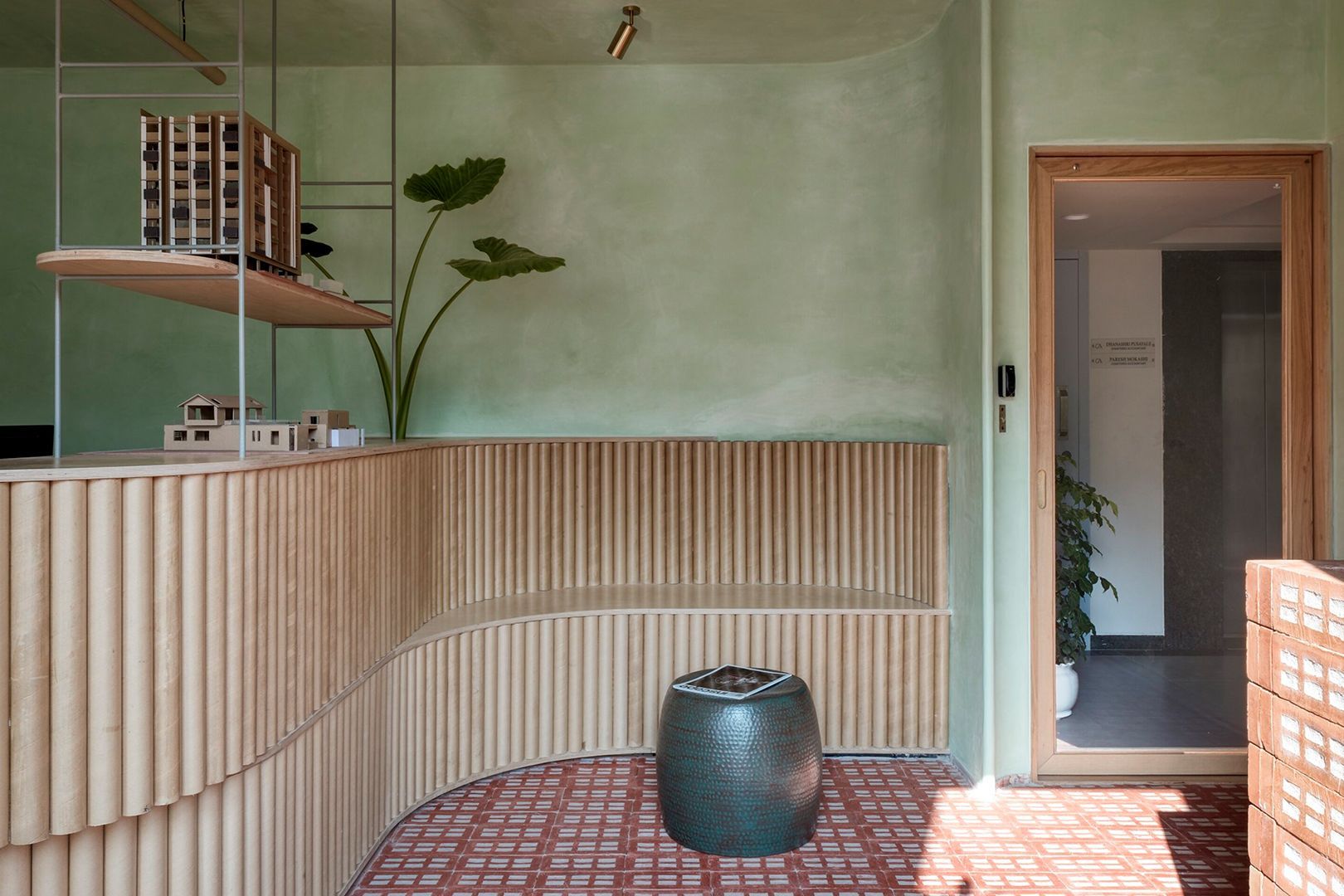
What is limewash paint: Four places to use it in your home

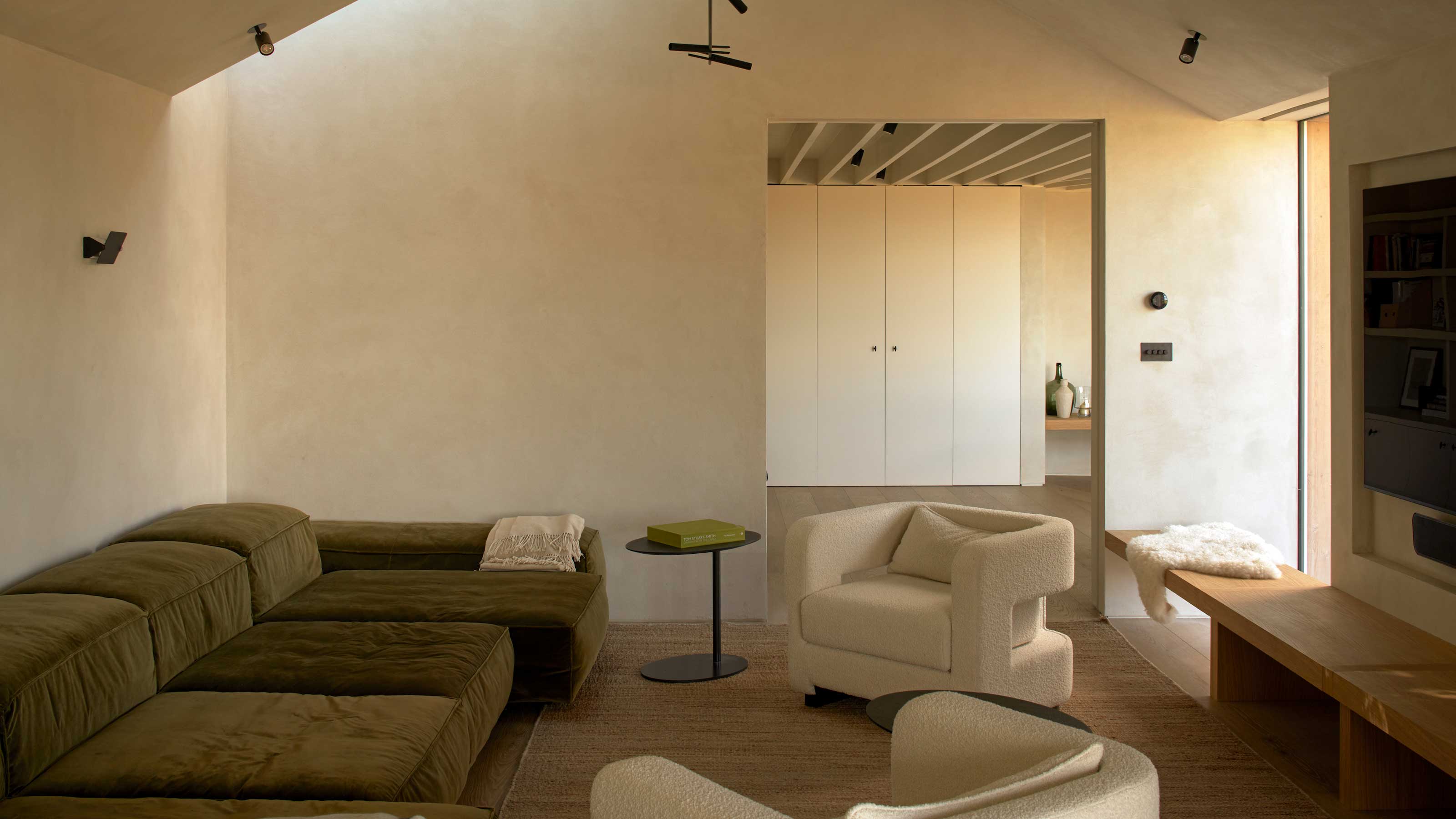
This Simple DIY Limewash Paint Hack Costs Less Than $20 — But the Results Look Way More Expensive

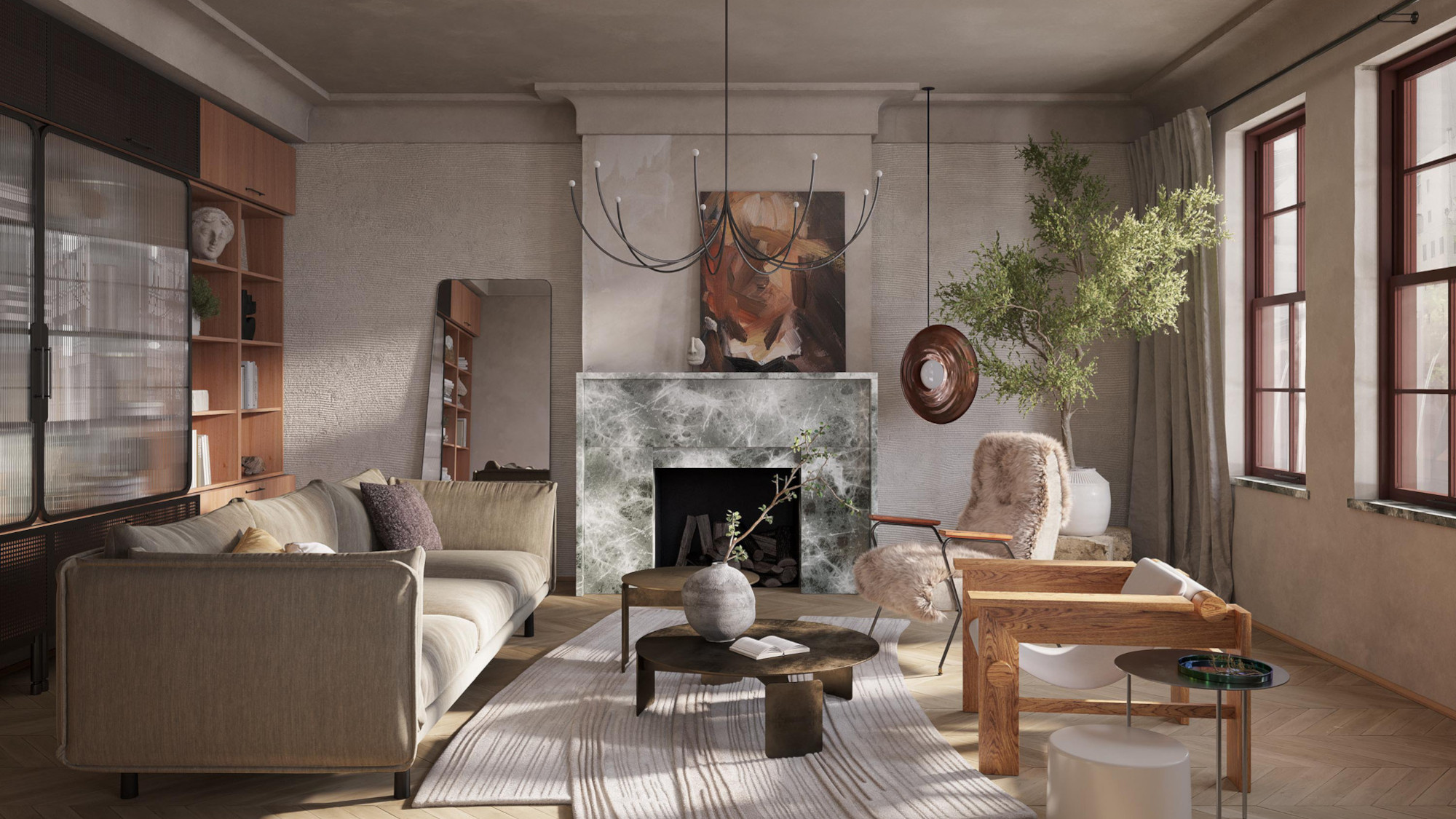
10 living rooms with limewash walls that prove that this textural wall finish is the perfect cozy-but-chic finishing touch
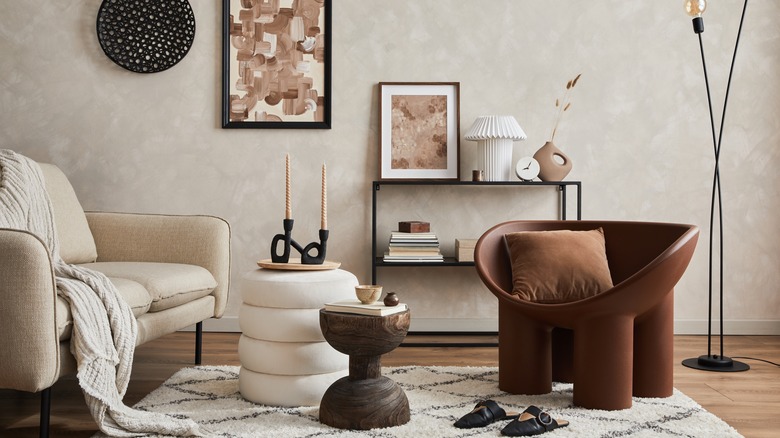
How To Limewash Your Walls Like HGTV Star Leanne Ford

What Is Limewash Paint: Four Places to Use It in Your Home

If You Want Your Home to Look Like a Charming Tuscan Villa, Try This

Faux-Limewashing: The DIY Technique Taking Over TikTok

Cleaning with citric acid: 6 ways to harness the power of this natural cleaning agent

Limewash paint ideas – 10 ways to use this trending wall finish to bring texture to your home
DIY hack: How to recreate the limewash wall trend for less than £10

This Kitchen Trend Can Make Your Space Look Like a Charming, Tuscan Retreat — "It's Instantly Warming"
Limewashing trend: why this European paint trend is perfect for your kitchen
What Is Limewash Paint? Plus, How to Use It In Your Home

This Texture-Rich Finish Is Designers' Go-To for Instant Patina
8 Limewash Paint Colors That Will Add Elegance and Style to Your Home
Instagram can't get enough of this new textured paint craze - here's how to get the look
4 Creative Ways To Use Limewash Paint To Transform Your Home
10 Limewash Wall Color Ideas That Add Old-World Elegance To Your Space
The Allure of Limewash Paint
Rediscover Limewash Paint, the Old-World Finish That's Trending Again