1/2
What Is Limewash Paint? Plus, How to Use It In Your Home
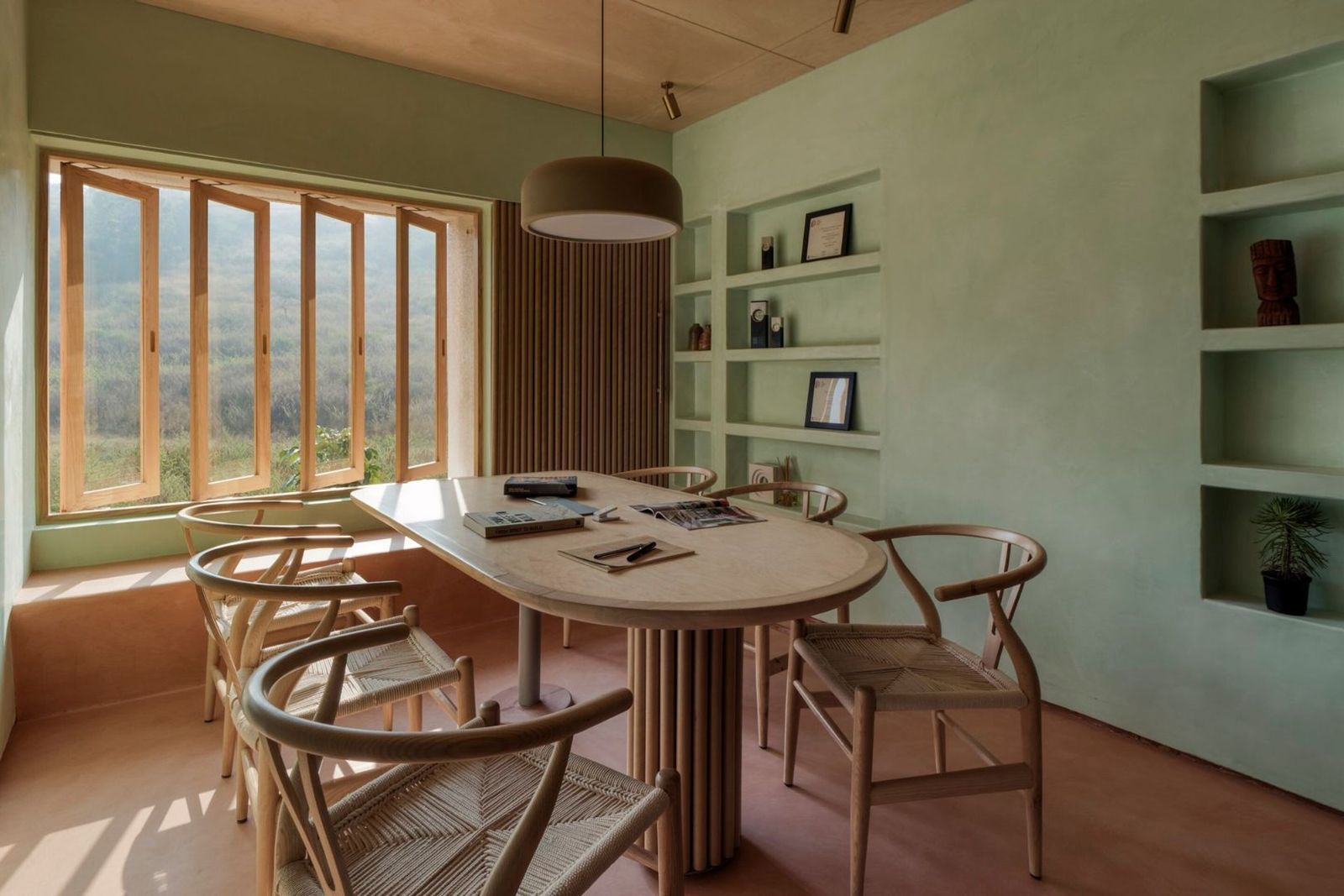
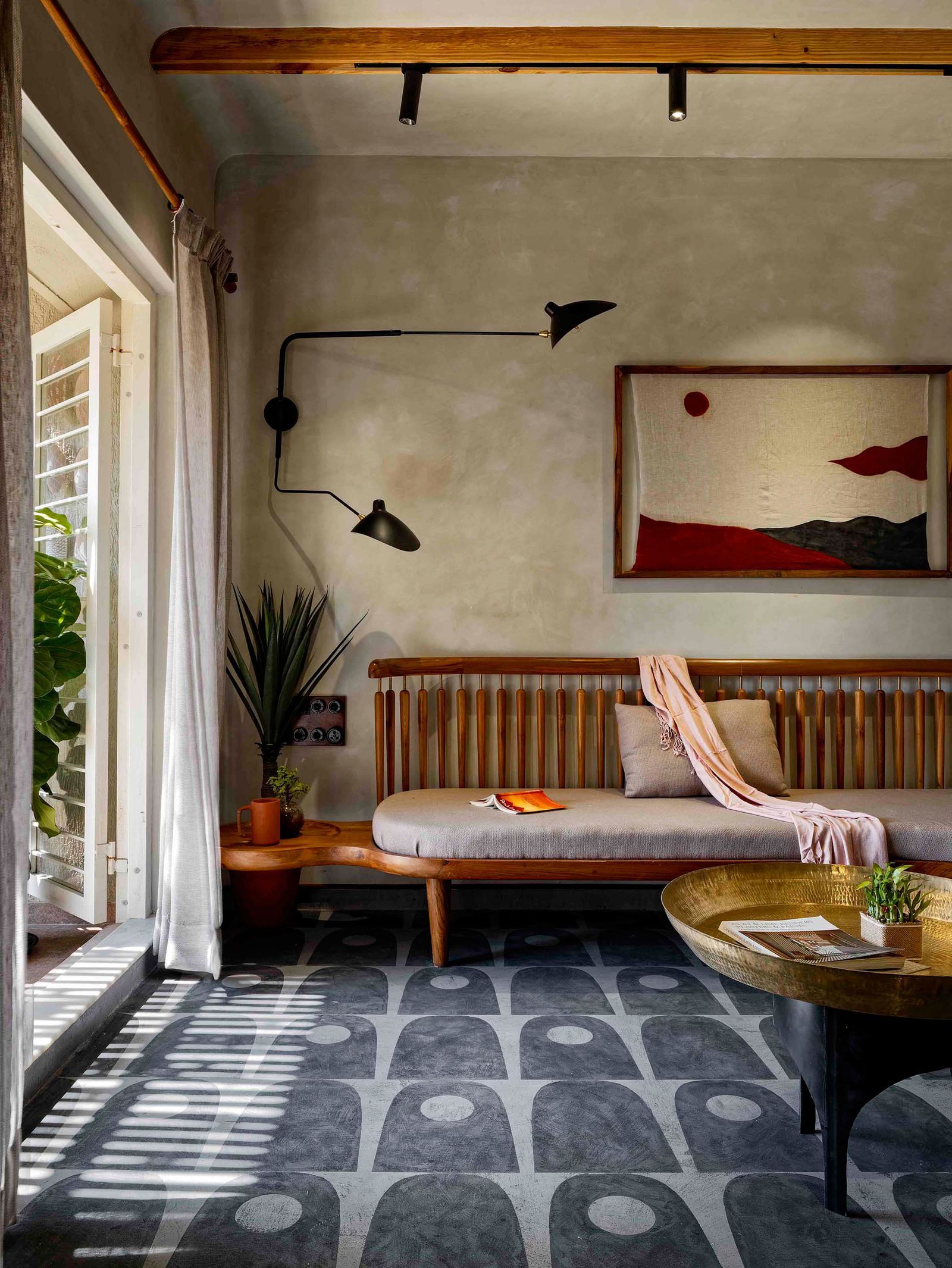
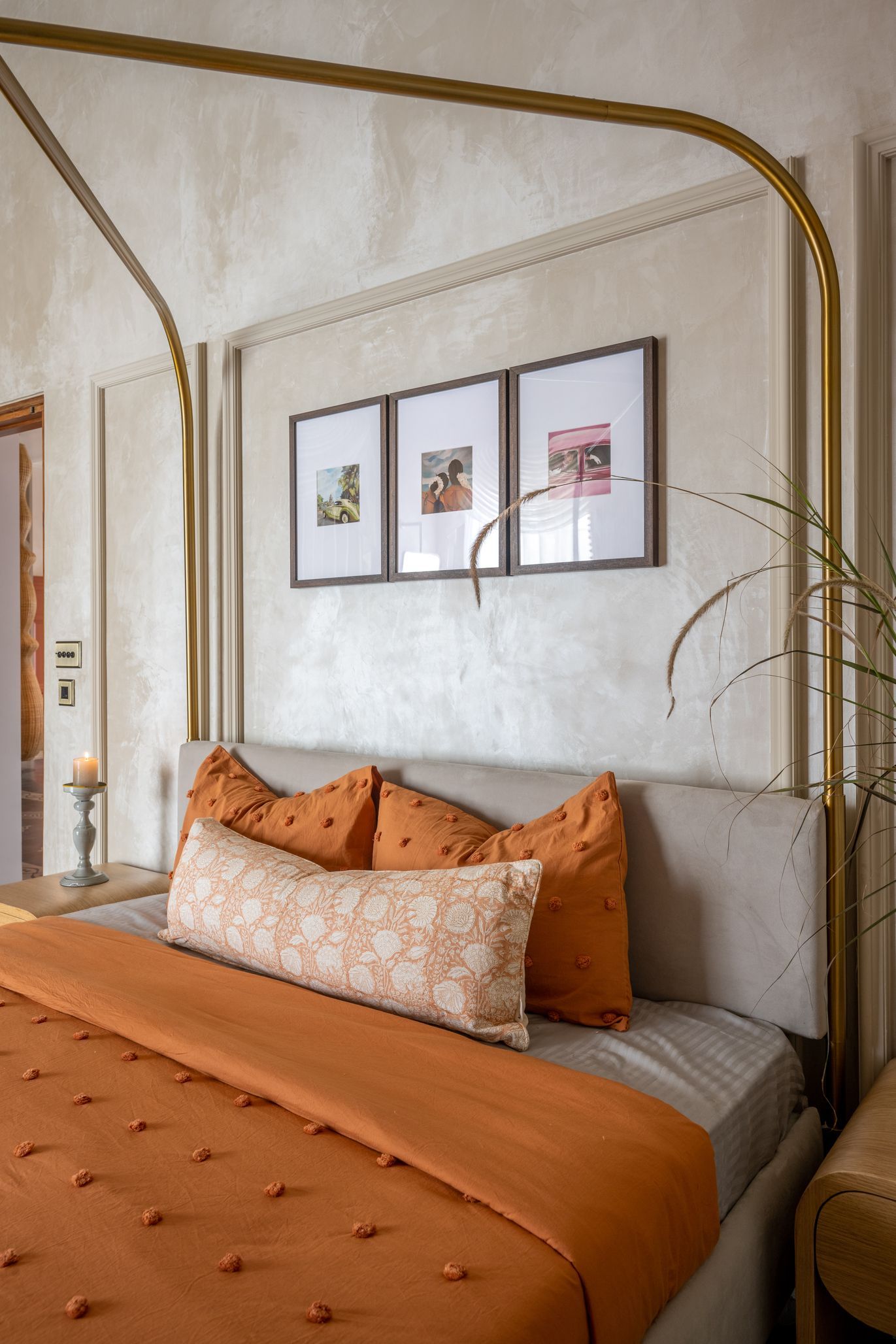
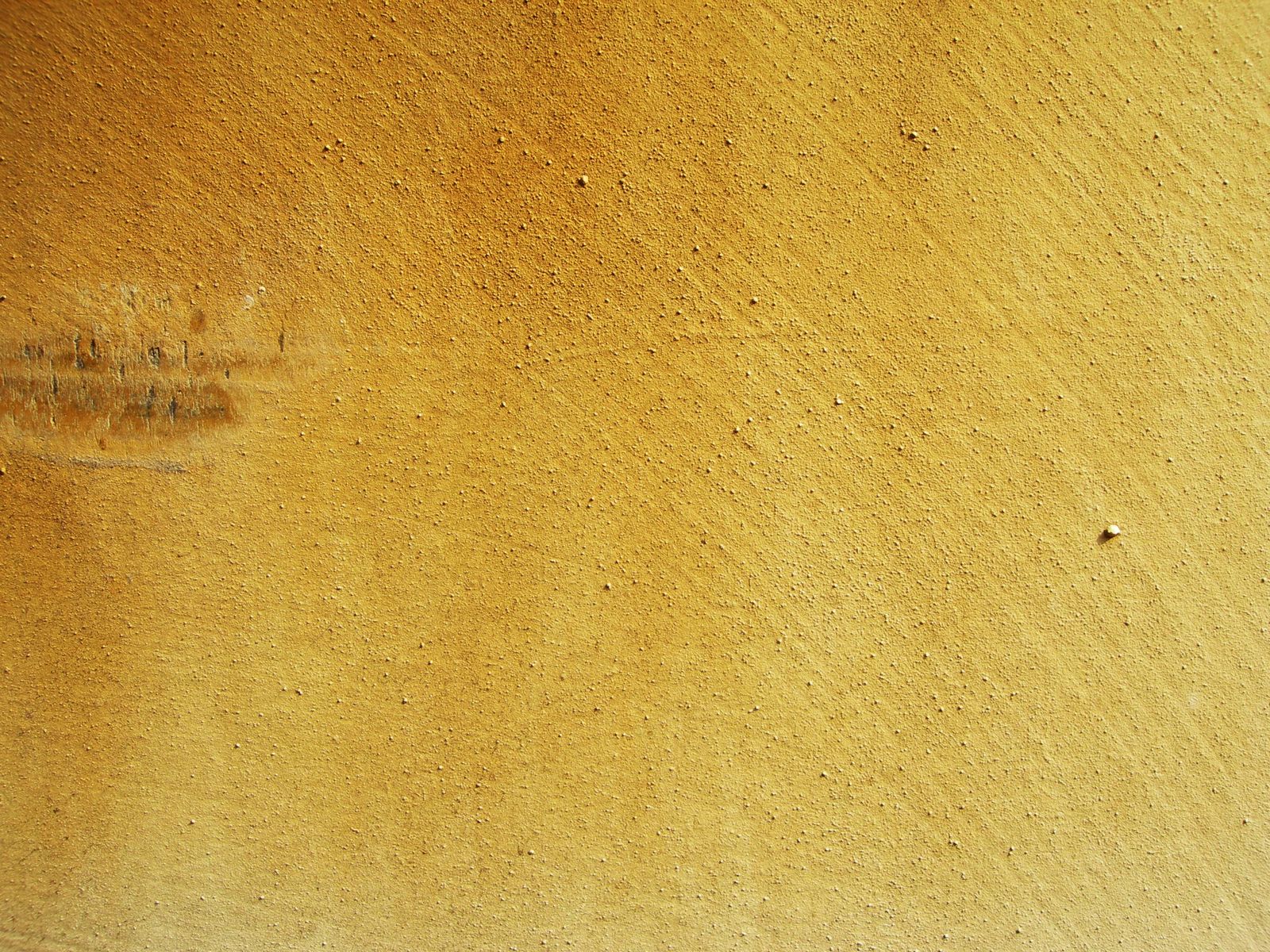
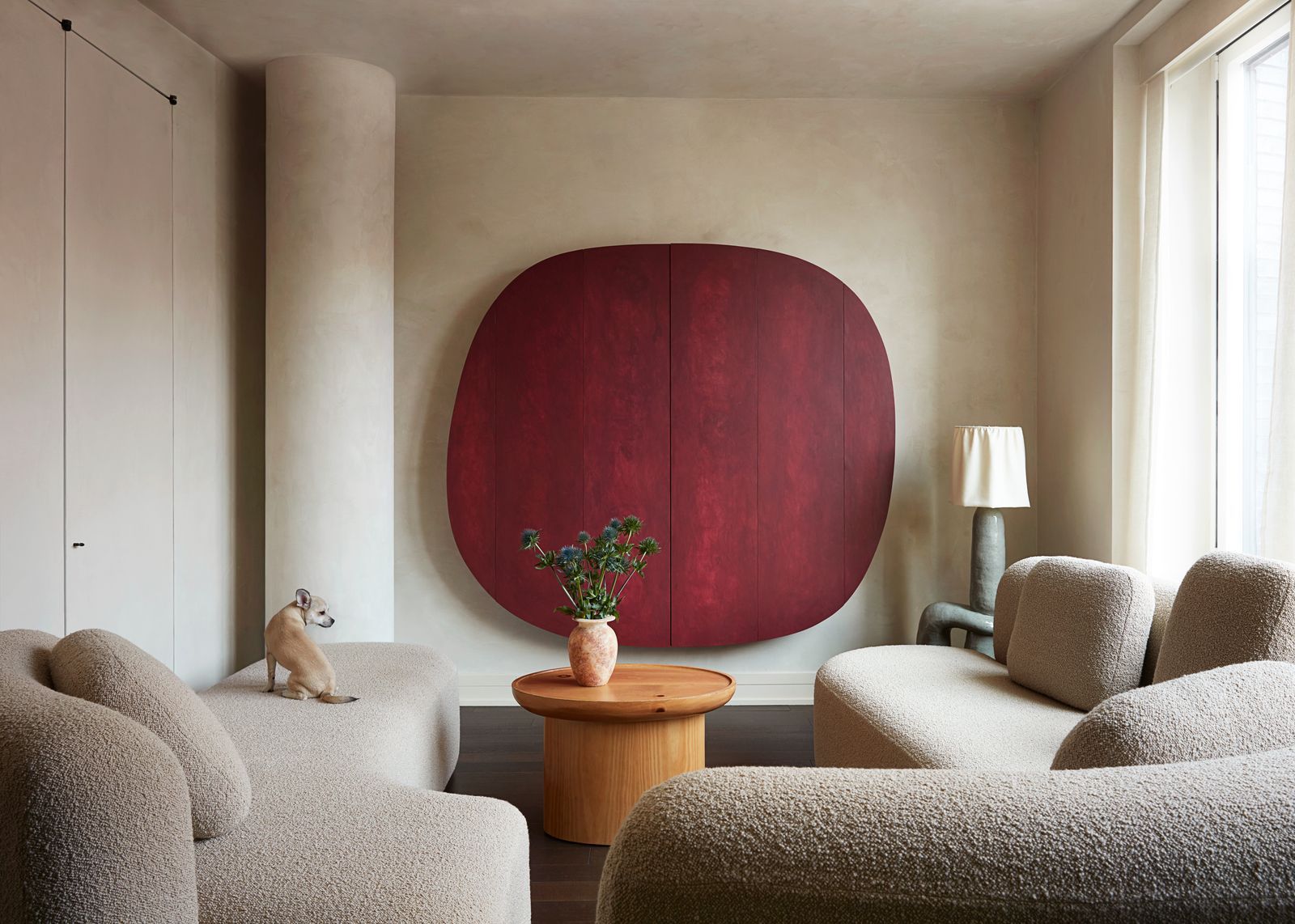
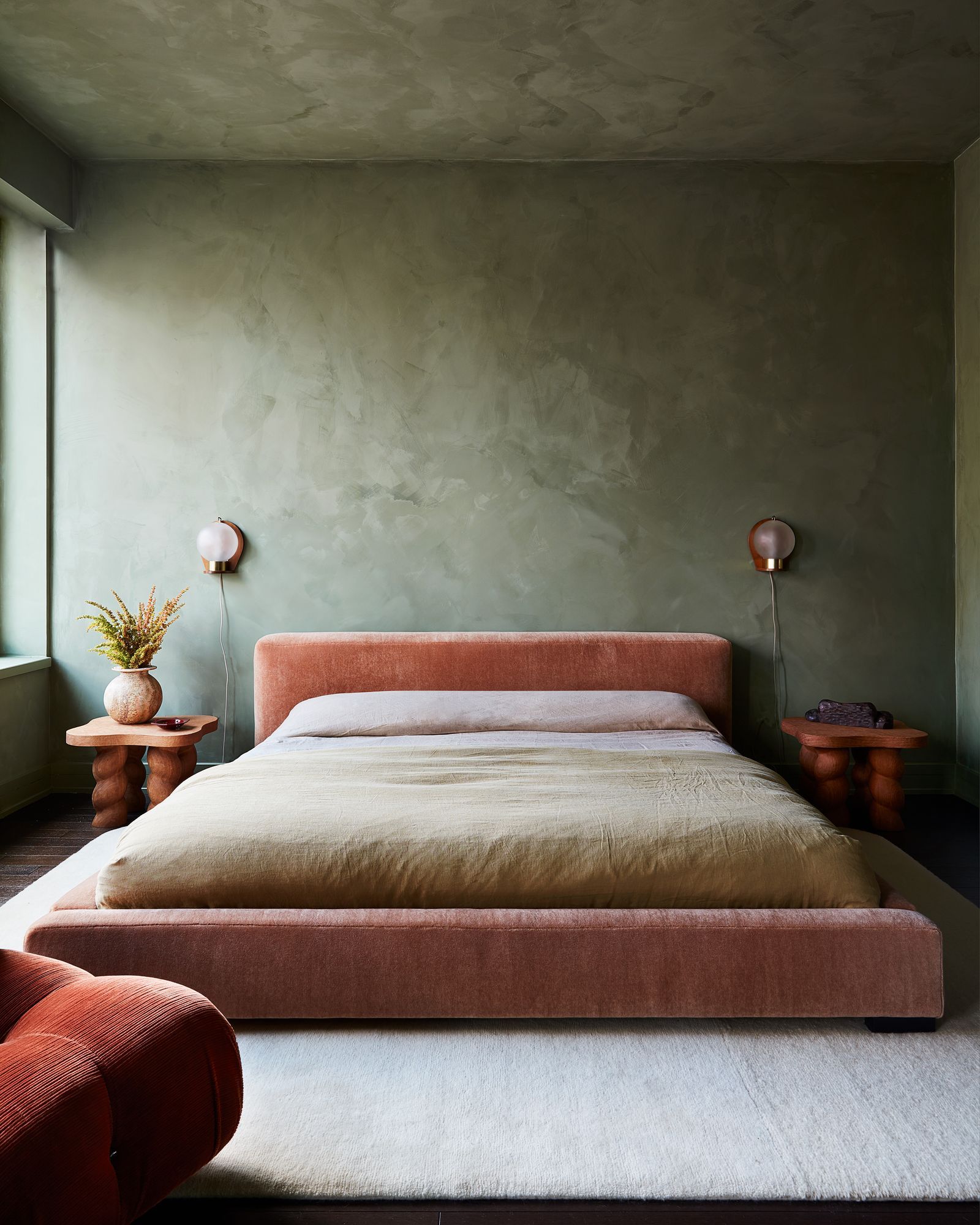
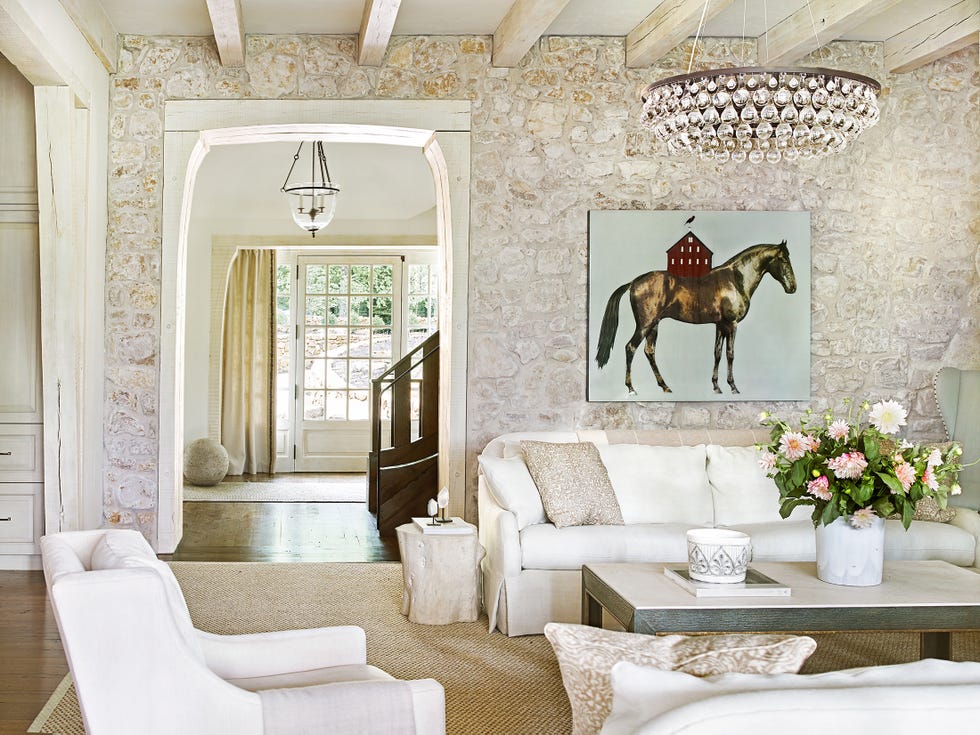
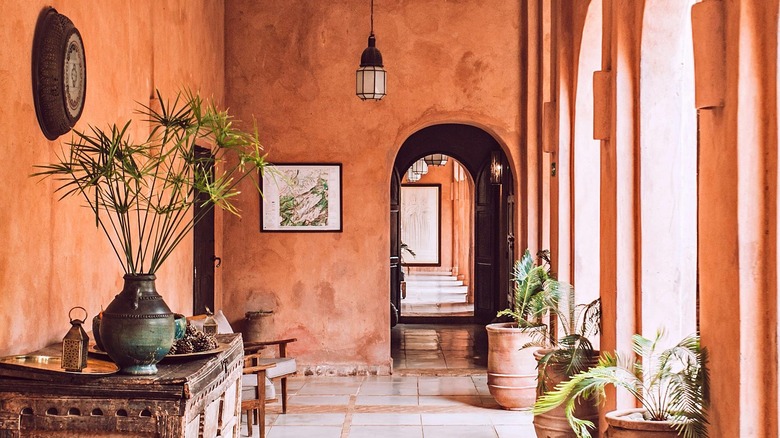
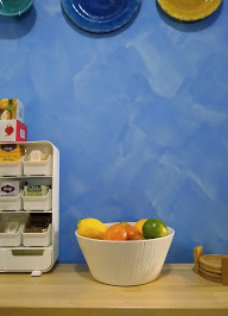
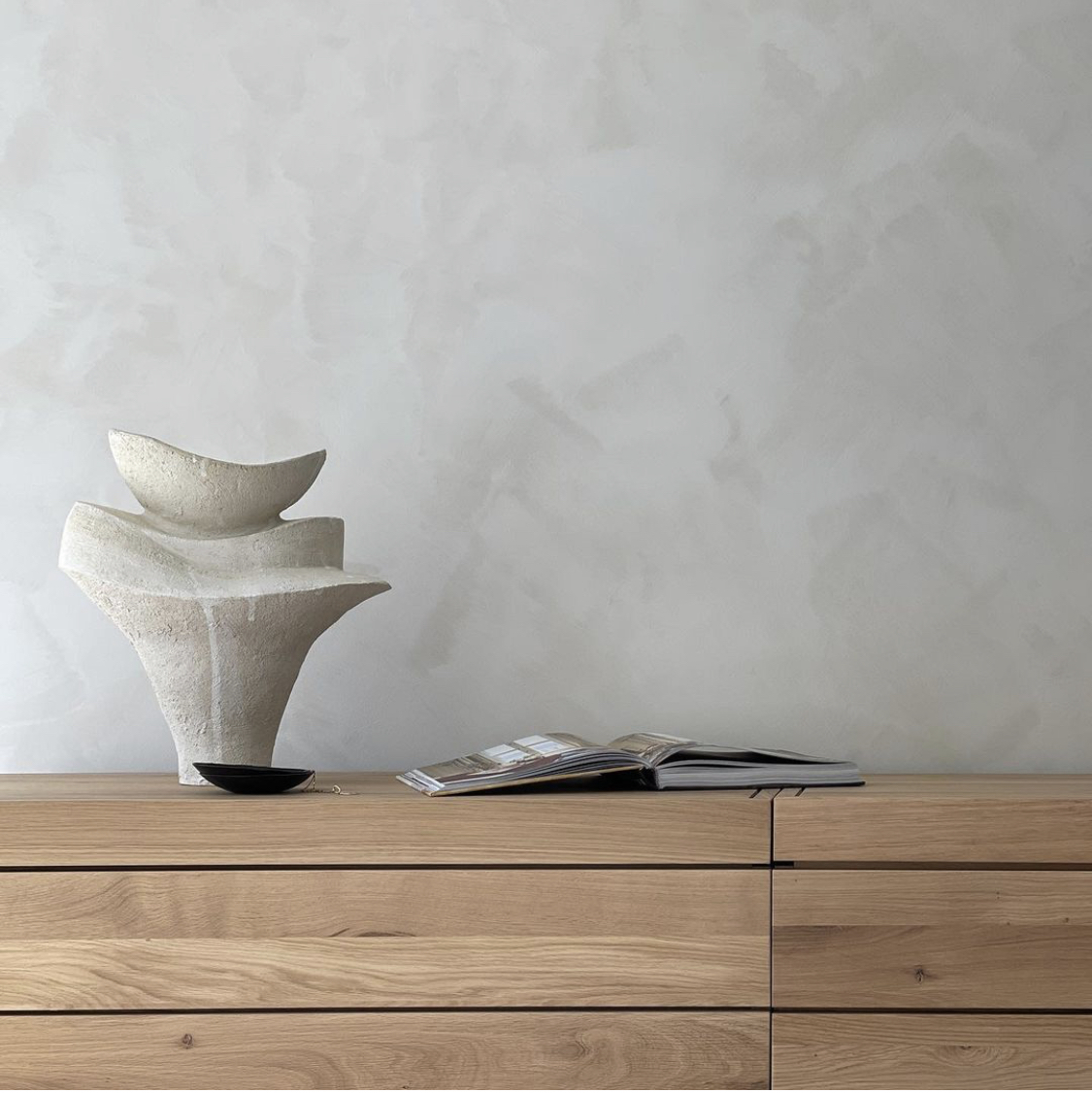
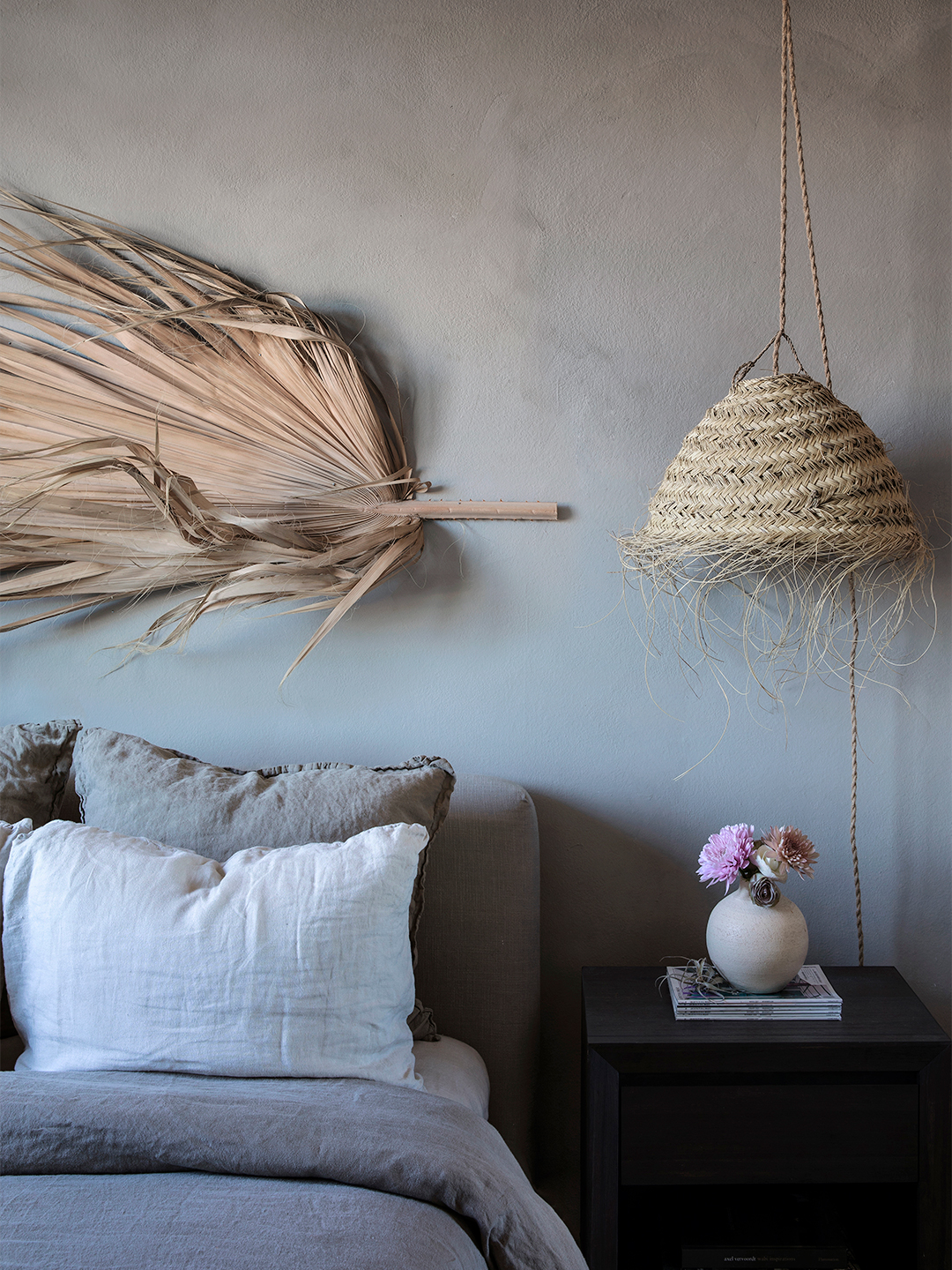
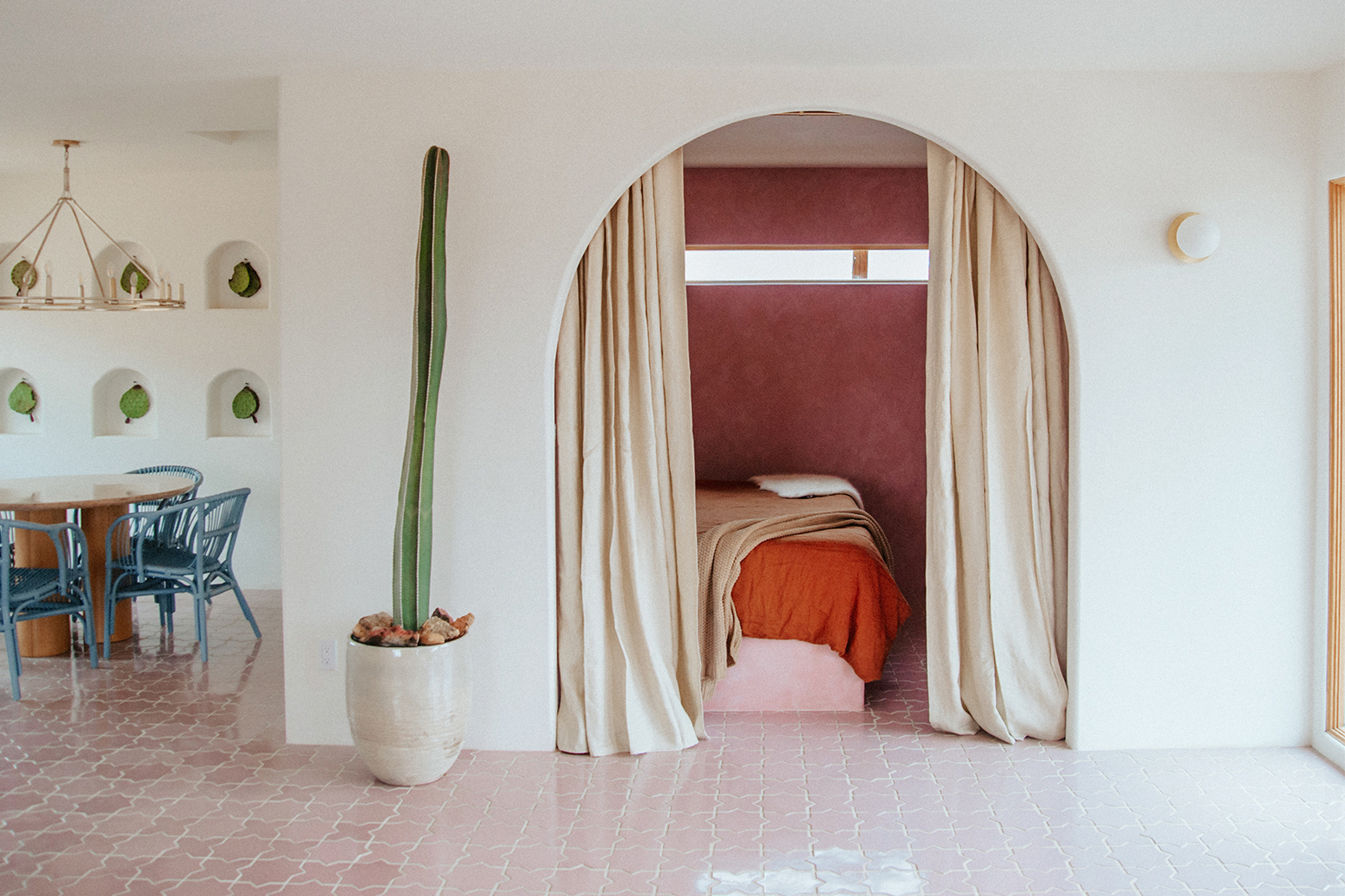
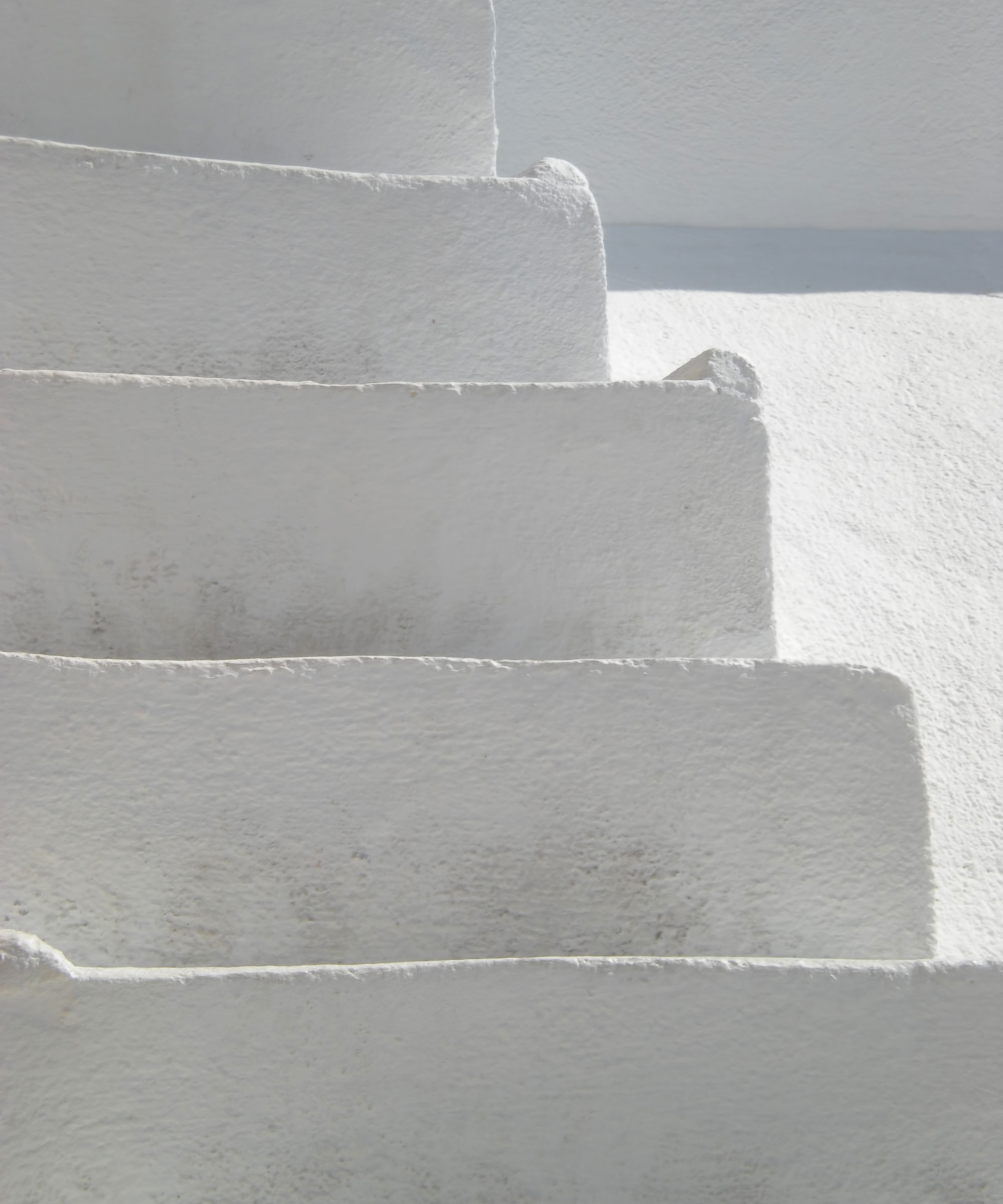
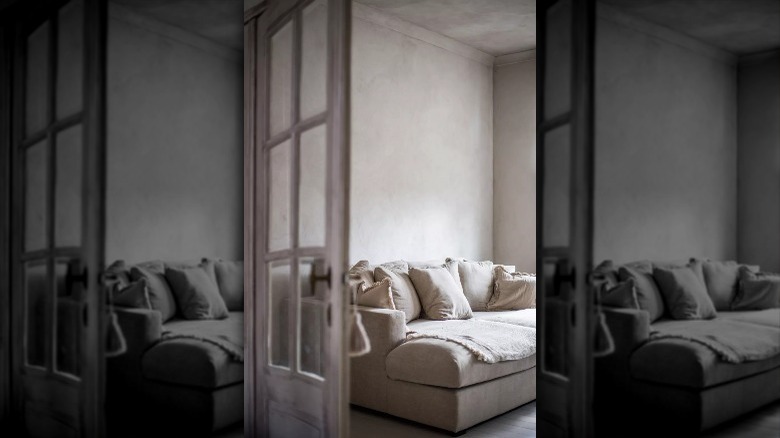
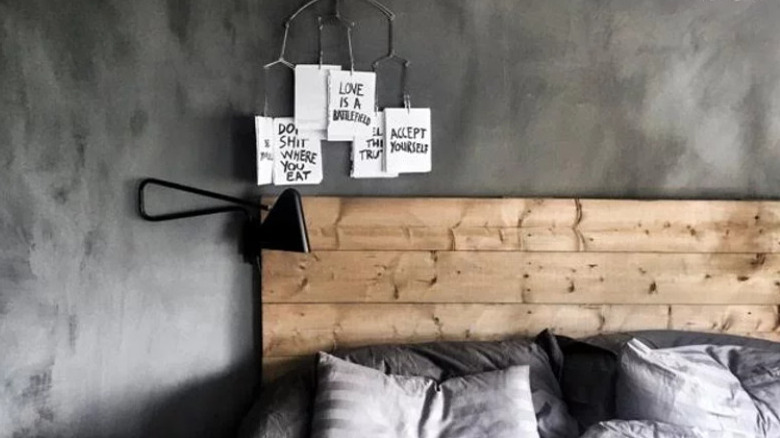
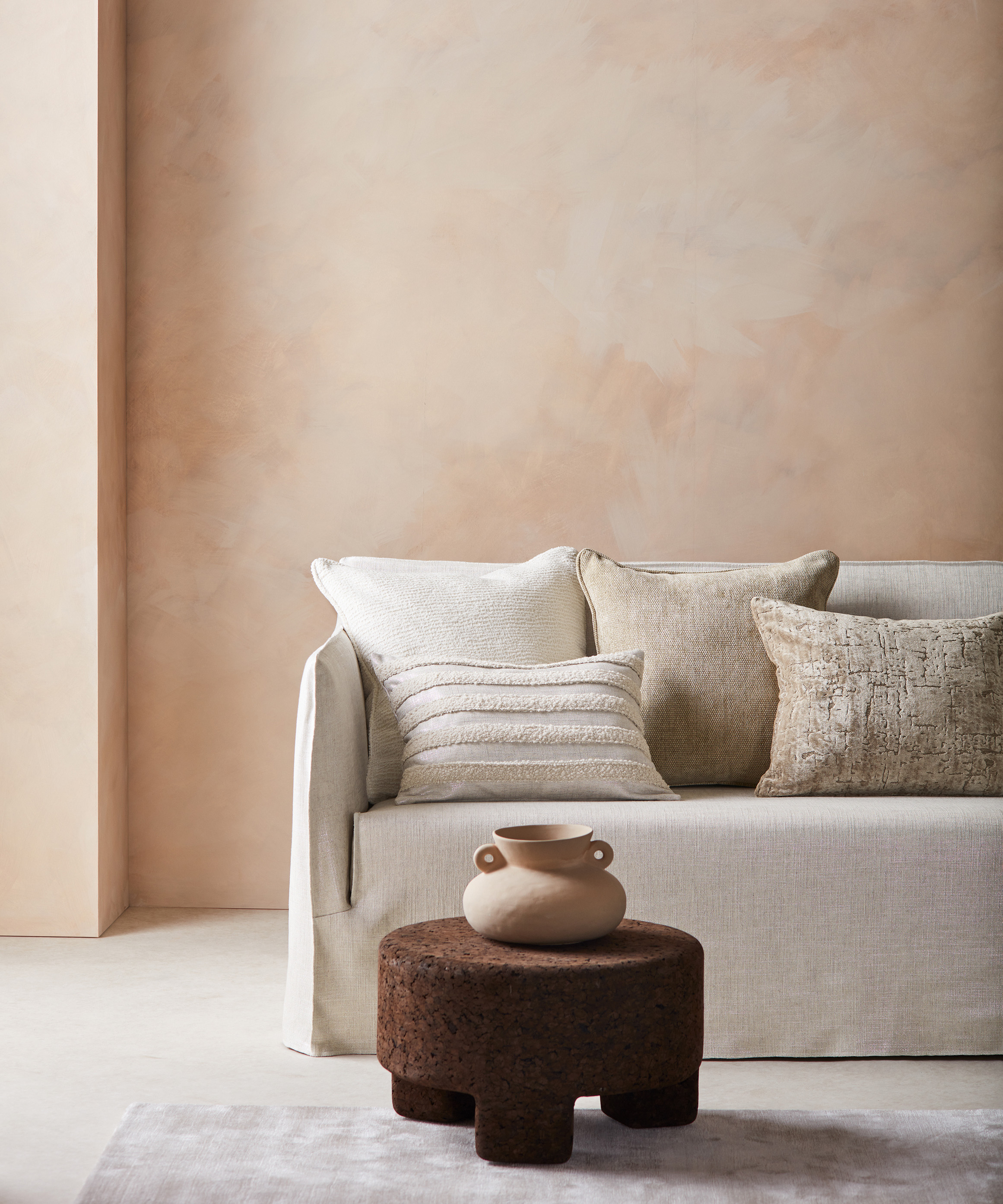
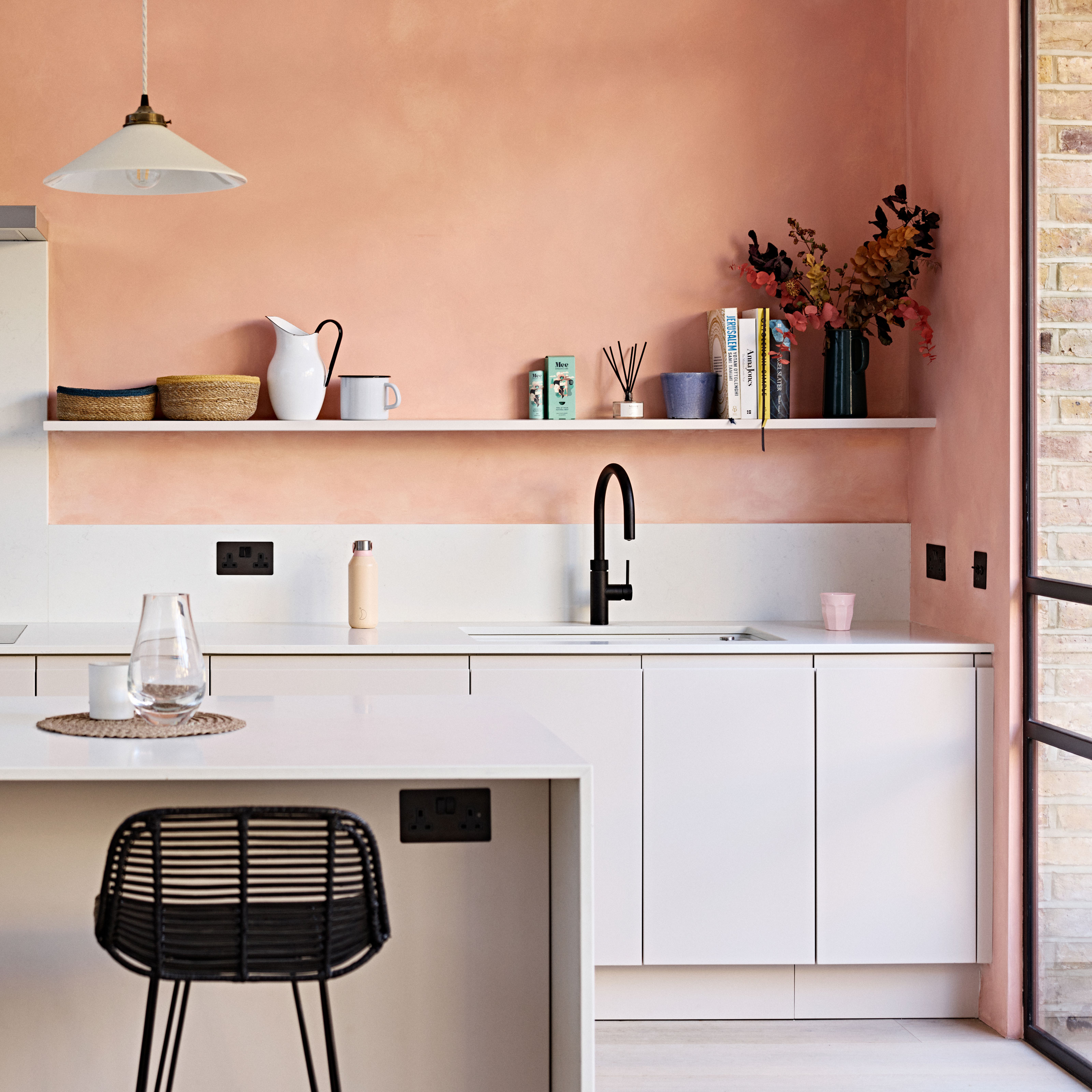
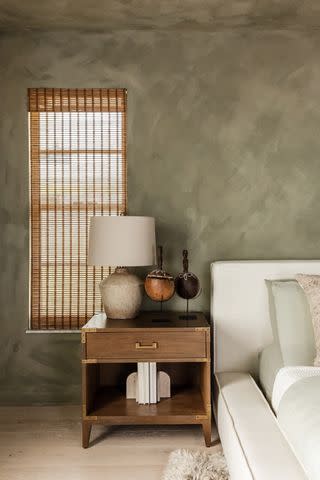
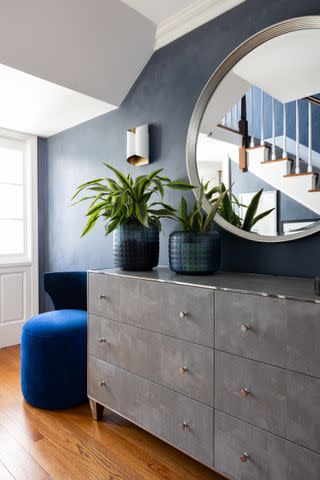
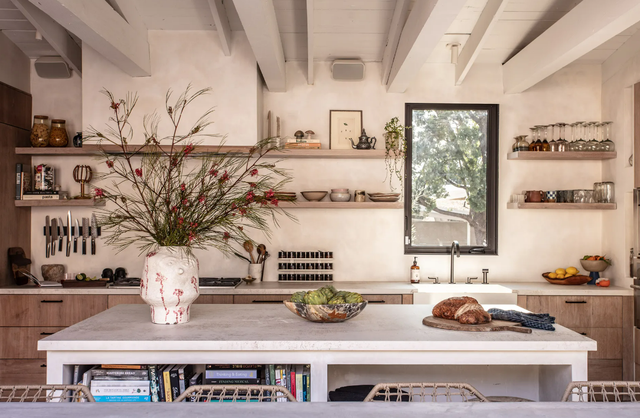
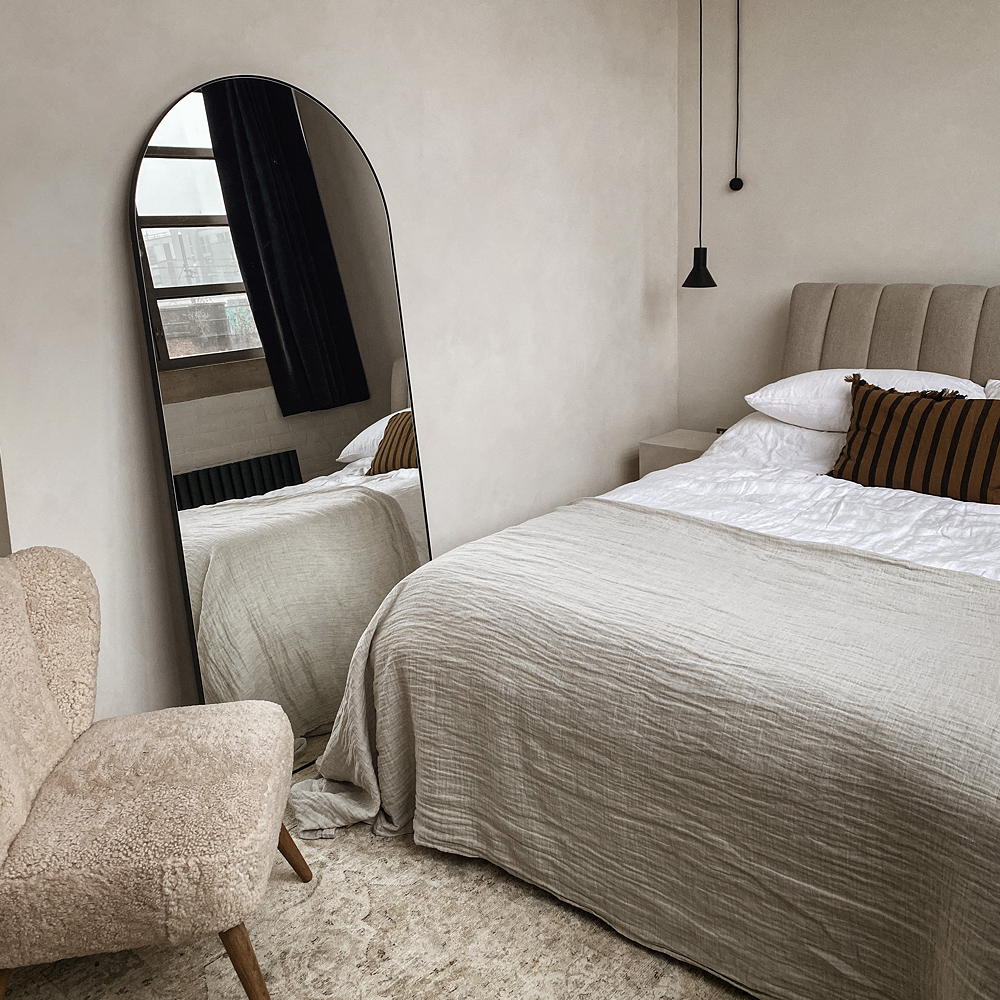
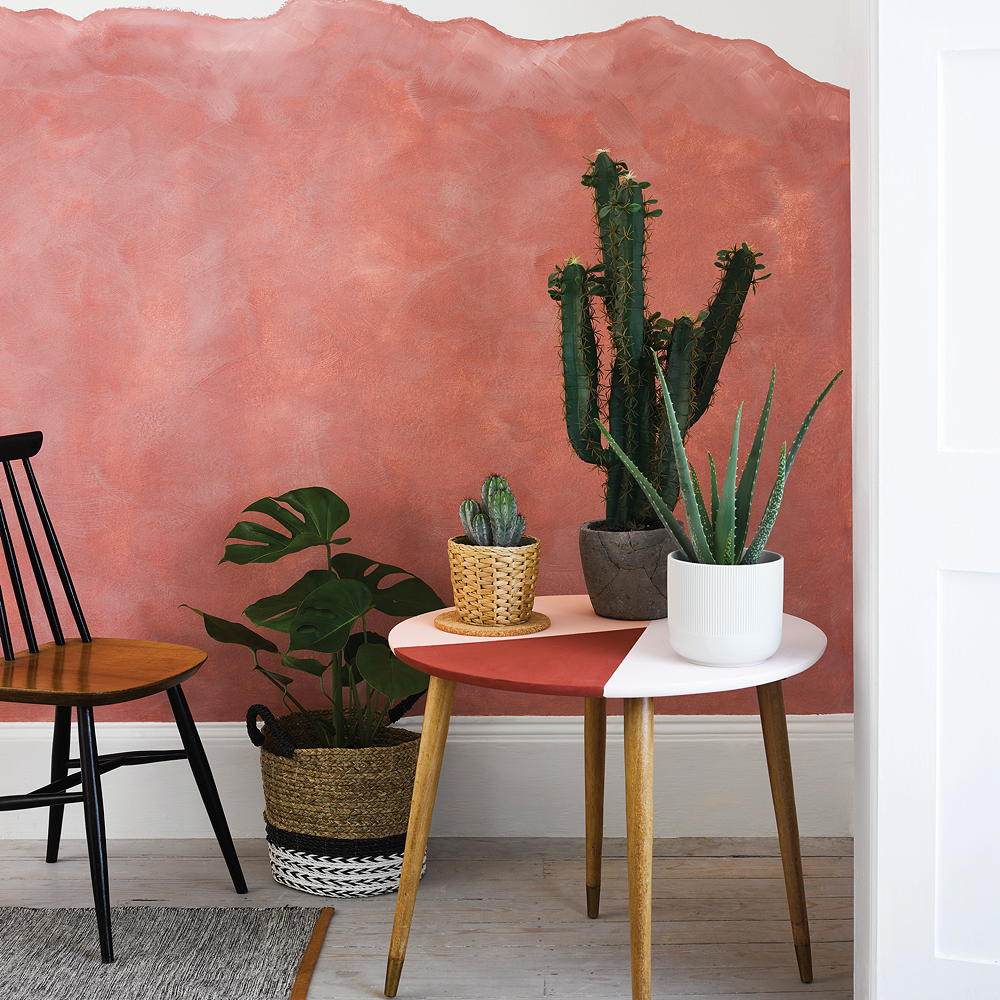
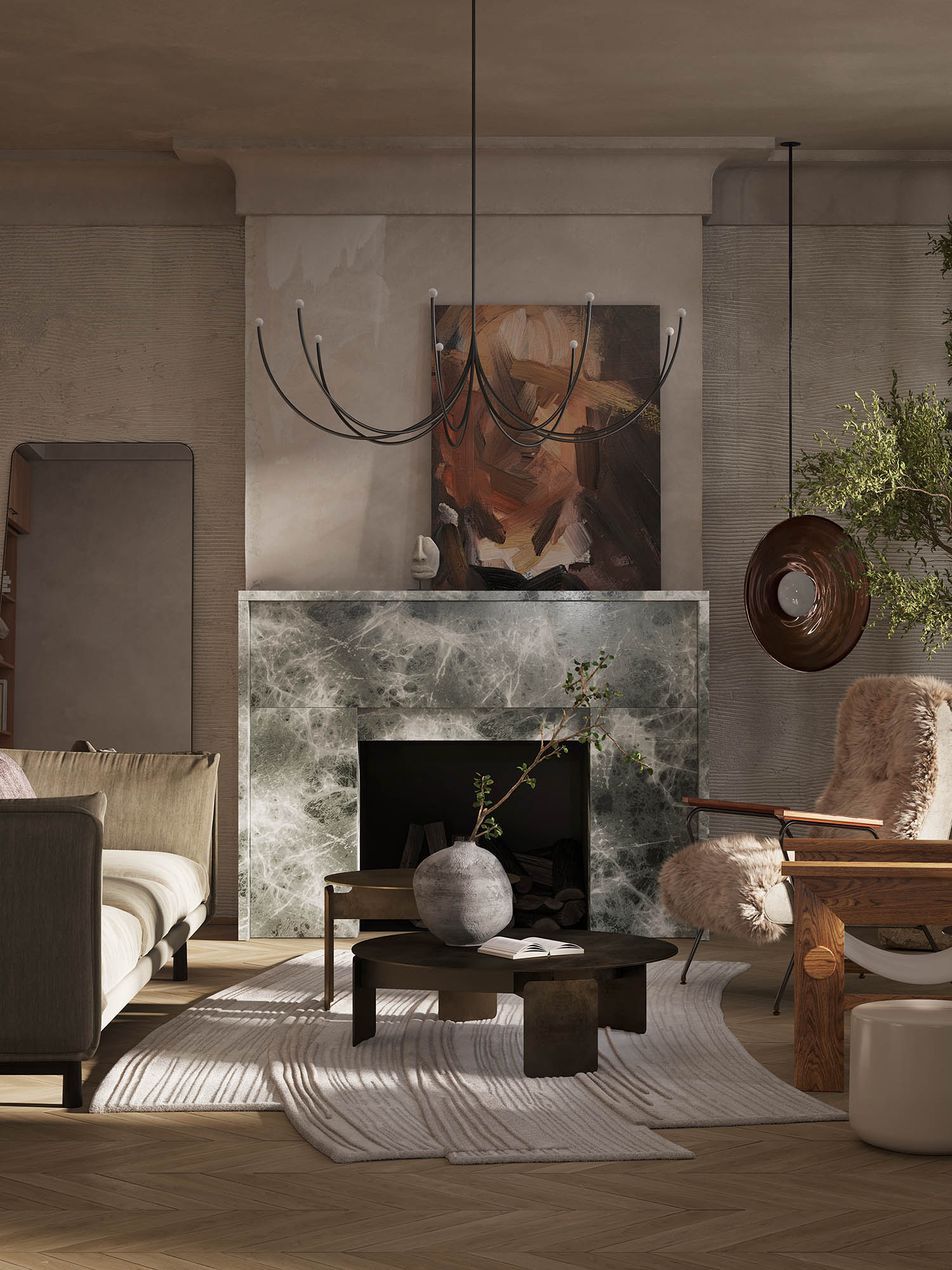
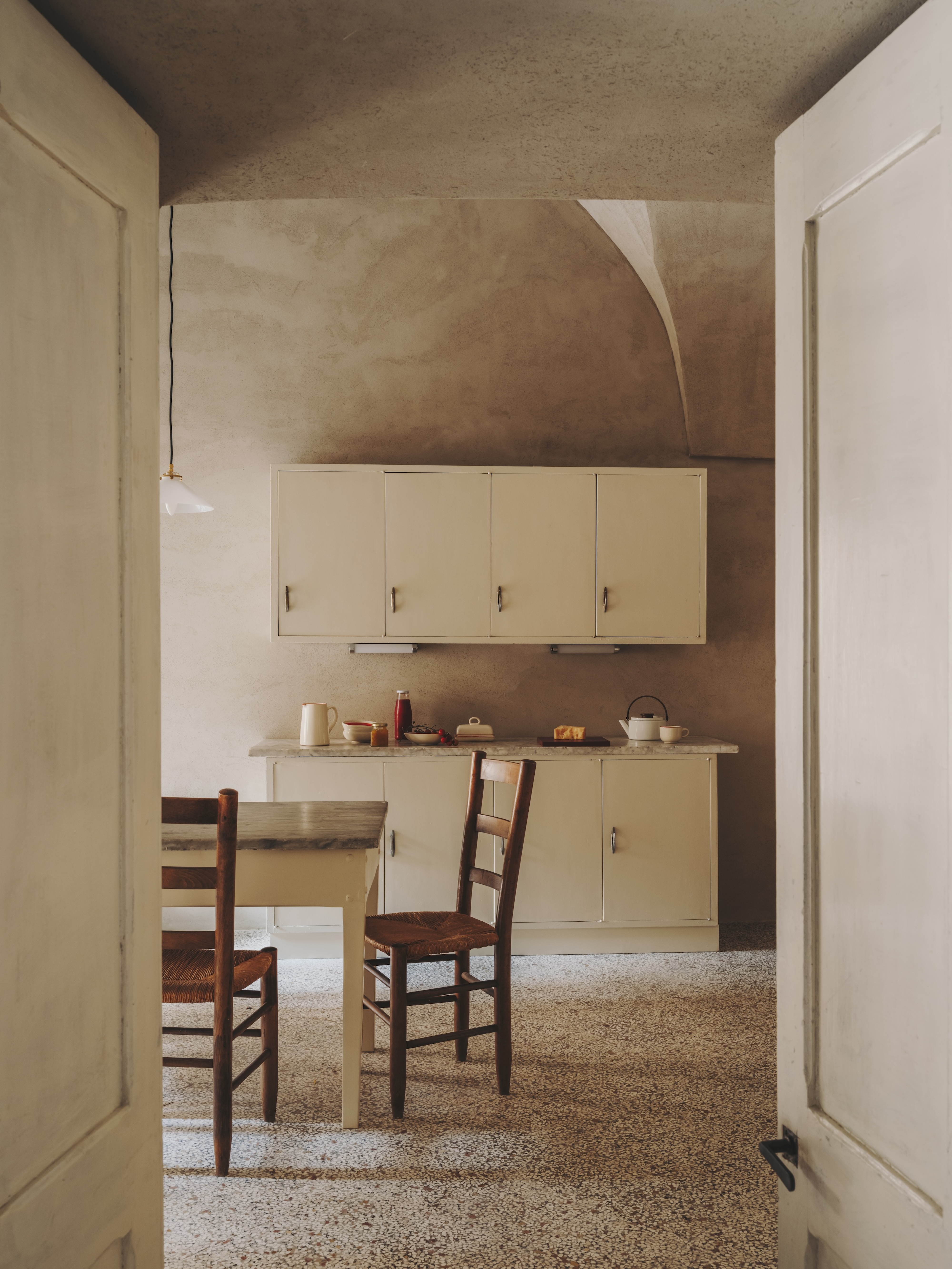
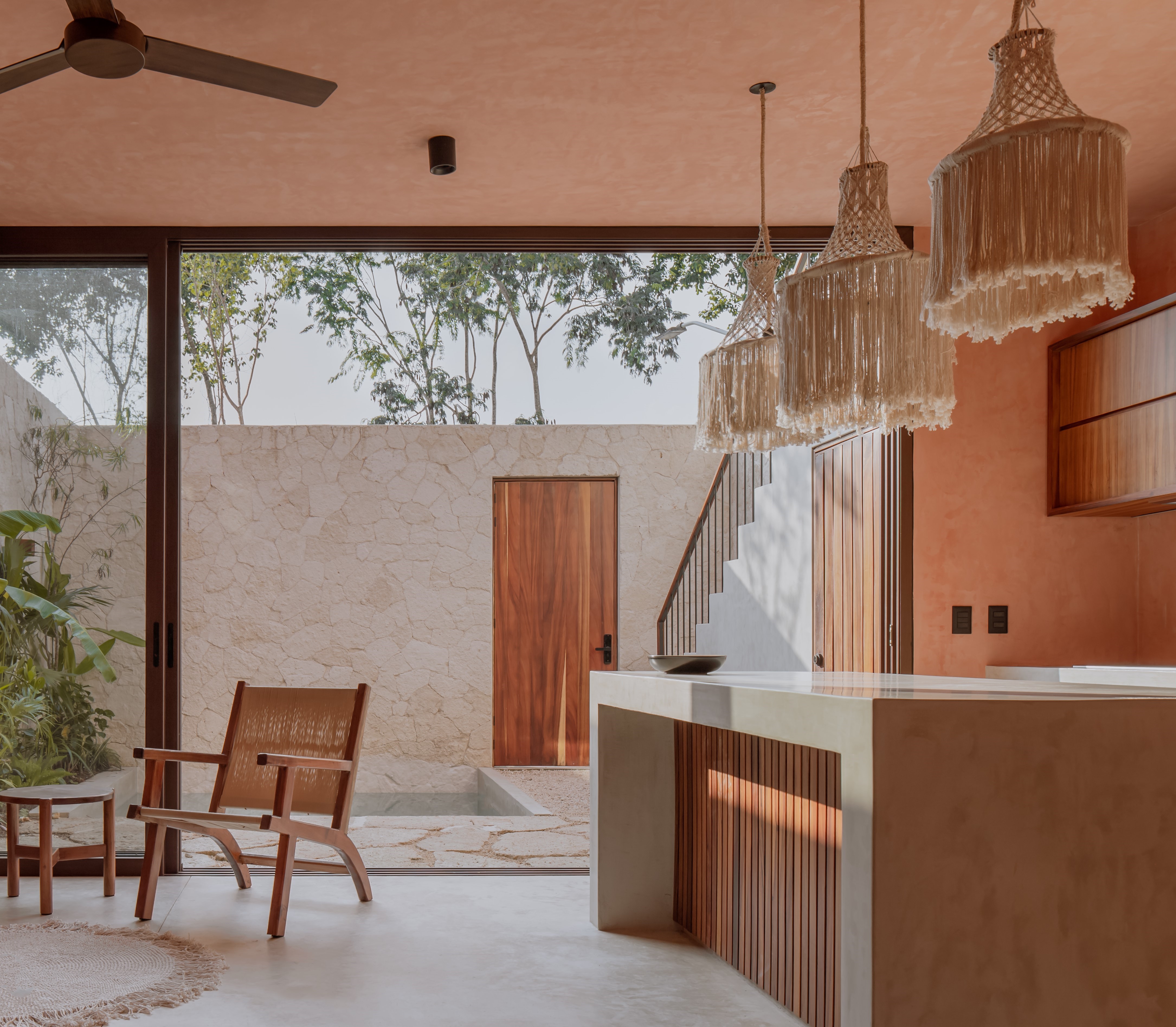
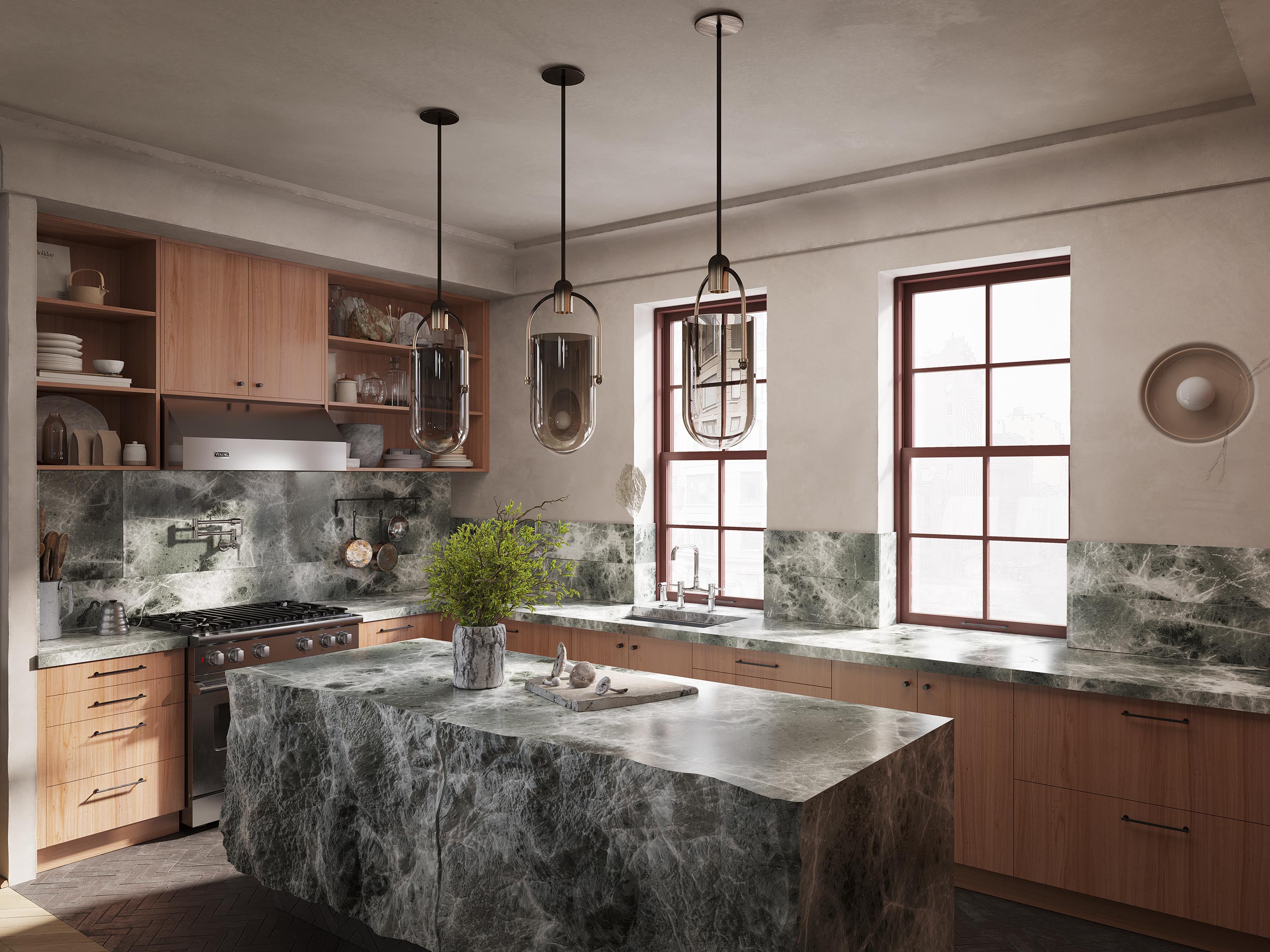
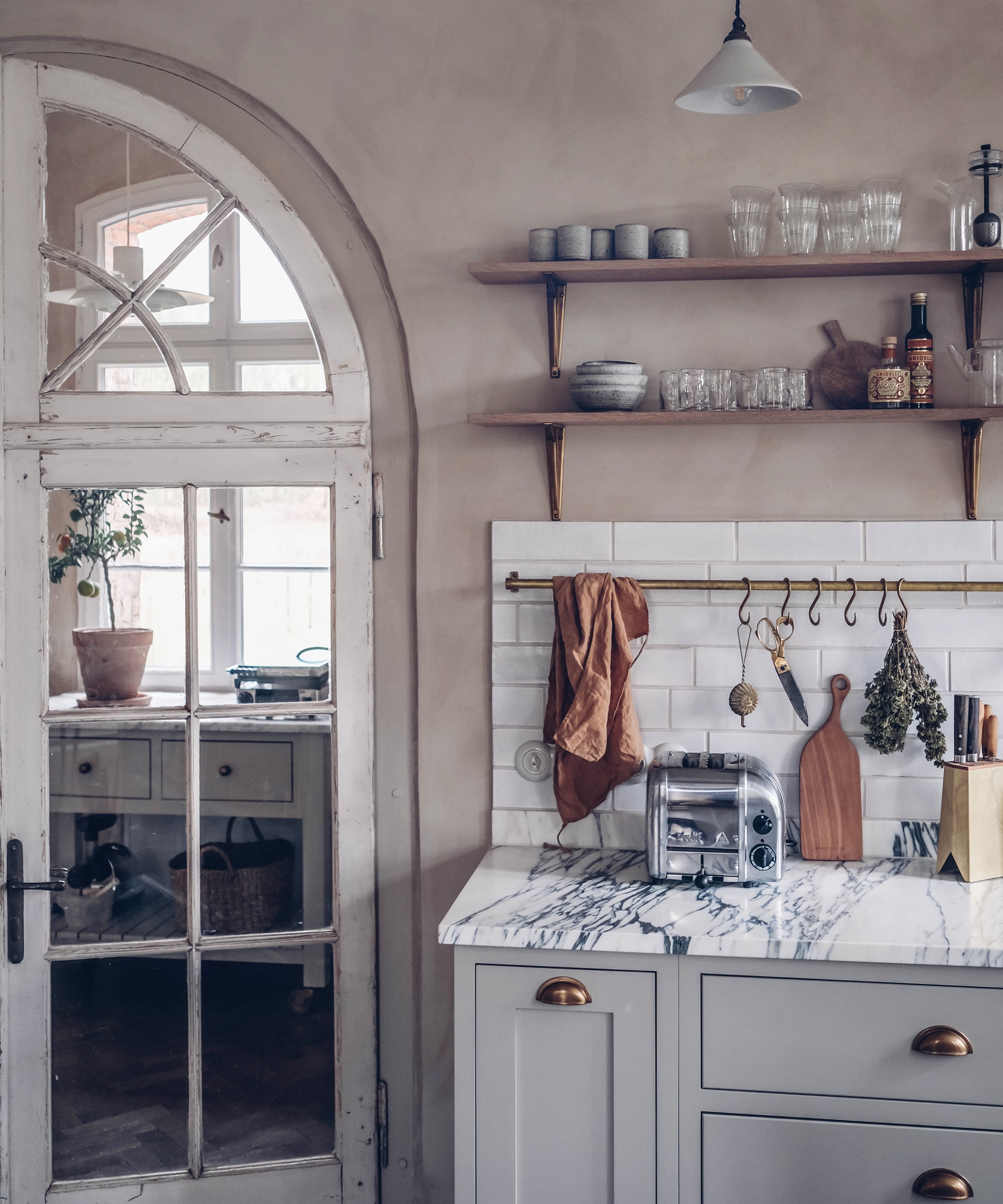
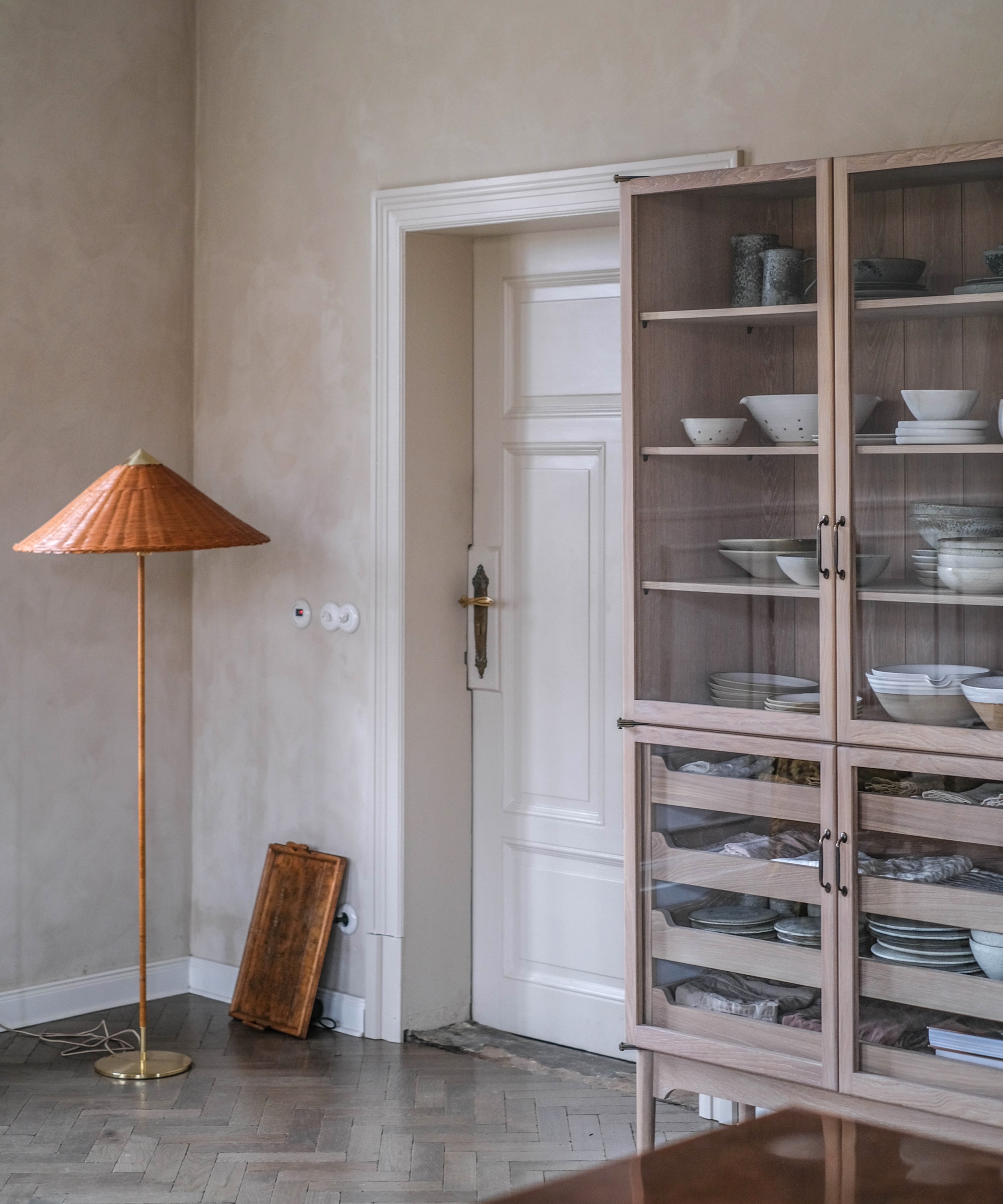
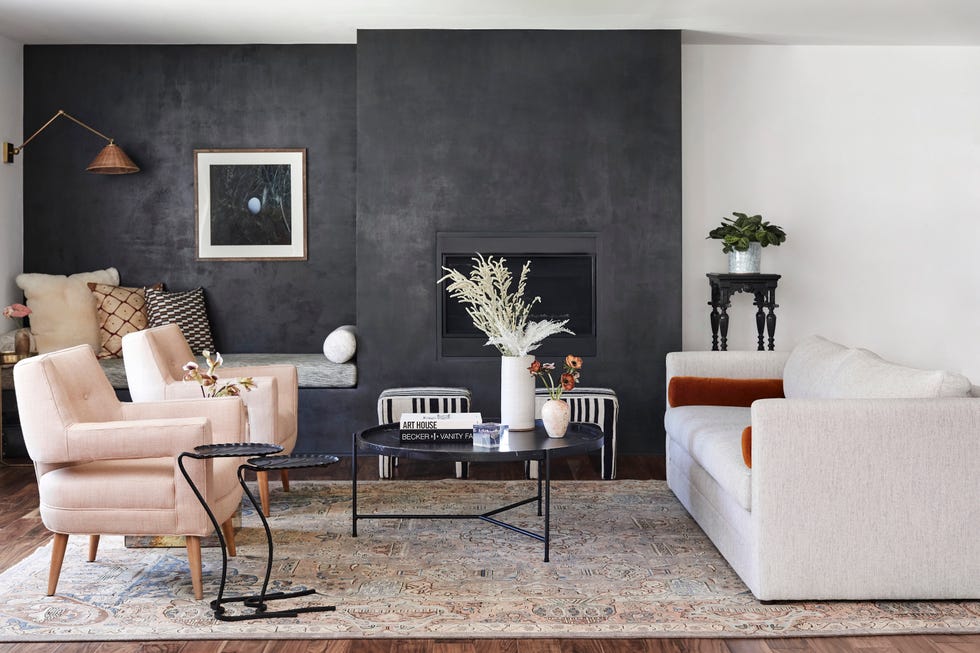
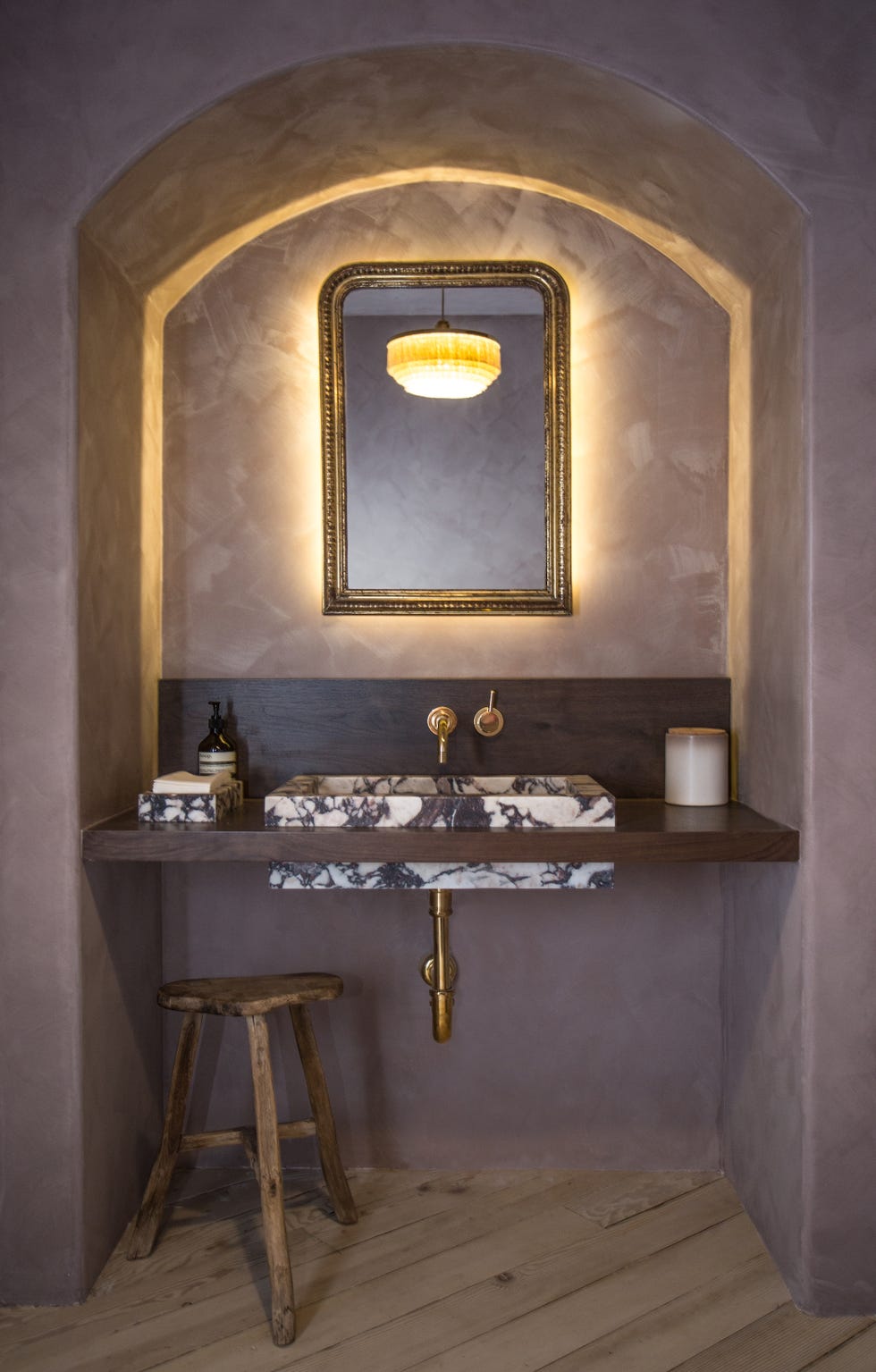
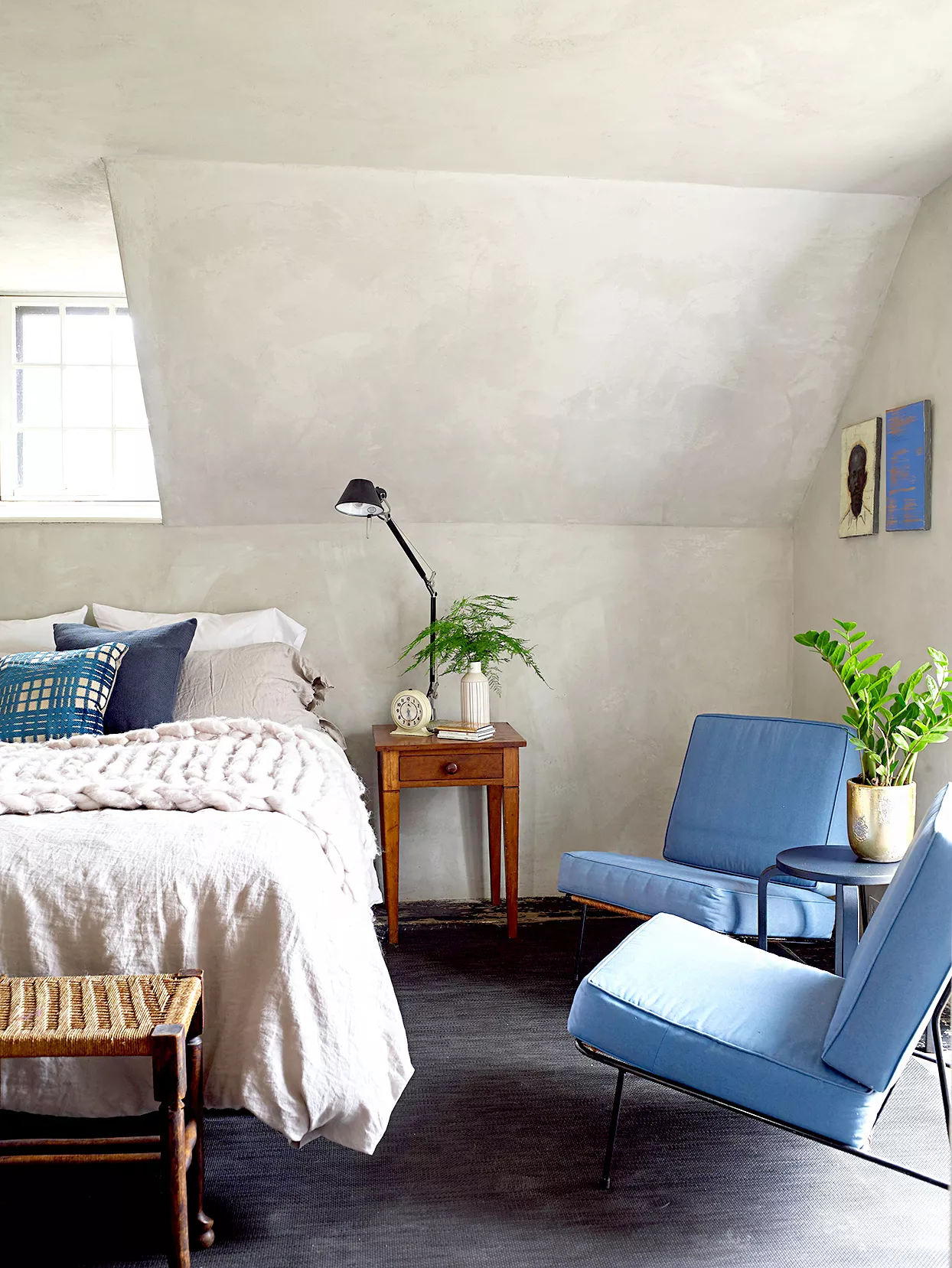
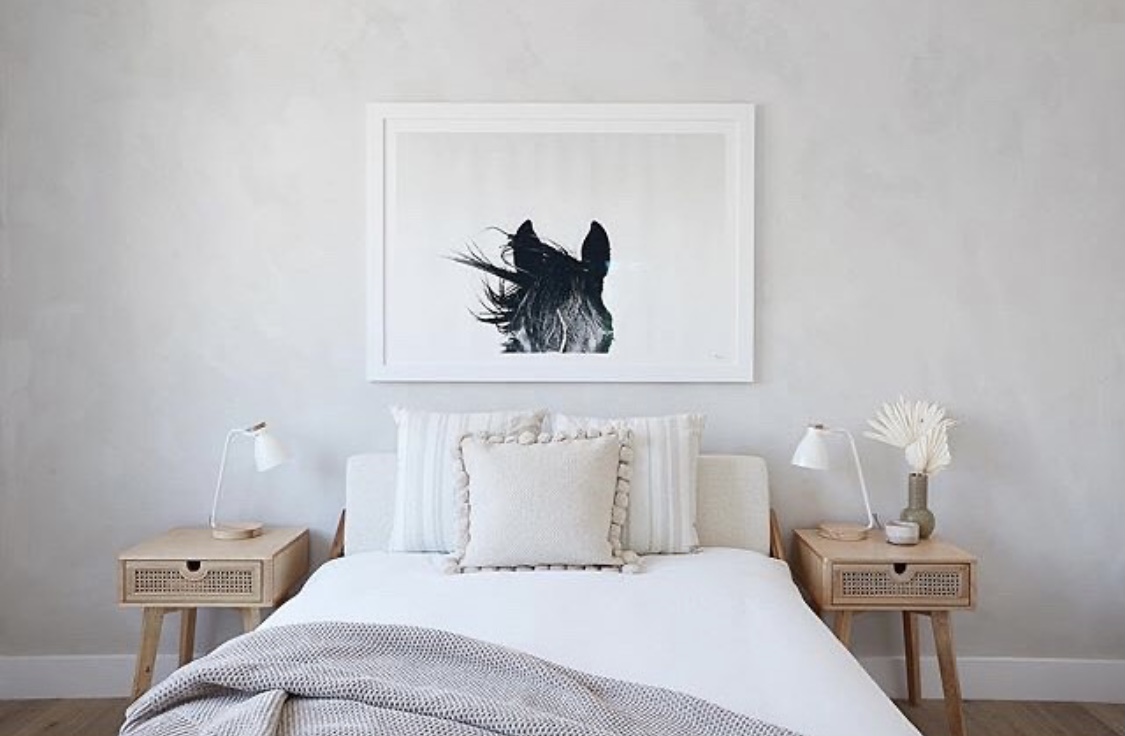
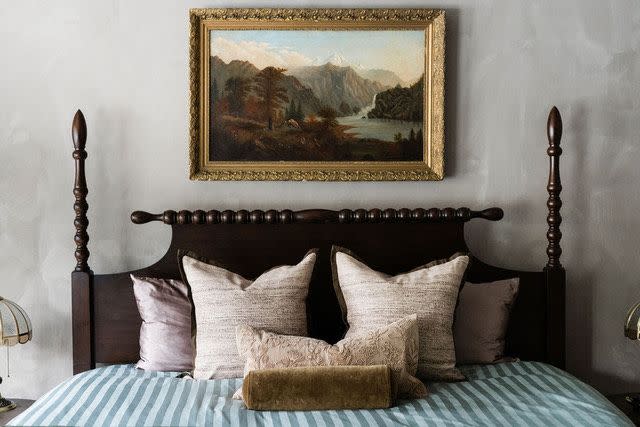
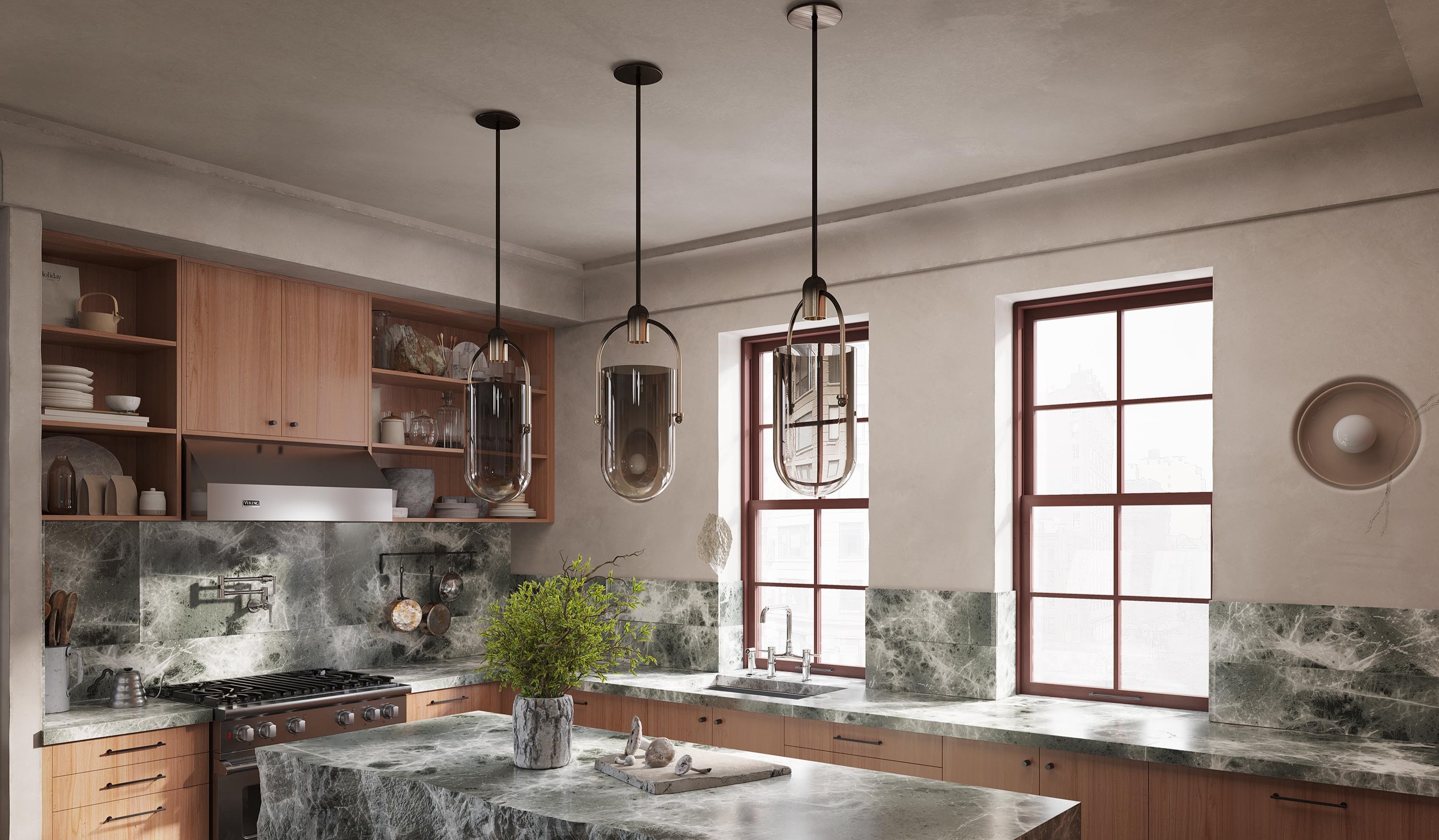
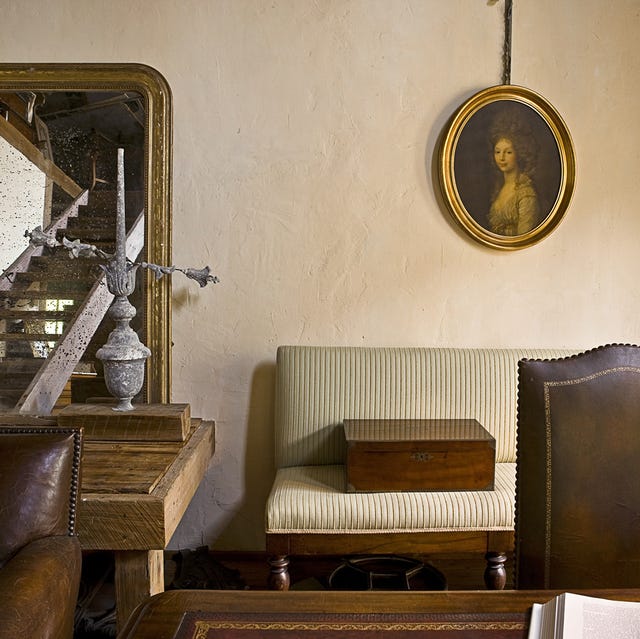
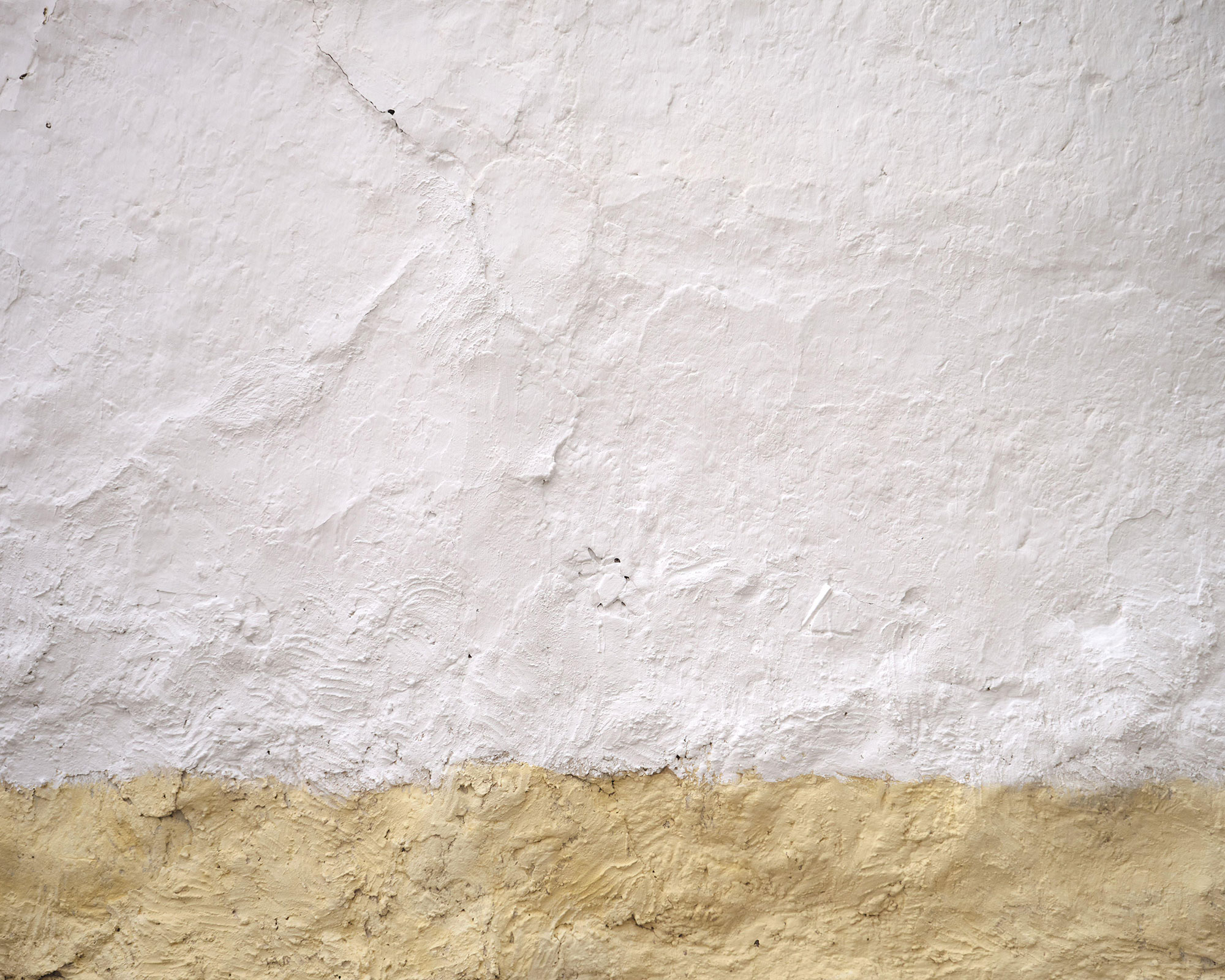
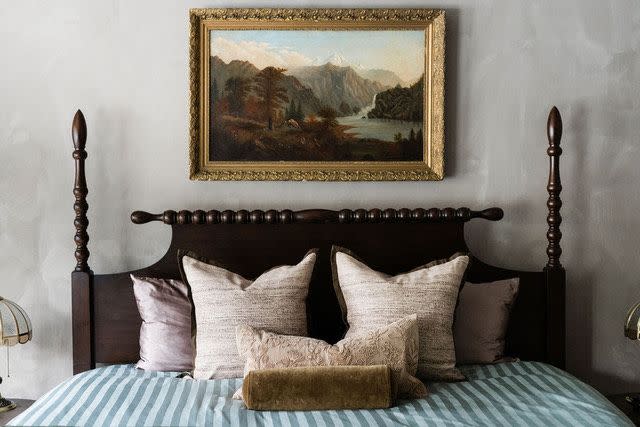
Limewash, an ancient painting technique dating back to ancient Egypt, is experiencing a resurgence in modern home decor. Despite its name, limewash is not a paint but rather a process involving a traditional mineral finish derived from natural limestone. True limewash contains no additional binders; instead, the lime rehydrates as it dries and cures back to a limestone-like material. This unique composition gives limewash surfaces a distinctive, weathered, and mottled appearance that dries significantly lighter than it appears when wet, yet feels flat to the touch, similar to regular paint.
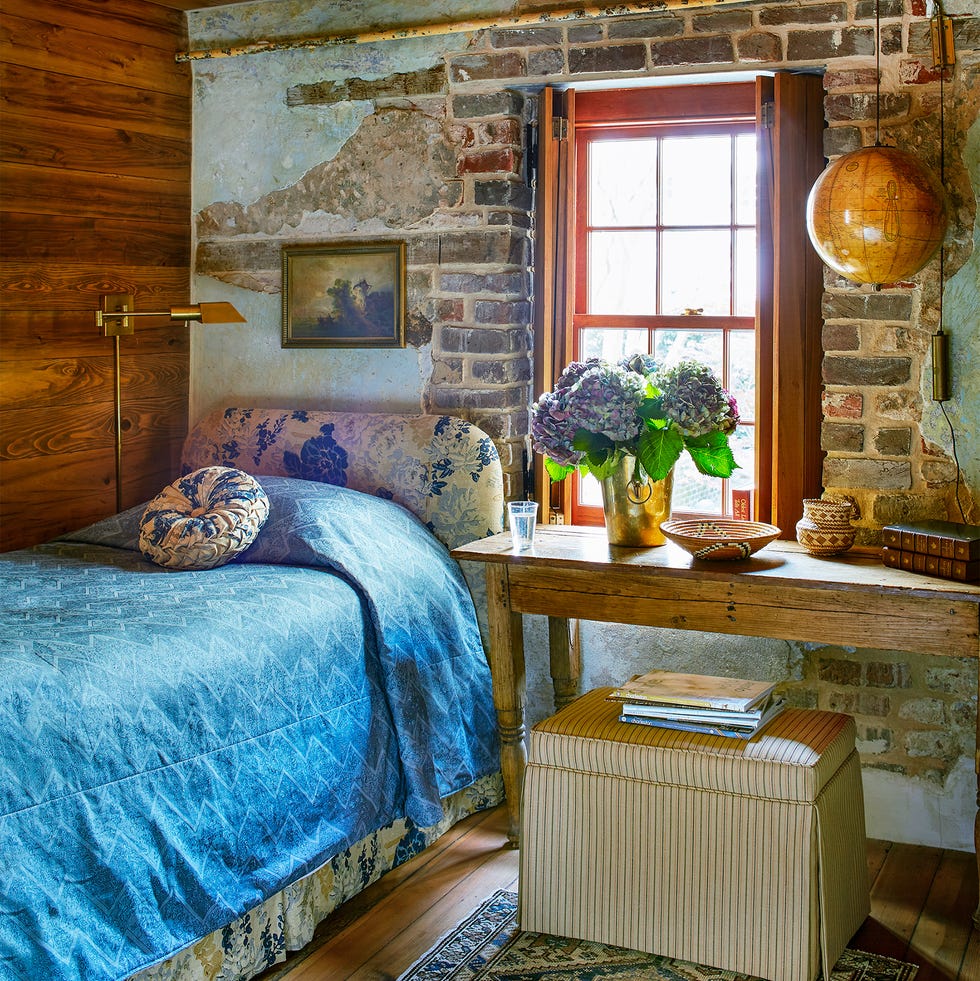
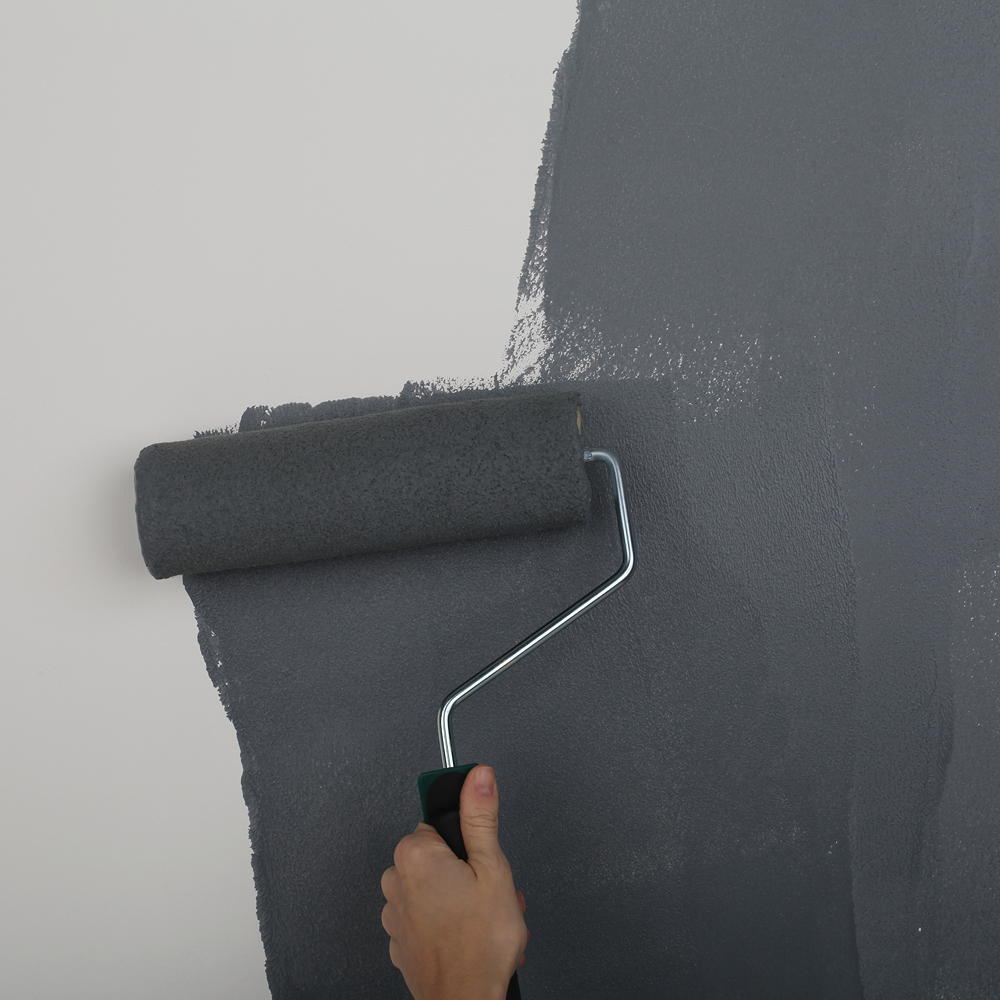
The application of limewash differs considerably from conventional painting methods. Experts recommend practicing on small sections of drywall to understand the process, as each coat can yield a different result. When applying limewash, a mineral primer is essential for non-absorbent surfaces like modern walls and ceilings to ensure proper adhesion. However, traditional, absorbent masonry surfaces and plaster do not require a primer, as they absorb the limewash directly, forming a strong bond. The process involves diluting the limewash with water to achieve the right consistency, applying it in patches, and then using wet rags to 'wash' the walls, with more wiping resulting in a more aged look. For exterior applications, limewash is considered a wearing finish that ages gracefully, developing a weathered appearance over time, and can be occasionally touched up to maintain its brightness.
One of the notable advantages of limewash is its environmental friendliness. Being primarily a natural substance, it offers a more sustainable alternative to many oil-based paints that rely on chemical-releasing plastic resins. Its durability is also well-established, having been used for centuries, making it a time-tested, eco-friendly solution for wall finishes.
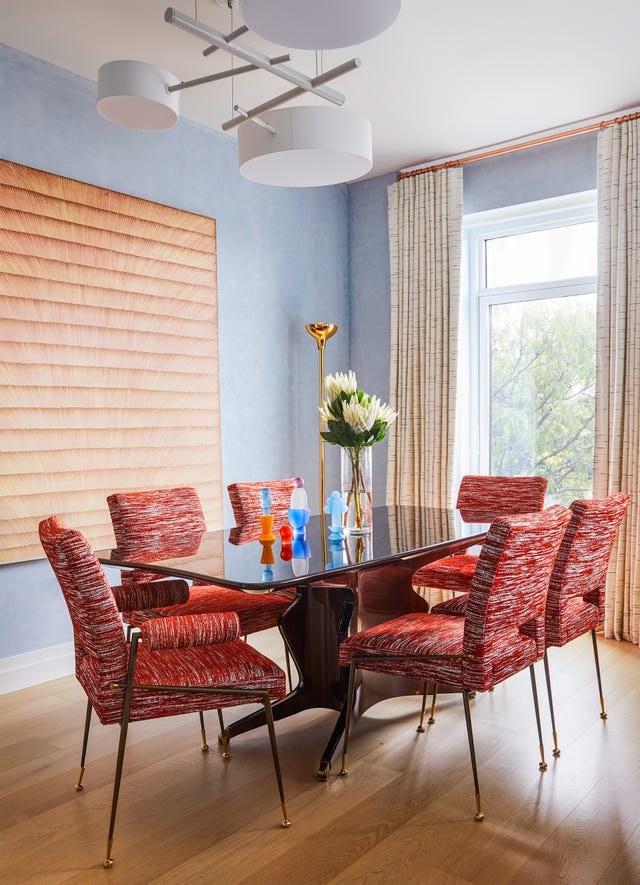
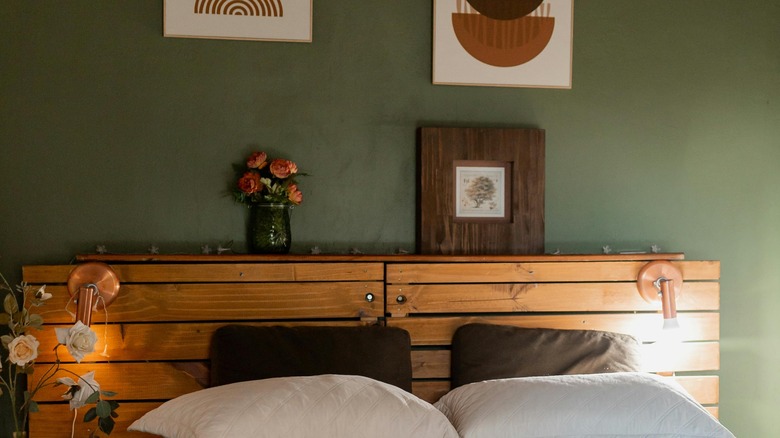
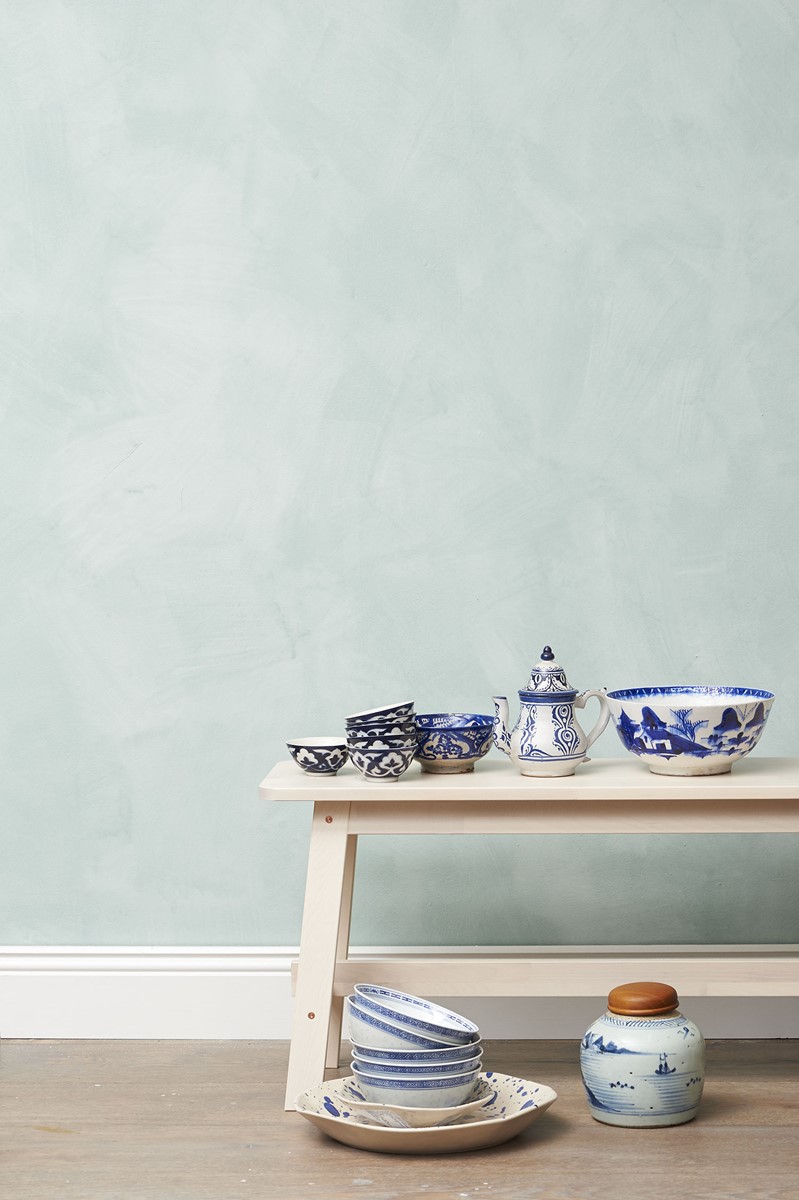
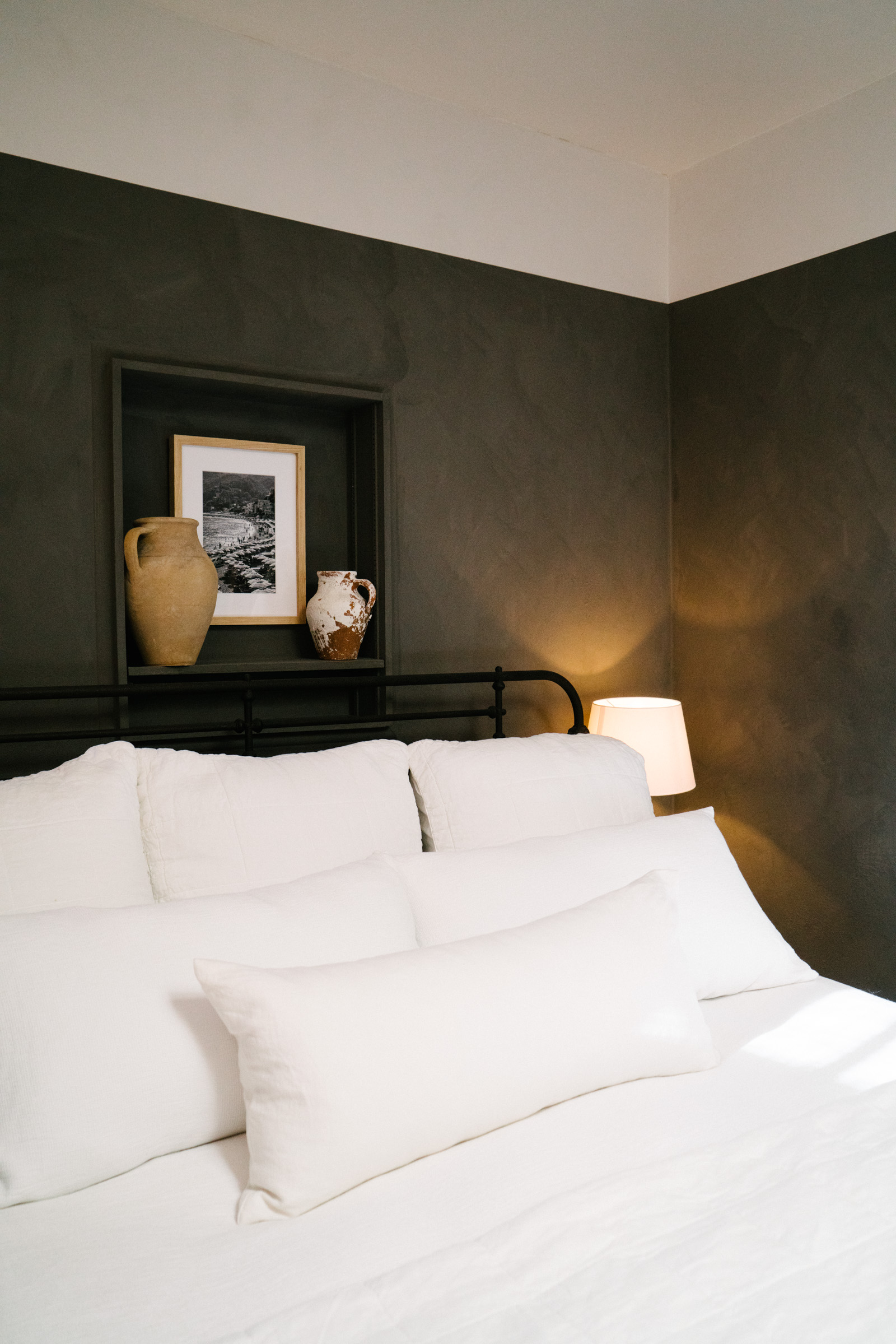
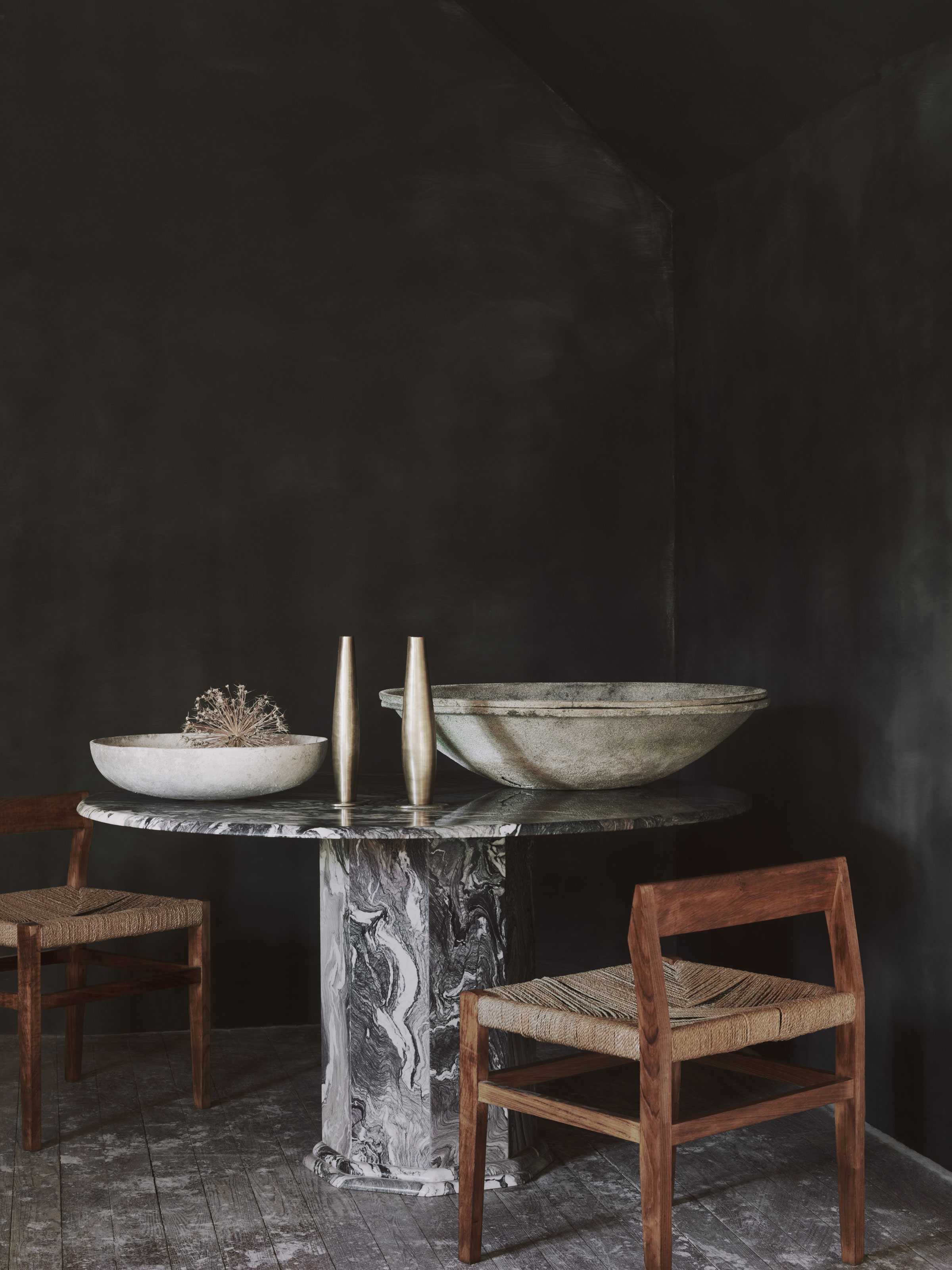
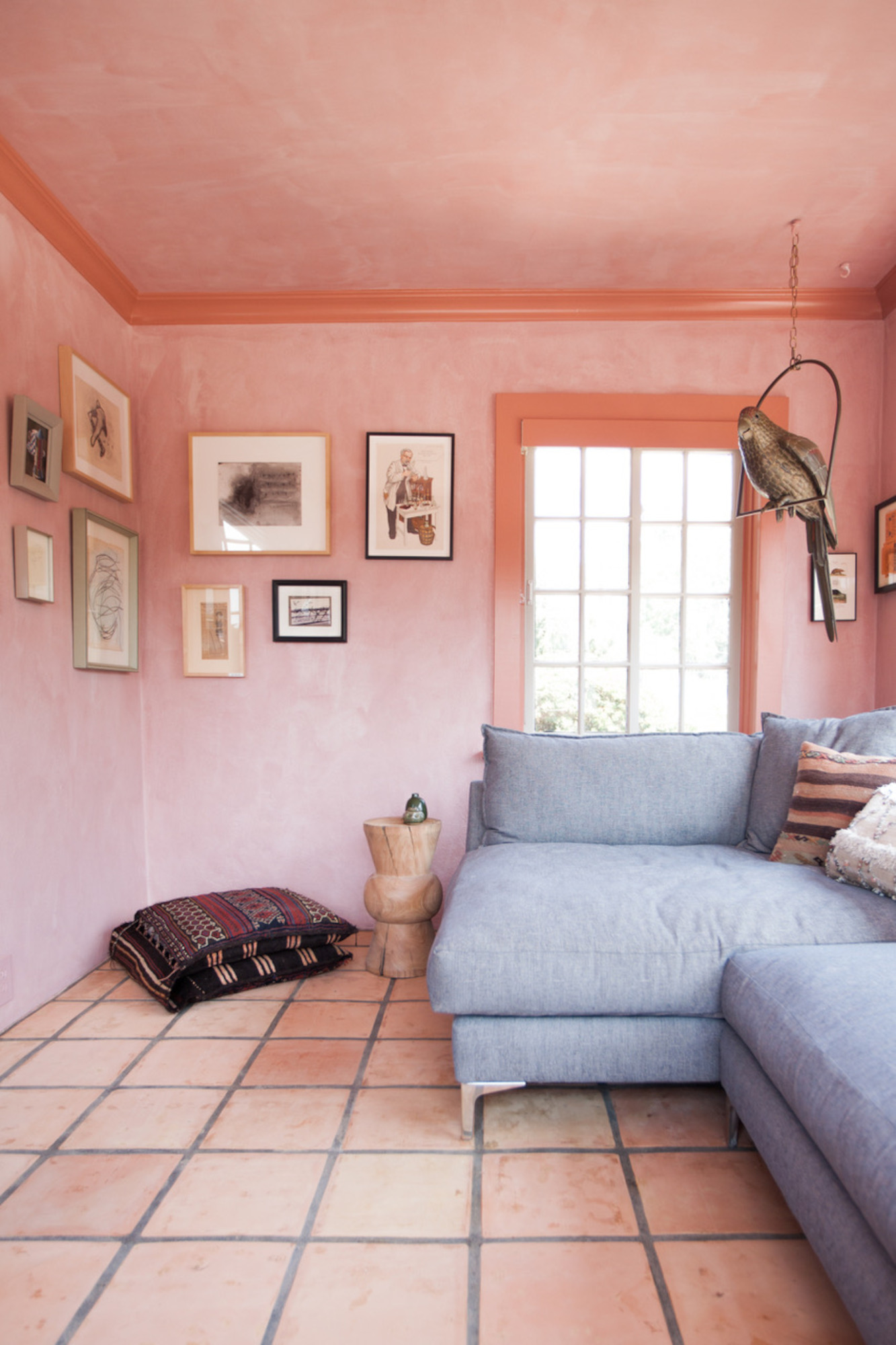
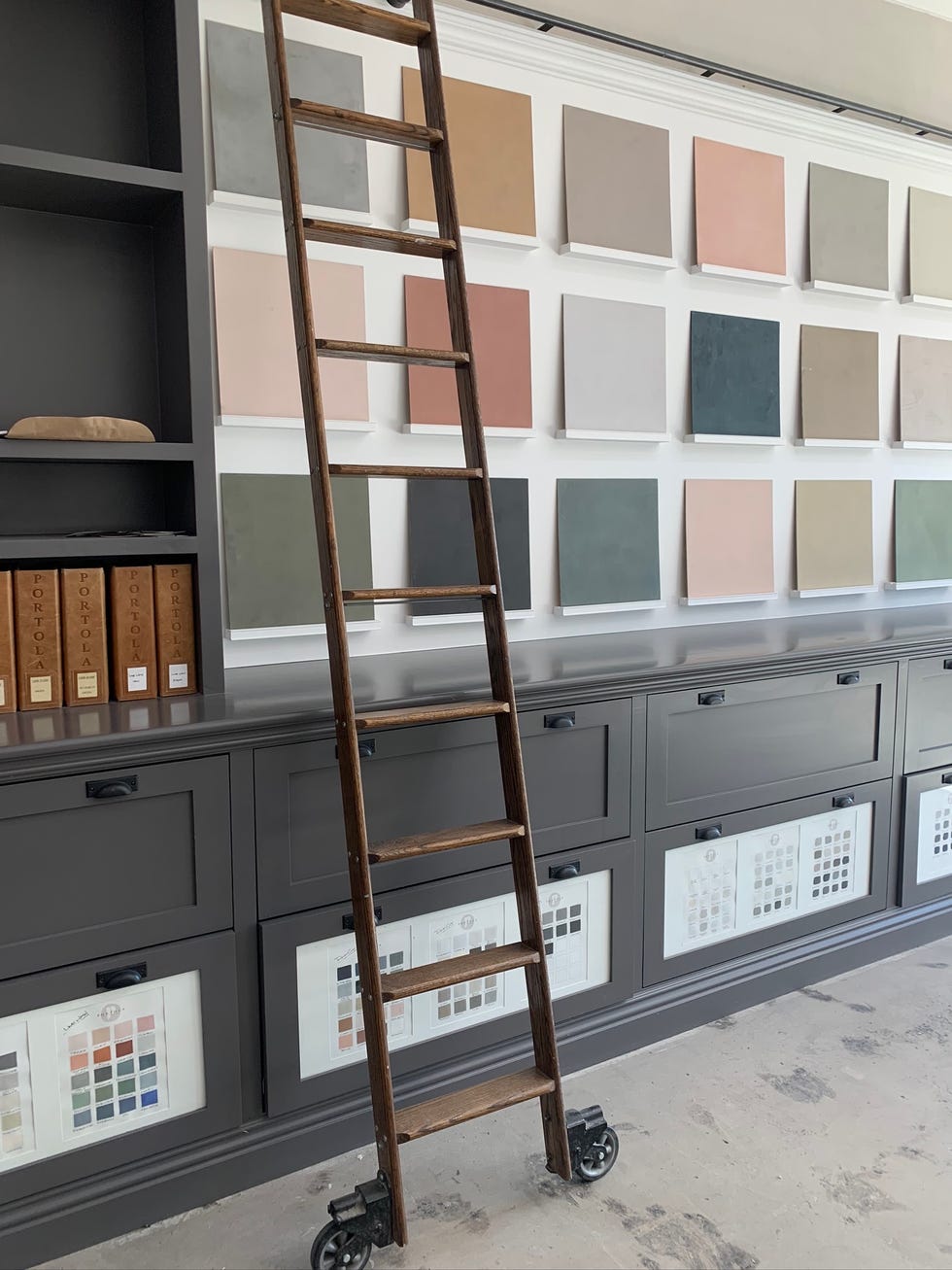
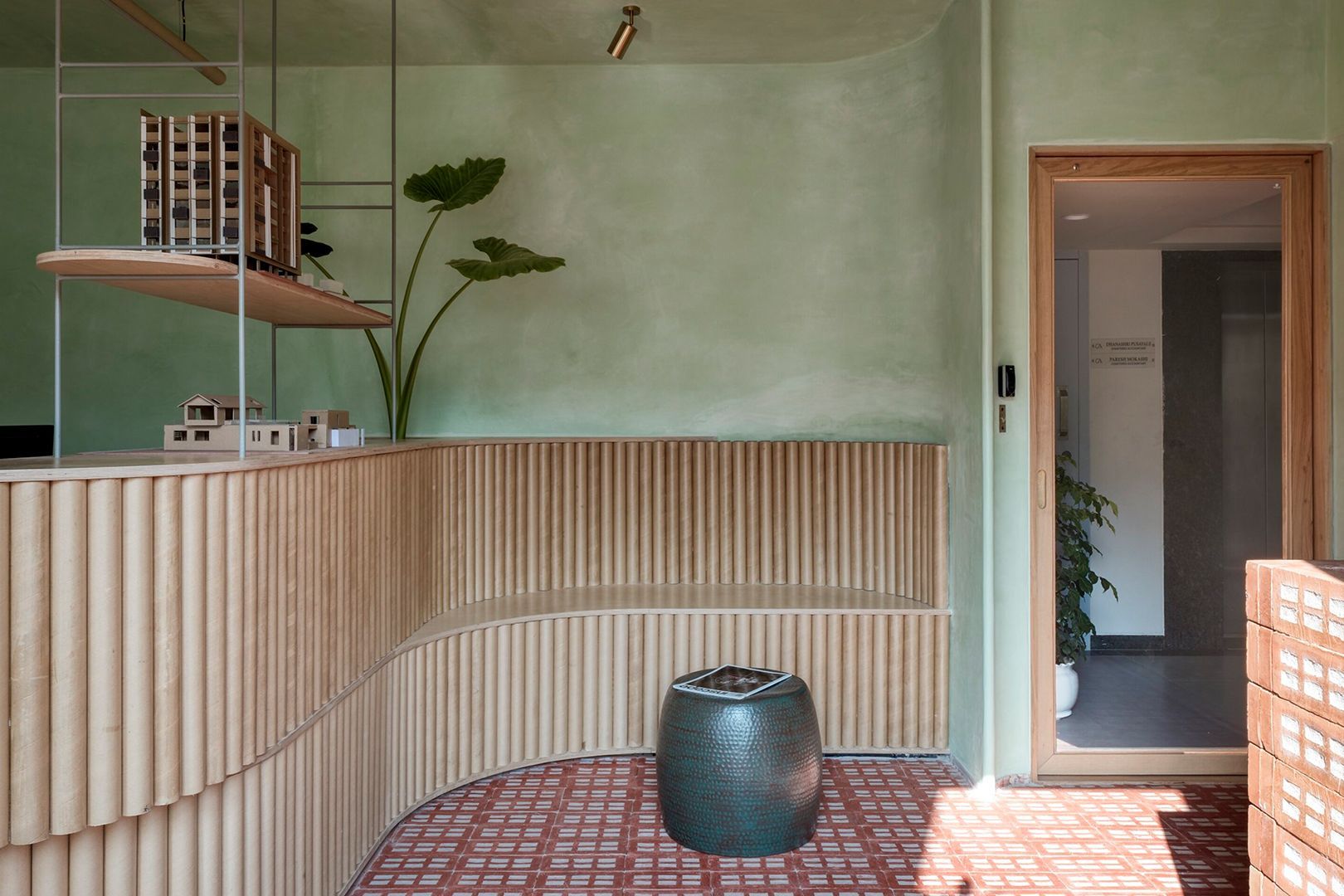
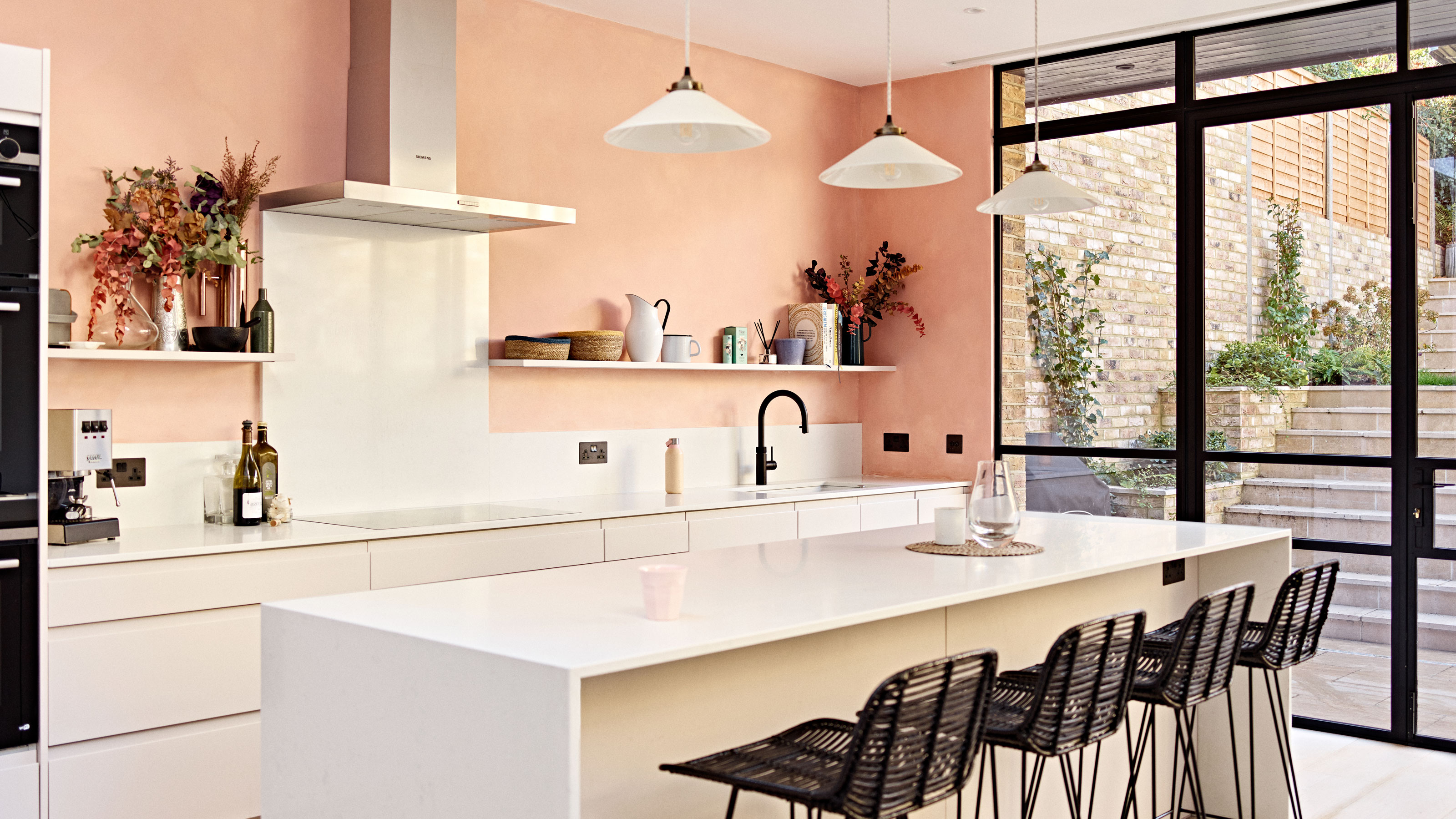
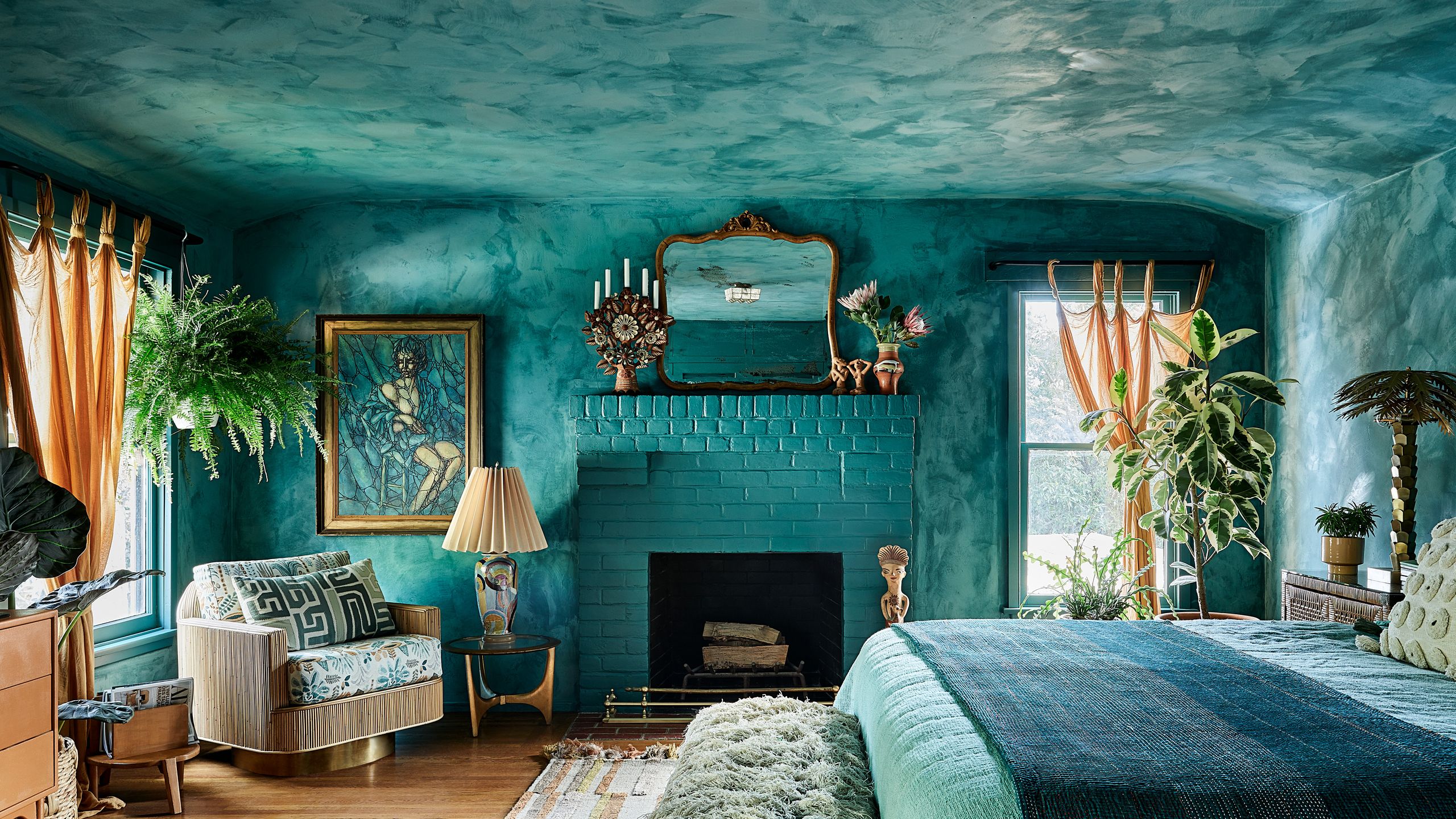
Limewash colors traditionally lean towards pastels and soft hues due to the white base of the paint, but a growing interest in more saturated colors has led to a wider array of options, including opaque-like finishes. Wax sealers can be used to enhance darker limewash finishes, creating a bolder look. The light-sensitive nature of limewash, attributed to the calcite crystals that form during curing, allows it to appear to change colors depending on the lighting conditions within a space. Therefore, testing the chosen color in various lighting scenarios is advised.
Maintenance of limewash surfaces is minimal. It is not considered a washable paint, and aggressive scrubbing can prematurely thin the surface. For cleaning, only a soft, lint-free cloth and water should be used for a light wash when necessary. In high-traffic areas, sealers and waxes can be applied to reduce wear and create a wipeable surface. Limewash can be used in bathrooms, but not directly in showers; for wet areas requiring a similar aesthetic, Tadelakt plaster is a suitable alternative. Popular brands offering a range of limewash products include James Alexander Specialty Paints, Portola Paints & Papers, Color Atelier, Pure & Original USA, and JH Wall Paints.
#LimewashPaint #HomeDecor #PaintingTechnique #EcoFriendlyPaint #InteriorDesign #WallFinishes #DIYHomeImprovement #NaturalMaterials #LimewashPaint #HomeDecor #PaintingTechnique #EcoFriendlyPaint #InteriorDesign #WallFinishes #DIYHomeImprovement #NaturalMaterials
0 comment in total
 No comments yet
You may also like
What is limewash paint: Four places to use it in your home

The Allure of Limewash Paint
Limewash paint ideas – 10 ways to use this trending wall finish to bring texture to your home

8 Limewash Paint Colors That Will Add Elegance and Style to Your Home

What Is Limewash Paint: Four Places to Use It in Your Home

If You Want Your Home to Look Like a Charming Tuscan Villa, Try This

8 Limewash Paint Colors for a Beautiful, Timeless Home, According to Interior Designers
This Kitchen Trend Can Make Your Space Look Like a Charming, Tuscan Retreat — "It's Instantly Warming"
This Texture-Rich Finish Is Designers' Go-To for Instant Patina

10 ways to use limewash at home: and how to apply it

8 Limewash Paint Colors That Will Add Elegance and Style to Your Home
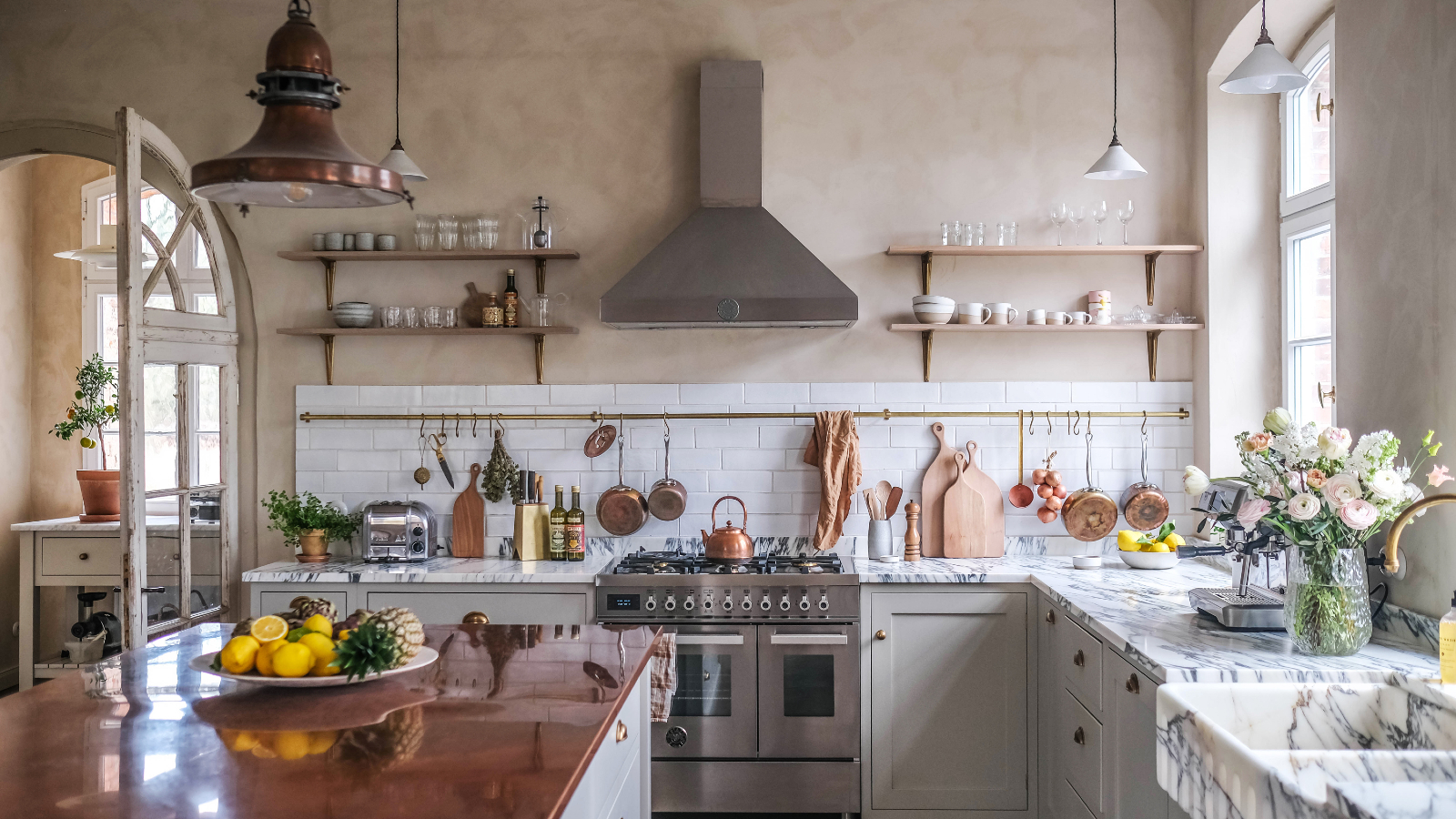
Limewashing trend: why this European paint trend is perfect for your kitchen
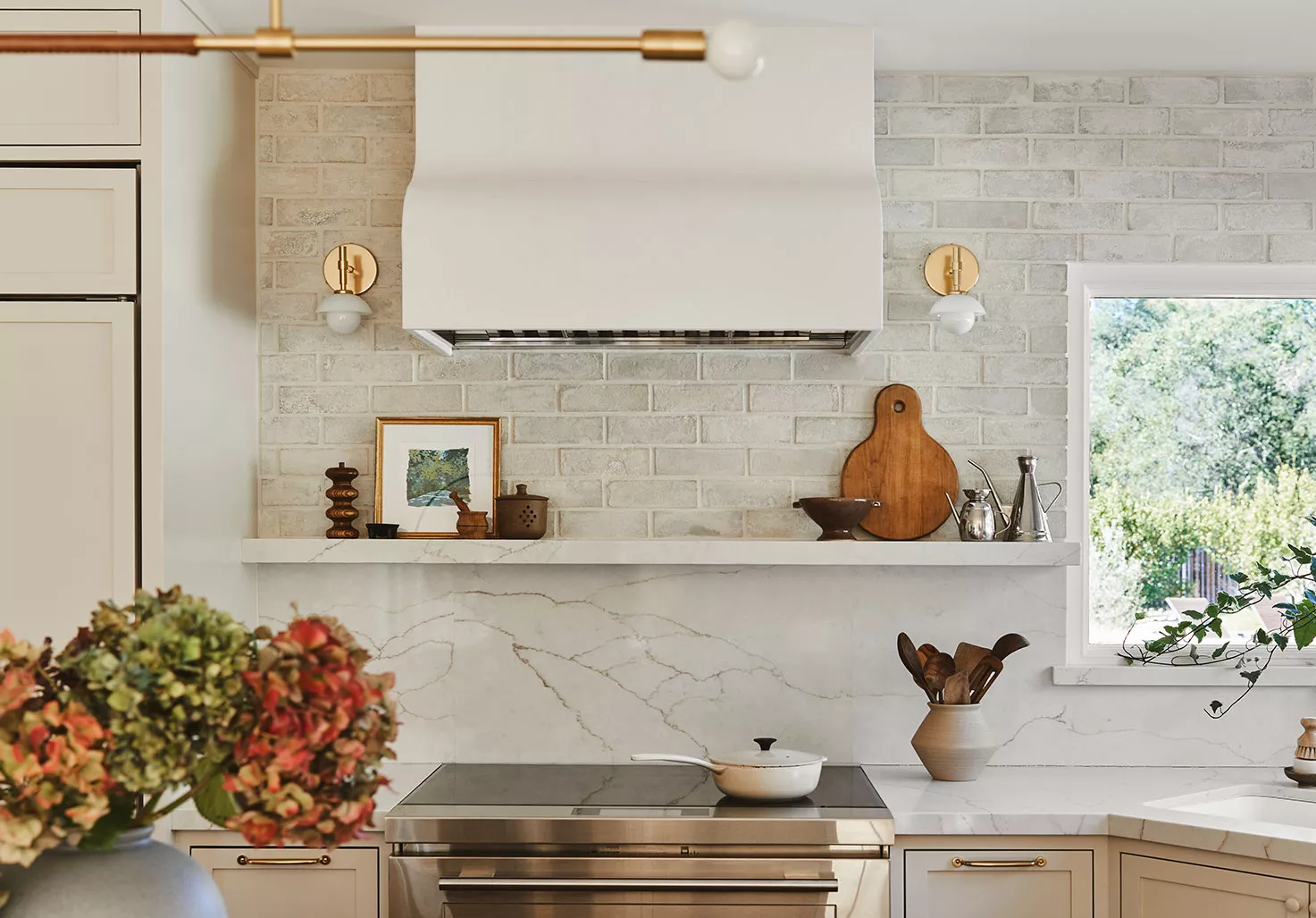
Rediscover Limewash Paint, the Old-World Finish That's Trending Again

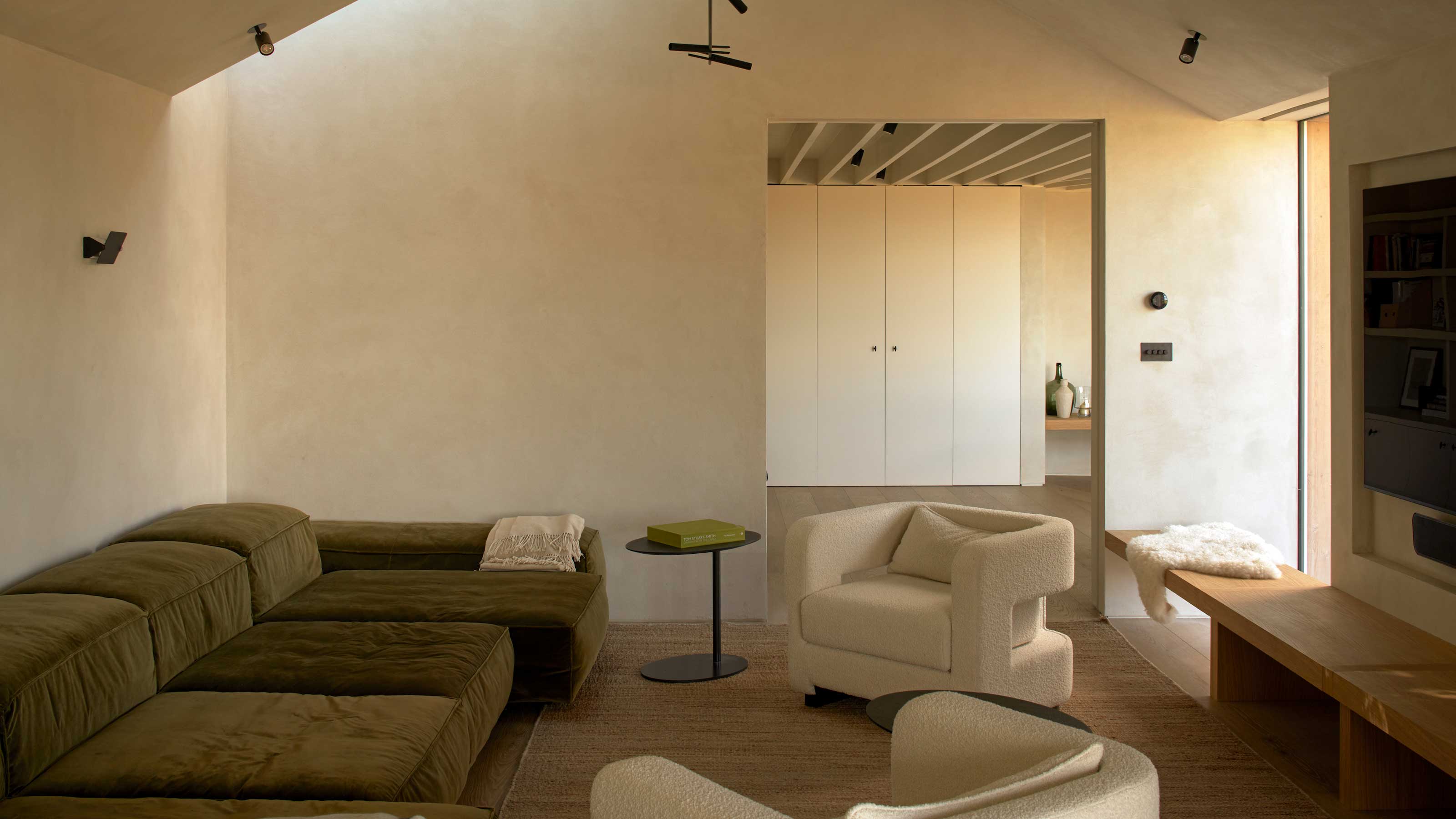
This Simple DIY Limewash Paint Hack Costs Less Than $20 — But the Results Look Way More Expensive
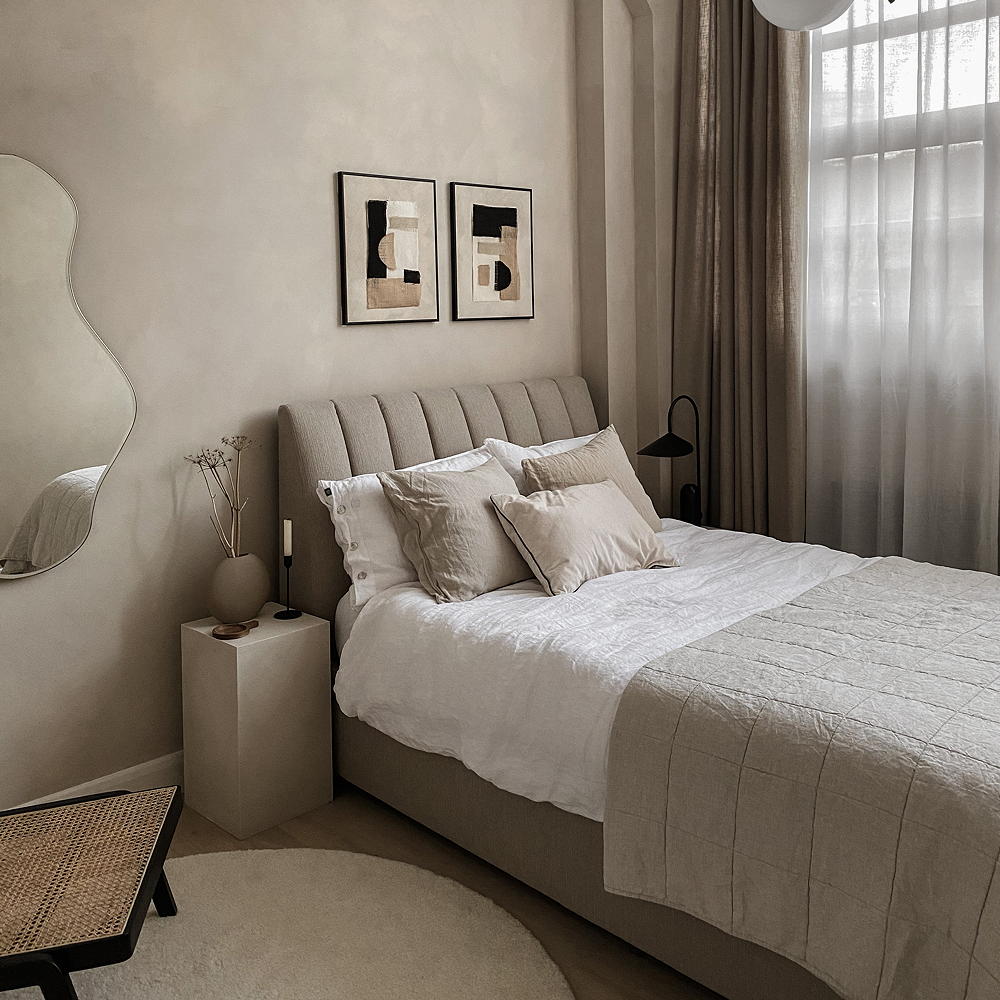
Instagram can't get enough of this new textured paint craze - here's how to get the look
This Paint Brand Will Transform Your Room In A Day

10 Limewash Wall Color Ideas That Add Old-World Elegance To Your Space
4 Creative Ways To Use Limewash Paint To Transform Your Home

10 living rooms with limewash walls that prove that this textural wall finish is the perfect cozy-but-chic finishing touch

Faux-Limewashing: The DIY Technique Taking Over TikTok