
1/9
A Conversation with Bjarke Ingels on AI, 3D Printing, and the Future of the Architectural Profession | Features
This article presents an in-depth conversation with architect Bjarke Ingels, marking nearly ten years since his last interview with Archinect. The discussion focuses on BIG's extensive work in 3D printing and its implications for the architectural profession, as well as the emerging role of artificial intelligence in design.
The interview begins by exploring BIG's latest collaboration with construction technology specialists ICON: a collection of pre-designed, 3D-printable homes for ICON's new CODEX catalog. Ingels details the philosophy behind these designs, which originated from investigations into how single-family homes could leverage 3D printing technology. He explains the three distinct collections within CODEX: the 'Storm' collection, featuring hurricane-resistant designs; the 'Fire' collection, offering resilience against wildfires; and the 'TexNext' collection, reimagining traditional Texan typologies like shotgun and porch houses through a 3D printing lens. These collections aim to provide affordable, customizable housing solutions that respond to specific environmental challenges and regional aesthetics.
The conversation then delves into how previous 3D printing projects, such as the Mars Dune Alpha simulation habitat, the hospitality project with Liz Lambert, and the 100-home Wolf Ranch development, have informed BIG's approach to the CODEX collection. Ingels highlights that these earlier experiences demonstrated the potential for organically delivering large-scale communities. The traditional method of viewing demonstration homes and purchasing a plot for later construction is contrasted with the efficiency of having 3D printers on-site, capable of delivering a wider variety of customized homes on demand. This approach, termed 'home delivery on-demand,' offers increased customization for a broader audience and can be applied to both large developments and individual plots.
Ingels also discusses the specific circumstances where 3D printing offers advantages over conventional construction methods. He points out that innovations driven by the challenges of building on the Moon and Mars, such as ICON's new robotic arm printers, are now yielding benefits for Earth-bound construction. These advanced printers can create taller, more complex structures with reduced site preparation, increasing quality and speed while lowering costs. For the immediate future on Earth, low-rise structures, particularly single-family homes, are best suited to leverage 3D printing's benefits, including effortless customization and freedom of form, which represent significant improvements over traditional methods.
Furthermore, the article explores the concept of new business models for architects. Ingels suggests that the product-based model, exemplified by CODEX, allows architects to refine and improve their designs over time, similar to product manufacturers. This contrasts with the traditional service-based model where each project starts from scratch. He envisions a future where architects could generate ongoing royalties from their intellectual property, even after retirement, as seen with his co-founded design practice, KiBiSi. This product-oriented approach also enables continuous feedback and iteration, leading to enhanced quality and efficient delivery.
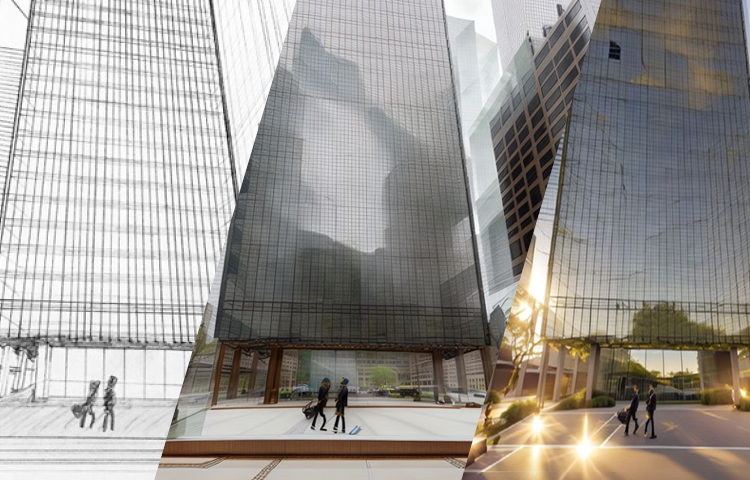
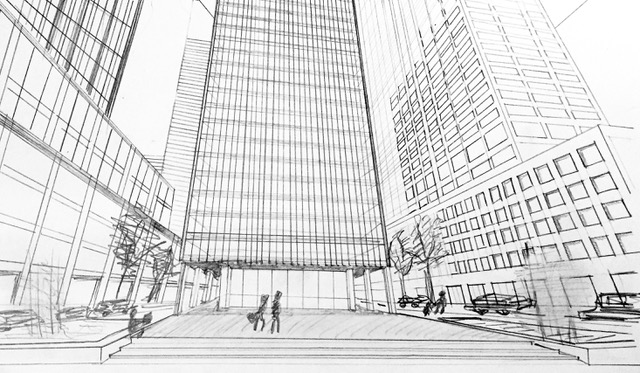
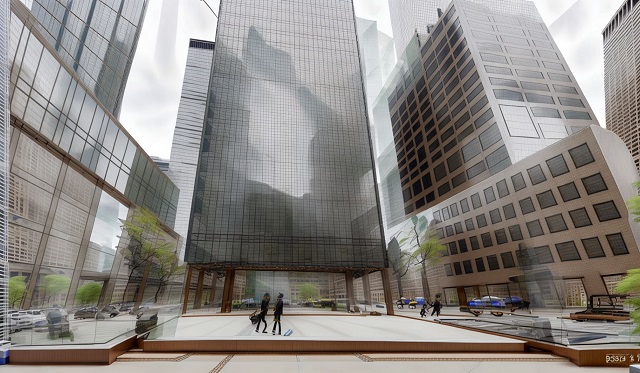
Finally, the discussion addresses the impact of artificial intelligence on architectural practice. Ingels reflects on the progression of design tools, from crayons to rulers to mice, each offering new possibilities while requiring a shift in control. He posits that AI represents the next evolution, allowing young designers to leverage a creative force comparable to that of a large, experienced team. AI eliminates barriers to entry for delivering complex visions with precision and skill, much like modern digital camera technology has democratized film production. Ingels expresses excitement for architecture-focused AI systems like ICON's 'Vitruvius,' acknowledging that while these technologies are in their early stages, their rapid pace of improvement, driven by global collaboration and learning, promises a future of immense potential for the architectural profession.
#BjarkeIngels #BIG #ICON #3DPrinting #ArchitecturalInnovation #ArtificialIntelligence #HomeDesign #SustainableArchitecture #FutureOfArchitecture #BjarkeIngels #BIG #ICON #3DPrinting #ArchitecturalInnovation #ArtificialIntelligence #HomeDesign #SustainableArchitecture #FutureOfArchitecture
0 comment in total
 No comments yet
You may also like

Will Artificial Intelligence Replace Designers?
2 Interiors Designers Talk Style, Inspiration & The Concept Of ‘Future Heritage’

The Influence of AI in the Interior Design Industry

10 Questions With… Daniel Libeskind


Meet Philip Oloo | Architectural Designer, Virtual Reality for Architecture and Licensed General Contractor

Design Guru Henry Holland Talks Style, Inspiration & More
joris laarman bits and crafts: a digital fabrication exhibition at friedman benda
The Interior Designer Interview: Jake Arnold
Bitable: AI in the design and build world


Alberto Alessi talks design

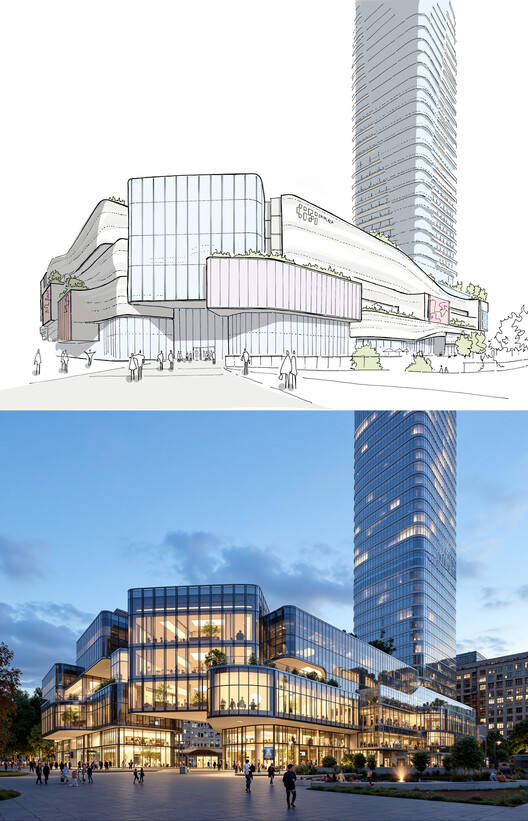
How AI-Powered Rendering Crushes Bottlenecks in Architecture and Interior Design


Tom Kundig talks about designing his steel product collection

3D-printed relief art: Michelle Larsen sees a trend reversal in interior design


A Cool Interior Designer Talks Style, Inspiration & More

Top 16 AI Tools for Interior Design

Year in review: top 10 design stories of 2022, selected by Wallpaper* design editor Rosa Bertoli


Nate Berkus on the New Age of Interior Design


Meet the Architect: Q&A with Thomas E. Austin


Architecture and design features and interviews | CLADglobal.com - Embracing nature

An Interview with Architect Gabrielle Bullock