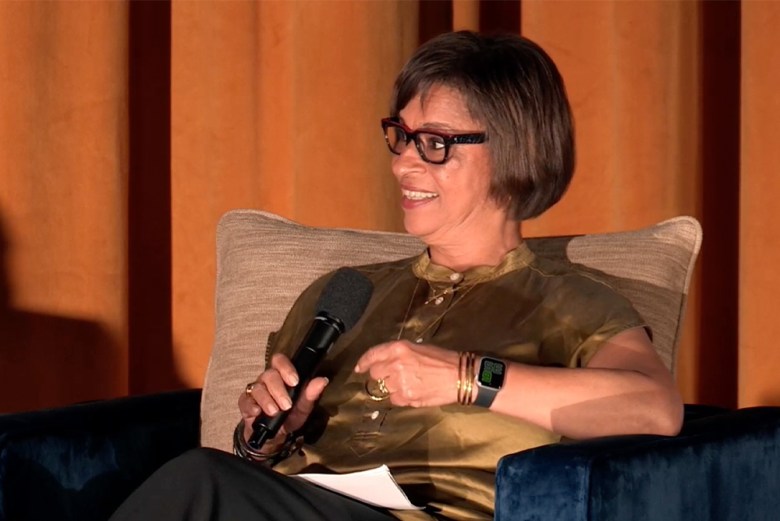
An Interview with Architect Gabrielle Bullock
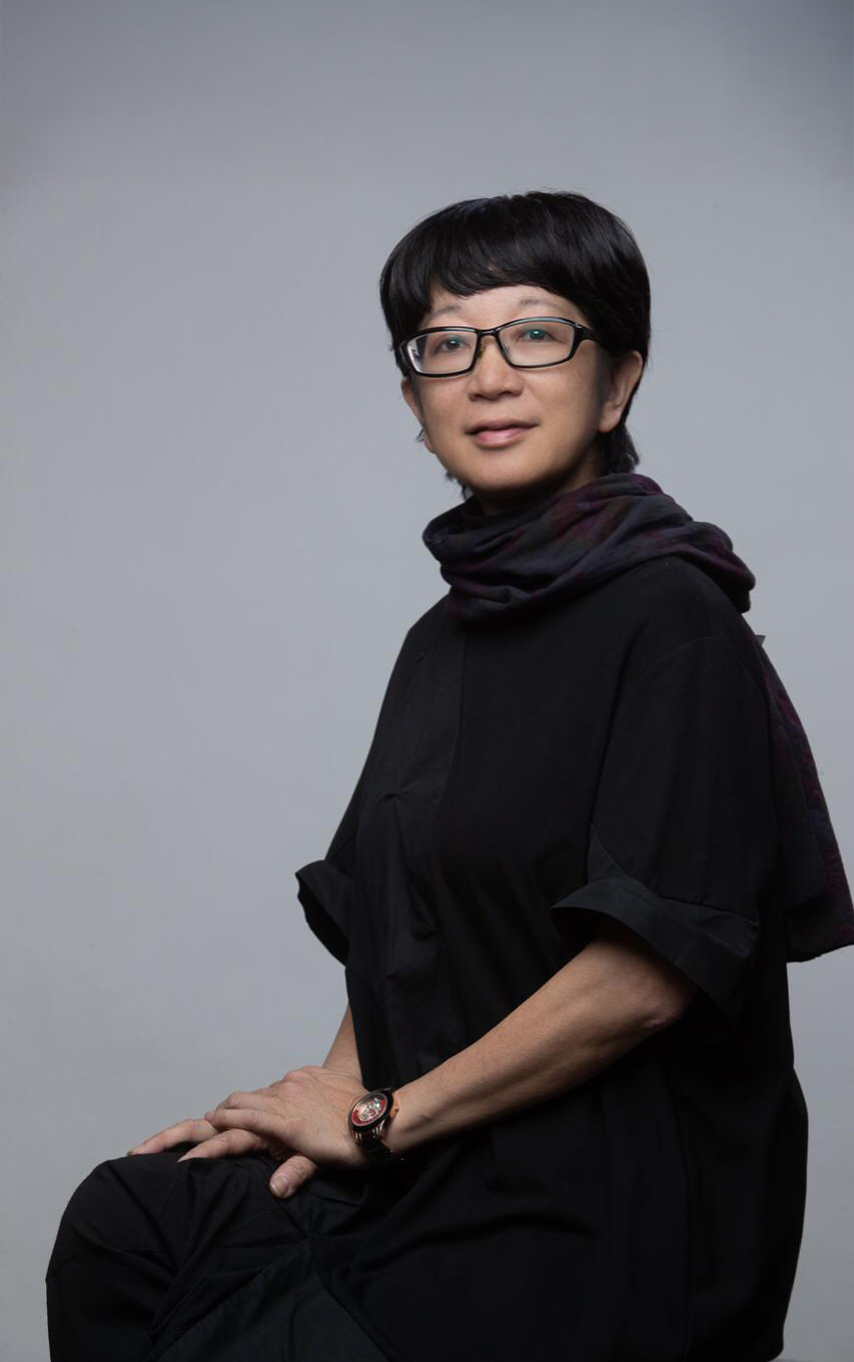
This blog post features an interview with Gabrielle Bullock, a principal architect and the director of global diversity at the architecture firm Perkins&Will. Bullock, who was the second Black woman to graduate from the architecture department of Rhode Island School of Design, discusses various aspects of her career and personal experiences. The interview took place in the green room before her participation in the Zócalo/Destination Crenshaw program titled "How Do You Grow a Rose From Concrete?"
Bullock's journey into architecture was driven by a desire to improve the living conditions of her community. She highlights her early motivations, stemming from observations of environmental and design disparities in underserved areas. Her career has spanned numerous high-profile projects both within the United States and internationally, reflecting a commitment to impactful and inclusive design. The discussion also delves into her role in global diversity, equity, and inclusion (DEI) initiatives within the architecture field. She elaborates on the challenges and successes of implementing DEI strategies in a historically less diverse industry, emphasizing the importance of diverse perspectives in creating functional and culturally relevant spaces.
A specific point of discussion is the often-overlooked impact of seemingly minor design elements, such as fluorescent hospital lights, on human experience and well-being. Bullock explains how such details, when neglected, can negatively affect mood and recovery in healthcare settings, underscoring the need for architects to consider the psychological and emotional impact of their designs. This focus on human-centered design is a recurring theme in her work.
The interview also touches upon the concept of the Sankofa bird, a West African Adinkra symbol that means "to go back and get it." Bullock uses this metaphor to describe the importance of learning from the past to build a better future, particularly in the context of architecture and community development. She connects this philosophy to her work in projects like Destination Crenshaw, which aims to celebrate Black history and culture through public art and urban design in Los Angeles.
Her involvement with the Destination Crenshaw program is a testament to her dedication to community-focused projects. The program, and her panel discussion, likely explore how to foster growth and resilience in communities facing systemic challenges, using architecture as a tool for social change and cultural affirmation. Bullock's insights shed light on the intersection of design, social justice, and cultural heritage, emphasizing that architecture is not merely about constructing buildings but about shaping environments that reflect and uplift the people who inhabit them. Overall, the interview provides a comprehensive look into the career and philosophical underpinnings of a pioneering architect committed to equitable and meaningful design.
#GabrielleBullock #Architecture #DEI #PerkinsWill #RhodeIslandSchoolOfDesign #DestinationCrenshaw #UrbanDesign #CommunityDevelopment #SocialJustice #GabrielleBullock #Architecture #DEI #PerkinsWill #RhodeIslandSchoolOfDesign #DestinationCrenshaw #UrbanDesign #CommunityDevelopment #SocialJustice
0 comment in total
 No comments yet
You may also like

Meet Hannah Bell Tringham | Interior Designer
Bolon installation by Jean Nouvel: a Q&A with the architect

Meet Linnea Pergola


A Conversation with Interior Designer Tobi Tobin
Architecture and design features and interviews | CLADglobal.com - Embracing nature
Architecture and design features and interviews | CLADglobal.com - Mariam Issoufou

Velvet & Linen’s Brooke Giannetti Talks Design + Her Home in the South

A century-old bungalow in Belgaum transformed into an architect's studio


Meet Brittny Button | Interior Designer & Real Estate Investor
Getting candid with Mangesh Lungare INTERIOR AND ARCHITECTURAL DESIGNER | Livingetc India - home
Meet Grania Murray | Interior Designer

Meet Sabrina MacLean | Interior Designer
Marcelle Guilbeau: Our Longtime Interior Designer Crush
Meet Karin Breve | Architect & Interior Designer

Meet The Interior Designer: Alice Grace

A Conversation with Bjarke Ingels on AI, 3D Printing, and the Future of the Architectural Profession | Features

5 minutes with interior designer Tali Roth


Meet Joseph Ballard | General Contractor / Designer
Design Talk With Architect And Interior Designer Maria MacVeigh

Talking with Ambriel Floyd Bostic about Cobble Hill, Designing Dreams, and Soaking Tubs