This Just In: Linoleum Is Cool Again
Linoleum, a material historically associated with low-quality flooring and countertops, is experiencing a significant resurgence in popularity, particularly in the realm of furniture design. This renewed interest highlights a distinction between genuine, natural linoleum and the synthetic vinyl and PVC substitutes that became prevalent as more affordable alternatives. The article emphasizes that the linoleum gaining traction today is a natural, sustainable product, differing substantially from the synthetic versions often recalled from older kitchens or cafeterias.
Kyle Hoff, cofounder of Floyd, a company that utilizes linoleum for its birch tables, clarifies that authentic linoleum is a natural material composed of linseed oil, pine rosin, wood dust, cork dust, and mineral fillers. This composition not only contributes to its aesthetic appeal but also ensures its sustainability and ease of maintenance. The versatility of real linoleum allows it to be produced in a diverse range of colors, making it an attractive option for contemporary design and offering a smooth surface that can elevate the visual appeal of various spaces.
The adoption of linoleum-topped tables is presented as a trend that merges retro charm with modern aesthetics, appealing to a broad spectrum of interior design preferences. These tables are recognized for their durability and potential to reduce environmental impact, aligning with a growing demand for long-lasting and eco-conscious home furnishings. The material's inherent characteristics make it suitable for a variety of settings, from playful children's rooms to sophisticated dining areas, offering both functionality and style.
The article provides several examples of how linoleum tables can be integrated into different design schemes. For instance, a gray linoleum table with conjoined double legs is suggested for a minimalist, Scandi-chic dining room, potentially paired with Cesca-style chairs. A side table with retro beveled legs and a green linoleum surface is recommended for adding a subtle pop of color to almost any room. Versatility is highlighted with a high-end stool featuring a linoleum surface, capable of serving as a display for decorative items or a functional surface. Darker green linoleum options are proposed as an original alternative to traditional dark wood kitchen tables, especially in spaces with black cabinets.
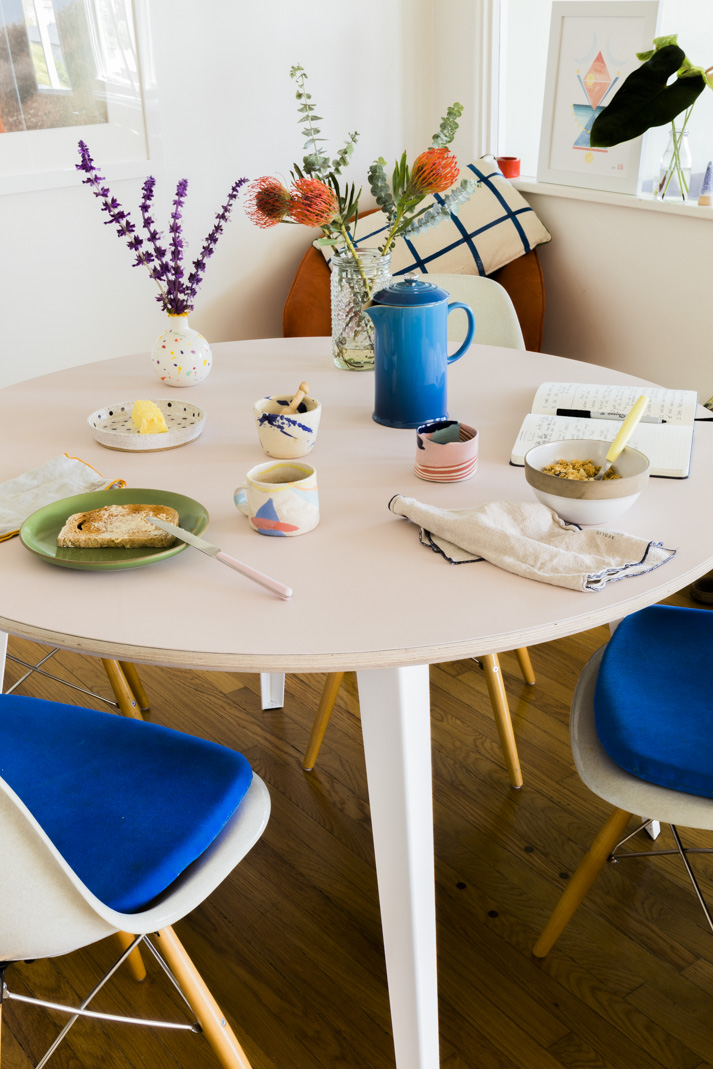
For those who appreciate specific color trends, a blush-colored linoleum table is presented as a neutral yet impactful choice for white-walled homes, suggesting pairing it with yellow chairs for a bold look. The Floyd brand's rounded table with a soft gray tabletop is offered as a fresh and impactful alternative to white or wooden surfaces, ideal for creating a cozy breakfast nook due to its versatility. For statement pieces, Bauhaus-style stools with linoleum tops are recommended in bold colors like red and yellow. Unique, non-traditional shapes such as a rounded triangle linoleum table are suggested for small spaces, with a tip to use stools instead of chairs to maximize seating. Finally, a timeless gray linoleum tabletop from Floyd is highlighted for its ability to maintain a bright and fresh appearance in any setting, capable of being styled with Eames-inspired chairs for a retro aesthetic. These examples collectively demonstrate linoleum's adaptability and enduring appeal in modern interior design.
#Linoleum #TabletopMaterial #SustainableDesign #InteriorDesign #HomeDecor #FurnitureTrends #RetroDesign #ContemporaryFurniture #EcoFriendly #Linoleum #TabletopMaterial #SustainableDesign #InteriorDesign #HomeDecor #FurnitureTrends #RetroDesign #ContemporaryFurniture #EcoFriendly
0 comment in total
 No comments yet
You may also like
Pop Up Grocer’s New Shop Confirms That This Retro Flooring Material Is Cool Again

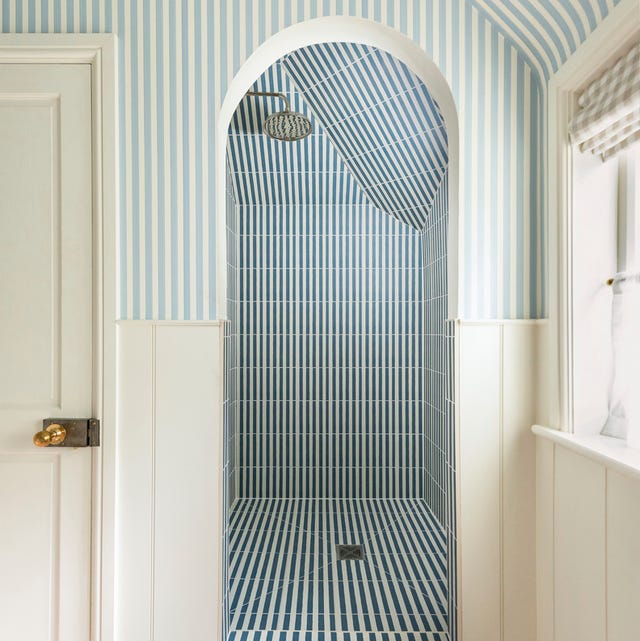
Tile Is BACK—and More Creative and Fun Than Ever, According to Experts

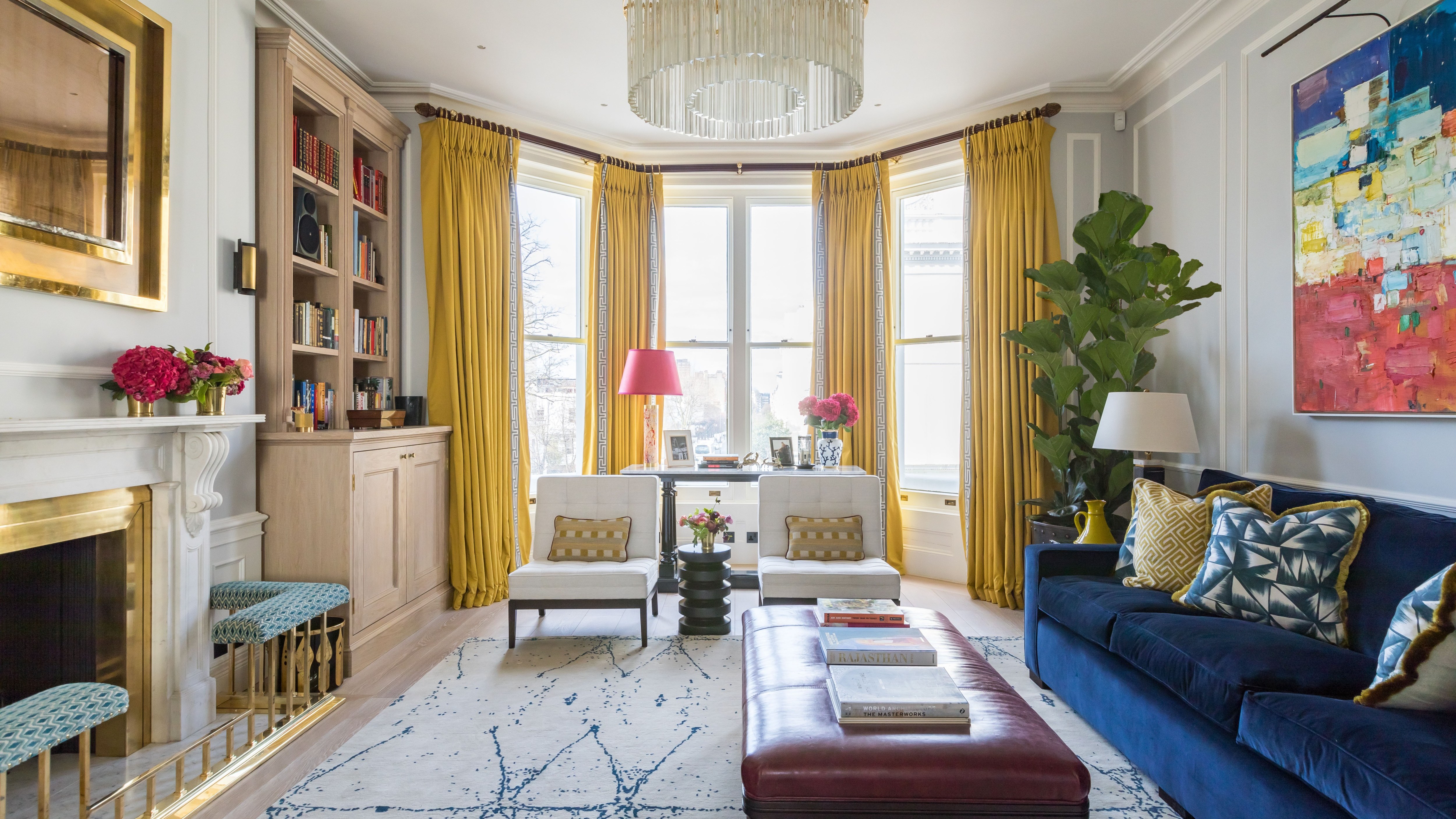
Bye-bye blinds — how curtains became cool again
New—And Instantly Improved
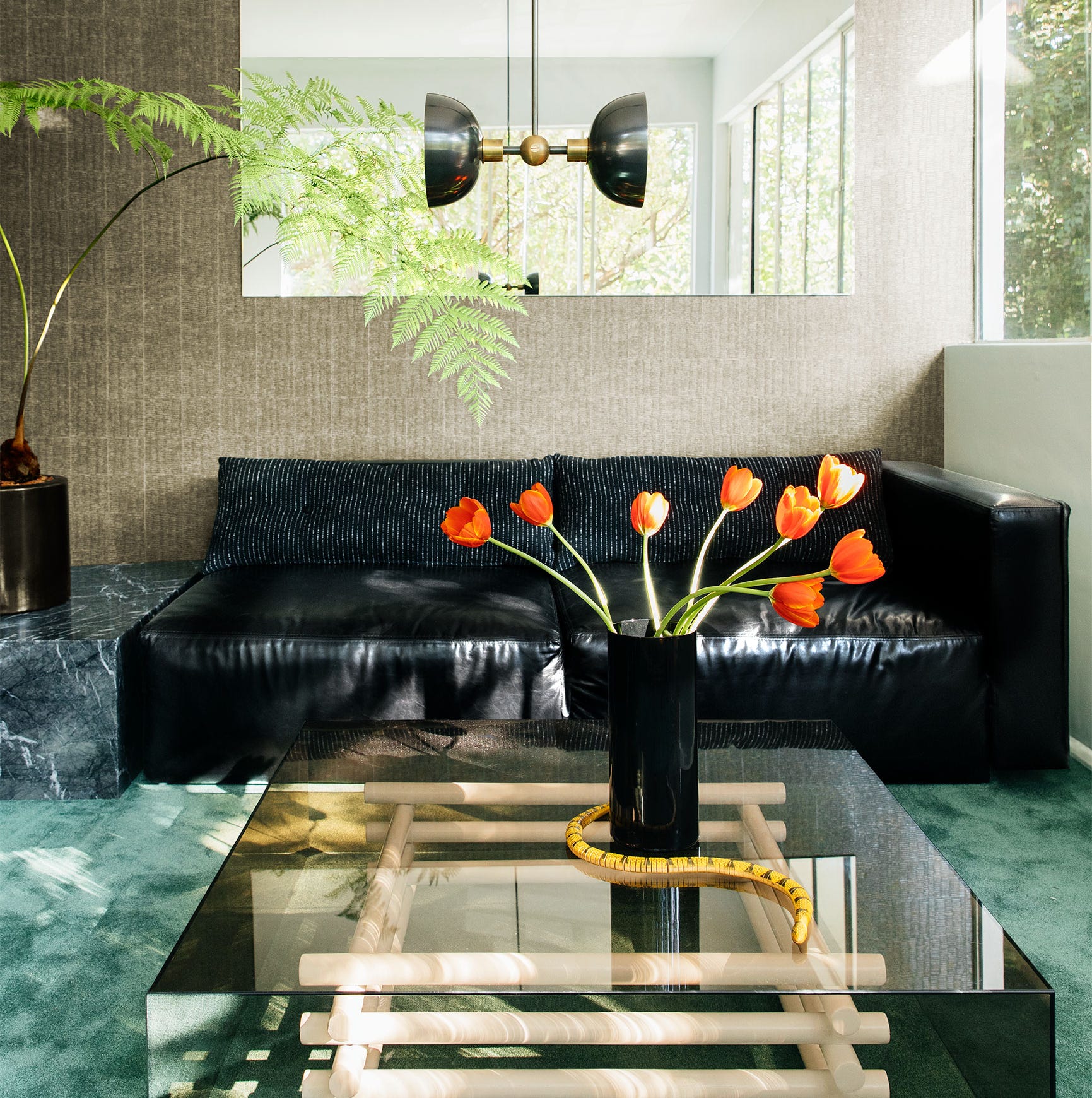
Wall-to-Wall Carpet Is Back (and We’re Not Mad About It!)

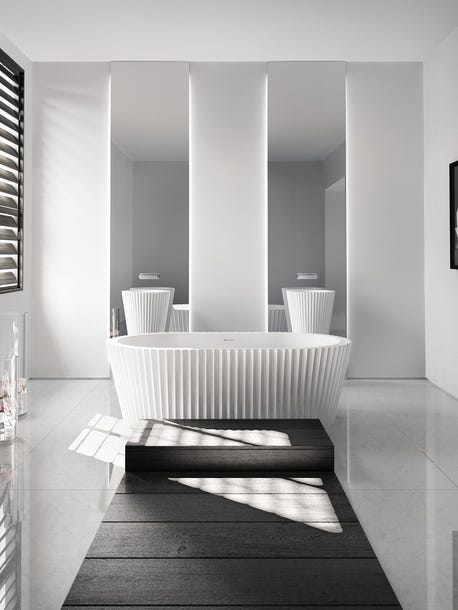
Gallery: Splish splash, clean design takes a bath
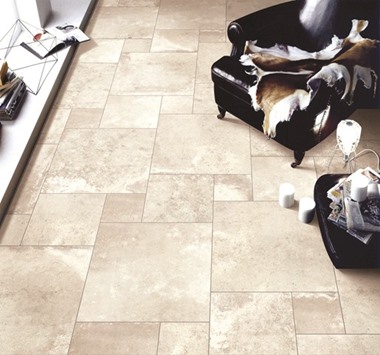
New-old flooring: cement tiling on its way back| Gulf Times
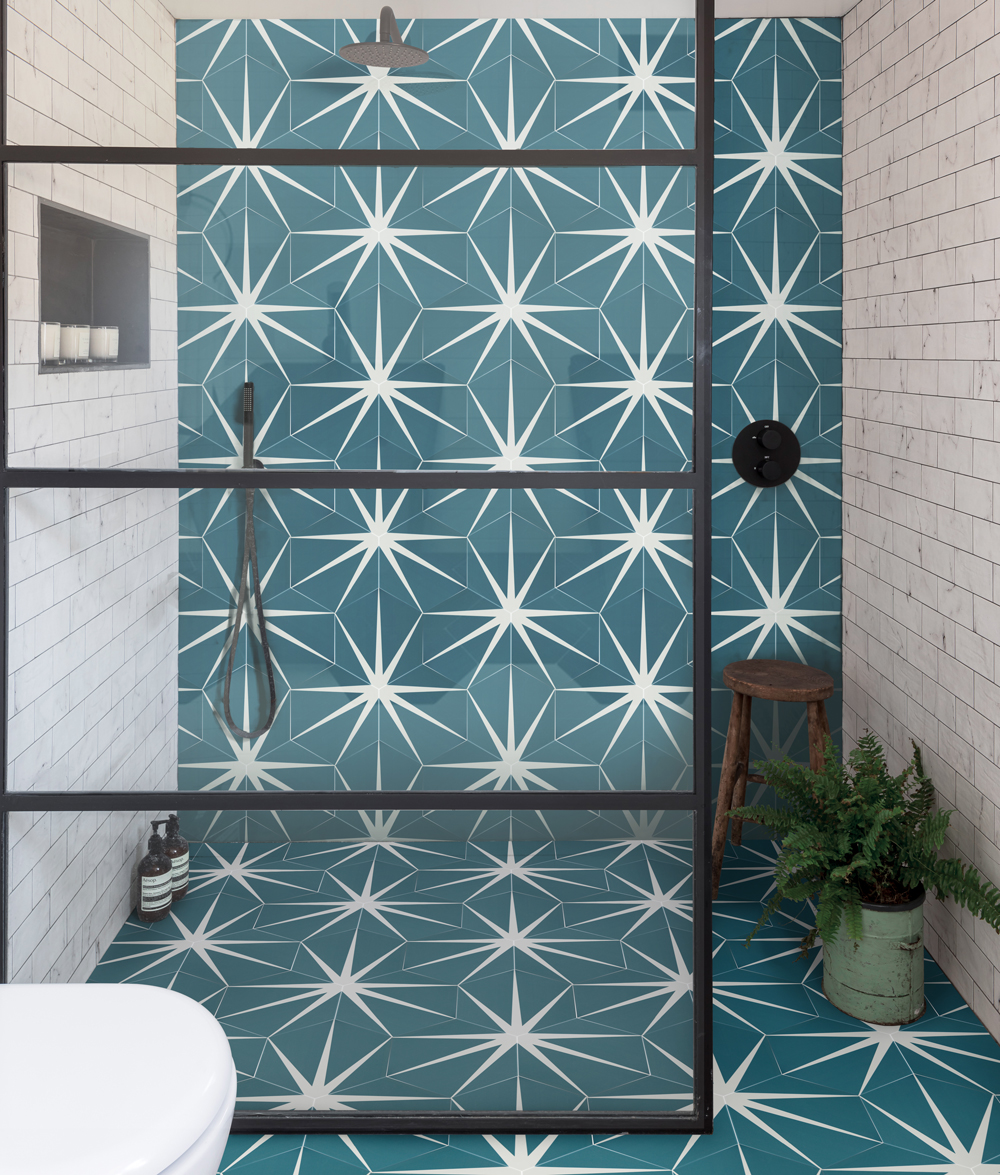
Popular Instagram Lily Pad tile is now available in a cheaper option!
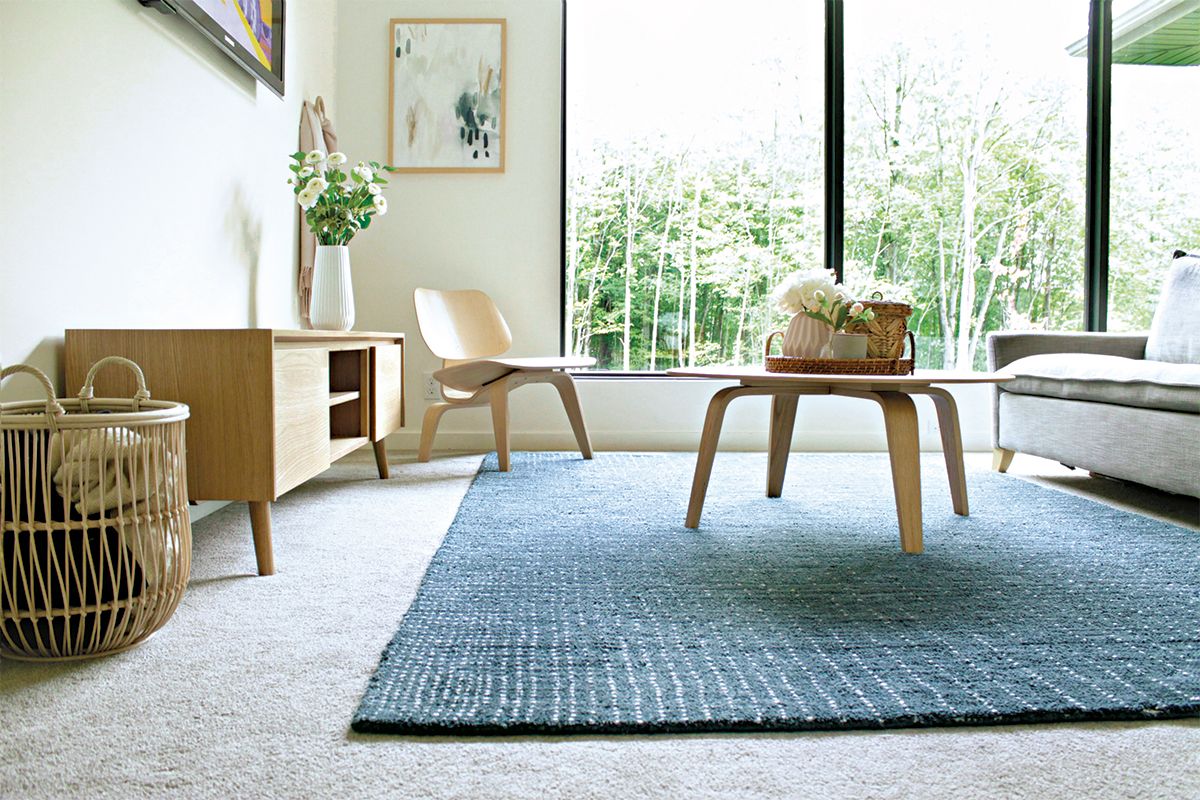
Comfy carpet, once dismissed as out-of-date, is back in vogue


Old-School Flooring Suddenly Feels Surprisingly Fresh (Published 2017)

Chintz Is Back and Better Than Ever
Wood Floors Make (Another) Comeback
Hear Us Out: Quilts Are Cool Again

The Insider: Top-to-Bottom Reno, New Decor Warms and Opens Up Cobble Hill Townhouse
Wood Paneling Is Back—and Better Than Ever
Goodbye, Marble—This Moody Counter Trend Is Taking Over

The Countertop Material That We Loved 25 Years Ago Is Coming Back

Trend Alert: Wood Walls Are BACK!
This Outdated Kitchen Flooring Is Finally Coming Back (And Needs Less Cleaning)
This Dramatic Window Treatment Is Making A Comeback—And We Couldn't Be More Thrilled