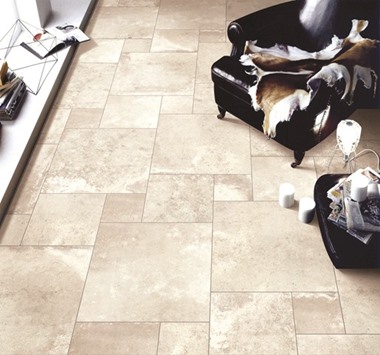
New-old flooring: cement tiling on its way back| Gulf Times
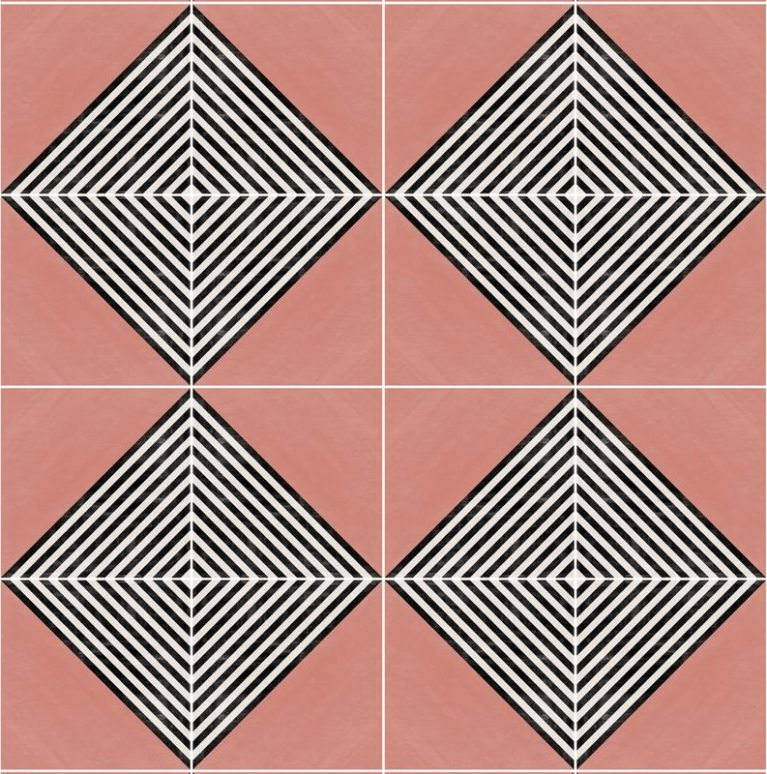
The article discusses the resurgence in popularity of cement floor tiles, particularly those featuring colorful geometric patterns. While once considered a cheaper alternative to ceramic tiles in the 1920s, cement tiles are now valued for their unique aesthetic and handcrafted quality, with current costs ranging from $65 to $100 per square meter. Michael Maass, representing Spanish tile company Pinar Miro, highlights that these tiles, historically used to mimic more expensive materials, have evolved to possess their own distinct worth in contemporary design. The manufacturing process of cement tiles remains largely manual, involving the application of patterns with tin stencils and achieving strength through compacting and drying the cement by hand. This labor-intensive method contributes significantly to their cost, especially when produced in regions with higher wage rates. Consequently, many cement tiles sold in Europe are sourced from countries like Morocco, Tunisia, or India, where labor costs are lower.
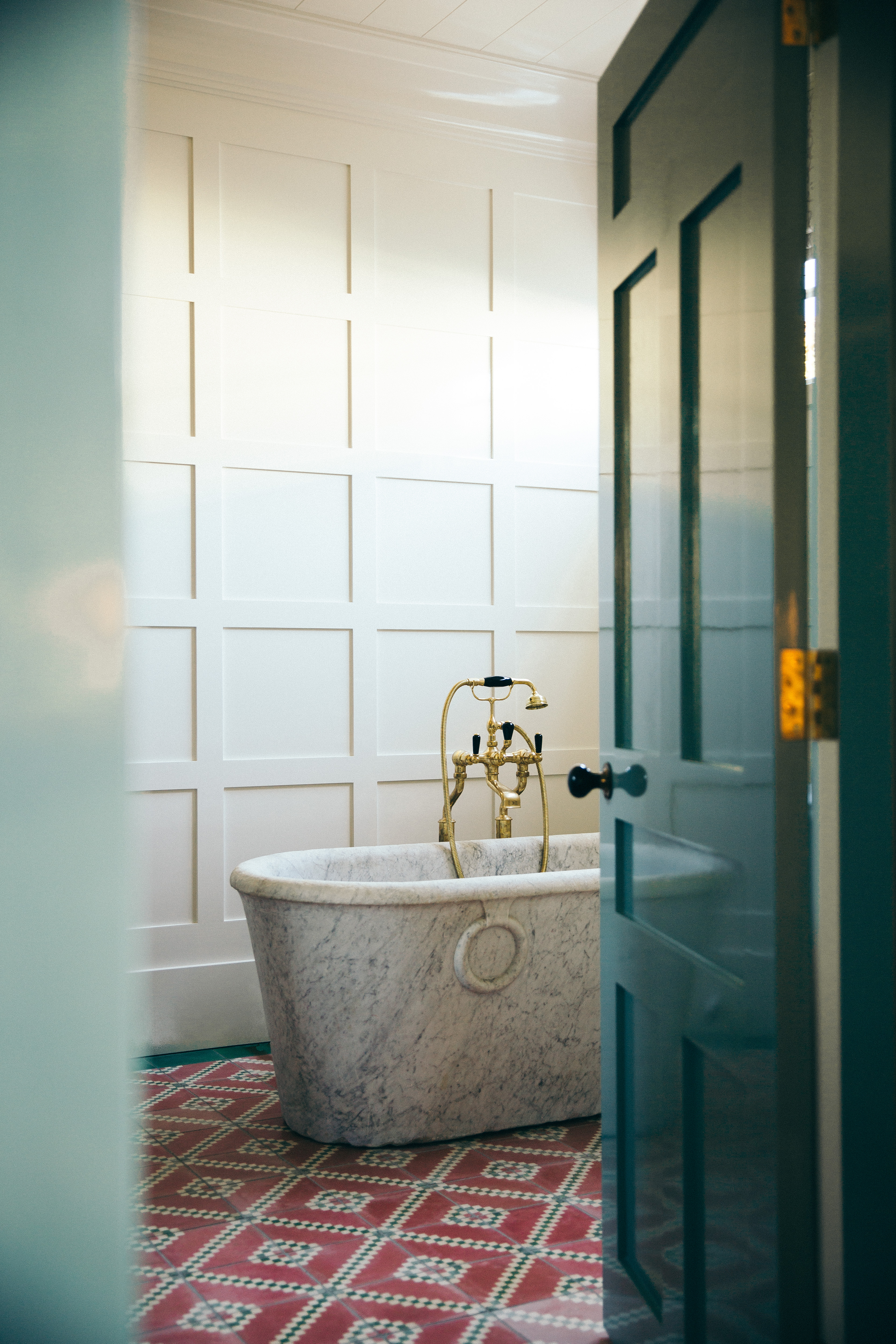
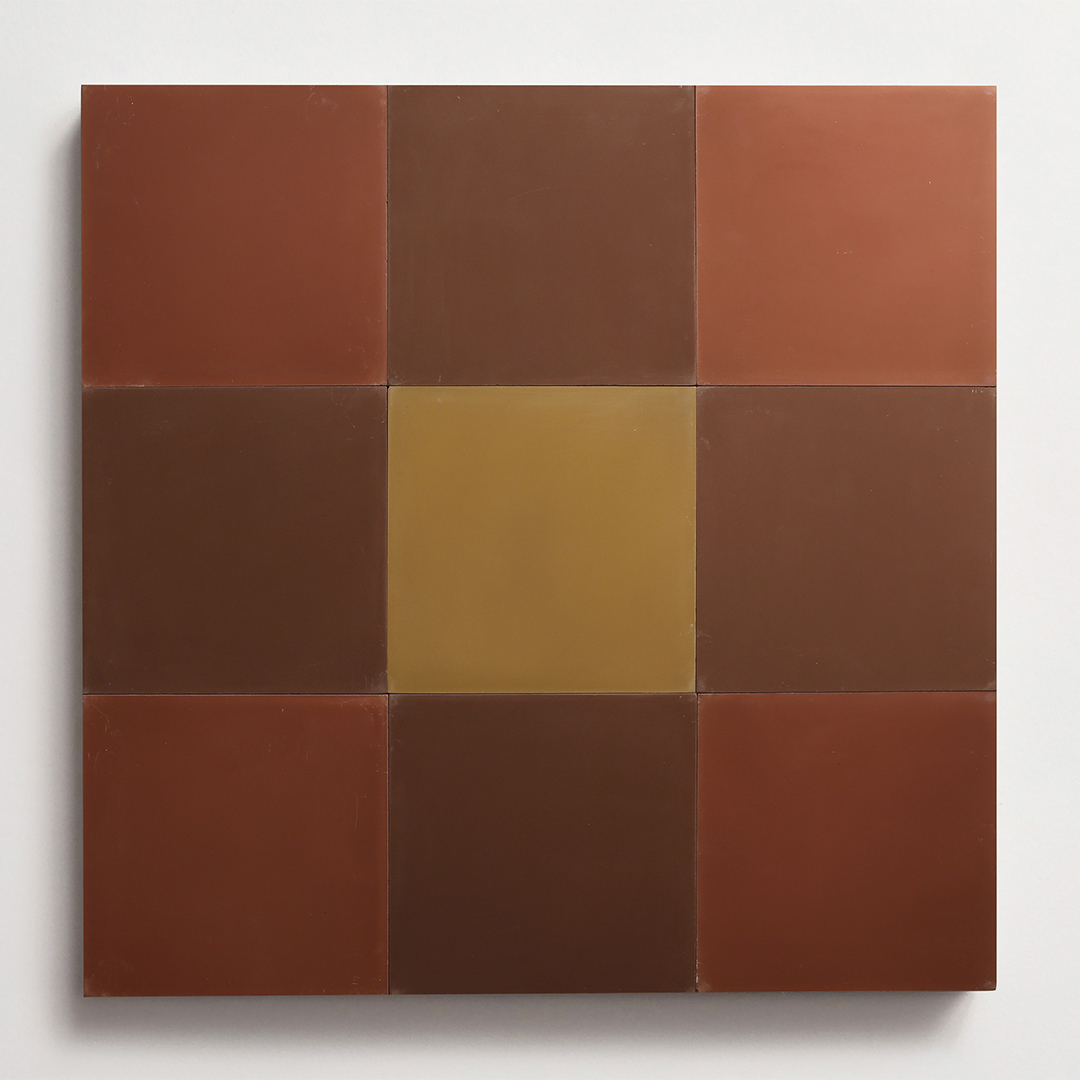
Initially, some in creative home design were skeptical about integrating cement tiles into modern homes. An anecdote from a homeowner in Berlin's Friedrichshain district illustrates this, where an architect, Marc Benjamin Drewes, initially hesitated to use tiling instead of wooden floorboards in an entrance area. However, after encountering appealing old tiles in a hallway, Drewes recognized their functional utility and inherent charm. The Friedrichshain home ultimately incorporated tiles with a dark red pattern, albeit with a modern approach that eschewed traditional patterned edgings to avoid an old-fashioned appearance. Drewes has since become an advocate for cement tiles, even using them in bedrooms, appreciating their tactile quality and the subtle warmth they impart to flooring, a characteristic he notes is distinct from ceramic tiles.
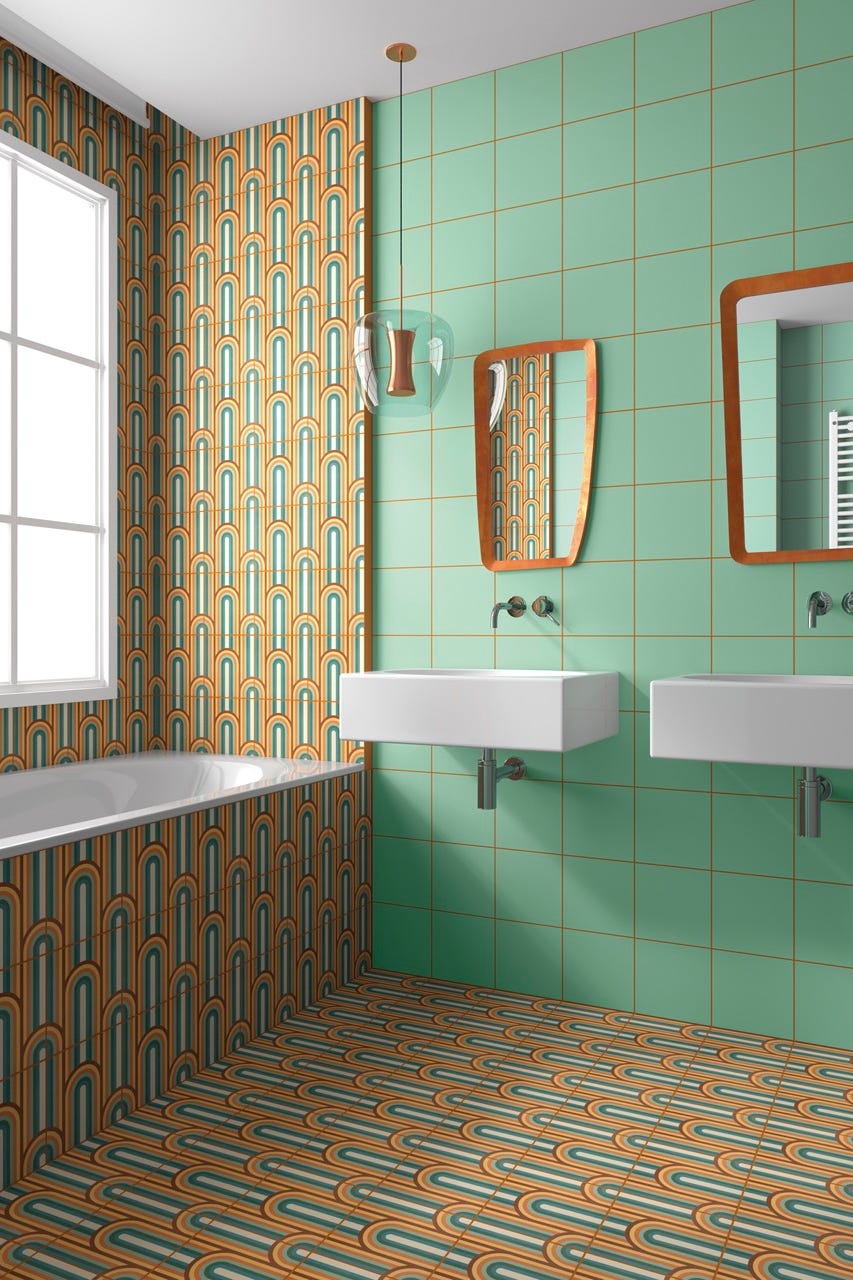
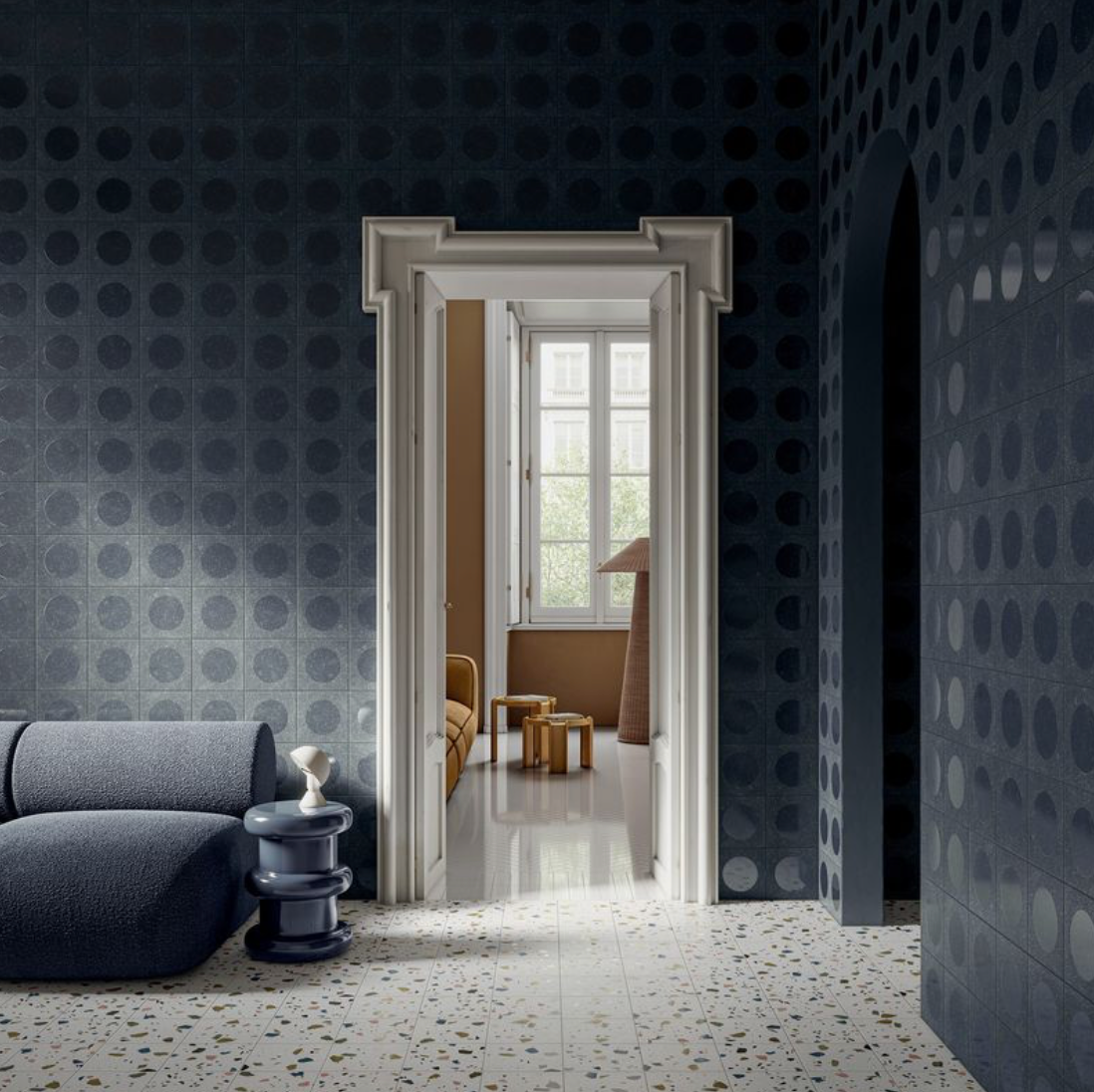
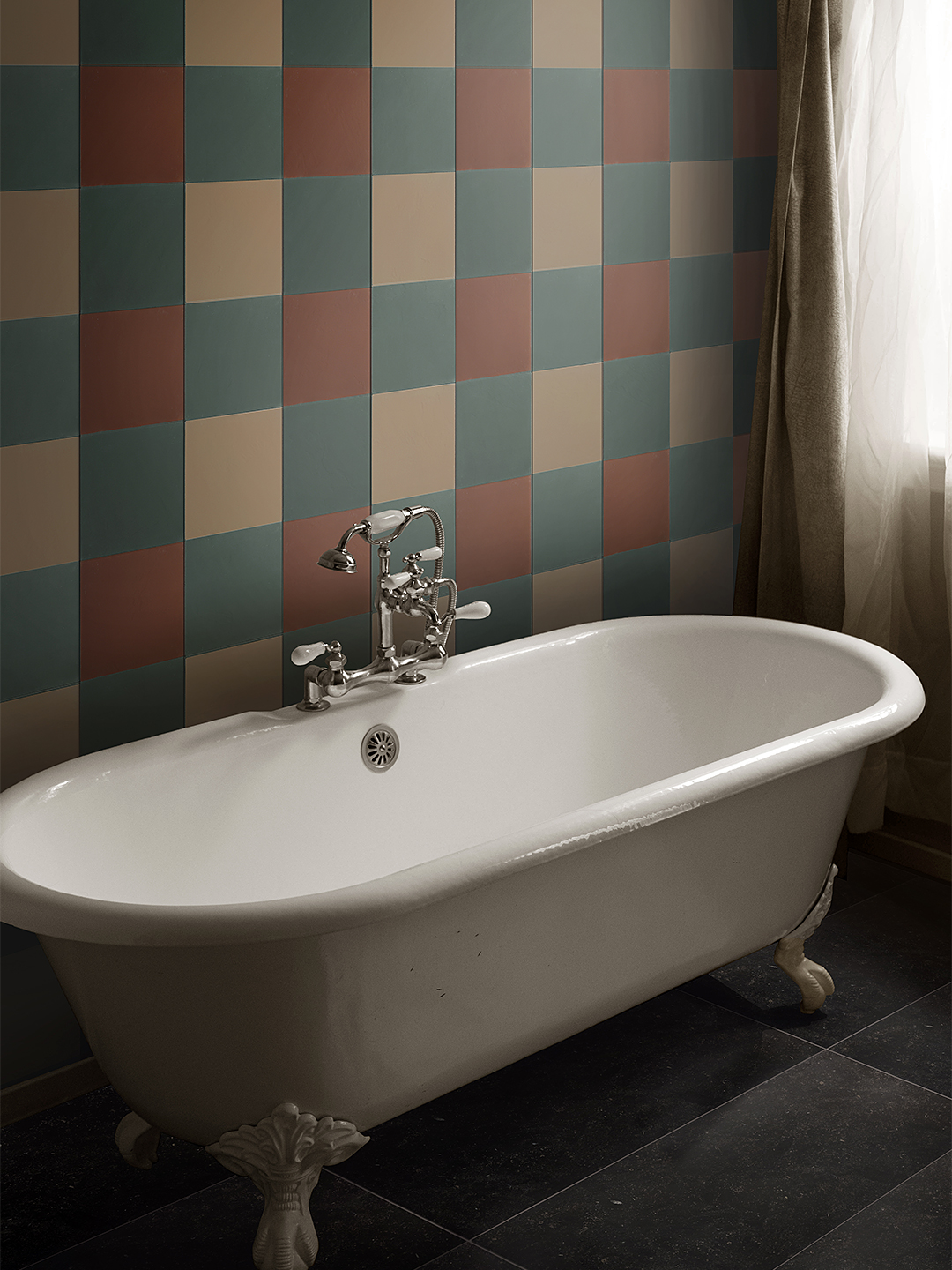
Cement tiling features a matt finish and a rough surface, contrasting with the glazed appearance of ceramic tiles. This characteristic contributes to a cozy aesthetic, making them a suitable complement to parquet or floorboards. These tiles were previously common in older European homes but subsequently fell out of fashion, often being concealed beneath materials like linoleum. The current revival is evidenced by significant investments from major tile manufacturers, such as Italy's Bisazza, which last year launched a revamped collection of cement tiles. This collection, designed by notable figures including Tom Dixon, Jaime Hayon, and Paola Navone, introduces modern abstract and graphic patterns, diverging from traditional tile designs.
Beyond the material cost, the installation of cement tiles can also be expensive due to their weight and the specific handling required. Sven Jaensch, a cement-tile layer and terrazzo specialist in Berlin, explains that the heaviness of the tiles can cause them to press down on adhesive, leading to "sacking." He emphasizes the need for careful and precise installation, as the material offers little room for error. The article concludes by underlining the sophisticated nature of these re-emerging flooring options, highlighting their aesthetic appeal and the specialized skills required for their proper implementation in contemporary interiors.
#CementTiles #FlooringTrends #HomeDesign #InteriorDecoration #HandmadeTiles #ArchitecturalTrends #LuxuryFlooring #TileInstallation #CementTiles #FlooringTrends #HomeDesign #InteriorDecoration #HandmadeTiles #ArchitecturalTrends #LuxuryFlooring #TileInstallation
0 comment in total
 No comments yet
You may also like
Wall-to-Wall Carpet Is Back (and We’re Not Mad About It!)

Decorative Tiles Are Back, Bigger and Better Than Ever
The New Tile Trend Causing a Scene This Season
Terrazzo - the stuff of old hallway flooring - goes upscale
Comfy carpet, once dismissed as out-of-date, is back in vogue

More Practical Than Plaster and Cement: This Material Is on Our Reno Radar
Goodbye, Marble—This Moody Counter Trend Is Taking Over

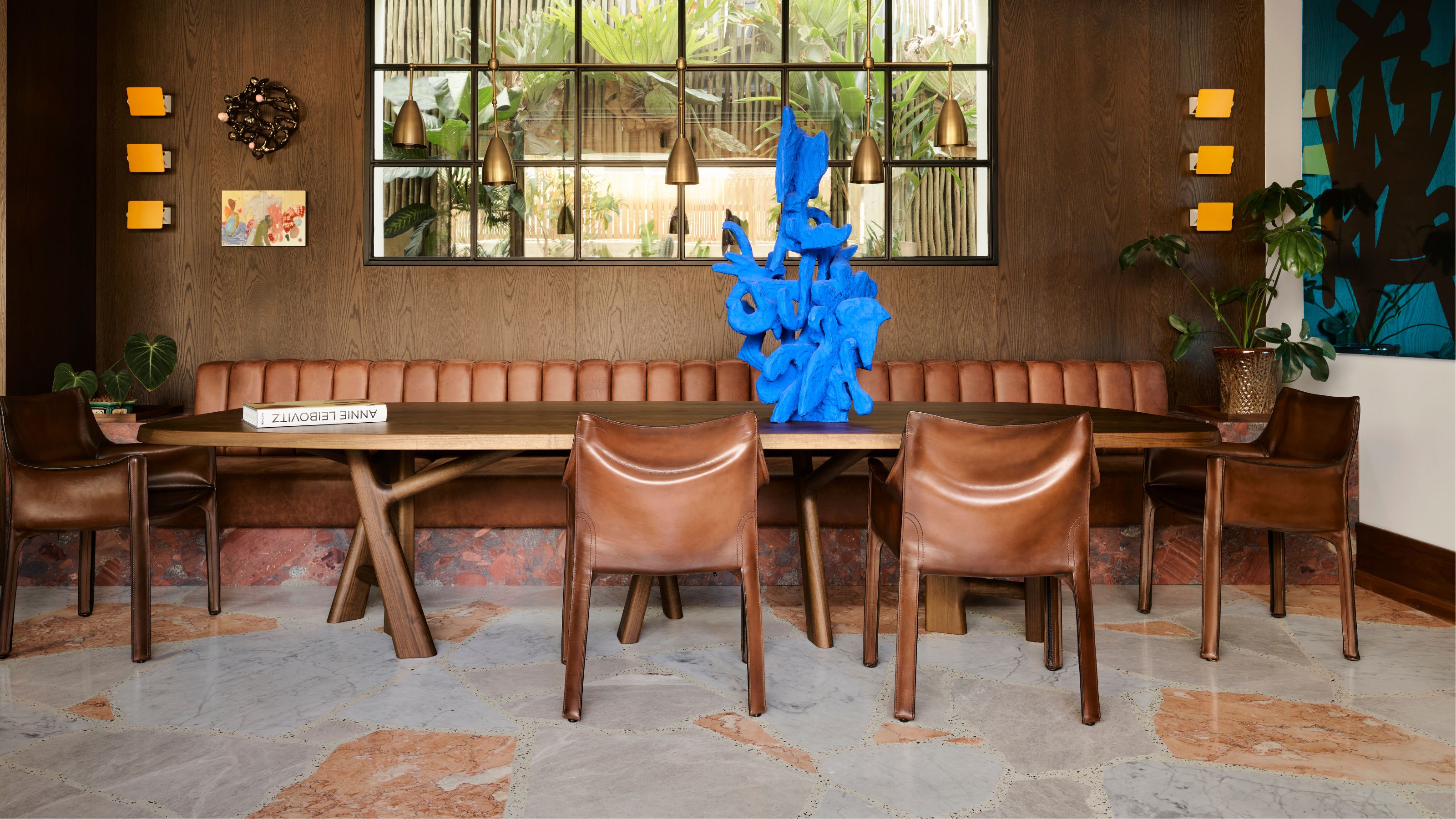
8 Flooring Trends for 2026 — The Designs, Materials, and Layouts Designers Are Predicting to Be the 'Next Big Thing'

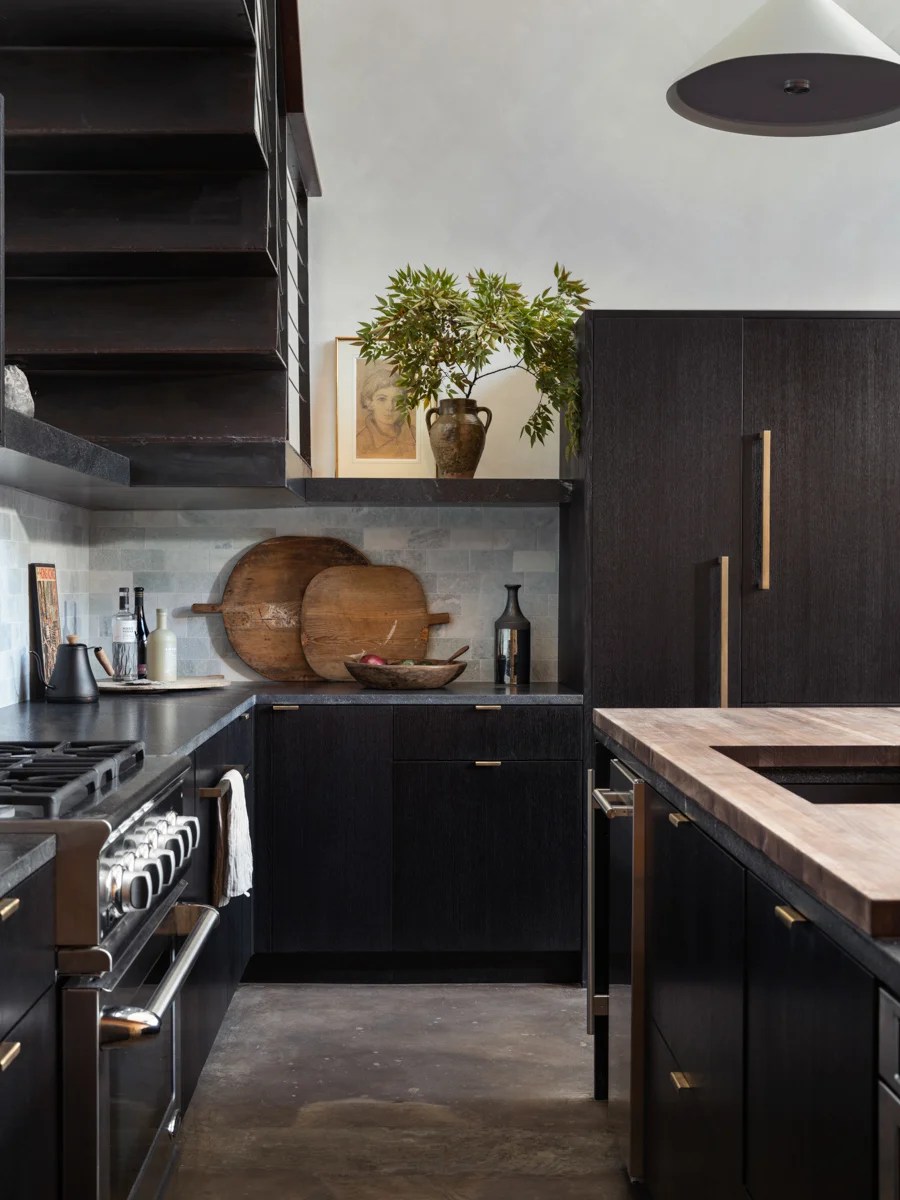
The Countertop Material That We Loved 25 Years Ago Is Coming Back

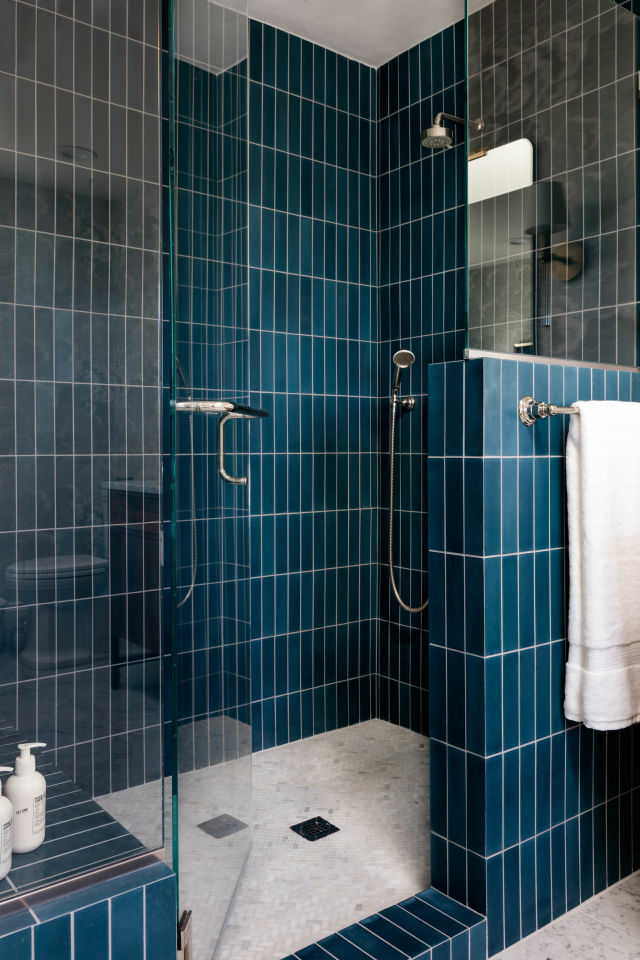
The Statement Shower: A New Approach to Cement Tile
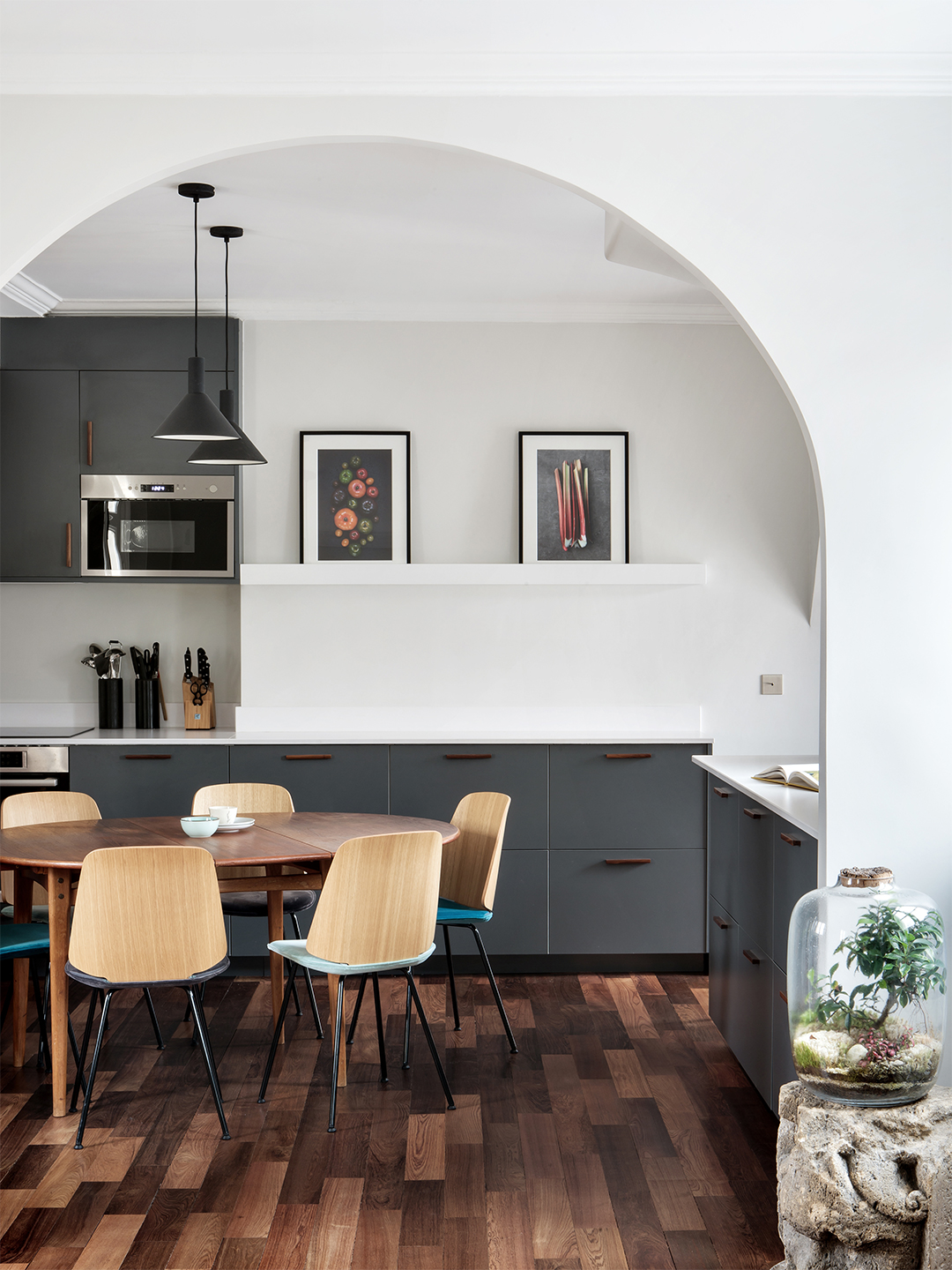
More and More People Are Skipping Pricey Wood Floors for This Alternative
Walk on by: flooring focus
Wood Floors Make (Another) Comeback
Tile Is BACK—and More Creative and Fun Than Ever, According to Experts

Flooring

This New Tile Collection Holds the Secret to Spicing Up Checkerboard Floors
Trend Alert: Wood Walls Are BACK!
This Once-Taboo Kitchen Flooring Is Climbing the Ranks

Cement

New options in flooring