1/2
How to Design a Deck for Building Codes
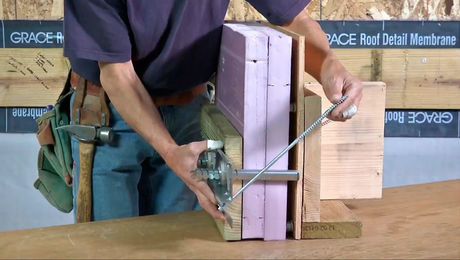
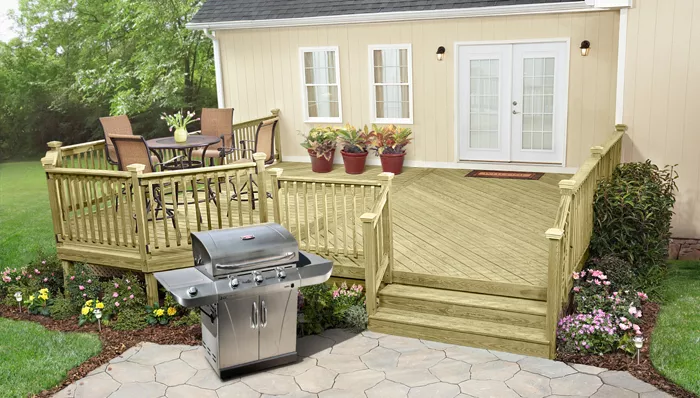
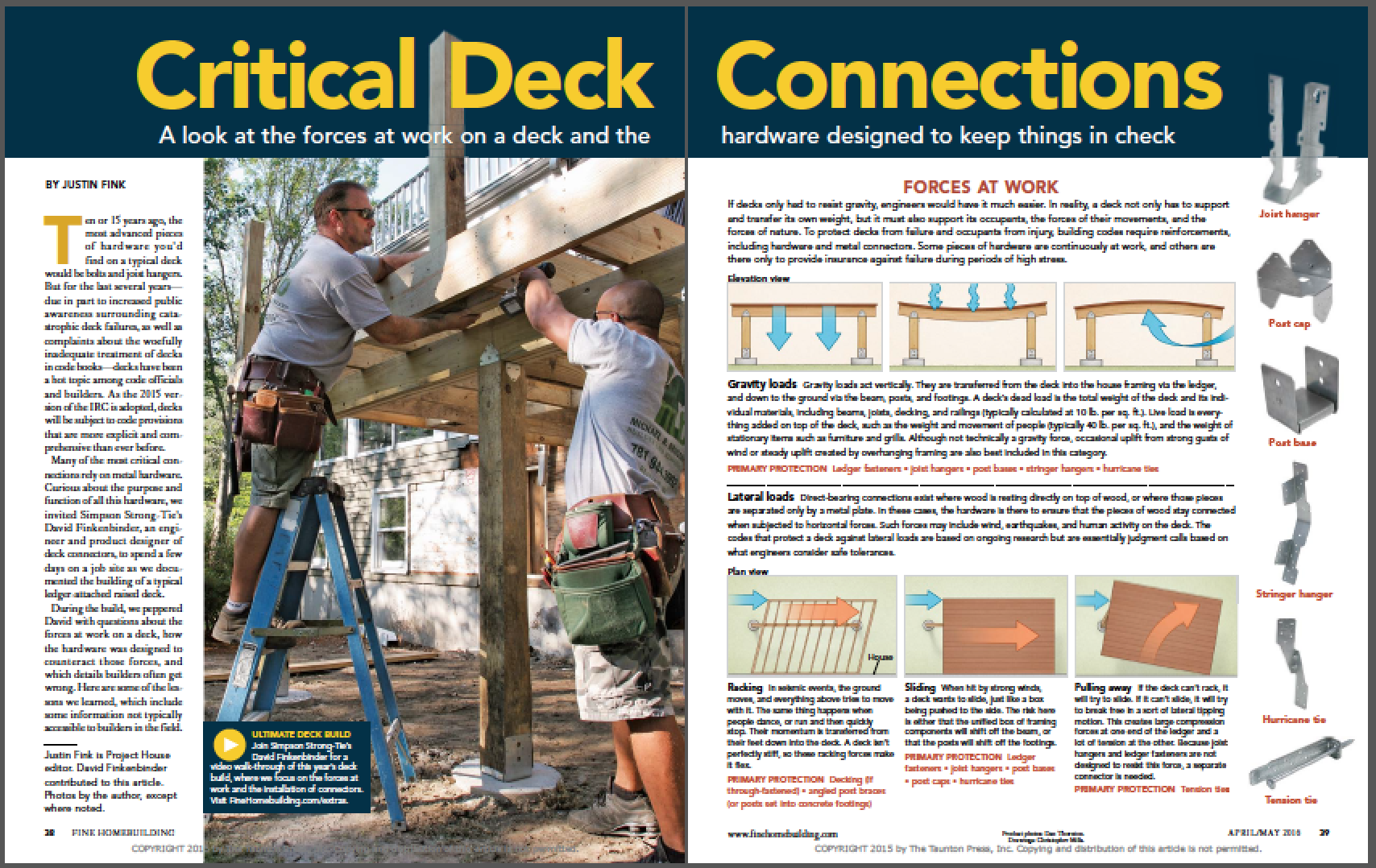
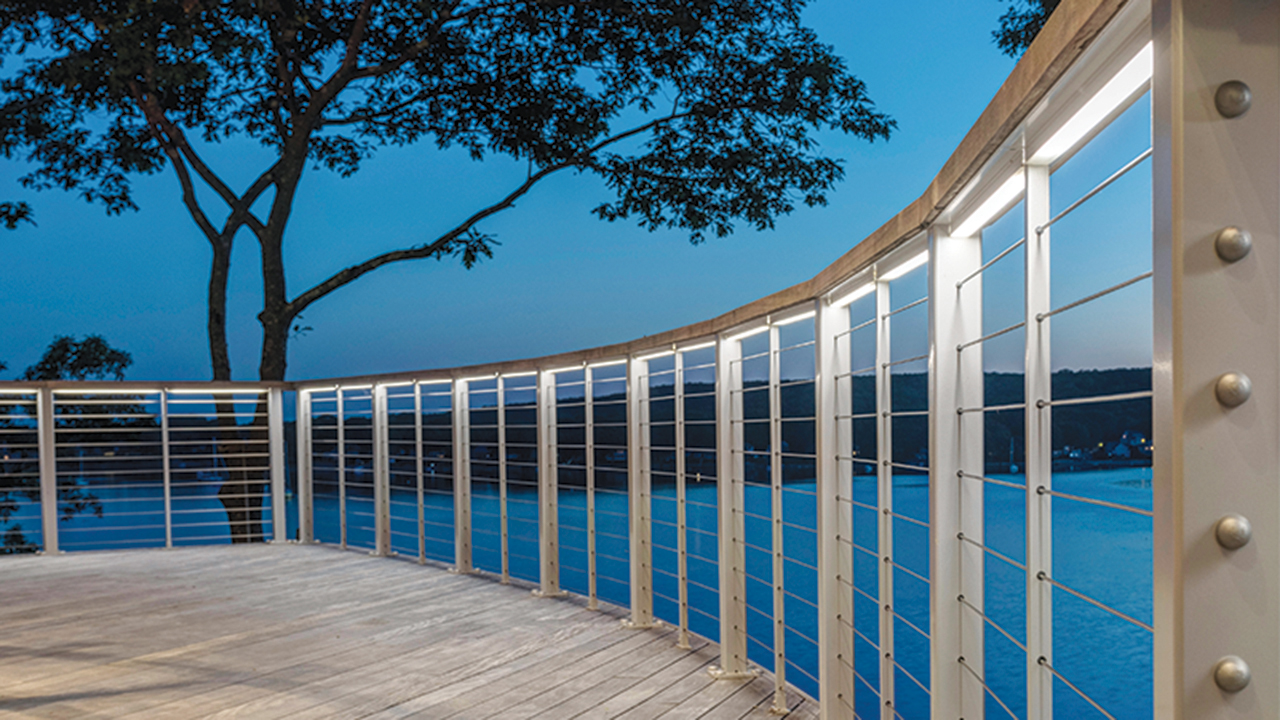
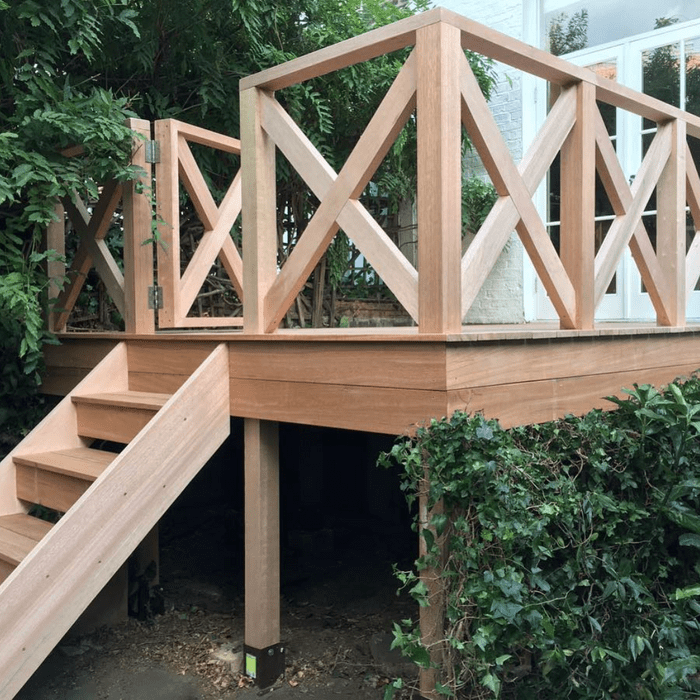
Deck construction codes have significantly advanced since the mid-1980s, transitioning from a period of lax regulations and potentially unsafe building practices to today's stringent standards. Initially, many decks were built with untreated lumber, joists toe-nailed to ledgers instead of using joist hangers, and lag bolts for ledger attachment were often an afterthought, with vague specifications from inspectors. Railings were frequently secured solely with nails, and decks were even attached to brick veneer, all practices now considered major code violations.
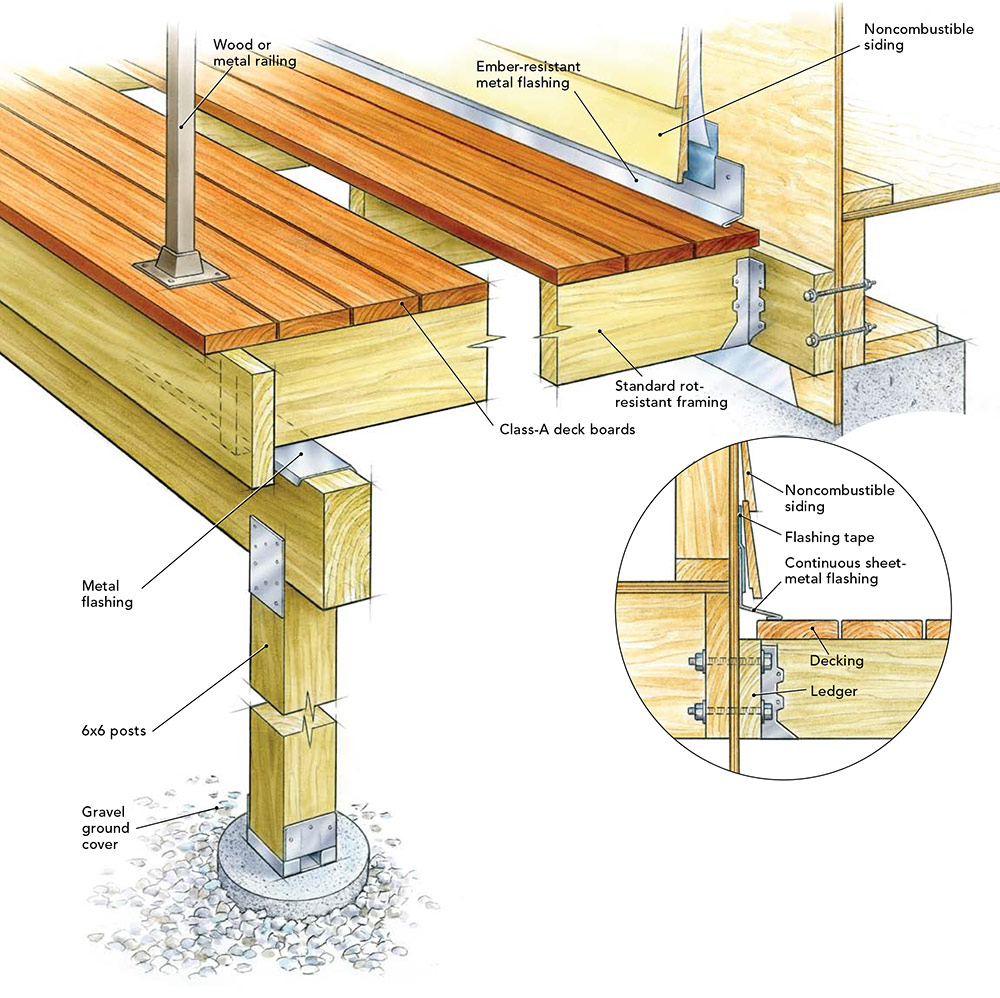
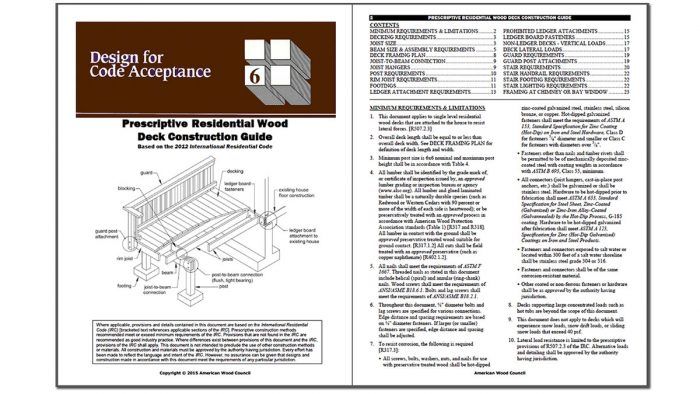
Modern deck building is guided by two primary code systems: the International Residential Code (IRC) and the American Wood Council's alternative decking code, the DCA 6-12. The IRC is largely performance-based, setting minimum standards and allowing designers flexibility in achieving them, often requiring engineering for alternative details. In contrast, the DCA 6-12 is a prescriptive code, offering specific, engineered details for constructing safe and compliant decks. This prescriptive nature is beneficial for most deck builders, as it eliminates guesswork and ensures safety when followed correctly.
The American Wood Council (AWC) is responsible for developing the design standards for wood construction that the IRC references, making the DCA 6-12 widely accepted by building inspectors. This alternative code simplifies the design and construction process by providing detailed drawings and tables, ensuring that contractors, homeowners, and architects can build decks without ambiguity. The DCA 6-12 is also freely accessible, promoting wider adoption of safe building practices.
Despite its comprehensive nature, the DCA 6-12 has certain limitations. It explicitly excludes decks subjected to snow loads exceeding 40 lb. per sq. ft., multi-level decks, and those with concentrated loads such as hot tubs. Furthermore, it does not provide provisions for posts taller than 14 feet. However, these exclusions pertain to a minority of deck projects; the code effectively covers the vast majority of common deck construction scenarios, significantly improving the safety and structural integrity of residential decks compared to past practices.
#DeckBuilding #BuildingCodes #DeckDesign #HomeImprovement #ConstructionSafety #ResidentialConstruction #StructuralIntegrity #AmericanWoodCouncil #DCA612 #DeckBuilding #BuildingCodes #DeckDesign #HomeImprovement #ConstructionSafety #ResidentialConstruction #StructuralIntegrity #AmericanWoodCouncil #DCA612
0 comment in total
 No comments yet
You may also like
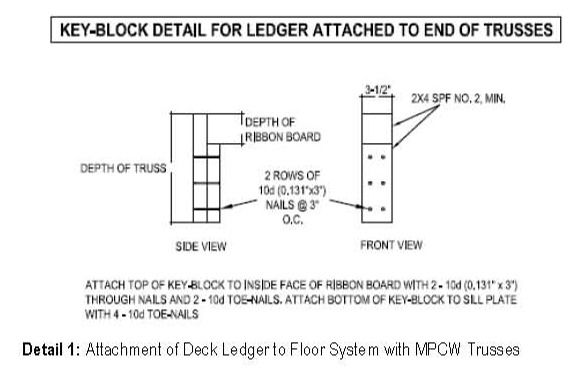
Attaching a Deck Ledger to Floor Truss
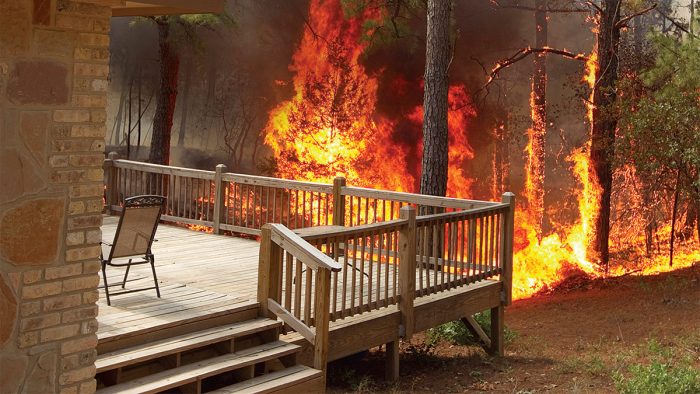
How to Build a Fire Resistant Deck

Do you need planning permission for a garden room?
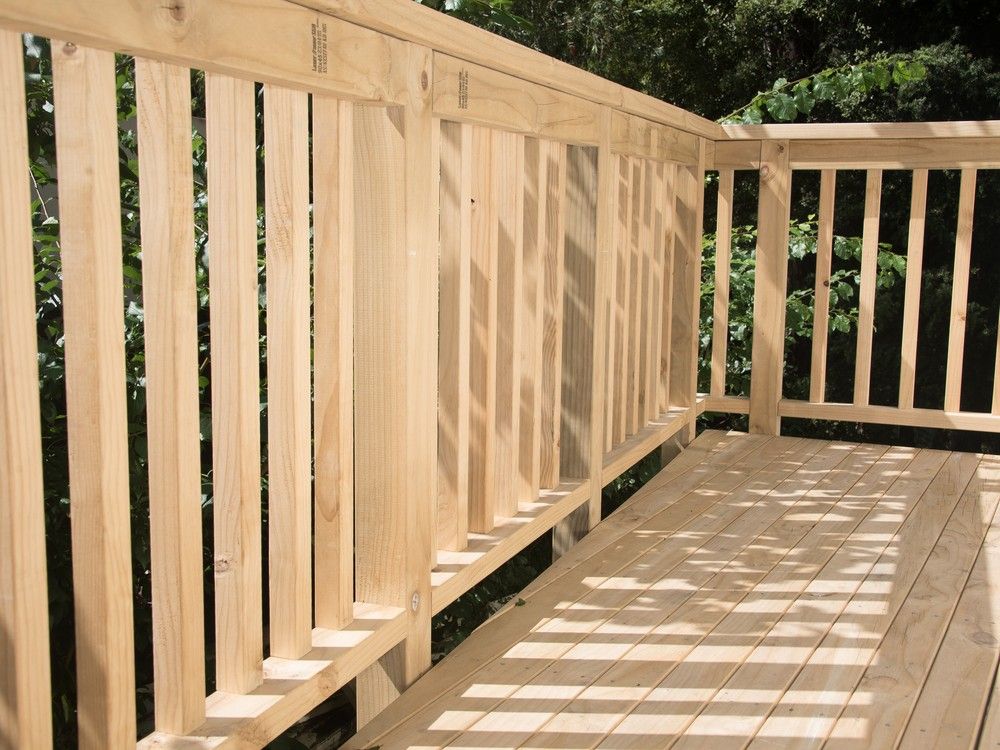
Handyman Hints: You need your deck's posts to pass inspection

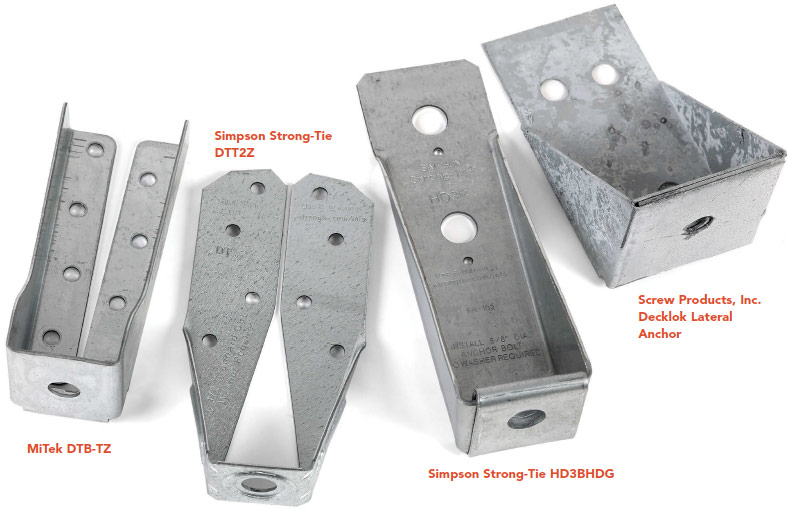
12 Code-Compliant Post-to-Frame Connections for Deck Guards
Custom Railing Ideas
Deck Framing: Connectors and Hardware
Competition: win a pack of 50 Housing Floor Plans cards
Deck Railing Fasteners

Handyman Hints: Your deck's railings need to be to code
Product Picks: July 2022

10 Deck Railing Design Ideas

Deck Code Guidelines for Guardrails and Stairway Railings


Do I need planning permission for a pergola? Experts say it all depends on these 3 things
15 Shed Building Mistakes and How to Avoid Them

Structural Columns Don’t Have To Get In The Way: These 7 Designs Prove It


19 Creative DIY Deck Plans and Design Ideas

Magic for the Masses: Standard Deck Construction on a Budget

Jul 2018: Old meets new in backyard deck reno

Deck Lateral Load Connector Options