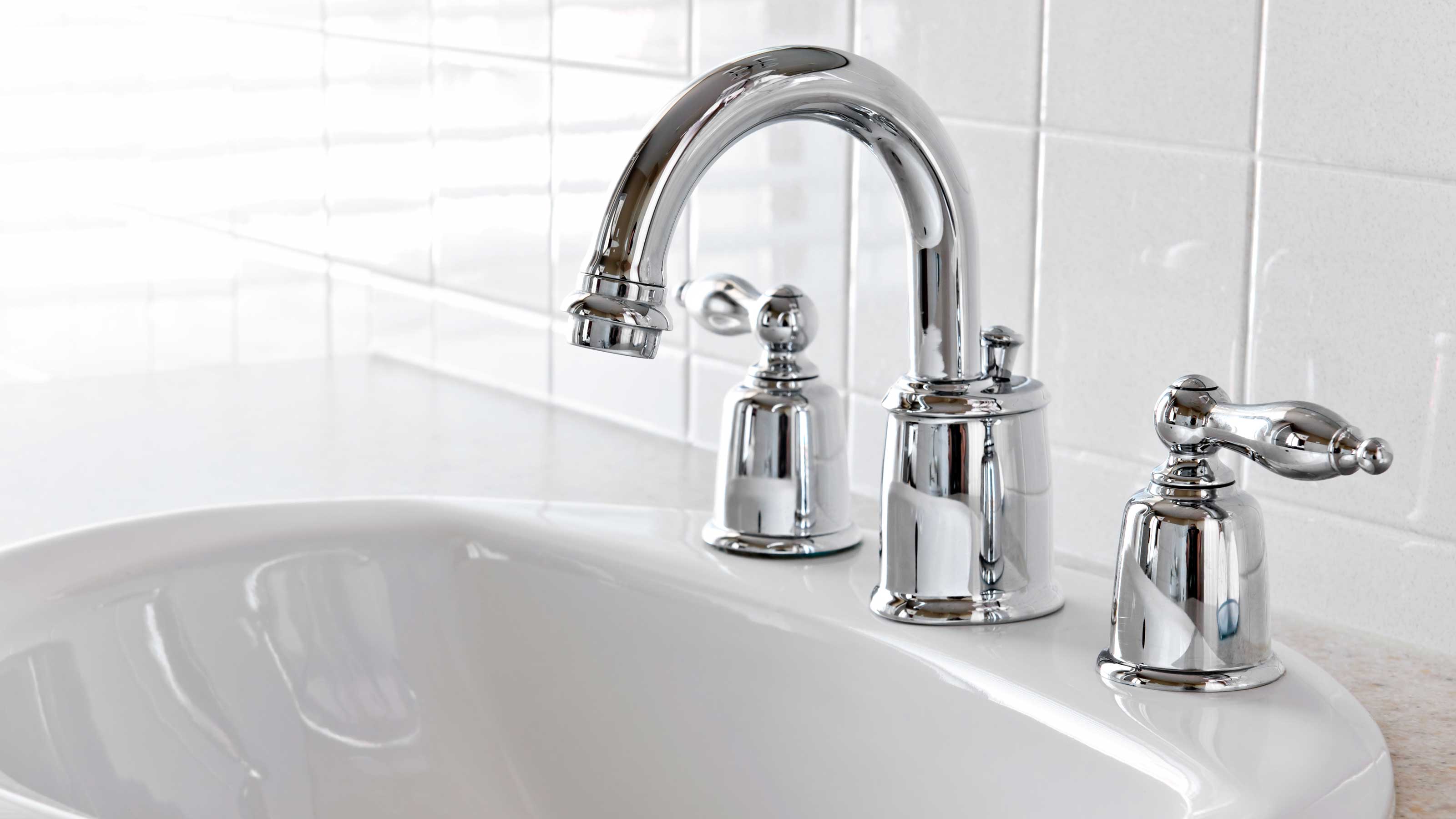
1/7
The perfect temperature to avoid frozen pipes
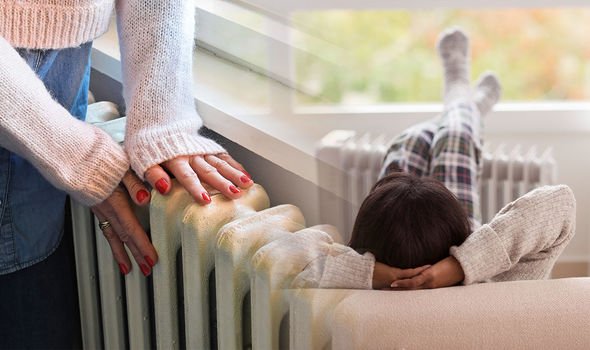
As winter temperatures plummet, homeowners often face the critical issue of preventing frozen pipes, which can lead to significant damage such as flooding and costly repairs. Establishing an optimal indoor temperature is a primary method for mitigating this risk. Plumbing experts generally recommend maintaining a 'Goldilocks' temperature range of 55-60° Fahrenheit to safeguard pipes from freezing, while also managing energy consumption. This range ensures that water within the pipes remains above freezing point, even in areas that might not be as well-heated as the main living spaces.
While the general guideline suggests keeping the indoor temperature between 55-60°F, there are nuances to consider. Robert Mazzacone, a master plumber, indicates that pipes are most at risk when outside temperatures drop below 32°F. He notes that homes with excellent insulation and properly protected pipes might allow for a slightly lower indoor temperature, provided that outdoor temperatures do not fall below 20°F and pipes are not located in exposed, unheated areas like crawl spaces or basements. Mike Henderson from Mr. Rooter Plumbing emphasizes that a minimum of 60°F is effective in preventing freezing, balancing pipe safety with energy efficiency. Eduard Mirzoian of Restorerz suggests keeping the home above 55°F to prevent freezing without excessively increasing energy costs, ensuring continuous water flow.
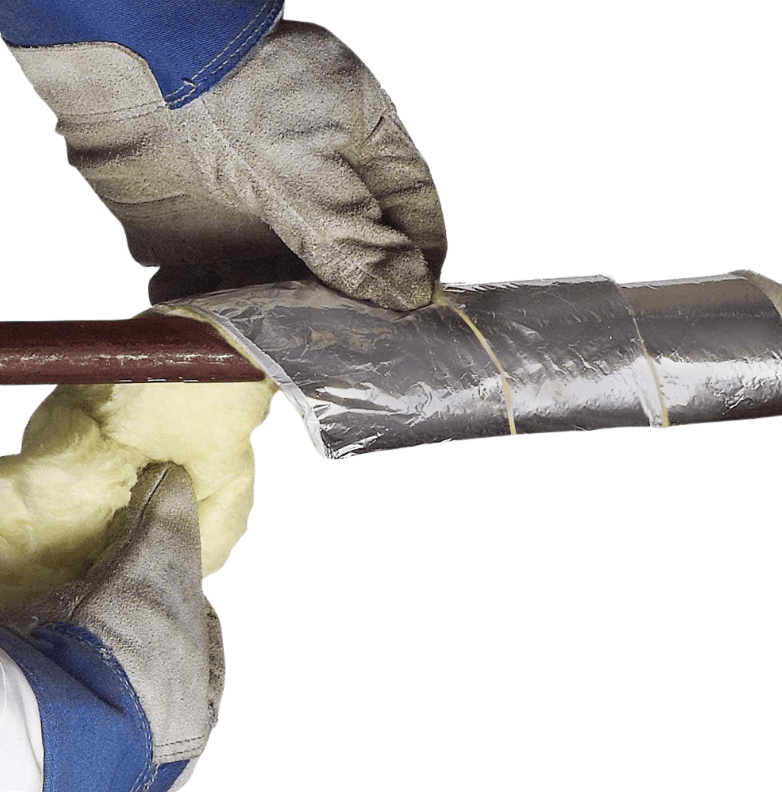
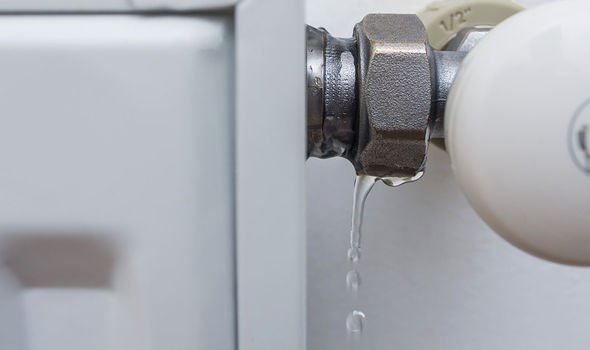
Several strategies can be employed to maintain this protective temperature efficiently and affordably. One effective method is to allow faucets to drip when temperatures are extremely low. This constant movement of water prevents it from stagnating and freezing within the pipes, a simple yet powerful preventative measure. Another crucial step is insulating pipes, particularly those in vulnerable areas such as basements, attics, and crawlspaces. Foam pipe insulation is a readily available and effective solution for these locations. Additionally, heat tape or pipe warmers, especially self-regulating heating cables, are highly recommended for pipes in exterior walls or particularly cold sections of the house. These tools provide targeted warmth without consuming excessive power.
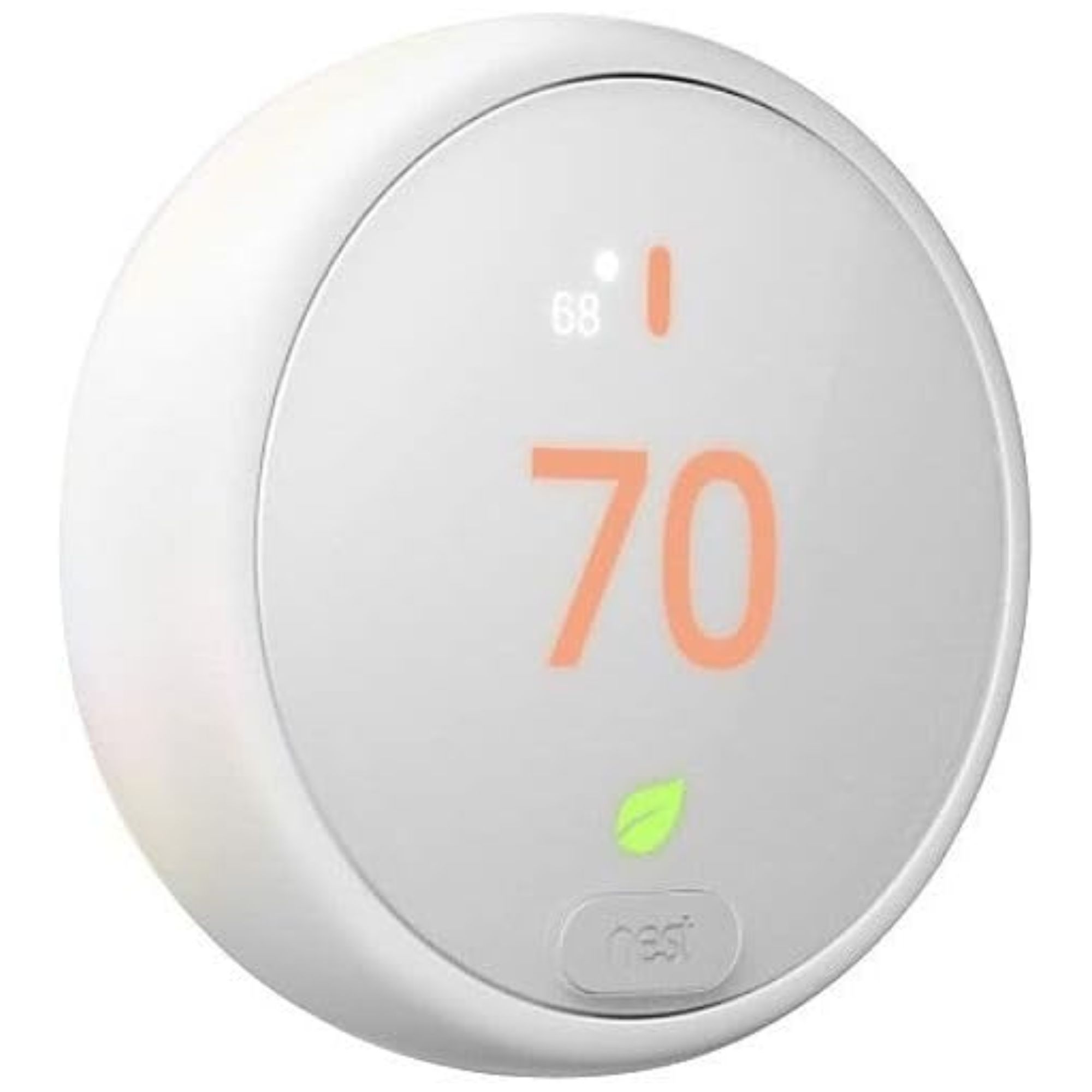
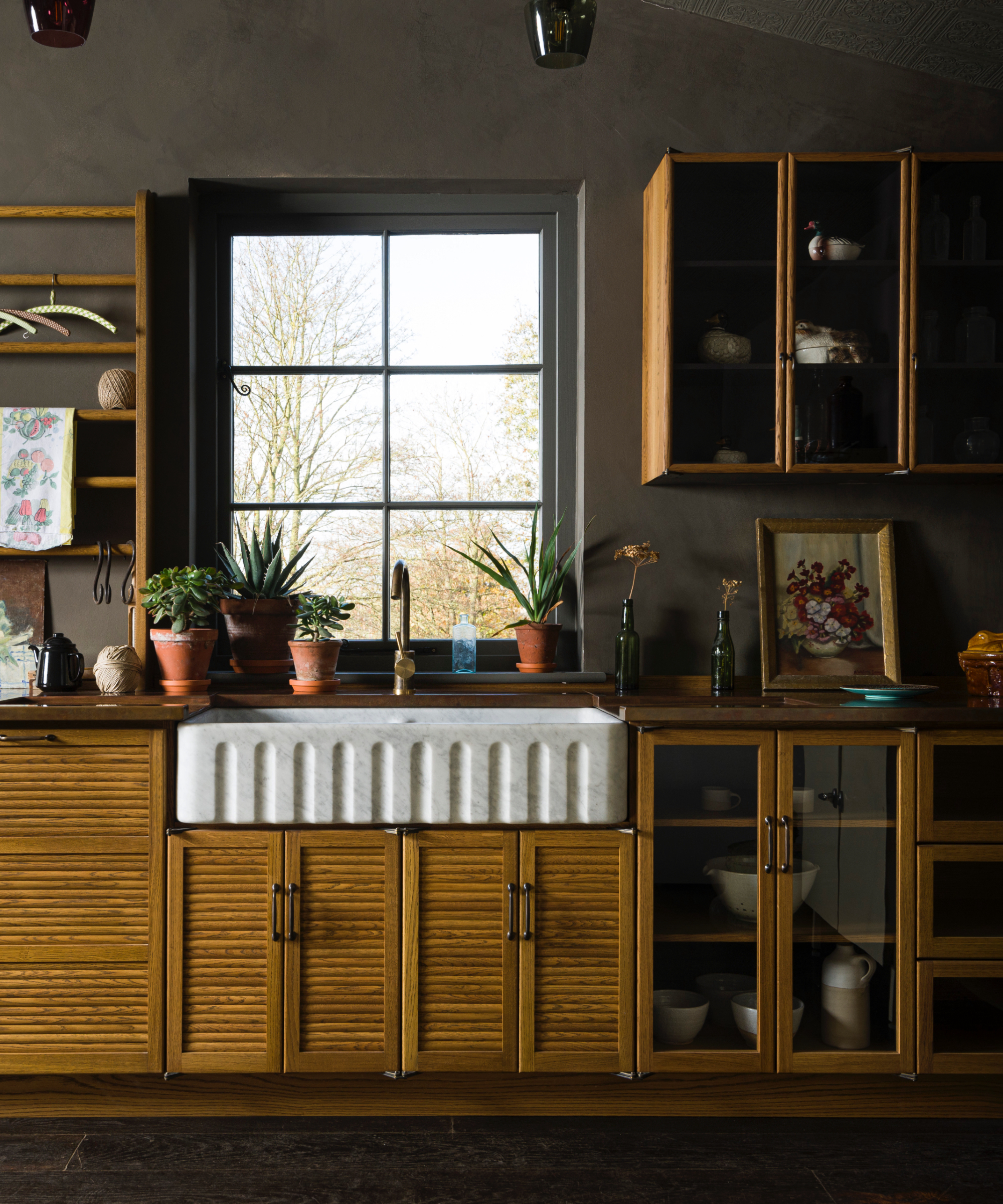
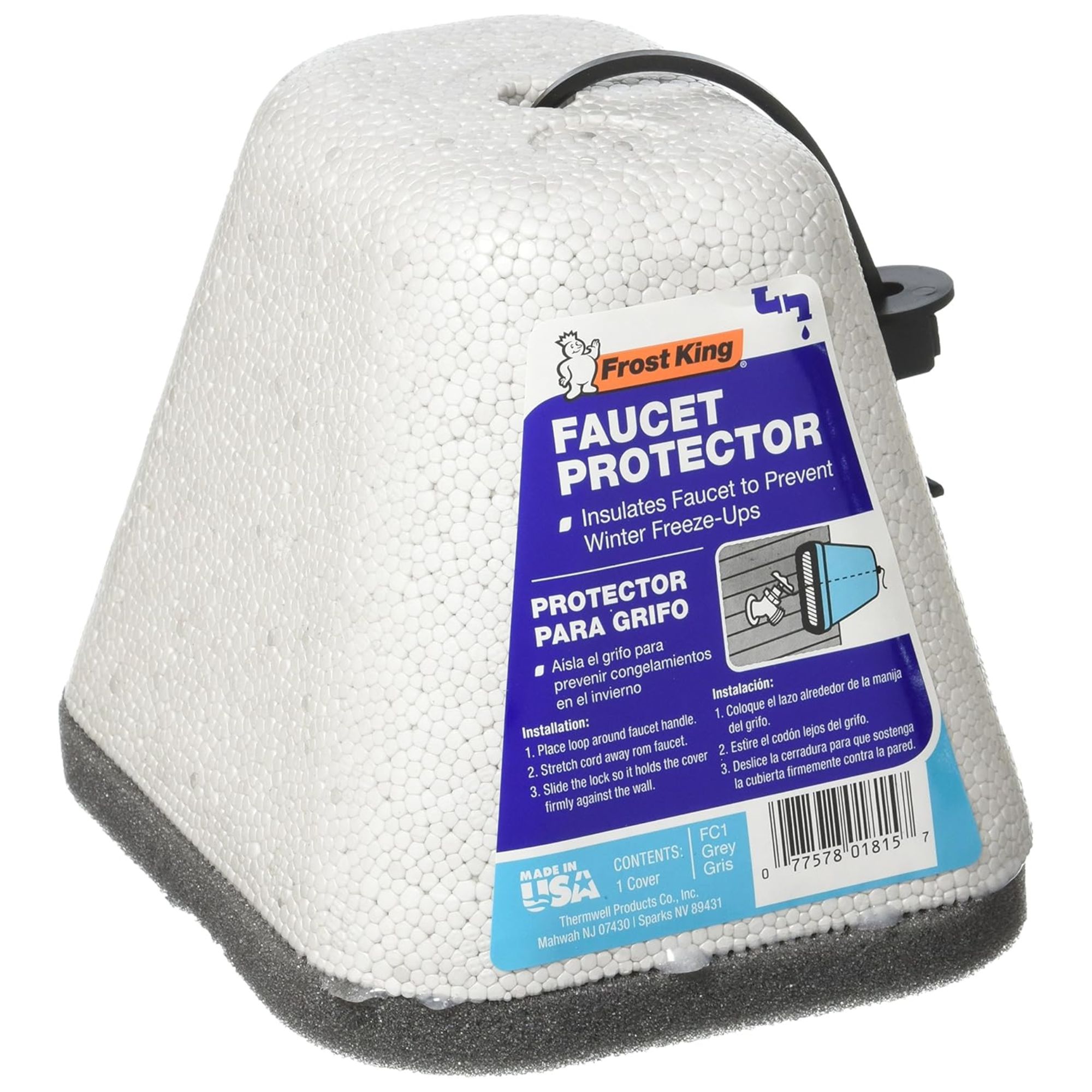
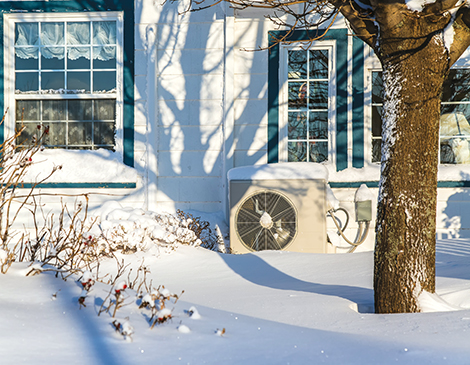
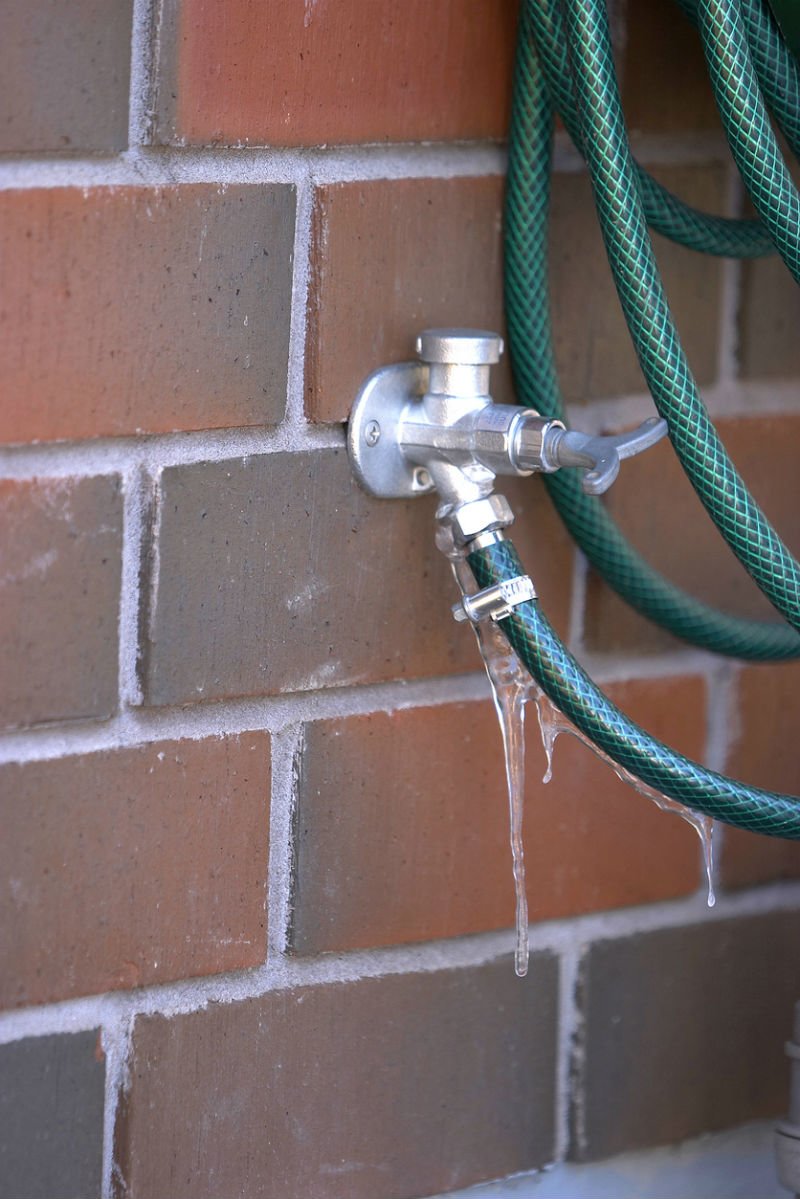
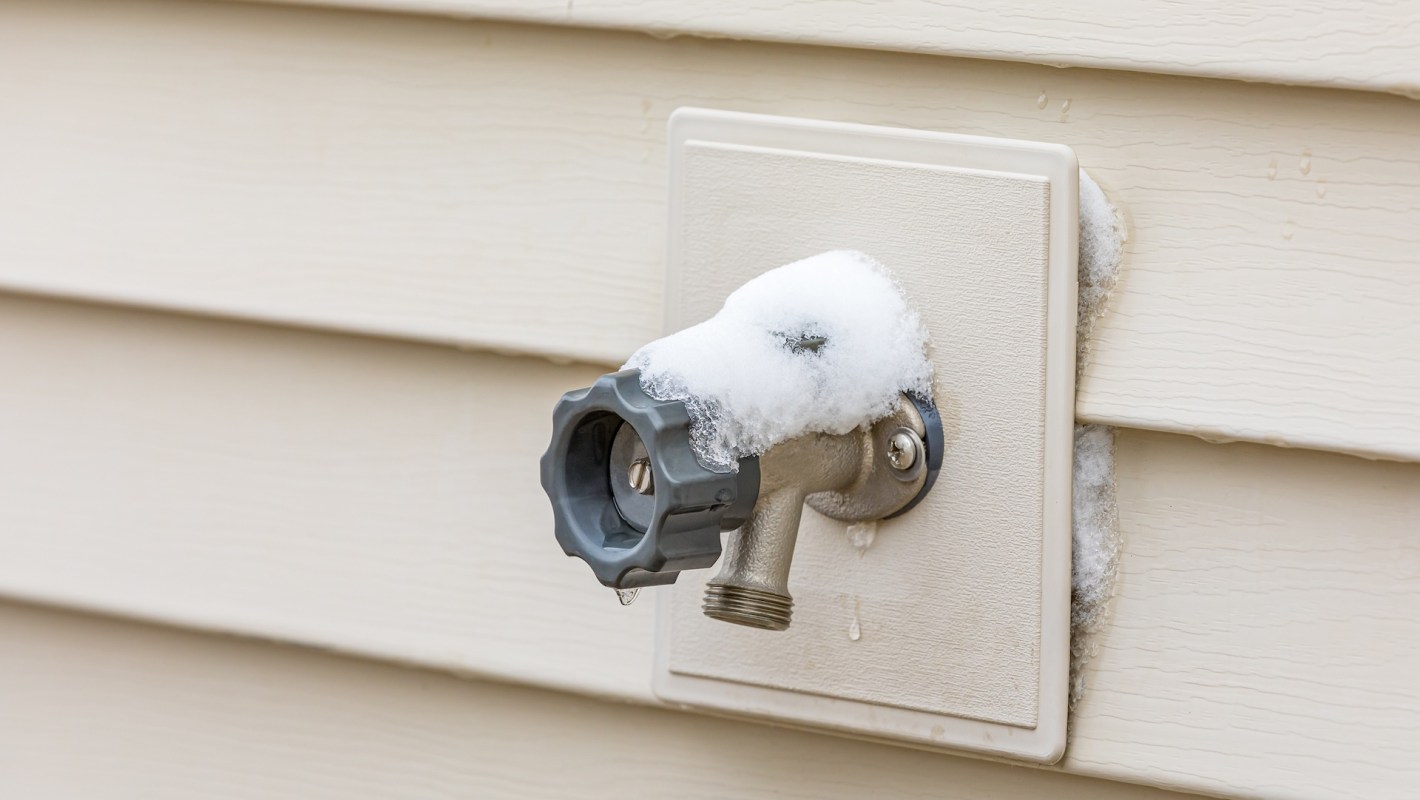
Improving airflow around pipes is also vital. During cold spells, opening cabinet and cupboard doors can facilitate the circulation of warmer ambient air to reach pipes that might otherwise be encased in colder, stagnant air. This not only helps prevent freezing but can also assist in thawing already frozen pipes. Lastly, simply running the home’s heating system is an obvious yet indispensable measure. Utilizing a programmable thermostat allows homeowners to maintain a consistent, safe temperature throughout the day, even when away from home, ensuring pipes remain warm. Beyond internal plumbing, it is equally important to protect outdoor spigots, which are highly susceptible to freezing due to their exposure. Covering these with insulation sleeves or allowing them to drip can prevent issues that could affect the entire water system.
#GoldilocksTemperature #FrozenPipesPrevention #HomeHeating #PipeInsulation #EnergyEfficiency #WinterPreparedness #SmartThermostats #PlumbingAdvice #HomeMaintenance #GoldilocksTemperature #FrozenPipesPrevention #HomeHeating #PipeInsulation #EnergyEfficiency #WinterPreparedness #SmartThermostats #PlumbingAdvice #HomeMaintenance
0 comment in total
 No comments yet
You may also like
When to drip faucets – avoid frozen and burst pipes with these expert-approved precautions
'Too hot or cold and you risk damaging the plant' – this is the ideal watering temperature for healthy houseplants

How to 'warm up' cold walls and 'protect' your home from condensation and mould growth
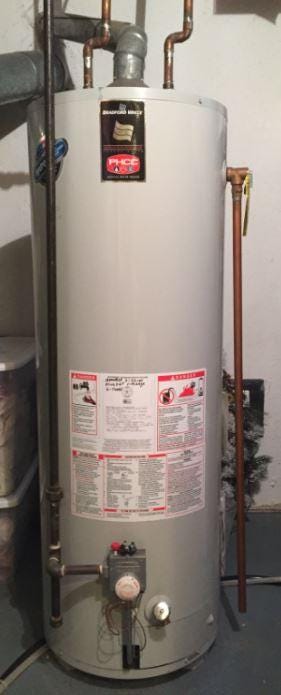
Handyman: Make sure water heater is ready for cold days
Should you leave an attic open during a freeze? HVAC technicians weigh in
Is Your Home Ready for Another Cleveland Winter? How to Winterize in Northeast Ohio


The minimum temperature your heating should set at to avoid condensation & mould

They Might Block the Cold, but This Thermal Blind Mistake Could Make You Sick
The 8 Must-Have Products to Winterize Your Home

Homeowner shares crucial tip to avoid costly repairs this winter: 'I need these reminders'

Is your radiator not heating up? Why it happens and how to fix the problem asap
Tips to Prevent Your Septic System from Freezing

Will Your Pipes Freeze If You Leave The Heating Off?
Avoid insulating these spots as it can cause damp and mould
This $8 hack to keep the cold out works almost as well as double glazing
How a Frost-Free Faucet Can Save Homeowners Thousands of Dollars

How to stop radiators knocking and banging when they turn on - KEY tips
The Best Heat Pumps for Cold Climates
How to draft proof your kitchen, cook in comfort and reduce your energy bills
How to design for extreme temperatures