1/3
Tips to Prevent Your Septic System from Freezing
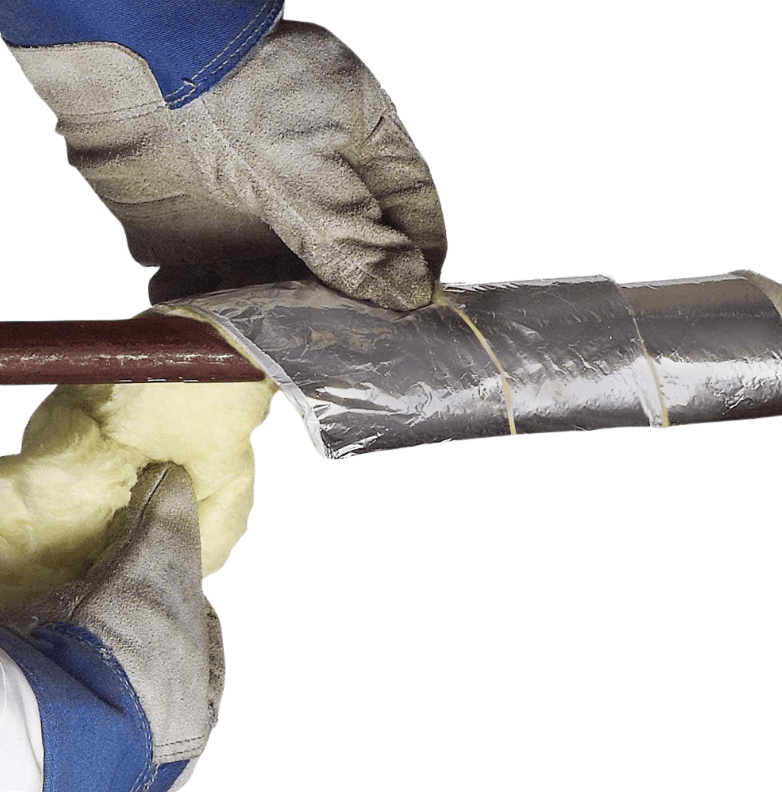
A frozen septic system can lead to costly damage to the tank, piping, filter, and housing, potentially causing waste to back up into the house. To prevent this, several measures can be taken, as advised by Sara Heger, an instructor and researcher in the Onsite Sewage Treatment Program at the University of Minnesota. The continuous use of the septic system, particularly with hot water, helps maintain warmth and reduces the risk of freezing. Snow acts as a natural insulator; therefore, it should not be removed from over the septic system. If natural snow cover is insufficient before freezing temperatures set in, artificial insulation methods such as straw bales or purpose-made insulating blankets should be applied.
Another preventative measure involves maintaining extra vegetation over the system by ceasing grass mowing a few weeks before the end of the growing season. This additional layer of plant matter contributes to insulation. However, a common practice for preventing frozen pipes—letting water trickle—should be avoided for septic systems, as cold drips can lead to ice clogs. For homes that are not regularly used during winter, keeping the indoor temperature between 56°F and 58°F can help prevent the septic system from freezing. If a home will be vacant or winterized, the septic tank should be pumped out before the onset of freezing conditions.
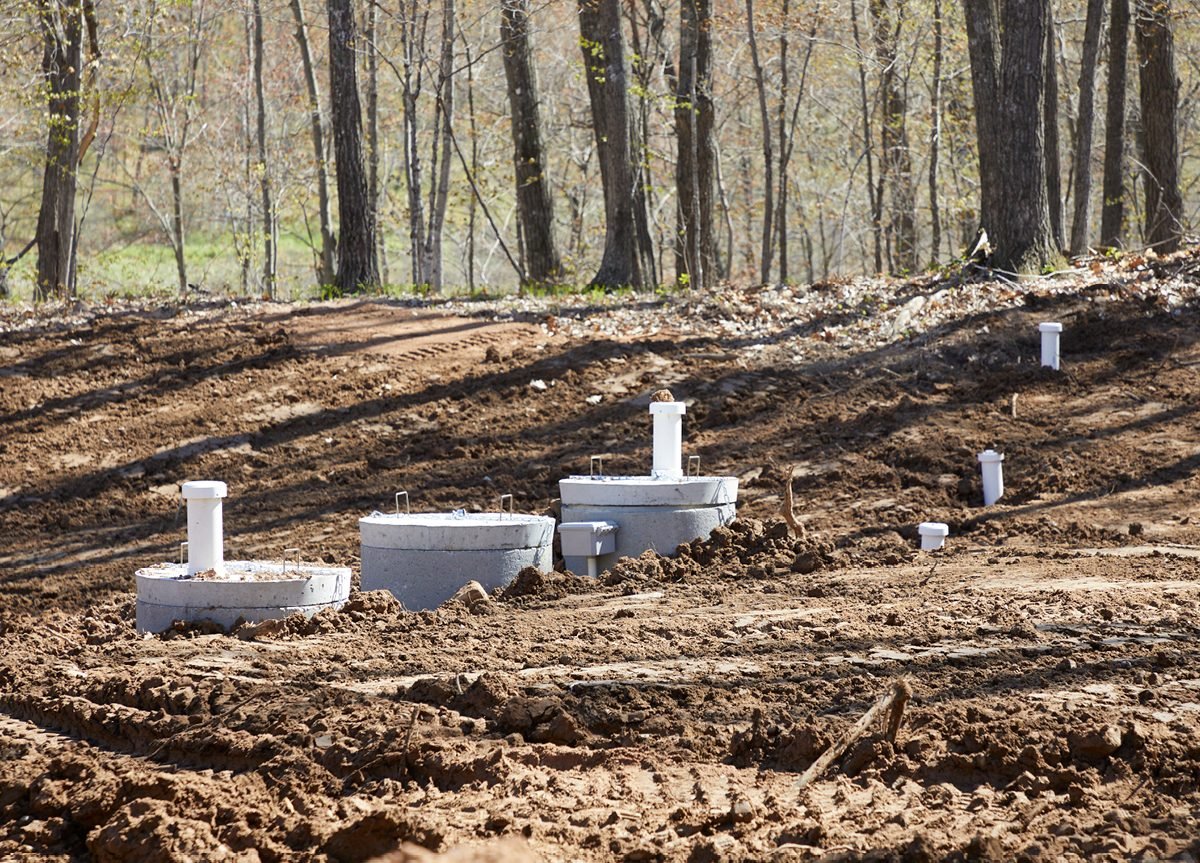
Proper installation and maintenance are also crucial. Septic tanks should be buried as deeply as possible; concrete tanks can be buried up to eight feet to the top, while plastic tanks have a maximum depth of 24 inches. Deep burial, however, can complicate maintenance by making it harder to inspect corners where sludge accumulates. After installation, septic tanks settle for up to a year, and the area over the tank and drain field should be 'crowned' to direct water away, preventing pooling and subsequent freezing. When adding fill to compensate for settling, pea gravel should not be used around manhole covers, as it can inadvertently channel water towards the tank. Frozen ground can lift manhole covers, allowing groundwater to enter the tank, which ultimately shortens the system's lifespan.
#SepticSystem #WinterPreparation #FreezePrevention #HomeMaintenance #PlumbingTips #ColdWeatherProtection #Insulation #PropertyCare #Drainage #SepticSystem #WinterPreparation #FreezePrevention #HomeMaintenance #PlumbingTips #ColdWeatherProtection #Insulation #PropertyCare #Drainage
0 comment in total
 No comments yet
You may also like
The perfect temperature to avoid frozen pipes


The 8 Must-Have Products to Winterize Your Home

Sump pump savvy: Beating the snowmelt before it beats your basement

When to drip faucets – avoid frozen and burst pipes with these expert-approved precautions
Homeowner shares crucial tip to avoid costly repairs this winter: 'I need these reminders'

Why You Should Be Flushing Your Water Heater

Should you leave an attic open during a freeze? HVAC technicians weigh in

Signs of Septic System Failure
Will Your Pipes Freeze If You Leave The Heating Off?
Handyman: Make sure water heater is ready for cold days

7 ways to winter proof your bathroom


K L Contractor Plumbing Inc Ask The Plumber Series Why Water Heaters Make Noise and What Homeowners Should Do About It