1/3
How a Frost-Free Faucet Can Save Homeowners Thousands of Dollars
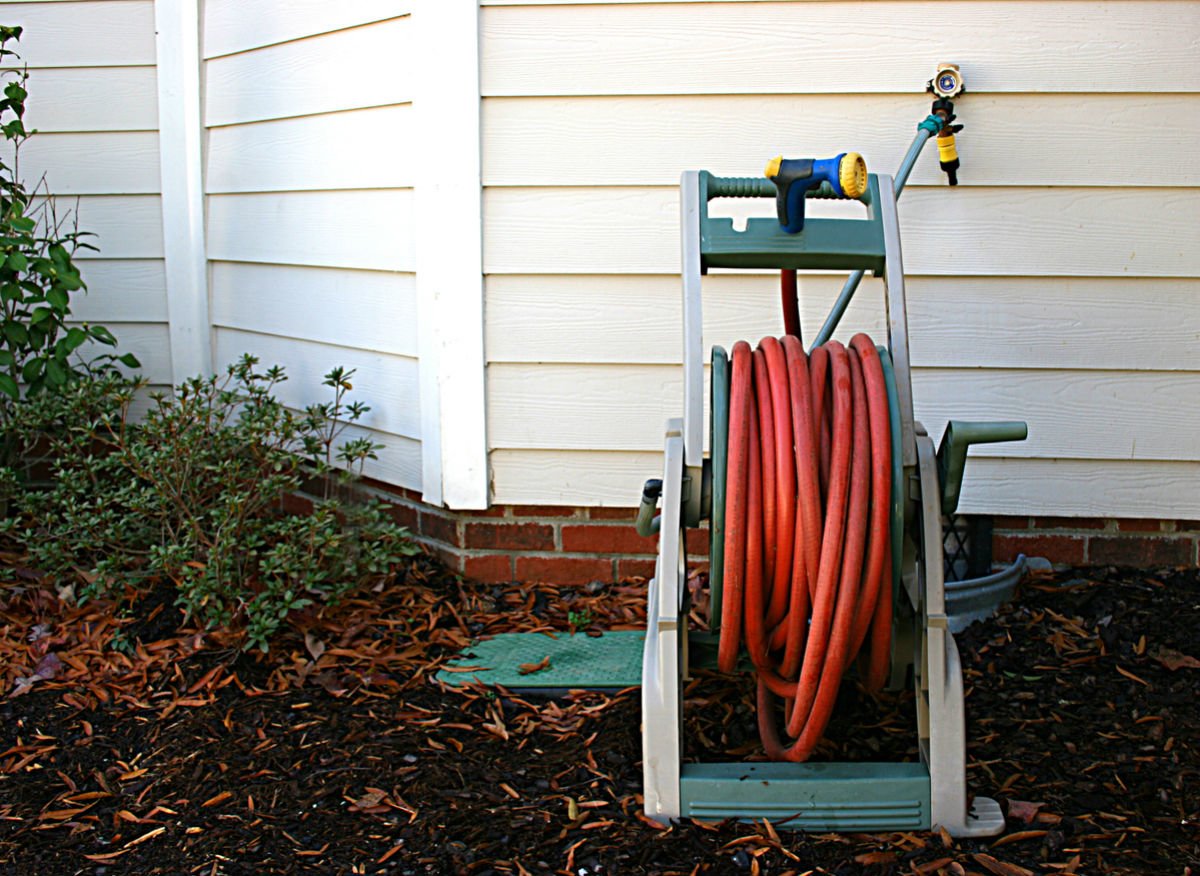
Homeowners occasionally overlook turning off the water supply to outdoor faucets when winterizing their homes, a seemingly minor oversight that can lead to severe consequences. Frigid temperatures cause residual water in the pipes to freeze and expand, often resulting in ruptured faucet connections and significant water damage inside the walls. The cost of repairing such damage, including flooded walls and ruined furnishings, can amount to thousands of dollars.
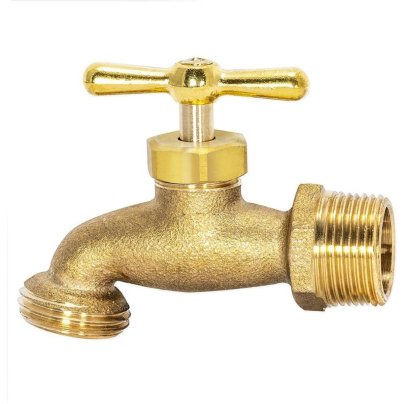
To mitigate the risk of costly water damage during winter, plumbing experts advise replacing standard exterior faucets—also known as sillcocks or hose bibbs—with frost-free models. Daniel O’Brian, a technical expert from SupplyHouse.com, highlights that this solution can start at just $12. Standard exterior faucets have a shut-off washer located directly beneath the valve, leaving pressurized water in the lower part of the faucet and connecting pipe vulnerable to freezing and breakage.
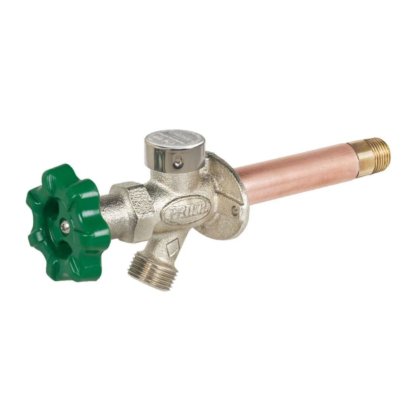
In contrast, a frost-free faucet features an extended rear connection that places the internal shut-off valve within the warmer confines of the house's interior walls, protecting it from freezing temperatures. When a frost-free faucet is turned off, any water remaining in the pipe up to the shut-off valve drains out, preventing ice formation. These faucets are available in various lengths, from four to 24 inches, to accommodate different home water pipe configurations. When replacing an existing frost-free faucet, homeowners should match the size. For a standard faucet replacement, the pipe diameter (½ inch or ¾ inch) should be maintained, but the sillcock extension length depends on the internal pipe layout, ensuring the connection is made before any bends in the water supply pipe.
Installing a frost-free faucet offers peace of mind by significantly reducing the risk of pipe bursts. Unlike standard faucets, which require regular checks in cold climates, frost-free models eliminate this need, protecting against undetected leaks that can cause extensive damage. Many modern frost-free faucets also incorporate an anti-siphon feature. This mechanism prevents outdoor water from being drawn back into the home's water system during a sudden pressure drop, which could be caused by appliance use. The anti-siphon device acts as a one-way valve, crucial for preventing contamination, particularly if chemicals or fertilizers are attached to a garden hose. This safety feature is now a common code requirement for exterior faucets in many communities.
Homeowners in regions prone to freezing temperatures, regardless of local building codes, should consider investing in frost-free faucets to avoid substantial repair costs. Some home insurance policies may even offer premium reductions for homes equipped with these models. While installing a frost-free faucet can be a DIY task, it involves cutting pipes and depressurizing the water supply, making it a job better suited for a professional plumber if the homeowner lacks plumbing experience. Complex installations, such as those involving copper pipes requiring a “sweat” connection (soldering with a torch), necessitate specialized skills to prevent leaks. Frost-free faucets come with various connection types, including push-fit, threaded, and sweat, to match existing pipework.
Installation tips include favoring non-sweat connections for easier future repairs and using a mounting plate to secure the sillcock, prevent wobbling, create an aesthetically pleasing finish, and seal wall penetrations against drafts, moisture, and pests. If a sweat connection is necessary, the interior stem unit of the sillcock should be removed to protect rubber O-rings from the soldering heat. Once installed, frost-free faucets require minimal maintenance: avoid over-tightening the valve to protect gaskets and always disconnect garden hoses to ensure proper drainage and prevent freezing within the faucet itself.
#FrostFreeFaucet #HomeMaintenance #Plumbing #WinterProofing #WaterDamagePrevention #DIYHomeImprovement #OutdoorFaucets #AntiSiphon #HomeSafety #FrostFreeFaucet #HomeMaintenance #Plumbing #WinterProofing #WaterDamagePrevention #DIYHomeImprovement #OutdoorFaucets #AntiSiphon #HomeSafety
0 comment in total
 No comments yet
You may also like
The Best Outdoor Faucet is Easy to Install—and It Prevents Hose Kinks

Planning a Kitchen Remodel? These Are the Best Kitchen Faucets We Tested

This Simple Kitchen Upgrade Helps Keep Germs From Spreading
Explore the Best Bathroom Faucets From Top Brands like Delta, Kohler, and Moen—Tested by BHG
6 Smart Faucets Worth Buying

Buyer’s Guide To Touchless Bathroom Faucets (Plus, Our Top 5 Picks)

Plumbing Technology Trends for 2024

10 Expert-Recommended Products For Keeping Drafts Out
How to Winterize Your House And Save Yourself Thousands in Repairs Later

Save Water & Money – Fix a Leak Week & FREE Water Conservation Kits

Buy One, Get One Free: Increase Your Home’s Energy Efficiency With This Simple Upgrade
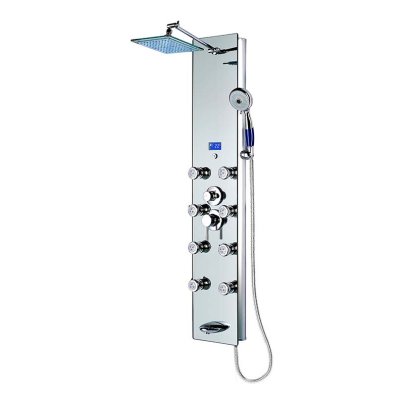
The 11 Best Shower Faucets to Add Style and Function to Your Bathroom
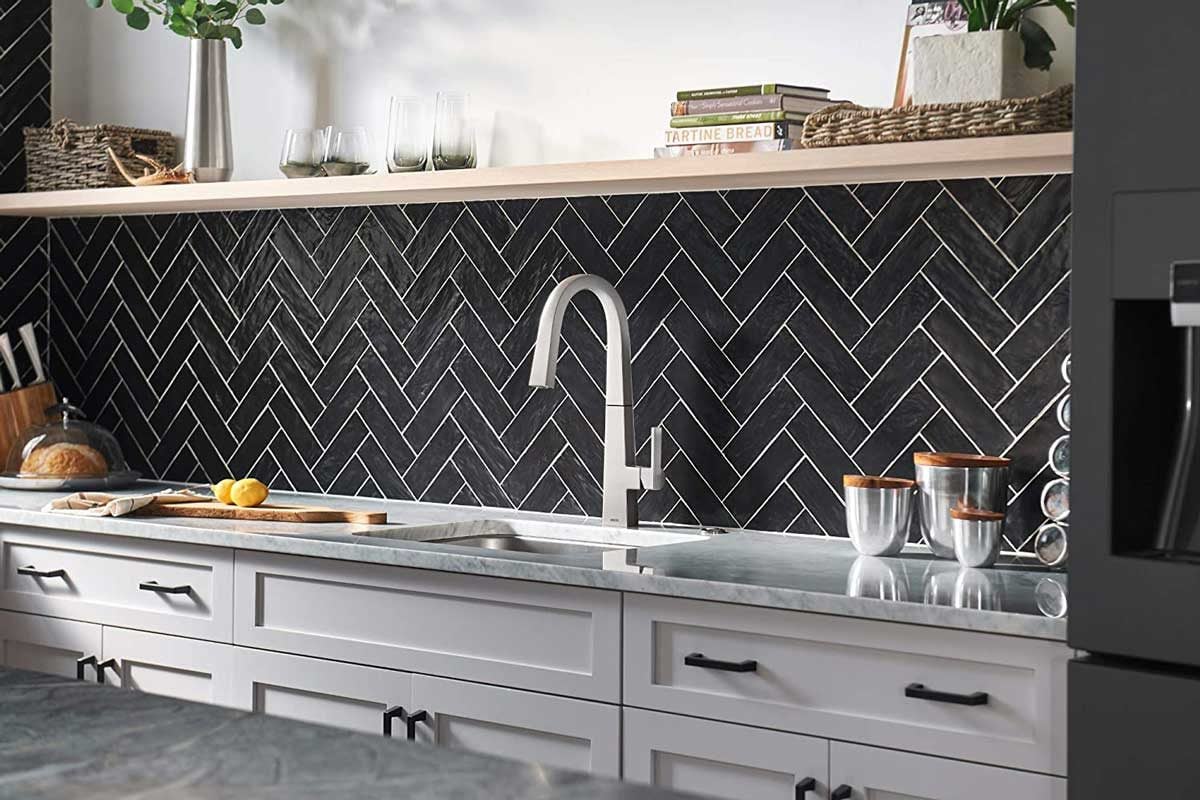
Smart Faucets: What to Know
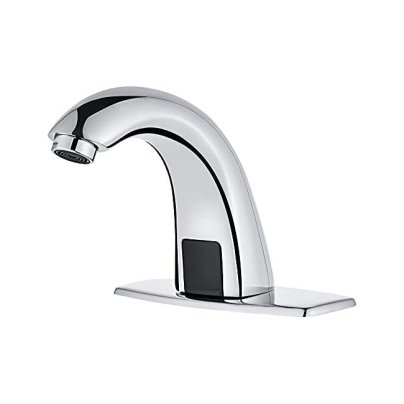
After Researching 20+ Bathroom Faucets, Our Favorite Offers Hands-Free Operation and is Easy to Install
Best Kitchen Faucets for 2026

When to drip faucets – avoid frozen and burst pipes with these expert-approved precautions
Top 13 best touchless kitchen faucets
The perfect temperature to avoid frozen pipes
The Best Kitchen Faucets Can Transform Your Kitchen and Simplify Your Life
You can stop worrying about damp in your home thanks to this budget appliance