1/4
'Too hot or cold and you risk damaging the plant' – this is the ideal watering temperature for healthy houseplants
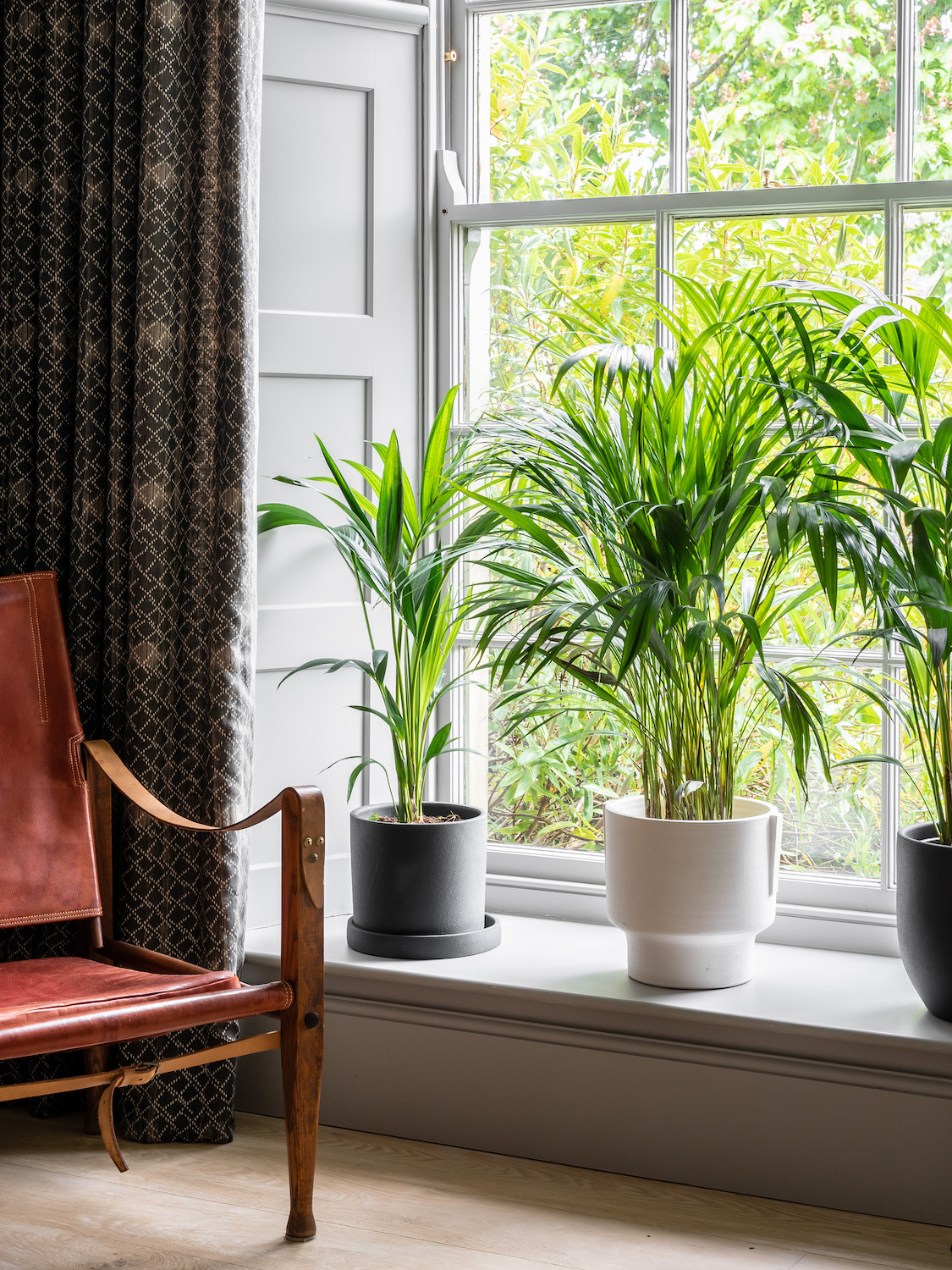
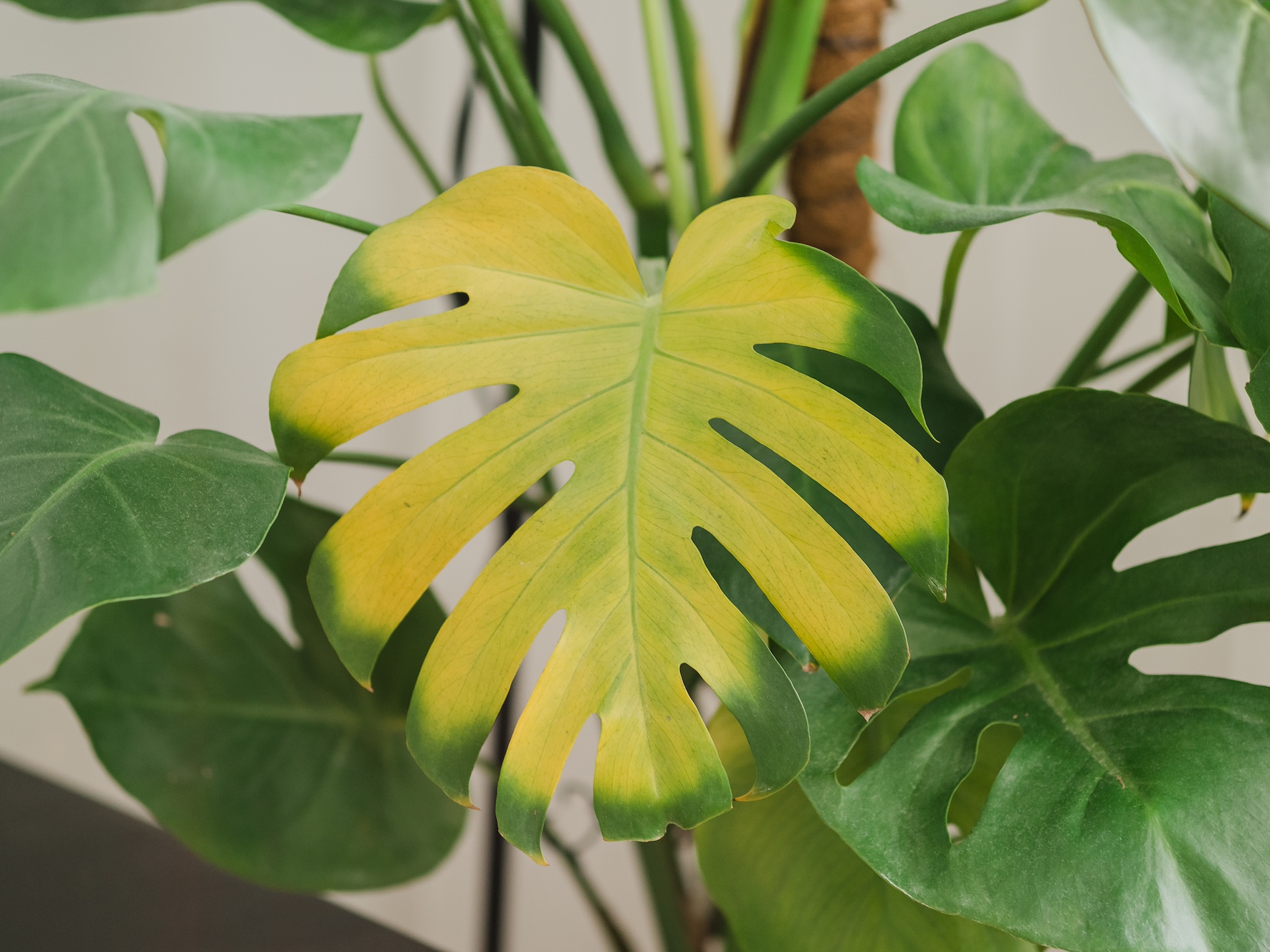
Watering houseplants is a crucial aspect of plant care, yet the temperature of the water used is often overlooked, potentially leading to significant harm to the plants. Many individuals simply use water straight from the faucet, which can be detrimental due to its cold temperature. Scientific American research indicates that faucet water averages around 55 degrees Fahrenheit. This temperature can shock indoor plants, which are accustomed to ambient room temperatures, causing slowed growth, root damage, wilting, discoloration, and reduced nutrient uptake as metabolic processes are slowed.
Experts emphasize that room temperature water is ideal for houseplants. Mo Bhula, a plant expert at the Botanical Archive, explains that water that is too hot or too cold can damage the plant's root system and cells. The optimum temperature range for most houseplants to absorb water and nutrients is between 60 and 70 degrees Fahrenheit, with an ideal temperature around 65 degrees Fahrenheit. It is recommended to test the water temperature by hand before applying it to plants to ensure it is neither extremely hot nor cold. Hot water, in particular, can be severely damaging, even fatal, as it can quickly burn the root system, especially in plants with thin, shallow root systems.
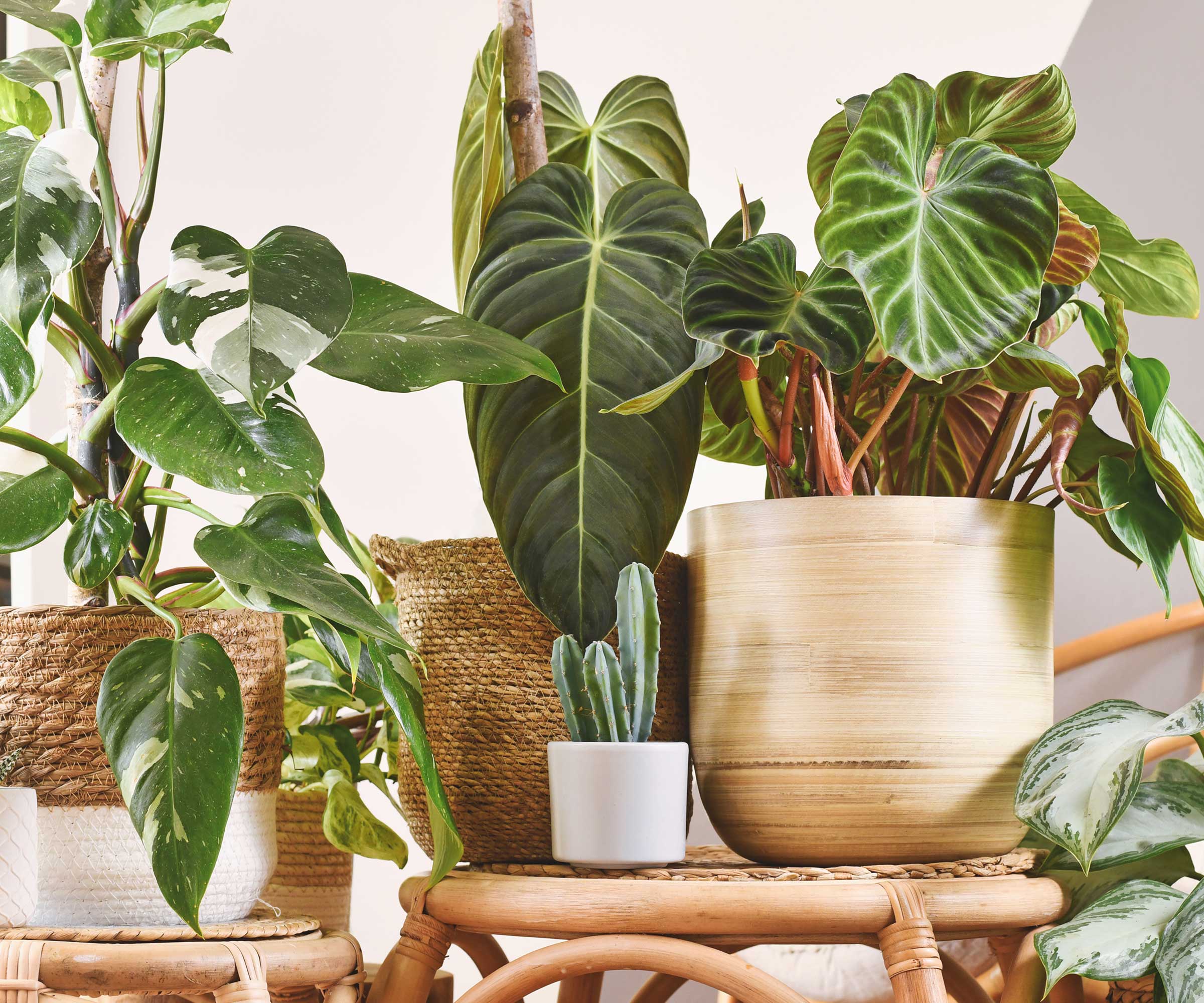
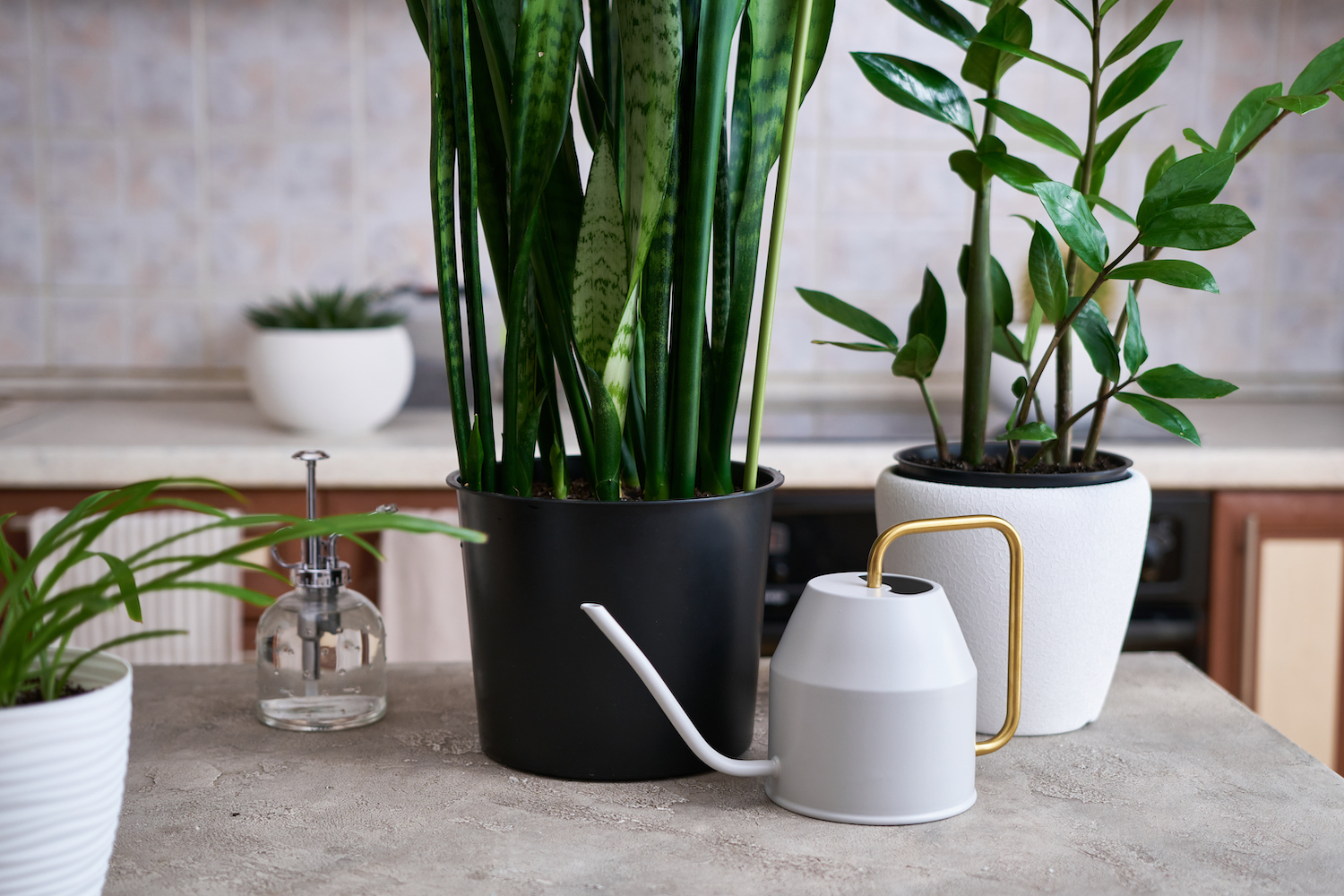
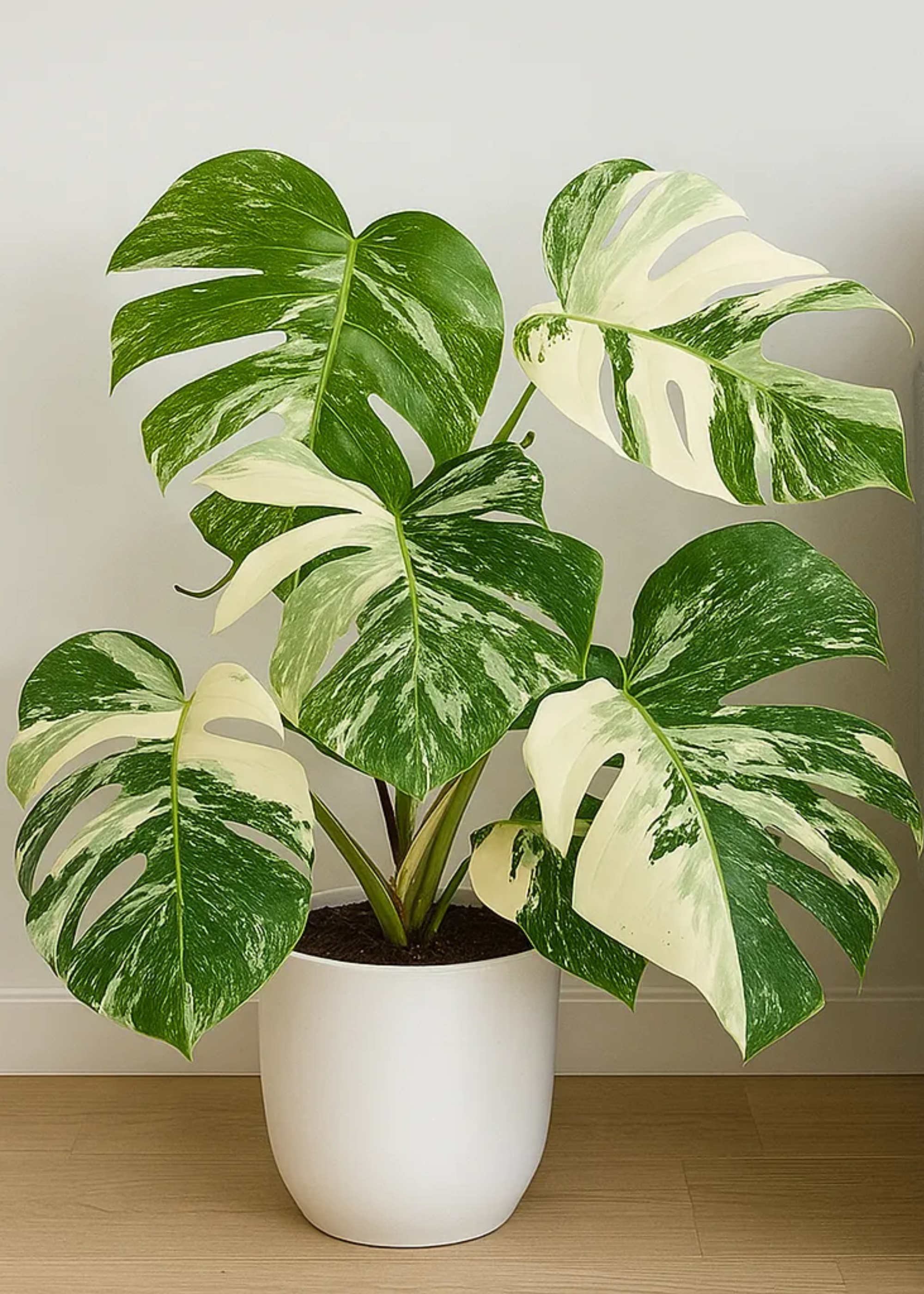
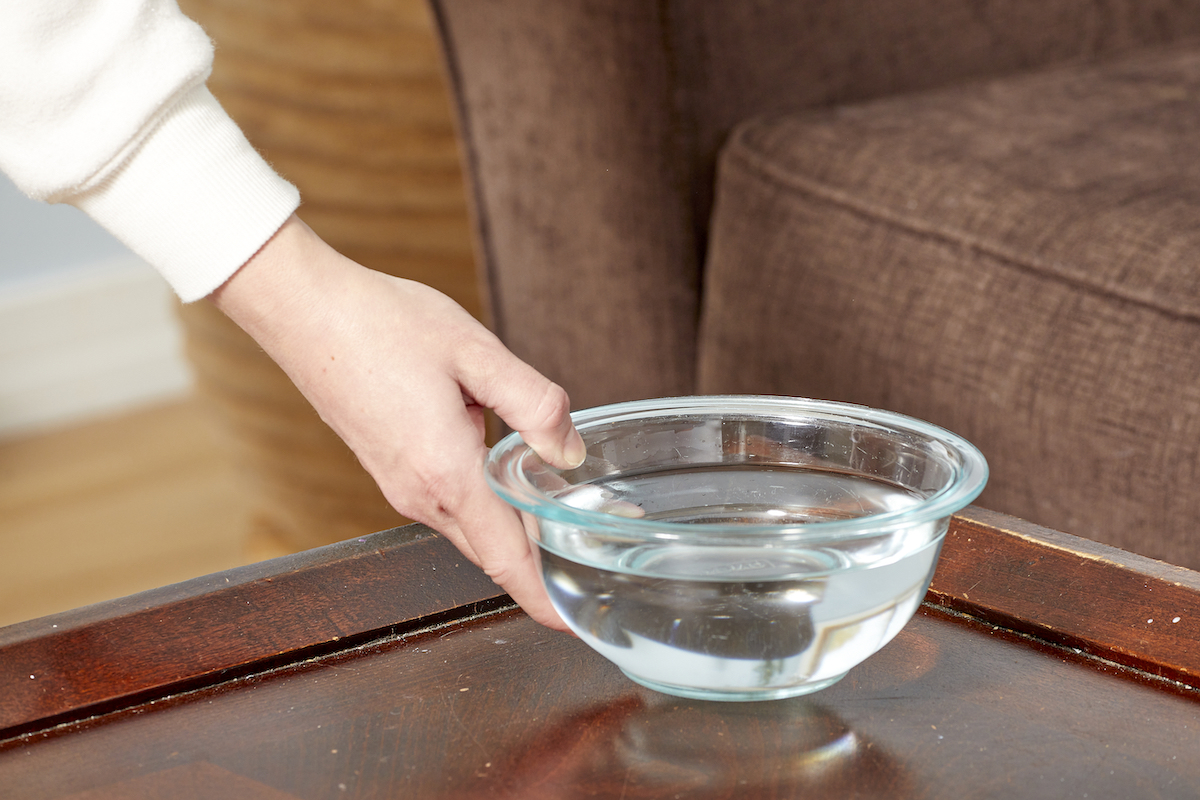
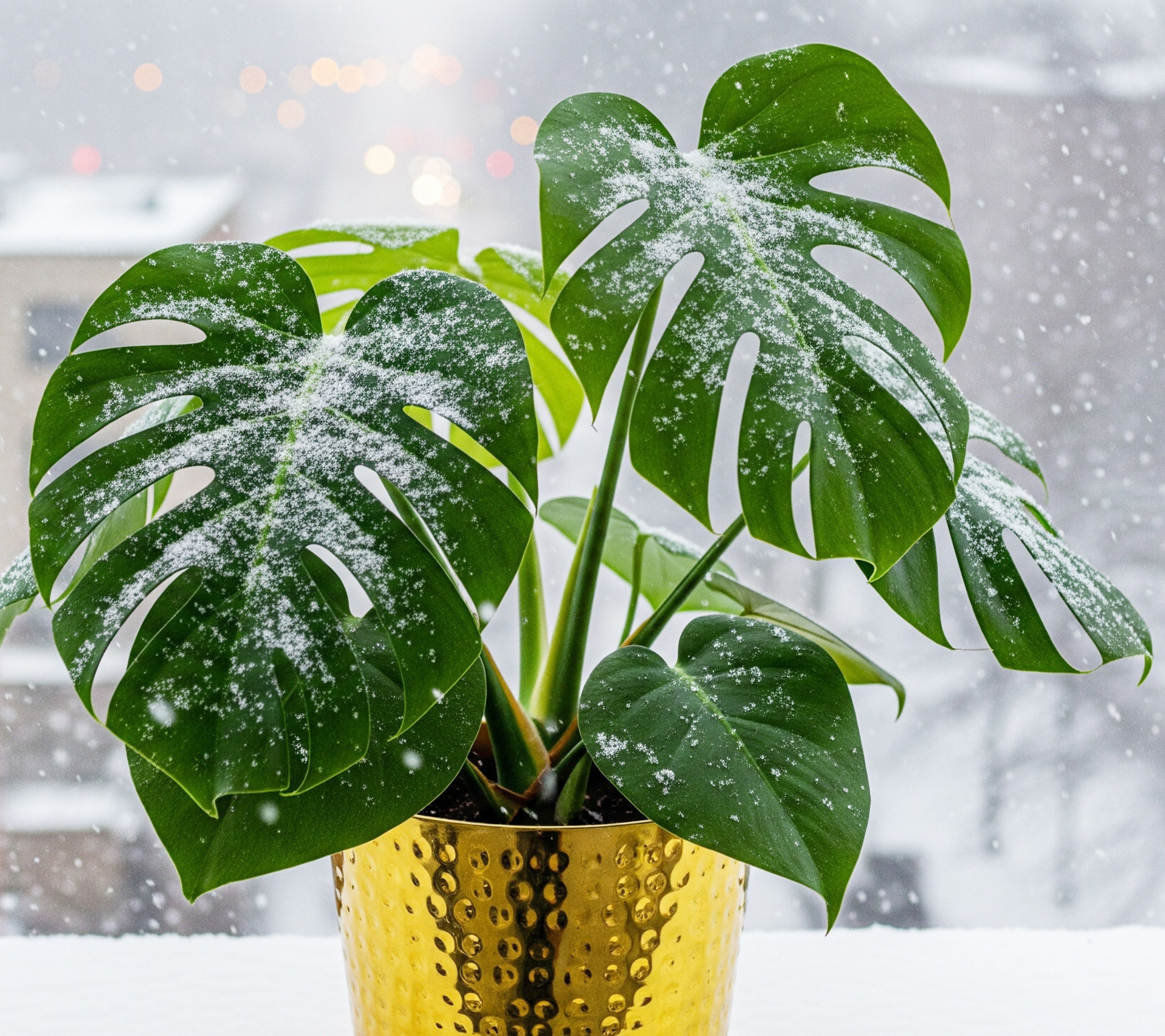
To achieve the ideal water temperature, a simple and effective method is to leave a full jug or watering can of water out overnight to allow it to reach room temperature. This practice ensures the water is temperate and prevents thermal shock to the plants. While temperate water is generally preferred, the specific requirements of individual plants should also be considered. Plants from different climates may have varying preferences; for instance, tropical plants like Philodendrons or Monsteras might prefer slightly warmer water, whereas desert plants such as succulents can tolerate cooler temperatures.
In addition to water temperature, the method of watering also plays a vital role. Applying cold water directly to the foliage can lead to leaf rot or discolored spots. To mitigate this risk, the bottom watering method is highly recommended. This technique involves placing the plant pot in a saucer or tray with a small amount of water, allowing the roots to absorb water as needed. This not only protects the foliage from cold water damage but also helps prevent overwatering, as plants only take up the necessary amount of moisture. By adopting these practices—using room temperature water, considering individual plant needs, and employing bottom watering—houseplants can become happier, healthier, and more resilient.
#HouseplantCare #WateringTips #PlantHealth #IndoorPlants #GardeningAdvice #HomeDecor #PlantMaintenance #RoomTemperatureWater #HouseplantCare #WateringTips #PlantHealth #IndoorPlants #GardeningAdvice #HomeDecor #PlantMaintenance #RoomTemperatureWater
0 comment in total
 No comments yet
You may also like
How to protect houseplants from central heating – to keep them thriving indoors throughout the colder months

5 Genius Tricks for Slow Watering Your Houseplants, so You Can Go on Holiday Without Worrying About Your Indoor Garden

14 Easy Ways to Increase Humidity in a Dry House

Are Plants in Your Shower a Good Idea? Here's What Experts Say

What You Need to Know About Watering Houseplants — The Rules for a Healthy Indoor Garden
Drought tolerant plants - Sarah Raven's top tips for sunny spots
Handyman: Make sure water heater is ready for cold days
'Bigger is better': Expert tips and tricks for styling your indoor plants
The perfect temperature to avoid frozen pipes
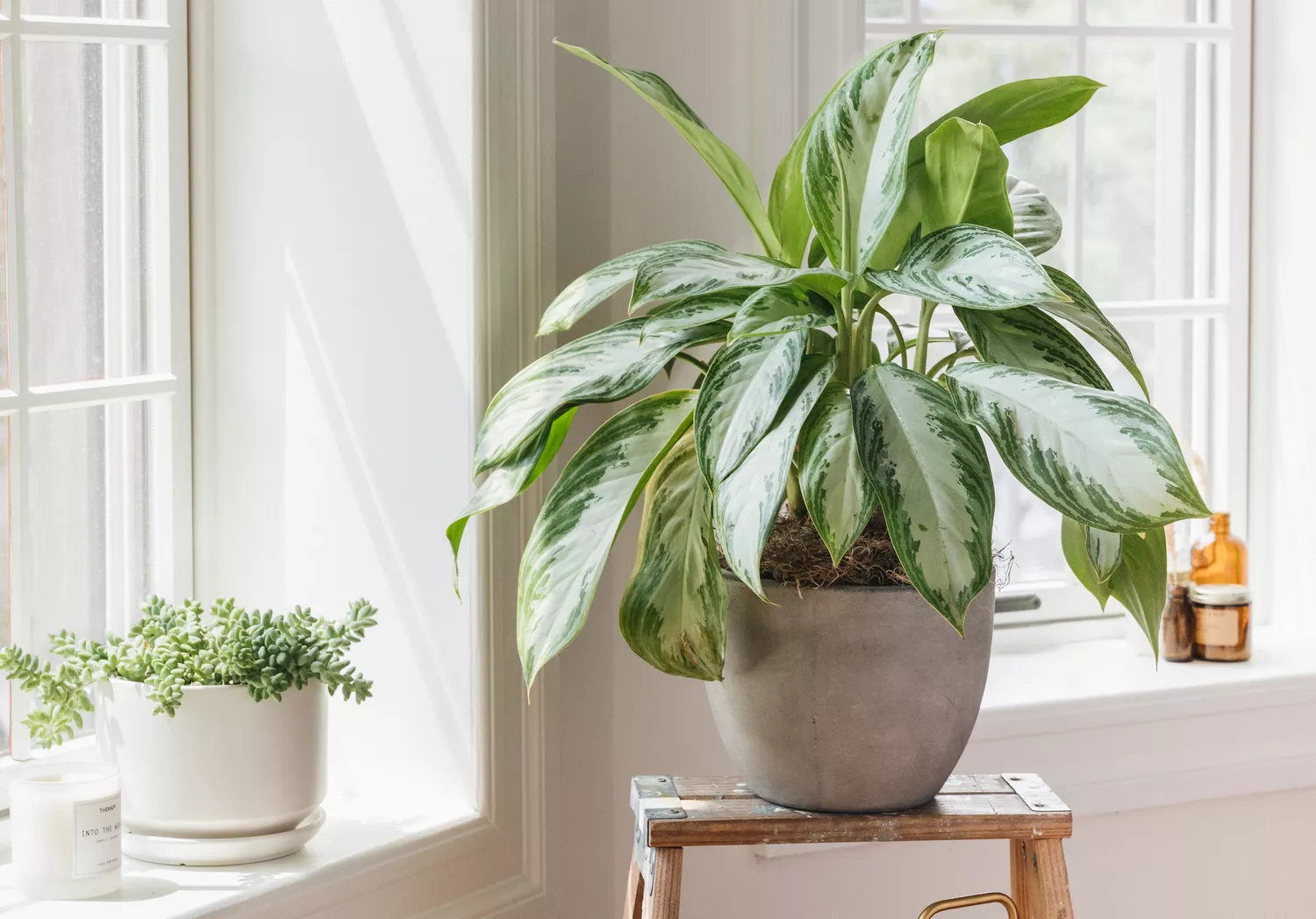
How Much Light Do Your Houseplants Need?

The ONLY Plants That Can Outshine the Summer Sun

Tips for selecting an indoor plant
Cornerstone Homebuyers Expands "Sell Water Damaged House" Service Throughout Florida
5 Houseplants That Just Don't Like Winter — And How to Keep Them as Happy as Possible During the Colder Months

When to drip faucets – avoid frozen and burst pipes with these expert-approved precautions
These 33 Houseplants Are Easy to Grow in Water

How to Keep Exterior Green Walls Alive in the Winter
What can you grow in a hydroponic garden? Experts explain how to use them for lush indoor planting