Why modern British homes are getting mouldy
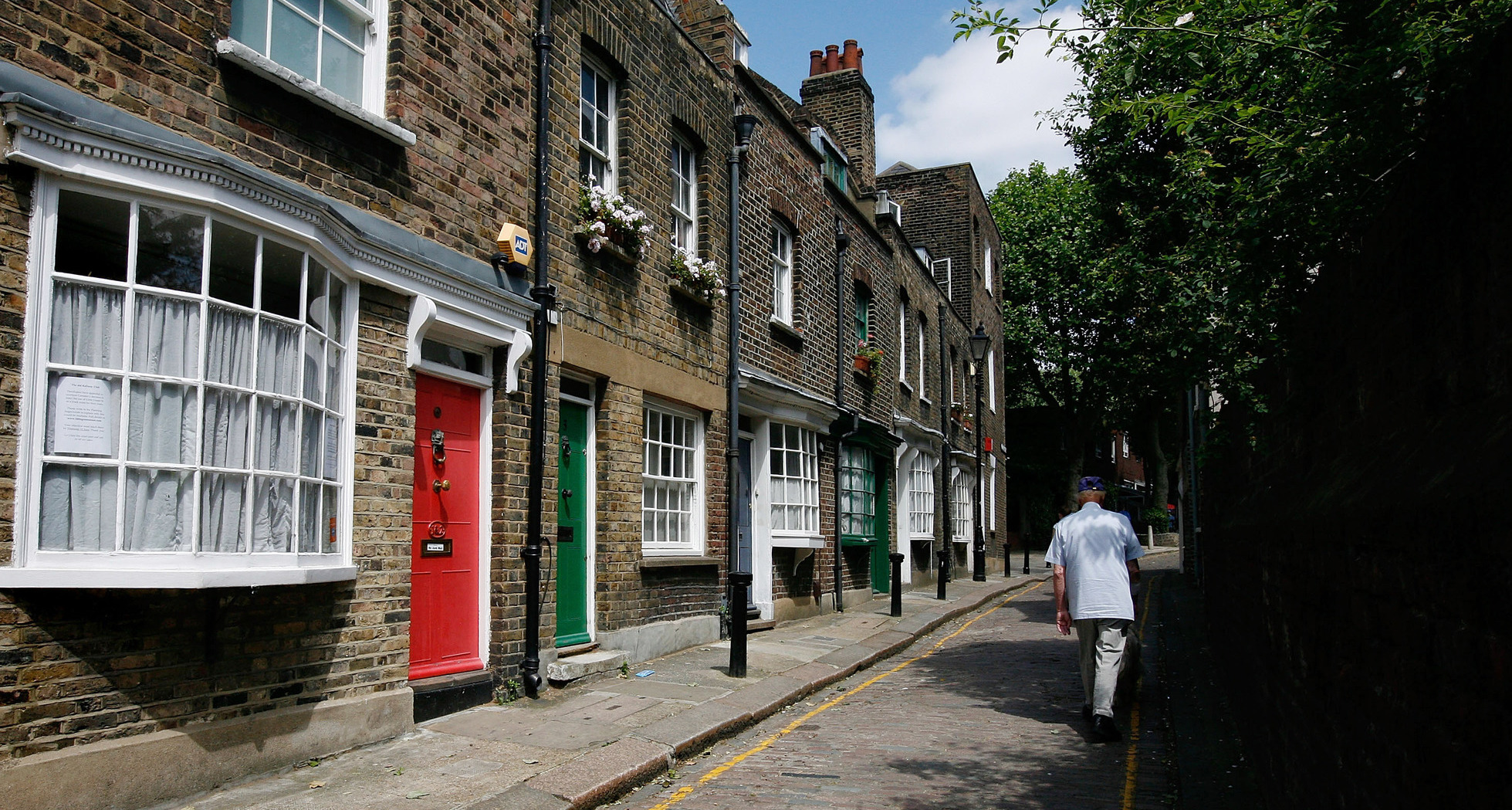
Britain's unique climate, characterized by cold and damp conditions due to its Atlantic fringe location, naturally results in high ambient moisture. Historically, British houses, particularly the 25% built before 1919, were constructed using time-tested techniques to manage this moisture through airflow. These traditional methods included air-permeable lime mortar and plaster, which allowed moisture from within the home to evaporate, and draughty single-pane windows that facilitated air circulation, preventing mould buildup. The heating of these homes was managed by burning wood or coal in open fires, which, while draughty, effectively warmed the living spaces.
Following World War I, a shift occurred in construction practices. With a shortage of skilled tradesmen, builders adopted newer, quicker, and cheaper materials such as gypsum-based plasters and cement mortar. These materials, unlike traditional lime-based alternatives, are impermeable to moisture, necessitating the introduction of air cavities, external vents, or air bricks for circulation. Over time, traditional skills diminished, and older homes were often renovated with these non-breathable materials. Additionally, draughty single-pane windows were replaced with sealed double-glazing, and chimneys were bricked up in favor of central heating, further reducing crucial airflow. These modernizing efforts inadvertently led to a significant increase in dampness within British homes, creating a demand for ineffective damp-proofing solutions.
Currently, rising energy costs and climate change mitigation efforts are driving a new campaign to retrofit insulation into existing homes. However, this initiative often overlooks the fundamental design principles of older British houses, which were explicitly built to be breathable. For instance, government-backed schemes for spray foam insulation in lofts have been problematic. By blocking airflow, this type of insulation traps moisture, leading to rotting roof joists and rendering houses unmortgageable. Similar issues are emerging with foam cavity wall and other retrofitted insulation methods, effectively wasting taxpayer money and making homes less liveable.
These problems highlight a critical misunderstanding: solutions effective in drier continental European climates are proving disastrous when applied to Britain's Atlantic climate. The well-intentioned insulation campaign, including actions by groups like Insulate Britain, is inadvertently creating a scandal of widespread damp and mould issues. A more effective approach would involve redirecting government grants towards retraining tradesmen in traditional breathable construction techniques, which are currently specialized and highly paid. Furthermore, promoting breathable insulation materials like sheep's wool, rather than impermeable foam and foil, would provide a sustainable and effective solution.
Moreover, supporting the reintroduction of dry, circulating heat sources such as solid fuel-burning stoves, despite opposition from Net Zero advocates, could warm draughty British homes without causing damp and mould. Ultimately, the article suggests that traditional, time-tested methods, which prioritized breathability and natural ventilation in response to Britain's unique climate, often prove superior to modern innovations that disregard these environmental considerations. The current issues with mould and dampness stem from a failure to appreciate and adapt to Britain's specific climatic conditions in modern housing and renovation practices.
#BritishHousing #Mould #Dampness #NetZero #Insulation #TraditionalBuildingMethods #ClimateAdaptation #HousingPolicy #Retrofitting #BritishHousing #Mould #Dampness #NetZero #Insulation #TraditionalBuildingMethods #ClimateAdaptation #HousingPolicy #Retrofitting
0 comment in total
 No comments yet
You may also like

Outdated Trends That HGTV's Property Brothers Swear Are Ruining Your Home's Vibe

Microcement is transforming our homes into havens of quiet luxury


30 of the worst modern home trends that WILL go out of fashion | loveproperty.com

Home Trends

20 Unfortunate Ways Your Home Looks Super Dated, According to Experts
Sooner or Later Despair Leads to a Bad House Design (HOOK’EM HORNS!!!)

7 Reasons Your Home Looks Dated, According to Designers

Inside the homes that 'whisper rather than scream luxury'

This Detail Automatically Makes a Traditional House Feel Moody


Housing design is finally improving in England – here’s why | Bartlett Faculty of the Built Environment

Expert reveals the interior design trends that will make your home look dated
Plywood-lined bedrooms feature in London loft conversion by Widger Architecture
Why London homeowners are turning back to traditional coving styles

13 Home Design Trends That Are Dating Your Home

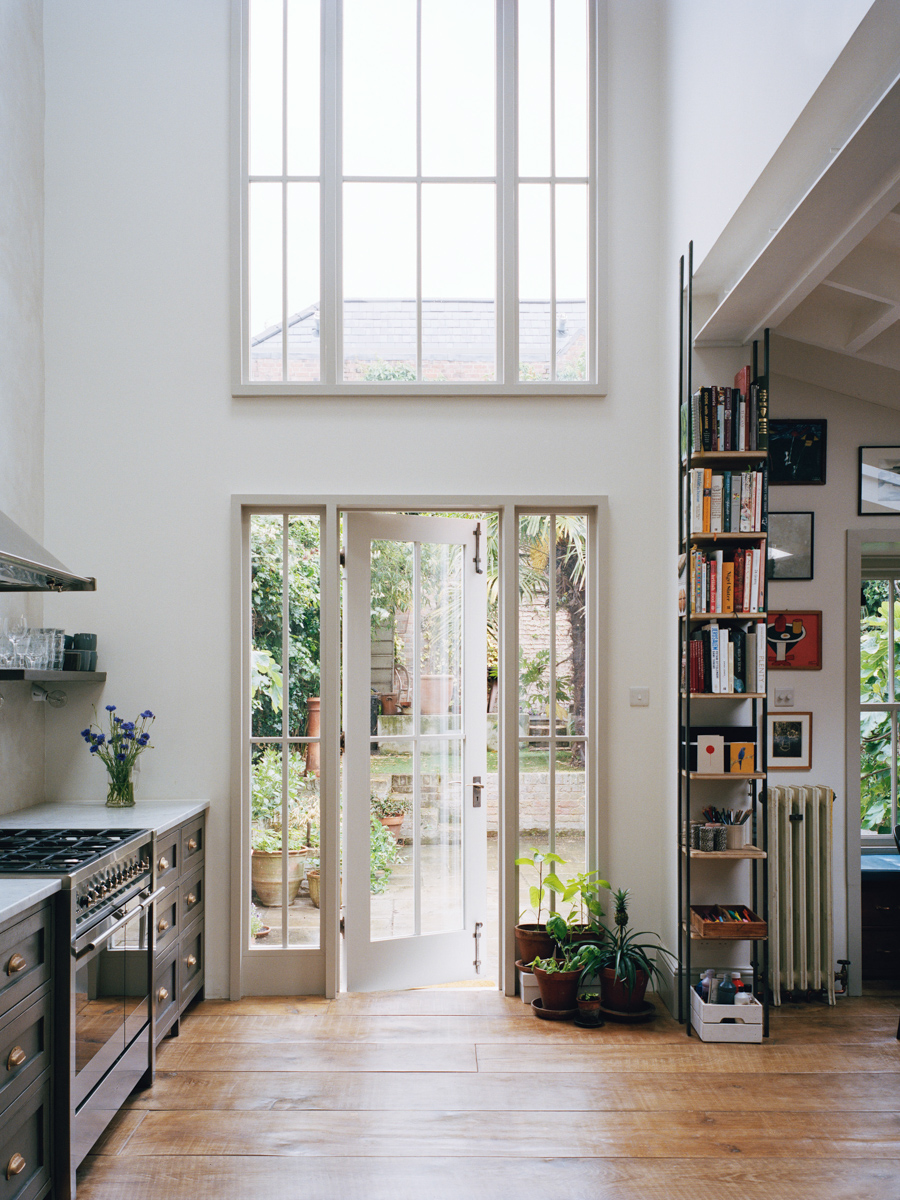
From the Utensil Rack to the Tub, All That’s New in This Home Is Meant to Look Old

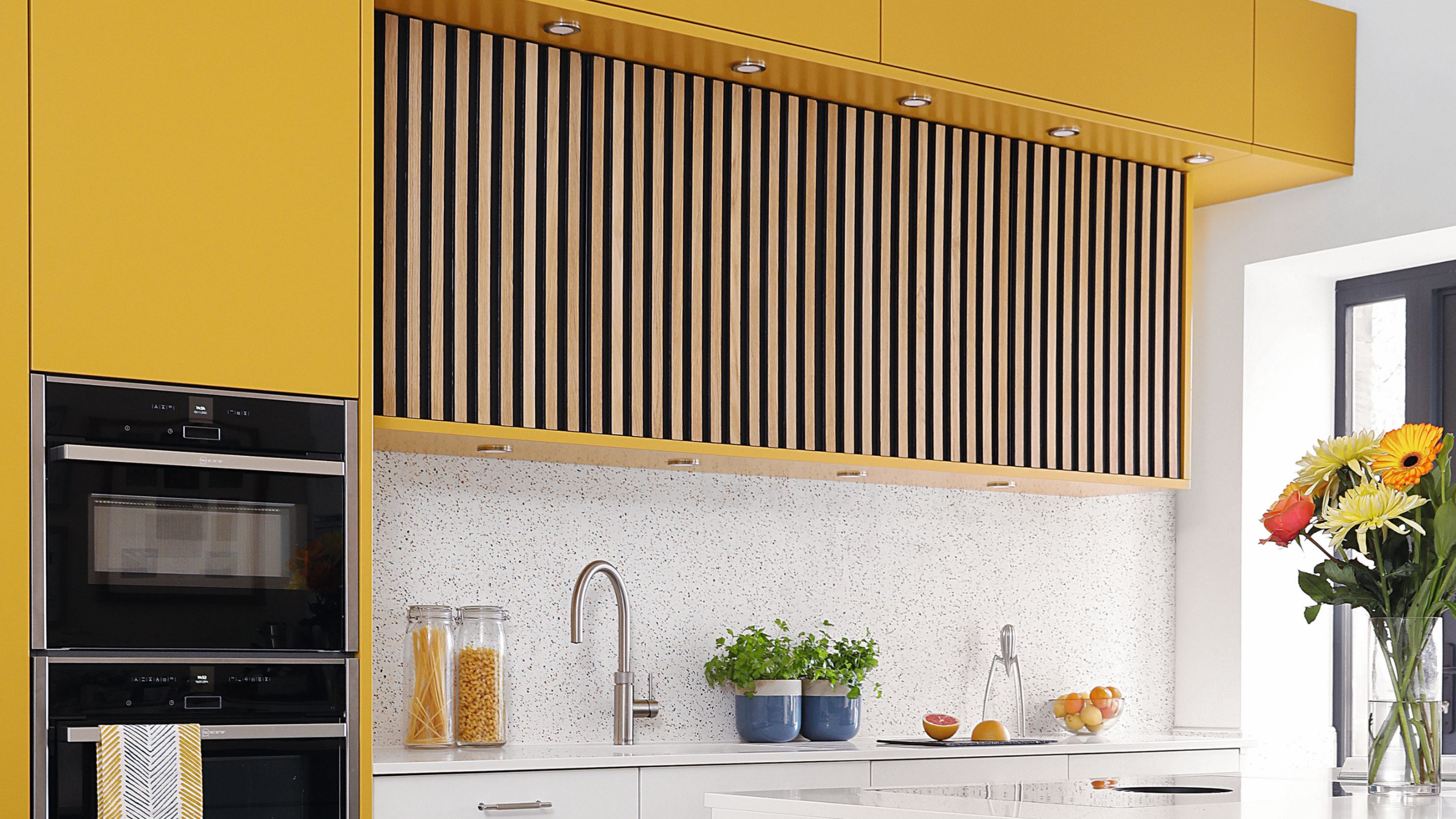
'Potential buyers may see it as a DIY job gone wrong' – this popular interior trend may be devaluing your home
The ancient flooring transforming modern homes

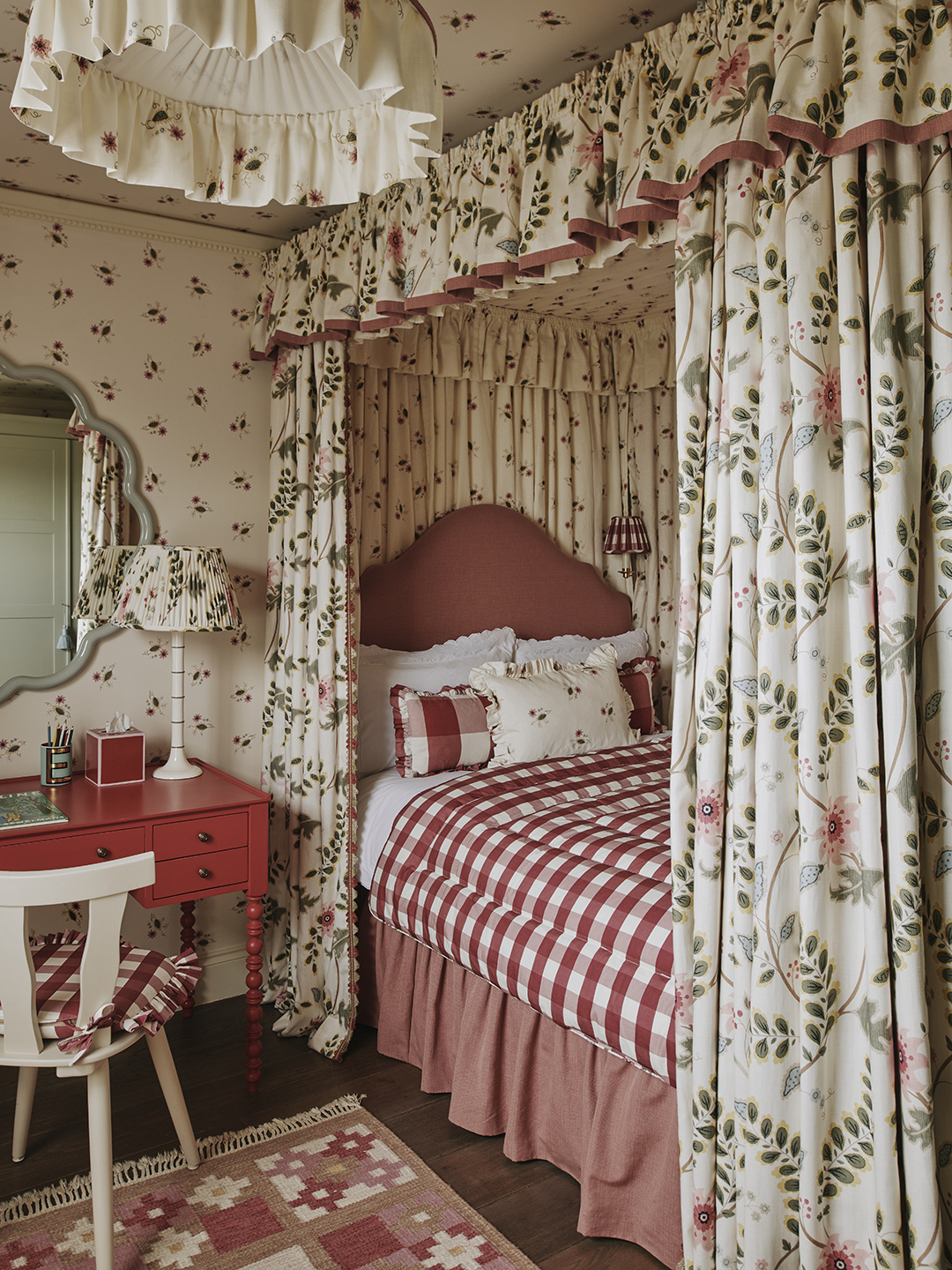
This Joyful London Home Is Where Britishcore Style Is Heading

Old Versus New: Victorian Home Gets Modern Update


These Features Instantly Kill a Home’s Renovation Potential