1/3
How to clean butcher block countertops – 5 methods to prevent, and remove, hard-set stains
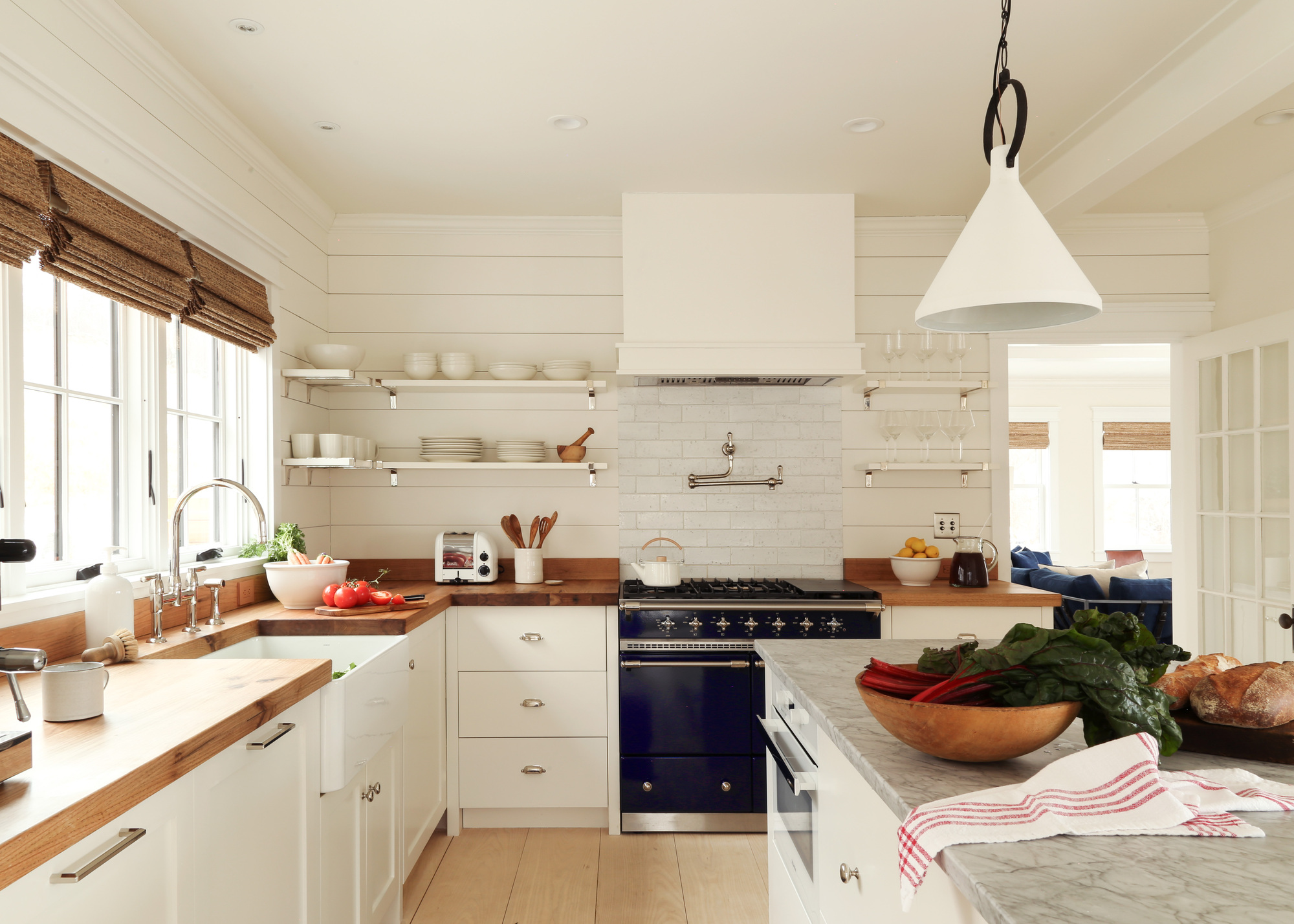
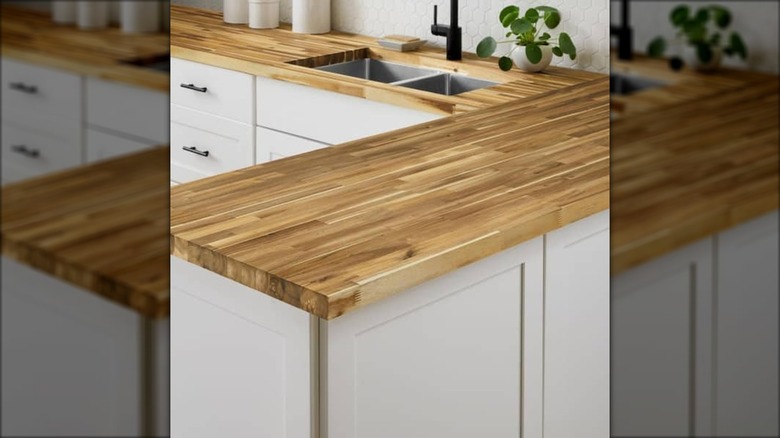
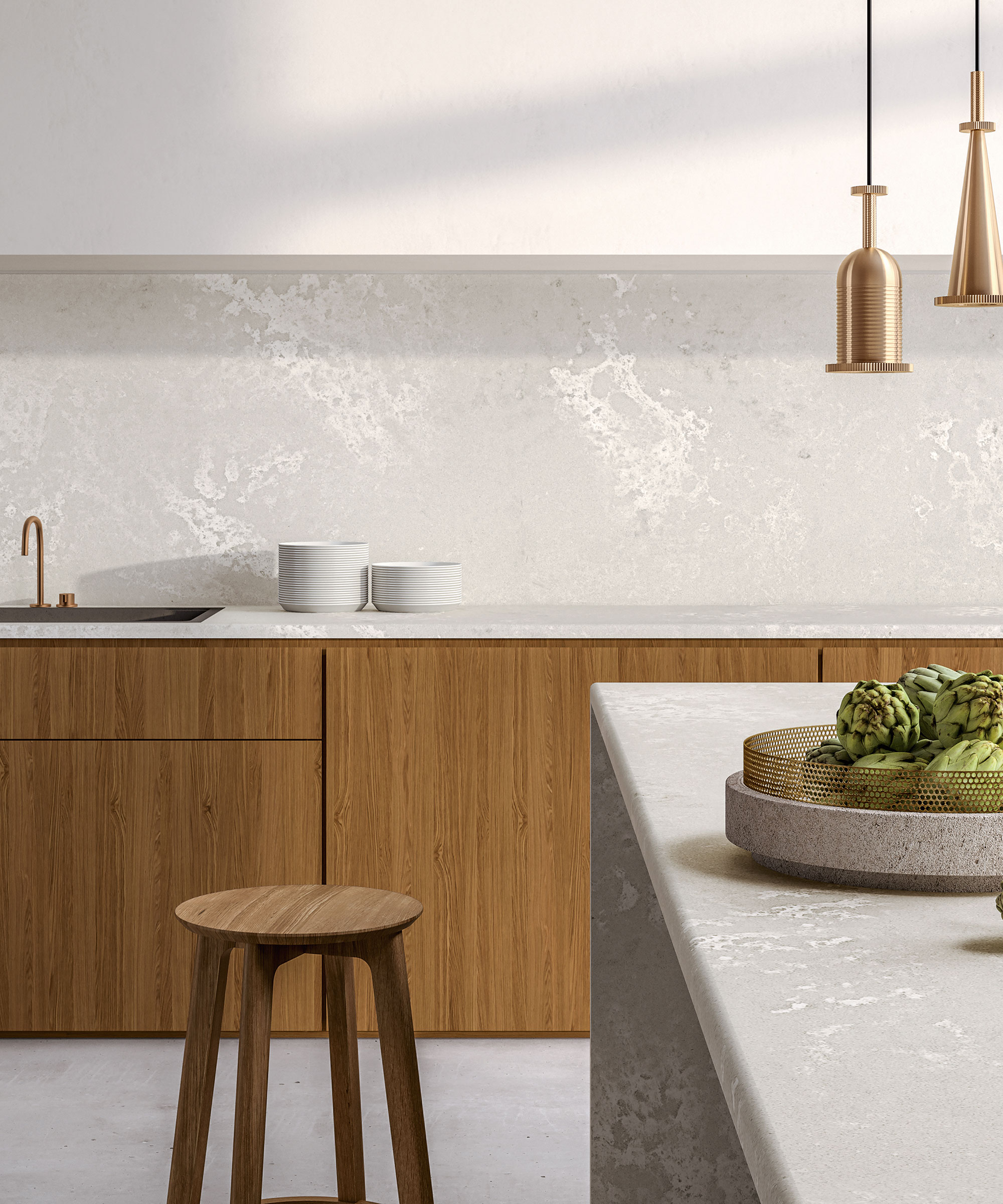
Butcher block countertops offer a timeless and rustic aesthetic for kitchens, known for their ease of maintenance when cared for properly. Essential to preserving their appearance and preventing stubborn stains is correct cleaning and sealing, particularly given their natural wood composition in high-traffic areas. This guide provides five key methods and expert tips for effective butcher block countertop care.
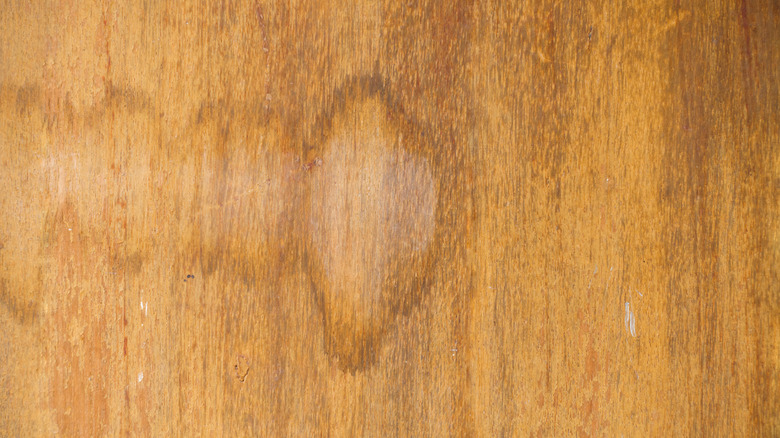
First, regular cleaning after each use with water and dish soap is crucial. It involves wiping the surface with a clean, damp cloth, ensuring the cloth is well-wrung to prevent excess water exposure which can lead to staining or cracking. Thorough drying with a clean towel immediately afterward is also vital for the same reason.
For a deeper clean and disinfection, a hydrogen peroxide mixture is recommended. James Bruyn, president of Hudson Valley Kitchen Design Center, suggests using a solution of one part 35% food-grade hydrogen peroxide to eleven parts water. This solution should be spread on the countertop, allowed to sit for at least 10 minutes, then rinsed with a clean, wet sponge and thoroughly dried. Before applying to the entire surface, it's advisable to test harsh chemicals on an inconspicuous area to prevent potential damage.
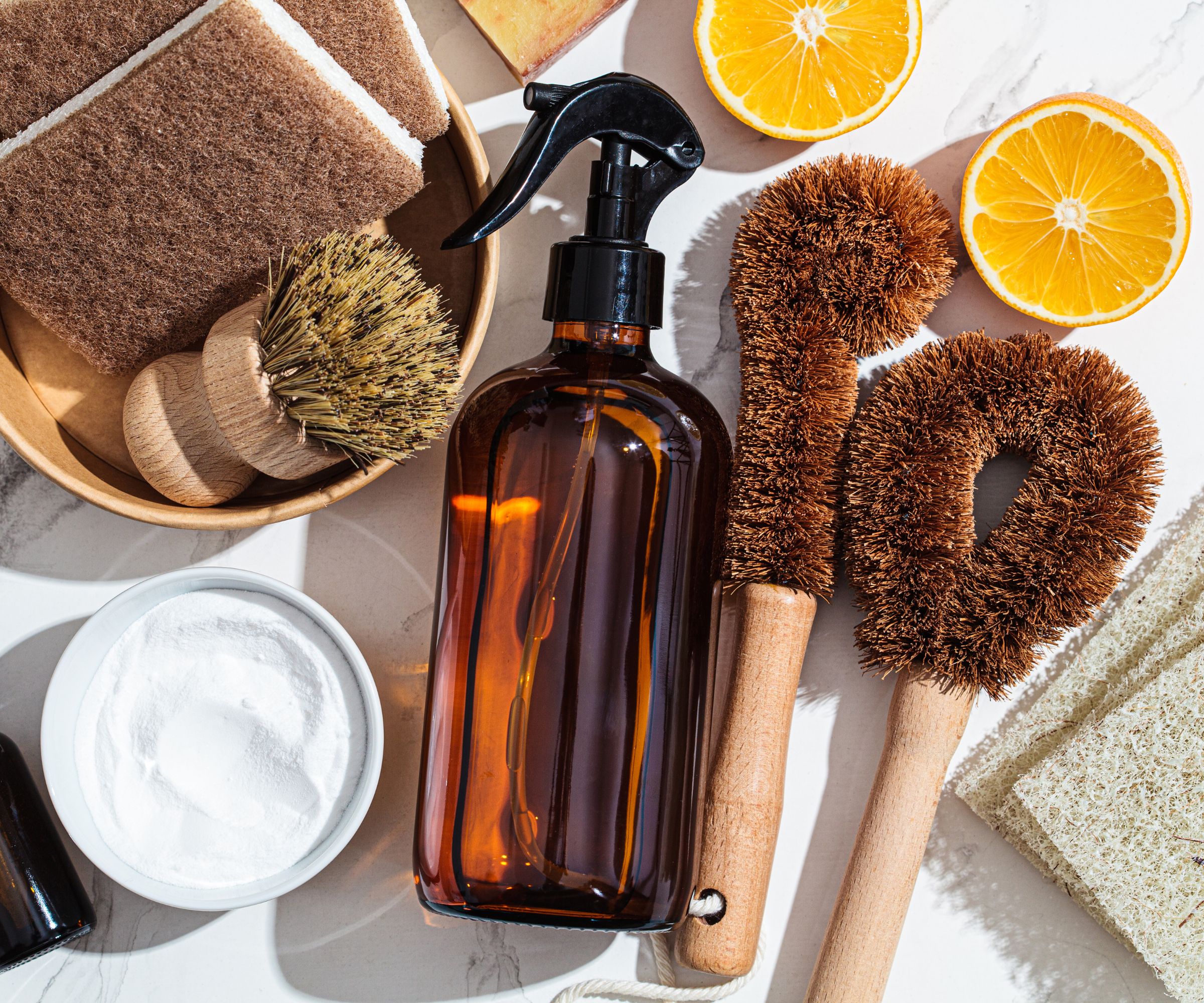
To address existing stains, especially oil-based ones, baking soda is an effective natural cleaner. Cleaning expert Ahmad Jamal advises creating a thick, spreadable paste by mixing baking soda with water. This paste should be applied to the stain, left for a few minutes, gently scrubbed with a soft-bristled brush, then rinsed and dried completely.
It is important to avoid harsh chemicals commonly found in commercial kitchen cleaners, such as bleach or ammonia, as they can be too strong for natural wood surfaces. Similarly, abrasive sponges and brushes should be avoided as they can scratch the surface. Instead, a soft-bristled brush or cloth with a natural or heavily diluted cleaning solution is preferable.
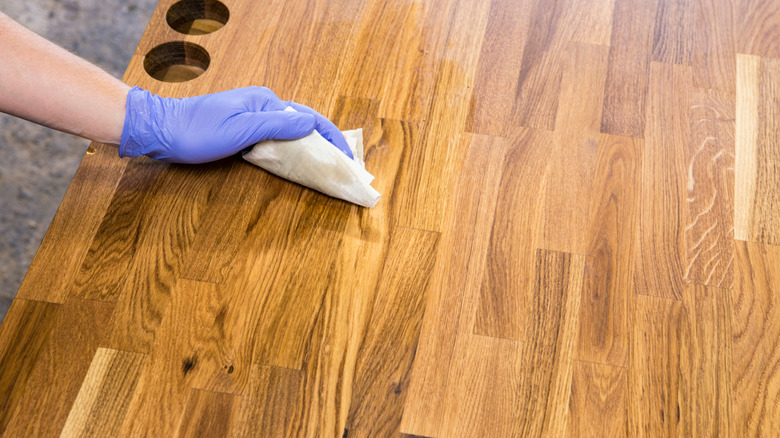
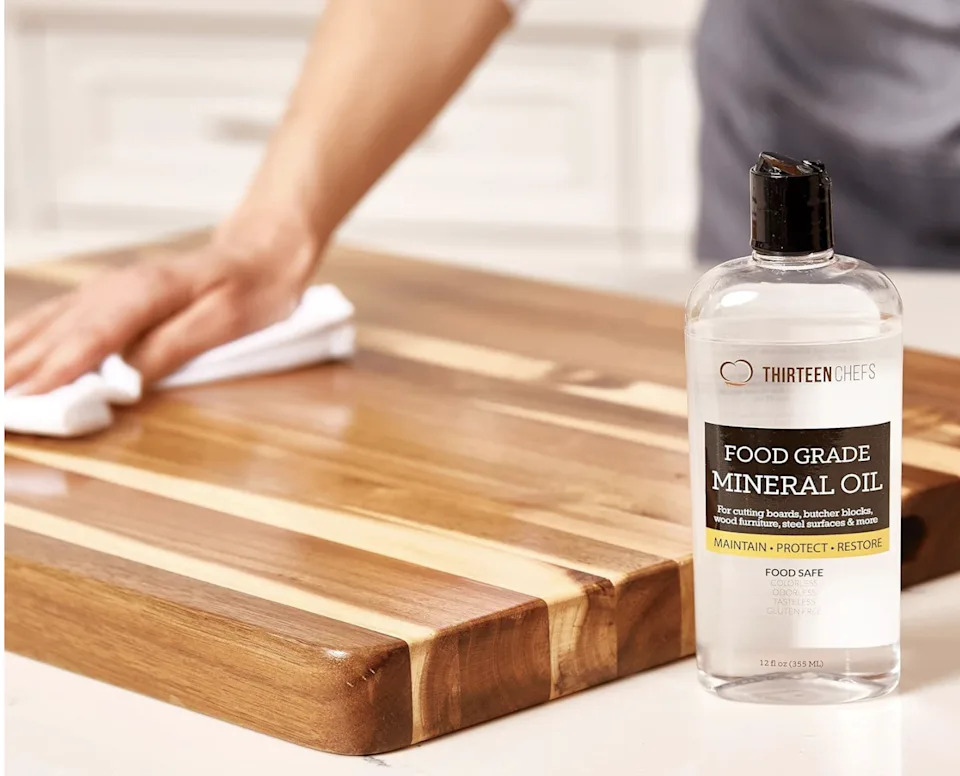
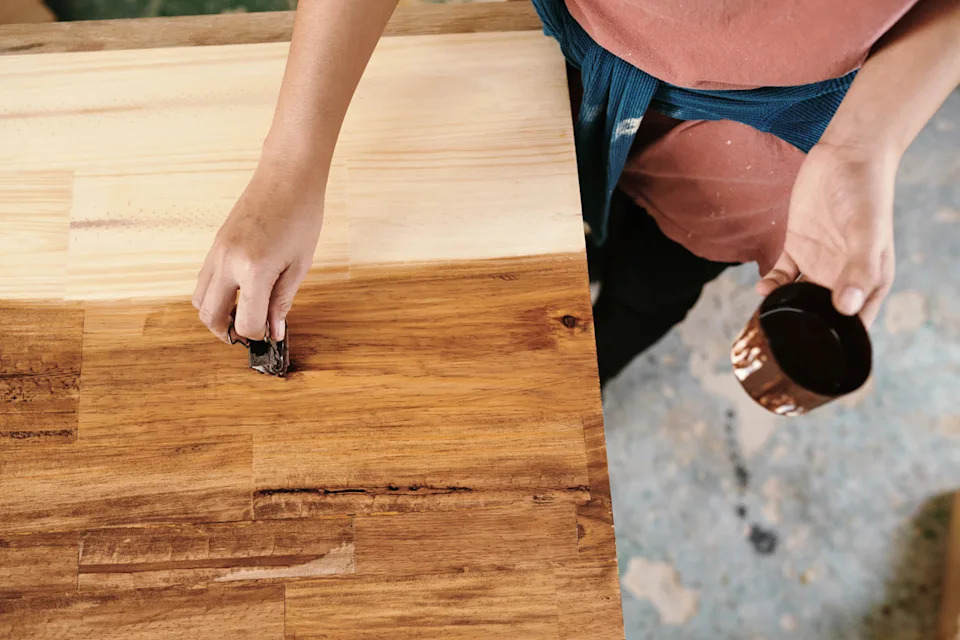
Finally, after every deep clean, the surface should be oiled using food-grade oil to replenish moisture and protect the natural wood. This process is similar to caring for a wooden cutting board. The oil should be spread over the entire surface, ideally left overnight to soak in. Any excess oil can be removed the following morning with a paper towel or soft cloth. Using nonporous materials like brown paper bags to spread the oil can prevent excessive absorption by the application tool.
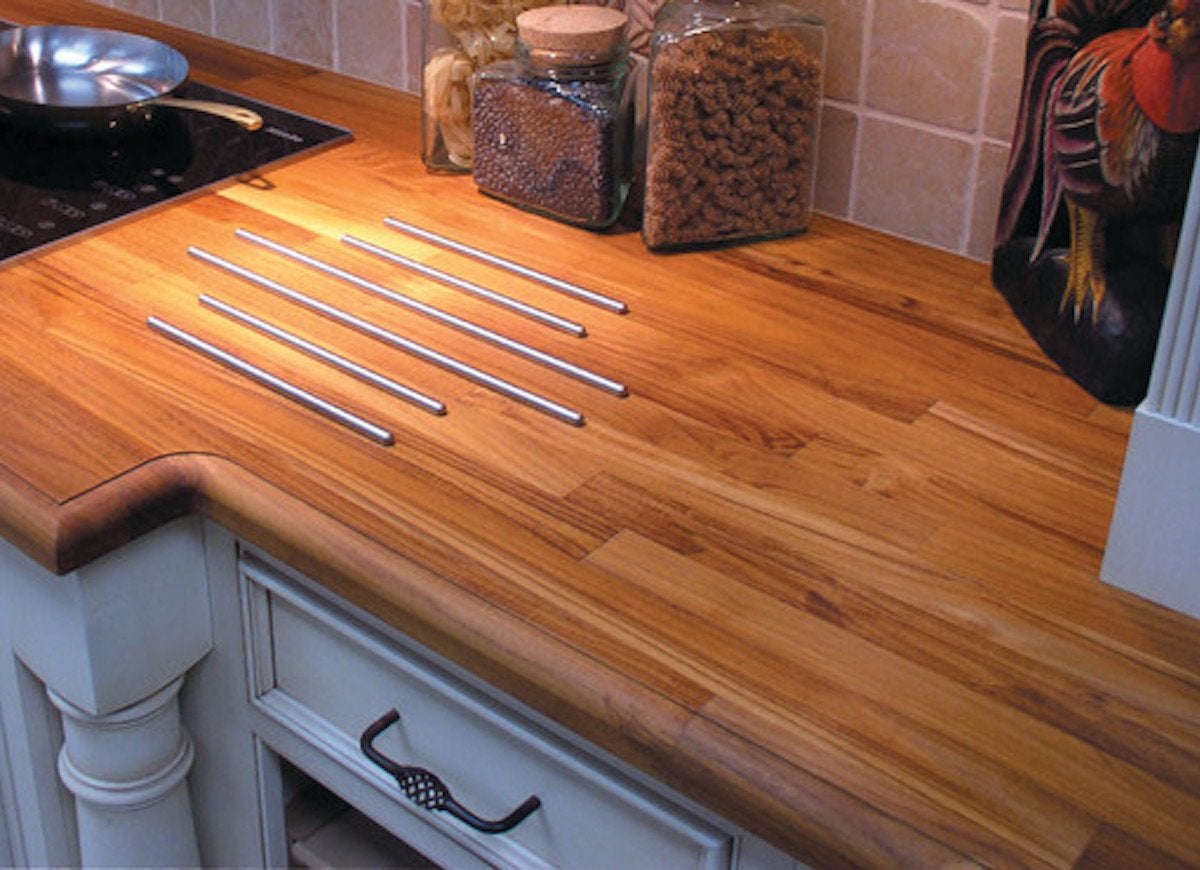
Preventative measures are equally important. Always use cutting boards for food preparation, with separate boards for meat and produce to prevent cross-contamination and protect the countertop. Spills should be wiped up immediately to prevent spotting or staining from prolonged liquid exposure. Additionally, hot pans should never be placed directly on butcher block countertops without a trivet, as drastic temperature changes can cause burning, warping, or even cracking, which is often irreparable.
#ButcherBlockCountertops #KitchenCleaning #StainRemoval #WoodMaintenance #HydrogenPeroxide #BakingSoda #KitchenTips #HomeCare #CountertopCare #ButcherBlockCountertops #KitchenCleaning #StainRemoval #WoodMaintenance #HydrogenPeroxide #BakingSoda #KitchenTips #HomeCare #CountertopCare
0 comment in total
 No comments yet
You may also like

How to seal a butcher block countertop for a hygienic and attractive surface

9 Butcher Block Countertop Ideas That Make Working in the Kitchen Easy (and Easy on the Eyes)


The Ultimate Stain-Removal Guide
Clean up those marble countertops and keep your stone protected from stains

10 Unexpected Problems With Butcher Block Countertops, According To Experts

12 Wow-Worthy Woods for Kitchen Countertops

How to Clean Granite Countertops—and Remove Stubborn Stains

Are Home Depot Butcher Block Countertops Worth Buying? Here's What Buyers Say

5 Things to Know About Sealing Butcher Block Countertops
We Asked 3 Cleaning Pros to Share Their Easiest Tricks to Keep Countertops Cleaner for Way Longer


5 cleaning myths that will damage your countertops – and what to do instead
6 Butcher Block Kitchen Islands for All of Your Food-Prep Needs

What to Know About Your Butcher Block Countertop


How to Get Red Wine Stains Out of White Marble Countertops

How to Properly Clean Quartz Countertops — And the Products You Should Never (Ever) Use
5 kitchen countertops that never go out of style – timeless choices to suit any homeowner

Are butcher block countertops durable? Yes - if you follow this expert low maintenance advice

This Versatile Rolling Island Is a Small Kitchen Game Changer

The Best Natural Countertop Cleaners To Wipe Away Spills And Splatters


The Pros And Cons Of Butcher Block Countertops