
How to Clean Granite Countertops—and Remove Stubborn Stains
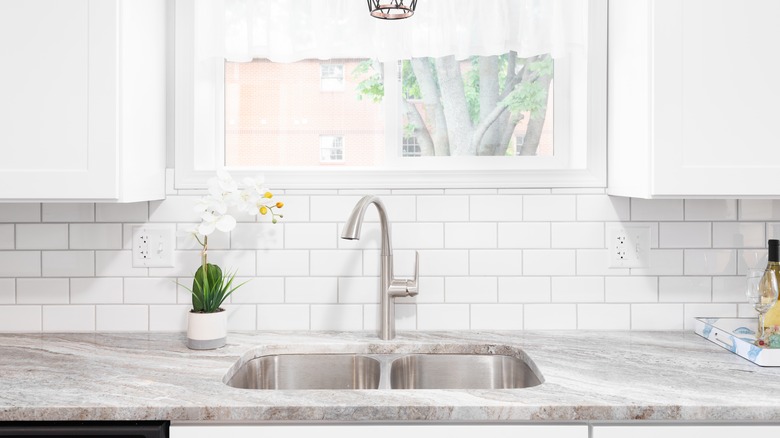
Granite countertops are a popular choice for kitchens due to their durability, beauty, and inherent properties like being tougher than marble, antibacterial, and heat-resistant. This article provides a comprehensive guide on how to clean and maintain granite countertops effectively, ensuring their longevity and appearance. It emphasizes the importance of daily cleaning with gentle solutions and addresses how to tackle various types of stains, while also offering tips to prevent damage and extend the lifespan of these surfaces.
The article highlights that granite requires gentle cleaning methods to prevent damage to its distinct structure and sealant. Experts Alicia Sokolowski, president and co-CEO of Aspen Clean, and Jennifer Parnell, co-founder of Humble Suds, contribute their insights. They recommend cleaning granite countertops daily with soap and water, especially after cooking, to prevent dirt and bacteria buildup, with a deeper cleaning done weekly. Prompt cleanup of spills is crucial to prevent them from setting in.
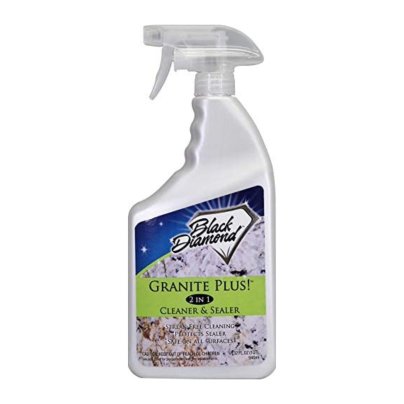
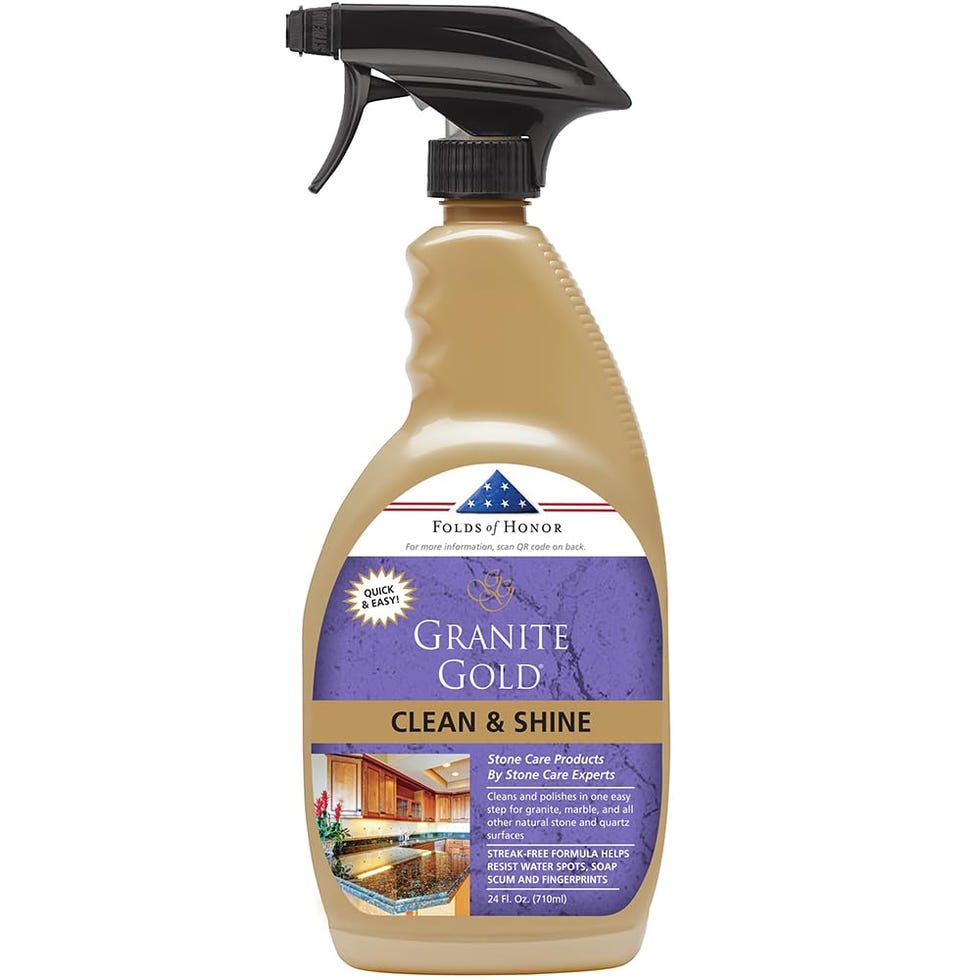
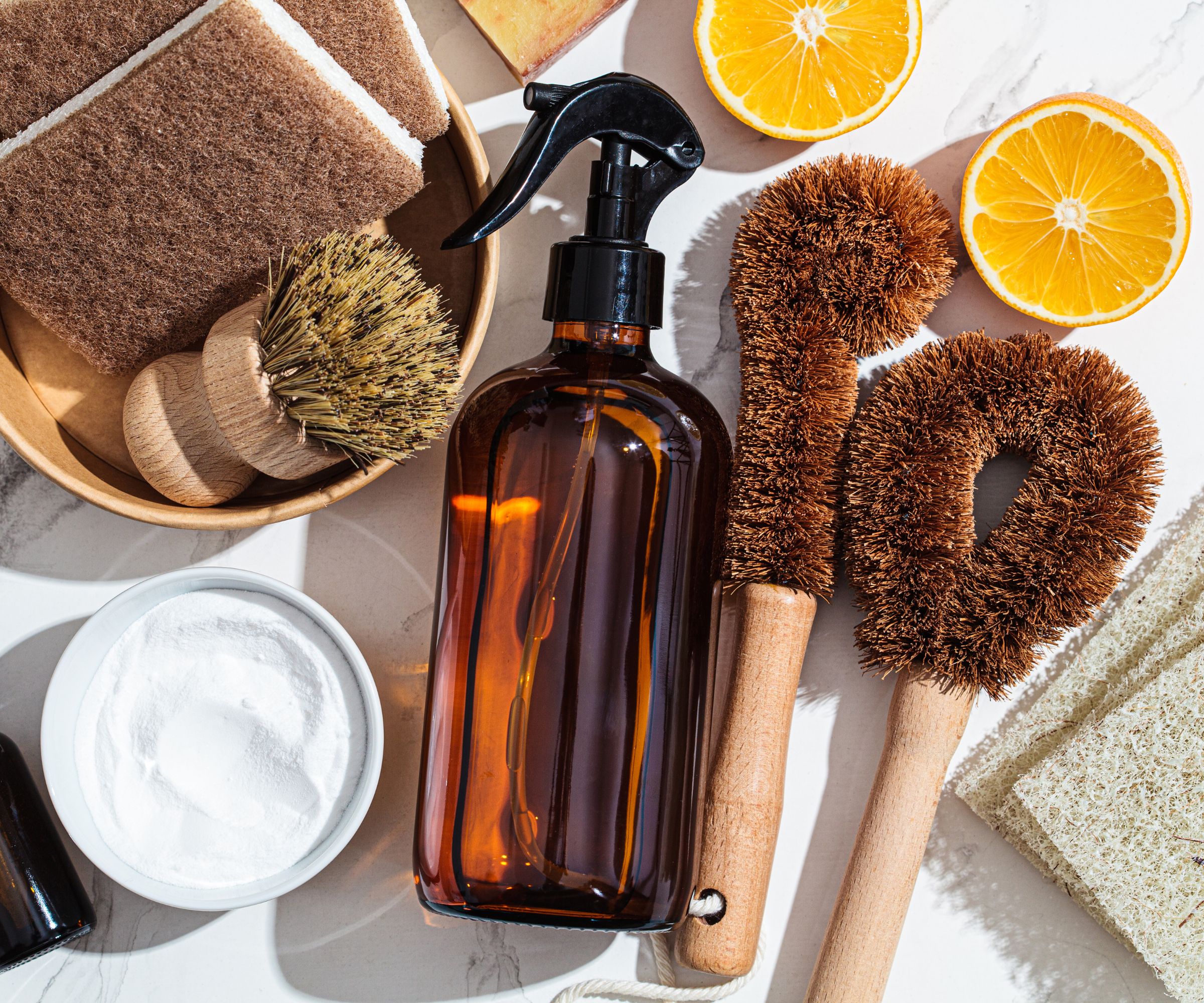
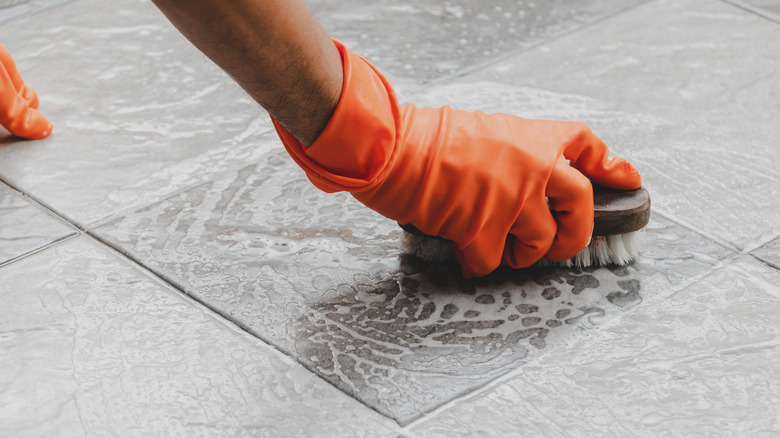
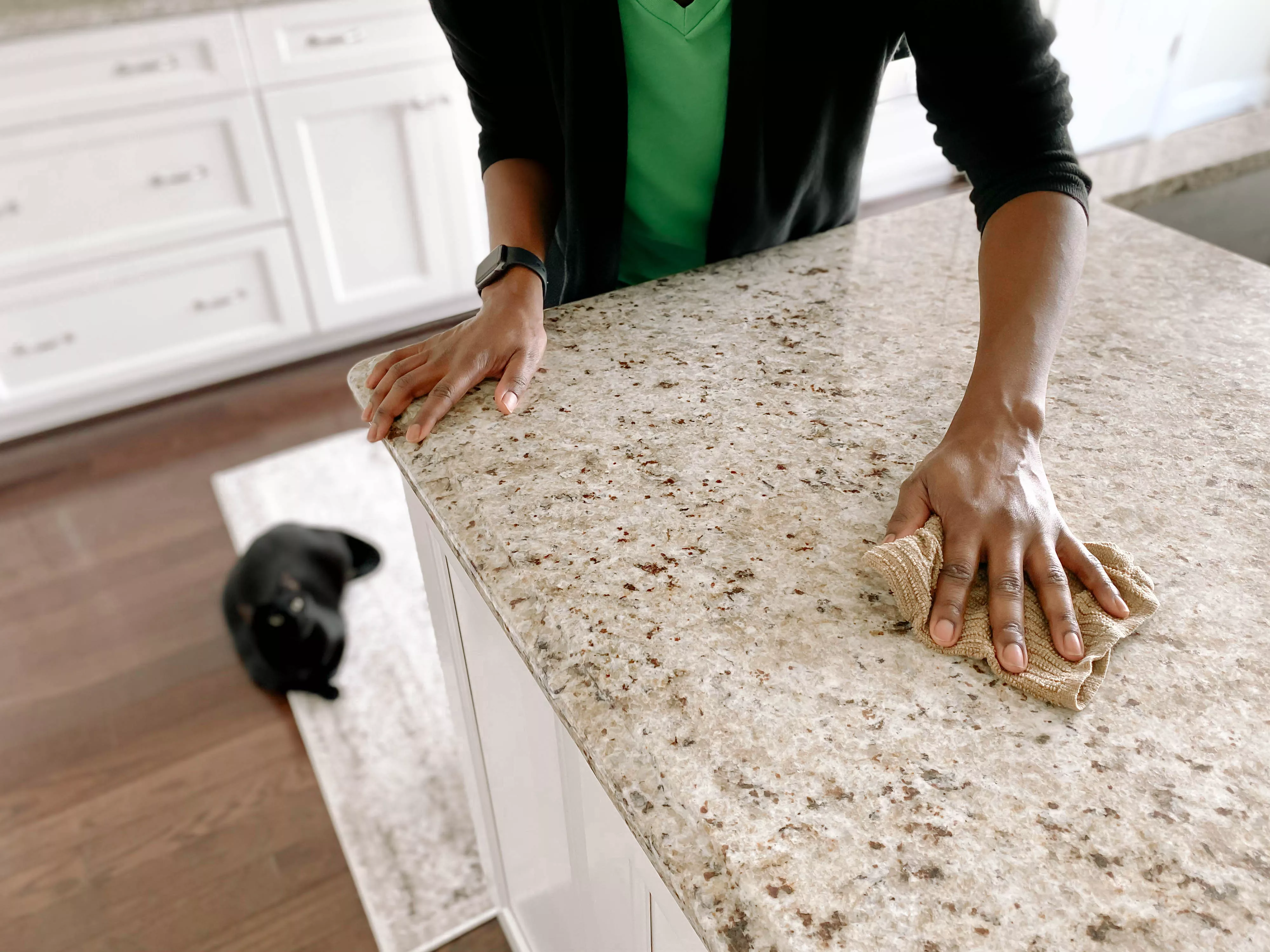
For regular cleaning, the method involves using a gentle, all-purpose cleanser or natural dish soap mixed with warm water. It is important to avoid acidic substances such as lemon juice, vinegar, bleach, or ammonia, as these can erode the granite's sealant or damage the stone. Similarly, abrasive sponges or scrubbers should be avoided to prevent scratches. The cleaning process includes removing loose debris with a microfiber cloth, wiping with the soap solution, rinsing with clean water to remove residue, and finally drying with a clean microfiber cloth to prevent water spots.
The guide also details methods for removing specific types of stains. For sticky stains, hot water applied with a damp microfiber cloth can loosen the residue for easy removal. Water stains, often appearing as rings, can be addressed by wiping in a circular motion with a microfiber cloth, followed by a gentle dish soap and water mixture, and then drying. Tougher stains require a paste made from baking soda and water, applied to the stain, left for a few minutes, then wiped away with a soft cloth and rinsed with clean water.
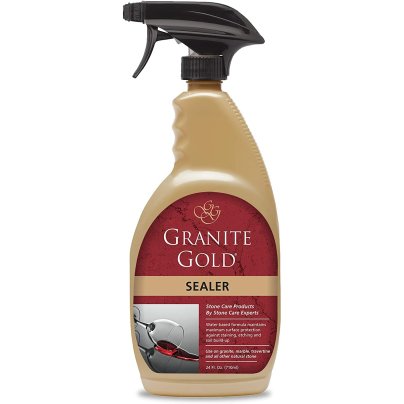
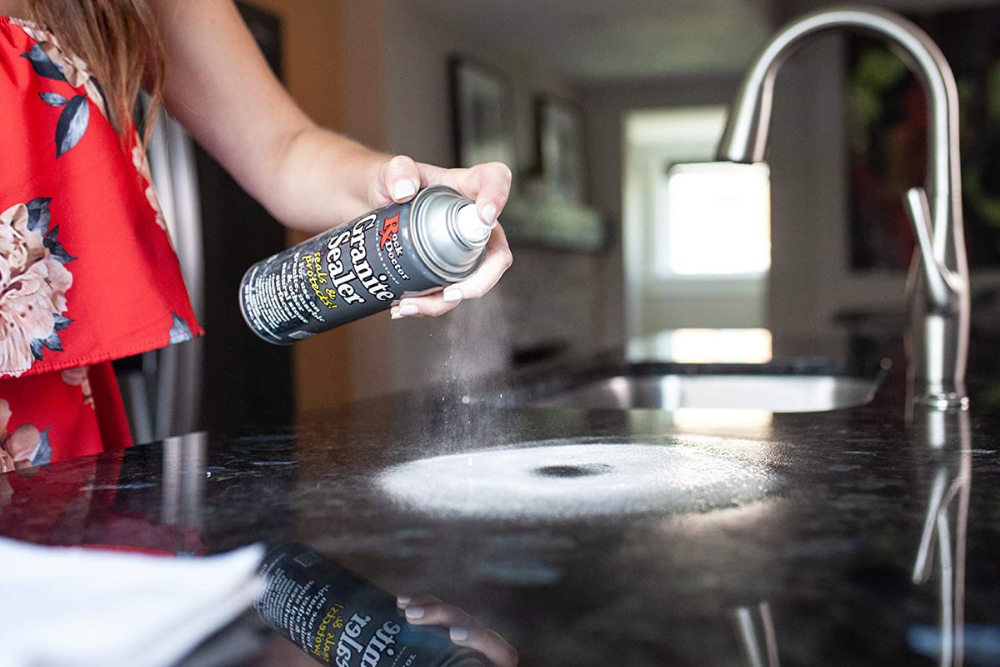
To prolong the life of granite countertops, the article advises diligently wiping up spills immediately by blotting rather than wiping to contain the mess and prevent spreading. It also suggests avoiding storing items that frequently cause stains, like olive oil bottles, directly on the surface and using coasters under glasses to prevent water rings. Furthermore, re-sealing granite every one to three years is recommended to protect it from stains and other forms of damage, thus preserving its aesthetic and functional qualities.
#GraniteCountertops #KitchenCleaning #StainRemoval #HomeMaintenance #CountertopCare #CleaningTips #HomeDecor #DIYCleaning #KitchenCare #GraniteCountertops #KitchenCleaning #StainRemoval #HomeMaintenance #CountertopCare #CleaningTips #HomeDecor #DIYCleaning #KitchenCare
0 comment in total
 No comments yet
You may also like

How to Get Red Wine Stains Out of White Marble Countertops


How to Properly Clean Quartz Countertops — And the Products You Should Never (Ever) Use
An Expert Tells Us How To Keep Your Tile Grout Stain-Free
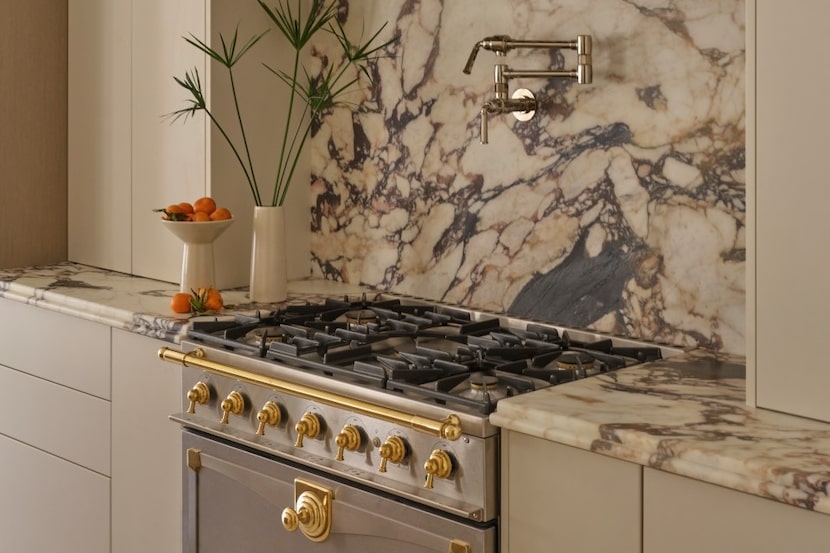
Clean up those marble countertops and keep your stone protected from stains

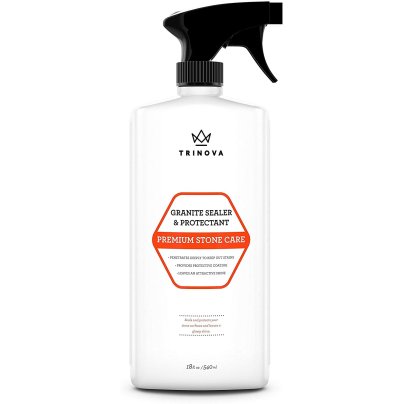
The Best Granite Sealers for Countertop Maintenance


The Ultimate Stain-Removal Guide

How To Clean Marble Countertops And Tile

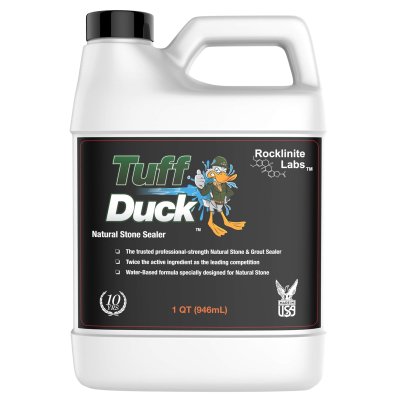
We Researched 30 Marble Sealers—Our Top Pick is Long-Lasting and Easy to Apply
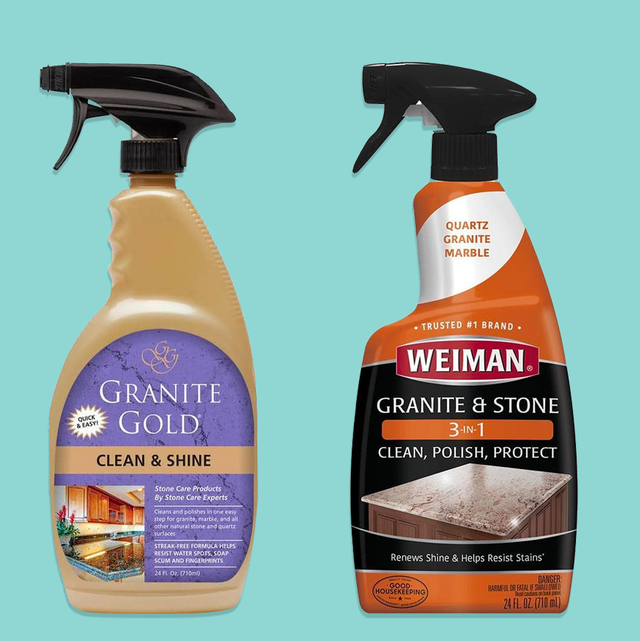
Our Pros Swear By These Kitchen Countertop Cleaners

This Is the Best Way to Clean Granite Countertops

The Best Quartz Countertop Cleaners According To Reviews


Outdated Granite Colors to Avoid for Kitchen Countertops — and What to Pick Instead for a Fresh Look

The Right Way to Remove Stains From Granite Countertops

6 Best Grout Cleaners for a Brilliant Bathroom

If Your Grout Has Seen Better Days, You Need One Of These Best-Of-The-Best Grout Cleaners

6 Best Grout Cleaners of 2026, Tested and Approved by Cleaning Experts

5 cleaning myths that will damage your countertops – and what to do instead


These Are The Best Granite Countertop Colors
The Best Grout Cleaners for Pristine Tiles in Every Room

The Right Way to Clean Quartz Countertops