1/11
10 Unexpected Problems With Butcher Block Countertops, According To Experts
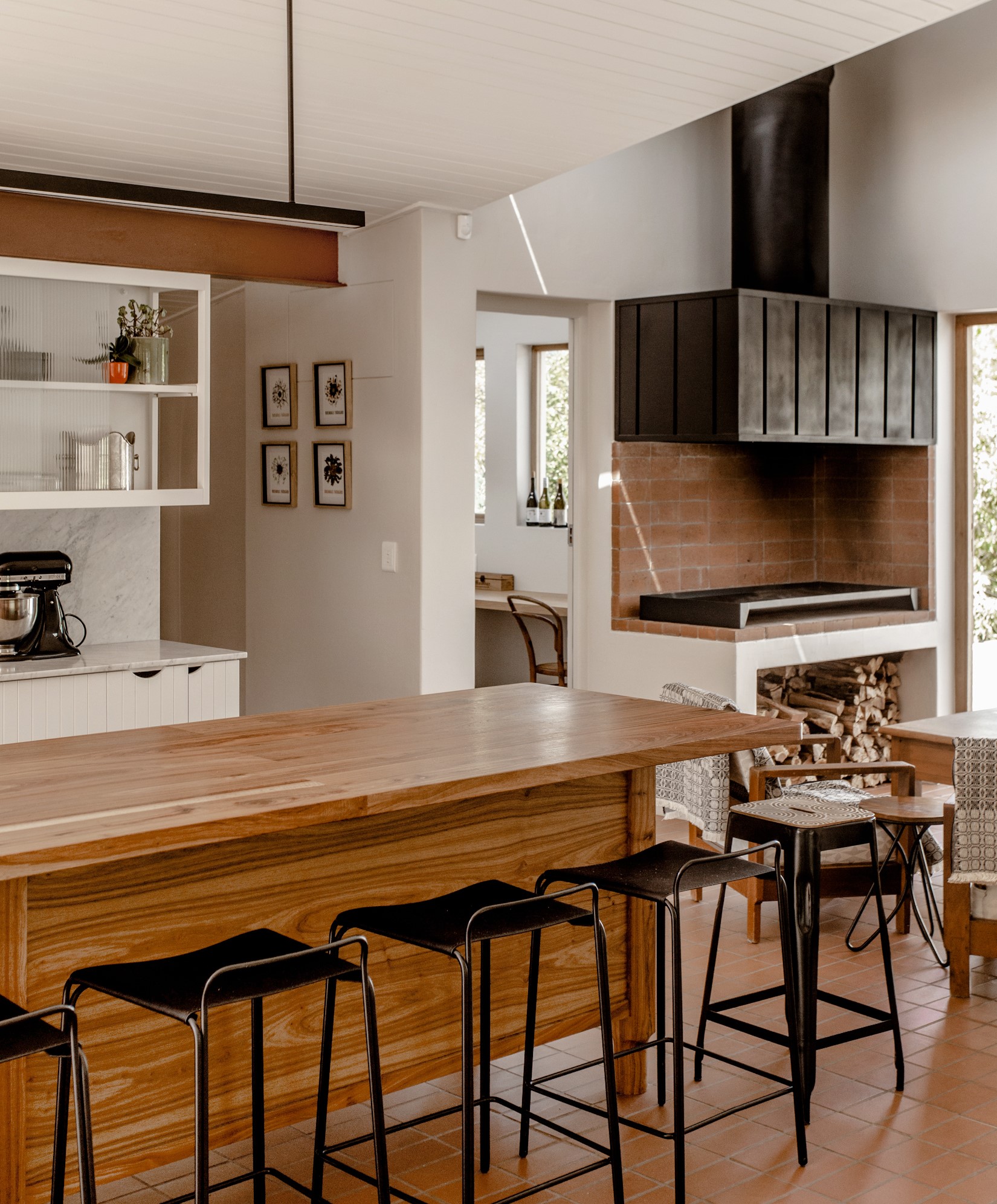
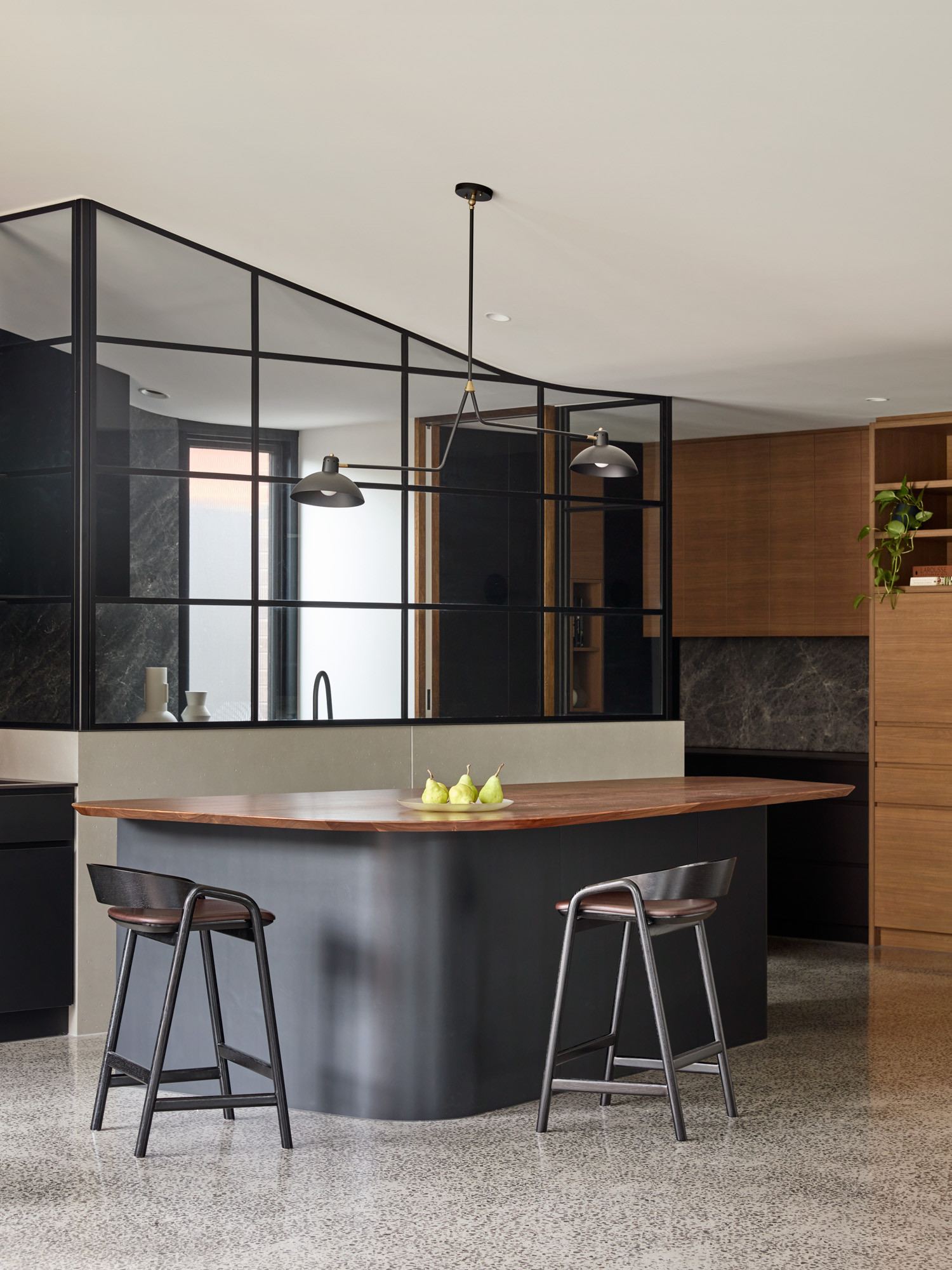
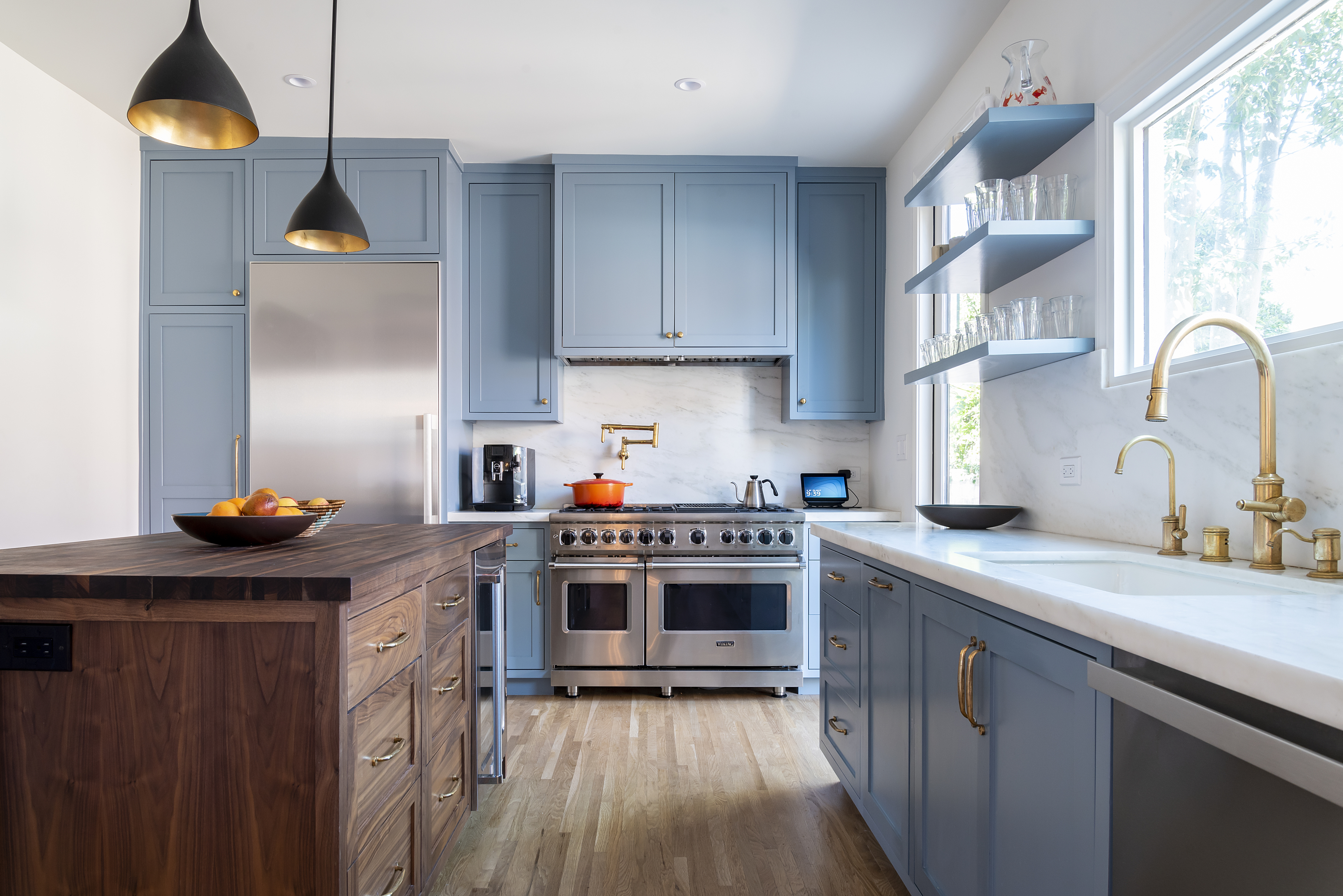
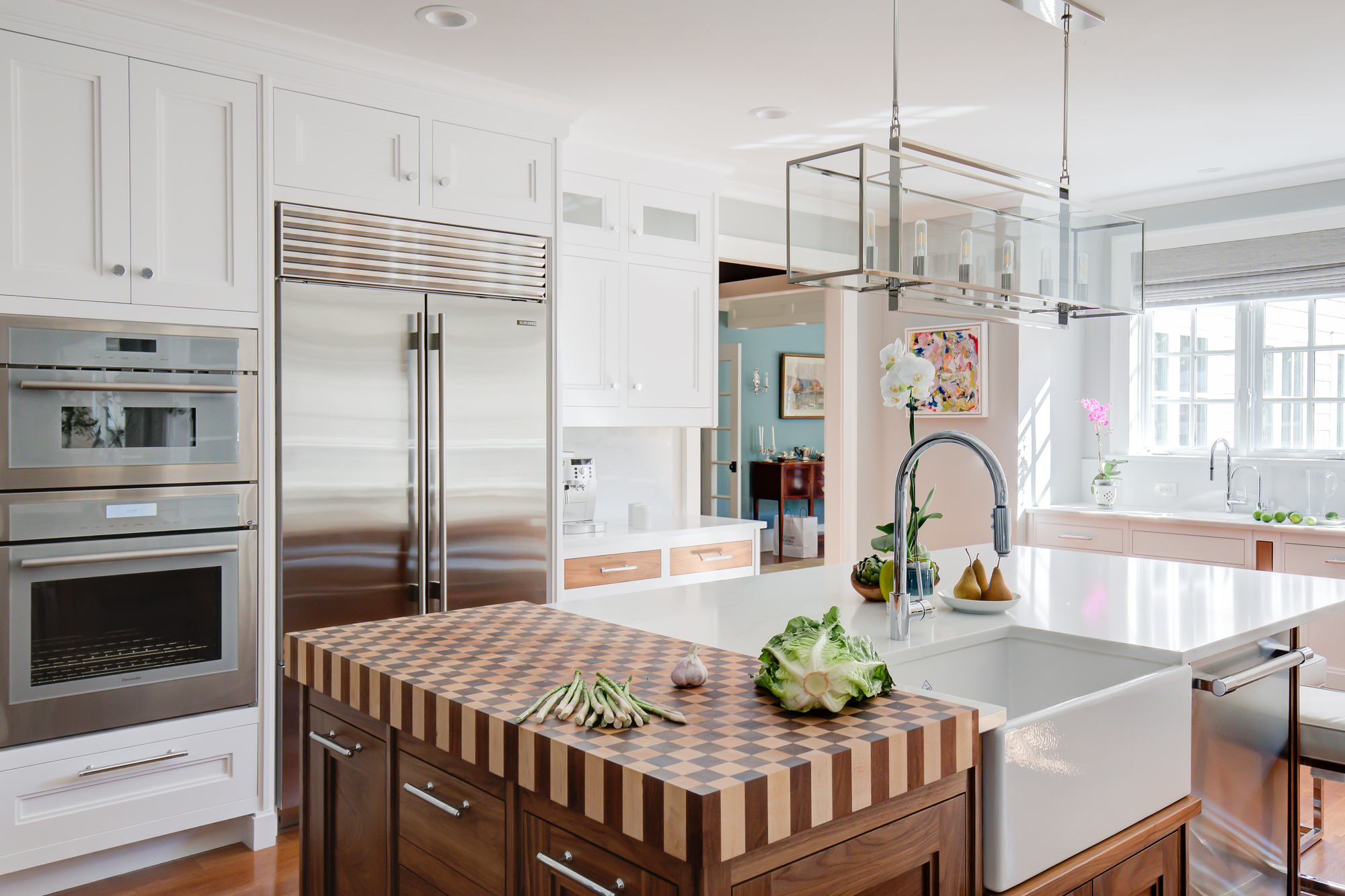
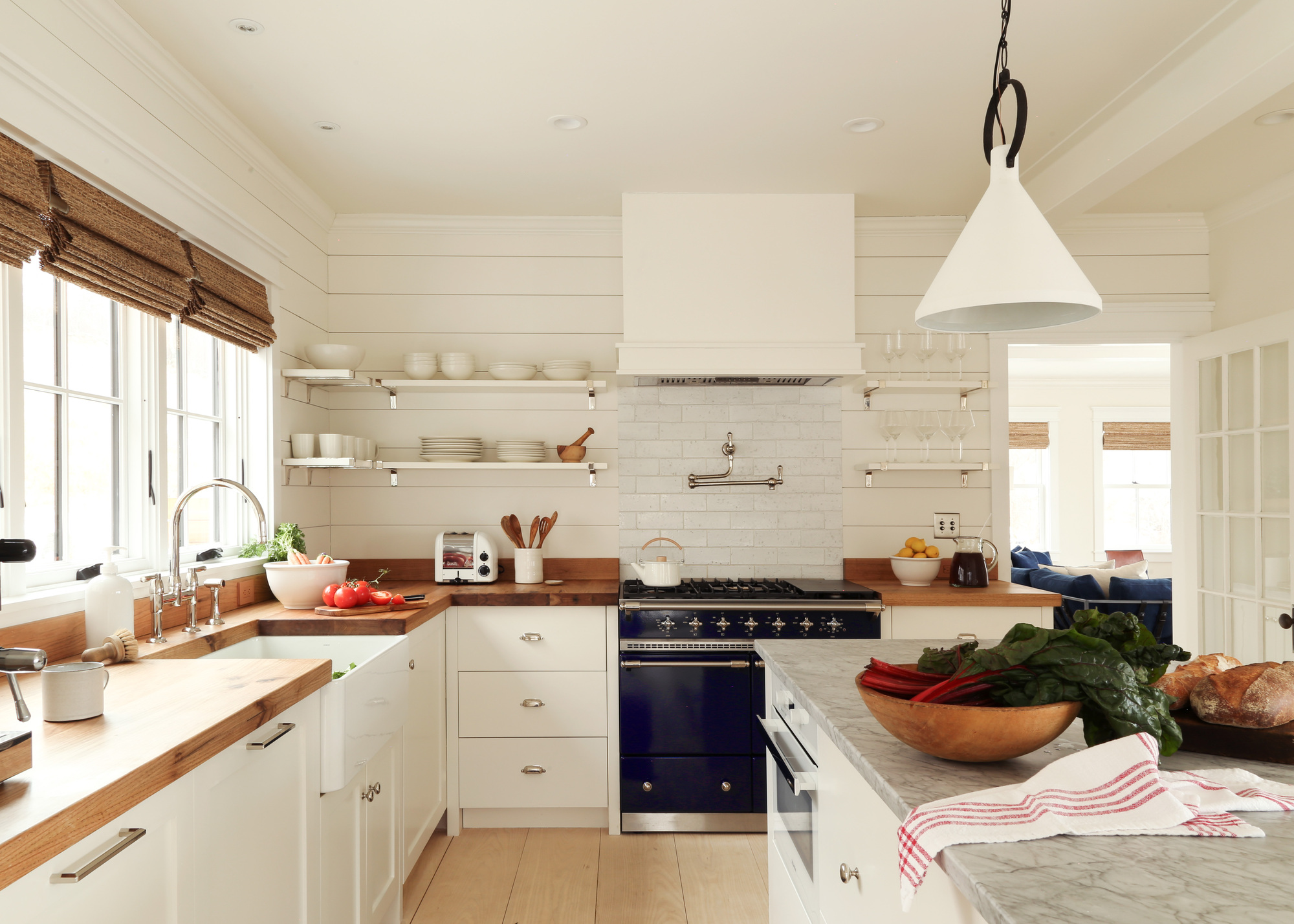
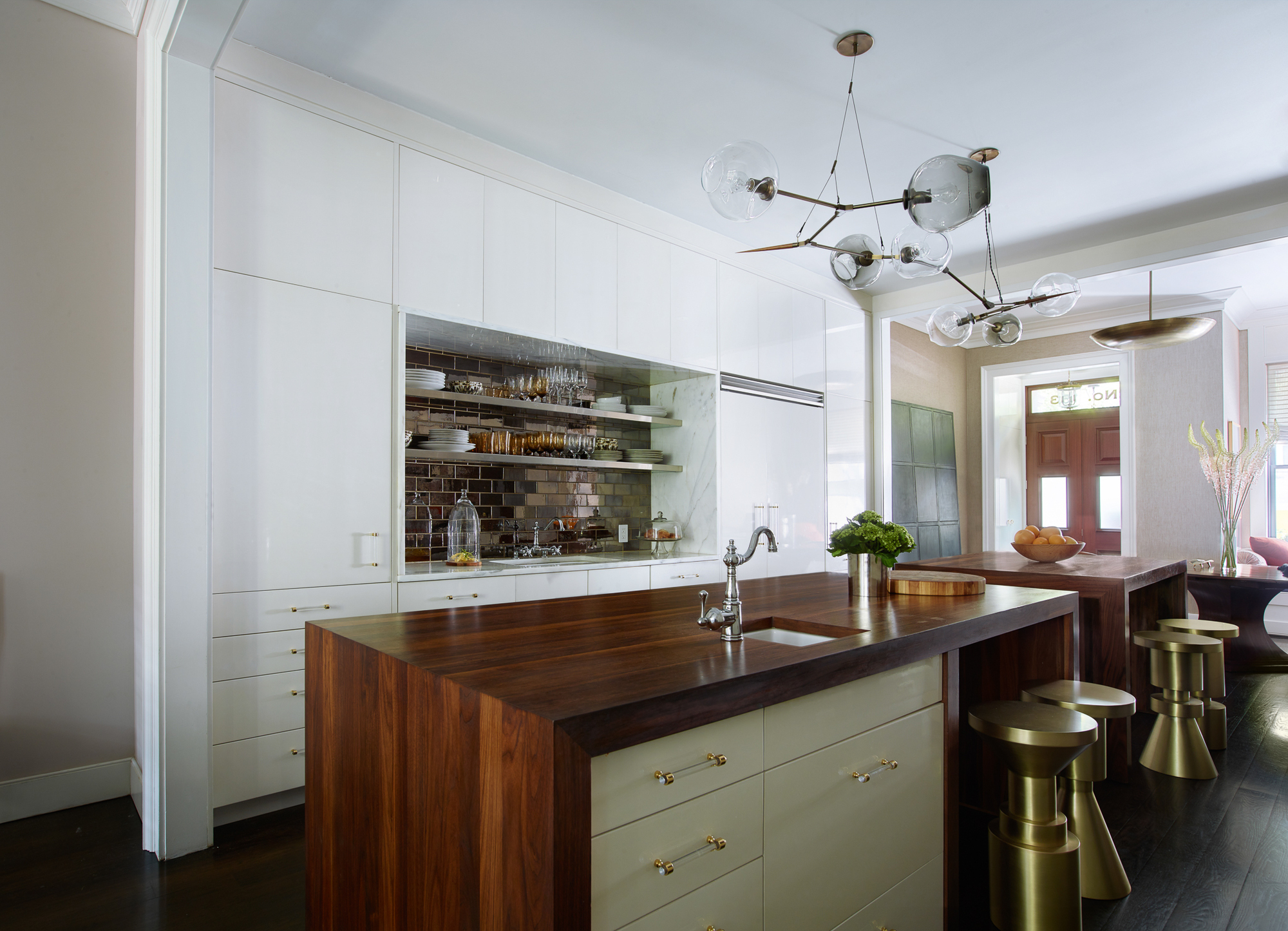
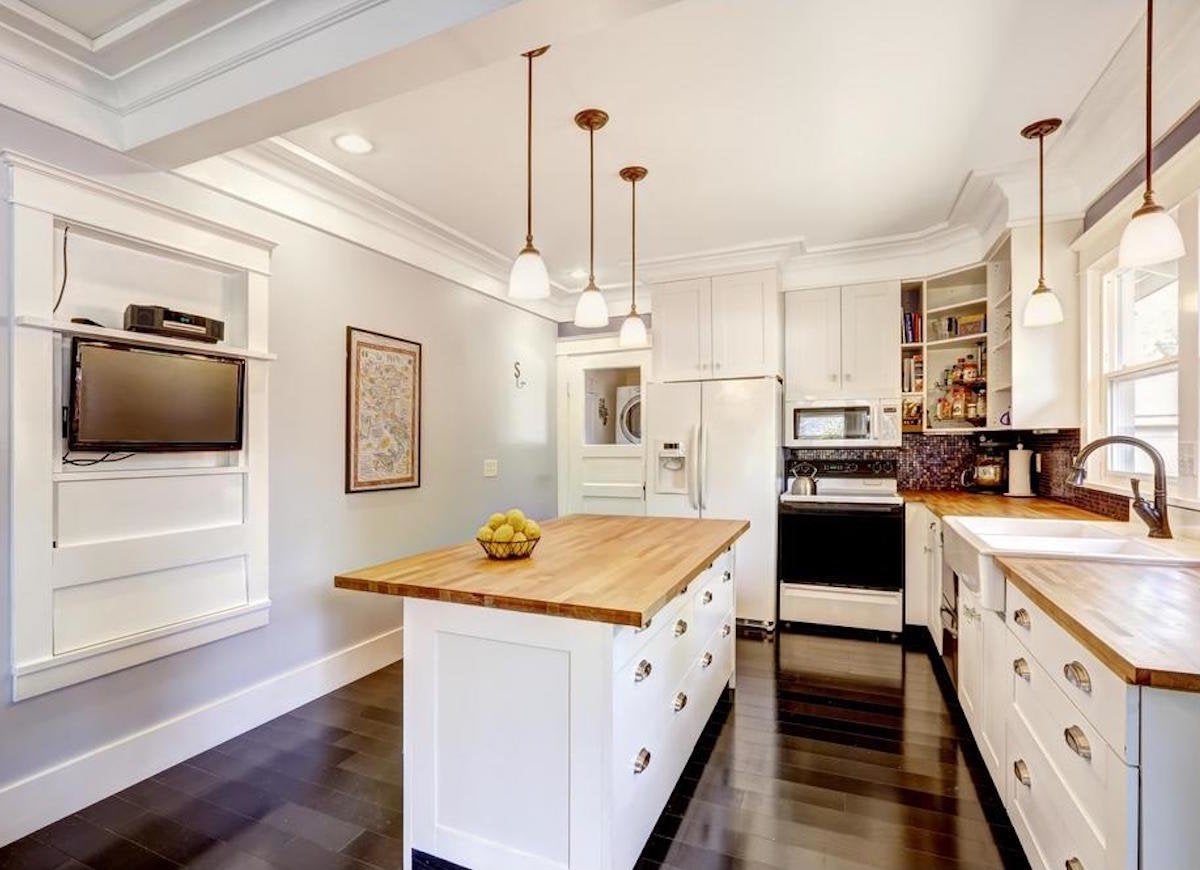
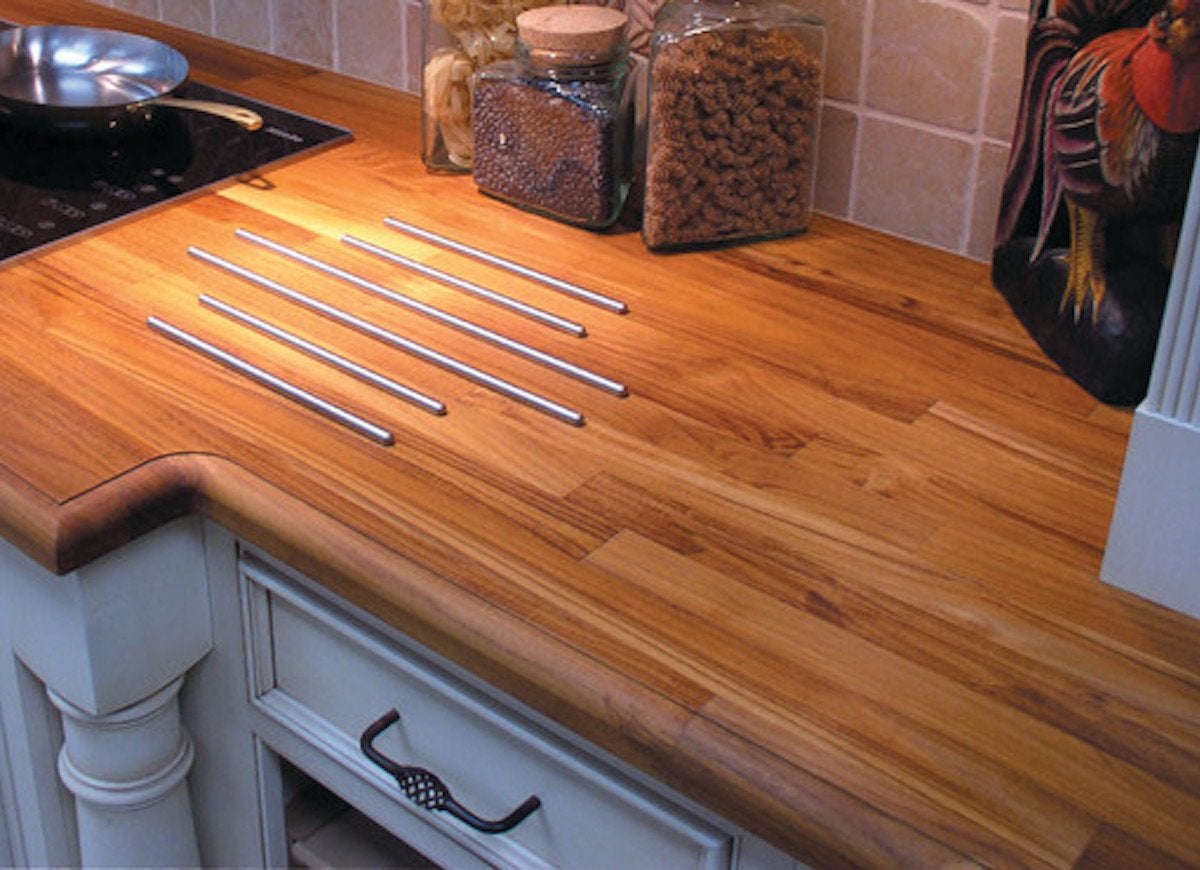
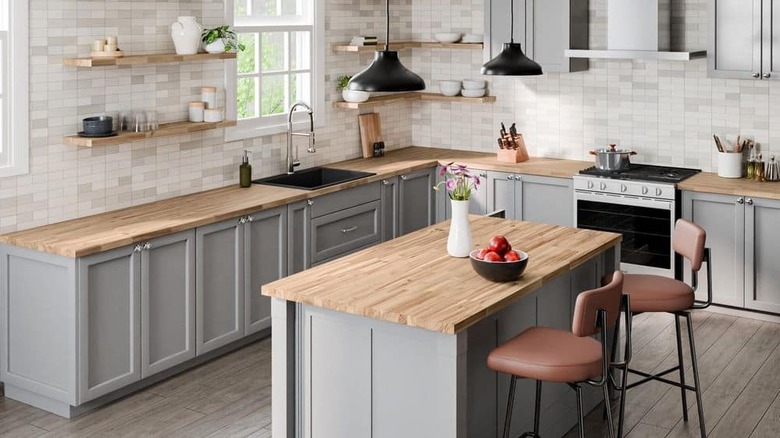
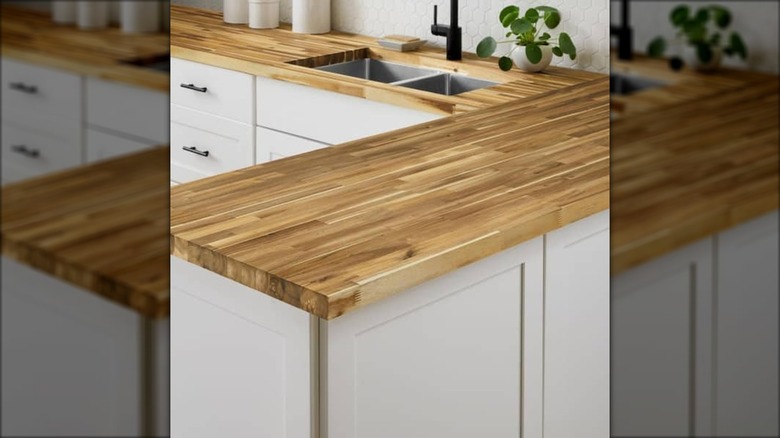
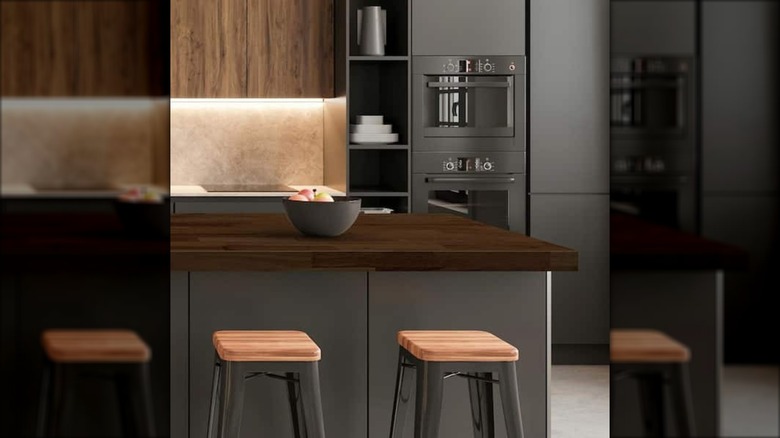
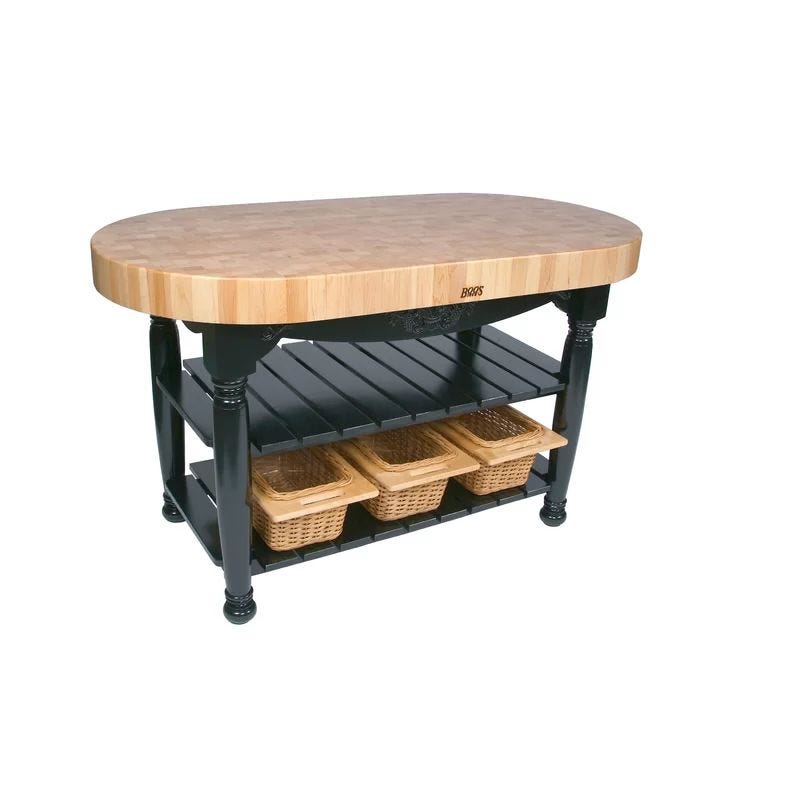
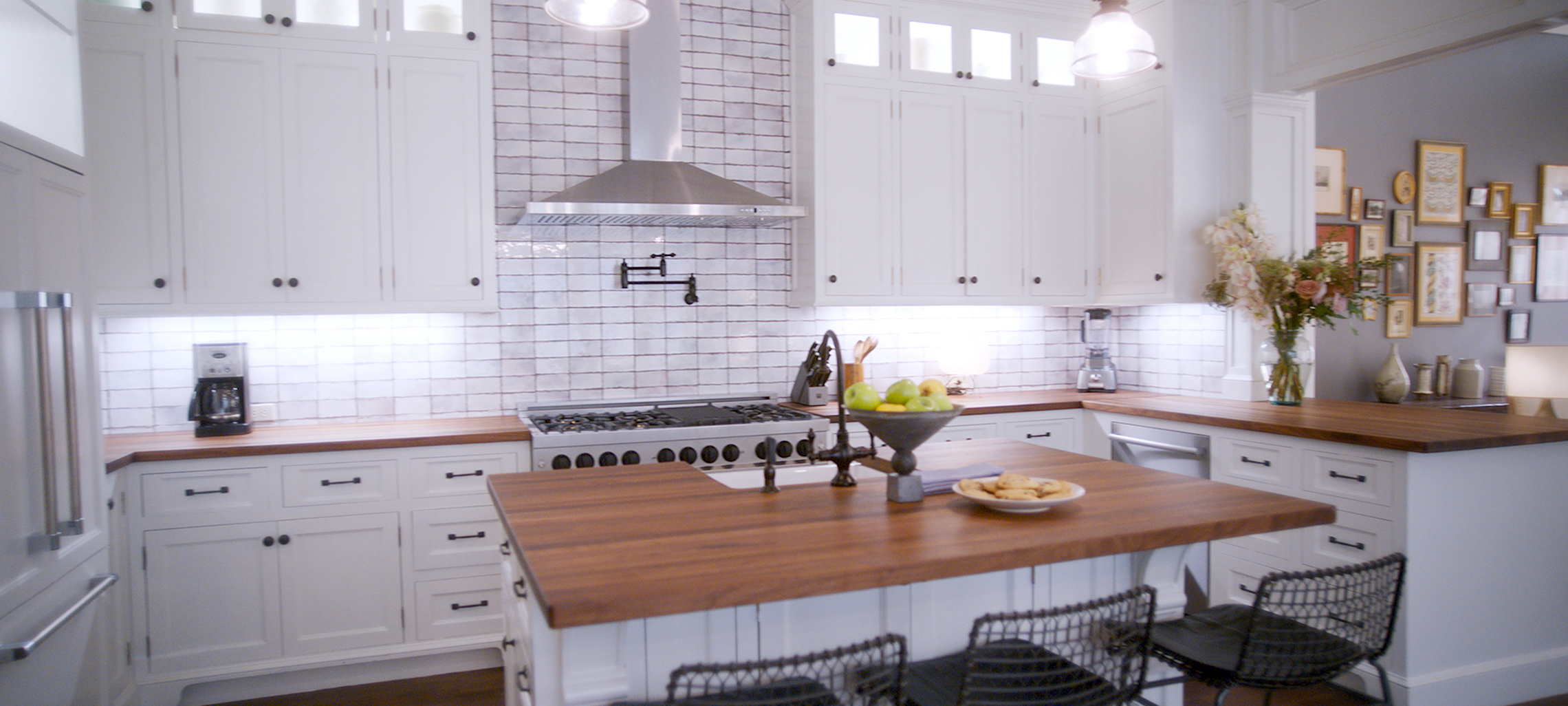
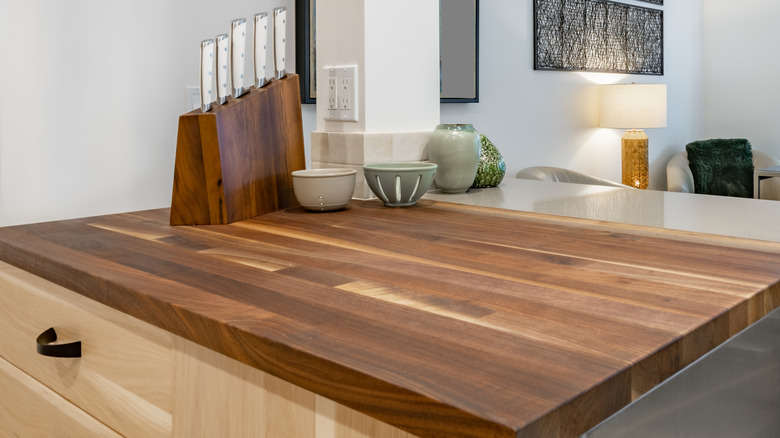
Butcher block countertops, while offering a rustic and warm aesthetic, come with a unique set of challenges that potential owners should be aware of. Designers Ben Harvey of Patio Productions and Rachel Blindauer of Rachel Blindauer highlight several unexpected problems associated with this material, ranging from maintenance demands to susceptibility to damage.
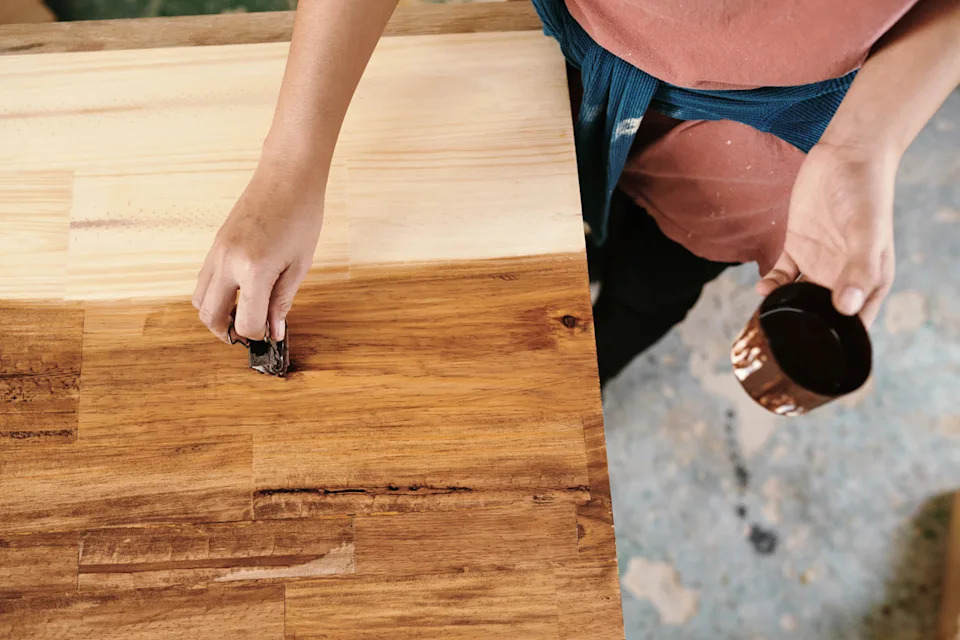
Staining is a primary concern with butcher block. Unlike less porous materials such as stone, wood readily absorbs spills like red wine, beet juice, or tomato sauce, potentially leaving permanent marks if not cleaned immediately. While sealing can help, the protective finish requires regular reapplication. This necessitates a high degree of conscientiousness regarding kitchen cleanliness, making it less suitable for households prone to leaving spills or dishes unattended. The porosity also extends to water damage, especially around wet zones like sinks and dishwashers. Moisture can lead to swelling, dark stains, and even mold. Experts advise against using butcher block in these areas unless owners are committed to daily drying and sealing, or consider a marine-grade finish for enhanced water resistance, though careful application is crucial to maintain aesthetic appeal.
Durability is another significant factor. Butcher block is more prone to nicks, scratches, and divots from sharp objects or heavy pots compared to harder stone countertops. While some may appreciate the 'lived-in' look and patina these marks create, others might find them chaotic. It is also crucial to use cutting boards, despite the material's name, to protect the surface from direct cutting. The material is also less durable than stone options like granite or quartz, meaning it won't withstand the same level of wear and tear without showing signs of age. Choosing tight-grained hardwoods like maple or walnut can enhance durability, but the expectation should be that the material will age and evolve over time.
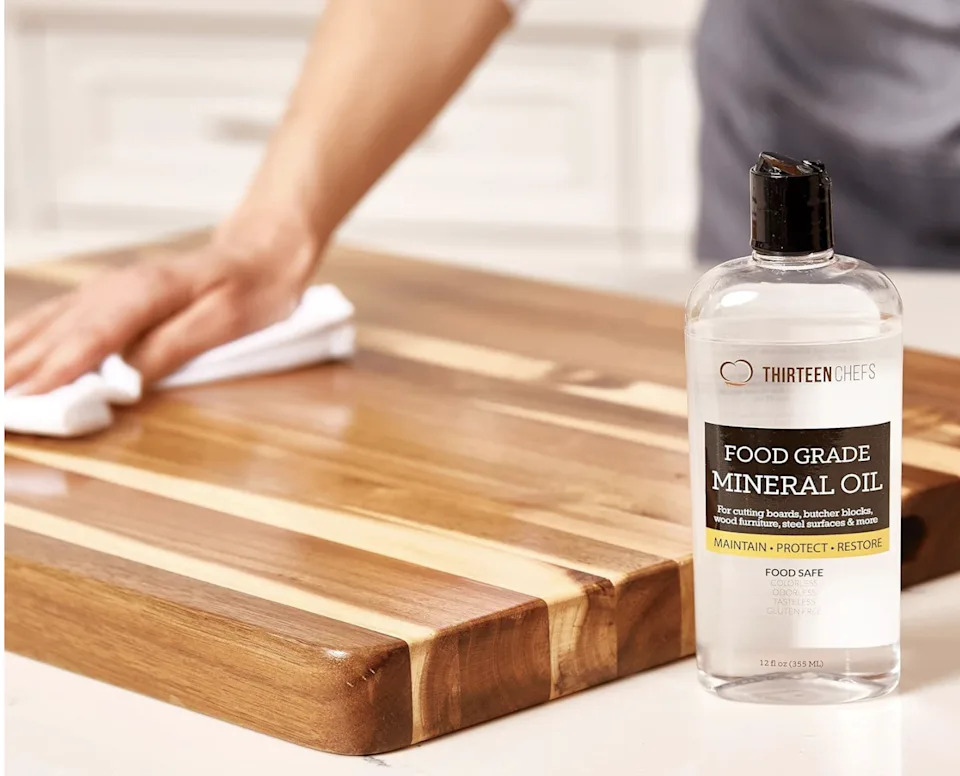
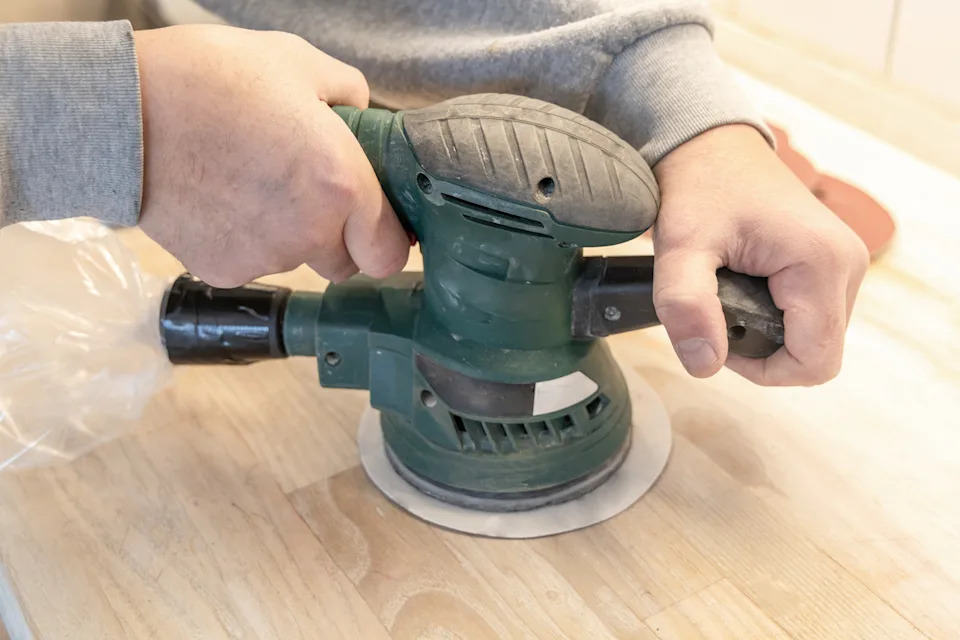
Heat sensitivity poses another problem, as hot pots or pans can leave permanent burn marks that are difficult to remove without sanding and refinishing. Designers strongly recommend the consistent use of trivets to protect the surface from heat damage. Furthermore, the porous nature of wood means butcher block can trap bacteria, especially in deep knife marks or unsealed areas. Proper hygiene, including using cutting boards for raw meat and avoiding harsh chemicals, is essential to prevent bacterial growth. The wood also requires regular hydration; without monthly application of food-grade mineral oil or beeswax, it can dry out, leading to cracking, splintering, and a dull appearance. Consistent maintenance, akin to a skincare routine, is vital for preserving its look and integrity.
Butcher block's natural properties also mean it expands and contracts with seasonal changes. Improper installation, without adequate room for movement, can lead to warping or gaps. A quality installer will account for this movement, and the choice of wood grain (edge, end, or face) can impact its stability. Finally, lighting can significantly alter the appearance of butcher block over time, with sunlight causing some woods to darken or yellow unevenly, leading to an 'ombre' effect. Consideration of other design elements, such as flooring and cabinet colors, is important to ensure a cohesive look. Despite these challenges, butcher block offers a unique warmth and organic balance in a kitchen, appealing to those who appreciate its evolving character and are willing to commit to its maintenance.
#ButcherBlockCountertops #KitchenDesign #HomeRenovation #WoodMaintenance #KitchenMaintenance #InteriorDesign #CountertopMaterials #HomeDecor #KitchenUpgrades #ButcherBlockCountertops #KitchenDesign #HomeRenovation #WoodMaintenance #KitchenMaintenance #InteriorDesign #CountertopMaterials #HomeDecor #KitchenUpgrades
0 comment in total
 No comments yet
You may also like
Are butcher block countertops durable? Yes - if you follow this expert low maintenance advice

5 Things to Know About Sealing Butcher Block Countertops
5 kitchen countertops that never go out of style – timeless choices to suit any homeowner
10 Things Making Your Kitchen Counter Messier, According to Pro Organizers
9 Butcher Block Countertop Ideas That Make Working in the Kitchen Easy (and Easy on the Eyes)
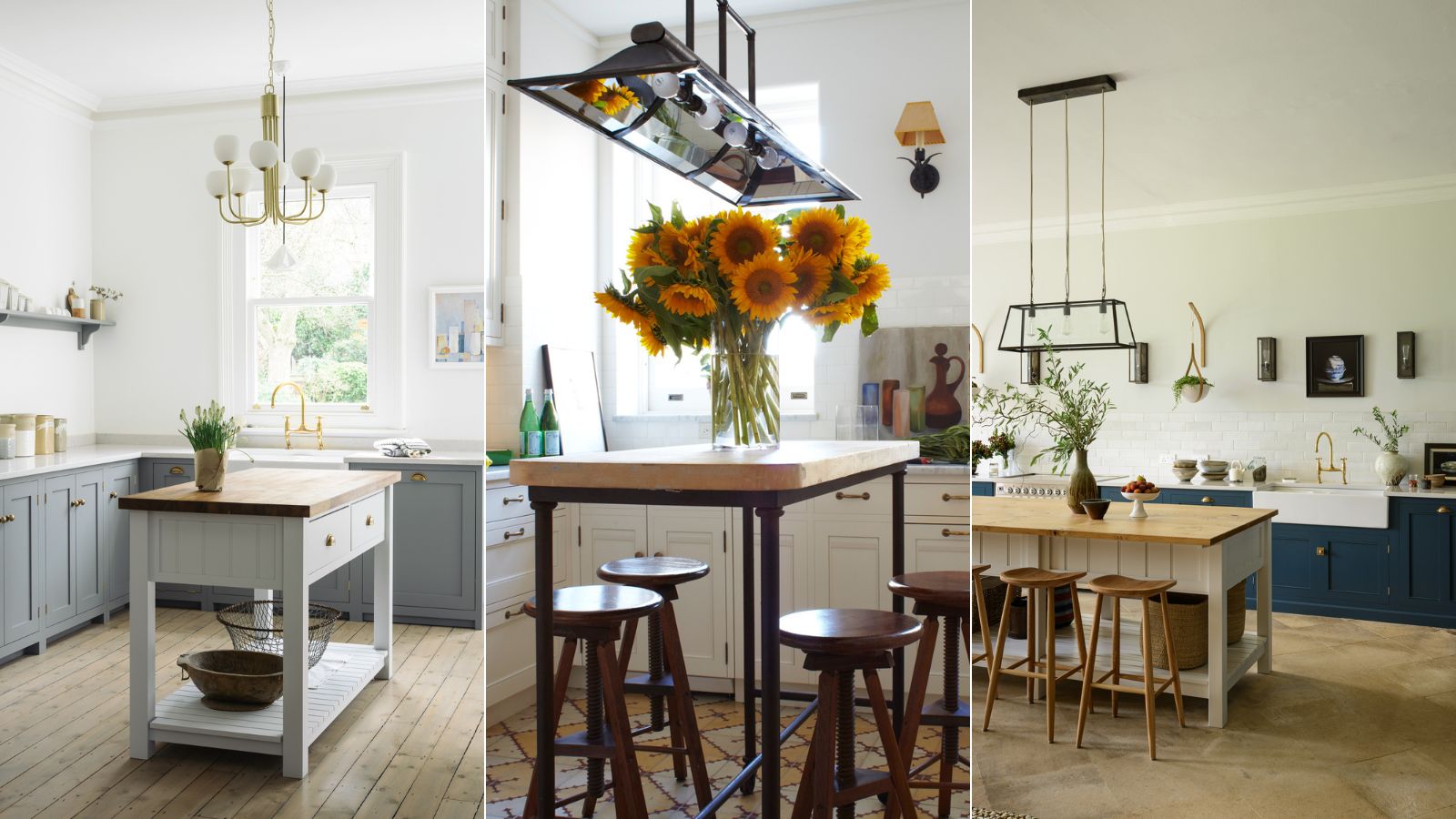
Are butcher's blocks the new kitchen island? Interior designers weigh in on this revived design feature

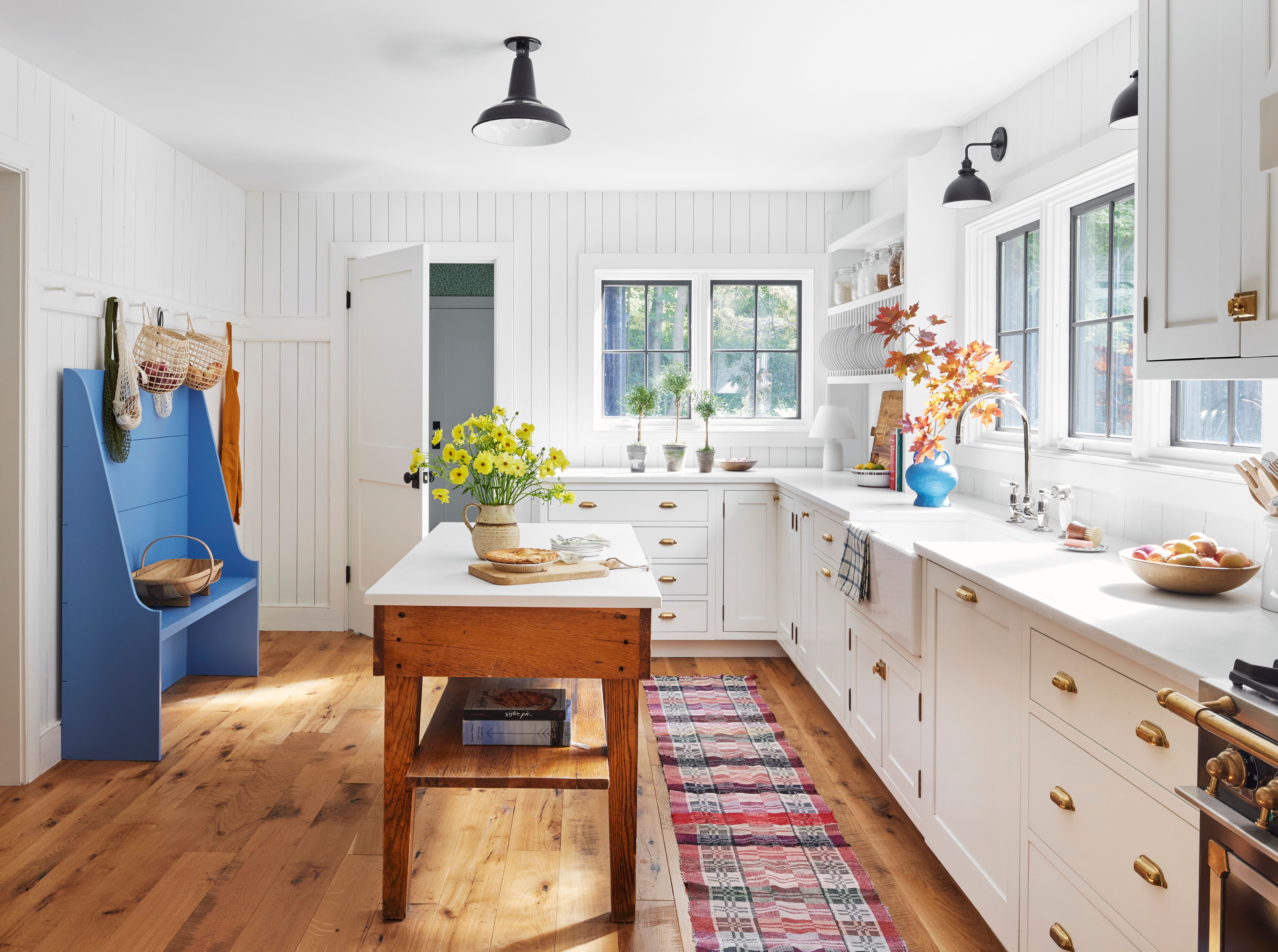
20 Countertop Ideas That Will Instantly Make Your Kitchen Feel More Luxe


Apparently, the Neighbors in Netflix’s The Watcher Hate This Kitchen Countertop Style

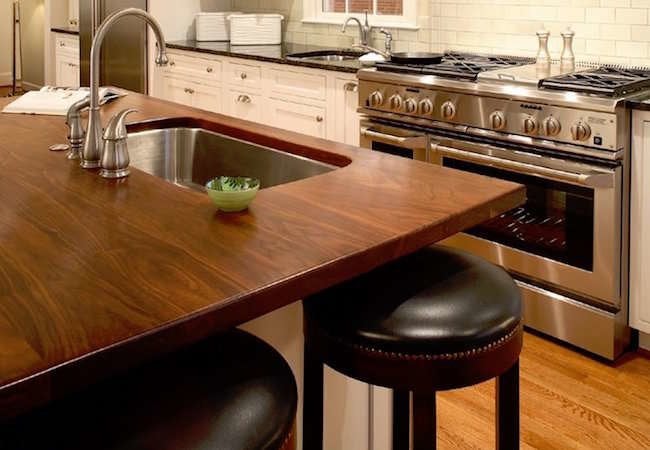
12 Wow-Worthy Woods for Kitchen Countertops
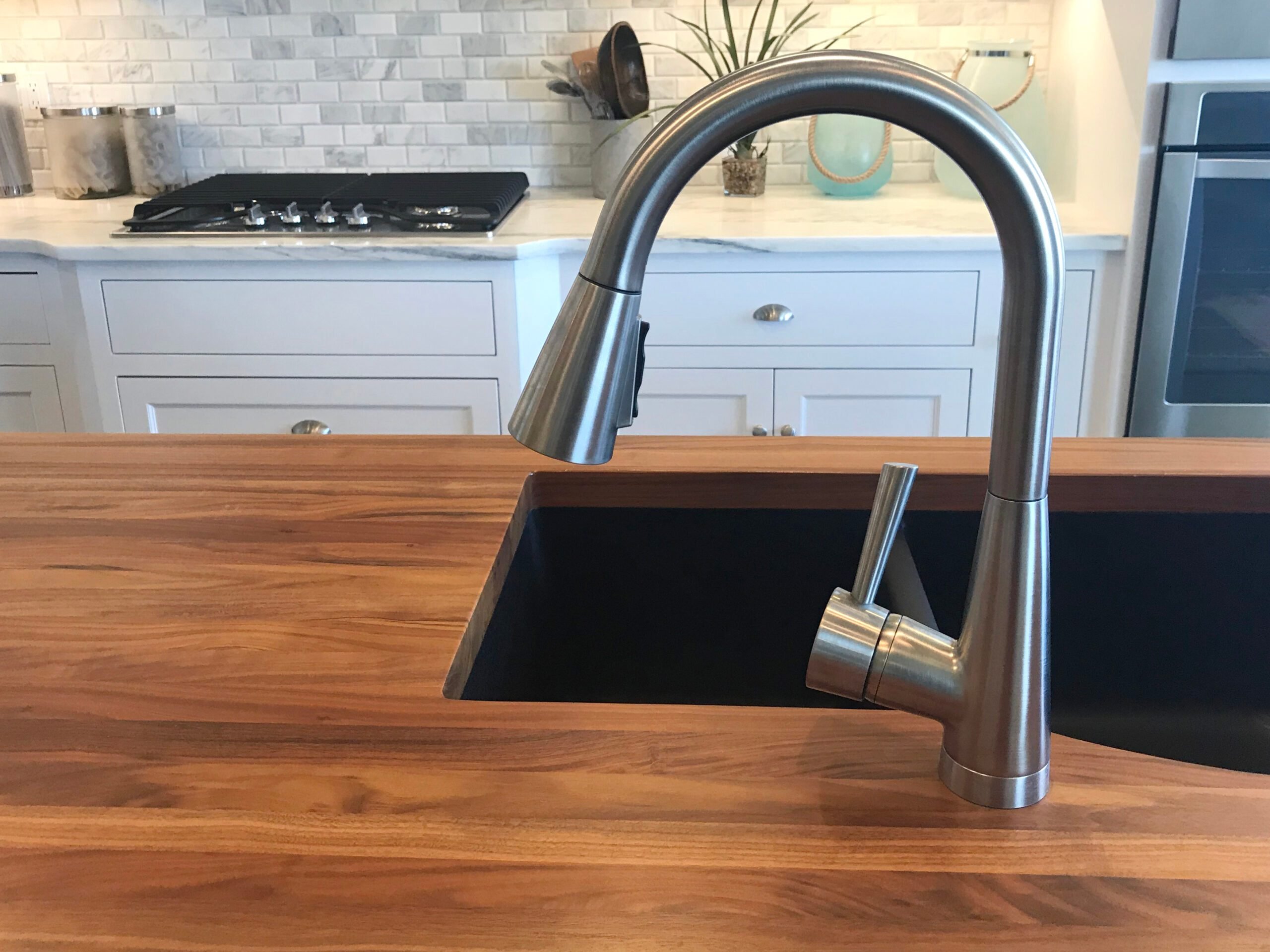
What to Know About Your Butcher Block Countertop

This Versatile Rolling Island Is a Small Kitchen Game Changer

5 Problems With Tiled Backsplashes in Kitchens That No One Ever Talks About
The Pros And Cons Of Butcher Block Countertops
Are Home Depot Butcher Block Countertops Worth Buying? Here's What Buyers Say

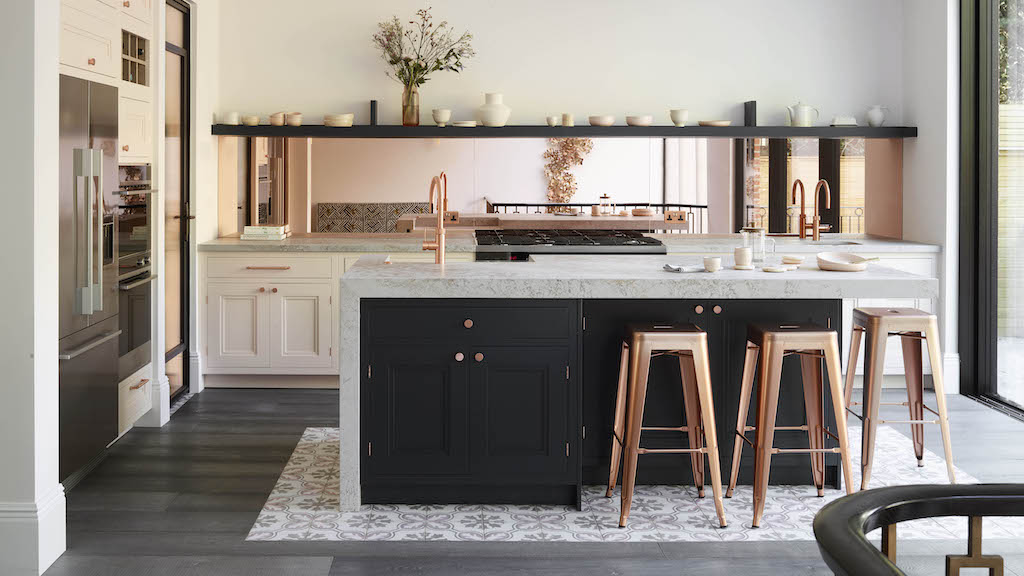
Experts reveal the kitchen worktop mistakes to avoid - ignore at your peril
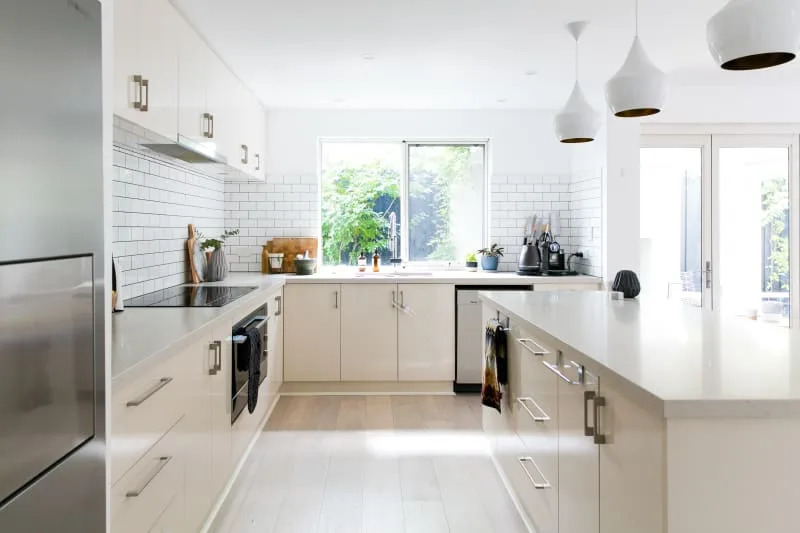
The Worst Thing About Every Popular Kitchen Countertop Designers Don’t Tell You
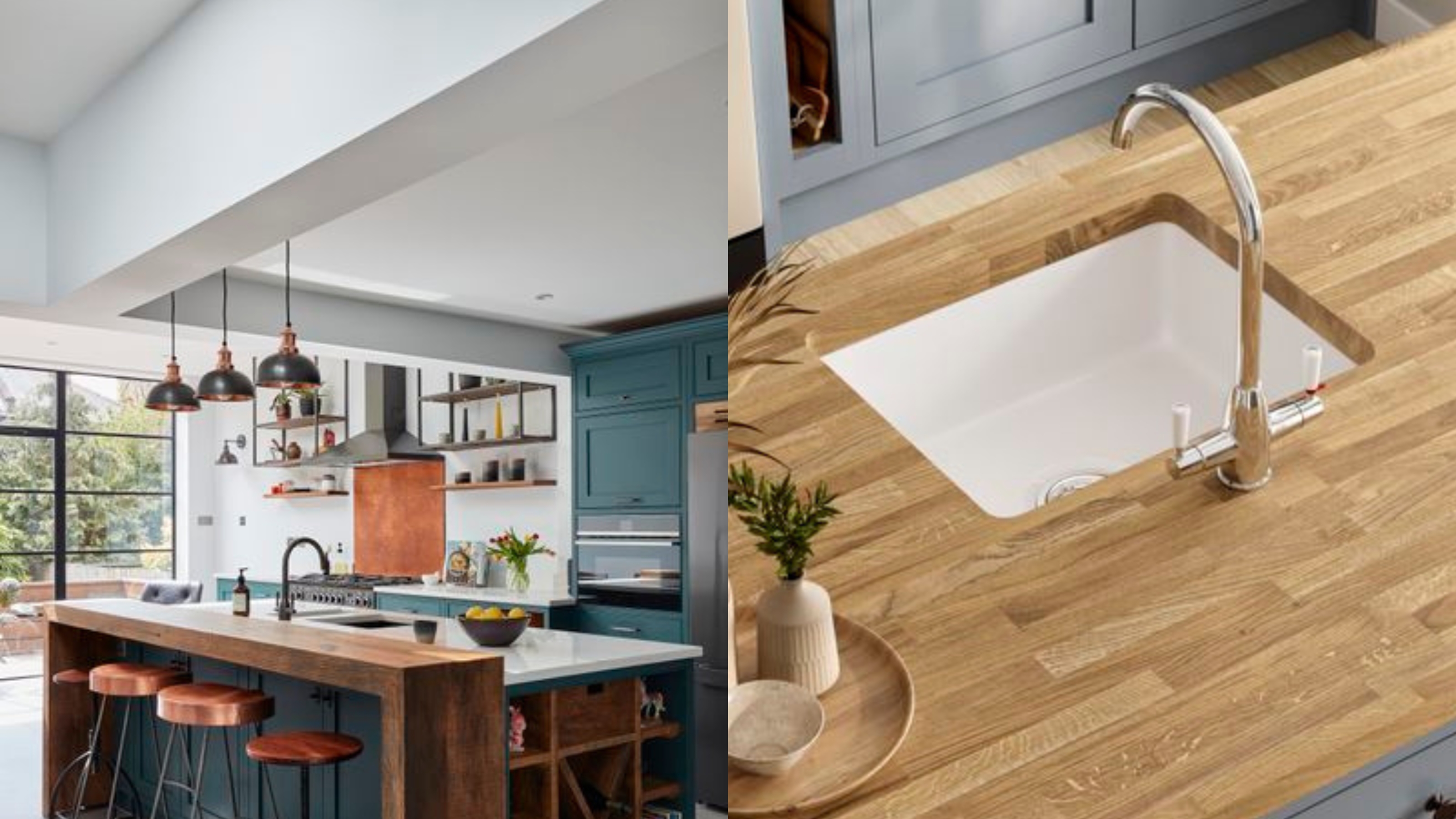
How to seal a butcher block countertop for a hygienic and attractive surface

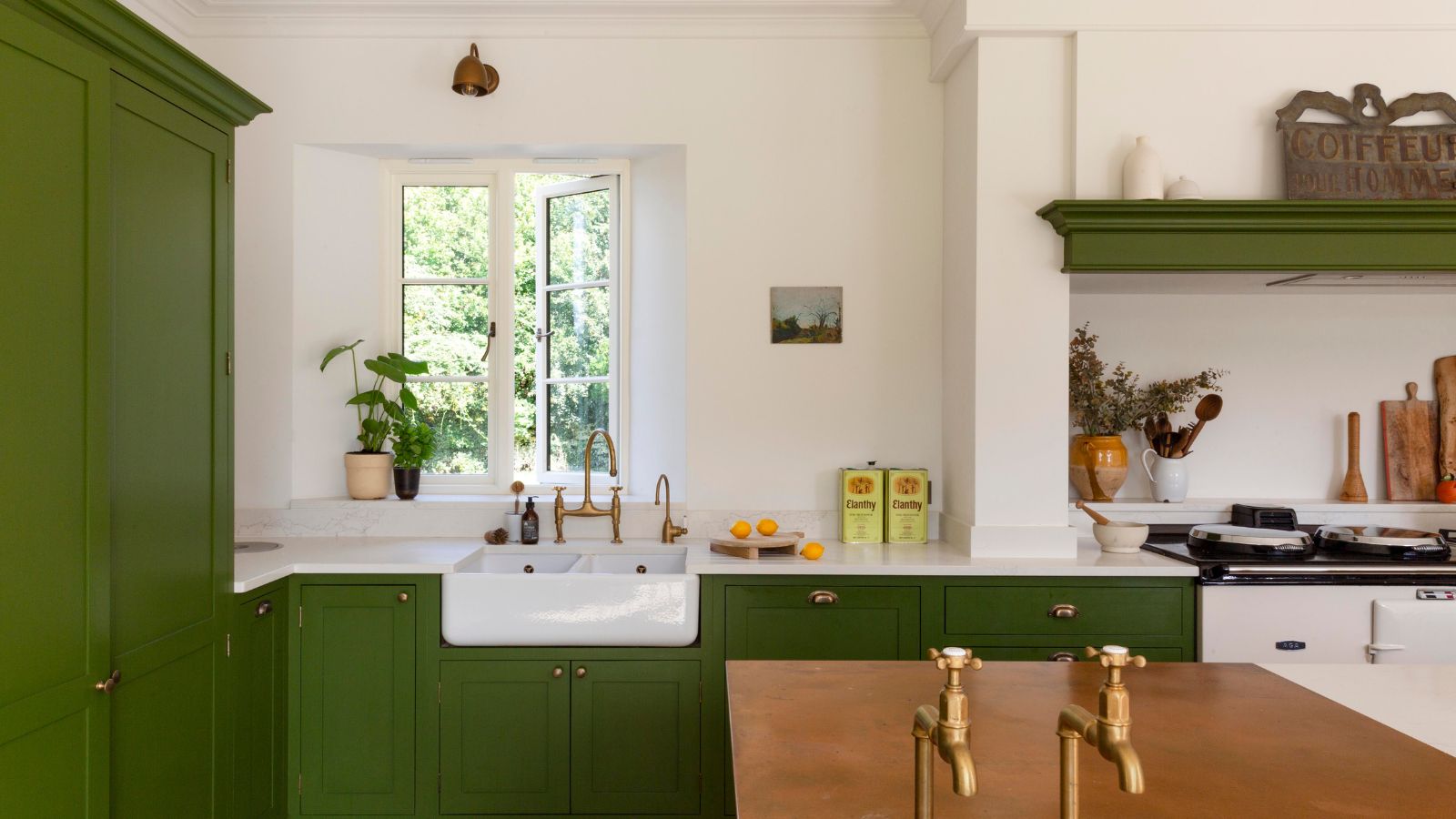
5 kitchen countertop mistakes designers warn to avoid
5 Problems With Waterfall Kitchen Countertops That No-One Ever Talks About
We Asked Experts Which Kitchen Countertops Add the Most Resale Value—These Made the List