'Quiet Corners' Is the Home Trend I Never Saw Coming
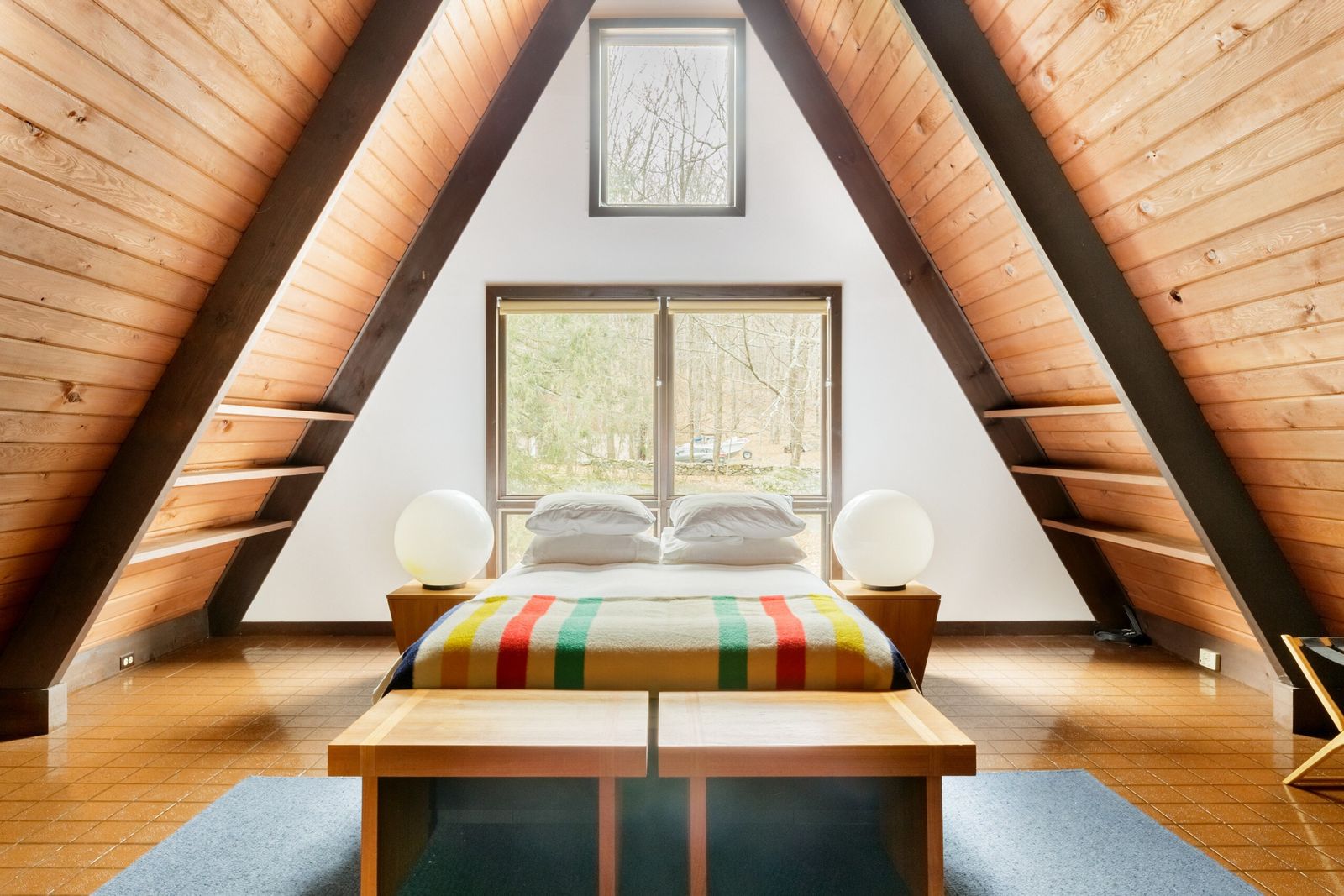
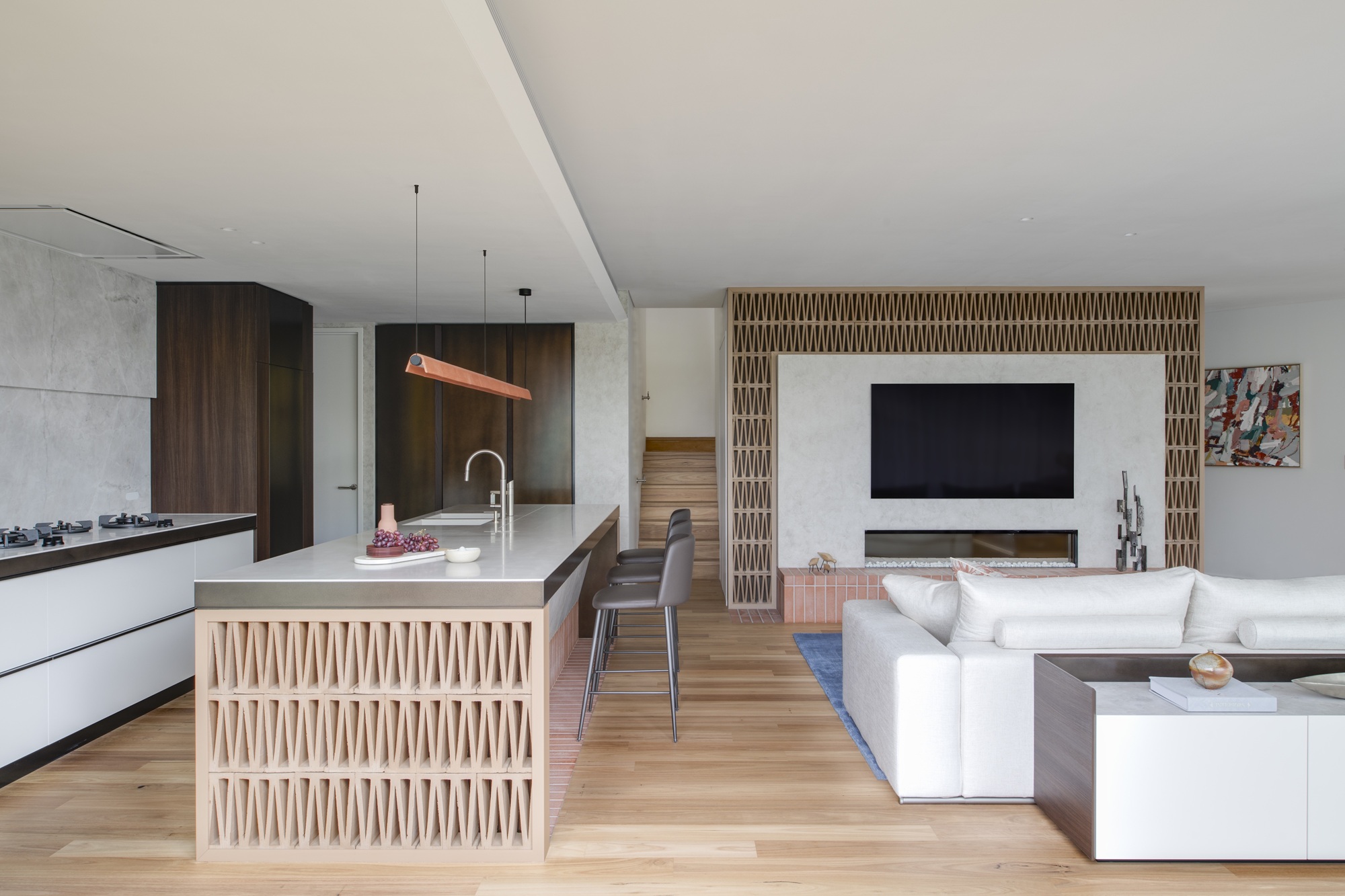
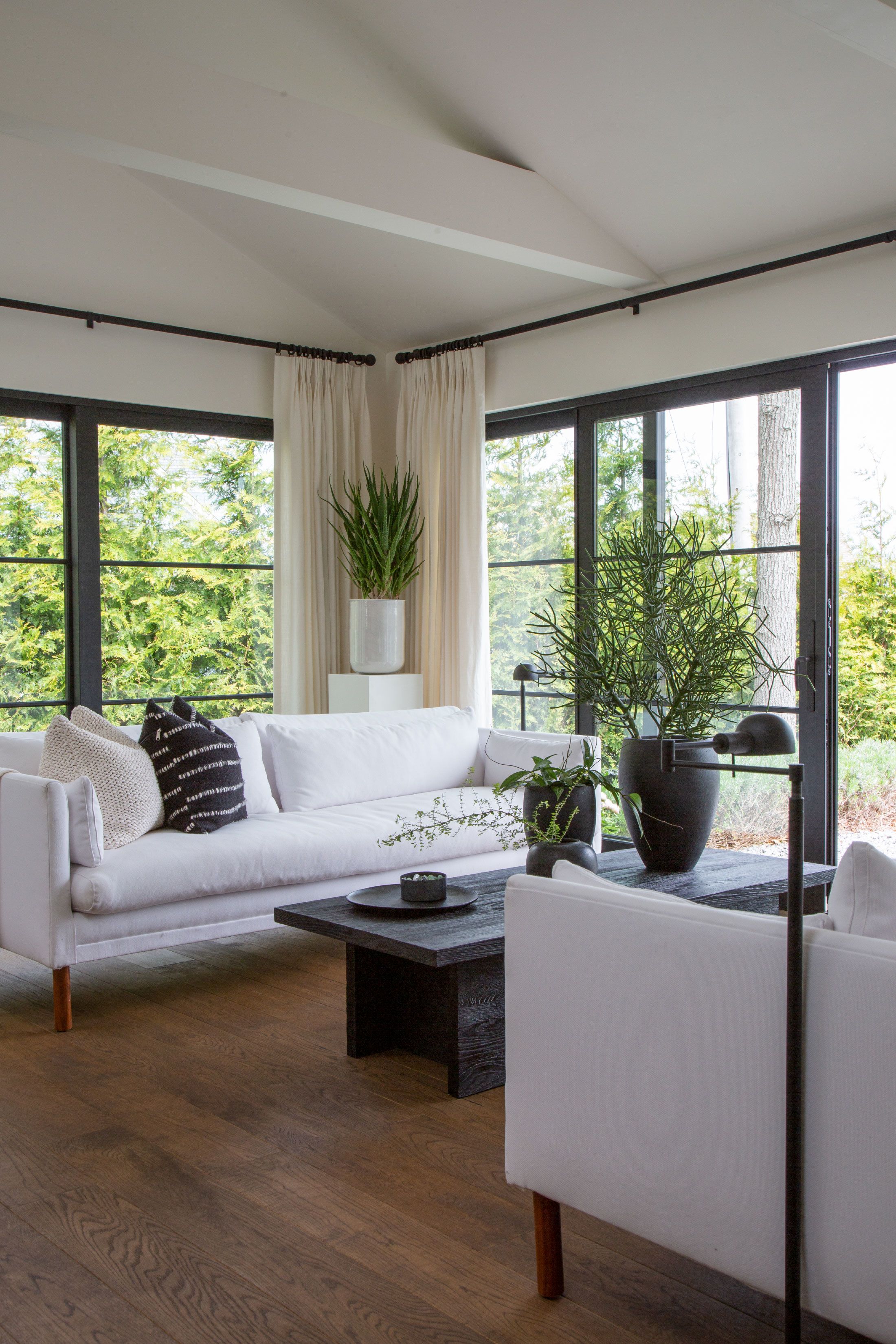
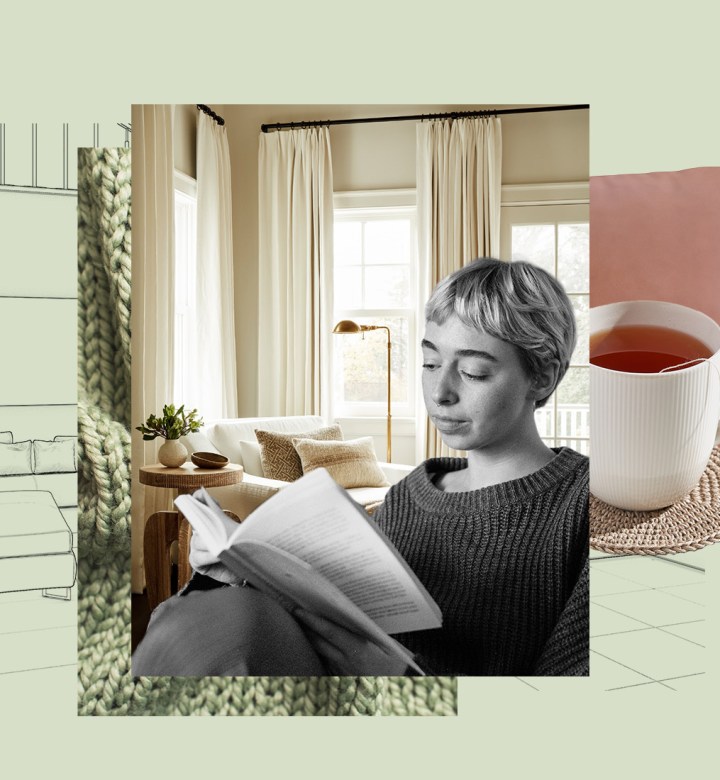
The concept of 'quiet corners' in home design is emerging as a significant trend, offering a deliberate counterpoint to the prevailing open floor plan aesthetic that has dominated residential interiors for years. This trend signifies a shift in homeowner priorities, moving away from maximizing productivity and constant stimulation towards creating spaces dedicated to rest, decompression, and stillness. This design philosophy harks back to an earlier era, specifically the late 1990s and early 2000s, where distinct, private nooks within a home were commonplace and served as essential buffering systems from the outside world. These areas, like a personal reading chair in a bedroom or a tranquil sunroom, provided a mental escape without any specific agenda or pressure to be productive.
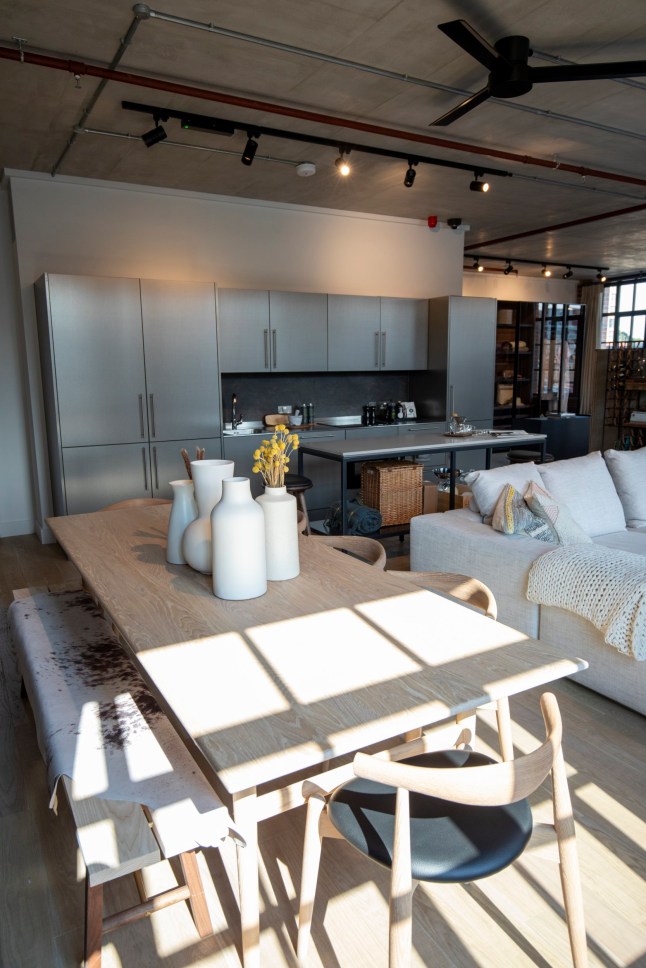
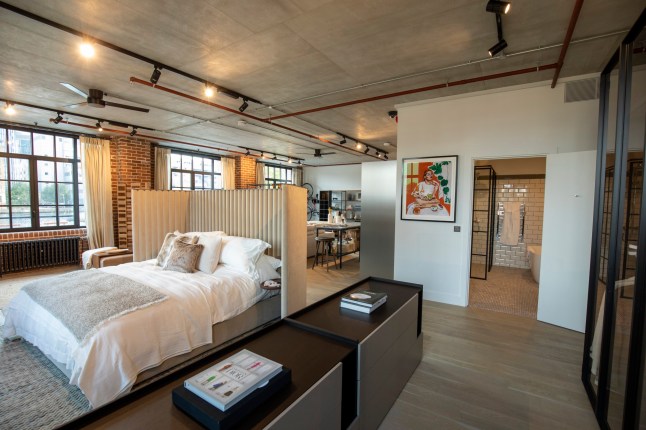
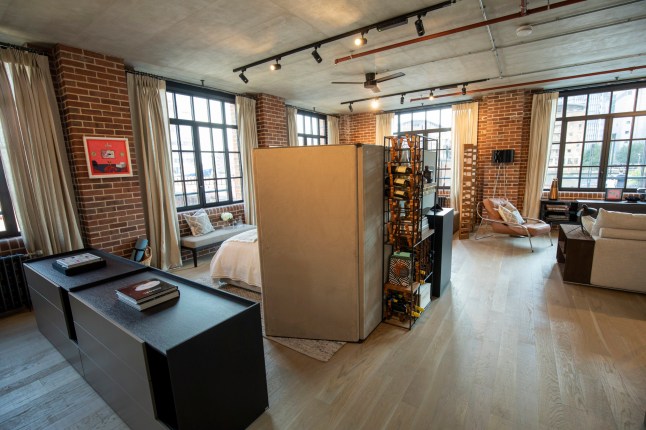
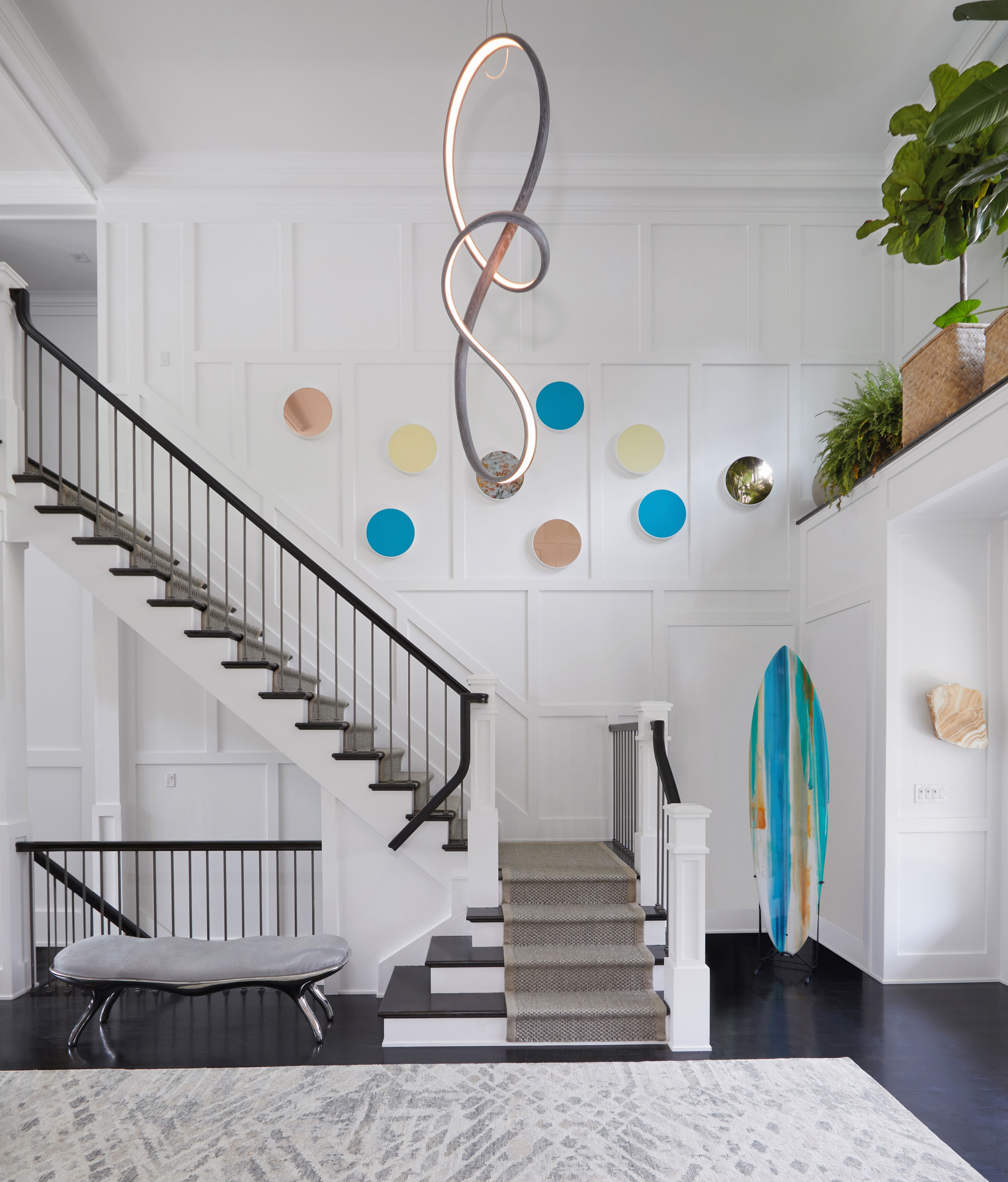
The evolution of home design saw a strong emphasis on open-concept layouts and multi-functional furniture, where every space was optimized for activity. Guest rooms housed Pelotons, living rooms featured Xbox stations, and kitchen islands often doubled as office desks. This relentless pursuit of utility and stimulation reached a peak during the 2020 lockdowns, when homes had to serve an unprecedented number of functions—gym, office, school, and social hub—leading to widespread feelings of overstimulation and a deep yearning for personal space and quiet. The absence of designated areas for mental escape intensified the need for reprieve within one's own living environment.
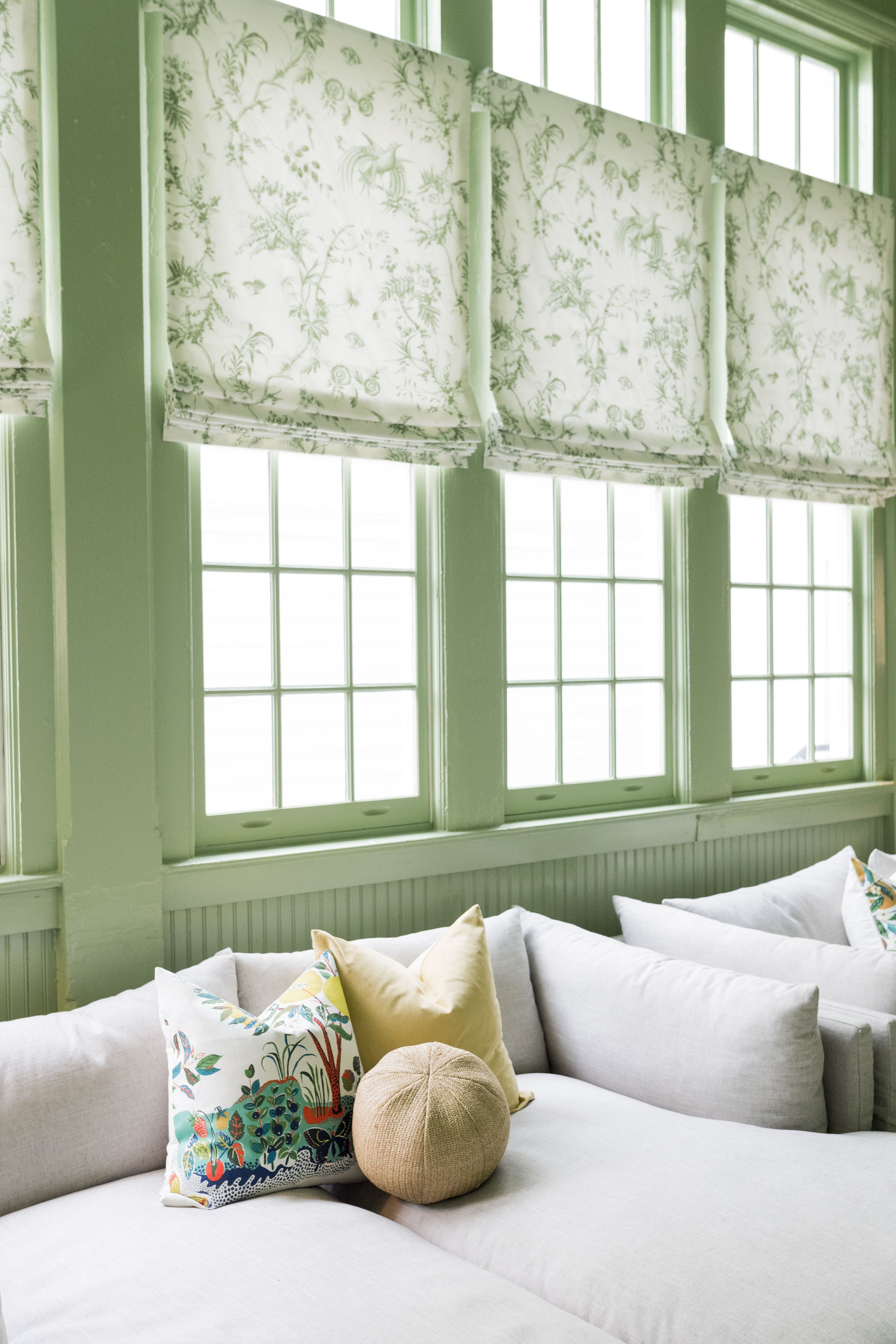
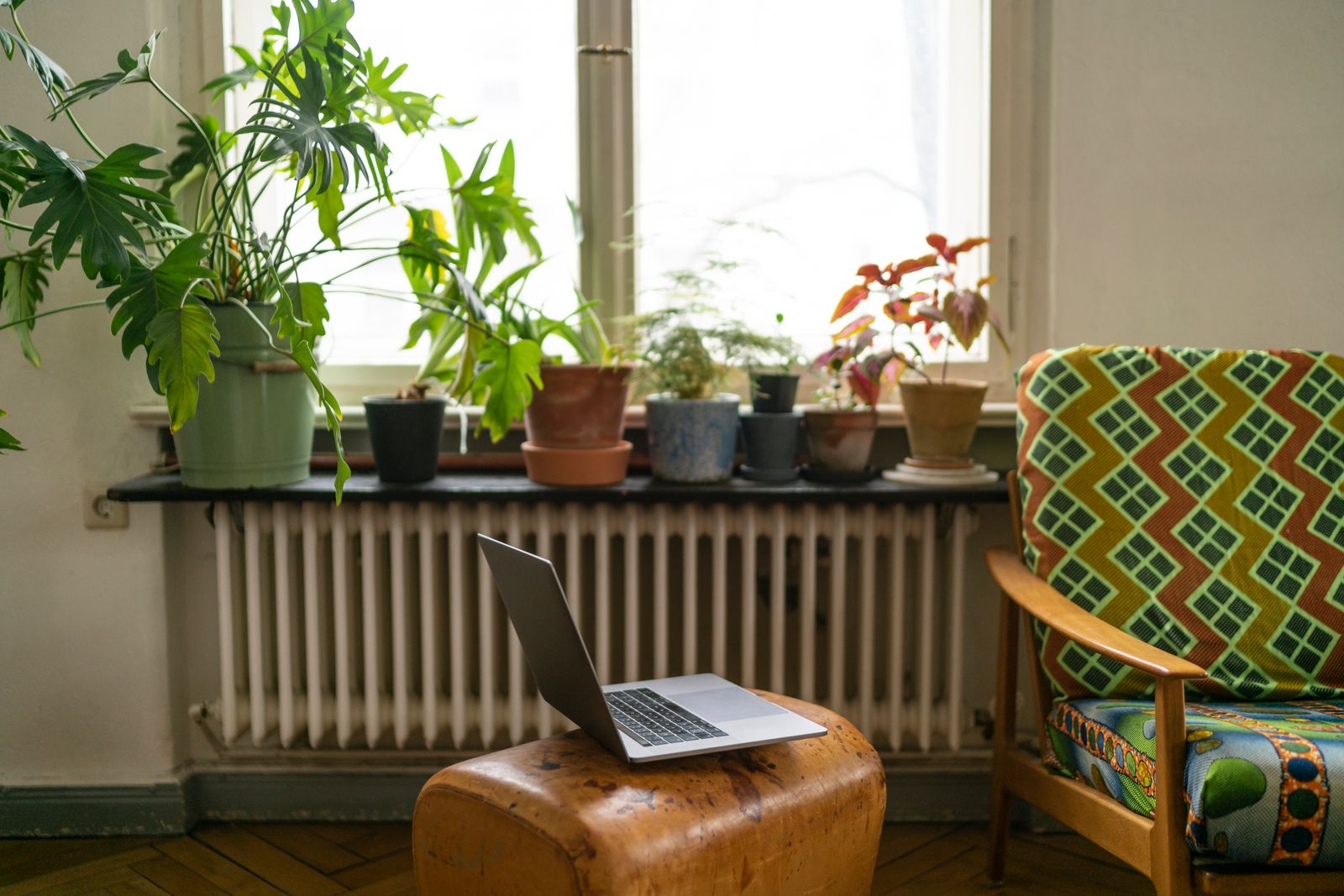
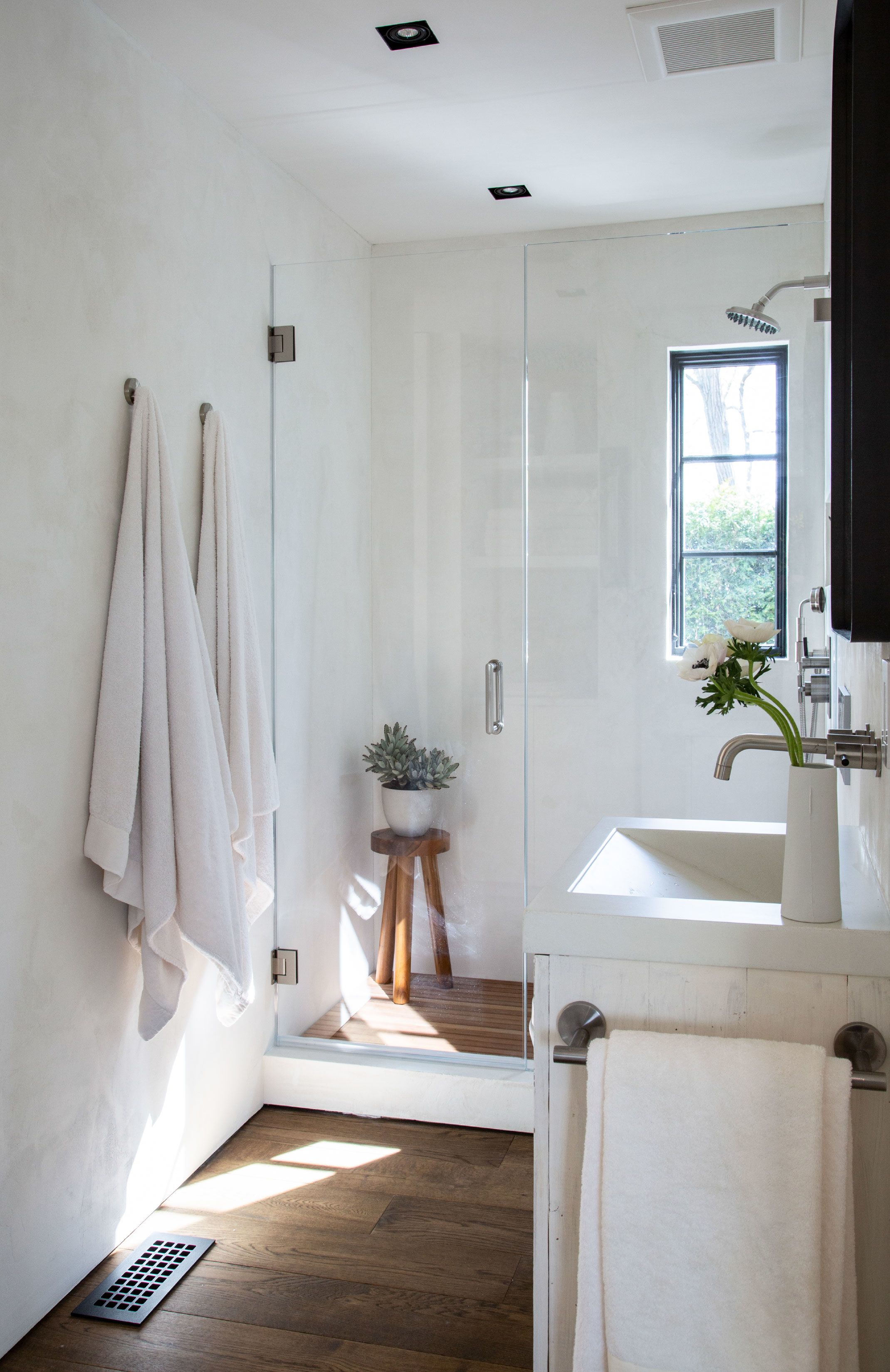
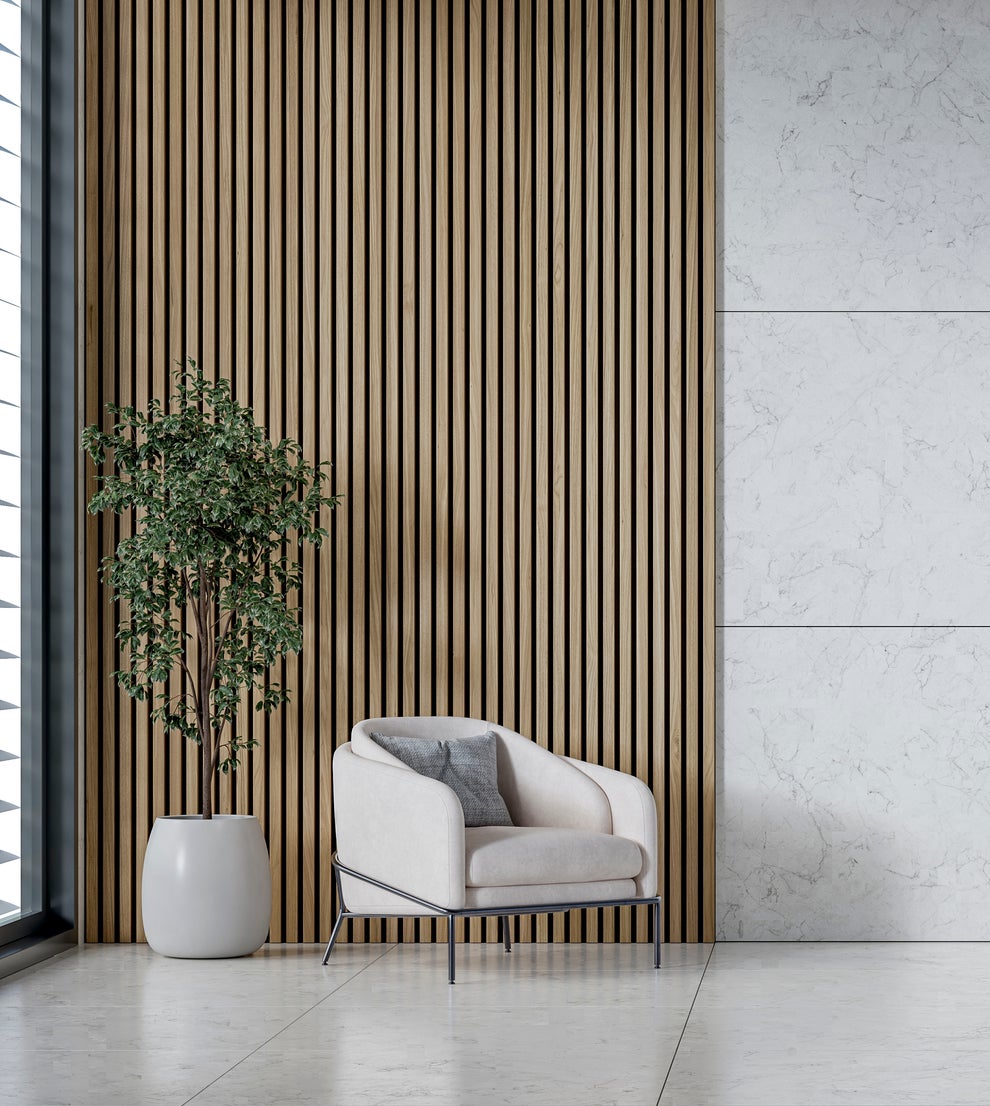
In response to this collective exhaustion, Houzz's 2025 Home Design Predictions highlight the rise of 'quiet corners' as a key trend. These spaces are intentionally designed to be purposeless, focusing solely on providing an oasis for relaxation. They can manifest in various forms, from a simple bench under a window to a custom-built nook with scalloped upholstery, all unified by their objective of offering stillness. Social media platforms, particularly Instagram, showcase numerous examples of this trend. Becca Interiors' Manor Park project features a creamy chaise bathed in natural light, evoking a sense of calm and inviting barefoot lounging. Samantha Spappas's design incorporates an arched nook with terrazzo-print cushions and deep plum pillows, providing a private hideaway complete with built-in cubbies for books and a sculptural table for coffee, perfect for solo relaxation.
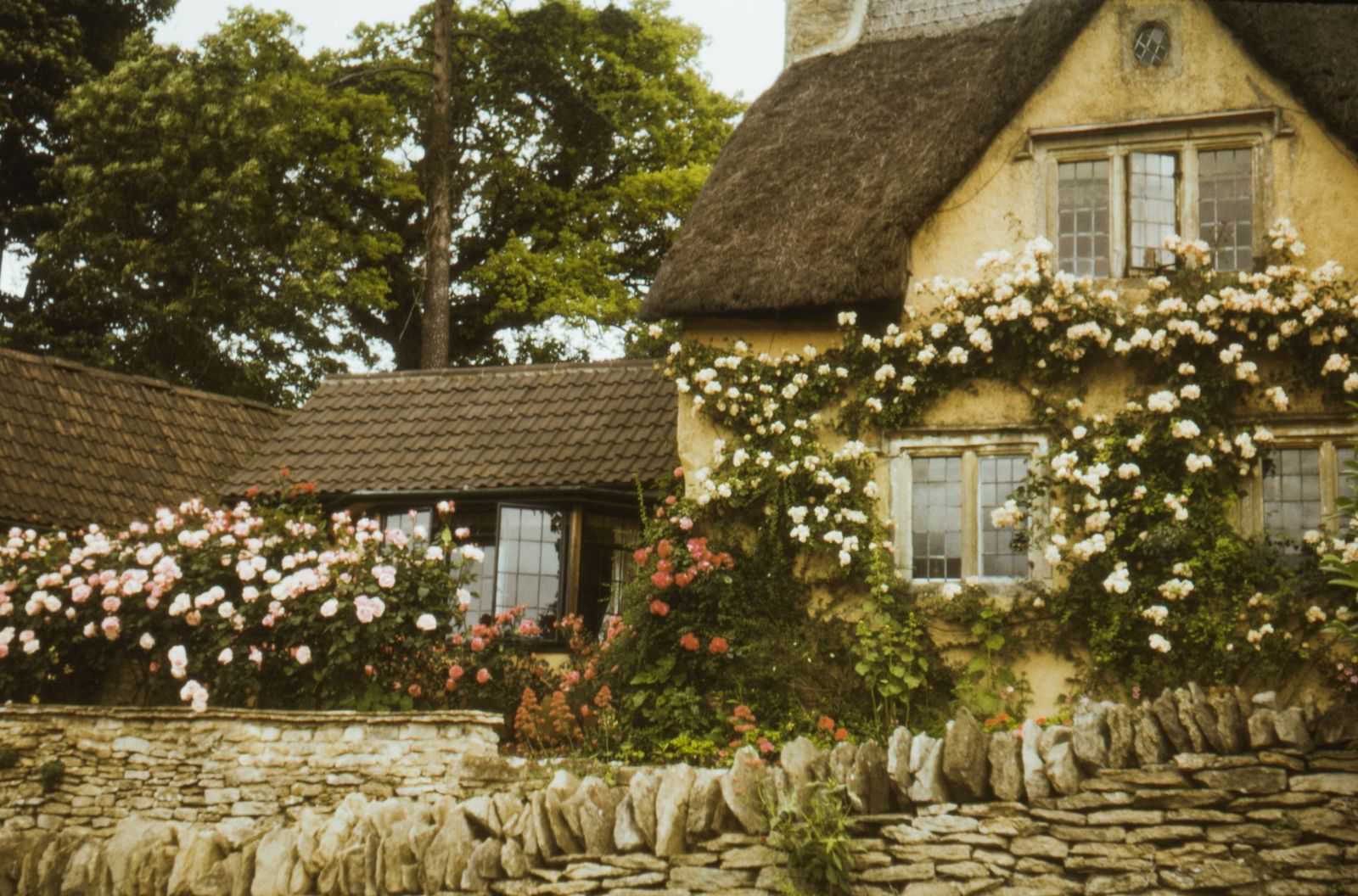
Richard Shapiro’s Malibu library further exemplifies this trend with a striped daybed and mismatched throws, suggesting a form of luxury that prioritizes comfort and leisure over ostentation. The concept extends beyond indoor spaces; good.manors demonstrates an outdoor 'quiet corner' with a single sling-back chair beside a simple wood side table, surrounded by blooming jasmine, underscoring that even minimal elements can create a restorative outdoor retreat. These diverse examples share an 'architectural hush' and a refusal to overstate, offering a refreshing contrast to the current design landscape often dominated by bold statements and elaborate fixtures. The allure of the quiet corner lies in its ability to provide a moment of reprieve from constant digital content and societal chaos, reflecting a post-pandemic need for genuine comfort and mental restoration rather than just aesthetic appeal.
#HomeDesignTrends #QuietCorners #OpenFloorPlan #InteriorDesign #MindfulLiving #PostPandemicDesign #HomeDecor #WellnessSpaces #HomeDesignTrends #QuietCorners #OpenFloorPlan #InteriorDesign #MindfulLiving #PostPandemicDesign #HomeDecor #WellnessSpaces
0 comment in total
 No comments yet
You may also like
This Once-Popular Home Feature Is Falling Out of Favor

‘Hushed interiors’ explained: Experts discuss the new luxury minimalist trend

I Found the Next Big Home Décor Trend–And I’m Already Buying Into It

Opinion: Home Is the New Fashion

Designers Reveal the Surprising Home Trend That's Taking Over Right Now

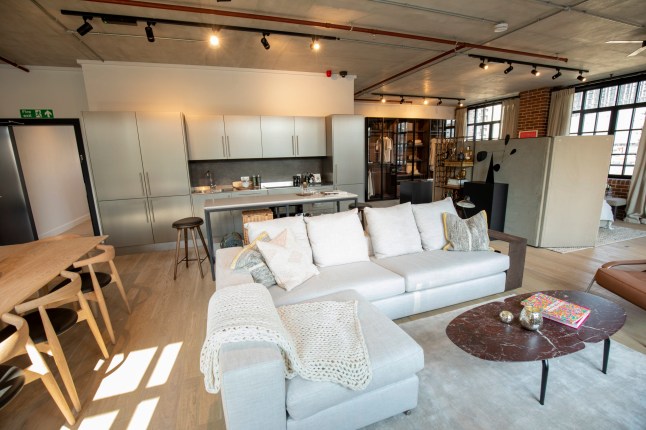
Say goodbye walls, open-plan living is the trend that's here to stay

Tiny Homes Get Big Recognition

‘Quiet Luxury’ Interior Design Is Booming Loud and Clear in the Hamptons
Microcement is transforming our homes into havens of quiet luxury

Home Trends


Gorgeous Gorgeous Girls Love Nursery Chic


People Are Exposing The Home Decor Trends That'll "Completely Fade Out" Sooner Than You'd Think

The Bold Living Room Trend No One Saw Coming


Our Best Conversation Stories of 2020

This 'Modern Breeze Block' Trend Is Everywhere Right Now — From Kitchen Islands to Room Dividers

Open plan living is over. Here’s why we all want walls again
Open plan living: The new normal or passing trend?

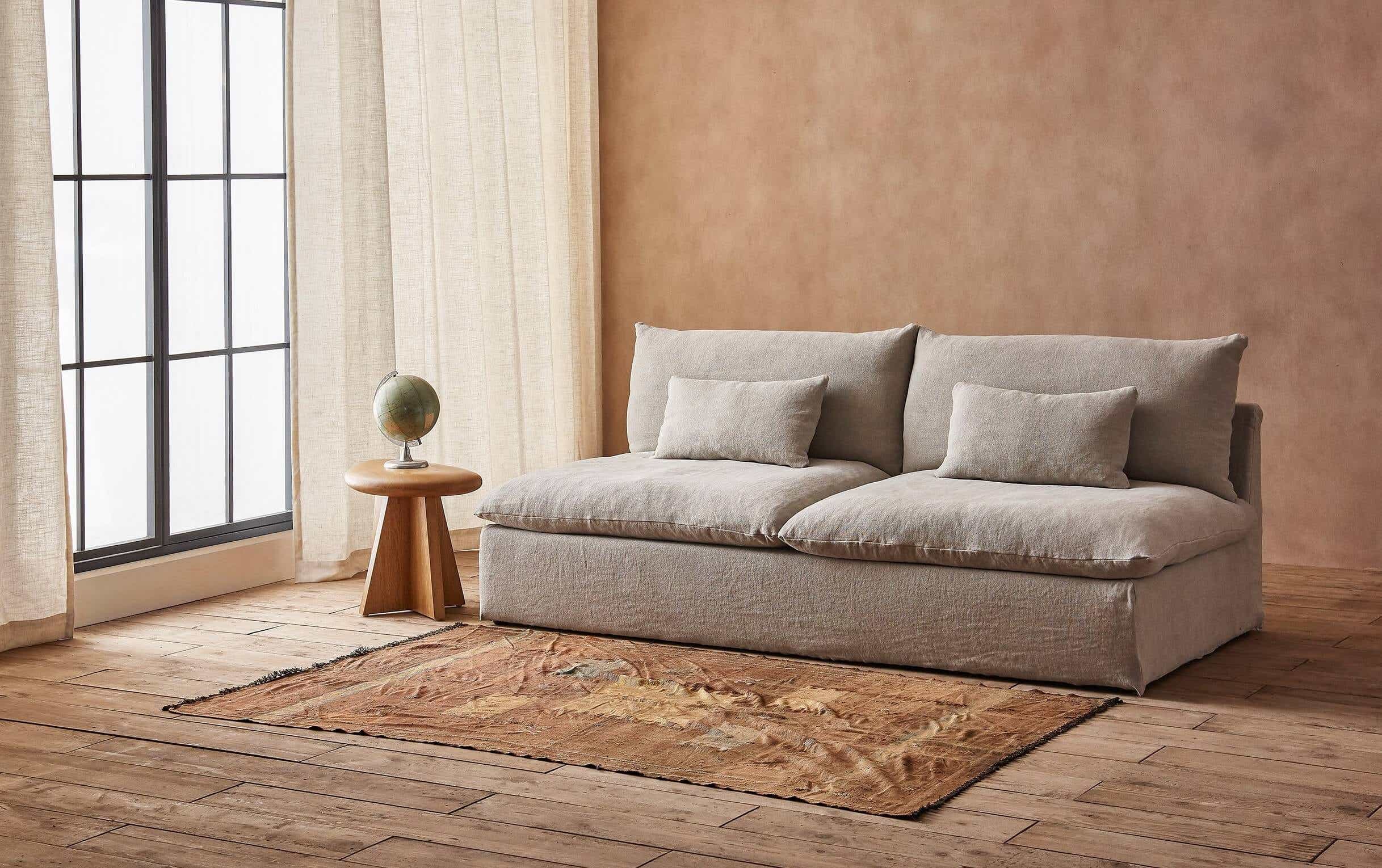
This Convenient Couch Trend Is Making a Comeback

This Surprising NEW Trend Is Replacing Accent Walls

This '90s Home Trend Is Back With A Vengeance