1/8
‘Hushed interiors’ explained: Experts discuss the new luxury minimalist trend
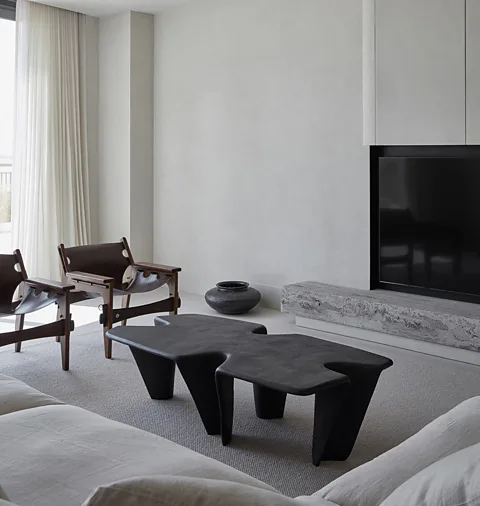
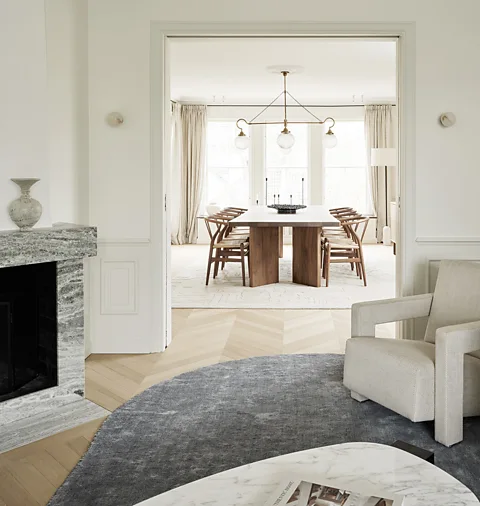
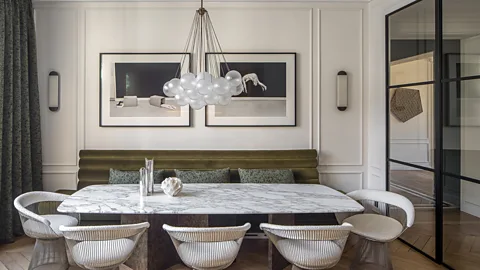
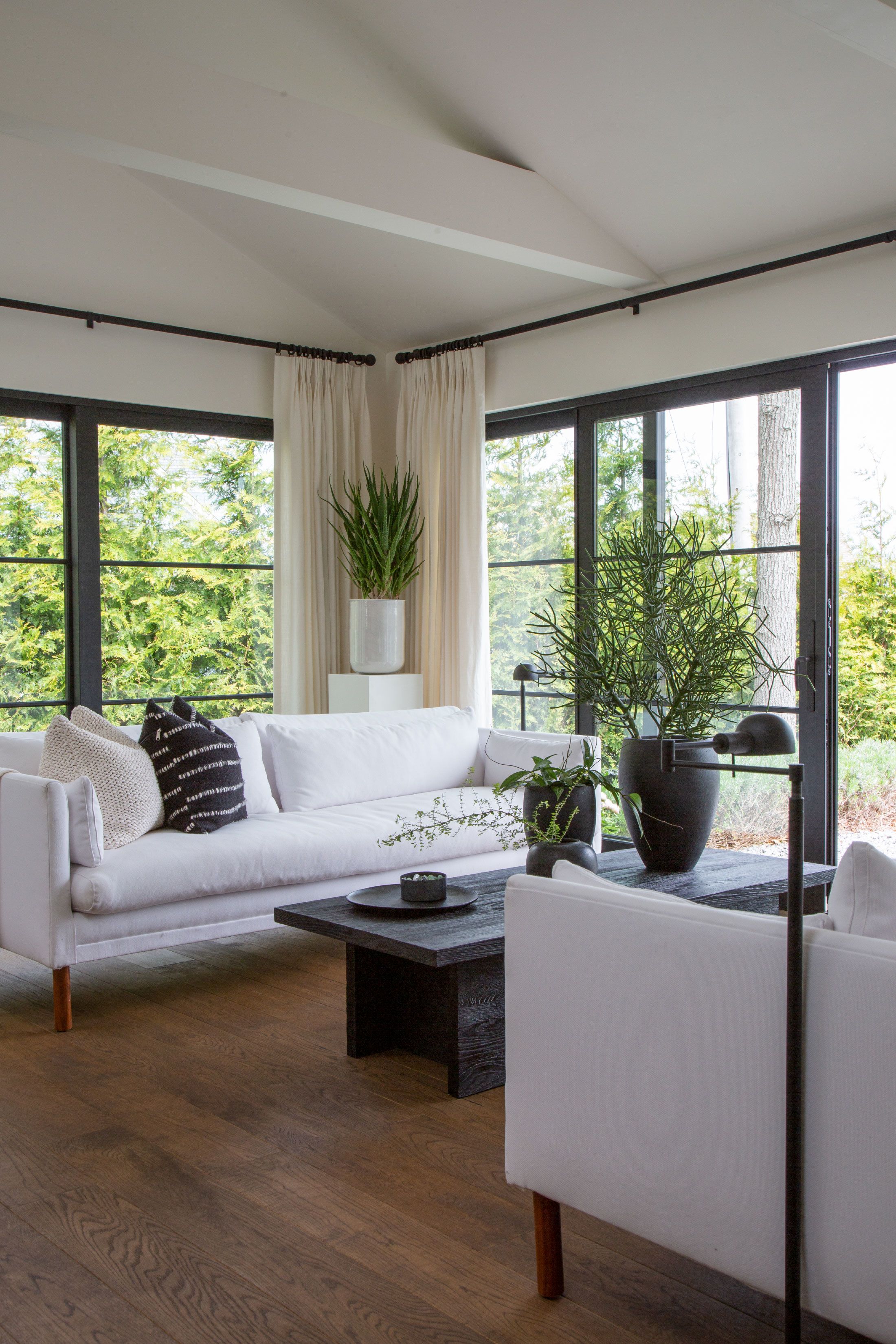
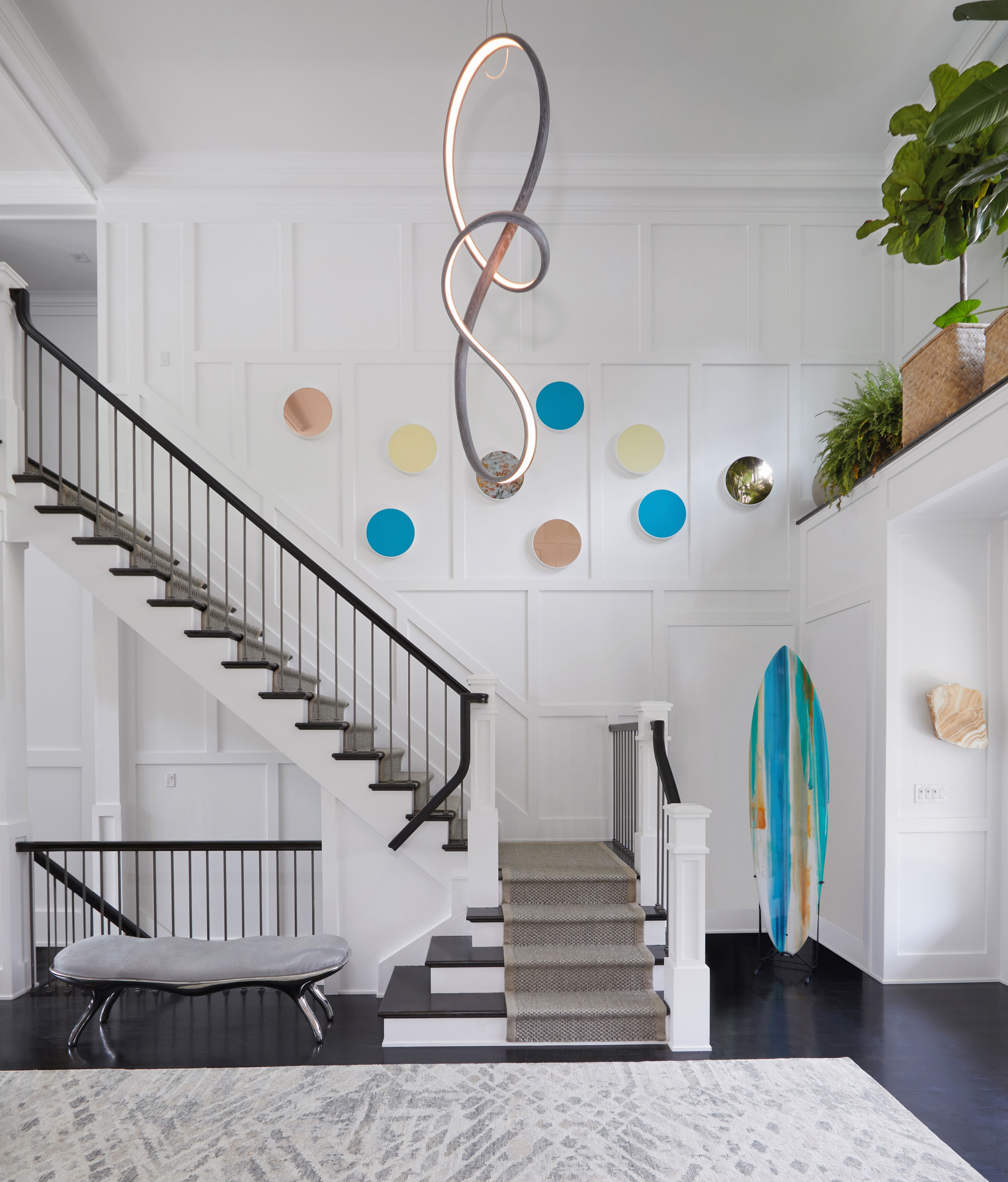
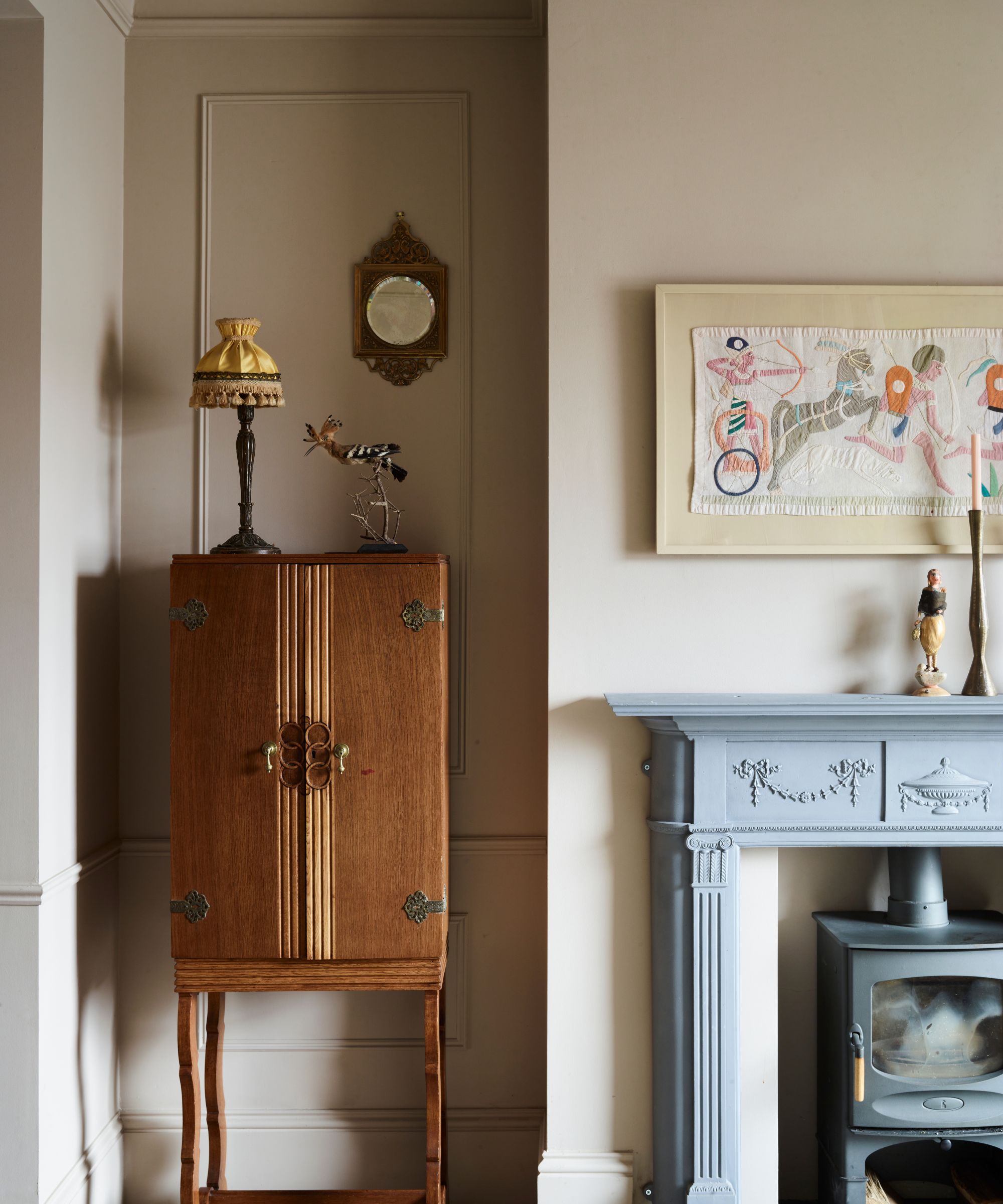
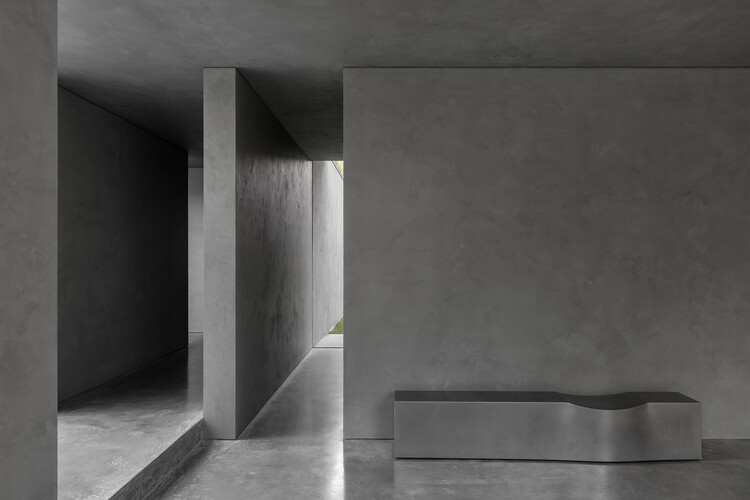
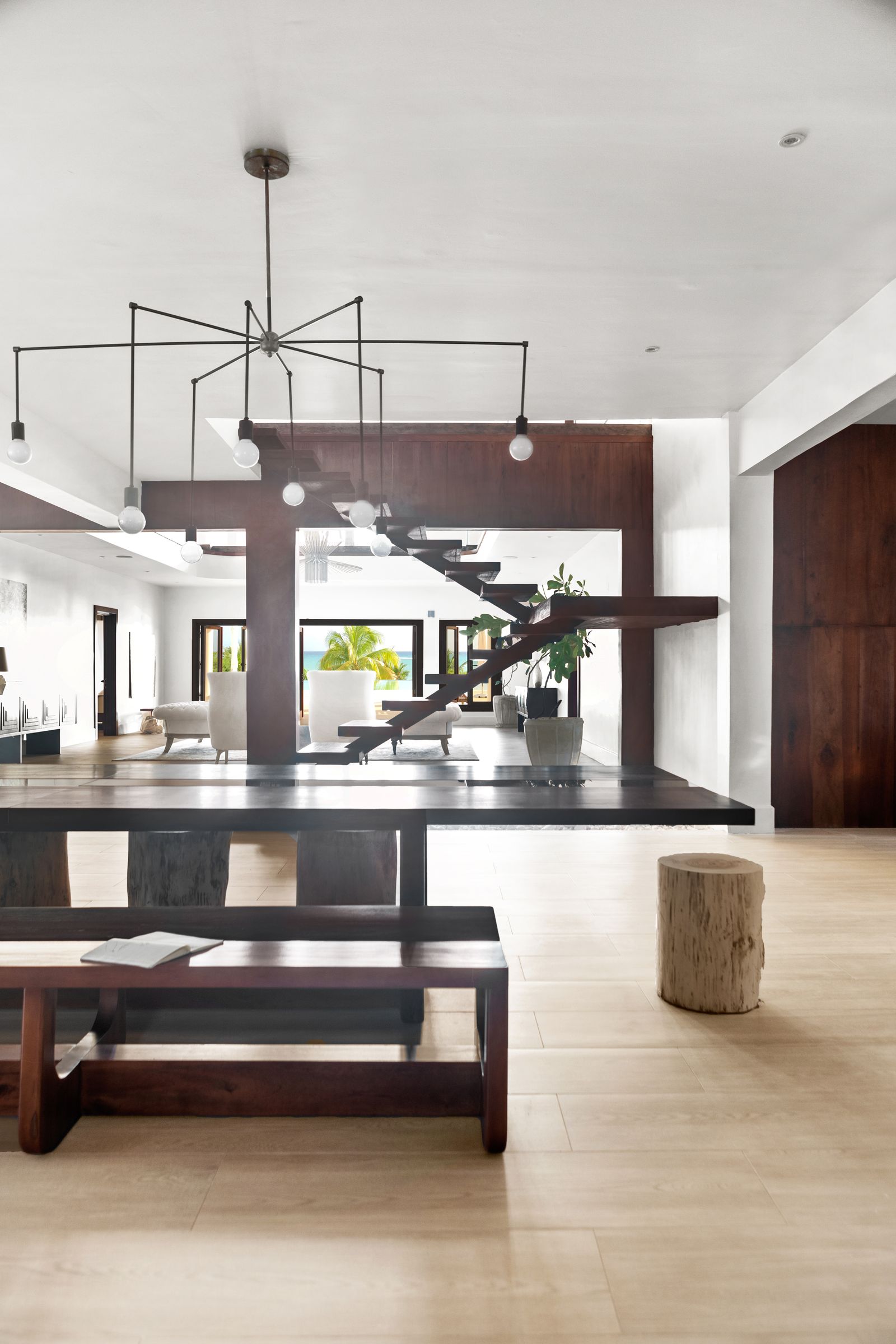
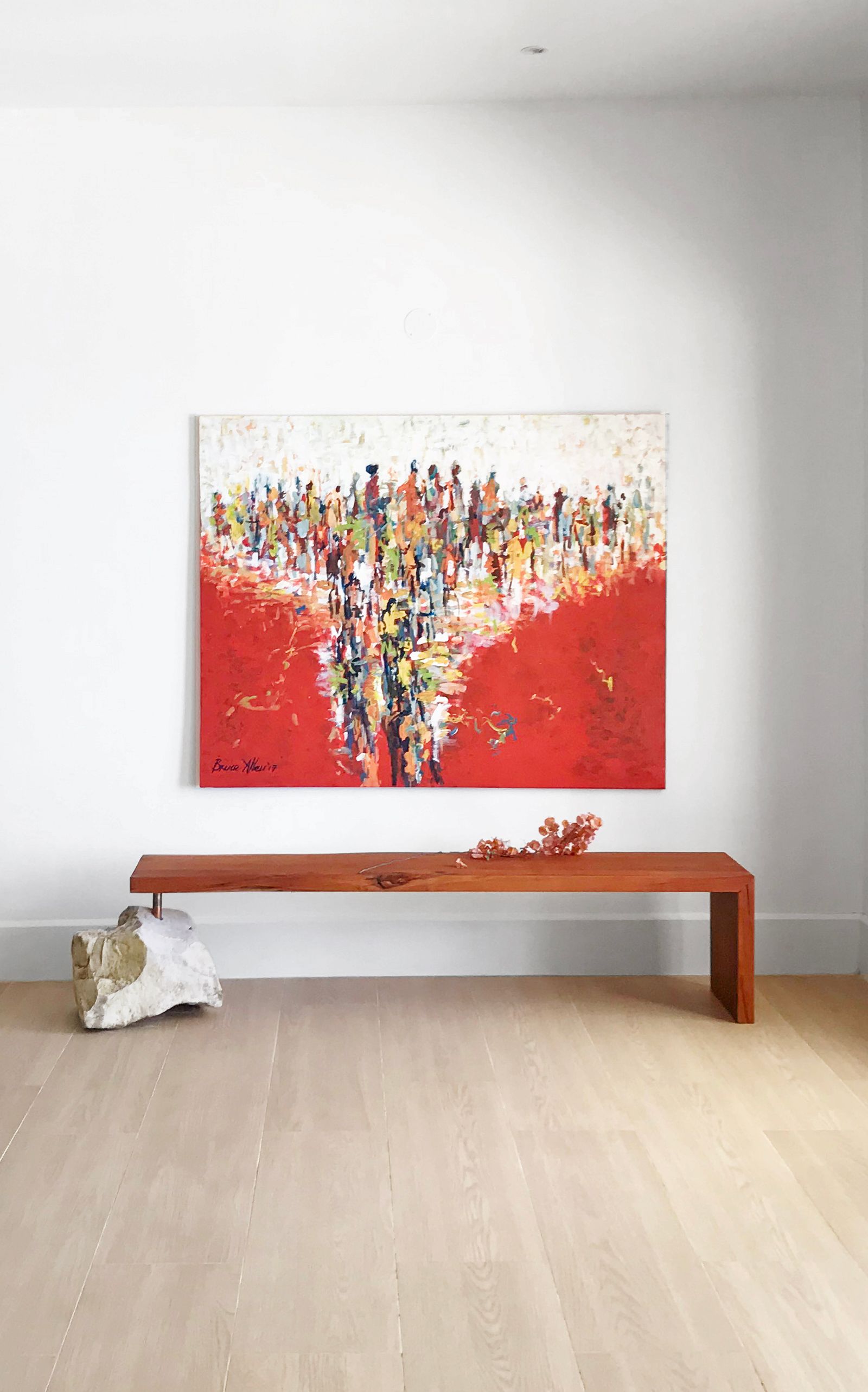
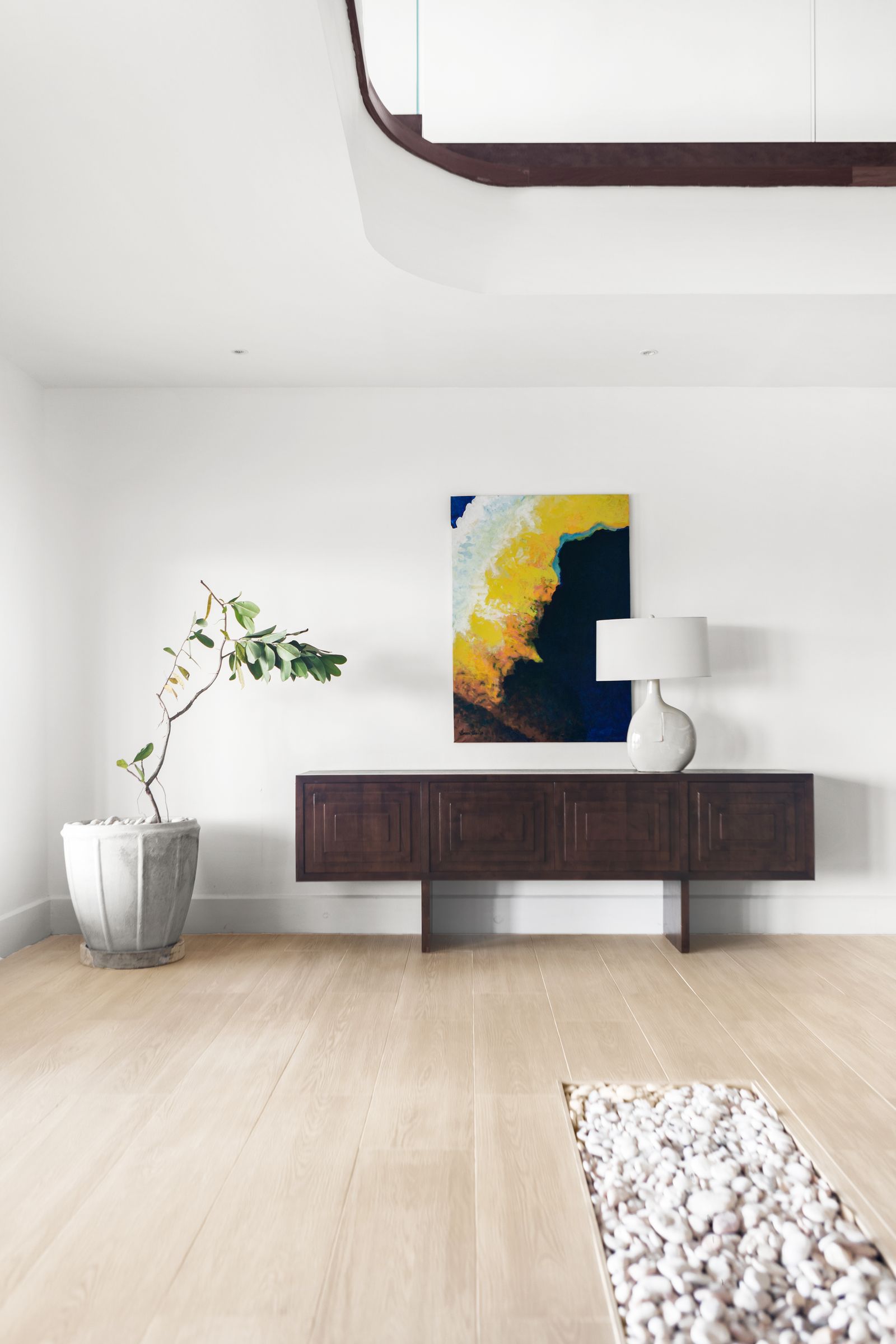
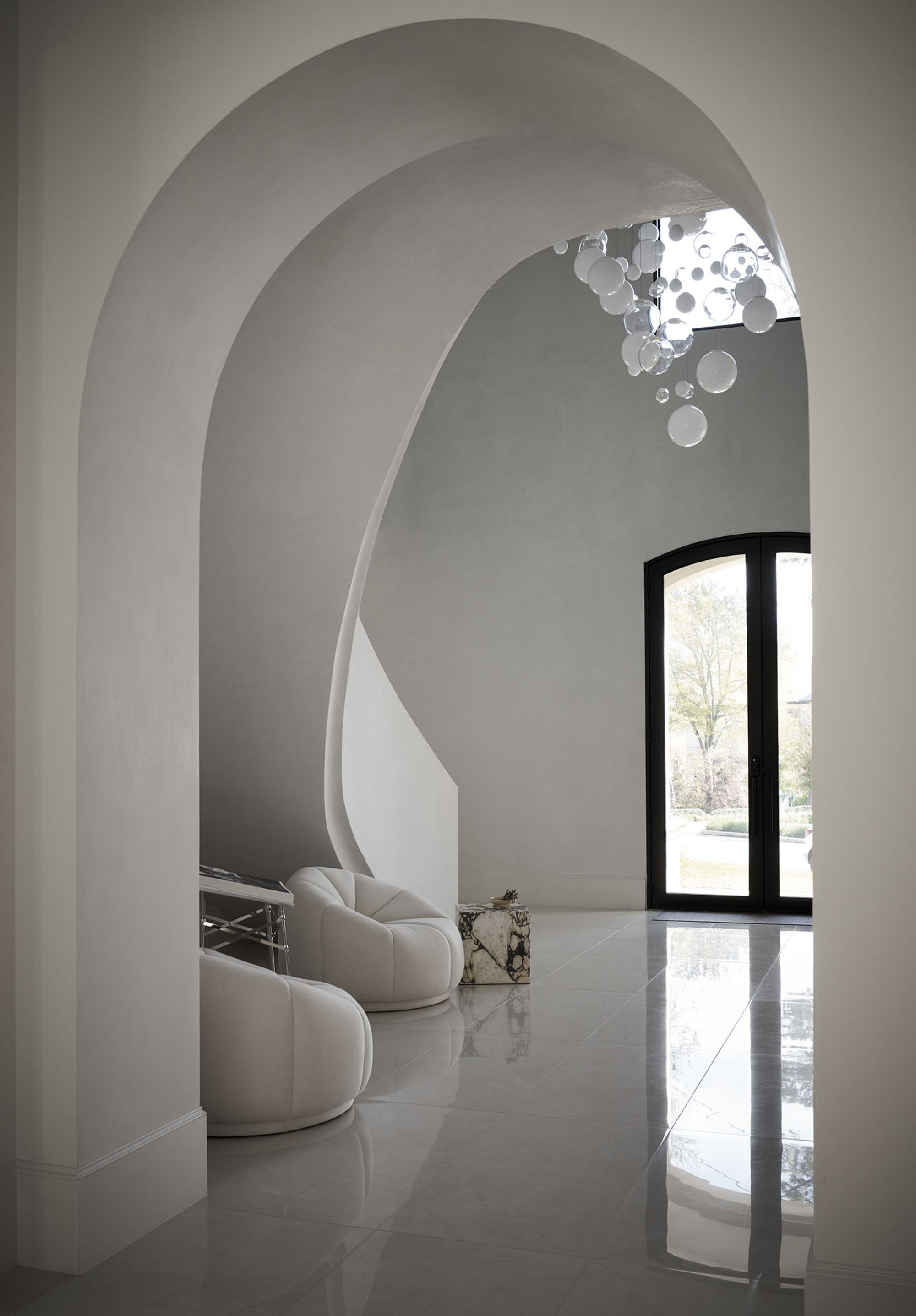
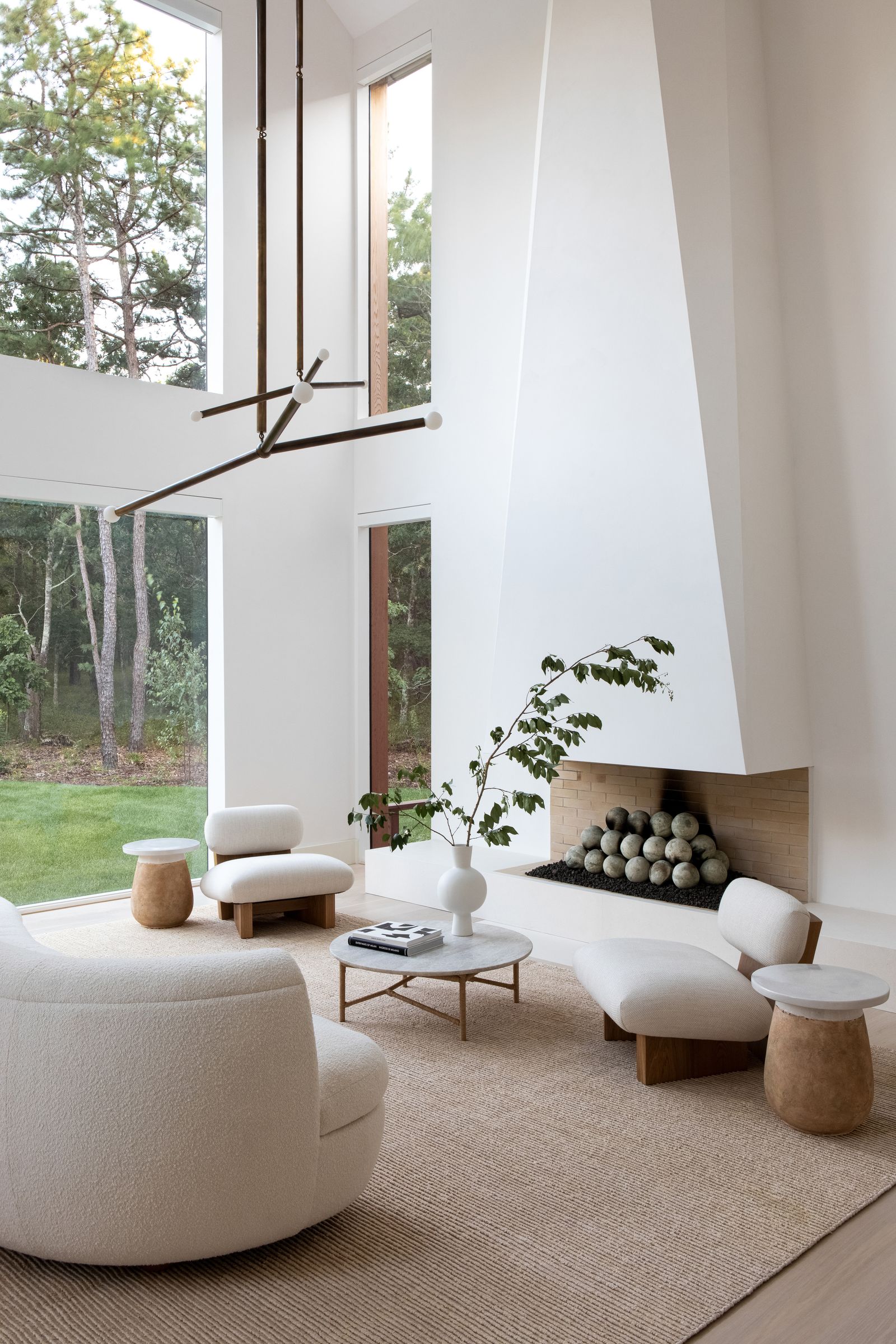
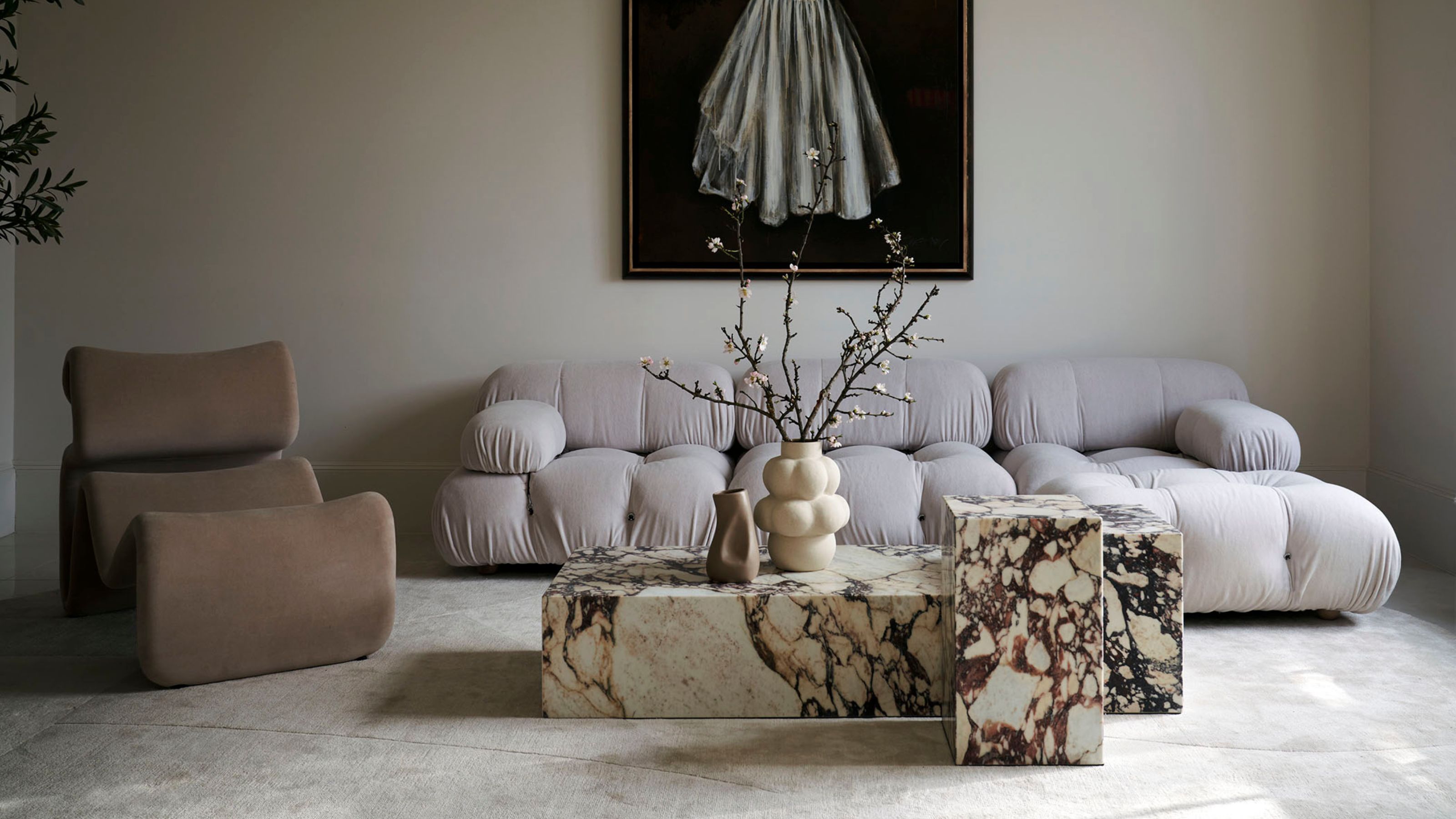
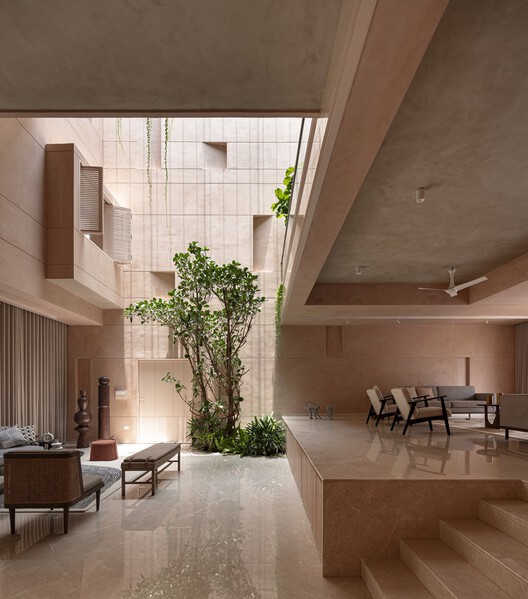
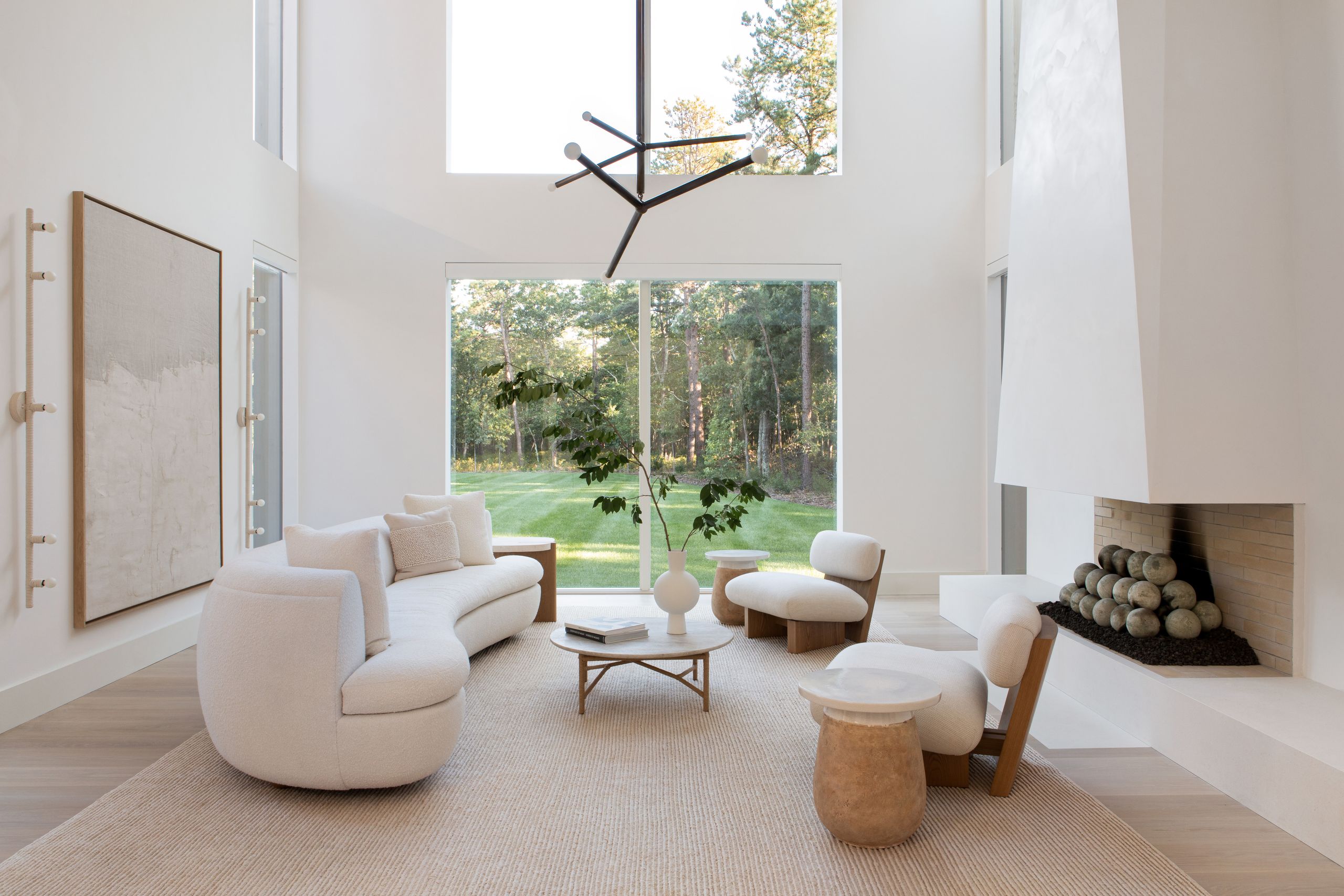
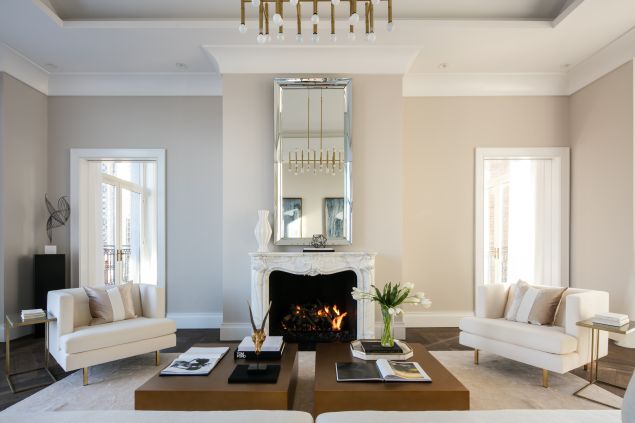
The latest luxury minimalist trend, known as 'hushed interiors', combines elements of minimalist design and 'quiet luxury' to create a sophisticated, understated, yet opulent feel within a space. This trend emphasizes sleek lines, discreet décor, and the removal of unnecessary protrusions or divisions, while keeping clutter to an absolute minimum. It aims to make a statement through subtlety rather than ostentation, a characteristic that resonates with the broader luxury market's shift towards less overt displays of wealth.
Mike Whitfield, a luxury interiors expert at LUSSO, and interior designer Ola Jachymiak highlight that a common misconception about minimalist design is equating it with emptiness. Instead, true minimalism, as seen in hushed interiors, focuses on creating harmony and balance by stripping back clutter to emphasize colors, shapes, and materials. The goal is to achieve functionality and style without making a space feel sterile or lifeless. Thoughtful integration of essential features, such as basins and kitchen taps, is crucial, ensuring they complement the overall design rather than being isolated elements. Minimalist design, in this context, is about intentional choices and curating key elements that serve both functional and aesthetic purposes, creating inviting and refined spaces that retain warmth and personality through quality materials, textures, and subtle colors.
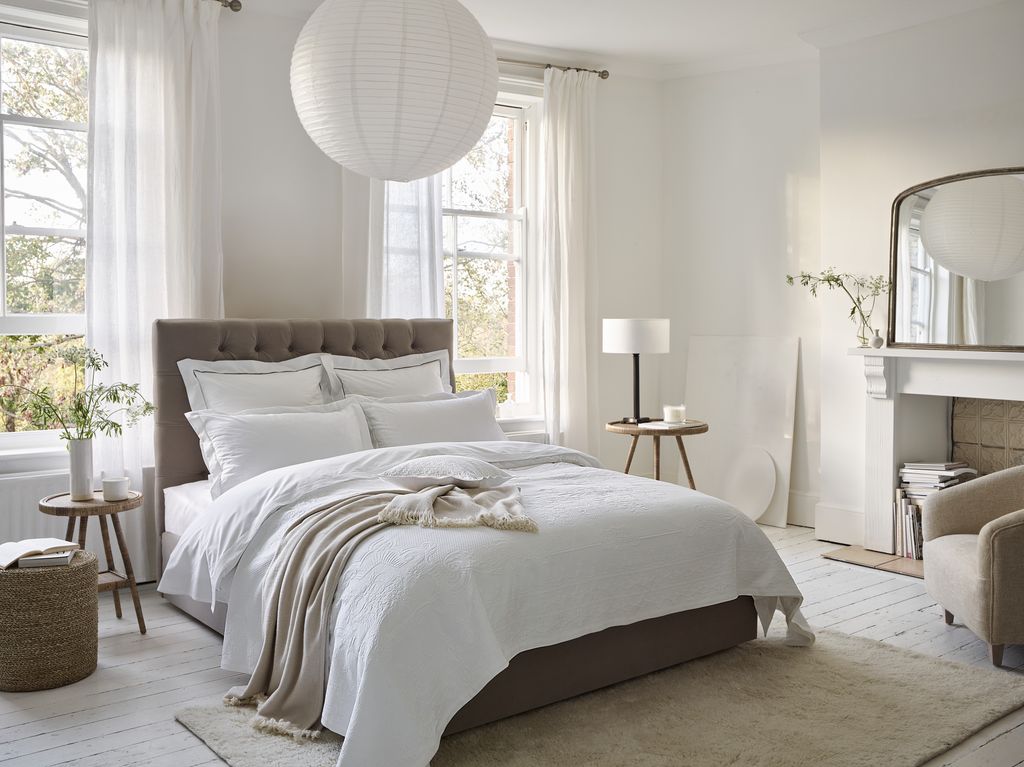
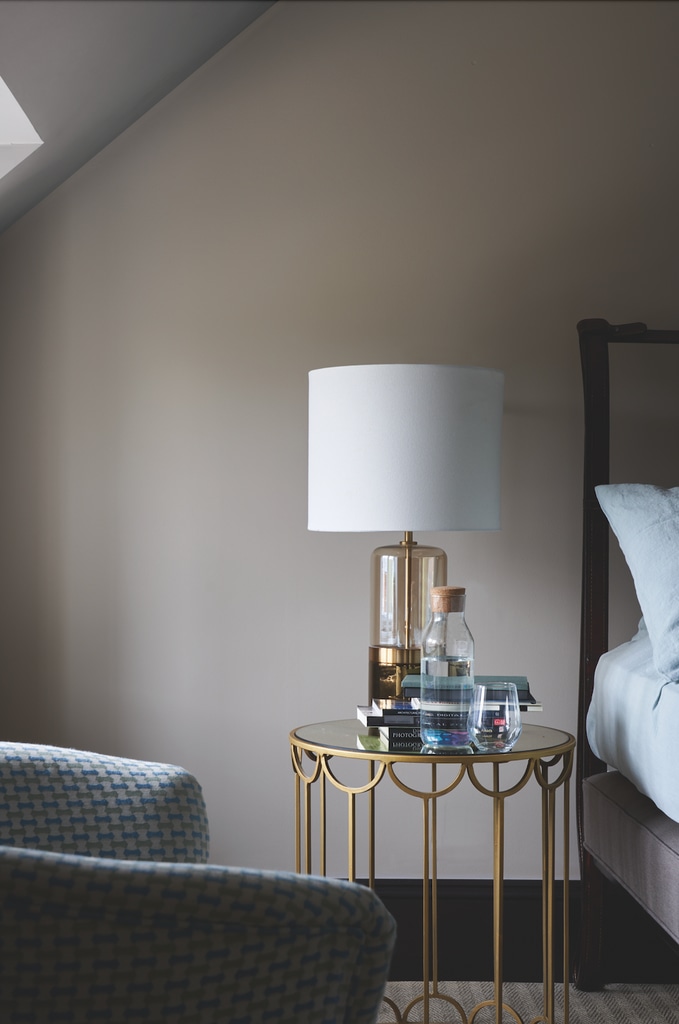
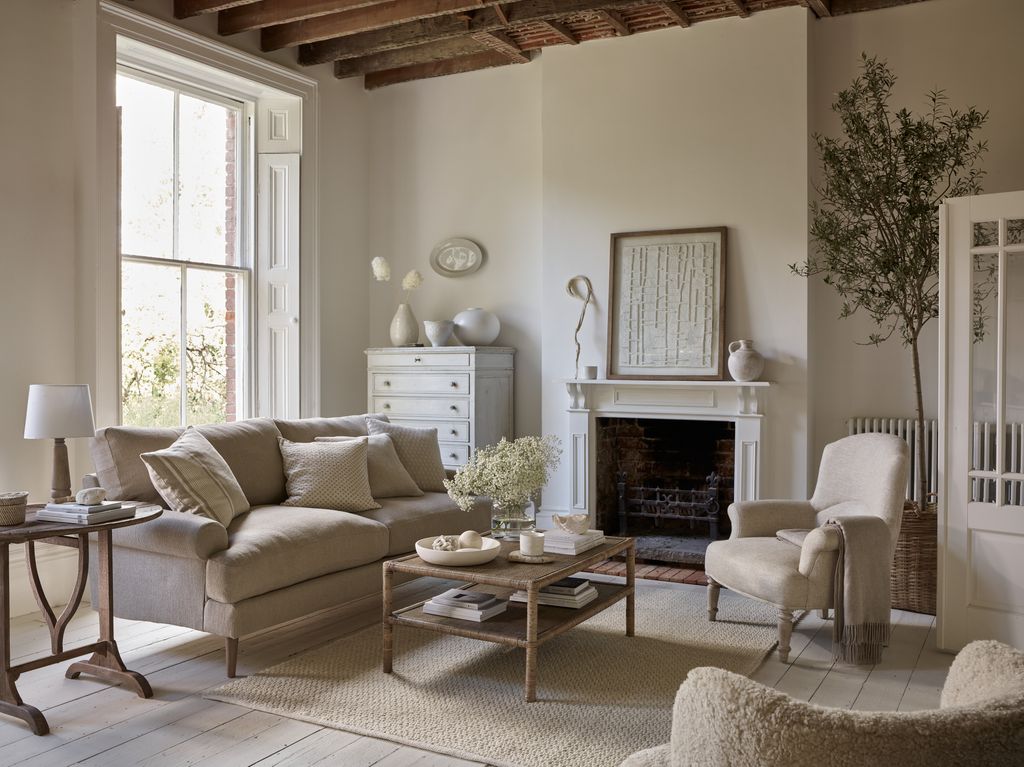
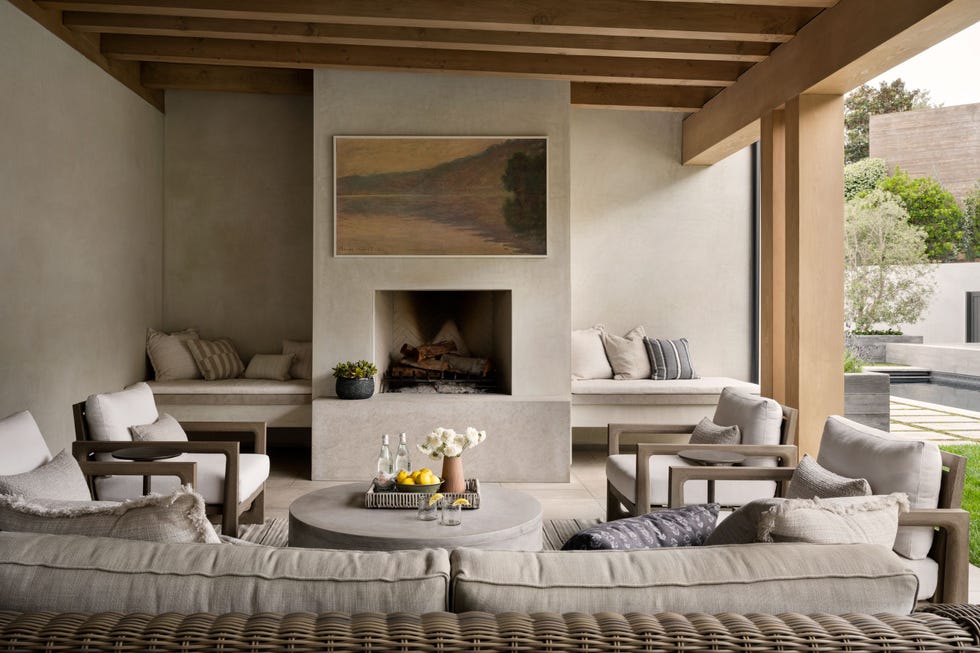
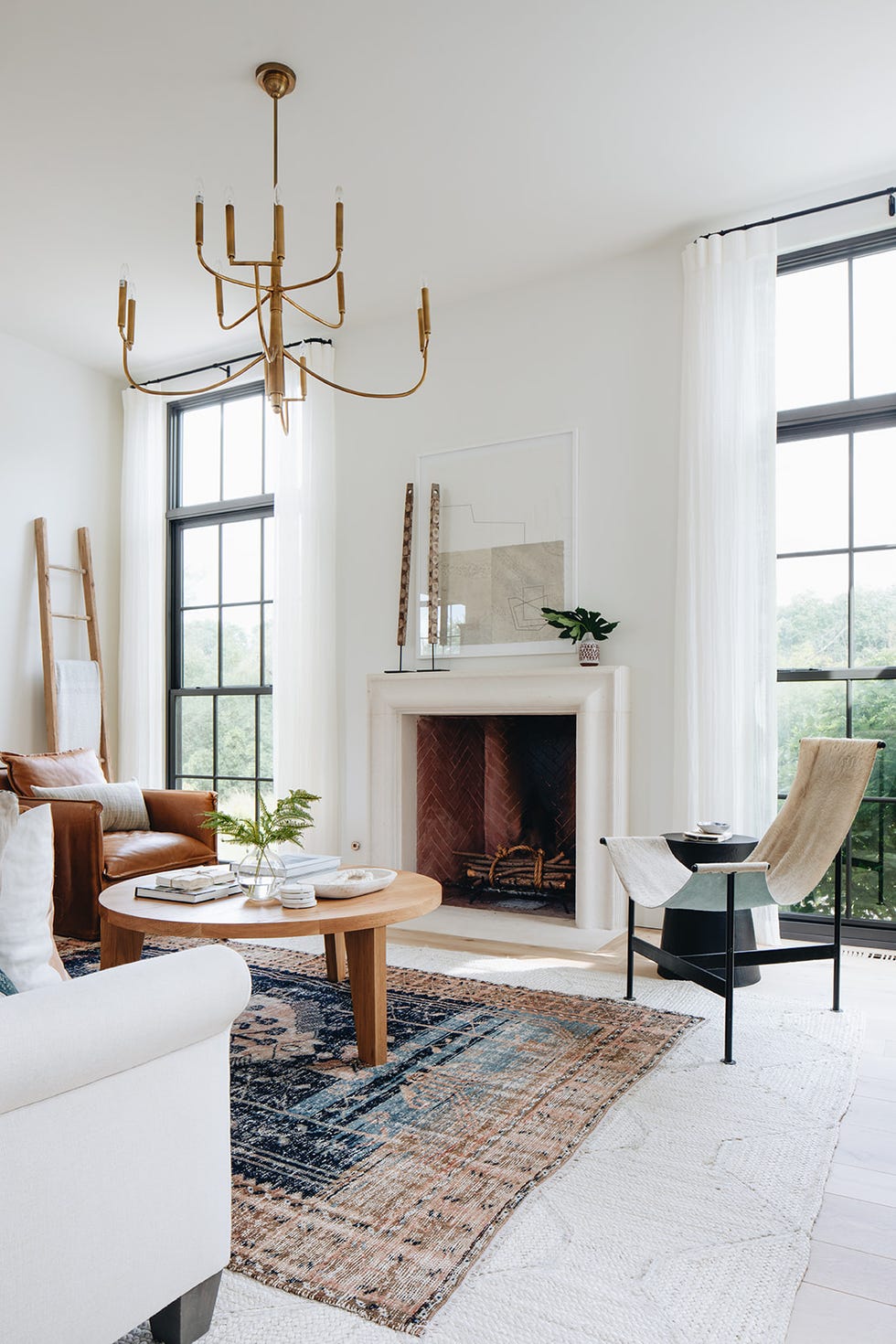
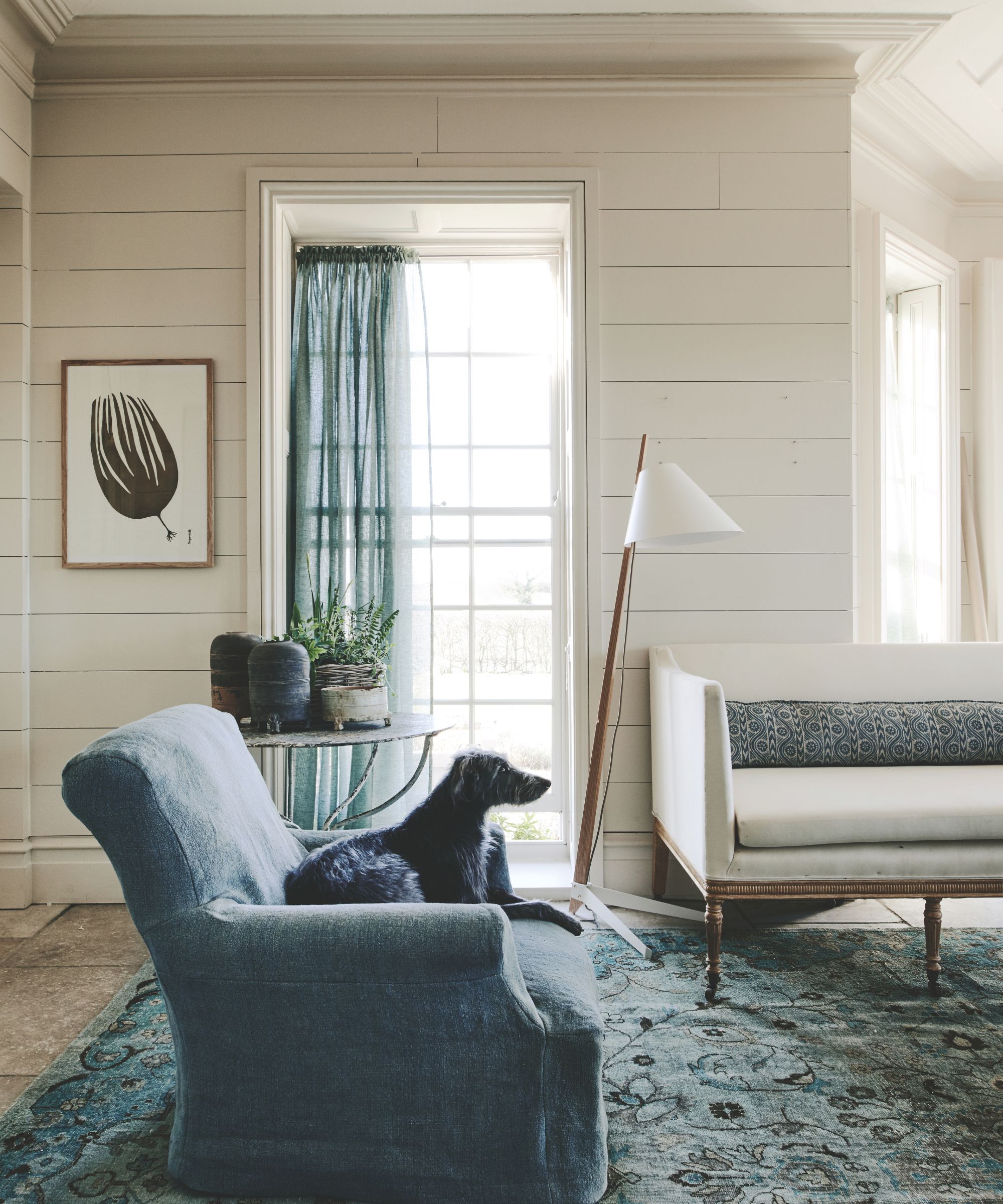
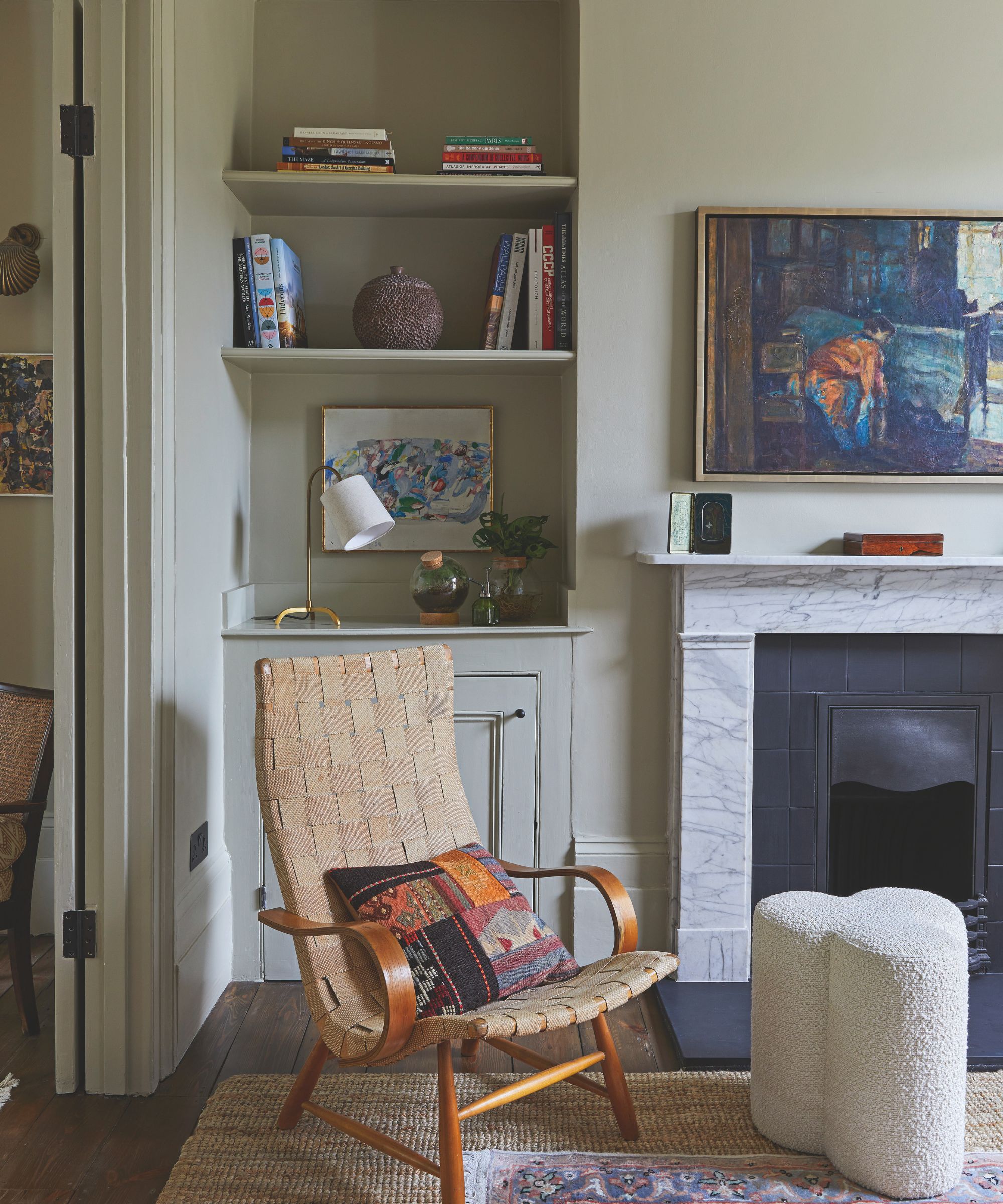
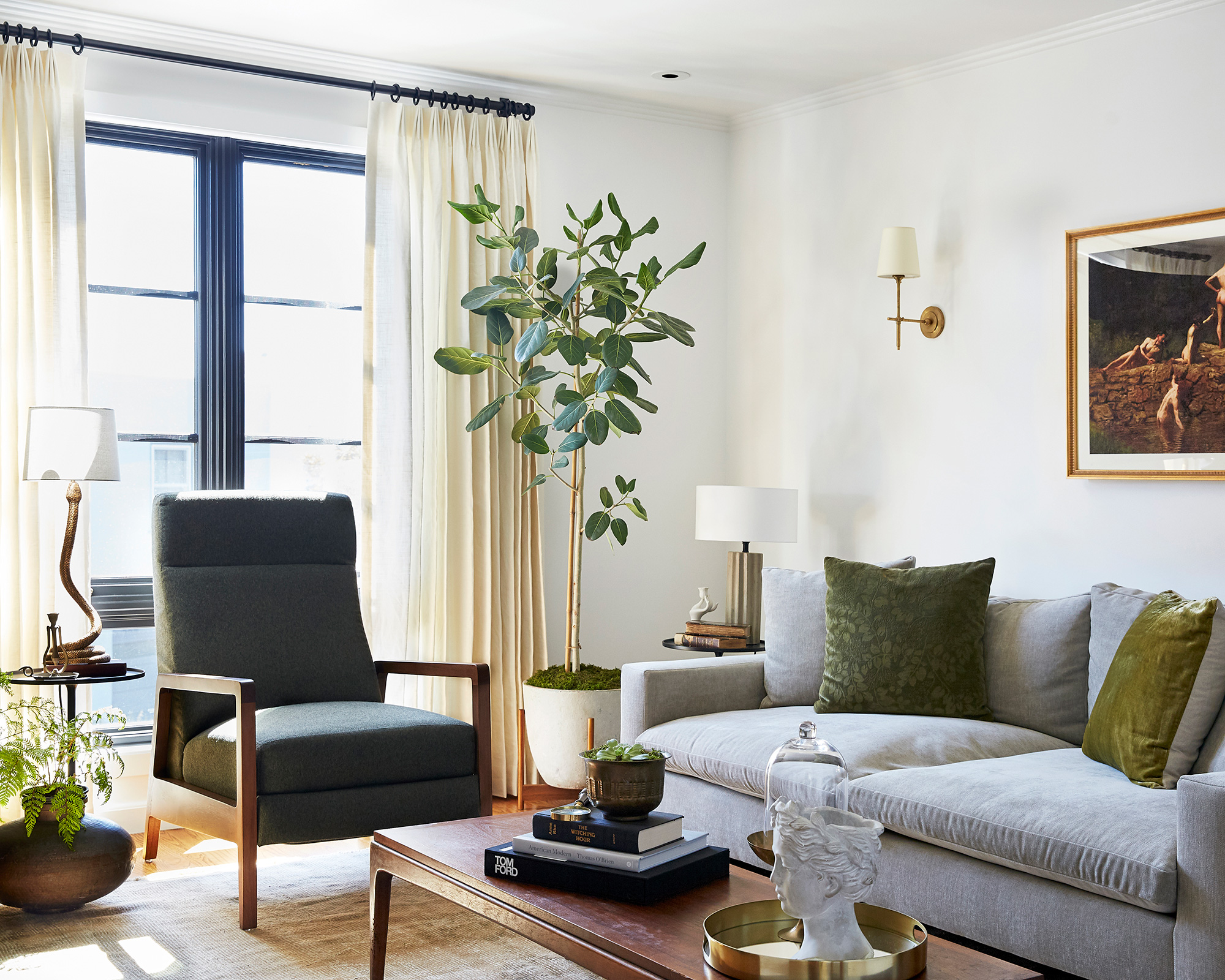
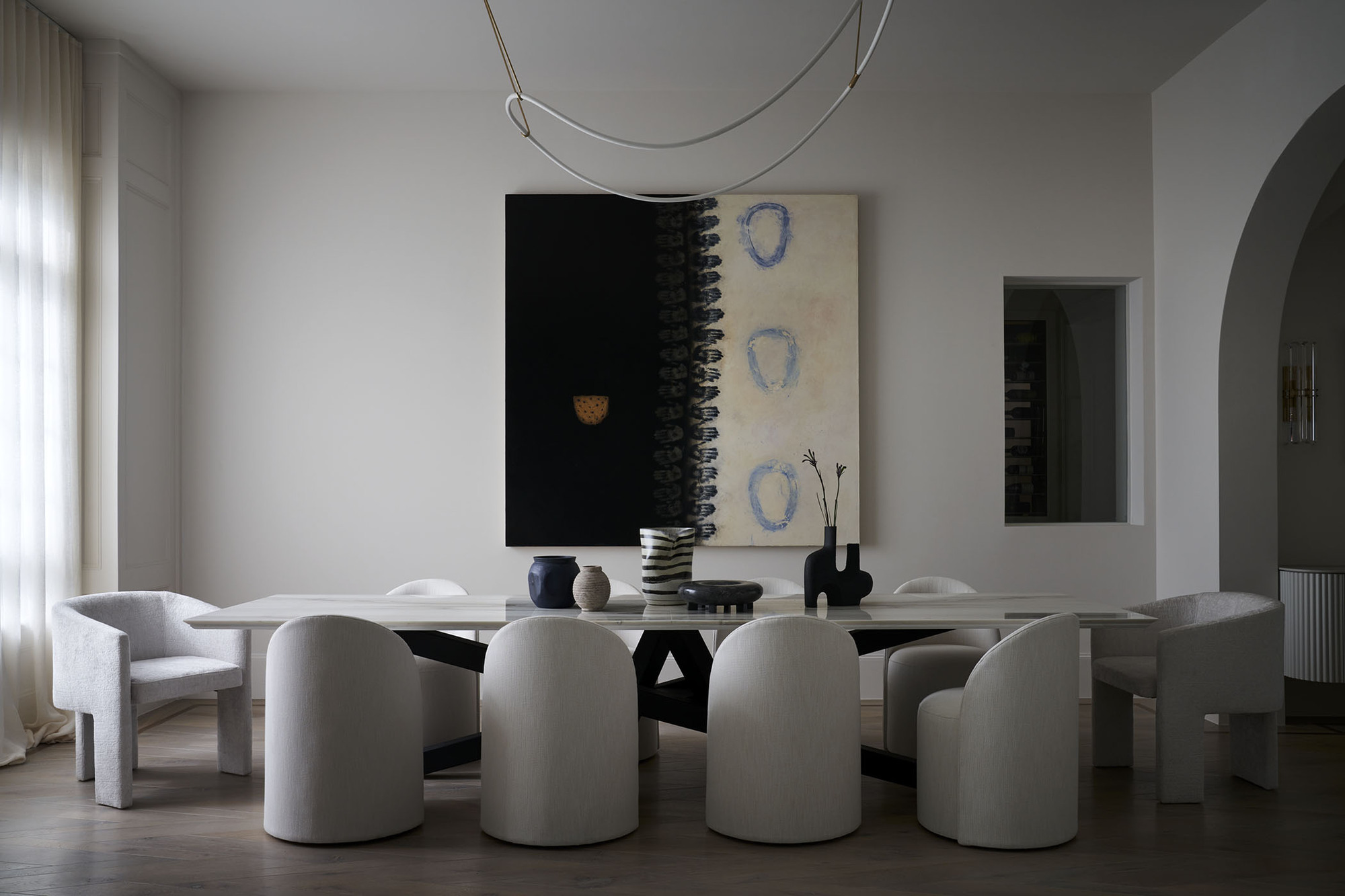
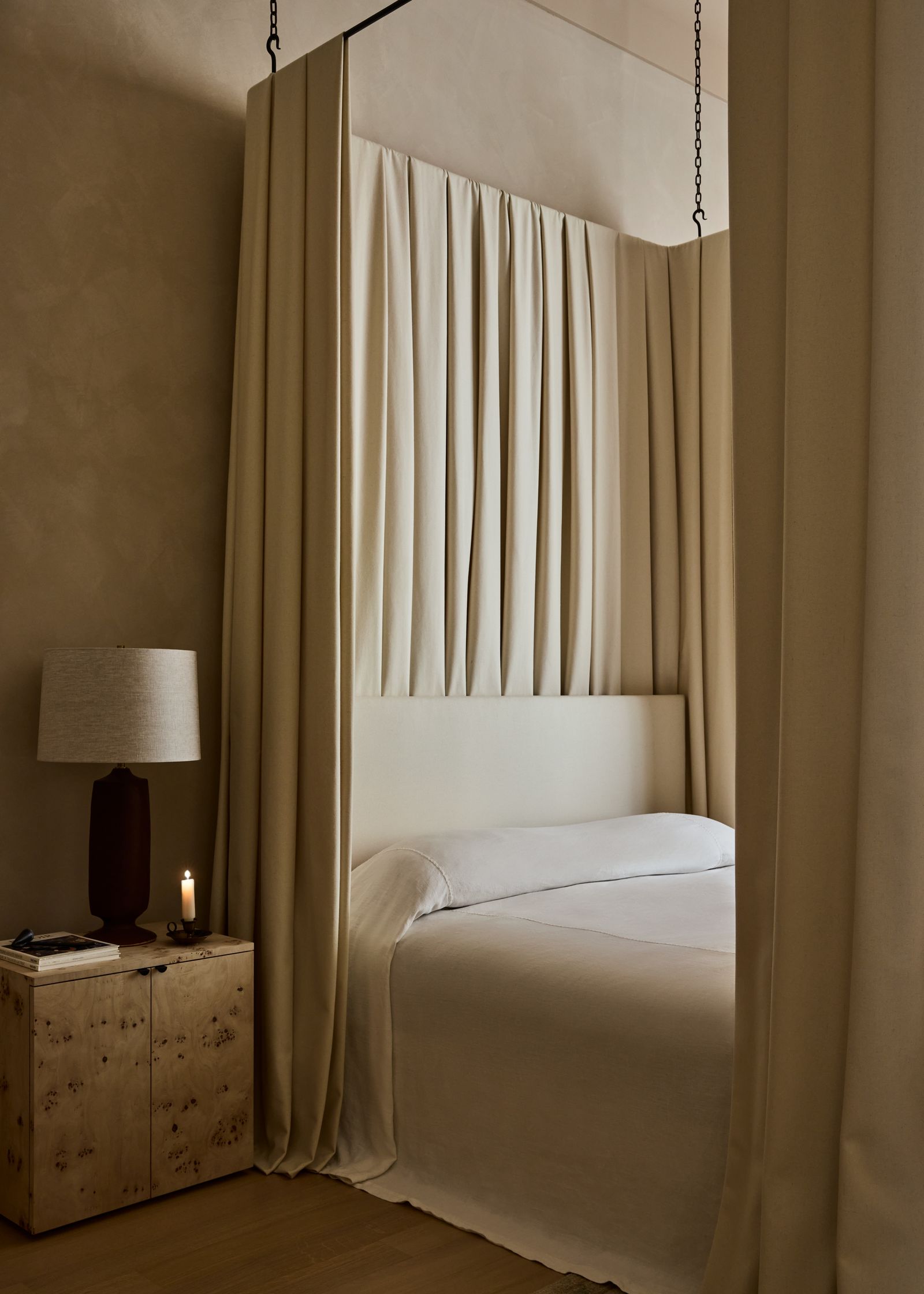
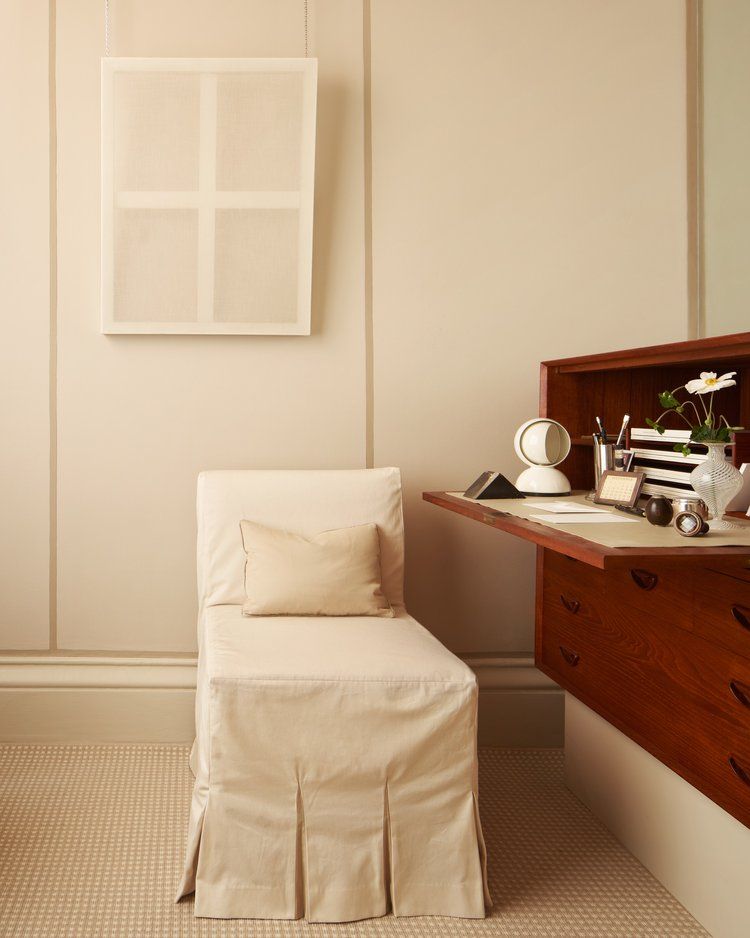
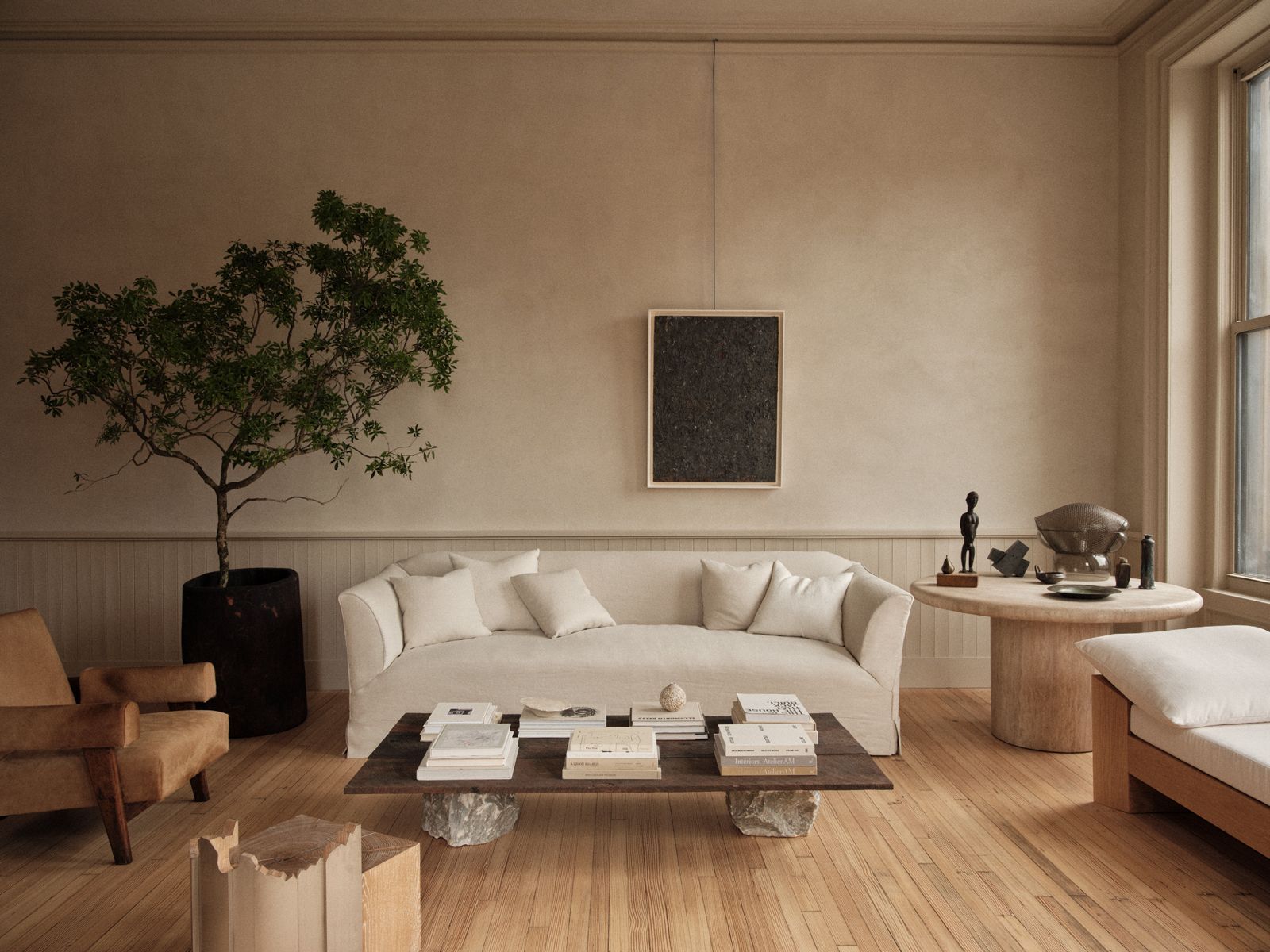
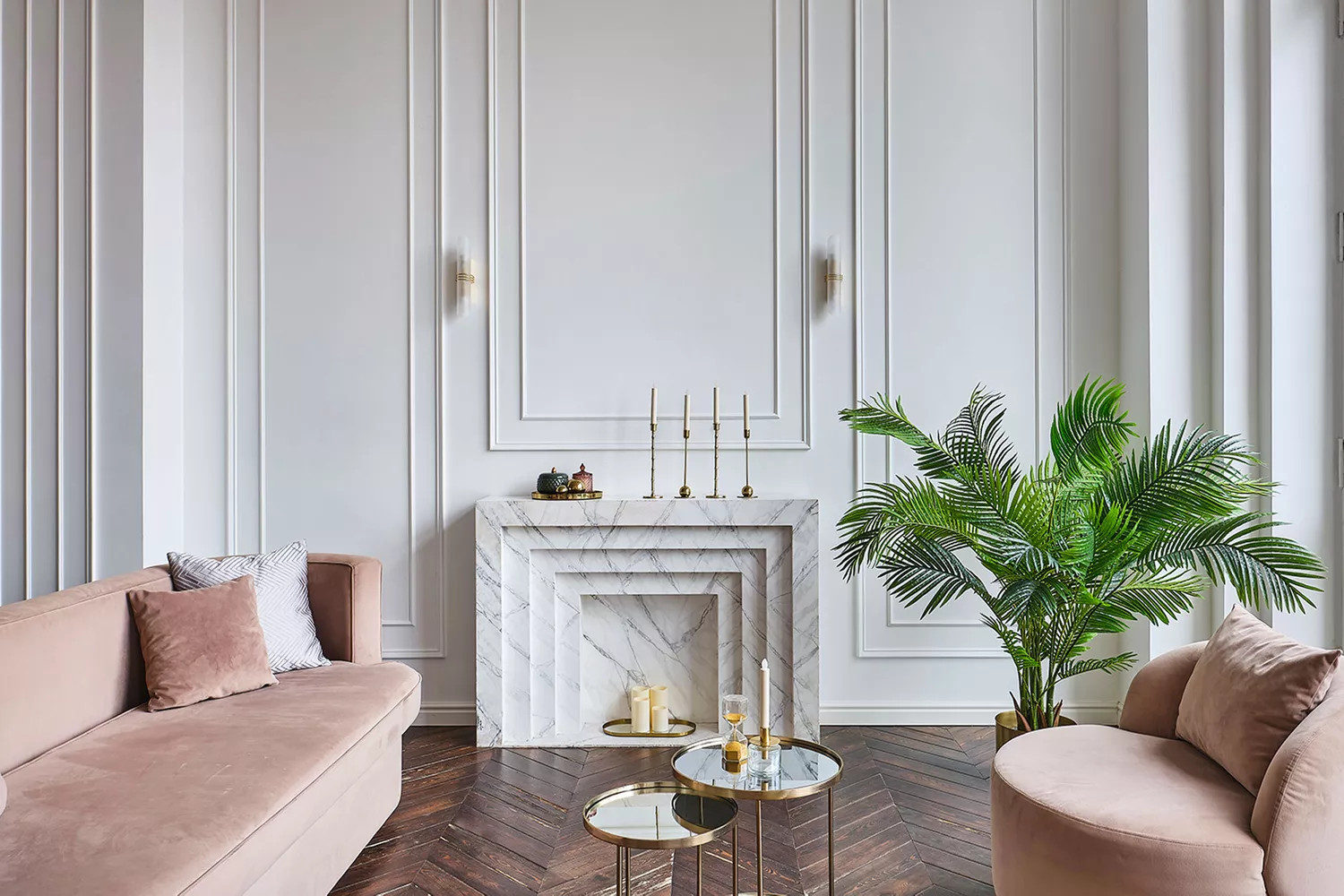
Central to the hushed interiors aesthetic is a simple, neutral color palette. Neutral hues, including warm greys, off-whites, and gentle earth tones, are preferred because they evoke calmness and provide a versatile backdrop for incorporating subtle accents and textures. Monochrome schemes, using different shades of a single color, further enhance the cohesive and tranquil atmosphere. This deliberate choice of color contributes significantly to the serene environment that defines hushed interiors.
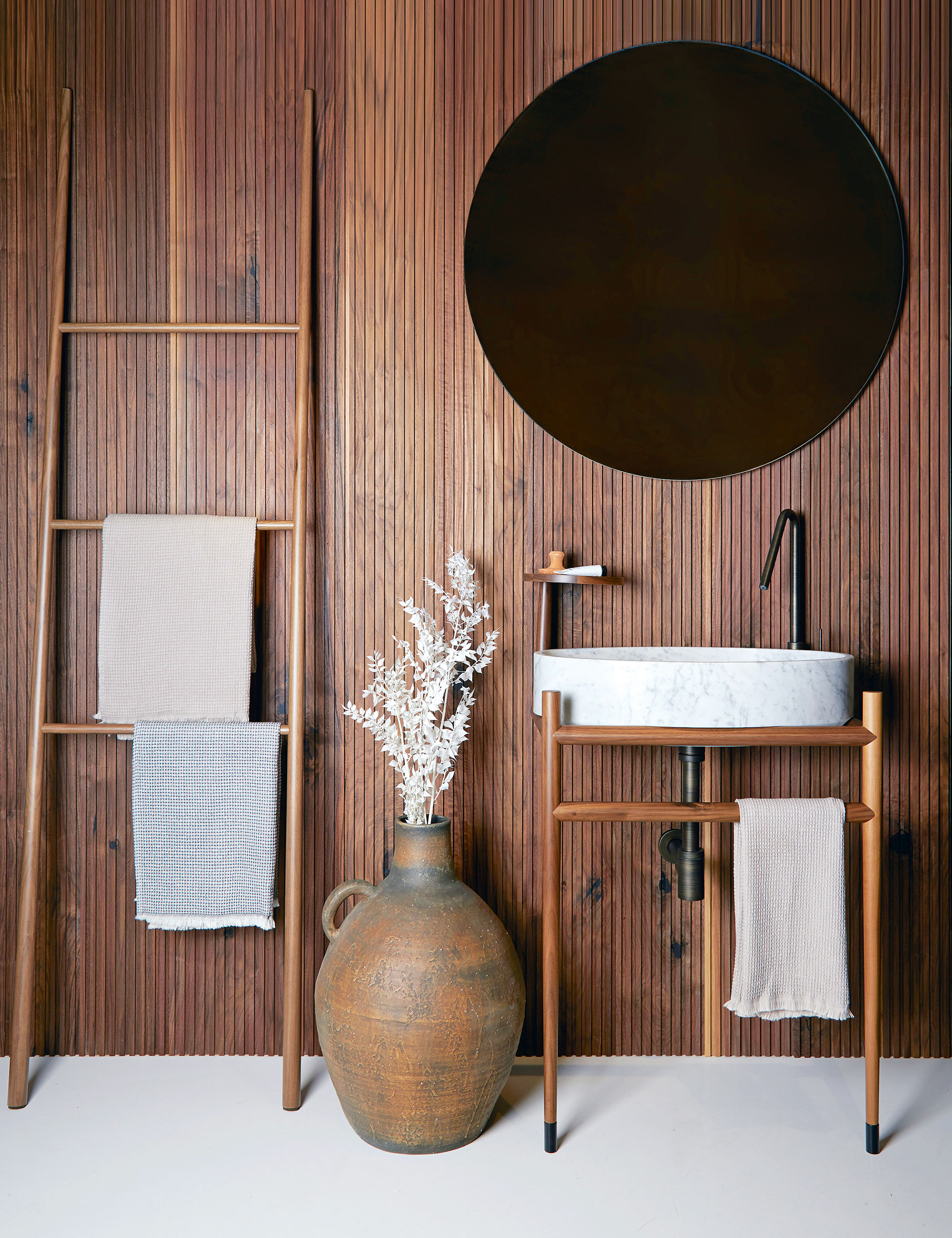
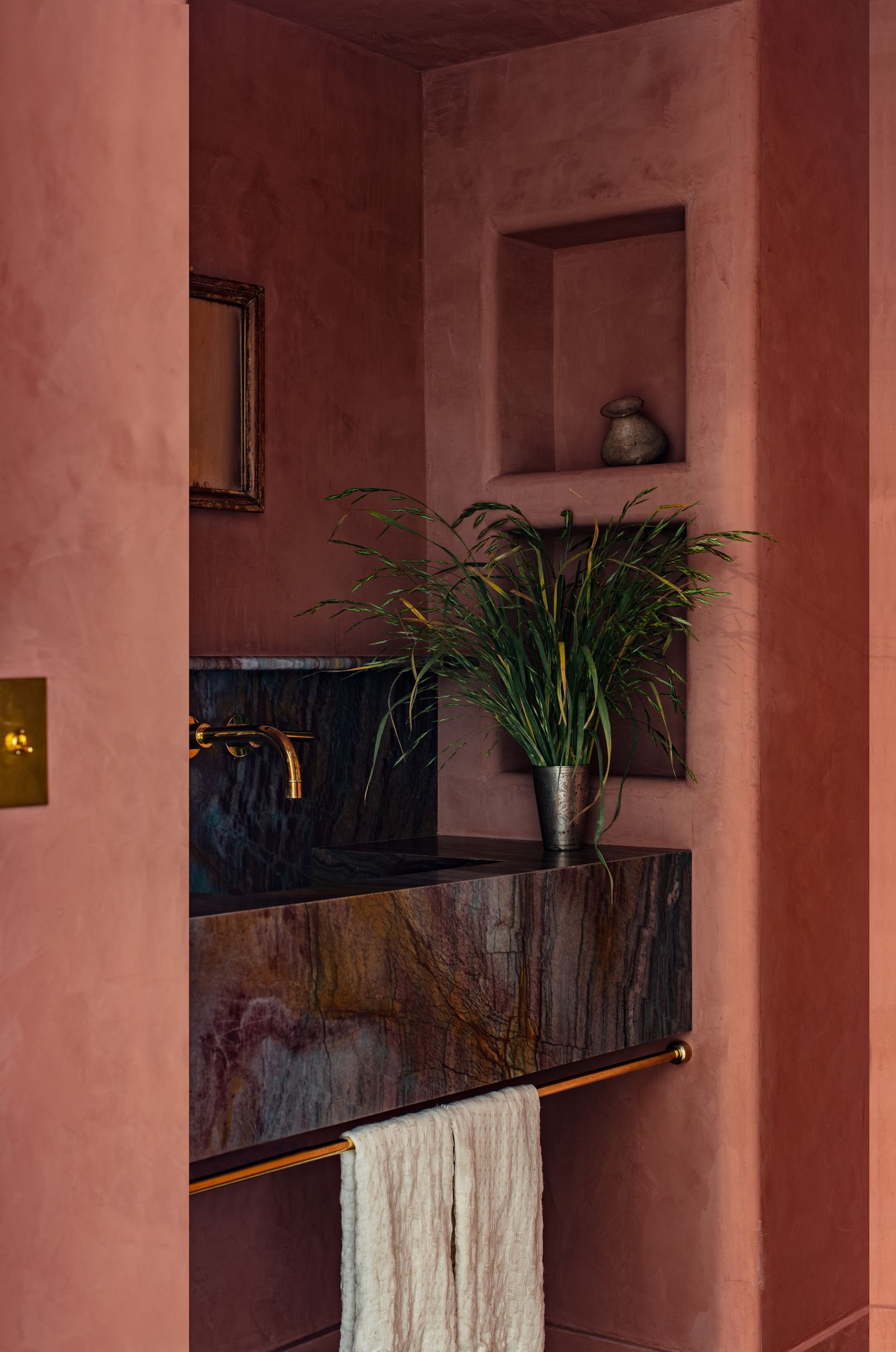
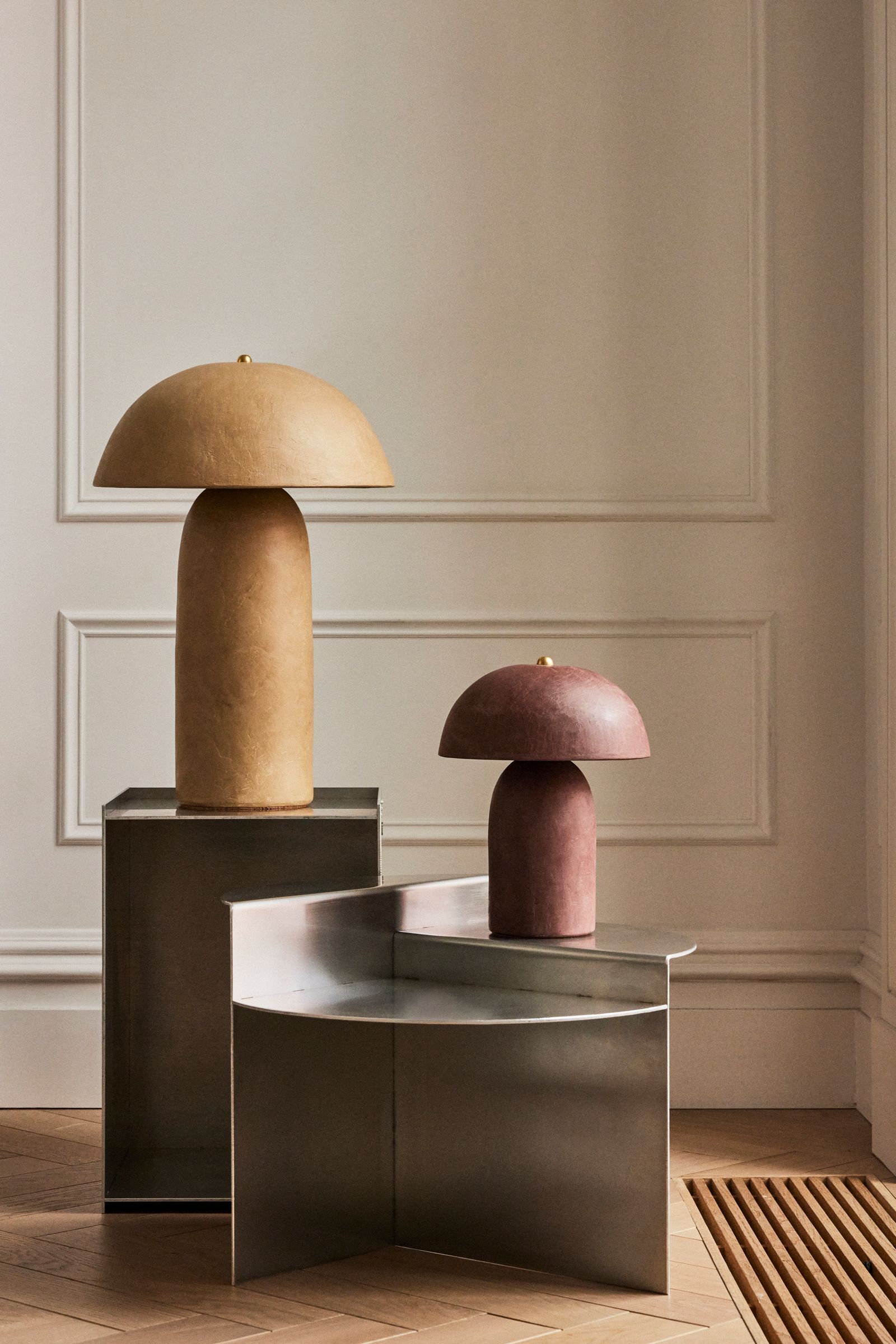
Texture plays an equally vital role in this minimalist approach. Mike Whitfield emphasizes that textures such as matte finishes, smooth stone, brushed metals, and wood surfaces can elevate a space without overwhelming it. The careful layering of these textures, through elements like rugs, soft cushions, and simple ceramics, adds depth, comfort, and character. Conversely, poor or clashing textures can detract from the premium feel. Ola Jachymiak further explains that natural materials like wood, linen, and stone help introduce texture while maintaining the calm aesthetic. Attention to acoustics, through soft furnishings that absorb sound, also contributes to the peaceful atmosphere, resulting in spaces that feel grounded, serene, and harmoniously quiet.
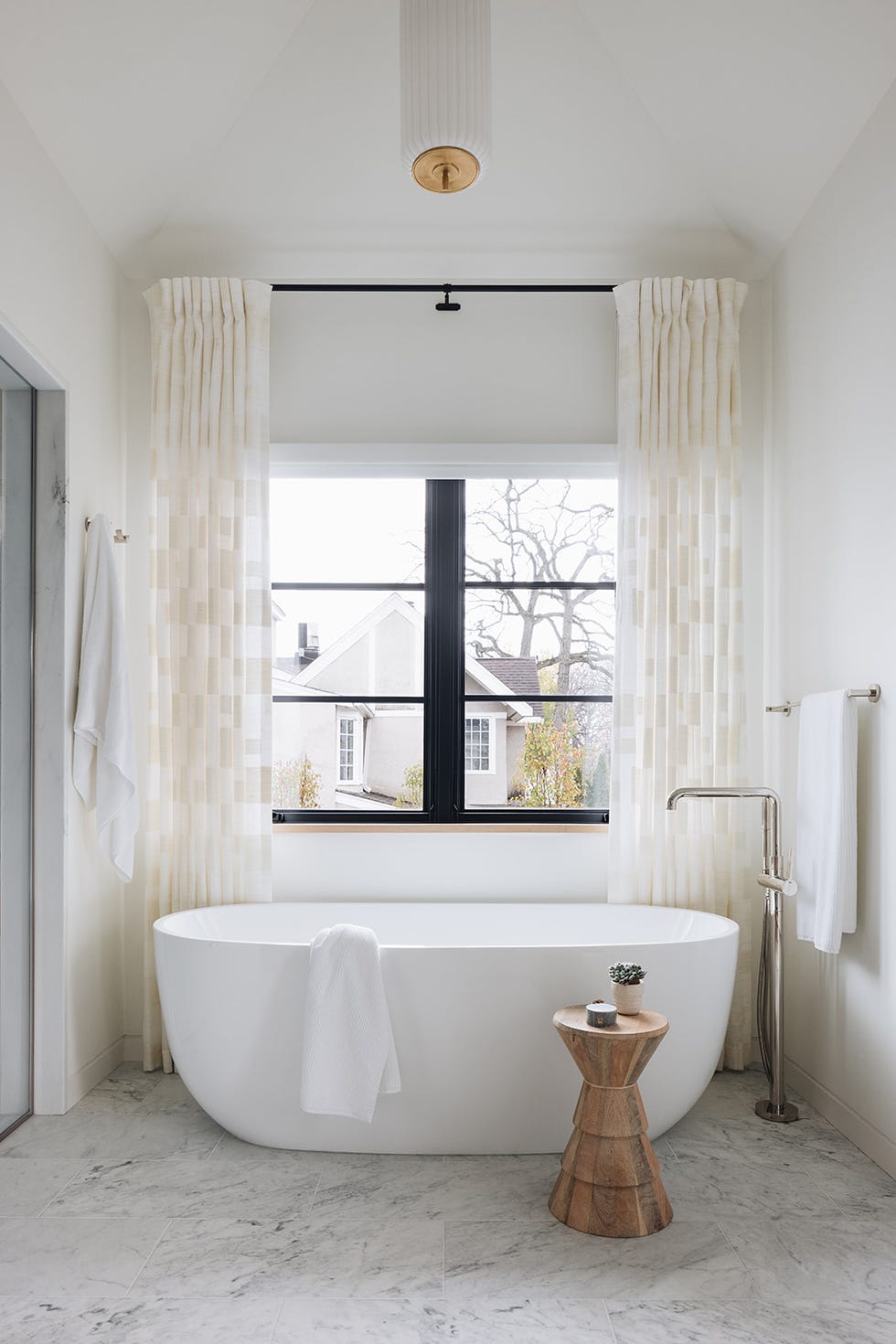
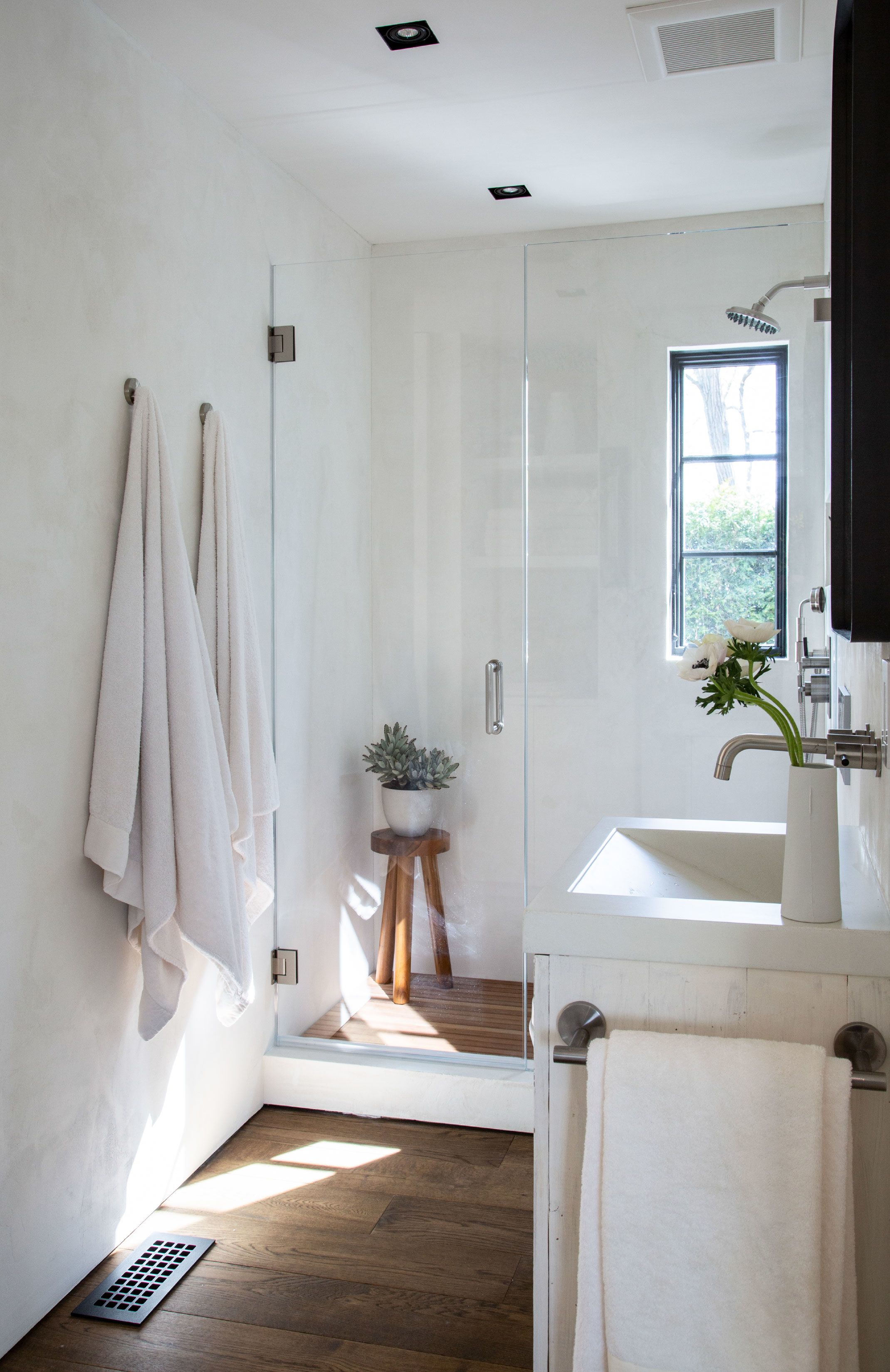
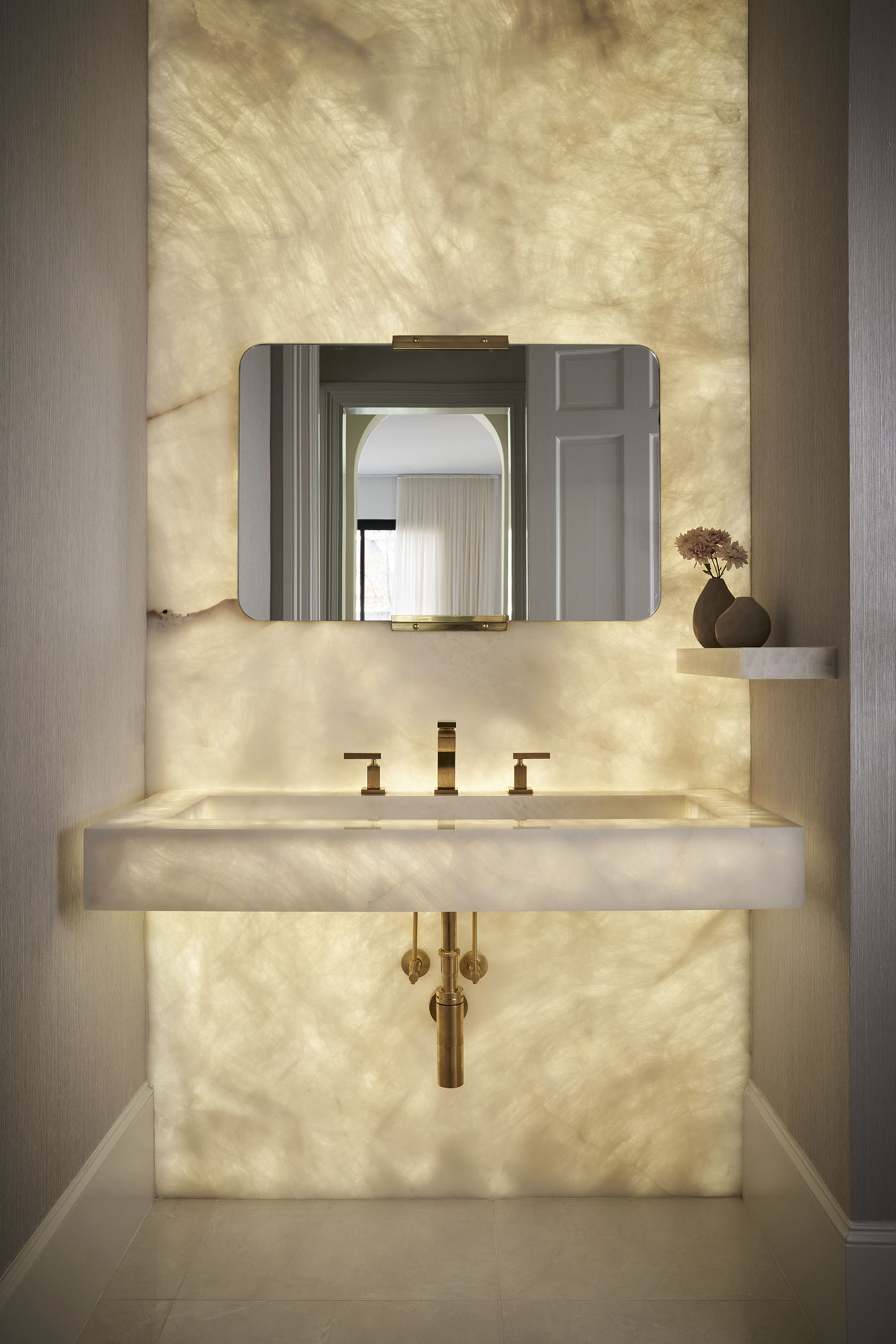
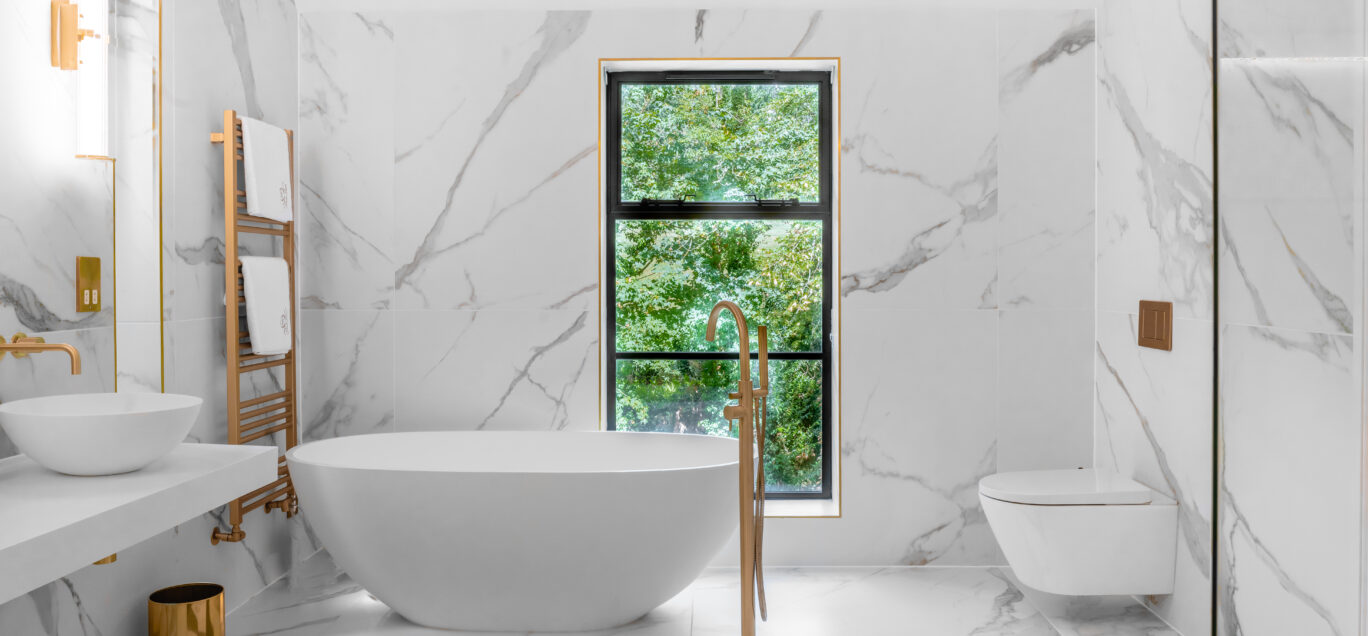
In specific areas like bathrooms, hushed interiors prioritize clear floor space. Wall-hung fixtures such as radiators, taps, basins, and vanity units are essential for achieving this, as they create an illusion of more space and facilitate easier cleaning. Small, unintrusive basins, such as LUSSO’s Levitare basin, exemplify this approach. Every element, from fixtures to finishes, is carefully considered to avoid visual clutter and maintain flow. The design often features one focal point, such as a freestanding bath, with minimal accessories. Hidden storage is crucial in hushed bathrooms, alongside subtle neutral tones and high-quality materials like stone, wood, metal, or micro-cement. Soft and diffused lighting further enhances the tranquil, retreat-like atmosphere.
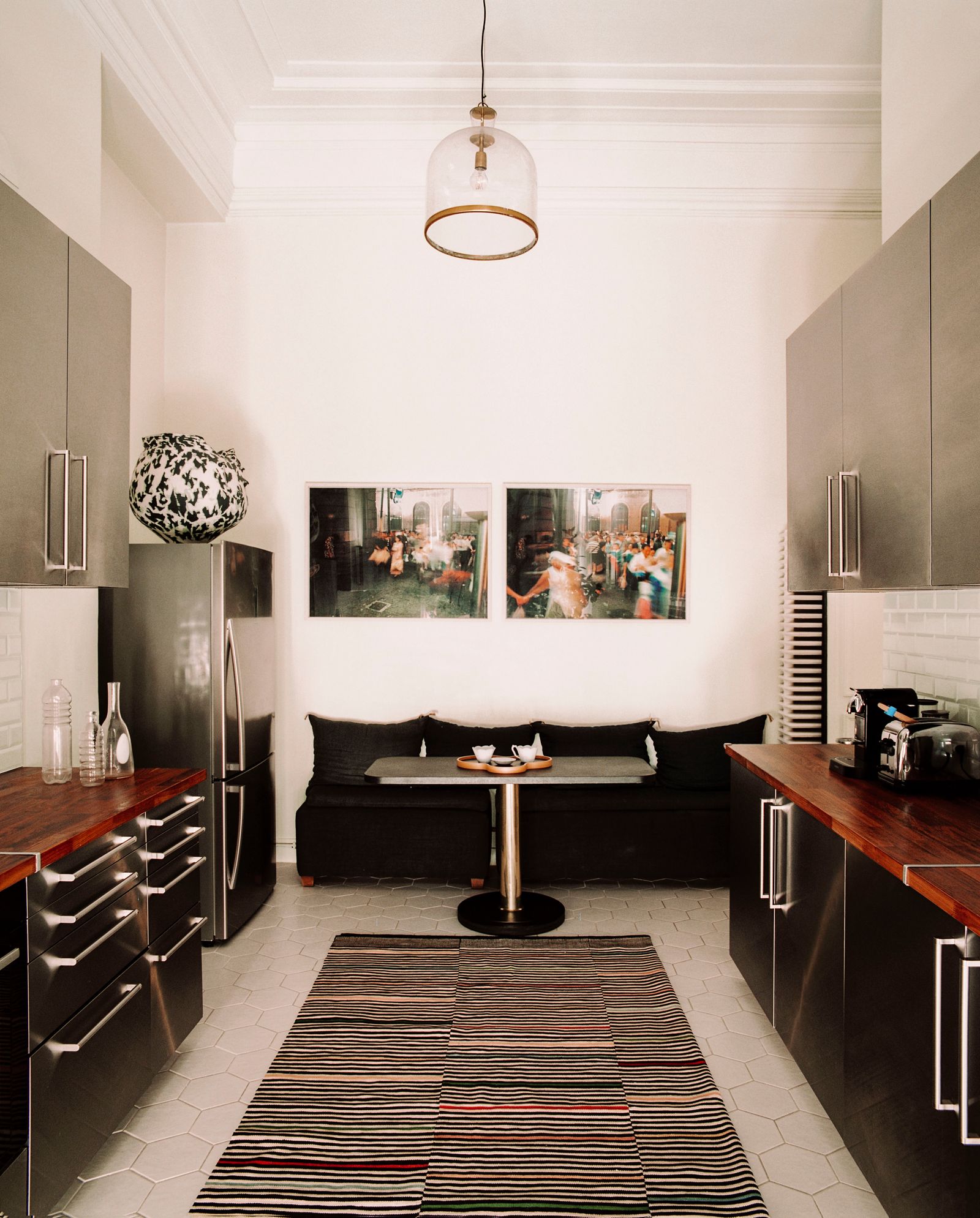
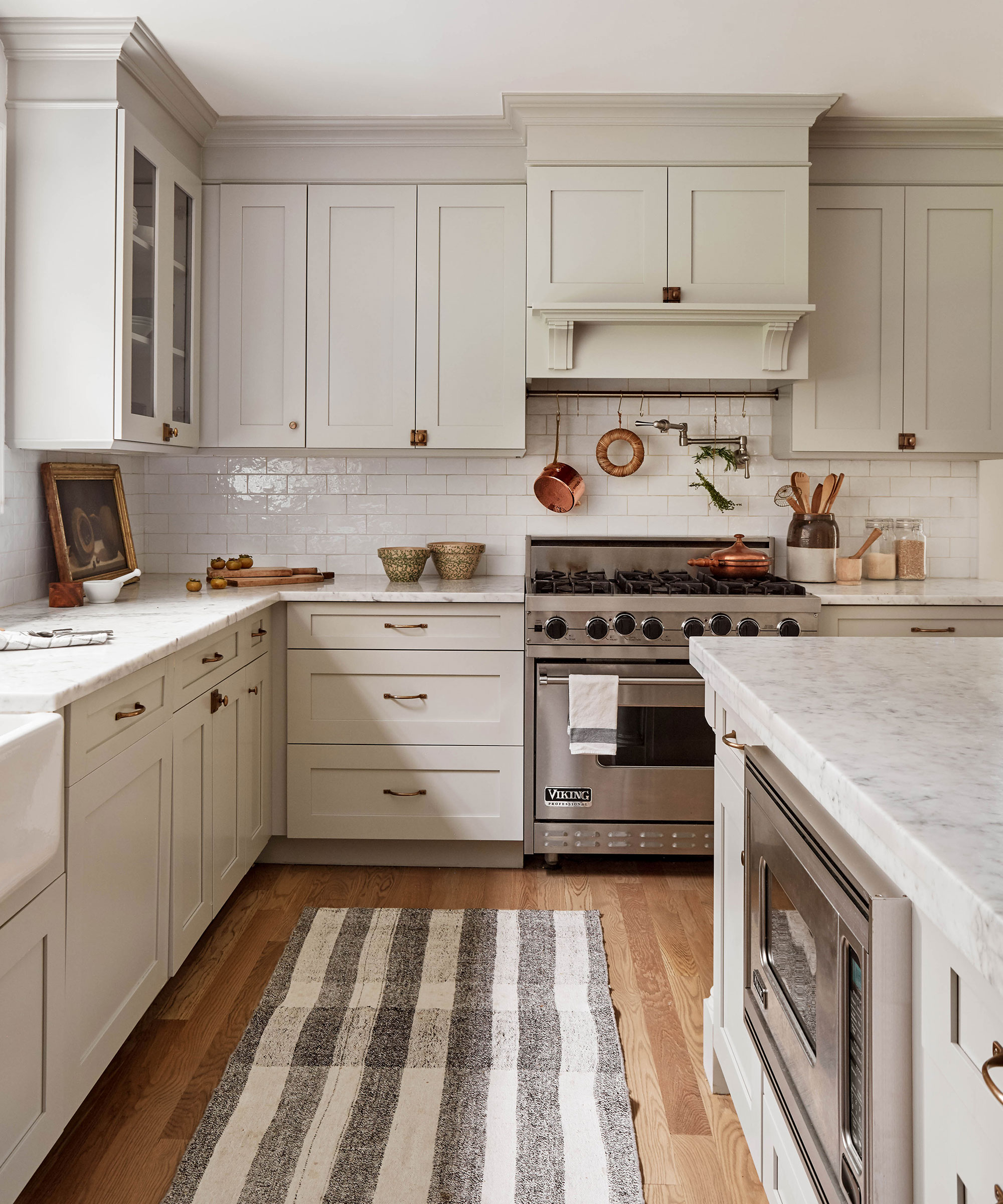
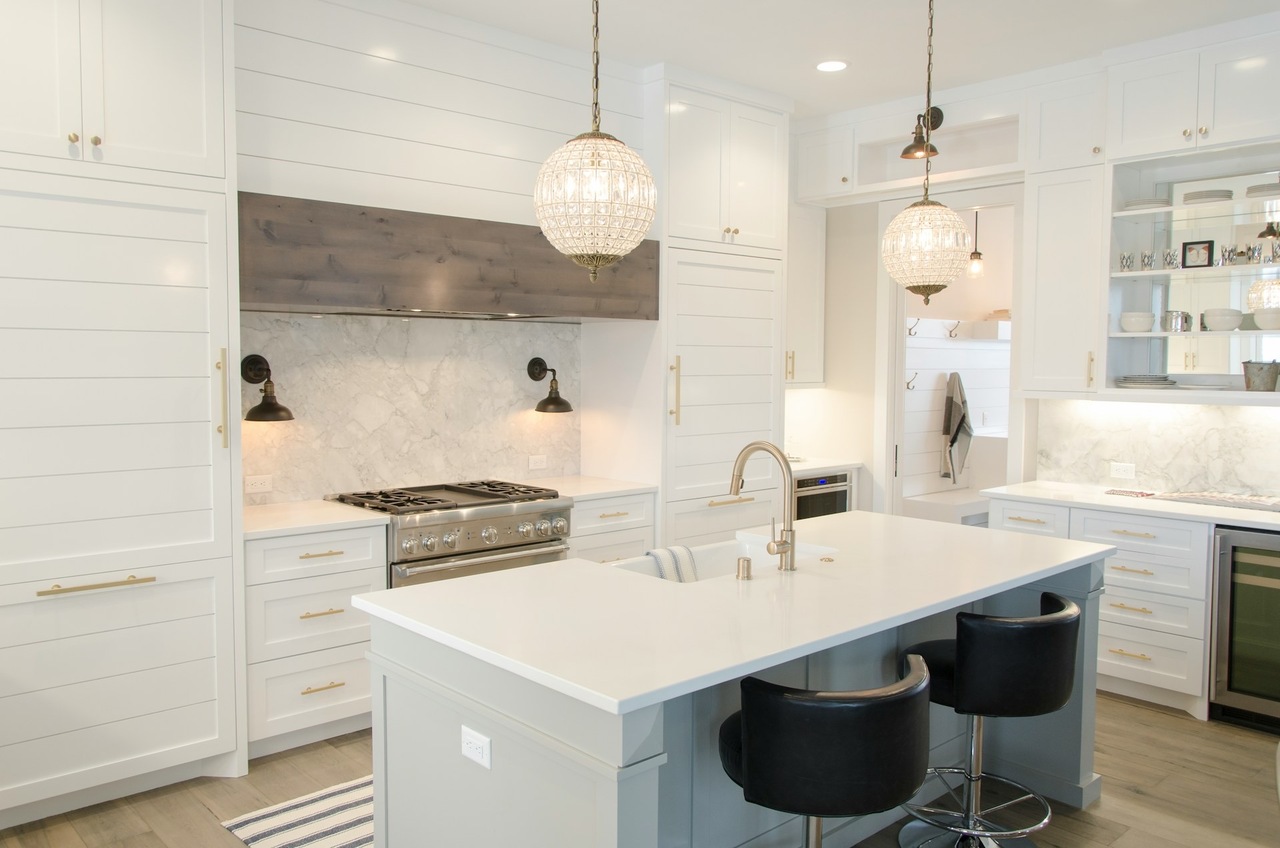
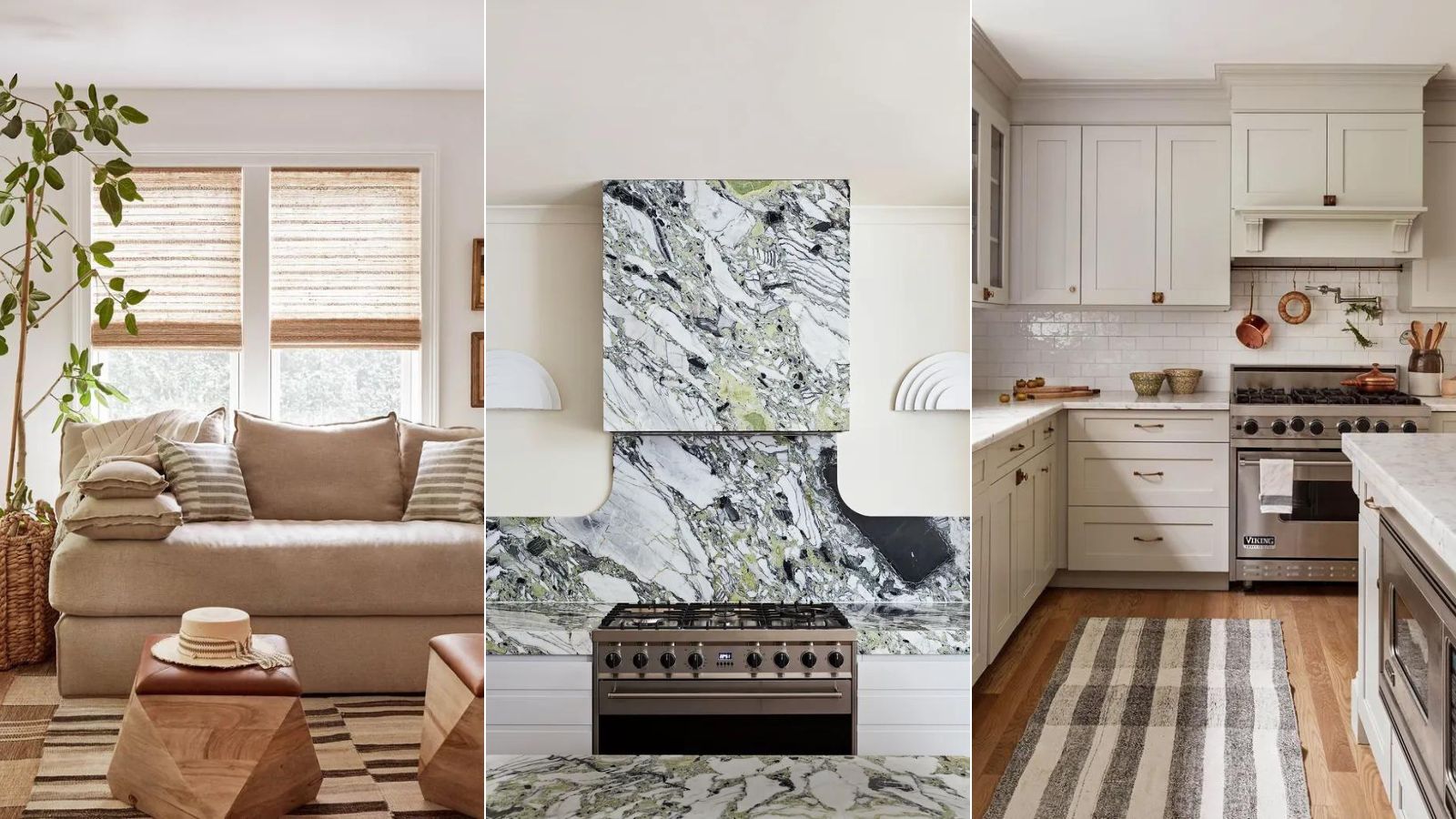
For kitchens, the hushed interior design emphasizes clean, uninterrupted surfaces. This is achieved by keeping countertops and cabinets free from clutter, often through integrated sinks and continuous panel backsplashes that minimize grout lines. Secret storage solutions, including pull-out drawers, corner cabinets, and hidden compartments for appliances and cookware, are fundamental to maintaining a streamlined look where only essentials are visible. Ola Jachymiak highlights that hushed kitchens prioritize practicality and visual purity, focusing on clean lines, seamless surfaces, and open spaces, often incorporating hidden or integrated appliances and neutral tones with natural materials to add warmth. This approach ensures the kitchen remains functional while upholding the minimalist aesthetic.
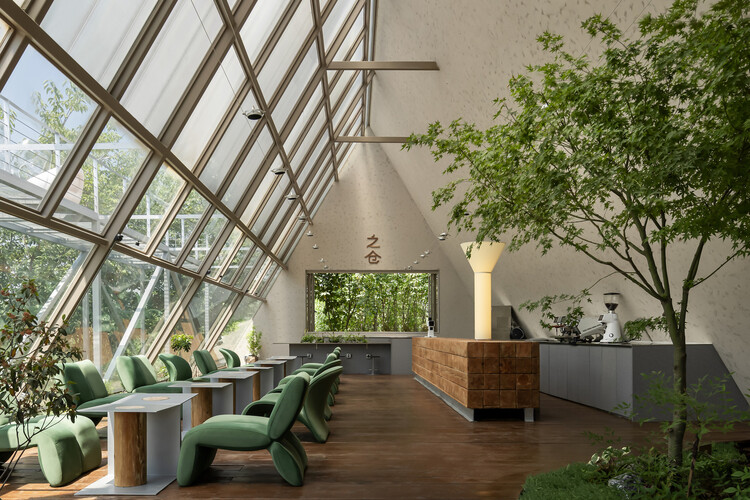
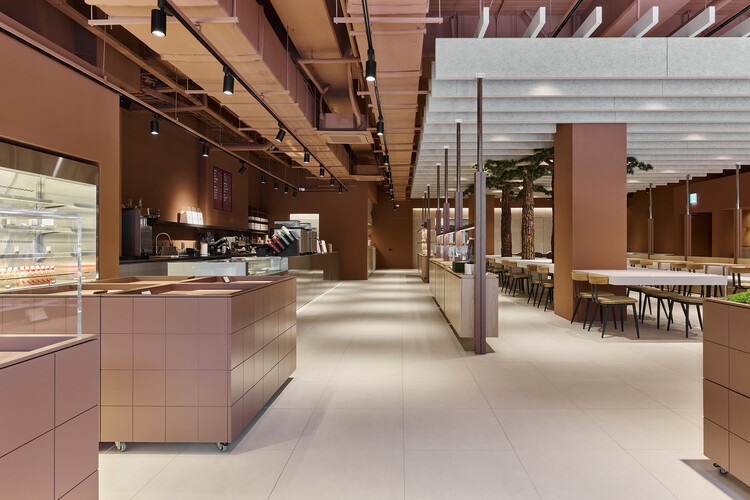
Finally, hushed interiors can be successfully paired with complementary design trends such as Scandi and Japandi aesthetics, as all these styles prioritize functionality, openness, simple color palettes, and natural materials. Ola Jachymiak notes that minimalist designs also blend well with contemporary industrial and mid-century aesthetics, particularly those inspired by 1960s case study houses, which celebrate raw, unpolished materials like concrete, steel, glass, and wood for their inherent beauty. This adaptability allows hushed interiors to integrate seamlessly into various design contexts while maintaining its core principles of understated luxury and tranquility.
#HushedInteriors #LuxuryMinimalism #InteriorDesign #NeutralPalette #TexturalLayering #Decluttering #BathroomDesign #KitchenDesign #LuxuryLiving #HushedInteriors #LuxuryMinimalism #InteriorDesign #NeutralPalette #TexturalLayering #Decluttering #BathroomDesign #KitchenDesign #LuxuryLiving
0 comment in total
 No comments yet
You may also like
Inside the homes that 'whisper rather than scream luxury'

‘Quiet Luxury’ Interior Design Is Booming Loud and Clear in the Hamptons
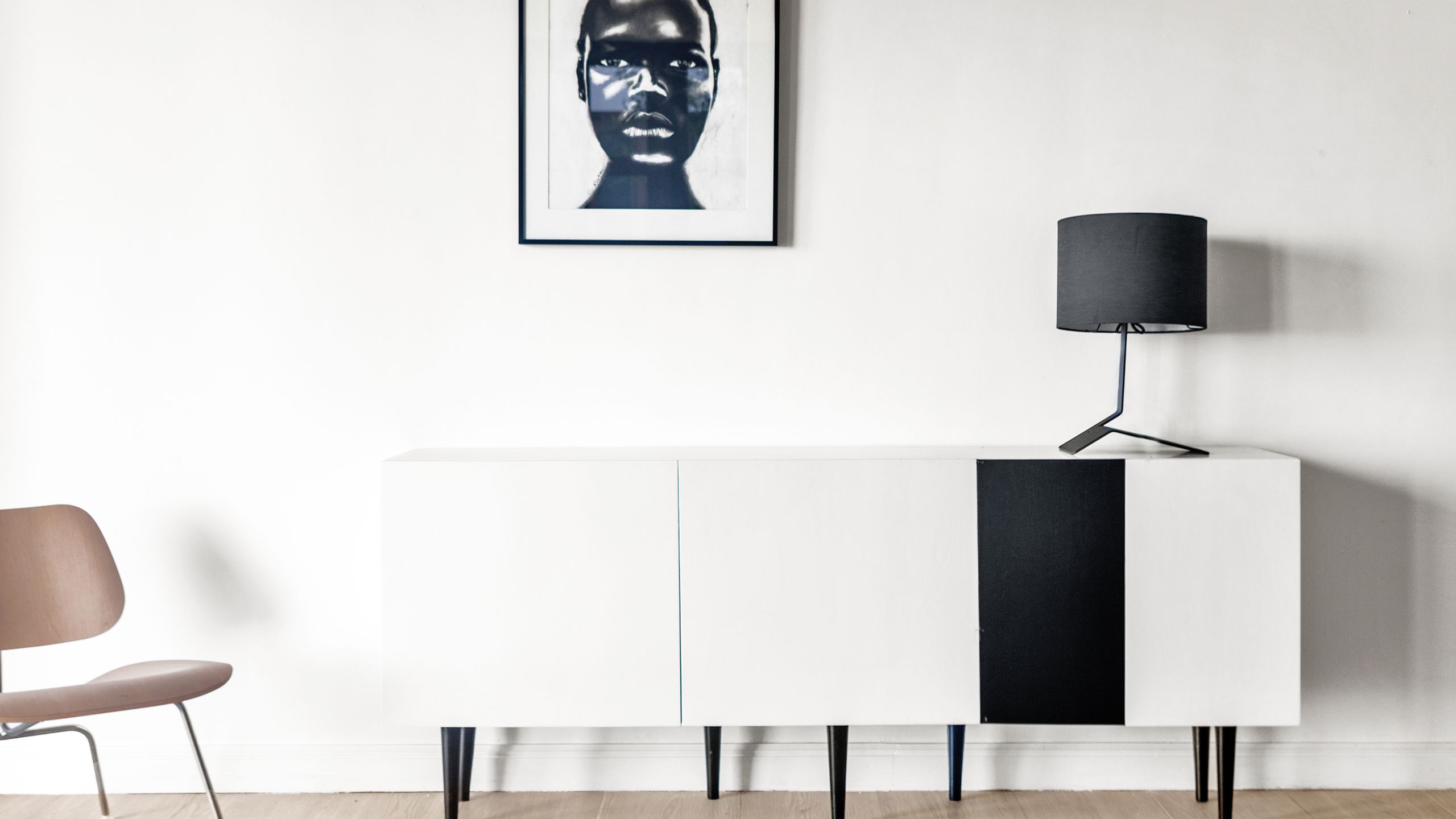
Minimalist Interior Design: Everything You Need to Know About This Intentional and Pared-Down Style

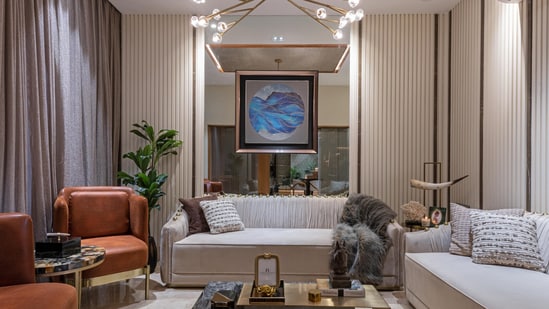
Why layering is the new minimalism in interior design: Experts give tips on how to ace the trend | Hindustan Times

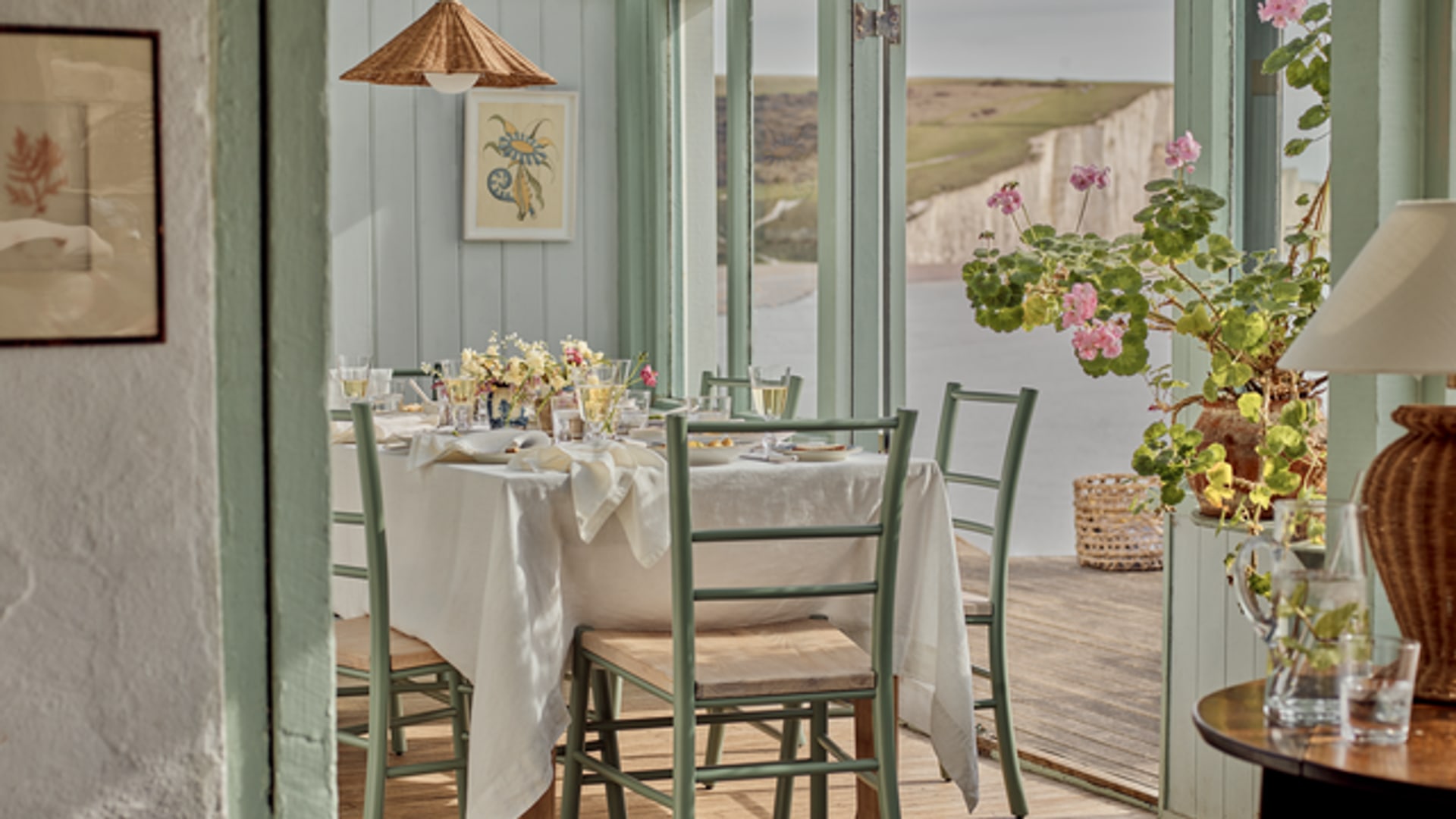
Quiet Luxury Decor: The 2024 interior design trend to try this summer and beyond
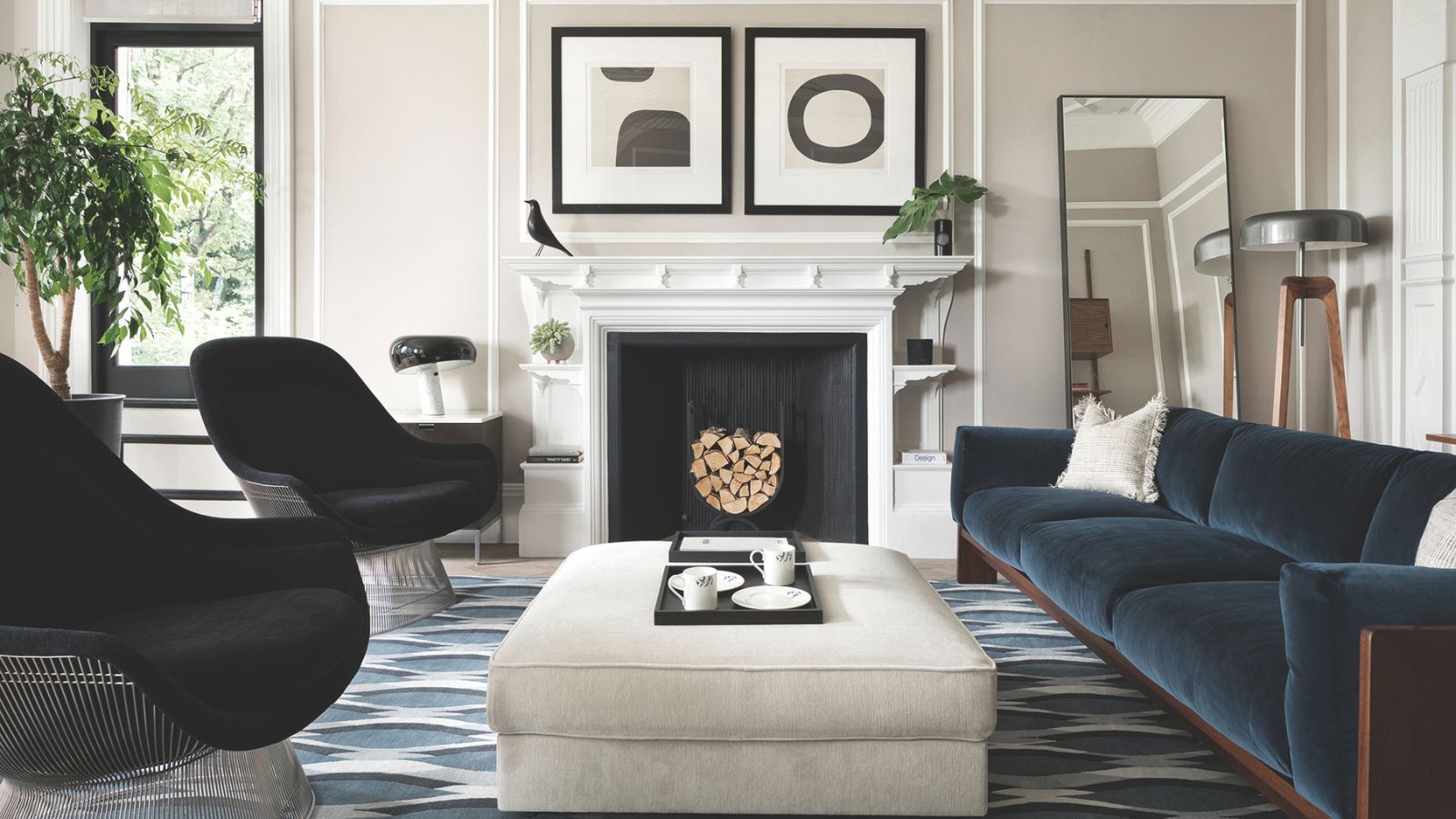
I asked interior designers what trends they are already sick of seeing in 2025
Modern Elegance: Top Trends In Interior Design You Need to Know

Year in review: top 10 design stories of 2022, selected by Wallpaper* design editor Rosa Bertoli

Are Interiors Headed for an Industrial Revolution?
25 Modern Contemporary Living Room Ideas Trending Hard in 2025 (For Good Reason)

A Minimalist Home With the Best Bathroom Lighting Trick

Interior Design Trends to Know in 2023—And What’s on Its Way Out
Quiet Luxury Is the Home Design Trend That Whispers Elegance
Interior Design Trends of 2024


The 2020 A-List: 125 of the Best Interior Designers in the World
The Best Minimal Decor Ideas for a Streamlined Home
Why Is Everyone So Obsessed With Quiet Luxury?
Why 'quiet luxury' is the trend that keeps on giving – 10 reasons why I still love the 'old money' aesthetic


Gorgeous Gorgeous Girls Love Nursery Chic

The Interior Design Trends Stylish Buyers Are Flocking to This Fall