1/2
Why layering is the new minimalism in interior design: Experts give tips on how to ace the trend | Hindustan Times
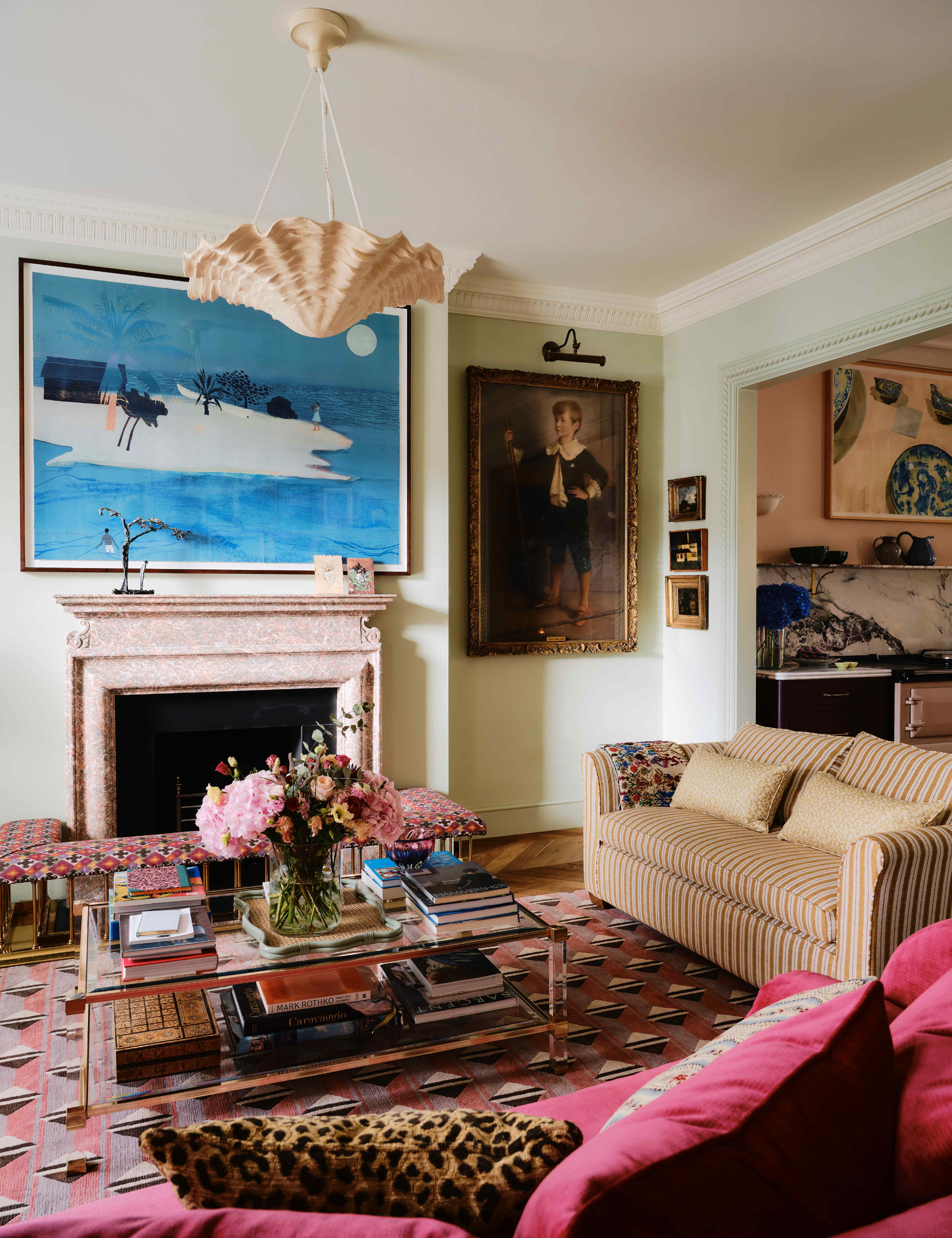
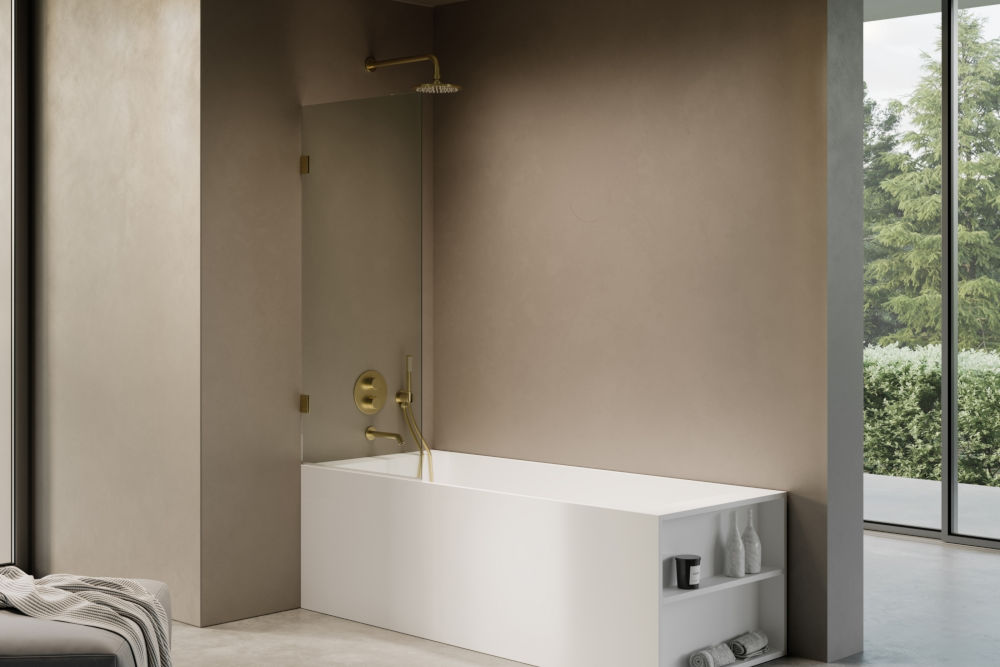
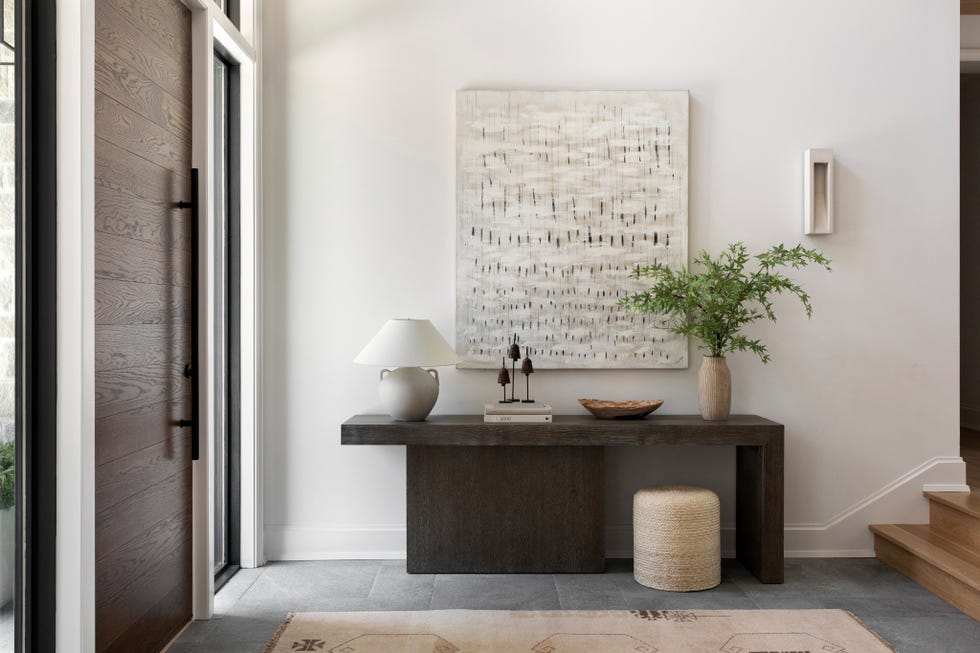
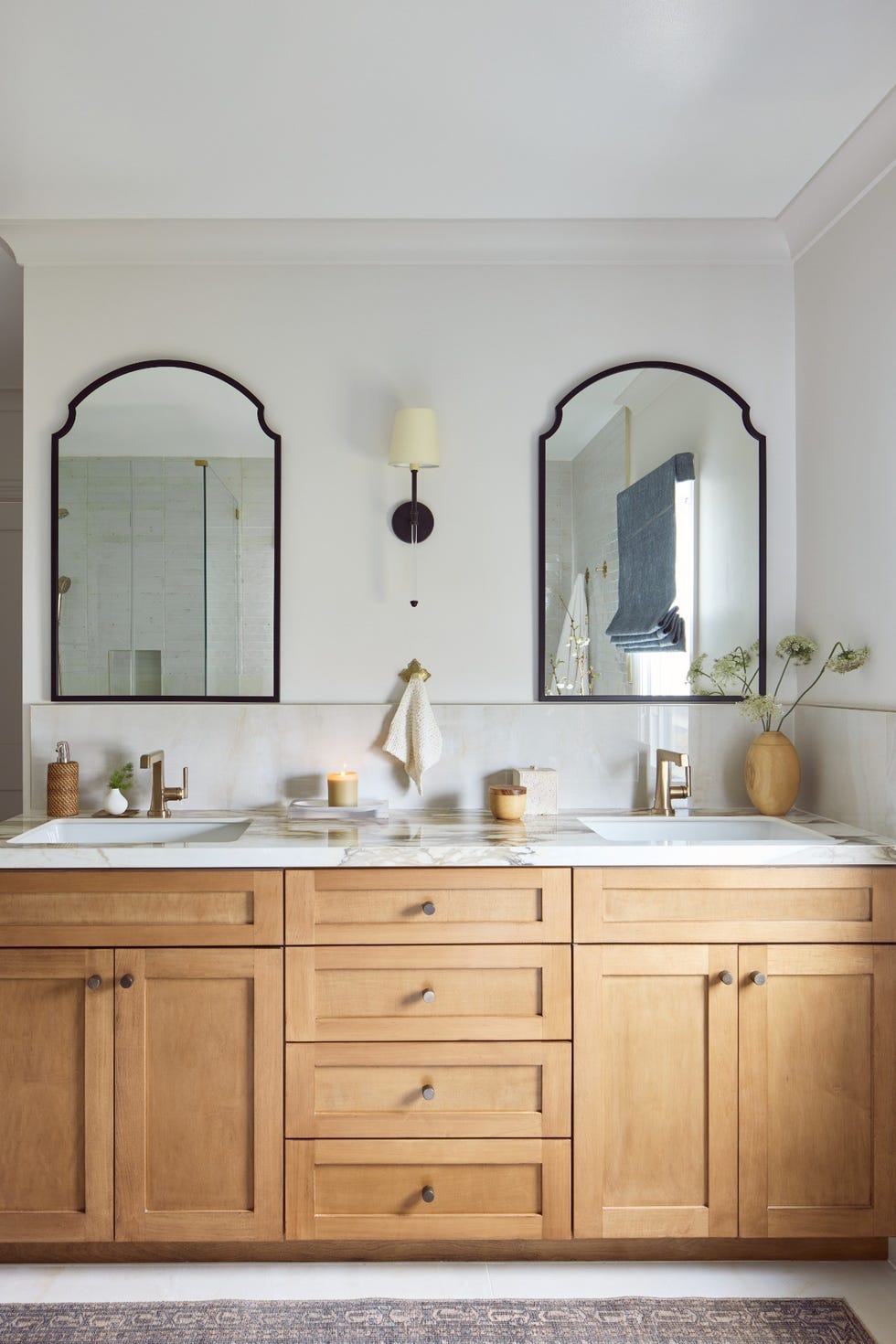
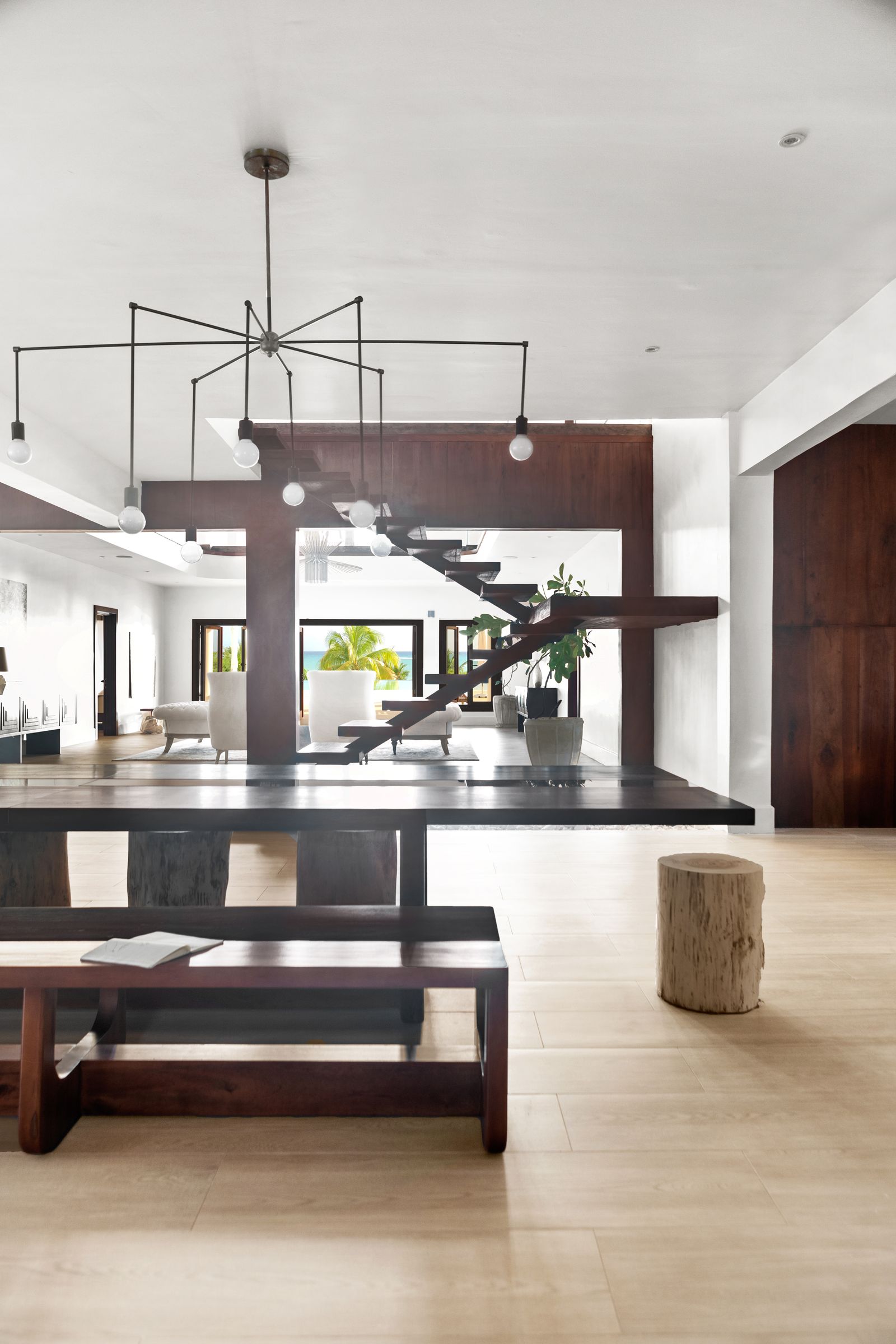
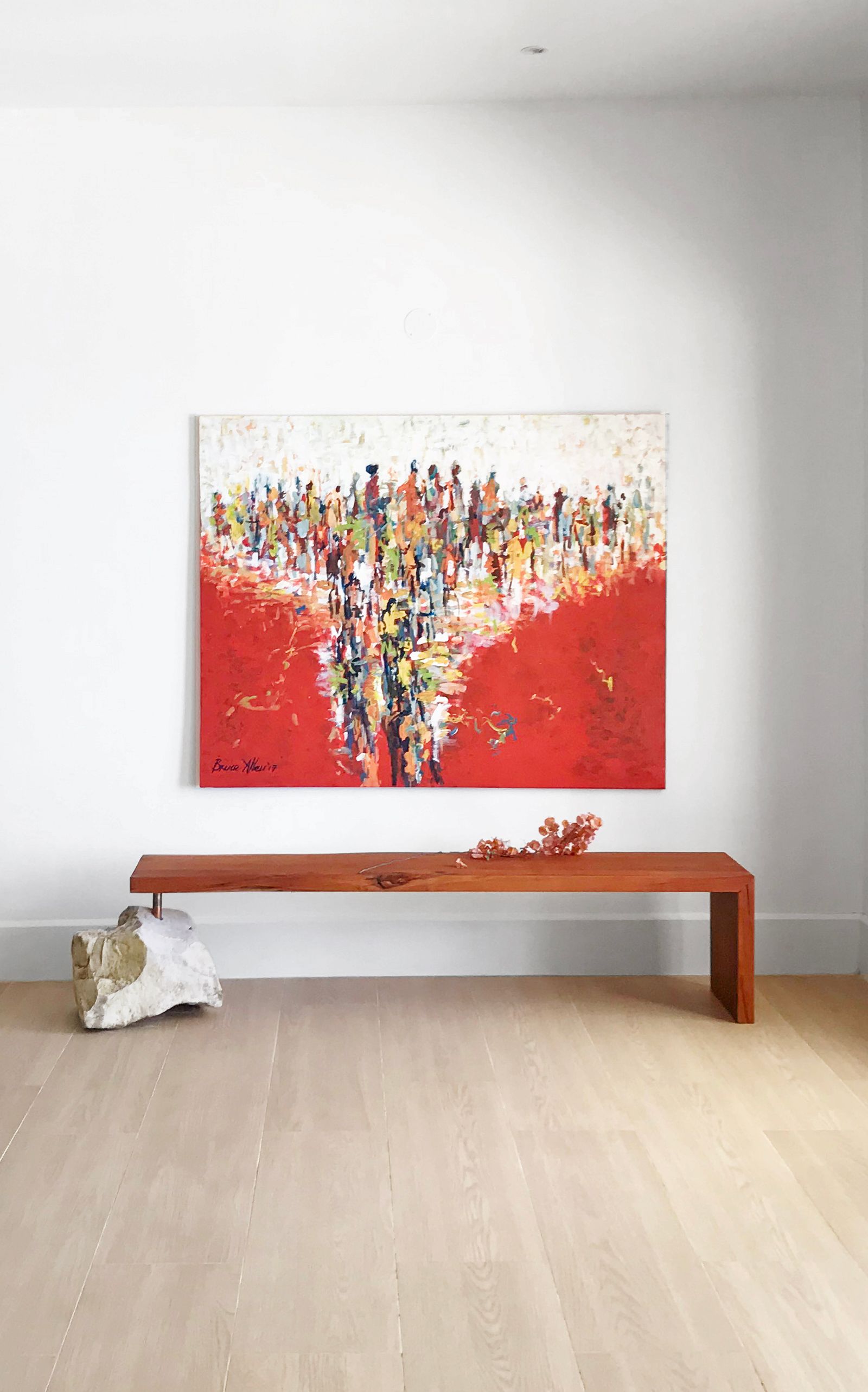
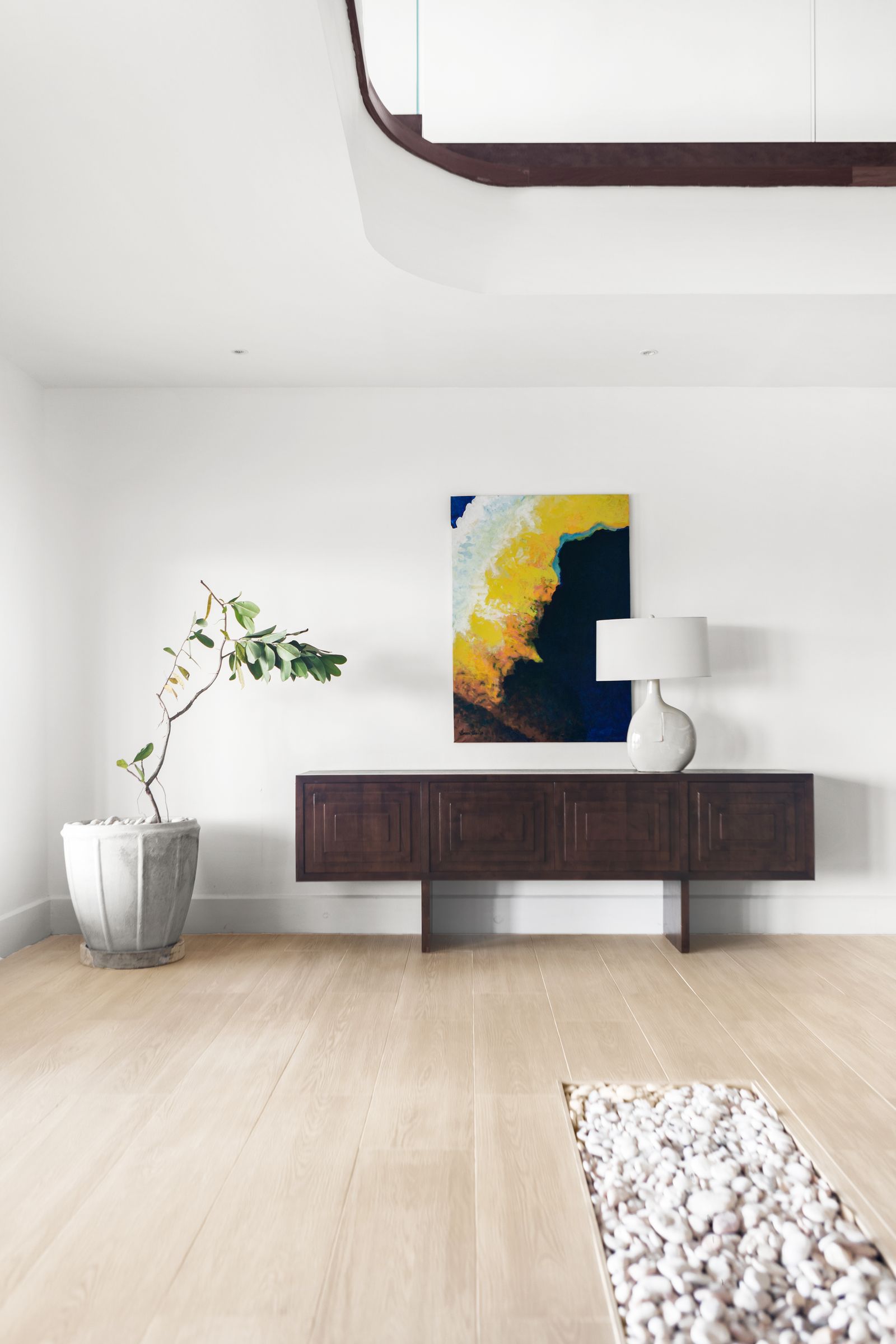
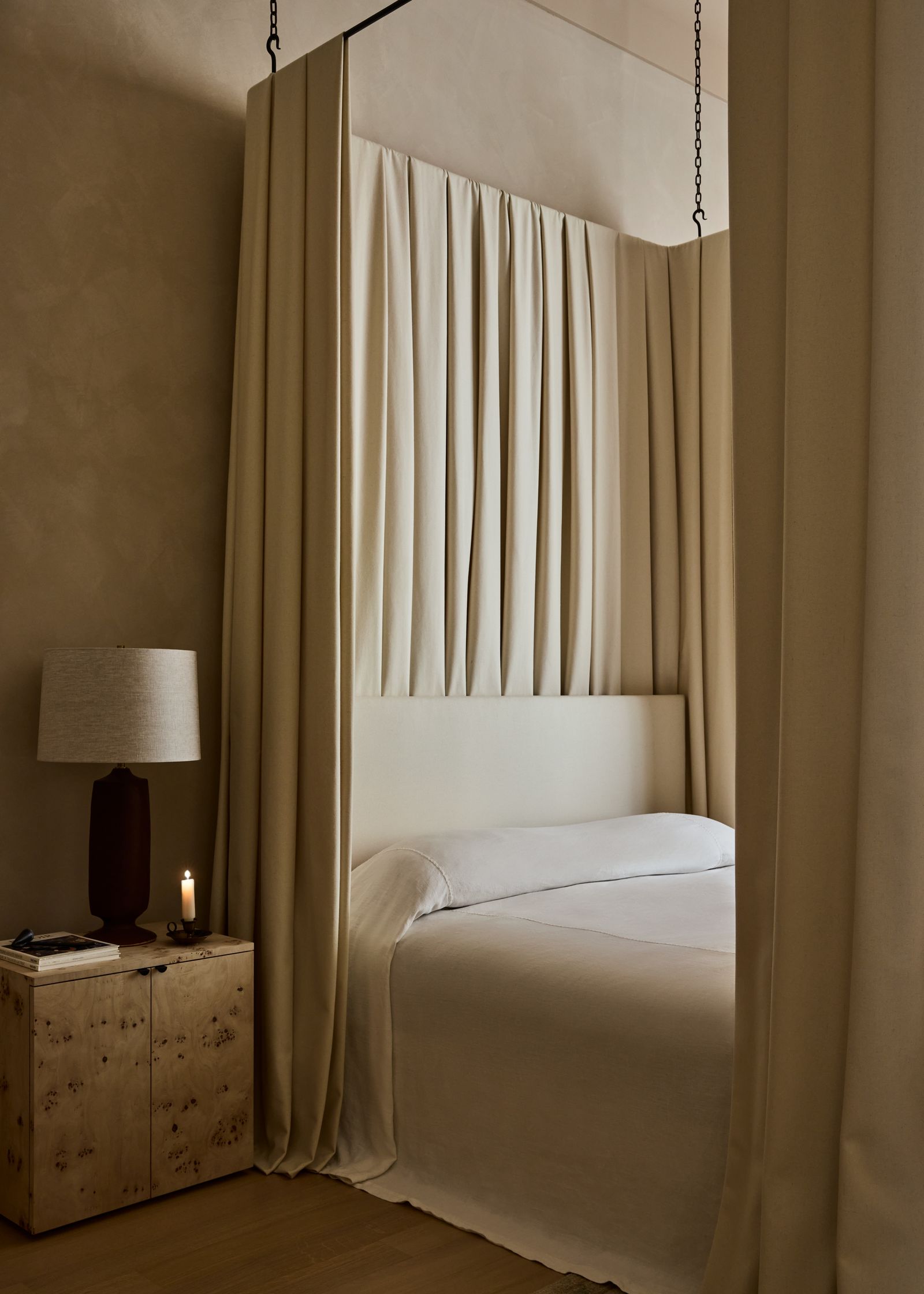
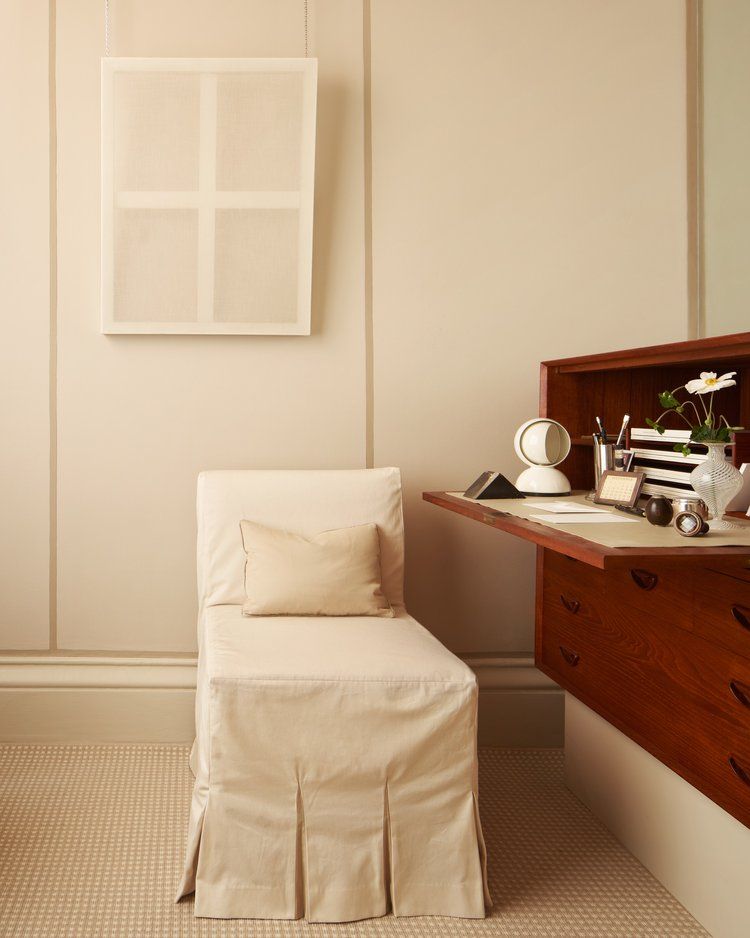
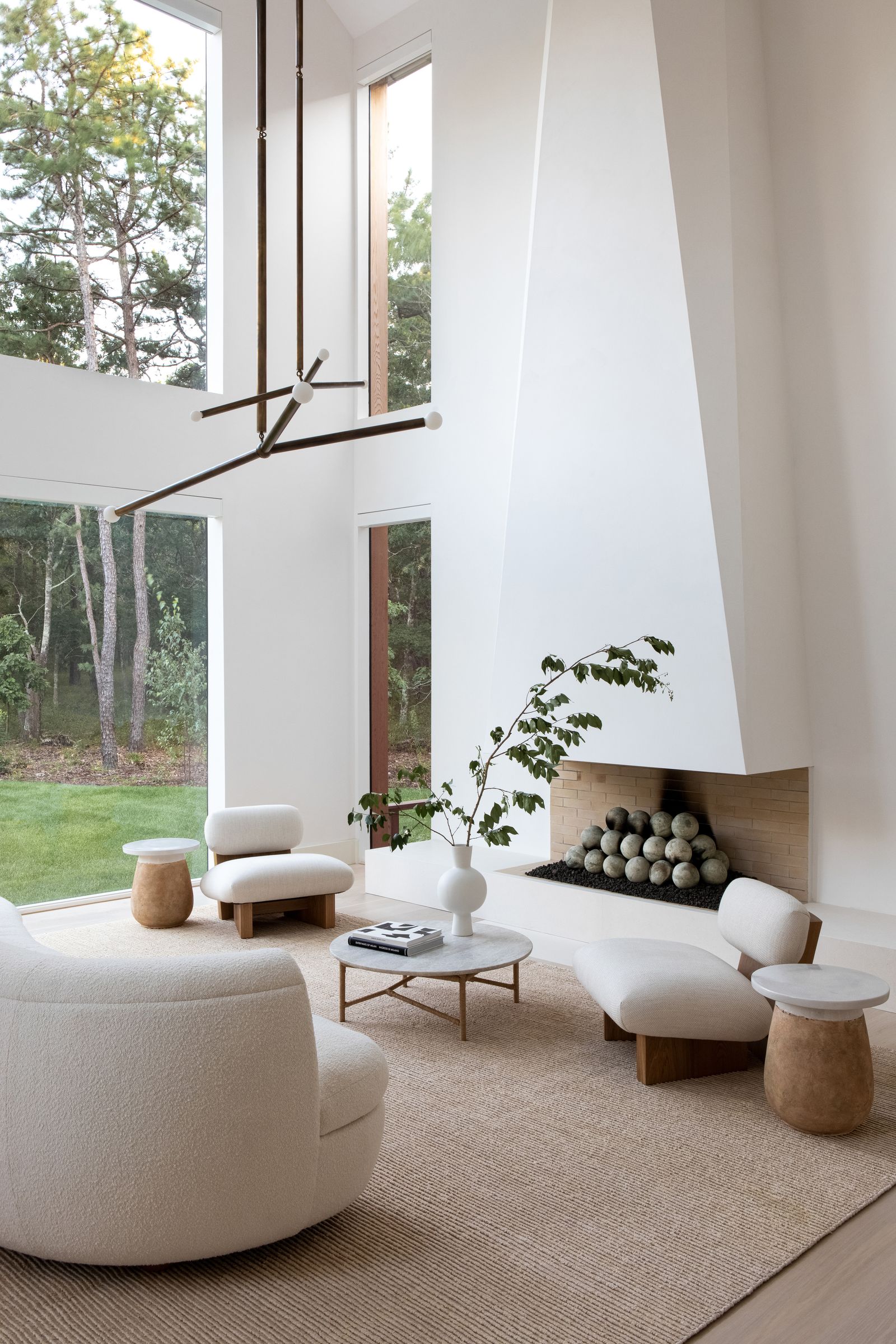
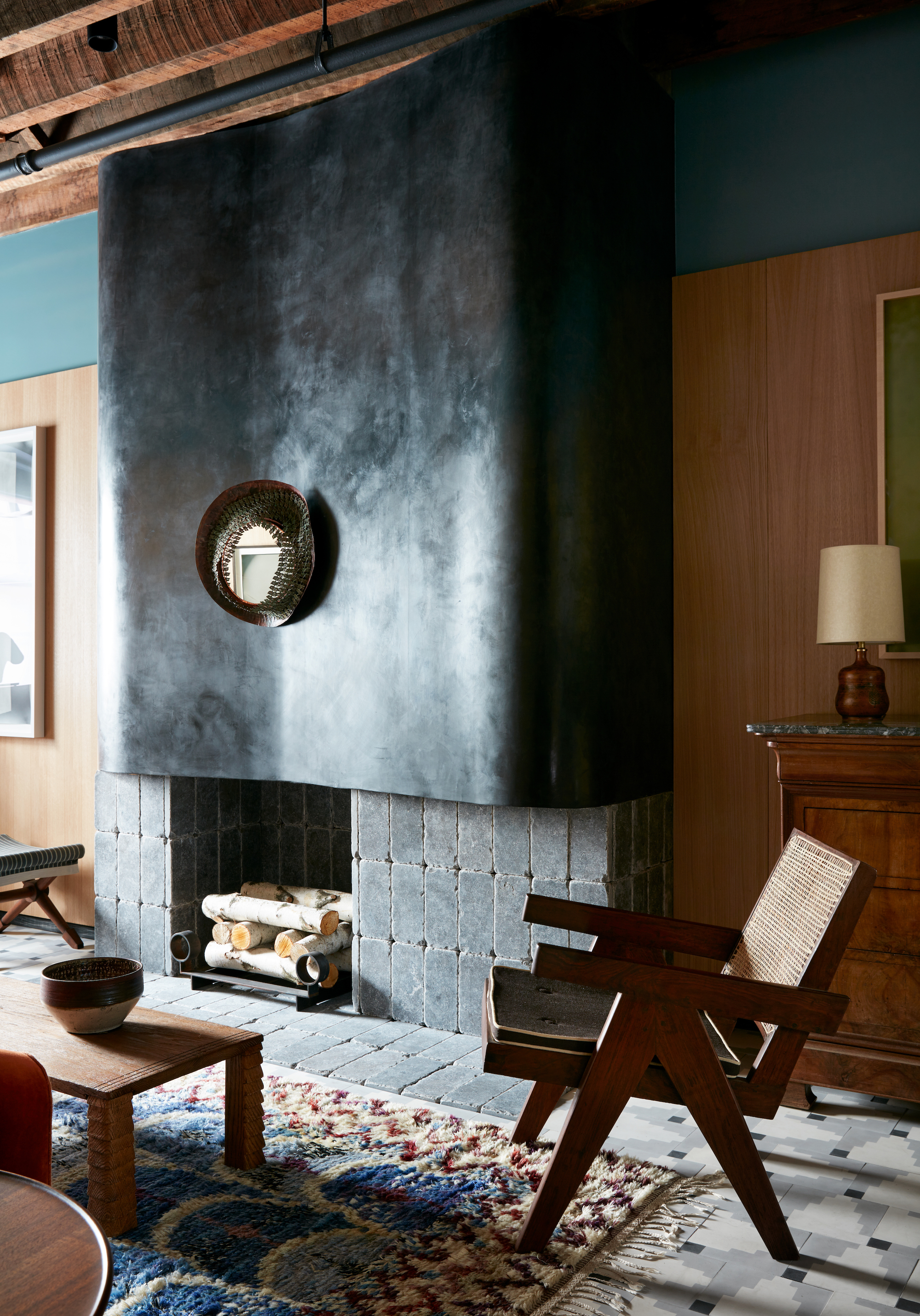
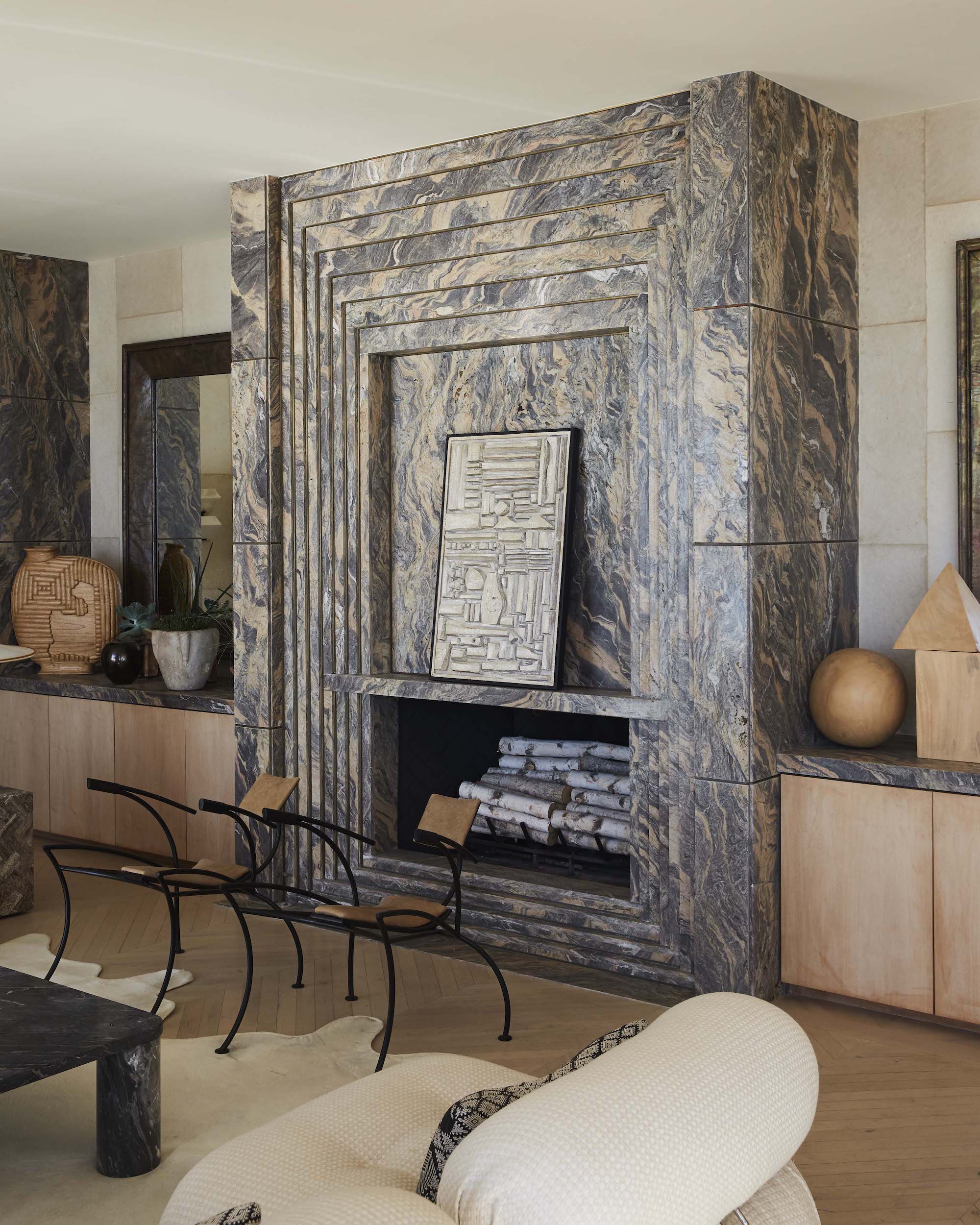
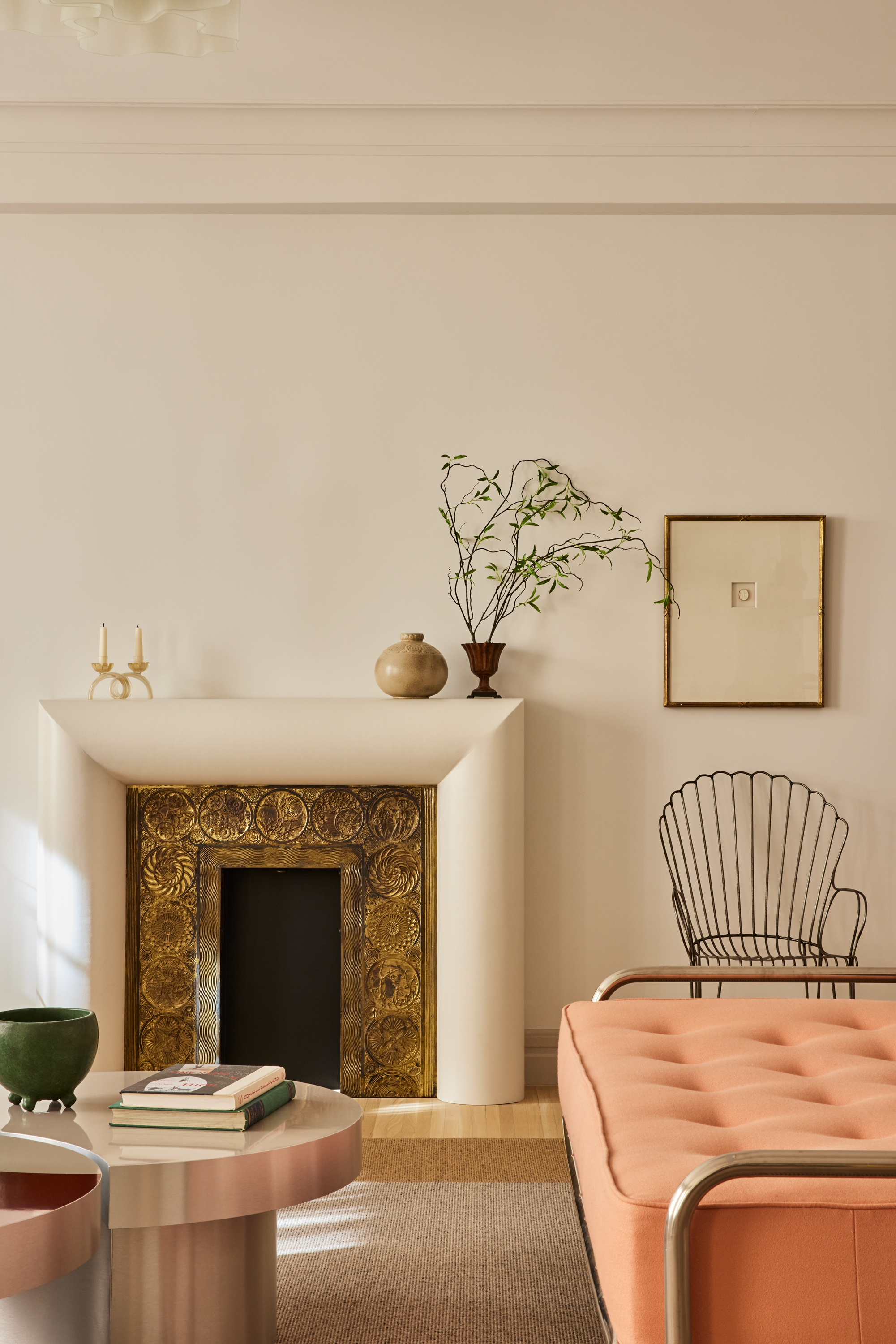
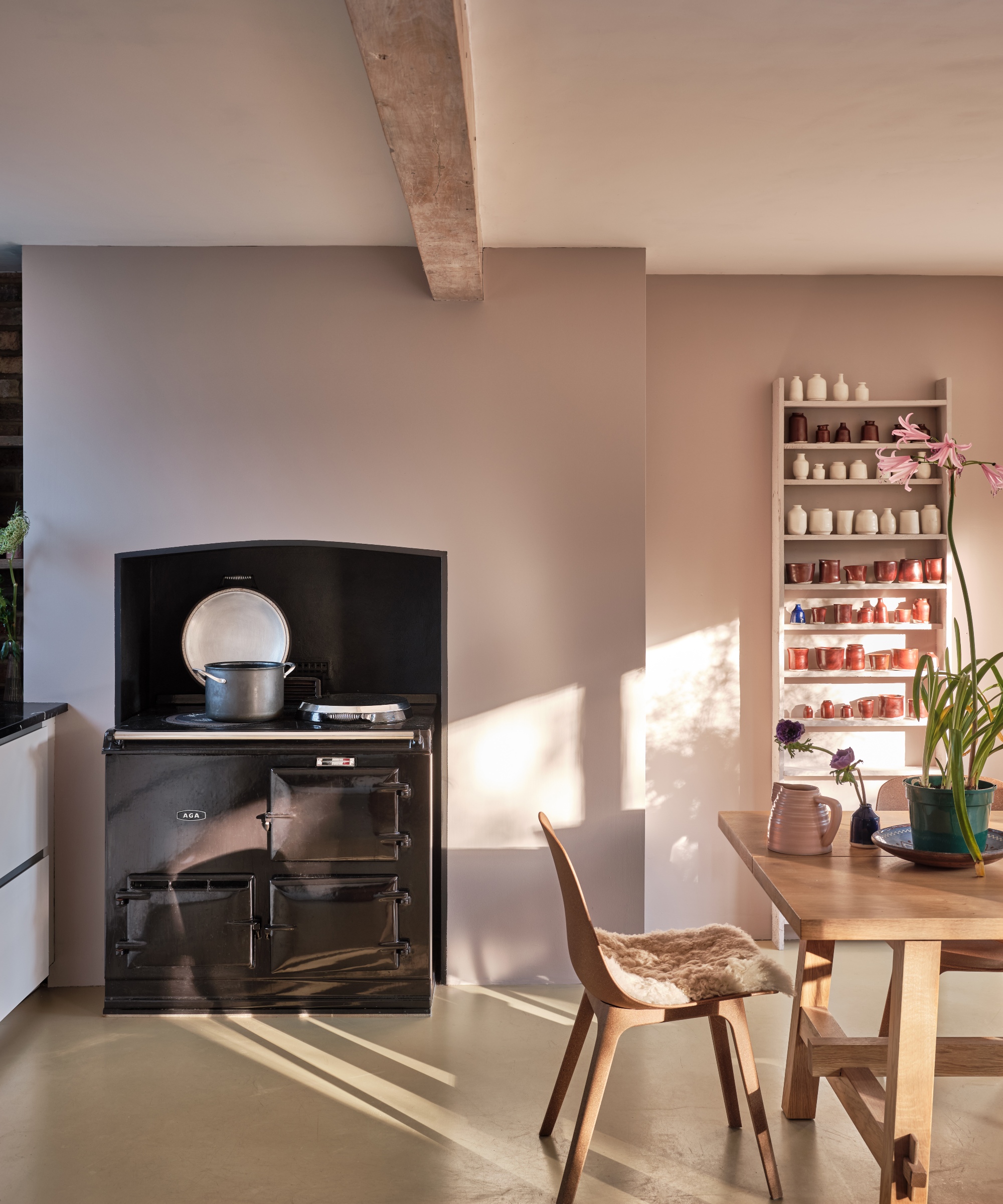
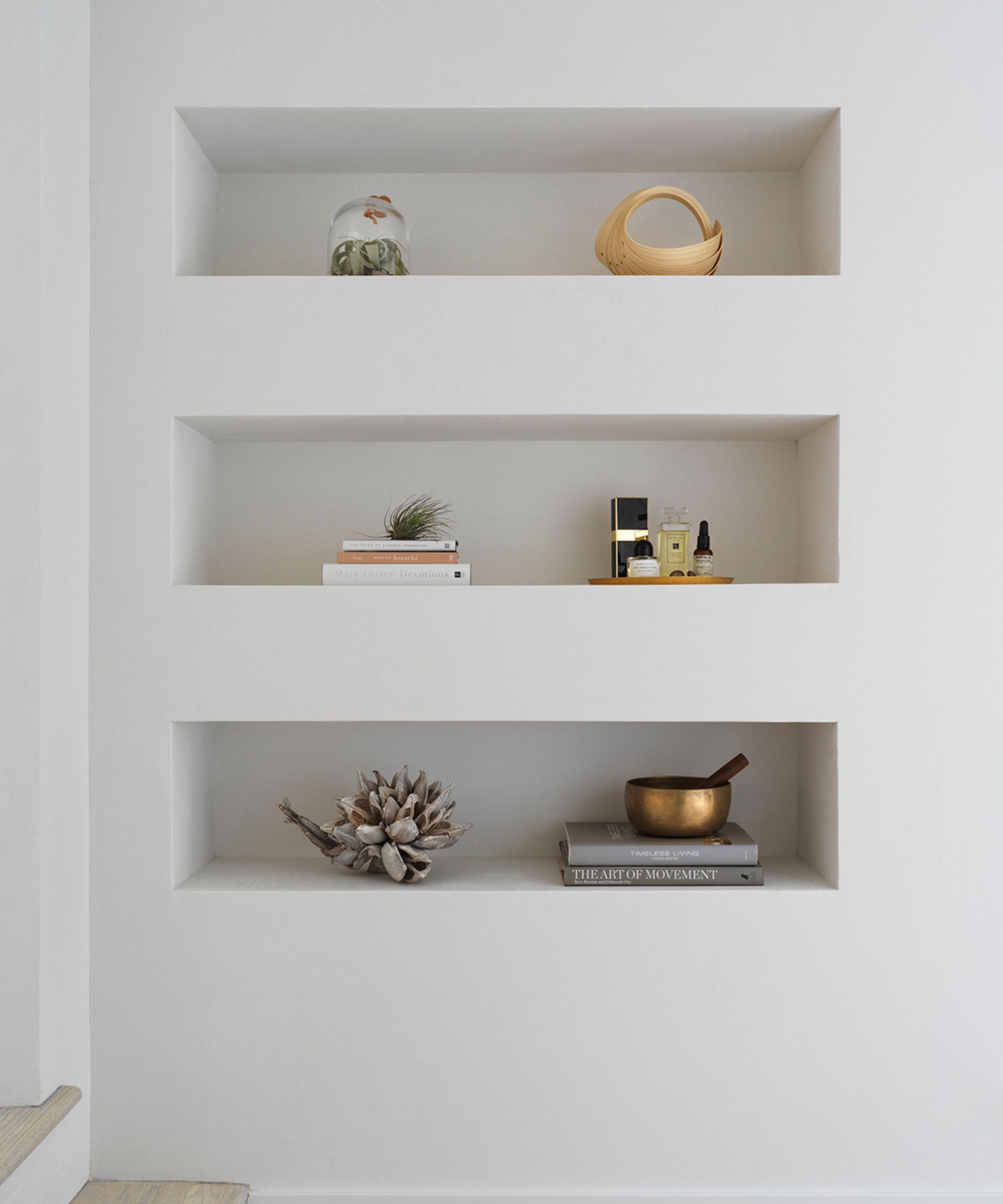
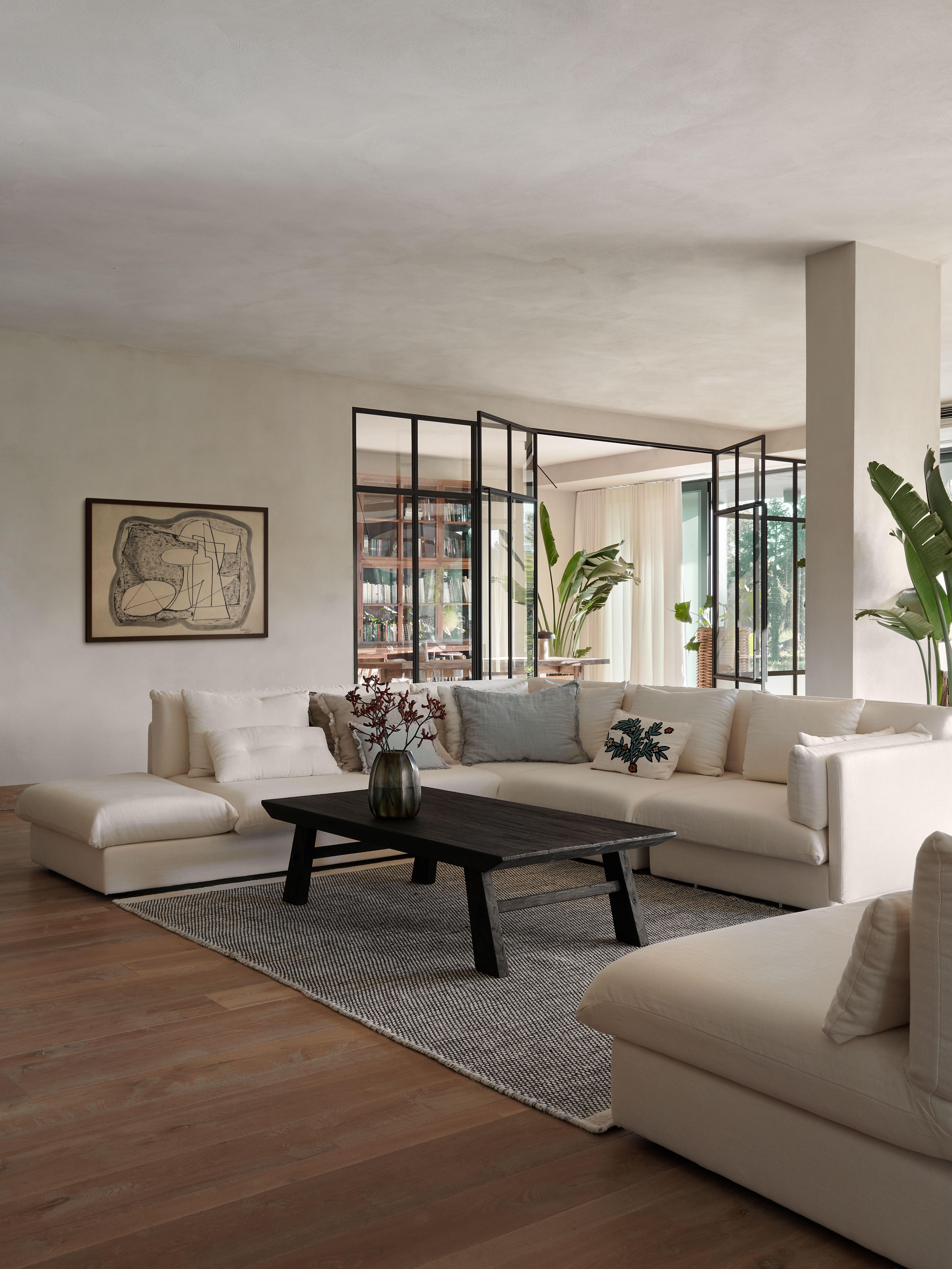
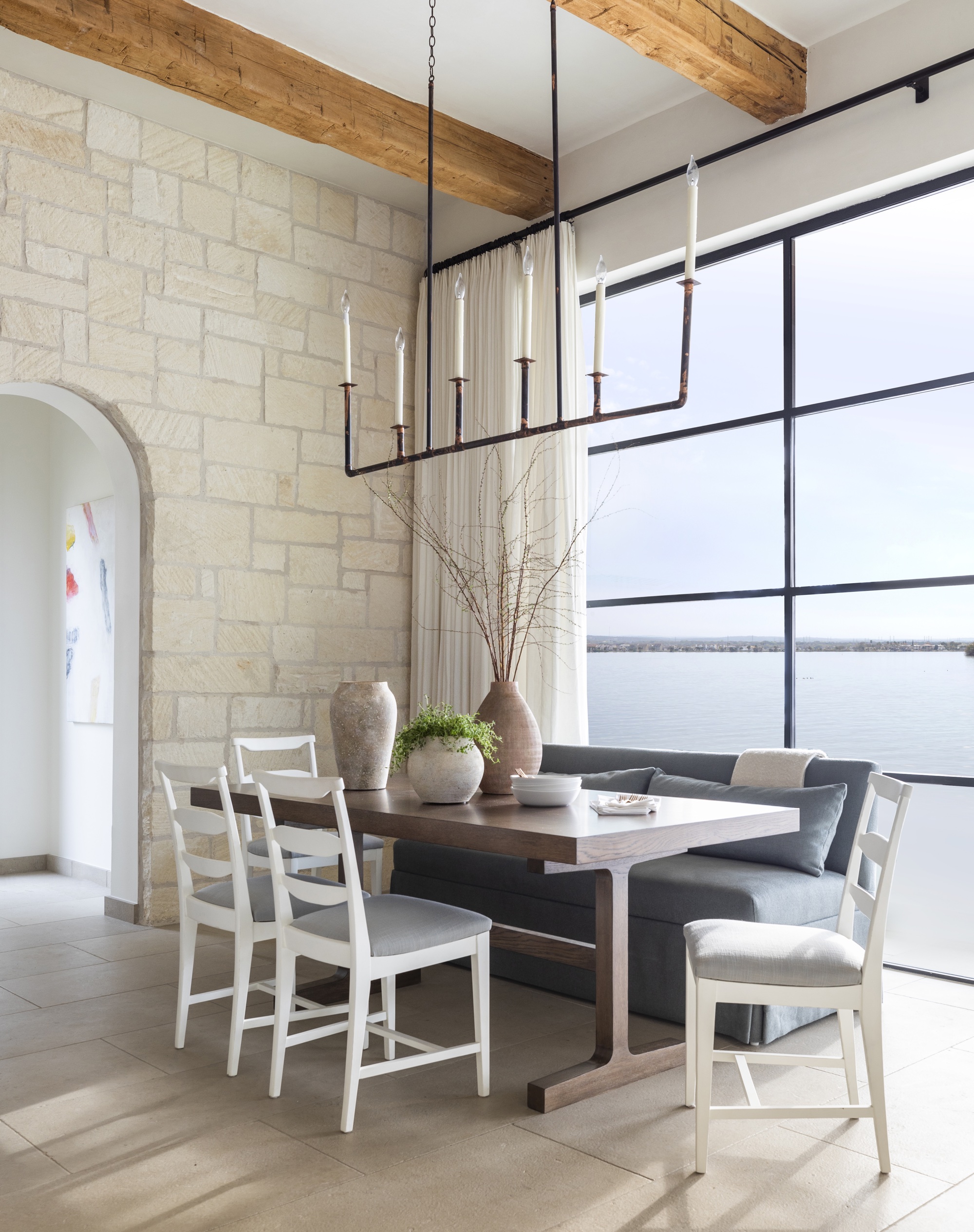
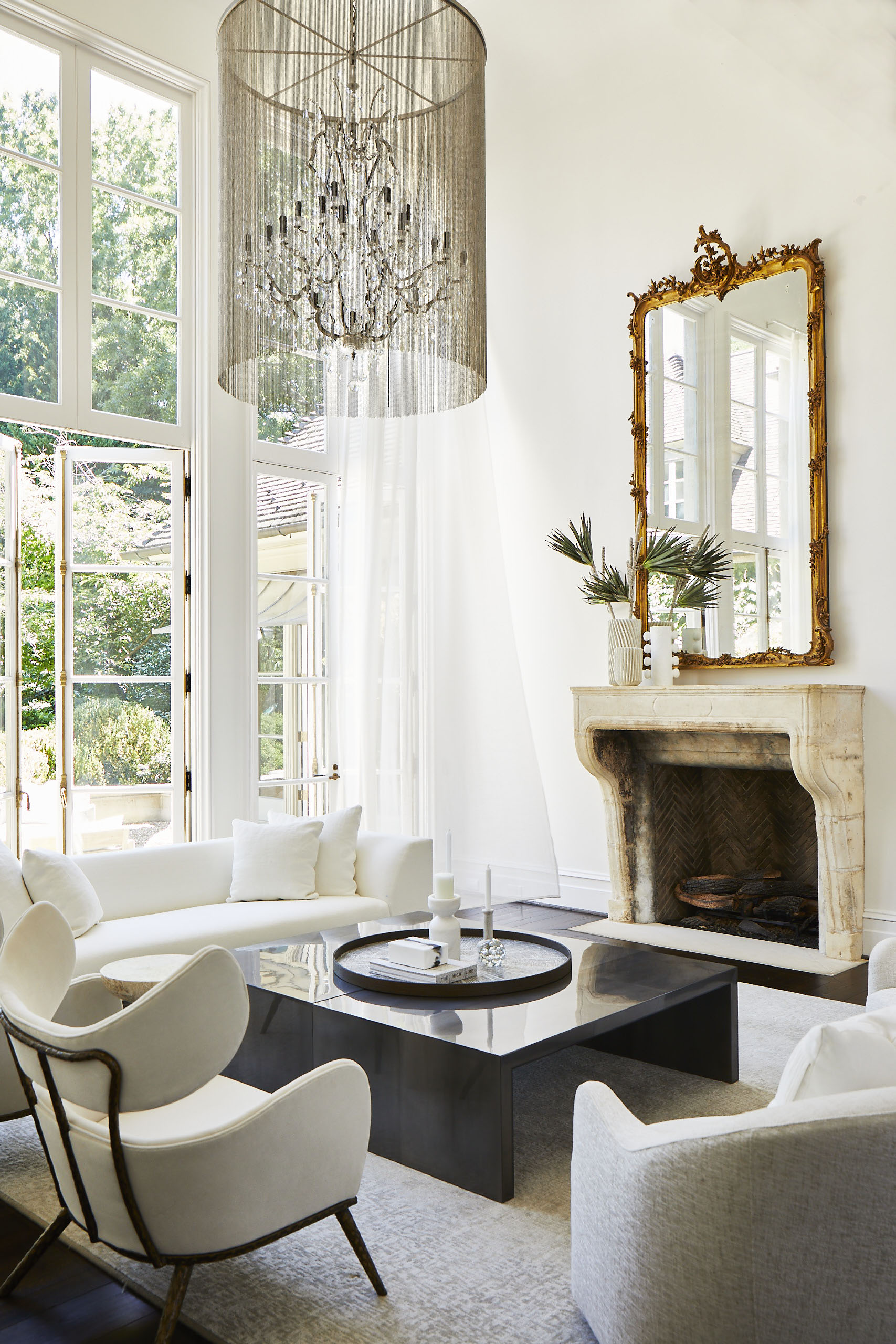
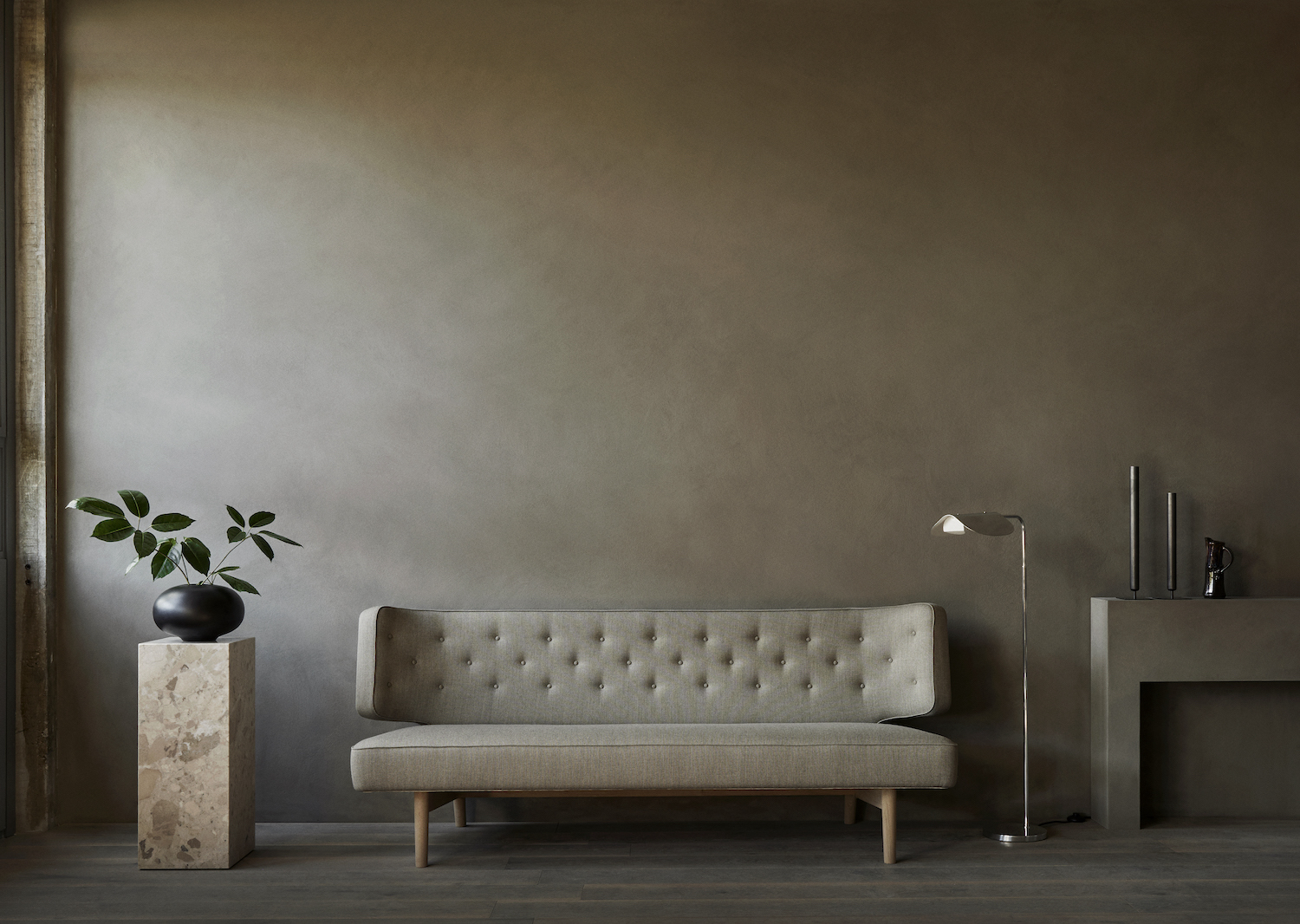
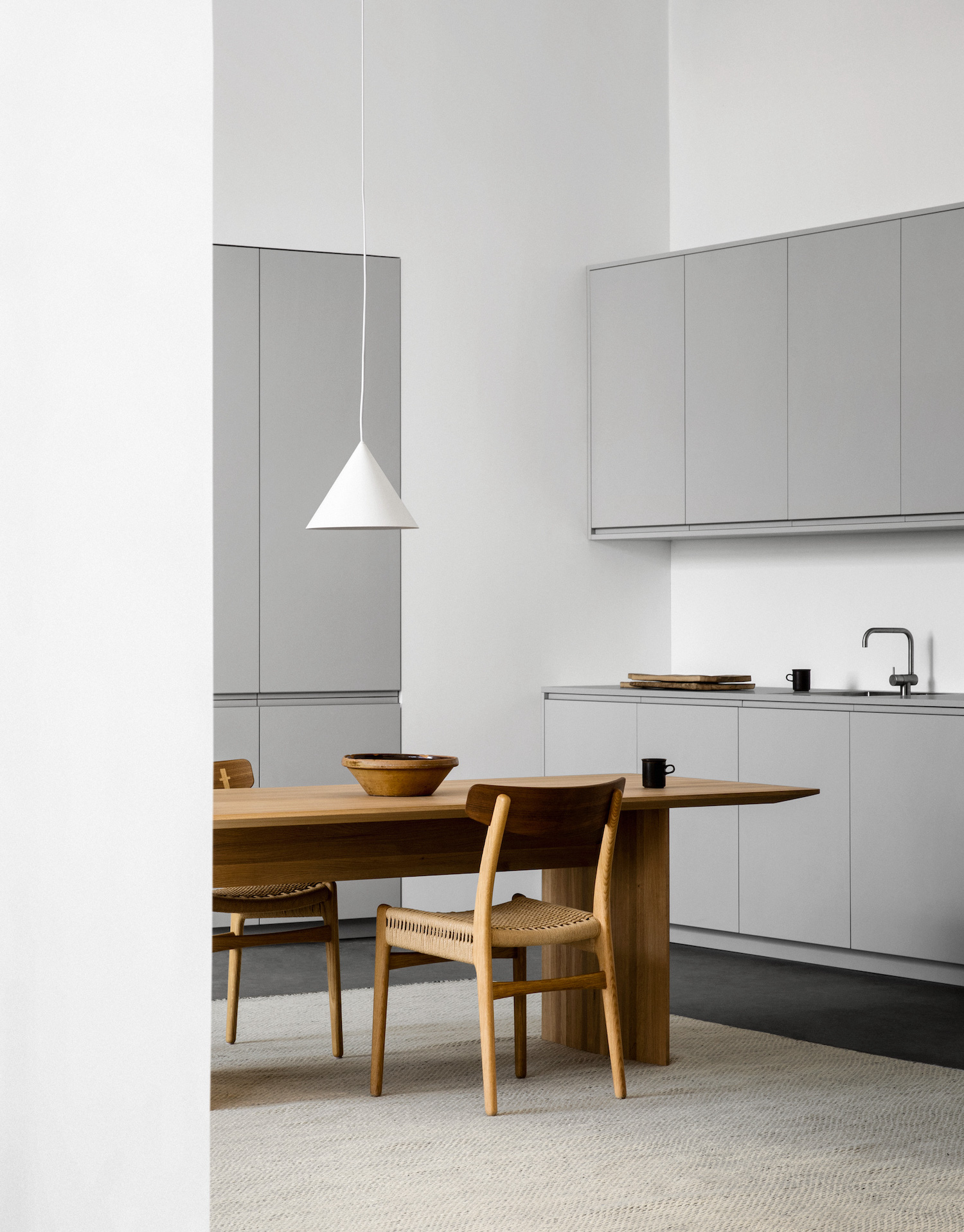
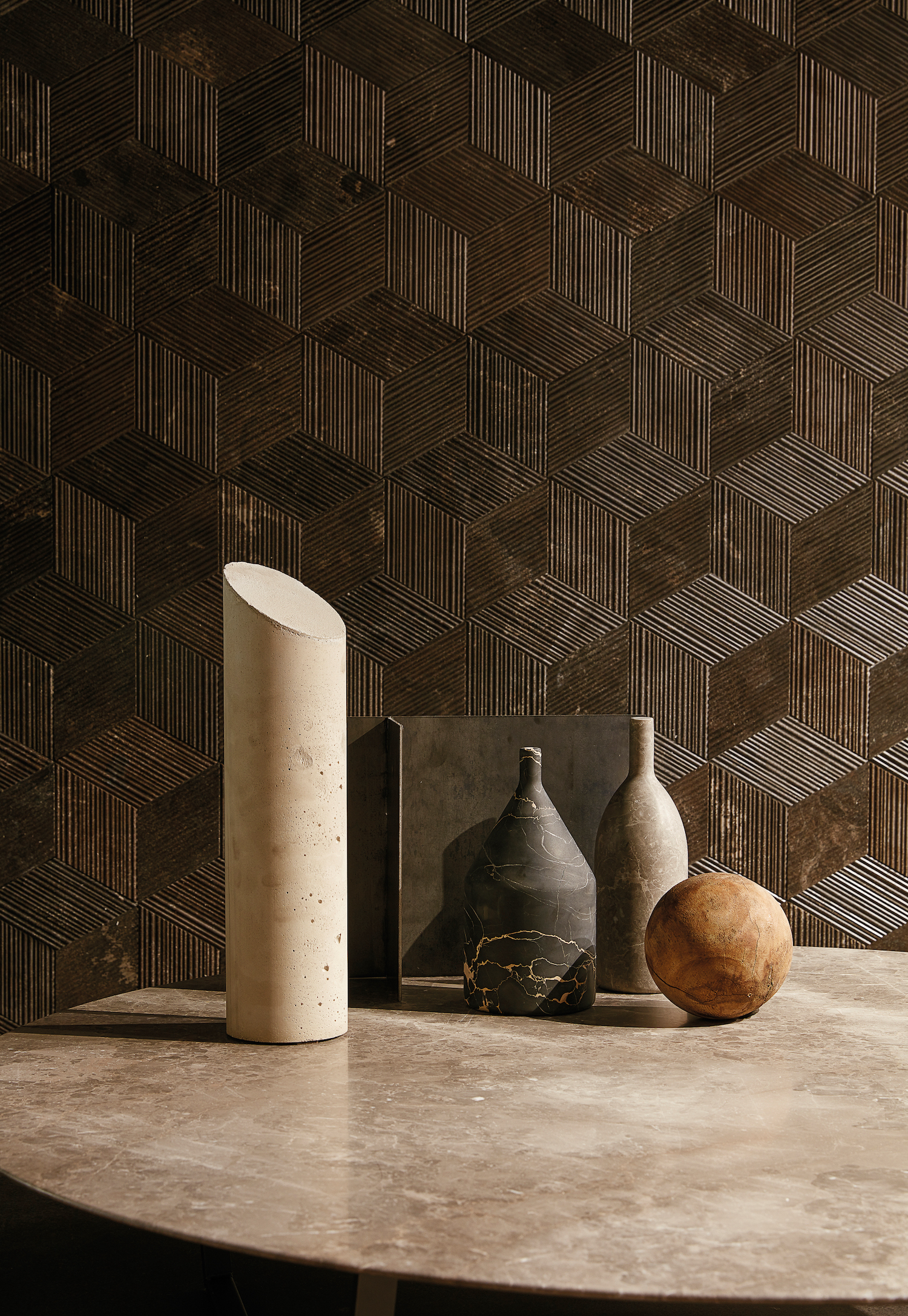
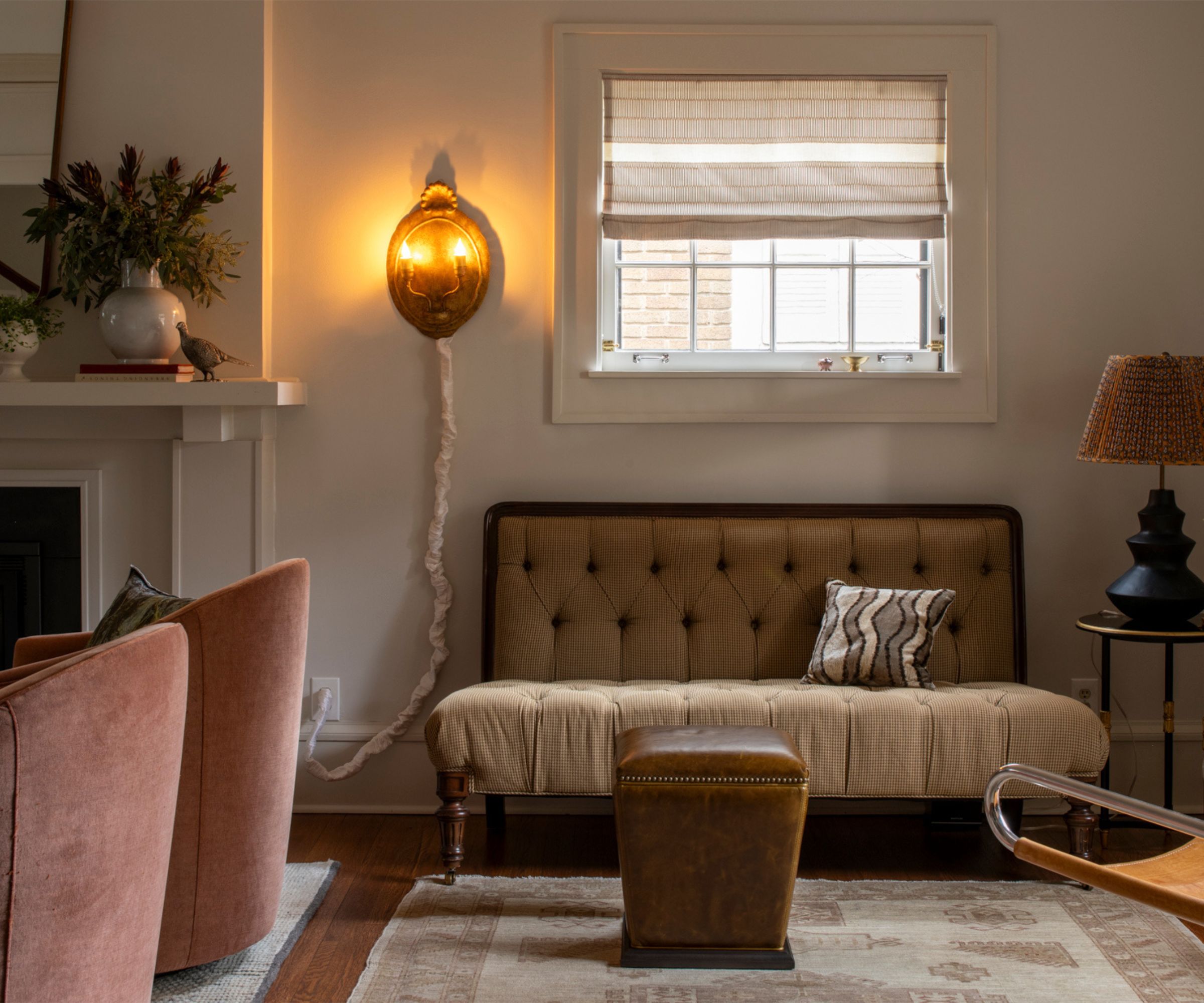
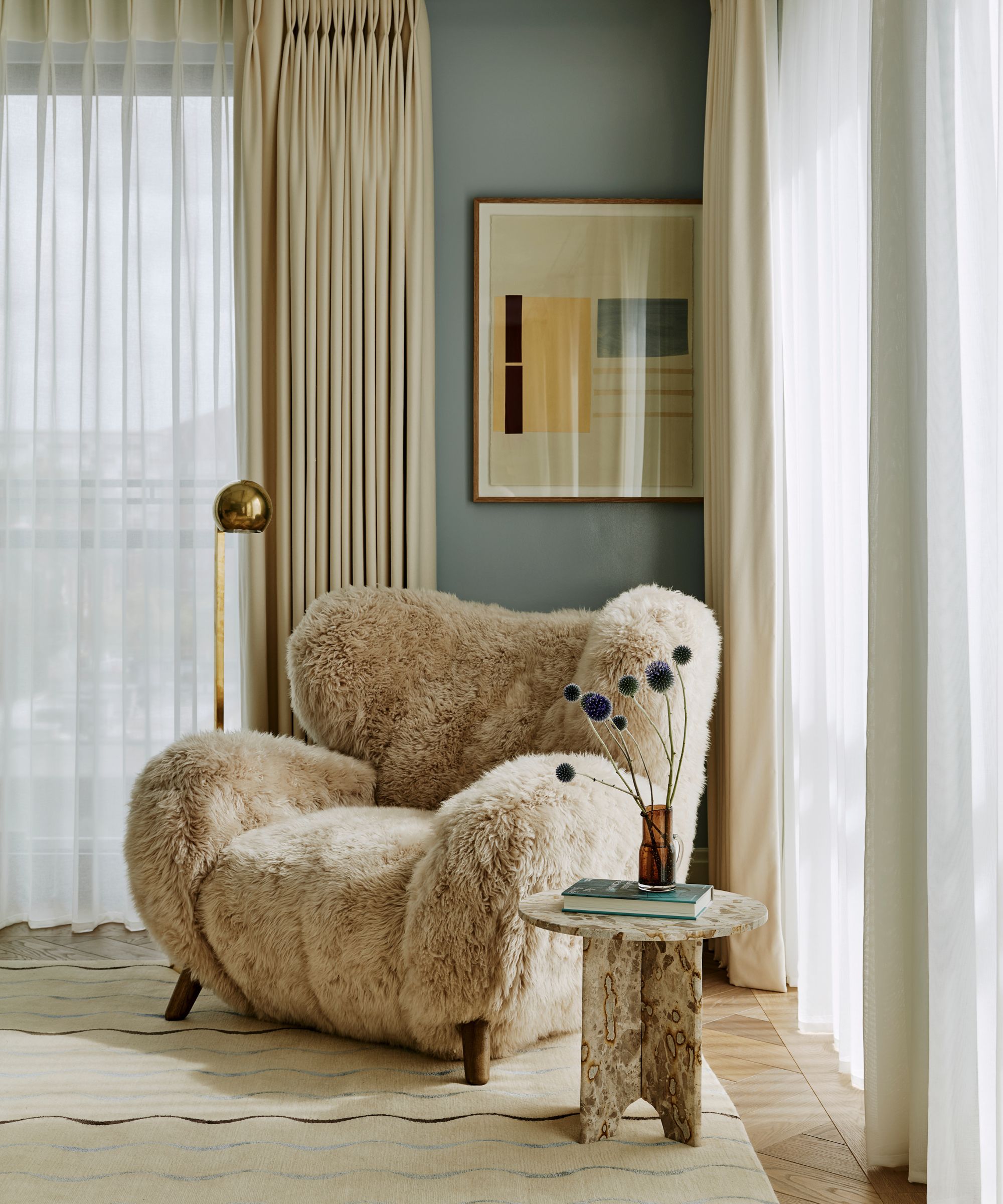
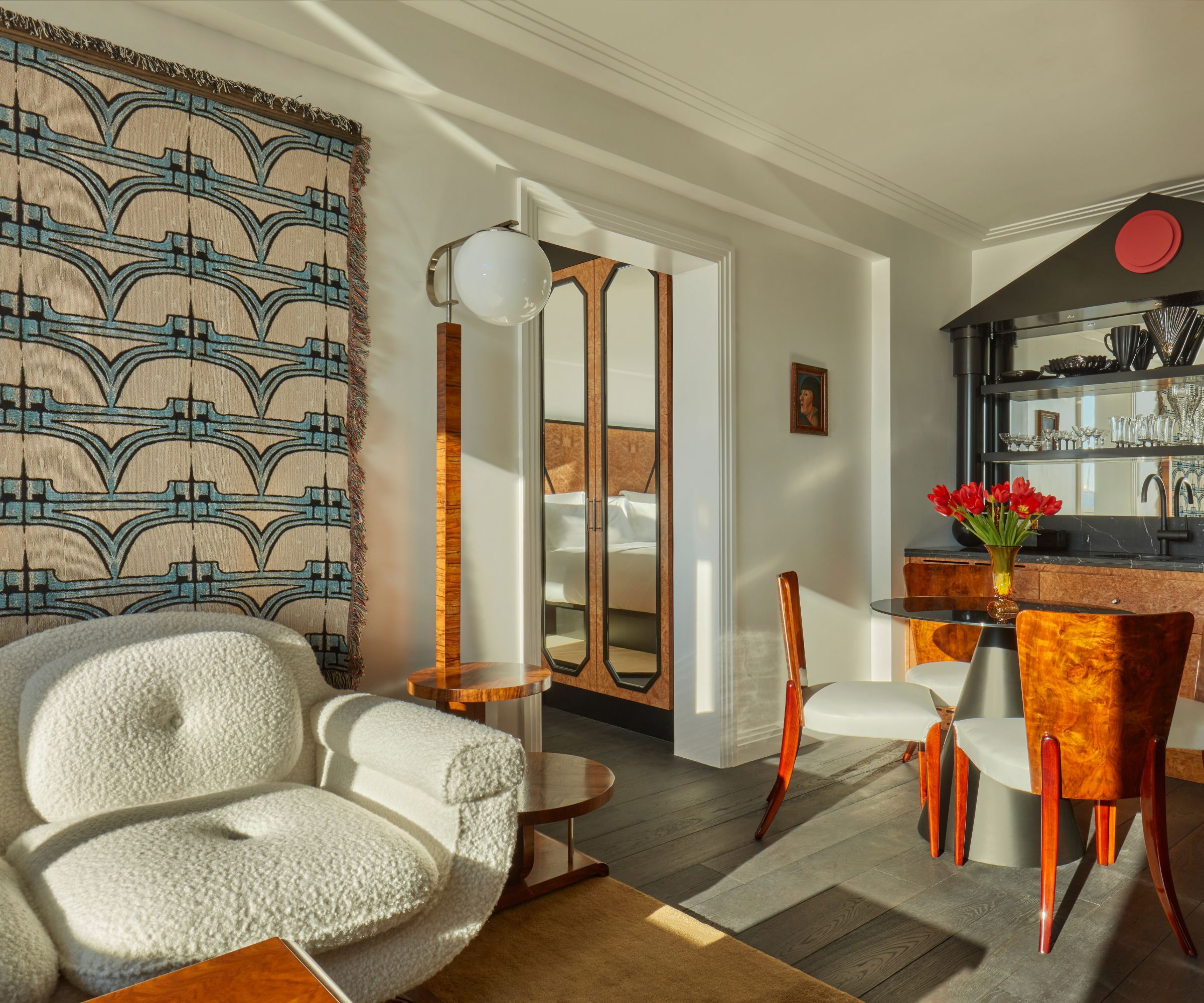
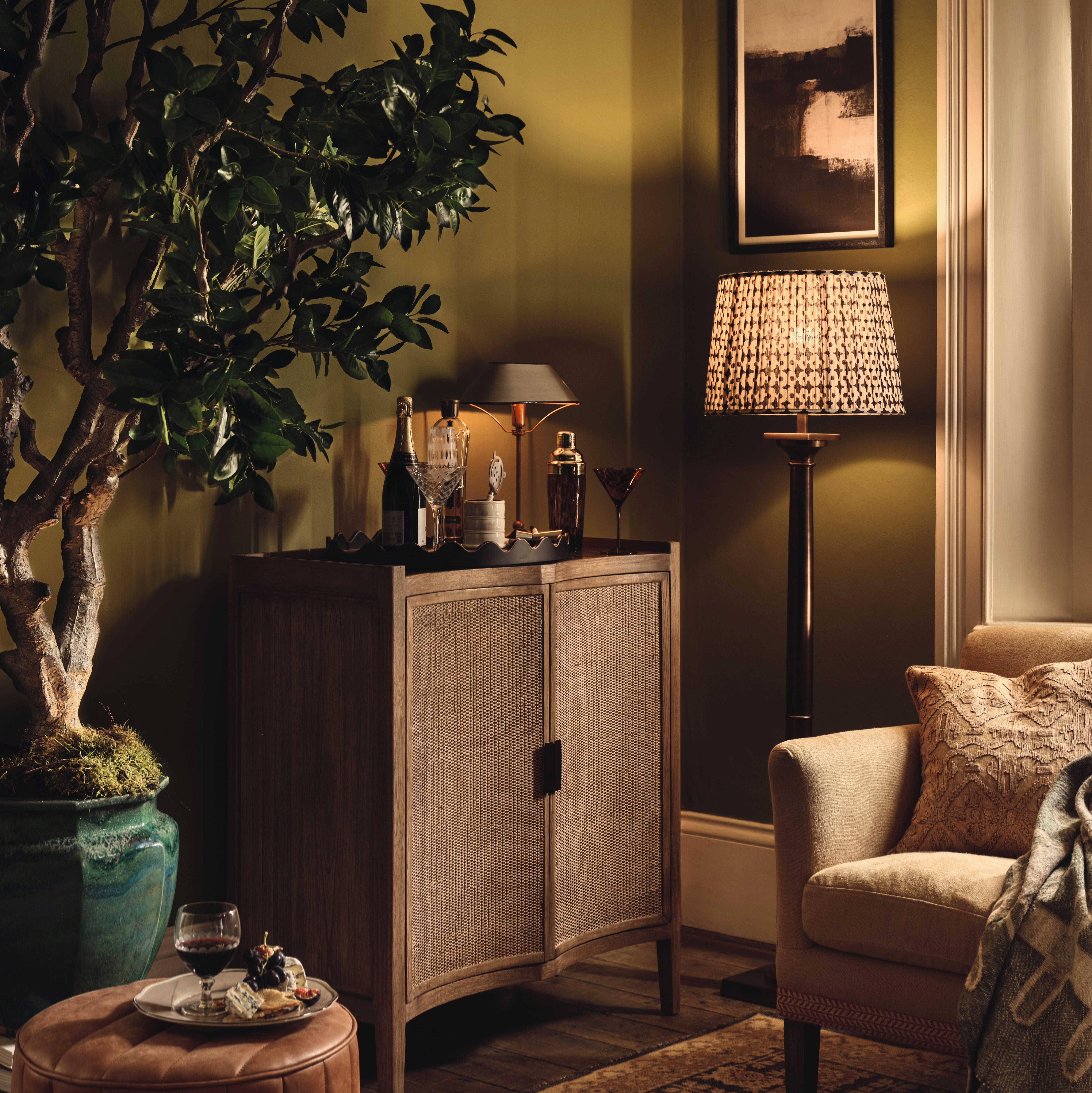
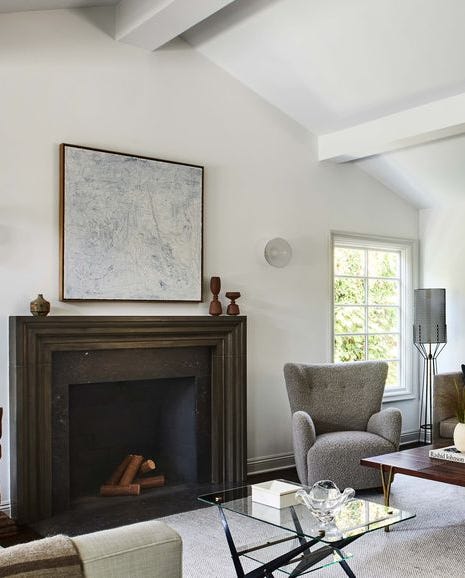
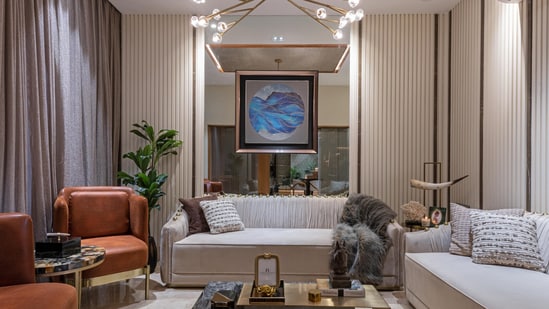
The concept of "material drenching" is emerging as a significant trend in interior design, offering a fresh perspective on minimalism by integrating layers of a single material to create depth, warmth, and a cohesive aesthetic. This approach moves beyond the starkness often associated with traditional minimalism, where the focus is on bareness and absence, towards a more tactile and emotionally resonant space. Material drenching uses various textures, finishes, and scales of one chosen material, such as wood, stone, or plaster, to imbue a room with character and a sense of grounding.
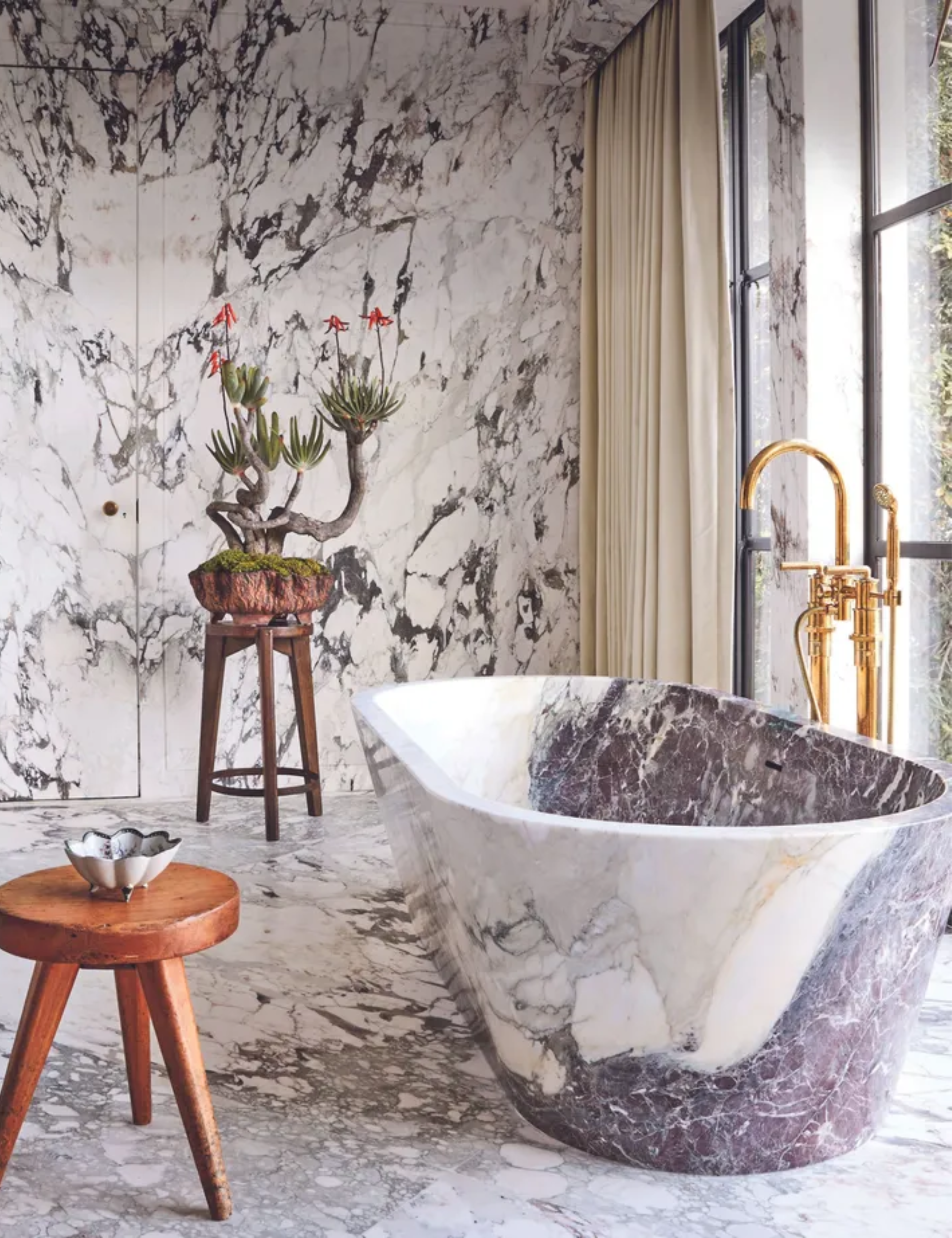
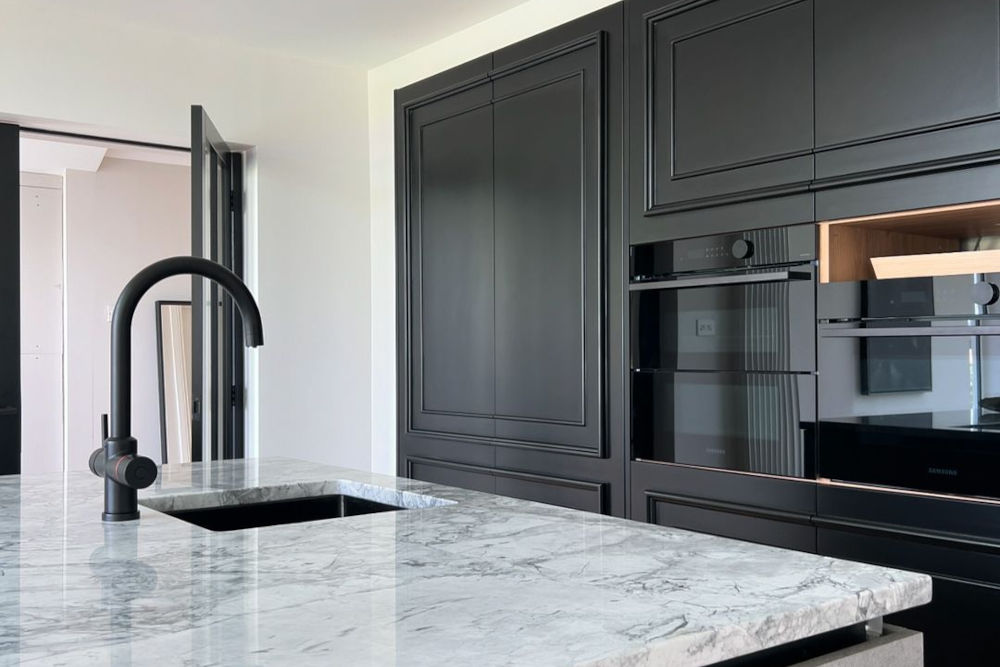
The evolution towards material drenching is partly influenced by a shift in how homes are perceived – no longer just showpieces but lived-in spaces filled with memories and personal items. This sentiment is exemplified by designers who advocate for growing a space rather than striving for cold perfection. The trend combines the calming effects of minimalism with the comfort derived from tactile elements, creating an environment that feels both luxurious and approachable. For instance, a room could feature a smooth marble floor, a matte marble countertop, and a stone-textured wall, all belonging to the same material family but presenting distinct sensory experiences. This thoughtful mixture of finishes prevents the space from appearing flat or monotonous.
Experts in interior design, such as Rashi Bothra and Ruchi Gehani, co-founders of Azure Interiors, emphasize the psychological benefits of material drenching. They view it as a response to a collective desire for calm, intimacy, and comfort in residential environments. By enveloping a space in a single material, a sense of uniformity is achieved, which removes visual clutter and fosters a nurturing atmosphere. The tactile quality of natural, raw, earthy, or softly finished textures is highlighted as engaging the senses and offering a subtle therapeutic effect, contributing to overall well-being within the home.
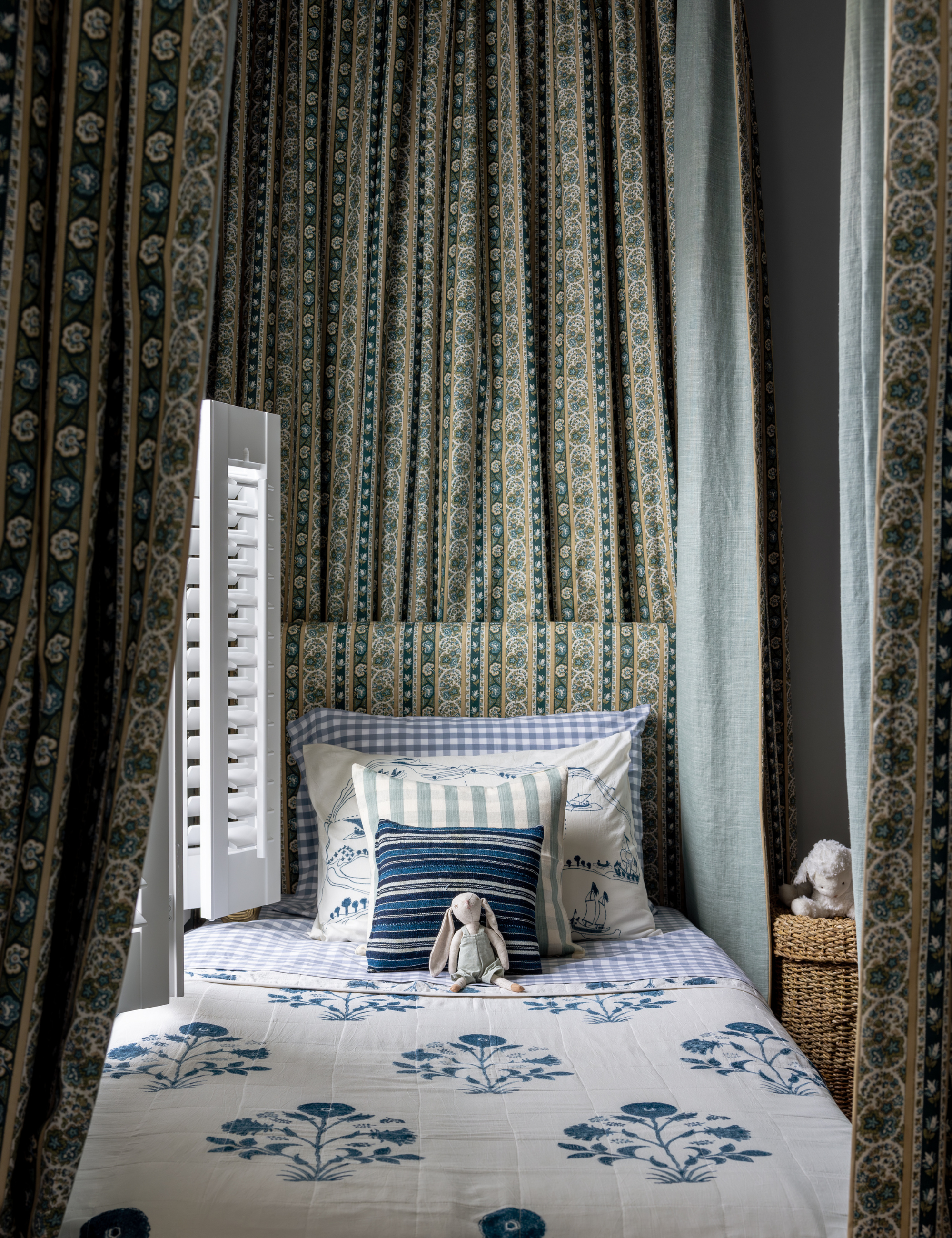
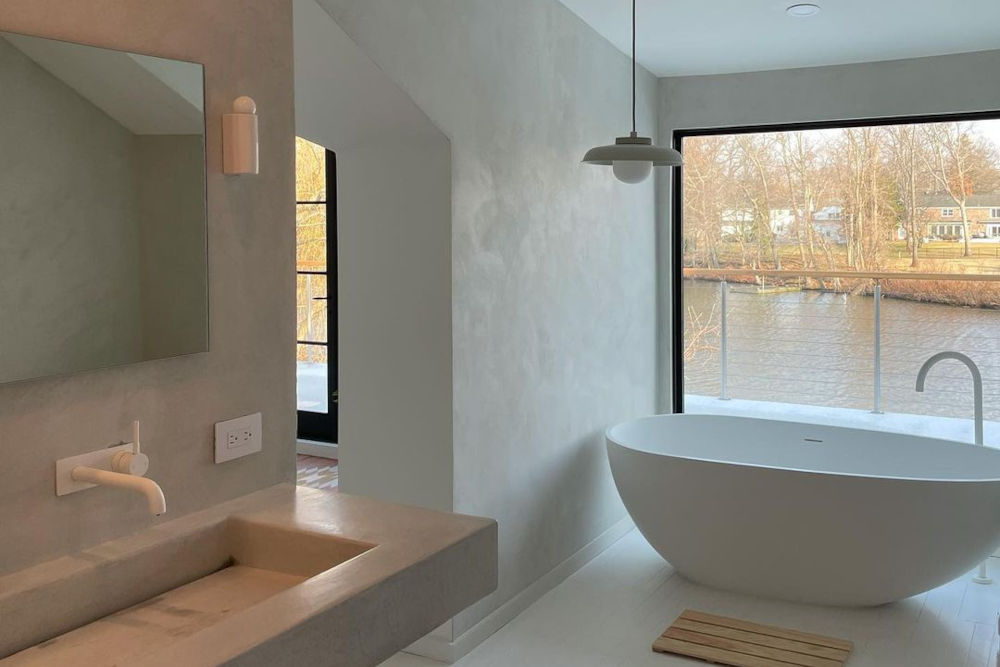
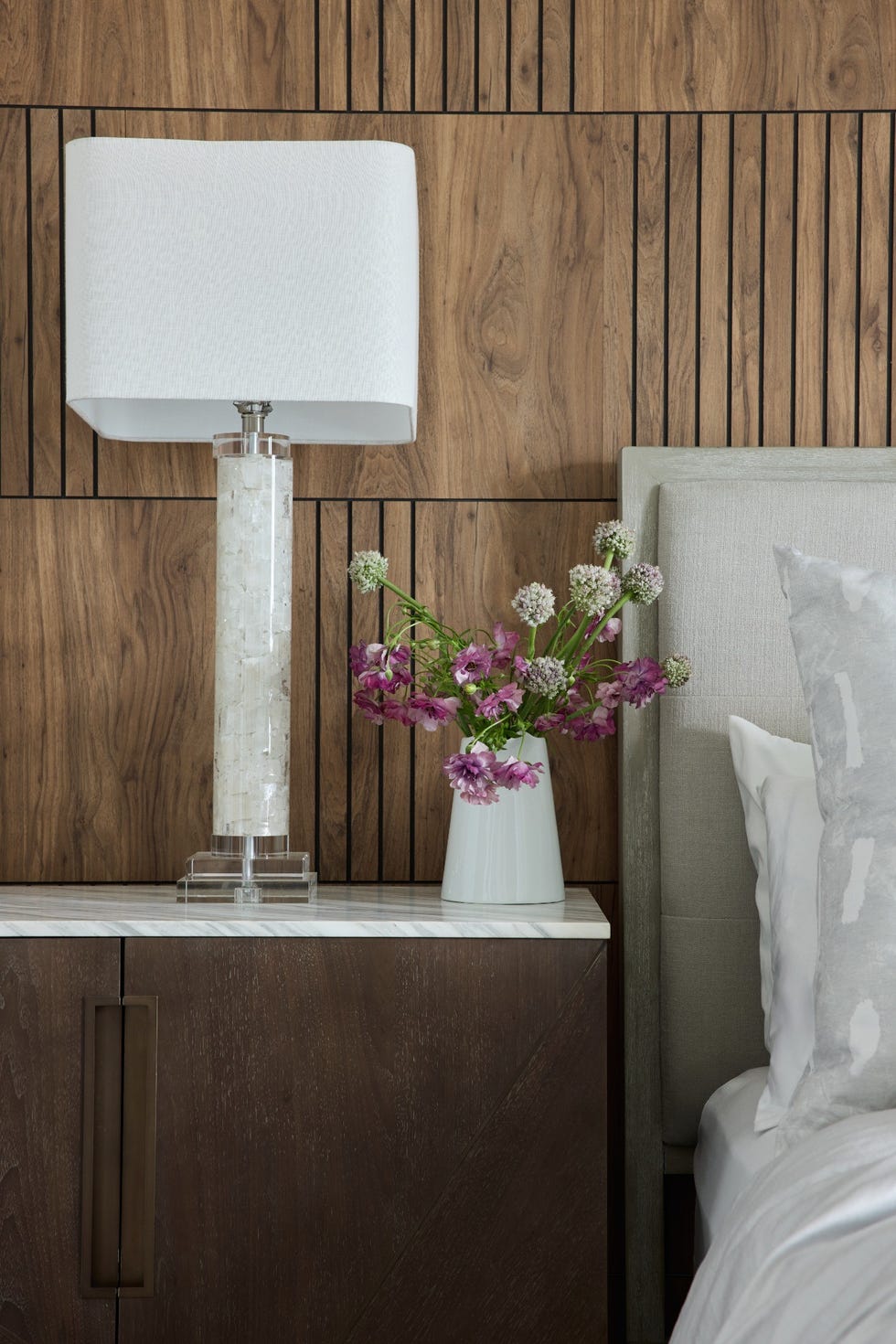
To avoid a monochromatic or uninspired appearance, the key lies in exploring the full potential of the chosen material. This involves experimenting with texture, finish, and scale. For example, wood can be presented in diverse forms, from highly polished panels to carved details or rustic finishes that showcase its natural grain variations. Similarly, plaster can range from a matte wall finish to a softly burnished surface on furniture, demonstrating the versatility of a single material in conveying different moods and aesthetics. This strategy emphasizes rhythm and variation over mere repetition, allowing the material itself to become an art form.
Saba Kapoor, co-founder of Nivasa, a luxury design firm, connects material drenching with principles of sustainability and timelessness. She notes that committing to a single material encourages a more mindful approach to design, prompting consideration of the material's origin, aging process, and life cycle. The use of reclaimed and regionally sourced materials, she suggests, not only reduces environmental impact but also adds a layer of provenance and narrative to a space. This philosophy suggests that spaces designed with material drenching are not merely following a fleeting trend but are built to evolve gracefully over time, resisting the pressure of transient fashions. For individuals looking to incorporate this trend into their homes, starting with smaller, more intimate areas like a powder room or reading nook is recommended. Key tips include focusing on texture over sharp contrasts, using lighting to accentuate surface qualities, and keeping other decor subtle to allow the chosen material to be the focal point. This approach redefines minimalism as a process of adding layers of meaning and touch, prioritizing cohesion and calm over clutter and starkness. The ultimate goal is to create spaces where design is brought to life through texture, tactility, and emotion, resulting in a more personal and harmonious living environment.
#InteriorDesign #MaterialDrenching #Minimalism #DesignTrends #HomeDecor #TexturalDesign #SustainableDesign #InteriorDesign #MaterialDrenching #Minimalism #DesignTrends #HomeDecor #TexturalDesign #SustainableDesign
0 comment in total
 No comments yet
You may also like
Why Designers Always Start, But Never End, With Layering – 10 Ways They Build Depth Into Every Room

The Best Minimal Decor Ideas for a Streamlined Home
8 tricks to create a minimalist color palette that doesn't feel one-dimensional - elevated and enriching schemes

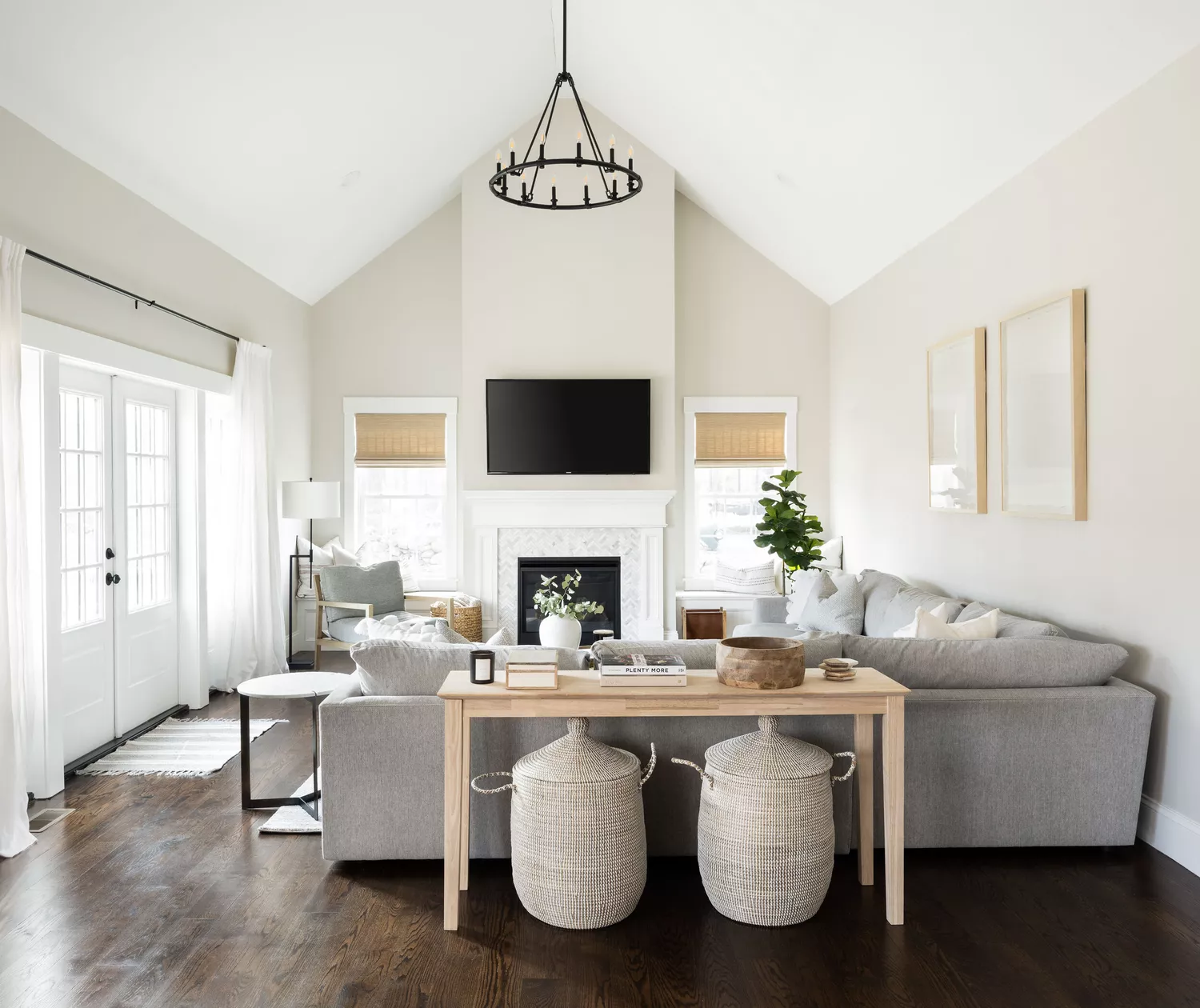
Designers Predict These 8 Minimalist Trends Will Be Everywhere This Year

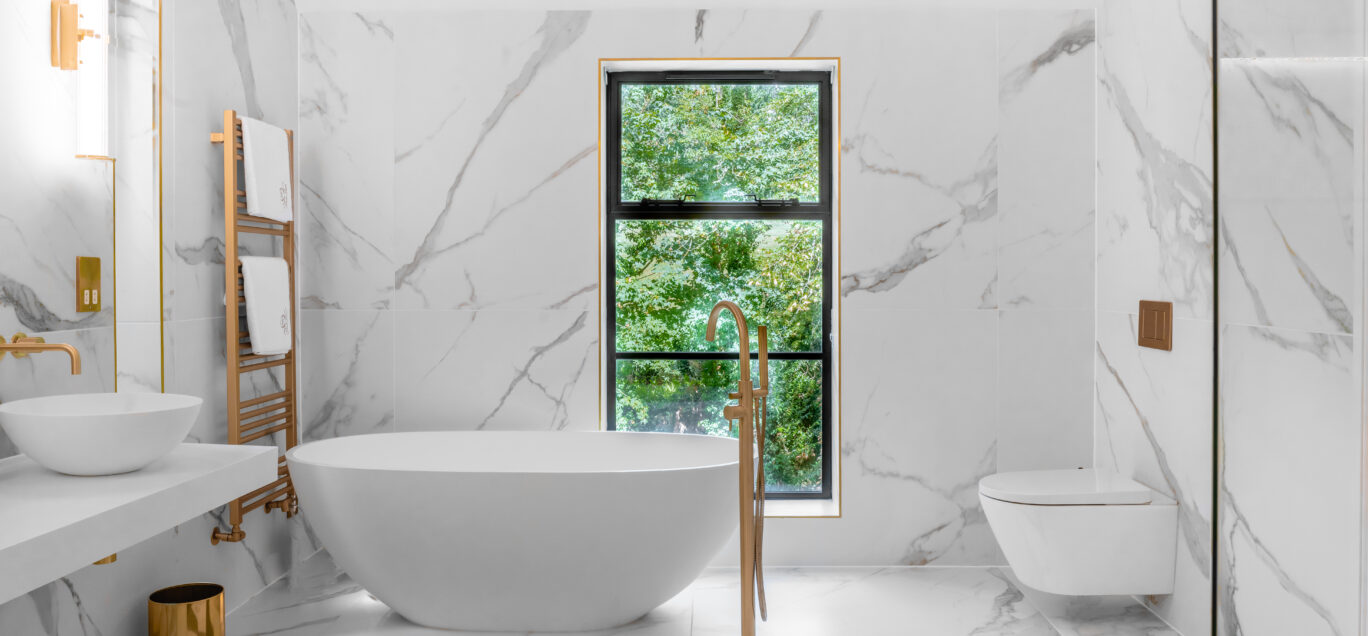
‘Hushed interiors’ explained: Experts discuss the new luxury minimalist trend

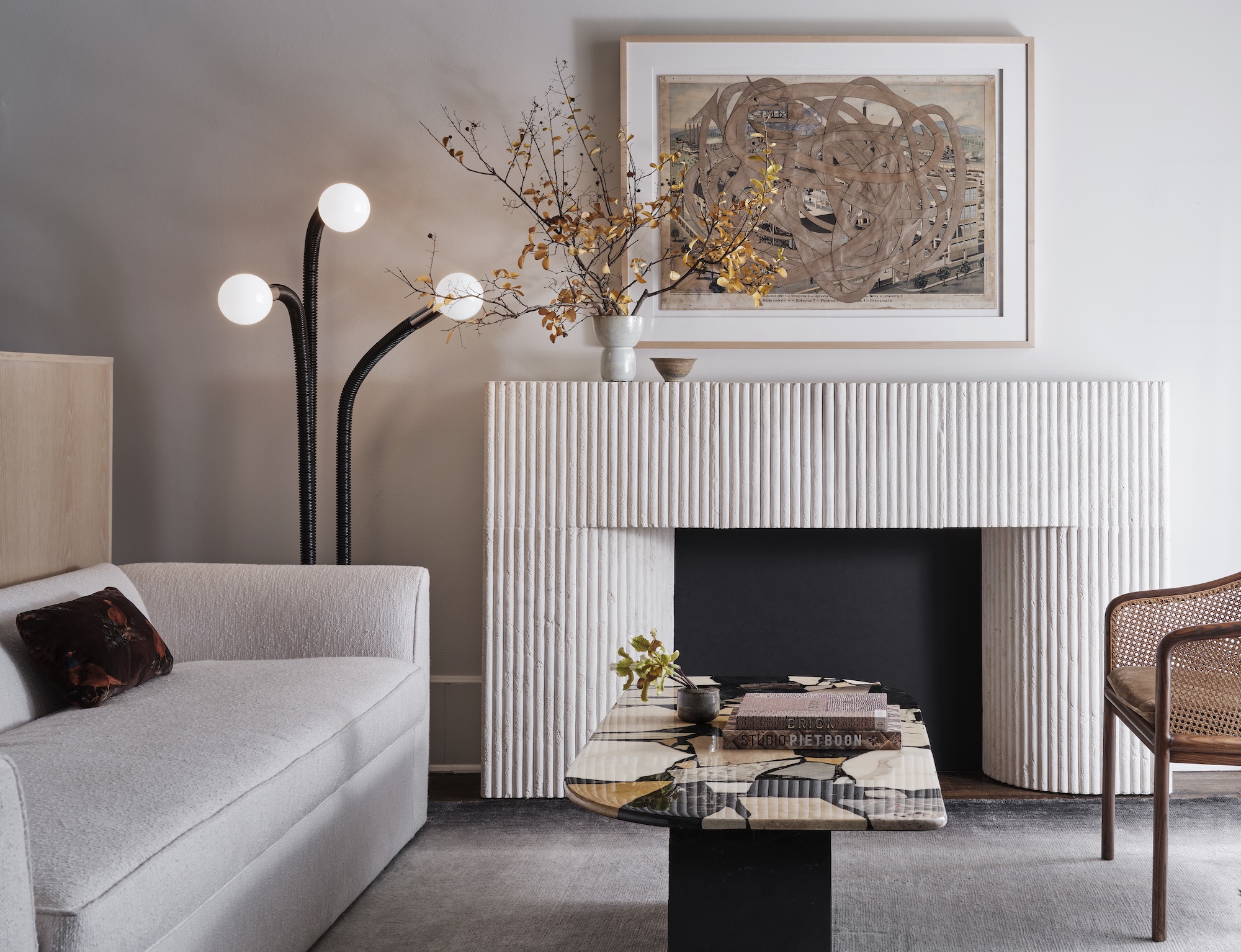
Designers are loving a new living room trend which makes even small spaces seem smart
Giles Kime: Cushions, rugs, upholstered stools and sofa blankets are the ingredients of a pleasing new trend
These Designer Living Rooms Prove That Minimalism Will Always Be in Style

Designers Are Ditching the "Rule of Threes" for THESE Genius Styling Alternatives

The Verdict Is In: Refined Layering Will Be Everywhere in 2026

Is your home feeling lifeless? 5 layering hacks to make the interiors warm and inviting | Hindustan Times
The 2025 Interior Design Fabric Trend That's A Maximalist's Dream
Interior Design Tips: The Dos and Don’ts of Layering

10 minimalist decor ideas – learn how to embrace minimalism while still having a home filled with character
Designer tricks for a cozy, layered look this fall
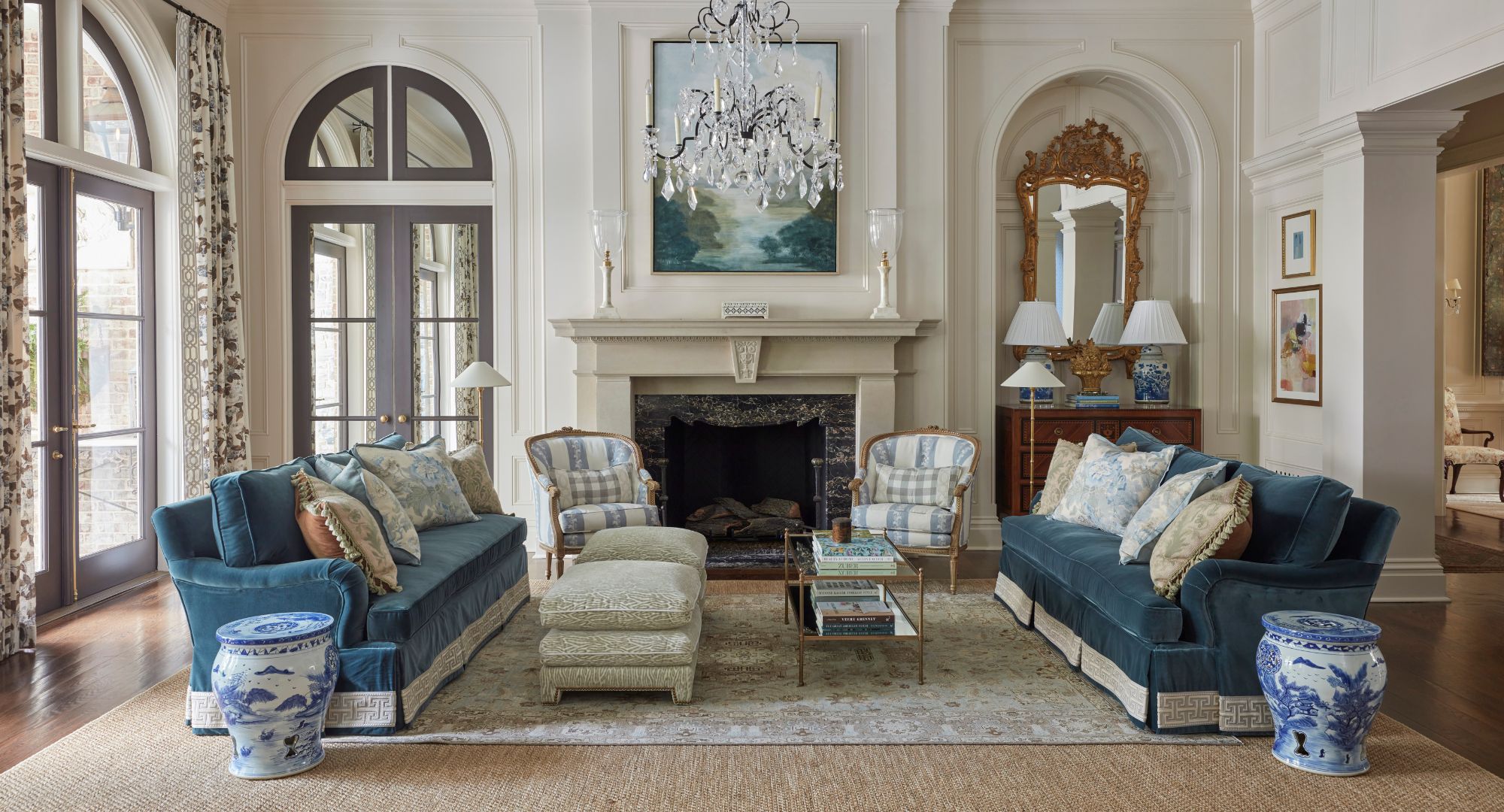
Discover The Art of Layering Rugs Like an Interior Designer
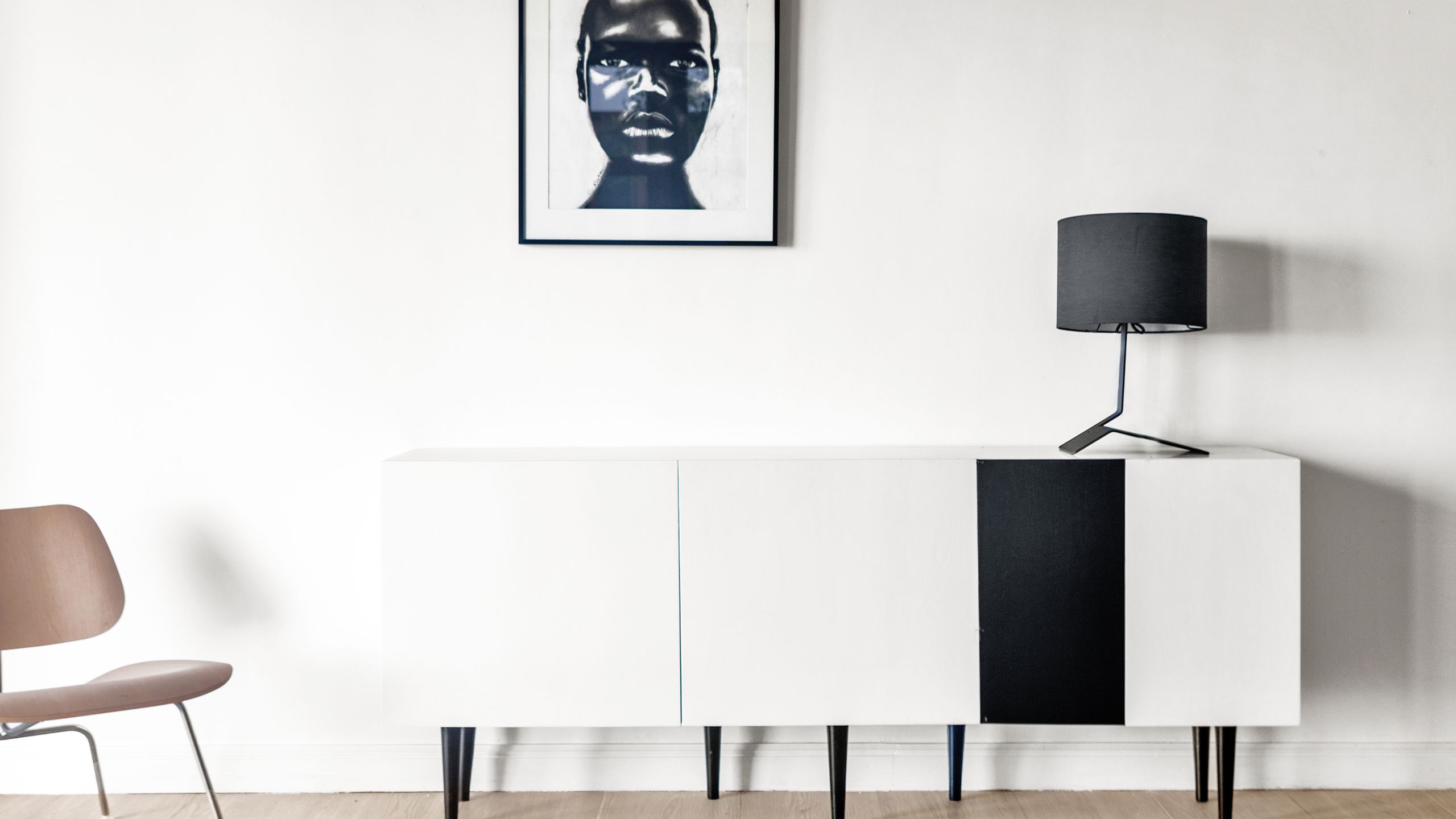
Minimalist Interior Design: Everything You Need to Know About This Intentional and Pared-Down Style

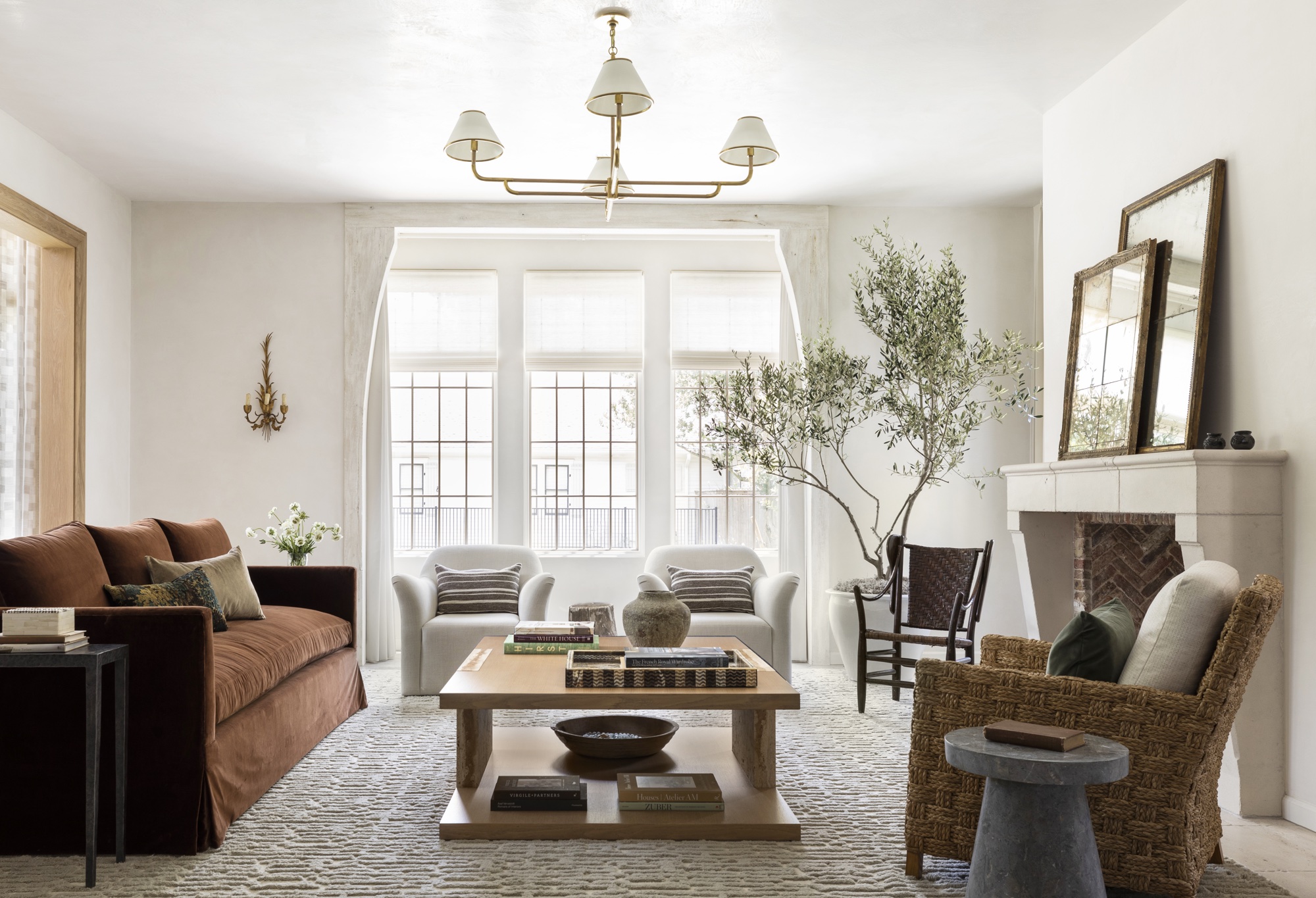
Designers agree on the perfect minimalist color palette - 'beautiful, pared-back, very curated'
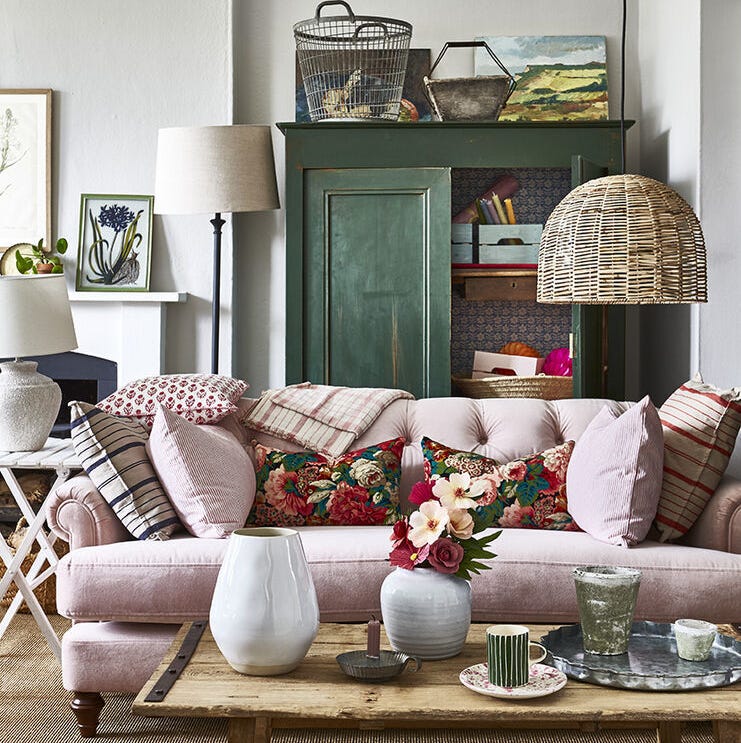
‘Lamp layering’ is the secret trick designers use to elevate their interiors
Eclectic Minimalism Is The Trend That Brings Together The Best Of Both Worlds