1/11
10 minimalist decor ideas – learn how to embrace minimalism while still having a home filled with character
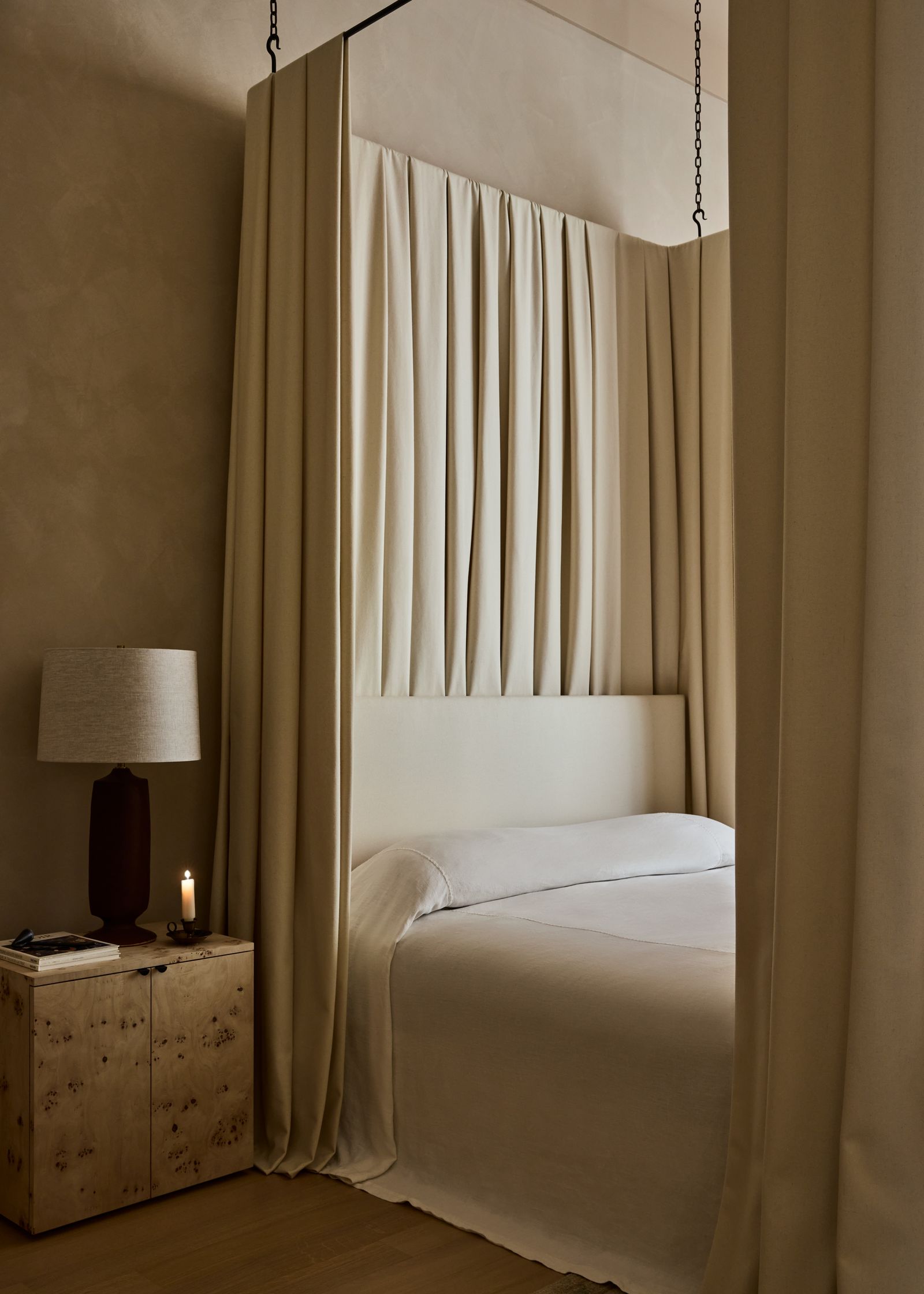
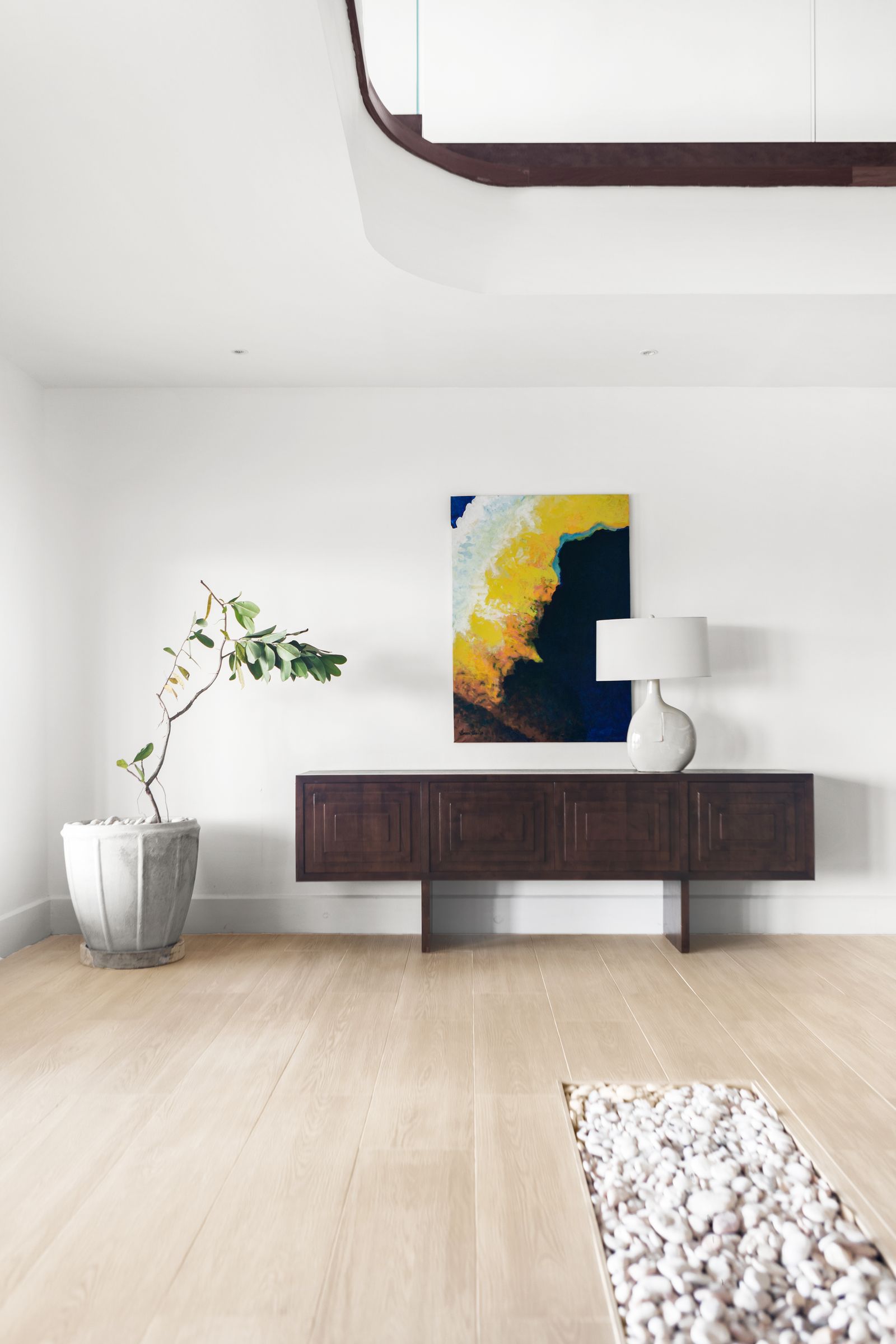
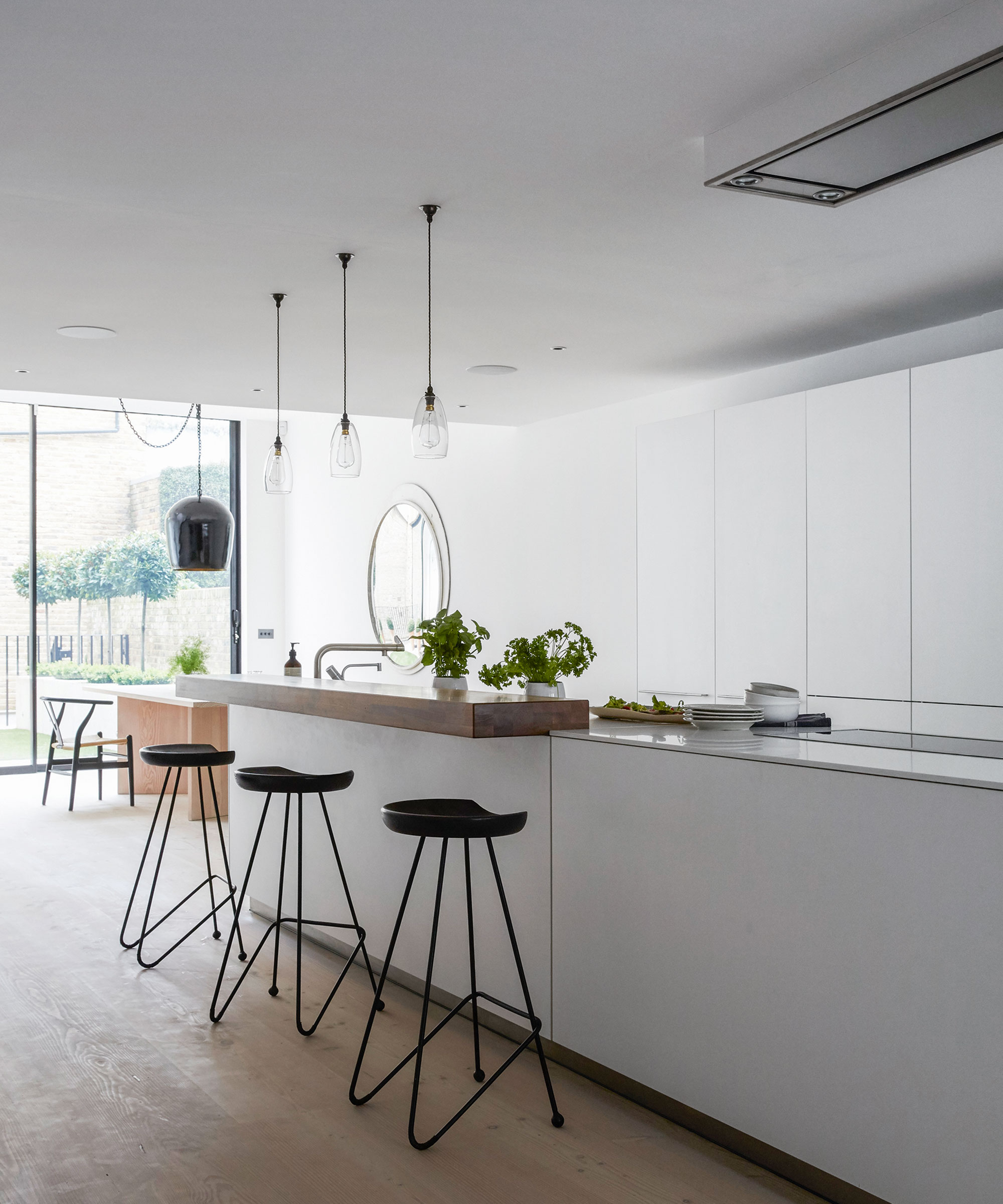
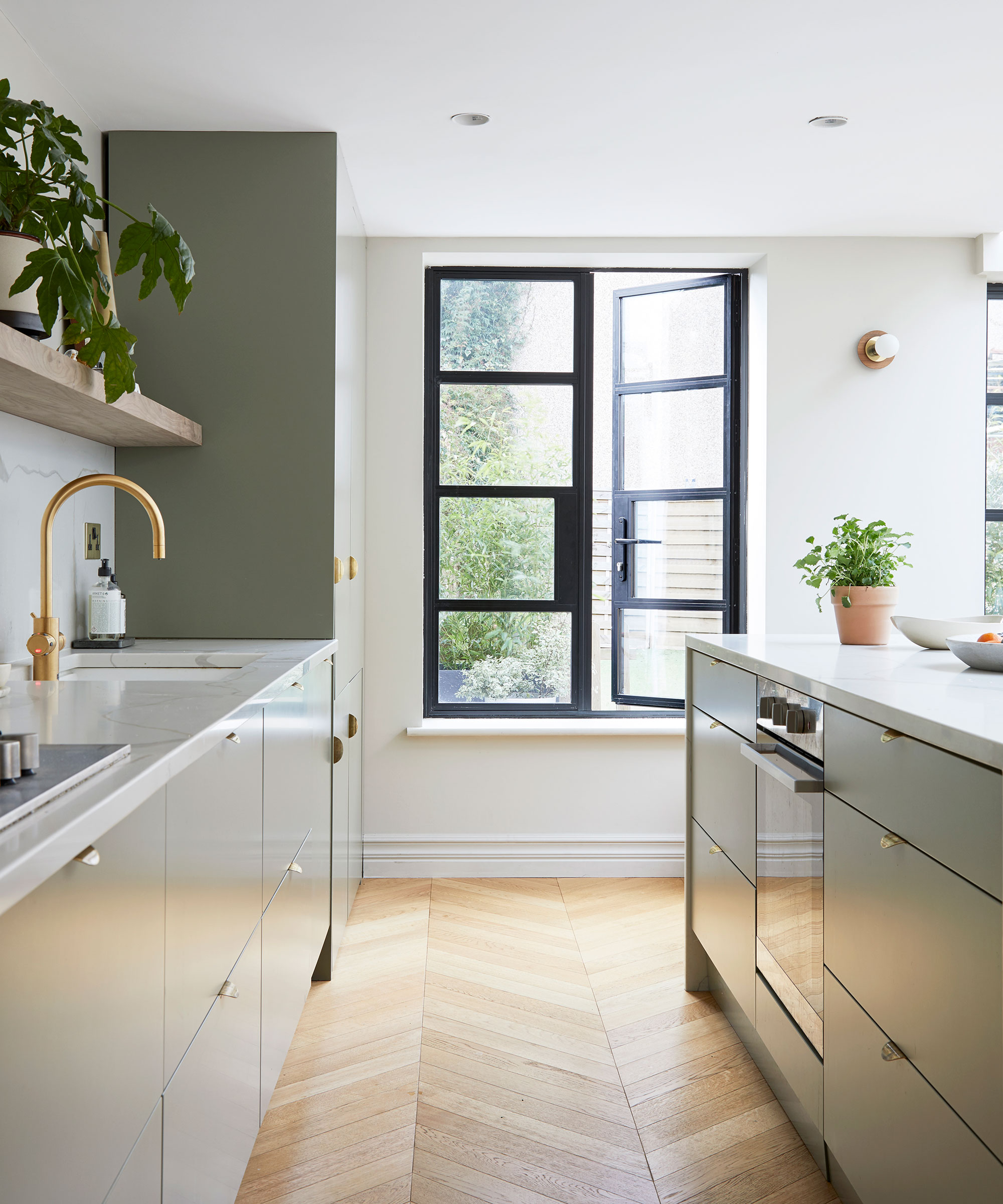
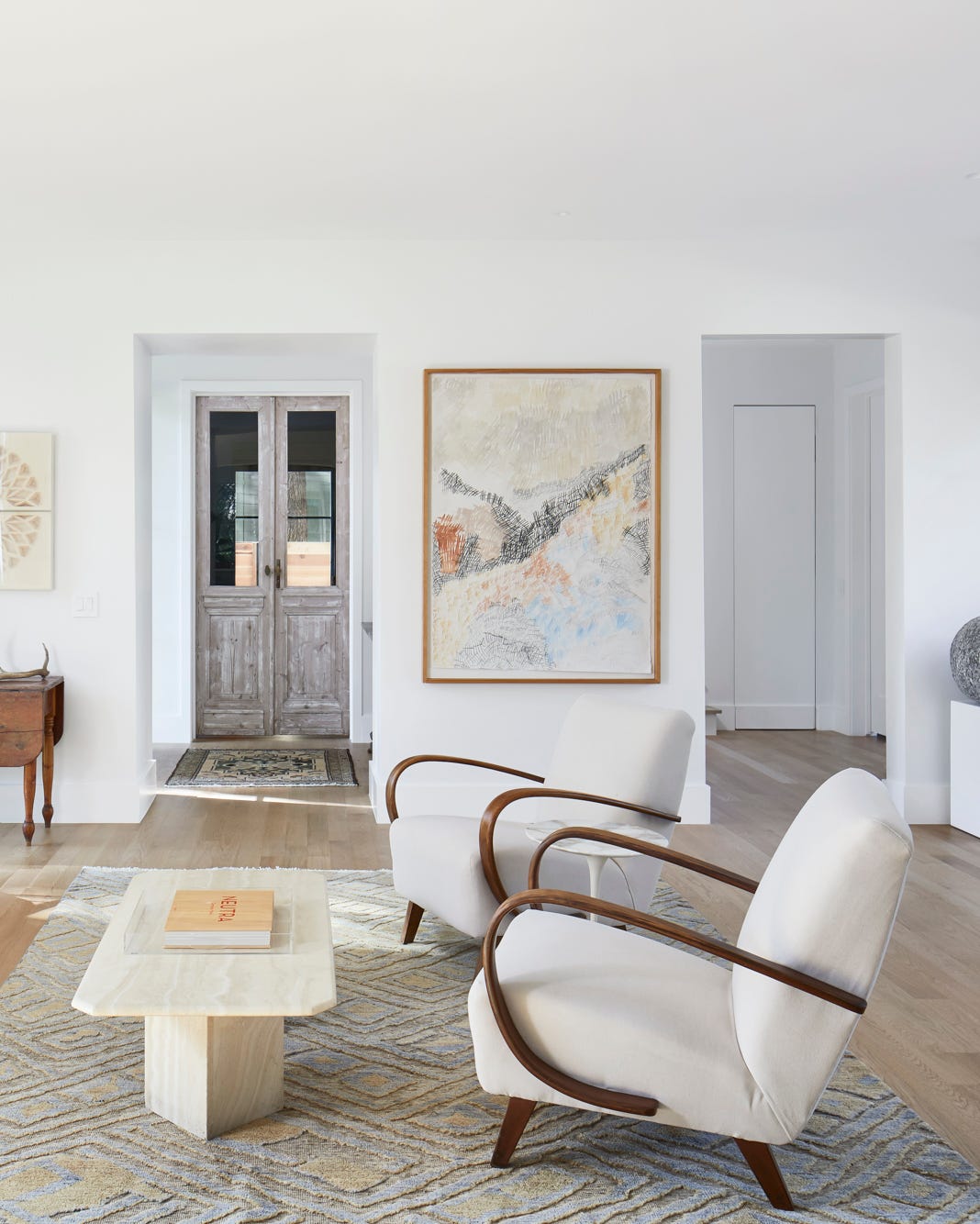
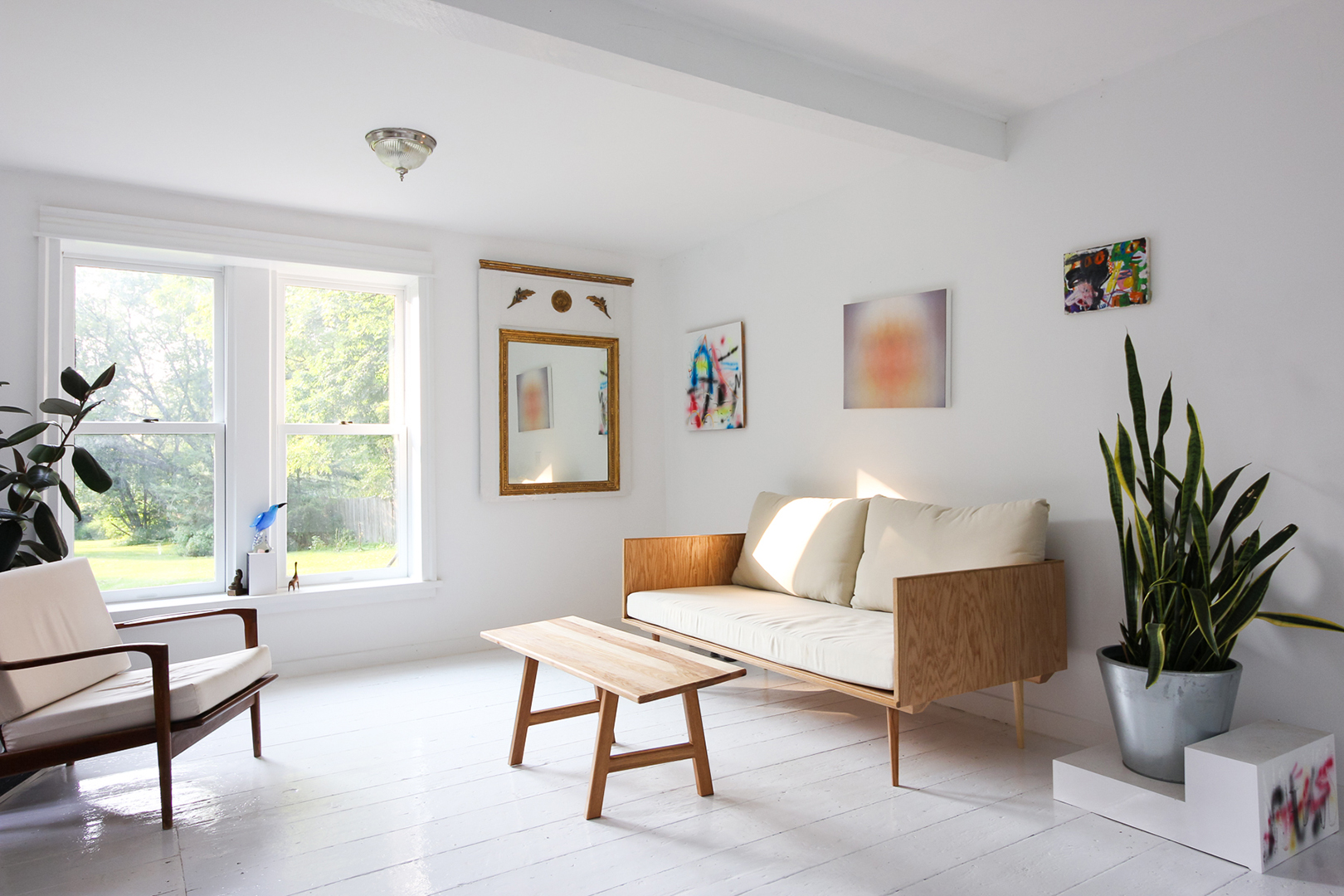
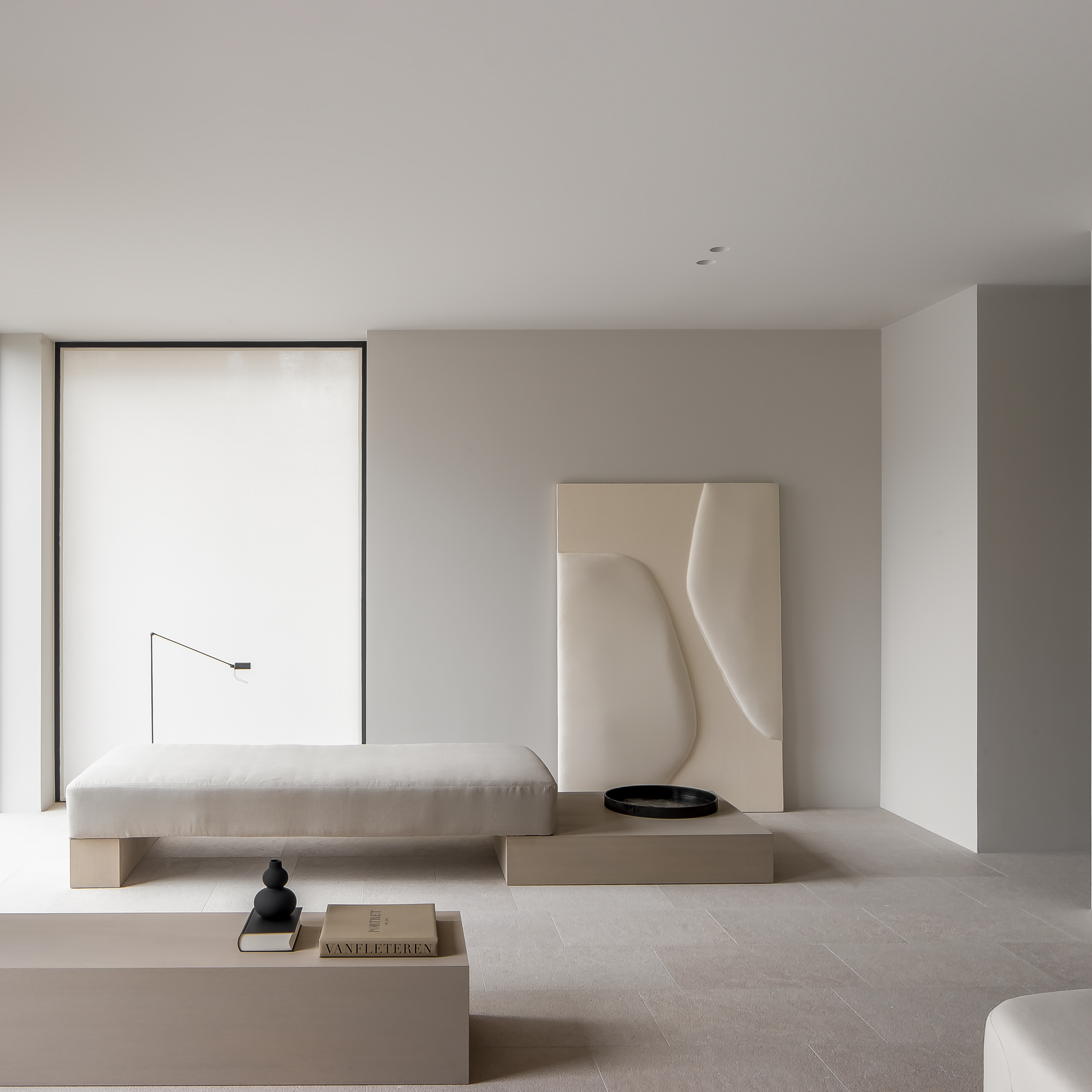
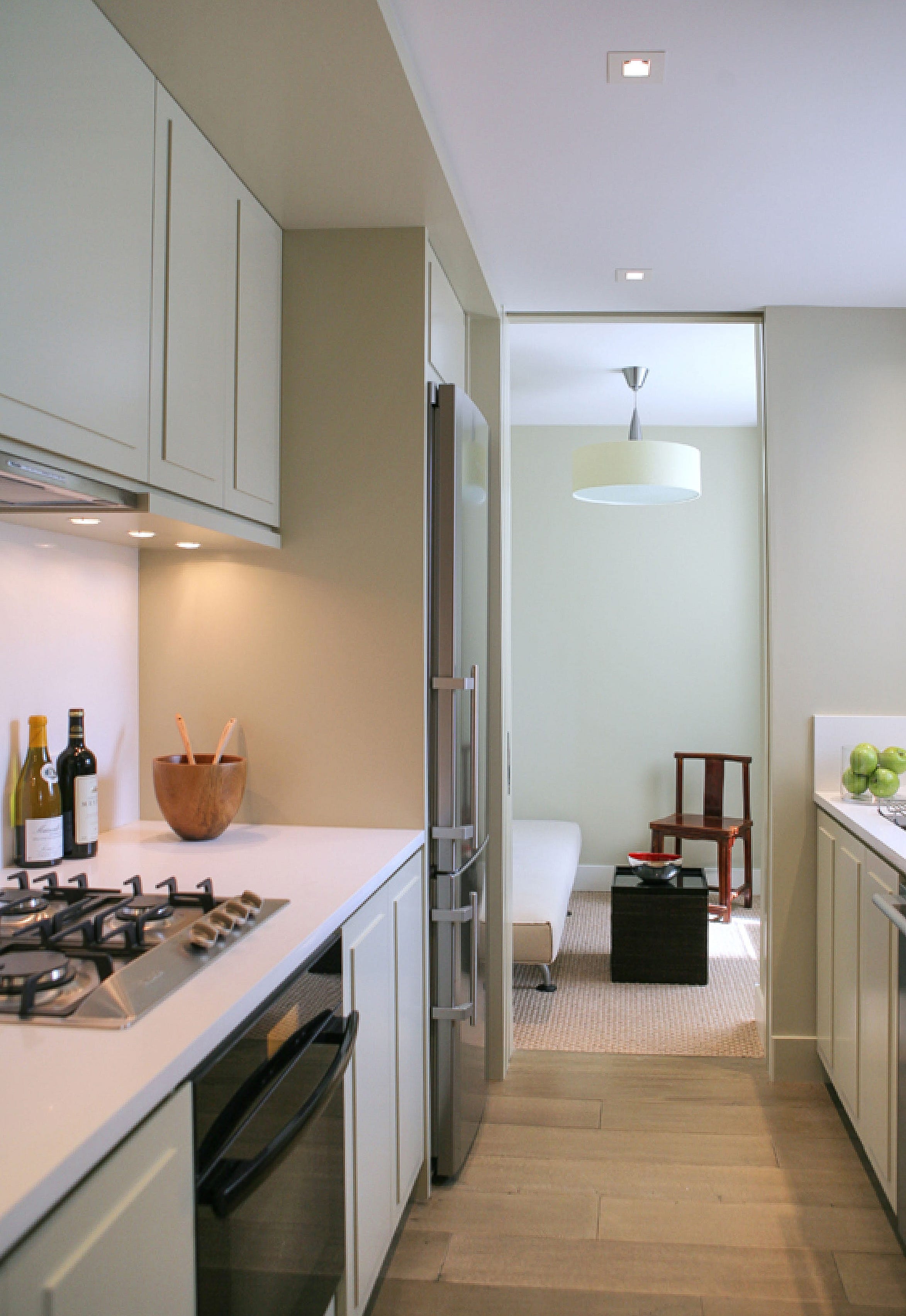
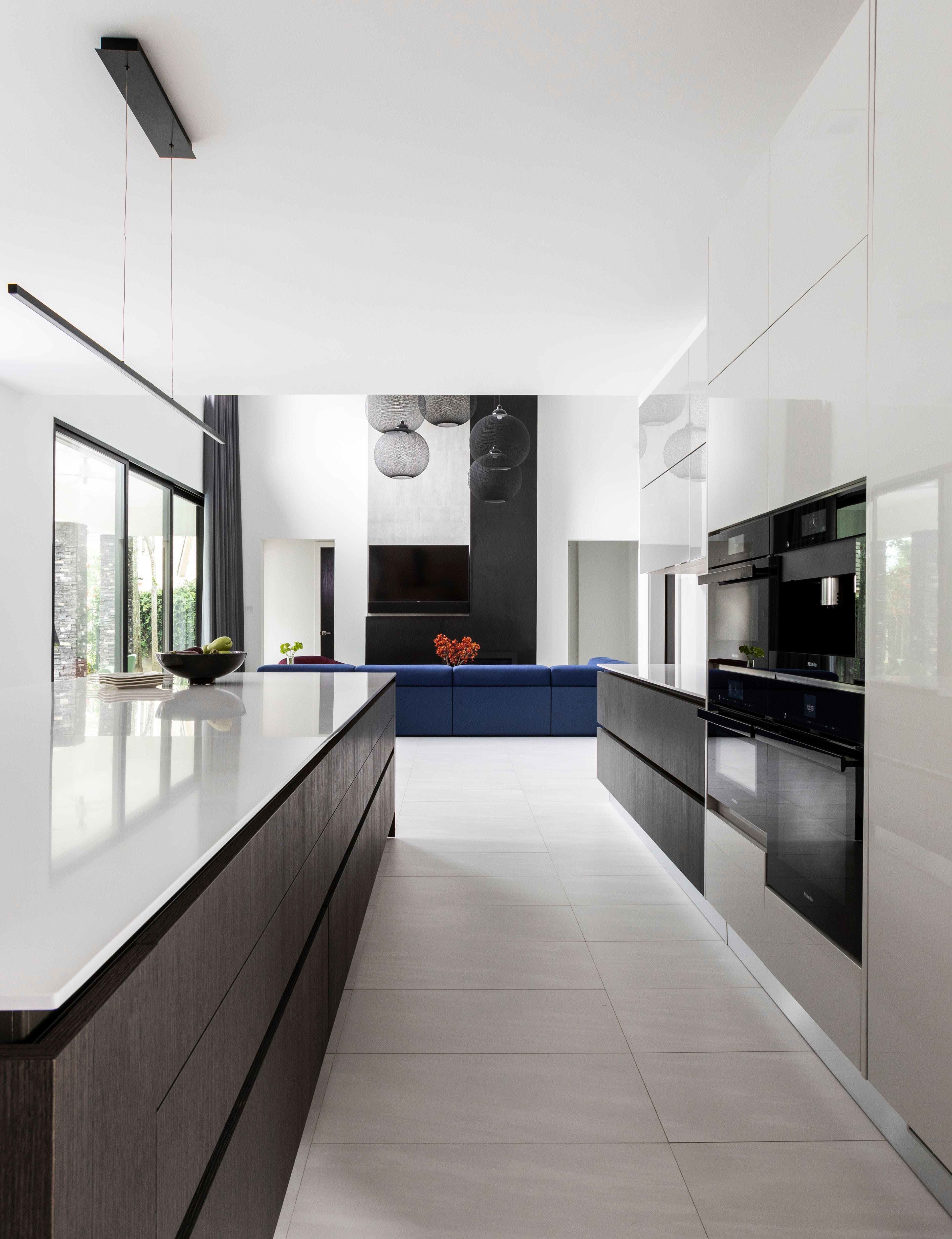
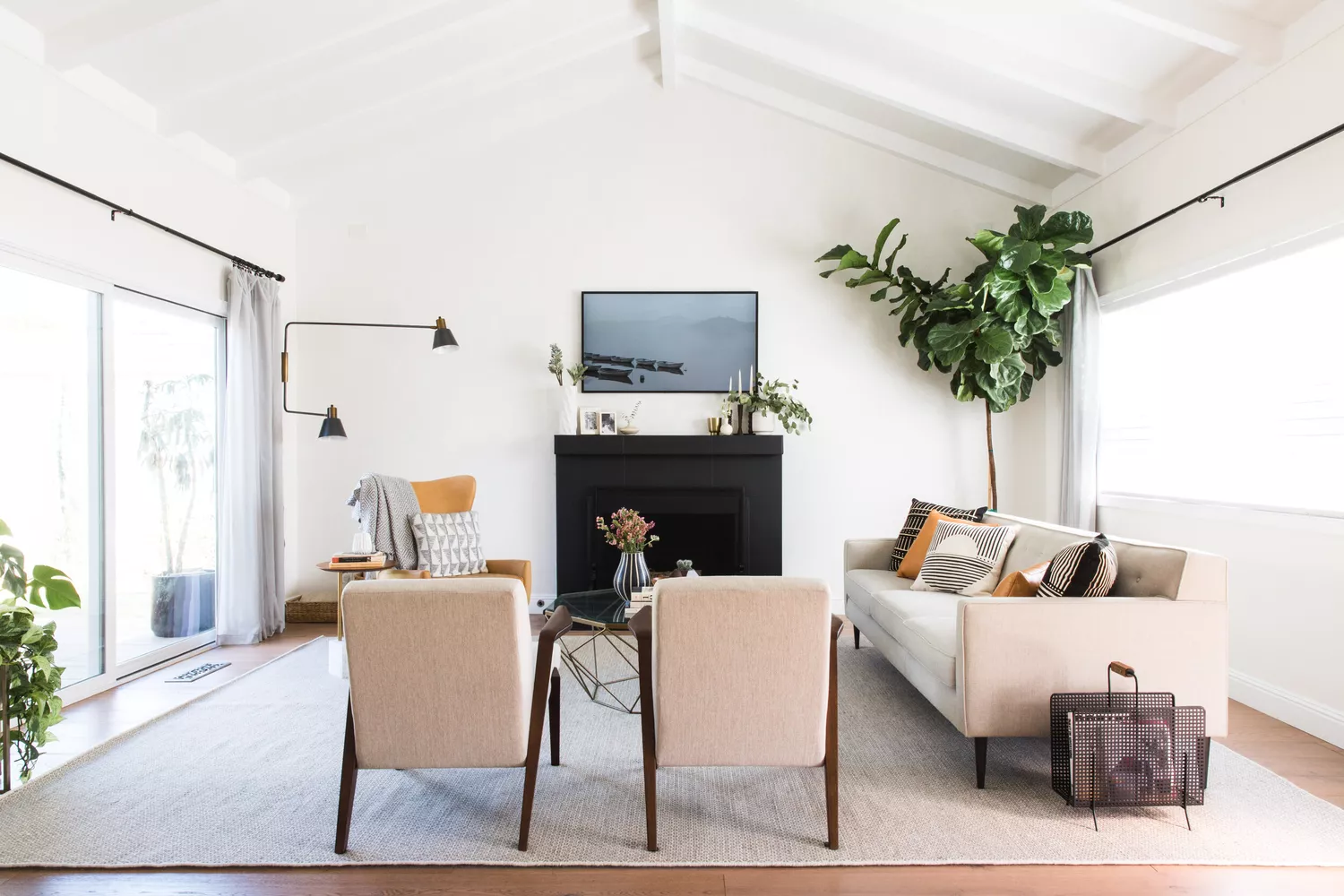
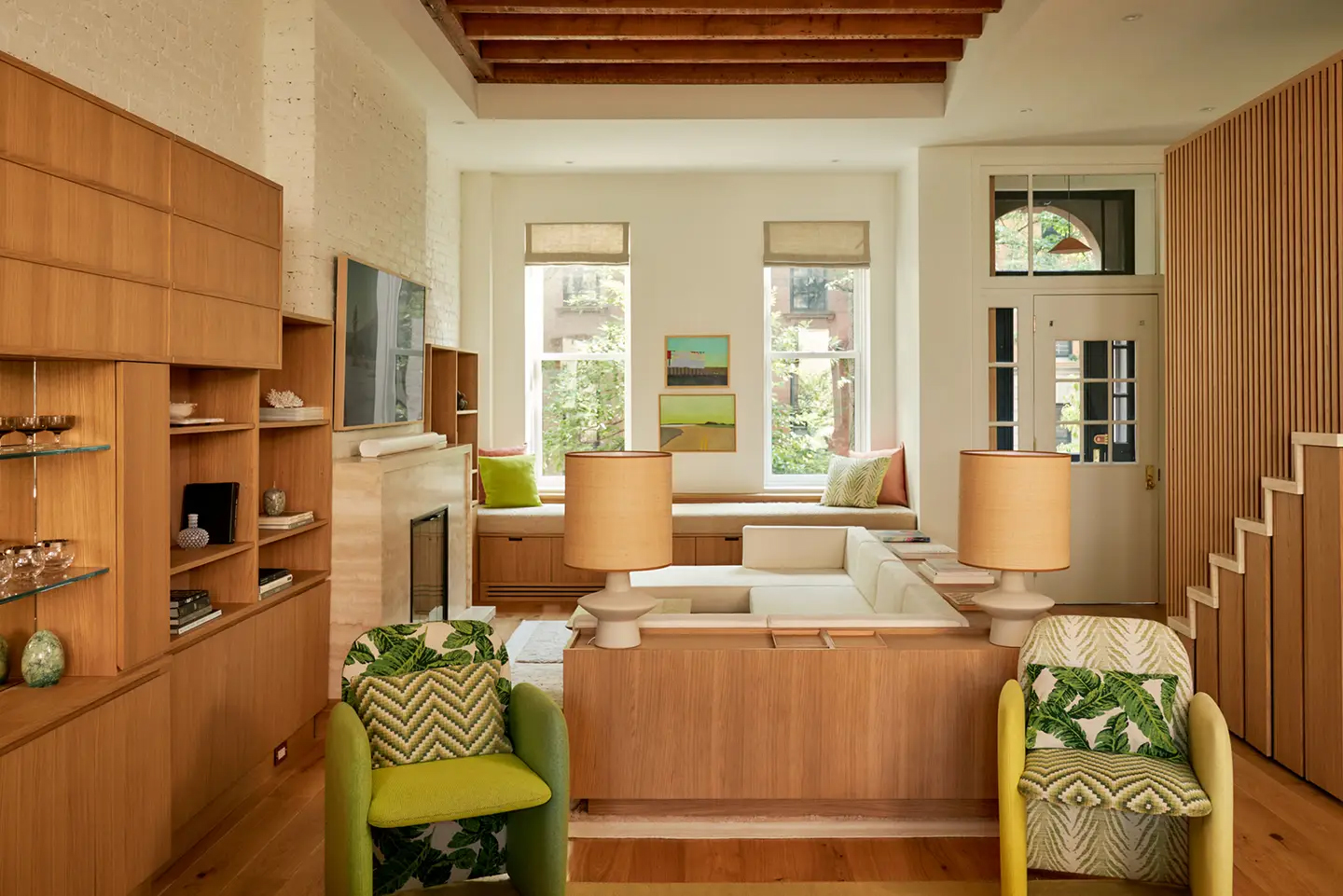
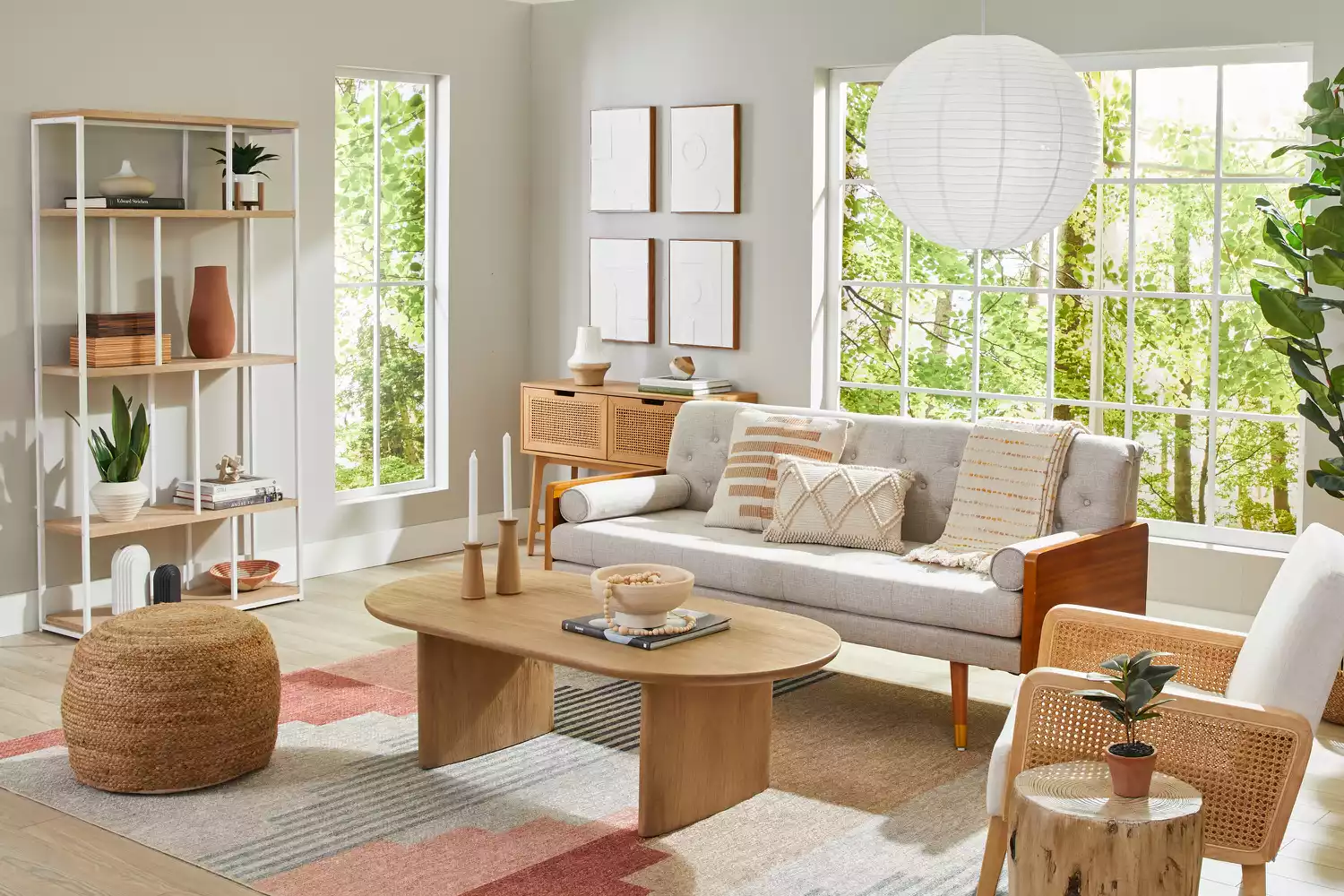
Minimalism is an interior design style often associated with being cold, stark, and clinical, but it can be warm and welcoming through careful curation and intentional design choices. This approach emphasizes quality over quantity, focusing on balance and precision rather than clutter. Drawing inspiration from midcentury modern and Scandinavian styles, minimalist interiors can achieve sophistication and serenity without sacrificing personality. Interior designers advocate for several key strategies to achieve this balance.
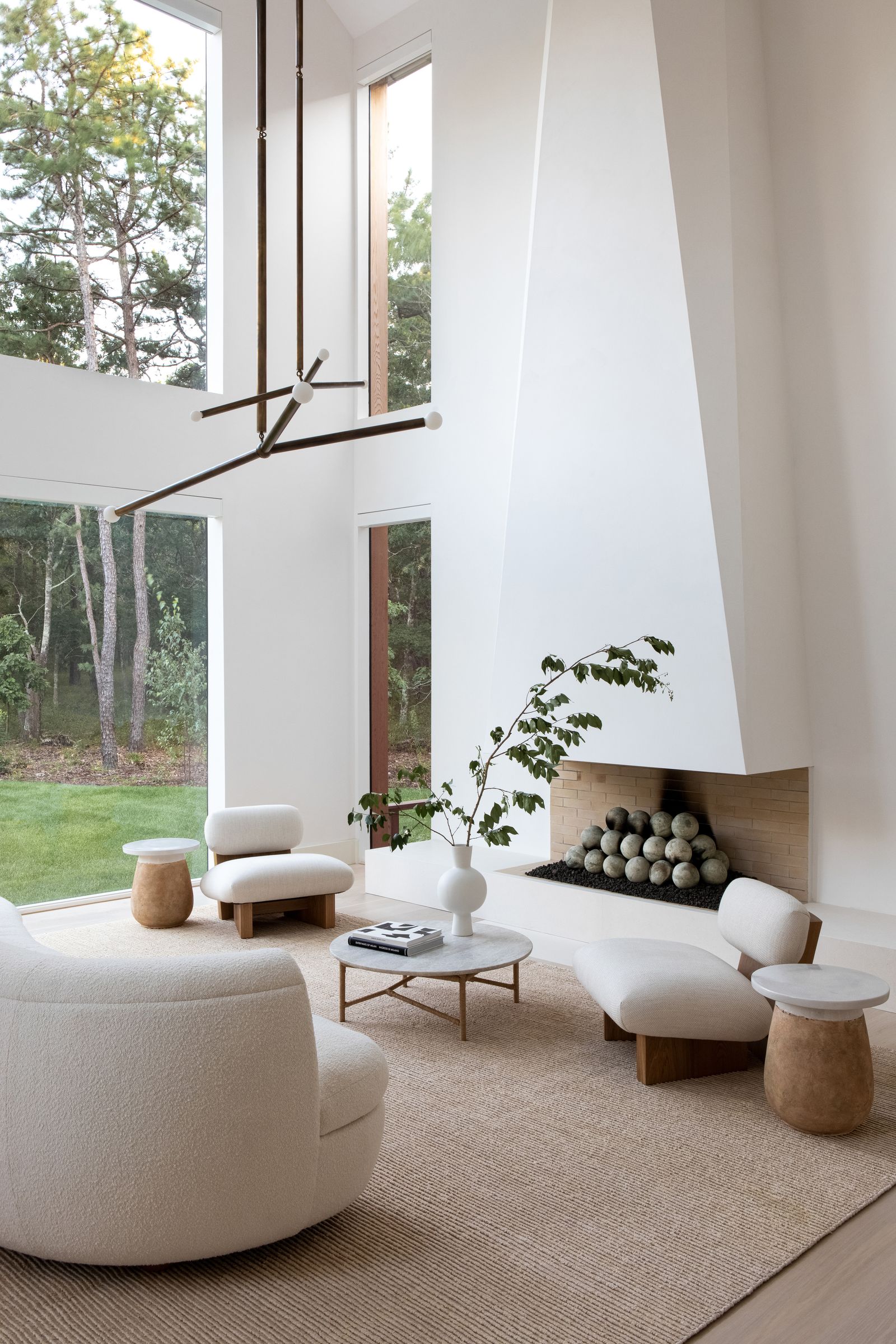
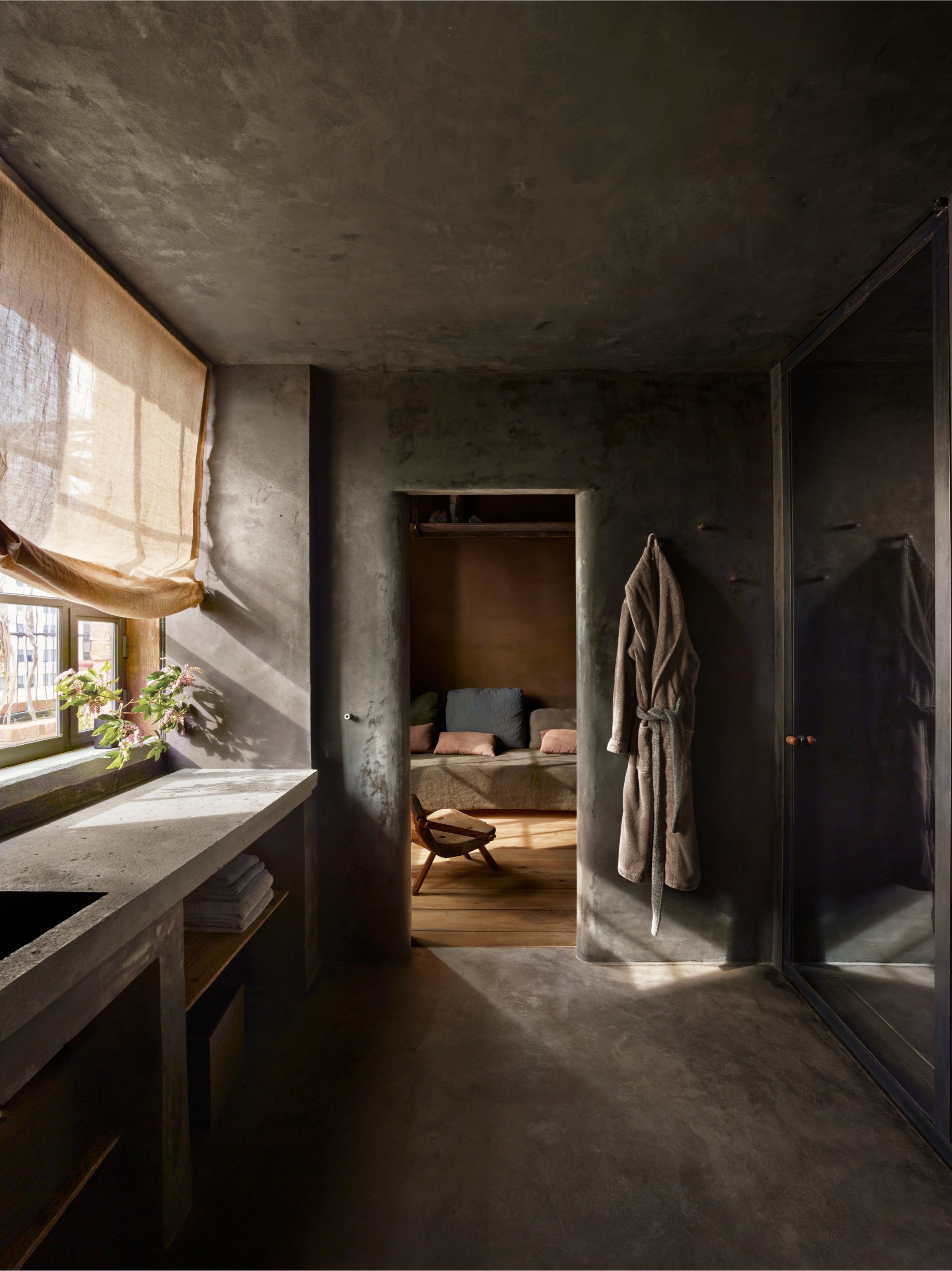
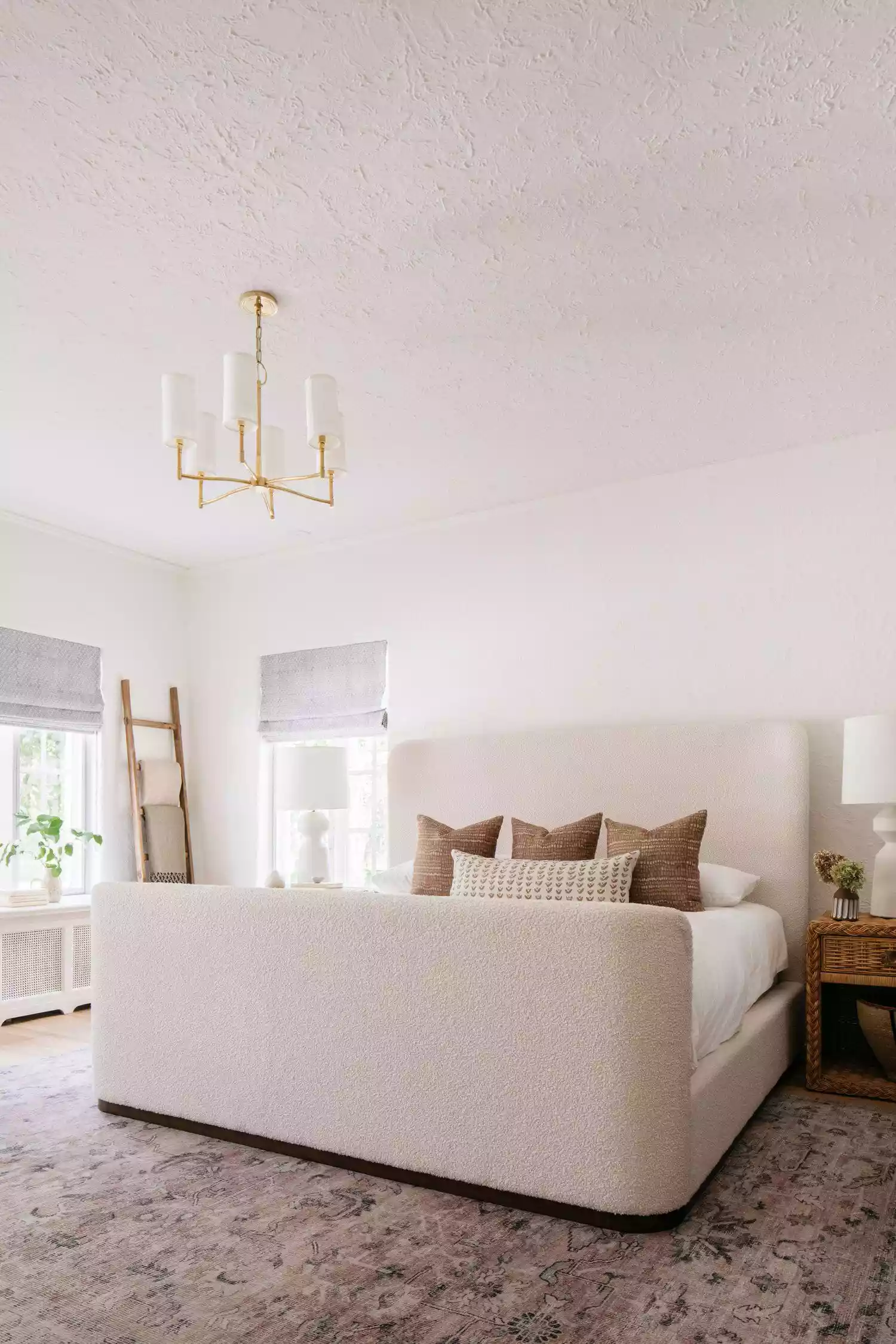
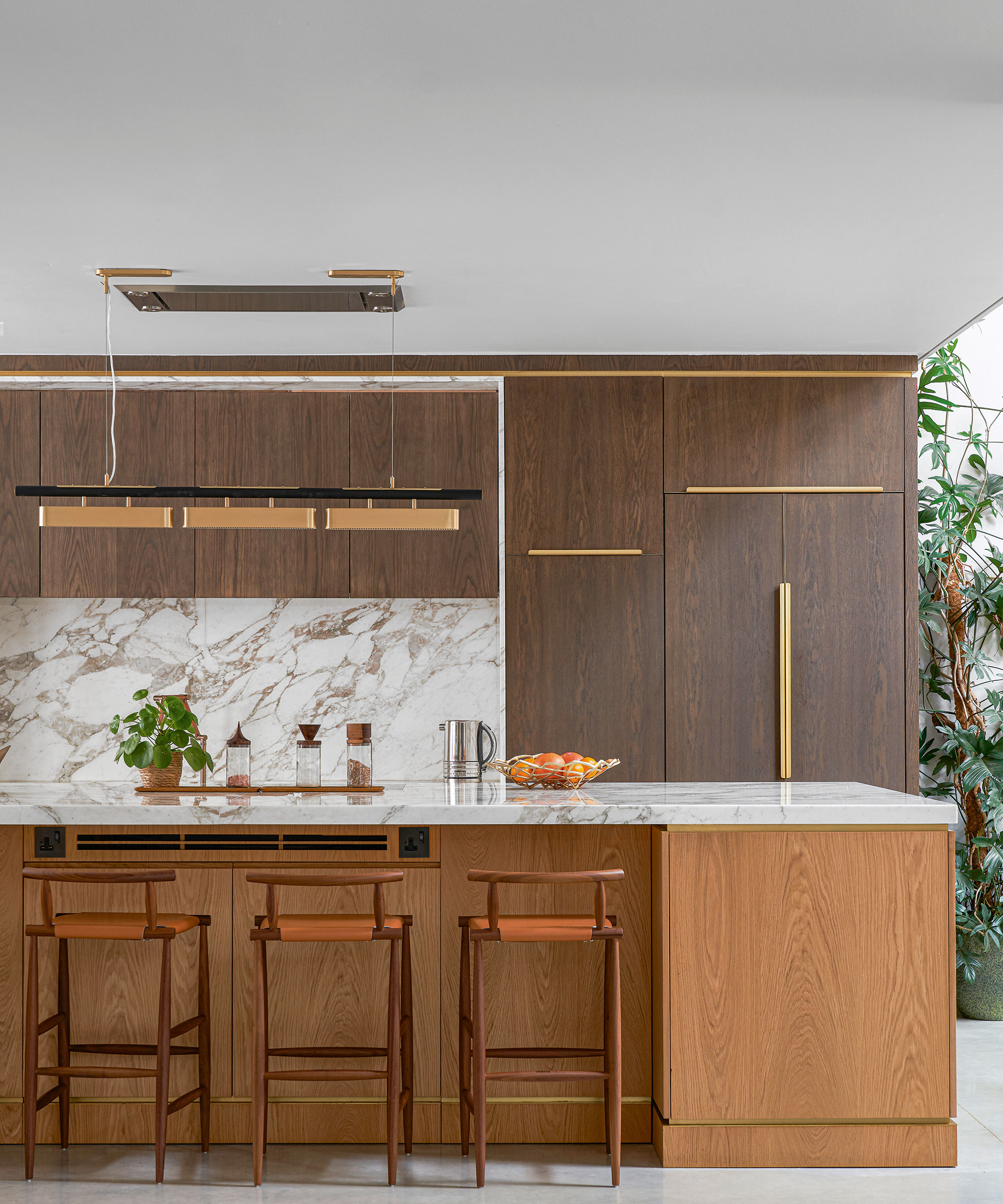
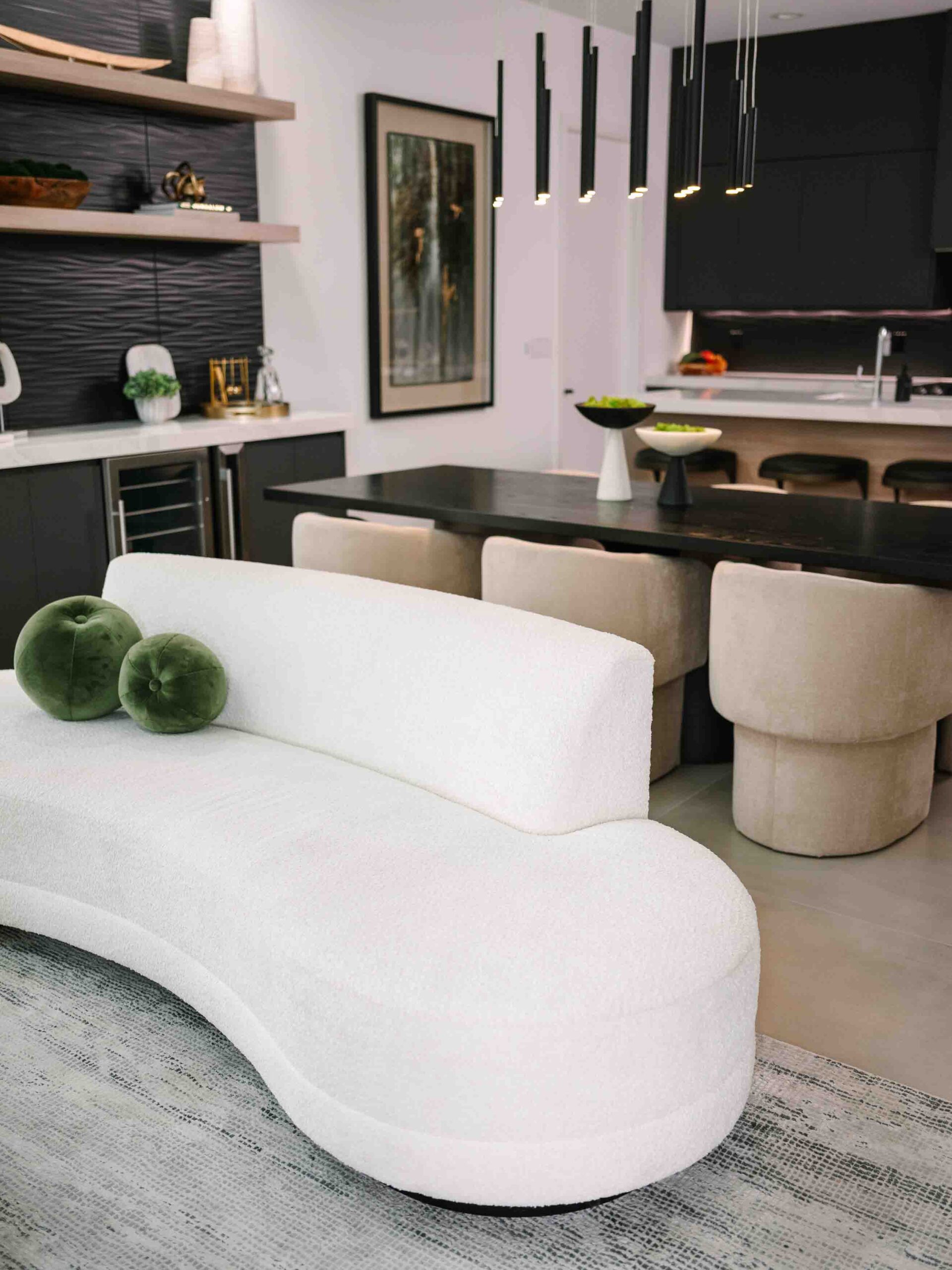
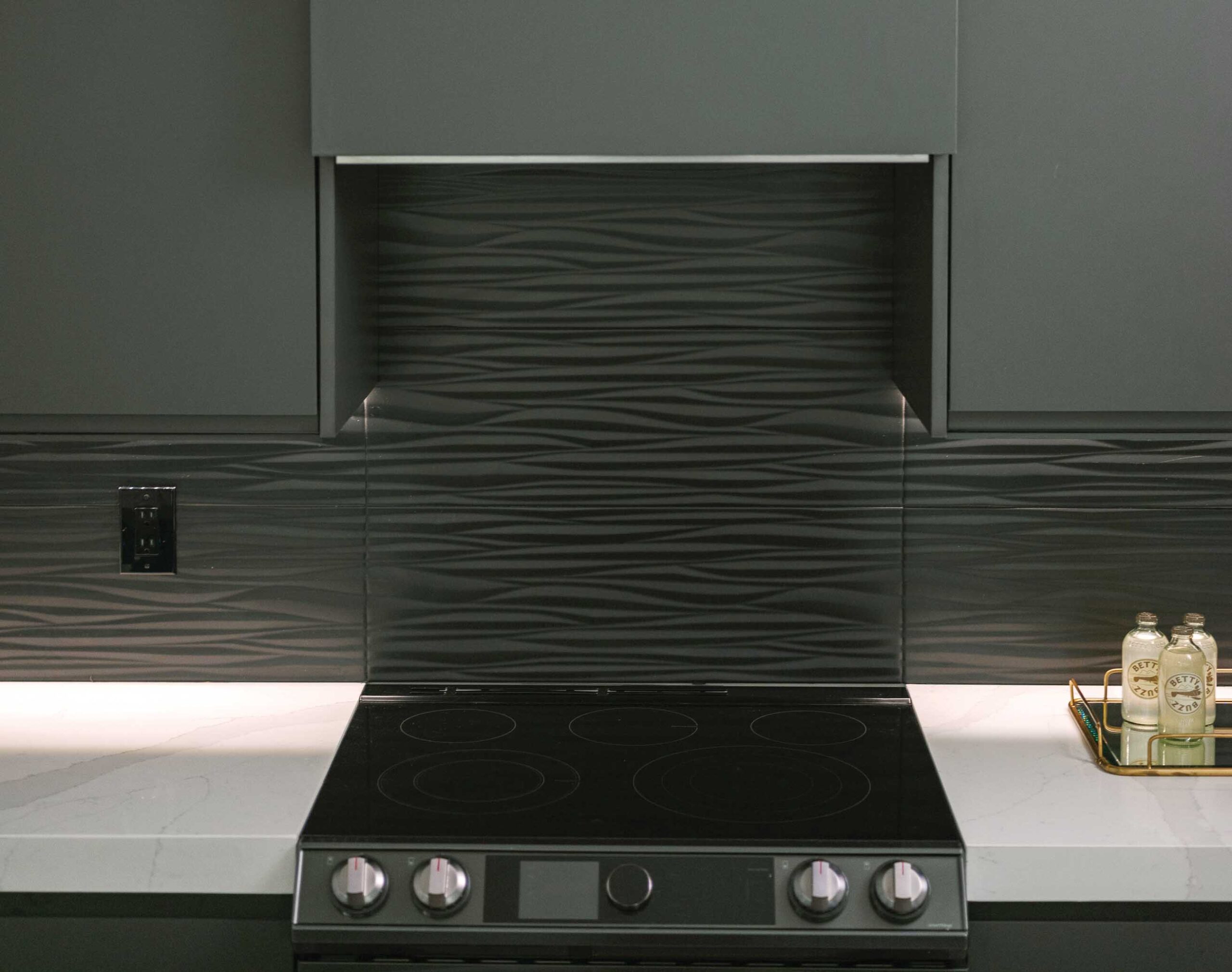
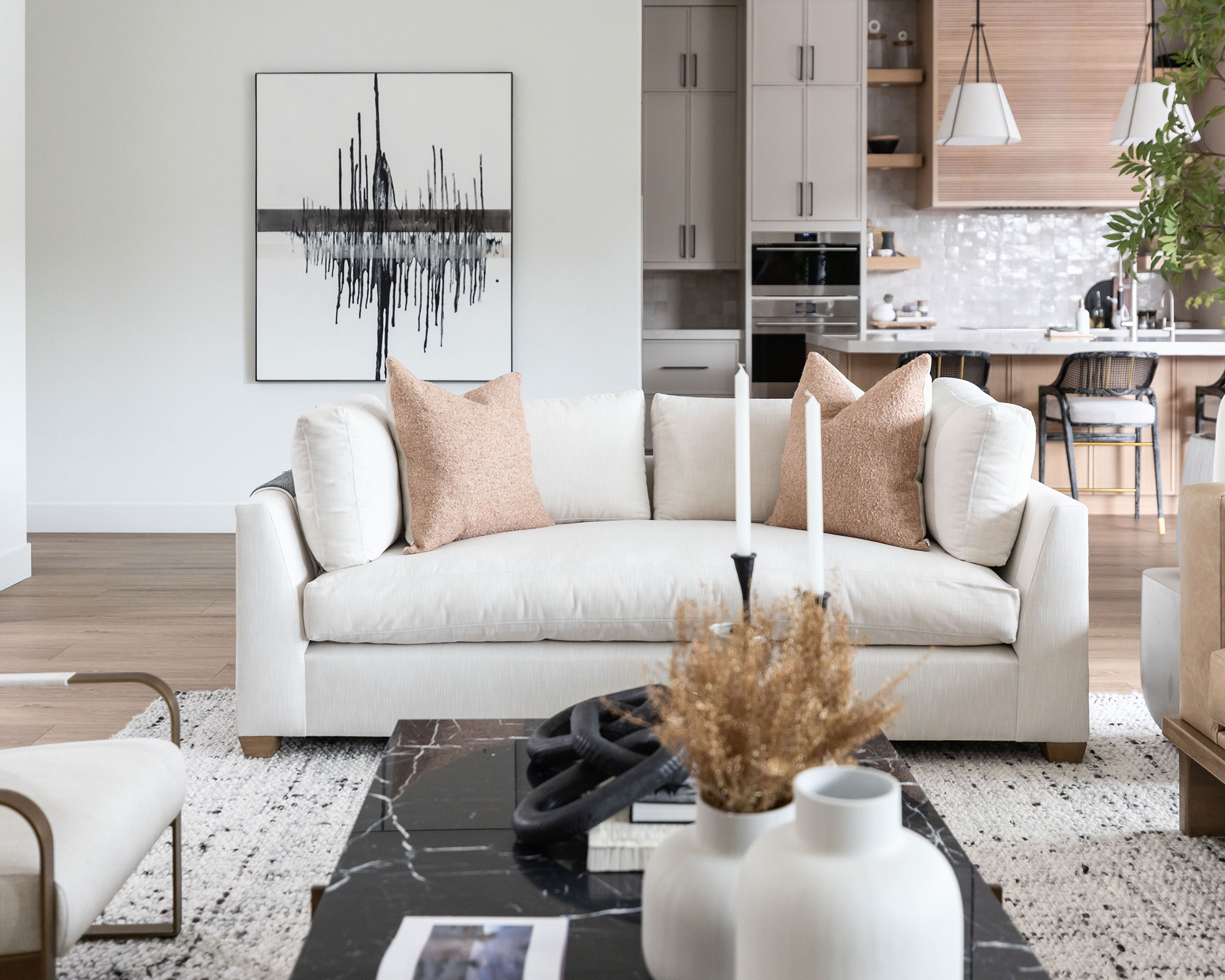
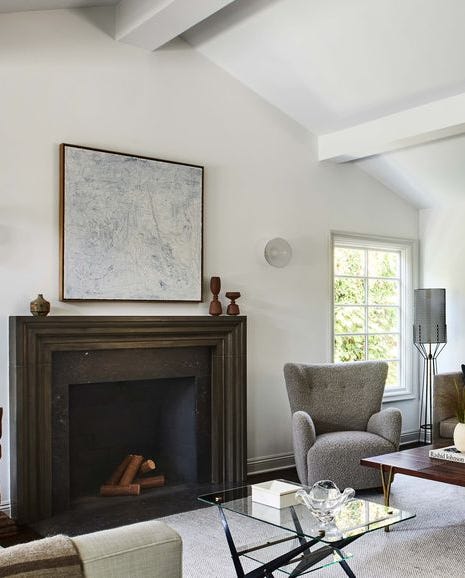
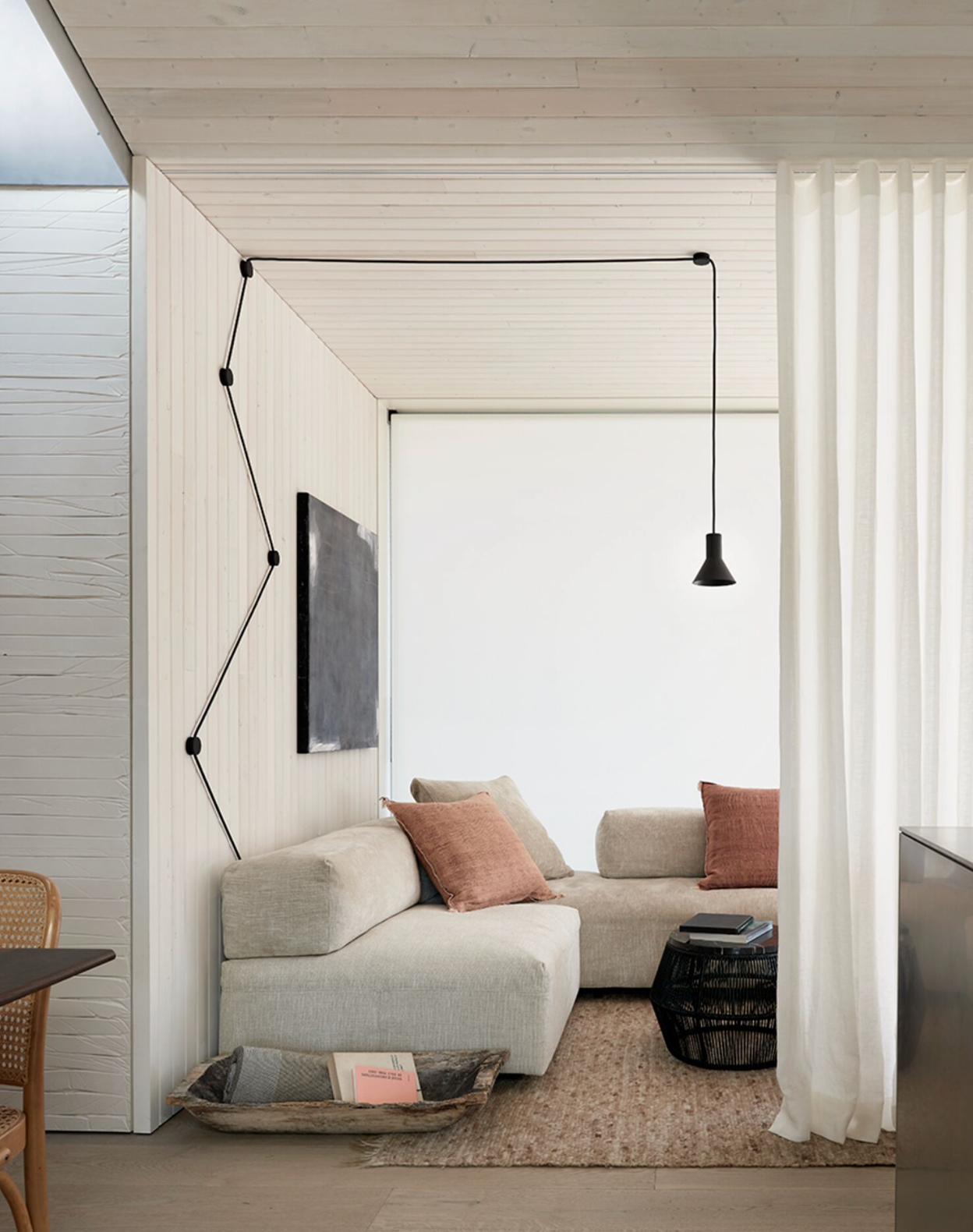
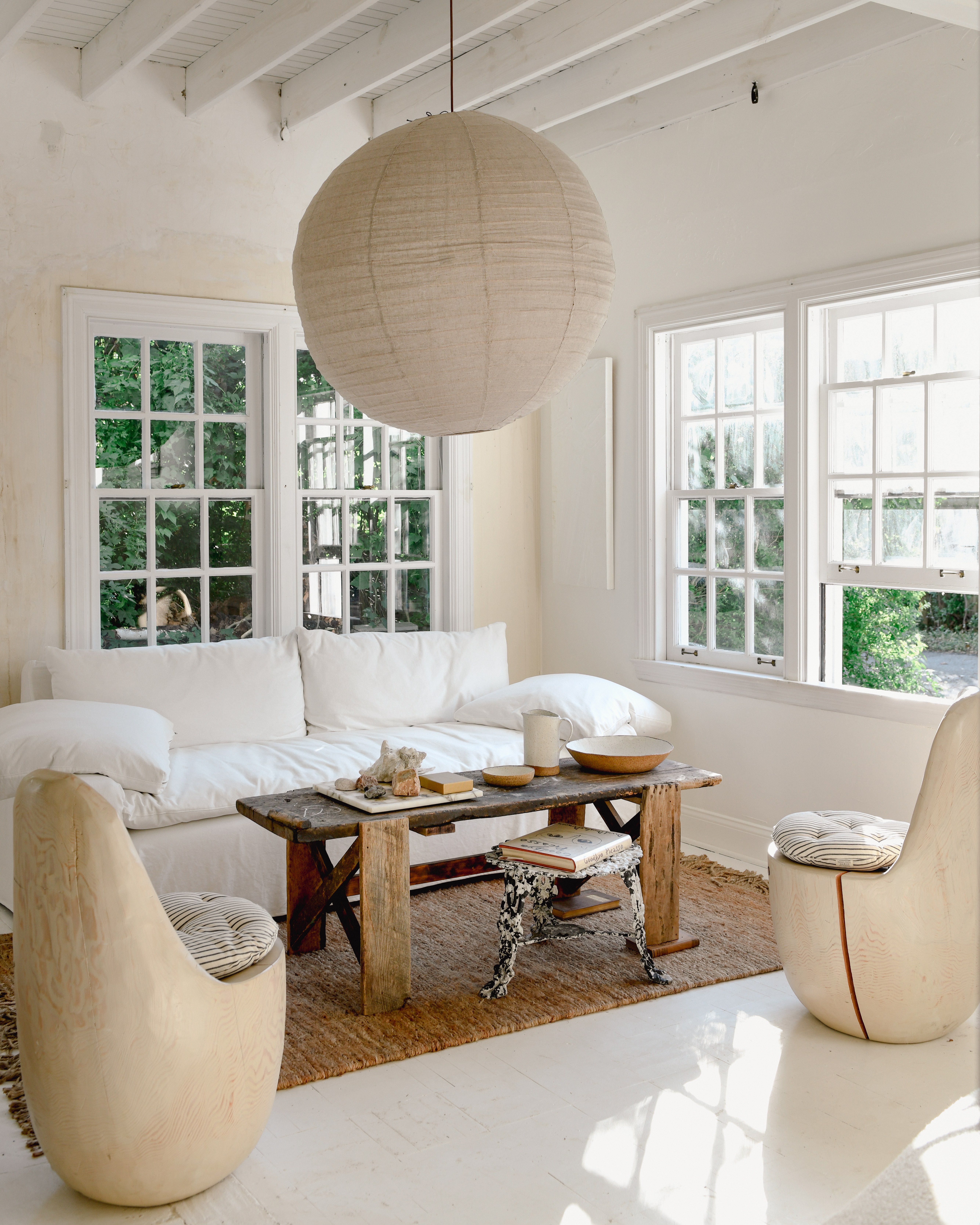
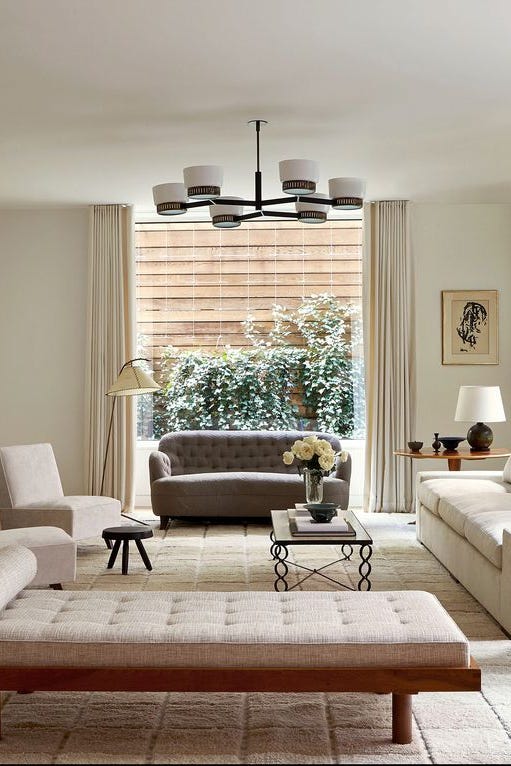
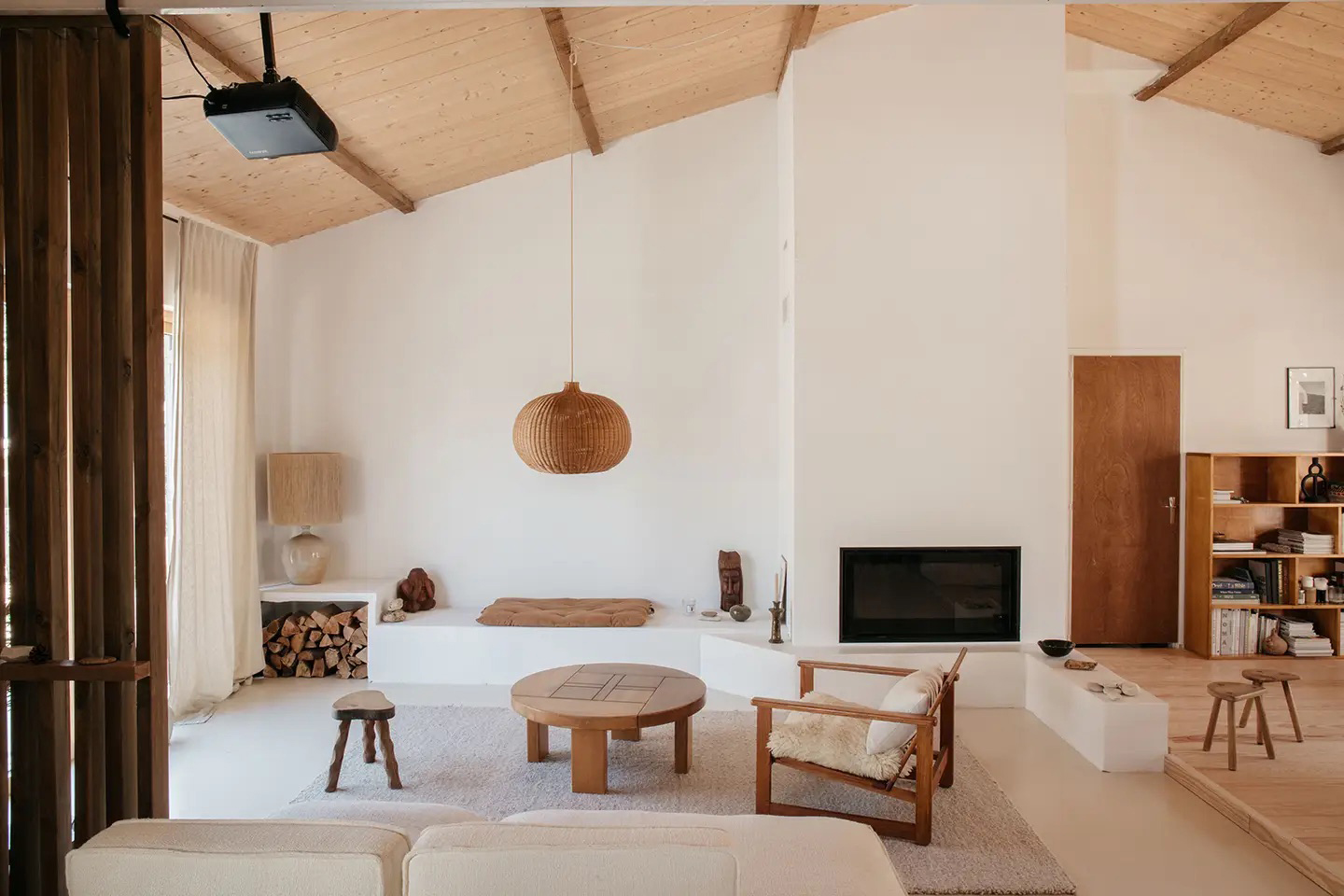
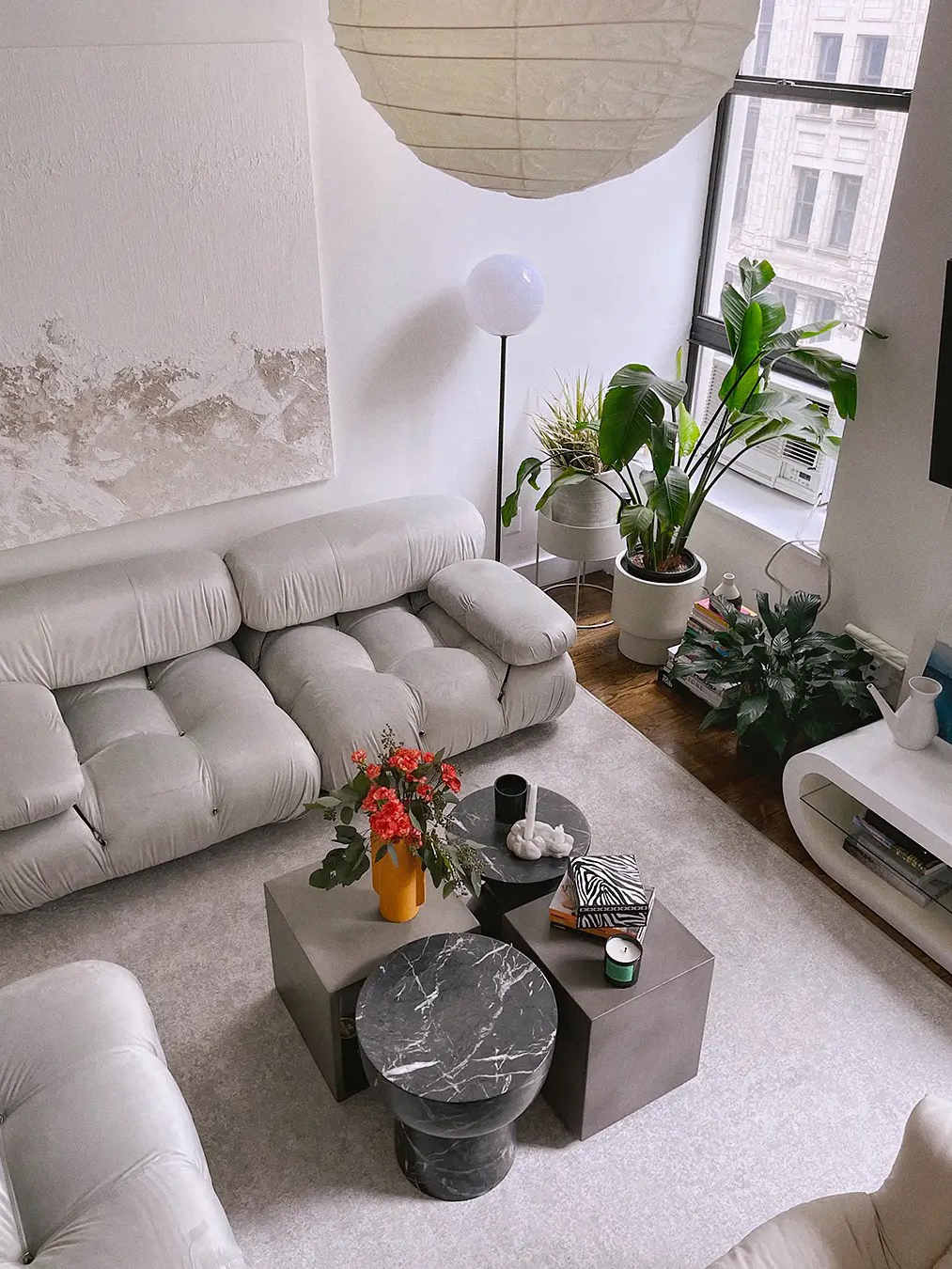
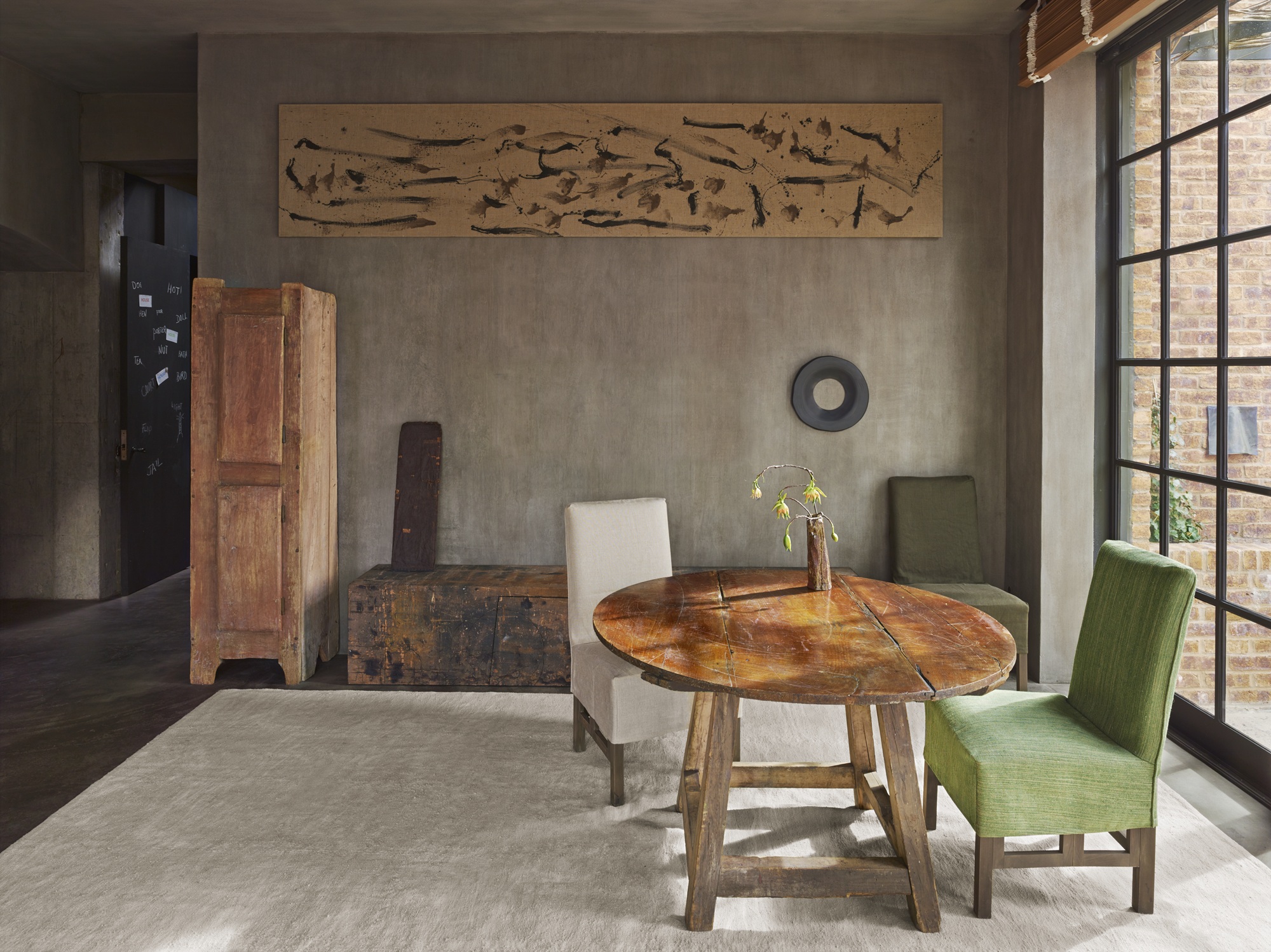
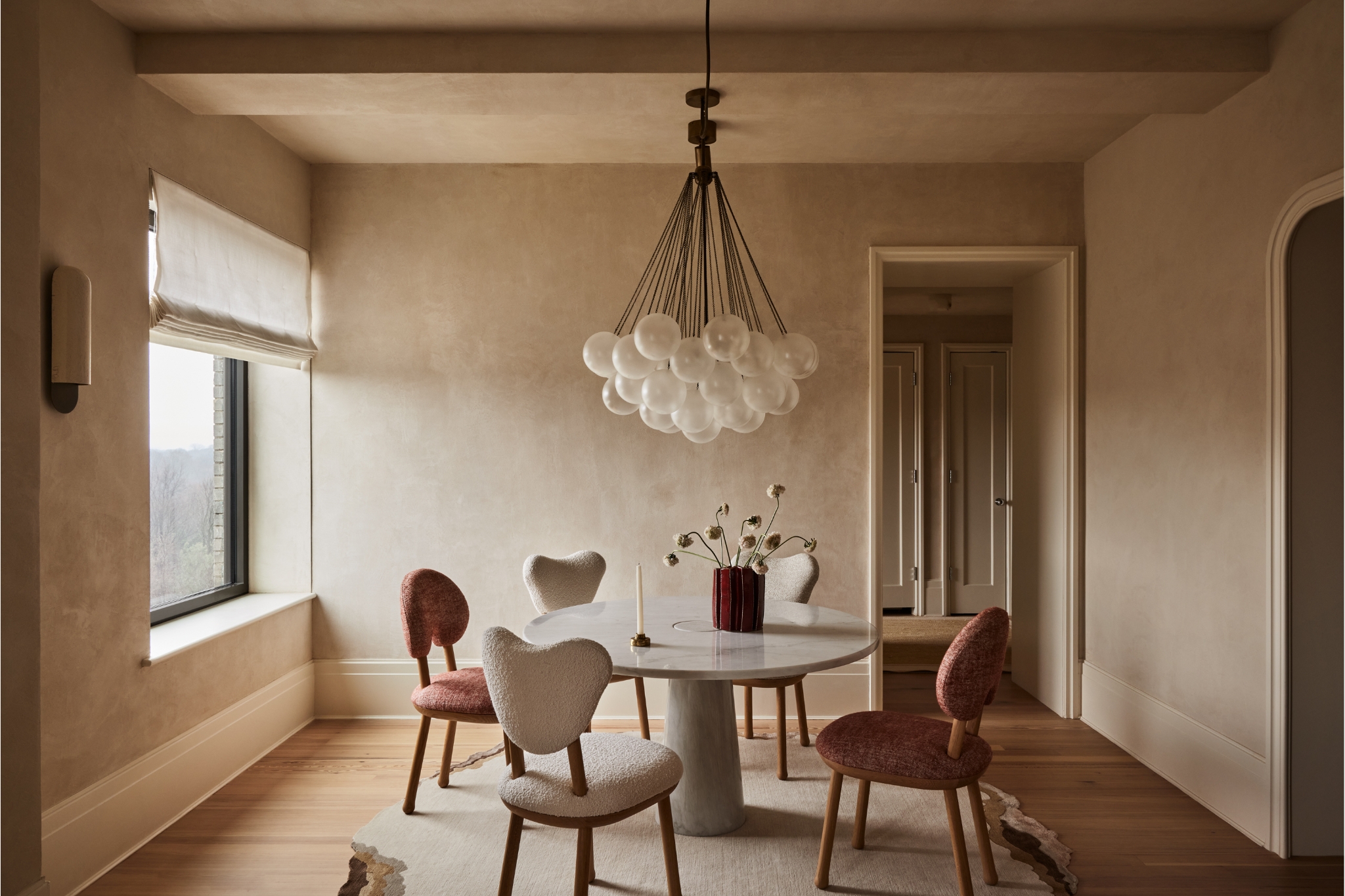
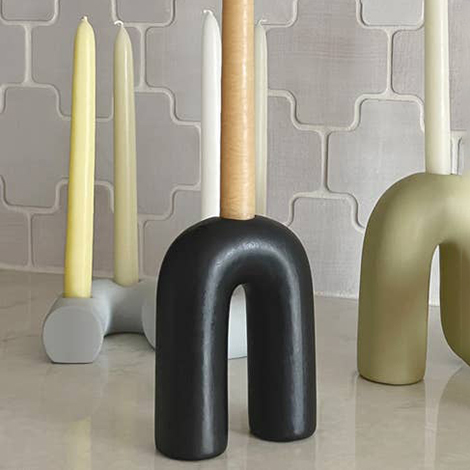
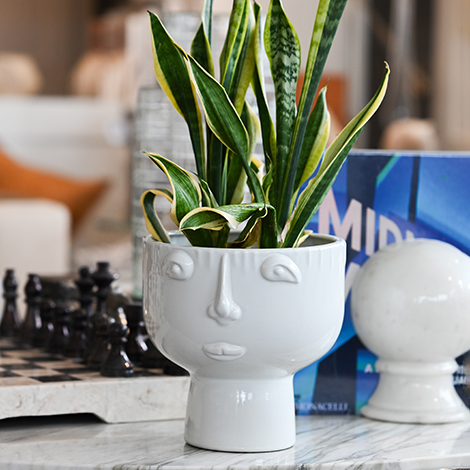
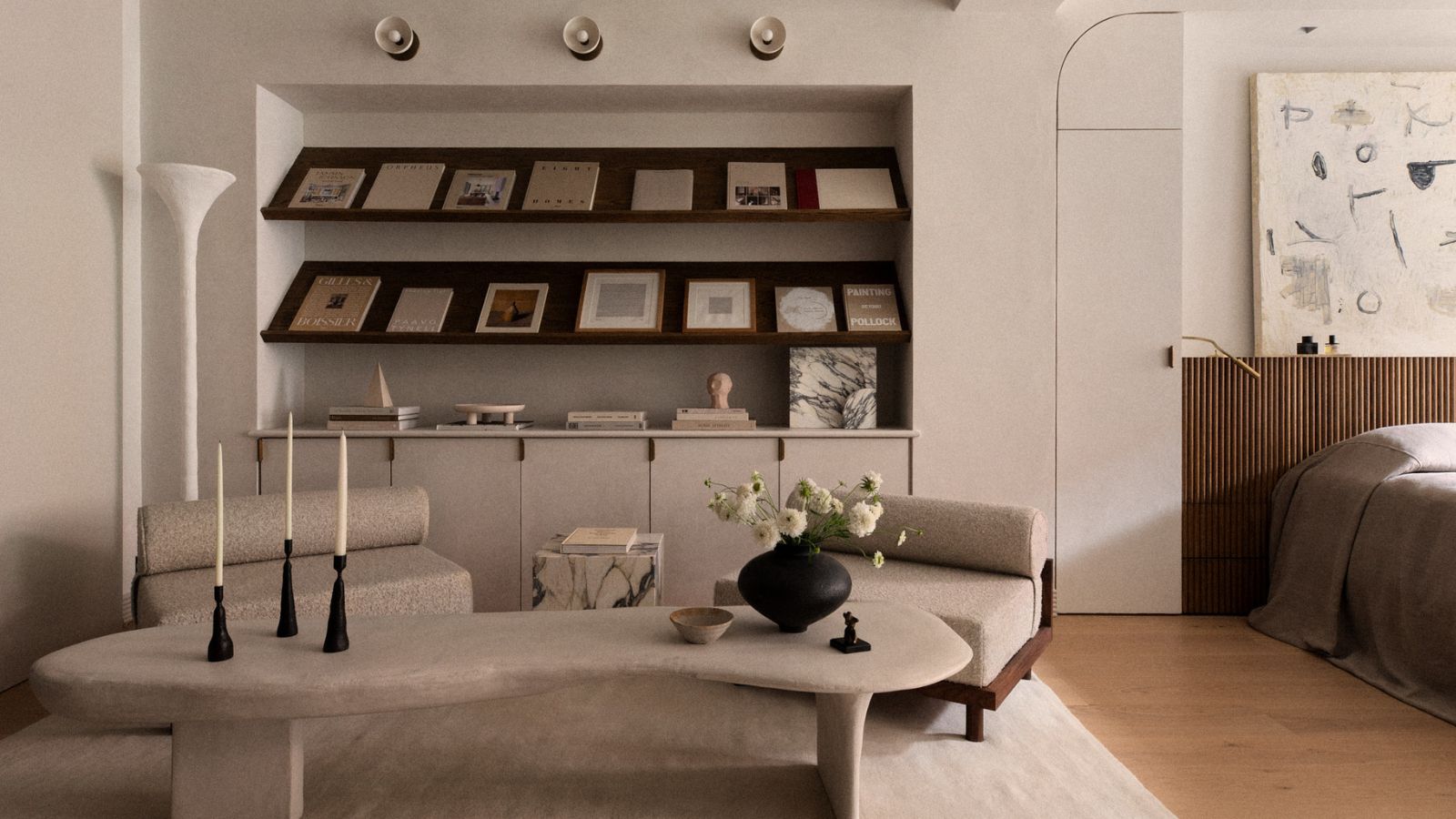
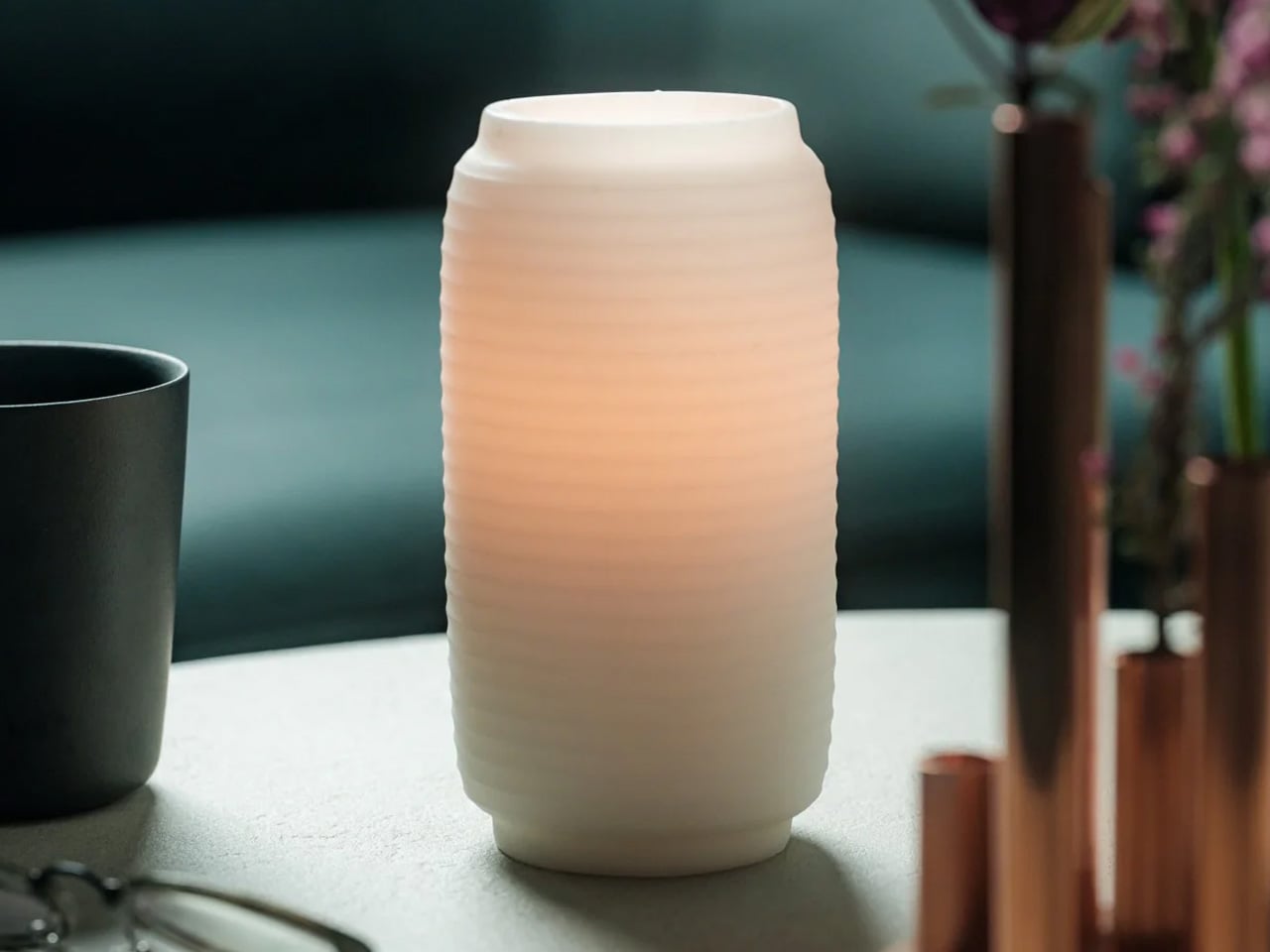
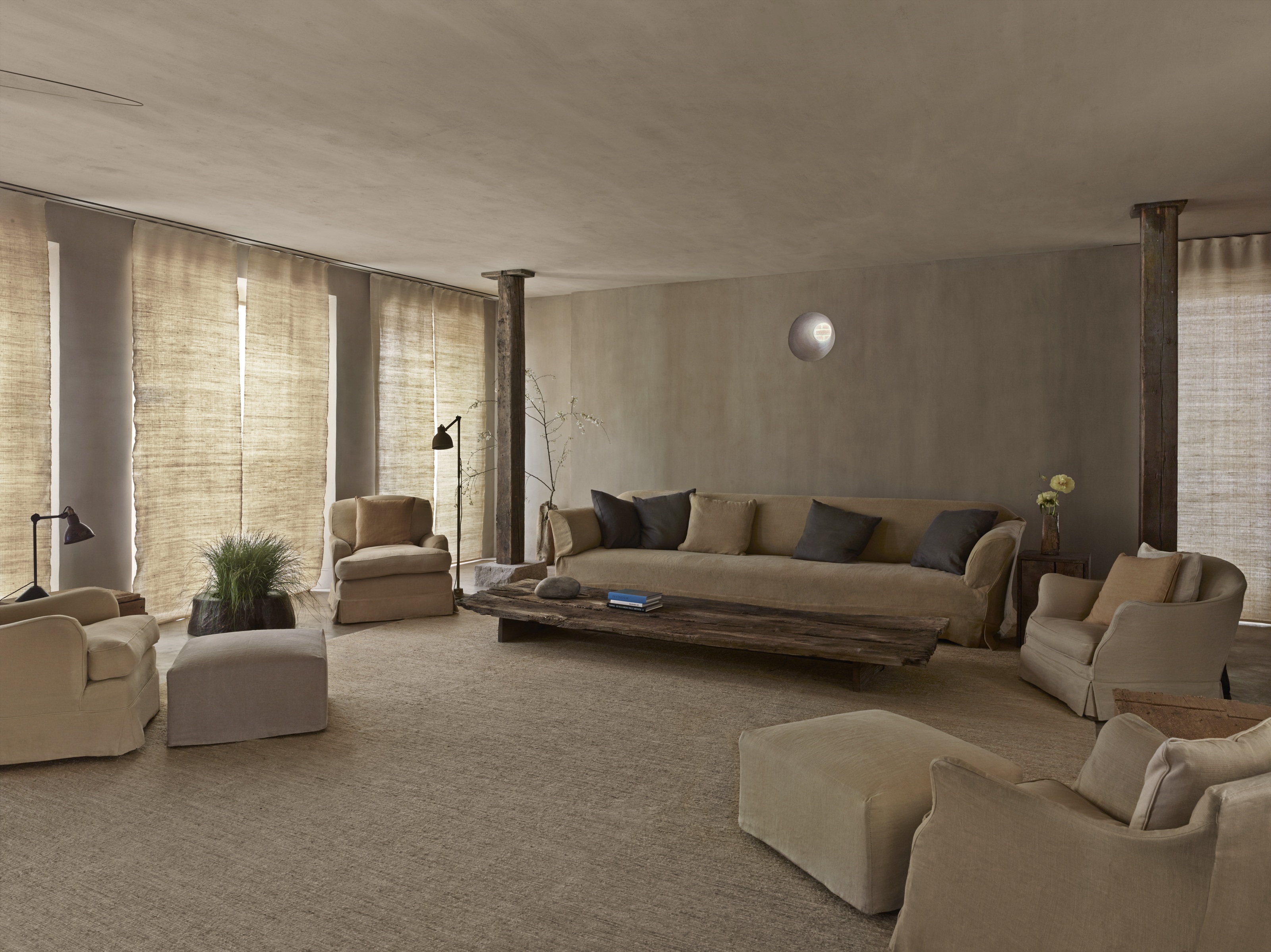
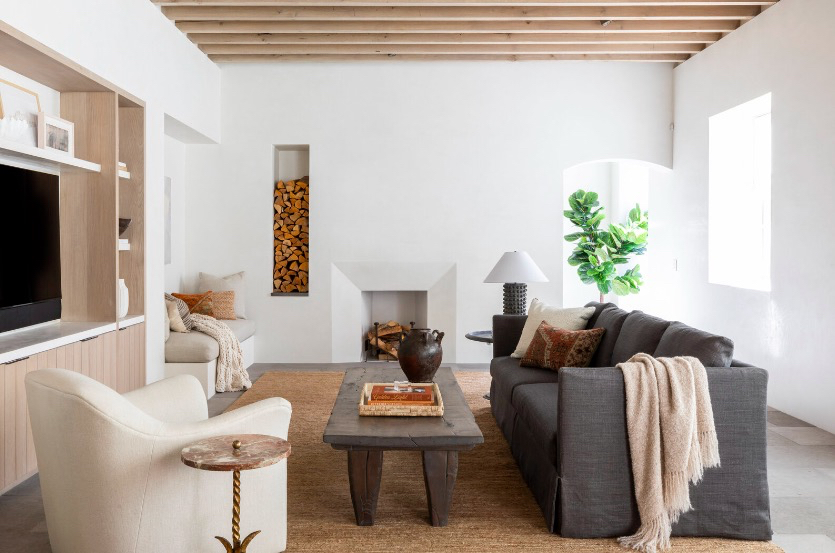
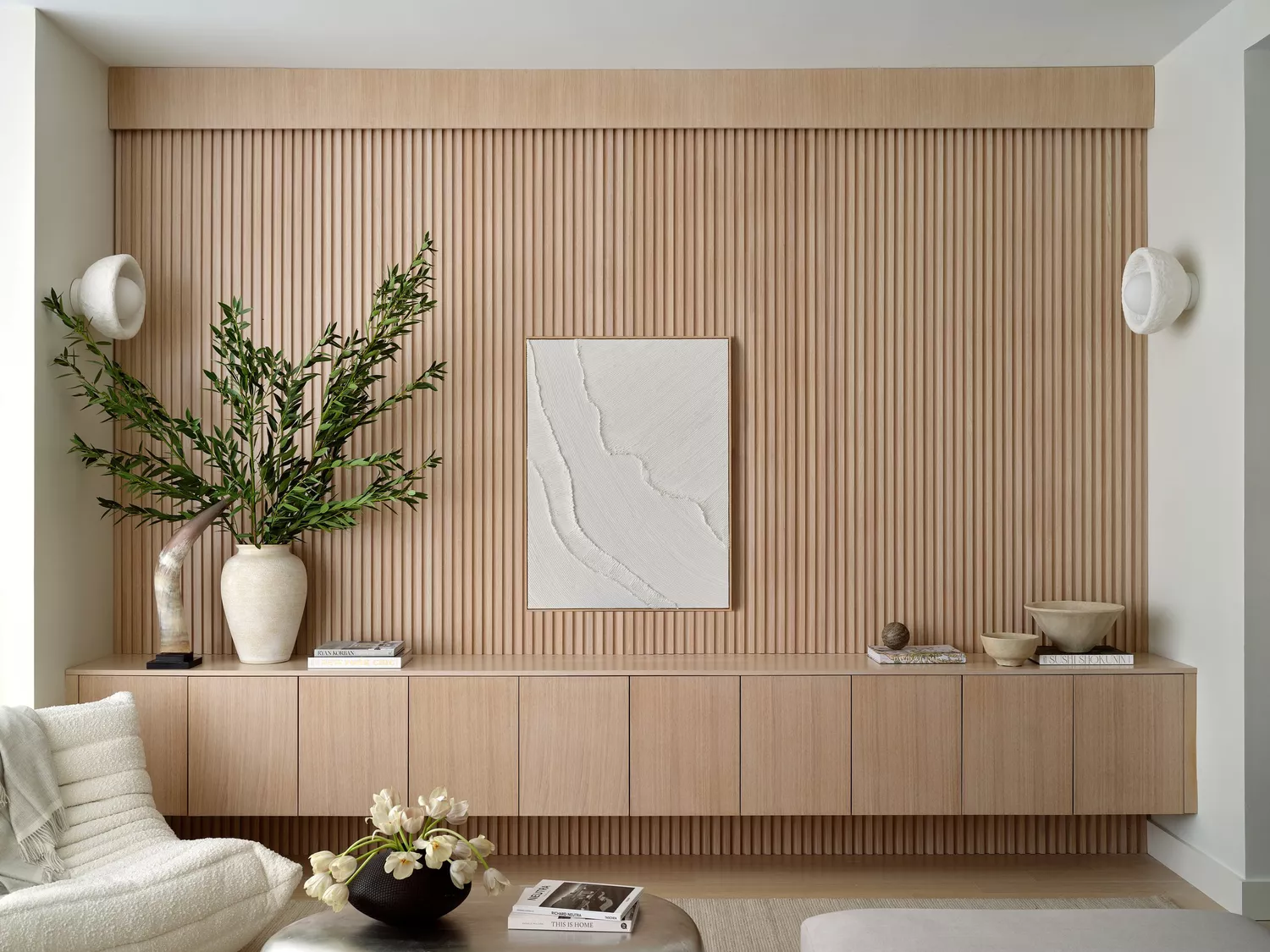
One crucial aspect is layering textures. Since minimalist color palettes and shapes are often subdued, textures and finishes introduce interest and depth. Incorporating varied textures, such as boucle, raw woods, honed stone, soft linens, and matte ceramics, ensures rooms feel inviting. This method prevents minimalist spaces from appearing flat and unlived-in, adding a sense of warmth while maintaining a stripped-back aesthetic. Meaningful trinkets, strategically placed, also contribute to a personalized and inspiring environment, preventing the space from feeling sterile. These curated items tell a story and connect inhabitants to their surroundings, reinforcing the idea that minimalist spaces can be deeply personal.
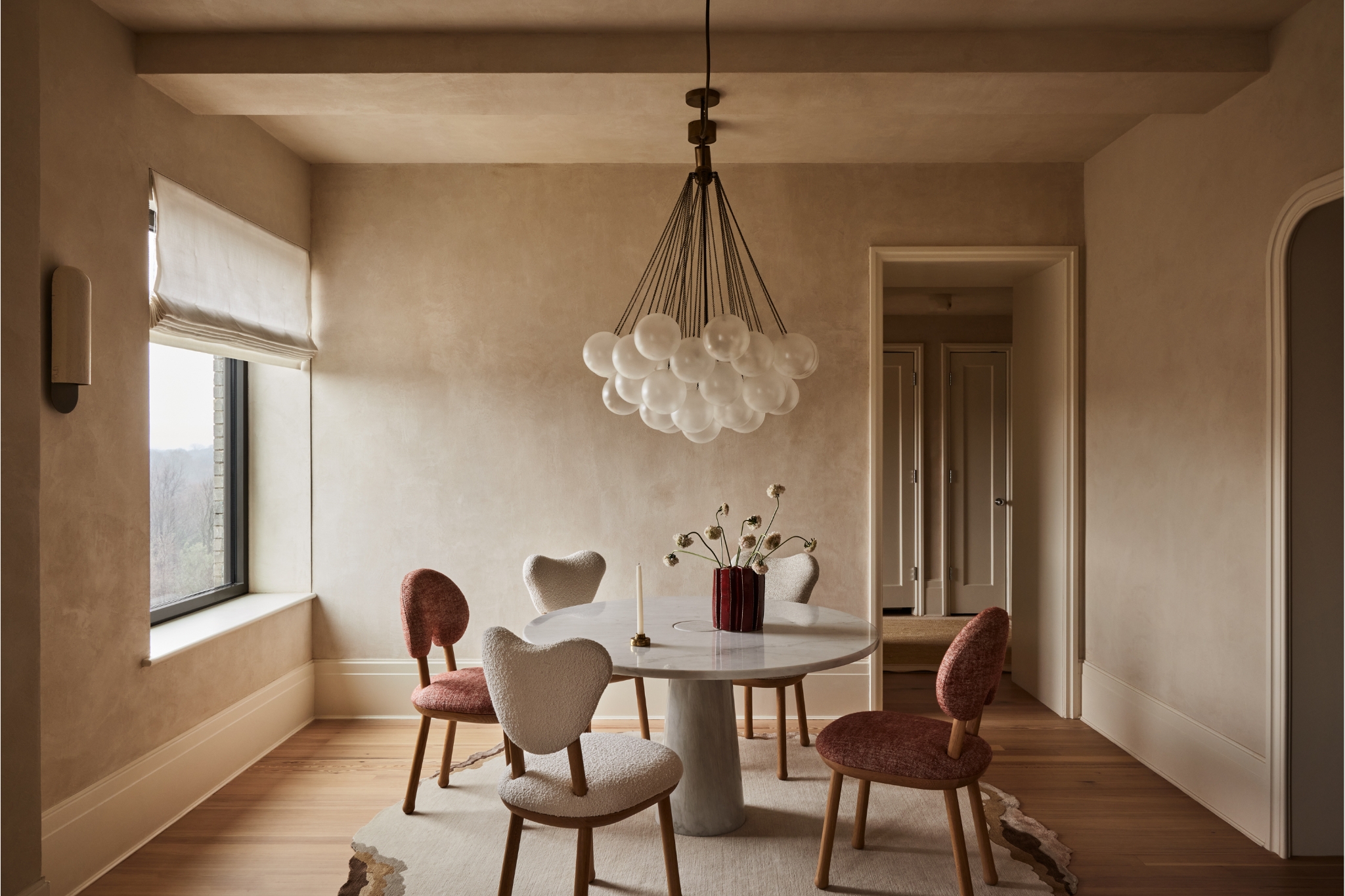
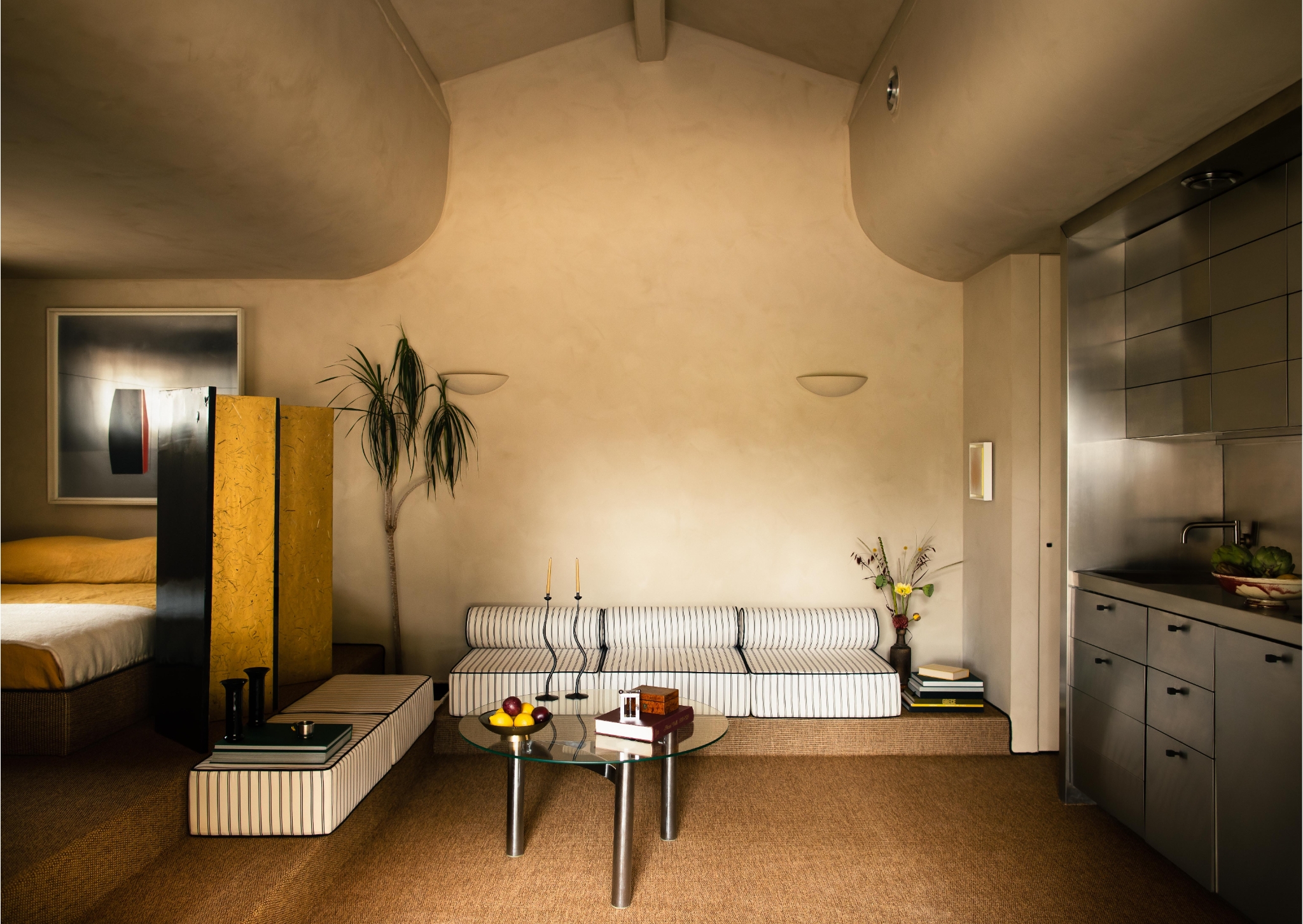
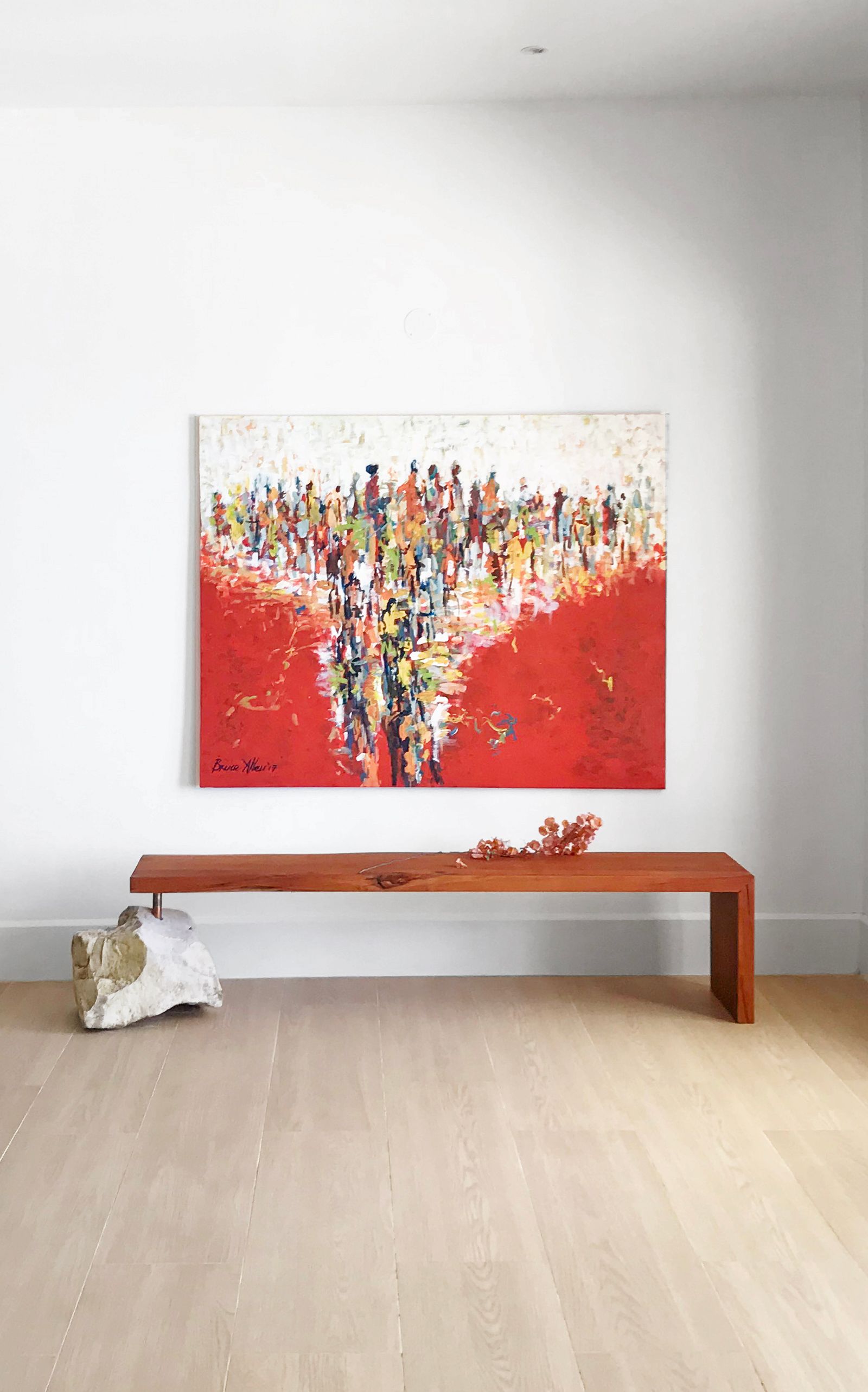
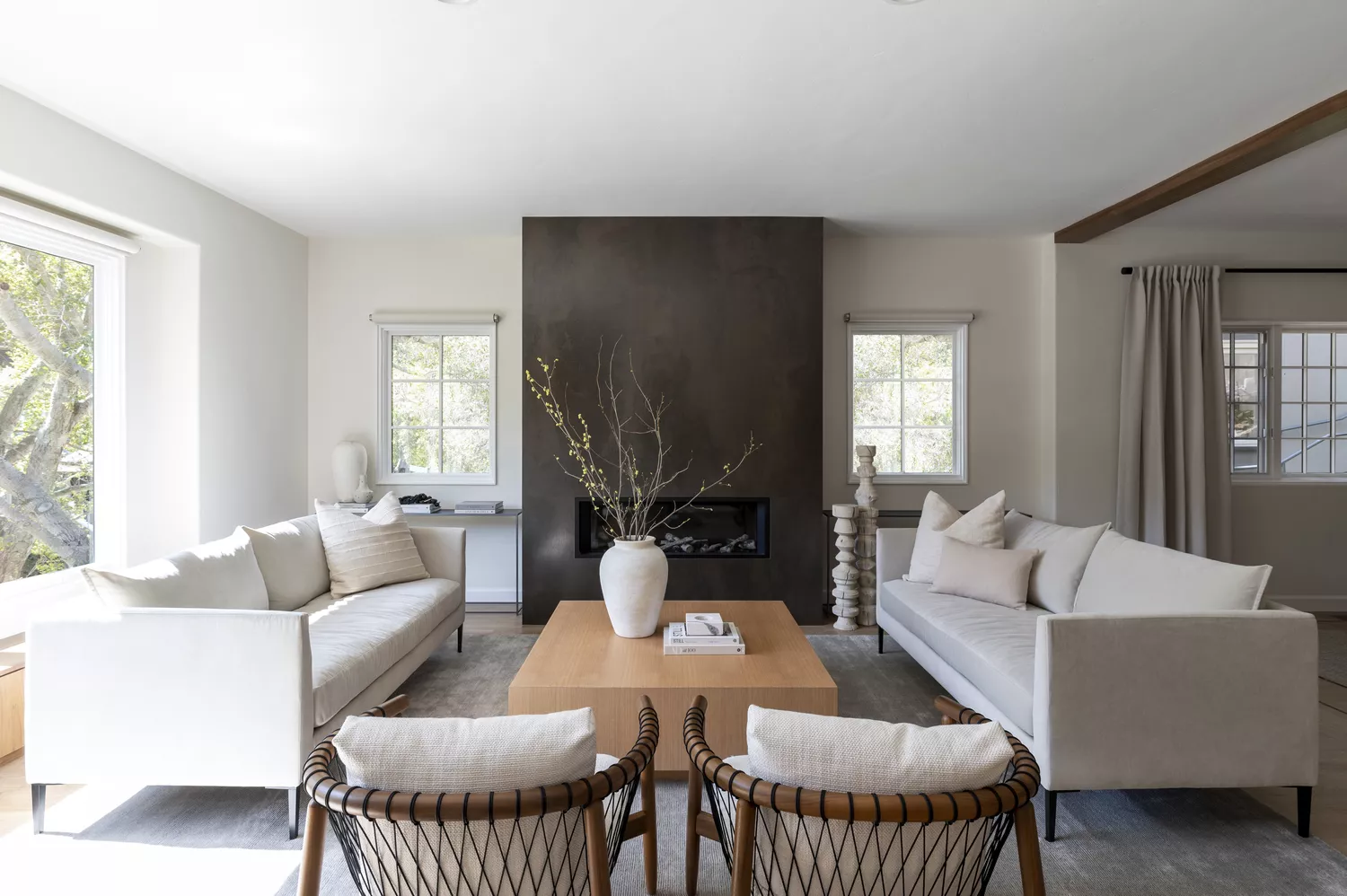
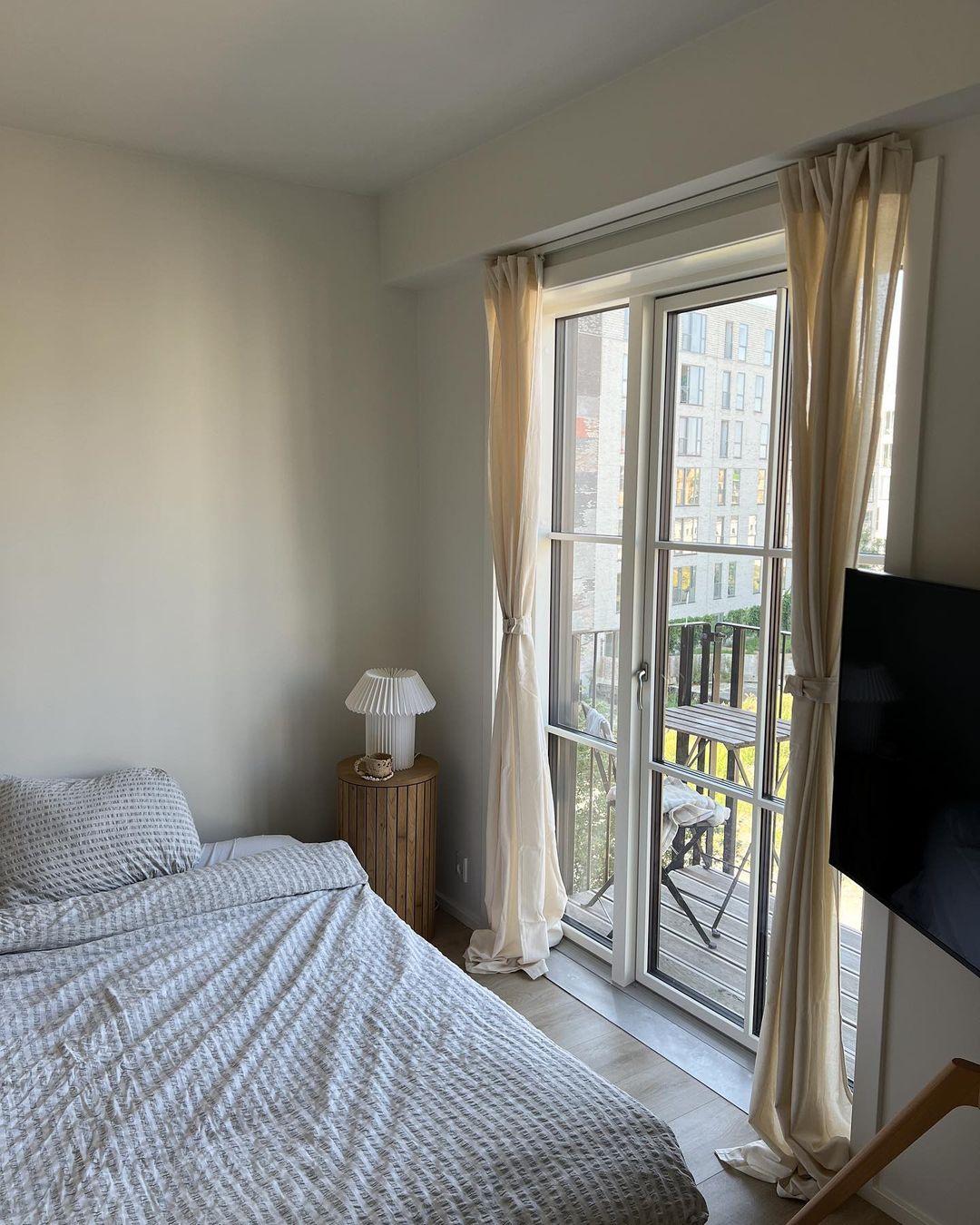
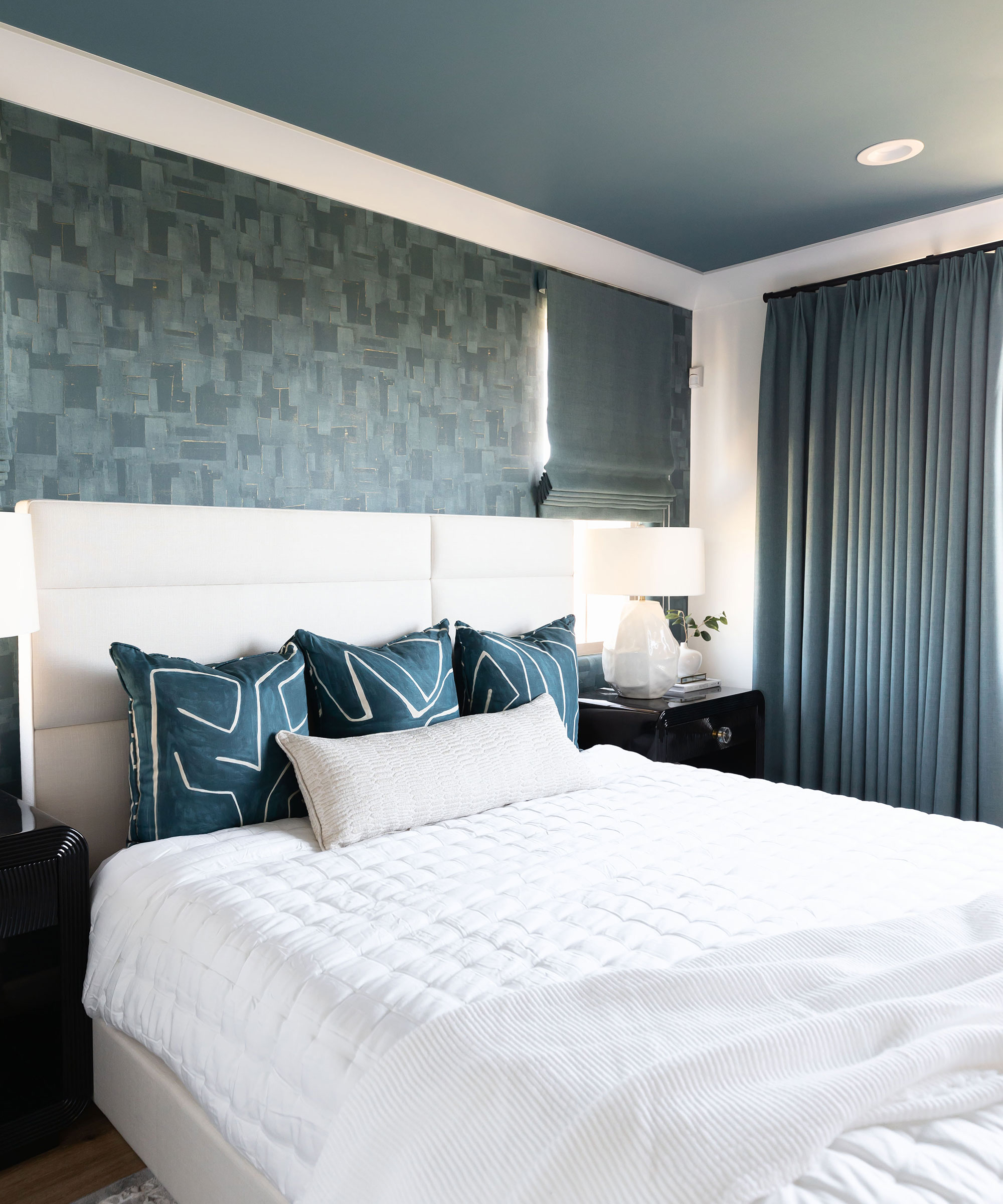

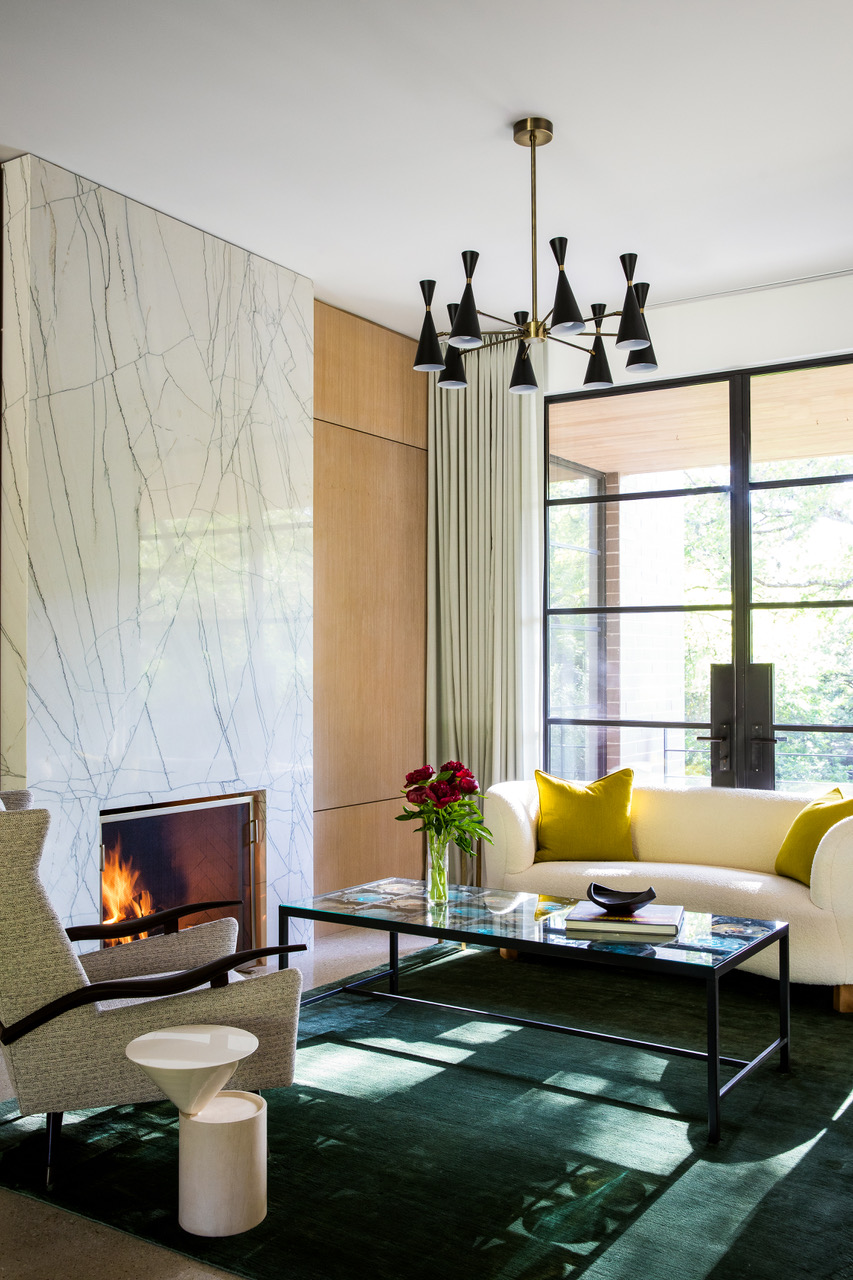
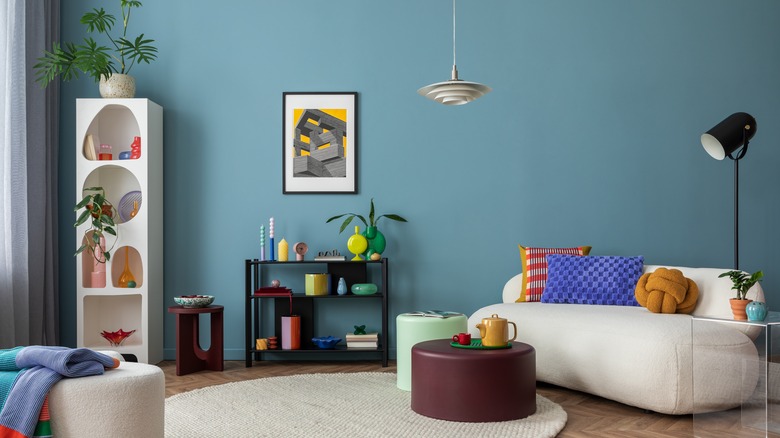
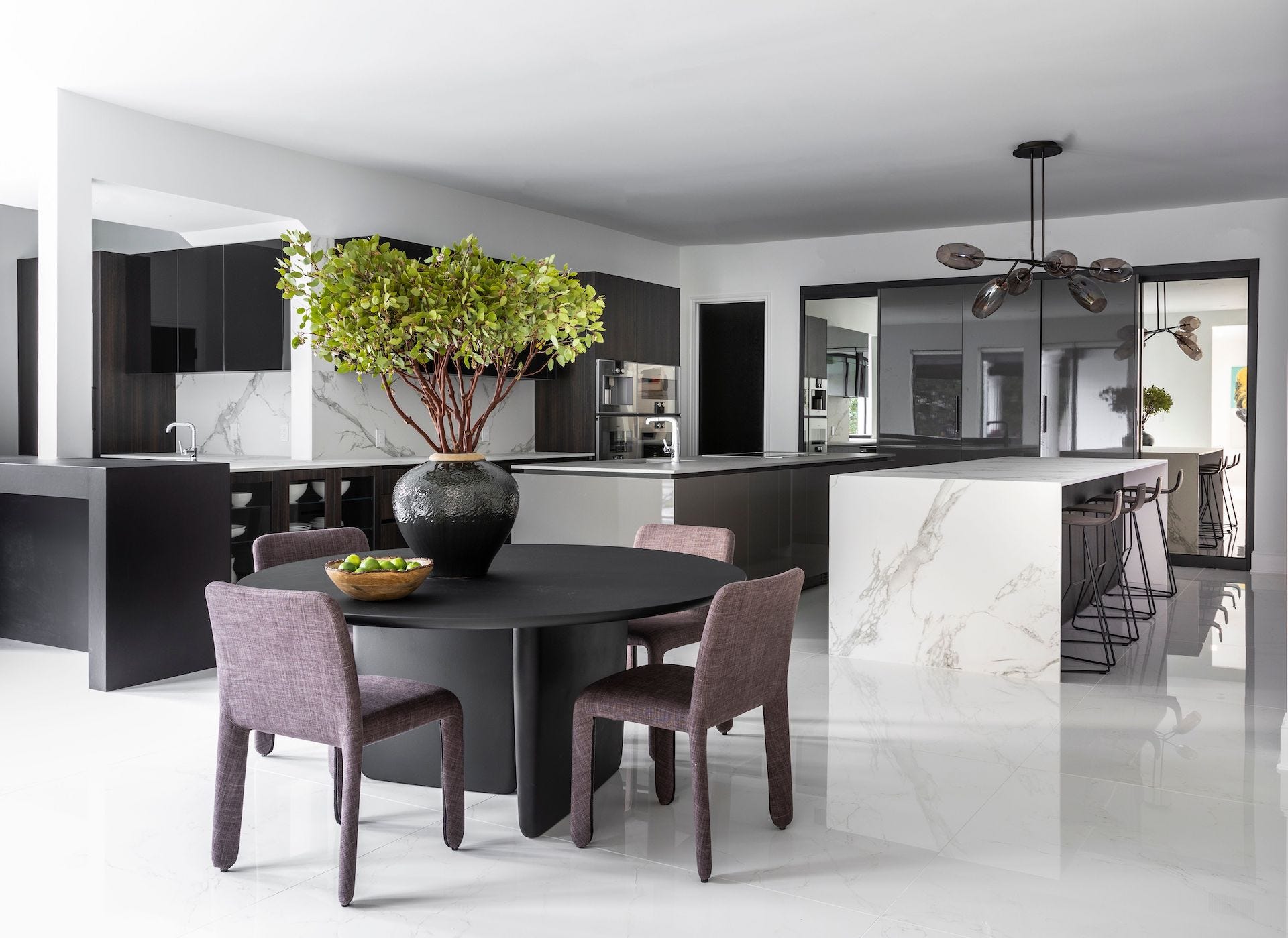
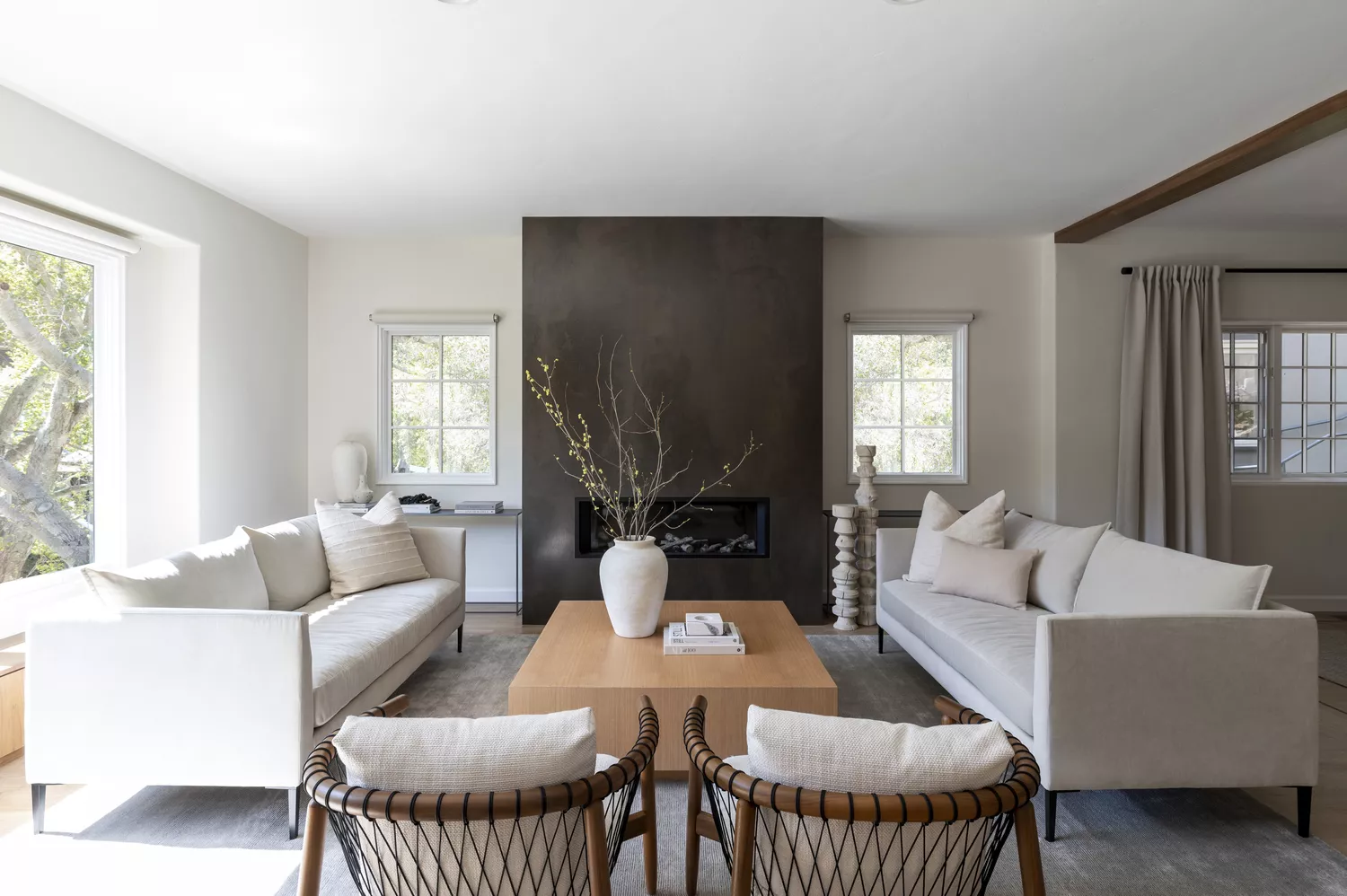
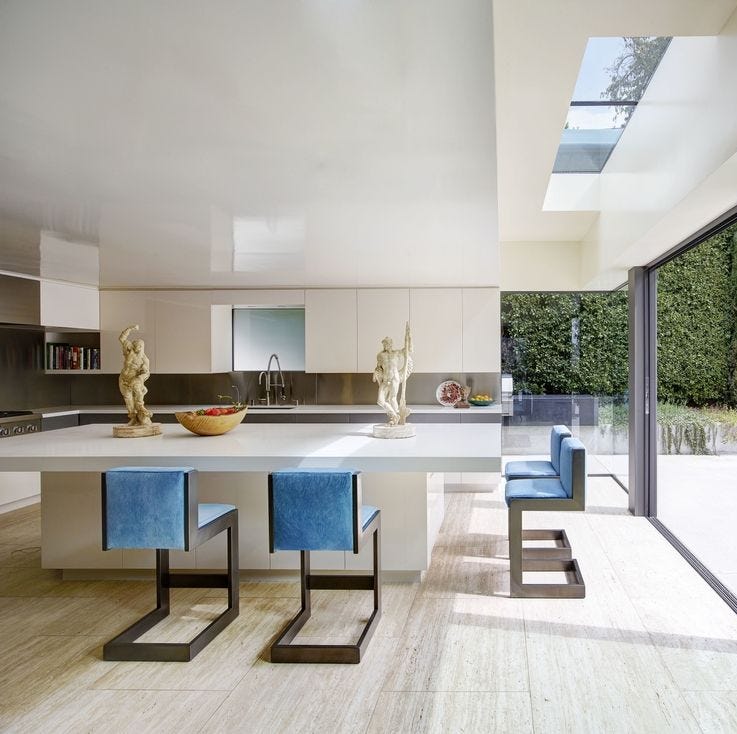
The choice of color palette is another significant factor. While pure white is often linked to minimalism, warmer neutrals such as soft greys, creamy beiges, and earthy whites create a more comforting atmosphere. These nuanced tones provide a gentle backdrop, adding character without introducing clutter, and allowing the aesthetic to breathe. Minimalist design is not exclusively restricted to neutrals; bolder, jewel-toned colors can be incorporated. By maintaining simple, sleek shapes and avoiding excessive furniture, a vibrant color palette can create a sumptuous and luxurious space that remains decidedly minimal. This approach demonstrates versatility within the minimalist framework, allowing for richer expressions of style.
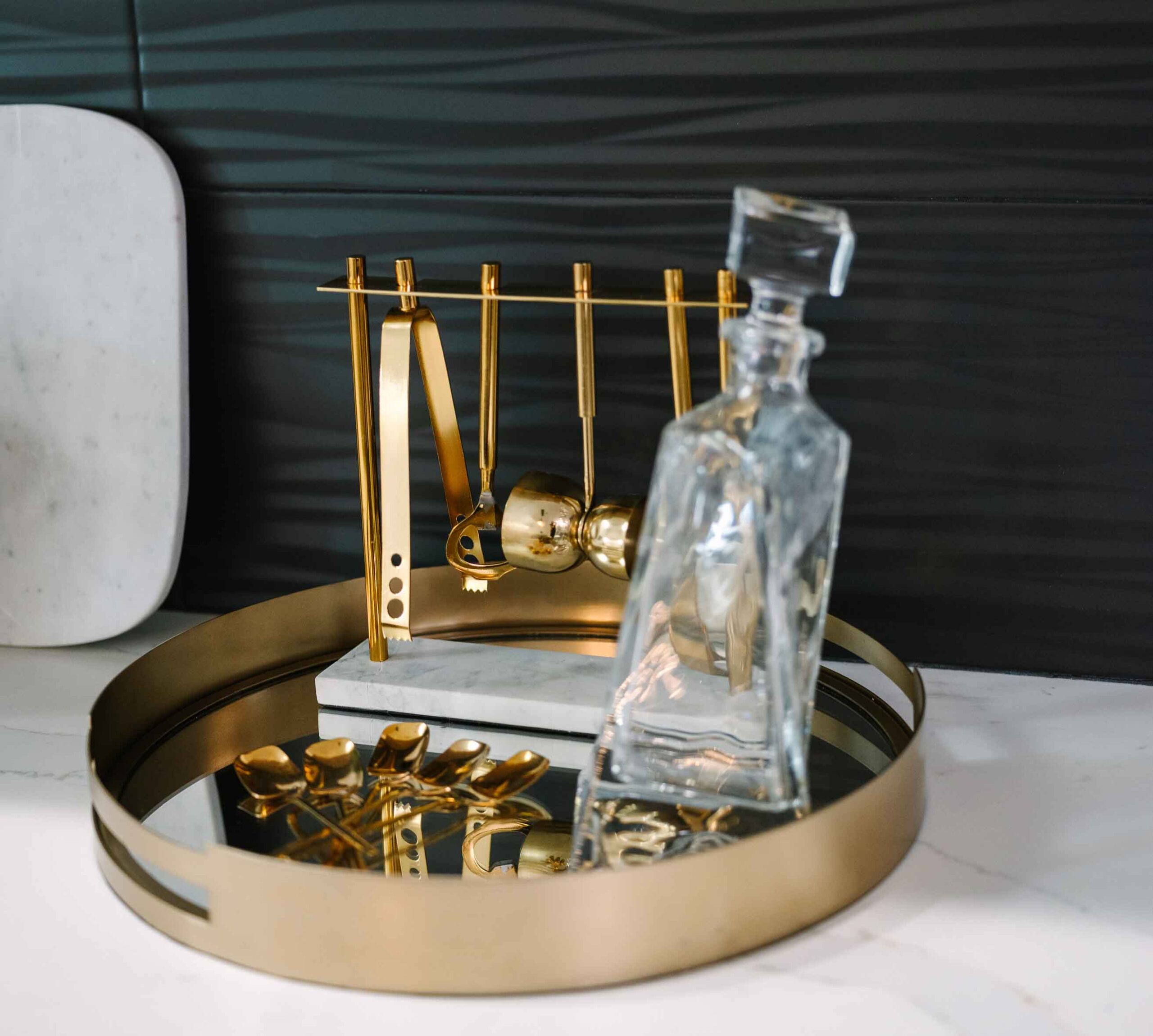
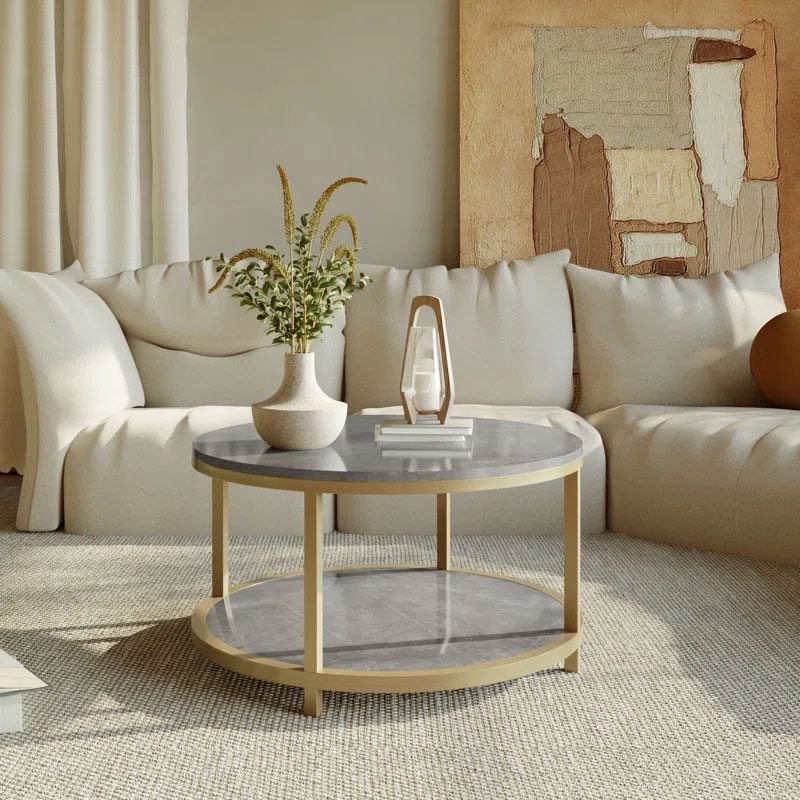
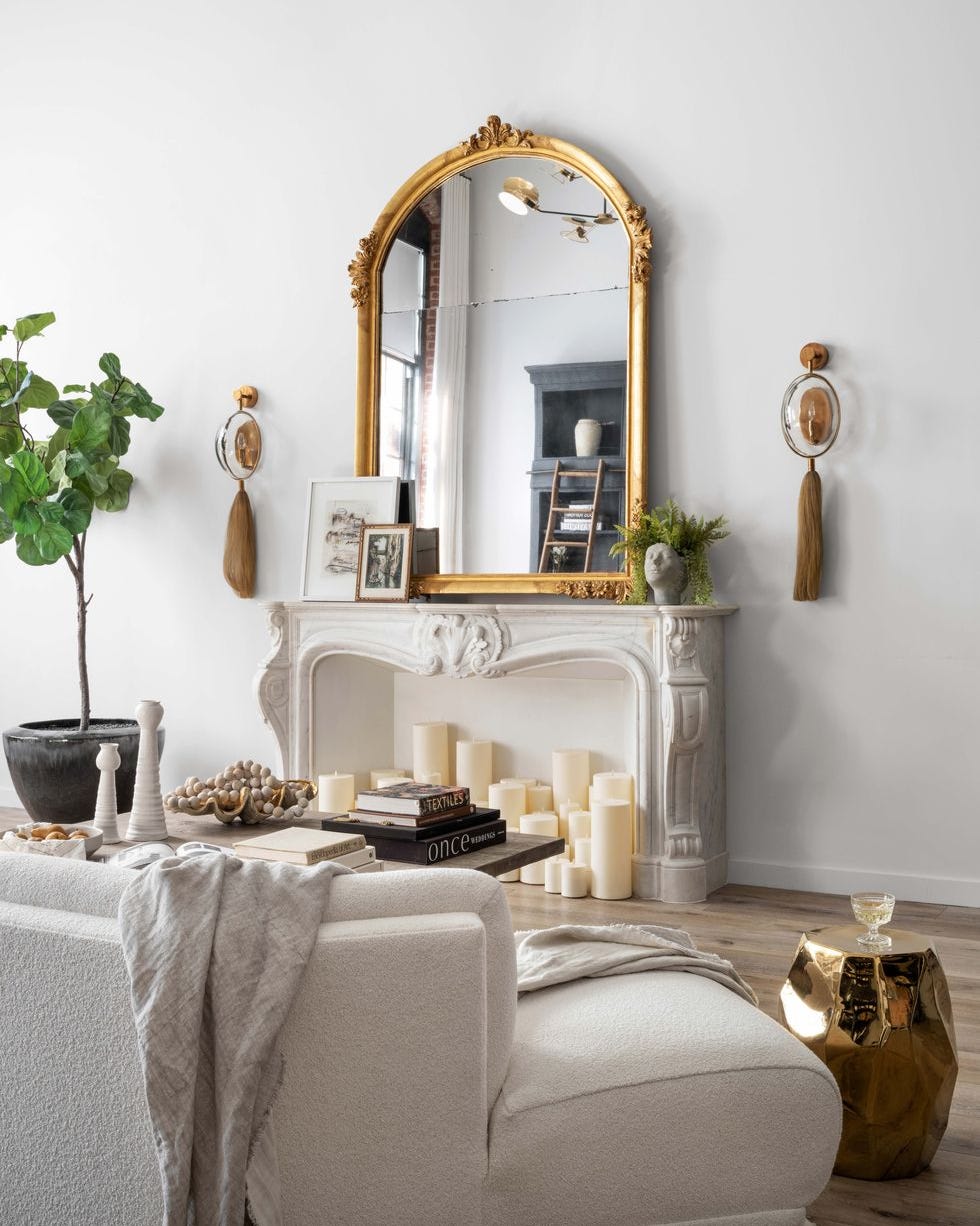
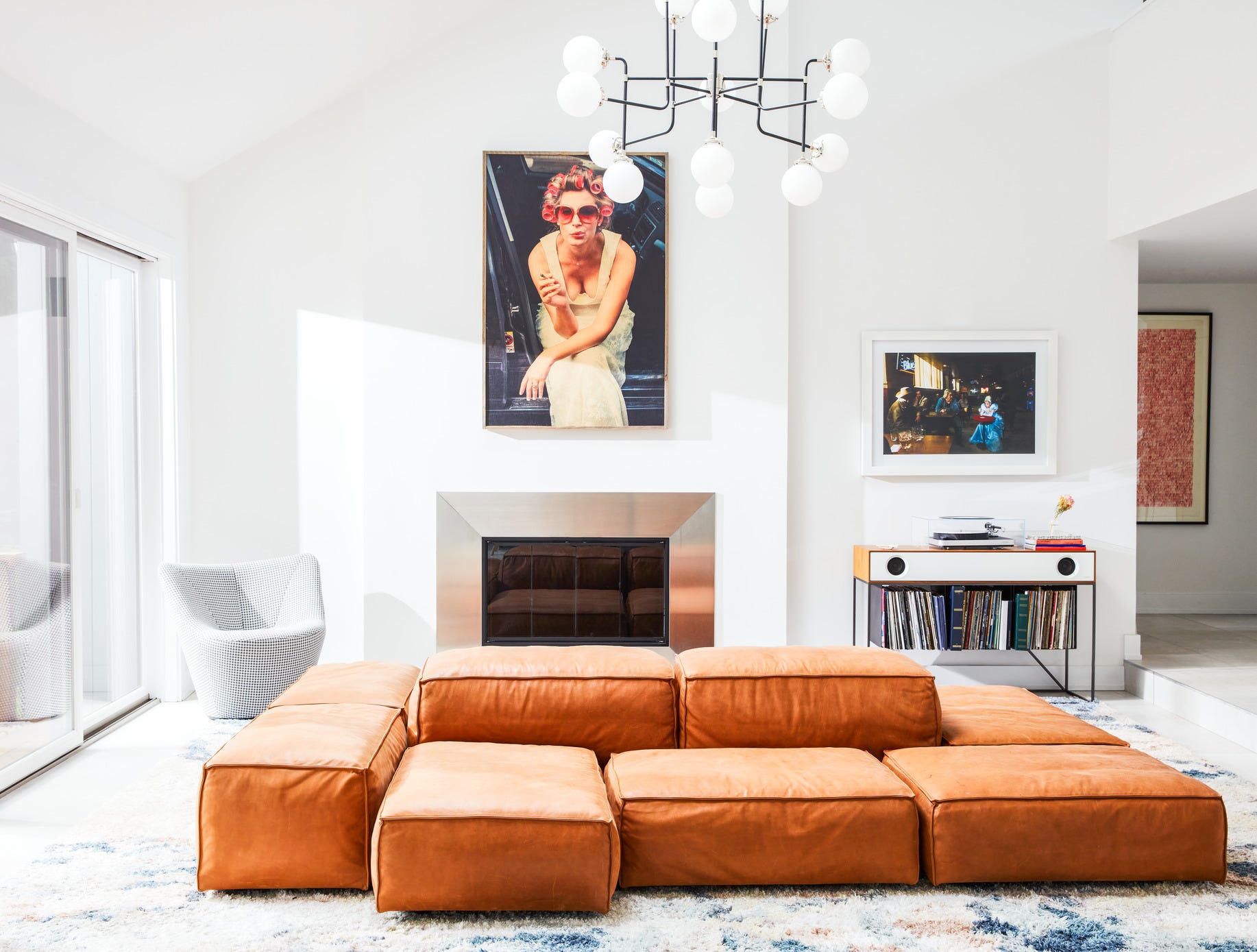
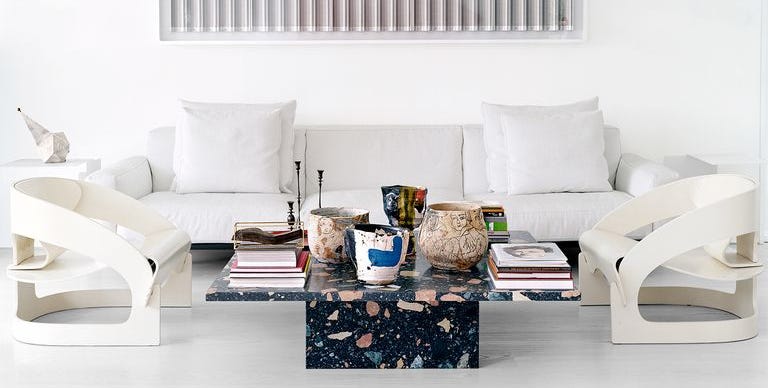
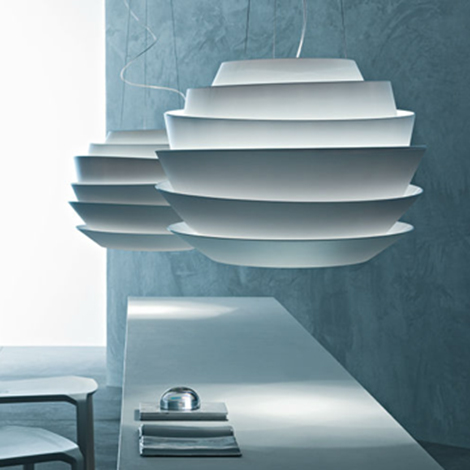
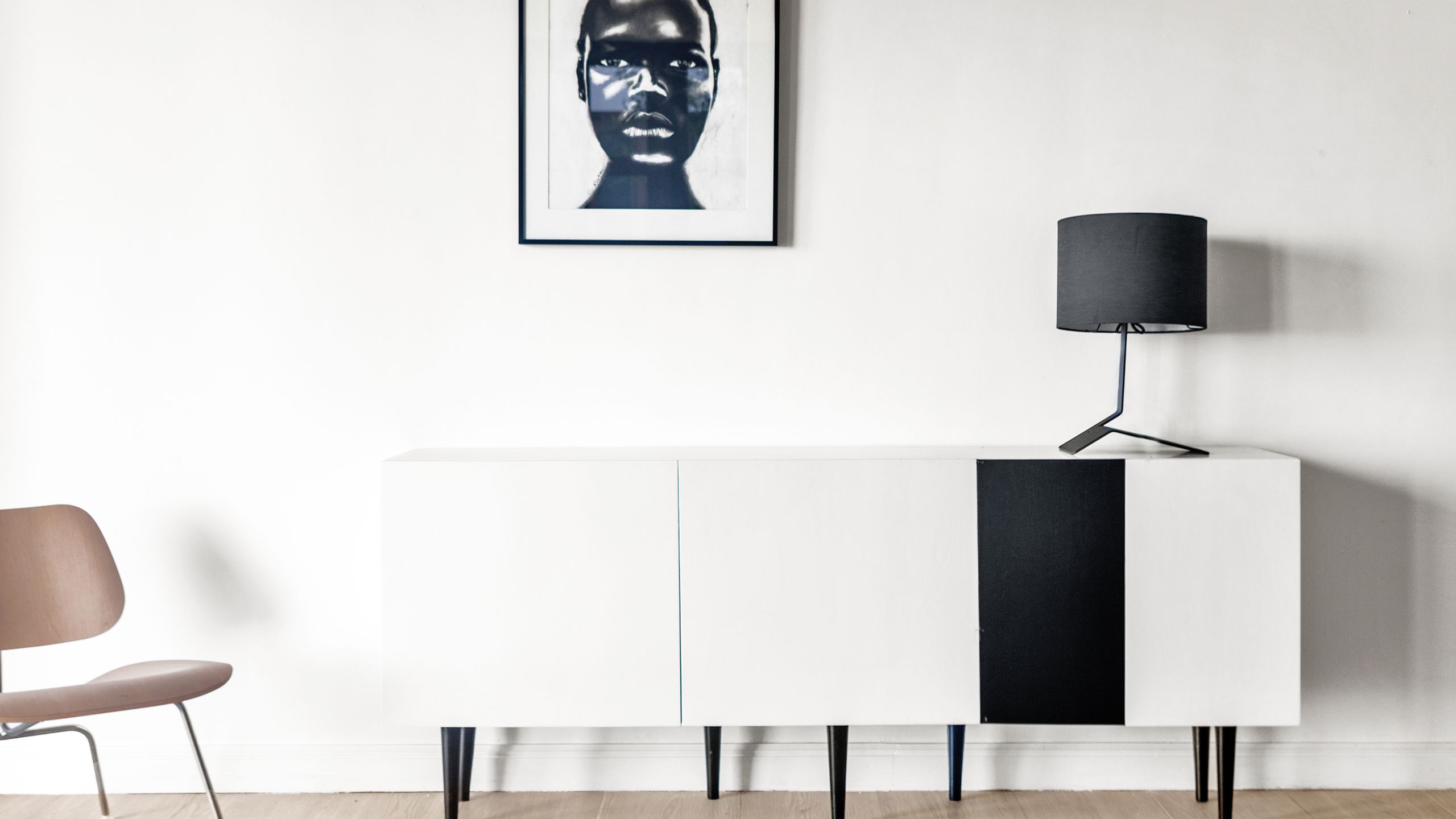
Investing in beautifully made statement pieces is fundamental to true minimalism. Instead of filling a space with cheap replicas, focusing on high-quality, well-designed furniture ensures longevity and authenticity. Each piece should be intentionally chosen for its inherent value and aesthetic contribution, enhancing the room's character without overcrowding it. This emphasis on craftsmanship and deliberate selection elevates the overall design. Furthermore, metallic accents, such as silver sconces or decorative bowls, can introduce variety and contrast against neutral backgrounds. These subtle touches add sleekness and sophistication without dominating the minimalist aesthetic, making a room feel streamlined and refined.
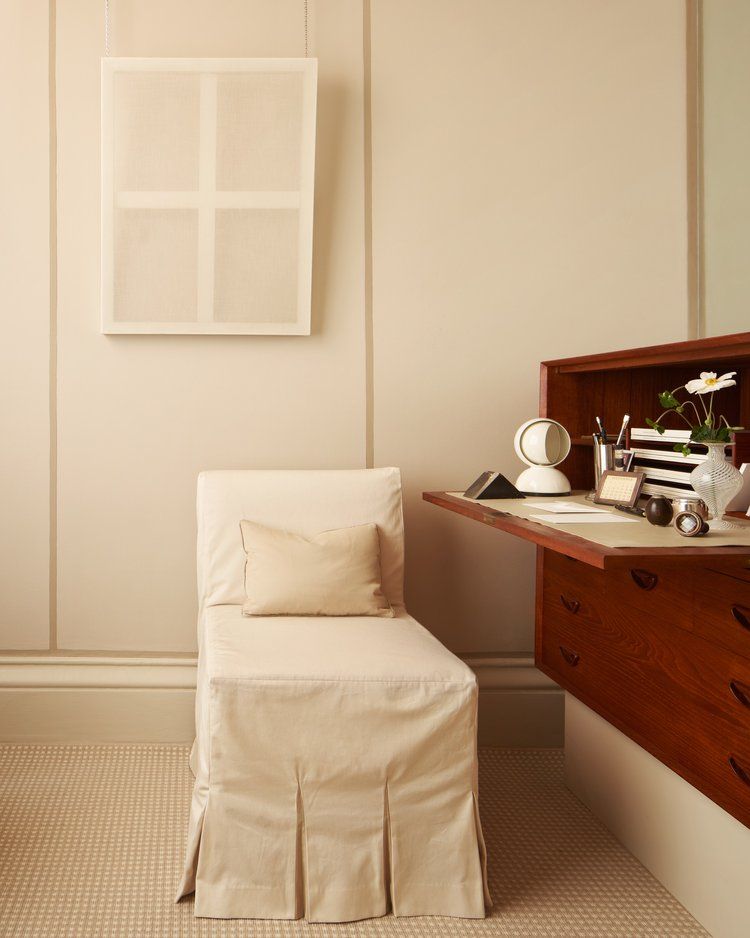
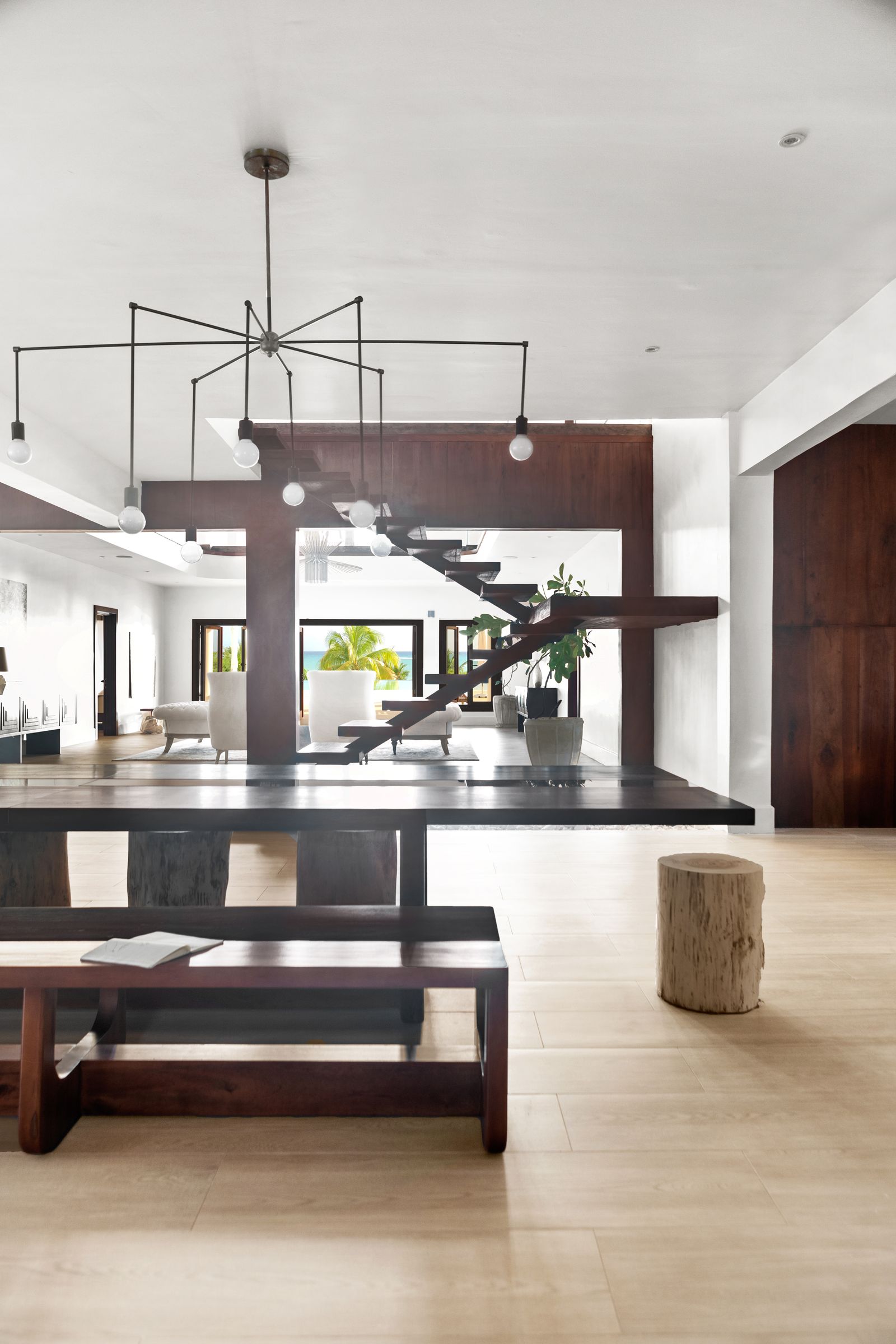
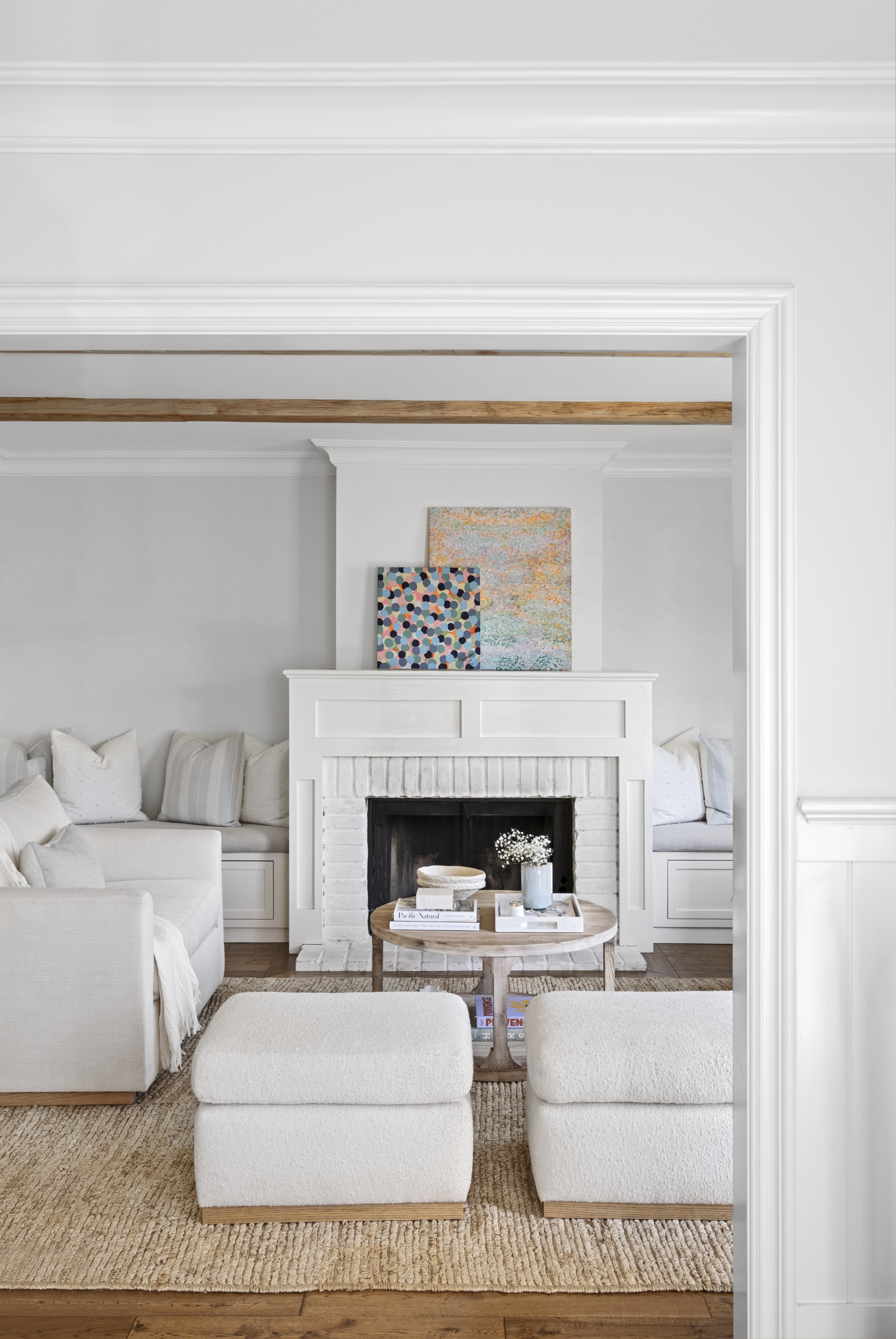
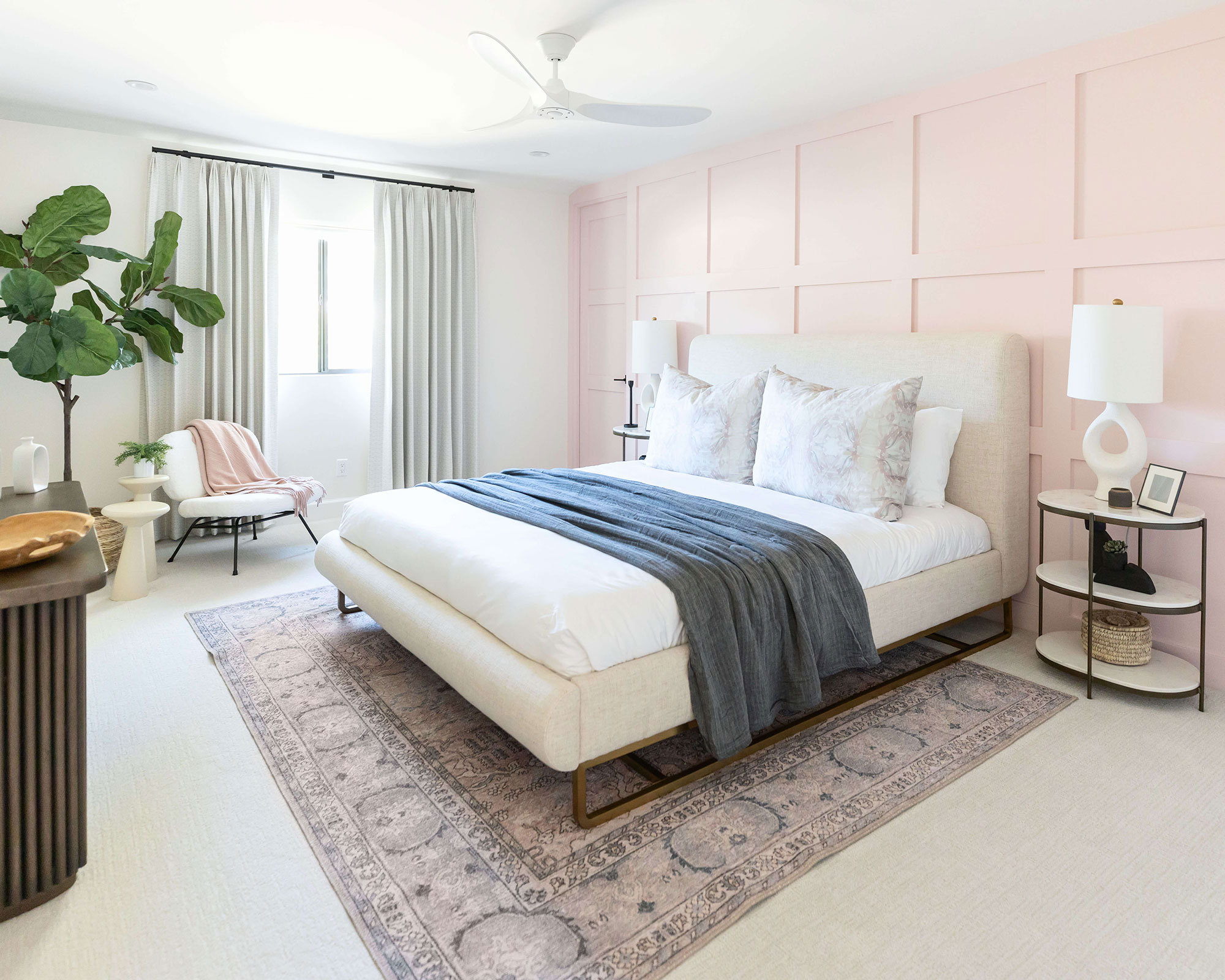
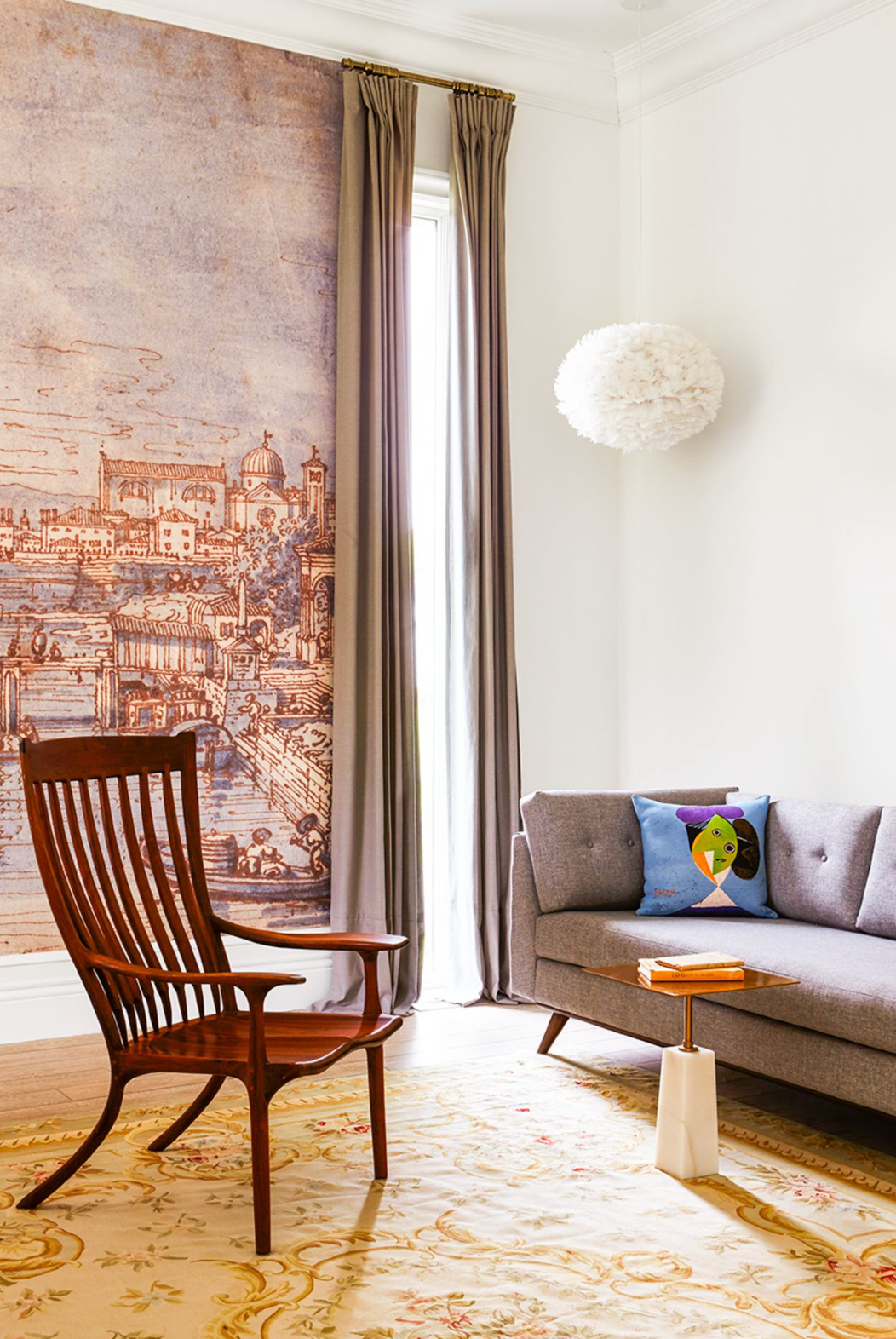
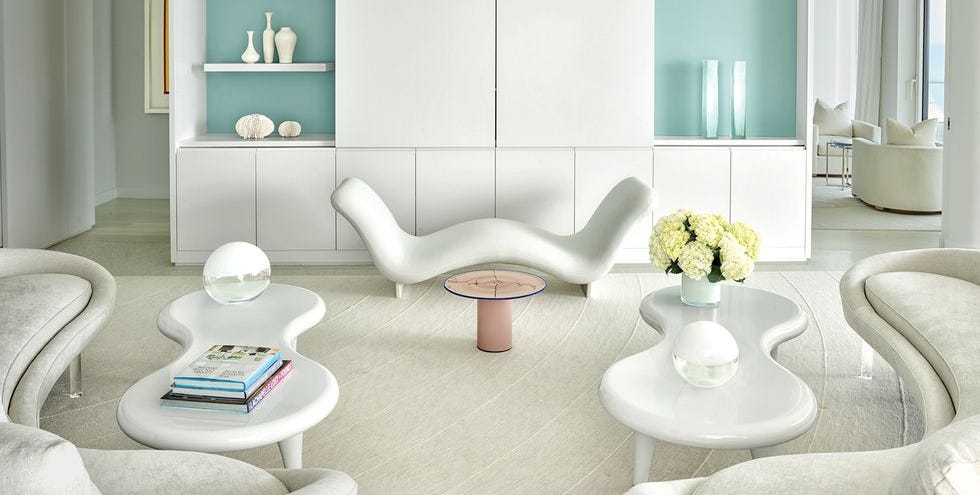
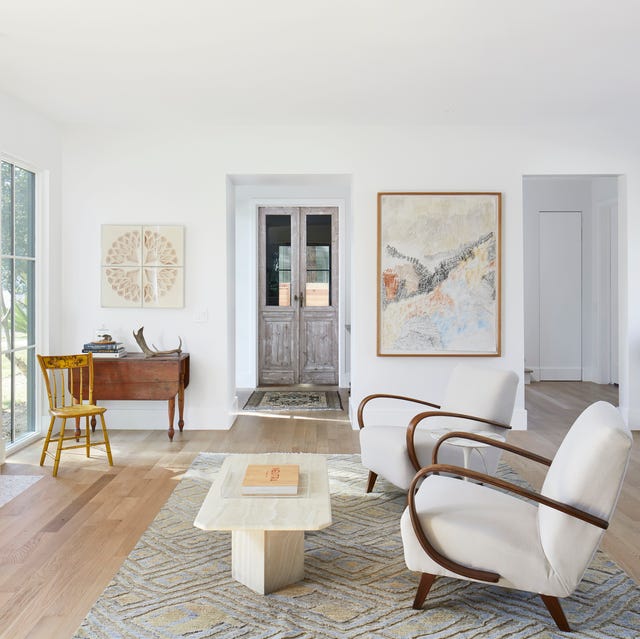
Incorporating classically minimalist shapes, whether oversized furniture, unique outlines, or unexpected materials, ensures that every element serves a purpose. Since there is less in terms of quantity, each piece must contribute significantly to the overall design, providing a focal point and grounding the room. Architectural features like millwork and molding can also add depth and visual interest, especially in rooms with simple, one-tone walls. These traditional elements provide a beautiful contrast to minimalist furniture, enhancing the space's character. Lastly, opting for one sculptural piece of furniture—like a curved armchair or an asymmetrical dining table—can bring drama and purpose, preventing the minimalist scheme from appearing bland and ensuring it remains impactful and dynamic.
#MinimalistDecor #InteriorDesign #HomeDecoration #WarmMinimalism #TextureInDesign #ColorPalette #StatementFurniture #ArchitecturalAccents #OrganicMaterials #MinimalistDecor #InteriorDesign #HomeDecoration #WarmMinimalism #TextureInDesign #ColorPalette #StatementFurniture #ArchitecturalAccents #OrganicMaterials
0 comment in total
 No comments yet
You may also like
The Best Minimal Decor Ideas for a Streamlined Home
Home Design: Contemporary Minimalism

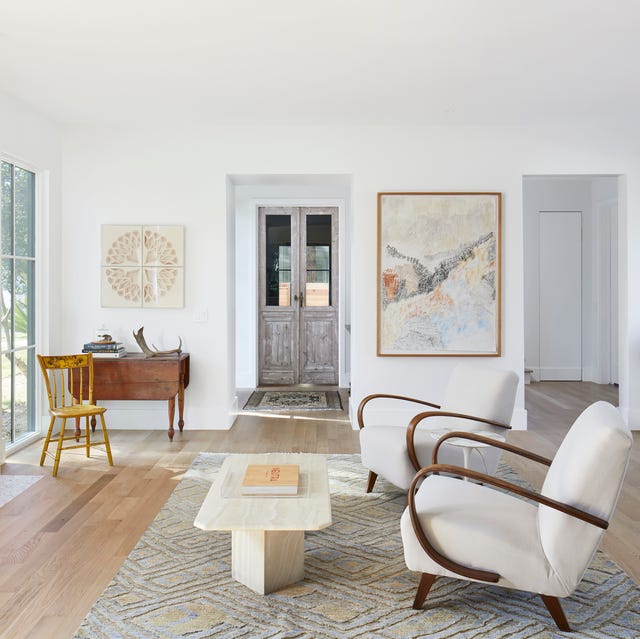
How to Design a Minimalist Living Room

Eclectic Minimalism Is The Trend That Brings Together The Best Of Both Worlds
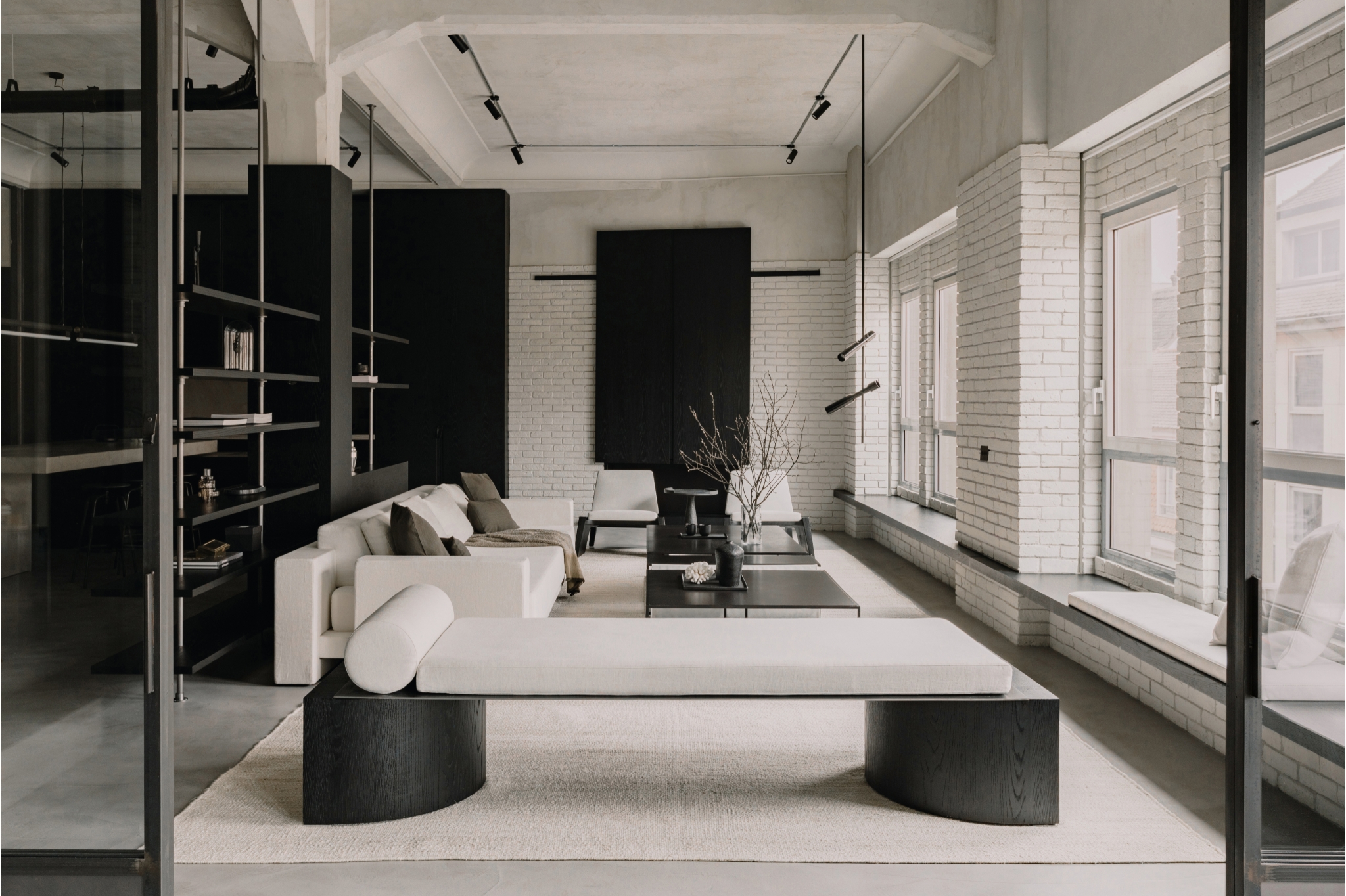
10 Minimalist Apartment Ideas That Prove That Small-Space Living Doesn't Have to Be Cluttered

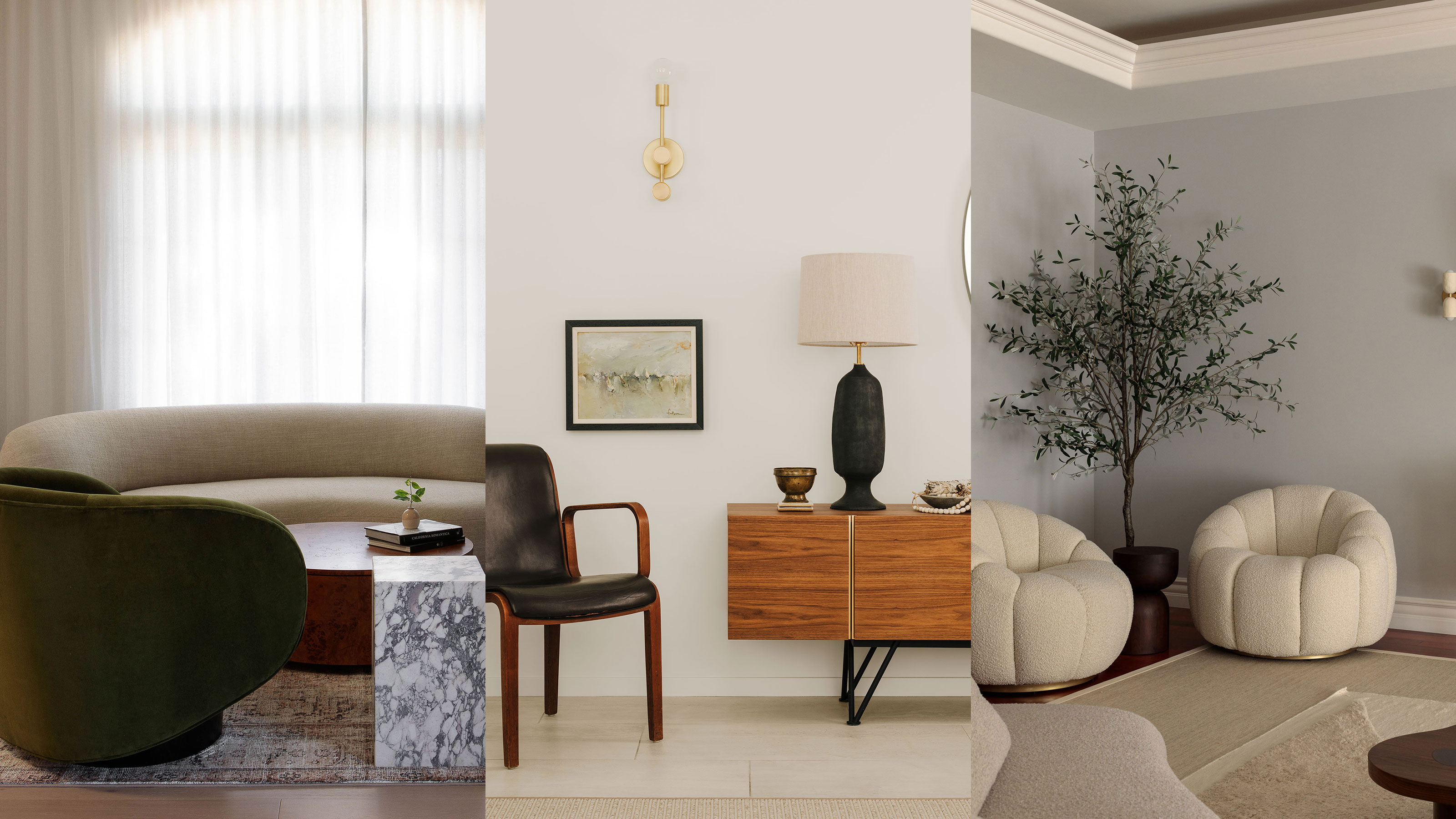
7 gorgeous minimalist small living room ideas — say bye-bye to bland

10 Best Minimalist Home Accents Under $100

13 of the Best Minimalist Interior Designers I'm Following for Room Inspiration
Minimalist Interior Design: Everything You Need to Know About This Intentional and Pared-Down Style

12 Minimalist Home Ideas That Prove Serene and Organized Doesn’t Mean Boring

How to simplify a small living room – 10 designer approved tips for instantly more calming decor
These Minimalist Kitchens Are Super Sexy
25 Minimalist Decor Ideas to Try At Home

These Designer Living Rooms Prove That Minimalism Will Always Be in Style

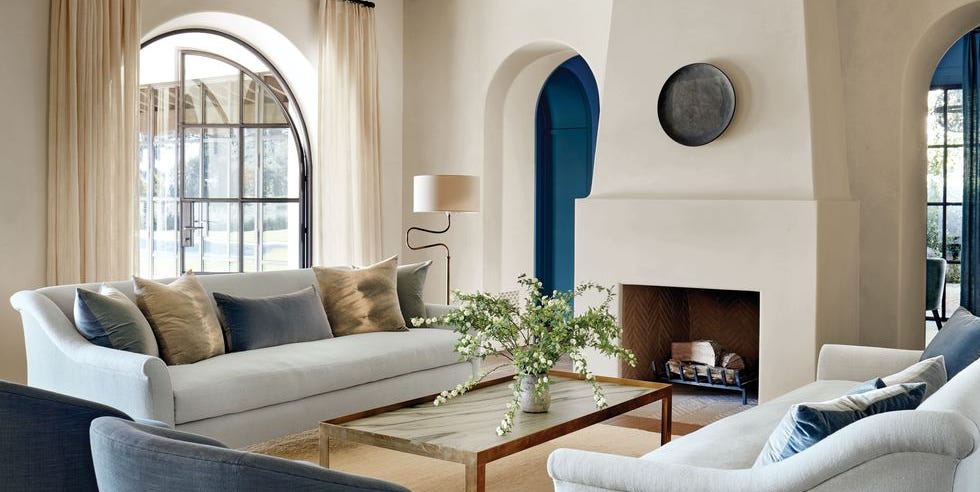
Must-See Minimalist Living Room Designs That Spark Joy

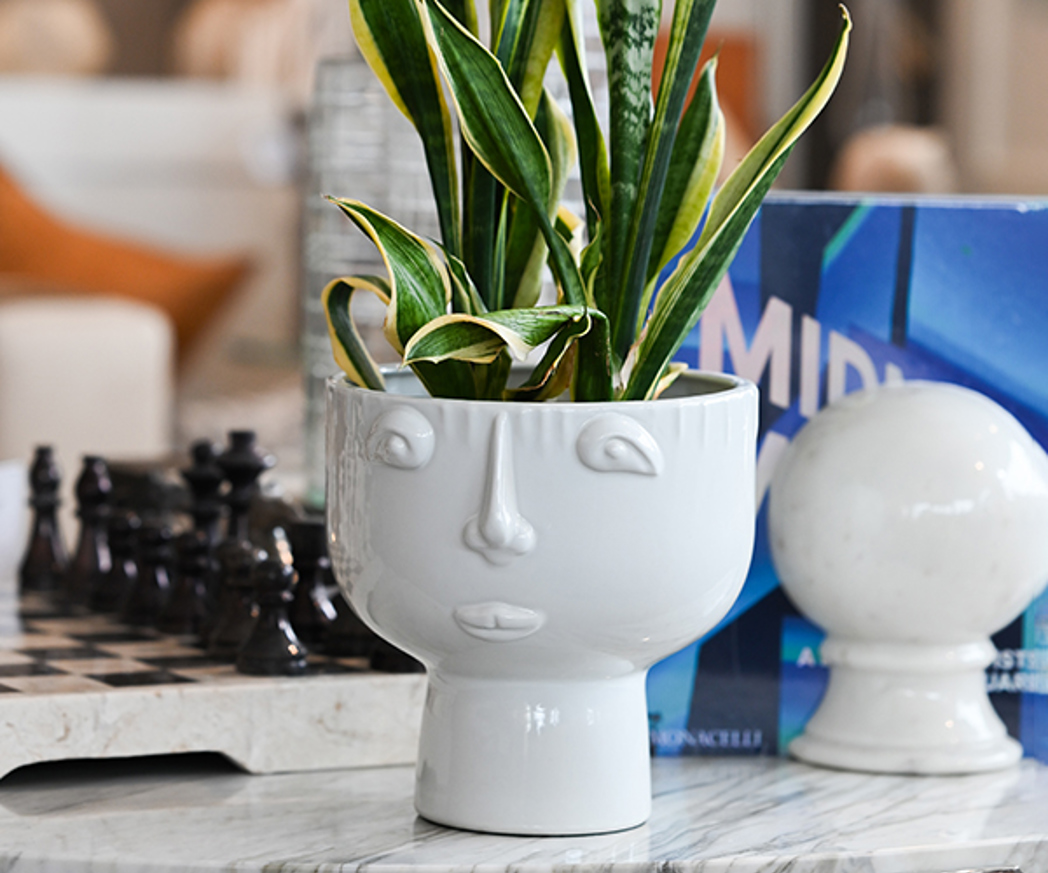
4 Home Decor Staples For Cleveland Minimalists

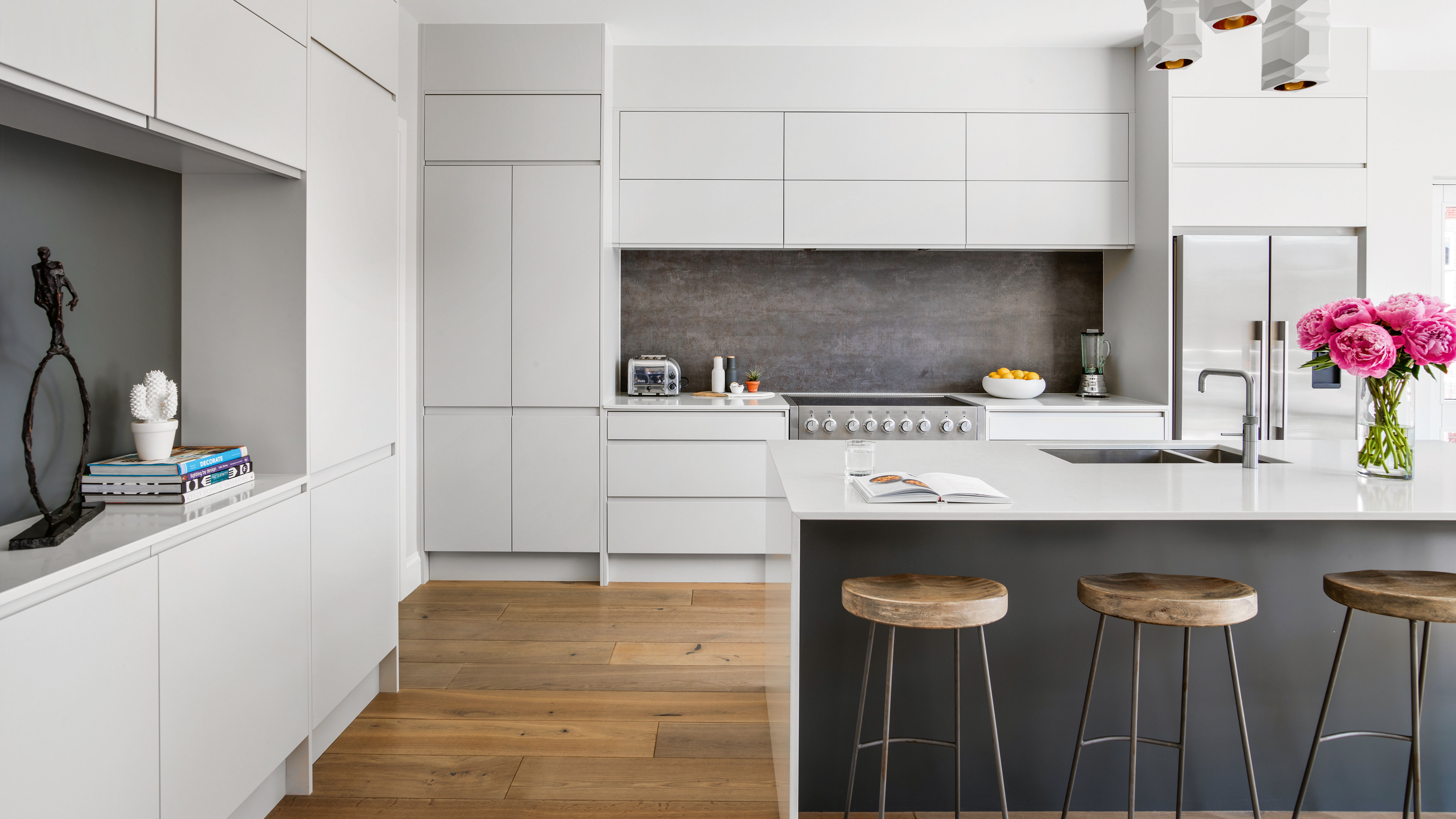
Minimalist kitchen ideas – 10 simple schemes for the modern home
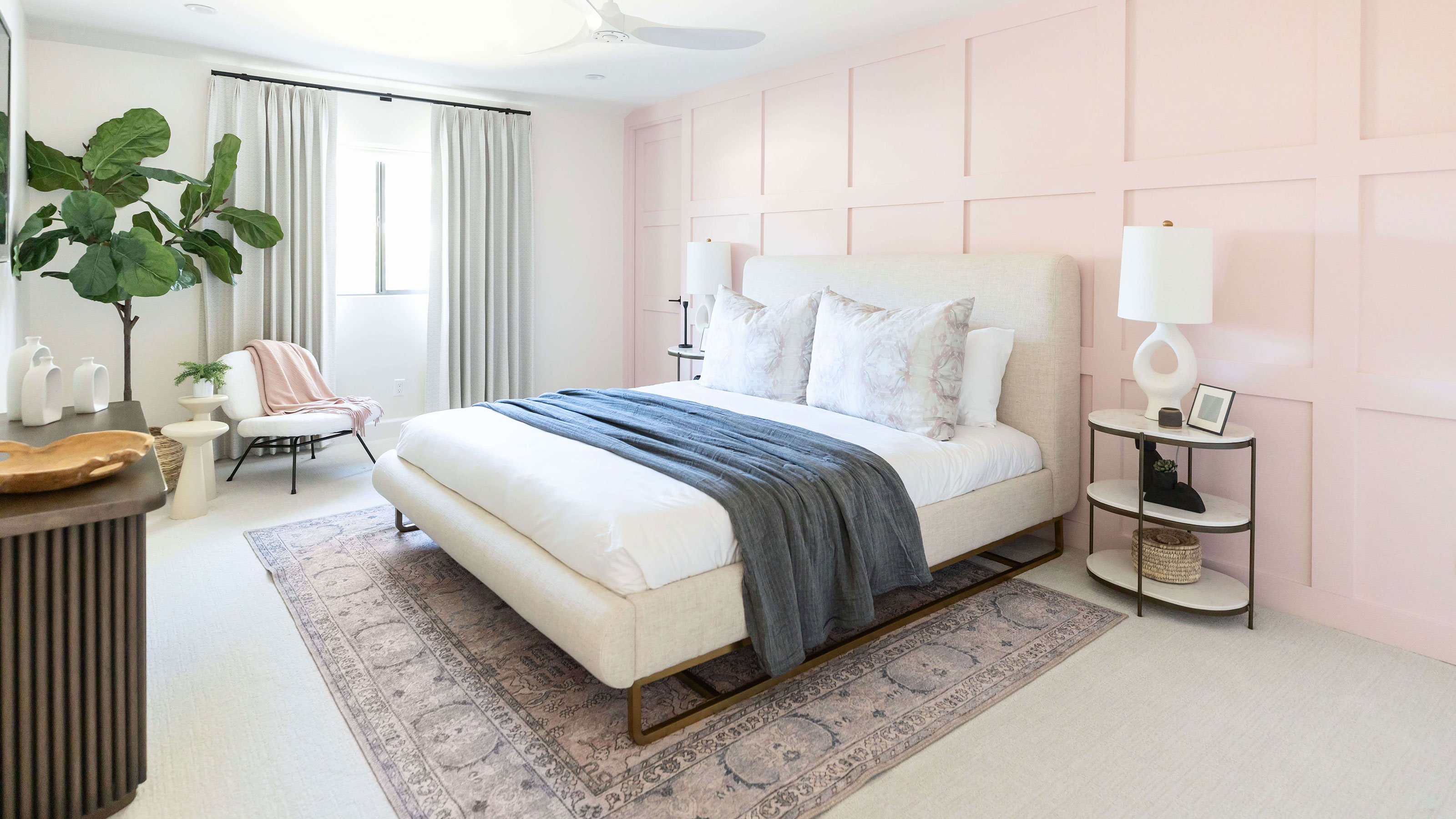
10 minimalist small bedroom ideas that still feel cozy
8 Minimalist Living Room Ideas That Are Still Totally Practical

39 Clean, Stylish Minimalist Living Rooms We Want to Copy