1/6
This 'Modern Breeze Block' Trend Is Everywhere Right Now — From Kitchen Islands to Room Dividers
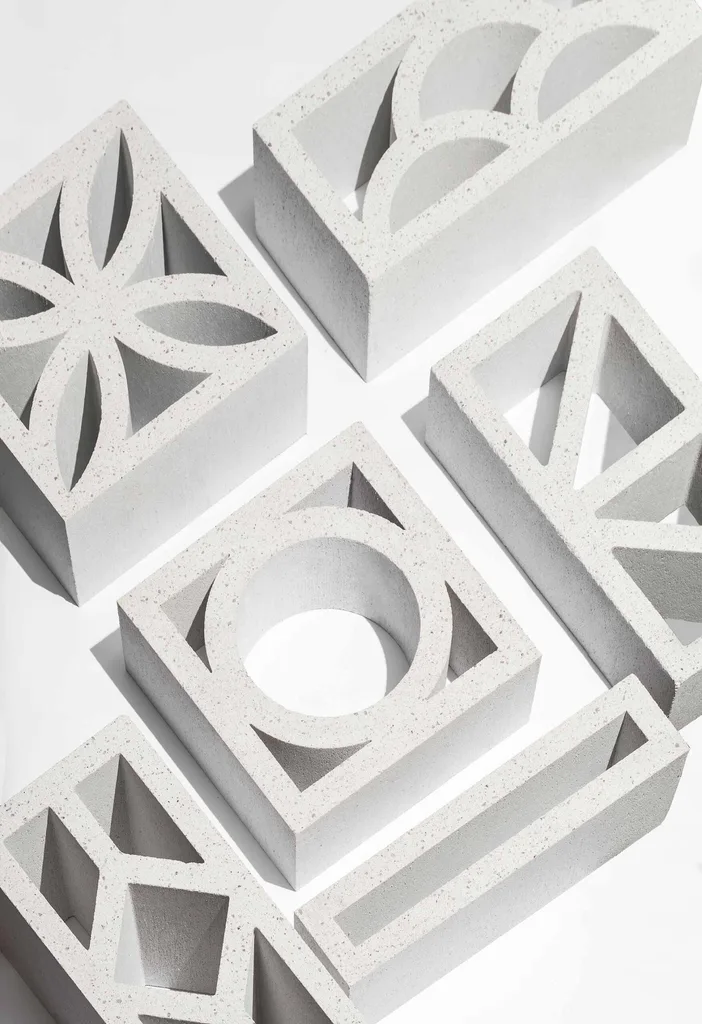
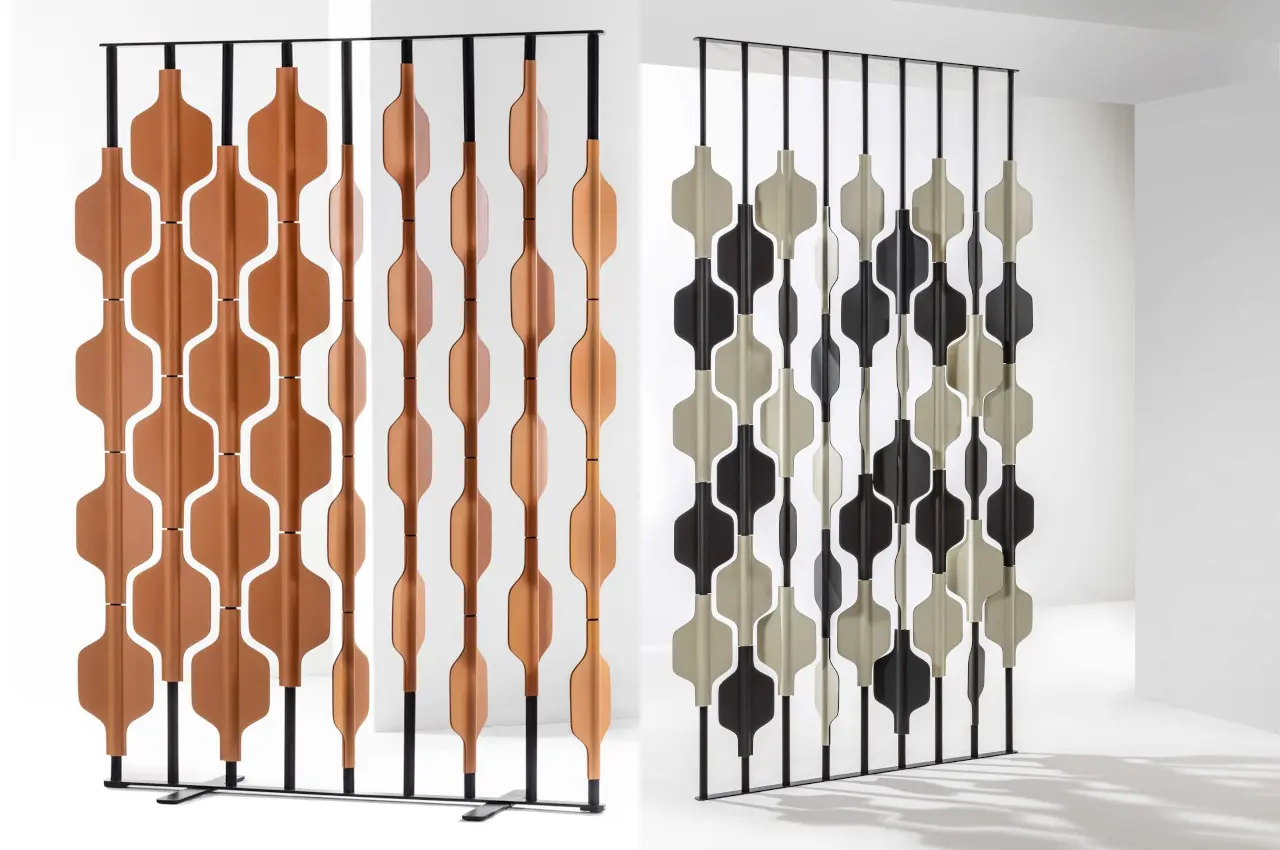
The article discusses the resurgence of breeze blocks in interior design, focusing on a specific modern style that deviates significantly from traditional, utilitarian gray concrete blocks. The author highlights a particular terracotta-colored, V-shaped breeze block, designed by Patricia Urquiola for Mutina and available through Domus Tiles in the UK, as a prominent trend. This modern iteration is appreciated for its ability to introduce geometric patterns while retaining a handmade, imperfect, and natural aesthetic.
Australian interior designer Tim Neve expresses his admiration for these terracotta breeze blocks, noting their warm tones and their non-structural nature. He explains that they are rated as non-structural, making them suitable for decorative features rather than load-bearing applications. The blocks also come with profile edgings, allowing for a finished look when used in designs like room dividers. This versatility contributes to their widespread adoption by interior designers.
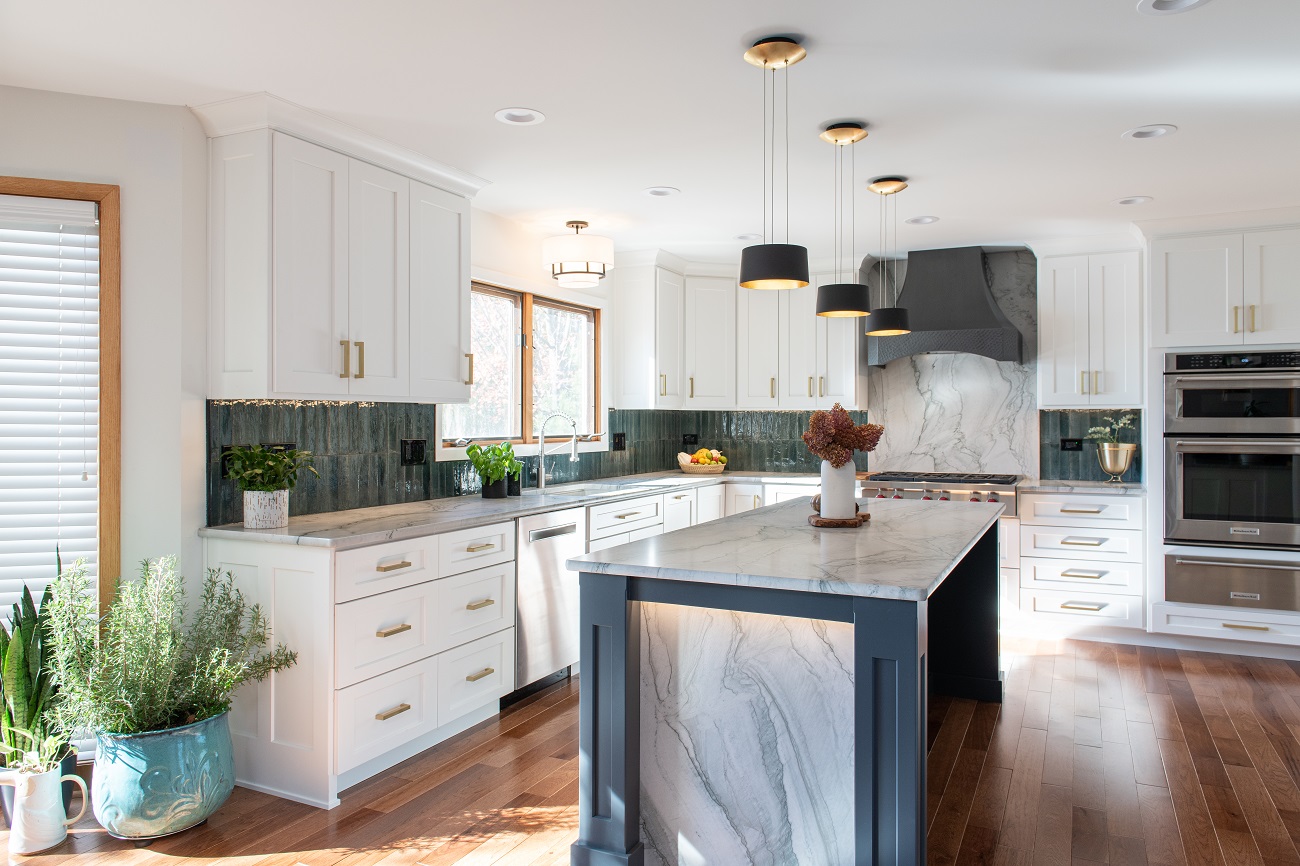
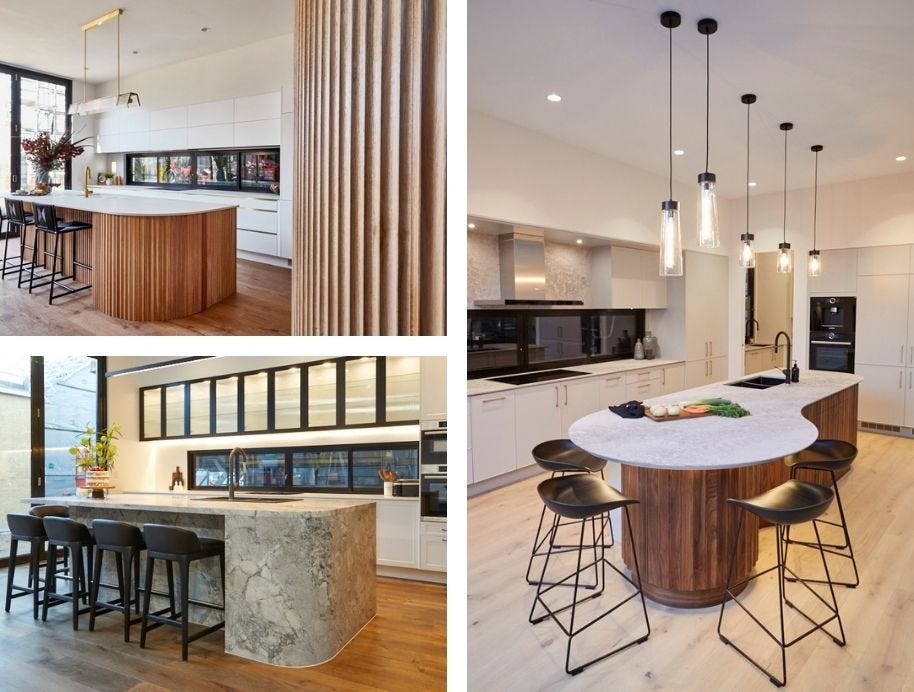
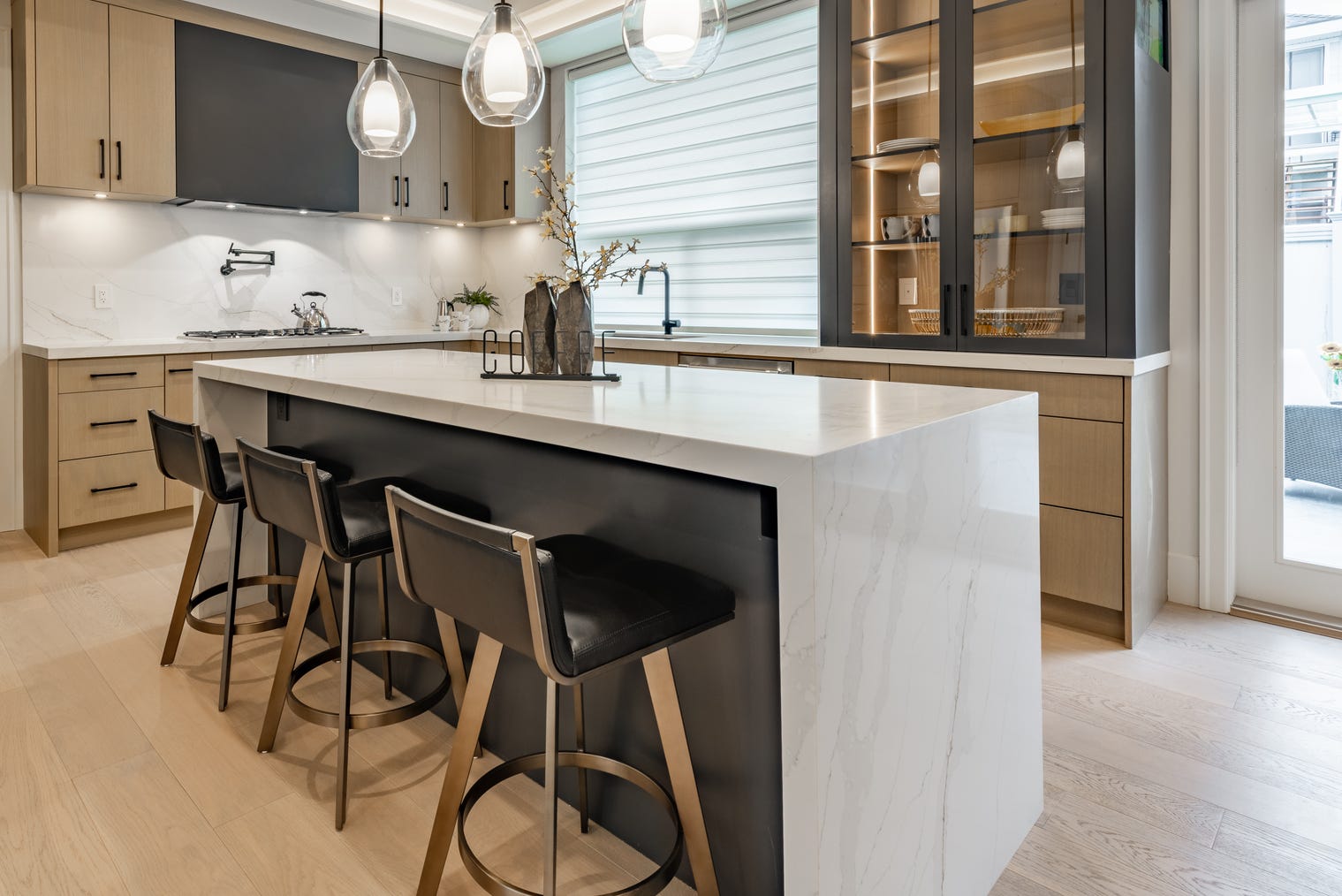
The article provides several examples of how these modern breeze blocks are being integrated into contemporary interiors. One application is in kitchen islands, where they serve as a visually striking base. Tim Neve's Hipwell Haus project is cited as an example, showcasing how the terracotta blocks complement other textures and colors in the kitchen, such as limewash, dark timber, and marble, maintaining a cohesive color story. The blocks offer an interesting texture and a sense of solidity without the structural limitations of traditional blocks.
Another use case is in TV walls, where the breeze blocks provide a unique finish for the surround. Studio Minosa's apartment project is featured, demonstrating how the blocks were used to echo the building's exterior terracotta cladding, thus connecting the interior design with its architectural context. This application often includes the matching edging tiles to create a complete and polished appearance.
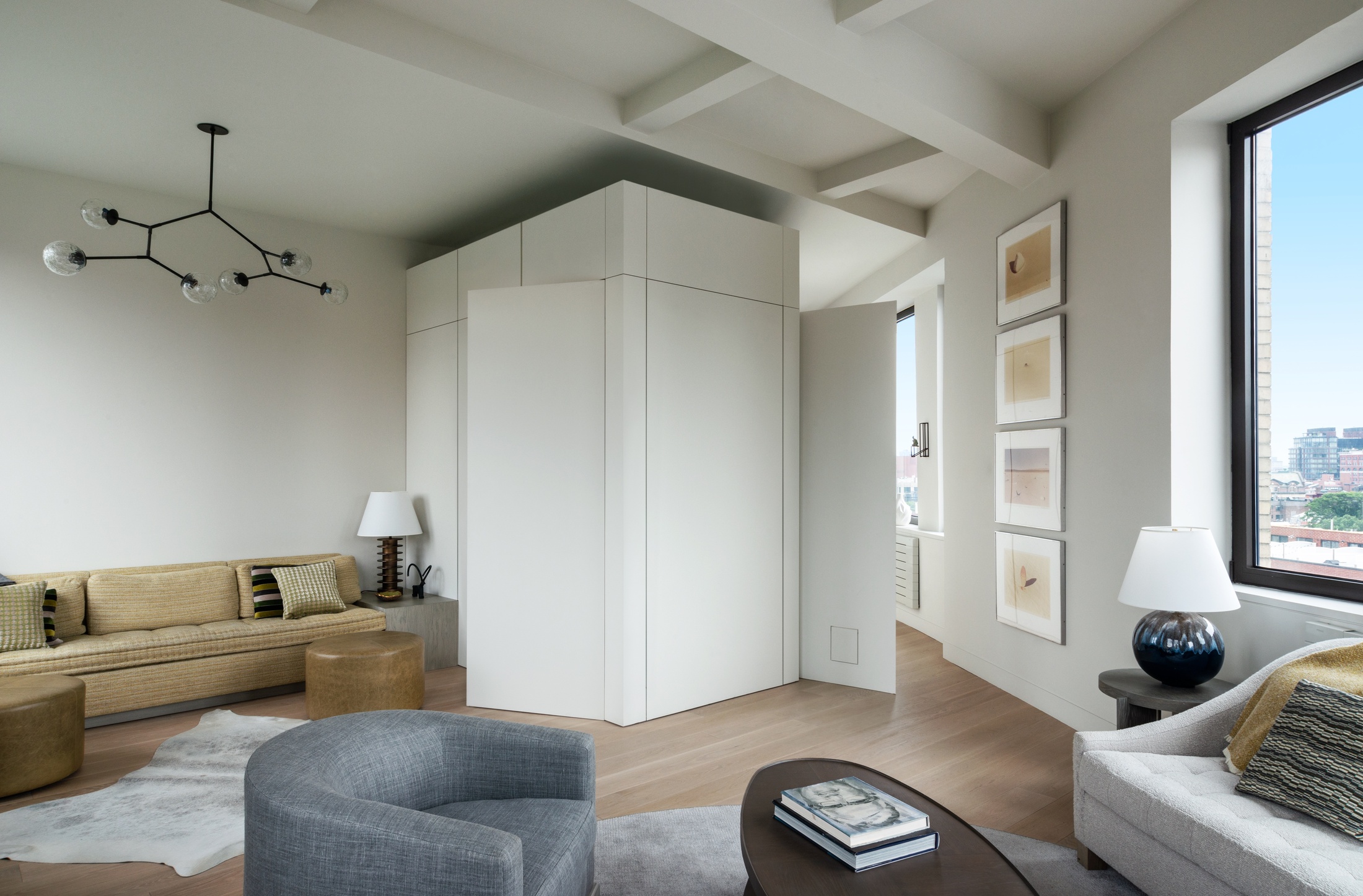
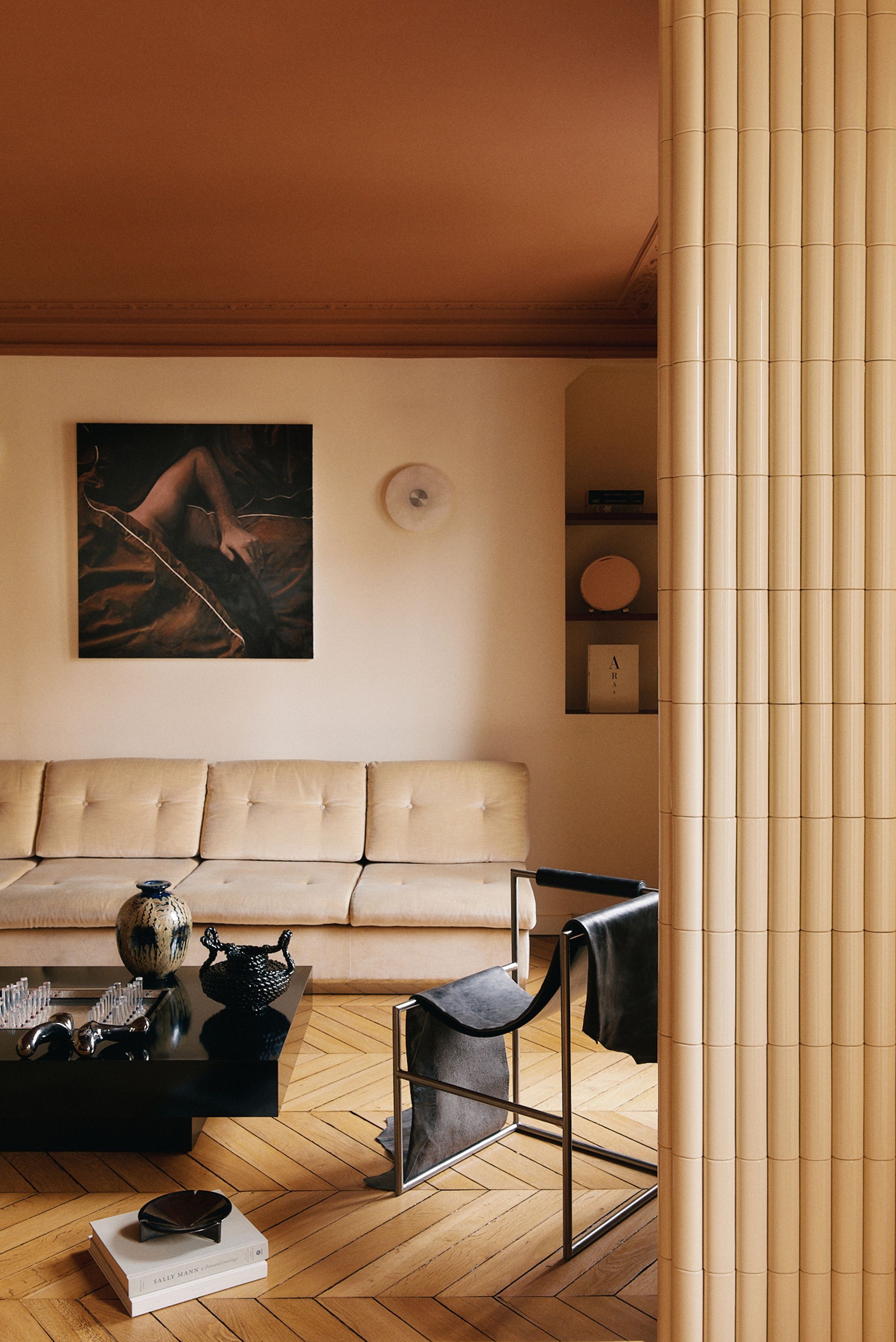
Furthermore, the modern breeze blocks are effectively employed as room dividers. The design allows for a fixed division within a space while preserving sightlines, which helps maintain an open-concept feel. Lisa Lev Design and Studio Sonny utilized these blocks to resolve a spatial challenge in a living room, where a sectional sofa extended beyond the wall. The breeze block divider served as an intentional boundary, a focal point from the hallway, and maintained the room's openness, acting as a triple-threat solution to both aesthetic and functional needs.
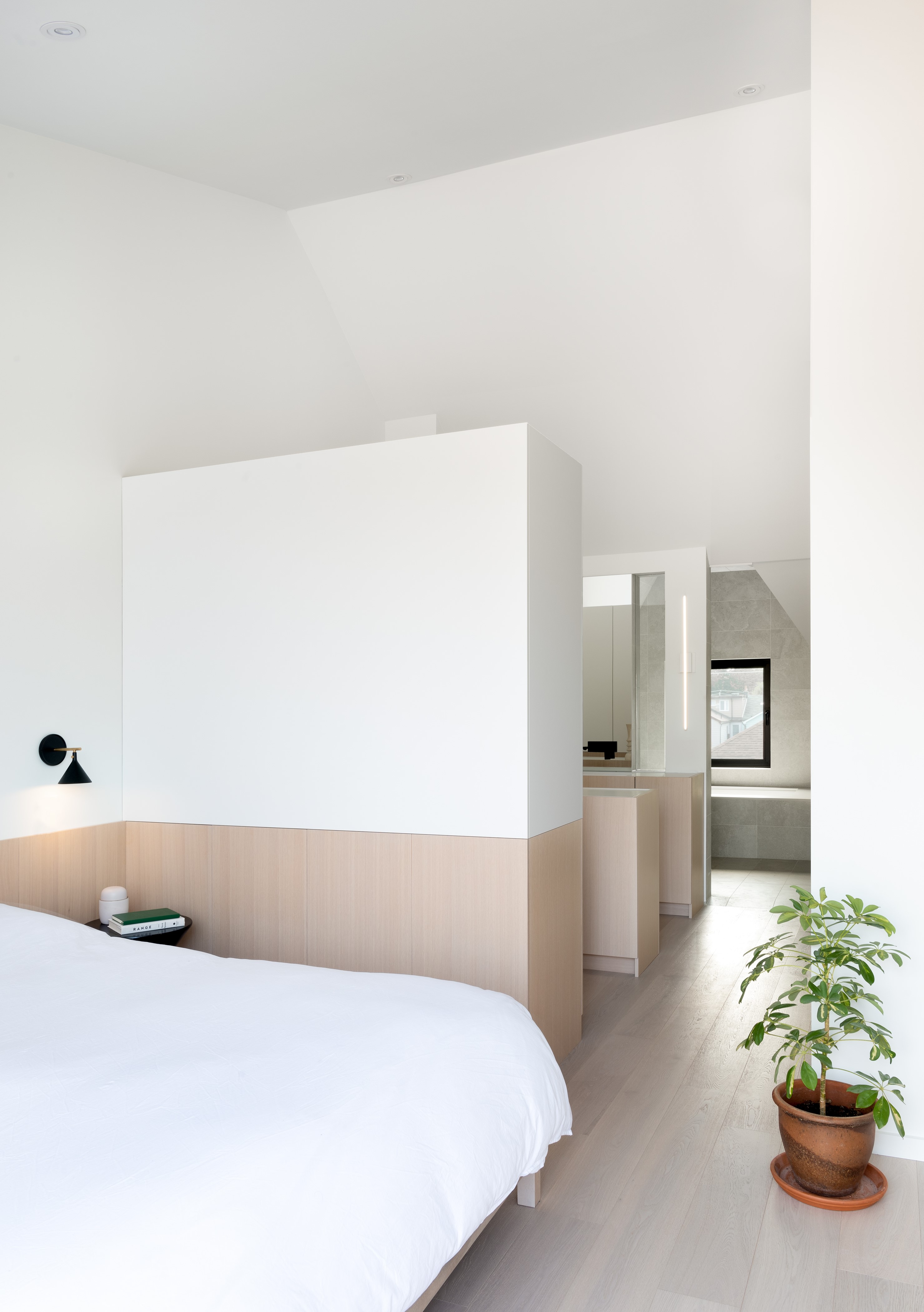
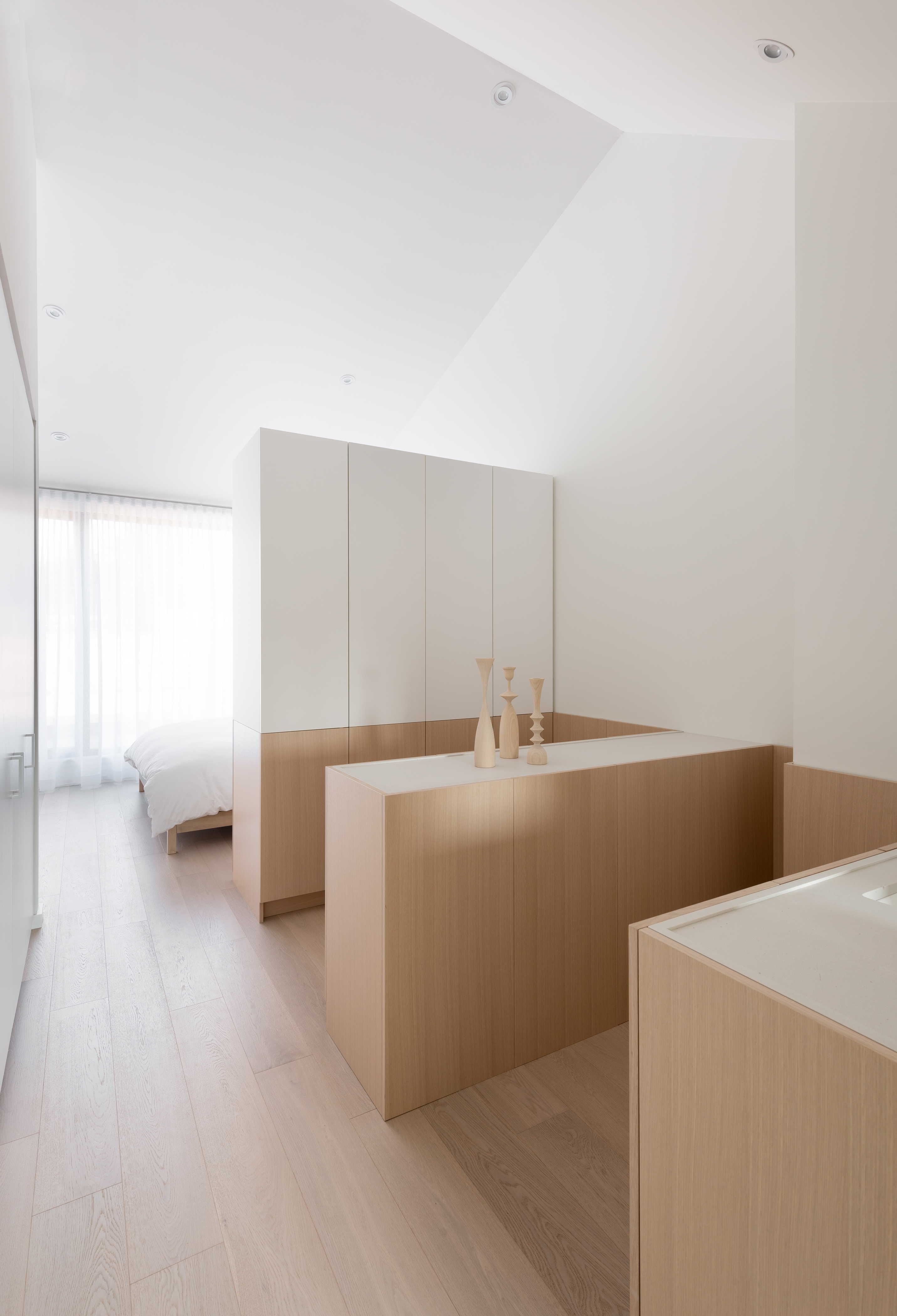
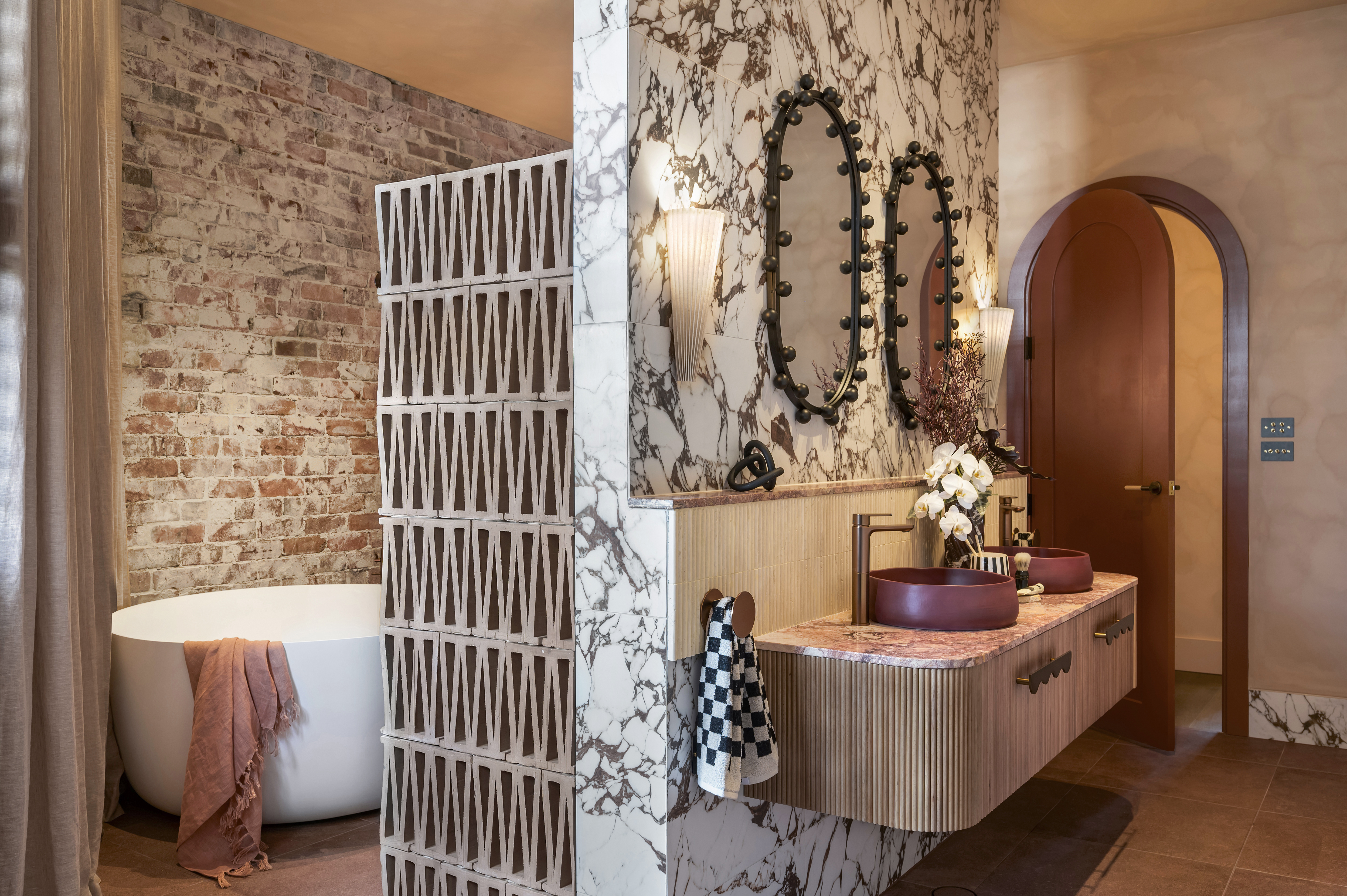
Finally, the article explores the use of these terracotta blocks in bathrooms. Despite the rough, textured surface not being a conventional choice for modern bathrooms, several instances are noted, including in Tim Neve's own bathroom. In the Lisa Lev and Katelyn Rempel-designed home, the blocks are inset into a timber frame, creating a partial room divider within the ensuite. This provides privacy for the toilet area while ensuring material continuity throughout the home, blending seamlessly with other terracotta tiles used in the bathroom. The author concludes by acknowledging that while such a dramatic material choice might be polarizing, its raw, rustic, and playful appearance makes it a favorite.
#InteriorDesign #ModernBreezeBlocks #Terracotta #ArchitecturalTrends #HomeDecor #KitchenDesign #RoomDividers #BathroomDesign #MutinaCelosia #InteriorDesign #ModernBreezeBlocks #Terracotta #ArchitecturalTrends #HomeDecor #KitchenDesign #RoomDividers #BathroomDesign #MutinaCelosia
0 comment in total
 No comments yet
You may also like
Designers Reveal the Surprising Home Trend That's Taking Over Right Now

30 of the worst modern home trends that WILL go out of fashion | loveproperty.com

The New Trick Designers are Using To Zone Rooms and Create Privacy Is Both Beautiful and Functional

Sorry, but These Design Trends Will Be Outdated in 2025

10 breeze block wall ideas worthy of Palm Springs

Fluting: 9 times interior designers have inspired us with this key new look

These Micro Trends Look Good Online—But Designers Say You'll Regret Them

Designers Agree: These 15 Home Trends Are Officially Out in 2026
Trend alert: 4 window treatments ruling interiors right now

Home Trends

Time to get curvalicious!
Interior Design Trends — The 16 Defining Ideas for Decorating Homes in 2025
Designers Reveal the Bold Design Trend That's Taking Over Homes

10 Hottest Home Design Trends to Watch for 2025
Enjoy these 5 creative space dividers for small and big rooms

11 Front Door Trends That Set the Tone for a Classy Home — Materials, Colors and Styles Architects Love Now

People Are Exposing The Home Decor Trends That'll "Completely Fade Out" Sooner Than You'd Think

10 Home Design Trends Your Clients Will Love in 2024
World Market's Spring Home Decor Collection Will Be Your Newest Obsession

Opinion: Home Is the New Fashion