1/8
'It's so effective at making your home work harder' – the latest paint trend endorsed by colour gurus
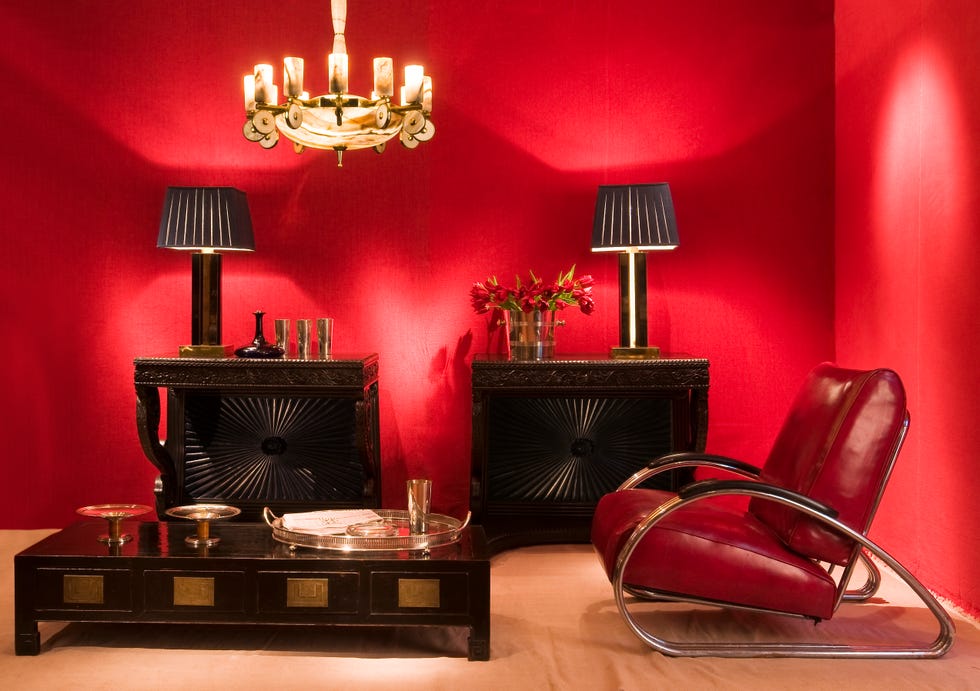
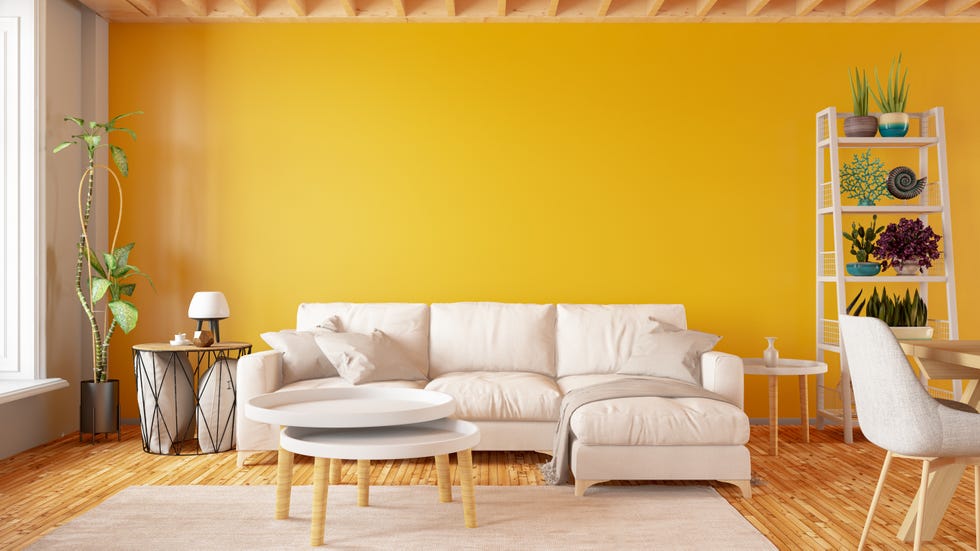
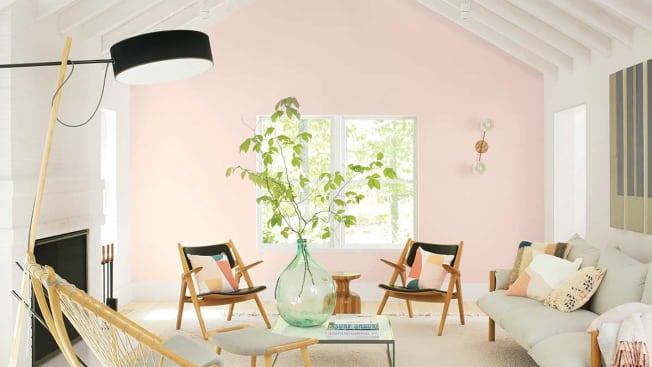
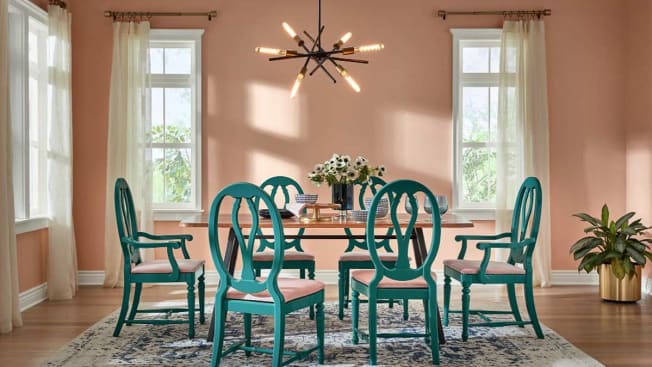
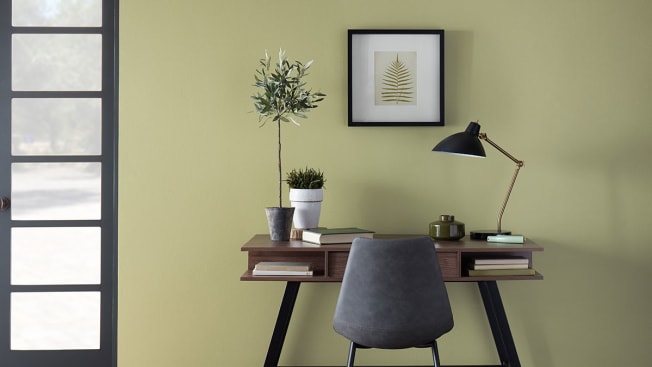
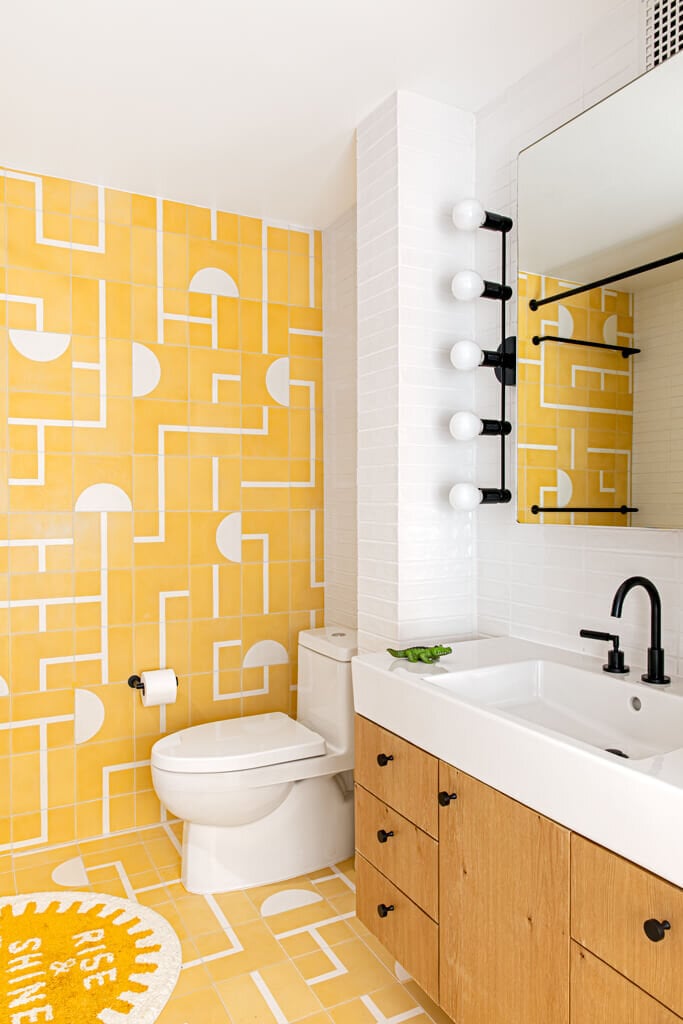
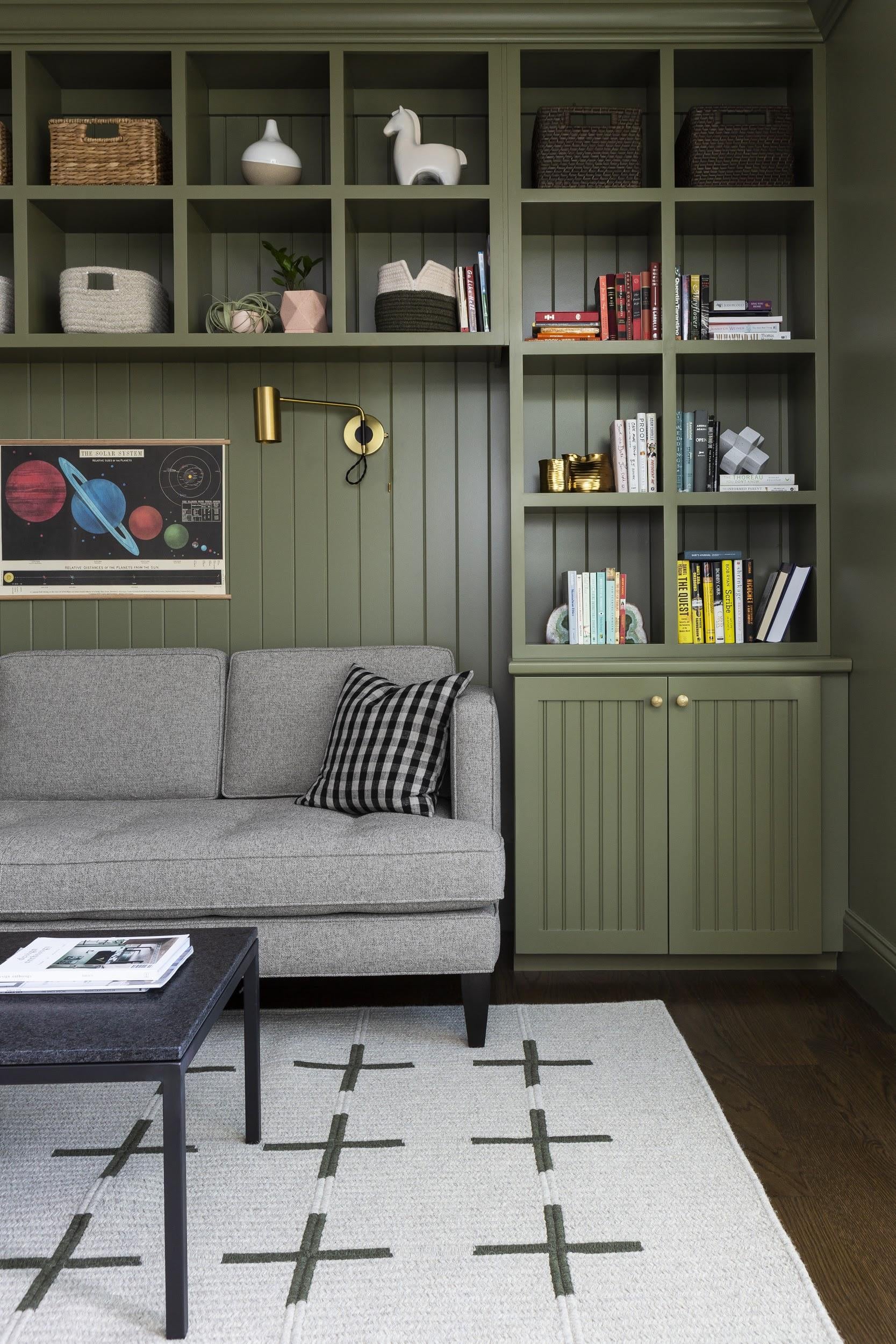
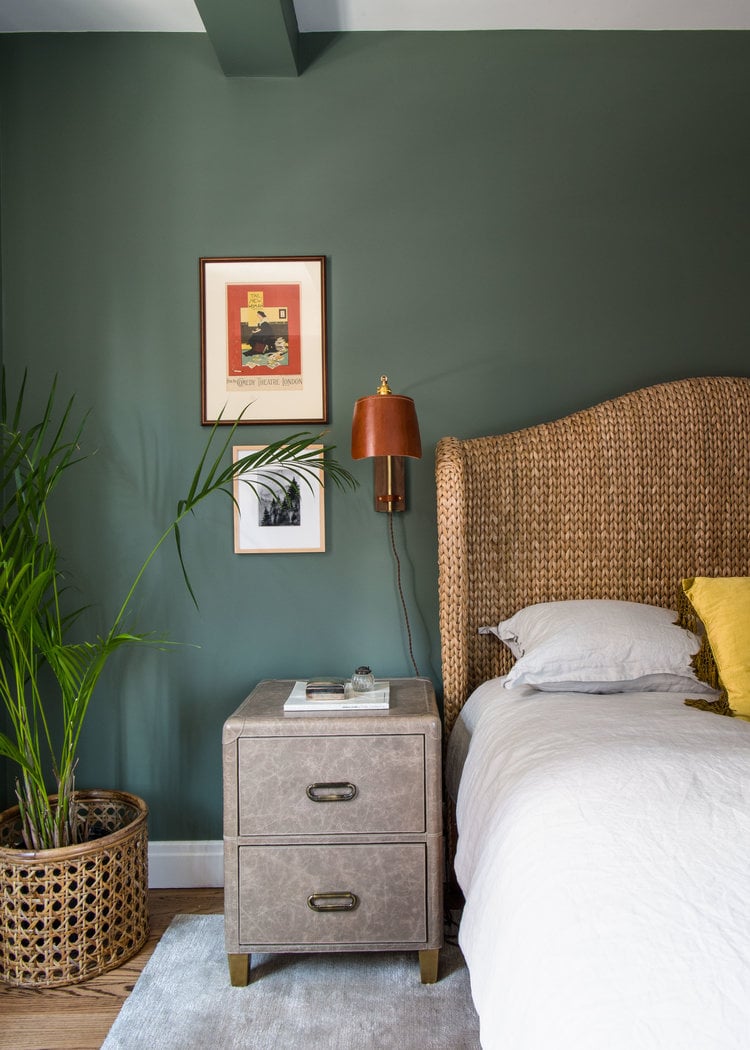
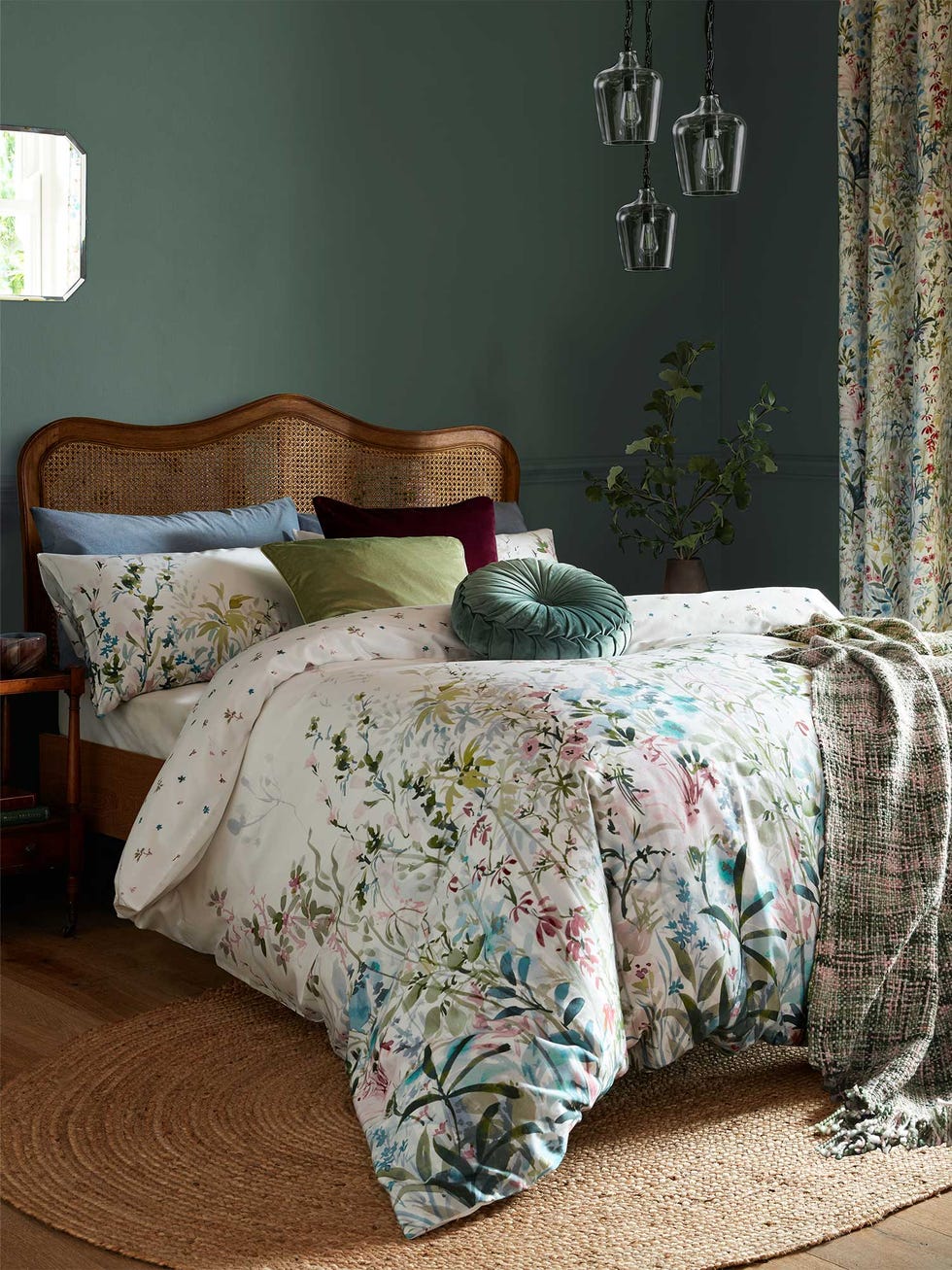
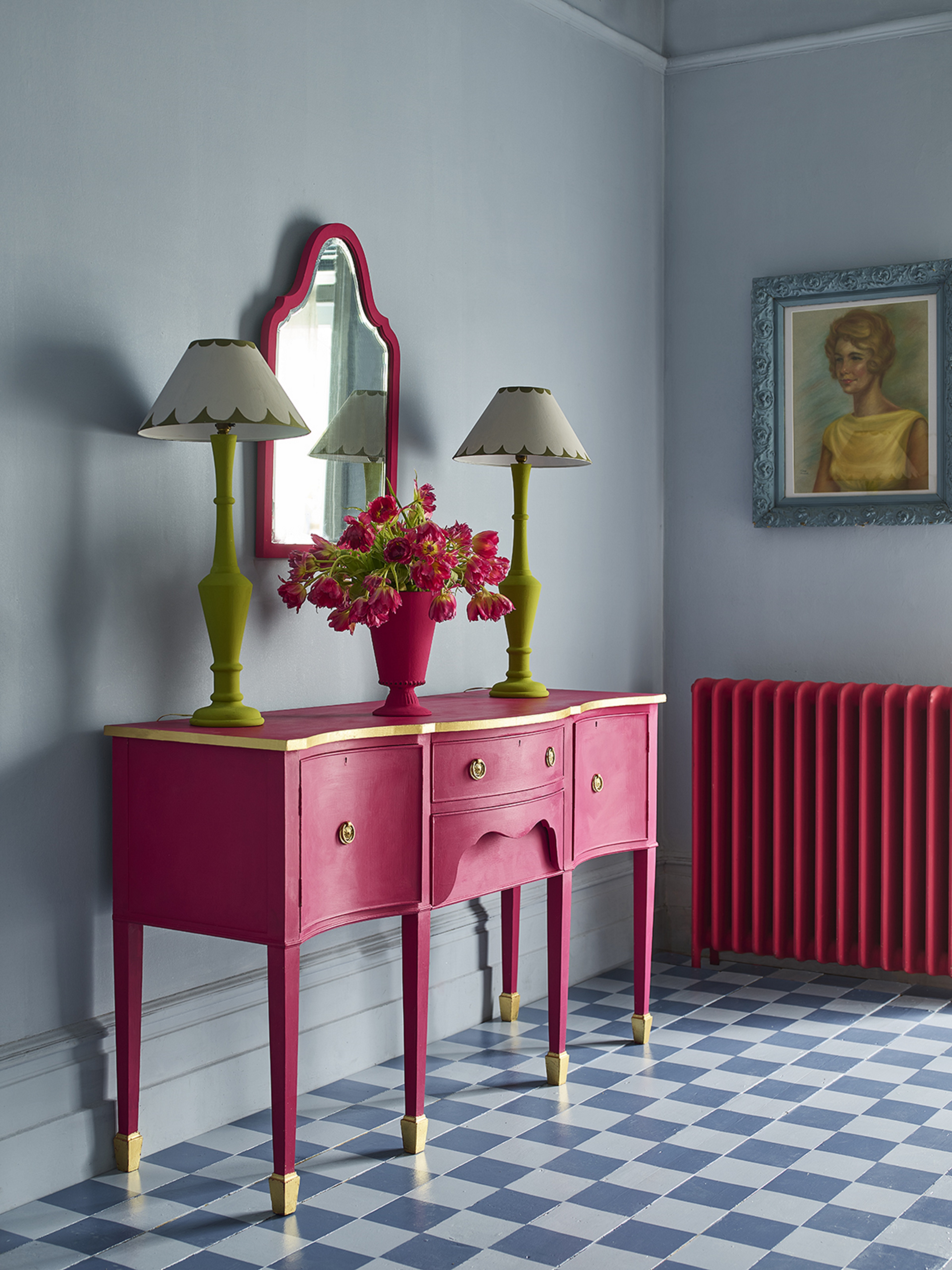
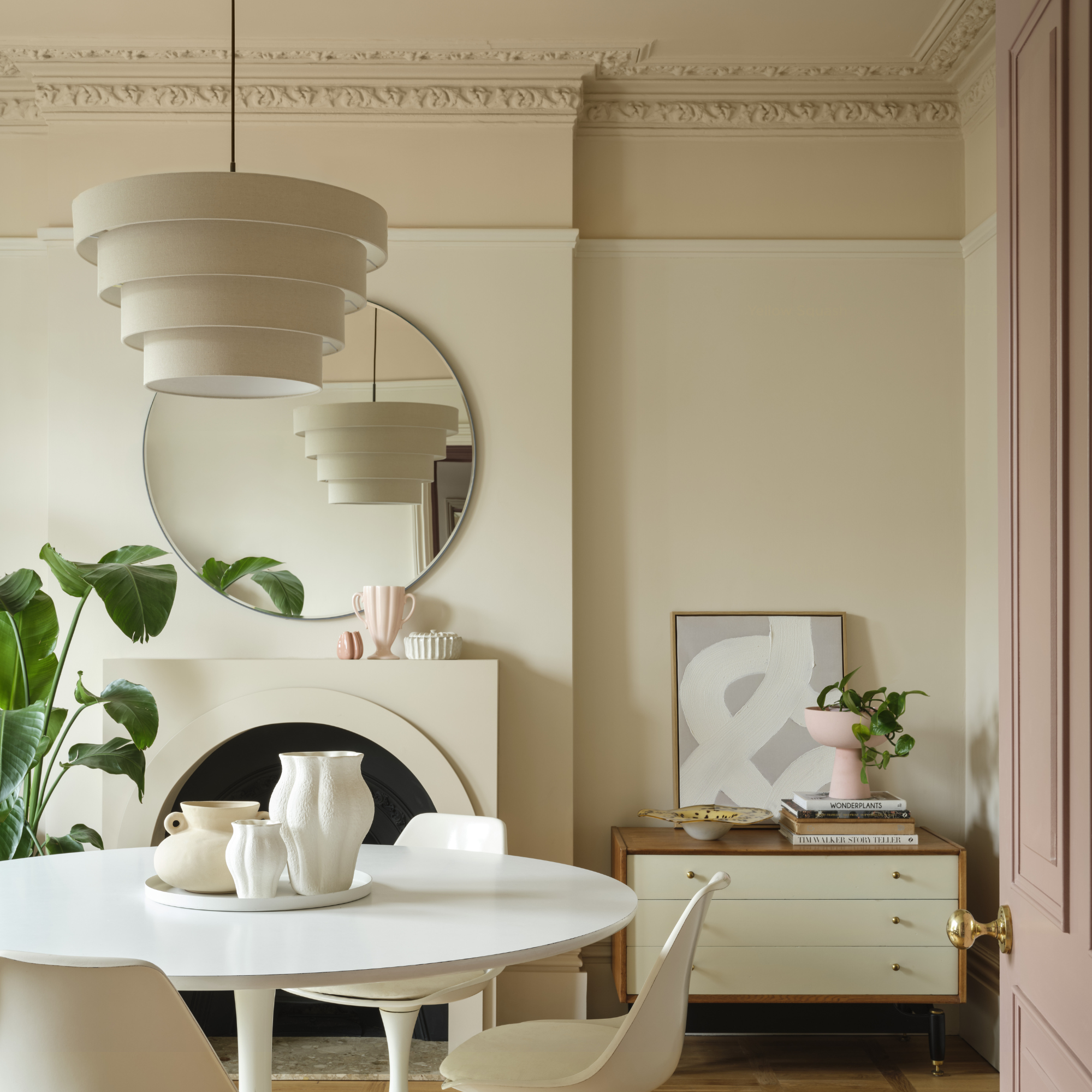
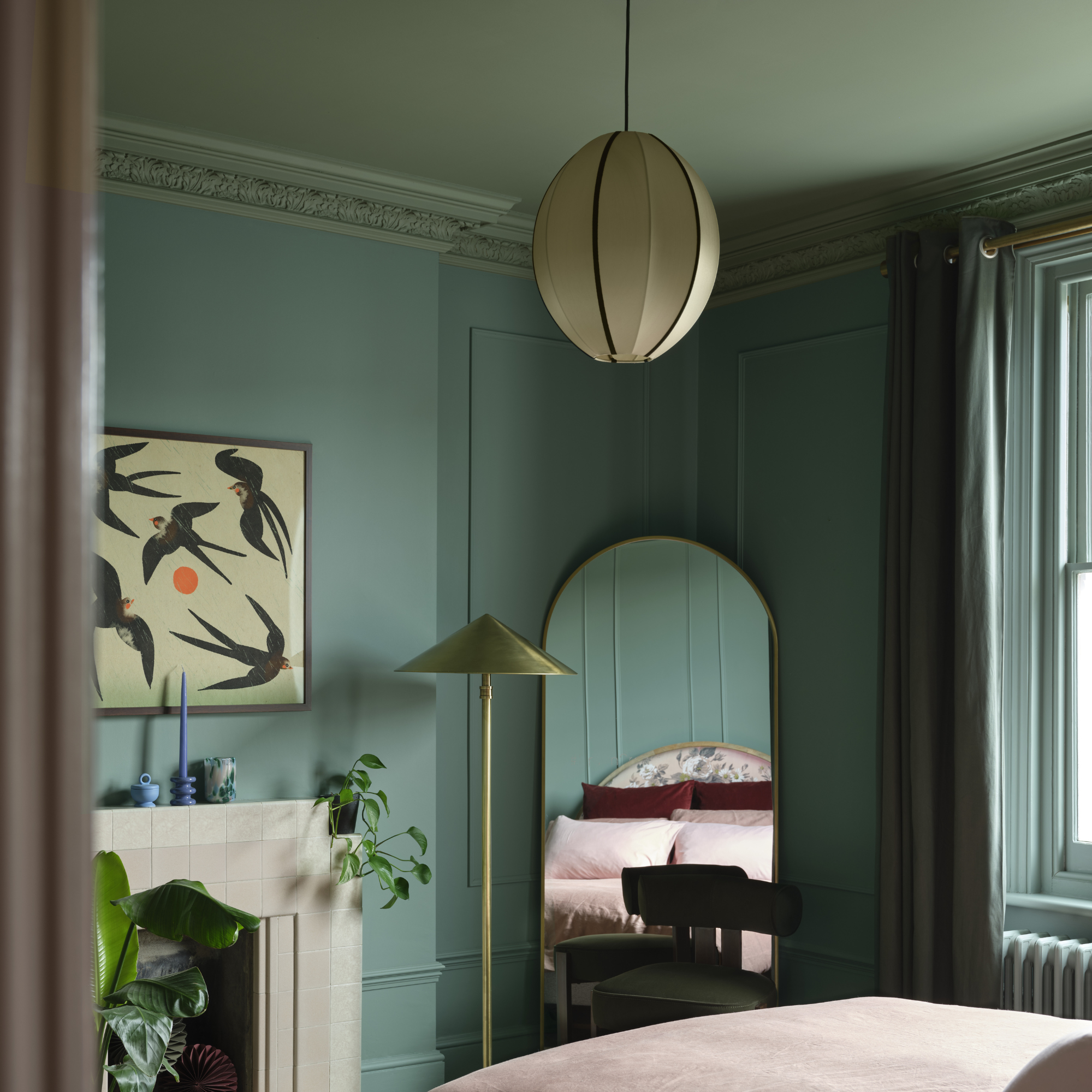
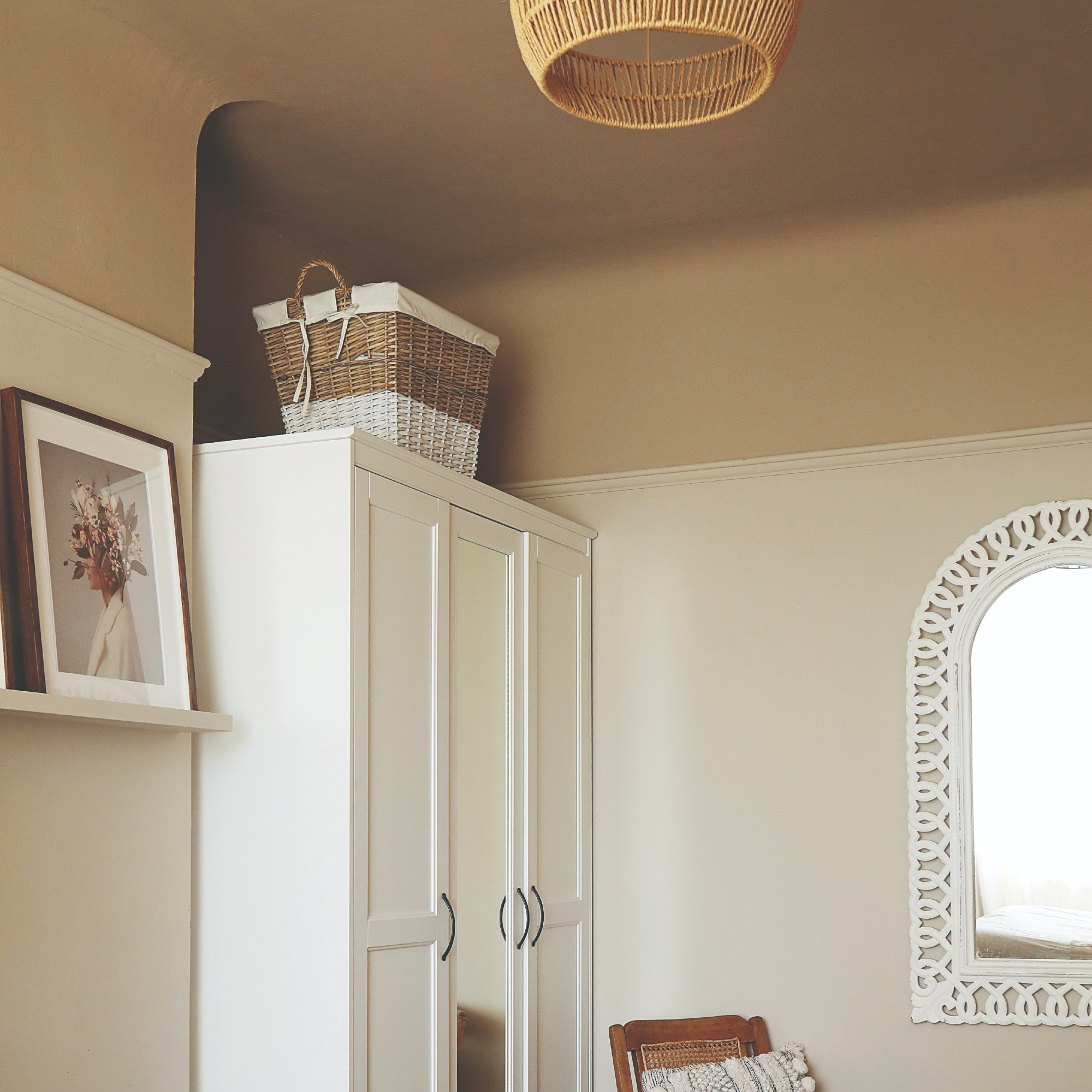
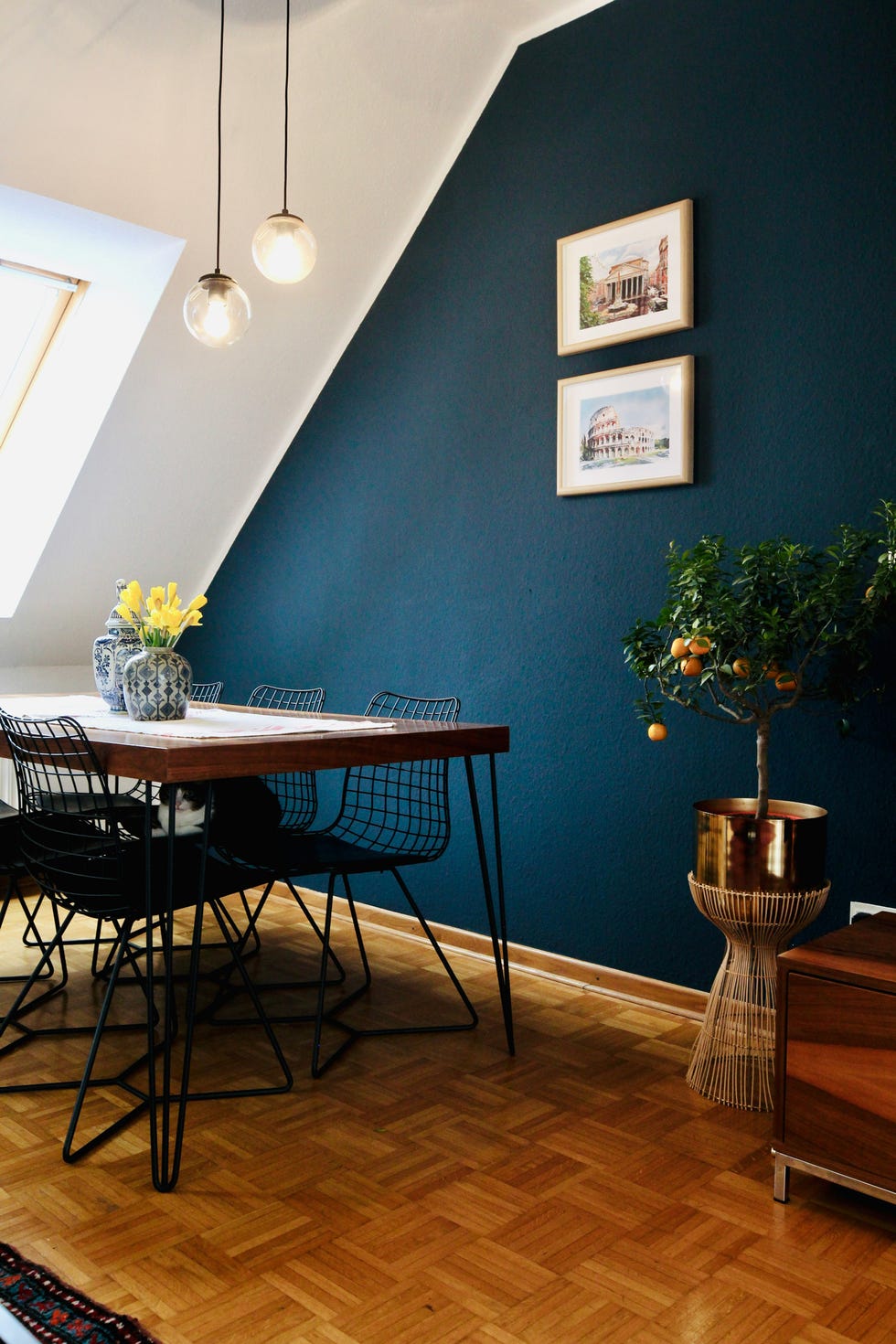
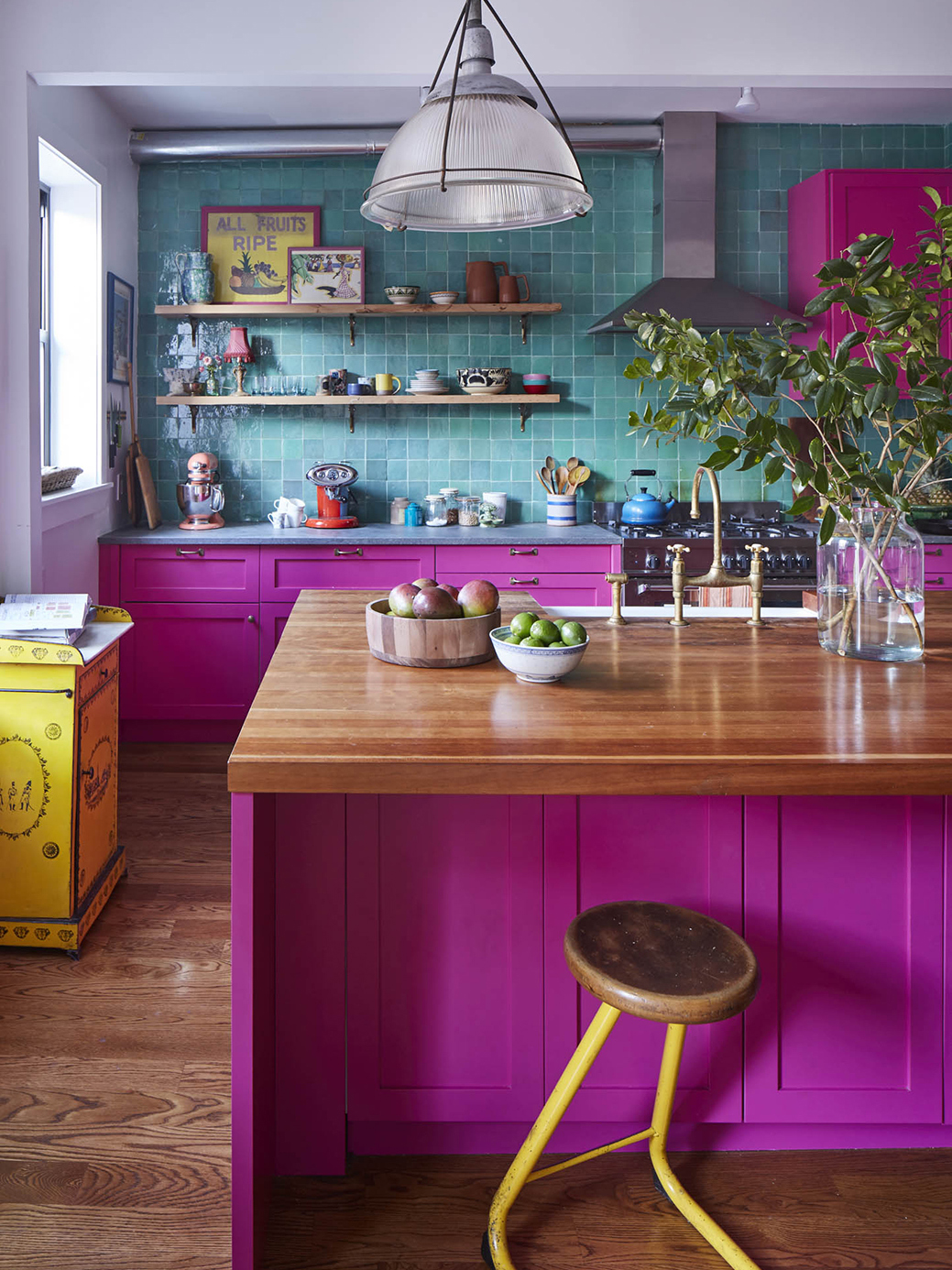
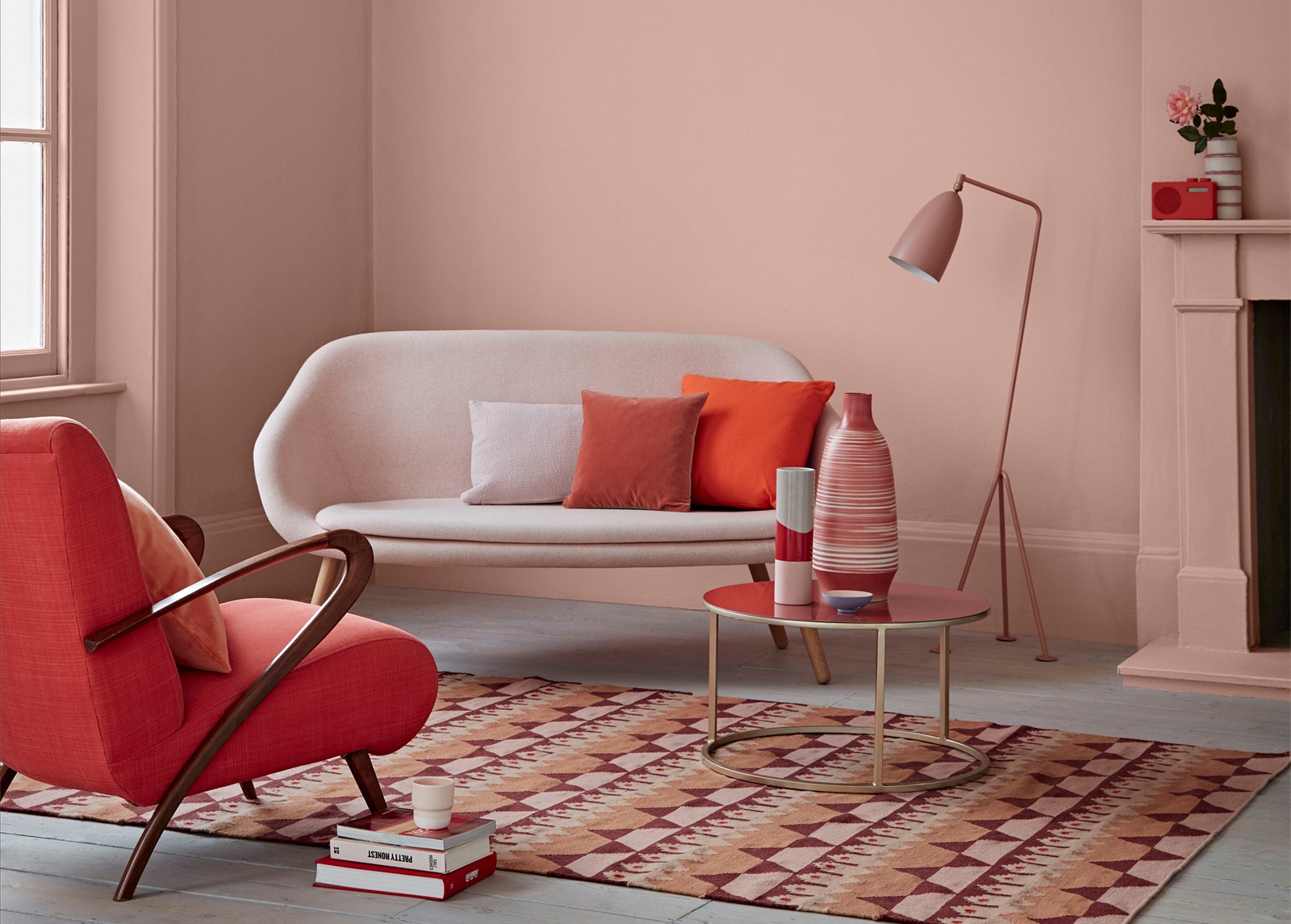
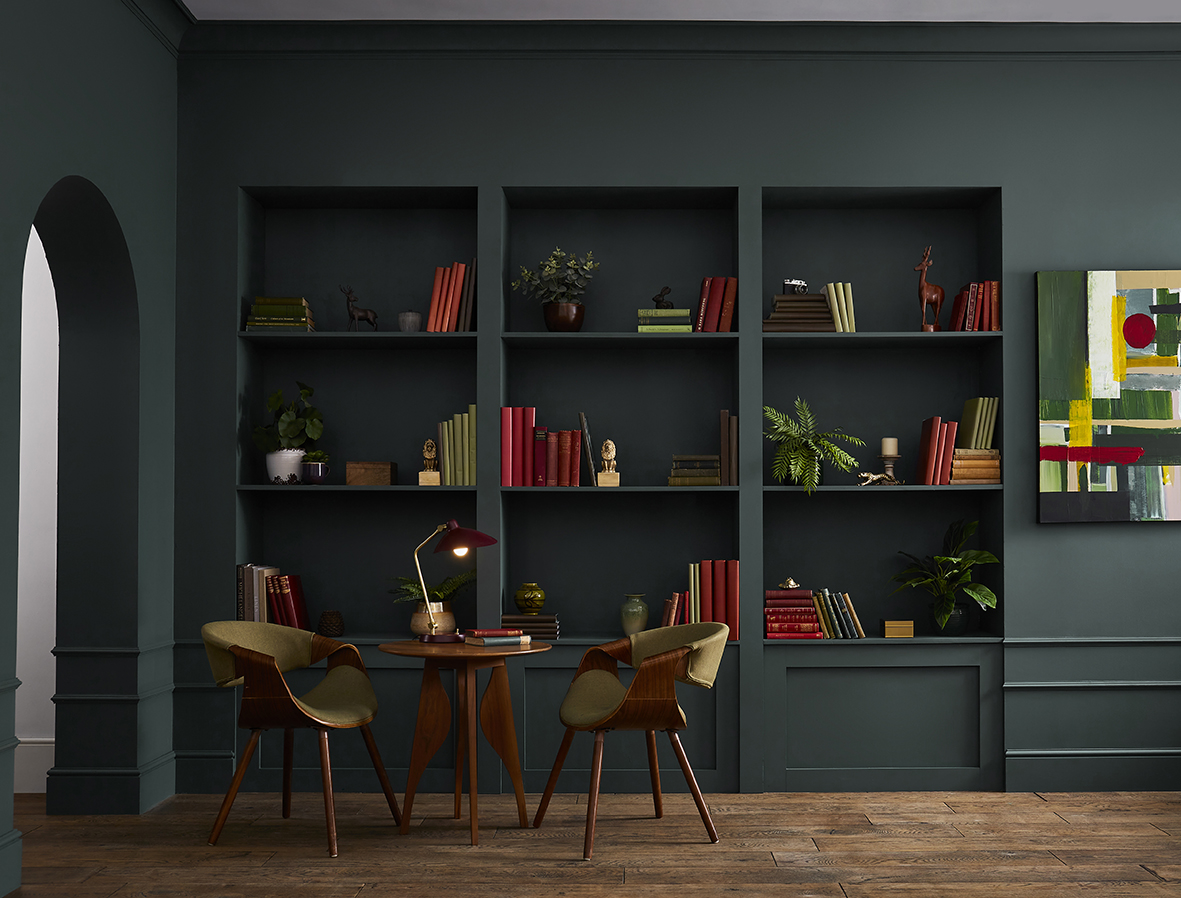
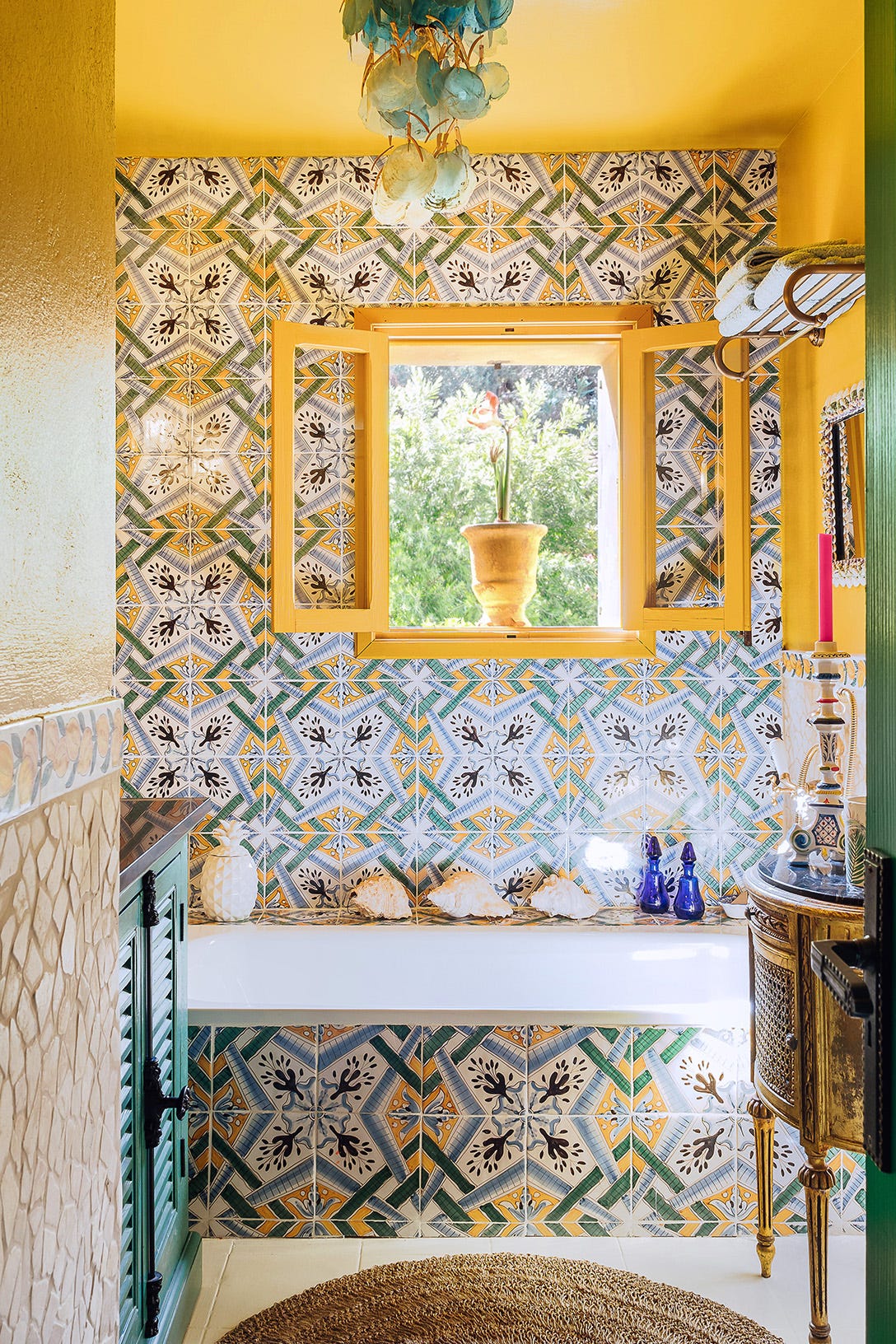
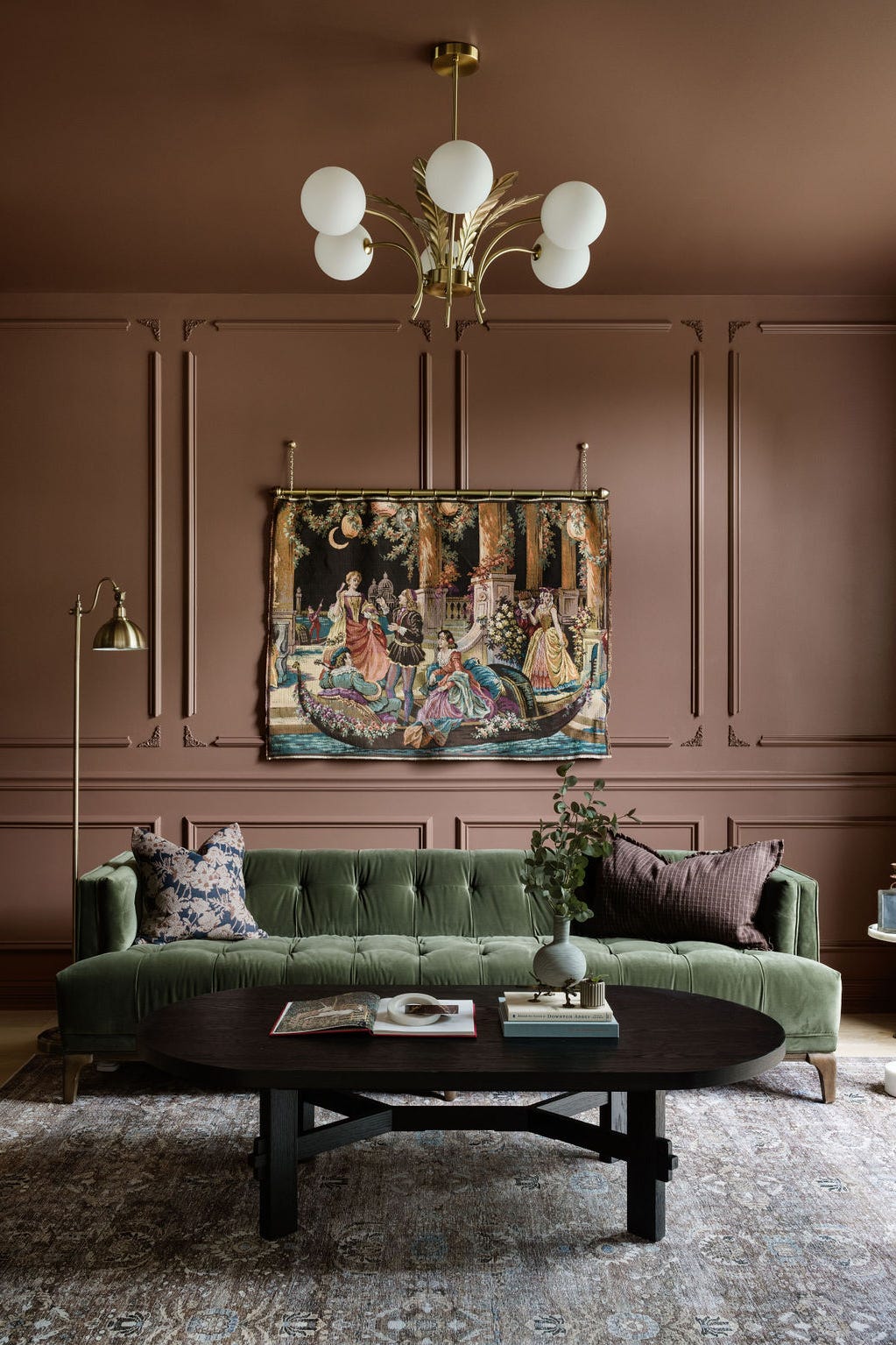
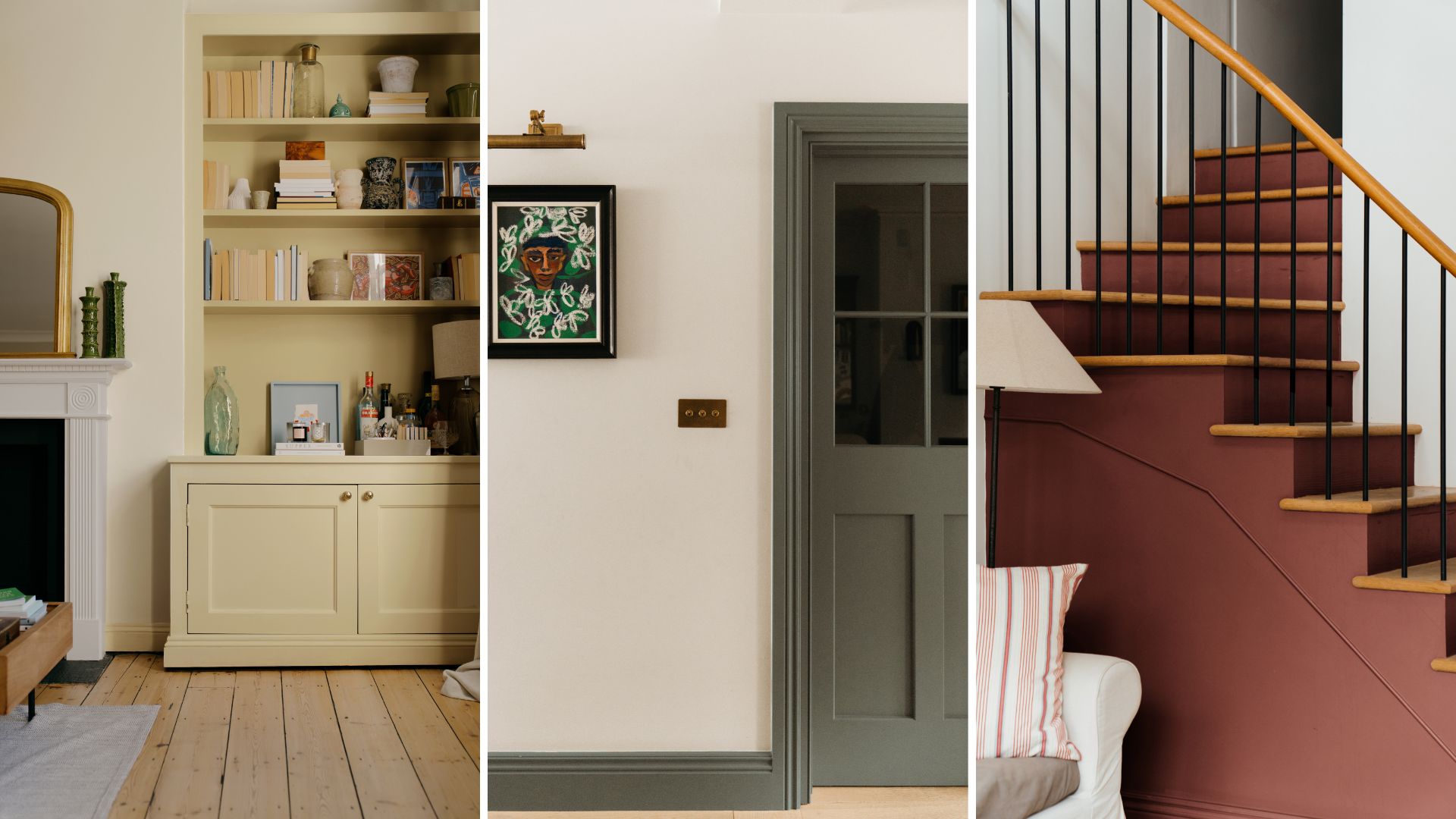
The concept of 'millennial grey' as a dominant interior design choice is being replaced by a burgeoning interest in vibrant colours and innovative paint trends, with 'colour zoning' emerging as a significant contender. This approach leverages colour to define and enhance the functionality of various spaces within a home, making each area work more effectively.
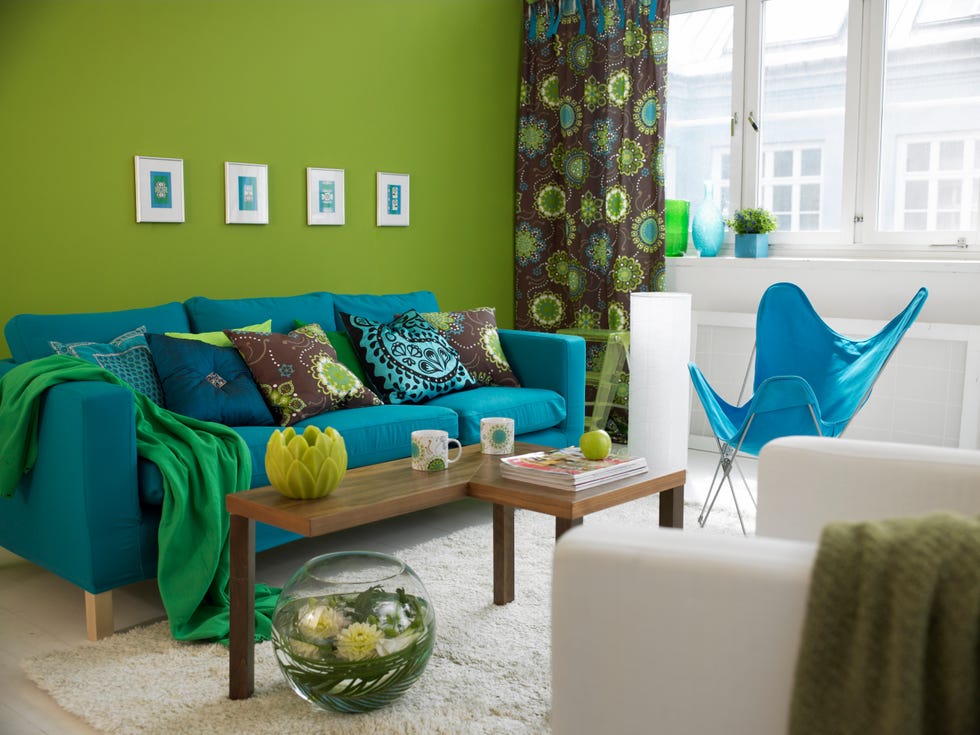
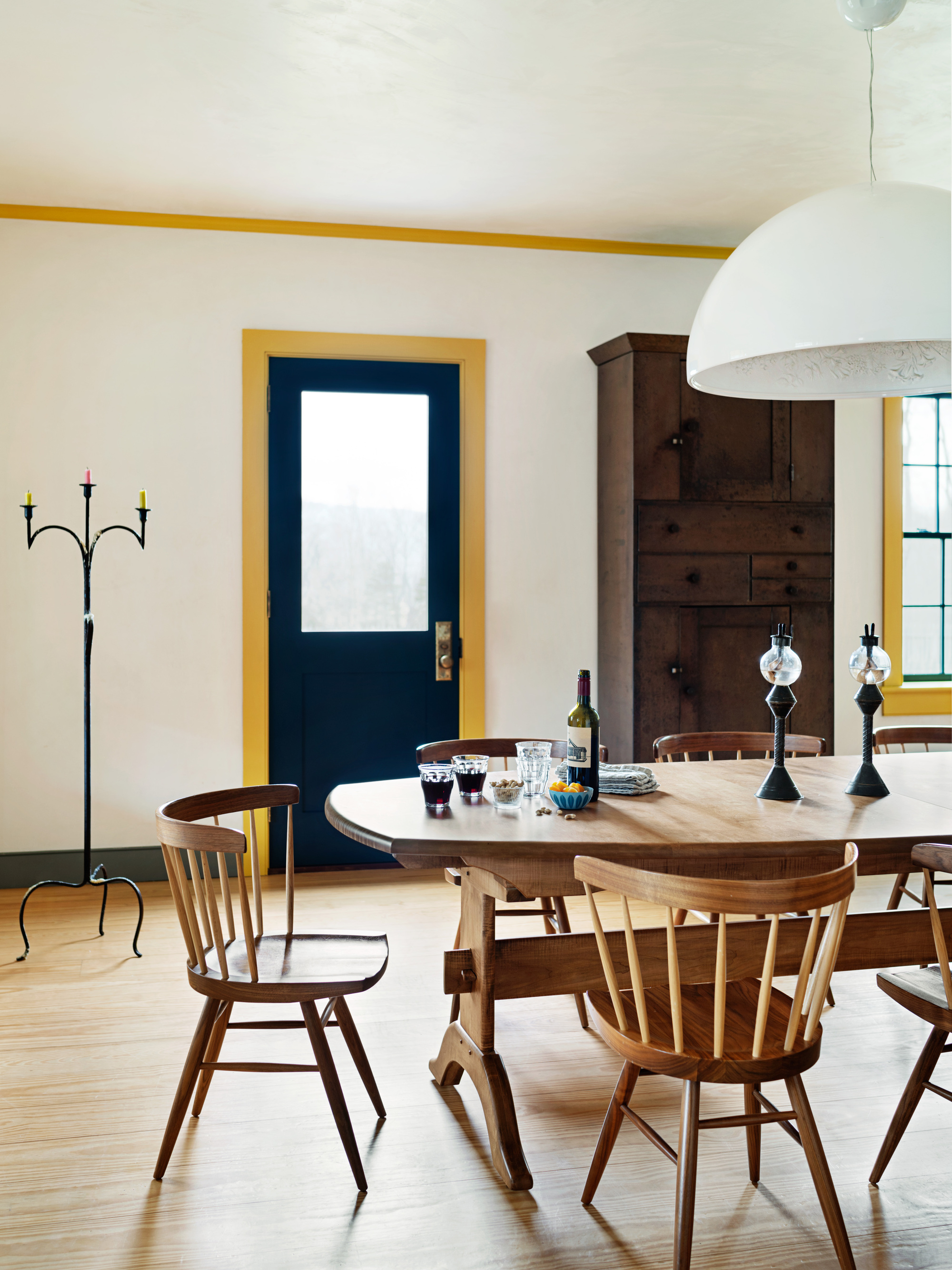
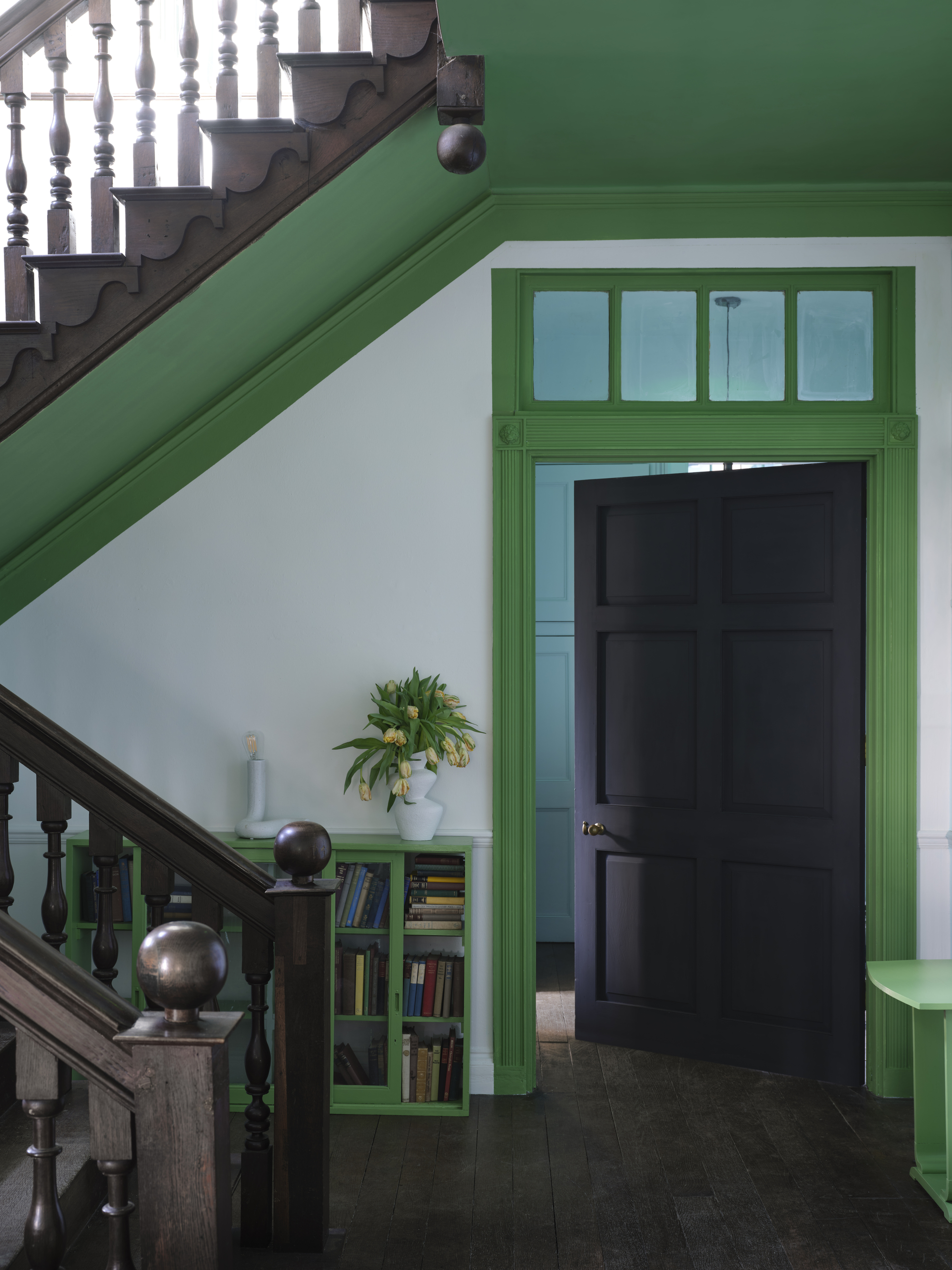
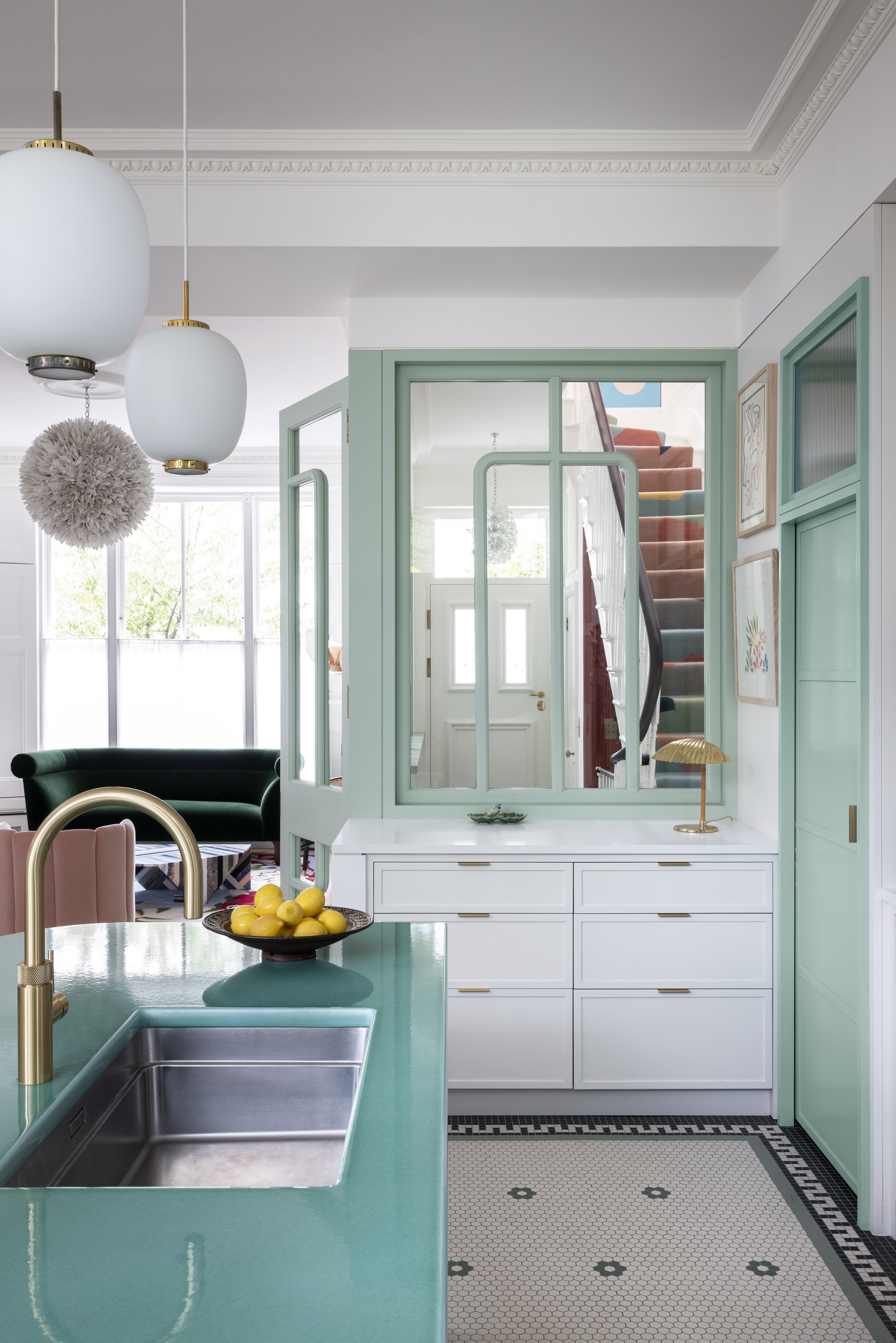
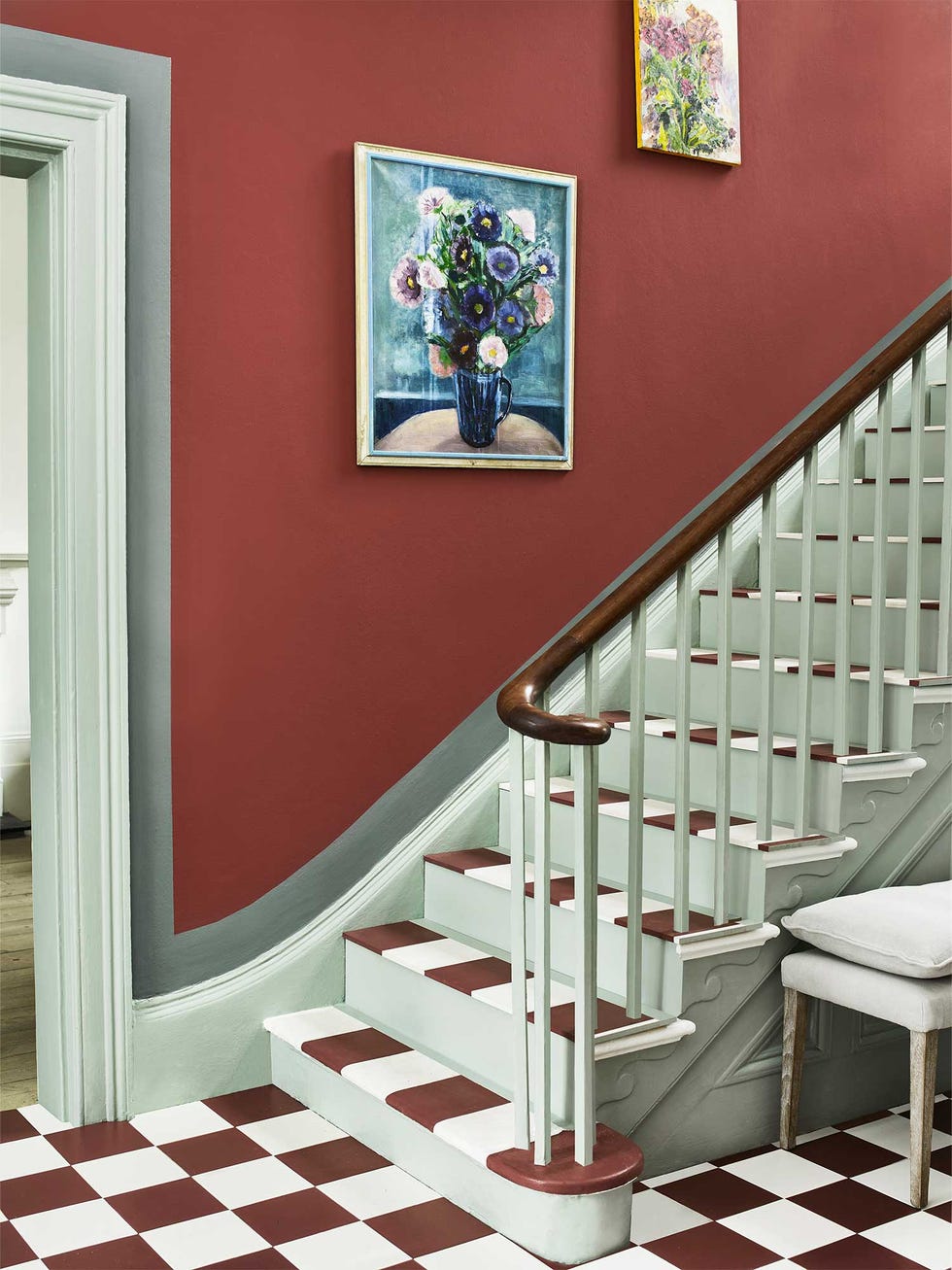
Colour zoning shares its fundamental objective with general zoning principles in home design. While traditional zoning relies on furniture arrangement or flooring choices to delineate specific areas and their purposes, colour zoning achieves the same outcome through the strategic application of paint. This method is particularly useful for homeowners and renters seeking to inject personality and purpose into their living environments.
Sophie Robinson, a renowned colour expert and interior designer, highlights the growing demand among her clients to understand and implement colour zoning. Many individuals are keen to learn how to use colour to segment rooms, considering which hues are best suited for different zones and how they should be applied across ceilings, walls, and windows.
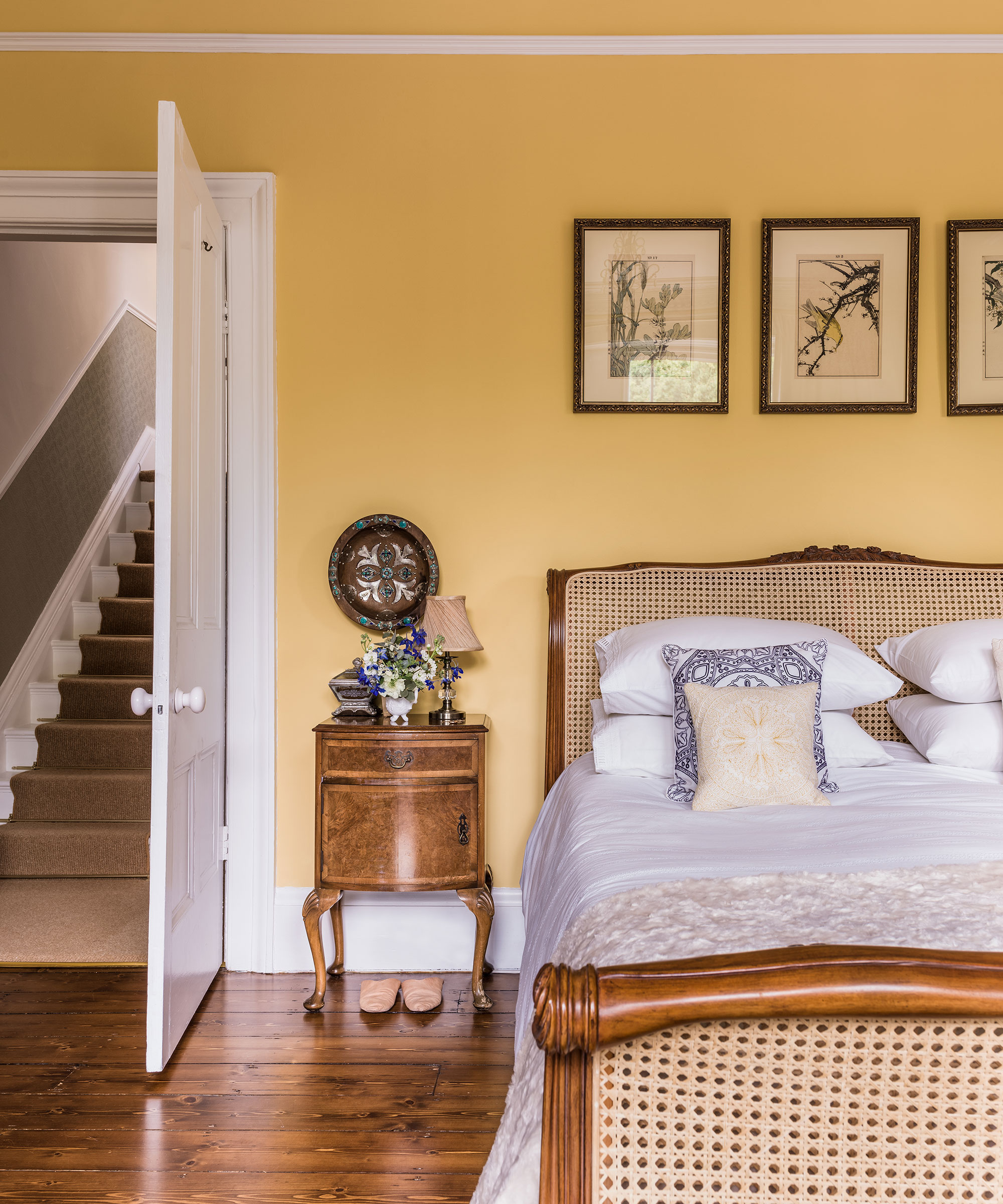
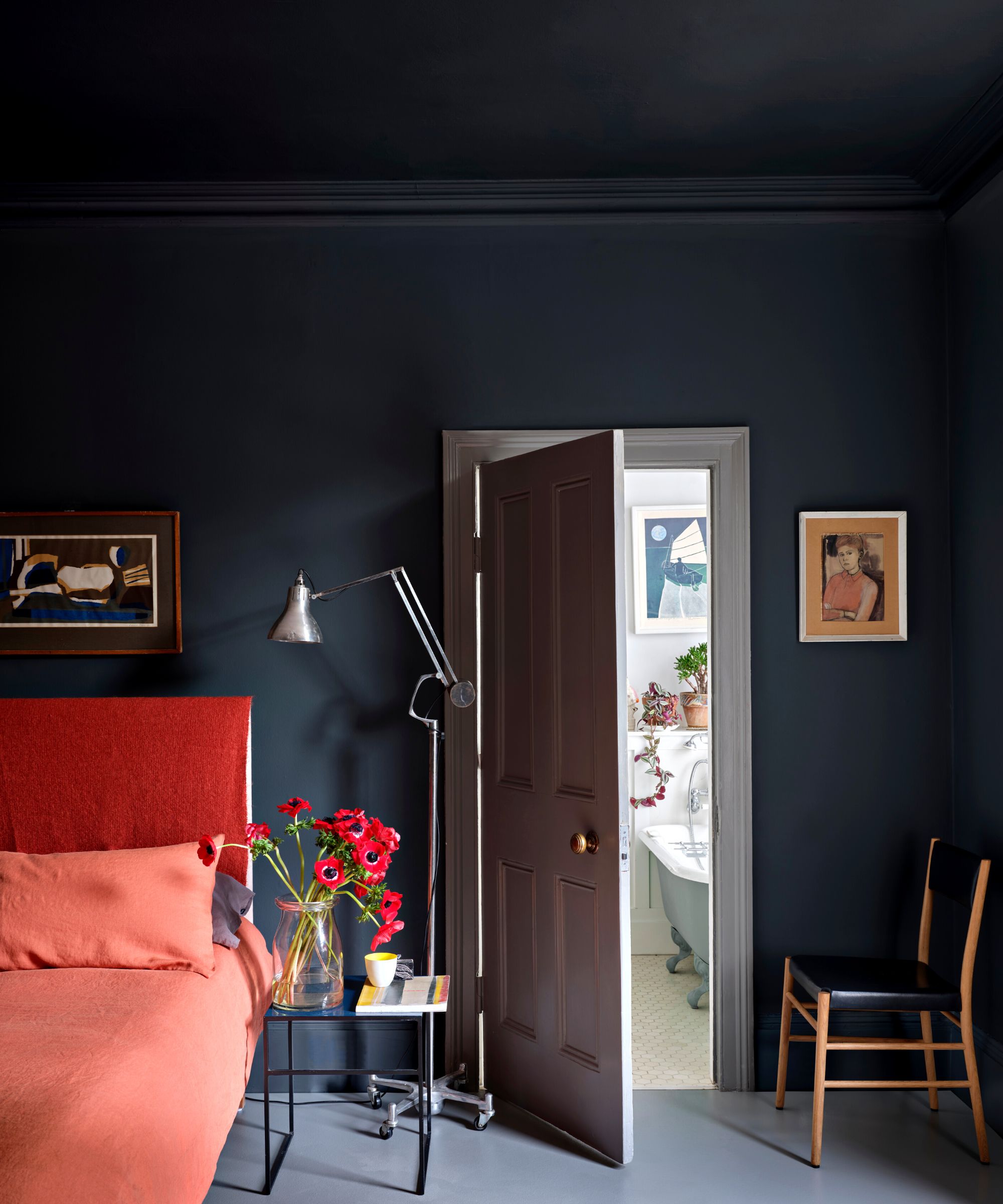
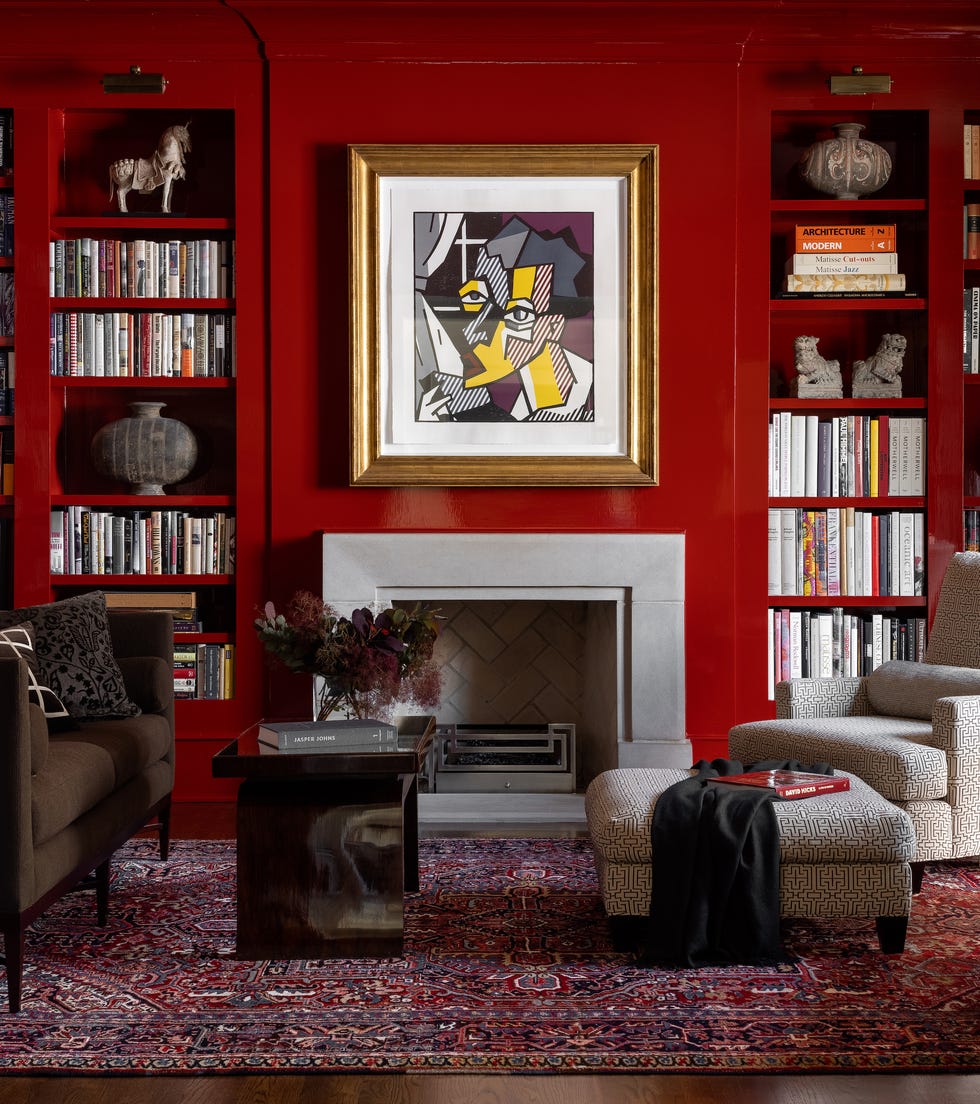
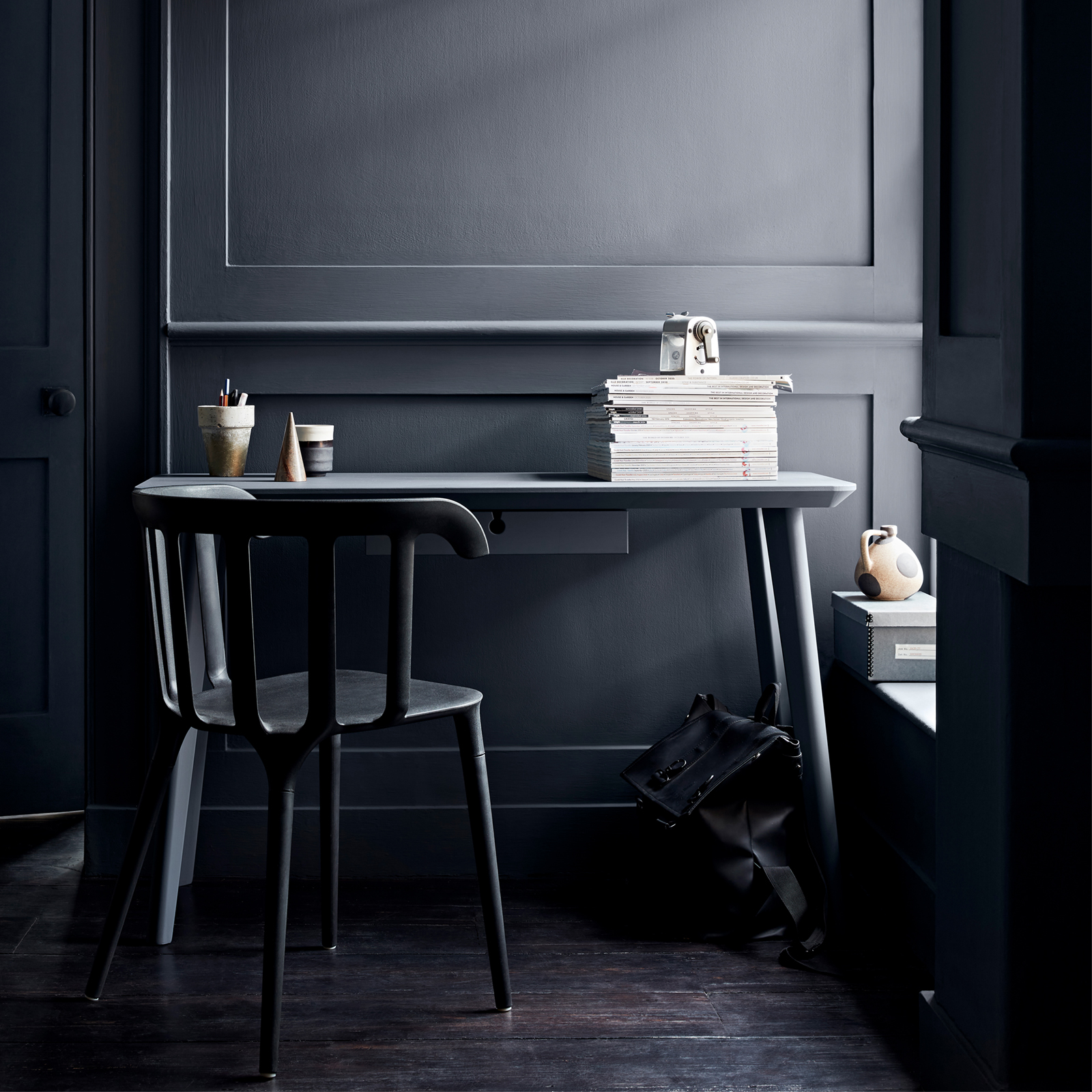
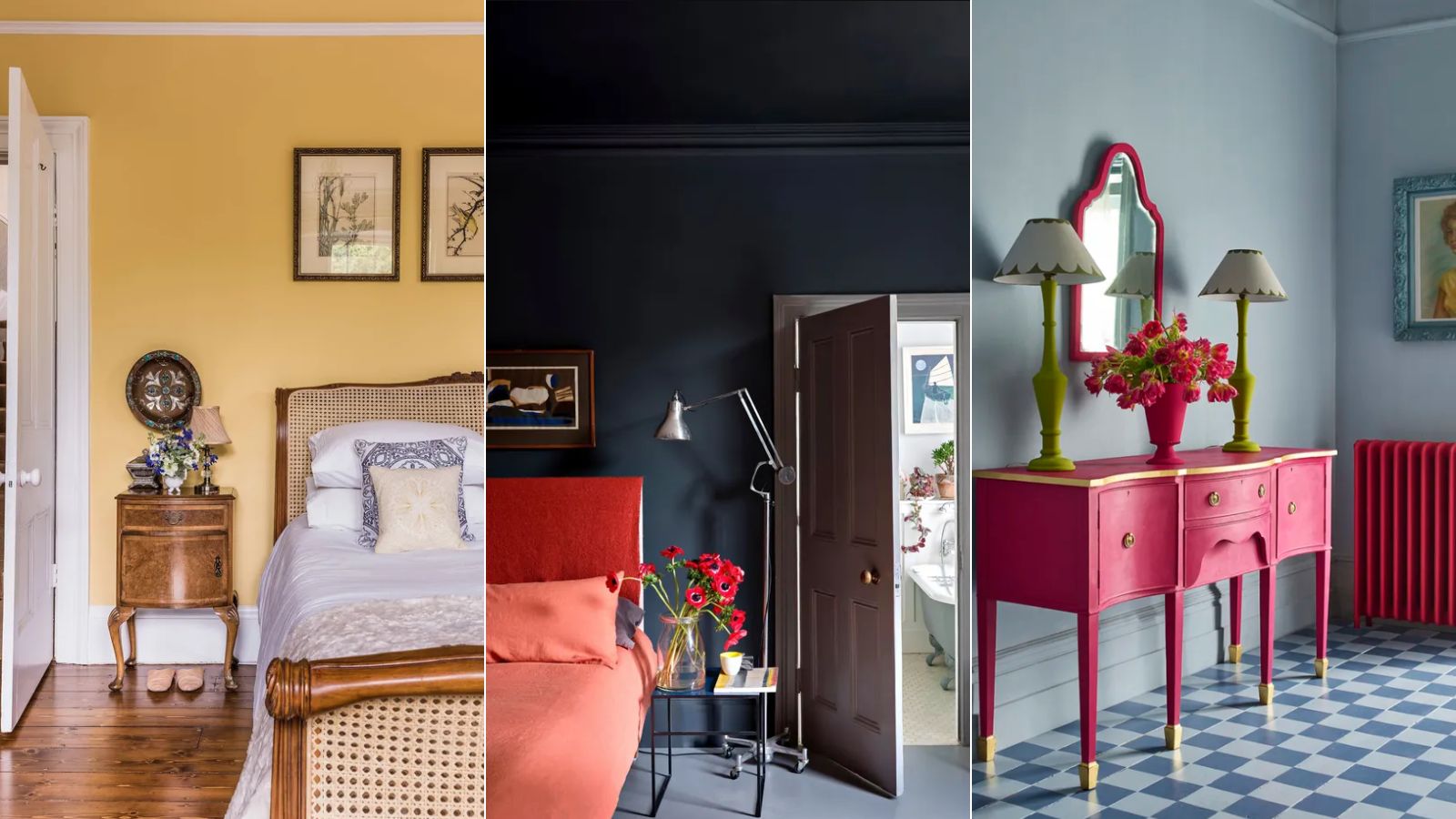
Robinson advises starting the colour zoning process by contemplating the desired mood or atmosphere for each room. This introspection helps in selecting appropriate colours that align with the room's function and emotional impact. For instance, a space intended for relaxation might benefit from calming and tranquil colours, while an area designated for lively activities could be enhanced with dramatic, striking, and uplifting hues. It is crucial to recognize that a single aesthetic, such as 'calming,' may not be universally suitable for every room, emphasizing the importance of tailoring colour choices to specific functions.
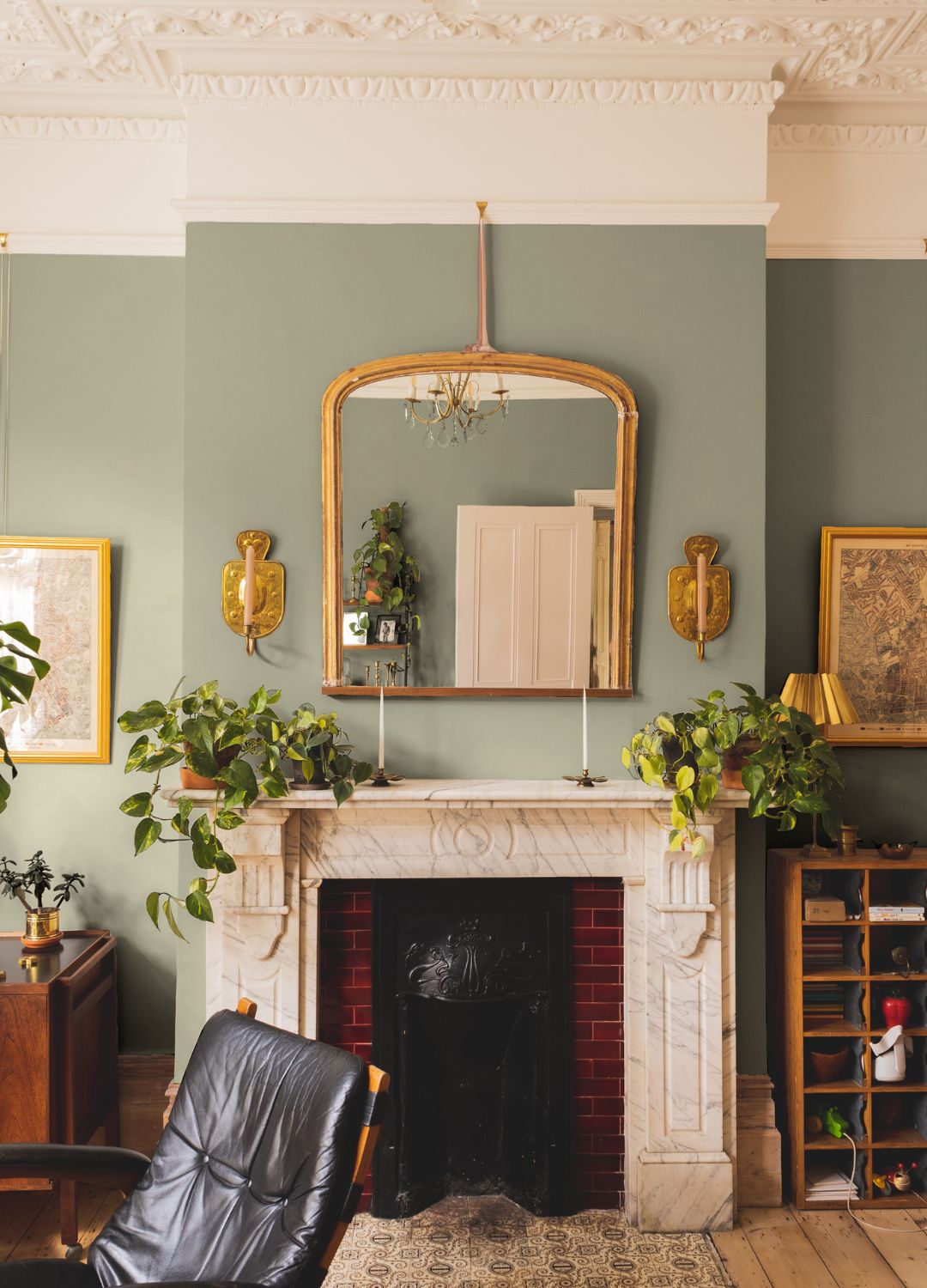
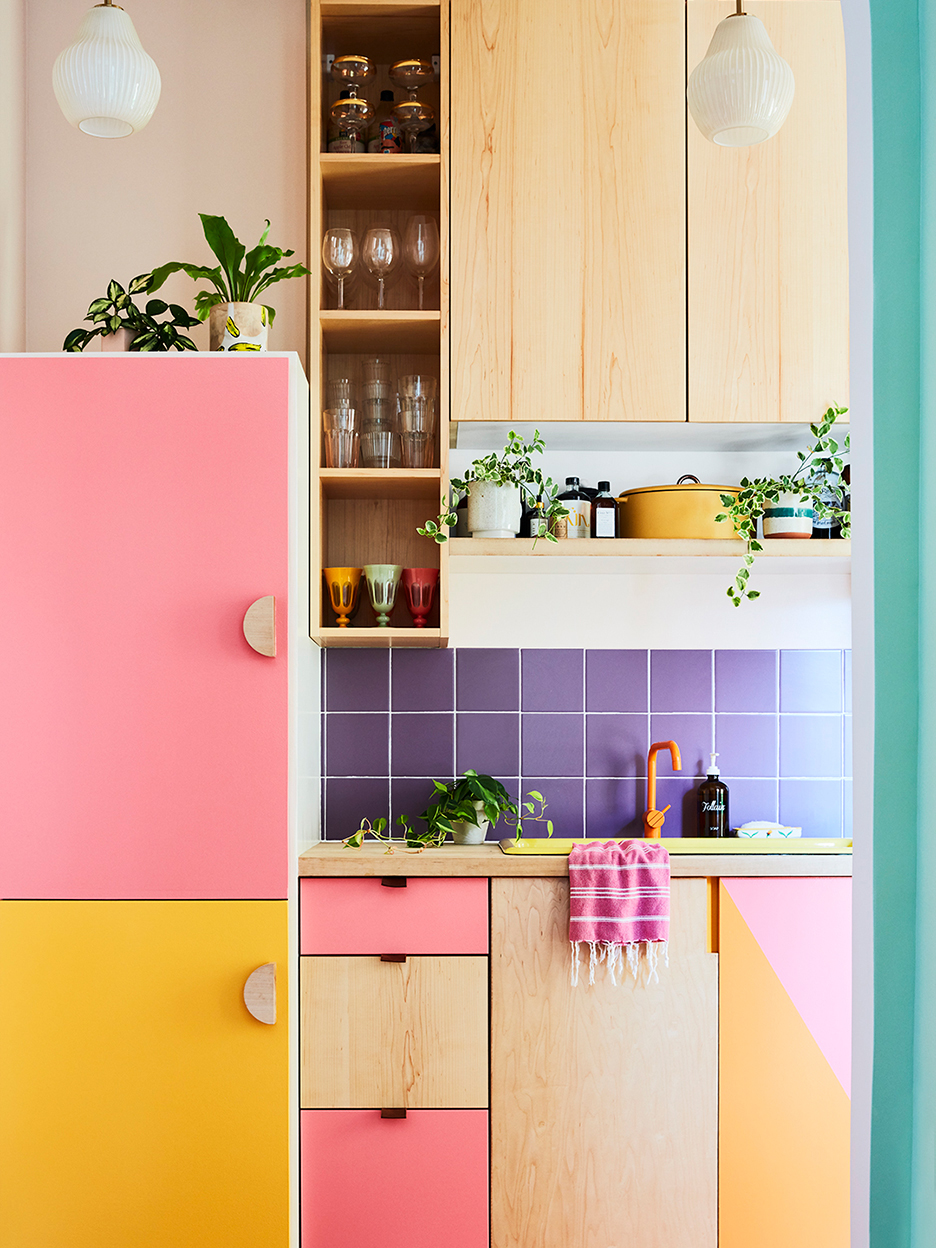
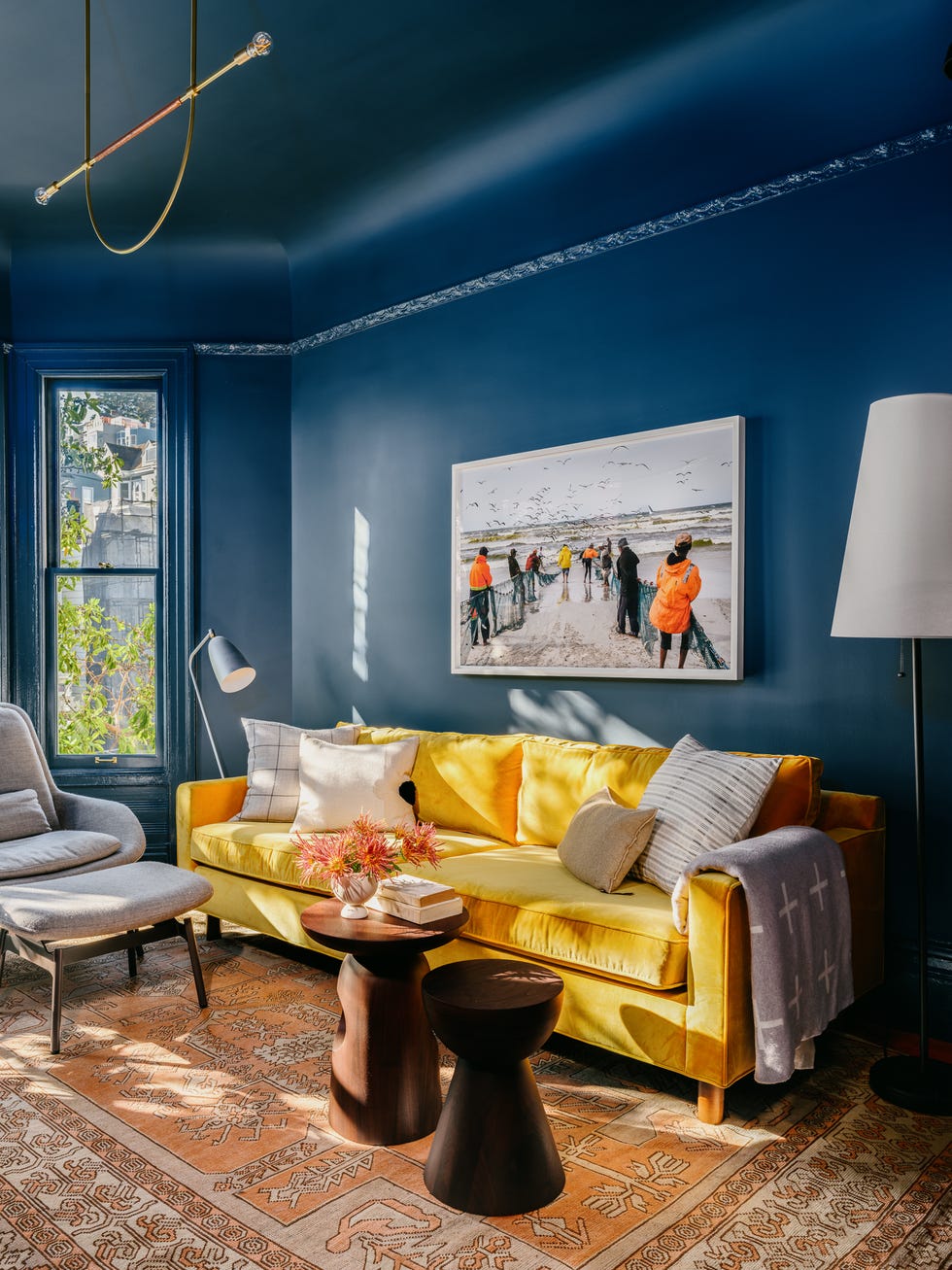
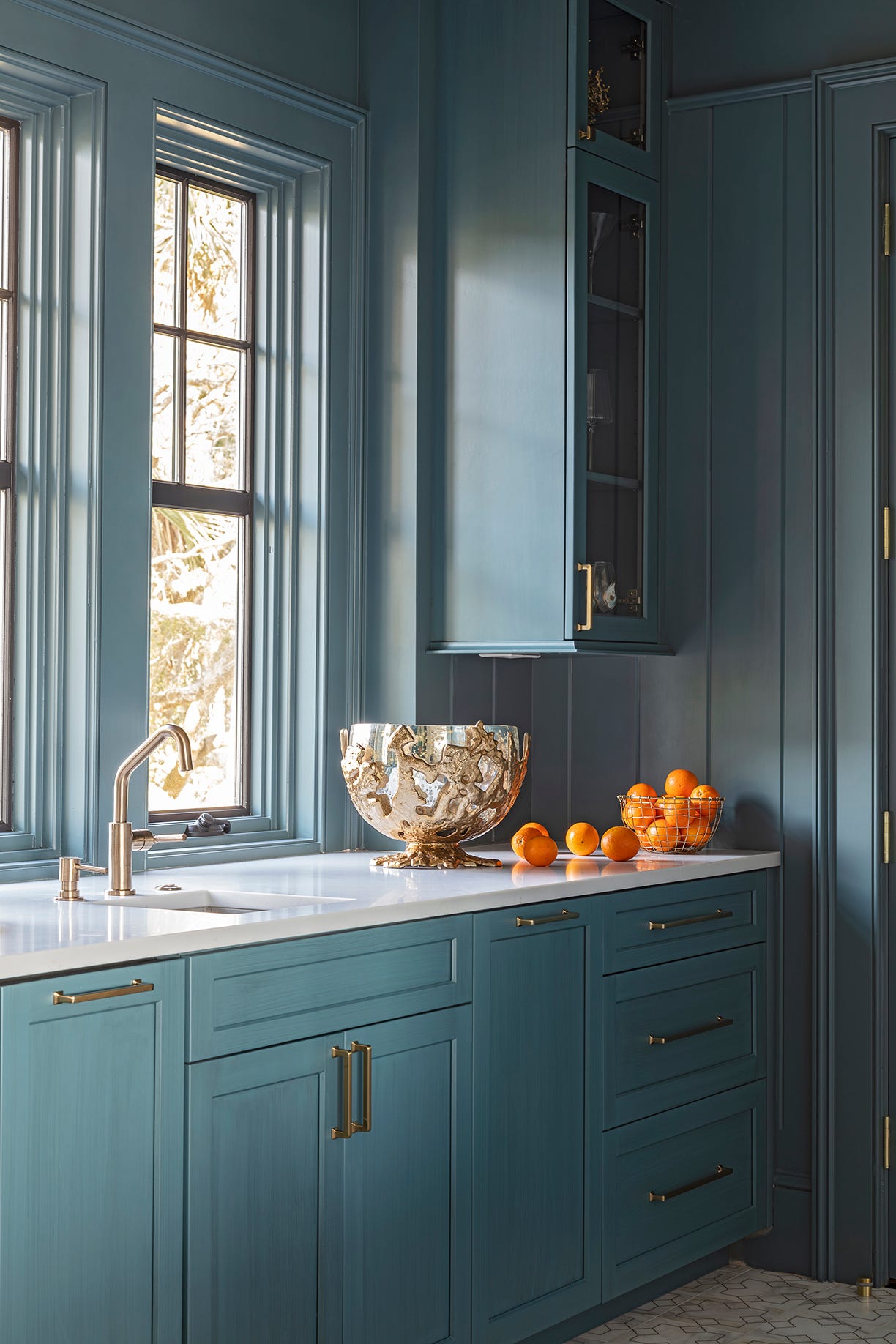
Marianne Shillingford, Creative Director at Dulux, further elaborates on the efficacy of colour zoning, stating that using blocks of colour to define spaces significantly improves a home's functionality. She emphasizes that successful colour zoning requires thoughtful planning, creativity, and occasionally a willingness to be bold with colour choices. Shillingford suggests extending favourite colours onto walls for a cohesive and relaxed look, integrating them with existing elements in the room.
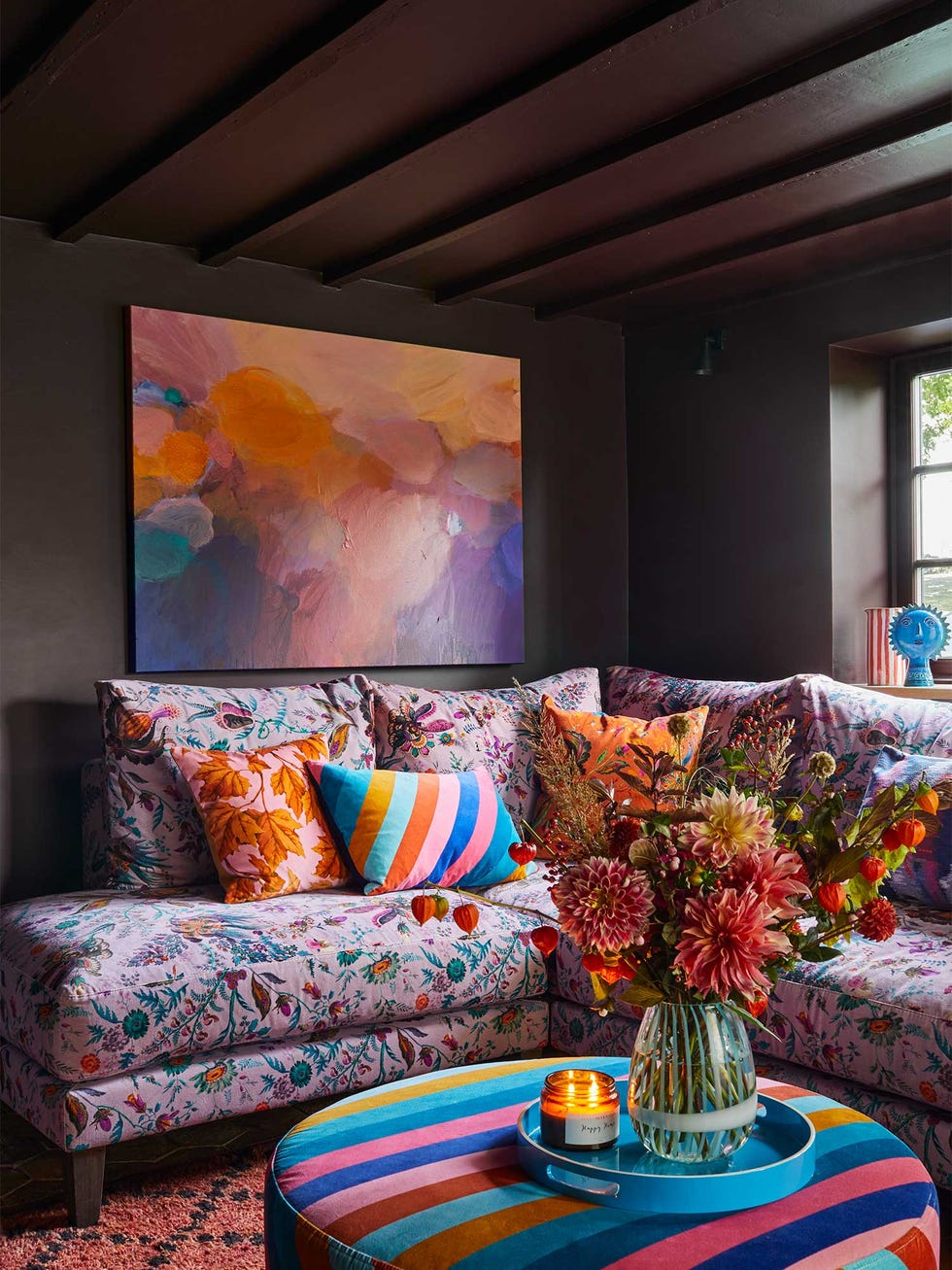
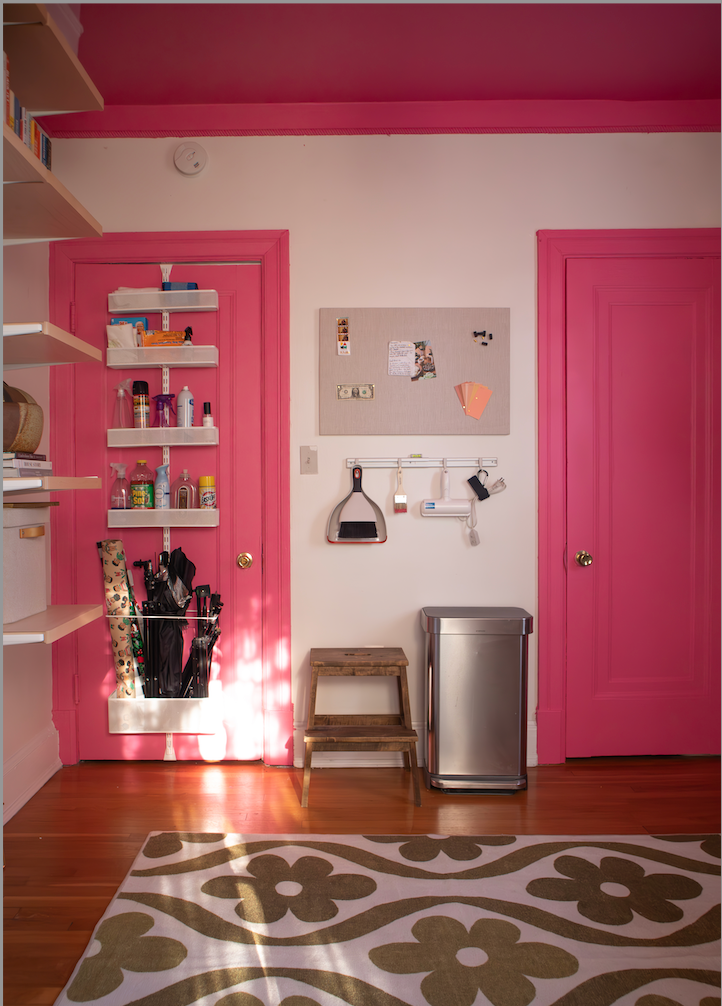
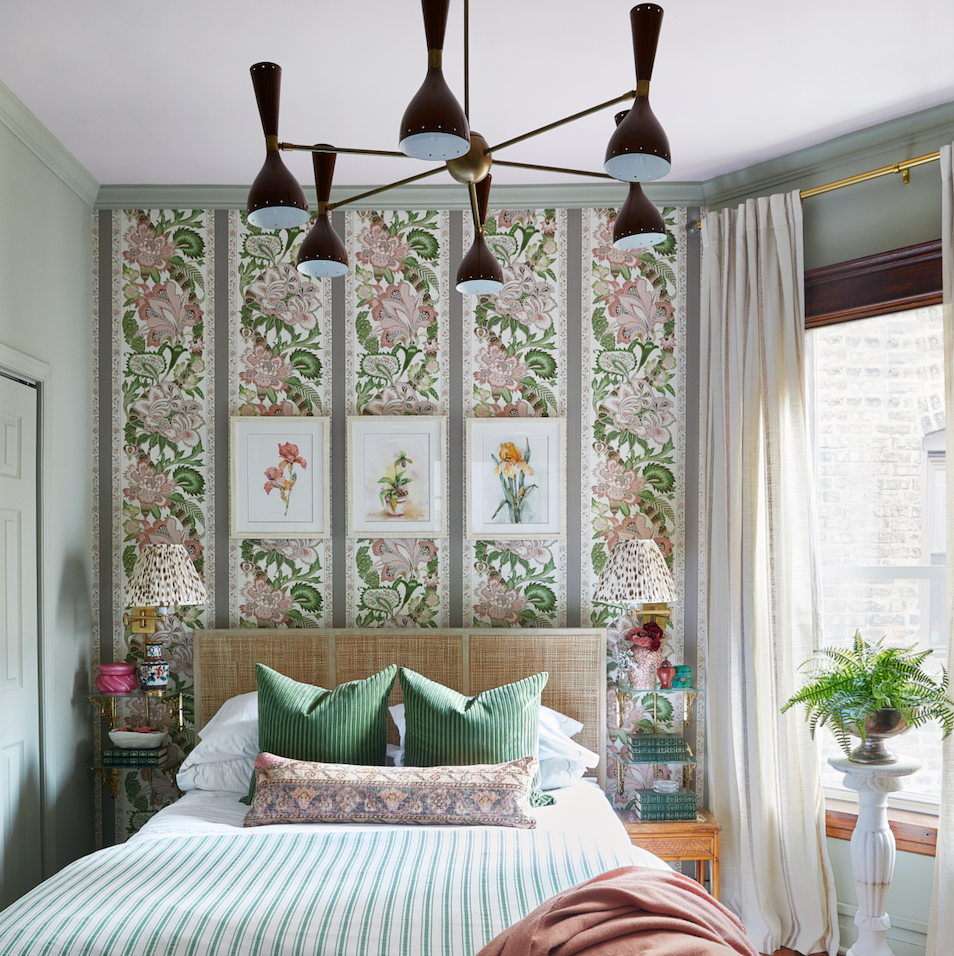
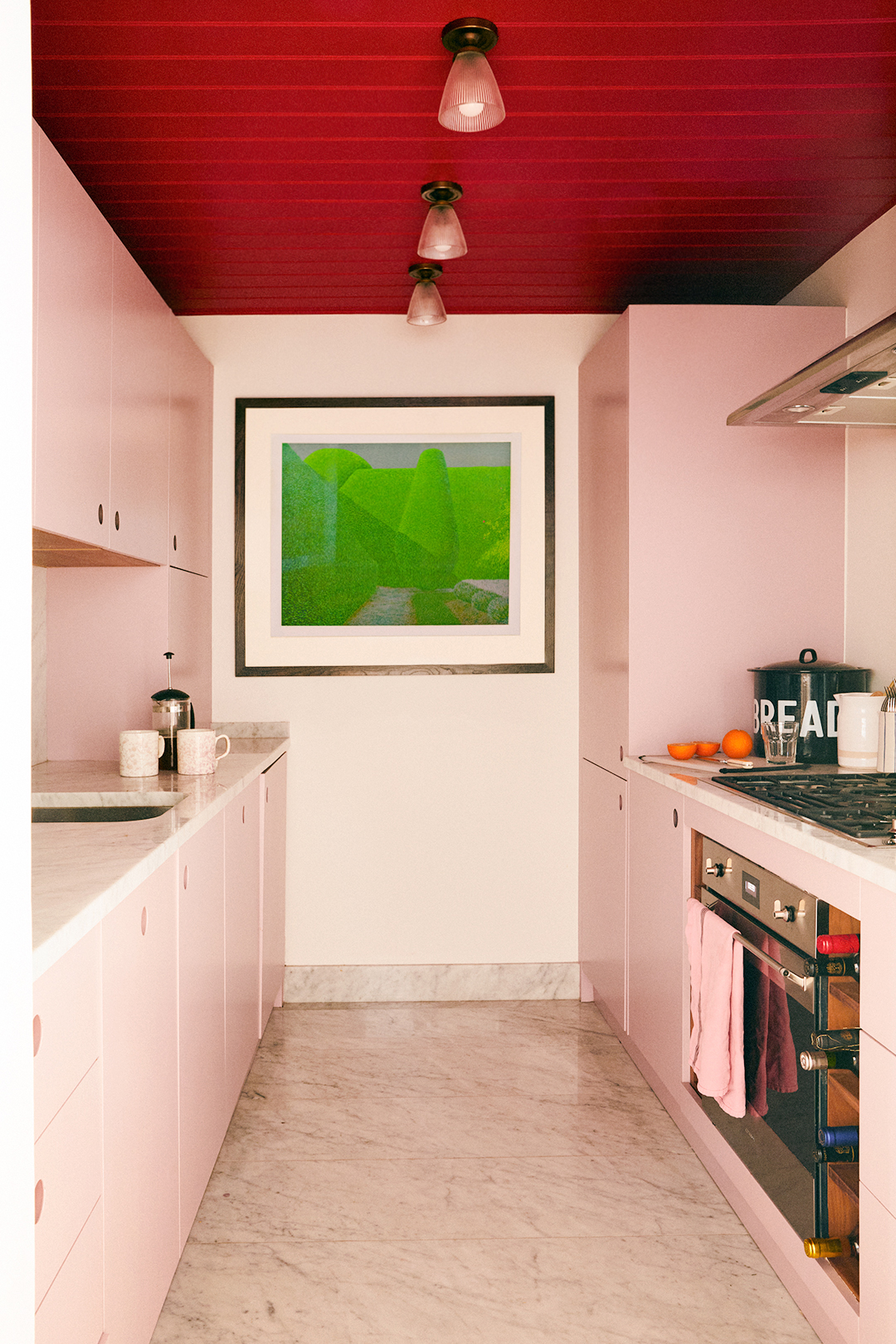
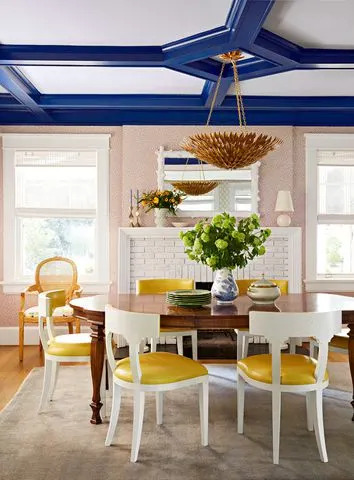
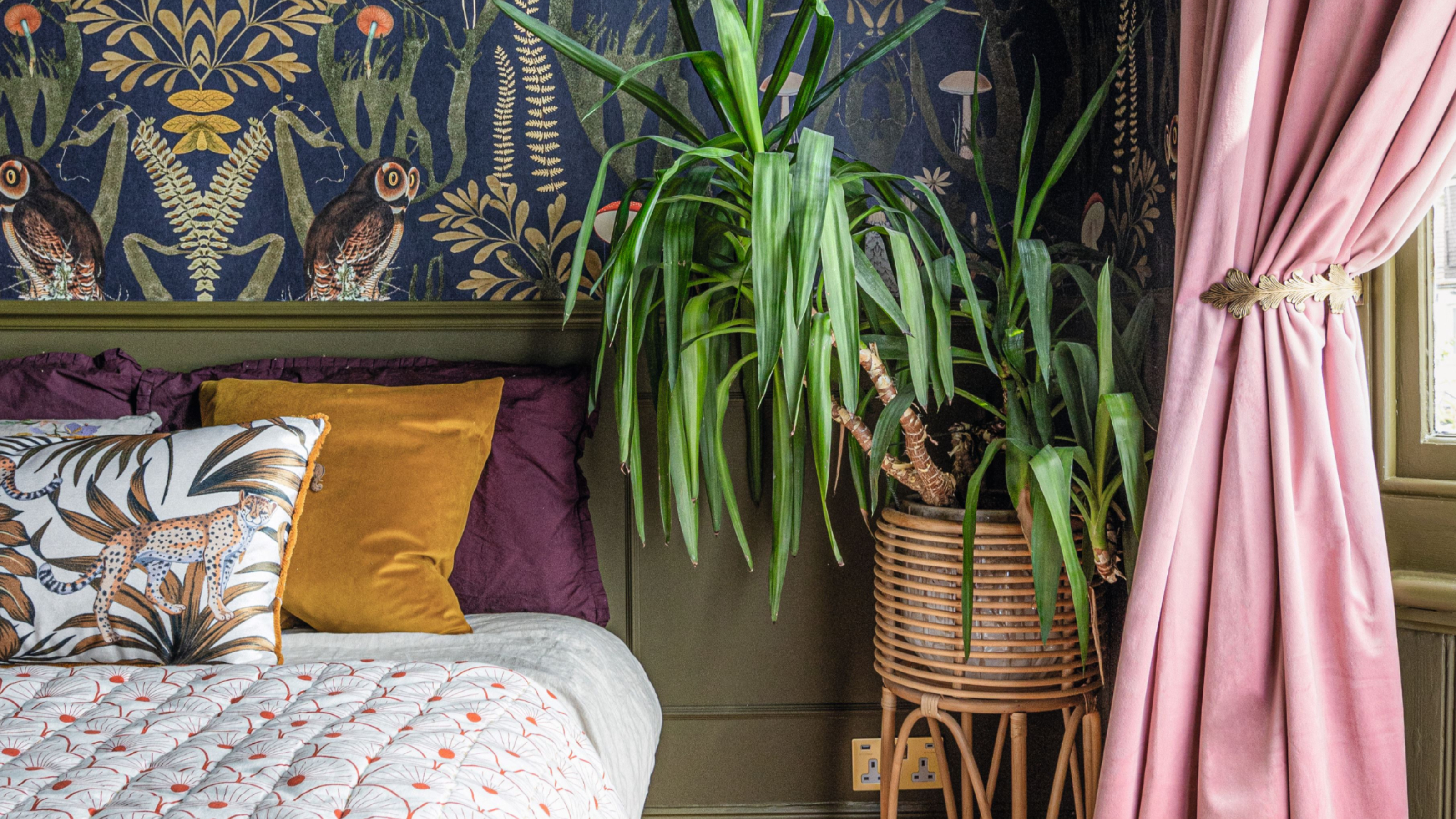
Practical applications of colour zoning include painting a block of colour onto the ceiling above a dining table to create a more defined and special eating area. Incorporating stripes or polka dots can introduce small bursts of joy, while layering harmonious colours can add depth and character, moving beyond the simple application of solid blocks of colour onto white walls. The ultimate goal is to have fun with decorating, allowing personal preferences to guide the creative process, whether that involves bold patterns like deckchair stripes, moody florals, or even leopard print flooring.
#ColourZoning #PaintTrends #InteriorDesign #HomeDecor #SophieRobinson #MarianneShillingford #Dulux #ColourExpert #HomeImprovement #ColourZoning #PaintTrends #InteriorDesign #HomeDecor #SophieRobinson #MarianneShillingford #Dulux #ColourExpert #HomeImprovement
0 comment in total
 No comments yet
You may also like
These Paint Colors Bring Hostility to Your Home, According to Experts

We Can’t Get Enough of These 13 Paint Color Trends for 2021
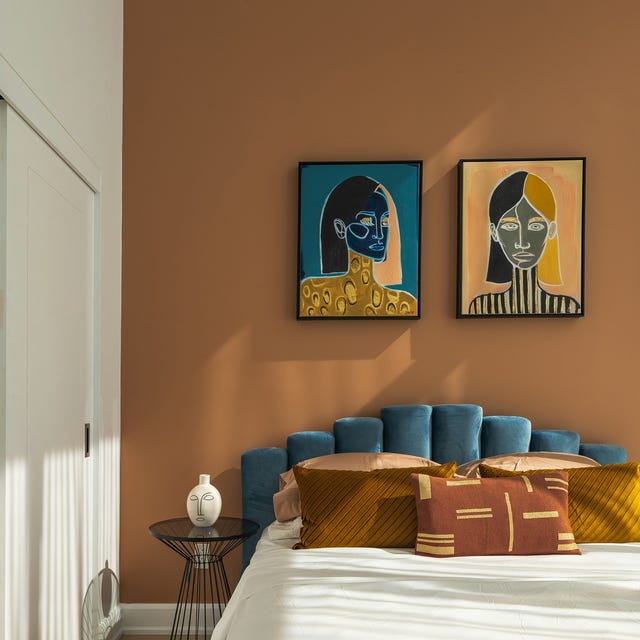
These 5 Paint Color Trends Will Be Everywhere in 2024, According to Interior Designers
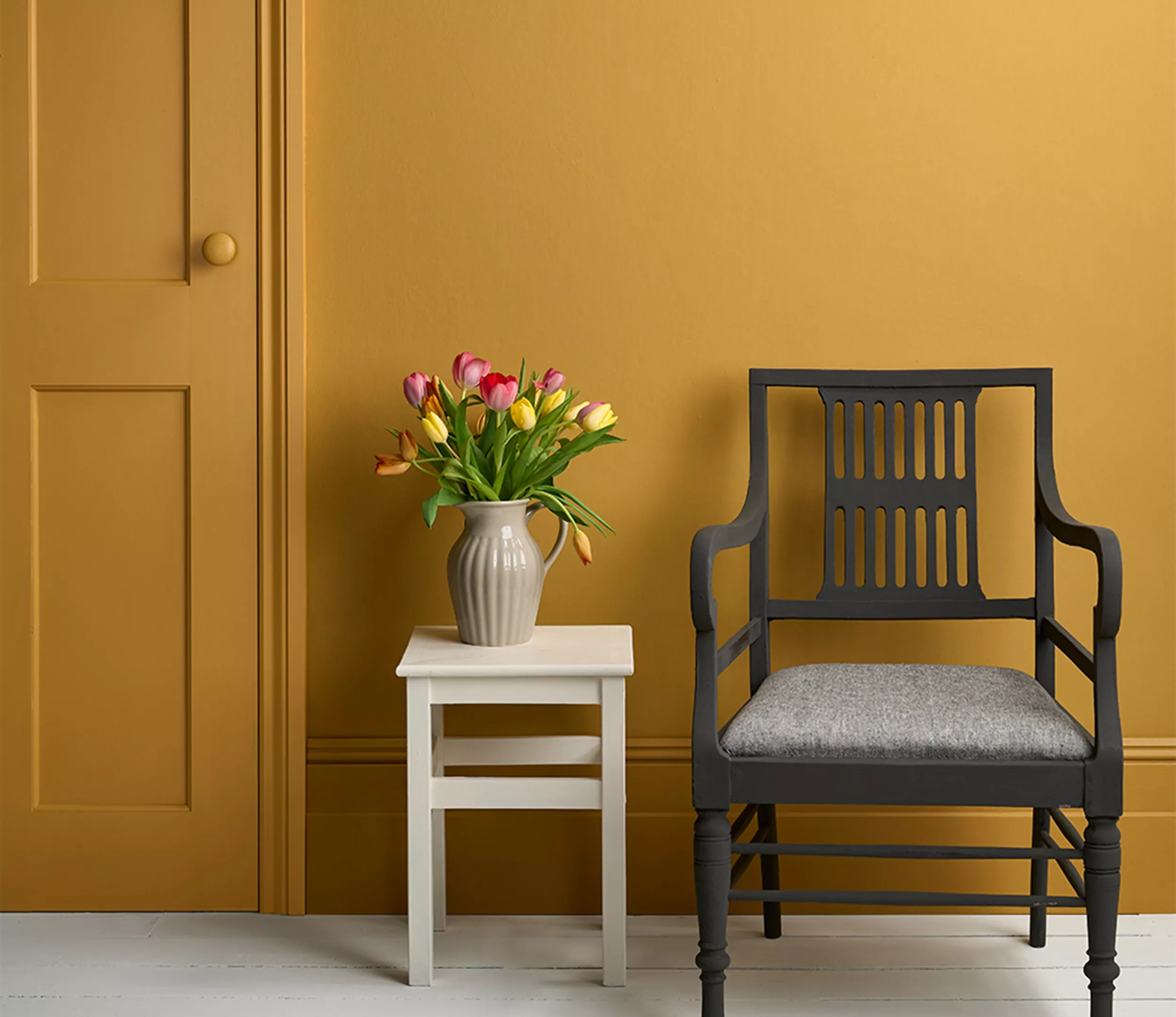
Paint Your Doors the Same Shade as Walls for a Designer-Approved Statement

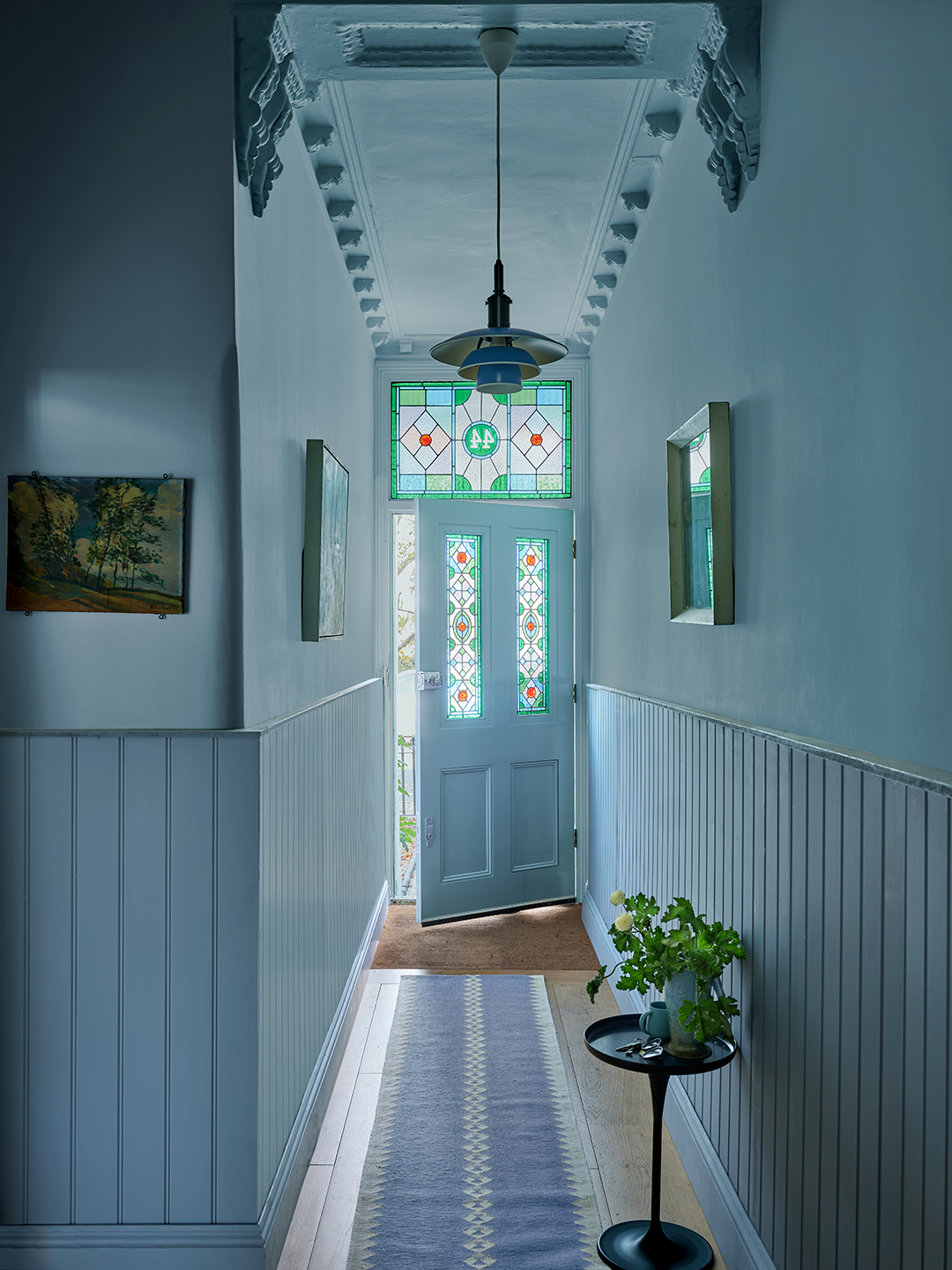
130 New Paint Colors Just Dropped, Including an Ultra-Fast-Drying Exterior Finish

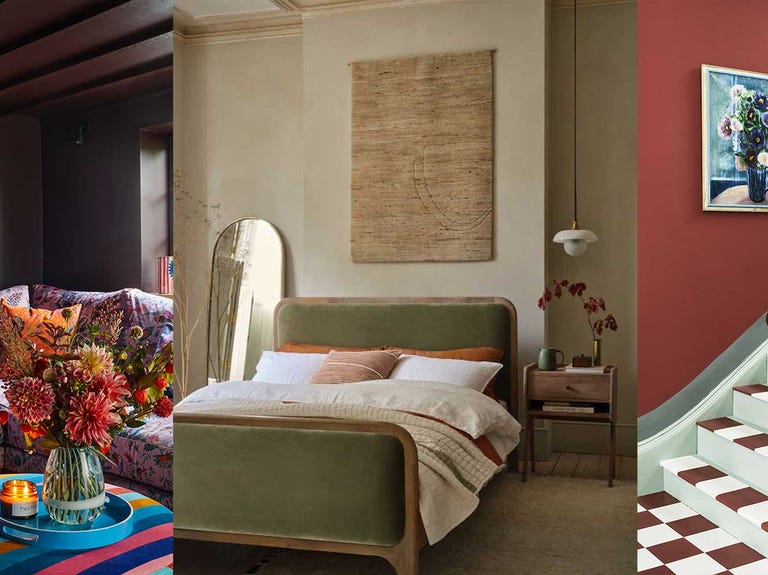
Colour experts share their top paint trends for 2024

8 Paint Colors That Promote Wellness at Home

How to transform your rooms with colour drenching
Hottest Interior Paint Colors of 2020
10 Color Drenching Ideas That Highlight the Beauty of This Paint Trend
Make choosing paint easy with new 'natural light' colours

The #1 Paint Color Trend of 2025, According to Designers

Say Goodbye to Gray? Saturated Hues Dominate 2025 Paint Color Trends
3 'small but impactful' paint updates to try in 2024, according to a color expert

Some People “Can’t” With This Cabinet Color, But There’s No Denying It’s on the Rise
7 Colorful Millwork Ideas to Highlight Your Home's Architecture
'It's the best way to make a home joyful' - this paint trend is the perfect idea to introduce color thoughtfully

'Colour capping' is the new paint trick design experts are using to make a room feel bigger – how to make it work in your home
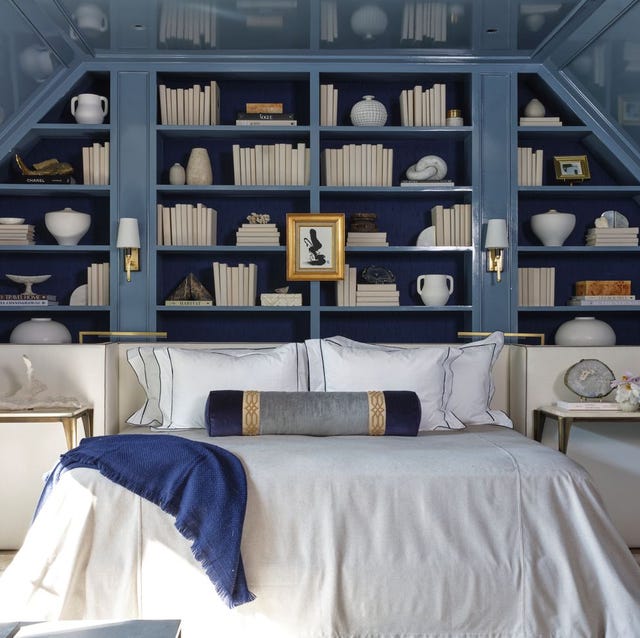
The Color Drenching Paint Trend Isn't Going Anywhere

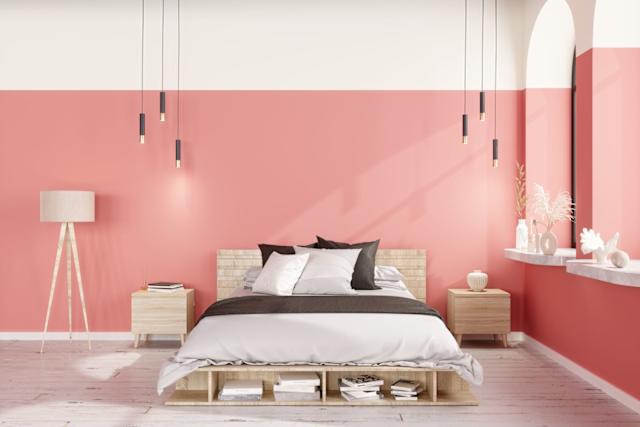
Design Pros All Agree: The Color-Blocking Trend Is One to Try