1/9
7 Colorful Millwork Ideas to Highlight Your Home's Architecture
The article explores the emerging trend of using colorful millwork to enhance a home's architectural features, moving beyond the traditional white or stained wood finishes. Historically, painting millwork dates back to Colonial times, when dark oil-based paints were used on low-quality, locally sourced wood to provide a more durable and attractive finish, while also concealing dirt and contrasting with whitewashed walls. During later periods, such as the Victorian era, decorative painting techniques like faux marbleizing and wood graining gained popularity, meticulously mimicking expensive materials. However, with the advent of the Arts and Crafts movement in the early 20th century, stains and varnishes became the preferred treatment to highlight natural wood grain.
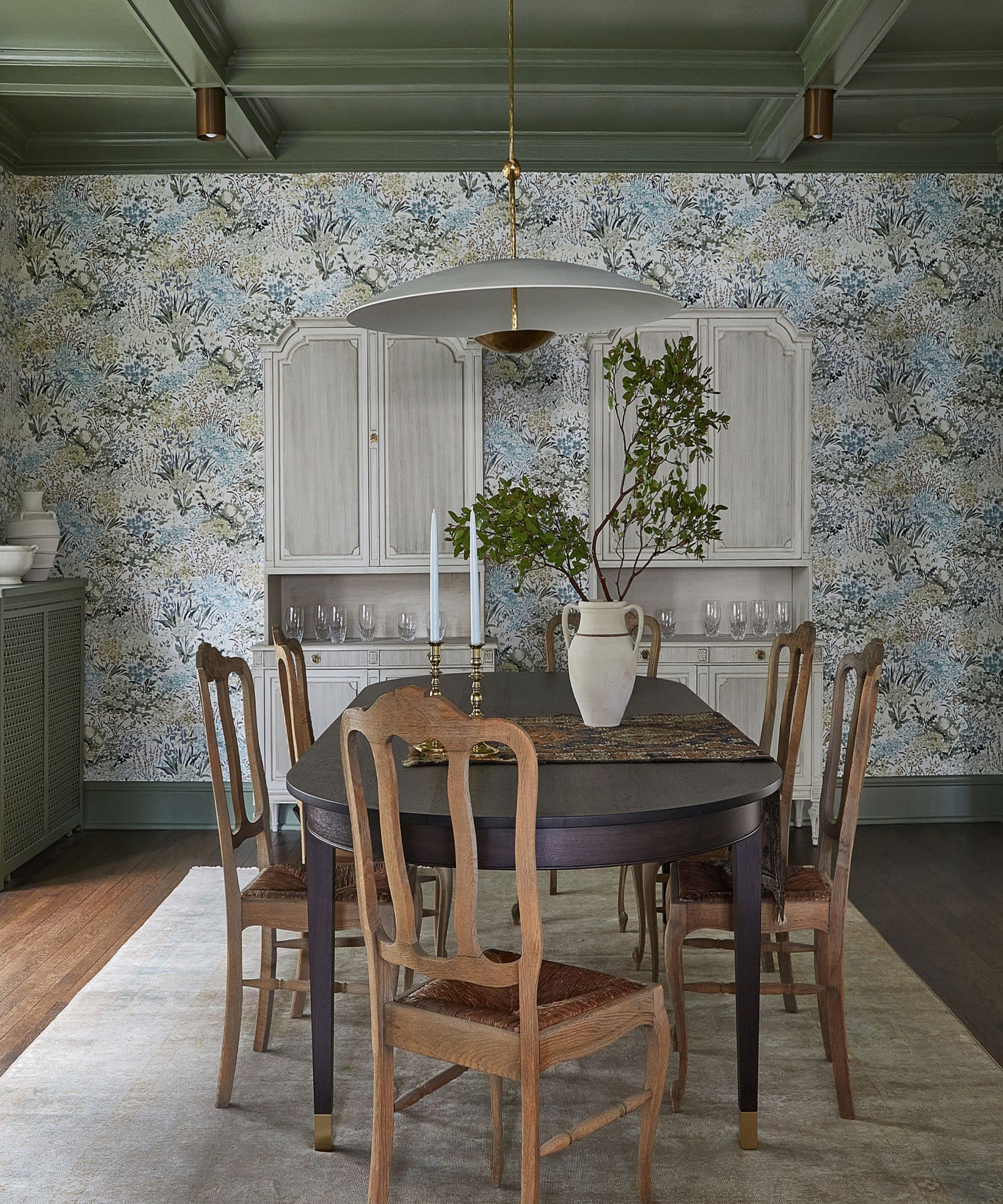
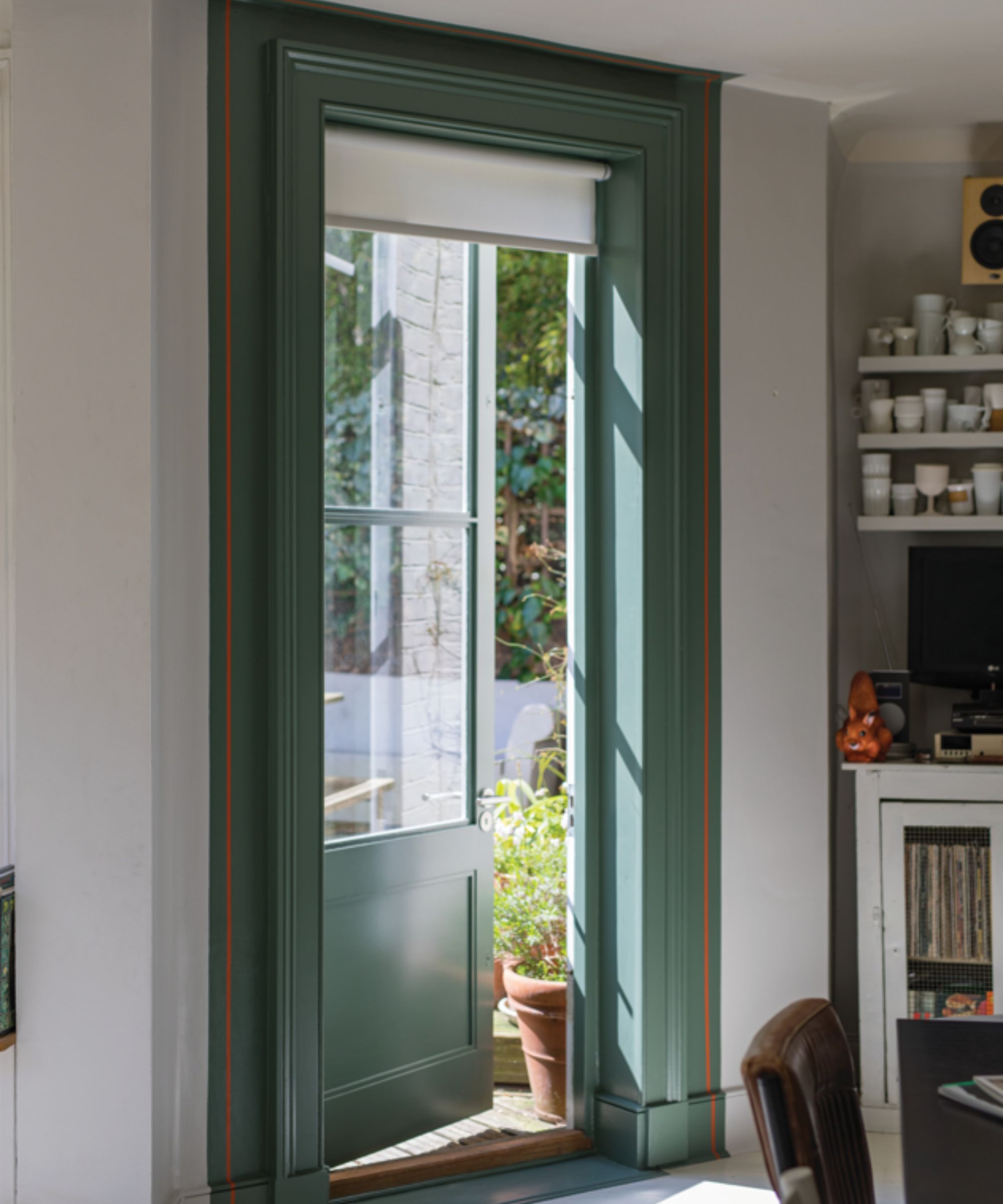
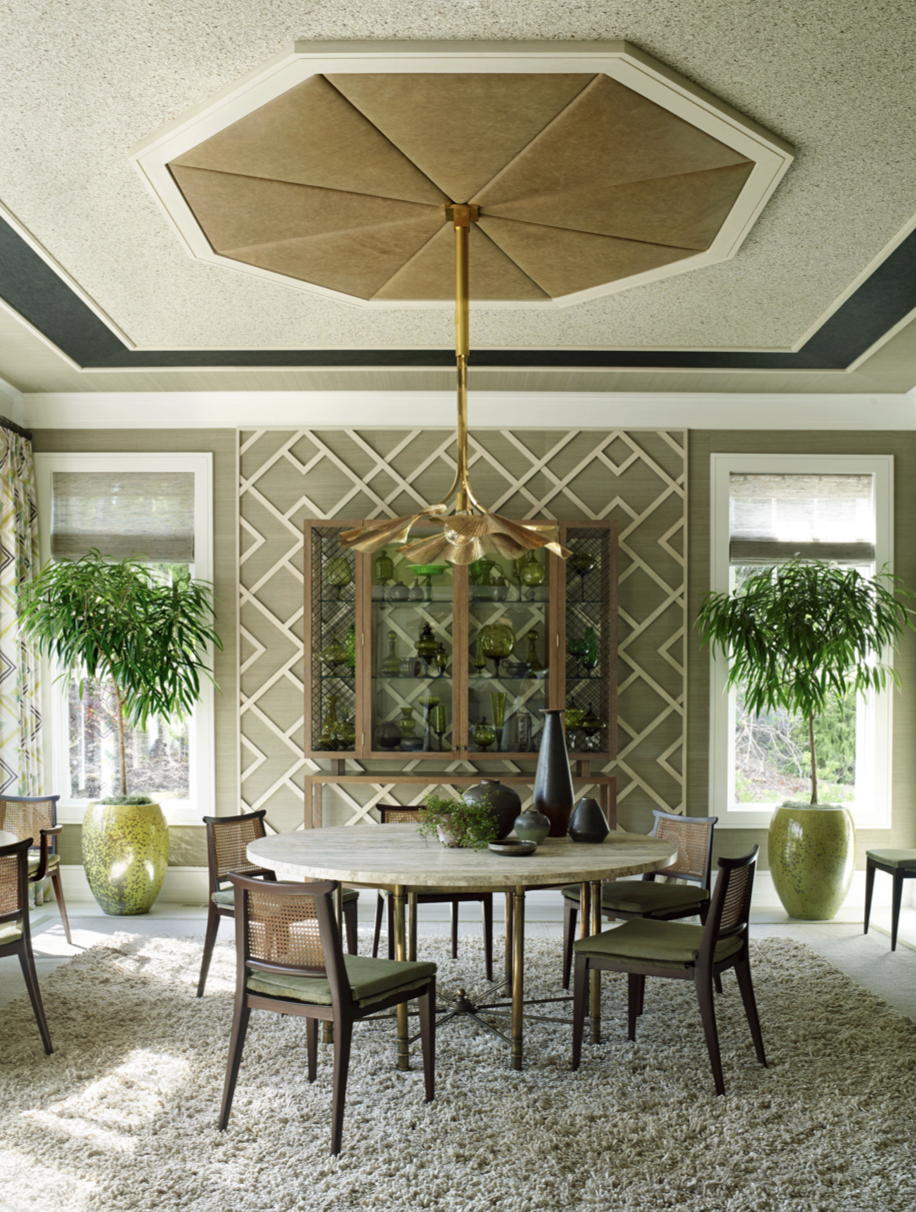
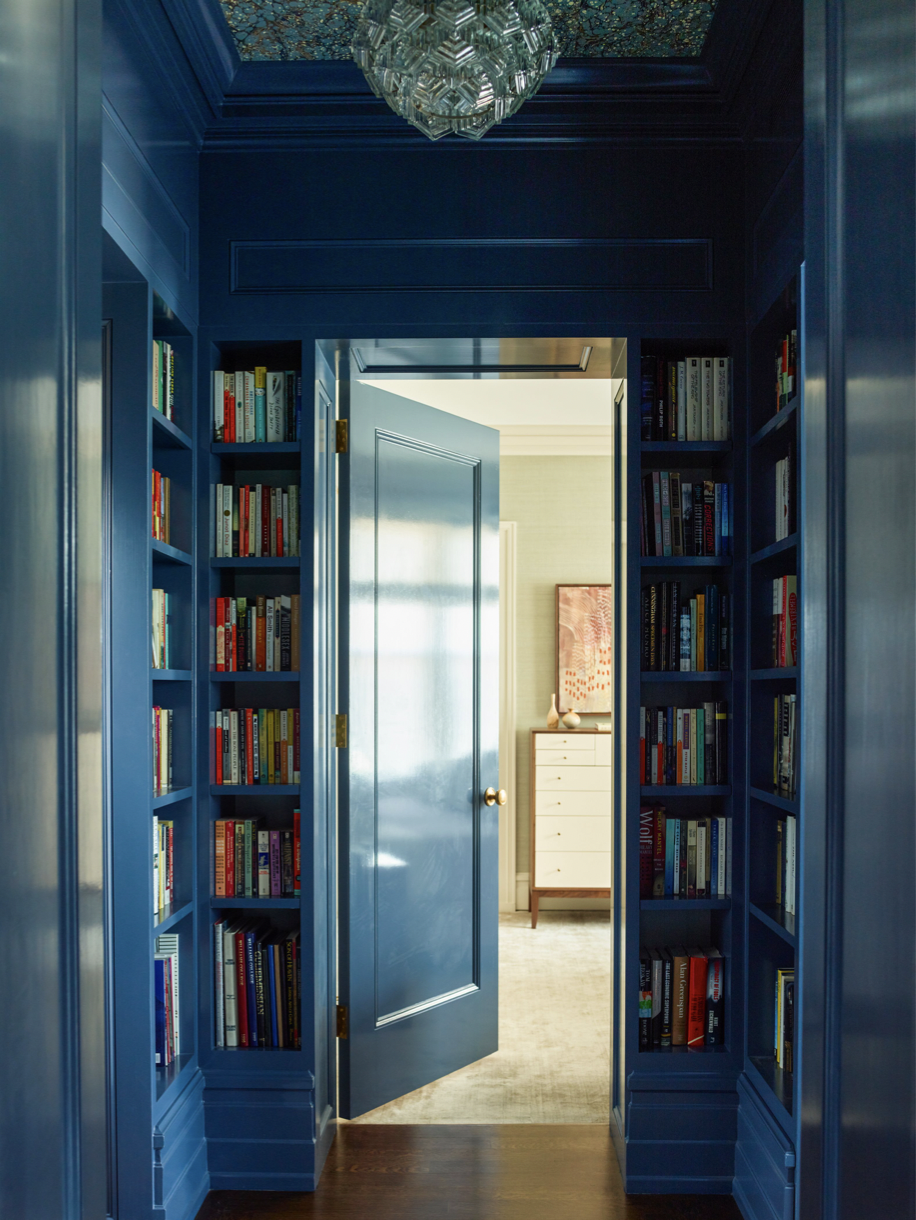
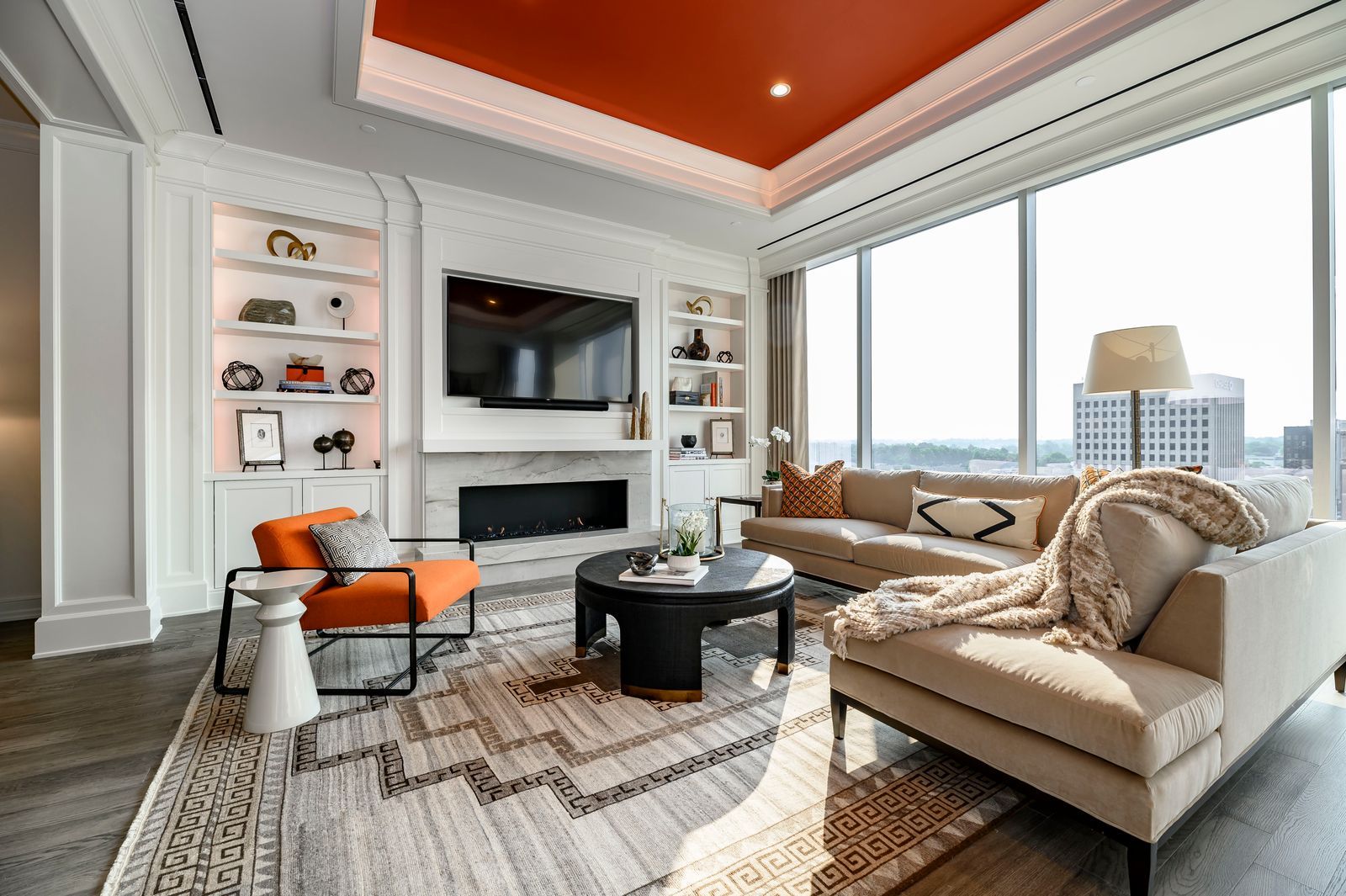
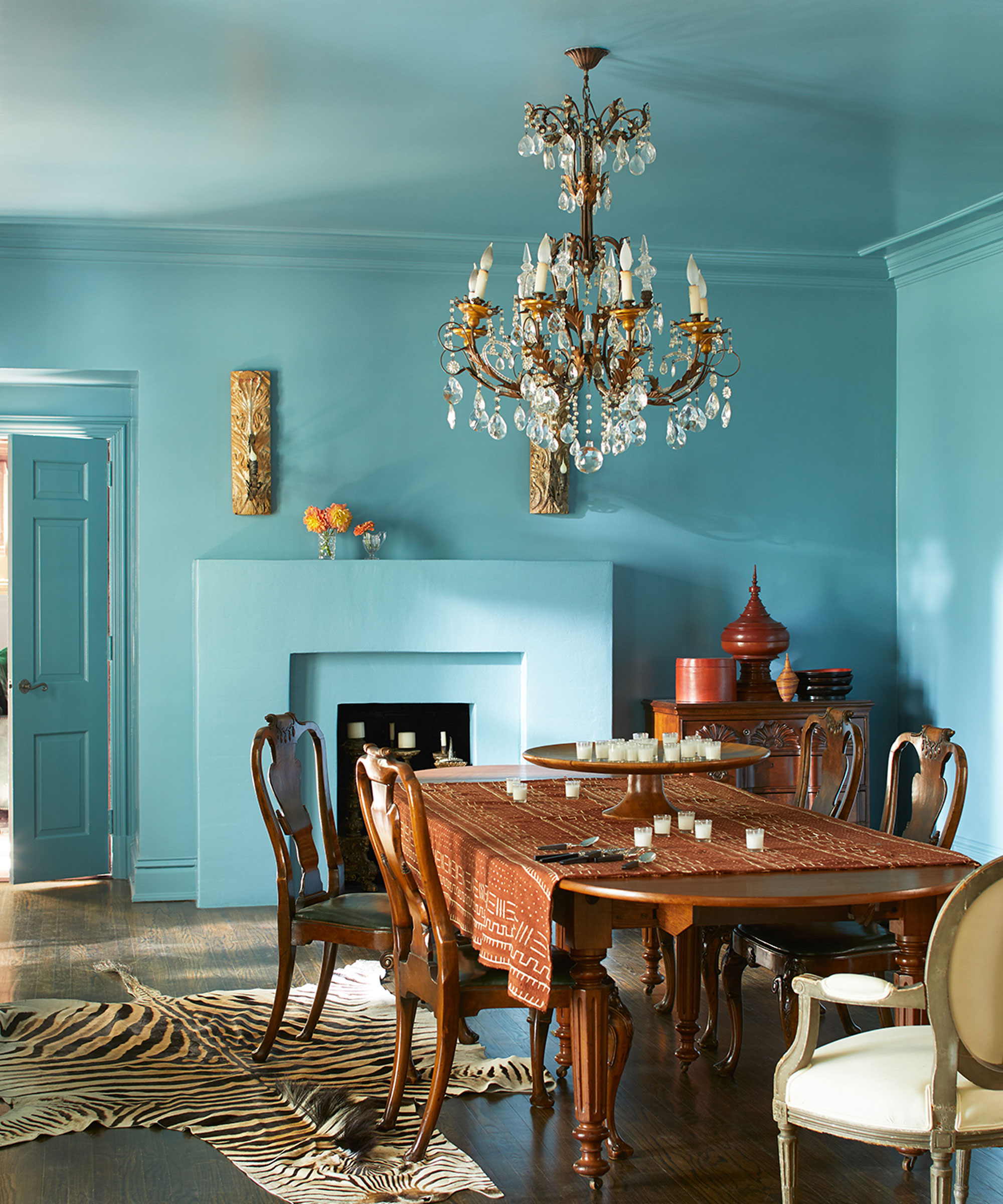
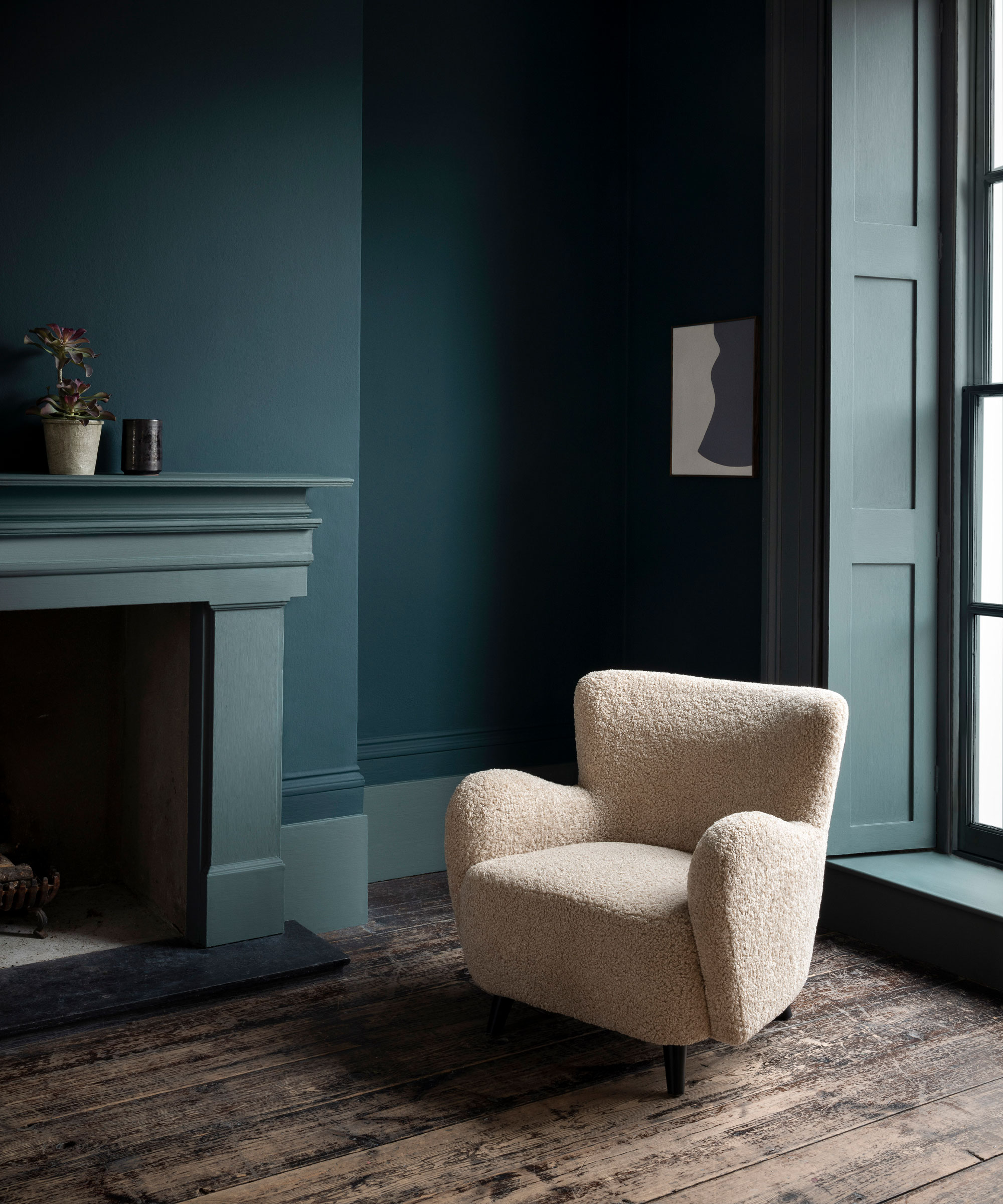
Today, colorful millwork serves as a contemporary method to draw attention to architectural details or to inject personalized style into standard builder-grade features. Seven distinct approaches are presented to incorporate this trend. One method involves selecting a darker shade of the wall color for the millwork, creating subtle contrast while maintaining a cohesive color scheme. An example illustrates this with deep teal window trim against pale grasscloth wallpaper, with the color echoed in other room elements. Another suggestion is to accent ceilings with colorful millwork, especially in rooms with impressive features like coffered ceilings or exposed beams. A rich royal blue, for instance, can highlight ceiling millwork, complemented by pastel wallpaper and white trim elsewhere.
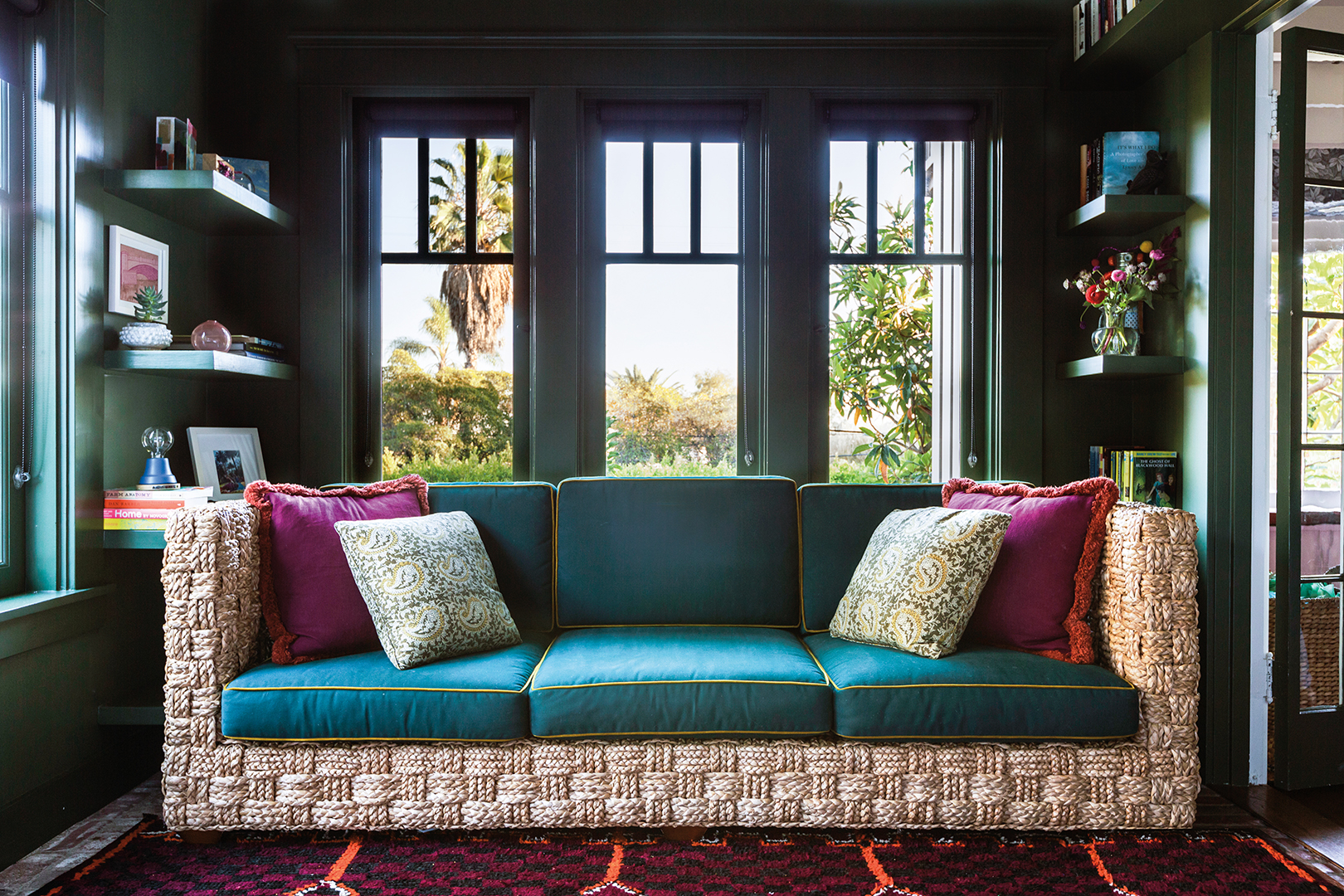
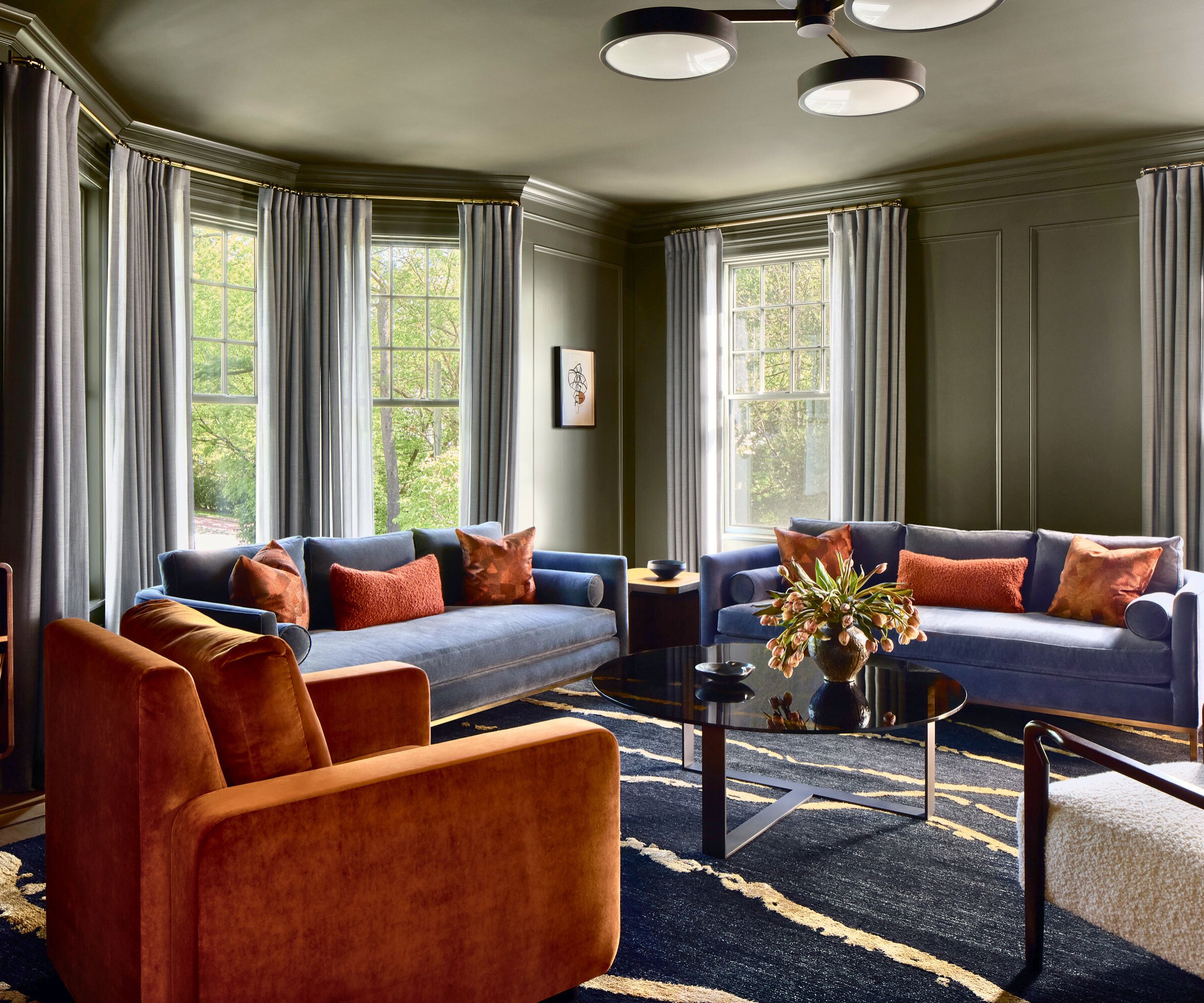
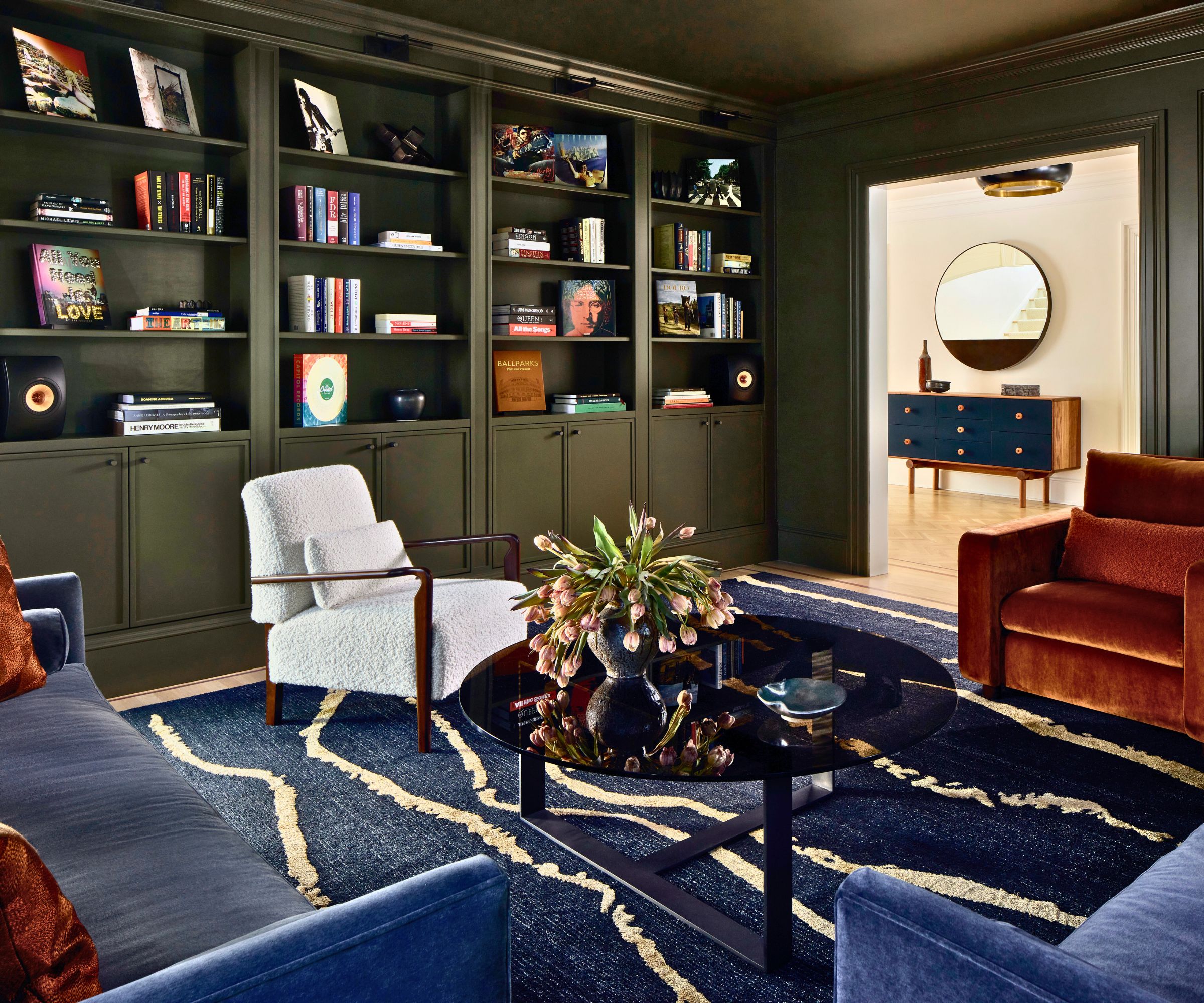
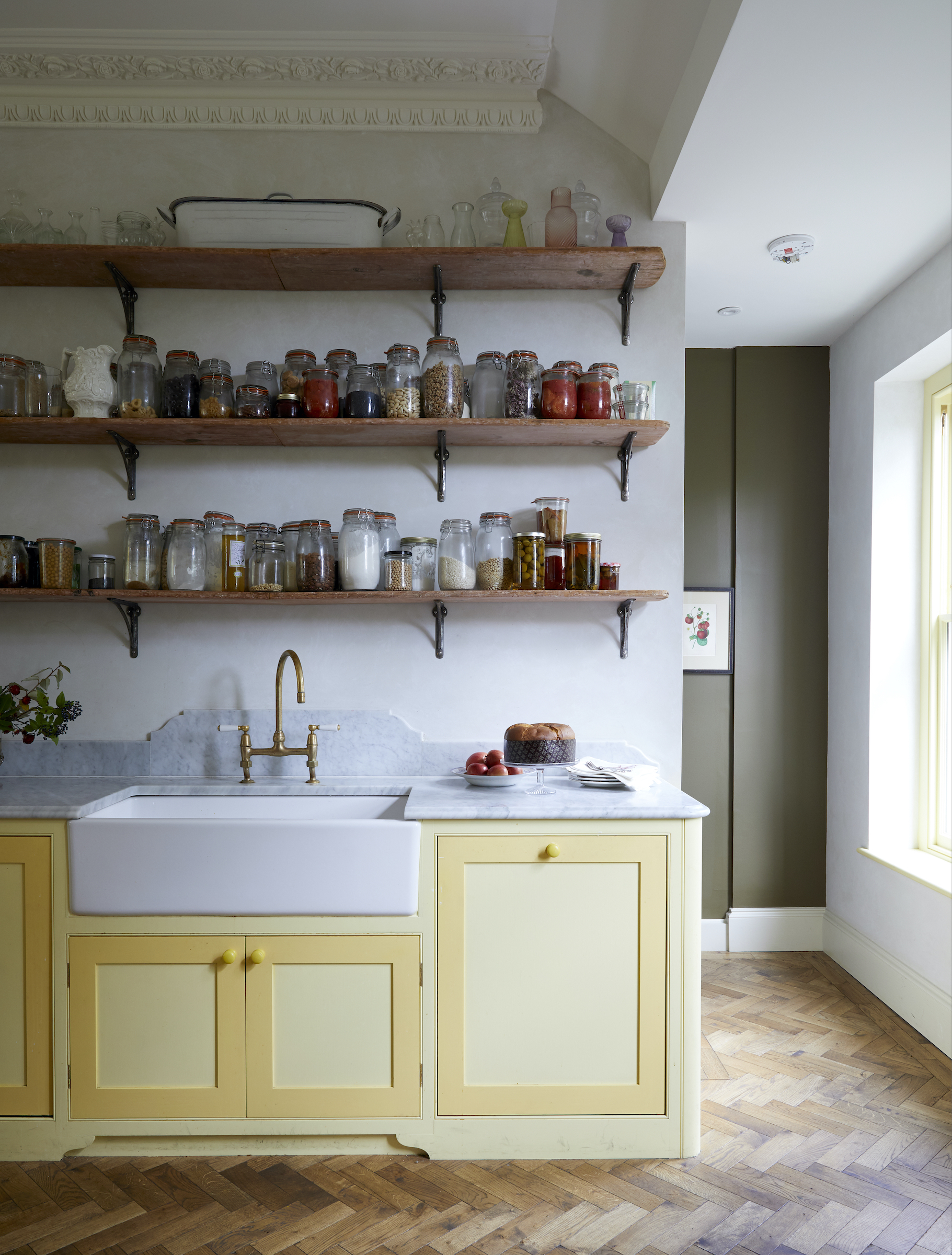
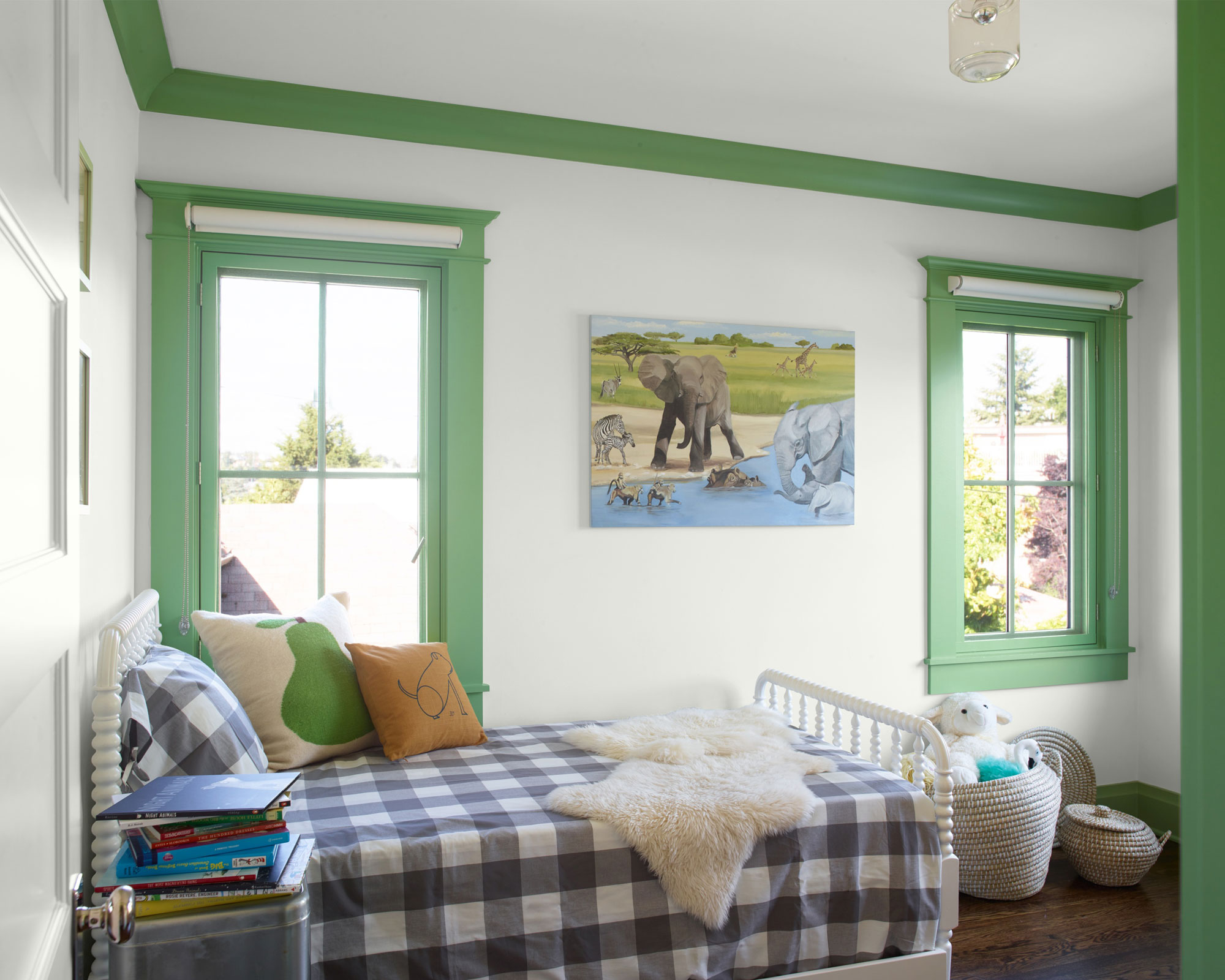
For a more understated look, the article recommends painting millwork in an earthy color that reads as neutral, such as a soft green trim paired with creamy white walls, reinforcing an antique aesthetic in a bedroom. A bolder option is to embrace a monochromatic scheme by painting both walls and millwork in the same color, whether a deep, saturated shade for coziness or a lighter tint for brightness. Another technique is to define built-in features, such as shelving or cabinetry, with a dark, dramatic color like charcoal gray, hunter green, or navy blue, which can work well in rooms with ample natural light.
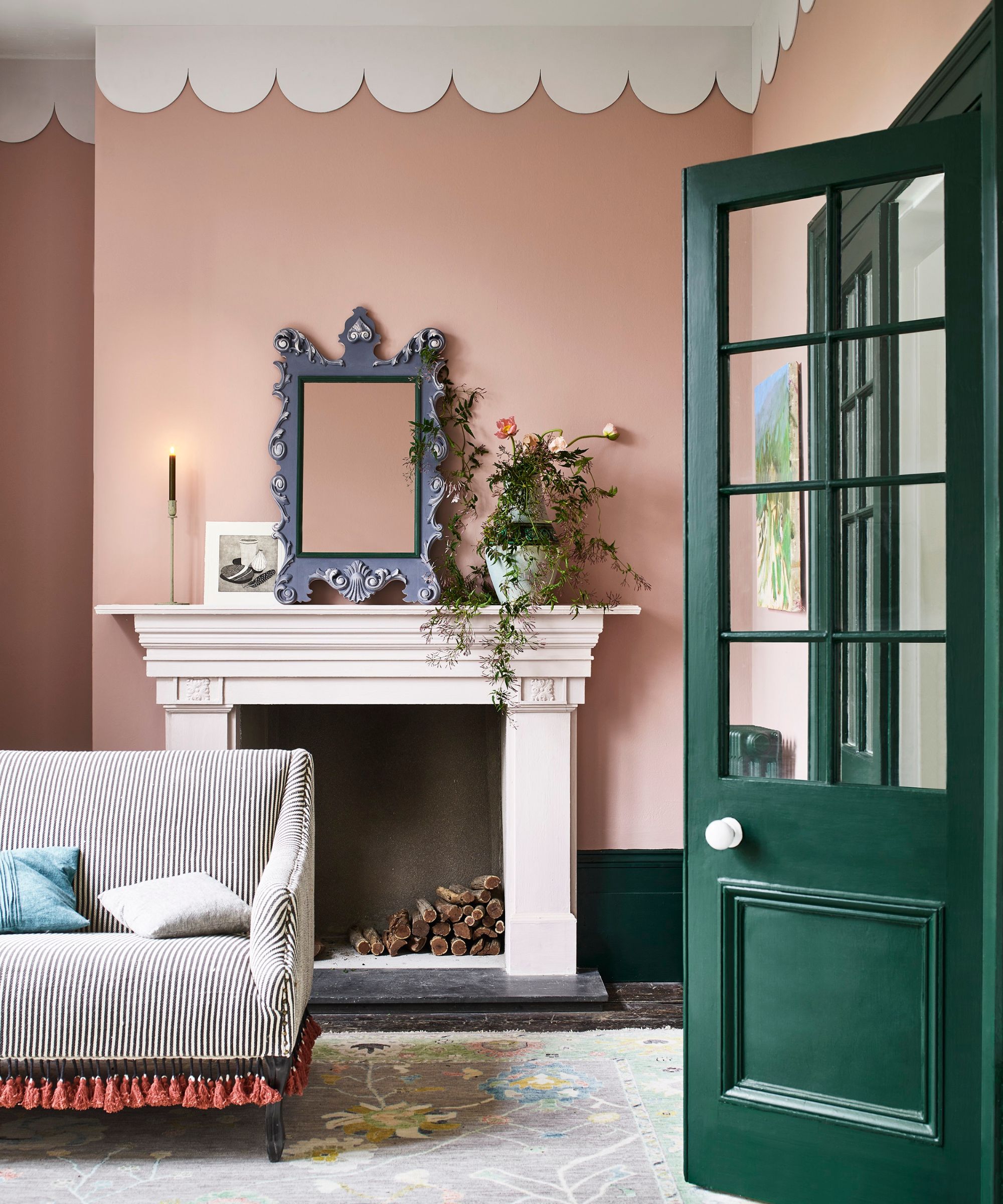
The article also suggests creative two-tone molding, using a combination of colors like blue, black, and white to emphasize ornate molding, tall windows, and built-in shelves. This approach allows for balancing traditional millwork designs with modern furniture. Finally, for a contemporary twist on traditional features like chair rails and wainscoting, painting paneling in moody, saturated shades is recommended. Combining two distinct saturated colors can create an edgy update, making the millwork stand out and adding drama to a space, such as an inky black wall color with teal-painted wainscoting in a dining room. These methods collectively demonstrate how colorful millwork can transform a home's interior, offering both historical reverence and modern flair.
#ColorfulMillwork #HomeDecor #PaintTrends #InteriorDesign #ArchitecturalDetails #ColorSchemes #HomeImprovement #MonochromaticLook #ColorfulMillwork #HomeDecor #PaintTrends #InteriorDesign #ArchitecturalDetails #ColorSchemes #HomeImprovement #MonochromaticLook
0 comment in total
 No comments yet
You may also like
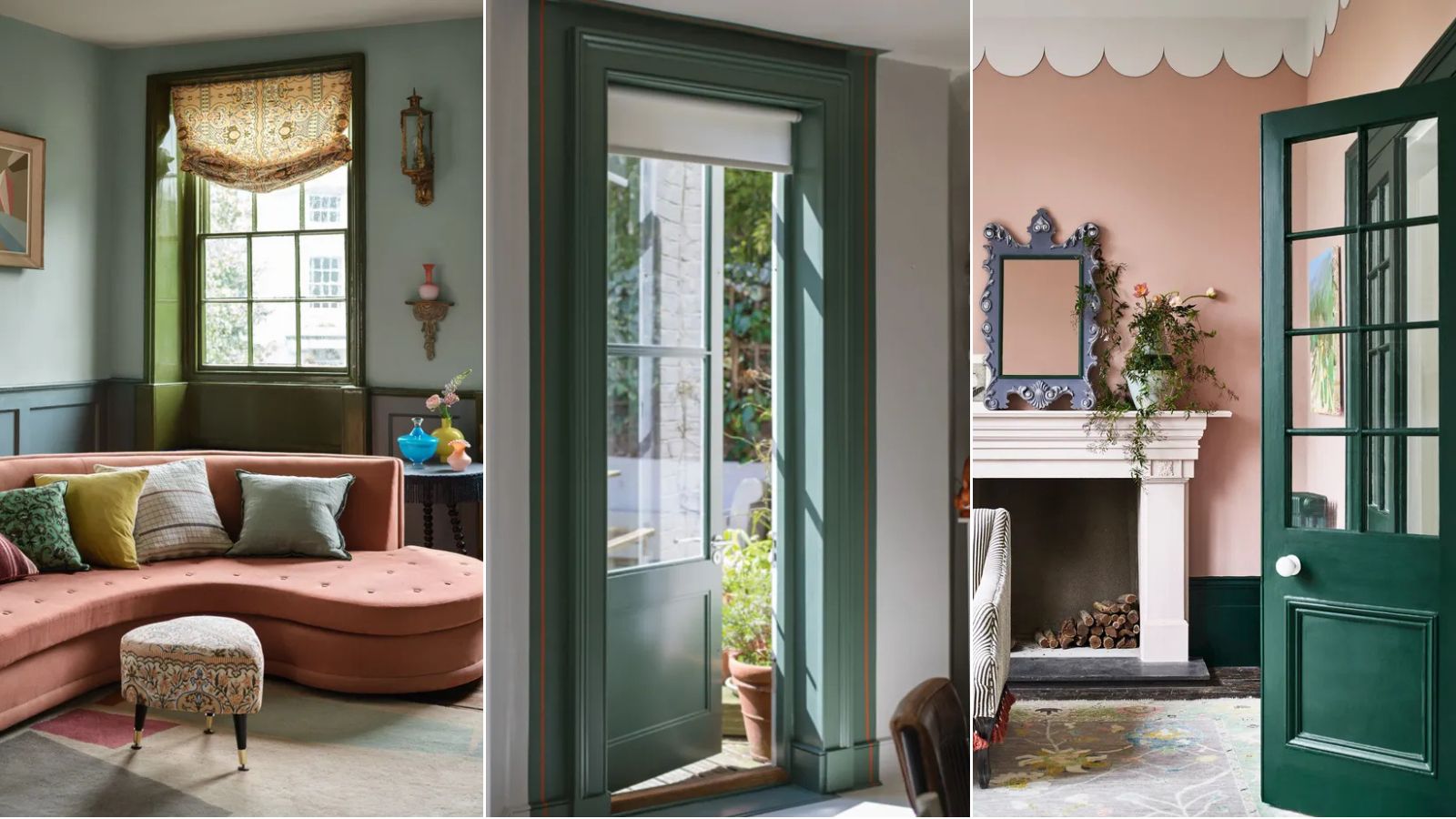
Is colorful woodwork a fresh new take on the classic feature wall?

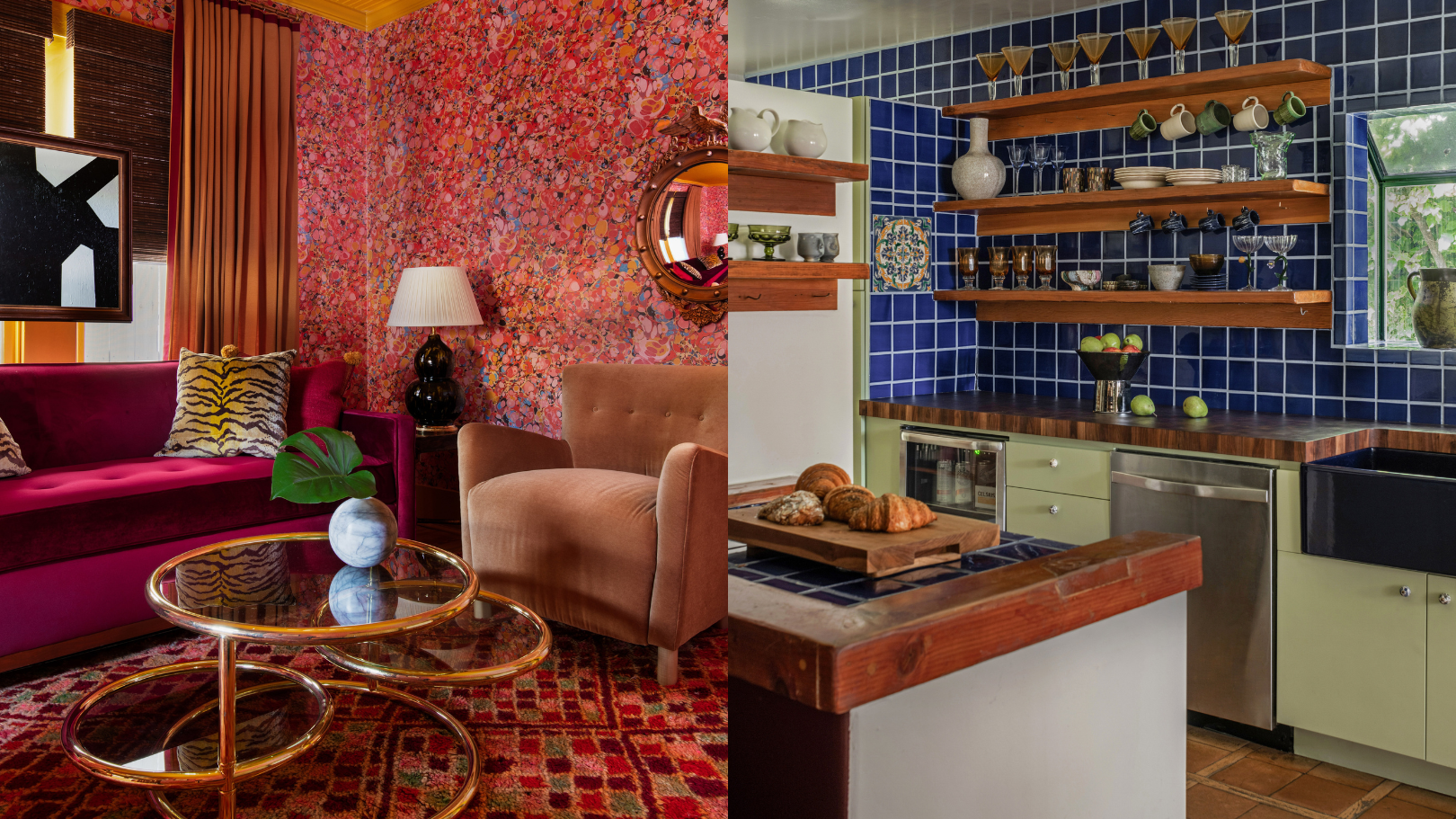
9 'good weird' paint colours approved by designers

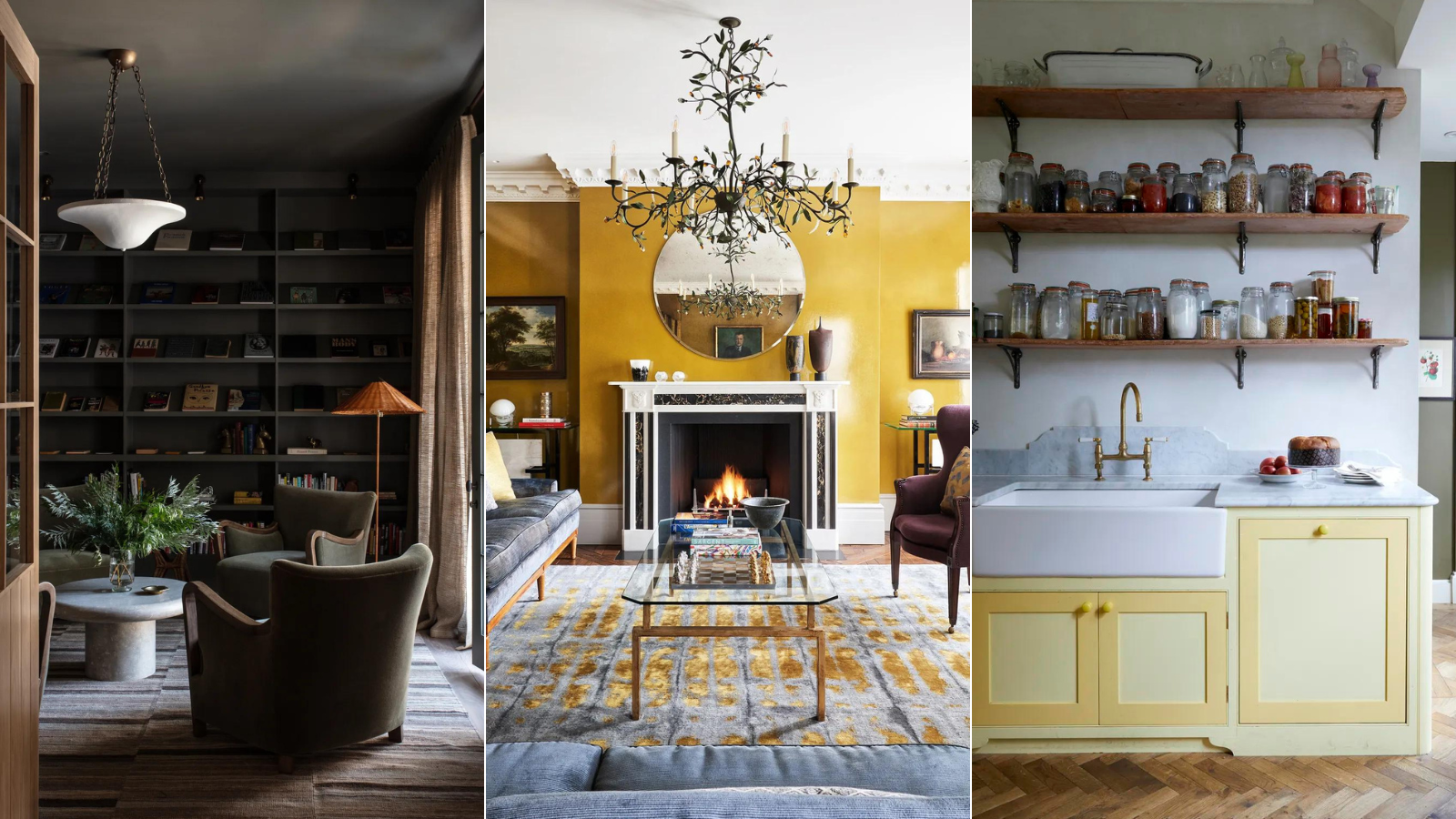
7 DIY projects that will elevate your home
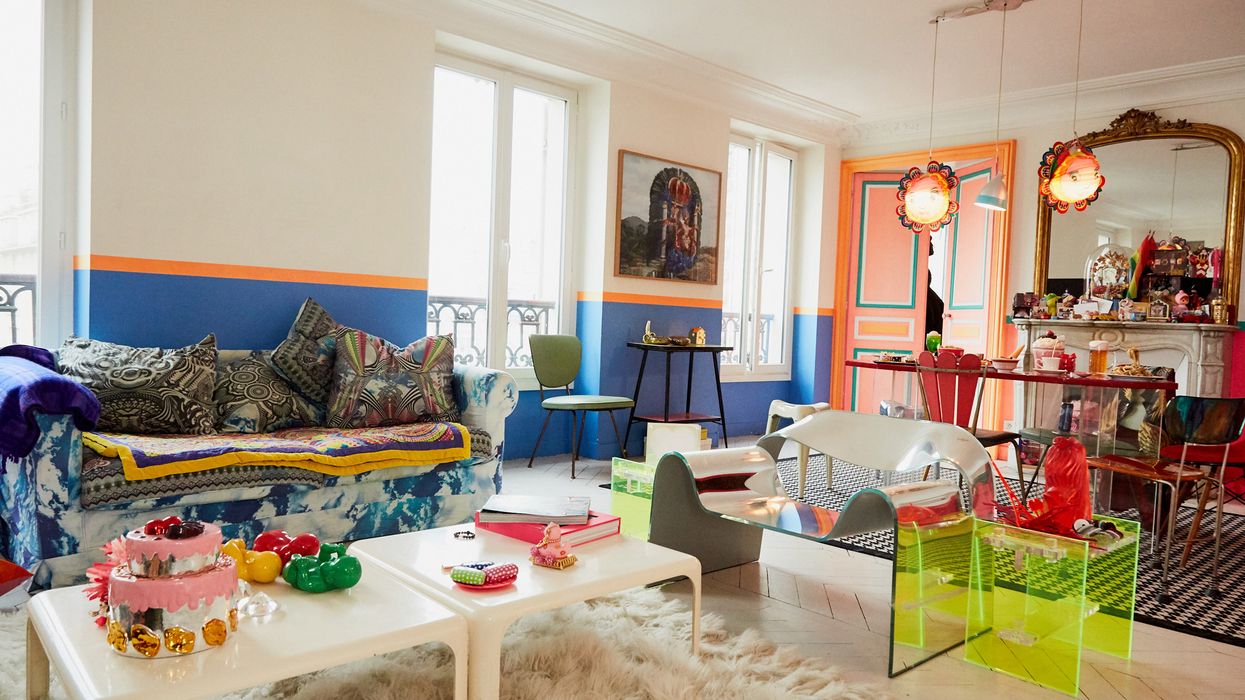
Tips for Bringing More Color Into Your Home, Straight from Interior Designers

"I'm an interior designer – I think these 5 millwork trends will make your home look like a million dollars"

Creative, Captivating Use of Color Helps This Home Redesign Shine

8 Home Design Trends We're Leaving in 2024 (And What to Do Instead)

Should your trim match your wall color? Experts reveal 6 color tips that can lead to decorating success
This Designer Gave Low Ceilings New Life (and Light) With This Paint Trick

Take a Leap into Bold Color with These Decorating Ideas
5 Fabrics and Materials to Elevate Your Home’s Style
15 ways to add color to your home, according to interior designers
11 Craftsman House Colors to Inspire Your Renovation

Incorporate Color Drenching Into Your Home Design
7 creative ways to use on-trend magnolia paint colours in your home

5 Ways to Decorate with Bobbin Details in Your Home — From the Walls to Your Furniture, and Doors, Too
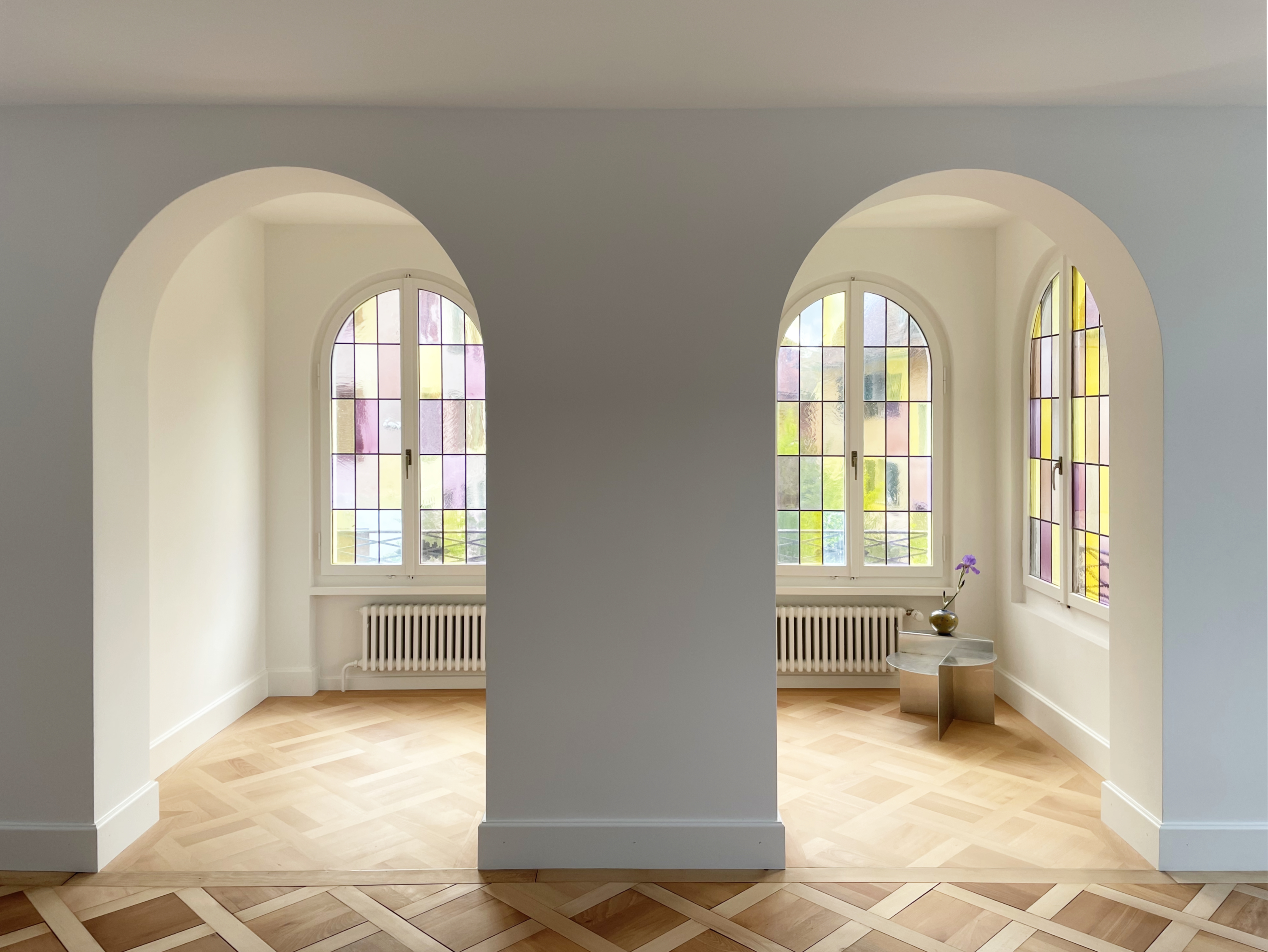
Colourful homes to inspire your vibrant interior renovation

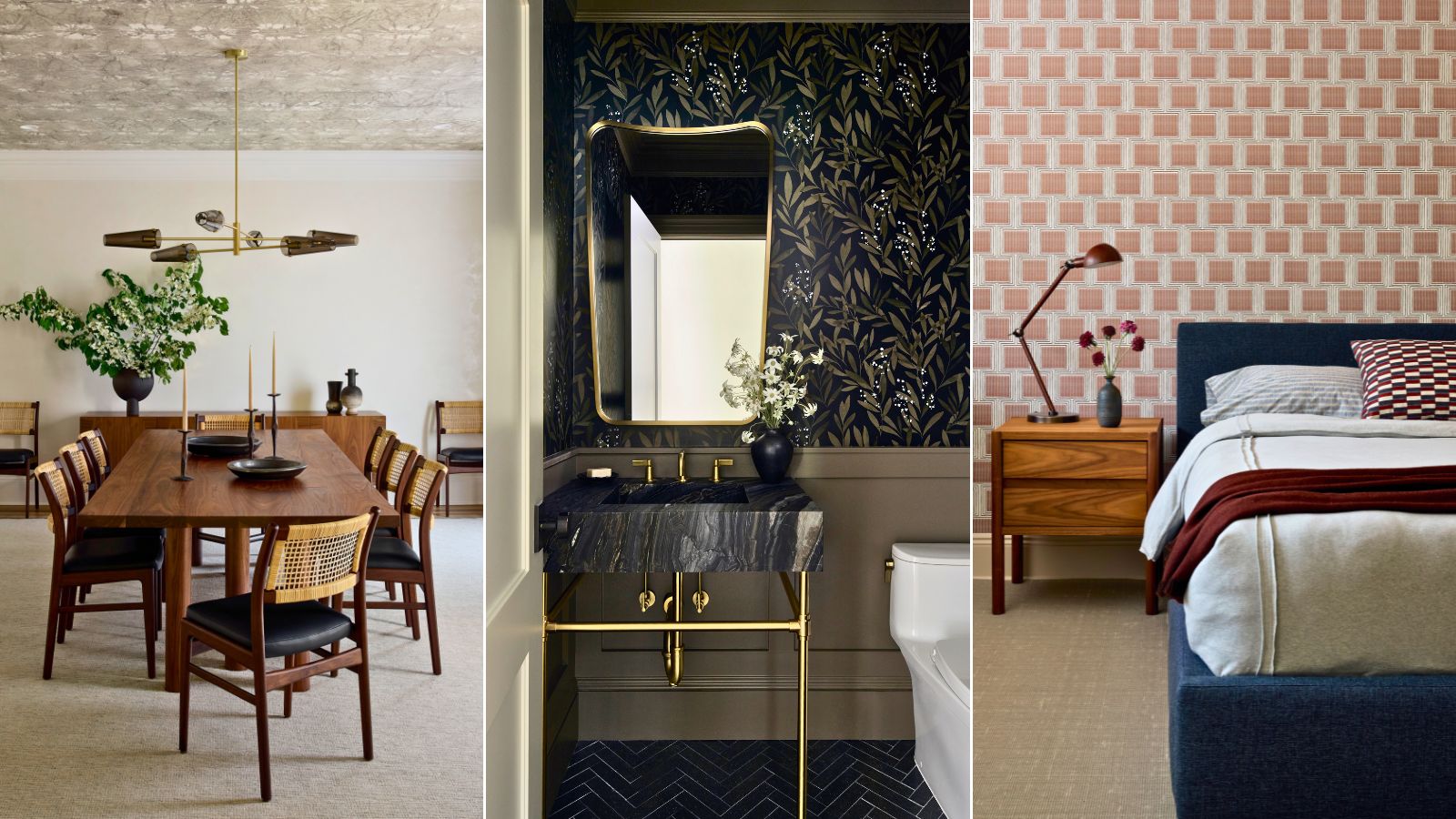
Rich colors and textured wallcoverings give this traditional home an elegant look that's very 2025

15 Ways to Add Bold Color to Your Home
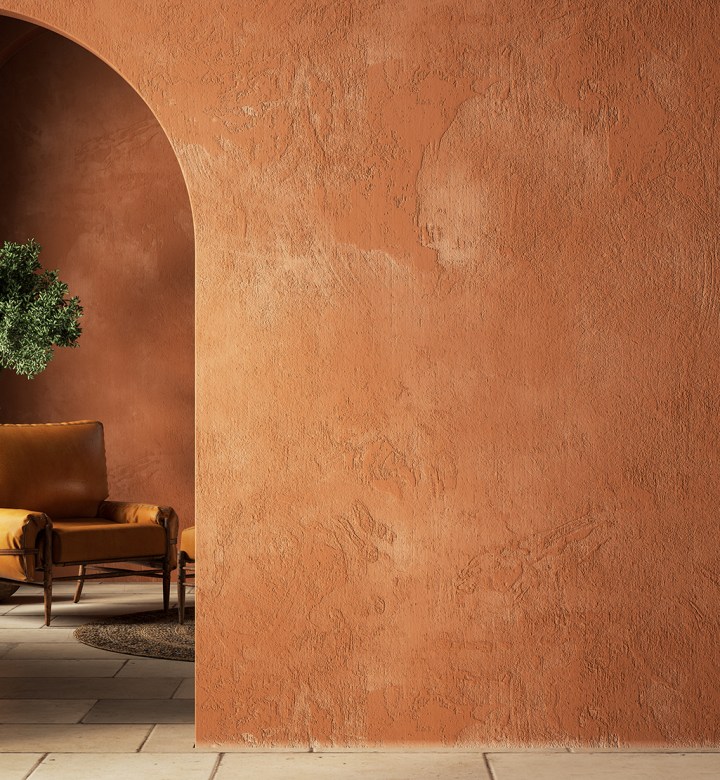
Color Drenching Might Be Everywhere, But My Mom’s Been Doing It Since the ’90s