How to smooth walls without plastering, according to design experts
Renovating a home, especially addressing uneven or damaged walls, can be a daunting task. While professional plastering offers the smoothest finish, it often comes with a high cost and can be difficult for DIY enthusiasts to master. For those looking to achieve smooth walls without the complexities and expense of traditional plastering, several alternative methods exist that are both effective and more manageable for homeowners.
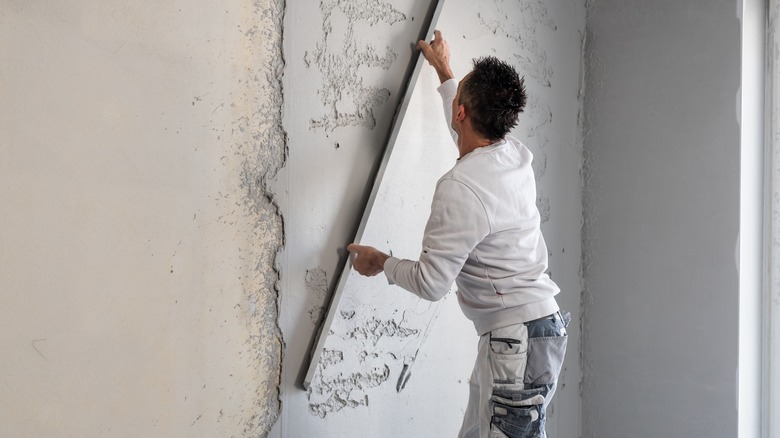
One common and accessible technique involves using joint compound. This material, typically used for drywall seams, can be applied in thin layers to fill minor imperfections and create a uniform surface. The process involves applying a thin layer with a trowel or putty knife, allowing it to dry, and then sanding it smooth. This method can be repeated until the desired level of smoothness is achieved. Joint compound is less thick and easier to work with than plaster, making it a suitable choice for those new to wall finishing projects.
Another straightforward approach for minor imperfections is sanding the walls directly with sandpaper. This method is most effective when the existing paint is in good condition and only slight unevenness needs to be corrected. For more significant flaws, a filler should be applied before sanding to ensure a consistent surface. This technique requires careful attention to avoid creating new depressions or uneven areas.
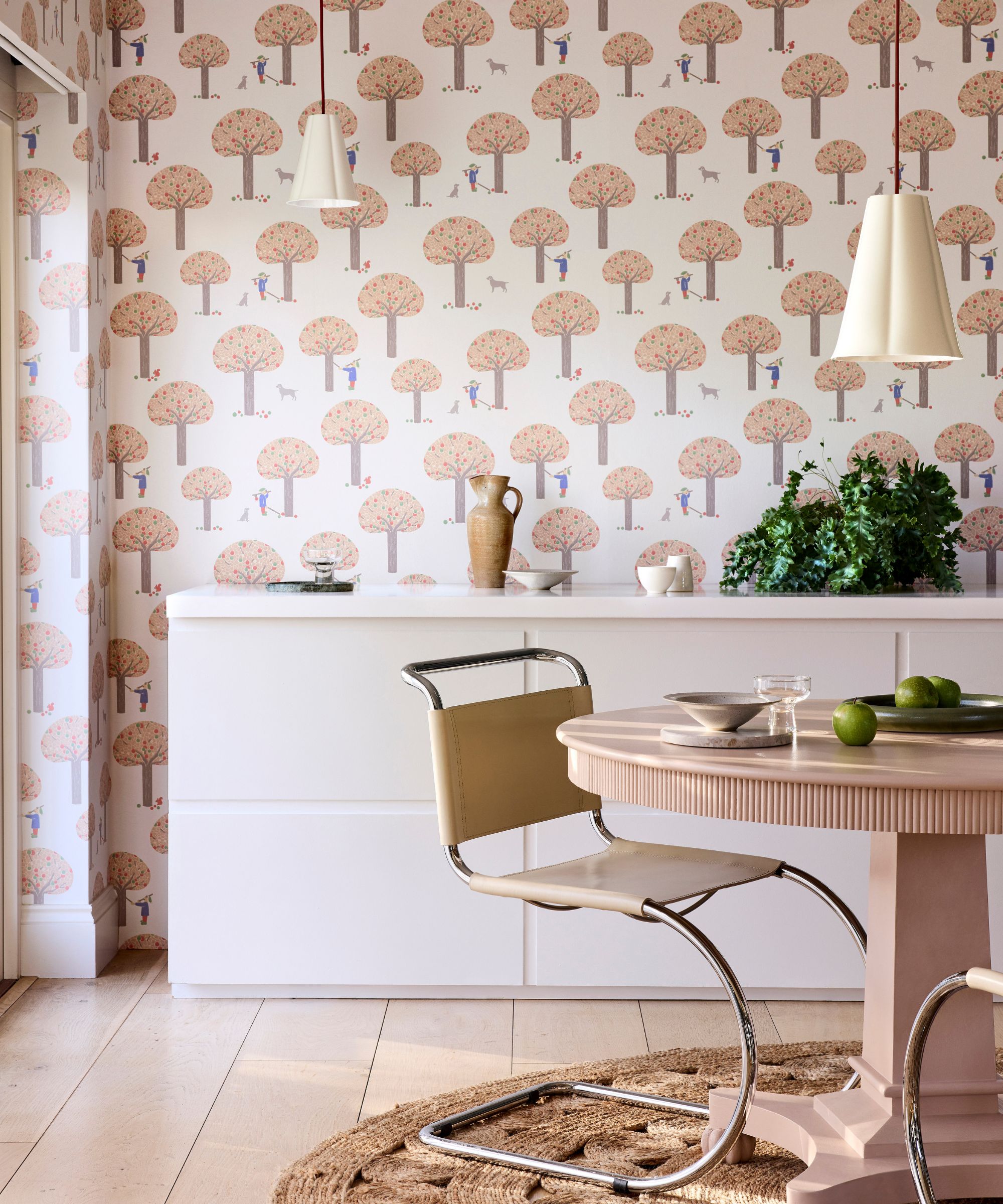
Wall lining paper provides a practical solution for masking imperfections. Similar to wallpaper, this insulating paper is applied with adhesive and effectively covers cracks, bumps, and other surface flaws, creating a smooth base for painting or further decoration. It simplifies the preparation process, as the goal is to cover the imperfections rather than perfectly level the wall surface.
For localized repairs, the dabbing and dotting technique using plaster is recommended. This method involves applying plaster in small, targeted areas where it is needed most, then smoothing it with a putty knife. While it may not result in a perfectly uniform surface across the entire wall, it is highly effective for addressing specific blemishes without requiring extensive plastering skills.
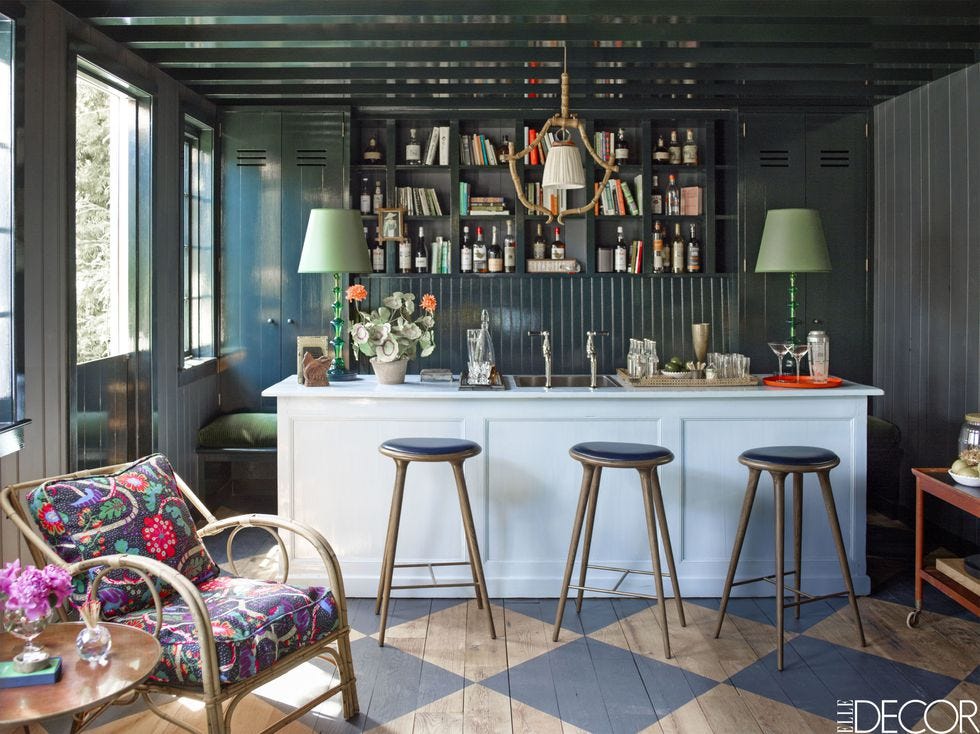
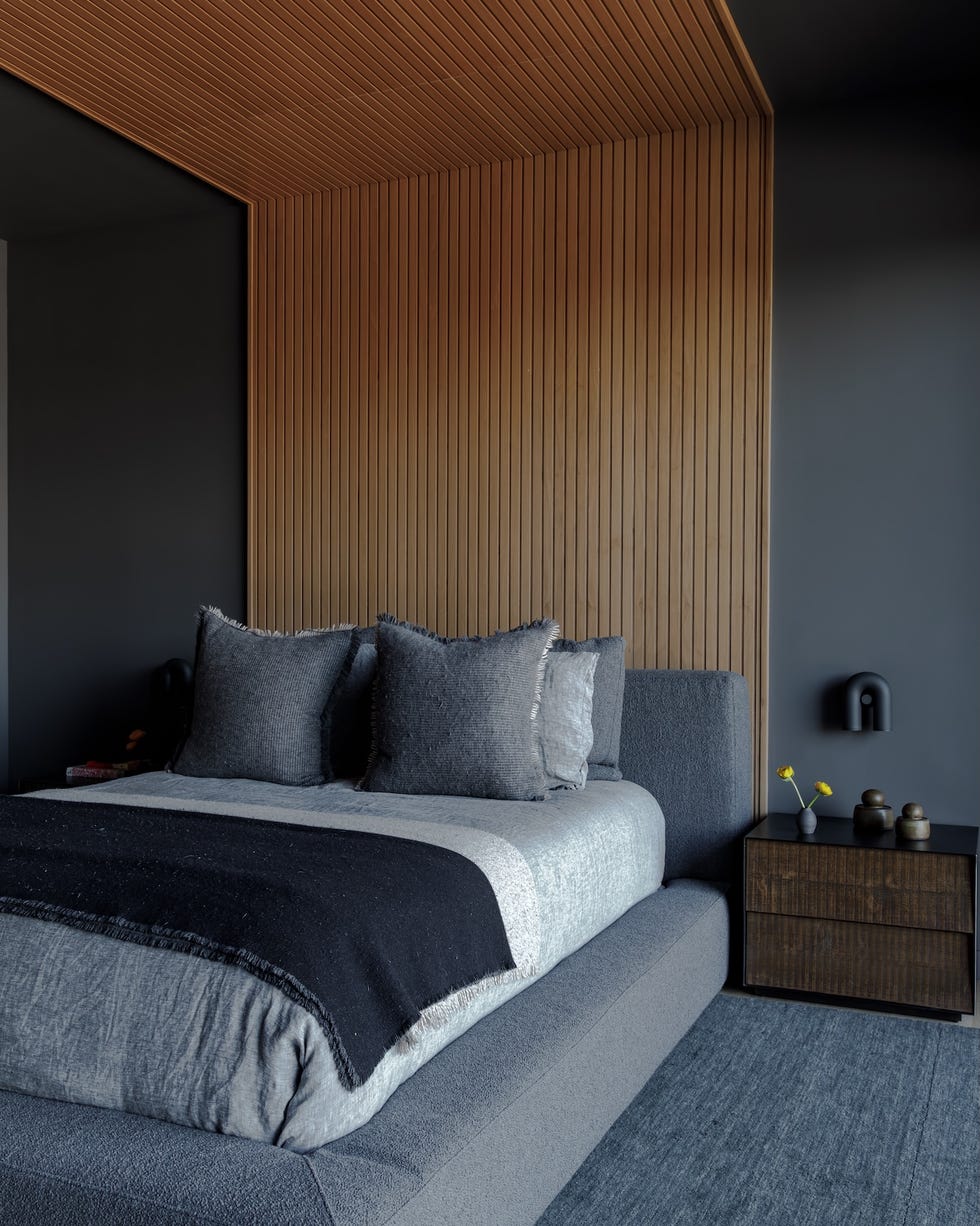
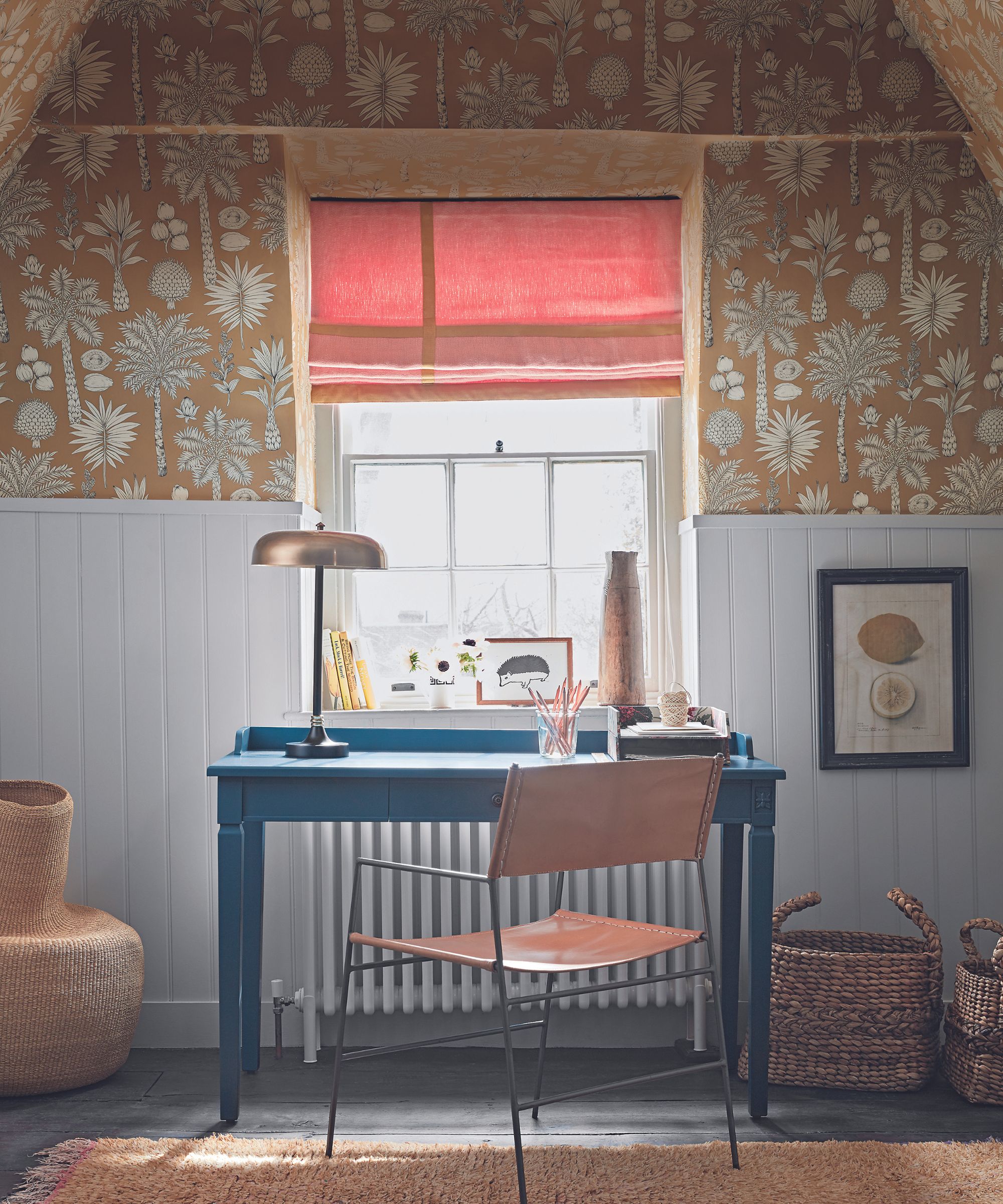
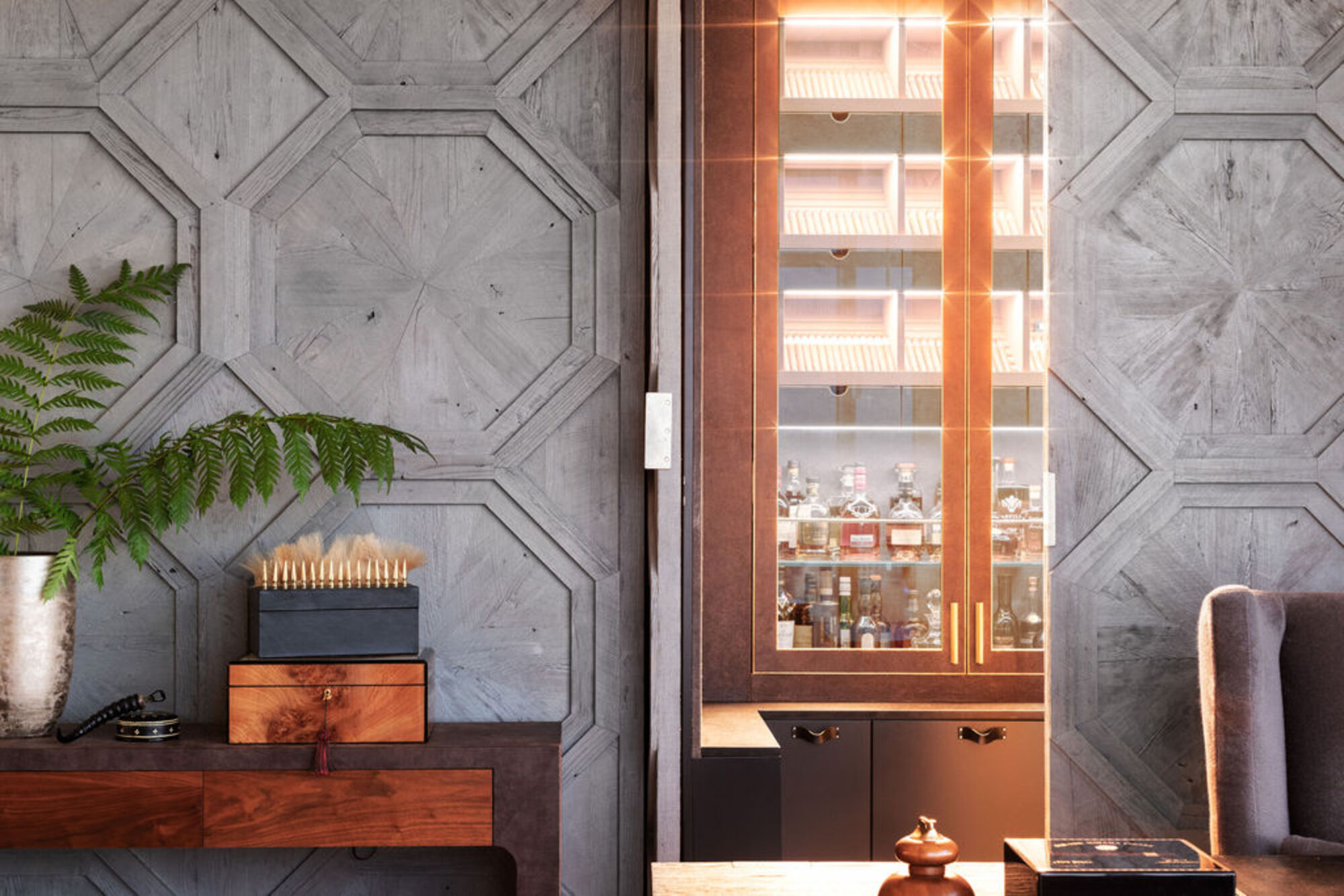
Adding wall paneling offers a decorative and highly effective way to conceal uneven walls. Options such as beadboard or wainscoting can be installed directly over existing surfaces, completely covering imperfections and transforming the room's aesthetic. Paneling comes in various styles, from traditional to modern, allowing for diverse design choices that also provide a durable and smooth finish.
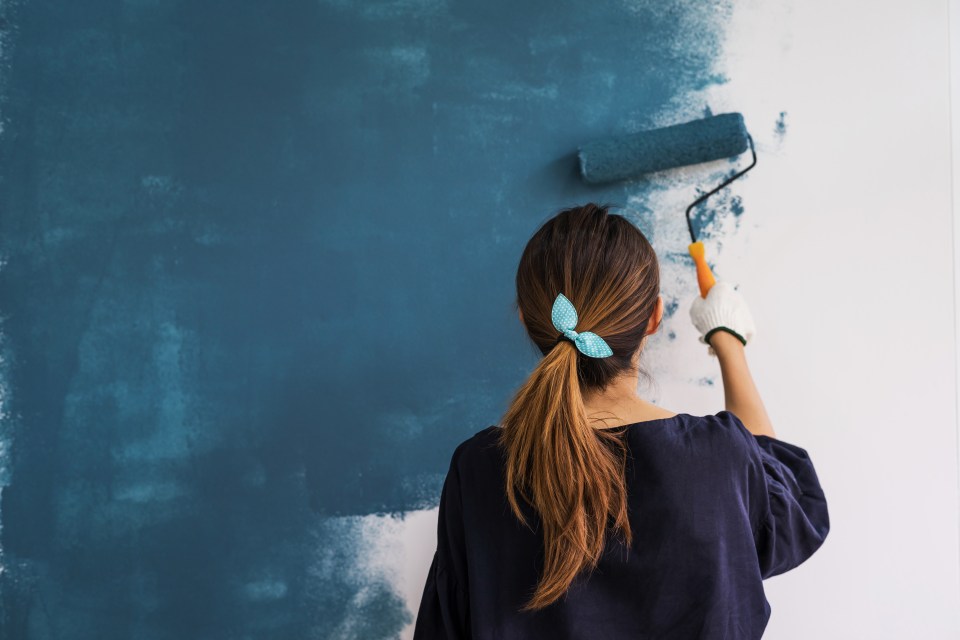
Finally, if the walls are already in relatively good condition, simply painting them can enhance their appearance. While not a method for smoothing out major defects, a fresh coat of paint can minimize the visibility of minor flaws and refresh the room. It is crucial to assess the wall's condition accurately to determine if painting alone will suffice or if one of the other smoothing techniques is necessary.
When considering alternatives to plaster, materials like drywall, wood, and metal also offer different benefits and drawbacks regarding insulation and cost. The choice of method largely depends on the extent of the wall's imperfections, the desired finish, budget, and DIY skill level. Understanding these options allows homeowners to achieve a smooth and aesthetically pleasing wall surface without resorting to professional plastering.
#HomeImprovement #DIY #WallSmoothing #JointCompound #WallLiningPaper #WallPanelling #InteriorDesign #HomeRenovation #HomeImprovement #DIY #WallSmoothing #JointCompound #WallLiningPaper #WallPanelling #InteriorDesign #HomeRenovation
0 comment in total
 No comments yet
You may also like
How to remove wallpaper - expert-approved steps to prevent damage and ensure a smooth finish
Designers Are Ditching "Flat Painted Walls" for THIS Unexpected Trend

How to properly paint ombre walls for a gradual gradient, with a stress-free method for decorating novices

The Bathroom Wall Design That's Completely Changing Showers

How to texture a wall – 5 expert methods for intriguing wall textures

How to plaster a wall

How to clean walls before painting – expert tips and tricks
An easy guide to the charming scalloped walls trend

Top Designers Reveal How to Pull Off Shiplap Walls

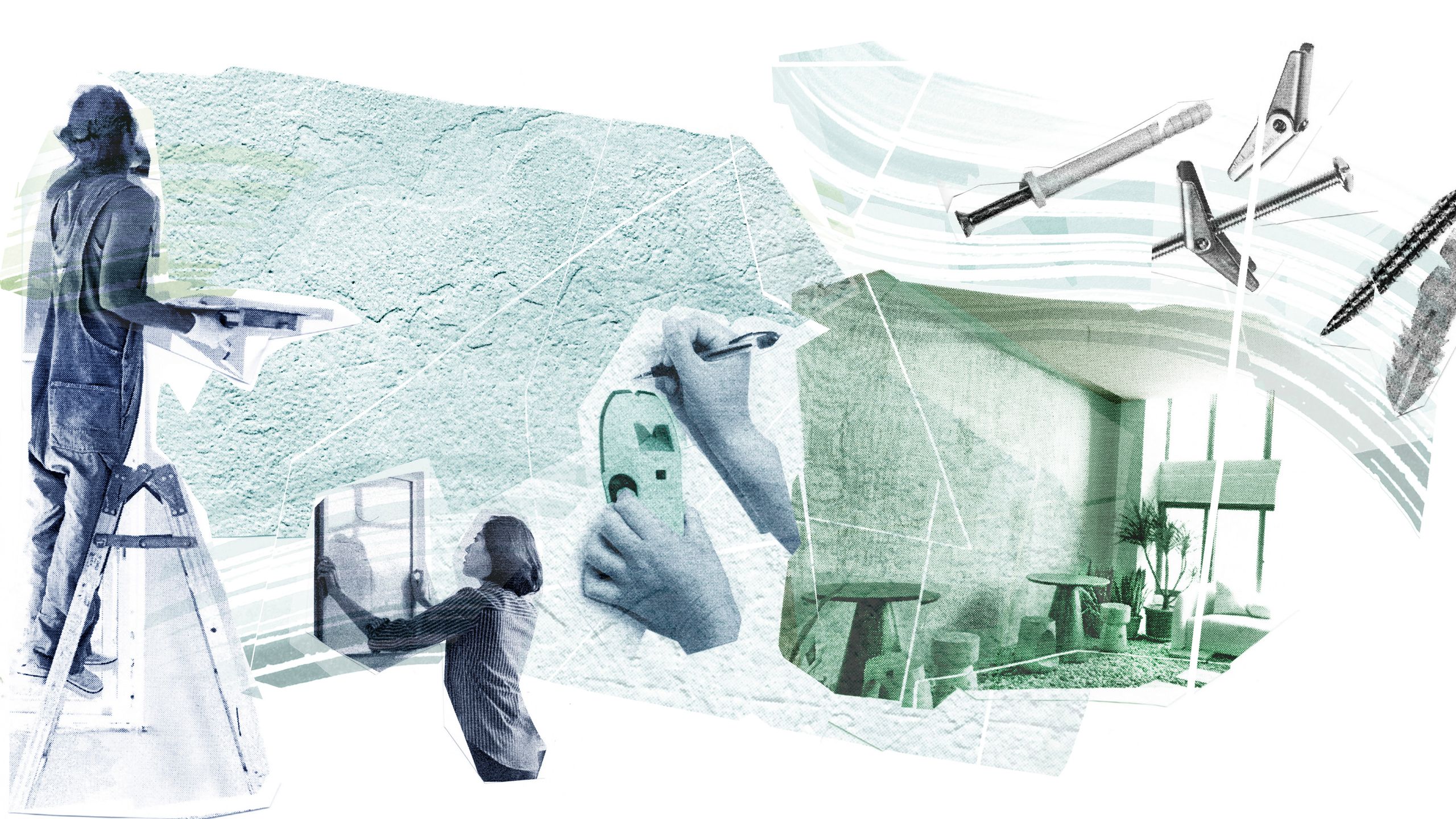
Minimize Plaster Repair With These 5 Tips for Perfect Plaster Walls

I’m a paint expert - the £1.25 buy pros swear by for a flawless finish on walls

5 DIY Jobs I'd Do Again (And What Nearly Broke Me)
How to clean walls – the best ways to get rid of marks and scuffs
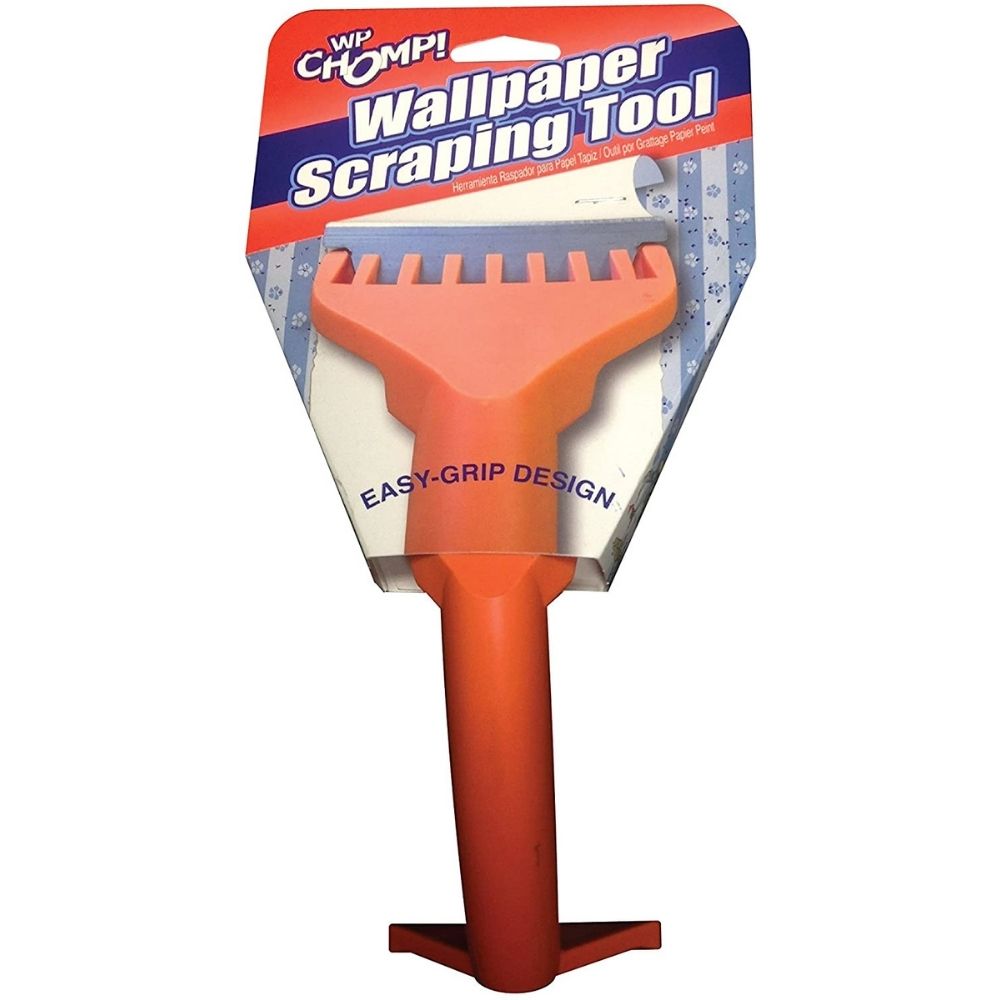
The Best Wallpaper Removers of 2025 for Updating Your Home’s Interior
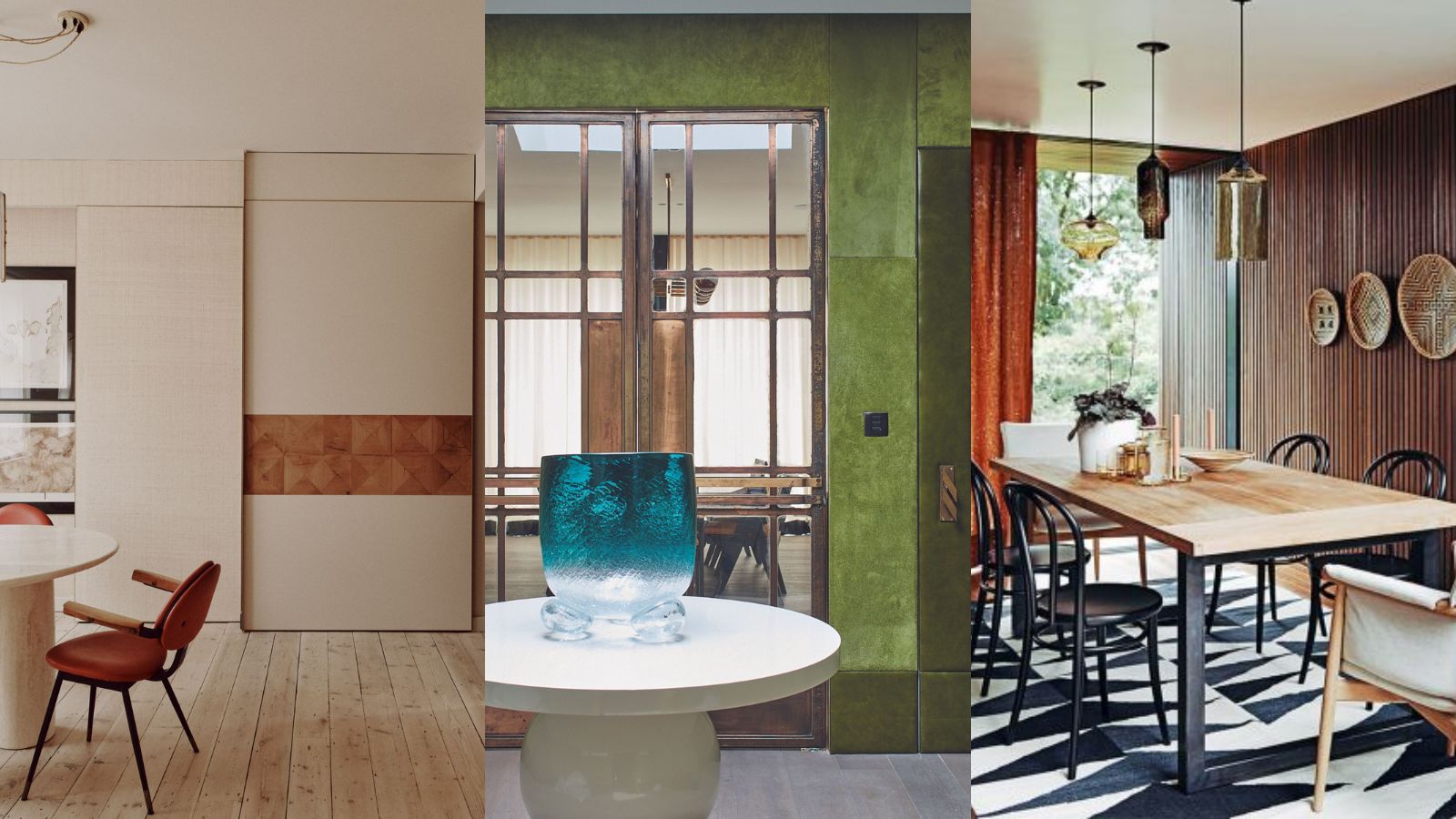
Textured wall ideas – 13 surfaces you'll want to reach out and touch
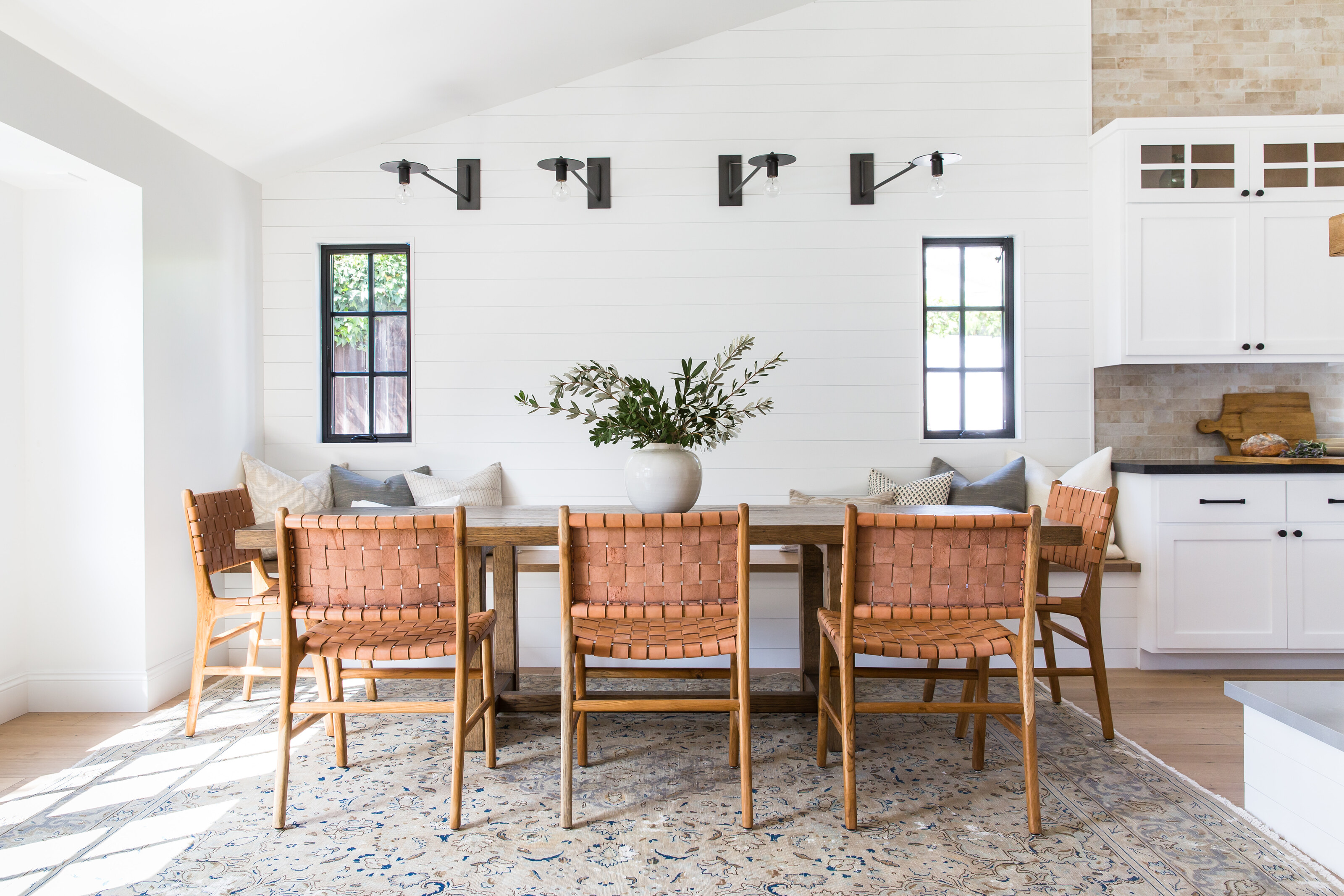
Wall paneling ideas – experts offer 9 simple tricks to wake up your walls
Fight Mold With Paperless Drywall
A Stress-Free Way to Remove Wallpaper
Can you put wallpaper on textured walls? Experts reveal it is indeed possible with this vital step
How to Figure Out What Kind of Walls You Have Behind Your Wall Paneling