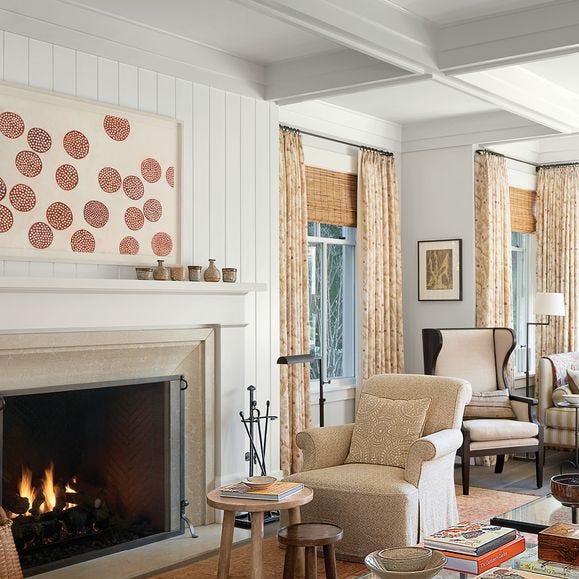
1/6
Top Designers Reveal How to Pull Off Shiplap Walls
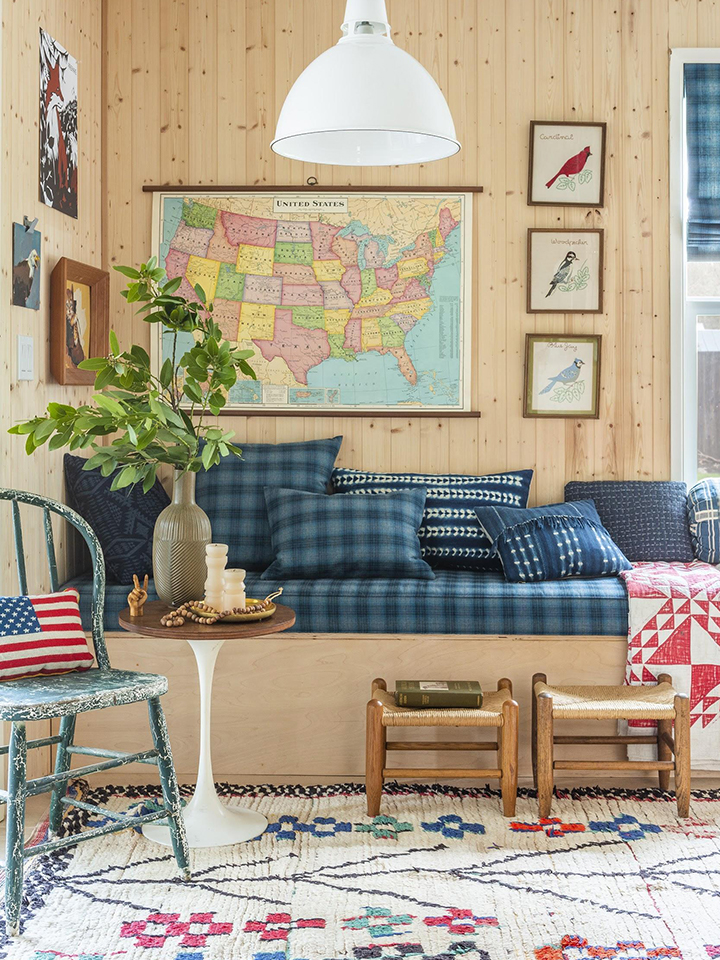
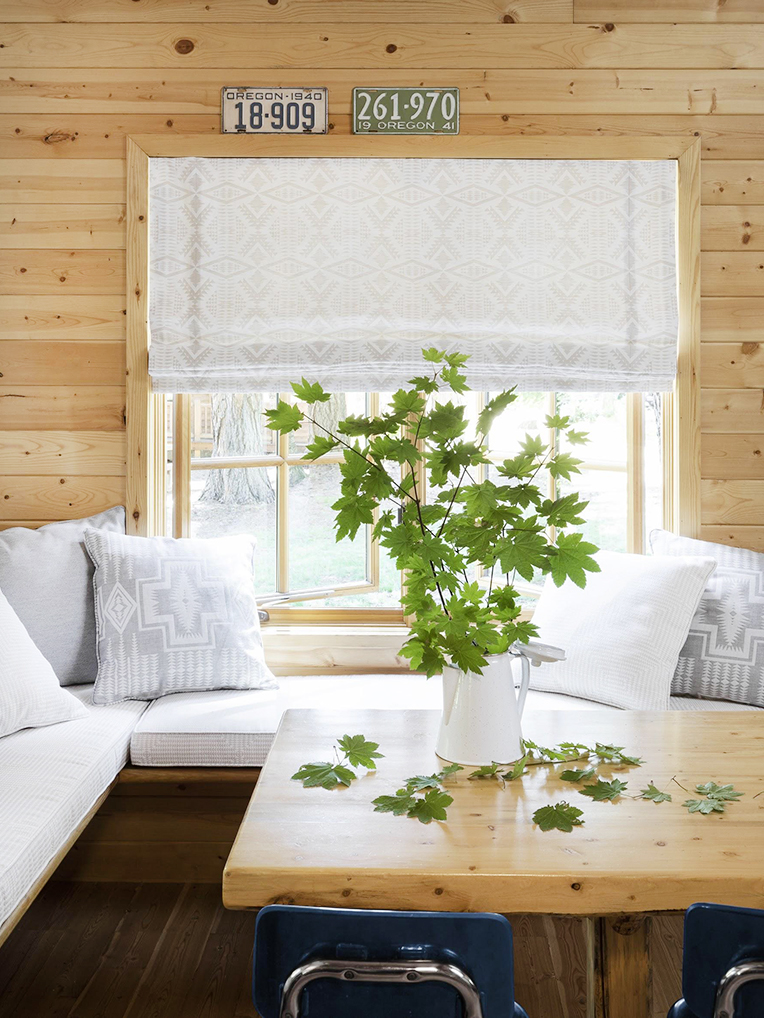
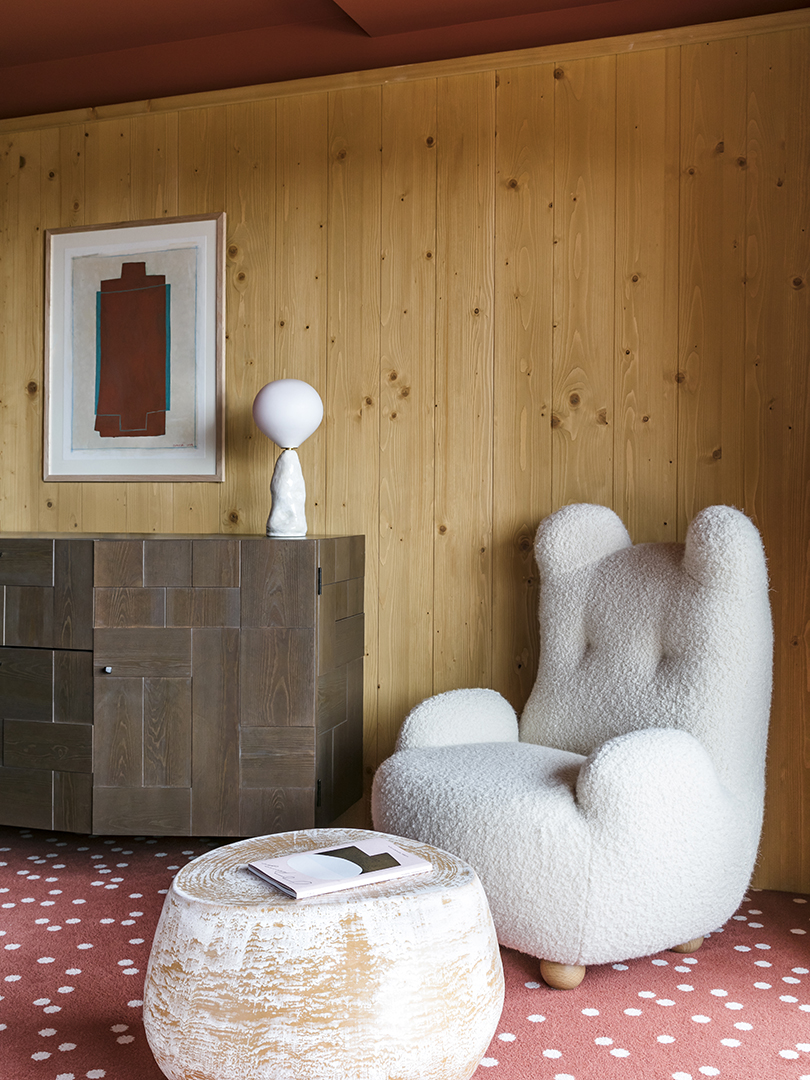
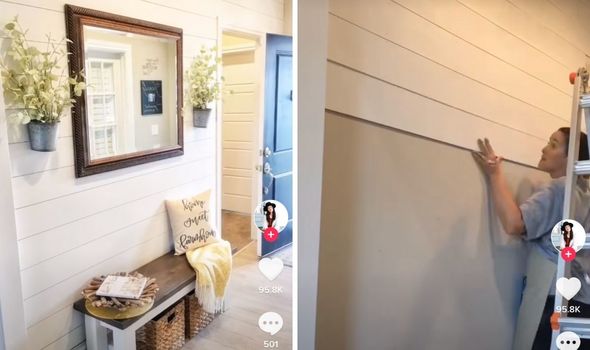
Shiplap, a popular design element famously utilized by Chip and Joanna Gaines on HGTV's "Fixer Upper," offers a tasteful method to introduce texture and visual interest to various rooms. This article provides expert insights into effectively incorporating shiplap into home design, even in urban settings where the farmhouse aesthetic might not be a conventional choice.
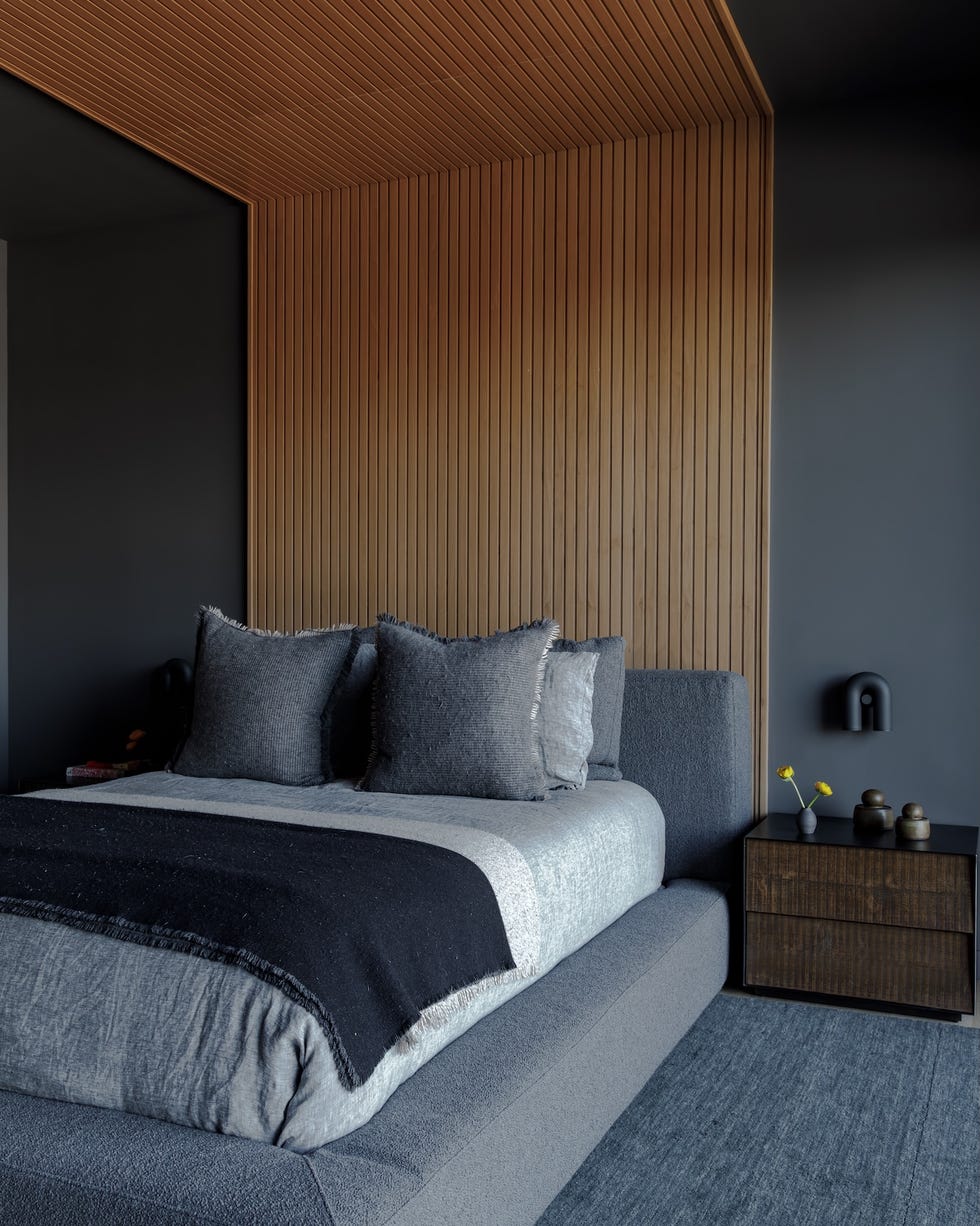
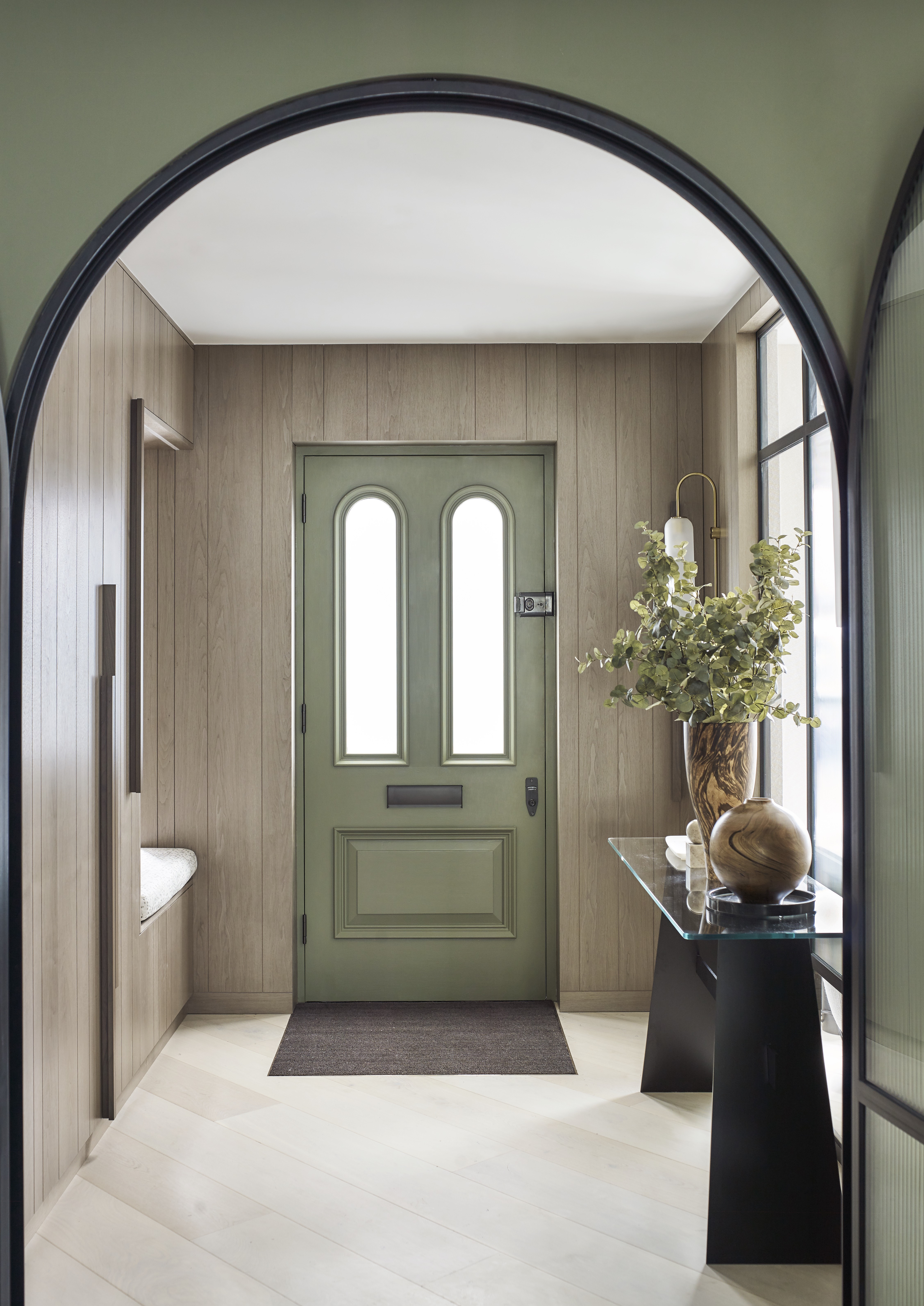
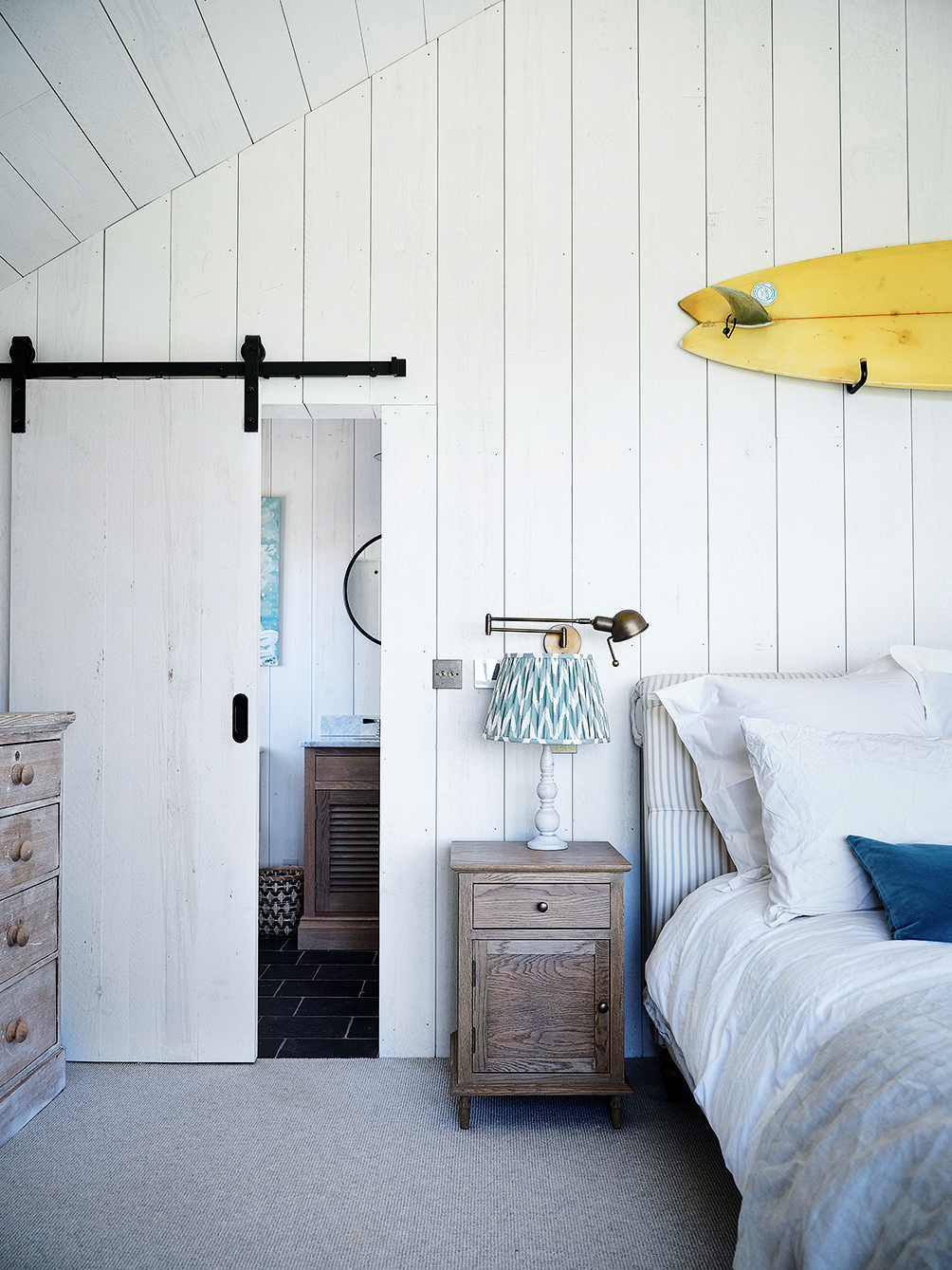
One key aspect of shiplap is its versatility. Sweeten Founder and CEO Jean Brownhill highlights that shiplap can be installed horizontally to create visual interest across an entire room or vertically to add height, drawing the eye upwards. It can also be applied to asymmetrical or slanted surfaces for a unique, charming effect. The placement and orientation of the boards significantly influence the overall aesthetic of the space.
Maintaining uniform spacing between shiplap boards is crucial for achieving a contemporary look. Nashville-based interior designer Jason Arnold suggests using a nickel as a spacer during installation to ensure consistent gaps, which prevents the look from veering into an overly rustic or country style. This uniform spacing contributes to a clean and modern appearance, as demonstrated in a guest bedroom Arnold designed, where shiplap covers an entire wall, including closet doors.
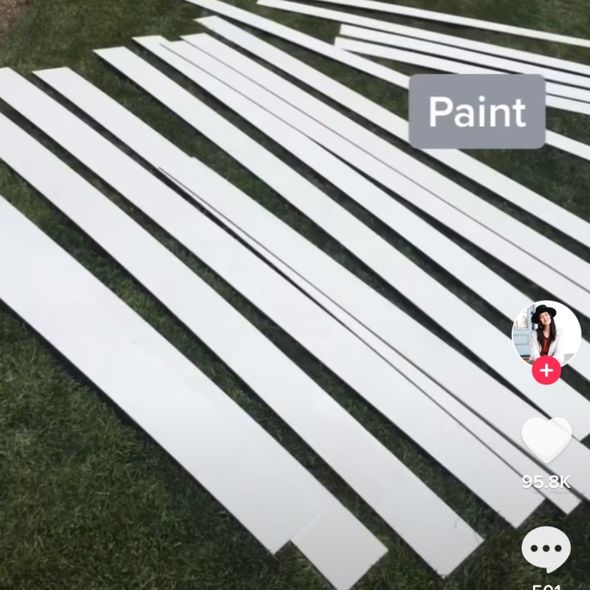
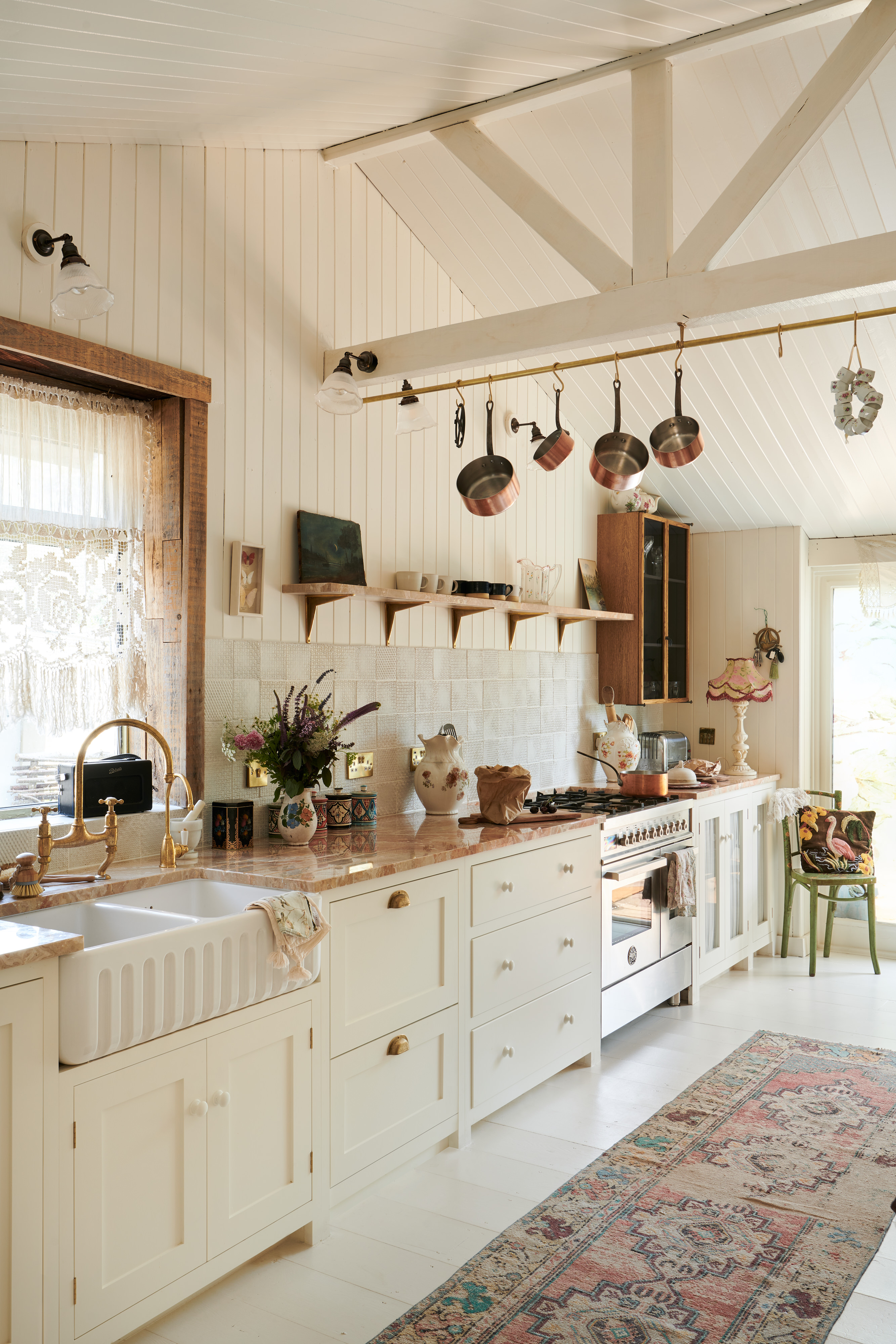
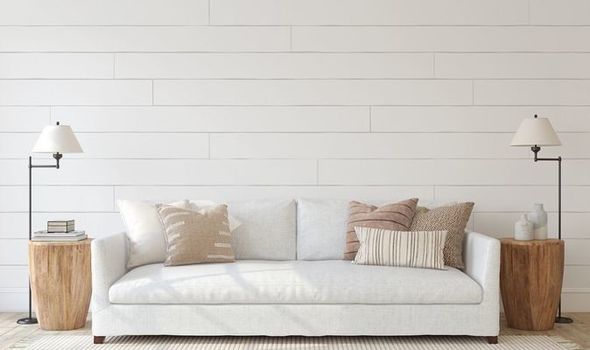
Painting shiplap is almost always recommended unless a raw, rugged aesthetic is specifically desired. Rita Konig, a London-based interior designer, explains that white painted shiplap creates a clean and fresh Cape Cod-inspired look, ideal for kitchens, laundry rooms, or bathrooms. For smaller spaces that require more dramatic flair, painting the shiplap in dark or bright colors can add significant visual impact and interest.
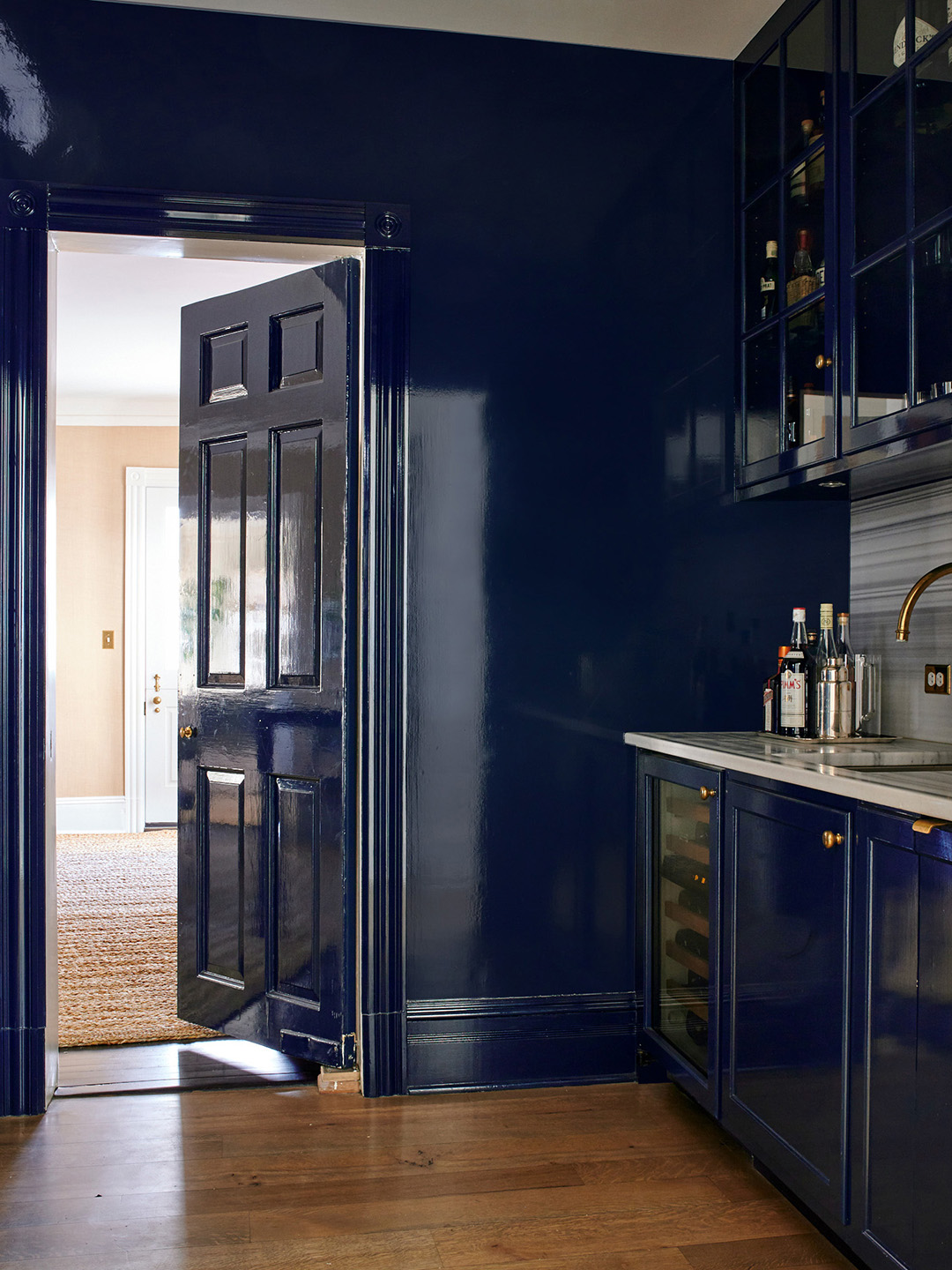
Another technique to modernize shiplap is to paint it with a high-gloss finish. Arnold notes that high-gloss paint retains the inherent texture of the shiplap while giving it a sleek, contemporary feel. His recommendation for an ultra-modern design involves covering an entire room in shiplap and applying a high-gloss white paint.
For those hesitant to commit fully, shiplap can be introduced in small doses. Horizontal boards can make small spaces appear larger. It is advisable to experiment with shiplap in smaller areas, such as a powder room, backsplash, or an accent wall, before integrating it into larger parts of the home. When used on an accent wall, painting it the same color as the surrounding walls can create a subtle yet varied textural effect, maintaining a clean and modern ambiance. An additional practical benefit is its ease of cleaning, particularly advantageous in kitchens and bathrooms.
Furthermore, shiplap can be effectively blended with other materials to create a contemporary urban aesthetic. Arnold suggests combining shiplap with elements like brick, marble, or concrete. The warmth of wood can counteract the coolness of materials like concrete or brick often found in urban lofts. In a kitchen, shiplap can accent a marble backsplash, or in a living room with exposed brick, an accent shiplap wall can provide balance and visual appeal.
Finally, mixing the width of the boards offers another way to customize the shiplap look. While a six-inch board is a common starting point, varying board widths can create a more relaxed and unique appearance, with differences often going unnoticed until deliberately highlighted.
#ShiplapWalls #InteriorDesign #HomeDecoration #FarmhouseStyle #DesignTips #ArchitecturalDetails #ModernFarmhouse #TexturalElements #ShiplapWalls #InteriorDesign #HomeDecoration #FarmhouseStyle #DesignTips #ArchitecturalDetails #ModernFarmhouse #TexturalElements
0 comment in total
 No comments yet
You may also like
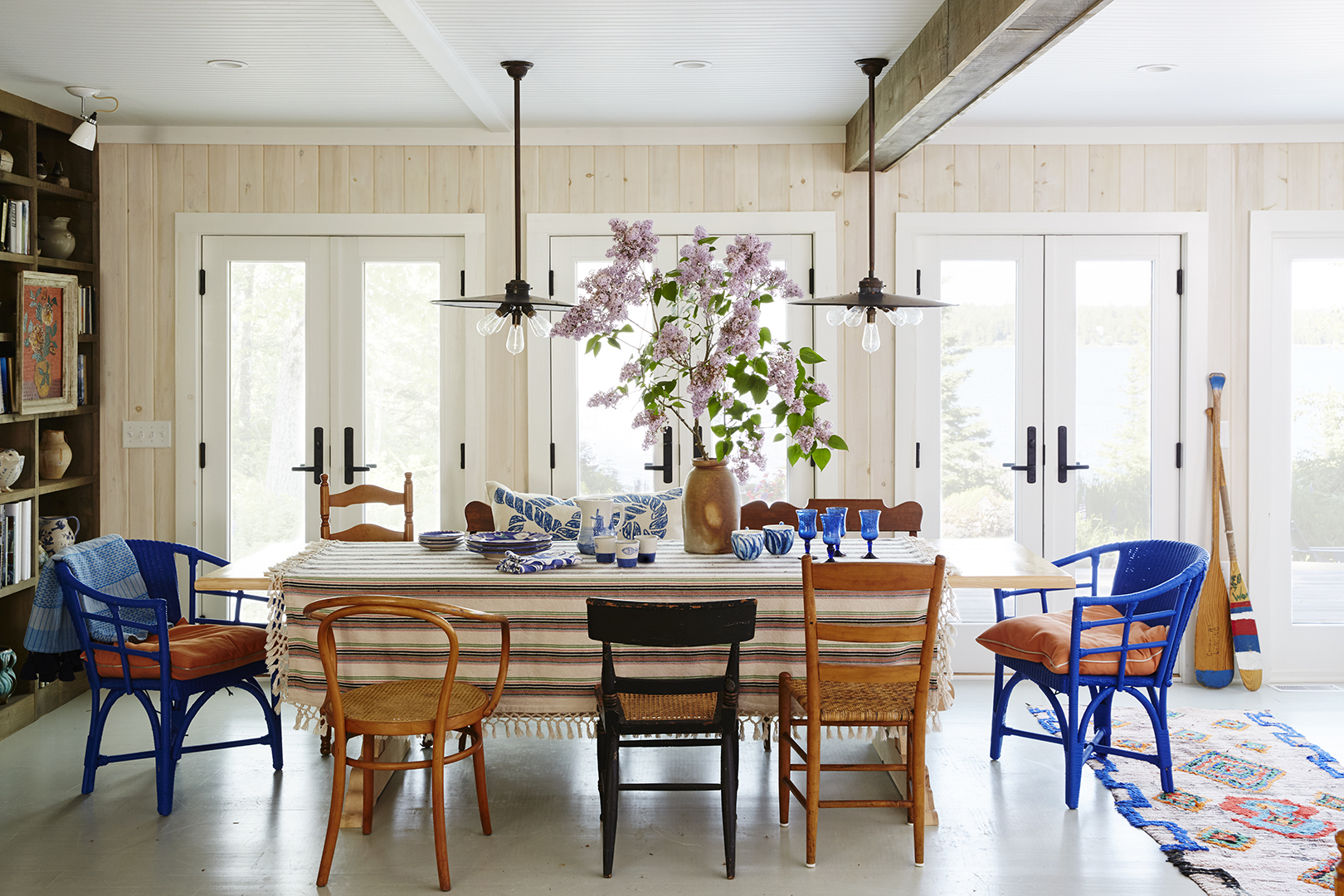
Designers Are Betting on This Wall Treatment as the New Shiplap

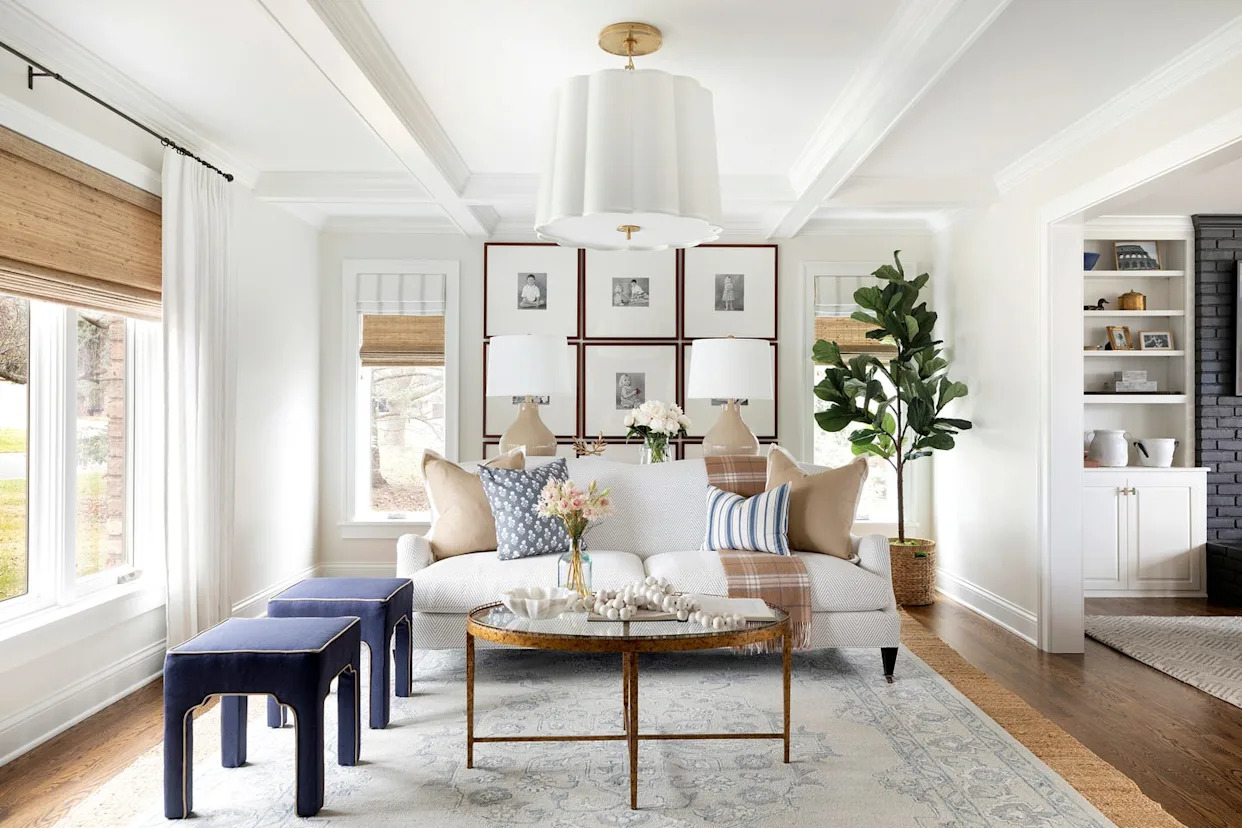
Designers Have Spoken: Grid Walls Are the New Gallery Walls
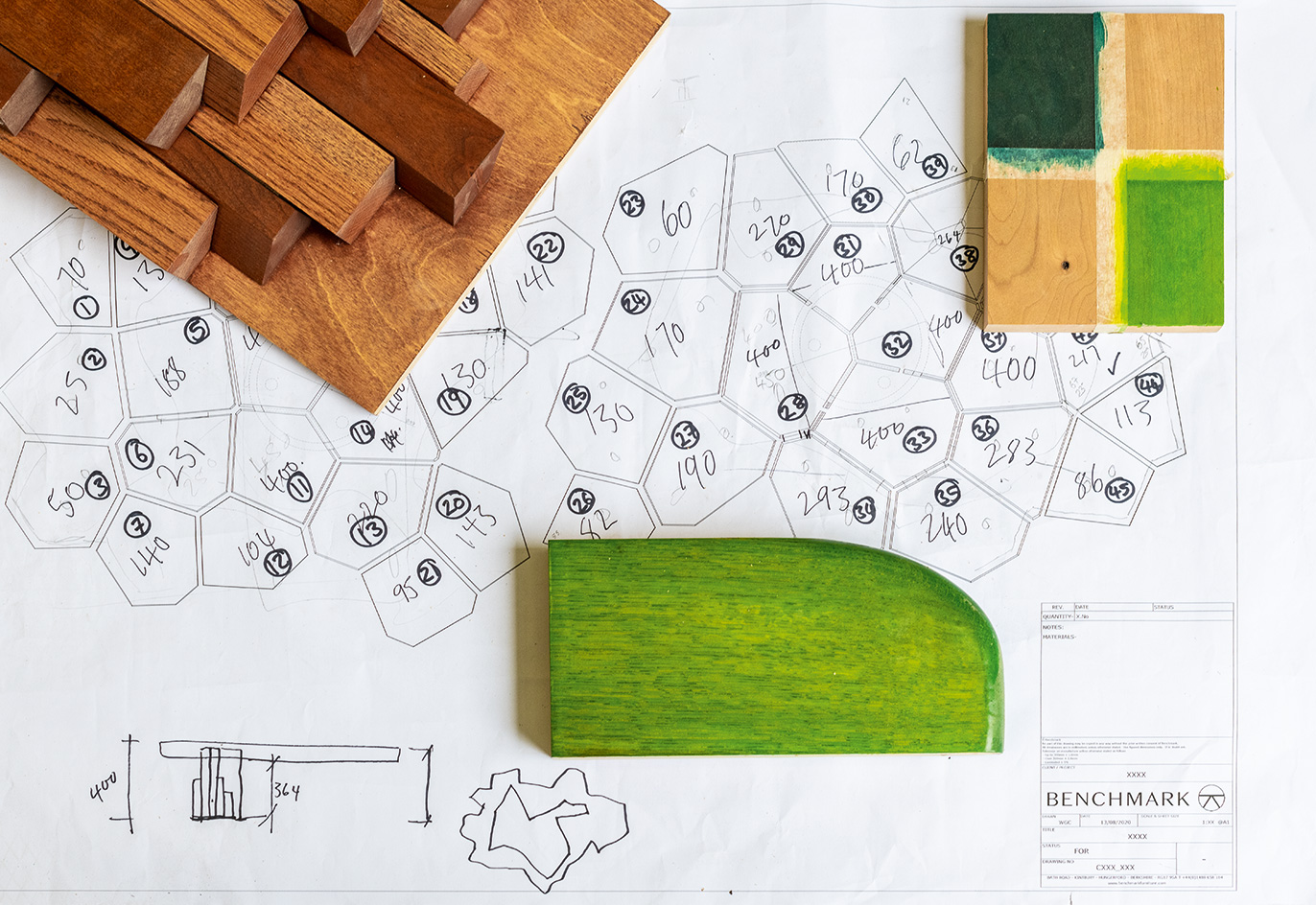
Nine designers work socially distanced wonders with wood
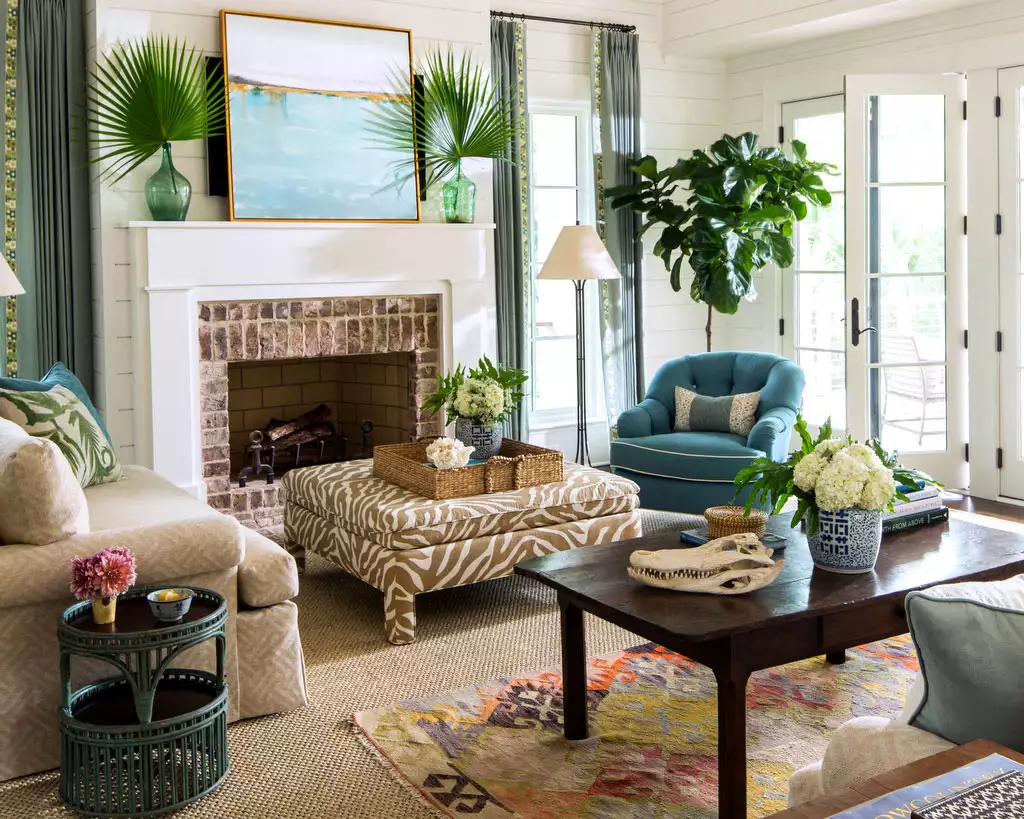
20 Best Coastal Design Tips From The Pros
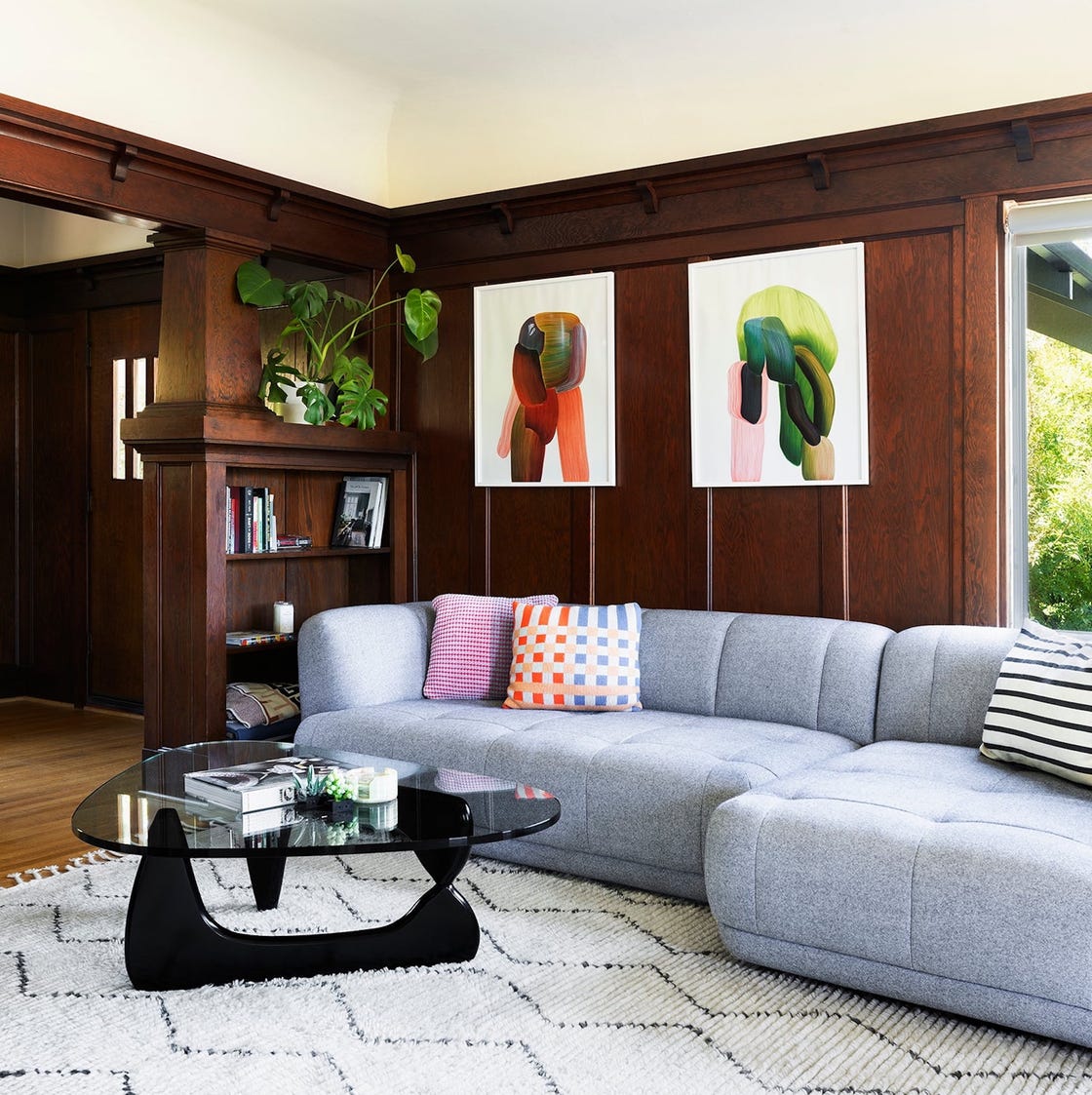
Designers Are Ditching "Flat Painted Walls" for THIS Unexpected Trend

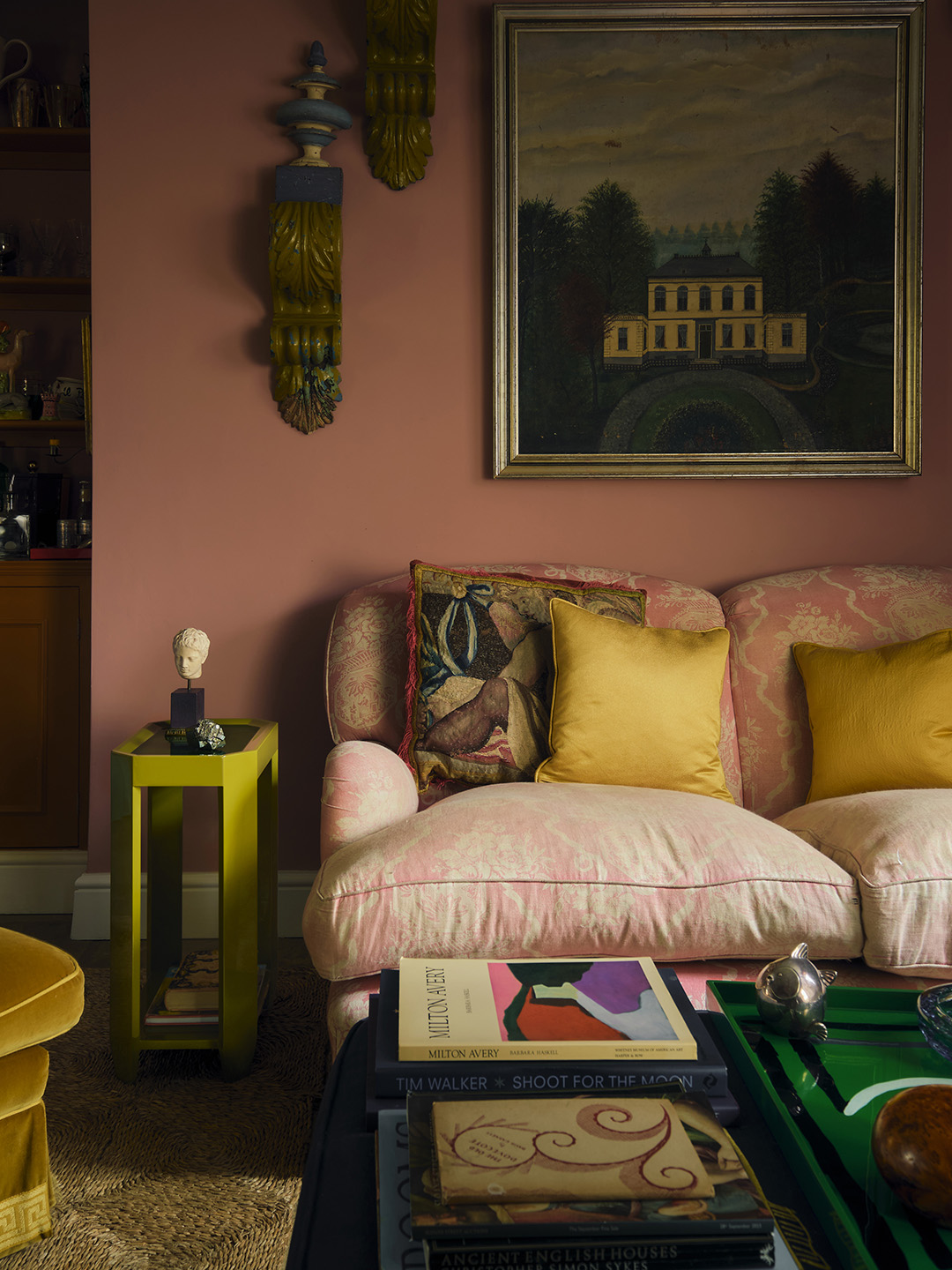
Designers Are Taking Lacquer Way Beyond Trays and Dressers | domino

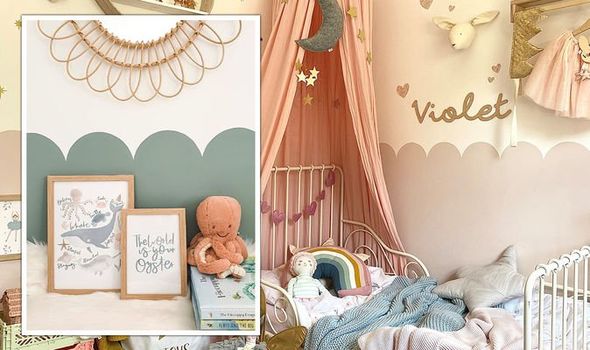
Interior hack: Expert shares how to create ‘popular’ scalloped wall trend
Awkwardly Placed Windows Are No Match for These Designer Tricks

DIY shiplap walls: How to install shiplap on wall
Designers Have Spoken: Grid Walls Are the New Gallery Walls

Is Shiplap going out of style? Designers decide if this classic trend is on the out

Mumbai-based MuseLab designs wall hooks as odes to architecture

Say Goodbye to Shiplap—Here Are 4 Wall Treatments Designers Are Choosing Instead

Lualdi's Wall & Door system lets architects create surfaces that perfectly fit their surroundings
9 Designer Wall Treatments That Will Reinvent Your Interiors

Enjoy these 5 creative space dividers for small and big rooms

Designers Have Spoken: Grid Walls Are the New Gallery Walls

Design Inspiration: Wall and Ceiling Panels
Achieving Precision in Flexible Design: The Path to 10,000 Vertically Folding Skyfold Walls

Woodworker explains how raised panels are functional, not just decorative, and minds are blown