20 Best Coastal Design Tips From The Pros
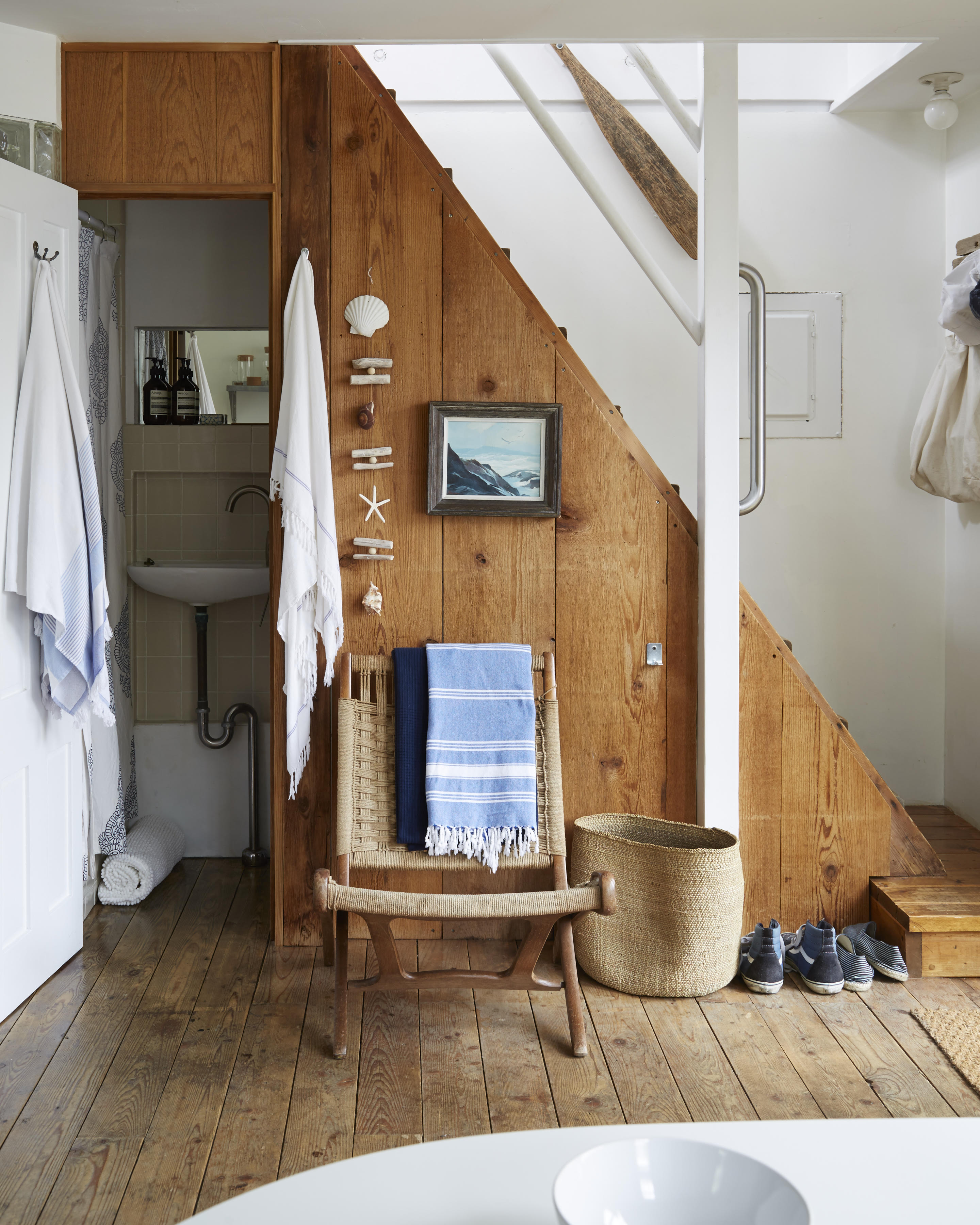
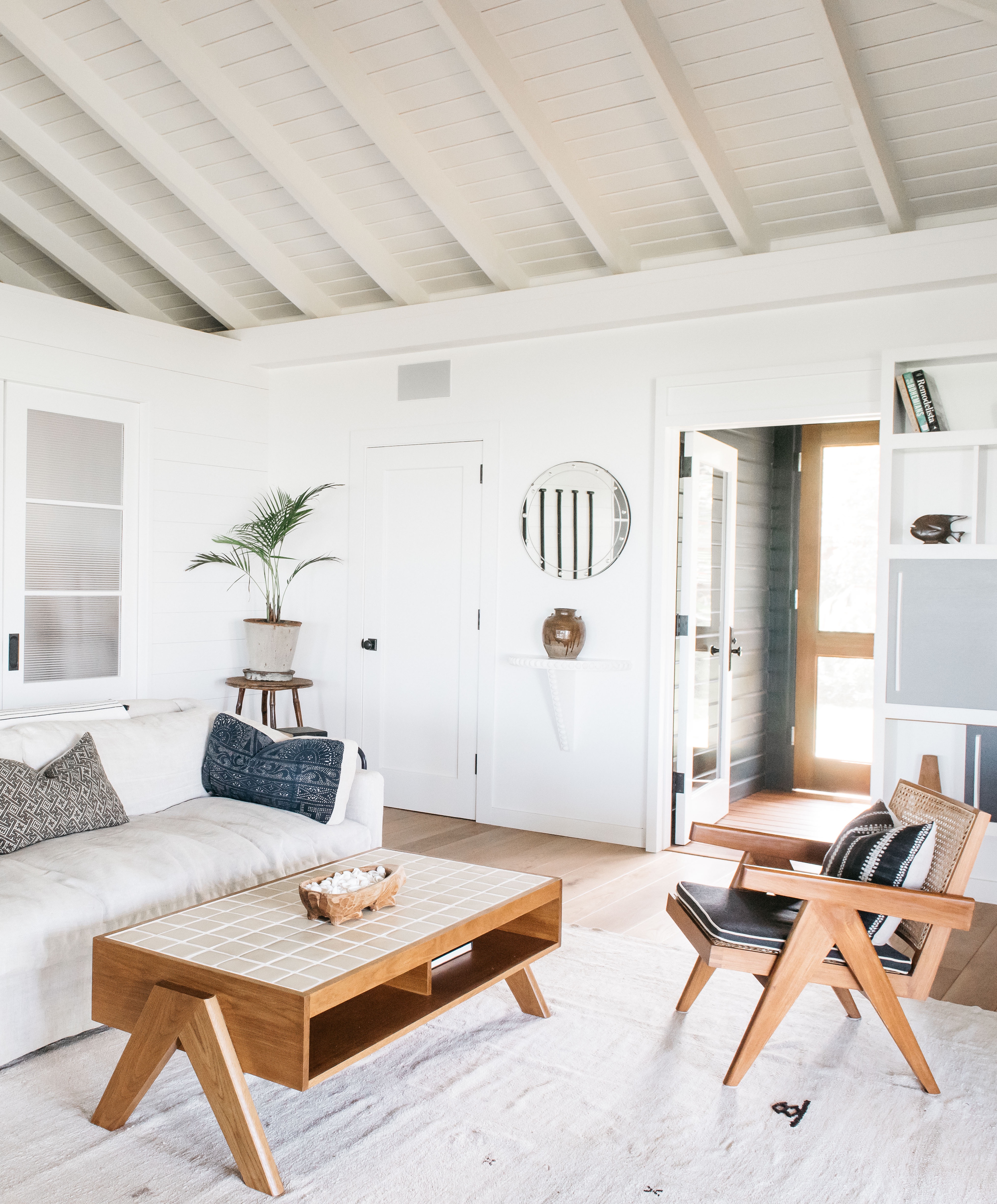
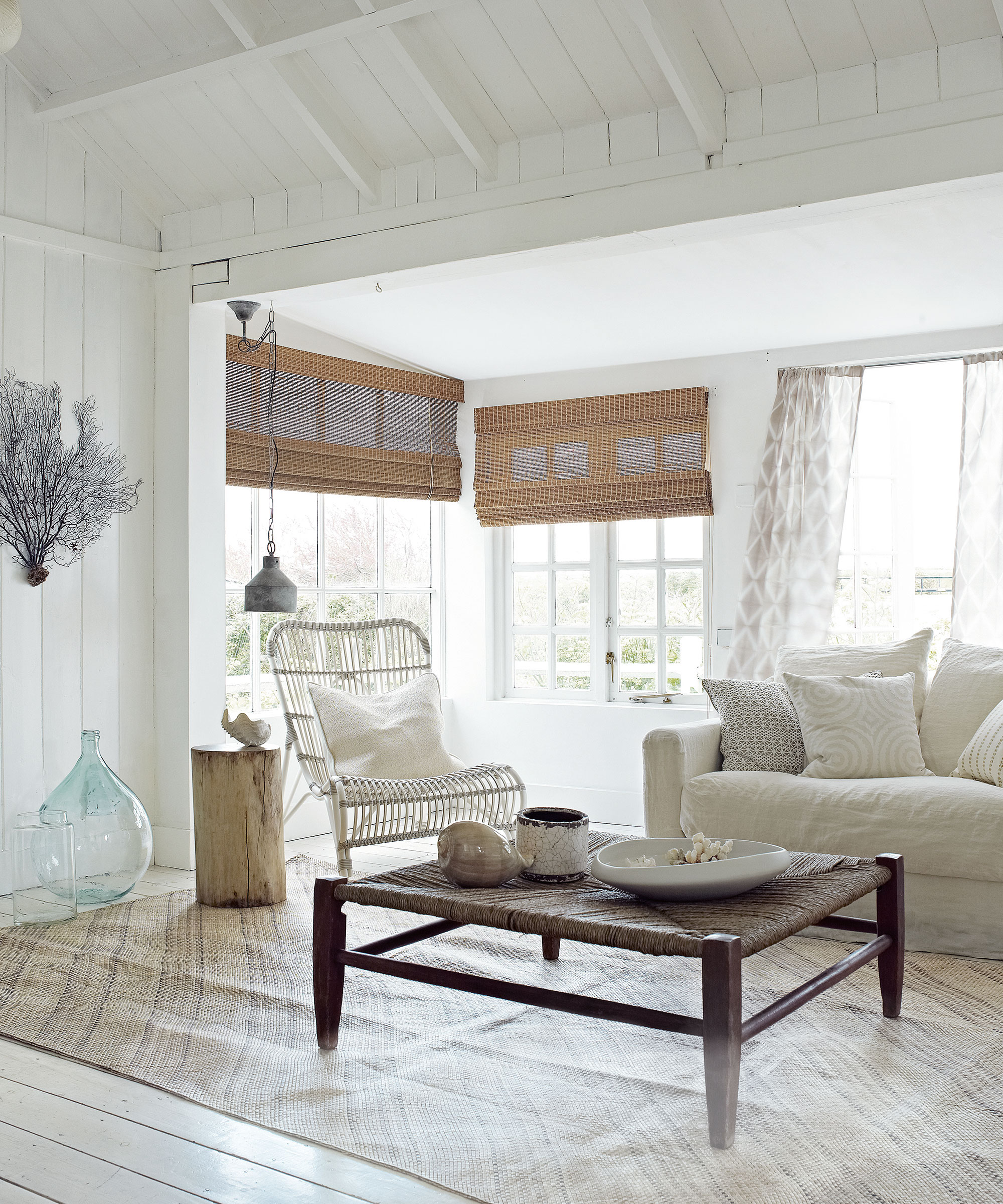
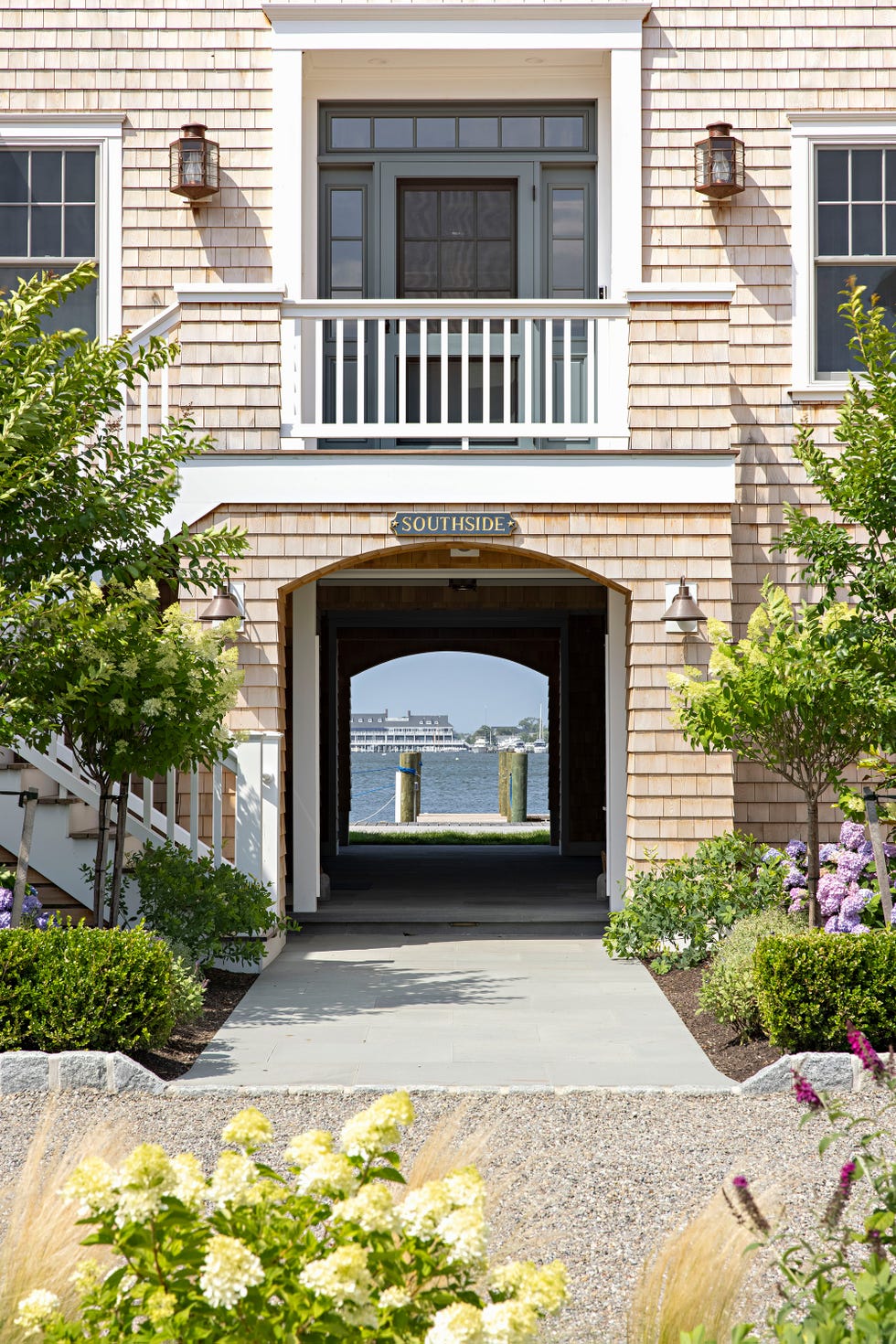
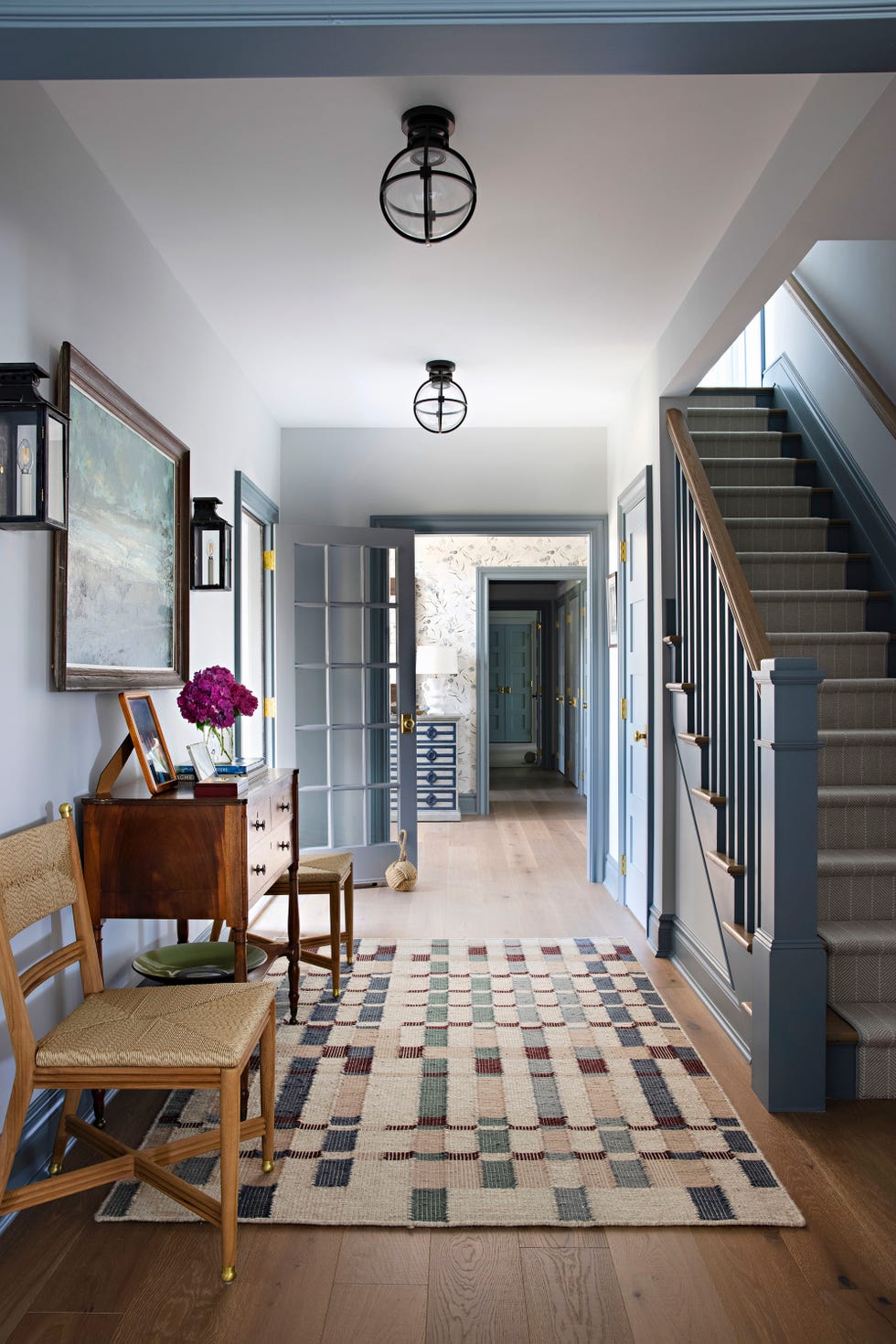
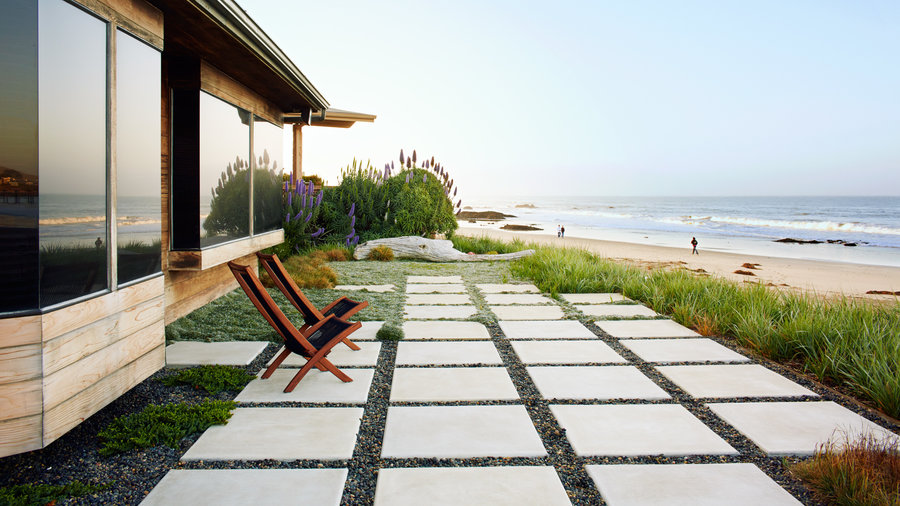
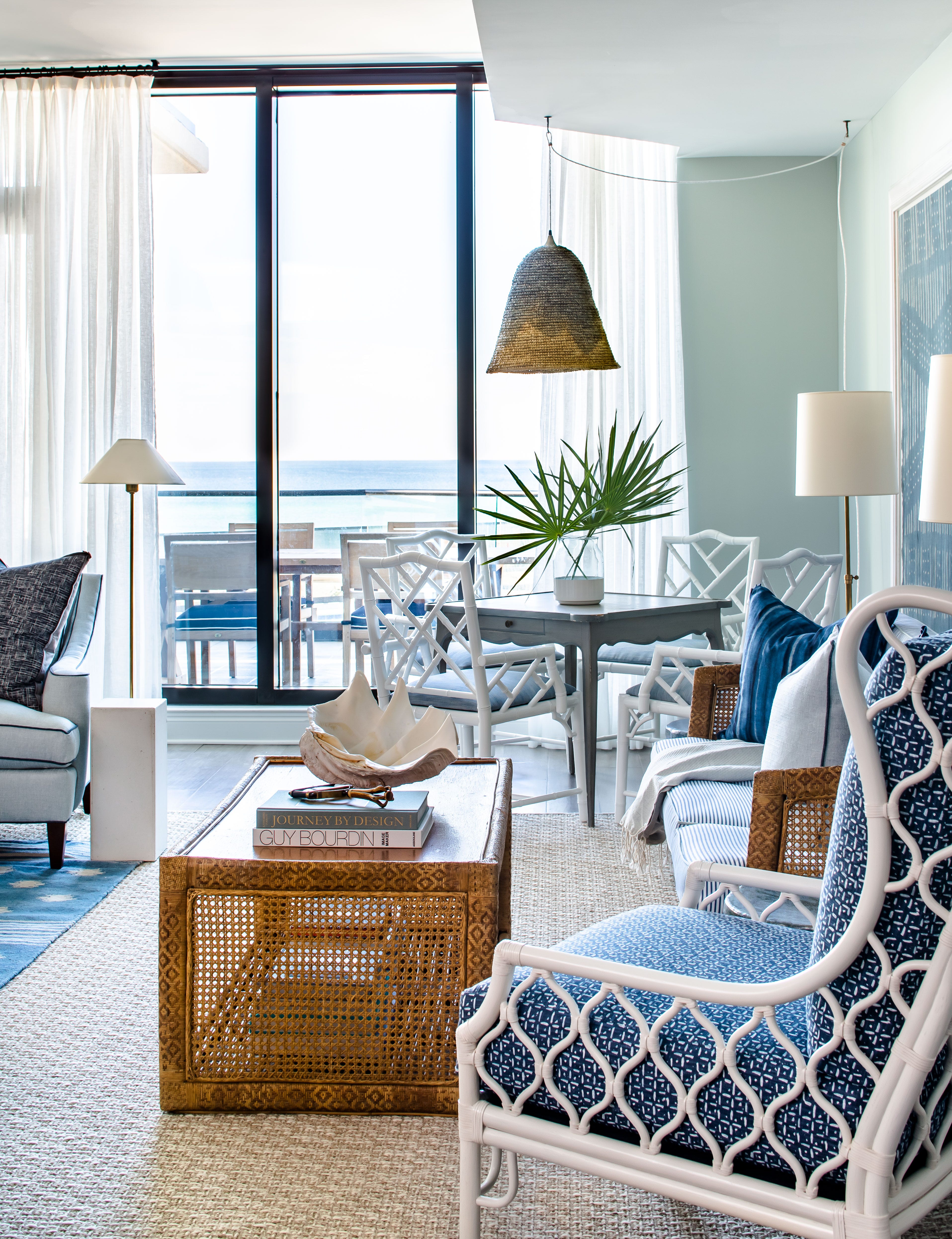
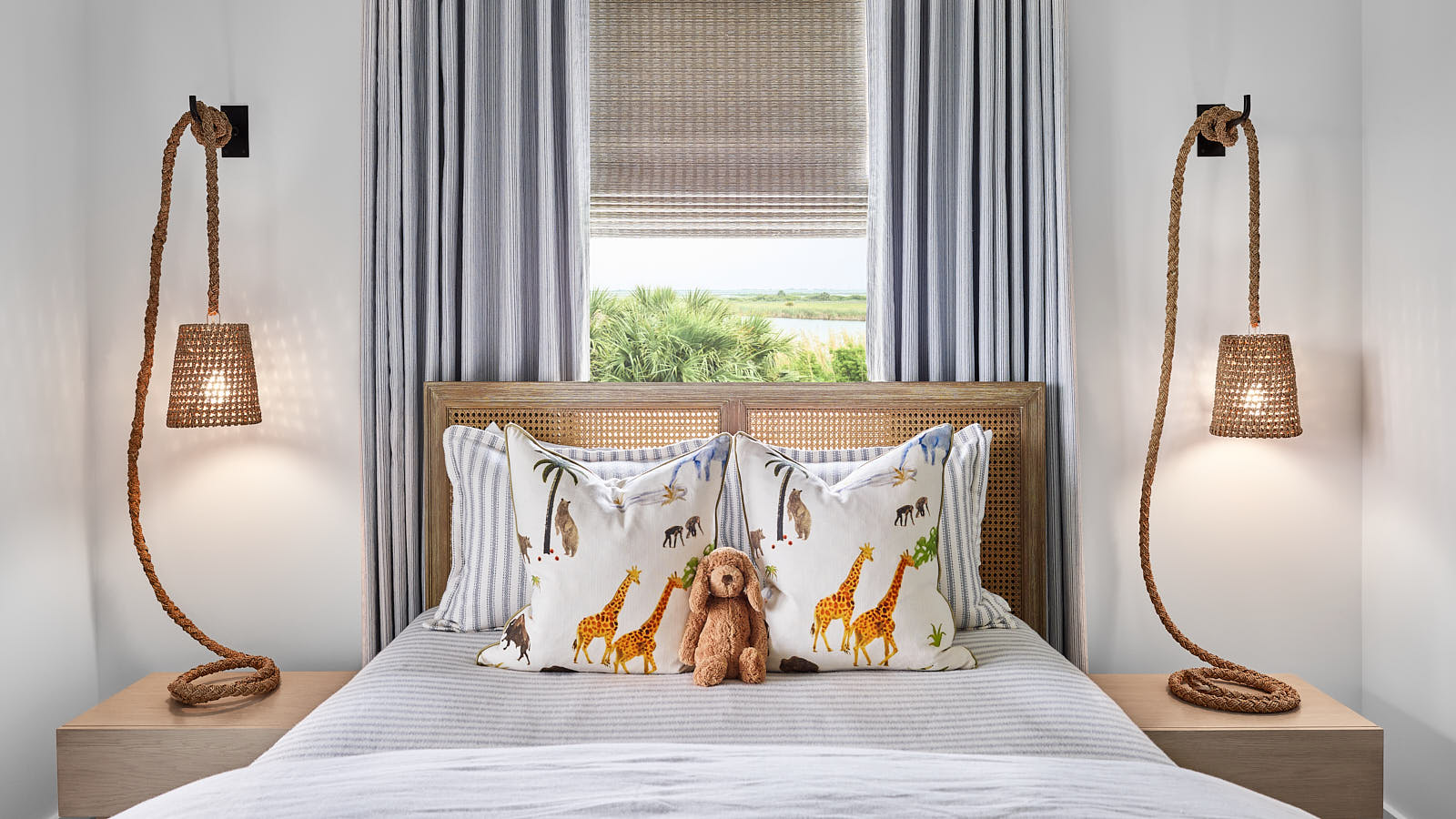
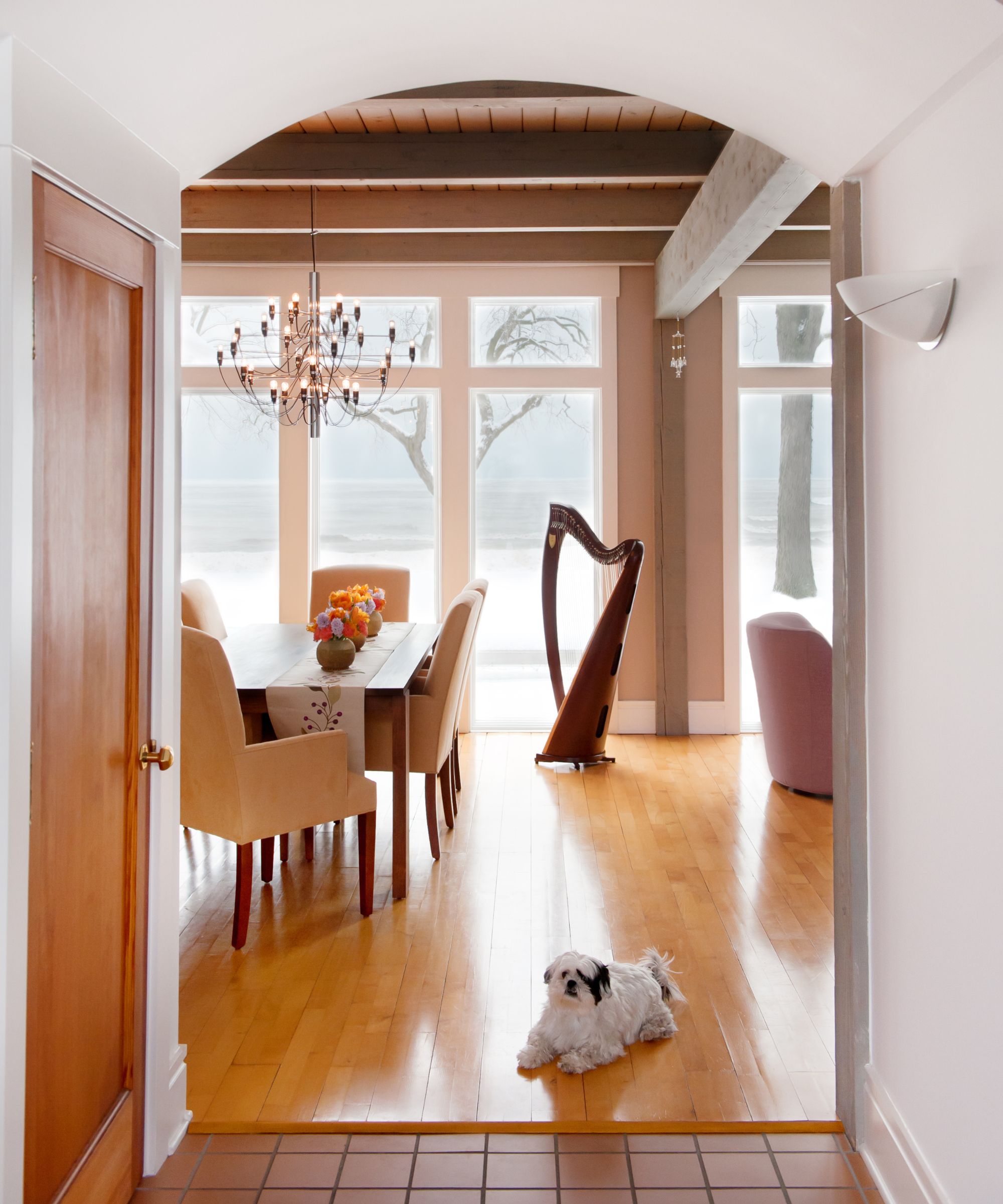
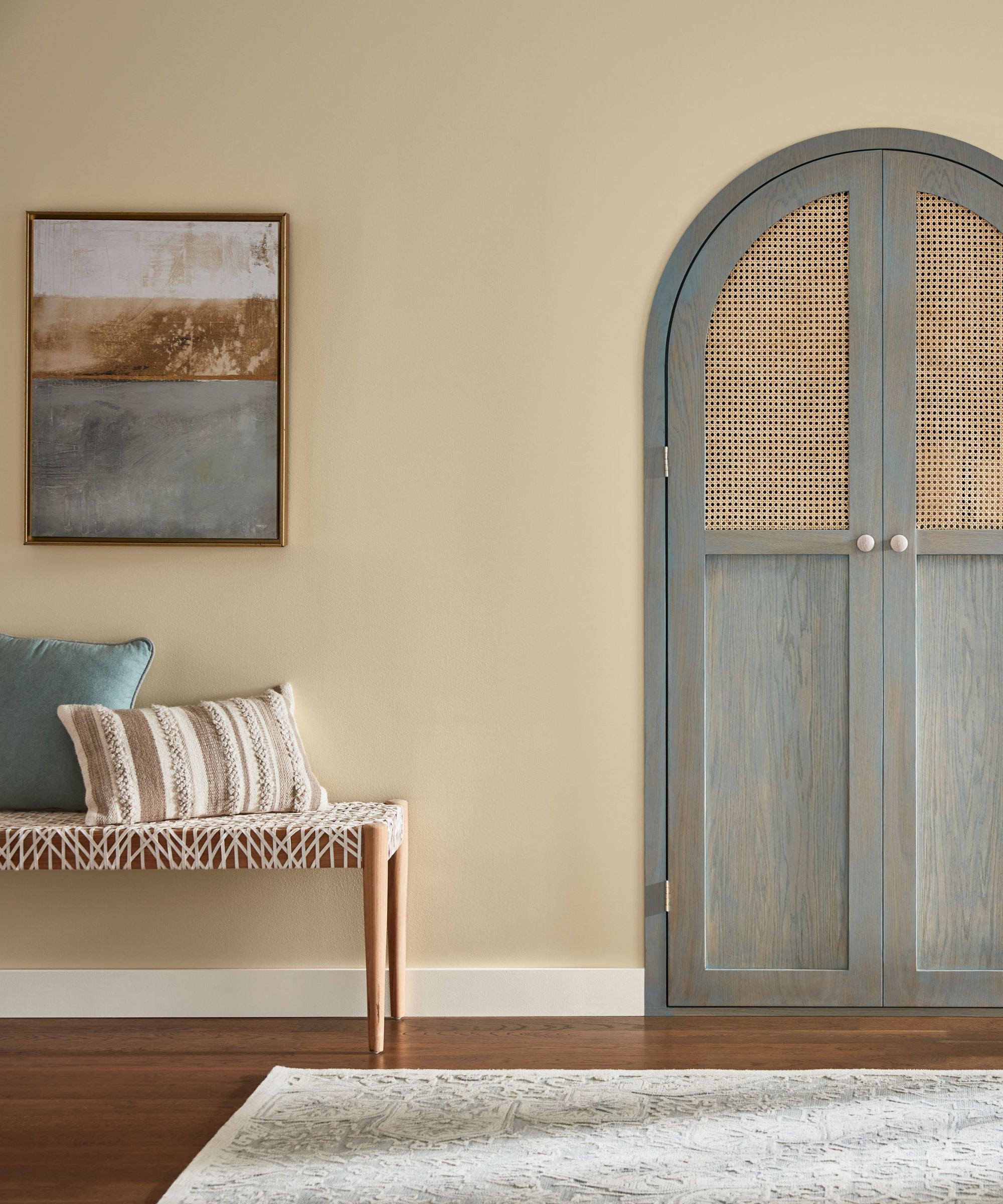
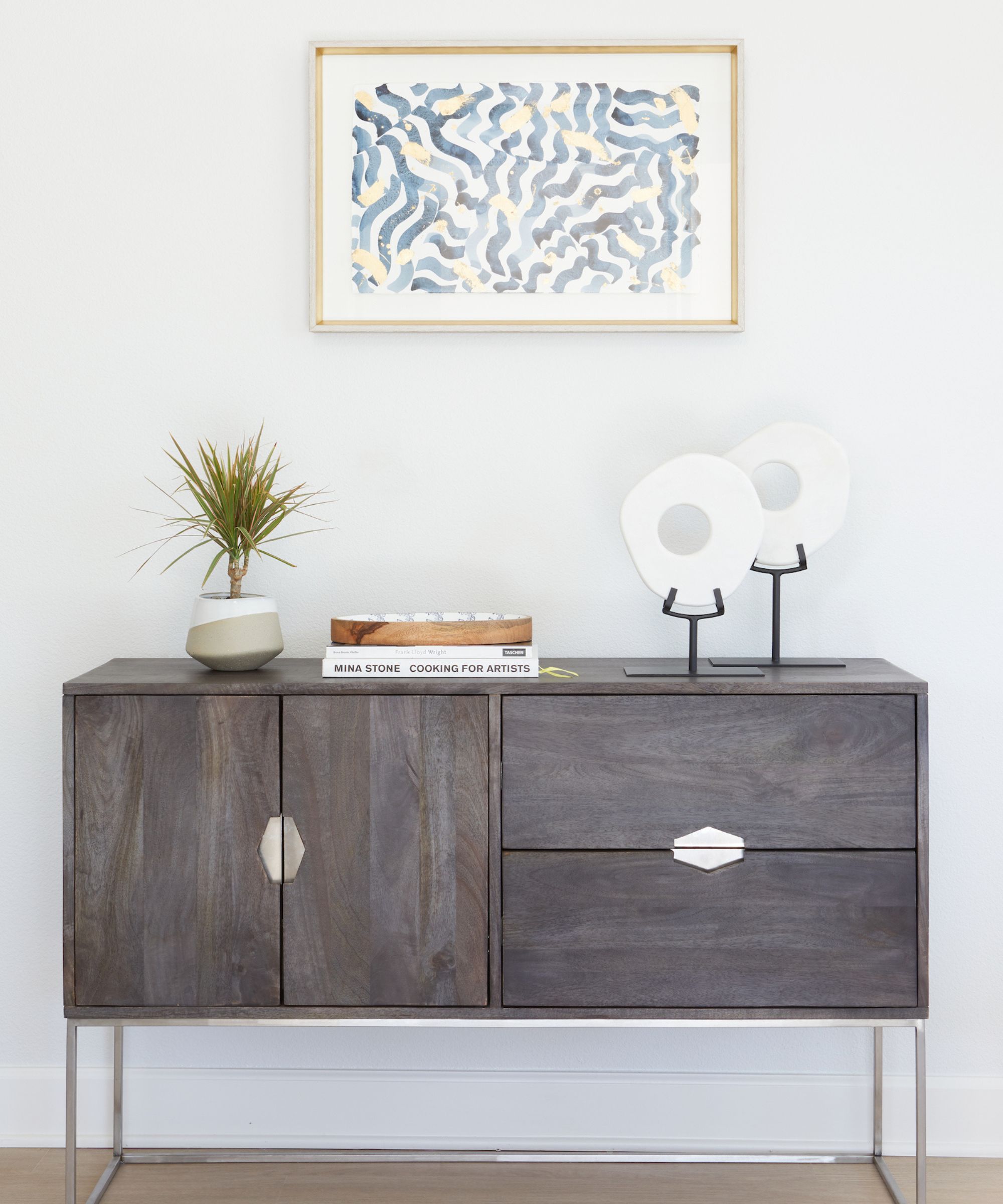
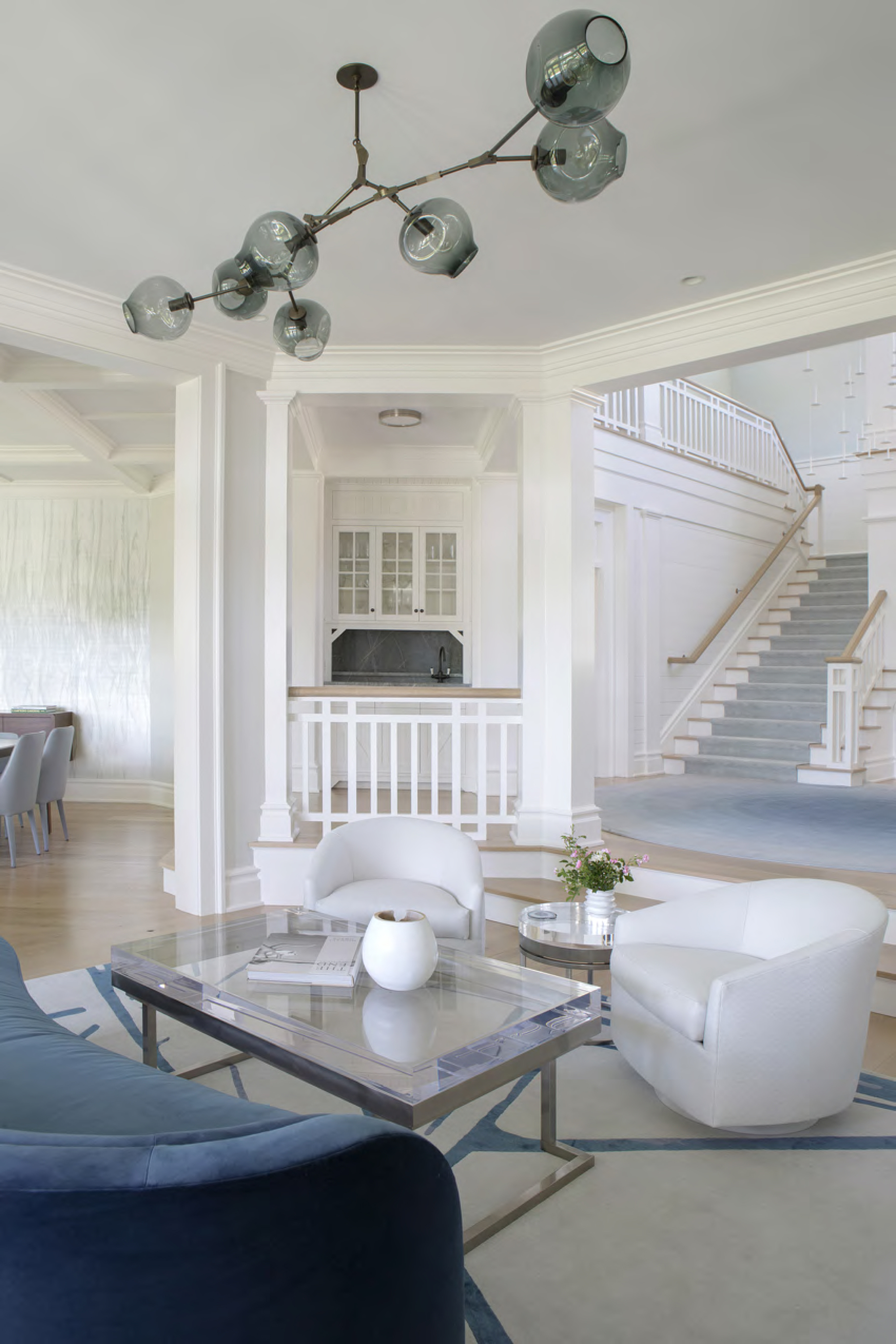
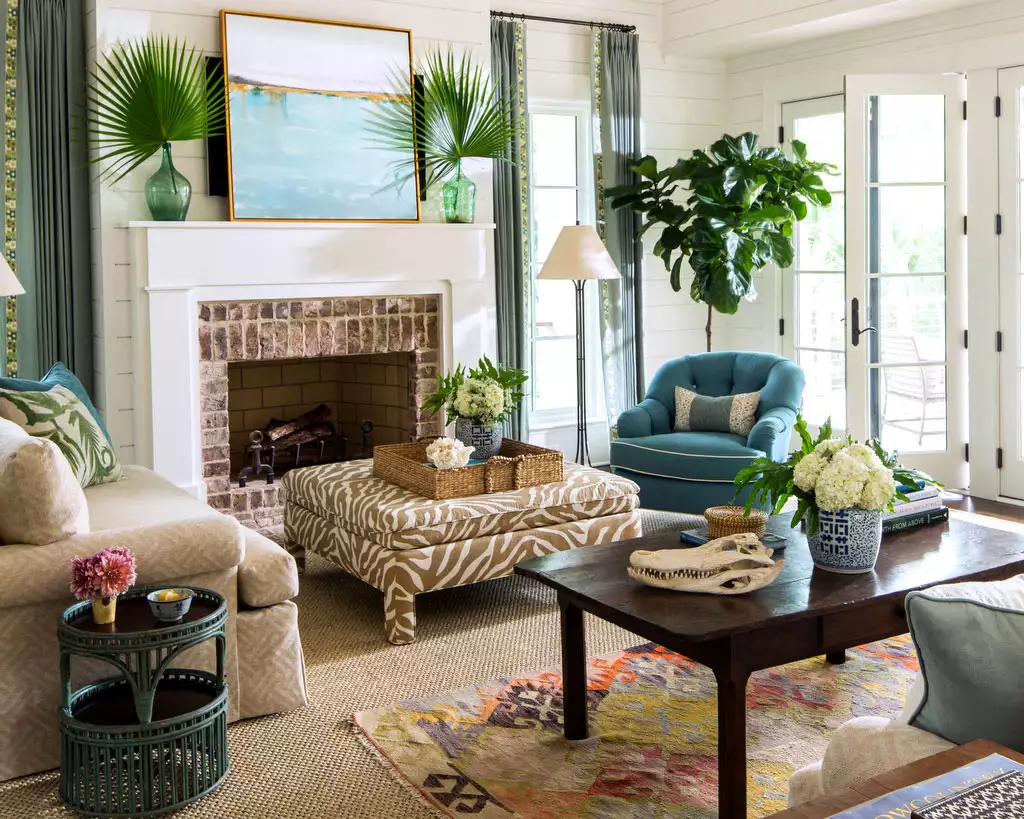
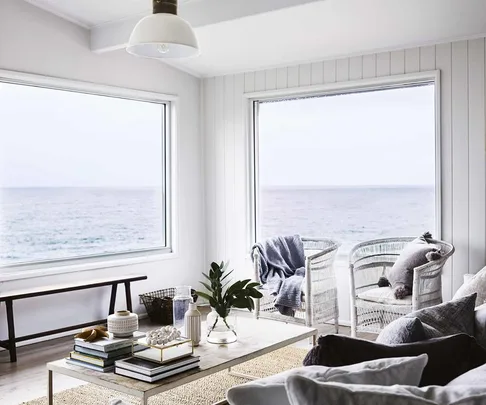
Coastal design aims to create a bright and breezy atmosphere, integrating elements that connect the indoor space with the natural outdoor environment, even if a direct view of the ocean is absent. This design approach draws inspiration from coastal scenery, utilizing vivid colors such as turquoise, palm green, and sunset pink, or maintaining a serene, understated palette. Incorporating natural fibers and textures like jute, seagrass, sisal, and bamboo is crucial, providing durability and a casual feel while enhancing the connection to nature.
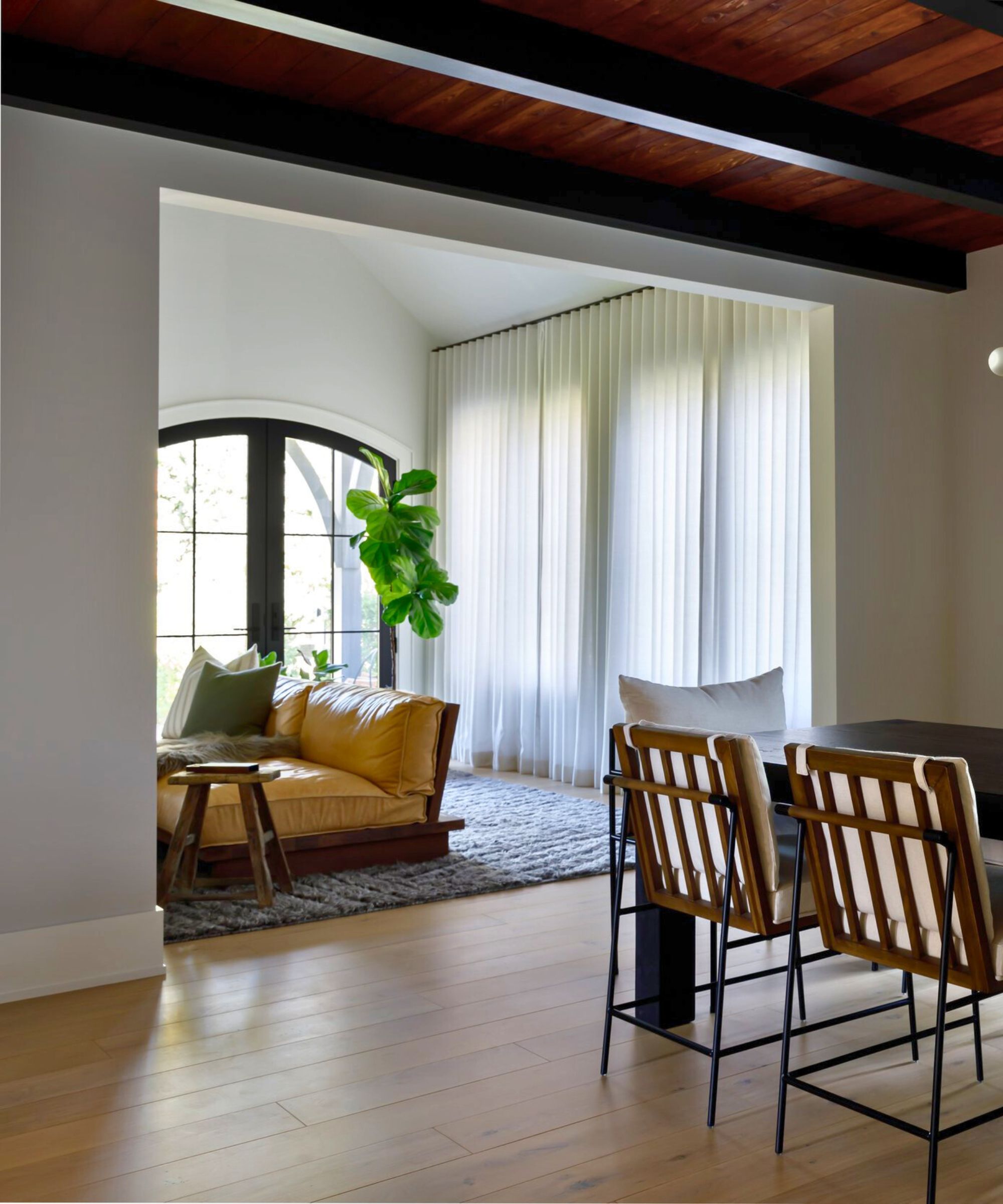
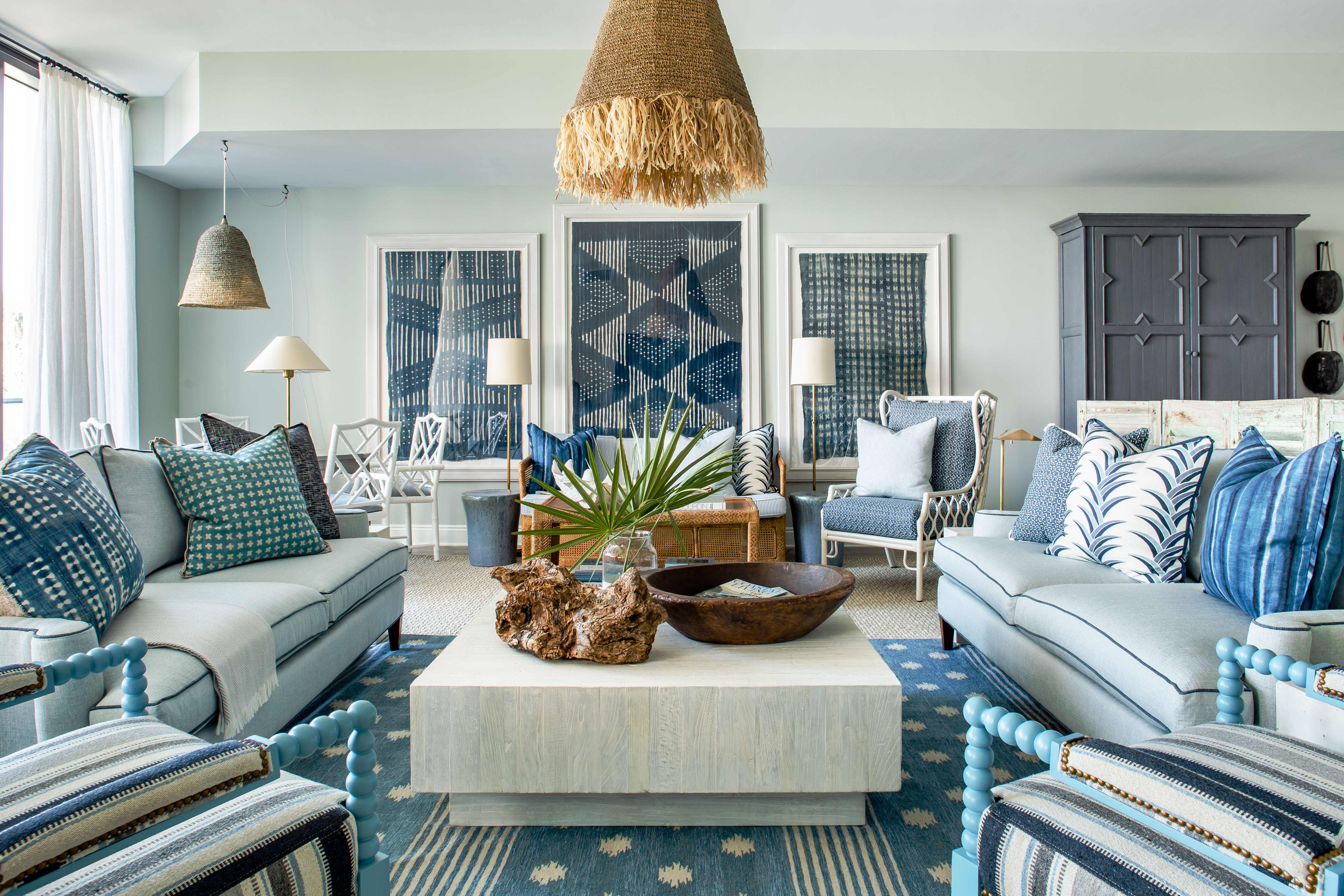
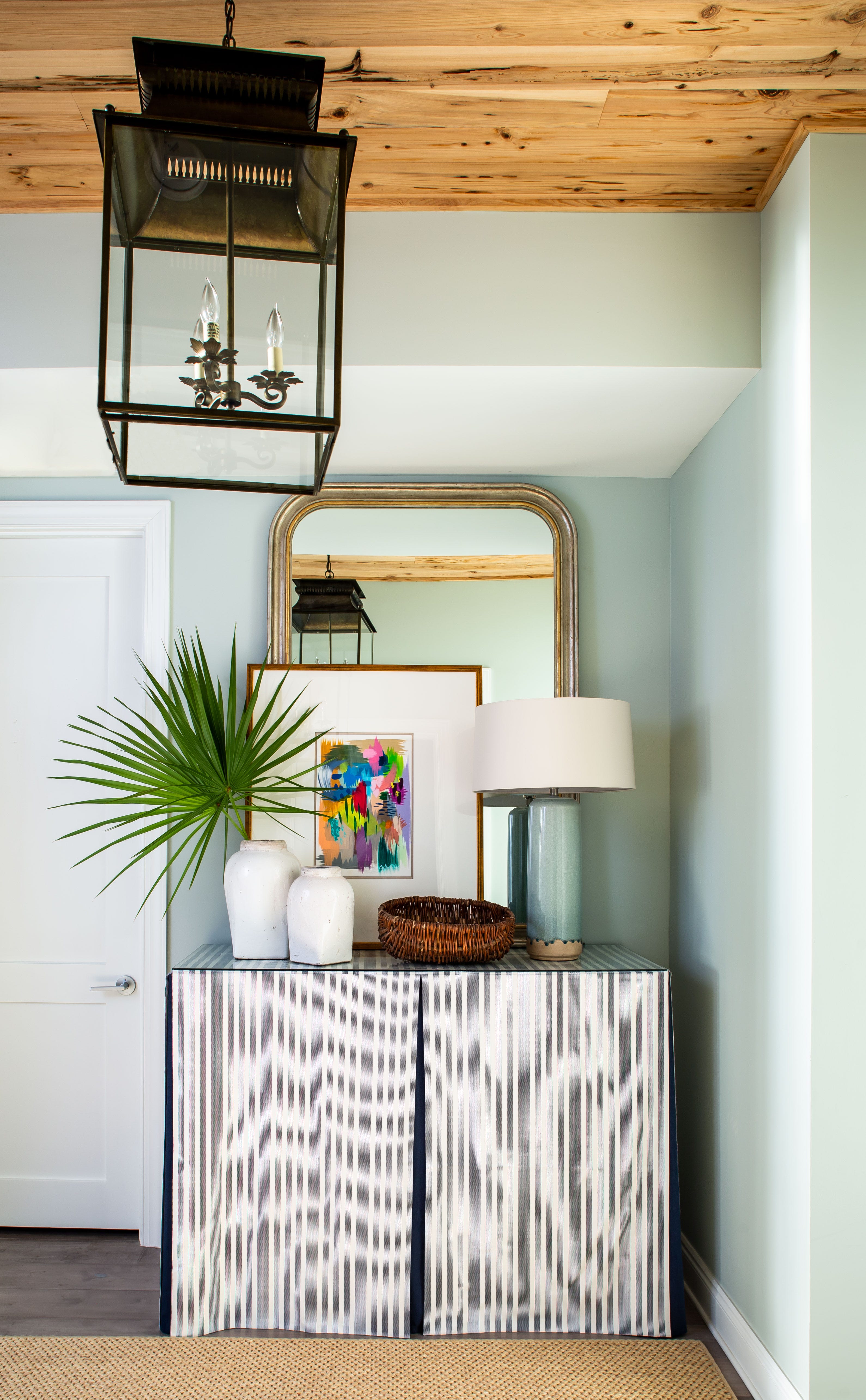
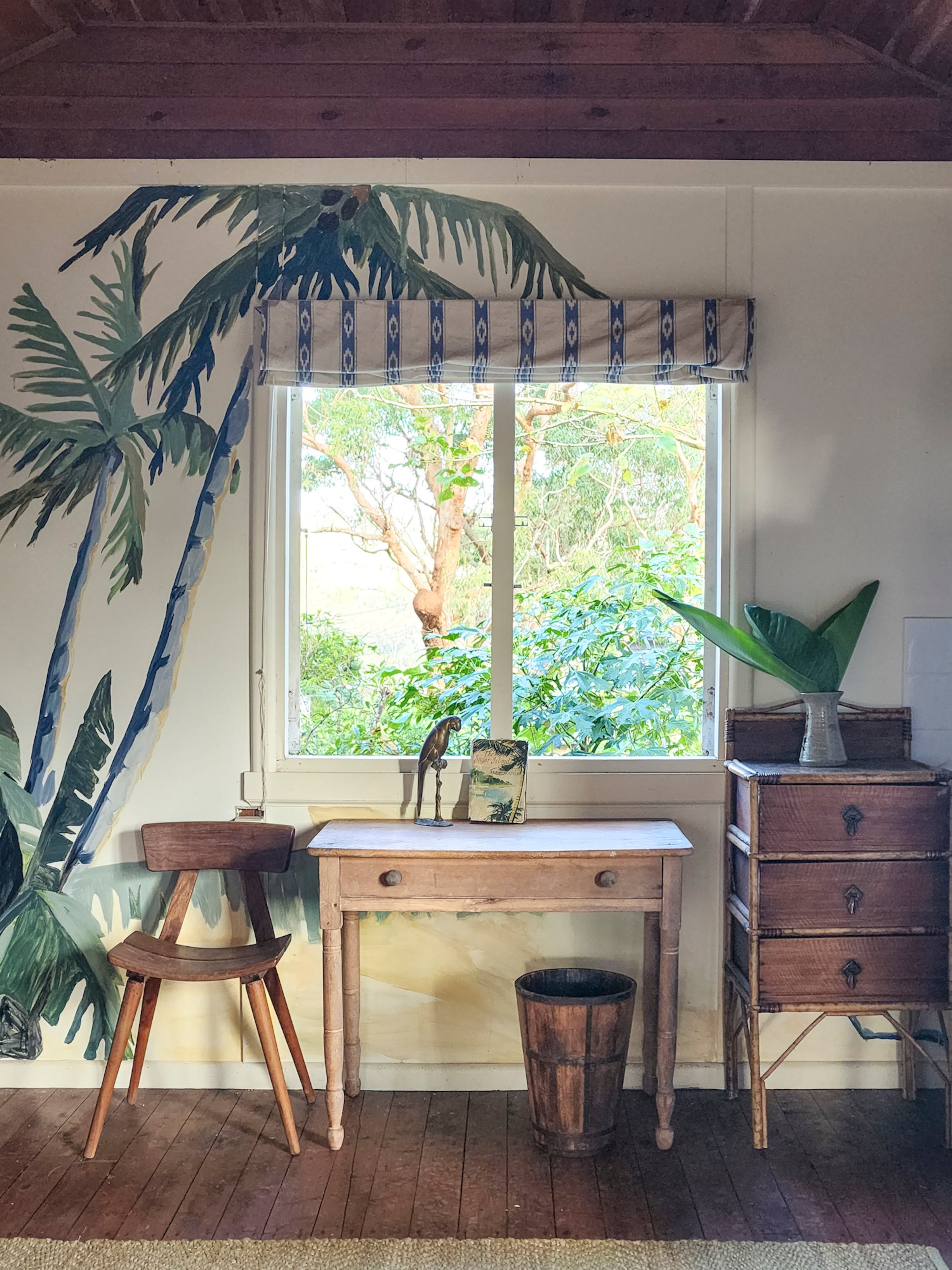
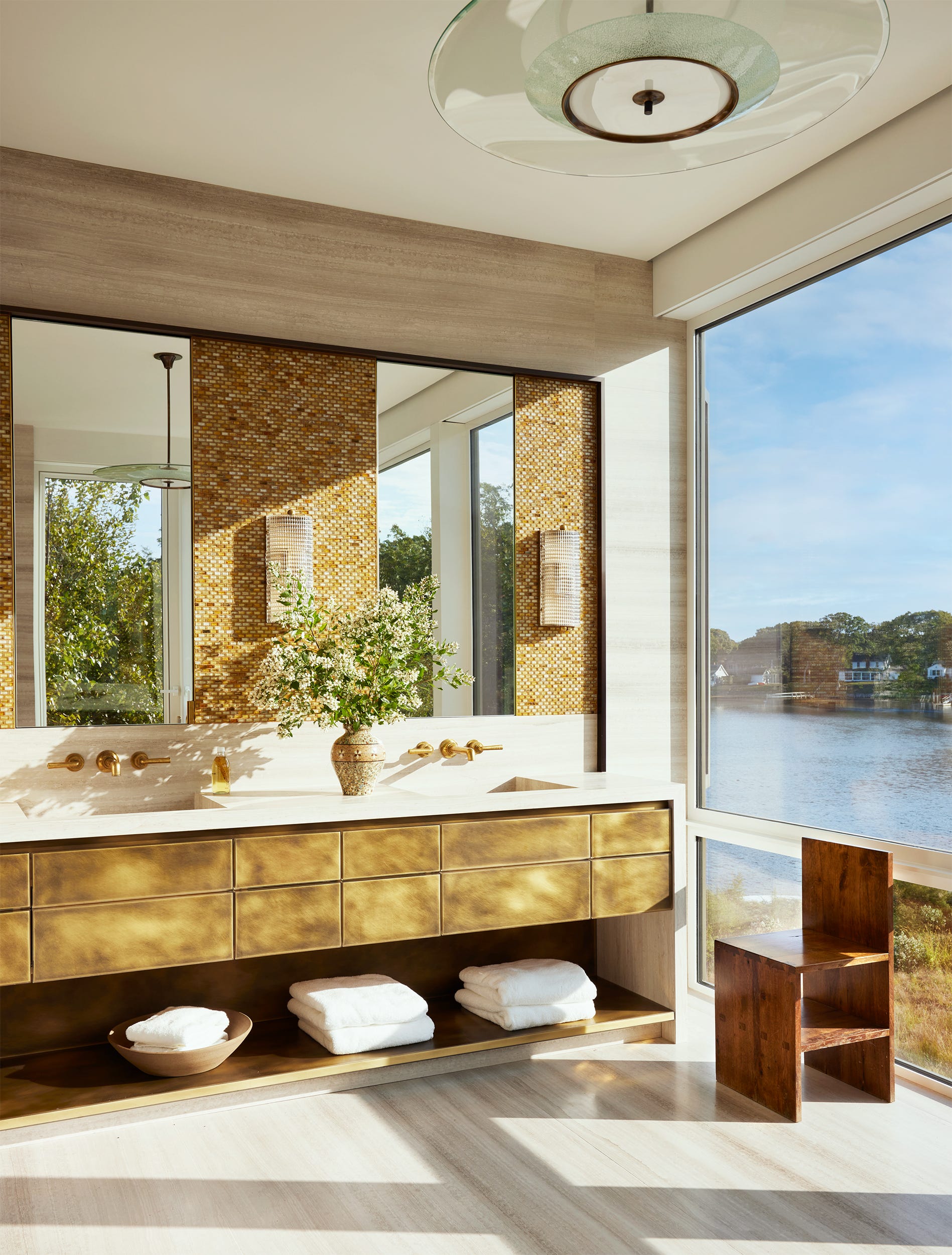
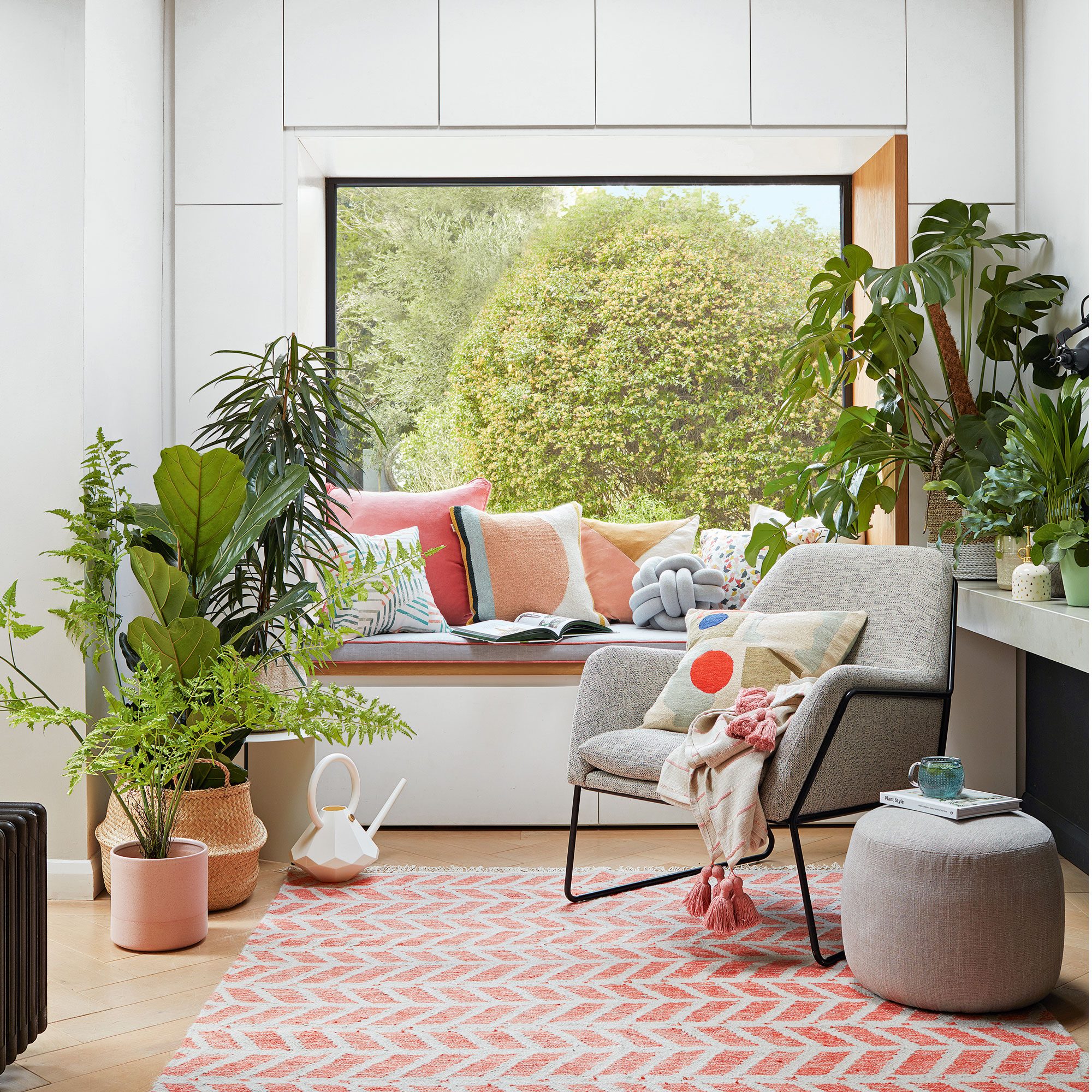
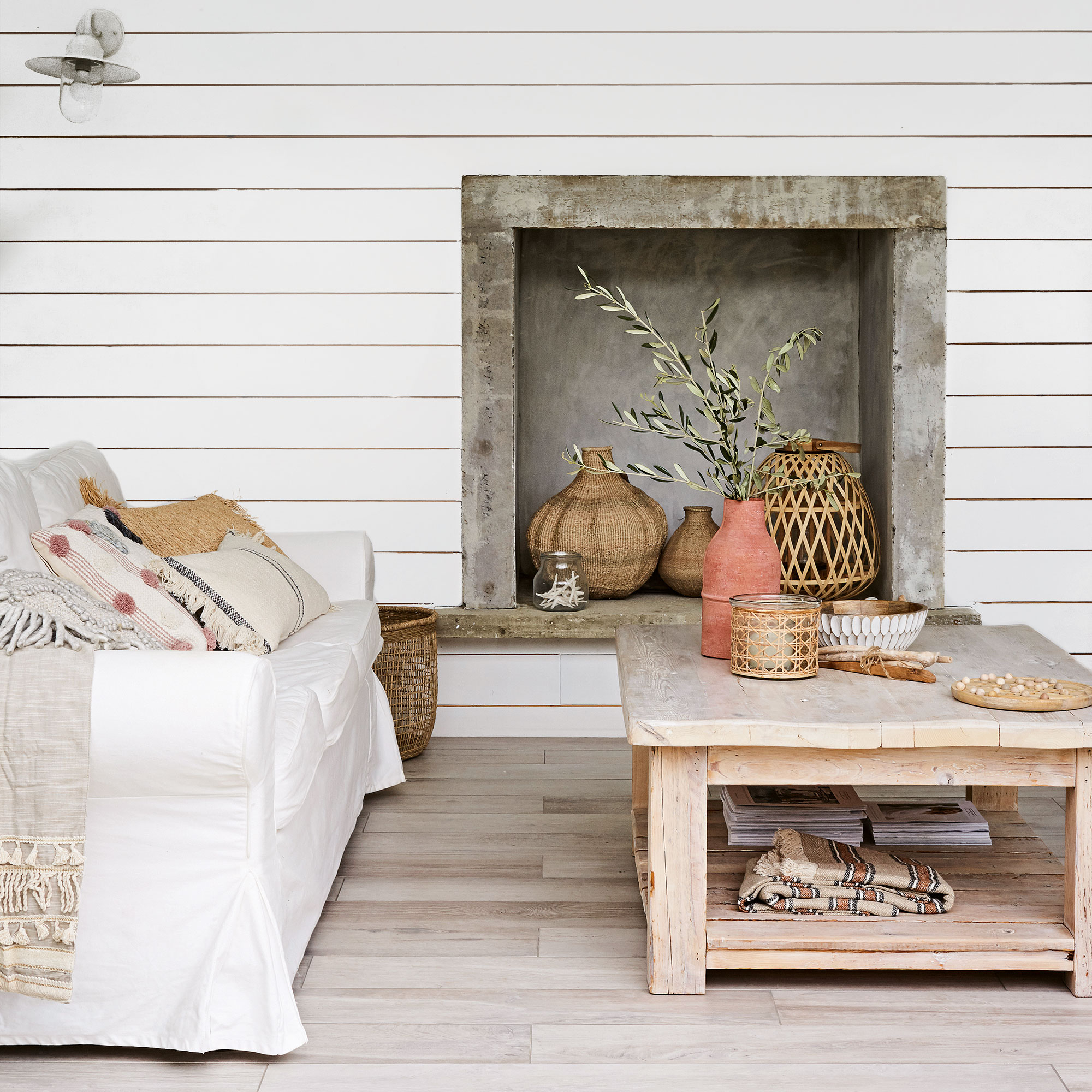
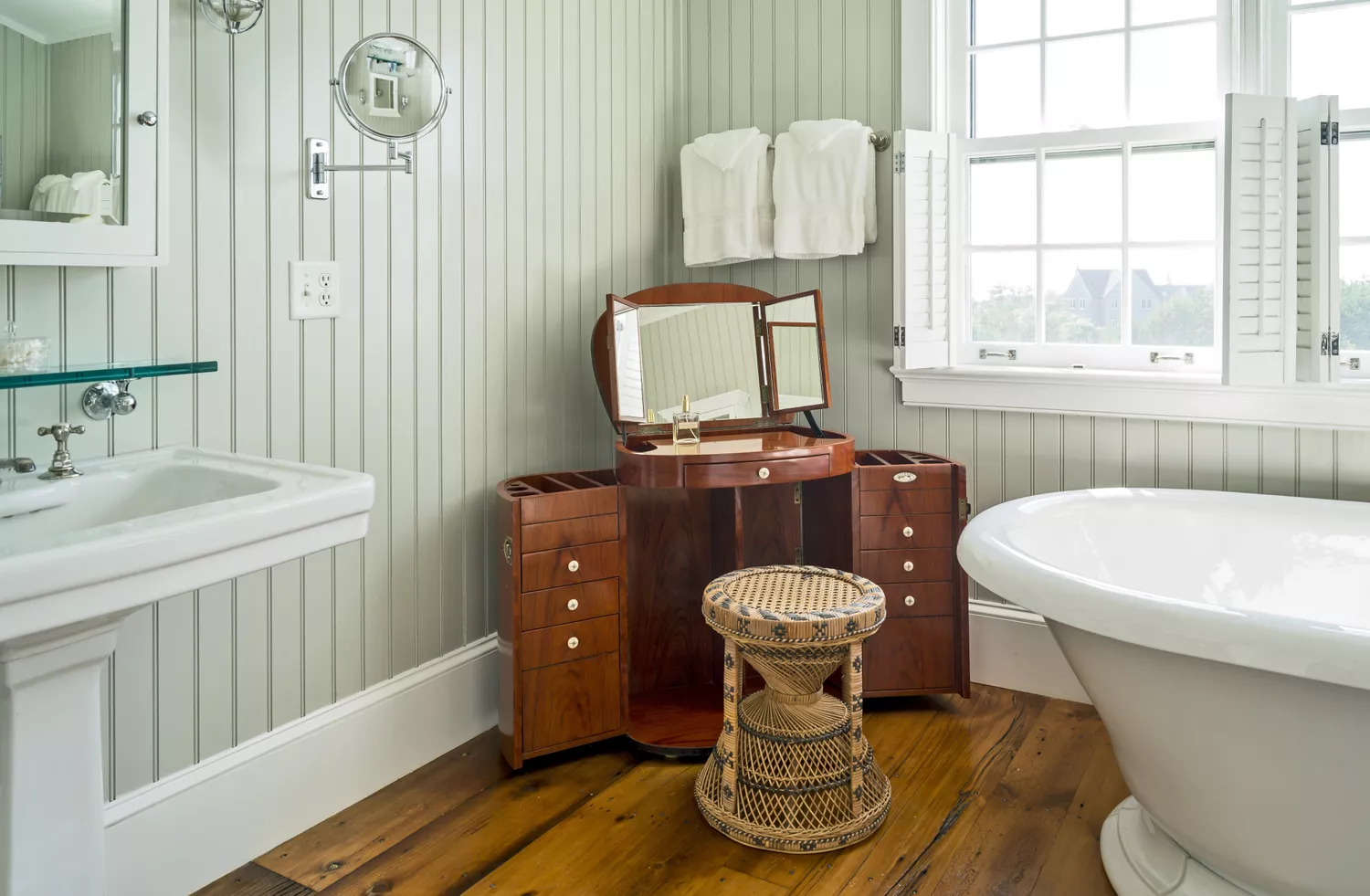
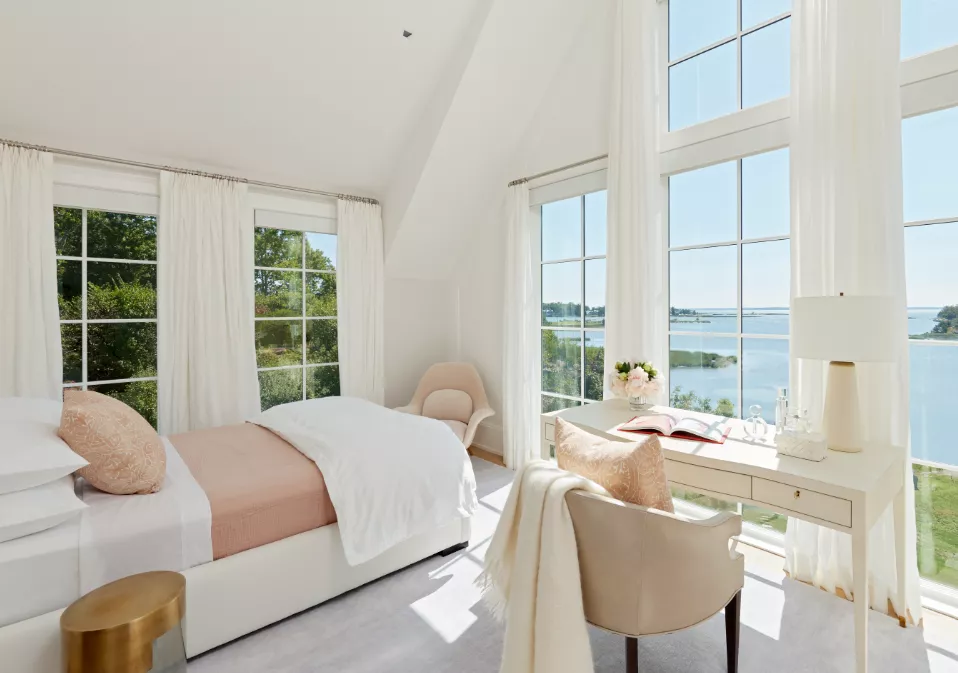
Key design tips include using bold colors for statement areas or throughout the home, as exemplified by a James Island renovation that drew from a Caribbean-inspired juice bar. Natural fiber rugs are recommended for their durability and ability to connect indoor and outdoor aesthetics. Shiplap paneling offers a durable and scrubbable wall covering suitable for coastal climates, adding texture, especially in all-white kitchens. Bringing the outdoors in with greenery, such as palm fronds or banana leaves, adds an architectural and tropical touch. Strategic placement of the primary bedroom on an upper floor to capture views, with the use of sheer curtains for privacy and light, is also suggested.
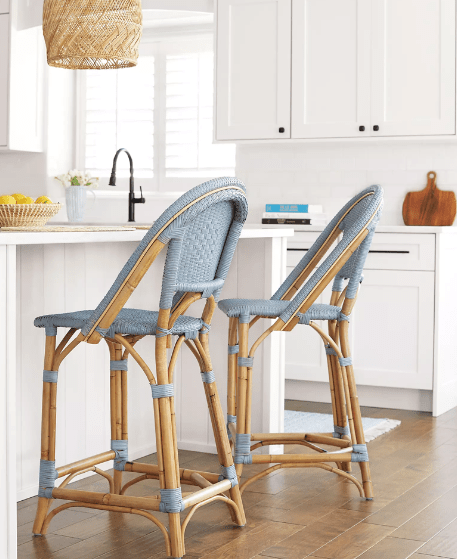
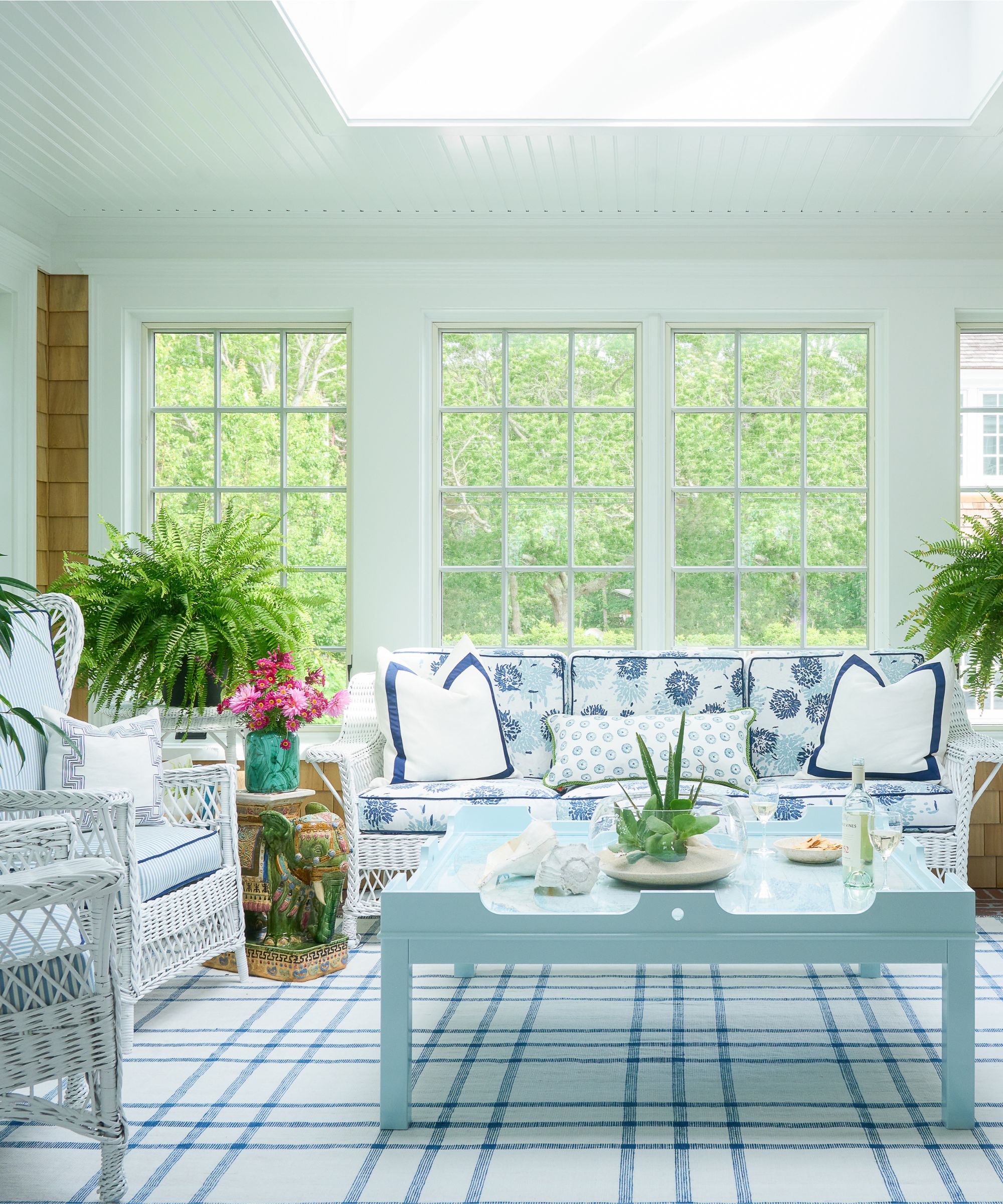
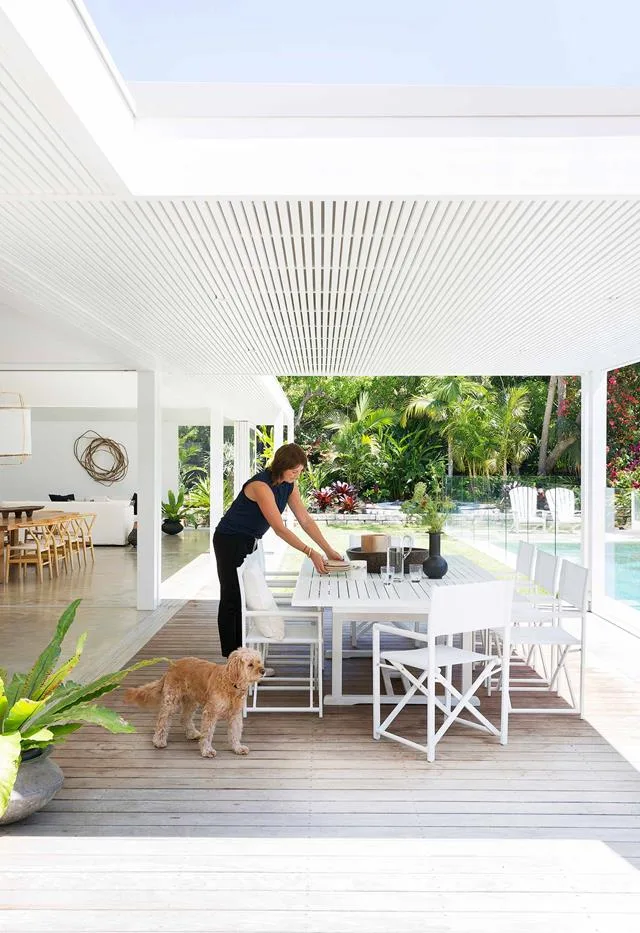
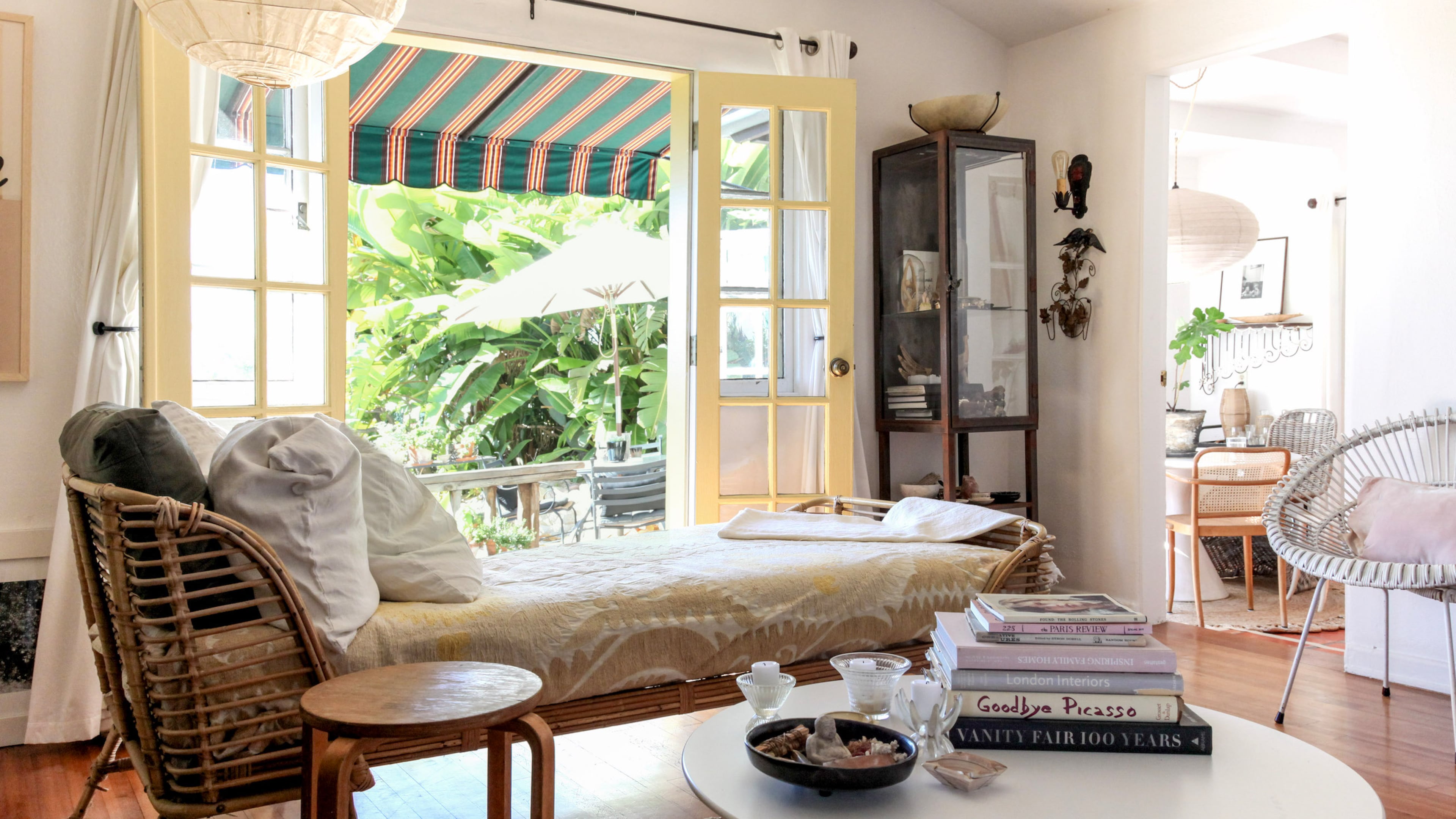
Outdoor living spaces are considered as important as indoor ones in coastal homes. Designers recommend furnishing these areas with indoor comforts, such as wicker furniture and marine-grade fabrics like Sunbrella, to create cozy, defined spaces. Open shelving in kitchens is favored over bulky cabinets to maintain an airy feel and highlight views or stylish backsplashes. For high-traffic or moisture-prone areas, playful flooring like patterned cement tiles can add beachy appeal while being highly durable.
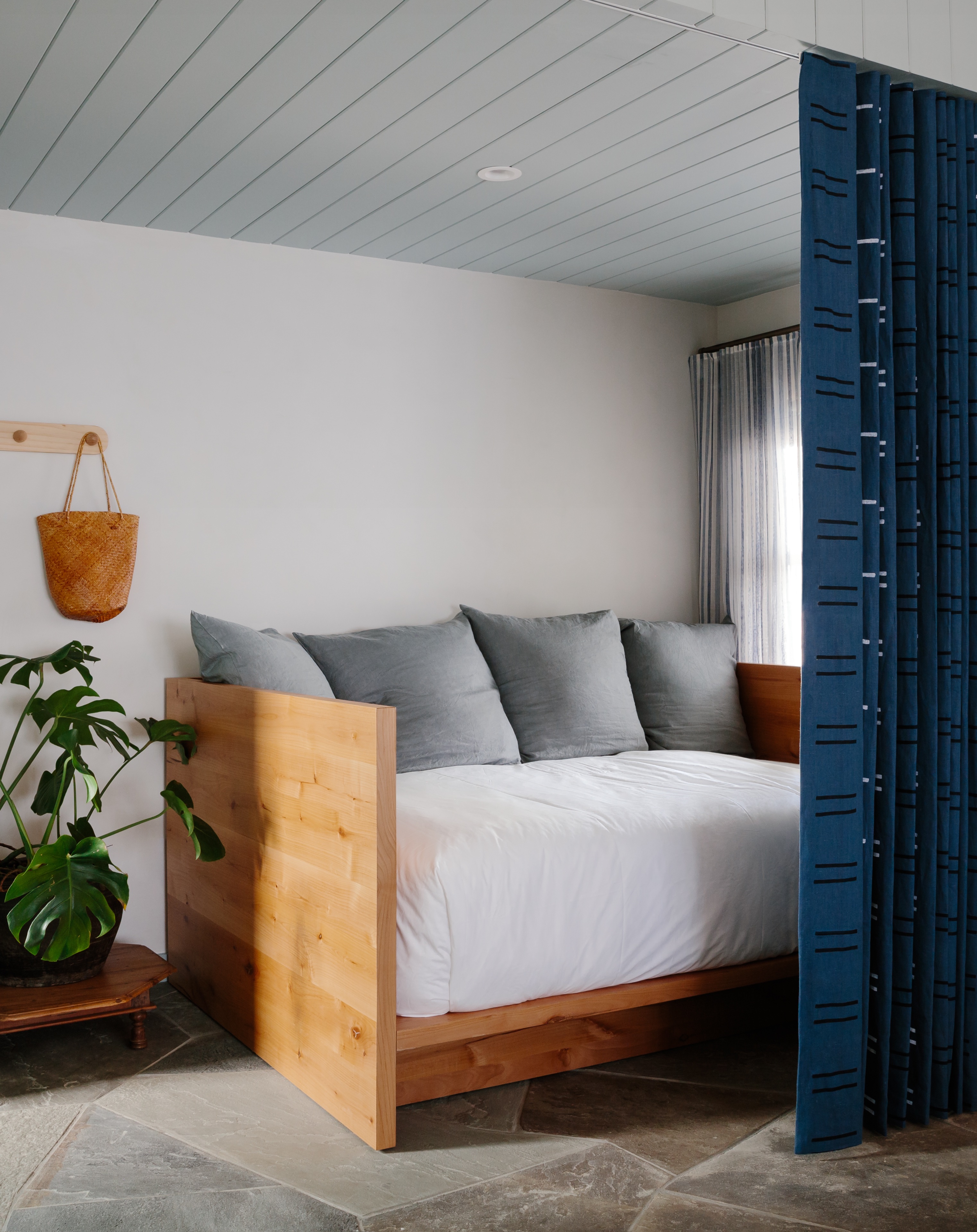
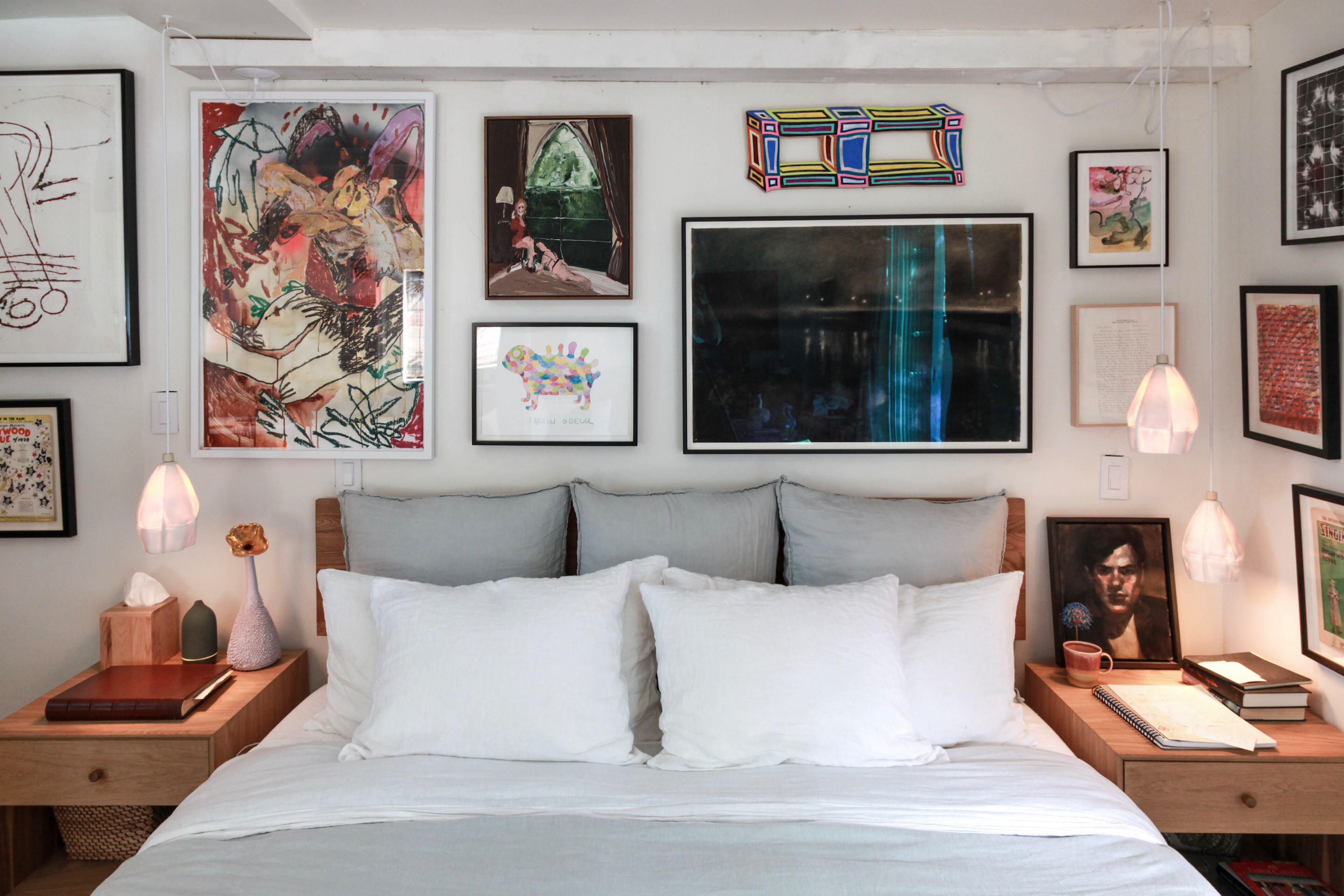
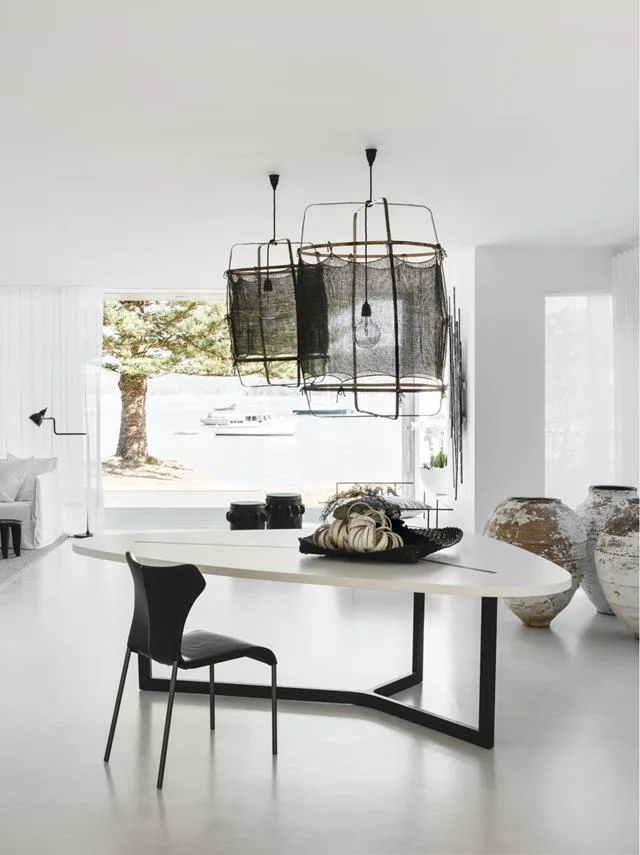
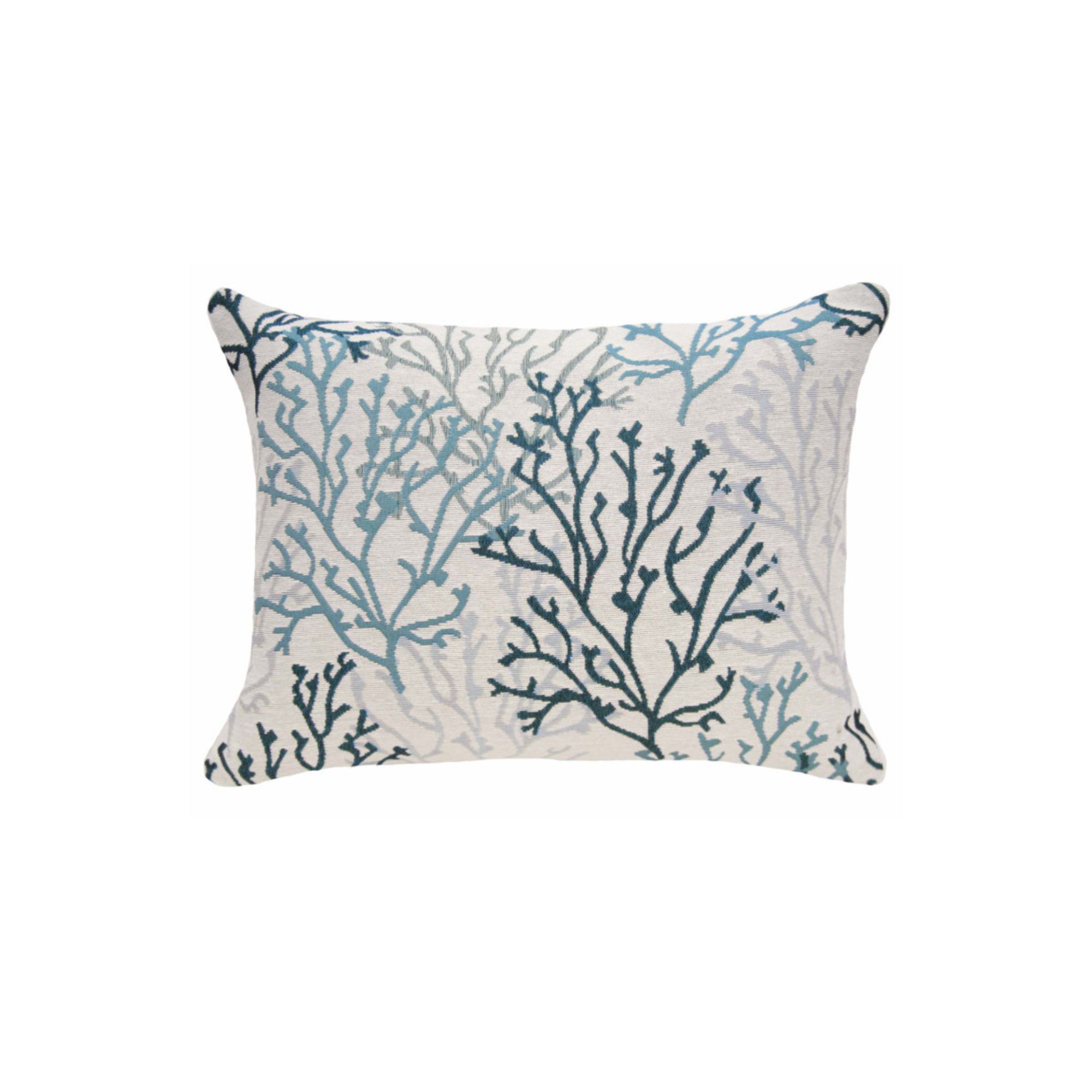
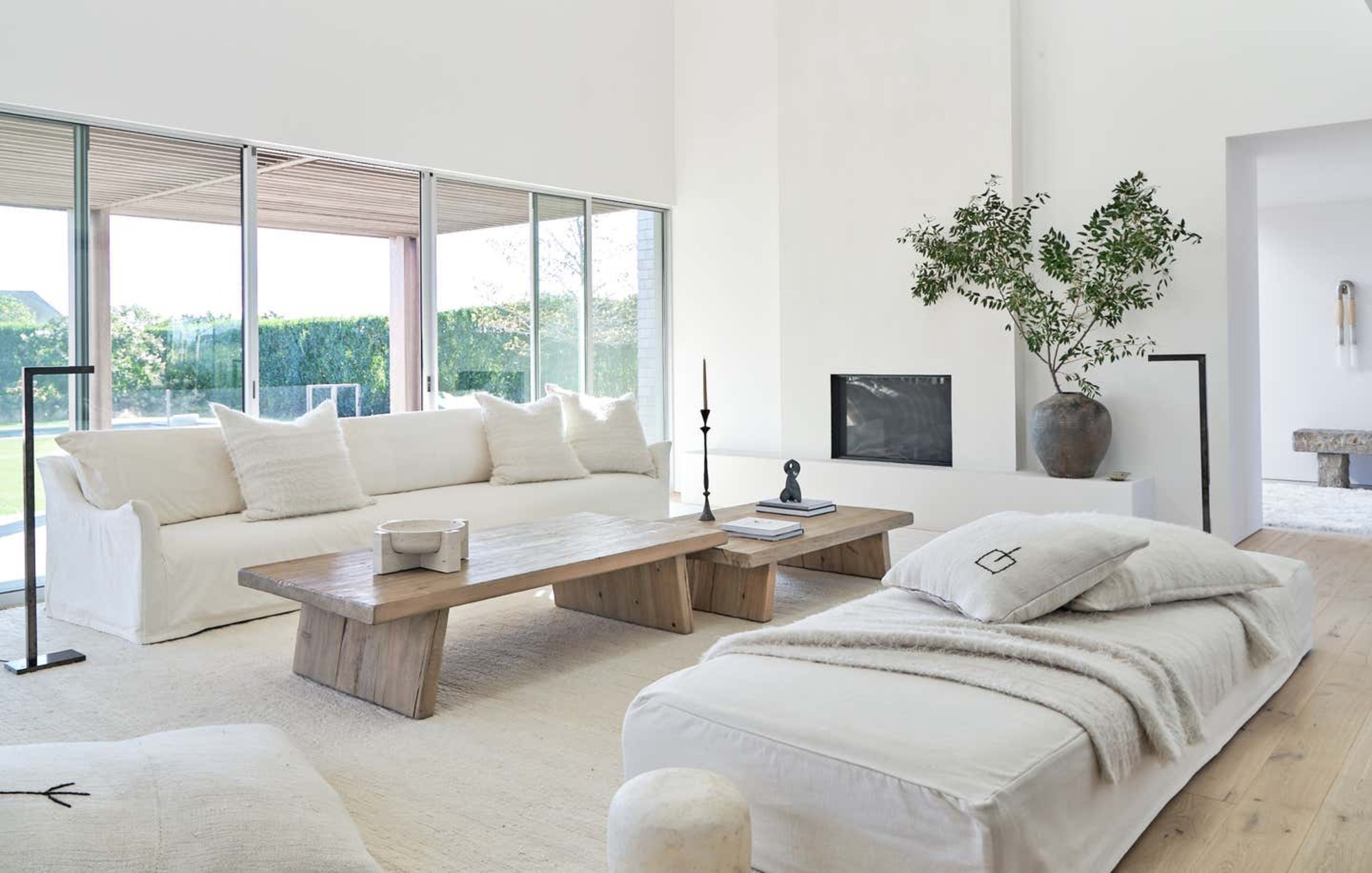
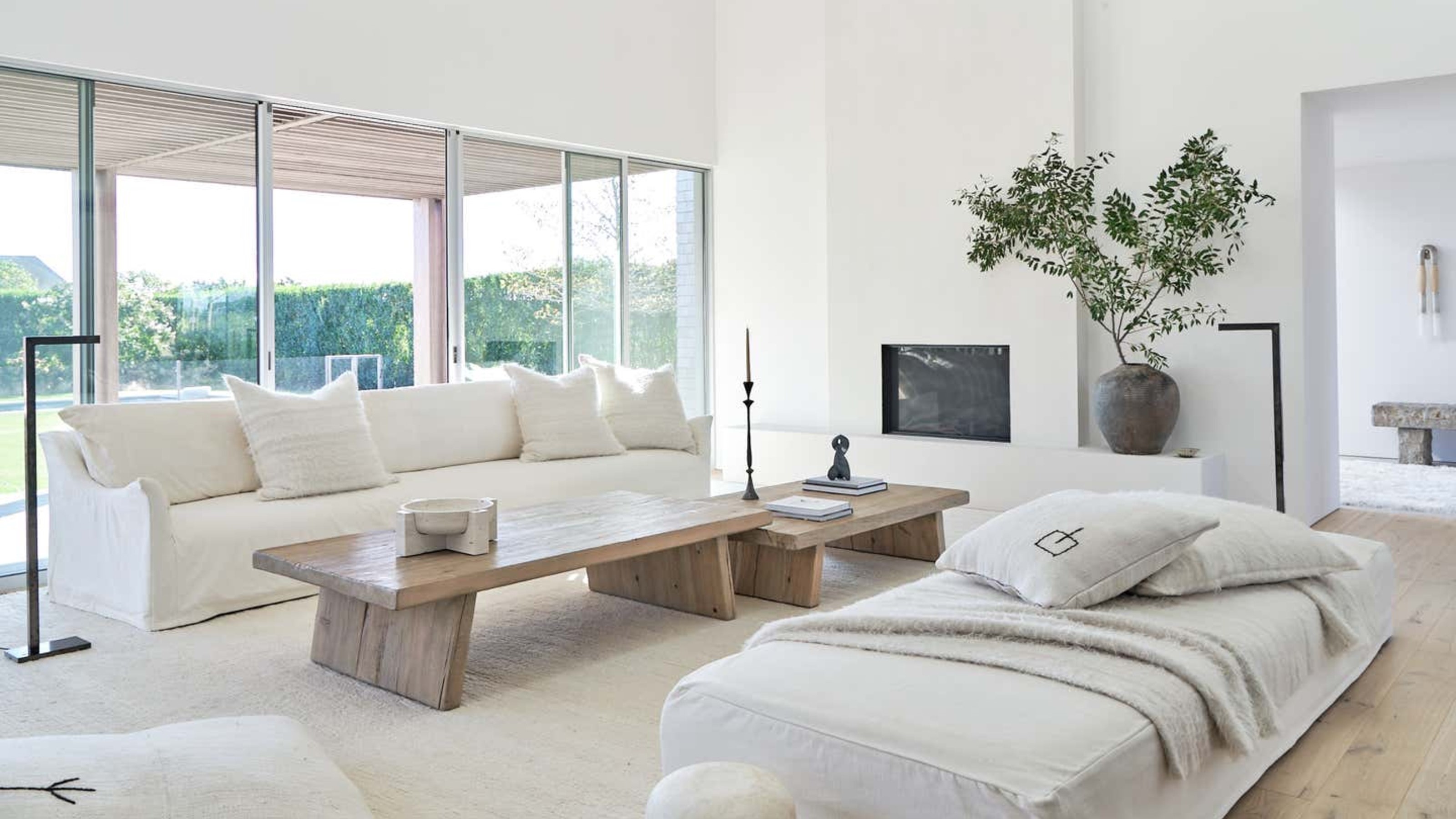
It is important to use coastal accents like shells and coral judiciously to avoid an overly themed look. Mastering the mixing of patterns and colors, by sticking to the same color family and layering various designs against neutral backdrops, is another effective technique. Adding a sleeping porch, furnished with daybeds, throws, and ceiling fans, maximizes leisure space for guests in all seasons. Layering neutrals, by varying shades and textures in an all-white room, creates depth and sophistication without compromising the serene feel.
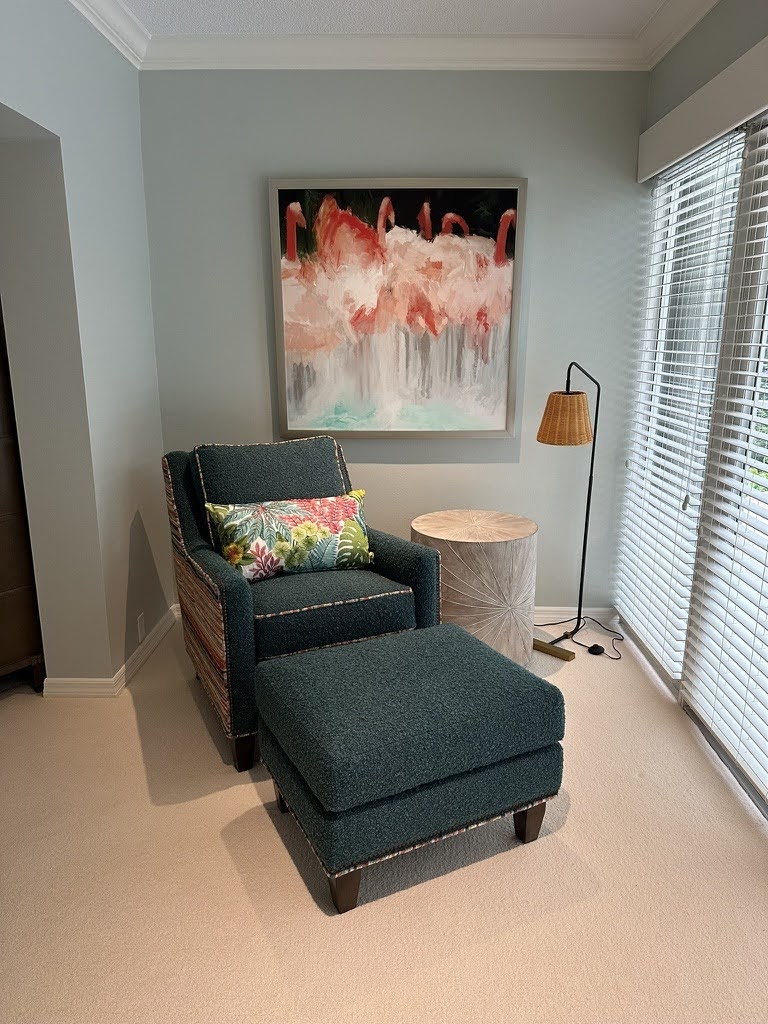
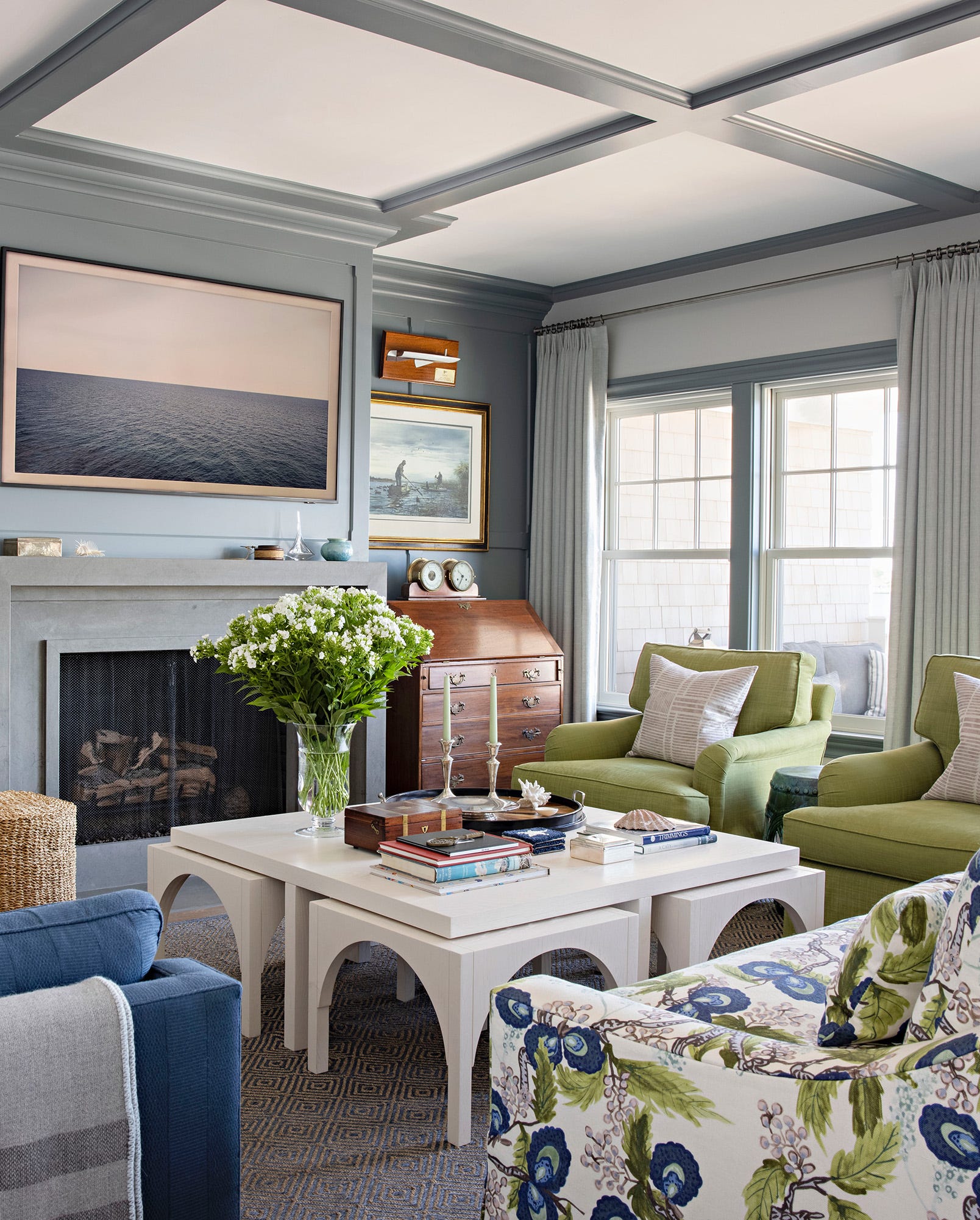
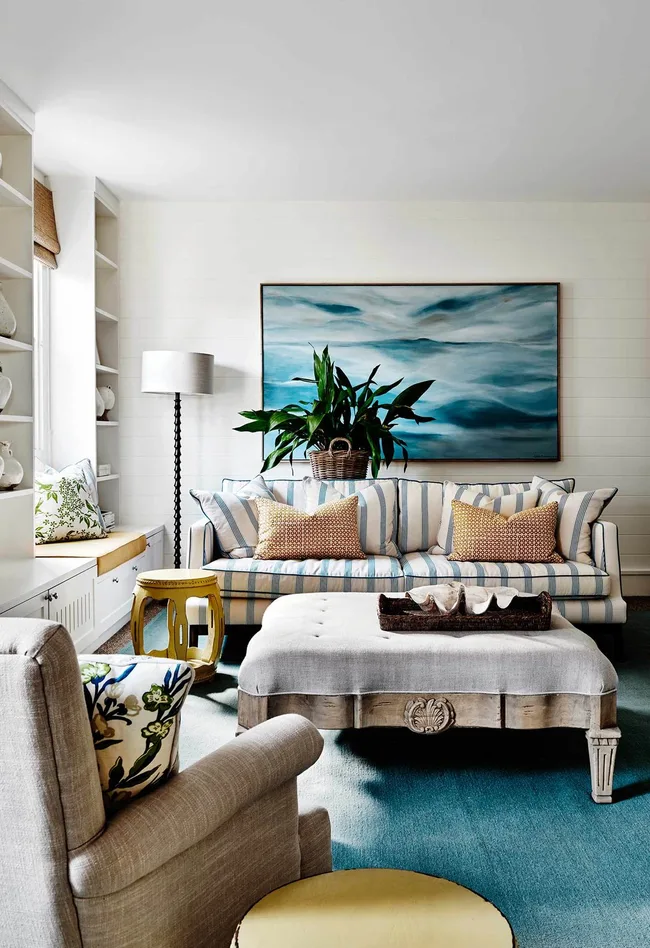
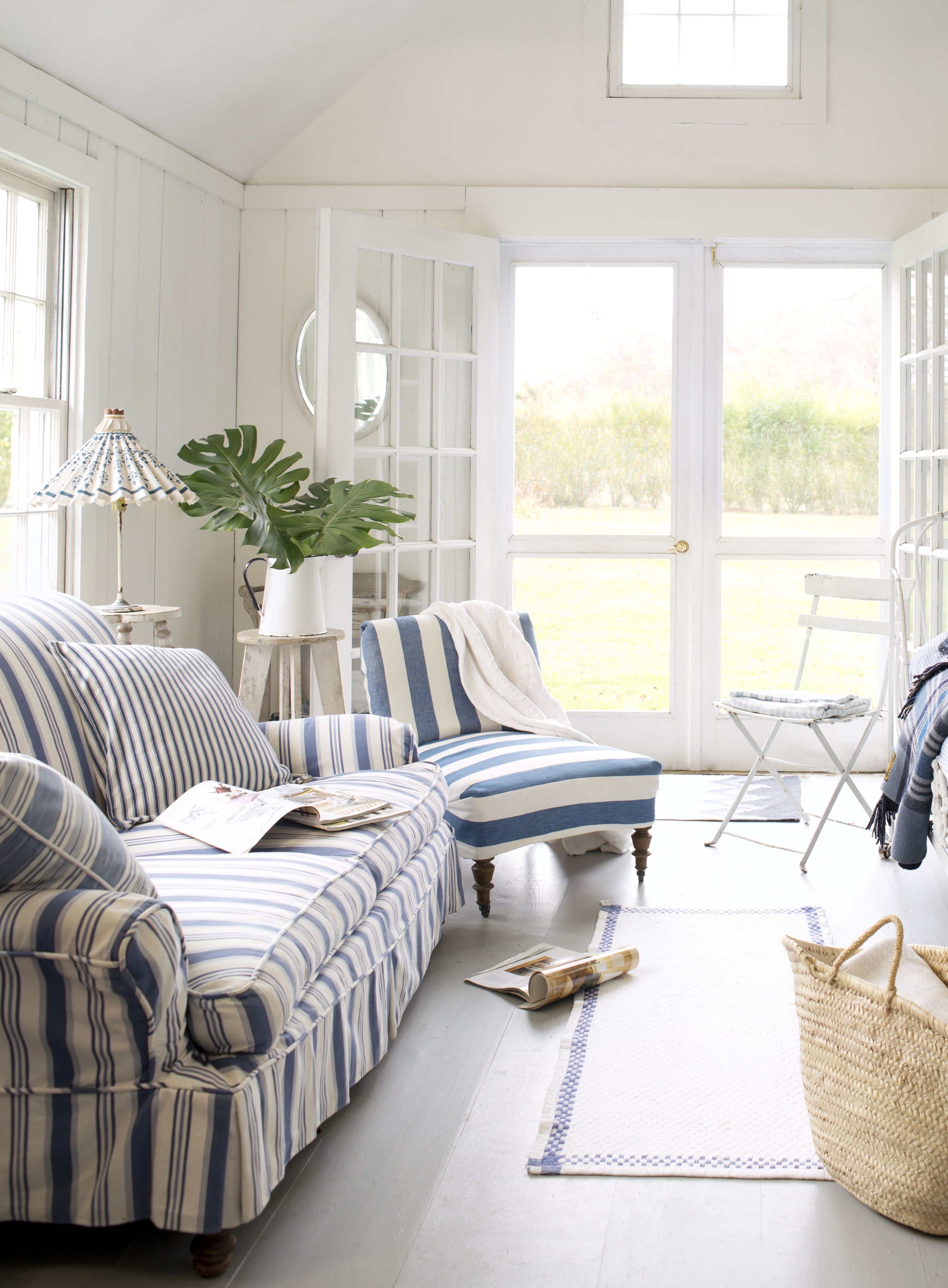
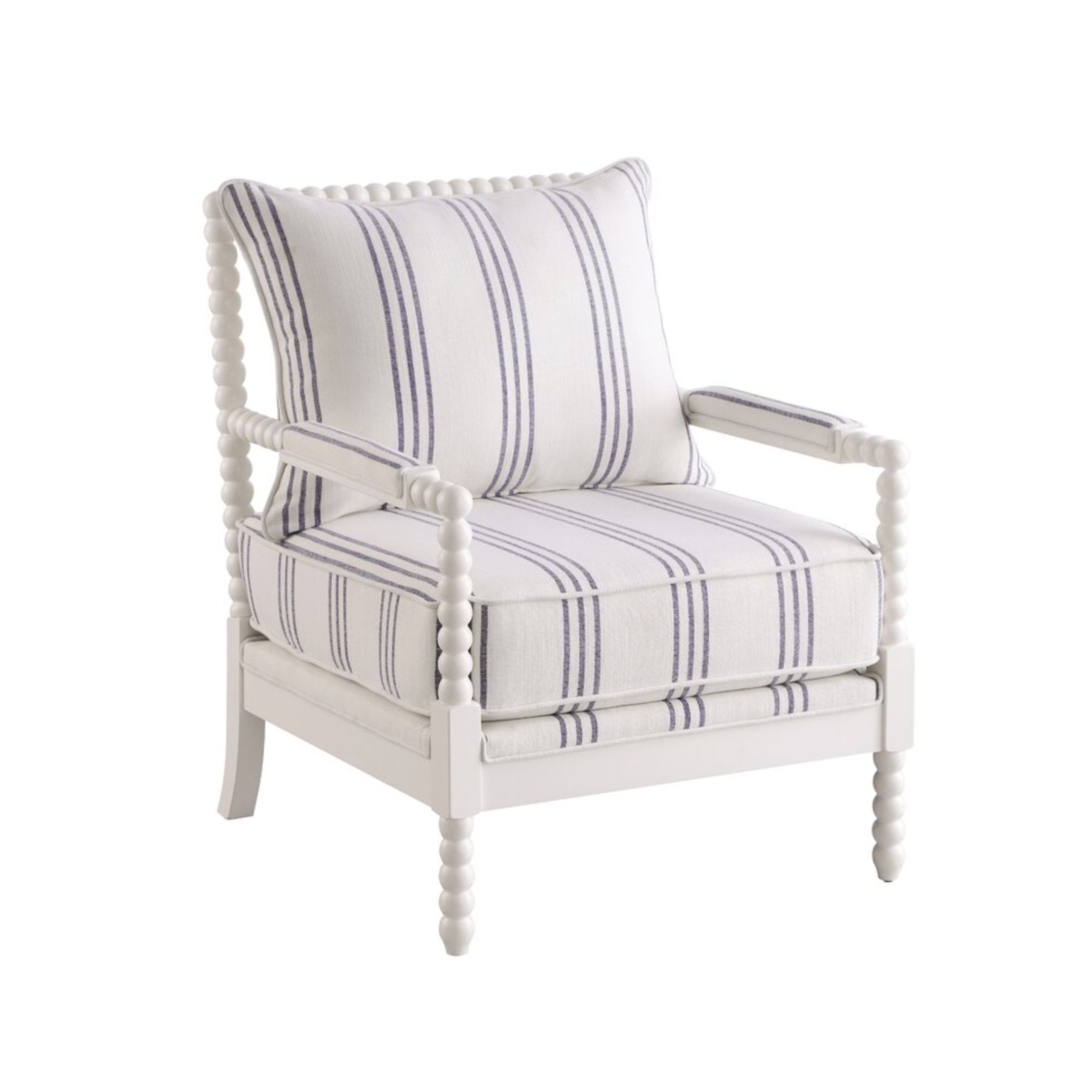
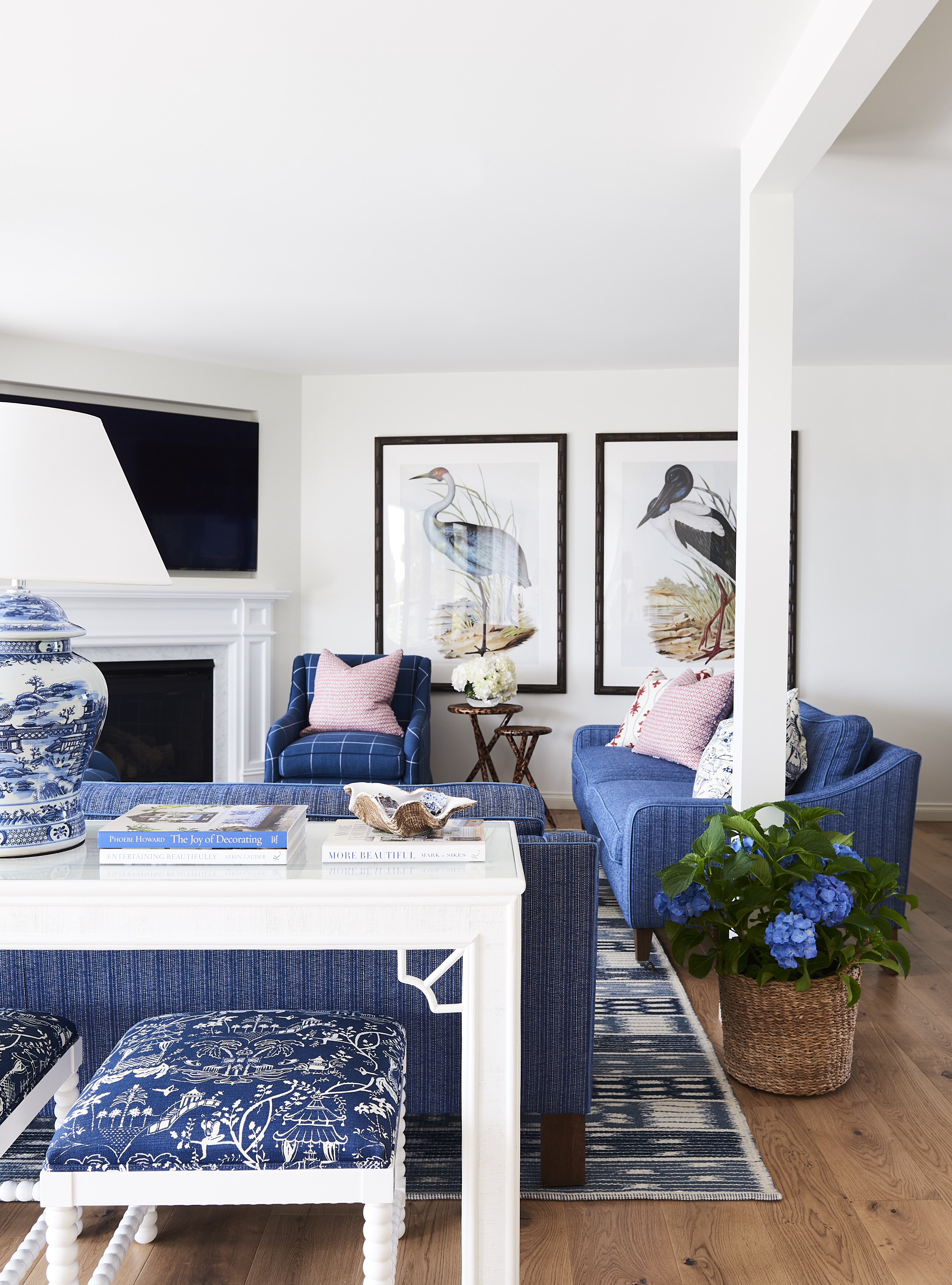
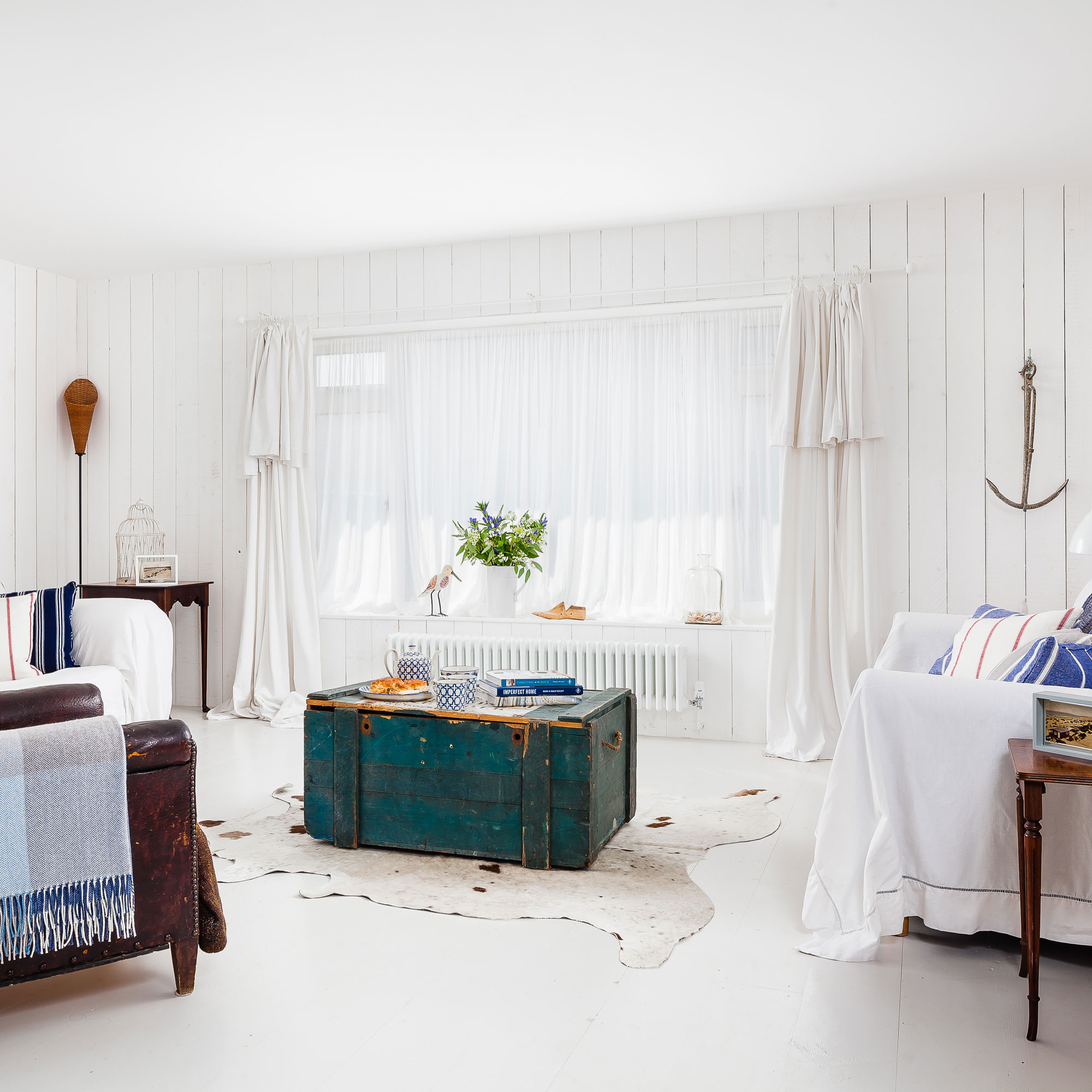
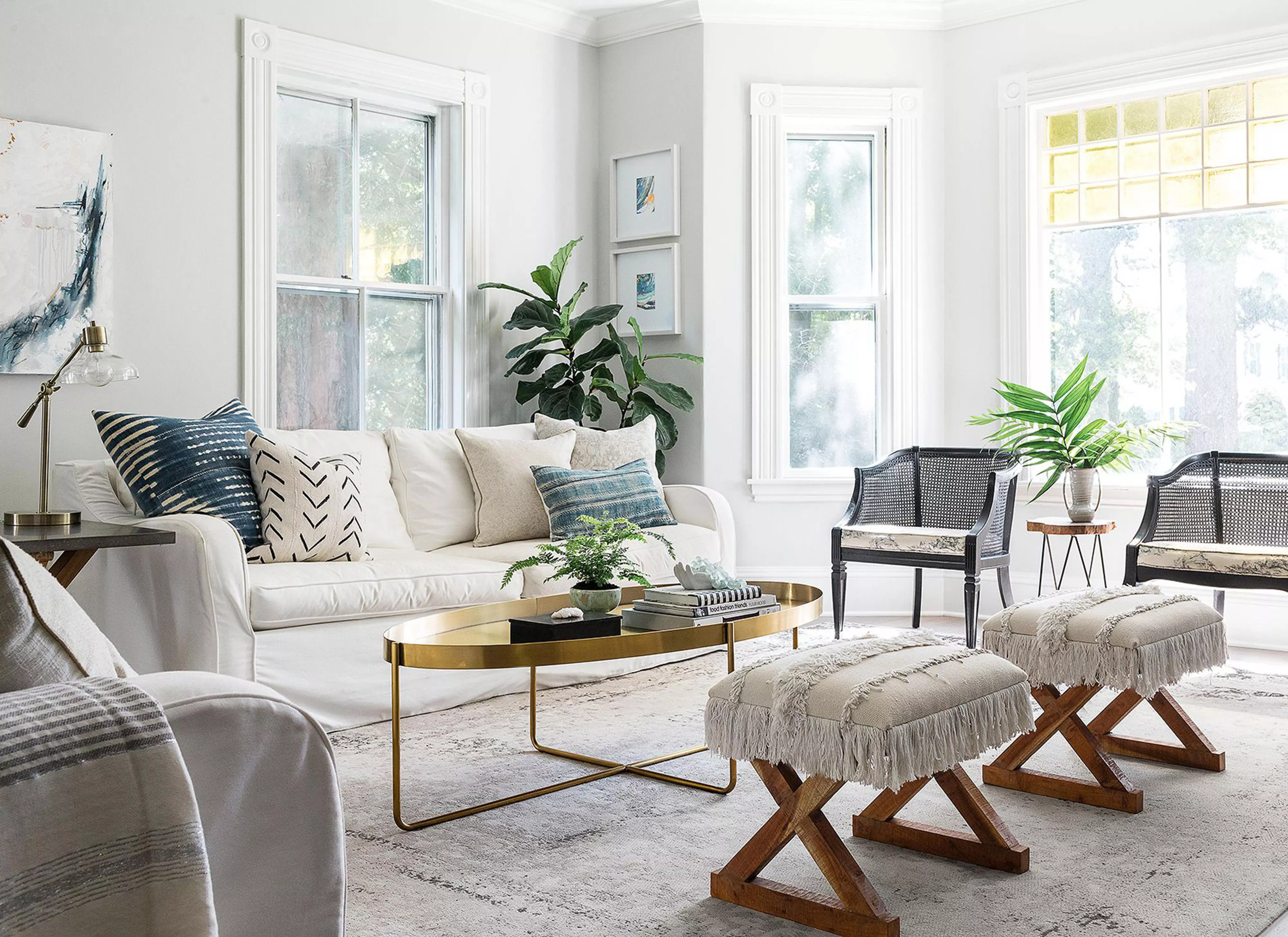
Strategic seating arrangements, including multipurpose furniture like upholstered ottomans and garden stools, are essential for accommodating impromptu gatherings. Weather-proofing furniture with outdoor fabrics or synthetic materials ensures durability against the elements. Pairing blue and green hues, inspired by grass and sky, creates an optimistic and energetic atmosphere, often achieved by starting with a standout pattern and translating its colors elsewhere. Slipcovers are highly recommended for upholstery due to their versatility, ease of cleaning, and ability to protect furniture from sand and sun lotion, making light colors practical.
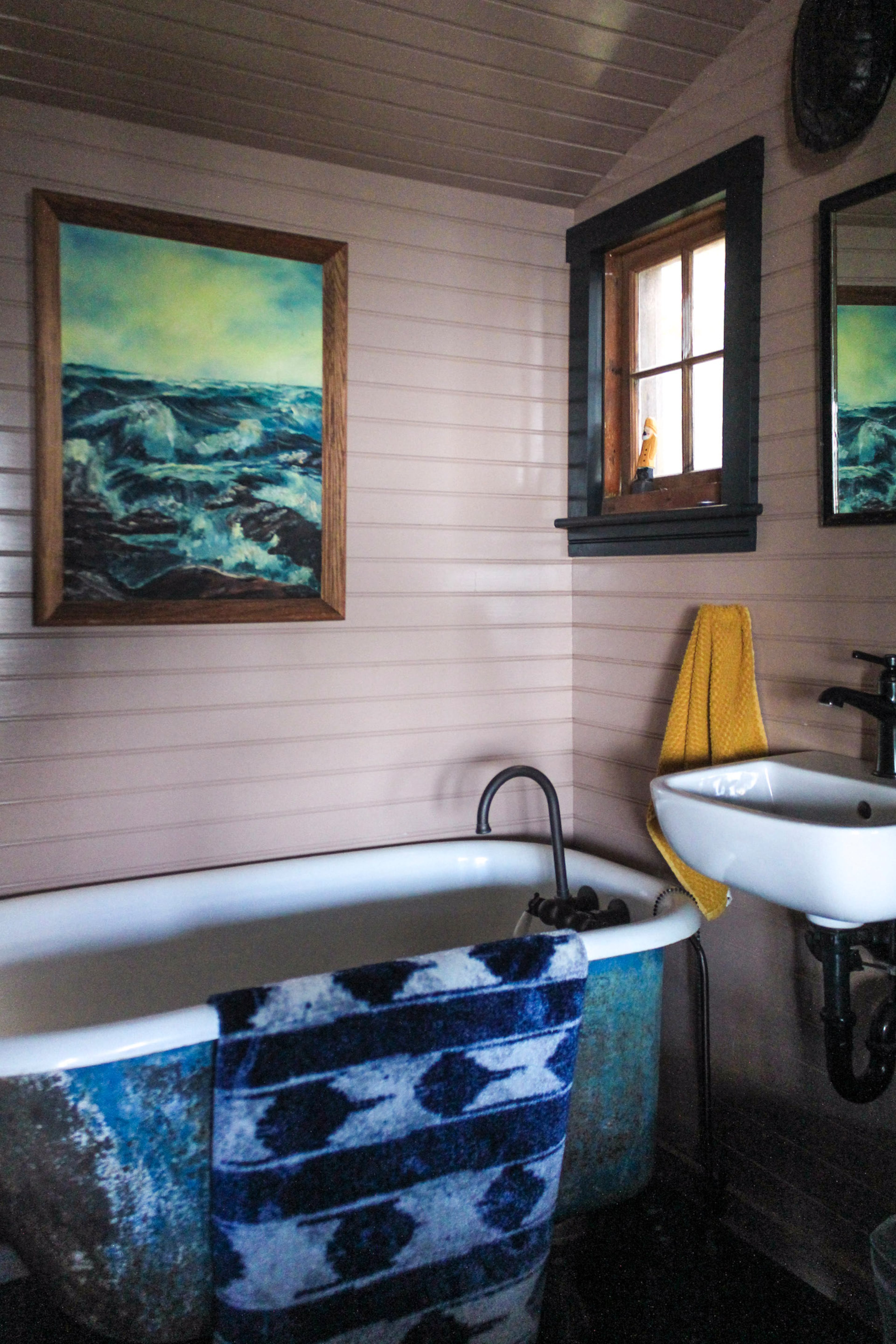
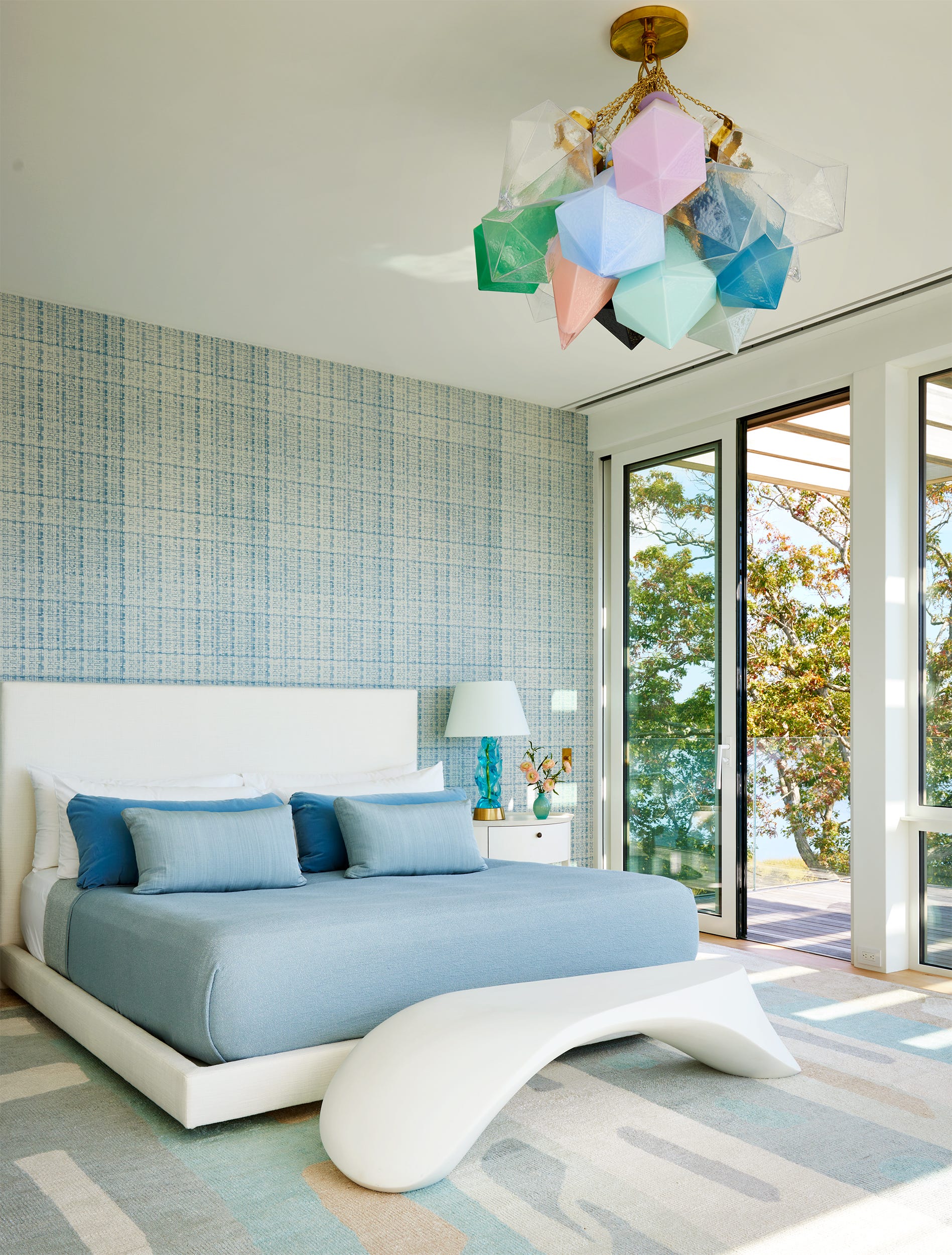
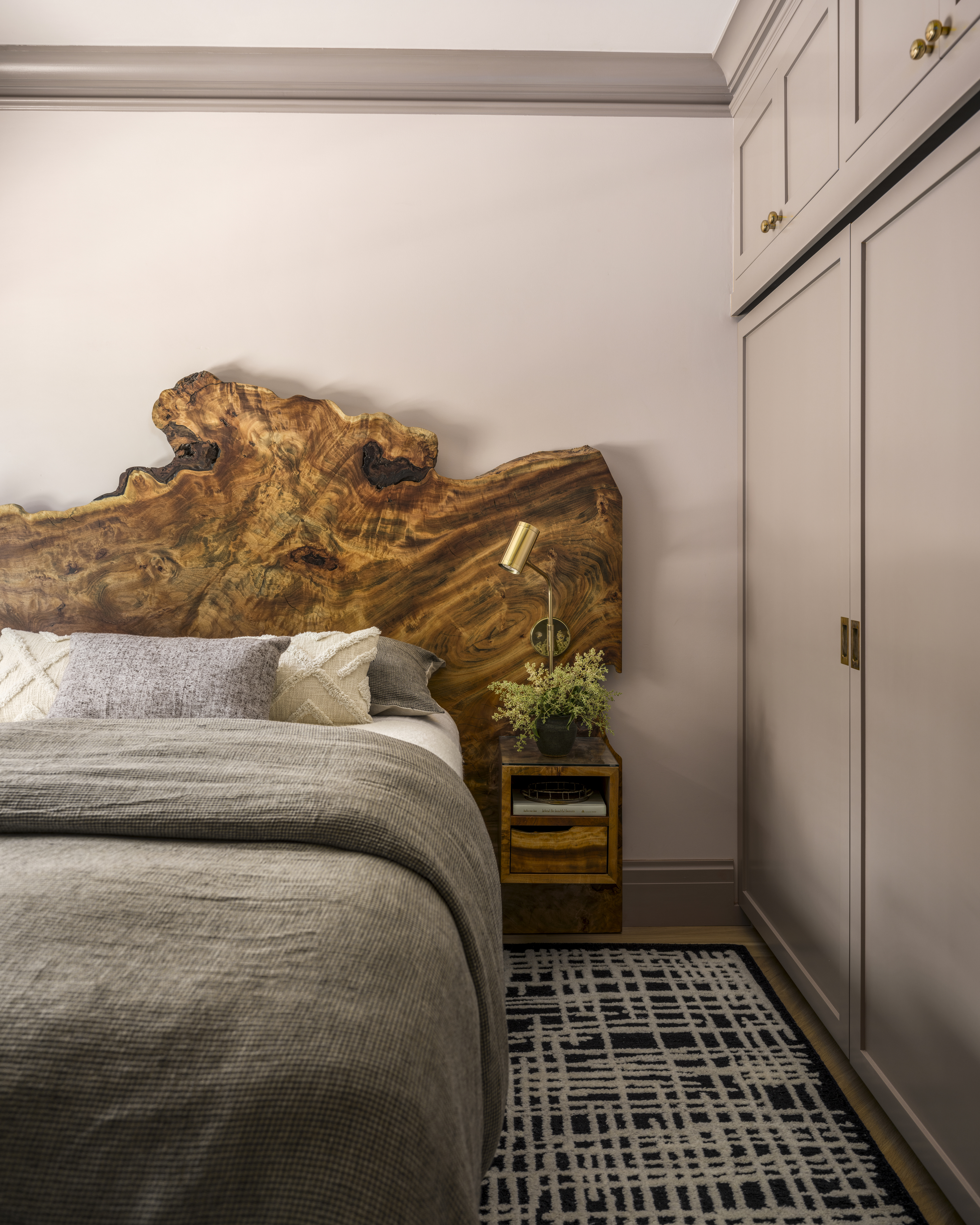
Bold wallpaper can transform small rooms, especially those with large-scale, repeating motifs, acting as a vibrant backdrop for contrasting accents. Maximizing sleeping space with bunk beds, particularly space-saving built-ins, is ideal for hosting crowds, with fun textiles adding a decorative touch. Finally, embracing imperfections through materials like recycled wood and a relaxed styling approach contributes to the beloved "kick-your-shoes-off" vibe of a beach home, ensuring it feels lived-in and welcoming rather than overly precious.
#CoastalDesign #HomeDecor #InteriorDesign #NaturalFibers #ColorPalettes #ShiplapWalls #OutdoorLiving #FlooringIdeas #PatternMixing #SleepingPorch #NeutralDecor #Slipcovers #CoastalDesign #HomeDecor #InteriorDesign #NaturalFibers #ColorPalettes #ShiplapWalls #OutdoorLiving #FlooringIdeas #PatternMixing #SleepingPorch #NeutralDecor #Slipcovers
0 comment in total
 No comments yet
You may also like
Coastal Decor: Pro Decorating Tips | How to Do Coastal Design Right

Beach Patio Design Tips
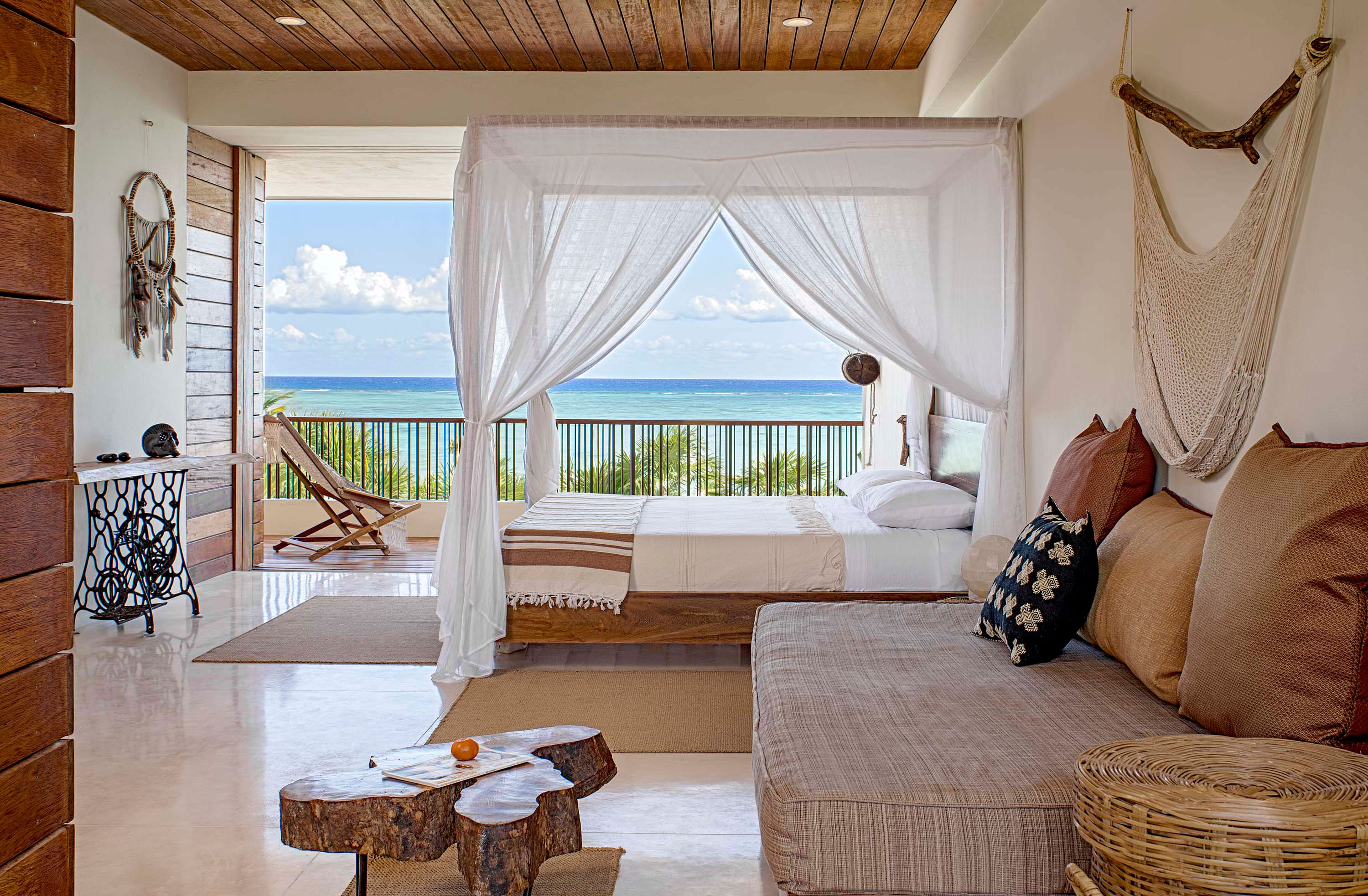
5 Coastal Decor Ideas That Feel Chic, Not Cliché, for Homes on the Shore

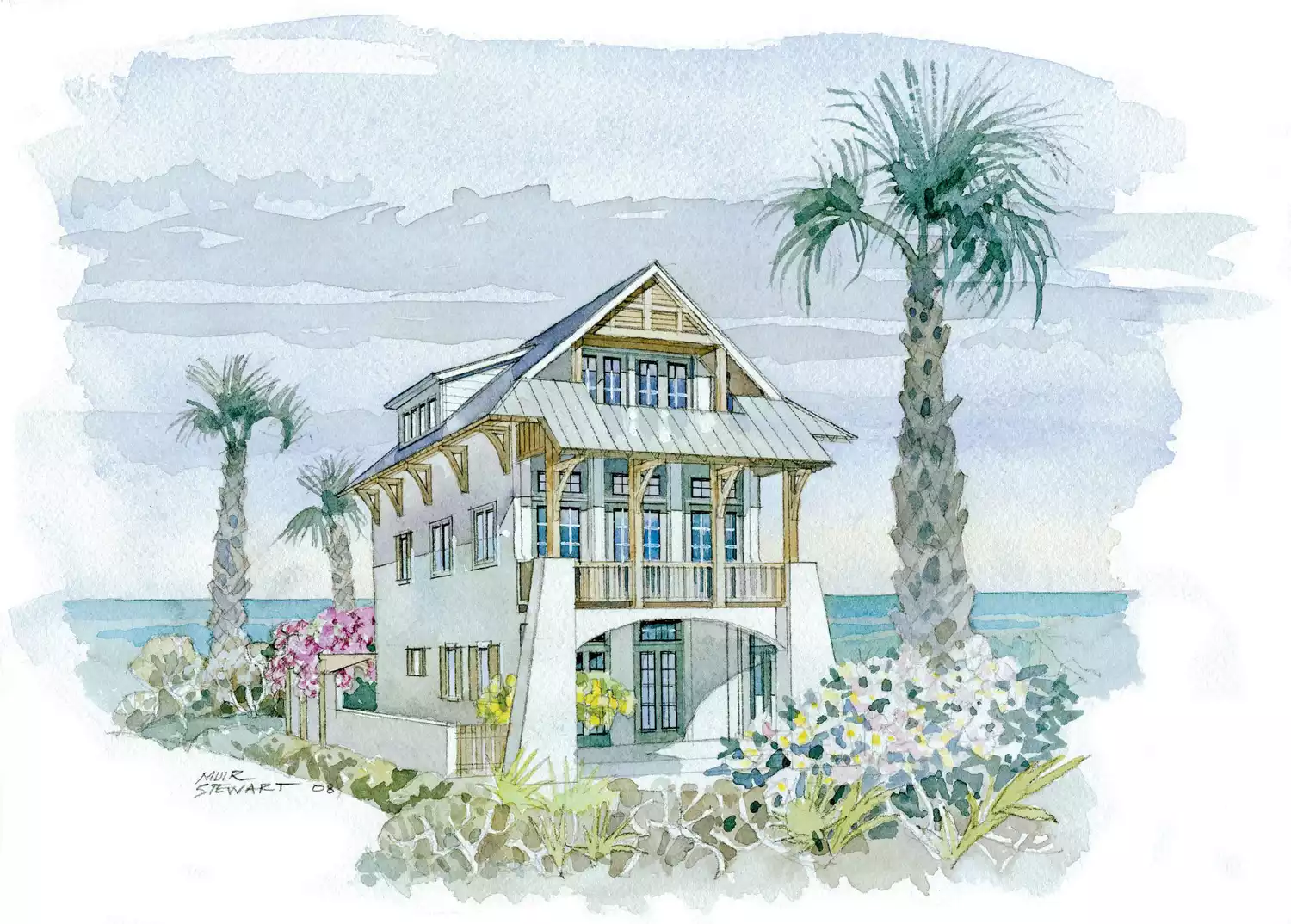
These Top 25 Coastal House Plans Were Made for Waterfront Living
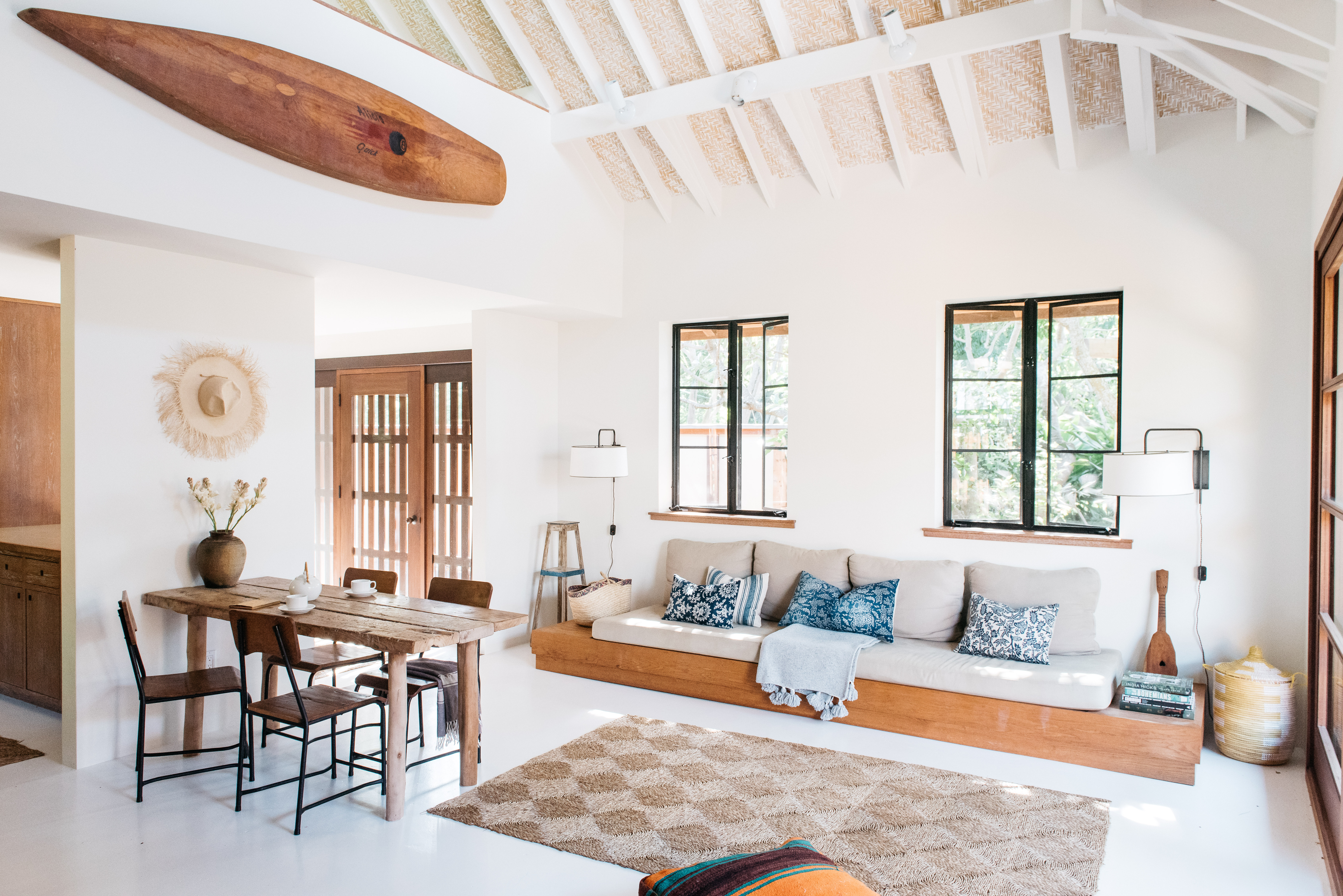
What is Coastal Design? Here's 9 Ways Designers Are Channeling This Relaxed and Timeless Aesthetic
Here's How to Get the Coastal Look Right

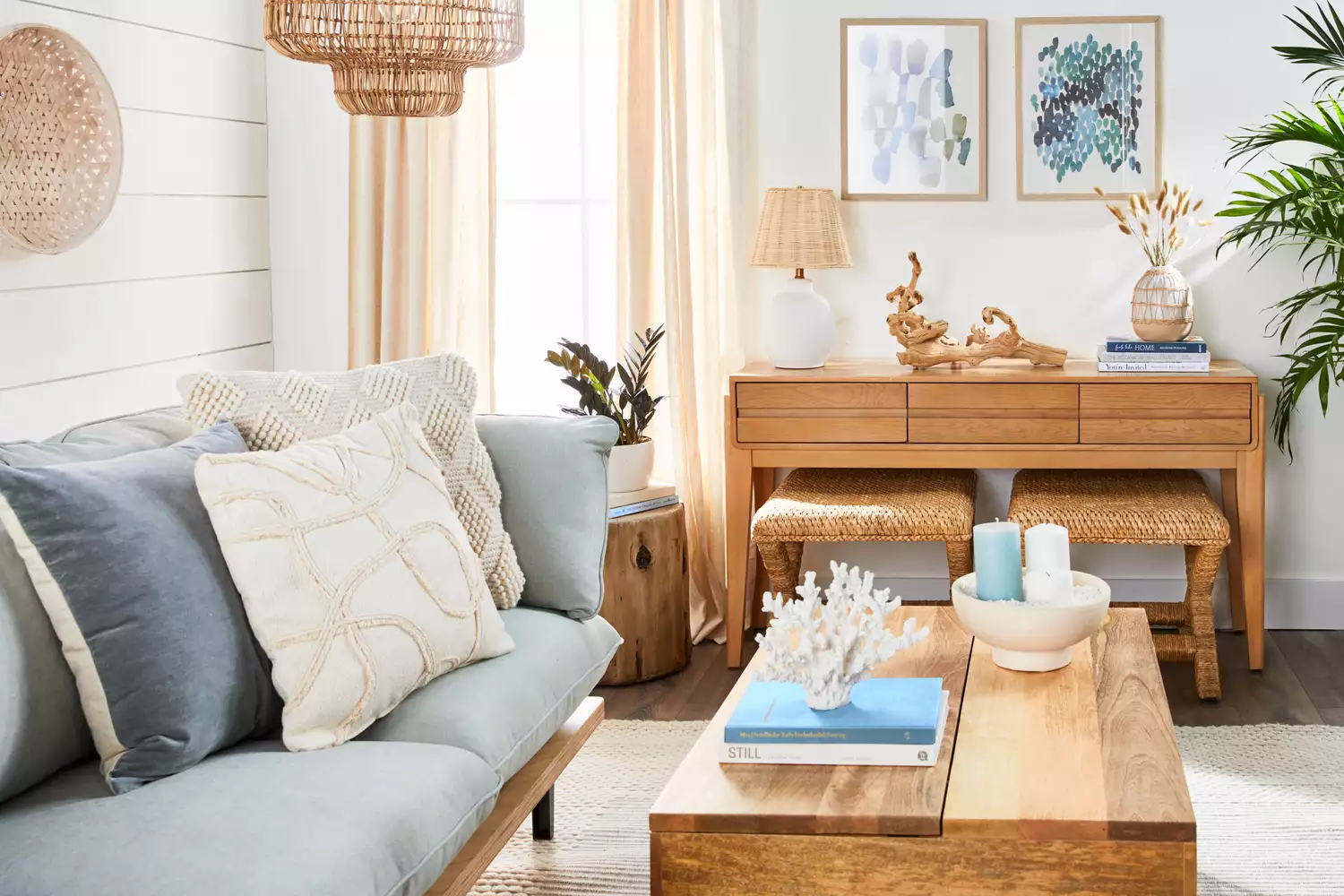
7 Expert Tips for Styling Beach and Coastal Decor on a Budget

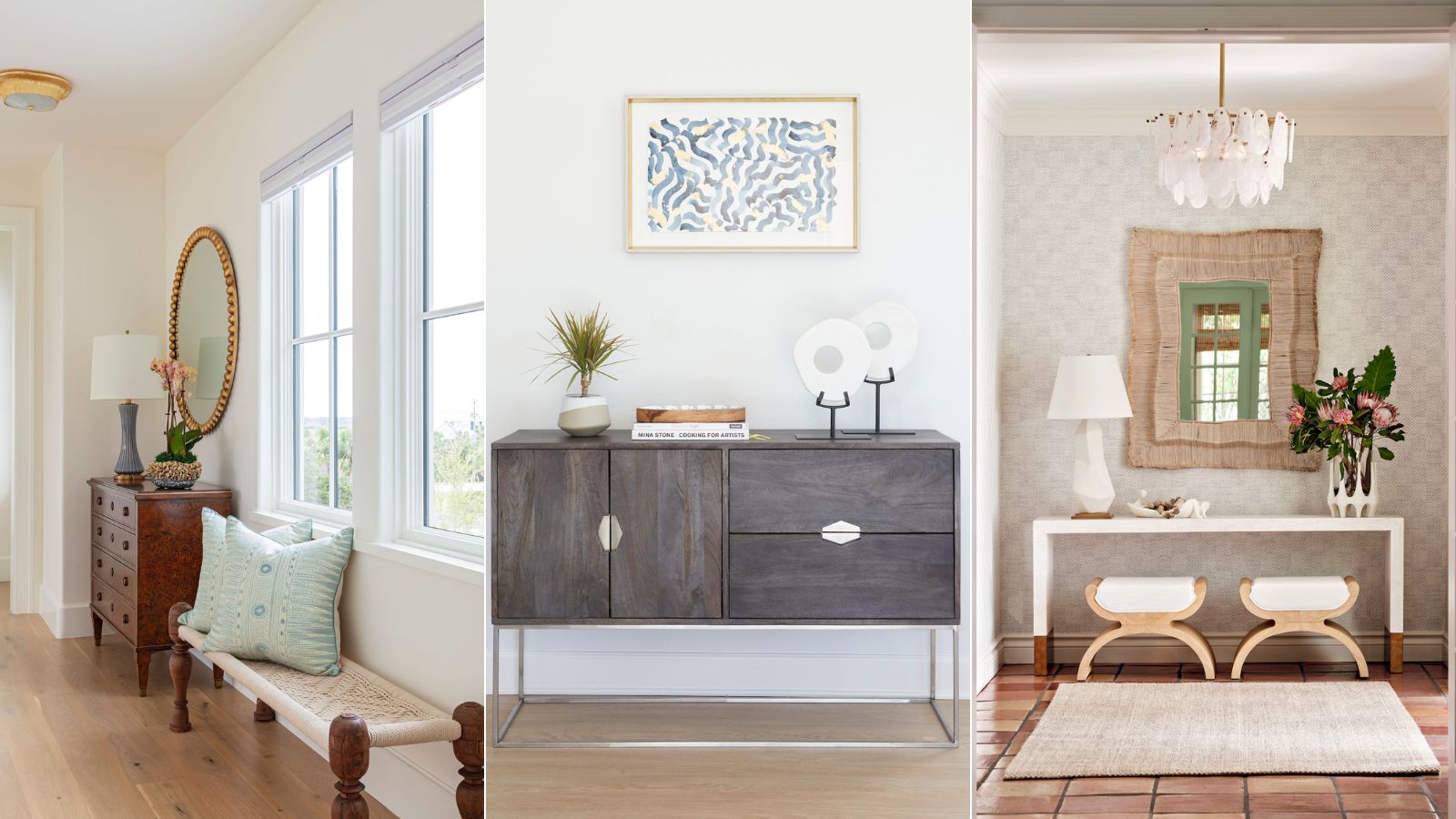
7 coastal entryway ideas to create an airy and inviting welcome to your home

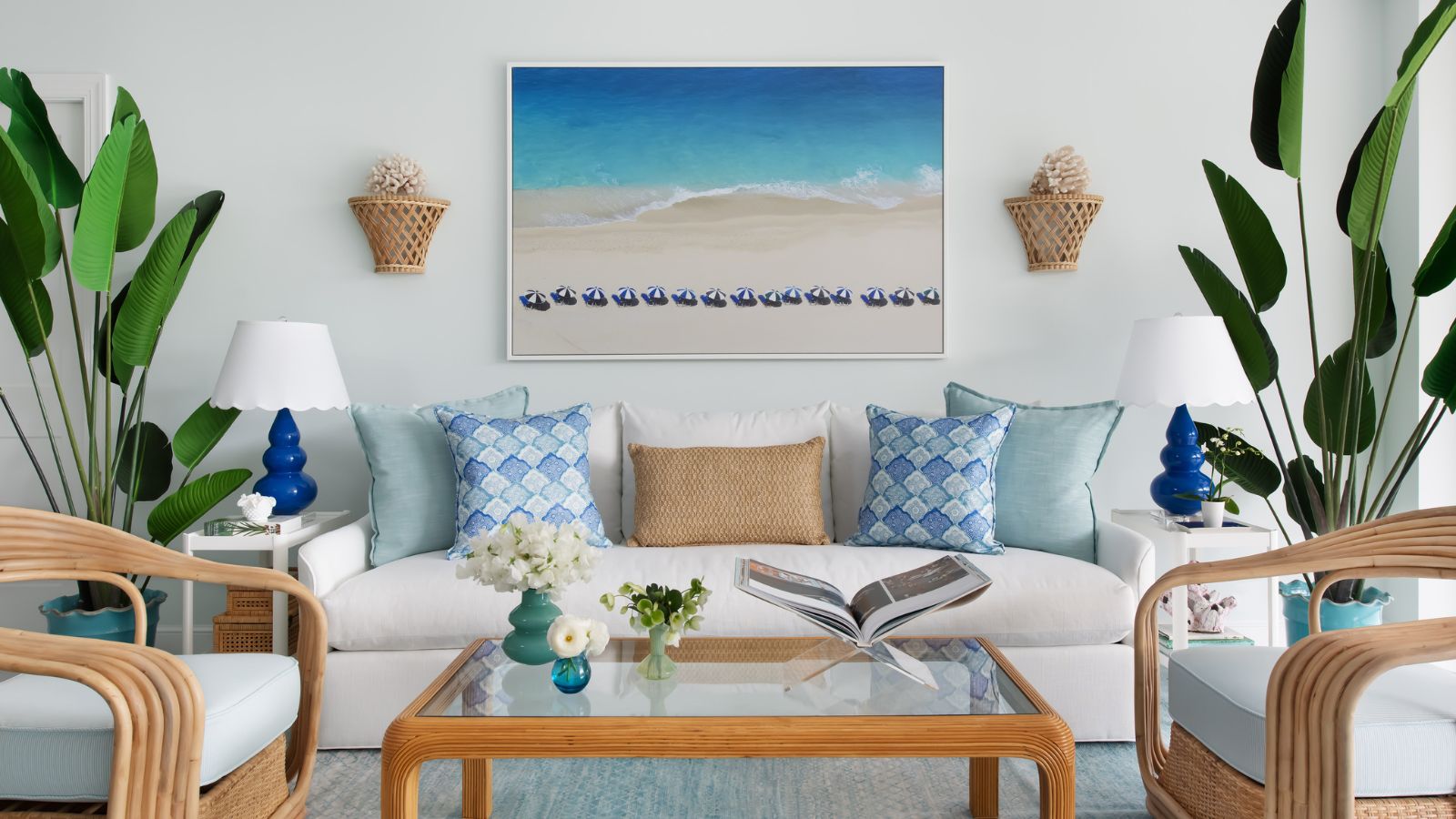
15 coastal decor ideas that are chic not clichéd
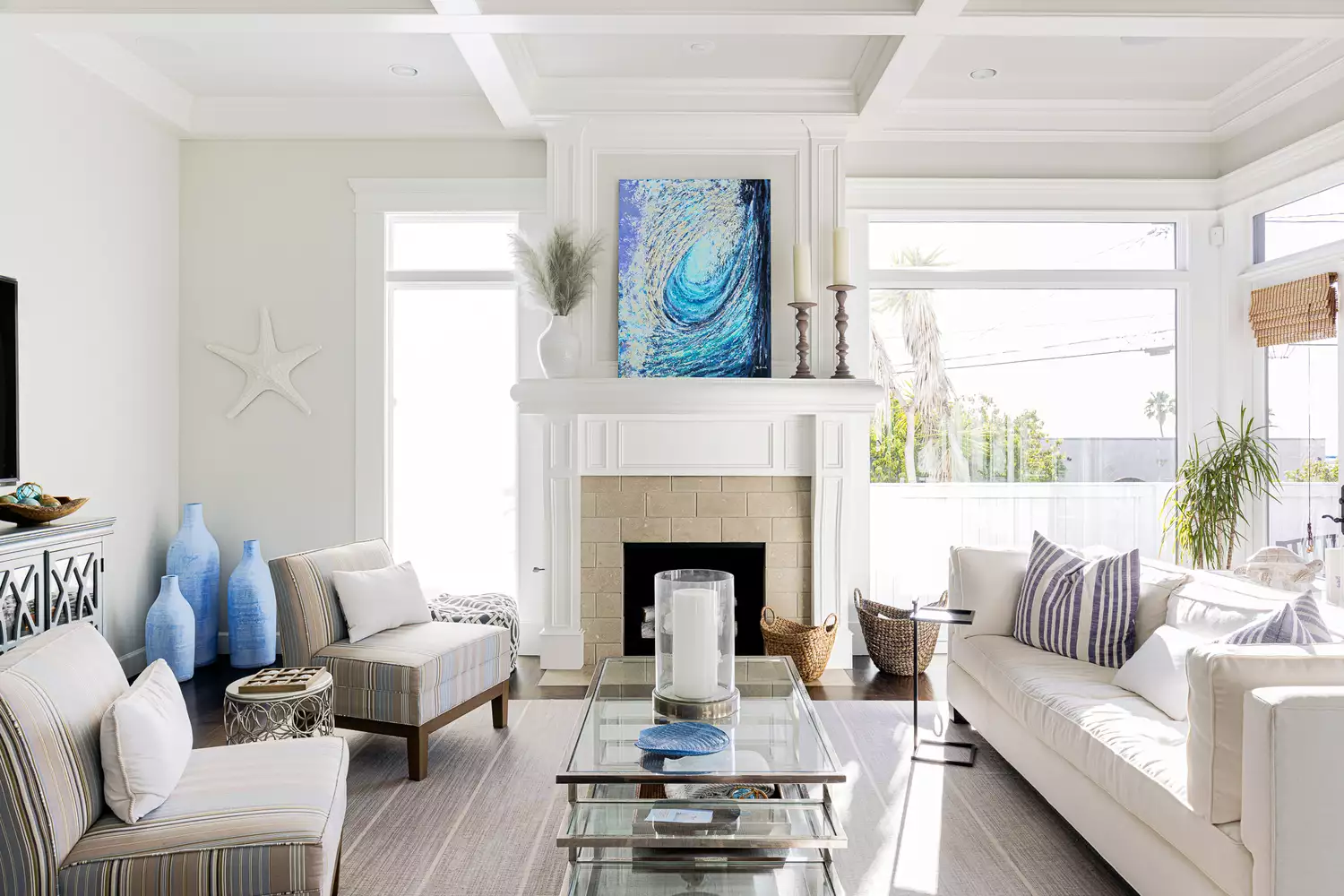
Getting To Know Coastal Style Decorating
10 different coastal-style looks for the home

The "Cape Cod aesthetic" is our summer design crush – here's how to get the look of this modern coastal style
Channel the Hamptons with These Coastal Home Decor Tips From the Pros

11 tips for bringing a modern coastal look to your home
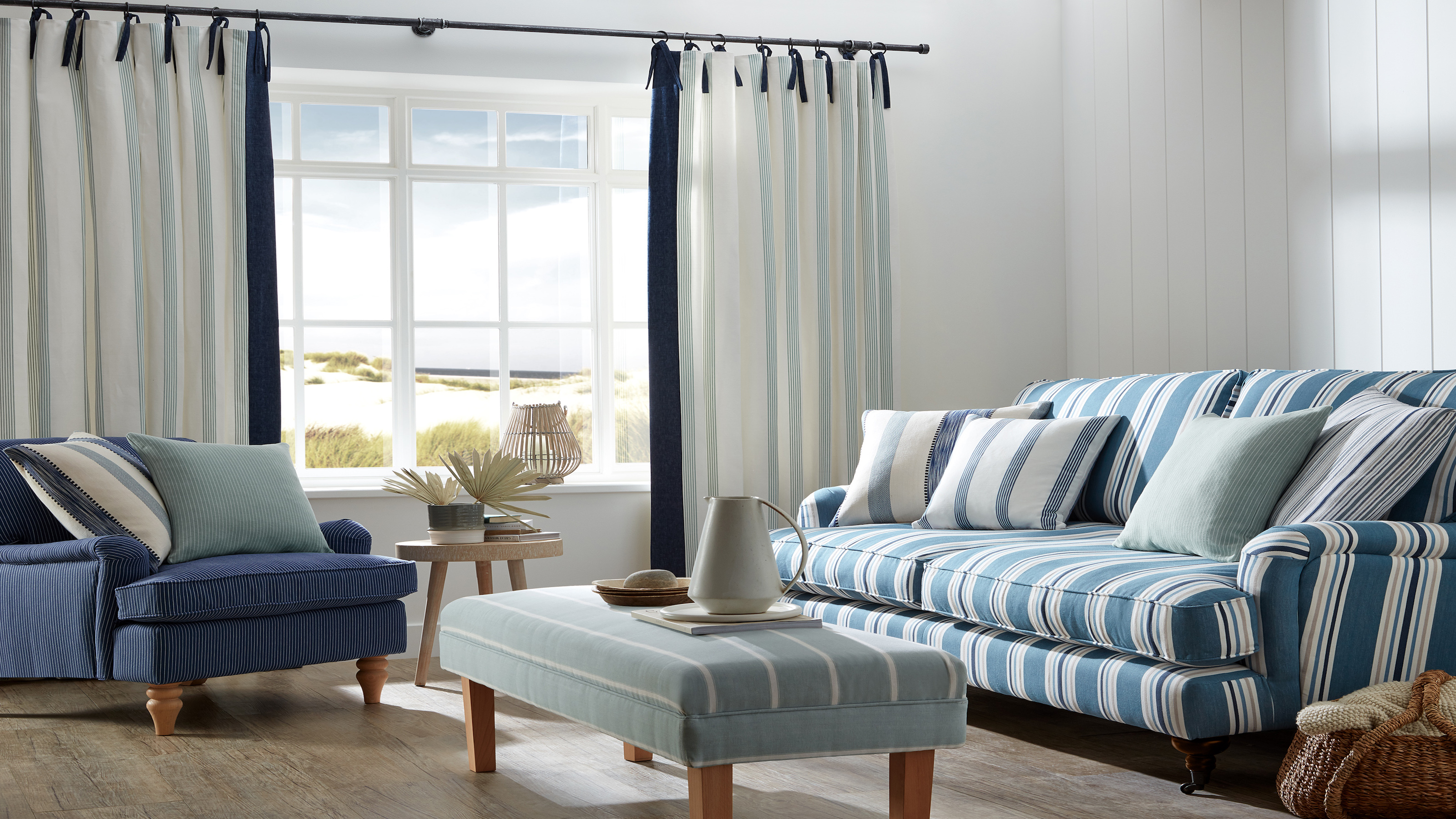
7 easy coastal living room ideas for year-round beach vibes at home

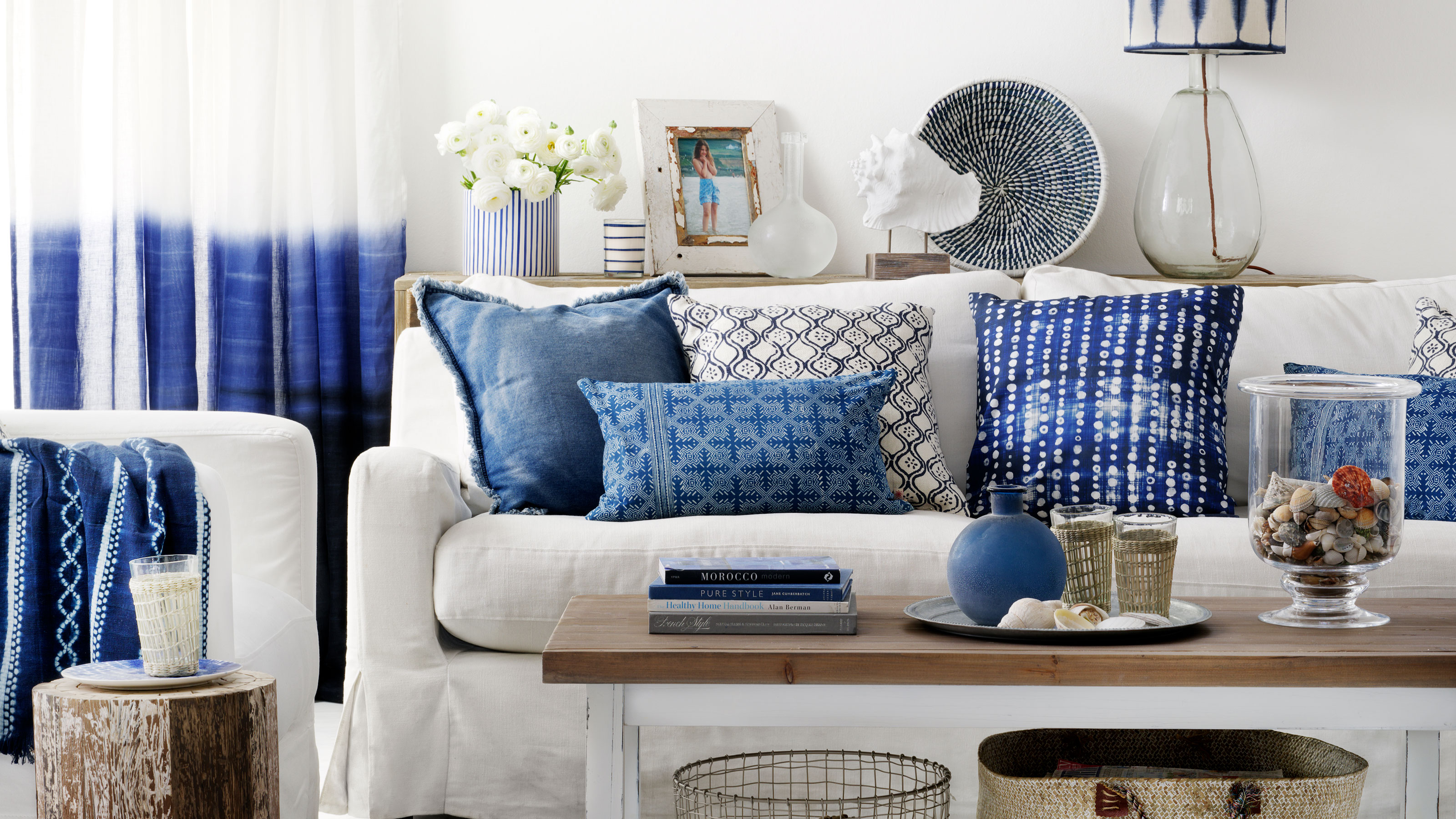
Coastal living room ideas to create a subtle beach-themed look
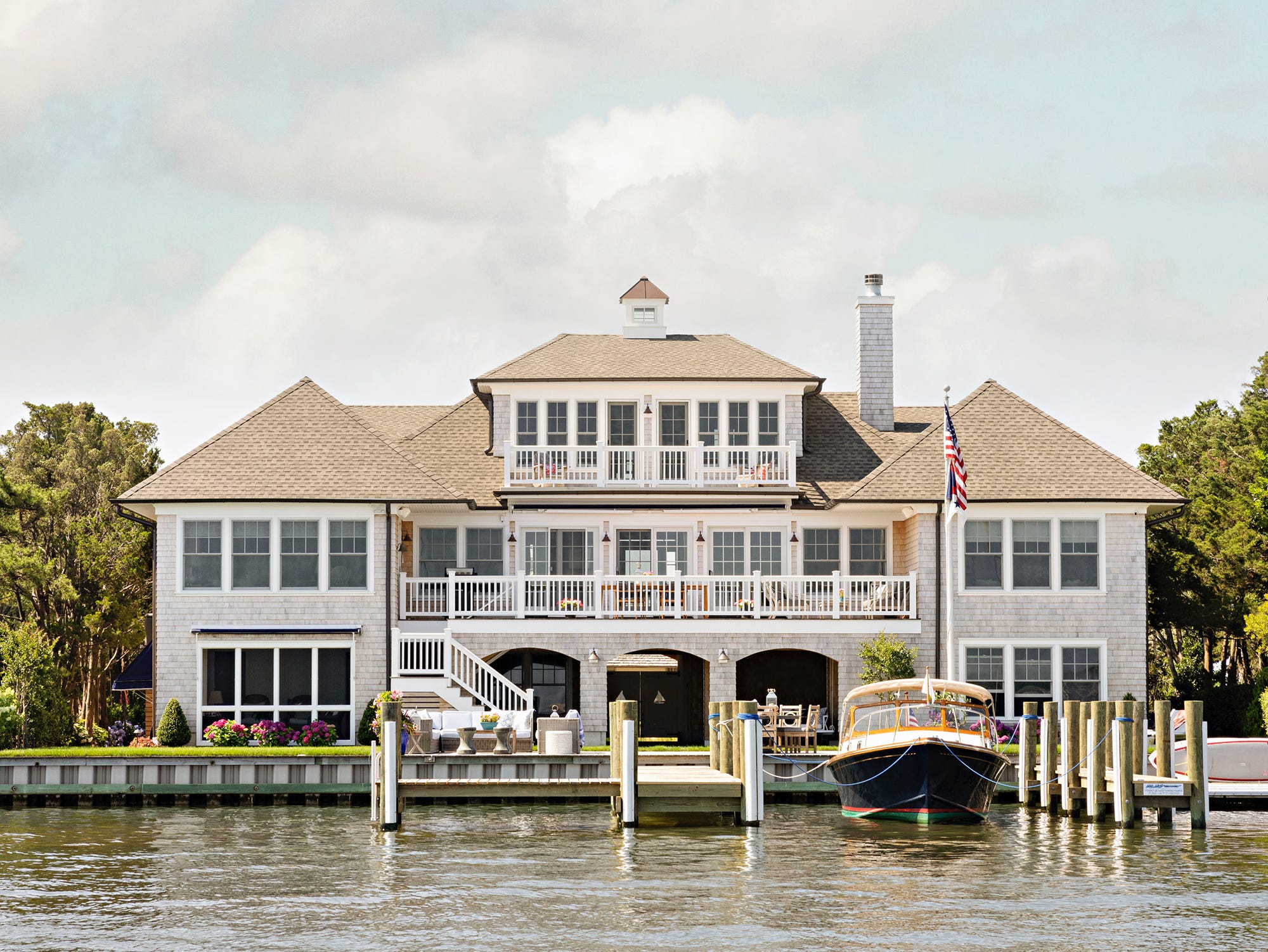
Steal This Designer's Tricks to Master the Modern Coastal Aesthetic
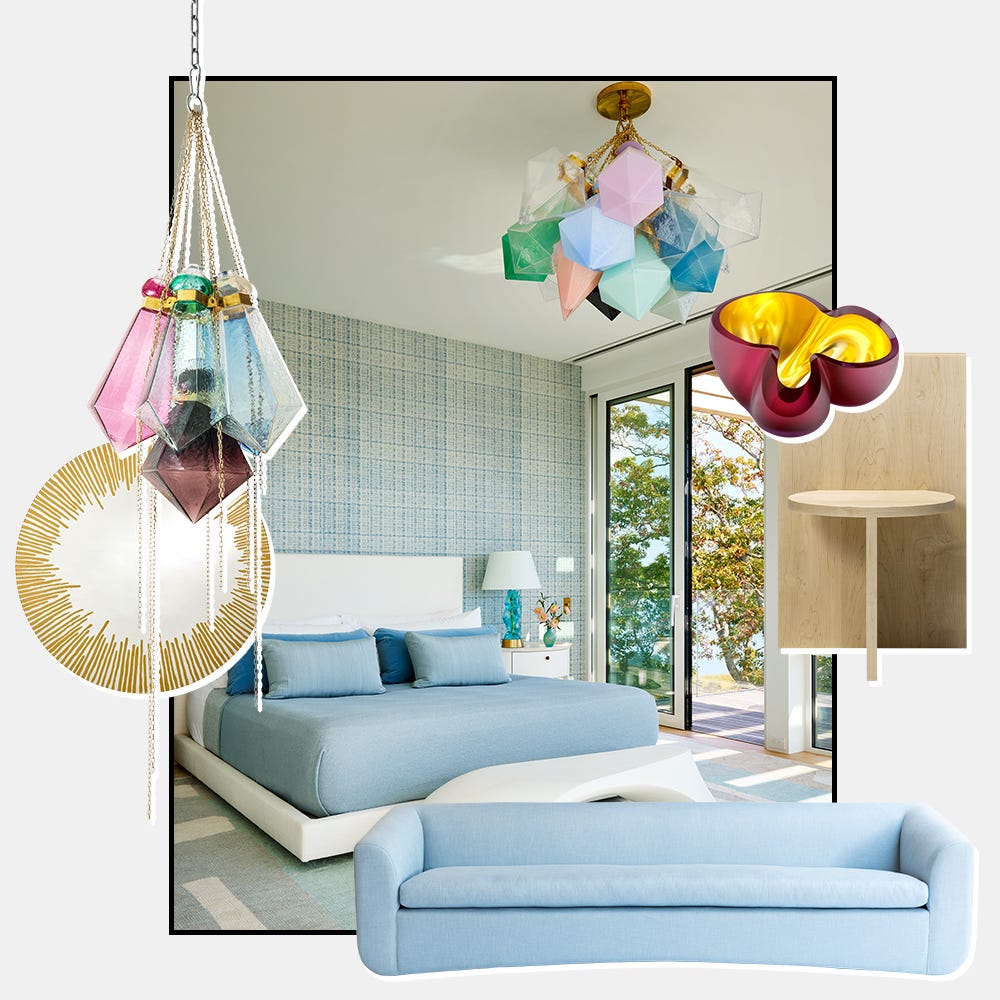
Embrace Modern Coastal Style With These Editor-Approved Finds

4 Home Decor Books For Coastal Design Inspiration
36 Coastal Decor Ideas to Make Your Home Feel Like a Day at the Beach