1/5
4 Creative Ways To Use Limewash Paint To Transform Your Home
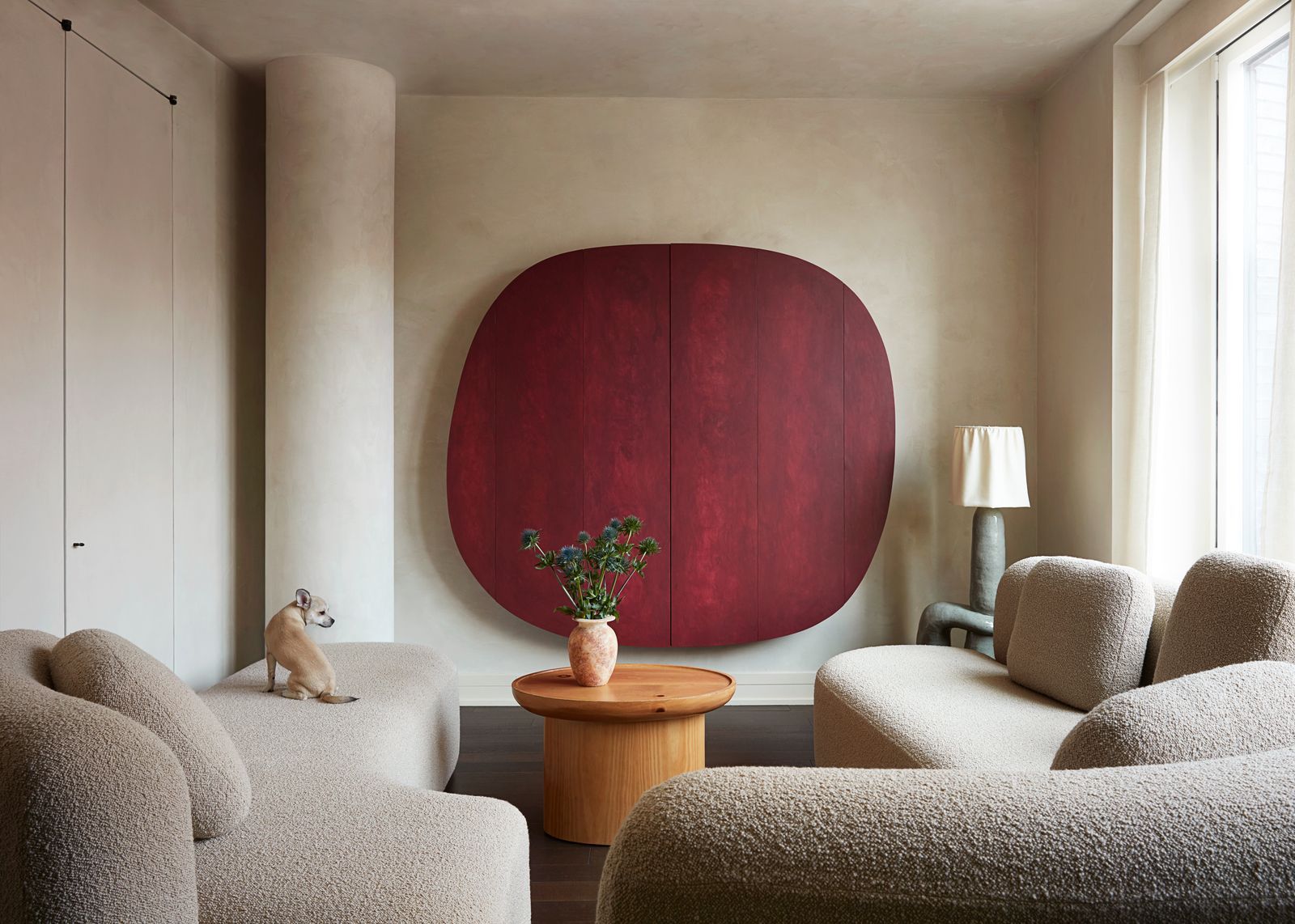
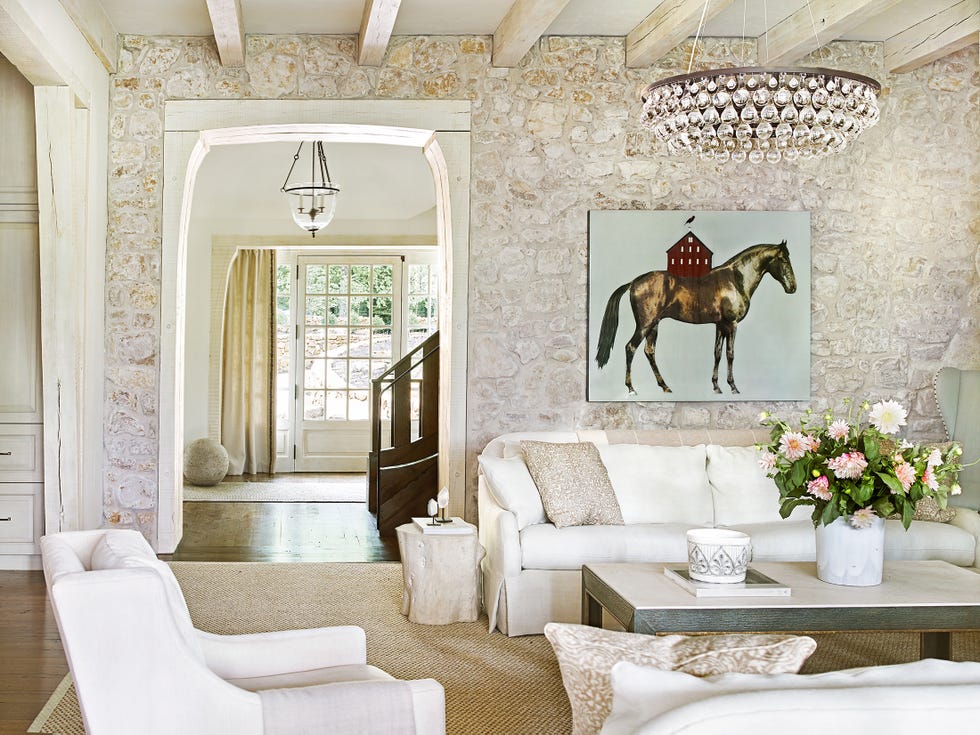
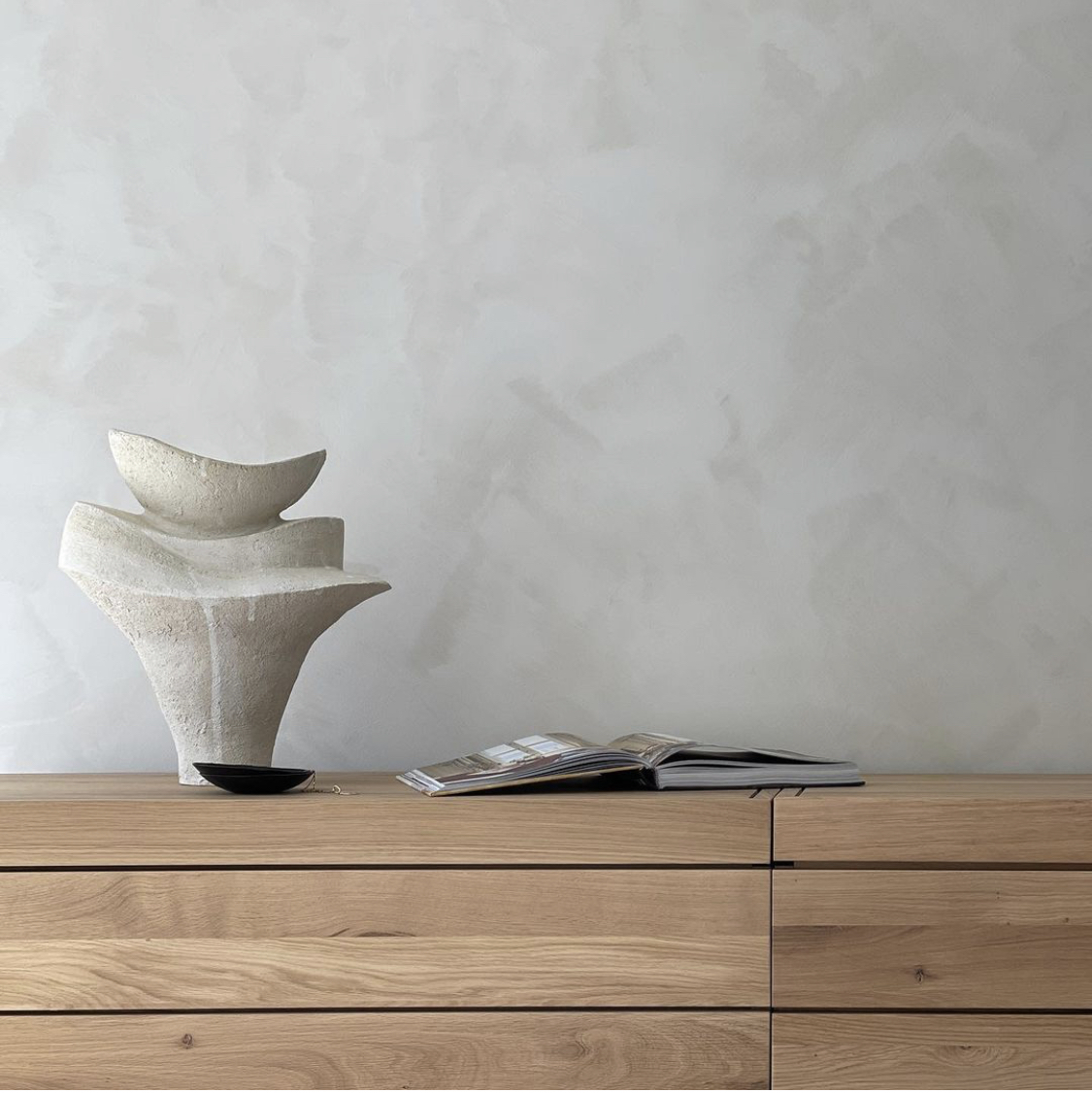
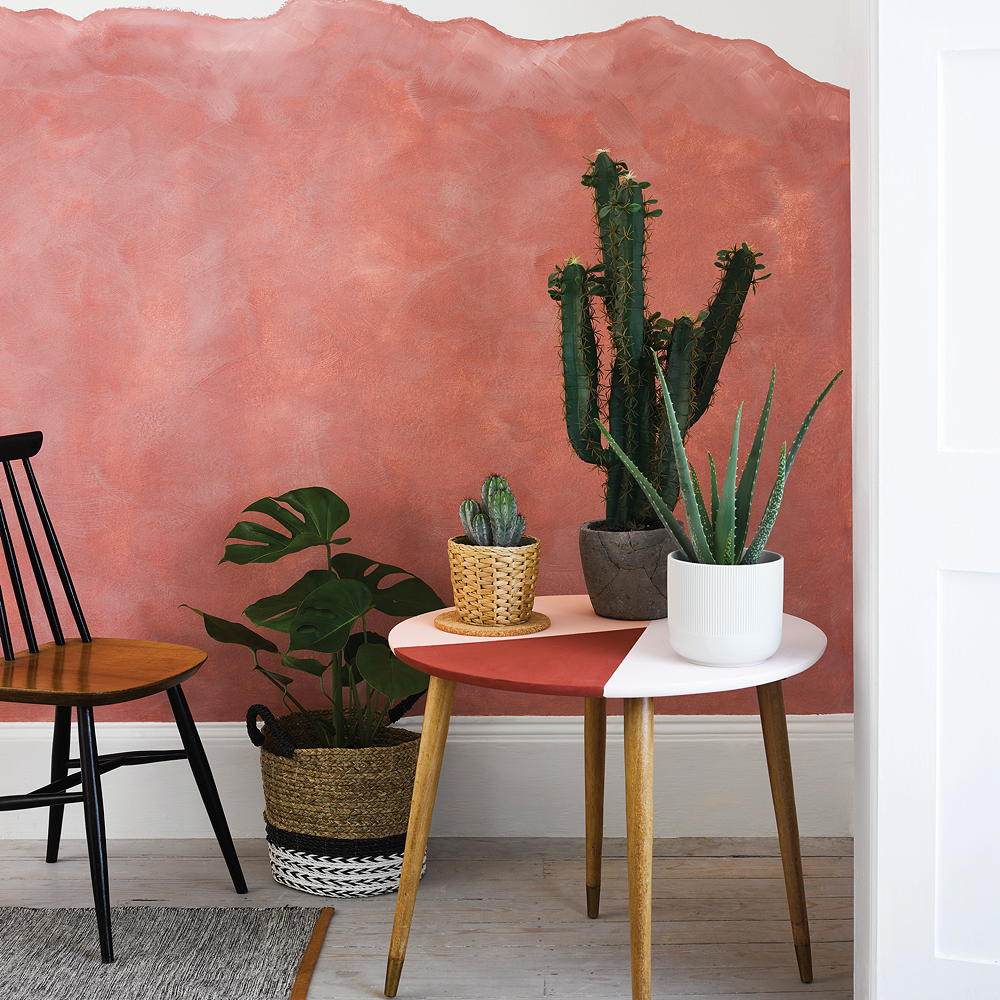
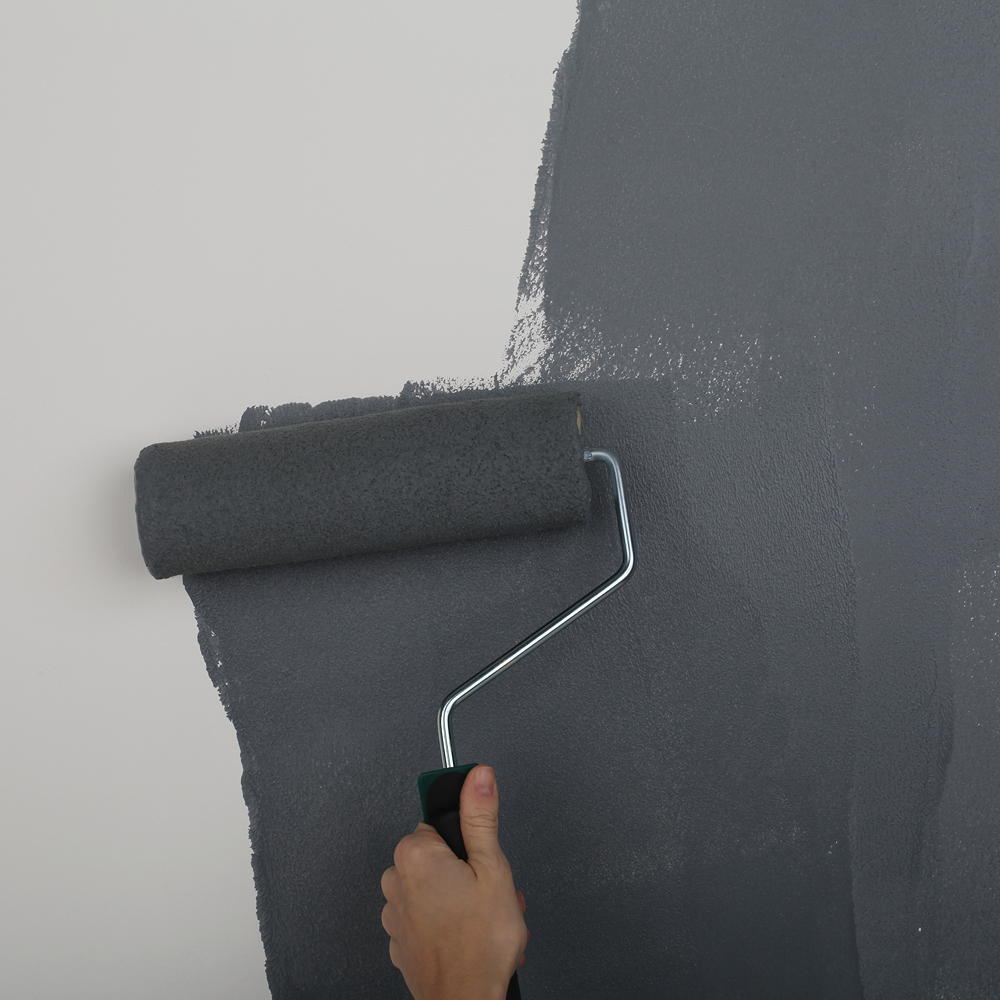
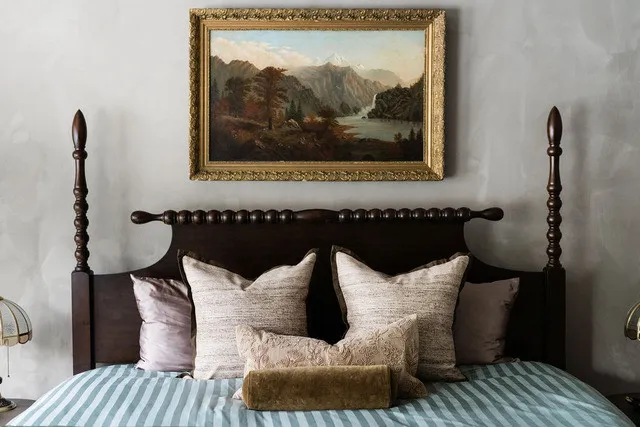
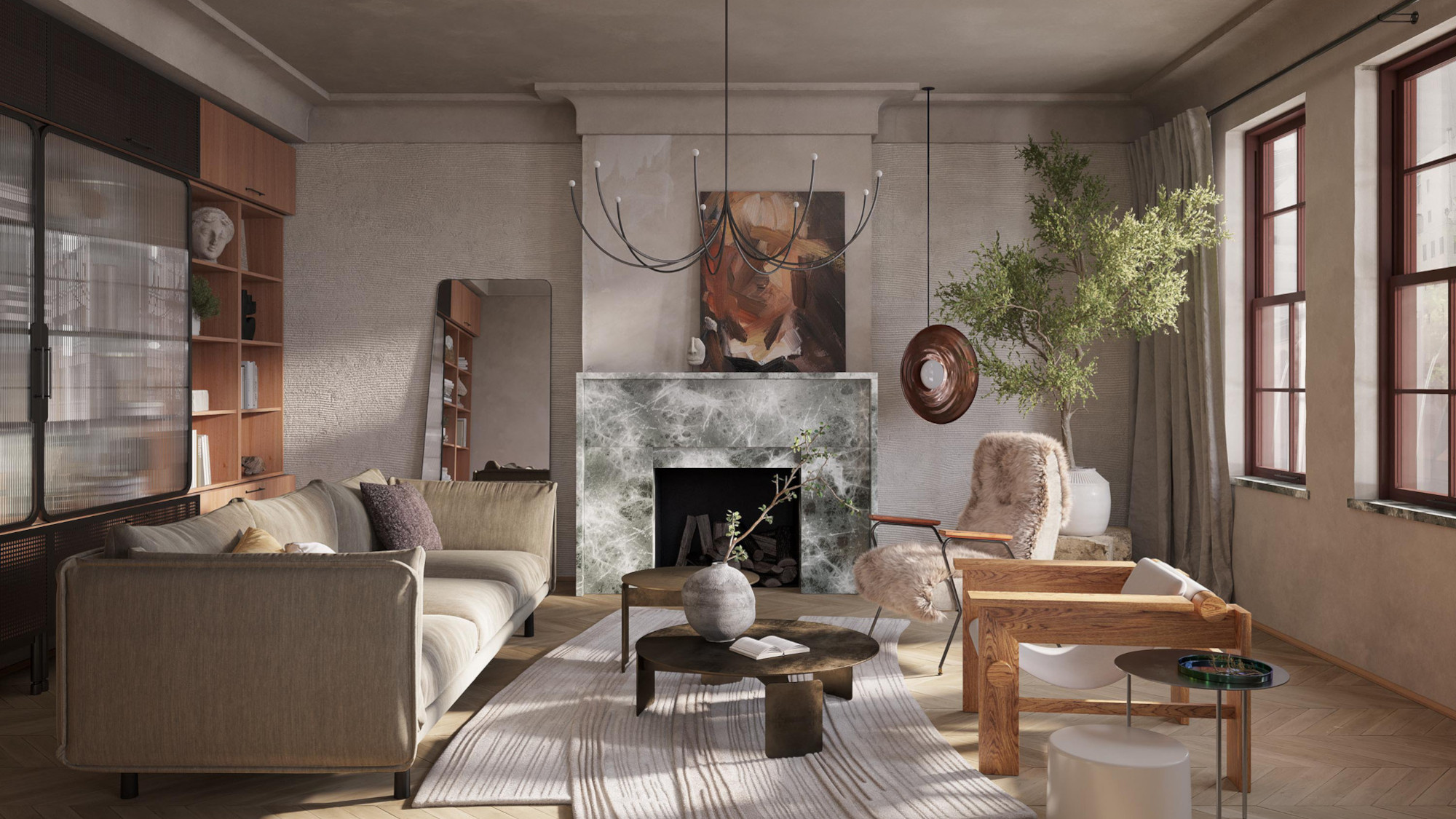
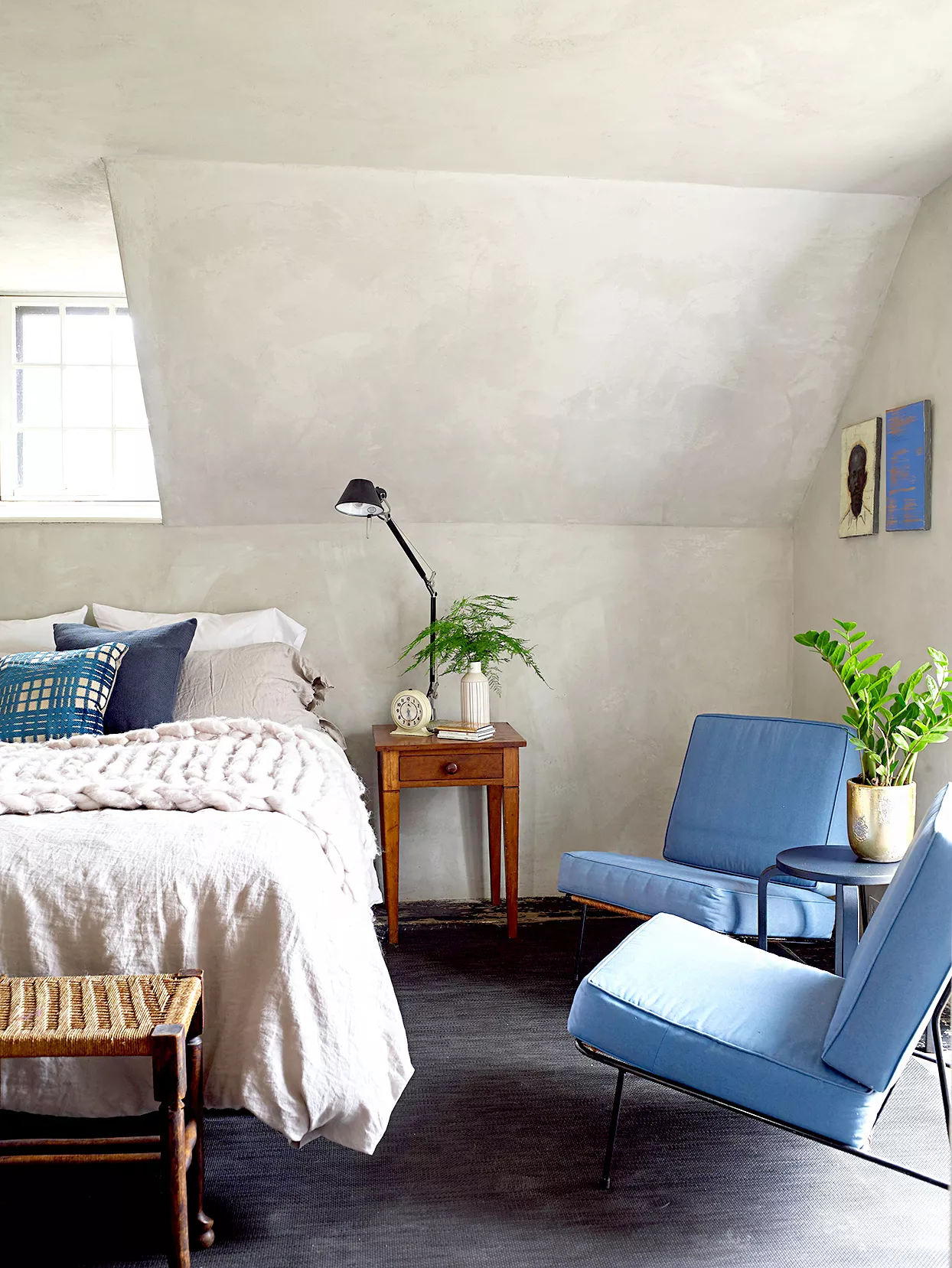
Limewash paint, a blend of aged salt, mineral pigments, water, and hydrated lime, has re-emerged as a popular choice among home designers and DIY enthusiasts for its unique aesthetic and versatile applications. Historically used to create an aged, distressed look on brick, limewash has evolved to be combined with traditional paints, offering a wide array of colorful, texturized wall options. The finish provides a soft, suede-like appearance that differentiates it from the sponge-painted textures of the early 2000s, while being relatively simple to achieve and budget-friendly.
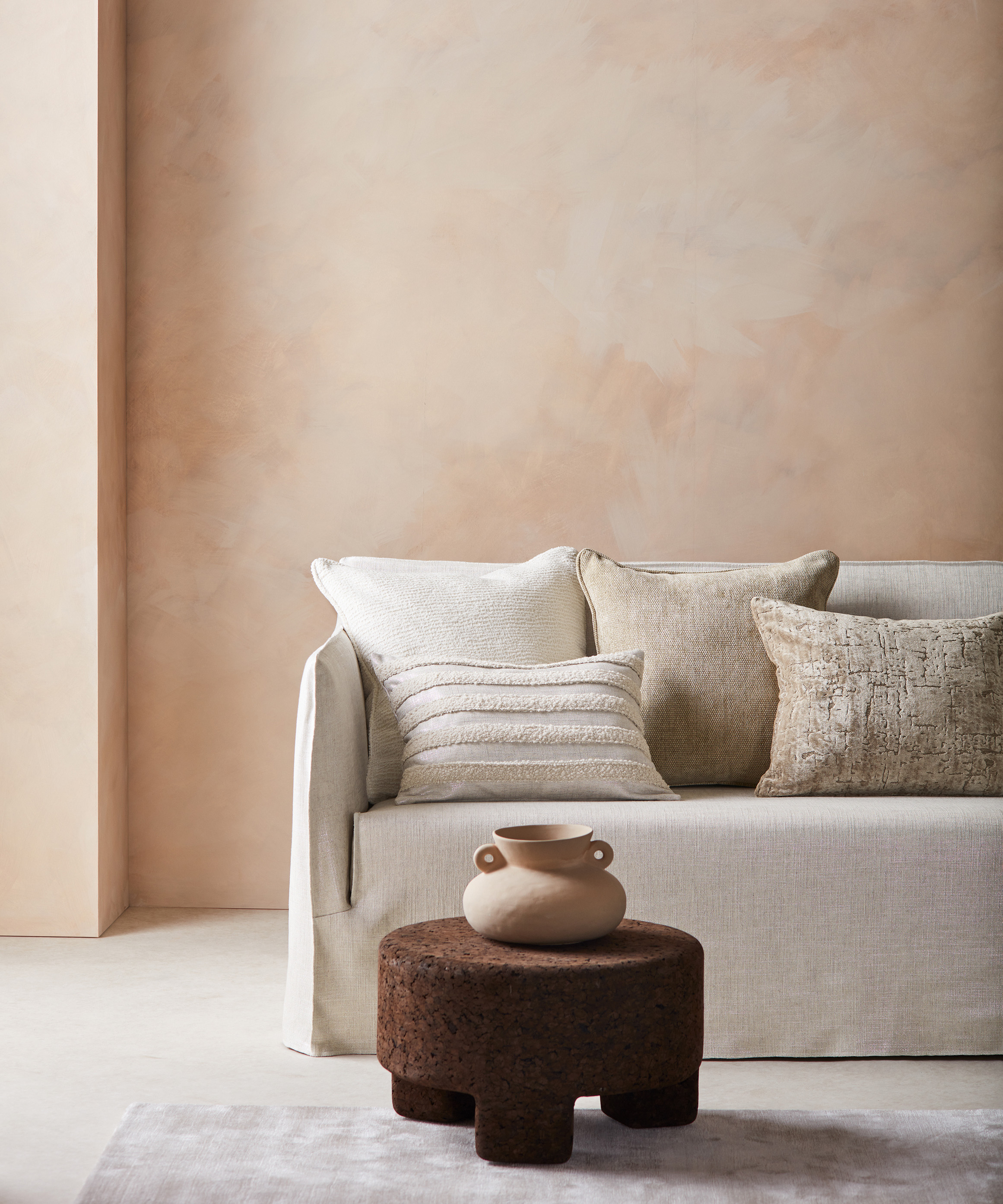
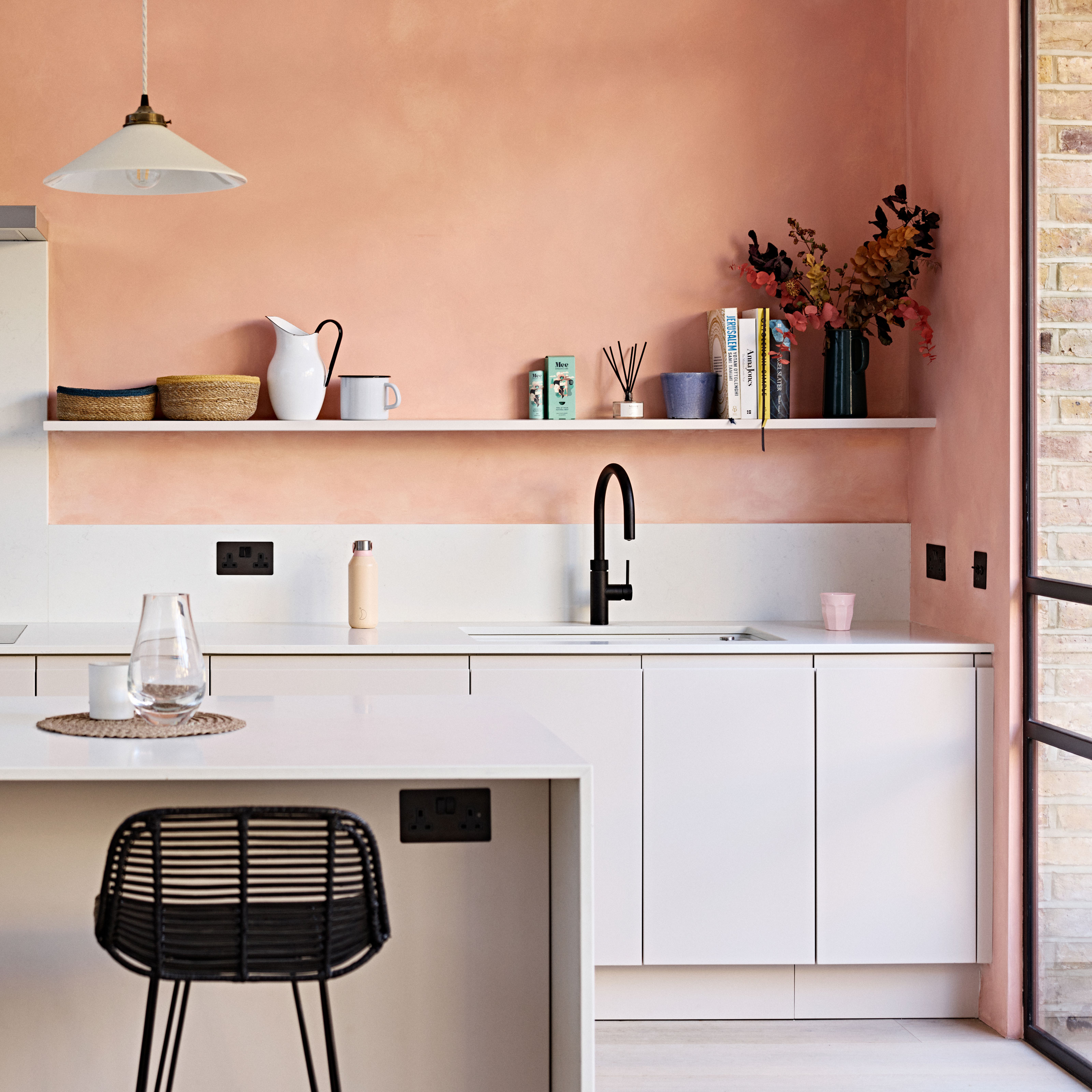
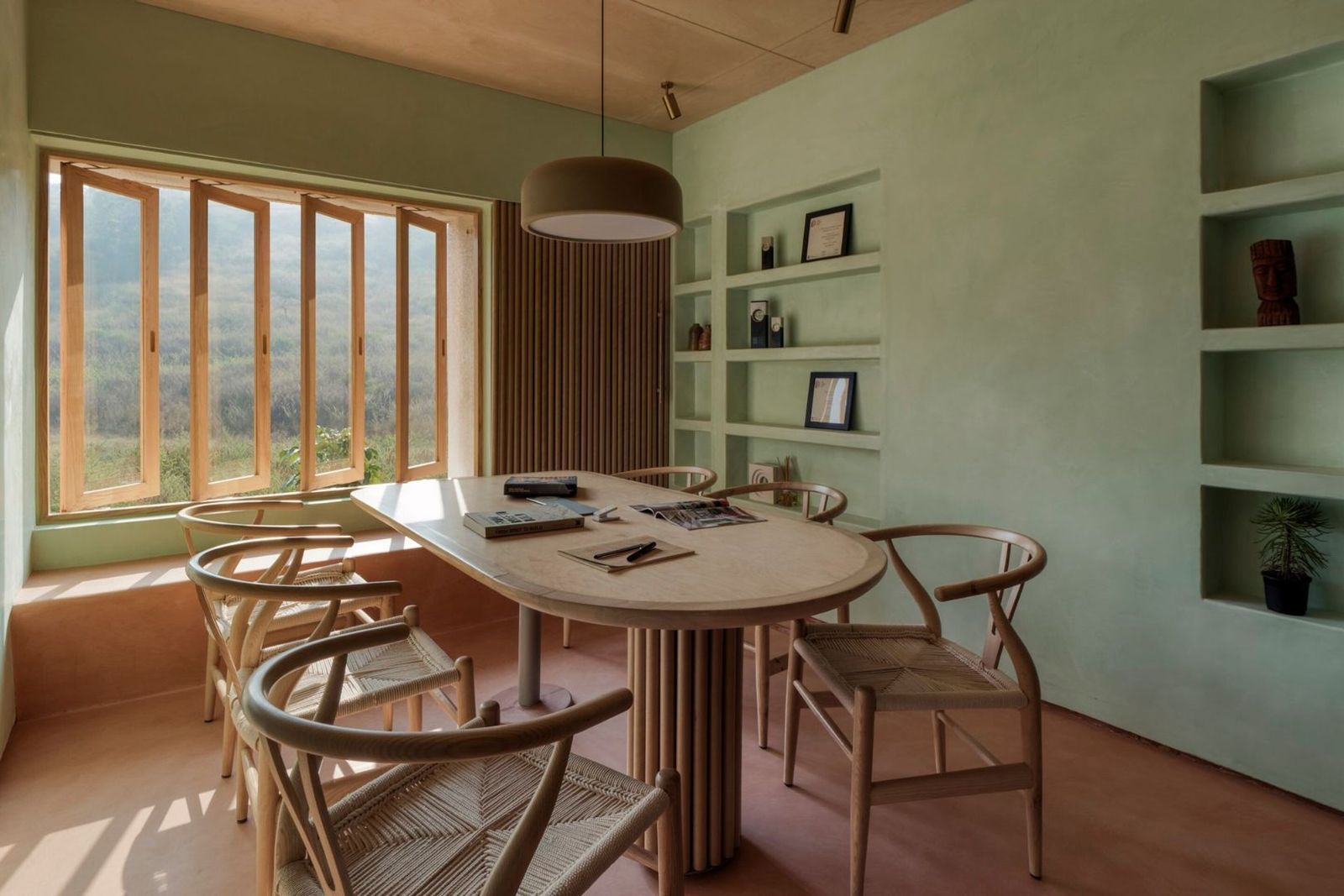
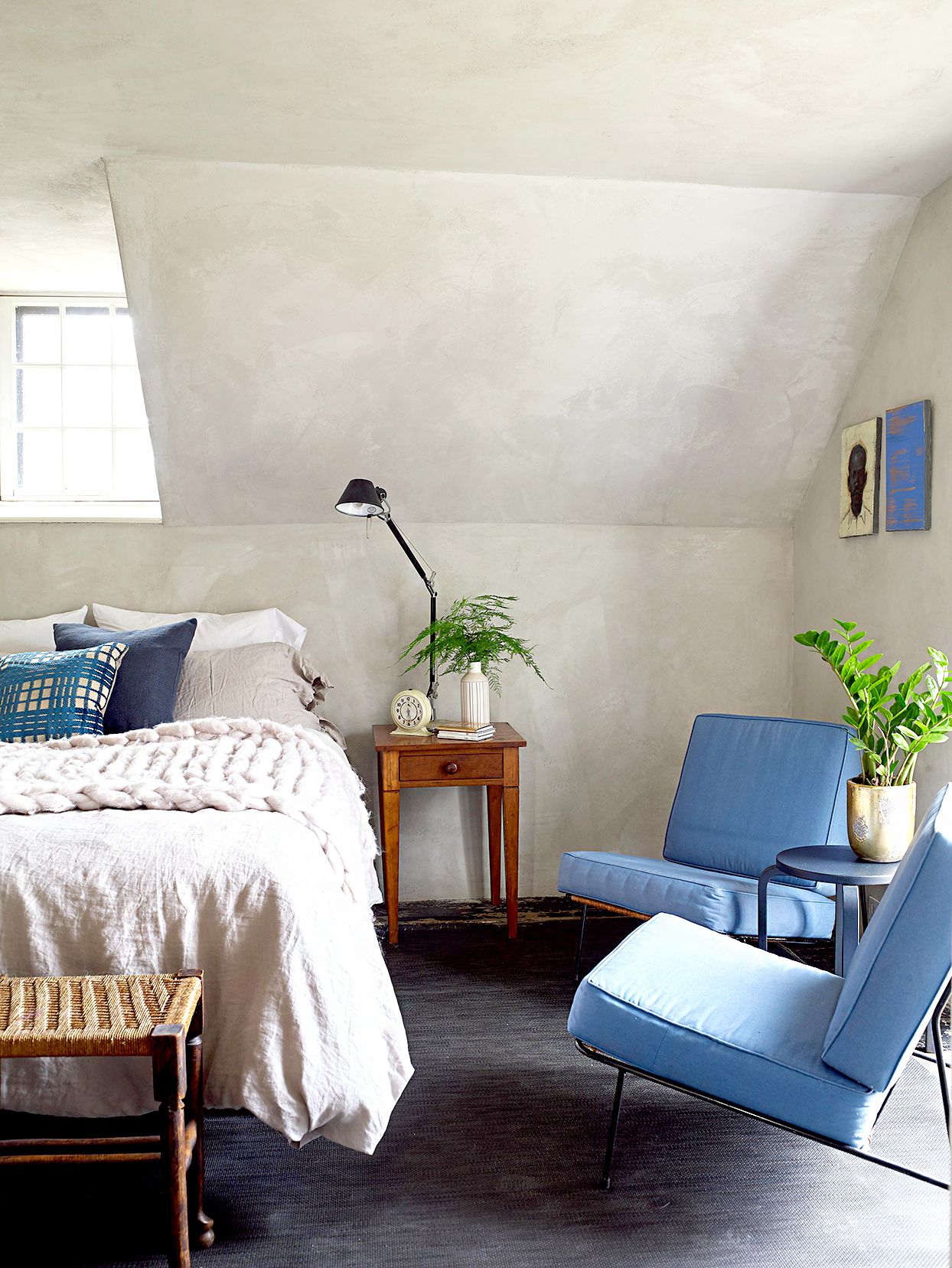
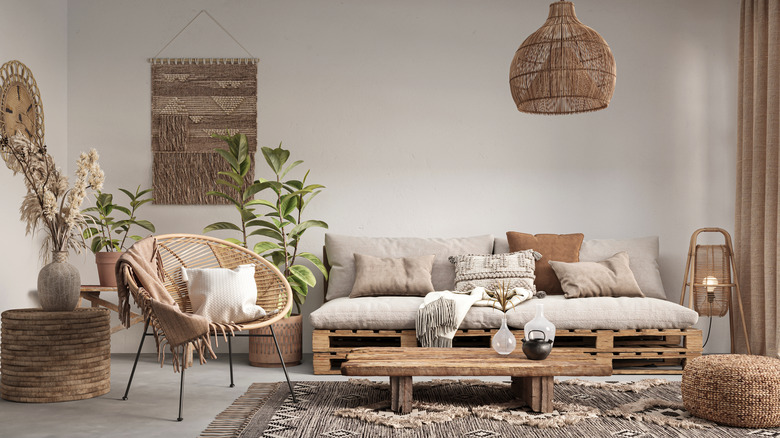
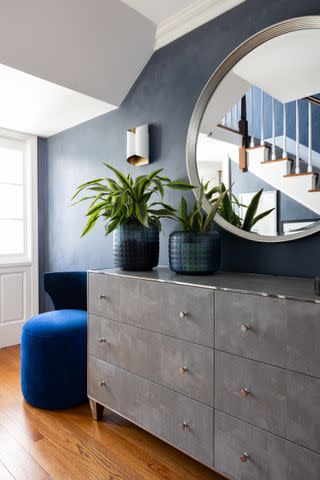
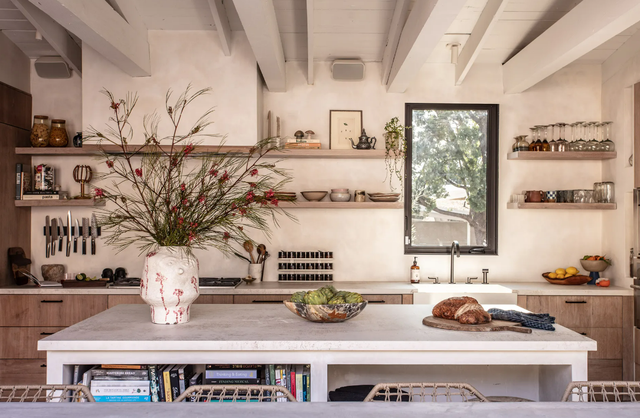
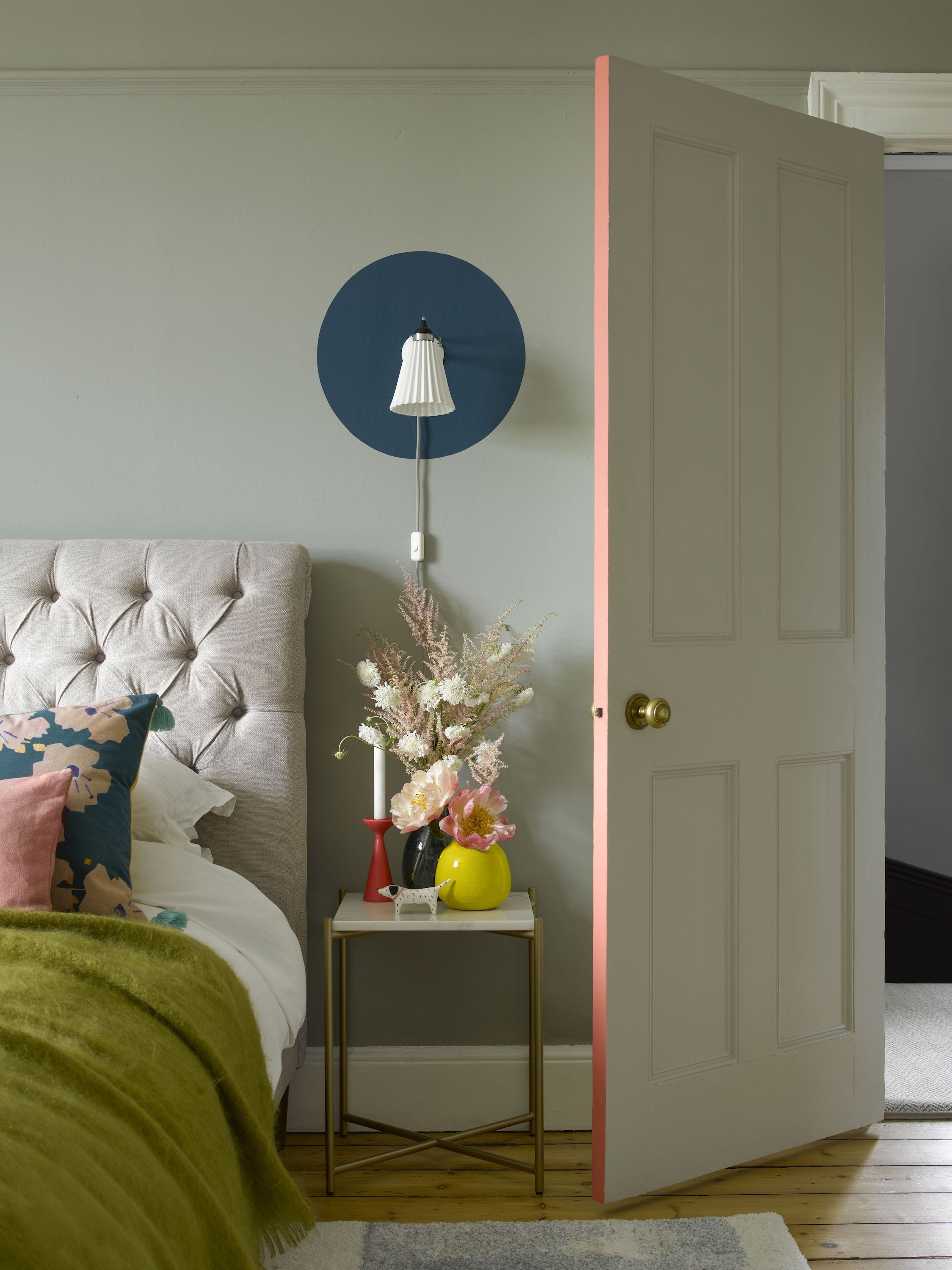
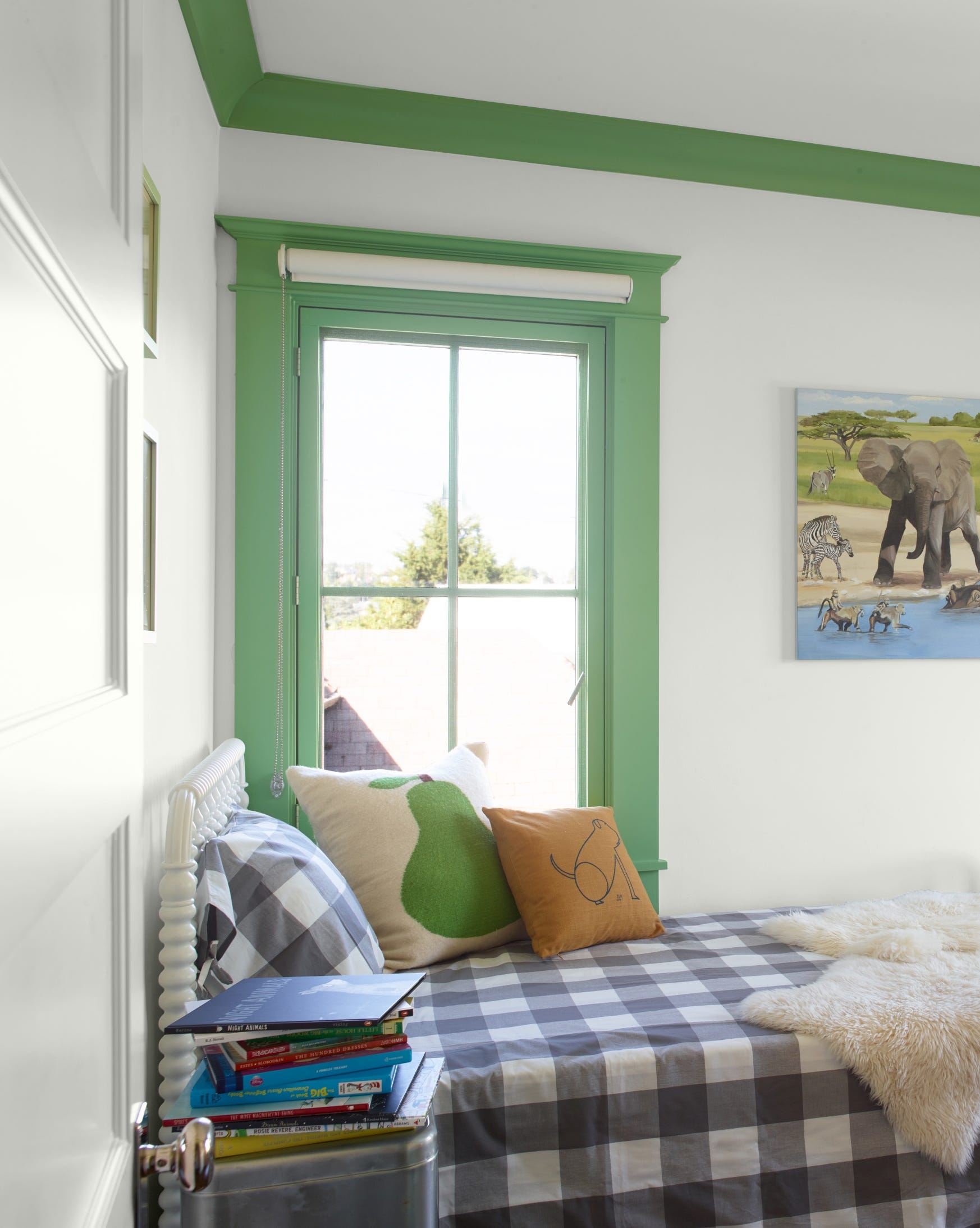
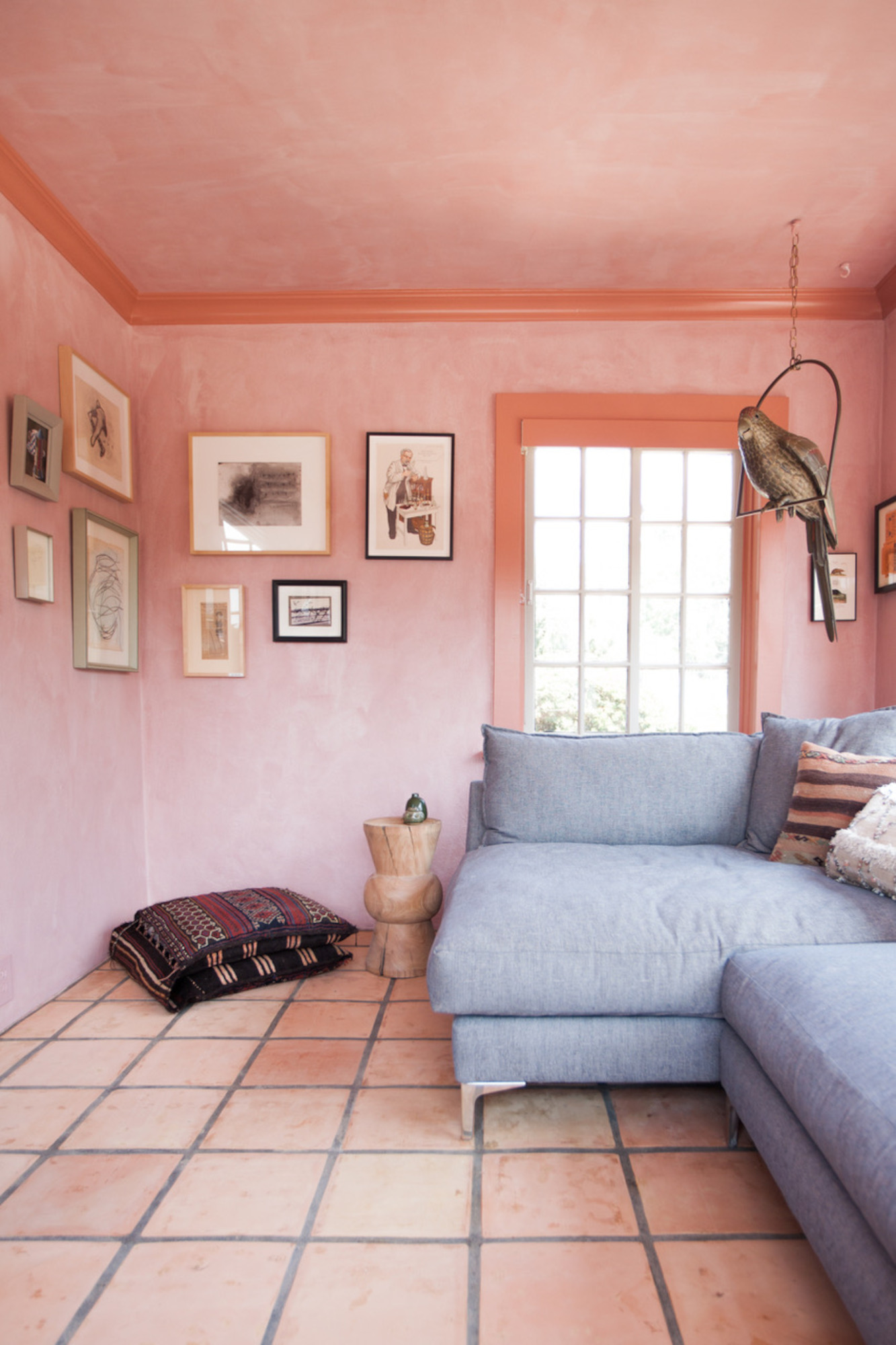
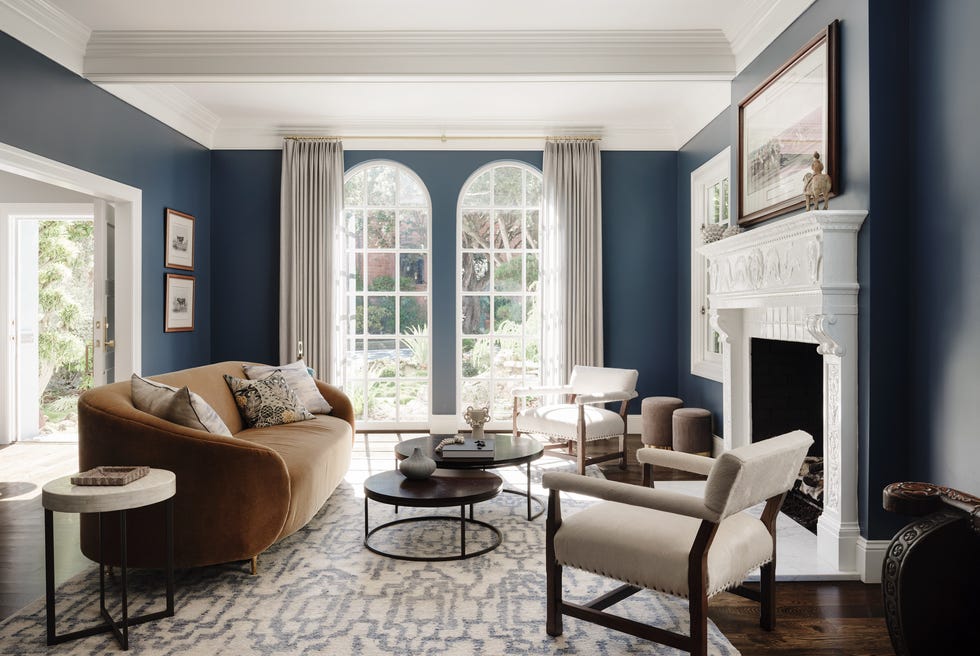
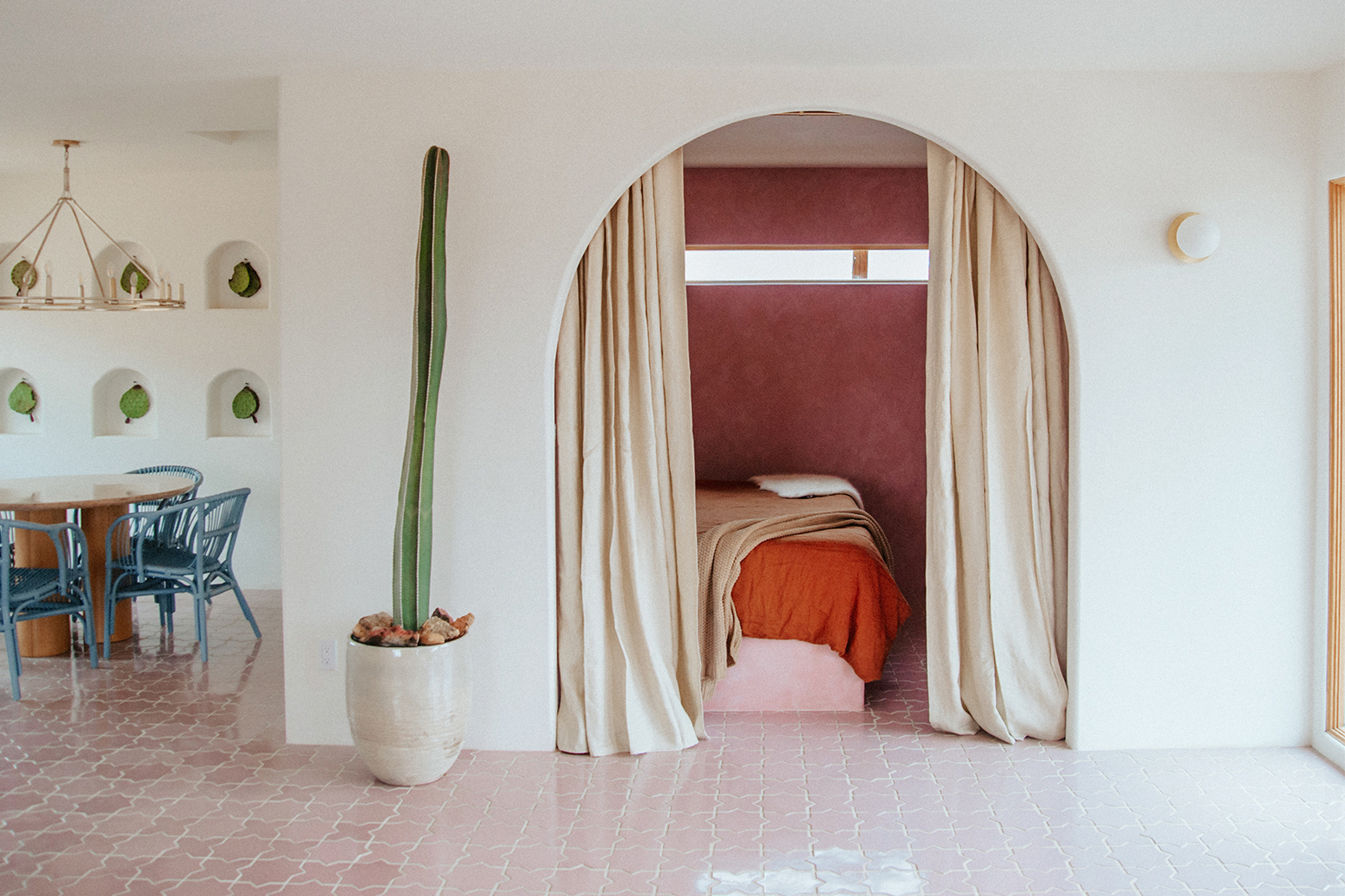
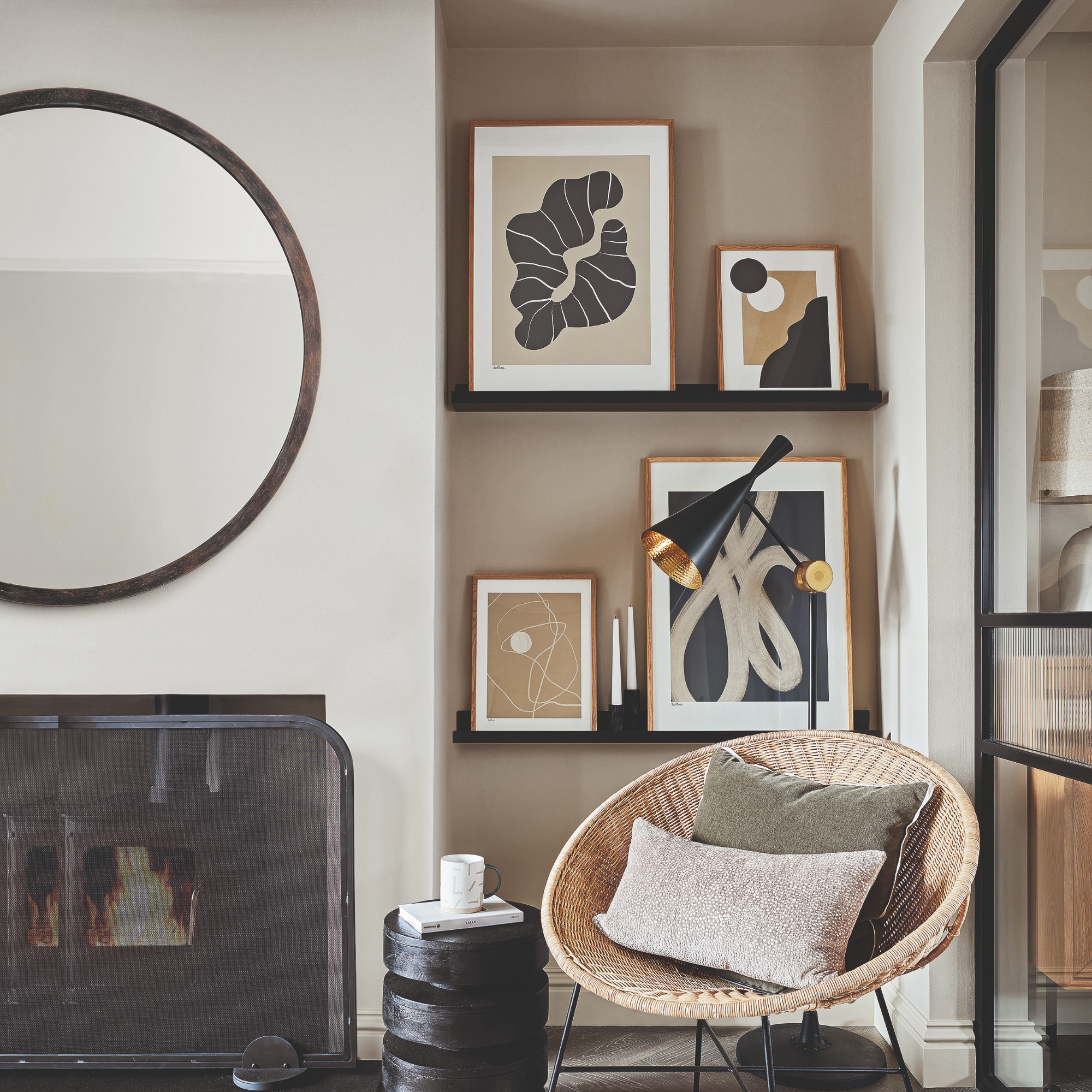
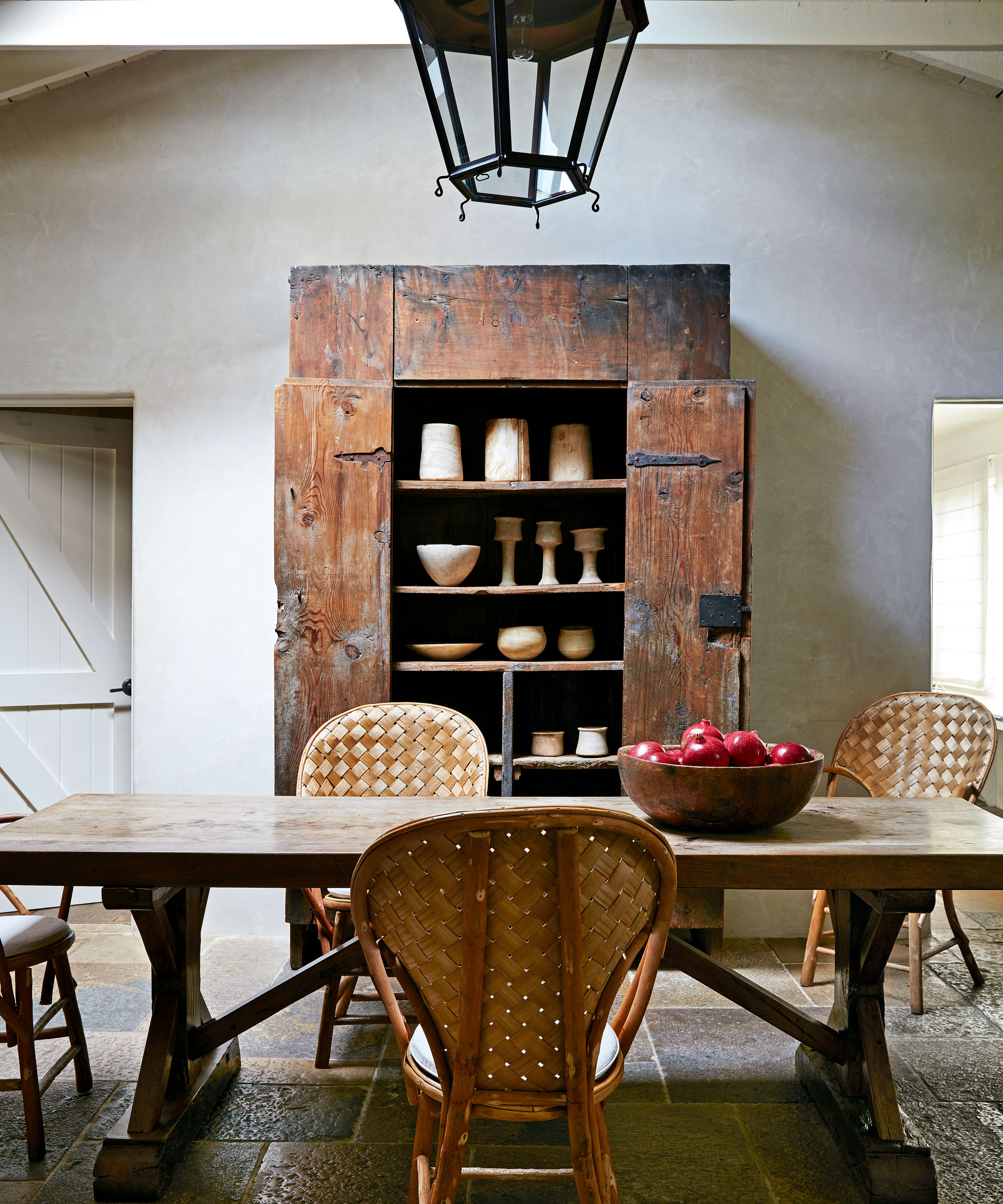
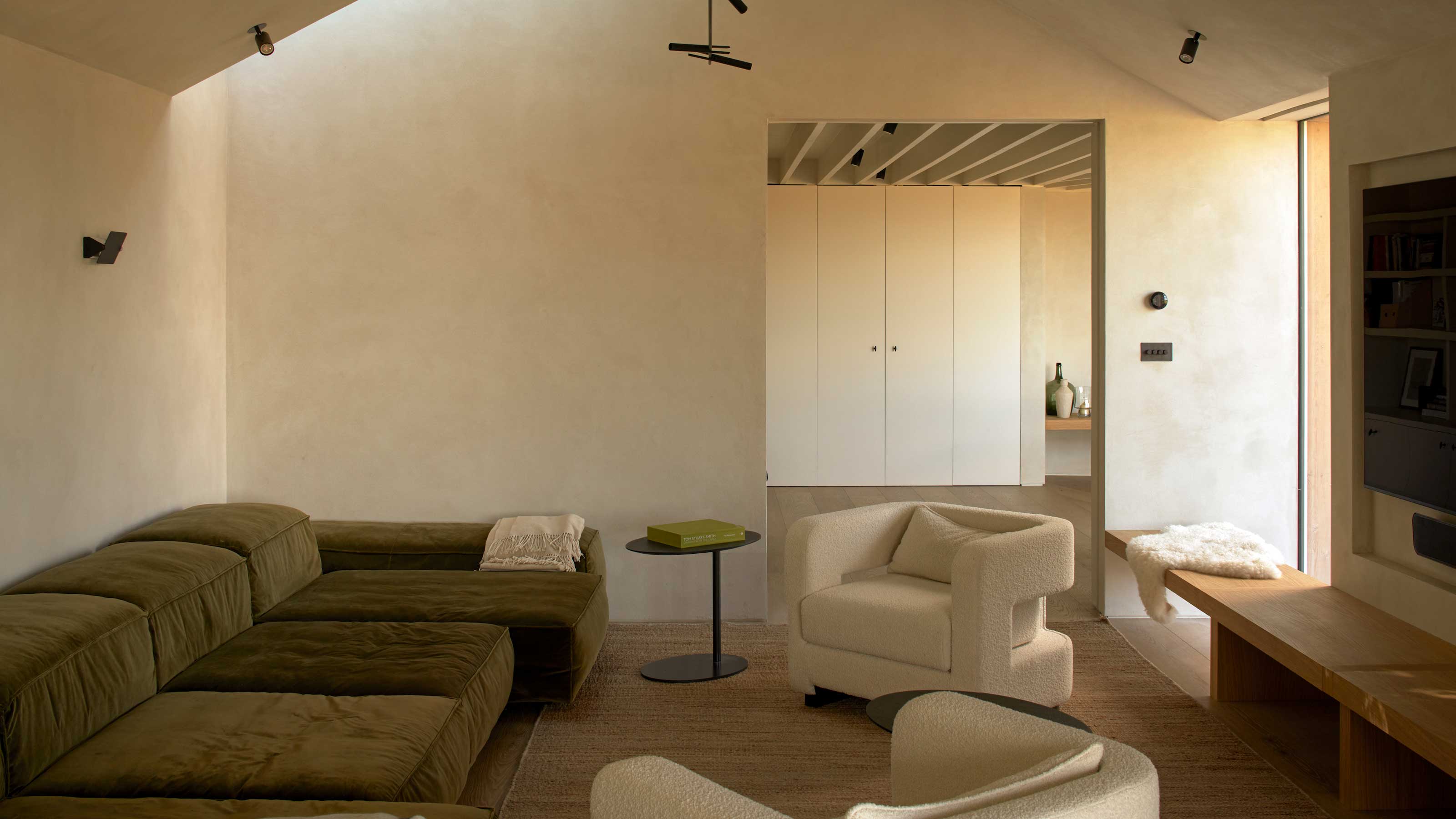
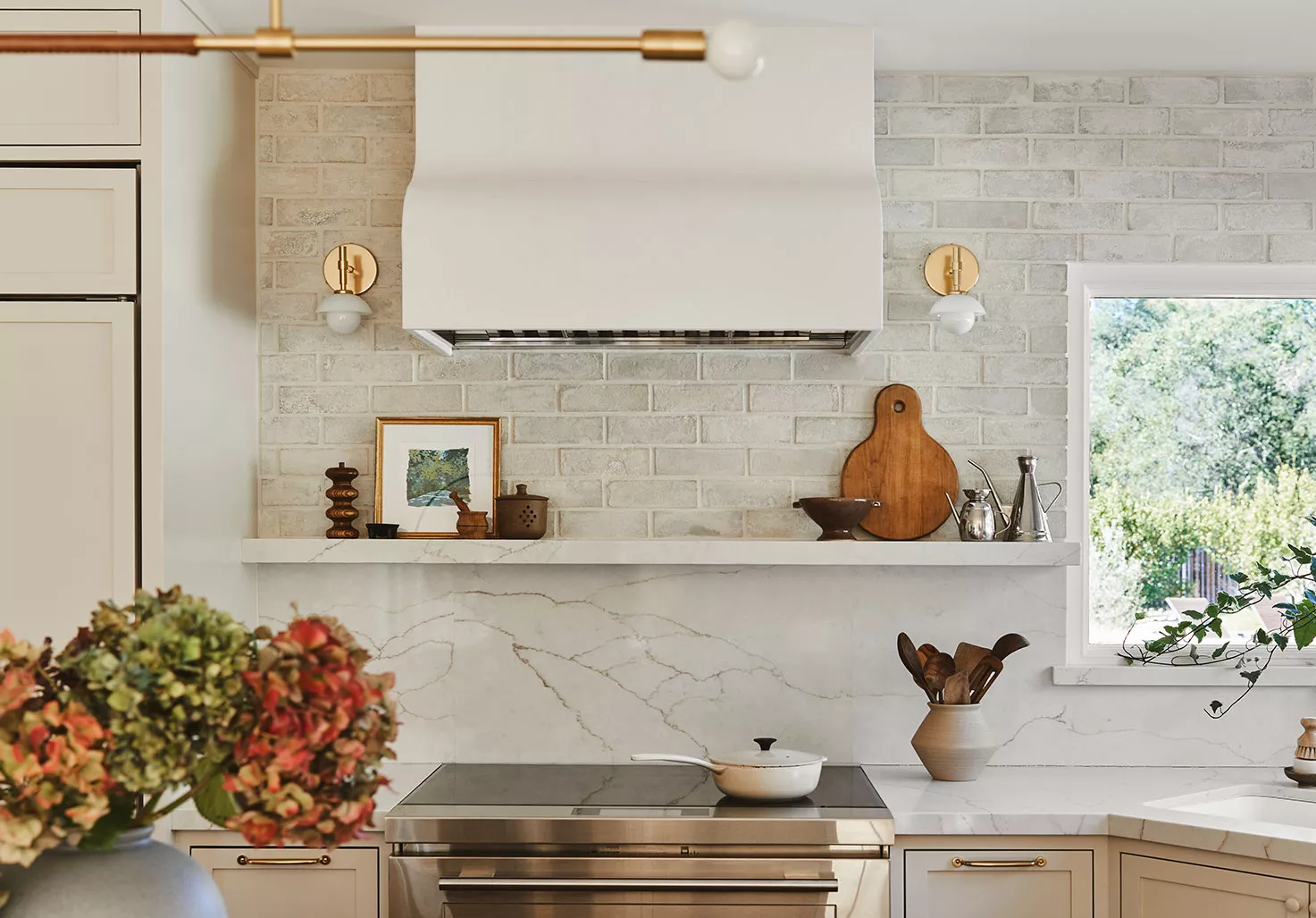
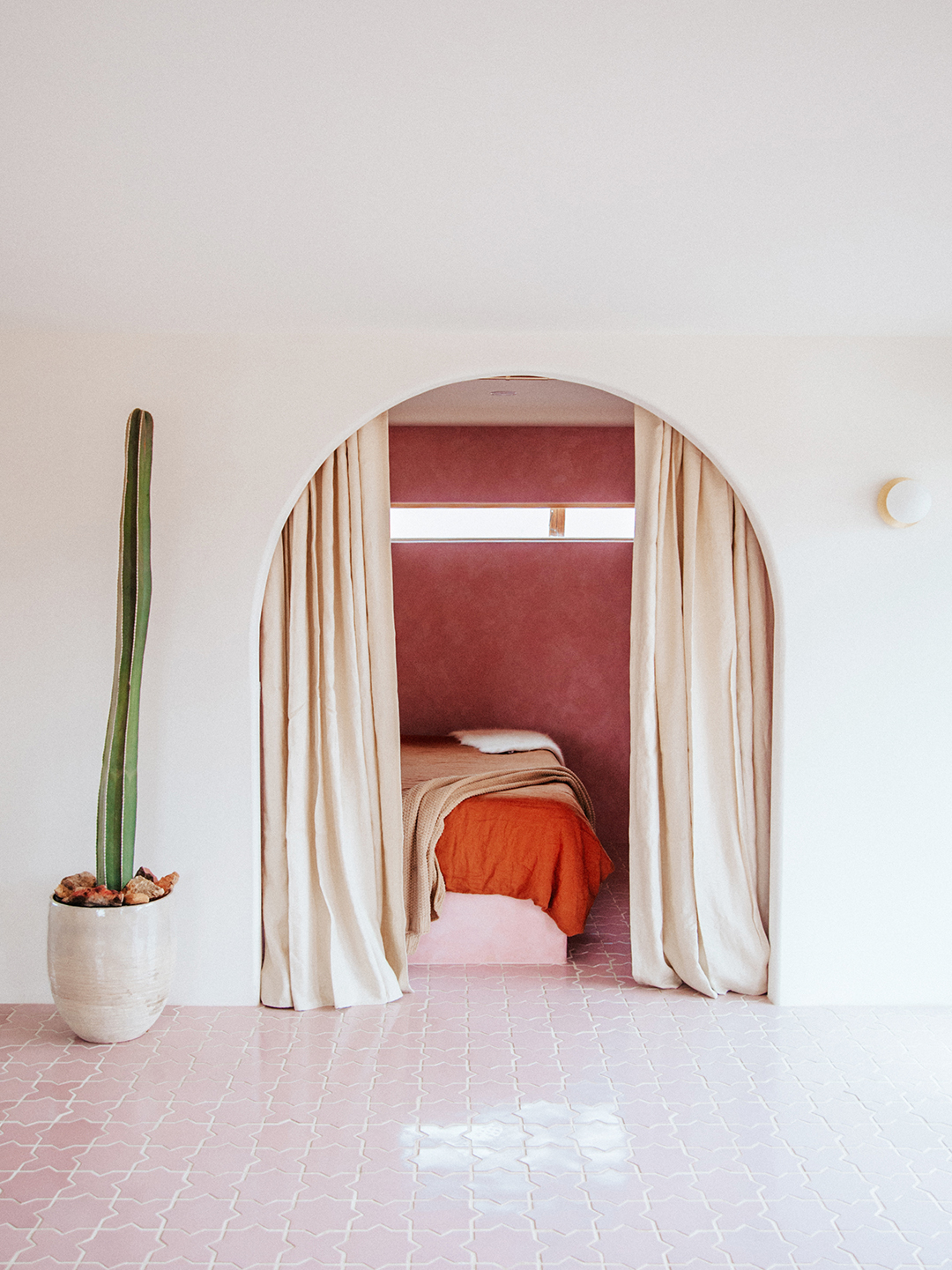
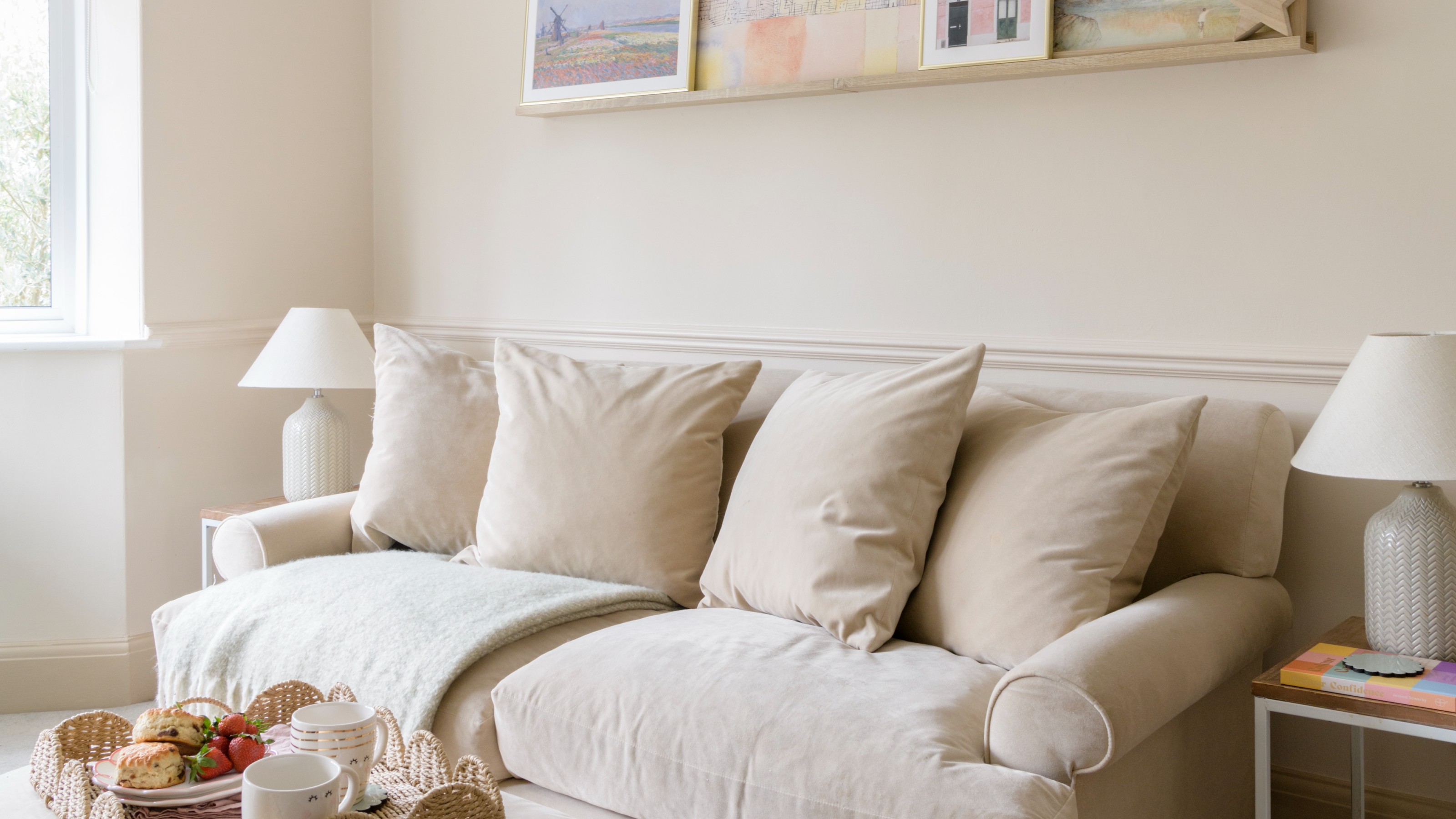
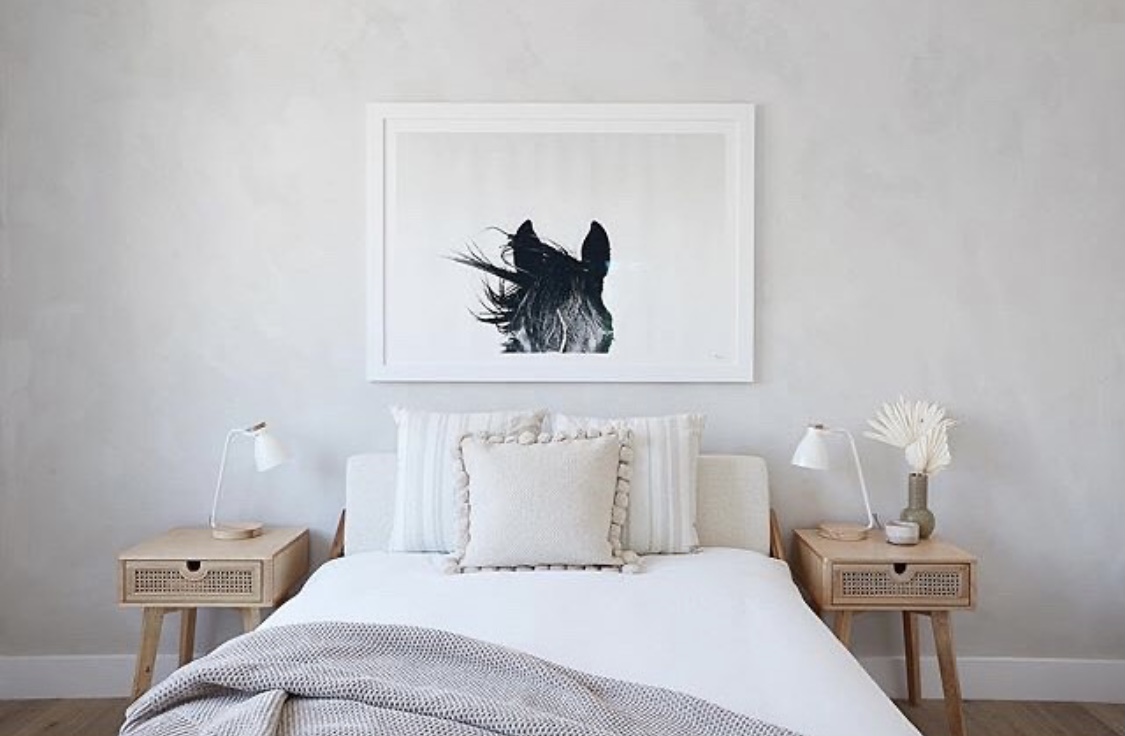
One innovative application is "color drenching" with limewash paint. This modern interior design trend involves painting an entire room, including walls and architectural details like windowsills, in a single, uniform hue. The objective is to create a comforting and all-encompassing atmosphere without relying on accent walls or contrasting trim. When applied with limewash, this technique not only achieves a cozy effect but also introduces an element of whimsical texture. For color drenching, lighter or neutral limewash colors are recommended to maintain an airy and open feel, as darker, textured paints can make a space appear smaller.
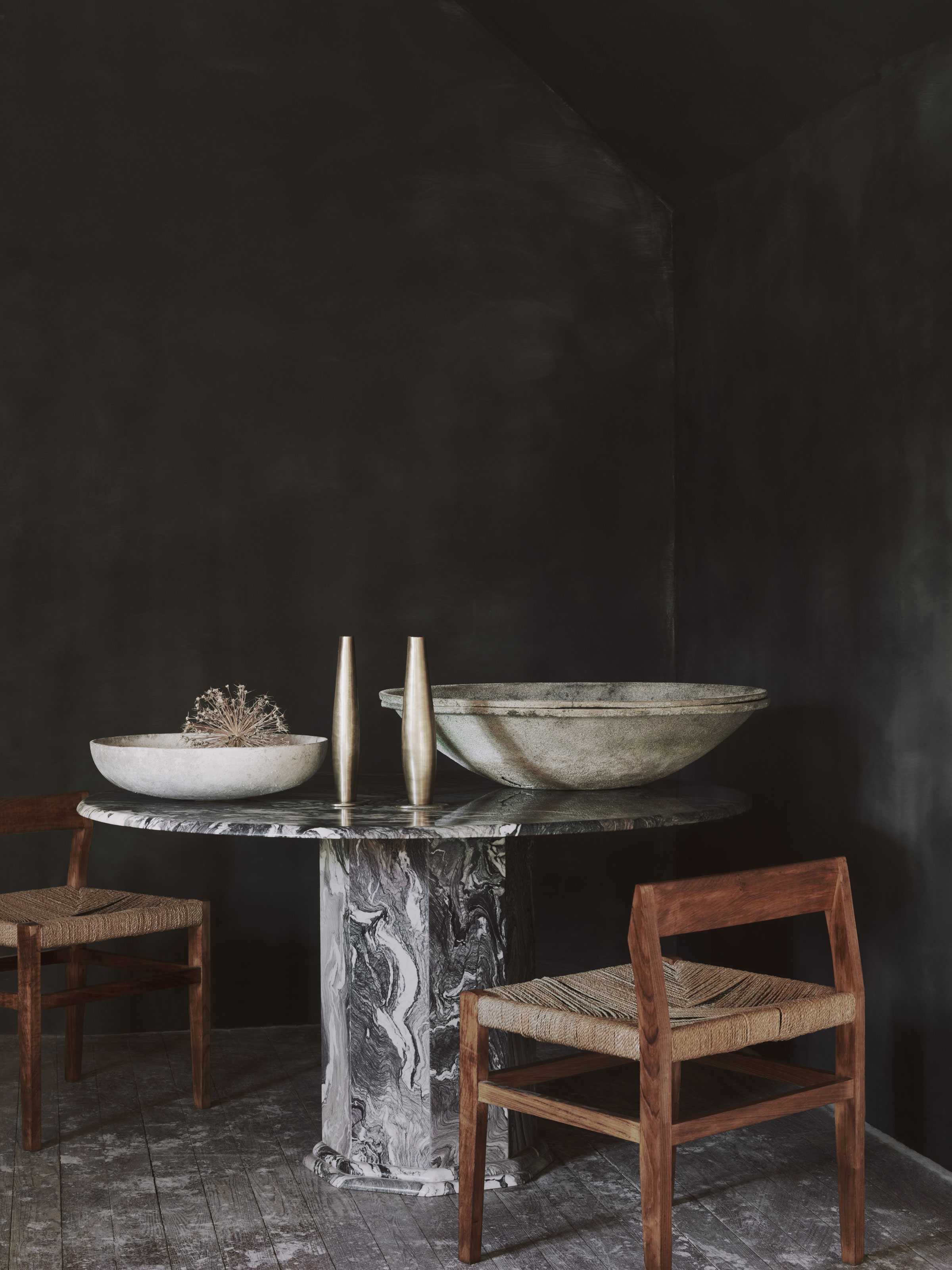
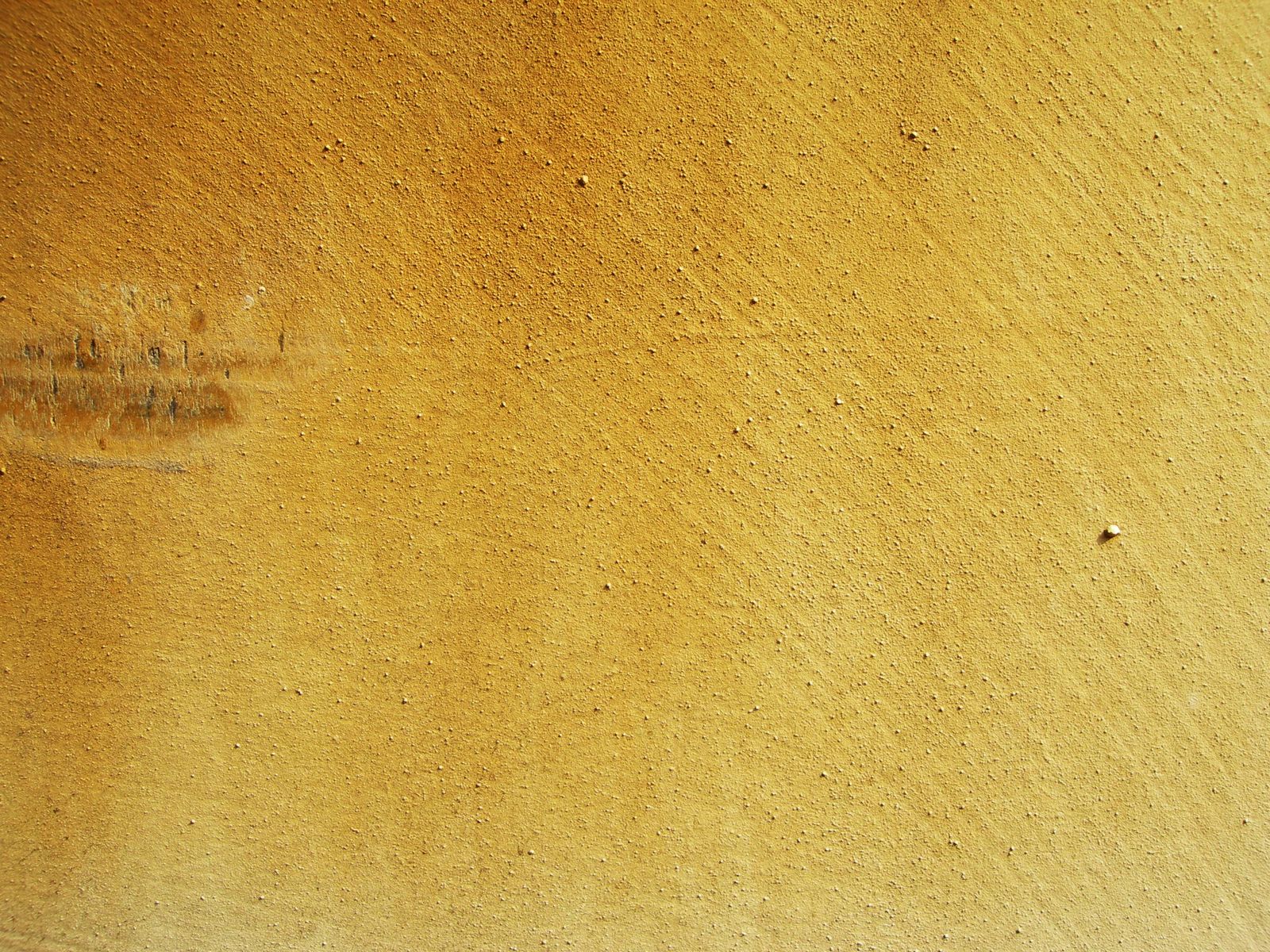
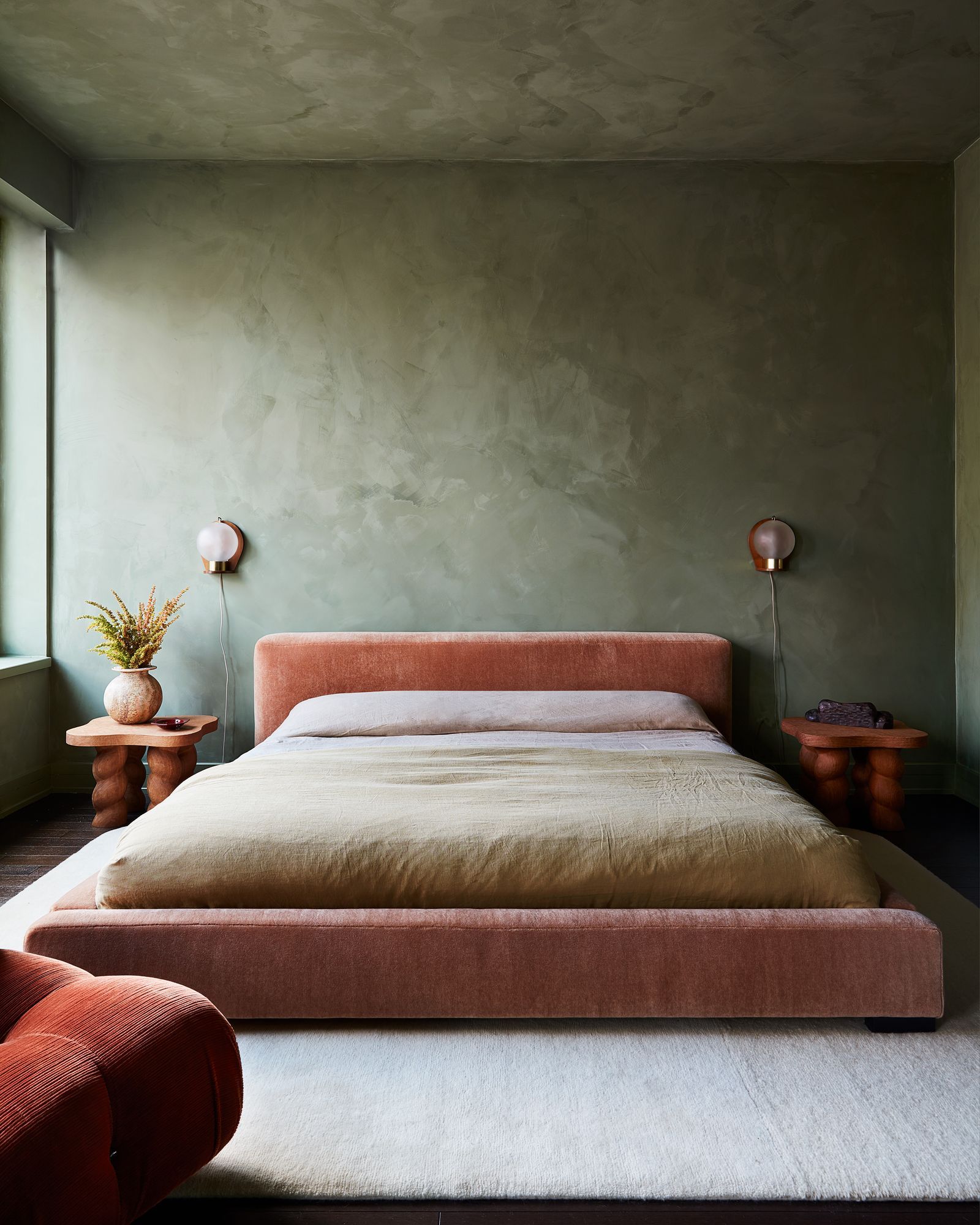
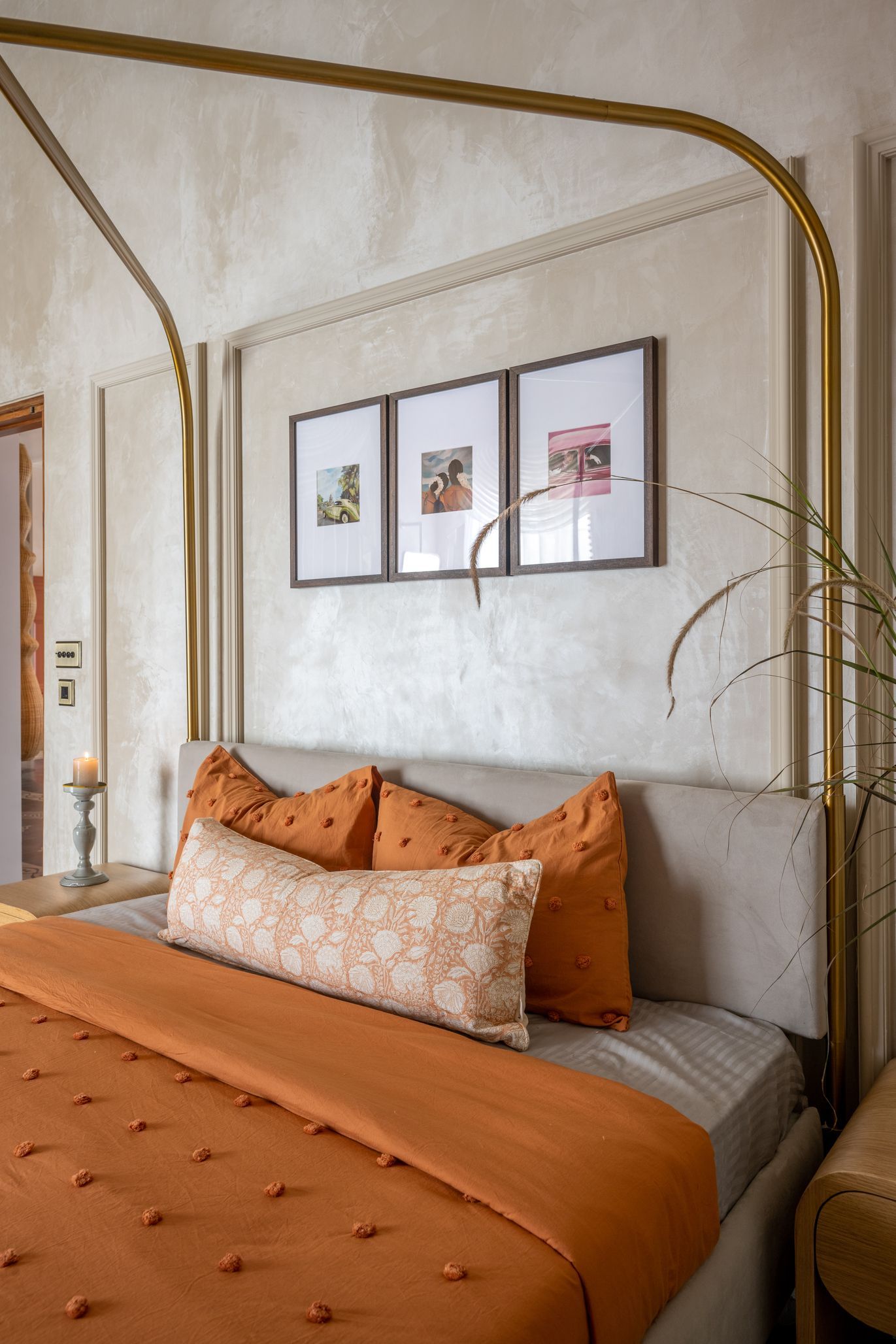
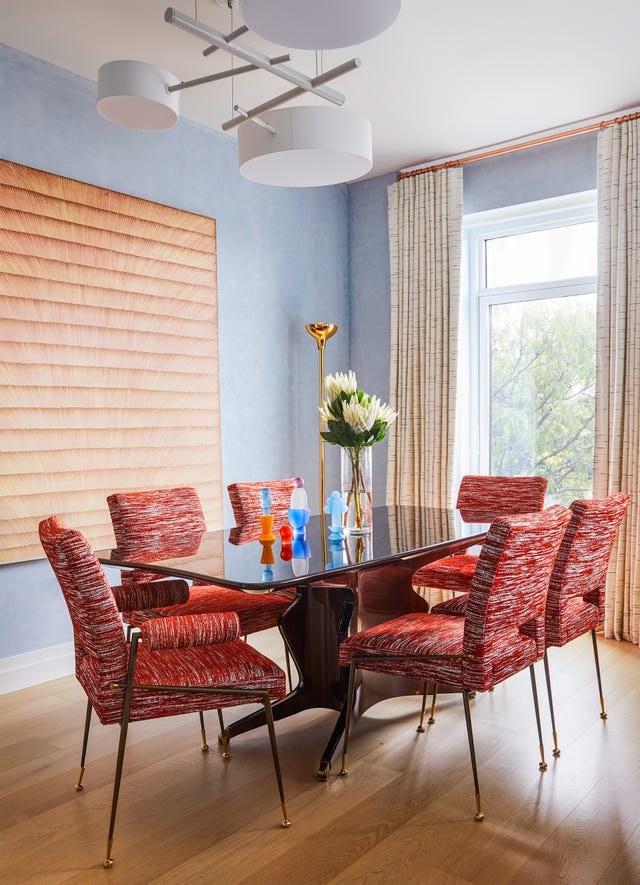
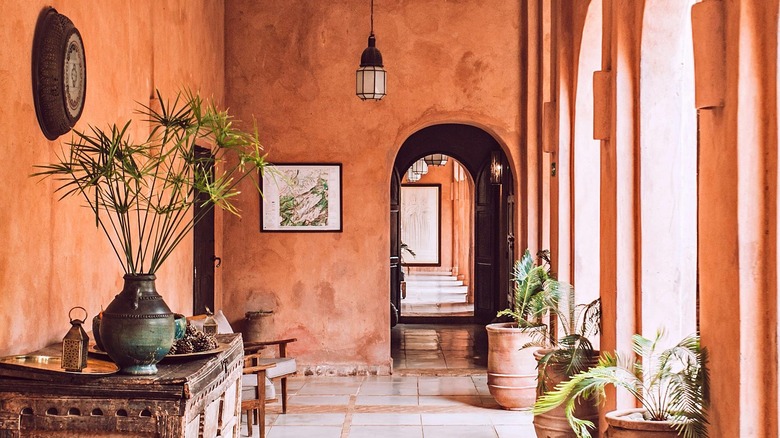
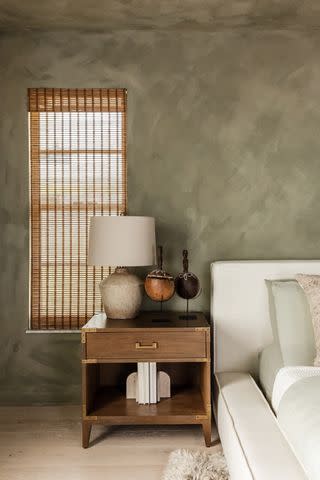
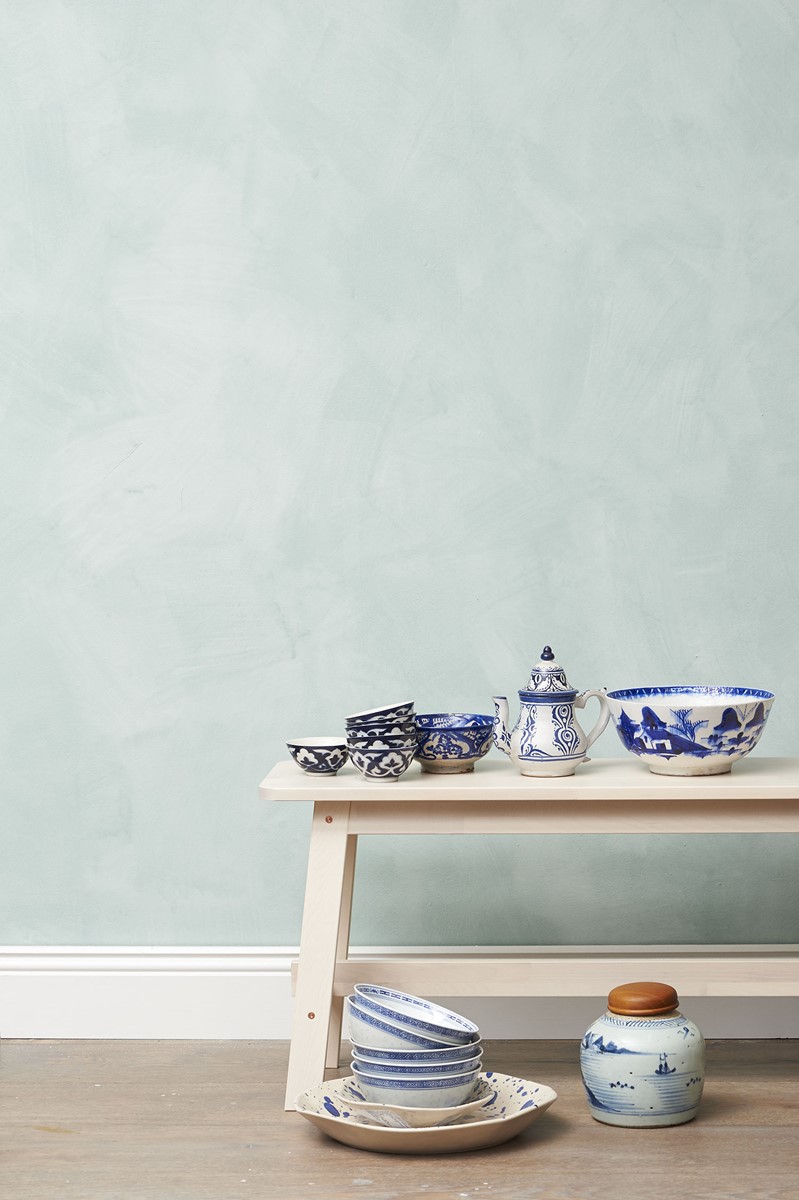
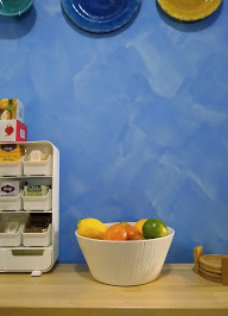
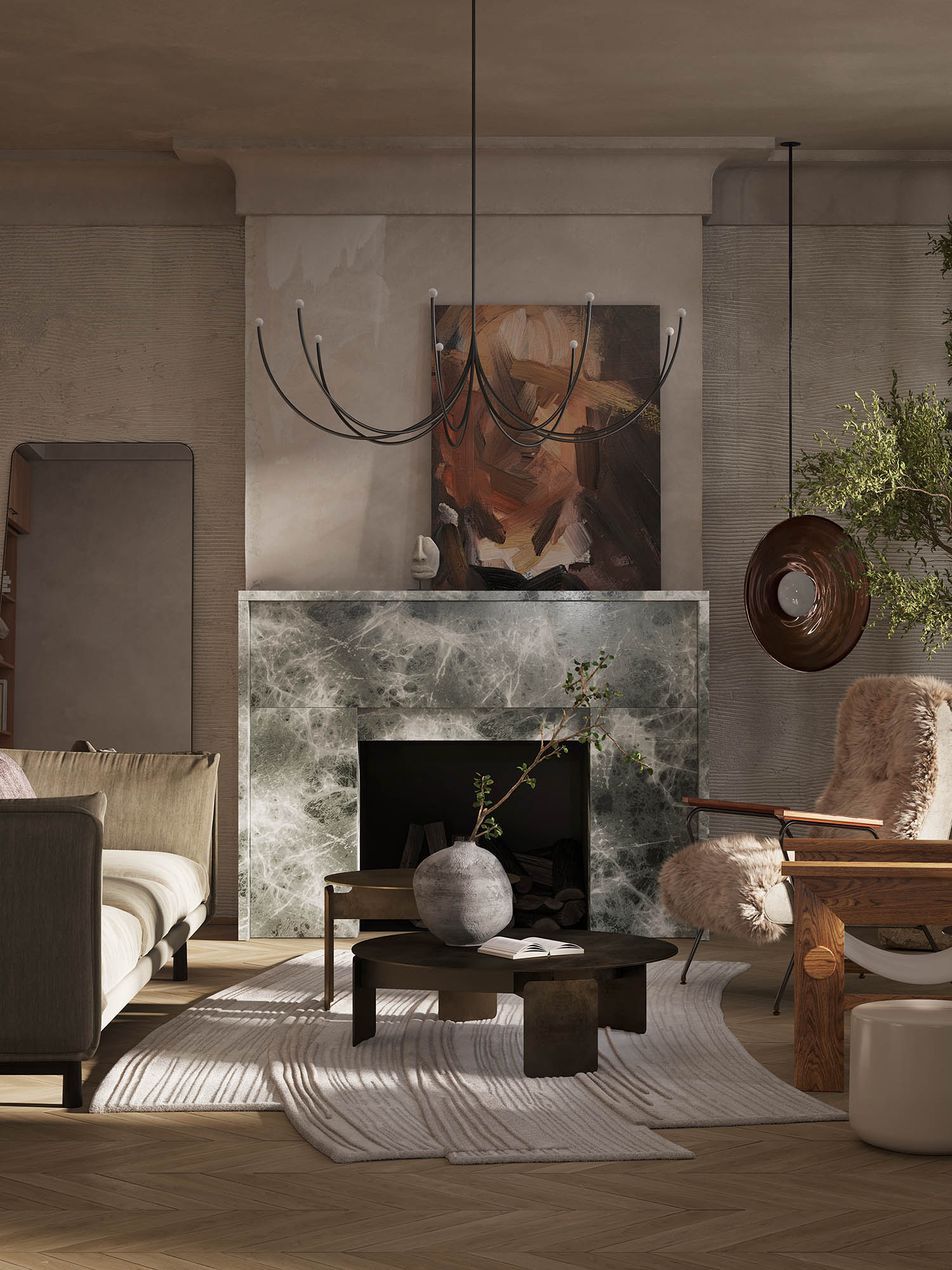
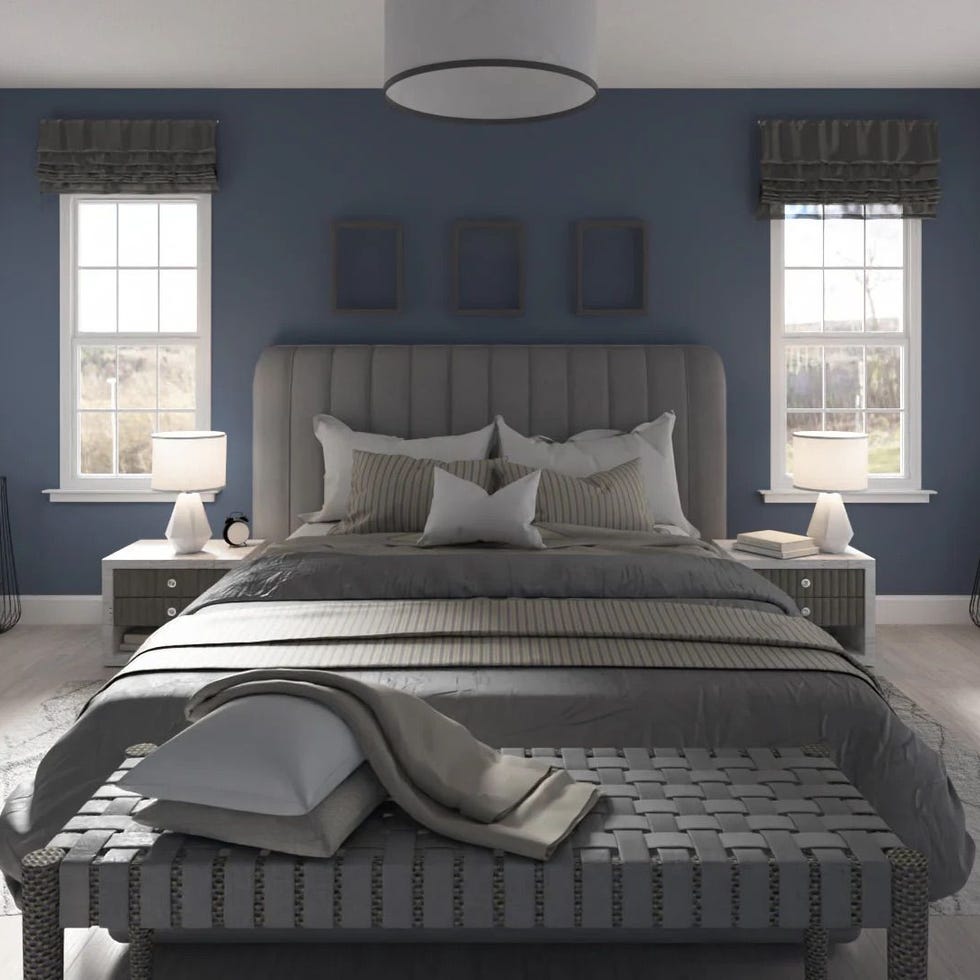
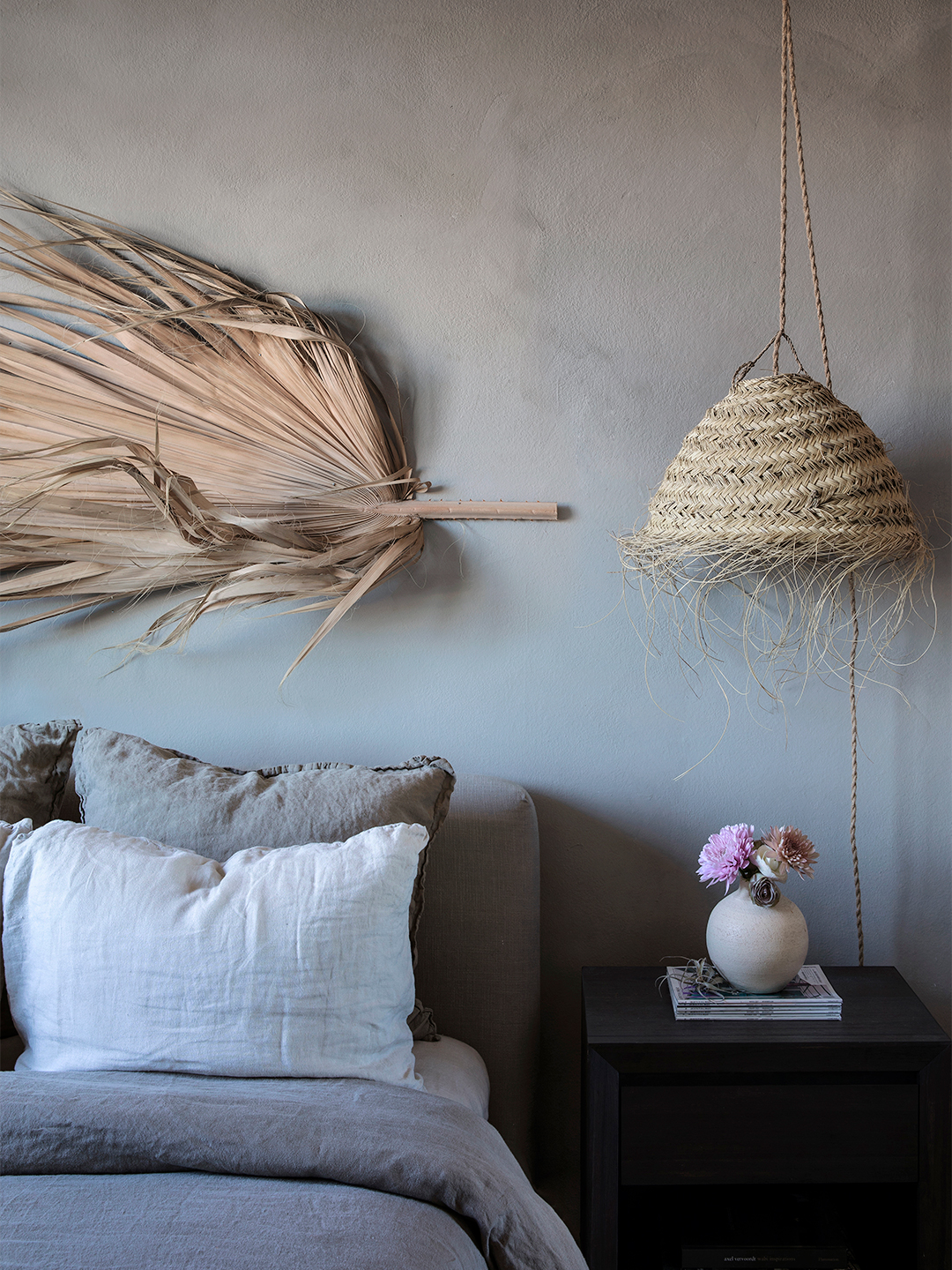
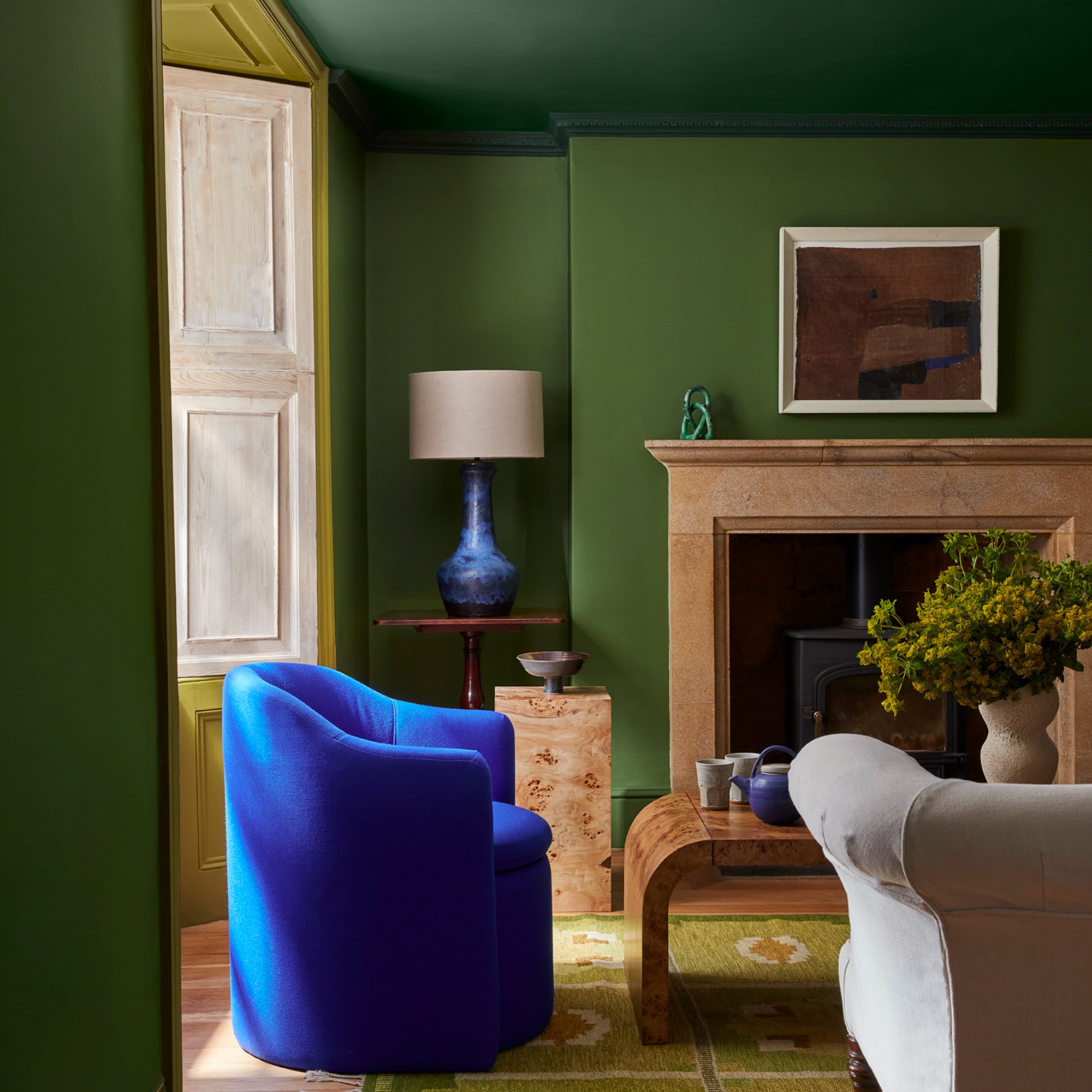
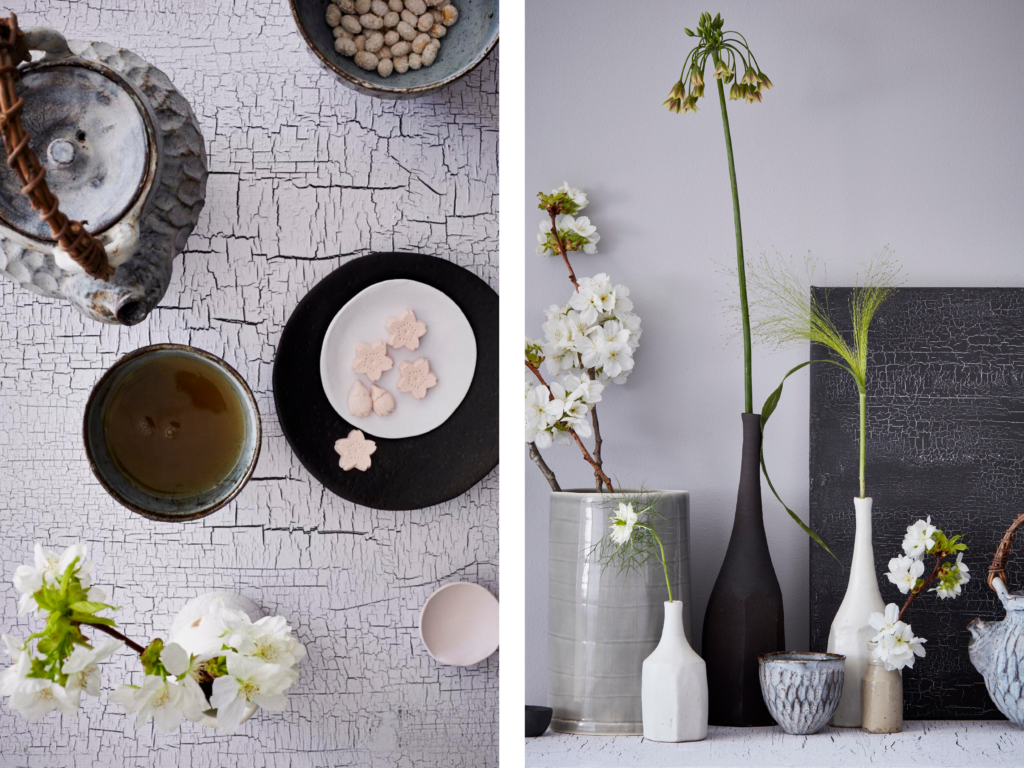
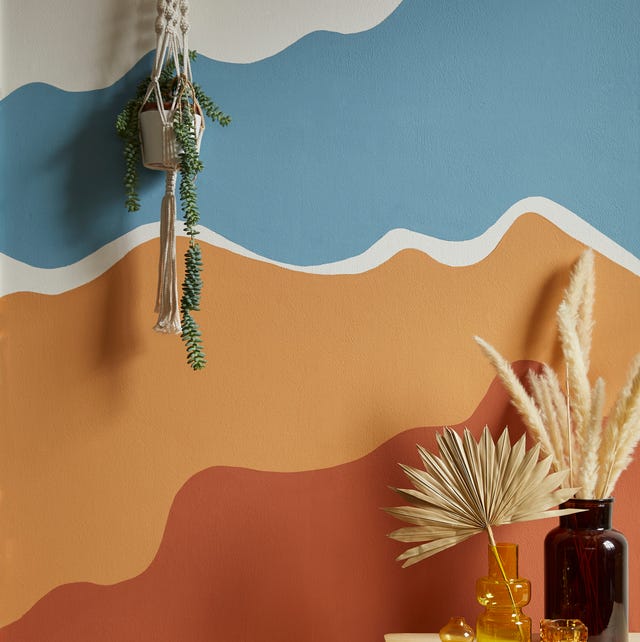
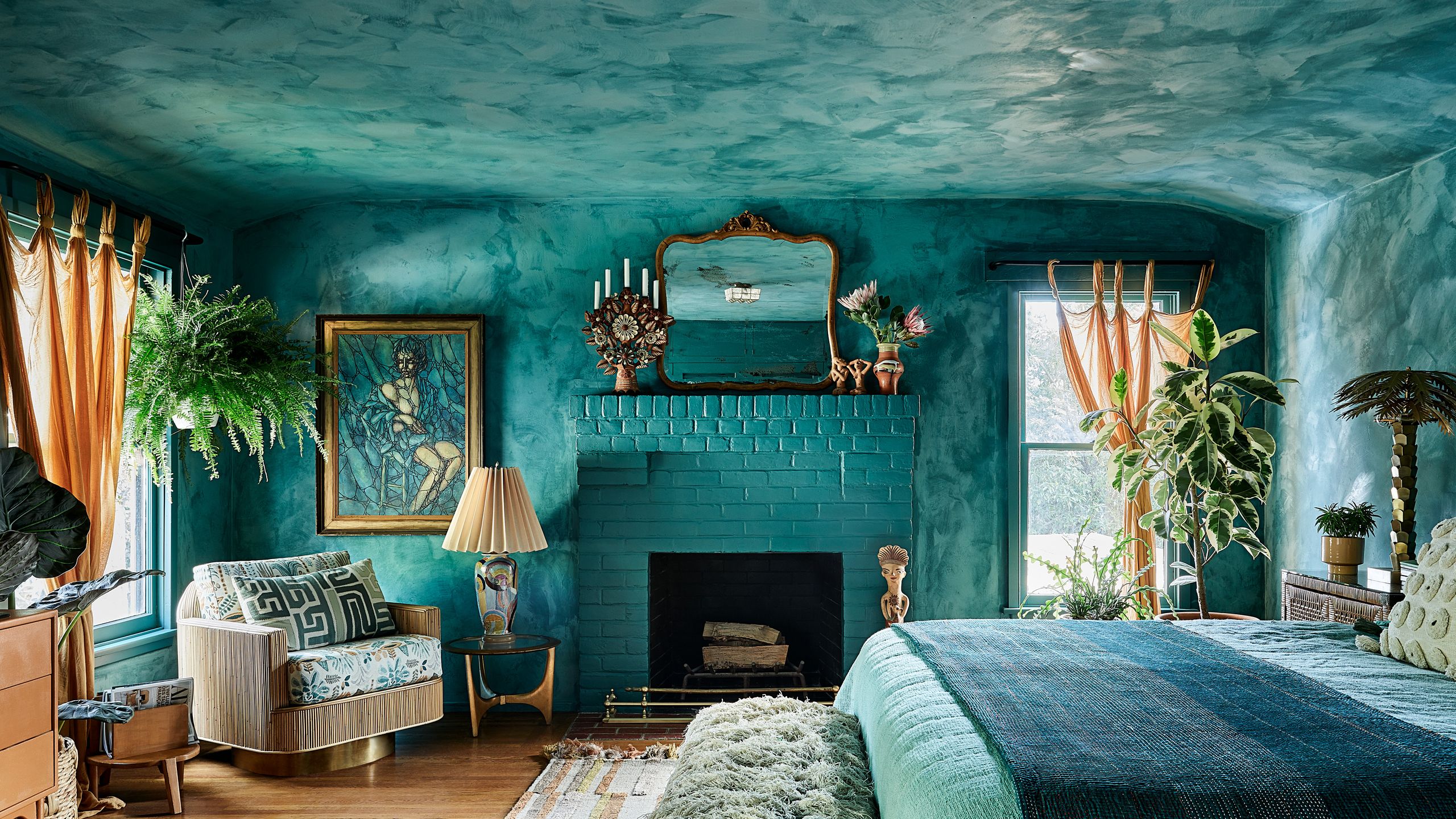
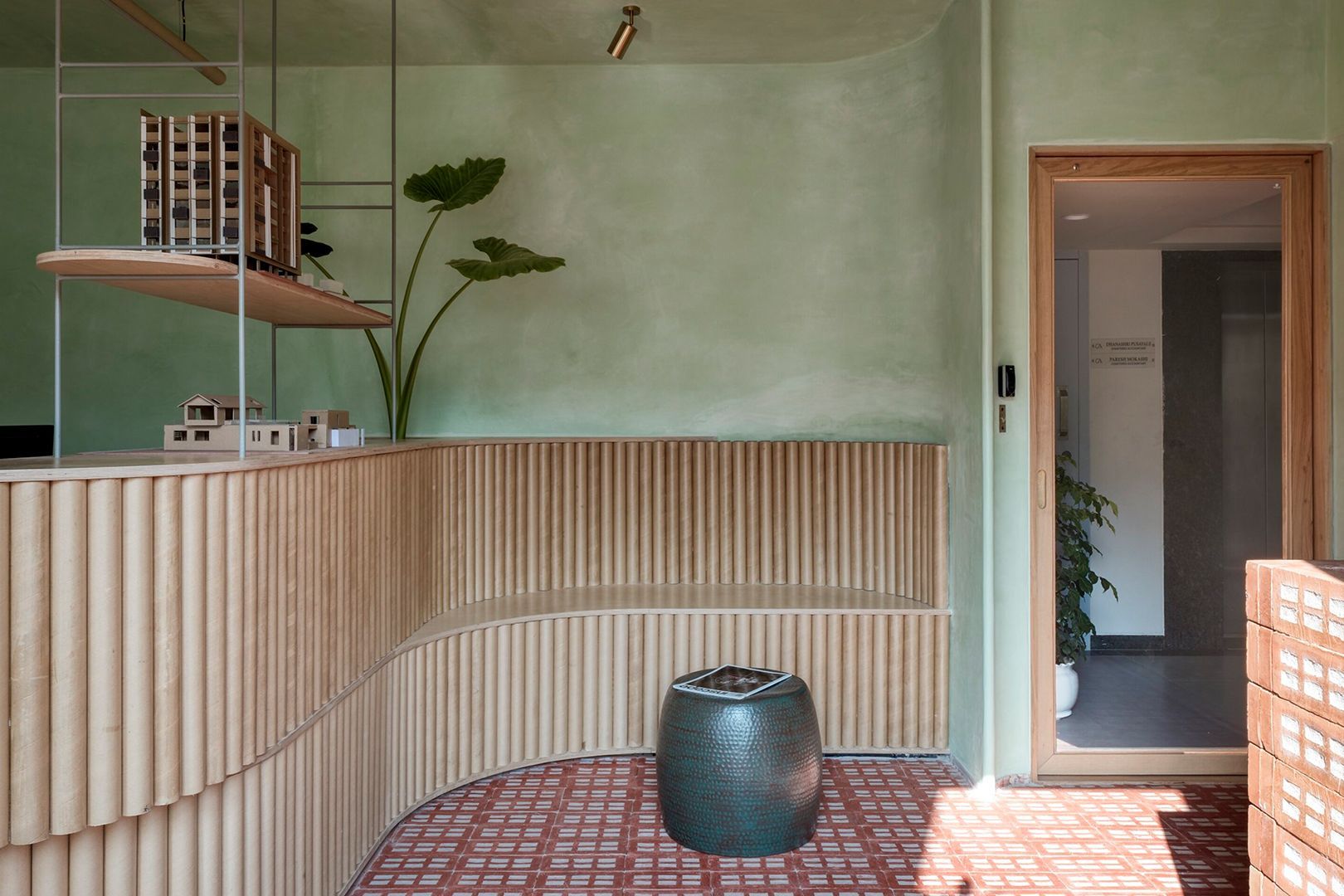
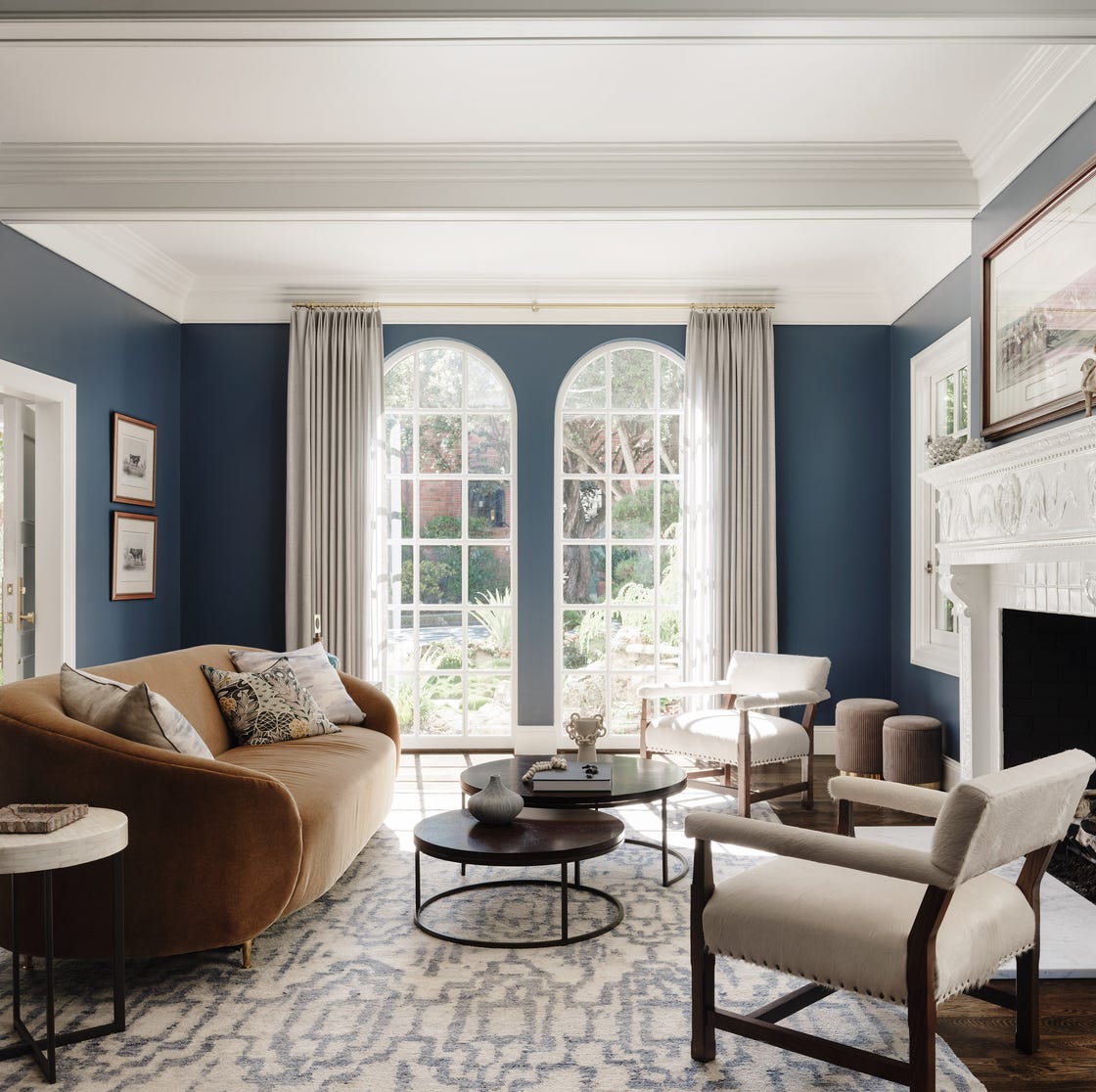
Limewash paint's textured nature also allows for significant ambiance creation, enabling homeowners to capture specific moods and imaginative themes. Unlike synthetic paints, limewash bases are more natural, yielding organic and earthy tones rather than vibrant or artificial colors. This characteristic makes it ideal for evoking natural environments, such as deep greens for a forest theme, blues for an ocean or celestial feel, or dark oranges for a bold backdrop to unique decor. The ability to manipulate the texture can create dynamic visual effects, such as swirling grey walls that mimic stormy skies, offering a personalized touch to any room.
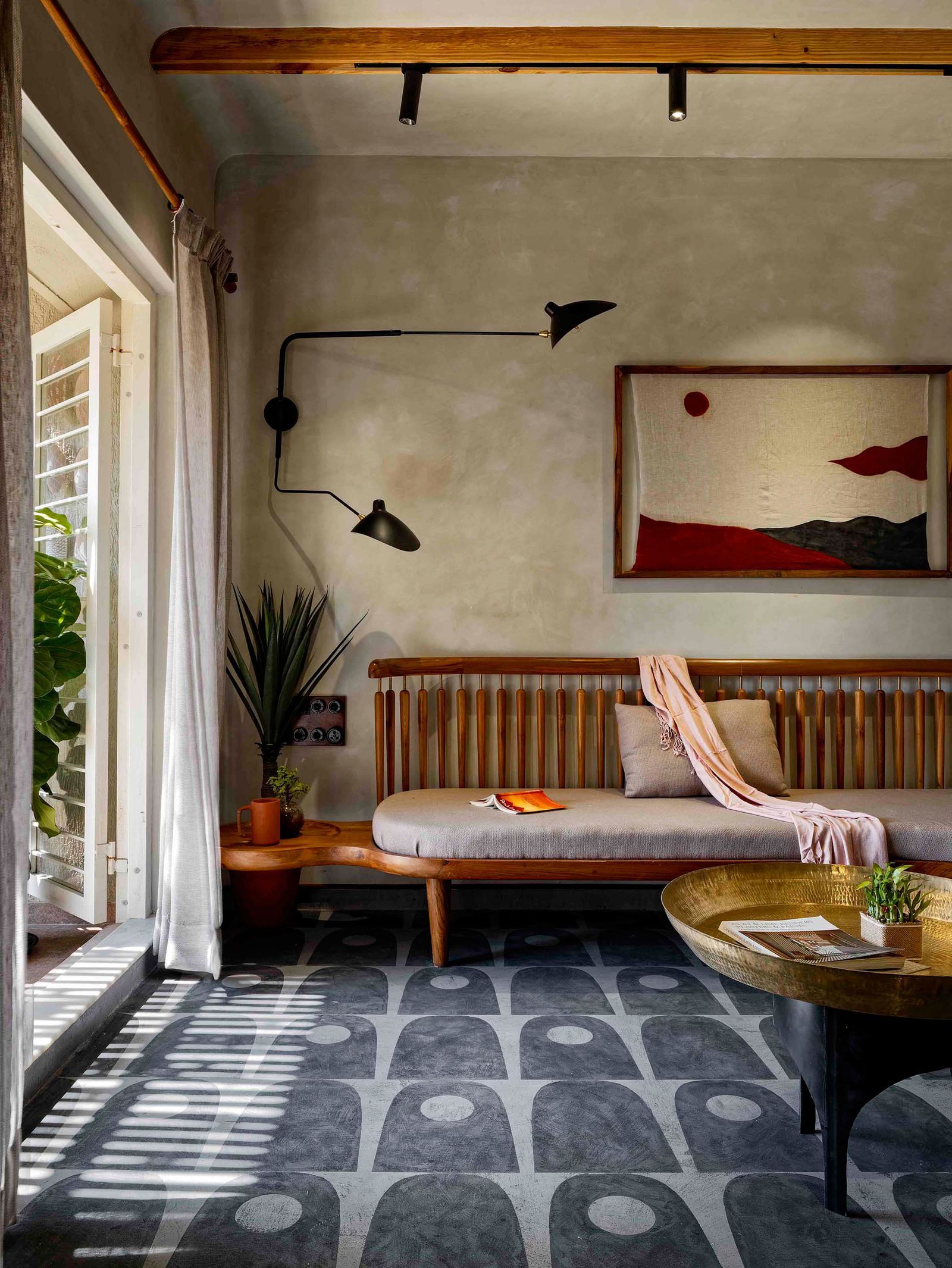
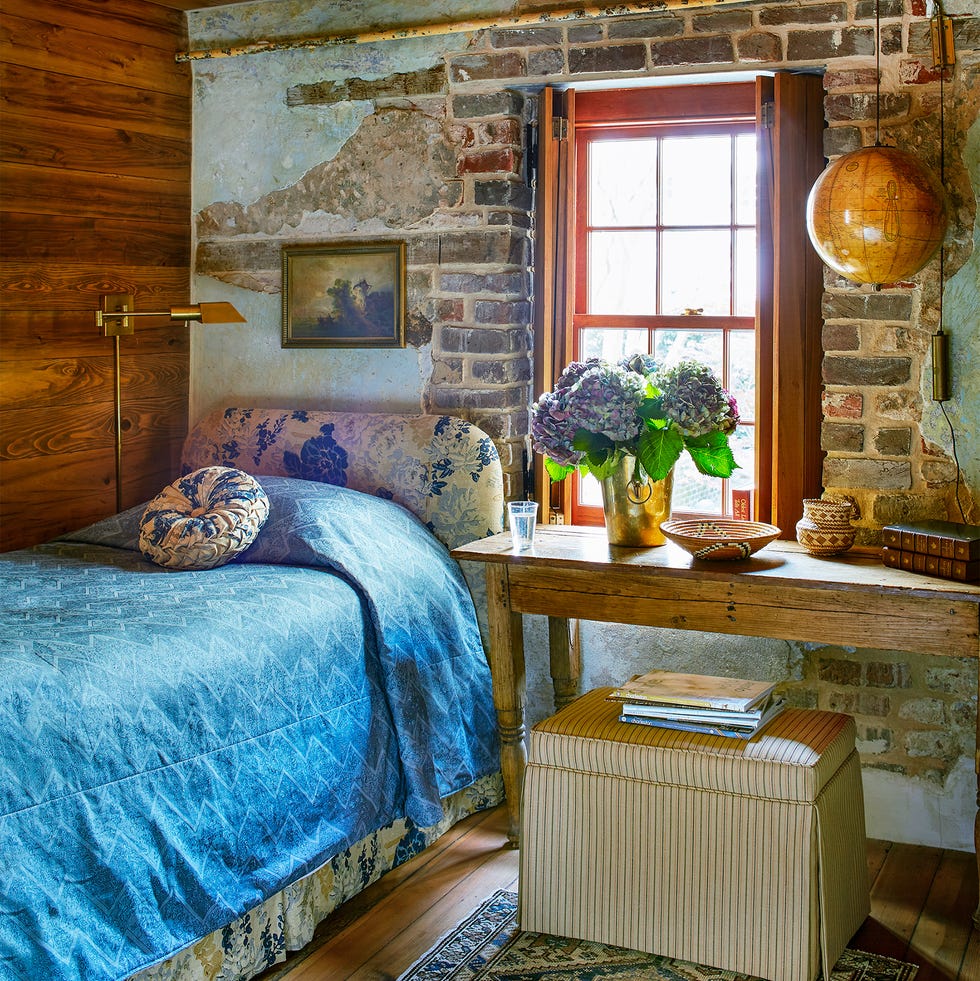
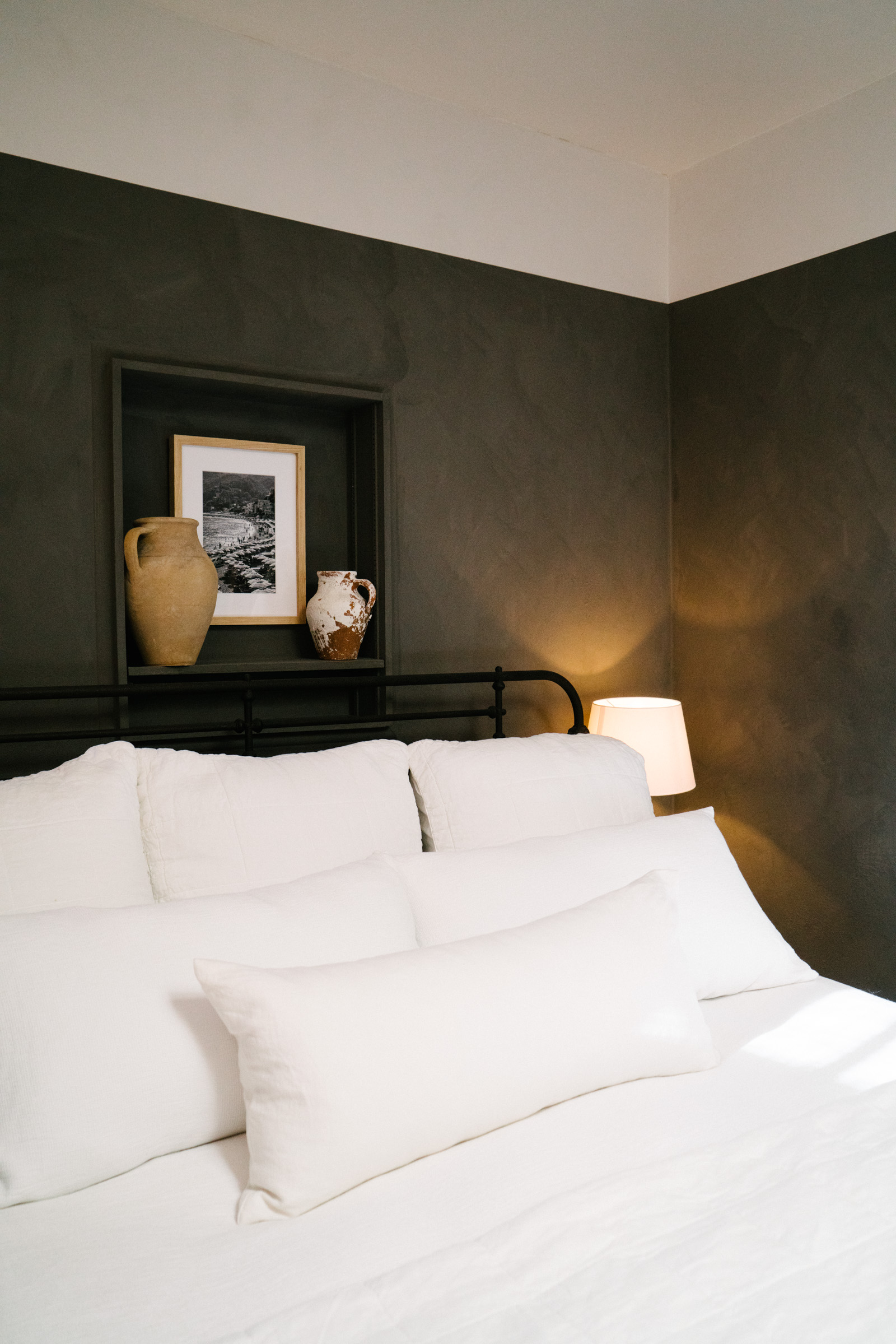
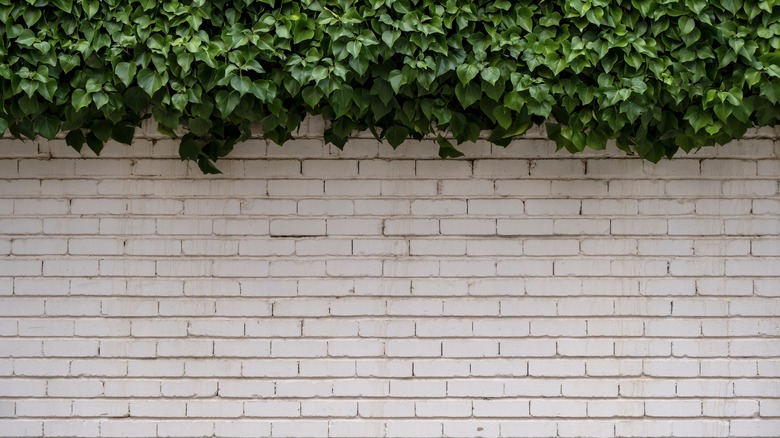
The original and enduring application of limewash is on brick. Pure limewash formulations continue to provide a distressed, vintage look, making new homes appear rich in history. With the expansion of limewash paints into diverse color families beyond traditional white, brick surfaces can now be transformed with shades of brown, deep red, grey, or blue. This makes limewashing a popular choice for updating fireplaces, bathroom walls, bedroom accents, and even home exteriors. The distinctive texture of limewash results from the interaction of mineral pigment and the naturally drying white limewash, yielding a perfectly aged brick finish in a relatively short period.
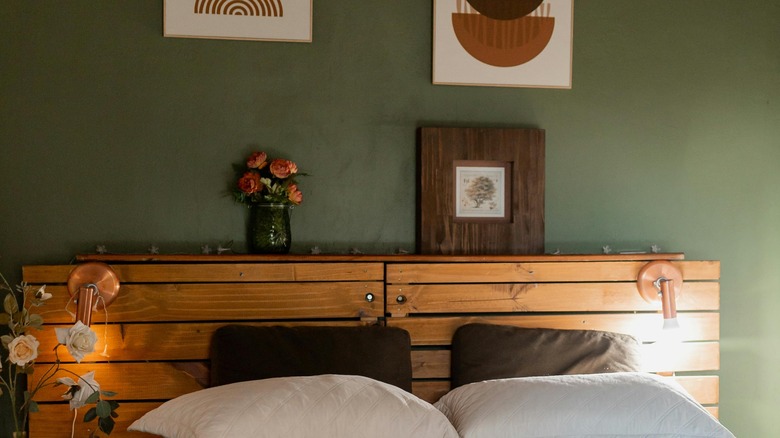
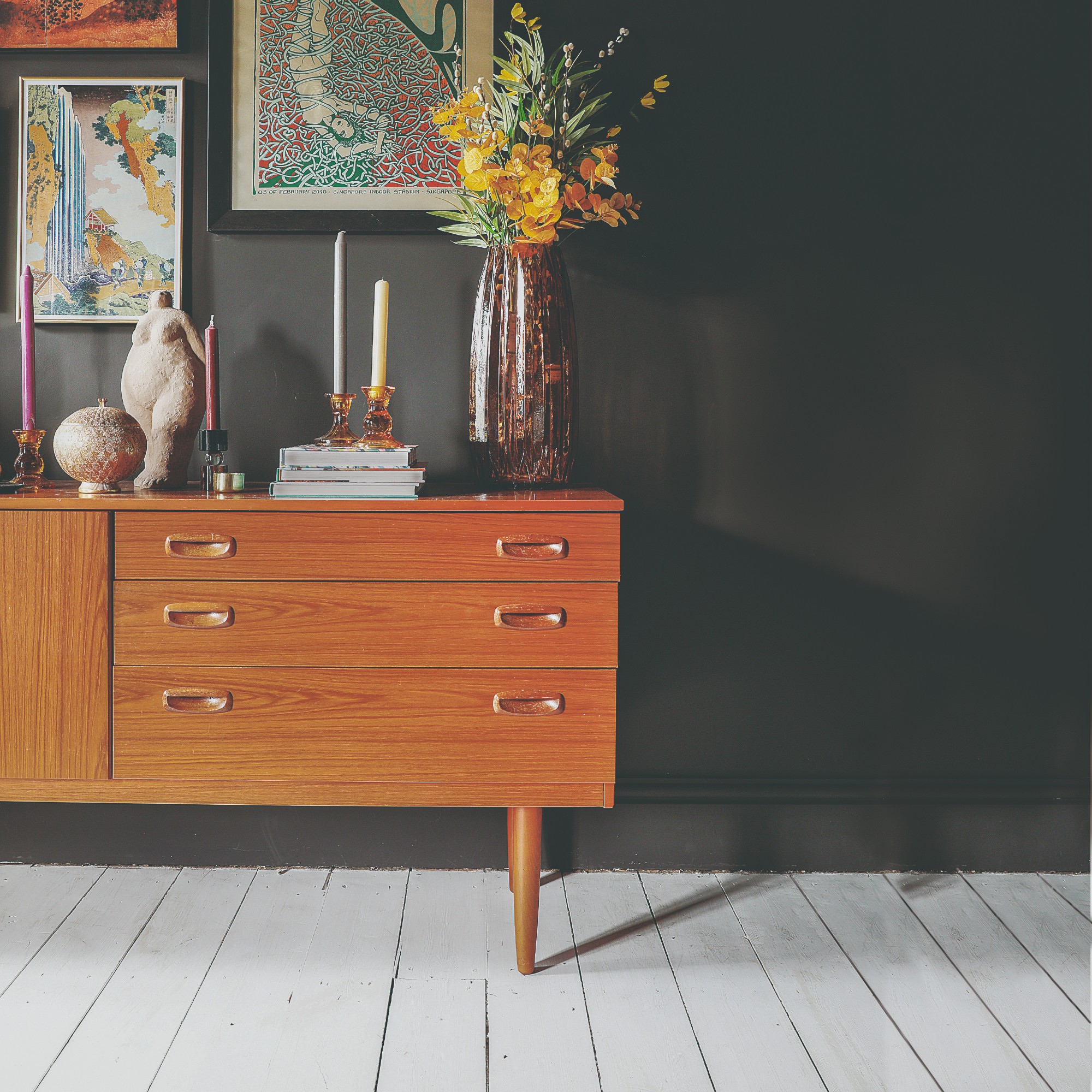
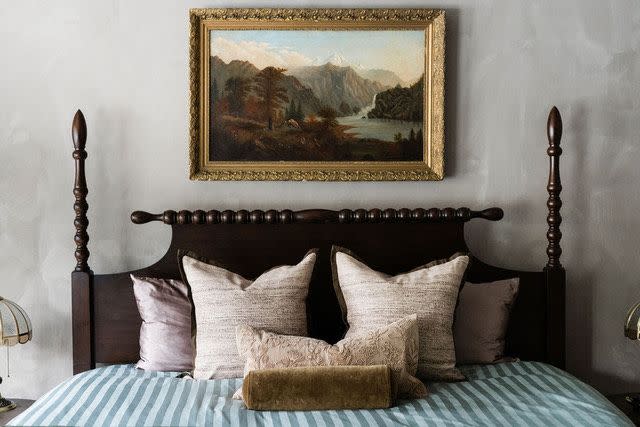
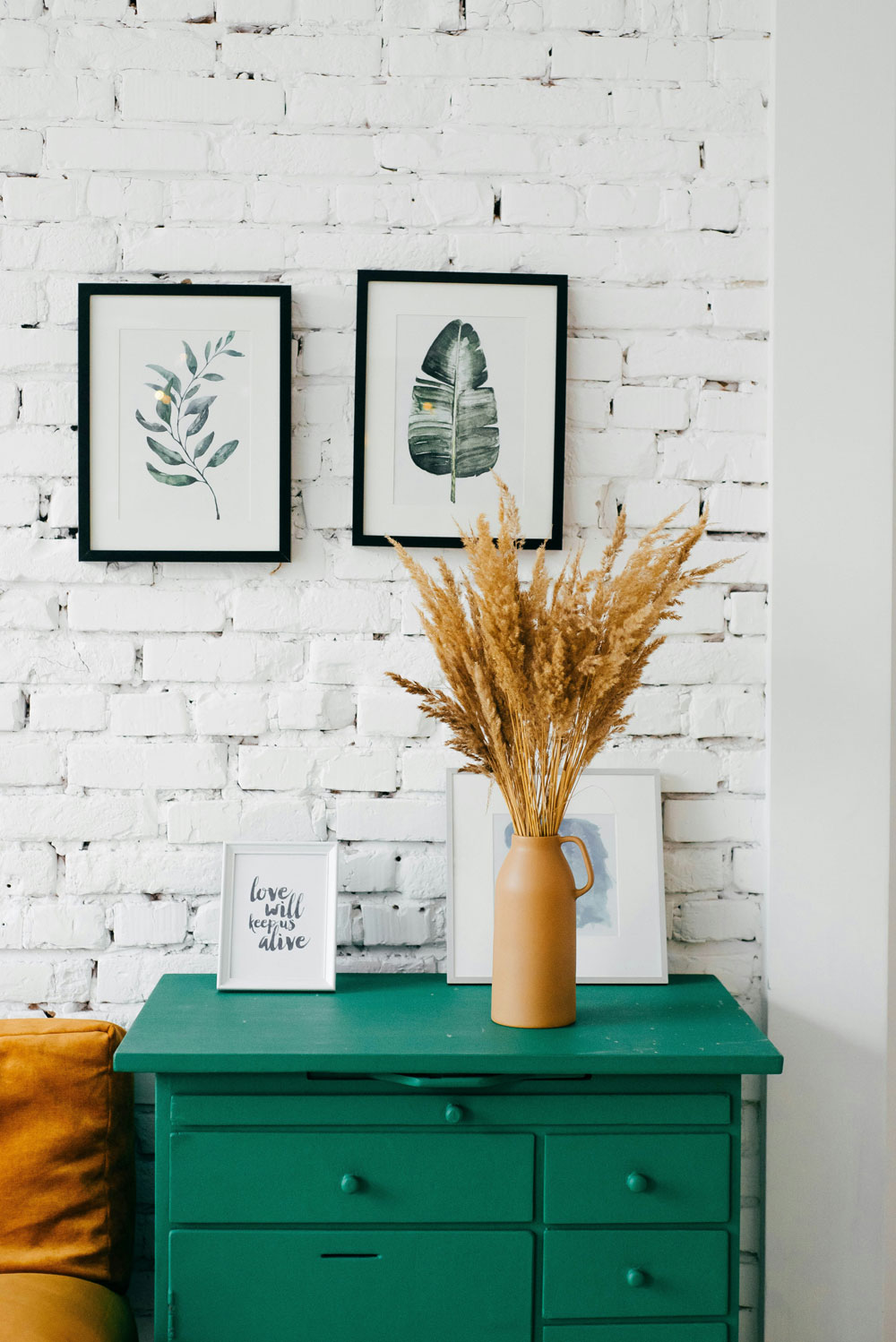
Beyond walls, limewash paint is also gaining popularity for furniture transformation, offering an alternative to chalk paint. It can be applied to various pieces, including dressers, chairs, buffets, headboards, and tables. For optimal results, furniture should be stripped down to bare wood before application. Applying limewash paint directly and allowing it to dry creates a thicker, texturized finish. Alternatively, wiping off excess paint while it's still wet can reveal the wood grain beneath, offering a subtle texture with visible natural patterns. The choice between these methods depends on personal aesthetic preference, allowing for a customized vintage or textured look on furniture.
#LimewashPaint #HomeDecorTrends #InteriorDesign #TexturedWalls #DIYHomeImprovement #ColorDrenching #FurnitureTransformation #NaturalPaints #VintageLook #LimewashPaint #HomeDecorTrends #InteriorDesign #TexturedWalls #DIYHomeImprovement #ColorDrenching #FurnitureTransformation #NaturalPaints #VintageLook
0 comment in total
 No comments yet
You may also like
Limewash paint ideas – 10 ways to use this trending wall finish to bring texture to your home

This Simple DIY Limewash Paint Hack Costs Less Than $20 — But the Results Look Way More Expensive
10 ways to transform your home with just half a pot of paint

8 Limewash Paint Colors That Will Add Elegance and Style to Your Home

What Is Limewash Paint: Four Places to Use It in Your Home

10 Limewash Wall Color Ideas That Add Old-World Elegance To Your Space
Rediscover Limewash Paint, the Old-World Finish That's Trending Again

If You Want Your Home to Look Like a Charming Tuscan Villa, Try This

What is limewash paint: Four places to use it in your home

8 Limewash Paint Colors for a Beautiful, Timeless Home, According to Interior Designers
10 living rooms with limewash walls that prove that this textural wall finish is the perfect cozy-but-chic finishing touch
Living room paint ideas – 27 easy ways to bring your lounge to life with stylish and creative colours and techniques
What Is Limewash Paint? Plus, How to Use It In Your Home

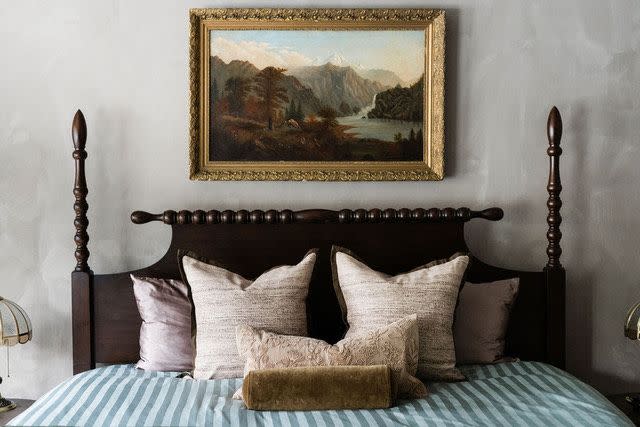
8 Limewash Paint Colors That Will Add Elegance and Style to Your Home
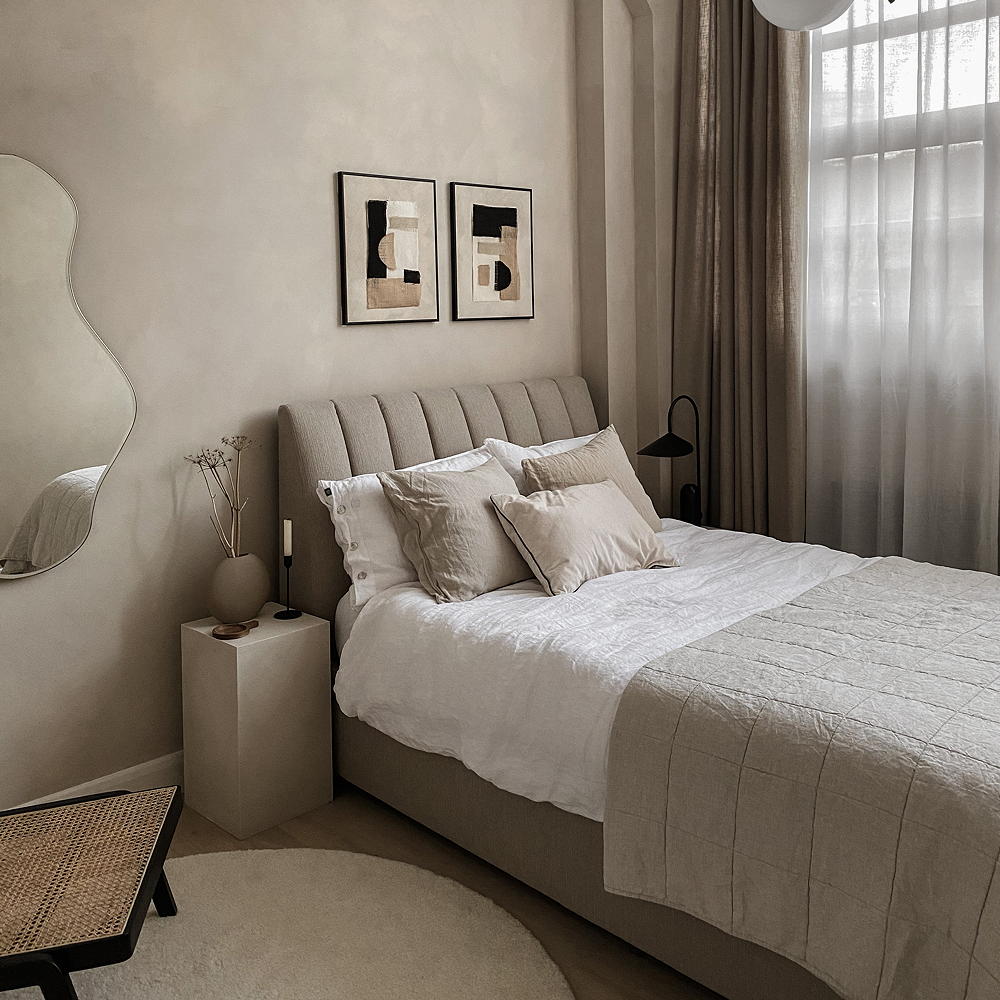
Instagram can't get enough of this new textured paint craze - here's how to get the look
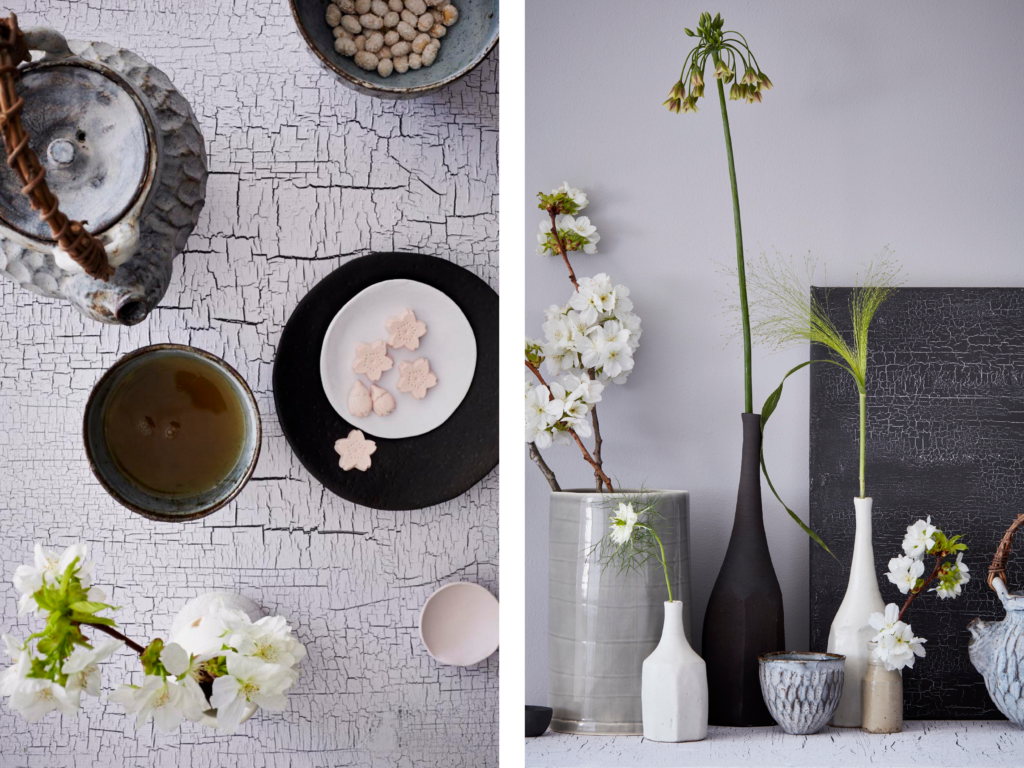
10 ways to use textured paint in your home

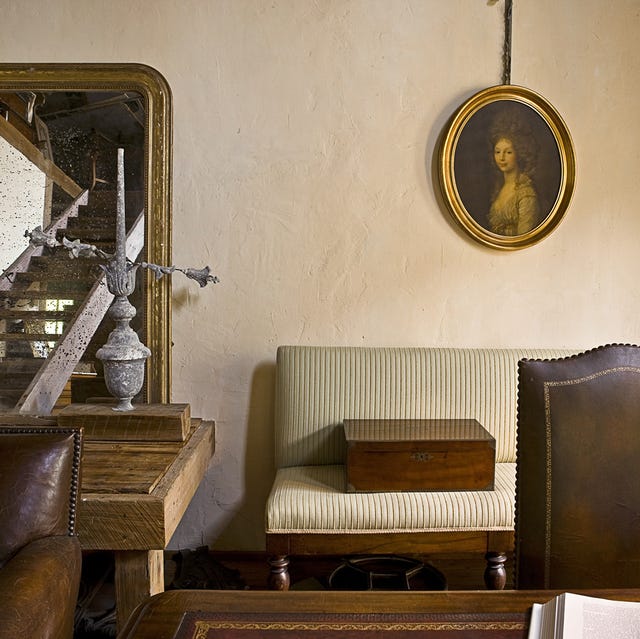
This Texture-Rich Finish Is Designers' Go-To for Instant Patina
The Allure of Limewash Paint
Lick Paint Will Transform the Mood in Your Home Through Color Psychology
Faux-Limewashing: The DIY Technique Taking Over TikTok