1/11
10 ways to transform your home with just half a pot of paint
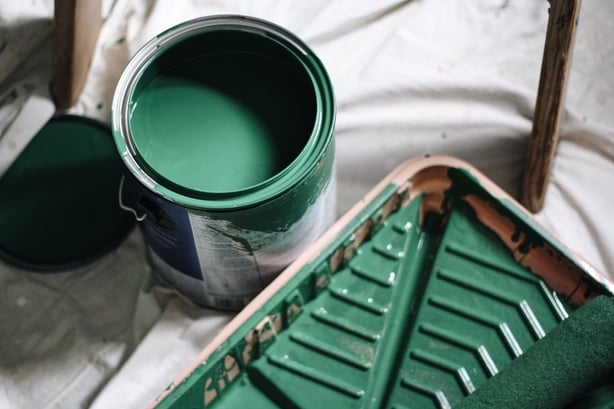
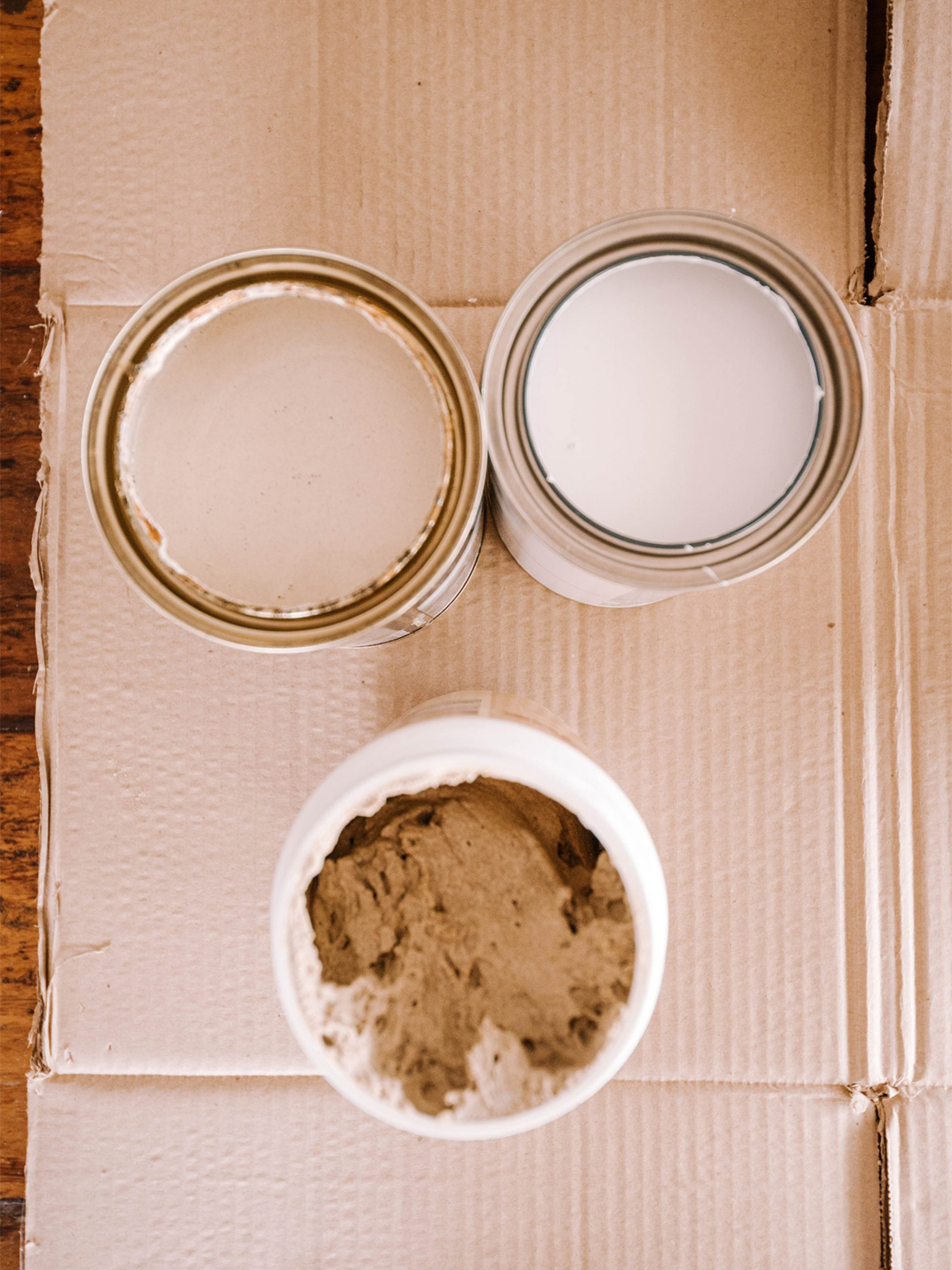
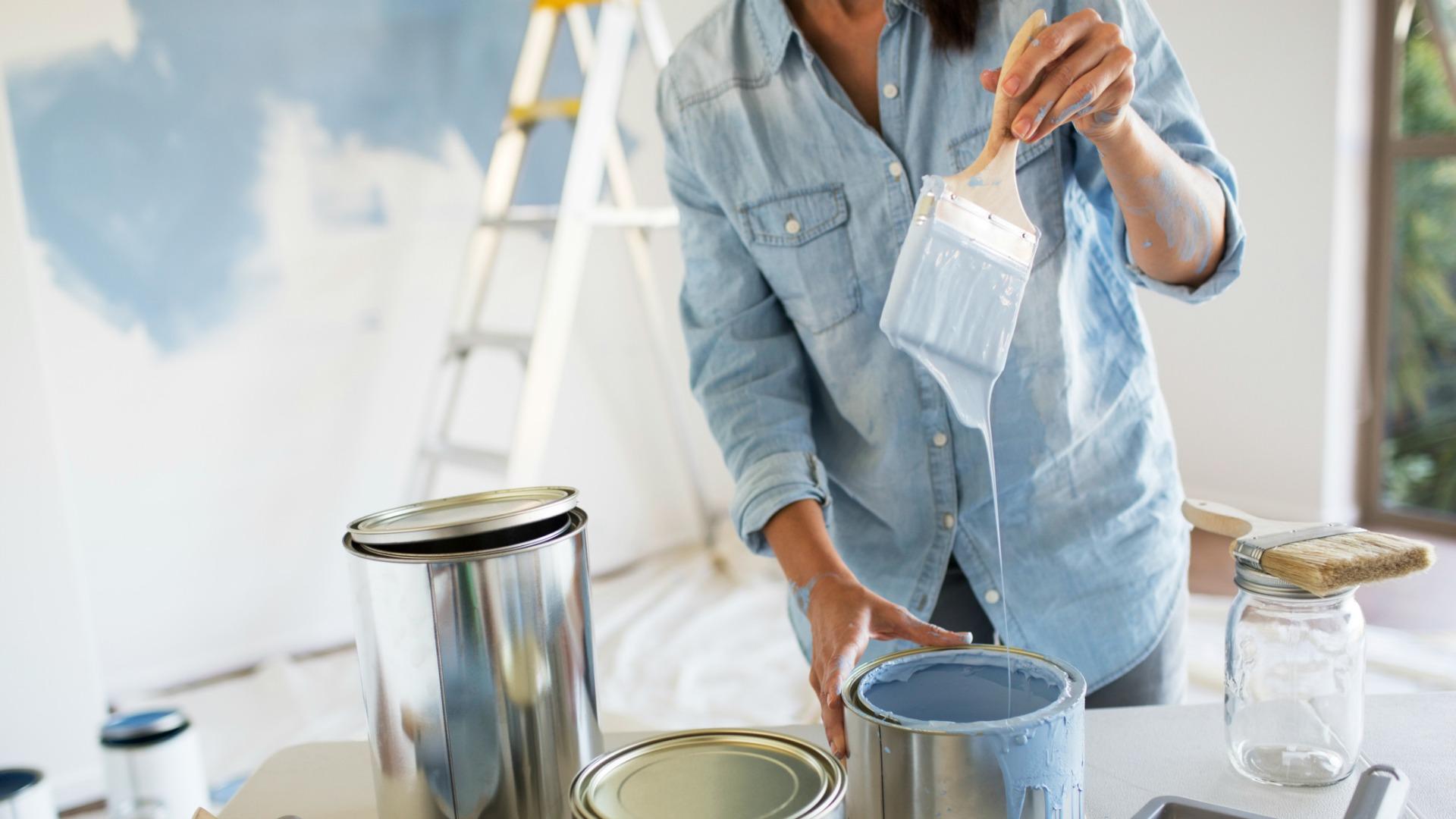
Leftover paint often accumulates in homes after redecorating projects, becoming unused pots that gather dust. However, even a small quantity of paint can be repurposed to refresh and transform a living space, reducing waste and saving money. Experts suggest several creative methods to utilize these paint remnants.
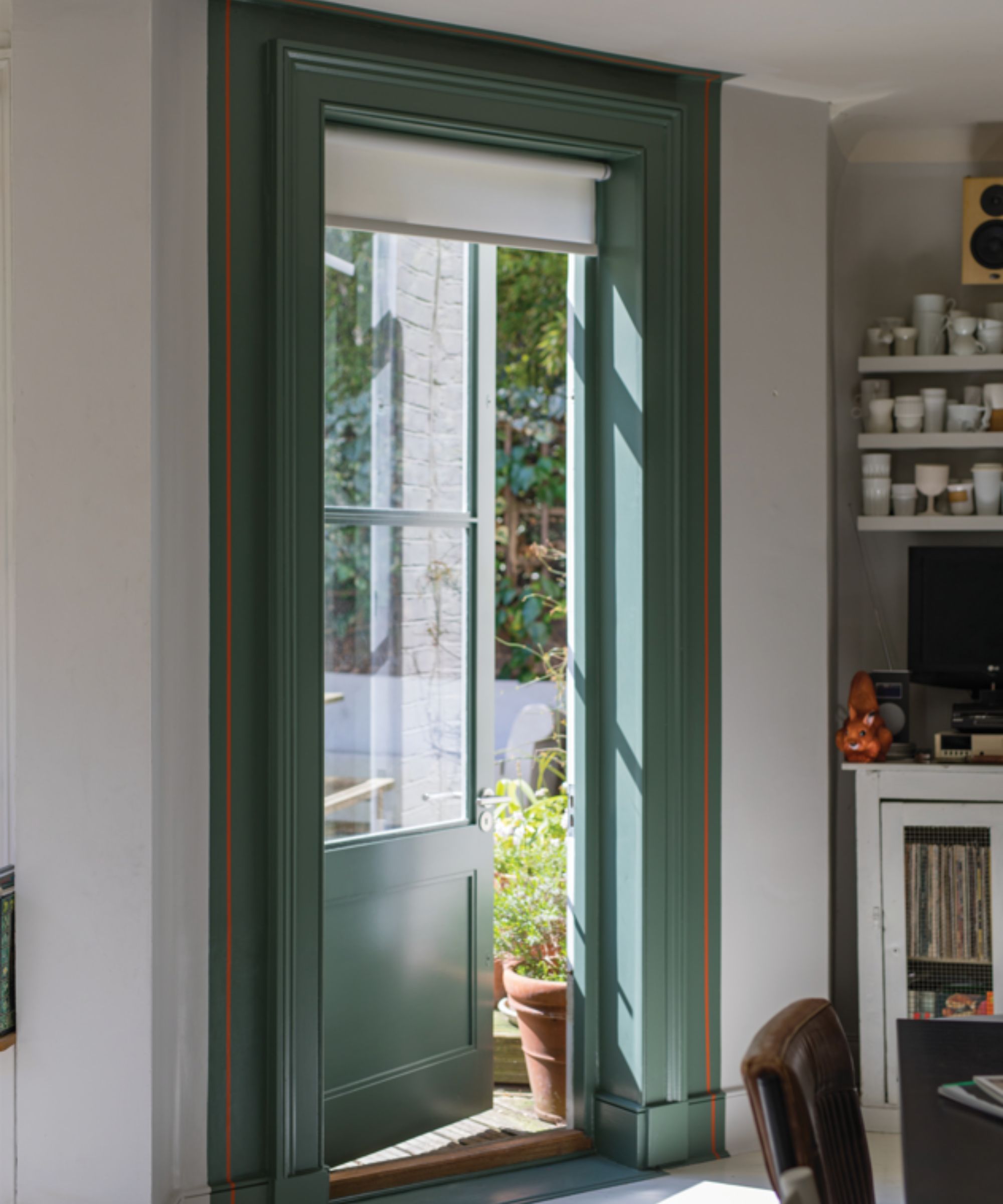
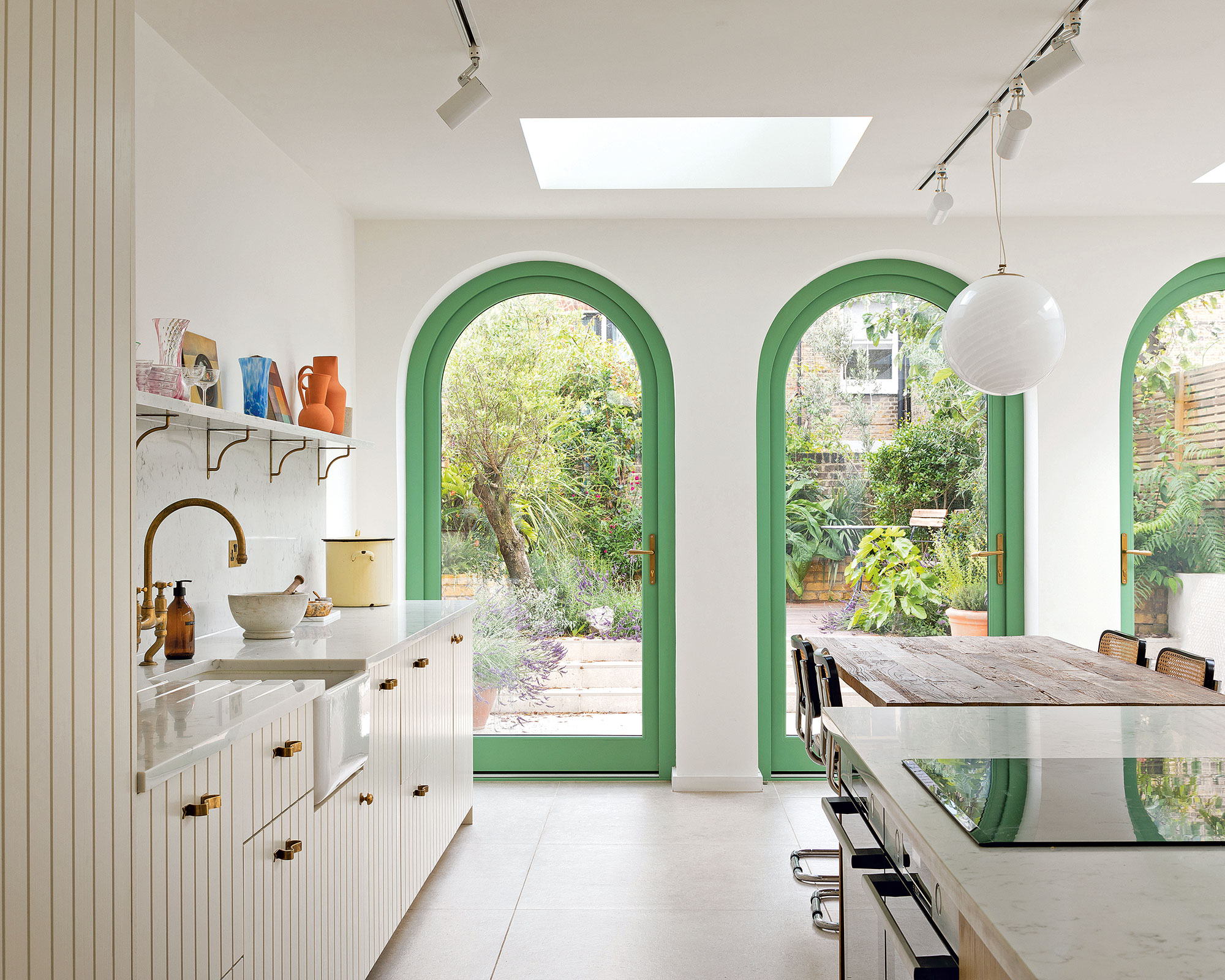
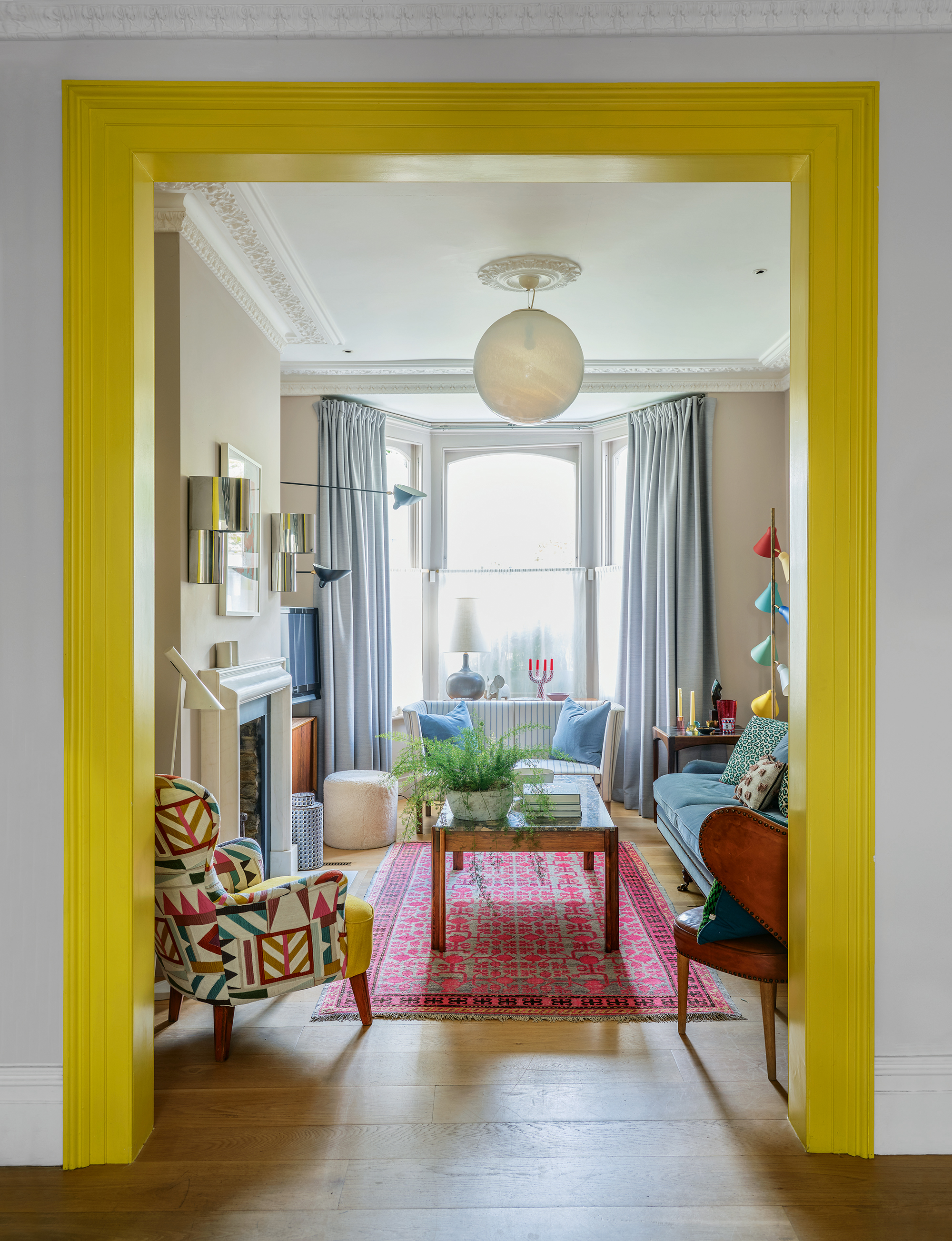
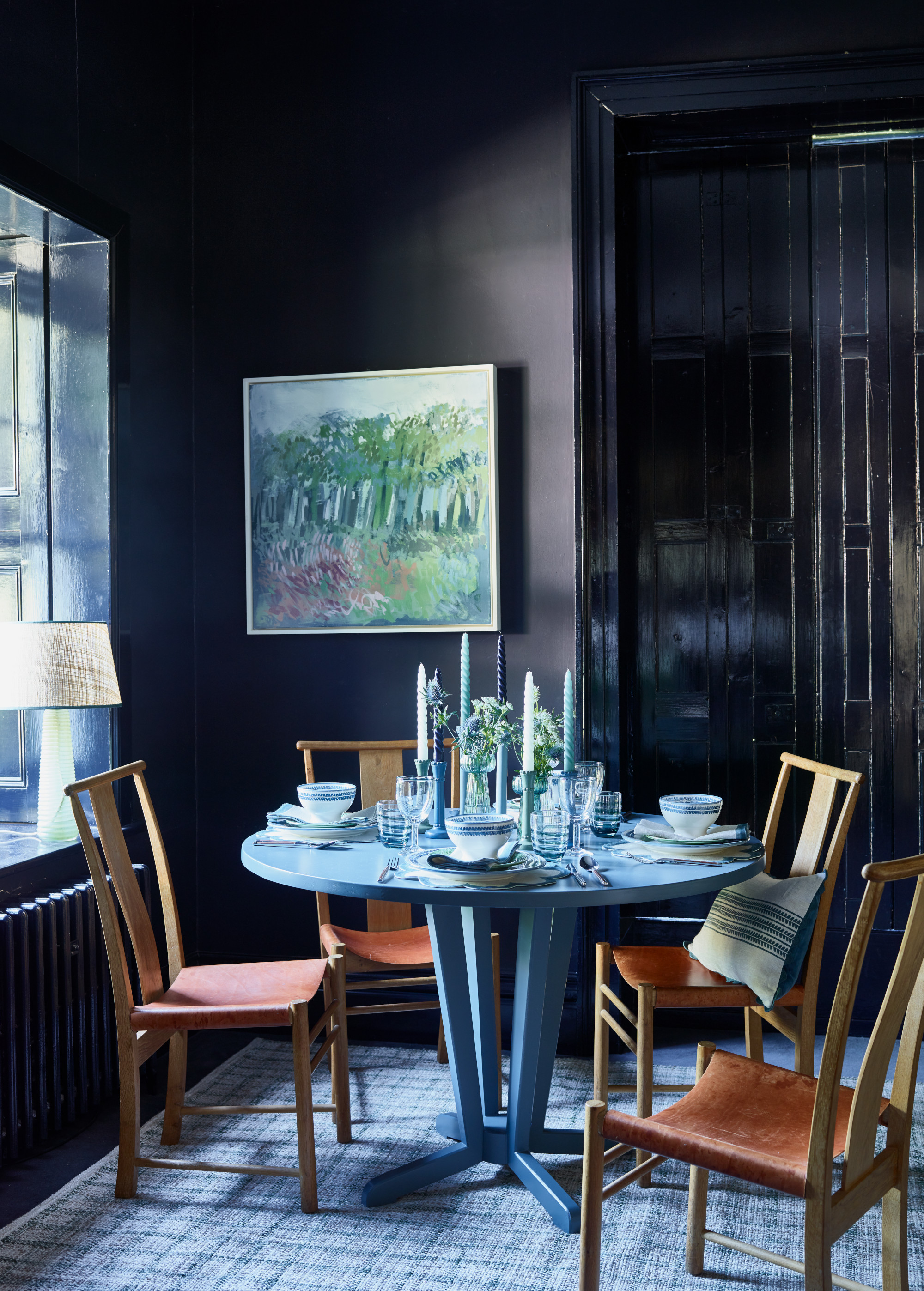
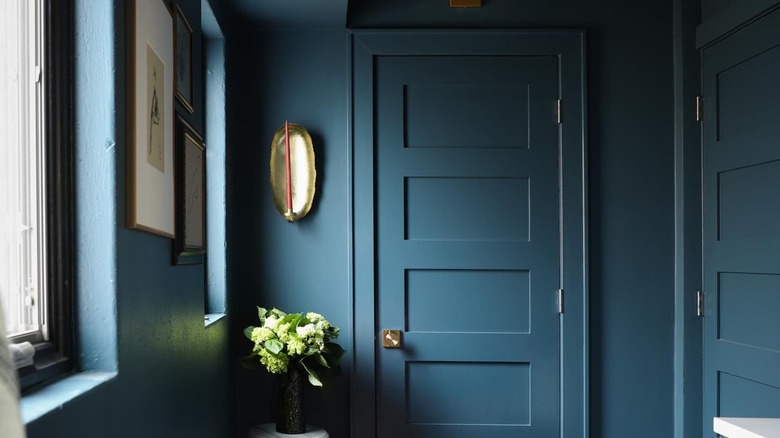
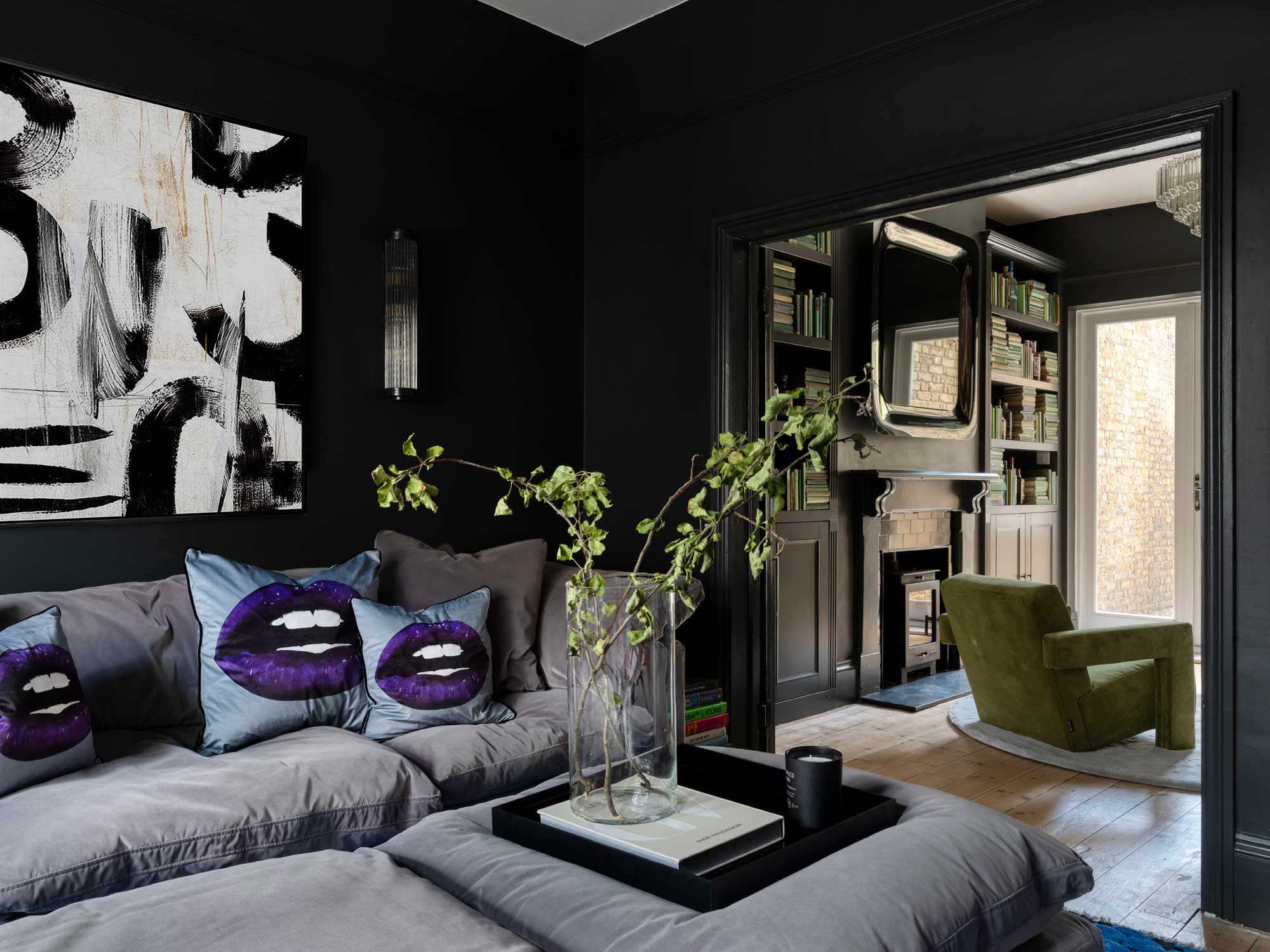
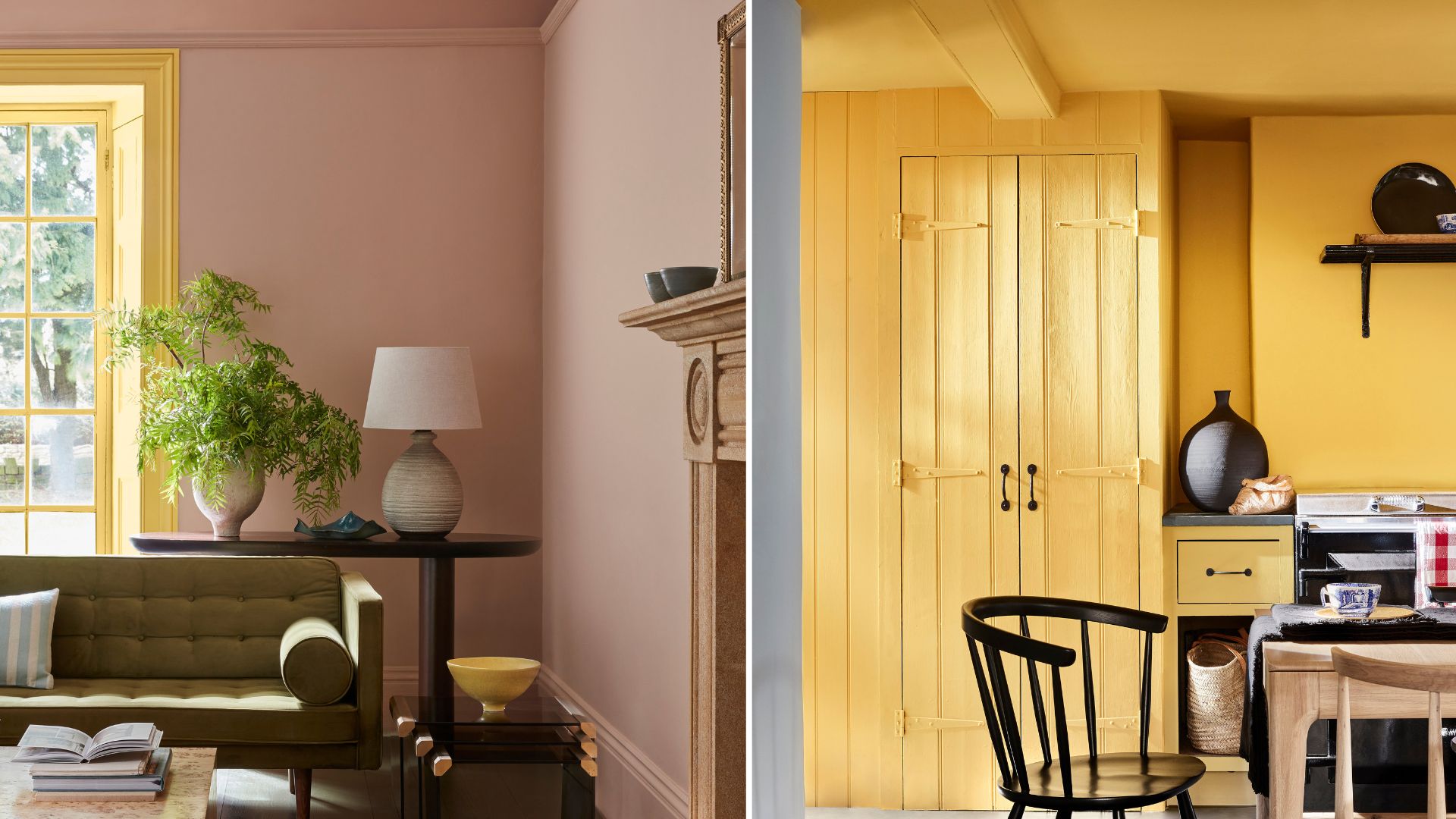
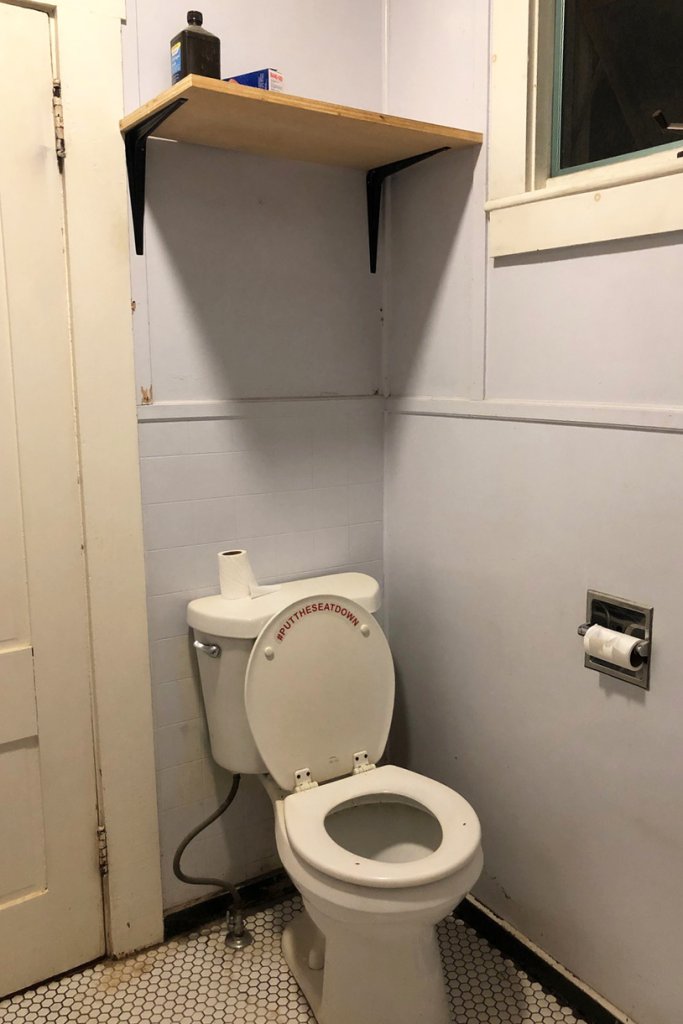
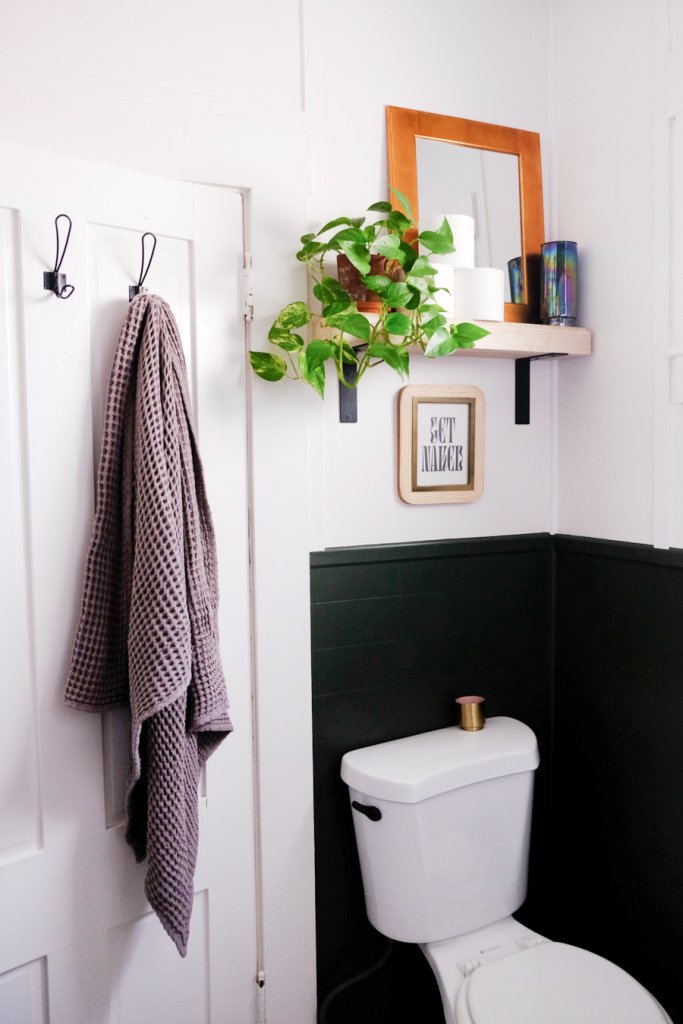
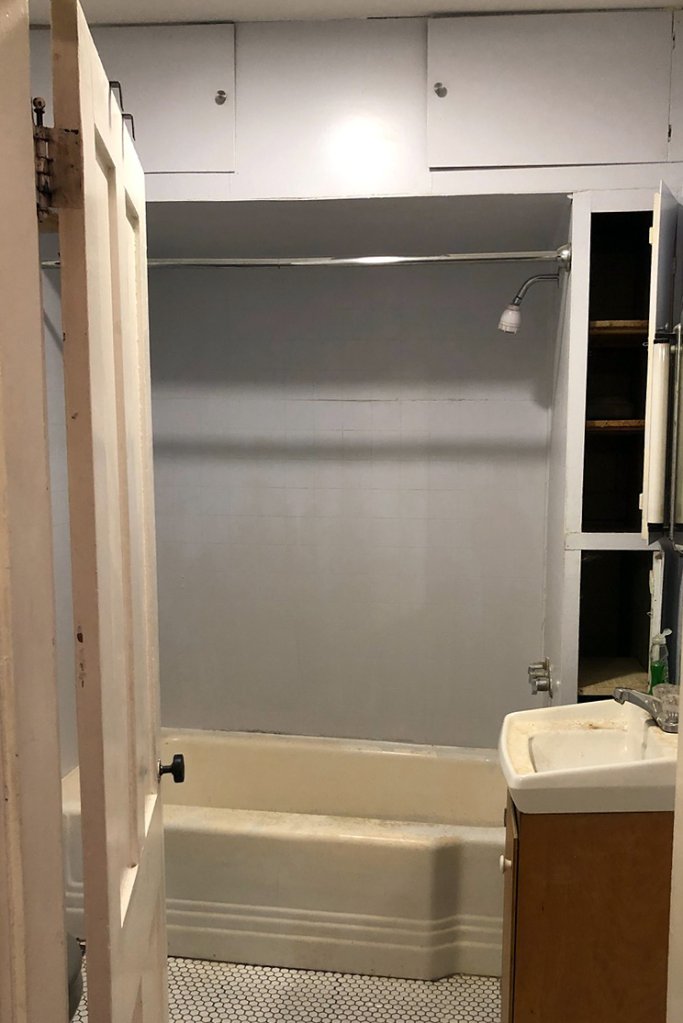
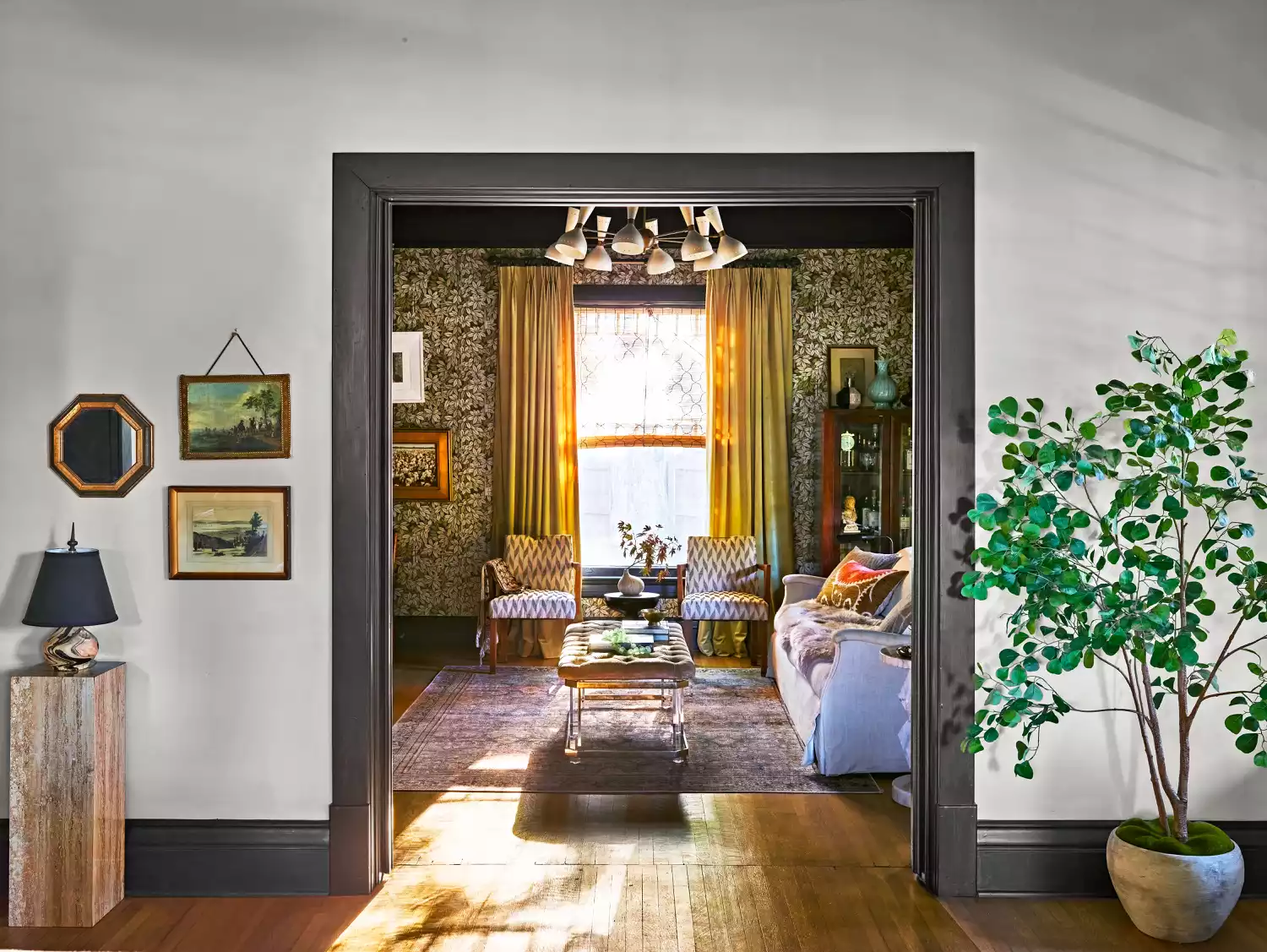
One effective technique is painting doors and frames. This can significantly influence the interior's ambiance, establishing a cohesive color scheme without consuming much paint. For narrow or small rooms with numerous doors or low ceilings, painting both the door and its frame can visually blend colors, making the space appear larger. This approach also subtly introduces color into otherwise neutral rooms and highlights architectural details, requiring only about one liter of paint per surface. Jon Mee, a technical advisor at Earthborn, recommends using a primer for better adhesion, but thin, even coats can also work effectively, provided each layer dries completely before the next is applied.
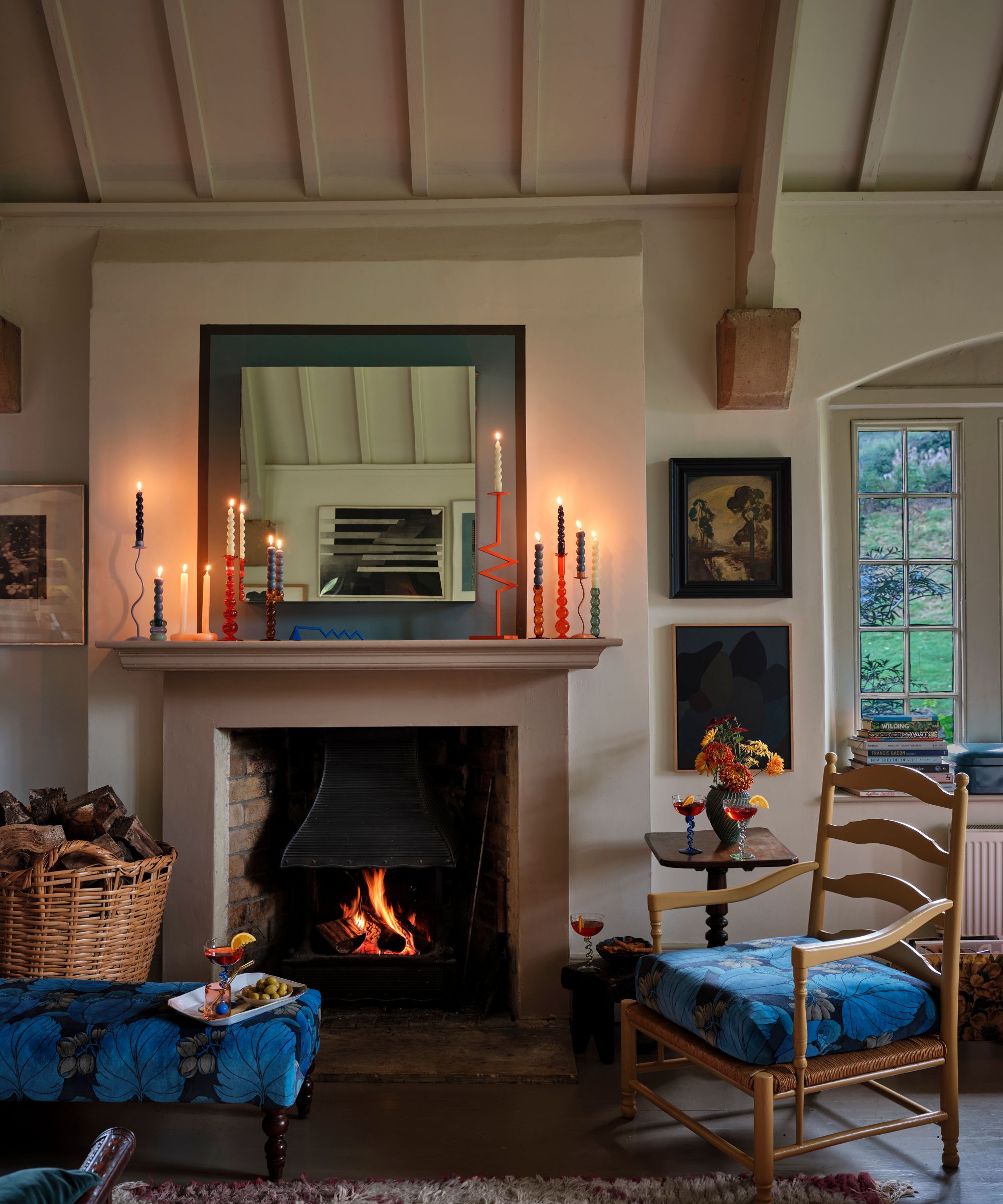
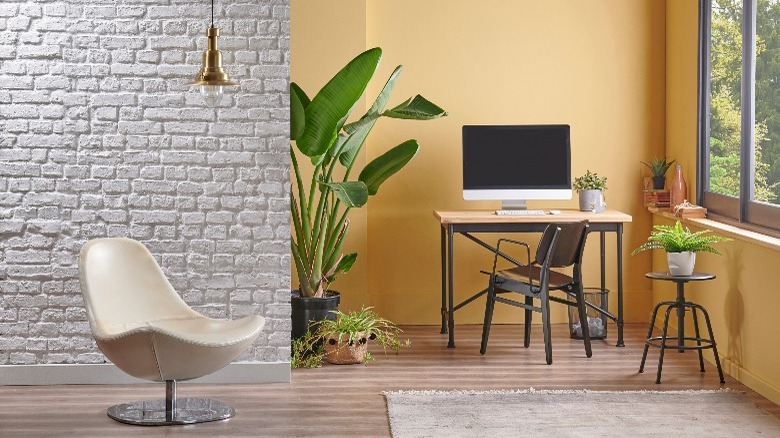
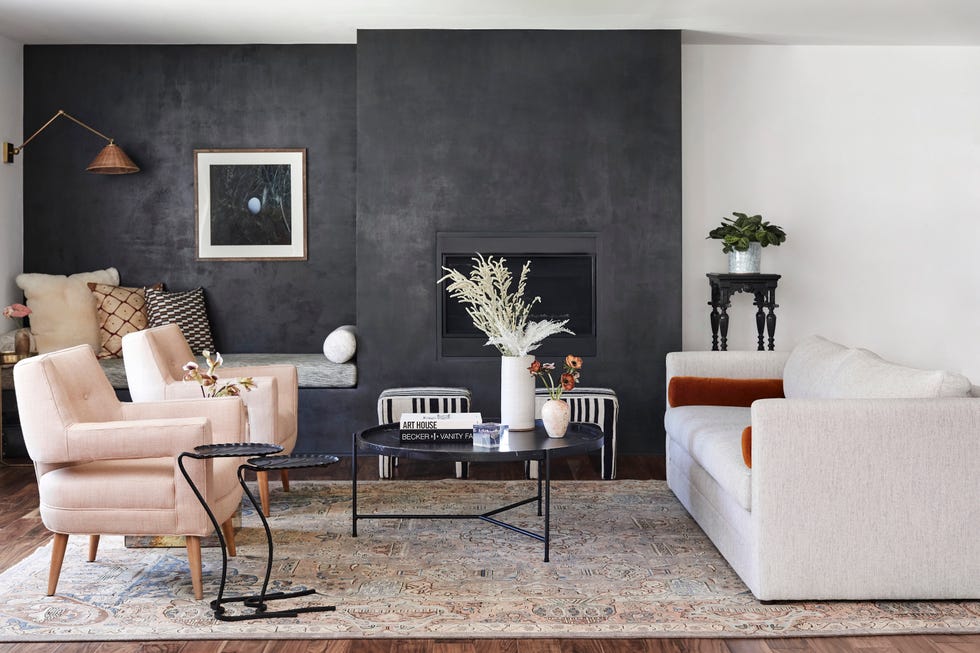
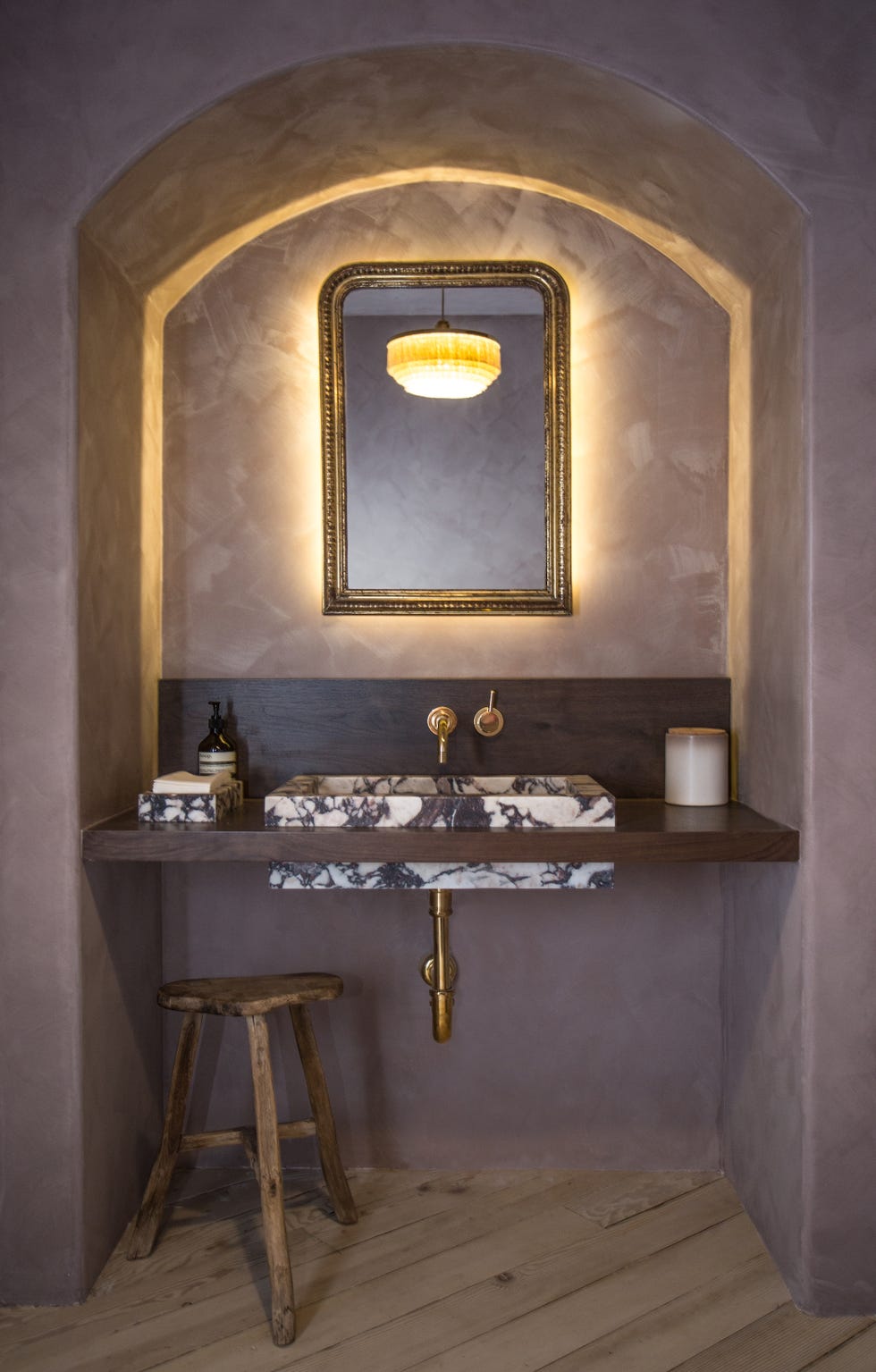
Nooks and alcoves, frequently overlooked areas, also offer excellent opportunities for paint repurposing. Michael Rolland, managing director at The Paint Shed, suggests that a small accent wall within these spaces, or in home offices or walk-in wardrobes, can be easily updated with a leftover paint pot.
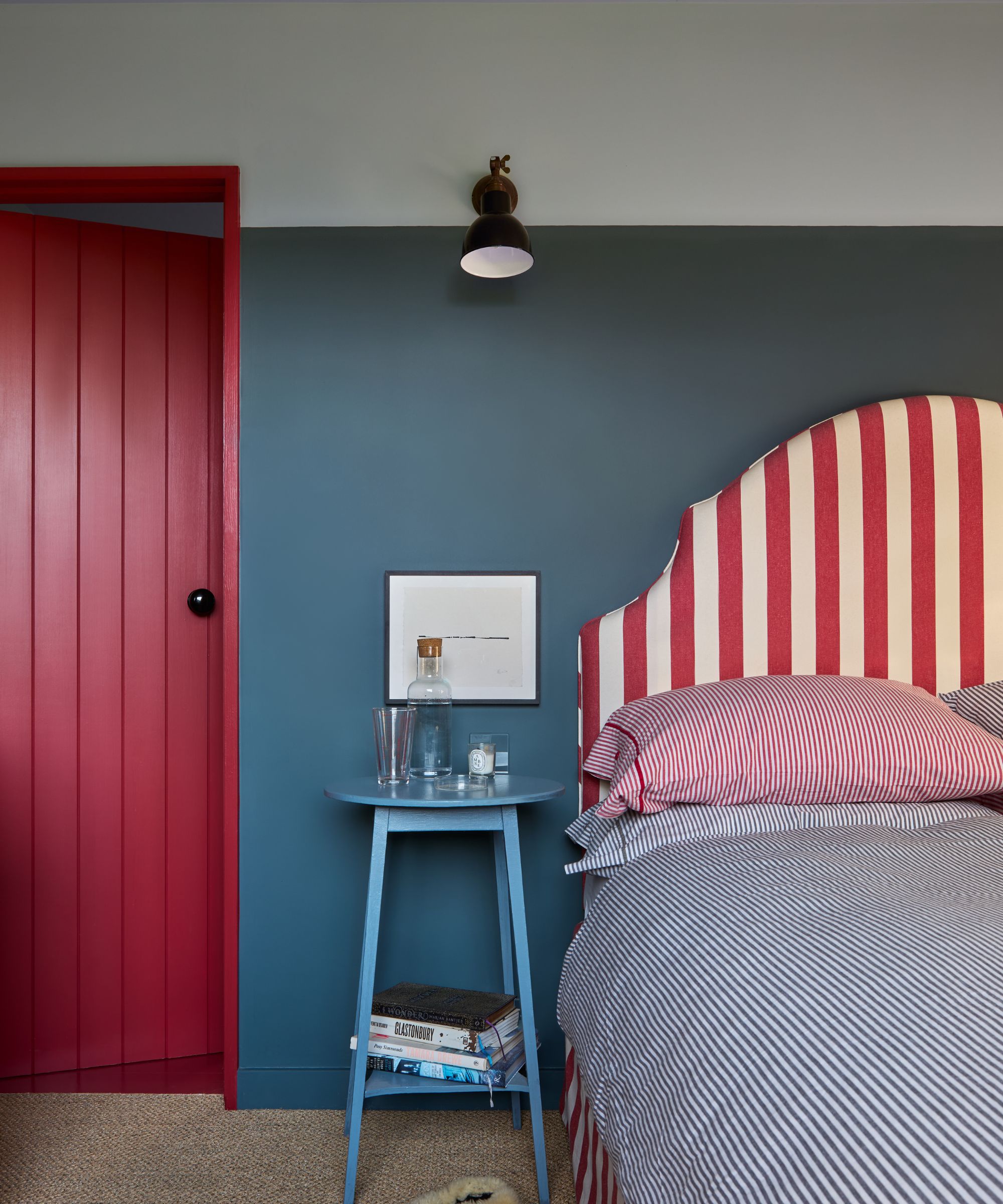
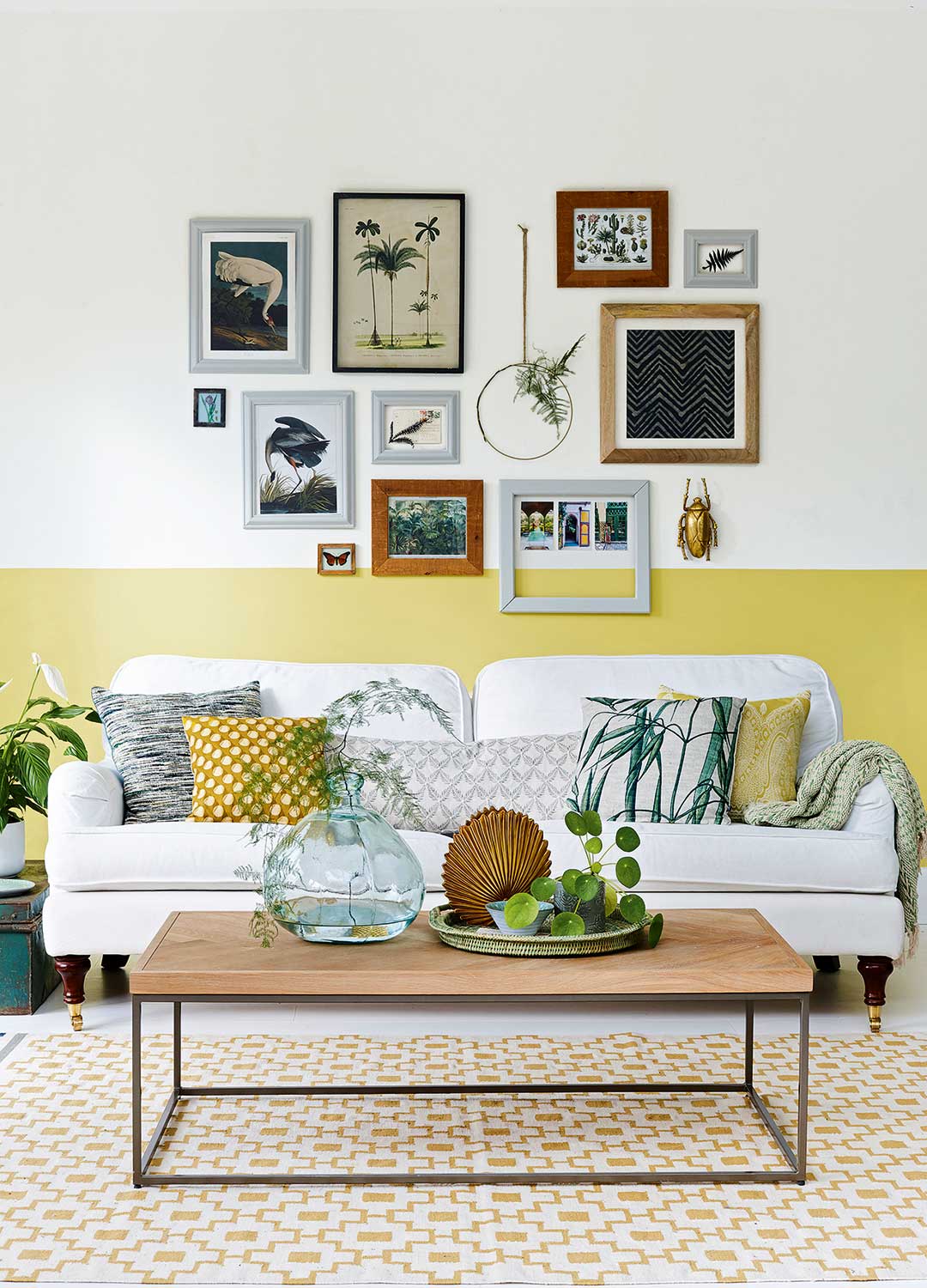
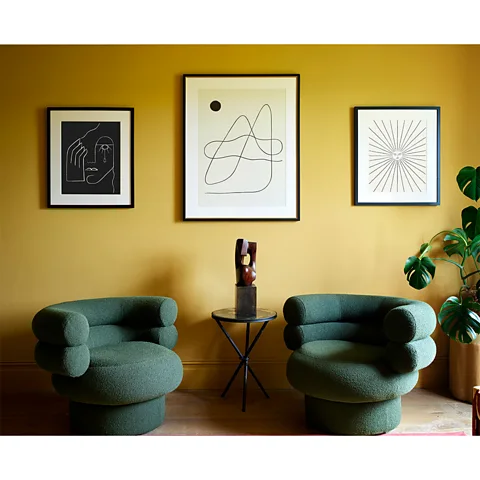
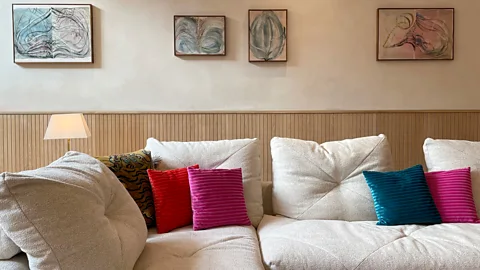
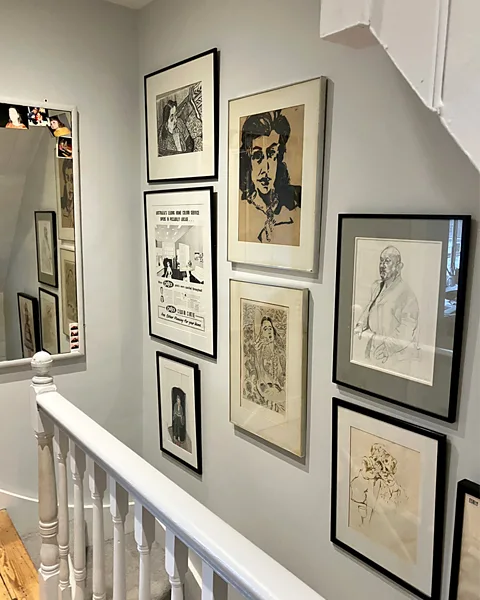
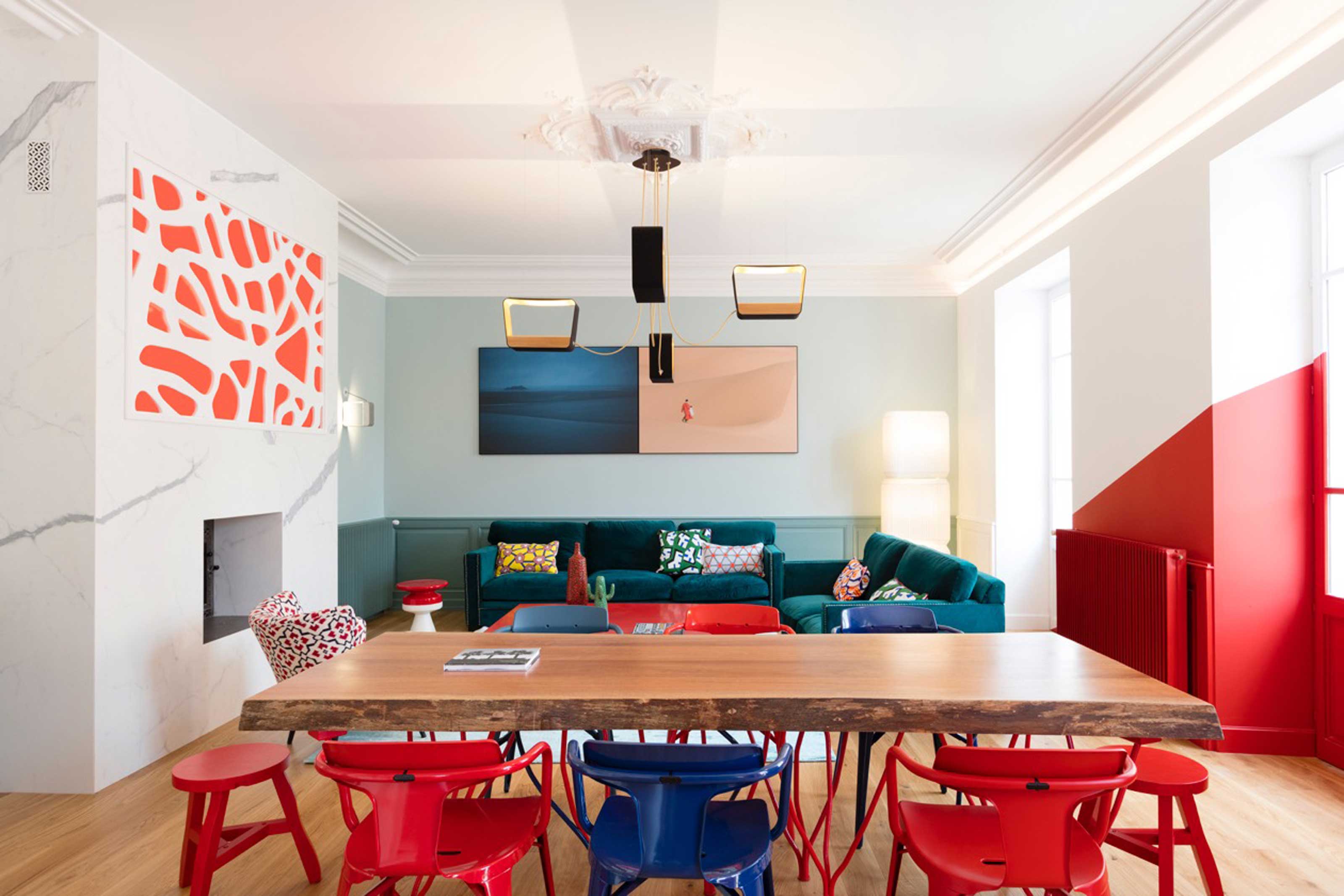
Color blocking is another versatile method, ideal for layering contrasting tones and emphasizing features like a gallery wall. This can involve anything from a single stripe to halving a wall for a two-tone effect.
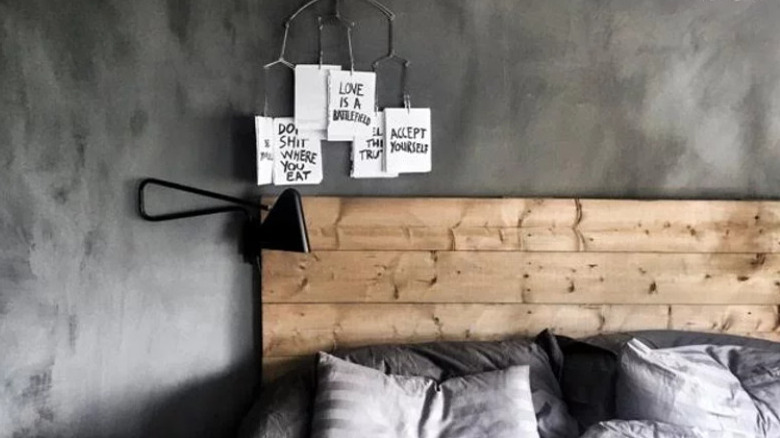
Creating a painted headboard is a budget-friendly way to introduce a new focal point in a bedroom. Stephanie King, creative lead at Dulux, notes that this hack avoids the expense of new furniture. The process involves taping out the desired shape on the wall and filling it with paint.
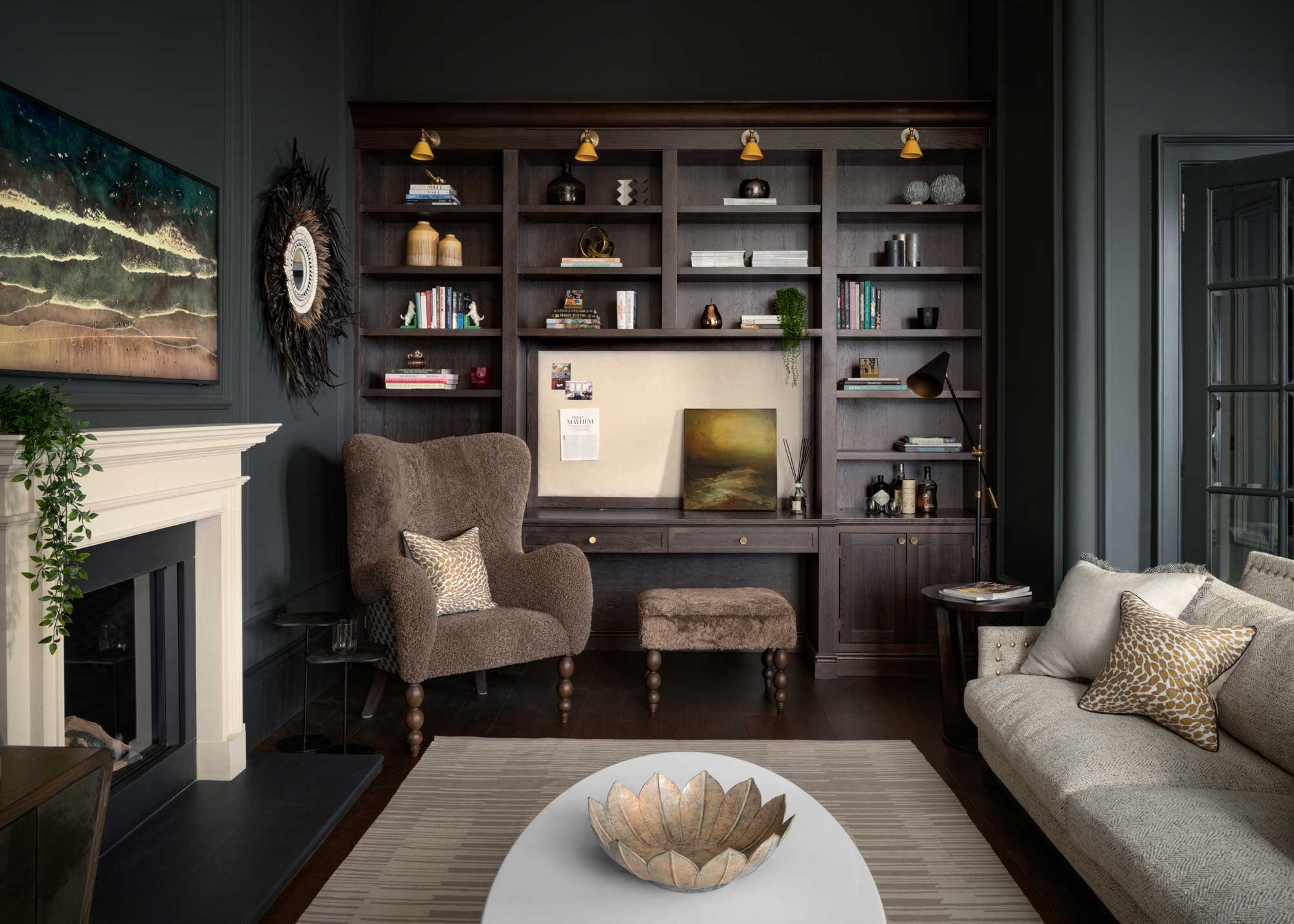
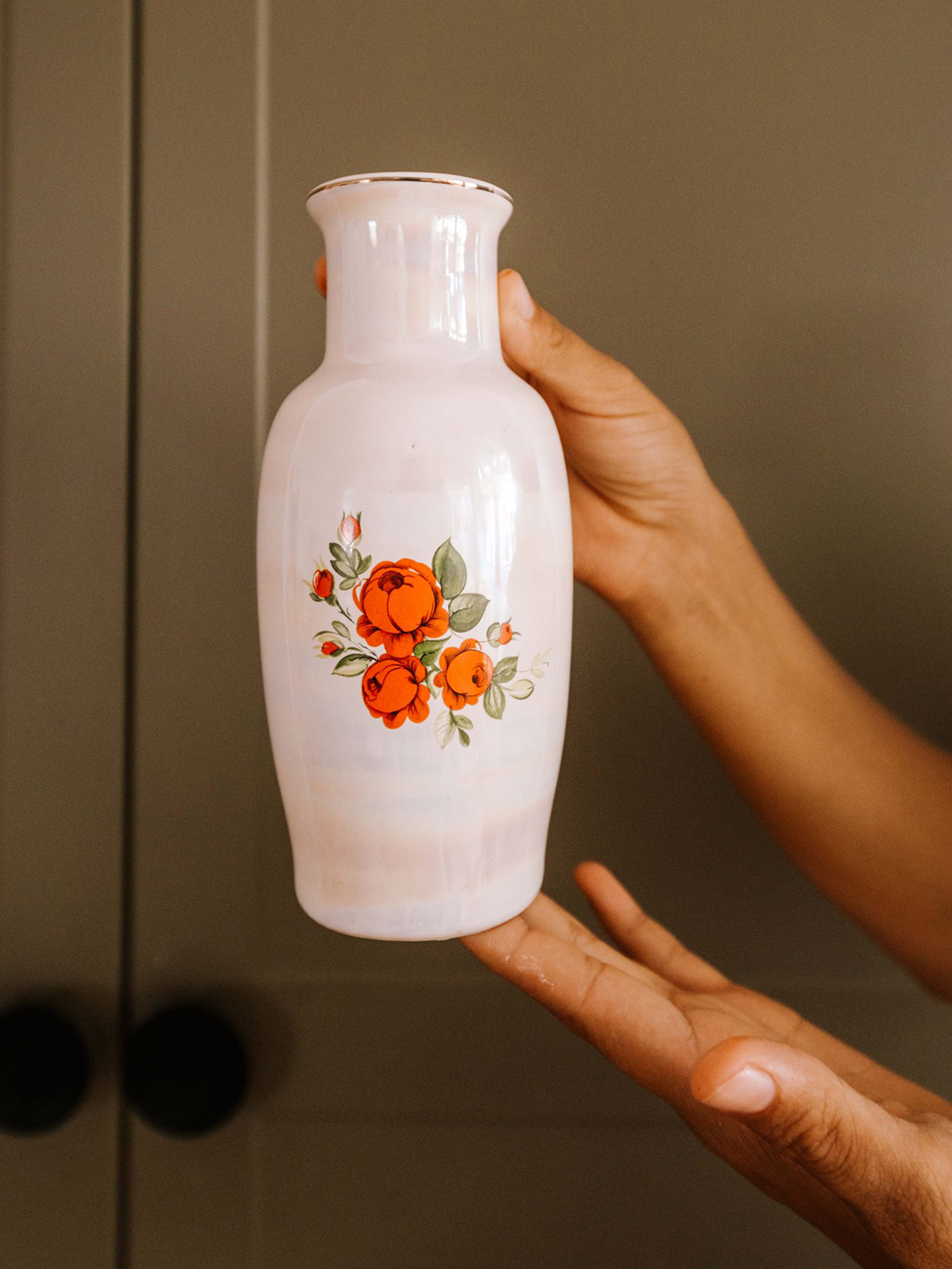
Bookshelves can also be revitalized by painting their interiors, offering a high-impact transformation with minimal effort. This brings a fresh look to reading nooks. Upcycling furniture with leftover wood paint is an affordable way to change a piece's appearance. One liter of paint is usually sufficient for chairs, bedside tables, or coffee table legs. Oil-based paints are recommended for their durability on wooden furniture, and applying two coats can help avoid streaks.
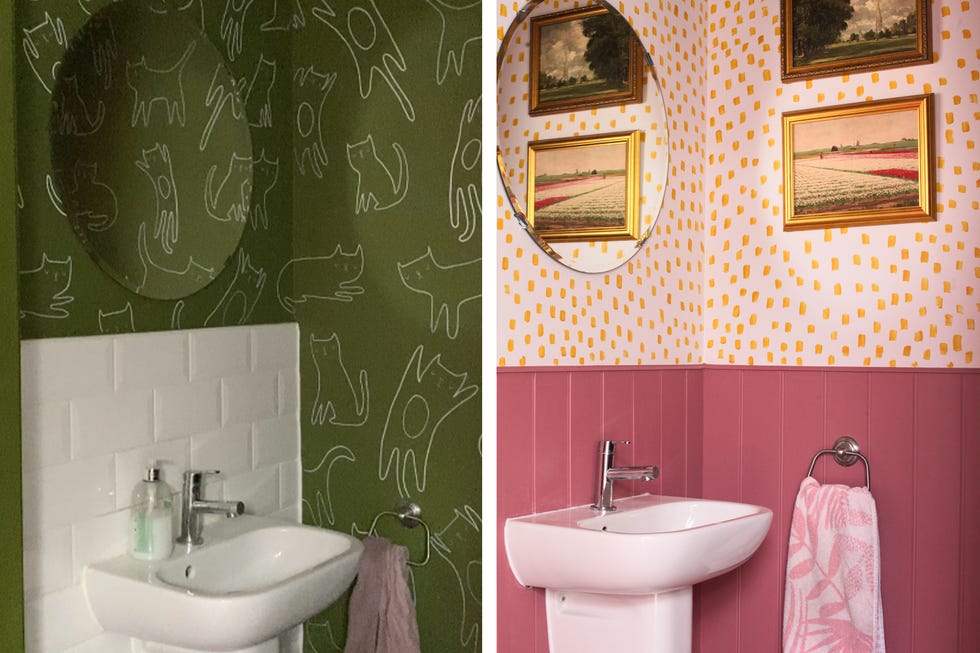
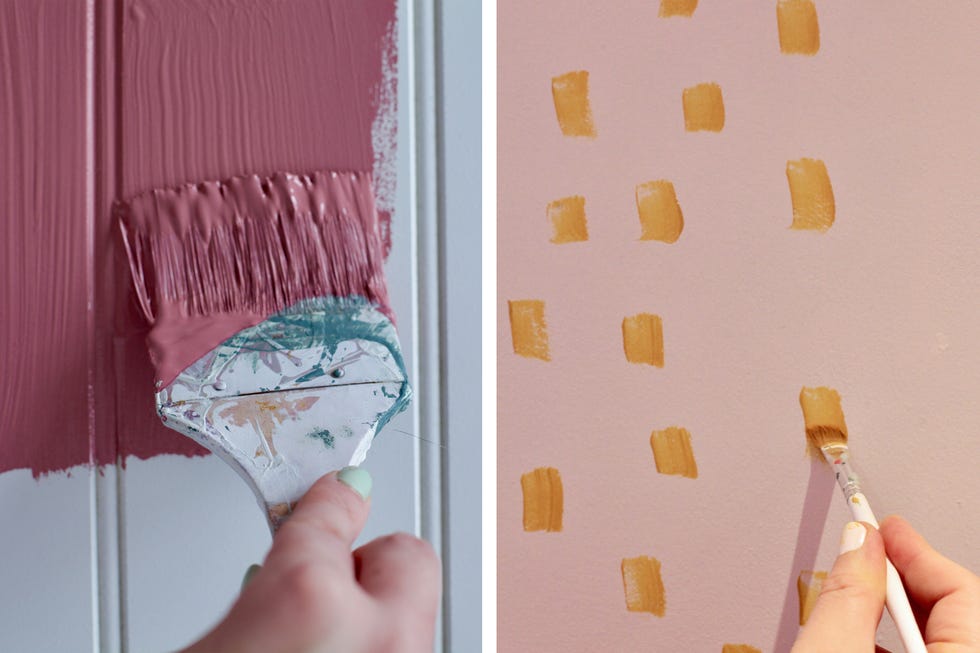
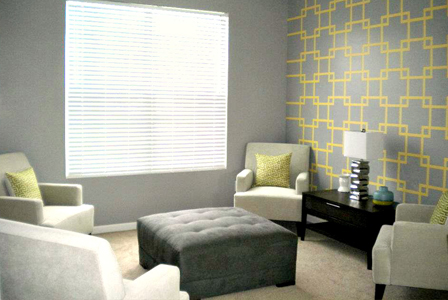
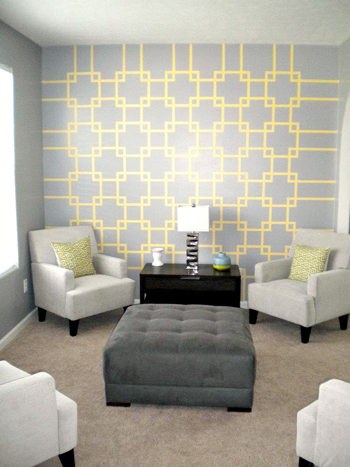
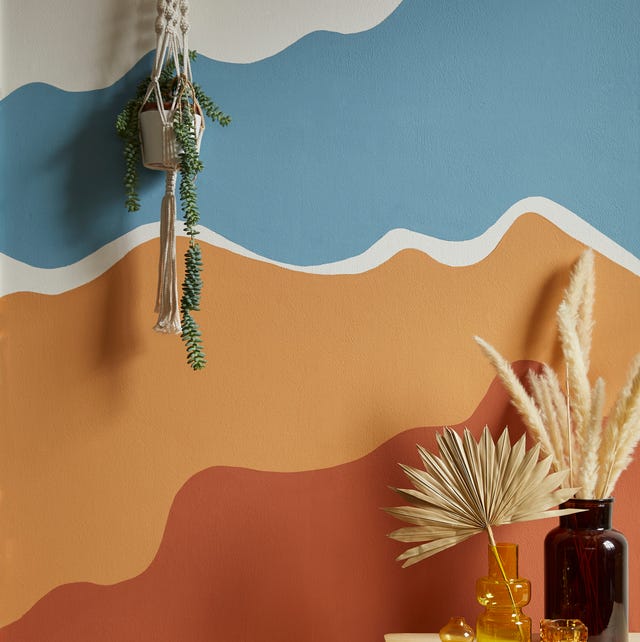
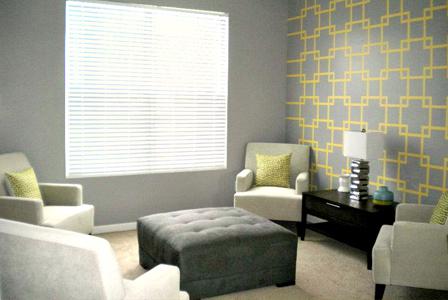
For those with a creative inclination, leftover paint can be used to create murals, shapes, and patterns such as stripes, abstract swirls, or geometric designs. Lucy Steele highlights that wall paint patterns are a current trend, offering a unique, less permanent alternative to wallpaper that uses less paint. Masking tape can be used to outline the design, and the paint should be allowed to dry for 24 hours before removing the tape.
Finally, painting can define zones within open-plan or multi-functional rooms. For instance, a combination of leftover paints and masking tape can create a distinct work area in a bedroom or dining room, especially with energizing colors. Stenciling provides a budget-friendly way to achieve a tile effect on surfaces like fireplace surrounds or kitchen tiles, mimicking expensive tile patterns with minimal paint.
#HomeDecor #DIYProjects #PaintIdeas #InteriorDesign #BudgetDecor #Upcycling #CreativeHome #HomeRenovation #HomeDecor #DIYProjects #PaintIdeas #InteriorDesign #BudgetDecor #Upcycling #CreativeHome #HomeRenovation
0 comment in total
 No comments yet
You may also like
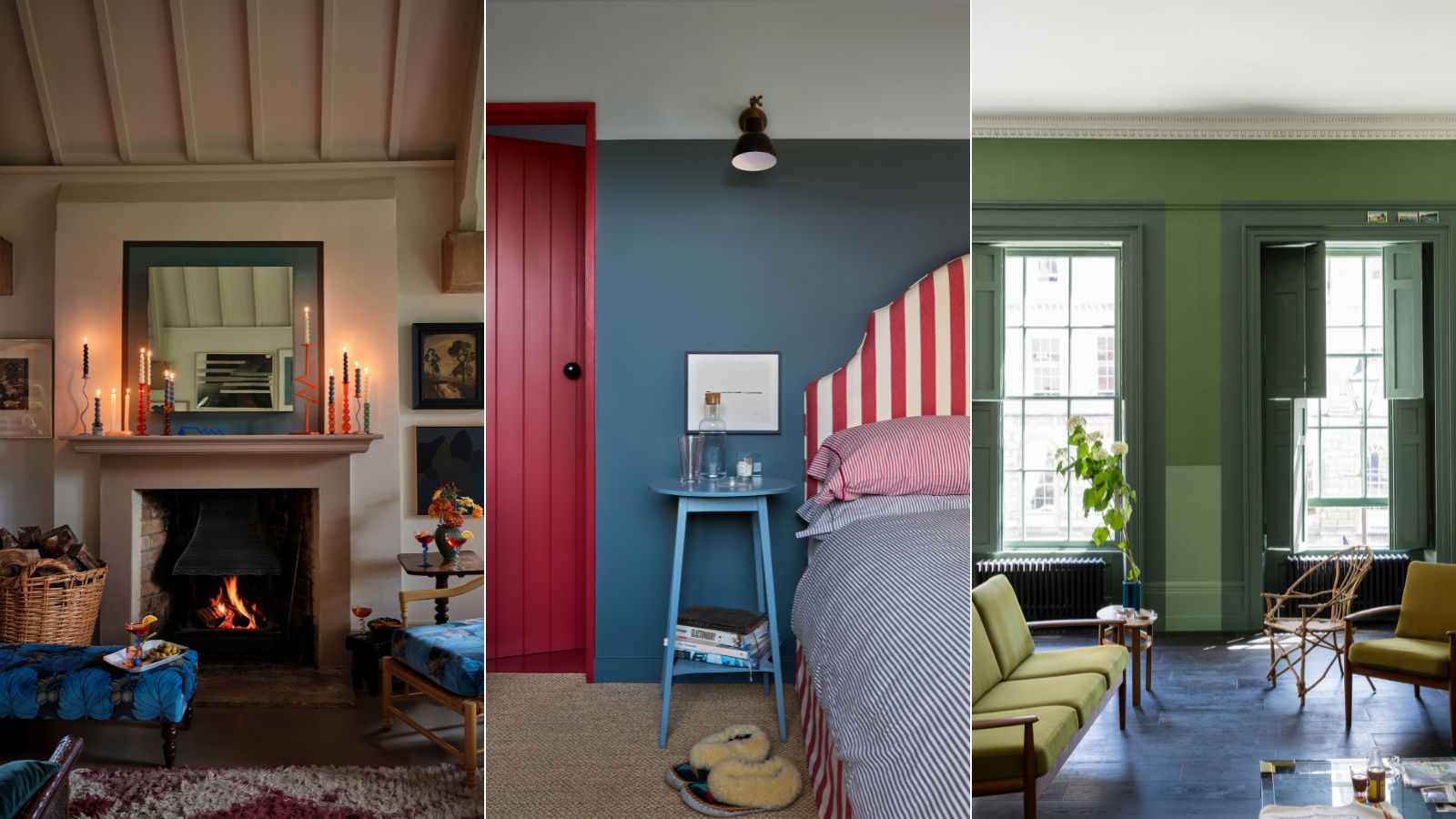
'Modest amounts of color can make huge statements' – Farrow & Ball's color curator shares 5 simple ways to transform the home with paint

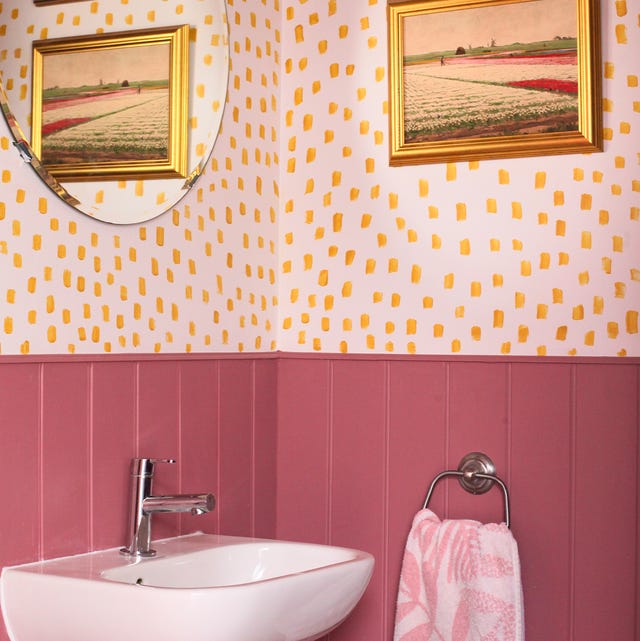
Paint DIY: How To Transform A Downstairs Loo With Paint

This Paint Brand Will Transform Your Room In A Day

Craig Phillips’ 8 tips on the best ways to refresh your home with a lick of paint

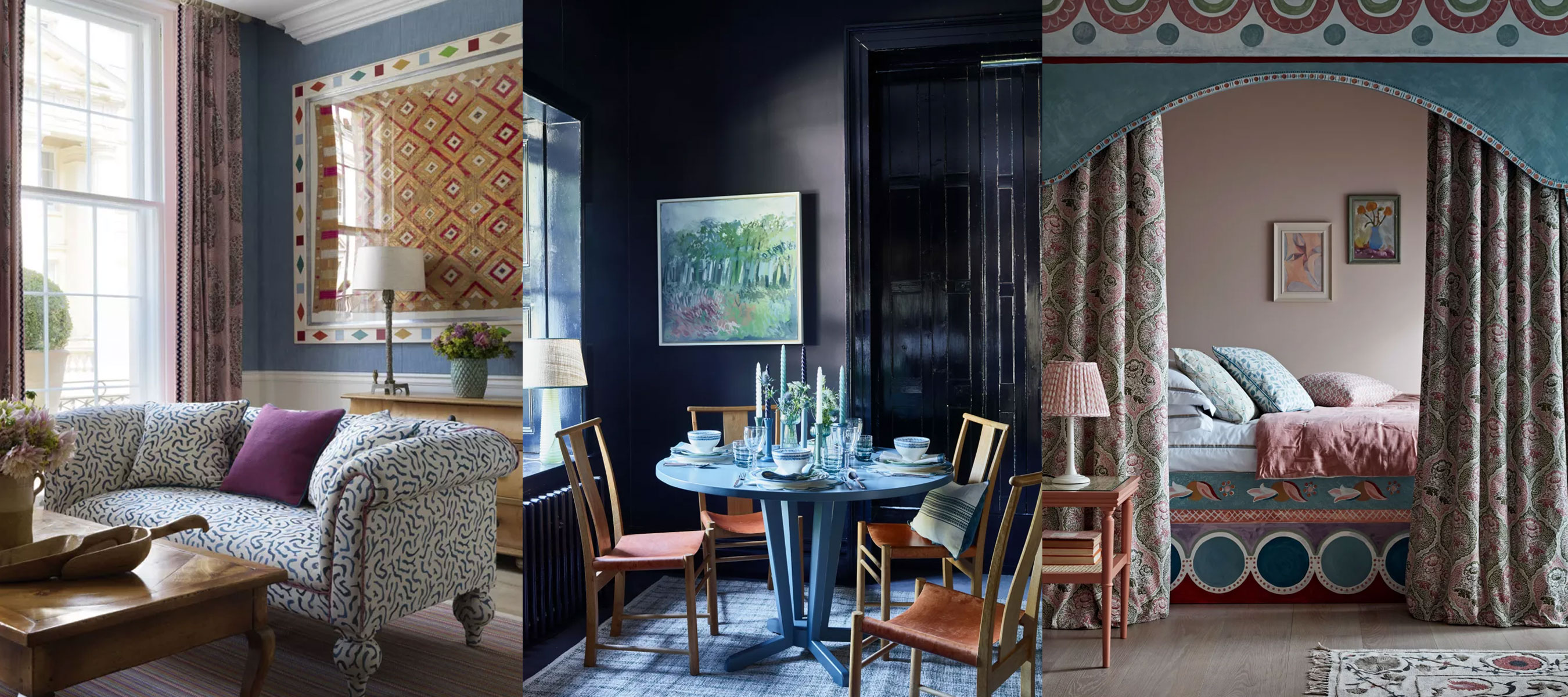
Quick and easy paint projects – 10 ideas for refreshing your home, speedily and stylishly
How to use paint to change the size and shape of your room

Nine Tricks That Make Painting Any Room a Lot Easier

How to transform your home with art
12 Tips For Making Small Rooms Appear Larger Using Paint

Painting hacks: How to transform your home with paint
Update your home with these paint tips!

An Under-$500 Bathroom Upgrade Starring Humidity-Proof Paint

These Easy DIYs Prove That Paint Can Transform Any Room Without Breaking the Bank

DIY fan shares easy way she paints high ceiling corners WITHOUT using a ladder
How to make a room look bigger with paint: 10 expert tips

Decorating expert reveals this is the best time of year to paint your home

4 Creative Ways To Use Limewash Paint To Transform Your Home
These hacks are all you'll need for your next home painting project

A Textured Paint Hack That’ll Transform Any Vase—The Good, the Bad, and the Ugly
6 Small Paint Projects That Can Completely Transform Your Space In 2025