1/6
'Modest amounts of color can make huge statements' – Farrow & Ball's color curator shares 5 simple ways to transform the home with paint
Color is a fundamental element in home aesthetics, capable of profoundly influencing the mood and atmosphere of a space. While comprehensive redecorations to introduce new color schemes are not always feasible or desired, subtle applications of paint can still yield significant transformative effects. Joa Studholme, the in-house color curator at Farrow & Ball, offers five innovative strategies to revitalize existing interiors through paint without necessitating a complete overhaul.
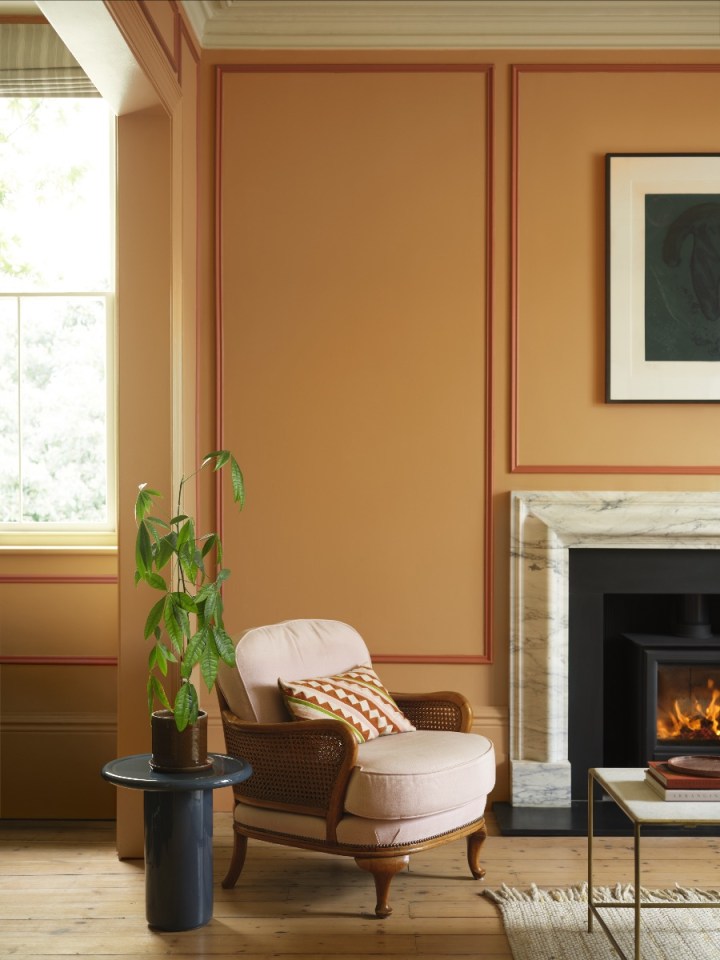
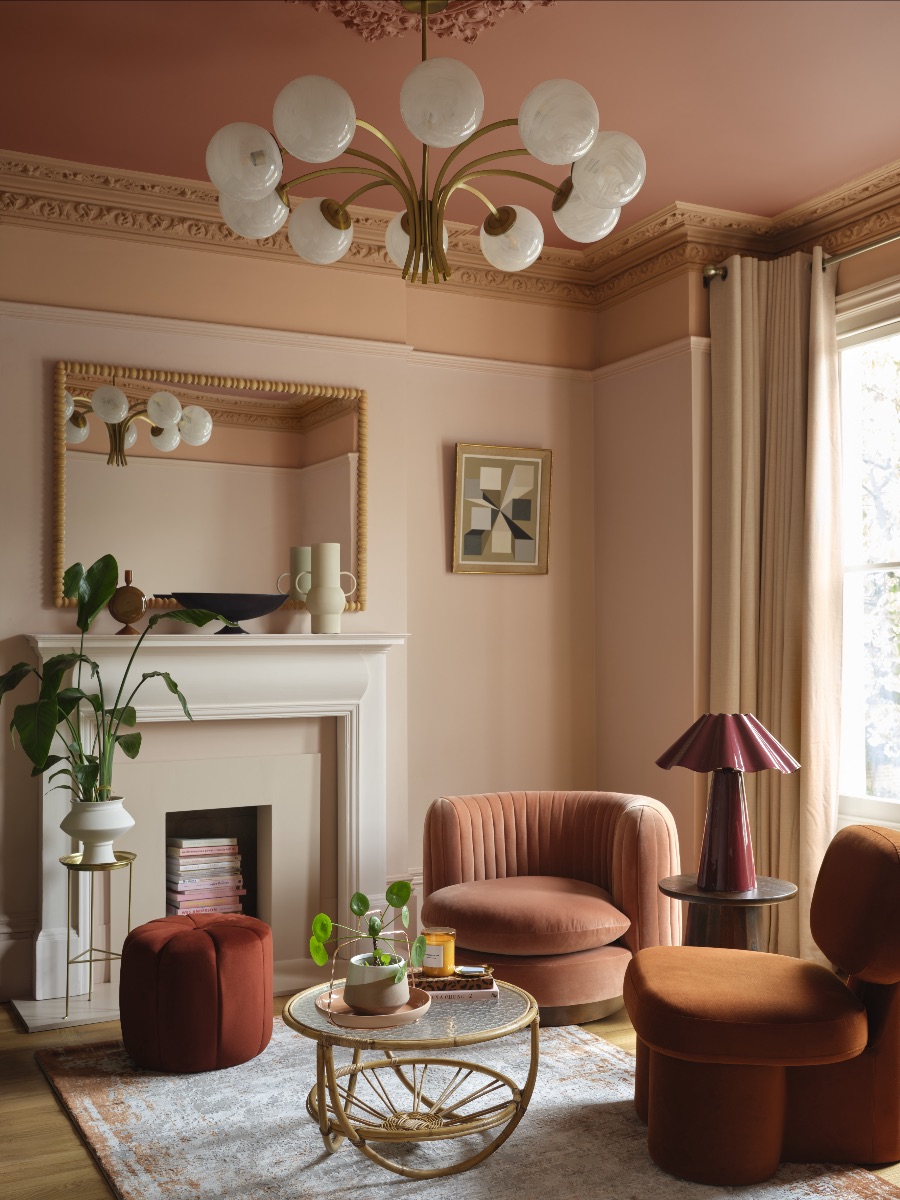
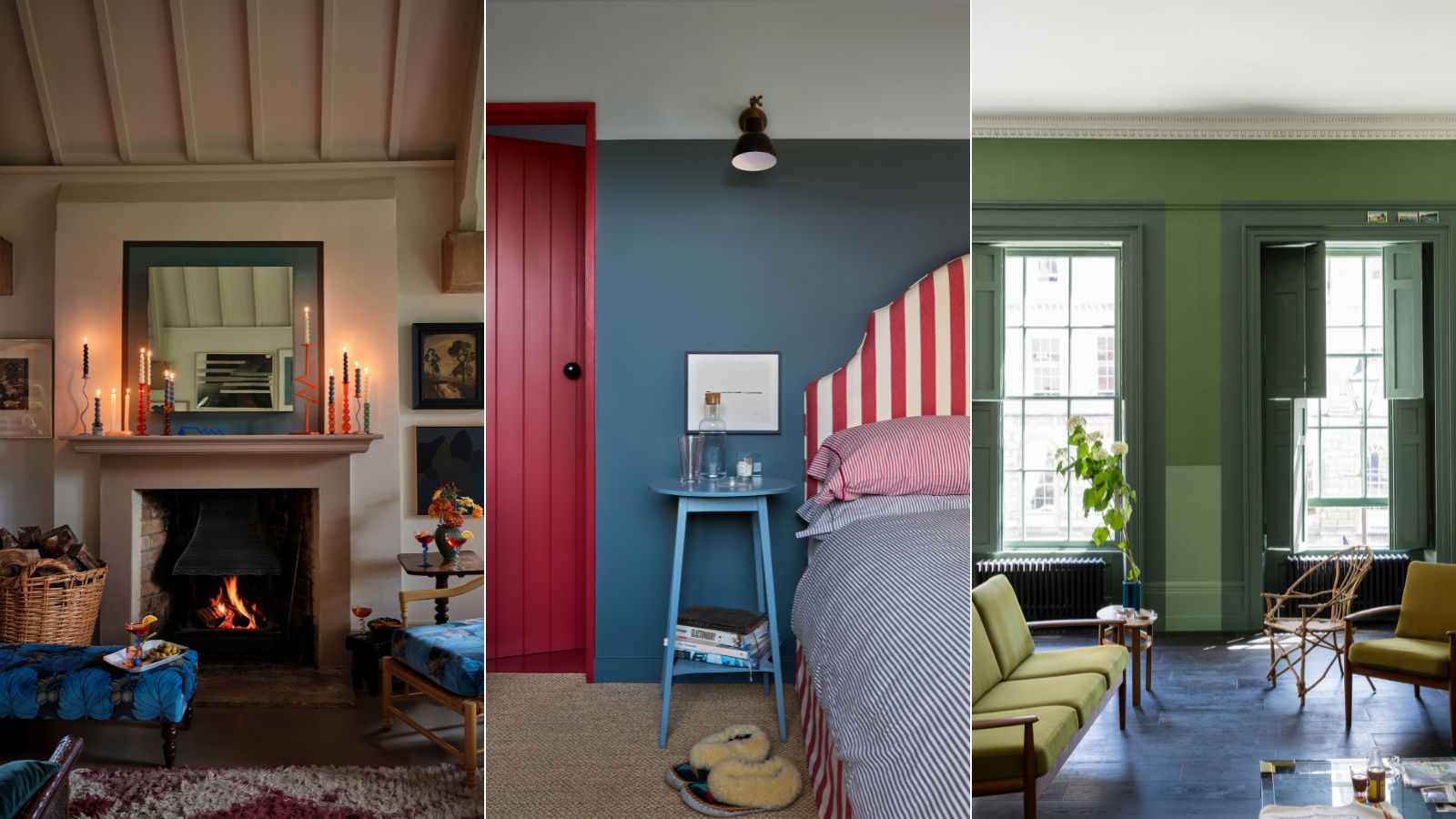
The first approach involves creating painted borders around wall decor. If a mirror or artwork appears undersized for a wall, painting a border around it, potentially expanding with contrasting colors, can adjust its perceived scale and prominence. This technique also serves to highlight gallery walls by painting the area directly behind multiple pictures, drawing attention to the collection. An example provided showcases a cozy living room where a mirror is framed with Berrington Blue and Pantalon, enhancing the neutral School House White walls and Smoked Trout fireplace.
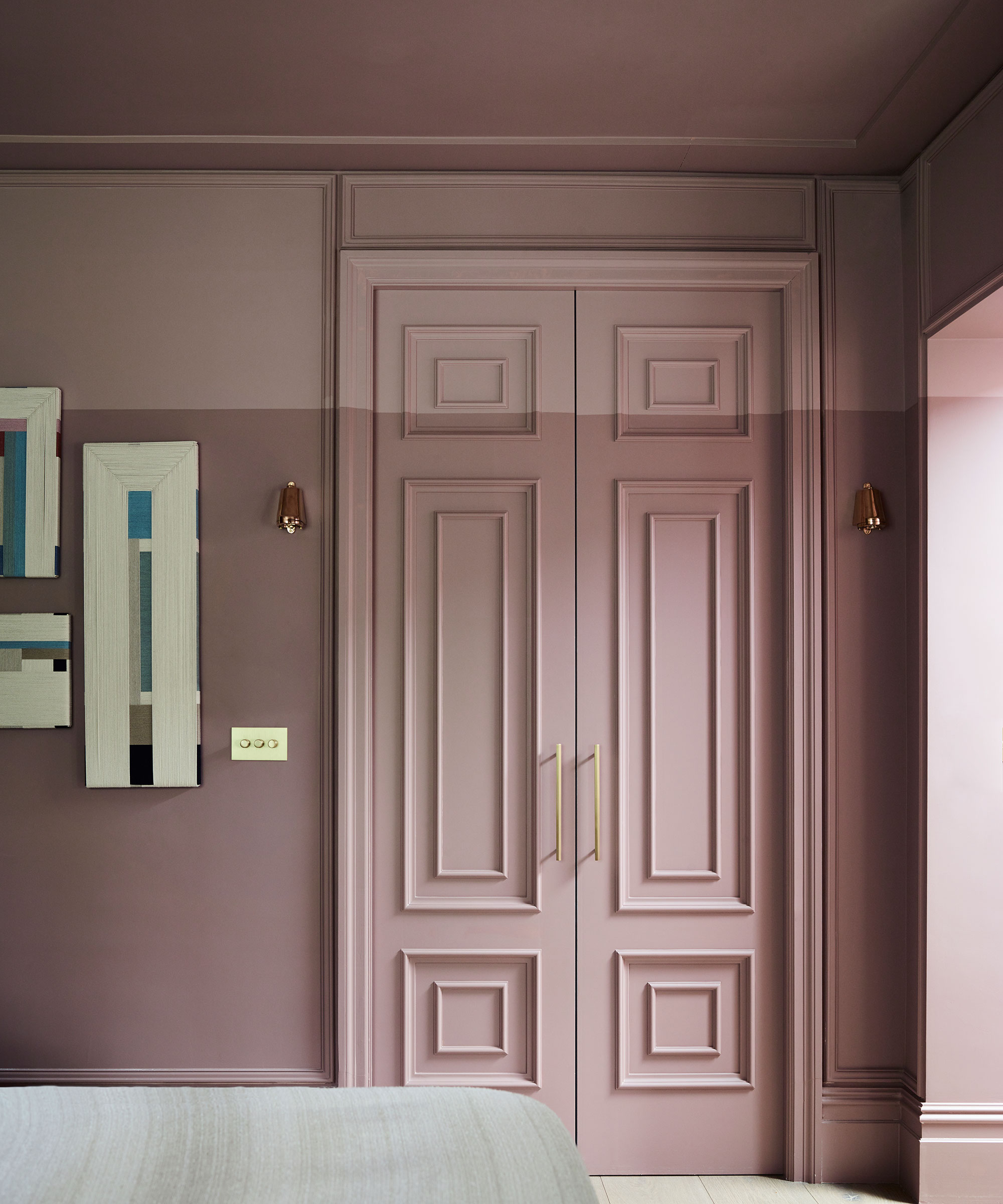
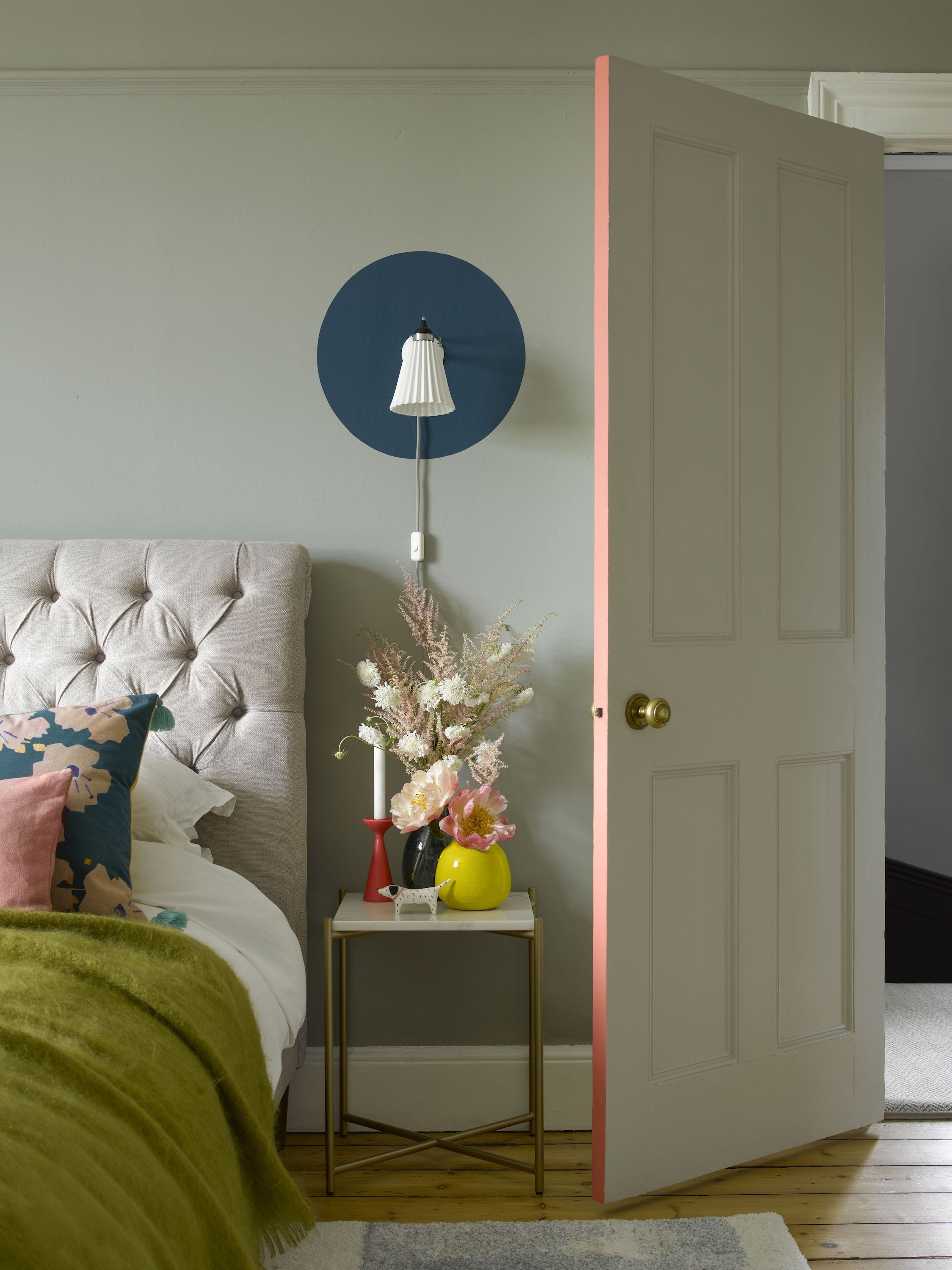
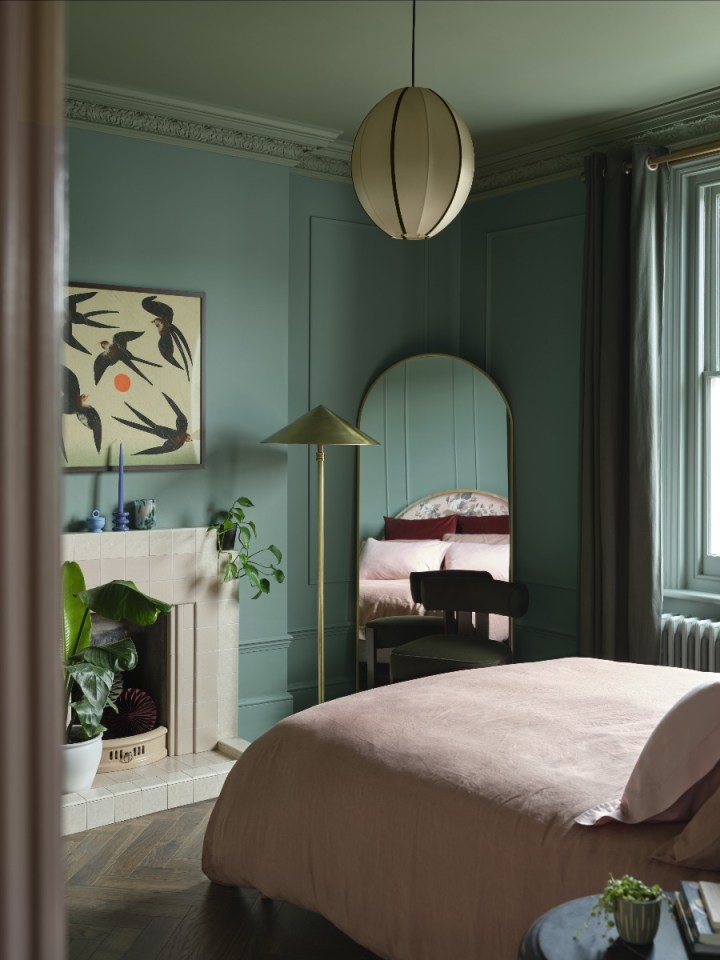
Secondly, doors, often overlooked in color planning, present an excellent opportunity to inject vibrant hues into a room. Painting a door in a bold color, such as Preference Red in Full Gloss, can introduce an unexpected visual lift, transforming a neutral space into something more dynamic and playful. This method, exemplified by a bedroom with a door painted in Picture Gallery Red contrasting with Inchyra Blue walls, aligns with the 'unexpected red theory' to create dramatic impact.

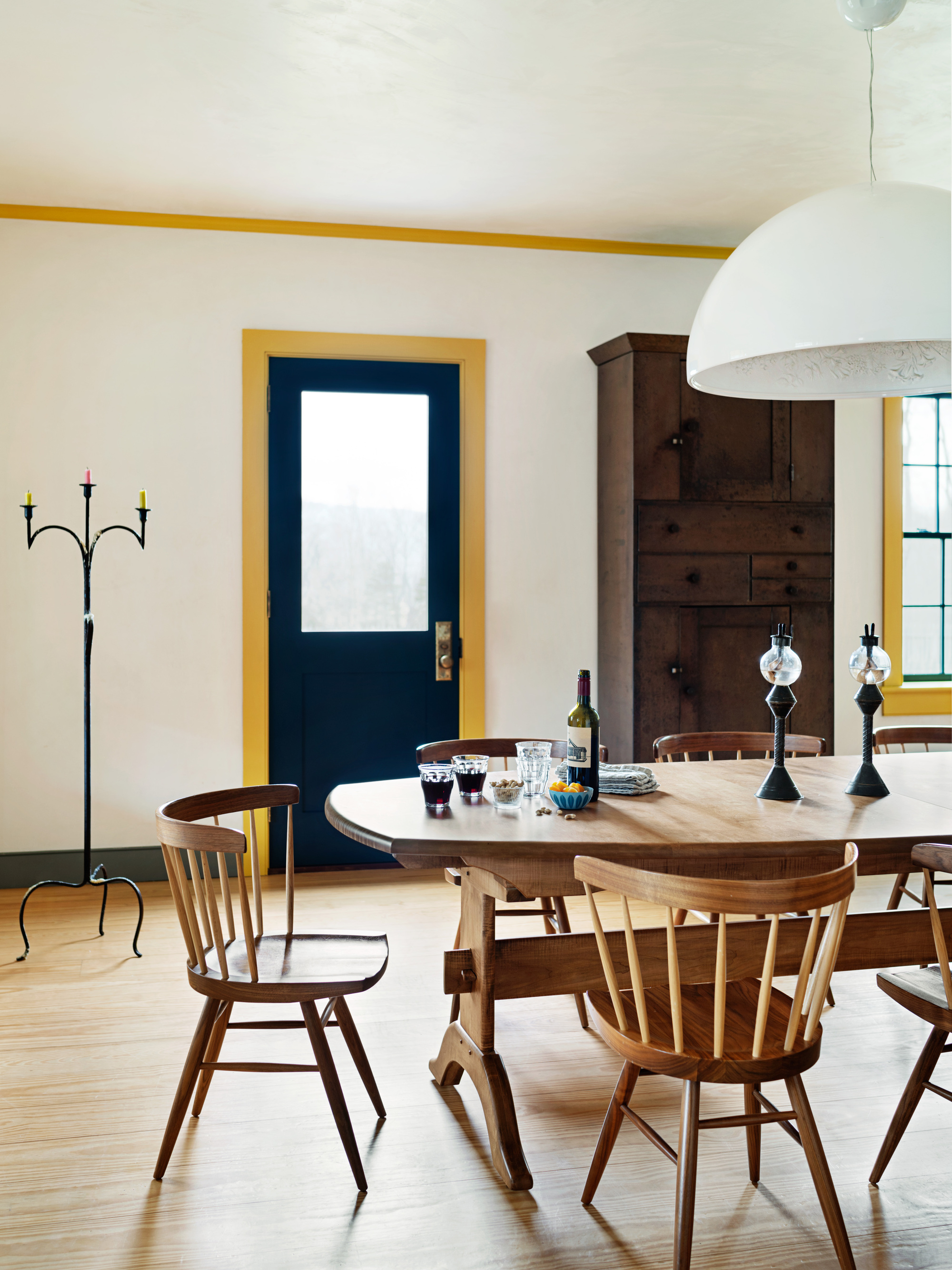
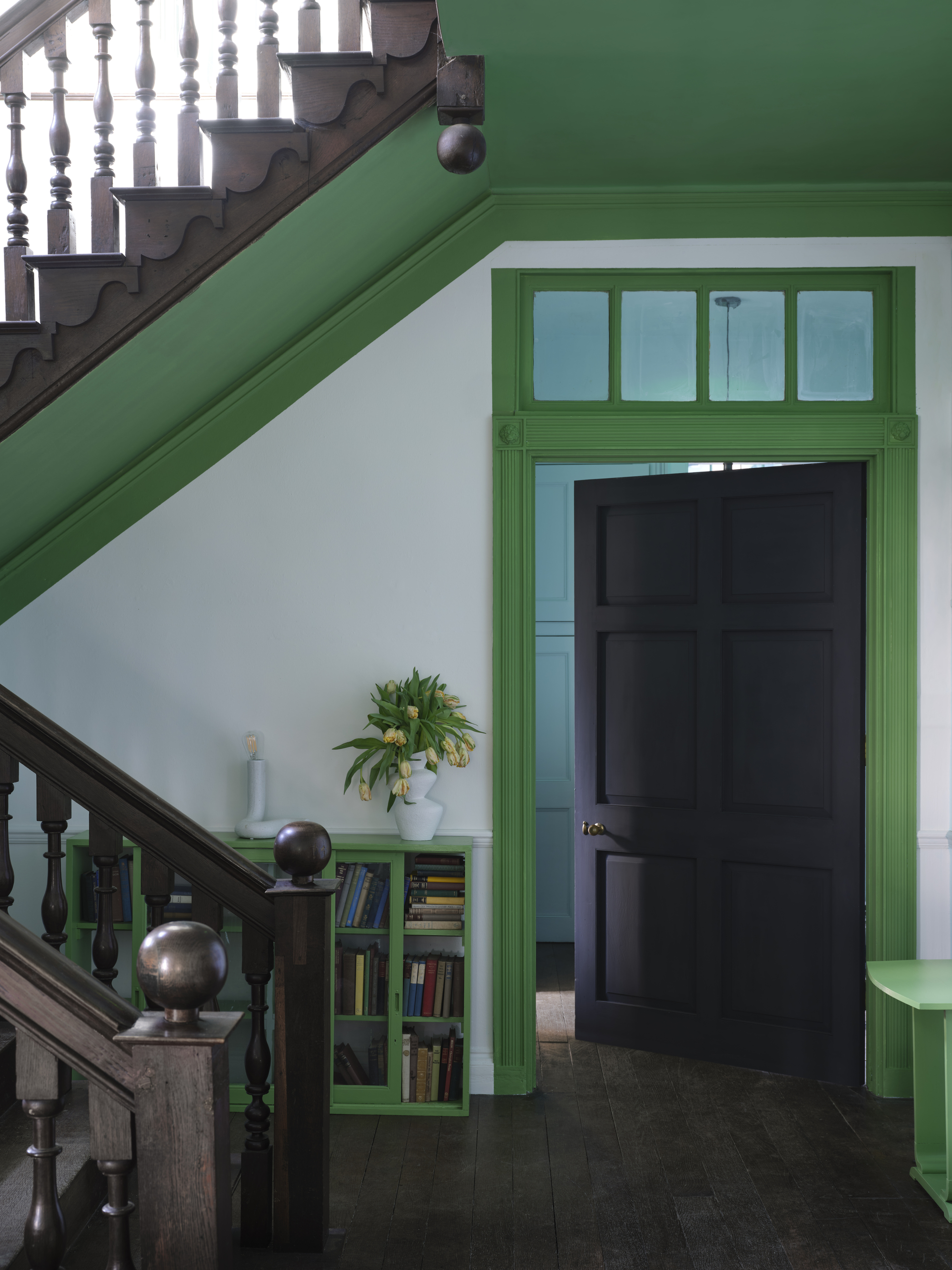
The third suggestion focuses on architraves, typically viewed as functional rather than decorative. Studholme proposes treating these architectural features with lively colors to turn them into contemporary design elements. Using a vivid color like Raw Tomatillo or a softer hue like Pink Ground with a scalloped stencil can redefine architraves. An illustration demonstrates a dining space where a doorway leading to the garden is framed in Green Smoke and Charlotte’s Locks, adding a distinctive pop of color. Oversized painted frames that extend over architraves and onto the ceiling can also impart a sense of importance to specific doors, while even simple arches between rooms can be enlivened with punchy colors like Bamboozle.
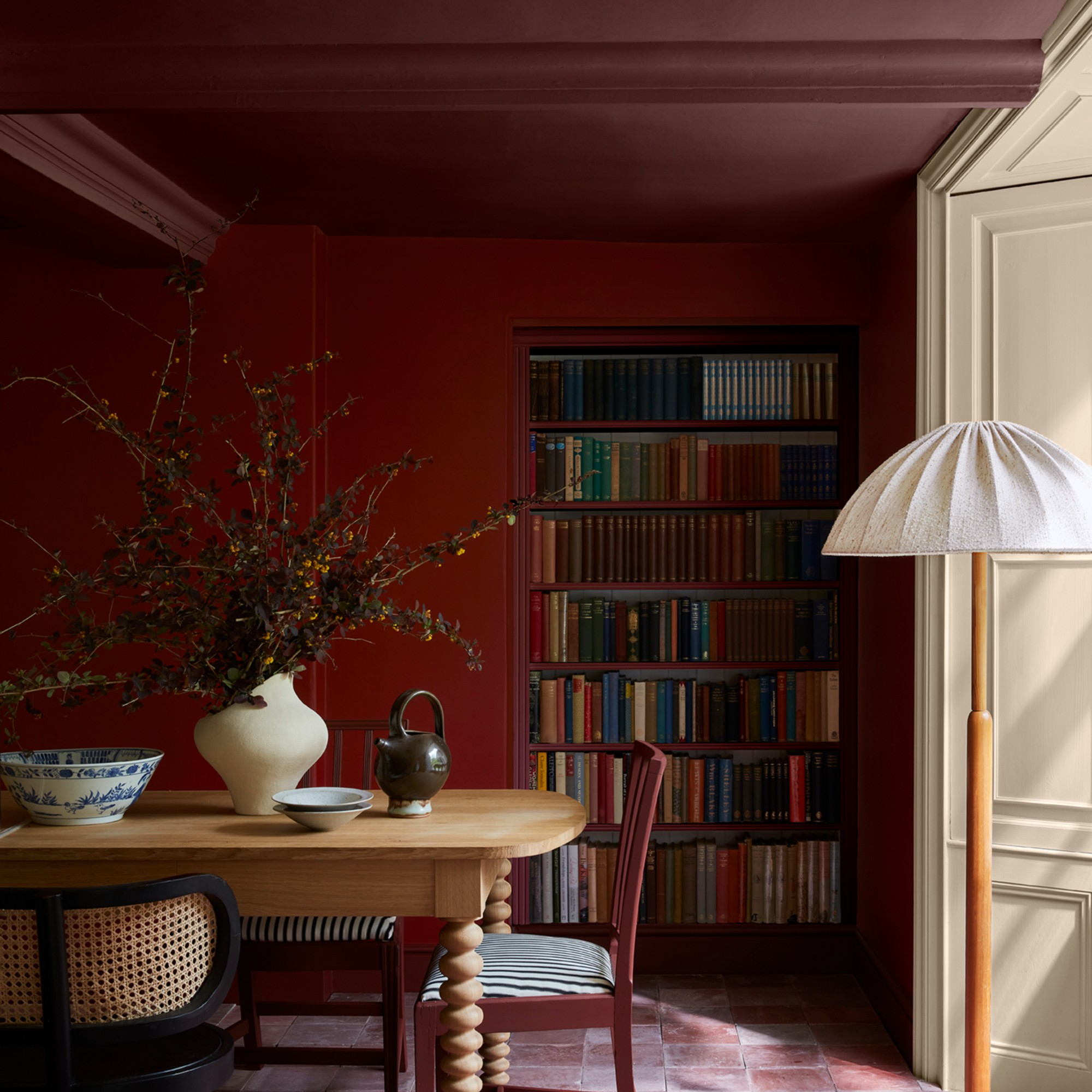
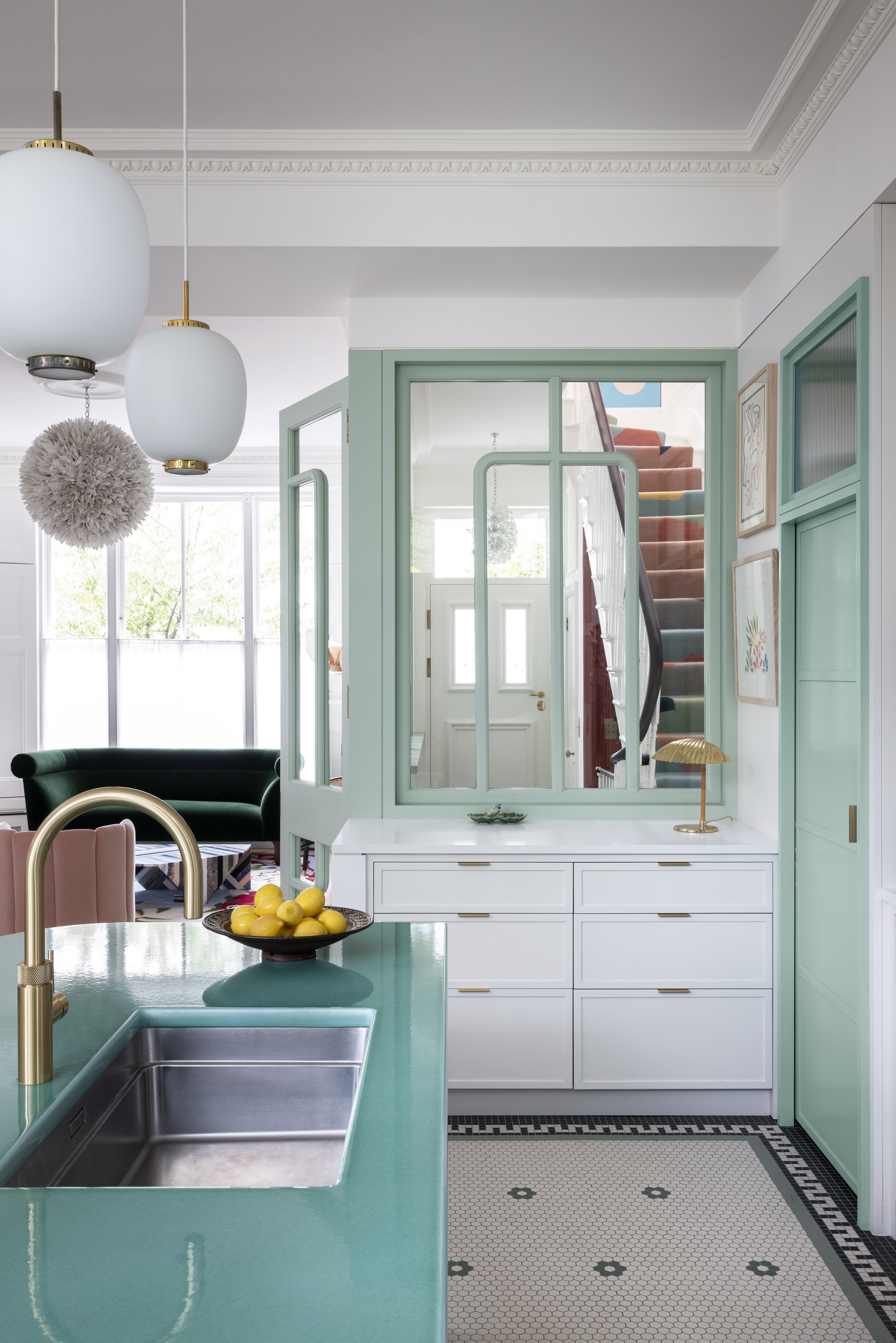
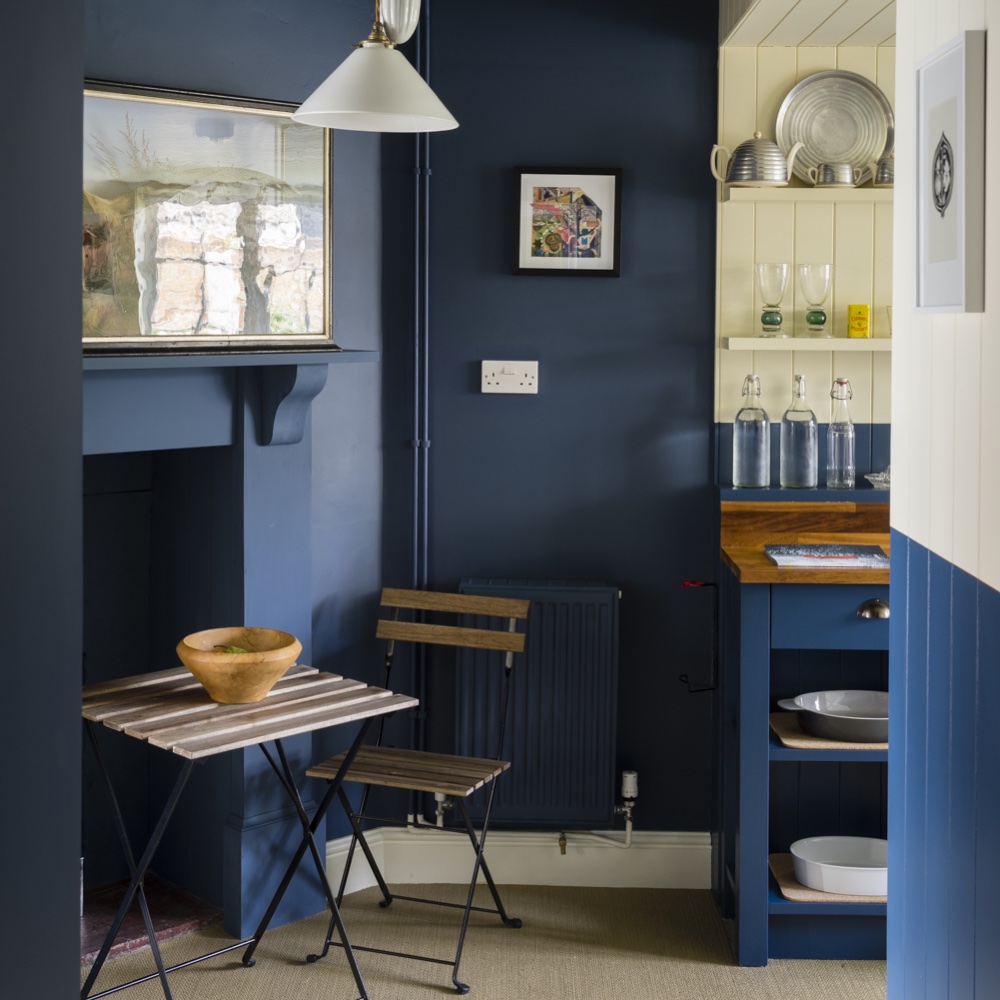
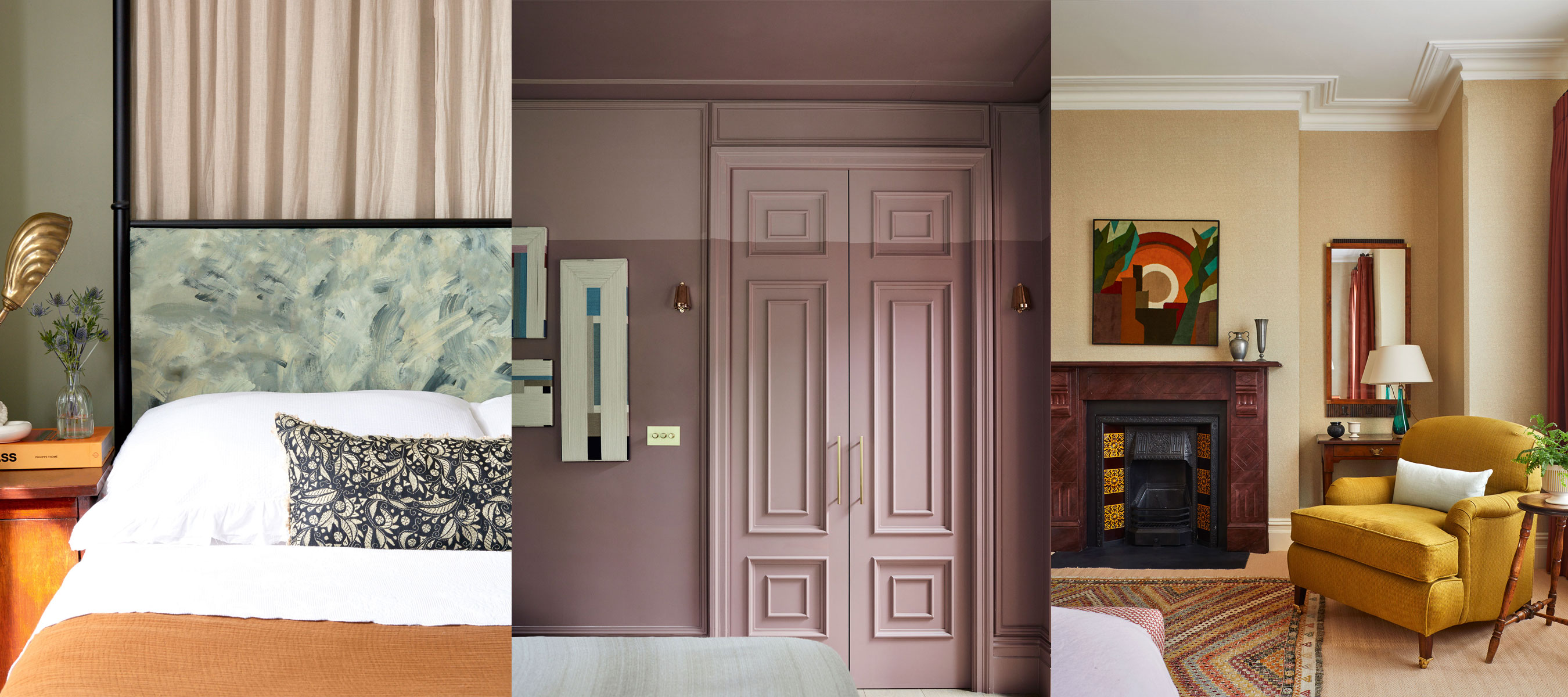
Fourthly, integrating unexpected colors into joinery, particularly in less conspicuous areas, offers a subtle yet impactful way to introduce color without overwhelming a room's dominant palette. Painting the interiors of kitchen units, closets, or the backs of bookcases with uplifting colors like Stone Blue, Selvedge, or Charlotte’s Locks can create delightful surprises upon opening them. A dining room featuring kitchen cabinets in Green Smoke and Eating Room Red demonstrates how this method can add warmth to a light color scheme.
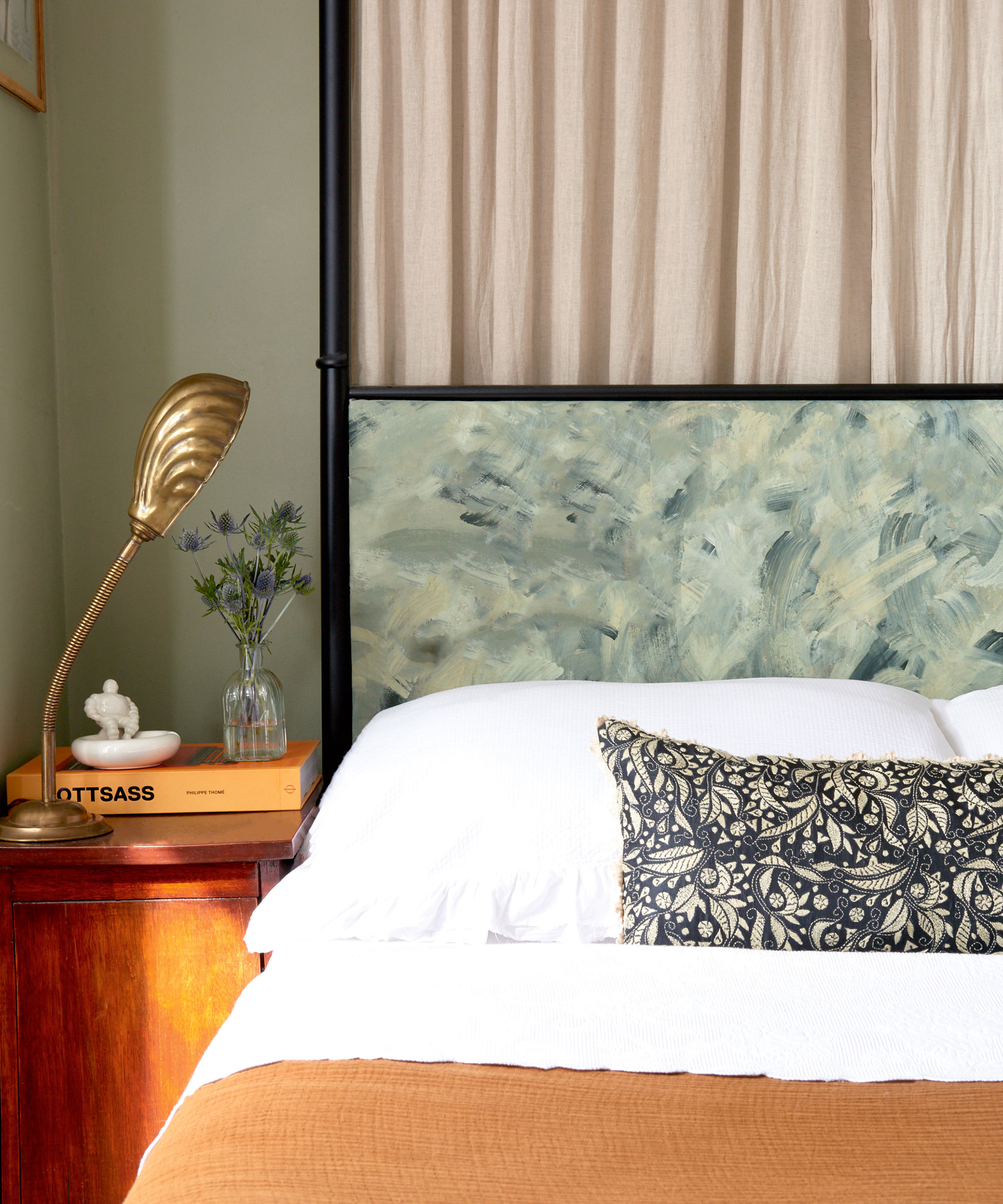
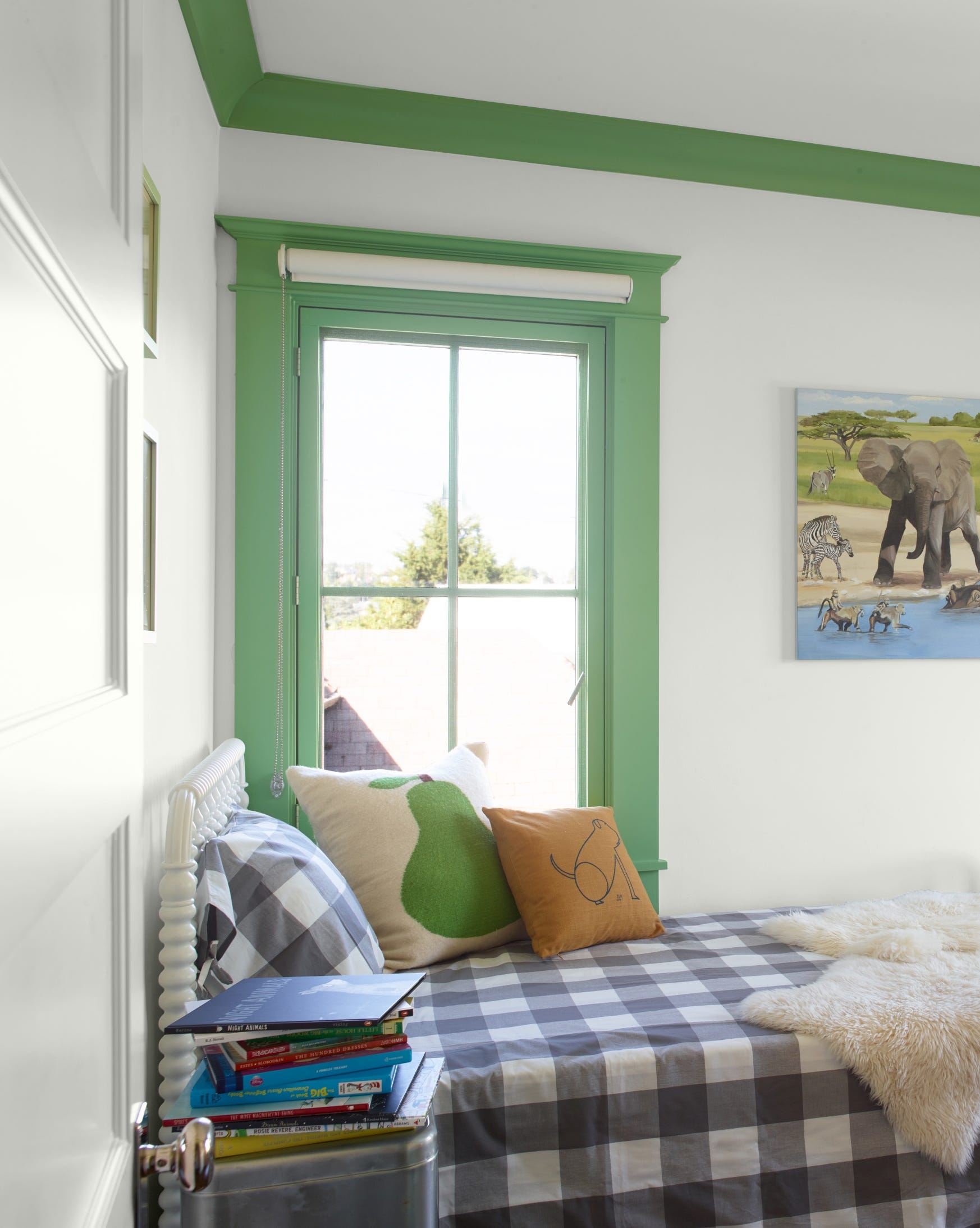
Finally, in bedrooms, paint can be used imaginatively to mimic decorative elements, providing cost-effective and charming solutions. Instead of a physical headboard, painting one directly onto the wall can define the sleeping area and add a unique twist. Using delicate colors like Pale Powder and Eddy on light walls, or bolder choices like Railings or Paean Black for an industrial aesthetic, allows for personalization. This technique is shown in a child's bedroom where white headboards are painted onto green walls. Regardless of the chosen method, it is crucial to sample colors beforehand, as lighting and other environmental factors can significantly alter a paint's appearance.
#InteriorDesign #PaintIdeas #FarrowAndBall #RoomColors #HomeDecor #ColorSchemes #DecorativeDetails #DIYDecor #HomeTransformation #InteriorDesign #PaintIdeas #FarrowAndBall #RoomColors #HomeDecor #ColorSchemes #DecorativeDetails #DIYDecor #HomeTransformation
0 comment in total
 No comments yet
You may also like
Lick Paint Will Transform the Mood in Your Home Through Color Psychology

The best paint colors for small living rooms, according to design experts

Paint ideas for your home – 36 ways to turn every room into a beautiful space bursting with character
These Easy DIYs Prove That Paint Can Transform Any Room Without Breaking the Bank

8 of the best paint colors to enhance small spaces, according to experts
Paint tricks – 10 painting tips and techniques loved by the experts
Before Choosing A Paint Color, Ask These 5 Questions

The Color Drenching Paint Trend Isn't Going Anywhere
6 great ways to use colour drenching in your home

How To Choose The Right Paint Color For Your Home, According To An Interior Design Expert
'It's the best way to make a home joyful' - this paint trend is the perfect idea to introduce color thoughtfully

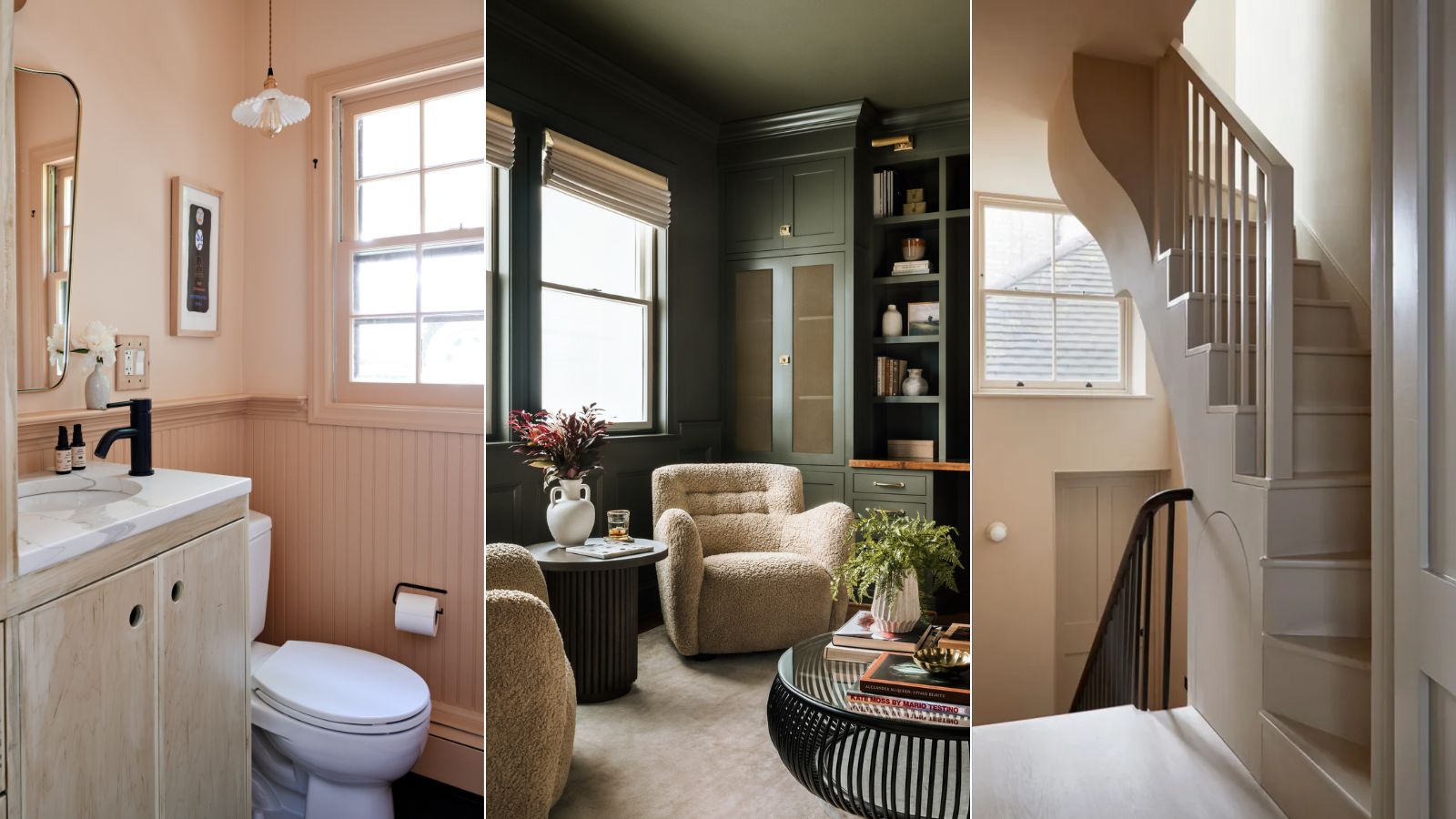
9 rooms that prove color drenching makes small spaces look bigger
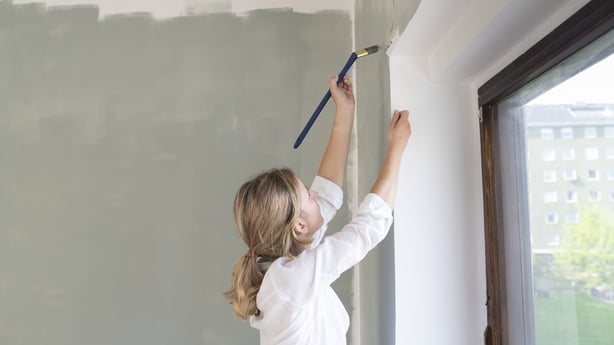
Painting hacks: How to transform your home with paint
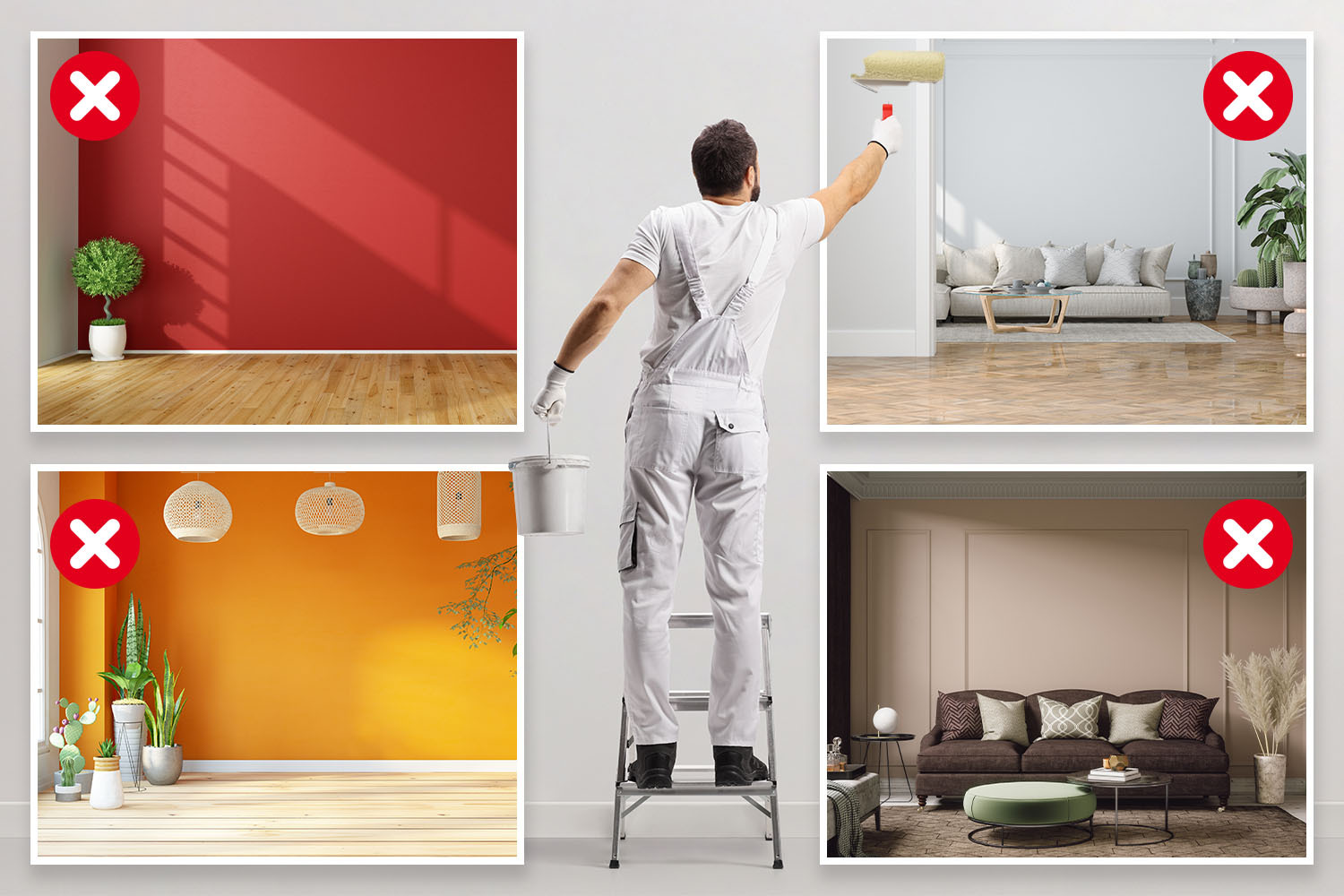
I’m an interior designer - the worst paint colours for small rooms, and why bright white walls is not a good idea

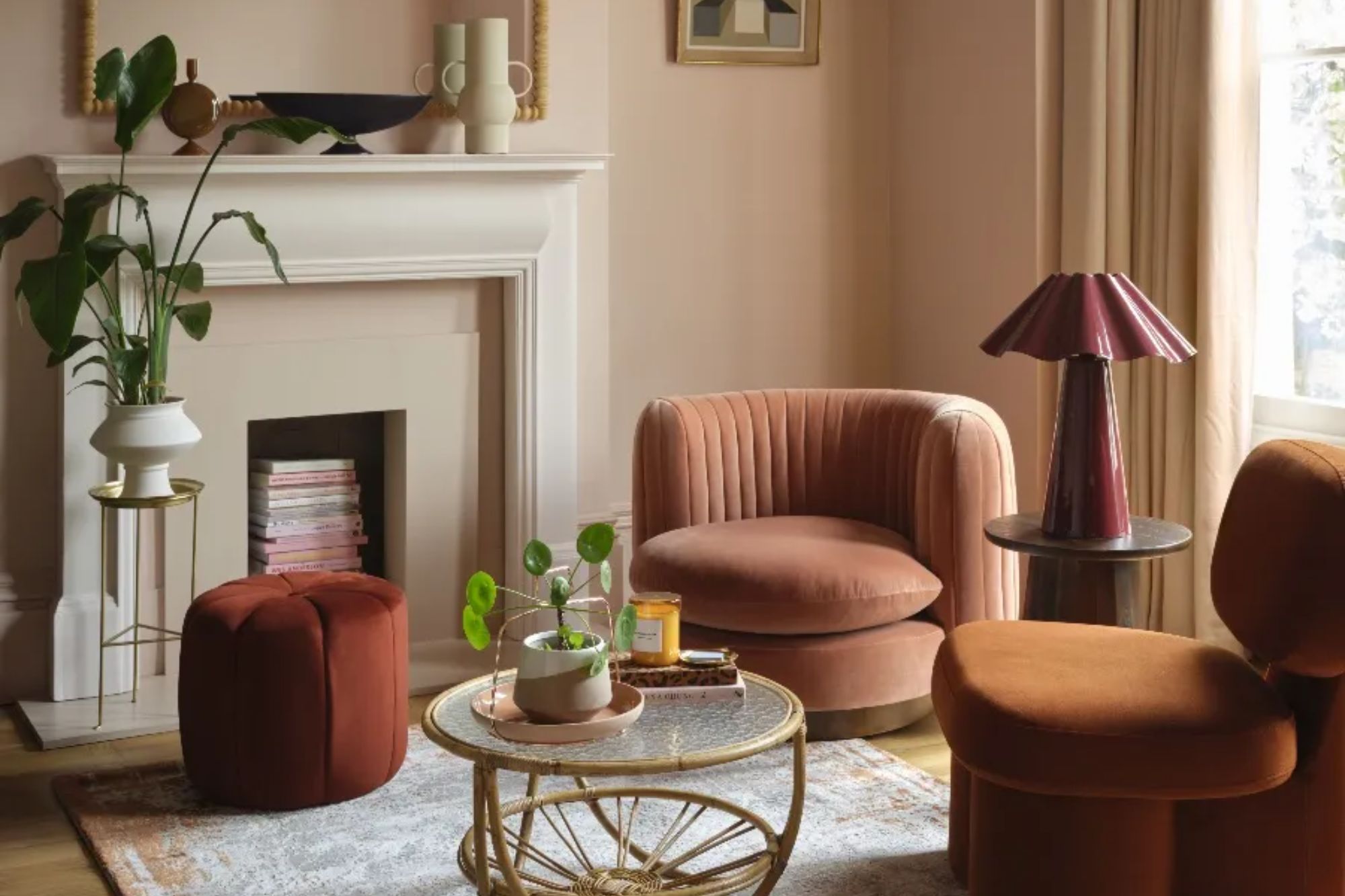
Interior designers reveal the home decor trend that will take over 2026 & why it's time to bin off accent walls
The top 54 paint colours of the decade – all the shades we couldn't live without
The 13 Best Paint Colors for Low-Light Rooms

10 ways to transform your home with just half a pot of paint
This Paint Brand Will Transform Your Room In A Day

The bold and the beautiful — how brave paint choices can bring your home to life