1/5
Studio Ben Allen uses geometric screens to create adaptable London apartment
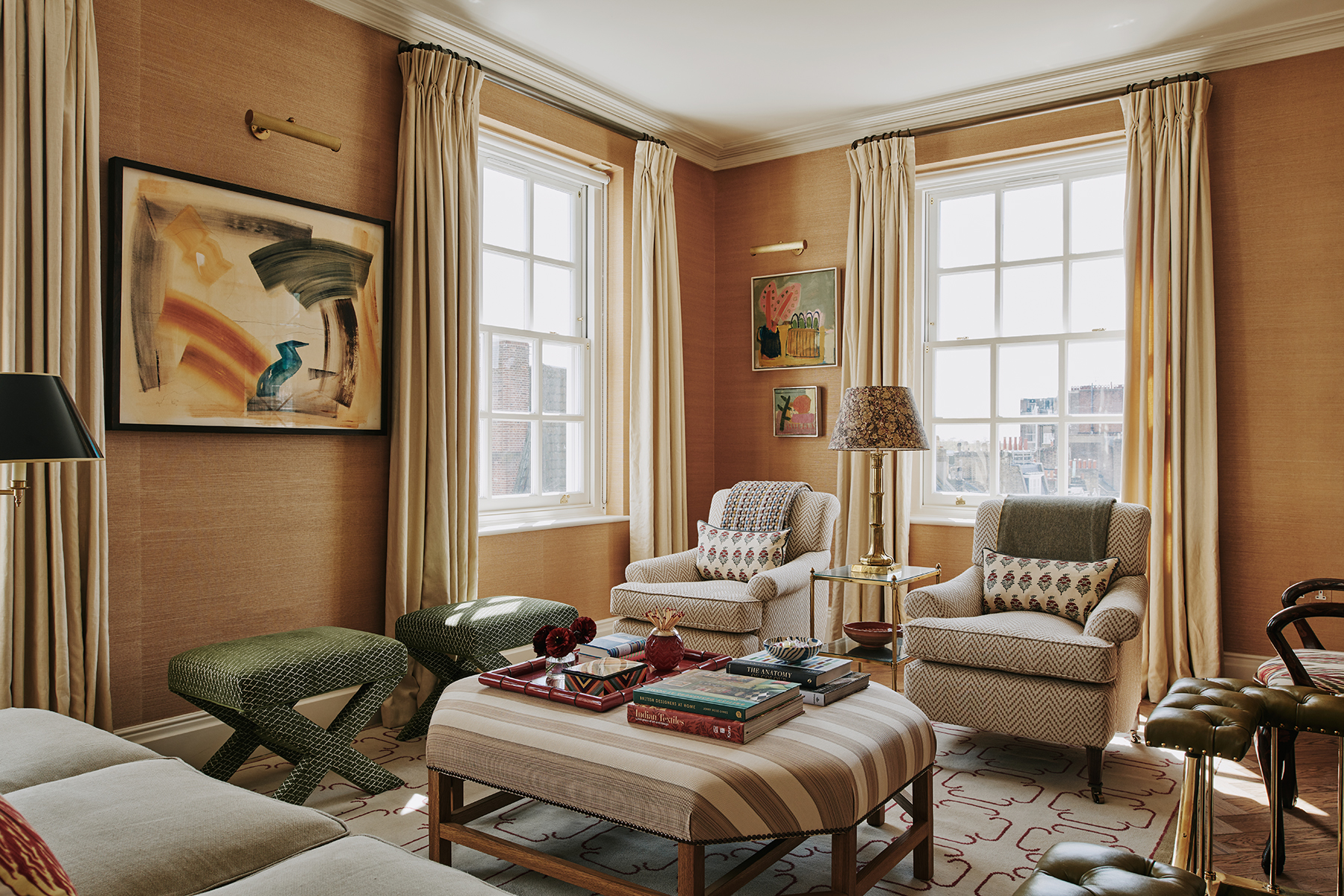
Studio Ben Allen undertook the renovation of a residential apartment located within a 19th-century regency villa in North London. The primary objective of the project was to enhance the flexibility and adaptability of the apartment's layout, making it more suitable for modern living while respecting the property's traditional character. The owners specifically requested the retention of the original room arrangement, prompting the studio to devise an innovative and non-intrusive solution.
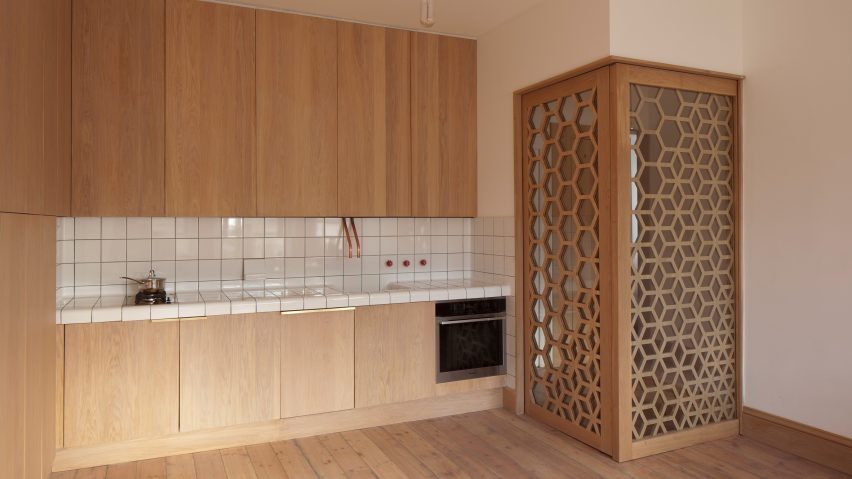
The design approach was heavily influenced by the geometric-patterned screens commonly found in traditional Indian architecture. This inspiration led to the development and implementation of four custom-made perforated screens positioned around the central, square-shaped hall of the apartment. These screens were designed to offer varying degrees of separation, allowing for visual connectivity while also providing privacy when needed. The perforations were parametrically designed to regulate privacy levels; areas requiring less privacy featured more open patterns, while those demanding greater privacy incorporated denser patterns. This was achieved by creating a grayscale image where darker areas corresponded to more closed patterns and lighter areas to more open ones, which was then mapped onto the screens as a continuous unfolded elevation.
The movable screens can open in two distinct directions, facilitating the transformation of the space into multiple configurations. When closed, they provide a degree of privacy, allowing only light to filter through their intricate perforations. When fully opened, the screens integrate seamlessly with the existing walls, presenting themselves as decorative wall paneling. This dual functionality ensures that the apartment can be reconfigured to suit various social or personal needs without permanent alterations to the floor plan.
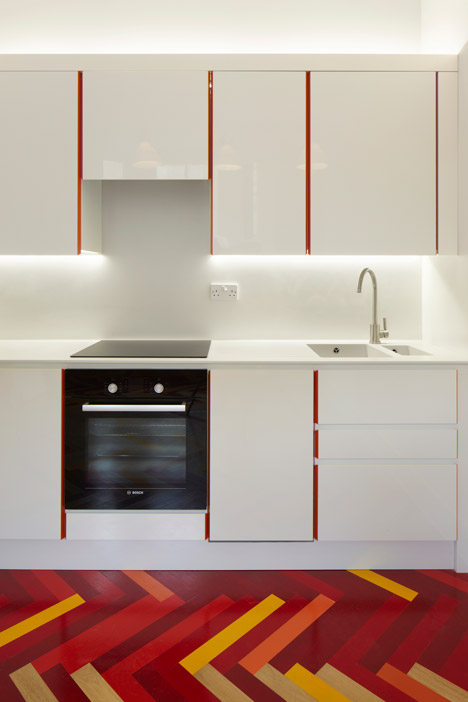
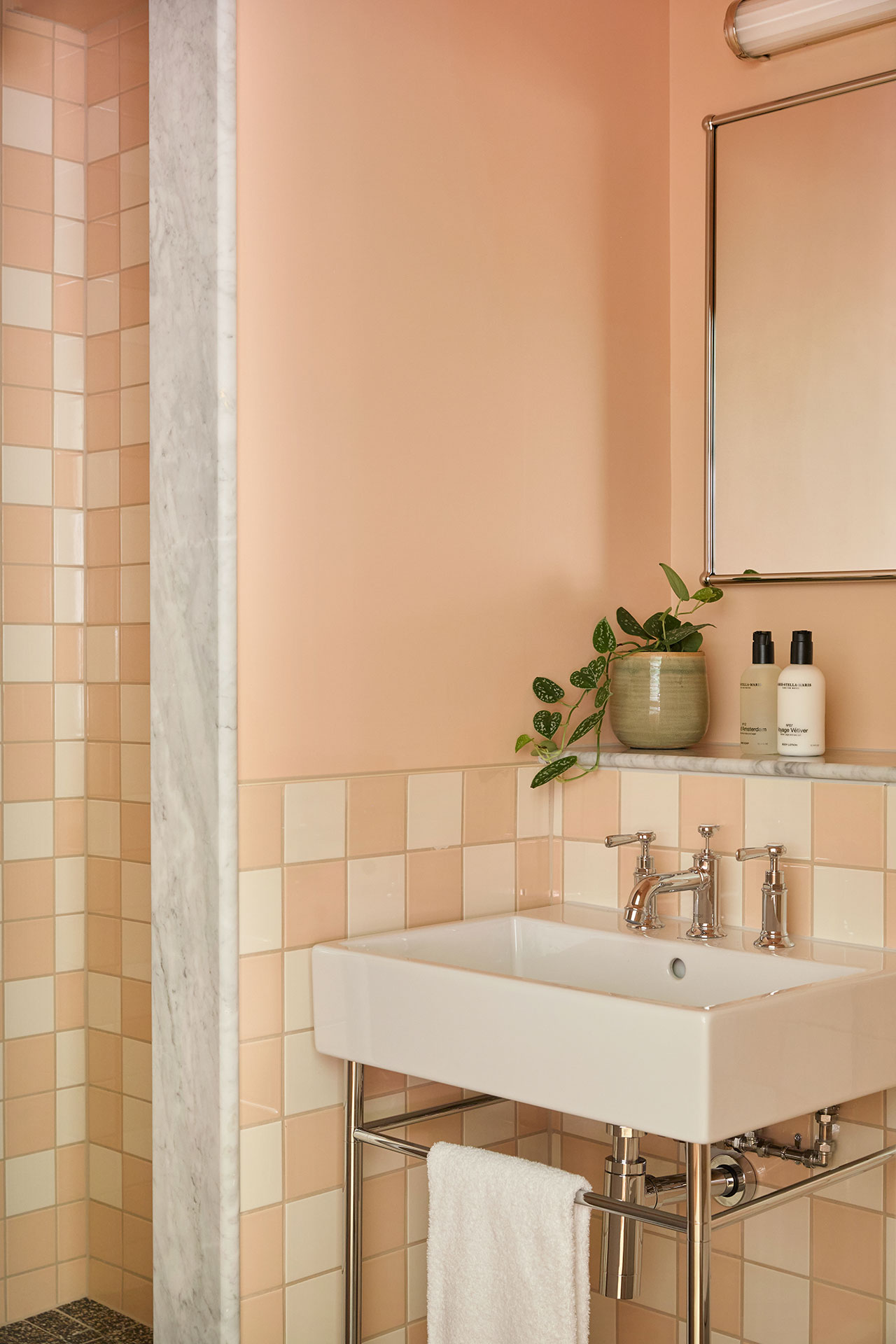
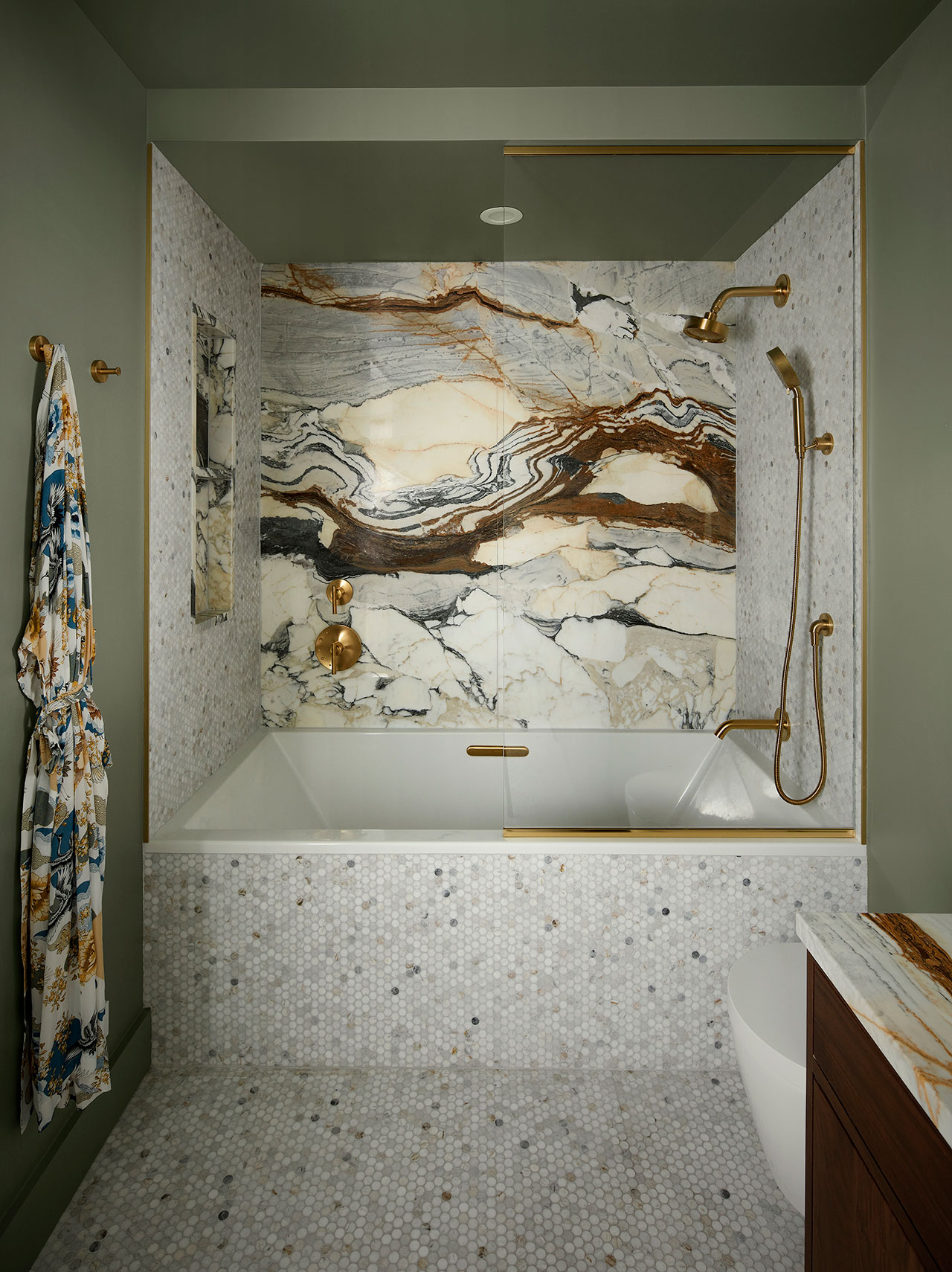
Budgetary constraints played a significant role in material selection for certain areas. For instance, the fully tiled kitchen and bathroom were fitted with utilitarian plumbing fixtures to manage costs effectively. This project reflects a broader trend in urban architectural design, particularly in cities like London where property prices are high and space is at a premium. Architects are increasingly challenged to design compact living spaces that feel more expansive and offer greater functional flexibility.
The article references other projects that address similar challenges, such as Alexander Fehre's approach to making a small apartment feel more spacious by relocating the dining table to the kitchen, and MWAI's use of minimal materials to maximize light and openness in a London property. These examples, including Studio Ben Allen's Screen House, highlight a contemporary design philosophy focused on optimizing space and functionality through adaptable architectural elements, drawing inspiration from historical design precedents while employing modern fabrication techniques.
#LondonApartment #StudioBenAllen #GeometricScreens #AdaptableLiving #InteriorDesign #RenovationProject #PerforatedScreens #ParametricDesign #LondonApartment #StudioBenAllen #GeometricScreens #AdaptableLiving #InteriorDesign #RenovationProject #PerforatedScreens #ParametricDesign
0 comment in total
 No comments yet
You may also like
Alma-nac renovates London apartments with colourful herringbone patterns
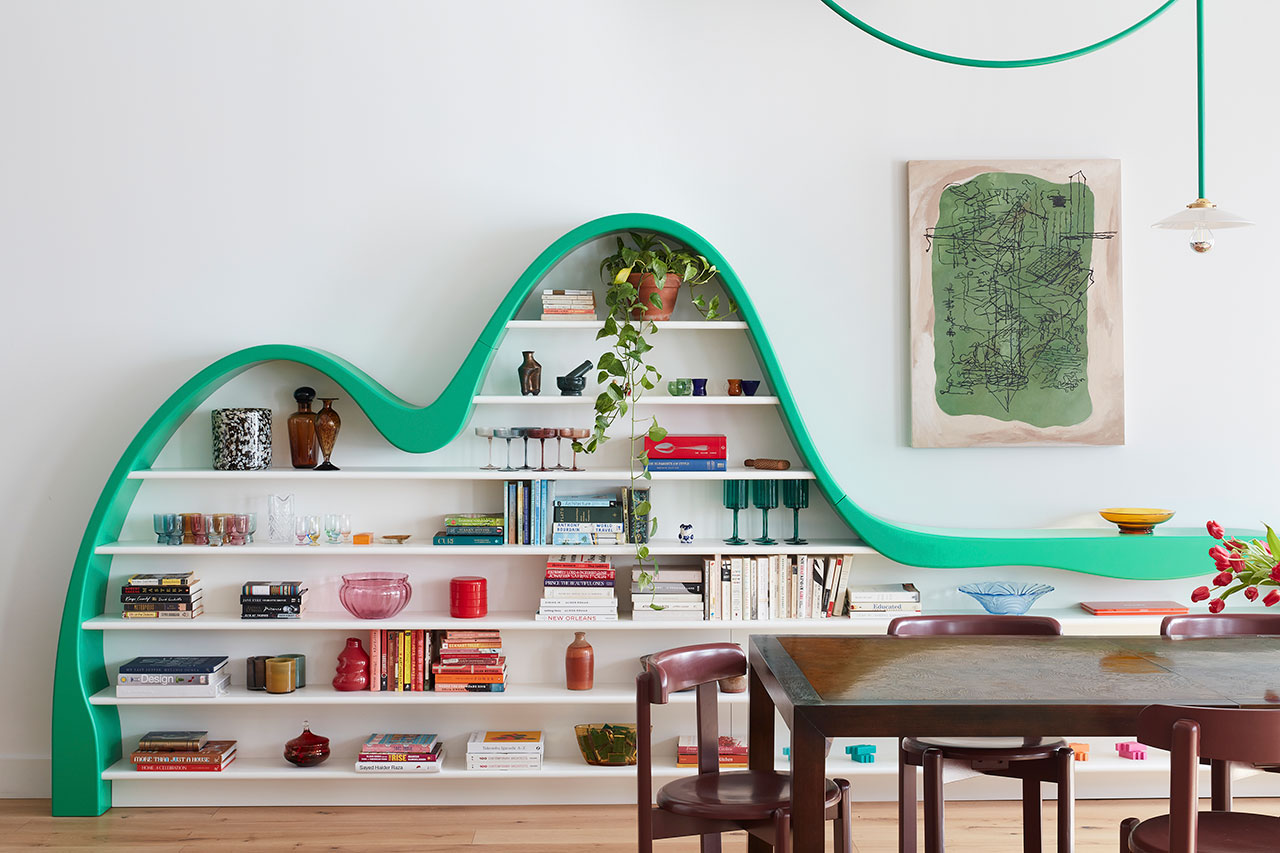
A Brooklyn Loft That Marries Industrial Edge With a Playful Aesthetic
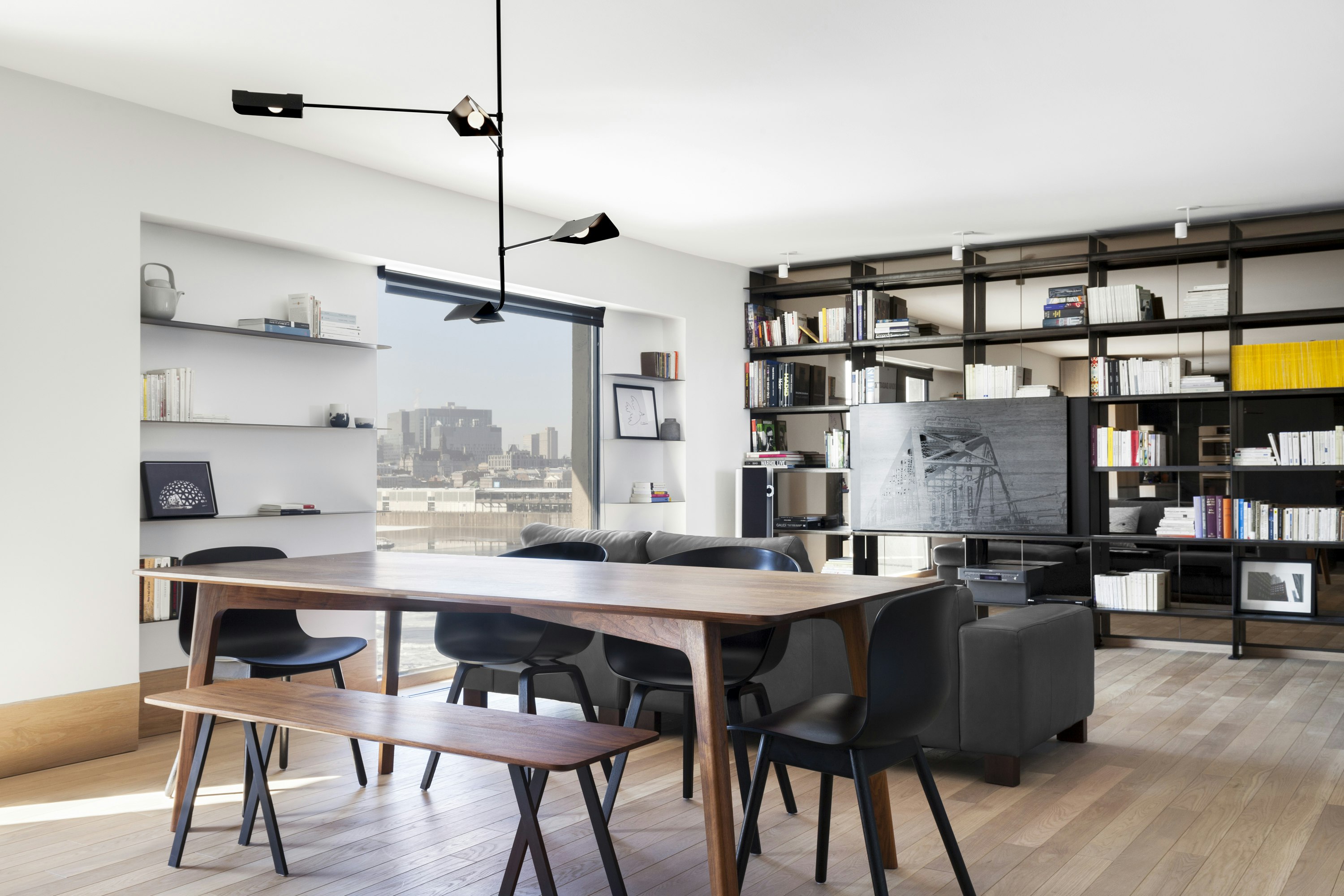
An Iconic T-Shaped Apartment Receives a Modern Makeover

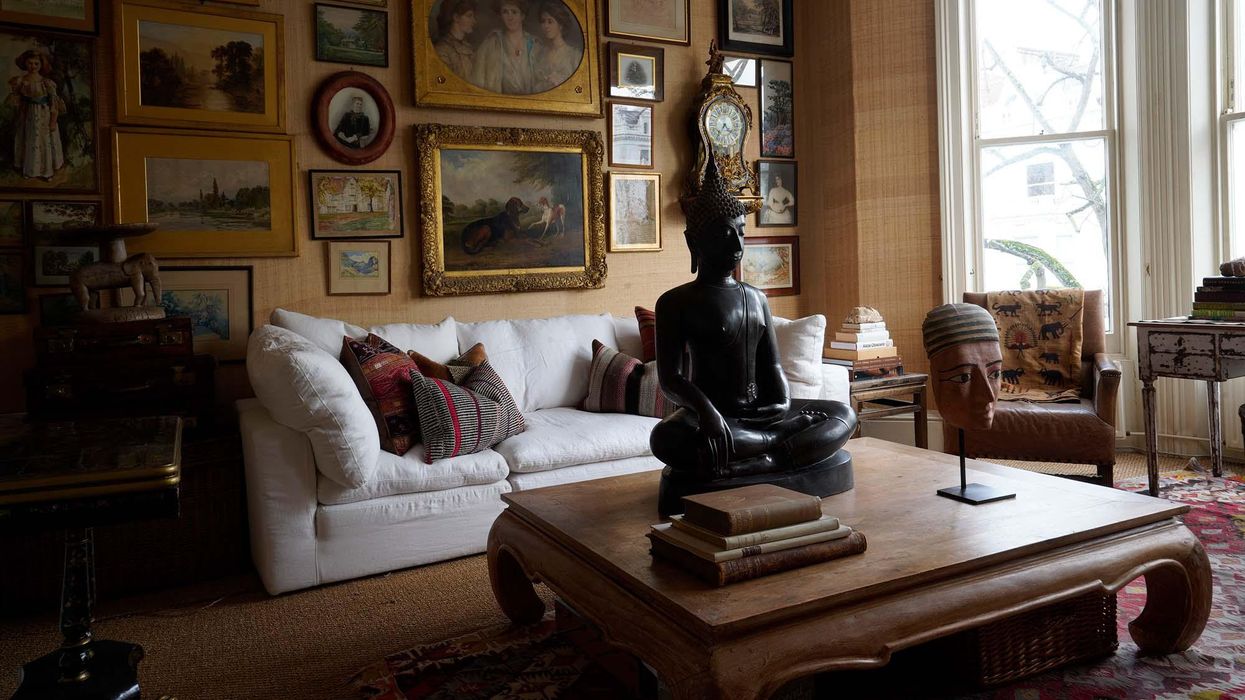
This London Flat is A Treasure of the World’s Aesthetic Wonders

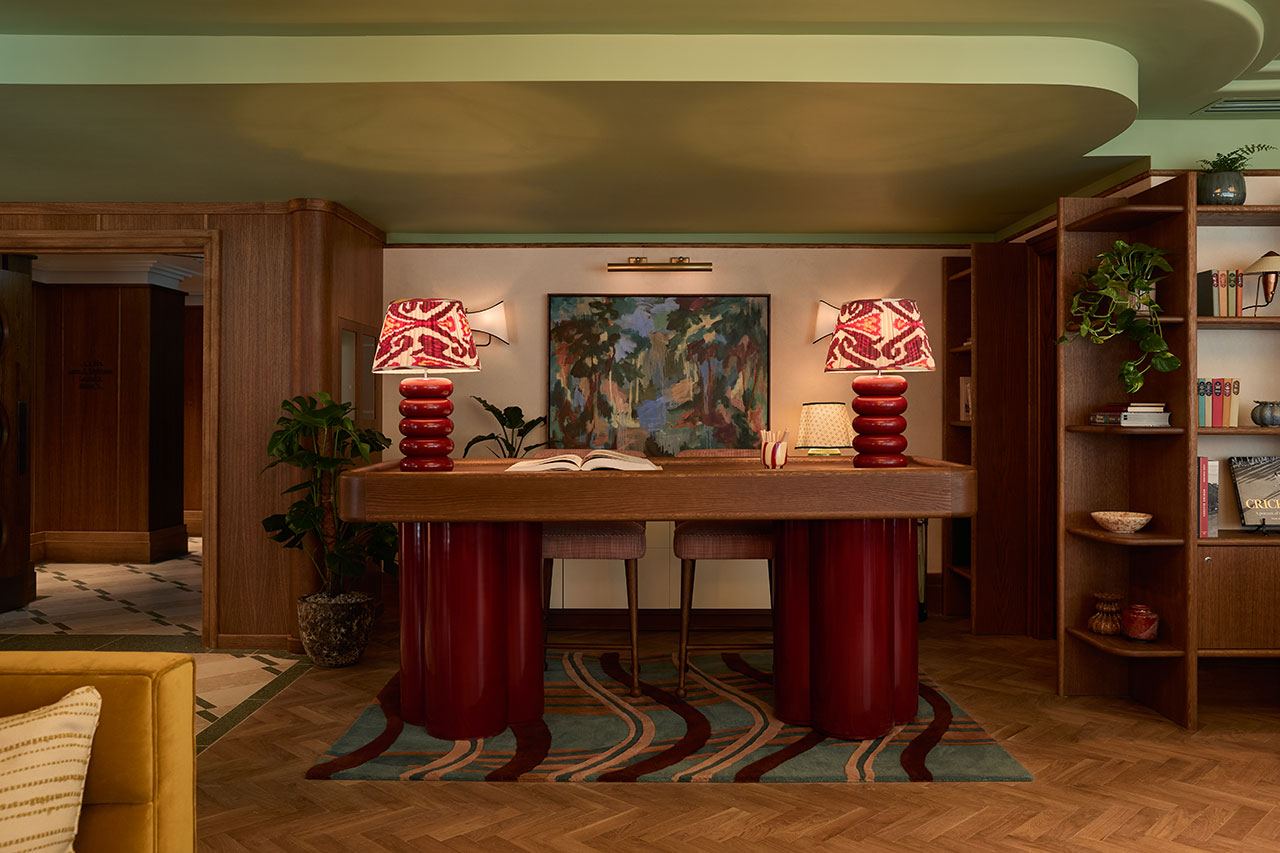
Digital Nomads Can Unwind at The July London Victoria Apartment-Hotel

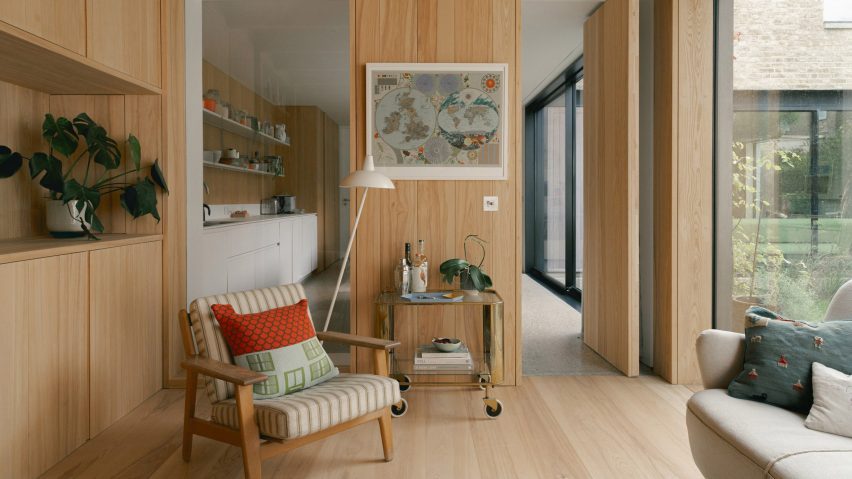
Open Practice Architecture and Kinder Design create "architecturally unique" home in London
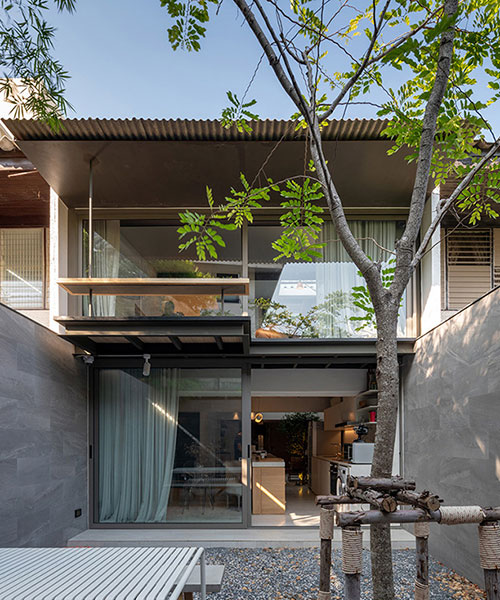
anonym studio combines linear & curved geometry to create peaceful residence in bangkok
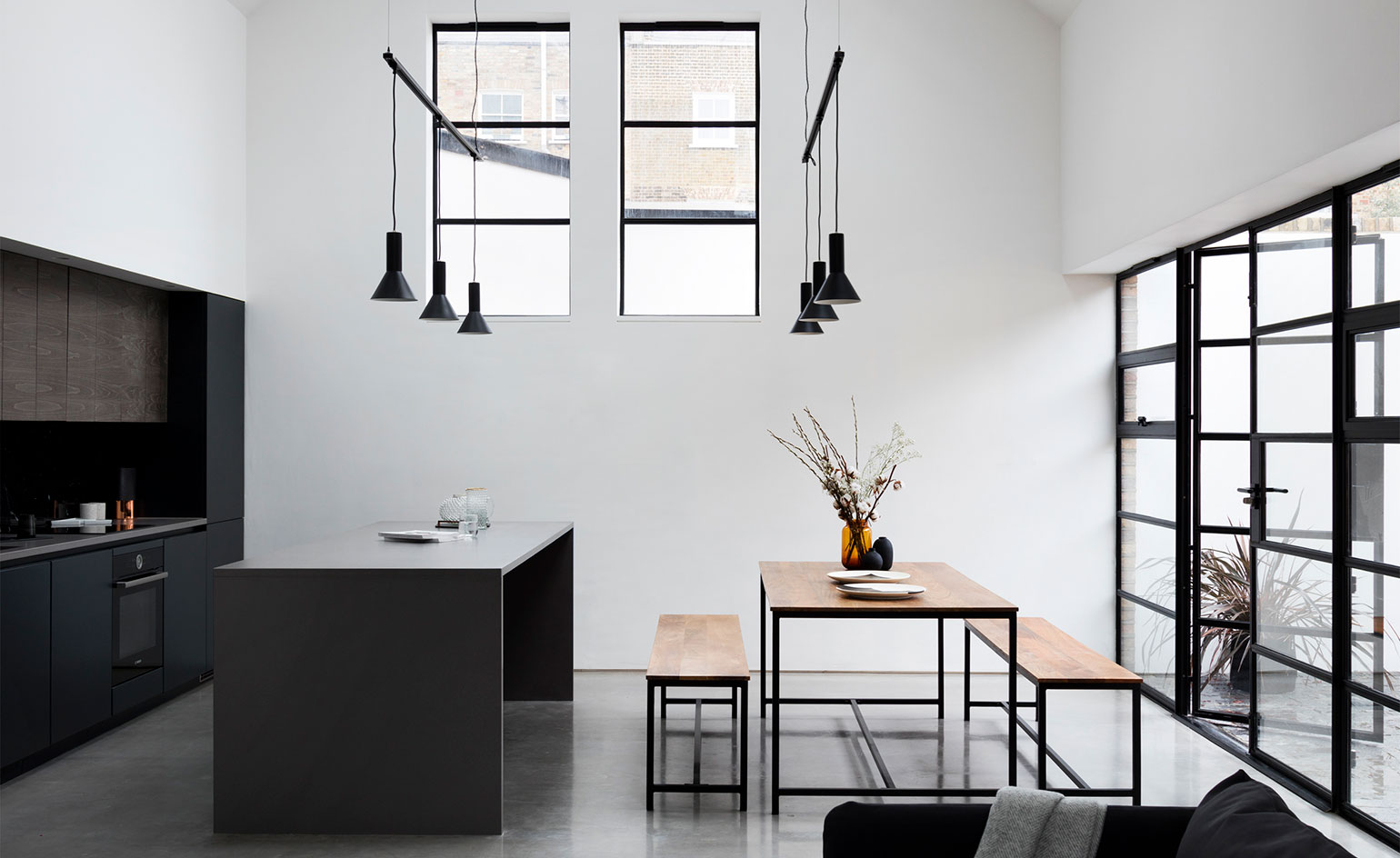
Back to school: Paper House Project makes a Hackney schoolhouse a home
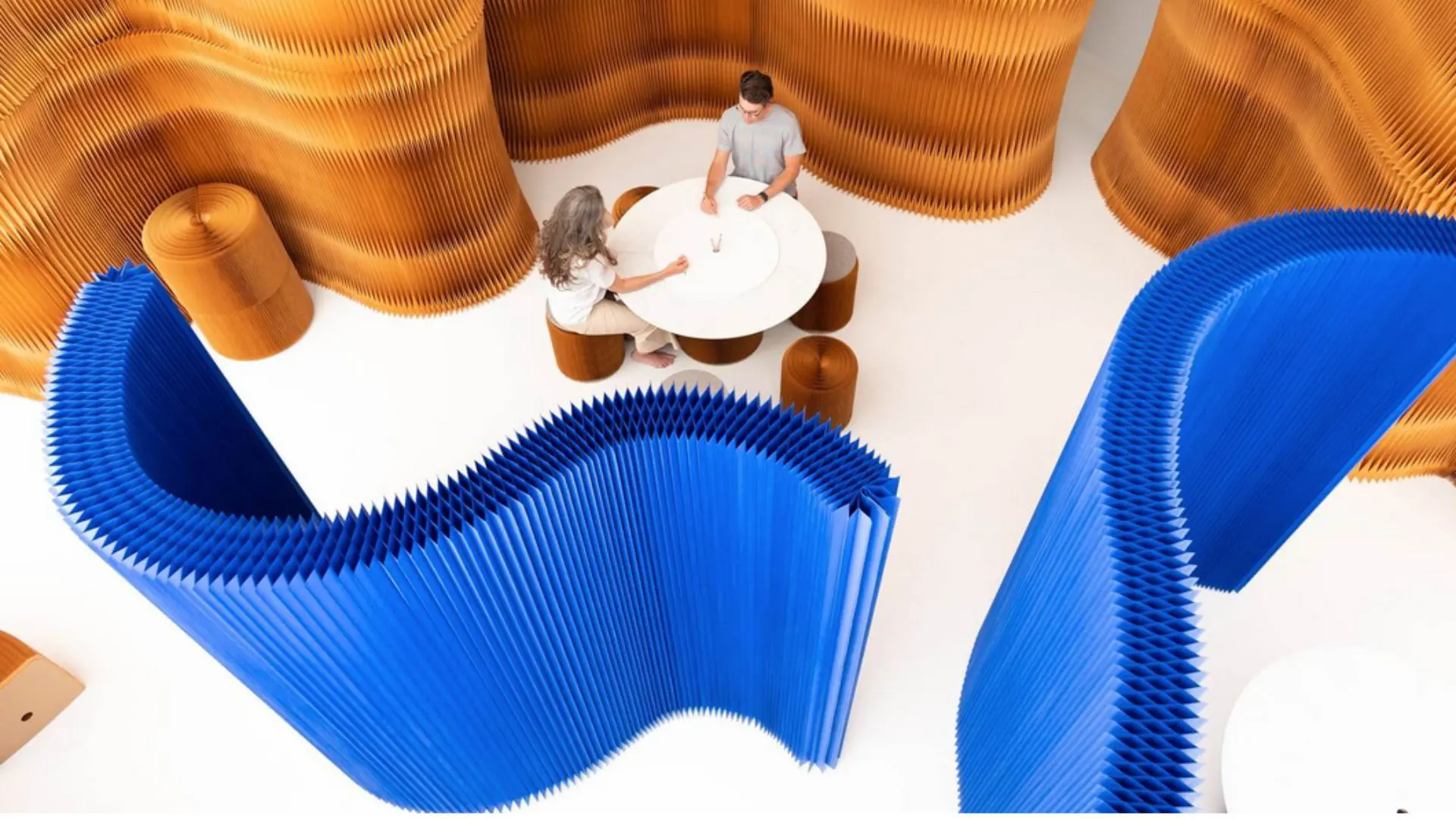
Enjoy these 5 creative space dividers for small and big rooms

Reaching for the rafters: Why double-height spaces are on the rise
This London Flat’s Terrace Is No Secret, But the Primary Bathroom Is

The 12 Smartest Design Ideas We Spotted at London’s Chicest Showhouse
Open plan apartment design ideas and tips

House Design App: 10 Best Home Design Apps
To Emphasize Her Rental’s Lofty Ceilings, This Philadelphia Stylist Created a 14-Foot-Tall Gallery Wall

4 Creative Homes Designed With Panache and Personality

£25K in Adaptable Millwork Gives a Tiny London Flat “Rooms Within a Room”
Optical Illusions Hide Everything From a TV to a Daybed in This Cozy London Home

One Crown Place apartment designs bring colour, fun and individuality to City living

Rita Konig on the Pleasure and Pain of Designing for Yourself