Insulate Your Basement, Part 1
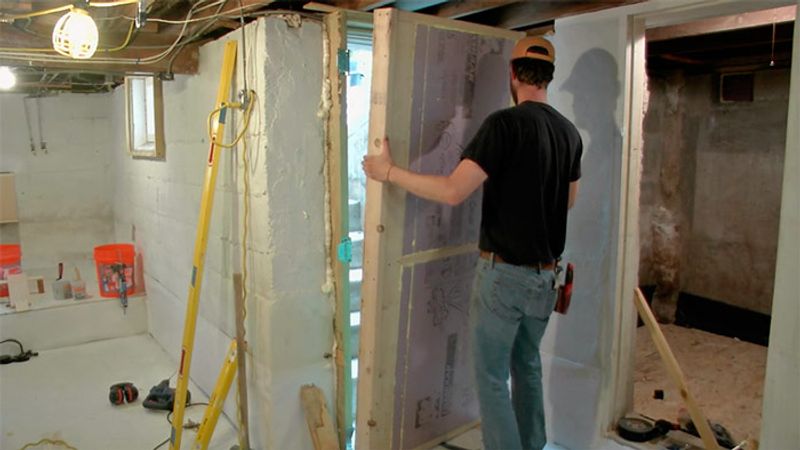
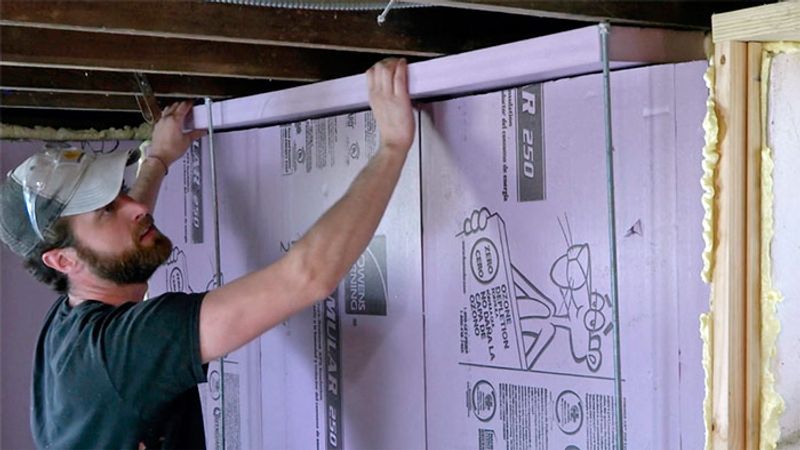
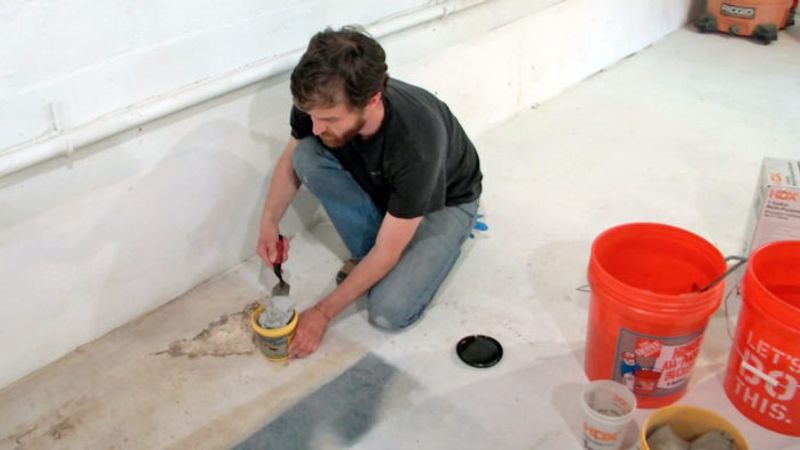
The initial step in enhancing a home's comfort and energy efficiency involves effectively managing water intrusion into foundation walls and basement floors. This article, the first part of a series on basement insulation, focuses on identifying and addressing existing water entry issues in an unfinished basement. The process begins with a thorough inspection to pinpoint signs of water entry through the concrete slab, the basement walls, and around windows. Understanding the specific points of water infiltration is crucial for developing a targeted and effective water management strategy.
The author, Justin Fink, guides readers through a practical walkthrough of an unfinished basement environment. This detailed examination is essential for diagnosing the root causes of dampness and potential mold growth, which are common problems in basements. Water can enter a basement through various pathways, including cracks in the foundation, hydrostatic pressure forcing water through the concrete, and leaks around window frames or bulkheads. Each of these entry points requires a specific remediation approach to ensure the basement is dry before any insulation work commences.
Addressing water management prior to insulation is paramount because installing insulation in a damp environment can lead to significant problems, such as mold, mildew, and reduced insulation effectiveness. Moisture trapped behind insulation can compromise indoor air quality, damage structural components, and diminish the overall energy efficiency gains intended by the insulation project. Therefore, the priority is to establish a dry and stable environment.
The plan outlined involves a multi-faceted approach to water mitigation. For instance, addressing cracks in the slab might require sealing with appropriate concrete repair materials or implementing drainage solutions. Water penetrating through walls could necessitate exterior waterproofing, interior drainage systems, or the application of vapor barriers and sealants. Window leaks often require re-caulking, flashing repairs, or even window replacement to ensure a watertight seal. The article emphasizes the importance of a comprehensive strategy that tackles all identified sources of water entry.
Ultimately, the goal of this initial phase is to prepare the basement for subsequent insulation work by creating a dry and healthy space. By systematically identifying and resolving all water infiltration issues, the foundation is laid for a successful insulation project that will contribute to a more comfortable, energy-efficient, and durable home. This foundational step is critical to prevent future moisture-related issues and to maximize the long-term benefits of insulating the basement.
#BasementInsulation #WaterManagement #EnergyEfficiency #FoundationWalls #BasementDrying #HomeImprovement #MoistureControl #BuildingScience #BasementInsulation #WaterManagement #EnergyEfficiency #FoundationWalls #BasementDrying #HomeImprovement #MoistureControl #BuildingScience
0 comment in total
 No comments yet
You may also like
9 basement insulation ideas


How to warm up your first floor – 7 expert tricks to hold heat downstairs for a cozy winter

How to ventilate a basement – expert tips to reduce damp and mold
Underfloor Heating


Should you insulate a basement ceiling? Expert advice for a comfortable home
An Easy Way To Build a Well-Insulated House
How to Insulate Concrete Foundation Walls From the Inside Out
Home insulation materials

The Best Space Heaters for Basements

Insulate Your Basement, Part 3
Loft Insulation

How to keep your mudroom warm – 5 expert-recommended tips
Insulate Your Basement, Part 2
How to insulate a loft
How to insulate a loft or roof

6 areas of your home you should never insulate – and why it's a hazard that can do more harm than good

The best floor insulation options for your home, explained
Ways To Heat A Basement Without An Electric Space Heater (And The Pros & Cons To Consider)

The 4 areas of your home pros say to always insulate to keep it toasty in colder weather – plus, where to never insulate
Is Radiant Floor Heating the Best Way To Warm A Well-Insulated House?