1/14
What is lampscaping? Interior designers share their tips for creating a cohesive lighting scheme across the whole home
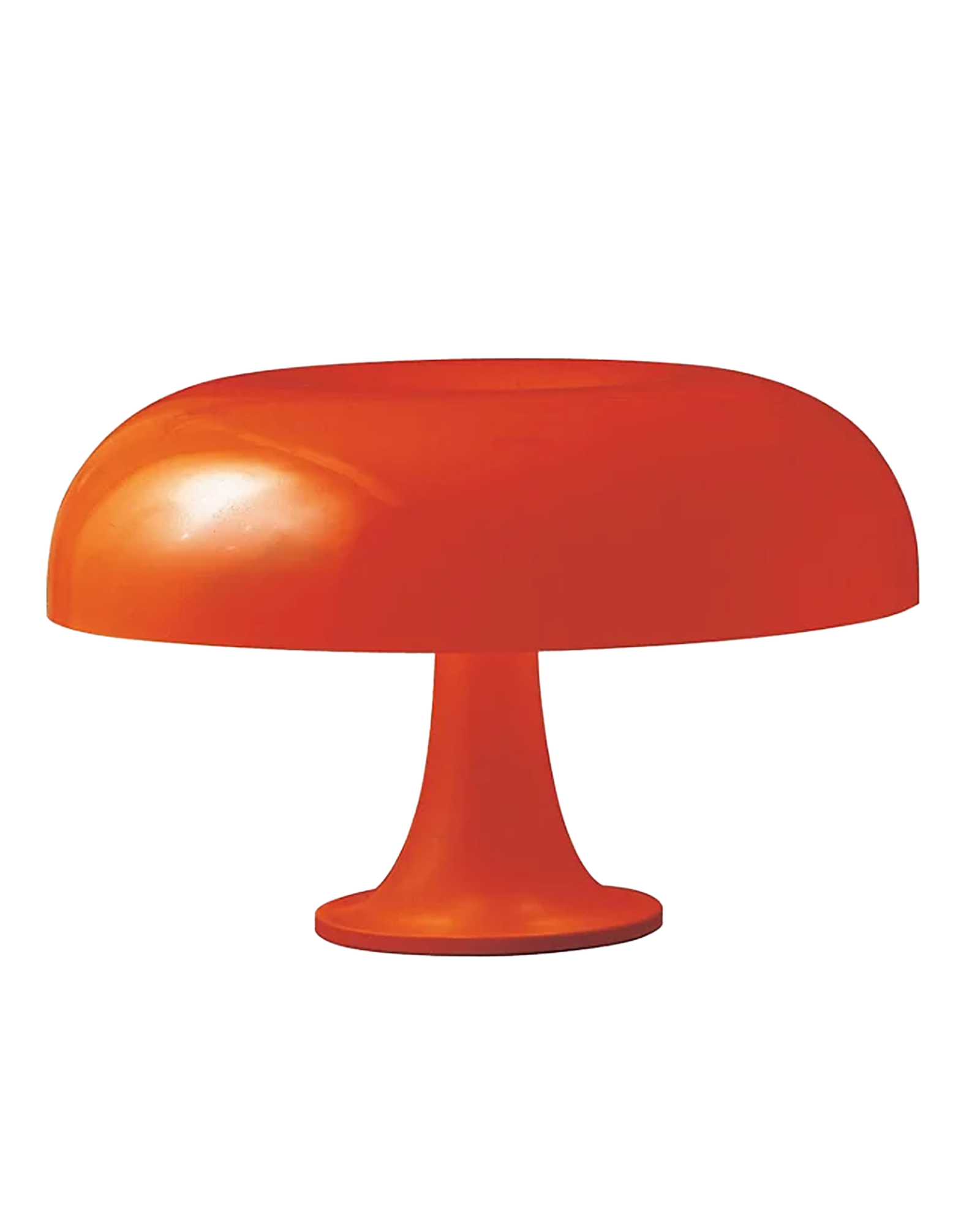
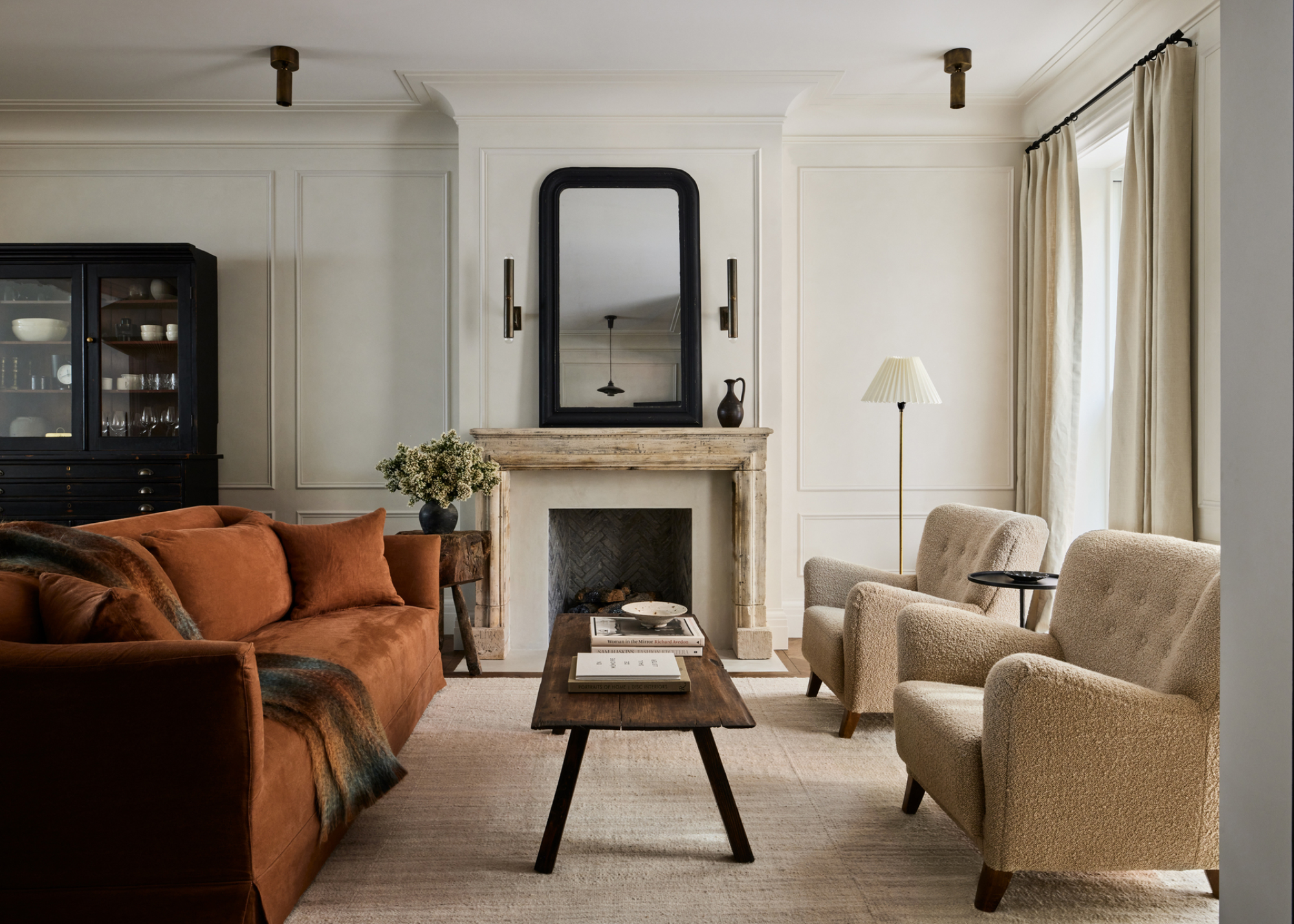
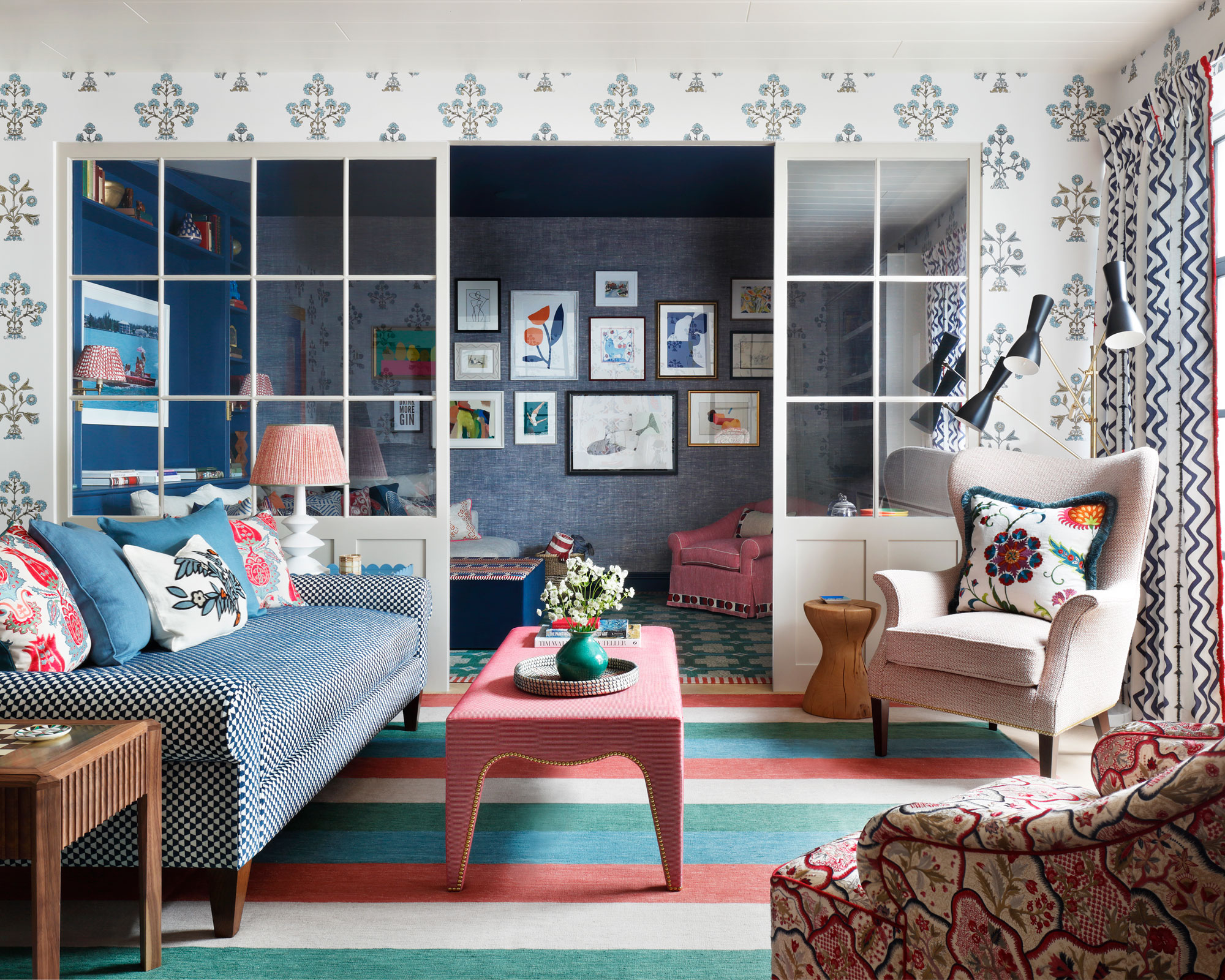
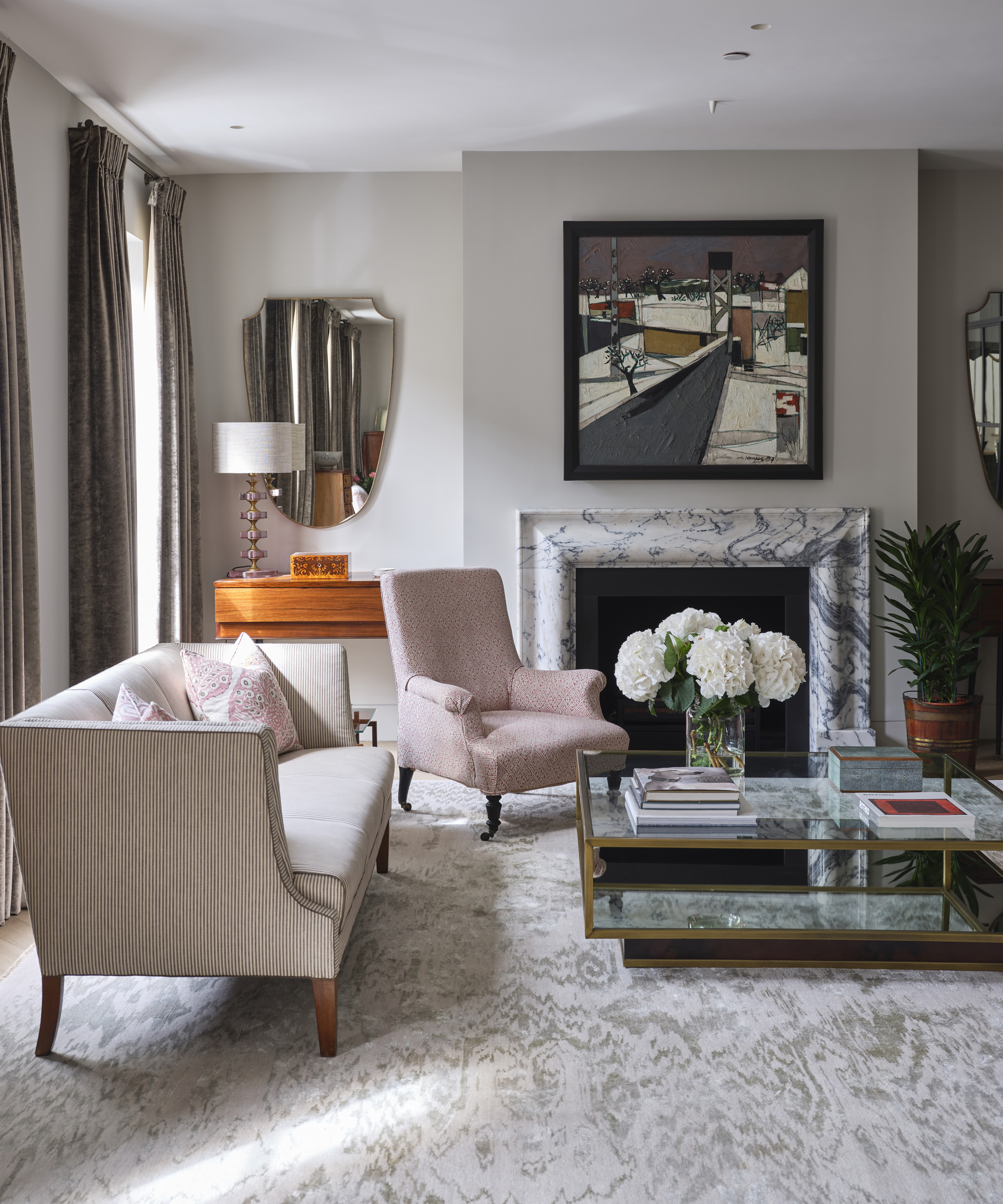
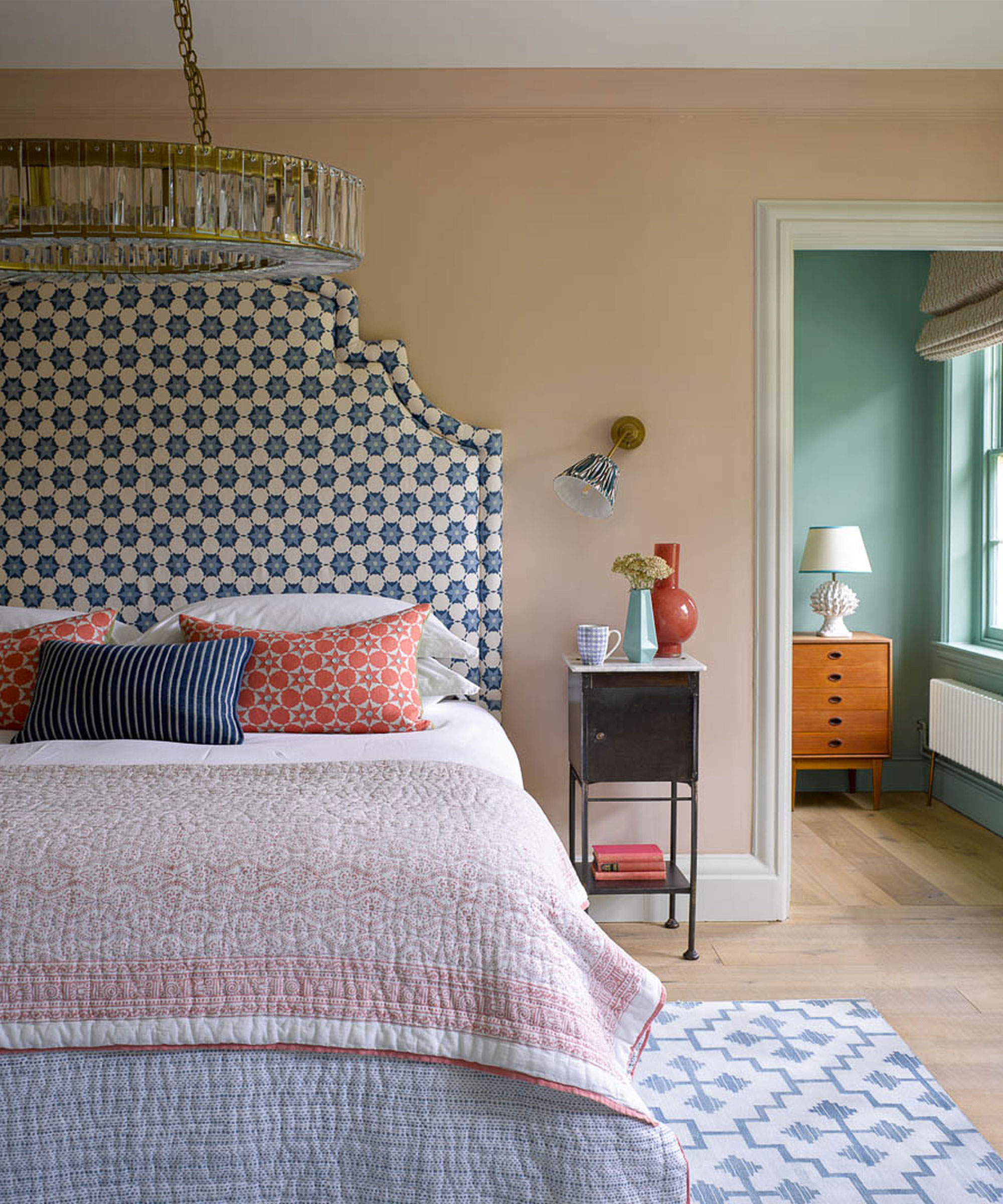
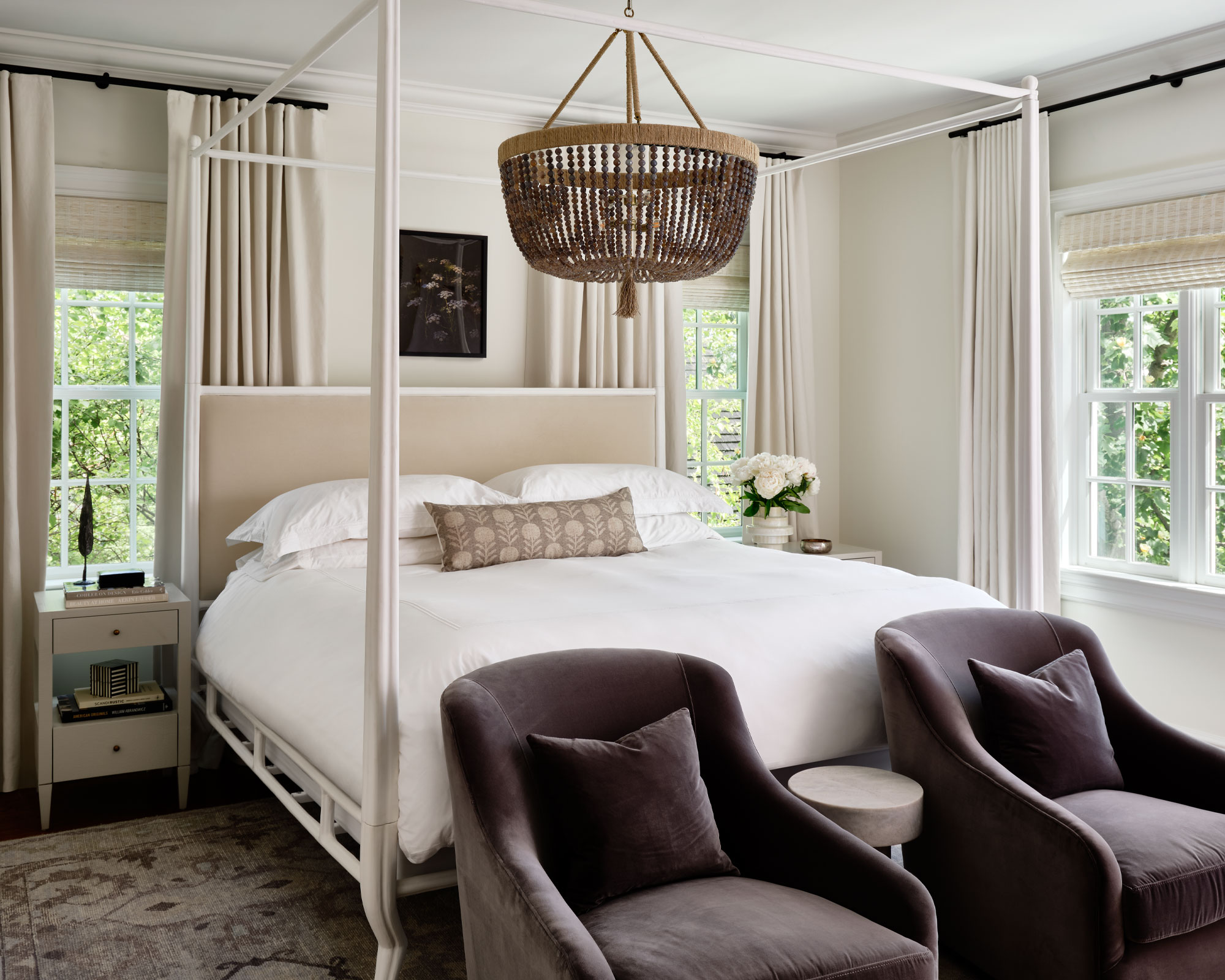
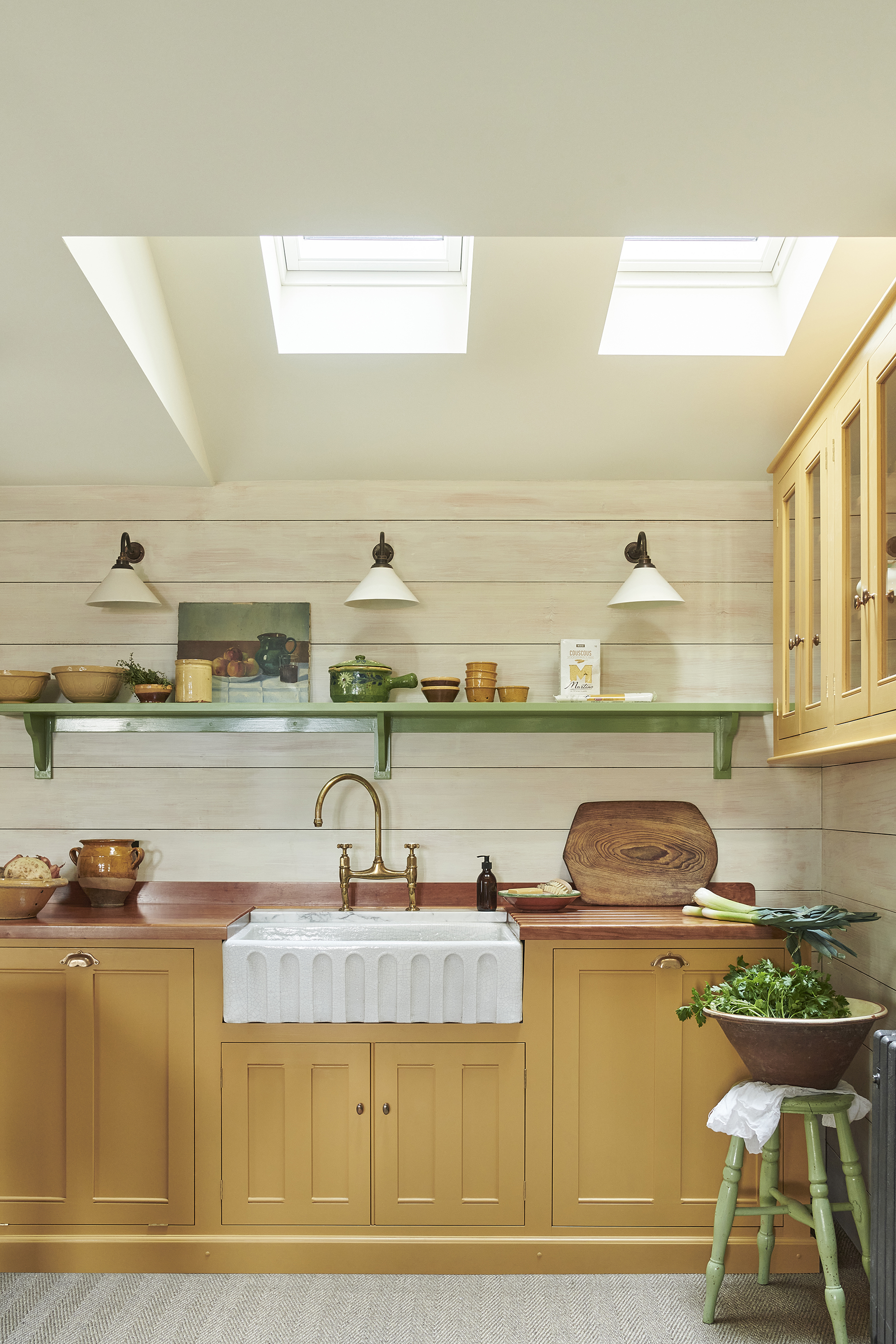
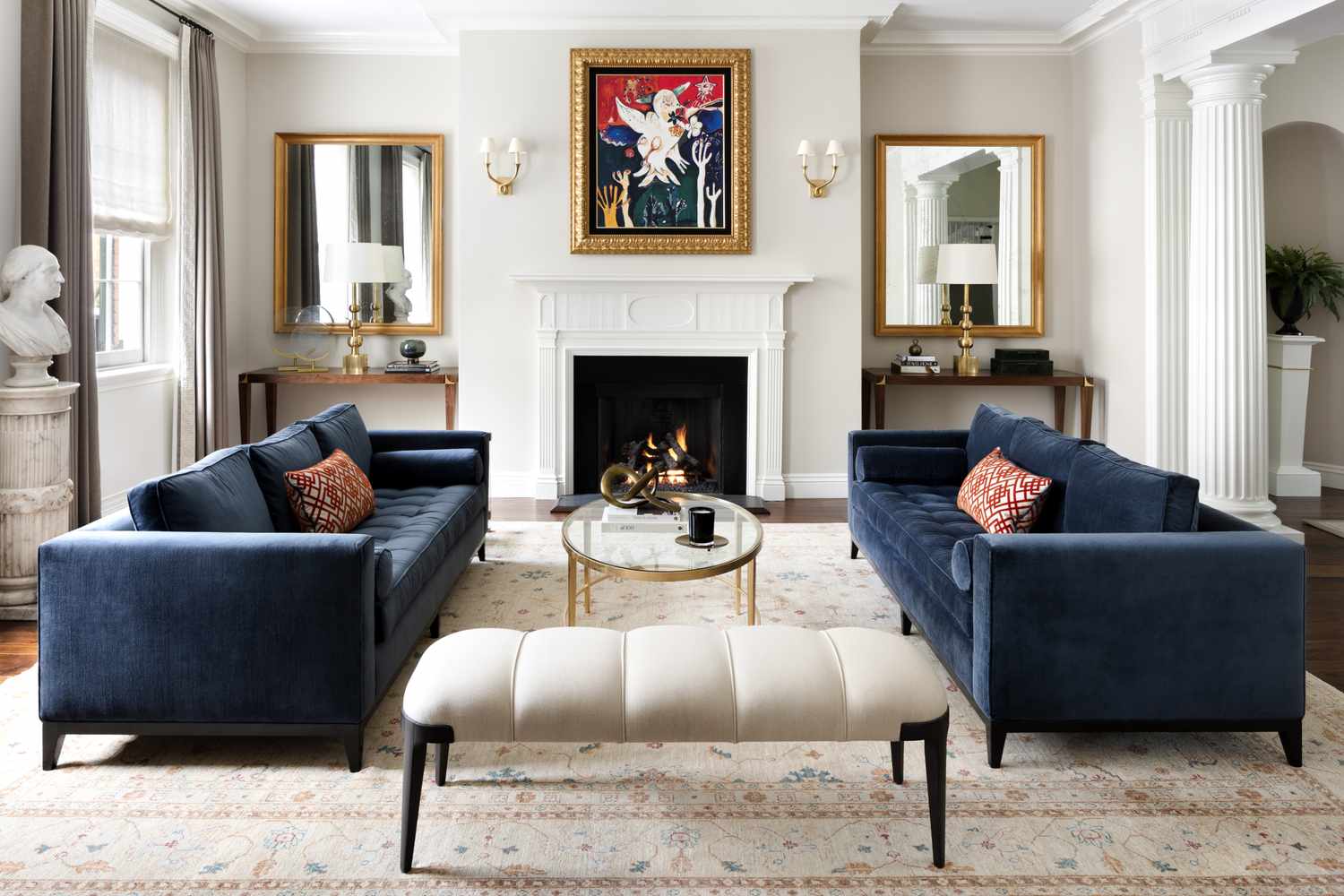
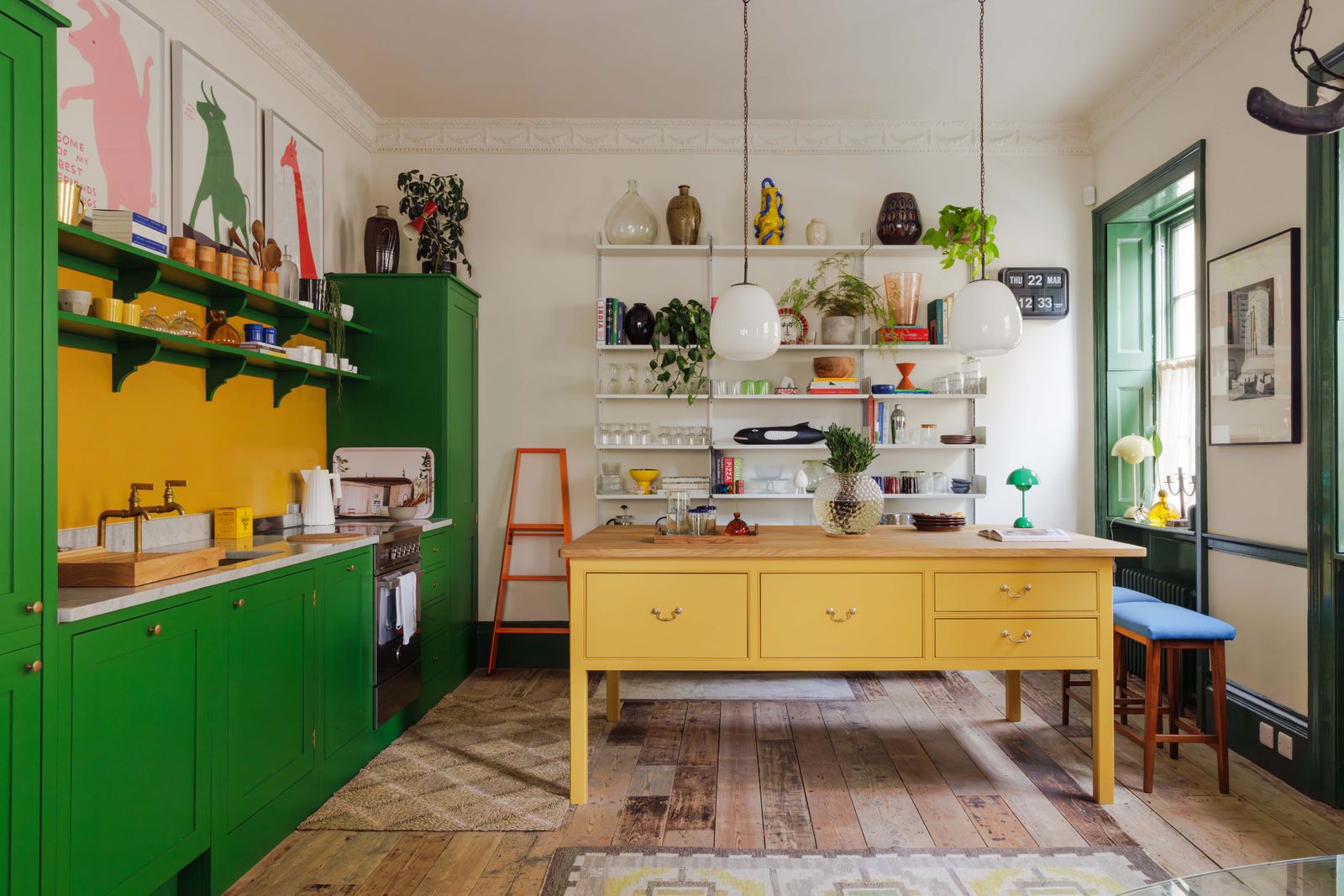
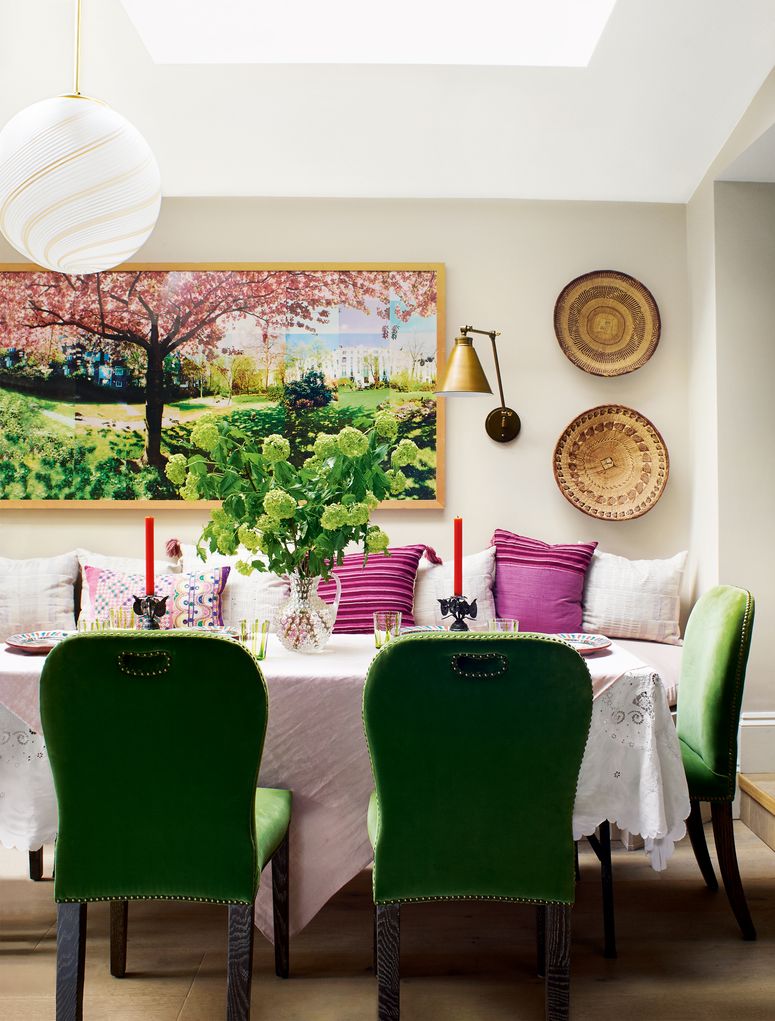
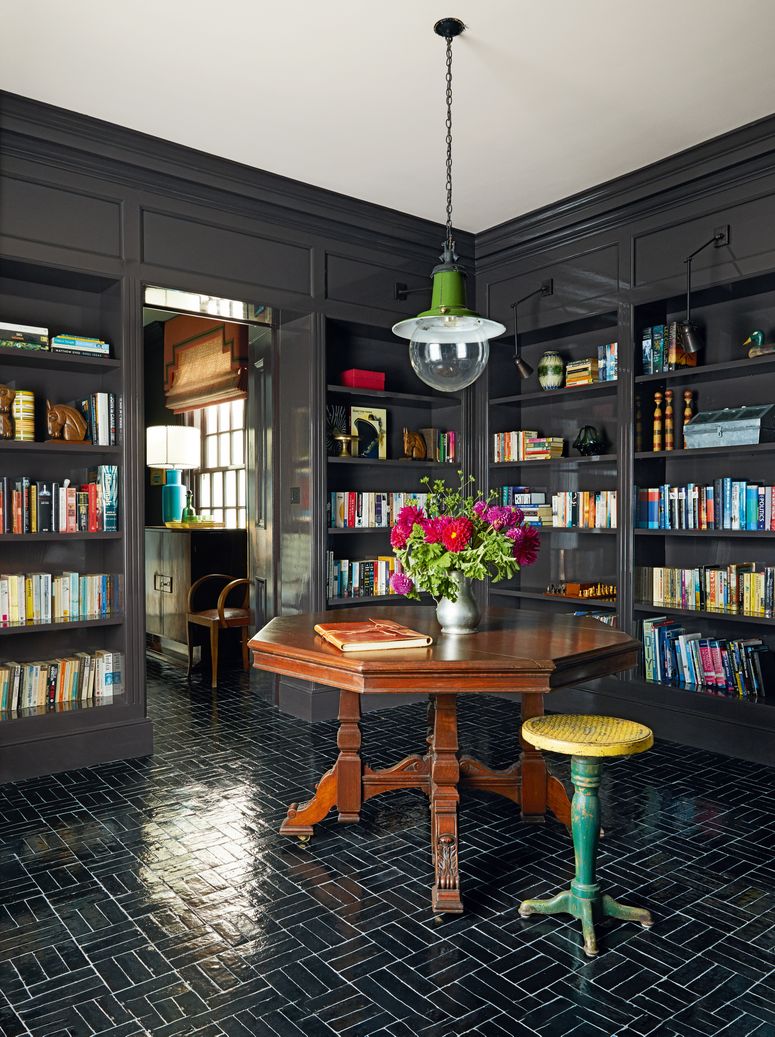
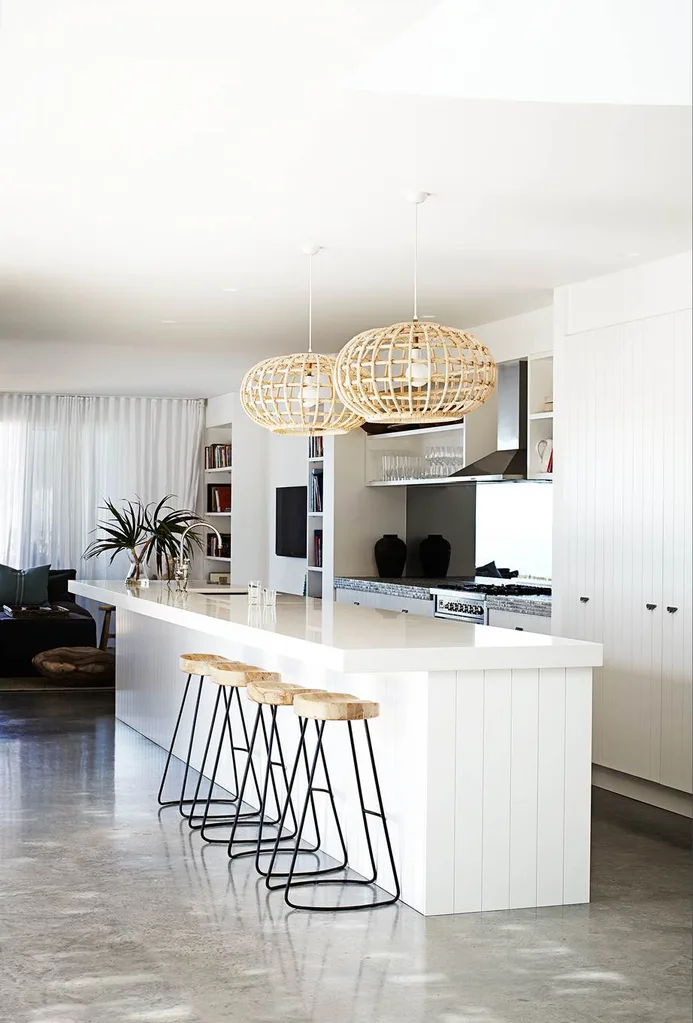
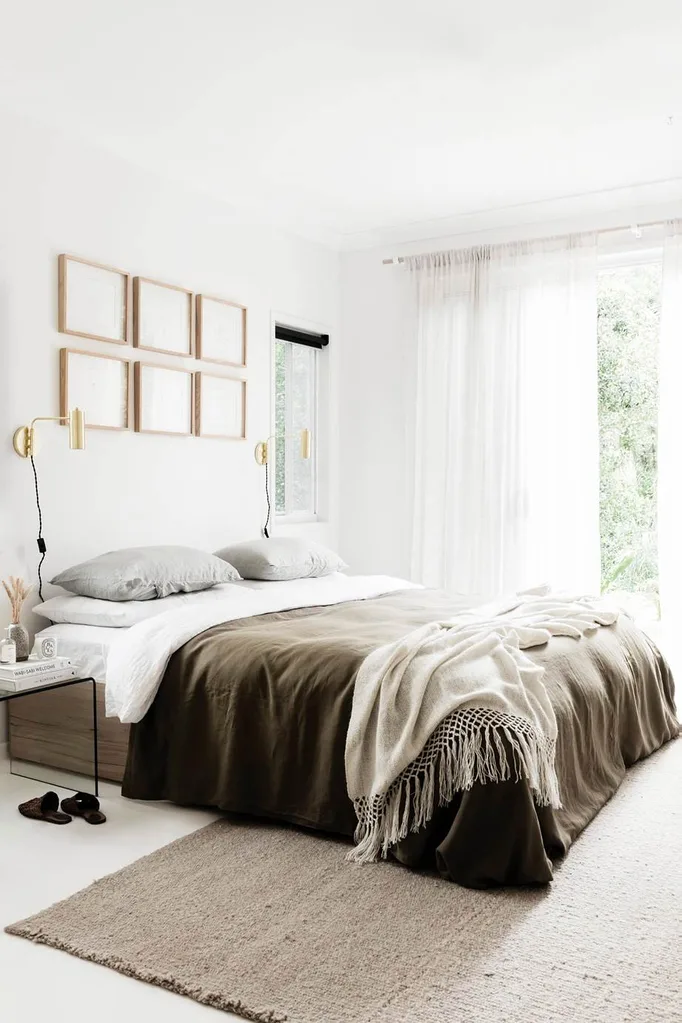
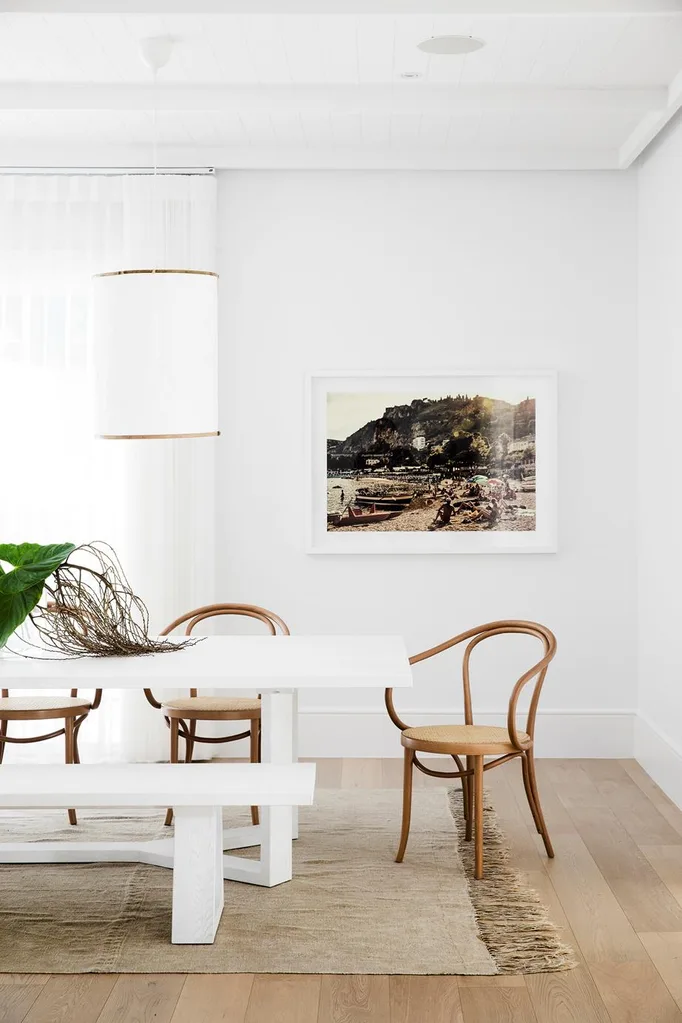
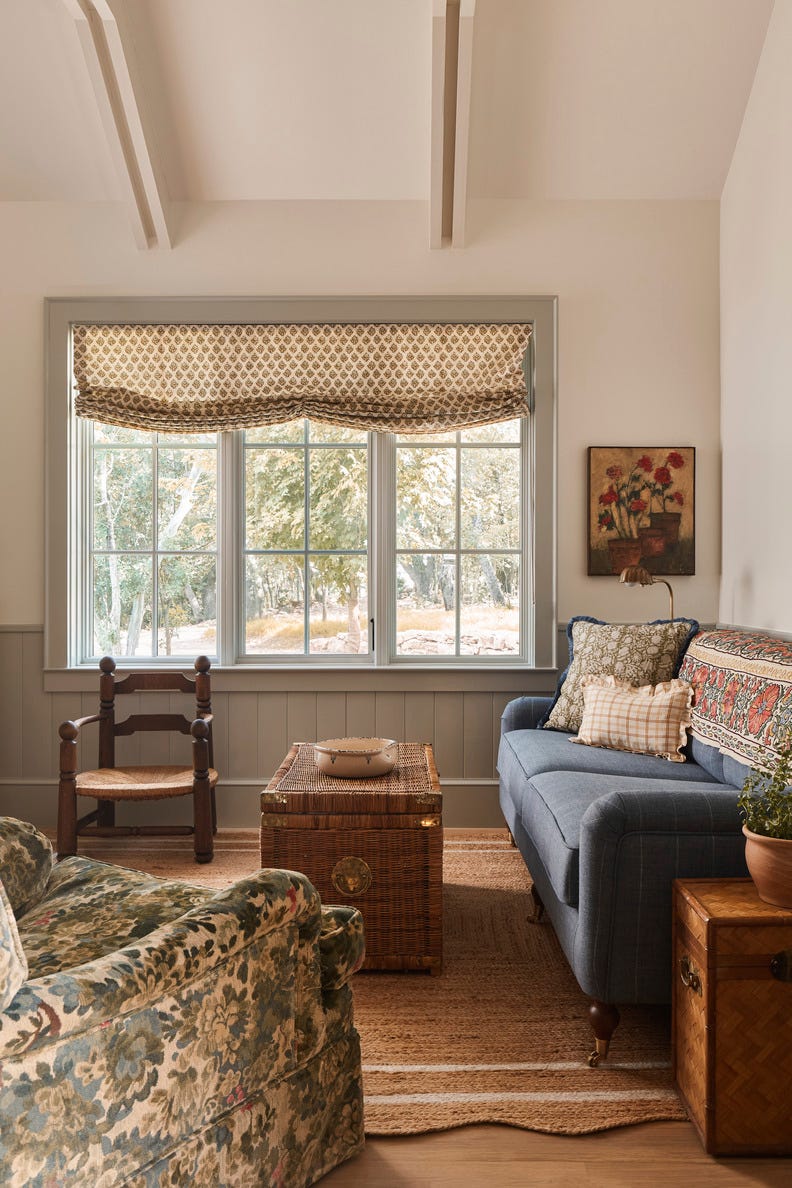
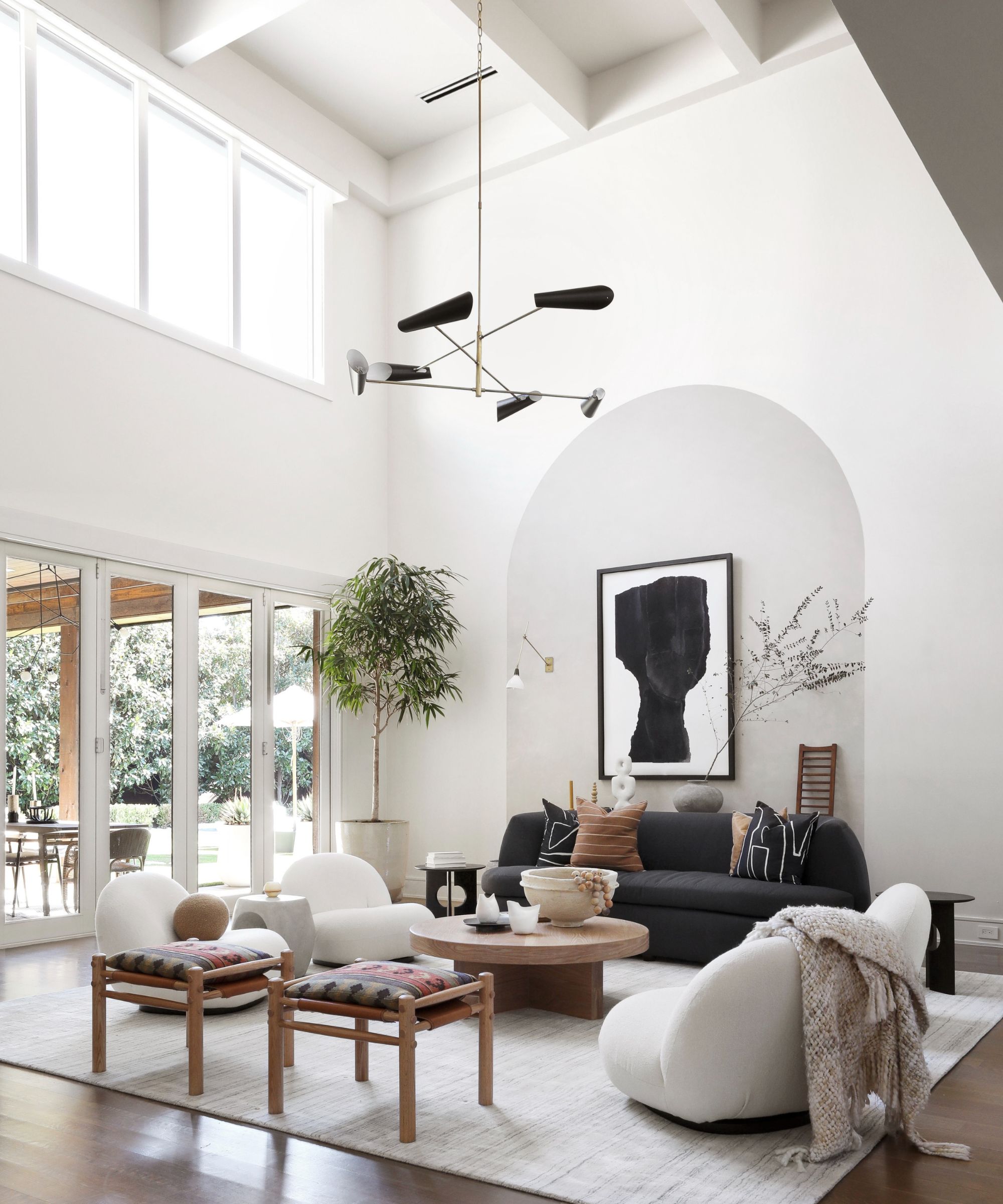
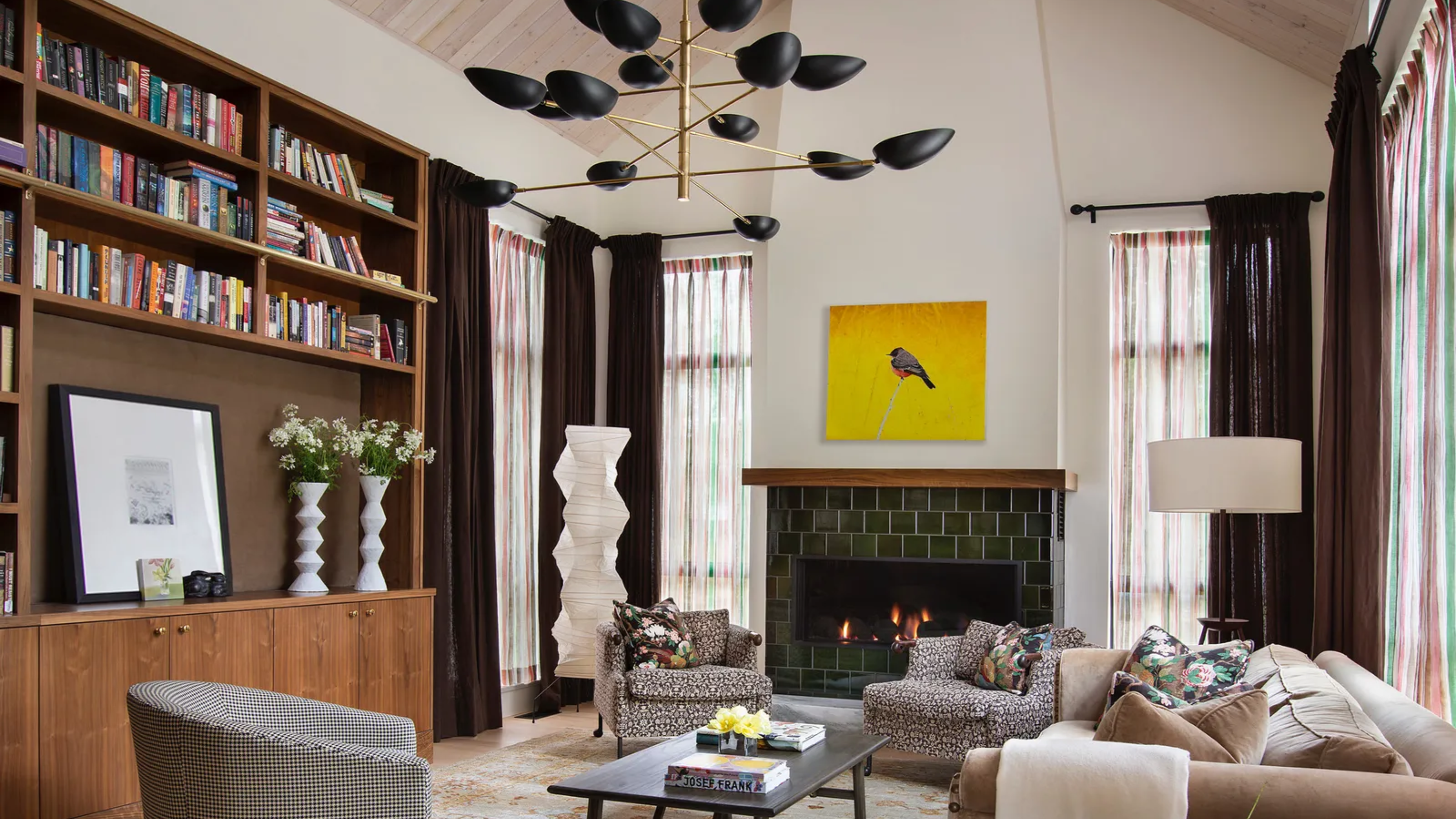
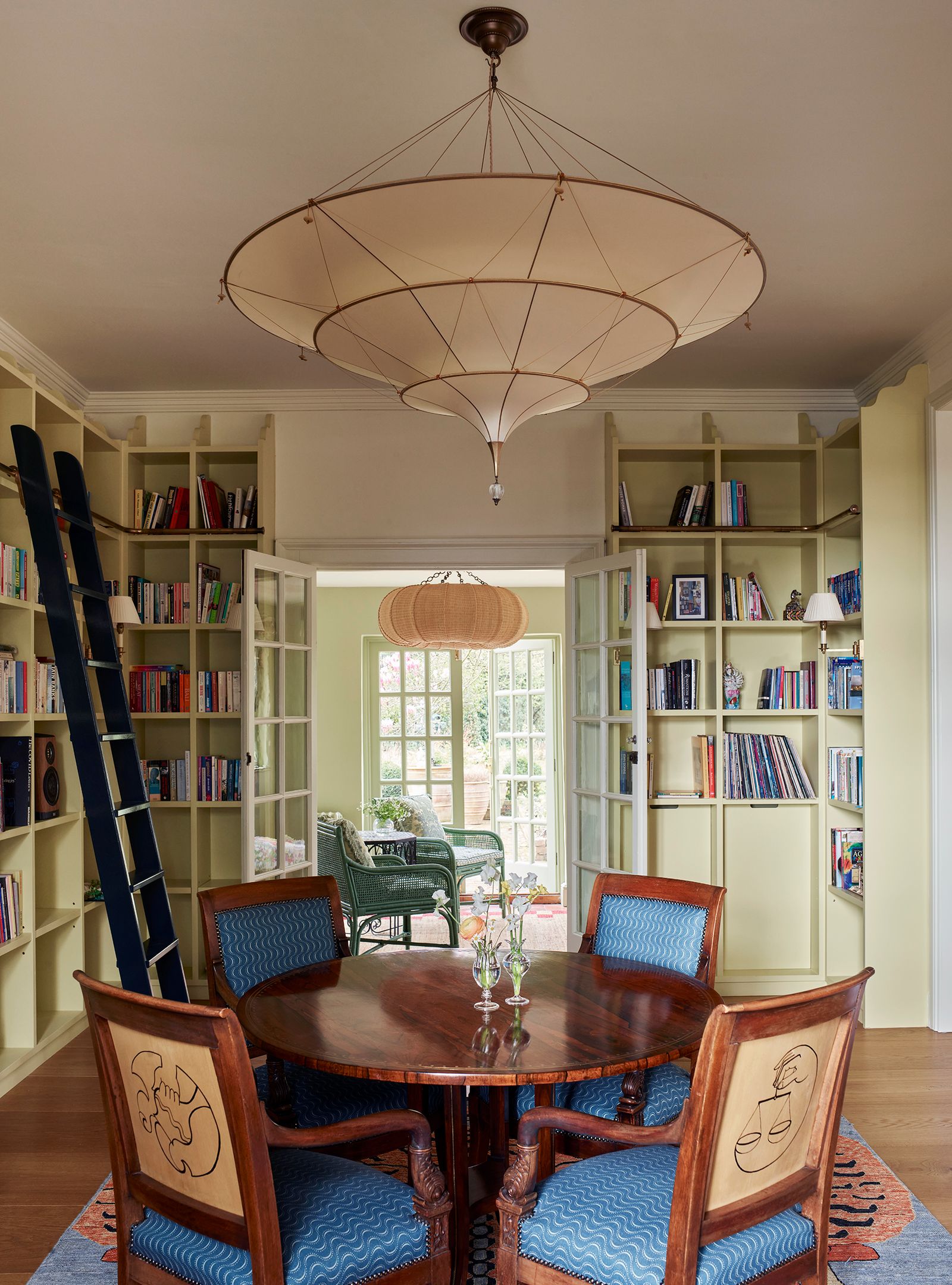
Effective home lighting is crucial for enhancing overall design, and 'lampscaping' is a popular method for achieving a well-lit and welcoming environment. This approach emphasizes integrating lighting as a fundamental part of the design process, rather than a mere functional add-on. Factors such as a room's layout, decor, mood, and desired aesthetic are considered to create cohesive and visually engaging lighting arrangements. Designers agree that good lighting can significantly impact a room's atmosphere, and lampscaping provides an accessible framework for thoughtful lighting design.
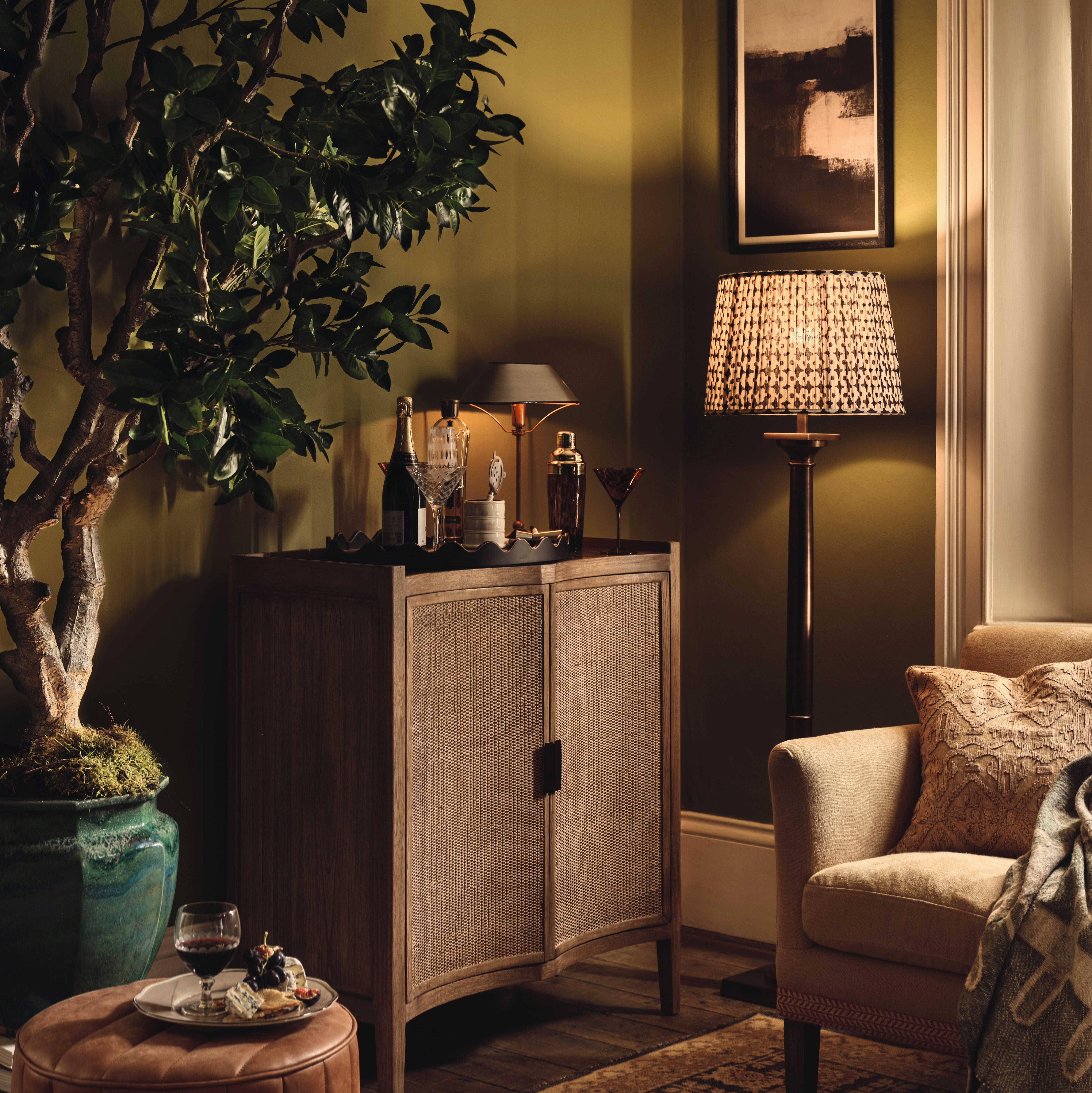
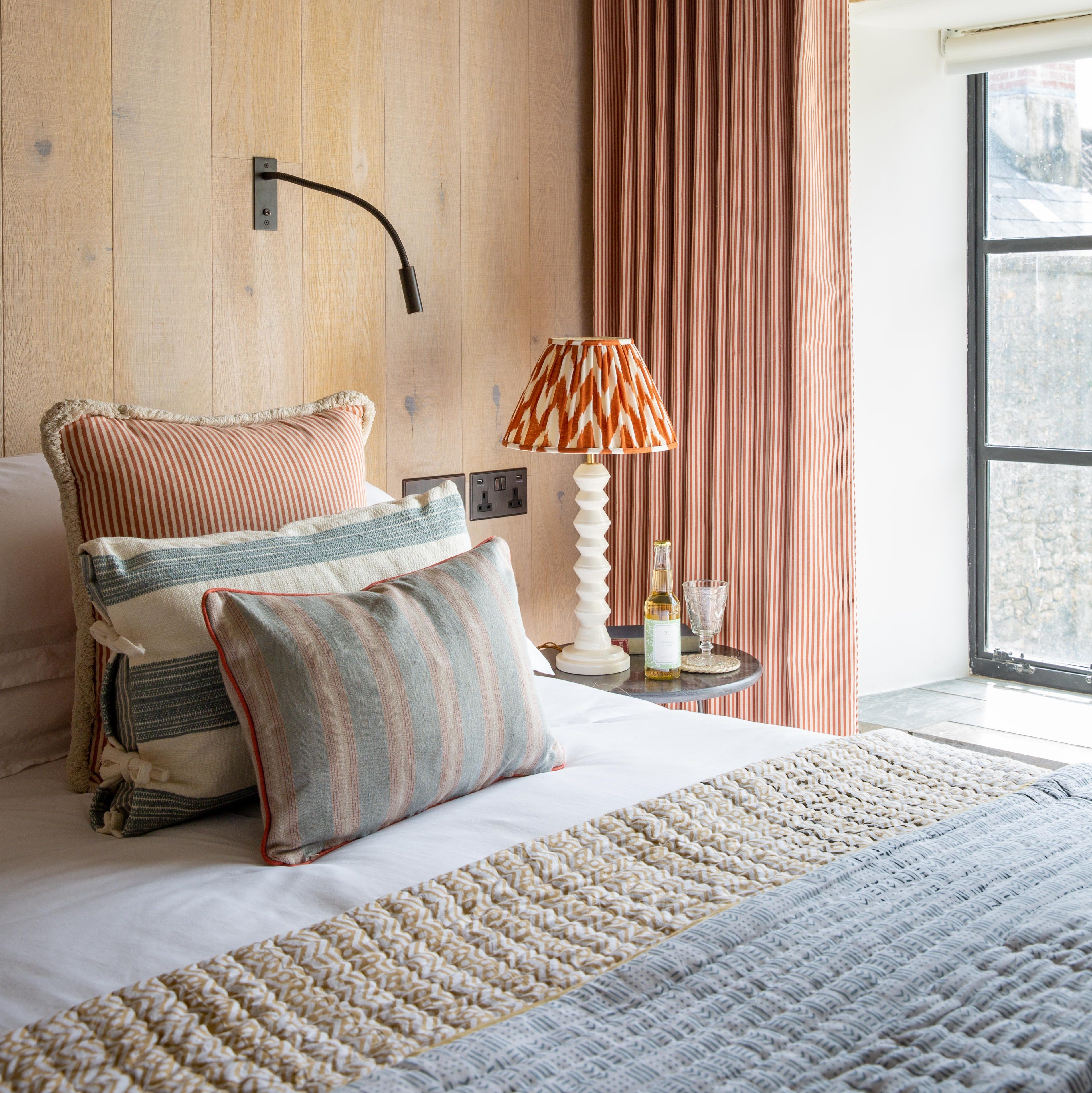
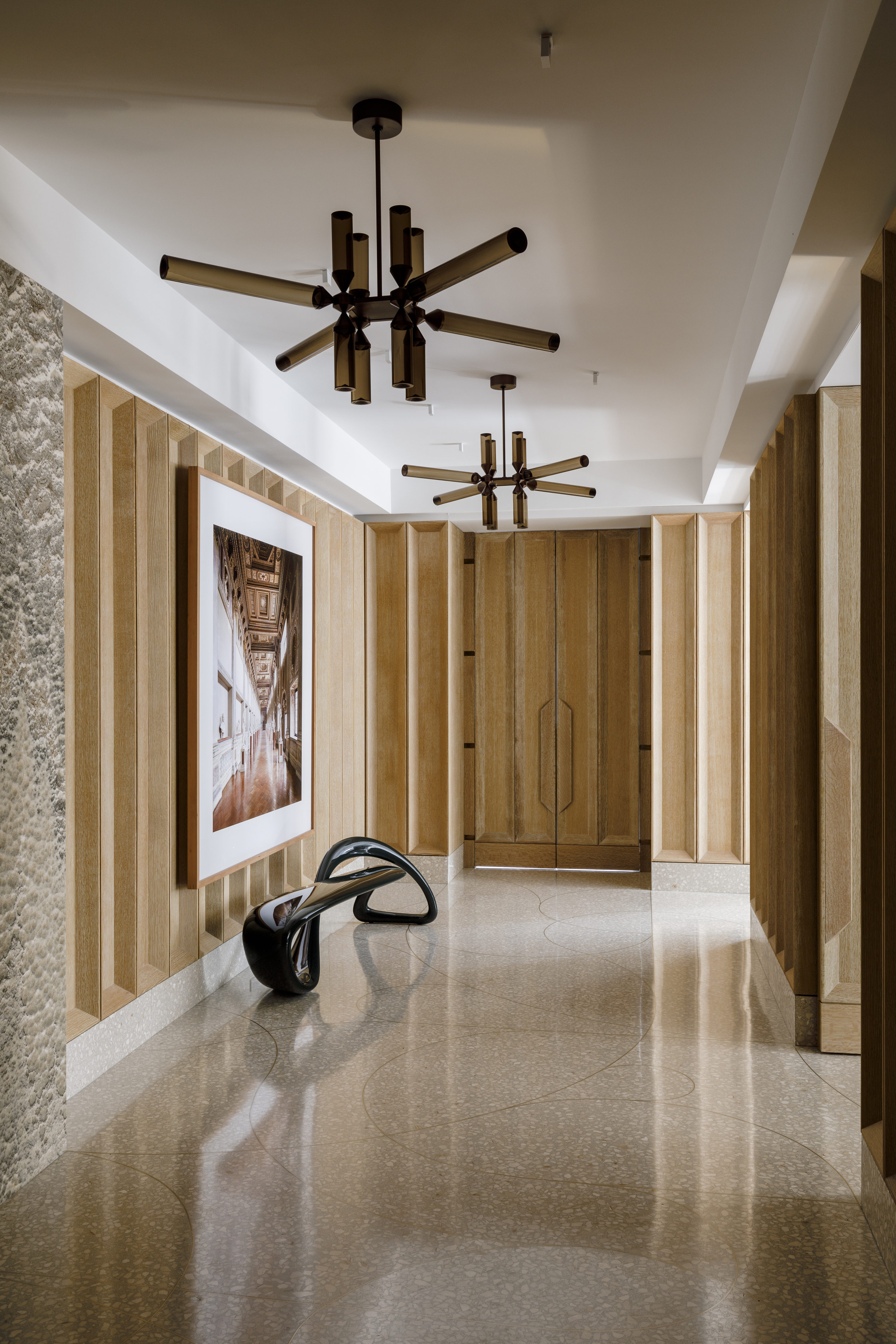
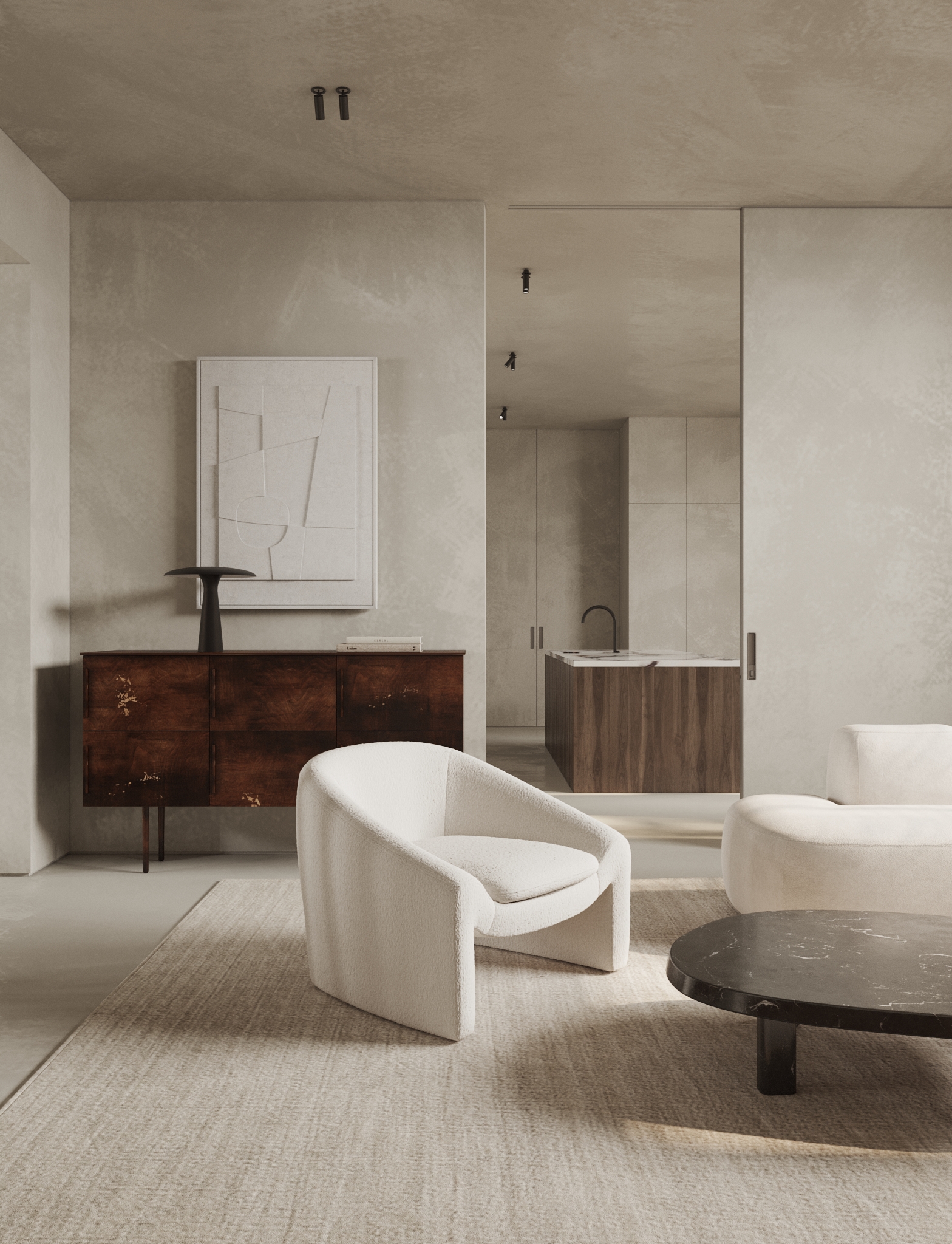
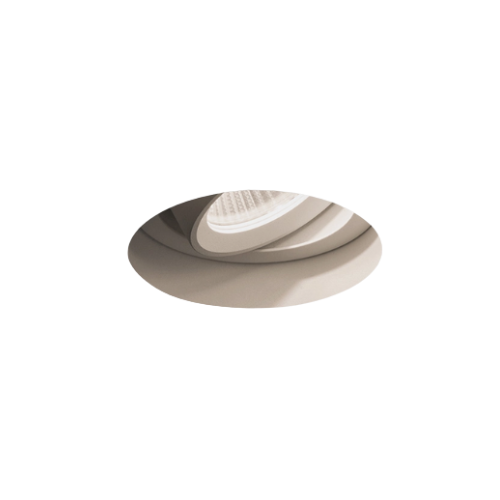
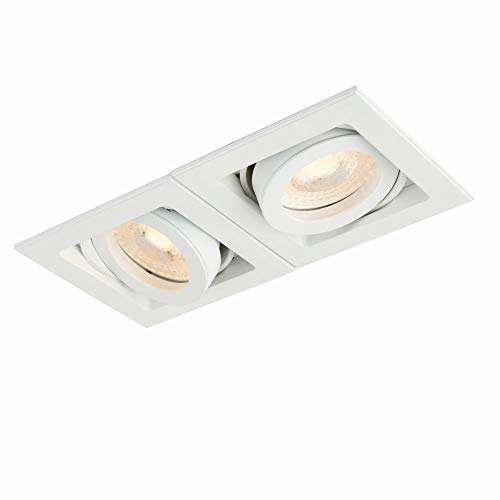
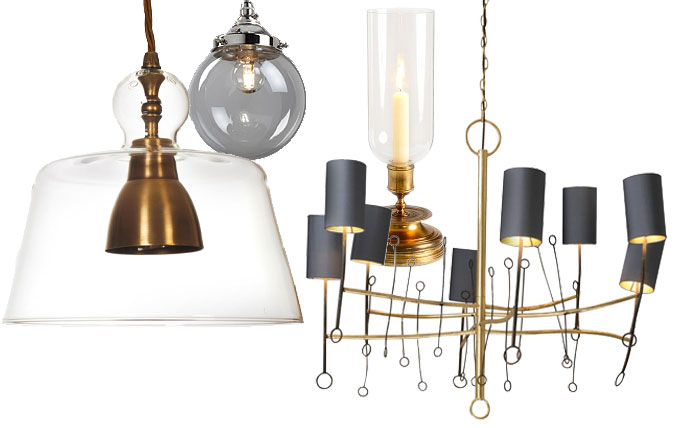
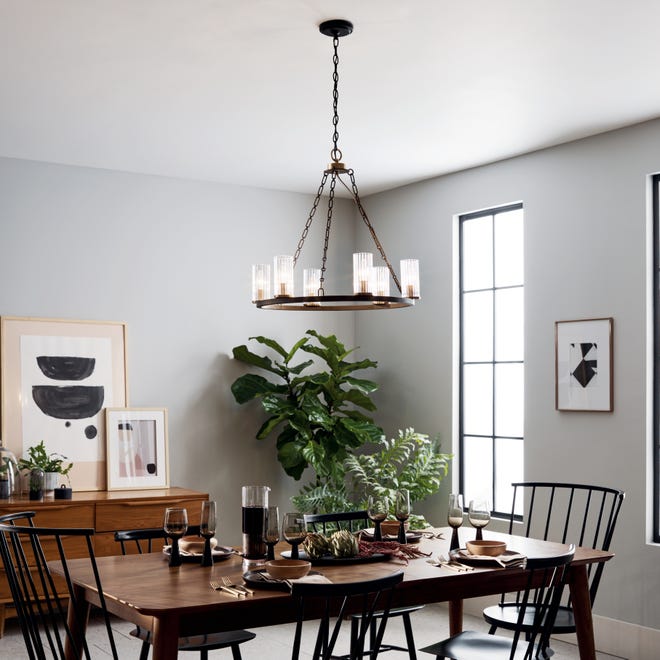
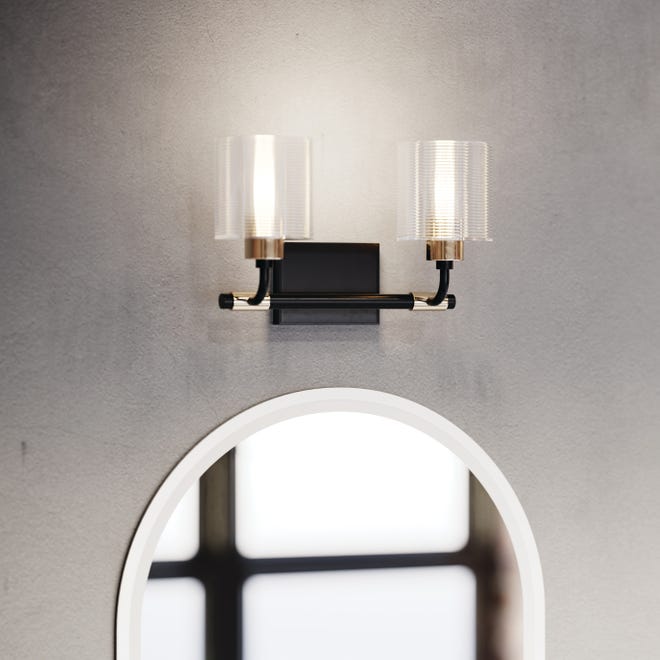
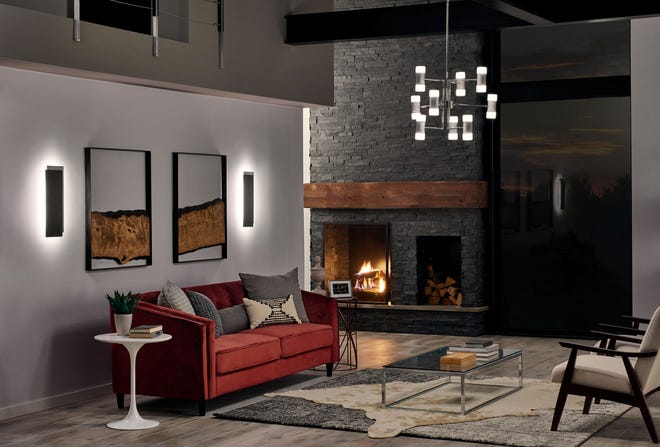
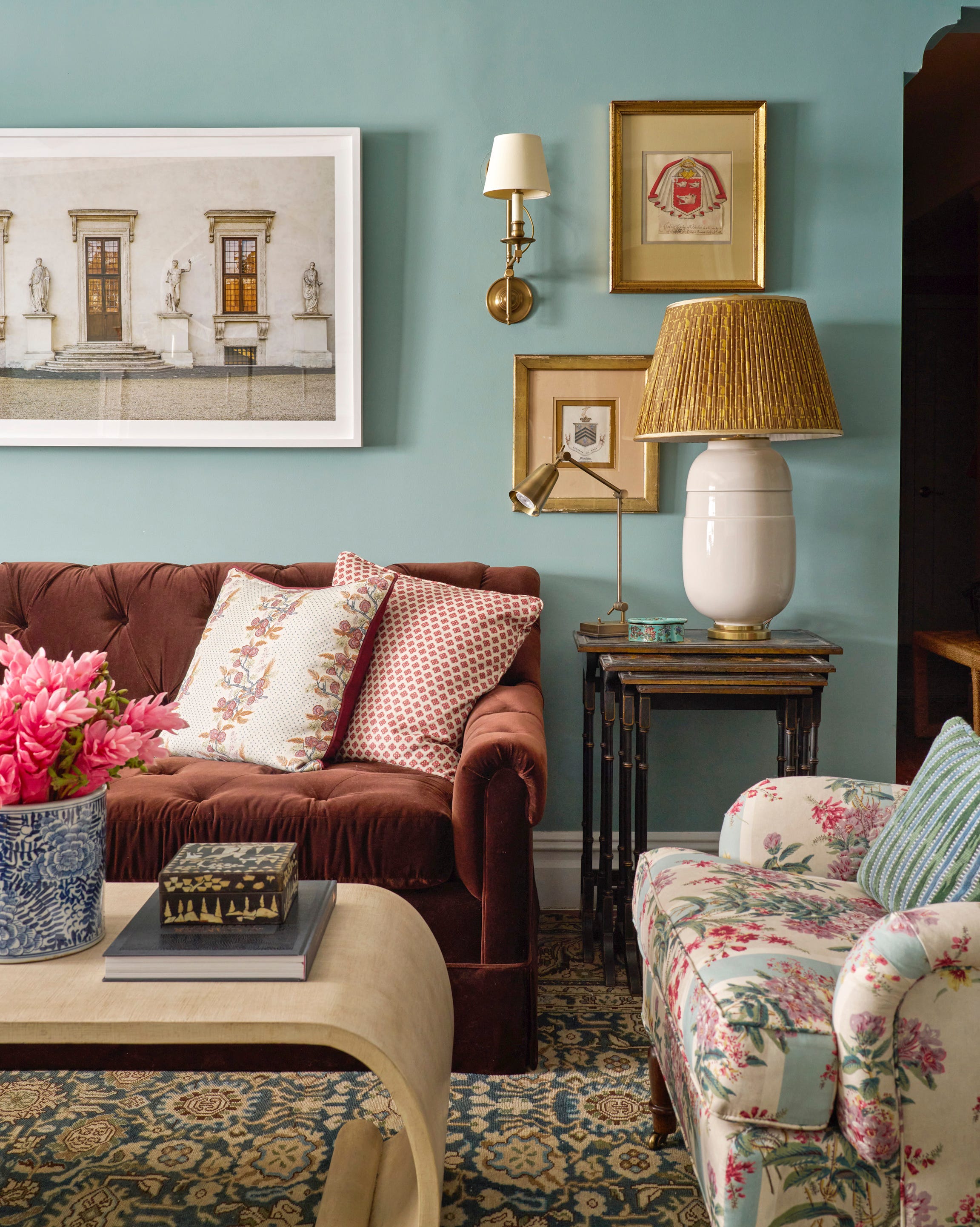
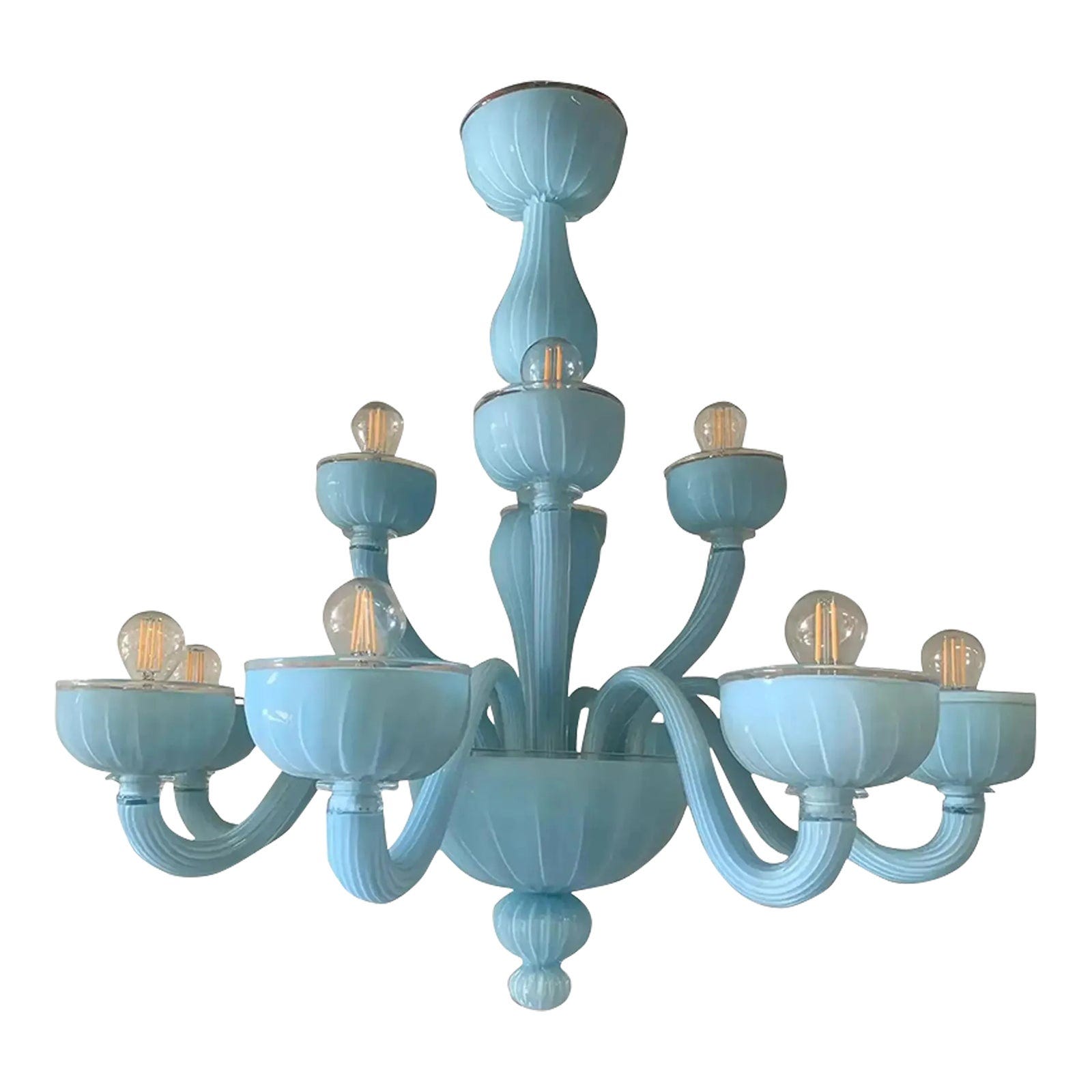
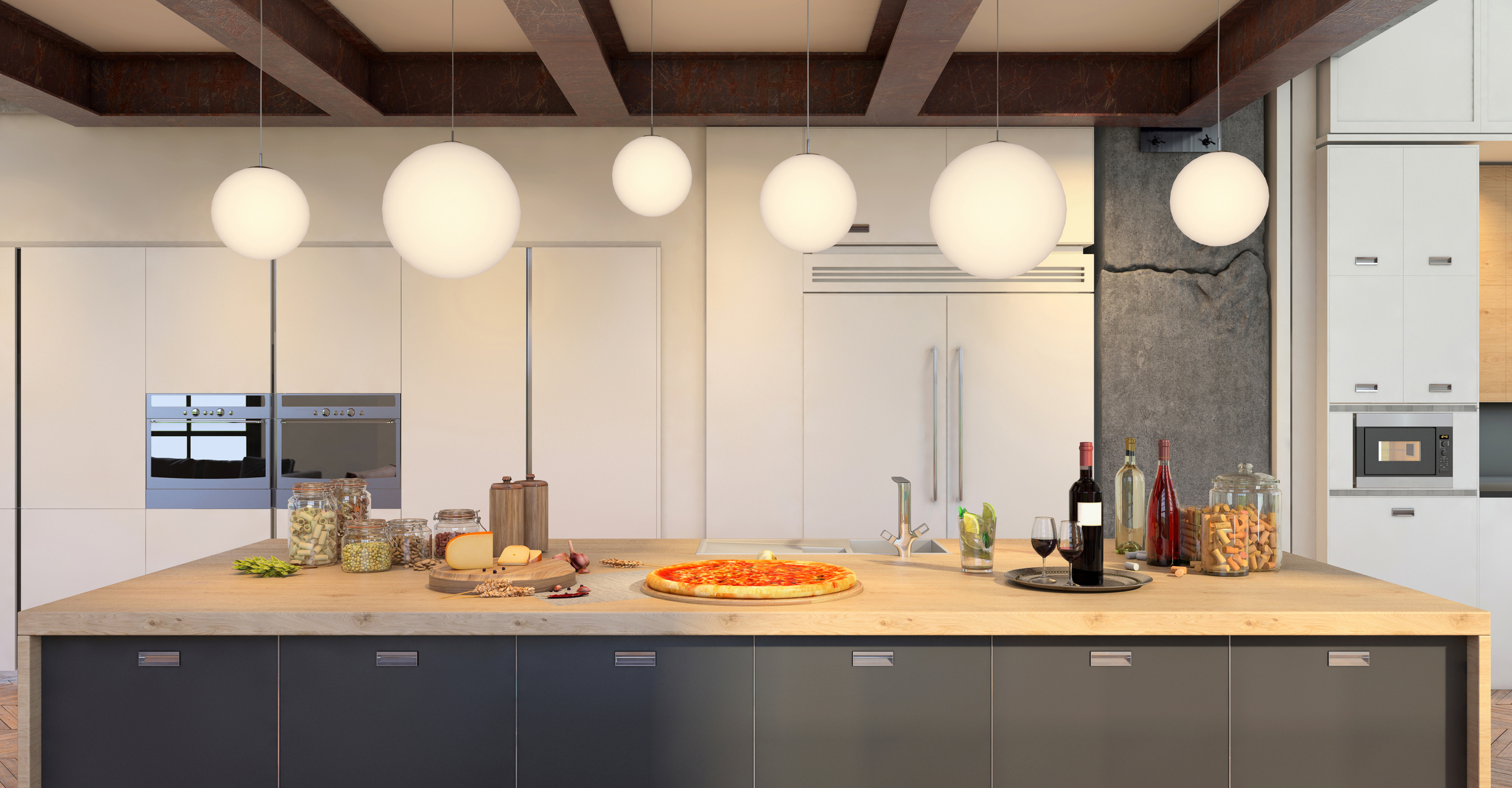
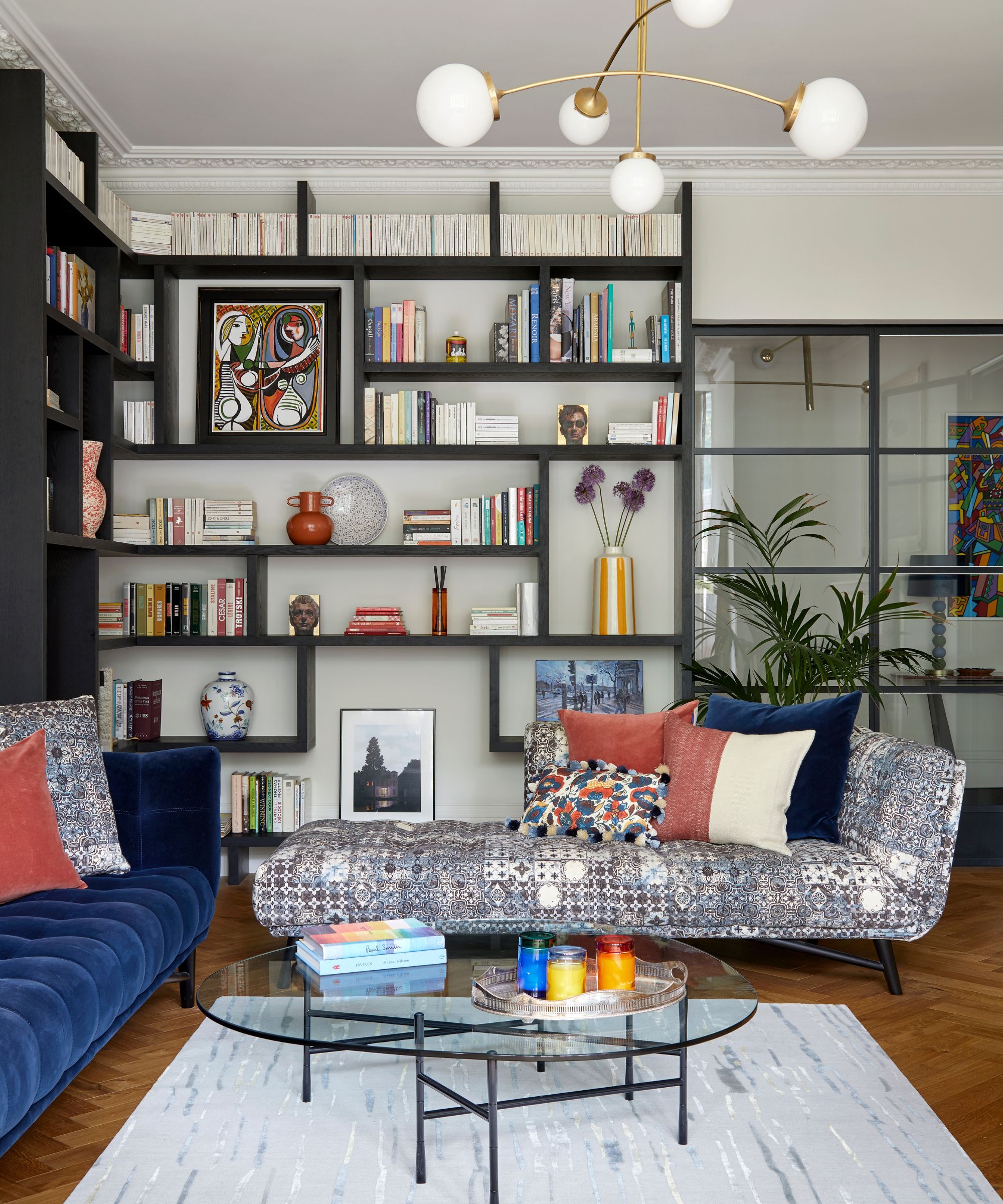
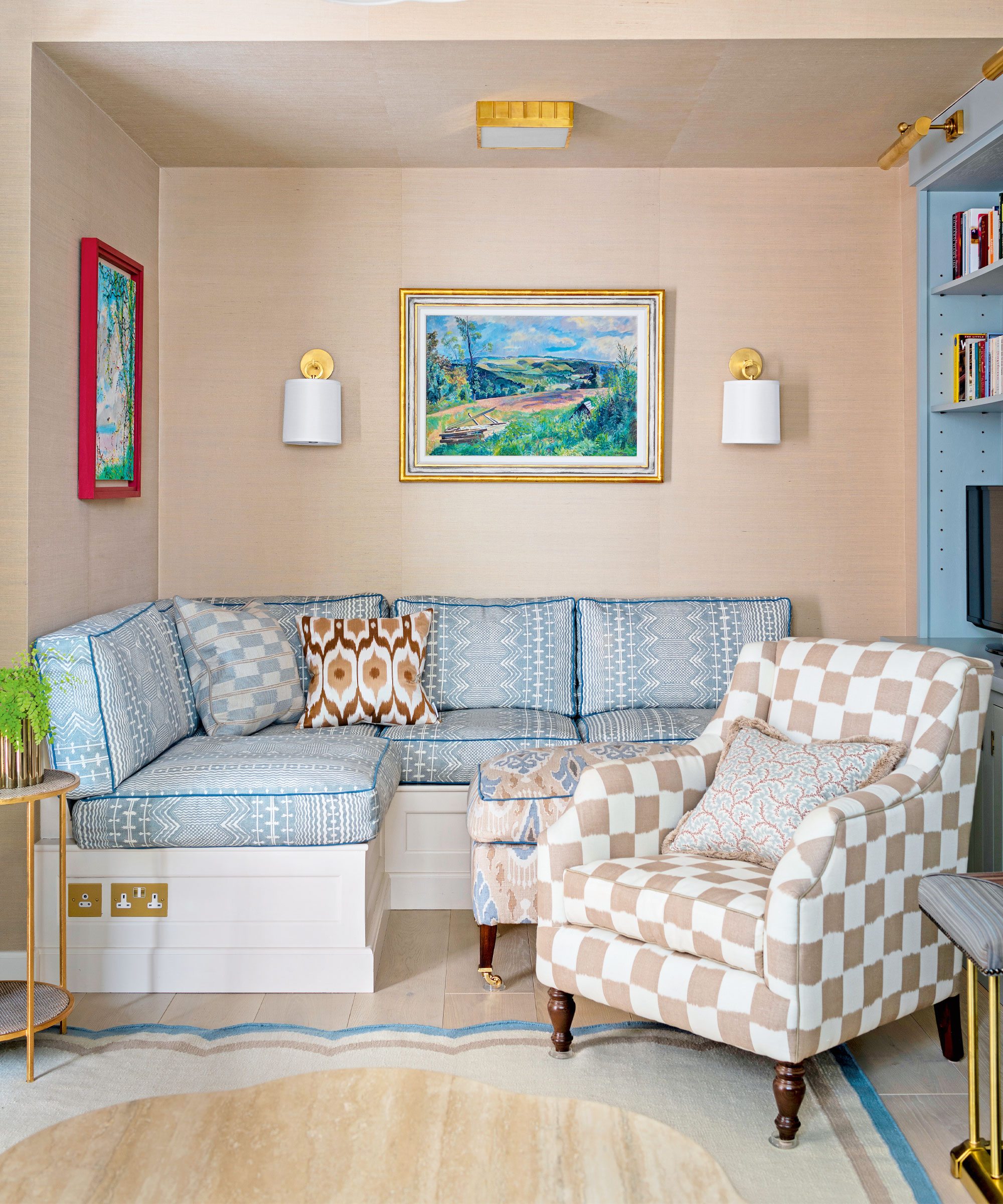
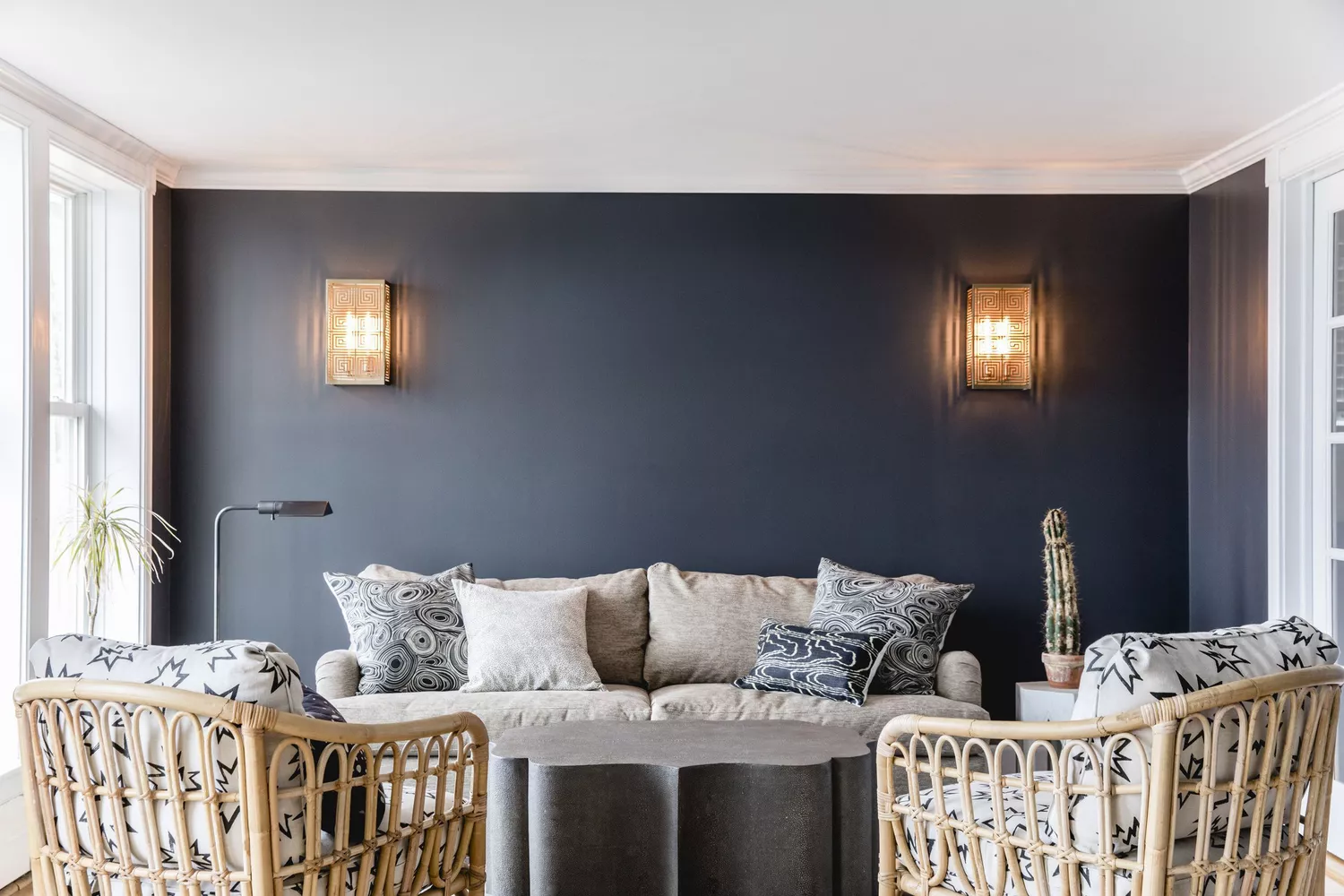
While the term 'lampscaping' suggests a focus on lamps, experts advise against relying solely on them. Instead, a comprehensive lighting scheme should incorporate multiple light sources and types, including table and floor lamps, accent lamps, wall sconces, ceiling lights, pendants, chandeliers, and flush mounts. This layered approach ensures that light tells a story from various angles, contributing to a balanced and visually appealing interior. Some designers, like Paul Nulty, argue that 'lighting design' is a more appropriate term, as it encompasses the quality of light and its effect on surfaces, the interplay of different lighting techniques, and the ability to adjust light levels to suit personal requirements and moods. This broader perspective focuses on ambient light for warmth, accent illumination for focal points, and contrast between light levels to alter a space's functionality and mood.
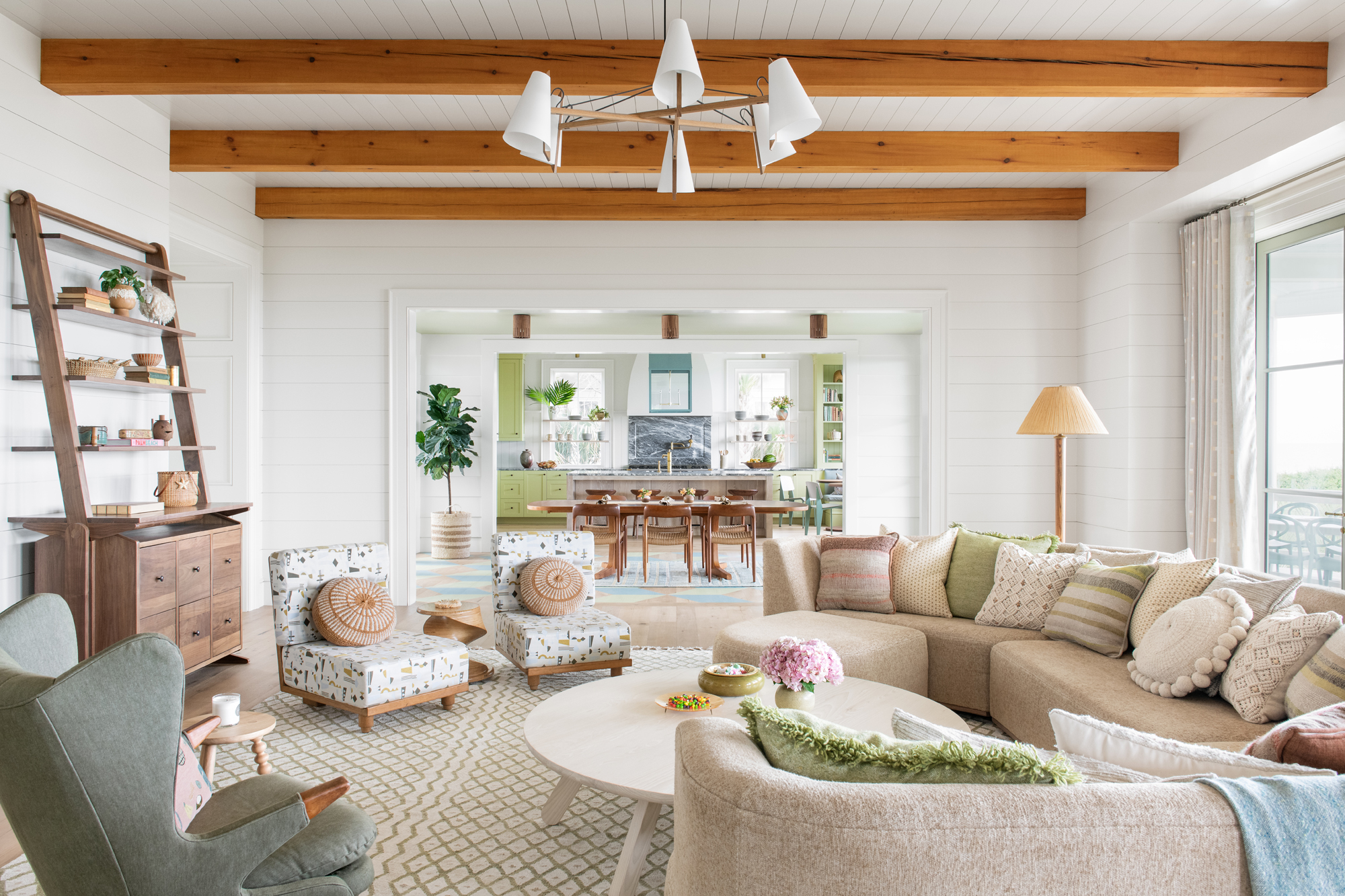
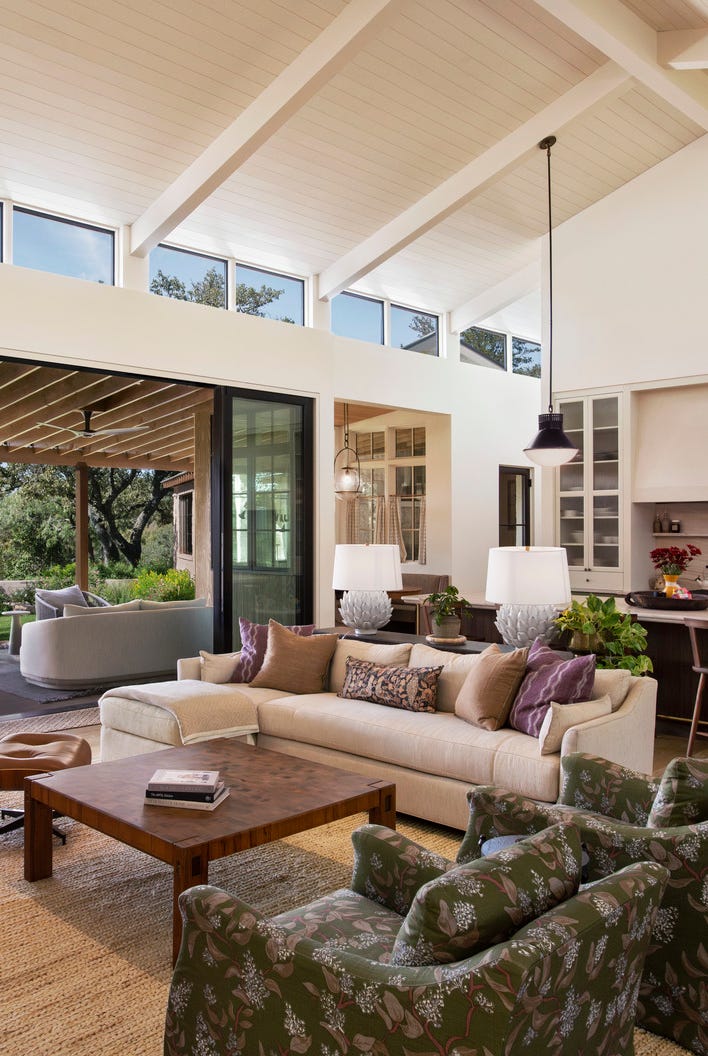
Successfully implementing a 'lampscape' involves layering light, which includes ambient, task, and accent lighting. This layering adds depth and flexibility, allowing for different moods and functions within a space. The size and layout of each room are important considerations; larger rooms may require multiple light sources for even illumination, while smaller rooms need strategically placed fixtures to avoid overwhelming the area. Before making lighting decisions, it's essential to understand the space's purpose, who will use it, and how it will be utilized. This narrative-driven approach helps determine the type of illumination needed, whether for reading, watching TV, entertaining, or simple visual display. User-centric controls, such as touch dimmers and swing-arm lamps, further enhance functionality and adaptability.
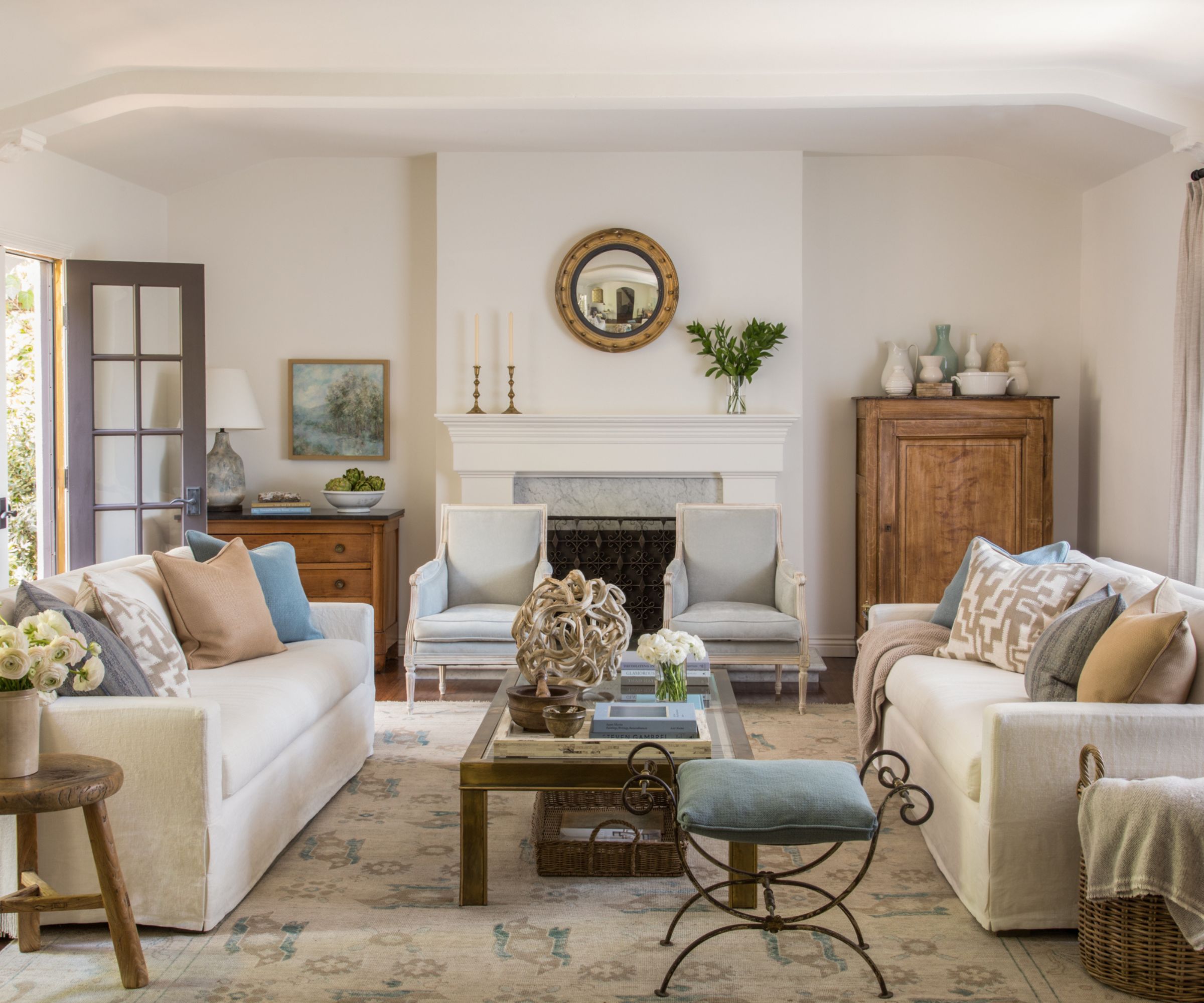
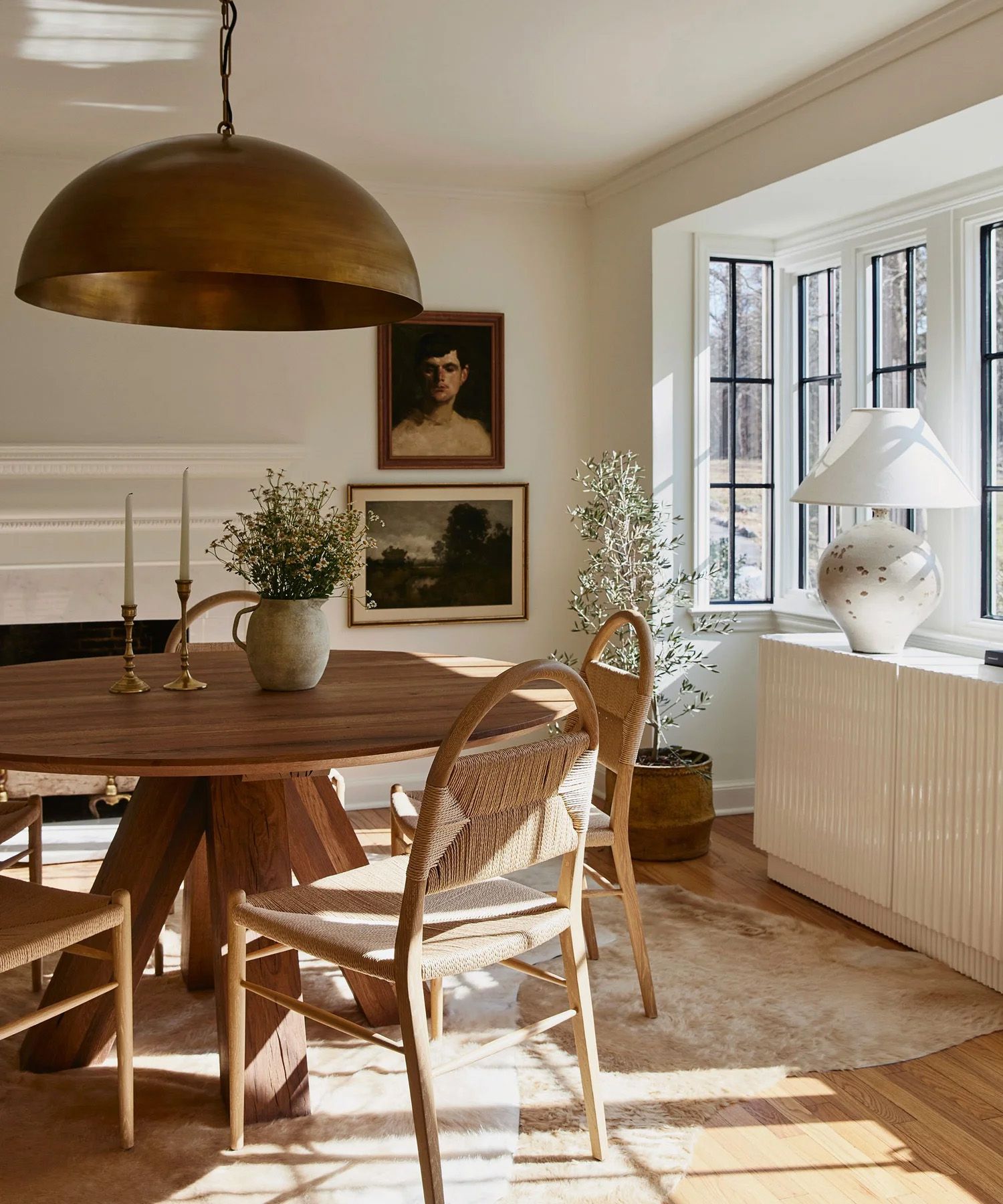
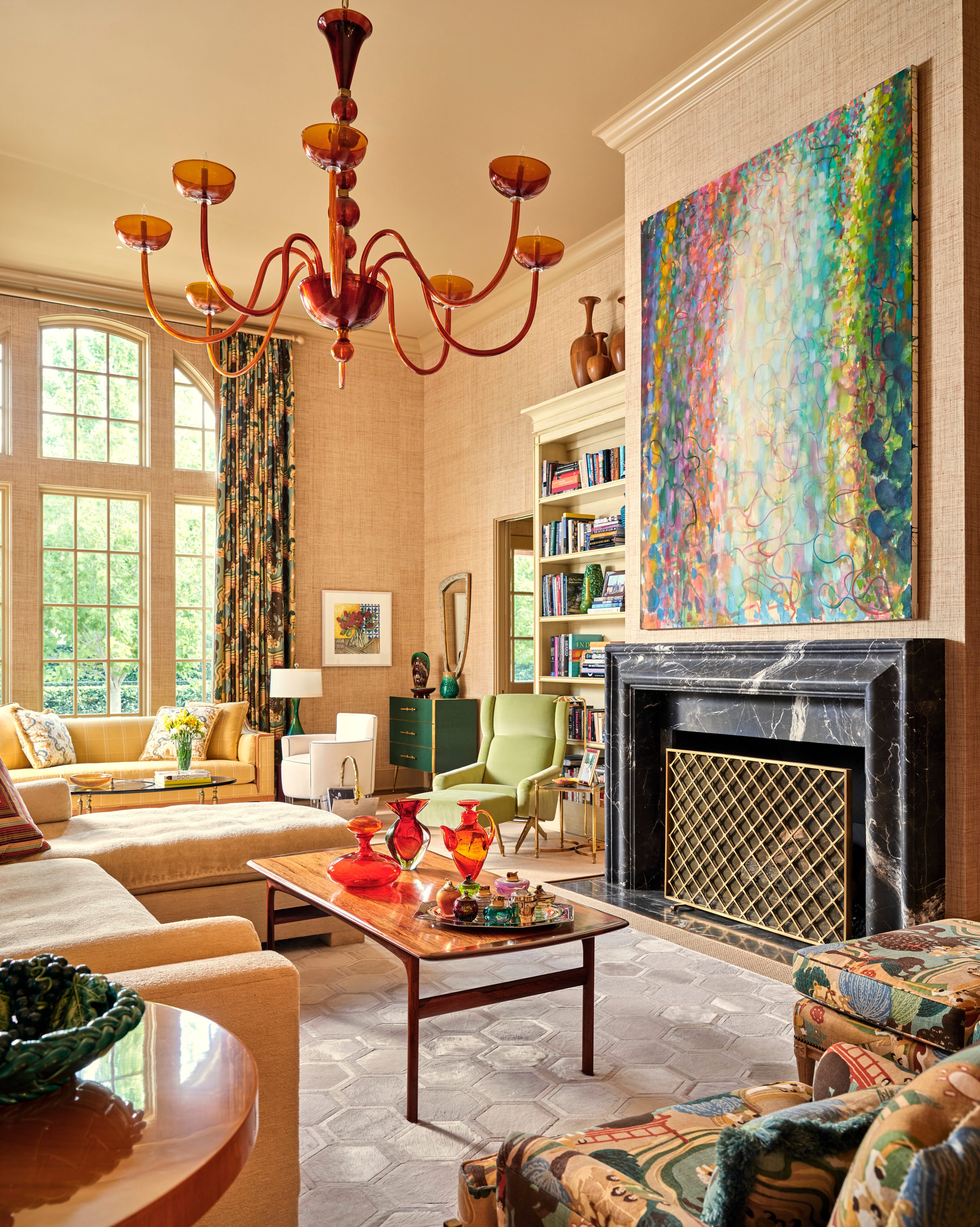
Designers emphasize the importance of avoiding 'the big light' – a single, central overhead light that illuminates an entire space – as it often lacks warmth, depth, and welcome. While some central fixtures can be stunning design statements, they usually require assistance to create a cohesive scheme. Instead, multiple, scattered light sources, including table lamps, floor lamps, wall lighting, small accent lights, and ceiling lighting, create layers of light that make a room appear warm and inviting. Integrating dimmers for these various sources allows for adjustable intensity, catering to different activities.
Common lampscaping mistakes include inadequate lighting, such as relying only on overhead fixtures; improper placement leading to uneven illumination or glare; and light fixtures that don't align with the overall design style or scale of the room. Neglecting energy efficiency by using inefficient bulbs or not installing dimmer switches also contributes to higher utility costs. The color temperature of light bulbs is another critical factor; bright, white lighting is suitable for task-oriented areas like kitchens and offices, while warm lighting promotes relaxation in bedrooms. Designers caution against prioritizing style over substance, noting that even a beautiful statement light may not suffice on its own without supporting architectural lighting to enhance reflections and overall ambiance. Furthermore, avoiding glare, over-lighting, grid-like positioning of lights, and inadequate control mechanisms are essential for a harmonious and functional lighting scheme. The ability to control circuits and dim lights is vital for adapting the lighting to various needs and moods.
#Lampscaping #InteriorLighting #HomeDesign #LightingDesign #LightingTips #AmbientLighting #TaskLighting #AccentLighting #LayeredLighting #Lampscaping #InteriorLighting #HomeDesign #LightingDesign #LightingTips #AmbientLighting #TaskLighting #AccentLighting #LayeredLighting
0 comment in total
 No comments yet
You may also like
‘Lamp layering’ is the secret trick designers use to elevate their interiors
How to make a living room lighter – an interior designer's 10 tips for a creating brighter space
An interior designer’s guide to lighting your home

lighting design Archives
What Your Lamp Choice Says About Your Design Style
5 outdated lighting trends designers say to avoid – and the designs and techniques to use, instead
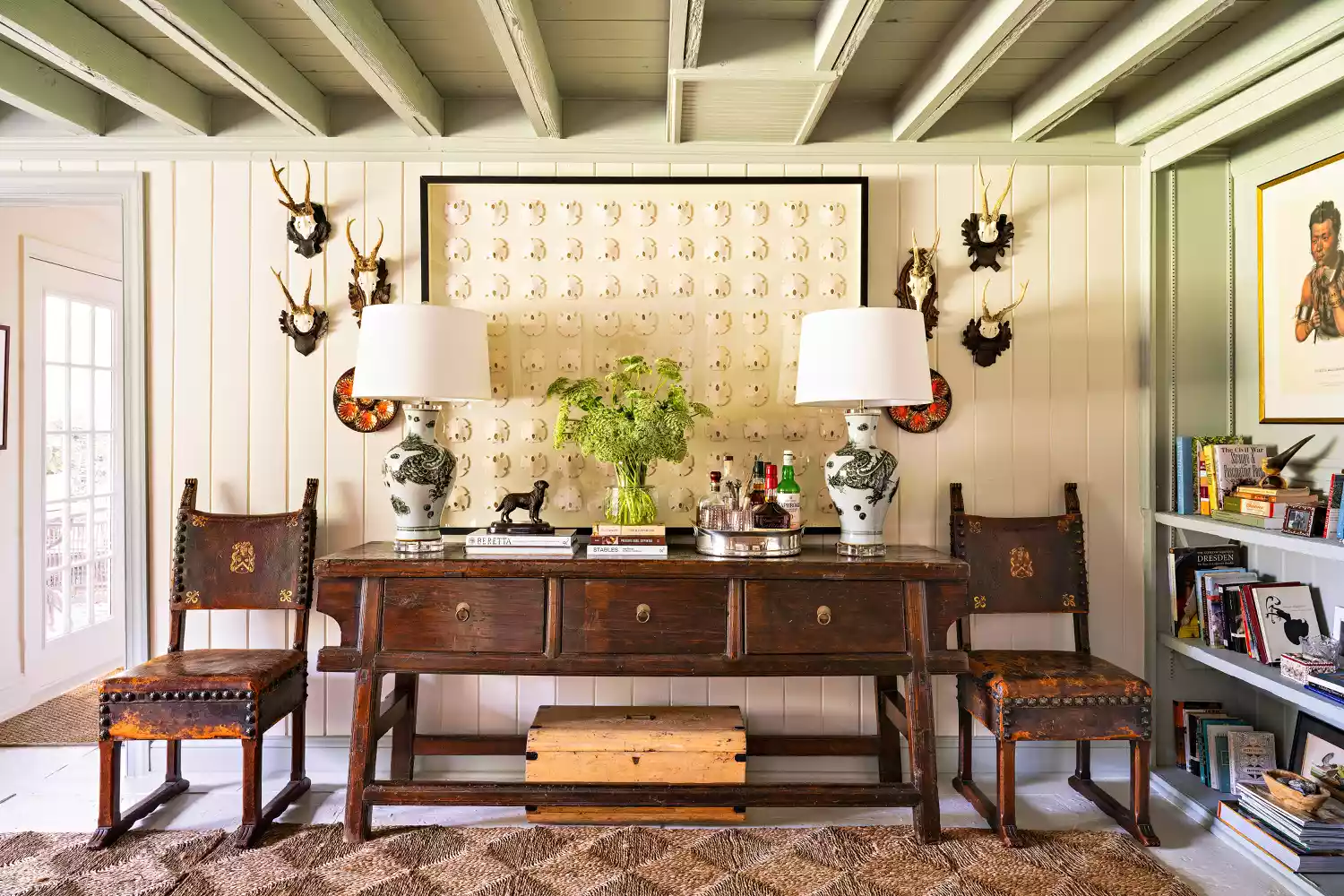
6 Lighting Trends That Will Transform Your Space In 2026
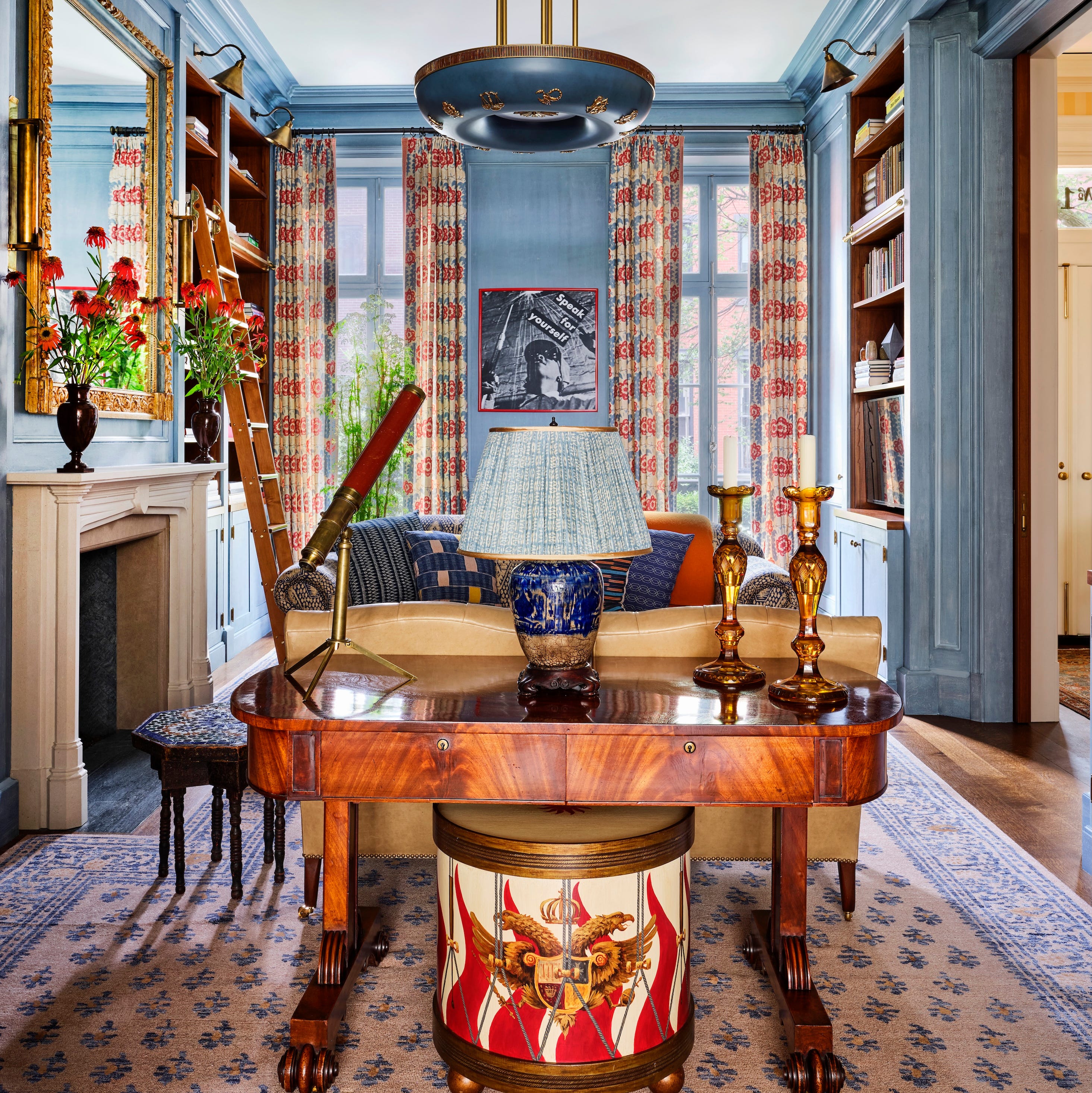
These Lighting Trends Will Be Everywhere in 2026, According to Designers

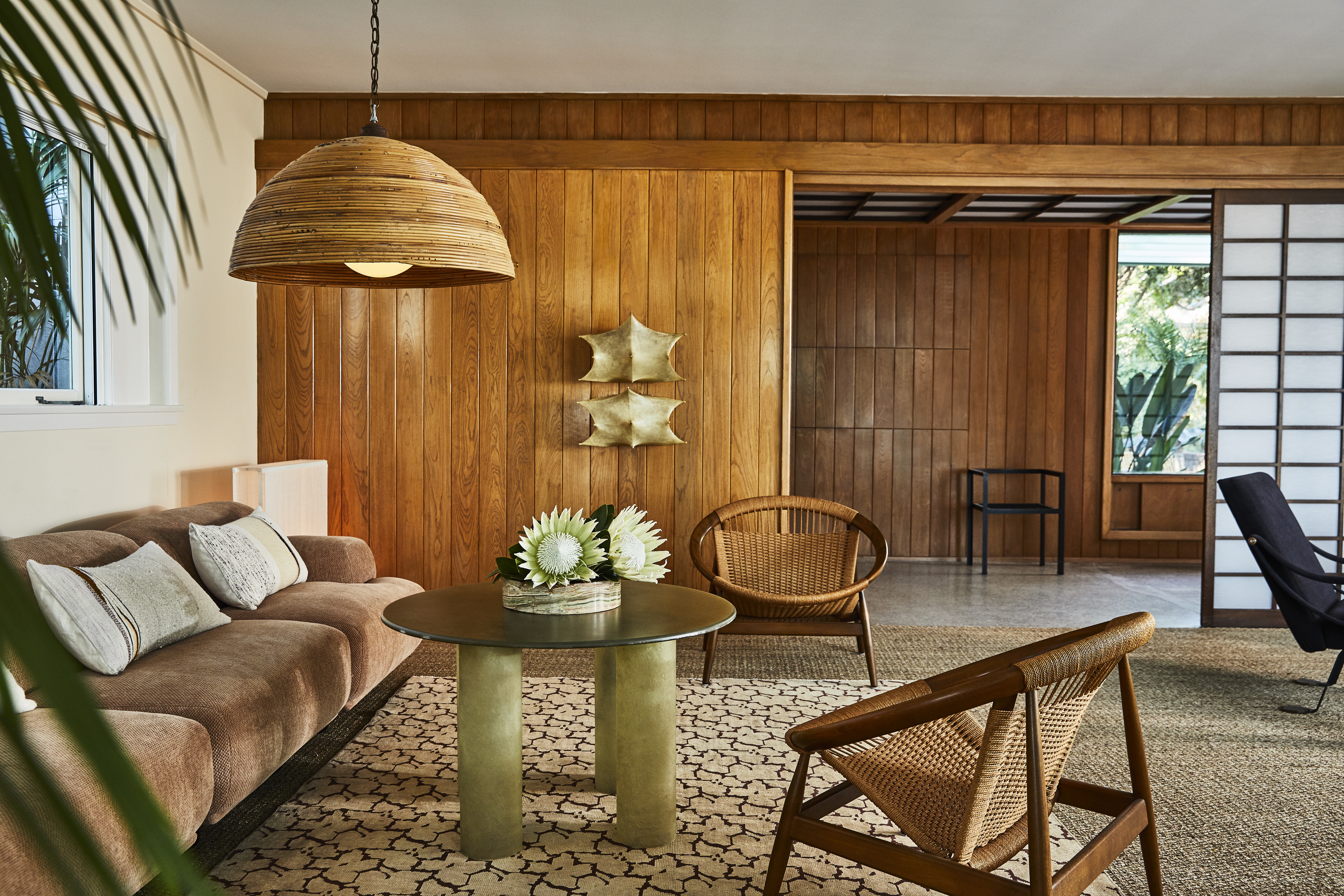
Should light fixtures match throughout a house? The answer is more nuanced than you'd expect

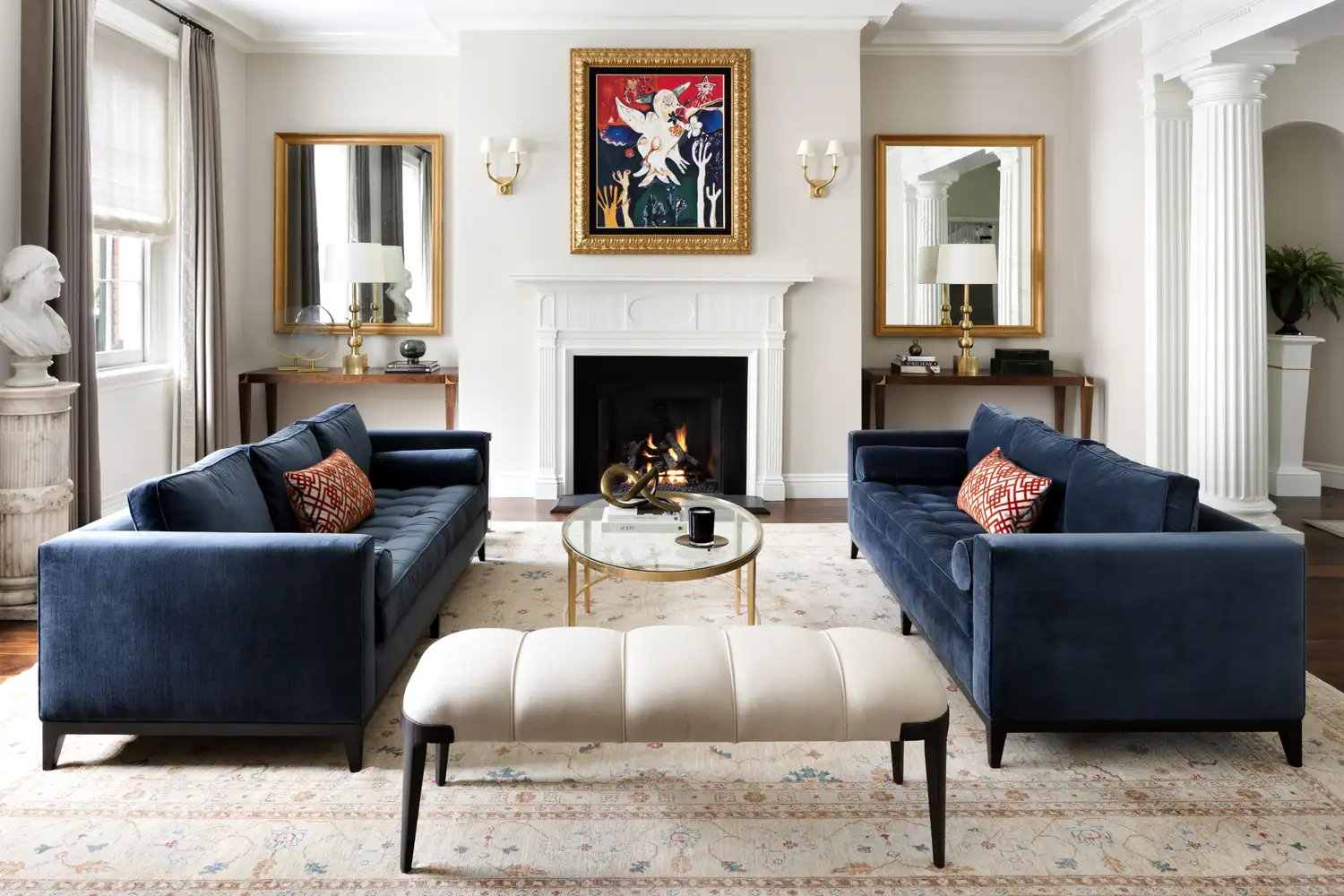
This Is the Room Design Formula Pros Use Again and Again—Here’s Why It Works

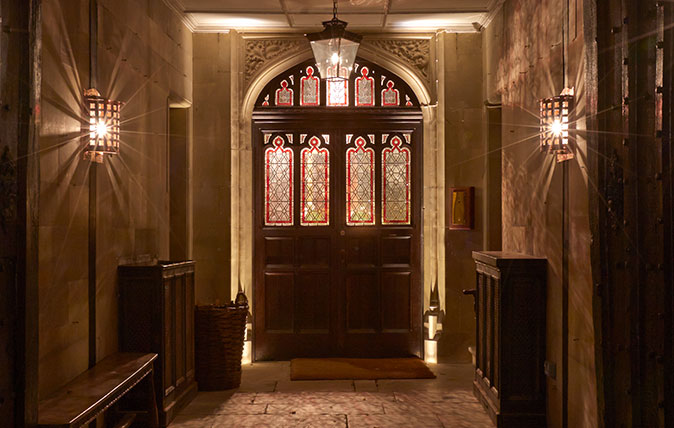
Get your home's lighting just right: Seven questions answered

Overhead Lighting vs. Lamps: Experts Settle This Great Debate

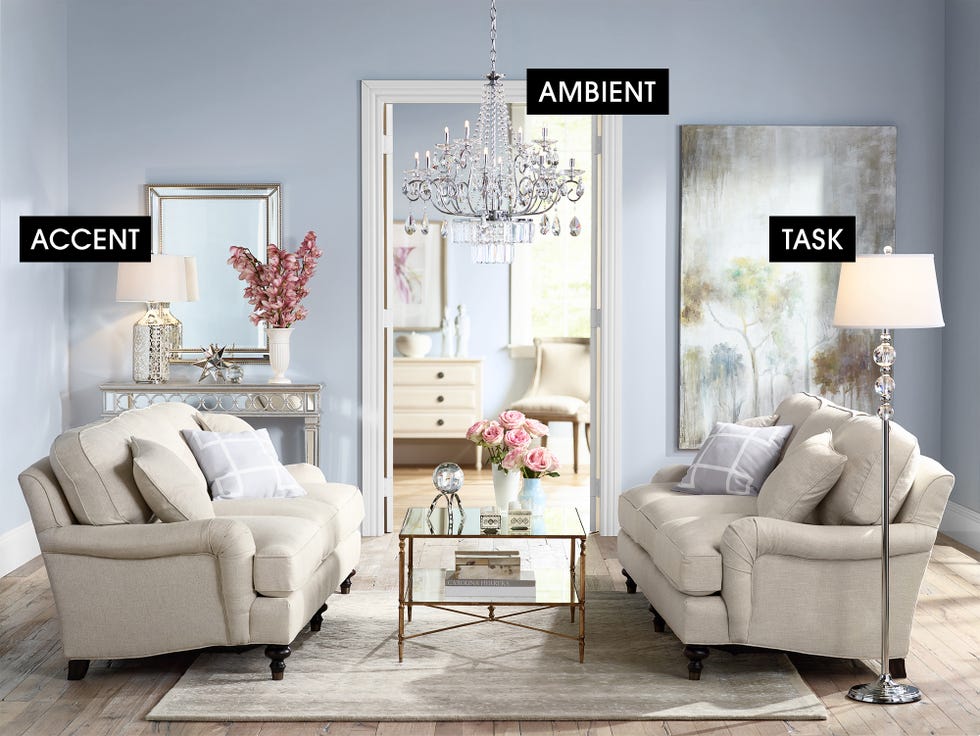
The 3 Types Of Lighting Every Room Needs


Unexpected Red Is So 2024—Here’s the Design Hack that Ruled 2025

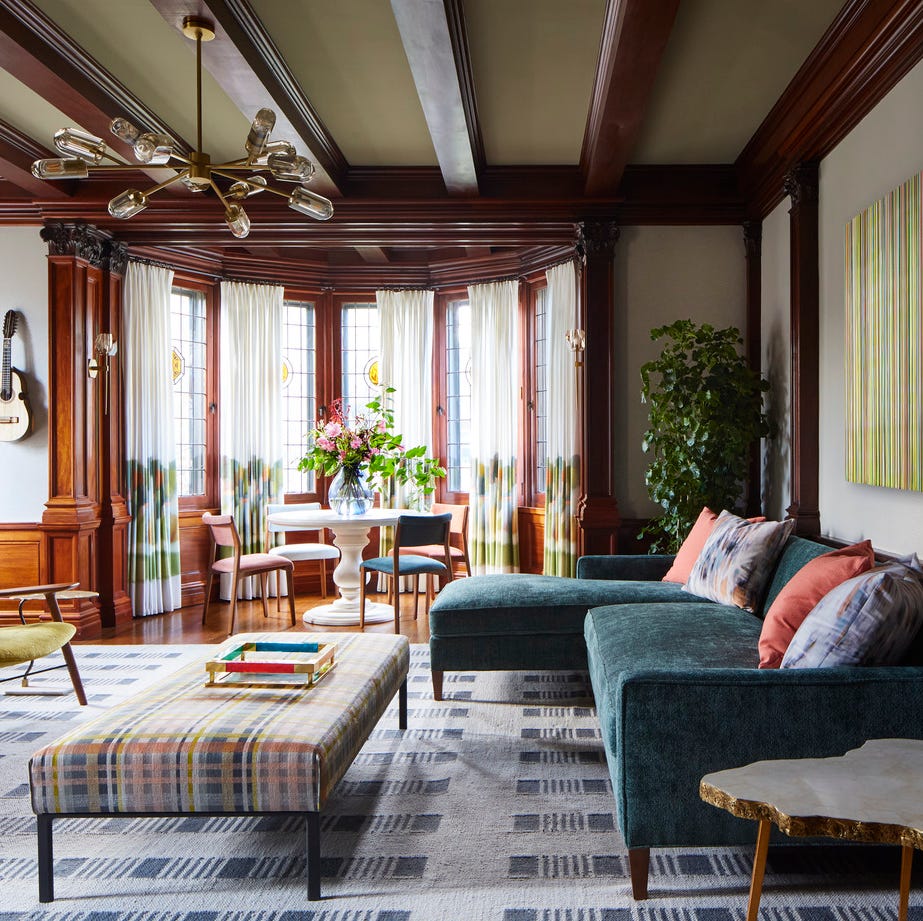
Easy Ways to Transform Your Living Room Into a Space You LOVE

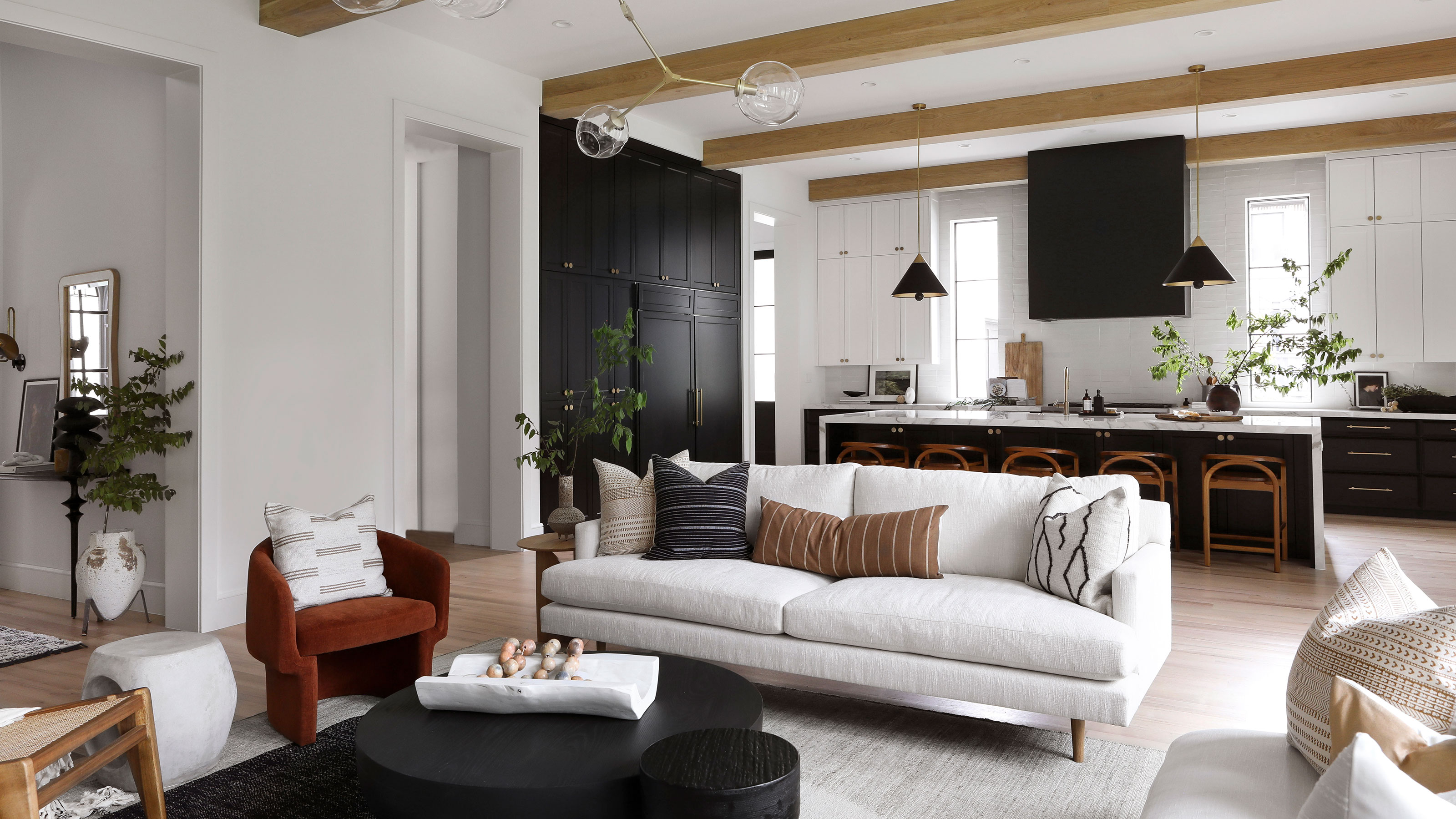
6 failsafe formulas designers always follow when planning a living room
5 Types of Lighting Designers Would Never Use —They're Harsh and Unflattering and Here's Why
The dos and don'ts of lighting your house
Homestyle: Lighting the way
14 Tips for Lighting Your Home Like a Designer Before Daylight Savings Ends