Building a Deck Without Treated Lumber
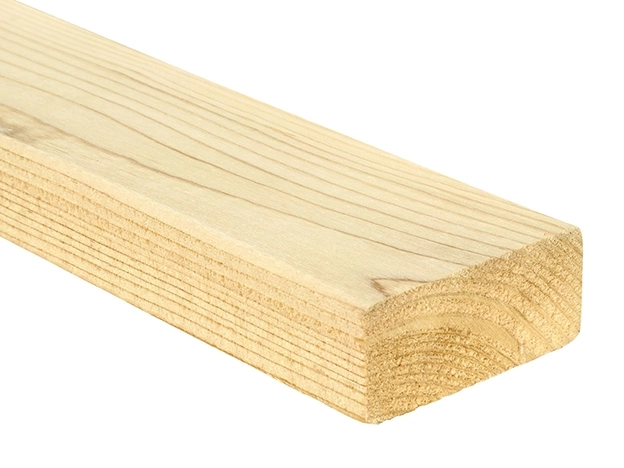
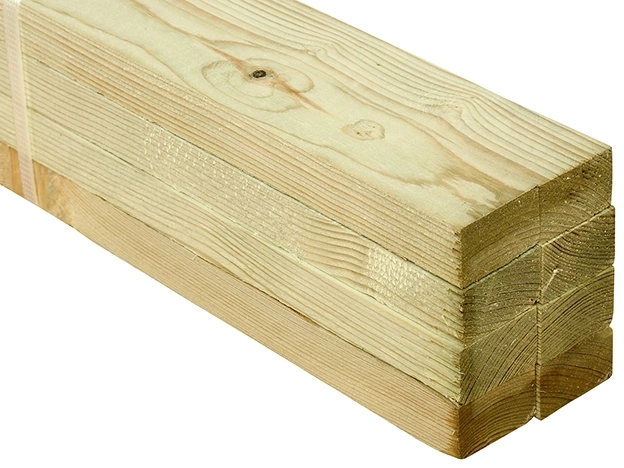
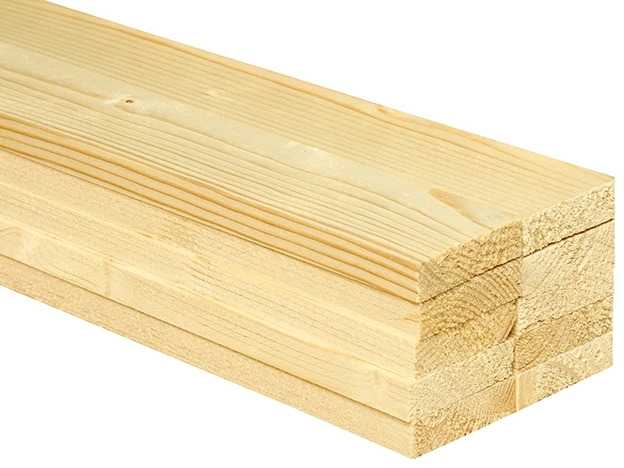
This article addresses the common question of alternative materials for outdoor building projects, such as decks and sheds, specifically seeking to avoid pressure-treated lumber. The author, Andy Engel, a remodeling contractor, explains that while building codes mandate rot-resistant lumber for decks, they do not specifically require pressure-treated (PT) lumber. Instead, the International Residential Code (IRC) acknowledges alternatives like western red cedar and redwood. These wood species are often more expensive and primarily used for finish surfaces. For framing purposes, their code-allowed spans are shorter compared to southern pine, which is typically used for PT lumber in the eastern United States, though comparable to Douglas fir and hem-fir used in the west. To compensate for shorter spans, one might need to use deeper beams and joists, such as 2x12s instead of 2x8s, or reduce joist spacing from 16 inches to 12 inches or less, which can increase project costs.
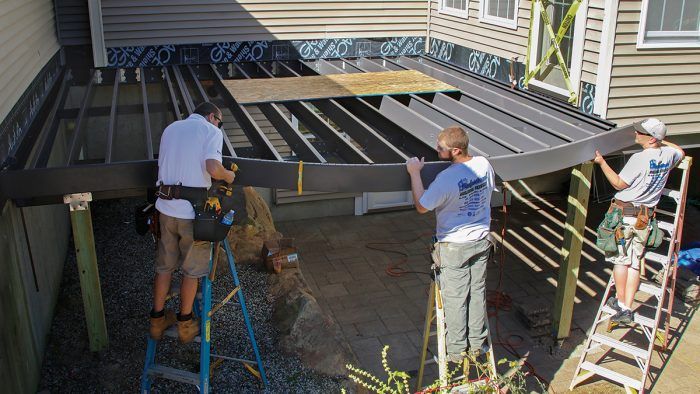
A significant alternative explored is light-gauge steel framing. The IRC provides detailed guidelines for steel framing, making it a viable and code-compliant option for both deck and shed construction. Steel framing is described as straighter, lighter, and generally stronger than wood. It is typically galvanized and often features additional protective coatings to enhance its corrosion resistance, making it suitable for outdoor environments. The article references a previous publication by Fine Homebuilding on framing decks with steel, highlighting its established use.
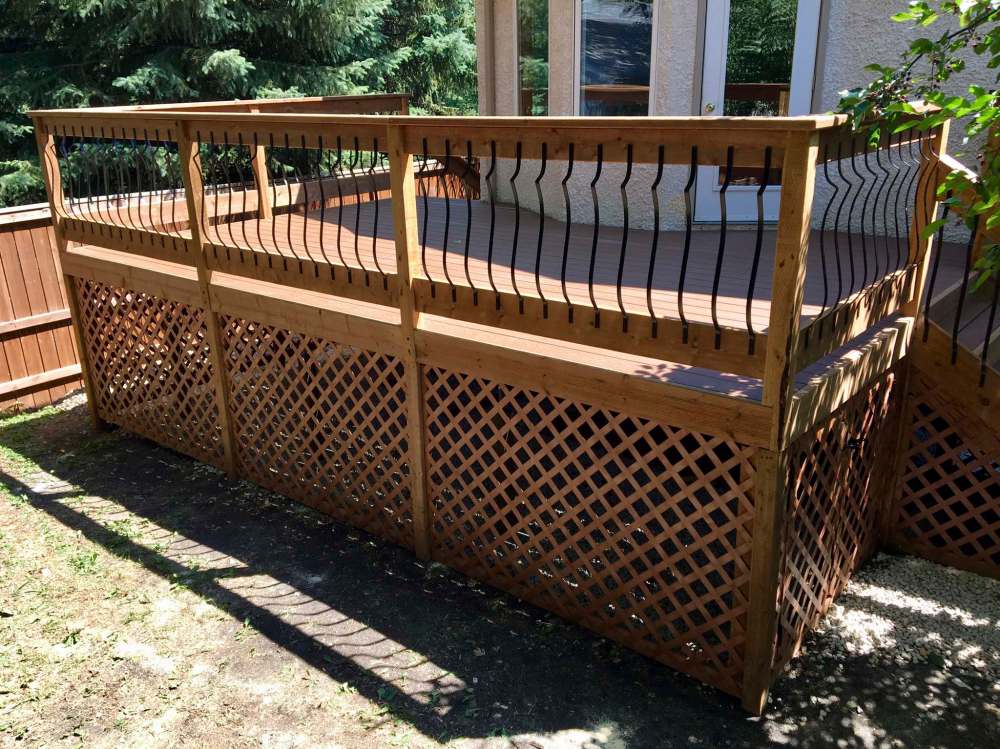
Another option discussed is the use of naturally decay-resistant local wood species. The author shares a personal anecdote about a customer who desired a deck built from locally sourced materials in Connecticut. Black locust and white oak, both native to Connecticut, exhibit natural decay resistance and were available from a local sawmill. The author planned to enhance their durability by taping the tops of joists and beams with a flashing membrane and treating concealed end cuts with copper naphthenate. However, the town building inspector did not permit their use for framing due to the inability to source these species with a structural-grade stamp. Despite this, the inspector allowed black locust and white oak for decking and railing, and the deck remained sound 15 years later, suggesting their practical efficacy despite code limitations related to grading.
For sheds, the requirements are less stringent because their framing is generally better protected from the elements. If the shed framing is kept at least 8 inches above grade, the code does not mandate the use of rot-resistant lumber. The author cites a personal example of building a shed 20 years ago using this principle, which remains in good condition today. The article also touches upon related topics like deck framing materials, decking options, decoding lumber grade stamps, and comparing various rot-resistant framing materials, providing a comprehensive overview for readers seeking alternatives to pressure-treated lumber in outdoor construction.
#DeckConstruction #AlternativeMaterials #RotResistantLumber #SteelFraming #BuildingCodes #HomeImprovement #OutdoorProjects #SustainableBuilding #DeckConstruction #AlternativeMaterials #RotResistantLumber #SteelFraming #BuildingCodes #HomeImprovement #OutdoorProjects #SustainableBuilding
0 comment in total
 No comments yet
You may also like
7 signs you need to replace your wooden deck – the red flags to look out for in your garden
We Put the Best Exterior Wood Stains Through 40 Hours of Testing to Find the Top Picks

Best decking oils 2020

Here’s how to treat and maintain your wood deck and balcony

The Best Deck Stains of 2026

The Best Deck Stains of 2025
How to stain a deck – 3 easy steps to a fresh new look

Make Cedar Shine: Our Favorite Wood Stains
19 Creative DIY Deck Plans and Design Ideas

How to Choose the Best Deck Finish

Timber

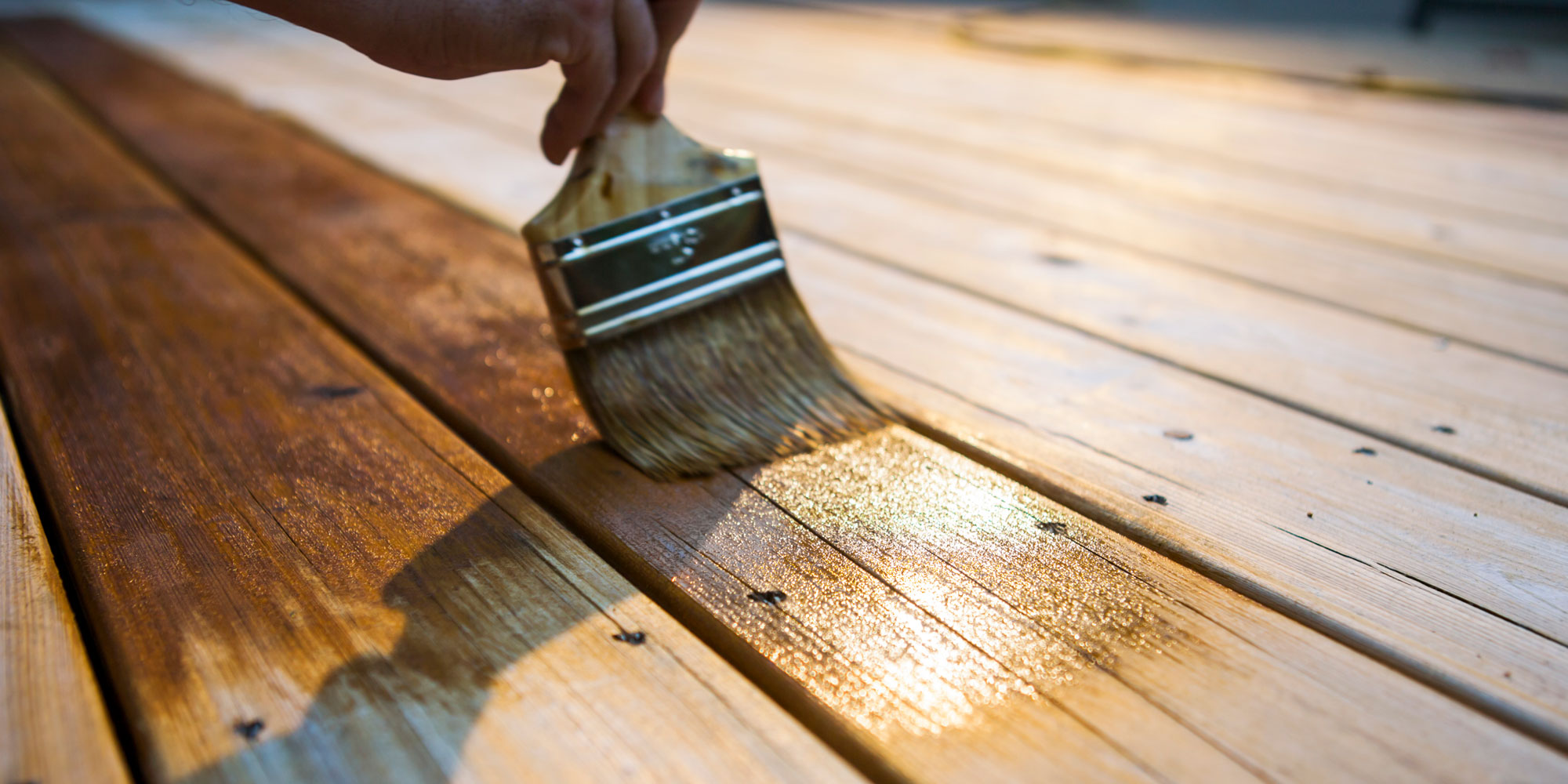
Best decking paint and decking stain
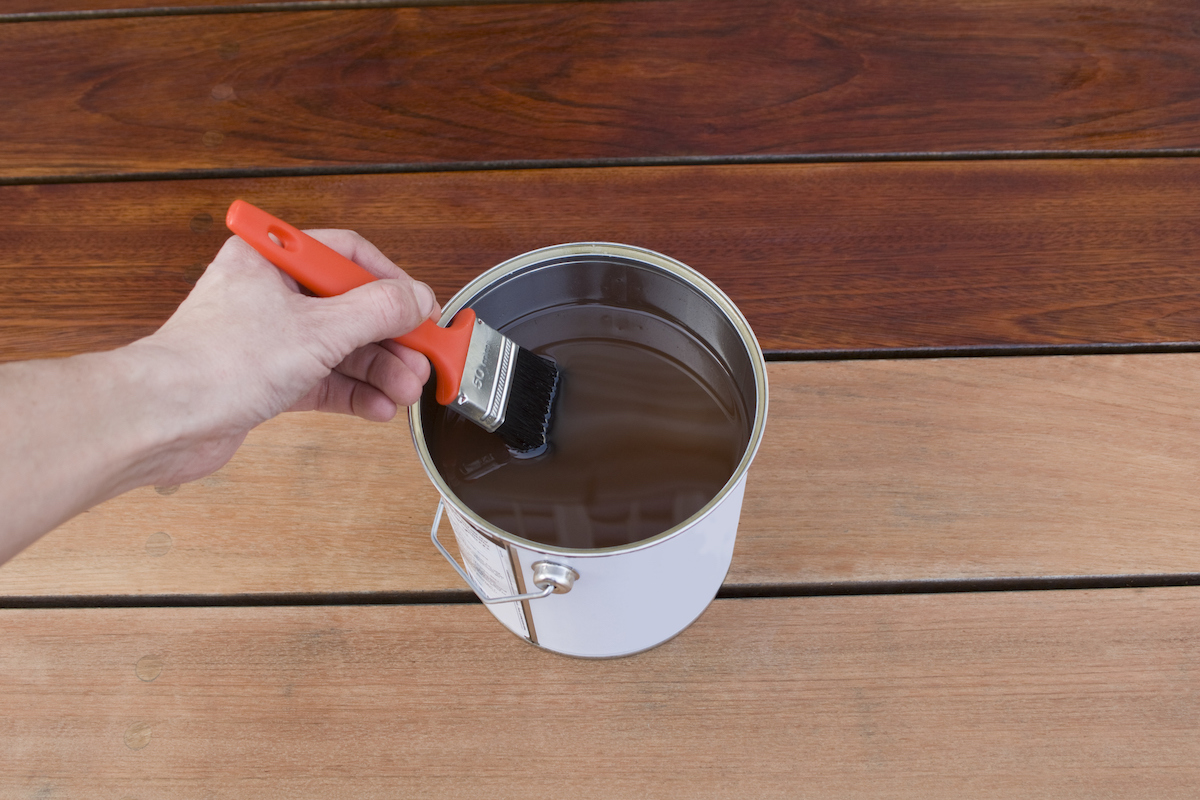
How to Stain a Wood Deck: Instructions and Materials List
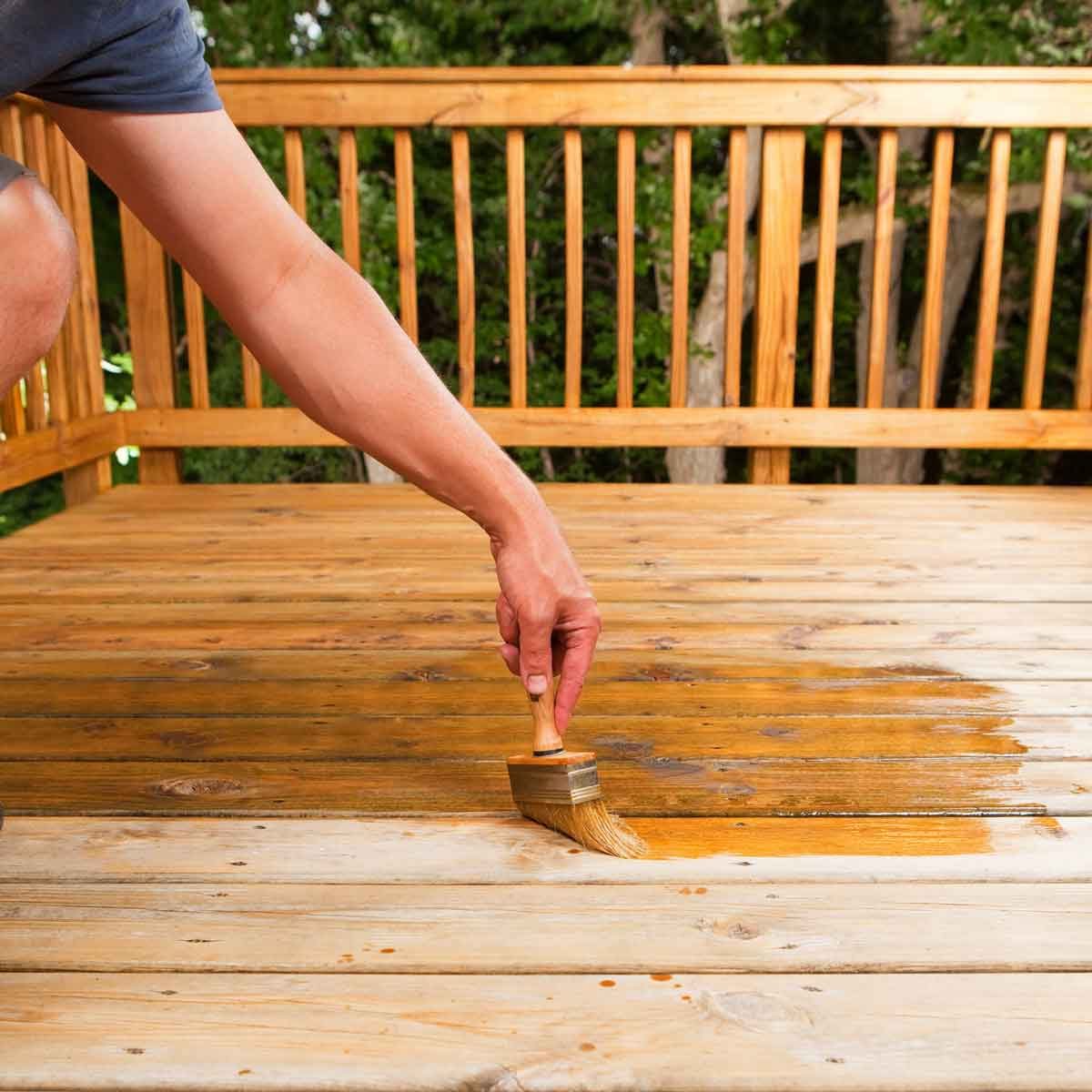
Best Deck Paints and Stains for 2025
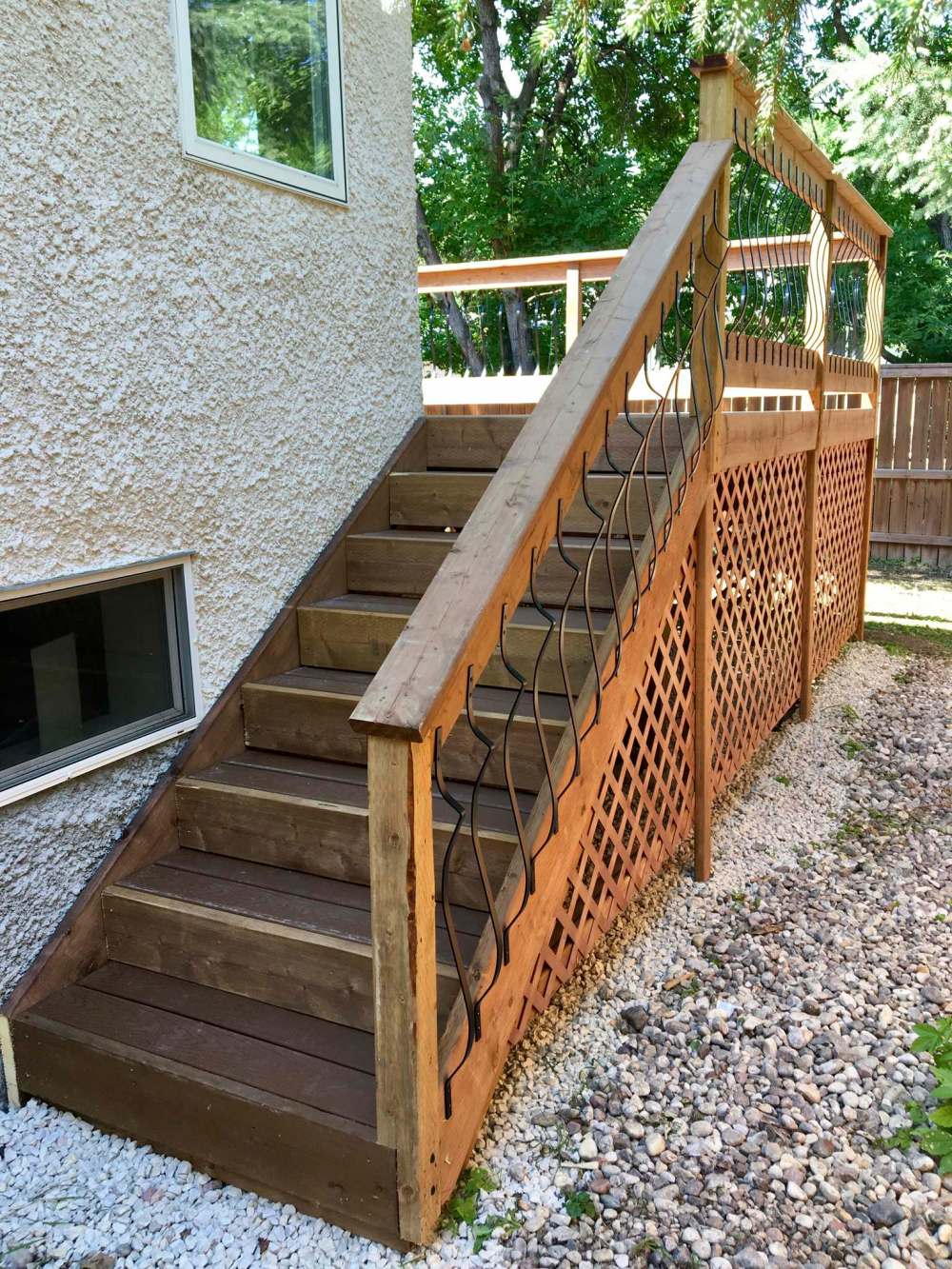
Jul 2018: Old meets new in backyard deck reno

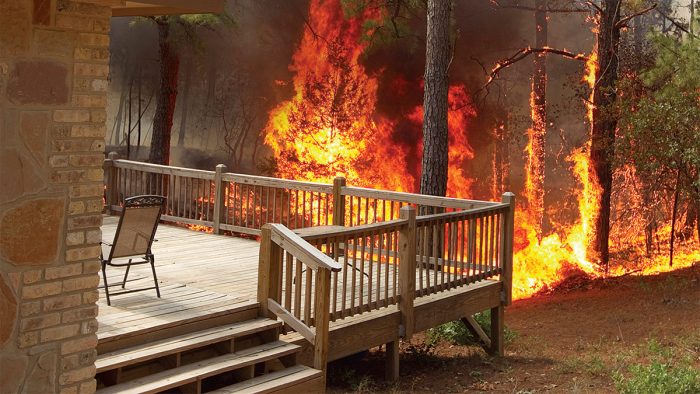
How to Build a Fire Resistant Deck
The Best Solid Deck Stains to Protect and Revitalize, Tested
The Best Stains for Cedar Decks, Siding, Fences, and More
Wood Treatments
3 Easy Ways to Choose Deck Railings