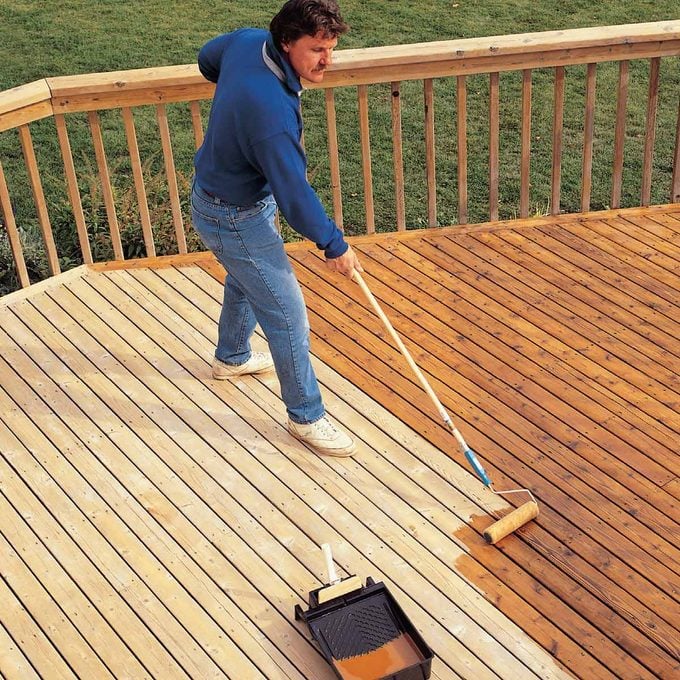
1/2
How to Choose the Best Deck Finish
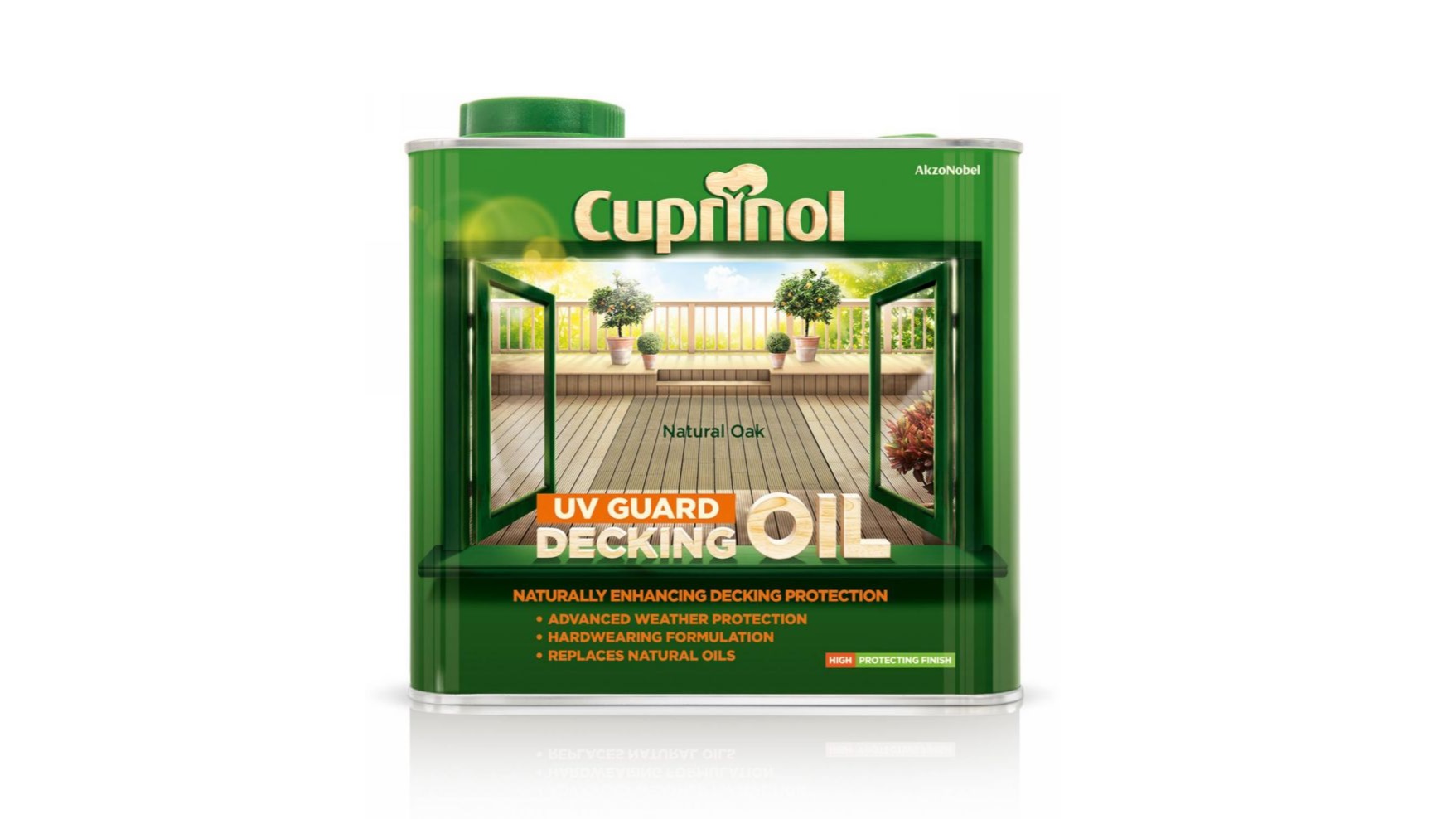
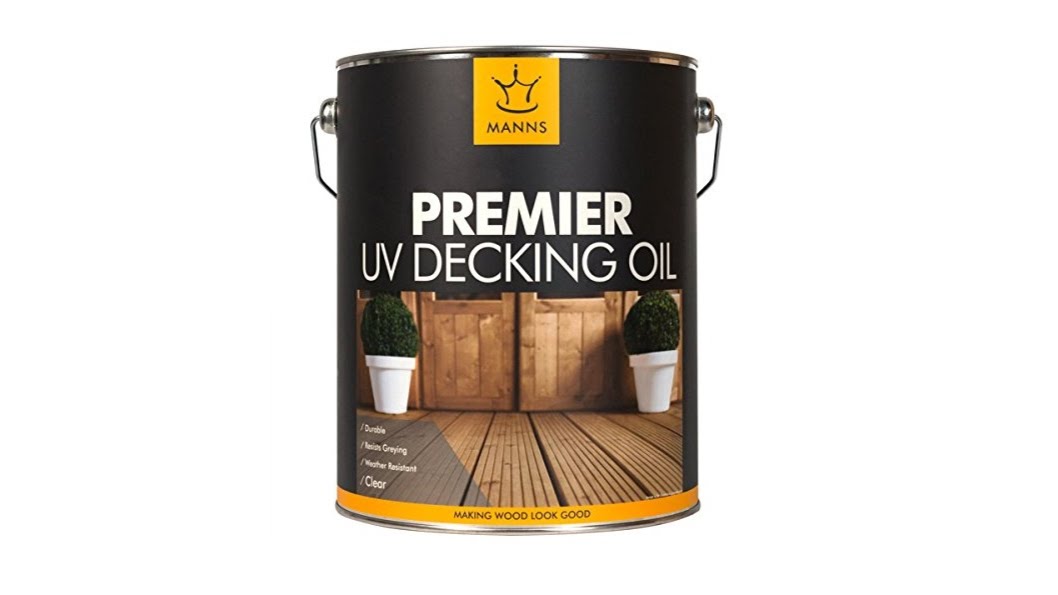
Selecting the right finish for a wood deck is crucial for protecting the investment and enhancing its aesthetic appeal. A suitable sealant safeguards the wood from moisture, UV rays, and fading, while also highlighting its natural beauty. Deck finishes typically require reapplication every three to five years, prompting the need for informed decisions on product selection.
The primary decision revolves around choosing between oil-based and water-based deck finishes, each presenting distinct application processes, maintenance requirements, and overall characteristics. Oil-based finishes, according to expert Scott Paul, require a higher skill level for application but can yield superior results. They penetrate the wood without forming a film, which prevents cracking or peeling. Their slower drying time and wider temperature application parameters allow for greater flexibility in seasonal use. Oil-based finishes are effective in enhancing natural wood appearance, protecting against moisture, and preventing mold and mildew growth. Regular cleaning is recommended to maintain their efficacy.
Conversely, water-based finishes are considered easier for novices to apply, are eco-friendly due to the absence of volatile organic compounds (VOCs), and are simple to clean with soap and water. They dry significantly faster than oil-based alternatives, often within two hours. However, water-based finishes form a protective film that may crack and peel over time, necessitating complete removal before reapplication. The article also touches upon the option of not applying any finish, suitable for decks made of pressure-treated lumber or rot-resistant species like cedar or redwood. This approach eliminates refinishing work, requires only periodic cleaning, and allows the wood to naturally weather to a silver-gray patina, potentially lasting for decades with good airflow.
Regardless of the chosen finish, proper preparation of the deck is paramount for a durable and professional-looking application. Cleaning is the initial step, but caution is advised with pressure washing, as it can damage wood fibers. Deck cleaners and scrub brushes are safer alternatives. If a previous finish needs removal, a deck stripper might be necessary for clear sealers, transparent, and some semi-transparent stains. Solid stains, paints, or varnish coatings require a paint stripper. Applying a new finish over an old one is possible if both are oil-based, provided the old finish is in good condition. However, applying an oil-based finish over an unremoved water-based finish can lead to blotchy penetration.
To determine the existing finish type, one can observe how the deck absorbs water. If water is absorbed and the finish isn't peeling, it's likely oil-based. If the finish is cracking, peeling, or doesn't absorb water, it's probably water-based and will require stripping and sanding. For new, unfinished decks, it's recommended to wait a year before applying a finish, cleaning the deck periodically during this waiting period.
#DeckFinish #WoodDeckMaintenance #OilBasedFinish #WaterBasedFinish #DeckPreparation #HomeImprovement #DIYDeck #OutdoorStructures #DeckFinish #WoodDeckMaintenance #OilBasedFinish #WaterBasedFinish #DeckPreparation #HomeImprovement #DIYDeck #OutdoorStructures
0 comment in total
 No comments yet
You may also like
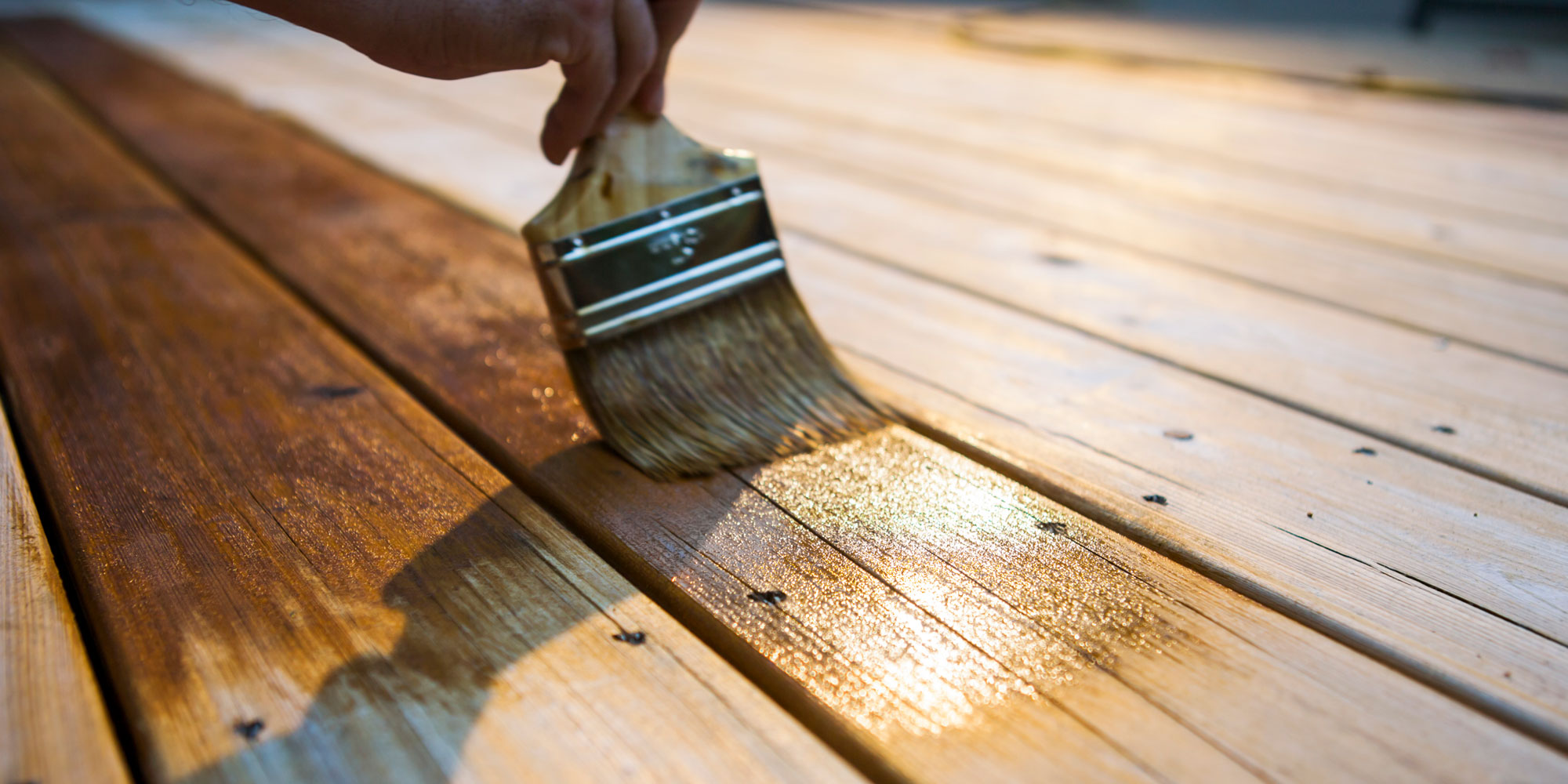
Best decking paint and decking stain
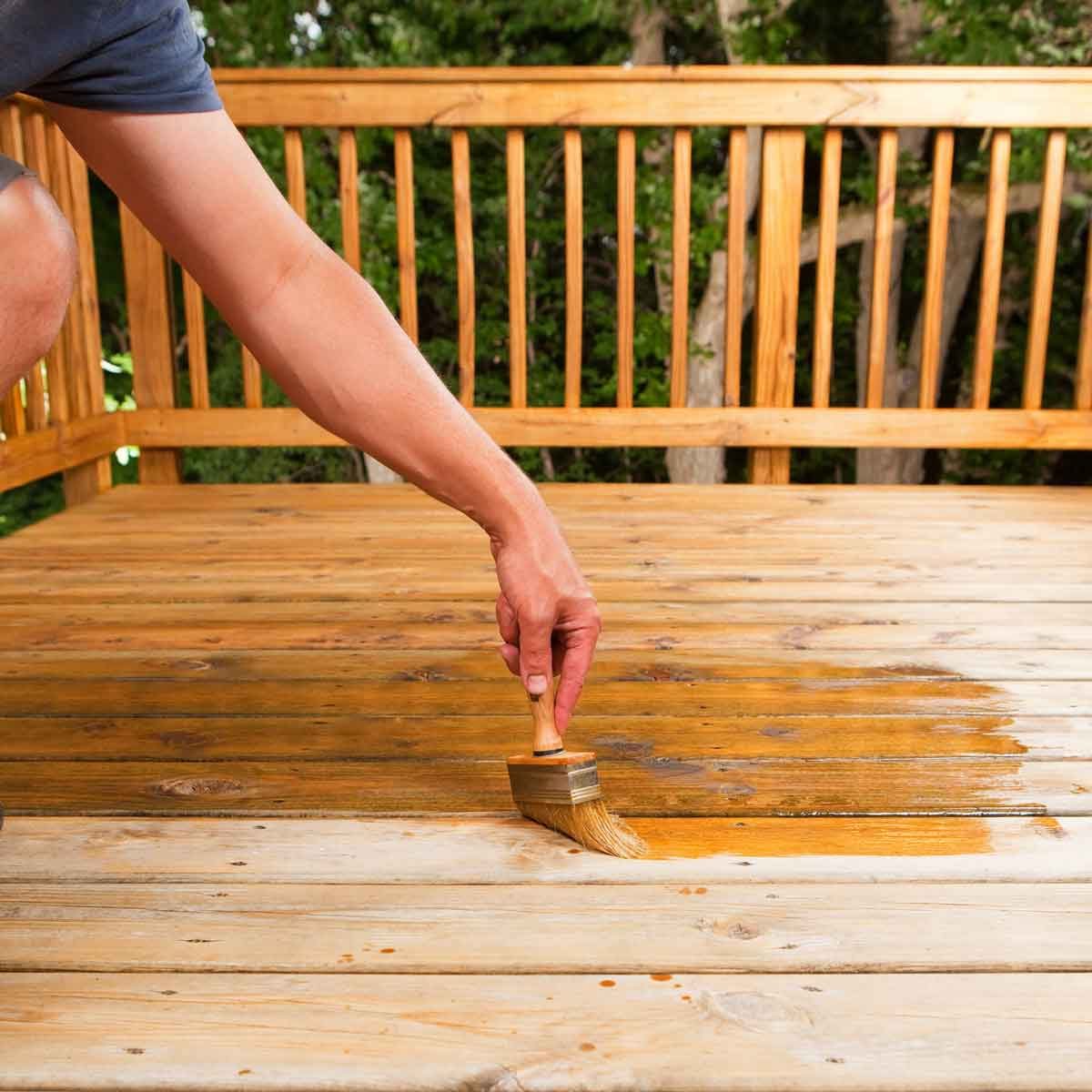
Best Deck Paints and Stains for 2025
The Best Solid Deck Stains to Protect and Revitalize, Tested

Best Composite Decking of 2025
The Best Deck Stains of 2025

The 7 Best Deck Paints You Can Get, Tested and Reviewed

Decks

Paint finishes – a guide for every room


Deck color ideas – how to choose the color to stain or paint your deck
The 5 Best Deck Stains to Protect and Revive Your Deck

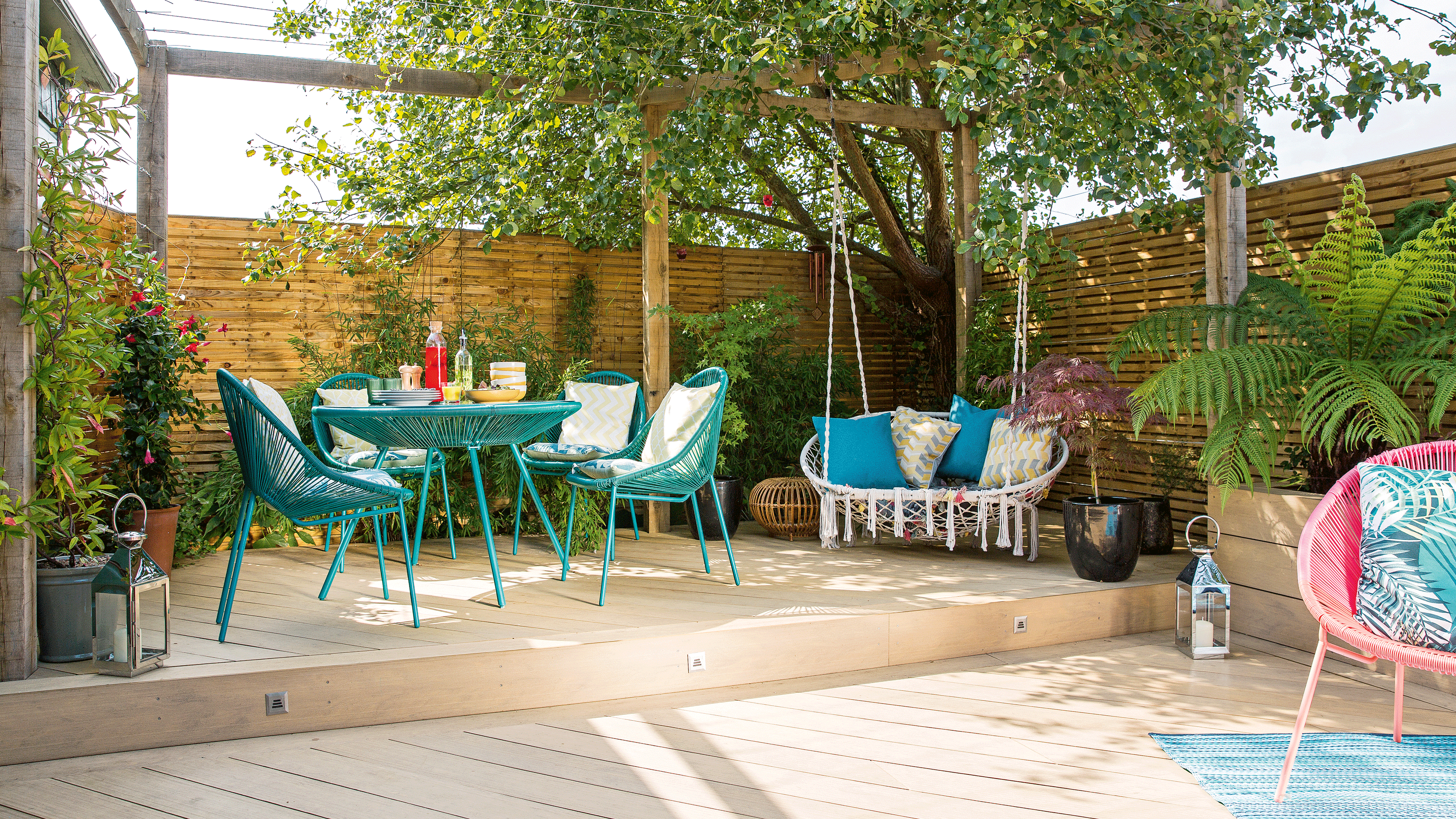
7 signs you need to replace your wooden deck – the red flags to look out for in your garden
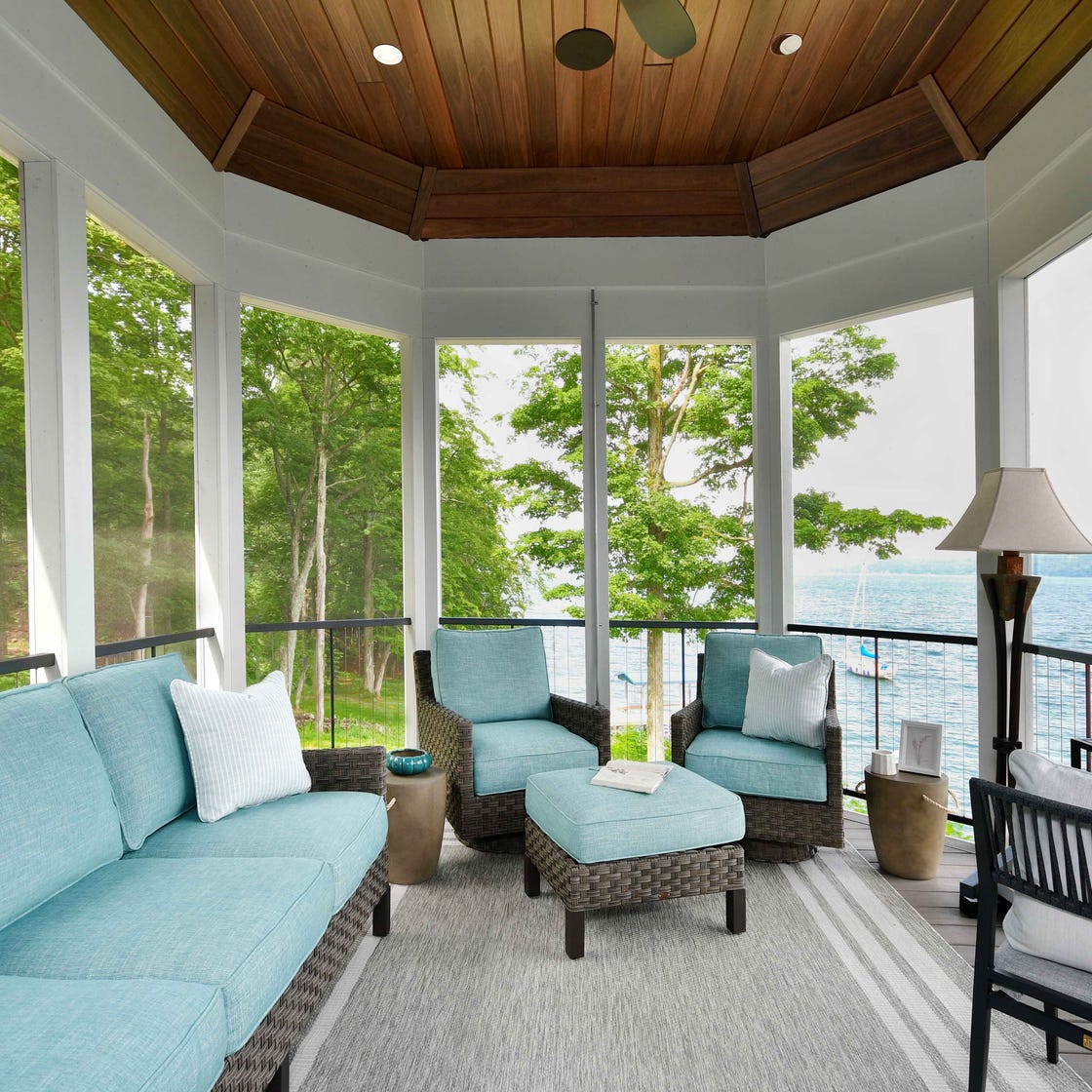
Your Deck Is About to Be the Best Room in the House


How To: Choose a Paint Finish
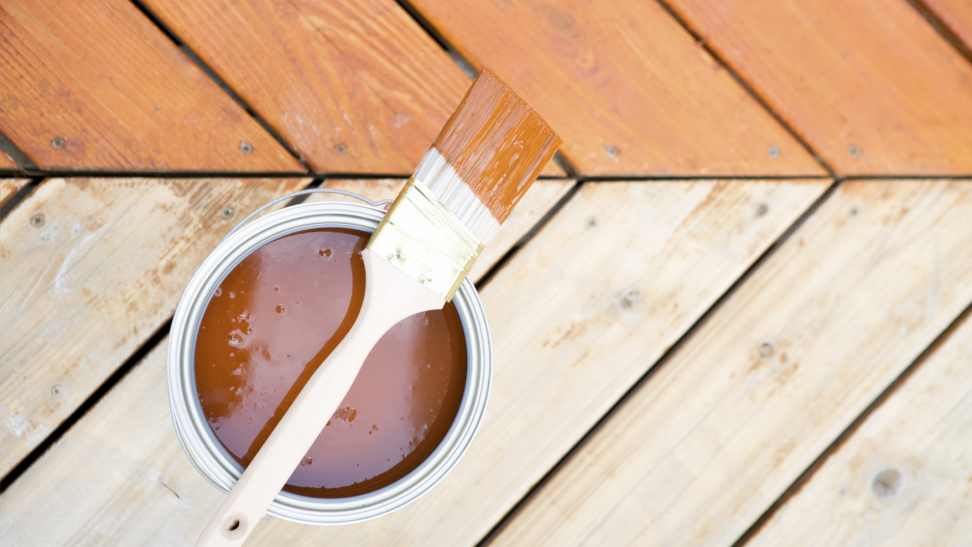
The Best Deck Stains of 2026
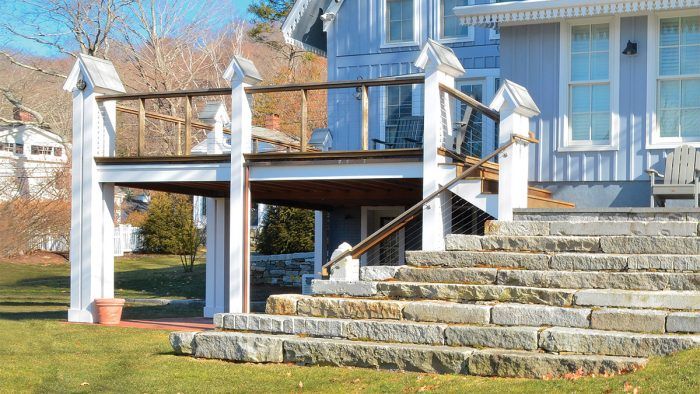
Rethinking the Deck

The 6 Best Wipe-On Wood Finishes

Choosing the right wood panelling design


Creating the Perfect Deck and Landscape
Best decking oils 2020


How to Choose the Best Paint Finish for Every Area of Your Home, From Kitchen Cabinets to Bathroom Walls