What Is Batik? Learn How to Use This Traditional Textile in Your Home

Batik is an ancient and revered art form that involves decorating fabric using a wax-resist dyeing technique. Originating centuries ago, with some of the earliest examples dating back over 2,000 years in regions like Central Asia, India, the Middle East, and East Asia, batik continues to be a popular choice in both fashion and home decor today. While it is believed to have started in Asia and spread along trading routes, various cultures developed their unique interpretations of the craft. Java, Indonesia, is particularly renowned for its fine batik production, and the word 'batik' itself is derived from the Javanese word 'tik,' meaning 'to dot.'
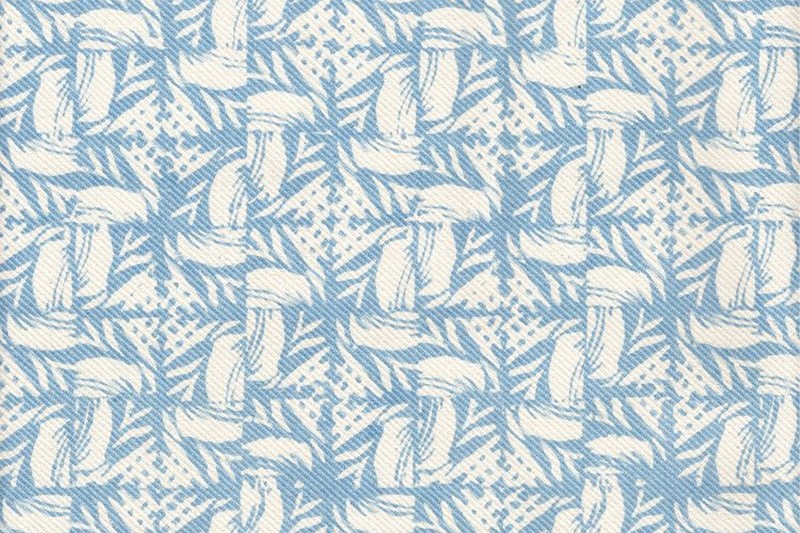
The essence of batik lies in its hand-crafted nature, where hot wax is meticulously applied to fabric to create designs. When the fabric is then dyed, the wax-covered areas resist the dye, remaining the original color. After dyeing, the wax is removed, typically with hot water, revealing the intricate pattern. This process can be repeated multiple times to achieve more complex and multi-colored designs. Artisans use various tools such as hollow pens, brushes, or even hollow stamps to apply the wax, ensuring that each piece is unique. The slight variations in color depth, the grainy texture left by the wax, and the subtle differences in each painted pattern are hallmarks of authentic batik, reflecting the skilled hands of its creators. The oxidation process during drying and inconsistencies in wax application further contribute to the individuality of each batik piece.
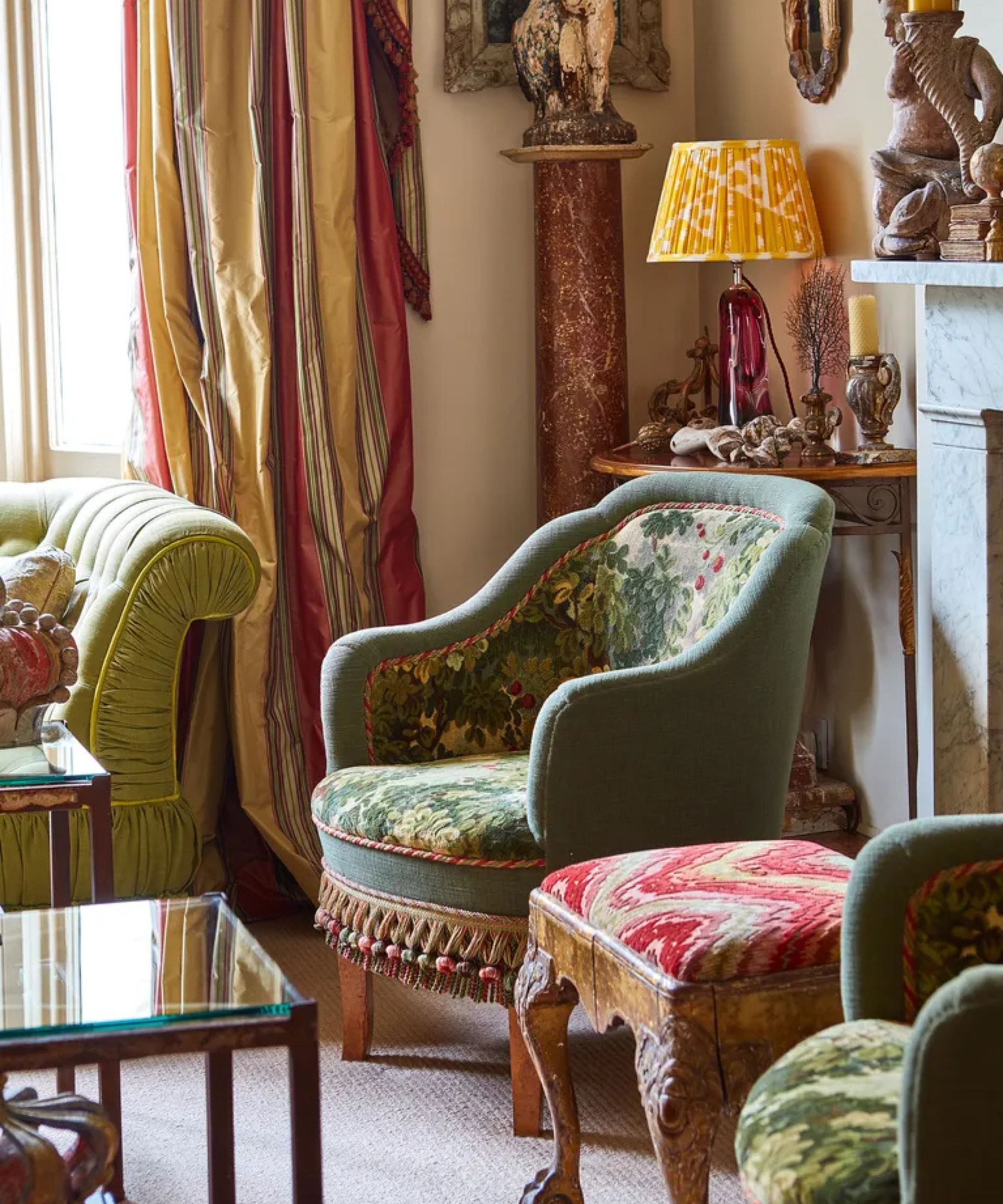
Experts highlight that batik is more than just a textile application; it is a work of art that connects culture, history, and tradition. The technique has been passed down through generations, and the fabrics often feature symbolic designs rooted in religion and local heritage. This rich history and the unique aesthetic qualities of batik make it a versatile material for home decor. It possesses a handmade, painterly look that can seamlessly integrate into various interior styles, from sophisticated traditional settings to casual country or cottage-style homes.
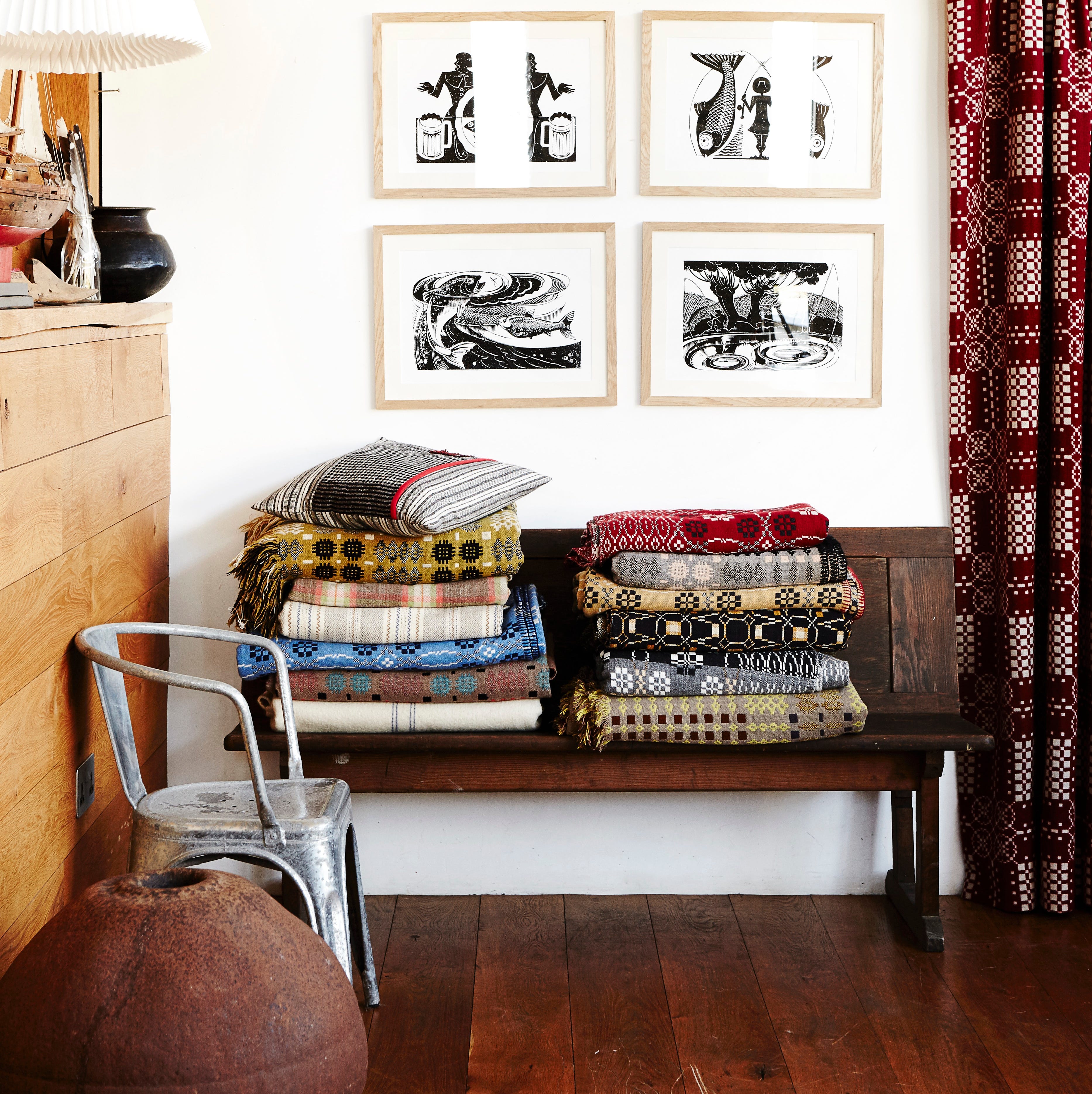
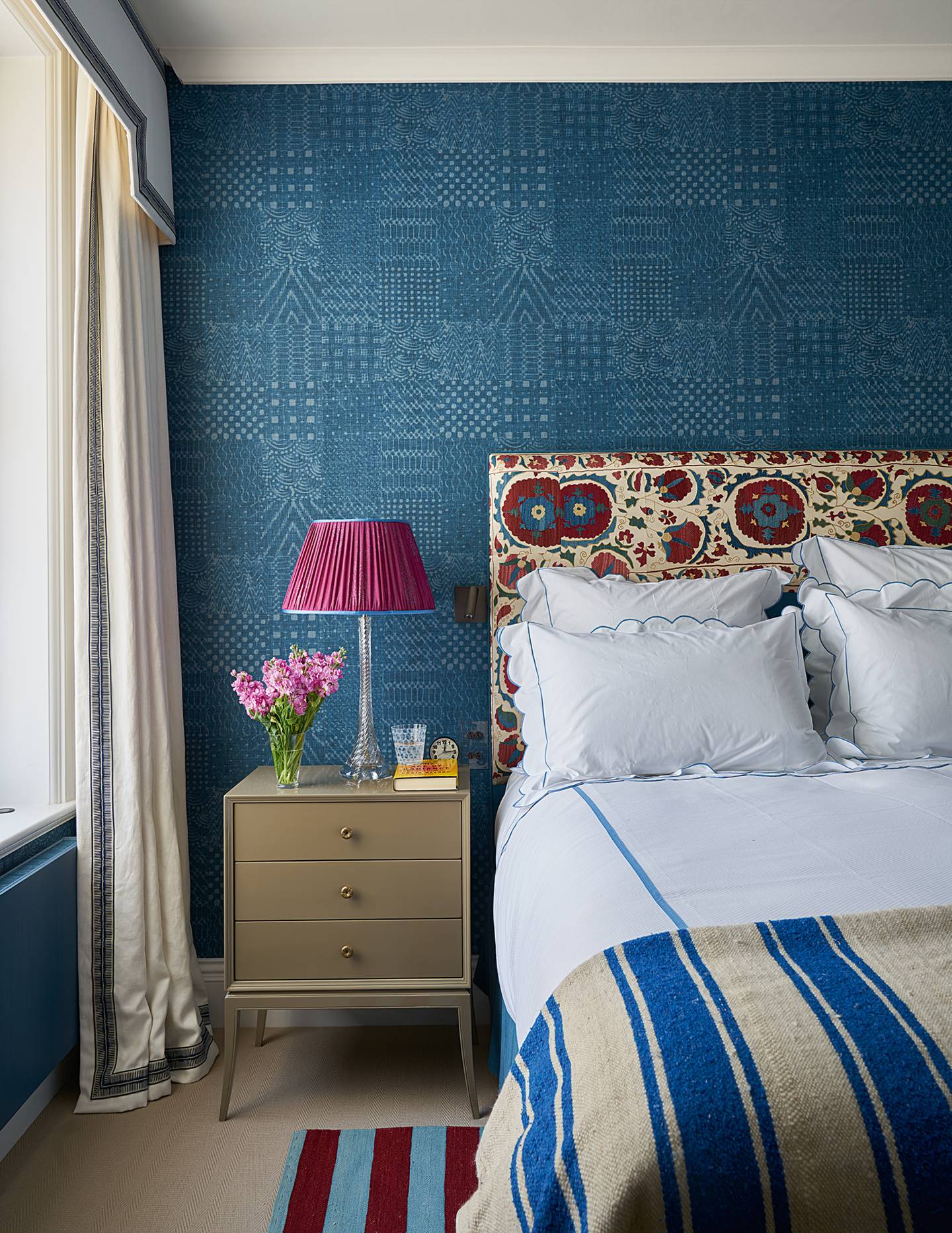
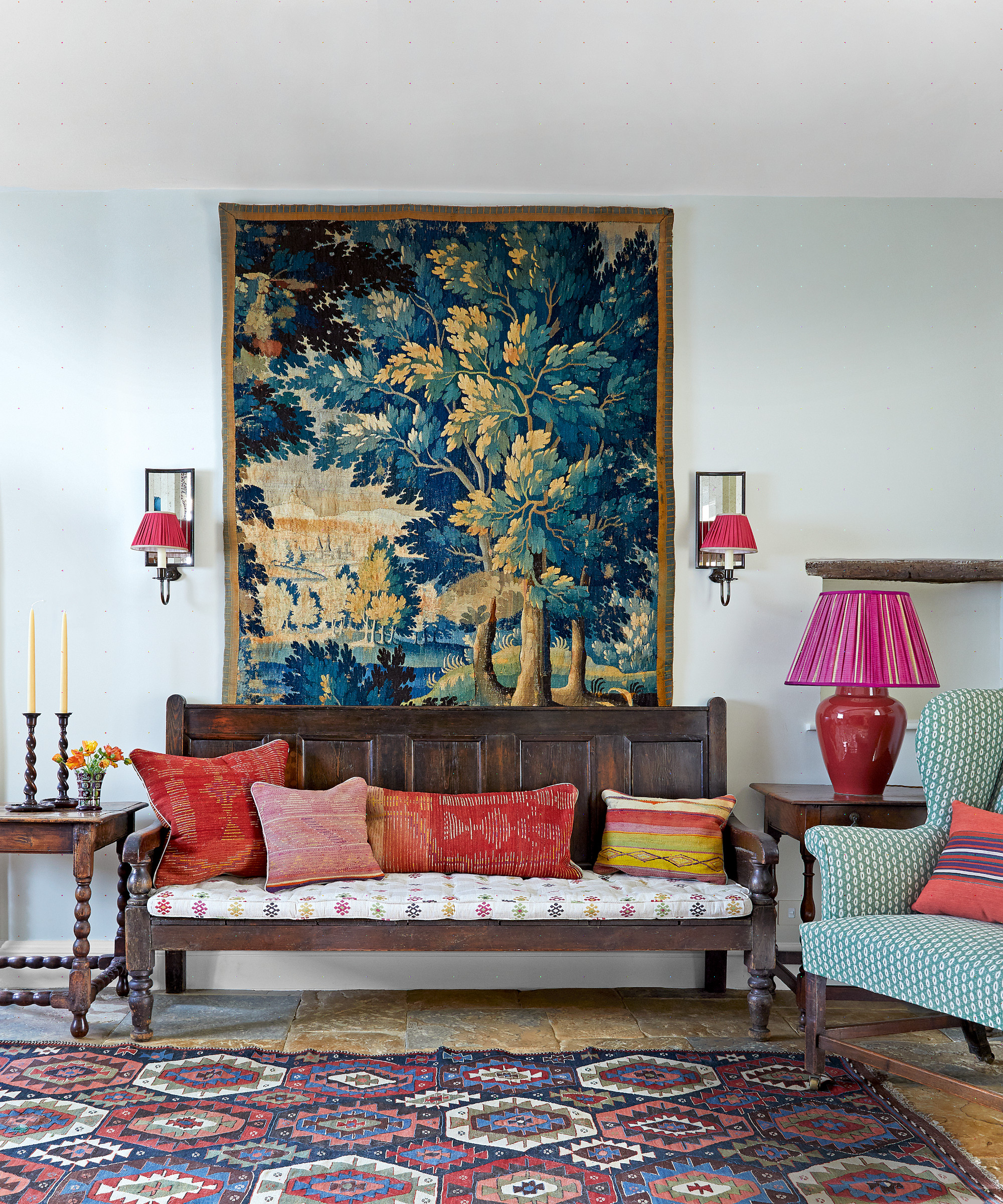
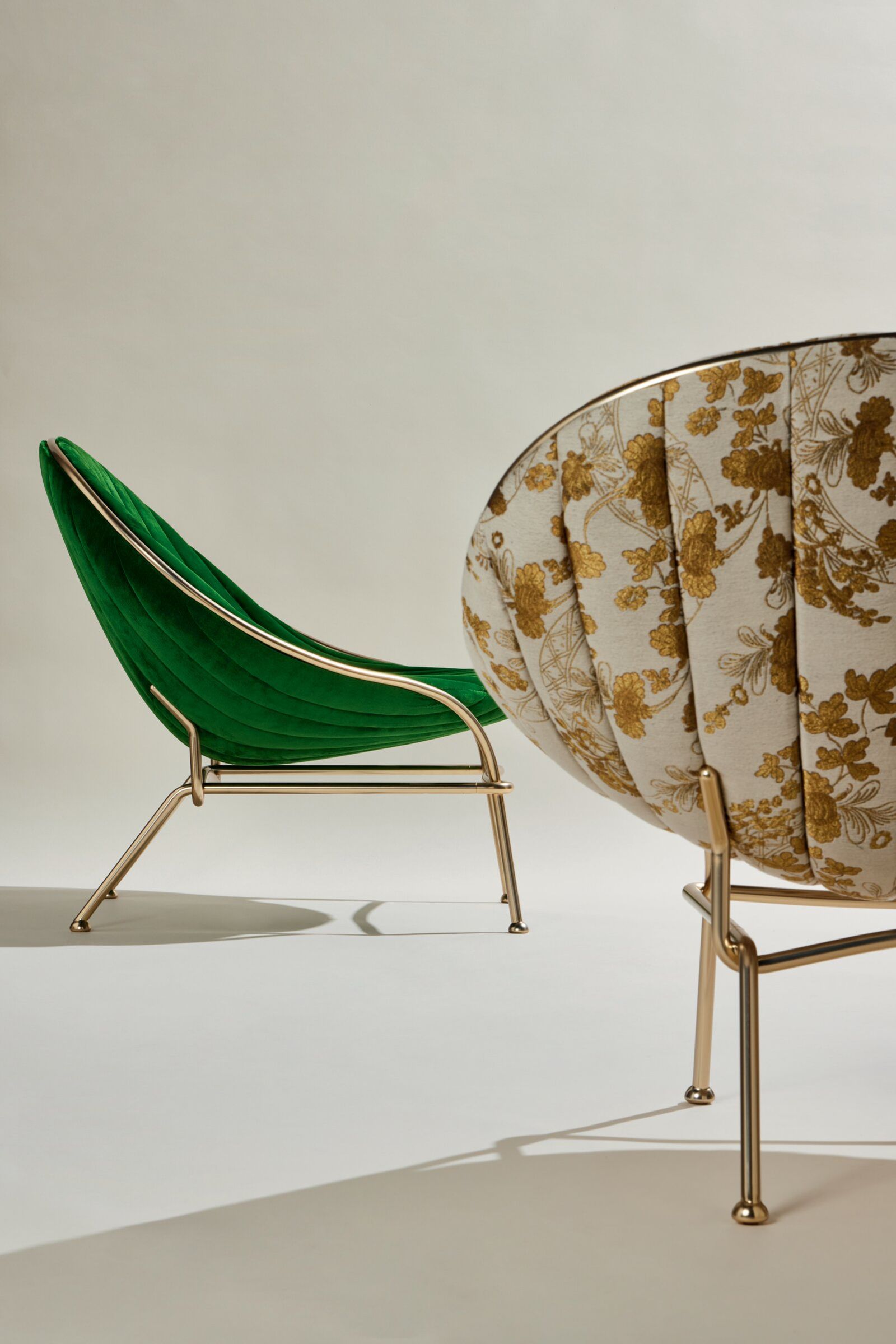
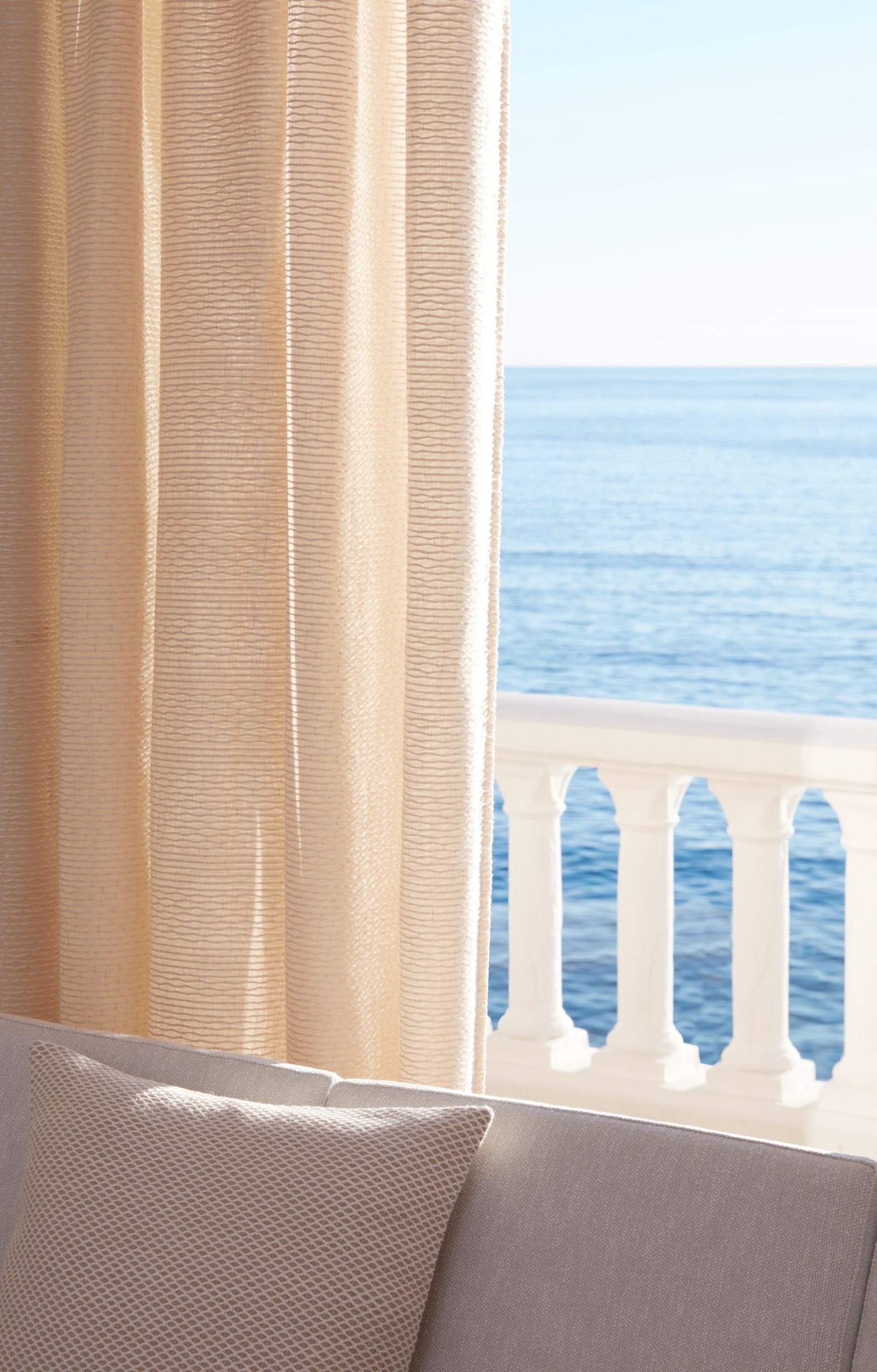
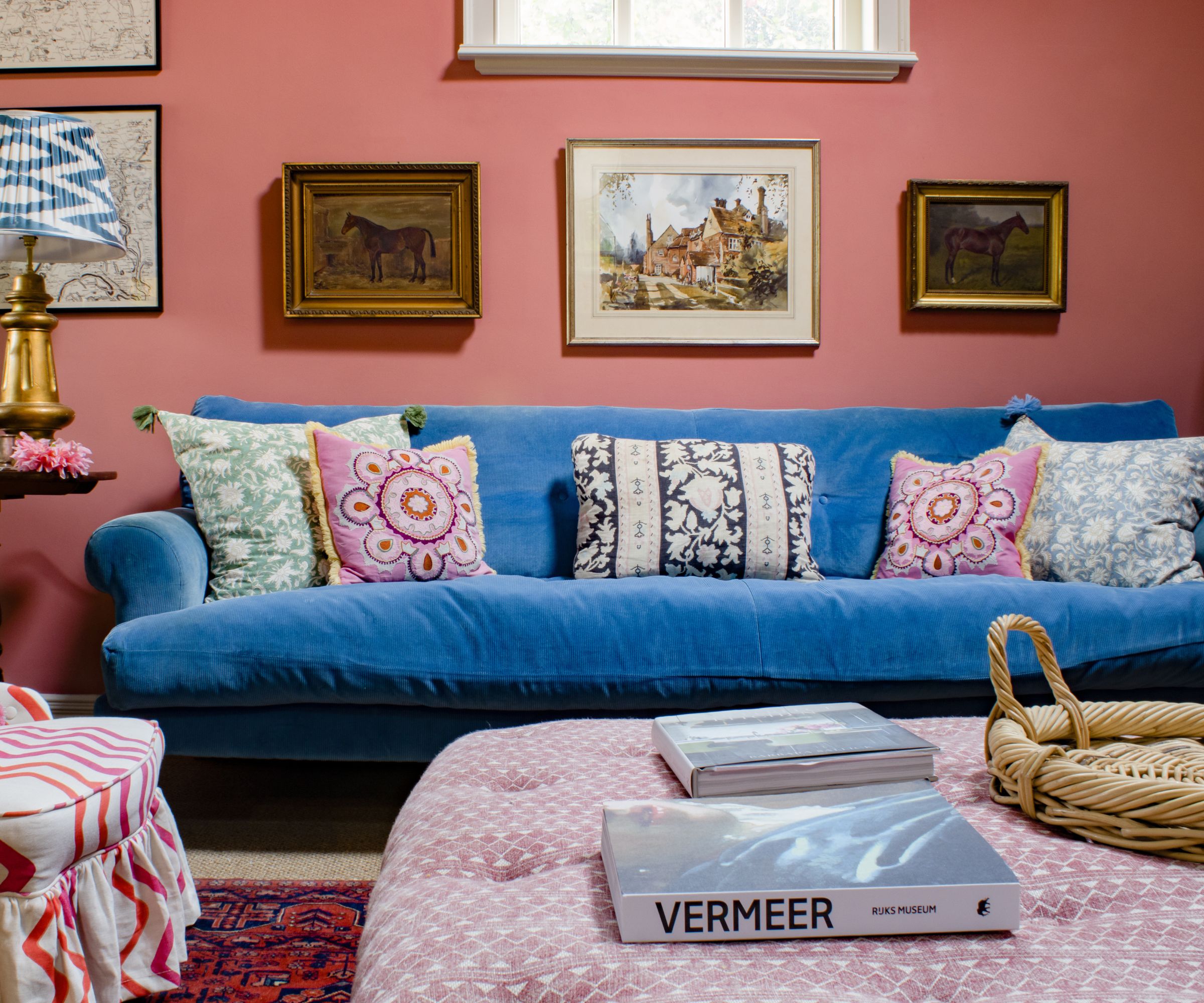
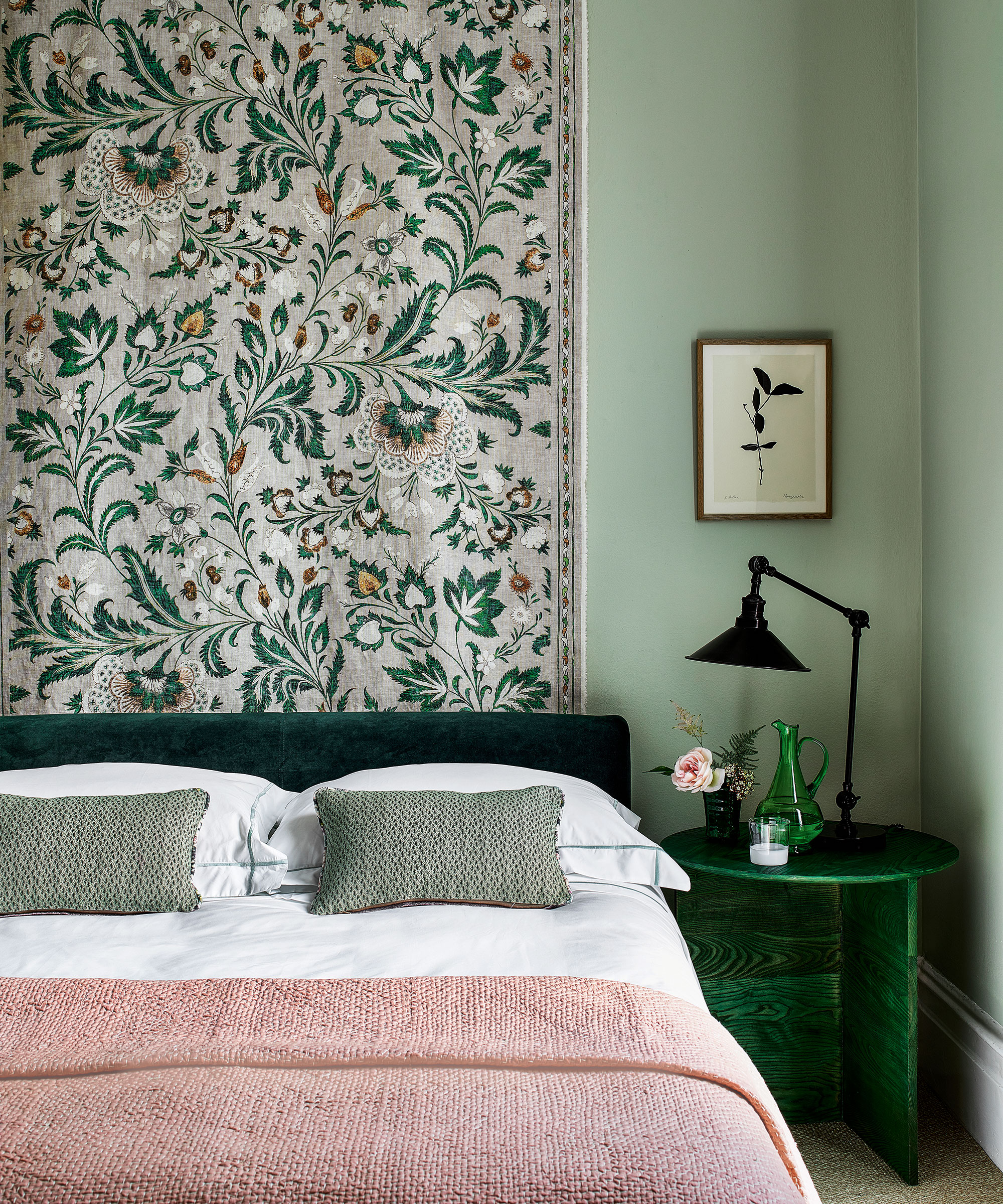
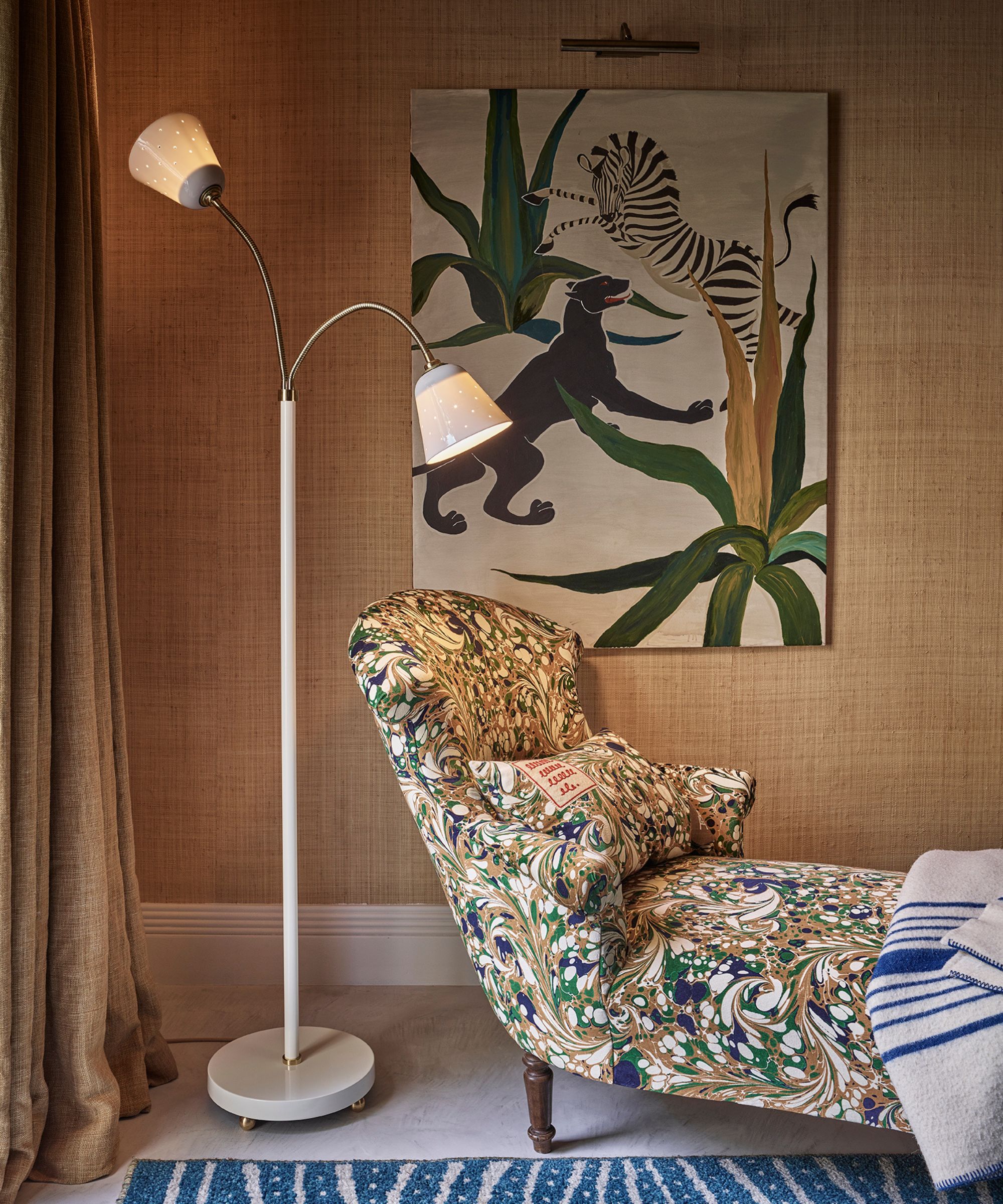
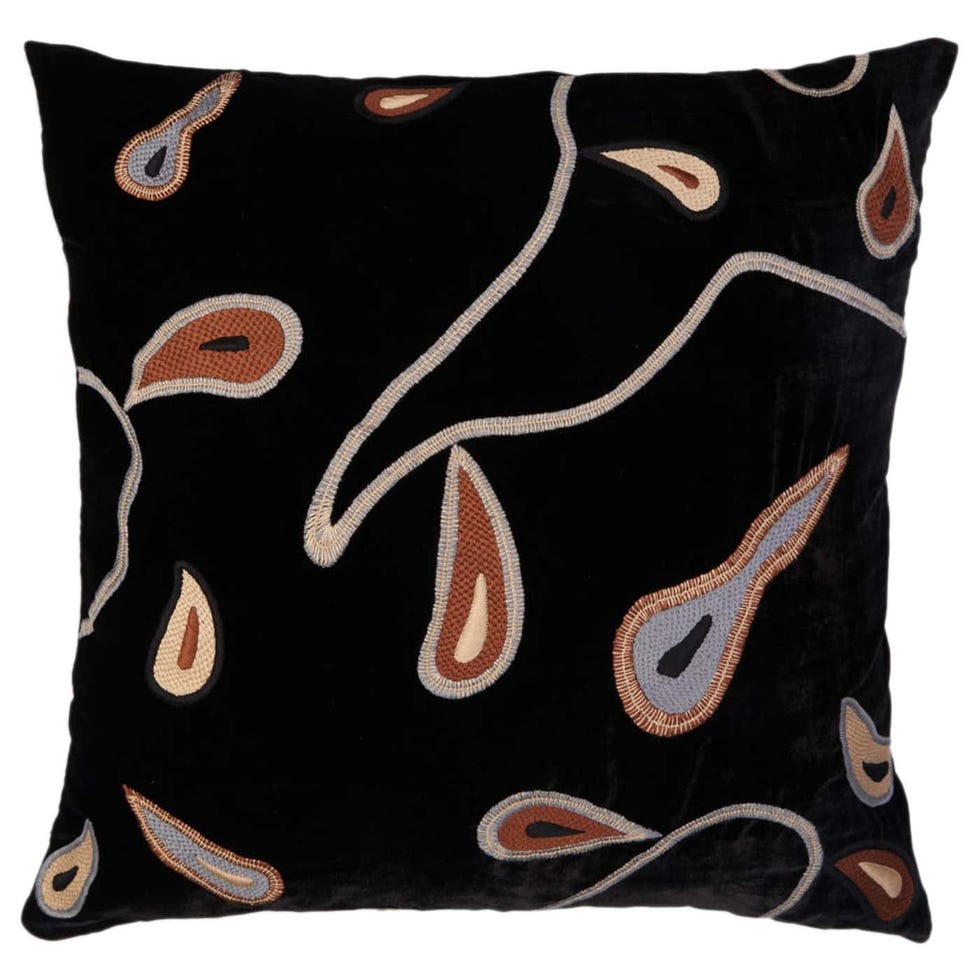
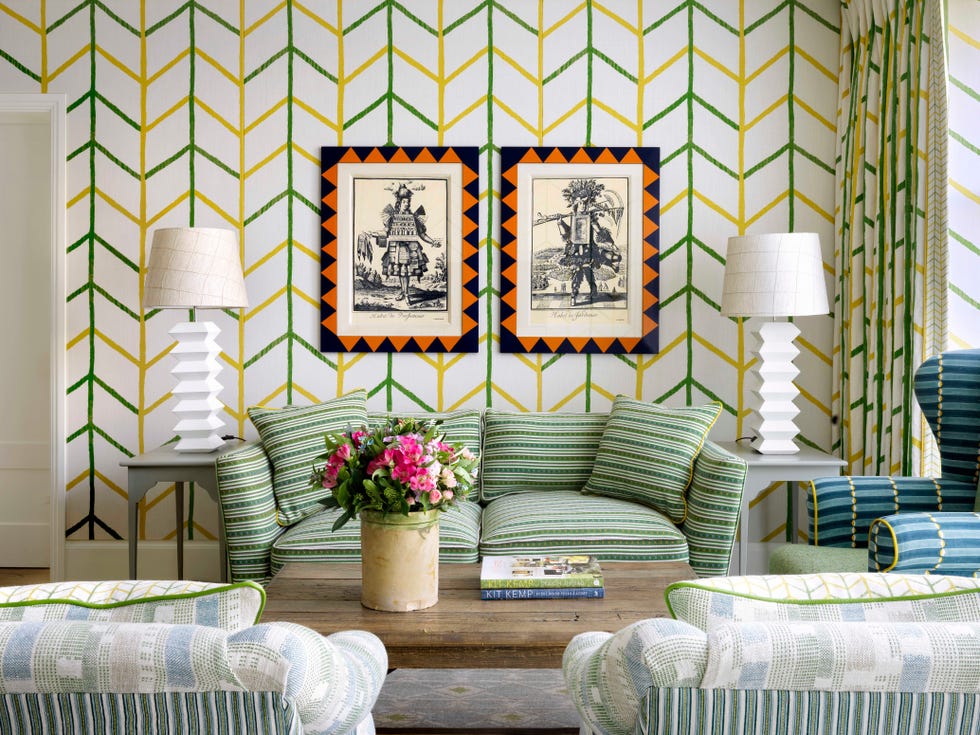
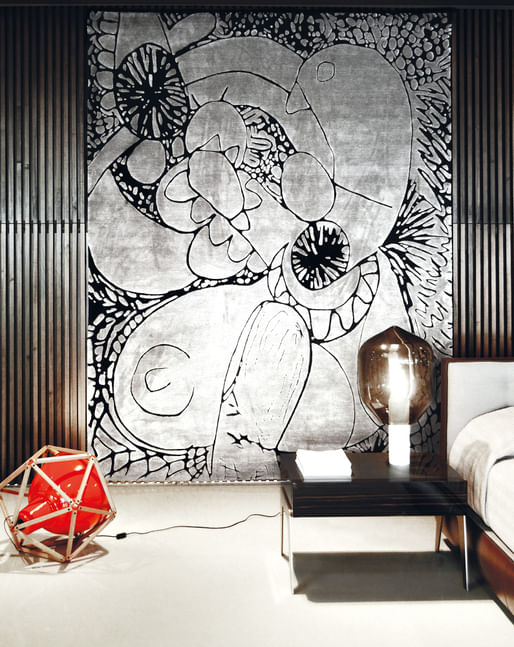
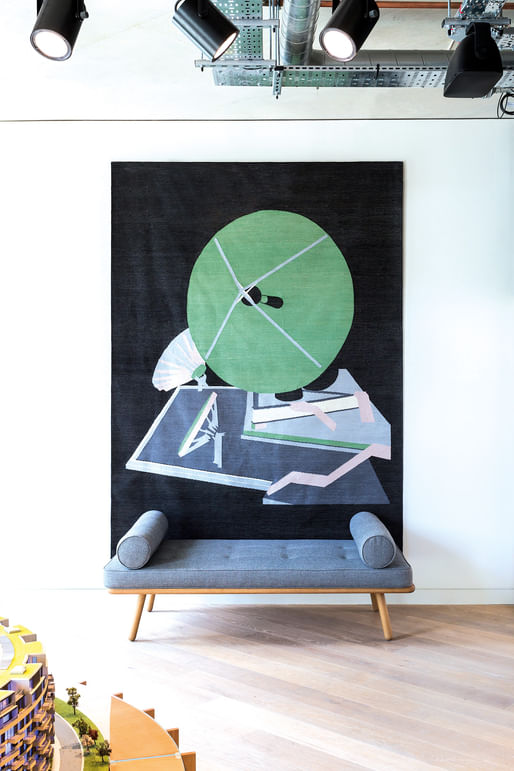
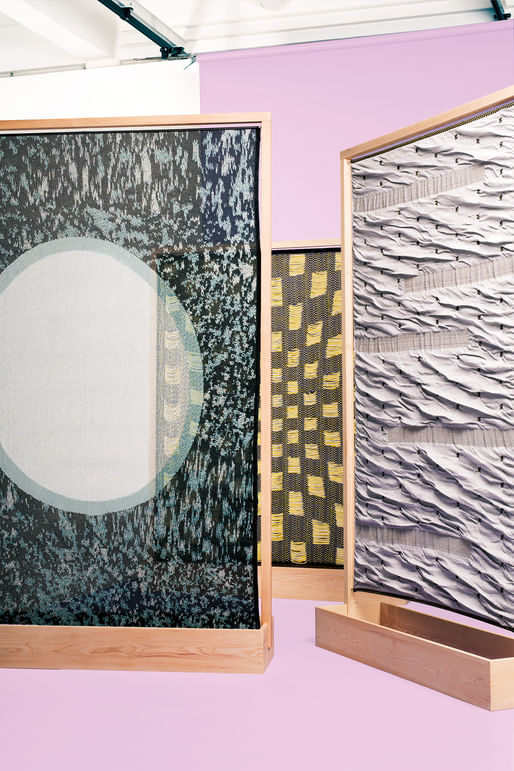
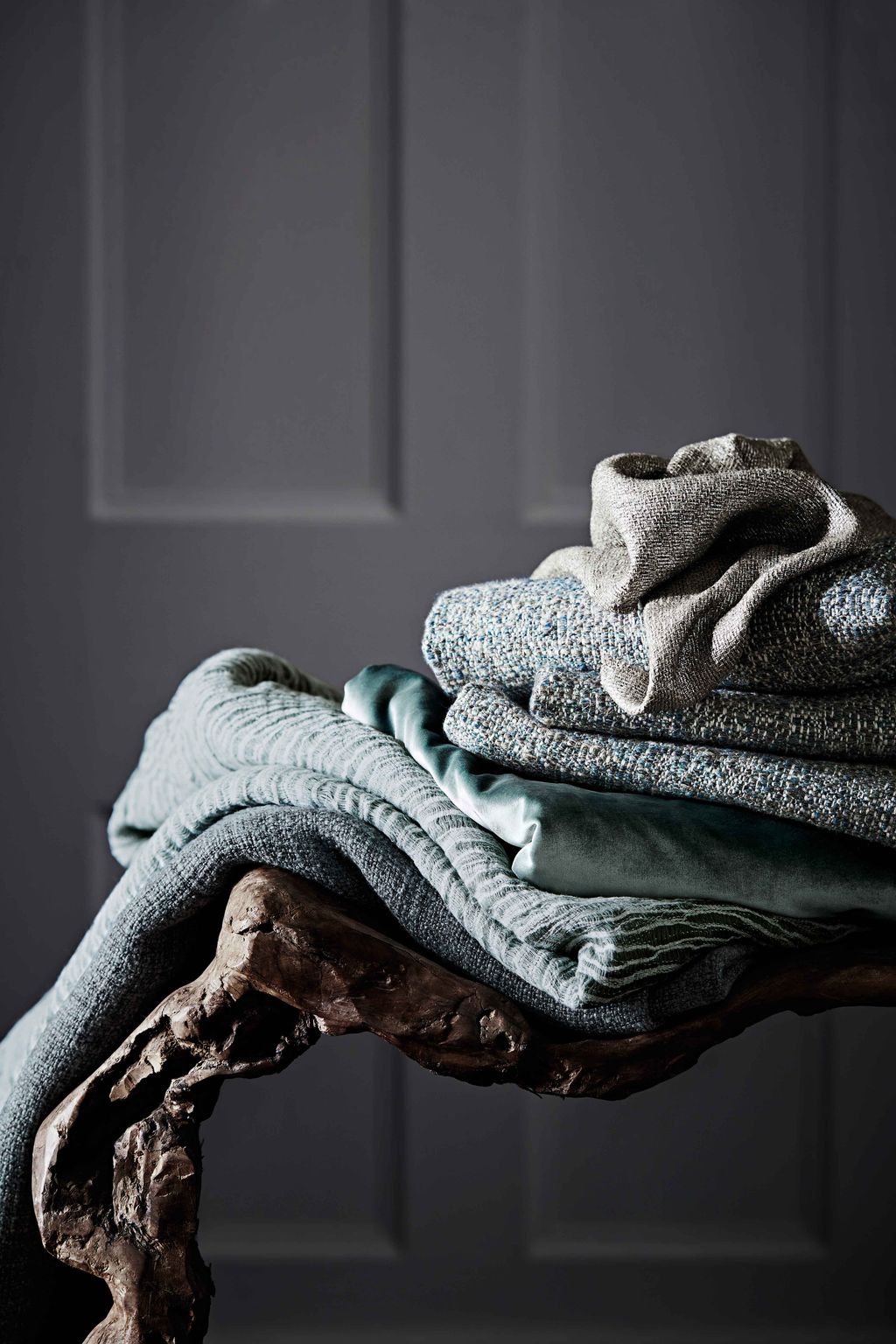
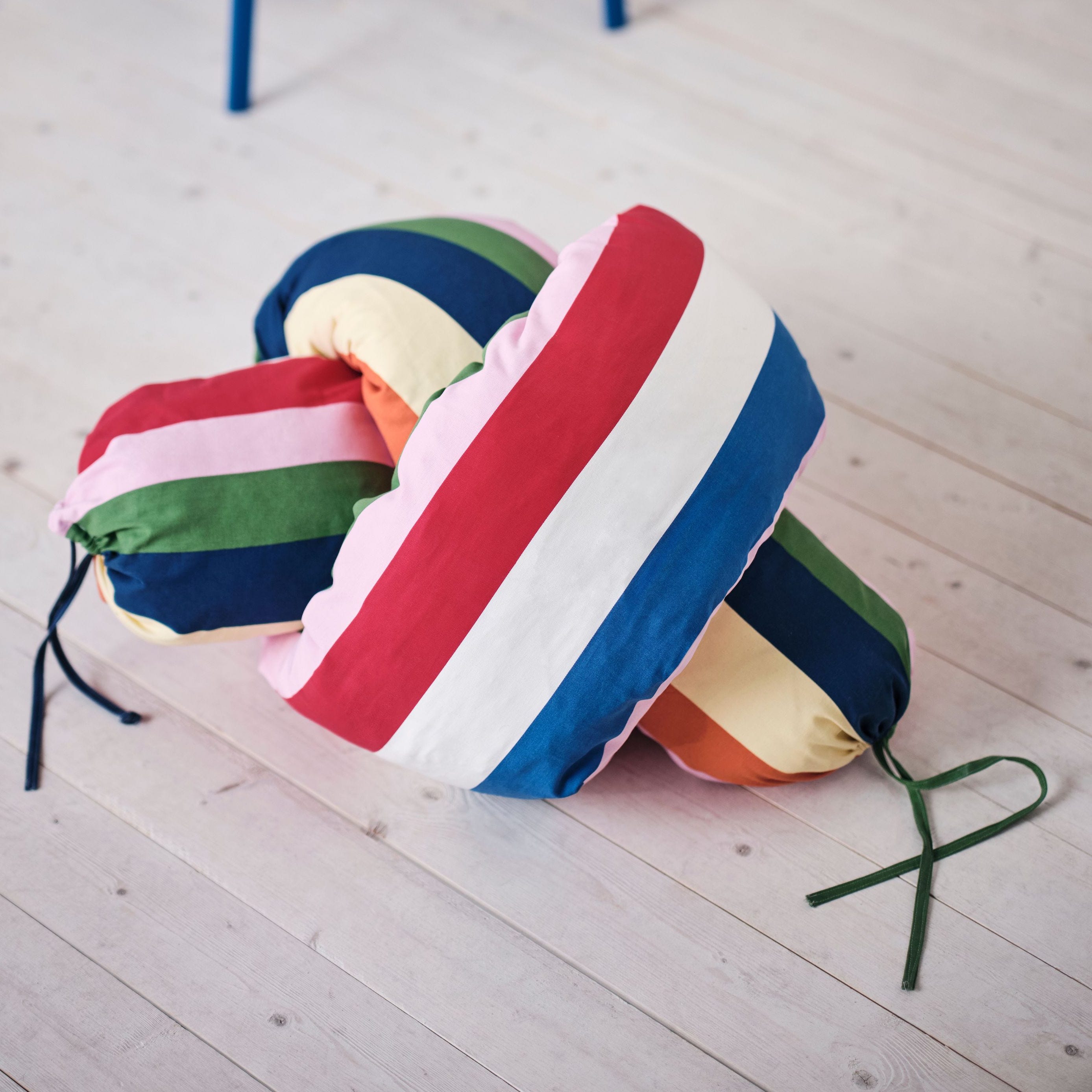
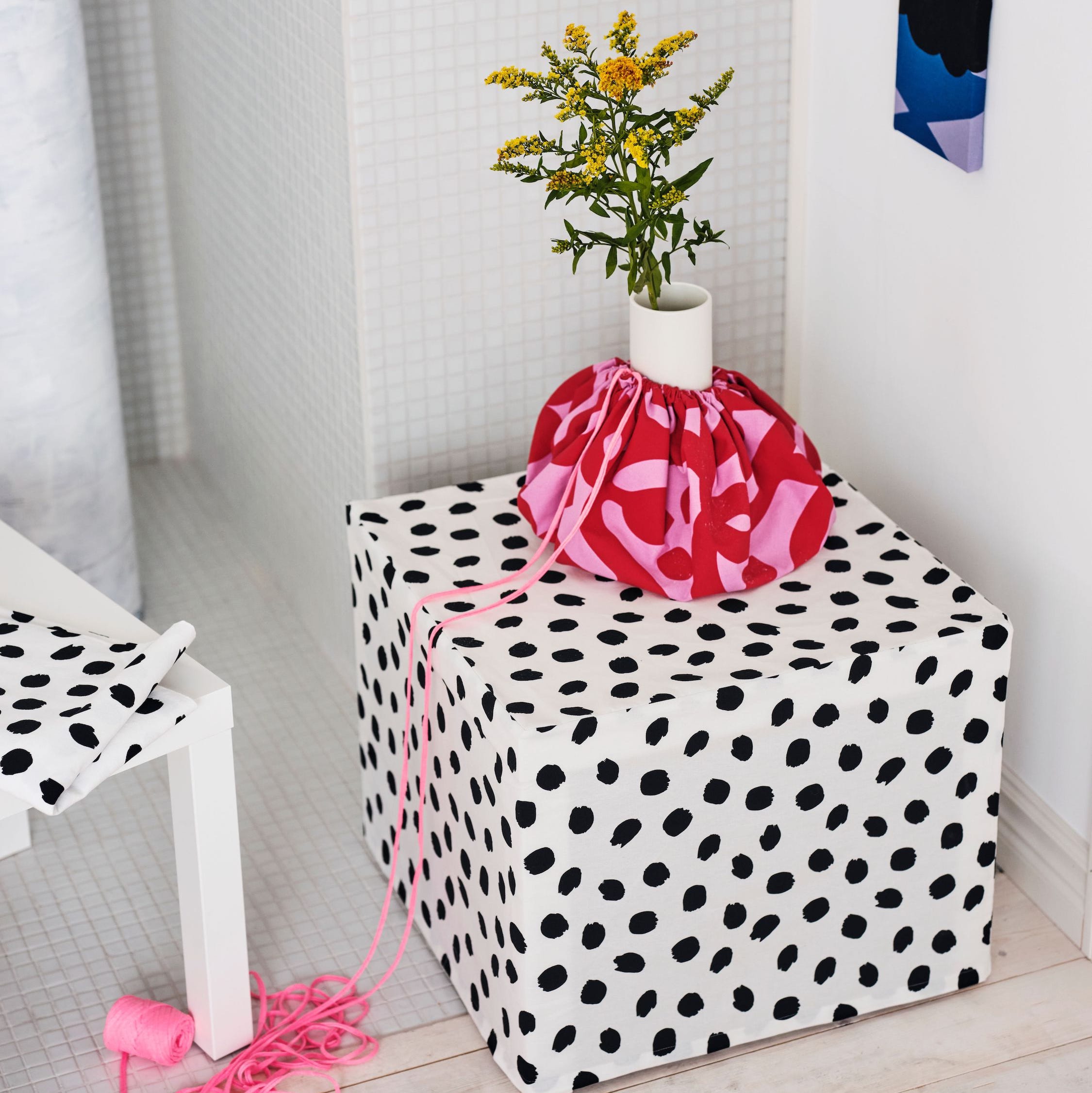
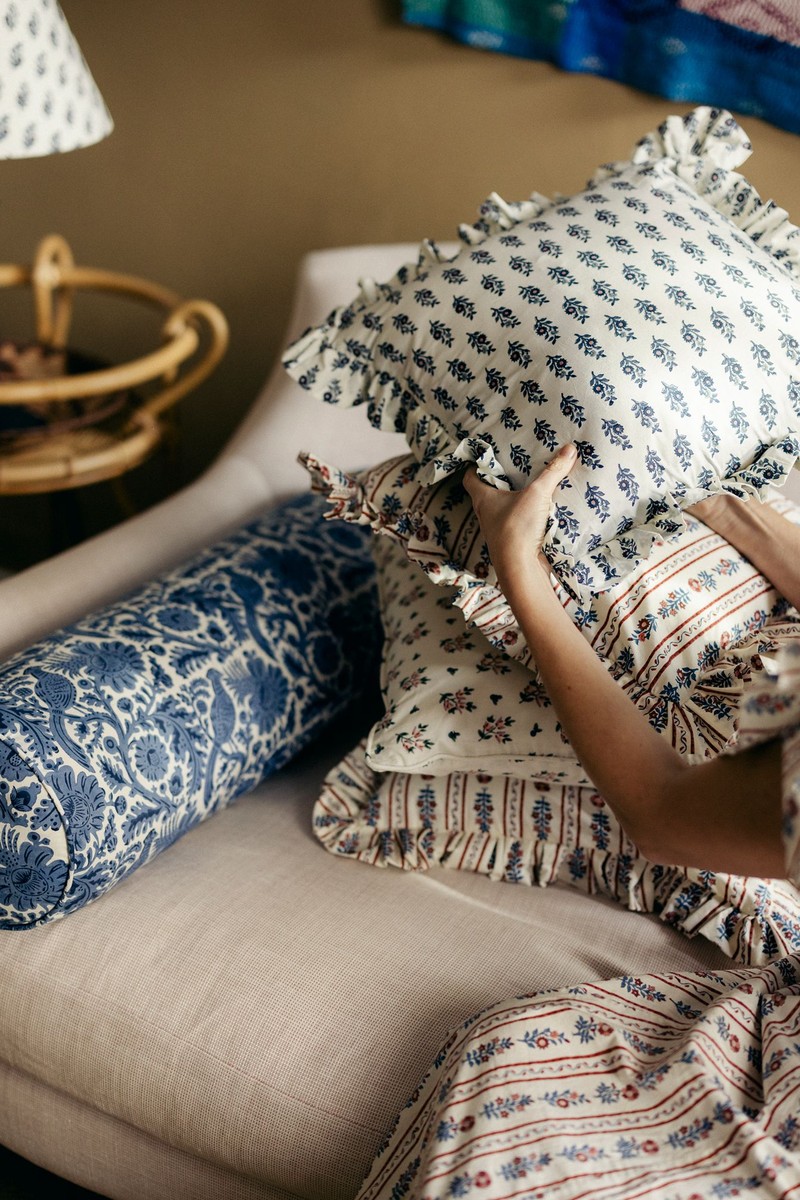
Incorporating batik into home decor can be achieved in several creative ways. Accent pillows, for instance, can add visual interest and texture when mixed with traditional or simpler fabric designs. Batik quilts or throws can introduce a splash of personality when draped at the foot of a bed or over a sofa. For dining areas, upholstered dining chairs in batik fabric can serve as a focal point, especially when paired with more neutral chairs. Batik window treatments, whether as panels or fabric shades, can make a bold statement and add a classic touch. The textile can also be used as wallpaper, lining bookshelves or cabinets, or creating a distinctive accent wall. Beyond fabric, framed batik pieces can function as unique wall art, or even simply tacked to a wall as a tapestry for a rustic effect. Batik's durability and aesthetic appeal also extend to outdoor settings, making it suitable for items like outdoor tablecloths or even beach sarongs, allowing its beauty to shine in various environments.
#Batik #TextileArt #HomeDecor #FabricDesign #TraditionalCraft #InteriorDesign #WaxResistDyeing #HandmadeTextiles #DecoratingIdeas #Batik #TextileArt #HomeDecor #FabricDesign #TraditionalCraft #InteriorDesign #WaxResistDyeing #HandmadeTextiles #DecoratingIdeas
0 comment in total
 No comments yet
You may also like
4 Creative Ways To Use Textiles in Your Home

How to decorate with antique textiles – designers share their tips for adding character with old fabrics

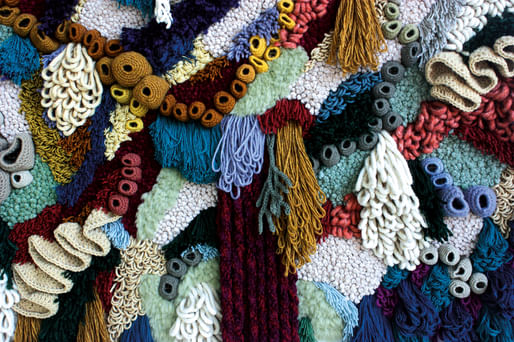
Rugs and Textiles go Vertical as Wall Art
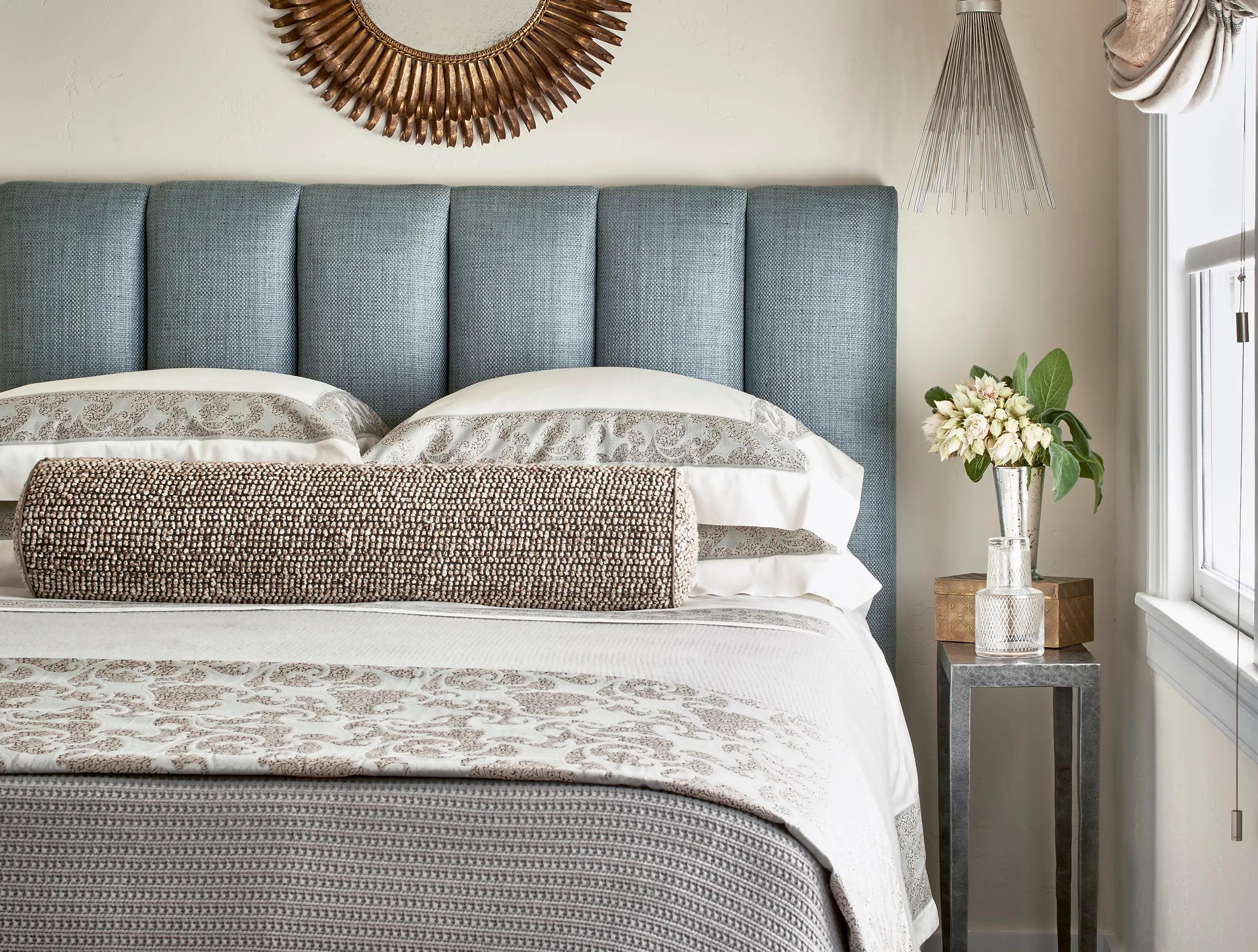
What Is Damask? Here's Why You're Seeing the Centuries-Old Material Everywhere Today
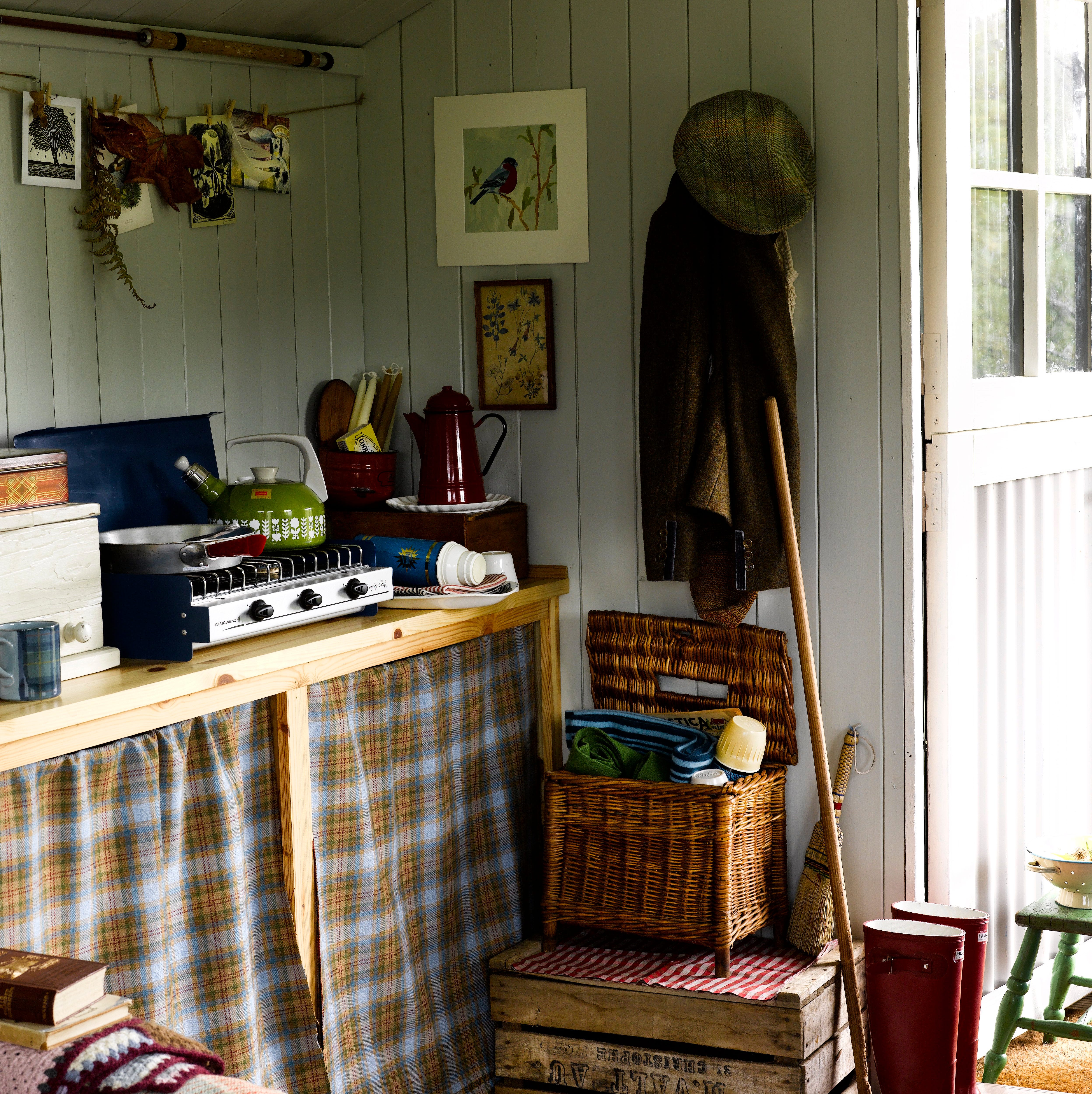
13 ways to decorate with tartan
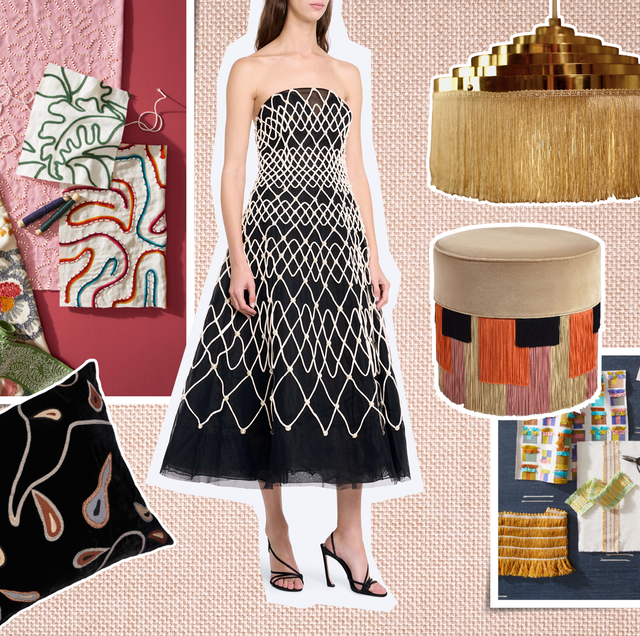
These 3 Retro Fabric Techniques Are Making A Killer Comeback

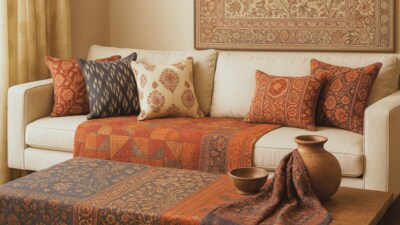
Ikat to Kalamkari: 7 Indian textiles to add a touch of tradition to your modern homes | Hindustan Times

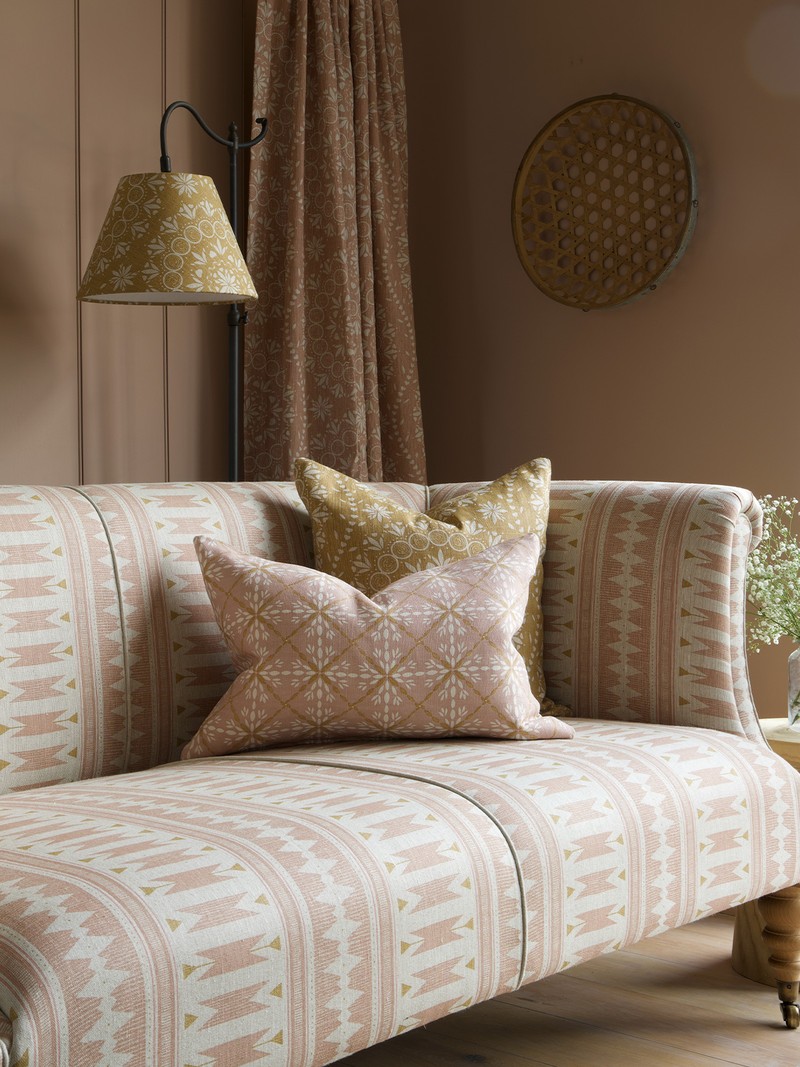
The New Fabric Launches Worth Knowing About
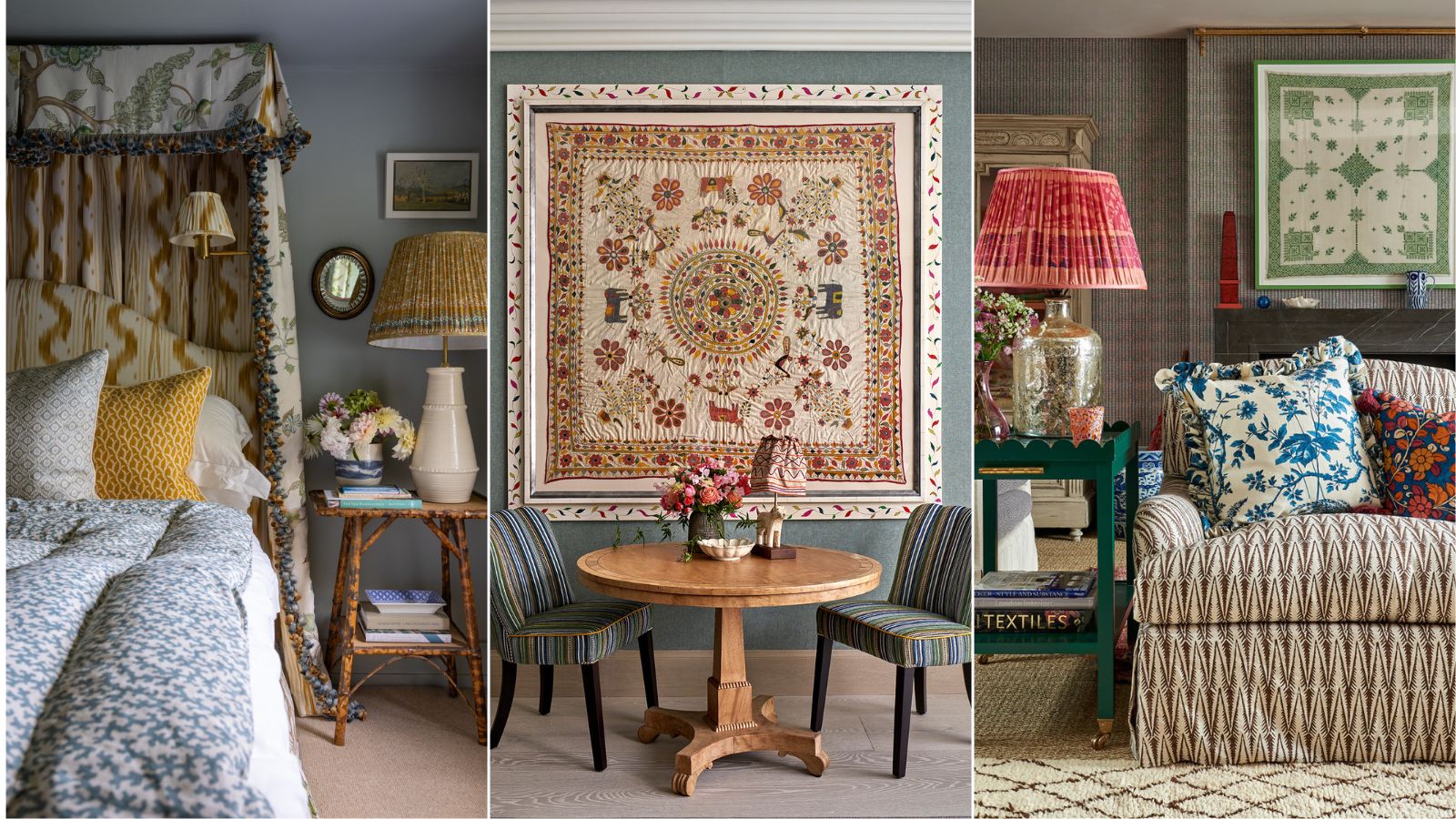
Decorating with vintage fabrics - 8 ways to inject color, texture and heritage style into your space
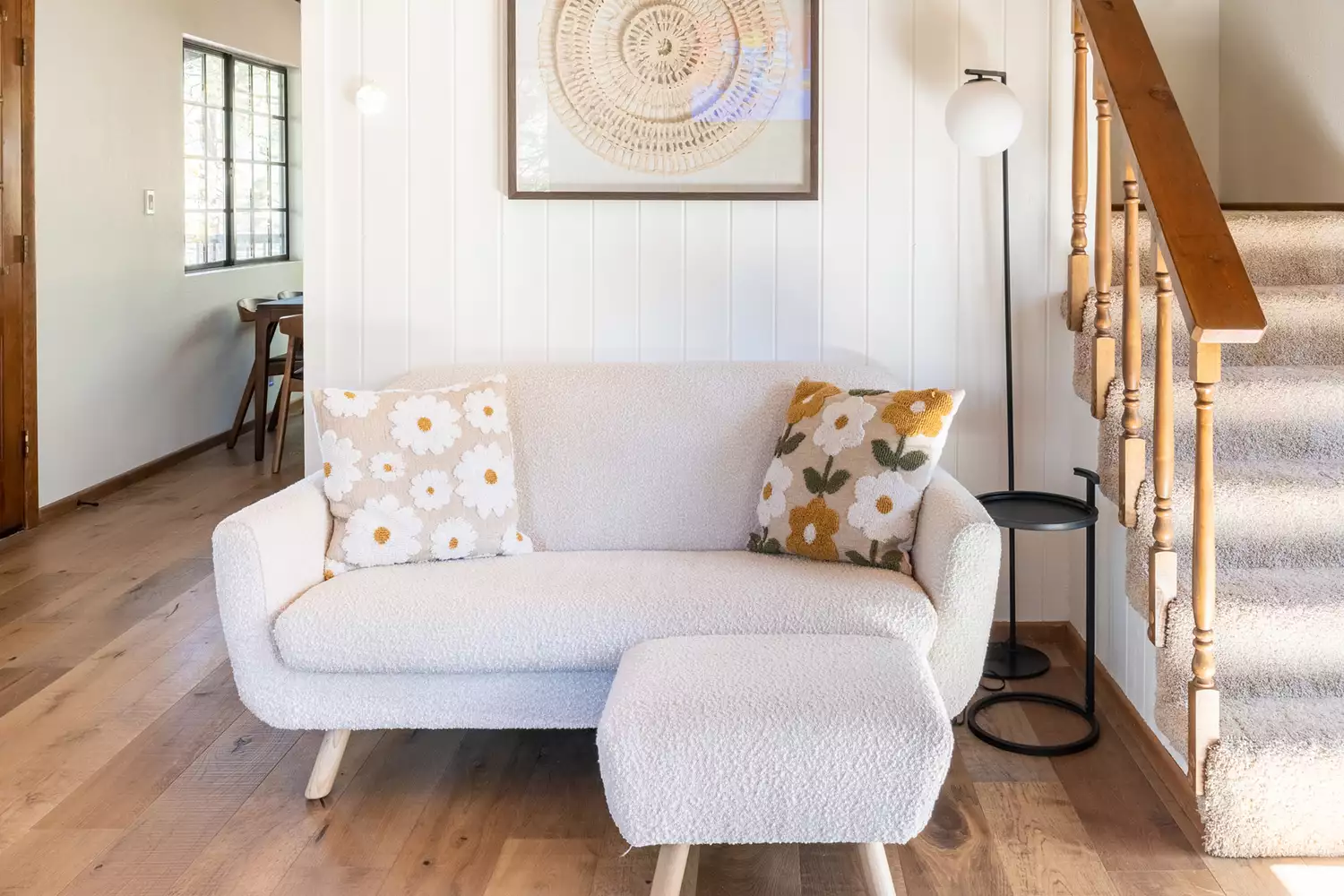
Everything You've Ever wanted to Know About Bouclé Fabric

Bouclé Fabric Is Back

Surround Yourself In The Comfort of Bouclé Fabric
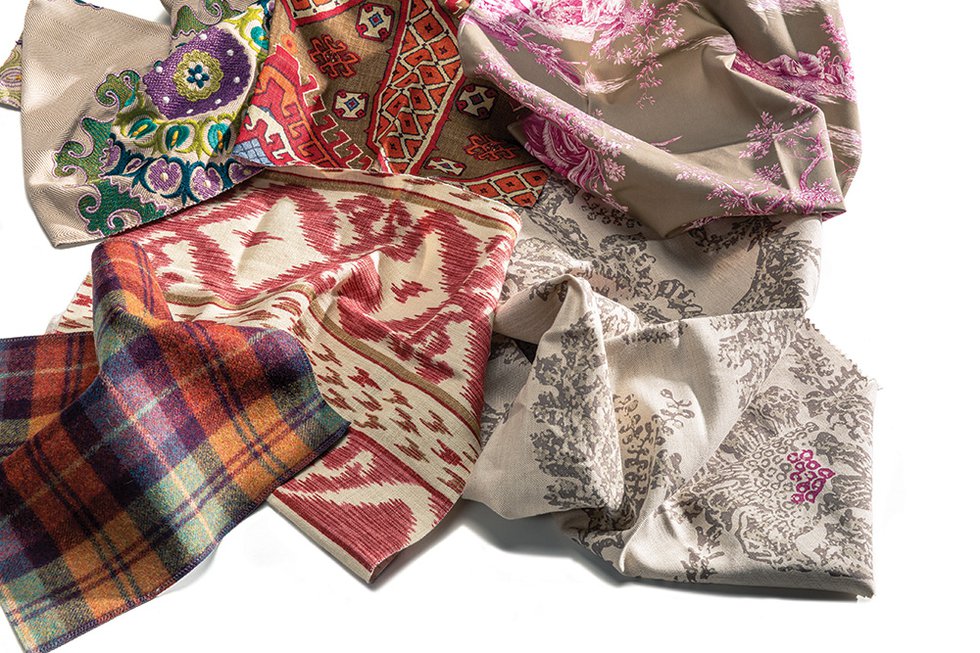
5 global textile techniques still seen in modern fabrics

The expert guide to decorating walls with fabric

Get creative with Ikea's new pre-cut fabric collection
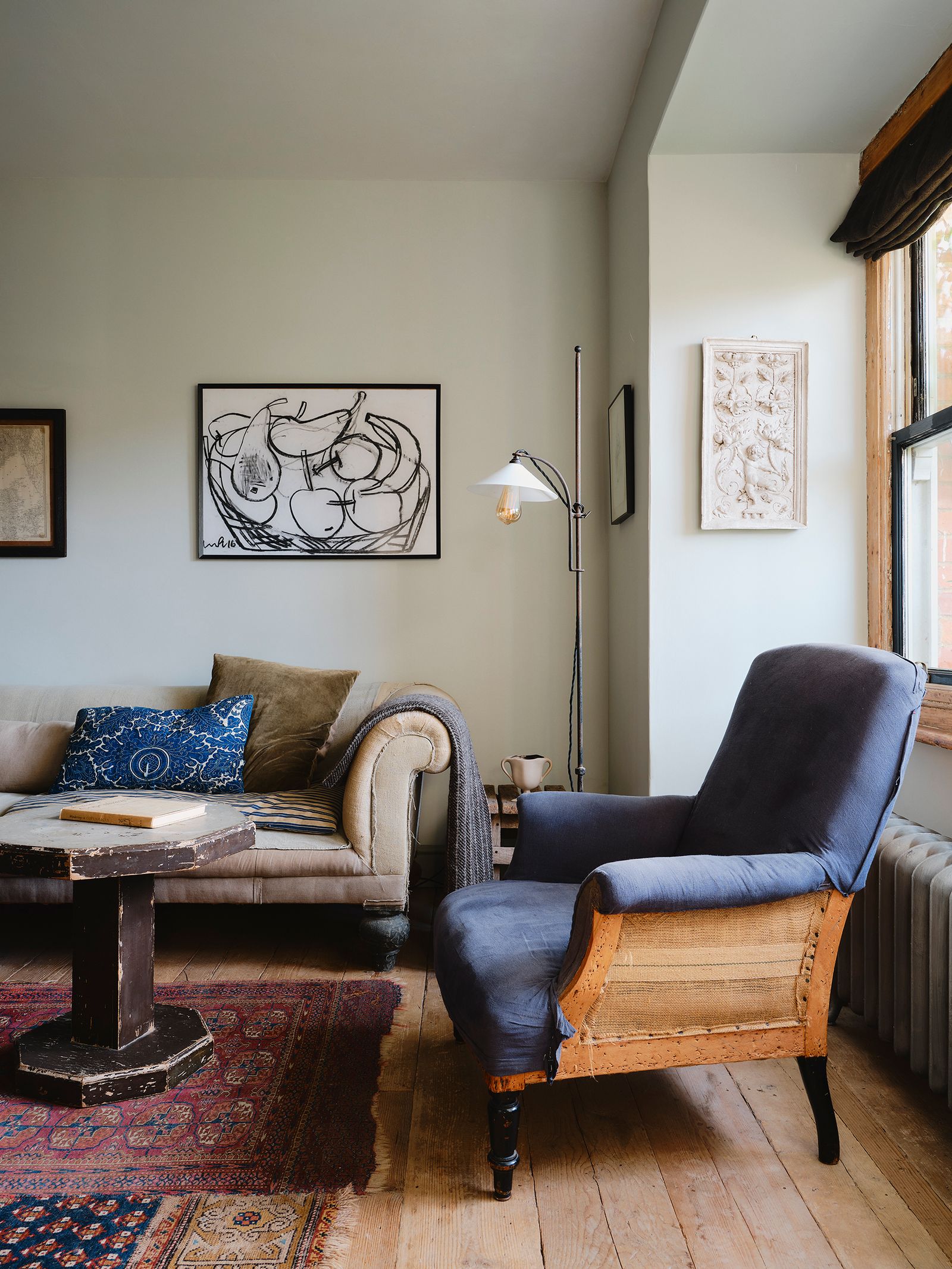
How to upholster with antique textiles without going too Miss Havisham
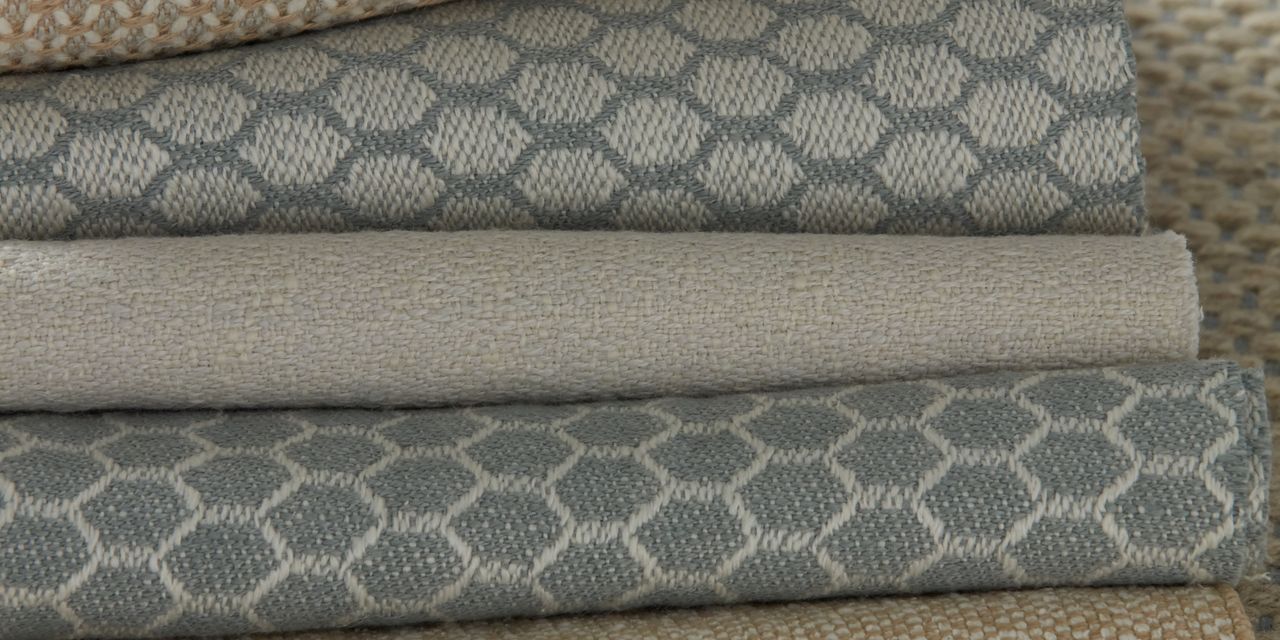
Jacquard Fabric: Here’s Your 101 Explainer
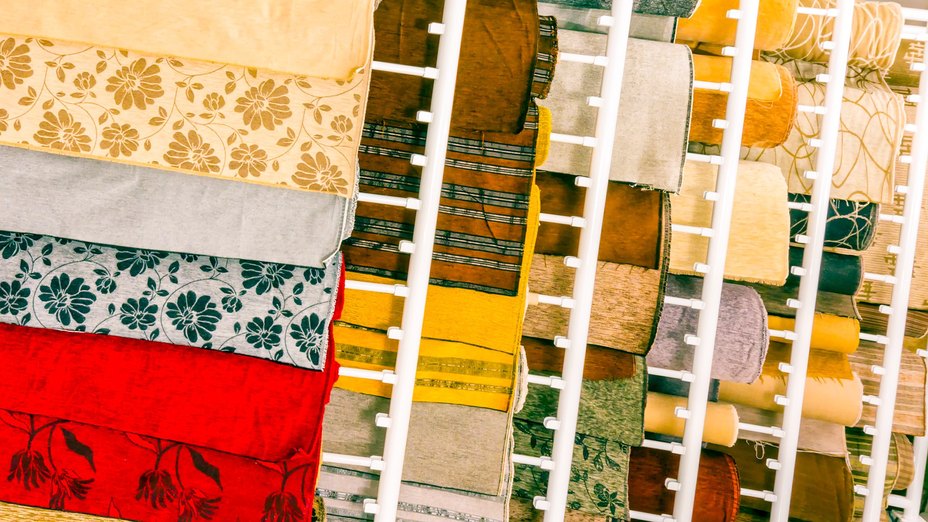
A Wild Guide to Gingham, Jacquard, Damask, and Other Fabric Patterns
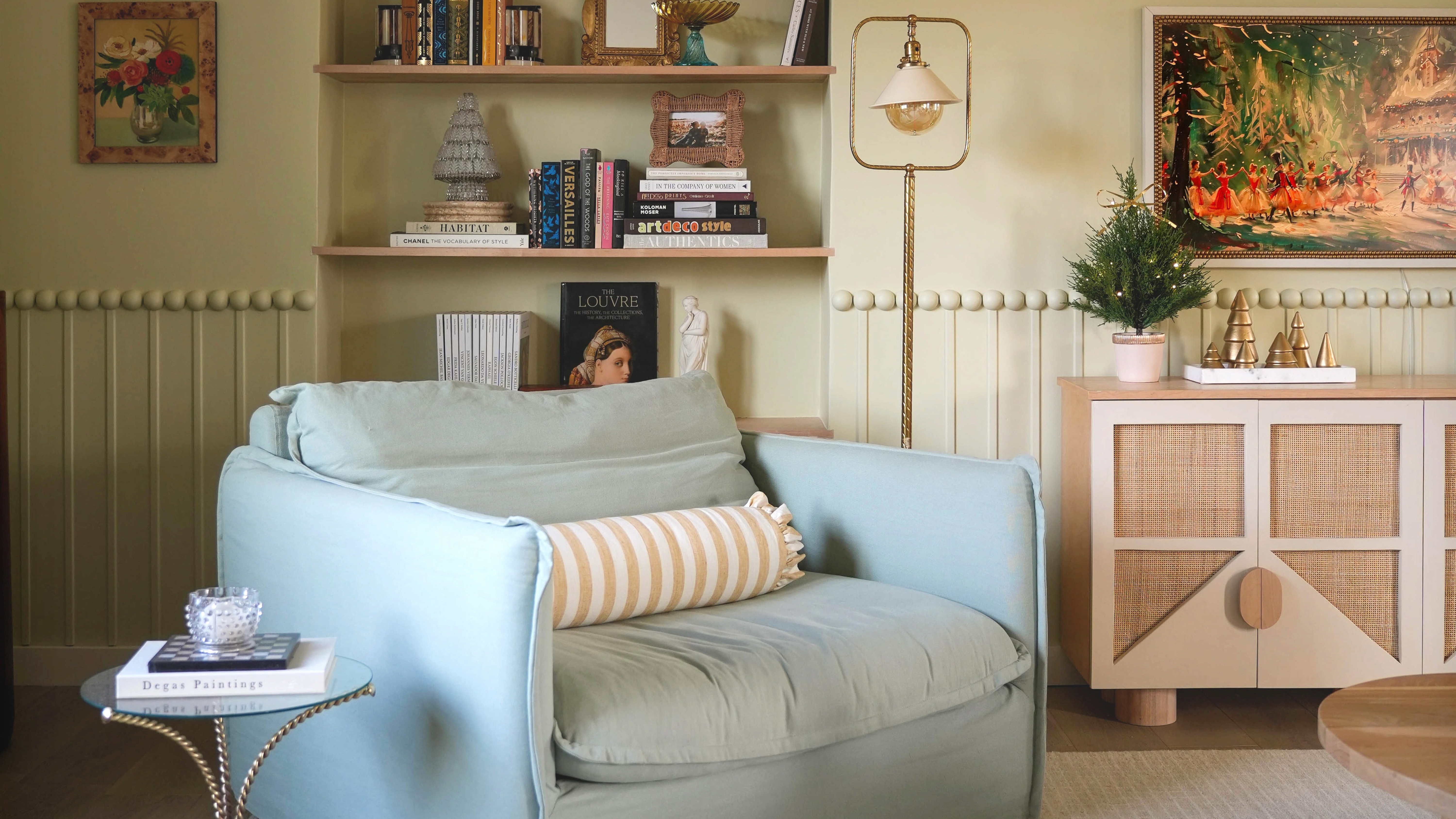
5 Ways to Decorate with Bobbin Details in Your Home — From the Walls to Your Furniture, and Doors, Too

Right at Home: Textiles bring midcentury-modern style home