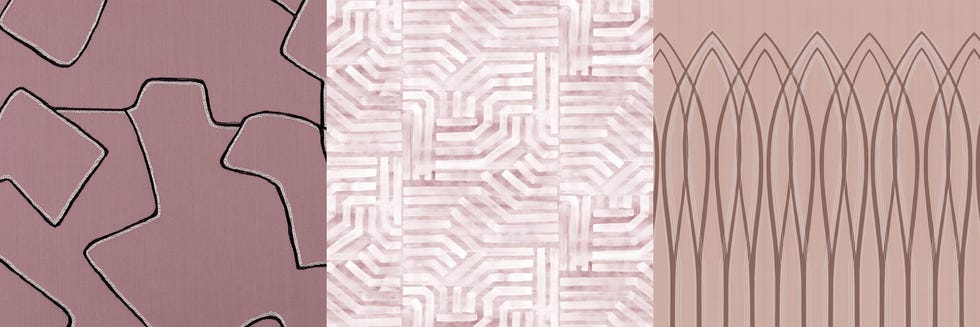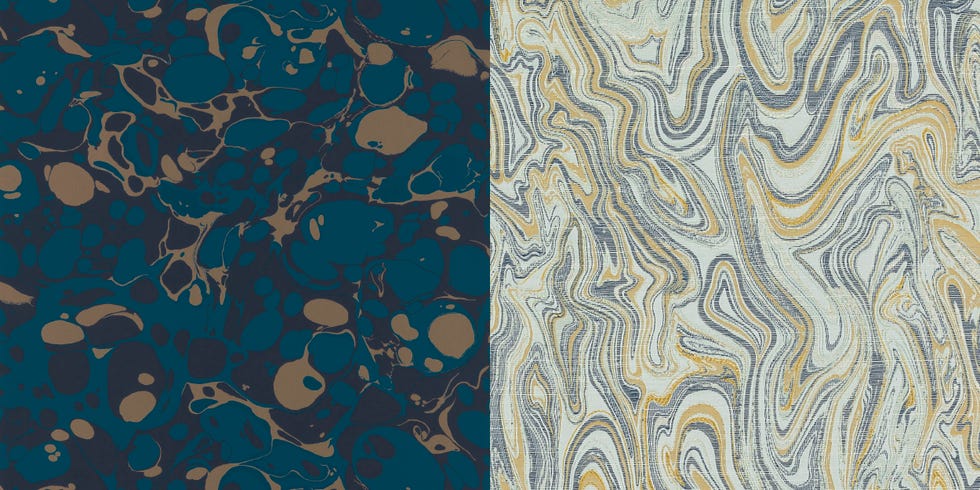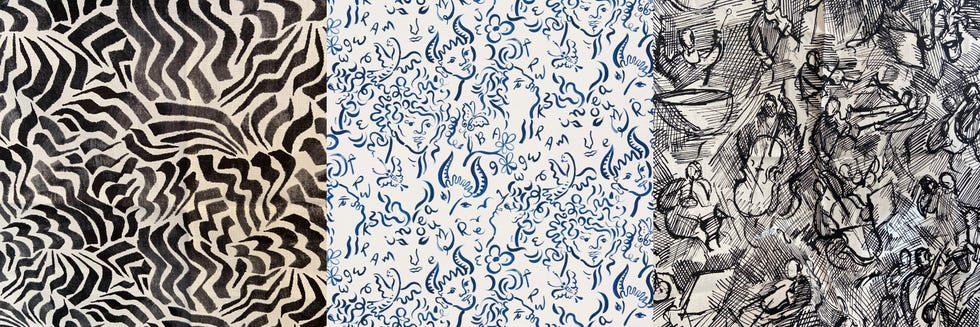
5 global textile techniques still seen in modern fabrics
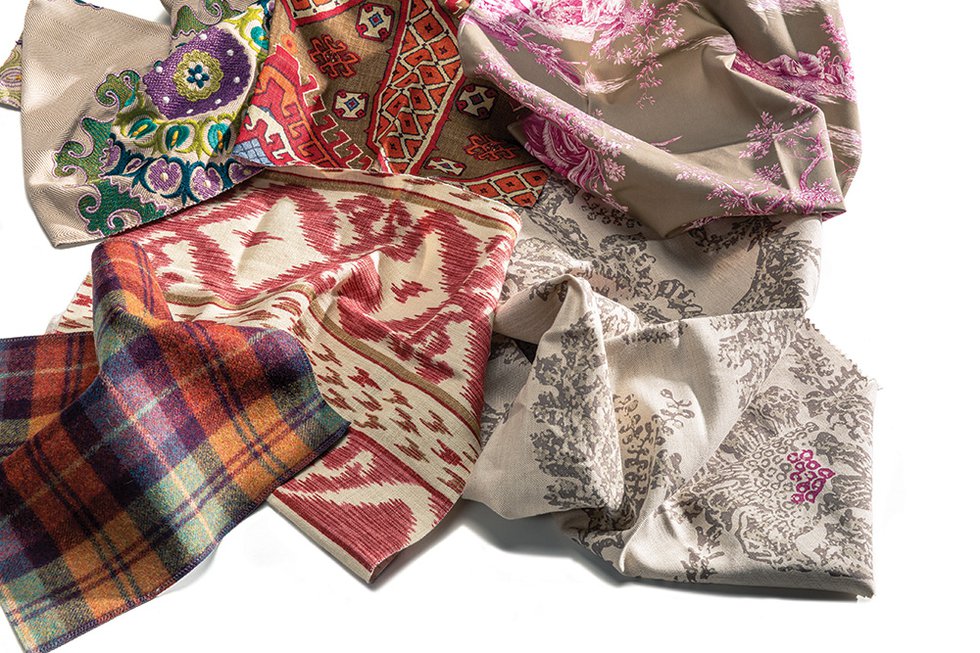
This article explores five global textile techniques—Suzani, Andean, Toile, Tartan, Ikat, and Batik—that continue to influence modern fabric designs, showcasing how these historical methods are adapted and reinterpreted in contemporary interiors. Each technique is presented with its cultural origins, typical characteristics, and how it manifests in present-day textiles.
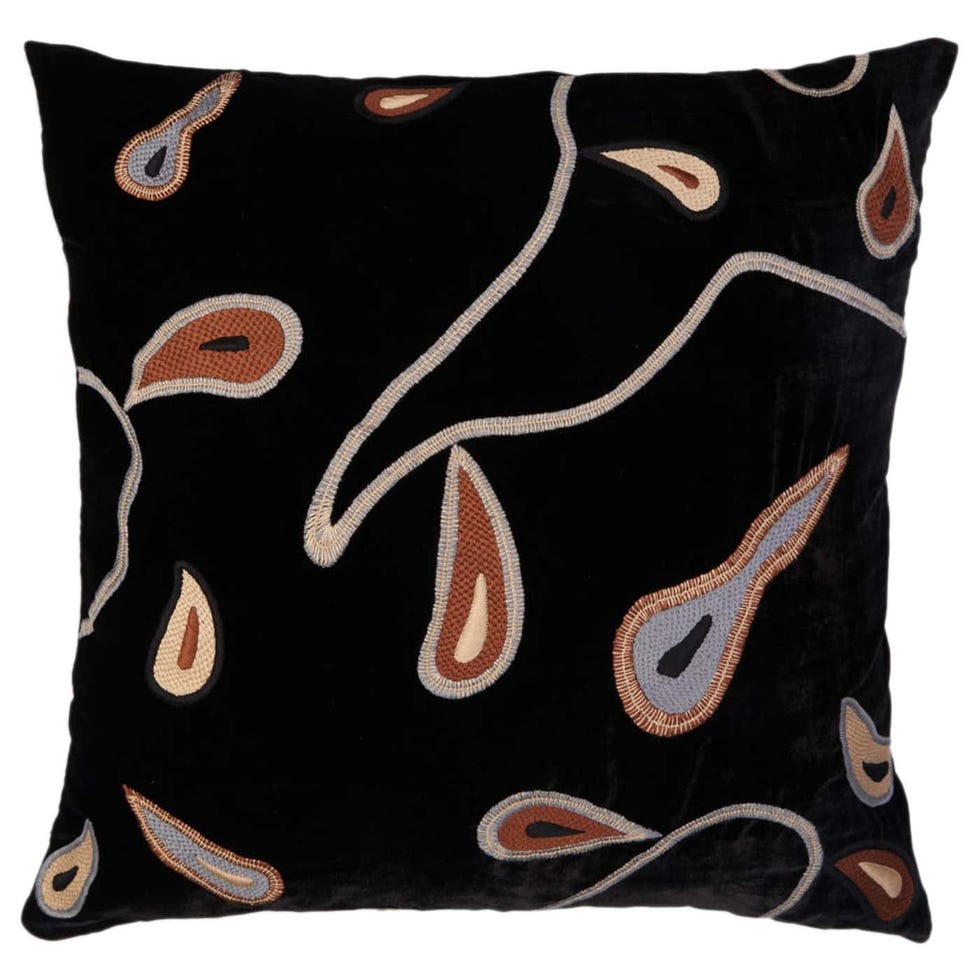
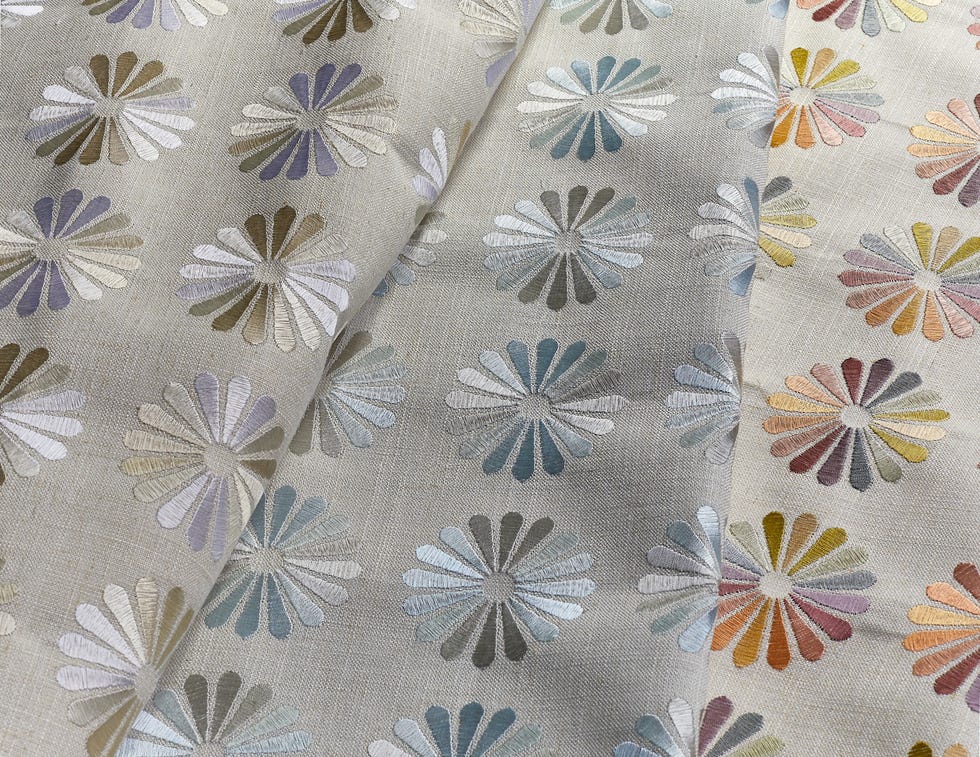
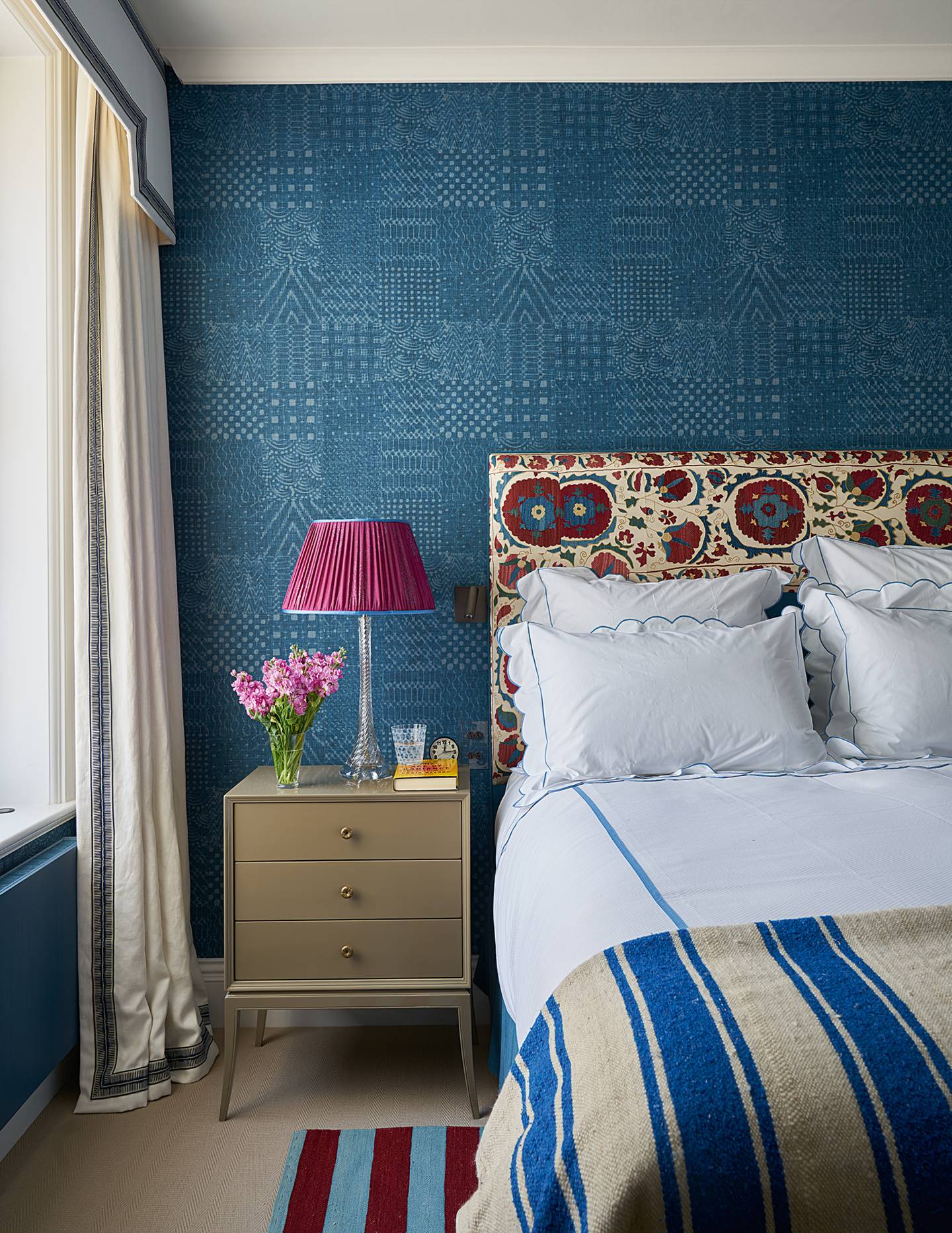
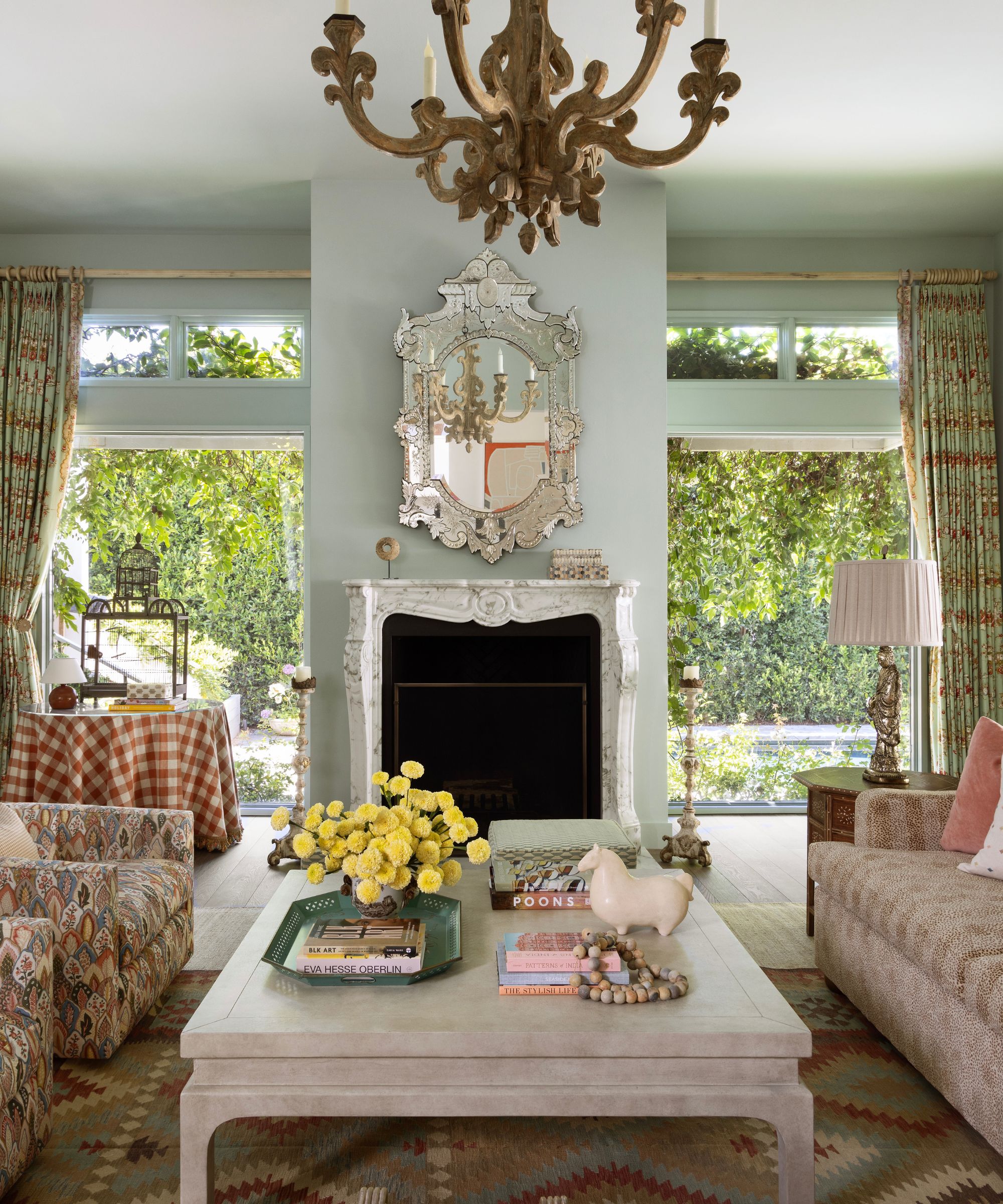
Suzani, derived from the Persian word for "needle" and "needlework," traditionally refers to embroidered textiles exchanged as symbols of affection. Modern Suzani-inspired fabrics, while sometimes machine-embroidered, maintain the characteristic floral, moon, and sun motifs on materials such as heavy linen herringbone cloth.
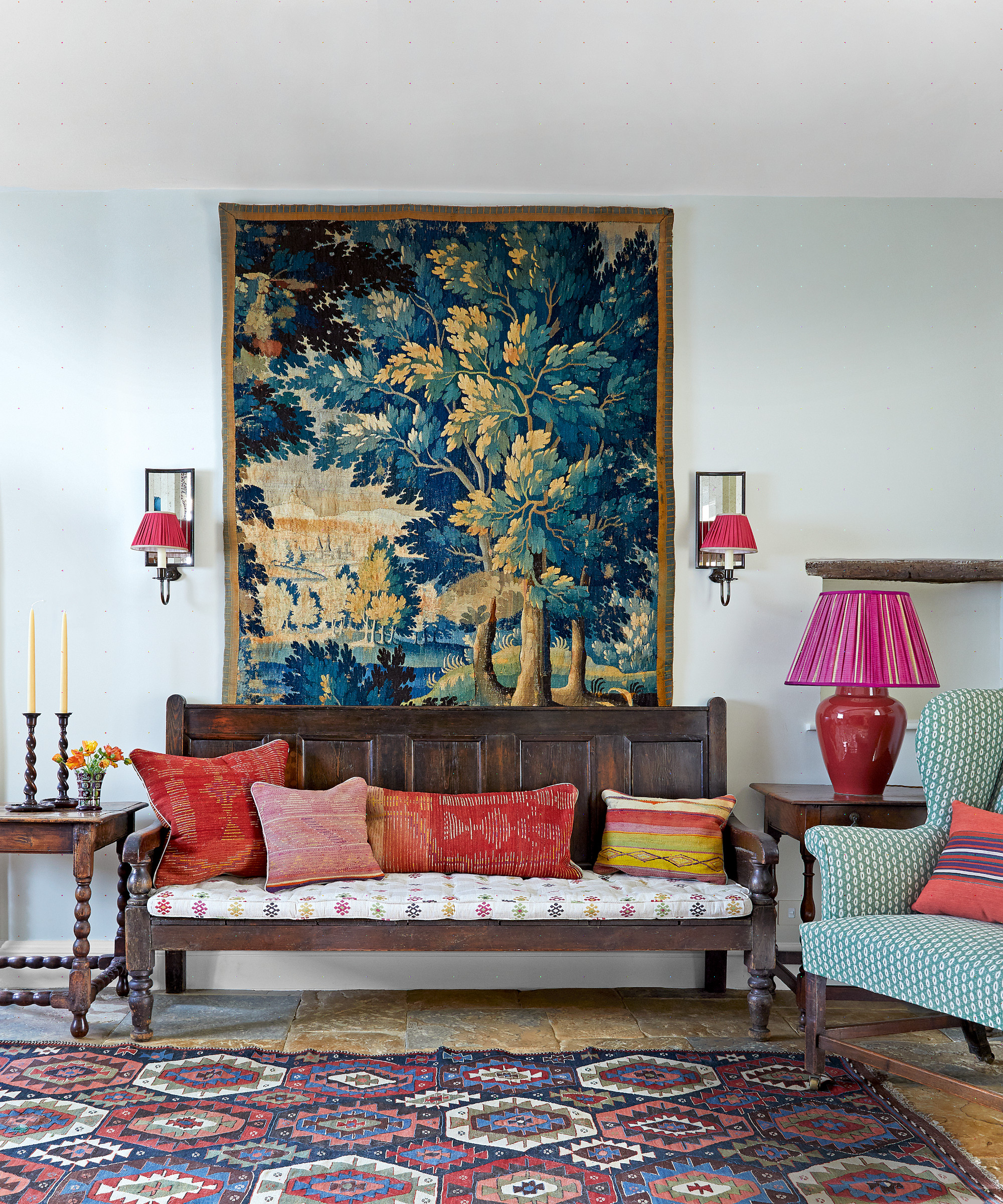
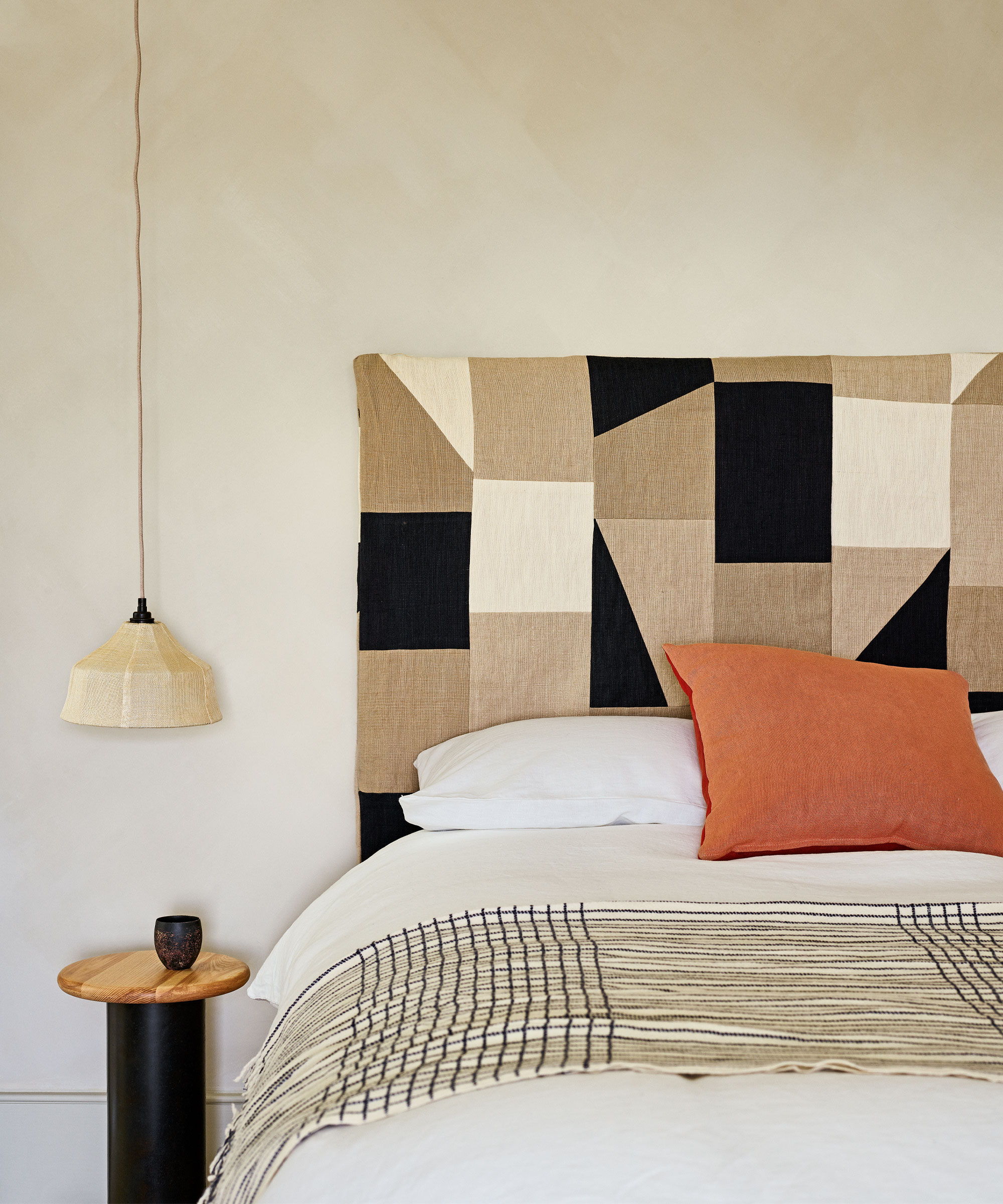
Andean designs, dating back to 16th-century Peru, are rooted in a tradition of storytelling through dyed fabrics. These designs originally utilized threads spun from cotton and alpaca or llama wool. Contemporary iterations often feature prints inspired by pre-Columbian woven garments.
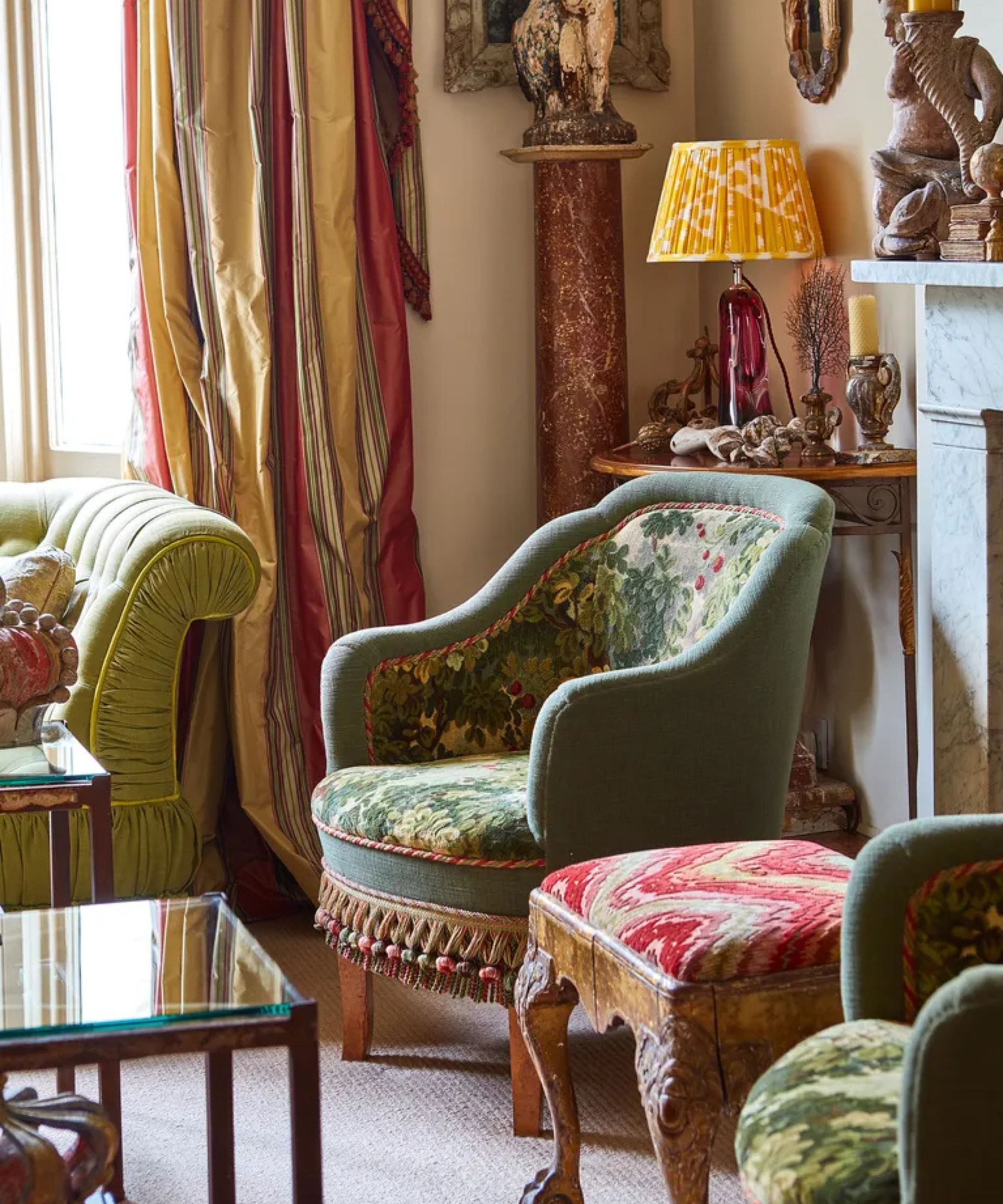
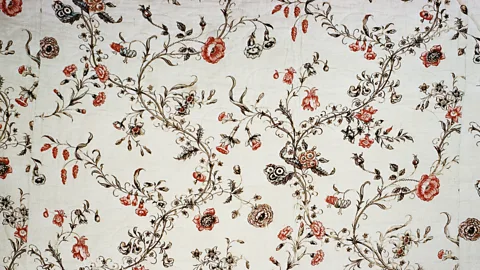
Toile de Jouy, meaning "cloth from Jouy," originated in 18th-century France. This technique involves printing detailed figurative scenes, typically depicting country life or historical events, using finely engraved copper plates on cotton. Modern Toile fabrics preserve this narrative quality and printing style.
Tartan, often confused with plaid, historically denoted wool fabrics with specific checks and lines used to identify Scottish clans. The varying shades and cozy textures are achieved through weaving yarn on a loom. While the term "plaid" is sometimes used interchangeably, tartan specifically refers to this traditional Scottish weaving method.
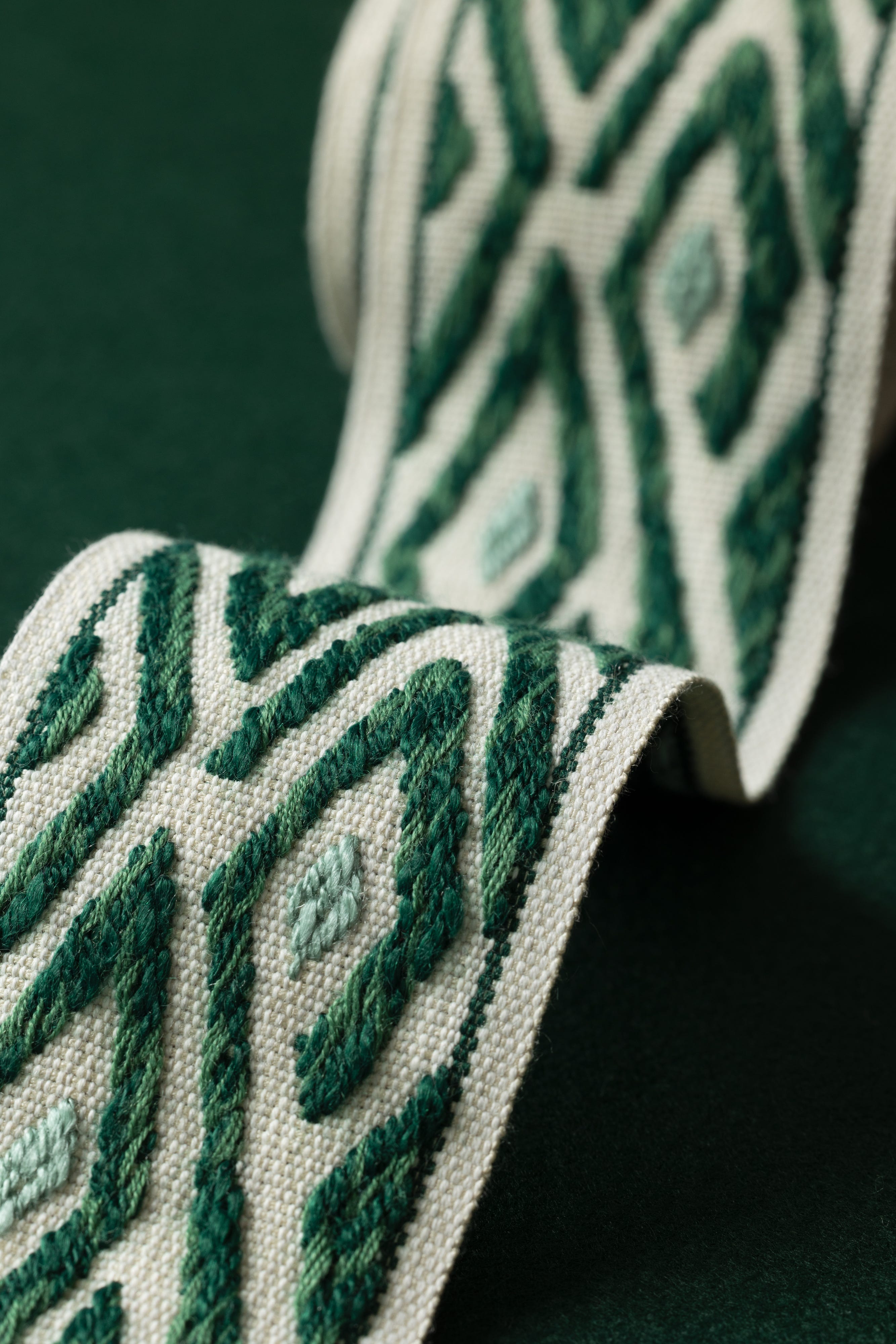
Ikat involves a complex resist-dyeing process where warp and weft threads are bound and dyed before weaving. A double ikat occurs when both sets of threads are treated. This technique results in distinctive, loosely shaped lines, bearing a resemblance to modern tie-dye, and is a labor-intensive process that produces unique patterns.
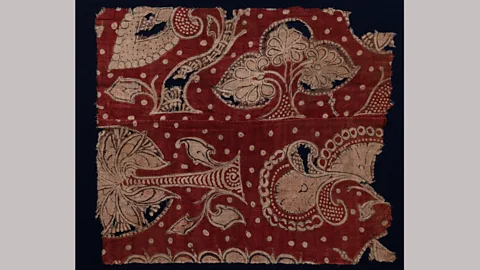
Batik, originating from Javanese words meaning "to write" and "dots," is a wax-resist dyeing technique that creates intricate patterns. Artisans apply wax to fabric, which resists dye, and then remove the wax to reveal the design. Today, many fabrics feature printed motifs that emulate the traditional Batik method, alongside those still crafted using the authentic waxing and dyeing processes. These textiles, while diverse in origin and method, collectively demonstrate the enduring appeal and adaptability of traditional craftsmanship in contemporary design.
#GlobalTextileTechniques #ModernFabrics #Suzani #AndeanTextiles #ToileDeJouy #TartanFabric #Ikat #Batik #InteriorDesign #TextileHistory #GlobalTextileTechniques #ModernFabrics #Suzani #AndeanTextiles #ToileDeJouy #TartanFabric #Ikat #Batik #InteriorDesign #TextileHistory
0 comment in total
 No comments yet
You may also like
Get Your Scissors Ready! Here are 5 Fabric Trends You Need to Know Now
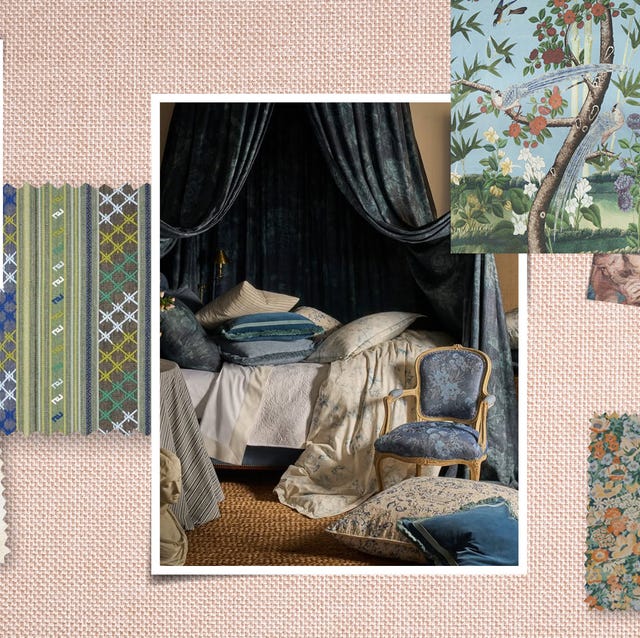
These 5 Textile and Wallpaper Trends Will Dominate the Design World in 2025

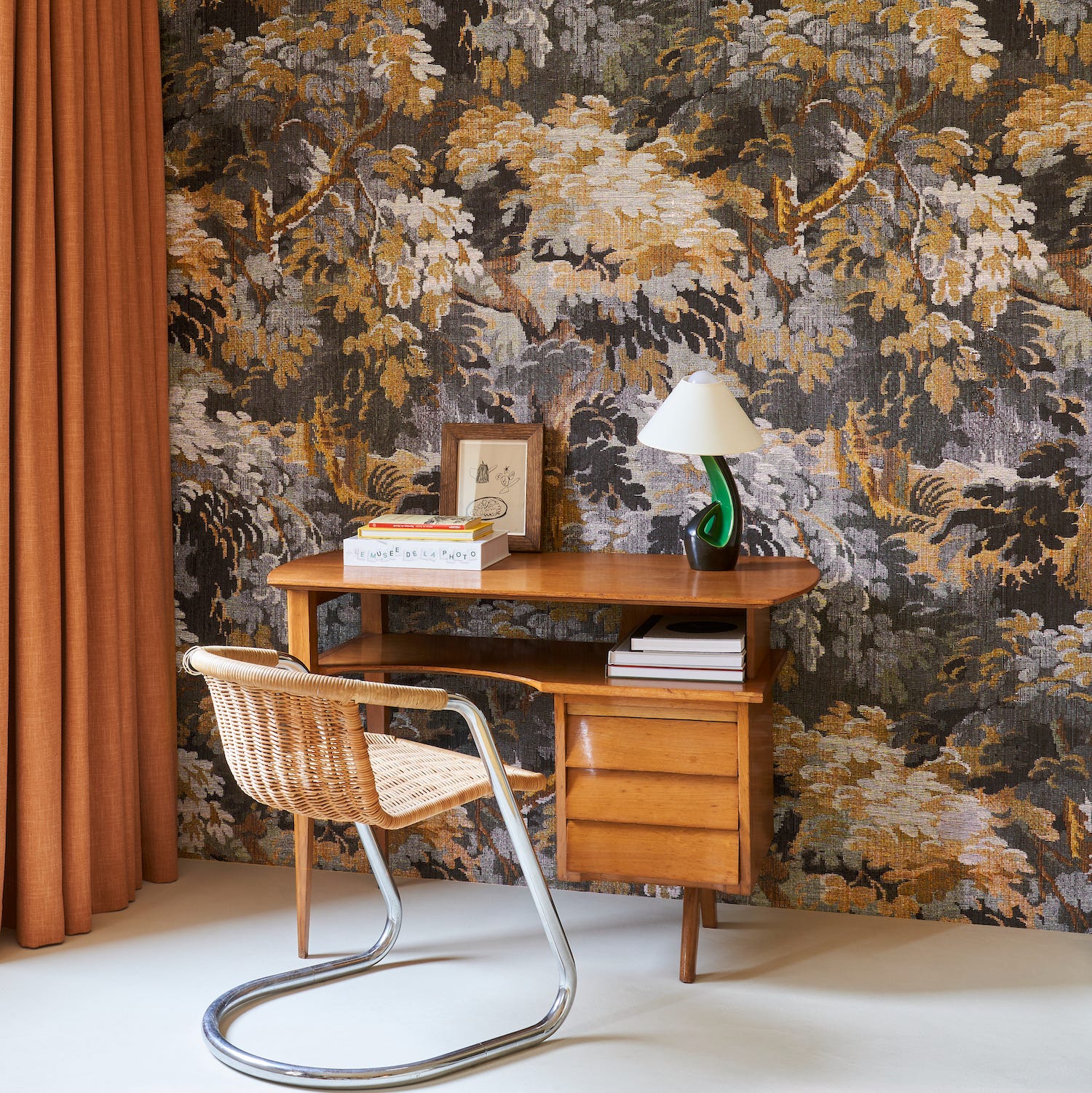
9 Inspiring Fabric and Wallcovering Trends You Should Know Now

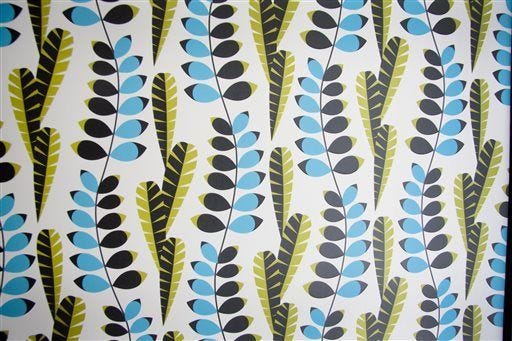
Right at Home: Textiles bring midcentury-modern style home
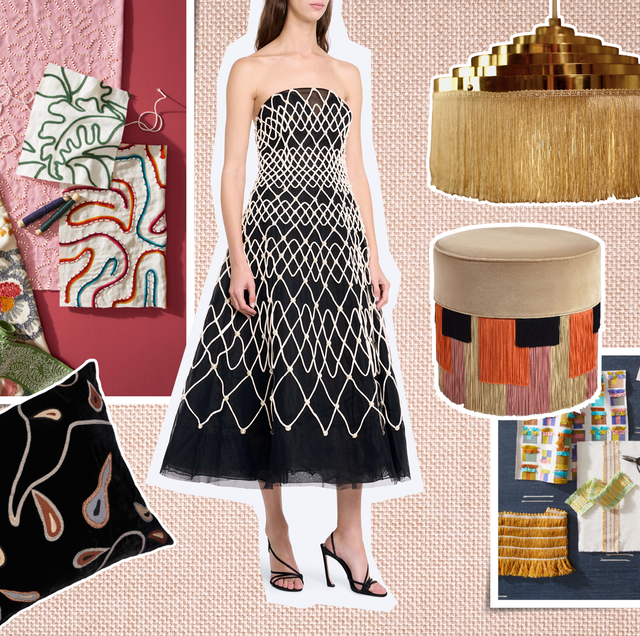
These 3 Retro Fabric Techniques Are Making A Killer Comeback

Does the World's Oldest Fabric Have a Future in High Fashion?


Woven Inspiration recovers the gilded age


The definitive textiles primer: Pollack’s fabric expert talks fibers, yarns and more

The 5 fabric trends ruling interiors now, according to the pros

This Vintage Print Is Taking Over Homes This Winter
Outdoor Fabrics Have Come a Long Way, With New Colors, Designs
The floral fabric that was banned


Simon Kew | Managing Director | Alchemie Technology
Decorating with vintage fabrics - 8 ways to inject color, texture and heritage style into your space

6 'old-fashioned' decorating techniques that designers still swear by
Jacquard Fabric: Here’s Your 101 Explainer

The 5 Fabric Trends Ruling Interiors Now, According to the Pros
When Hollywood Needs a Historically Accurate Outfit That Looks Just Right, It Turns to Rabbit Goody
8 fabric trends that are defining the world of interior design
Trends in textile editors: color, textures and maximalist prints