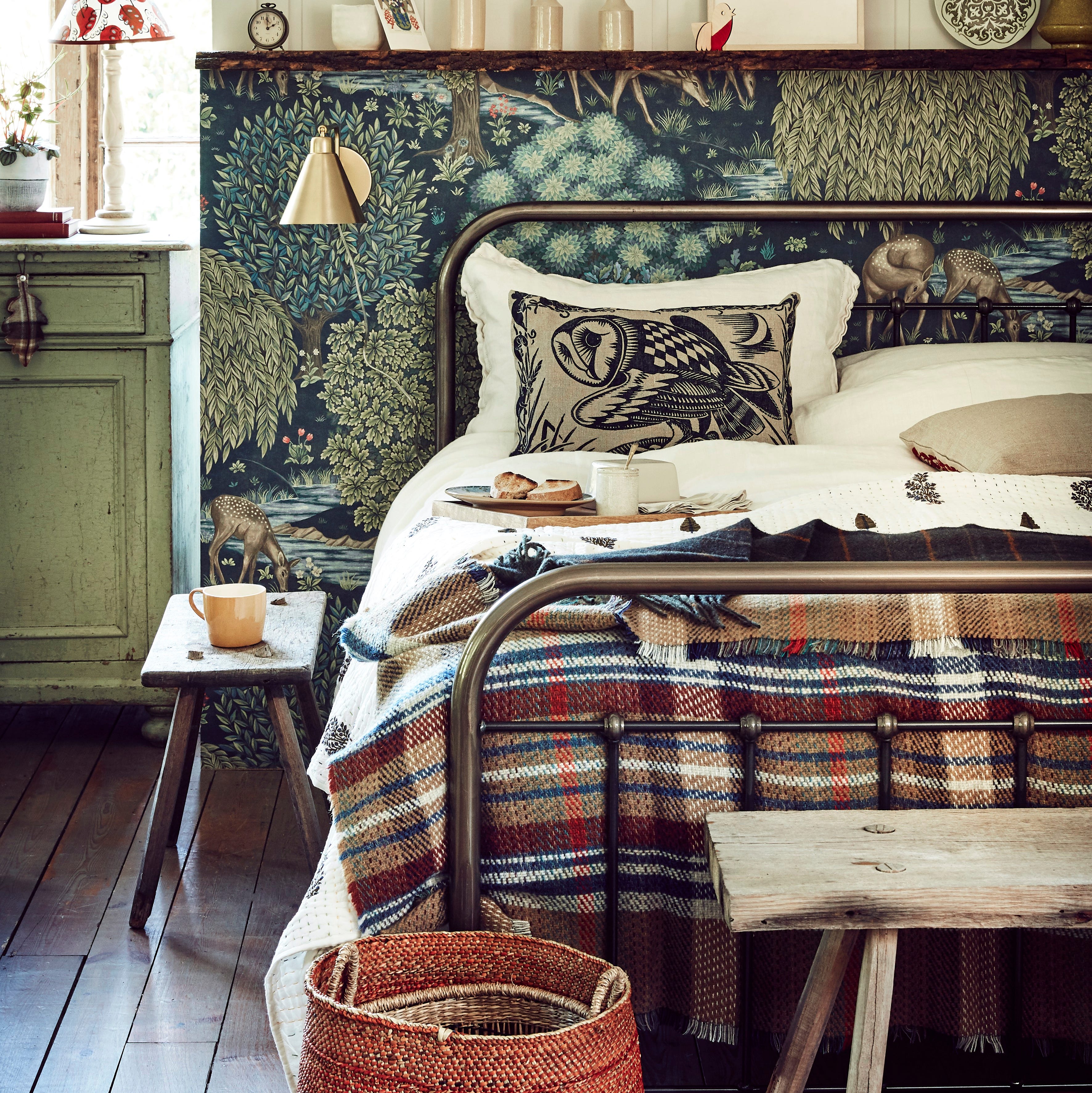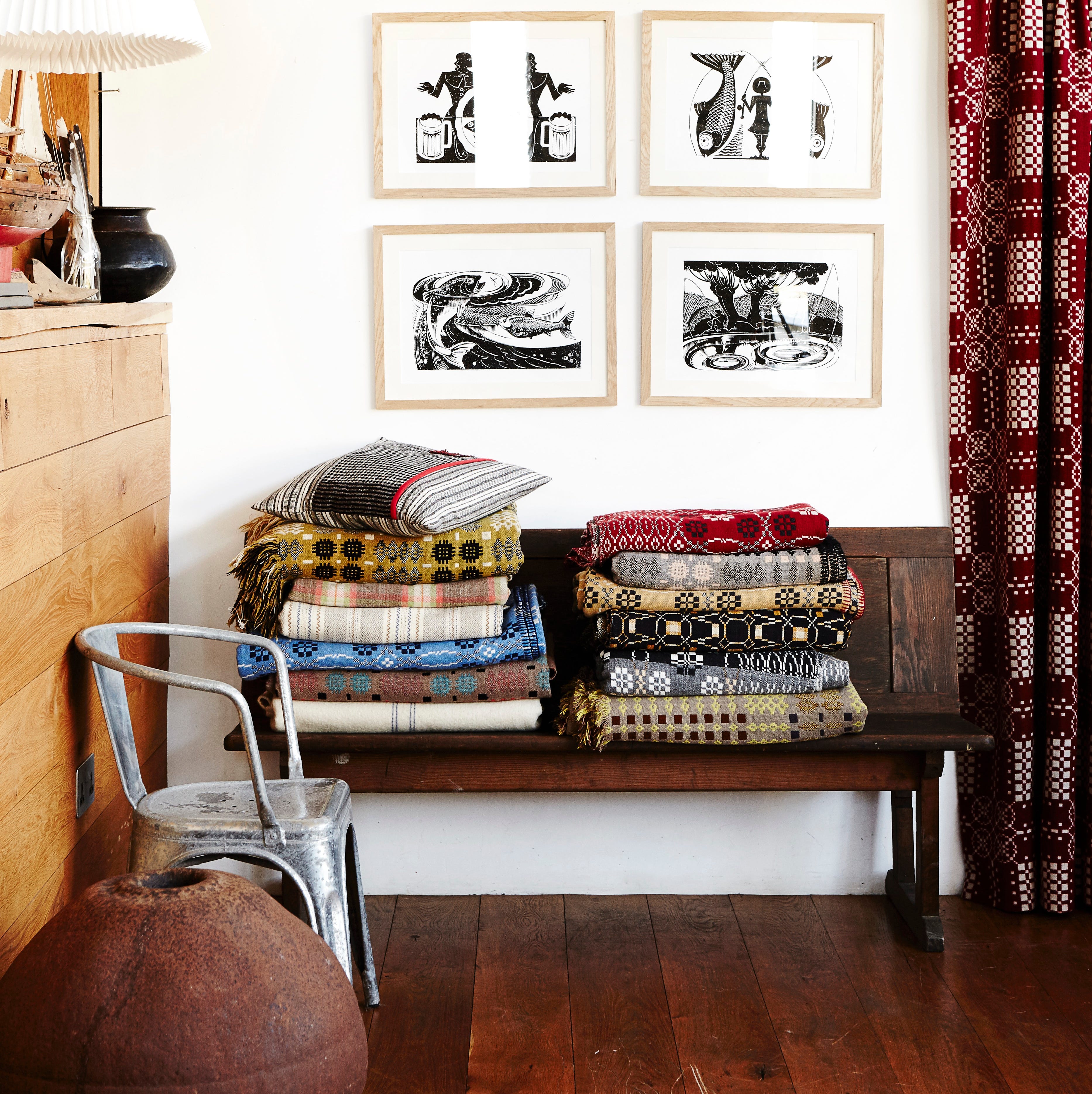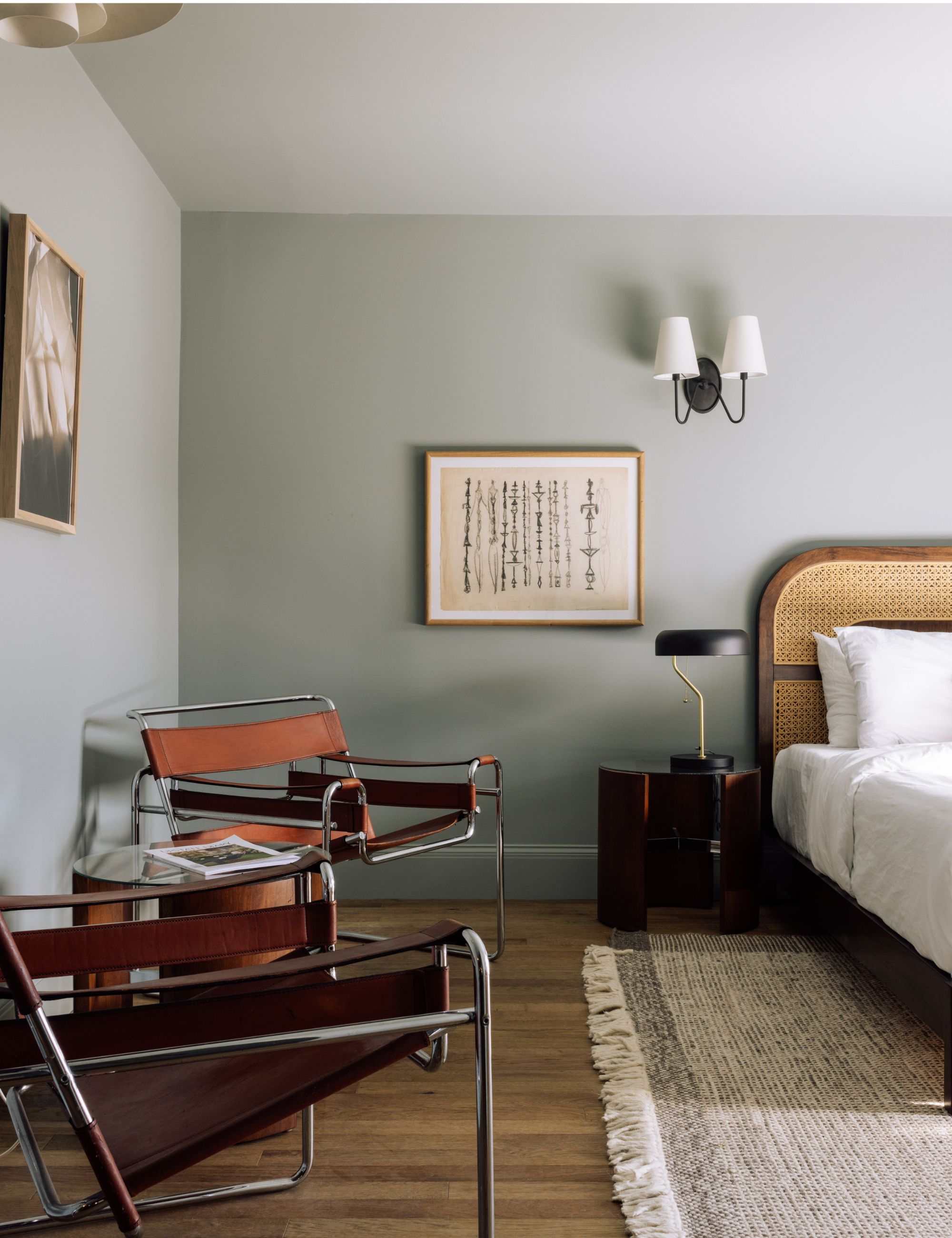
Right at Home: Textiles bring midcentury-modern style home

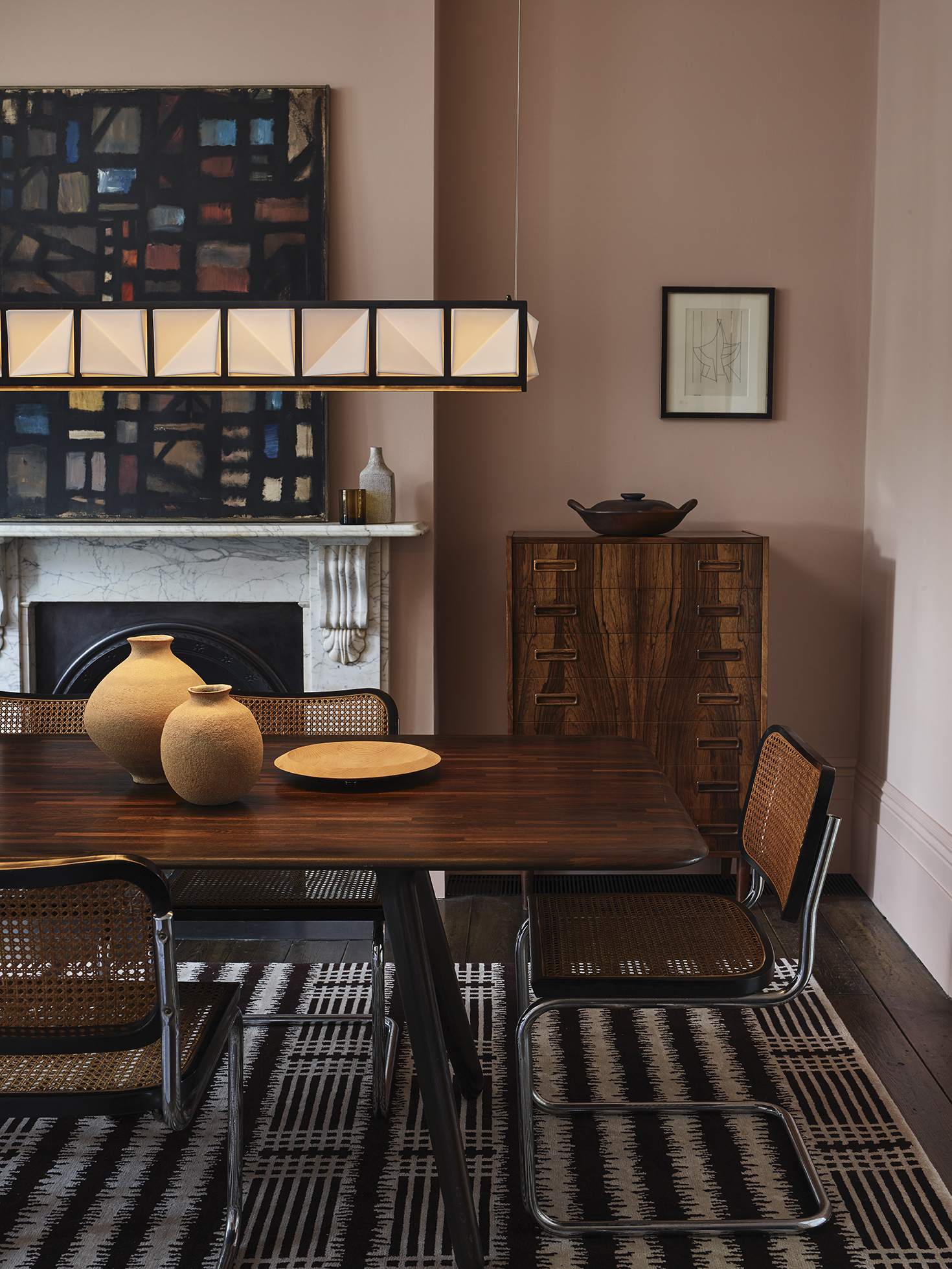
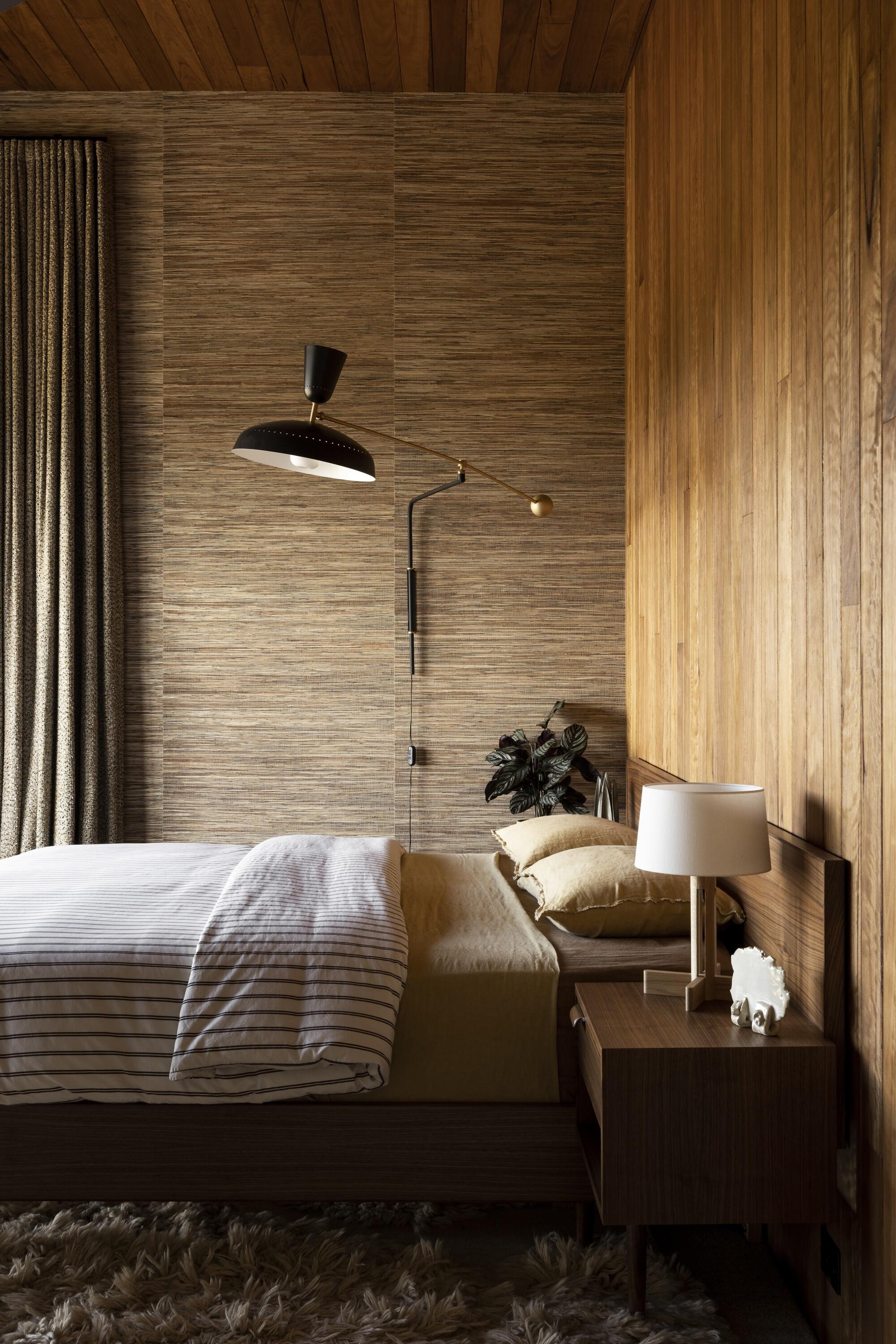
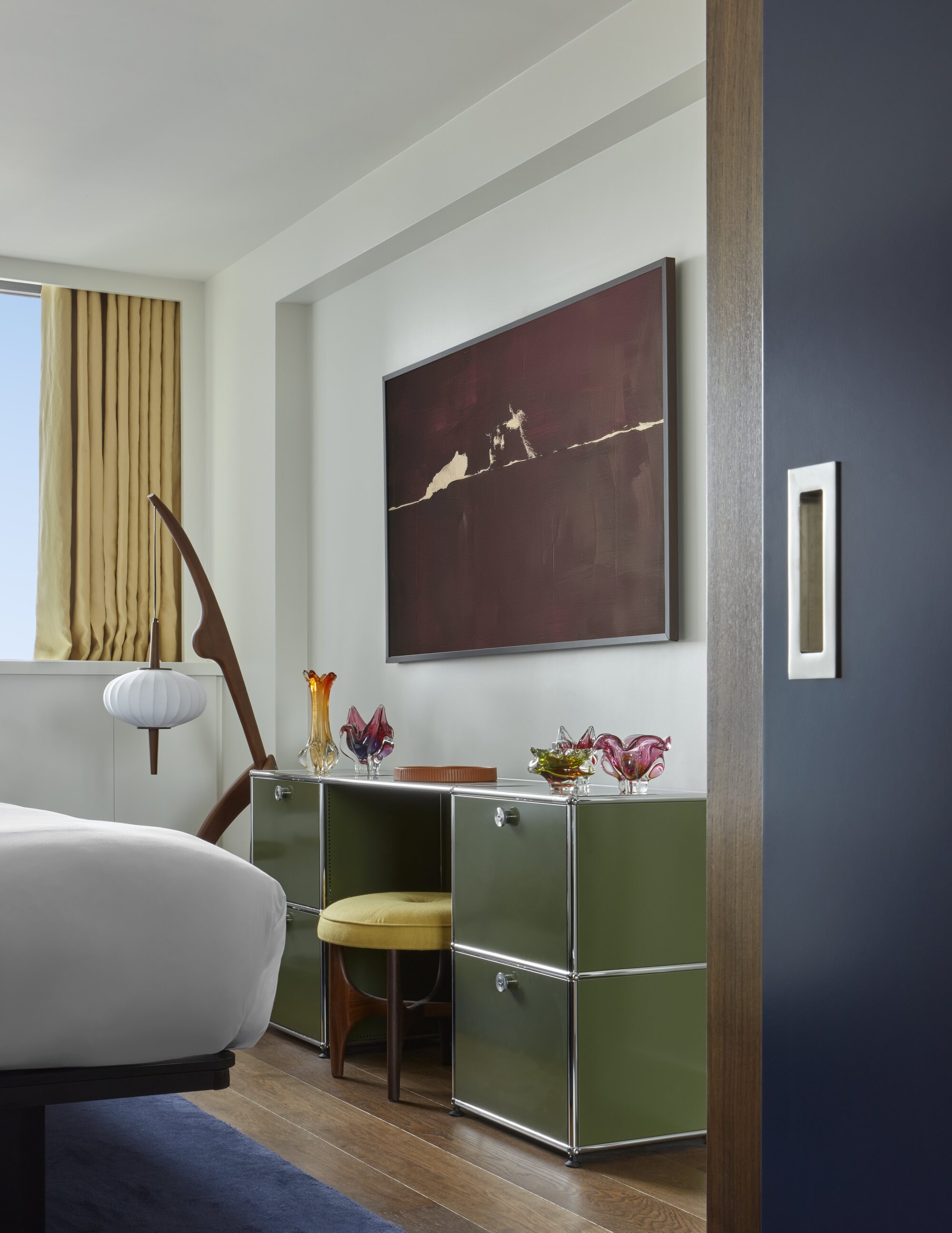
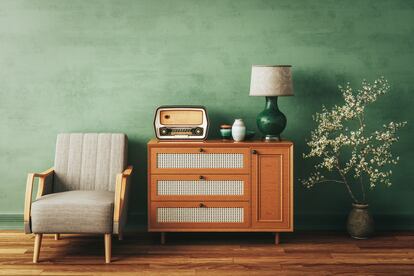
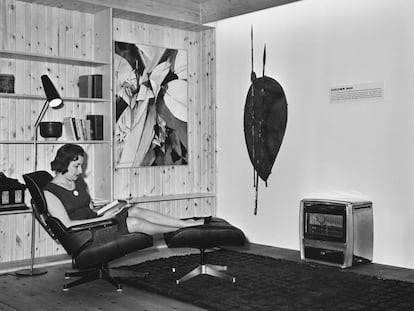
Midcentury-modern style, characterized by its clean lines, organic forms, and functional elegance, continues to captivate homeowners and designers. While acquiring original midcentury furniture pieces like an Eero Saarinen Womb settee or a George Nelson Coconut chair can be financially challenging, textiles offer an accessible and versatile avenue to integrate this iconic aesthetic into contemporary living spaces. This approach allows enthusiasts to embrace the spirit of the era without the significant investment required for vintage or high-end reproduction furniture.
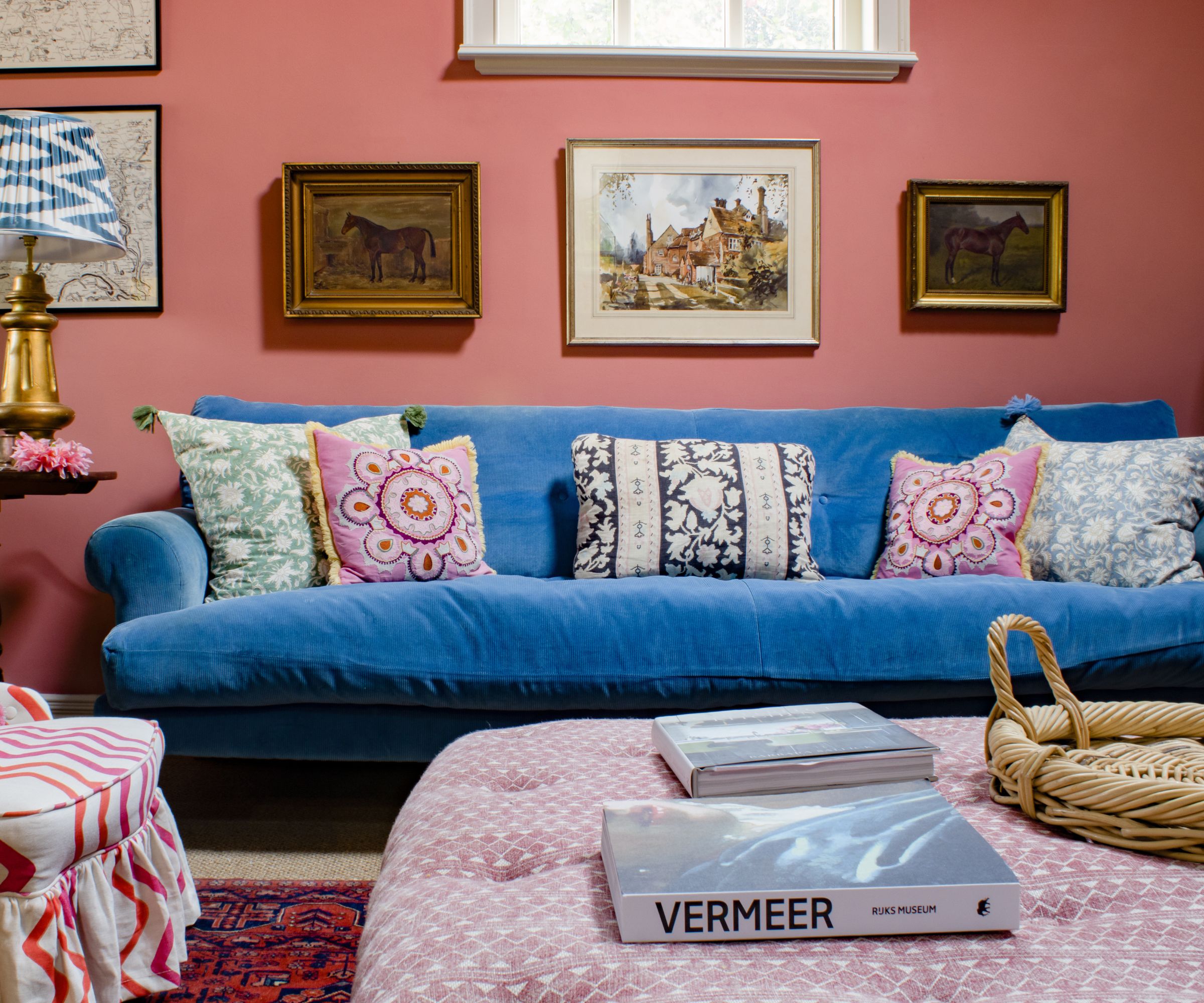
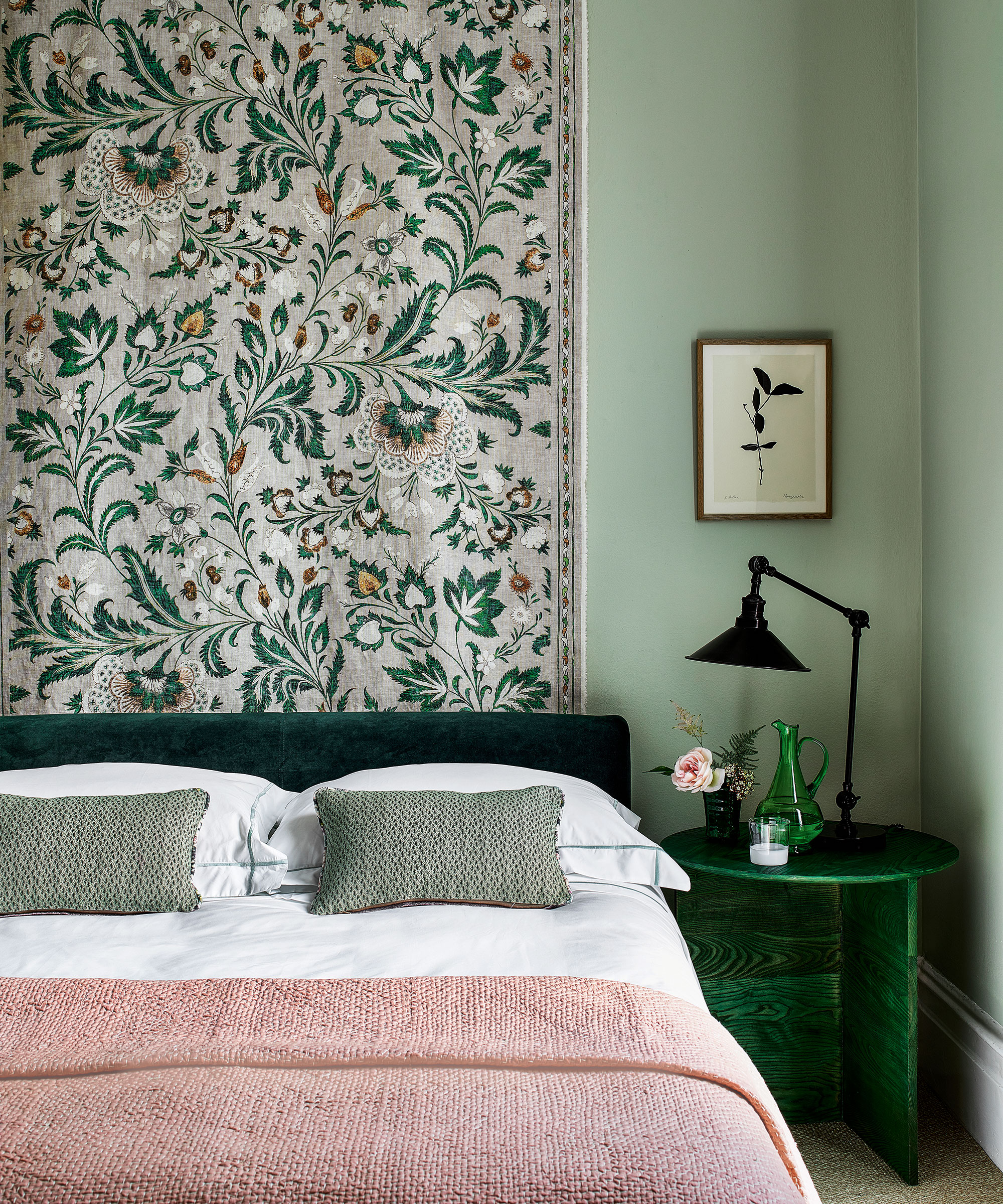
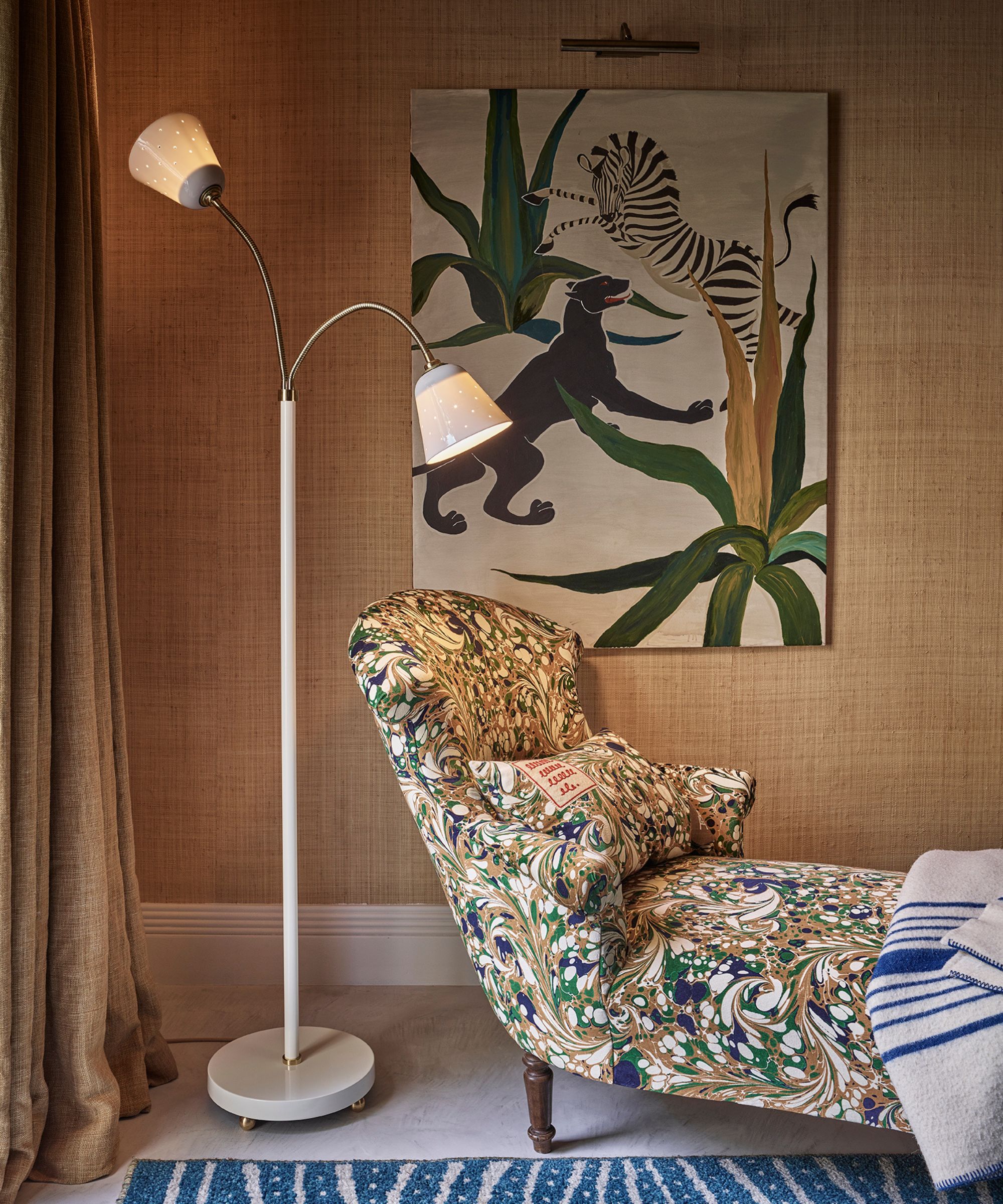
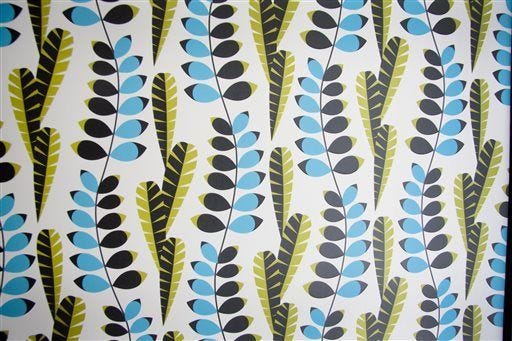
The appeal of midcentury-modern textiles lies in their vibrant patterns, innovative designs, and often bold color palettes. These fabrics emerged during a post-war period in America when there was a collective embrace of progress and a forward-looking perspective in design. Small, design-driven companies collaborated with prominent designers, architects, and artists to produce abstract and modern patterned fabrics. For those who admire the work of these artists but cannot afford their paintings, owning a few yards of their textile designs, whether as pillows or curtains, offers a tangible connection to the artistic movement.
Judith Gura, director of the design history program at the New York School of Interior Design, highlights the exuberance of these textiles, noting their lively patterns and fresh, often bright colors. She emphasizes that these fabrics not only complement midcentury furniture but also introduce a refreshing look when paired with more traditional pieces. However, she cautions collectors about the practical limitations of vintage textiles. Finding sufficient yardage for extensive use, such as drapery or upholstery, can be difficult. Additionally, materials that are 50 to 60 years old may not possess the durability required for everyday use. For antique textiles, framing them as wall art is often the most suitable way to preserve and display their beauty.
Several resources are available for sourcing both vintage and modern interpretations of midcentury-modern textiles. Maharam offers upholstery patterns by renowned American designers like Charles and Ray Eames, George Nelson, and Alexander Girard. Furniture manufacturer Knoll has reintroduced several patterns from the 1950s, 1960s, and early 1970s through its Archival Design drapery fabric collection. DwellStudio, in collaboration with Robert Allen, features a collection of midcentury designs, including patterns like Carrington, Jacinto, Nordic Stripe, and Futura, available in both cotton and weather-resistant Sunbrella fabric, all echoing the era's graphic aesthetic and color schemes.
For more contemporary interpretations, Spoonflower.com showcases designs by artists who re-envision vintage patterns, such as Australian Julie Lynch’s "Mod Foliage," British artist Alex Morgan’s "Chair Pod," and Christine Legeret of Paris’s "Midcentury Dress Cocktail." These prints are available across a variety of fabric types. Additionally, Modernfabrics.com provides textiles from brands like Kravet, Knoll, and Luna Textiles, with options in solids and textured fabrics, though yardage availability may vary. When seeking authentic vintage pieces, identifying marks along the selvedge (edge) of the fabric, which indicate the designer, fabric, and company, is crucial for distinguishing originals from reproductions. Resources like Leslie Jackson's "20th Century Pattern Design" and the online collections of institutions such as New York's Cooper Hewitt and Metropolitan Museum, Washington's Smithsonian Design Museum, and the Los Angeles County Museum of Art can aid in researching and identifying patterned fabrics and wall coverings from the period.
#MidcenturyModern #HomeTextiles #InteriorDesign #VintageDecor #FabricPatterns #DesignHistory #HomeDecoration #TextileDesign #ArchitecturalTextiles #MidcenturyModern #HomeTextiles #InteriorDesign #VintageDecor #FabricPatterns #DesignHistory #HomeDecoration #TextileDesign #ArchitecturalTextiles
0 comment in total
 No comments yet
You may also like
Homestyle: Attention to detail

41 Home Products To Consider If You Love The Mid-Century Modern Look
Color, Pattern, and Texture Rule in This Brooklyn Home

The Best British Textile Designers
14 Furniture Stores Like West Elm For Midcentury Modern Home Decor
25 Midcentury Modern Furniture Pieces That Will Always Be in Style

The Midcentury Modern Decor Designers Say You Should Never Pass Up at the Thrift Store

8 retro home decor ideas to bring back this funky trend in a classic way

Home Design: Reinvented Midcentury Modern

This Vintage Print Is Taking Over Homes This Winter
9 Decorating Tips To Master The Mid-Century Modern Look

10 Mid-Century Modern Bedroom Ideas That Prove the Look Is Tranquil, Timeless, and Still Totally Relevant for Now

We Asked Designers If Midcentury Modern Is Out of Style—and Their Answer Might Surprise You
These 27 Stylish Rooms Do Mid-Century Modern Right
How to decorate with antique textiles – designers share their tips for adding character with old fabrics
6 antiques that will always work in modern interiors – and how designers style them
'Good design holds up' – 16 mid-century modern ideas that prove this design style will always be trending
19 Furniture Stores Like West Elm For Midcentury Modern Home Decor
13 ways to decorate with tartan
Mid-century style: What to know about the décor that you are seeing everywhere