1/5
4 Reasons Why Alder Is a Trending Wood
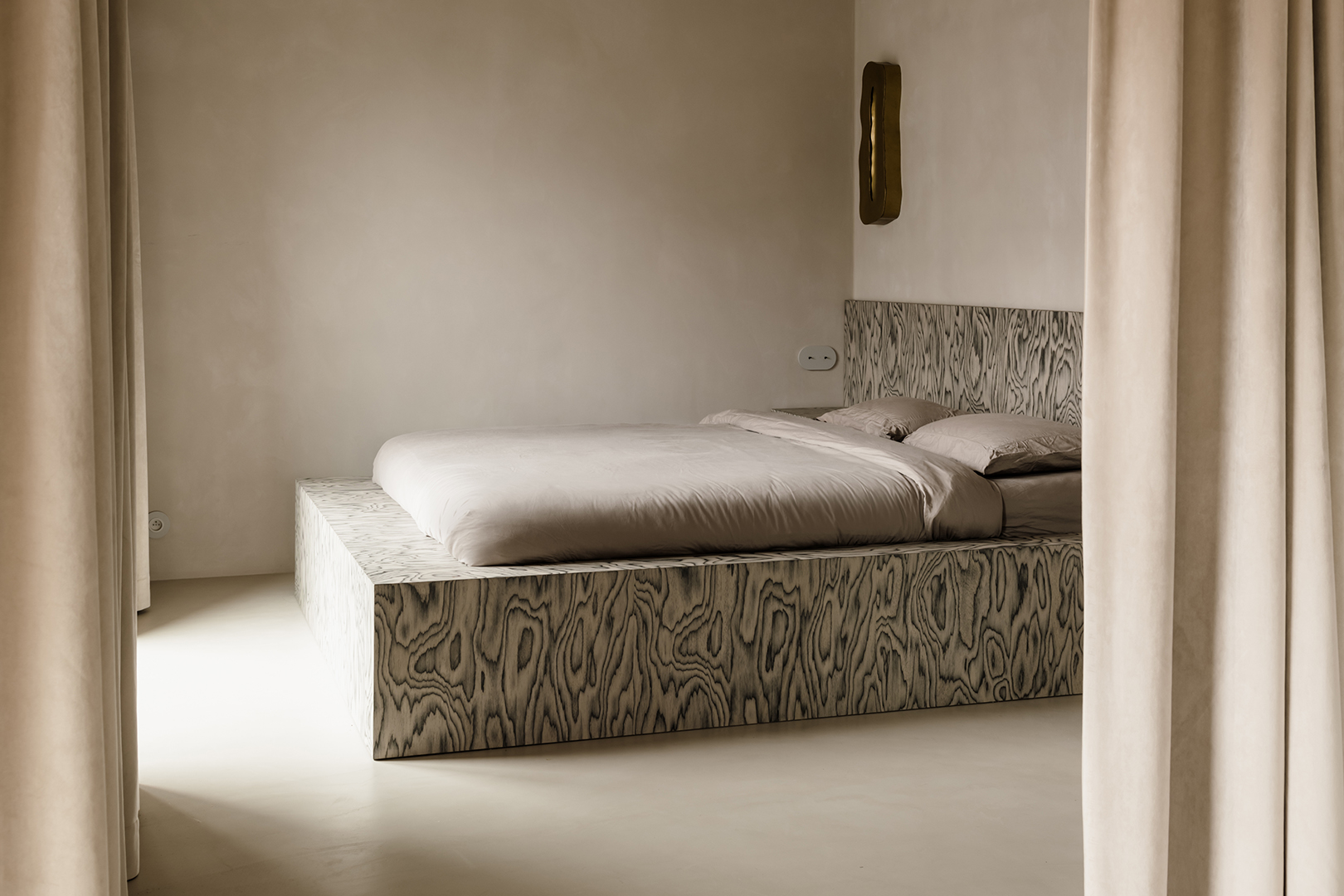
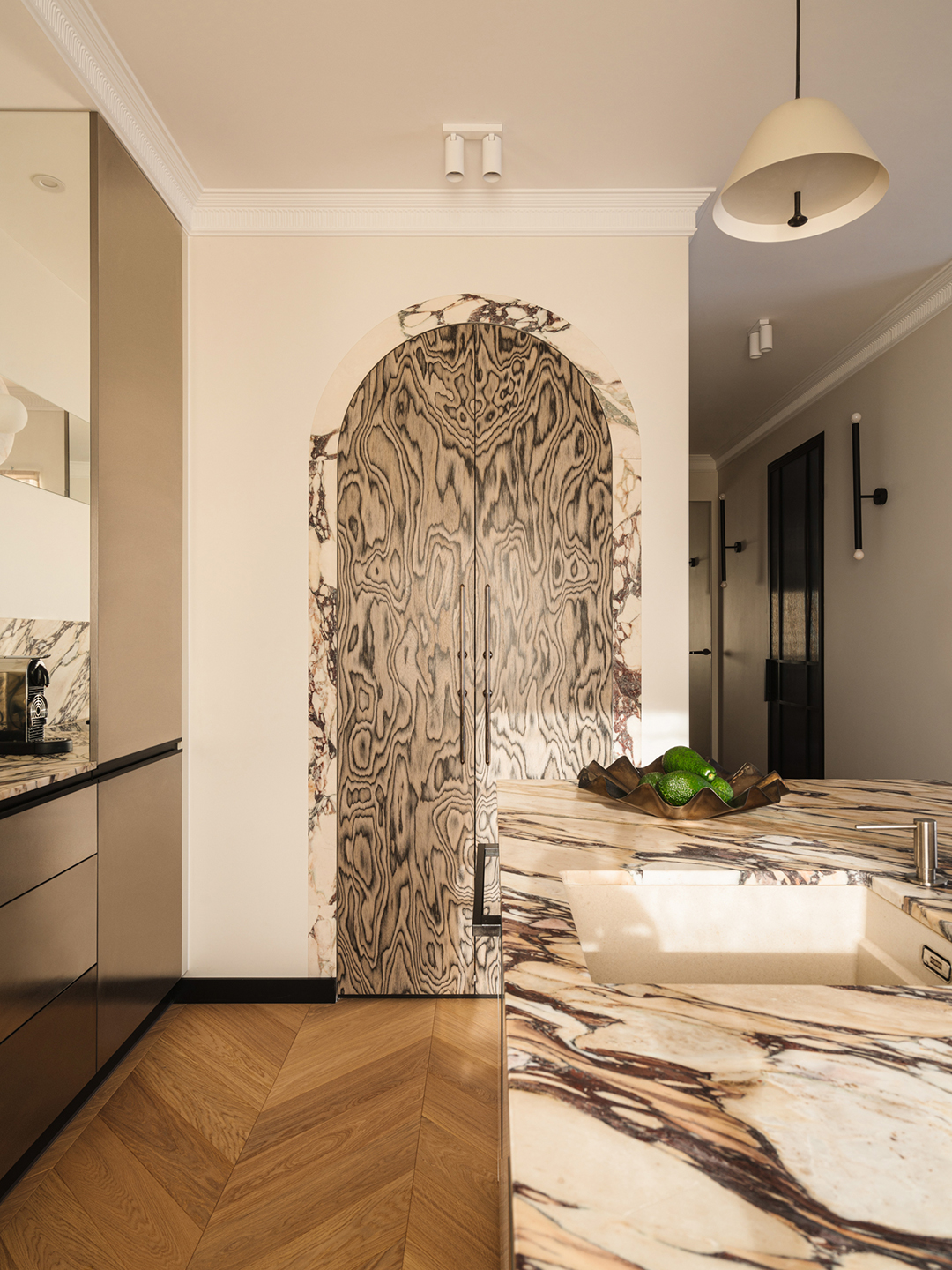
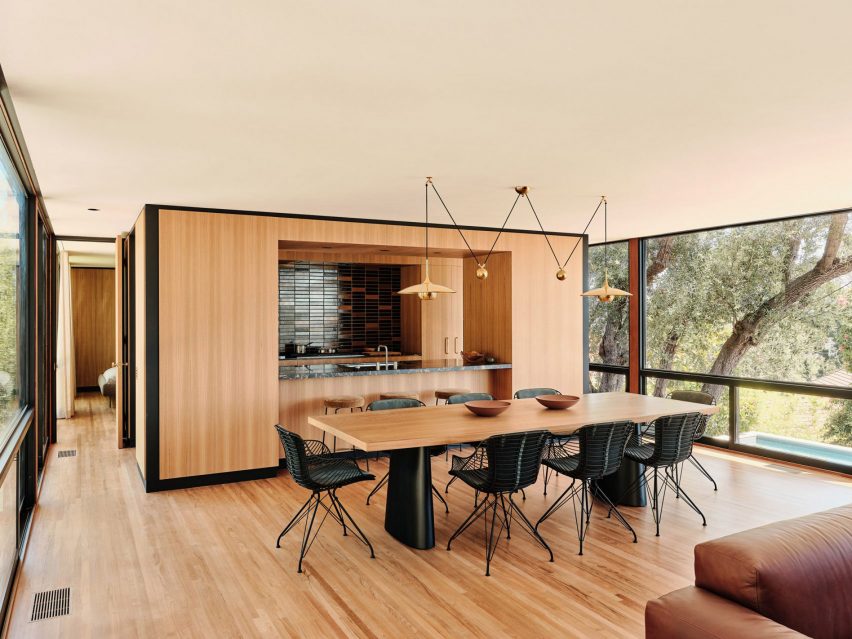
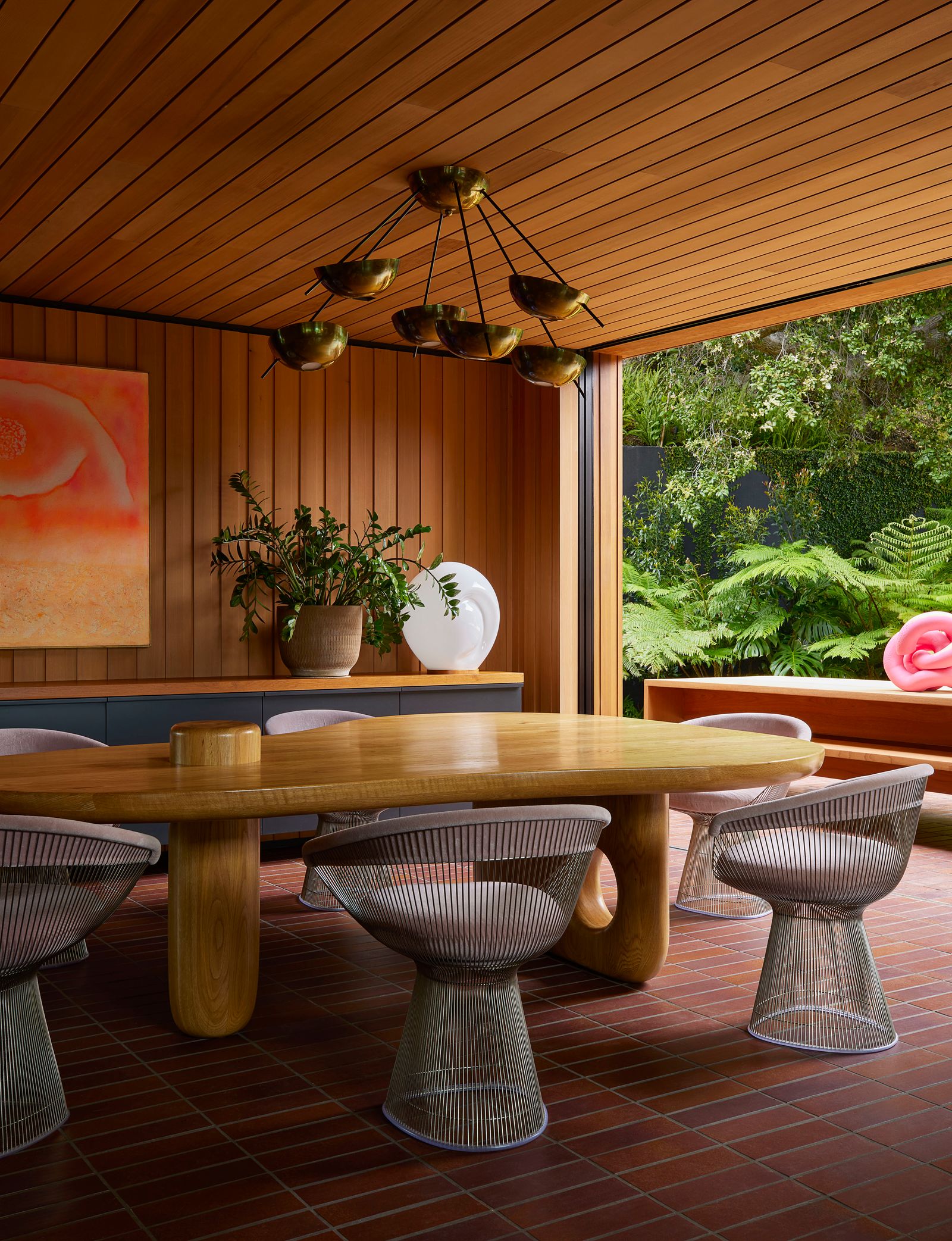
Alder wood is experiencing a surge in popularity within the building materials industry due to its ecological benefits, ease of manipulation, and cost-effectiveness. This adaptable hardwood is found abundantly across the Pacific Northwest, spanning from British Columbia to Northern California. Historically, alder served as a substitute for other wood species, but it has evolved into a highly sought-after material globally, prized for its consistency, versatility, and sustainability. This transformation highlights its growing recognition and adoption in diverse applications.
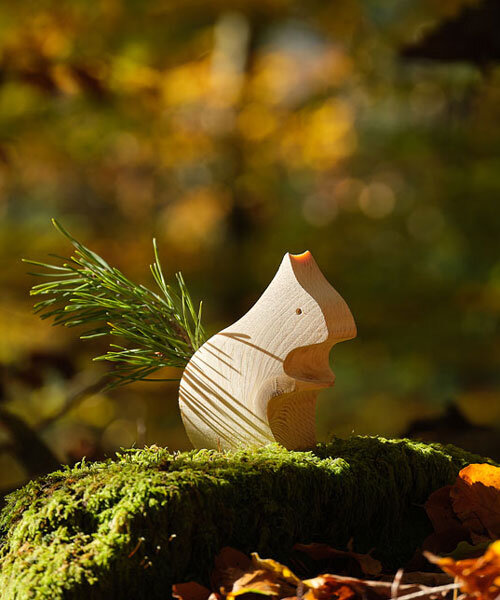
One significant advantage of alder is its sustainability. Unlike some exotic timbers, alder is not an endangered species, and its growth is carefully managed, ensuring a continuous supply. Its North American origin also reduces the environmental impact associated with transportation when used in the U.S. or Canada. Suppliers like Northwest Hardwoods emphasize their ability to produce consistent and predictable volumes of alder, making it suitable for large-scale projects. The wood is available with FSC (Forest Stewardship Council®) and PEFC (Program for the Endorsement of Forest Certification) certifications, guaranteeing that it originates from responsibly and sustainably managed forests that adhere to international sustainability benchmarks.
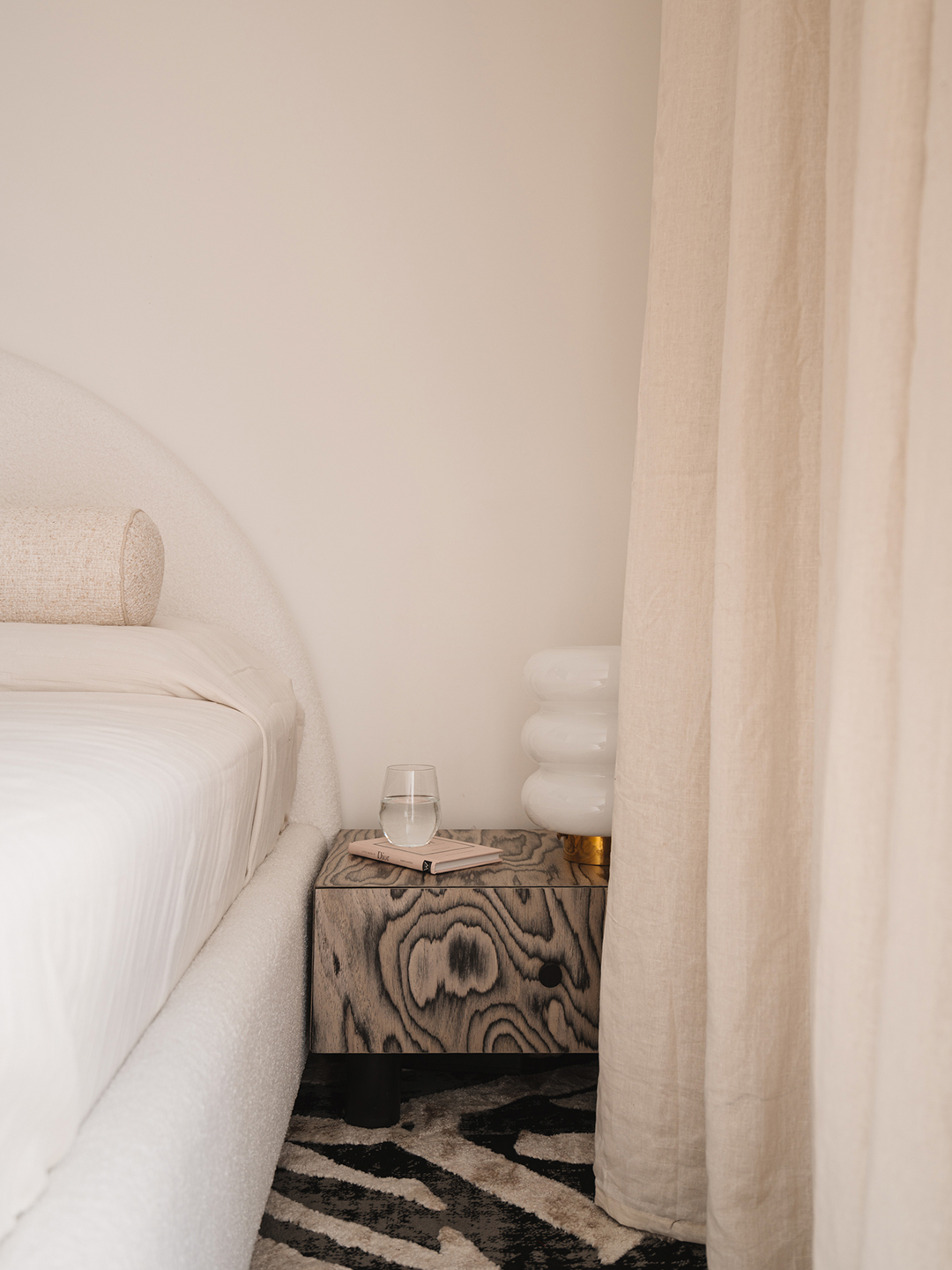
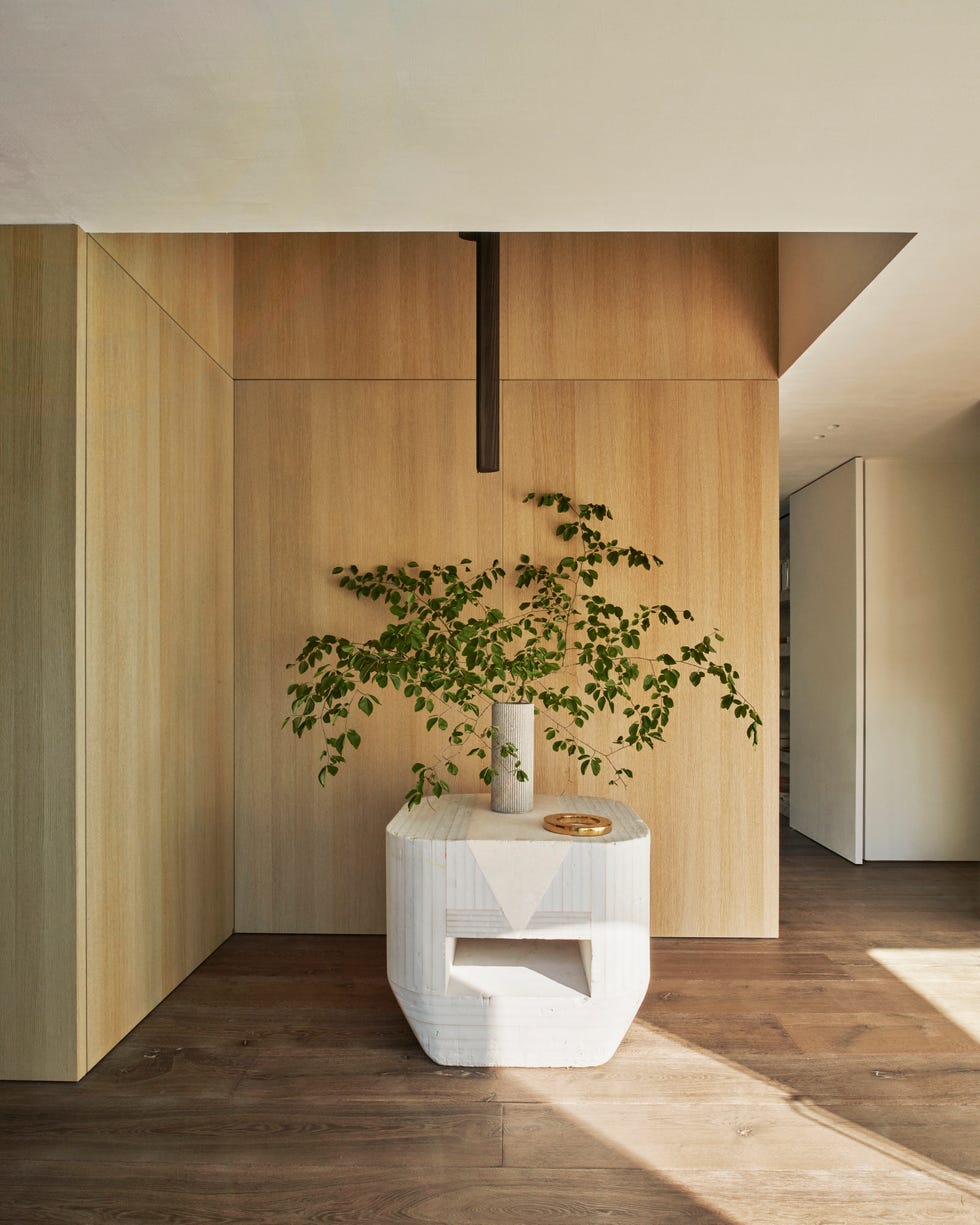
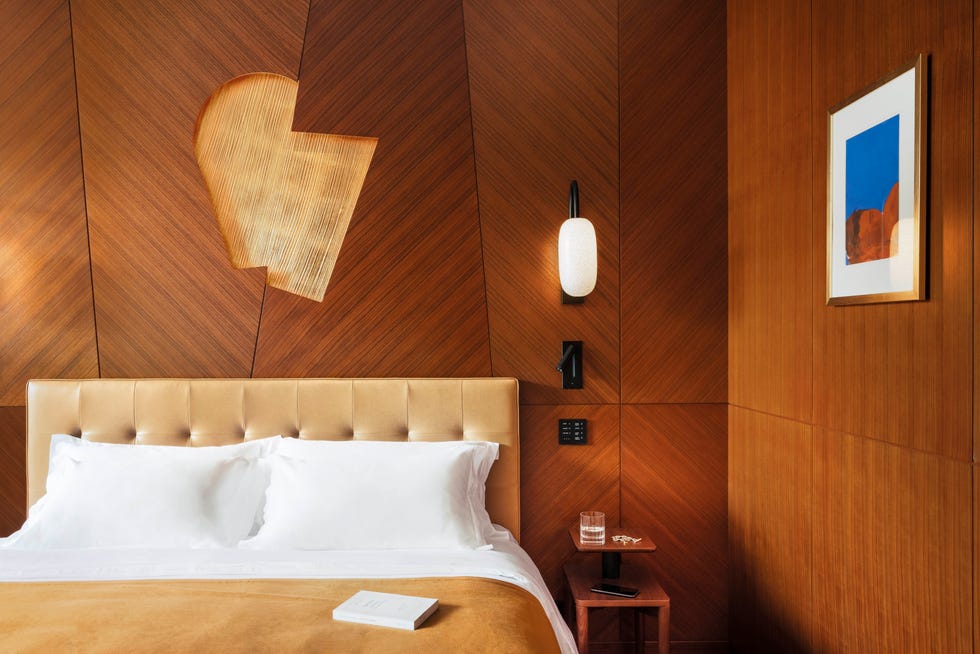
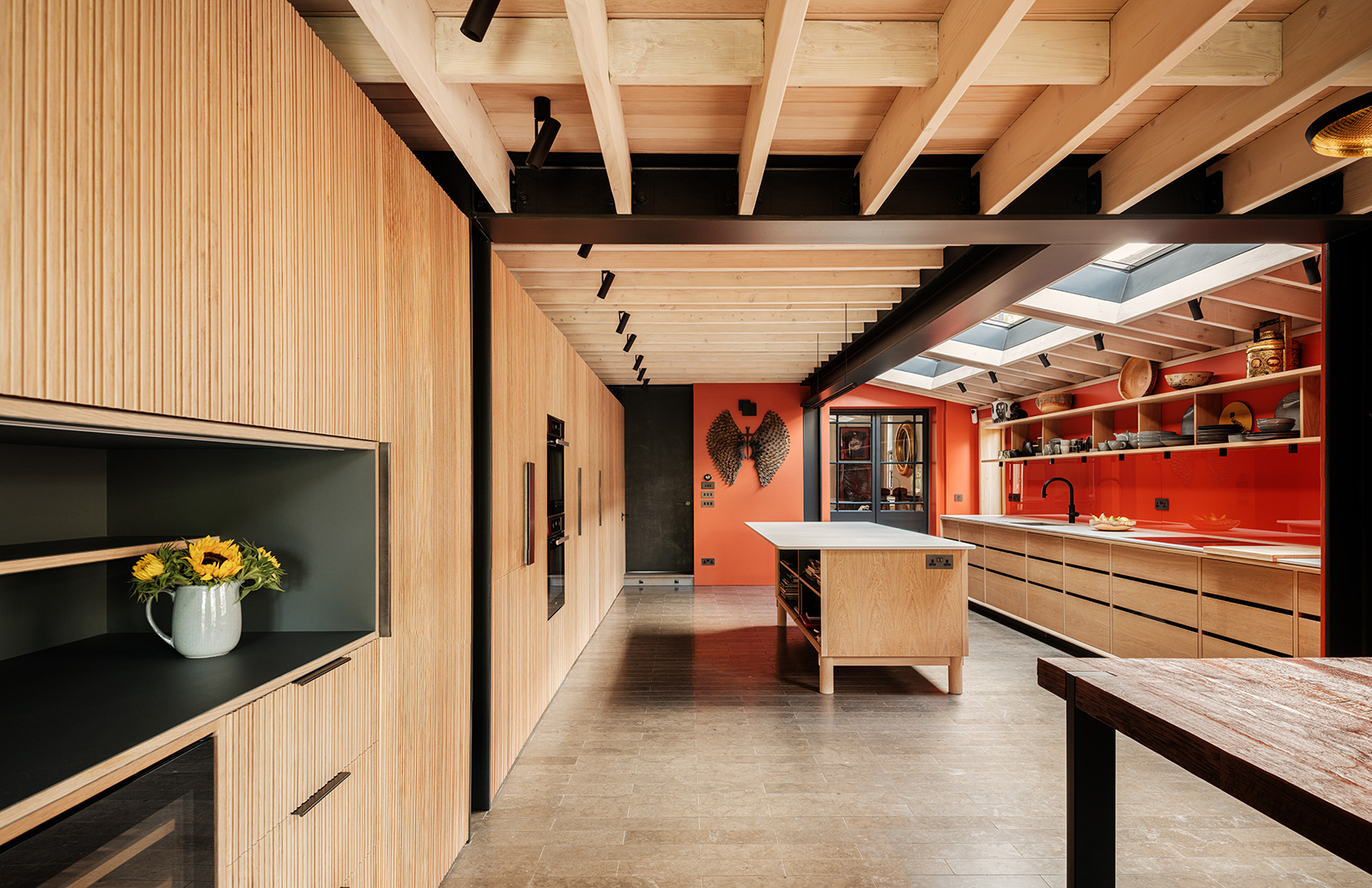
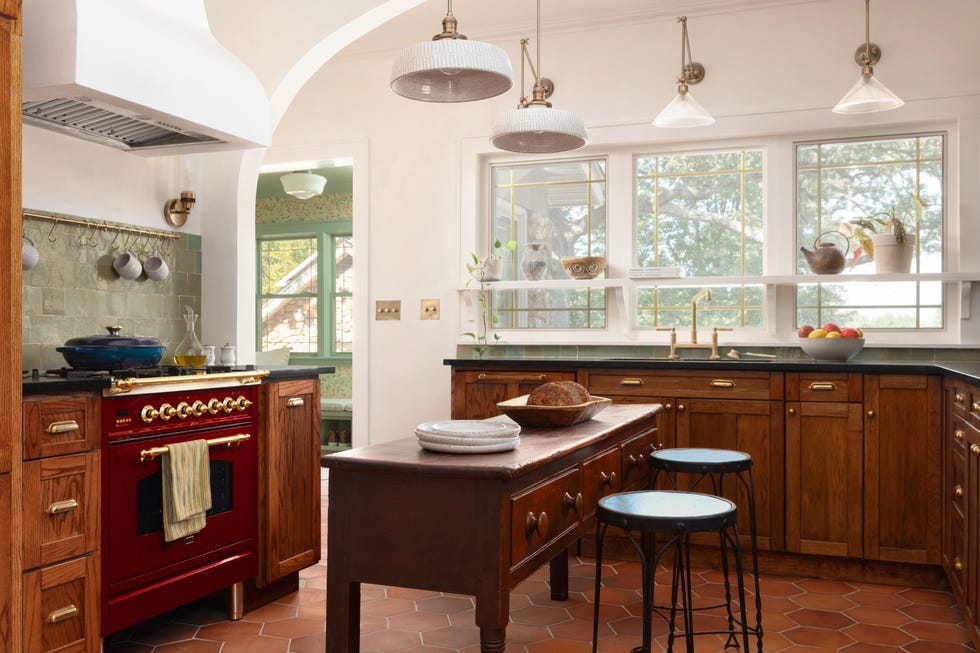
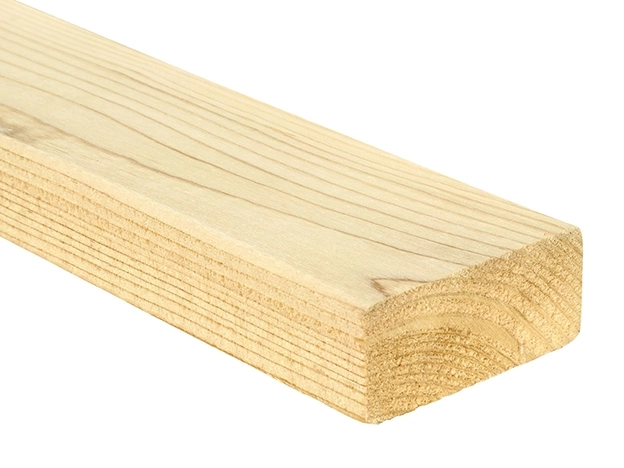
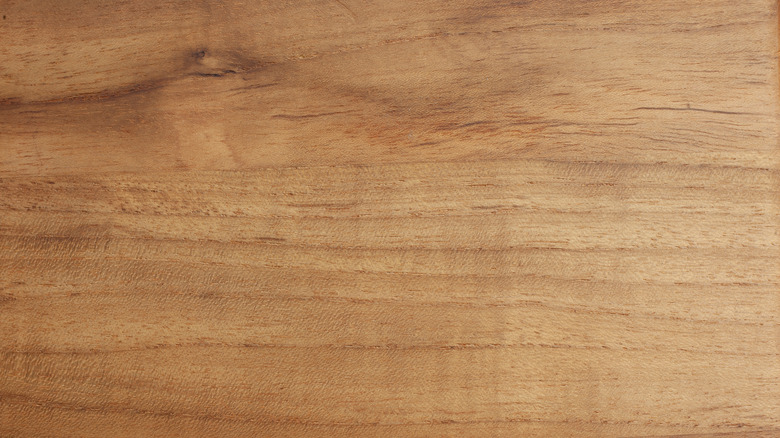
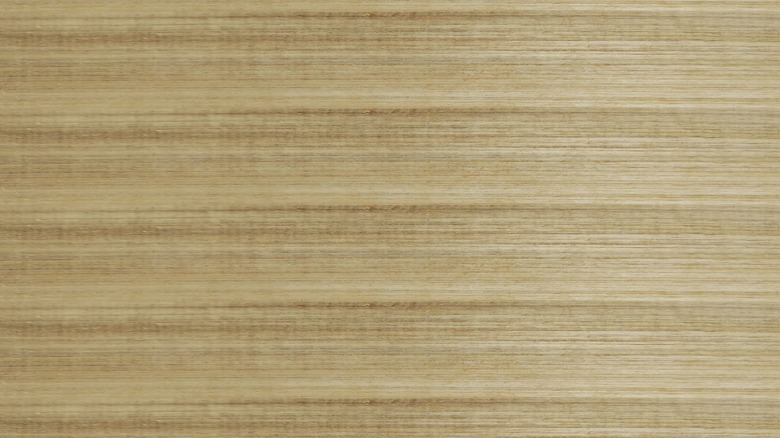
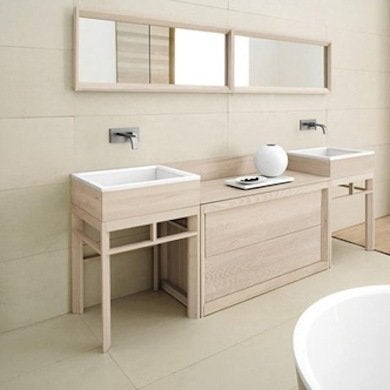
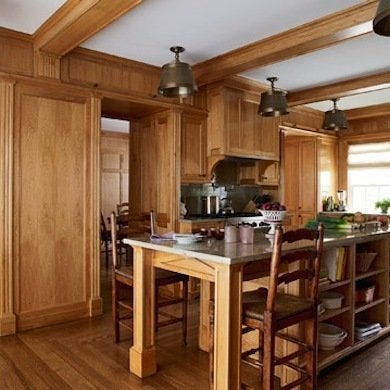
A second reason for alder's popularity is its compliant nature as a material. Alder is meticulously manufactured, dried, and inspected to yield flat, straight, and stable lumber. This makes it an ideal choice for various applications, including moldings, millwork, furniture, and cabinetry. The wood features an attractive, close grain, uniform color, fine texture, and consistent density. These characteristics allow it to accept stains exceptionally well, or be used in its natural state, without the presence of unusual mineral streaks, sap, or deposits. Its workability extends to machining, turning, and polishing, further enhancing its appeal to craftsmen.
Cost-efficiency is another key factor contributing to alder's trendiness. It is competitively priced and offered in multiple grades, allowing manufacturers and end-users to select the most appropriate option for their specific needs. This grading system helps achieve a higher yield from the material, ultimately providing better value for money. The accessibility of different grades ensures that alder can be integrated into projects with varying budget constraints.
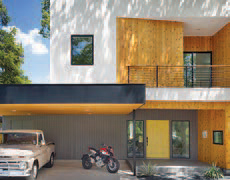
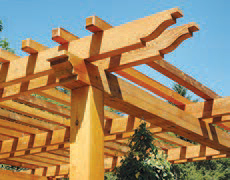
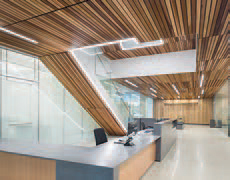
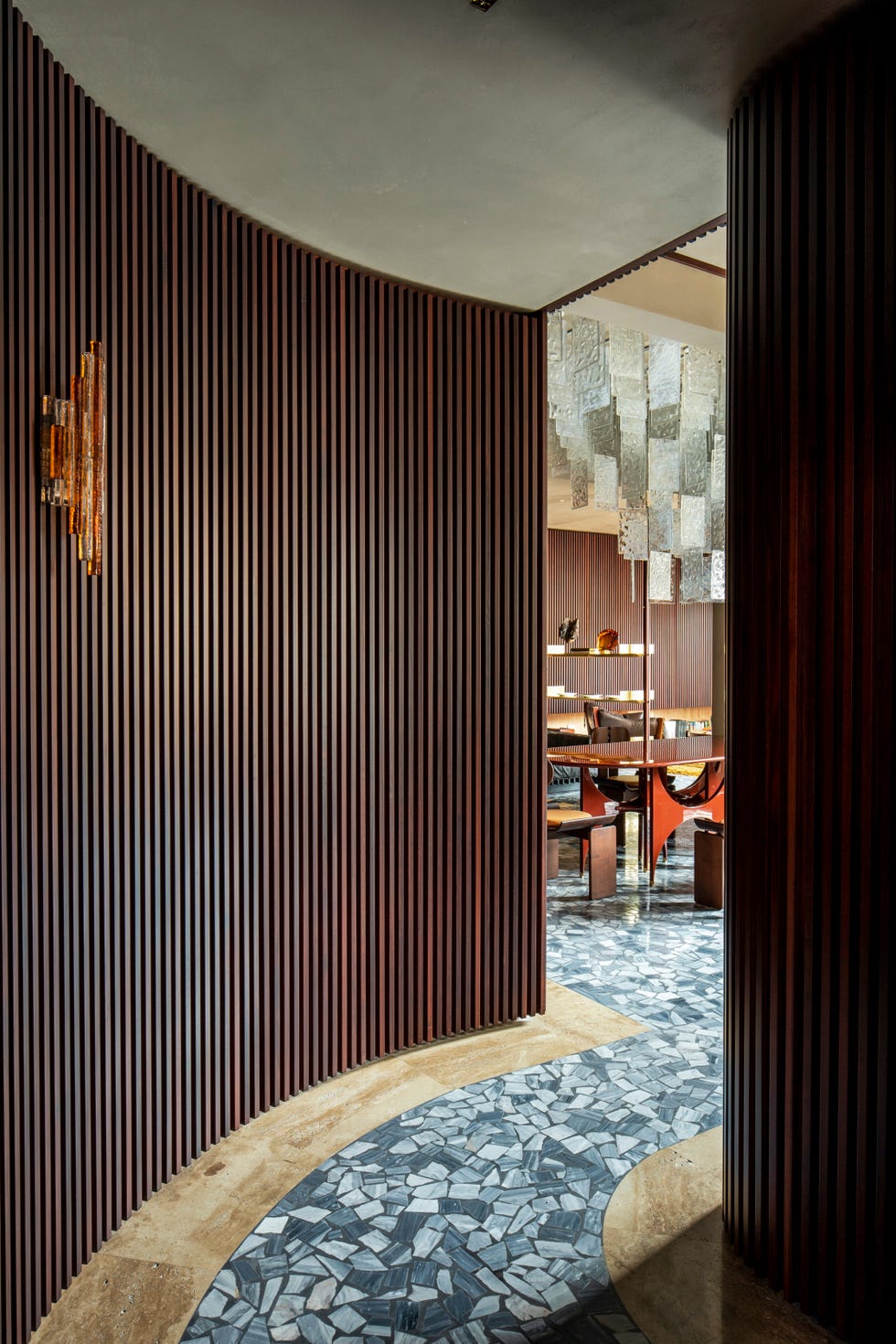
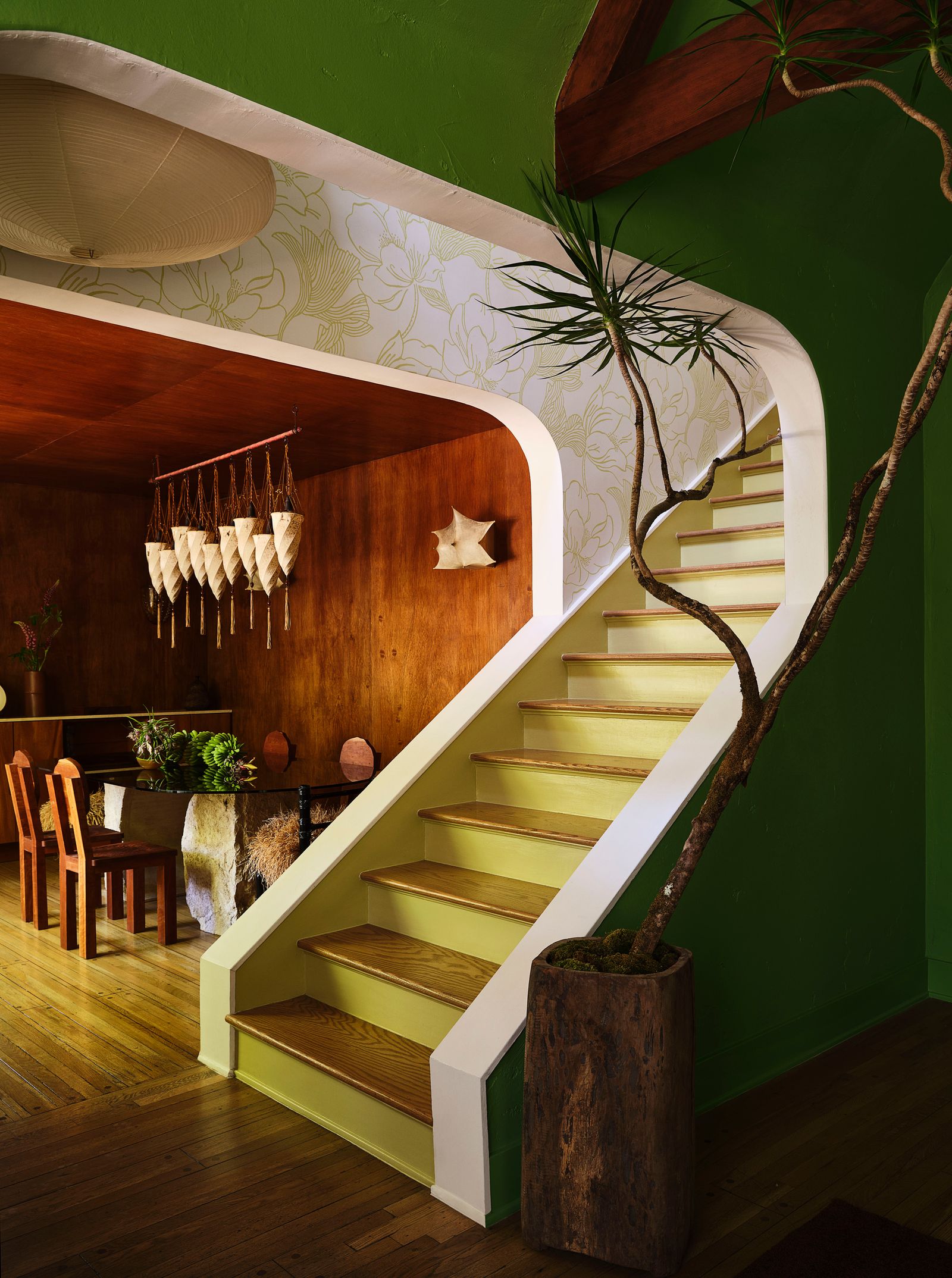
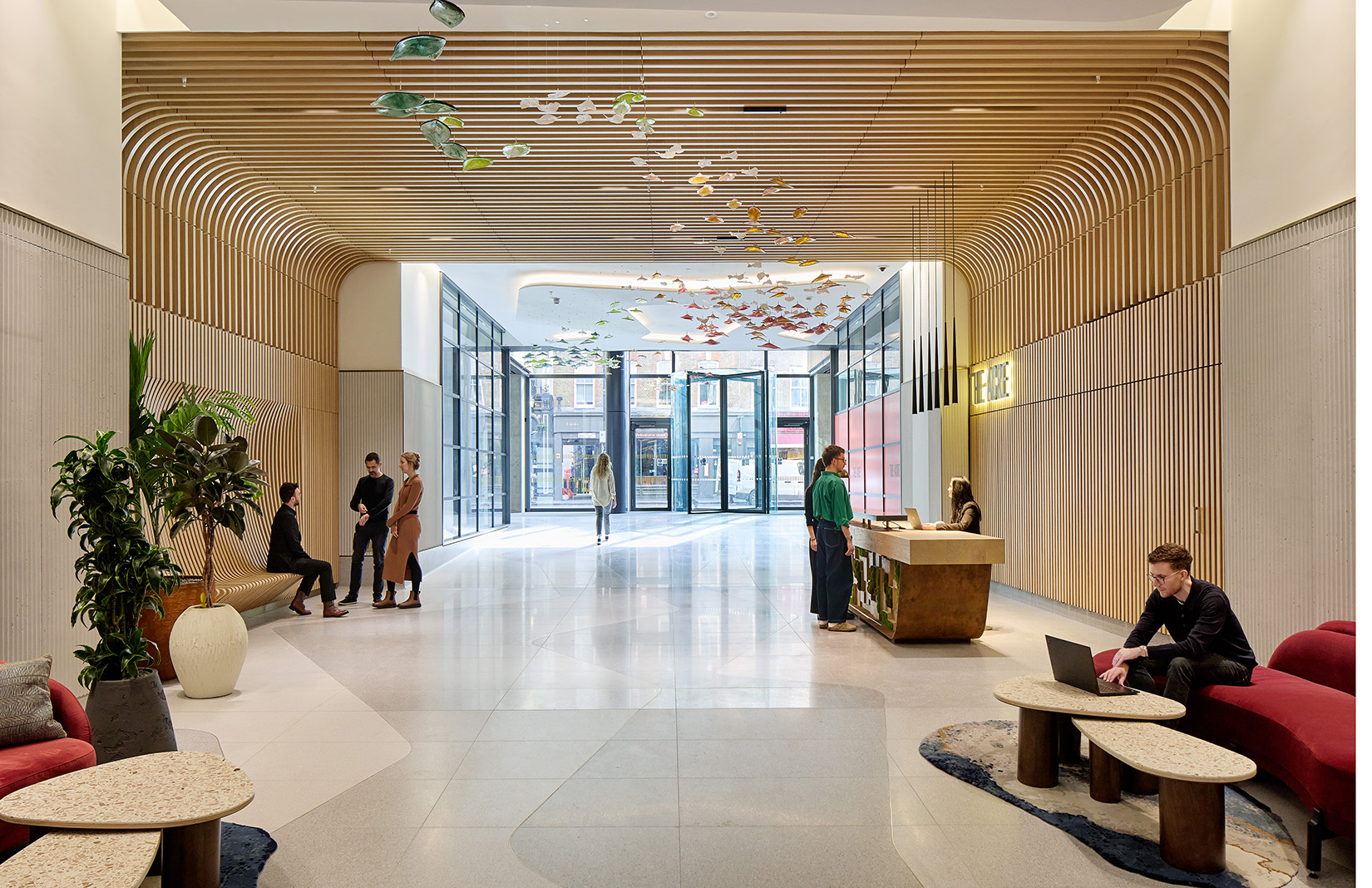
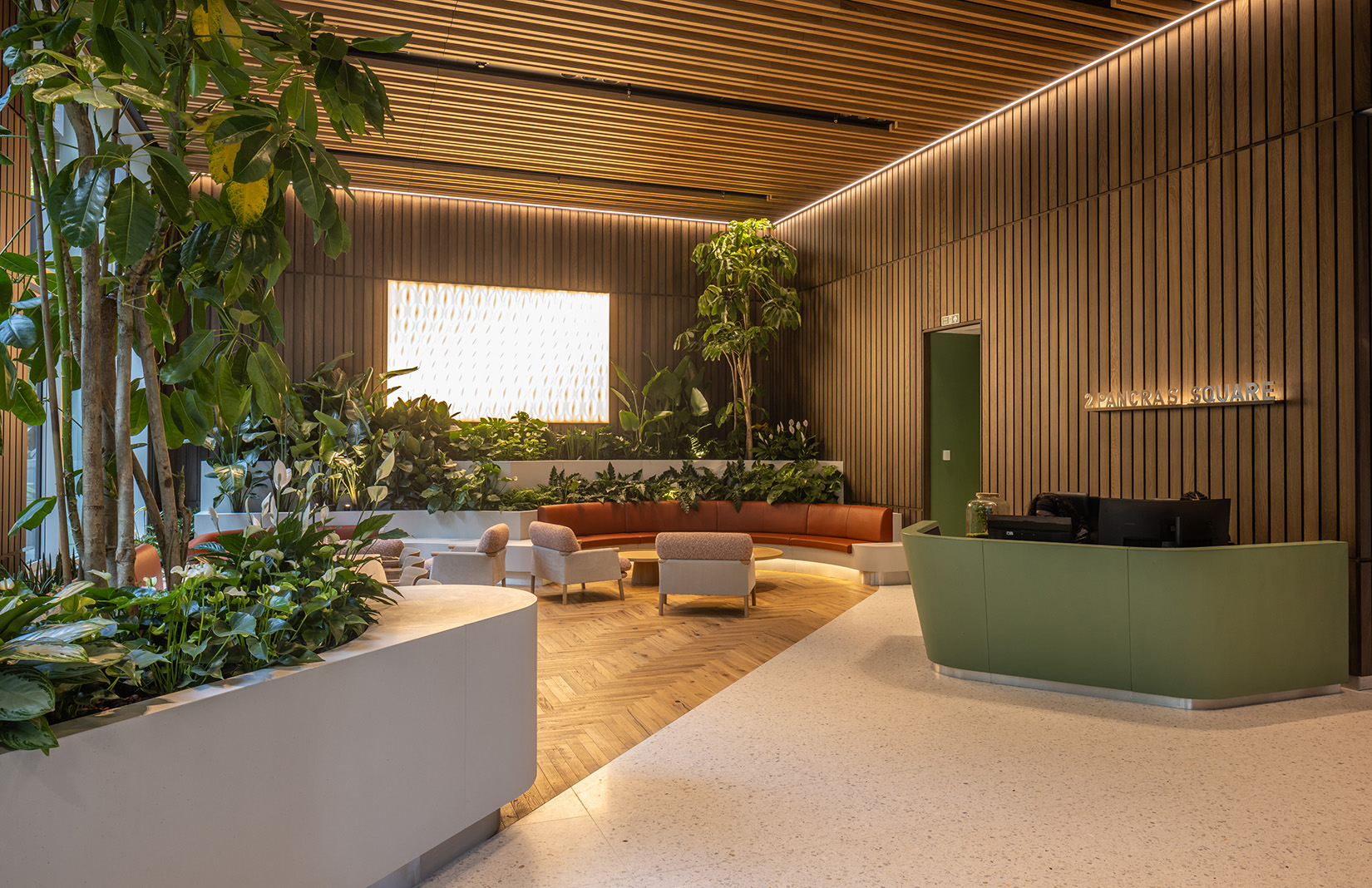
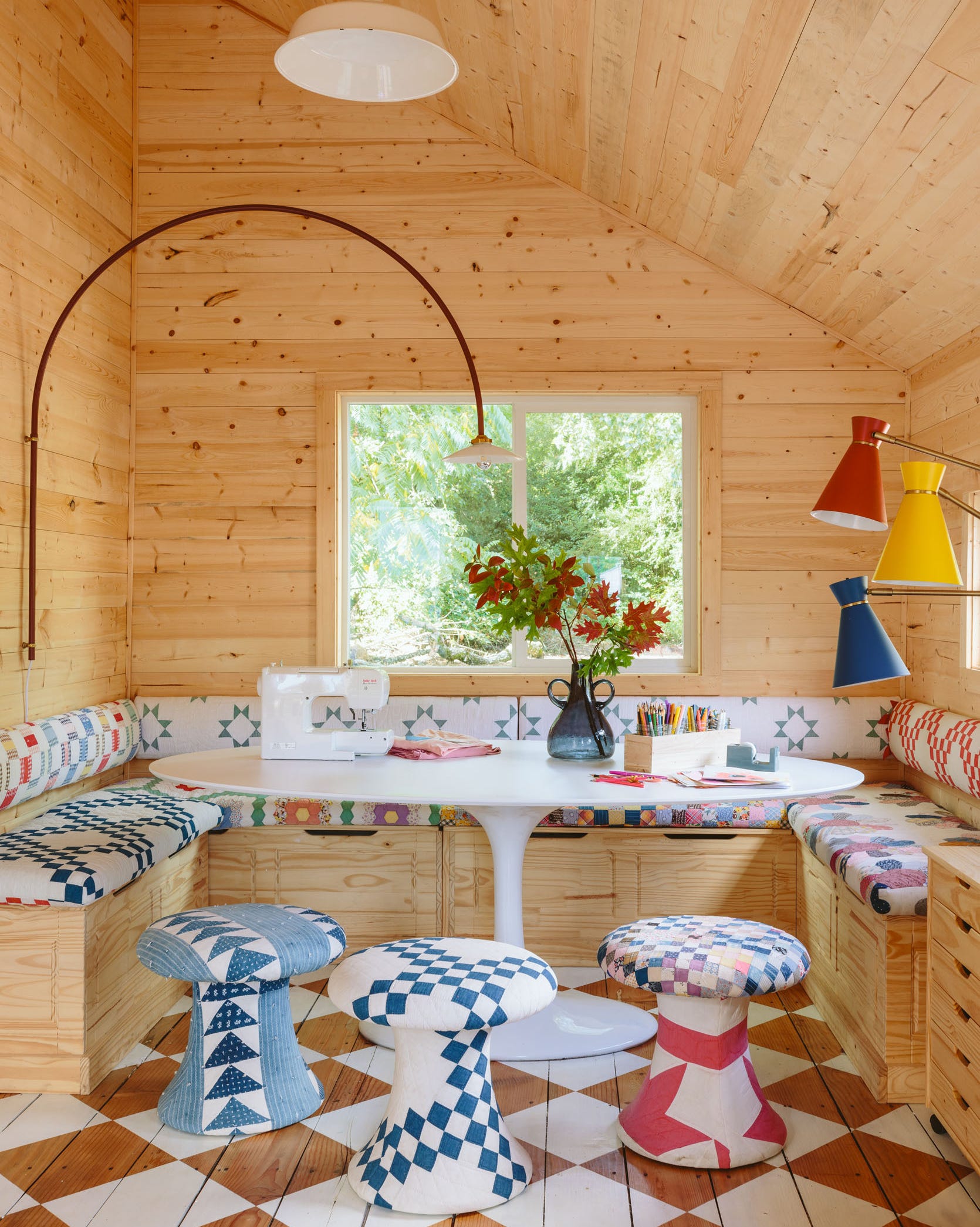
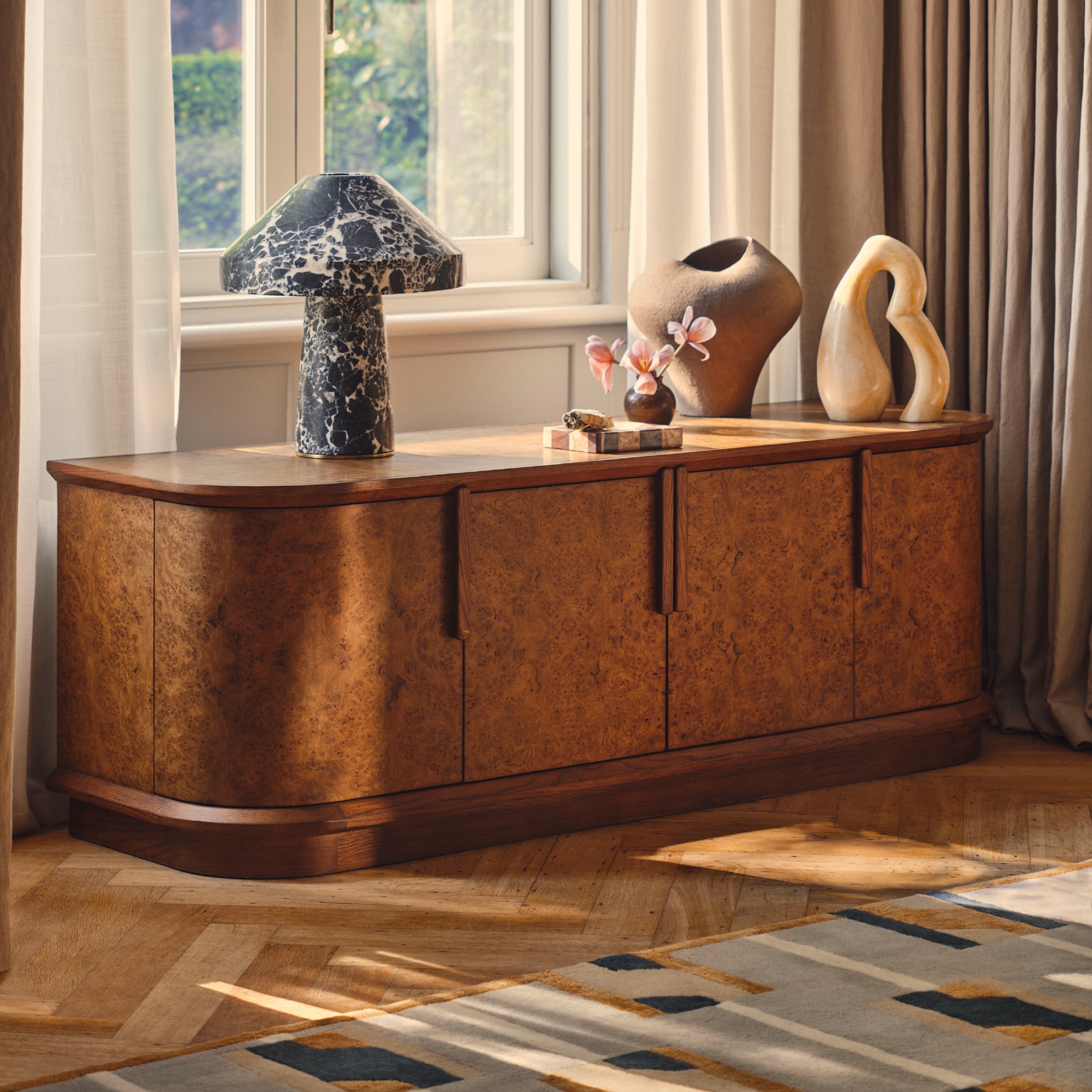
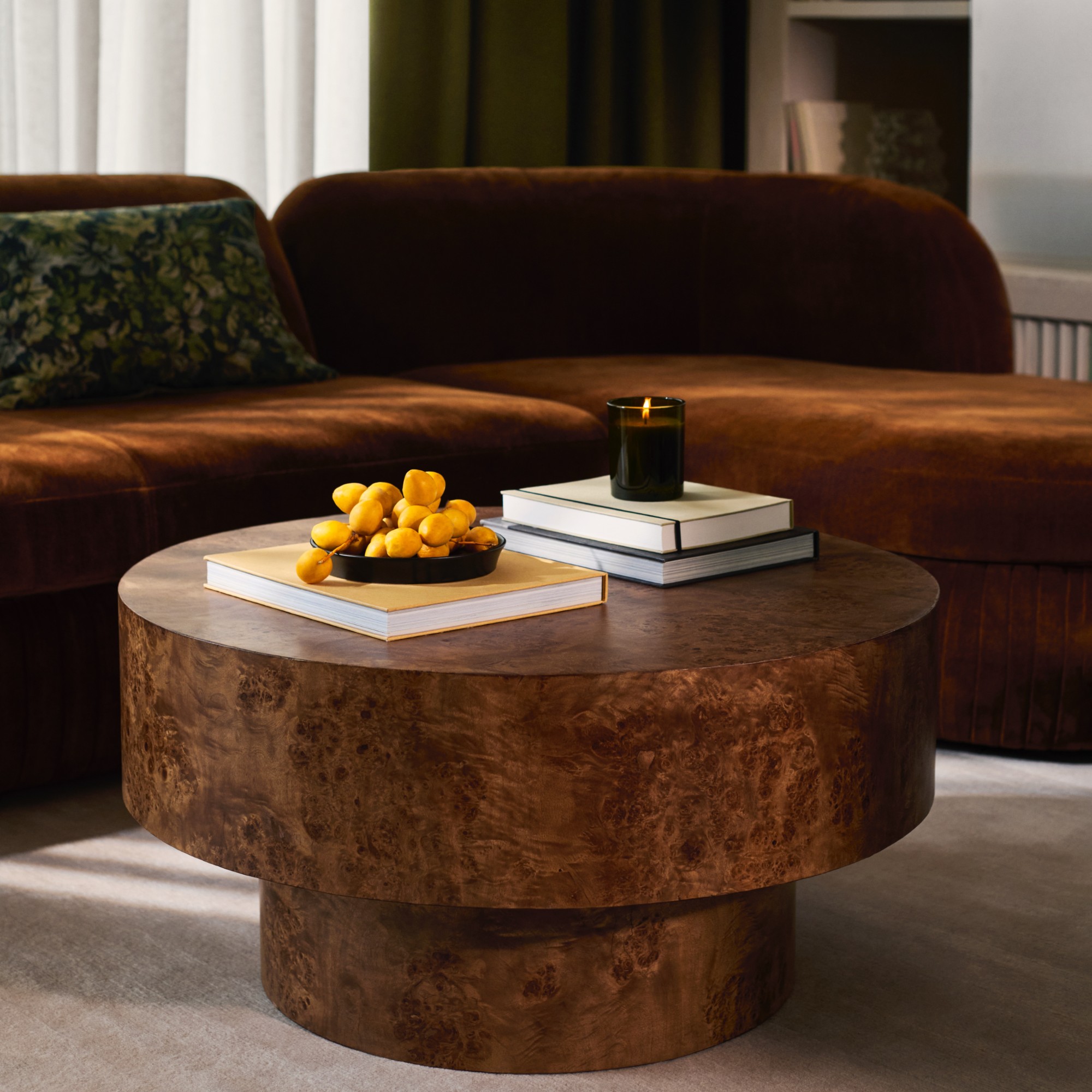
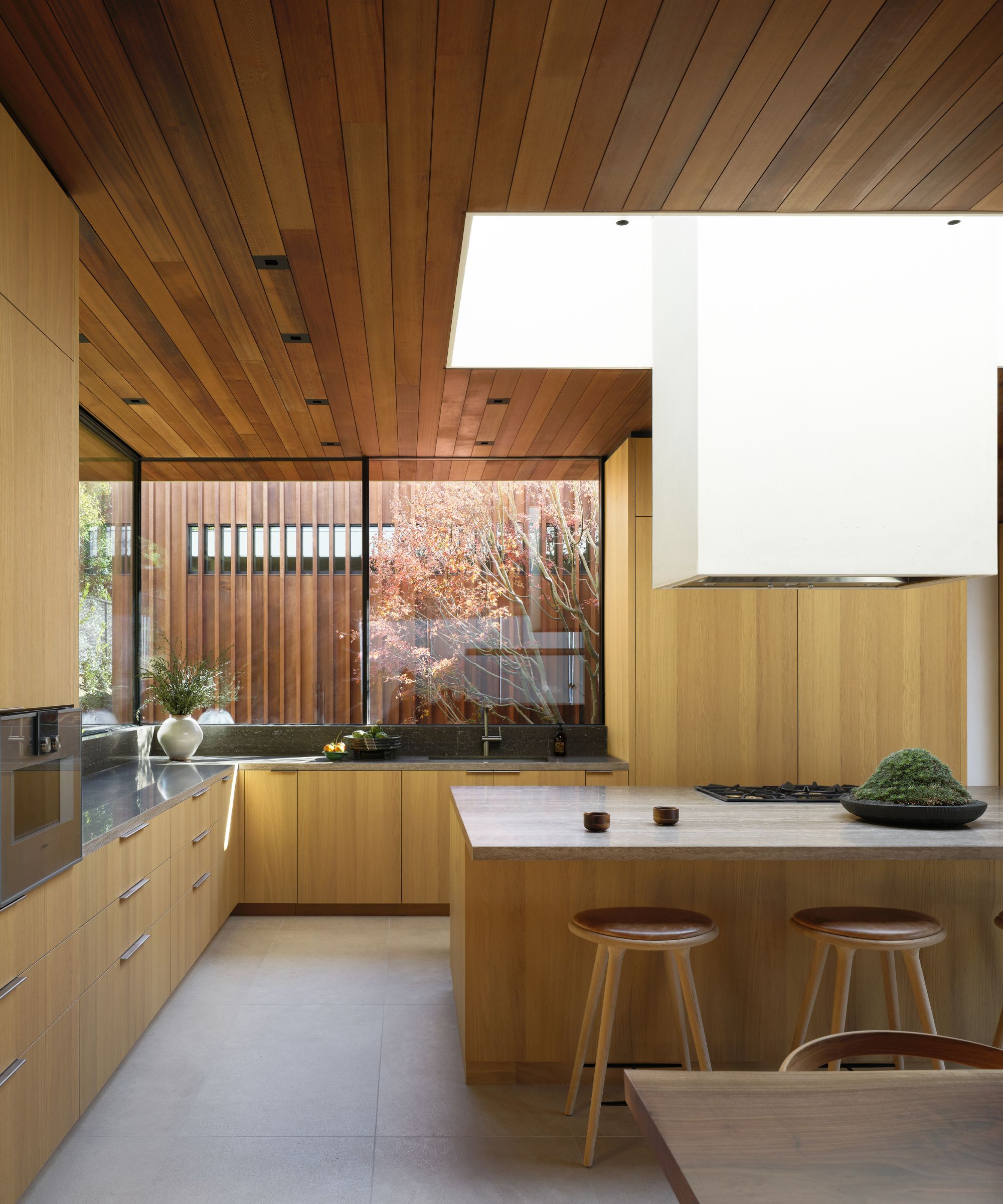
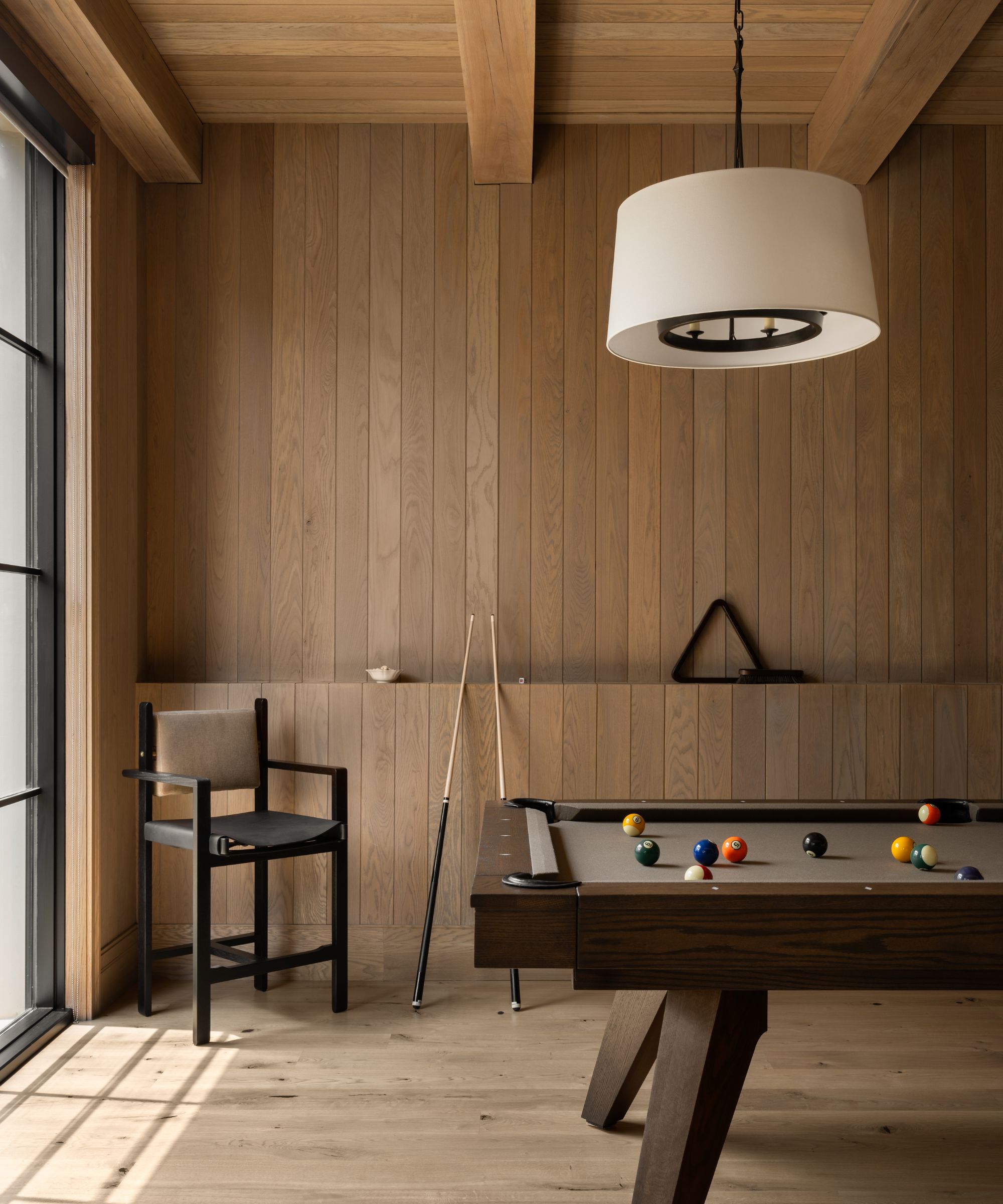
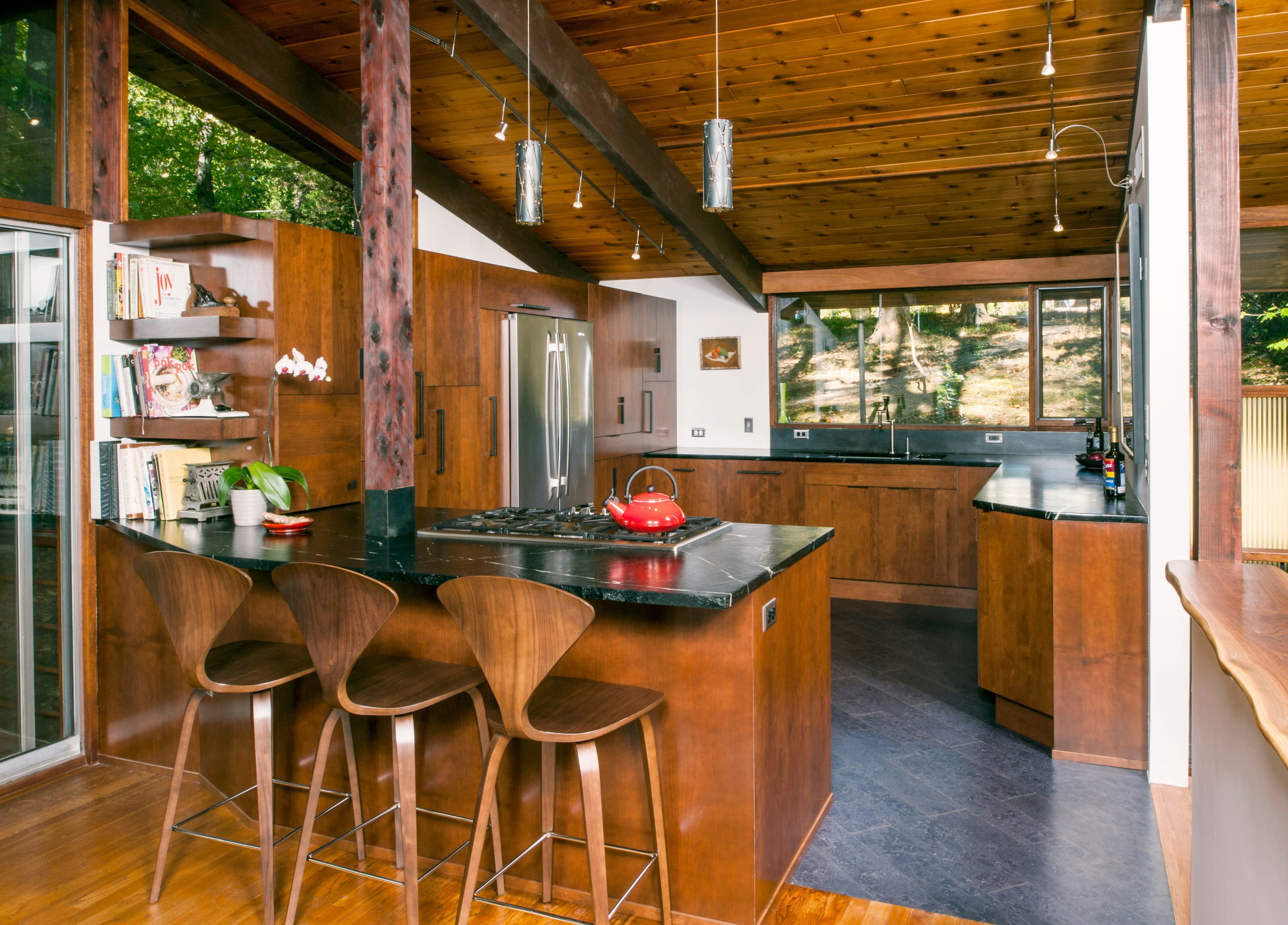
Finally, alder's versatility is a compelling attribute. Its natural characteristics allow it to seamlessly integrate into a wide range of building styles, setting it apart from other North American hardwoods. It is particularly well-suited for the rustic modern aesthetic prevalent in mountain and ski lodge designs, and its application is also expanding into urban design contexts. This adaptability has elevated alder from its humble beginnings to a material now frequently seen in high-end projects, signifying its evolution into a sophisticated and widely accepted option in contemporary architecture and interior design.
#AlderWood #SustainableMaterials #HomeBuilding #Woodworking #InteriorDesign #EcoFriendly #BuildingMaterials #Cabinetry #FurnitureDesign #AlderWood #SustainableMaterials #HomeBuilding #Woodworking #InteriorDesign #EcoFriendly #BuildingMaterials #Cabinetry #FurnitureDesign
0 comment in total
 No comments yet
You may also like
Brand Talk: Cedar: Still on-trend after all these years

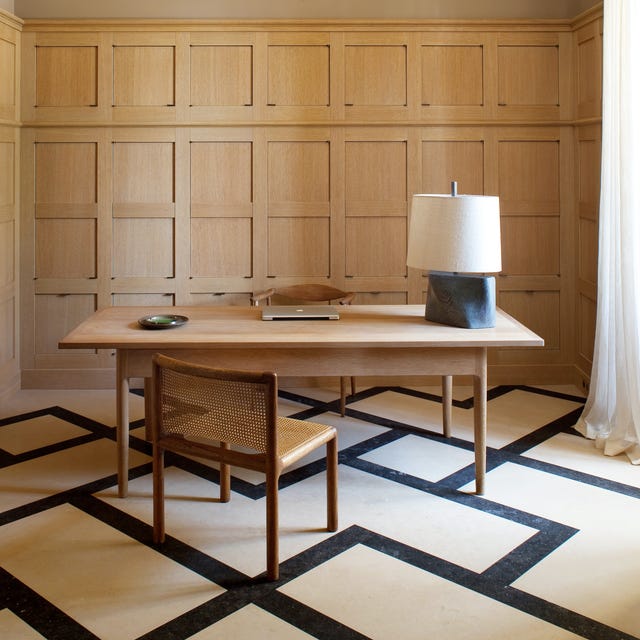
Wood panelling: an essential guide to the big decorating trend

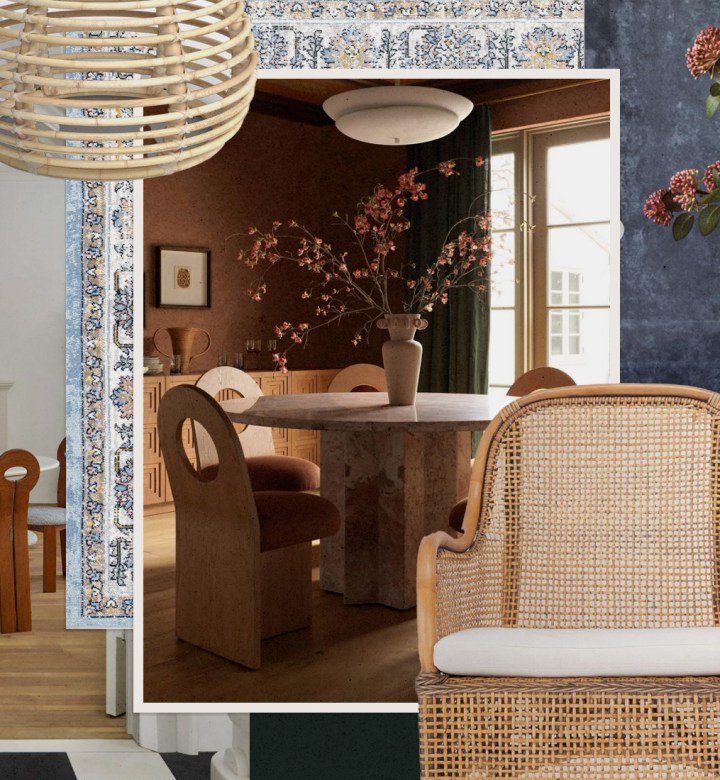
The 4 Rules of Designing with Wood in 2025
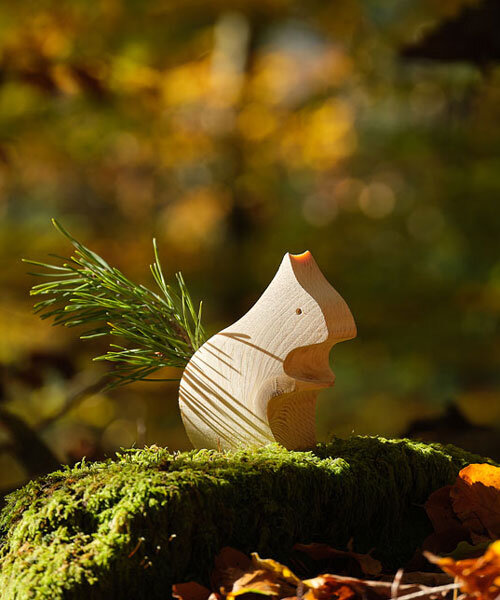
wood and timber architecture and design Archives
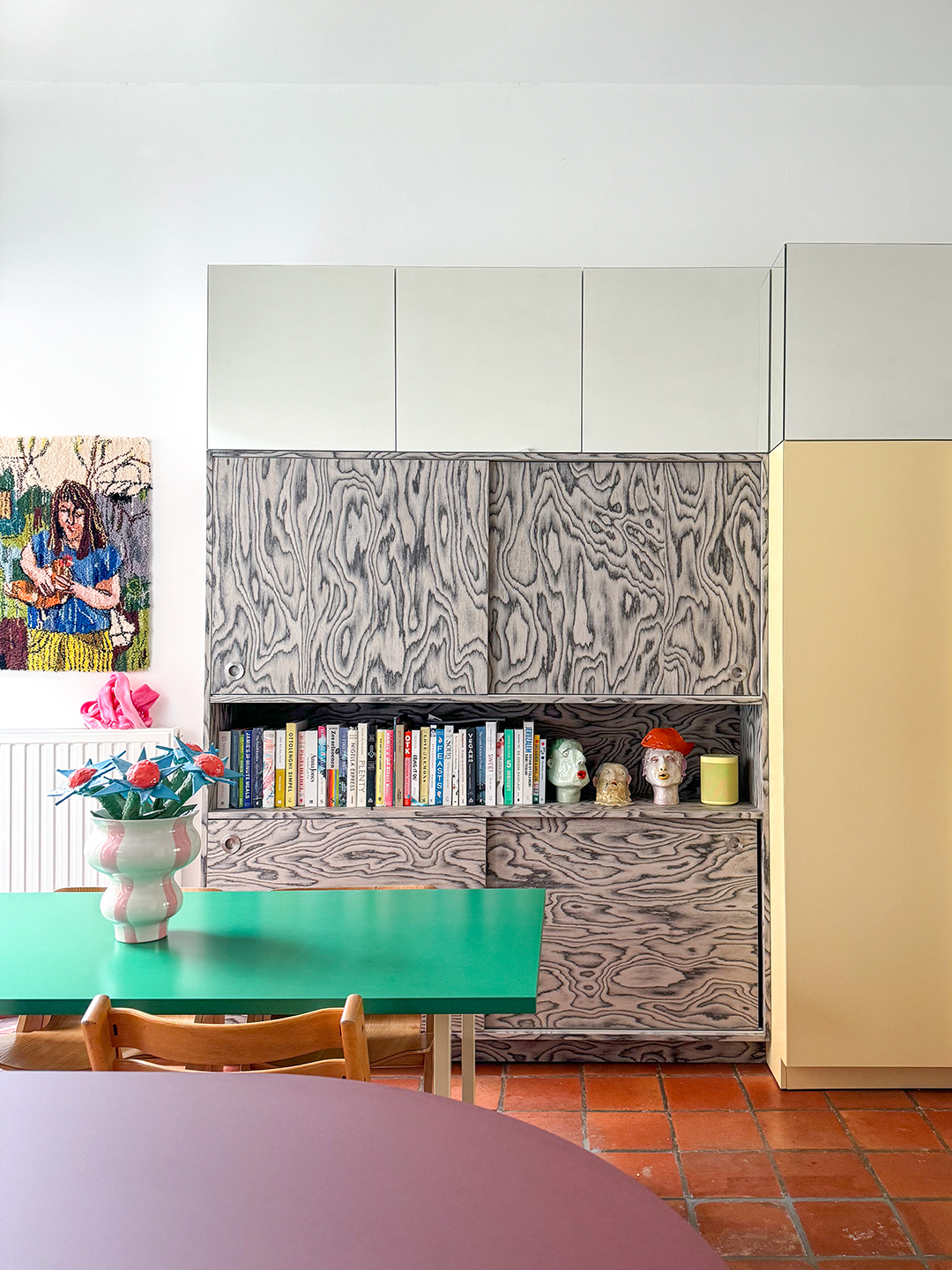
Move Aside, Ply—Designers Are Loving This Wood for Its Captivating Pattern

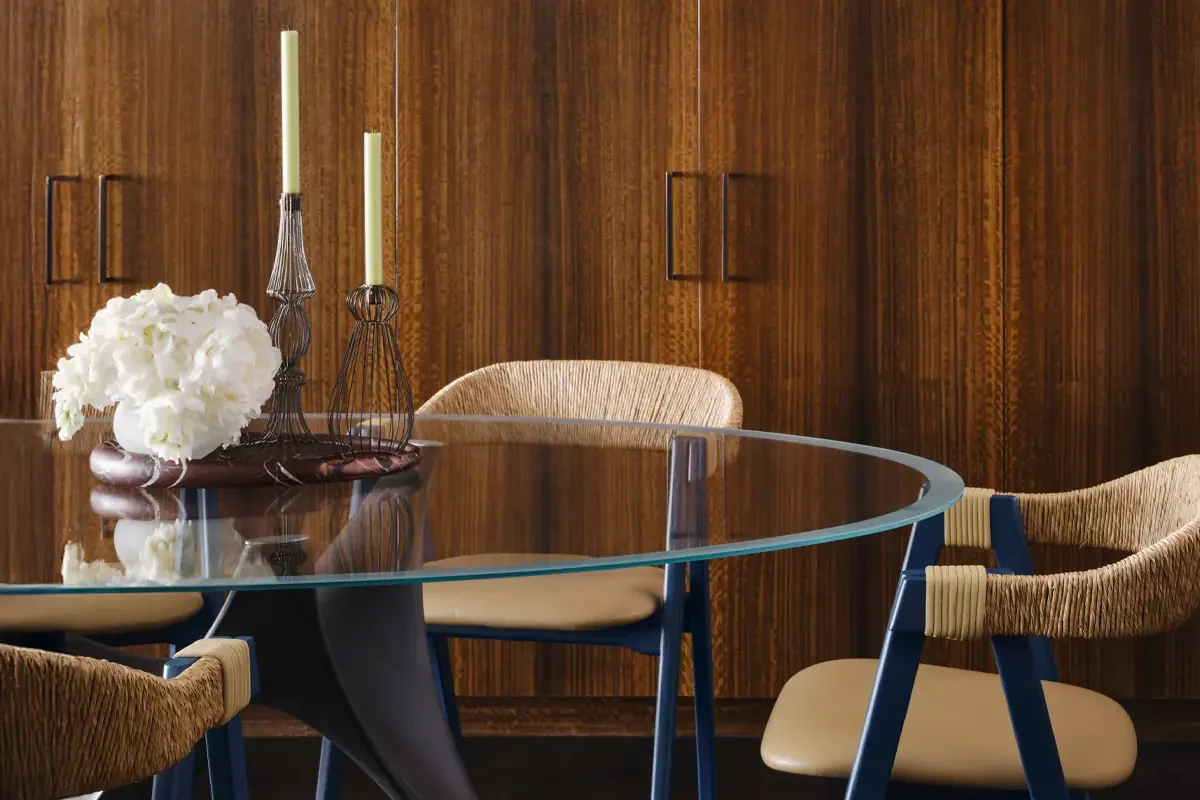
Wood as a Home Design Trend: Through the Archives to Today
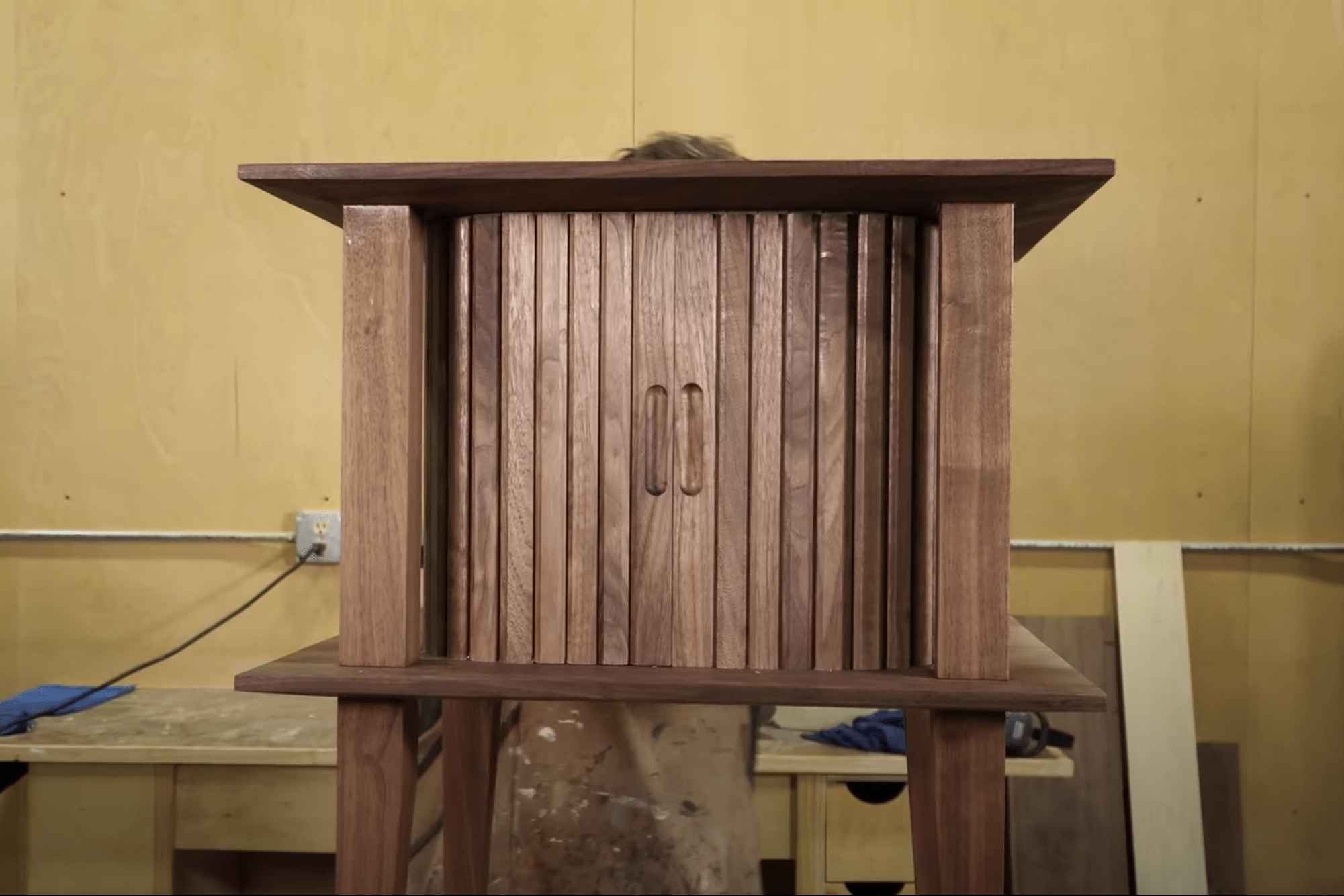
What To Know About the Tambour Wood Trend

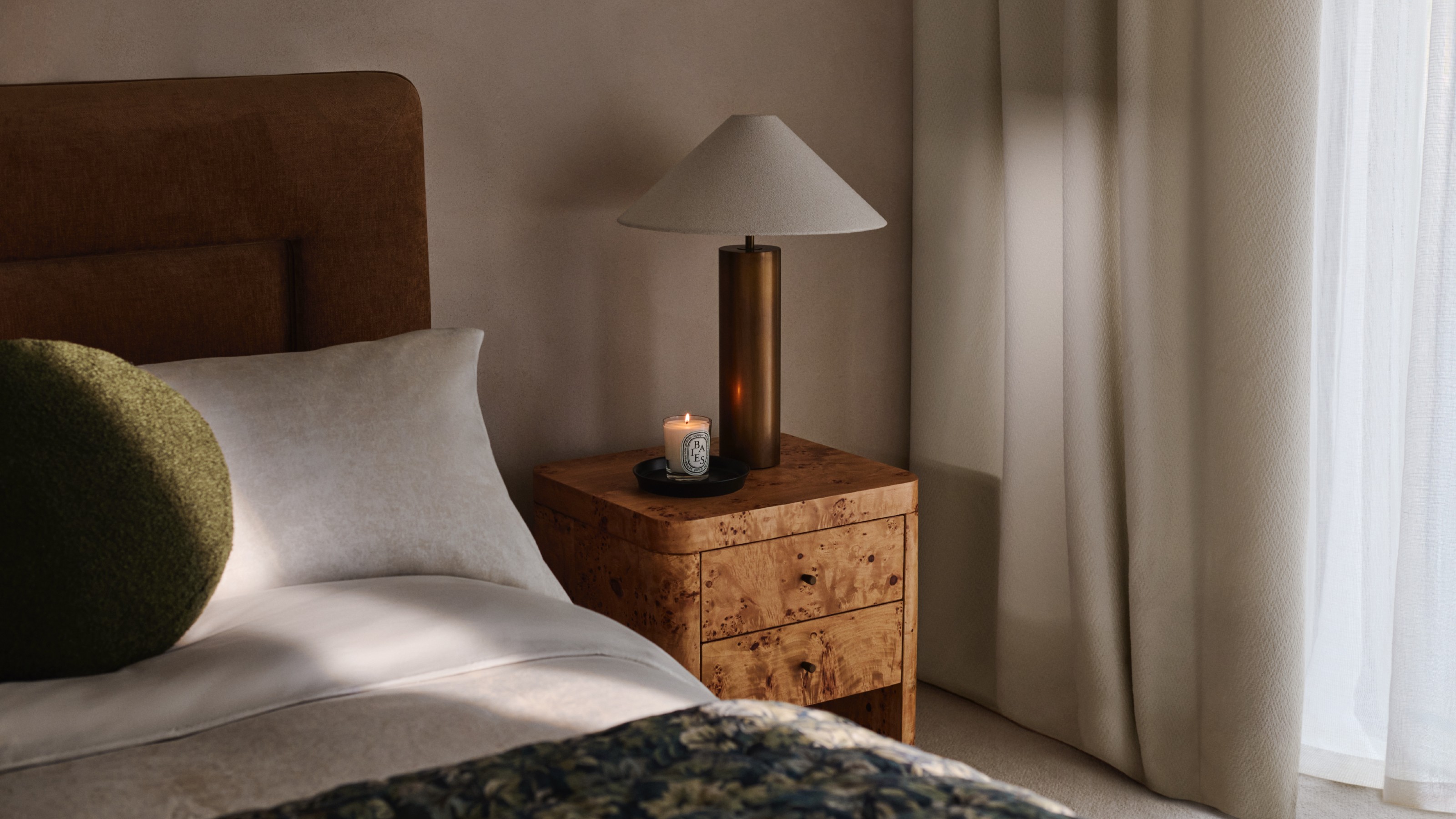
The burl wood furniture trend takes the high street by storm

Wood Paneling Is Back—and Better Than Ever

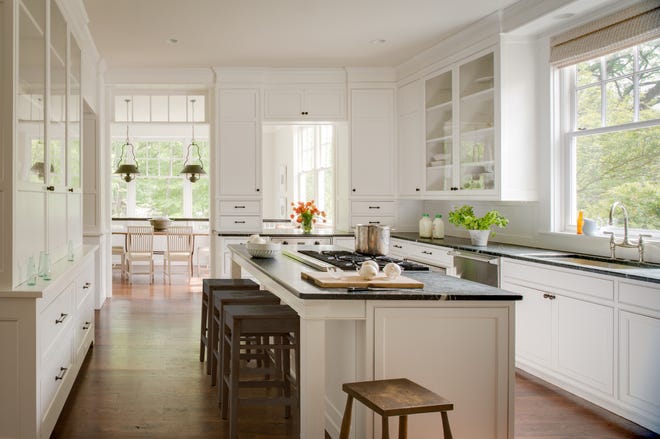
Why wood floors are design of the moment
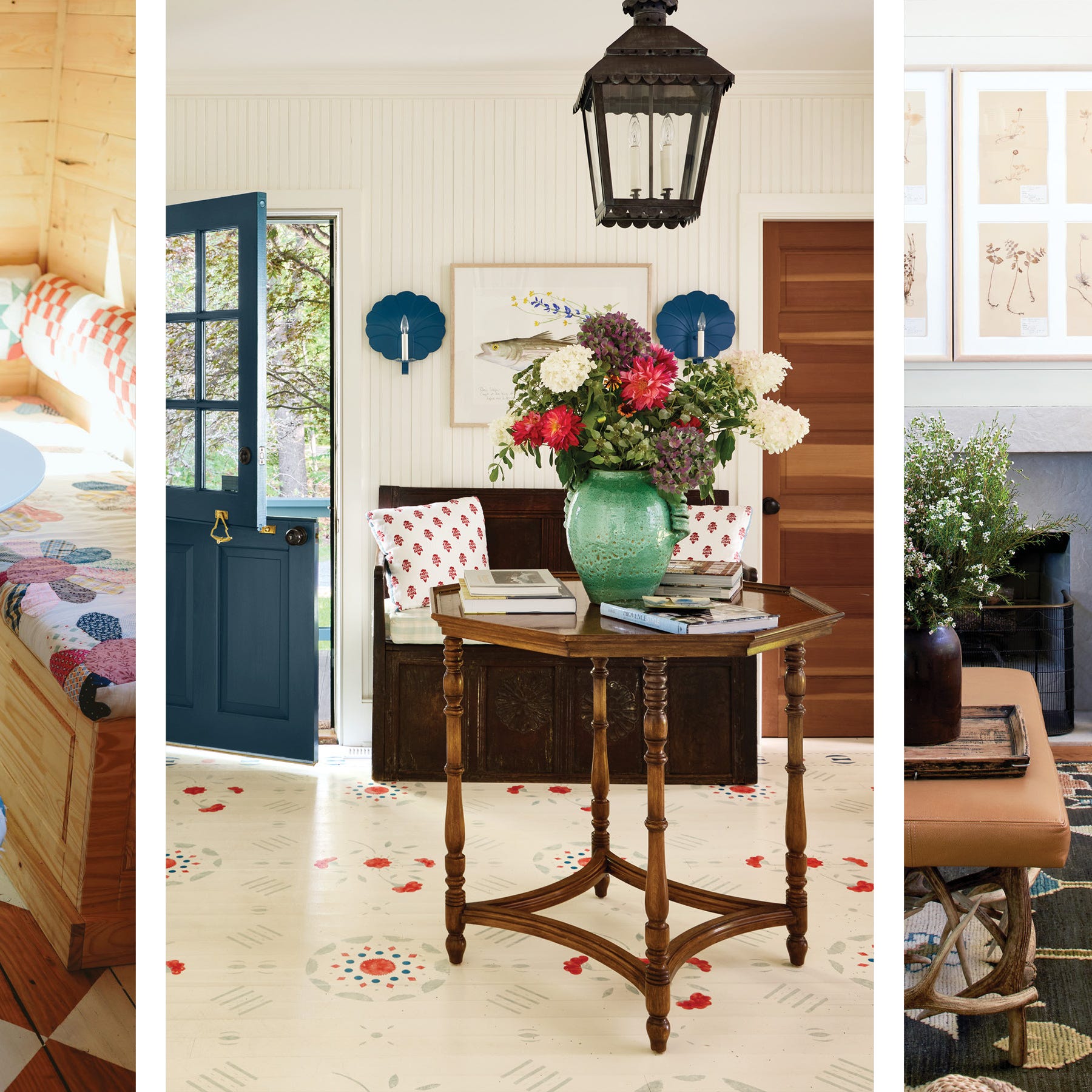
Wood Paneling and 11 More Vintage Decor Trends Making Huge Comebacks
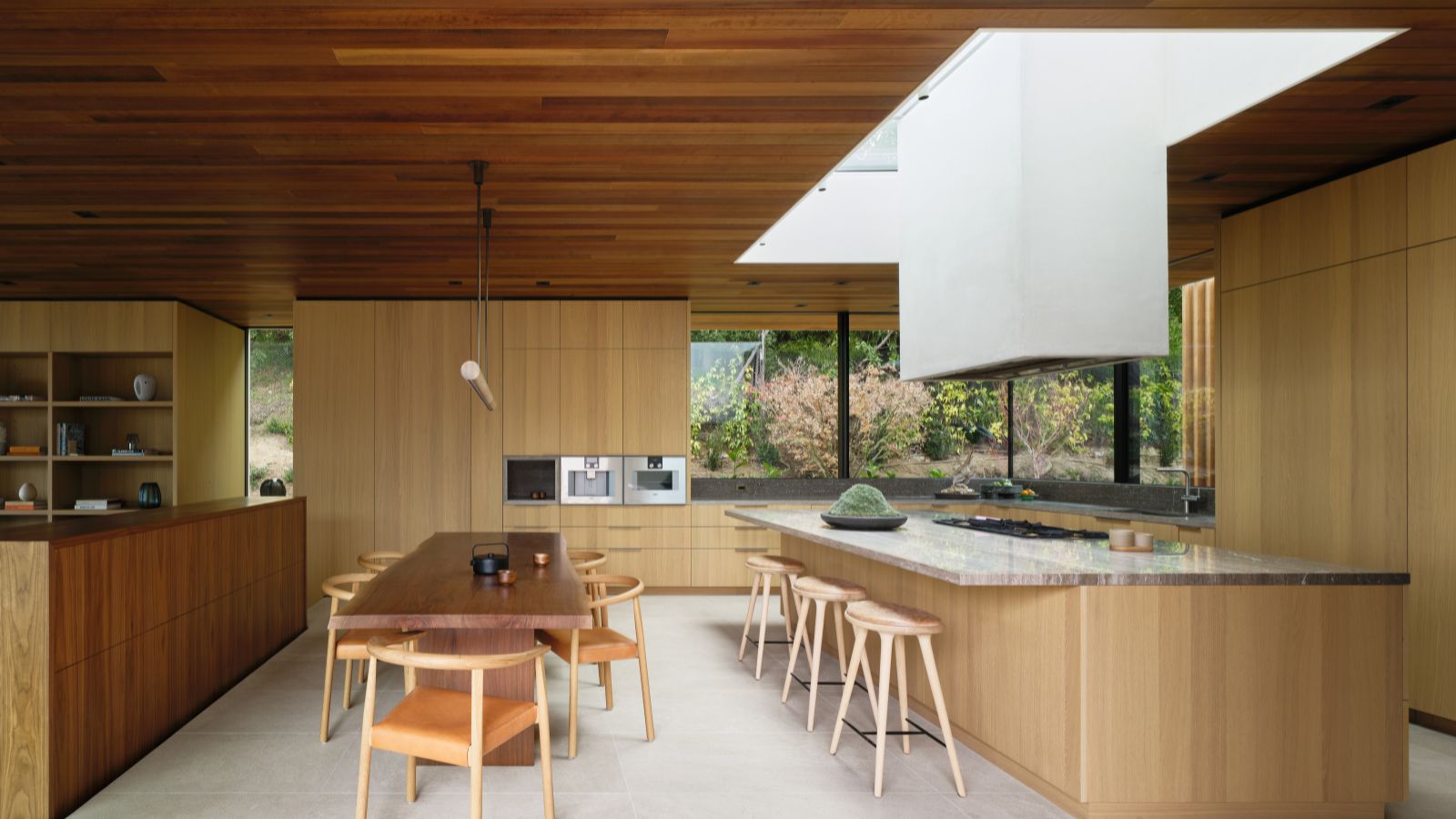
What's the most on trend wood to use in 2025? Designers reveal their top choices

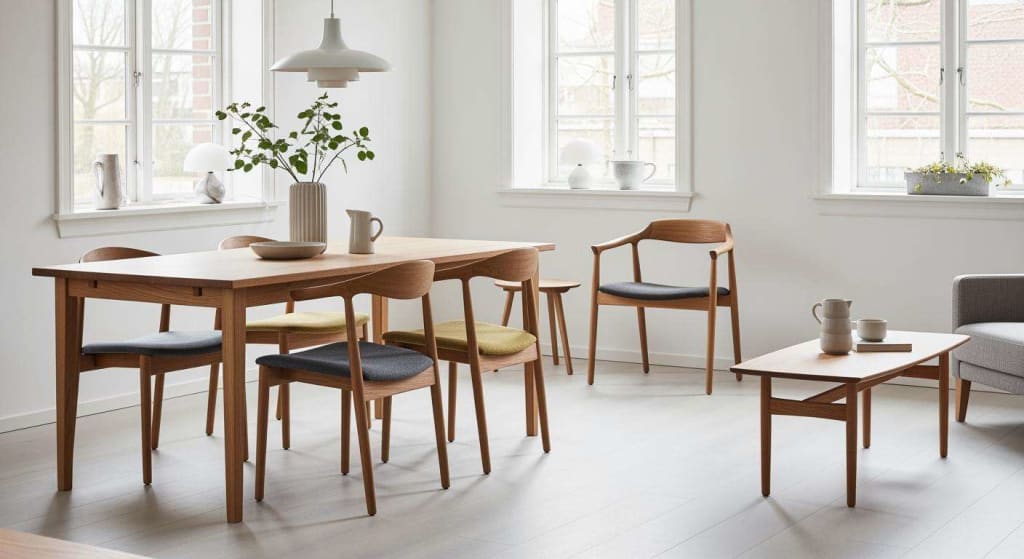
Are wooden furniture still popular?

Allover Wood Interiors Are Having a Moment

Timber

The 10 Best Woods for Woodworking (According to a Pro)
Ten projects that seamlessly integrate wood into the design
Wood slats are everywhere. Why are designers such fans?

15 Types Of Wood That Are Easy To Build With
Red Oaks a diverse group