What To Know About the Tambour Wood Trend
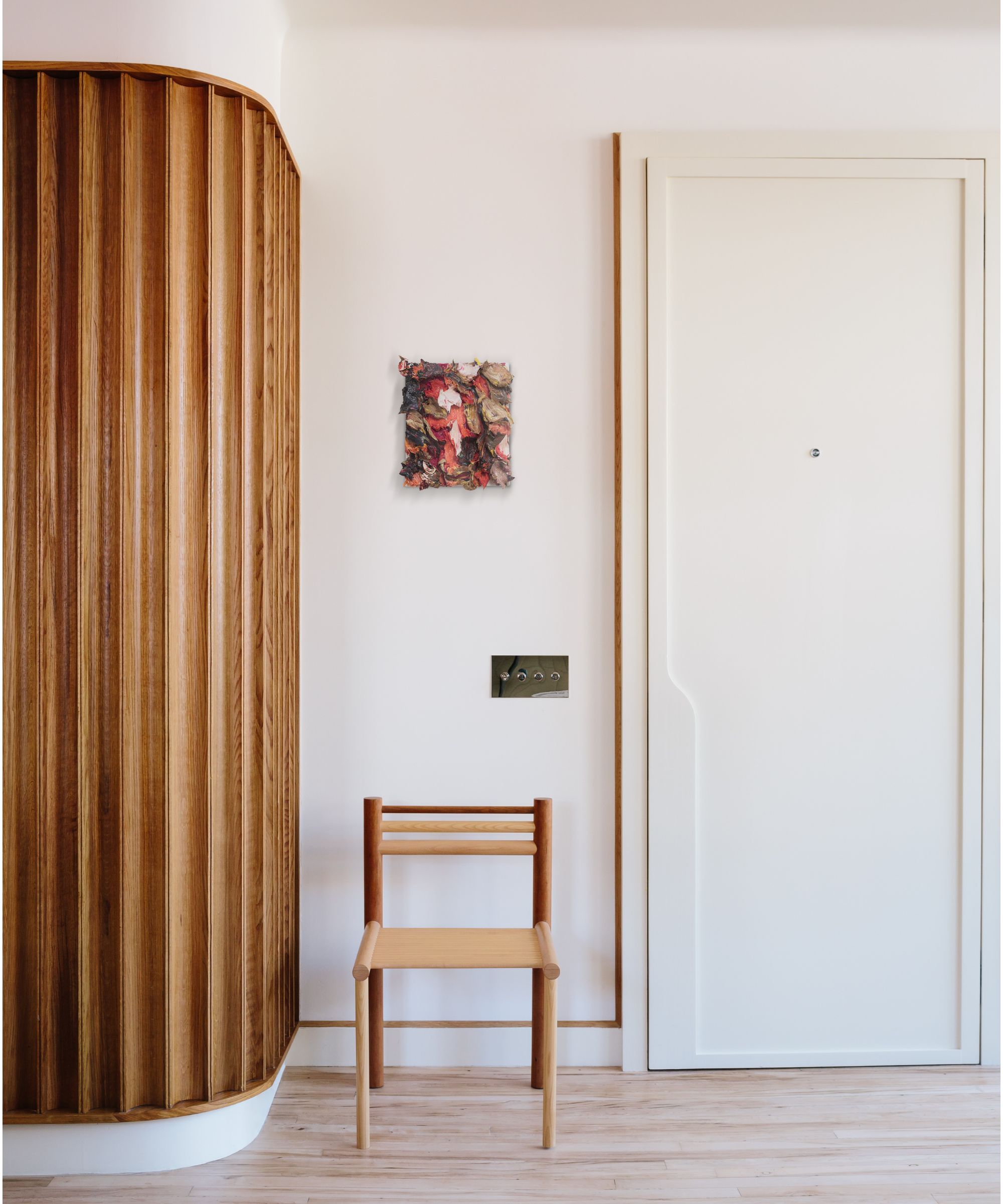
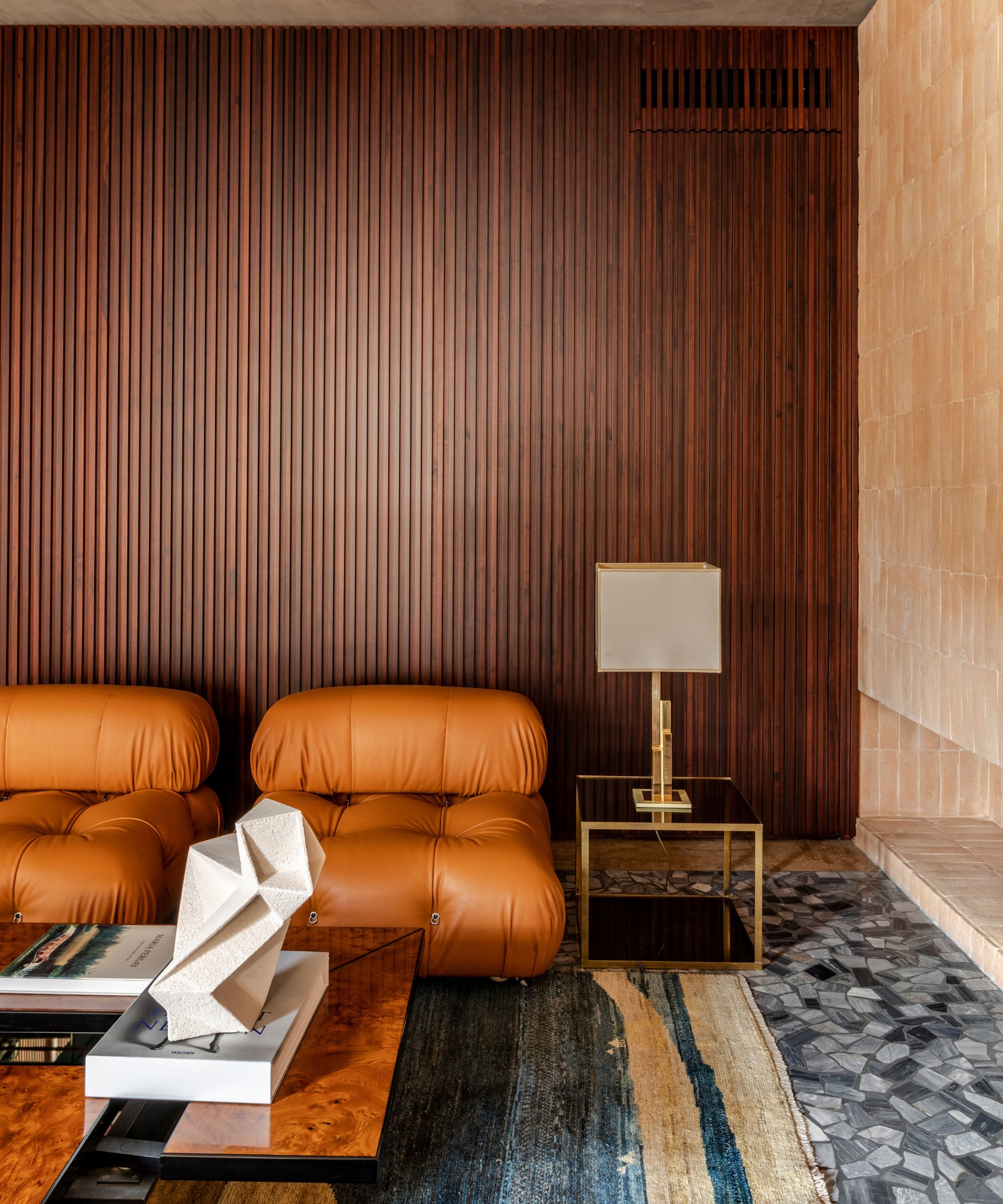
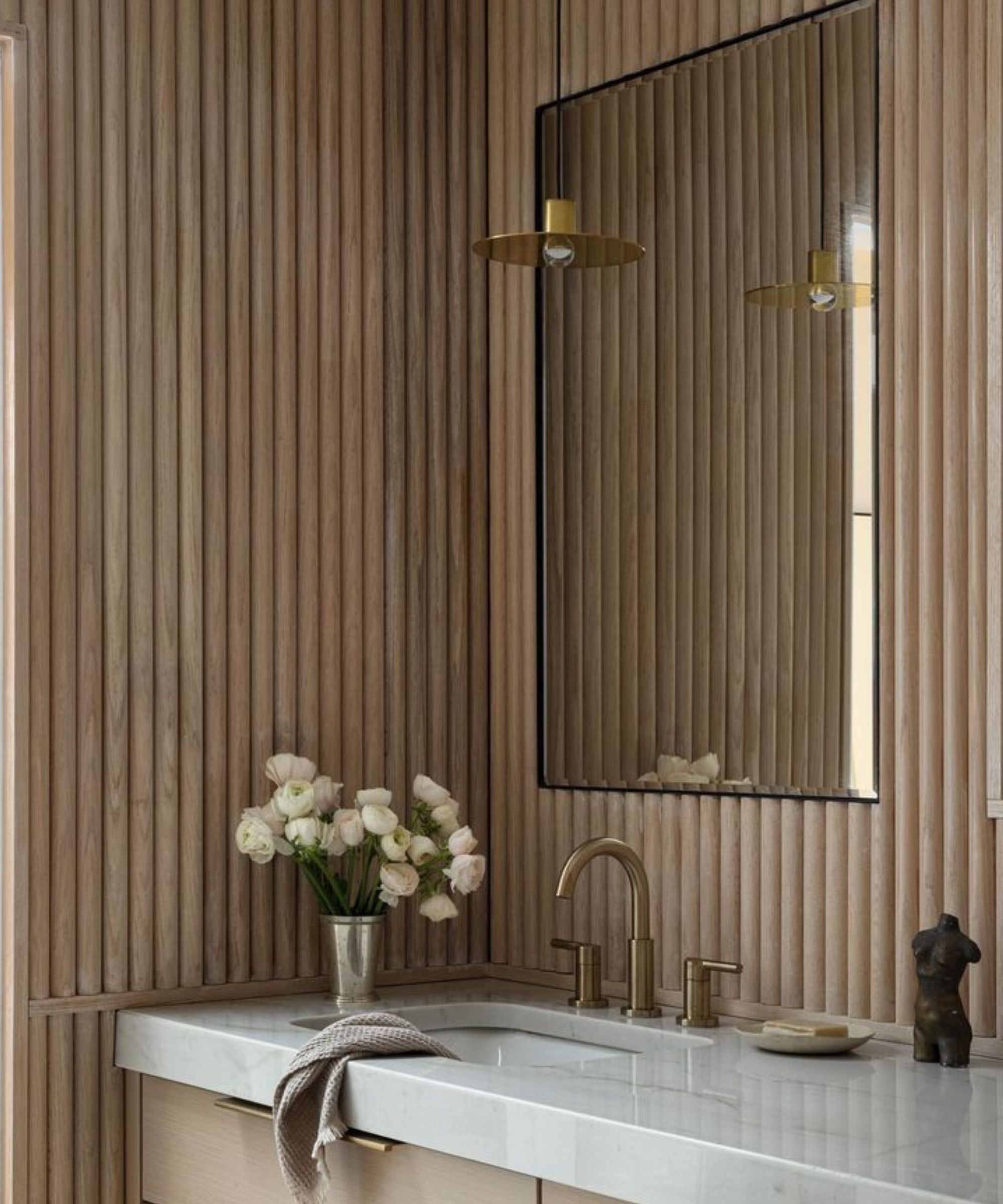
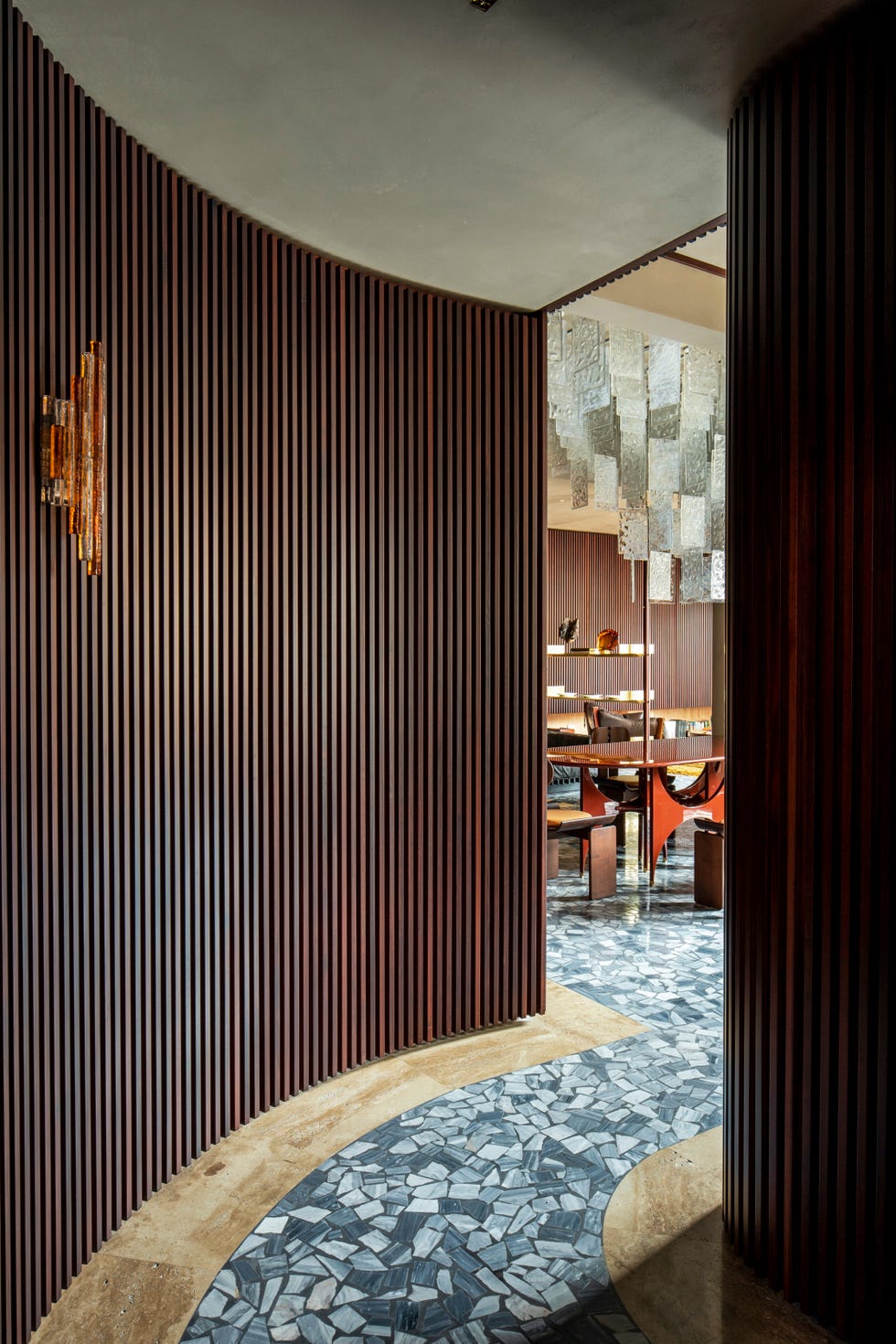
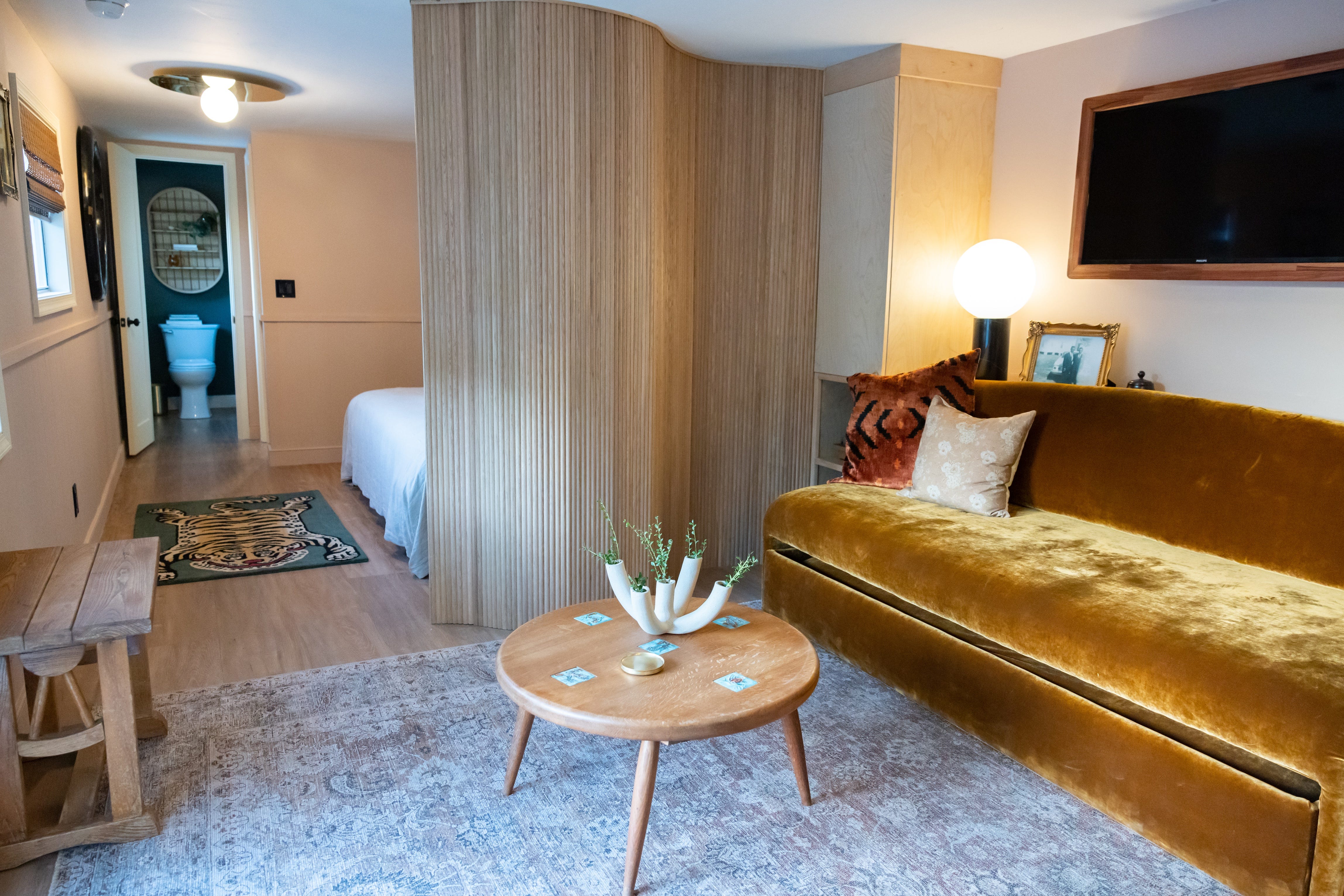
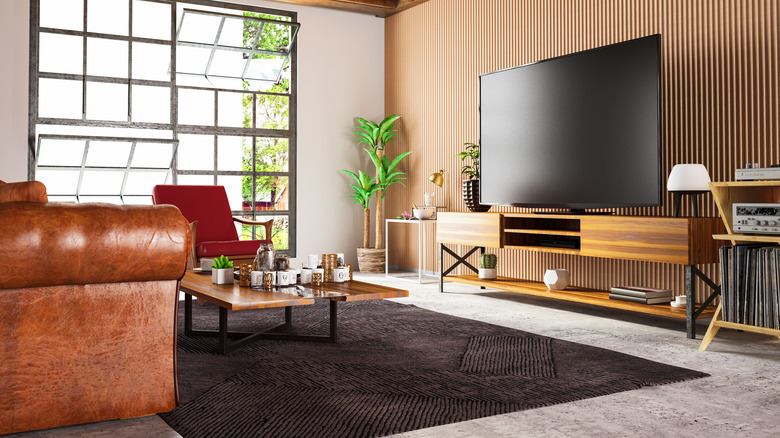
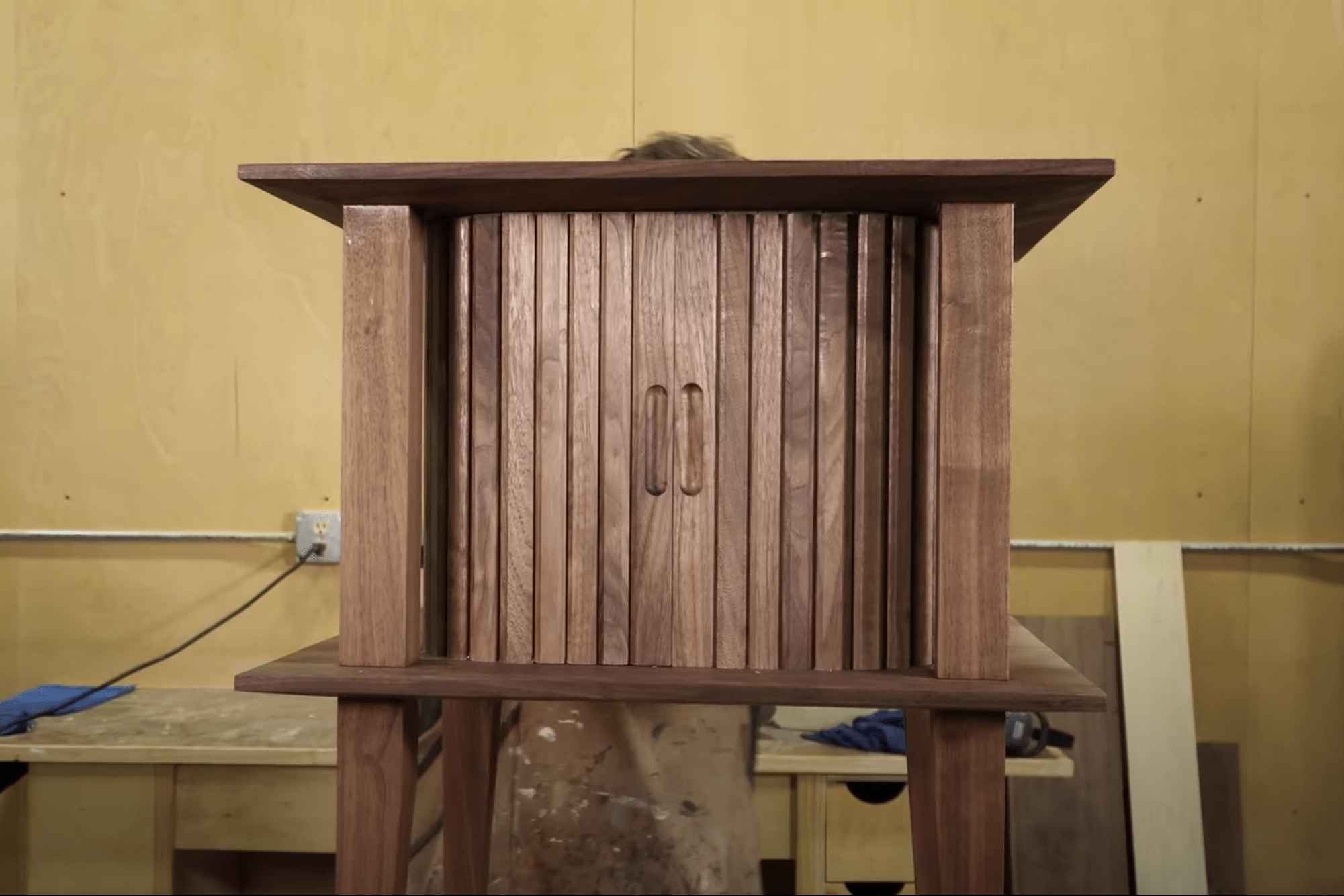
The article explores the tambour wood trend, a woodworking style gaining popularity in contemporary home design. Tambour, originating from a medieval drum, involves fastening closely-spaced wooden slats onto a flexible backing. This method allows for the creation of sliding doors that can follow curved tracks, making it a versatile material for various home components such as roll-top desks, wine cabinets, bookshelves, humidors, wall coverings, and cabinet facings. The word 'tambour' is derived from 'tambourine,' and both terms historically refer to an elongated drum used in medieval times, suggesting an early interchangeability of the words.
Eugene Colberg, an award-winning architect from Colberg Architecture, highlights tambour's appeal due to its lightweight nature, ease of workability, and ability to introduce the richness of wood into interior spaces. While it can be a costly option, DIY construction significantly reduces expenses.
Tambour is categorized into two main types: dynamic and static. Dynamic tambour, characterized by its flexible backing, is primarily used for sliding doors that can bend and conform to diverse track shapes. Static tambour, on the other hand, is rigid and applied for wall panels and cabinet facings, often enhancing kitchen cabinet decor with natural wood. The material can also be classified by its profile, wood species, and slat size. Slats can have semicircular or rectangular profiles, with rectangular slats being easier to make for DIY enthusiasts using tools like a table or band saw. Slats are not limited to wood; they can also be made from metal or PVC. Slat width typically ranges from one-half inch to three inches, with narrower slats being more suitable for smaller doors due to increased flexibility, though they can be impractical for larger projects.
The advantages of tambour doors include their elegant appearance, especially when made from exotic wood species, their sturdiness, which provides security when closed and locked, and the relative ease of making rectangular-slatted versions for DIYers. Rectangular slats can be easily ripped on a table saw and glued to a flexible backing. However, there are also drawbacks. Slats can separate if the wrong adhesive is used; professionals often prefer hide glue for its flexibility and strong adhesion. Individual slats are prone to warping if not properly sealed on all sides. Additionally, cleaning tambour can be challenging, particularly dusting the edges of slats that are only exposed when the door is on a curved part of the track within an enclosure.
Tambour doors have diverse applications within a home, functioning as vertical or horizontal sliders. They serve as an alternative to conventional doors for kitchen cupboards, can be integrated into designer cabinets with various door opening designs, are suitable for alcove shelves where space is limited for swinging doors, and can be used for oversized bedroom closet doors.
Constructing a tambour door involves three primary steps: cutting and preparing the slats, gluing them to a backing, and creating the tracks for the door to slide on. While professionals often use routers for track creation, metal tracks can be purchased for larger closet doors. A jig can be constructed to hold the slats tightly during assembly. After cutting, sanding, and finishing the slats, they are arranged in the jig with the reverse sides facing up. Tape is applied to the edges that fit into the tracks to prevent glue from adhering to them. Hide glue is then liberally applied to the exposed parts, and the backing is laid on top. Once the glue sets, excess backing is trimmed, and the door is ready for installation into the designated cabinet, cupboard, or closet tracks.
#TambourWood #Woodworking #HomeDesign #DIYProjects #InteriorDesign #Cabinetry #SlidingDoors #MaterialTrends #ArchitecturalDesign #TambourWood #Woodworking #HomeDesign #DIYProjects #InteriorDesign #Cabinetry #SlidingDoors #MaterialTrends #ArchitecturalDesign
0 comment in total
 No comments yet
You may also like
Flip the script on classic interiors – how the twisted wood trend brings a welcome whimsy into our homes

What Comes After Rattan? We Asked 4 Designers to Predict the Next Big Material

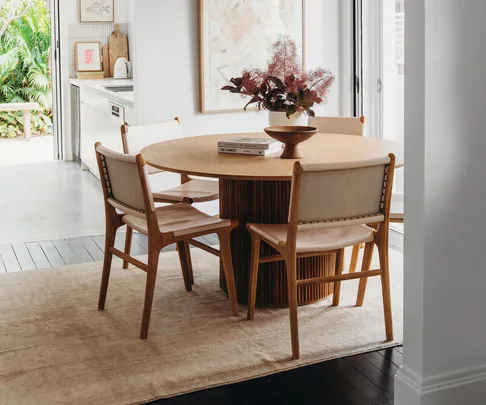
5 tips for mixing timber floors with timber furniture

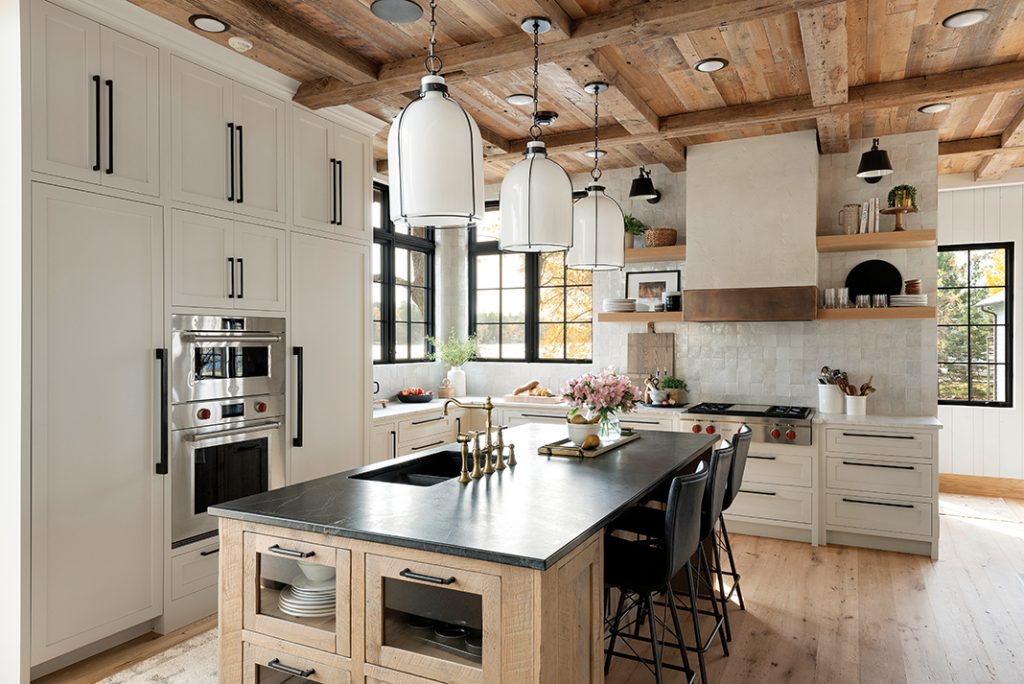
Materials 101: The Versatility of Wood with Manomin Resawn Timbers

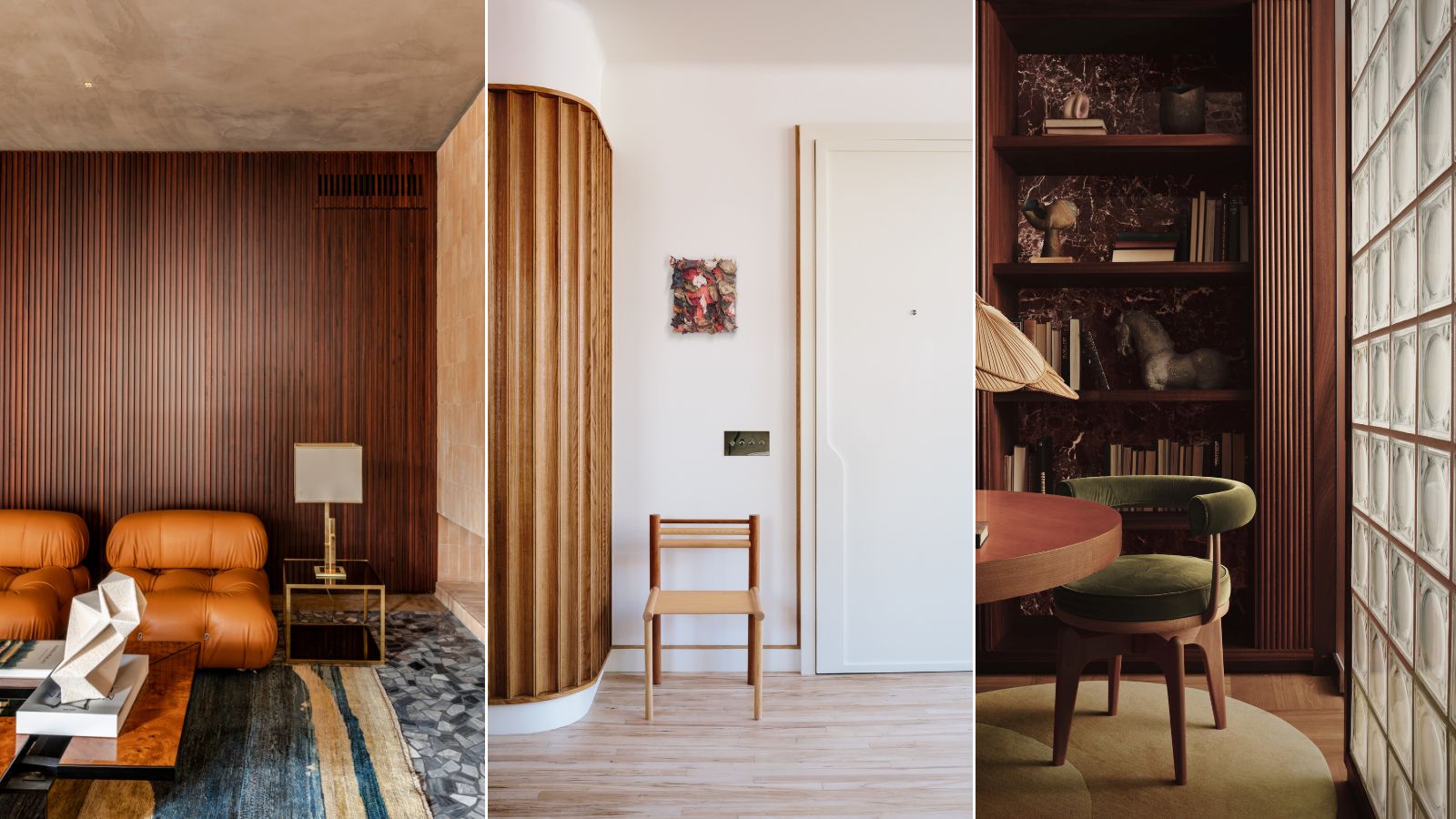
This paneling trend is a simple trick for making your walls look more expensive
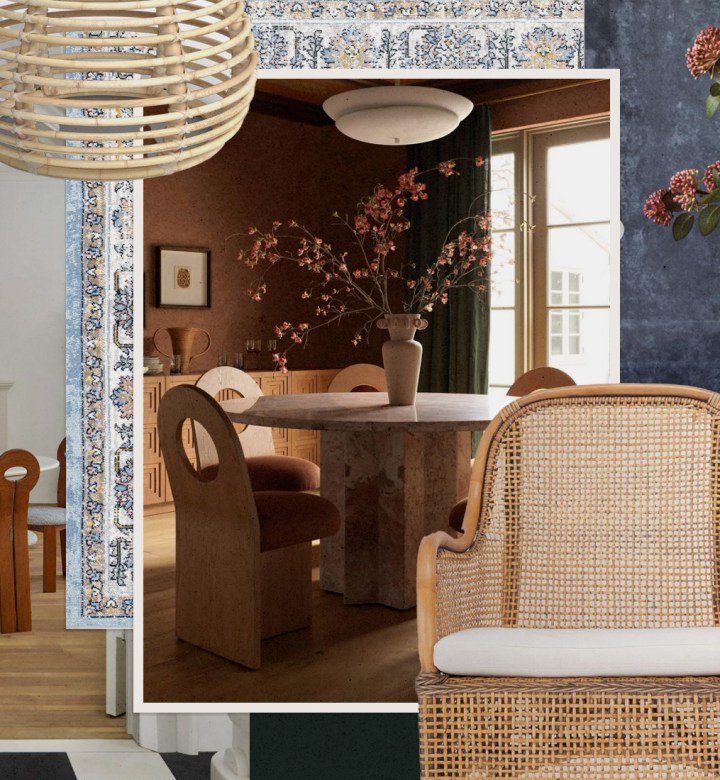
The 4 Rules of Designing with Wood in 2025

What you need to know when choosing timber flooring
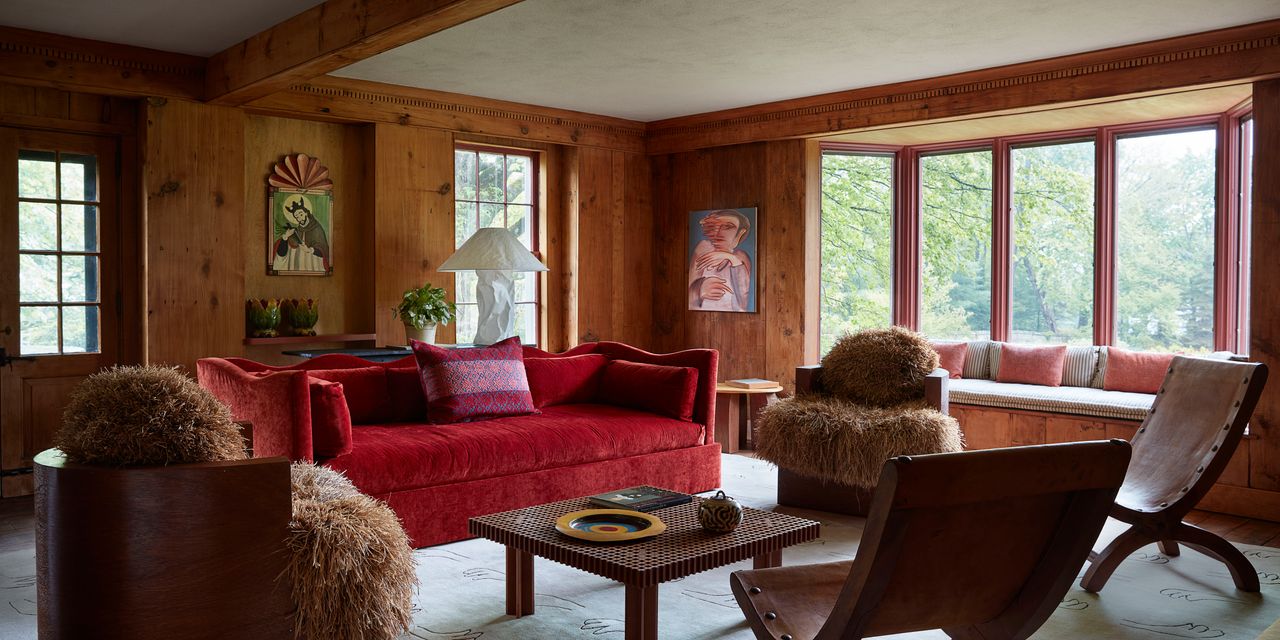
Allover Wood Interiors Are Having a Moment

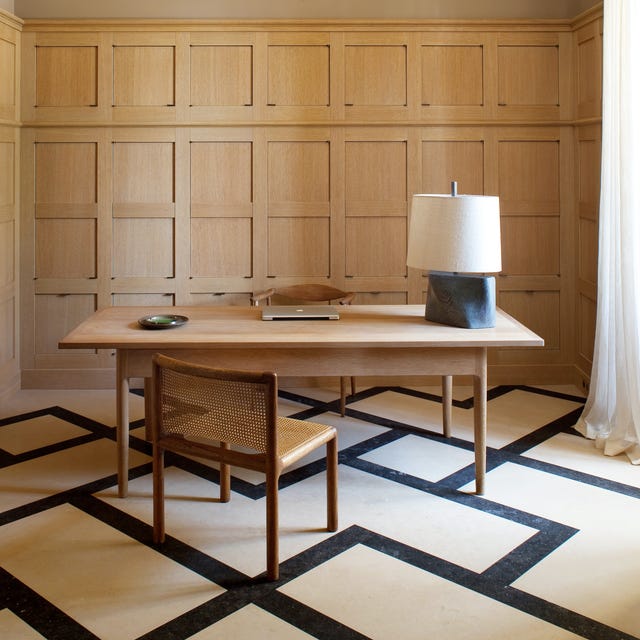
Wood panelling: an essential guide to the big decorating trend

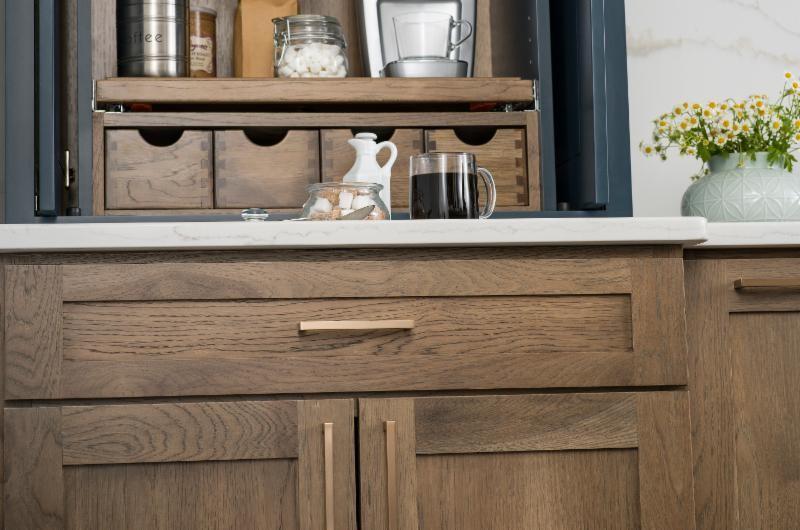
Textured, character-rich wood offers relief from white

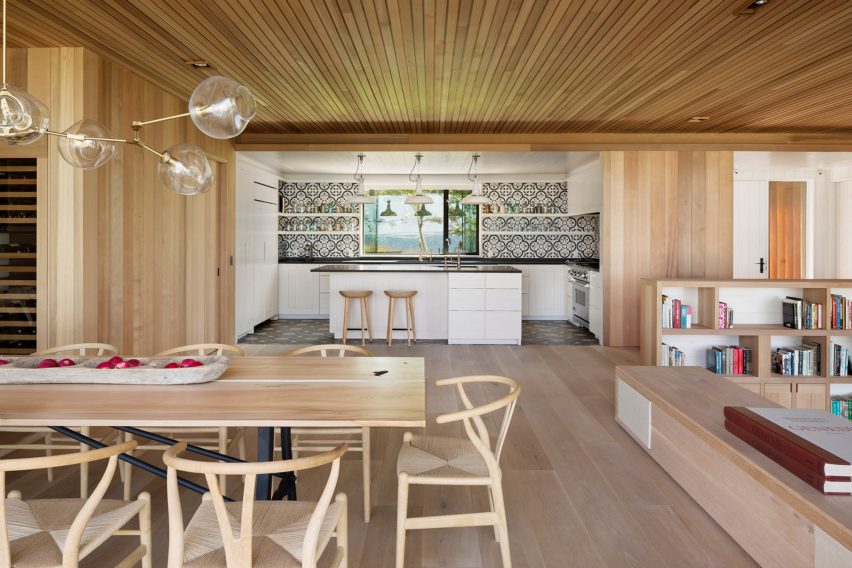
Ten projects that seamlessly integrate wood into the design
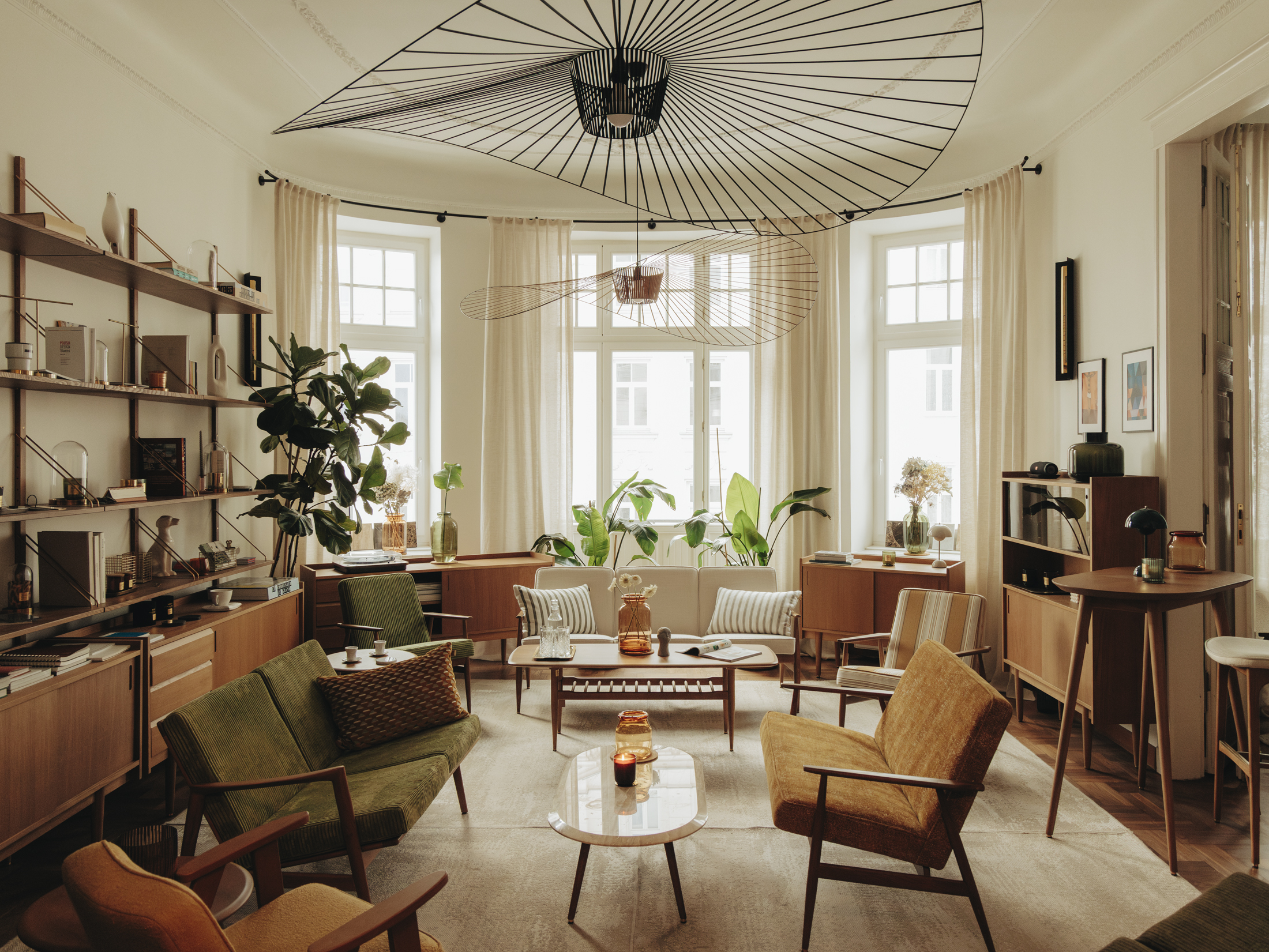
Carving out a niche in the timber-furniture industry
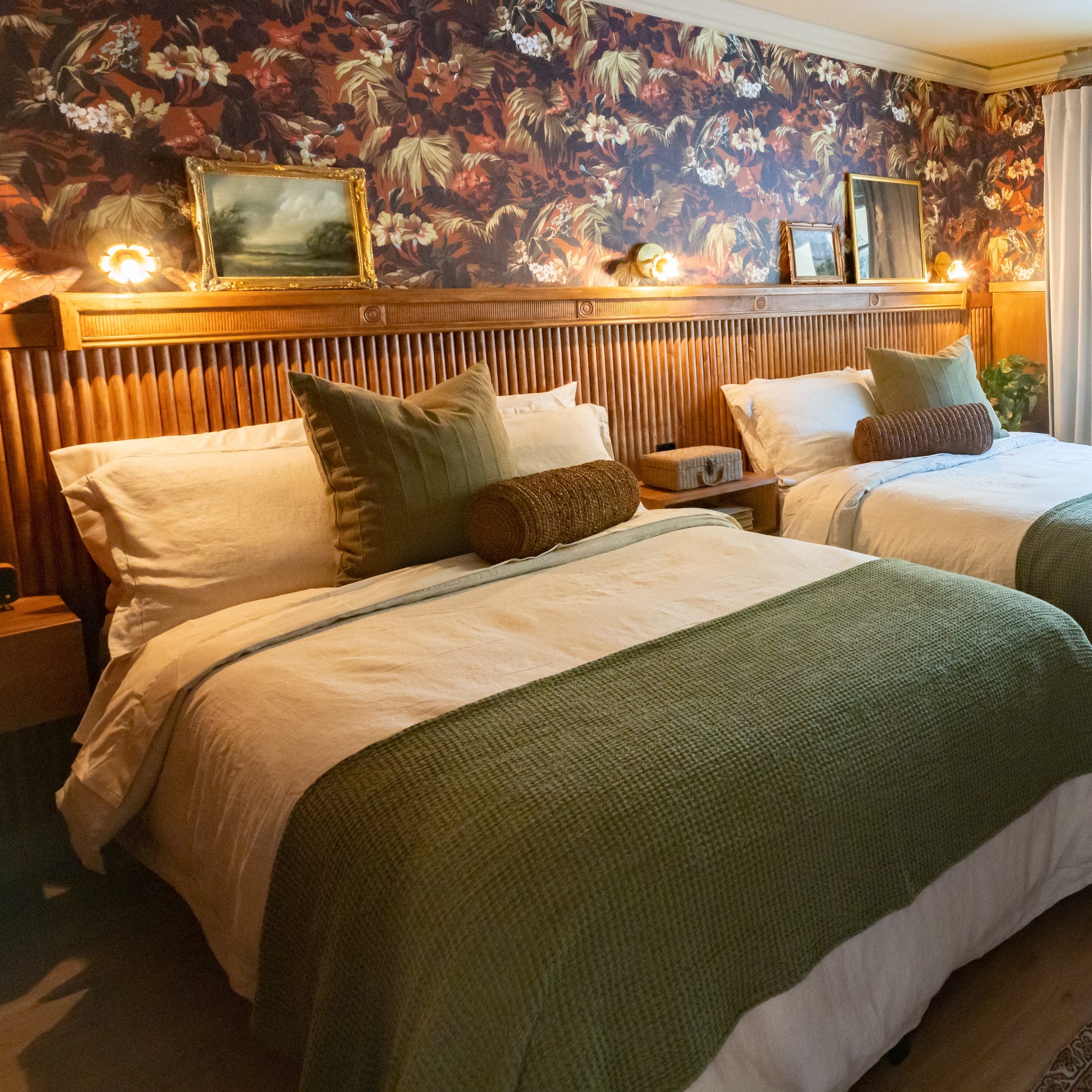
Goodbye Shiplap, Hello...Tambour?
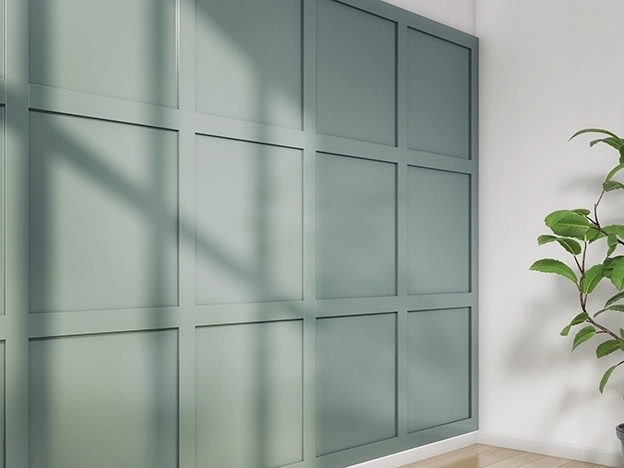
Timber


The 10 Best Woods for Woodworking (According to a Pro)


Mass Timber Primer


The 10 Best Woods for Woodworking (According to a Pro)
Shea McGee's burl wood table nails the retro look for only $150
10 New Trends in Wood Trim for 2018
The Inexpensive Wall Design Rock The Block's Alison Victoria Absolutely Loves