1/2
Are wooden furniture still popular?
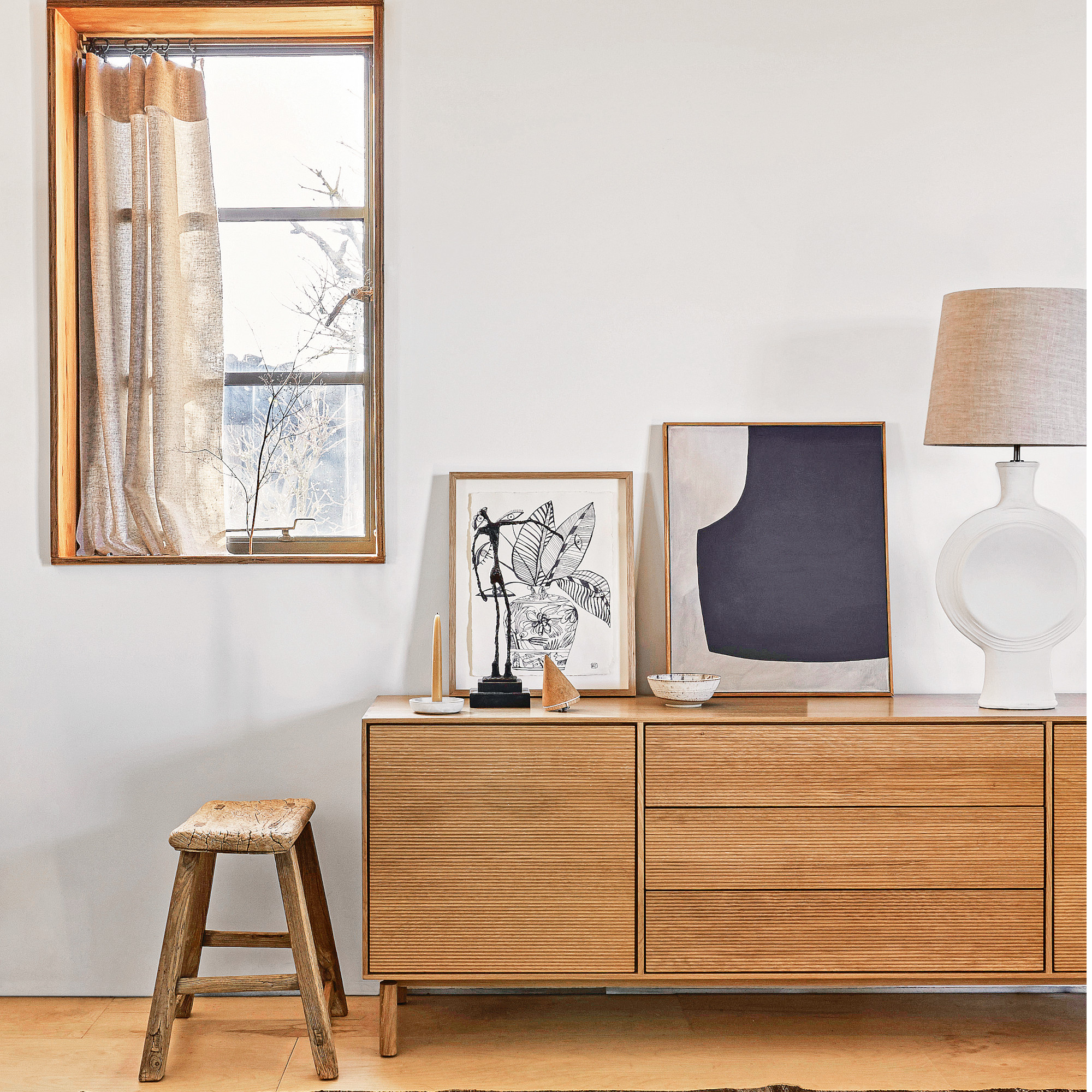
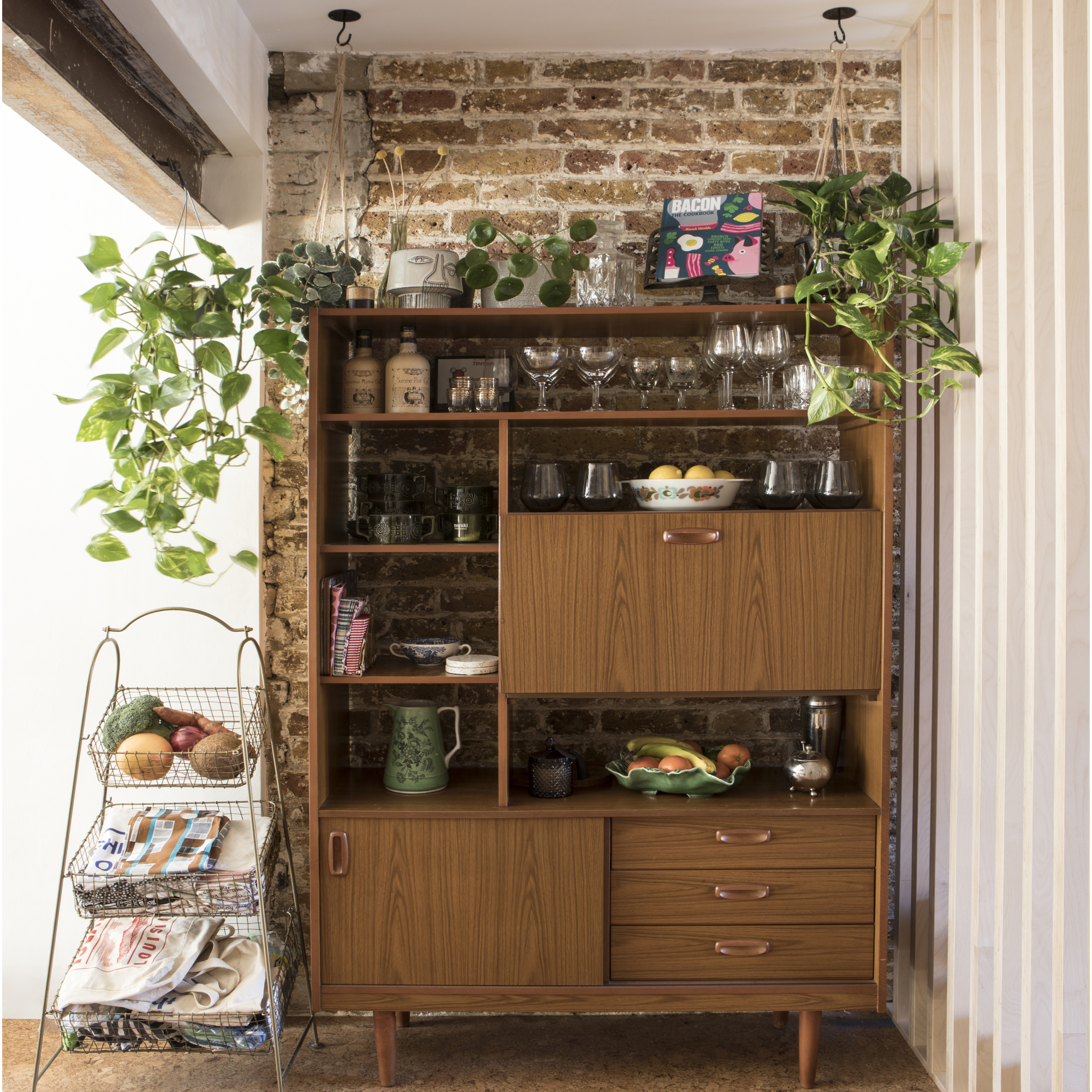
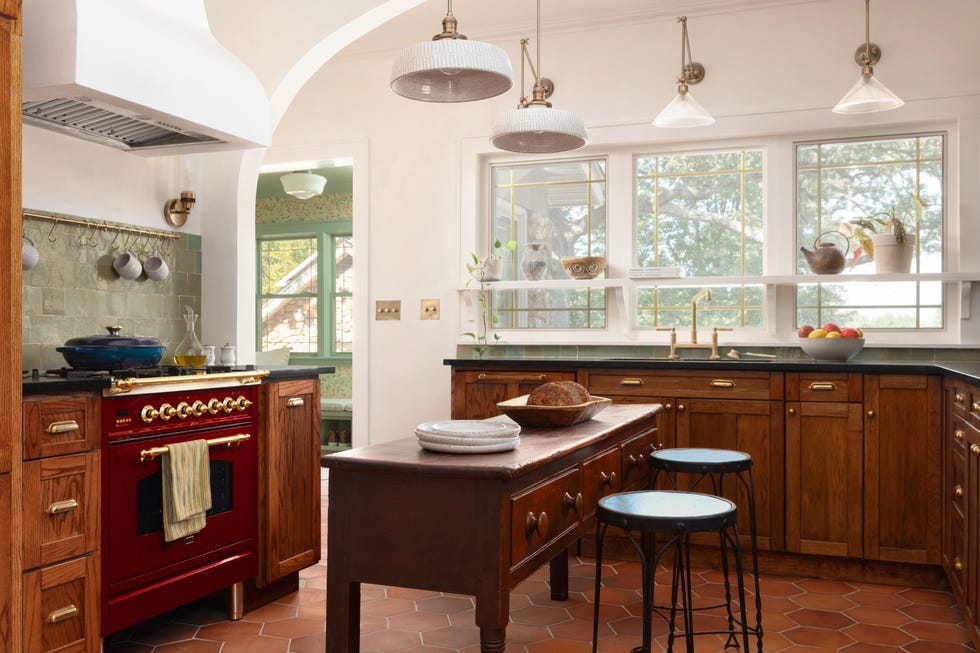
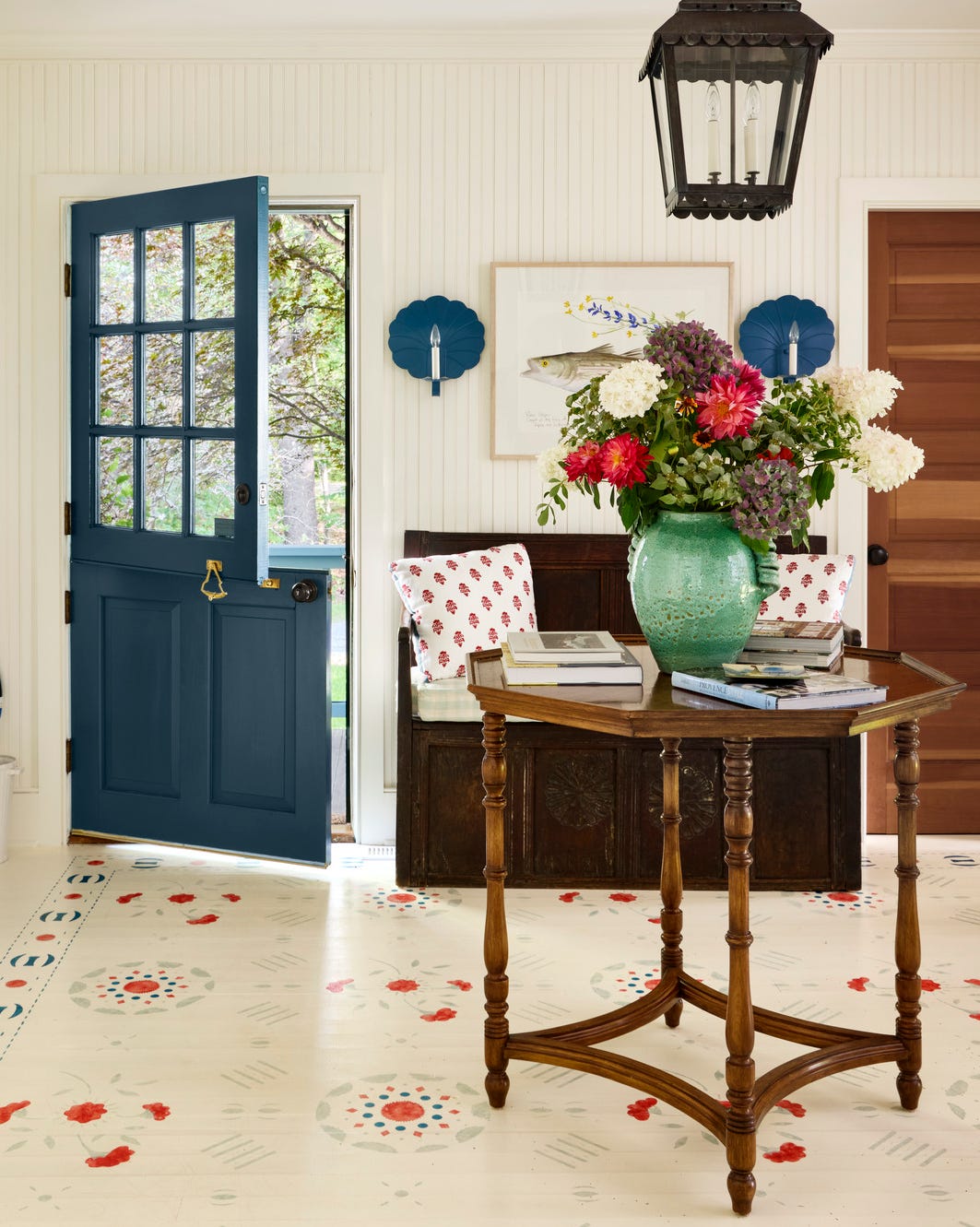
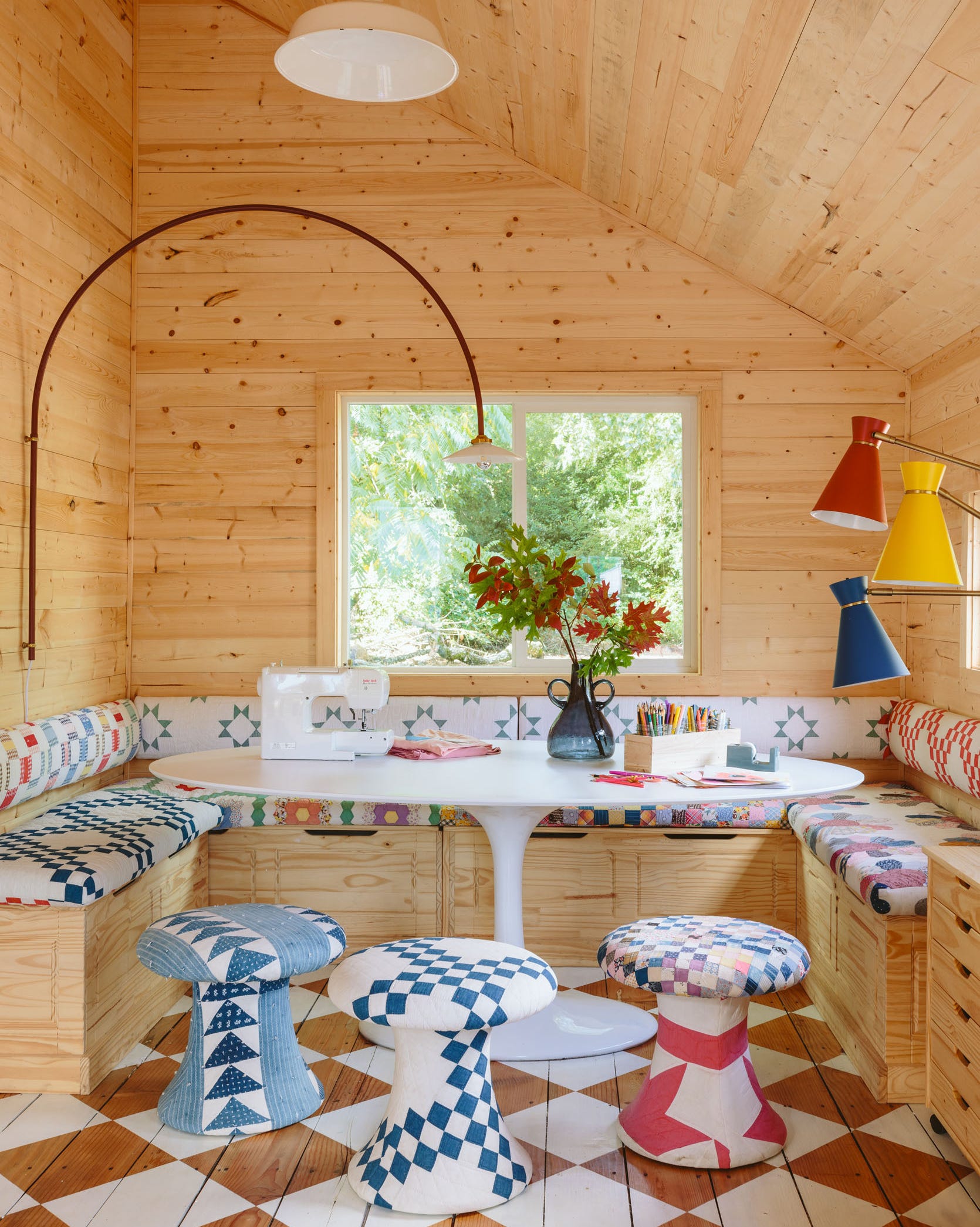
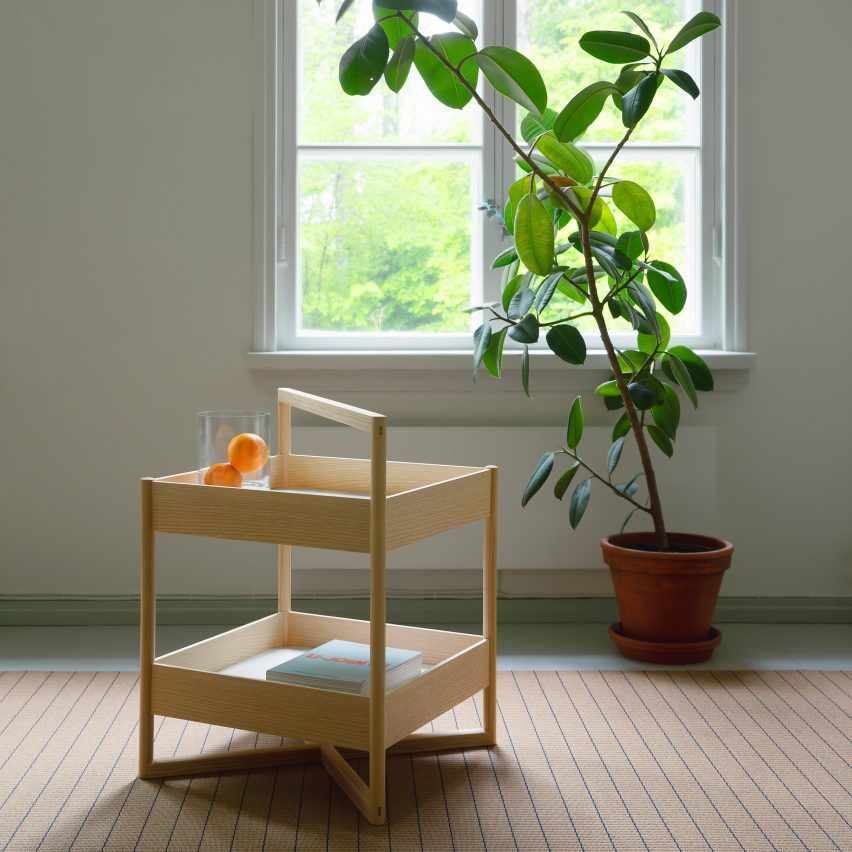
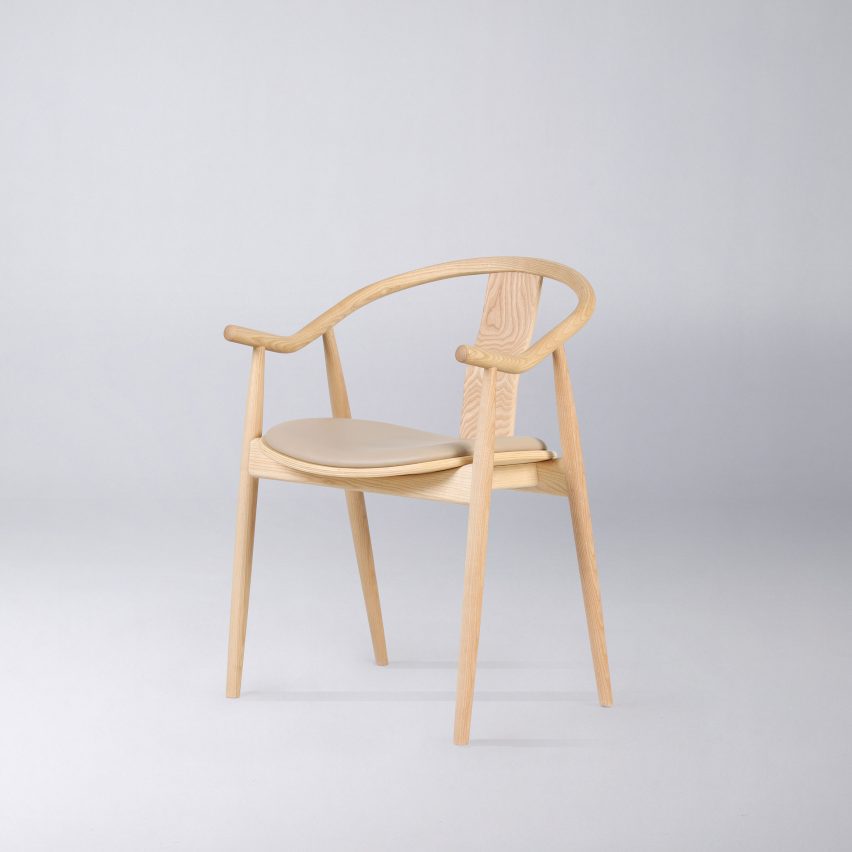
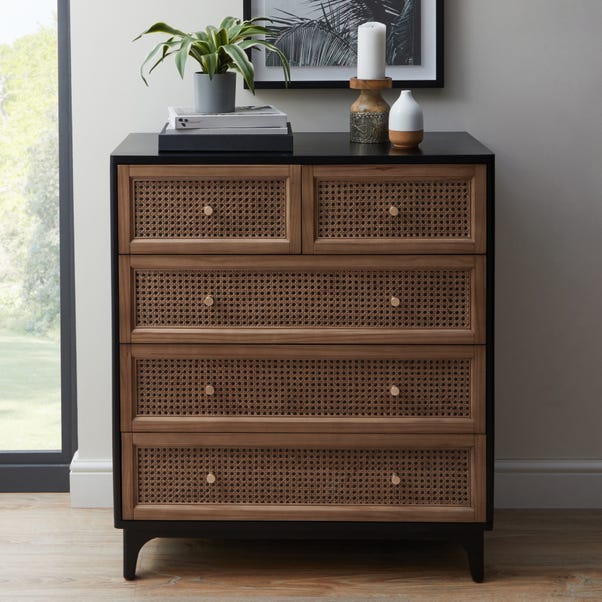
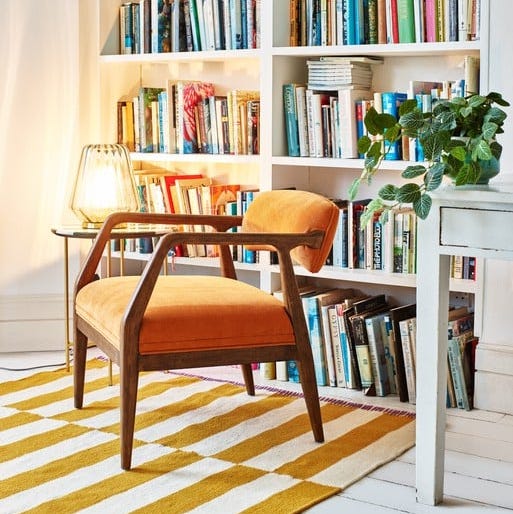
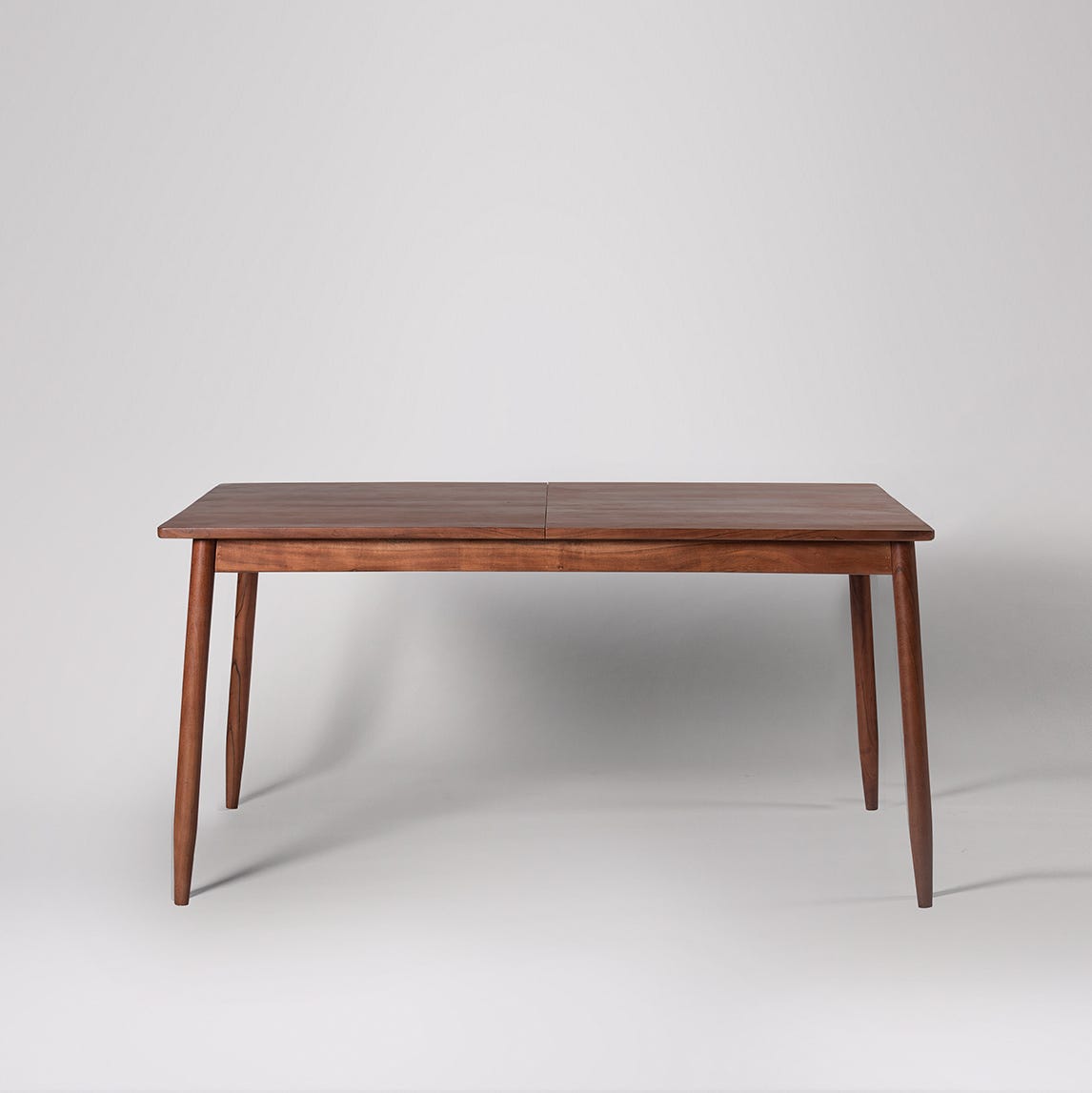
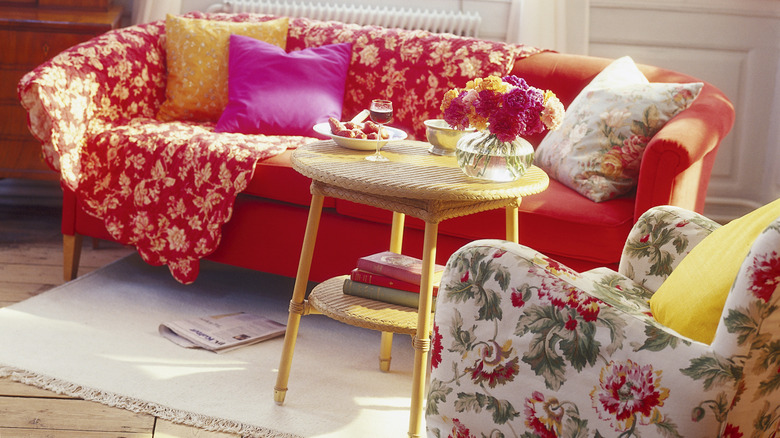
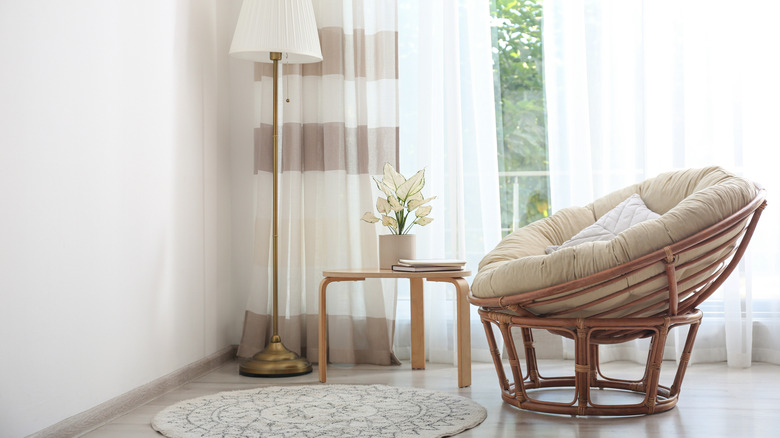
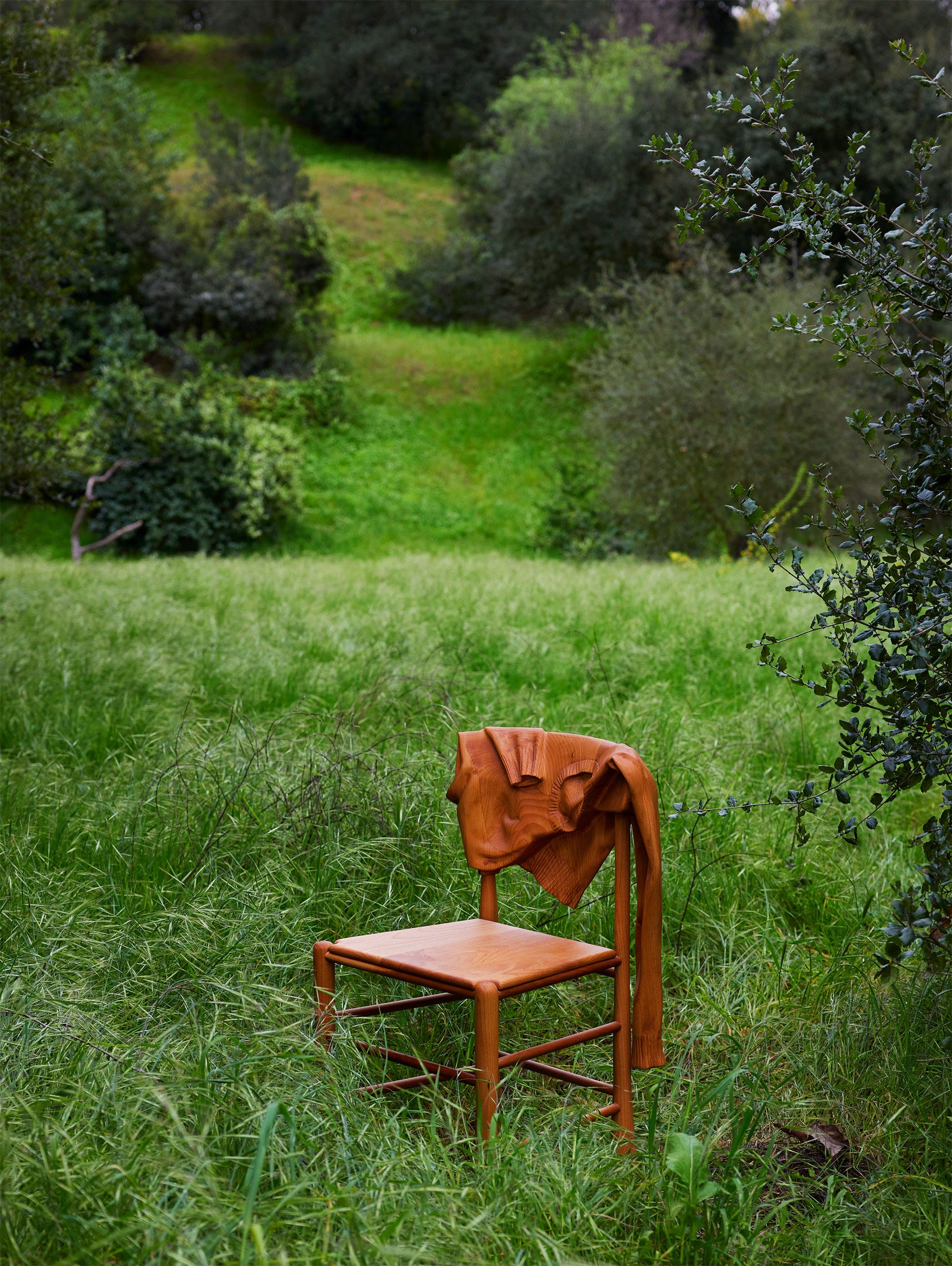
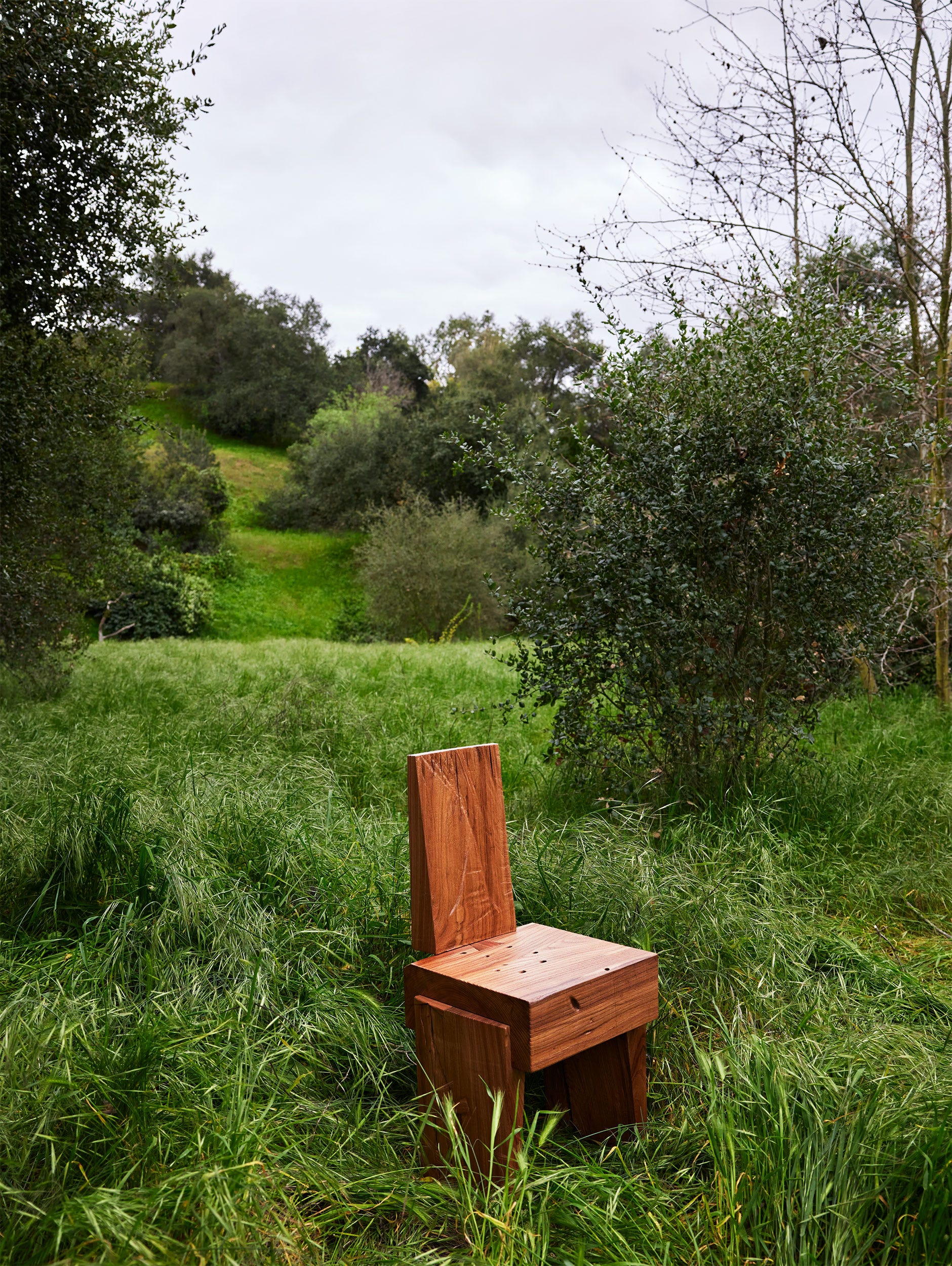
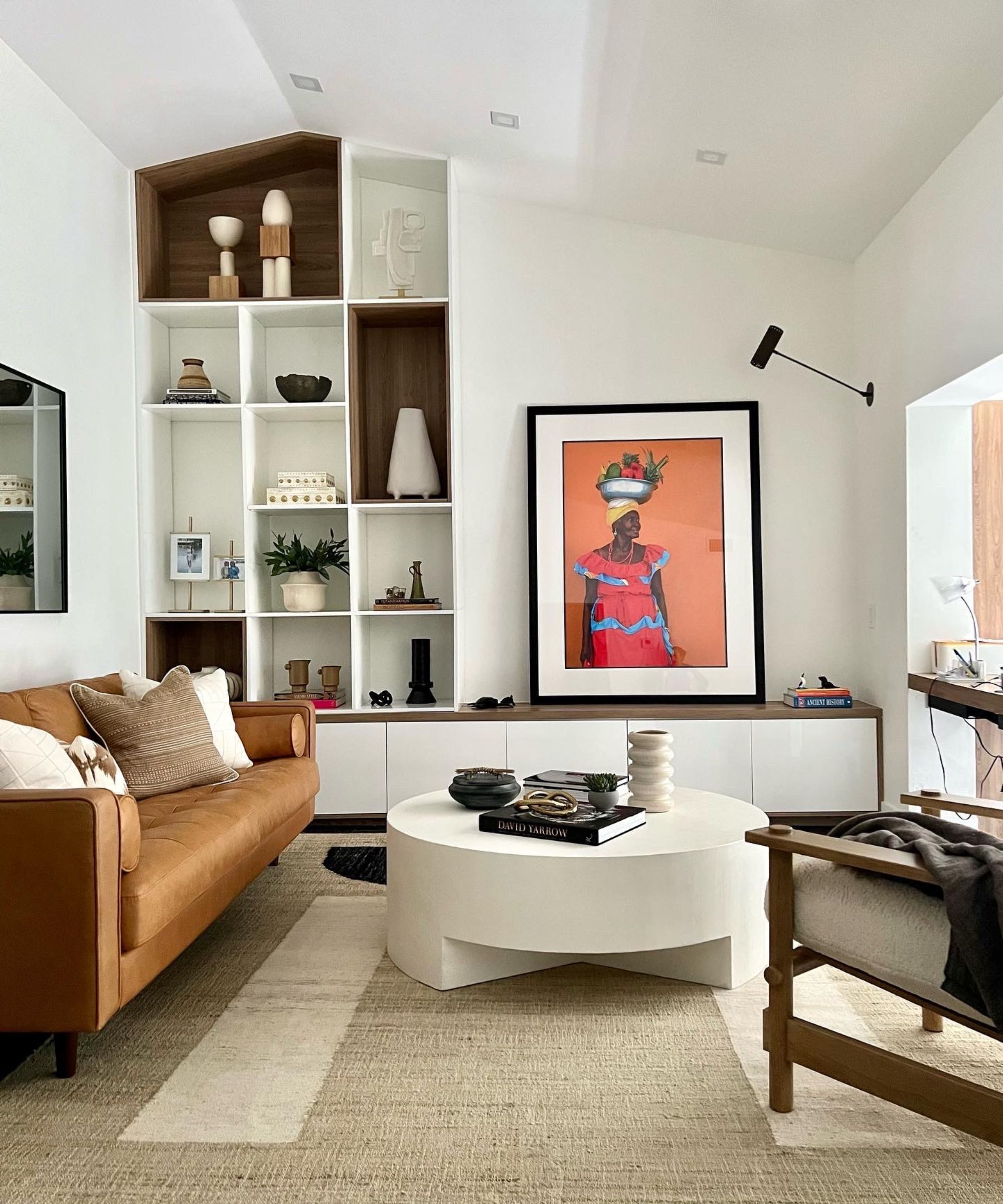
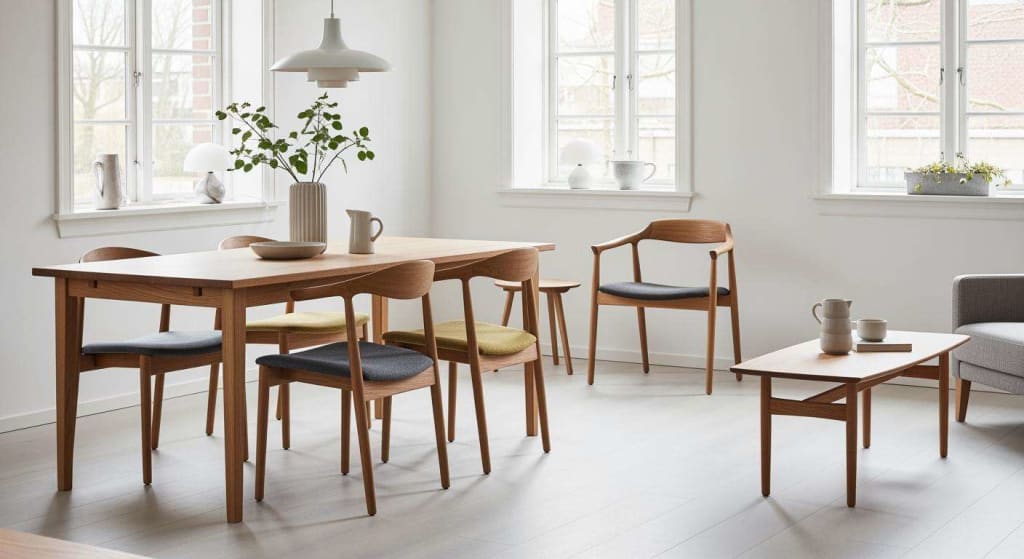
Wooden furniture continues to hold a prominent position in home design globally, adapting to changing styles and materials while maintaining its inherent appeal. Pieces like solid oak tables and wooden cabinets remain sought after by consumers who value the unique grain patterns, textures, and natural warmth that wood provides. This sustained demand is attributed to wood's versatility across various design aesthetics, its environmental benefits, and the distinct character it develops over time. The article explores how these factors contribute to wood's enduring presence in homes.
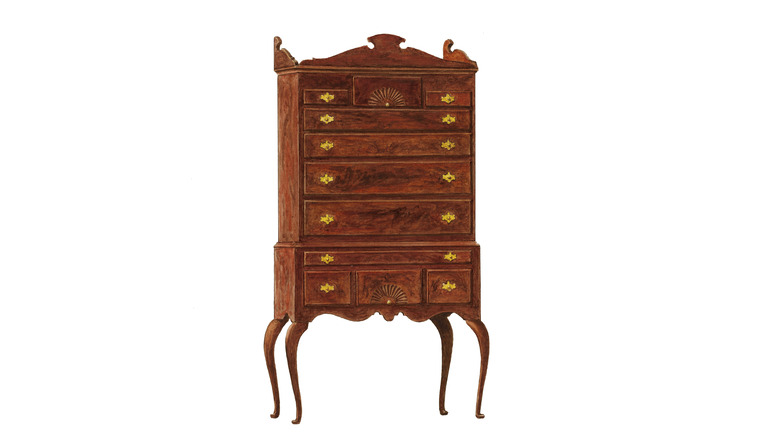
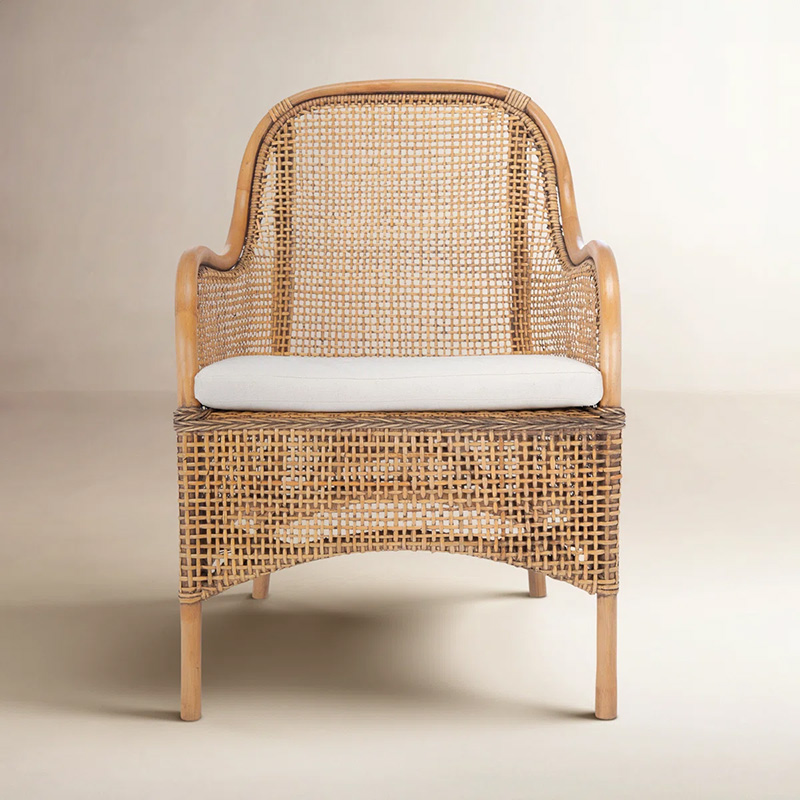
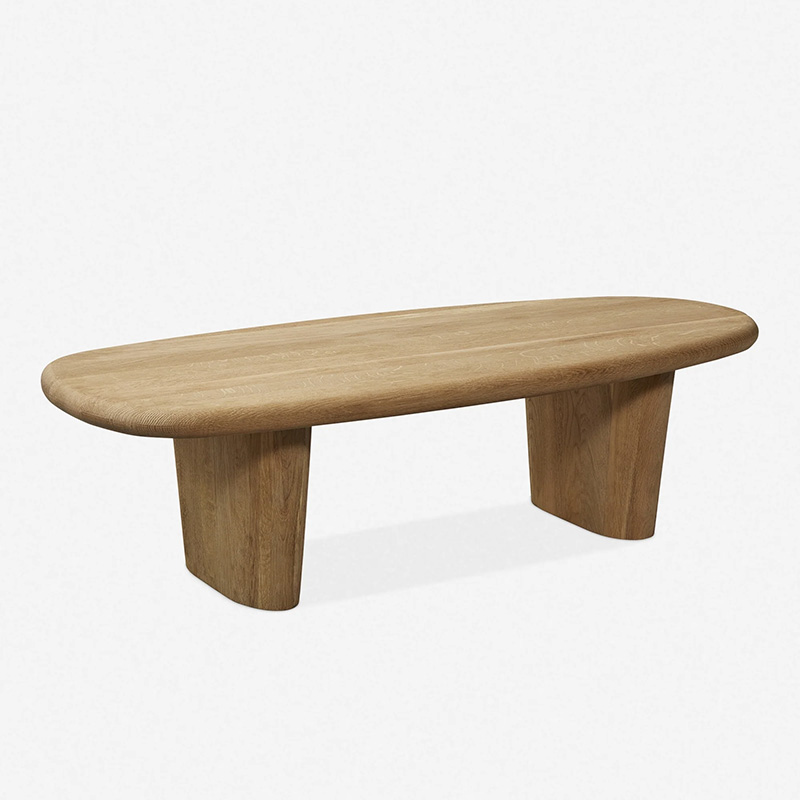
Wooden furniture distinguishes itself from factory-made alternatives through its natural appeal. Each piece, such as an oak table or wooden chair, features unique knots, color variations, and textures, creating a connection to nature within living spaces. This organic quality resonates with many homeowners, offering a tactile experience often absent in synthetic materials. The durability and permanence of quality timber furniture also contribute to its premium market position. Furthermore, increased environmental awareness has boosted demand for sustainably sourced wooden products, aligning with eco-conscious design principles. The preference for natural, chemical-free living spaces positions wooden furniture as a healthier option compared to items made with adhesives and synthetic components.
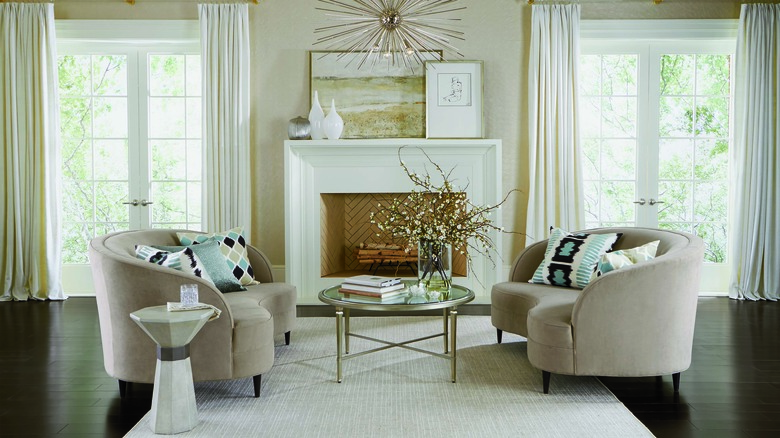
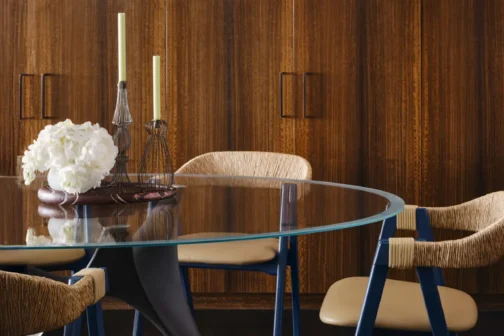
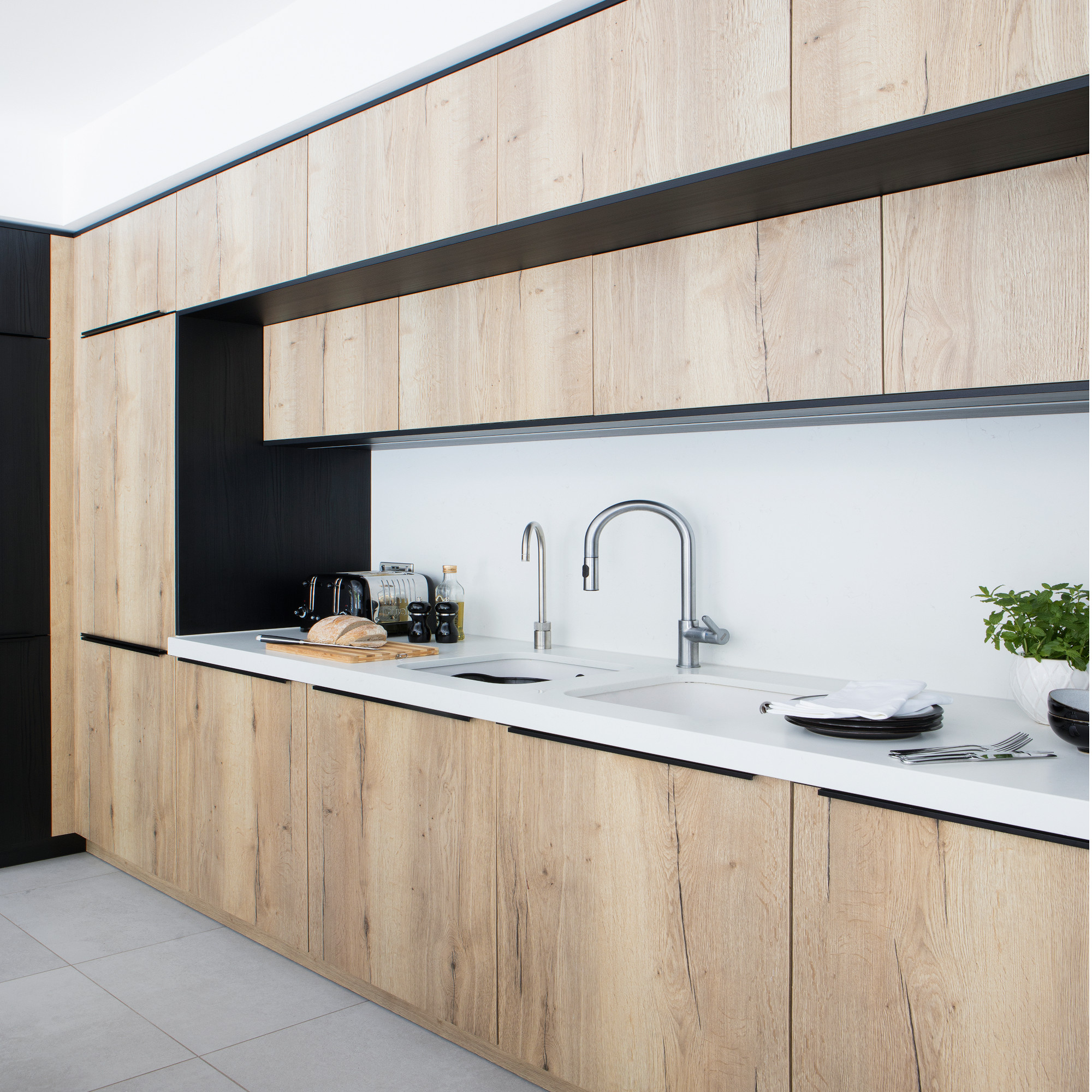
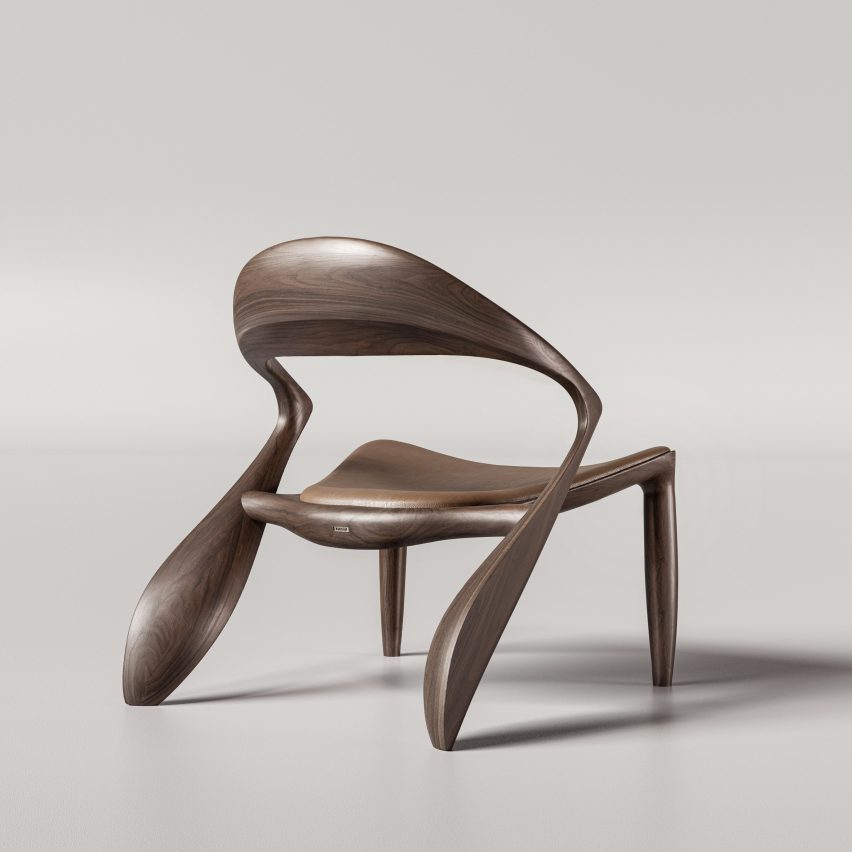
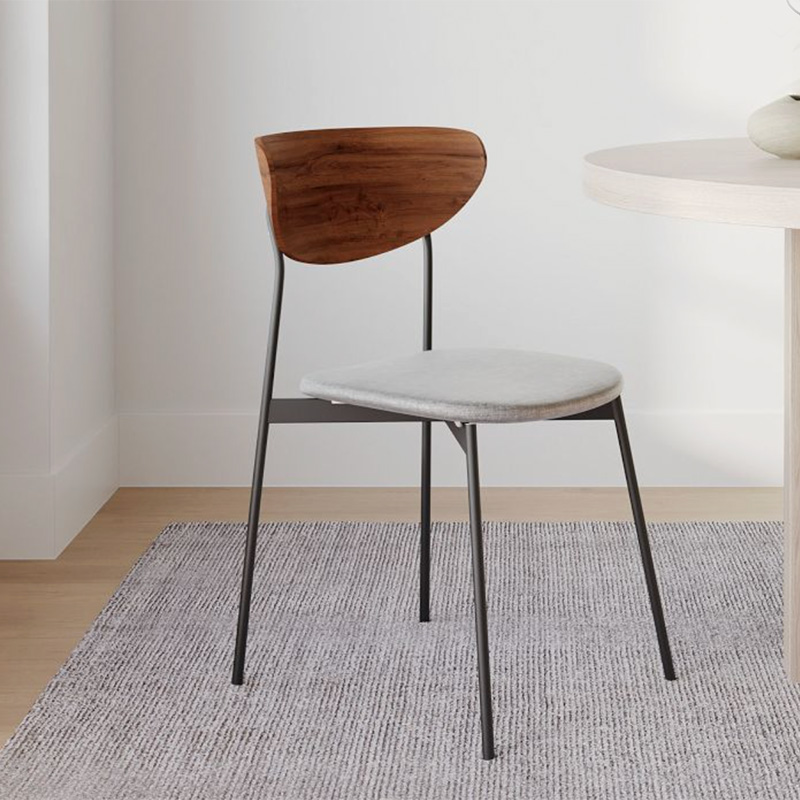
Wooden design has evolved significantly, moving from ornate traditional pieces to sleek, minimalist designs favored in contemporary settings. Styles like Danish Modern and Mid-Century designs showcased wood's adaptability, proving it could be both forward-thinking and classic. Modern manufacturing techniques, including computer-controlled cutting, enable intricate designs and ergonomic shapes. The fusion of wood with other materials like glass, metal, and stone also keeps wooden furniture modern, offering consumers diverse styling options. Even the use of color has broadened wood's appeal, with painted wooden furniture becoming statement pieces. The ability to refinish wood further allows it to adapt to evolving tastes.
The craftsmanship associated with wooden furniture plays a crucial role in its popularity. Consumers increasingly value the stories behind their purchases, and handcrafted wooden pieces often reflect generations of woodworking skill. This appreciation has led to growth in both vintage and newly made handcrafted wooden furniture markets. Small-batch makers, often utilizing social media to showcase their processes, build buyer confidence and foster brand loyalty. Regional woodworking traditions, such as Scandinavian, Japanese, Shaker, and Mission styles, offer diverse aesthetic choices that maintain wood as the primary material, ensuring its relevance across varied preferences and home environments.
From a practical standpoint, the durability of wooden furniture is a key driver of its sustained demand. Quality wooden pieces can last for decades or even centuries, making them a cost-effective choice despite initial higher prices, and appealing to environmentally conscious consumers seeking to reduce waste. Wooden furniture is also highly repairable; minor damage can often be fixed, extending its lifespan. Its adaptability allows it to transition seamlessly between different homes and styles, making it a versatile and smart investment. Health considerations have also contributed to its popularity, as natural wood, especially with natural finishes, releases fewer volatile organic compounds compared to synthetic alternatives, making it a preferred choice for those concerned about indoor air quality or with allergies.
In conclusion, the enduring popularity of wooden furniture stems from its adaptability, fundamental connection to human living spaces, and its multifaceted appeal that transcends passing trends. The sensory qualities of wood, from its visual warmth to its tactile feel, create meaningful living environments. With consumer preferences leaning towards authenticity, environmental responsibility, and lasting value, wooden furniture is well-positioned for continued relevance in homes worldwide, maintaining its essential character while evolving through design and craftsmanship.
#WoodenFurniture #InteriorDesign #HomeDecor #SustainableLiving #Craftsmanship #ModernDesign #NaturalMaterials #HomeFurnishings #Woodworking #WoodenFurniture #InteriorDesign #HomeDecor #SustainableLiving #Craftsmanship #ModernDesign #NaturalMaterials #HomeFurnishings #Woodworking
0 comment in total
 No comments yet
You may also like
Outdated Furniture Pieces That Are Having A Comeback

Experts reveal the new way to upcycle secondhand furniture in 2023
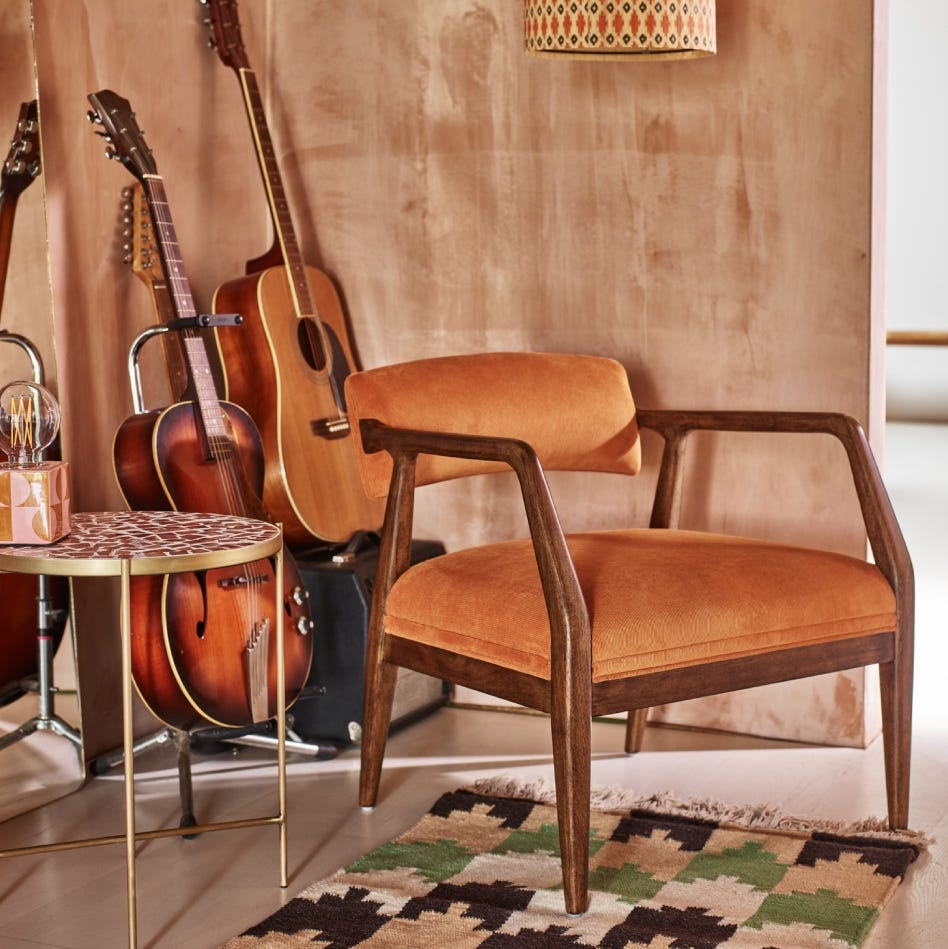
Raw, light woods out? Darker, traditional woods in?

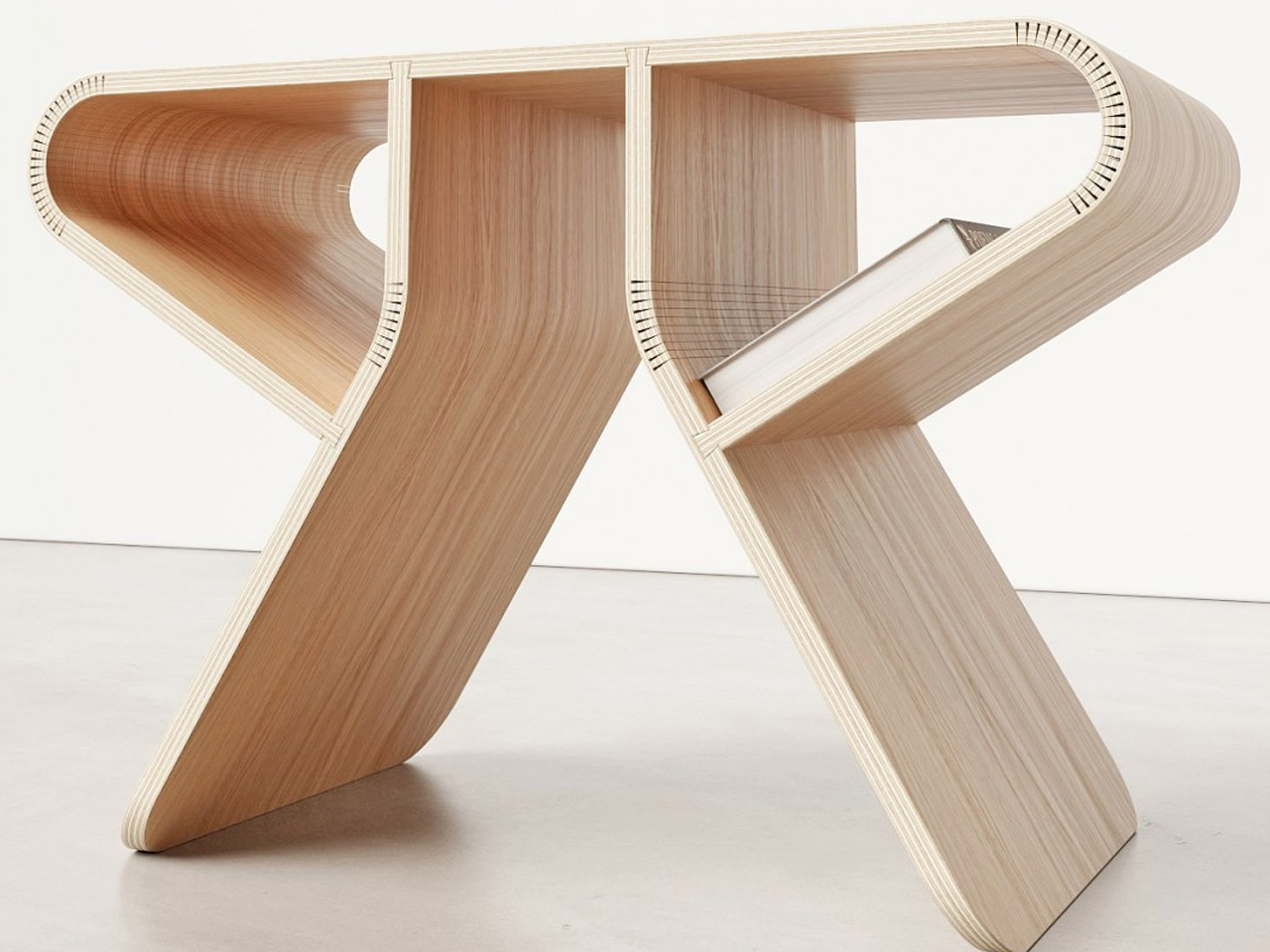
Top 10 Innovative Wooden Furniture Designs To Elevate Your Home Décor

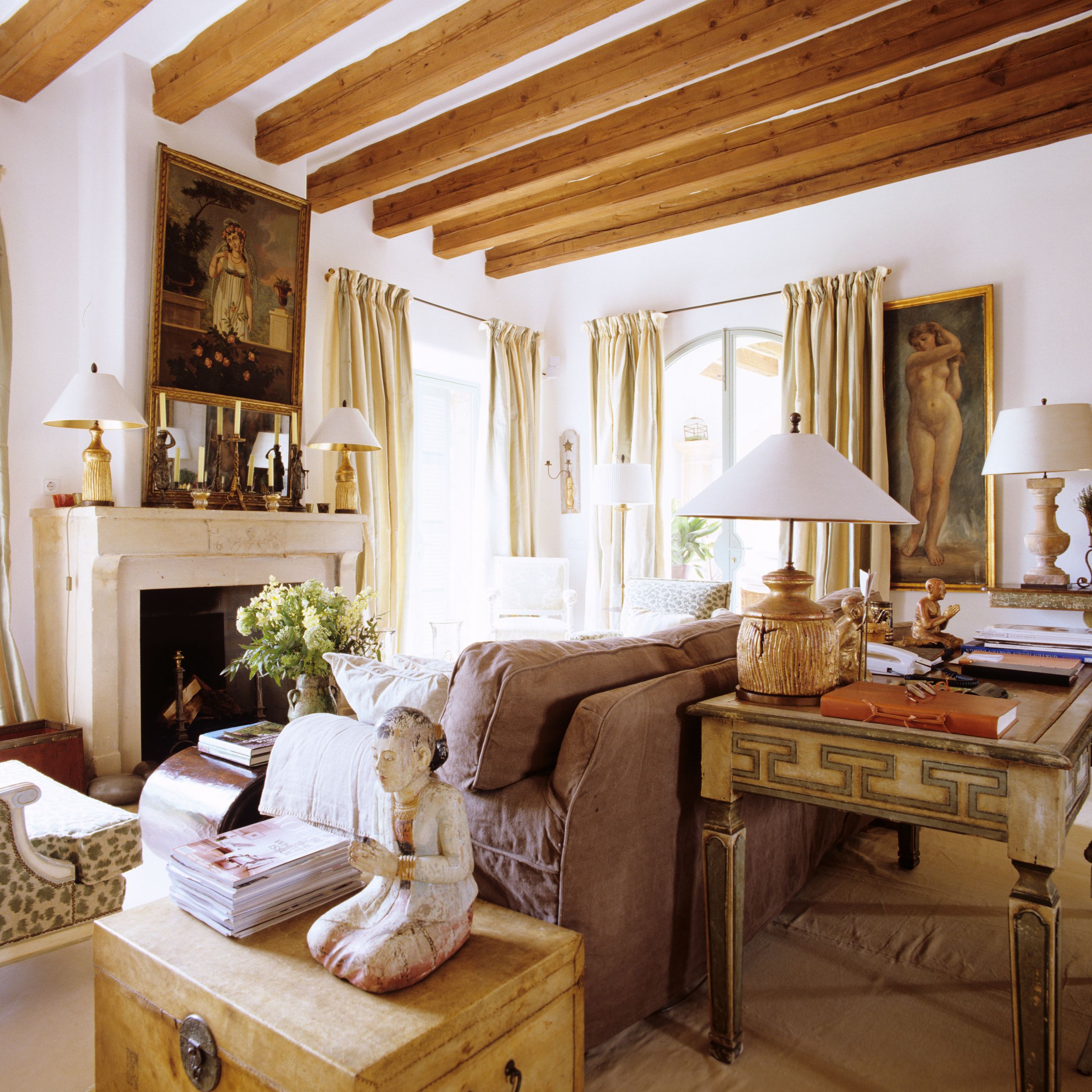
What’s Old Is New Again: Vintage Furniture Is The Hottest Home Decor Trend
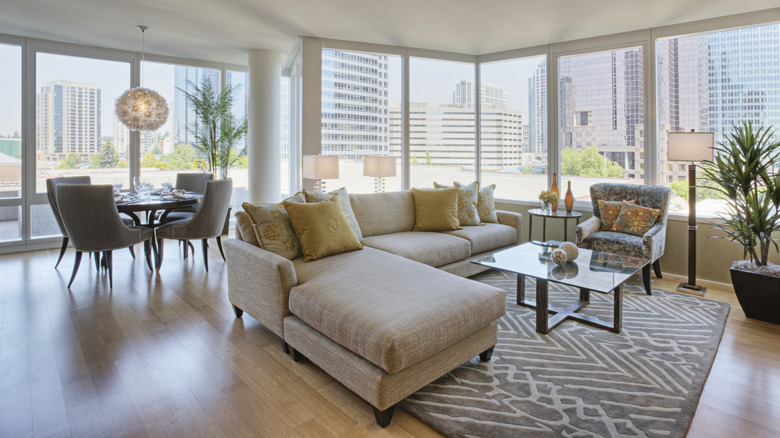
Tired Furniture Trends That Are Now Becoming A Thing Of The Past
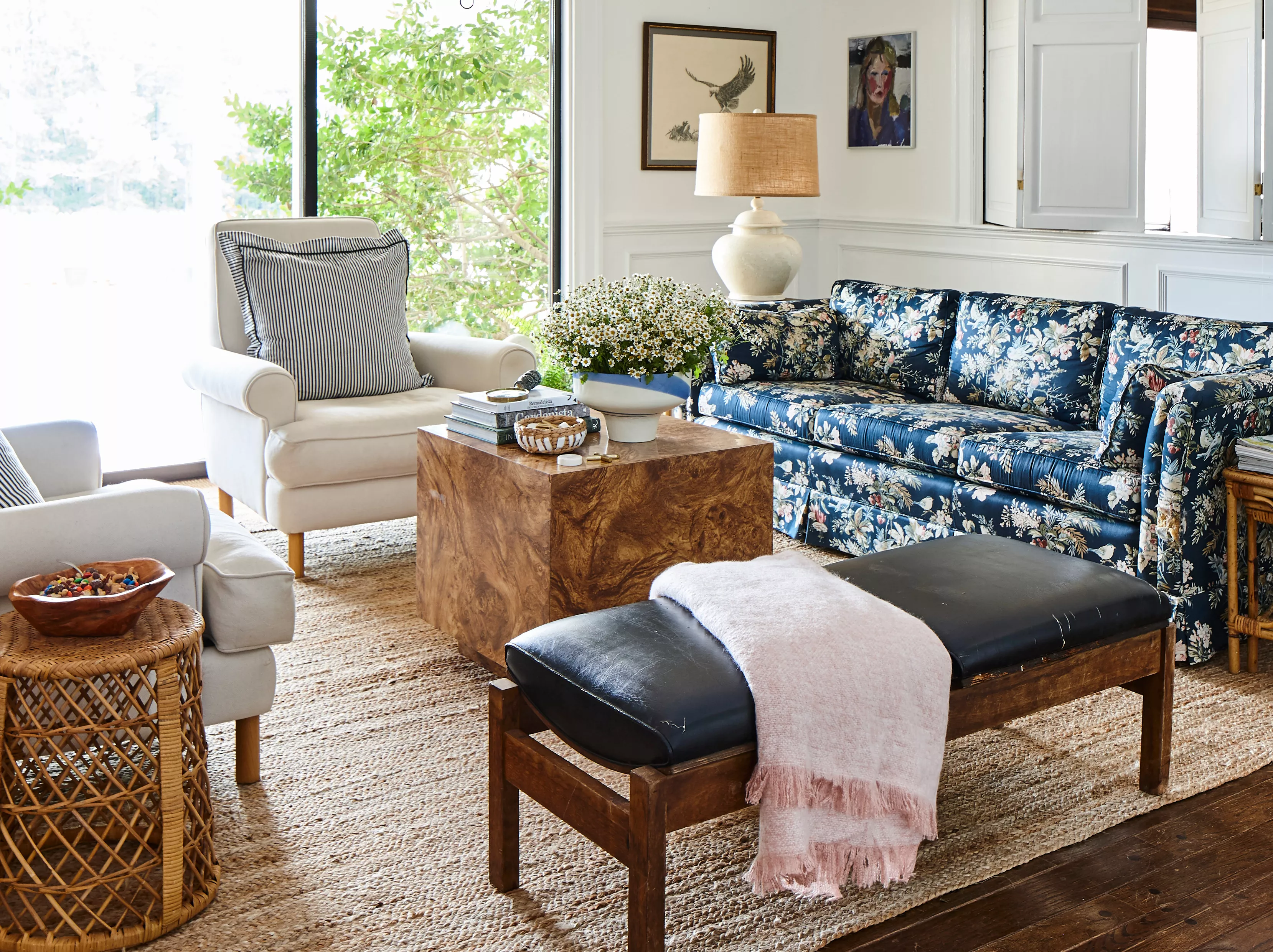
10 Furniture Styles That Instantly Make Your Home Look Outdated


These New Furniture Pieces Are Future Heirlooms
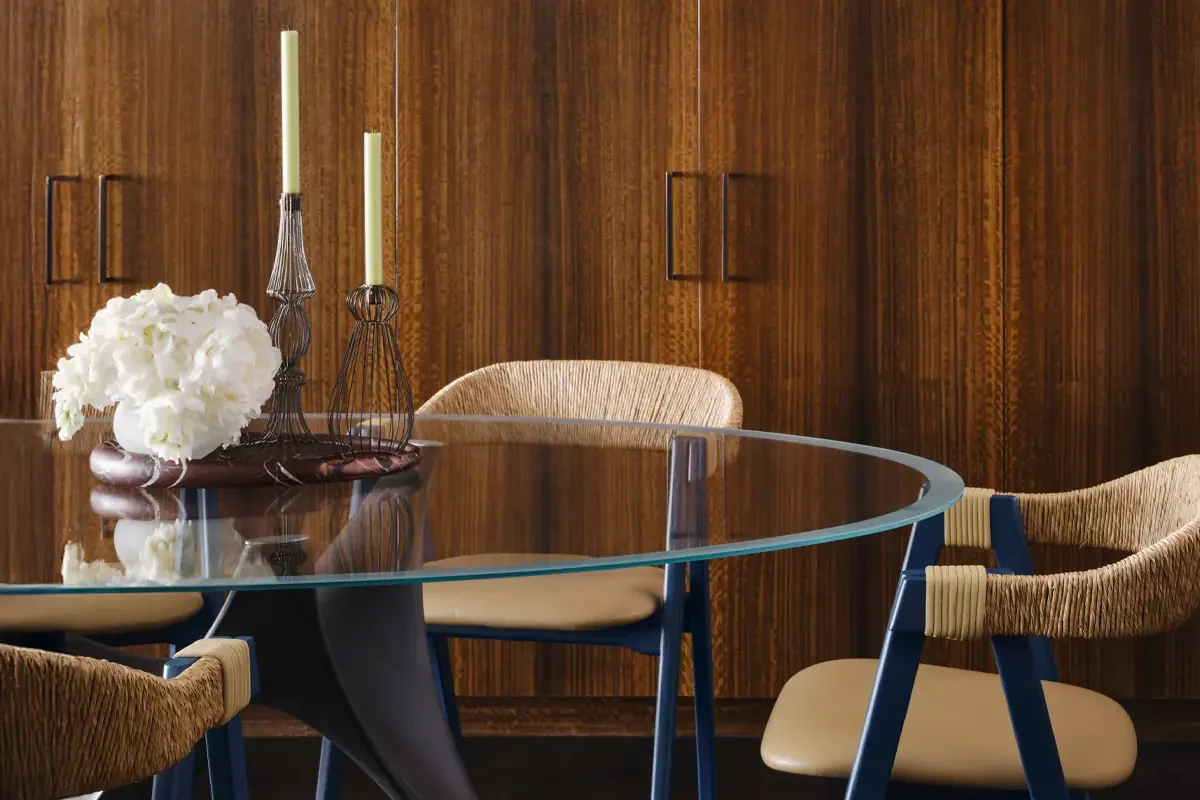
Wood as a Home Design Trend: Through the Archives to Today
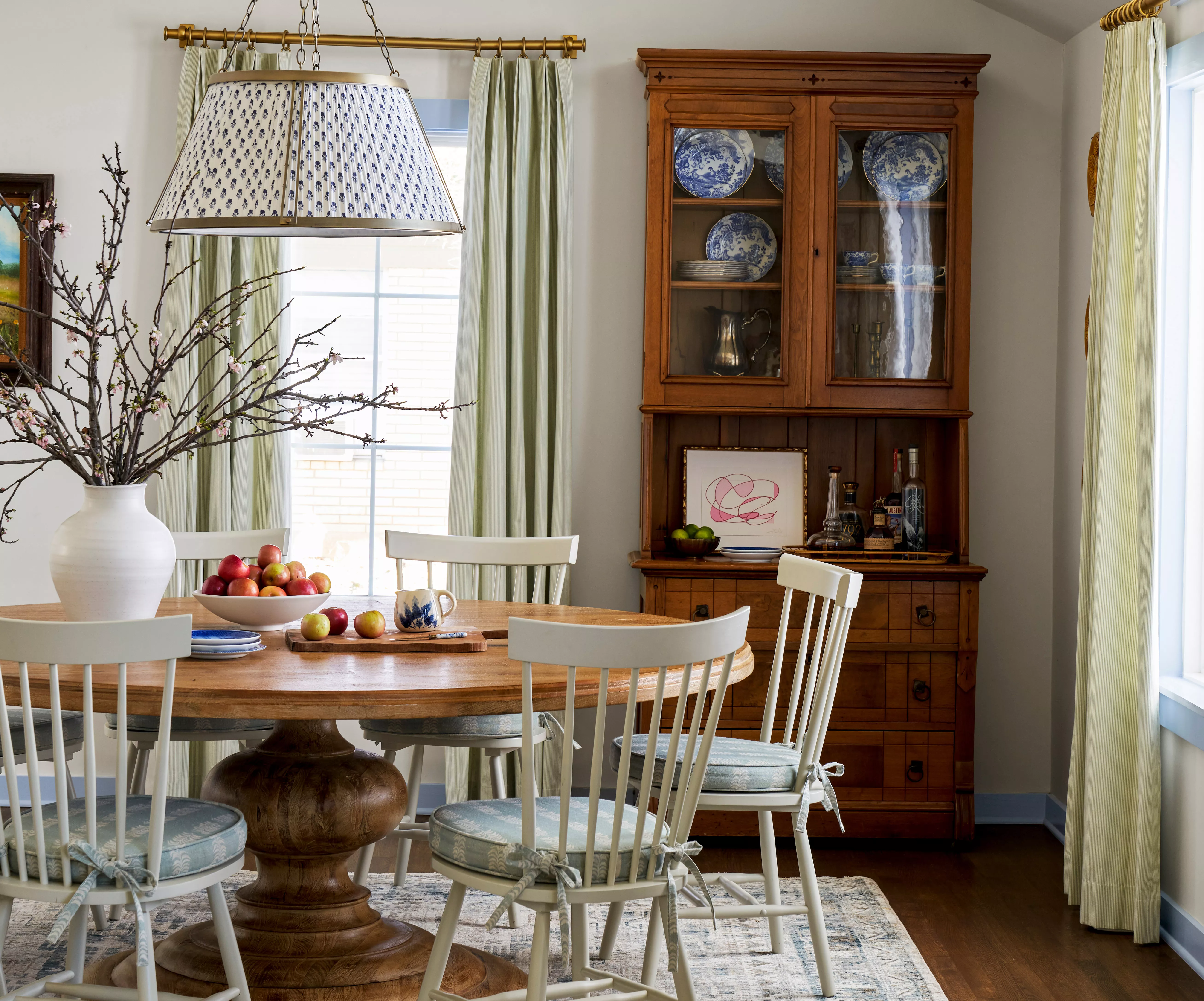
This Classic ’90s Furniture Trend Is Back, and We’re Obsessed All Over Again

Wood Paneling Is Back—and Better Than Ever

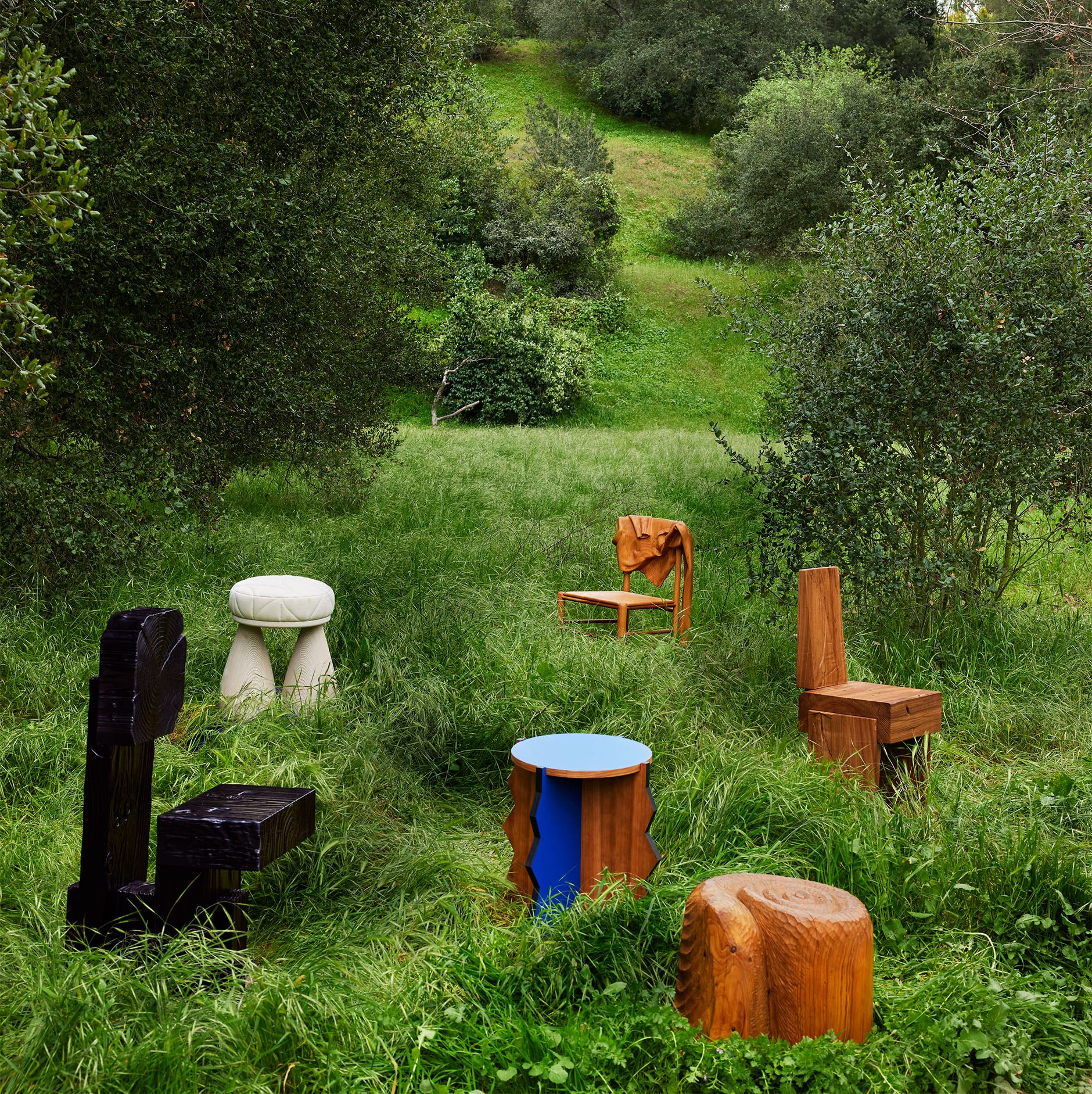
Wood Furniture Is Cool Again, Thanks to This Upcoming Group of Designers
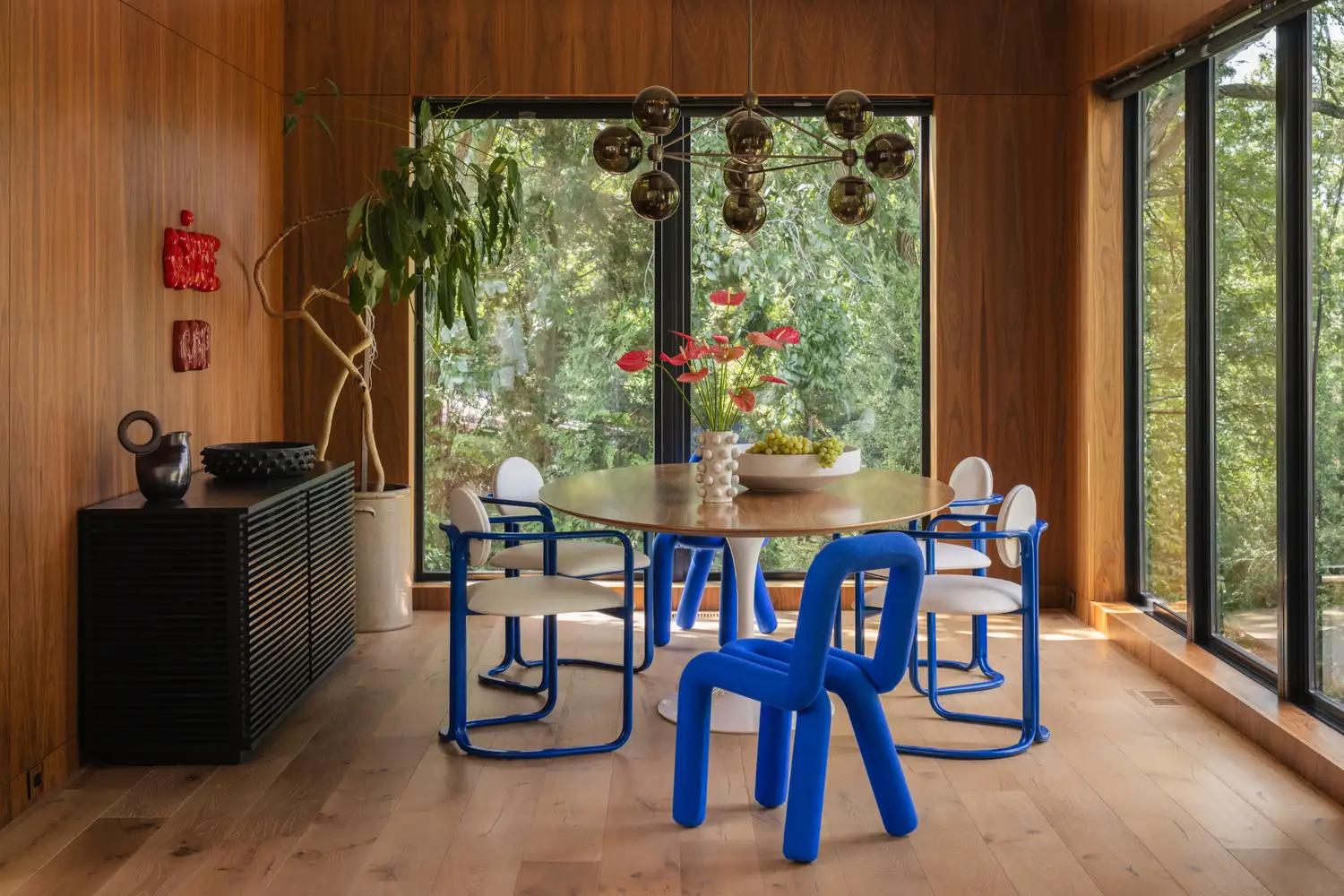
Wood Paneling Is Officially Cool Again—Here's How Designers Are Using It Now

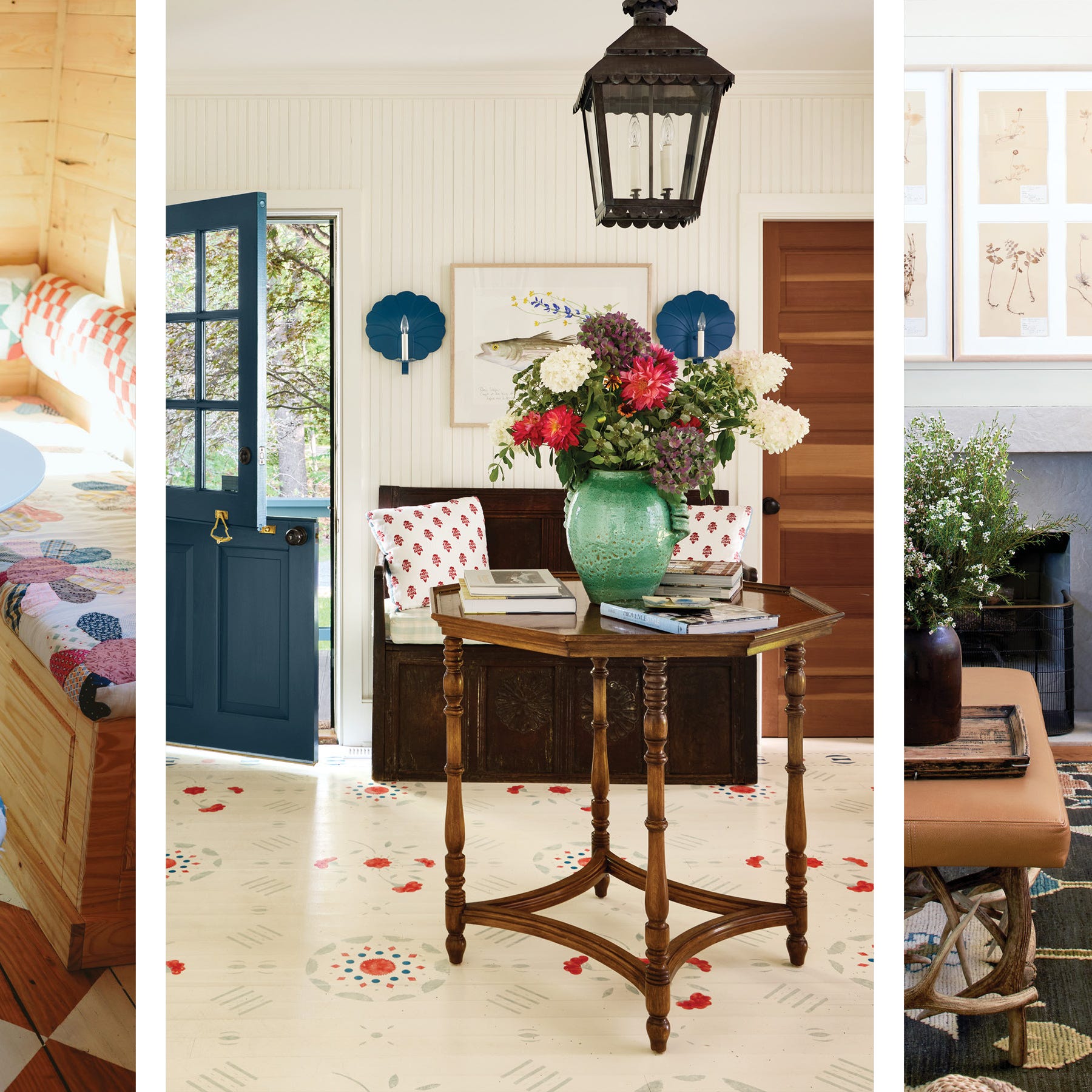
Wood Paneling and 11 More Vintage Decor Trends Making Huge Comebacks
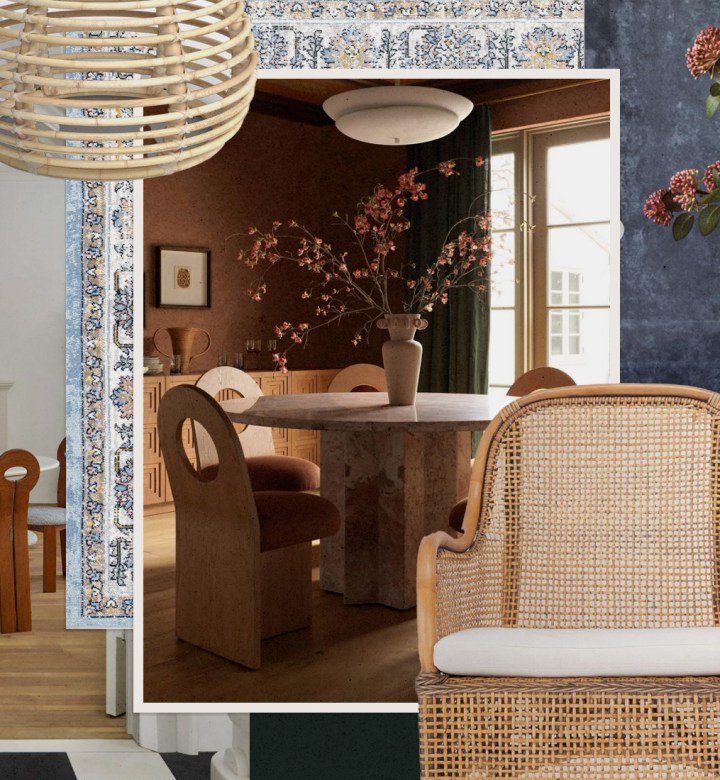
The 4 Rules of Designing with Wood in 2025
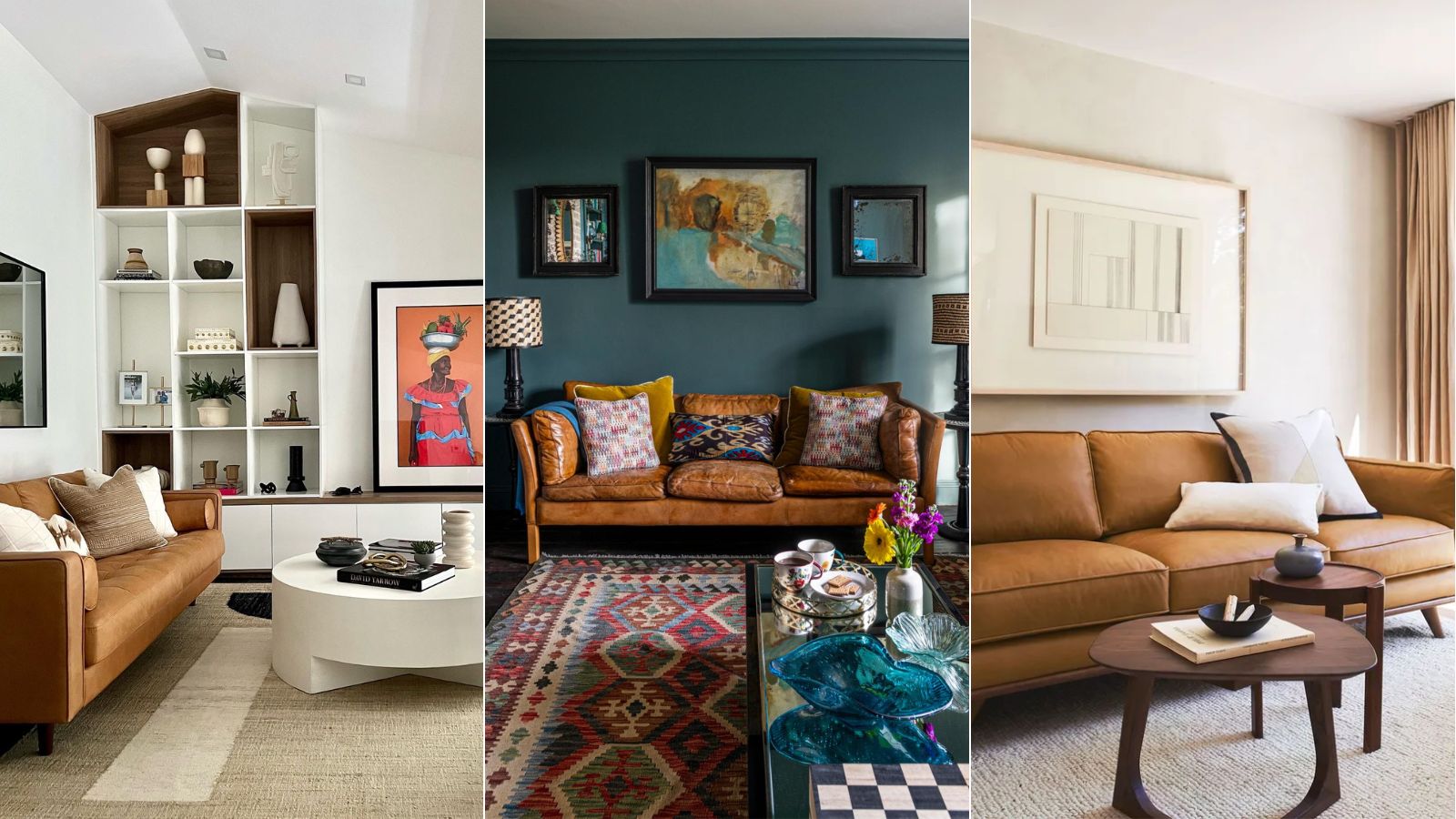
Are leather couches still in style? Interior designers weigh in

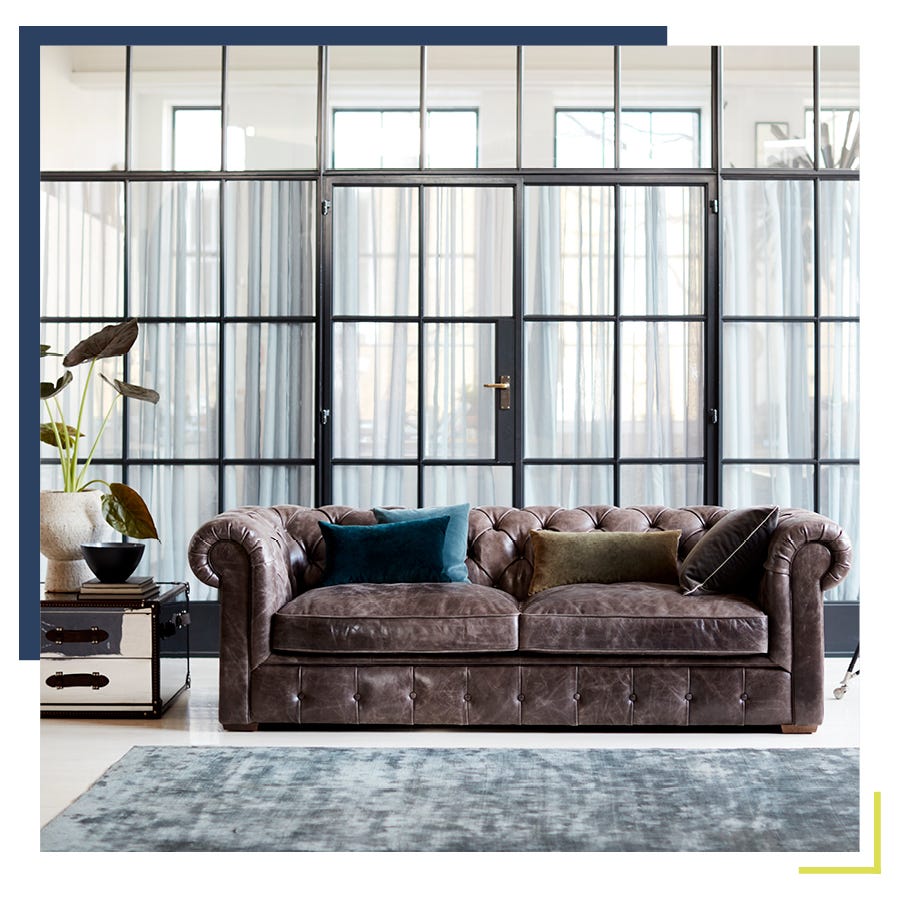
5 classic furniture designs that still have an enduring allure
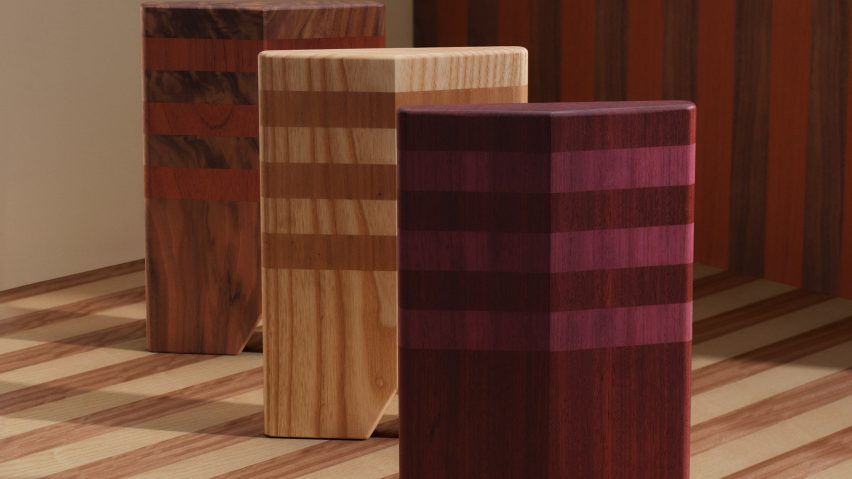
Eight wooden furnishings that go against the grain
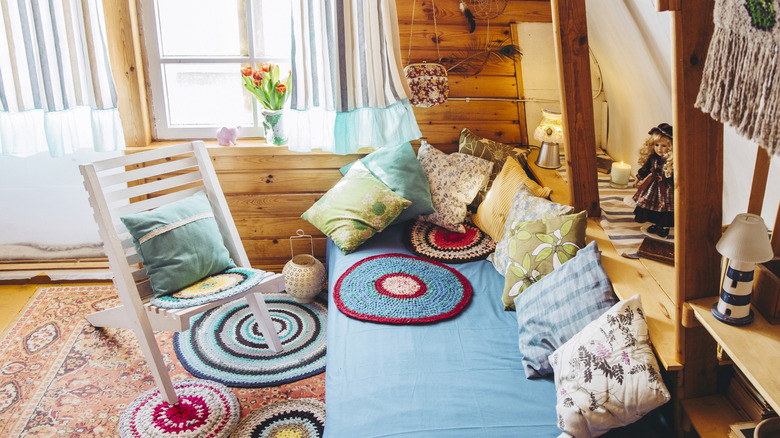
8 Unexpected Furniture Trends That Are Coming Back In Style
The ’70s furniture trend making an unlikely (but welcome) comeback