
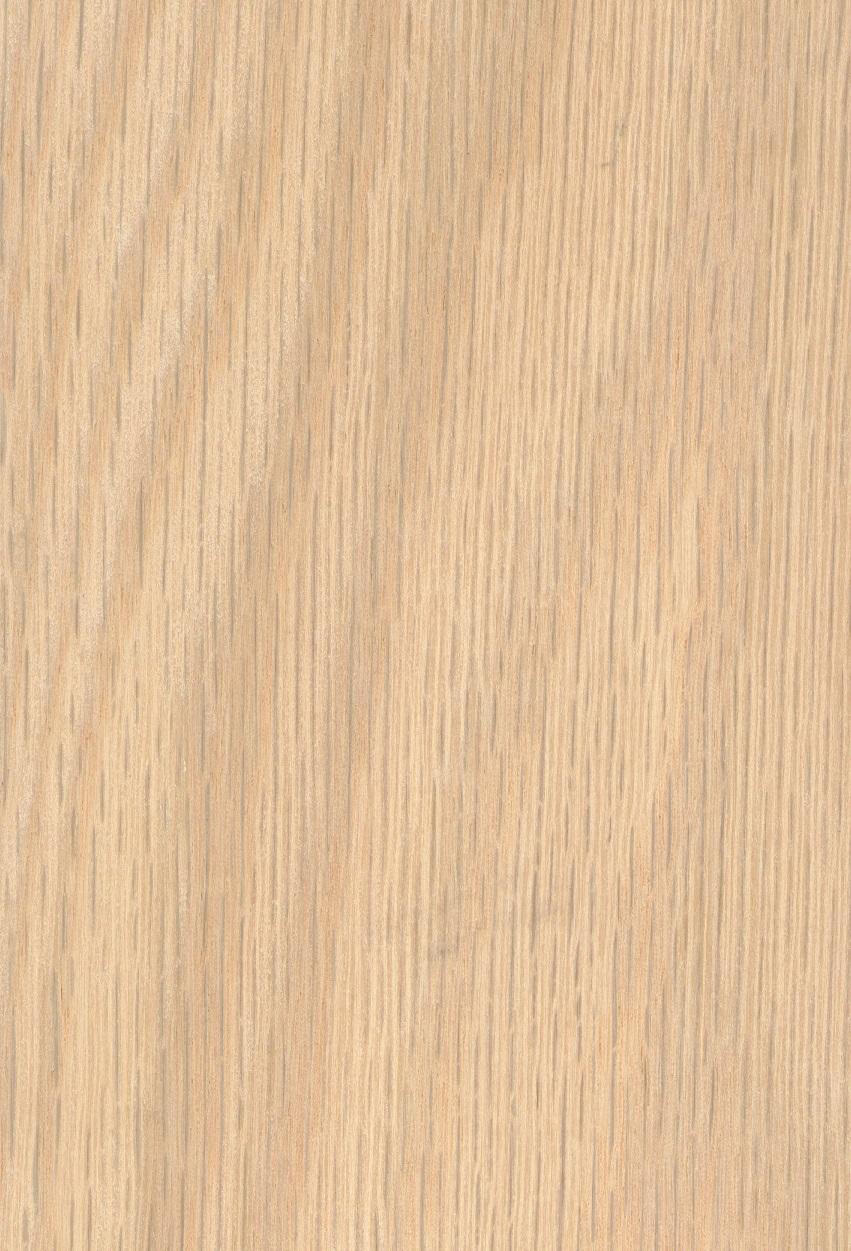
Red Oaks a diverse group
Red oaks, encompassing 12 primary species, represent the most abundant group within the eastern U.S. hardwood forest. These species share common characteristics such as pointed leaf ends and bitter acorns that mature over two years, germinating in the spring after their autumn drop. The widespread availability of red oak lumber, coupled with its relatively low cost, distinctive heavy grain, high strength, and ease of finishing, makes it a popular choice for furniture and cabinet applications.
Red oak is broadly categorized into two groups: upland and lowland. Lowland oaks typically exhibit annual growth rings spaced more than 1/4-inch apart, indicating faster growth, while upland oaks have more closely spaced rings, signifying slower growth. Although upland oaks are generally easier to process, lowland oaks dry more slowly and are more prone to checking and machining difficulties. Lowland oaks also tend to have a higher proportion of sapwood.
In terms of density, red oak is among the heavier North American hardwoods, with an average of approximately 43 pounds per cubic foot at 7 percent moisture content (MC). Some species, like willow, cherrybark, and scarlet oaks, are even denser. Kiln-dried, planed lumber weighs roughly 2.6 pounds per board foot.
Drying red oak requires meticulous control to prevent checking and honeycombing. End coating the lumber is essential. Pre-drying in an open shed or warehouse is the most effective method. If air-drying, lumber piles should be roofed to protect the upper layers from rewetting. Plastic burlap mesh fabric can be employed during warmer months to slow the drying process. Air-drying for more than 60 to 75 days increases the risk of drying damage due to rewetting, and air-drying degrade often exceeds 10 percent, making it generally unadvisable. The total shrinkage during drying is 9 percent, with significant variation among species. For furniture and cabinet applications, the final moisture content must be precisely between 6.0 and 7.0 percent, as even slight MC variations can lead to considerable shrinkage.
Red oak is known to be challenging for gluing; surfaces must be perfectly square, straight, flat, and freshly prepared, with uniform and adequate pressure applied. While most common wood adhesives work well, casein can cause dark glue lines. Due to its high density, red oak is susceptible to chipped or torn grain, necessitating sharp knives and slightly reduced rake angles compared to lighter woods. Dull tools and worn sandpaper will lead to fuzzing.
Red oaks exhibit substantial dimensional changes with variations in moisture content. Across the grain parallel to the rings (tangentially), a 1 percent change in MC can result in a 3 percent size change (ranging from 2.6 to 3.5 percent depending on the red oak species). Across the rings (radially), a 1 percent MC change causes approximately a 6 percent size change (ranging from 5.5 to 7.5 percent). This notable difference between tangential and radial shrinkage makes the wood prone to cupping when MC fluctuates.
Red oaks are characterized by their strength and stiffness. The average bending strength (MOR) is 14,000 psi, hardness averages 1,300 pounds, and stiffness (MOE) averages 1.8 million psi. Lowland oaks are often stronger than upland oaks, particularly when they have more than 10 growth rings per inch. The heartwood color of red oak ranges from very pink (cherrybark oak) to reddish (northern red oak) to light brown (black oak). Sapwood amounts are minimal, except in lowland oaks where entire pieces of 4/4 lumber can be sapwood, often exhibiting enzymatic oxidation gray stain. The presence of large vessels in the earlywood portion of the annual growth ring gives red oak a coarse surface appearance and a distinct, heavy grain. The grain is quite prominent, contributing to its unique aesthetic. This detailed understanding of red oak's properties is crucial for its effective use in woodworking applications.
#RedOak #WoodProperties #WoodDrying #WoodGluing #WoodMachining #WoodStability #WoodStrength #WoodGrain #Hardwood #RedOak #WoodProperties #WoodDrying #WoodGluing #WoodMachining #WoodStability #WoodStrength #WoodGrain #Hardwood
 No comments yet
Free Community Meeting and Event Space in Bay Area