Inside the Tiffany & Co. Landmark, the New NYC Flagship Store
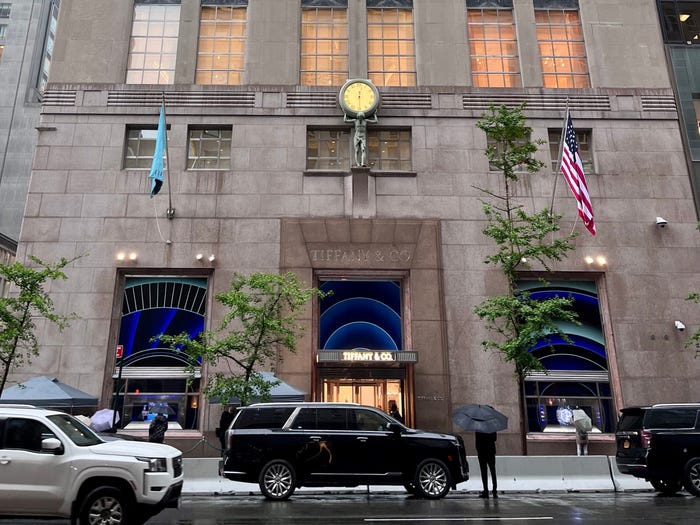
Tiffany & Co. reopened its flagship New York City store, known as The Landmark, on April 28 after four years of extensive renovations. The original Tiffany & Company, established in 1837, opened its Fifth Avenue location in 1940. This historical site gained iconic status through its feature in the 1961 film "Breakfast at Tiffany's," starring Audrey Hepburn.
The renovation began in 2019, necessitating the temporary relocation of the store. Renderings of the remodeled exterior, released a year later, showcased a distinctive glass addition and an eighth-floor roof deck. During this period, French luxury conglomerate LVMH acquired Tiffany for $15.8 billion, integrating the jeweler into its portfolio of high-end brands. The newly re-envisioned store, now under the leadership of CEO Anthony Ledru and Executive Vice President Alexandre Arnault, celebrated its grand reopening with multiple celebrity-studded events, including a ribbon-cutting ceremony and a party featuring notable figures like Michael B. Jordan, Blake Lively, Florence Pugh, and a performance by Katy Perry.
Upon entering The Landmark, visitors are met with a sophisticated atmosphere designed to immerse them in the Tiffany experience. The ground floor showcases iconic Tiffany jewelry, with digital displays mimicking Central Park views, creating an illusion of natural light and scenery. The elevators feature a Tiffany-blue painting by Jean-Michel Basquiat, echoing its appearance in a recent ad campaign.
The fifth floor is dedicated to popular sterling silver pieces, silk scarves, including those featuring the "Bird on a Rock" pattern, and brightly colored handbags. This floor also pays tribute to "Breakfast at Tiffany's" with a continuous loop of "Moon River" and a display of Audrey Hepburn's black gown from the film.
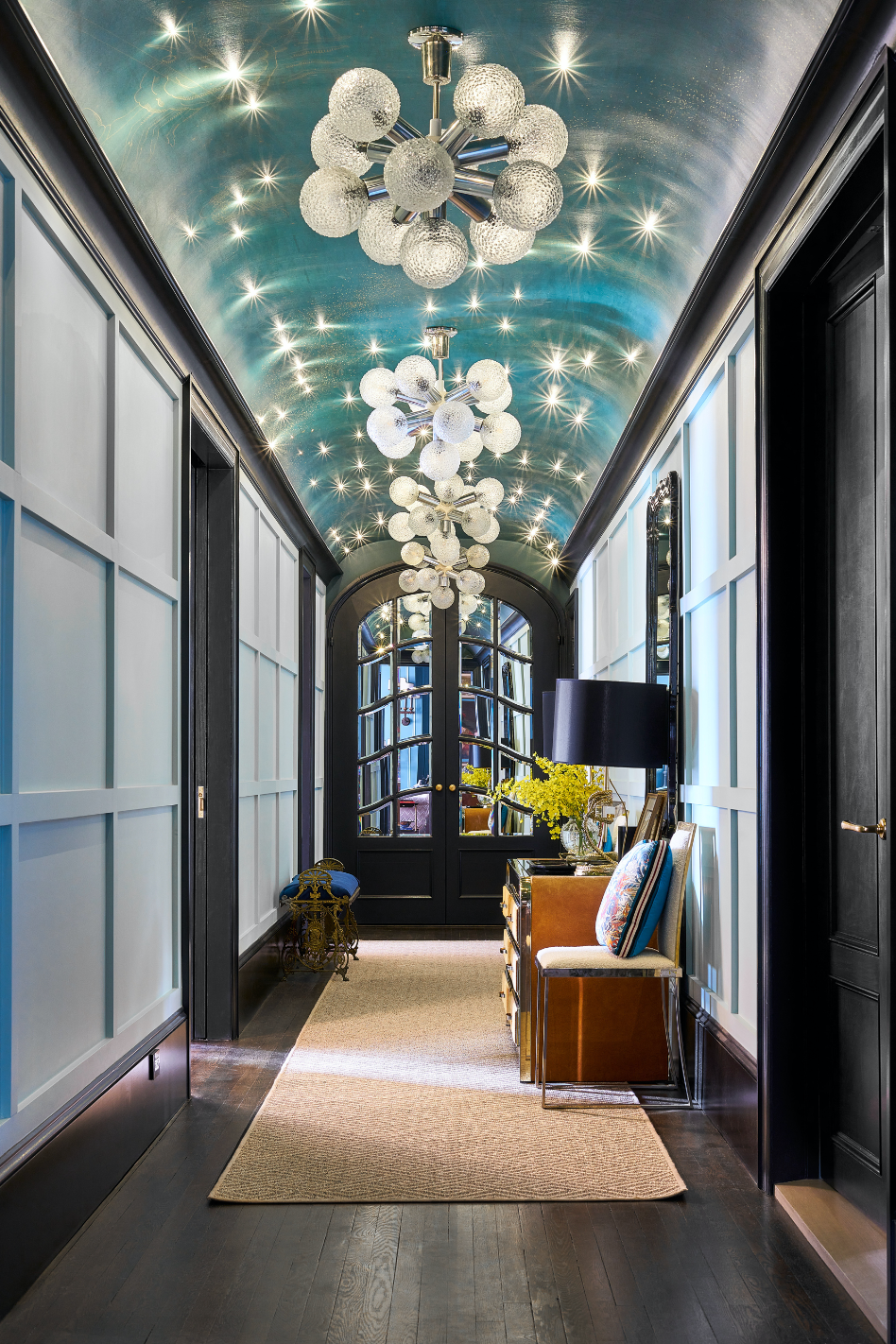
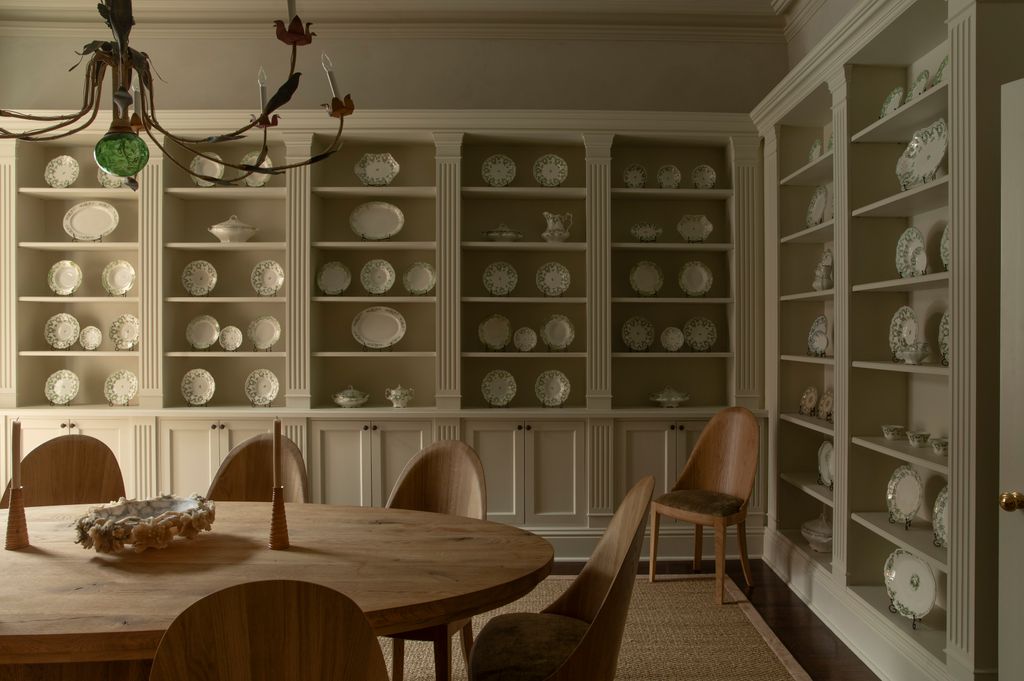
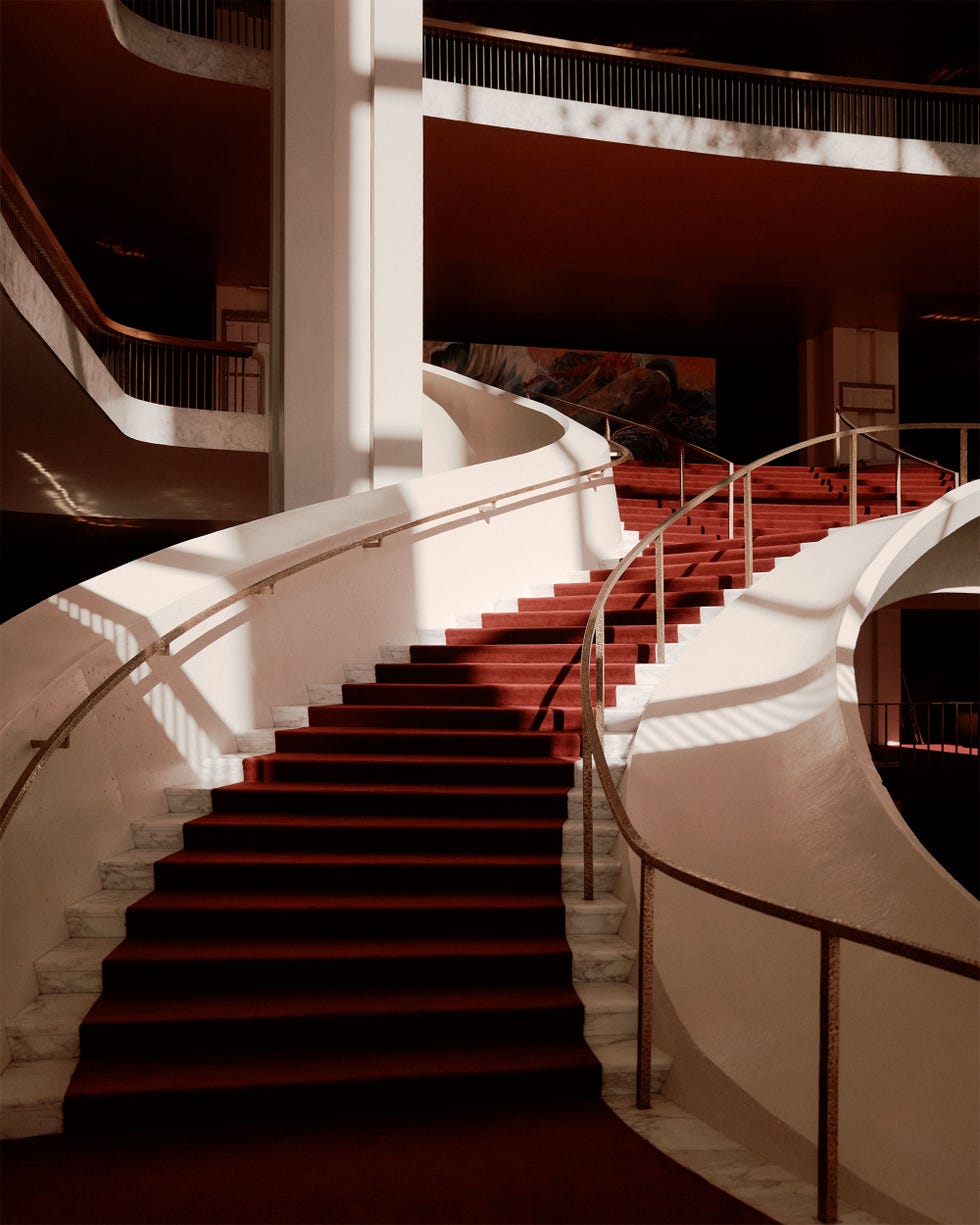
Descending to the fourth floor via a mirrored spiral staircase, inspired by designer Elsa Peretti, guests discover a collection of gold and diamond jewelry beneath a celestial chandelier, an artistic nod to Jean Schlumberger's designs. The sixth floor is dedicated to home goods, featuring meticulously arranged Tiffany dinnerware and real floral arrangements. This floor also houses significant artworks, including an untitled painting by Julian Schnabel and a dinner table installation with custom Tiffany-blue plates. Recreations of famous Tiffany window displays, such as Gene Moore's 1963 ice cream cone display and his 1970 flatware display with a deliberate "wrong fork," offer a journey through the brand's history. The Blue Box Cafe, operational and emitting inviting aromas, is also located on this floor.
The seventh floor features a Patek Philippe boutique, offering high-end watches, typically by appointment, ensuring a quiet and exclusive shopping experience. The eighth floor remained inaccessible. The third floor, specializing in engagement rings, is adorned with artistic elements such as a towering Venus statue by Daniel Arsham, a foiled ceiling reminiscent of Andy Warhol's Factory, and a mirrored installation by Rashid Johnson. A particularly striking display on this floor is a Valentine's Day-themed window featuring arrows forming a heart around a large yellow diamond engagement ring. Throughout the visit, Tiffany employees provide attentive and detailed explanations of the store's art and architecture, enhancing the overall experience. The immersive environment successfully creates a luxurious escape from external realities.
#TiffanyAndCo #LuxuryRetail #FifthAvenue #NewYorkCity #FlagshipStore #ArtInRetail #ArchitecturalDesign #Jewelry #TiffanyAndCo #LuxuryRetail #FifthAvenue #NewYorkCity #FlagshipStore #ArtInRetail #ArchitecturalDesign #Jewelry
0 comment in total
 No comments yet
You may also like
Inside the Private Suites of New York City’s Iconic Frick Collection

First Look Inside Ronnie Fieg's Kith Store
Zen Loft in Tribeca Complete With Neon Signs and Beatles Inspired Bed

Ali Richmond’s Crown Heights Loft Has a Higher Purpose
Inside Valentino’s vast new store on New York’s Madison Avenue

The Top Window and Door Stores in Toronto
Restoration Hardware transforms Yorkdale in swanky kickoff party

This NYC Apartment Features a Light-Up Replica of Grand Central Terminal's Ceiling

Modern Home Decor Takes Centerstage at a New York Pop-Up from Maiden Home

Hot spots: Refinery Hotel, New York

For $2.65M This Corner Tribeca Loft Has Classic Bones, Snappy Interiors and Windows Galore
Step Inside a New York Town House That’s the Picture of Understated Elegance

Dominion Lighting Shines Light on Redesigned Chantilly Showroom
A Historic New York City Loft Reimagined With Light + Color
Old World Meets Modern-Day: The NoMad Hotel

Psst: We Just Renovated One of New York’s Most Exclusive Rooms
A Sumptuous New York Town House Takes Center Stage
Step Inside KREWE’s Luxe New Global Headquarters in New Orleans

A Tiffany rival, and a genius of stained glass

![Apple’s Newest Store in China is a 50-Foot Tall Minimal Glass Box [PICS]](https://gstatic.ideal.house/news/images/d88a8acd69394863aeeeb3ed180db709.jpg)
Apple’s Newest Store in China is a 50-Foot Tall Minimal Glass Box [PICS]