1/4
A Tiffany rival, and a genius of stained glass
The Worcester Art Museum's exhibition, "Radiance Rediscovered: Stained Glass by Tiffany and La Farge," explores the works of two prominent Gilded Age artists, Louis Comfort Tiffany and John La Farge, focusing on their contributions to stained glass. The exhibition prominently features several windows commissioned for the Mount Vernon Congregational Church in Boston, which moved to a new location in the Back Bay in the 1890s. The church engaged Tiffany Glass and Decoration Company for its Byzantine-style interior and John La Farge for several stained glass windows. La Farge had previously established his reputation with his interior design for Trinity Church in the 1870s.
The featured windows from the Mount Vernon Congregational Church were acquired by the museum after the church closed in 1975. They remained in storage for decades until conservation efforts began in 2017, taking over a year to meticulously restore them. Curated by T. Amanda Lett, a PhD candidate, the exhibition showcases these newly conserved pieces, presenting them in their original brilliance. The show highlights the rivalry between Tiffany and La Farge, both of whom independently patented the use of opalescent glass between 1879 and 1881, a material that became highly fashionable in stained glass design.
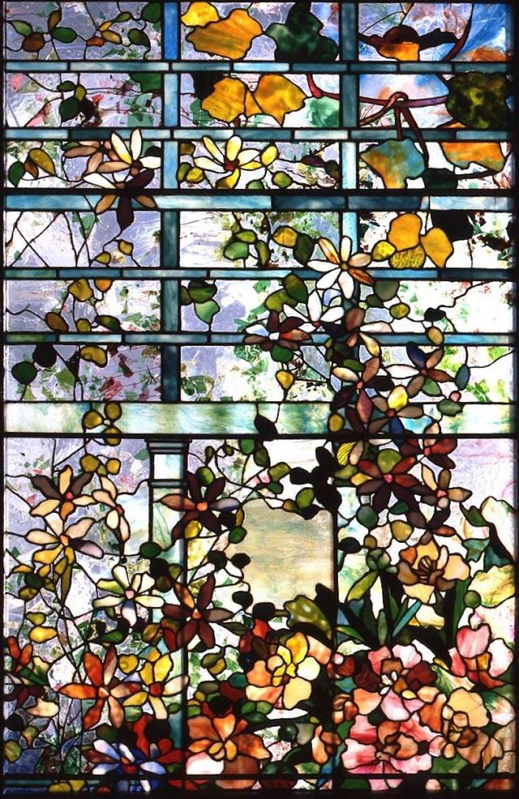
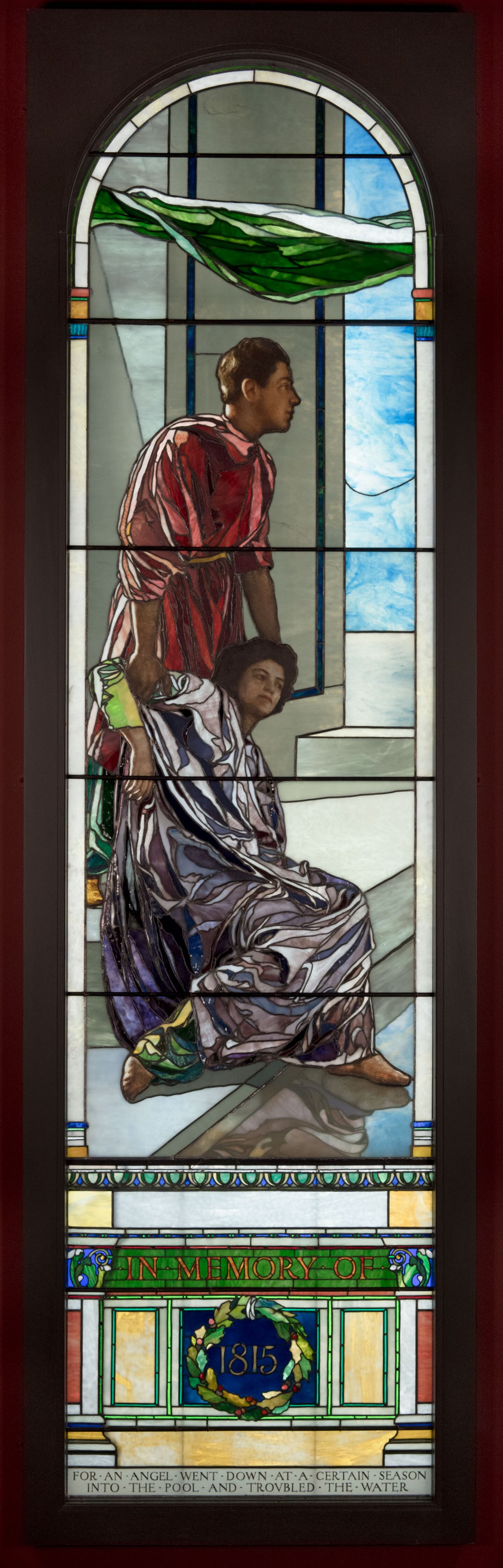
The exhibition contrasts Tiffany Company's "Angel of the Resurrection" windows, which are attributed to Louis Comfort Tiffany but likely designed by Frederick Wilson, with La Farge's "The Pool at Bethesda" windows. Tiffany's works are characterized by a sweet, lambent quality, depicting an angel in opalescent robes emerging from lilies, framed by Corinthian columns. In contrast, La Farge's "The Pool at Bethesda" windows, illustrating a scene from the Gospel of Saint John, captivate with their dynamic composition and narrative depth. La Farge uses various types of glass to tell the story of an ailing woman and a man awaiting healing, with an angel disturbing the water. He employs irregular shards of colored glass for garments and opalescent glass to give solidity to architectural elements. The artist also ingeniously uses a green canopy to connect the two panels, with the angel's slightly awkward, human-like pose adding to the piece's character. The mirror-like quality of the water below the angel serves as a metaphor for self and spirit, and the depiction of the scene at a critical narrative moment before healing imbues the work with hope, possibly reflecting La Farge's own experiences with ill health.
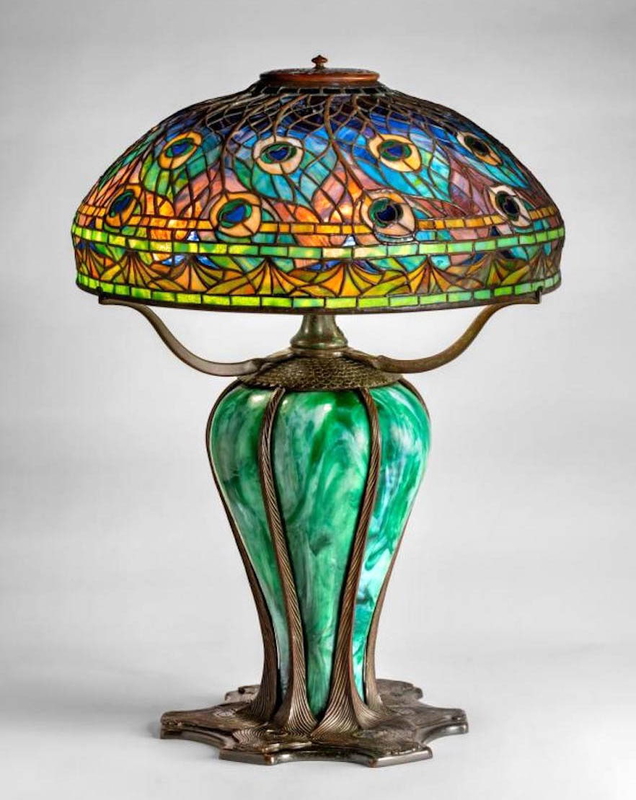
The exhibition further includes additional works to provide a broader context, such as watercolors and a smaller, highly detailed window by La Farge depicting a peacock, created after his trip to Japan and inspired by Asian aesthetics. This particular piece, a technical marvel, incorporates layered plates, unfired paint, colored putties, fused glass, and mosaic elements. The conservation of this peacock window involved distinguishing between intentional cracks and natural degradations over time. While the exhibition is limited in its scope for a comprehensive comparison, especially given that Tiffany himself didn't design the featured "Angel of the Resurrection" windows, it effectively reasserts John La Farge's artistic brilliance and his significant, albeit sometimes overshadowed, contributions to stained glass art.
#ArtReview #StainedGlass #TiffanyGlass #JohnLaFarge #WorcesterArtMuseum #GildedAgeArt #ArtConservation #ReligiousArt #OpalescentGlass #ArtReview #StainedGlass #TiffanyGlass #JohnLaFarge #WorcesterArtMuseum #GildedAgeArt #ArtConservation #ReligiousArt #OpalescentGlass
0 comment in total
 No comments yet
You may also like
Tiffany lamps: 10 things you need to know to collect leaded glass lighting by Louis Comfort Tiffany

glass art and design Archives
Experts Say These Rare Antique Glassware Finds Are Always Worth Buying at Vintage Stores

11 of the most beautiful ceilings in Chicago
Tiffany-Style Lamps: The Next Big Lighting Trend To Illuminate Your Home

How Venetian Glass Seduced American Artists a Century Ago


Local Event: Fine Art & Mid-Century Modern Design | Online Auctions Dec. 10 & 11
Vessel to vessel: cutting-edge contemporary vases that transcend their function


Louis Comfort Tiffany: The Man Behind the Iconic Tiffany Lamps
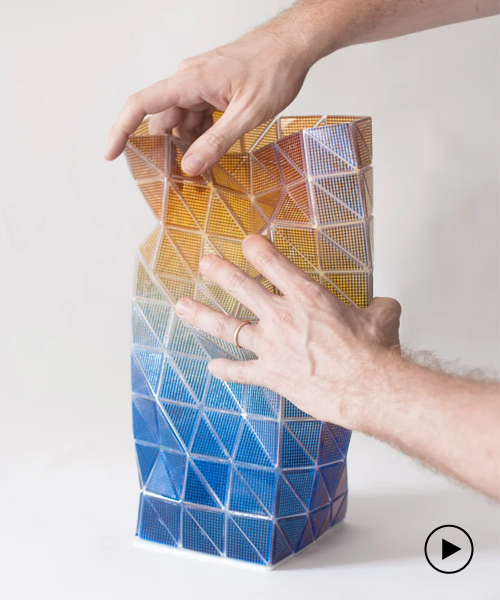
manipulate glass with the 'touch-me' vase collection by matteo silverio + stefano bullo
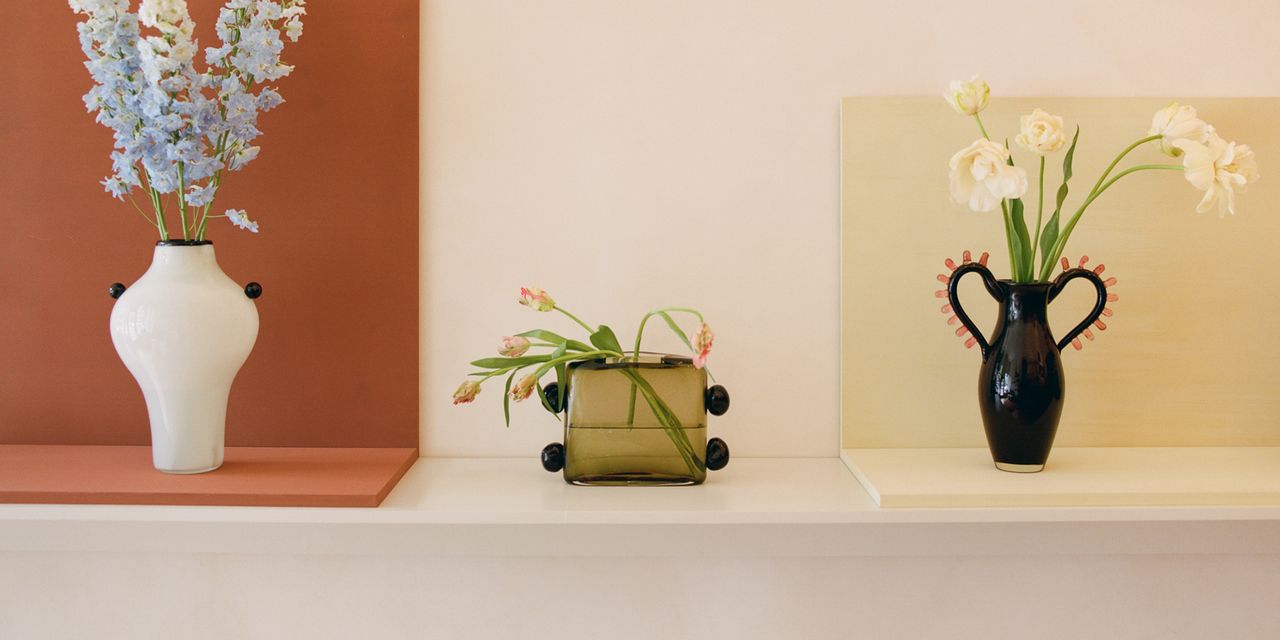
Glass Is Red-Hot: Here Are 6 New Collections to Know

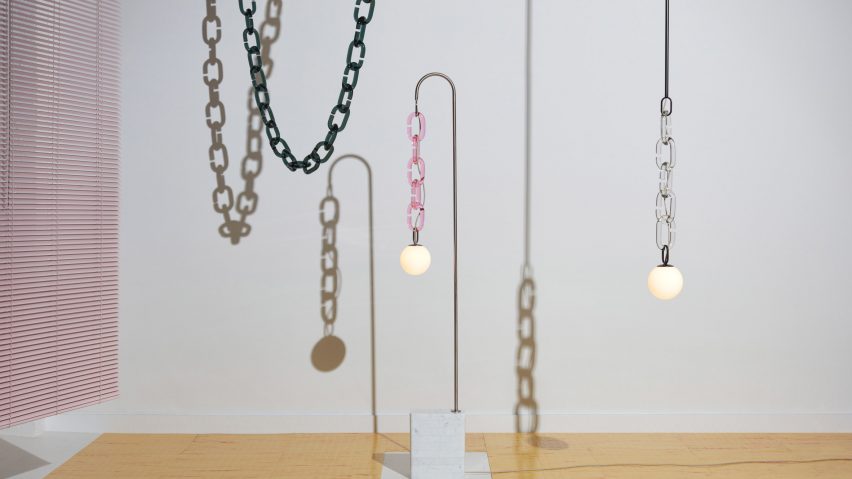
Trueing's Cerine lighting hangs from chunky coloured glass chains
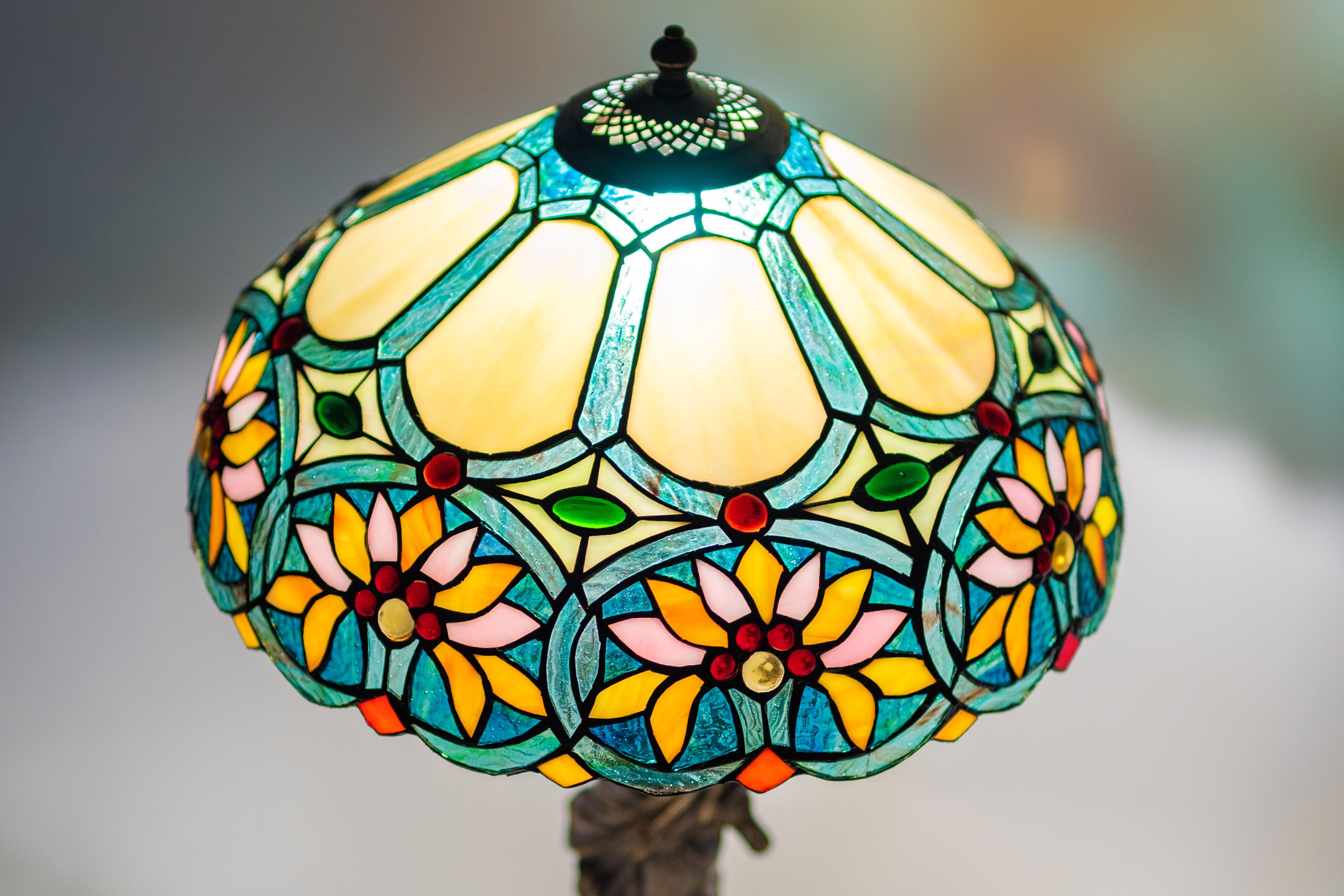
Tiffany Lamps Are Gen Z's Newest Vintage Obsession—Here's Why


The Bouroullec Brothers Offer a Colorful, Abstract Take on Stained Glass in New Collection

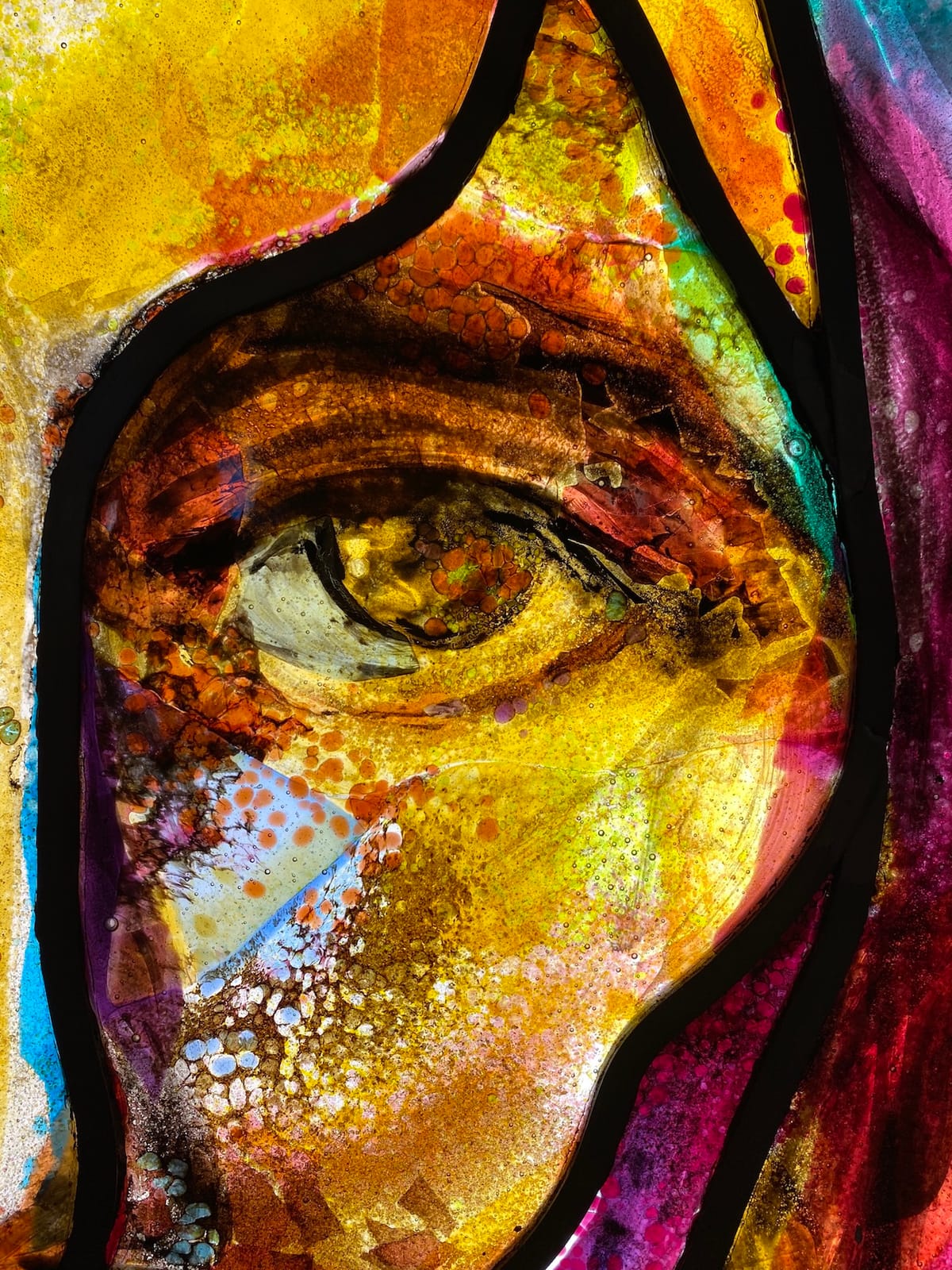
The Story Behind One of the Oldest Art Glass Studios in the US
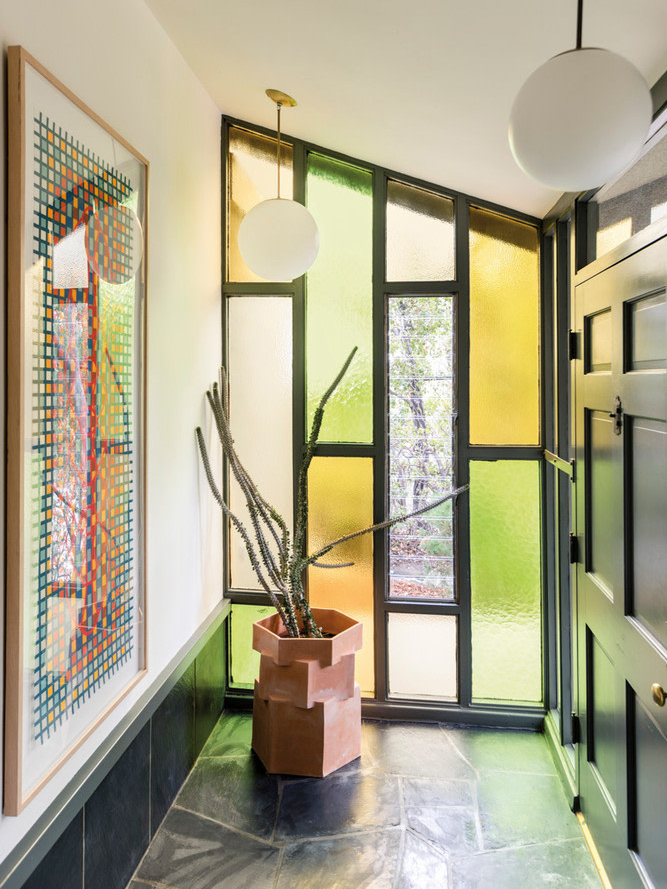
Stained Glass Isn’t Just Found in Churches Anymore

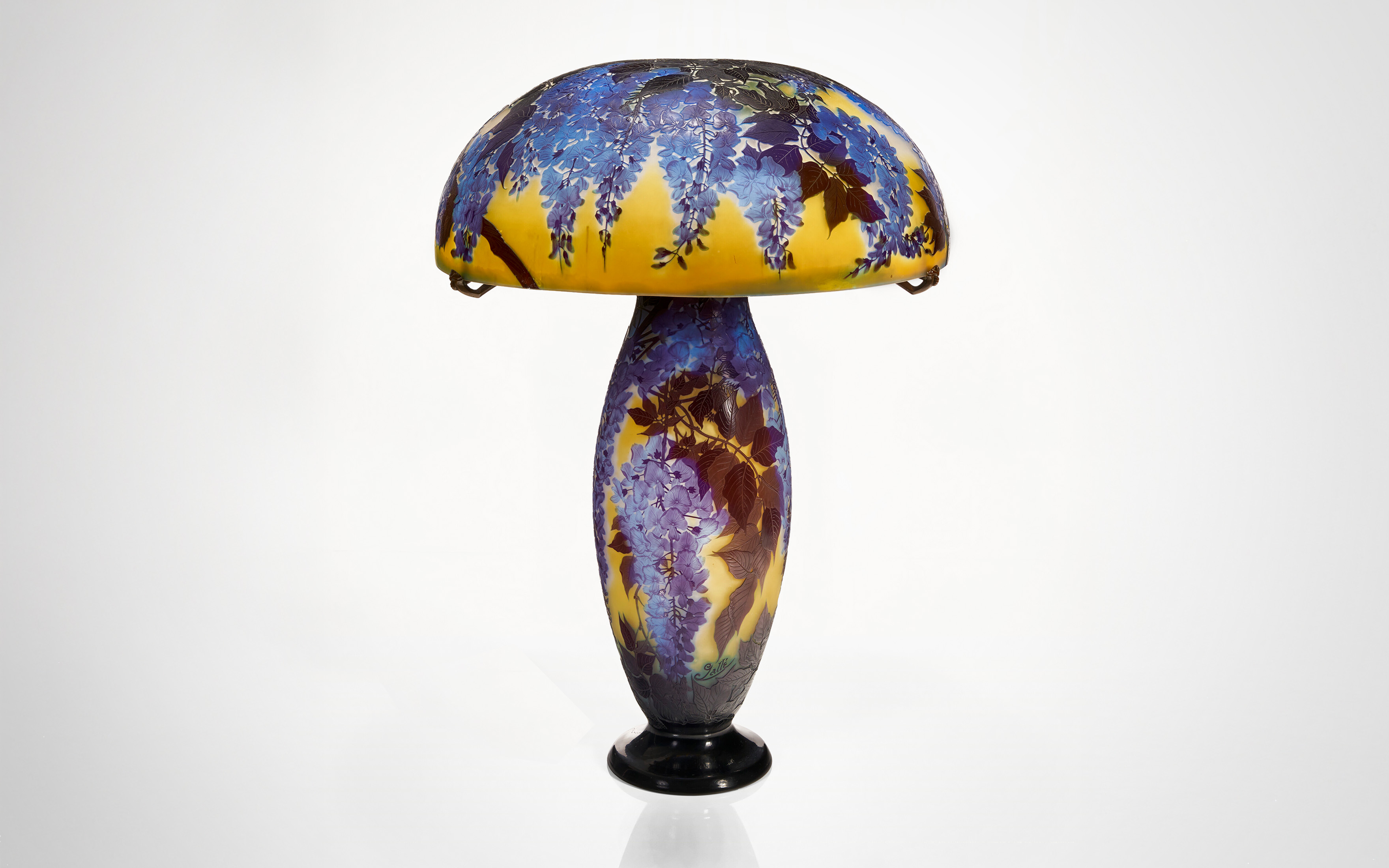
Collecting Art Nouveau design
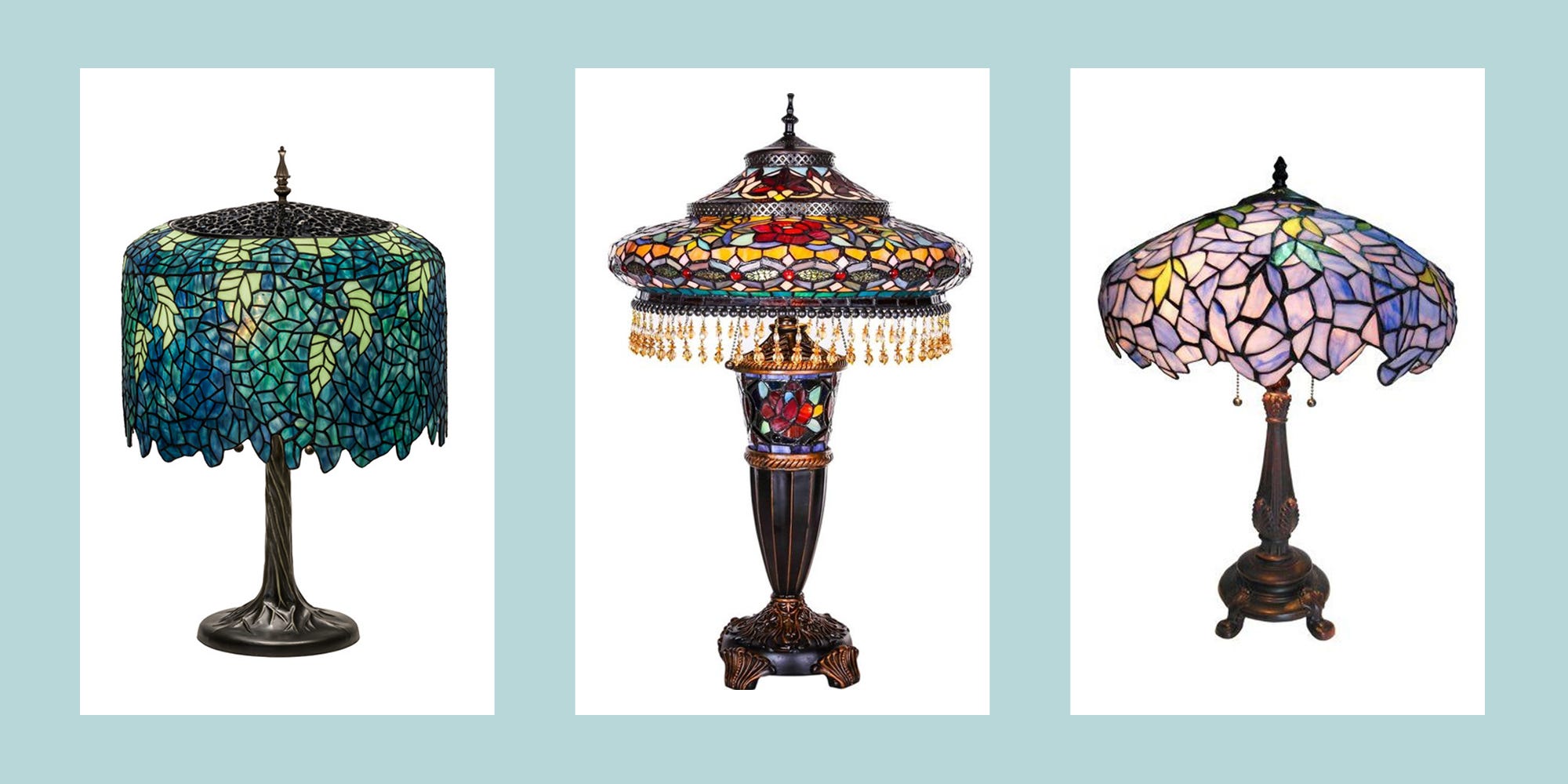
These Tiffany-Style Lamps Are As Close As You'll Get to the Real Thing
Shed Brand Studios: One of Charlotte’s Last Glass Artisans

Thank These 2 Chain Restaurants For Today's Vintage Lamp Nostalgia